
In this session, Tessa shares how they built the brand architecture for TransferWise, how they live their brand values in everything they do, and how they changed their name to Wise without losing customer trust.
← All talks 










Grow Turing Fest 2022
Becoming Wise: how we built the TransferWise brand and why we became Wise
Auto-generated transcript - may contain errors. Tap a timestamp to jump the video.
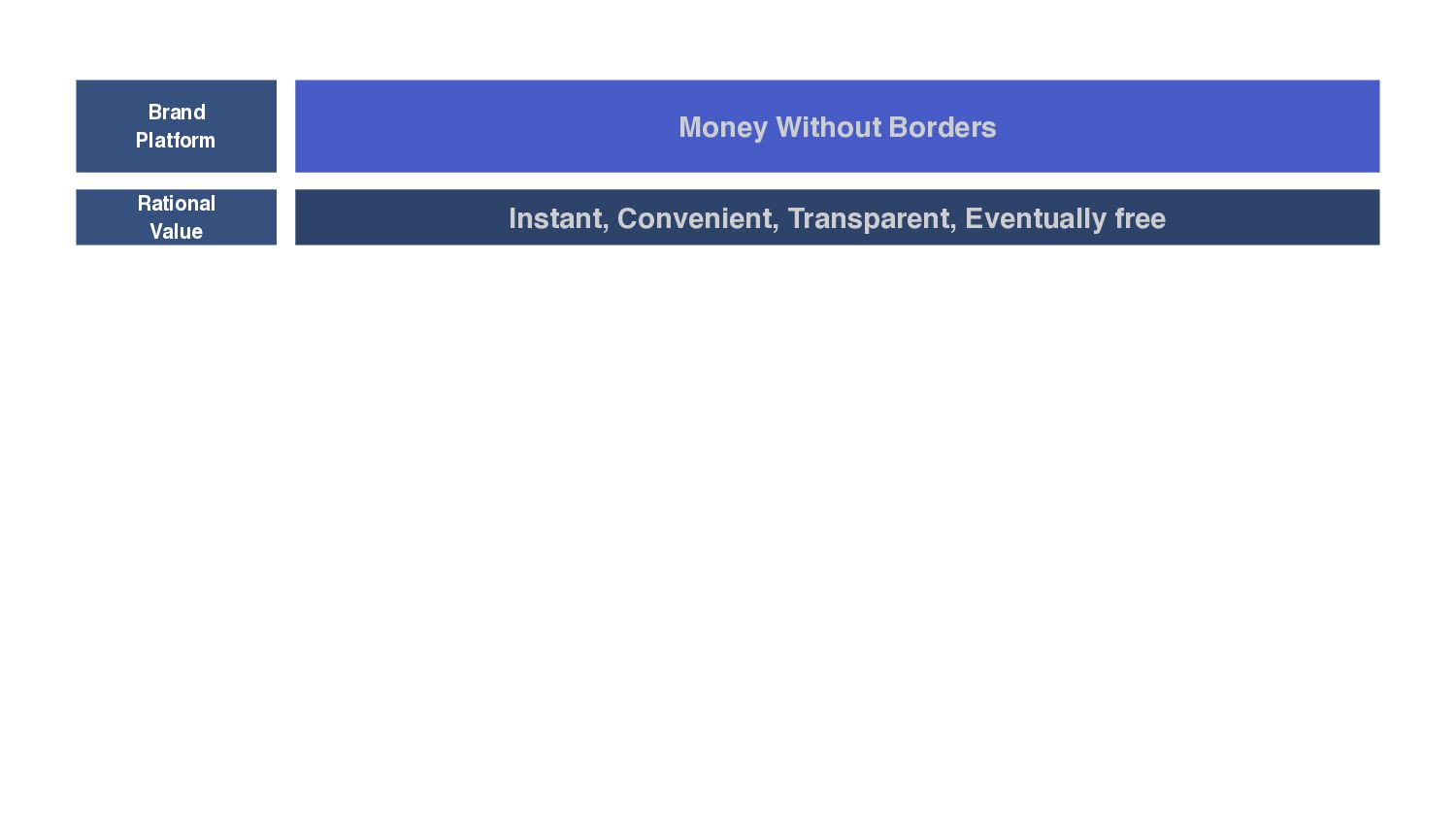
Thanks, James. Good morning. As James kindly introduced me, I'm Tessa, Global Head of Product Marketing at Wise. And for those who don't know Wise, we're a fintech company building the best way to move money around the world. And this is our mission: Money Without Borders.
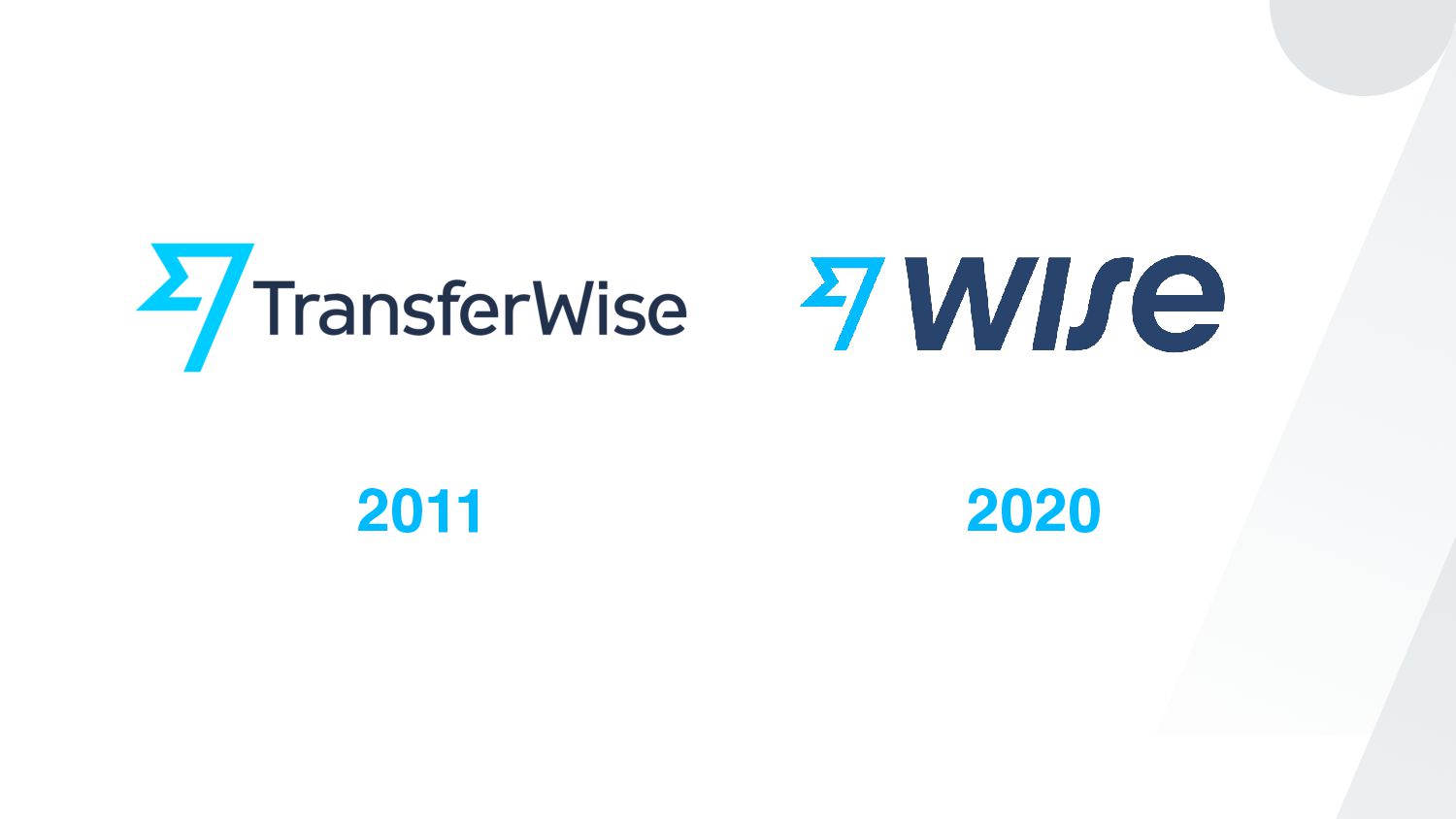
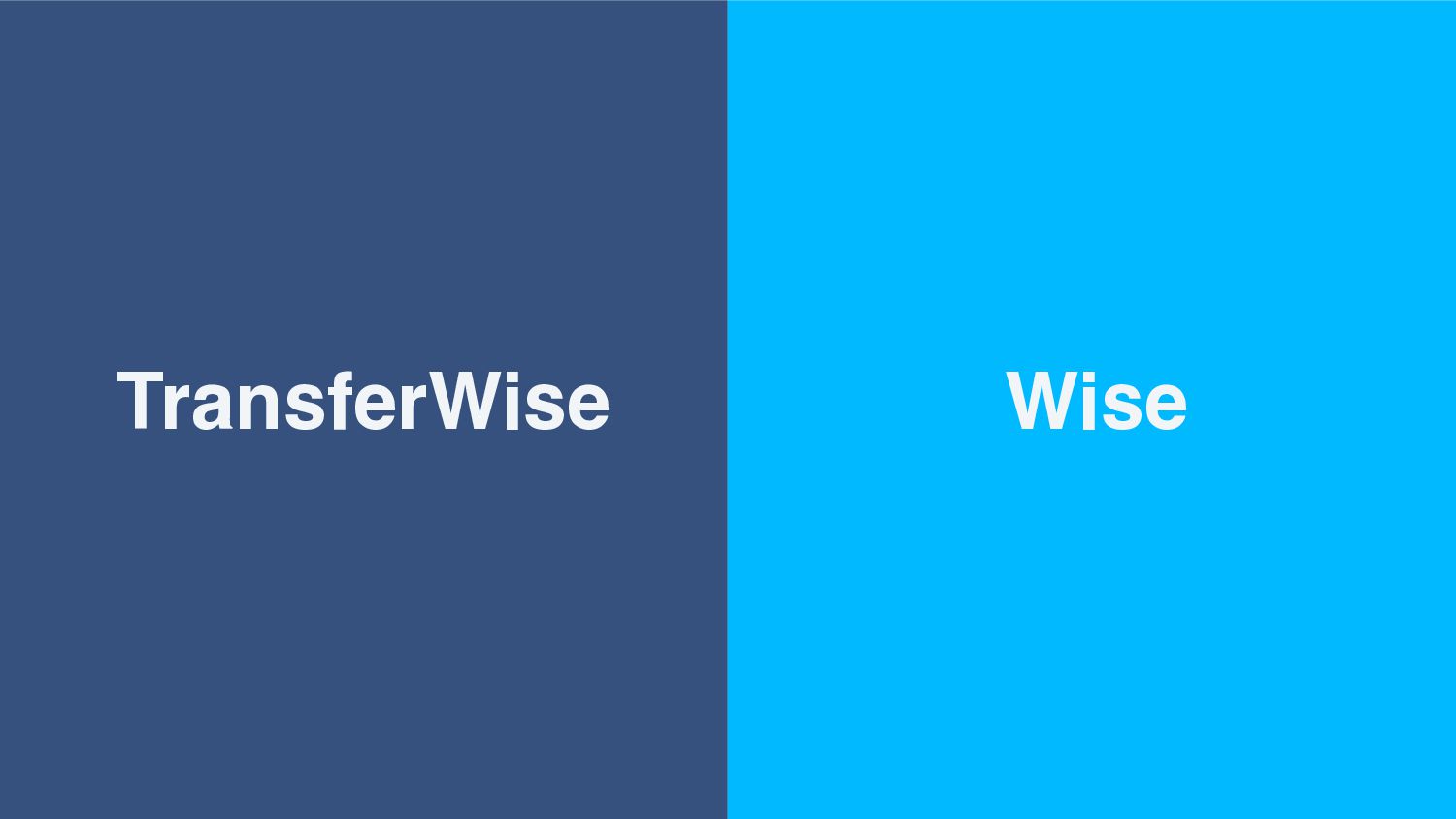
So instant, convenient, transparent, and eventually free. But we didn't start off life as Wise. And some of you actually might know us by our former name, TransferWise. Because when we were founded in twenty eleven, we were called TransferWise because, well, it kind of made sense.
We were a fast, cheap, convenient way to transfer money. But fast forward ten years, and we made this pretty big decision to change our name and rebrand as Wise. So today I'm going to tell you the story about how we built the TransferWise brand, and ultimately why we became Wise.
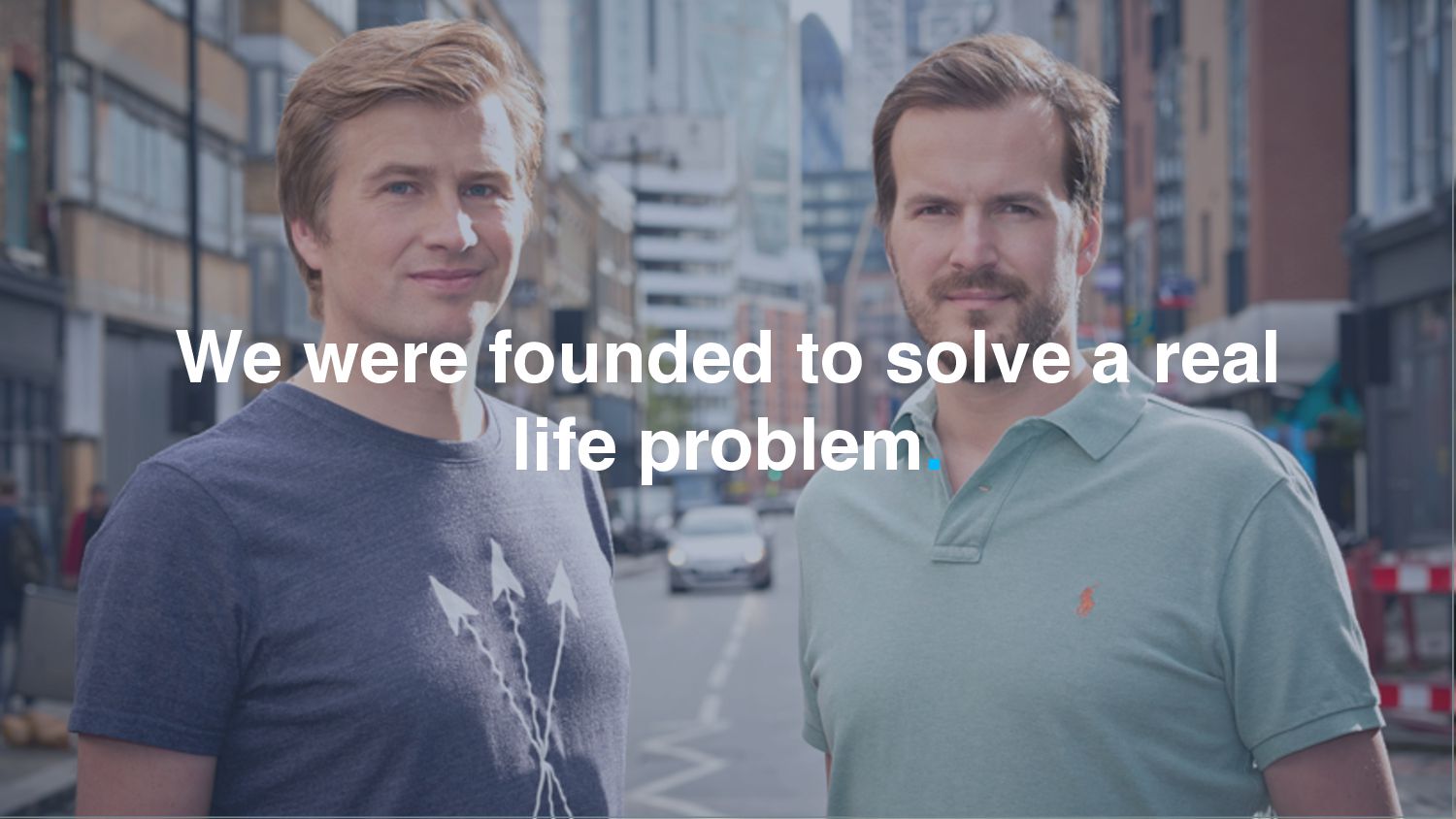
So this first part starts with our two founders. So Tarvett and Christo, two Estonians, met in London in twenty ten. One of them was being paid in euros and the other in pounds. But they both needed the opposite currency every month. So Christo was paying rent in London.
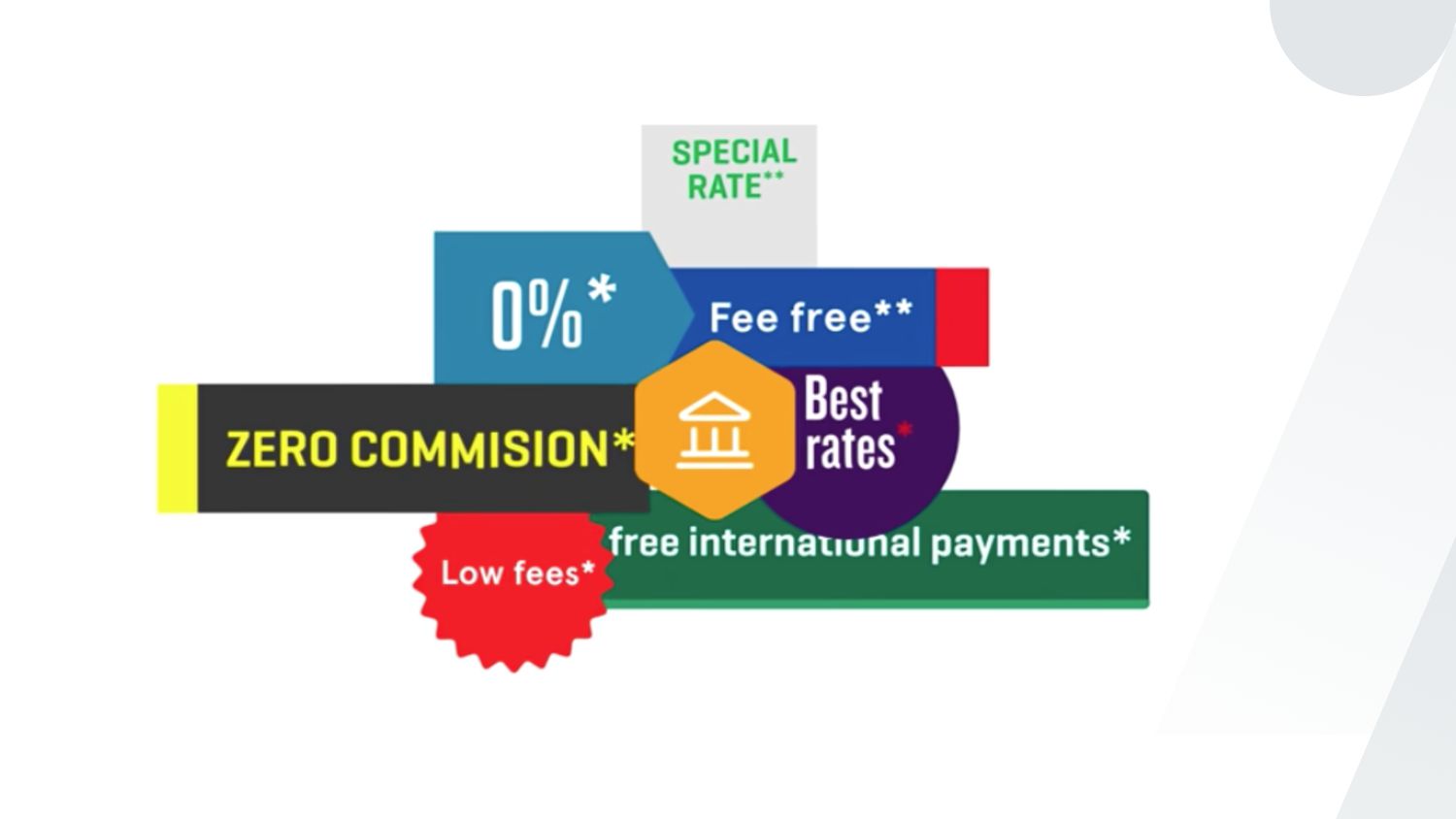
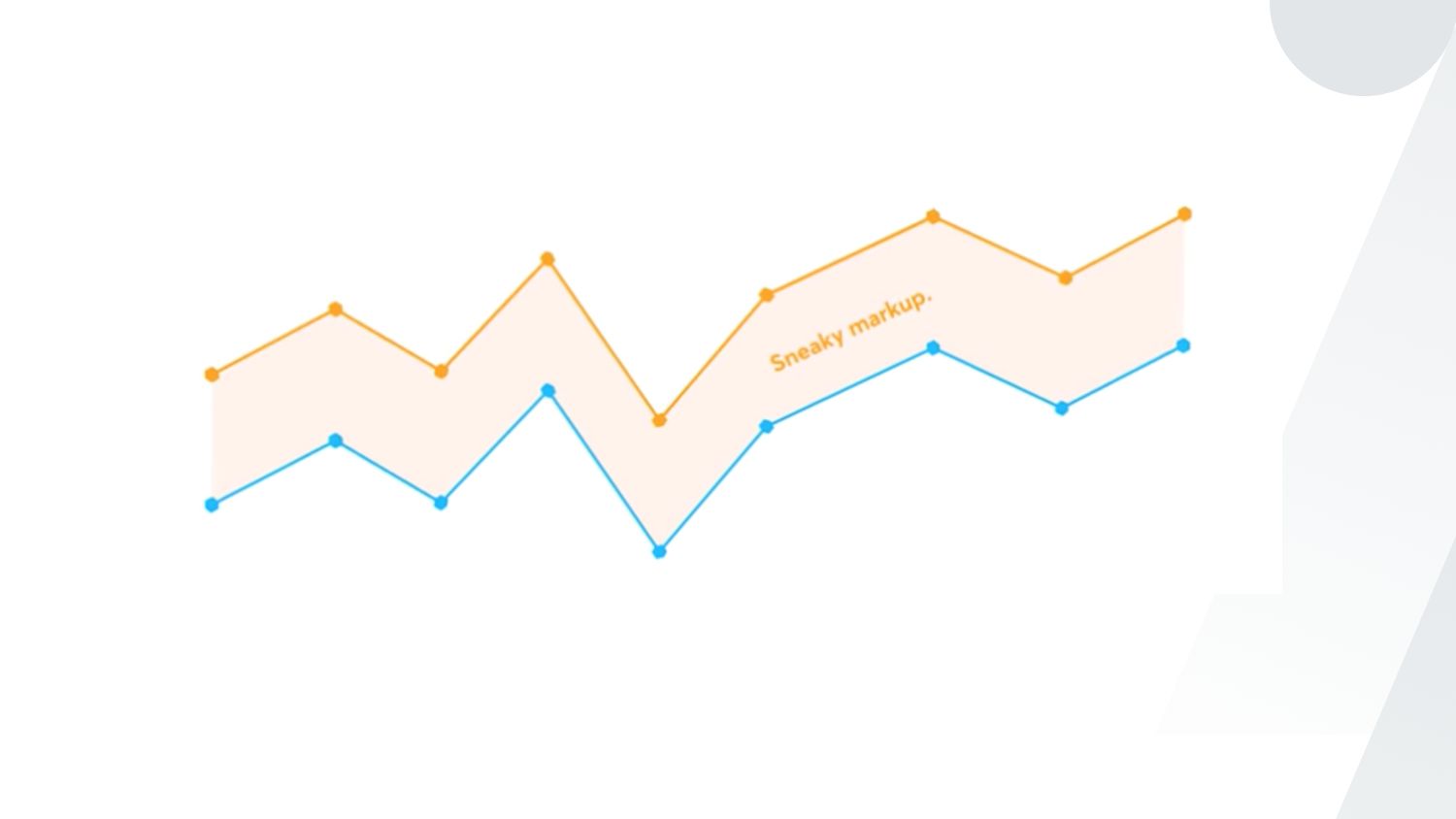
Tarvett had a mortgage to pay back in Estonia. So they were moving money back and forth every month. And they realized that the banks were really ripping them off. Because although they saw all these different offers, zero commission, low fees, good exchange rates, in fact, the banks were hiding fees by marking up the exchange rate.
Sometimes as much as three percent, four even five percent, which means you could be paying way more than you realize. So they built TransferWise to do this a bit differently. So instead of moving money across borders, which is slow and expensive, our technology uses a network of bank partners around the world.
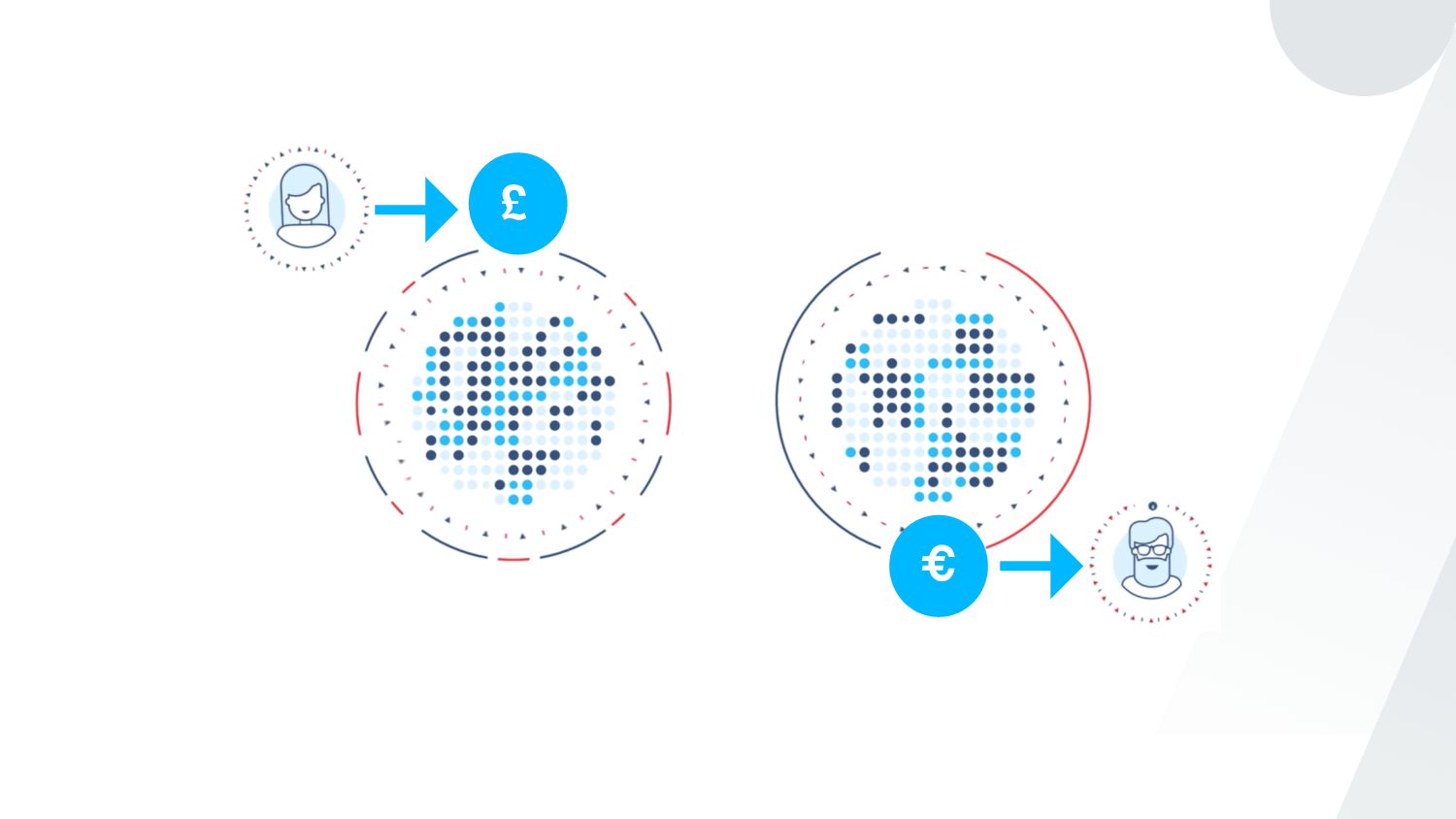
So if you're sending money to your friend in France from pounds to euros, the money never actually crosses borders. You send it to us into your account in pounds. We send the equivalent minus our fees in euros to your friend. So it's a lot cheaper.
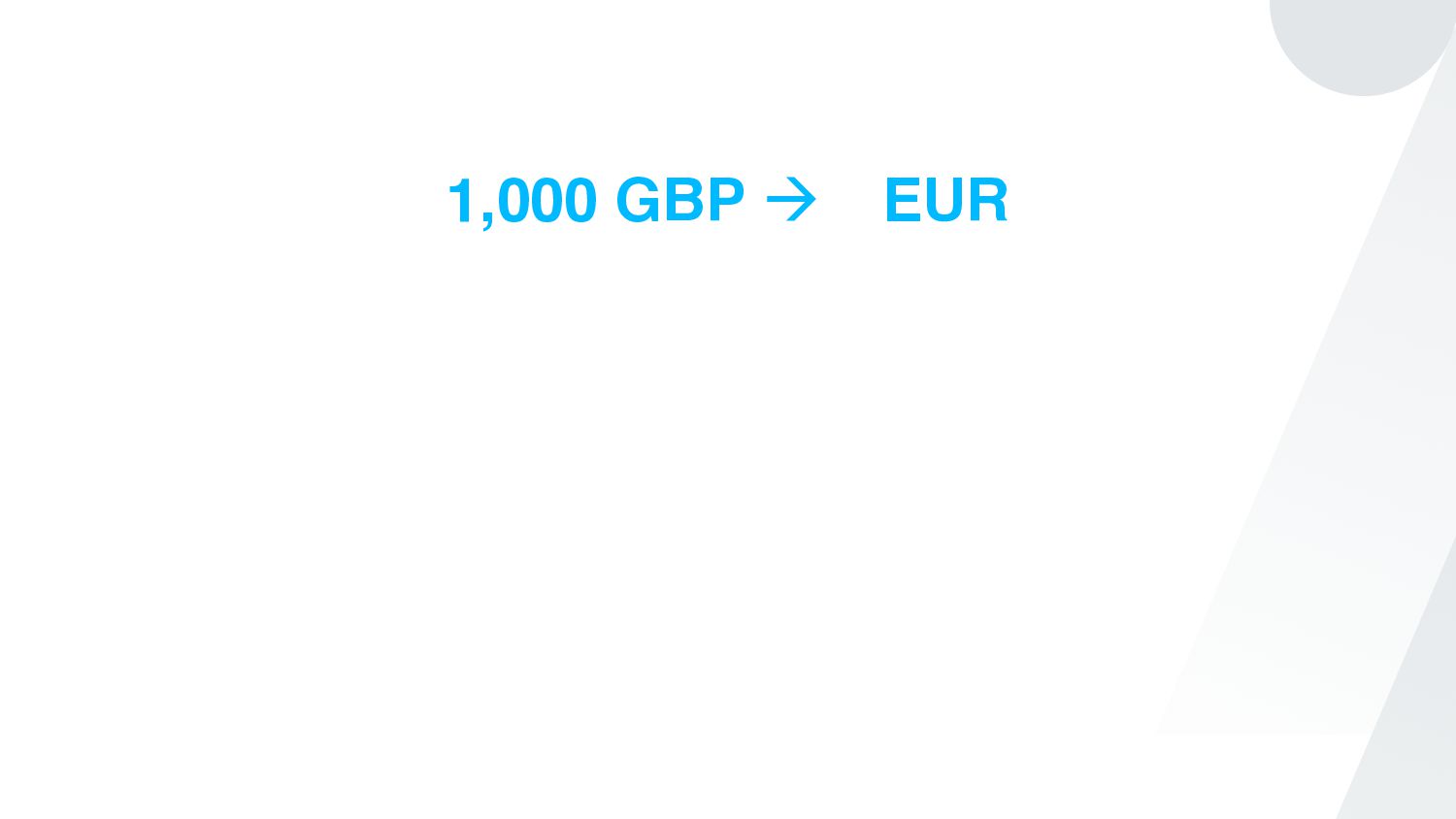
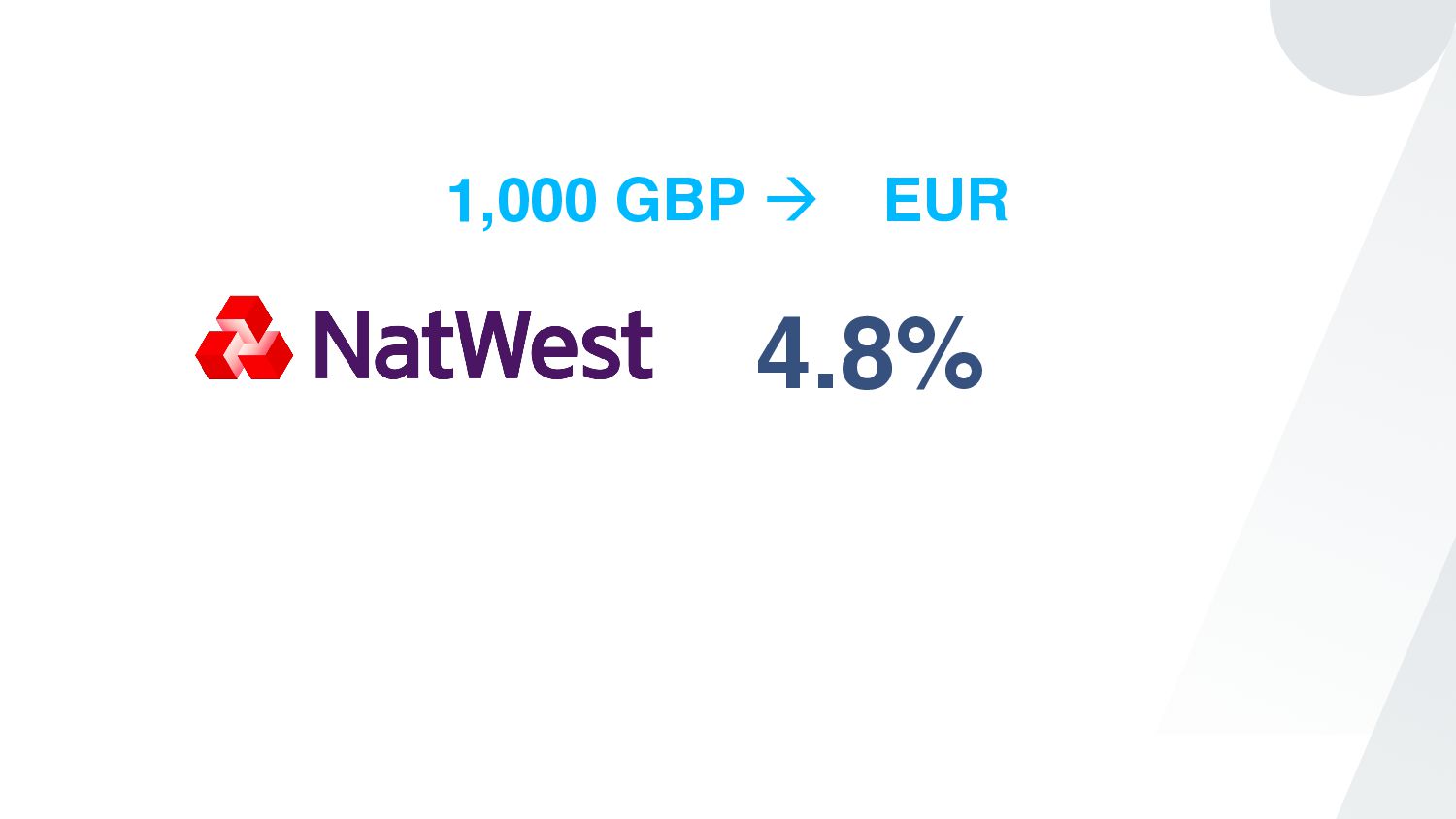
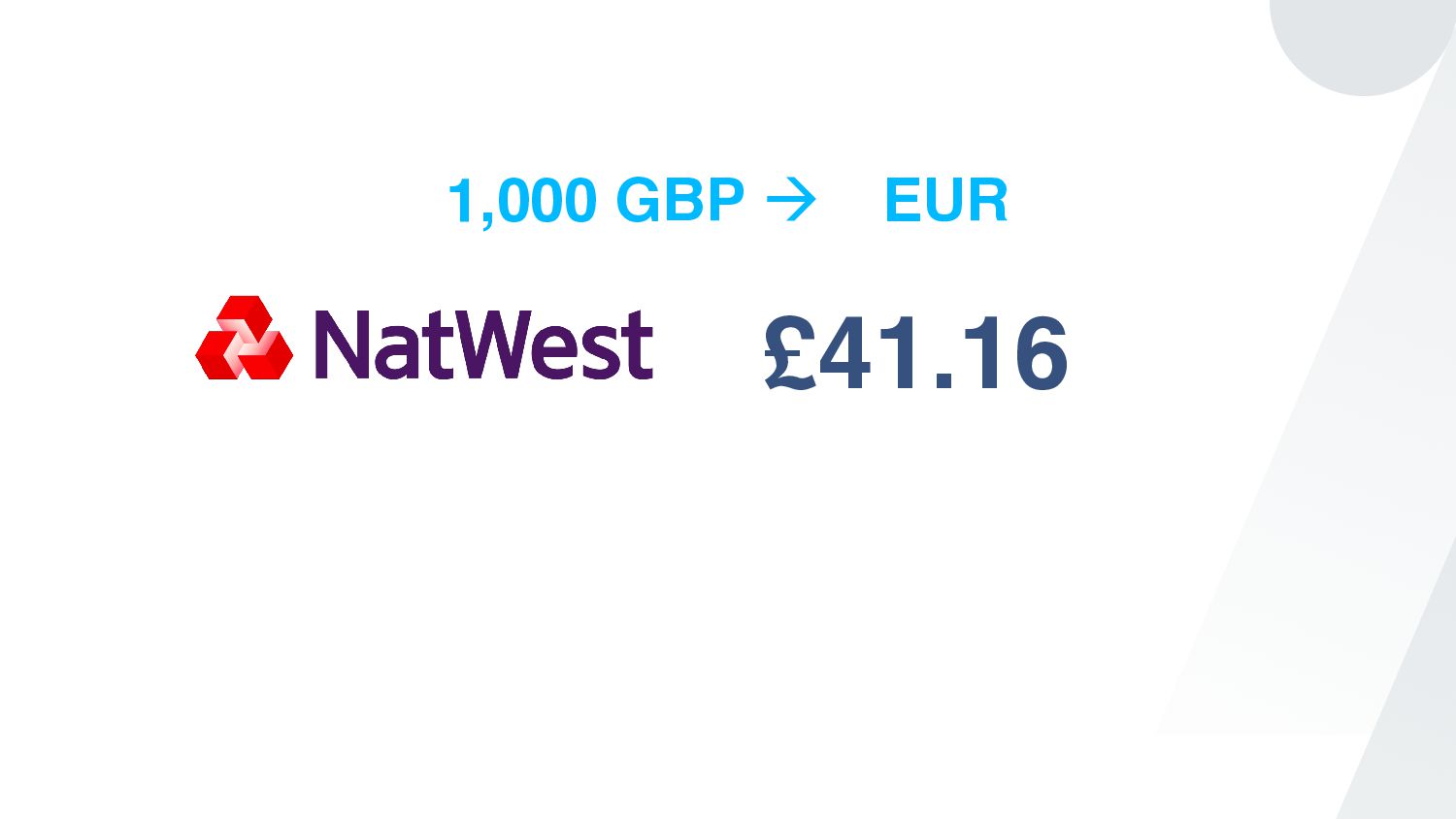
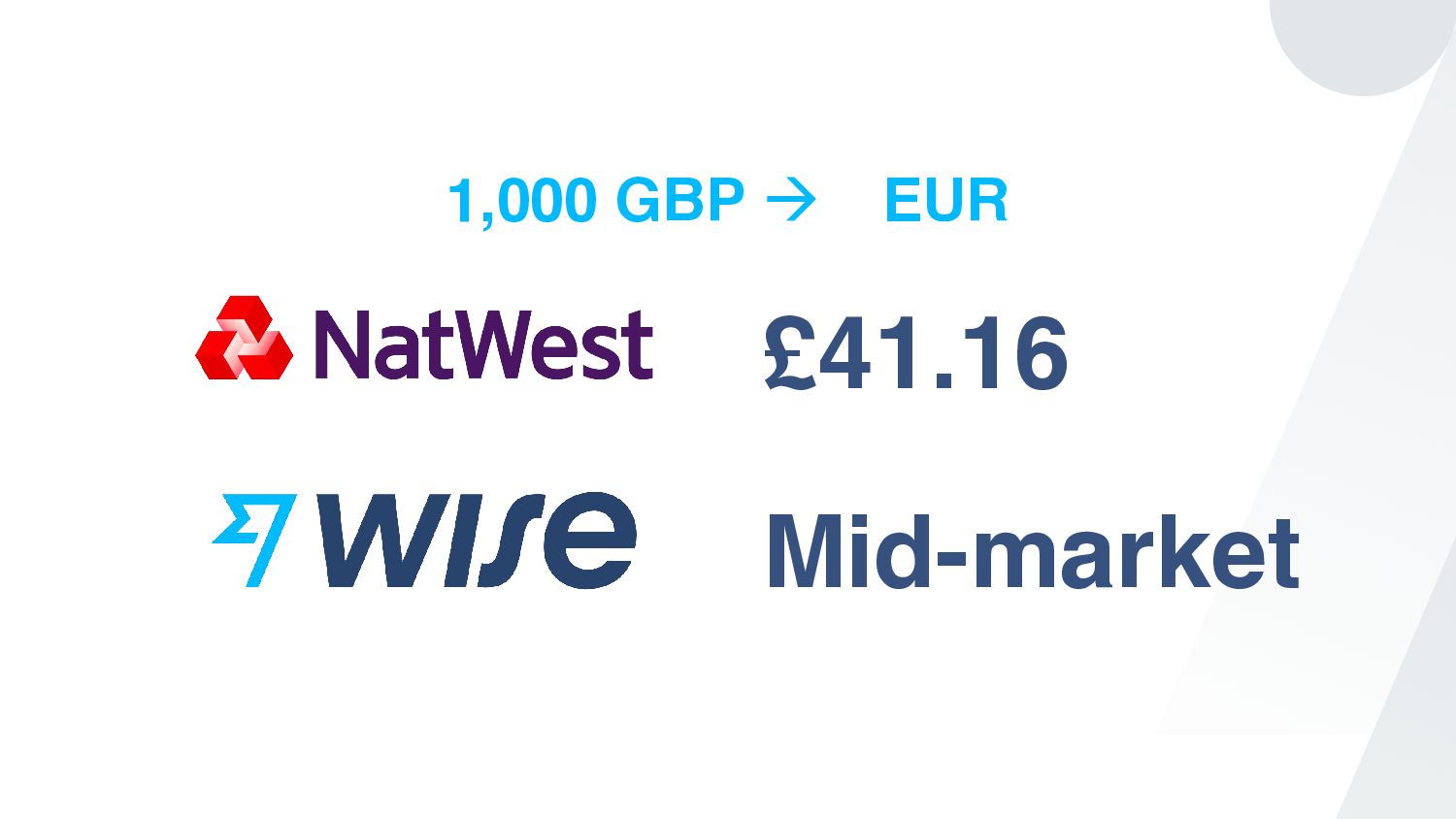
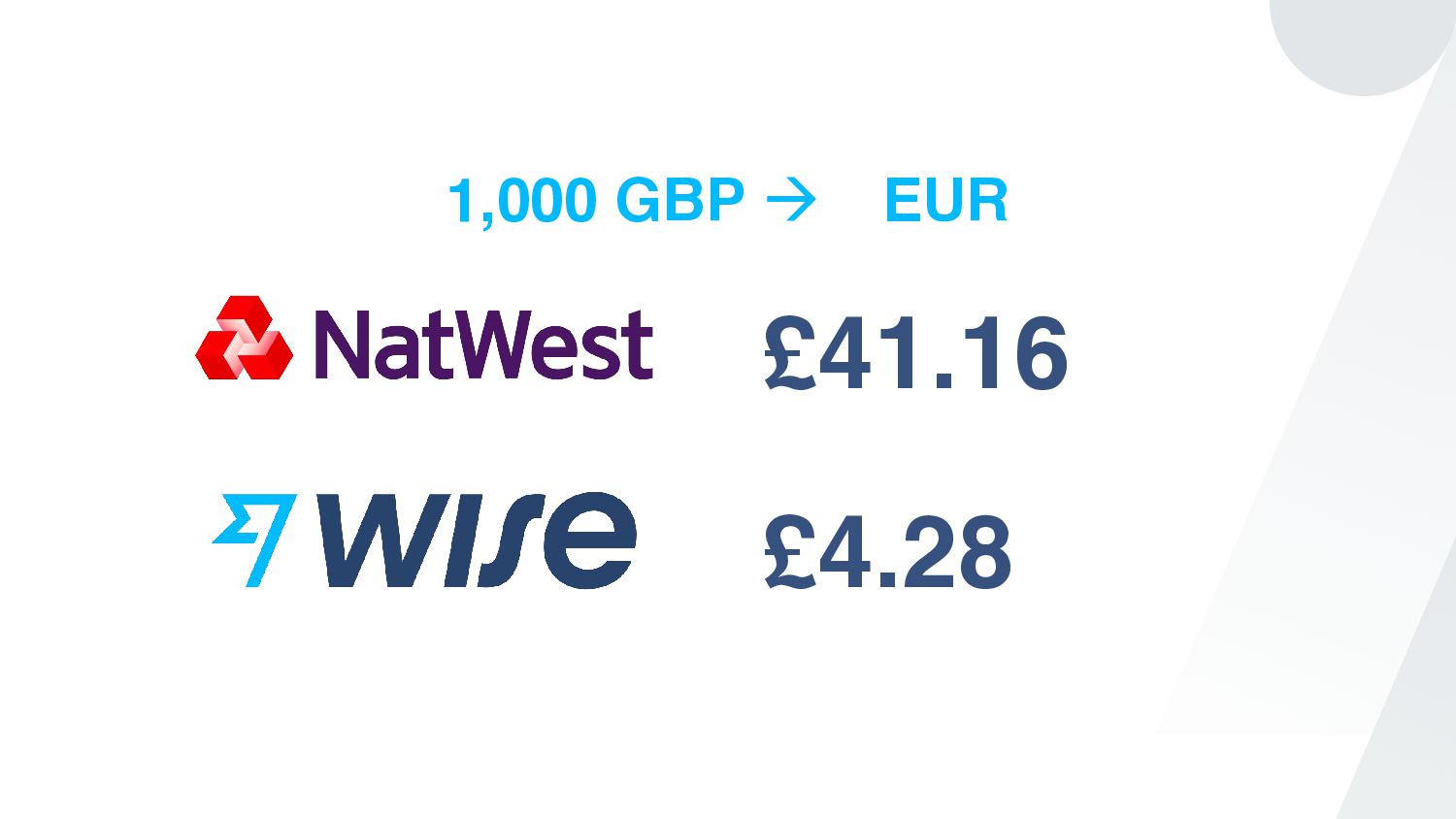
So I'll give you an example of the difference that makes for customers today. So let's say you're sending one thousand pounds GBP to euro. Today with NatWest, or at least Friday when I was doing these slides, the markup on the exchange rate is close to four point eight percent.
So that's the price they're offering on top of the mid market rate. Now the mid market rate is like the rate that you see on Google. So that actually effectively means that you are receiving way less euros than you should, or you're paying about forty one pounds.
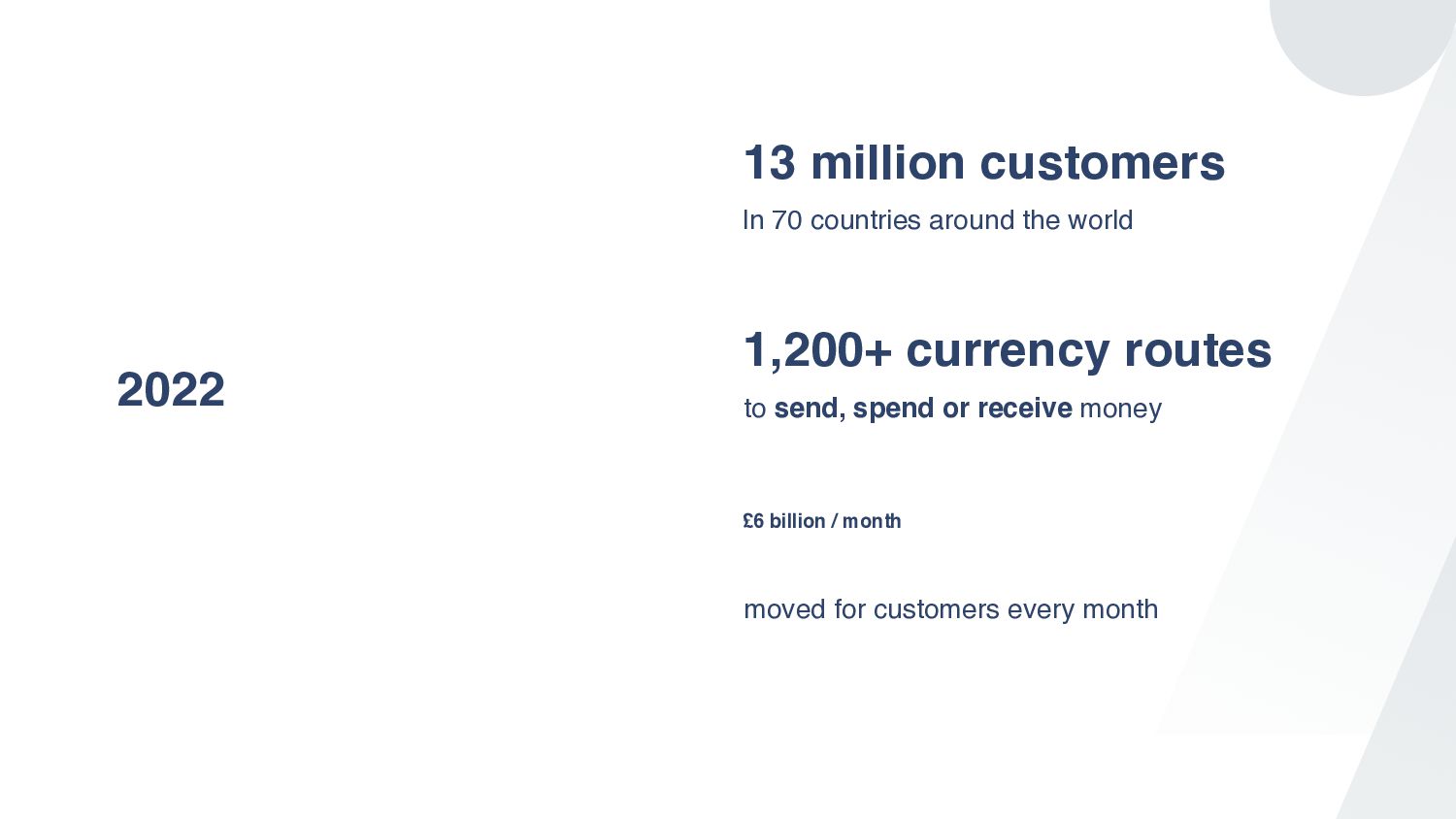
Whereas with Wise today, we offer you the mid market rate, always guaranteed, plus a low upfront fee. So the total cost, four pounds twenty eight. So it's a lot. It's a big difference for customers. Now if we fast forward to twenty twenty two, we have thirteen million customers in seventy countries around the world.
We offer over twelve hundred different currency combinations or routes to convert money between. And we're moving around six billion pounds every single month, saving customers money. So what's the role of brand in helping support drive this growth? Because your brand is doing a very different job from your product.
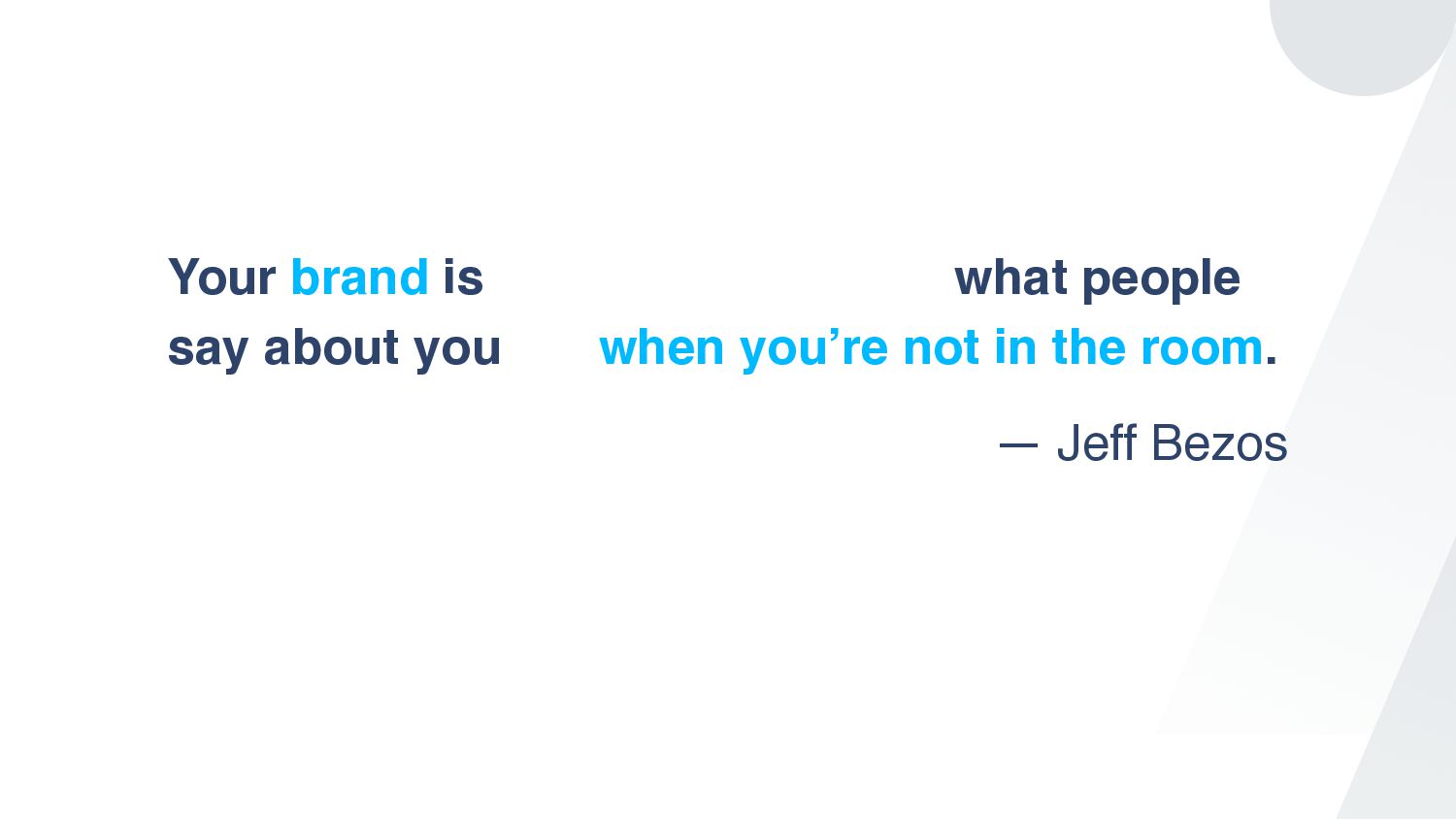
Your brand is giving you another way to own the conversation. It's helping you offer more than just your product. It's helping you differentiate yourselves. It's giving customers a reason to choose you. Or put another way, your brand is what people say about you when you're not in the room.
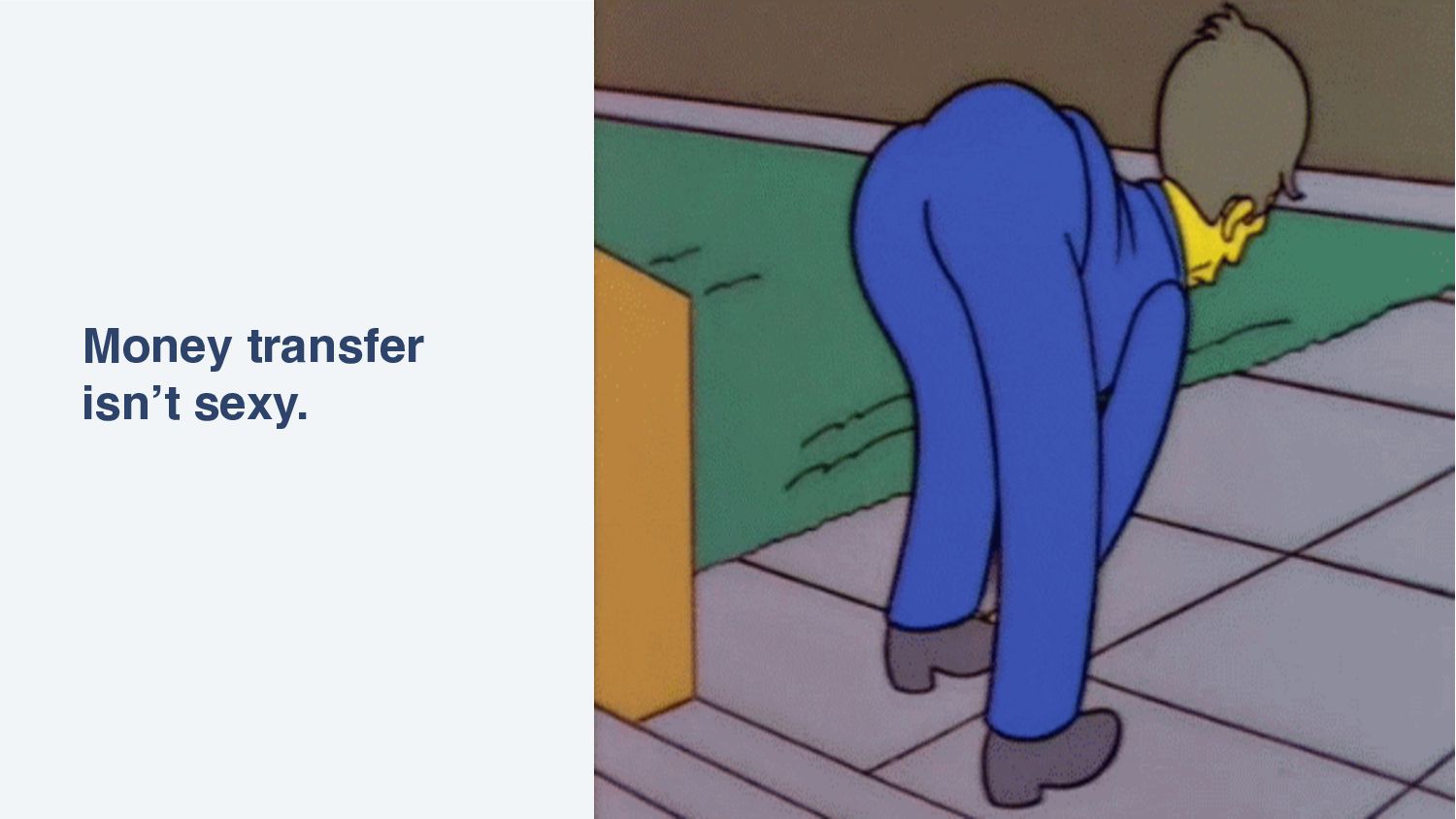
Now this presents a bit of an interesting challenge if your product is not inherently that exciting. So I think we can agree, money transfer, not that sexy. It's pretty functional. It's literally transactional. It's moving money from point A to point B. So we knew we needed to have to build a brand that stood out.
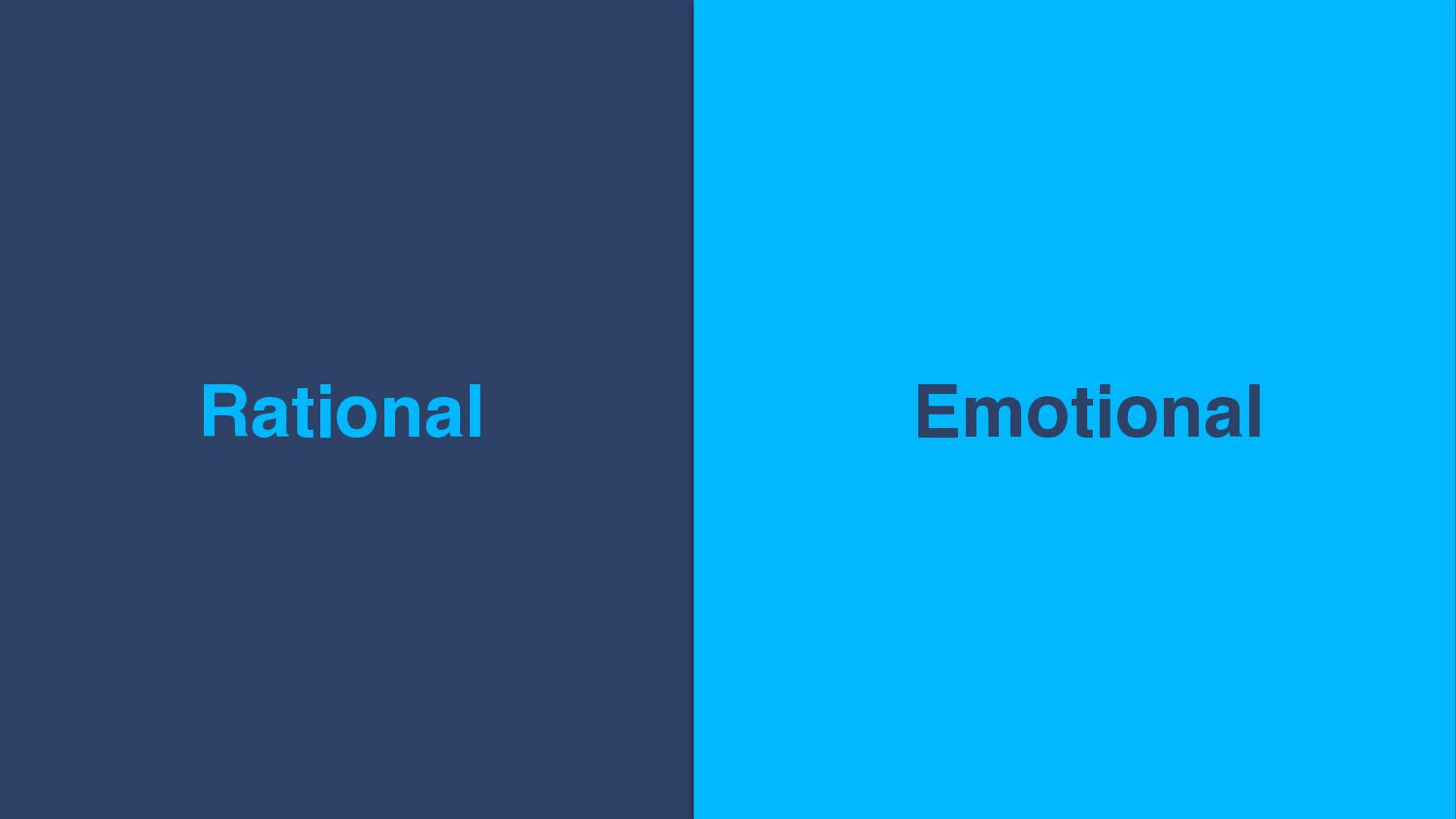
We knew we had to build a brand that connected with people's emotions. Because when we make buying decision purchases, we do so for two reasons: rational reasons and emotional reasons. So rational reasons. Is this thing cheap? Is it fast? Does it do what I need it to do?
But also emotional drivers. A lot of these are subconscious. So like, does this thing have a sense of personality? Does it stand for something? Or maybe even as simple as like, is cool? Do I like it? Really hard to pin down exactly what these are.
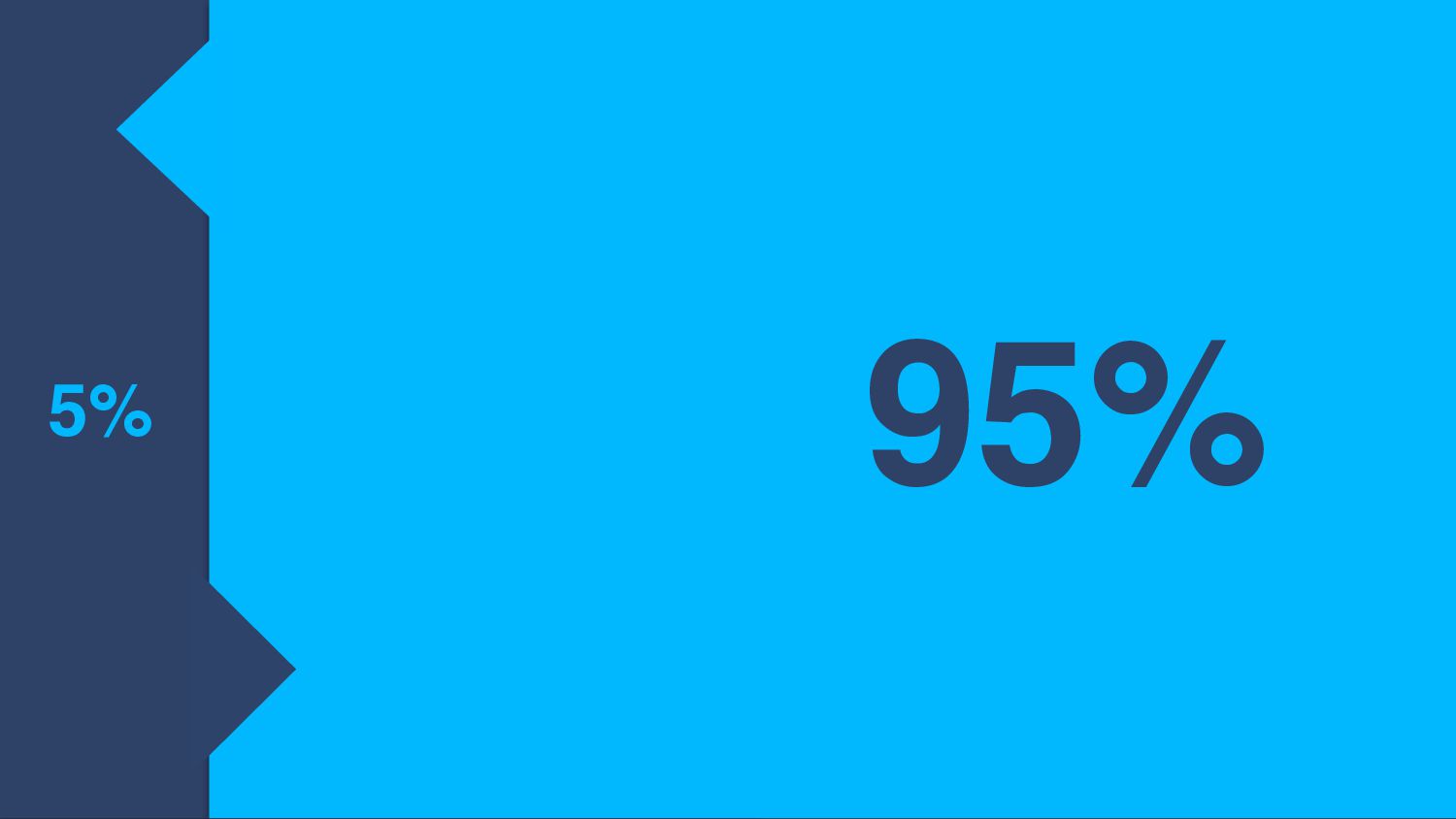
But really important because there are studies that show that almost ninety five percent of our buying decision making is made from emotional drivers. So getting this right actually makes a huge difference. So we really spent a lot of time thinking about the building blocks for this brand to connect with people's emotions.
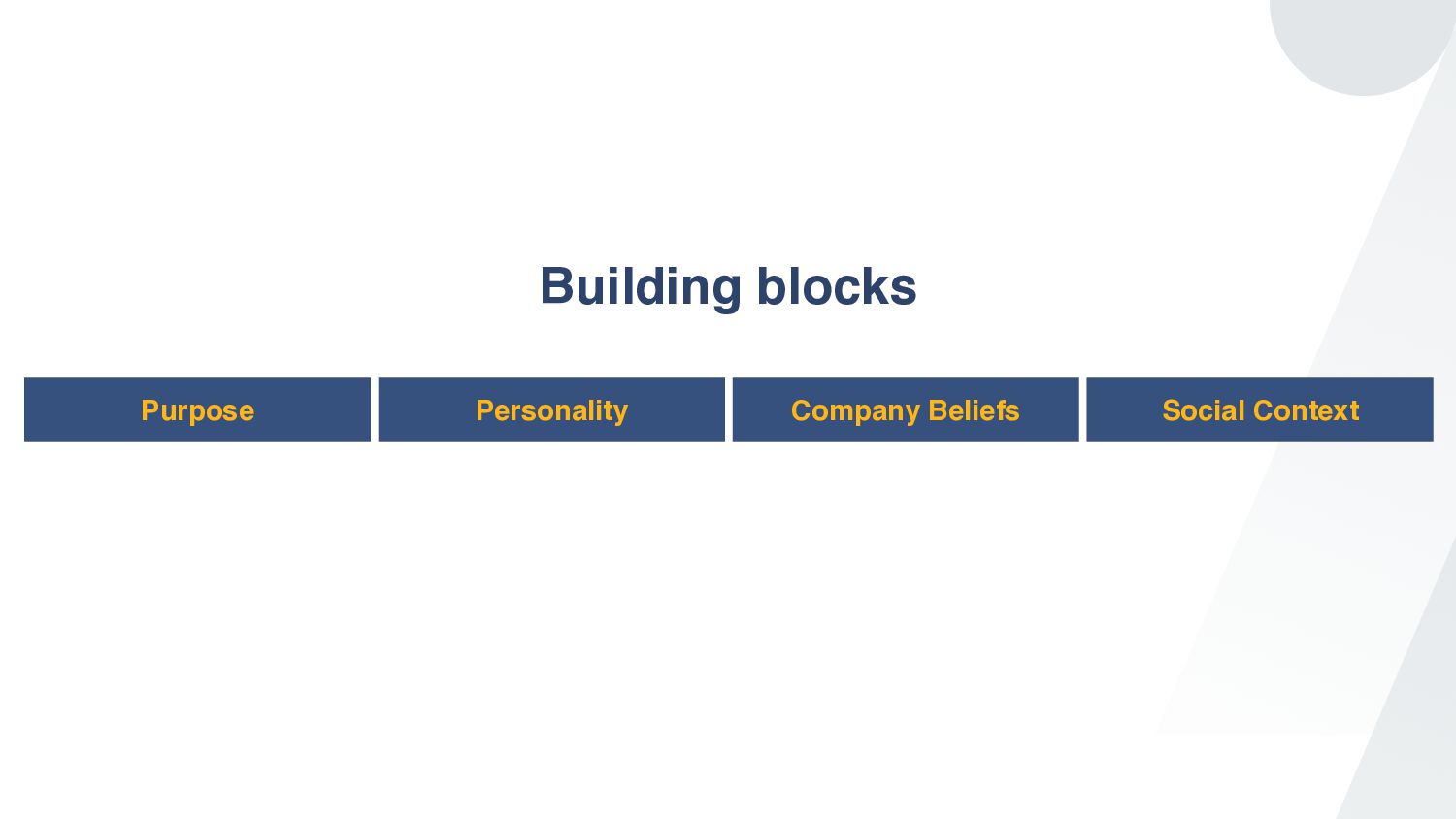
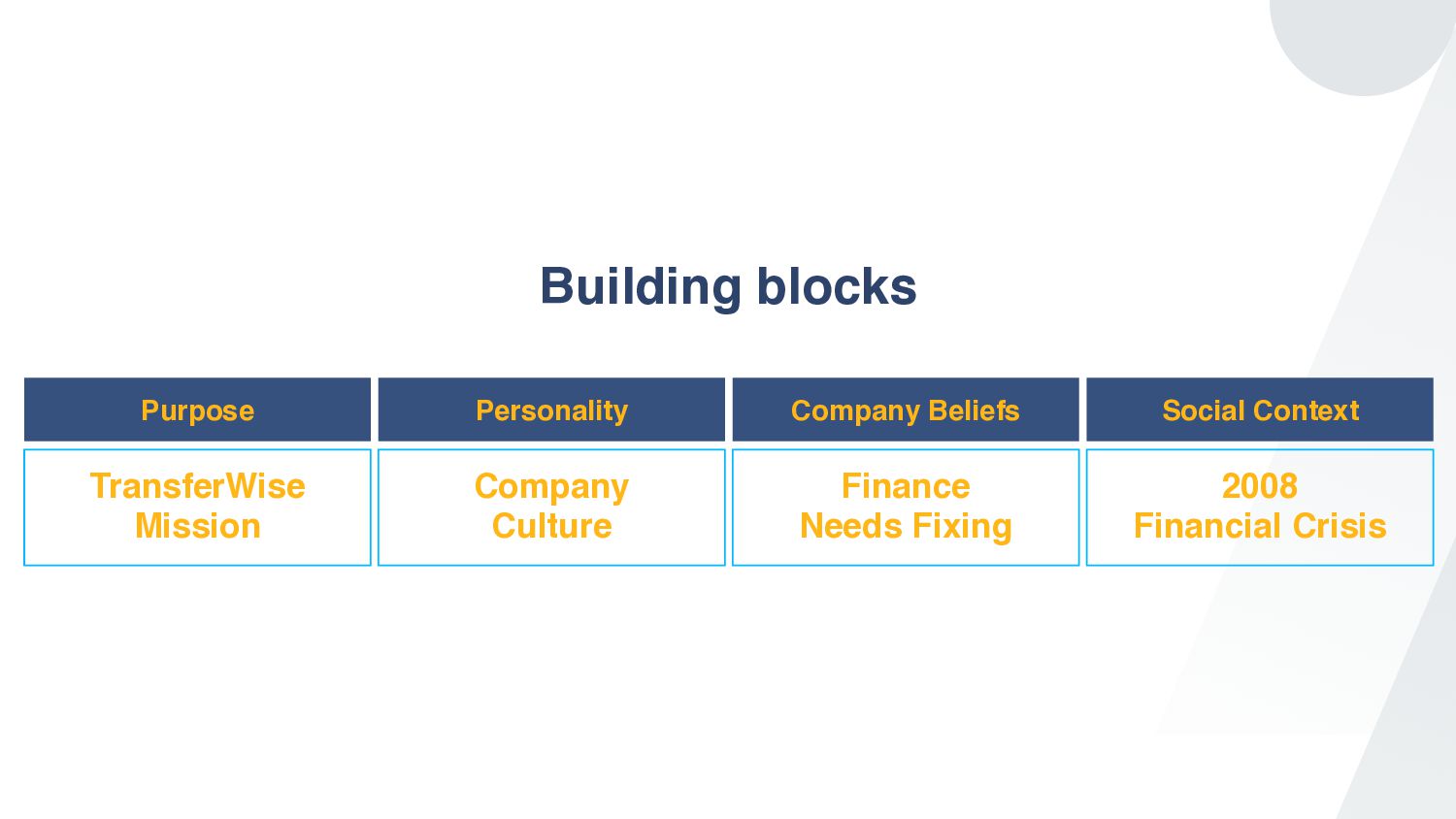
And for the TransferWise brand, there were four parts to these building blocks that we thought about. So our purpose, our personality, our company beliefs, and the social context at the time we were building this brand. So for TransferWise, it shook out like this.
So our purpose was our mission. This purpose of being money without borders, instant, convenient, transparent, eventually free. Our company culture was the part of our personality. So very customer first, strong bias for action, revolutionary at heart. Our company beliefs, above all, is that finance is broken.
It's opaque, it's difficult, and it needs to be fixed. And lastly, the social context. We were building this brand in two thousand and eight, in a decade after the financial crisis. So there was already a huge mistrust in the financial system, which gave us a big opportunity to lean into.
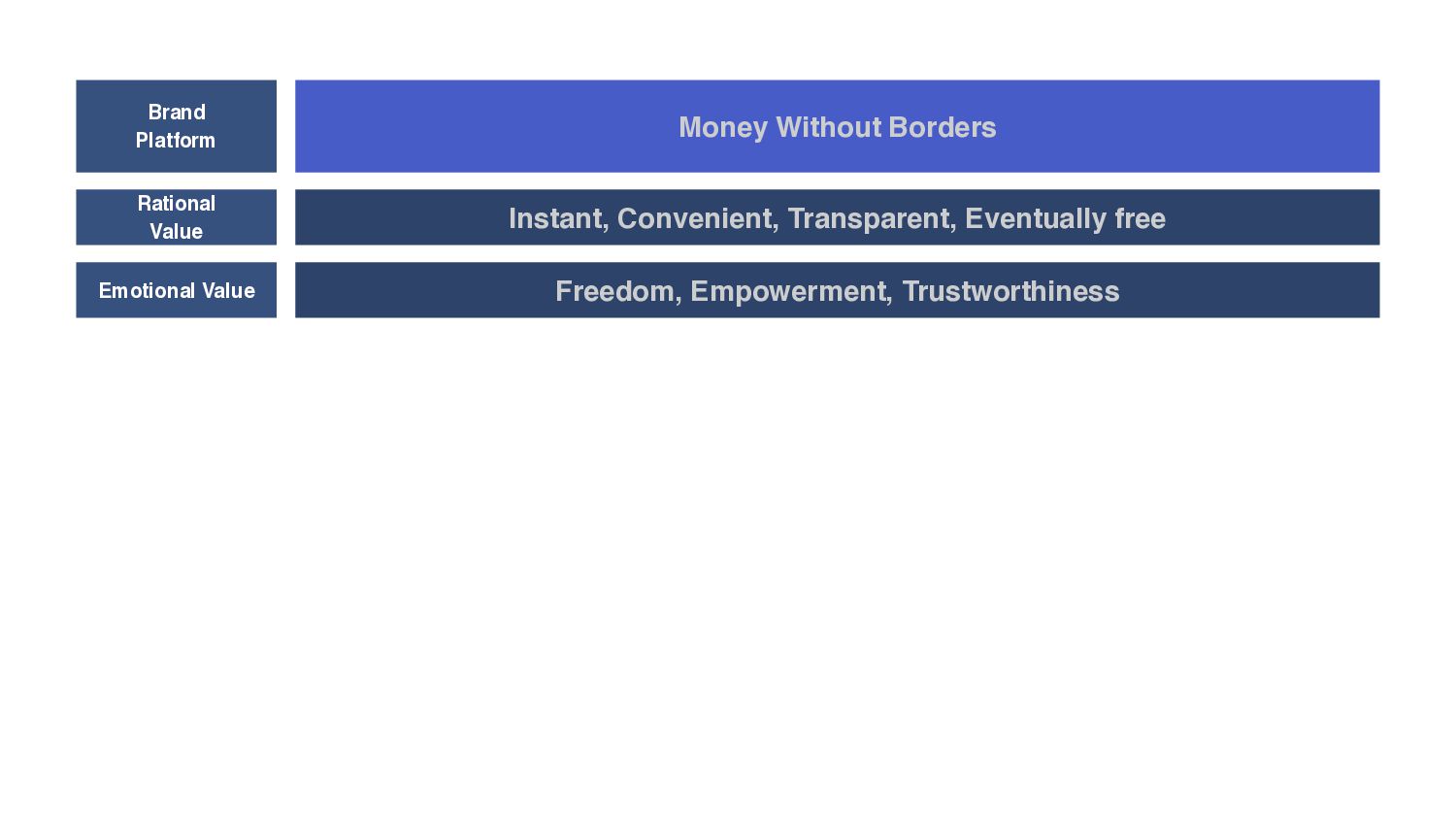
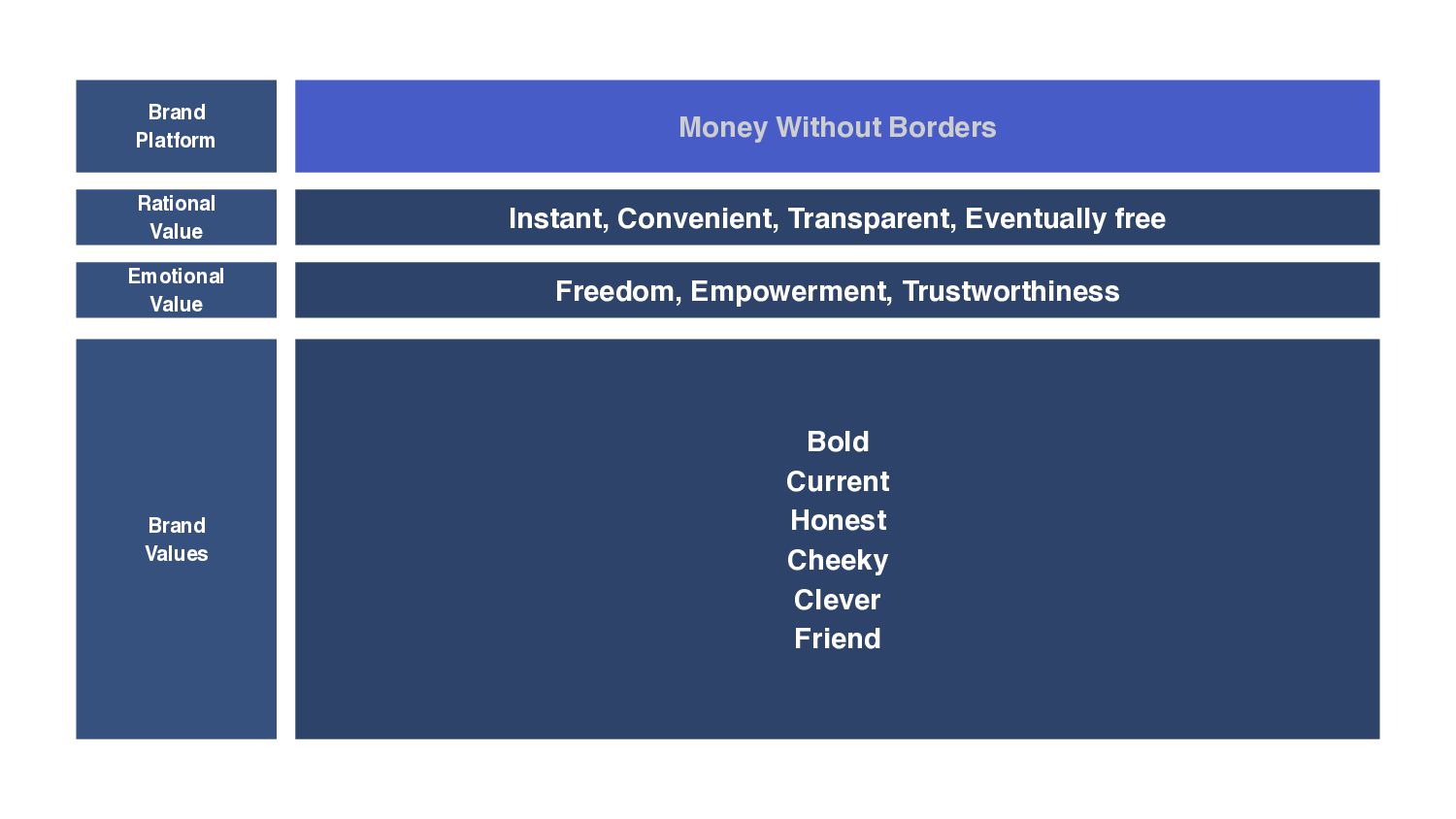
So this is the brand architecture that we built for TransferWise. So first of all, our brand platform, Money Without Borders. Our rational value that we offer connected to our mission, instant, convenient, transparent, eventually free. Our emotional value, which comes from both what the product offers for you as a customer, but also connected to the personality of our company culture.
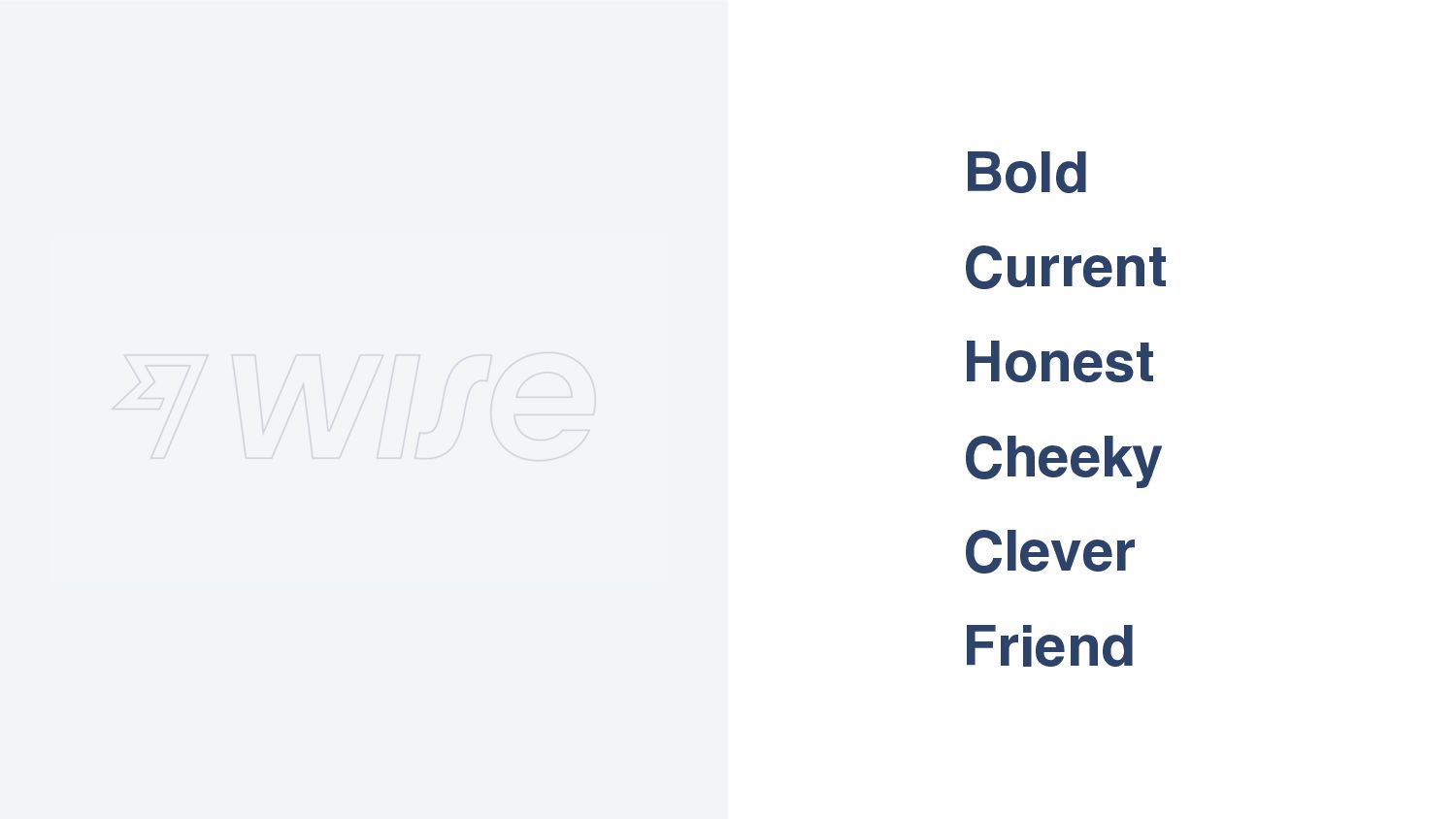
So that sense of revolutionary spirit, of action, of customer centricity translated into these emotional powers of freedom, empowerment, trustworthiness. And from all of these pieces, we built out six core brand values. So we always aimed to be your bold, current, honest, cheeky, clever friend.
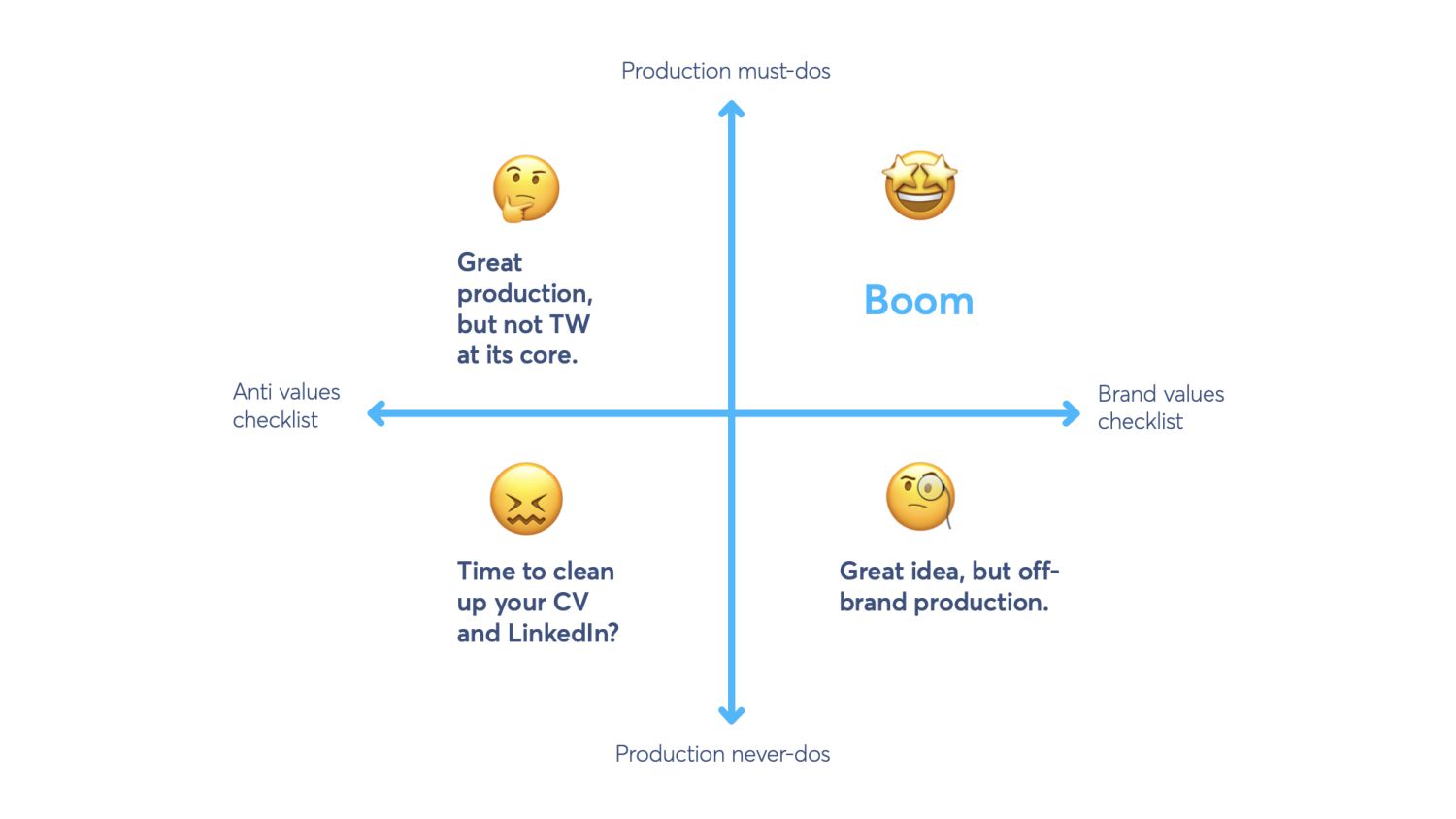
So having figured out these brand values, we then needed to commit to living them in everything we do. And we do this through various different ways. But one example here is like a creative team using our brand checklist in everything that they might put together.
So this could be a single line of coffee. It could be an entire campaign. But using this matrix to check, are we on brand here? And also with the anti brand values, like are we definitely not doing the things that we don't want to do?
So could this be bold? So could this idea be more bold? Could it be more honest? Could it be more cheeky? So I'm going to show you a few examples of how we've lived these brand values in our marketing, in some of the campaigns we've run, but also in our products and other decision making.
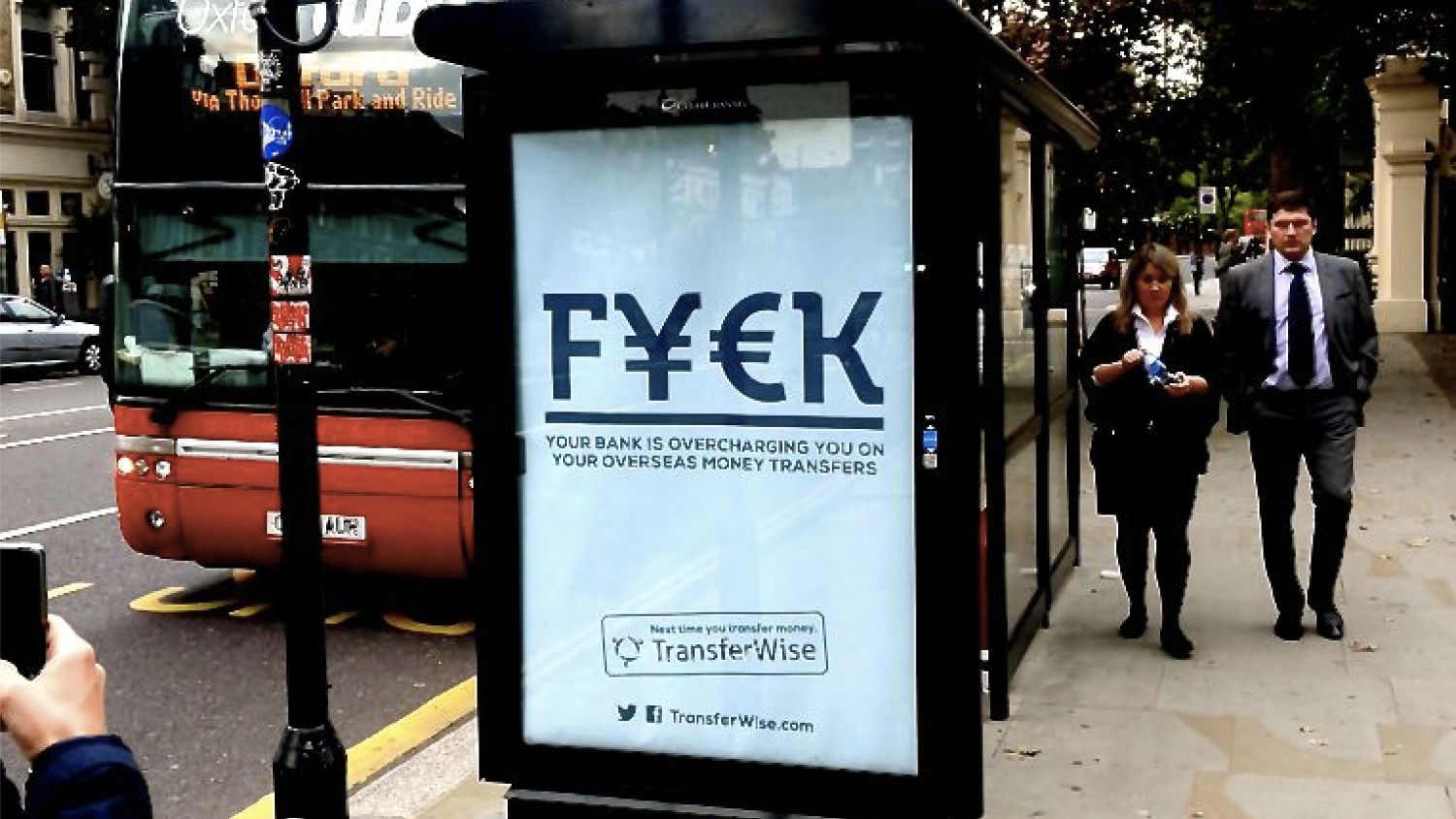
So the first of these is a campaign that we ran out of home in London, New York. And the whole idea of this was to highlight the frustrations that you experience when you realize how much you've been overcharged by your bank. This photo is in London, but we also ran this in New York.
And it was actually canceled by the New York City Council, which we kind of considered a bit of a win. Like if you're going to be bold, then a measure of success is like raise some eyebrows sometimes get a slap on the wrist, maybe.
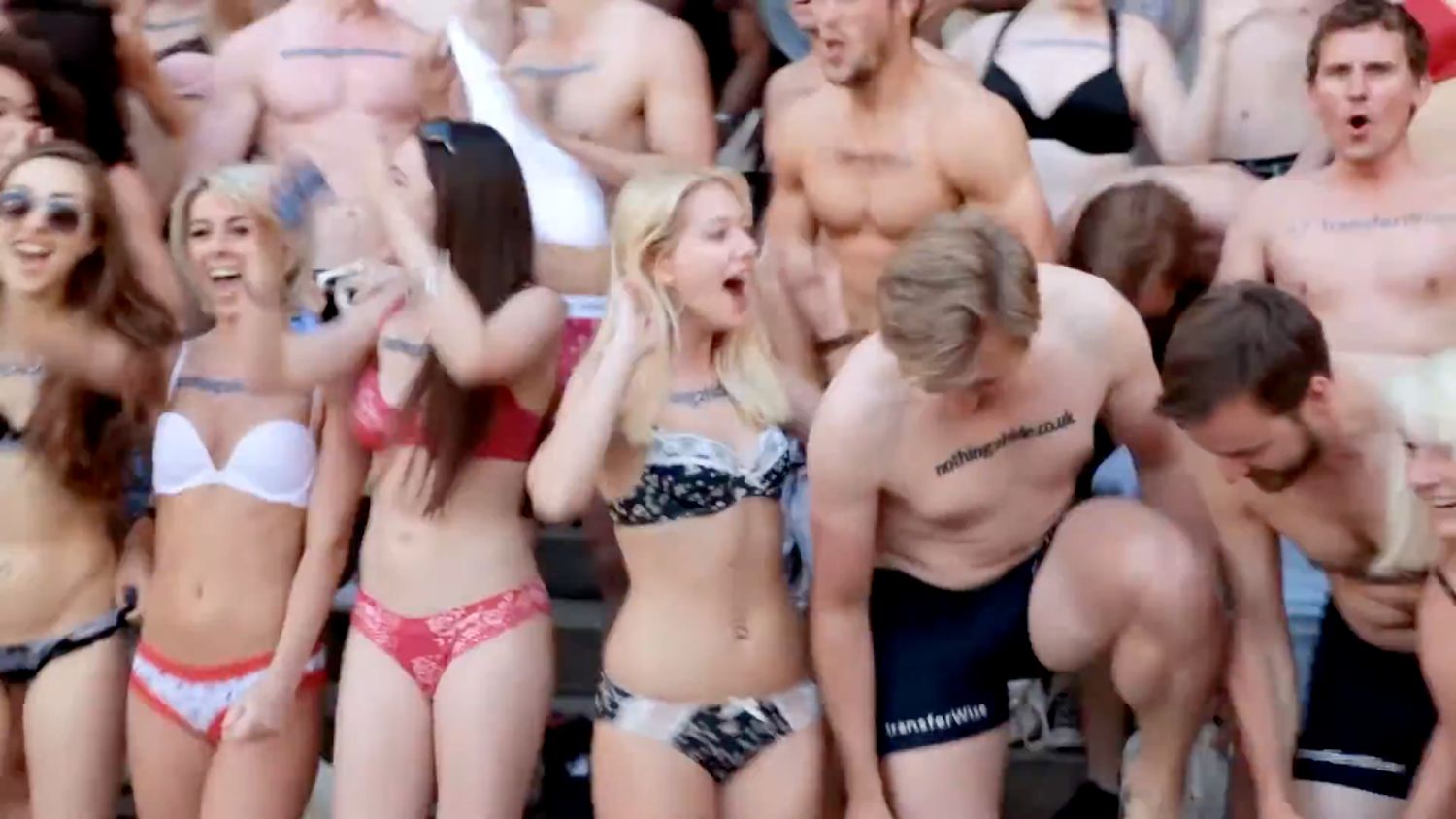
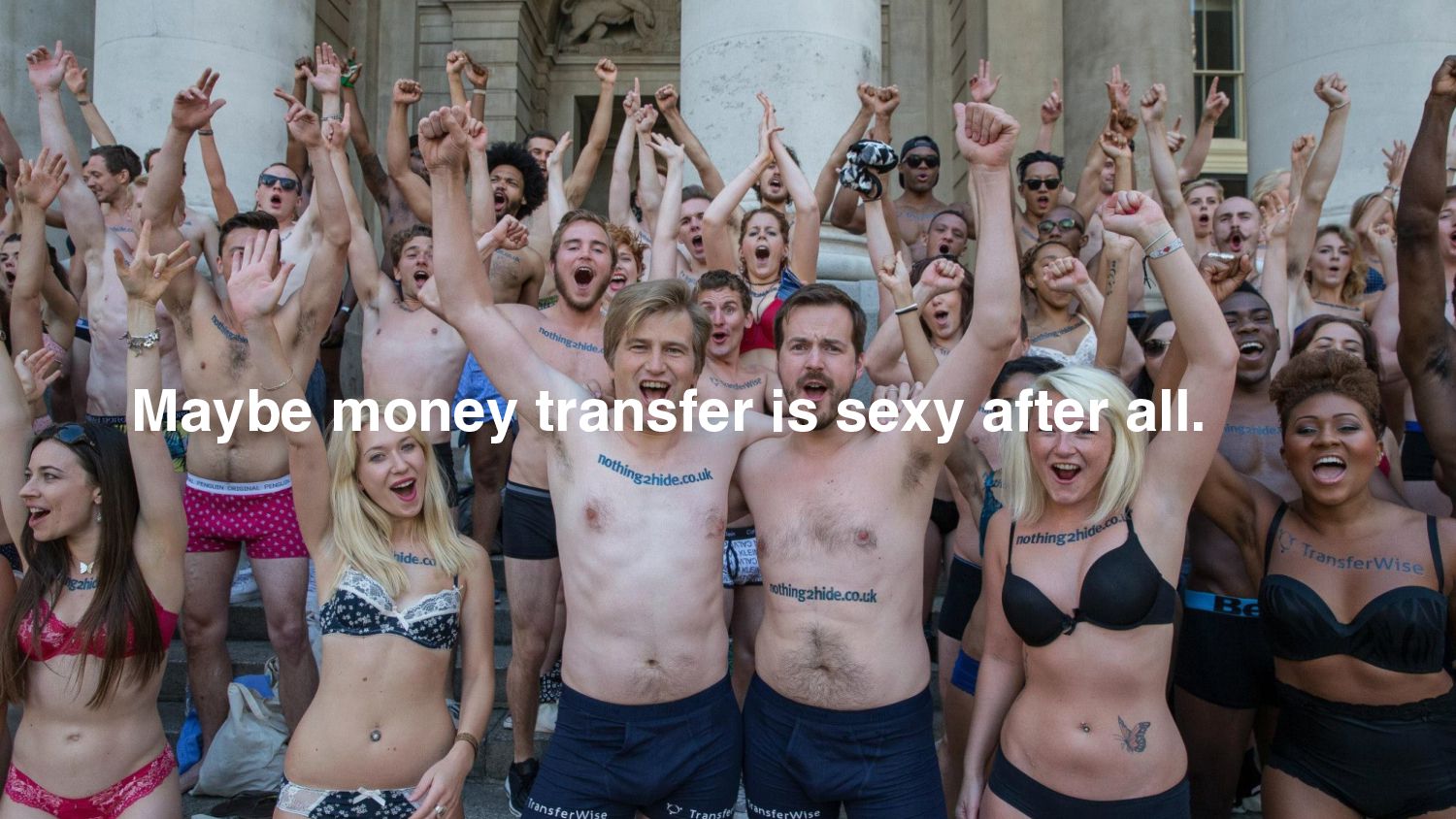
This next example I'm going show you is a campaign that we ran in twenty fourteen called Nothing to Hide. And it's where the company literally stripped off in front of the Bank of England and other places in London to make the point that we don't hide fees in the exchange rate.
So I'm going to let this video roll for a bit so you can see what we did here. So maybe money transfer is sexy. Maybe. You're not convinced, but we'll come back to that. And the next example I wanted to show you is about living our brand values through campaigning for what we believe in.
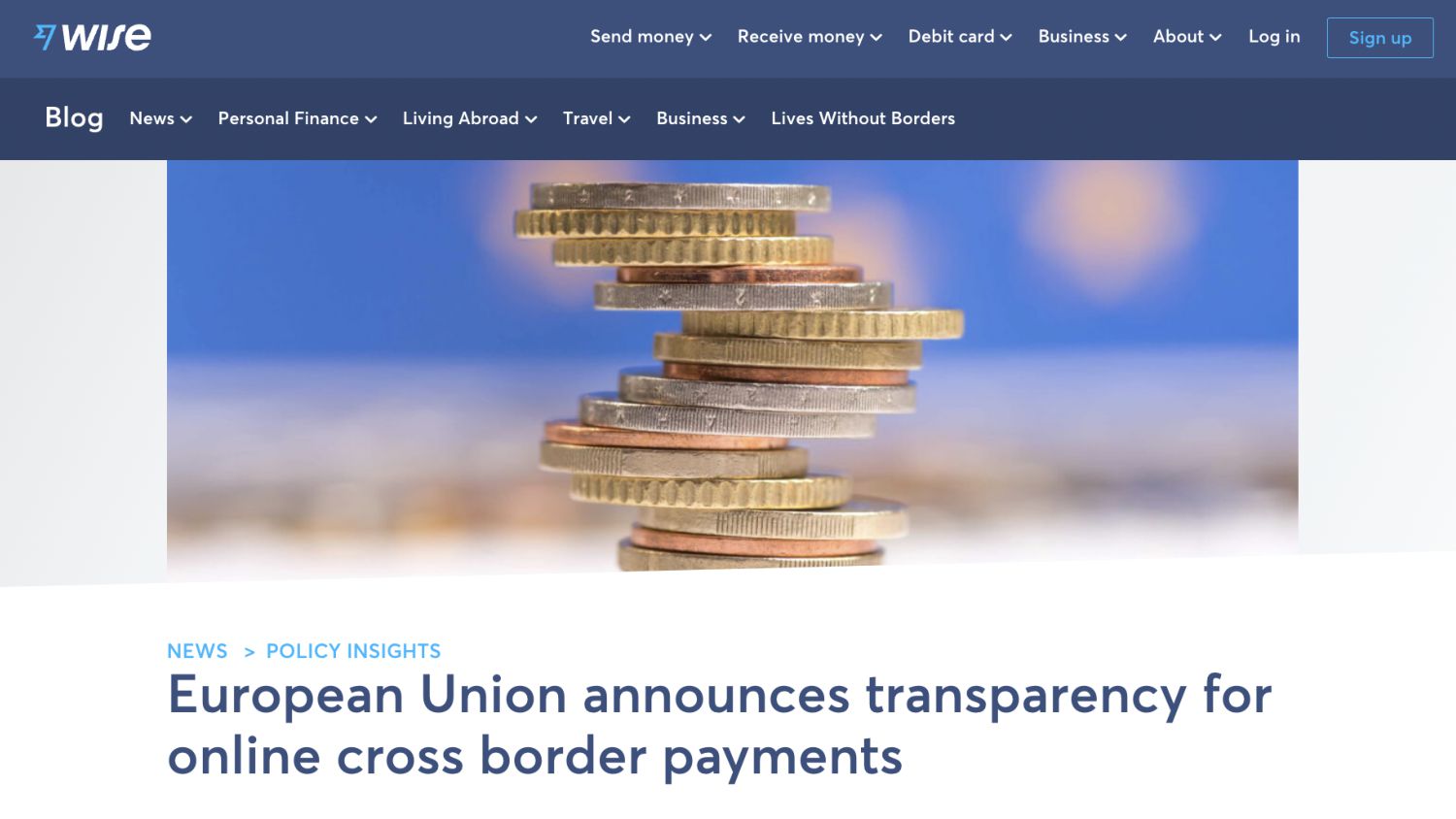
Because it's not always about getting your kit off in front of the Royal Exchange. We also have to live our values through the hard stuff. This is a screenshot of a campaign that we put together to petition the government to change the law.
So we ran this campaign to pressure the EU to require banks and other providers to be transparent about the cost of sending money across borders. So we worked with customers, with MPs, with other fintechs to campaign the EU. And eventually, it worked. So in twenty nineteen, they finally listened and they published new regulation requiring all providers to show exchange rates and fees upfront.
So the point here is really living your brand values mean even when it's hard, like pushing for transparency and honesty when it comes to hard things like changing laws. We also live these brand values in product. And particularly that part about being your honest friend.
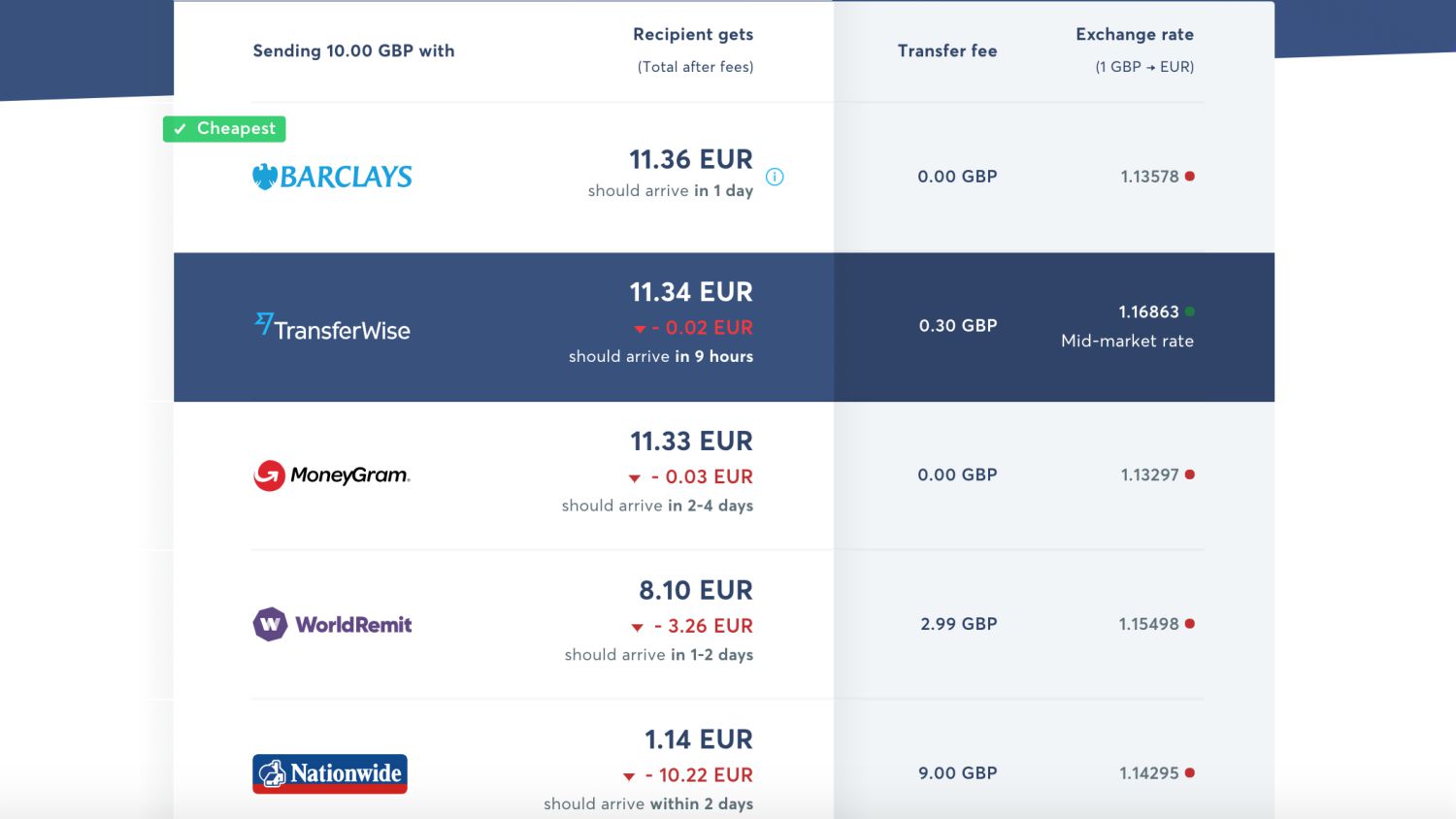
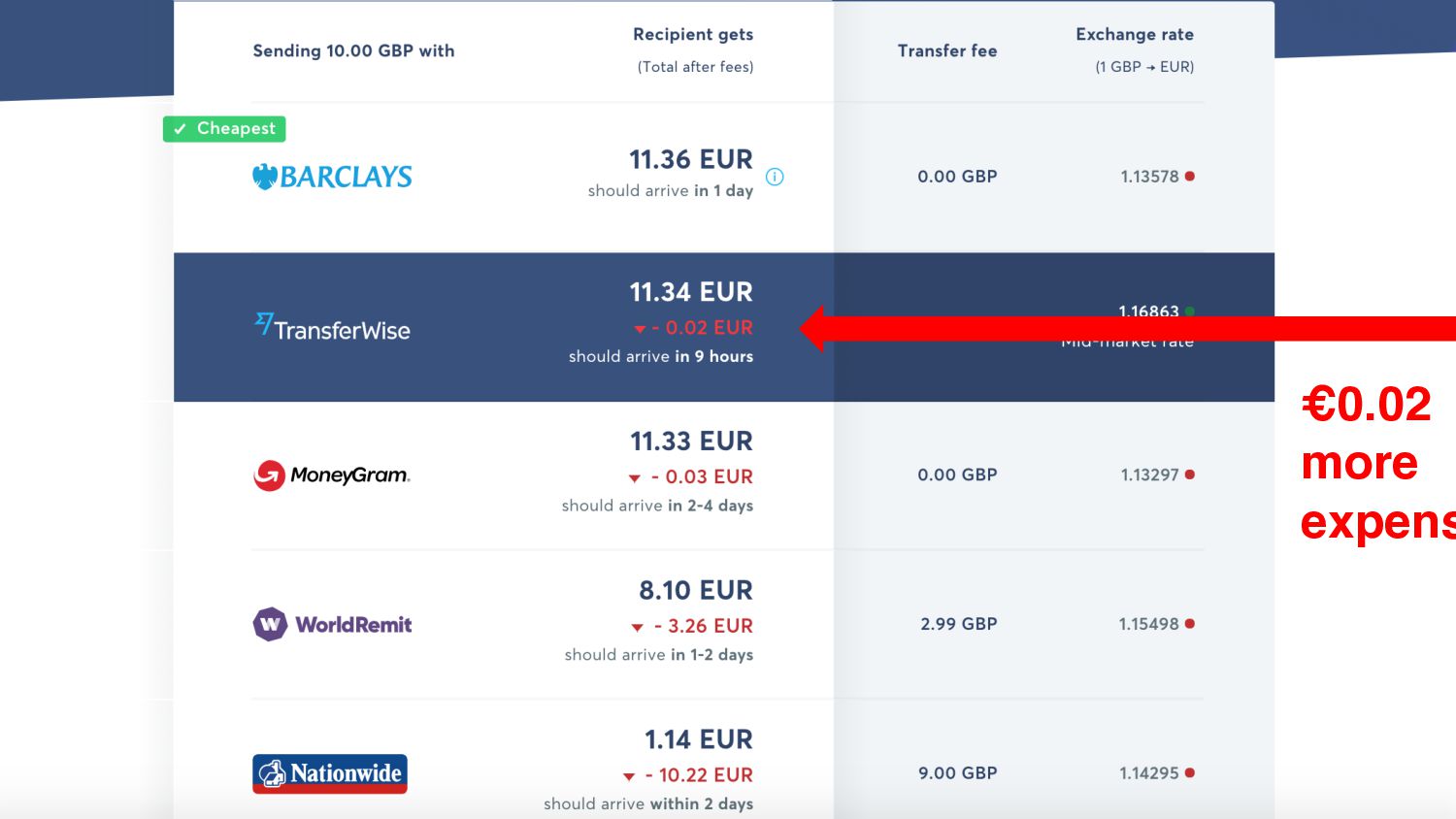
Because your honest friend is transparent even when it doesn't serve them. So we built transparency tools in our product. So if you're on the homepage and you look at the cost of sending money to an X to Y, you will actually see a list of all of our competitors versus TransferWise or Wise nowadays.
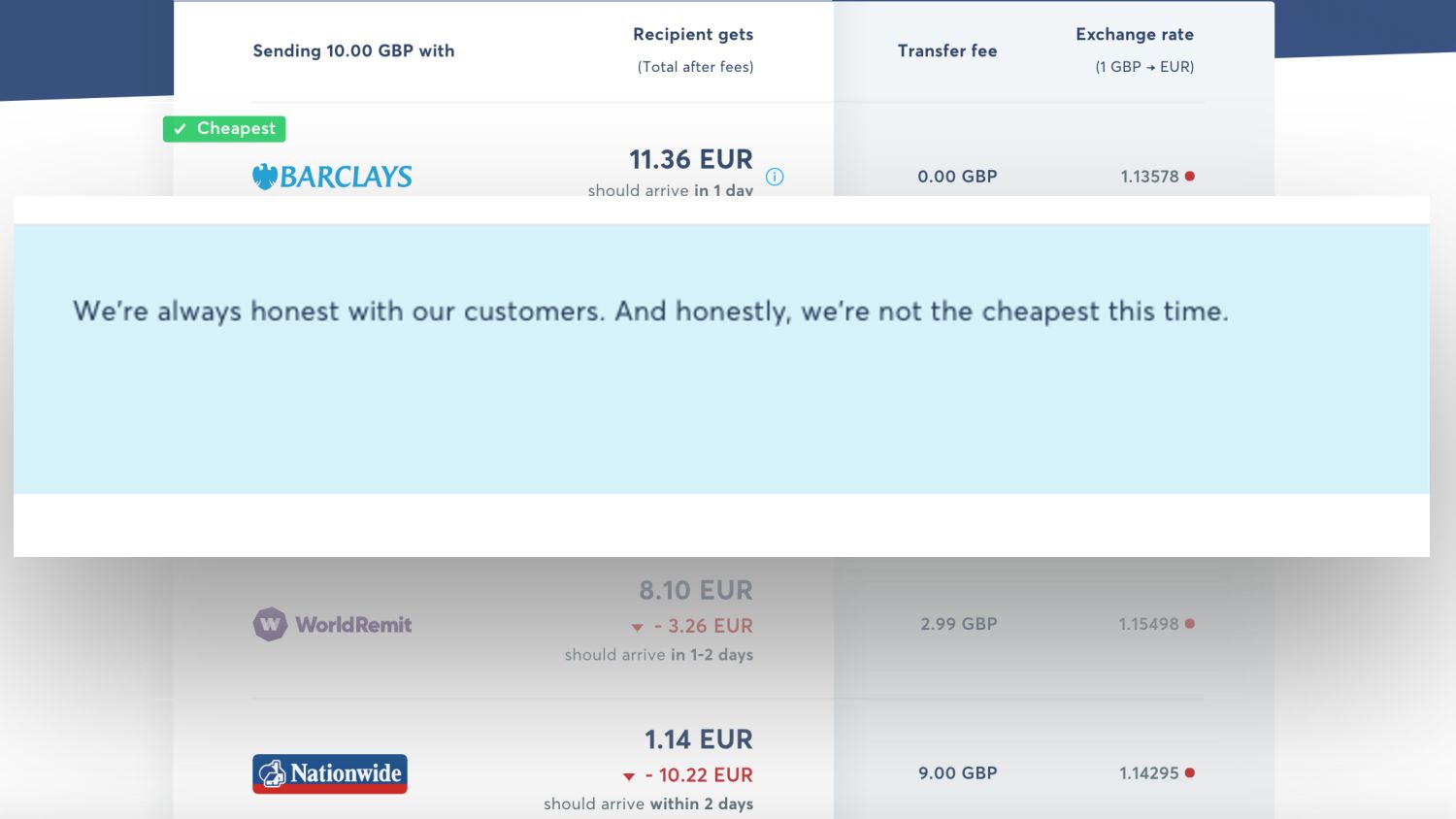
And most of the time we're cheaper. But in this case, we're actually not. And as your honest friend, we're going to tell you when we're not. So in this scenario, which I think is sending ten pounds to euros, we're zero two dollars more expensive than Barclays.
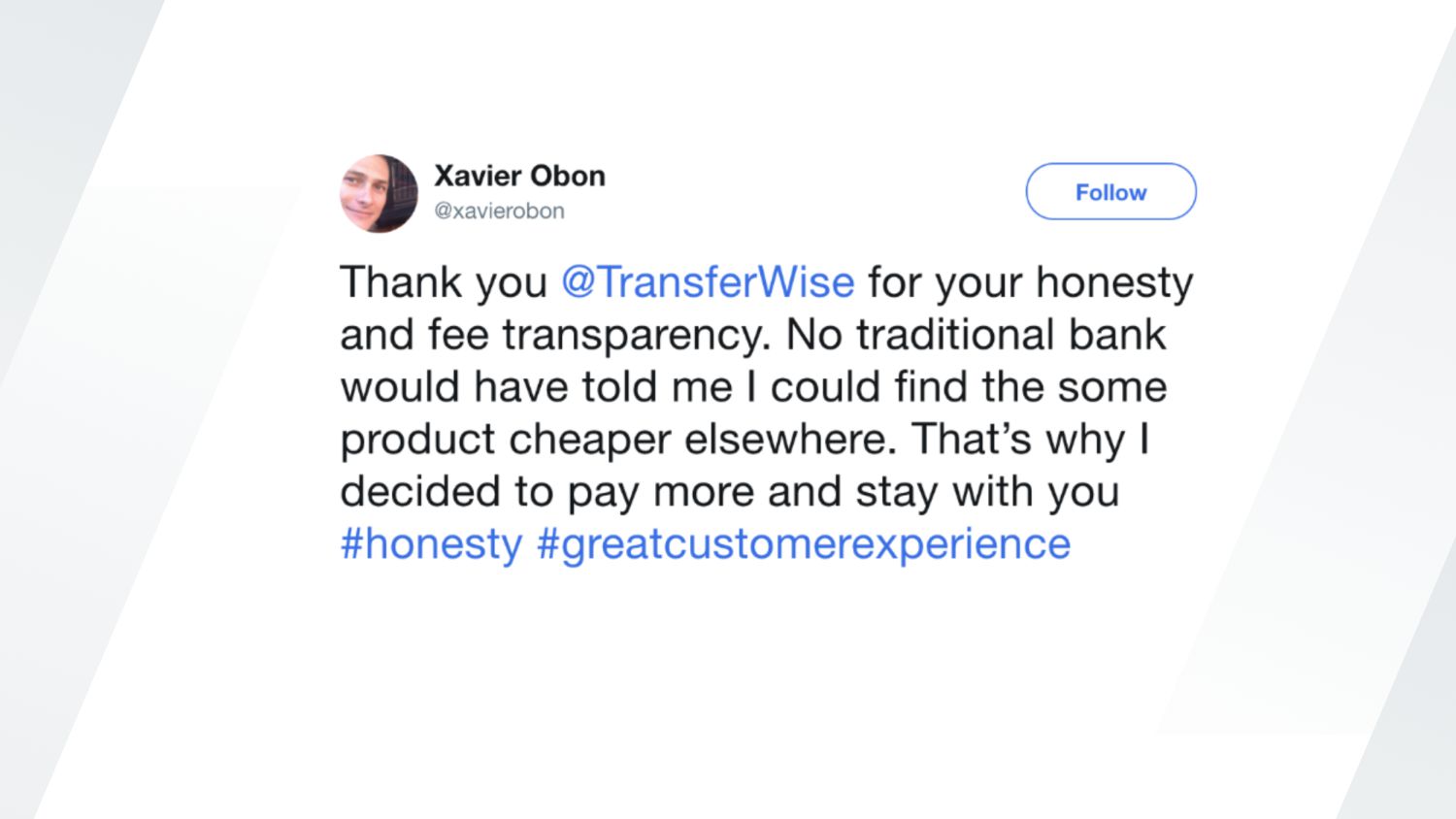
We'll be upfront about it. And we'll show you very clear notifications to say, look, hands up, this time we're not cheaper. And what we learned is that consistent honesty and radical transparency builds trust. So we saw things like this. Thank you, TransferWise, your honesty and transparency.
No traditional bank would have told me I could find the same product somewhere else. And you keep the customers. So living these brand values consistently builds this trust. The last example I'm going to show you is living these brand values in customer comms when you're trying to convey a difficult message.
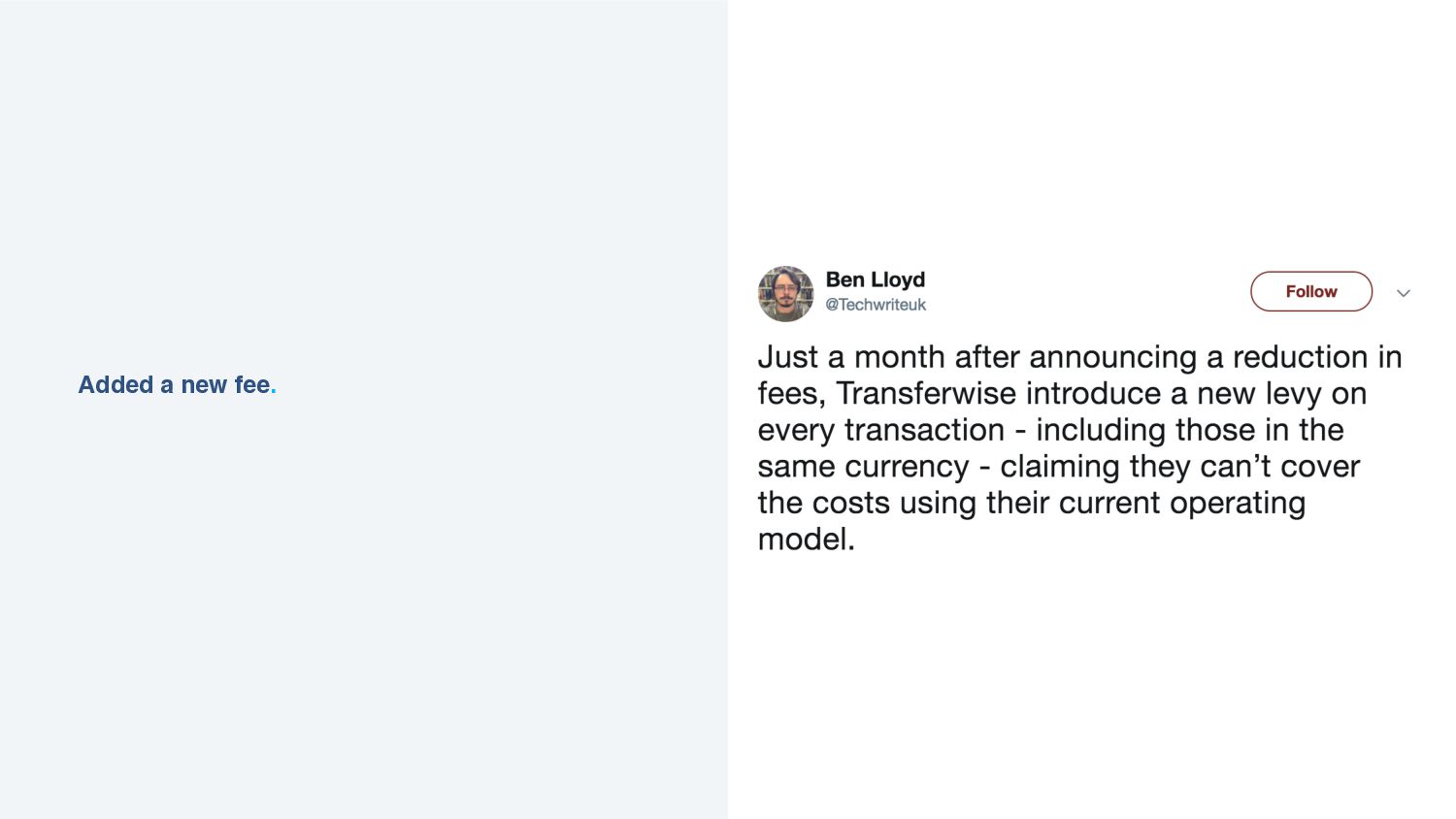
So in twenty eighteen, we added a new fee to move money out of your account. And it wasn't big. It was like sixty five P, but it's pretty annoying. And we got feedback like this, you know, just a month after a reduction in fees transfer wise, add a new levy.
So we were like, okay, how we, how do we run this better? How can we message this better? So we ran the focus group, talked to customers. We were like, what is it about this fee that is so annoying and how can we do this better?
And we learned that it's actually not about the money. It's not about the fee. It's that they didn't understand clearly enough why we were asking them to pay this. So we said to them, what would you say if we told you it cost us sixty four pence to provide that service?
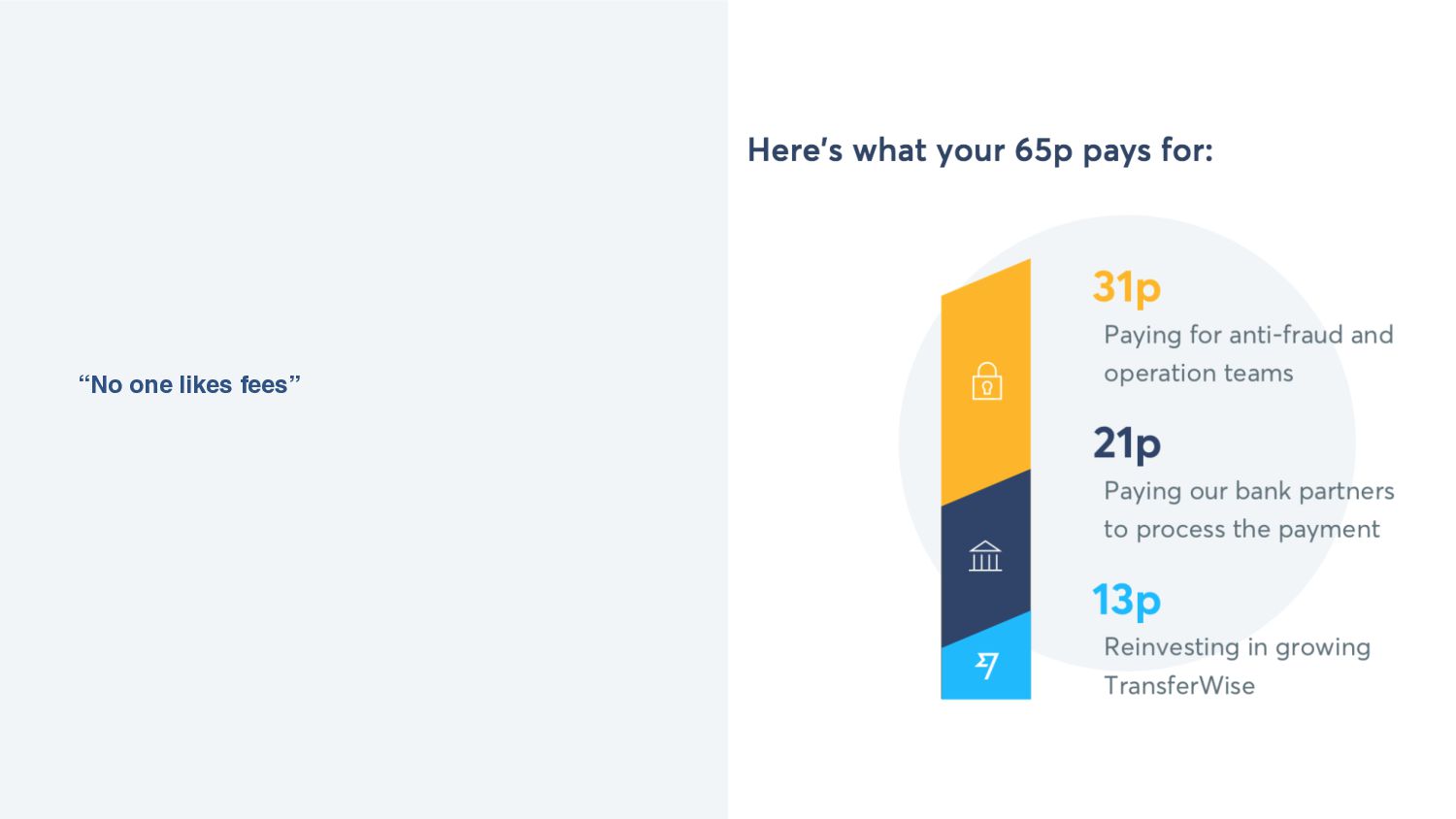
And they were like, okay, yeah, no, I get that. So we sent another email called no one likes fees. And we told them exactly what that sixty five pence broke down for. Thirty one pence for fraud and operations teams. Twenty one pence for bank partners.
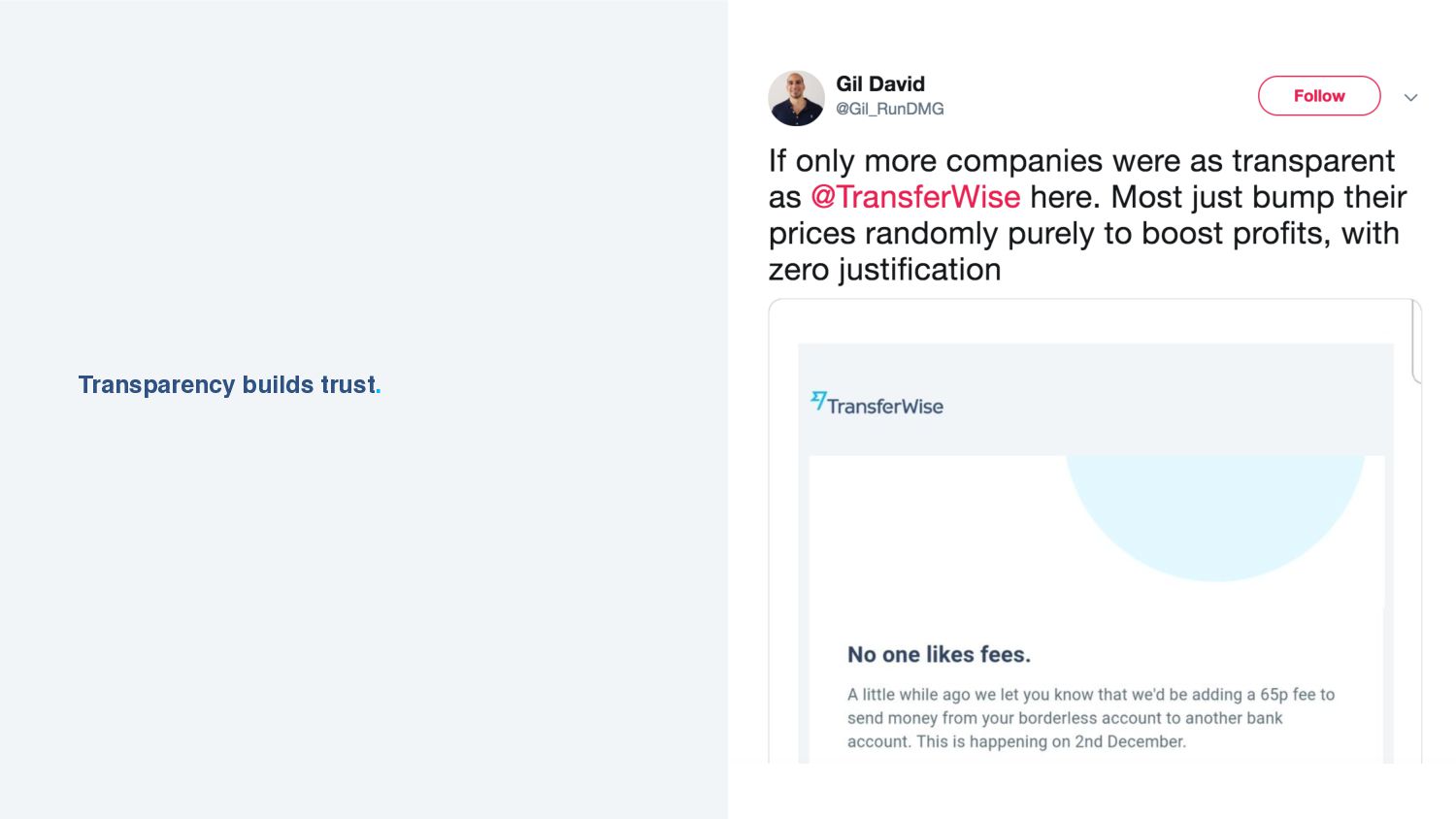
Thirteen pence for reinvesting and growing wise. And the difference in response we got was overwhelming. So this tweet here, if only more customers were as transparent as TransferWise, most just bumped their prices randomly with no justification. So again, what we learned here is transparency builds trust.
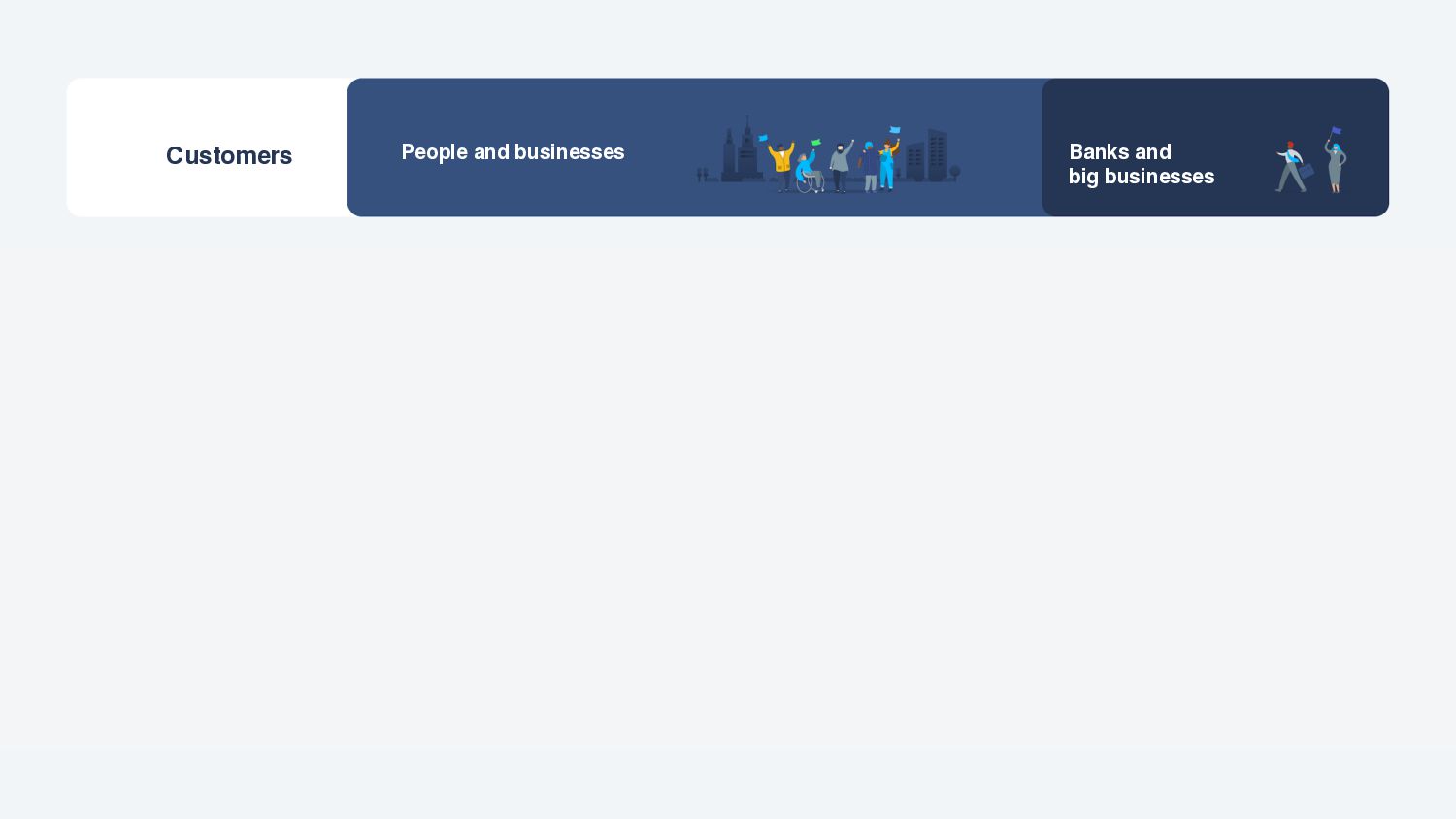
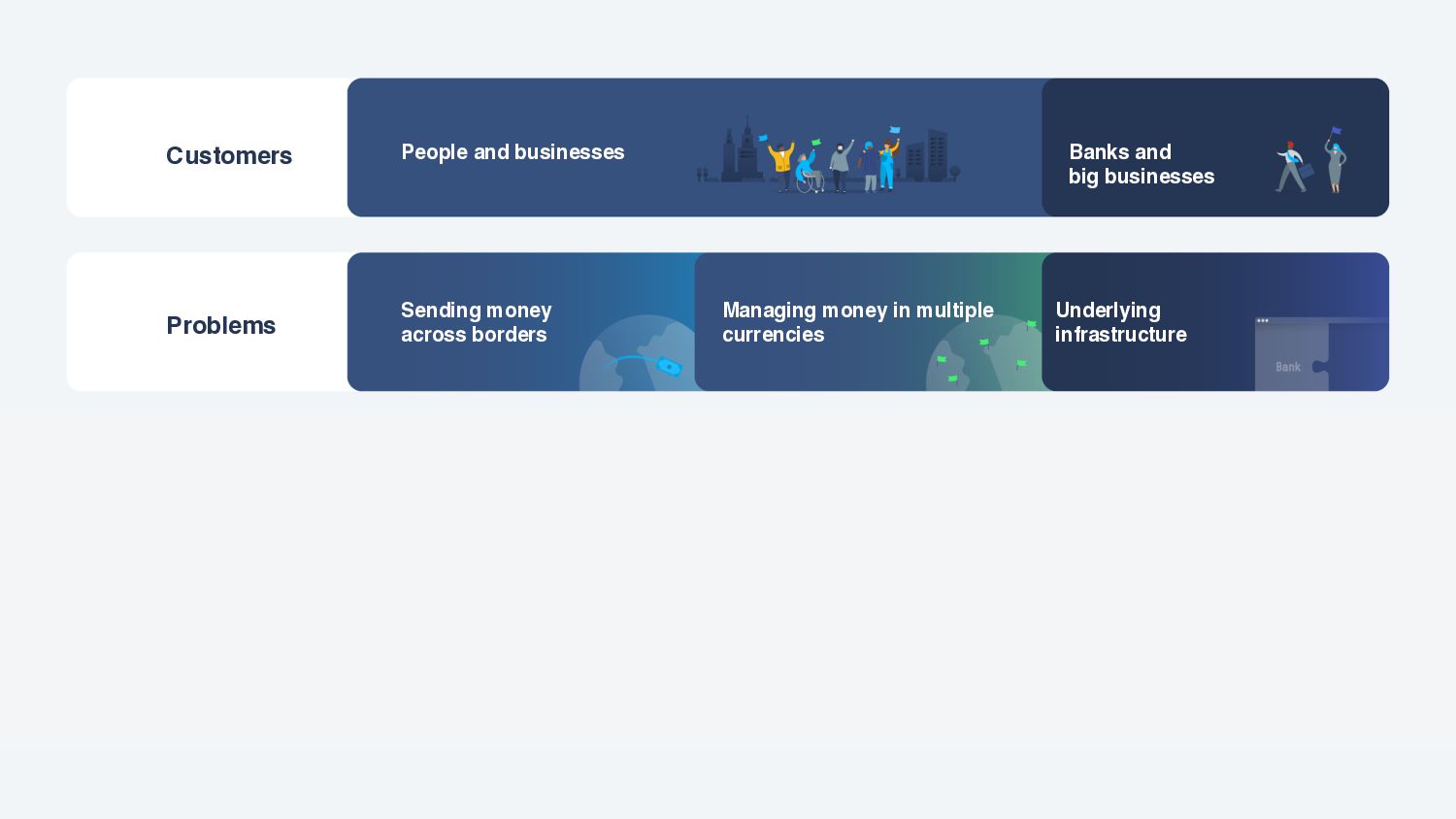
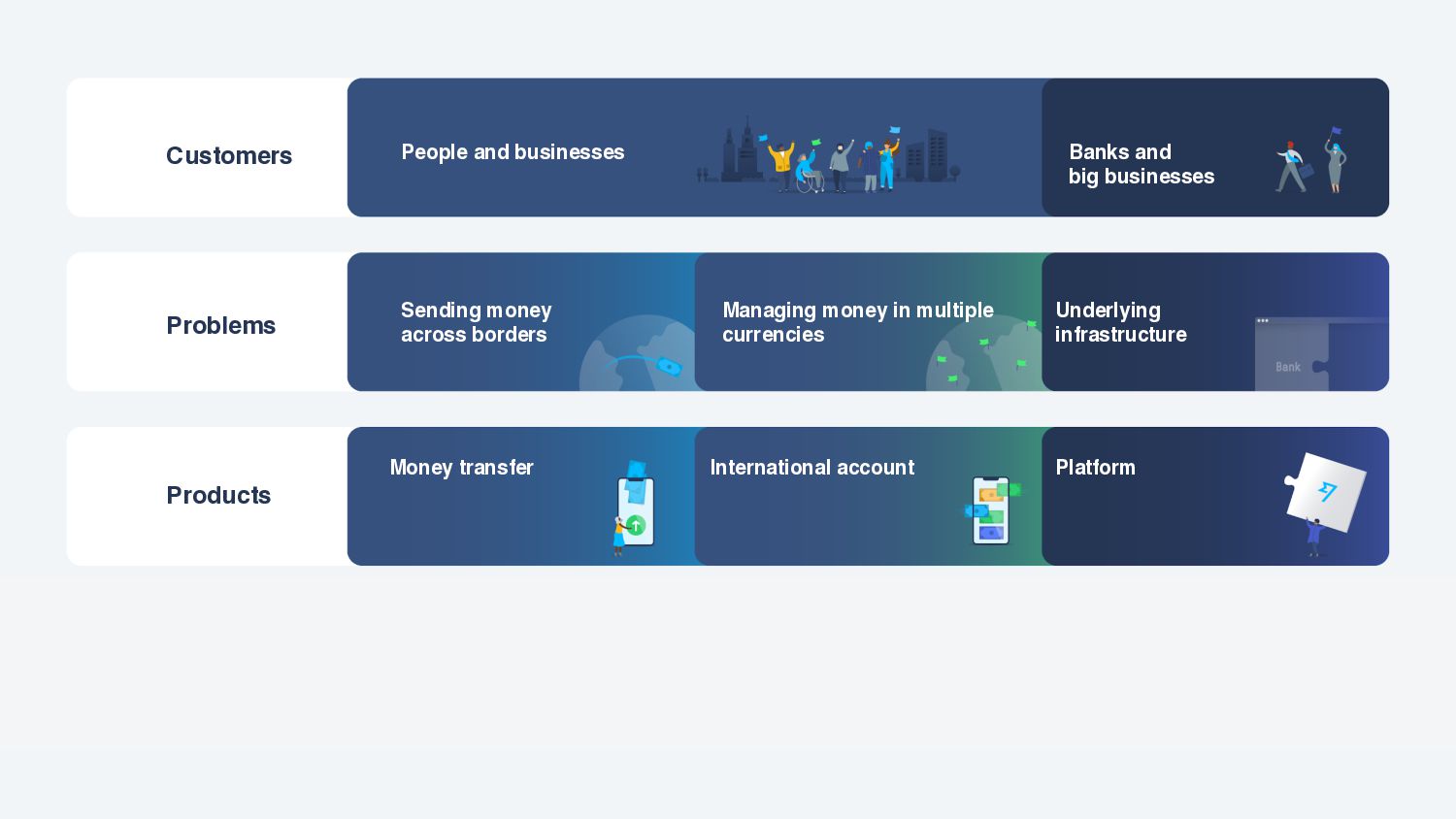
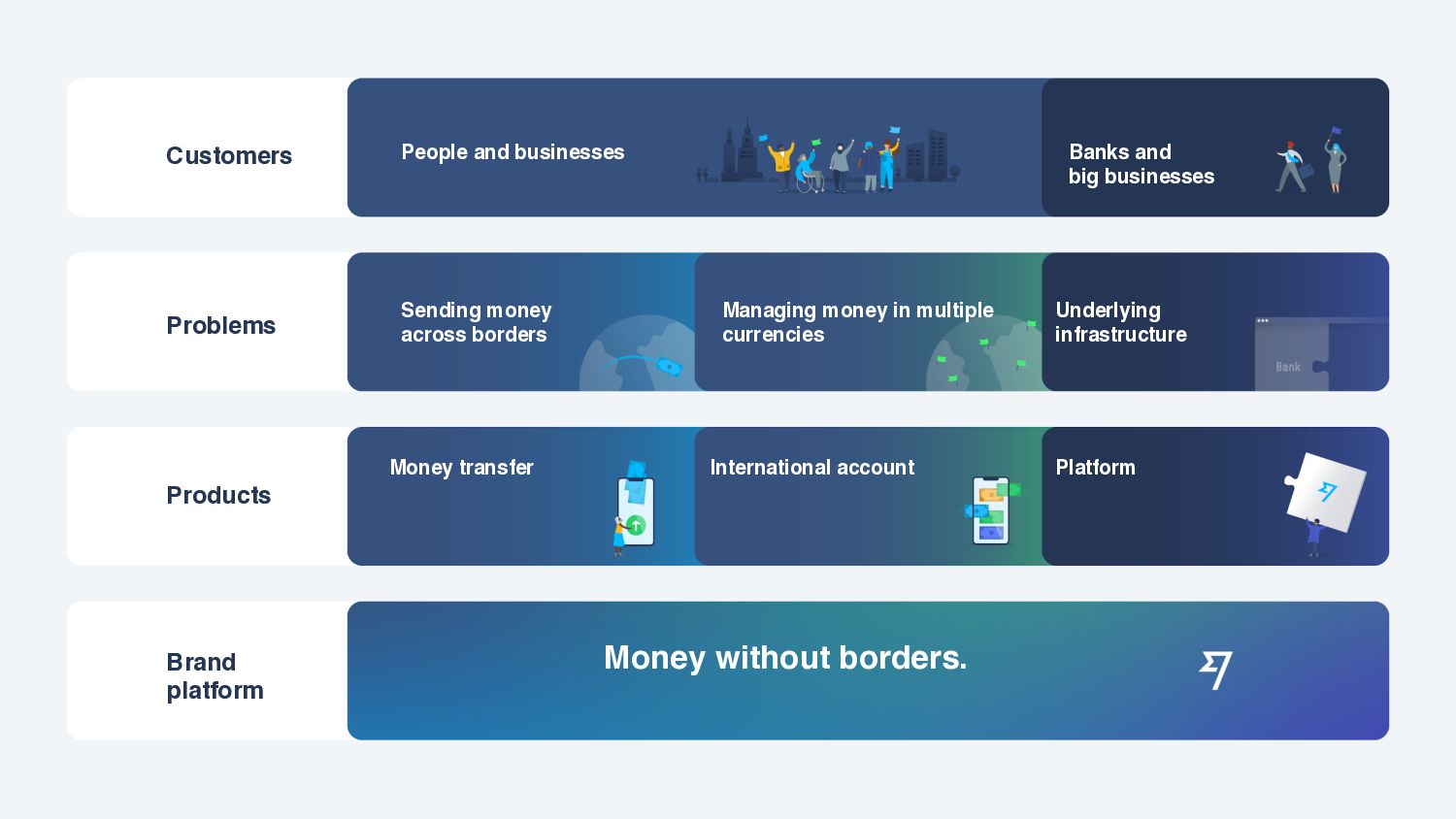
So if all this is going very nicely, why on earth would we change everything? And the answer is pretty simple. We've come a really long way since twenty eleven when we founded, and we're solving very different problems today. So today we have three different groups of customers: people, businesses, banks, big corporations.
And we're solving three different types of problems for them. So transferring money across borders, but also managing money in multiple currencies and providing the underlying infrastructure. And we have three distinct product areas that do this. So our money transfer product, our international account, and the Wise platform.
And all of this is still underpinned by the same brand platform, Money Without Borders. Cool. But we had this big perception problem. We kept hearing the same thing again and again and again from our customers. And it was this: It's called transfer wise.
It must be for transferring money. And it's really, really hard to shift people's perception, reposition a company in people's minds. So our product had evolved, but our name hadn't, and it was holding us back. Because today, we are so much more than transfers.
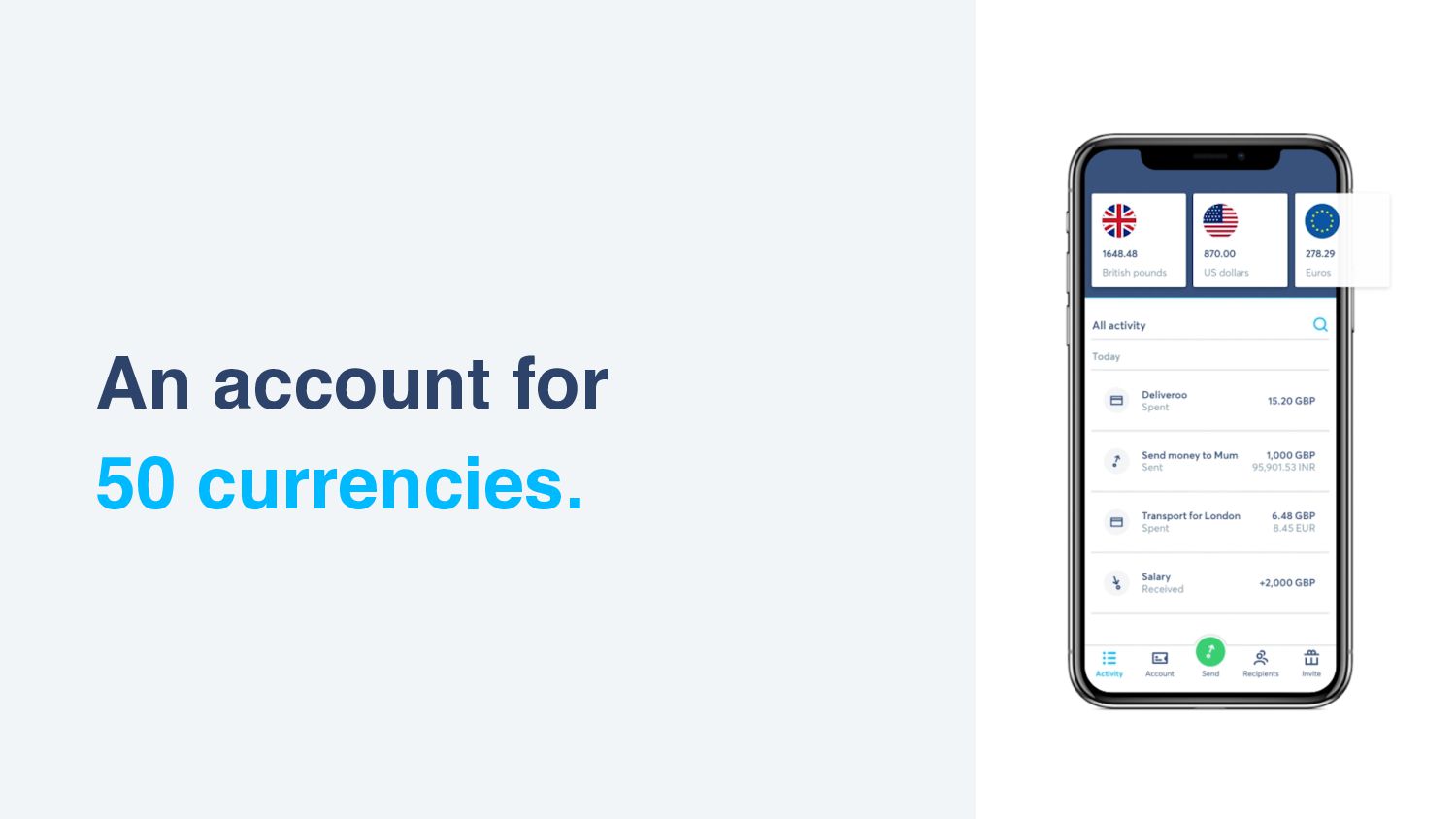
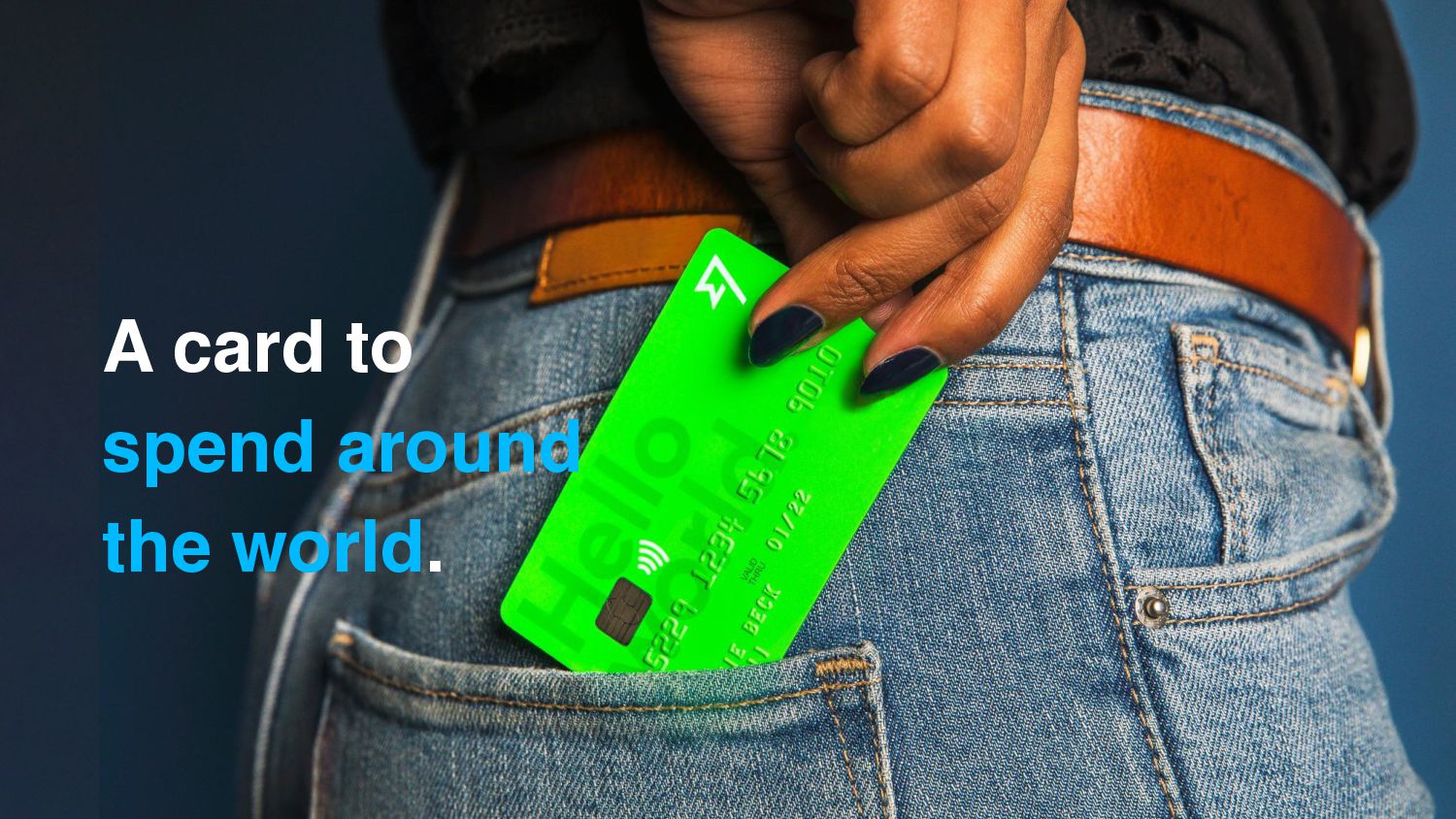
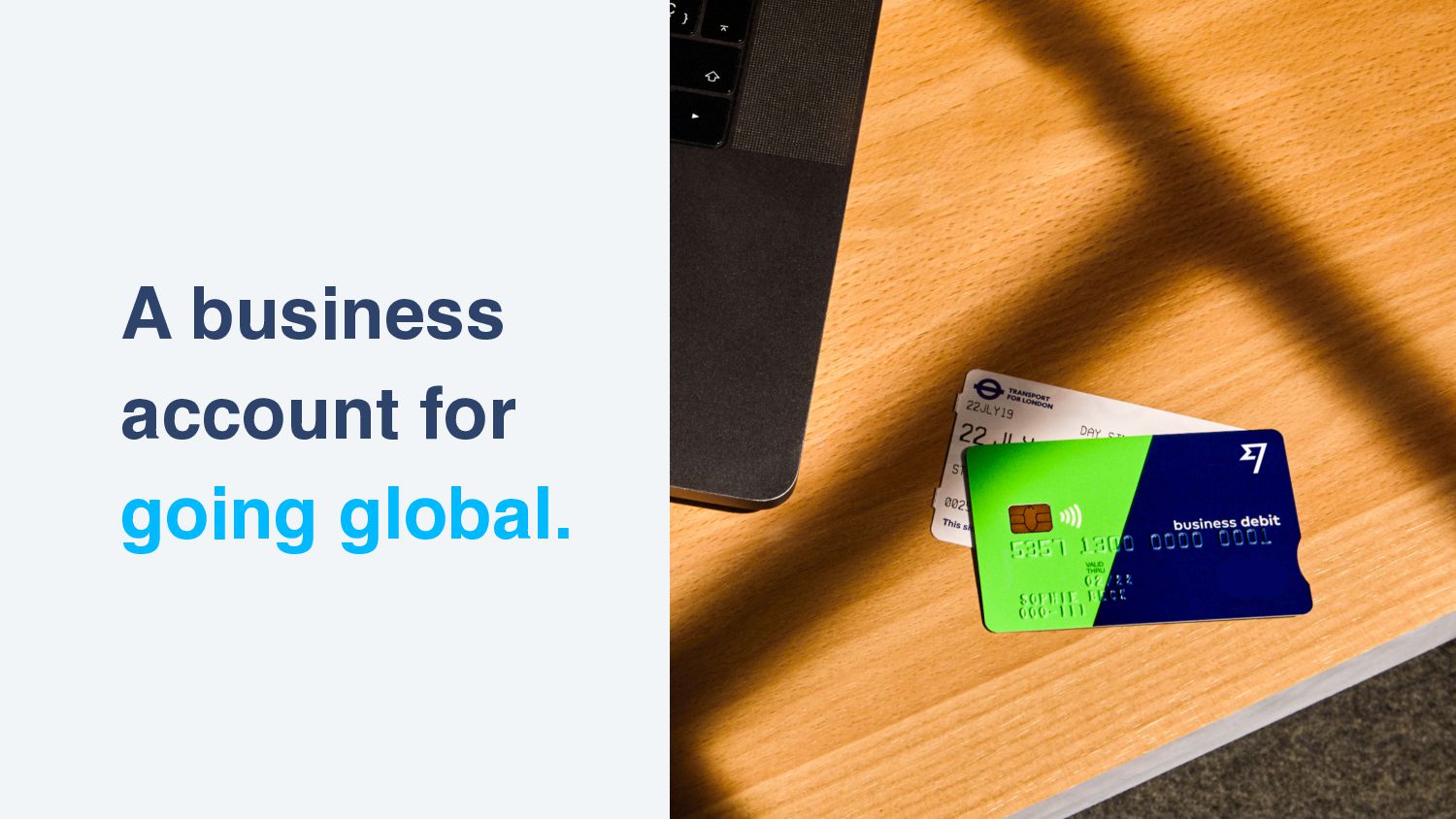
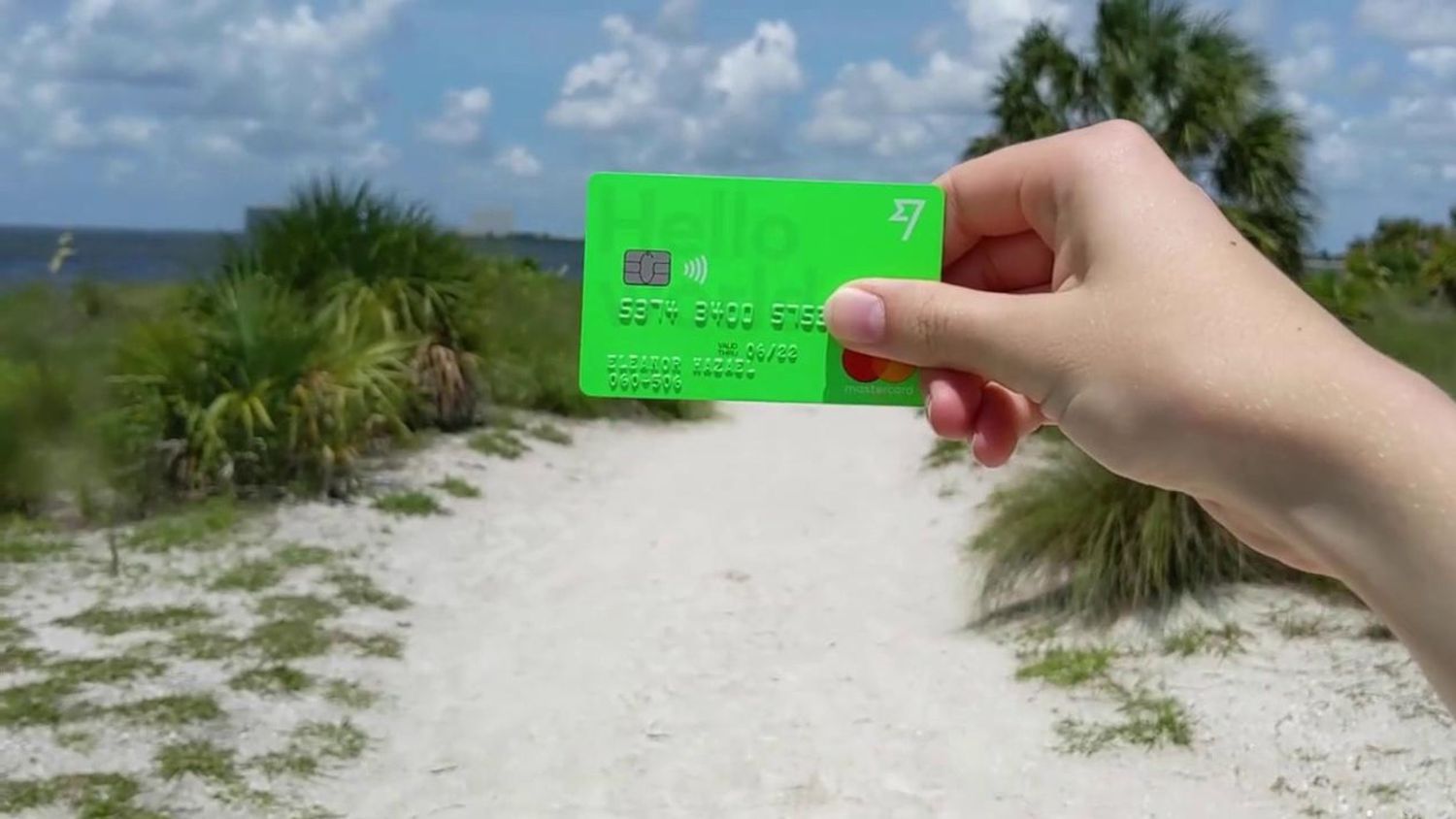
So with Wise today, you can get an account for fifty currencies and move them around and convert them instantly within it. You can get a card to travel around the world and auto convert your money in any currency anywhere. You can get a business account to take your business global and save money on almost every kind of international transaction.
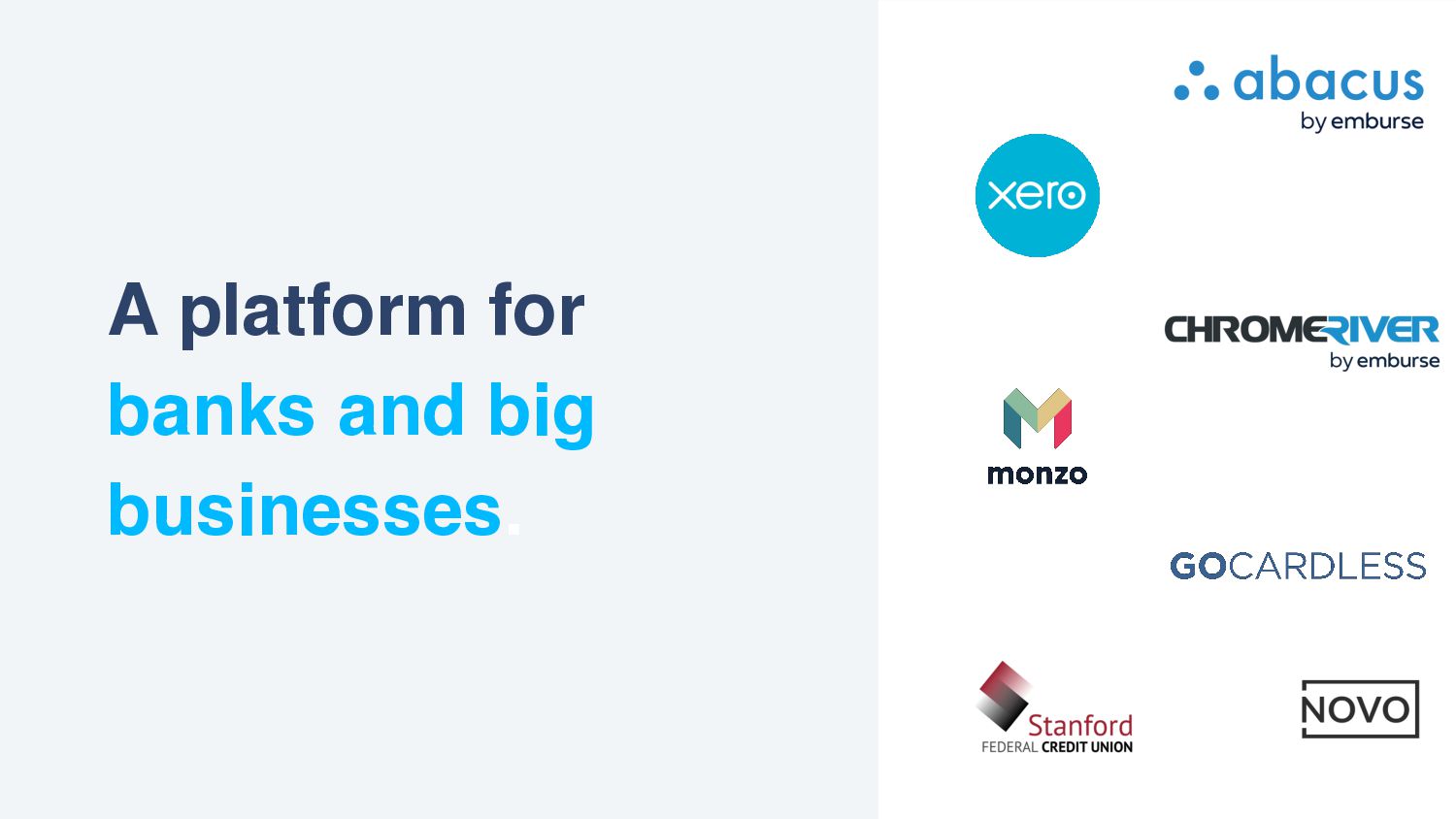
And you can offer these services to your own customers through our Wise platform. So customers at Monzo, for example, can make fast, easy money transfers using Wise's fees and our rails without ever leaving the Monzo app. But how do we change this perception that it's just for transferring money?
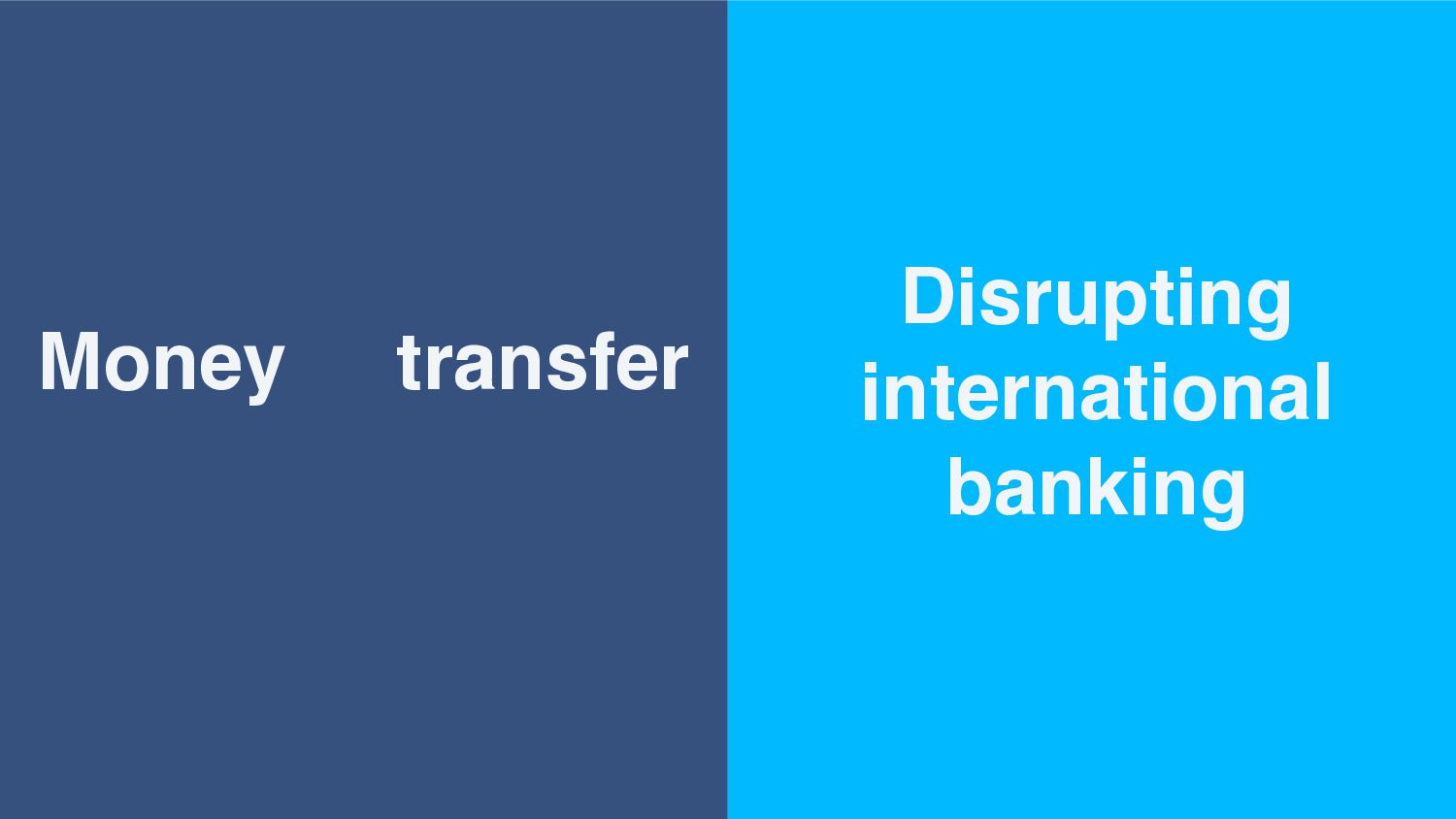
Because in the end, this name change from TransferWise to Wise is not just about changing our name. It's about changing the way people think about us from a money transfer company to a company disrupting international banking. So what does it take to do that?
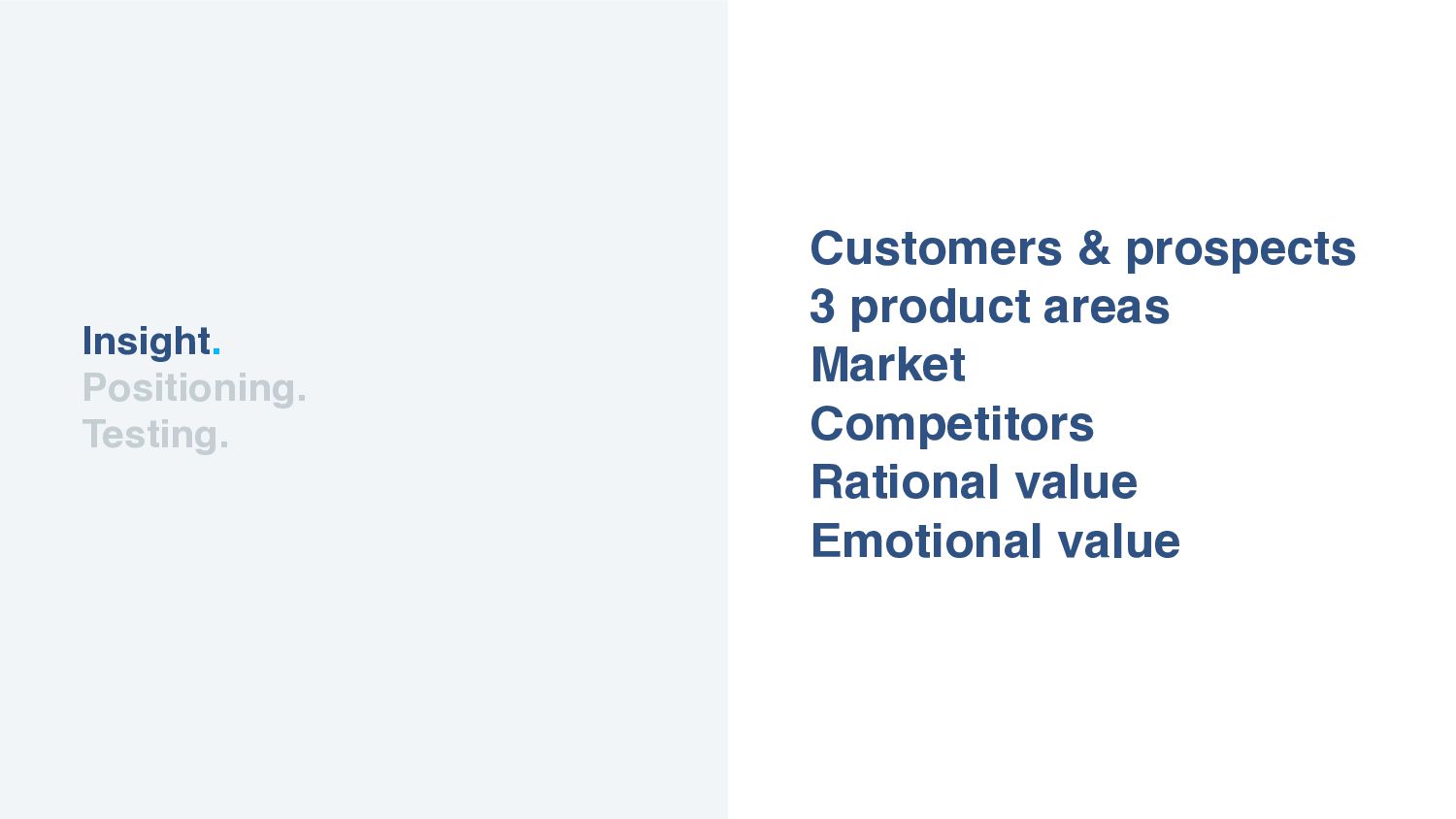
It's a lot. So the first thing we did is look hard at the positioning for all of our products. So that starts with Insight. So we ran Insight with customers and prospects from each of our three different product areas. We took market insights. We gathered competitor insights.
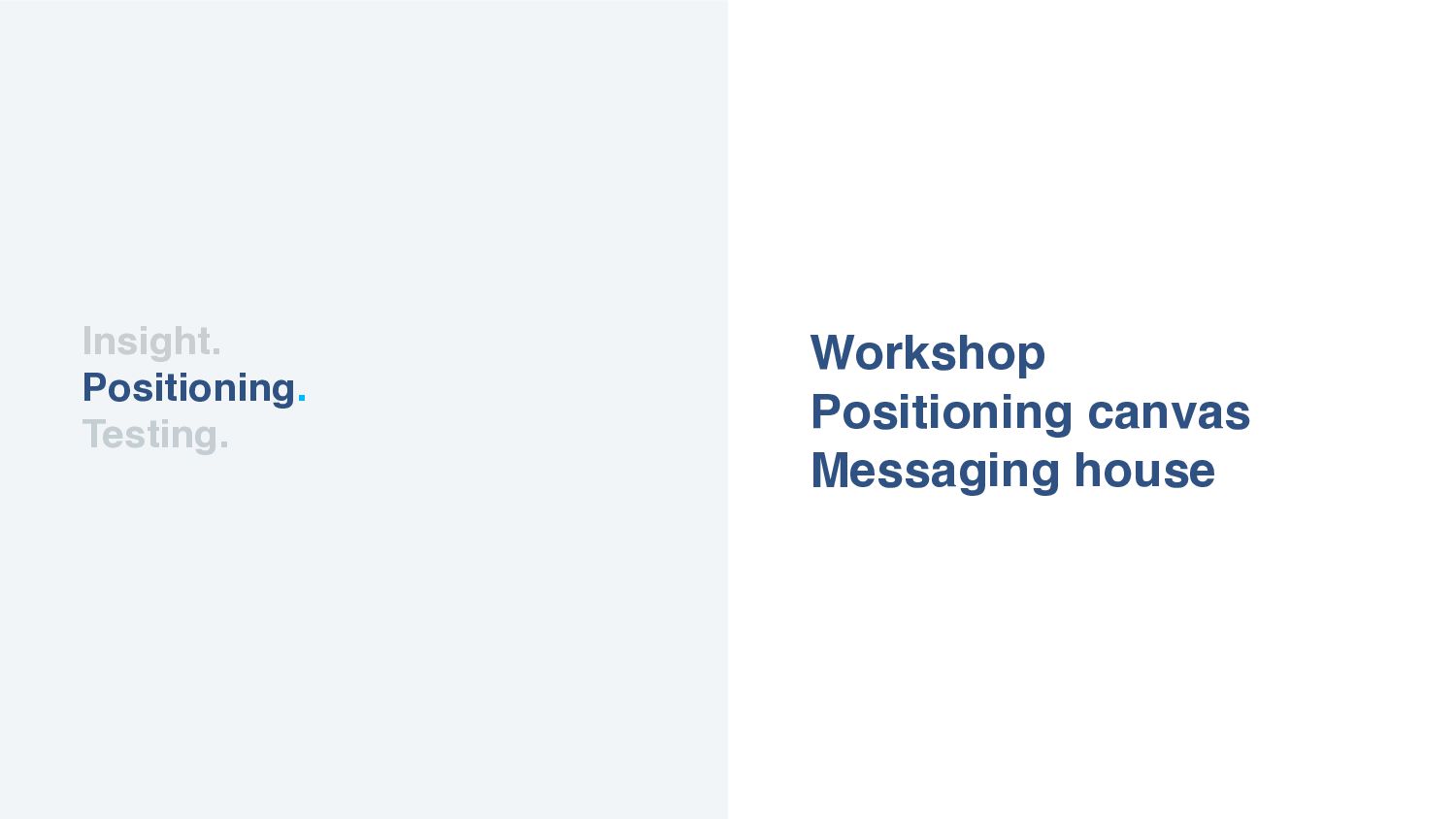
And we distilled from that the rational value and emotional value of each of our products. From that, we were able to build out our positioning using workshops, built out positioning canvases, our messaging house for all of our products, as well as the rebrand campaign itself and how we would message that.
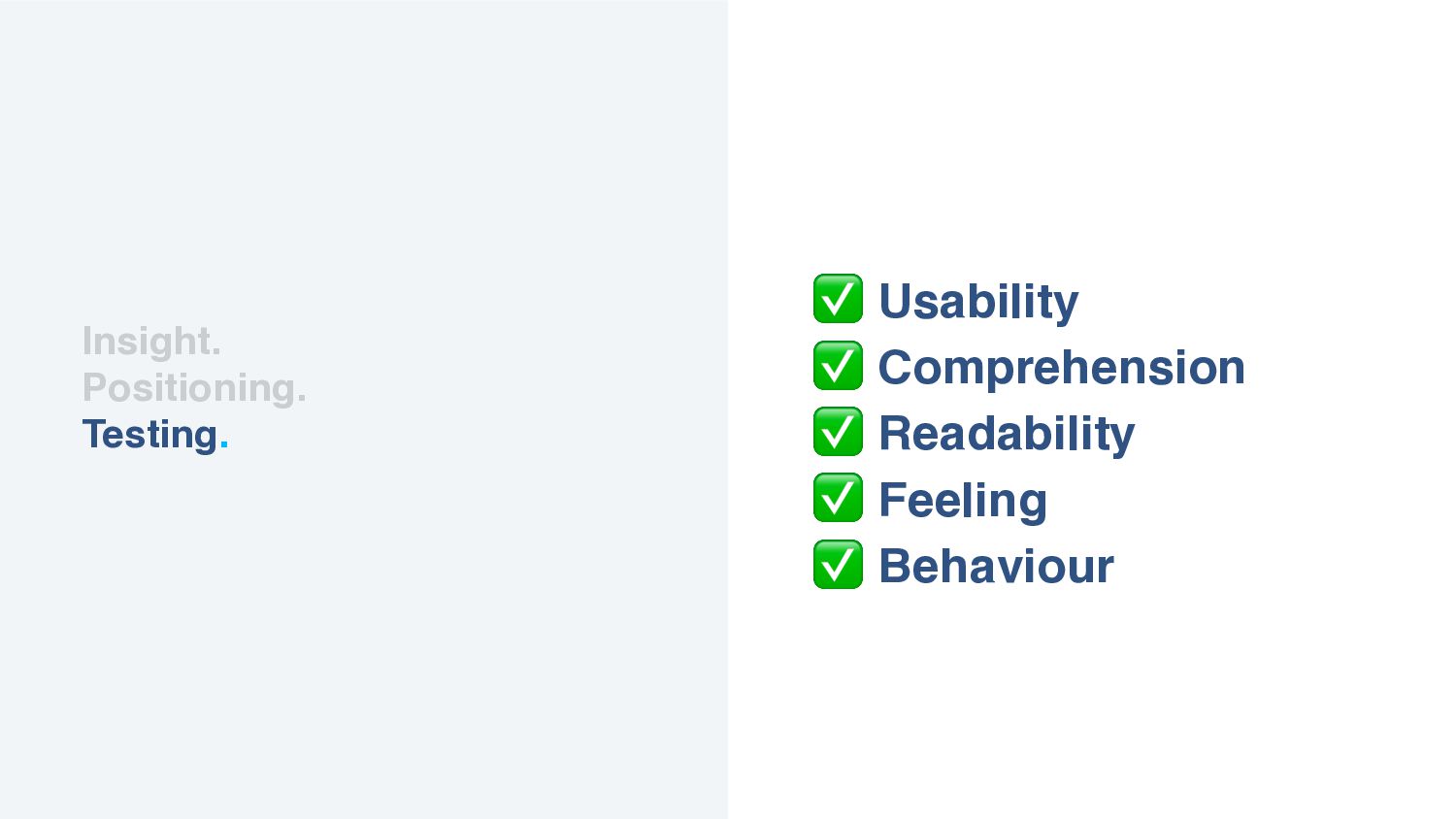
And then we tested all of that. So usability testing, comprehension testing, readability testing, feeling and behavior to feel really confident that the positioning and messaging about this rebrand and why we were making this big change was really solid and make sure that we didn't lose customer trust along the way.
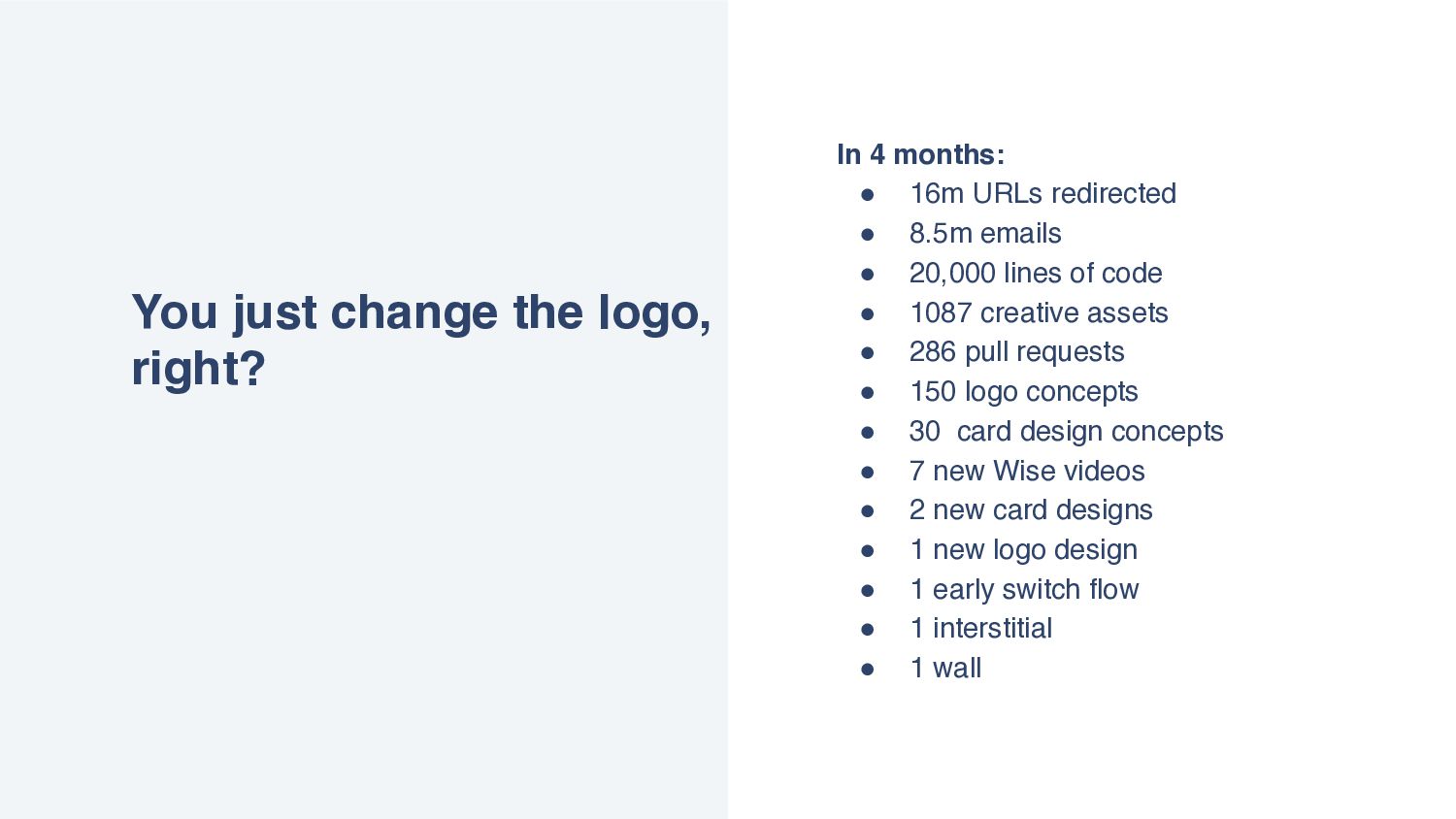
Then there's an awful lot of things to execute. So it's not just changing the logo, unfortunately, that would have been a much easier job. So like twenty thousand lines of code had to be changed, which is a terrifying thought for engineers in the business at the time.
But the critical thing for us to make sure that customers really thoroughly understood. So I'm gonna run through just a couple of these to show you some of the stuff that we had to ship. So first of all, you've got to get a new logo, right?
So design team explored one hundred and fifty different logo concepts before we landed on this. Then you've got to move all of your site to a new domain, which is tiny little four letters here. It's an enormous job for the SEO team. So you had to migrate all of our web pages without losing our SEO rankings.
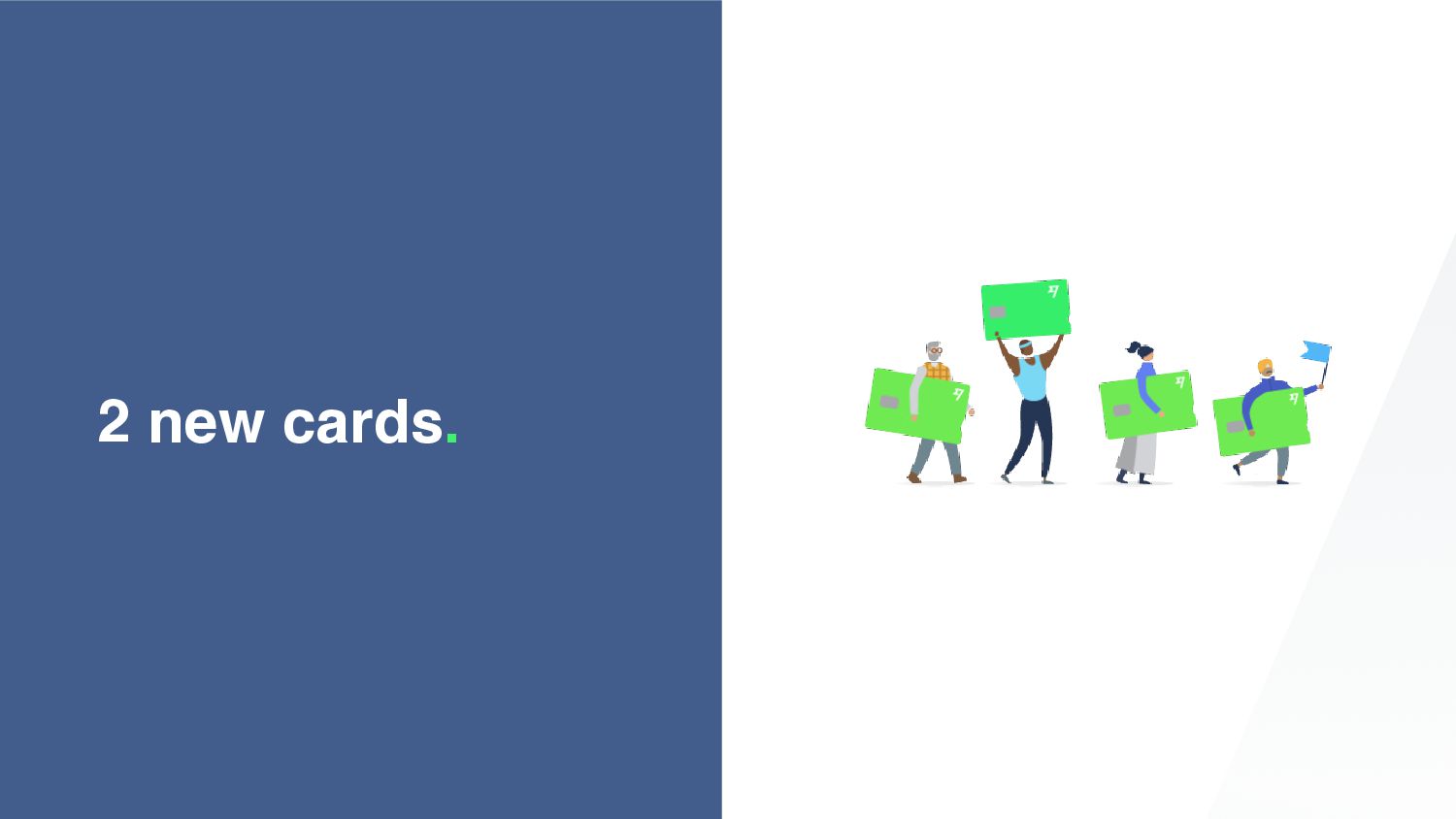
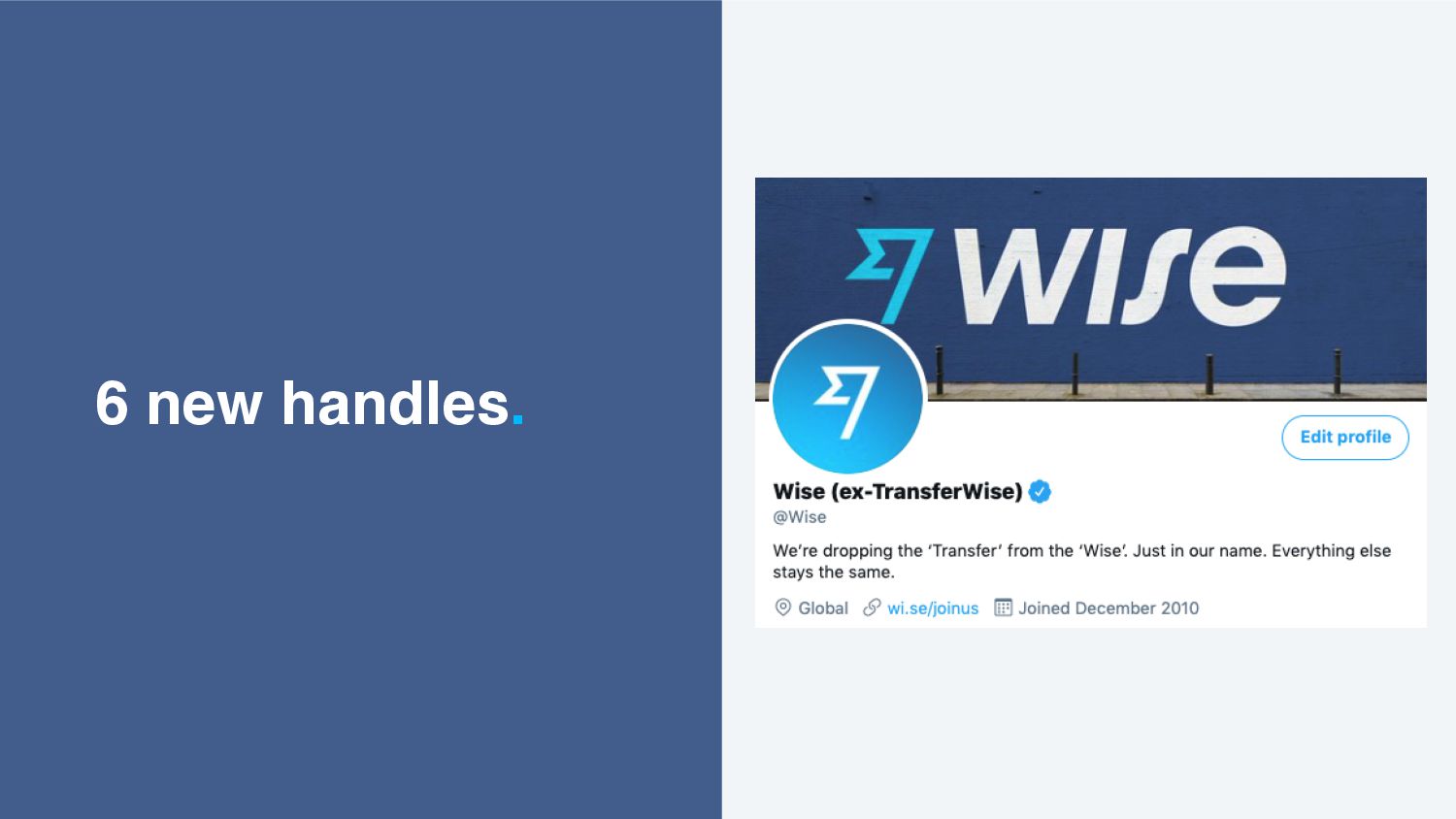
So it's a huge challenge. We designed and shipped two new cards. So our personal and business cards had to go new designs to customers all over the world in all the markets where we had cards live. We had to negotiate the transition of six different social media handles and migrate all of our content and help customers understand that it will live there.
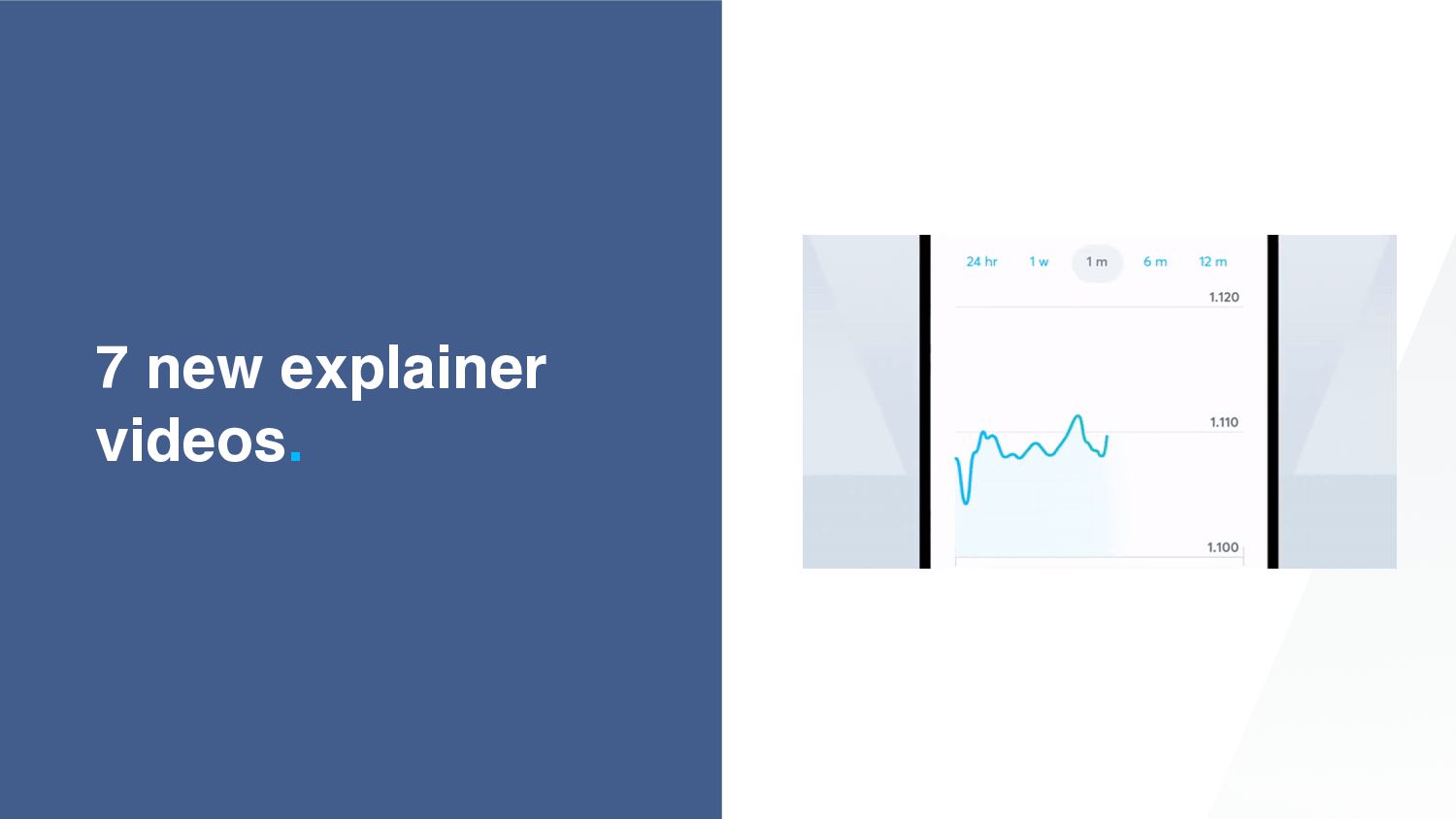
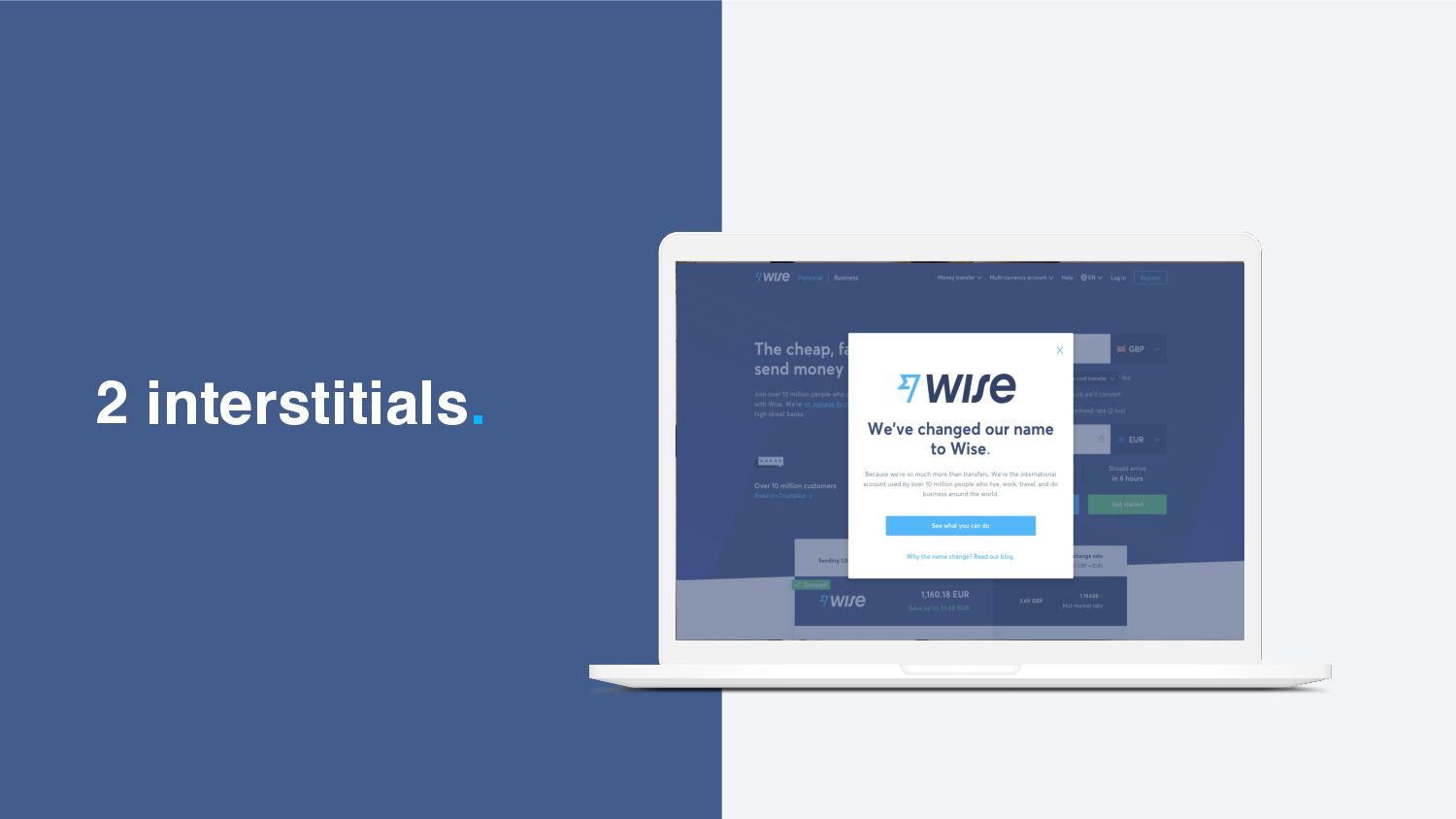
Created seven new explainer videos, all of these animated, which is incredibly time consuming. If anyone else works with animation, you'll understand how much time that took. We built two interstitials, so if customers landed on TransferWise and were redirected to Wise, they didn't freak out and panic about what was happening.
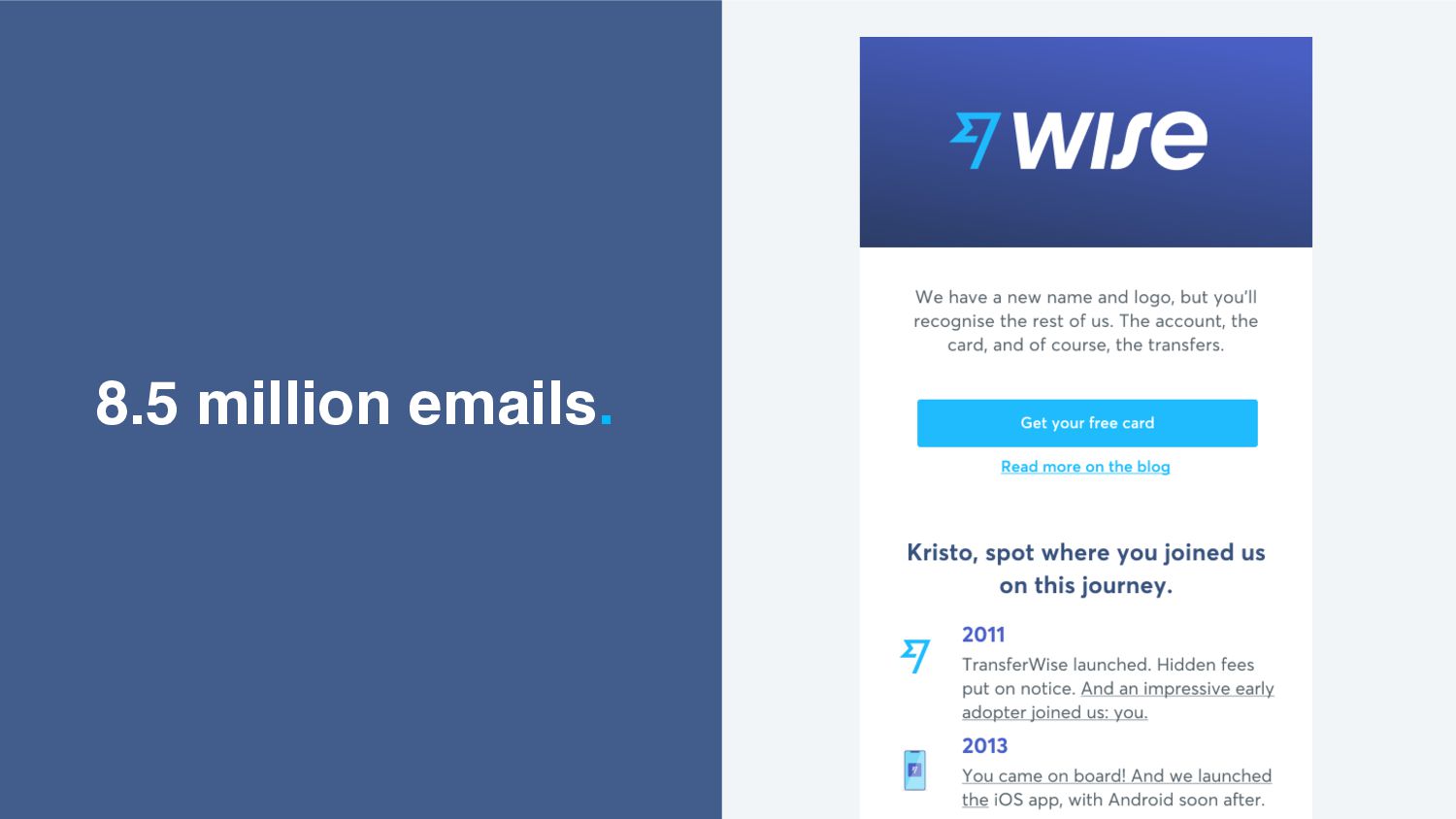
And they understood very clearly why we were changing our name. We updated over one thousand creative assets. So all of our marketing channels, all of our own content, everything had to be updated. We sent eight point five million emails to customers to explain that we were on this new journey and that we offered so much more for them now.
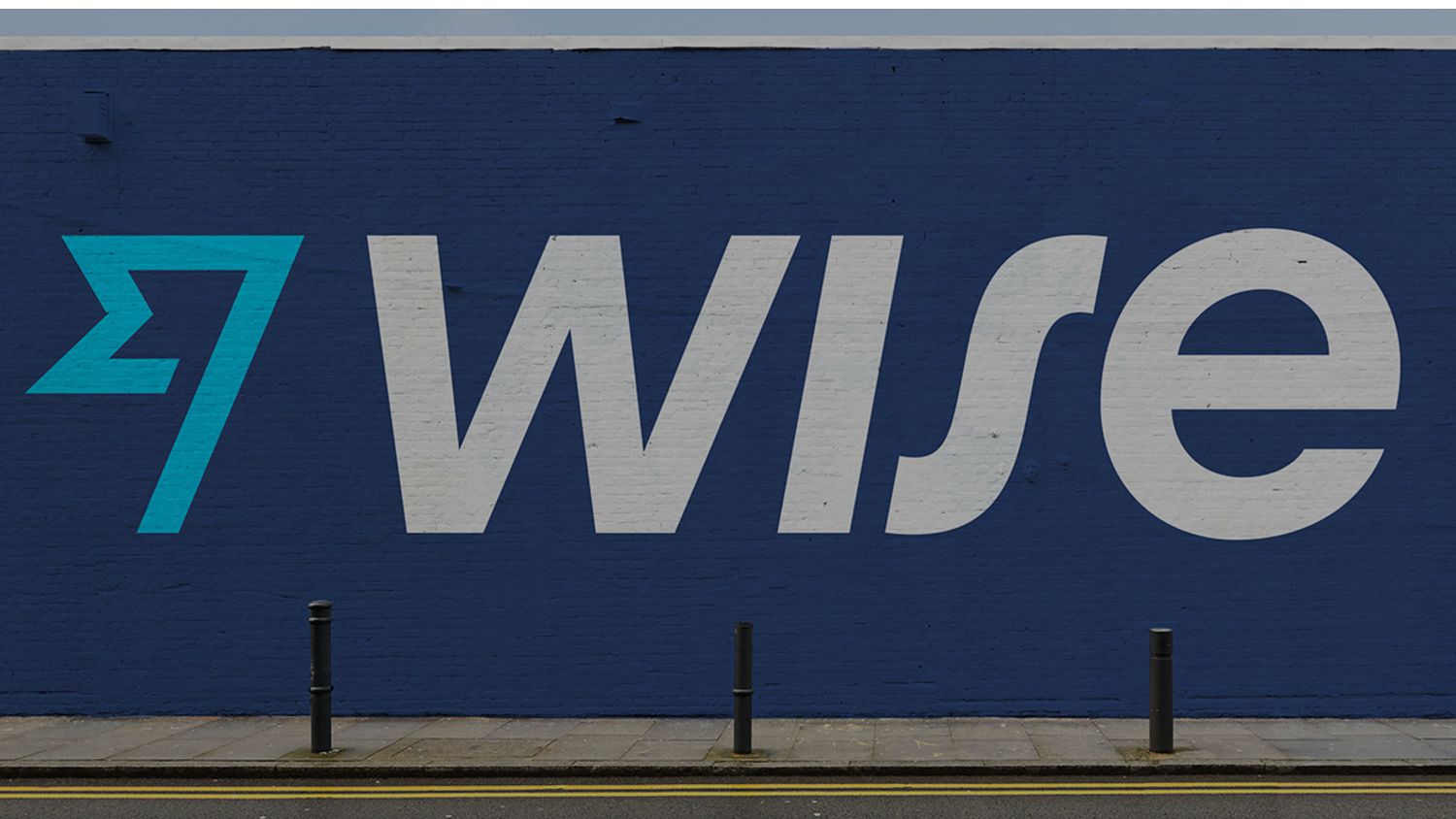
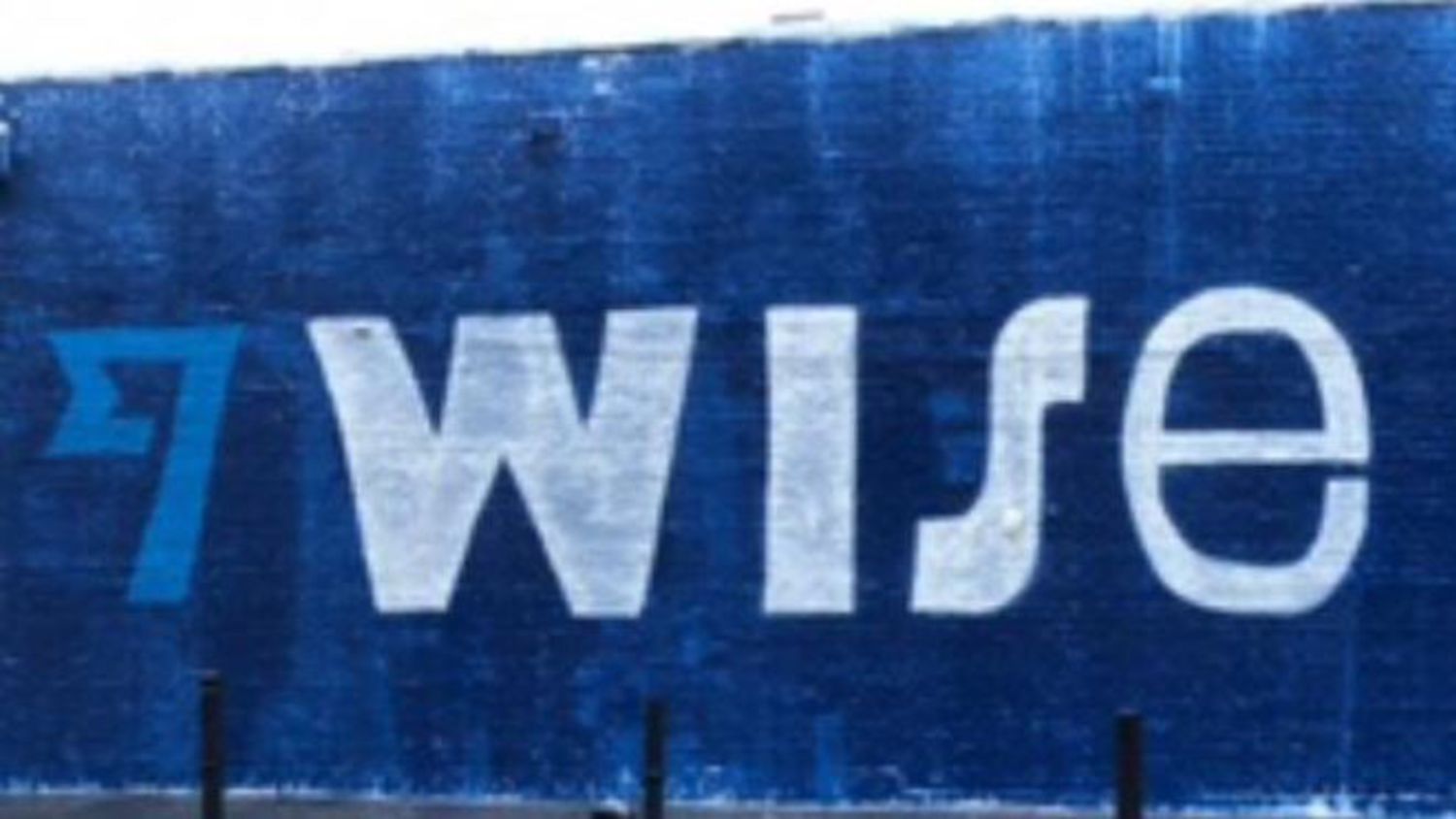
And we actually drove so many card orders from this, but we ran out of stock globally. So that was a nice success story. We also did some things that did not go so well. So this was the concept for the Wise Wall. So this is a wall outside our office in Shoreditch, and it's massive.
It's like forty foot. It's a big ass wall. And we asked the artist at the time, are you going to use a projector for this? Do you need a stencil? And he was like, no, no, no. I can do this freehand. So this was the concept.
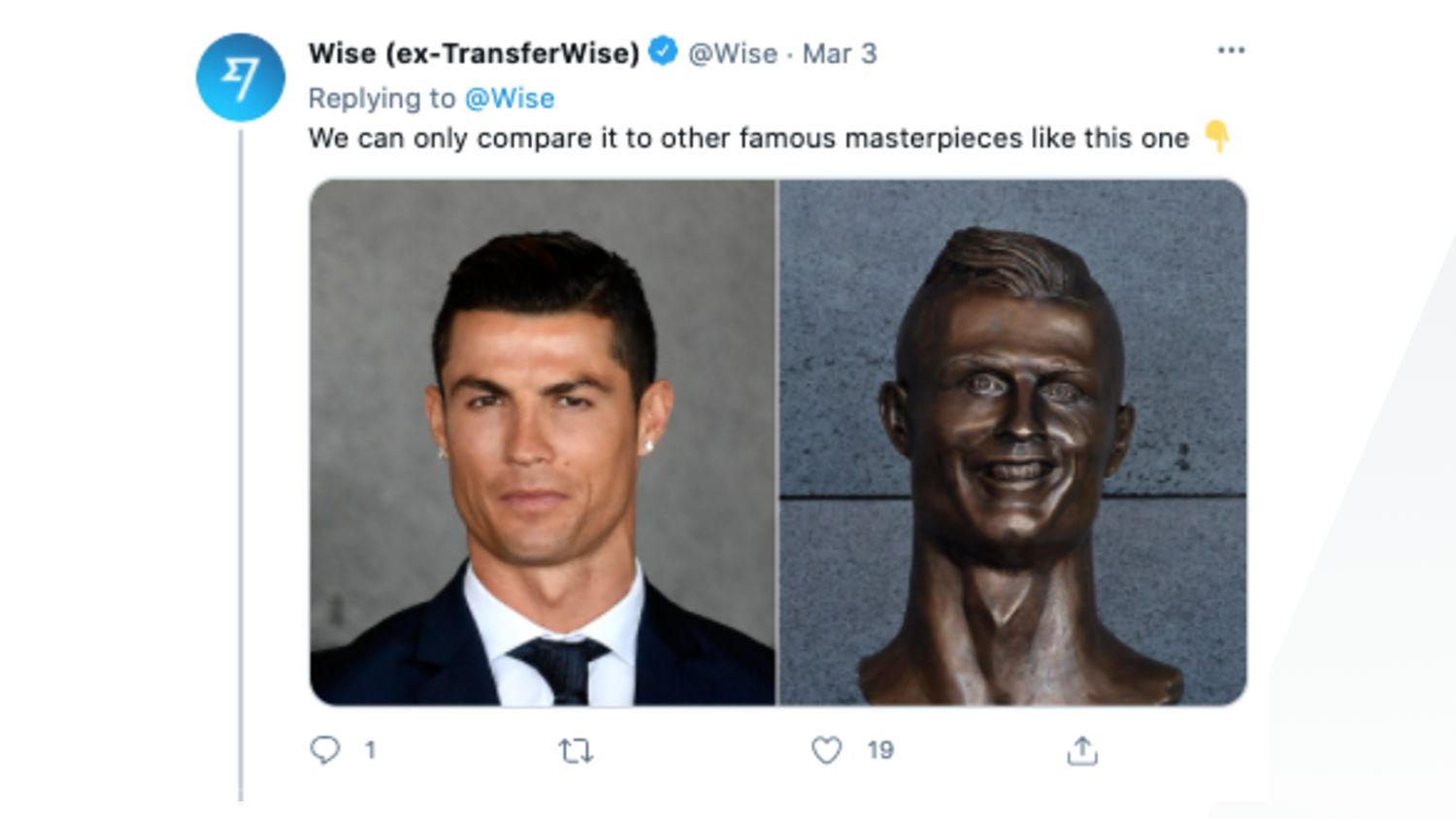
This was the reality. And this is outside our office. You walk out our office, and you're like, oh, god. Here we are. This is us now. It wasn't the biggest moment of the campaign. Fortunately, social media team had a pretty good time with this.
And we used it to make good time. But yeah, that was one of the things that didn't go so well. It doesn't always run smoothly. But just to circle back a sec, like all of this effort is to go into making sure our customers understood what was happening and that we didn't lose the trust that we had spent ten years building with them.
So landing that message was really important. So gonna run the video that we created for customers to help them understand that. Maybe? As far as I know, that tattoo is now fixed. Cool. So loads of work went into this. What did we learn?
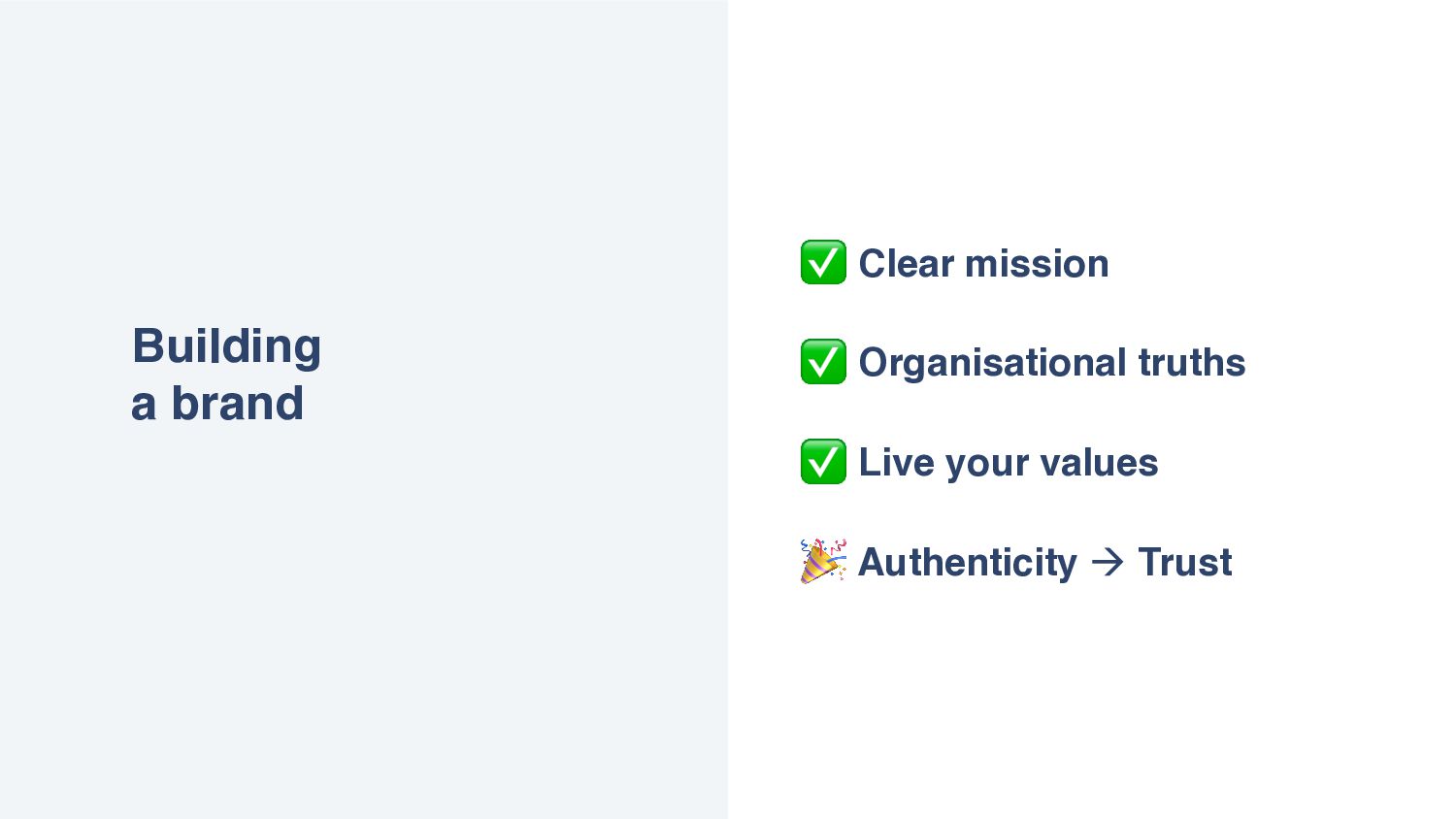
It's been a real journey building this strong, trustworthy brand and then making a seismic shift and still retain the loyalty of the customers that you've earned along the way. So I think about this in two parts. First, what did we learn about building a brand in the first place?
And if I had any advice for startups watching today, probably these three things. First of all, be really clear about your mission. Know what your purpose is in the world and articulate that in a way that feels honest and true to who you are.
Secondly, distill your organizational truths. So really think about the culture that you're building, how you work, what do you believe in as a company. And then thirdly, live your values and really live them. Live them in your marketing, live them in your product, live them in your everyday decision making.
Because if you do that, you will create a brand that is built on authenticity. And ultimately, authenticity builds trust. And trust is everything. So what do I think we learned about the rebranding part of this? Again, probably more relevant for people at a larger stage thinking about making seismic changes to their company.
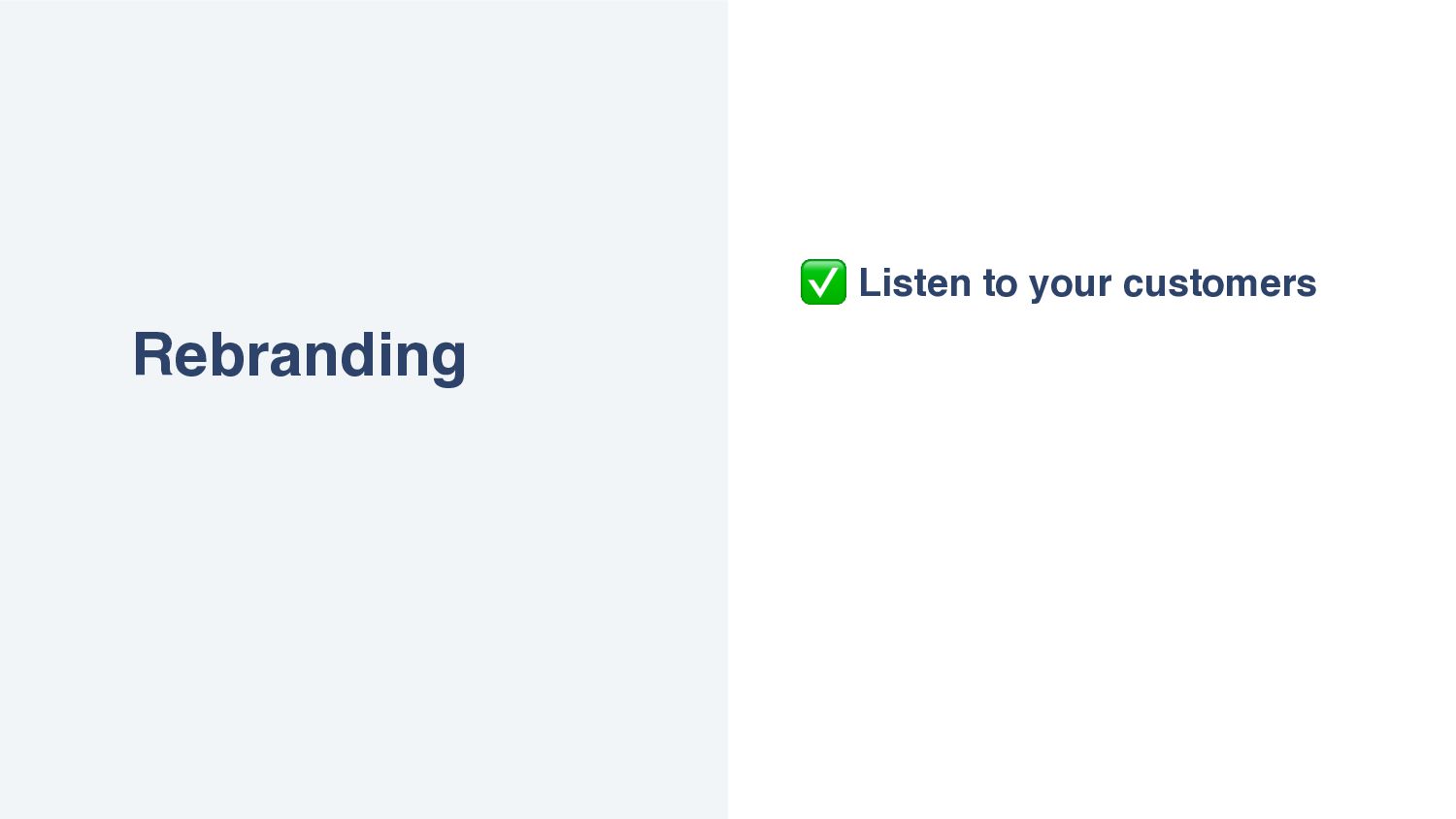
How do you build conviction for that? So for us, it was these three things. Firstly, listen to your customers. We heard them say again and again and again, TransferWise is for transferring money. And we knew it was holding us back. So listening to them gave us the conviction to take this bold step to change their perception.
Secondly, honor your product evolution. So we were in a place where the TransferWise brand was underselling the amazing breadth of things that we'd built and the products that we had to offer customers in the world. And we knew we had to change that.
Thirdly, be brave enough to create a new space for your brand. So recognize the opportunity that you have. So for us, that meant creating the space to position products to new customers. So people who might use the business account, who might use Wise platform.
But it also meant creating the space for people to understand, they thought they knew what we did, but actually we could offer them so much more now to help them reconsider what we are and change their perception about the value that we could offer them.
But above all, stick to your values. We spent ten years learning the power of building and committing to our brand values, and they still apply to Wise today. We still set out to try and be your bold, current, honest, cheeky, clever friend. Because if you get this right, then your brand can help build extraordinary customer advocacy.
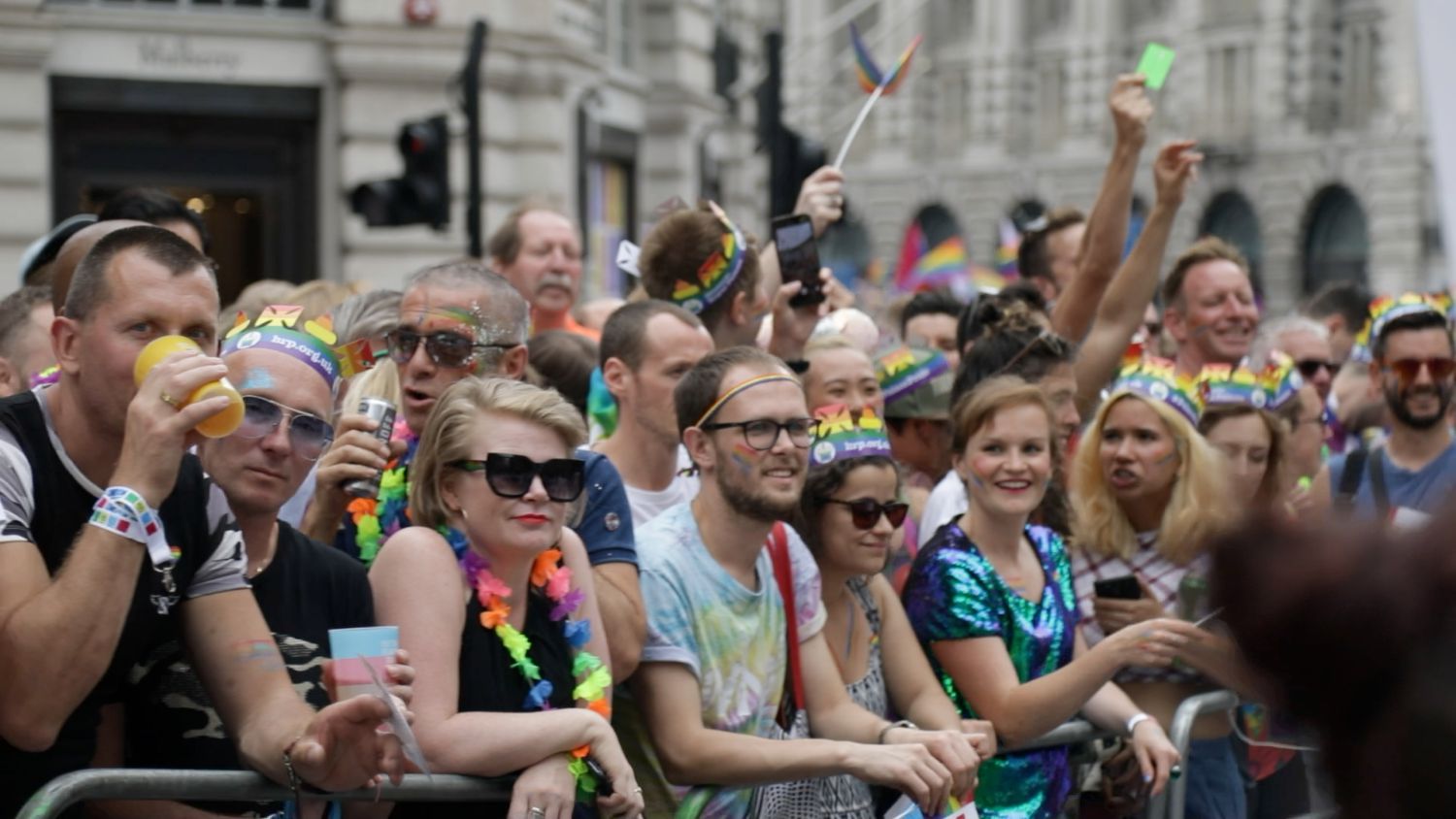
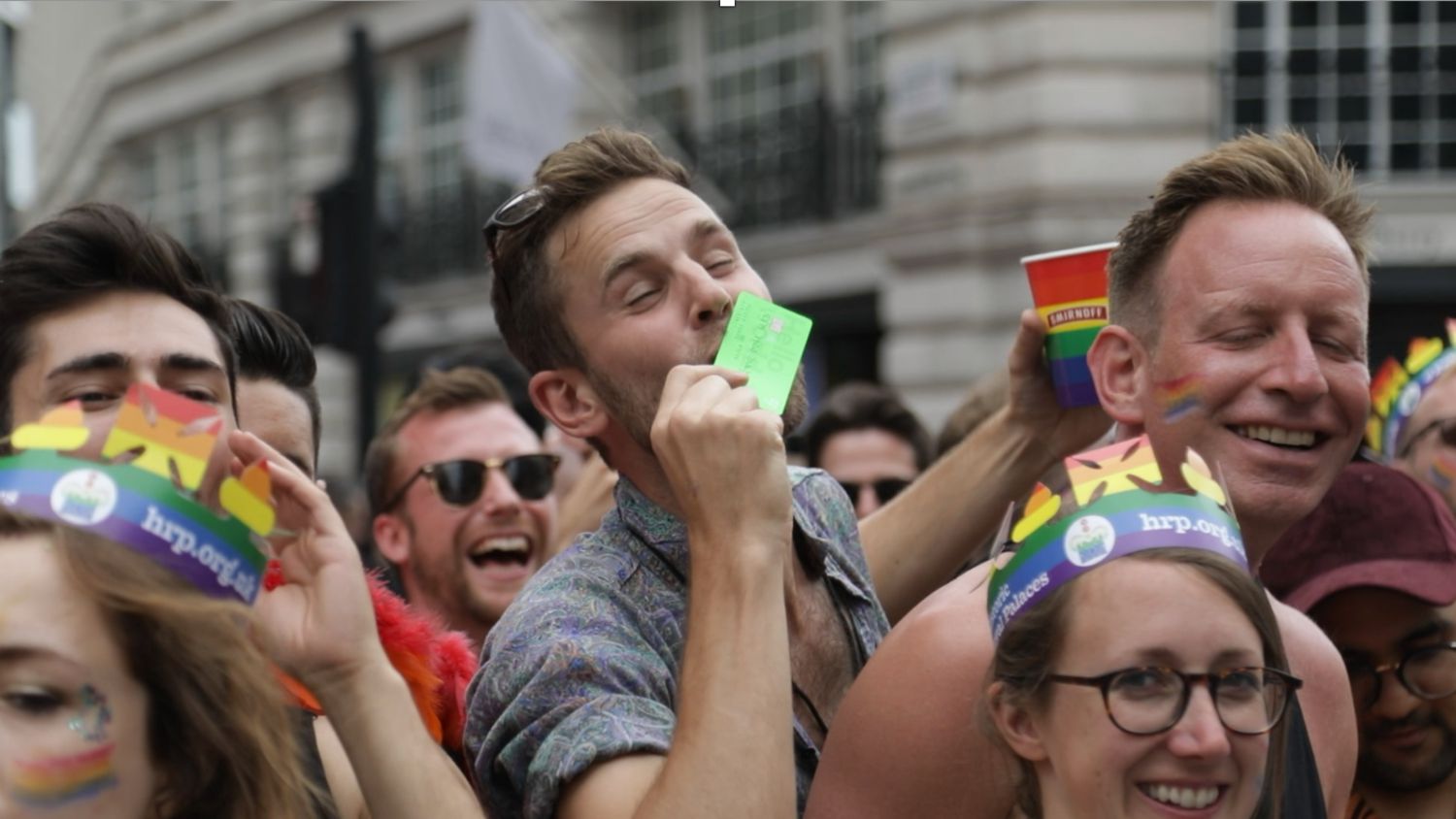
So just to wrap up, I want to show you what I think is my favorite clip that we've ever captured. This is a couple of years ago when we saw someone in the crowd. We had a float at the London Pride, and we saw this guy.
So it's a little bit hard to hear that audio, but he's literally shouting, I love you. I love the way you manage my money. And ultimately, seeing that kind of customer love for your brand is everything, really. It makes all of the effort worth it.
Thank you.