
You work with ideas, big and small, all day long - isn’t it time you learn the deep patterns that explain your successes and failures? This short and fun presentation, will share timeless patterns and entertaining insights that can help you, and your team, be more creative and productive all at the same time. From finding creative confidence, to reusing brilliant ideas from the past, you’ll be entertained as you’re challenged to think differently about (creative) thinking.
← All talks 

Lead Culture Turing Fest 2018
The Dance of the Possible: a better way to understand how to work with ideas
Auto-generated transcript - may contain errors. Tap a timestamp to jump the video.
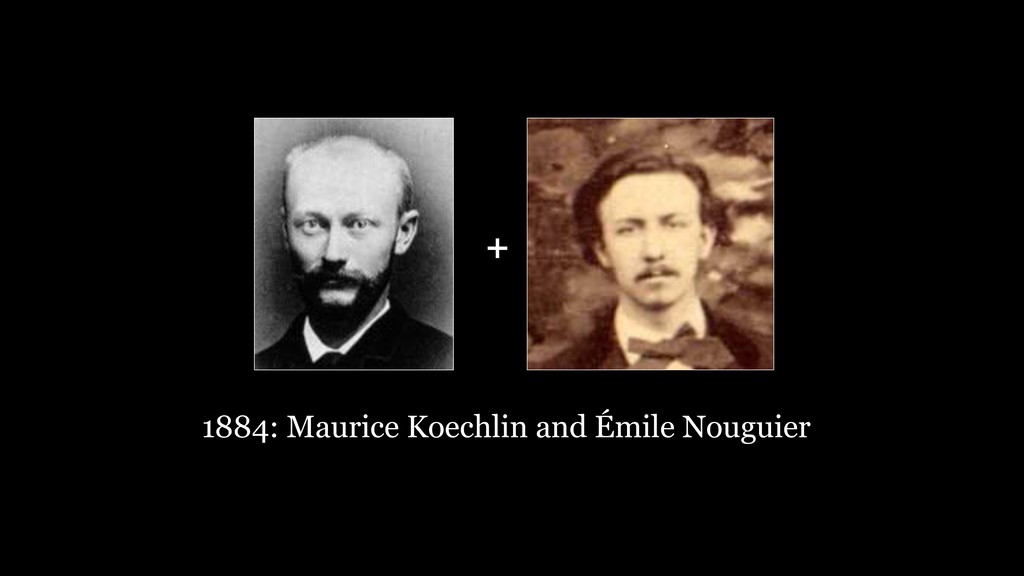
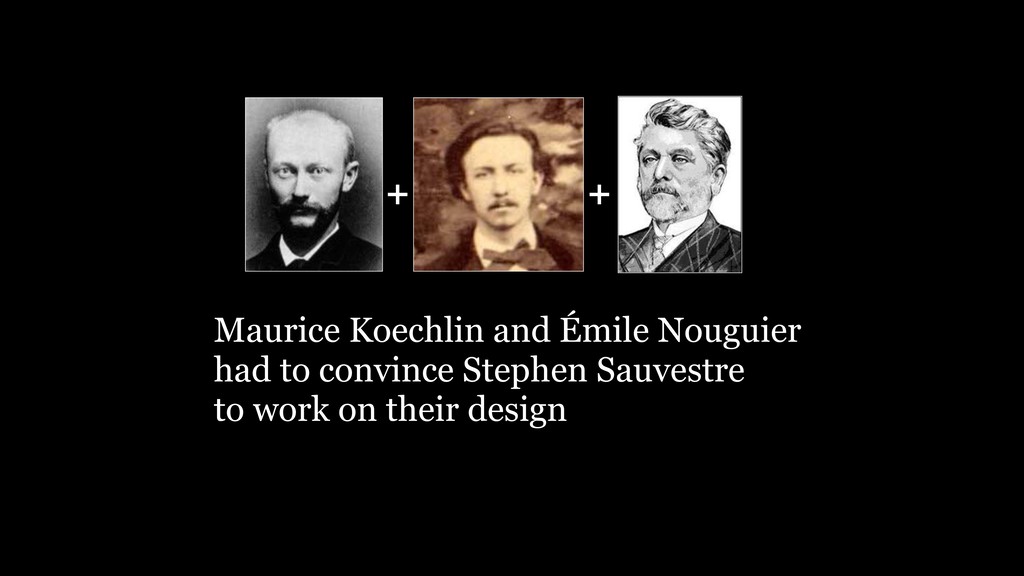
In eighteen eighty four, two young men, entrepreneurs, engineers, came up with an idea for a project that would change the world. Now, at Ike eighty four, about a hundred and fifty years ago, more than a hundred years ago, you have to remember that technological innovation in that day was very different than it is today.
There was no web, there was no augmented reality. There was no Internet. If you were an ambitious, smart, young person who had engineering ideas and wanted to design things, you worked in construction. This is the rise of the industrial era. This is before railroads and telegraphy and iron bridges were popular, or even believed to be something that could exist and take over the world.
The idea these two young men had, in particular, they wanted to build the tallest building in the world, and they wanted to build it out of a new technology called wrought iron. These two young men, they were in their twenties, they put this plan together, and they decided to go and pitch their boss.
Now, even though this is more than a century ago, a lot of the ways they work with ideas are very similar to the way we work with ideas today. They came up with a mock up. They had a prototype. They realized they needed to put together a good pitch to convince their boss to put resources from his company behind their idea.
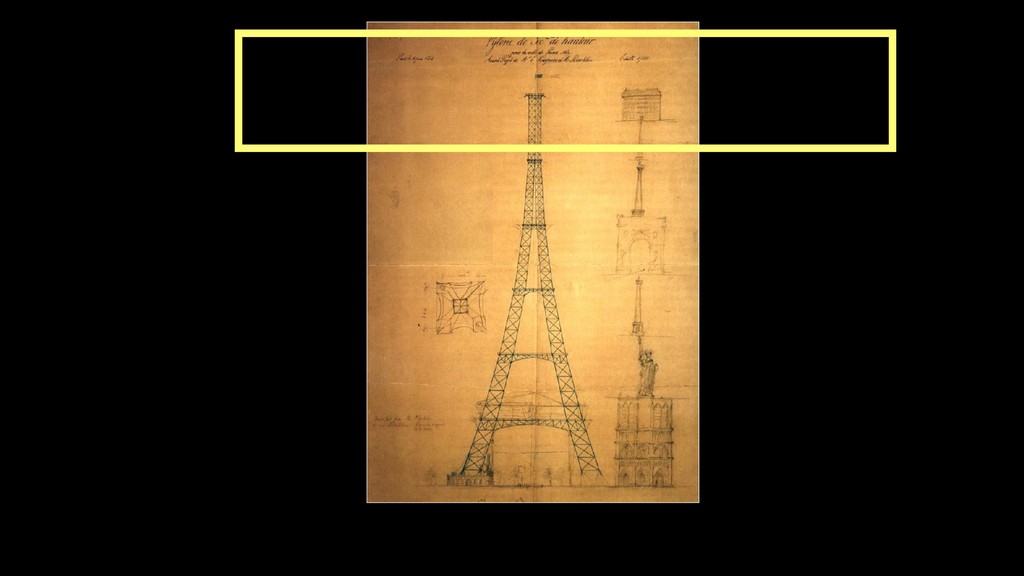
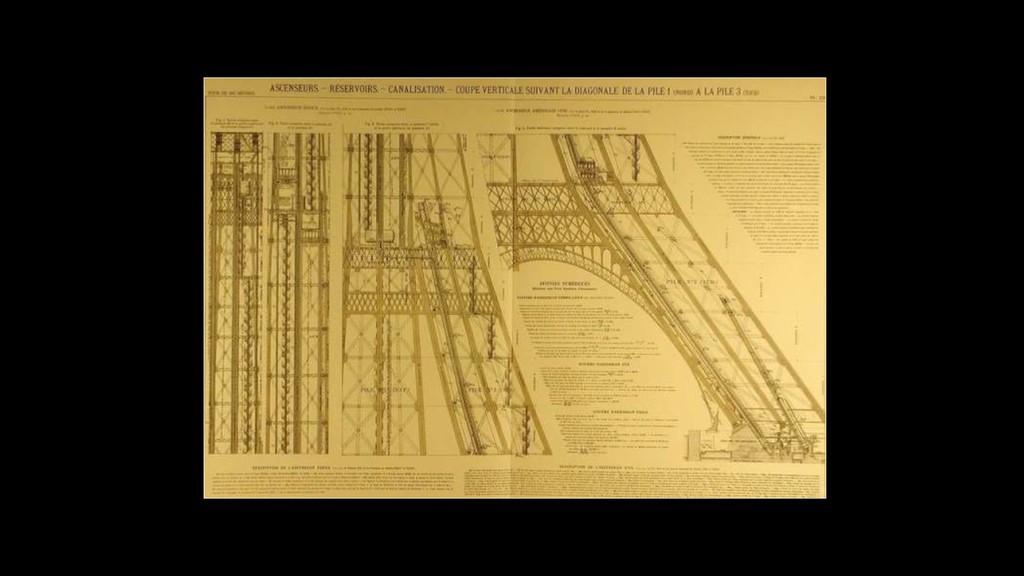
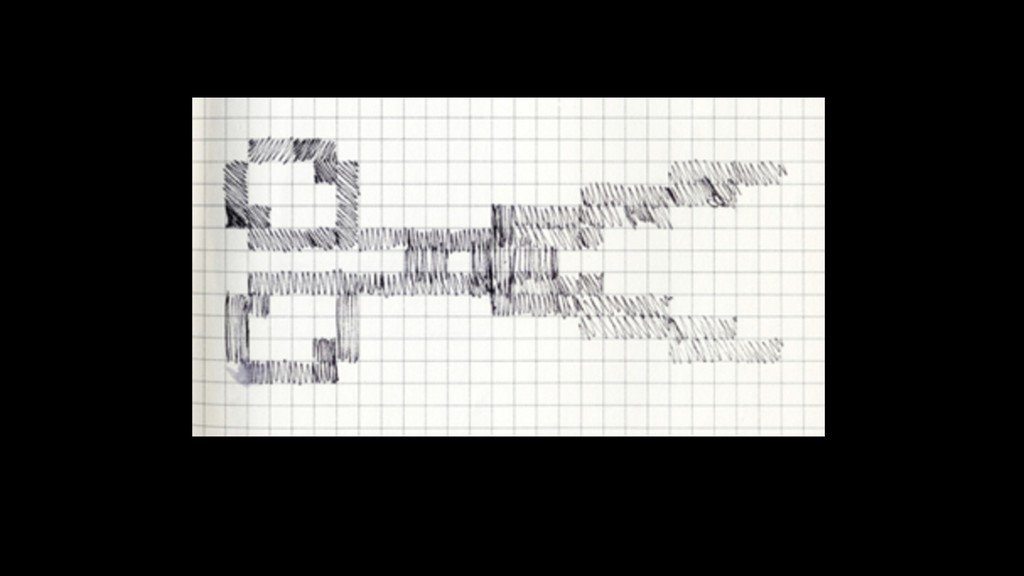
And their mock up that was the core of their pitch looked like this. This is kind of a giveaway as to who their boss was. Yes. His name was Eiffel. Now at the time in eighteen eighty four, Eiffel was not that famous yet.
He was known as an architect, but he hadn't done anything notable, certainly nothing that had his name on it. So they pitched him, and you can see here in this diagram, it looks sort of like an early prototype of the Eiffel Tower. Now in their pitch, part of what they knew they had to do was to convince him of the merit of this idea.
One thing, the first lesson for you in this in this history story is about the value of pitching. The bigger your idea is, and the bolder it is, and the greater it is, we tend to think that should make it easier to sell people on it, but the truth is usually the opposite.
The bigger the idea, the more risk there is, especially for people who have their reputation or their money at stake. So what they wanted to do was to play the Eiffel's ego. So if you look in the margin, I'm gonna rotate this so you can see inside the margin.
Look at the top. They put in the margin seven of the tallest buildings in the world at that time. They're trying to hint to Eiffel about the scale of what this project could mean. And the extra icing on the ego manipulation cake is one of those buildings is a Statue of Liberty, a building that Eiffel had worked on just a few years ago.
So they put this together, they were really excited, they had planned, and and had it all prepared, and they pitched him on the idea, and Eiffel said no. Eiffel said no for a bunch of reasons, which he articulated to them. He said no primarily because he thought this was a stunt technological project.
It didn't do anything. It didn't solve a problem. It wasn't that interesting to look at. It was technology for technology's sake, and in Eiffel's mind, that's not enough. So he sent them back. The second lesson in here is Eiffel did what good cultures of engineering and design do, good leaders of those cultures.
He just gave them the feedback. He didn't tell them to stop working on the idea necessarily. He kinda left it up to them, and they took his feedback to heart. The third lesson here is even though they were young, they were not your typical arrogant twenty four year old tech developer who thinks they can do anything and doesn't need a help from anyone, they took his feedback and realized he was probably right, and they needed to collaborate with someone who had skills that they did not possess.
So they got a third engineer, architect, and a guy named Sevastra. Now Sevastra contributed to the design some of the most notable aspects of the Eiffel Tower. The curved sloping arches, the use of these tiny little crenellations, the use of the golden ratio and the spacing, that so that even if you know nothing about aesthetics or engineering, your eyes are just drawn in.
You don't know why, but this building and its design seems interesting to you. And with his help, they redid their pitch. They put it back together. They pitched Eiffel again, and Eiffel said yes. And the end of the story, as you all know, is a happy one.
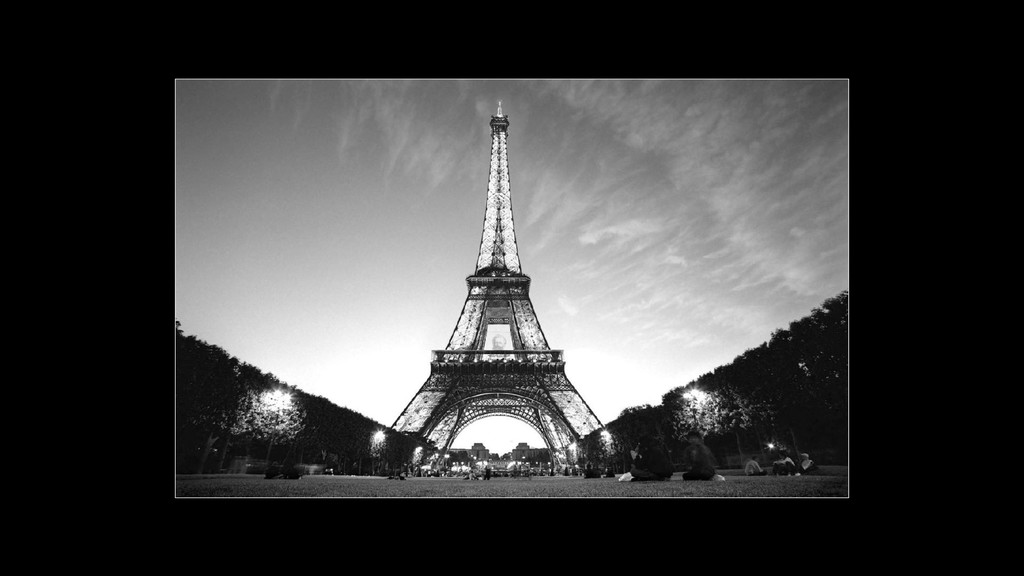
The Eiffel Tower is now one of the most famous buildings in history. It's the most famous building in Paris and one of most famous buildings in the world. Now before I continue the story and explain what this has to do with you and your job and your projects, let me briefly introduce myself.
So I have had two careers so far in my life. My first one was as a project leader. I worked on teams of engineers and designers. I worked on web browsers in the nineties. I worked at wordpress dot com a few years ago.
And most of what I do now is write books. And most of my books try to take advantage of the power of history, stories that we assume we know. How many of you had seen the first drawing of the Eiffel Tower before? Anyone seen it?
How many of have actually seen the Eiffel Tower? Okay. So that's a good example of the anything that you see in the world that you think is interesting or good has a story behind it that's probably relevant to you in some way, and the challenges you face in working with ideas in your job and in your life.
So my ambition and my goal through writing is to take those stories and make them relevant and interesting and inspiring, but based on the truth, and to get past the myths that are often way more popular than the truth about how these stories actually worked.
The other note here is at events like this, people often wanna take pictures of slides. You're welcome to do that. I happen to think about user experience a lot, so I wanna make it easy for you just to grab all the slides all at once, which you can do at any time at this URL.
It's gonna go away in a second, so if you wanted to get it, you should take a picture of it now, so you don't have to take more pictures of stuff as I go. Lovely. So my first lesson for you, and I only have four for you.
First lesson is that all ideas are made of other ideas. And it's an important mantra, which I'll explain to you in a second, but first, I want you to do something for me. I'm gonna ask all of you to say, all ideas are made of other ideas.
On the count of three. Okay? One, two, three. All ideas are made of other Lovely. You sound like a cult. This is fantastic. Now I wanna say, I am independent and have free will. So you're showing that you have free will. Lovely. Good.
You caught on. Okay. So the first lesson, all ideas made for other ideas. Now that sounds very simple and obvious. The way education works in elementary school, generally, you learn one thing, and then you're you're taught well, that's the basis for the next thing, and the next thing, especially in science and math.
So we kinda know that progress is based on the reuse of old ideas, but that's not what I mean here. I mean something far more tactical, something you can apply in situations at work when you're working on a project. All ideas are made from other ideas means that any time you're working on a problem, and you've built a prototype or a mock up or a sketch, and you feel stuck, remembering this phrase is a way to get you unstuck.
If you are working on something that has four components, breaking the thing down to those components and going, okay, this isn't working. Let me take it apart. Let me take item a. What happens if I take item a, instead of it being here, I put it over here?
What if I take item b out and take something from some other project and put it in? What happens then? Now making recombinations blindly and stupidly, it's still better than being stuck completely. It doesn't guarantee you that you will find a great solution, but it does resolve the problem of being blocked.
It allows you to see things in units that can be replaced and re modified or reused or re repositioned that gets you moving forward again. And so to explain how to apply this or to go deeper into this lesson, I'm gonna go back to the Eiffel story.
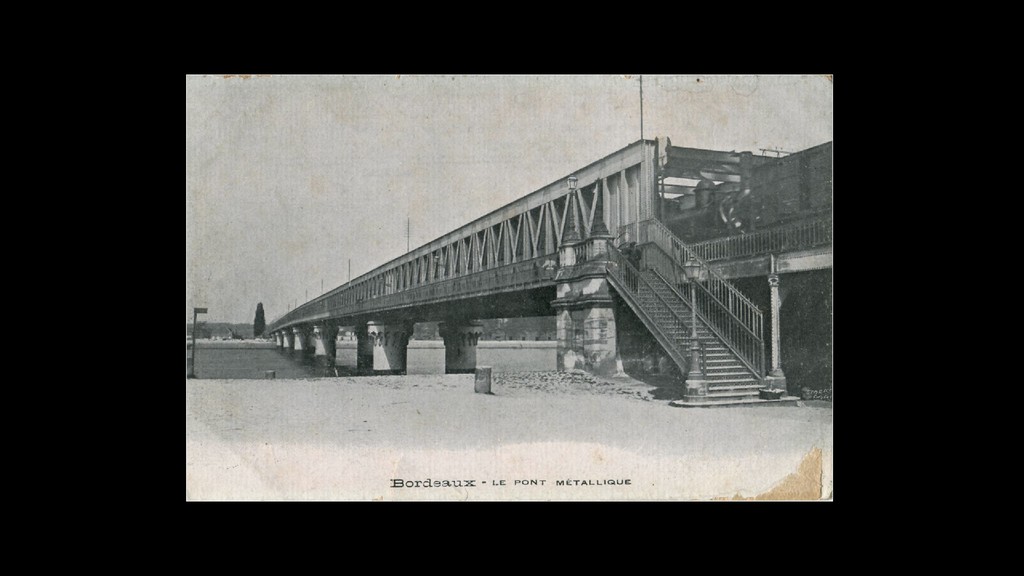
So Eiffel worked on several buildings before the Eiffel Tower, as I mentioned. This is one of his earlier buildings that he worked on as an architect. Again, the eighteen sixties to eighteen eighties, rise of all these technologies that never existed before that transformed people's daily lives, railroads, electricity, telegraphy.
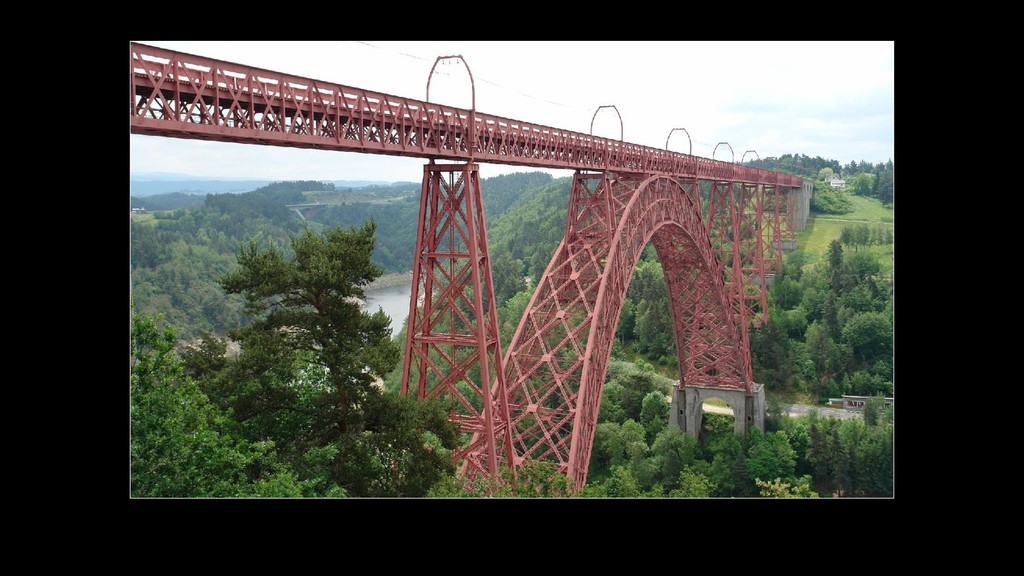
So here is one of the long longest and largest rail bridges built at the time in France. It's made out of wrought iron, it's made out of iron, and it crossed the bridge to allow railroads to go across it. Which sounds nice if you were alive at that time, and you were worried about this new technology called railroads, and this new use of materials to build bridges, you'd be concerned.
And aesthetically, this solves that problem. It looks really sturdy, but it doesn't look really interesting. The kind of construction here is called box and girder construction, and you can find wood wood bridges that were built before this that use the same technological approach.
So it's not really that interesting. But it's early in his career. He wasn't that ambitious yet, or couldn't be, and his understanding of how to use wrought iron, this new technology, wasn't that mature yet. Another thing that Eiffel knew was about these towers.
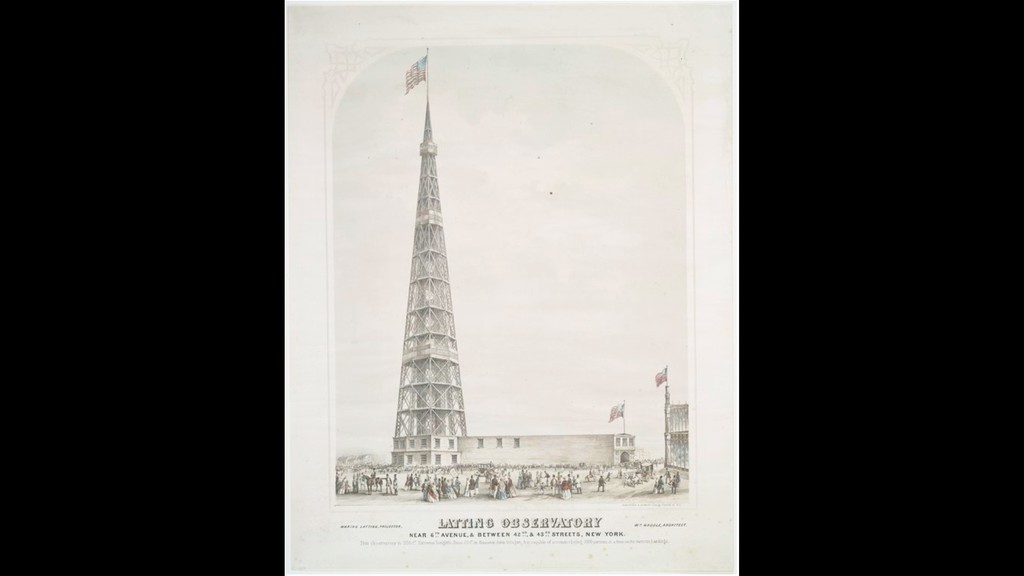
He knew from the eighteen fifties World Fair in New York City, this is the Ladding Observatory, which was the tallest building at the time. It was built out of wood. And he made notes about this building. He thought it was impressive, but just like the feedback he gave to those two young engineers, he thought it was pointless.
It didn't do anything. It didn't solve a problem, and it wasn't that interesting to look at. So ten years before those two gentlemen even pitched Eiffel on the idea for the tower, Eiffel had already had this thing rolling in his head about the notion of building something that tall and at that scale.
And this metaphor, this model about World's Fair buildings, it gets repeated again and again in cities around the world. I live in Seattle, Washington. Seattle, Washington's most famous building is the Space Needle. The Space Needle was built at the World's Fair. And every city, most cities, most countries have one.
Glasgow, the tallest building in Scotland is the Glasgow Tower, which follows the same model. Tall building built very as cheaply as possible. There's not much in it, except for an observation deck at the top, which is true for all of these buildings. Getting back to Eiffel.
This is a later construction of Eiffel. This was built in, like, eighteen eighty, a few years before the Eiffel Tower project would begin. Same thing. It's a railroad bridge, just like the box and girder one that I showed you. So the the functionality here, if you were writing a very simple requirements document, very similar.
Help a allow for a a railroad to cross over a space. But visually, aesthetically, and in some ways, functionally, this is very different. There's something very different going on here. And what's going on here is the reuse of old ideas. One of the oldest ideas in architecture is the arch.
You can find buildings twenty five hundred years old based on the arch, and at the center of this building is an arch. But what's new here, what makes this novel and interesting and visually exciting, especially if it was eighteen sixty or eighteen I'm sorry, eighteen eighty, and railroads are new, these kinds of bridges are new, and you looked at this for the first time, it looks like it's floating on air.
It looks like magic. And that's because he combined this old idea, an arch, with this new technology called wrought iron that had different strength properties, allowed you to have empty space in between the building itself, which sounds absurd. It's like a magical property.
But once you do that now, these arches and slopes have a power and an elegance that could not have ever been imagined before. Now, all ideas are made from other ideas. It applies not just to engineering and design and construction. It applies to everything. It's just the way that ideas work.
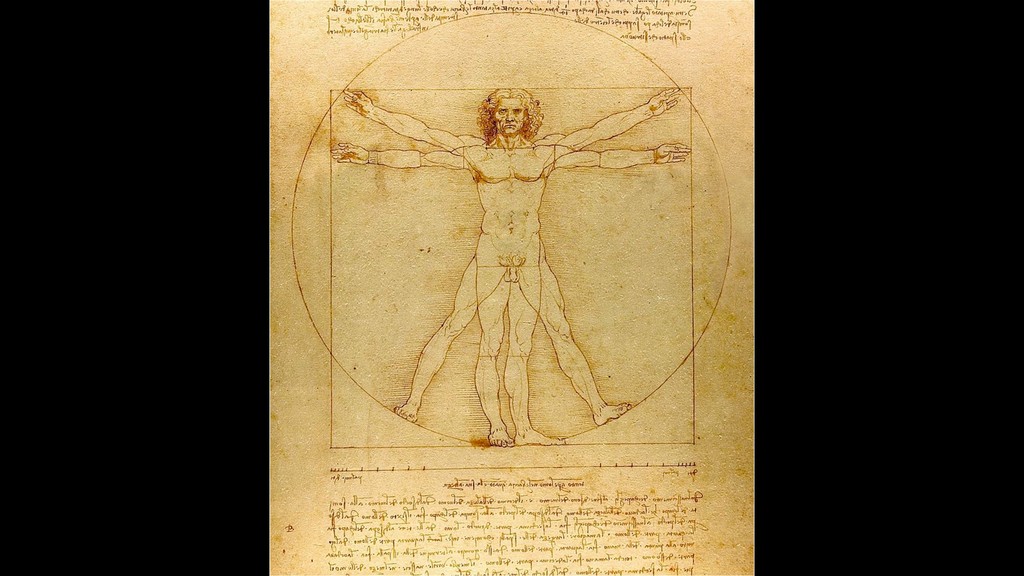
Any idea that you hear, any story you're told, any invention can be broken down into smaller inventions, smaller stories, smaller notions. This is one of the most famous drawings in the Western world. It's by da Vinci. Does anyone know the name of this drawing?
Vitruvian Man. Yes. Vitruvian Man. I remember when I first heard the name of this drawing, Vitruvian Man, I assumed this must be a drawing of Vitruvian. Like, maybe he was the model or he paid someone he paid da Vinci to make the drawing of him, and that's not the case.
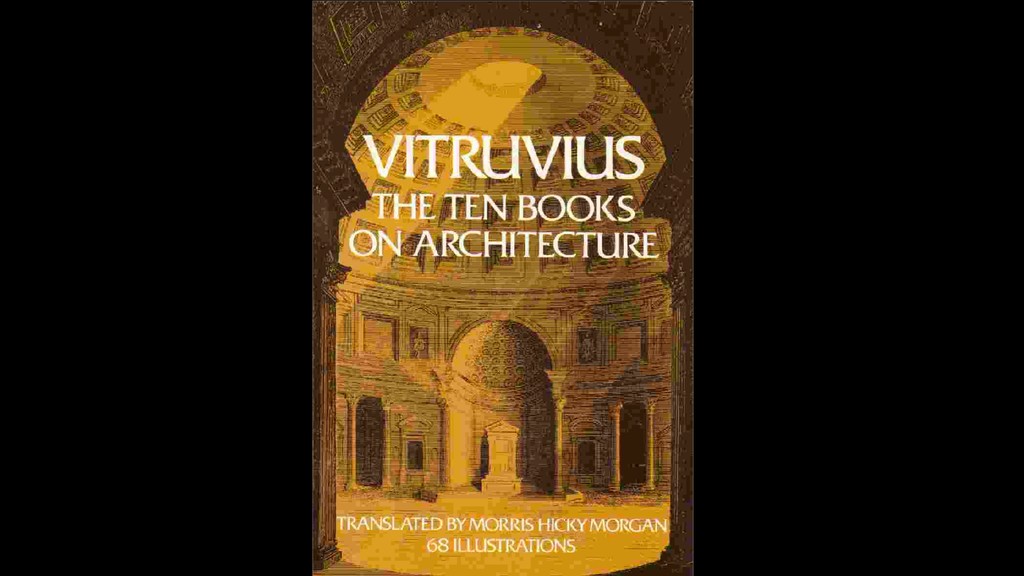
Vitruvian Man refers to the inspiration that da Vinci had to make this drawing. Vitruvian refers to Vitruvius, who was a Roman architect. Now the Romans, around the first centuries when he wrote this book, the Romans borrowed all kinds of ideas from the Greeks.
So the ideas in this book written in the first century are based on architectural principles, design principles, the Greeks have been using for a hundred years. So hundreds of years go by, Vitruvius is born, becomes an architect, writes this book. Fifteen hundred years go by, da Vinci reads a passage from this book and is inspired by it.
And because he was inspired by it, he made this drawing, for this drawing. Now da Vinci was actually not a particularly famous Renaissance painter until his until the Mona Lisa was stolen in the nineteen forties or fifties. It's an amazing story. You should read about it.
It tells you a lot about how marketing and interest and excitement works, because once it was stolen, it was a headline news story for weeks and months, and then once it came back, it propelled da Vinci's fame to levels of almost none of his peers.
All because of something that happened five hundred year not five hundred, but four hundred years after he was born. Now this has become an iconic image. It's reused again and again in different ways. And although many of you didn't know the name of it, I'm sure all of you have seen this before.
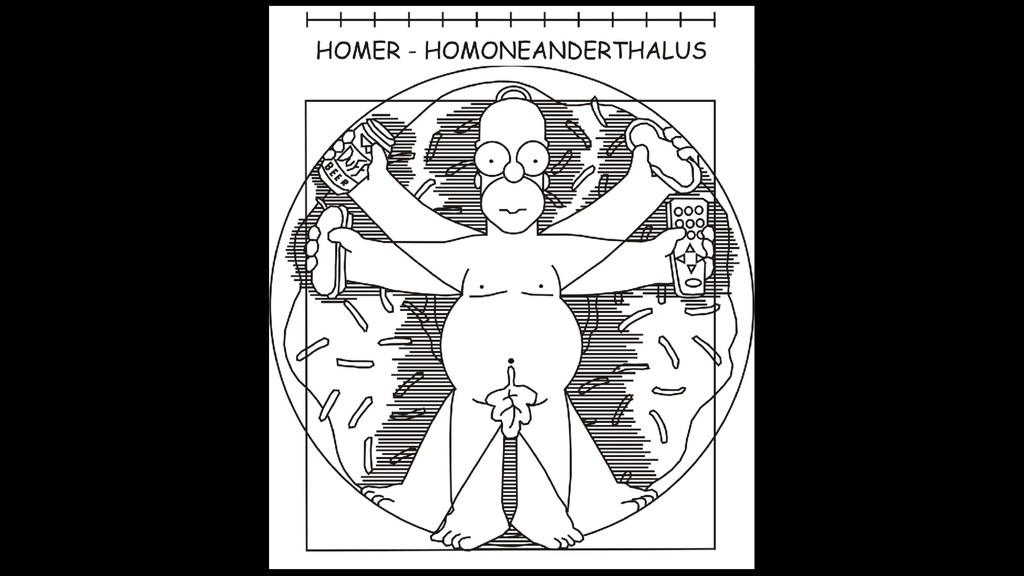
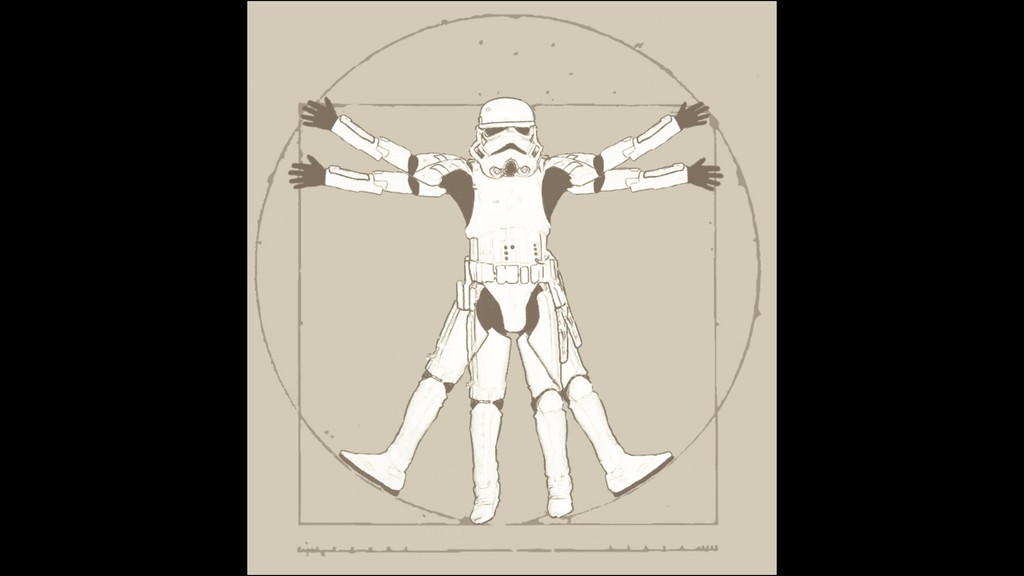
And so now, it's used as a meme. It's an idea that is reused simply because it's a popular idea. So people reference it in all sorts of weird, strange, and unusual ways. And you can find lots and lots of different examples of people taking this idea without knowing any of the history I just shared with you.
They may not even know it's something by da Vinci, but they will reuse it and reuse it in all sorts of different ways. But my lesson to you though, where I'm going around with all these history lessons, is that by understanding where ideas come from, especially related to the problems you are trying to solve in your job and your work, gives you a depth of understanding that means you can solve those problems in a better way.
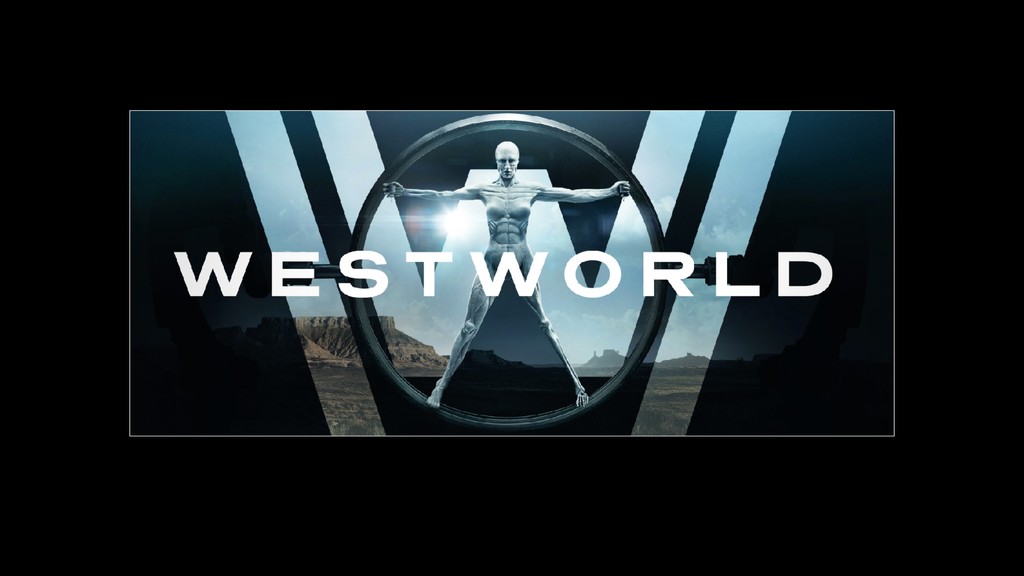
So one other more modern use, more recent use of Vitruvian Man is the show Westworld, an HBO show about the future of humanity that at the core of the show is this question, what is it to be human? Can an artificial intelligence be a person?
Or even more precisely, what is the ideal human being? What does that even mean? And by their use of this reference to da Vinci and Vitruvian man, Vitruvian man being this attempt by Vitruvius to explain how perfect perfection works, The ratios between how tall you are and the distance of your arms apart that da Vinci reused and they are reusing, they're now using that metaphor and model in a way that's very powerful.
It's actually a true icon. It exemplifies the idea of the show in the imagery for the show itself, which is what icons for any of you designers and design thinkers out there, that's what an icon in visual branding is supposed to do. But it's only possible because clearly, they knew something about the history of what this meant.
So to make this into a pithy quote and a bit of advice, by studying the history of a problem that you are working on, you will find and discover new ways or better ways to solve it in the present. The past is very tricky.
We like to think it's a straight line, but all sorts of good ideas get developed and even used, and then they get abandoned. Companies run out of money, or a society goes in decline, and that idea gets lost. But the idea is there.
The approach and the questions in the way a previous engineer or designer or marketer or whatever your profession is was trying to solve the same problem that you worked on, there's knowledge there that can help you. So two specific examples from the tech sector to drive this point home.
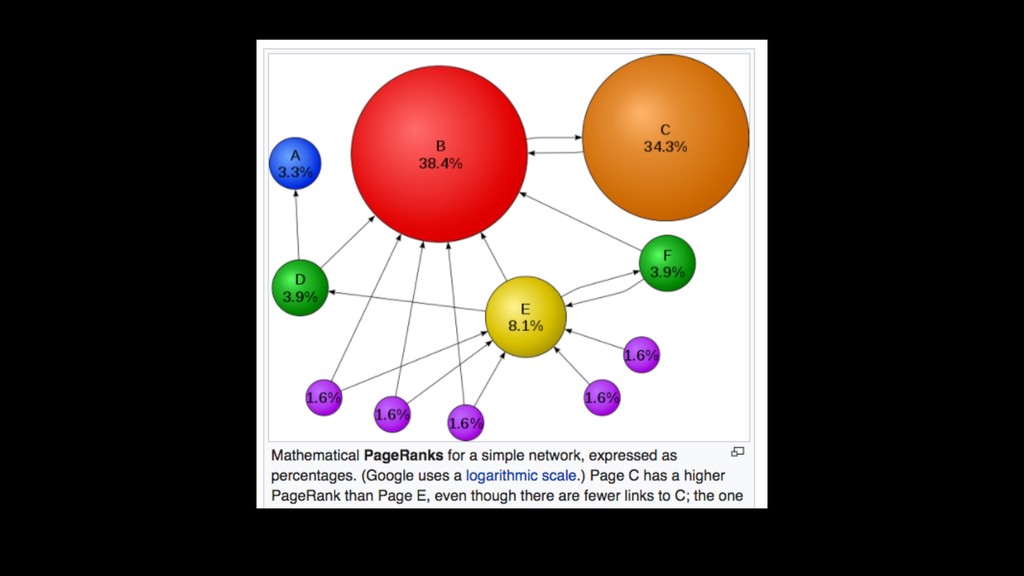
The first is PageRank. So this is the ugly Wikipedia diagram of the PageRank algorithm. And PageRank is one of the main reasons why Google became successful. The two founders of Google, Larry and Sergey, were graduate students at Stanford, and they knew, in their in their in their work as students, they knew about academic papers.
And academic papers, if ever you have read one or written one, at the end of the paper, you are supposed to list all of your references, all of the other papers that you found useful or necessary to write the paper that you wrote.
Now while they were students, papers have been written for decades, and there have been projects where, well known projects of trying to use those references to help figure out which academic papers are most valuable. If my paper a has a hundred different other papers that link to it versus paper b that has five, paper a is probably a better paper or more valuable paper.
So they knew about this algorithm, this kind of thinking. What they did was take that thinking from academia and moved it over into a domain that didn't know about that idea before, search engines. That's what allowed them in a saturated field where search engines were not profitable, and the distinction between the top one and the fifth search engine were not was not very much, allowed them to transform and change the business of search by taking an old idea and finding a new application for it in a different domain.
We use the word innovation very sloppily today. We assume that innovation is a universal thing, but it's not. Innovation is local. It's local to a problem, to a customer, to a domain. If you can find an idea in another domain where a problem has been solved and see a way to bring it into your own, you will be called an innovator, even though you know you're taking an idea that had been developed and reusing it.
Words like triage, scrum, these words are used often in the tech sector. We we kind of forget there's a long history to those processes or the the the meaning of those words and the origins, and we are borrowing it and reusing it for ourselves.
My second example for you, since I'm from Seattle, I have to give you an Amazon example. Amazon is well known as the Everything Store. The reason why they're so successful is their commitment to customer service and this ability to go online and find almost anything and have it delivered to your door very quickly.
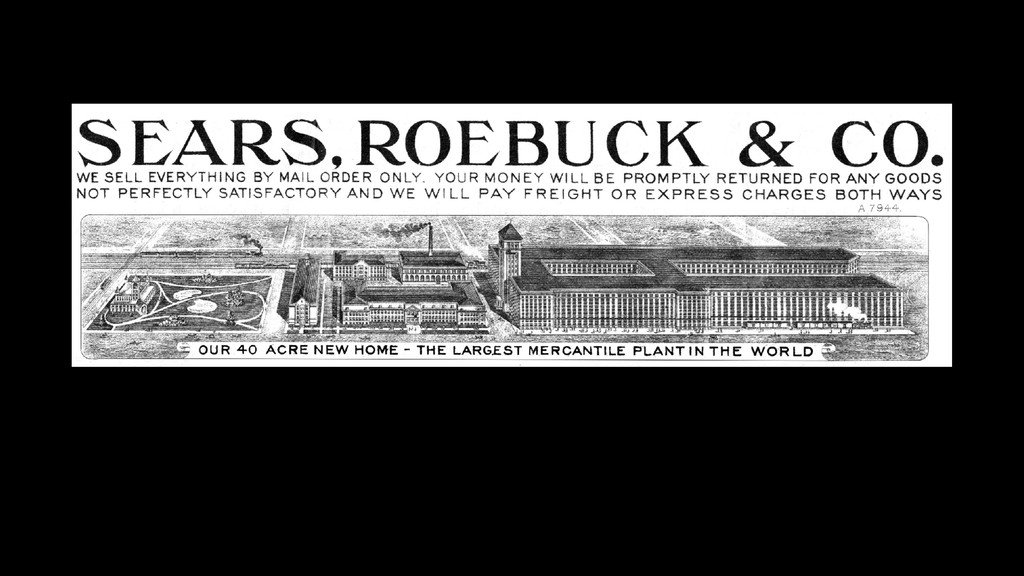
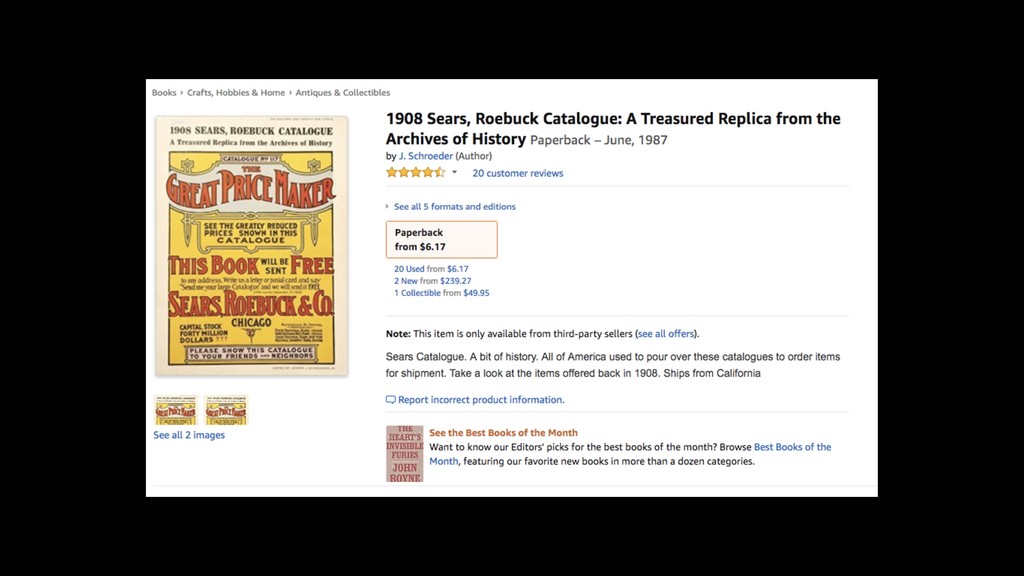
We like to think this is an idea born of the Internet. Only this can happen in the Internet age only. Not true. In the eighteen fifties and sixties and seventies, around the same time Eiffel was doing his work, a company called Sears recognized the value that rail provided by connecting cities in America together.
If you have a rail system, that means if you have a you have a way for people to identify what they want, a catalog, they can order almost anything, can send it almost anywhere. So this is Letterhead from Sears and Robot Company, and it basically lays out the Amazon Prime business model.
We sell everything by mail order only. Your money will be returned for any goods not perfectly satisfactory. That's the Amazon business model right there, about a hundred and fifty years before Jeff Bezos decided to start the company. And it goes even further. We have all this language we use today about landing pages and conversions.
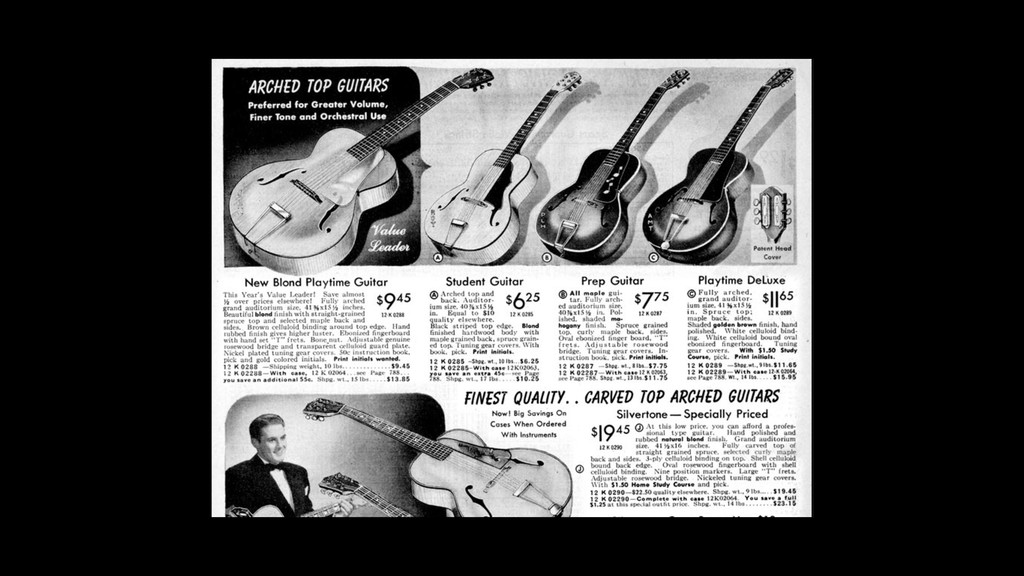
Well, guess what? The catalog had to do all those same things. We talked about behavioral economics and how we do interaction design, how do you anchor price points so people are more likely to pick the price point that you want, how do you display information to maximize people comprehension of it and encourage them to wanna buy more.
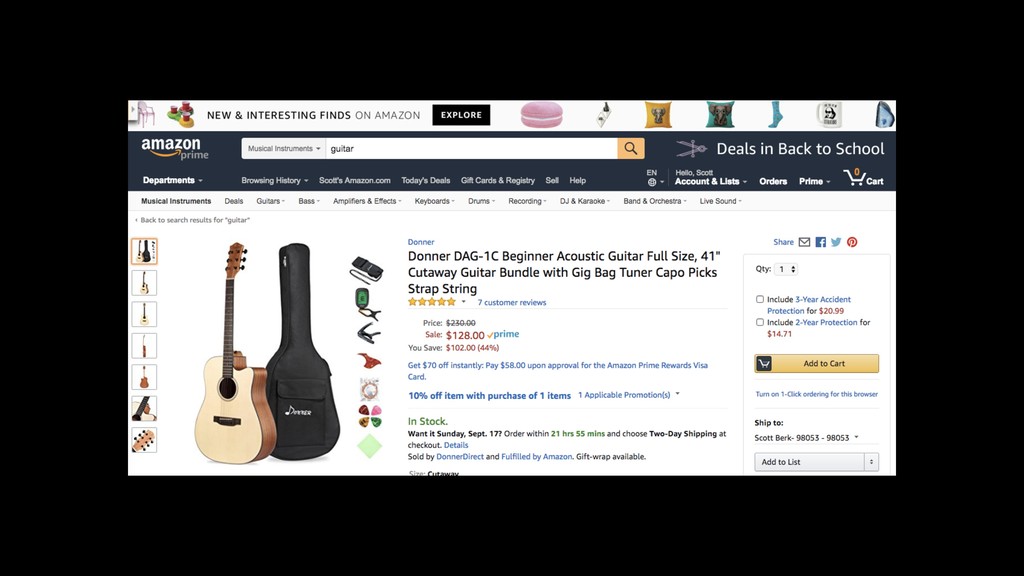
All of those things were being done by the designers at Sears. I mean, is the modern equivalent of a Sears catalog page. So I encourage you to think about these questions. What problems are you trying to solve? And go through the history of them.
If you're curious about the Sears and Amazon connection, the fun little note is, of course, the Sears catalog can now be found on Amazon online, so you can use Amazon to buy a book about the history of Sears that Amazon almost never talks about.
So lesson number two, and these will get a little bit faster as we go. My second lesson for you is that great ideas often look weird at first. We are terrible judges of the quality of ideas because our perception or cognition is based on the past.
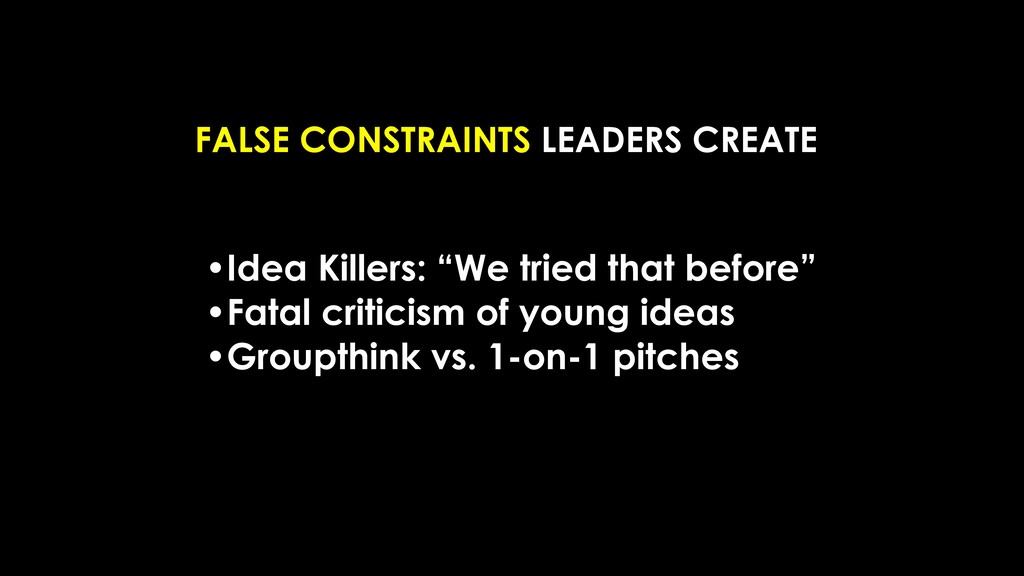
So we get really good, especially as you become a veteran in your profession, really good at having confidence or believing you have you should have confidence in dissecting this is a bad idea, good idea, bad idea, good idea. The problem is if you want a breakthrough, as much as that word bothers me, if you wanna do something that's significantly better, you really wanna have an idea that changes and radically improves the quality of the work that you're doing, it's not gonna fit into those simple categories.
It's gonna look different at first. The problem the mistake we usually make, though, is if we have three ideas we're considering, we have idea a, which seems pretty good. It's not amazing. It's pretty good. We have idea b, which we look at and go, you know, it's really terrible.
And we have idea c, which we look at and go, it's not good, but it's not quite bad either. It's kinda weird. There's something interesting about it we can't identify. We don't understand it fully yet. And we're busy. We have schedules. We wanna ship stuff.
So normally, what we do is we go, okay. Easy. We'll go with a, and we take b and c and throw them away. Idea c could be a really big idea, provided that you gave it time to understand it better. The first time you look at an object, you're gonna look at it very naively.
You're just gonna okay. But the second time you look at it, you may ask different questions about it. You may hold it up in a different way, or you may get past the initial motivation that made you create that idea in the first place, and you'll start asking a much better question of an idea.
And that question is, what is this good for? I may have made an object or a web page or an algorithm with one particular purpose in mind, and it turns out it kinda sucks at that thing. But there's still some capital in there that might be good for something else, but you can only find it by keeping ideas around and allowing yourself time to digest them.
So I skipped over part of the Eiffel story, which I'm now gonna get back to, which is the tough part of the story. Now the Eiffel story, I jumped over the point where the idea was accepted, and now it became a finished building, which often happens when people talk about great buildings.
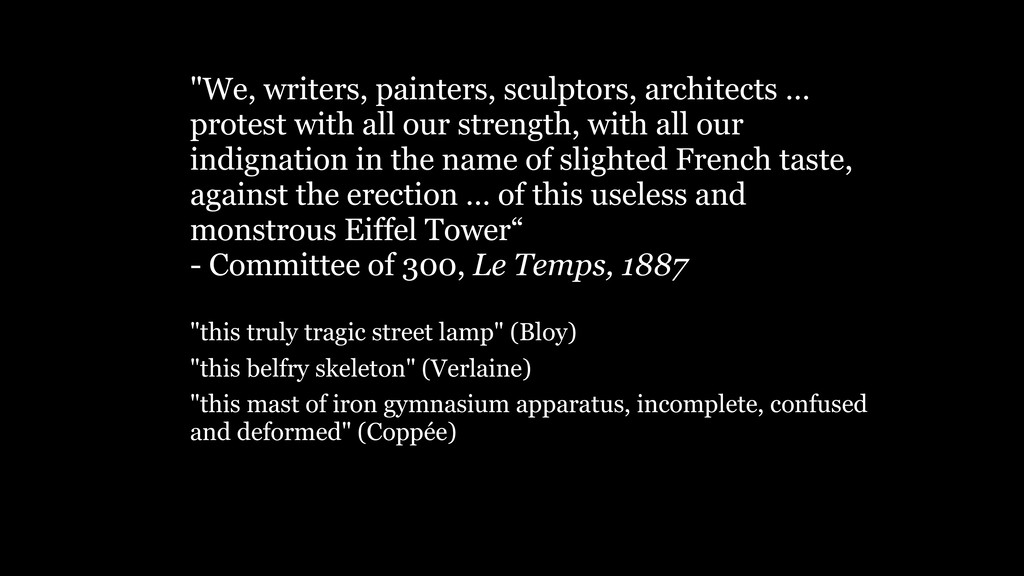
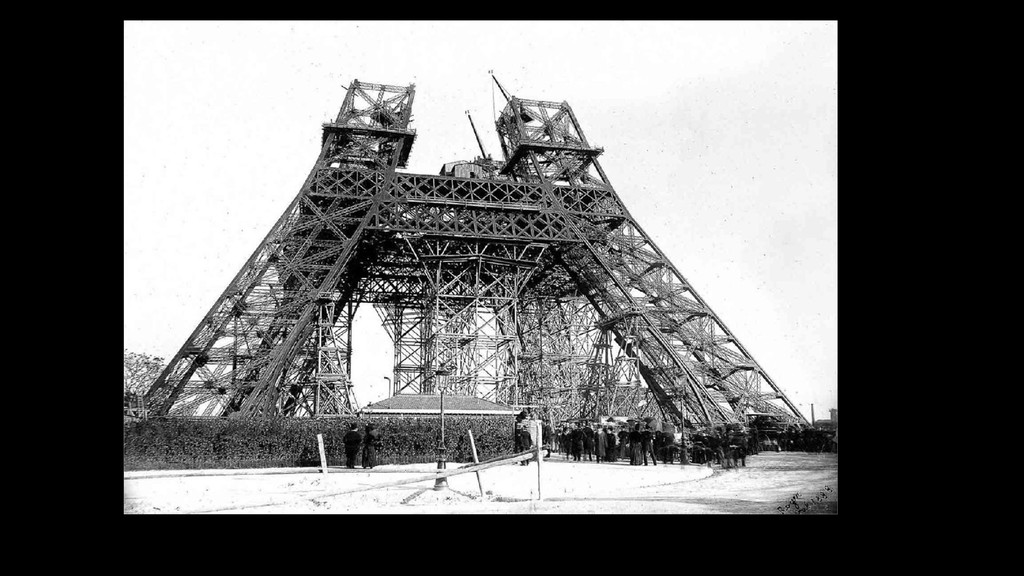
It seems obvious and perfect. But the part of the story I wanna share with you is when construction began on the Eiffel Tower, immediately there was outrage by the citizenry of Paris. They thought it was a horrible idea, terrible idea. In fact, three hundred of the elite class in Paris, writers, artists, poets, some politicians, musicians, all the people who defined what Paris should be, got together and wrote a pamphlet, which was big at the time, sort of the the blogging of the time, a pamphlet condemning the Eiffel Tower,
saying it should be torn down before it had even been finished. Now, like many of you, I've pitched many ideas to bosses and directors in my department or my executive or clients, and I've had some terrible pitches happen or product review meetings happen.
I have never had three hundred people who are my peers at work in other places in the world get together for the sole purpose of writing a document together, creative people three hundred creative people got together at one document in outrage at something someone else had done.
It's it's it's it's mind blowing to me, so I wanna share with you part of that document. We writers, painters, sculptors, architects protest with all of our strength, with all of our indignation in the name of slighted French taste, which is a powerful force against this useless and monstrous Eiffel Tower, this mass of iron gymnasium apparatus, incomplete, confused, and deformed.
Now we read this today with our retrospection. We we think these people were totally blind. They didn't see it at all. If we were alive then, we would have totally have seen the beauty of Eiffel Tower and helped defend it. That's our natural inclination. It's a bias of history.
We assume now that we know better, even though we know the outcomes. But I wanna tell the story in a slightly different way. Imagine we are in Paris, and it's a beautiful day. It's not too hot. The sun's out. We're walking up a lovely boulevard.
You have to remember, in Paris at the time, there's no steel towers. There's no skyscrapers. Most buildings are five stories, six stories high, made out of brick or stone. It's very organic. Walking up the boulevard, you maybe we're we're all together with friends.
We have a baguette. We have some cheese, some wine. A mime strolls by, and we laugh. And then we turn the corner to help go up another street. Oh, you see this. In that context, this is kind of a monstrosity. You've never seen anything like it before, and it's not finished.
It doesn't have the beautiful, uplifting feeling about it. This is the way we behave all the time. We judge things in the present based on what we know about the past, but obviously, a new idea, a better idea, a better way of thinking is gonna challenge our assumptions, and our immediate responses are gonna be wrong, or at least they're gonna be shallow.
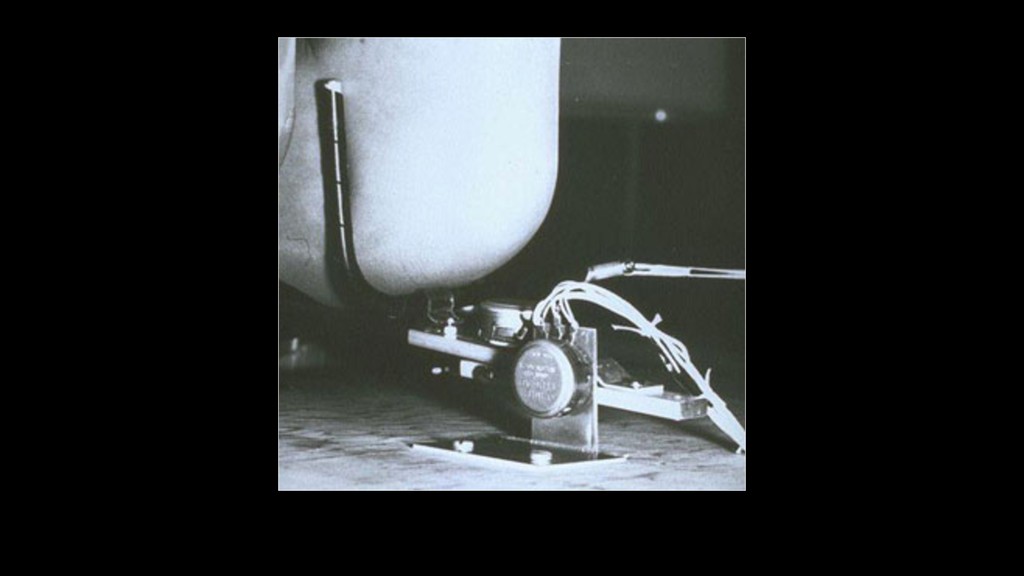
The reasons why we judge an idea are not gonna be complete and satisfactory. So for fun, here's an example of a product, a thing in the world. It's a prototype of it. It's off to finish design. That is one of the most important successful inventions in the history of computing.
Does anyone wanna take a guess at what this is a prototype of? Transistor. Transistor? No. He's in the right? Couldn't hear that. A bottle. Bottle. I don't A valve. A valve. A valve. Okay. Thank you. No. Oh, that worked for nothing. No. So I'm playing a little trick on you and being unfair as a presenter guy.
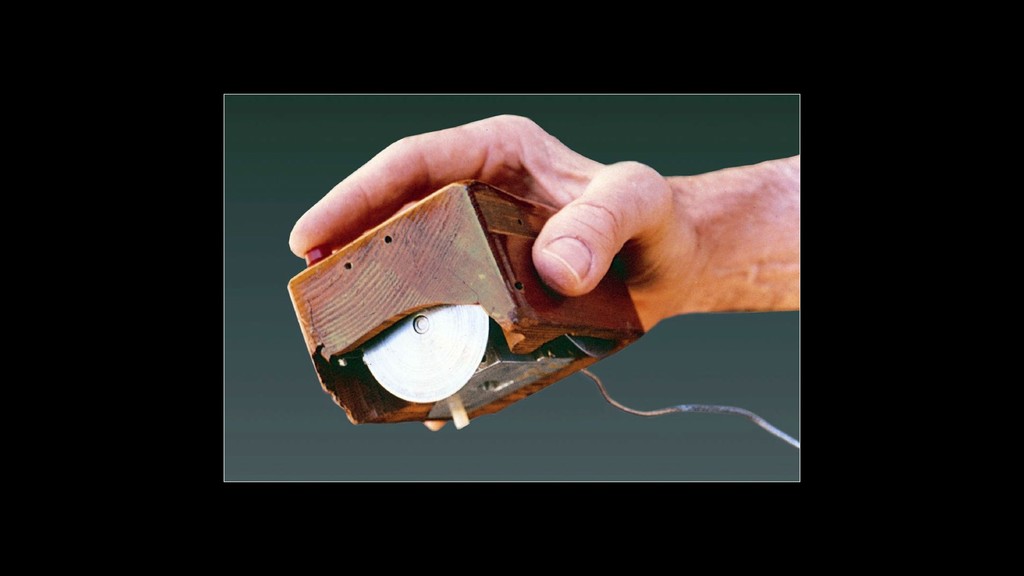
This picture's actually upside down. So now it's right side up. My second clue for you is that white object is a human knee. Alright. It is a prototype of the computer mouse. Now why this is relevant to the stories I've been telling you so far is Doug Engelbart, who should be a household name, the legitimate inventor of the mouse, was trying to figure out how do we improve computer human interaction in the nineteen sixties.
And he was thinking about how did other people solve this problem of interacting with machines. And there were two models that were popular at that time, driving, which you use your hands, and you use your feet. And also sewing. Sewing, where you you you're using your hands and your feet.
So he was thinking about how do I use other parts of the body to interact with computers? And although this is not a popular interaction model today, I'm sure there's gonna be some start up soon that talks about, like, tri modal interaction and how you can use your other limbs, be fifty percent more efficient because you have more body parts engaging with machines.
This is a more recent prototype, nineteen sixty late early nineteen seventies, which looks more like a mouse today, but remember, in nineteen seventy, if you saw this and someone told you this is the future of computing, computing being these things with the big tape drives whirring away in some basement, you'd think they were crazy.
So you have to keep in mind, weird ideas, keep them around, ask better questions. Because all masterpieces, all breakthroughs, they all start as experiments. They all start as things that aren't quite right. There's some seed of it that's there, and that's where the power and the ability to be good at developing ideas comes from.
It's having that patience, having that curiosity. What is this good for? What could this do? And stay with something. It won't always manifest in a solution, but that process of being curious will make you a better thinker and make you better at asking questions about ideas that you see.
Now my last lesson for you is about how our minds are naturally creative. Creativity is a weird word. I've tried not to use it too much, even though I even in the book I wrote about creative thinking, try not to use it too much.
I think it's a distraction. It makes people think of novelty and of being a prodigy, and that's not really that useful when you are trying to solve problems. So the story I wanna tell you, or the anecdote I wanna give you about that proves we are creative, is imagine that you are at home, you are getting up to go to work, you do your morning routine, you do all the stuff you have to do, and you go to the door of the airlock to go out into the
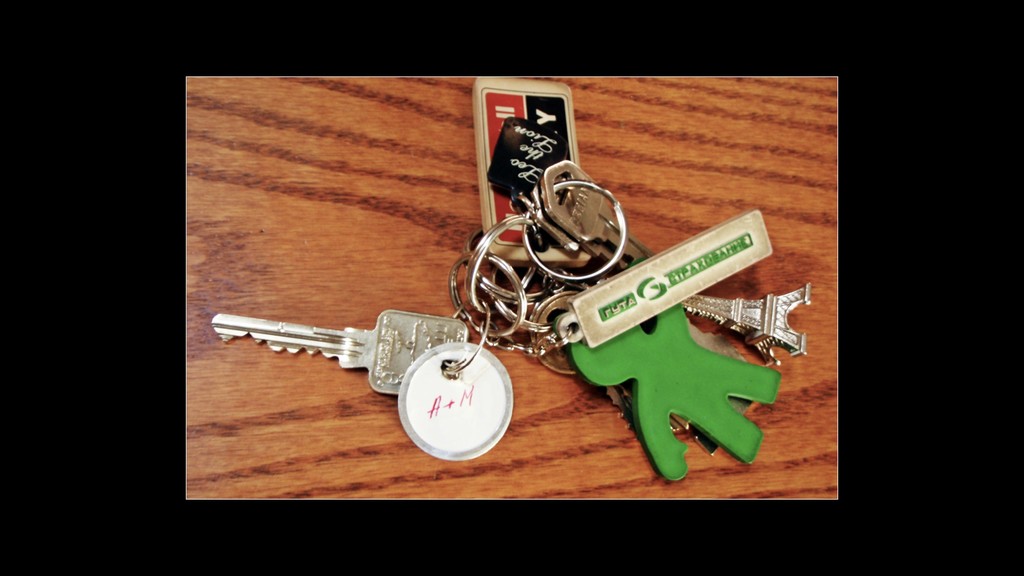
world, you do your airlock check, where's my phone, where are my keys, where's my purse, where's my wallet, and imagine you can't find your keys. Now when you can't find your keys, this is something in the normal realm of human experience on a daily, civilized basis, you go, oh, there's that place I put my keys, it's the basket by the door, and you go over to the basket, you check the basket.
Basic level thinking, you go to the basket, not there. Now you go to level two thinking, a little bit more involved. Oh, well, maybe I they fell behind the basket. Maybe they're on the floor. Maybe they're under something in the basket. Not there.
Now you go to level three, and you're not thinking about it as some breakthrough ideation process, your brain just starts getting more creative. Now you're thinking, what was I wearing last night? You start doing something, and you go to your closet, you start looking through clothes.
And now you're getting worried, because what you wore last night does not have the keys in them, and now you start really getting creative. You look in clothes you haven't worn in weeks, days, then weeks, then months. Then you go to your spouse or partner and say, hey, can't find my keys.
And they tell you the most useless thing in the world, is where you just see it last, which is one of these idiosyncratic things about human behavior that never really helps, just makes you angry. So now you're also can't find your keys, and you're angry.
But now you start getting really creative. You got you look in the other closet, you look under things, and then you go back. This is the great proving point about creative thinking. At some point, you will go back to the basket and look in it again, assuming somehow that the laws of physics have changed in the time you've been looking for your keys.
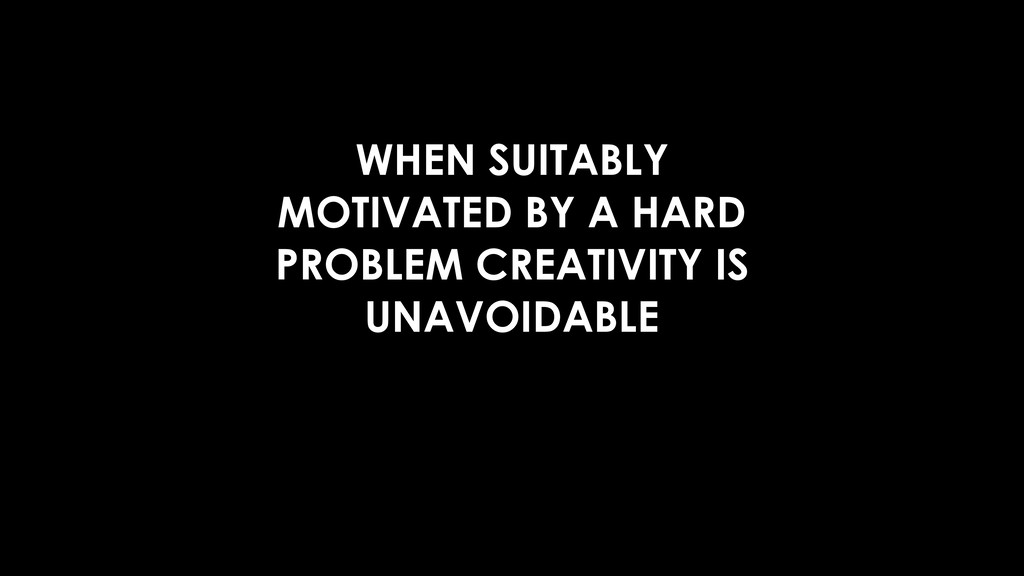
Now, I offer this to you. It's a very simple notion that we can all be very creative, provided we are motivated to do it. The problem is serious enough that we will go and do it. It requires extra effort for our brains to go to that place where we're asking those questions and doing those things.
So when you are suitably motivated by a hard problem, your brain will automatically get you creative. You'll explore and experiment with ideas that are radical and weird and strange without any judgment of them. It's just something to try, which is the same mindset you're supposed to try to get into when you're generating new ideas, or you're exploring, or prototyping, or experimenting.
That is in you. The problem, though, the challenge, though, is that we fear well, I'll I'll tell you what the challenge is in a second. So I only have a few minutes left, and I wanna wrap up with a couple of little practical bits of advice for you.
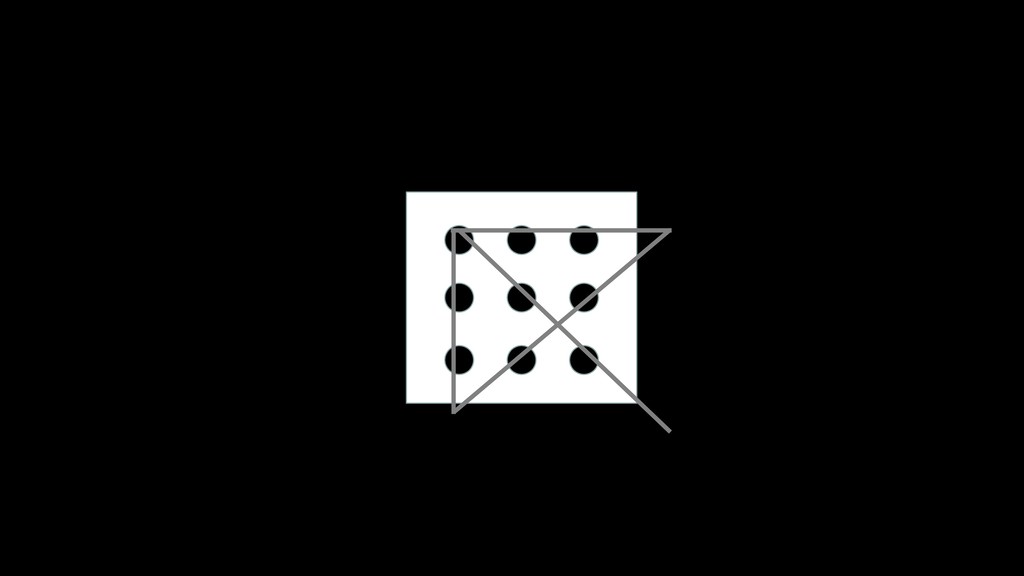
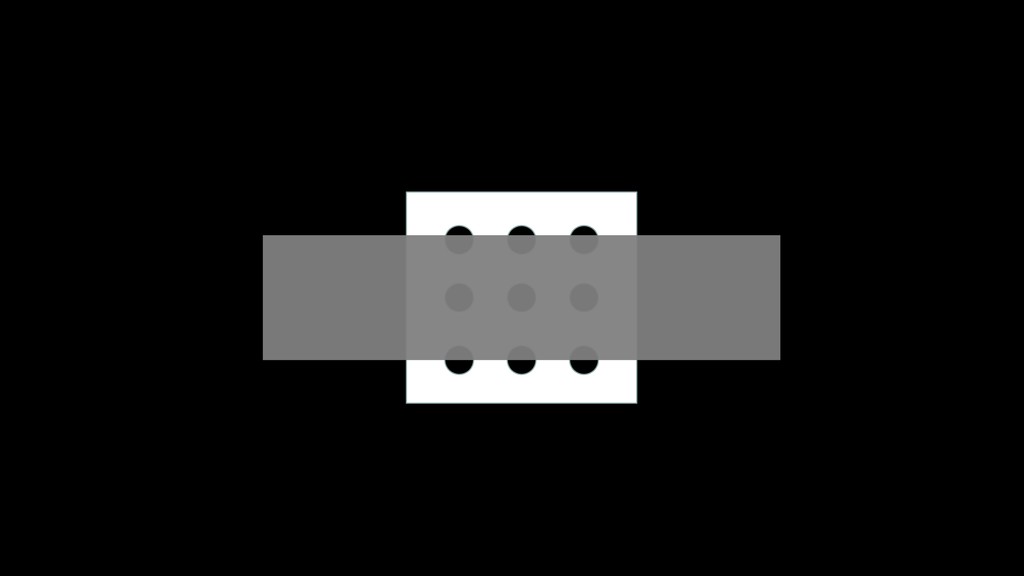
So the first one is about constraints. So we have this puzzle here, which is a very famous puzzle. It is the origination of the term think outside the box. Think outside the box, I'm gonna show you the solution to this puzzle. It's a nine dots puzzle.
The only instruction is connect all the dots without raising your pen, only straight lines. And the solution requires you to have at least one line that goes outside the box. That's where the stupid term comes from. Now, what you're supposed to learn from this puzzle, what you're supposed to learn when people say that stupid phrase, it's about constraints.
Nowhere in the instructions is to say that the box is the limit for where your pen can go. This means that in any situation like this, there's an infinite number of constraints infinite number of solutions to this puzzle, depending on which constraints you are willing to overlook.
So what before I constraints are something that we tend to do habitually. Constraints explain why societies and civilizations work. When you came into this room, none of you decided to sit up here on stage, But there's no sign that said, don't sit on stage.
During my talk, none of you stood up and started dancing or playing loud music. There's no sign that said not to do that either. We assume constraints that's good, that's how society works. Lovely. When you're trying to generate ideas, trying to improve on something, constraints are a problem.
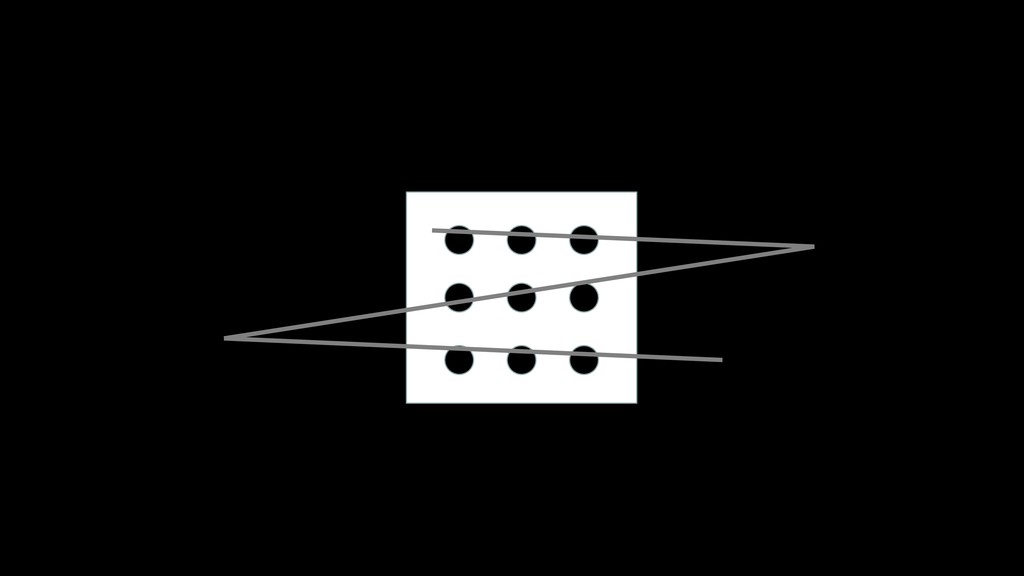
You want to eliminate them. You want to reduce them. So this puzzle is supposed to teach you to reduce constraints. And my hypothesis is there's a lot of solutions to this puzzle provided on depending on which constraints you recognize are false and you overlook them.
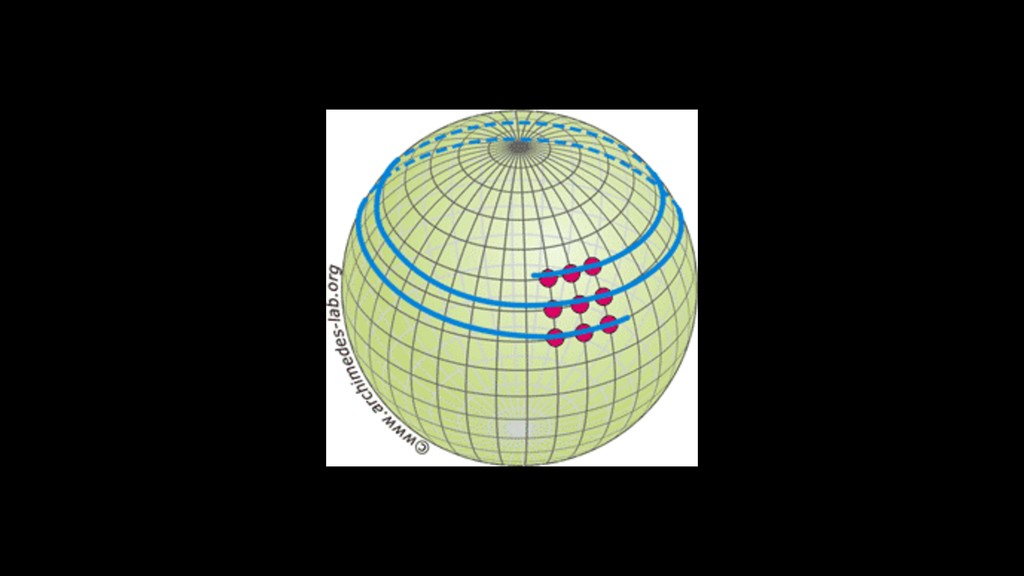
So if you go really outside the box, you can solve this puzzle in three lines because the further you go, the better the angles get. Okay? Now you can start asking the question, it didn't say in the instructions anything about what a line is.
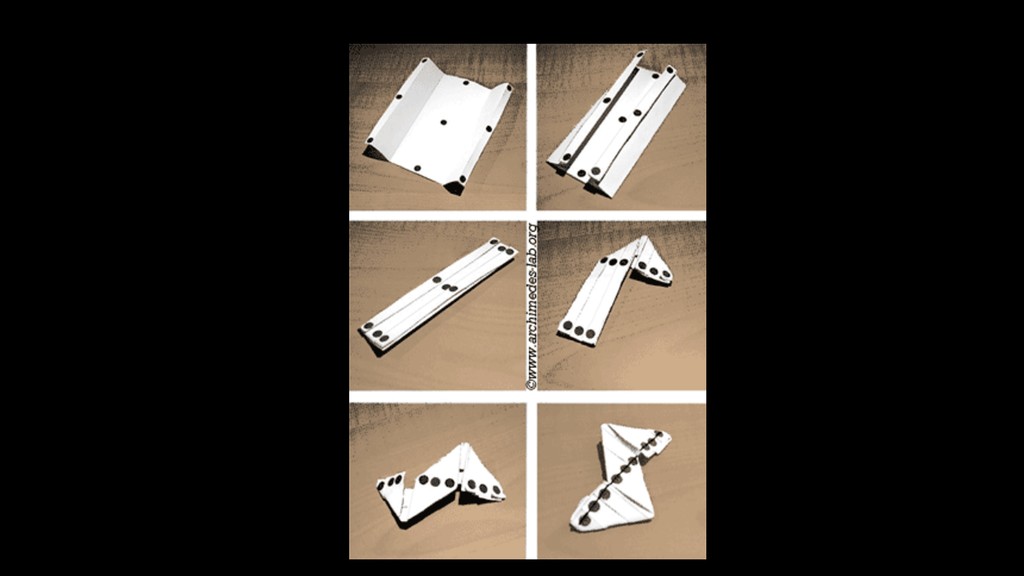
So you could solve the problem in one line. And of course, keeps going. A line, technically, is an abstraction, a geometric abstraction. So you could have a line, it's a virtual line that goes all the way around. You could also just decide it's an origami puzzle, and you wanna do it this way.
You wanna solve it just folding the paper. So it goes on and on and on and on. So my last lesson for you, if you remove the false constraints on the thing you are working on, without any magic pill, without having an epiphany, you'll become more creative because ideas that were closed to you, paths that were closed to you, now start to open.
And it's a useful technique on any project, any team you are working on when you feel stuck or overburdened or stressed out to go to the whiteboard and say, let's make a list of all the constraints we are assuming. And you make a list. Has to be done by Friday.
Has to have this requirement. And invariably, especially if you're working with a team, it can work on your own, but with a team, there's gonna be different assumptions about what the constraints are. So you make that list and show it to your team.
I'm assuming this. I'm assuming this. And invariably, someone will go, wait a second. You're it has to be done by Friday. But our boss said, as long as it's all checked in by Monday morning, we're good. So if we want to come in on Saturday, we actually have more time to finish this.
Not that you're obligated to do that, but now a little idea, a little path is opened. And may find some other constraints, other use case, some other scenario that's being assumed. And once you remove it, more ideas, more window of opportunity gets bigger and bigger and bigger.
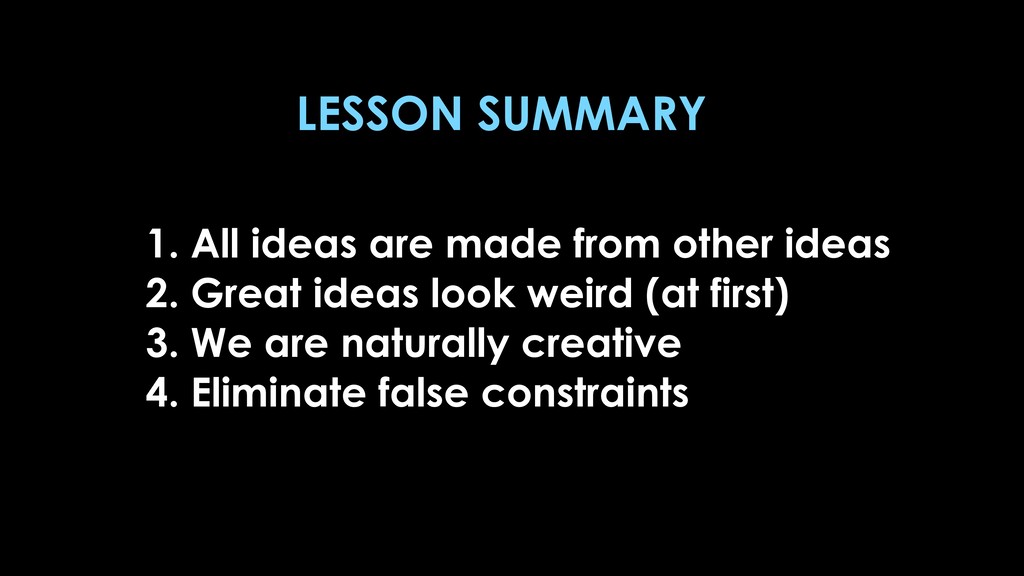
So those are my four lessons for you. All ideas are made from other ideas. Great ideas look weird at first, so keep weird ideas around and keep asking the question, what is this good for? We're not so creative. Every time you lose your keys, remember my little story?
Yell at your partner when they tell you to where'd you where'd you have that your keys last? And lastly, eliminate false constraints. So after I am done, which will be another fifteen seconds, I will be going downstairs for a book signing to sign books.
This is the book that is about half of the stories I talked about today, The Dance of the Possible. The other half come from The Myths of Innovation, and my host mentioned The Year Without Pants, which is about remote work. Those will all be downstairs.
You can get all the slides at this link, and if you want more info on the book, it's the second link. Thank you for listening and laughing at my jokes. I appreciate it, and have a good day. Thank you.