
Pete Lacey is worried. As we rush towards rapid and cost-efficient software production, are we inadvertently settling for a landscape of dull functionalism? In this talk, Pete will explore what it means to build 'soul' into software. He will discuss the importance of crafting playful, joyful, and occasionally useless experiences that feel innately human – even as human involvement in future development likely dwindles thanks to progressions in AI.
← All talks 







Build Turing Fest 2023
Designing Soul into Software
Auto-generated transcript - may contain errors. Tap a timestamp to jump the video.
Well, good morning. Thanks for having me. Thanks for all coming by. I hope you had a lovely coffee on on behalf of Pleo. I haven't had one yet, but I will make sure to grab one. As was said, I'm Pete Lacey. I'm originally from the UK, but I've been in Denmark now for thirteen years.
So, excuse any weird pronunciation. I cannot speak Danish, and my English is getting progressively worked the longer I live in Denmark. So, if I say weird things, pronounce weird words. Just just just let me have it. Okay? I'm a designer. That's what I called myself.
As was mentioned, I've been doing it for eighteen years, but I feel like I've been saying eighteen years for a few years now. So I think it's it's been a little bit more than that. But eighteen years, starting off in graphic design, and then the last thirteen or so years have really been product design.
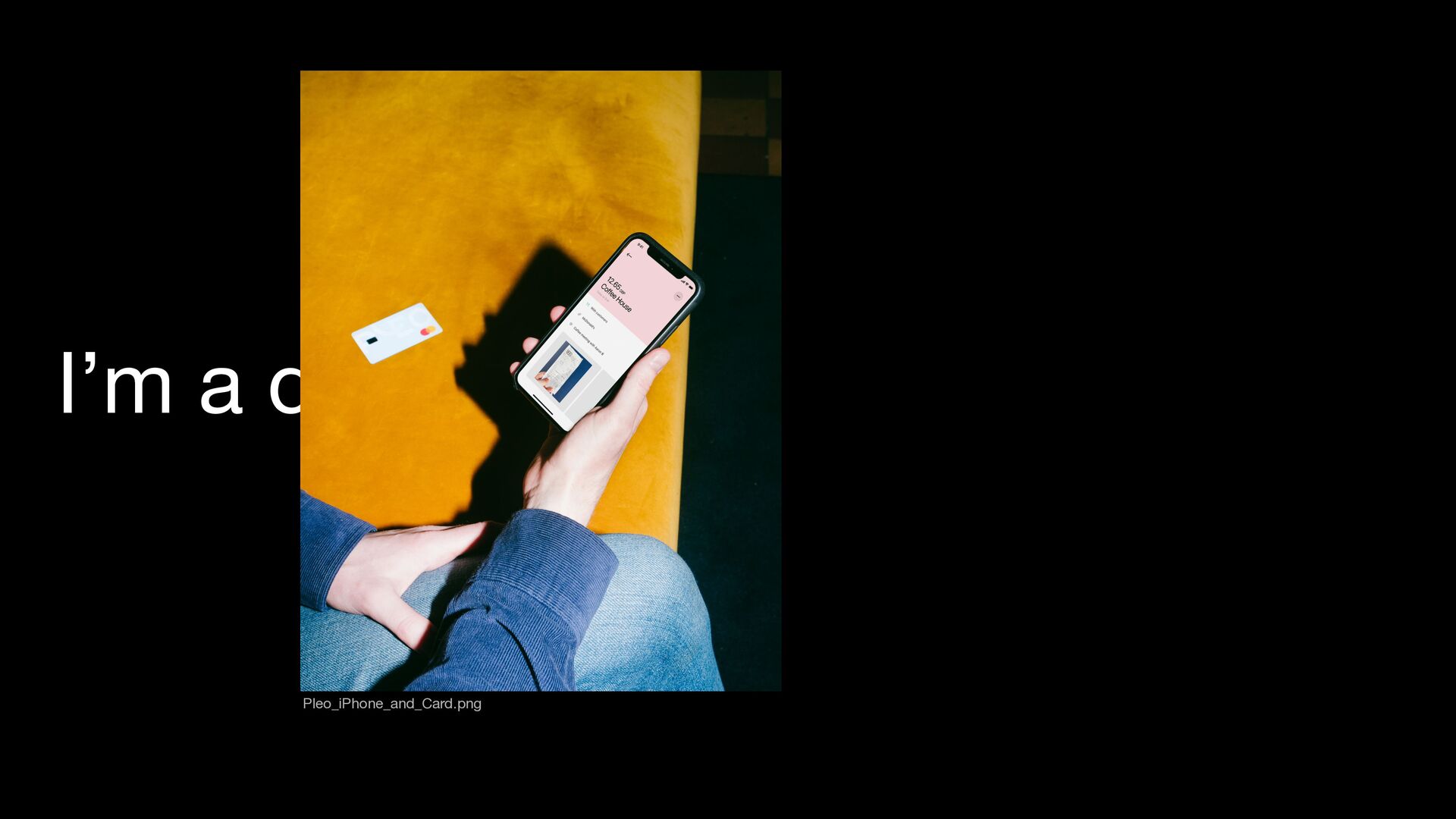
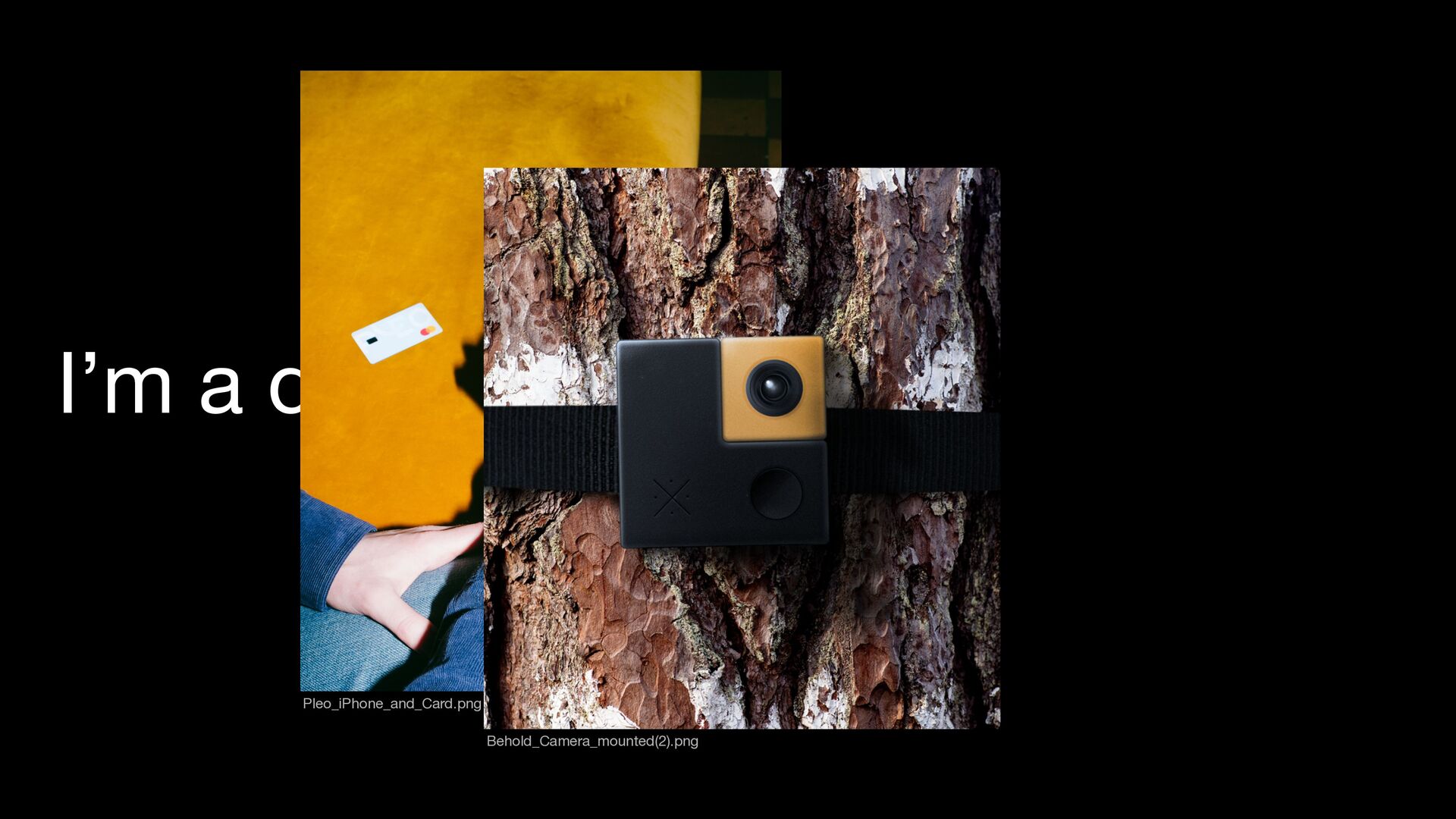
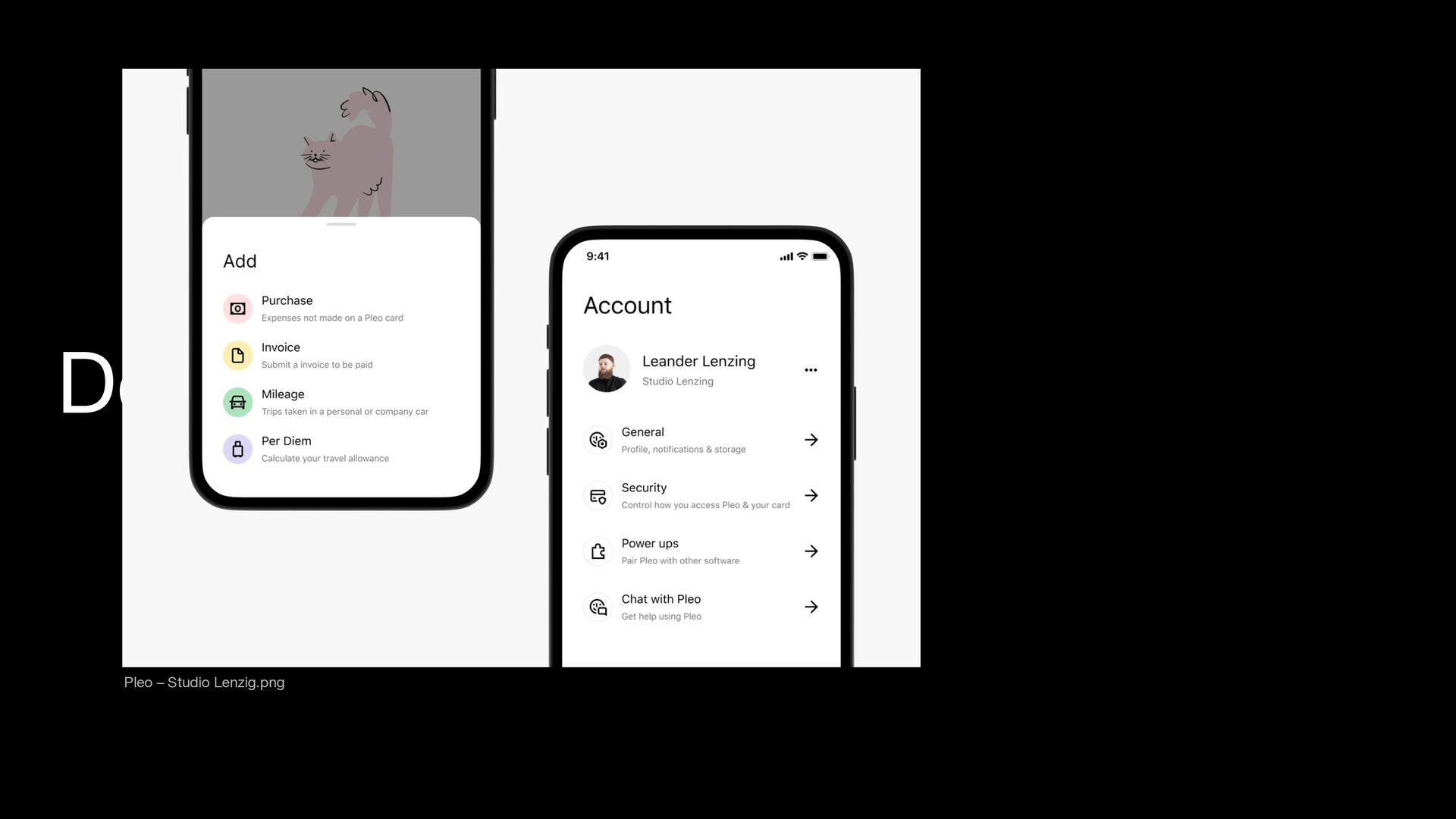
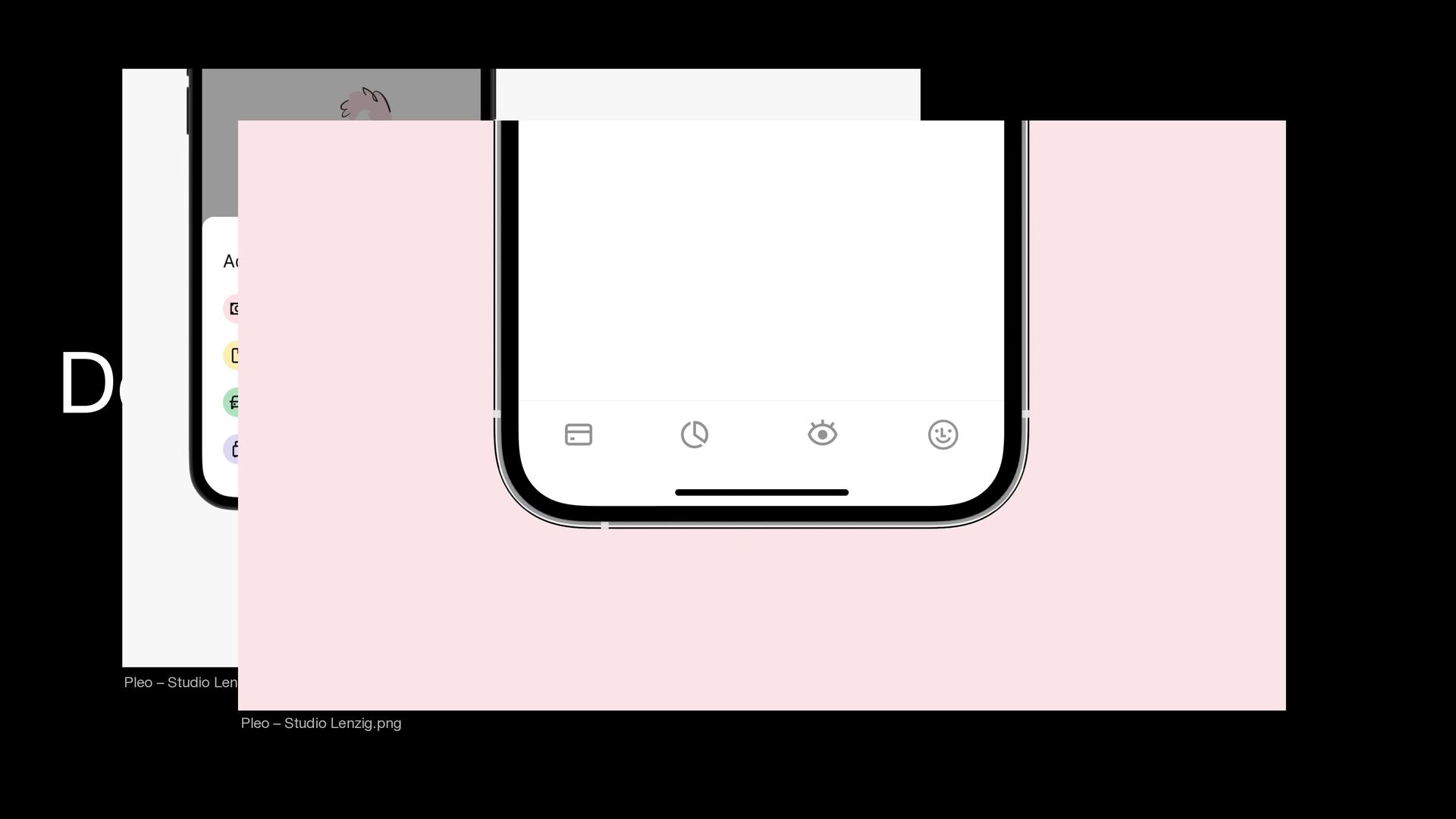
Digital product design was slightly less cooler name. And in reality, software design. Right? Not really designing physical physical products. So that's why I just call myself a designer. Currently VP of design at a company called Pleo. You don't know it, we kinda make the the process of buying stuff for work really easy, so you don't have to worry about expense reports or paying out of pocket, all that kind of stuff.
And we do it through software and a card, so not really hardware. My spare time, I'm also building a hardware and software product, a little wildlife camera powered by AI and all sorts of fancy things to recognize animals and and keep track of things entering your garden or or wherever really.
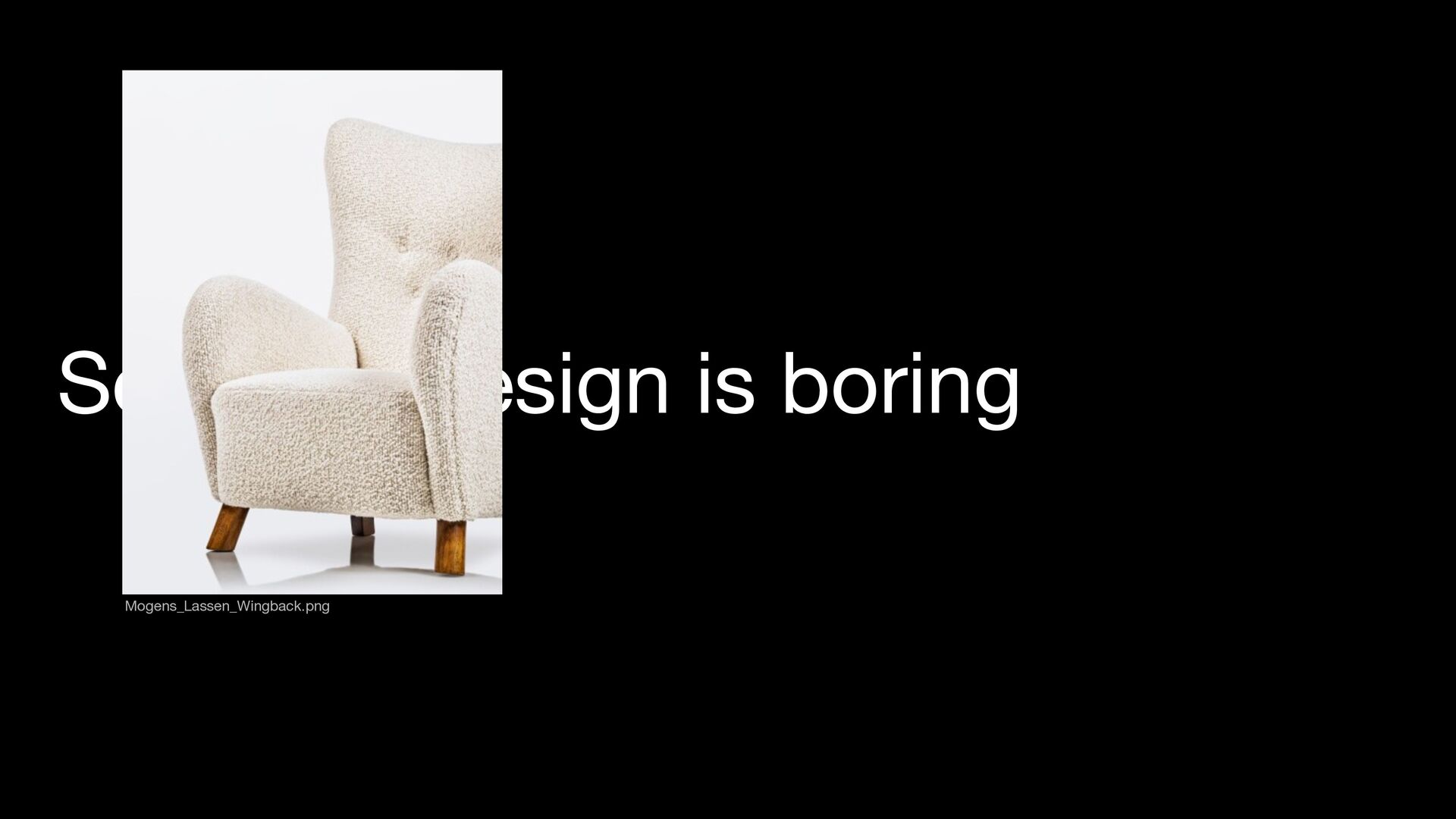
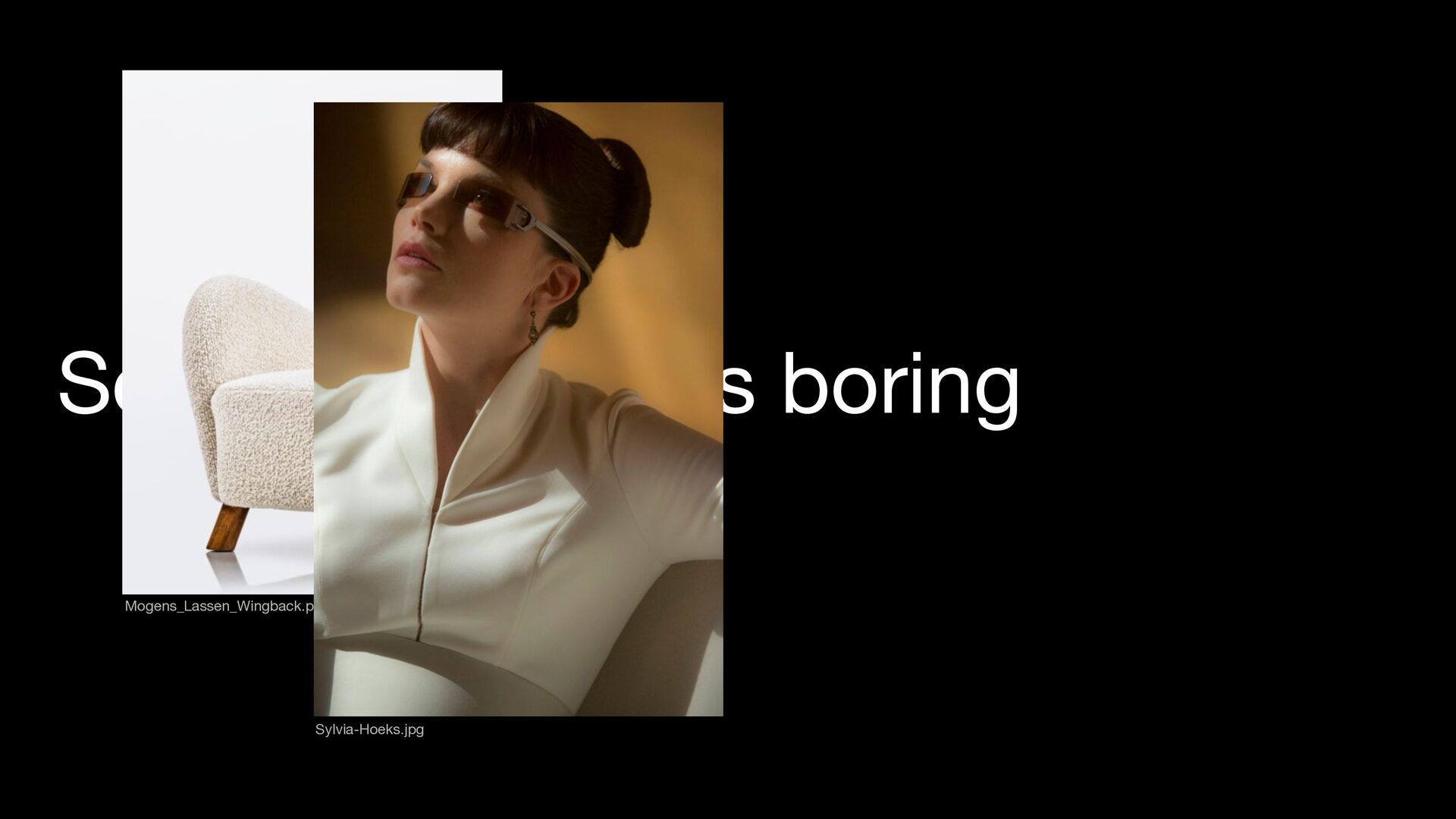
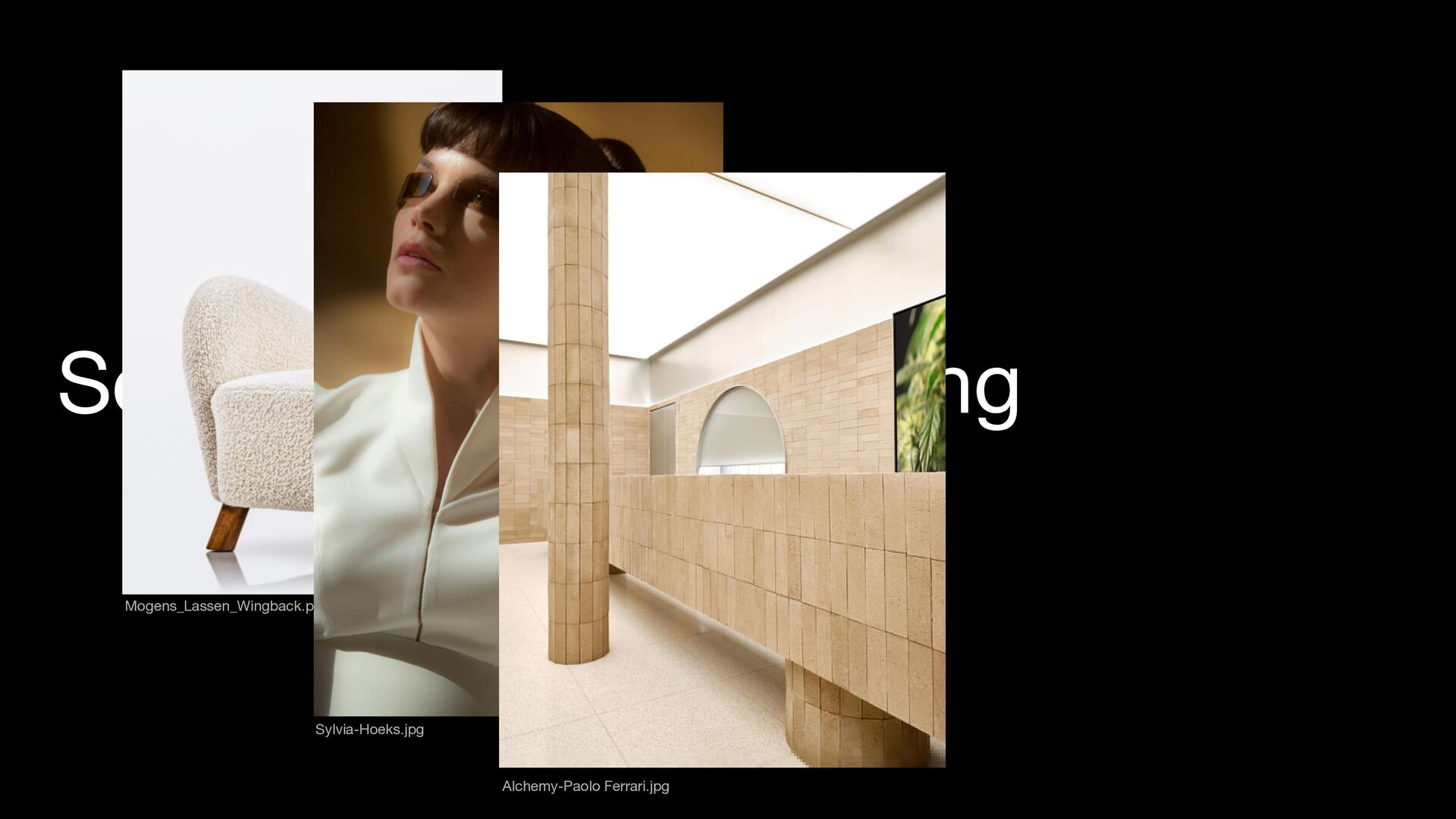
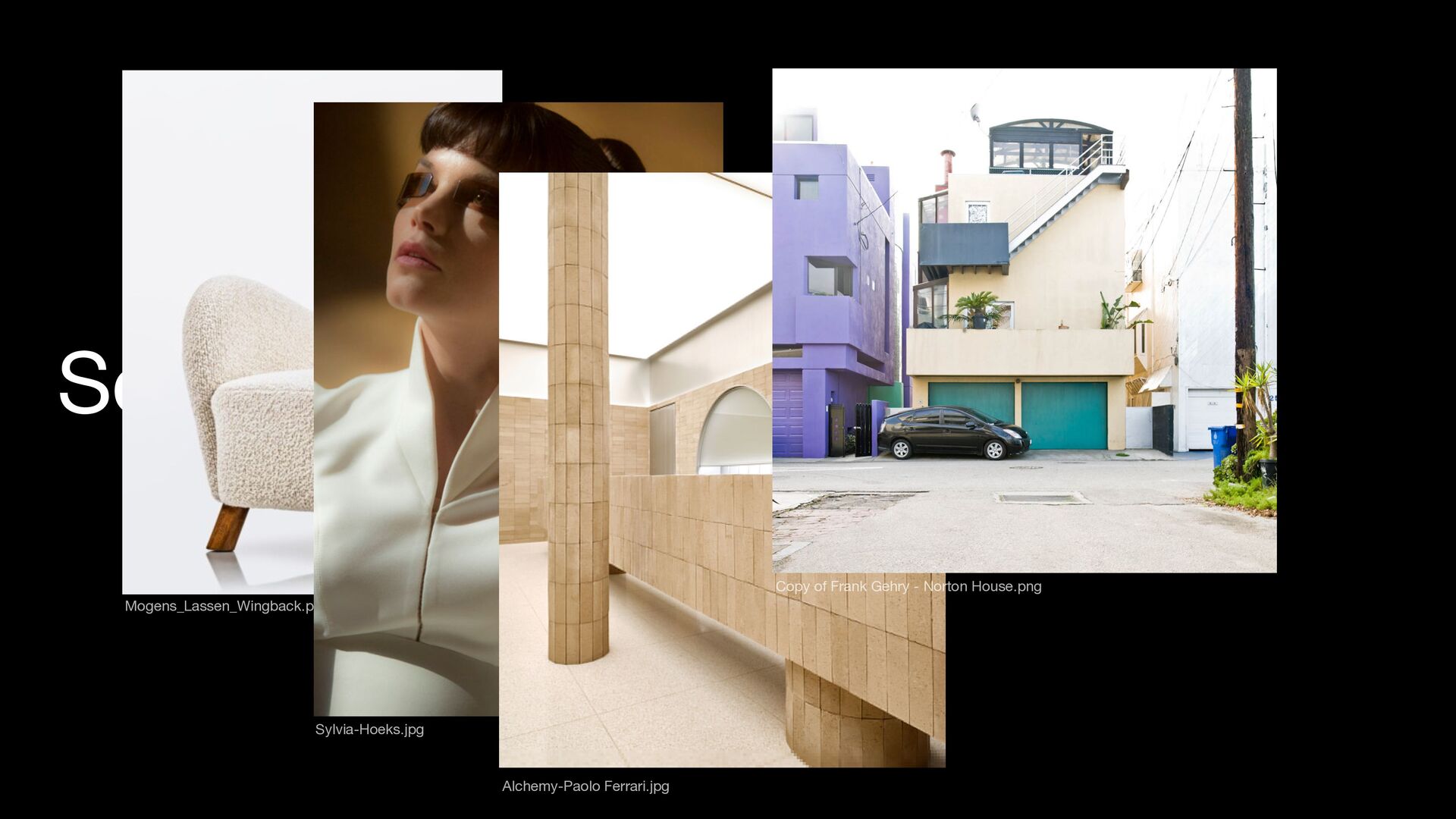
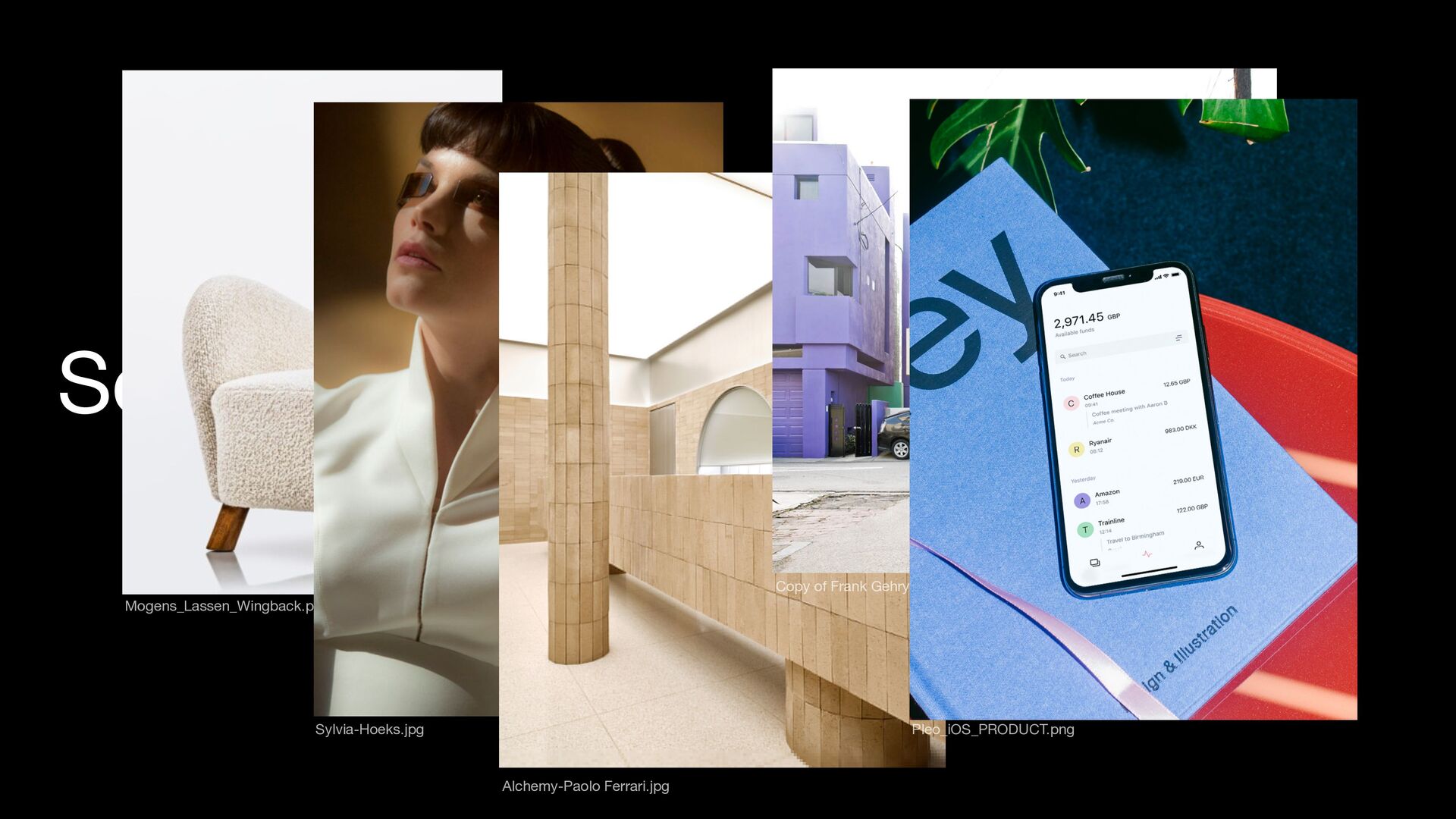
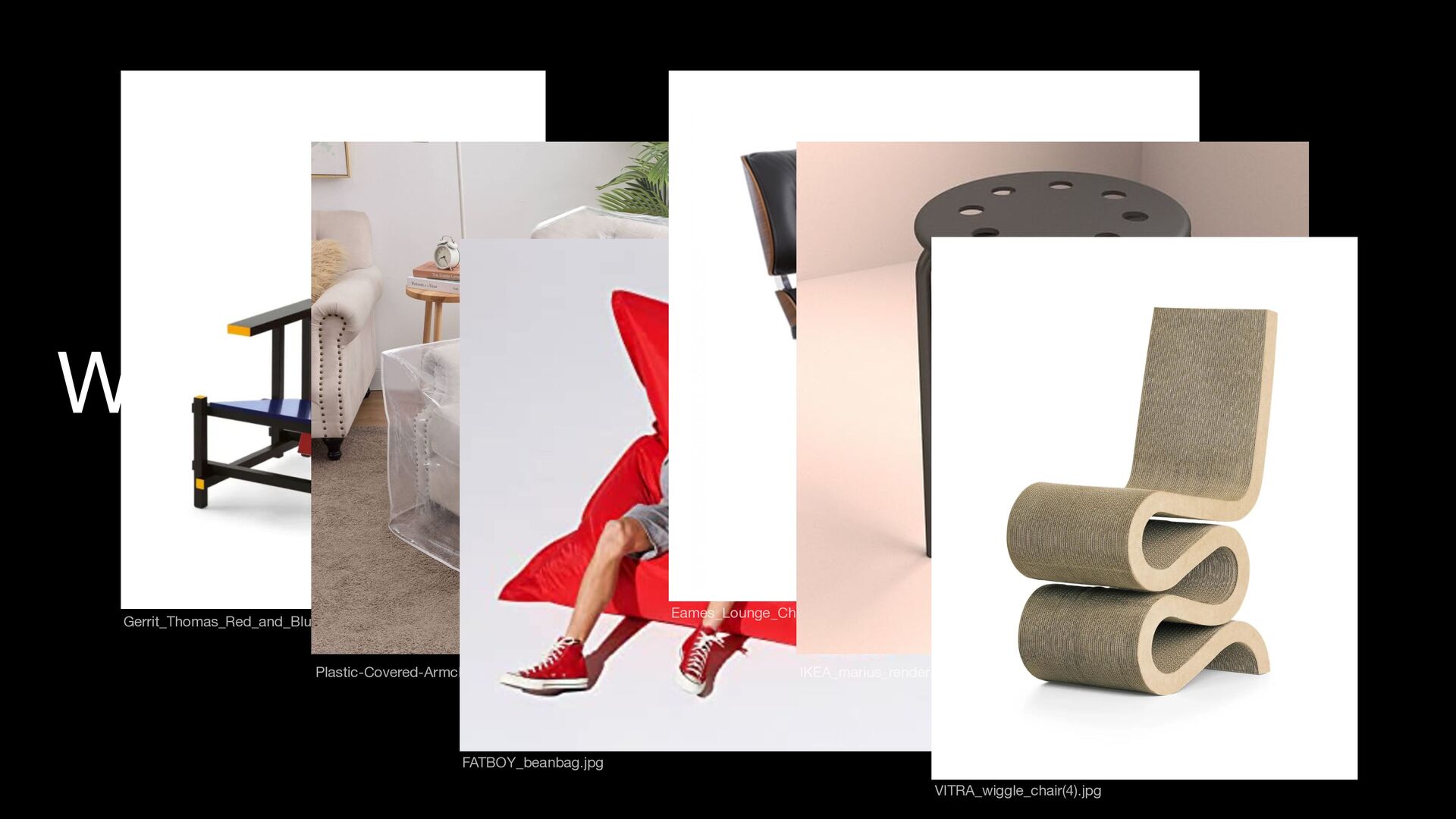
I got a problem. And it's annoying when you work in an industry for so long to have this problem. But software design is boring. When I tell people I'm a designer, situations like this where you meet people, what do you do? Oh, I'm a designer. Oh, cool. Yeah, you design furniture.
No. You're fashion designer. No, no, no, no. You're doing interior. Oh, that's awesome. Oh, you're architecture. I have to go, I design an app, financial app specifically. It is at that moment in time where you kind of feel less cool, right? They put you on this pedestal.
Oh, cool, you are a designer, that is a cool job. And I end up being here. It's a damn good app. It's really good. People love it. But still, software design is not really ever considered real design in these circles. In Copenhagen a while back, we had this free days of design festival, and as a designer, super excited.
It's about furniture, and chairs, and architecture, and interior, and fashion. Software design doesn't get a look in. And it's weird. Like, most of us spend a considerable chunk of our lives using software. Hours and hours of our day we spent interacting with software, and people don't really have a strong opinion around the design of it.
They have opinion around a product works or doesn't work, whether Slack is bad or good, or we prefer Zoom or Teams or these sorts of things. But they don't really have a strong opinion about the design, just if it works or not. Present company excluded, I hope some of you are at least into software design.
I have a really bad analogy to stumble through when it comes to software. If we had to take a look at a chair in the audience today, and we wanted to do a job to be done, if you're familiar with the jobs to be done framework, as a stander, I want to sit down so that I am no longer standing.
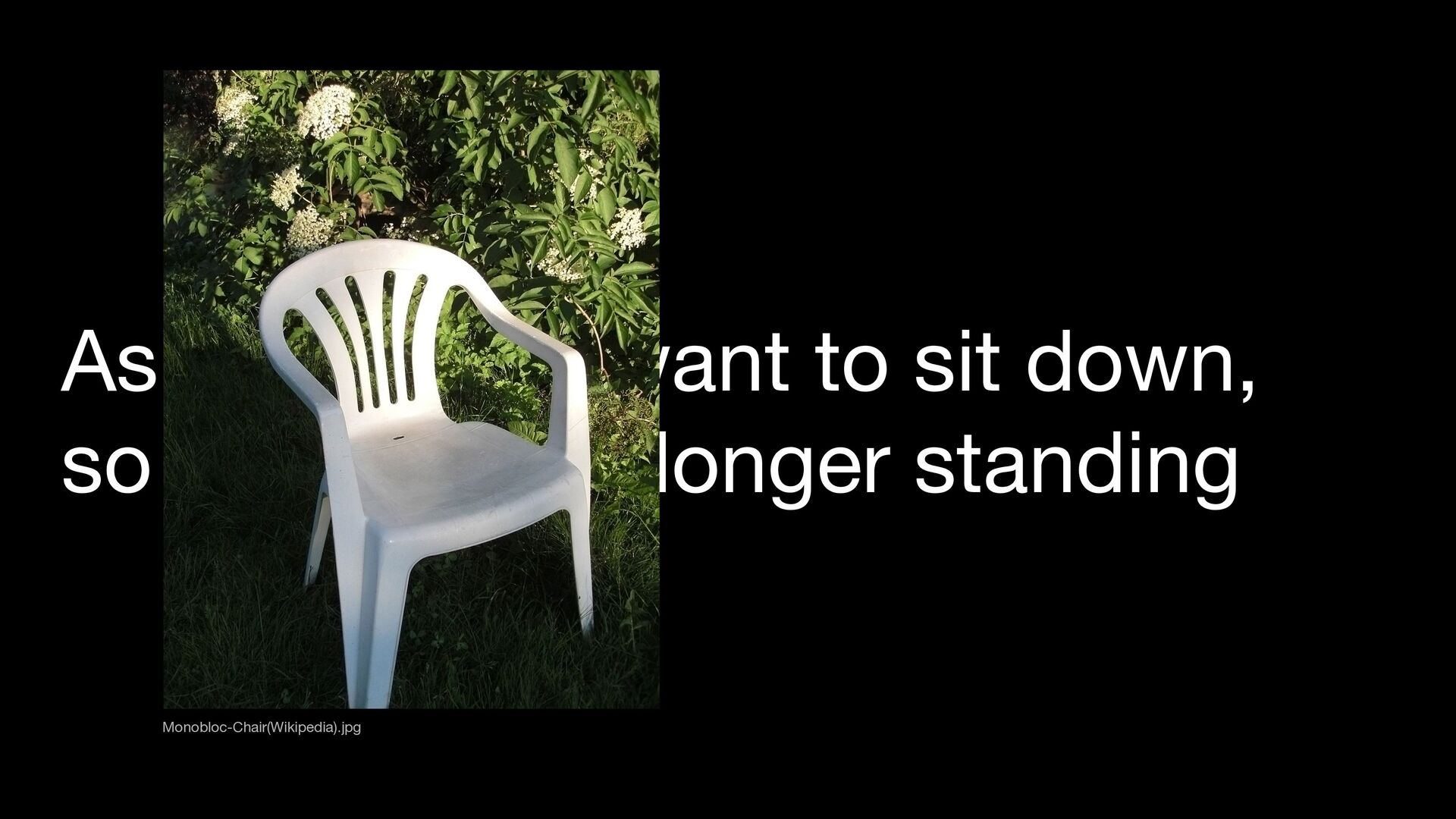
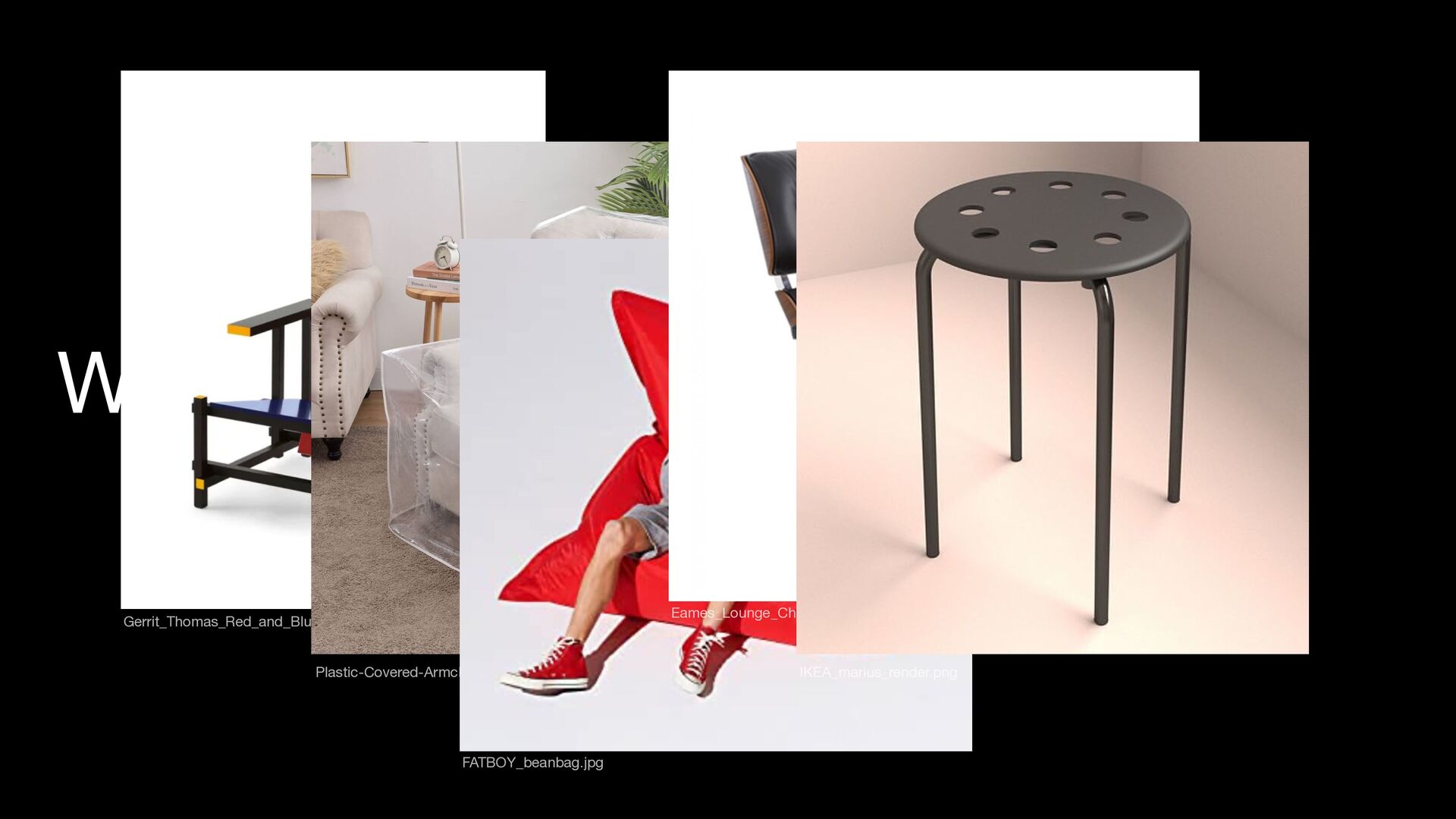
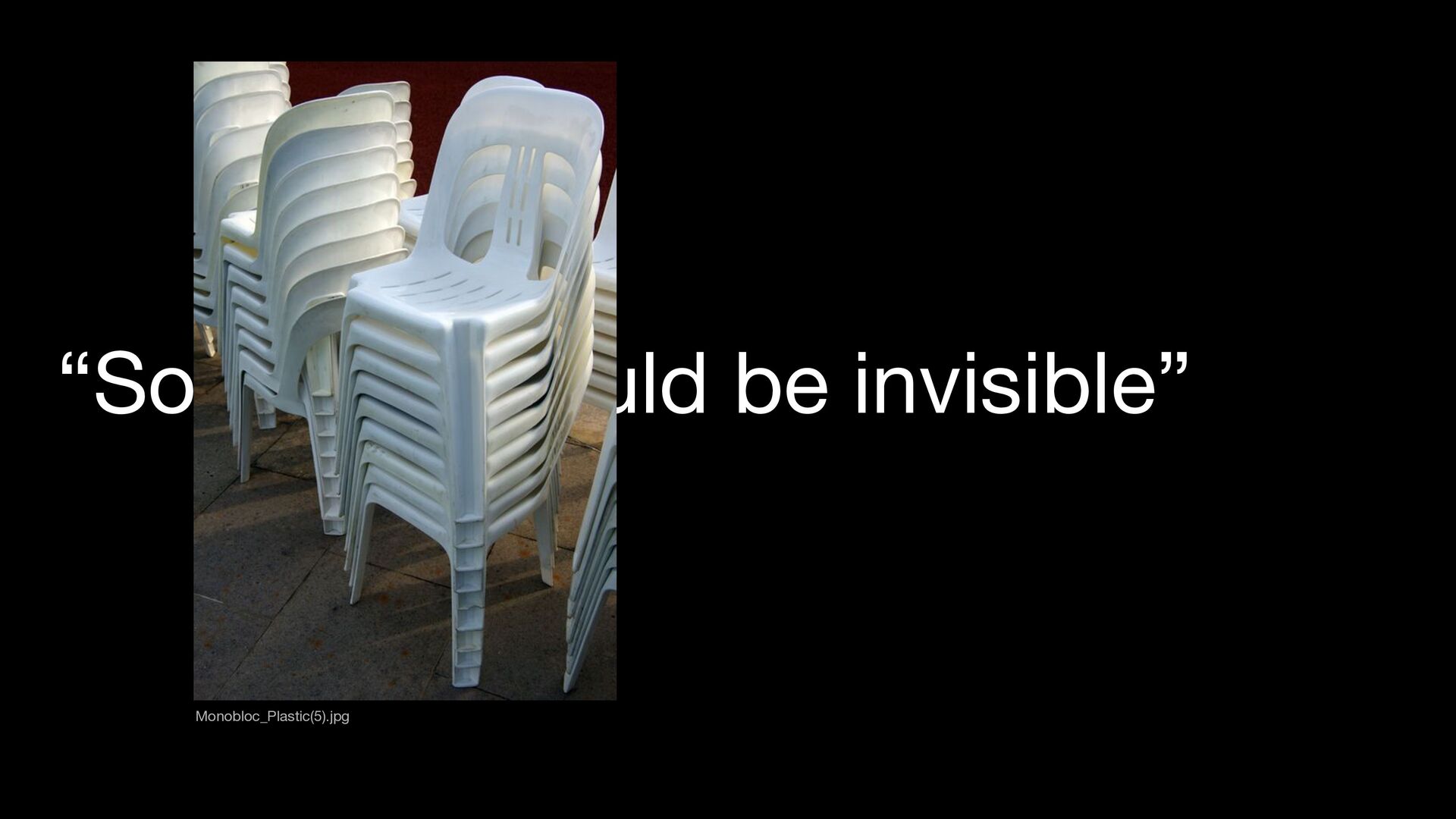
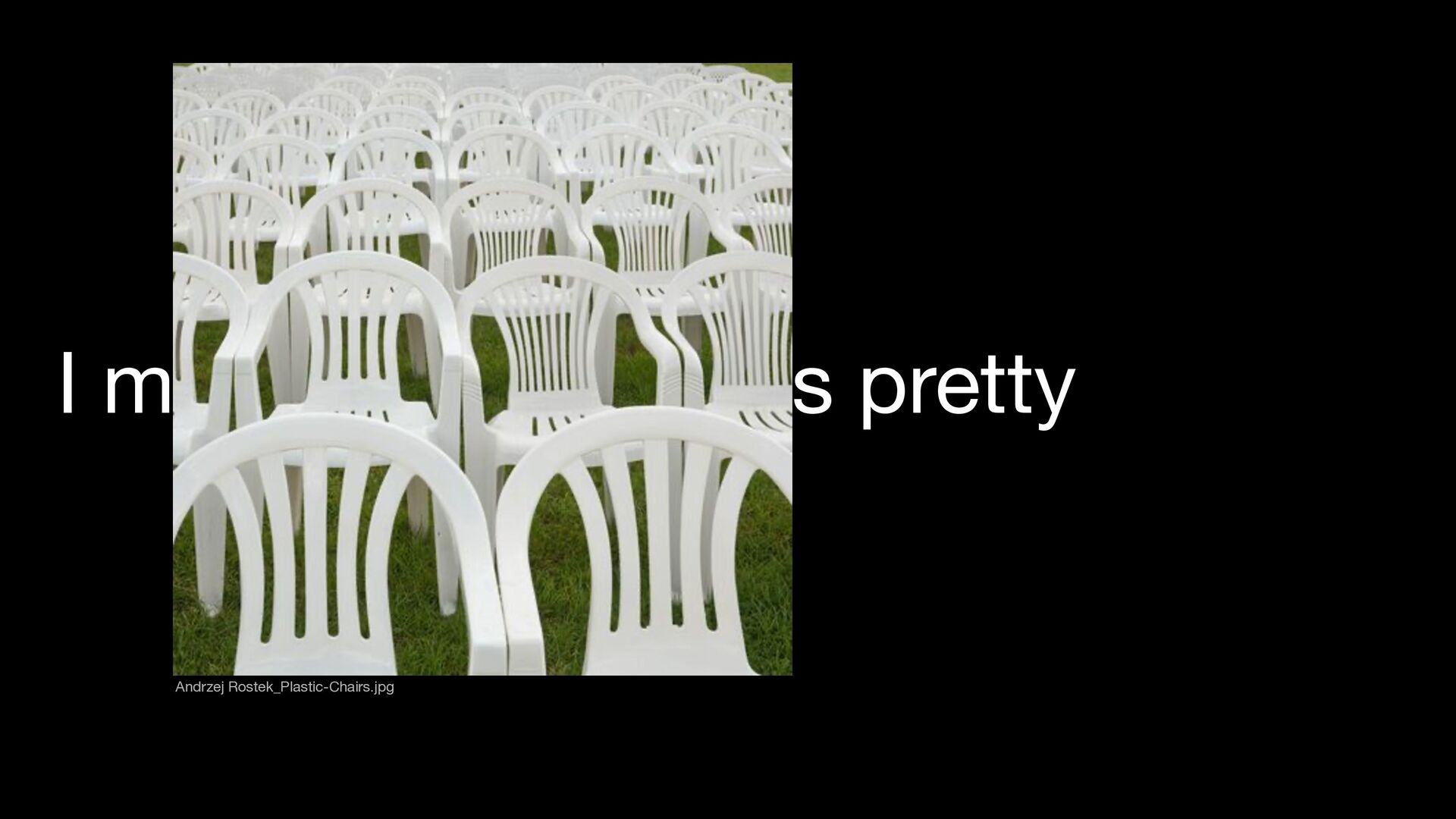
That is a problem we need to solve as a chair. A lot of you will recognize this one. A lot of you have sat in this one. I'm almost guaranteed that everyone in this room has sat in this chair. And the chances are this chair doesn't really make you feel anything at all.
If anything, it probably makes you feel a little bit negative, right? It's maybe a little bit cheap. Maybe if you saw that outside of a cafe or something like that, you would, maybe they haven't taken the time to to get some proper chairs out.
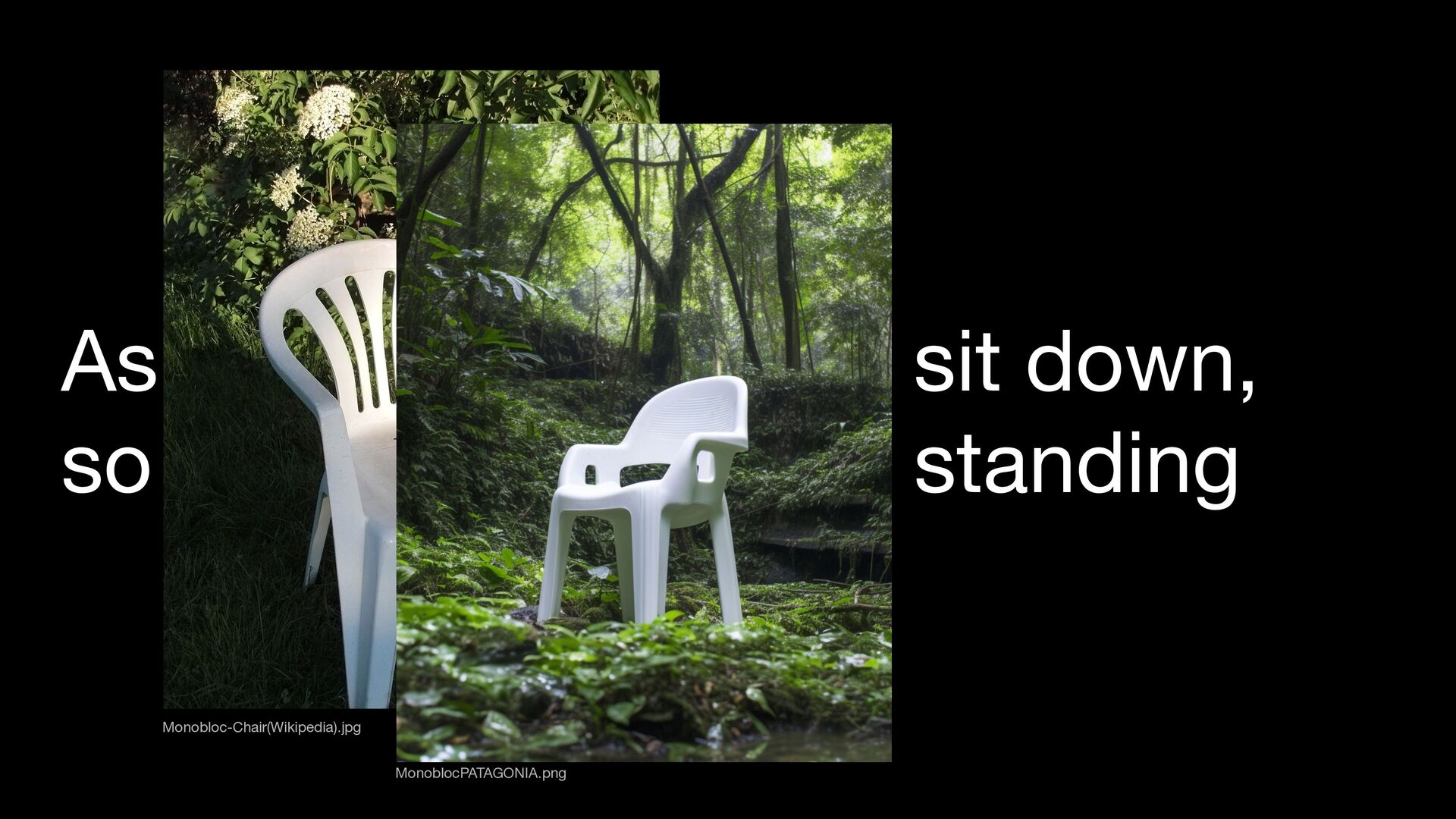
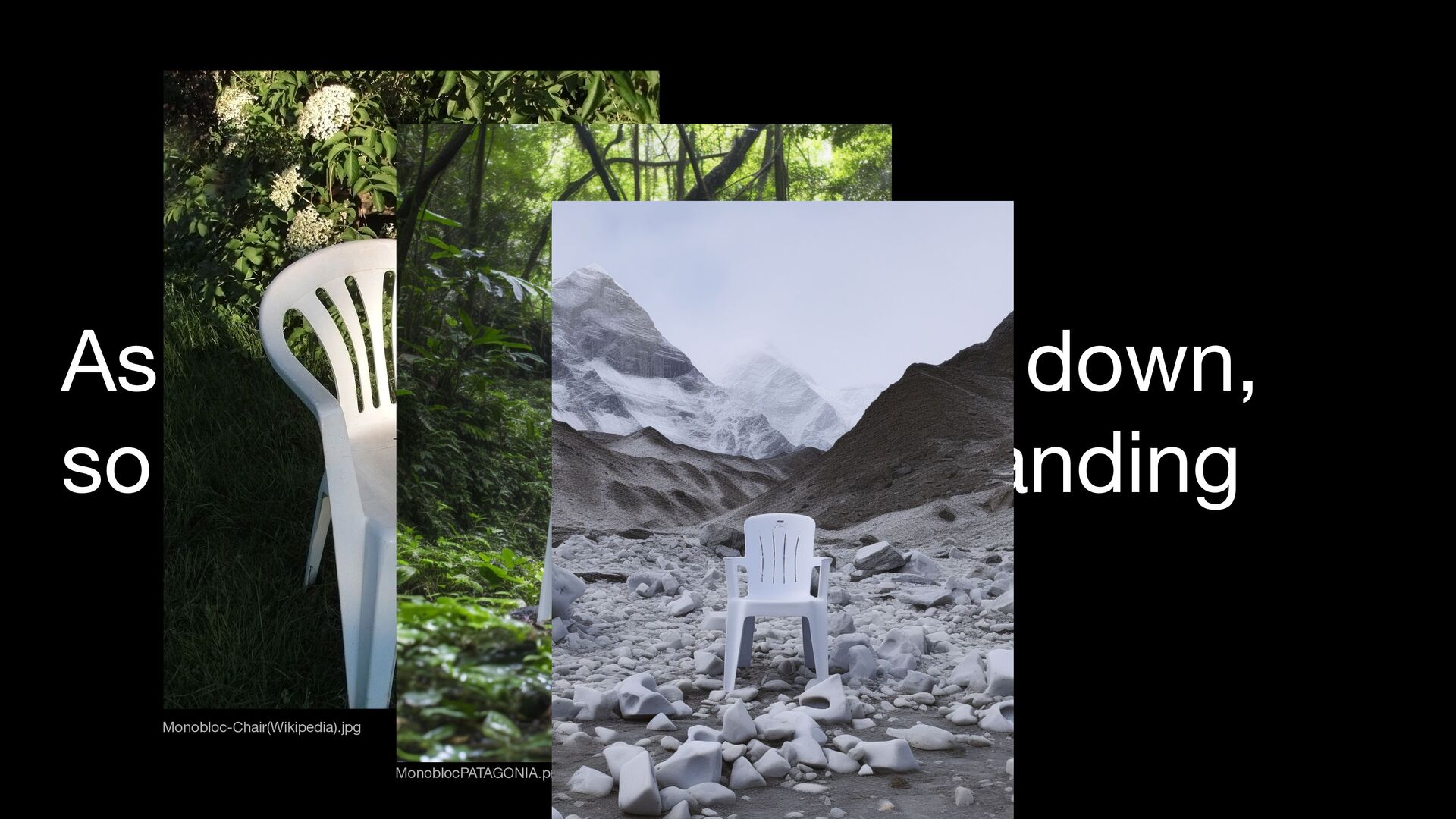
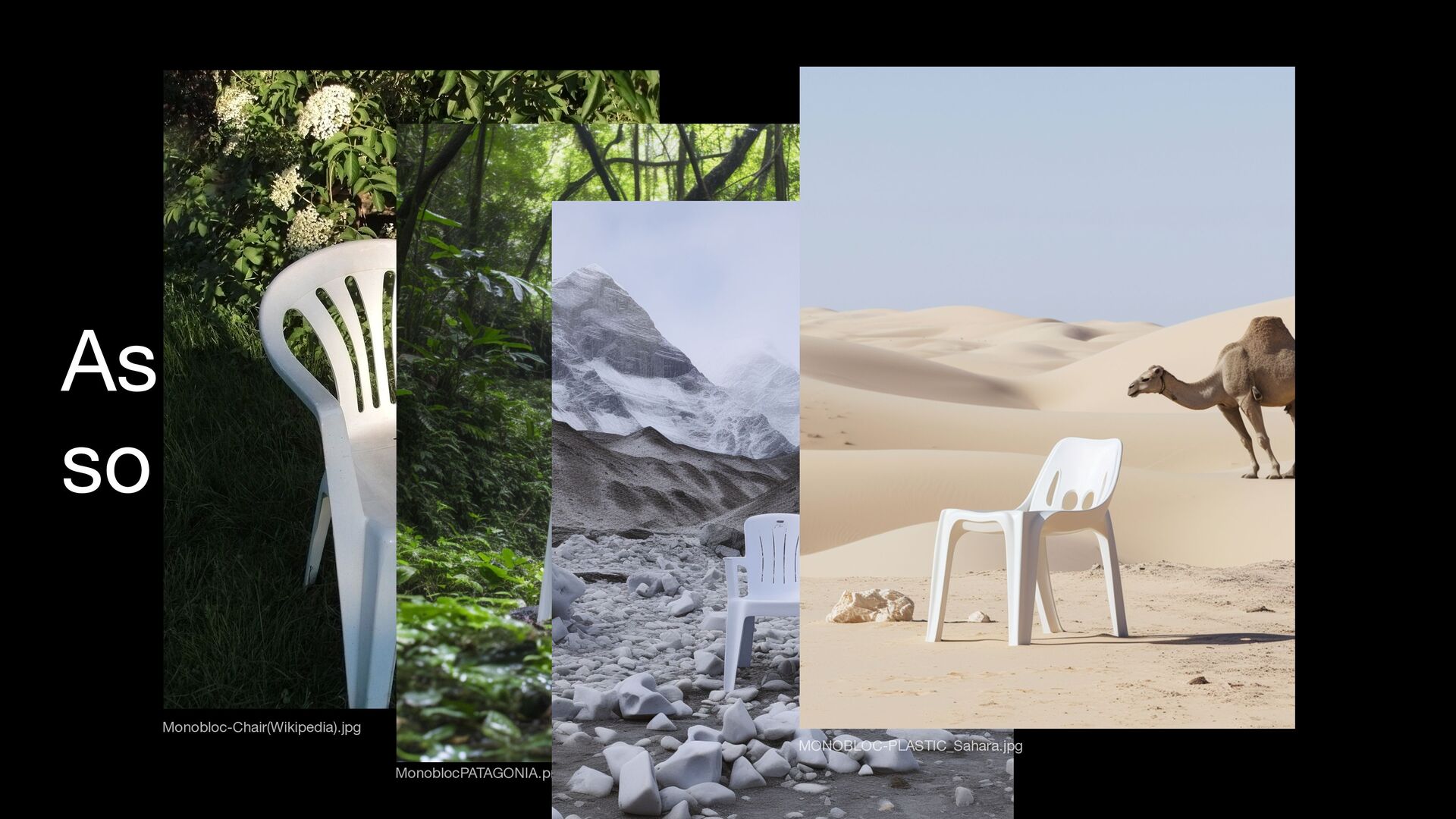
This chair is in every country on Earth, in every context on Earth. You're just as likely to find it in the rainforest of Patagonia as you are at Everest Base Camp, as you are in the Sahara Desert. It's easy to make. It's fast to make.
It's cheap. It's stackable. It's sturdy, unless you're a slightly heavier guy like me, which gets you approach it with a little bit of a hesitation. I think we can agree. It is the perfect chair. Right? It solves this perfectly. We don't we don't need any more chairs. We have solved it.
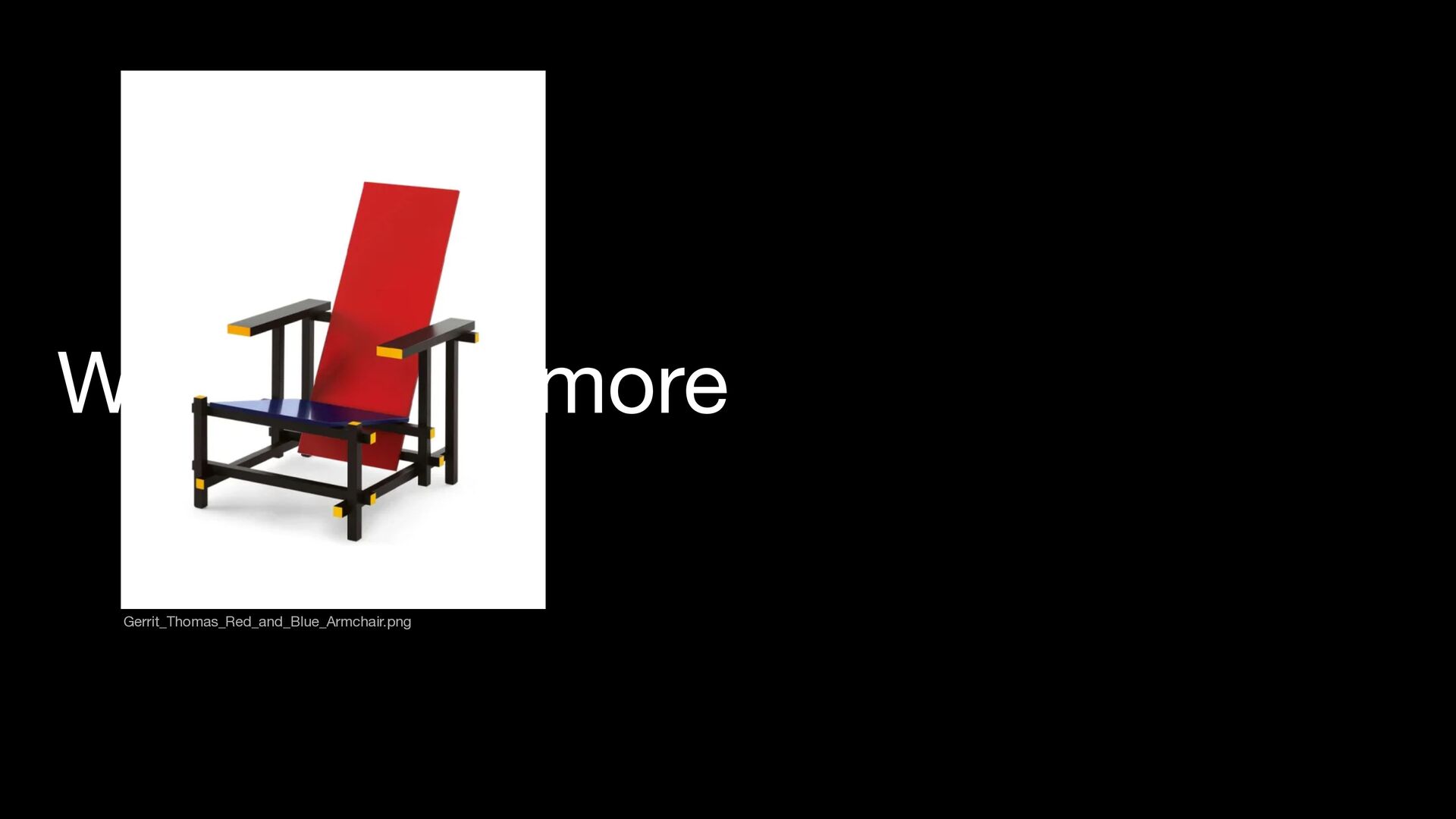
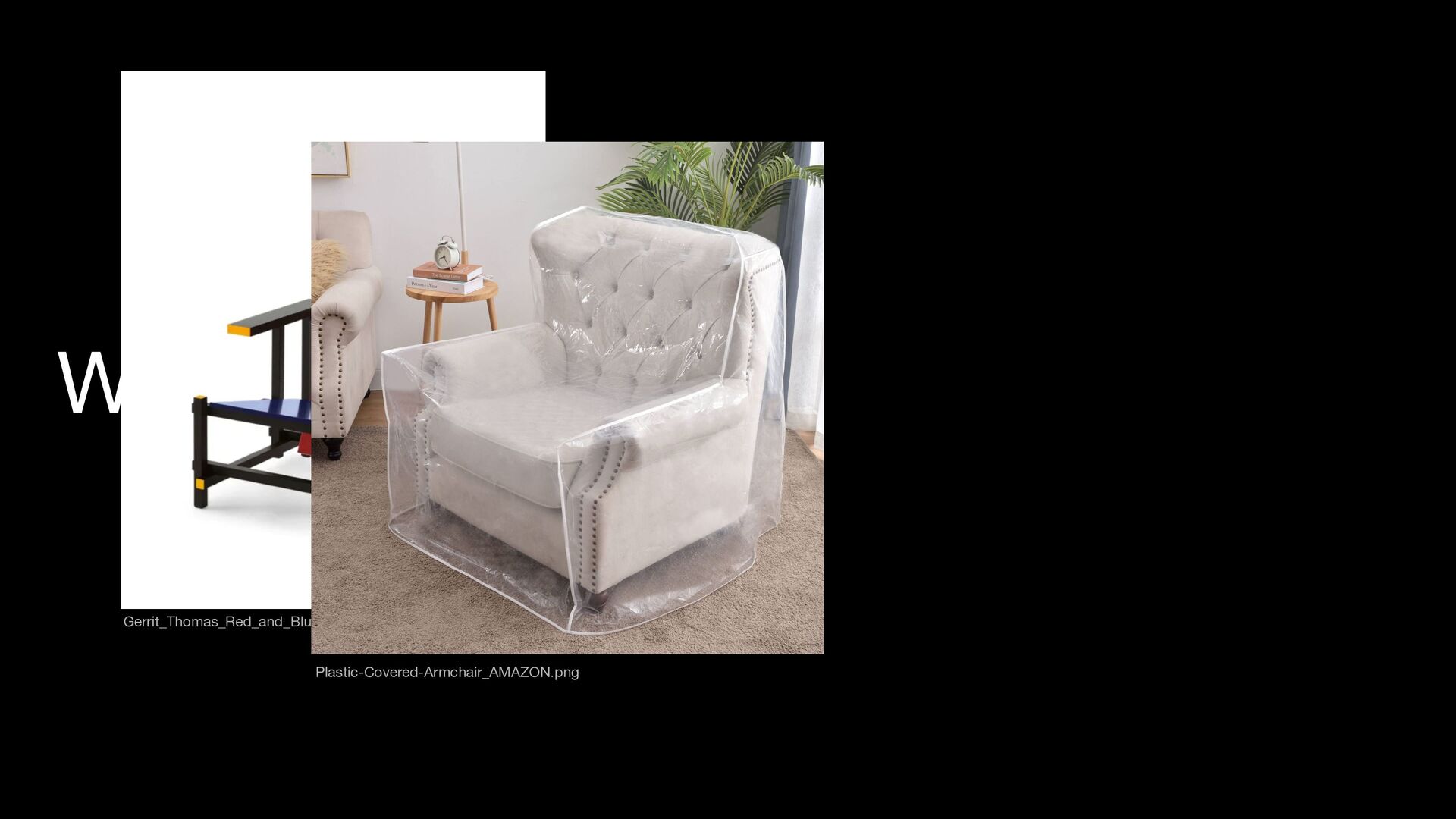
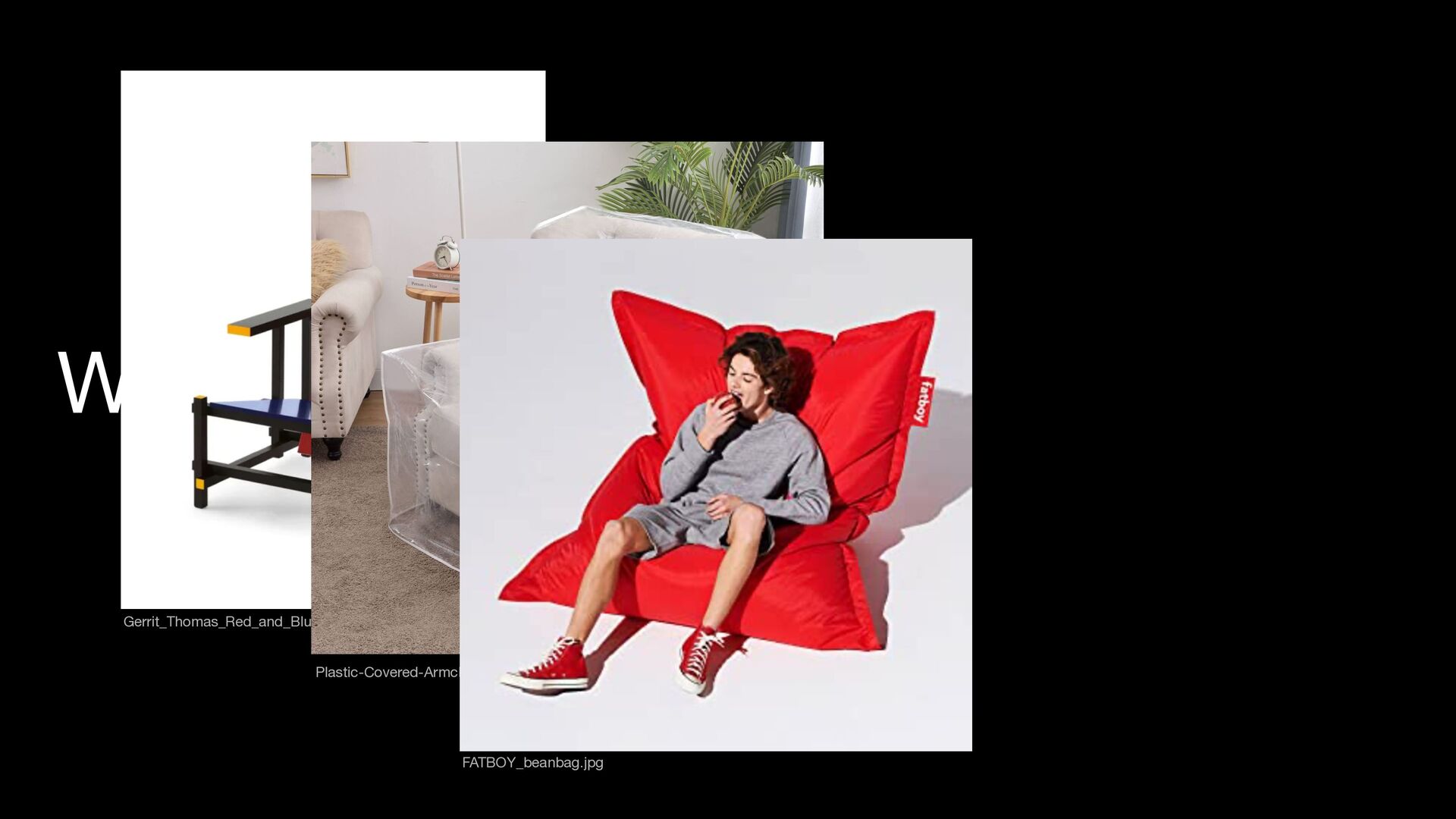
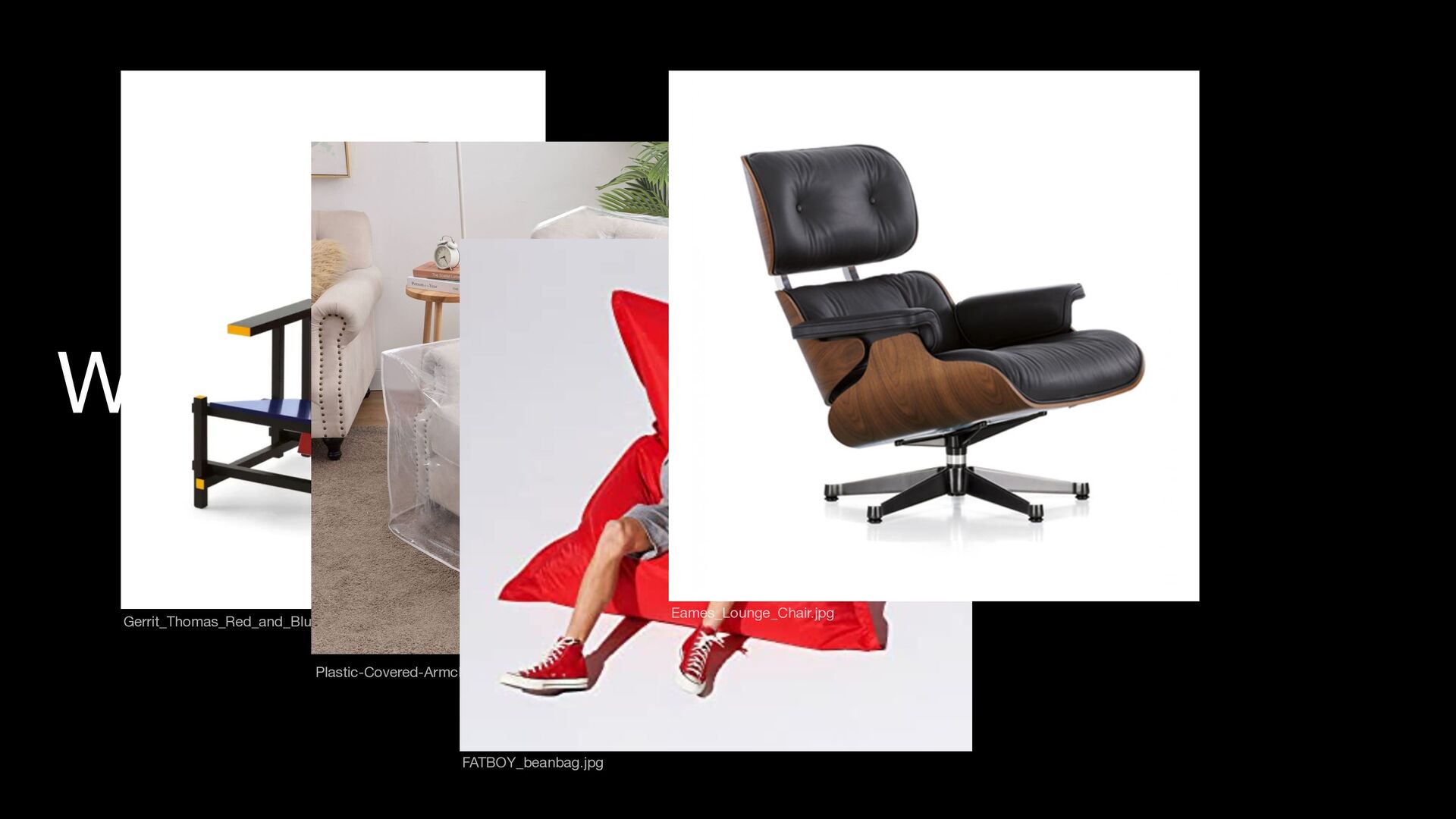
Obviously not. Nobody loves this chair. We we demand more from these objects we have in our life. We want to change the experience of sitting. We want these objects to to say something about us, about our taste. We want them to feel something when when we look at these.
And sitting can reveal your values. It can say stuff about us. It's it's a solution that is is not right or wrong, good or bad. It's still solving the problem of sitting because people are choosing many many different ways to to solve it.
You could spend thousands of pounds or you could spend just a few. The fact is people buy different chairs because they they like them. They want to say something about their taste or lack of taste or how good they are at saving money or upcycling or or all these sorts of things.
Right? We bring these things into our life to make us feel something. But it's been increasingly common in a world of of software design that it should be invisible. And I've I I said I've said this a lot, and I've said it in the past.
And I like it when software is invisible, right? When you have an experience and you don't really think about that interaction, it was just easy and it worked. But the truth is, a lot of software can't necessarily work like that. There needs to be an experience.
There needs to be something that a user needs to do, and it will get automated to hell in the future, of course, but there will be a long period in time where people still need to interact with software. And you can understand where this this sentiment is is coming from.
Right? Like, it needs to be fast, easy, cheap, and easy to use. It needs to non interruptive. We need to get the most out of people as possible. And we're quite far from bringing more joy and better experiences to our customers because we're trying to make everything invisible.
So I kind of feel like software is heading in the direction of the monoblock chair, right? We're just trying to get that chair out into the world. Not do anything too exceptional, not do anything too risky, get the chair out into the world.
And functionally, solves the problem, right? It solves our sitting problem. It's minimal. It's pure. It's a great great chair. I'm sure you agree. But it doesn't bring me any joy to sit on that chair. It doesn't make me feel anything. So why can't our software also look to this chair and change the way we approach it?
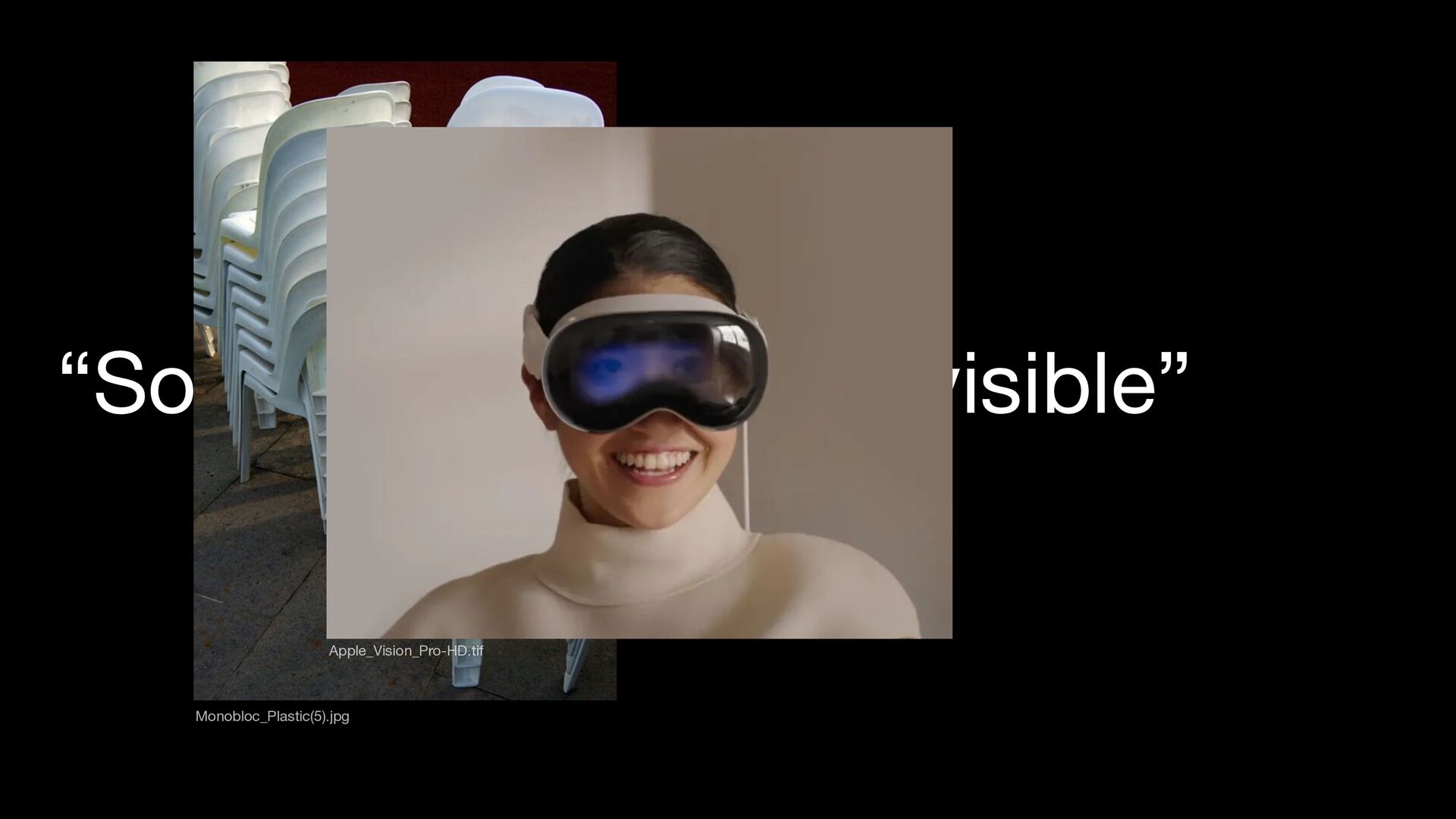
Right? We're entering a world where software is literally gonna be strapped to our face. And if we're working in a world where software is the cheapest, fastest possible thing ever, Half a centimeter from our eyes. That's not really a world where I'm excited to be a part of.
Designers don't do pretty. So, the whole industry has has changed quite a lot in my eighteen years. I think when I first started out in design, it wasn't necessarily taking a super serious role in software. Obviously it was there and we had decent impact.
But in a lot of, especially in the start up sphere, a lot of companies were starting and designers were making things really, really nice, but not necessarily fundamentally changing the way these companies worked. Was a lot more engineering and product management that was driving the organization.
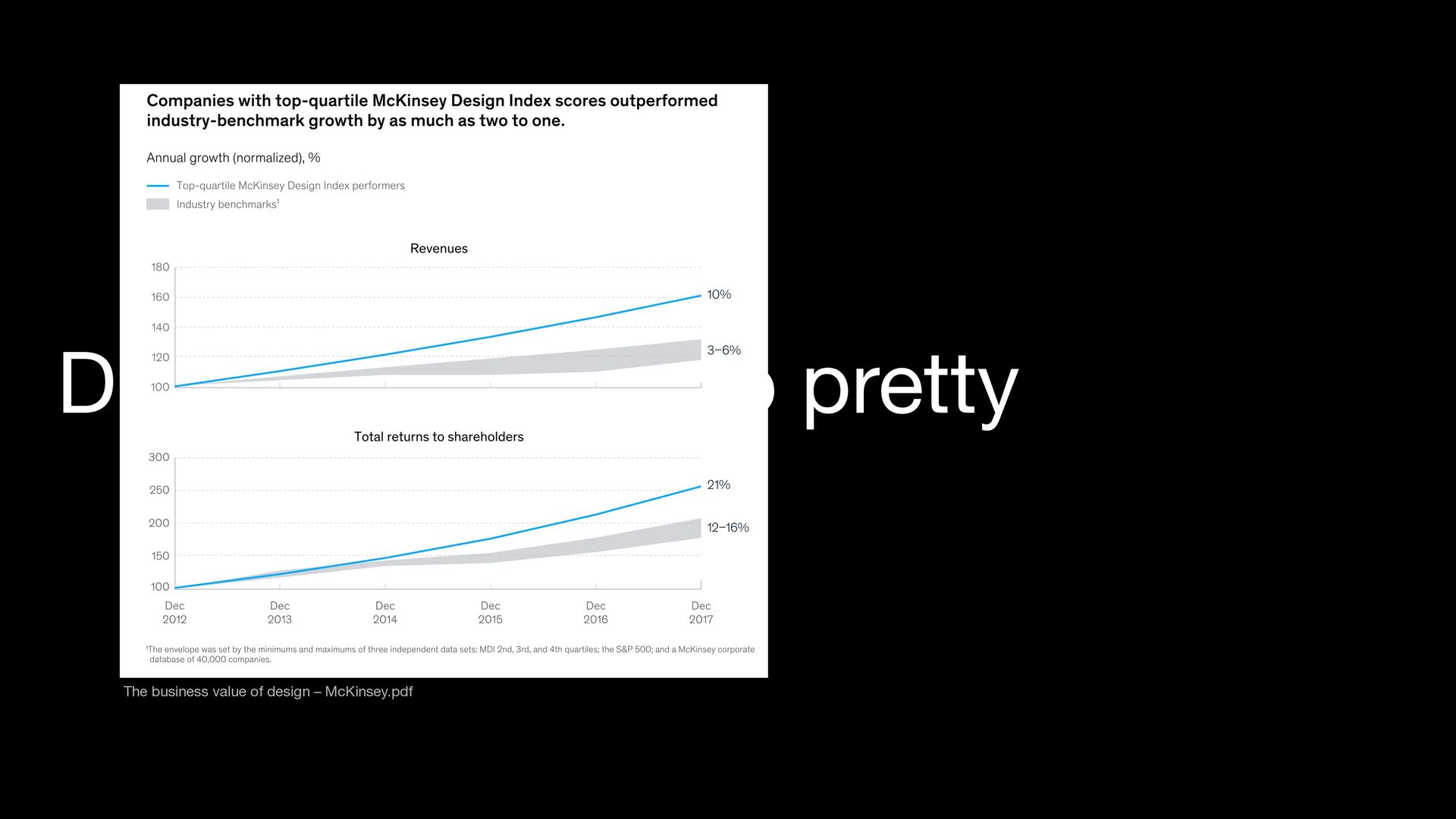
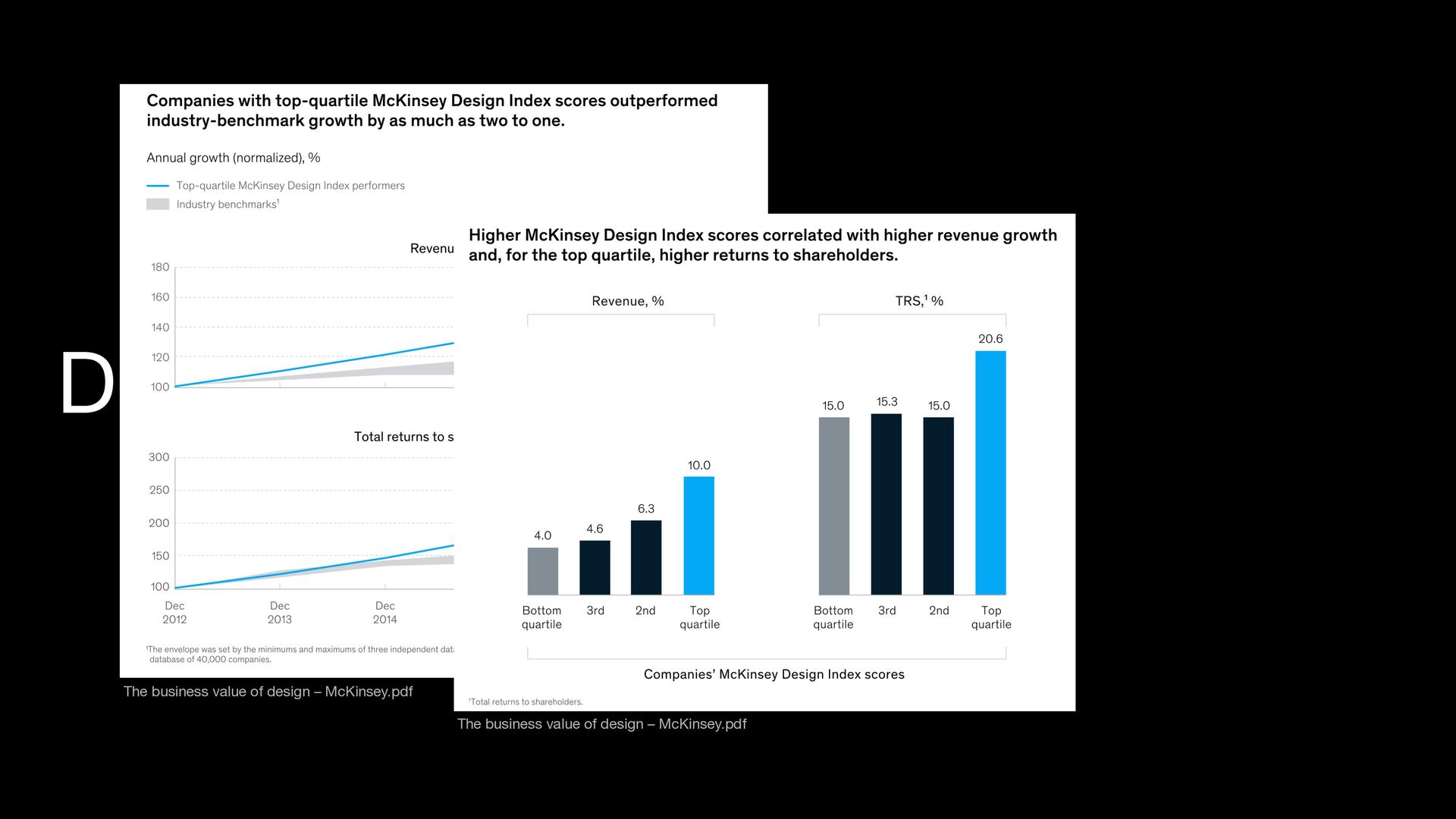
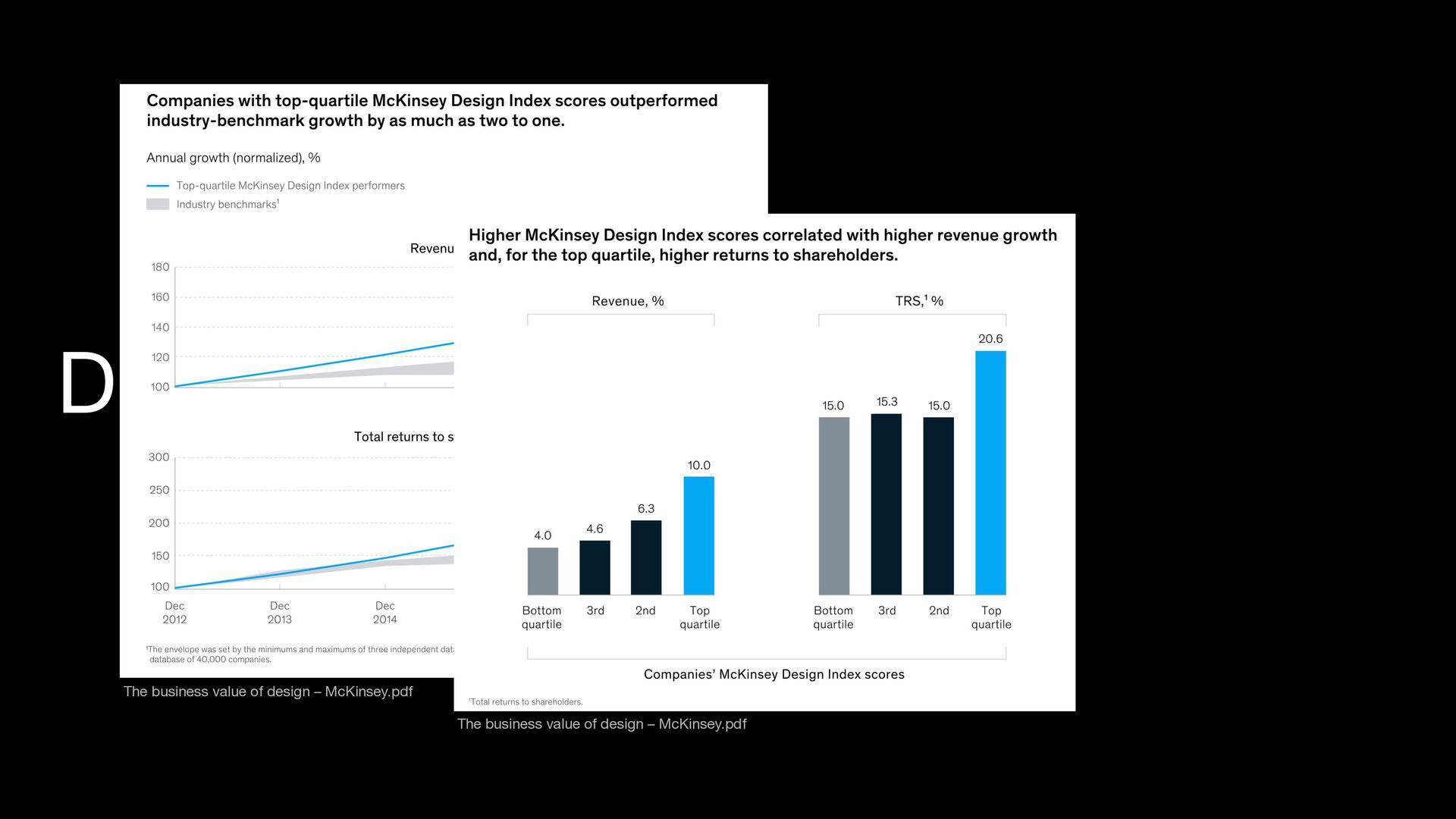
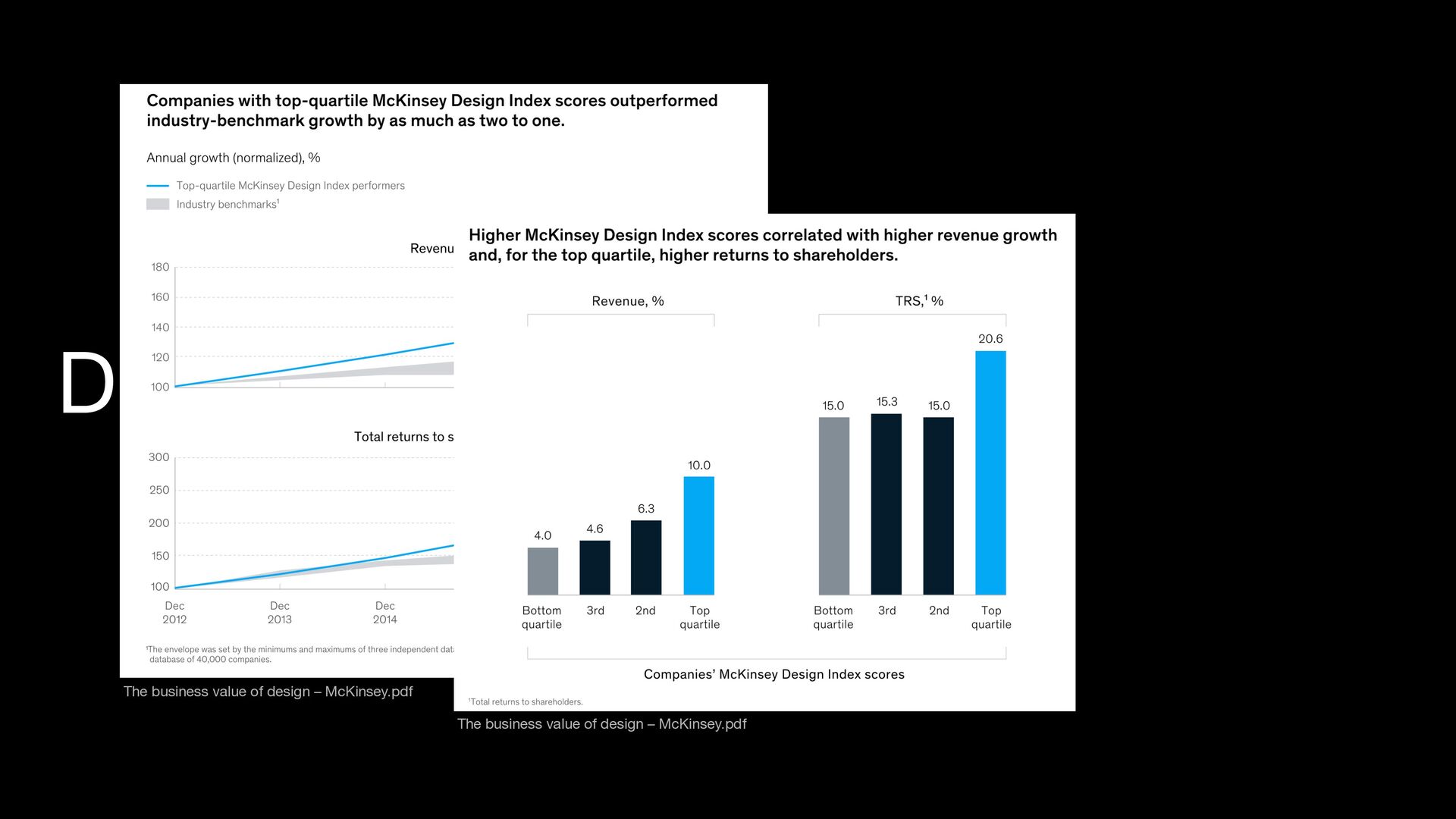
So we fought really hard. We fought hard over these eighteen or twenty years or whatever to be like, no, no, no, no. We don't just make pretty things. We deliver tangible value to the business. We're like a proper part of this. It's proven that design driven businesses get higher returns, right?
Higher revenue. Like design has seat at the table. A business that focuses on design gets higher returns, so of course we should design seriously. And design is not just about making things pretty, it's actual maximizing revenues. It's actually having tangible impact on a business.
And when we see that and we see okay, this design thing, you know, it's doing good stuff for our business. What do we do? We figure out, okay, how we double this? How do we maximize this? How do we go even further? So we're taking a somewhat creative process and figuring out how to juice it, right?
So we made it agile. We cut it down. We launched the MVP. We shaved off every possible bit. We shipped it. We learned, we shipped, we learned, we shipped, we learned. We scraped all down to the tiniest thing and then we said, hey, look, we are delivering massive revenue.
So design now has a seat at the table. Design matters. User experience matters. We're here. But I have a problem. I kind of miss making things pretty because pretty things make me feel something. We're kind of in a sea of monobot chairs when it comes to software.
This functional piece of software that's solving the problem, but not really making anyone feel anything. I feel like our software has lost its soul. Soul, it's a weird word. It makes me a little uncomfortable. I can see it making few of you uncomfortable too, for a couple of reasons, right?
It's subjective. And as product people, people building companies, we hate subjective things, right? We want to prove and measure and track. And when things are subjective, it makes conversations tricky. What I find maybe cute and pretty and endearing, find ugly and annoying when it comes to software.
So we're very different there. So SOLE is subjective. And two, like I said, you can't measure SOLE. SOLE is tons of things working in all places all at the time, and you don't have a score you can track or a number you can track.
It's many, many different things. And by having that, it makes people a little on edge. I mean, it makes me on edge. For years I've been trying to be taken seriously as a designer to prove the impact of my work, to prove that we have measurable outcomes.
And then I have this thing scratching at the back of my head, like, it's not all about that. It's this little extra bit on top of that, and that's a little bit scary. So I decided to zoom out a bit for this talk and kind of figure out, like, what is Soul then?
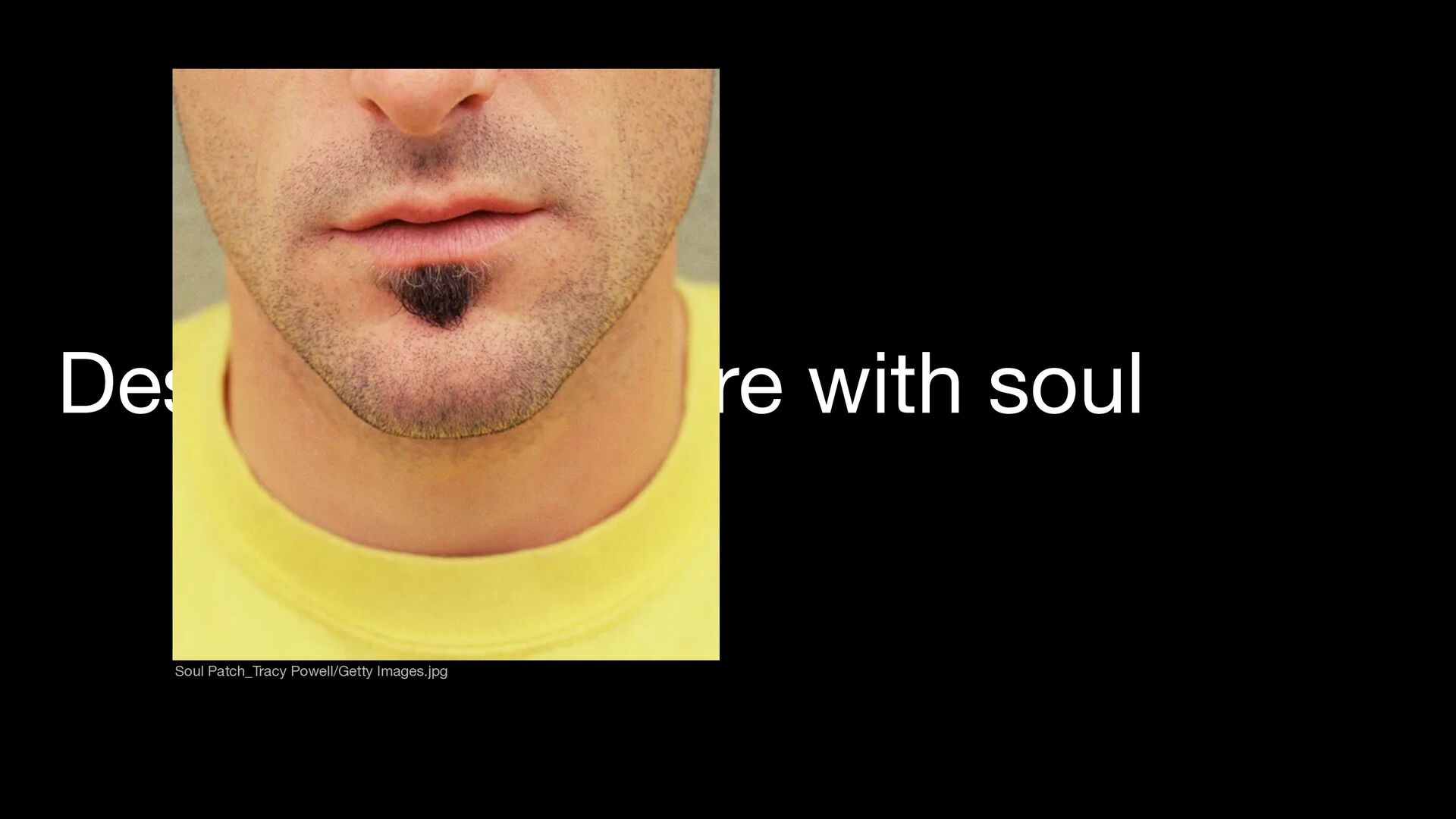
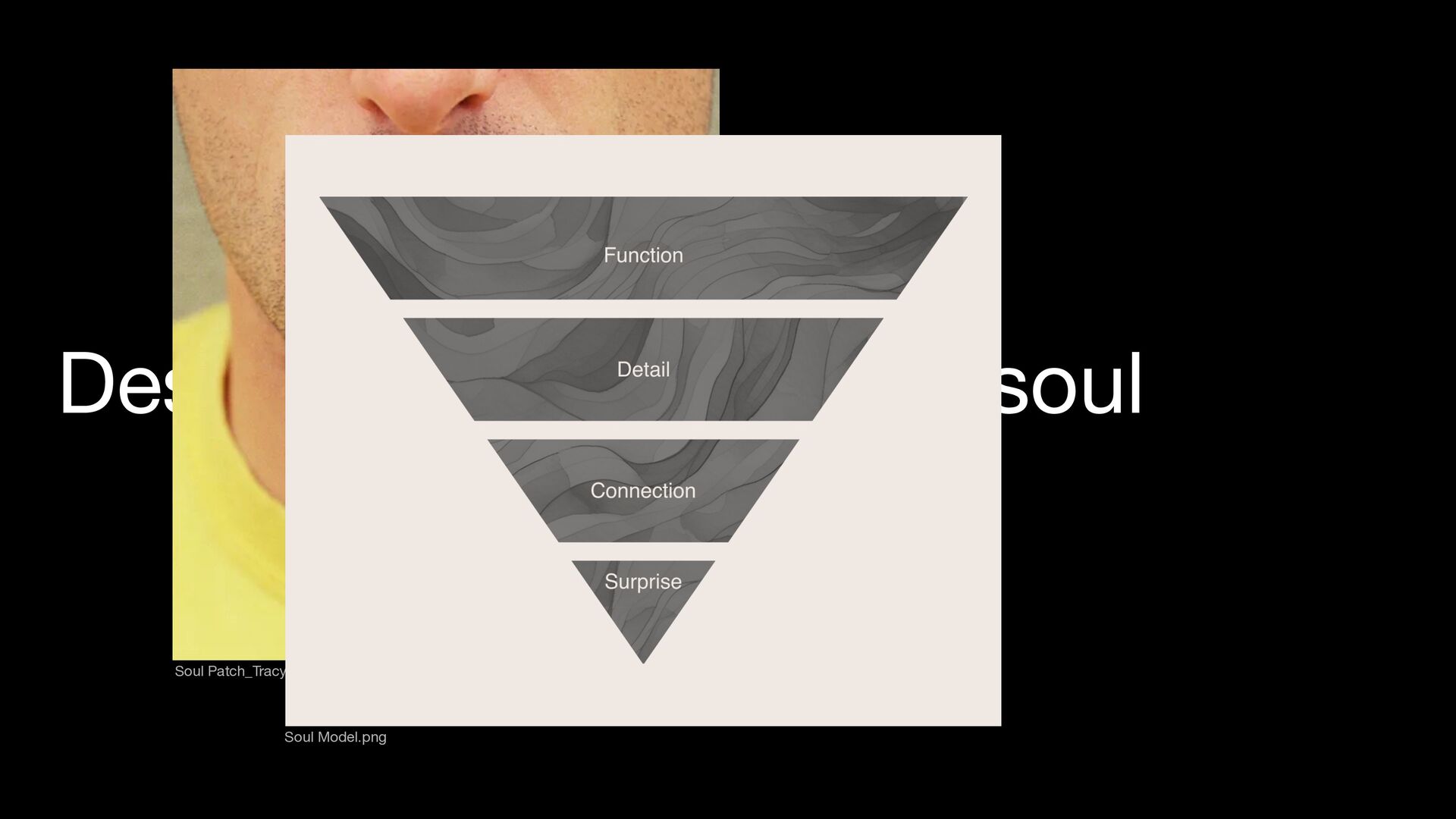
What is software with Soul? So I looked probably to the most soulful thing there is. And if you're not aware of men's facial hair terminology, this is the soul patch. Hundred percent scientifically proven the most soulful thing there is. So I built a model off the back of that.
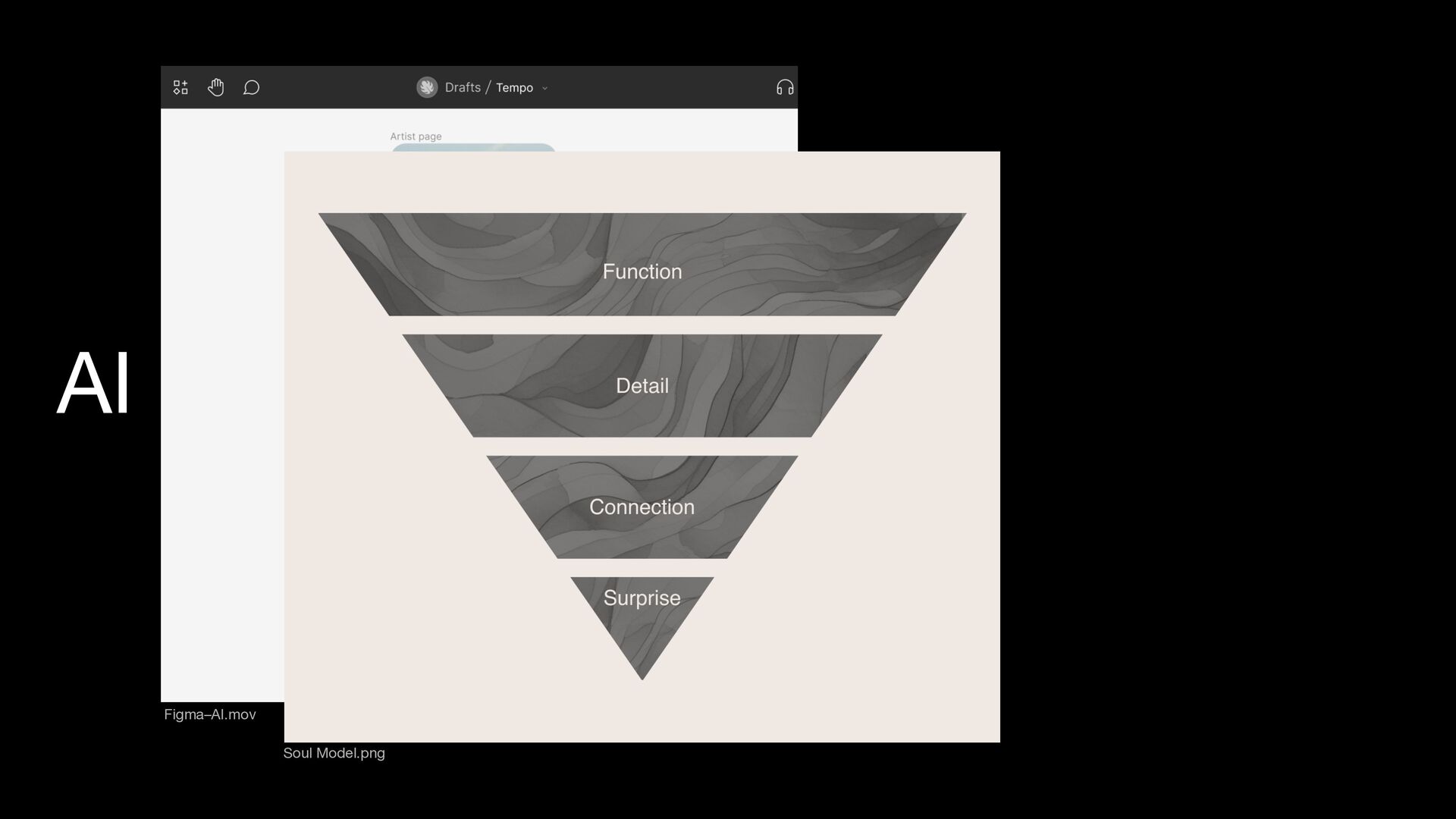
You may recognize it, it might be the other way around. So I'll just read it out for those at the back. At the top we have function, then we have detail, then we have connection, and then surprise. And I'll get into each one in a bit more detail, but the gist is function, your product has to provide some underlying value.
It could be really hard to use, hard to discover, but if the thing that is there is really, really useful that people cannot get anywhere else, then you are providing a need, and then yeah, what am going to say? Once that is fulfilled, you can then look to detail, which can heighten the experience, adding more detail to that function and building out a better crafted experience.
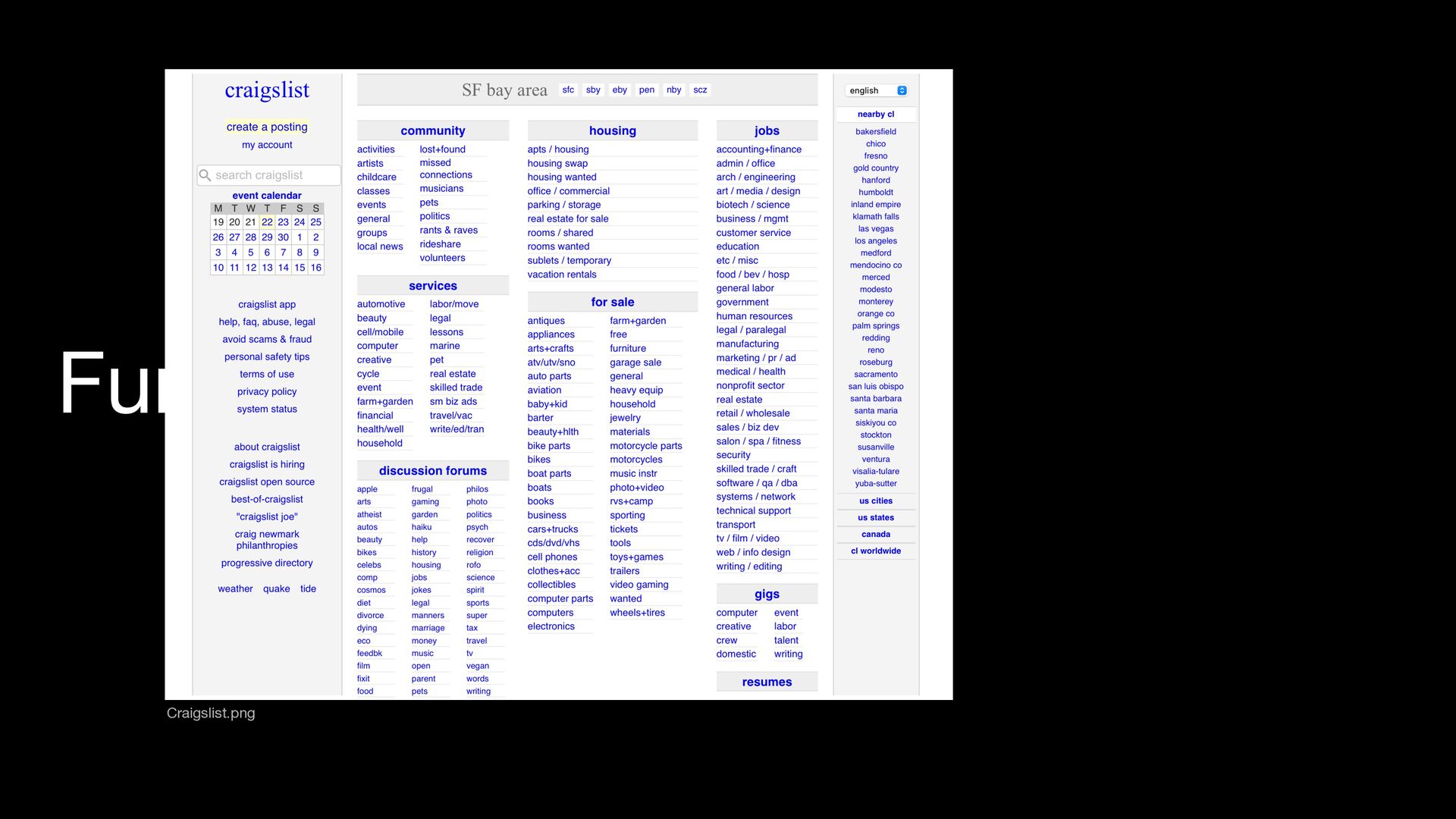
Connection, which is about connecting to other people and especially the users of your app, not building a one size fits all solution. And then finally, surprise. I'll go through it in more detail. So, function. This is not so big in the UK, don't believe, but Craigslist, hopefully most of you know it, huge in the US.
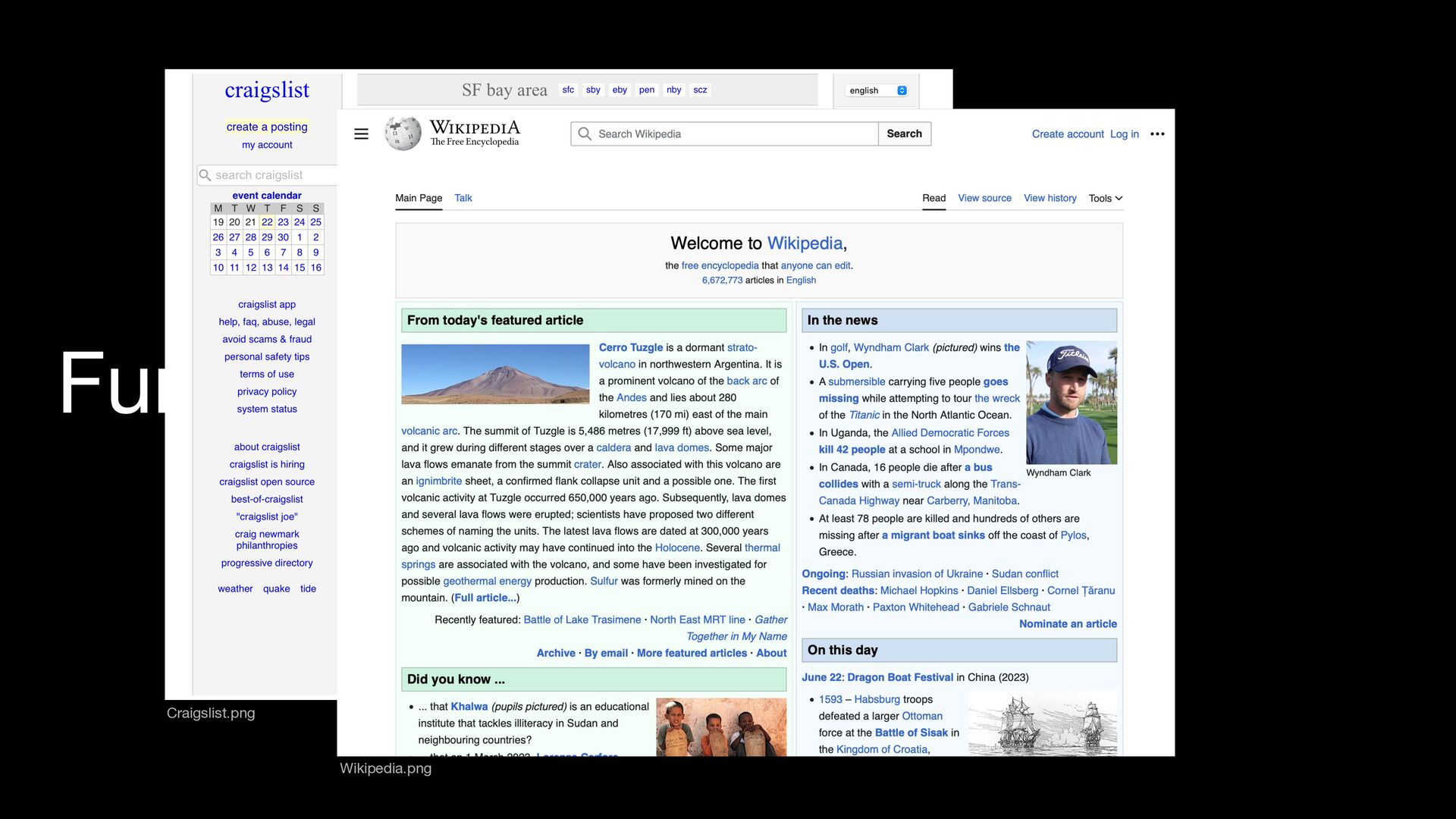
It's really a no frills product. It has not really changed fundamentally in I don't know how long, besides launching in different markets. It is an extremely functional product. It just solves kind of one thing, which is just enabling transactions between users. It does not really do much more than that.
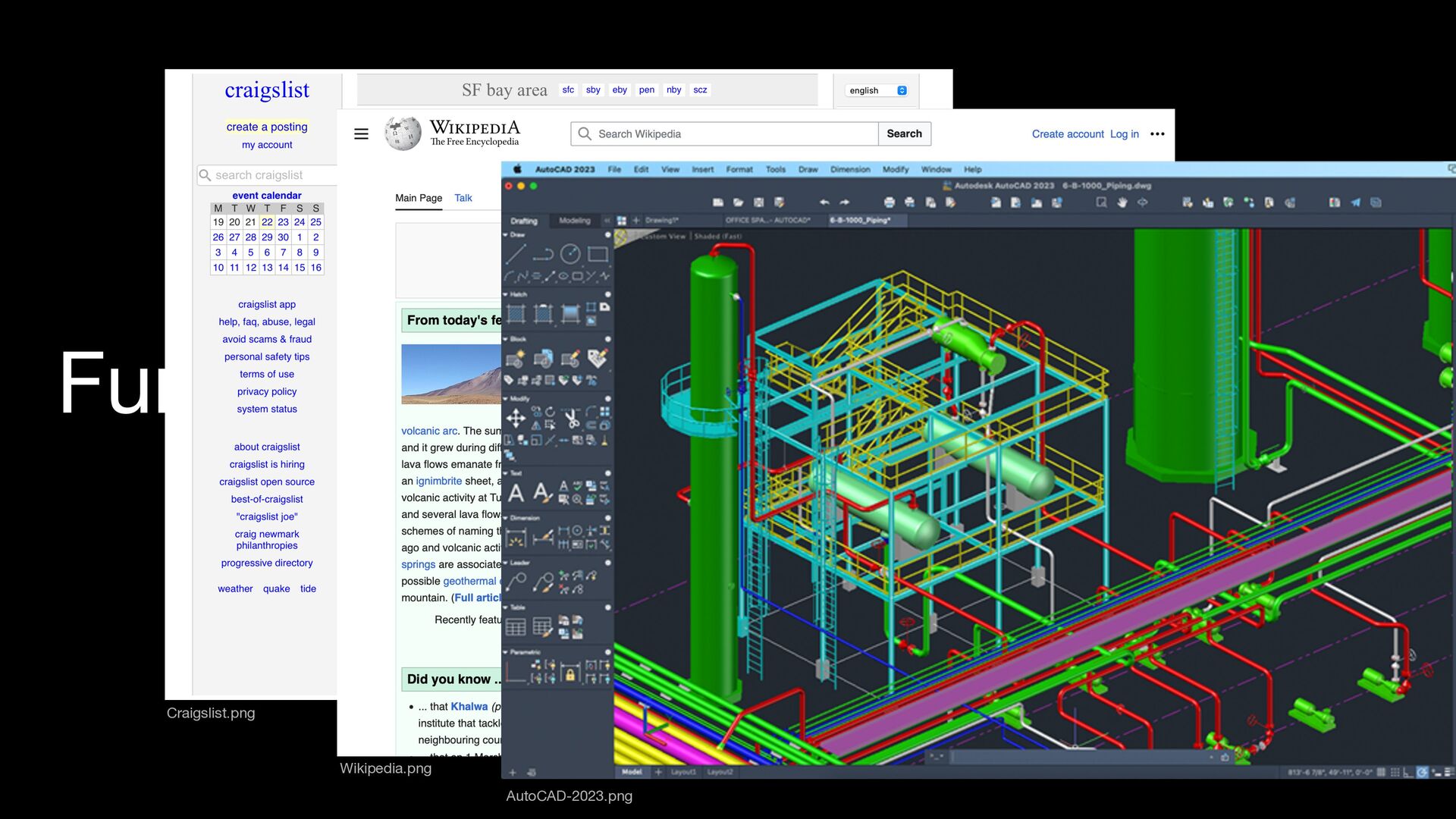
It just does what it needs to do, function. Stuff like Wikipedia have a really simple, to the point reading experience. They are not trying to tell a story or a narrative, they are just giving you information, solving the functional need. Software like AutoCAD, which is all throughout the architecture industry, really complex piece of software.
Solves a need, but architects hate it, at least the ones I spoke to, because it's so hard to use, so complicated, the learning curve is so steep. But again, the function it provides is so valuable, they don't really have an alternative, right? They jump through those hoops in order to attain it.
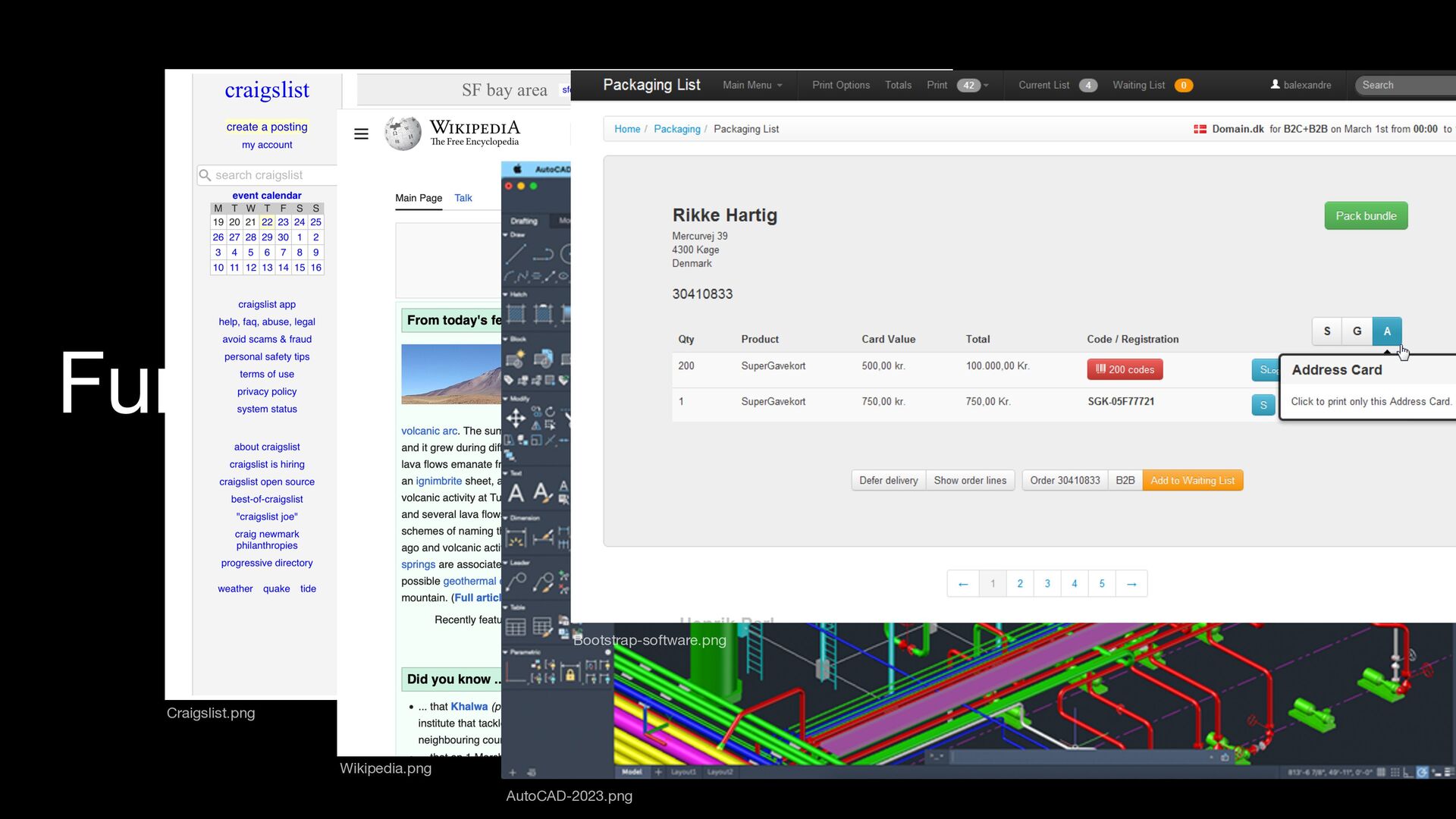
And this is kind of functional world where I kind of feel has led to software products kind of looking like this. I would say this is like the monoblock chair of software. It's kind of just assembled from parts, likely built by an engineer without really ever talking to a customer.
It has probably never really been thought through massively and it just solves maybe one tangible, small problem that maybe no other software solves. So it has become maybe successful through solving that one thing. And it does not have to be particularly easy, because it solves that one thing, right?
And so functional products are fine, right? They are solving something, they are useful. But it always kind of pains me a little bit when I see them and I think, okay, you could go maybe a little bit further to make me feel something, right?
You provided me the Monoblock chair, I can sit down. But shouldn't I be asking more from these products that I'm using my day to day life for hours and hours on end? So before you can build any kind of soul, you still need that function in place.
You still need a use for your product. Otherwise, is art, right? Design is there to solve a problem. When that is in place, we can look to other things, adding more detail to the experience. And this could be the user interface level, right?
This is about having a proper considered approach to your product, and it is as simple things as typography and color, to having your own custom icons, to anything, right? The speed and performance of your product, taking a little bit more time and care to build out something that is fast and accessible and has this level of detail, right, can really improve that usage for the user.
Small details like hover interactions and stuff like this, can again just kind of heighten that experience a little bit more. That feeling of quality and care and attention. The bare minimum was not just done here. We went a little bit further to make things just feel a little bit nice.
Then once that maybe layer is fulfilled, you have function and you have details, you have a solid feeling product, right? It fulfills its function and it feels well made. You can go a little bit further in that by building a deeper connection with the user of your product.
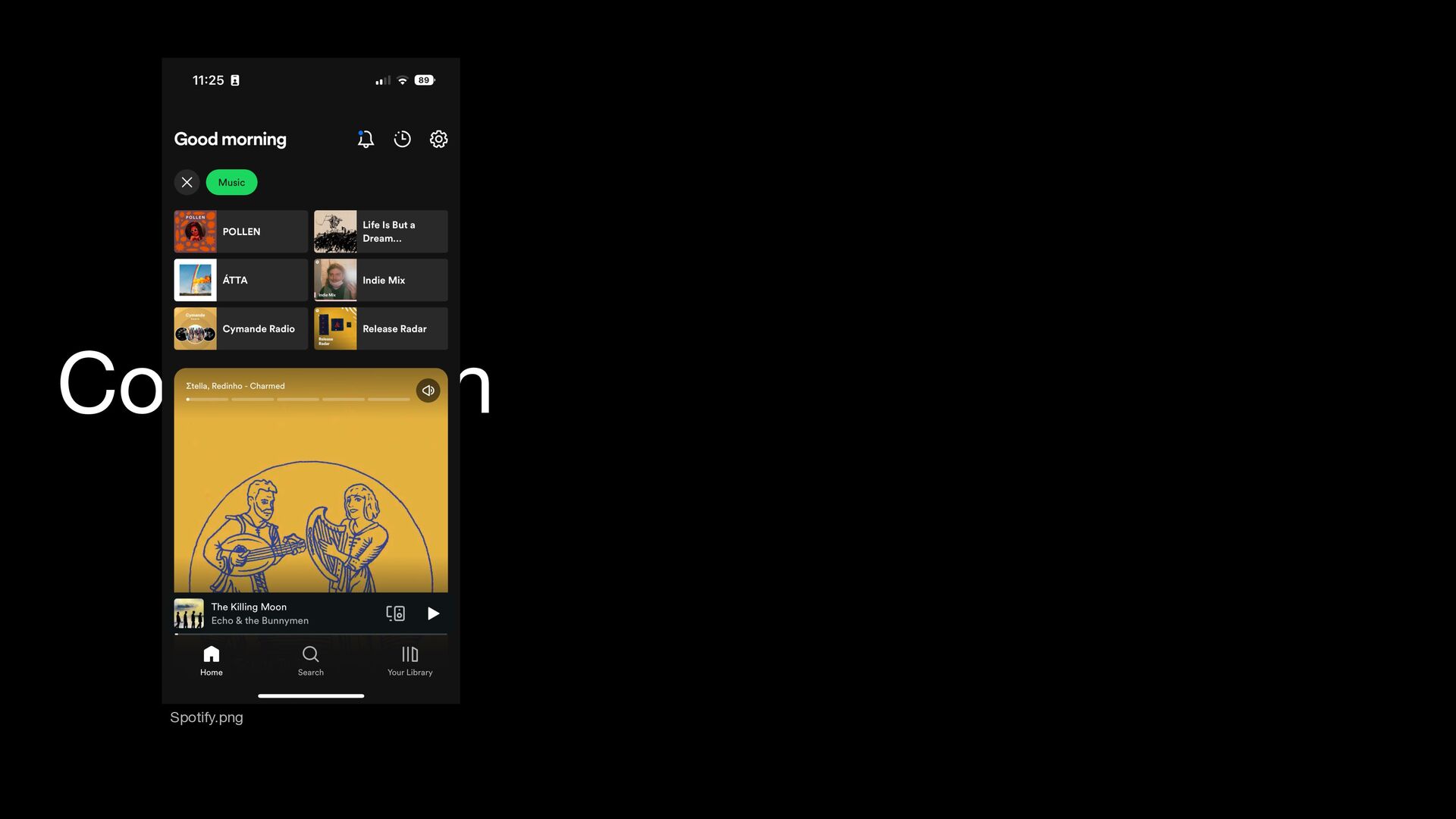
Spotify is actually really, really good at this, right? Starting just as a library of your music, and it has really changed into this whole recommendation engine. The experience is pretty different. If I open my phone now and you guys looked at yours, our home screen would be different, not just in terms of obviously the music we listen to, but what we are jumping back into, where we are doing podcasts, if there is playlists generated for us.
Spotify has been building that connection with me as a user, and therefore I feel more connected to Spotify, it's a little bit hard for me to jump out of that universe now. And connection can also just be in the small things, right? It says, good morning.
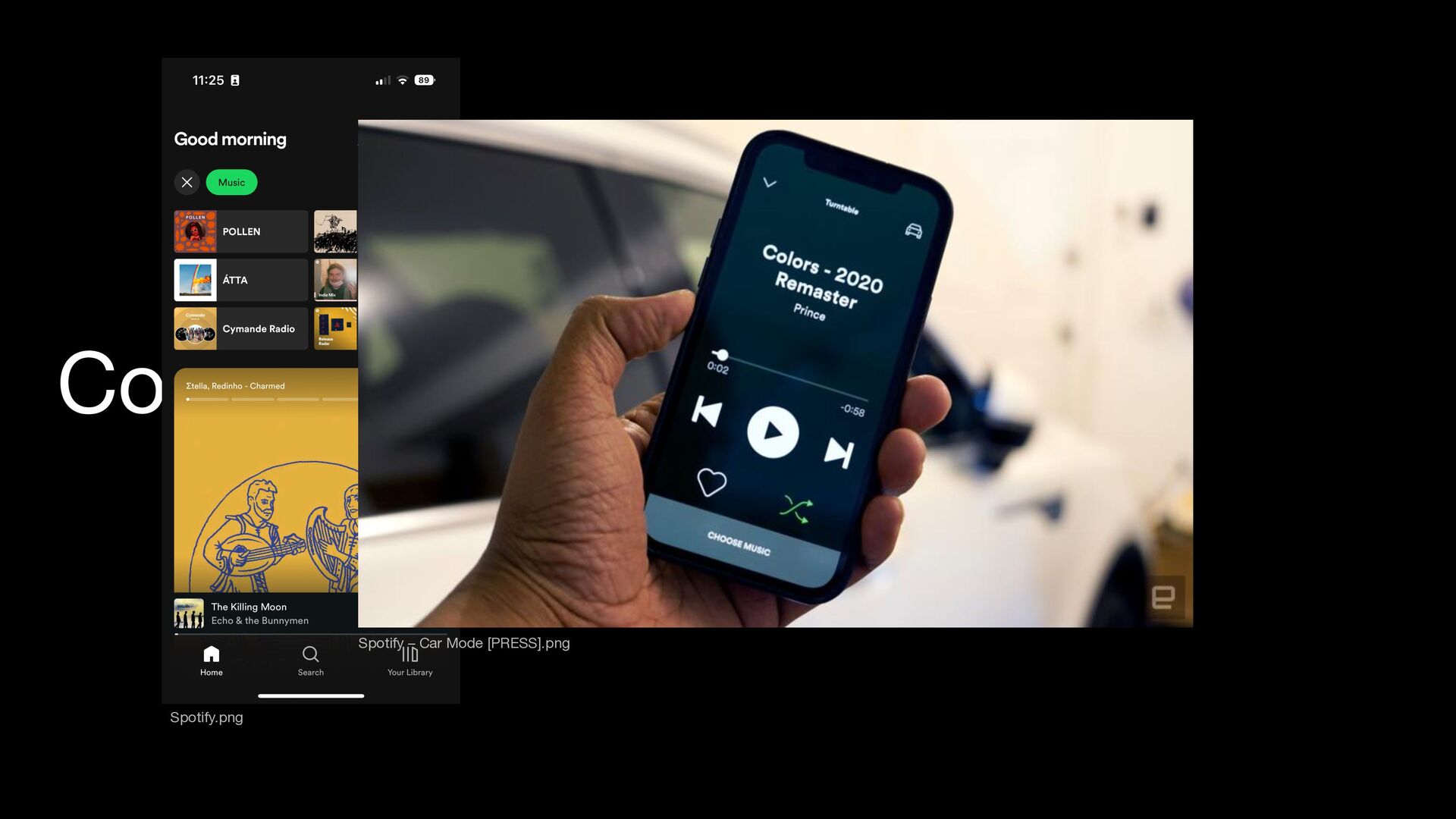
Spotify knows it is morning, and it has told me good morning. Is aware of the context that I'm in. And further to the context and building that connection, when I get into my car, Spotify switches to car mode, which is like a chunkier user interface with bigger buttons and stuff like that, so you can actually kind of hit them whilst driving.
It's paid attention to where I am and it's changed the experience. Again, building a deeper connection with me as a user, and me a deeper connection to Spotify. They gave a ****. They fought about this. They spoke to customers. They saw how the product was used.
They went out there and go, it's a little bit hard to tap buttons in your car, that might be dangerous. Why don't we do something about that? Surprise. Should be more like this. I felt this is that last little layer, that bottom of the triangle of the soul patch model, that really can elevate an experience to a next level to make it feel more considered and more thought through.
A lot of stuff that ends up in this space is stuff that you would find pretty quickly enters the list to cut. I don't know how many of you are working in product organizations or gonna work in product organizations, but when you release products, you have your dream.
You've designed a feature or something like that, and then reality kicks in and it gets smaller and smaller and smaller, and the scope changes because we need to get it out fast. And you know if you're on the right path when a lot of the stuff that you find surprising, it doesn't provide enough value.
We'll cut that. These sorts of things. That's when I feel you are kinda hitting surprise. Because it could be small, like arguably pointless details. Like, that probably wasn't very cheap to make. Right? But it's these little details that make an experience feel feel more considered, more thoughtful.
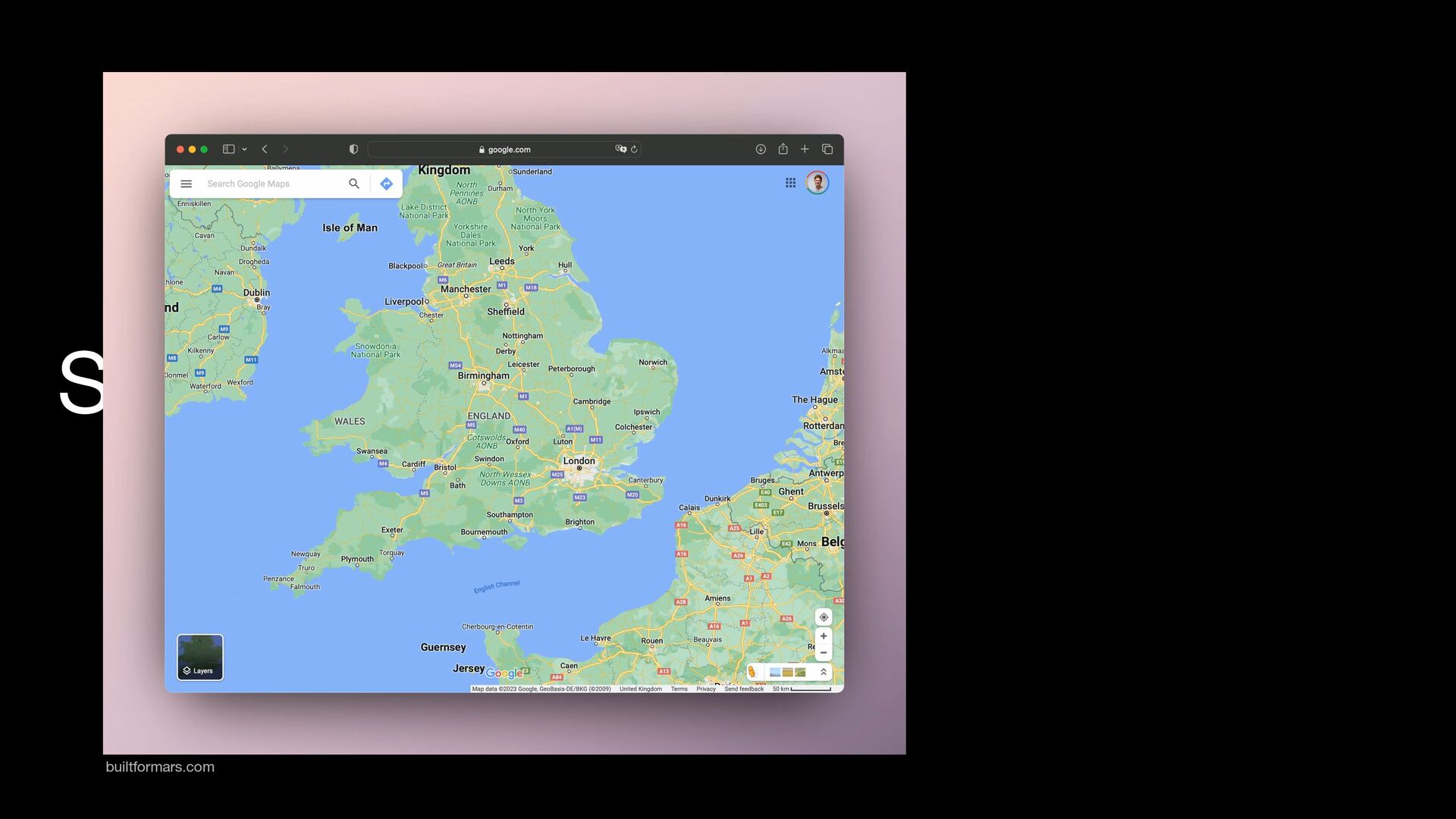
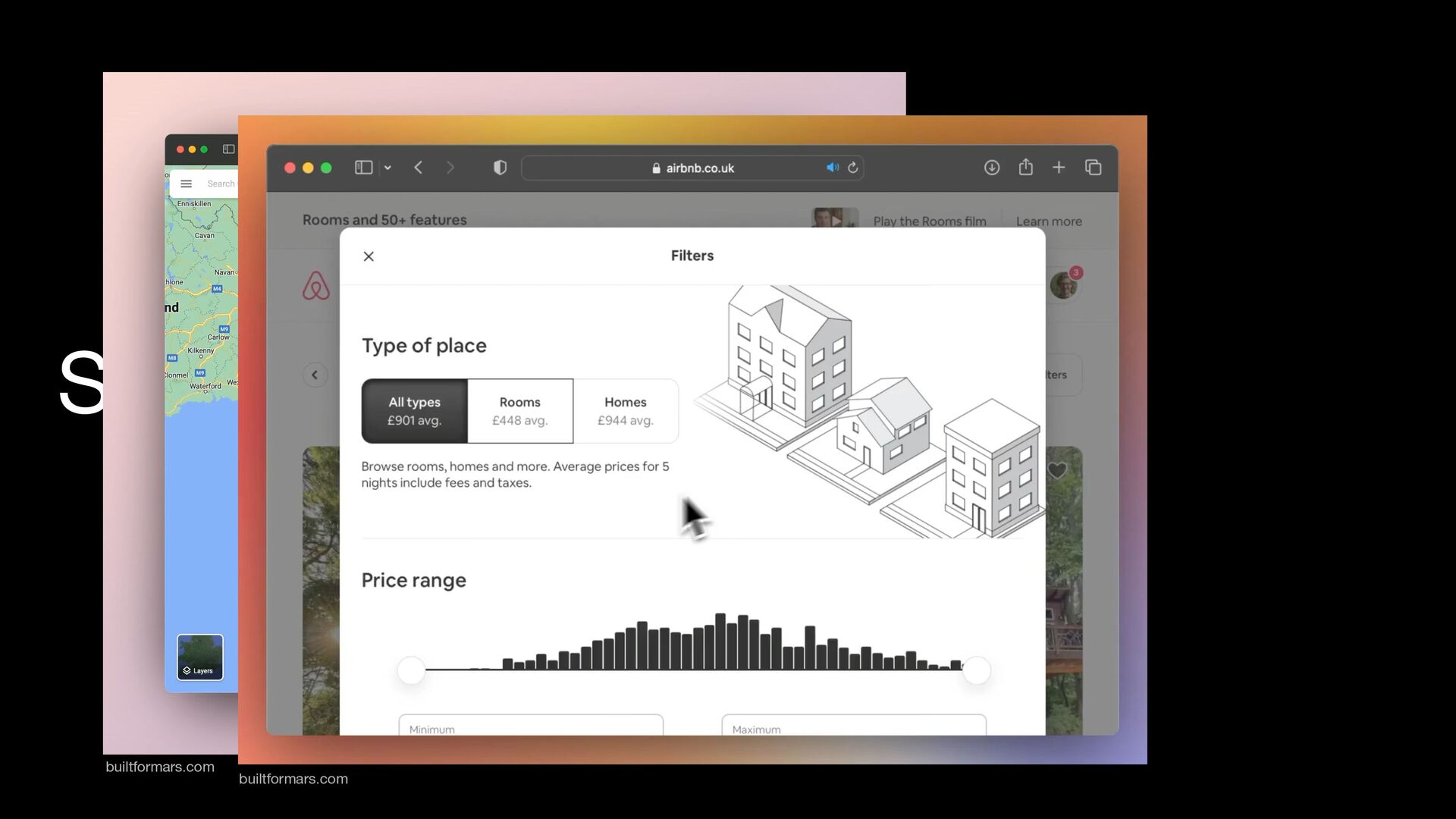
So Peter Ramsey has this website called Built for Mars where he does lots of UX, run down all sorts of products. He has also this section where he jumps into some of the smaller details in these products, these smaller surprising things. And they're arguably pointless, right?
Here on Airbnb, when you choose a room, it just nicely animates between a bunch of different rooms. Pointless. Could just be a drop down. We could could build that drop down in an hour, less than an hour, alright? Just choose your room. But the thing is, they took that extra time to make it feel considered, crafted, make it feel a little bit more pleasurable to use.
And of course it is subjective. Some of you in the audience might look at that and go, ugh, it's just annoying, that's why you animate. But for me and others, it's like, oh, that's kinda nice. Click it a few times, go back and forth.
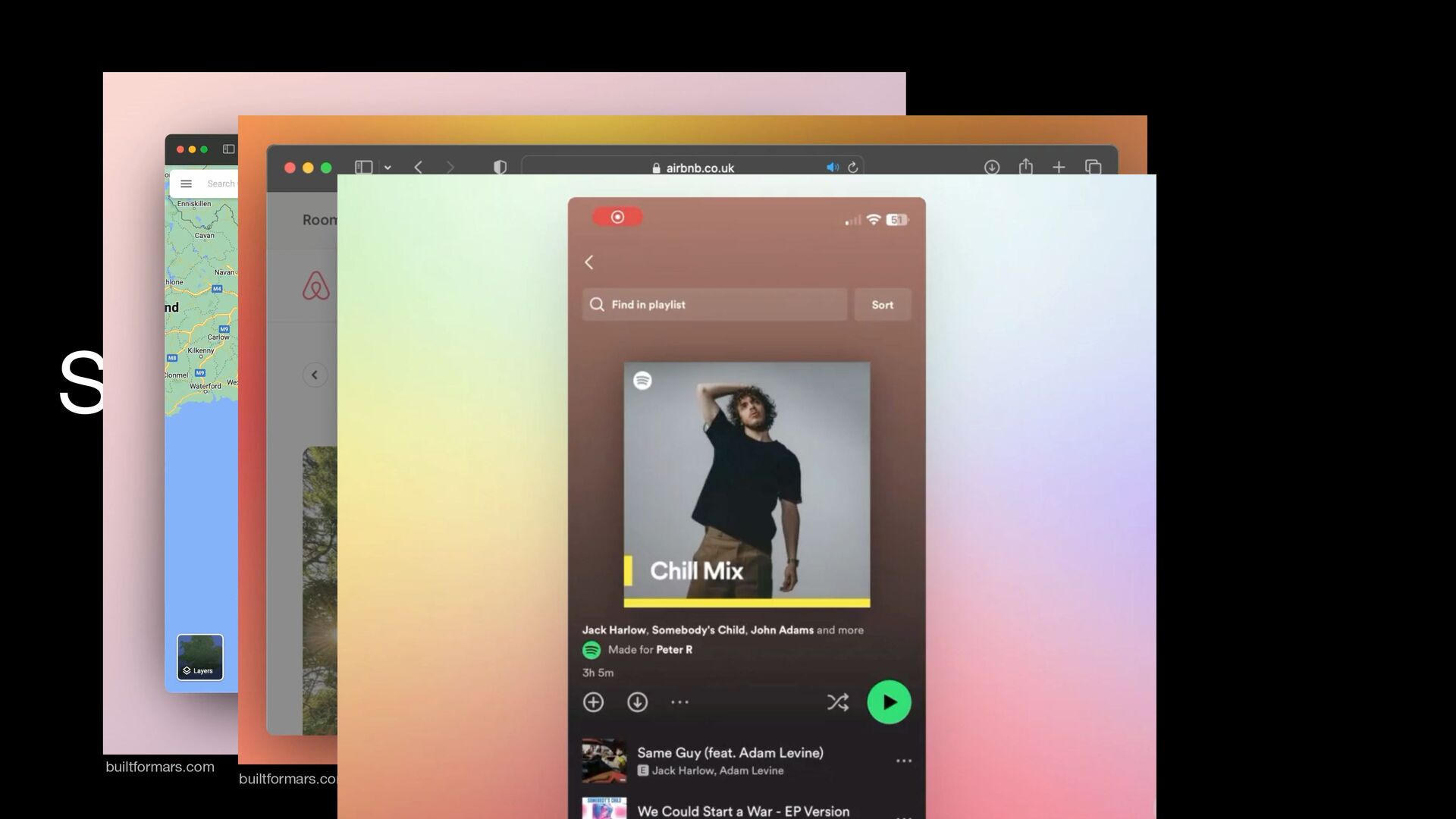
Feels kinda good, right? Oh, Airbnb, they know their ****. Feels nice. And it can be utterly pointless. Spotify, again, with Eat This Playlist, which should be it's on all your phones, if you're on iOS, I think. When you go to share a playlist, you can just eat it.
Completely pointless. But I love it. Right? So some there was a there was a meeting at Spotify where they were like, should we make Playlists better? No. We we all we all go here and we'll build snake. But it it makes me feel more connected to Spotify.
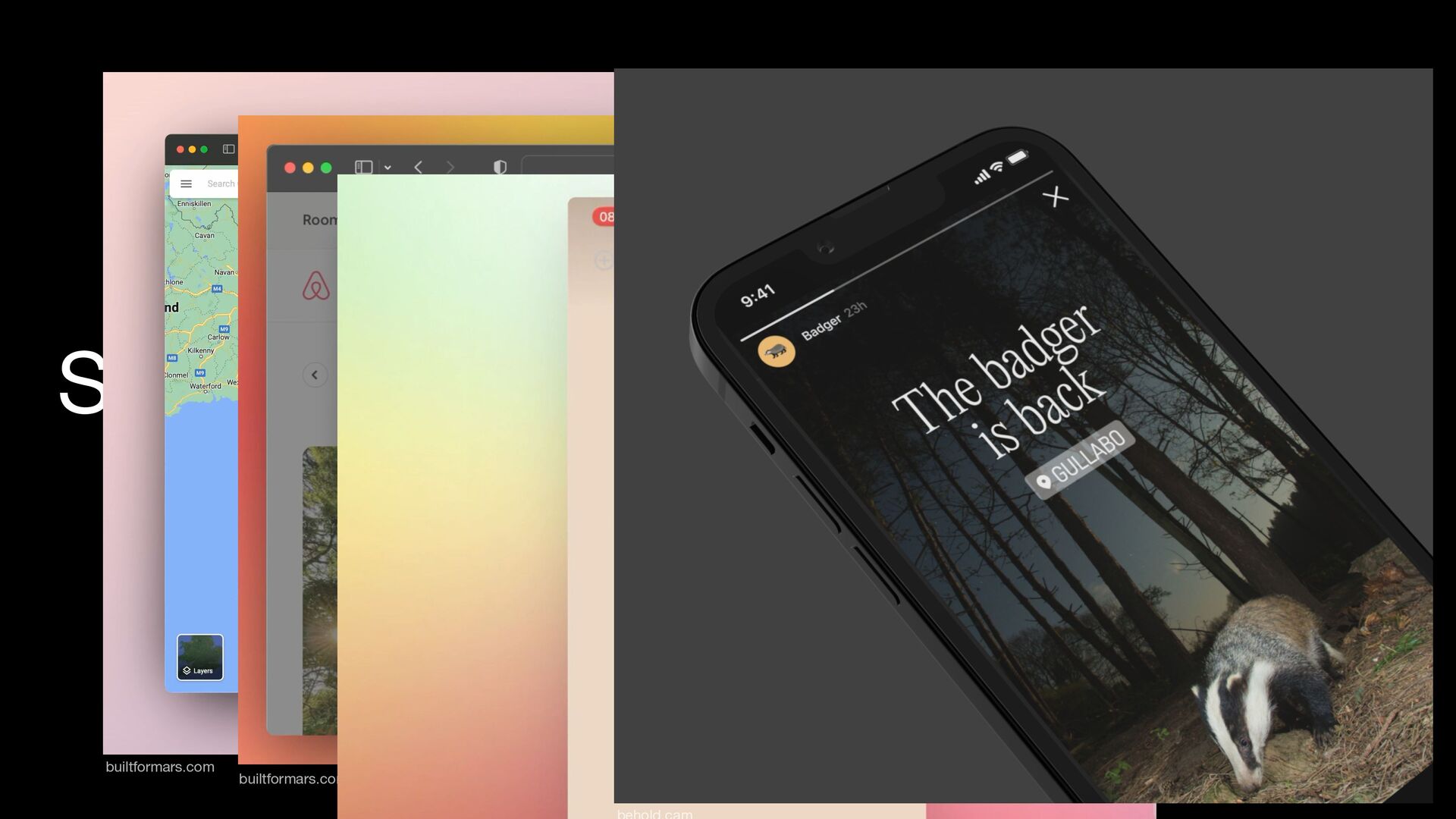
Right? It's a it's a bit like, they're playful. There's something there. There's a bit of soul in that. It's not all about ultimate function. And shameless self plug for my product, not Pleo. Getting an Instagram story from a badger that's in your in your garden is also slightly surprising.
So, taking these moments and and taking something and doing something a little bit different, right? Spinning it, not doing the bare minimum, not doing necessarily the mono block chair, but thinking like, what are these little extras that we can do? Designer Andy Allen has a really interesting project called Not Boring.
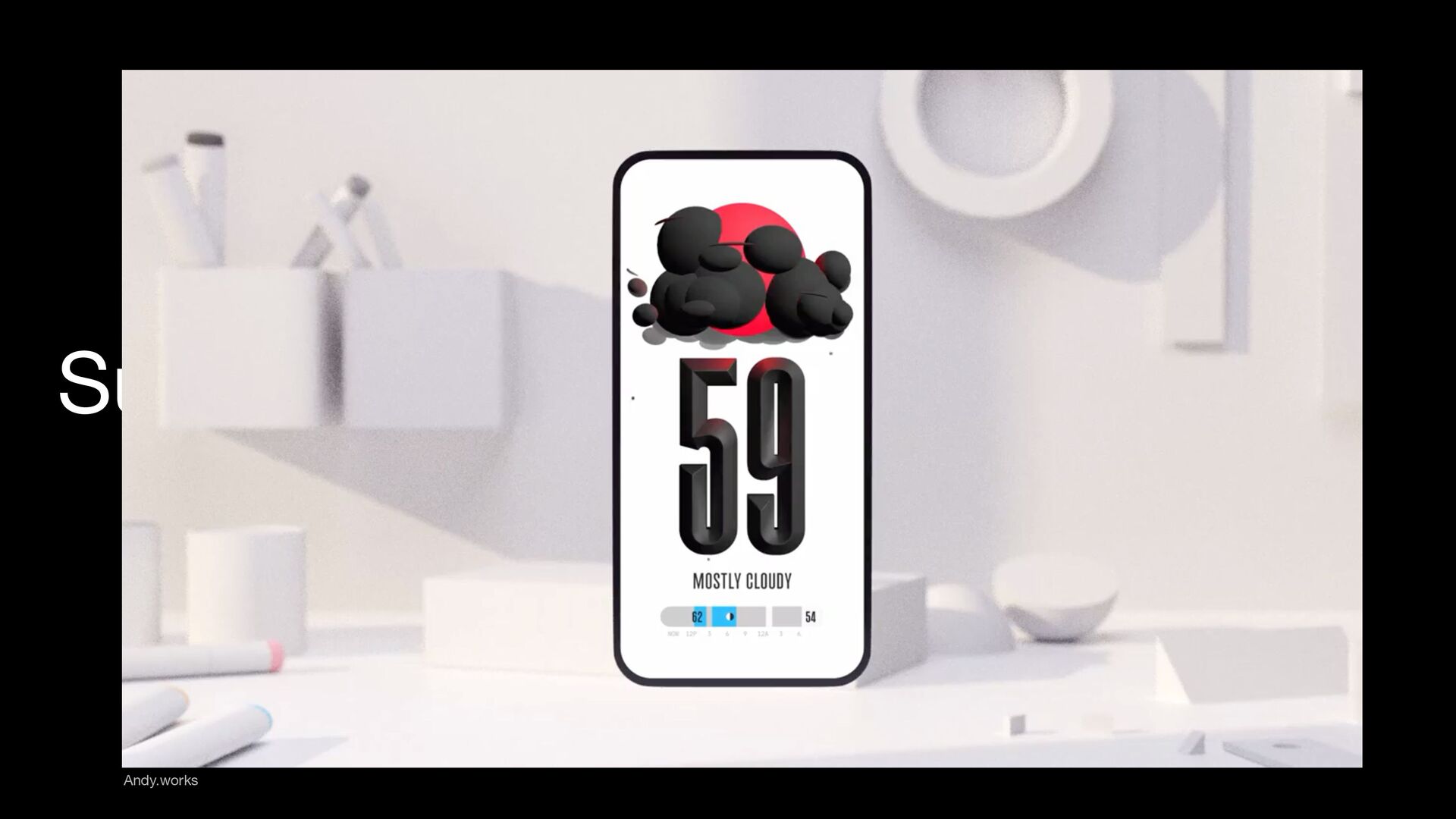
Basically what he is doing, he is taking all the standard apps on your phone, weather, calculator, timer, these sorts of things, and kind of doing this really over the top spin on things. Again, for some extent, it is kind of pointless, right? But for me, I think it is really cool. It is playful.
It is interesting. It connects me to the designer and what he's doing and his style and his aesthetic. And it makes me more interested in the weather because the experience changes depending on time of day and all sorts of different stuff, right? It's not just the same old, look, we put some raindrops on the weather app that Apple does.
It's going way, way further than that. So those things at the end there, like really, really hard to quantify. Like how is Snake affecting Spotify's revenue? Probably impossible to measure, right? Therefore, it's very easy to be in that meeting and say, let's kill it, let's not do that, let's cut it entirely.
But putting it in there as a user, especially if you're me, I look at a lot of this stuff and like, they didn't have to do that, but I'm really glad that they took the time to add little bits. It made software feel more interesting, less utilitarian, less transactional, and puts me in a little universe somewhere where I'm already gonna be anyway, because I'm spending so many hours of my day interacting with this stuff.
So maybe soul is not the right word, but all of that kind of stuff wrapping up, I just feel it does bring a little soul. This connects us with the maker of the software, makes it feel more human. I think it is important to note that it is not adding pointless stuff, right?
It is not you are launching your really cool startup, let's do a game of snake. Come on, guys, let's get in like no, you still need to provide that functional value, right? You still have a lot to prove, so you should not be distracted by just adding needless whimsy to things.
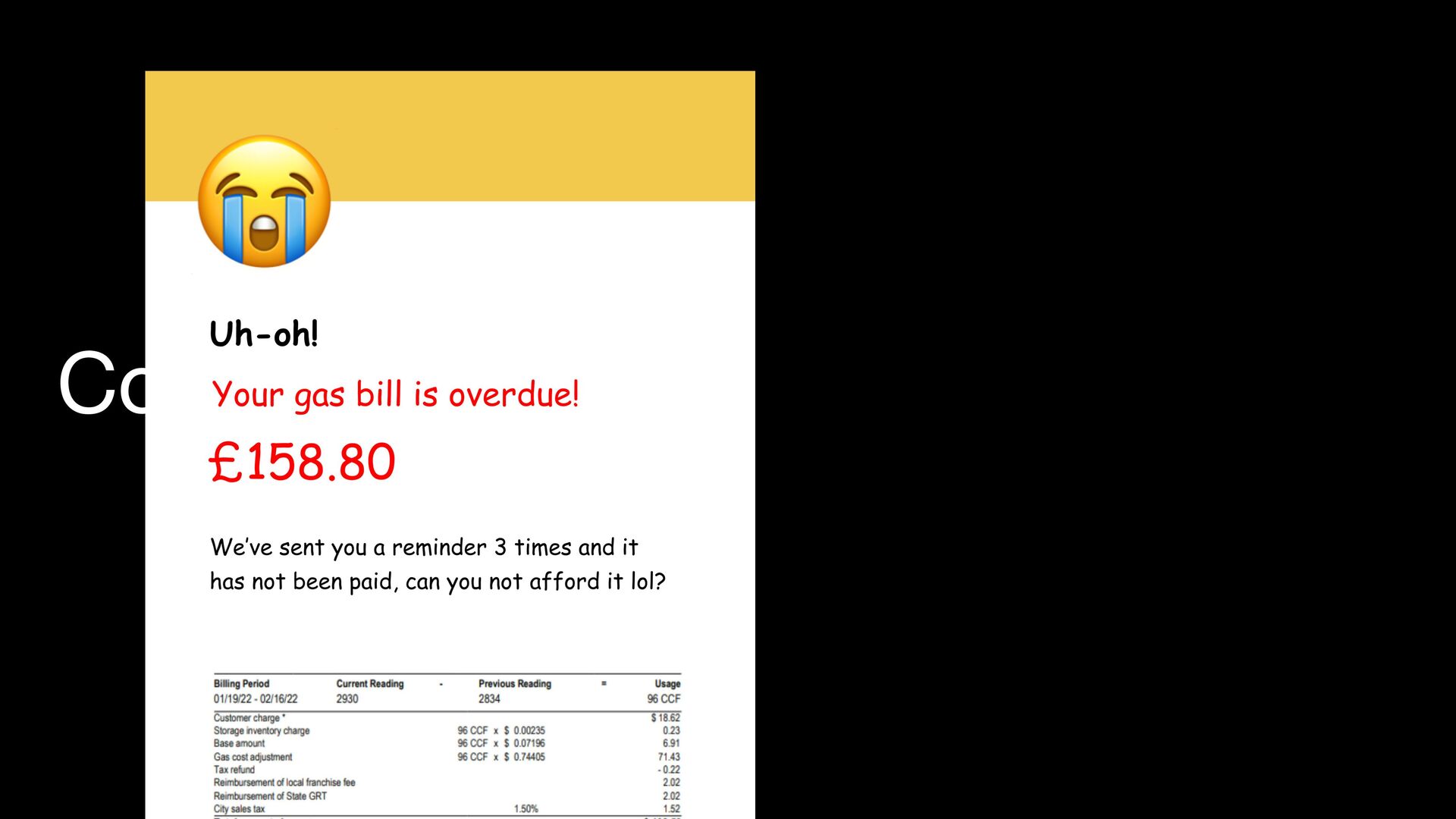
That is not what I'm asked for. I'm after for that care and attention and craft that is put into an experience. The art lays in kind of delivering that unexpected surprise, but not being unwelcome or confusing or distracting. Right? Like, context matters. If your gas bill was in Comic Sans and saying LOL, you kind of thought, like, could take my model from before and go, like, yeah, then, yeah, detail, yeah, it's surprising.
Absolutely. But like, it's not right. Like, the context, it can be surprising and badly designed, I think is what I'm trying to say, right? So I think understanding the context of the solutions that you're providing so it doesn't jar, it doesn't take away from what they're doing.
If you've got something in your little universe, you can add little extras to make things feel nice, right? To make the experience feel nice and not completely change it. Not every experience needs to be over the top, right? If you're buying a parking ticket, you don't need to be greeted by a crazy animated robot and all sorts of stuff, right?
You just press a button, get me out of there. So I think context really matters. And again, seeing that thing, right, and say, okay, I'm glad they took the time to do that. They didn't need to do that. It makes a product feel more more human.
Yeah. I'm talking about making things more human, and then it's the big elephant in the room, which is maybe humans are not going to be so involved in it anymore. And I hope not to talk too much about AI today, mainly because I don't really know that much.
There are people that are smarter than me in this field, and also it is all massive speculation. Like I don't know what is going to happen. I don't know where it is going to go. But I have a few thoughts, right? AI is getting good.
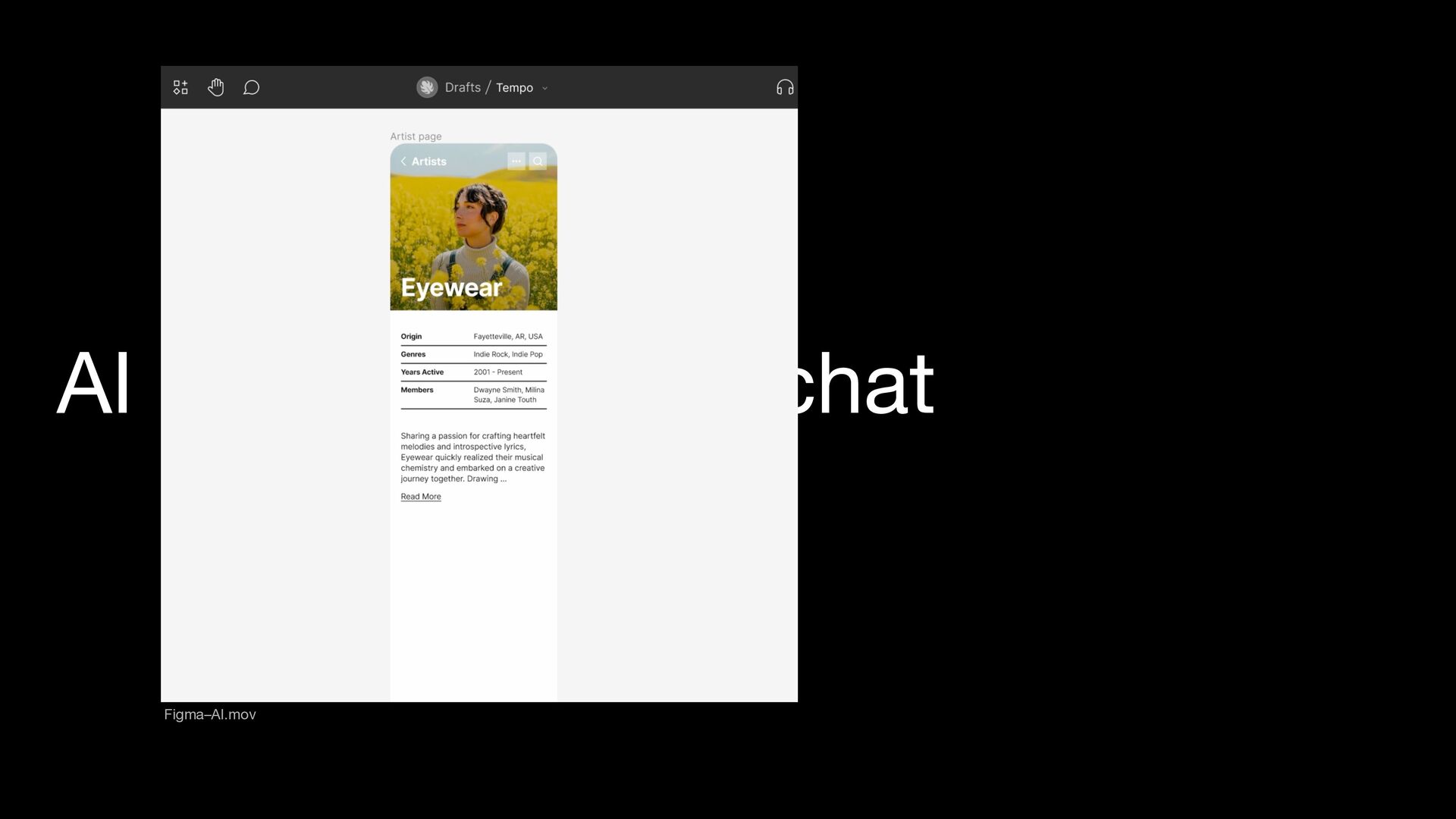
It is also tons of useless use cases as well. There's Figma the other week coming out of a way to kind of generate content. But when we look at the standard parts of design, it's a lot of rules, frameworks, principles, things that are really easy for computer to learn and replicate.
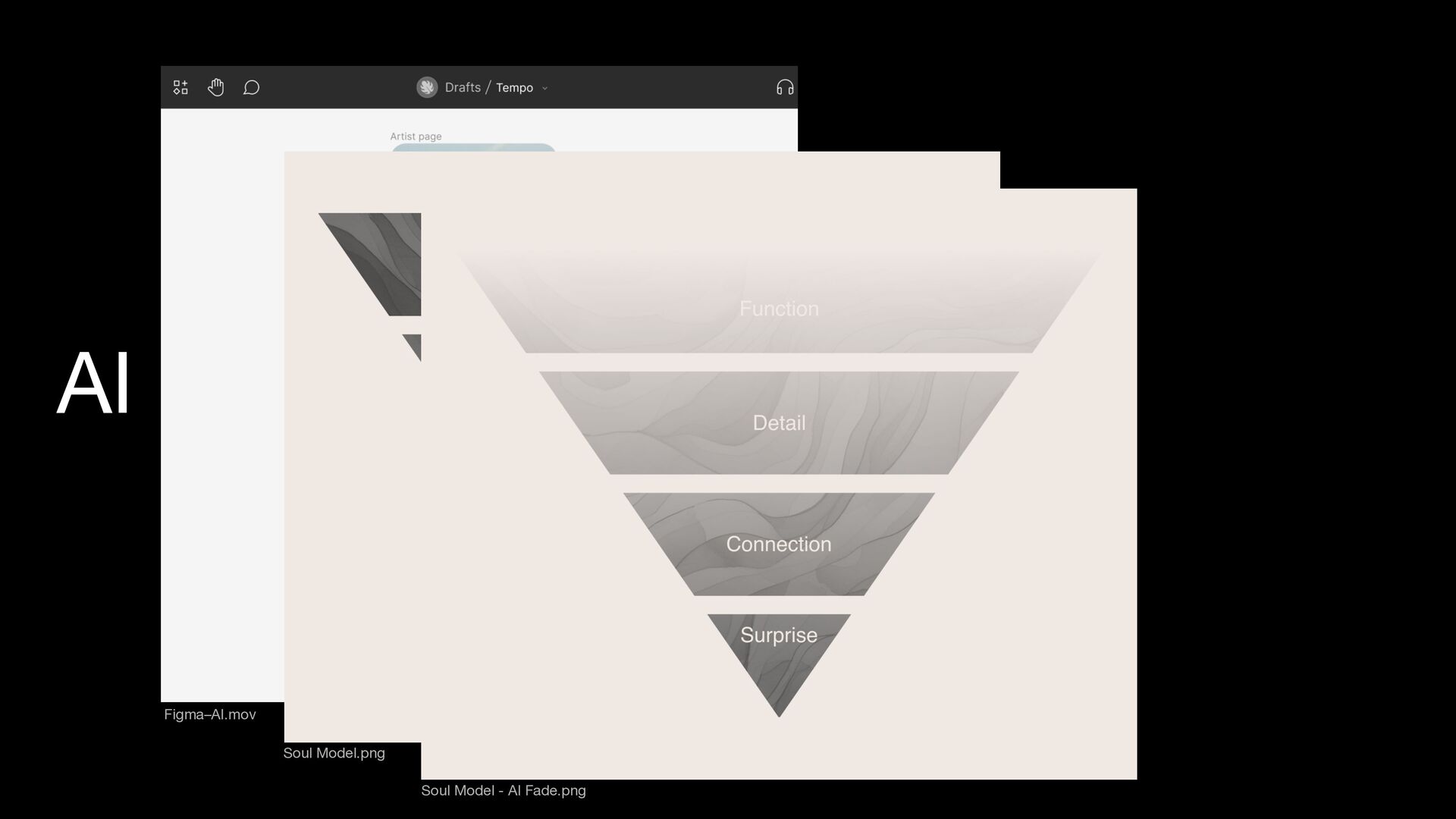
If we were to look at our triangle again, right, it's really that lower area where humans thrive, delivering surprising experiences of the unexpected. AI hasn't quite got there yet. So I feel when we're looking to make things more human, there's actually an interesting opportunity.
If we have AI taking over the top part, right? Building out that really bare bones functional stuff, probably being able to get pretty decently far in building out a detailed interface, one that feels quality made. Maybe not unique or overly interesting, but just high quality detail.
It's probably gonna be less good at making that connection with the user. It's probably gonna provide tools where it makes it easier for designers to do that. And lastly, surprise. Maybe, maybe one day it will get there. It already does some very weird surprising things.
But I feel like as an interesting space as a designer, it's connecting all the parts and figuring out how to deliver surprise. How to deliver an experience that doesn't look the same as every product out there, whether those products were made years ago or generated entirely of AI.
So I find it an exciting and interesting time to be a designer in that space, especially taking us back to making things fun and playful and pretty, rather than just focusing on pure business value, right? Maybe we'll see some kind of artisanal uprising of software that's like proudly handmade and proudly human.
And then maybe a new value will be placed on that type of design. This creative, weird design, where there's also a space for extremely functional stuff. So how can we make time for that? How how can we focus on that weird creative and fun stuff?
I'll walk you through a few things that we tried at Pleo. This is not gospel. This is I'm not LinkedIn now telling you this is forty things you must do on Monday. Like this is just some stuff that we tried, some stuff failed, some stuff we haven't done again.
But it's all there to try and make us think a little bit differently, figure out how we can approach the financial space that Clio is in, deliver an unexpected solution that not everyone thought a finance product should be. Yeah, and maybe there are things you can implement in your organization if you are a designer, you have designers on your team, or you are getting designers, or you're join a company as a designer.
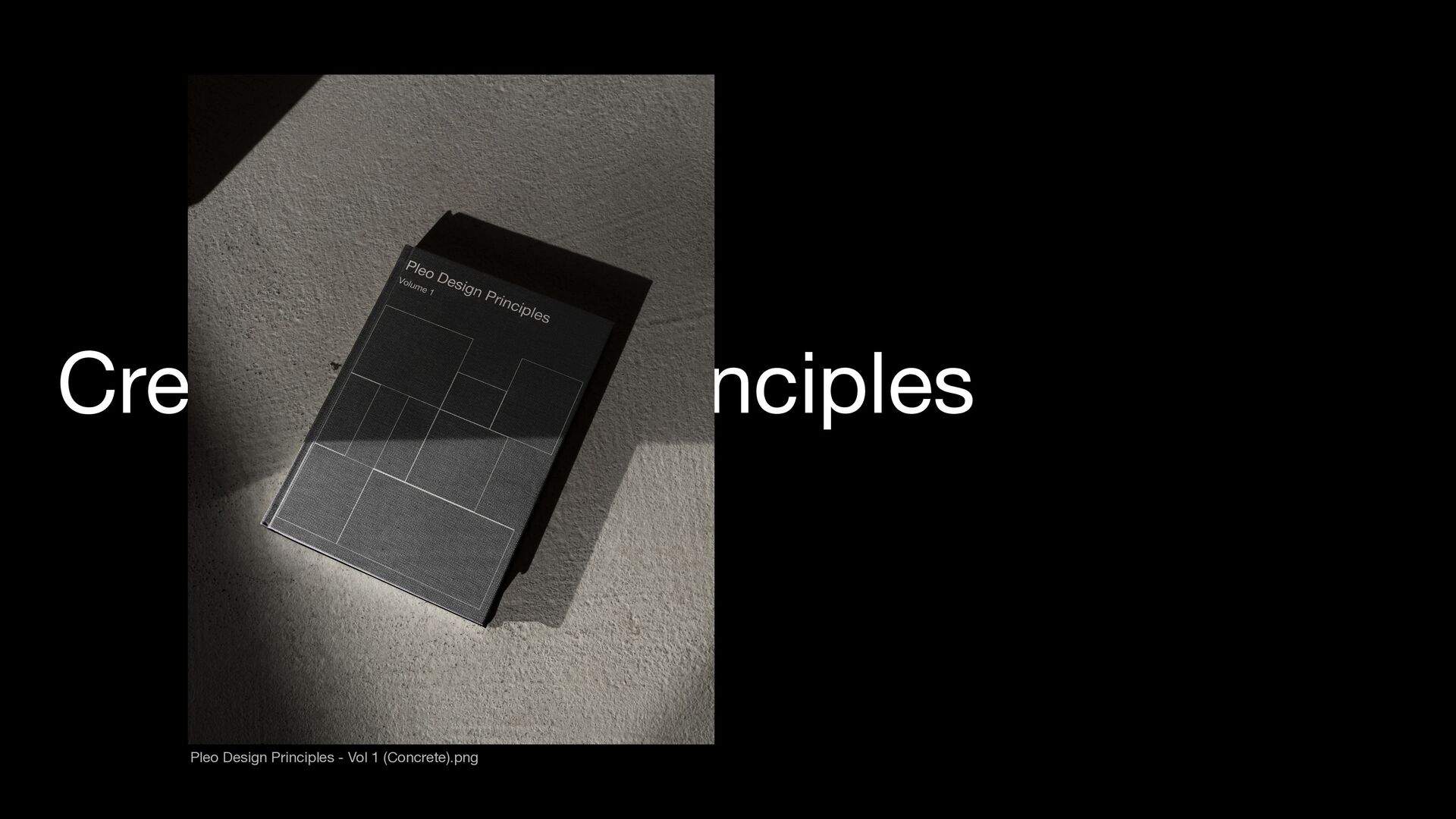
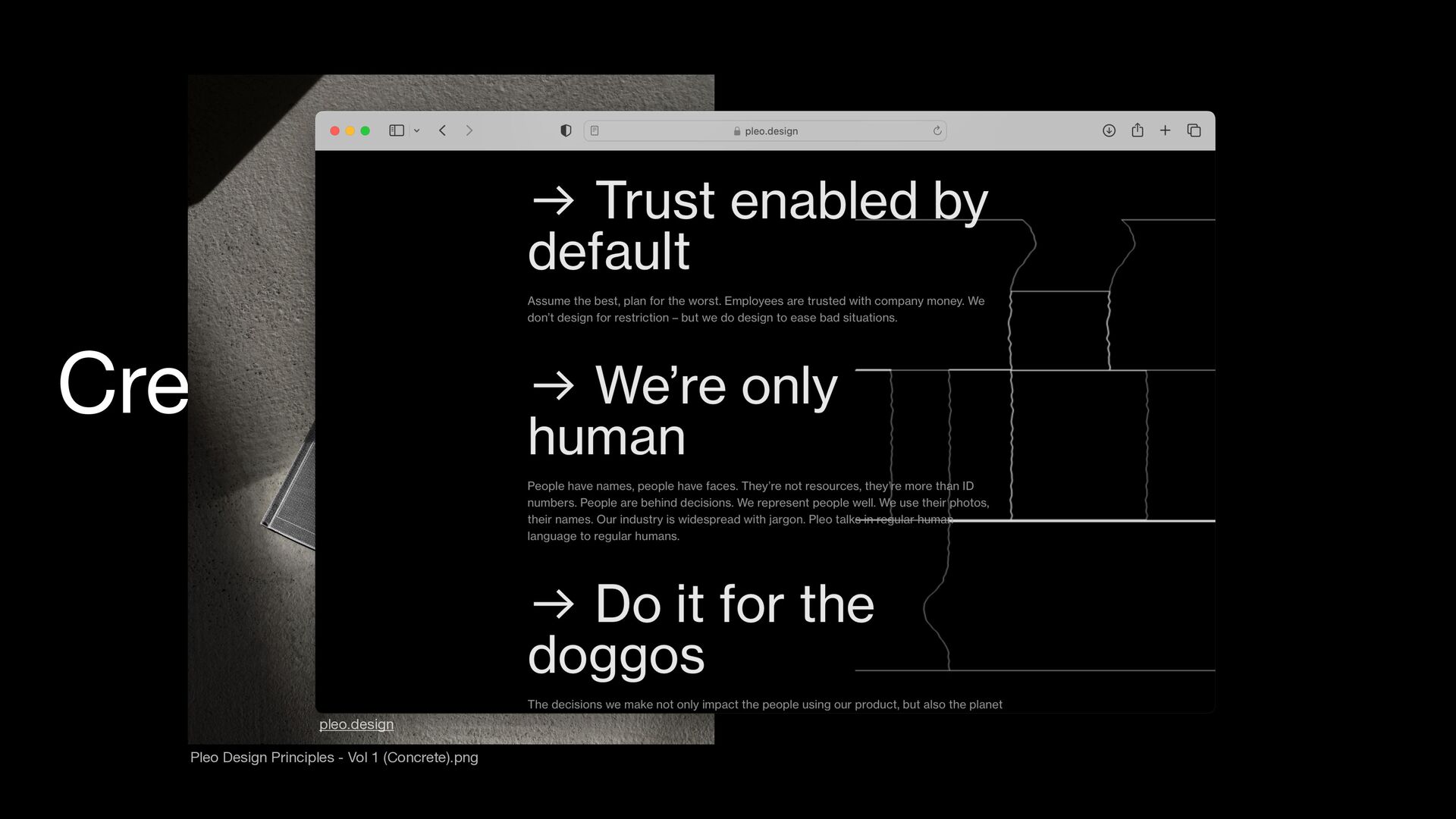
The first one, and I think it's pretty important, Pleo has design principles, and a lot of larger companies will have big design teams and large sets of design principles and ways of working. What we did differently at Pleo is almost from day one, when we had a design team of one, we created a set of principles for how we wanted to build the product we were building.
There was some product that already existed, but it definitely wasn't fully fledged. It wasn't outside of a small test market in Denmark. So we wrote design principles. And practically these design principles enabled us to judge the work that we're doing, to make sure we make space for things, unexpected things, doing things a little bit differently.
You can see these online at pleo. Design. I don't have time to run you through them all right now. But basically, they govern the way we work a bit. Often software design, you know, it's that chair factory. We're printing plastic chairs. We're efficient.
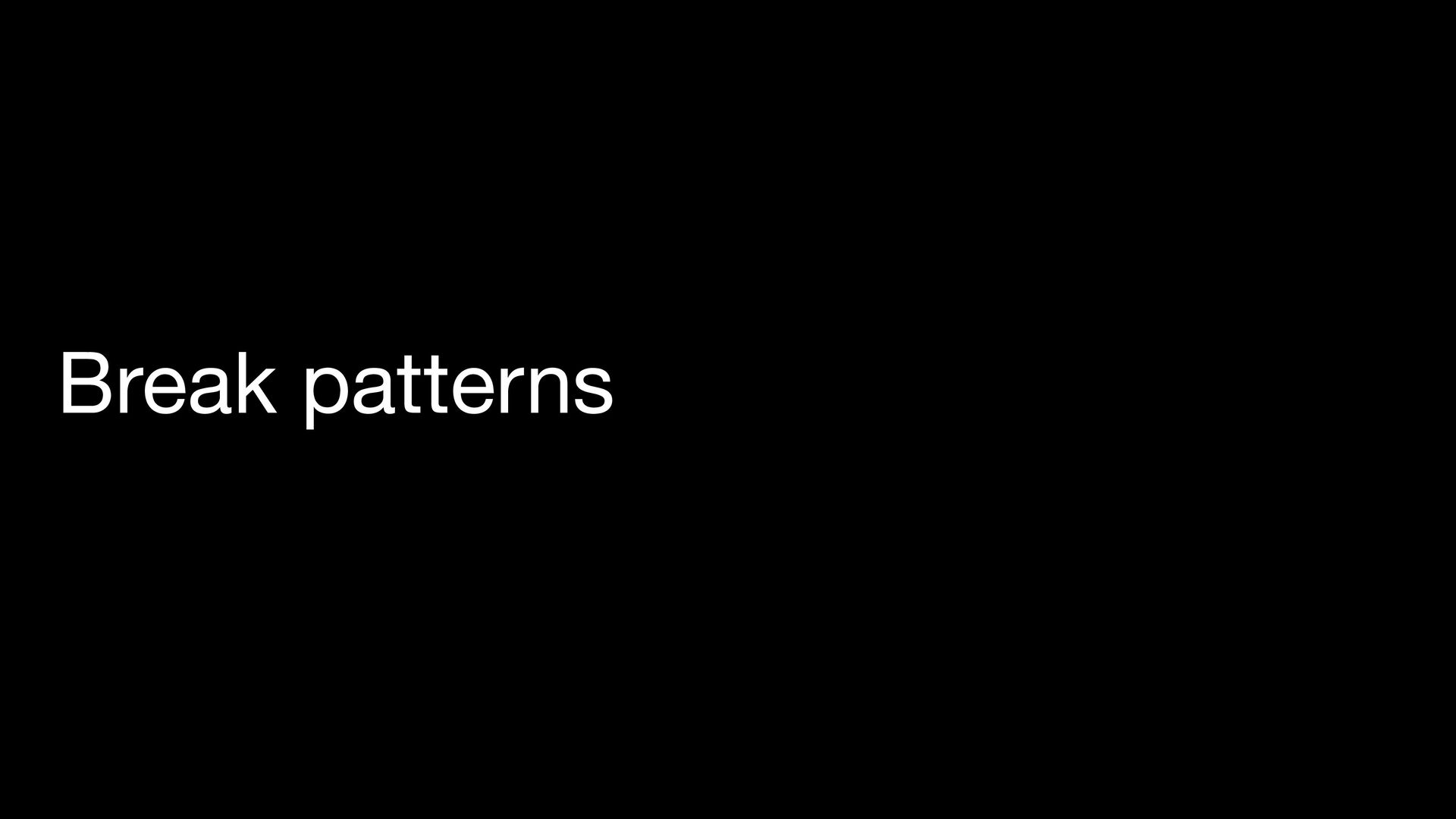
We've made this machine, it's like we're churning through these processes, we're sprinting to the next release. I think a really important thing is to break that pattern as a design or product team, and come outside of those regular sprints to try something else.
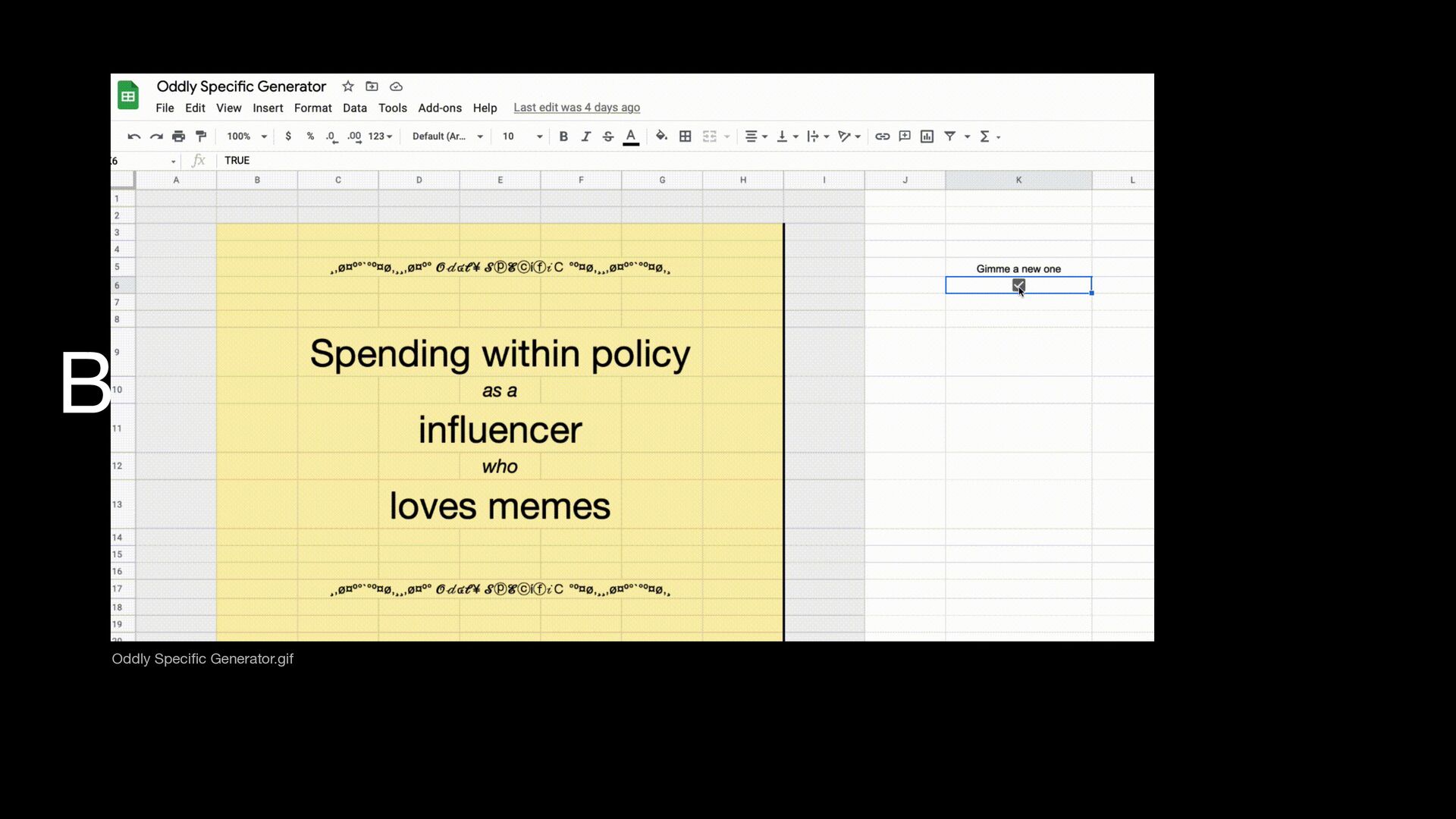
At Pleo, we take a week every quarter, and one of the things we did was this, which was something called Oddly Specific. So this is a use case generator. So we'd get a use case every day. We'd break apart as designers. We'd go and try and design something for that really specific use case.
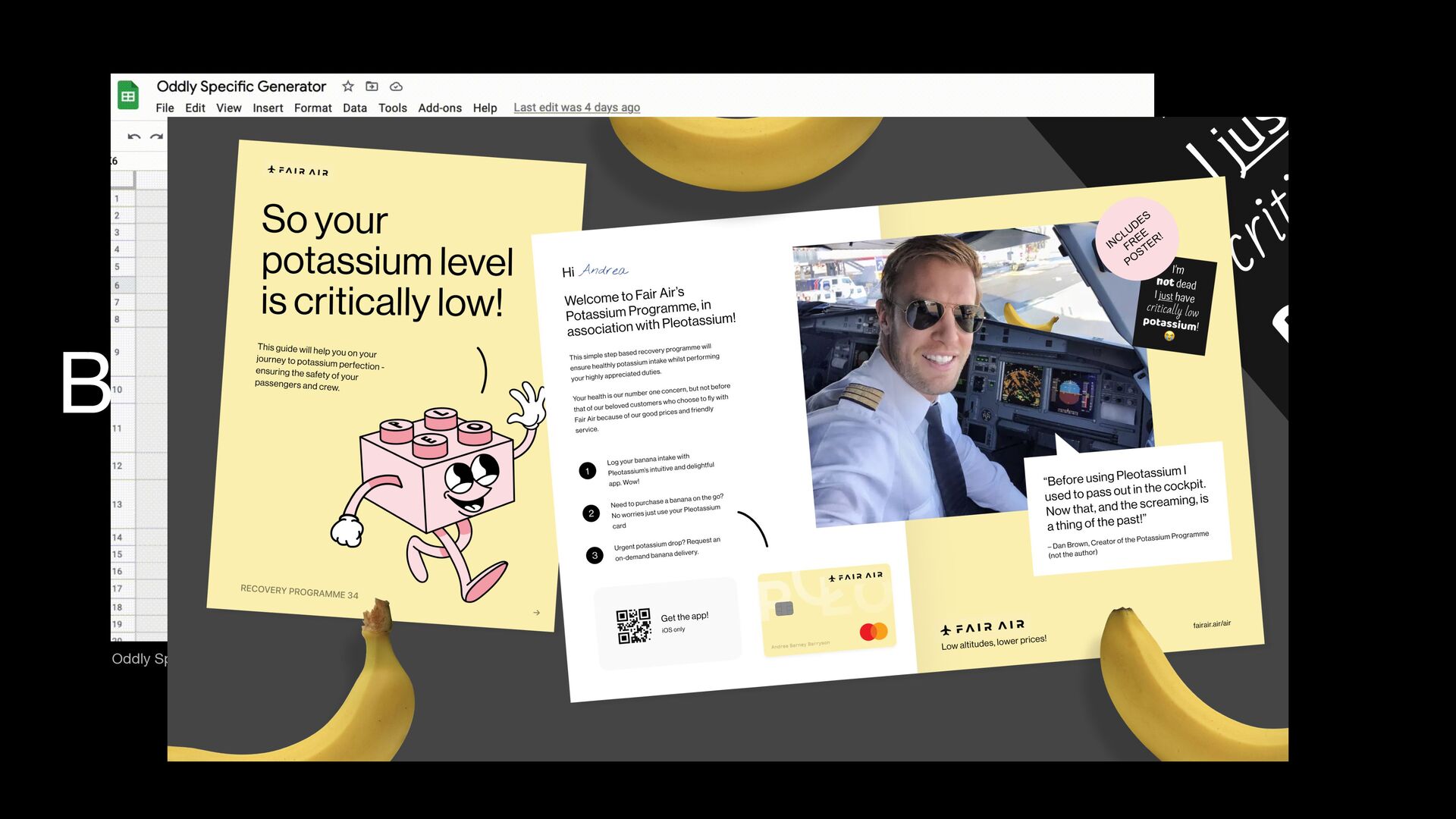
Still related to Plio. It's still about buying and things like this. But then it would force us to kind of design a solution for like something very specific, and quite often very weird, adding details as a restaurant reviewer who hates minimalist ********. But try and design an app, an experience, whatever, for that thing only.
Forget about Pleo as a platform for all our customers, just design that thing. The beginning of the week saw us very much safe, like in the Pleo sphere, with a few different buttons. By the end of the week, we were designing a Pleo card that can only buy bananas to track your potassium intake if you are a pilot.
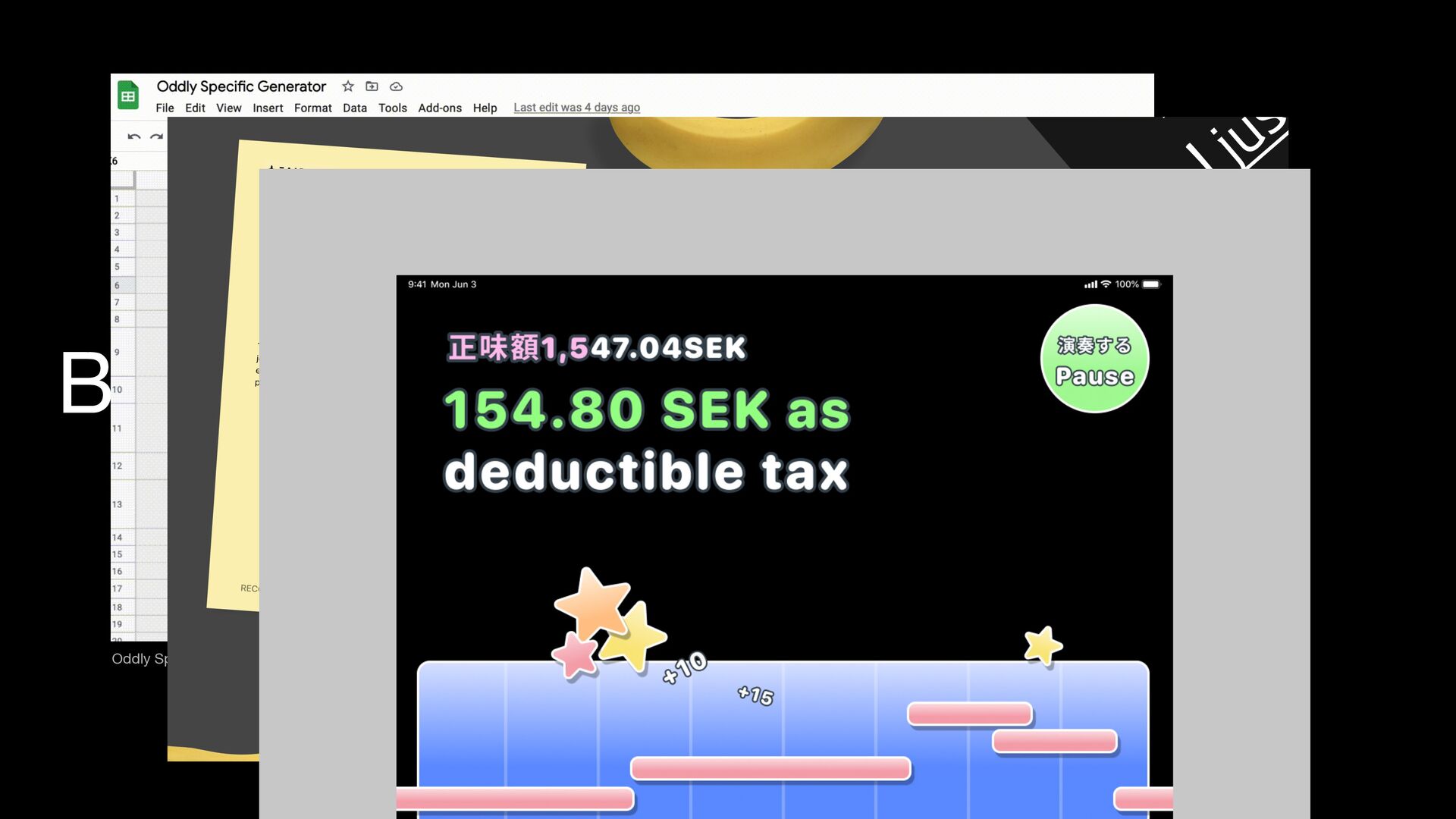
We designed a way to do your bookkeeping in Sweden via karaoke. We did all all these strange things. Right? And I they're not coming to the product. I can't promise that. Maybe the karaoke one, I'll try and get in. But they they allowed us to play and experiment and do weird things and find different layers.
And and as much as these features didn't come specifically to the to the product, the way of thinking kinda creeps in. Right? Like, we deliver something different on the screen? Like, oh, every product is doing this thing when you complete. Like, we show something interesting?
Can we approach it differently to kind of drive that creative thinking in an organization? And the last one. Embrace weirdness. I think that's probably be my biggest takeaway is people are weird. Like, I'm super weird. You guys are weird. Absolutely. We're all really weird.
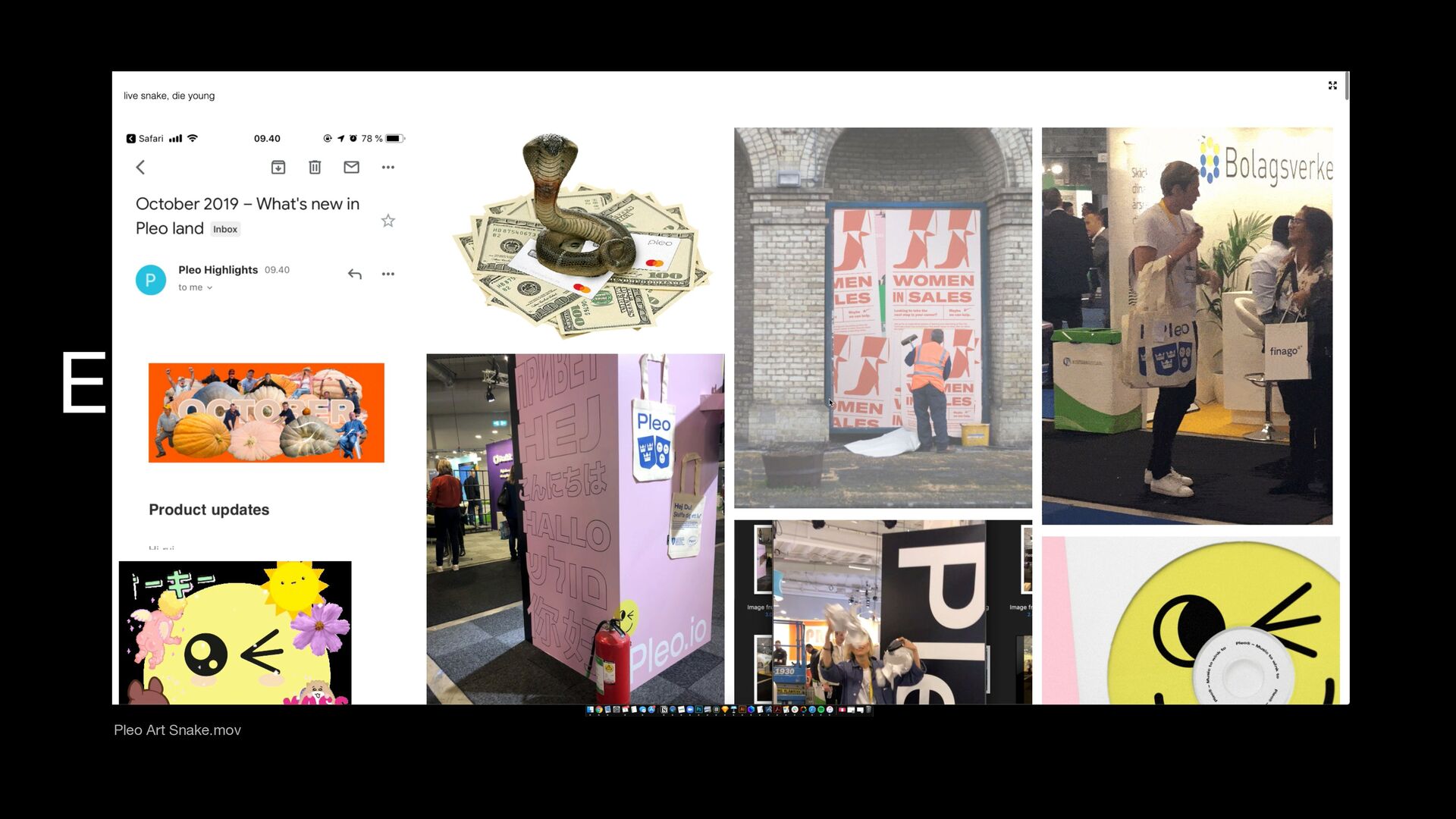
My design team, some of them here, absolute weirdos. If we want to deliver surprising and human experiences, we have to embrace that weirdness. At Pleo we have this thing called the art snake. Weird name. There you go. Which is essentially this area where we just kind of chuck offcuts from our design work.
And it kind of started as that, and then moved into internal memes and other weird stuff. So anyone on the design team can chuck a picture up here. It gets increasingly weird. But everyone in the company can see this, right? Everyone can see the stuff that the design team is doing and the things that we're trying.
And a lot of failed stuff lives here. Right? Stuff that is probably too sweary to go out in public in marketing. Just this weird, weird stuff. But it kind of created this vibe that we have as a design team. I like, ****, expense Rupert's instead of expense reports.
It doesn't make any sense. It's weird. But it created a vibe. Right? And this stuff, maybe that won't slip into a campaign, but like that kind of thinking, that different approach, that space for creativity, it it drove a kind of creative culture, which I don't think is pretty common to find a financial software product.
So when I tell people I'm a I'm a designer, I want them to know about this stuff, this stuff that we're building, and not some crappy little app. It's not a crappy app, but you know what I mean. So, I mean, everything in life can be summed up in in three takeaways.
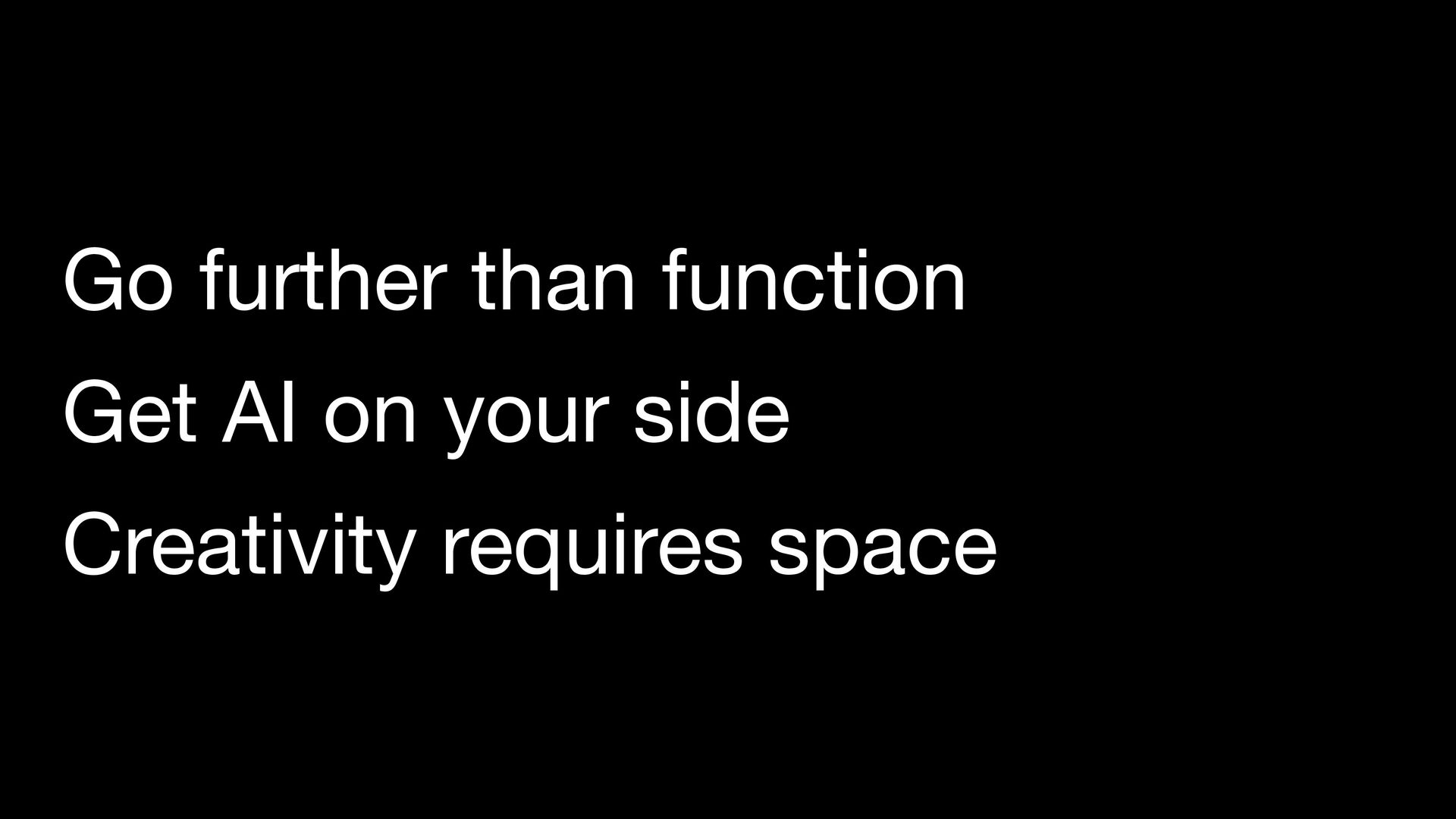
So here here are the three. Go a little further than function. You need function. Your product needs to solve a need. But take that little time just to add that little bit spice, Add a little bit of extra on the side. Introduce a little bit of soul into that so that when the people are using your product they go, that's nice.
They didn't have to do that, but it's kinda nice that they did. Get AI on your side and get it on early because it's moving fast in this space, right? I think, like I said, it can be powerful to do all standardized bits of design and ideally instead of replacing us, that gives us space near the end where we can work on the interesting and creative stuff.
And that creativity requires space. You need to have space in the organization to be able to go out and do weird things. So maybe building principles, talking with your leadership, these sorts of things. Getting design recognized and on the roadmap, I think is really important.
And yeah, of course, still deliver value to your customers. Still deliver the features that you need to deliver. But yeah, just make that little bit of space for some weirdness. Thank you very much.