
Distributed teams can have big benefits for both employers and employees, but there are many challenges. Being successful requires changes to work practices, communication, and style - and not just from the remote people. Everyone will experience changes. To better support your team, it helps to be prepared. In this talk, we will look at the challenges and rewards of working in a distributed team setting based on several years of experience growing large distributed engineering teams.
← All talks 










Build Engineering Turing Fest 2017
A Clear-Eyed Look at Distributed Teams
Auto-generated transcript - may contain errors. Tap a timestamp to jump the video.
Hello. Good afternoon. So as VP of engineering at FreeEngine, a big part of my job is to develop and kind of support the running of the day to day of the engineering team at FreeEngine. And we do so so that we can execute in our product and technical strategy.
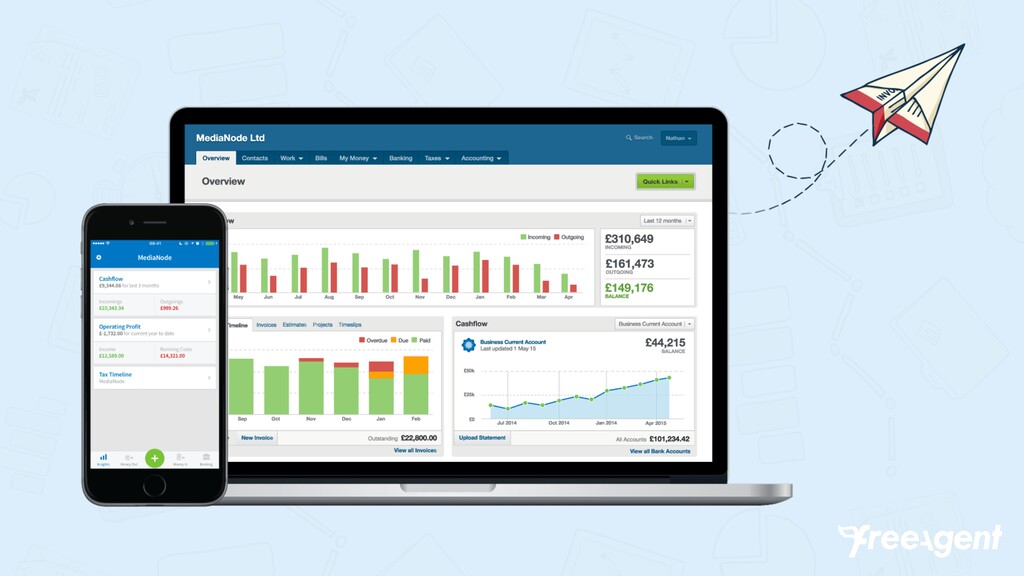
And I do so in the context of a distributed team building a popular SaaS product that over fifty thousand businesses rely on. So if you're not familiar with FreeAgent, we build accountancy software for freelancers and small businesses, and what we want to do is remove the stress of managing your business finances.
And our customers agree, they think that we are solving that problem and they absolutely love the product. So we currently have a Net Promoter Score of seventy two. I don't know if you are familiar with the measure, but it's pretty impressive and it has been consistently in the 70s for over two years.
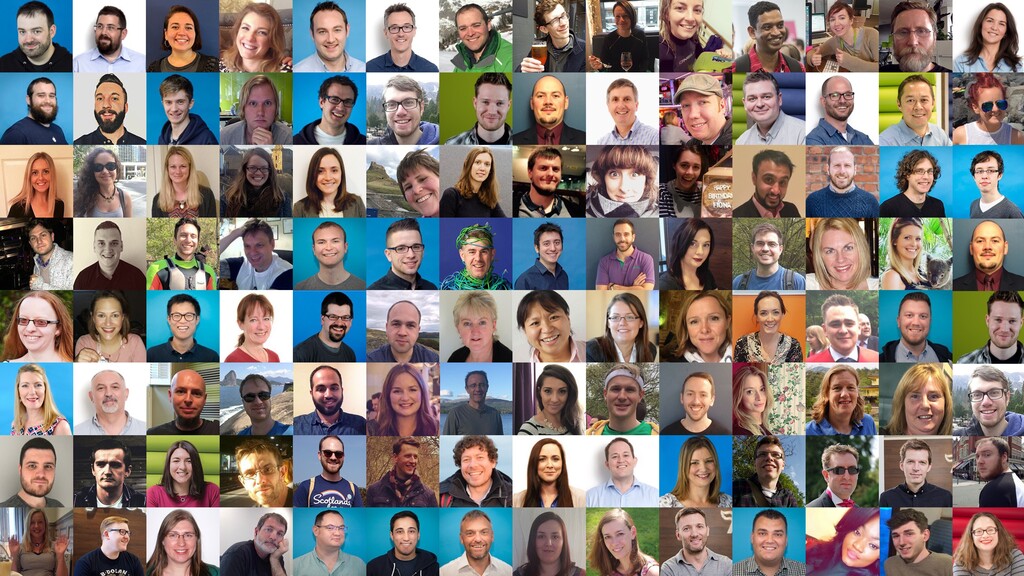
So there's two things at FreeAgent that we care about the most. One is our customers and it shows, and the other one is our team, the people that make FreeAgent possible. So we are about one hundred and forty people company wide and of those, about fifty are in the engineering team.
So one of the three guiding principles for the business is that we believe that having a high performing, diverse and happy team will make us more successful. And as we work towards growing and developing the engineering organization, successfully supporting this healthy and distributed culture is very much part of our strategy.
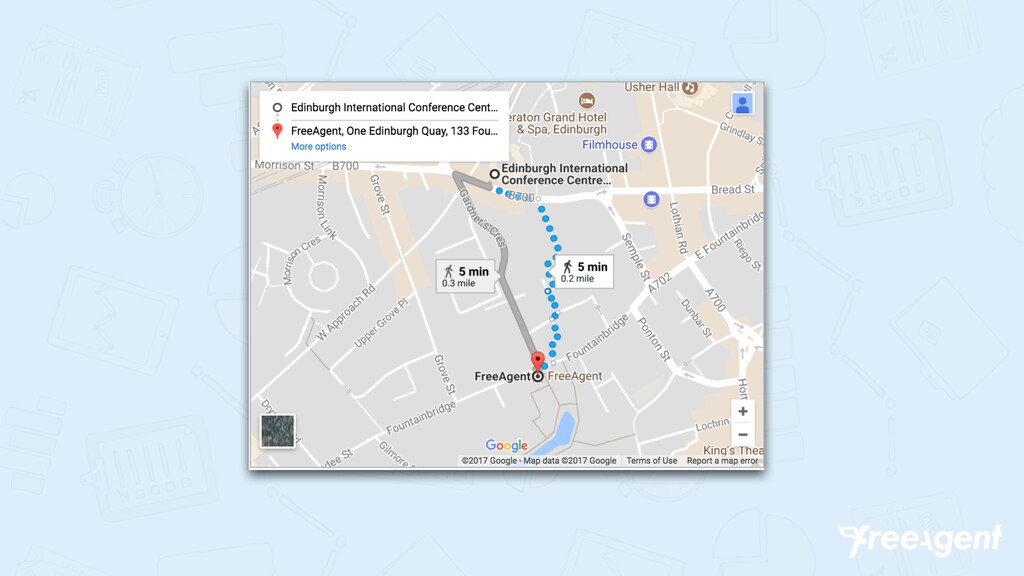
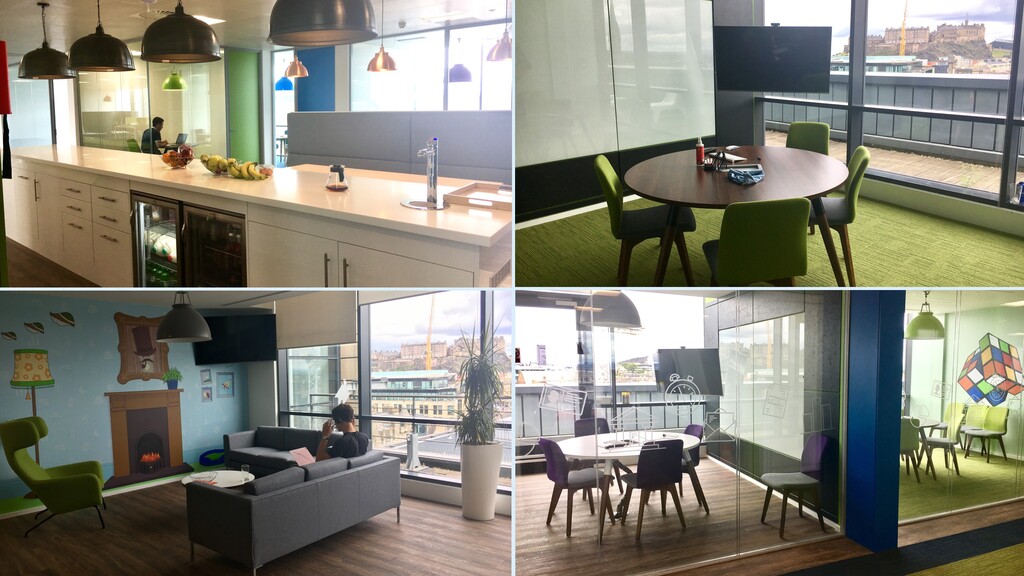
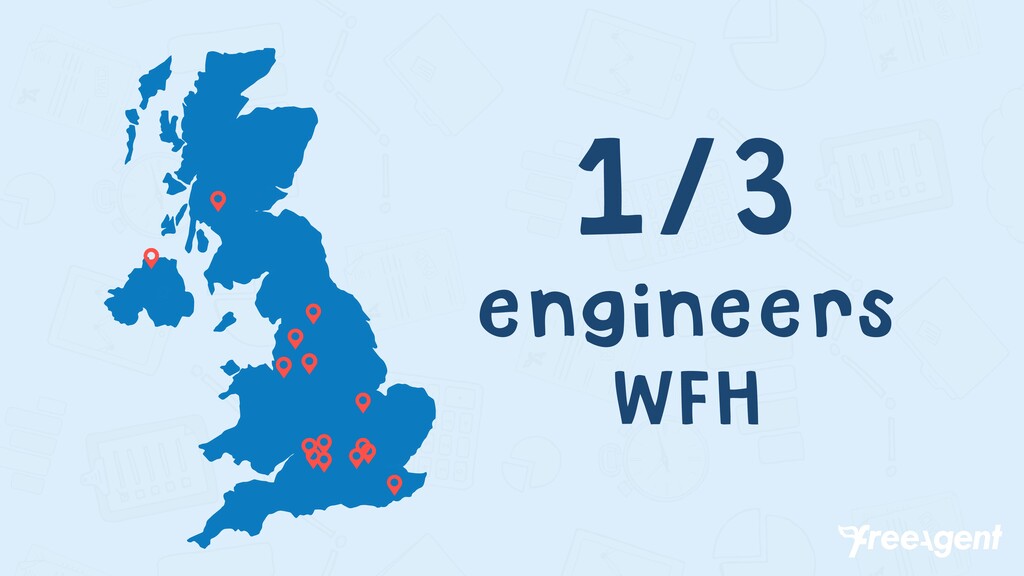
So our offices are literally five minutes away from here, I don't know which way we're pointing, and a large part of the team works from our beautiful offices overlooking the castle. But not everyone. So home is office to about a third of our engineering team and they do so from all over the UK.
And those in the office, they also have the flexibility every so often to work from home if they need to. So a little bit of history. FreeAgent celebrated its tenth anniversary a few months ago, almost coinciding with the company being going public in the London stock market last November.
And we've doubled the size of the engineering team since I joined about a year and a half ago. And of those team members, over forty percent, almost half of the people that we've hired in the last year and a half work full time from home.
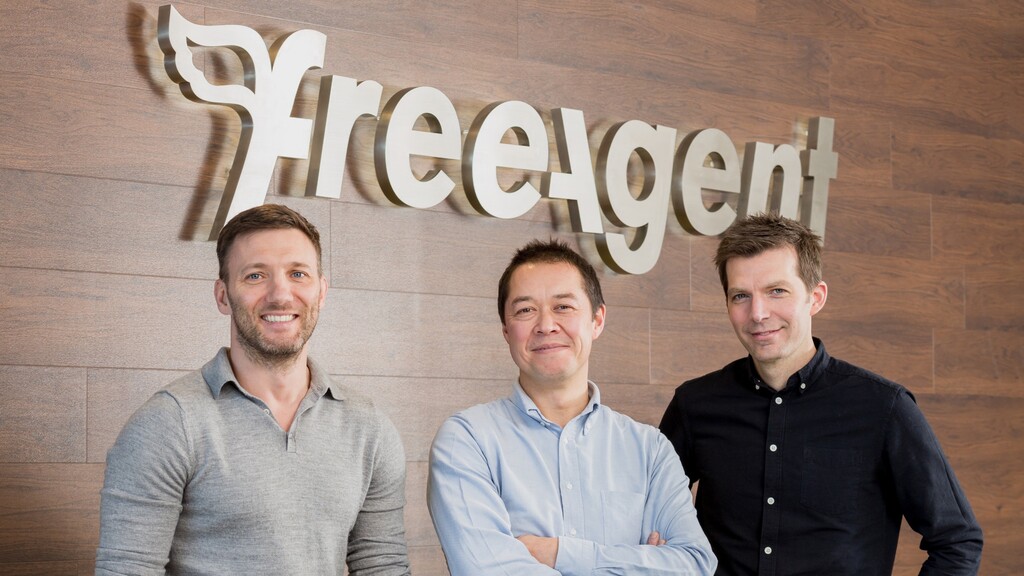
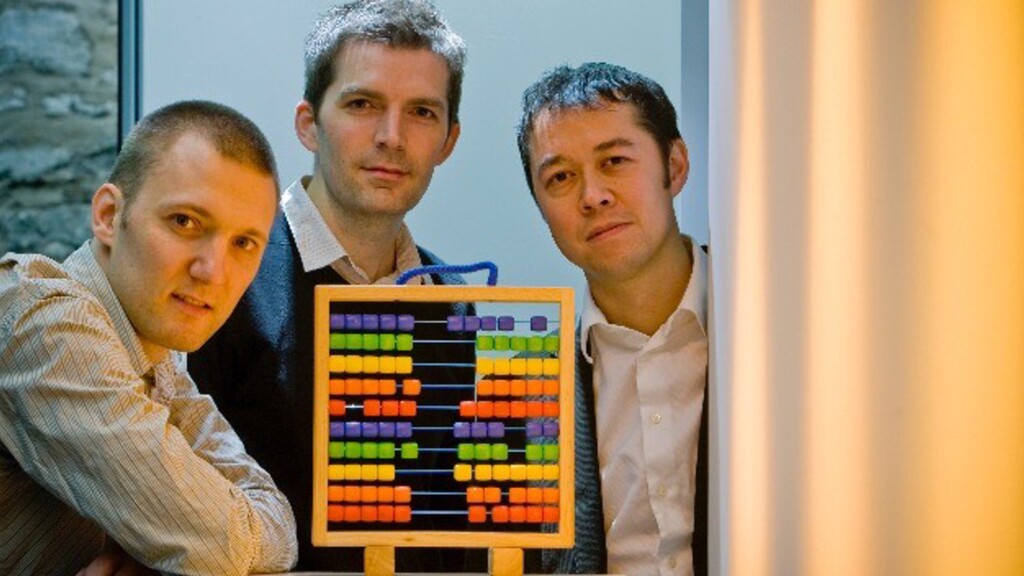
That has not happened by chance for neither free agent or myself as an engineering leader. And these here are our founders, Ron, Ed, and Ollie. I think some of them are big picture for you. And these are our founders about ten years ago.
And the reason that I'm showing this picture, other than because I kind of sometimes like to risk my employment status, and I'll probably get into trouble for this, but it's because working from home for a few years from London, Edinburgh and the borders was how free agent was able to happen.
That's where the founders started to get together and work on the product. A couple of years later, they decided to move to Edinburgh and open offices and start hiring the staff, but at the time it was a little bit difficult to get engineers, so in some cases they continue hiring people for the engineering team working from home.
So I said that it wasn't by chance either for myself, and that is because for the past seventeen years, I've experienced all sorts of distributed teams setups, and I've learned a lot about the benefits and advantages of working in that way. So technical skill is evidently very crucial in any engineering organisation, but what I've learned is without healthy teams that collaborate and communicate well, the most skillful engineers will fail.
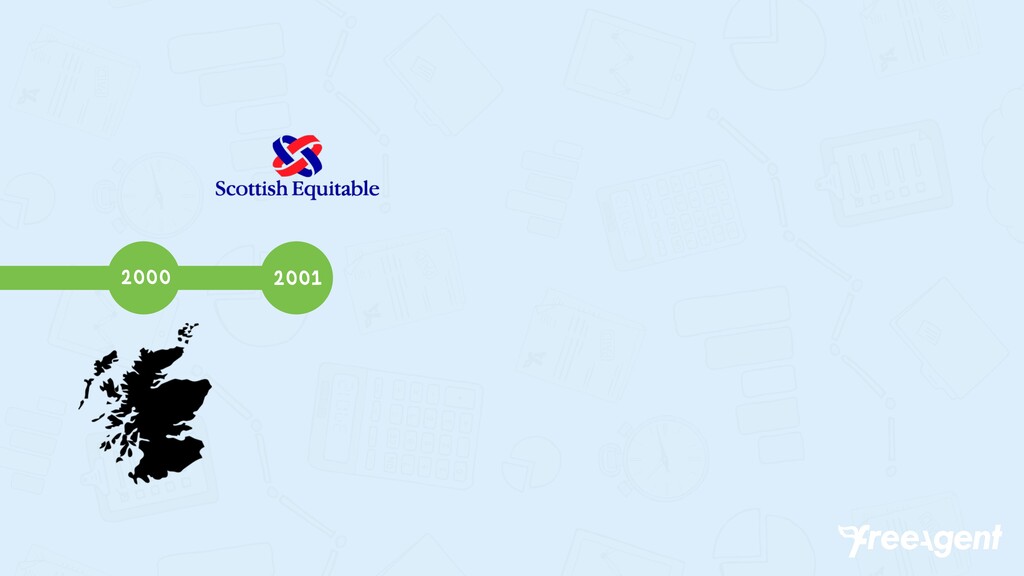
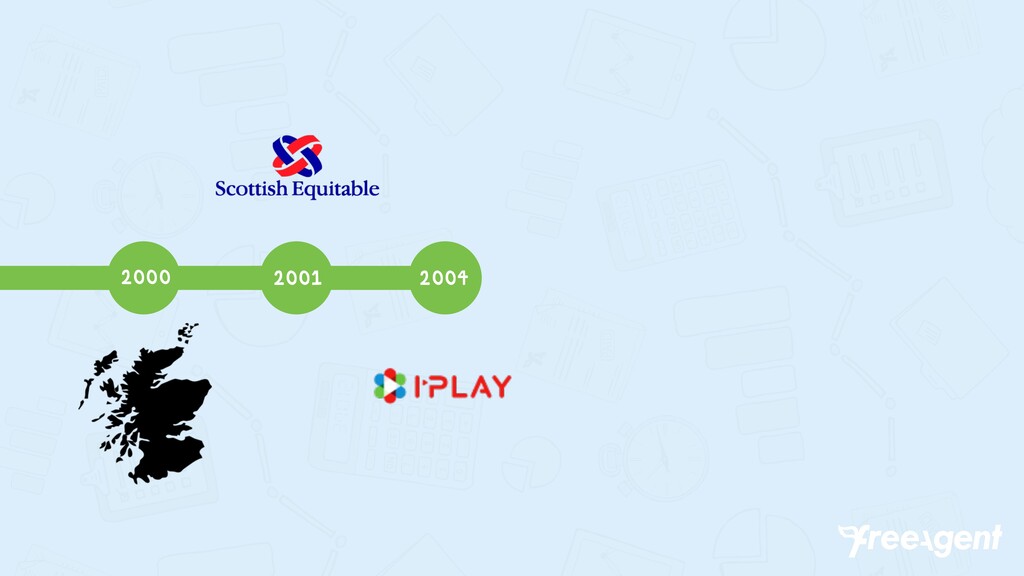
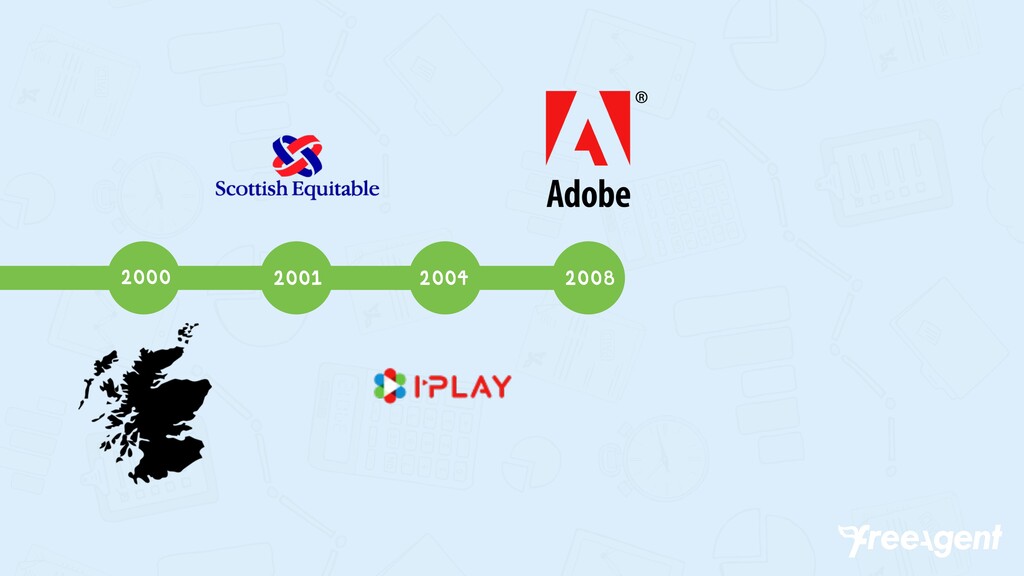
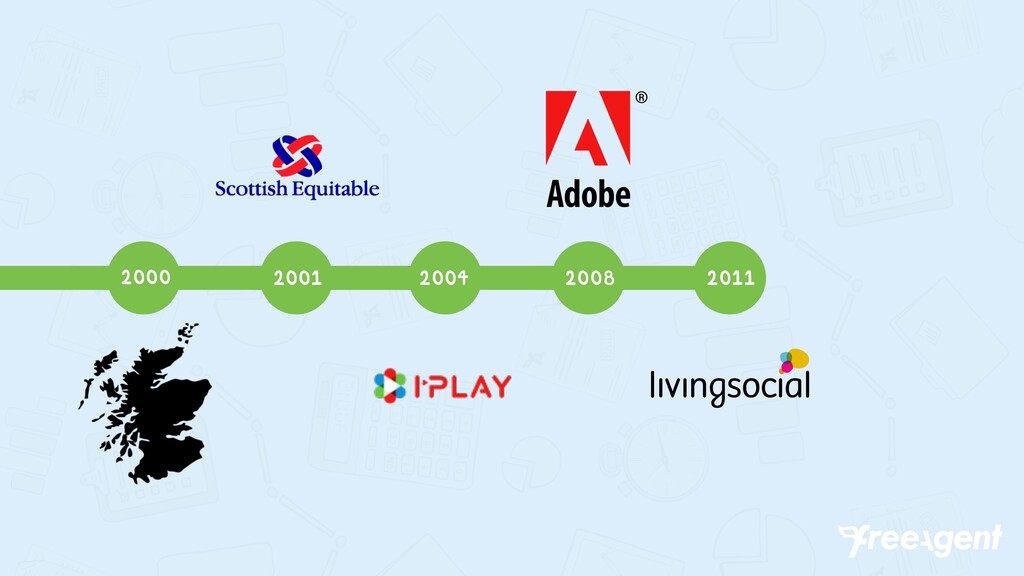
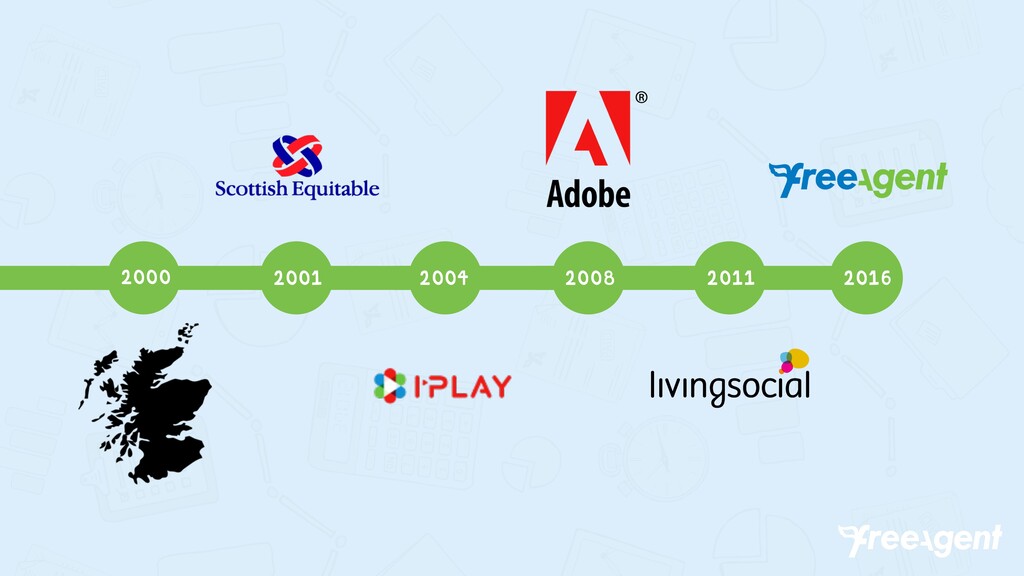
So I moved from Barcelona to Edinburgh in the year two thousand and after a year doing a master's degree here, I got my first job as a software developer at Scottish Ecwidsville, Aegon UK now, I don't know if you are familiar. I was working in the Edinburgh offices, but I had to collaborate a lot with outsourced contractors in India.
After a few years, I decided to move to a smaller software company with a collocated team building mobile games and the platform that distributed them and this was way before the iPhone was a thing, so it was all in text. But a couple of years after I joined, we were bought over by a big global games company that had offices in New York and in Israel.
So we had to completely change the way we used to work. In two thousand and eight, I decided to join the Adobe Developer Technologies Engineering team in Edinburgh. I was part of a global team building Creative Suite extensibility and I had to work every day with Creative Suite product teams from all over the world, from San Jose to Seattle, Hamburg, Beijing or Neuida.
Finally, almost seven years ago, I decided to join LivingSocial engineering team. And at LivingSocial, I was not only responsible for making sure that I could collaborate successfully in a globally distributed environment, but as an engineering leader, I was responsible as well of shaping our distributed engineering culture.
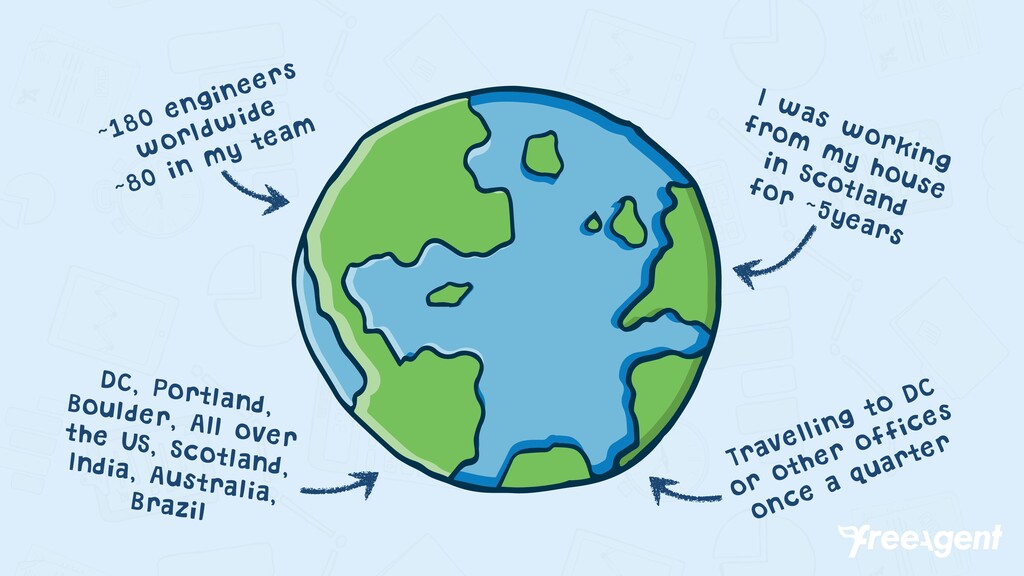
So I joined the company when there were about thirty engineers, and we grew to about a hundred and eighty engineers at one point. About eighty of those engineers were in my organization. My team was based all over the world, so some of them were in our head office in Washington DC, other engineering offices in Boulder and Portland, but a large number of engineers were working full time from home all over the US, in Scotland, Australia, India, Brazil as well.
And I was leading our product platform team from my house in Fife. So and I was only traveling about once a quarter to the head office or one of the engineering offices. If it was really busy, maybe I would travel every couple of months.
So ultimately, agents, kind of business outlook and the support and appetite for a distributed workforce were some of the key reasons that I joined the company in January twenty sixteen. But when I explain our setup still today, I hear that it's impossible to make human connections and keep those relationships when you are not working with somebody next to each other.
And therefore distributed teams are never going to be as effective as co located one and we've heard that in a few talks yesterday. Well, as you might gather from all of this, I don't necessarily buy that and it's not just my work experience that has shown me otherwise.
Over the years, I've learned that human connections and relationships happen when you are really committed and invested in that connection, and when you feel safe and you are willing to make yourself vulnerable with other people and location has very little to do with that.
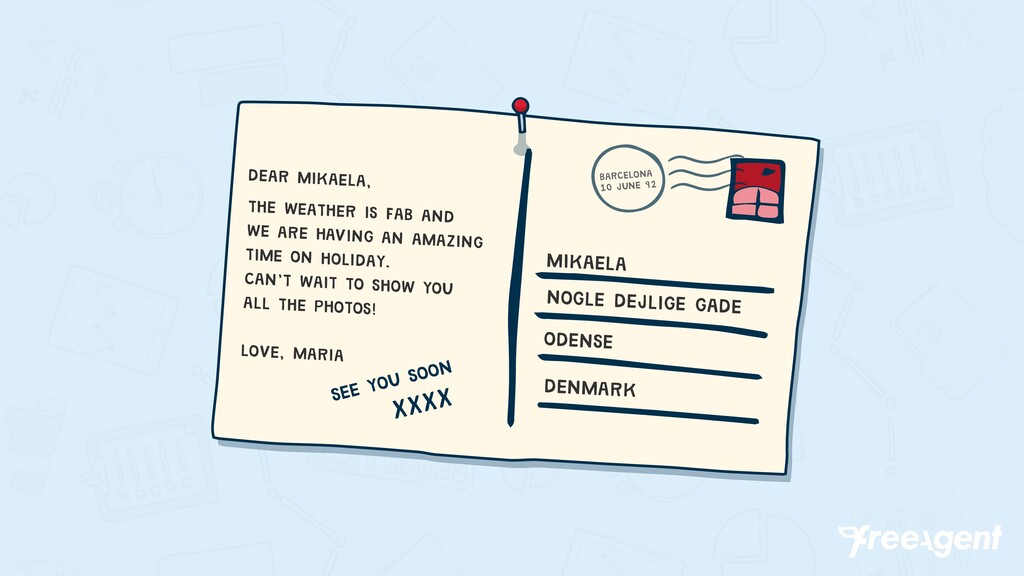
And you could argue that today with technology it's a lot easier to do, but I learned that lesson when I was only fourteen years old and I started to correspond with my first pen pal, a girl my age from Denmark and school, they put us together.
We used pen and paper back then and a language, English, that was foreign to both of us, yet we were able over the years to become incredibly good friends. So choosing to build or join a distributed team ultimately requires commitment. So half hearted efforts will resolve always like in anything you do as a worse experience.
So company leadership and every engineer, whether they are the ones in the office, working from home or on a satellite office, they all have to fully support that effort to make us successful. And there's a few practices that I've learned over the years that I think really work well to demonstrate that company or you as an individual contributor commitment to make that happen.
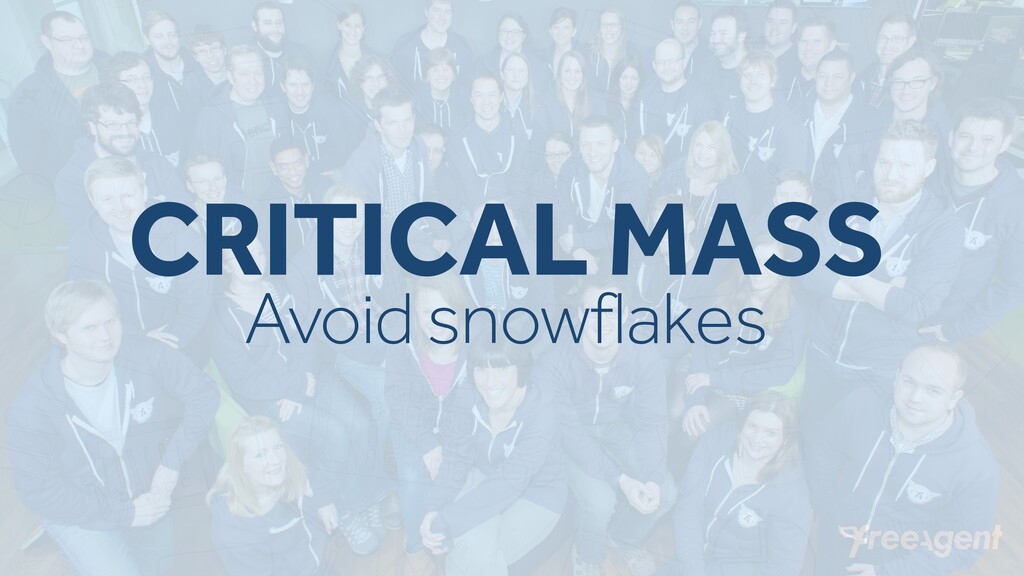
So let's start with the first one. Oops. So for me, the most important one is having critical mass of remote team members. If you just have one or two remote people in your team, that will definitely build friction and resentment that comes from having those special snowflakes.
So some companies might decide to let one person work from home because maybe they've gone on maternity leave and then when they come back they want to be empathetic and flexible and create that opportunity for them or maybe you have a very, very valuable engineer that for whatever personal reasons they want to move to another part of the country and you really don't want to lose them, so you decide to continue keeping them and let them work from home.
You sometimes will give them a more overseeing role like an architect or something because you already know that it's probably not going to work well working with the rest of the team. So if you're a company doing that or you are an individual contributor in that position, I give you six months.
In six months, you'll be looking for another job. And at least that's been my experience. And I've interviewed a lot of people in that exact position. So if you don't have critical mass of remote people, they won't have sufficient voice in the culture building process.
So as long as remote folks feel like second class citizens, the balance is way off and you have a lot of work to do. Equally important to critical mass is to remove any perceived glass ceiling for remote workers or at least make it as high as possible, like at the exec level and even then I don't think it's ultimately necessary.
So if employees feel that their location is a barrier for their career progression, they will move on and you will likely lose the most talented engineers, those ones that are seeking new opportunities and ambitions. So because of this, I believe that it's extremely important that you have managers or technical leads working remotely or in satellite offices if that's what you have, but also so that management are really understanding the issues and complexities of working from home first hand, so they can be more motivated to fix them.
So whilst I'm LivingSocial, I was able to progress over the years from a technical lead role to a senior director of engineering, working from home full time from another continent. And that was what everybody saw of me every single day. And it wasn't just the only one.
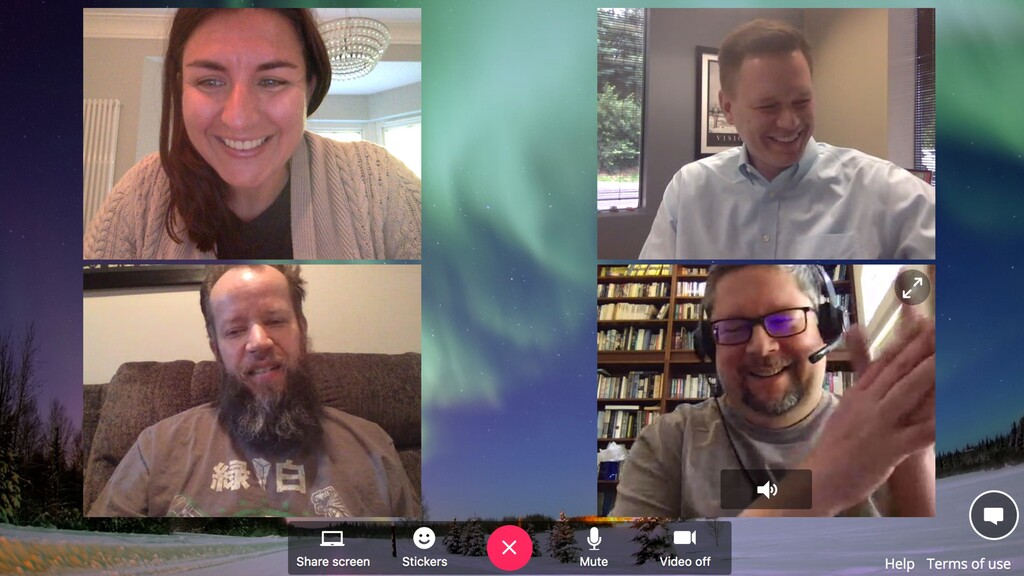
This is what a meeting with part of the engineering leadership team looked like. I was in Scotland. Ryan, our SVP of engineering, was in DC, but worked from home every couple of days. Steve, was our director of data platform, and he worked from home from Kentucky.
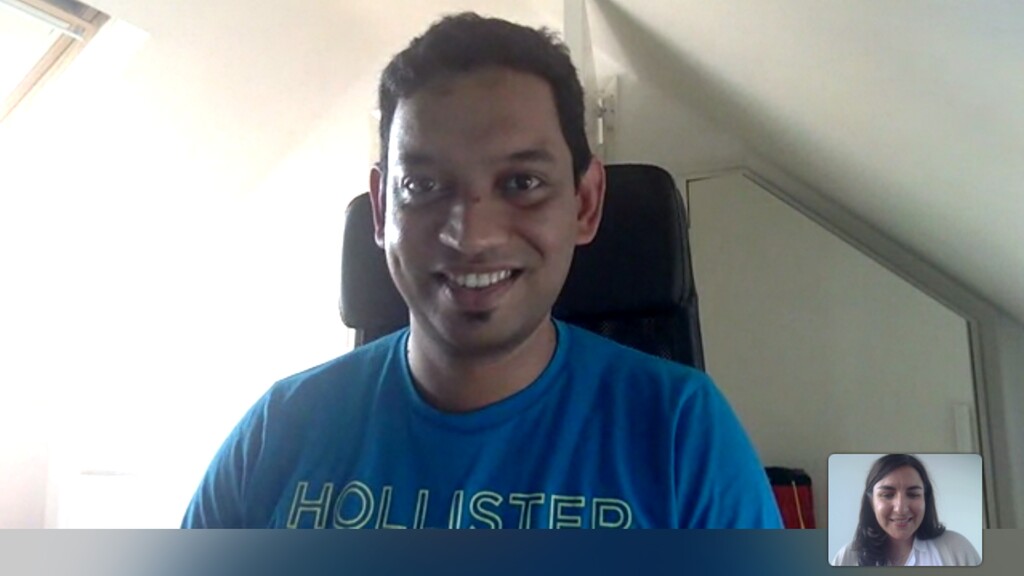
And Glenn, the bottom, he was our Director of Technology Platform and he worked full time from home in Dallas. And this is me today having a one on one with Anoop and he's our mobile team lead. So culture, I believe, grows through shared experiences and that's why it's important as well that office based people have the opportunity to also work sometimes from home so they can really empathize with how everybody else is working.
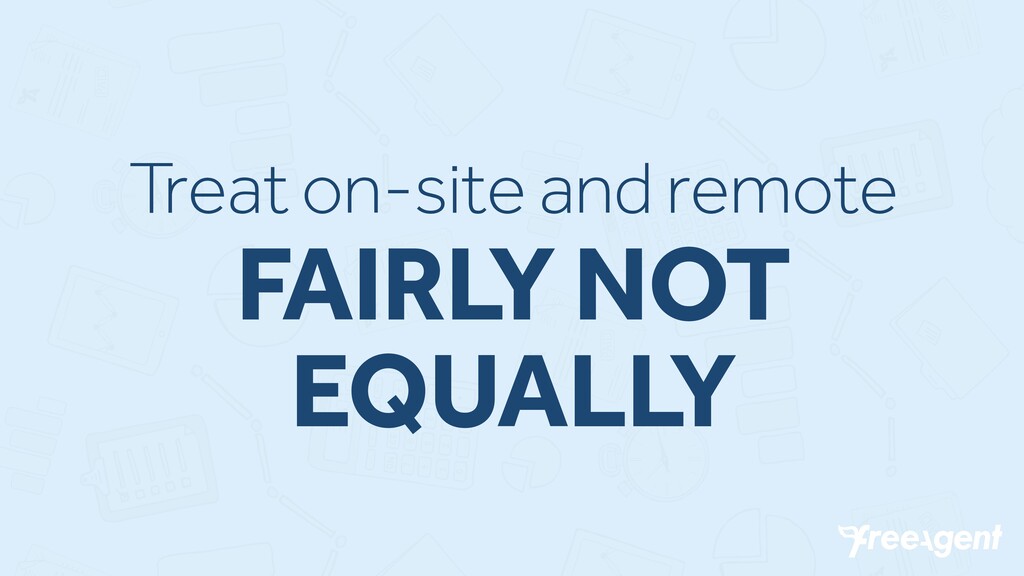
So I try at least every Wednesday to work from home so I can see what that experience looks like. Eventually, what you want to achieve is that the whole team needs to work in the same style, whether they are local or remote. So aside from those fundamental things, you shouldn't aim to treat everybody equally, but you should treat everybody fairly.
So each group will have perks and challenges that the other group doesn't have, and that is perfectly fine. As a manager, that means that you need to be aware of practices and policies that unfairly favor one group of employees over the other one and try to balance.
So a very simple example, during our Health and Well-being month at FreeAgent, we set up a number of initiatives to do with the people in the office, but we also set up seminars aimed specifically to the challenges of working from home. When you do things like that, you are telling your employees that you care about them as much as anybody else.
And another way to show that you care is by creating opportunities to get a team together face to face. But you should always fight the temptation to use that time to maximize productivity. So the best use, I believe, of FaceTime for a distributed team is to really get to know each other so that then when you go home and you continue working together, it's a lot easier and you have improved that empathy and collaboration.
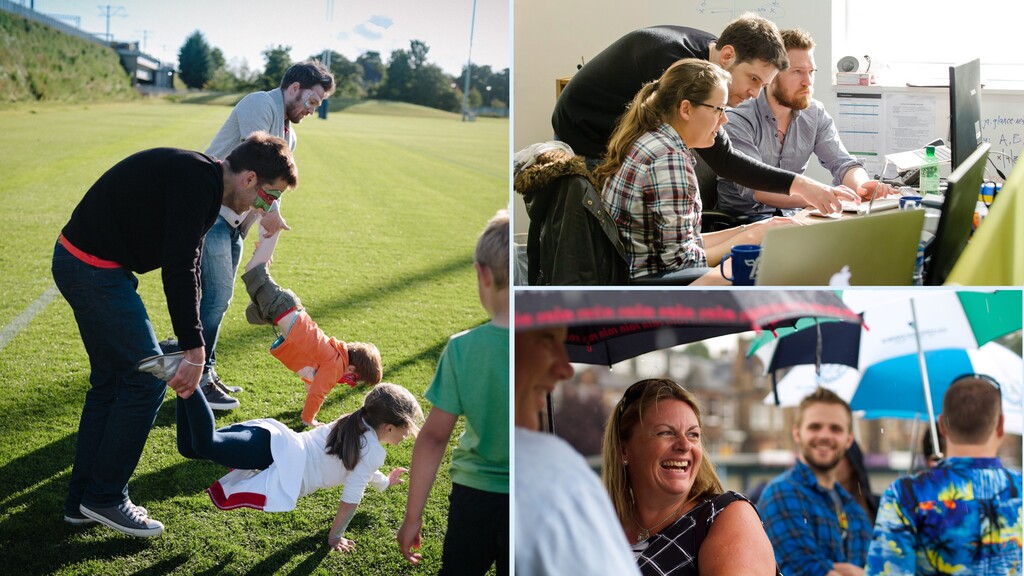
So at FreeAgent, we get together four times a year, one for our summer barbecue that was a couple of weeks ago and it always rains and the other one is for Christmas, our Christmas party and then we organise two, two days, HAG days a year, where all the company gets together to work on the projects that they want.
And we do those ones in February and September. So pretty much every quarter we get the whole company together. As an employee on the other side, you can also show your commitment and you do so by taking advantage of all those different opportunities to build connections as much as possible, but also by making sure that you are set up with a suitable environment to do your work from home and that you really can concentrate and work away from any distractions.
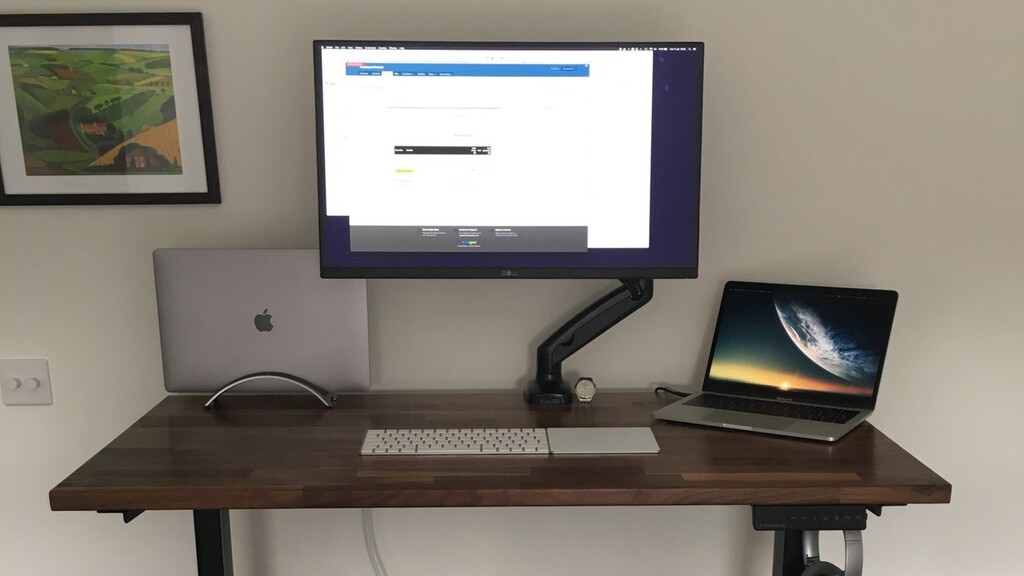
So this is a quite impressive setup from one of our engineers, Matt. Mine didn't used to look nice and tidy. But now that both parties', employee and employer's commitment is clear, how do we get the work done from a pragmatic point of view?
You do it by communicating intentionally, post op. So on a distributed team, communication won't just happen. So people are great at communicating face to face, so great that it happens automatically in ways that we don't even notice sometimes. But that is not always a good thing, especially on a growing business.
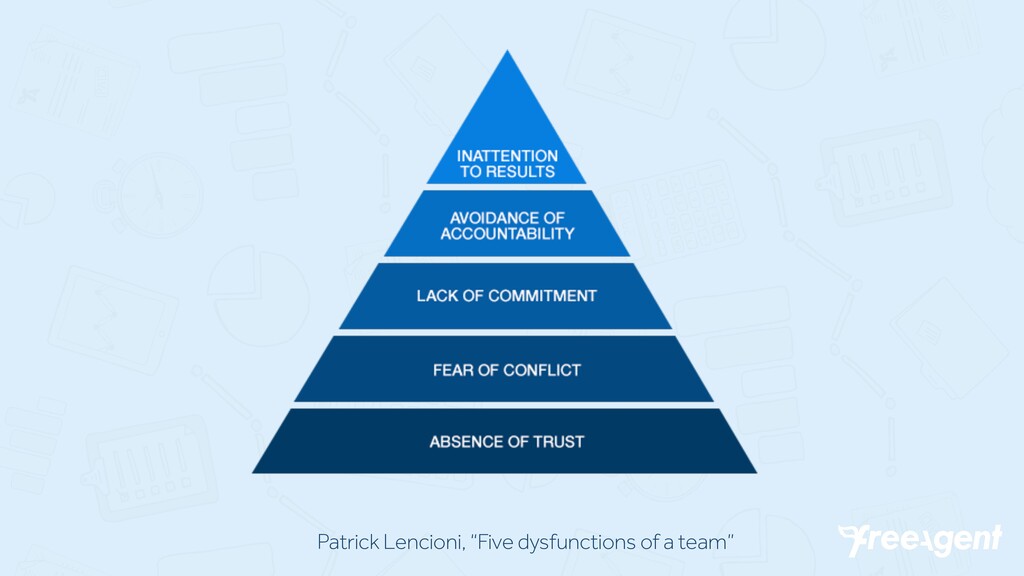
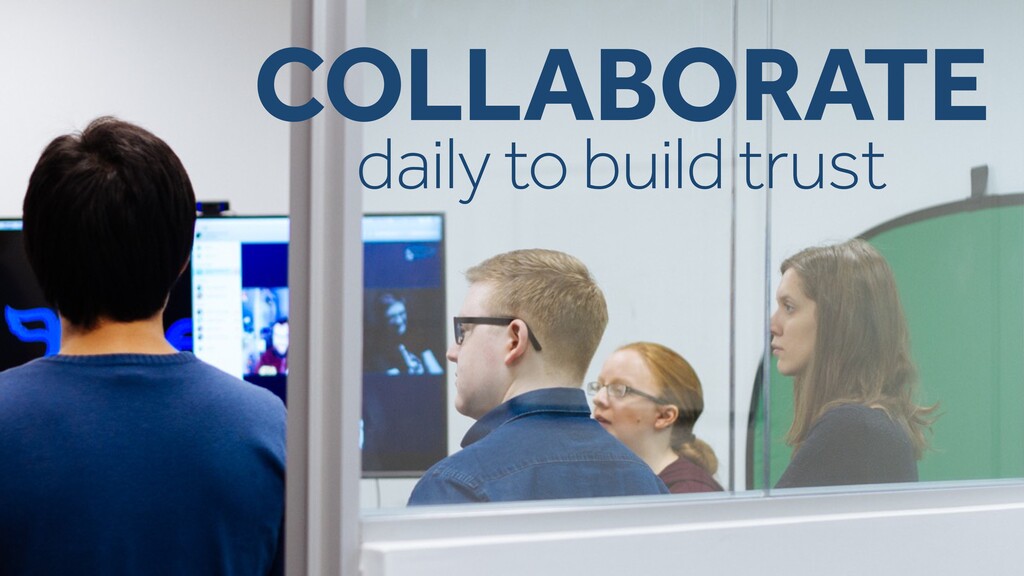
So communication is ultimately how we build trust within a team and trust to me and to Patrick Lencioni is the foundation to any healthy organization. So when you trust your team, you feel accepted and you can be vulnerable and ultimately be more productive, more resilient and happier at work.
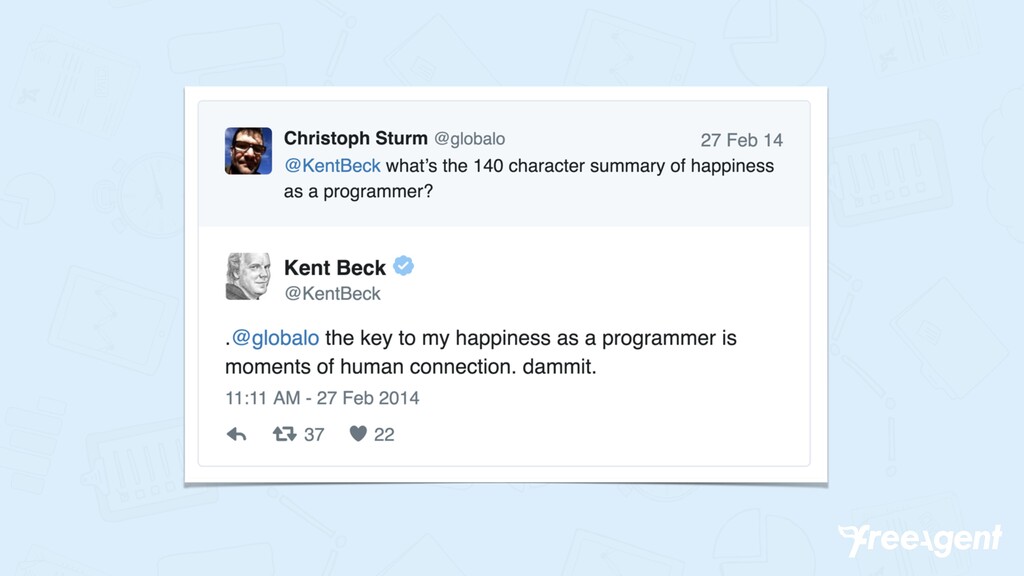
So whether we like to admit it or not, most of us would agree with Ken Beck here. He says that the key to his happiness as a programmer is moments of human connection. Damn it. I yes. I thought that was brilliant. And the way you feed that connection is through daily interactions.
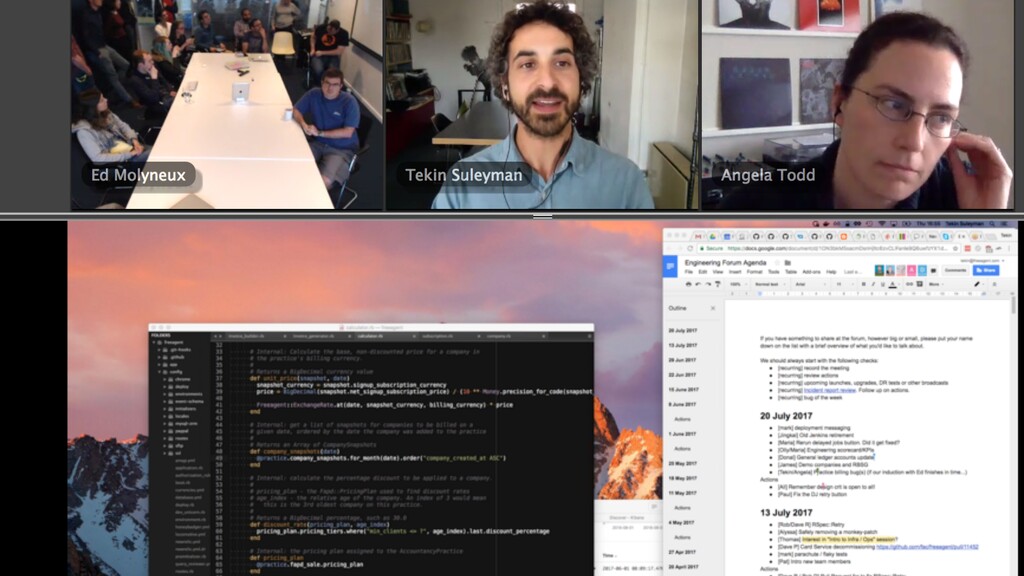
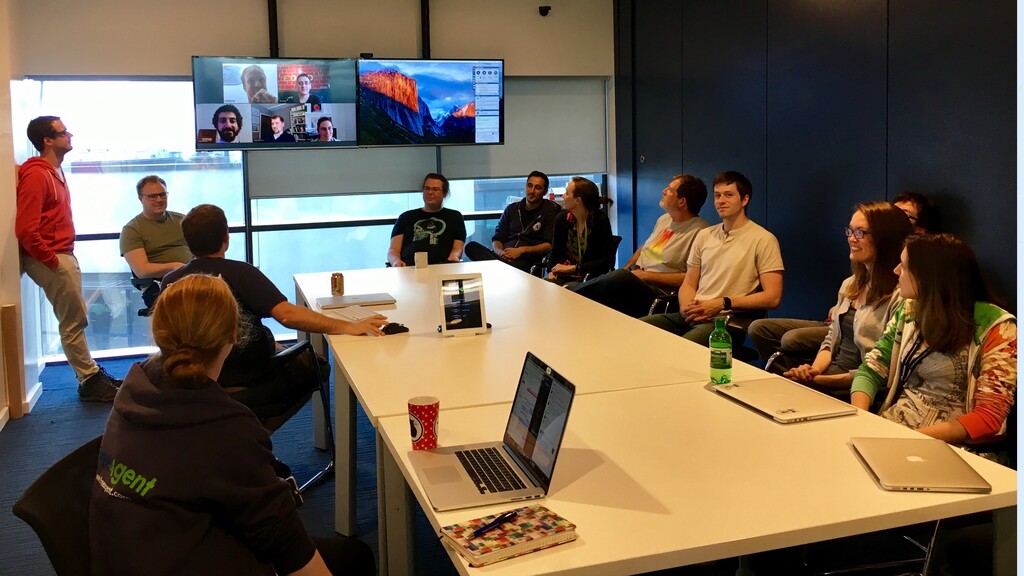
So from my experience, video is your best friend here so you should be using it all the time for regular one on ones, whether they are with your manager, a colleague or somebody in the business that you need to learn more about, team meetings, planning meetings, stand ups, retrospectives, etc.
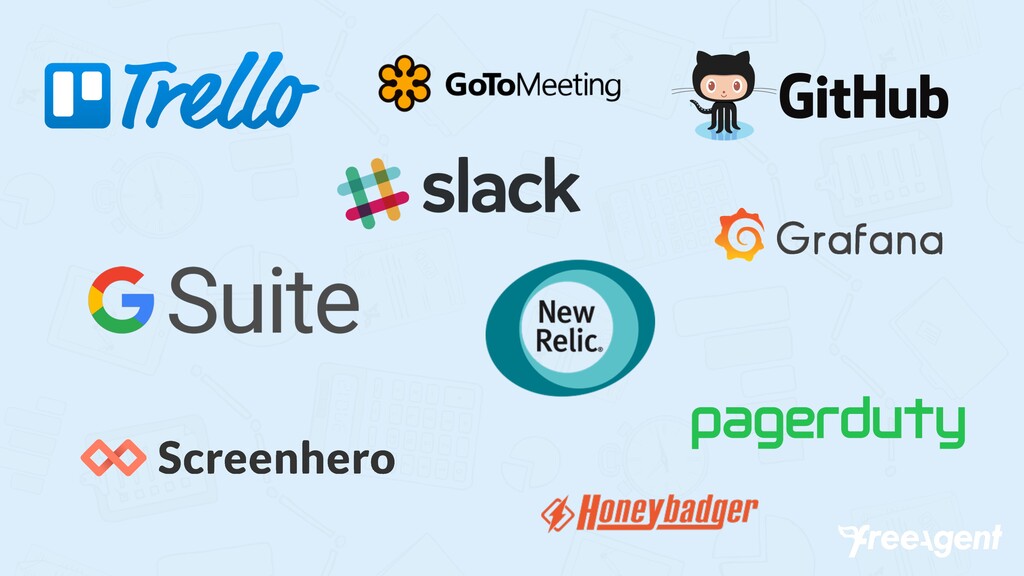
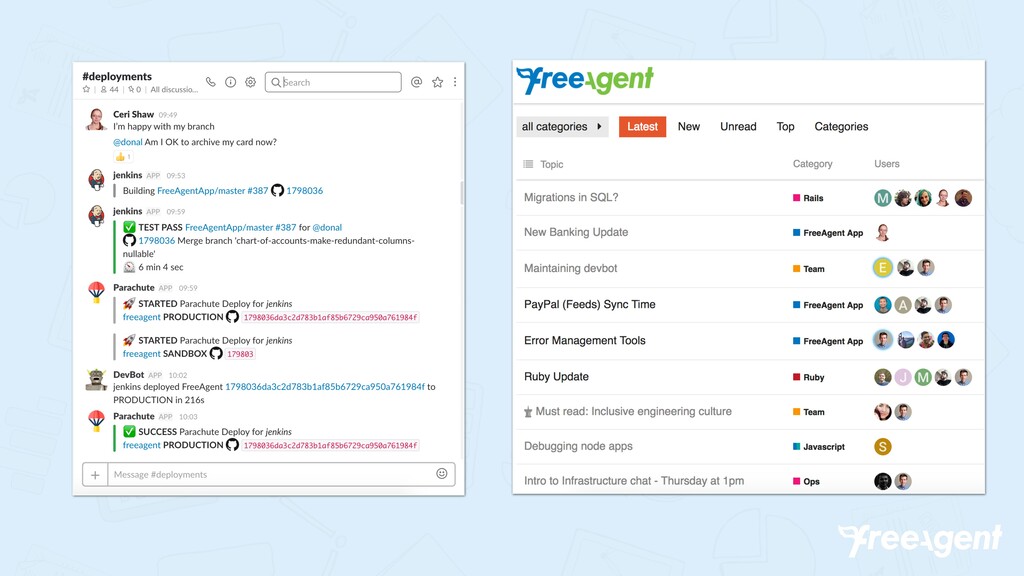
Our whole office of creation is set up with televisions and cameras everywhere. And you also do that not just through the hardware, but also through well defined set of tools that you use to collaborate and monitor the work. So don't underestimate the value of well thought out written communication as well.
So it's not just video, it's important that you keep things in writing and you communicate clearly. So as an employer, you should be investing in the best hardware and tools that you can afford and make them available to everybody. Not, for example, just to engineering.
Everybody in the company should be sharing the same tools so that there's no barrier to communication. It's not only enough to have the best tools, they need to be used properly. So information needs to be accurate and readily available and people need to be very clear on how those tools should be used and that everybody uses consistently.
And as an engineer, on the other side, it's your responsibility to be an expert on using those tools and if you're seeing people in your team struggling using them, so for example, you have a call with somebody in sales and maybe they are not familiar how to use a Screen Hero or one of the other tools, but you help them get past that so that you can collaborate successfully.
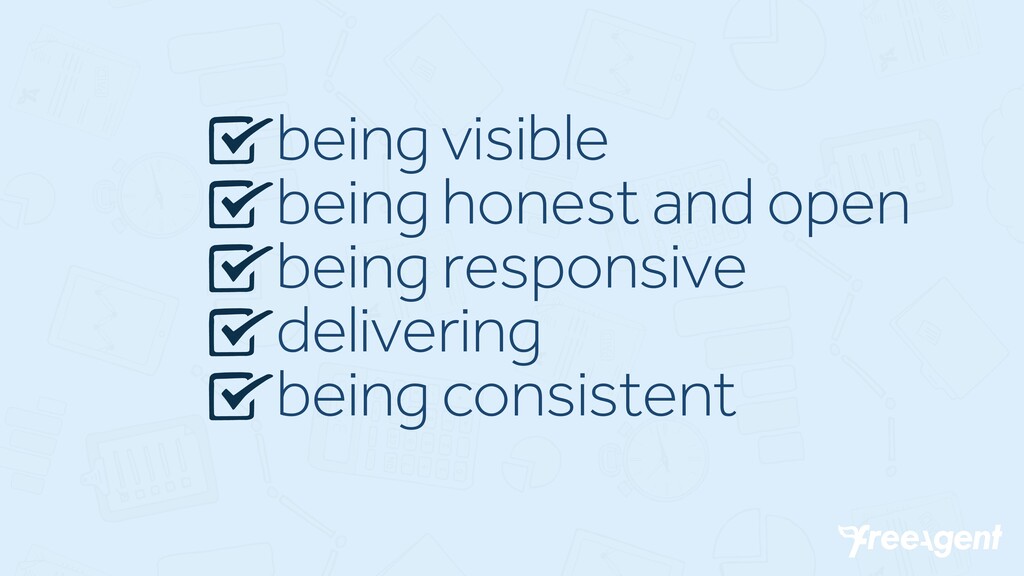
So once you've figured out the tools, based on my experience, these are the traits and behaviors that successful remote workers share that help build that trust every day. So the first one is simple, being present and visible, Out of sight shouldn't be out of mind.
And what that means is that people know that you are around doing stuff. The next one will be being honest and open. So show your integrity and say what you think in a constructive way and also show your hand when you make a mistake.
Being responsive and accessible is extremely important and that doesn't mean that you have to be responding to Slack messages every second that somebody sends you something, but people should have a good idea when to expect to hear from you, whether it is when are you going to review a pull request or all that information that is expected.
But ultimately, this is all boils down to one thing and it's delivering. It's doing what you say you're going to do and being accountable for your work. And you need to do all those things consistently over and over all the time. And the way that you prove that you are delivering consistently is by showing your work.
Simple. So the way you show your work can be creating pull requests early and inviting others to provide feedback and follow your work or pair with others and ship to production and see visible progress that you are getting things. Don't participate in team discussions, so don't just get contained to the team that you're working with.
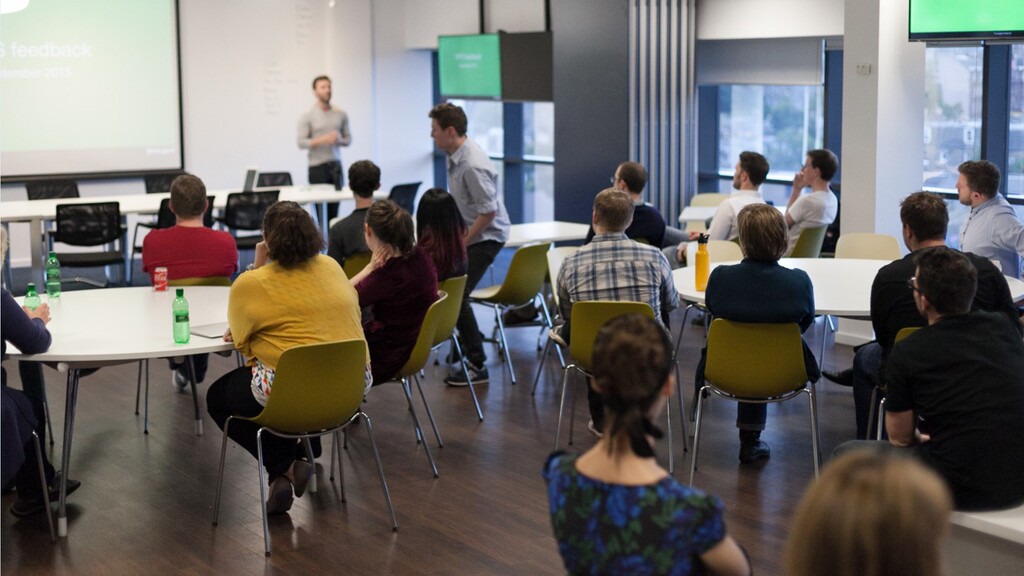
Collaborate in engineering wide efforts. Don't hesitate to present what you've learned or the issues that you've come across with the wider team. So at FreeAgent, for example, all engineering teams meet on a Thursday to share things that we've learned. We raise issues that impact all of engineering, we review our KPIs, we talk through our incidents and we talk about the resolutions as a group.
And we also meet company wide at the end of the day every other Friday to demo the progress that we make during the sprint across the whole business. It's not just for product and engineering, sales, marketing, support, everybody will talk as well about what they've been doing.
And Anna and Mike this morning, I don't know if you saw those talks, were talking about this, like when collaborating with others, I can also not highlight enough how important it is paying attention to the way we share feedback and opinions with others.
Most of the issues that I've seen in distributed teams is all comes down to poor choosing ways to share a point or to communicate with others. It's really important to focus on respectful, collaborative and inclusive language at all times. My rule of thumb there is that you always, always need to try to assume the best intention and remove judgment from any interaction.
But one of the good things about all of these things and to work in this kind of environment is that managers have to, they absolutely have to learn to evaluate productivity by actual results rather than by the perception of business of people. And that is good news.
If you are a manager, you need to set very clear expectations about how work is measured and evaluated and you need to review it regularly. And when it comes to setting expectations, it's very important that leadership managers do their homework, otherwise you can end up having a lot of problems in a distributed environment and that means deciding what roles need to be in the office.
For example, so at FreeAgent, we don't have junior engineers working from home, especially if they are very early in their careers. But if we have junior engineers in the office and there's no senior engineers in the office, what's the point? So there's people that are hired to work in the office and we expect to come there and we'll be flexible but we can't leave kind of certain people not being supported.
So you need to be very explicit about what the expectations are there. You also need to know who you can actually hire based on their location, so not having a good understanding of different countries and states if you are in the US, intellectual property, employment laws or tax laws can really get you into trouble, especially if you have an exit and you want more investment, IPO, etc.
And those are things that can kind of be a problem if you haven't done your homework. And the same goes for your budget. You truly need to understand the goals of a distributed team from salary models like how much are you going to pay to people if they are in different locations?
Are you very clear about that? What happens if they move from one location to another? Travel costs as well is very important or if your team is really growing, you need to know how much is going to be the cost of continue buying all those tools for a much larger organisation.
So there should always be no surprises in that respect. And companies need to start setting those clear expectations in the recruiting process so that people know exactly what they're signing up for. And if you are an engineer looking to work for a company that has distributed work culture, you need to use that interview process as well to really know how they're going to support you and what you're getting yourself into.
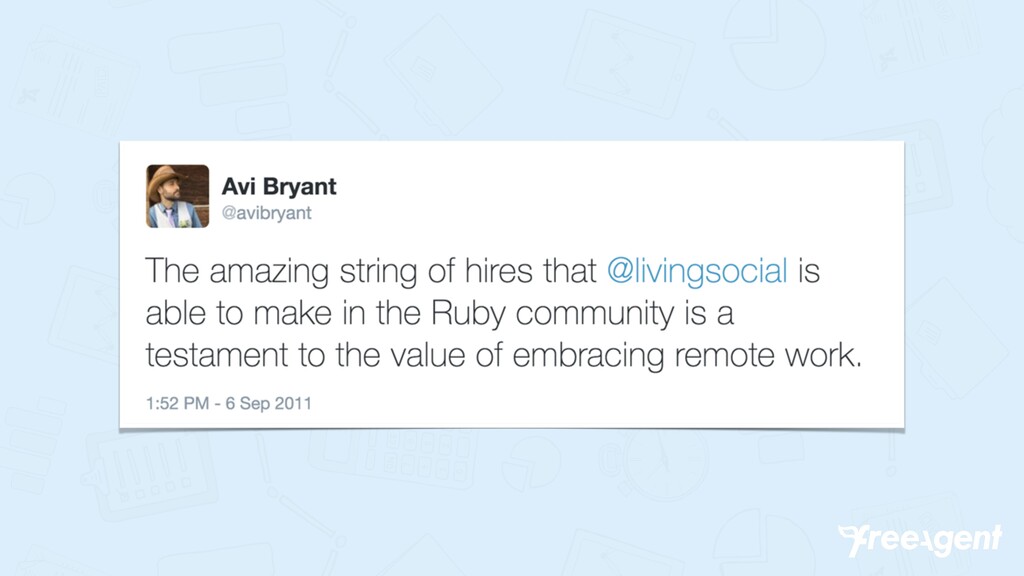
So there's I'm sure after all of this, there's no hiding that I'm a big fan of distributor teams. So what will you get out of us? What would you go to all this trouble for? Sorry. So Living Social was able to build an extremely talented team that went from twelve engineers to about a hundred in less than a year.
And in large part, that was because we cast a wide geographic net. A distributed team strategy today can be a big strategic competitive advantage for your engineering organisation. And that's especially true if your company is located like ours here in Edinburgh, outside a tech centre.
But it can also be a big win if you are in one of the tech centres San Francisco, London, etc. Those cities are usually extremely expensive and there's a lot of competition for good employees. So a distributed team strategy can reduce and cause an increase retention of employees.
And as I said, when discussing communication strategies, even though that seems like an awful lot of work, every team, absolutely every team would benefit from thinking hard and being more deliberate about communication, even if you are just co located. So the work that distributed teams put into this can produce improvements throughout the organisation.
And these best practices come extremely handy, for example, when you are dealing with an outage. The way the team are going to have to work out of hours is no different how they do their work every single day, and that would make things way easier and less stressful to handle.
And I left for last what I consider potentially the biggest win. We were talking in the panel earlier on about diversity, but I believe that distributed team strategy can help you build a more diverse and engaged team as long as you're not left handed, apparently.
But almost seven years ago, this happened to me, and at the time I was commuting every day to an office. After a few months of maternity leave, I went back to work and I really, really struggled with the fact that I wasn't seeing my little baby at all, all day.
So my husband and I considered different options and one of them was going part time. It was then that I had the opportunity to join the Living Social Engineering team working full time from home and I took it. Well, I am a hundred percent sure that my career would be in a very different place, no doubt about that, had I not had that opportunity.
And this is applicable not just to mothers, it's applicable to anybody that needs that extra flexibility because they are either their family, main carers, or because they have a disability that prevents them to commute easily to an office, or they have a disability that makes it difficult for them to work in an office environment.
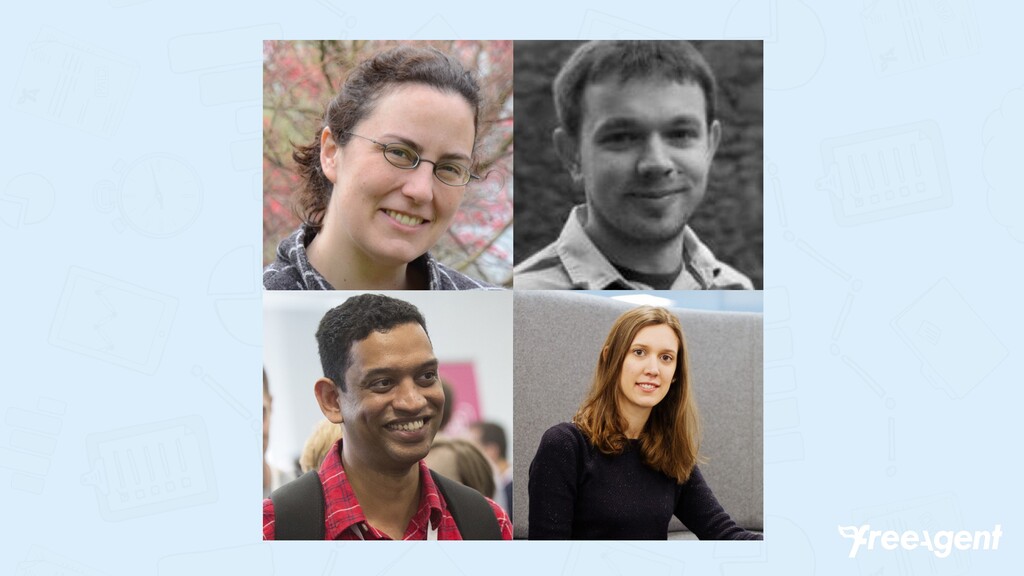
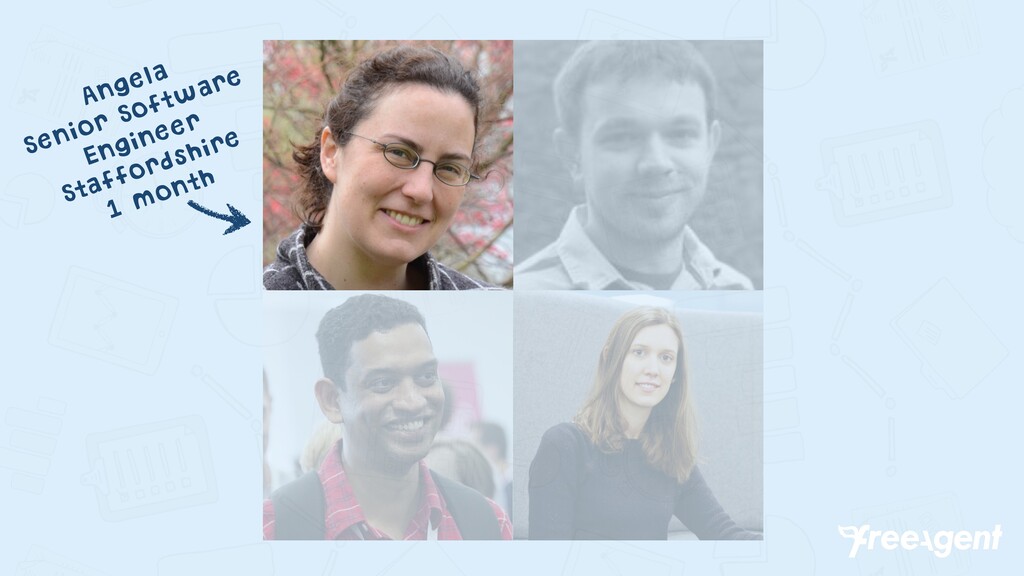
And I know this because I've seen it and continue seeing it every day with my teams. And I have a few examples for you. So Angela joined our team only a month ago. She's a very experienced engineer but decided to join us working from home because for reasons similar to mine.
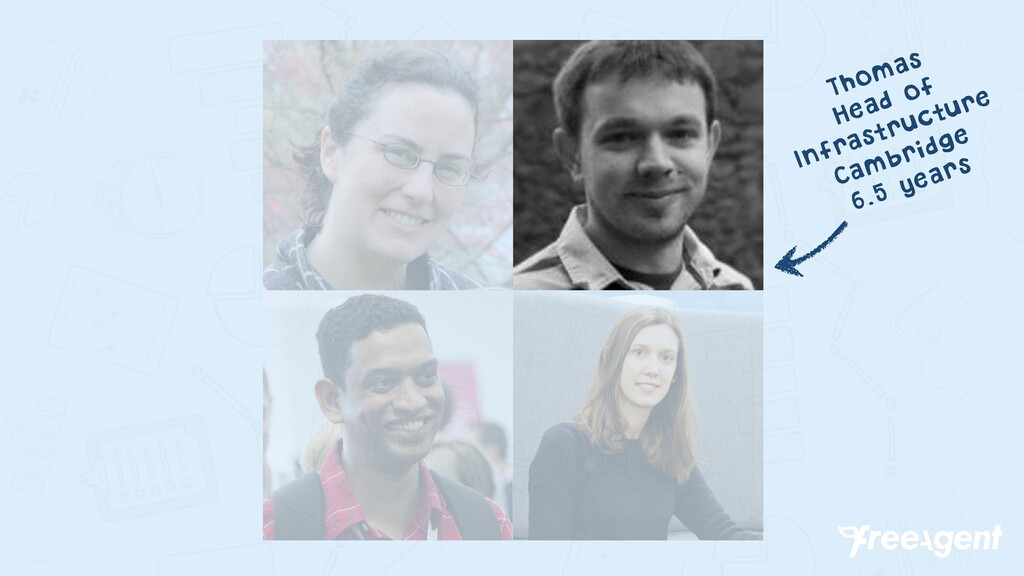
She was finding extremely difficult to balance her work and three hour commute every day to the office with raising her two young children. Thomas is our head of infrastructure and has been with the company for over six years working from Cambridge. And Thomas wife is a midwife and works twelve hour shifts, two to three days a week.
So he needs to work from home so he can pick up the kids, drop them off, or be there when they come back from school when she's working. If they didn't have that flexible arrangement, his wife wouldn't been able to do the job that she loves.
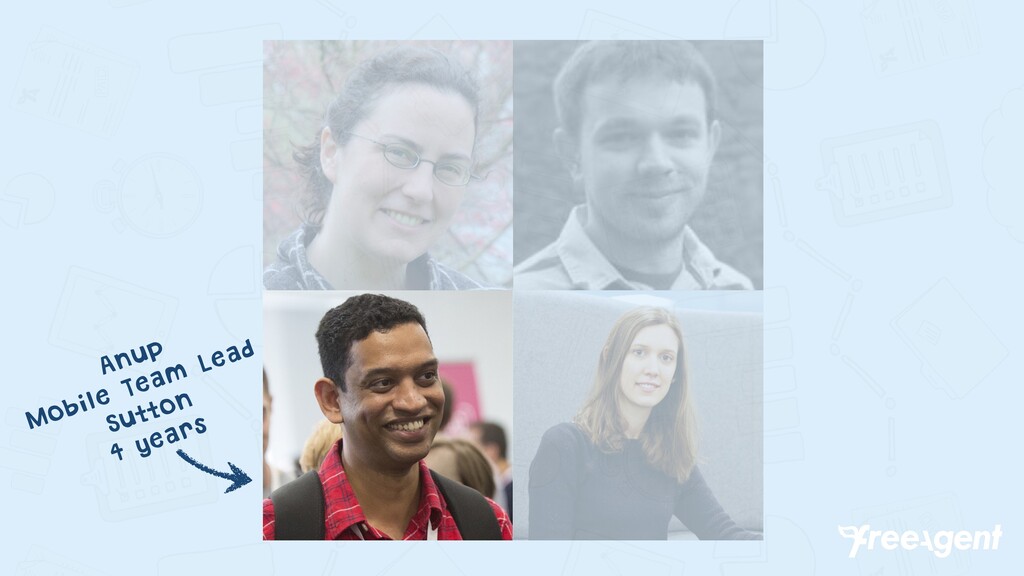
And I introduced you earlier to Anoop. So he leads our mobile team from England. He's been with the company for four years and he finds this working arrangement extremely beneficial not just because he's able to spend more time with his family, but also he's saving a lot of money financially.
He was telling me last week that he's saving five hundred pounds every month on commuting that he was spending before. So even though he might have a lower salary than when he was working in London, he's saving all that money in commuting and gaining a better life balance.
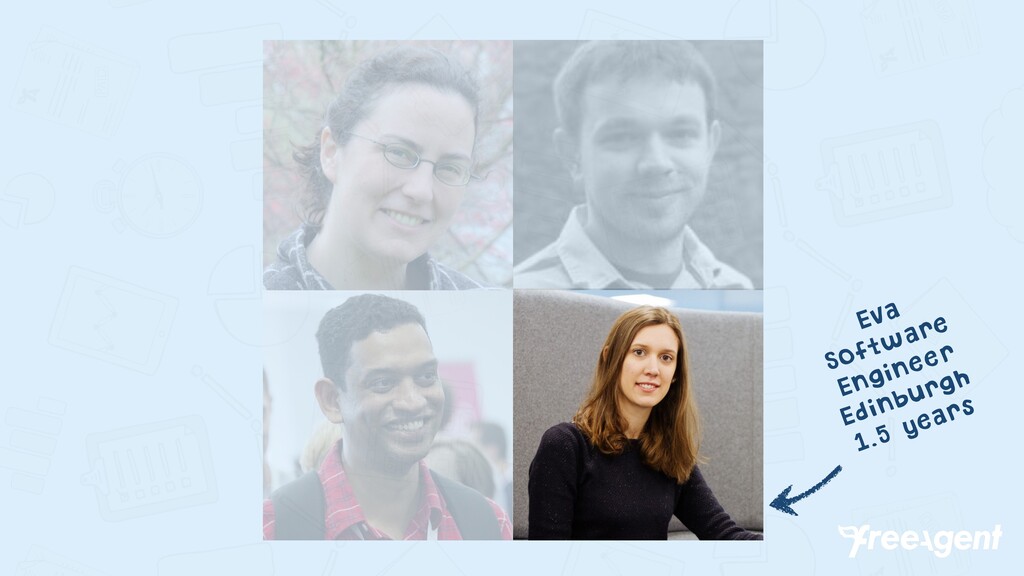
So Anup is originally from India as well and can visit his family and work from there without having to use all his holiday. And that benefit is also available for those that work in the office. So like me, Eva is originally from another country, in her case Greece, and because her team is so used to work in a distributed fashion, she can work for a few weeks every year from Greece without having to use all her holiday allocation and without impacting the work of the team.
So I don't know you, I love my parents dearly, but when I go to visit them, it's not a holiday. So if you care about your people, give them time to relax and to switch off because they'll do a much better job. And these are just a few examples, but the numbers don't lie.
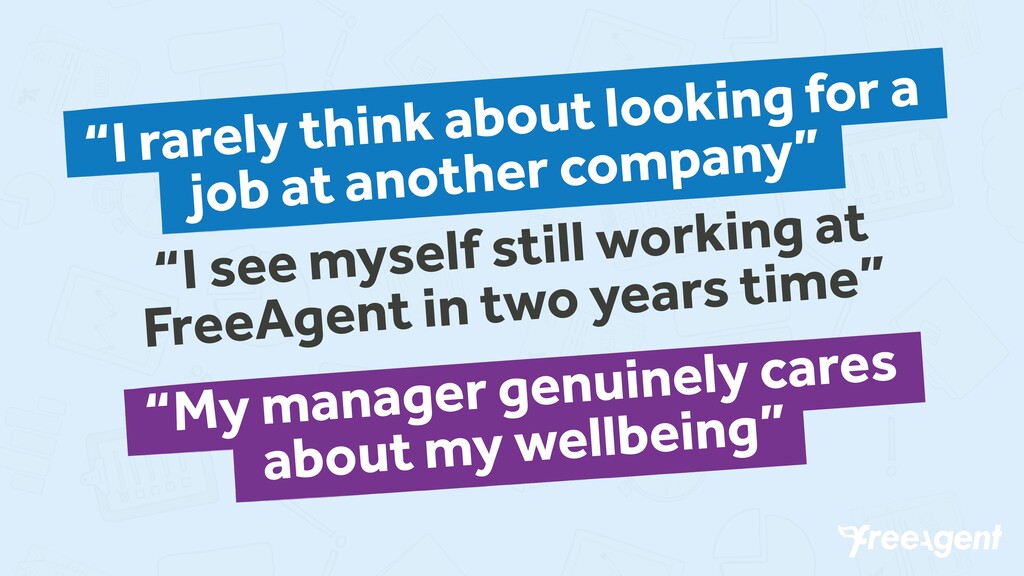
So both at Living Social and at Free Agent, retention and job satisfaction has been consistently higher with those with more flexible working arrangements. Since I joined FreeAgent, none of the engineers that are working from home have chosen to leave the company. And in recent company surveys, so just a few a couple of months ago, they scored consistently higher, almost perfect scores in key questions like I rarely think about looking for a job at another company or I see myself still working at FreeAgent in two years' time.
And across the whole engineering organization, we had perfect scores in questions around am I able to arrange time out from work when I need to And my manager genuinely cares about my well-being. And as a leader of that organization, this is music to my ears.
So my recommendation is not that all businesses should do this or that is suitable for employees, not at all, but that if you want to do it, you really need to make an effort and commitment to do it right. Employees value every day more and more personal flexibility, social justice, and sustainability.
And just now, we can all make a choice. I am not sure for how long that is going to be true without having a considerable impact in your ability as a business to hire and retain employees and continue being competitive. So don't underestimate the importance that every policy, every decision that you make, every engagement with each other, whether it is as a company or a colleague, has on building your company culture.
Thank you.