
Most growing companies are constantly in flux, with new internal and external learnings and challenges emerging almost daily regardless of the type of business or company stage. To create a healthy business that can adapt and deliver on its plans, it pays to be intentional about how all aspects of the business operate together. This talk will cover how you can tackle common challenges tech companies face by aligning your Strategy, Execution and People more systematically.
← All talks 












Lead Keynote Turing Fest 2022
Time for a Health Check: Building the Operating System of a Healthy and Responsible Tech Business
Auto-generated transcript - may contain errors. Tap a timestamp to jump the video.
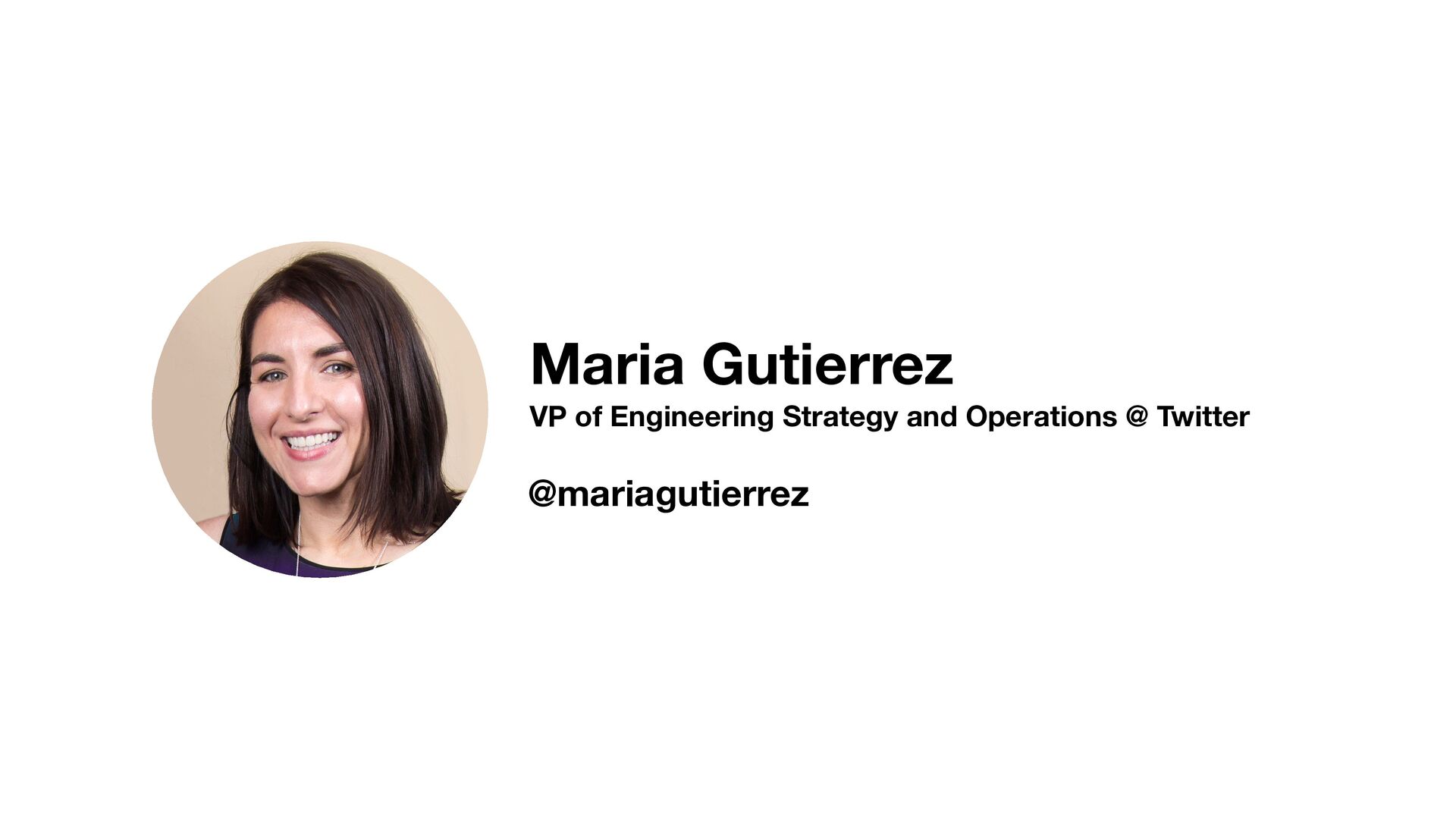
Okay. Hi, everybody, and thank you so much, Brian. I hope we all party hard today. I'm delighted to be here kicking off Turing Fest this year. It's definitely the place to be in Edinburgh this week. My name, as Brian said, is Maria Gutierrez, and you can find me in the Little Blue Bird app, which also happens to be where I spend my days at work.
At Twitter, I lead the strategy and operations function of a newly formed business unit with about two thousand people, and we call ourselves Redbird. In Redbird, we focus on supporting our core technologies and processes used to build our platform, our consumer, and our revenue products, or, like we like to say, we are the engine that powers Twitter.
The work that we do enables TwiPs, which are Twitter employees, to innovate and execute on a wide range of projects at a scale with ease, speed, and most importantly, with confidence. Confidence that we are doing right by our customers, by our users, by the business, but also confidence that we are going to keep the systems up.
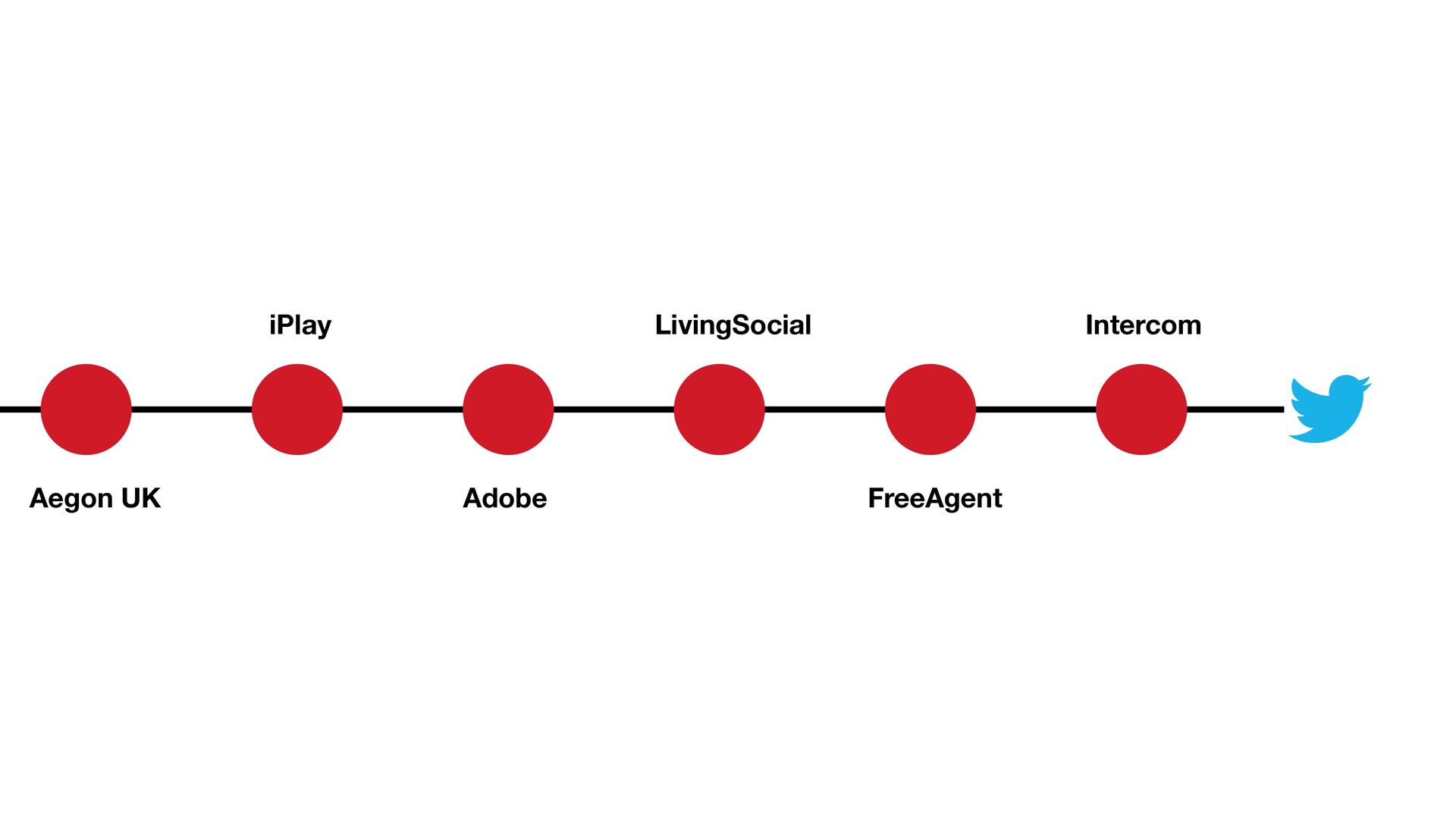
Prior to Twitter, I worked as an engineer and later as an engineering leader for over twenty years. Big shout out to FreeAgent in the room. I think there's quite a lot of people from there. All these businesses, at some point during my tenure, had to deal with some pretty difficult and sometimes existential challenges.
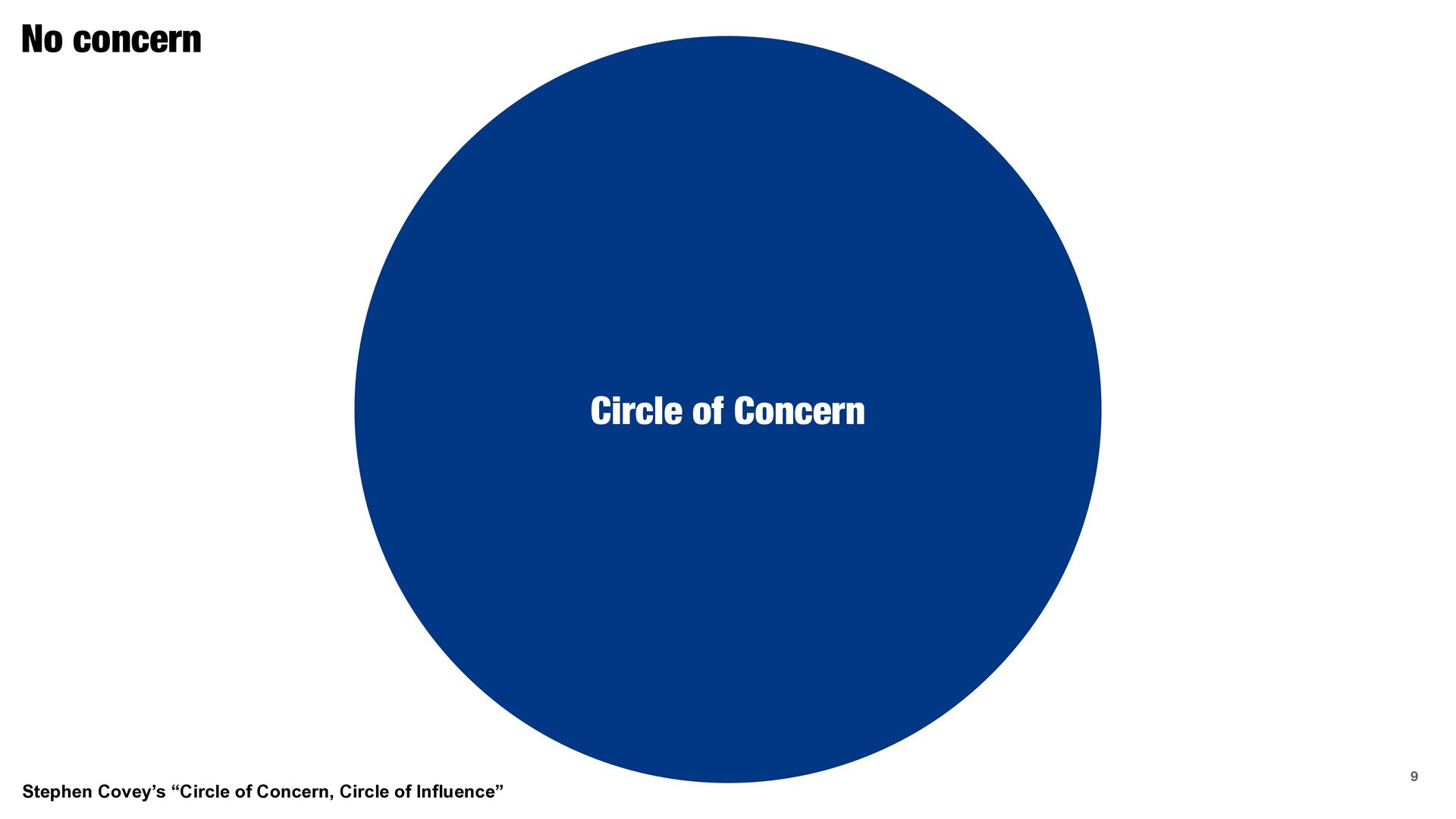
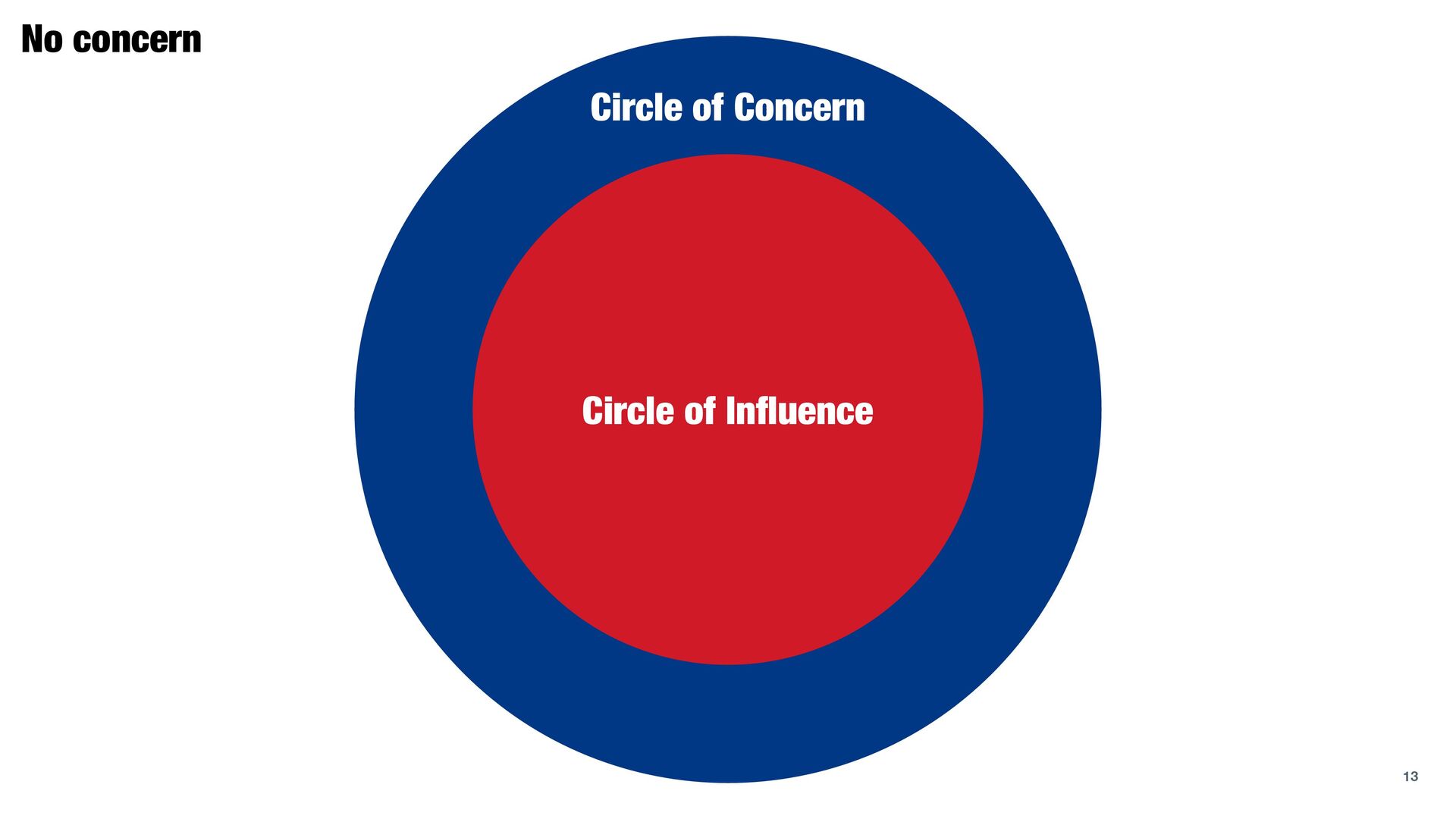
Businesses, just like humans, exist within a context and need to decide where to focus and how to spend their energies. As Stephen Covey writes in his book, The Seven Habits of Highly Effective People, we each have a wide range of concerns, and these are things we care about and that can truly impact our day to day.
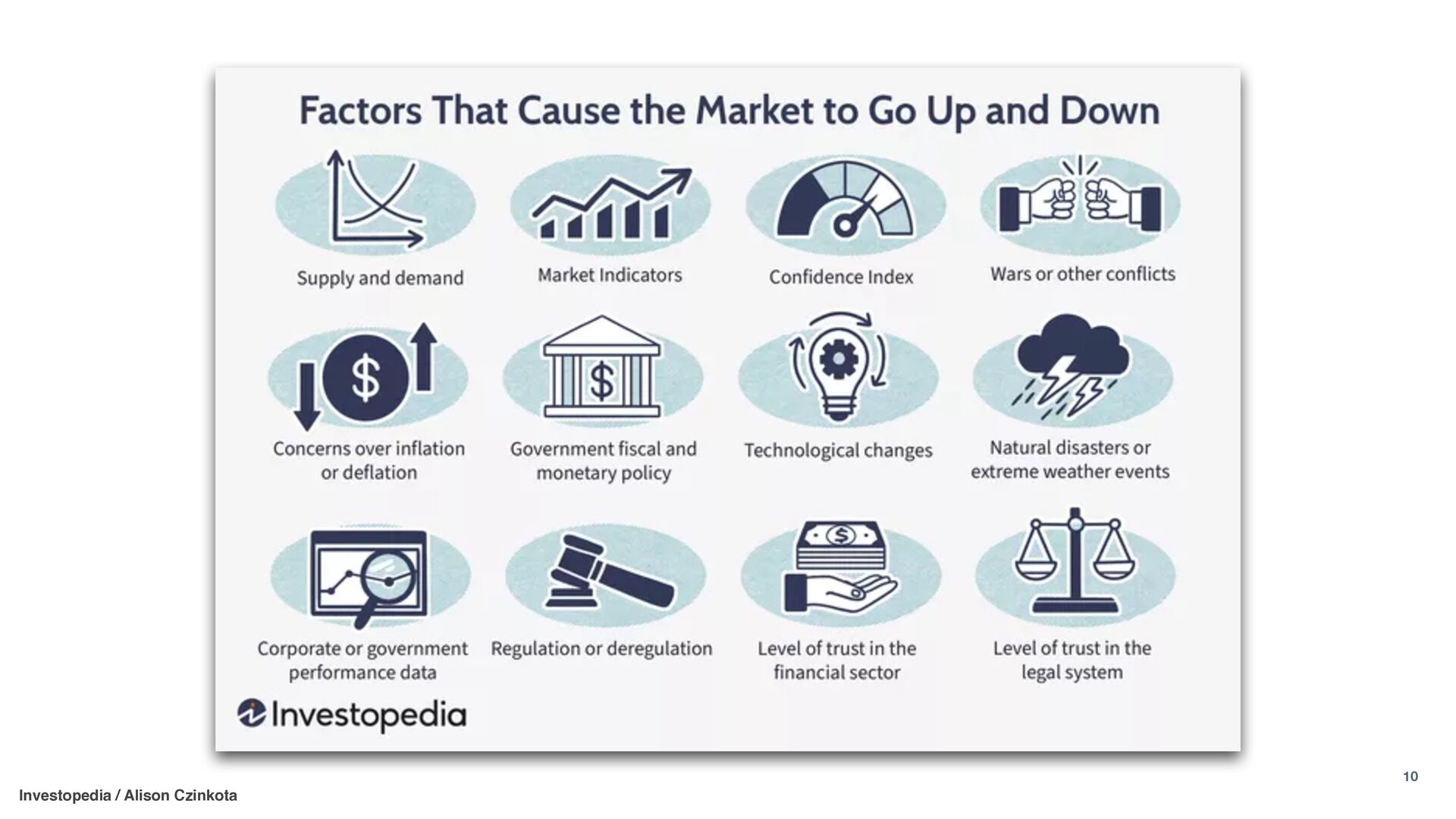
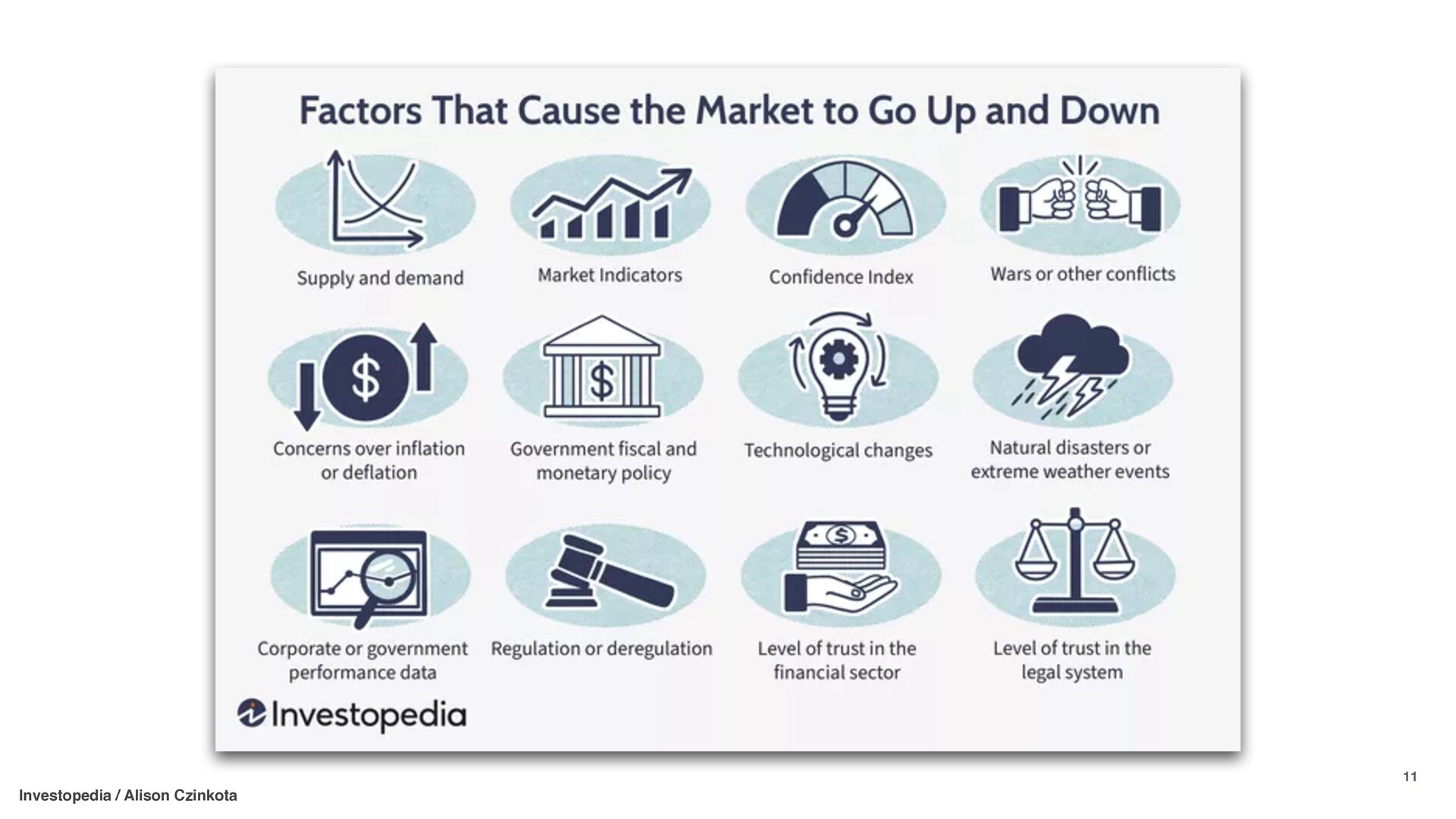
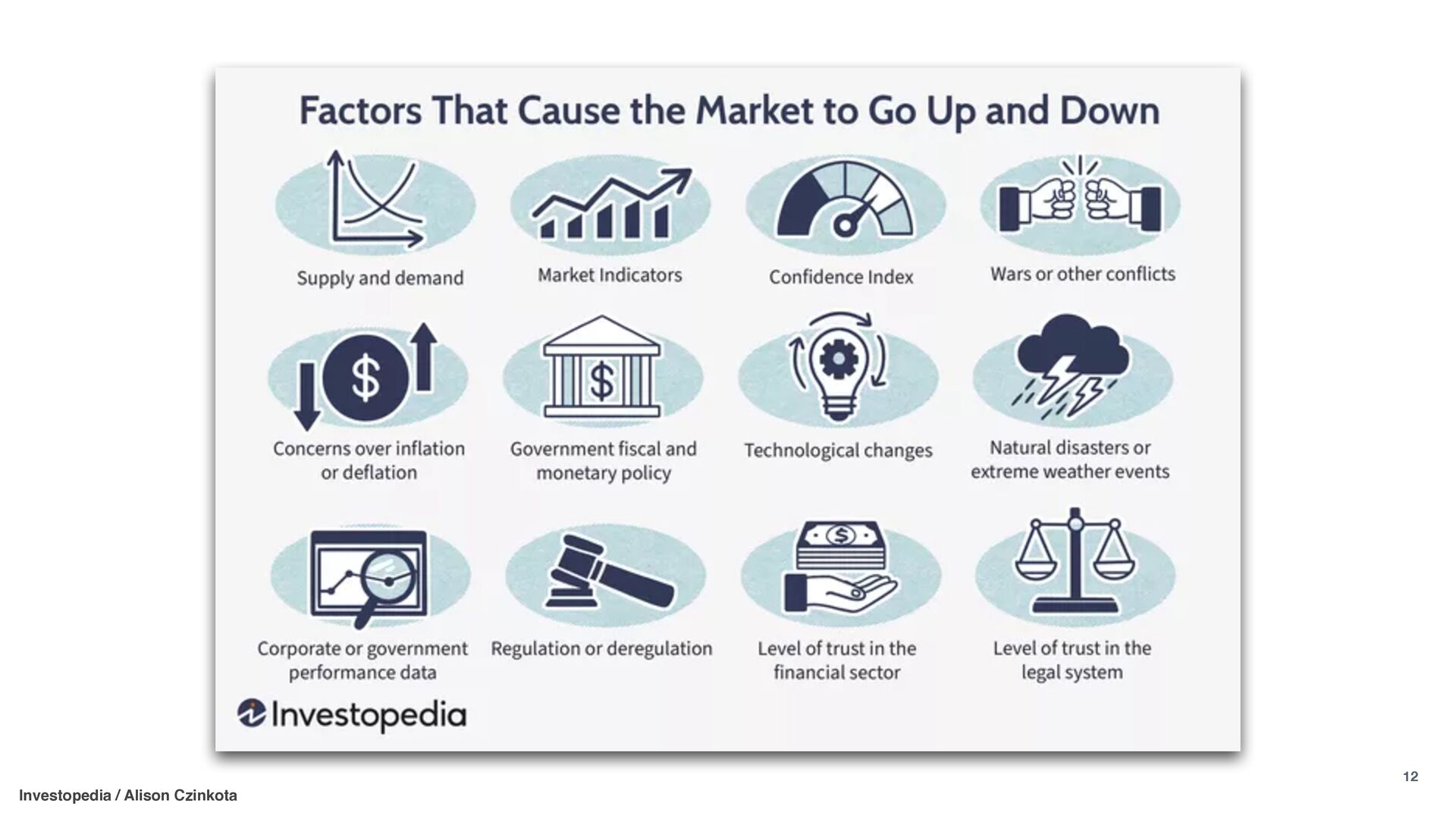
And within this circle of concern, there are some things over which we have no real control at all. For example, we have all recently experienced many of these devastating and uncontrollable things that have put many businesses at risk. Supply and demand issues, concerns over inflation, natural disasters, regulations, wars, a blooming pandemic.
And this slide shows what looks to me like a pretty bad game of bingo that we seem to be very good at winning all the time. And trust me, I can add a few additional things here if you push me. All these things impact very, very directly our team's well-being, our financial health, our product roadmaps, our customers' commitments, the reliability of our services, our liabilities as a business.
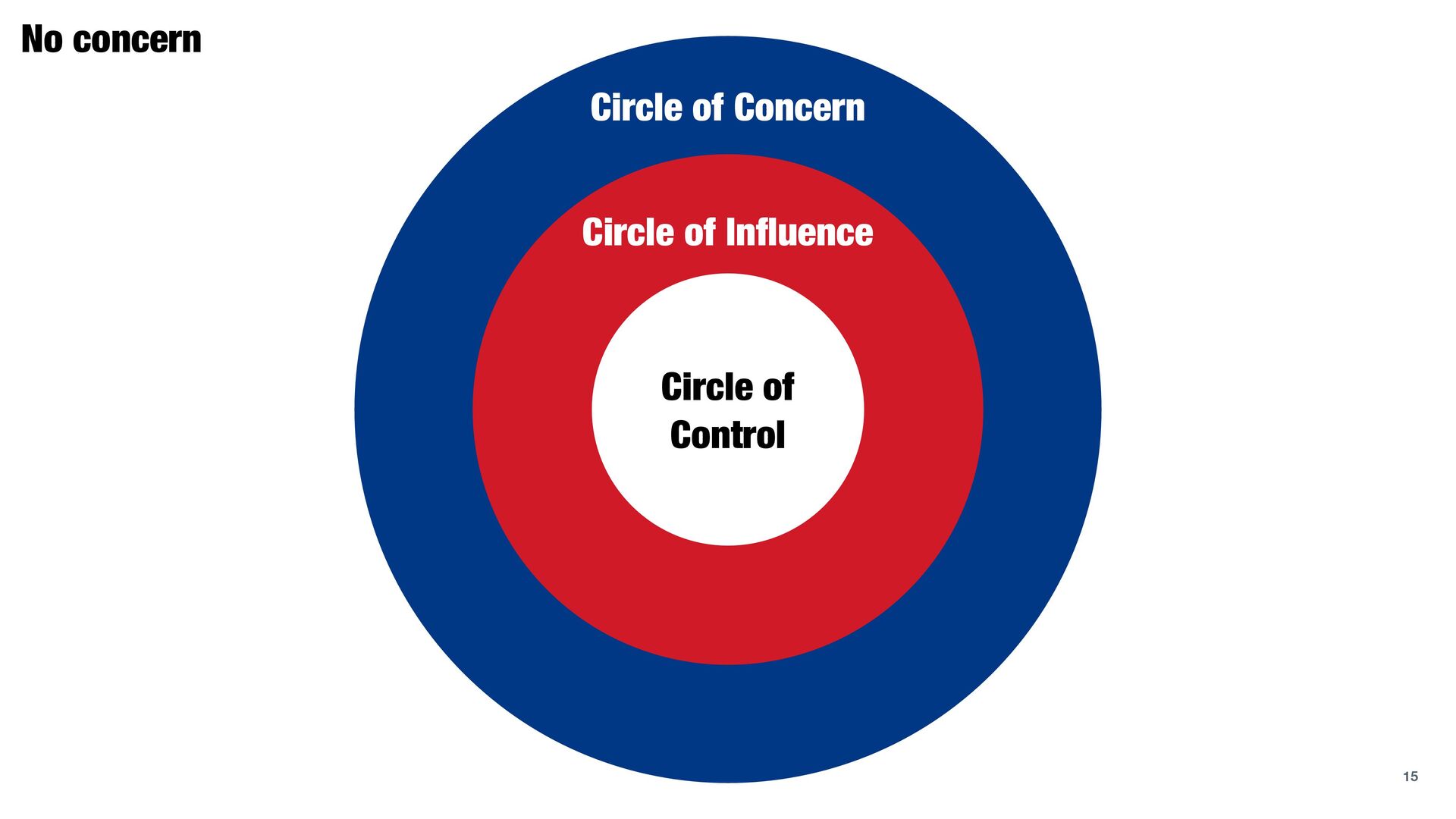
But within that circle of concern, there's good news. There are also things that we can do something about, either directly or indirectly. So, Stephen Covey calls these our circle of influence. Some of the big challenges we face as a business belong outside the circle of influence, of course, but a lot of the challenges that we face day to day are within our control.
I don't know you, but we seem to be pretty good at scoring on goals. Right? Yeah, anybody? Sometimes the only thing getting on the way of success for us is avoiding drama, and avoiding drama is ourselves. We can be our worst enemies, and the decisions that we make every day impact very clearly how our business is run.
So, within that circle of influence, there is even a smaller subset of things that we can actually directly do something about, and that's our circle of control. And while we might not be able to do anything about some of the scary things that I put on the screen at the beginning from that circle of concern, the outer one, we do have control over ourselves.
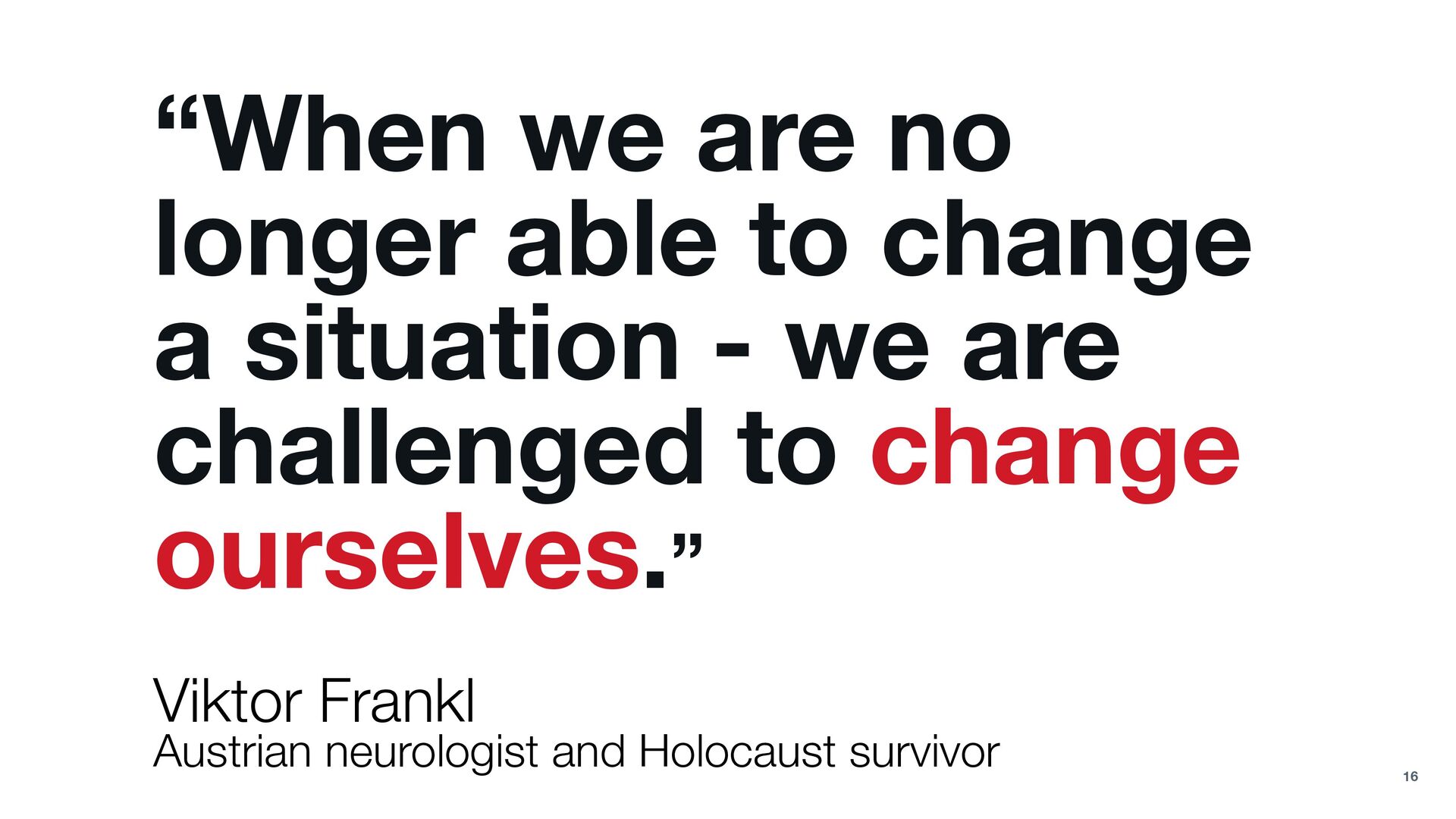
We have control over what we focus on, how we behave with each other, how we run our businesses, and how we respond to external challenges. And as Victor Frank says, we can change ourselves. So, we can change our priorities, our practices, habits, methods of influence, attitude, so that we can be more successful at adapting to our context and find solutions to the challenges that we are all facing.
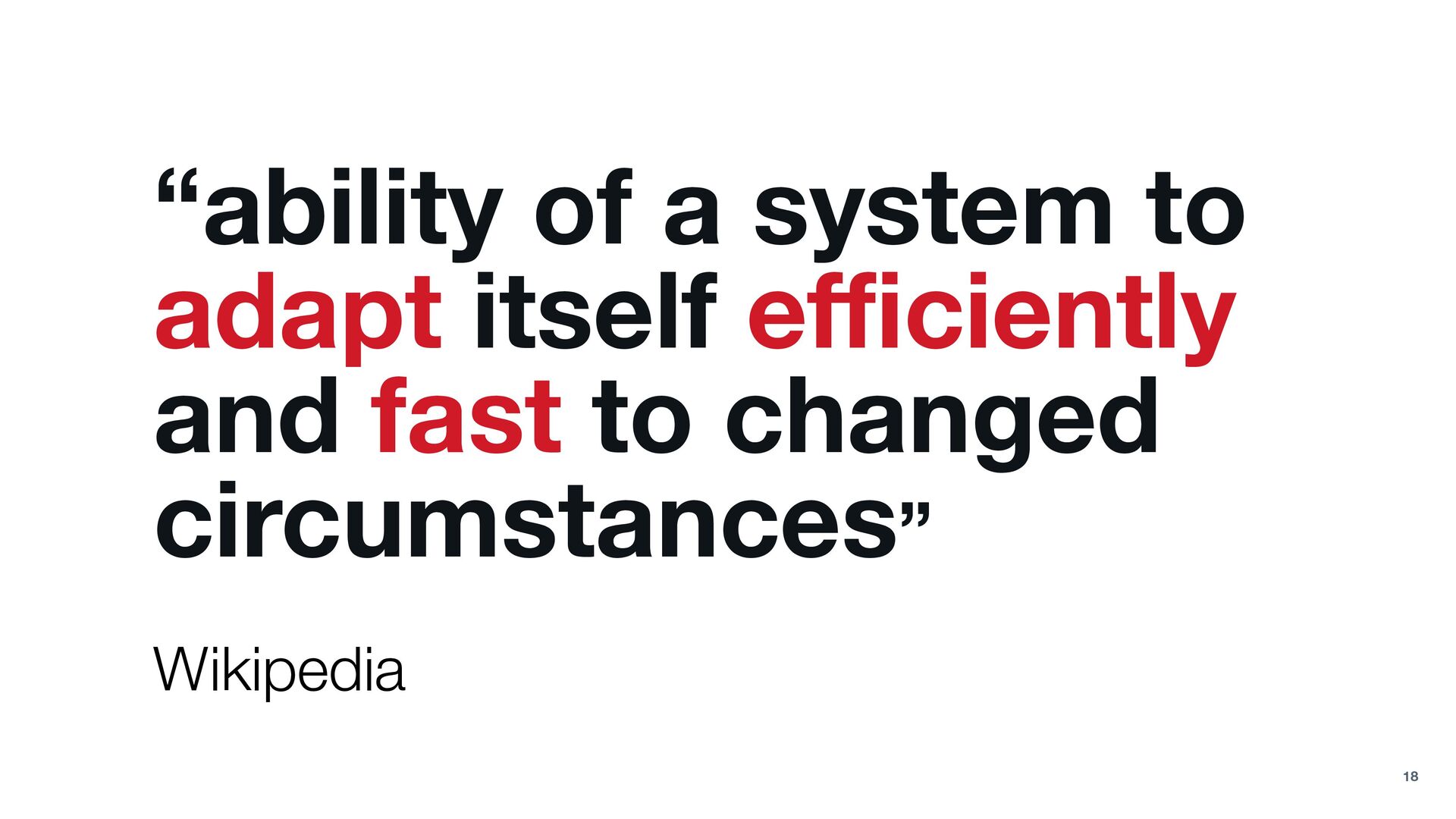
In the environment that we operate in tech, in this crazy context of the world that is around us, it's paramount that as businesses, we learn to adapt quickly and effectively to the evolving context around us. All we do every day as we make decisions is managing risk.
Whatever your role is, you don't have to be in leadership. You can be doing any role in a company, every decision that you do help us manage risk. We do, for example, research to make sure that we don't waste time building something that our customers are not going to value, and that we maximize our opportunity of sales by building the right thing for them.
When we put monitoring in our systems to alert us of outages, We do that so that we can prevent degradation of service and eventually lose revenue because it's an unreliable system. Or when we interview somebody for a job, we do that to gain a degree of certainty that that person is going to be able, the things that we need them to do, and that they are going to behave in a way that is suitable for the environment that they are coming in, and that eventually will help us grow the business and
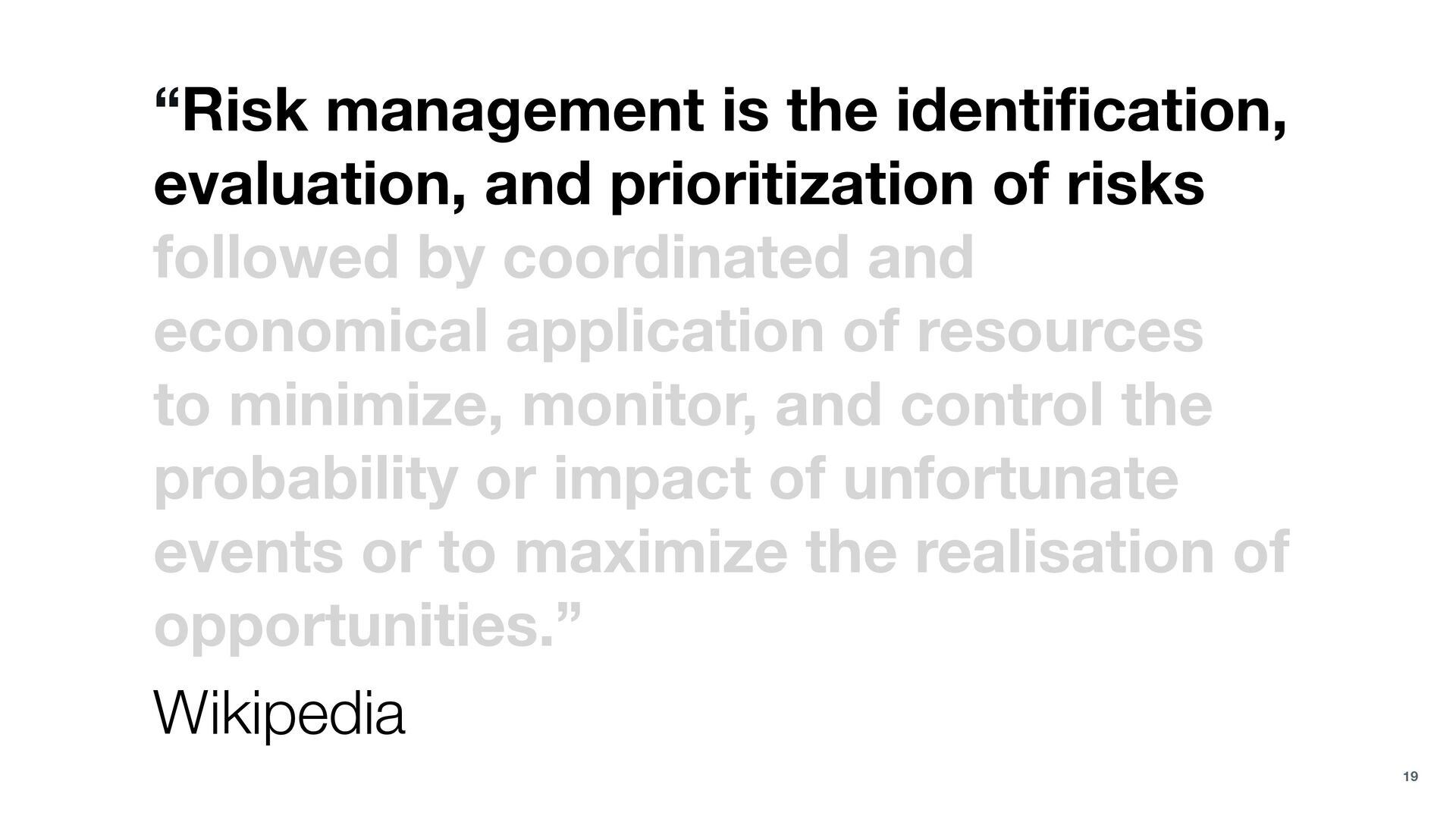
continue being successfully. Every one of those decisions is about risk mitigation. I like this definition about risk management. It says, risk management is the identification, evaluation, and prioritization of risks. So, we identify and evaluate them, but we don't attempt to tackle them all.
We prioritize what is more present. Followed by coordinated and economical application of resources. So, this implies action to address those priorities by applying people, money, whatever resources we have in the business. Two, minimize, monitor, and control the probability or impact of unfortunate events, and we do so by minimizing the likelihood of harm to the company, or, and that's the interesting thing, to maximize the realization of opportunities.
So, decisions that we make every day to minimize immediate or long term negative impact. But probably more importantly, as we were just saying, it's about maximizing the realization of opportunities. To win, we need to play, be as good in the offense as we are in the defense.
So, through the years, I have learned that the quality of internal practices and behaviors and our ability to operate with urgency, with clear context awareness, and in an aligned way across the whole business are key to being able to build an adaptable, healthy, and responsible organization that can deliver results over and over again.
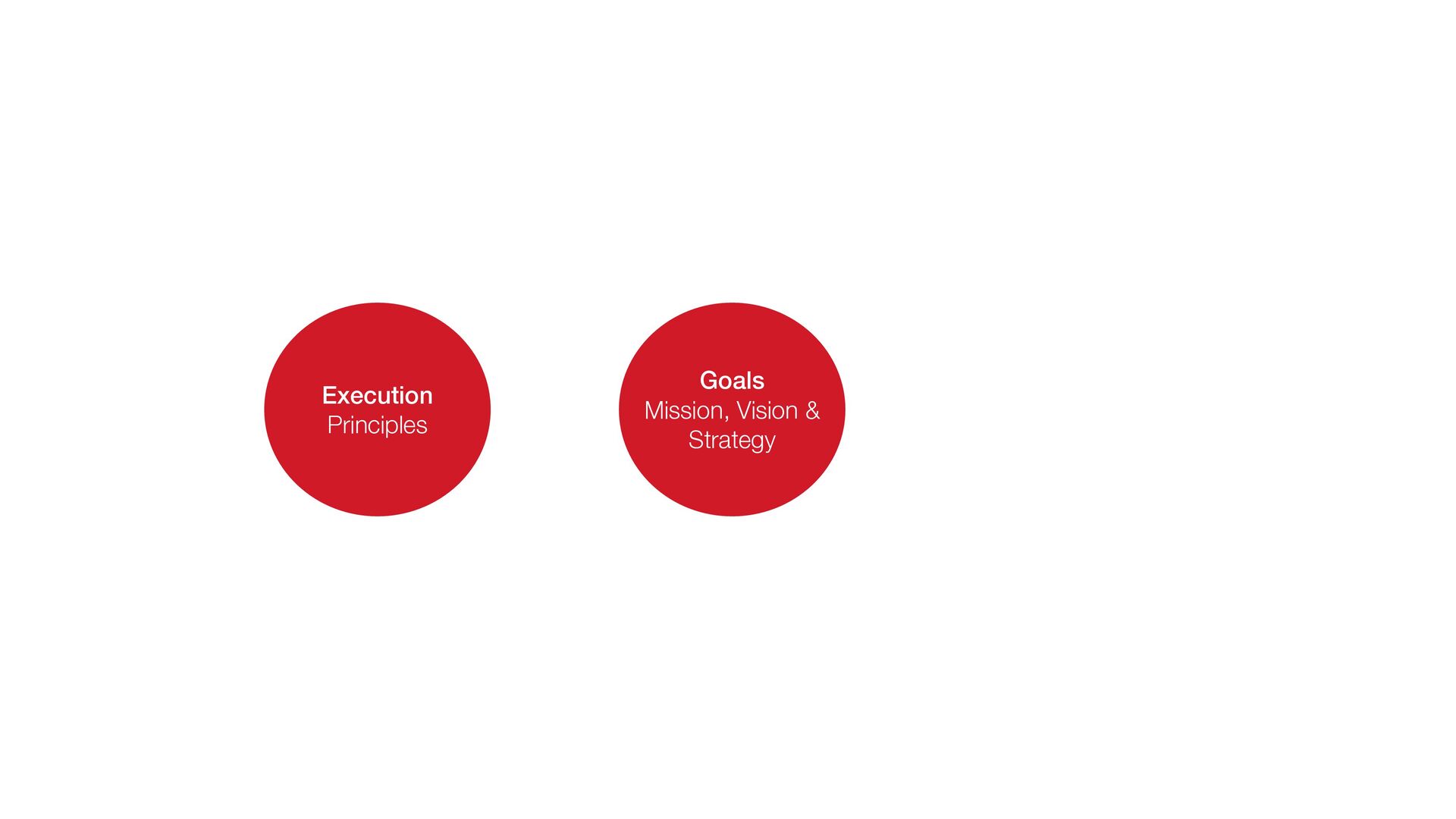
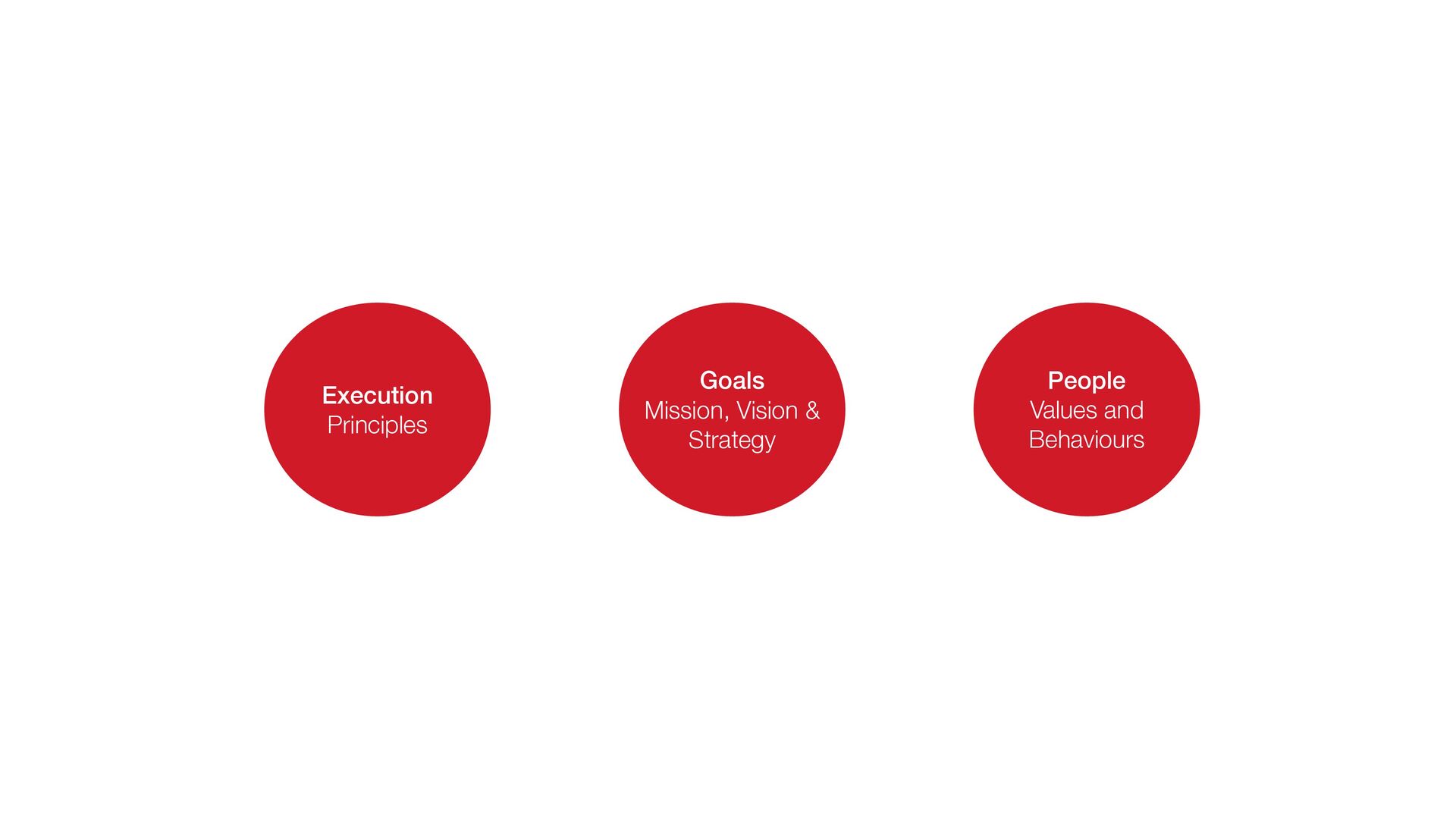
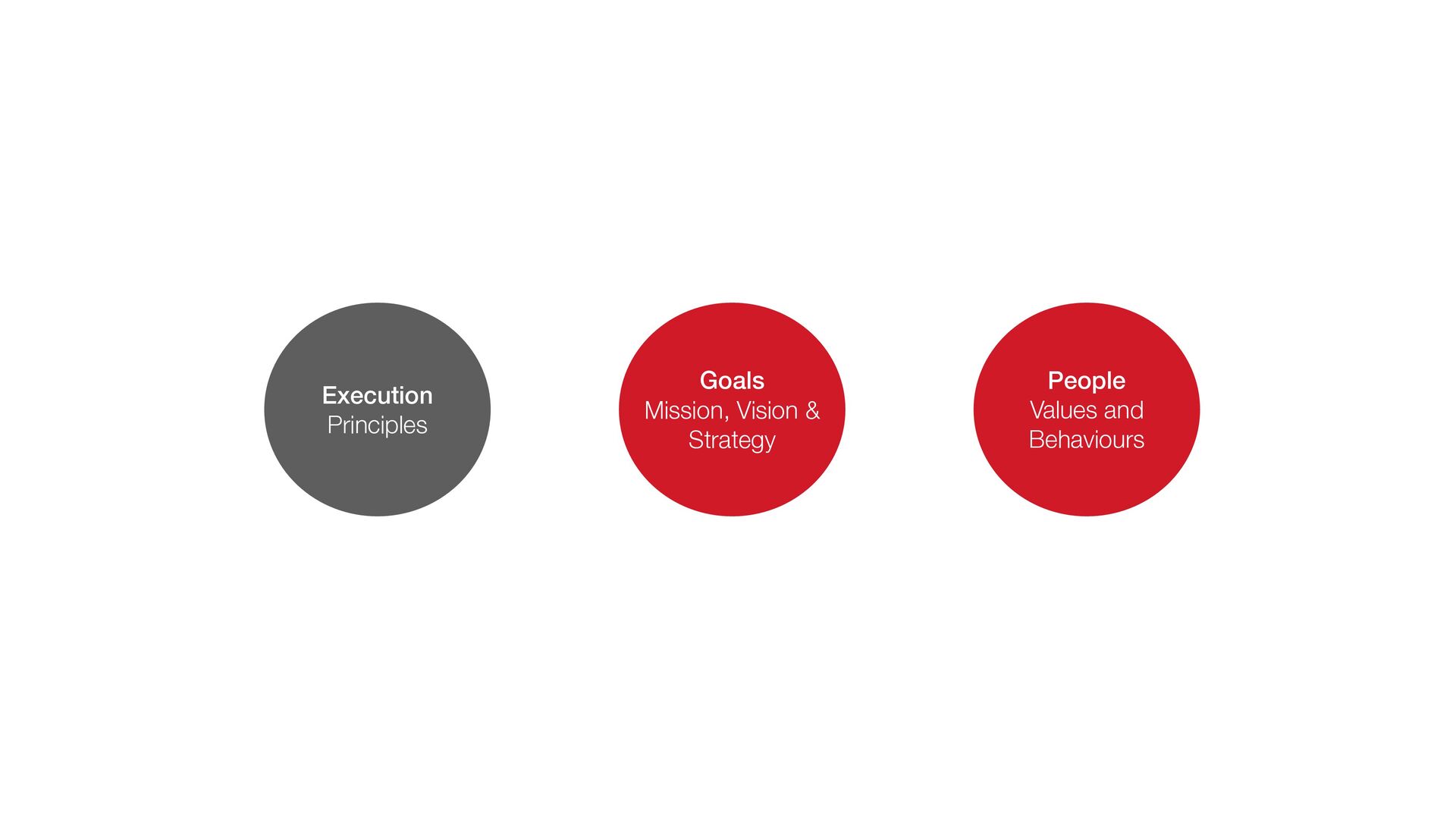
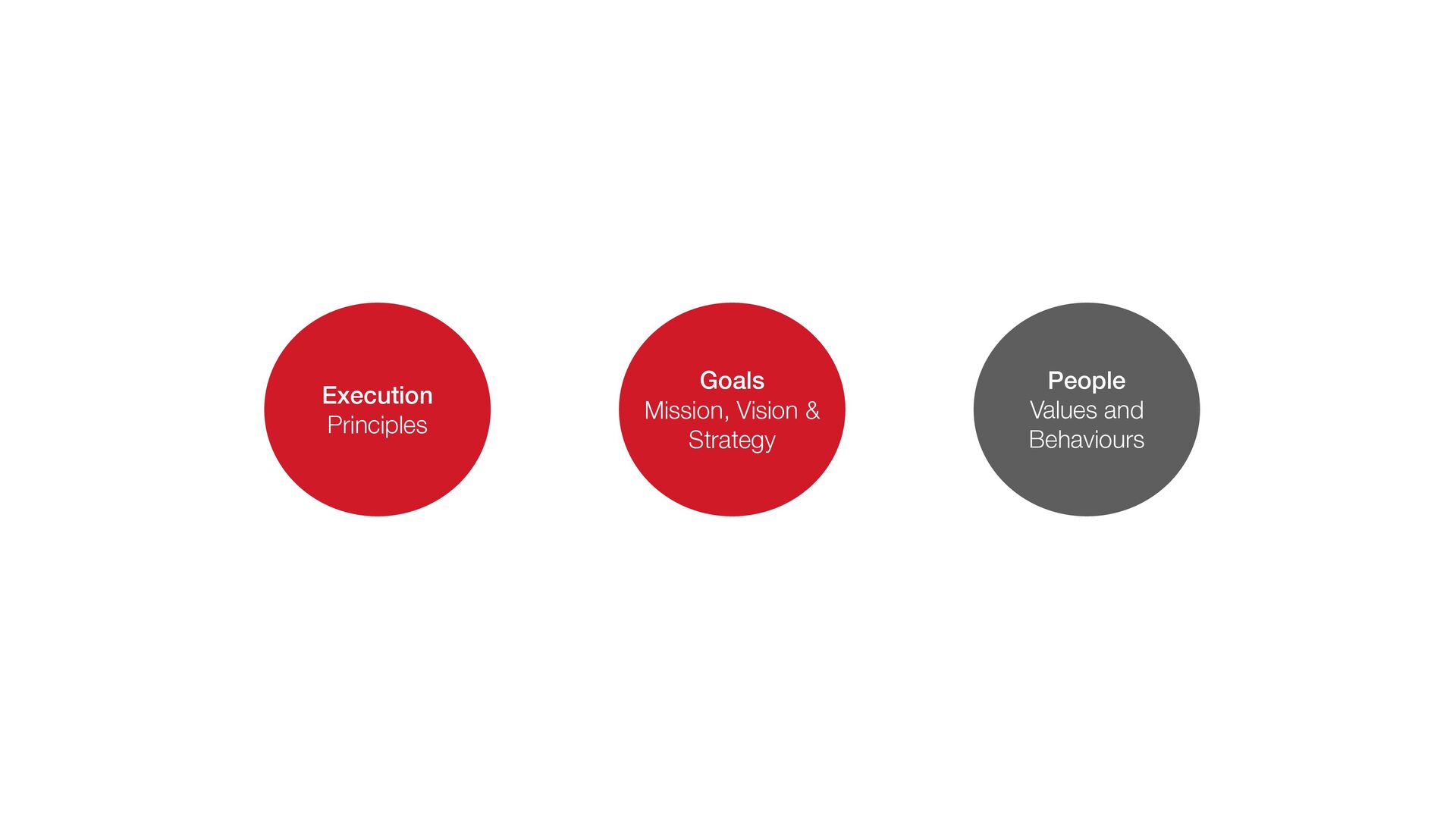
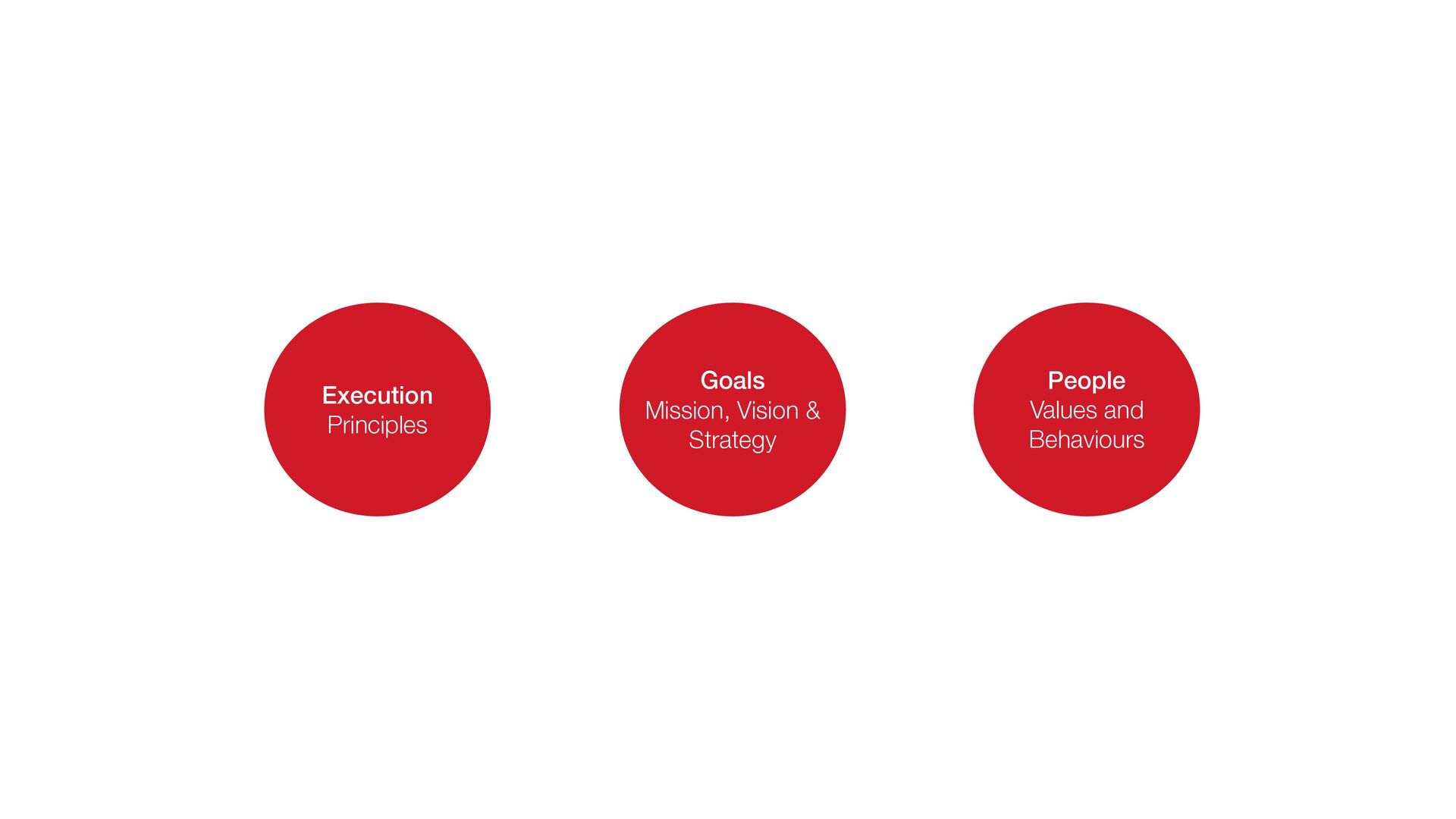
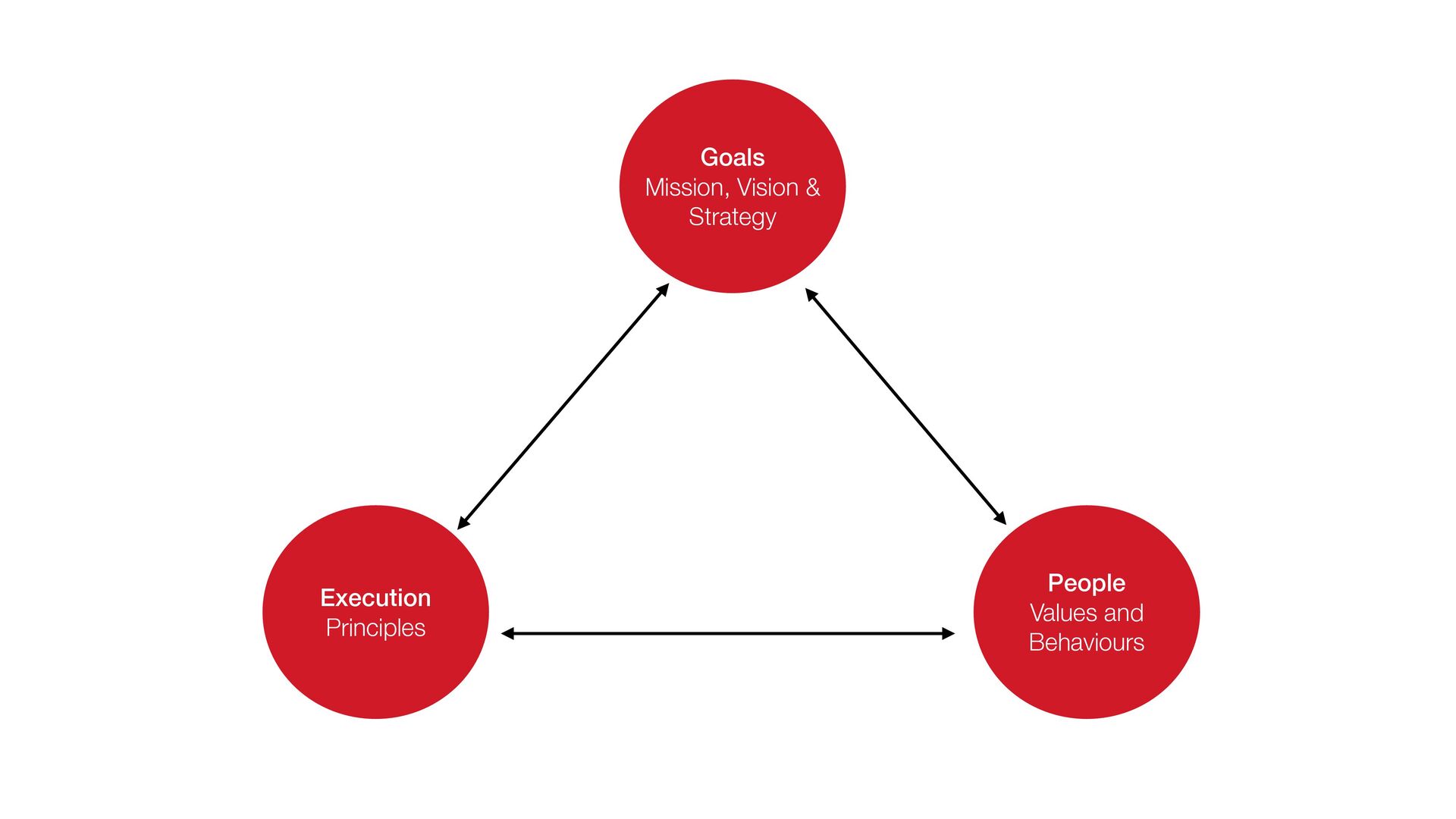
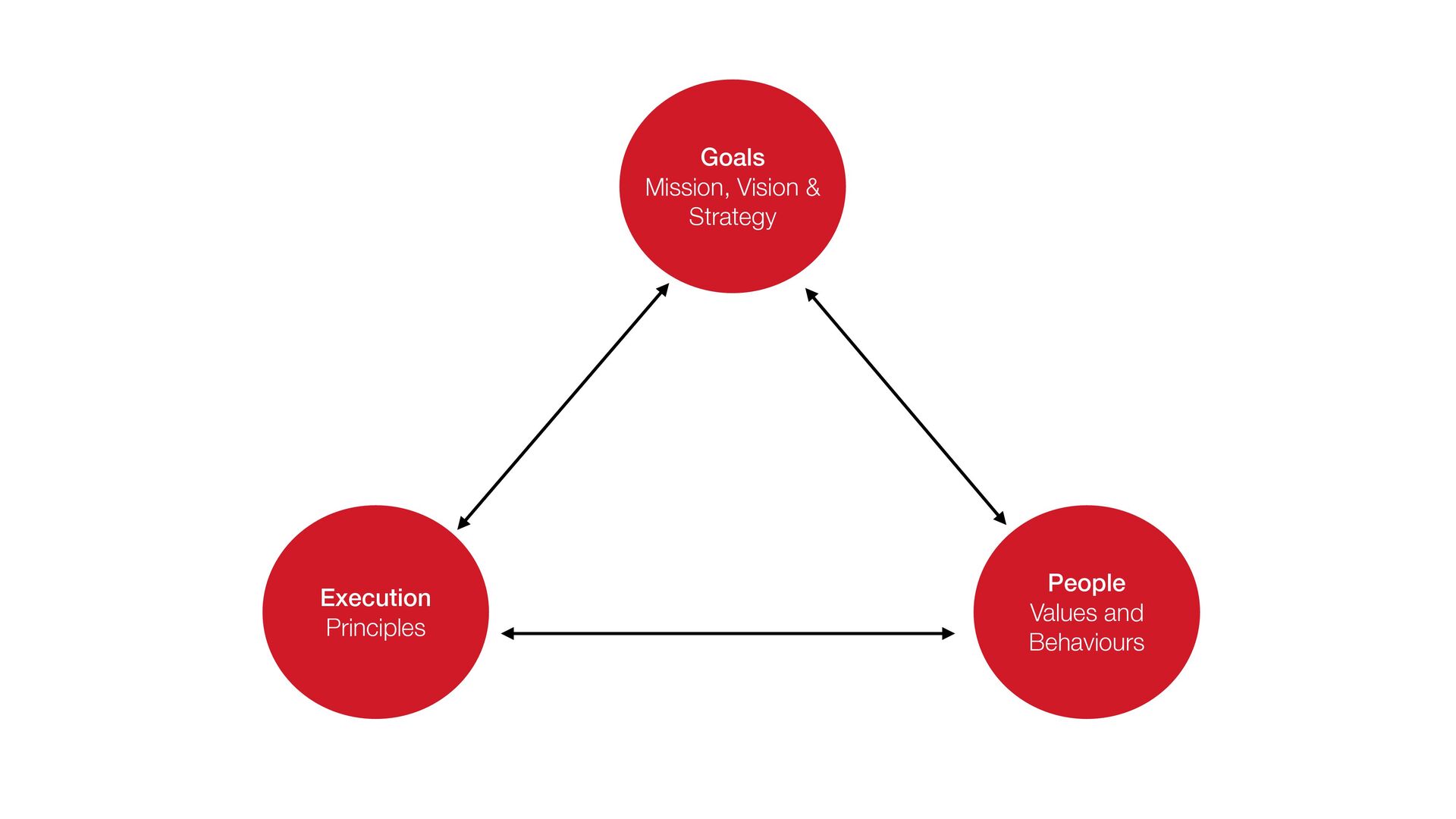
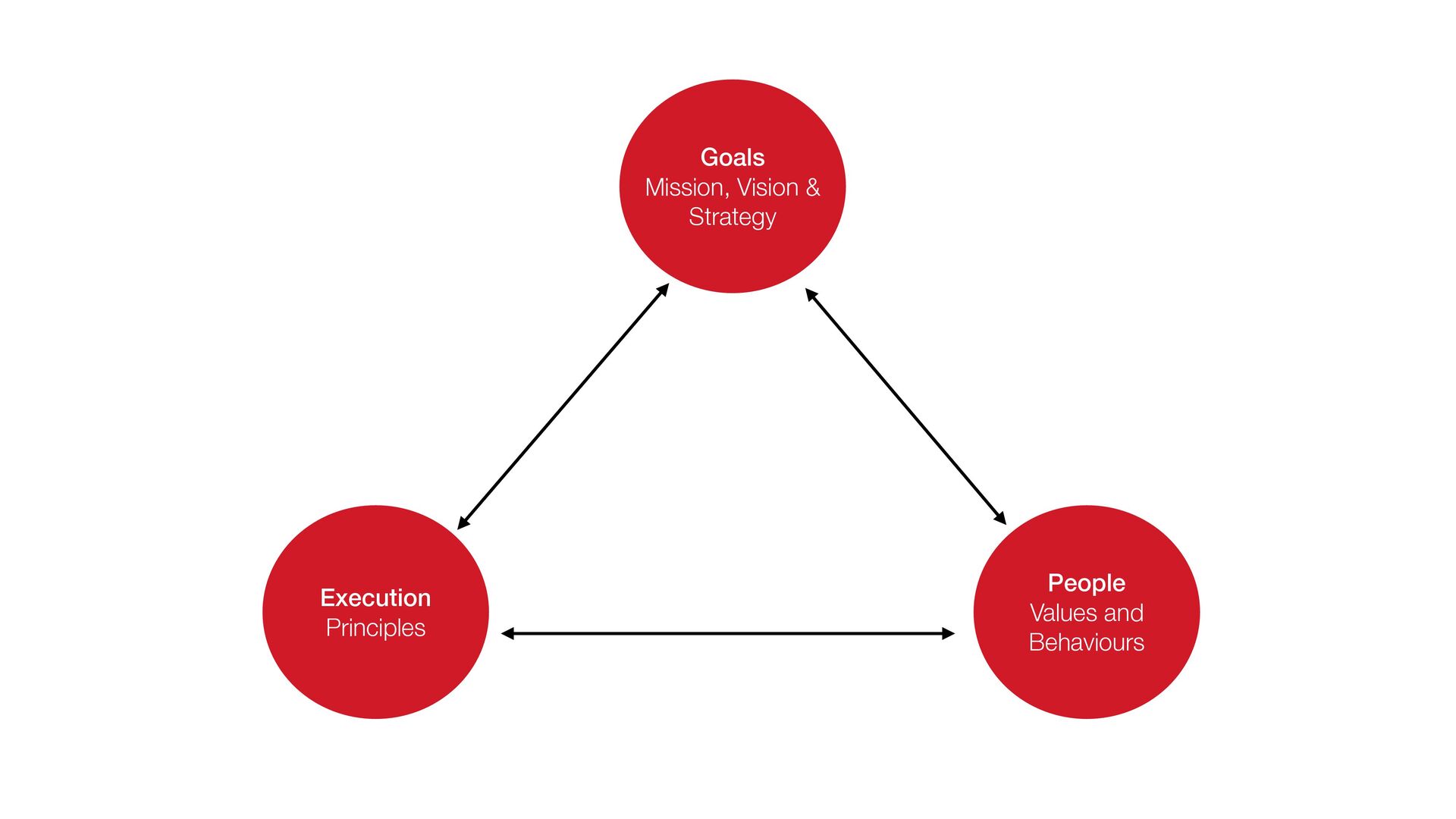
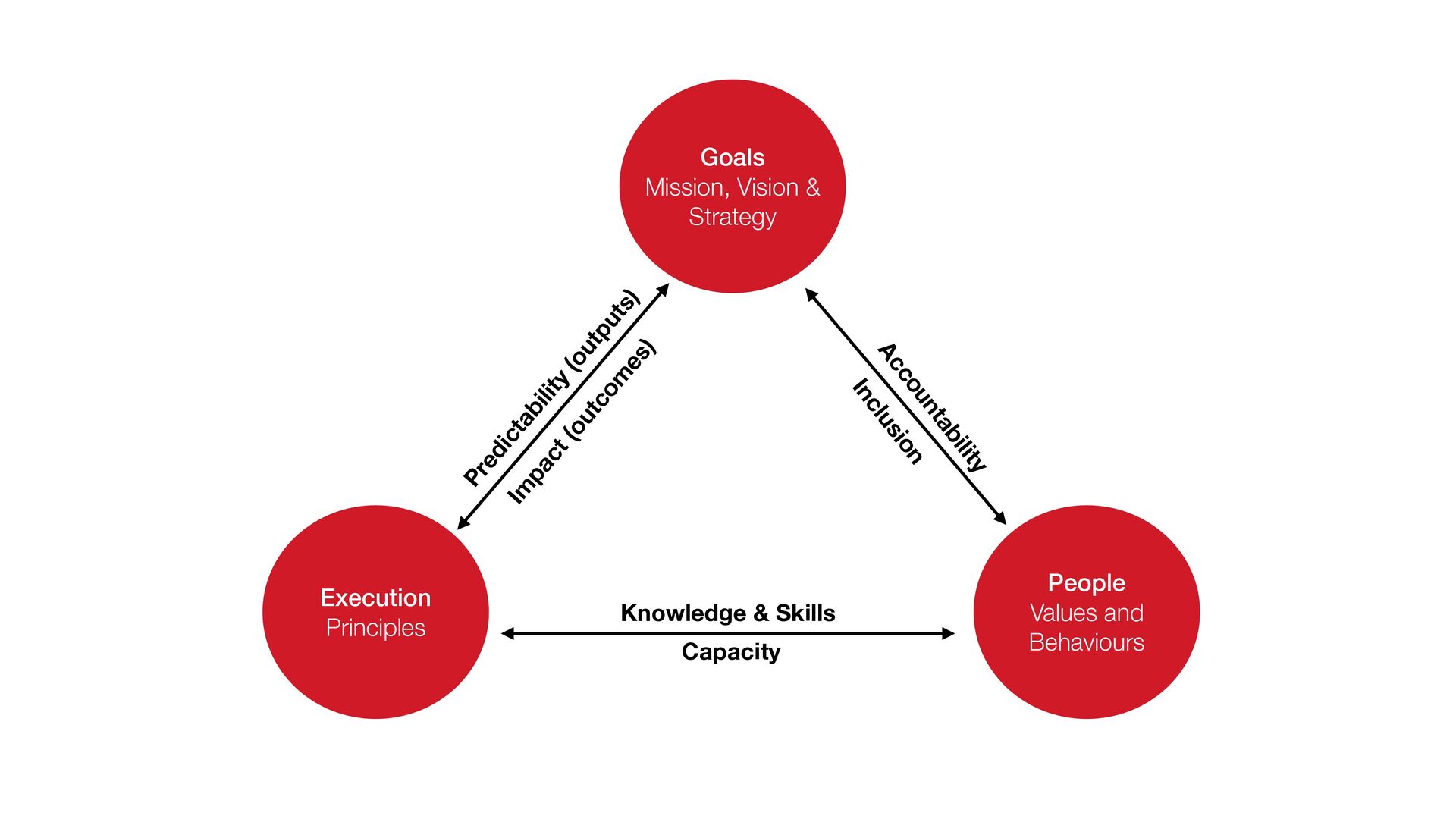
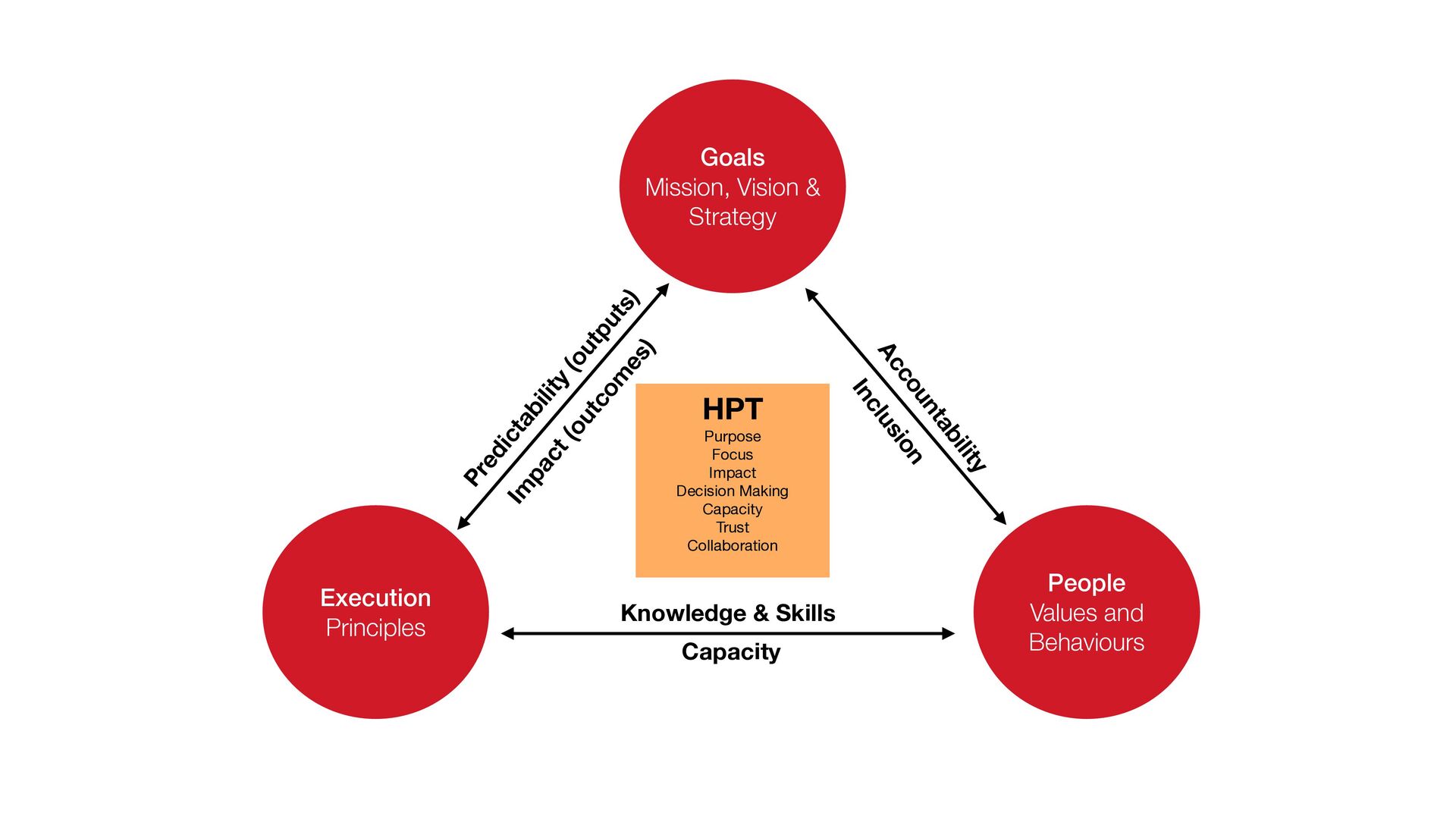
Here it is the trick, in a sustainable way. So, I believe that there are three building blocks, three critical elements in the running of a business that we need to take into account when we think about this system. Our execution. So, that means our ability to get things done as a team, and the principles that we apply to make implementation decisions.
This is the application of our functional craft, how we do engineering, how we do product management, how we do sales, how we do marketing. Next, we have goals. It's the clarity around why we exist as a business, what we are here to do, and how we are going to get there.
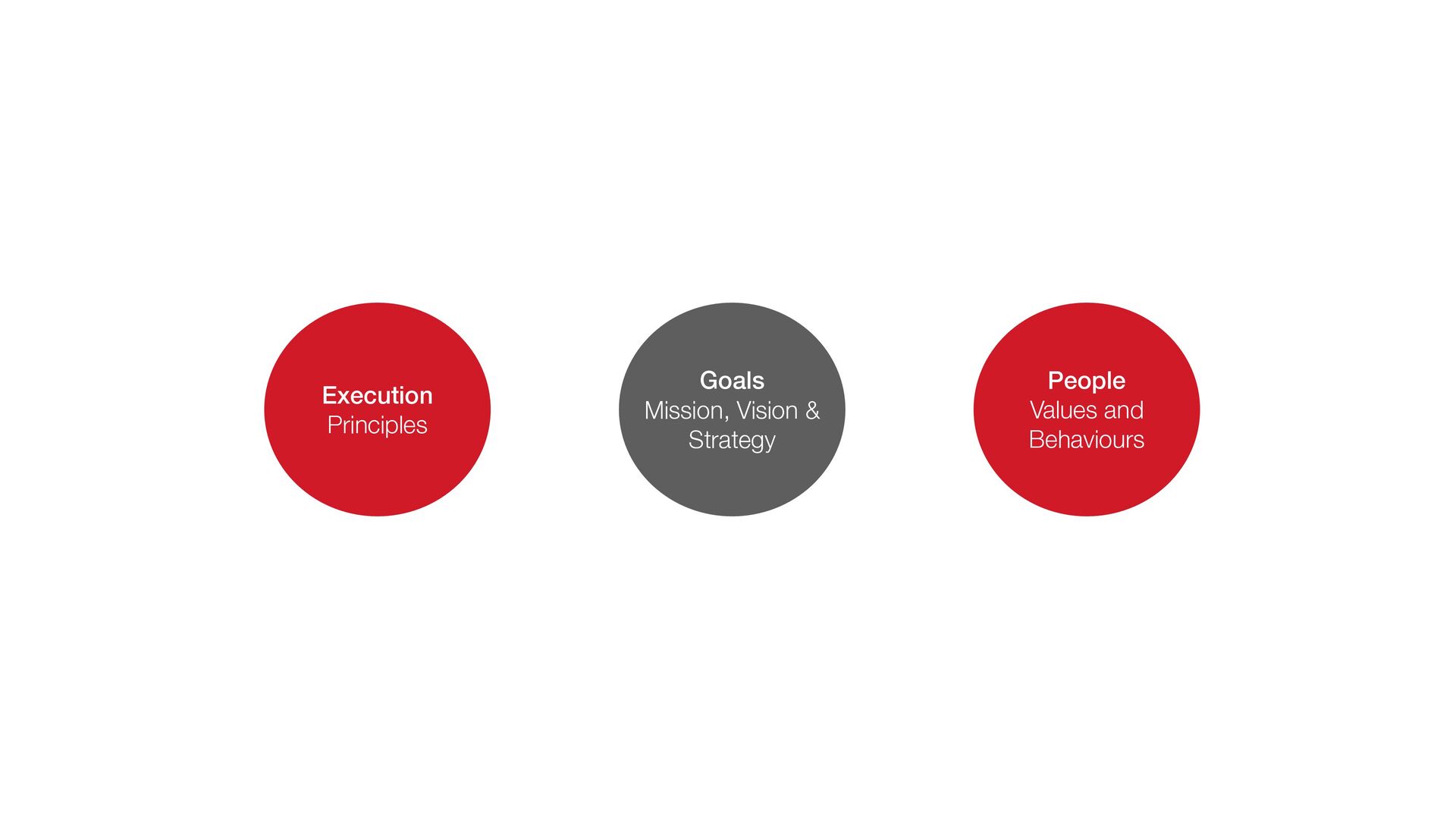
It is the business mission, vision, the strategy of the business that we are going to follow to get to that given specific purpose within, more importantly, the context that we operate. And the third element is our people. It's all of you for each of your businesses, those responsible for making things happen, and very importantly, the values and the behaviors those people demonstrate day to day.
So, execution, goals, and people. But you need all of them to be in a good shape. When one of these elements is not working, the business, the system starts to fail. So, a business with a great mission, goals, and direction, and great people, but that fails to execute in their ambition won't realize their potential.
You need to build the right thing, but you need to build it right. A team with great people, very talented at their craft, building the wrong thing will very quickly run out of runway. So, being efficient at the wrong thing is probably worse than the previous scenario we had.
And finally, while you can build the right thing and might have great execution muscle, if your culture starts to become toxic, if you struggle to keep the talent that you need to continue building and growing, you are starting to see you're going to start to see an impact in your execution and your brand perception, and you will start also to have some problems.
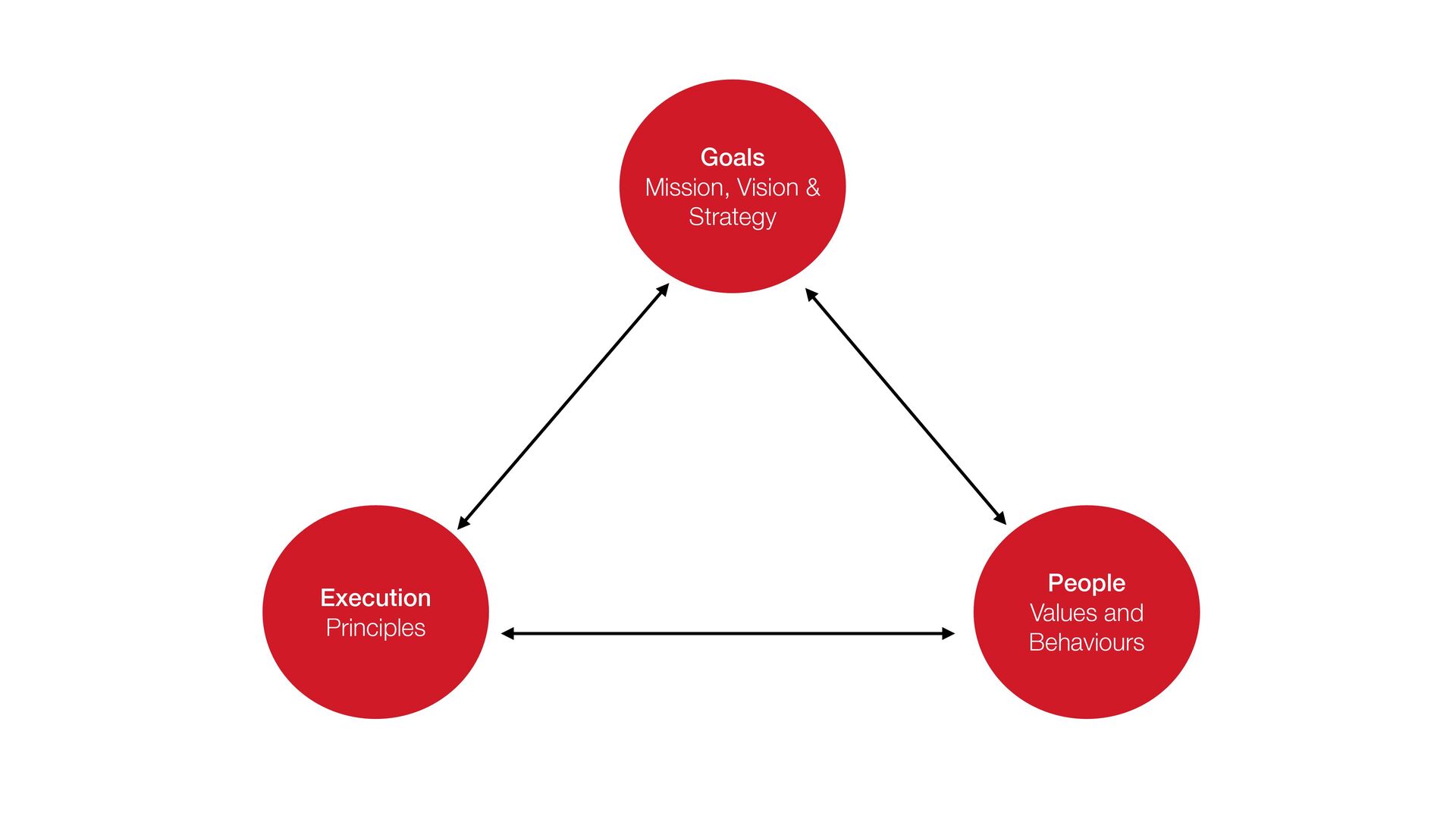
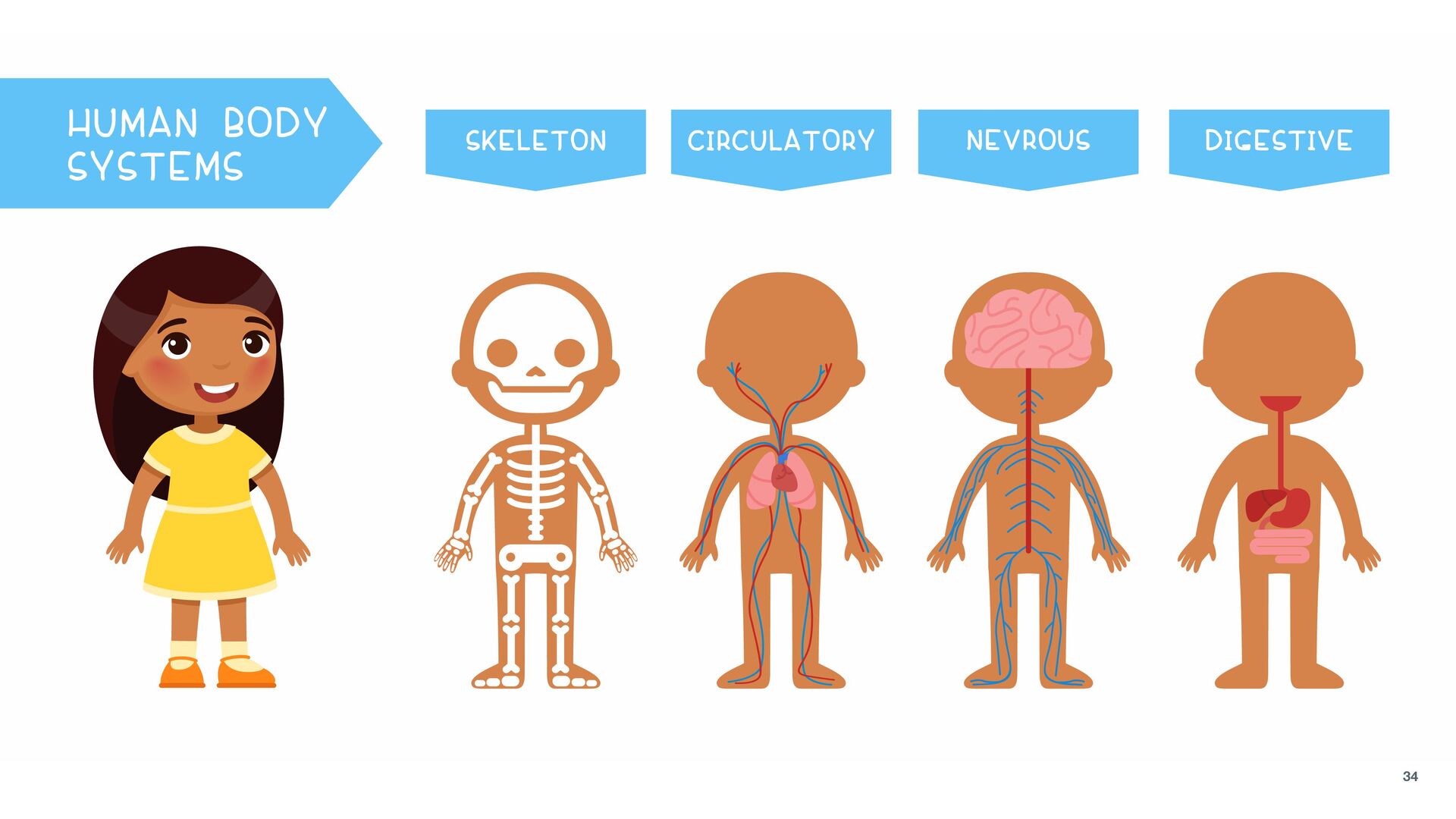
So, as you can see here, a tech business is a complex system, and a key component of any complex system is the actual interconnection between those elements. So, let's talk about that. We're all very familiar with systems, very much like our bodies are made of different elements and subsystems that support each other, so are our businesses.
So, if you are a runner and you hurt your leg, you're probably going to stop, try to rest, see if you're feeling better, or phone somebody, if you have a phone, to seek some help. And we are trying to do that to prevent your body is telling you, Hey, let's stay quiet so that we prevent further damage.
If the same thing happens to you and this guy is coming to you, your brain is likely going to tell you, run for your life, because being alive is a better outcome than having a broken leg. So, when it comes to business, the context that we are operating in will lead to very different decisions for us as well.
And over the years, I've learned that without being very intentional about aligning these goals and strategies, so what we're trying to accomplish as a business, the execution, how we are making things happen, and how we deliver on those plans, and our people, the team that we have, all that we need to be able to build the things that we need to build.
It's very, very difficult without that systematic alignment across the business to move fast and in an impactful, healthy, and sustainable way without shooting ourselves in the foot very often. So, our business subsystems are our organizational divisions, the functional areas that we all belong to.
So, you've got your product, engineering, sales, marketing, finance, support, all trying to work in a complementary way to realize the opportunity ahead of us. For example, a poorly implemented compensation philosophy that maybe the people team is working on might have pretty damaging impact in your engineering organisation if you can hire the right talent that you need to continue growing your systems, and it can have a big impact in your sales organization if they can sell to customers that growth that engineering was going to build.
Or if you have very poor security practices in engineering, you might cause a breach that might damage your reputation, might make you lose customers, and ultimately, again, you might end up losing revenue. So, a lot of times, when we make decisions in the different functions, we don't realize the triple effect that it has in the rest of the business.
We make very linear decisions versus considering the whole context. So, the compromises that we make every time that we make a decision and the processes that we decide to implement will very much, as we were saying earlier on, depend on the context that you are operating on and the size of your organization, because the larger the organization, the more complex is the system.
You don't need, for example, a complex planning process if it's four people in your company, but you probably still want to get in touch with your investors to let them know what you're planning to do over the next month or the next three months.
But if you have an organization with two hundred people, with six thousand people, you probably want a more sophisticated way to keep them all aligned with what the business is trying to do and managing the dependencies between all of those teams. So, when you grow a team at a company, you need structure ways to, one, repeat your successes, and the other one is avoid repeating some of the mistakes.
So, the operating system of the business is just ultimately a set of procedures uncodified decisions, whether they are principles or values, that allows you to run your business in an aligned, convenient and efficient manner based on your specific needs. And they are business habits, like we have personal habits, each of us, that will help us meet our goals, not once, over and over and over again.
The ultimate goal here is removing noise. Everybody nobody likes a process. Everybody thinks that it might be bureaucratic, that it adds friction, that it delays us. But if you implement the right processes in the right way at the right time, what you are trying to do is getting your team to focus on making decisions that add value and removing those millions of decisions that we have to do every single day that add no value to your business.
You don't need your whole company thinking fifty different ways of doing planning. You don't need all your company to be thinking, oh, how should we hire this person? You want to godify those decisions so that you are fair and in a standardized way to be able that you don't introduce biases, but you do it based on decisions that have been well thought out, and that once they've decided, they can be passed over to the rest of the business.
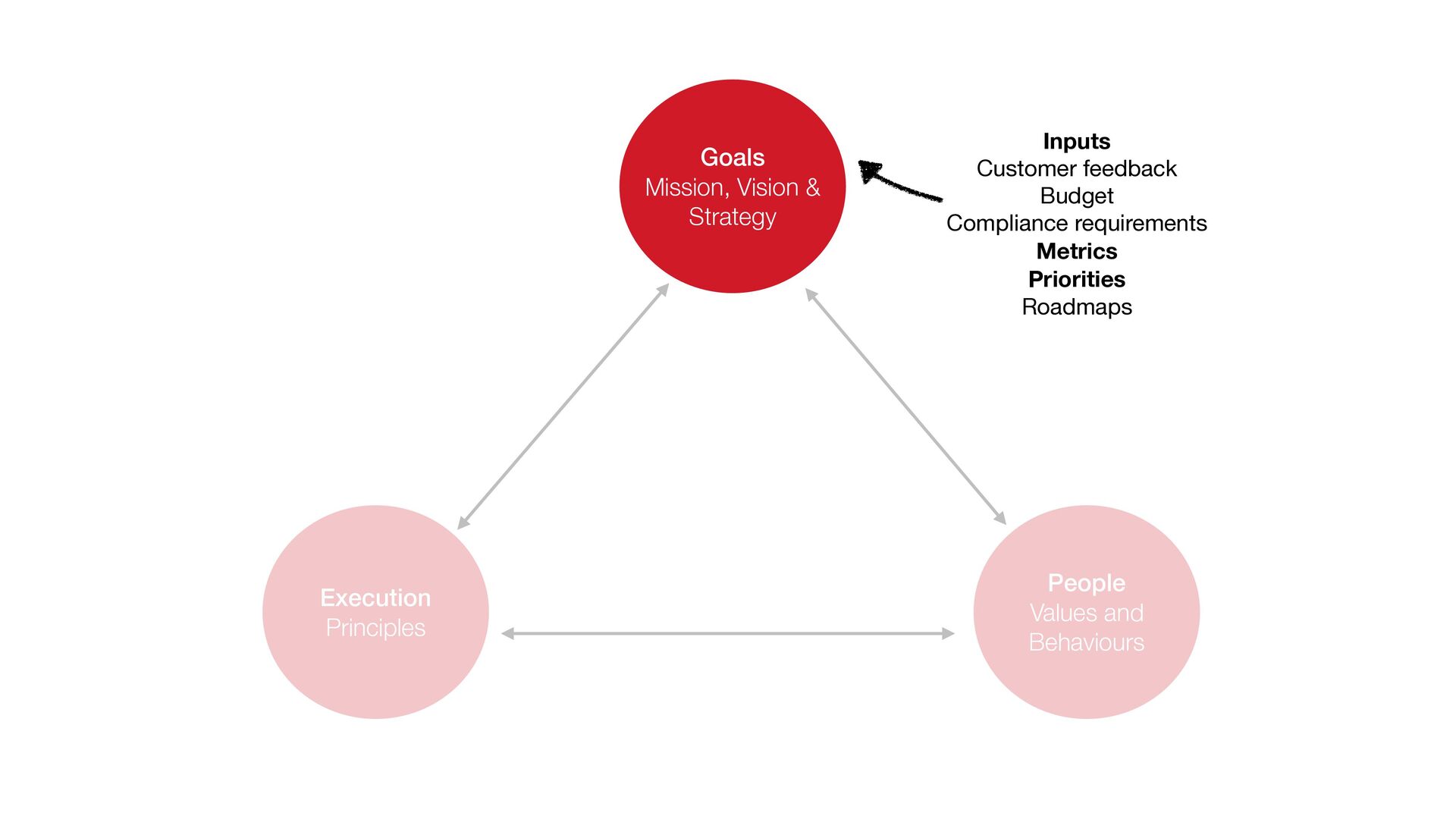
So, let's look a little bit closer at some of the processes, as an example, that might fit in each of these buckets that we have here. So, the ones around providing organizational alignment, managing goals, and the purpose of the business, they normally revolve around gathering and sharing inputs and understanding our operational constraints to define our strategy.
So, you have, for example, you cover customer feedback to understand. You need to understand constraints, like the potential financial constraints that you have as a business, what is your budget, or depending where you work, you might have specific compliance requirements that you have to be able to address, or competitor information that you need to be aware of.
We also focus on how we define and track key business metrics or make decisions around priorities, and how we build roadmaps in a more consistent way across the business. When it comes to execution, it's all about improving the quality of execution in your area of expertise.
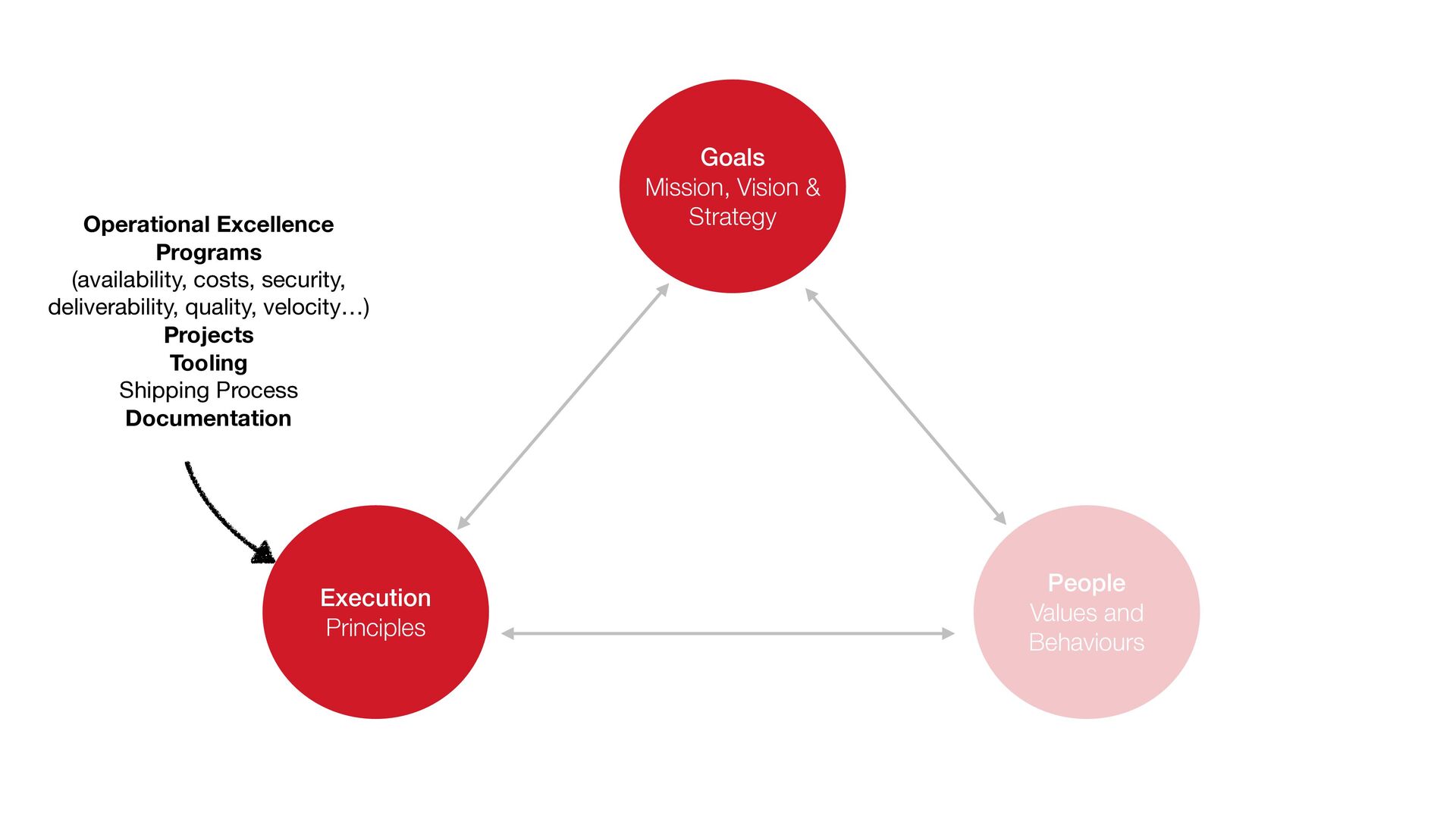
So, the quality bar here might vary, again, depending on the context. It's not the same to build compliance systems or medical systems, air traffic control system, but maybe a commercial product, a game, you might have a different threshold of quality that you need there.
In an engineering organization, for example, which is what I understand better, we would focus on best development practices like testing, continuous deployments, monitoring, alerting, peer reviews, all of those things to minimize risk and improve velocity and quality of the work that we do.
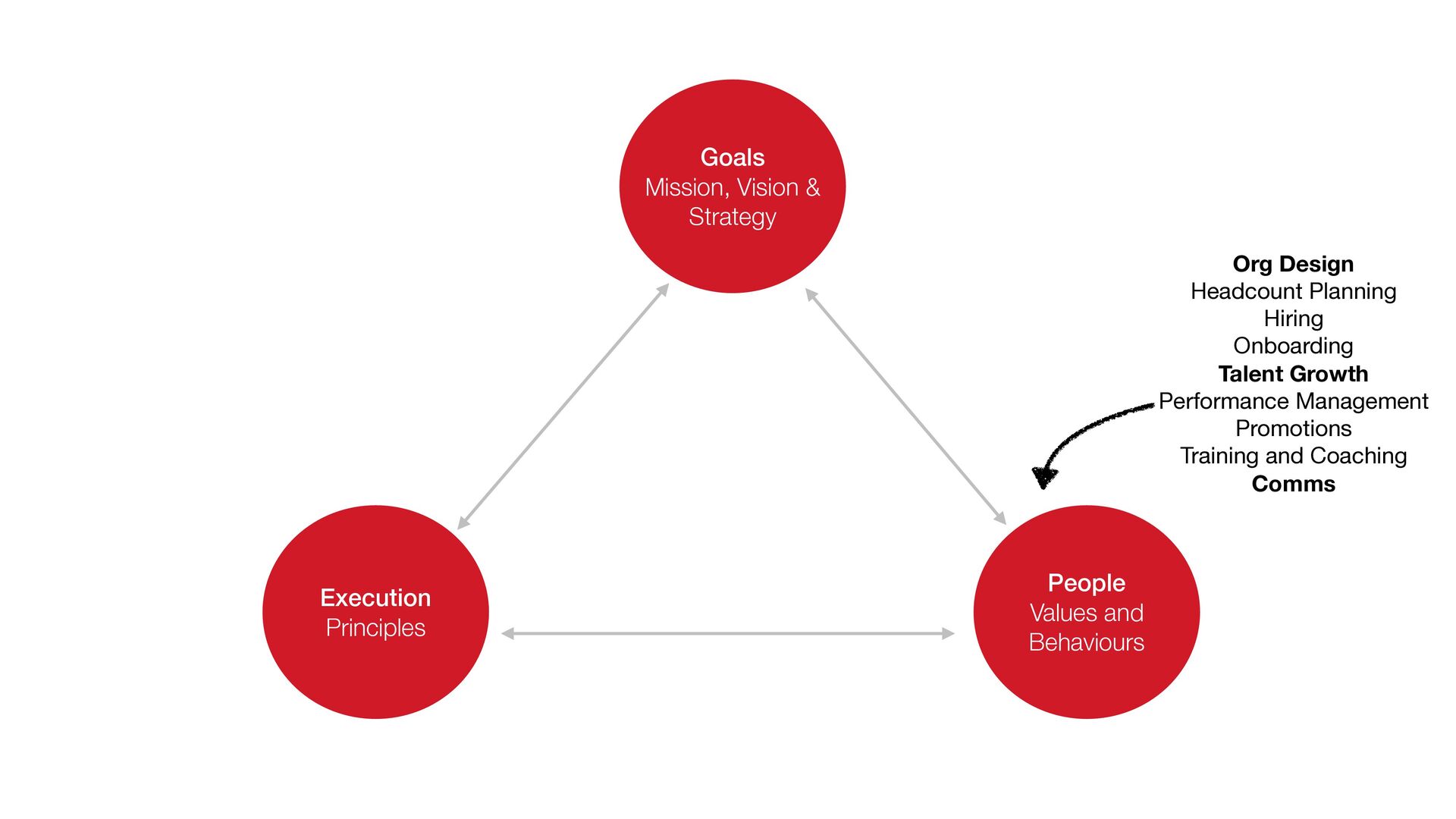
And finally, the process that helps support our people aim to increase their engagement and their growth. Remember, we need specific skills, and we need people to be engaged with the work so that we can deliver great value. From my experience, these are processes that are very often neglected, especially in very early stage companies, and you probably want to start working on them a little bit earlier than you think is necessary.
Making things right, and trust me, I've been there many times, after you have identified several issues in your people practices, it's very messy, and it hugely impacts people's livelihoods. So, you don't need anything fancy. There's tons of resources out there that you can borrow until you have to build something more sophisticated.
But you want to avoid as much as possible introducing biases and discrepancies as you start building your organization. When you have a big team with very despair salaries, and then you see a cohort of people that are normally more impacted by those decisions, it's not very good fun to have to then solve it.
And on top of that, you normally are budget constrained, so you can't even do what you need to do. So, think about that very early on, because it pays off in the long term. So, now that we know the processes, let's explore a little bit deeper the relationship between these elements.
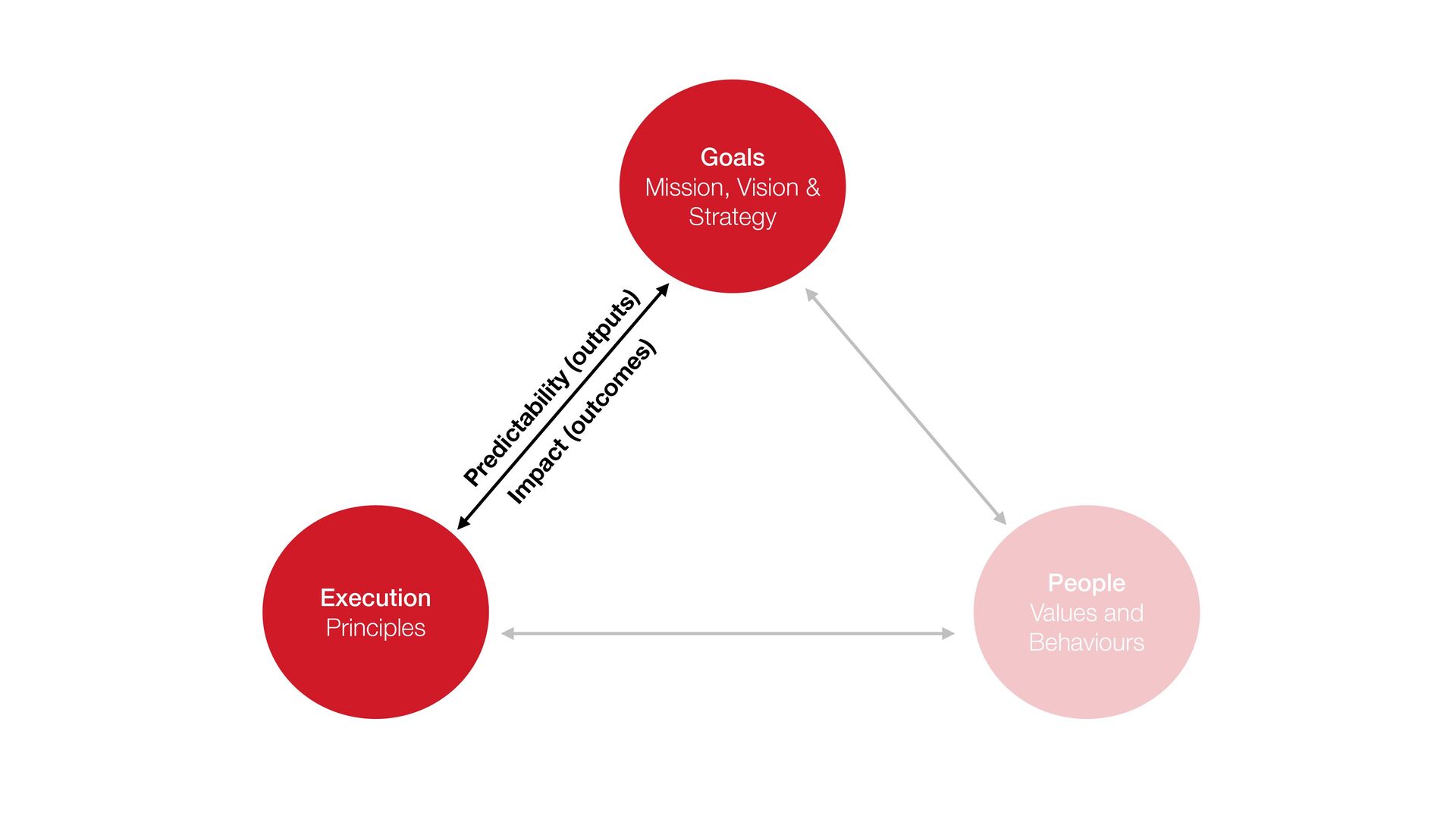
And this might get a little bit controversial. When we align our purpose and goals to our execution, we normally seek two types of results. Ideally, we expect to see some measurable impact. Ultimately, we're trying to create some value for the business. So, those are our outcomes.
But we know the feedback loops can be delayed, and that sometimes when we launch a new product, we don't see the impact of those changes for a while. So, in a healthy system, I believe that it's also very important to understand your ability to deliver quality outputs predictably.
So, for example, just shipping a feature on time with minimum issues, given specific constraints that you have. So, let's talk about a little bit this a little bit more. How many engineers do we have in the room? Okay. How do you all feel when you get us to kind of give some time kind of feedback about how long is it going to take to do some feature?
Yeah. So, we, you know, this is something that engineers have to deal with every day. We build very complex systems, and it's true that sometimes it's difficult to predict how long something is going to take, because many things can change, and many things, assumptions that we make might not be true, but might take longer.
And sometimes, actually, something that we thought was going to be very complicated ends up being a very quick thing to address. I get it. I have been there for many years, but it's not a valid excuse to avoid making informed commitments based on agreed assumptions.
If those turn out to not be accurate, we can always reevaluate and identify ways to mitigate the risk. But let me tell you a few things why it's important that there are some commitments and some goals to go towards. So, software is not being built in isolation and with infinite resources.
A feature that takes one year instead of two months to develop might not be a worthwhile investment for the business. The return on investment for the company is not there. Imagine that your child, I don't know if you have a kid, asks you for a blank cheque.
Would you give that to them and say, Hey, I need some money. Here's a blank check. You would not do the same with your engineering team. So, there is an aspect of building software that is it has to provide value to the business, and depending on the timeline, that value might not be realized.
Speed is an absolute competitive advantage, especially today with a lot of competition, with things moving on so quickly. The opportunity cost of launching a product at the beginning of the year instead of the last quarter of the year might make the whole difference between your company meeting the revenue goals or missing the revenue goals.
So, features also don't magically appear with customers. I'm sure we have a lot of marketing, salespeople, support teams here that would agree with that. The work that we do in engineering then has to be put in front of the customers. Maybe we do a marketing campaign, or if you are in a B2B business, you might need to help those customers to be able to train their workforce and be able to roll them out within their company.
So, those other teams also need to plan their work. If they don't know when we're going to be done or how it's going to look like, how can they do their job? Things might change, and we should continue talking and evolve the plans, but we should all be trying to help everybody be successful in the business.
So, next time somebody asks you for a time estimate for a project, do your best, set the constraints, give the assumptions that you are making, and communicate very quickly as you learn more about it and you have a better understanding of what it's going to take.
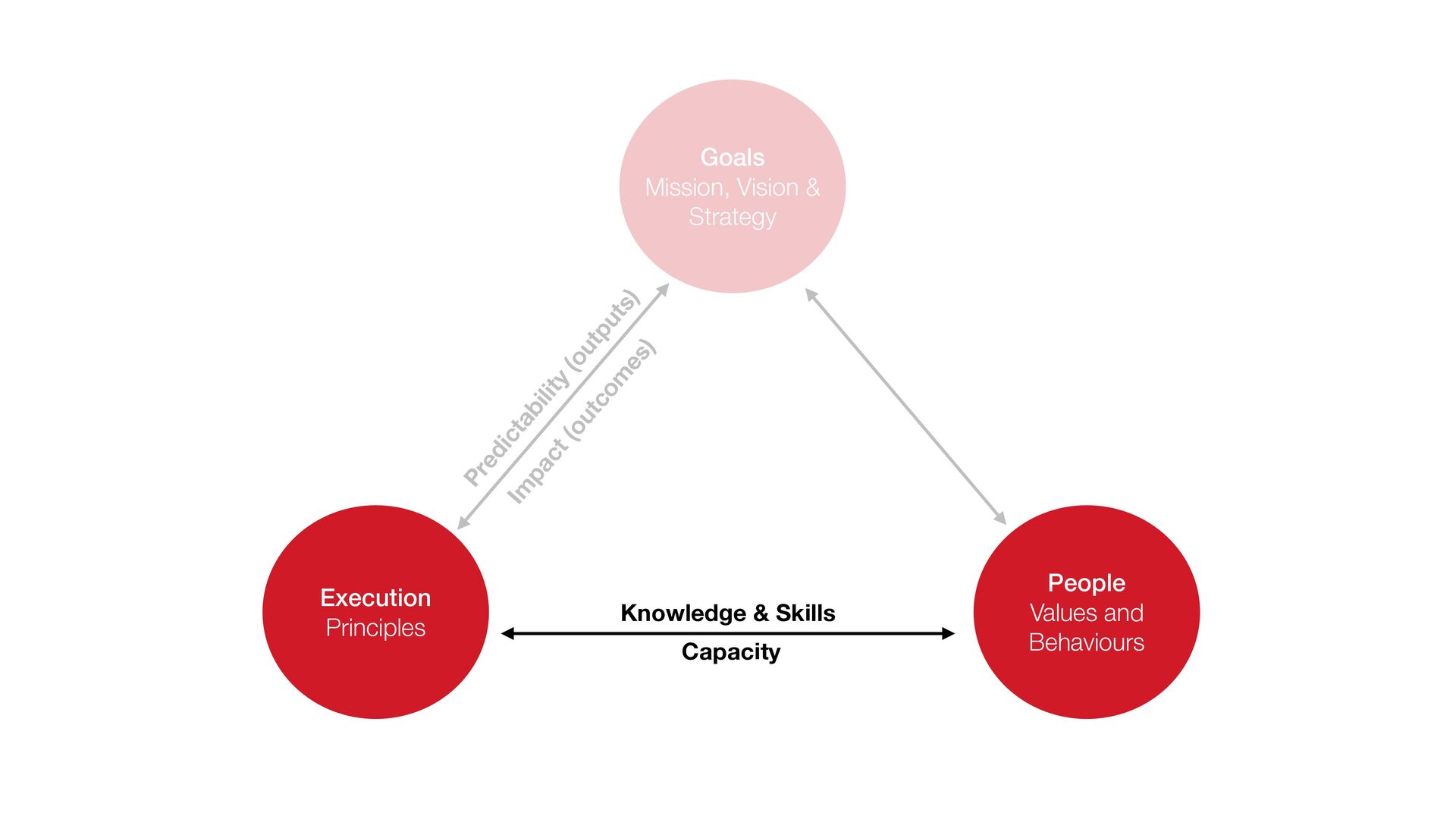
Are we all cool with that? Yeah. That's an engineer speaking, so I'm on your side. Execution is very difficult without the right team. You need both the appropriate capacity, but also the right mix of knowledge and skills. So, at times, you might need additional people, and you might be able to move faster by adding more people.
Sometimes, if you are more people, you're just digging yourself a bigger hole. It's just going to slow down, and it's going to get worse. At times, your technical choices will inform the decisions about your hiring. If you are moving from on prem to the cloud, you might want to start hiring more people that have those skills.
Sometimes, you might be very much constrained to do work with the people that you have available, and the people that you have available and their skills might have to inform your technical decisions because you don't have other options. So, you need to be very aware of what you're working with and what you can actually do to continue delivering on your strategy.
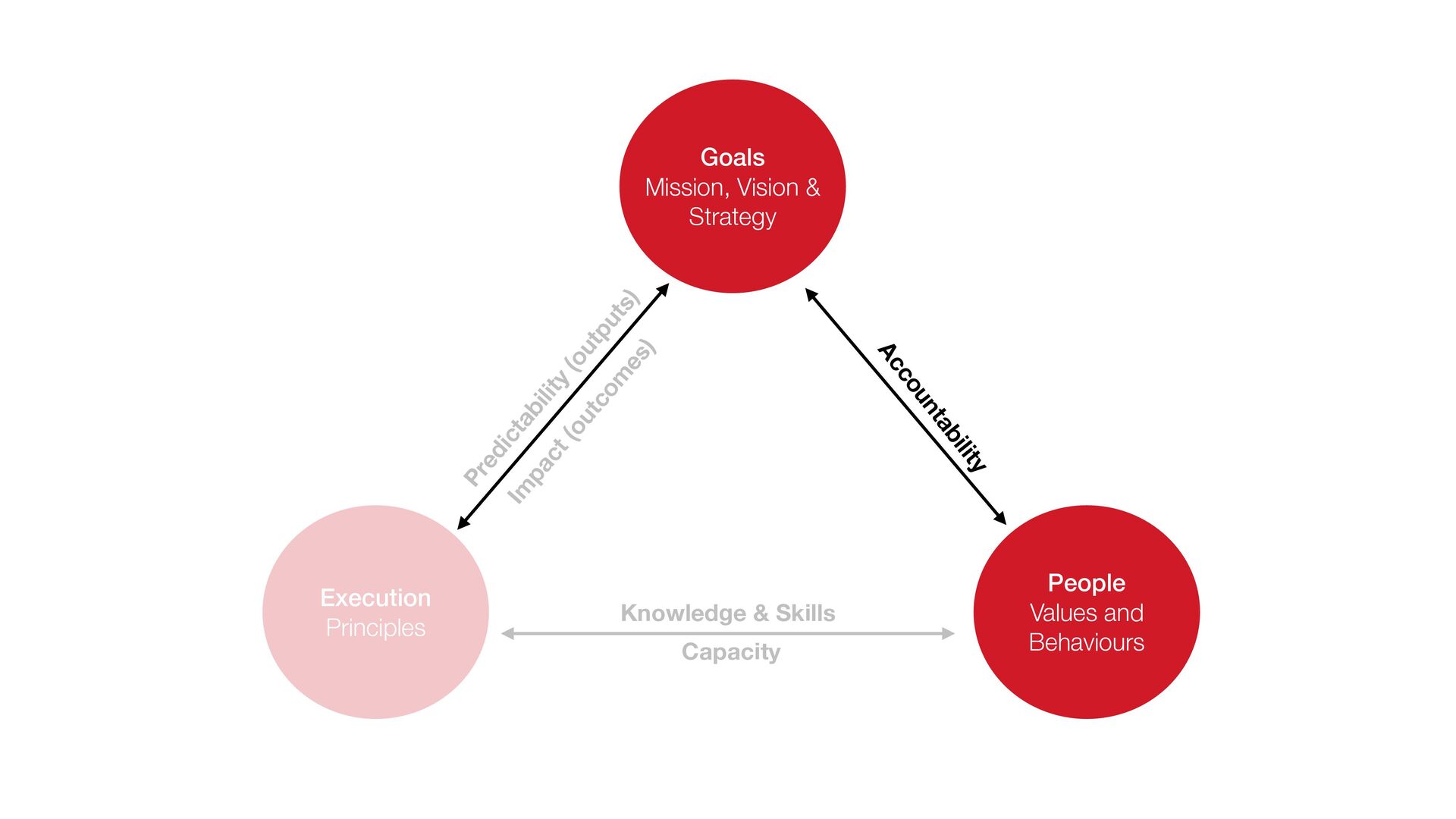
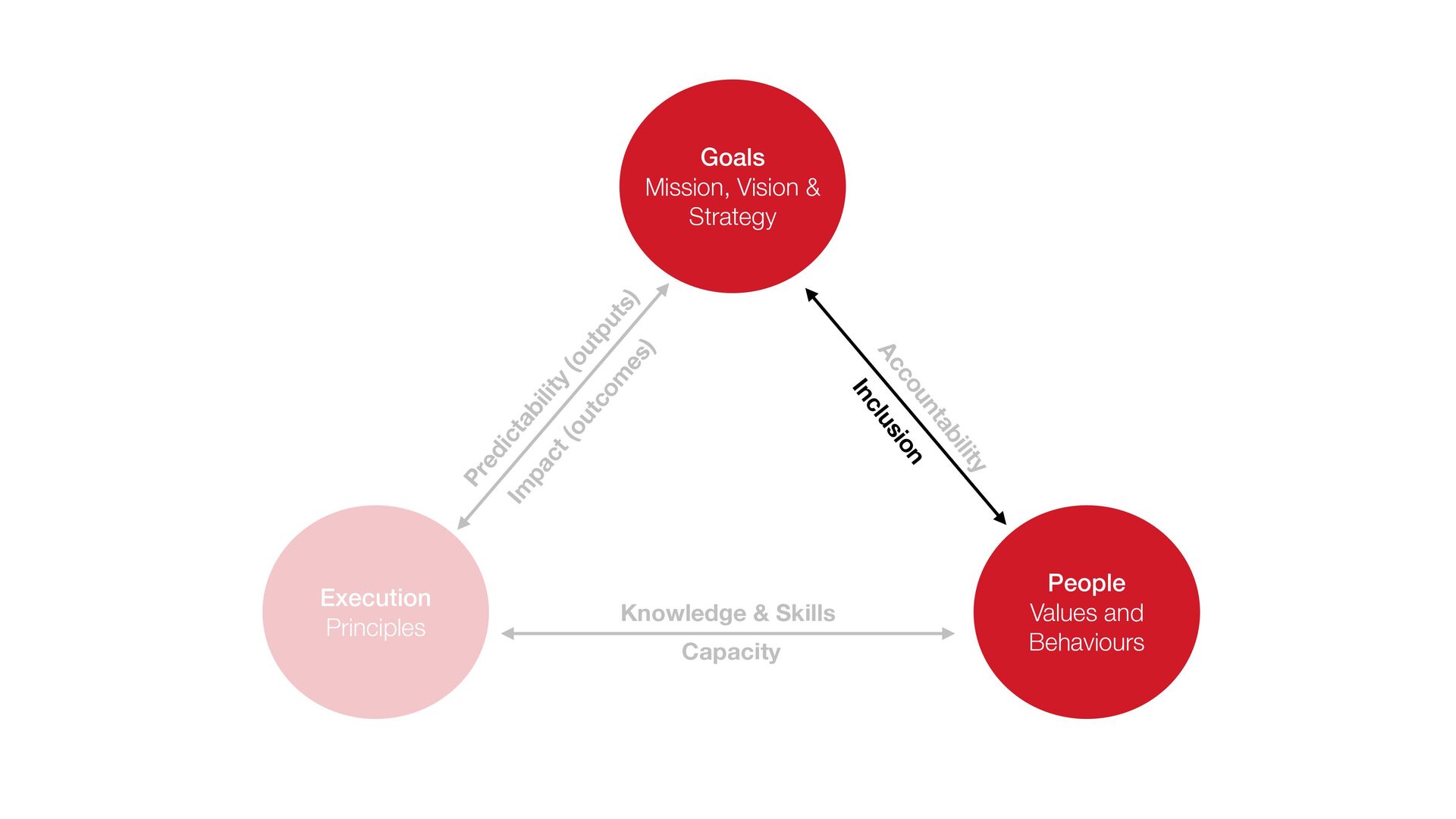
And the last set of connections are between goals and people. And like predictability, another controversial ability word here: accountability. How does everybody feel about accountability? So, is often associated with blame, pointing fingers, fear of getting fired if you do something wrong. Sure. If you cause a terrible offence, if you keep on making the same mistakes over and over again, and there's no demonstration of improvement, yes, you'll probably be let go.
But that is a business. We need to remember, this is we need to deliver value to the business. But that is a very, very small percentage of what happens. That's not what happens every day. So, this definition, I feel, reflects better how I see the purpose of accountability in a business.
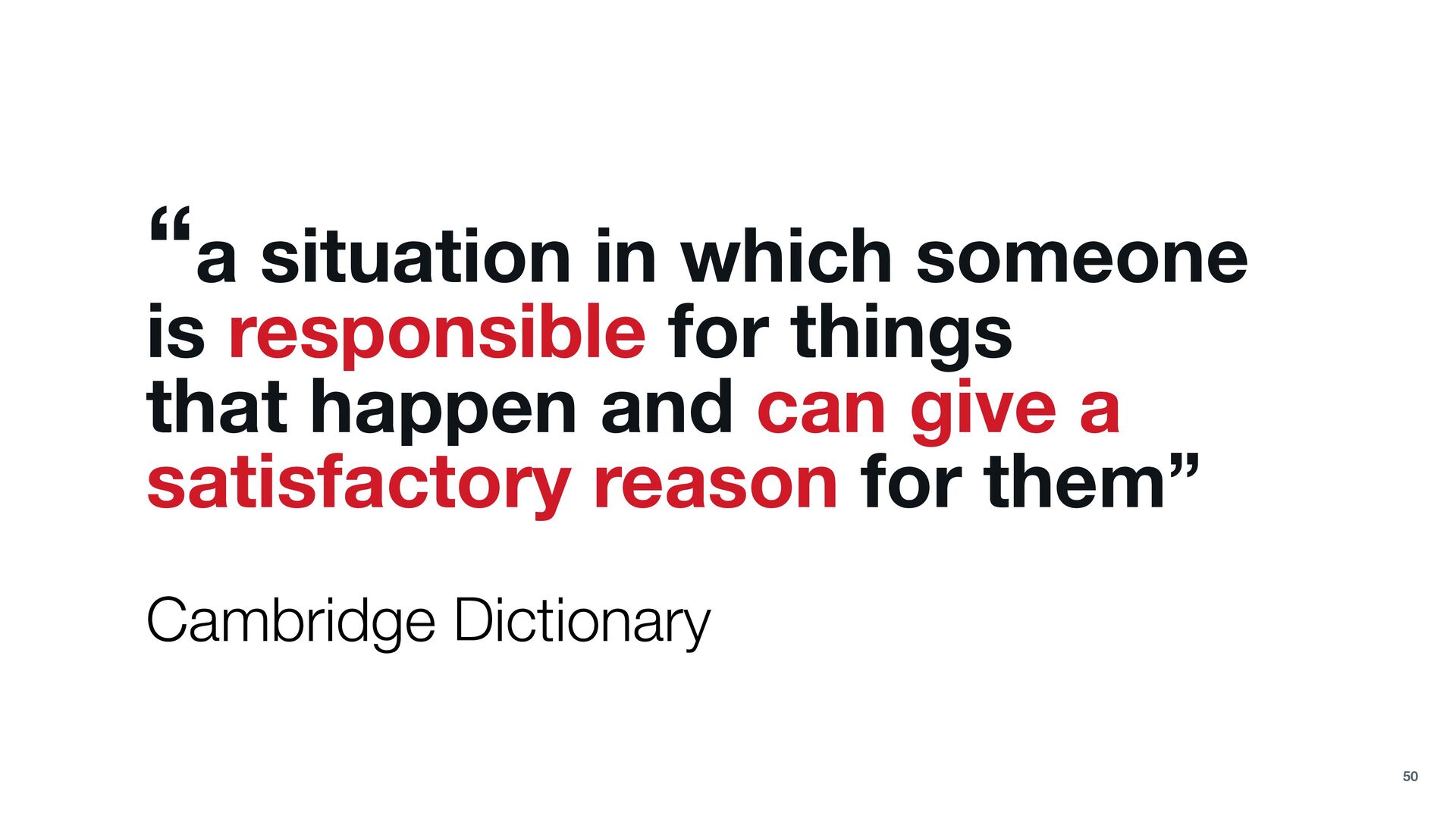
And it says, a situation in which someone is responsible for things that happen and can give a satisfactory reason for them. That sounds better than blaming. Right? So, to me, this implies that there is a clear ownership of a task and that the person will make sure that the appropriate visibility and progress, challenges, risks are promptly communicated so that we can adjust our approach and learn from our mistakes.
Many engineering organizations across the industry have actually now successfully implemented better accountability mechanisms in the way that they work. We have blameless postmortems, improved observability, peer reviews and feedback. The more transparent and honest that we are about what we're doing, the more likely that we'll be able to get the support that we need to deliver it successfully.
We should continue to invest in those practices all the time. And I really encourage that habit of having regular metrics, execution reviews, people calibrations exercises, financial reviews, how often do you check how much you're spending in cloud services, who has been surprised by the bill that has come at some point.
Those things are the things you really need to get in the habit, and really need to understand where you're spending your money, where you're putting your effort, the value that the work that you're doing brings, because that's the only way that you're really going to start getting better and better at what you do.
And these are key these sessions are key accountability sessions and tools that we run, if they run-in a collaborative way, in a collaborative manner, can really improve the delivery and the overall health of the business. So but accountability is not alone here. It goes side by side with another very, very critical relationship, and that is inclusion.
If we want to get the best of our teams, we need to set them up for success so that they can contribute to the goals of the business. Everyone should be clear on how they can contribute and what is expected of them, and everyone deserves to be respected and treated fairly when doing their work.
This is the complete system, how I see the work that we do. But before we finish, a word of caution. No process is perfect. Any standardization that you do in your business is the result of compromises. So, at times, skipping the process is the right thing to do to make sure but you need to make sure that those exceptions are being made explicitly.
And if you see a lot of people starting to skip the process, that is a pretty clear clue that something is going wrong, and you need to revisit. What has changed? Is it the context? Is it the way we operate? Is it the people that we have?
You need to always be evaluating any process that you introduce, because otherwise you then end up with all the bureaucracy and that bad press that a good process gets. So, make sure that you check them, that you check your principles, your value, and as the context evolve, you are also evolving them.
A blueprint or an operating system, as we've been talking about, is not valuable unless it's used. And at companies, the main unit of execution and collaboration is a team. Many companies talk about building high performing teams, but when it comes to evaluating those teams, we normally end up with very basic, linear, unbiased observations.
So, when somebody asks you, hey, how is this team doing? Hey, think this team is better than this one. They are shipping more things. Oh, no, I think that team is better because it has two engineers that I think are very good. What do you do with that?
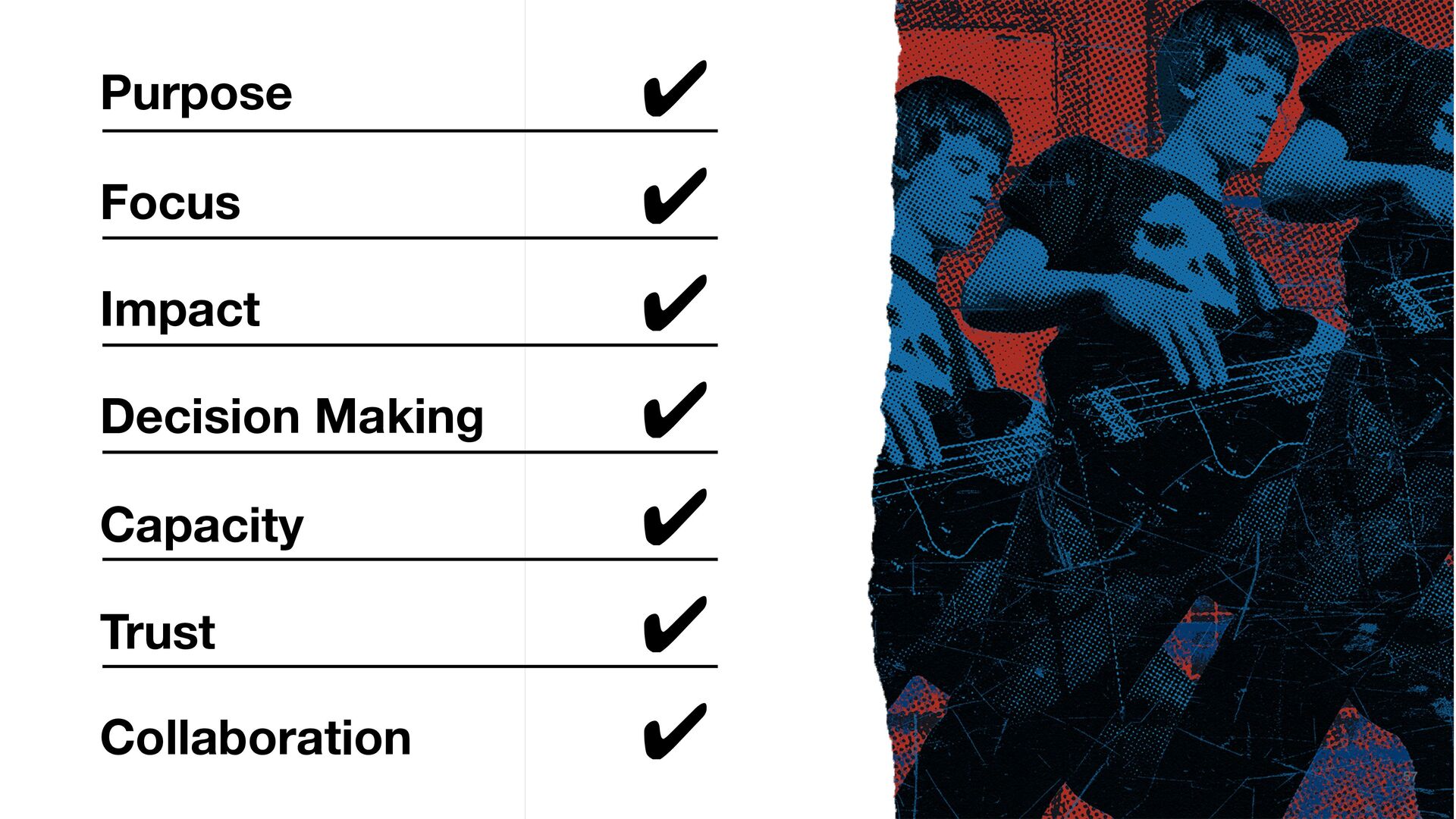
At Intercom, my previous company, similar to the way that we measure personal performance, we work on trying to define the components, the characteristics that make a team high performing. So, a high performing team, we believe, had clear purpose, could focus on their work without distractions.
The work they deliver was measurable impactful. They worked they had autonomy to make decisions, access to information, and could unblock themselves. They had the appropriate capacity and skills to execute in their plans. They worked well together and trusted each other, and they collaborated well with dependent teams.
So, if we look back at our system, we can see that those characteristics relate to the three elements: purpose and impact with goals and strategy focus on decision making with proper execution practices, and capacity, trust, and collaboration with our people processes. With this framework, you can now more specifically troubleshoot the issues that they are experiencing and determine how you can address those challenges, whether it is themselves or with external help, because it might be out of their control.
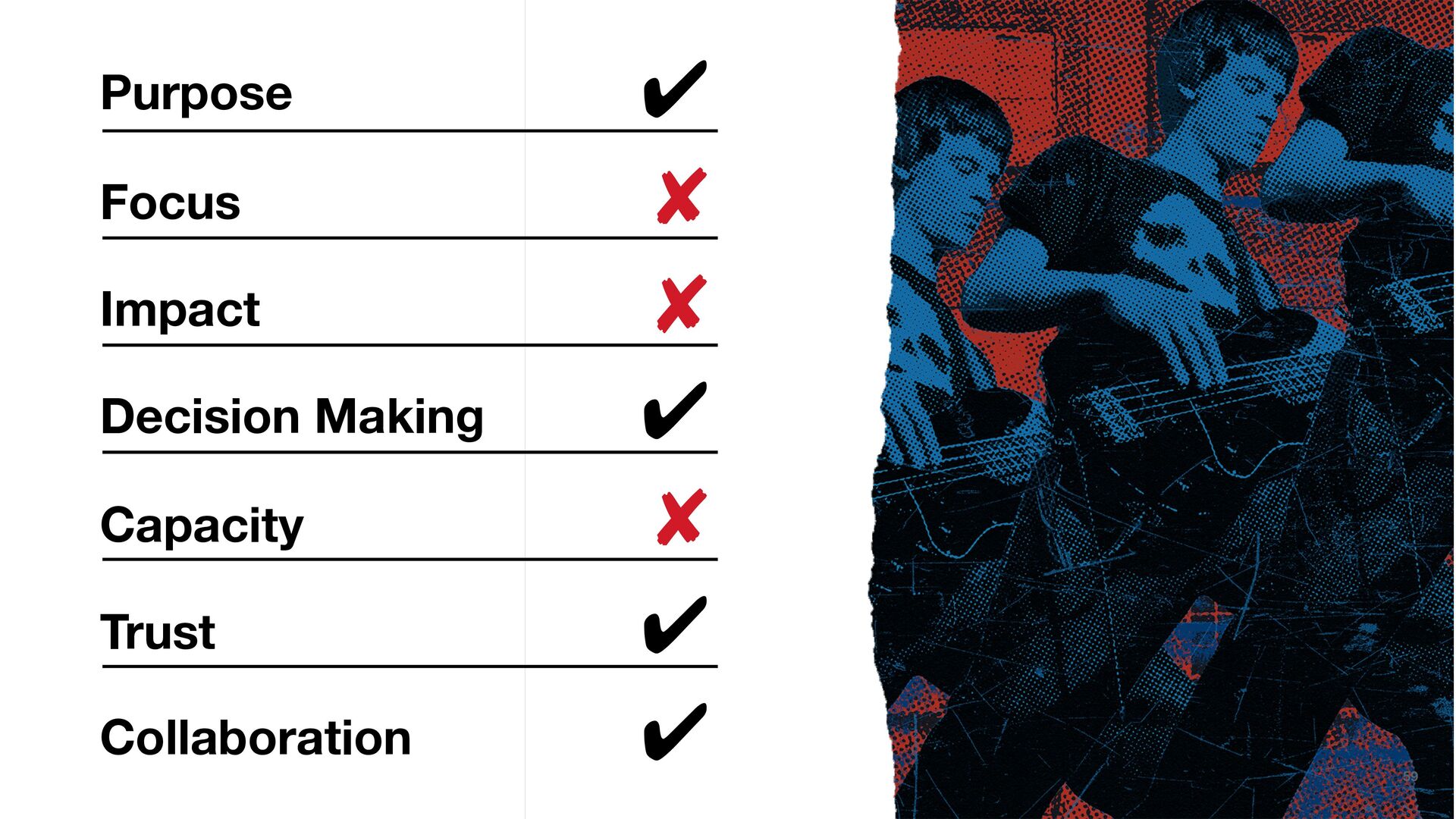
So, and you can do that in a more constructive actionable evaluation. So, in this example, we see, hey, we have a problem with focus, impact, and capacity. Well, in this case, this team might lack focus because they recently lost a team member, so they're down on capacity.
They own systems that have many critical bugs, so everybody in the team is having to be very distracted fixing those issues and firefighting. And while they have a strong roadmap and very clear alignment with the purpose of the business and their priorities, they're not being able to make progress on their plans, and certain goals now are at risk of not being met.
Now you have a way to talk about what you can do about this in a more productive way. Obviously, if you start seeing a lot of teams with troubles in the same areas, you start seeing patterns, you might want to look at what is happening more systemically across the business that is preventing them from getting those things in place.
So, it is no secret that Turing Fest is one of my favorite conferences, and it's not lip service. Clearly, I love that it's at home in Edinburgh, and I can just very quickly come in here. There's a lot of friends and ex colleagues here, so it's always incredible to be able to meet with everybody.
But what makes TuringFest particularly unique and valuable is that it brings together all functional experts in an organization, and I don't know other conferences that do that, at least that I have attended. It's a conference about building successful and healthy businesses and covers all aspects of doing so.
I've just talked through all the things that is going on in your business universe. Now, you can go deep into every single one of those things with all the fabulous speakers that are going to be speaking and sharing their knowledge in these learning parties over the next two days.
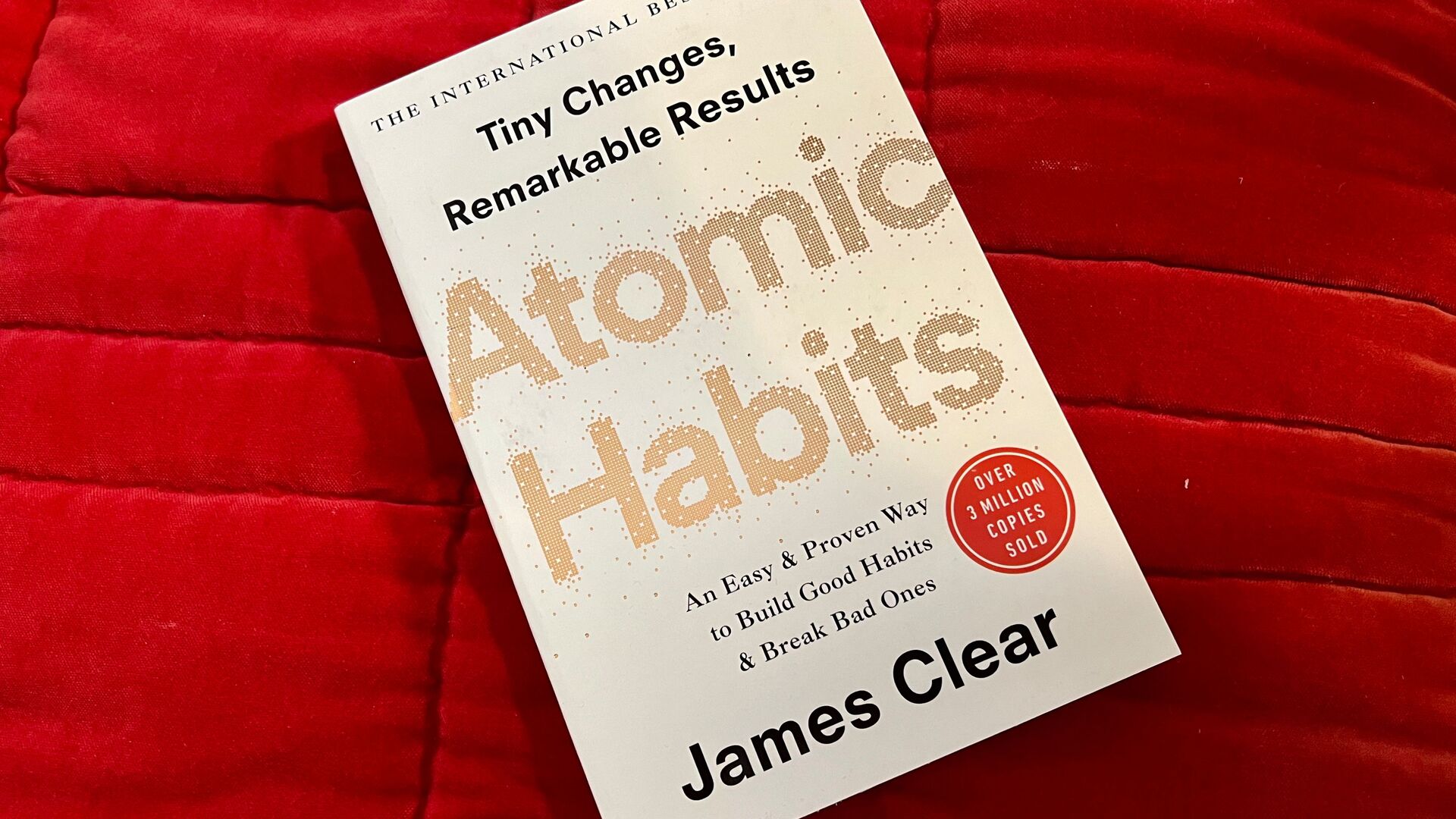
But before I finish, let me leave you with a recommendation and a takeaway. A couple of years ago, I read this book, Atomic Habits by James Clear. Highly recommended. I have many other book recommendations if you're interested in systems design and thinking. Atomic Habits is about personal improvement, and how to build habits successfully.
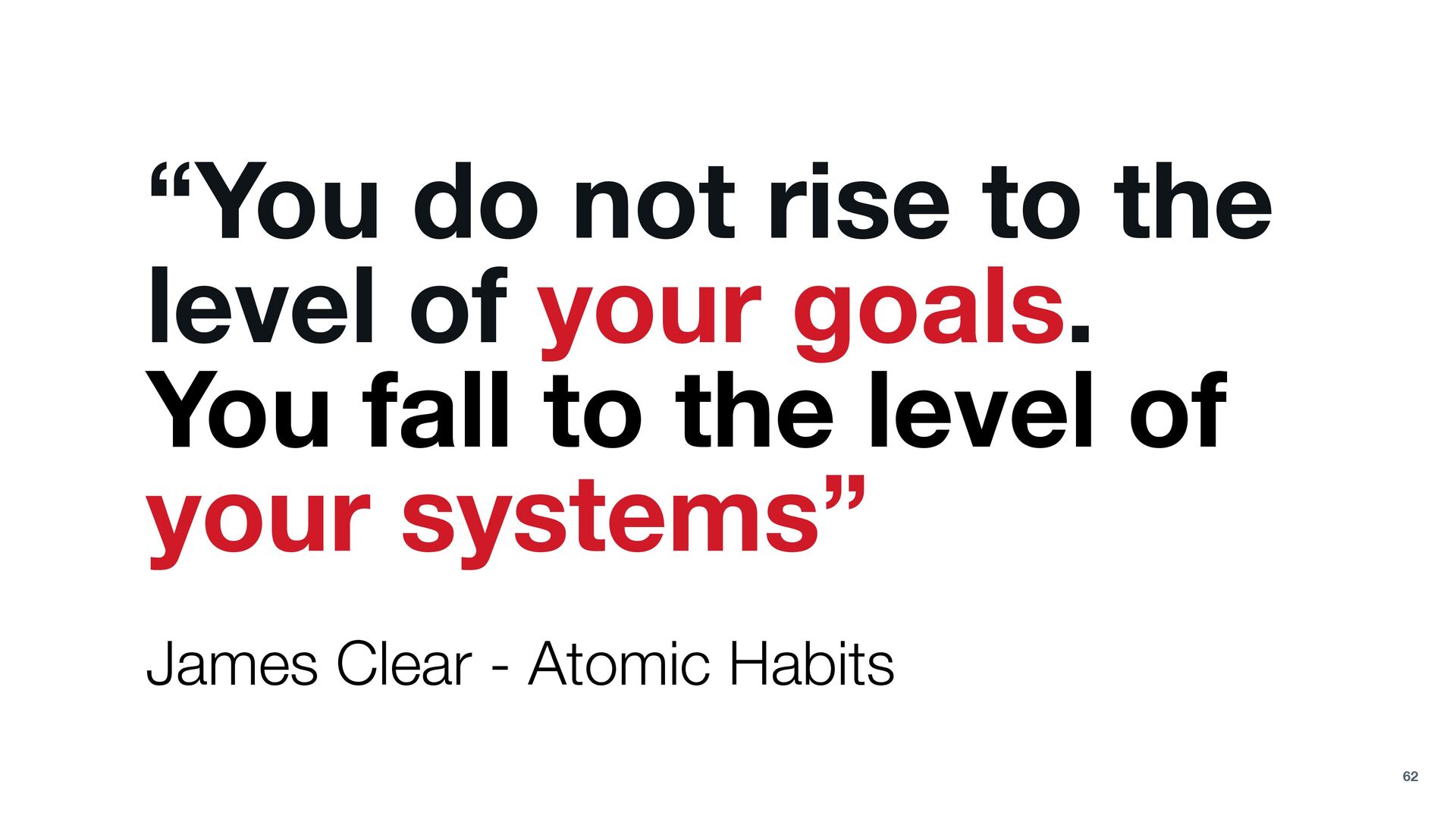
A lot of what Clear talks about is very much applicable to our businesses too. And there is a quote in the book that I feel perfectly summarizes my experience running engineering organizations or businesses at large, and I think it's a great closing for this session.
So, he says, You do not rise to the level of your goals, you fall to the levels of your systems. We're only going to be as good as the habits that we exercise every day at work. You can push very hard to meet one goal, you can meet a deadline, but unless you make systemic improvements, you will either burn out because you're always going to be sprinting, or you will very likely miss it next time.
You won't be able to more consistently and sustainably deliver on future challenges or goals. On the other hand, small incremental improvements in your regular habits will compound. If you get one percent better every day, imagine where you can be in six months. If you get one percent worse every day, you have a big problem as well.
So, I hope you start implementing some of this thinking around the whole, you know, your business and how the work that you do, regardless of role, really impacts the overall picture. And I love to hear from all of you during the breaks what you're planning to do.
Thanks, everyone, and I hope you have a fantastic couple of days.