
Giving product managers autonomy and room to grow is key for their growth - and to keep them in your business. Learning to provide the right context at the right time in the right ways is a superpower which has become even more important in a world of hybrid and remote working. In this talk, Lucie McLean will talk about the different kinds of context, how to gather them and how to use them to create a high agency mindset, build better relationships with your team members and work together to build awesome things.
← All talks 














Build Product Turing Fest 2022
Context is Key: Unlocking Your Empowered Product Team's Potential
Auto-generated transcript - may contain errors. Tap a timestamp to jump the video.
Welcome, everyone. Thanks for joining me today. I really appreciate you coming to my session. I know you had several choices. So, yeah, this is not my first time at Turing Festival. I last spoke in twenty sixteen. I think, John, you spoke that year as well.
It was held in a church. It was an amazing venue and an amazing event, and I'm really happy to be back again. In that session, I spoke about stakeholder management, which is something I'm really passionate about. And I talked then about spending a lot of time and investing heavily in the kinds of communication you have with your stakeholders, the language you use, the conversations you have, building strong relationships.
It's a really powerful tool. And what I'm going to talk about today is kind of a sequel to that, because I think the same also applies in how we communicate with our teams and build our teams as a product leader. So yeah, kind of a sequel.
And like every good sequel, the protagonist has been on a bit of a journey between films one and two. My journey in the last seven years saw me leave the BBC after twenty three years. Big journey. And the physical journey was that I moved to Germany, and I moved to Berlin nearly three years ago.
And now I work at Zalando. So some of you might have heard of Zalando. It's one of Europe's leading e commerce fashion and beauty platforms. We have customers in twenty five countries, nearly forty nine million active customers, and we have our online fashion platform and off price service, fulfillment services, marketing services.
We've got actual shops as well. We've got twelve outlets across Germany. This is the beautiful roof terrace of one of buildings in our complex in Berlin. We have tech hubs in Berlin, Helsinki and in Dublin, and I'm based in Berlin. And I joined on April the first, twenty twenty.
Two weeks into that pandemic that we're still living. Interesting time to join your company, an interesting time to be in Germany. So once again, I'm give you a little bit of an insight about what life has been like in Germany during the pandemic.
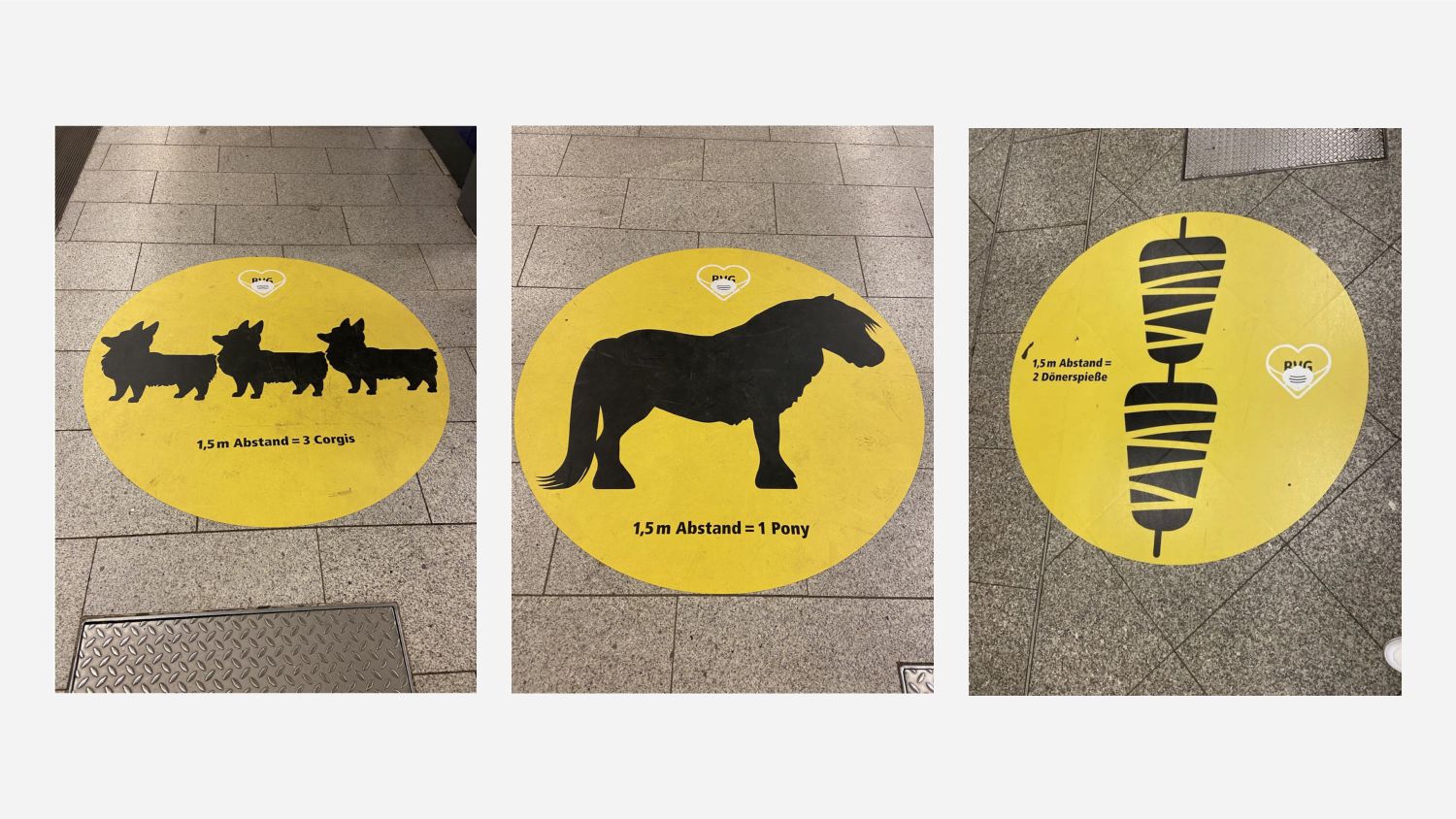
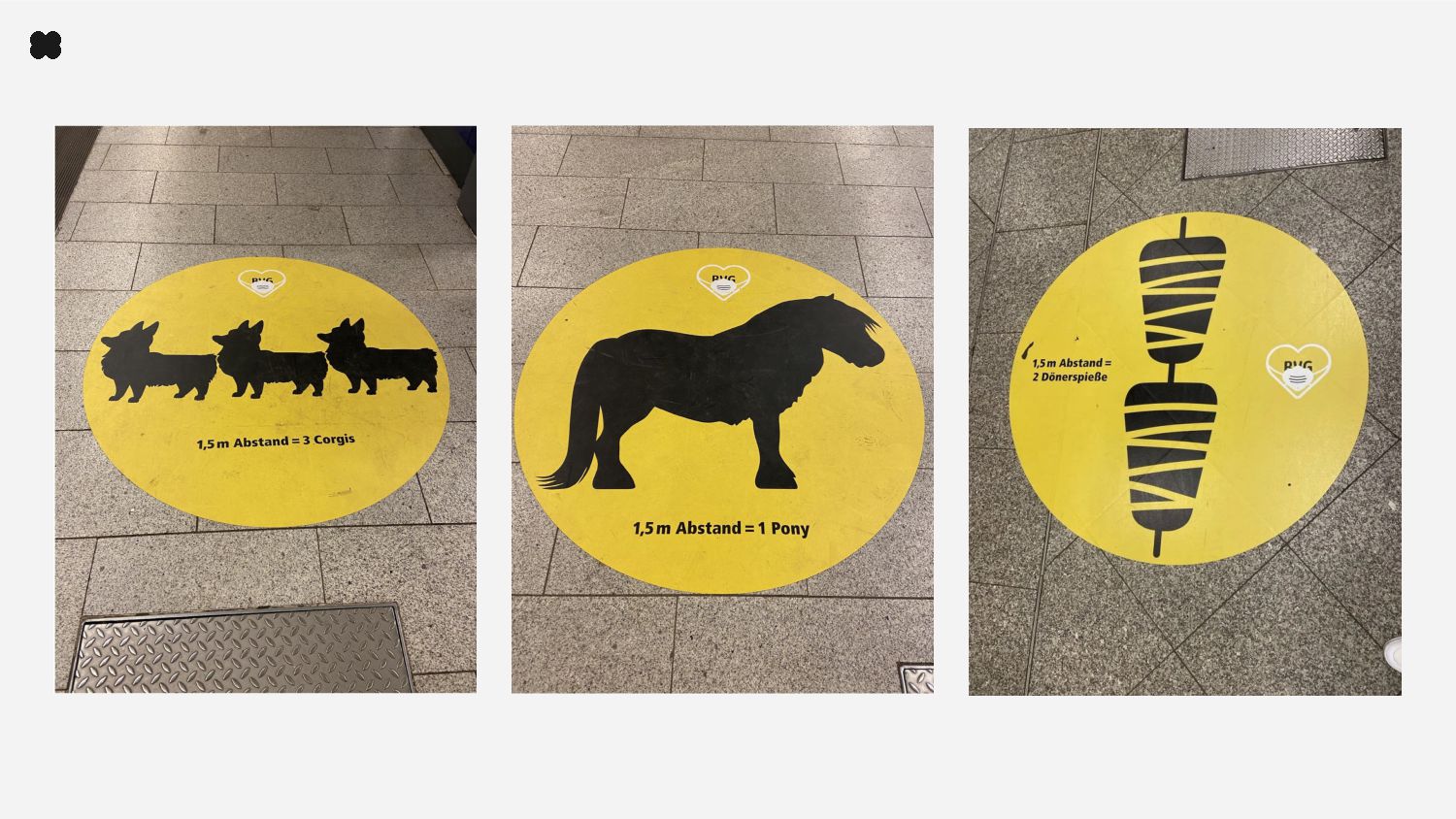
So like everyone else, we had the concept of social distancing, and the unit of measurement of social distancing in Germany is one point five meters. And Berlin's public transport company, the Bewawge, thought we might need some help to kind of really understand what that meant.
So they gave us some handy metaphors. Three cordies, a Shetland pony or two Jonah kebab sticks. Super helpful, right? So I'm going tell you a bit more about what I do at Orlando. So I run a number of areas, mainly around inspiring customers with ideas for fashion, styles, brands, products.
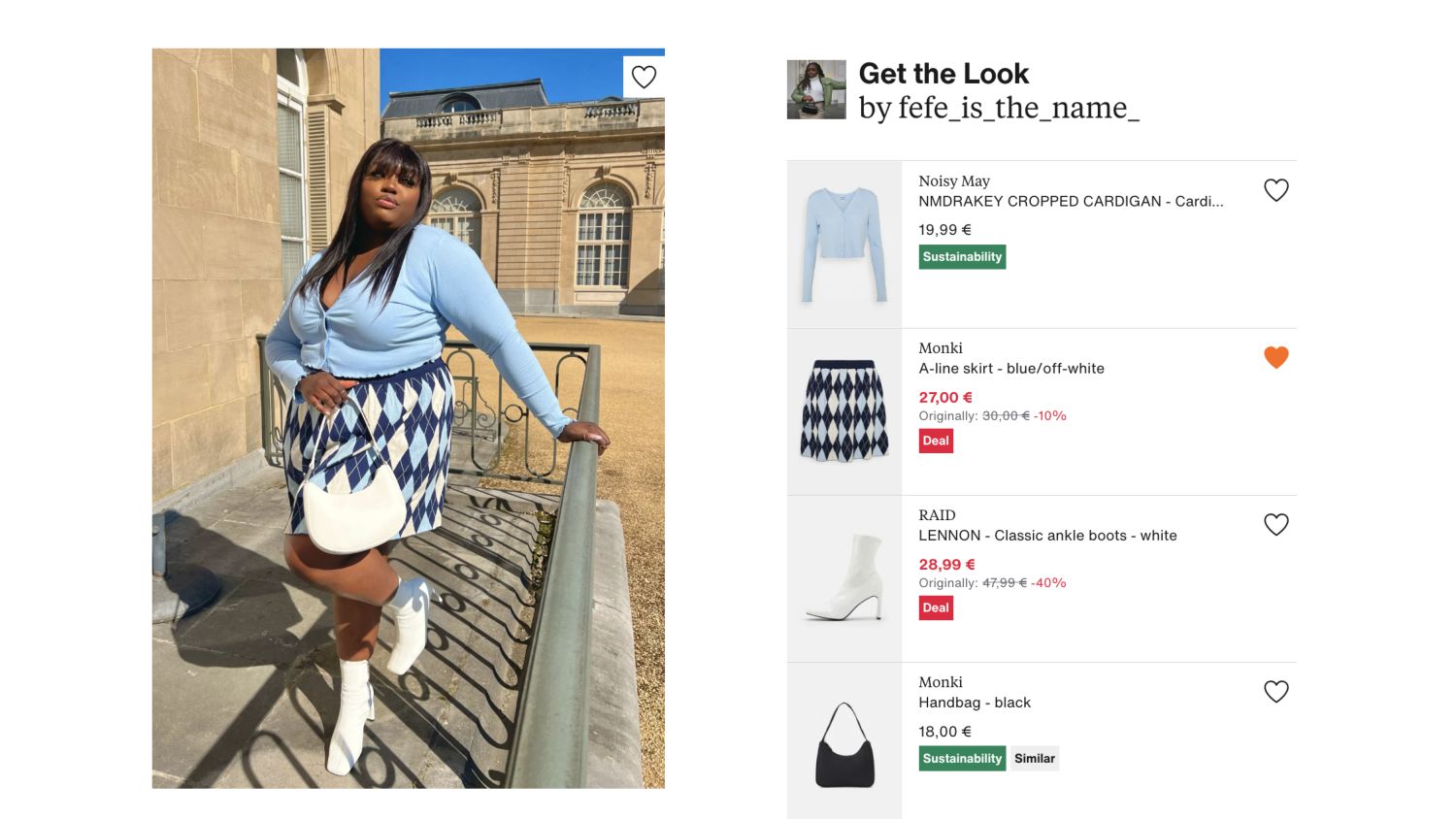
And we work with hundreds of style creators across Europe who make outfits from our assortment but in their own style. We also have an algorithmic product, the Algorithmic Fashion Companion, which can generate in real time a personalized outfit based out of insights from our real outfits to give you ideas of things to wear.
So yes, I bought that yellow jumper at the end. Quite like that combination. Now, talk to customers a lot about what they do with outfits, and it's really fascinating to see what they take away from it. Customers take lots of different things away from an outfit.
They might take away the overall aesthetic, the overall look. They might find one thing they really like. They might remember they've actually got one of these in back of the wardrobe, they'd completely forgotten that they owned it. That's fine. And I think that's my message about what I'm going to talk about today.
If there's anything in here you like, try it on. Give it to a friend. Unfortunately, I don't do refunds, though. So the problem I've been trying to solve is how to create space for my teams, how to kind of harness all that expertise, enthusiasm that they were hired for.
You know, we we build our teams of experts to help us all grow. And we're in this kind of constant challenge as a leader to kind of create this space and empower people to do things that are frankly better than we are a lot of the time.
But also make sure we're kind of roughly going in the right direction and help them if they stray. So I think this is where I think context is a really, really powerful, powerful tool. So I'm going give you five ways that I've been using it, and hopefully something in here resonates for you.
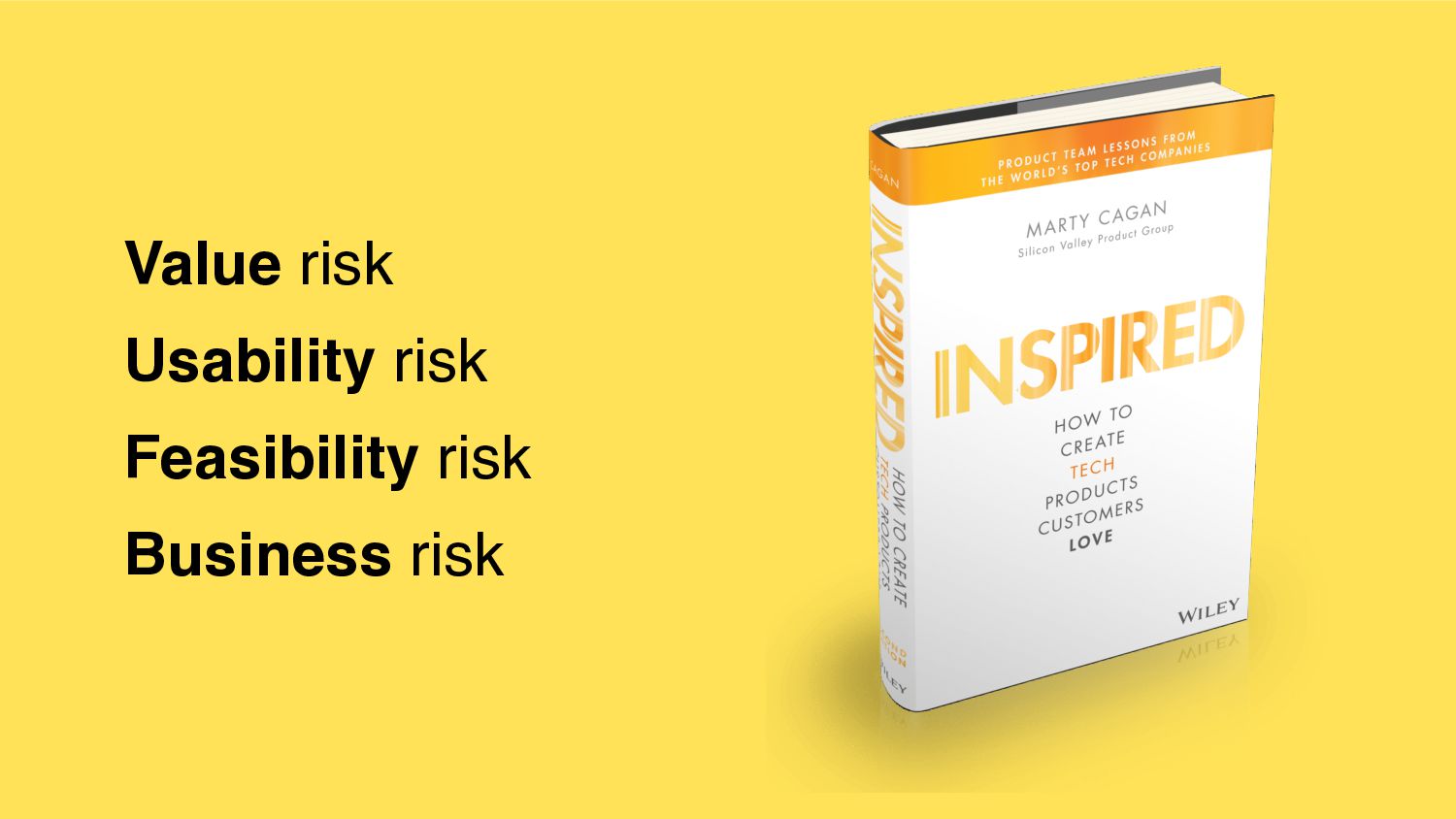
So as a product leader, the most valuable way I've found to talk about what's hard about product is a set of risks in the Bible, inspired by Marty Cagan. So we're building products. We're trying to build products that have value. There's a risk that we make something that really doesn't add value to our users' lives.
There's a risk we make something that isn't reusable, that customers can't use it. There's the risk that we're developing something that isn't feasible. And finally, there's the risk that we're building something that isn't going to add genuine value to our company. It's not going to help us get where we need to go.
I think as someone who manages and leads product teams, I feel like the first three are the ones where it's easier to create space for your teams to lead. They probably have more time. Their skills are probably more up to date. The business risk one is the harder one because a lot of the discussions about where a company is going, about where an industry is going, what's really happening inside of organizations, quite often takes place in rooms where our team members are not.
There's a much higher chance that you are in that room. And that's where I think context is really helpful and has led us to double down on helping translate that business risk and mitigate that business risk through the environment we set up for our teams.
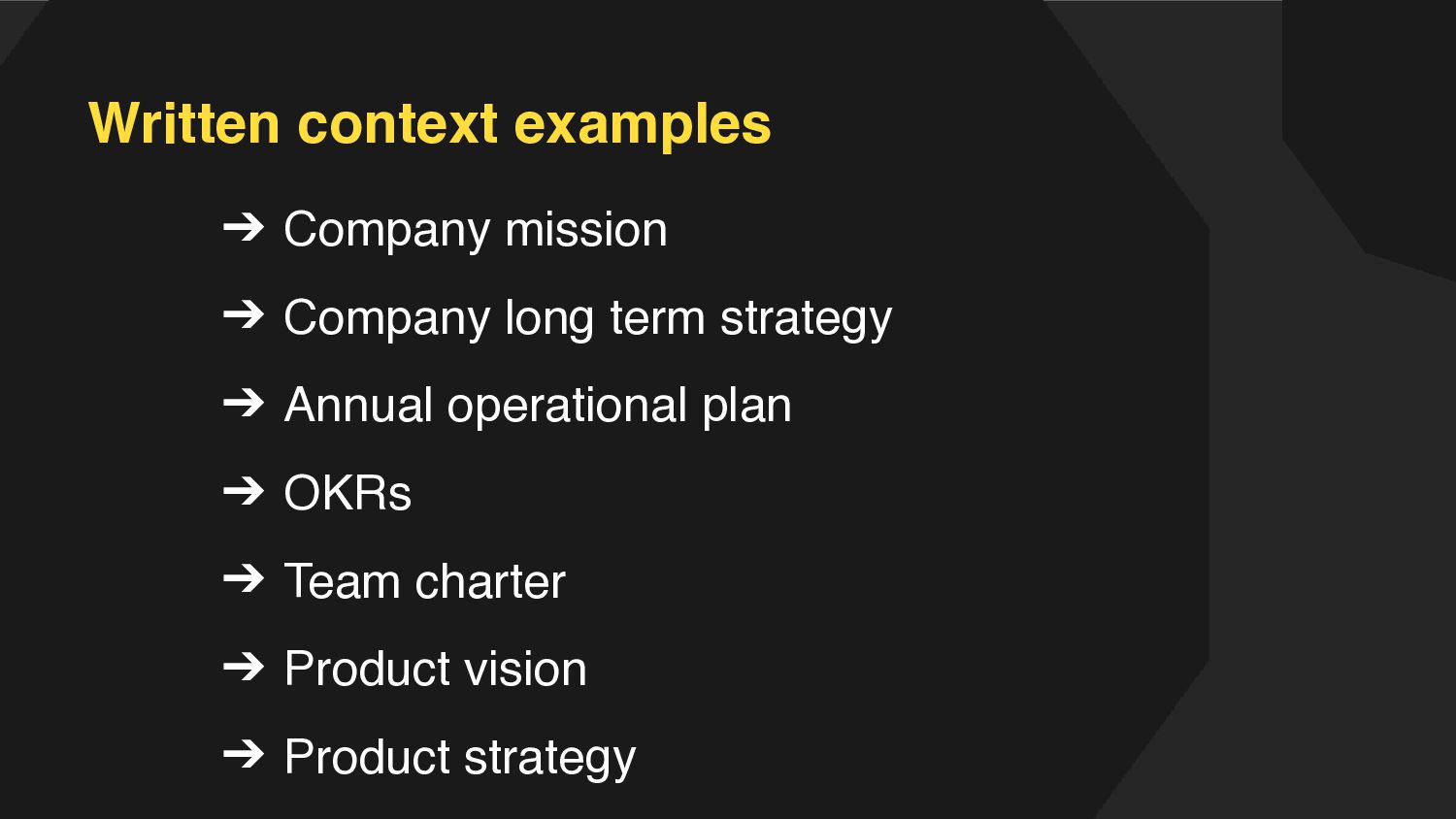
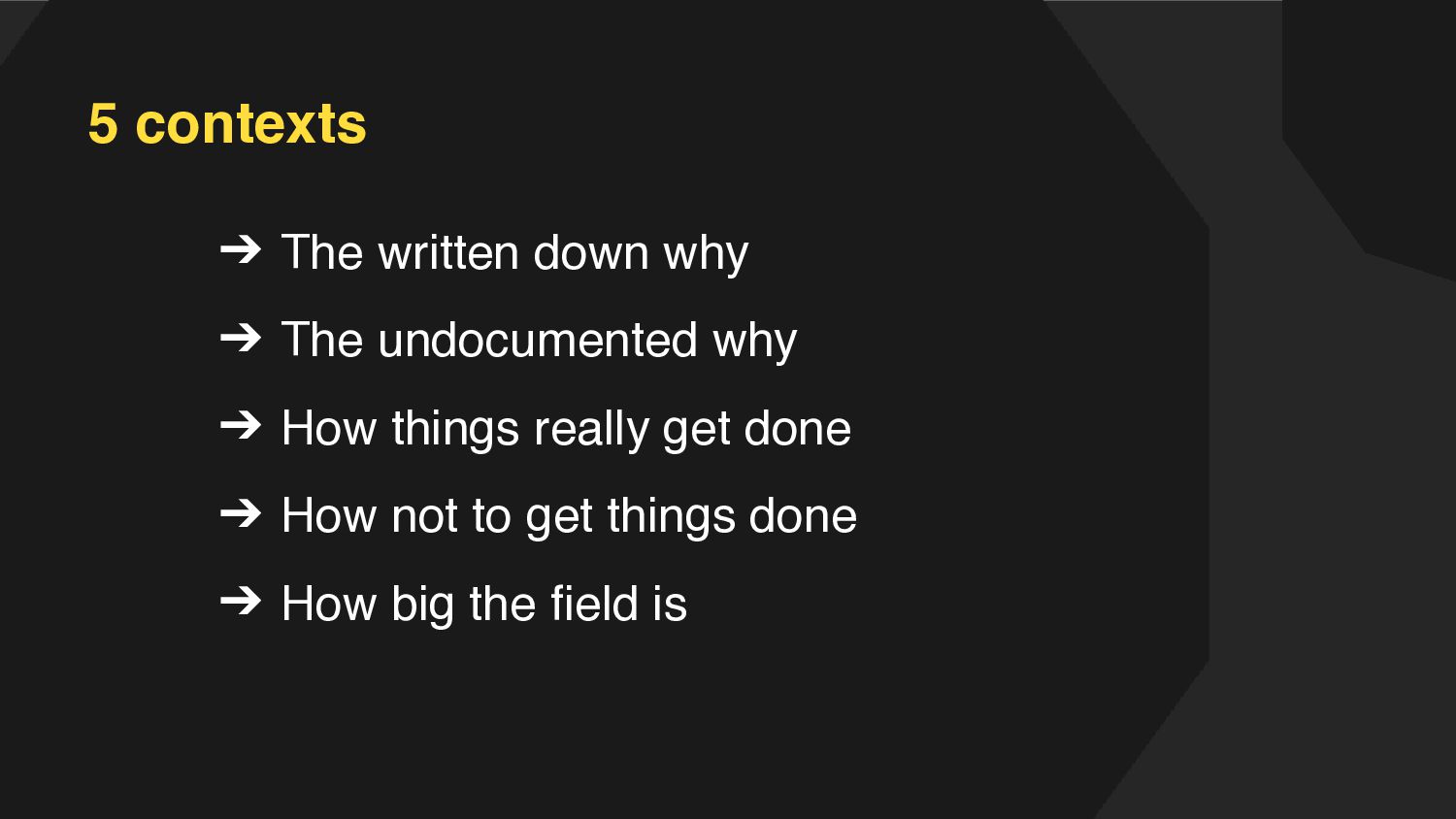
So the kinds of context I think it's valuable to share fall into two categories. There's why context and there's how context. The first one I'll talk about is the written down why. Now, our companies are filled with examples of these. You've probably got a selection of these in your companies.
These are kind of the easy ones. Now, ideally, you've been part of the conversation to define these. Sometimes they happen to you, and your job is to respond to them. The real challenge is making sure that you and your teams stay connected to that at all times, That you can see that connection, gives you a sense that you're having value, that you're having impact, that you're going where everyone generally wants to go.
The way we do this at Zalando, and I think it's one of most powerful tools that we found, is writing it down. It sounds really obvious, doesn't it? But we use a tool called the PR FAQ, inspired by Amazon's working backwards process, where all product managers who want to define quite a large initiative will write a press release, literally a press release, a fictional press release defining the experience they want to build and the benefits for customers.
They'll then write a set of FAQs explaining who the customer is, what the problem is we're going to solve, why we know they have a problem, and why we need to solve that problem now. And that's where the product manager's job is to link that idea back to the company strategy, to our customer promises, to our goals, to define the impact.
Everyone writes these. We write them consistently. And what it's done is it's really kind of opened up the rules of the game. Everyone knows. And the next nice thing that happened is that everyone goes, Well, I could do that. I could write one of them.
I've got an idea. Because everyone knows how to have the conversation and how to frame your product. So as a leader, what my job is to do is to make sure my team understands the context so that when they bring their ideas through, they understand how to pitch them.
So building a culture of writing things down really helps. I think this also applies afterwards as well. It's very easy to make a decision and post rationalize it, finding the thing that might have been successful, which might not be the reason you're building it in the first place.
Writing it down at the start makes it much easier to kind of go back and understand why you launched something, what part of the strategy you were trying to appeal to, and then make a decision about whether it worked. I like writing things down.
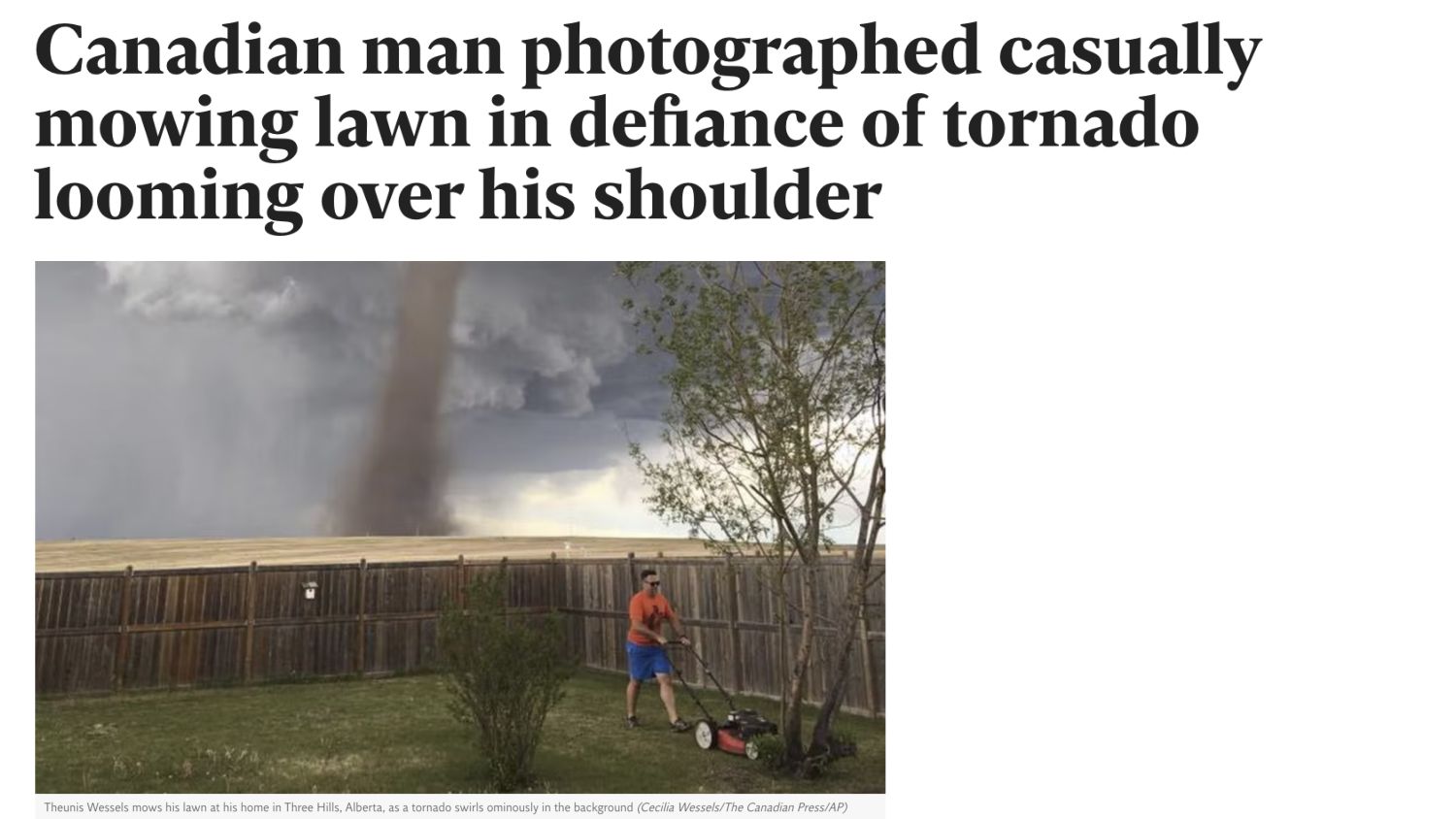
But also, the minute you write something down, it's out of date, literally the minute you write it down. Sometimes you don't write stuff down because it's moving too fast or it'd be kind of weird to write it down. And this is where I think our job as leaders is to kind of watch the weather, looking for changes in the atmosphere, things that might affect your teams, either immediately or could be things that affect them in the future.
Maybe the dark clouds, this can also be about good things as well, opportunities, ideas, spaces, things for your teams to think about as they make decisions and shape their products. The decision we have to make here as leads is when to communicate. At what point do you alert the team to the fact there's a tornado behind them?
Or there's a beautiful beach over there you could be going towards? We generally have a choice in this stuff. I believe really strongly that telling people early is a good thing. I think it builds people's ability to deal with ambiguity as long as you then create space to have a conversation about why you're communicating it.
I think people can accommodate a lot more ambiguity than you think they can, and people really appreciate being brought in early because you give people the chance to make choices and again, empower them to make decisions and shape things that you might never have thought of.
At Zalando, we have a set of principles called our founding mindset, which is really the values by which we work. And default transparency is actually in there. It's one of the values that we hold ourselves accountable to. Something else you can do through these processes, whether it's taking people through implementing of these kind of written down strategies or whether it's navigating difficult circumstances, It's getting people to think about the kind of the broader message here.
The best leads I've ever had have been people who have made me feel part of a process or an experience, but have also given me the gift of the lesson of how to deal with that in the future. Give me something else from my toolkit so that when I'm leading a team or I'm going through a process or something happens, I can go, I've seen this before.
I've got an approach. That's a real gift. So layering the meta learnings in all these experiences is really valuable. If you're going through a restructure, talk about organizational design. If you're having a quarterly earnings call, talk about the numbers, about what to look out for.
If you're preparing decks for advisers, talk about how boards work. Give people that extra layer of learning so that in the future, they know how to handle it. I'll also say that this stuff is the first thing to fall off the list when things get busy, when you're in heads down, just get stuff done mode.
So the most powerful thing I've found to do is to bake it into our rituals. Every team all hands start with me giving some updates or sharing some thoughts. Every one to one is a standing agenda item, which is, What's happening? What's going on in the world?
I think it's also as important to communicate that nothing is happening sometimes. We used to have this debate when I worked at BBC about if somebody opened the BBC News or Sport app, looked at the homepage and didn't click on a story, was that a good visit?
And quite often, knowing that there's nothing new, that there's nothing to know, that nothing has happened is good. So even telling people, Nothing's changed. We're fine. We're doing all right, is a useful message. So as well as information that we're sharing, I think is another reason why really deep diving into this context, overemphasizing on this kind of communication with your team members is important.
All good relationships are built on trust. Good teams are built on psychological safety. And we're wired to trust people that are close to us. And I think over the last couple of years, we'll all probably agree that we've lost some of the chances to build those relationships, to build that trust.
And, you know, as the Zoom quizzes have died off, as have the virtual happy hours, just some of those non transactional discussions and relationships, that bond building has gone. So think about time with your teams discussing things that aren't about the daily work, that are about context, that are about interesting environmental factors, that may or may not become an issue for you.
Think of them as little gifts. They're little gifts that say to somebody, I'm thinking about you. I'm setting you up for success. I want you to do well. It's just a reminder that you think about them. I think that's a really valuable thing at the moment.
It can also open up a chance to have a conversation about how they're doing. And it's quite a high chance at the moment they might not be doing well. This can really help open up some of those conversations. So we've talked a bit about the why and the what.
And now we'll talk a little bit about the how. How things really get done. If you work in an organisation that has its processes very well documented, there's still probably twenty steps that aren't. You might also work in an organisation where it's not documented.
And if you're new to that environment as a new starter or someone coming into a room with stakeholders or executives you'd have been in before, it's kind of scary. You don't really know what to do. You don't know how things work. Put your hand up if you ever have a meeting that's scheduled during lunchtime.
Put your hands up if you'd eat your lunch on camera. Put your hands up if you'd turn your camera off. Put your hands up if you just wouldn't go to the meeting. A couple. Alright. Everyone does it differently. There are no rules. Right?
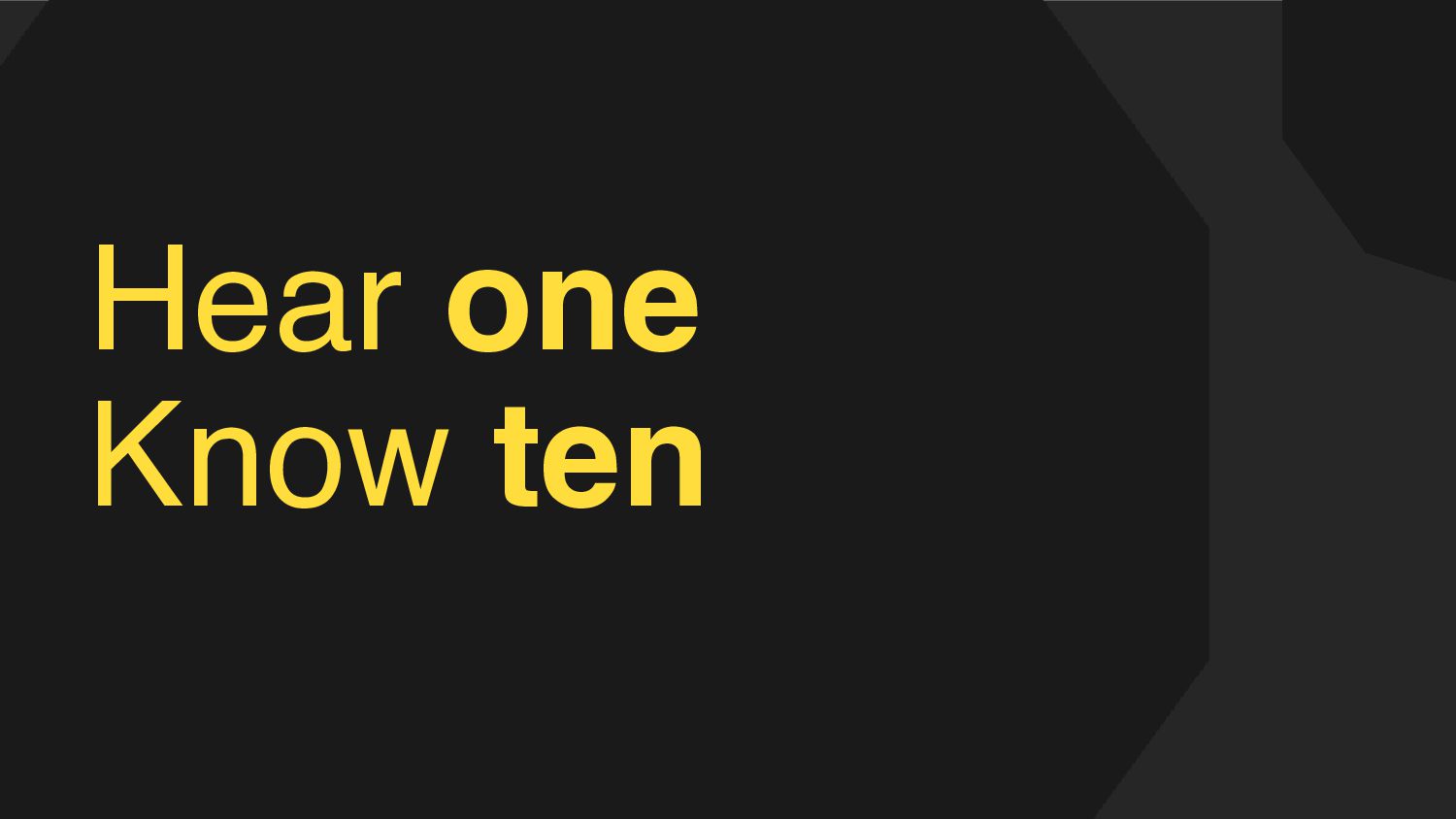
And we're making this stuff up as we go along sometimes. It's not written down. It's never going to be written down whether I'm supposed to eat my sandwich on camera. There's a Japanese concept called hear one, know ten. For every word someone you know says, you actually hear and you understand ten words, which is fine if you know people, which is fine if you understand the environment you're in.
It's really hard if you've never been there before. It's really hard if you've met these people. I'm very lucky in Zalando that I get to work in my native language. But even at that, you've got native Scots, English, Irish, Australian, Canadian, American, South African.
We're all very different. And language is a really important part of this too. Let's look at some examples. If I say that, what am I saying? No. The word no appears in none of those, but they all basically mean no, don't you? That stuff's really hard.
So understand the nuance of different cultures, of different people, of how they communicate. These are the kinds of contexts you can support your team with, not telling them what to do, not telling them how to act, not telling them how to behave, but helping them understand what different things mean when you want to create space for them to present, to own, to level up.
Another part of this is to kind of help them understand the lenses through which people come to decisions and come to discussions. And I think we'll probably all be in those meetings where we want to communicate and get a decision on something. And people come at your discussion with such bizarre questions.
You know, like, Why are asking that? Where did that come from? And then you realize people are thinking about budgets, they're thinking about promotions, they're thinking about deadlines, they're thinking about the live issue that's breaking something somewhere. The longer you spend time with people, the more you start to understand the lenses that they come to these things through.
So help your team understand these things in advance. Help prepare them. And the most valuable thing you can do is bring people into the room early. Help people see these experiences for themselves. I know when I speak at an event, I always try and come to the room, see how it's laid out, work out where I'm supposed to stand, see what's on the monitor.
It's much less scary than staying up there for the first time and just hoping to do your best work. At Zalando, when I joined, I went to as many PR FAQ reviews as I could. Sometimes the product was relevant, sometimes it wasn't. But I was looking for body language.
I was looking for how the meeting started. I was looking for who do we wait for until the meeting starts. I was looking for the kind of questions people asked. I was looking for the etiquette. I was looking for the language. And these are the kind of things that you can synthesize and share with your team members.
Again, not to tell them what to do, but to prepare them and bring them with you if you can. The other side of this is that there are always things to communicate about how not to get things done. Every team, every company has a concept of landmines.
These are the topics, the words, the people. But if you mention it, it will take your discussions, your decision making, off a completely bizarre tangent that you will never come back from. So it's really important to learn about these. Map out the landmines for your team.
Help them understand where they might get stuck. Again, don't tell them how to handle it. Just help them understand what could be the problems, what could be the barriers, what kind of reaction they might get when you want to create space for them to lead.
On the converged side, there's the urban myths. Every company has these too. These are the things where if someone suggests it, quite often a new person comes in and said, Why haven't we done this before? And you go, Oh, we can't do that because X, Y or Z.
We can't do that because someone said so. We can't do that because it's illegal. We can't do that. We can't do that. We can't do that. I was part of an amazing exercise at the BBC when I worked in the children's department. We were doing a really kind of big strategic piece, and we realized that we were self limiting by having this narrative in our head a lot.
We can't do that. We can't do that. And we wrote down all the things that we felt we couldn't do. And we went through them one by one. And sometimes it was, we can't do that because so and so said so. And then you went to so and so, and so and so said, I never said that.
Or that was seven years ago. Things have changed. Sometimes we can't do that because there can be a compliance issue. Or at BBC, quite a lot, it was kind of something that was written in an Ofcom document. And then sometimes it was true and you couldn't change it.
And sometimes it was true and we changed it and it was worth changing. So again, working with your team to understand where they might be self limiting, where they might be using the urban myths to restrict themselves, to close down things that could be interesting opportunities.
Help them understand them and reflect. The last area is more of a personal context. Having people see how big their field is. I have a hunch that the field for all of us is bigger than we think it is. And as leaders, it's for us to show people how far they can go, where the opportunities are.
So again, we're not self limiting. I first experienced this when I joined the BBC. I was twenty two when I moved to London, and I was working in TV Centre, one of the most famous TV companies and TV buildings in the world. This the doughnut.
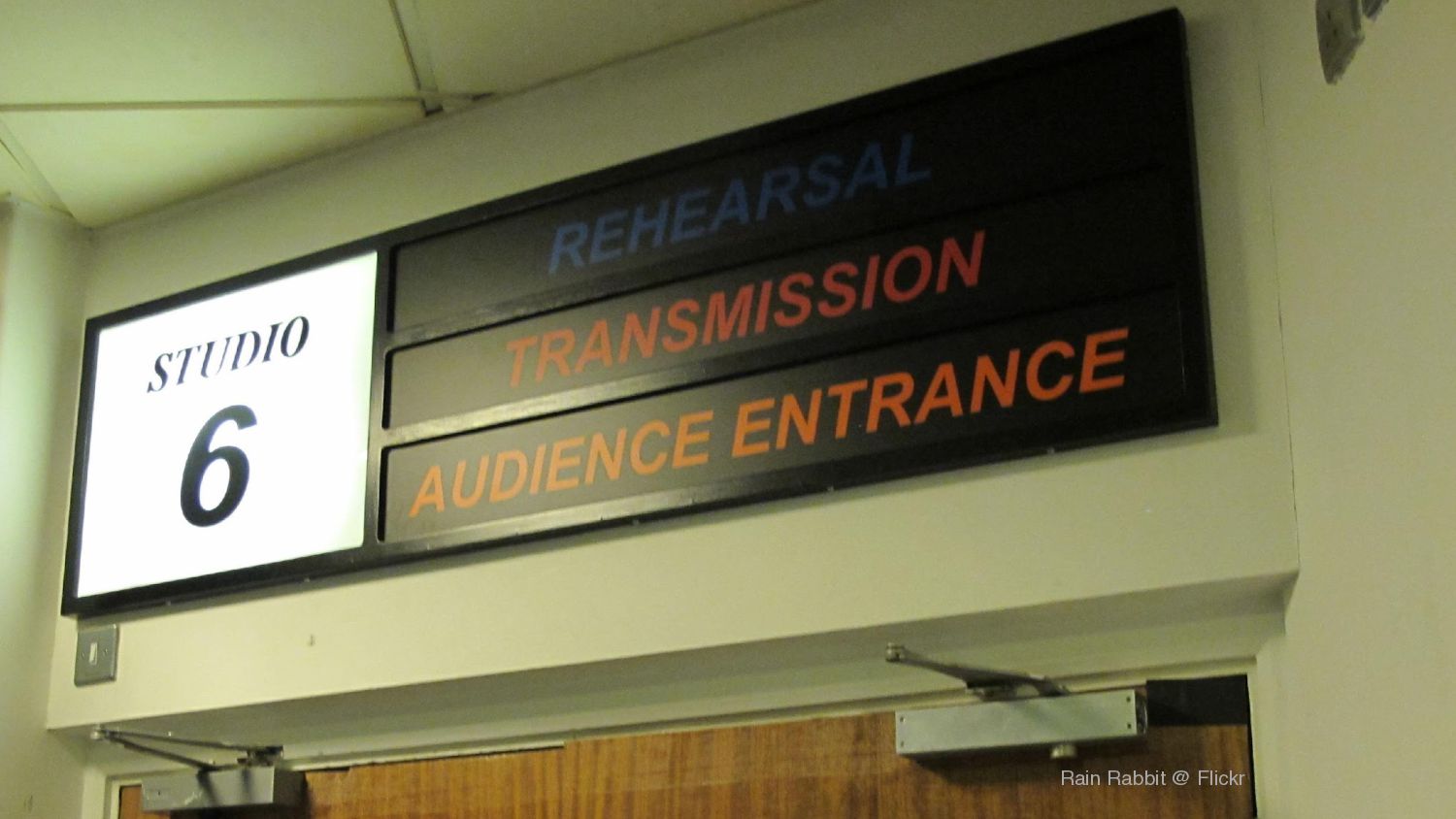
And my boss was in a war zone, so I got a very basic tour when I joined. No one really showed me around the doughnut. I was on the seventh floor, but if you go down to the second floor, you have viewing rooms for the TV studios.
And on the ground floor, you have the actual studios where some of the most famous programs were being made. Top of the Pops was made in the building that I worked in. That's how long ago it was. But I was terrified to go to these rooms.
I was terrified to walk around the doughnut, to look at the dressing room doors, to peek in the studios, to go around the back and look at the sets and see how shonky some of them were. Because I thought, someone's going to shout at me.
Someone's going say, You can't be there. You're not allowed to be over there. Get back. No one ever did shout at me. But it was only when I met somebody in the canteen, and I said, I'd love to go and see the studios.
And I was like, Come on. Let's go and have a look. Someone took me and showed me. And I think our teams and ourselves, I think we can do that in our day to day work. I think we think sometimes that the walls are closer than they are.
And I think we need to encourage people to think beyond. Show people where the edges aren't. Show them that there's growth and there's opportunity over the horizon. And there's lots of different ways to do this. Sometimes it's about finding the seeds, things they mention, the seeds of ideas, the seeds of opportunities.
Sometimes it's about connecting them to other people, helping them see opportunities. But it's a really important part of our work as leaders. Not to do the work to help them grow, but to encourage them and help them see where they can go. Again, at Zalando, I've had great leaders who've helped me with that, who've helped me connect when I've had an idea that was clearly not within my remit.
They helped me see that this was good, this was okay, that the power comes when you bring different teams together. No one ever shouted at me. All I ever had was encouragement. And when you find those win wins, it's a really exciting way to grow your career and grow your teams.
So we've talked about five different kinds of contexts. I think we start at the obvious and possibly go to the less obvious. But I really believe that putting more effort into this, to be thinking about communicating with people, is a really valuable thing to do.
I get a bit overexcited. I like talking. And one thing I really like to think about is how and when to communicate this. I've had to learn who are the people who want to have the live updates, who want to have the latest information, and who are the people for whom they need a bit more time, a bit more consideration and a bit more structure and much to have a conversation about how to process, what to do with this information, to make decisions.
I'm still on that learning path, but I don't regret for a second ever making that connection to people, ever sharing that information. I'll leave you with two thoughts for your own growth. You have all the context you need to do your job? Are you sure you do?
Who has it? Who are the people in the company that know everything? Some of it's not the obvious people, but there are people who know the interesting stuff. And where are the edges of your field? Are they the way you think they are?
Could they be a bit further away? How could you find out? Think about how you could add these thoughts to your conversations for your own development. Think how you could add them to your conversations with your own leads. Put you at the edges of your own field.
And if you're struggling, for units of measurement, corgis, Shetland ponies, Donna kebabs. Thank you.