Lexi will be giving a highly actionable talk on content promotion covering tactics, strategies, and processes. Alongside discussing fundamental changes in the publishing industry and how these should impact content promotion plans.
She will show you how to package, deliver and engaged high-value targets. Discussing what which methods we need to retire and how to use SEO skills and tools to create a competitive advantage when promoting content.
Throughout the presentation, she will be using real-life case studies to demonstrate what these tips, tricks and strategies look like when applied to a variety of industries. Including some examples of how successful music firms and rockstars are promoting their content. She will close with some advice on how content experts can avoid conflict and work more efficiently with PR teams.
1 / 122 Use ← → to navigate
Auto-generated transcript - may contain errors.
Tap a timestamp to jump the video.
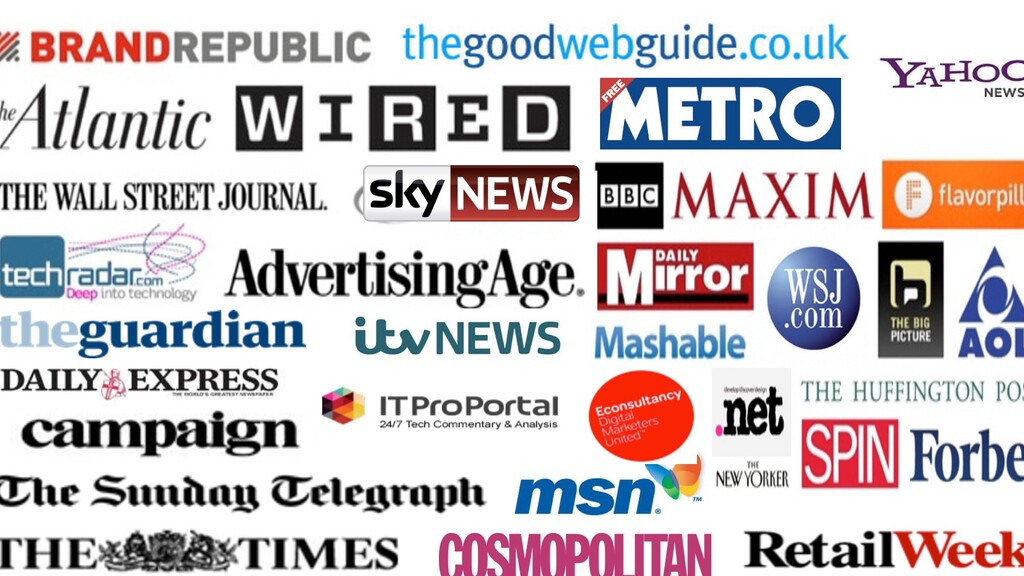
Hi. Thanks very much for having me. So I work for ManyMinds, and these are some of the places that I get targeted with getting content placed, building links from, and getting brand mentions. And I do this for a really wide variety of clients.
But what I'm gonna talk to you about today is not working for people like Red Bull, because actually, it's not as fun as you might think. And always working in the music industry, which I also did for a while. I like to work with the brands that people often think are naturally exciting and sexy because they give you freedom to do really cool stuff and freedom to be super creative in a way that you can't when a brand's got a really strong crafted public identity.
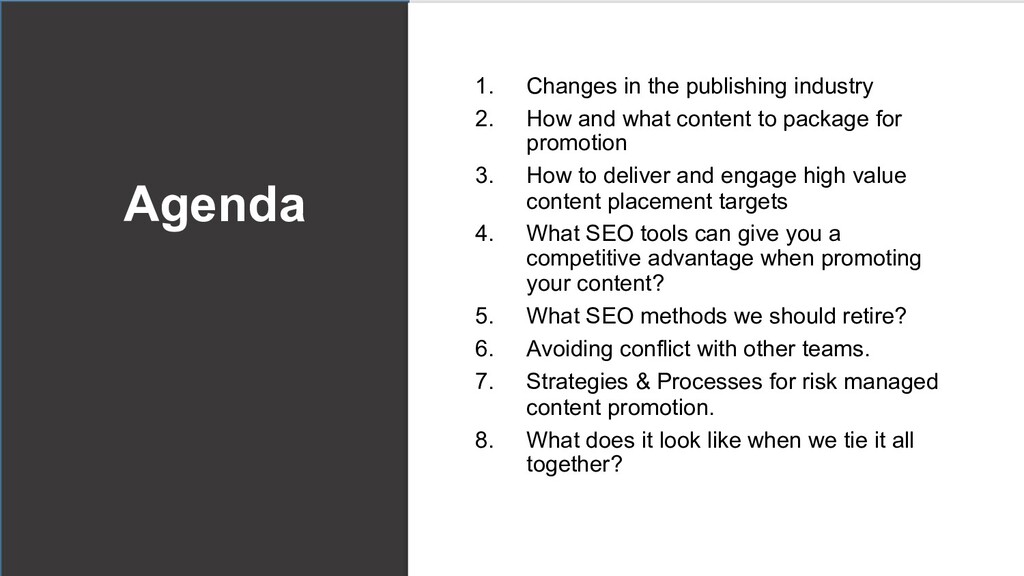
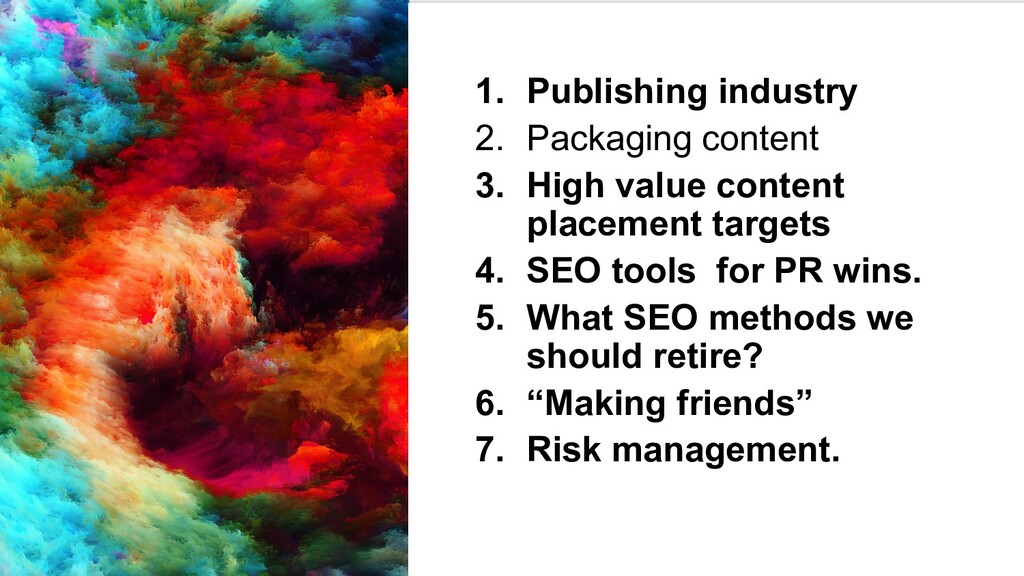
So I'm gonna talk to you about what I think is the PR formula for content marketing that has worked across all of these clients. So hopefully, irrespective of way you sit, you'll find it applicable. I'm gonna start with talking to you a little bit about how the industry is changing from a media perspective.
What is it these people who give out those big links? What is it they want, and how are their lives different? We're gonna look a little bit at how you make contact with them, how you build relationships, and how you package your online content.
I'm gonna talk a little bit about risk management, making friends with all the other people we now have to play with before we can launch a piece of content. And then I'm gonna tie it together with one case study at the end, so you can see what it all looks like if you put it all in one box and apply it to a client.
So let's have a think about big brands. You know, we often think, oh, we've gone through a hectic change period with the Google algorithm updating time and time again. But the reality is, so have all these big brands. They've gone through the rabbit hole too, and it's been hellish for them.
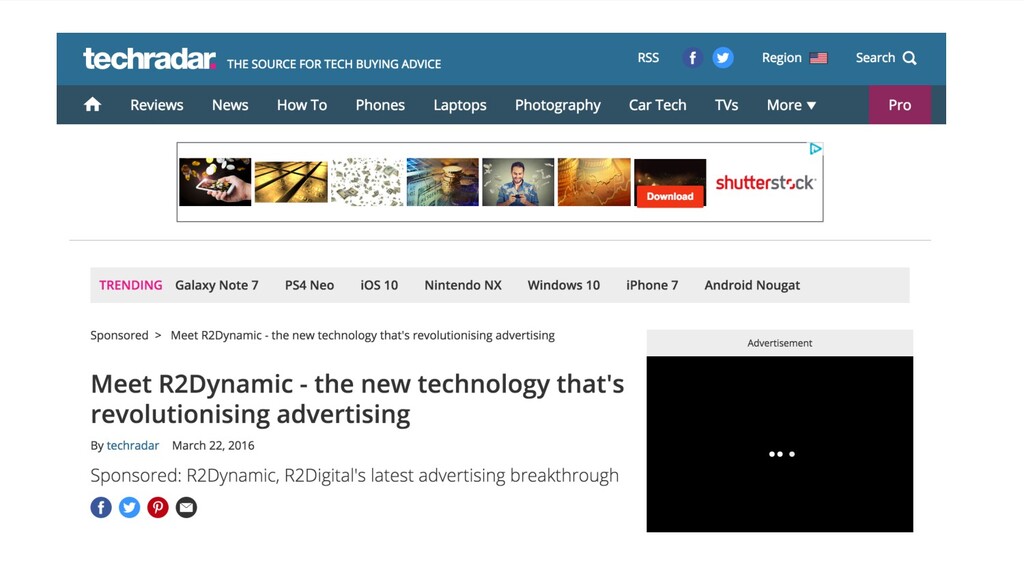
And so what we need to do is have a think about how that has changed. So what you're seeing here is a piece of sponsored content. That used to be how big brands dealt with publishers. But it's not all about the money these days.
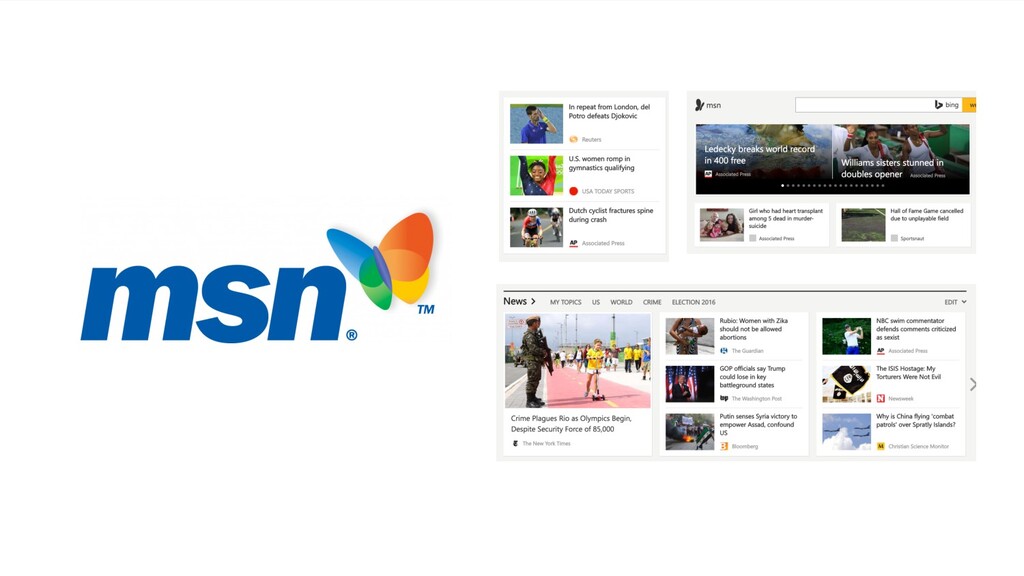
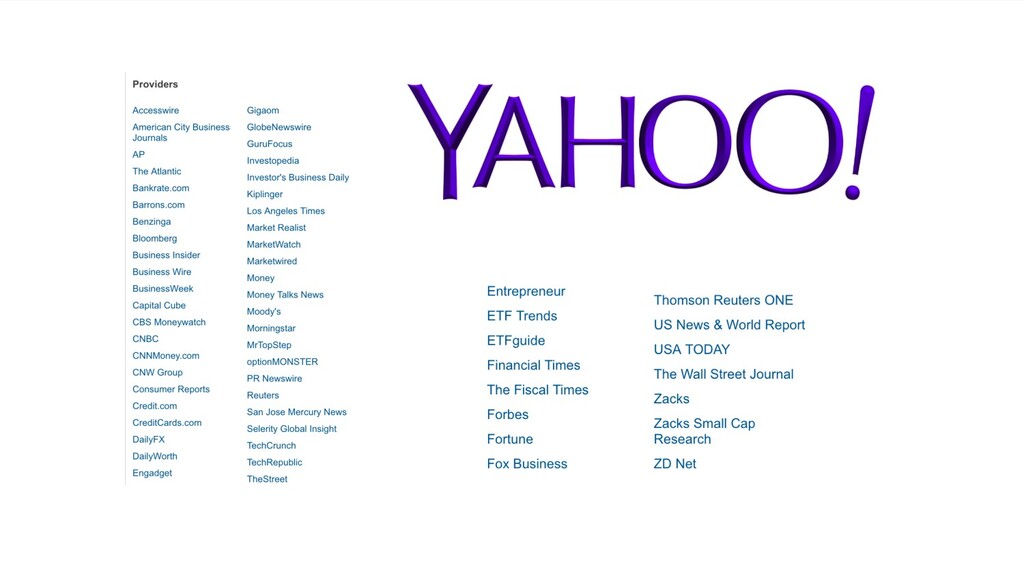
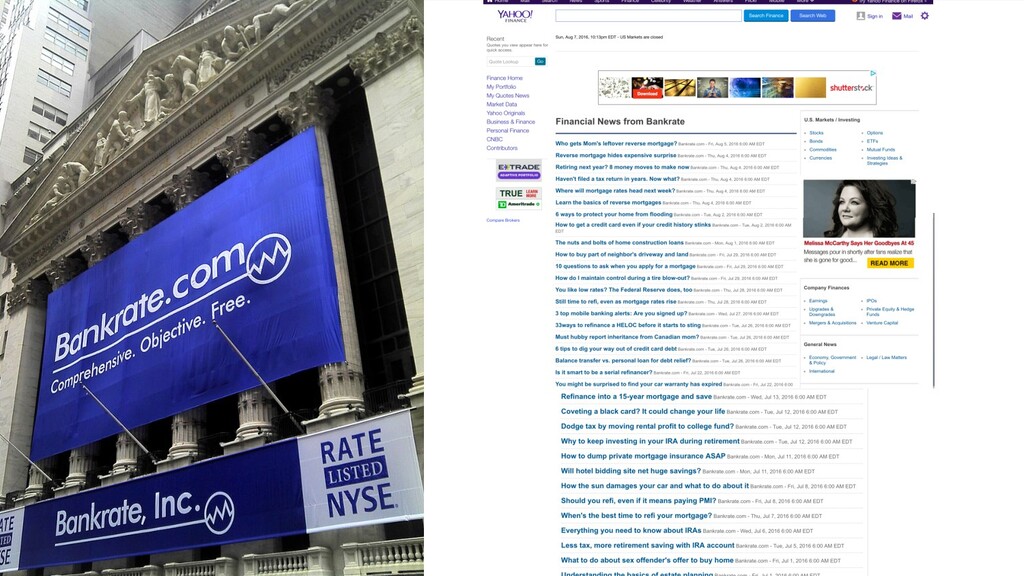
One of the biggest changes I'm seeing is with people like MSN and Yahoo, if you look closely at this list, their publishers, their contributing publishers are brands. And every month, I find a new brand being added to this list. This is Bankrate. I just searched all of their articles on Yahoo, and I was astounded by how many they had.
Now, normally, we'd either, a, pay for it, but publishers are getting so so stressed out and so overworked that when a brand becomes so good at content, the publishers want it for free. You know, they're they're not asking for money anymore. It's adding to their portfolio.
And we're also seeing people like CNET take their teams that were regional and merge them into being global teams, which is a really cool change for us because it means you can now promote content twenty four seven, which is epic for the twenty four seven rule, but it's even better if you screw up your first pitch.
You know, the first time you get on the phone and you're selling in a new piece of content, you sometimes trip over your words, even the most seasoned people do. But if I call London scene and they don't take it, I've got another chance five hours later when San Francisco wake up, which is awesome.
And then, do you remember this? You remember when you could get one piece of content on a website and it just went everywhere? You got like five different pieces. As a PR, you'd be like, hits. As an SEO, five links. And then Panda came along, and all of that stopped happening at the same level, unless you live in Australia, and then it still happens quite a lot, but well, there's something new.
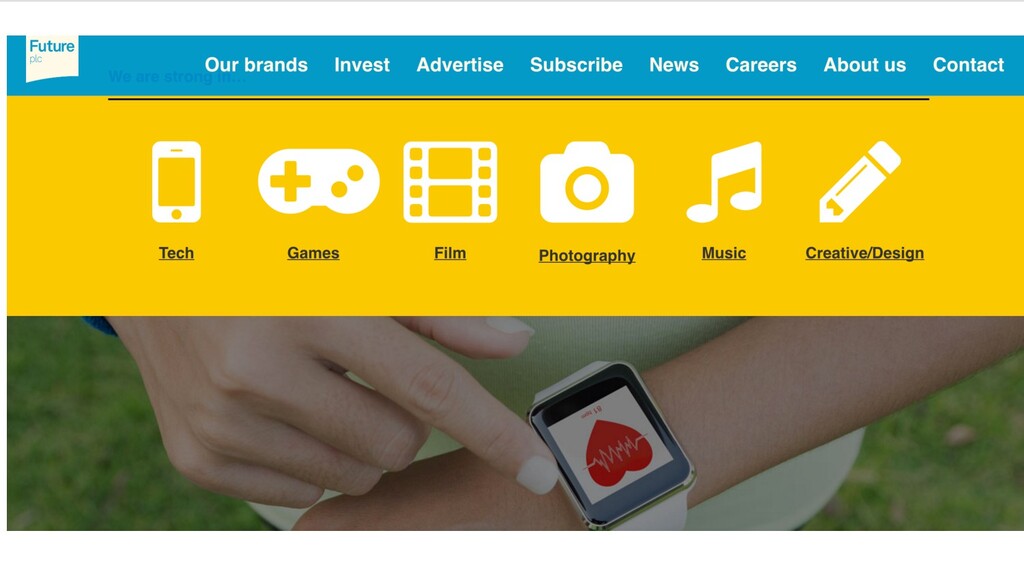
There's a new syndication hack because there's always gonna be something new. For everything we lose, we get something. And future publishing is leading the way in that. Now, if you walk into WH Smith, and you look at the big print shelf, I know crazy people buy print publications, a lot of it will be future publishing.
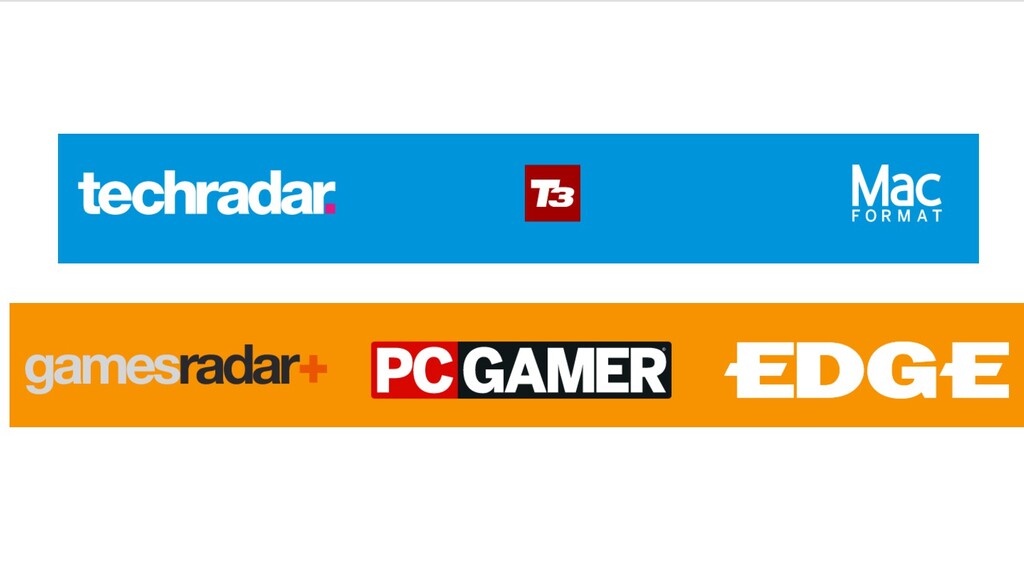
But they decided not to take their teams and make them global, they made them sector based. So now, they have a gaming team, they have a photography team, they have a tech team. So when you call TechRadar, you're actually speaking to a journalist that also writes for t three and PC gamer.
That means you can sell them one piece of content and get it across all these publications. It also means you can sell them one piece of content, screw it up, and upset all these publications in one go. So let's have a little think about how you fix that.
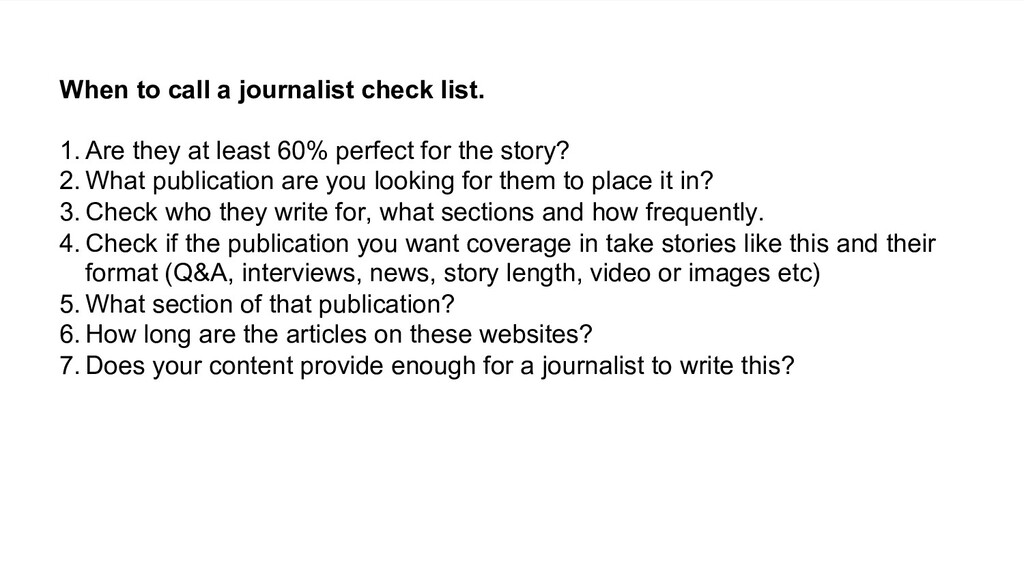
So I've created a checklist, which I'm gonna just pull a few bits out of for you, of things you should do before you speak to a journalist. Firstly, if you're gonna pick up the phone, you better be at least sixty percent sure that they really wanna hear about this content.
You've got to make sure you know exactly what publication they wanna put it in. It sounds really silly, but when you ring a journalist and he says, what publication do you want me to place this in? And you don't know, you lose all credibility instantly.
That's because many of them are now writing for far more than ever before. Make sure you know that. Also, have a think about what section you want it to go in. You know, is this a news piece? Do they write news pieces like that?
Is it long enough, the content you've got, to be a news piece, or is it more of a q and a? Make sure you know these answers. Also, make sure you've read their publication. We all work in different sectors, and when I was agency side, it was crazy.
I'd be starting off in the morning with pet insurance, debt in the afternoon, and then maybe doing travel later on in the afternoon. There's no way I've read all these publications back to back and all their competitors. But I can spend a good thirty minutes just scanning over a couple of them, so that I'm semi informed.
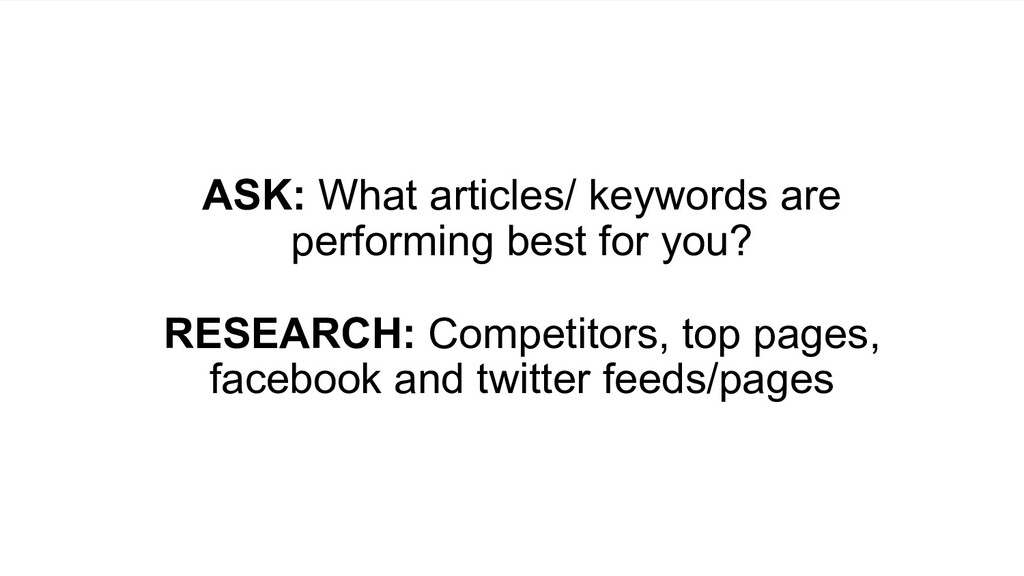
It a world of difference, and if you're going to go through all the effort of calling one journalist that could get you in five publications, it's well worth it. And the other thing I'd encourage you to ask is what keywords are they targeting?
What's really working for them right now? What's making people click on all their articles? And make sure you've done a little bit of research as well. Look at their competitors, look at their top pages, look at what are the top likes on their Facebook, the top shares on their Twitter channel.
It's so quick, and it's so easy, and it tells you loads of information. If you just turn around and say, yeah, I see that everybody seems to be talking about x and y, and that's what our content is about. That's a pretty good and pretty strong compelling pitch if you're a journalist.
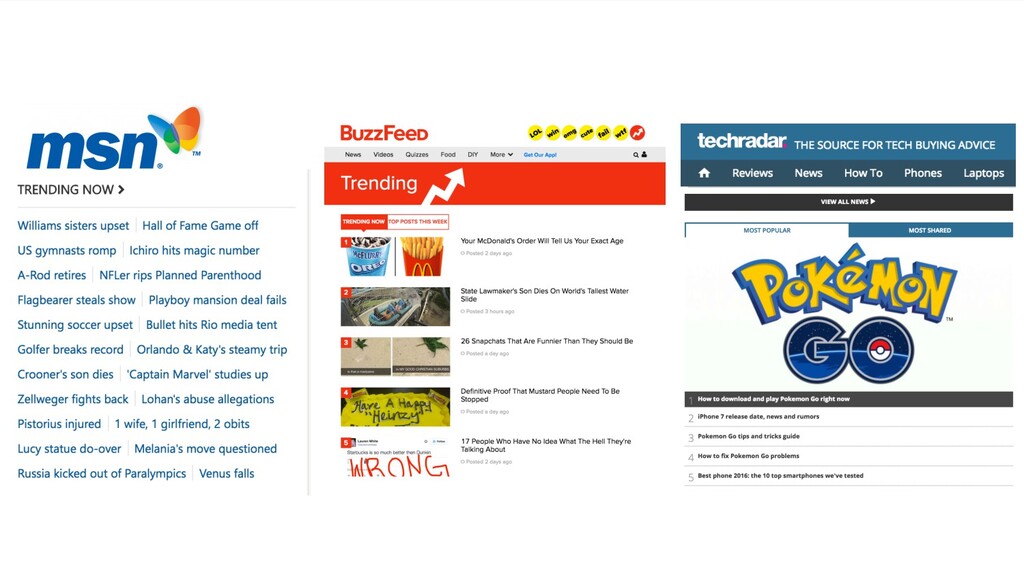
And that's in part because we have SEO tools, but so do all these guys. They some of them are being targeted at taking sixty percent of their headlines from automated tools telling them what they should be covering and what keywords. Who is better placed to work out what's probably coming out of those tools?
An SEO or a traditional PR? SEOs have the advantage here, and we should be using it. But you don't have to do it just with keyword tools. I go to CES every year. It is a pretty good party. I'm not gonna lie. You should consider going out.
But I go because as I walk through all these halls, I get an idea of what are the key trends people are gonna be talking about in technology over the next year. Now this year, I had a client called Now Kai is epic.
They do the future of human interface technology. Now, I I really can't begin to tell you how futuristic and how awesome I feel about humanity when I worked on this project. But behind me, this is a machine learning system for agriculture. K? This could solve loads of world hunger issues.
It can grow epic marijuana, I'm sure. They didn't put that in their press materials, but I'm pretty sure that's the case. This is an art installation that when you hold up the mirror, takes a photo of you and then puts it up online to show how when you interact with the Internet, it leaves a footprint online.
It's this this beautiful immersive poetry. I had ninety submissions that I had to go through, and a small budget, and a small team, and a small amount of time to get these guys coverage. So I took the list of trending topics I had noted down at CES, and then I searched all the research documents, found which terms were repeated, so where they matched, and which documents had several of these.
Because if there's one thing a journalist is gonna like, it's not just one strong keyword, it's gonna be three. And as a point of reference, one of the journalists at CES told me that convergence is gonna be the biggest theme in technology this year.
So three types of technology together. And I was like, definitely see how that works from a keyword perspective, and if it works for you, we're all happy. So that's exactly what I did. And on a very small team, we got over a hundred publications, covering off pretty much every national and major publication in the UK and the US.
And that would not have been possible if I hadn't have used keyword research. But let's have a little think about where the future's going. Facebook, unfortunately, is now or fortunately, depending how you look at it, is writing rewriting its algorithm to come back clickbait, spam.
So although I'm telling you focus on keywords, you've got to have some good content at the end because the algorithms are updating to combat this. Now, it wouldn't be fair for me to talk about journalists and not talk about time. But time's kind of irrelevant.
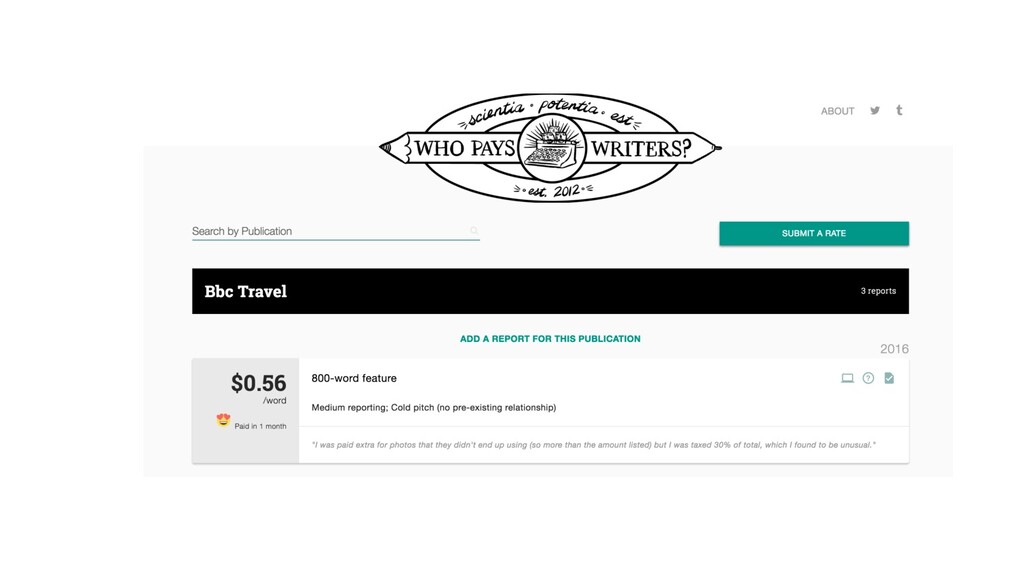
When I speak to my parents about time, when I'm busy and they're busy, very different situations. So let's put some numbers to it. This is a website that tells you how much journalists get paid. Right? On average, it's submitted, so it's not a hundred percent accurate.
But this is BBC. If somebody is getting around fifty cents a word, or forty five pence, roundabout, the average article is around four hundred words, maybe four fifty, that's about two hundred bucks an article. If it takes them an hour to write it, they're making two hundred bucks an hour.
Let's take off fifty percent for business expenses and tax. If you're freelance, that's a hundred bucks an hour. If you don't give a journalist everything they need to write their story, and it takes them two hours to write it, now they've made twenty five bucks an hour.
What if they need to do a bit more research to check that your data is good? We're dropping by fifty percent again. We need to give journalists everything they need. And if you're known for that, they're going to make more money out of you.
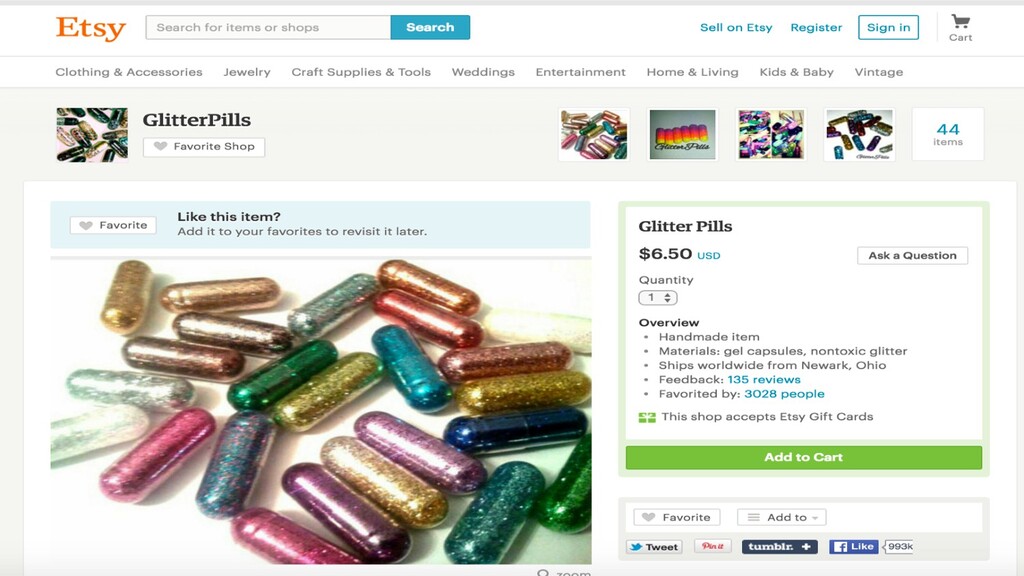
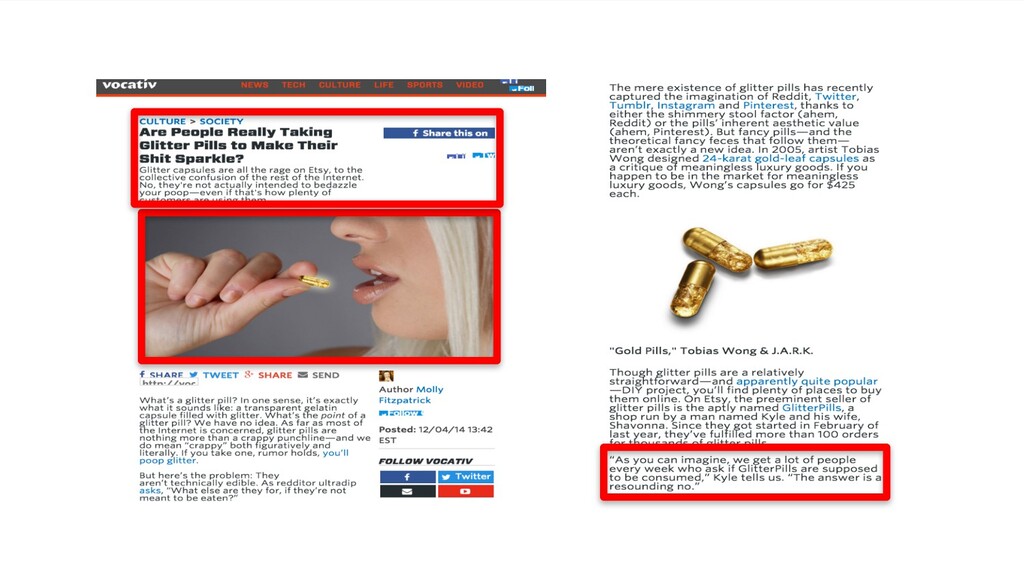
If anything talks, money talks. So let's have a look at how we can look at glitter and learn about how we give journalists what they want. So these are really cool. These are glitter poo pills. You can get them from Etsy. You take them, they turn your poo into glittery stuff.
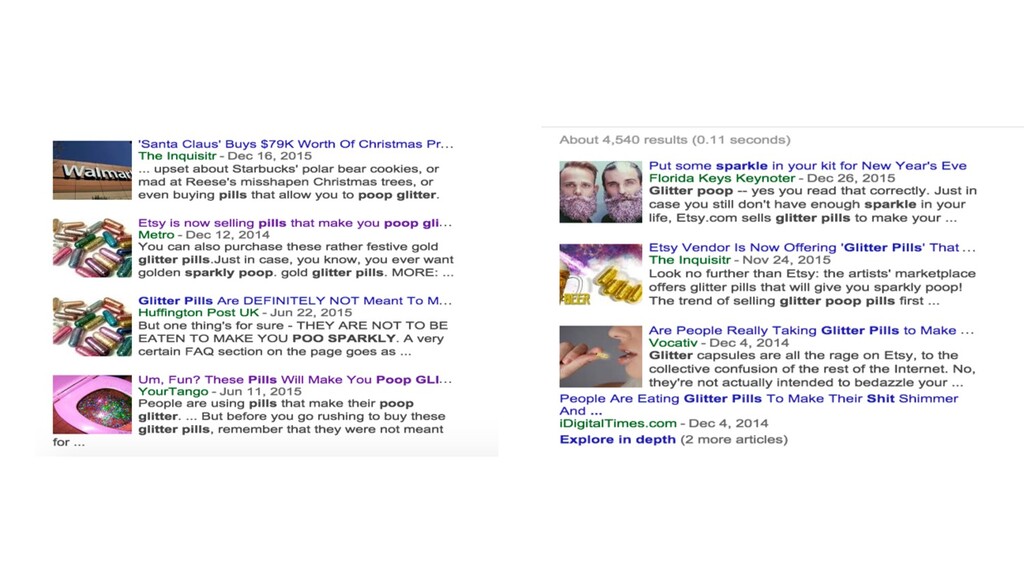
Brilliant. Got loads of coverage. Of course, I paid attention. I love glitter. I have some in my wallet for anyone who wants some at the end of the session. But what was really cool about these stories was that they gave you everything you need to make a story, almost the anatomy of it.
So they had a a good headline, they've got a great image, and they've got a quote from the person who launched them. But you've also got a second person in the story. Now, getting a client to talk about your product or service is often a lot more energy than it's worth.
These guys just took it from Twitter. That's brilliant. And if you put all of this in a Dropbox, and you call in your content to a journalist, and they can get everything in one go, even if it's really late at night, they're trying to hit their article limit for the the day, they can write your story.
But if you really want to go to the top of the pile, the thing that's really working at the moment and putting the cherry on the cake is always going to be video. And I spent the last week with a twenty dollar, so about fifteen pound tripod, and a very, very smashed iPhone, because it's not financially viable for me to keep repairing them and keep smashing them, just as a point of reference.
So I went around, took loads of video, sent it directly to journalists from my phone, and they can edit it up however they want. As long as this landscape is good enough for most publications. But if you really want to win at the glitter game, I was thinking, okay, if I was promoting this, how would I build the world's best contact list?
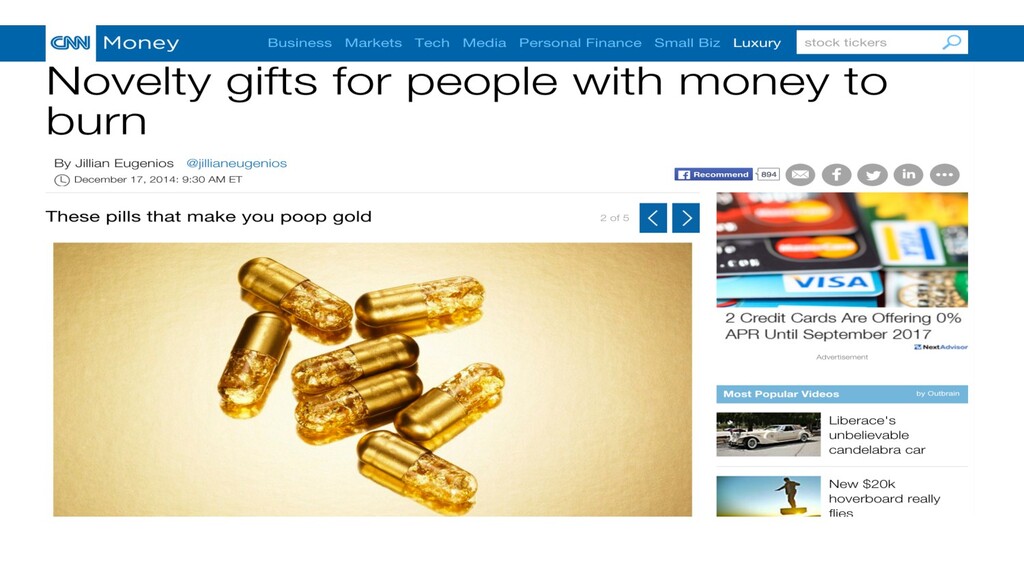
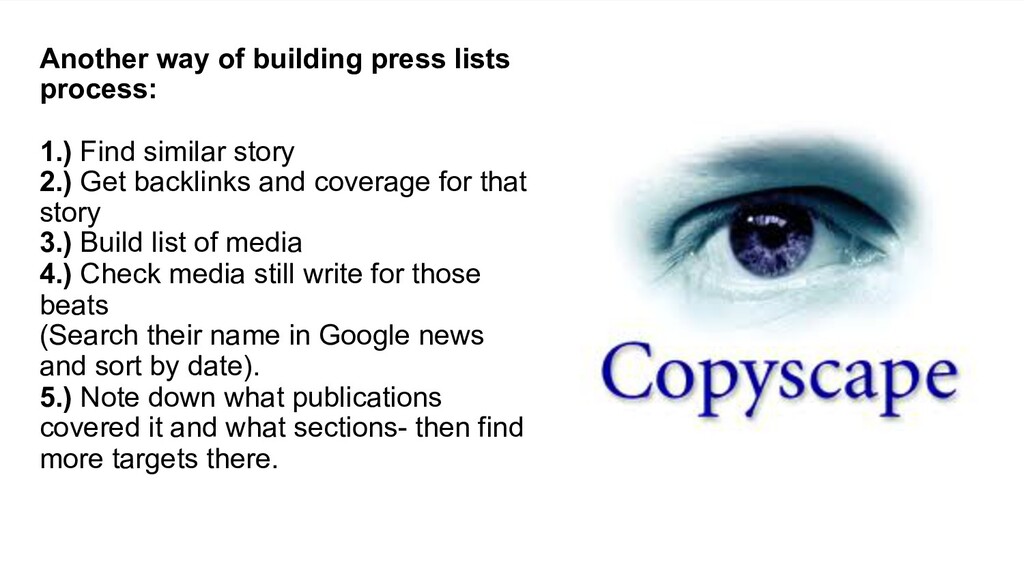
I was like, I'm not going do backlinks of competitors. That's not going help me really with glitter. What I'm going do is go find a similar story. Maybe gold poo pills. Turns out, they exist too for the high spenders. So I want to encourage you to think about doing backlink analysis of similar stories.
Start tracking where these stories came from, who published them, what sections of what publications published them, and then suddenly, have the most killer list for your glitter poo pills. This scales backlink analysis I've got a checklist for you of this. But backlink analysis of competitor sites doesn't help you build good PR promotion list to get those really big links.
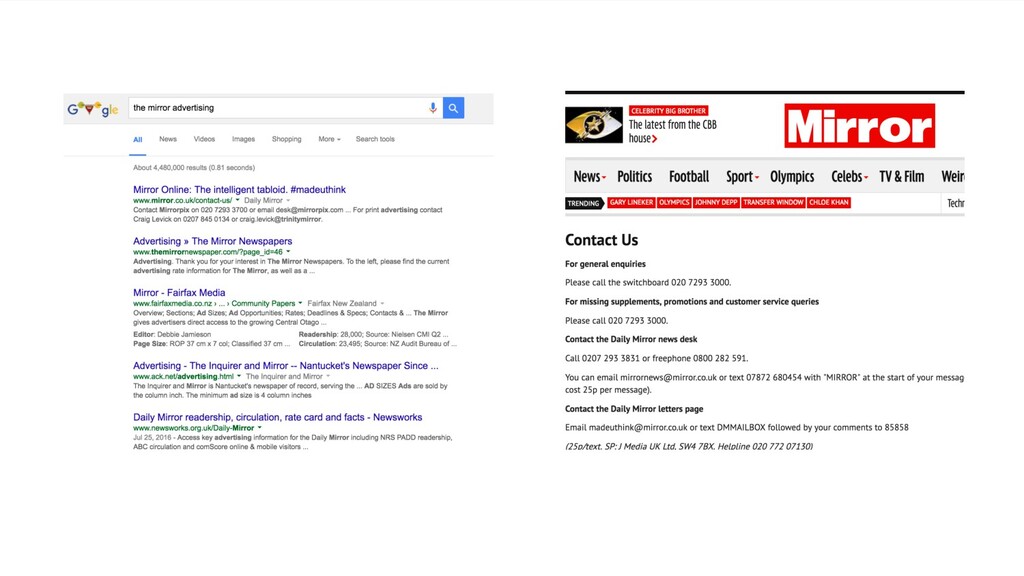
Backlink analysis of similar stories does, and it exists across the world. You'll be hard pushed to find a story so unique that no one else has ever covered something similar. And phones, I know it can be tough. If you don't have a media database, trying to get the phone numbers just can take forever.
So call the advertising lines. Probably get in a little bit of trouble for saying this, but they'll transfer you. You know, if everyone in this room does it, it's still only everyone in this room. There's really not that many people doing it. I want to talk to you now about a story from finder dot com.
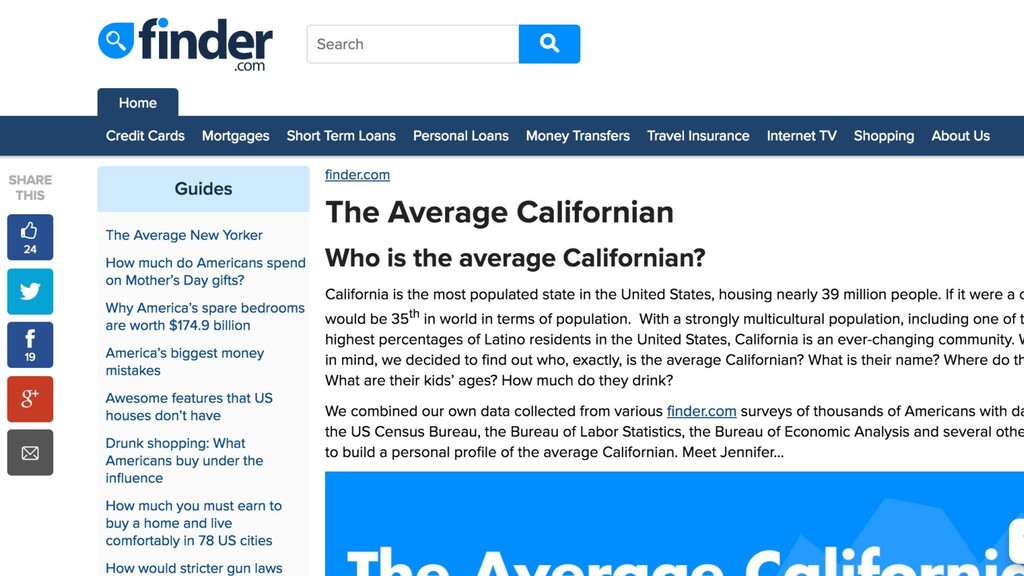
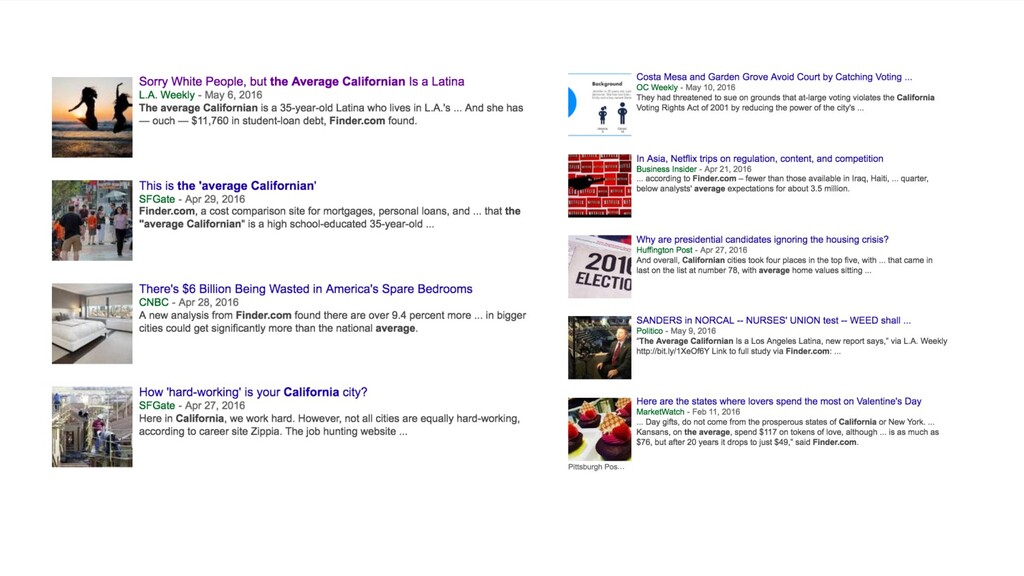
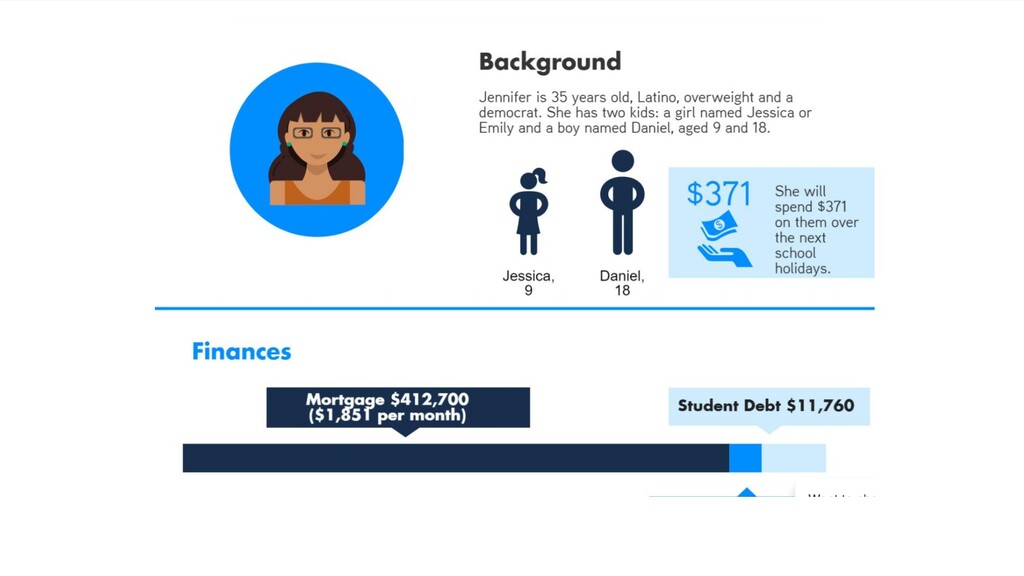
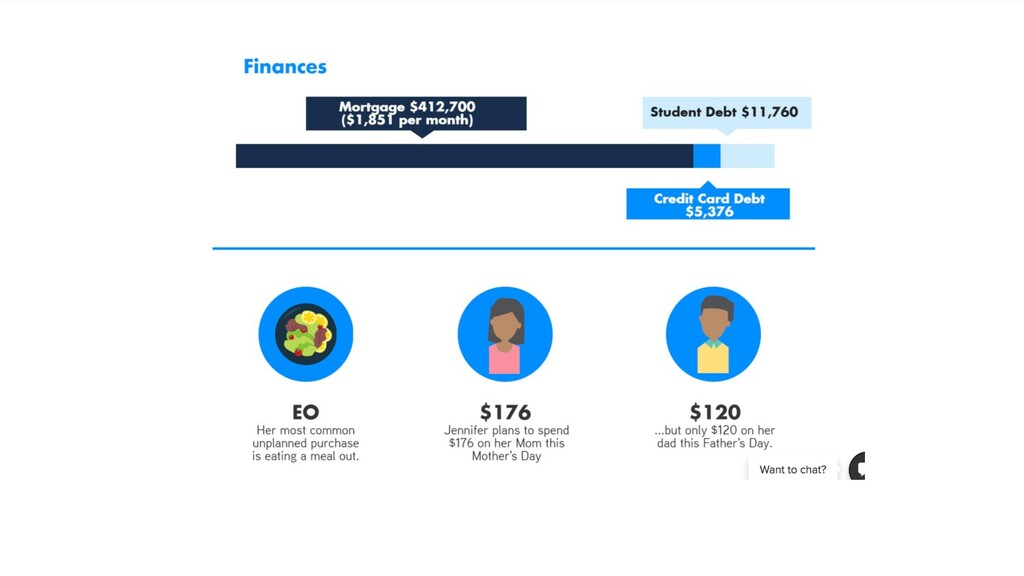
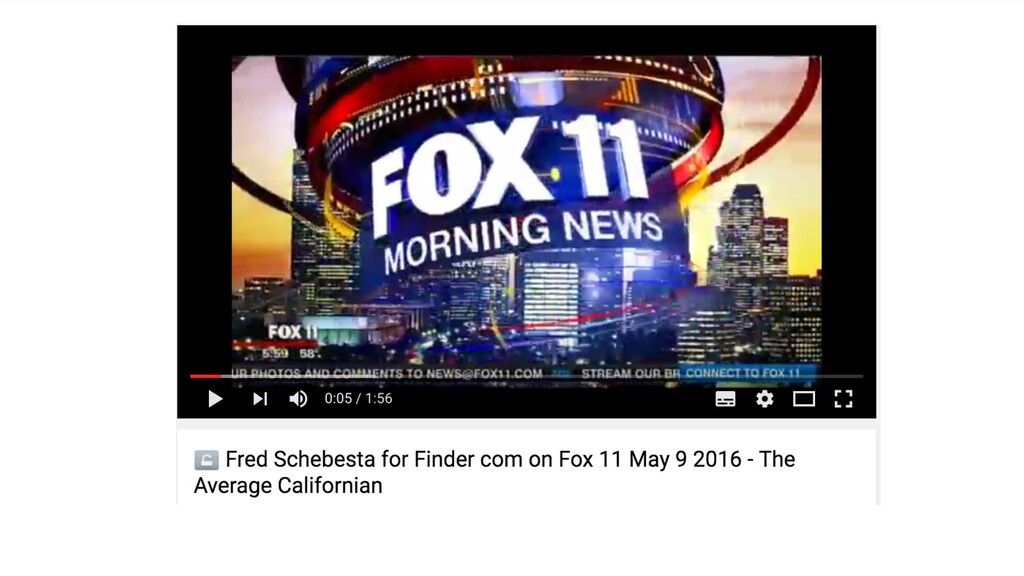
They did a story about the average Californian, and they drilled a whole load of data, and they found out that the average Californian is not who you thought it is. For starters, she's like thirty five, she lives in Koreatown, and they did some really cool graphics, which they got in all these media publications.
Here are some of the graphics. But they did something even better. They got TV coverage. Now TV coverage will influence all the print coverage. But their founder, the only person they could offer as an interview subject, was in Australia. That's a really long way from California.
TV stations want things quickly. So they did something really old school, they used Skype. But you don't have to just use Skype. What you can see here is me with a robot attendee at my conference. How cool is that? And he was chasing kids around, and journalists love it.
And it's actually really cool for them to be driving around a conference remotely. And I think we're going see a lot of journalists attending briefings through VR as well. I mean, from a a legal perspective, if you're doing promotion or around a particular country that's far away, it's actually a lot of money and insurance to fly journalists out.
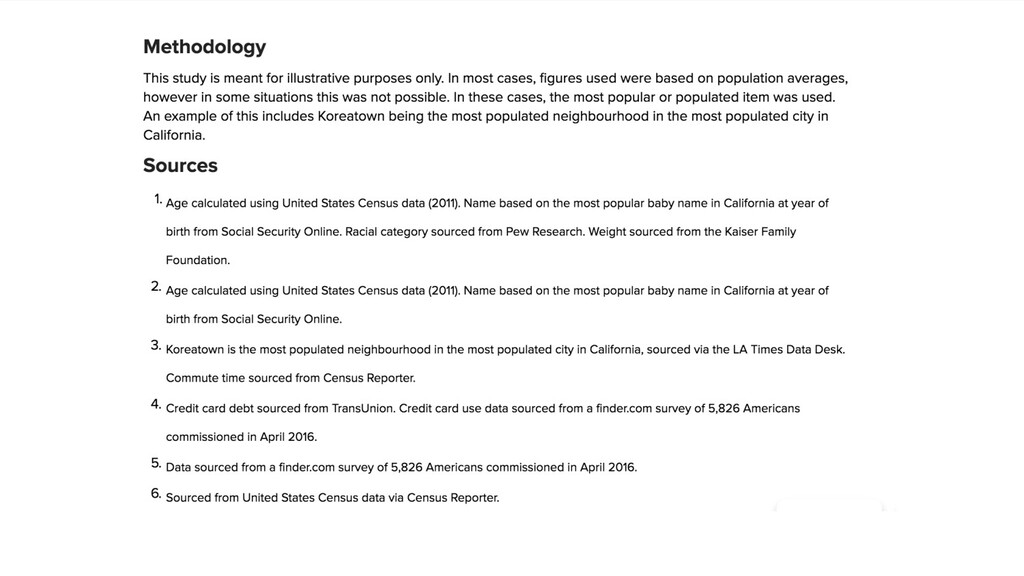
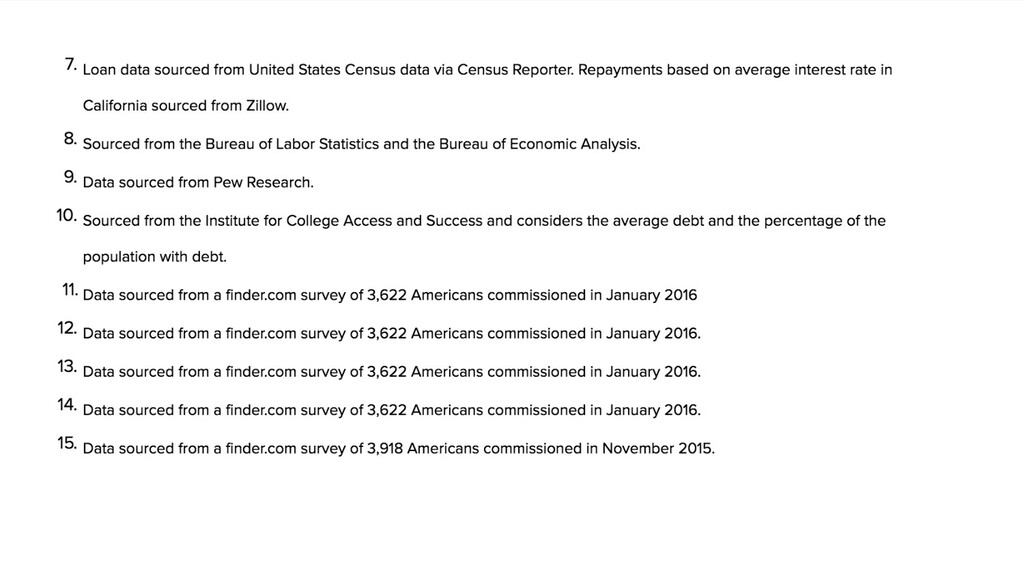
You can just do it all through VR now. But they did something else. They wrote down the methodology for their research behind the story. And that may not seem like a big deal, but liability is becoming a bigger issue in media today. So let me put this in context.
It's less so in Europe, but this is definitely dominating in the US. Freelancers have written into their contract that they are personally liable for any inaccuracies in their data. That means they could lose their house for publishing your content if your data isn't accurate.
So let me throw this question to you. If you're sat in your home office and someone rings you with a story, they don't give you the right assets, they don't back up their data so you could risk losing your house and you're gonna make twenty five bucks an hour, are you covering that piece of content?
You're not. As a point of reference, that piece of that liability is transferable. So even if their publication gets sold, they are still liable. Now, if you have a brand that people don't know, and I've worked with a lot of them, I always use PR Newswire or Businesswire to put my story out because it gets a little bit of trust.
They fact check, and journalists can they don't have to trust you, but they can trust the whys. As a point of reference, as a little bit of a backup, you should still substantiate everything. And I want to talk about smoke and mirrors. I remember when I had, like, three or four Twitter profiles, some saying I was really into pets, other ones I'm really into tech, and that's what you use when you're promoting content.
Journalists move around so much now, it's just not viable. So when I took on a new client that was in the financial sector, I learned everything I could about two areas of finance. And when I sat down with a journalist, I said, hey, I know absolutely nothing about mortgages, but let me tell you about student loan repayments.
And then they taught me. I wasn't trying to fake it. The SEO industry has been quite known for faking promotional aspects, and that's why journalists were initially wary. We just have to stop there. There's always a way to be honest and still have integrity about your subject matter, and even better if you're actually promoting something you love.
We don't like this when it happens to our content. Right? It sucks. We've all had it. So let's look at how we can reduce it. Firstly, big links, big visibility, we're suddenly brand managers. Oh, that means we actually have actual brand managers to contend with, PRs, social people.
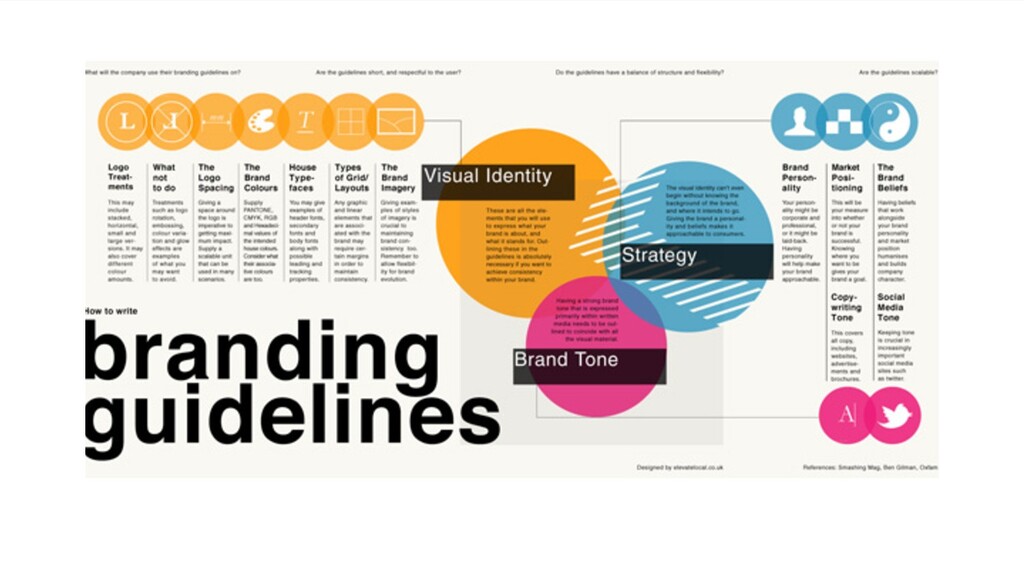
Your SEO, content, outreach, whatever you call them, your teams creating stuff that goes on the Internet need to know your clients or your business' brand guidelines inside out. It will make everything go smoother. And this I learned this year, and I'm kind of embarrassed to say I didn't think of it sooner.
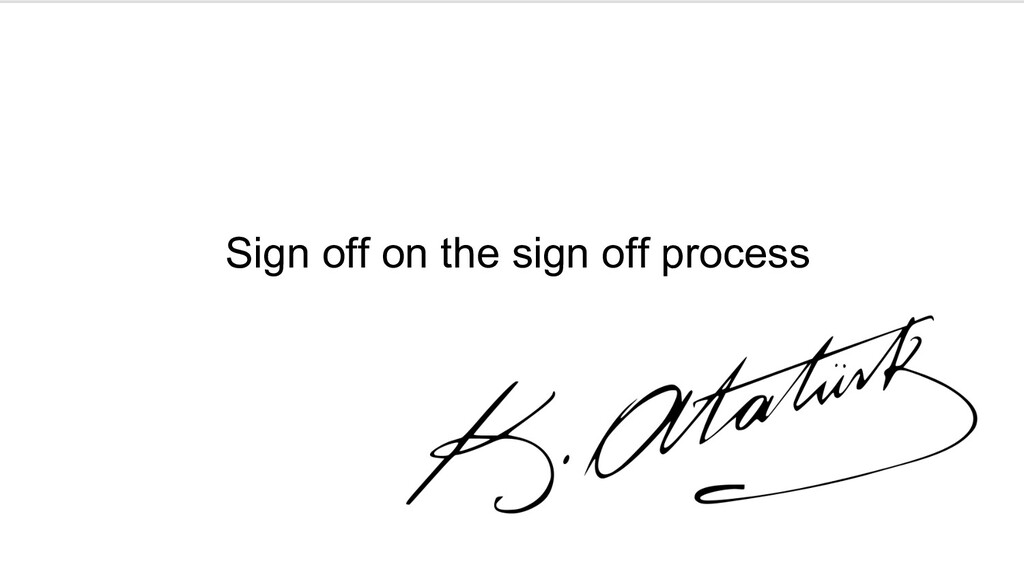
But when you're promoting big content, get the client to sign off on the ideas, the content creation and design, and the promotional process. And then get them to sign off on the sign off process, preferably in pen, so you can wave in front of their face.
Cause that stops a team coming in at the last minute and saying, hey, you can't put that out there. It clashes with what we're doing. And this is gonna become increasingly more of a problem as you start to get bigger links. But if you really wanna chill out before launch, you wanna cut a cake up.
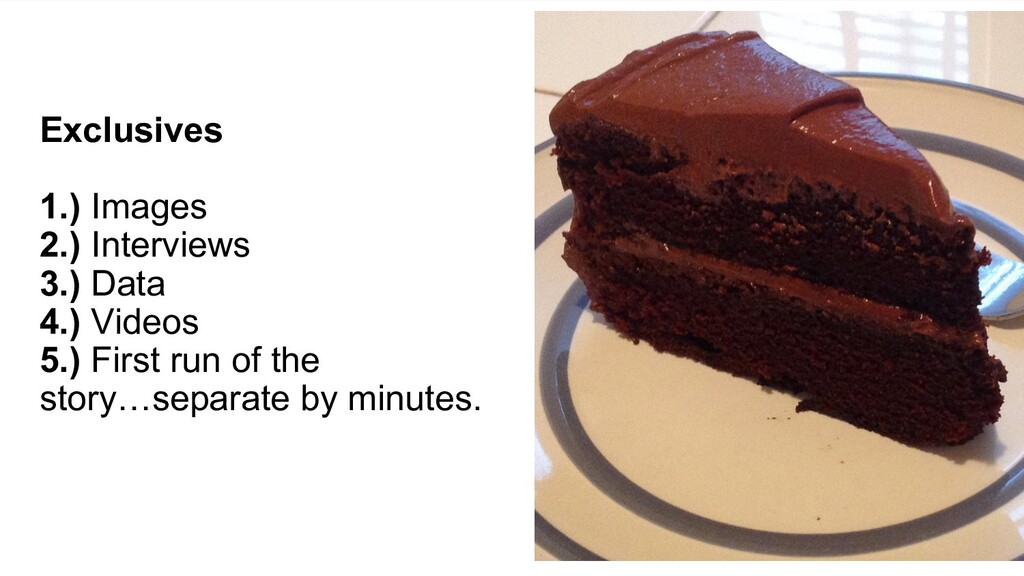
Treat your content like cake. And you wanna say, right, I'm gonna sell an exclusive on the interviews, exclusive on the images, exclusive on the video, and then suddenly, you're sleeping super well because you know that you've got all this content lined up before launch.
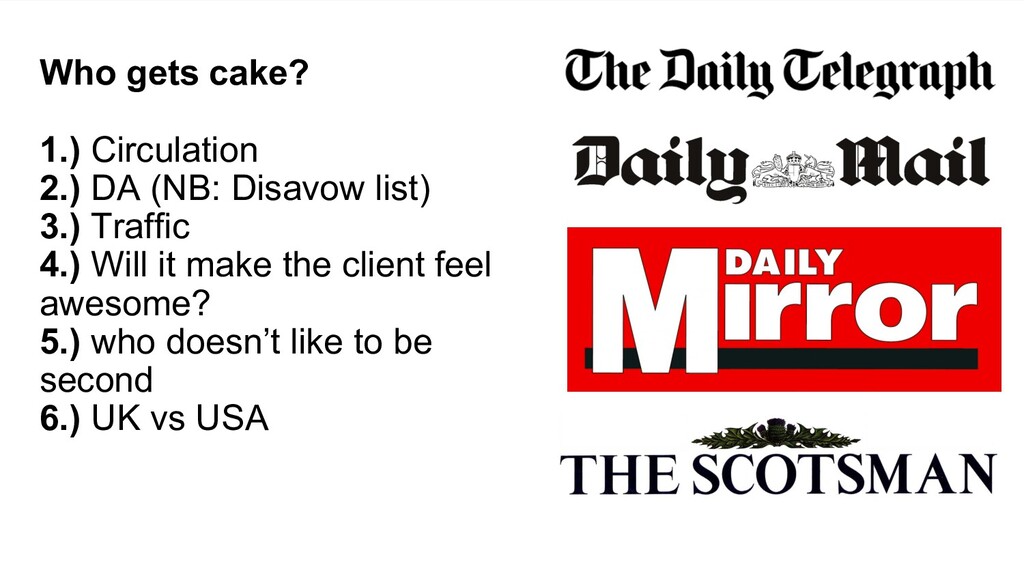
And when you're trying to pick who gets that content, it gets really interesting because you can say, oh, which publication has the biggest circulation? Probably Daily Mail. But has your client disavowed the whole of the Daily Mail? You might wanna fix that as an issue, maybe just go back to the pages, but you might wanna put on the mirror in the meantime.
And also, which publications won't publish if they didn't get to go first? This is a big issue in the tech world. Make sure you know that. Ask them. And then secondly, look at your US, UK, international split. You can have a US exclusive and a UK exclusive, and then you know that you've got all this coverage coming out, you can sleep so much better.
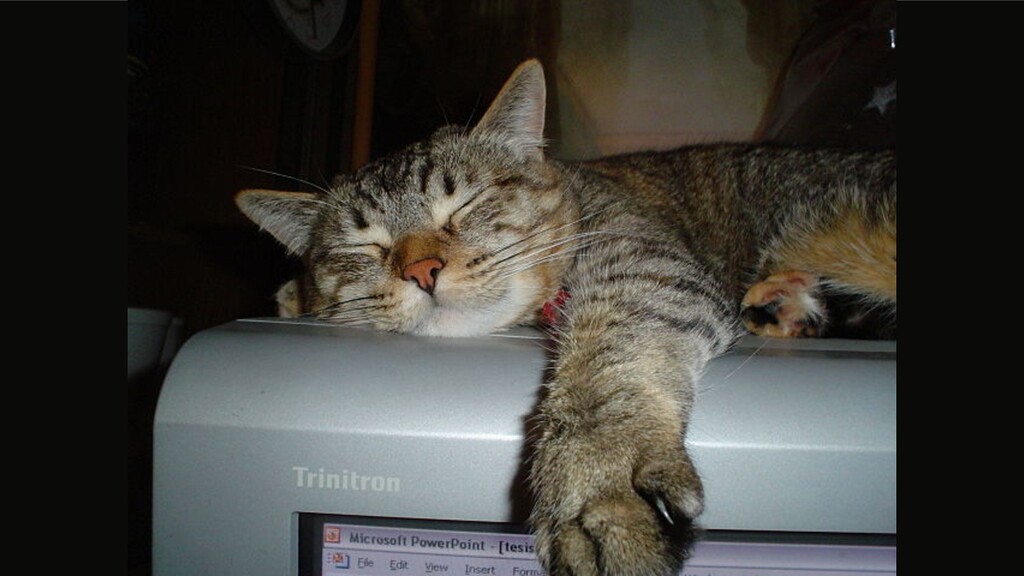
This is the cat sleeping, by the way. Oh. That's how you all wanna sleep before you launch content. Right? And give yourself the time. Plan ahead. I've pushed a launch date out recently twice. I didn't want to, but certain things were slowed down, and I knew that we could be more prepared than we were.
And when I stood back, I was like, other than having to admit that we haven't run to schedule, which I really didn't want to do, that was the only problem with me pushing the launch date out. And it's made us so much more successful.
Be brave. Swallow the ego when you're late, if it's your fault, and move the dates. You'll be happier. And spread your content across several baskets. We used to always do one big campaign, and then your heart rate is racing just before you launch.
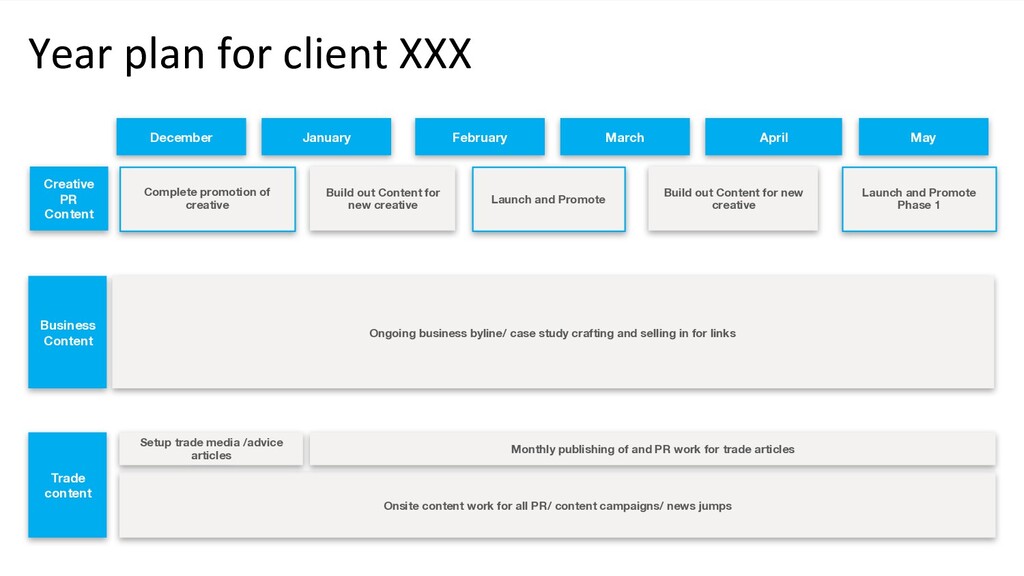
You're getting super stressed out. Now, I try and have several campaigns in different stages. So one in launch, one in build, and then I have some business stuff going on, some case studies going out, you know, a little bit of q and a's, whatever we can think of.
And I'm always targeting my trade media with tip articles. Because that means if something launches and it doesn't fly, and this can happen, it happens to everyone, it means you can distract your client with the other stuff you're bringing in, whilst you fix what's going on with the content.
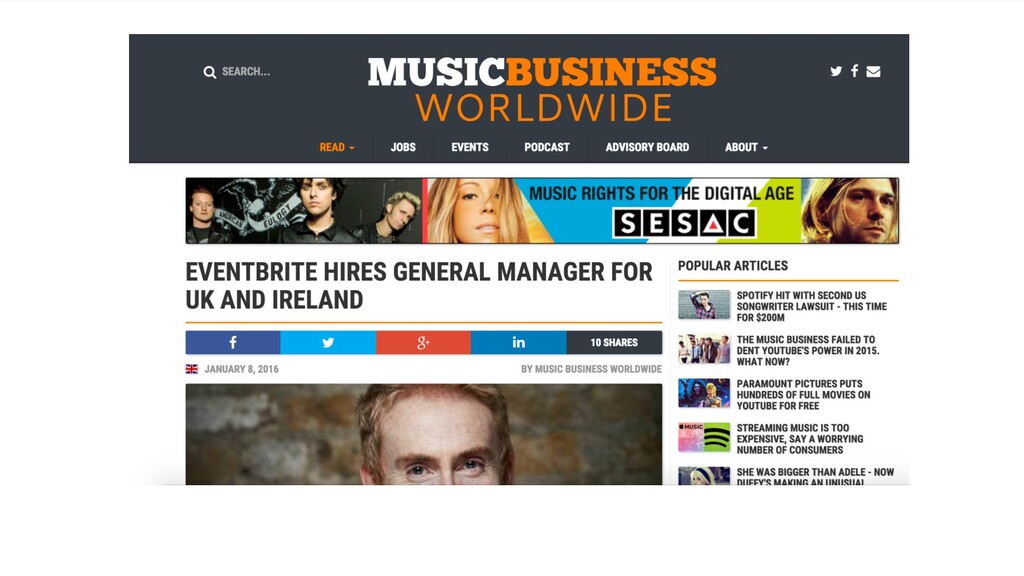
It's brilliant strategy. It works really, really well. Because the one thing that really sucks is when you're spending an hour or two calming down a client, when you should be spending an hour or two fixing the piece of content. This is a trade magazine for the music industry, they cover highs.
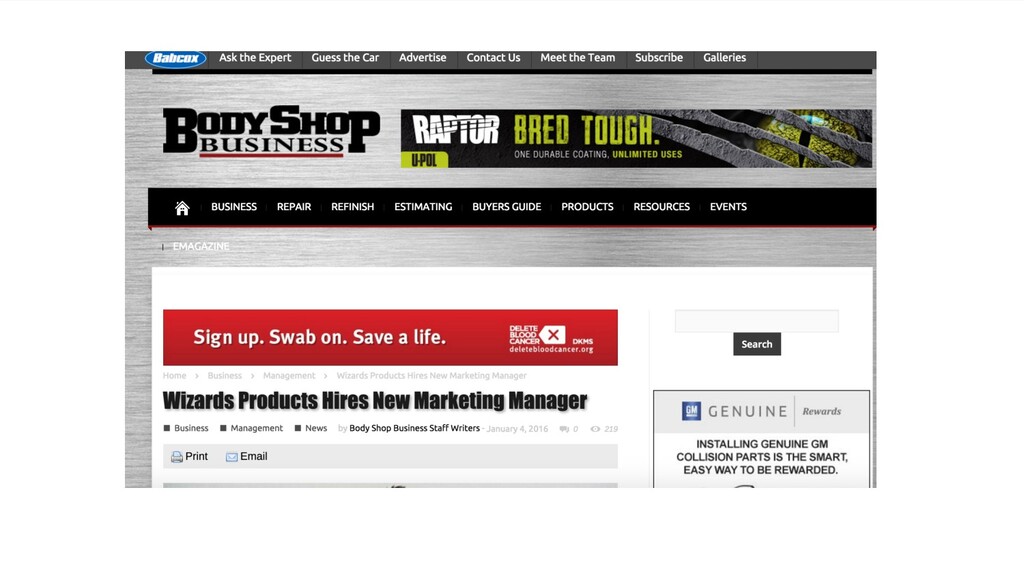
So does Body Shop magazine, so does Locksmiths Weekly, by the way, Plumbers Weekly, highly read magazines, and as a point of interest, highly converting. They might have the strongest domain authority, but if you place an article for small businesses that targets locksmiths in Locksmiths Weekly, you will get the phone ringing.
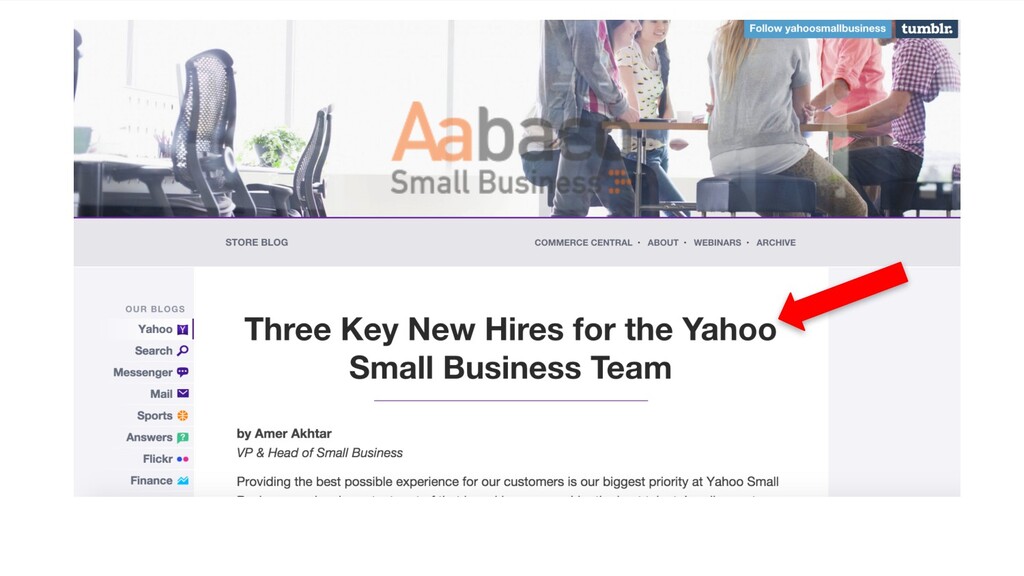
It just happens. And promote your hires. We're all hiring. If you're working in businesses that are growing, even Yahoo does it. And your local press will cover that as well. These are all little bits that you can have feeding in whilst you're getting your content up and running.
And case studies. You go on most websites and you site search case studies, you will get a case study that comes up. And that is brilliant because that means that you can promote every success you've ever done. So every time I have a campaign that's successful, you'll find eight articles about it because it's great for promoting.
And business websites are super scalable because they all run to the same format. So you know how I said you should read a publication and get to know its sectors? Well, with business publications, they're all pretty much the same. So you just get to know one really well, and then suddenly, you can promote all your content to loads because you're like, oh, yeah, it's for your business news section.
I know your articles are around four hundred words in length and have a big picture. Or it's for your case study section. I know you love interviews, and they you always need quotes. I've got quotes. Super scalable. And don't forget your woman. One thing that people often do when they're doing business PR is forget to have a look around the office, woman.
The amount of times I go into a meeting, claim I'm going to the loo, and what I'm really doing is hunting for a female face that I can use and press. Go speak to them, get their permission, and then go back to the client and say, you know that person over there, I think they would be okay if we put them in the press.
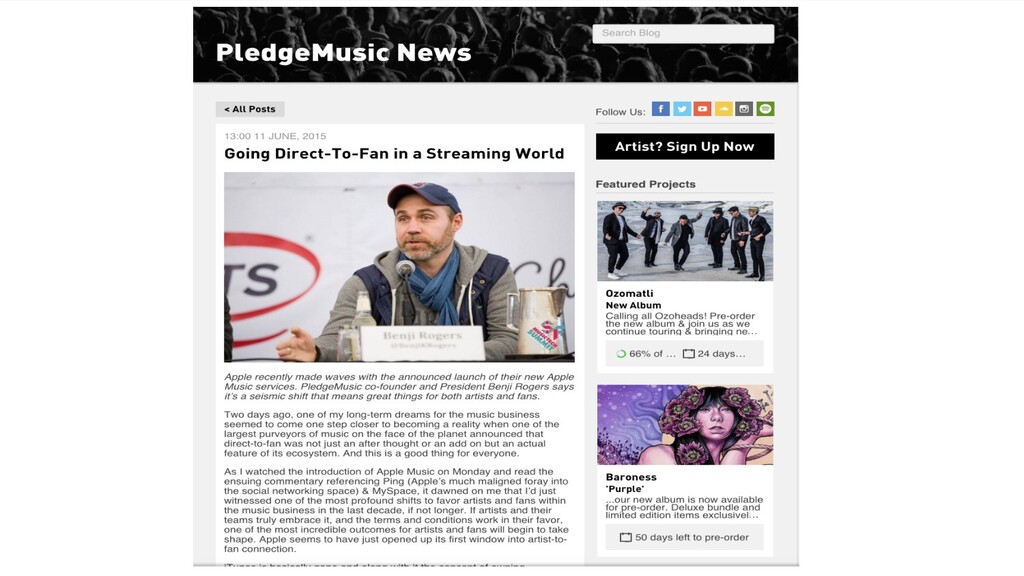
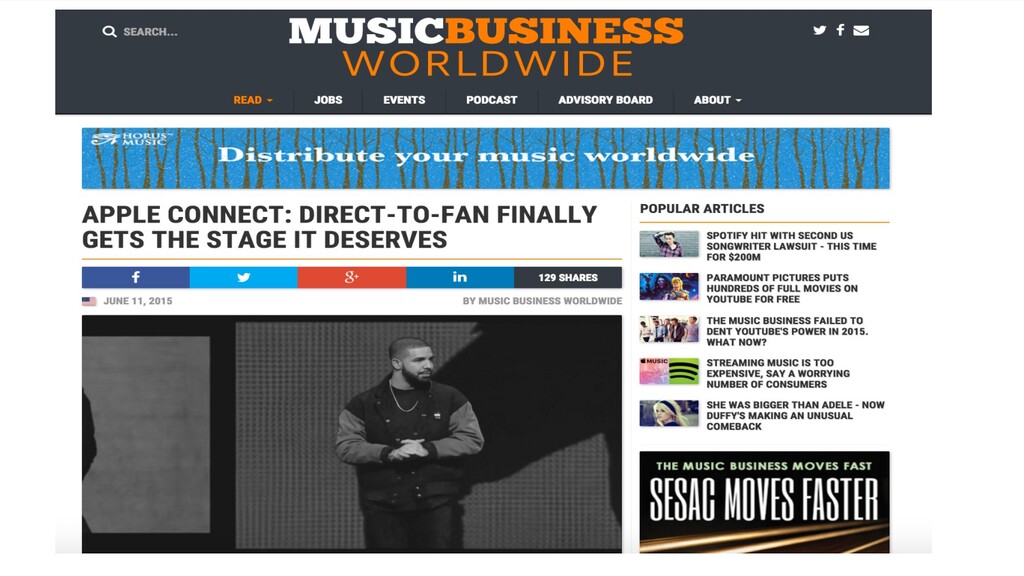
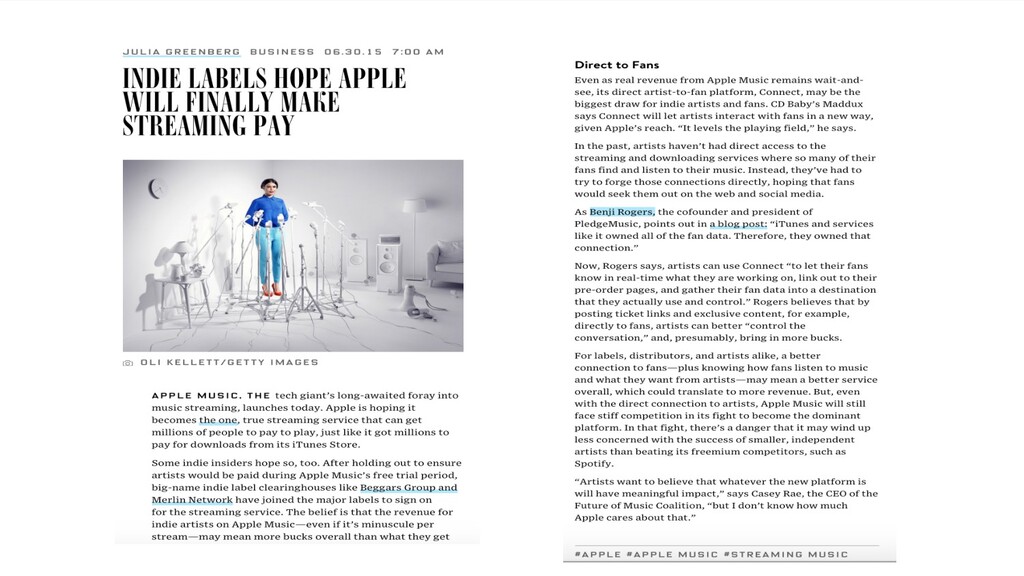
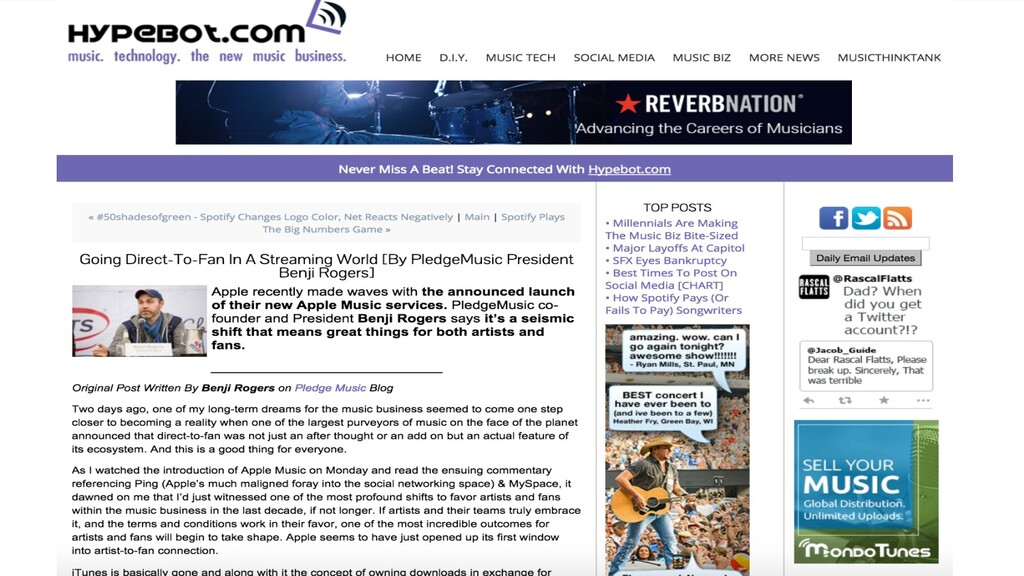
And now I want to speak to you finally about scalable frameworks. Because you get evergreen content that you can promote all year round, but scalable frameworks really rock. And let me show you why. When I started at Pledge Music, we had Apple Music announced.
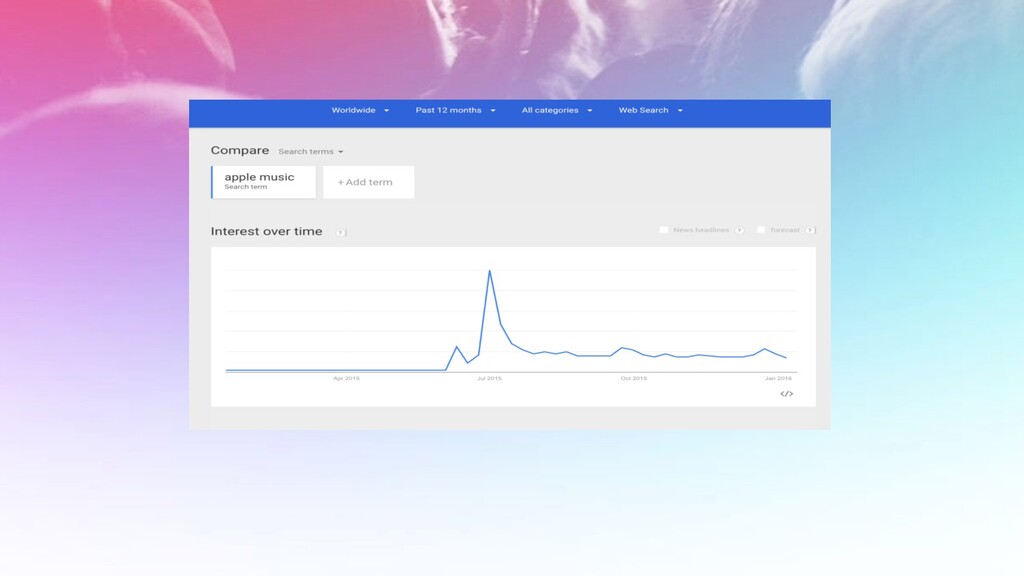
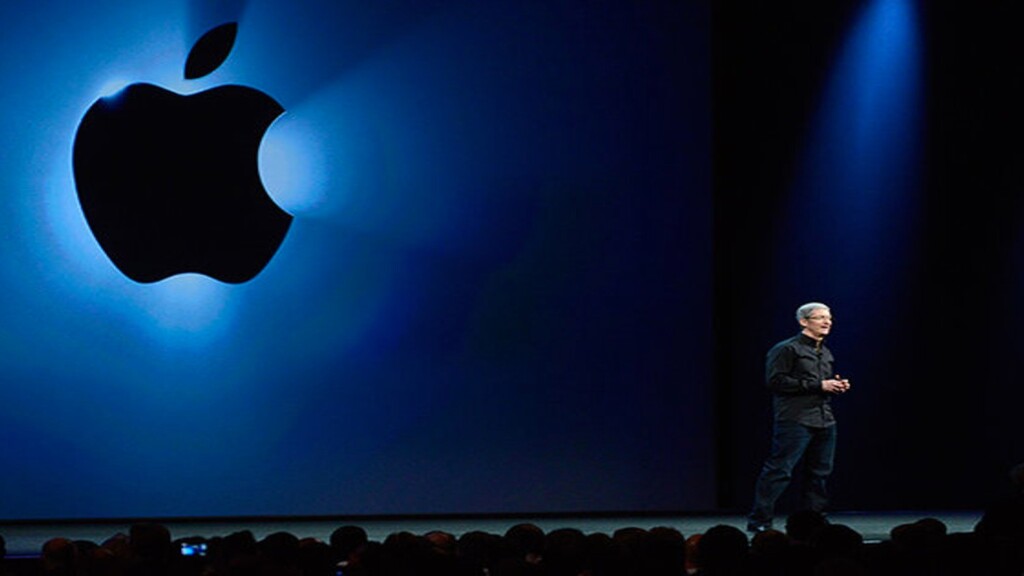
Apple Music, Pledge Music. And I was like, oh, I'm looking at the search volume. I know this is gonna be rocking. I know everyone's gonna wanna cover it. I'm watching Tom Cook on stage talking about it, like, how are we gonna become part of this?
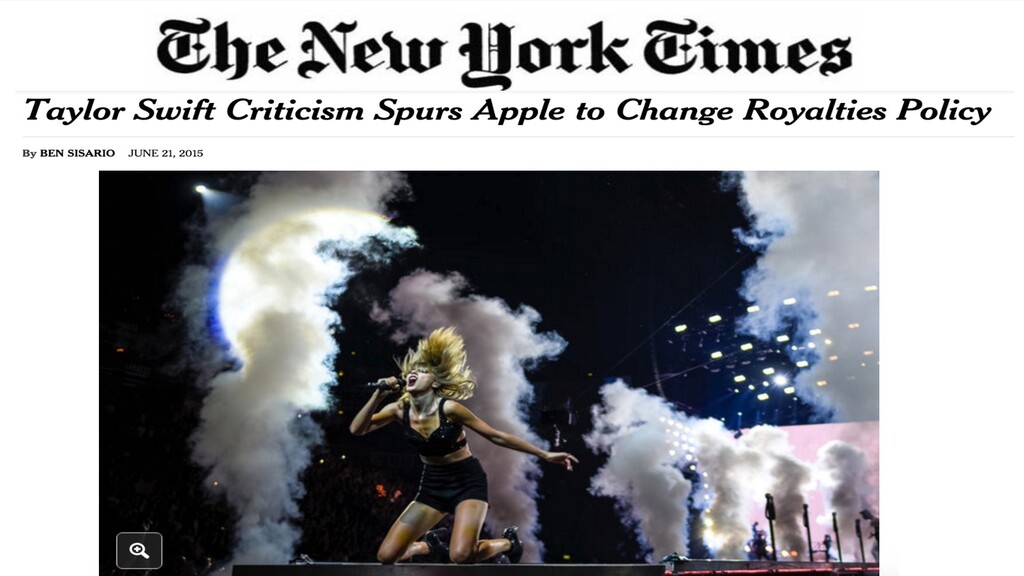
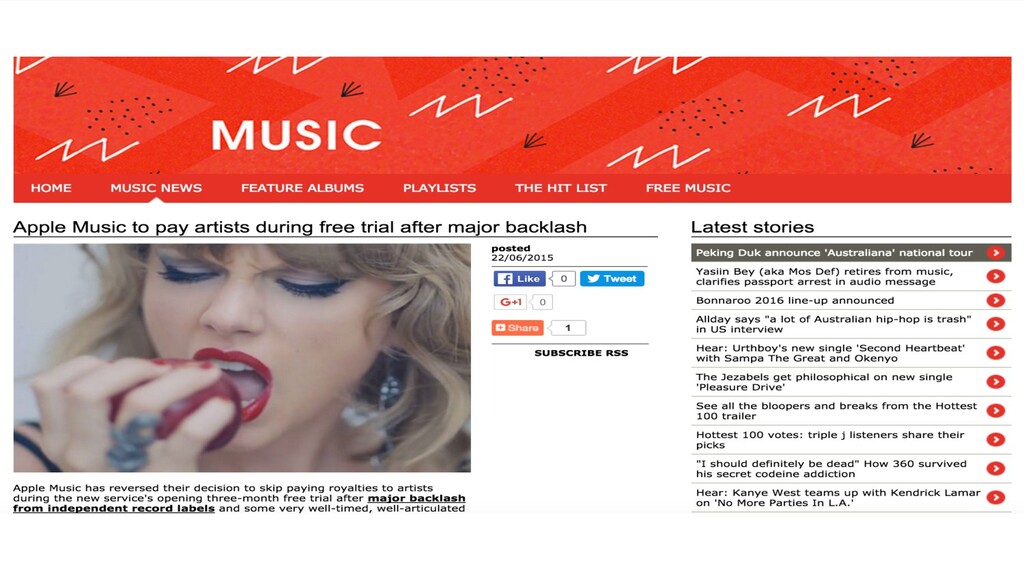
And then the press coverage started coming out. Everybody was furious about our artists not being paid royalties. And Taylor Swift was really, really vocal about it, and I understand. I do. Everyone wanted to speak about it, and I knew the search volume would still be there after every publication had covered everything they could about the royalties issue.
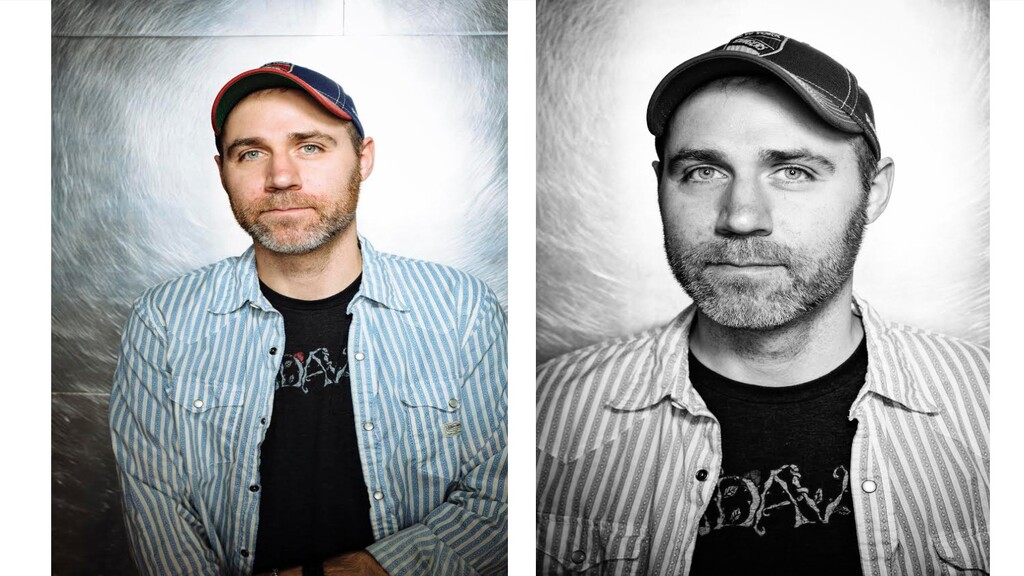
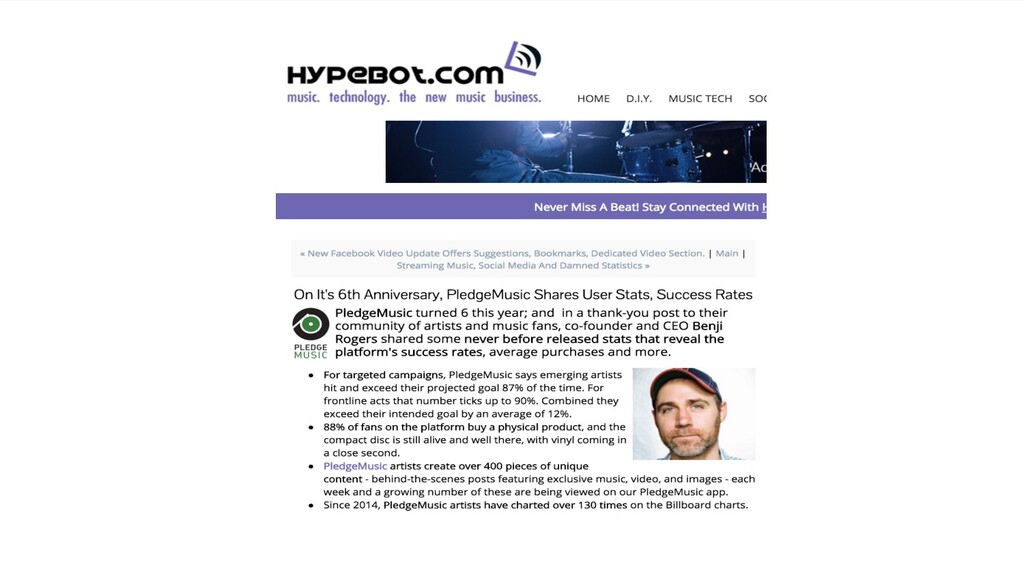
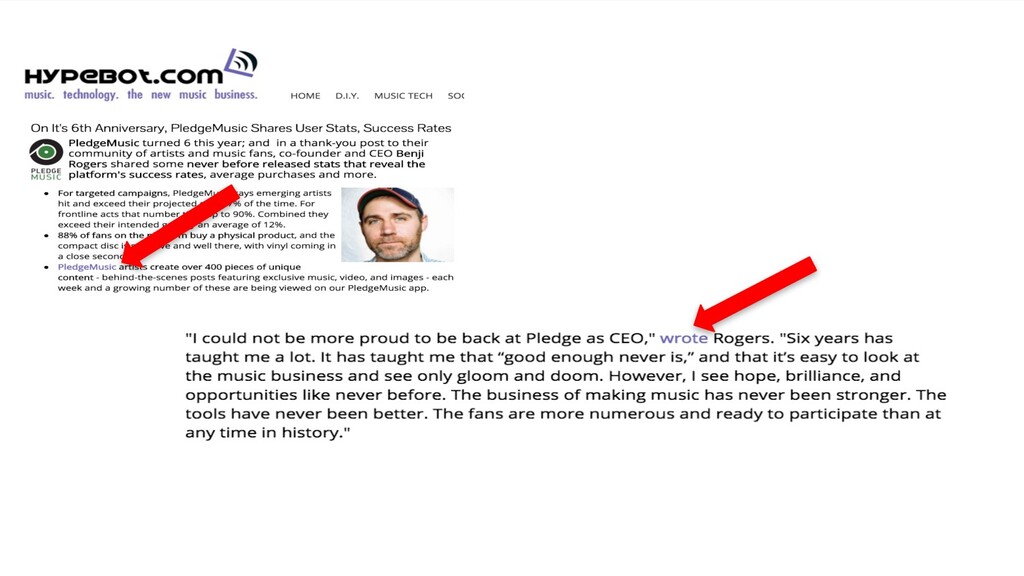
So we said what no one else was saying, and we wrote about all the good things that was happening with Apple Music, and we put it in a blog post, but we didn't publish it. We got some photos of the CEO, and then we sold it into Music Business News.
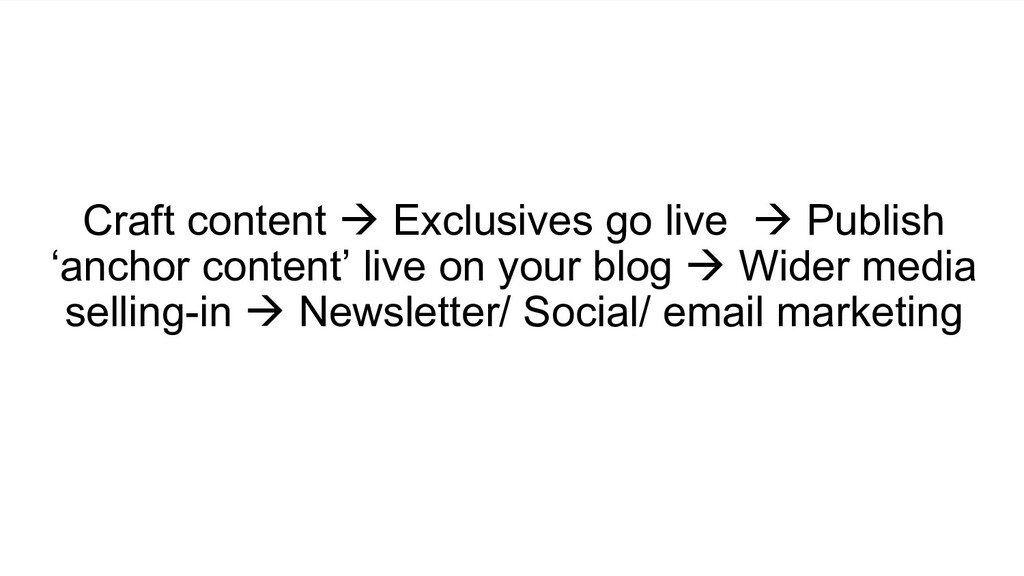
And then we published it, and then we sold it into everyone else. And we've got a really good amount of coverage for a smaller business in this sector. Simple process, craft content, sell in exclusives, sleep well, go live, promote further, send out through all your other channels.
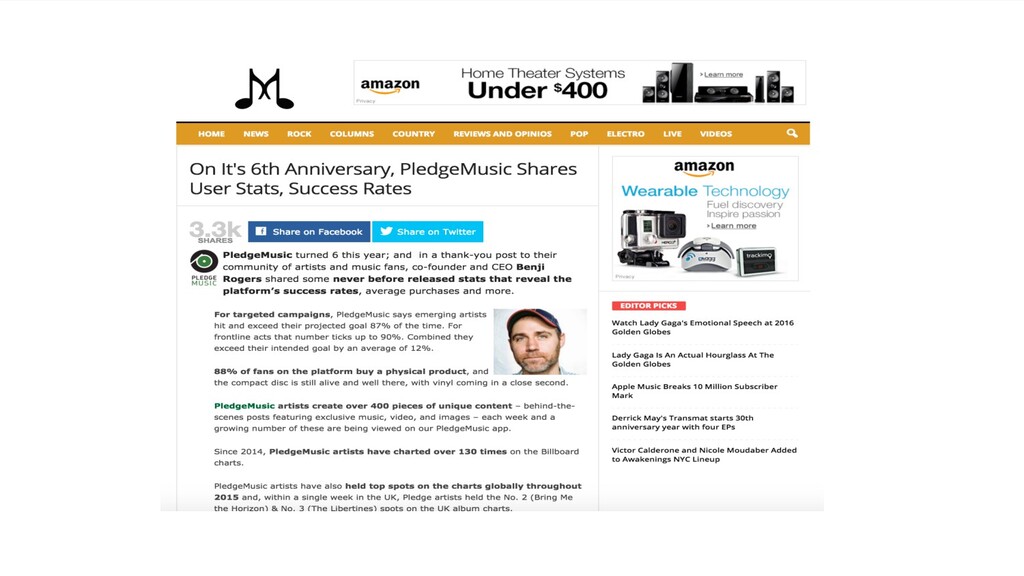
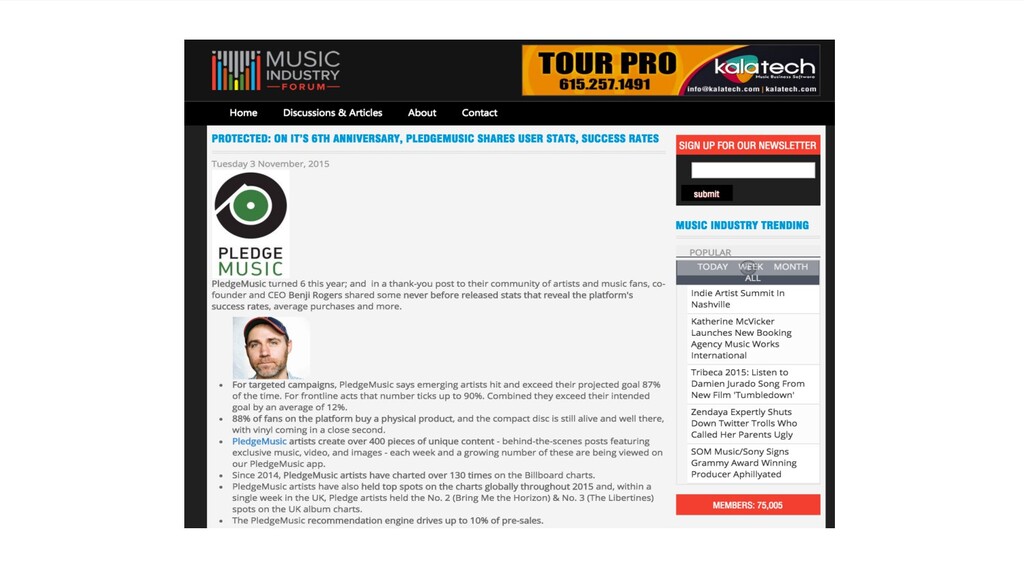
Okay. Well, when that was our birthday, that's exactly what we did again. Crafted a blog post, sold in an exclusive, and sent it out. Now, actually, we were delayed, and we had a smaller team. So we couldn't get as much press or forewarning for this as we would have liked.
But because we had the process in place, we got loads of coverage. And the thing is the process is based on what we know will build links. So I know that people will reference the quotes on the blog post, and I know that's not a deep link to a website, but it's still a link coming in, and it's the consistency.
Because journalists now know that we consistently post on current issues, we're getting in a position where we can do what Bankrate did and start offering content consistently to someone like MSN or Yahoo. Now, I want to show you some of the tools I've I've worked with.
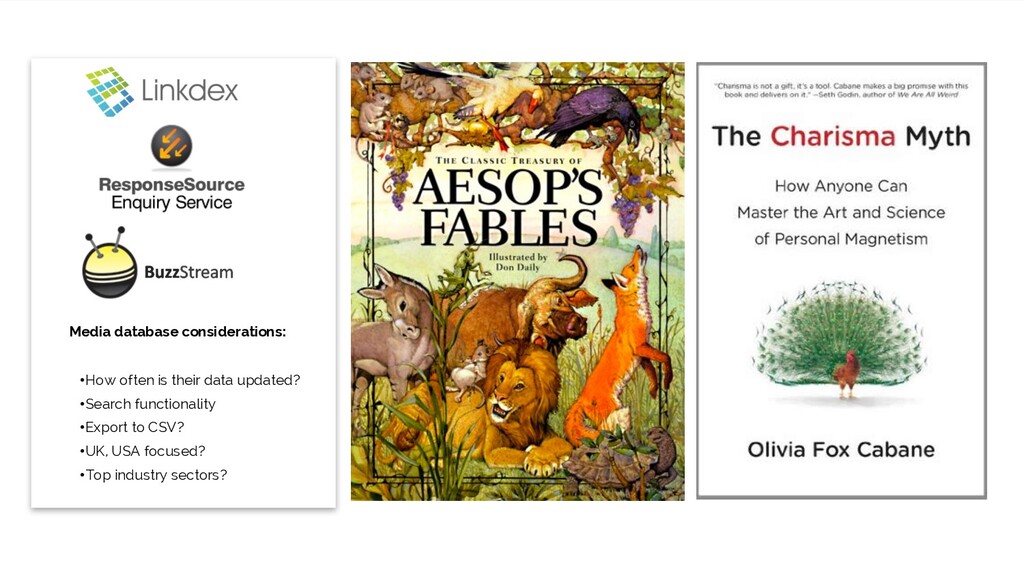
I've put some on one side, but there are two other tools here. One is Aesop's fables. When you're crafting a piece of content or promotional strategy, often you know something's not right, and you're sitting there, you're like, I just feel it's not right.
Ask yourself what fairy tale it relates to. And then try and place all the bits of the story together, and you will see a gap. And that's the gap you have to fill fill. So for example, when the o two was relaunching, it had a little bit of a bad rep, the o two arena.
Right? But if you called up a journalist and said, hey, it's a little bit of an ugly duckling story. It's being taken over by the o two. It's gonna be really revamped. By saying it's an ugly duckling story, you've told them everything they need to know, and you can craft all your content within that context.
So I think everyone should read Aesop's Fables. But I also think everyone should read The Charisma Myth, because what I love about this is that we often talk about integrity almost being a deficit. Like, you know, nice people don't get as far as mean people, you know, dishonest people get further.
Well, the charisma myth basically says, in order to be uber charismatic, you can't give someone a fake compliment. You have to find something you really value in them and tell them about it, and that's how you become charismatic. If you read this whole book and you work out how to be really honest, but excited about all your content and all your clients, you will be categorically more successful with everything you do this year.
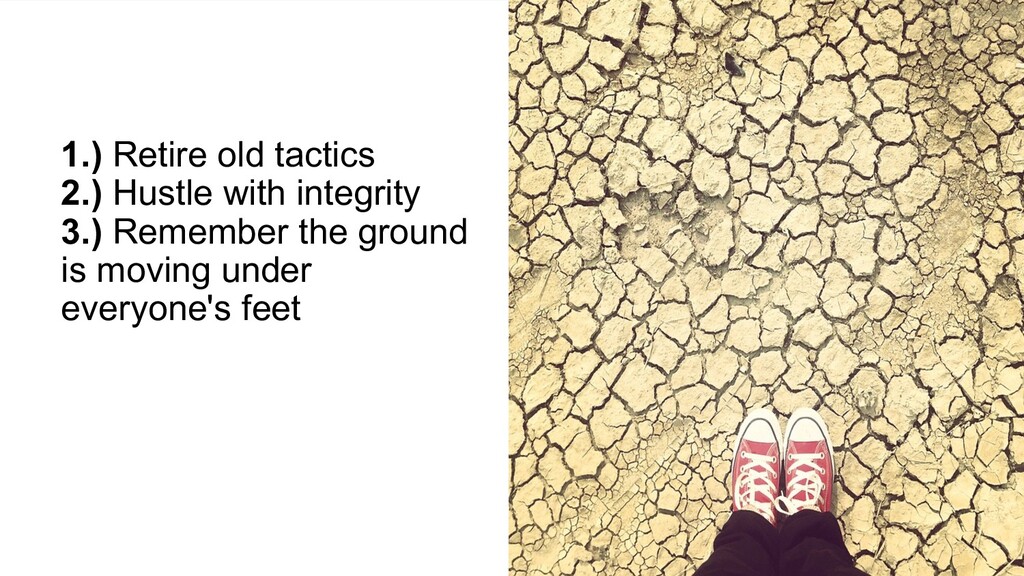
So I've talked you through sort of history of publishing, where we've got changes, how you risk manage, how you package your content. There's some quite a few checklists in there, which will be up online that you can have a look at. But I wanna give you three points to think about here.
Let's retire the old tactics of being a little bit dubious. Even the ones that kinda semi work, they won't scale. Let's hustle with a little bit of integrity. Let's make sure that we're being super honest, putting the right people on a project. I've looked at a whole lot of agency projects, and the ones that consistently performing are the ones where the staff actually know about that subject matter, whether it's a personal interest or a business that they used to work for.
And then, finally, remember that the ground is moving under all our feet. If you want to find commonality for the top level target, remember that they get just as annoyed by Google updates as you do. Whatever things really annoyed you this week, it probably annoyed them.
That's an excellent starting point. And then finally, I'm telling you to follow the trends and the keywords like Pokemon GO, but we're evolving as an industry. We're not young anymore. Every other industry has a code of conduct that they follow on ethics and morals and how they execute themselves.
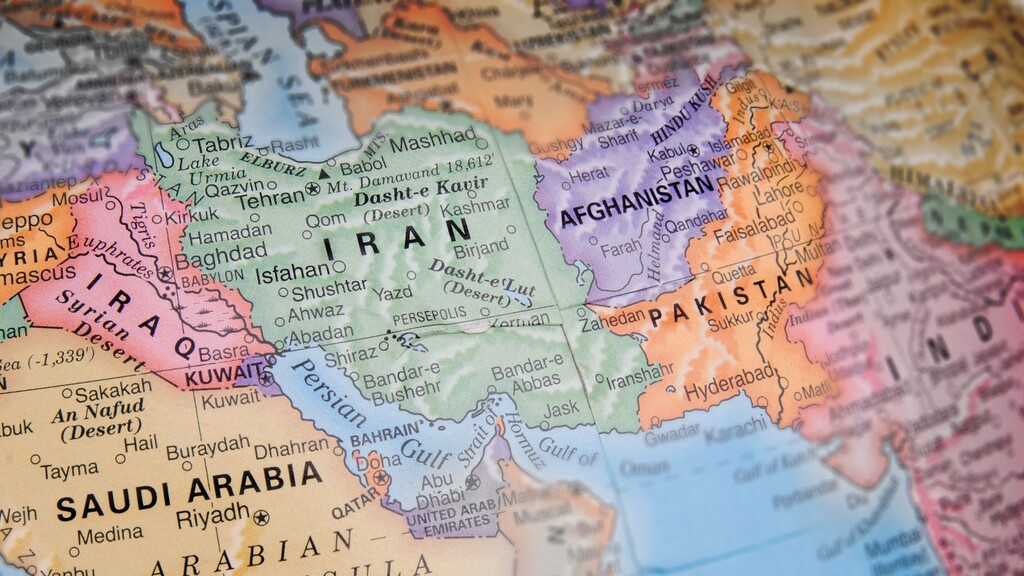
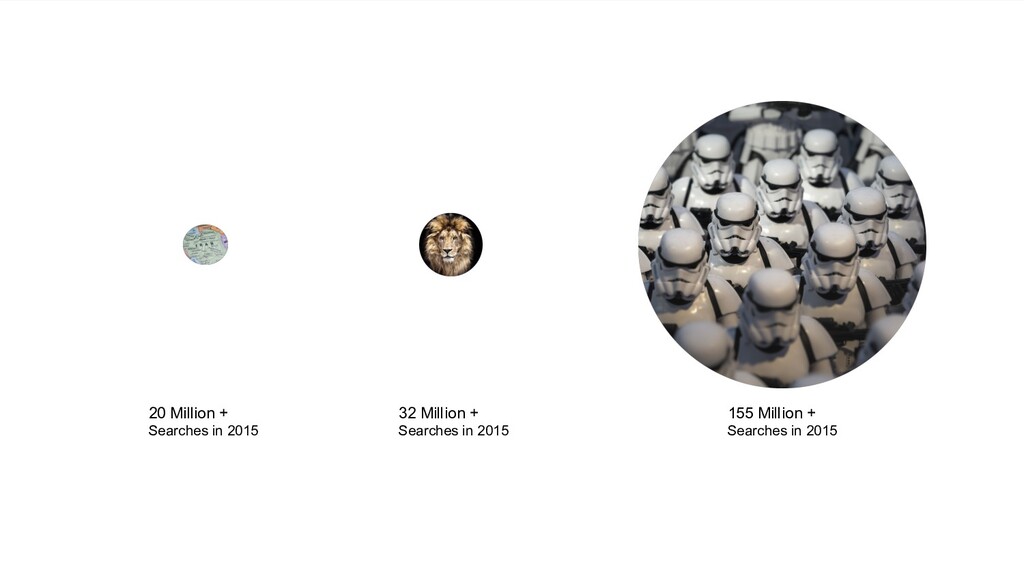
This is a really challenging subject for the SEO industry. But last year, interest in Star Wars massively dwarfed that of Cecile the Lion and further dwarfed that of the Iran nuclear deal by what I would say is a staggering amount. We create what people see as reality.
When we're picking these trending subjects, we're pushing down something else to the bottom of the list. I'm not saying don't make money for your clients. I'm not saying don't piggyback on the back of Pokemon GO. But think about what you're pushing off the search rankings now and again because you were determining some people's perspective of reality.
SEOs used to be in the back dark room with a lot of developers. We're now on the front foot changing brands and changing the way people see the world. Let's do it in a way that we're really proud of. Thank you.