You’re in the software business. You may not realize it yet but it’s the only way you’re scaling in the 21st century. Whether you’re in retail, financial services or health care, no industry is immune. This includes agriculture.
In this rich, detailed case study Jeff will share the story of John Deere. The legendary American farm machine manufacturer, keenly aware and on top of the technological revolution, has built up a surprising Sense & Respond practice to help them innovate their product offerings - especially their tractors and combines.
However, Sense & Respond is not just a practice for product teams. It has significant management and leadership implications. As the case study will show, despite their deep understanding of customer needs, John Deere struggled to reconcile that feedback with their leadership agenda leading to some fascinating customer practices that left both the farmer and the company in sub-optimal positions. This vivid story will illustrate that even great product management practices don’t always influence corporate agendas while highlighting ways that leadership must engage to build a truly successful Sense & Respond loop.
1 / 150 Use ← → to navigate
Auto-generated transcript - may contain errors.
Tap a timestamp to jump the video.
Good afternoon. How are you? Come on, I know it's the UK, but come on. Last talk of the day. Look, it's there's, you know, there's there's pros and cons to being the last speaker of the day. Right? The con is that I'm between you and the pub.
That's a tough place to be, always a tough place to be. Sometimes I'm between you and lunch. Today it's the pub. But the the pro is that because I'm the last speaker, can talk as long as I want, which is nice too. But don't worry, I've got I've got a really what I think is a fascinating story to share with you today and I'm super excited to be back here in Edinburgh to to share the story, to tell you this fascinating story.
I love I love this city. Used to have a client here. I used to come here regularly and it's been a few months since I've been back. So it's really it's really terrific to be here. So good to see you all, thanks for having me back.
So this this talk is called Sense and Respond, which is our new book that that came out after Lean UX, came out earlier this year, and it's called Episode two: The Farm Awakens. And like any good story, this story has acts. In this particular case, we have six acts for the story, so I'm gonna tell you the story over the course of six acts.
We have a hero, like every good story should have a hero. We have an empire, not necessarily an evil empire, but an empire nonetheless. An unlikely ally that helps the hero out, and hopefully some morals to take away, some lessons to take away at the end of the story, specifically in this case for product managers.
That's our goal today, to really give you some good takeaways for modern product management. Now, as all good product management stories start, we're going to start this one with a product requirements document. No, I'm not going start with that one. We're going to start it'll be really boring at the end of the day.
Right? Now, we're going to start with the different, with what what is something better and something simpler, really the simplest framing device for product managers these days, and that's the the humble hypothesis statement. You heard Supriya talk about hypotheses earlier, other speakers over the course of the day talked about hypotheses as well.
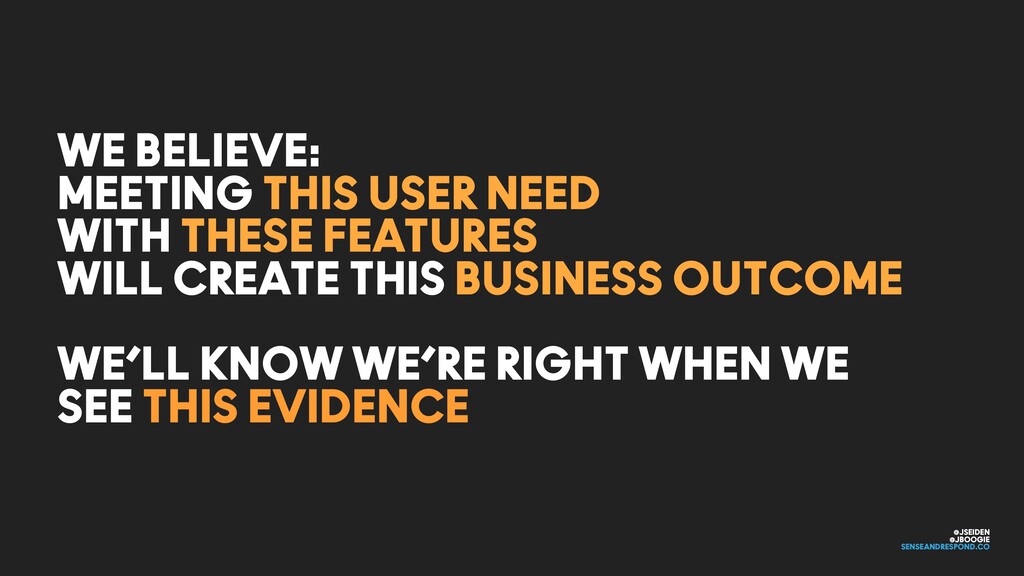
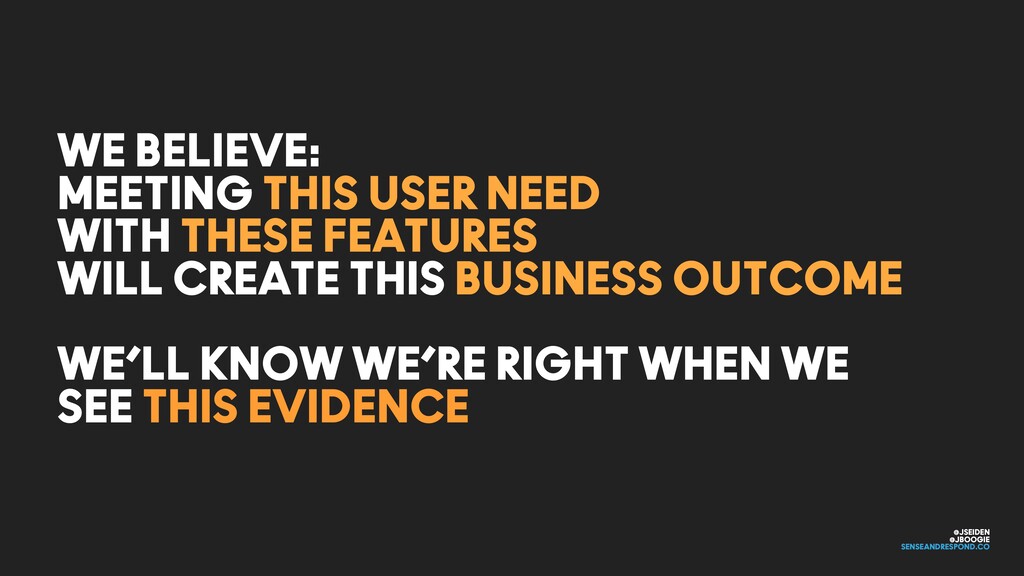
And you may have seen this in a variety of formats. This is the most one of the more recent formats that that we've been using in our practice. Originally, learned this from Janice Fraser and Josh Seiden and other folks like that. But essentially, the hypothesis statement is made up of these components.
As as you're thinking about what you should build, why you should build it, and how you know you've done a good job, these are the components you want to take into consideration. First and foremost, the two the two most important words in this whole thing are the first two words, we believe.
Right? We believe because we don't know. We work in software, software is complex and unpredictable. So we take our best guesses, our assumptions, and we write them down in the statement. And we believe, and we try to prove out whether our assumptions are true or false.
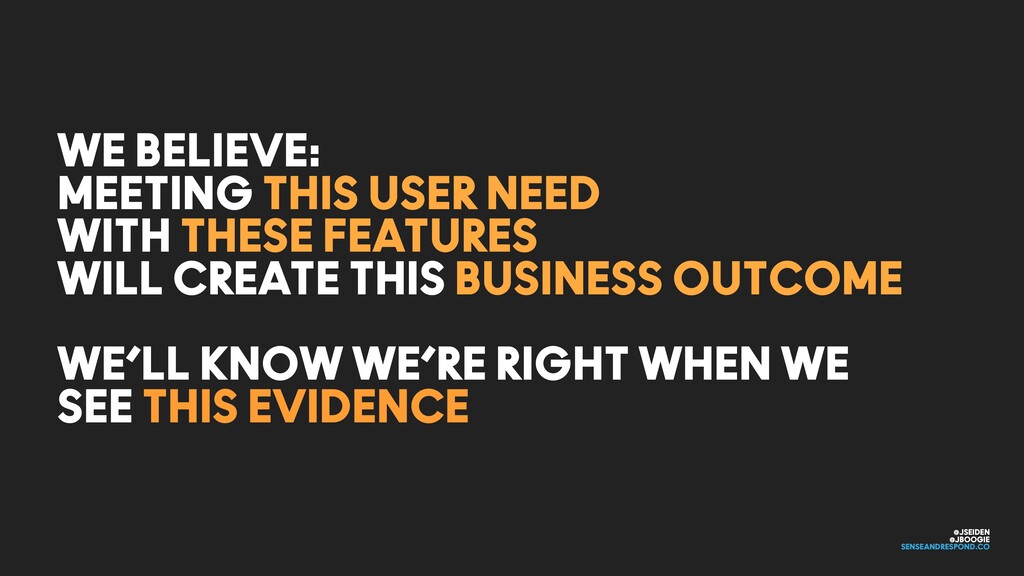
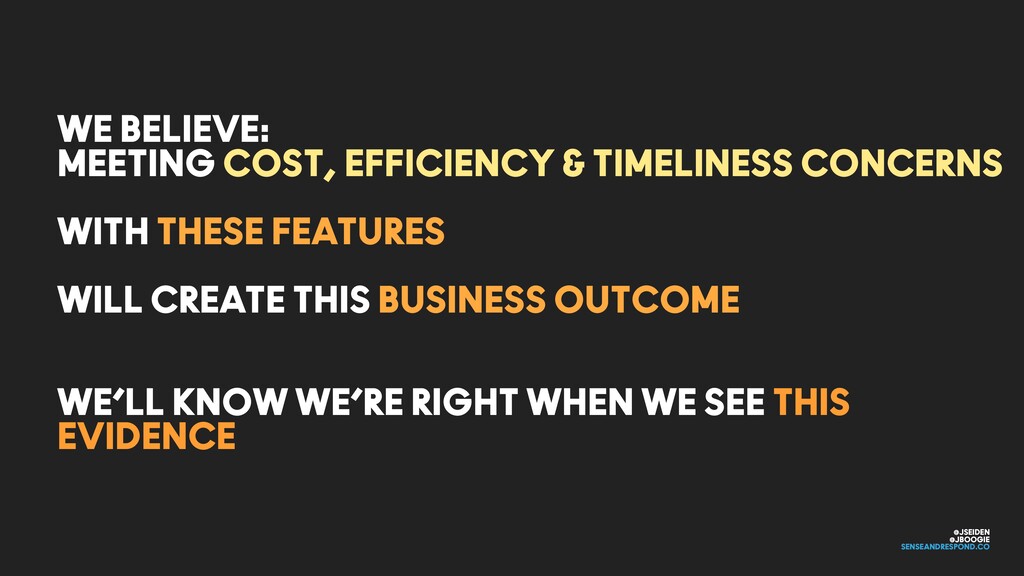
We believe that meeting a specific user need with a set of features, hopefully, right combination of code, copy and design, will create some kind of business outcome that we care about as a company. And how will we know we're right? Well, we'll know we're right when we see evidence, fact, meaningful changes in customer behavior, as Jana talked about this earlier, is outcomes.
We want to see changes in customer behavior. And this is a great way to frame all of your product thinking. As I tell you the story about the farm awakening here in a second, we're going to fill out this hypothesis template over the course of the story to give you a sense of how this works in real life.
And it starts to put what I believe is an objective lens of reality on this particular problem statement that this company was trying to solve. So let's get started because I've been telling a lot about the story. Act one. Right? Act one, we're going to talk about the user need, or in this particular case, the brutal economics of wheat farming.
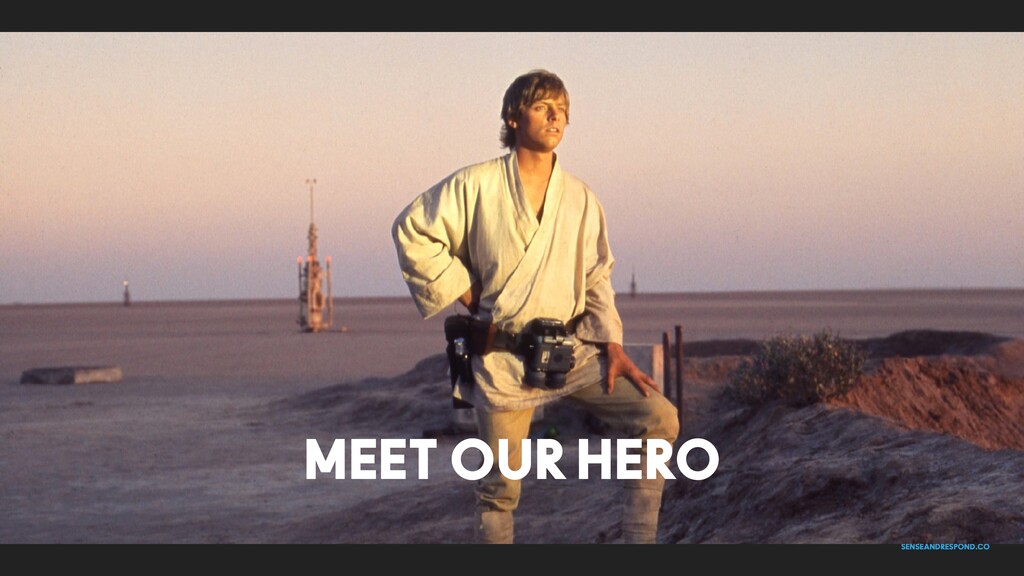
Now, I I know that some of you came in here today probably expecting to hear about wheat farming, but for the rest of you, this is actually what we're going to talk about. And we're going to talk about a specific actor. The user we're going to talk about is our hero.
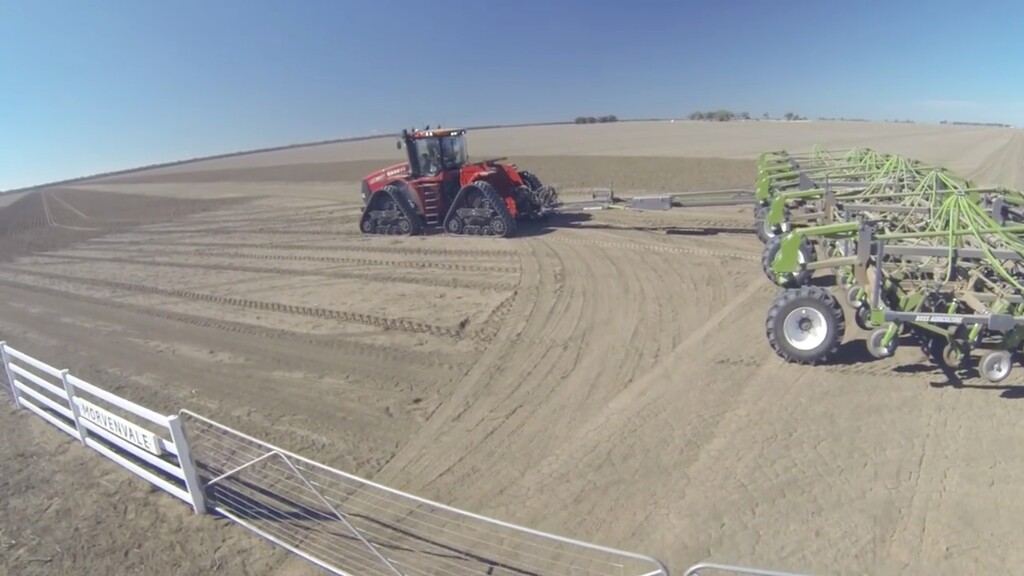
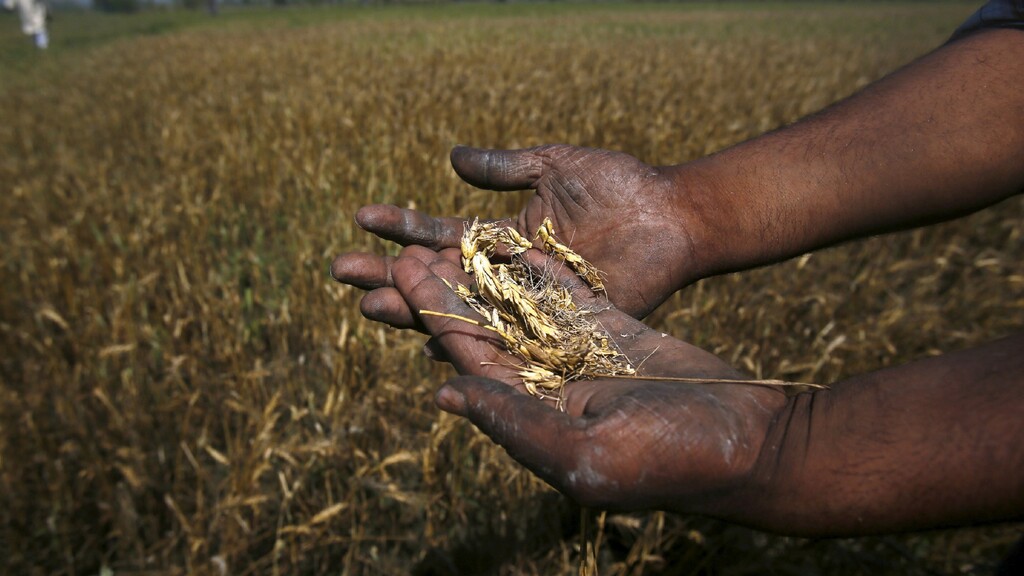
Our hero is a humble farmer struggling to eke out a living in a hostile environment. It's not this guy, but it is these folks. These folks here, in this particular case, folks that live in the American heartland. These are wheat farmers. These are folks who live out kind of in Iowa, in Montana, in Illinois, in the middle of the US, and they work the land.
They farm wheat on a daily basis, particularly in the US. Now, a couple of things about the economics of wheat that you should know in case you're not a wheat farmer like myself. First of all, is this. Farmers don't market wheat. There's no agency that puts up billboards on the interstates that crisscross Nebraska that say, wheat, it's what's for dinner.
It doesn't happen. Farmers don't market wheat. In fact, market itself doesn't care what it costs the farmer to produce the wheat. When determining how much wheat gets bought, the market couldn't care less how much the farmer has invested in getting that to grow and getting it out of the ground.
The only thing that the market cares about is demand and how much consumers will pay for it. That's it. That's what it can come down to, and that's the only thing that matters ultimately to the farmer as well. Now, fascinating thing here is, and this is something I I did a ton of research for this talk because this is not not my field of expertise.
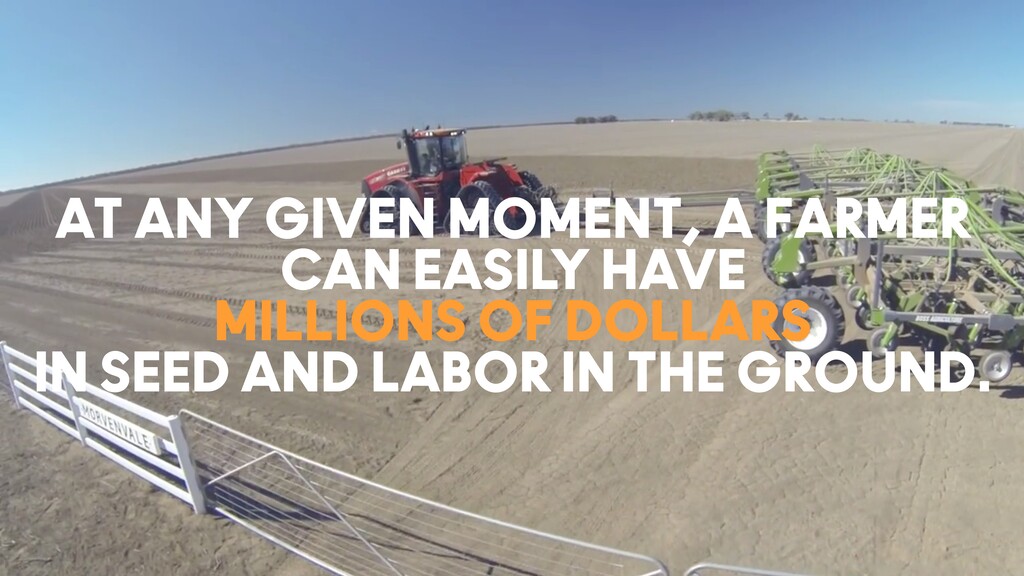
The fascinating thing here is this, at any given moment, a farmer can easily have millions of dollars, which they take out loans for, millions of dollars in the ground, in seed, and in labor, and in fertilizer, and in chemicals, just to get the crop to grow and ultimately try to get it to harvest.
And there is a tremendous amount of risk to that harvest from the time that the seed is planted to the time that the wheat is harvested. There are things like wind, and insects, and disease, and fungus that grows on this. There are crop circles that can happen to these things.
No, I'm kidding. That generally doesn't doesn't happen. Right? But there's so much risk for that, for recouping those millions of dollars and actually trying to make a profit. Now to give you a sense of the profit margin that we're talking about here, we're going to do some math.
I know, we're talking about weed farming at the end of the day and I'm asking you to do some math. Don't worry, it'll be super fast, but it's really important to our user, to hero. Right? So a couple of things. Wheat is measured in bushels.
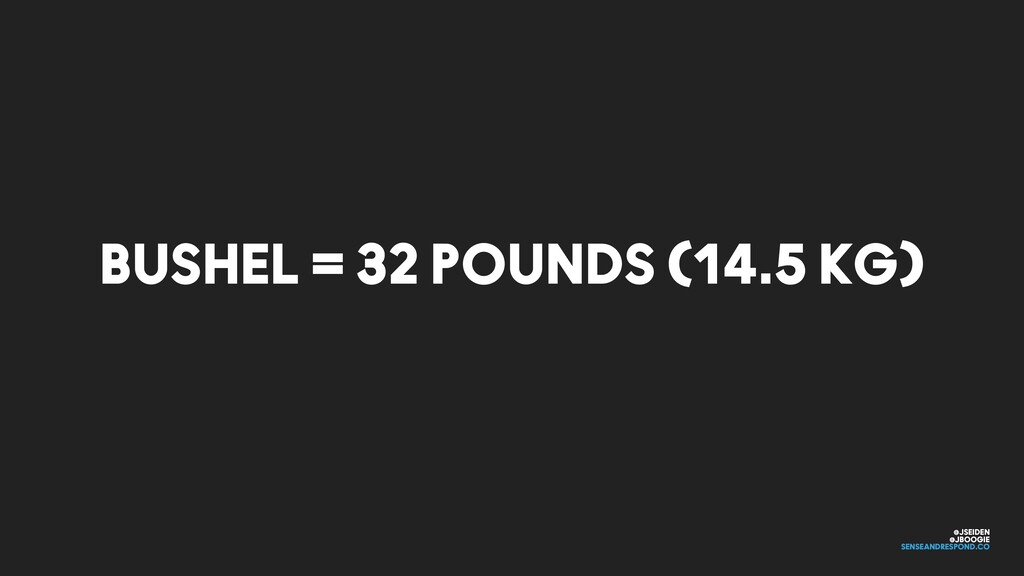
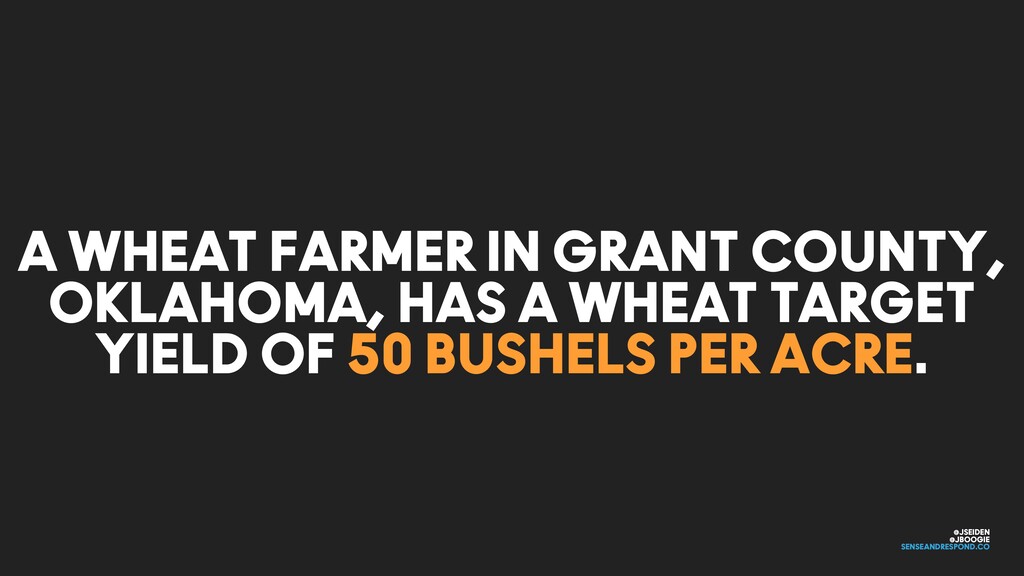
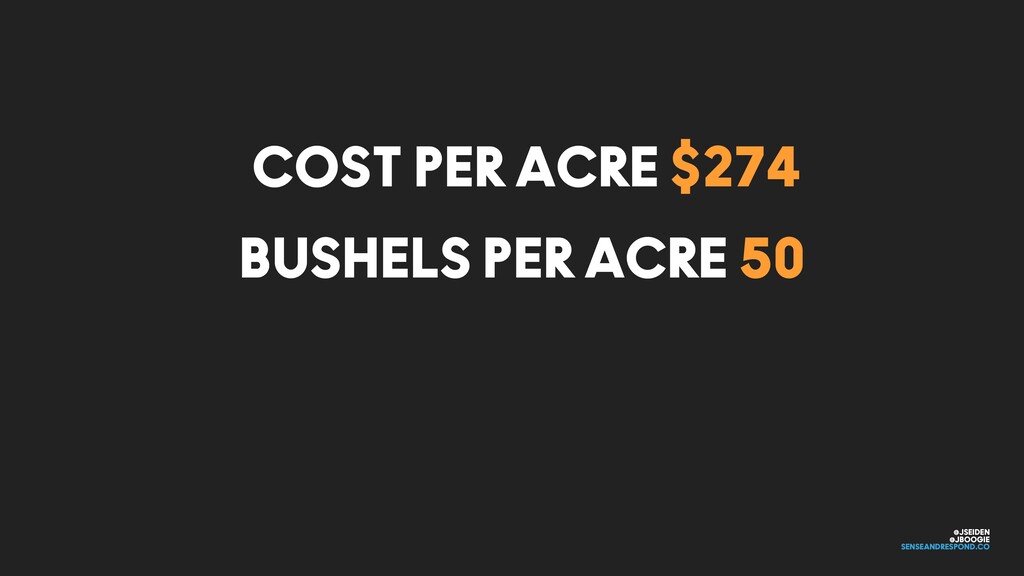
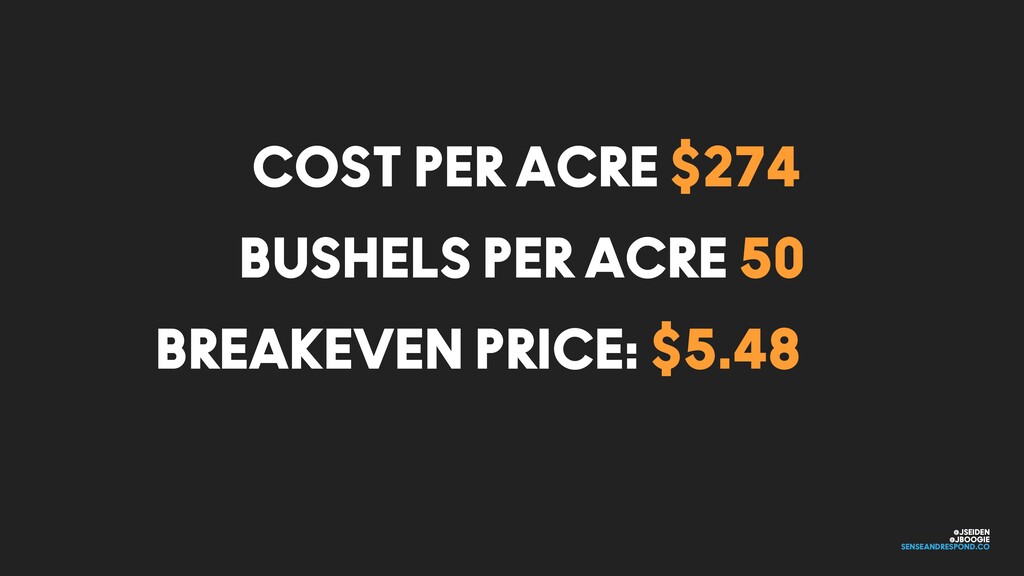
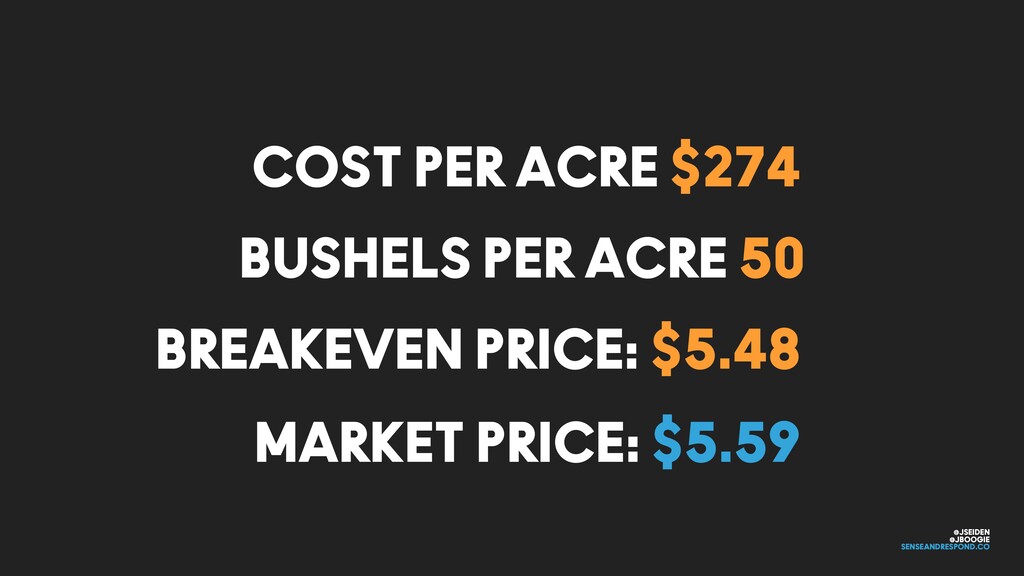
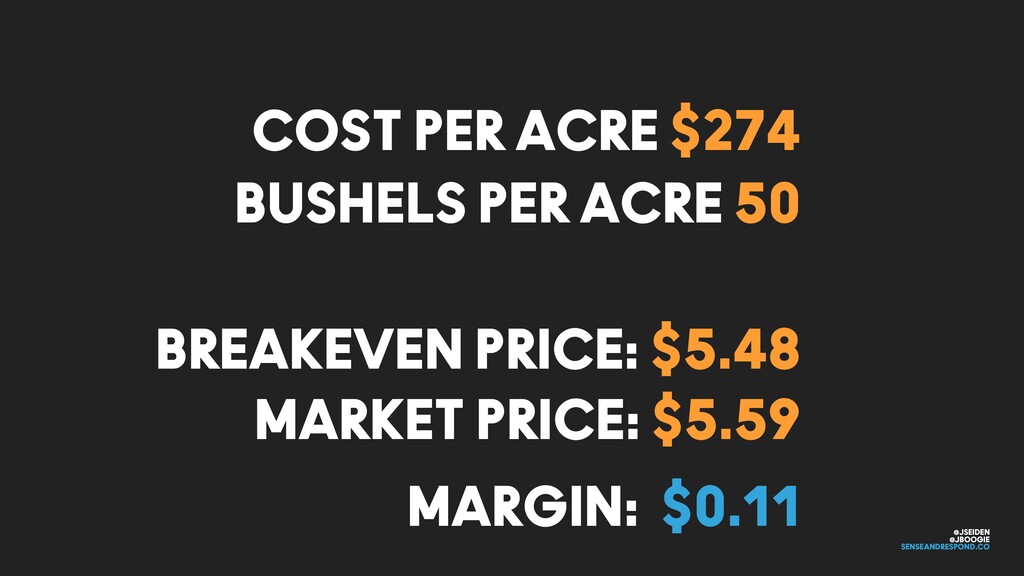
Bushels are thirty two pounds or fourteen and a half kilos of wheat. It's generally how it's measured. Now, if you take sort of a quote unquote average farmer in the United States, this is one that we found in Grant County, Oklahoma, sort of right above Texas there, an average farmer tries to get fifty bushels of wheat out of an acre of land.
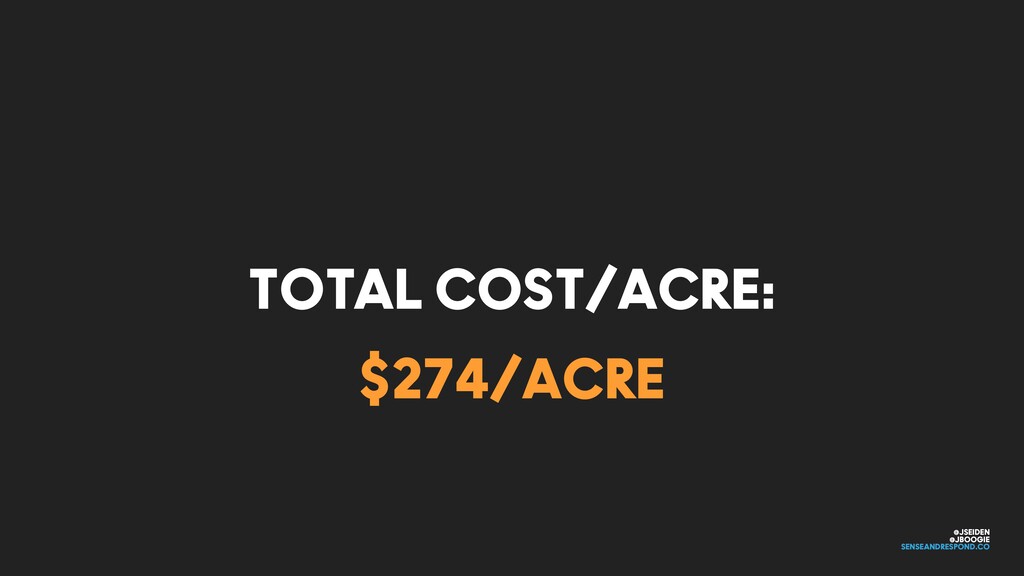
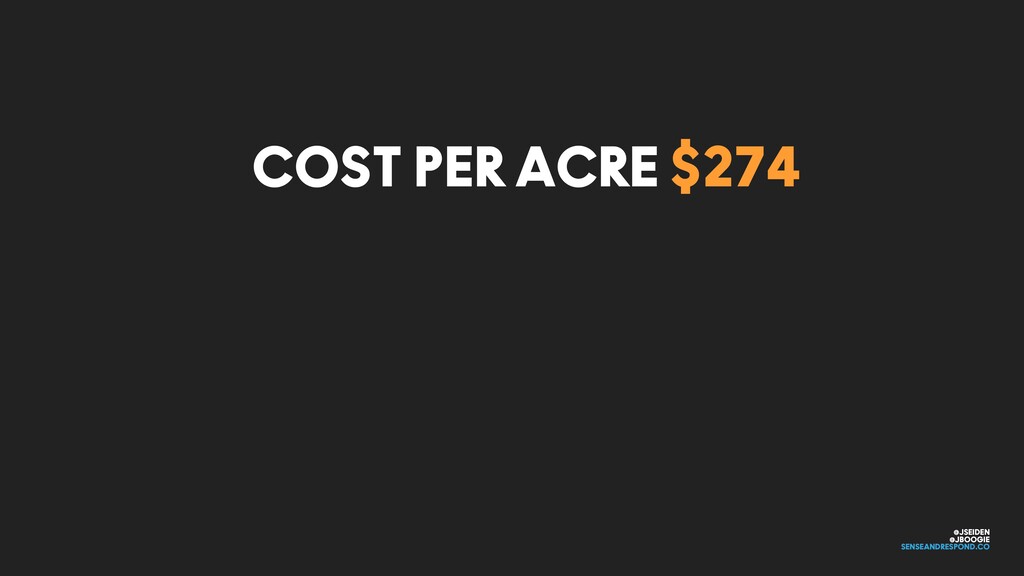
Fifty bushels. Right? That's the goal out of every acre. And the total cost to farm an acre of wheat is two hundred and seventy four dollars. That's labor, seed, fertilizer, fungus killer, all kinds of stuff like that. So two hundred seventy four bucks to plant the seed, to grow it.
Our goal is to get fifty bushels out of there. Our breakeven price per bushel, five dollars and forty eight cents. Right? You have to get at least five dollars and forty eight cents out of every bushel to breakeven. This talk was written six weeks ago. Okay?
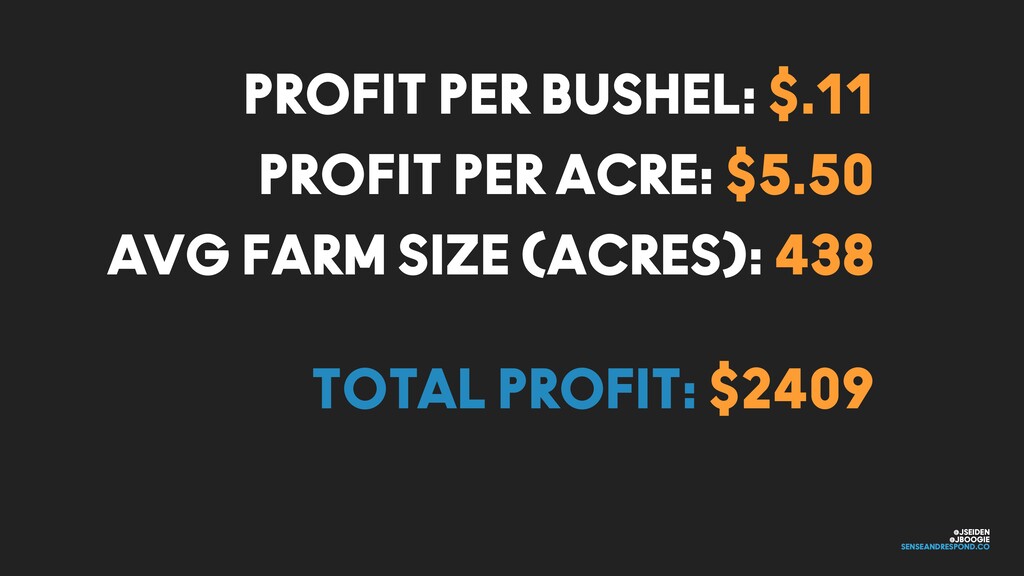
The market price for wheat six weeks ago was five dollars and fifty nine cents. That means that the profit margin on a bushel of wheat is eleven cents. Eleven cents. Now, you take that profit margin, that's about five dollars and fifty cents per acre.
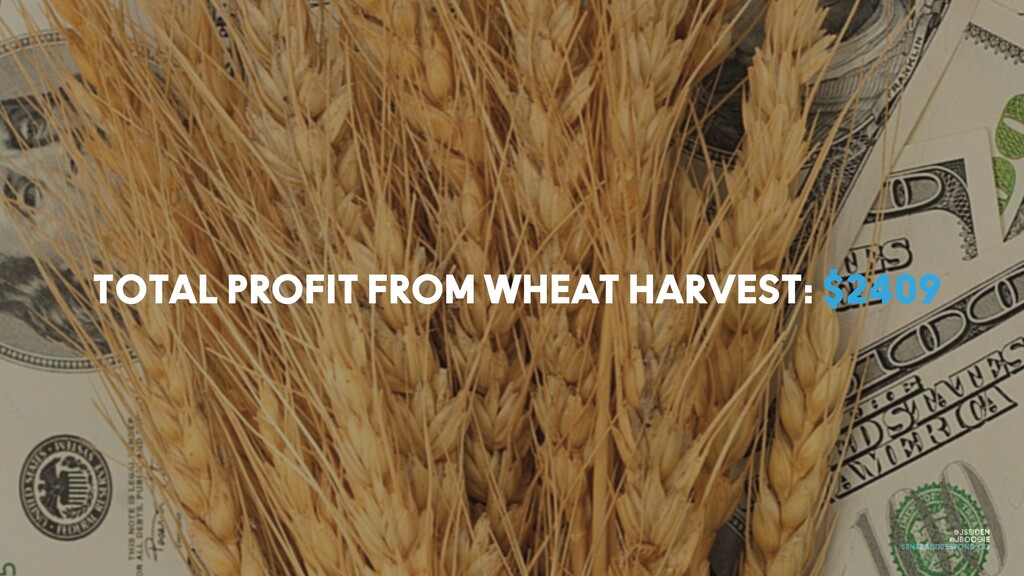
The average wheat farm in the United States is four hundred and thirty eight acres. That means that for an entire harvest, an entire wheat harvest, the average farmer makes two thousand four hundred and nine dollars. That's months of work and labor and daily activity in the field.
That is one thin margin. It leaves tons to chance and risk, two thousand four hundred and nine dollars. And that risk comes in a variety of formats like we talked about before. For example, there's rain. Now, rain farmers love rain. They have this saying, as it turns out, I've learned, that rain makes grain.
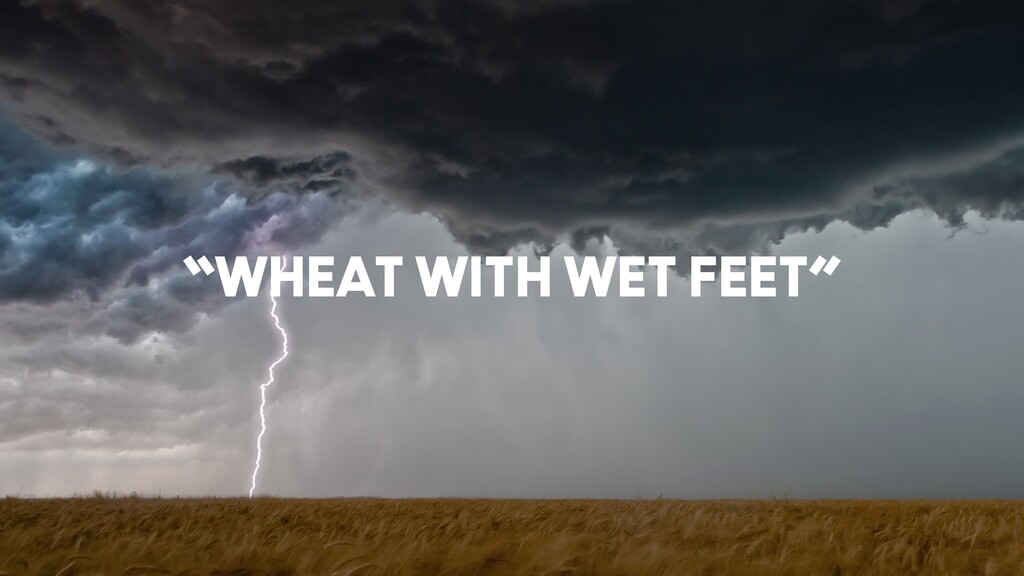
The more it rains, the more the wheat grows, the happier that we are. But sometimes, it rains too much. And if you don't get the wheat out of the field in enough time, if it rains too much, you get what farmers call wheat with wet feet, which is when disease starts to set in and it ruins the crop.
So if you don't get the harvest out of the ground in a timely fashion, you're out of luck, and even your thin margin is gone. You've lost everything, all that money and your profit margin. To give you a sense of how important timeliness is for this, we interviewed a bunch of farmers for this talk, Josh and I, when we wrote this talk.
We interviewed a bunch of farmers, and one of them is this guy Steve Pitstick, who's a really kind of active farmer evangelist. And we wanted to talk to him, and he said, look, I can't talk to you this week, it's planting season. Let's talk later.
And eventually, talked to him when he actually the work was done. Timing is everything in farming. So these are our user needs. Our user needs are lower costs. Hopefully, it can cost me less to farm. More efficiency, I have to do my job more efficiently so I can increase my profit margin, and most importantly, I have to obey mother nature's schedule.
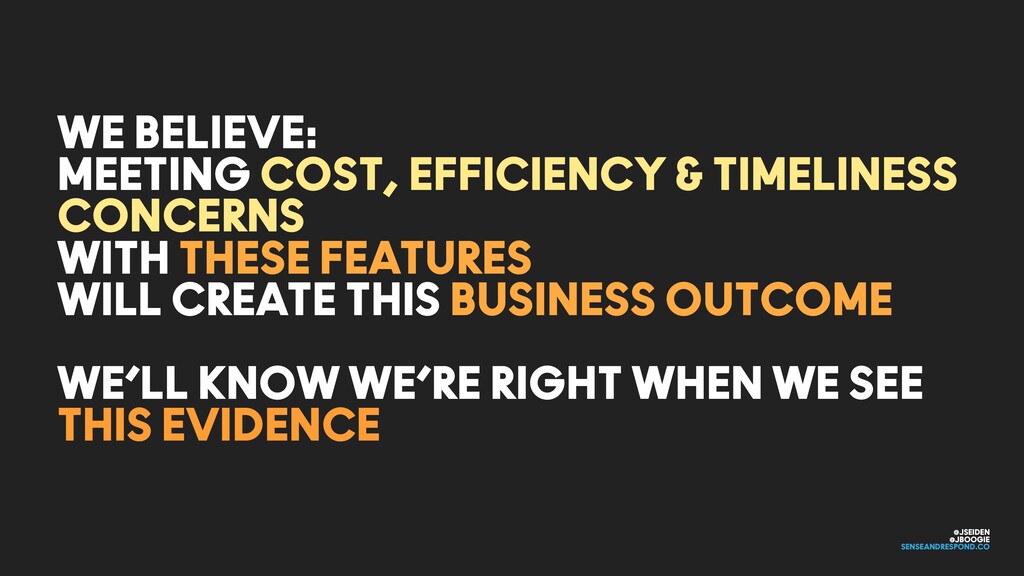
I cannot work on anybody else's time frame. When it's time for the week to come out, that's how we have to do it. So that's when we have to do it. So that's our hypothesis statement. Let's start to fill it out. Okay? We believe that meeting cost, efficiency and timeliness concerns of the user will help us win.
Terrific. Let's move on to the next bit. Act two, the business outcome. Or we'd like to call meanwhile back at headquarters. Right? Now, I know we joke about them as big companies being these evil empires, but they're not evil empires. And if you look at the companies that serve farmers throughout the world, they look like this.
They really do. It's just a bunch of product managers walking around halls, talking to other folks, making products, figuring out how to build physical products, some software products, other things. And, you know, and they're trying to figure out how to work business models in this changing world.
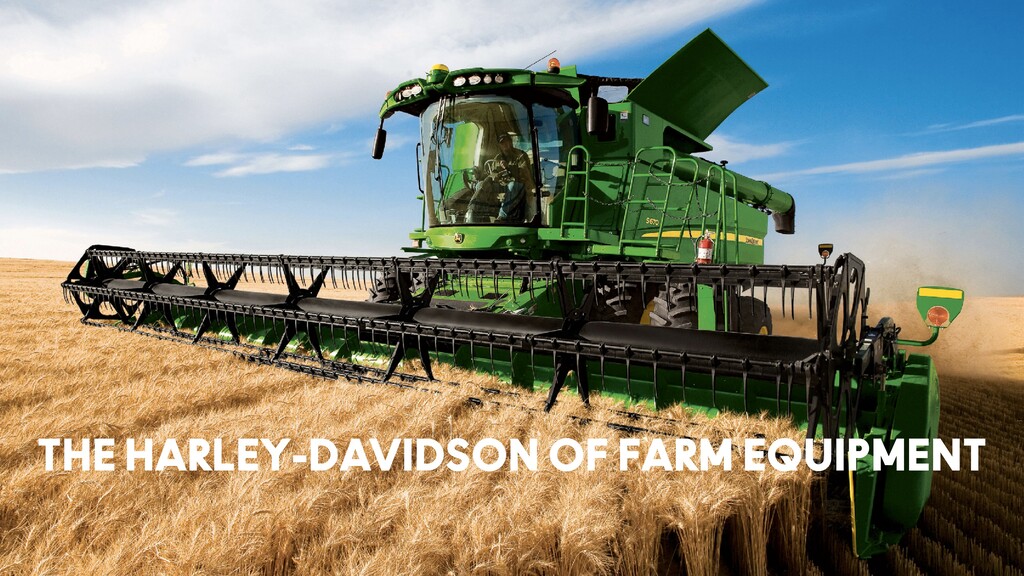
And specifically, in the farming world, the biggest player and the most interesting company, in my opinion, in the farming world is John Deere. John Deere is known as the Harley Davidson of farm equipment. Quite literally, they're the number one player in farm equipment, certainly in the US, I don't know if that's true globally, but definitely in the US.
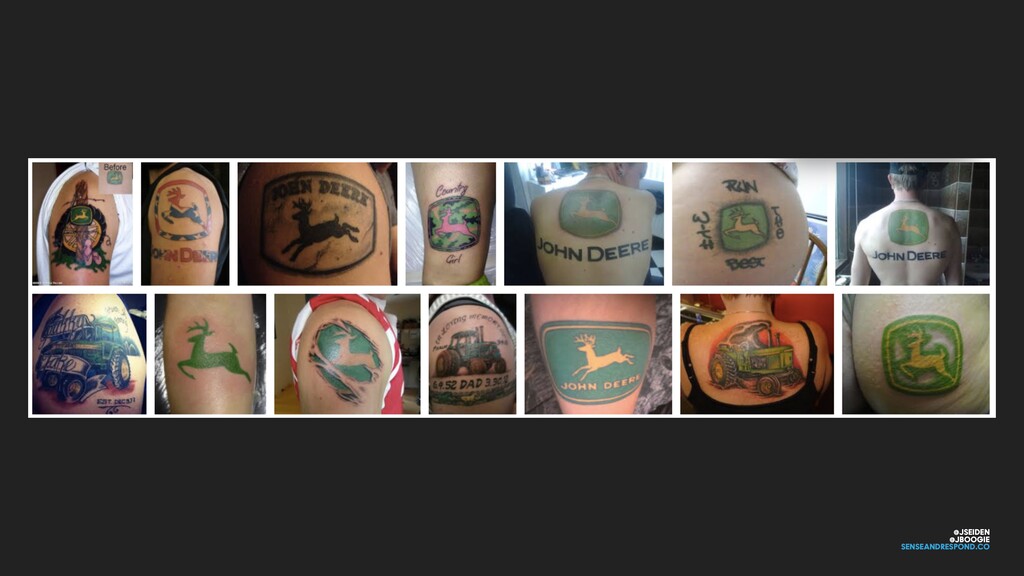
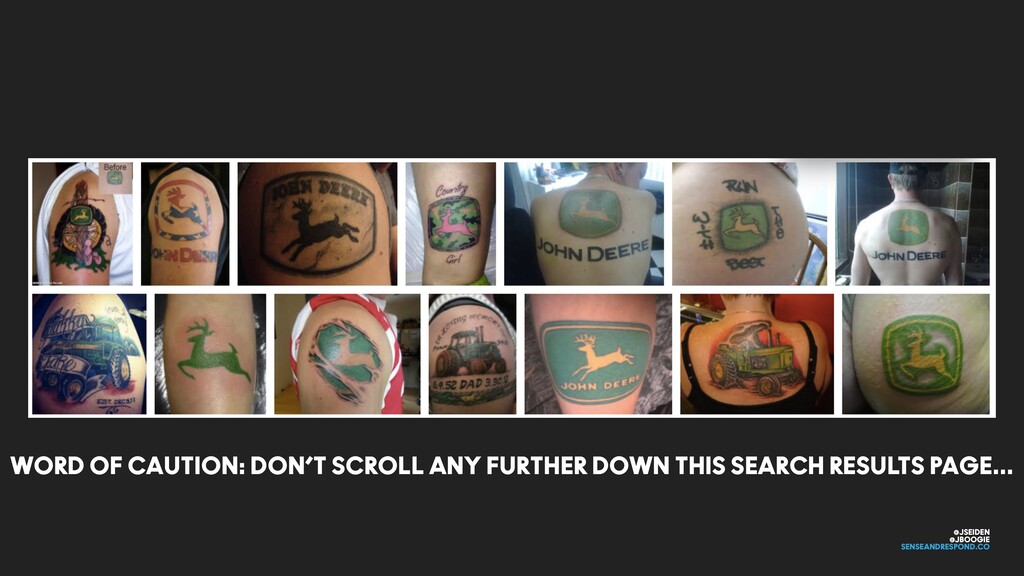
For over a hundred years, farmers love their John Deere equipment. They've been using it for decades. They like to call themselves deer farm or a deer operation. And just to give you a real sense of the kind of loyalty that this brand engenders, I ran a search for John Deere tattoos on Google, and this was the safest set of images that I could find online.
I really don't recommend you go any deeper than these images. But this is look at the size of these things. People truly love this brand. They live for this brand. This is how they work. Rightfully so. These are the biggest, the baddest, the greenest machines on the farm.
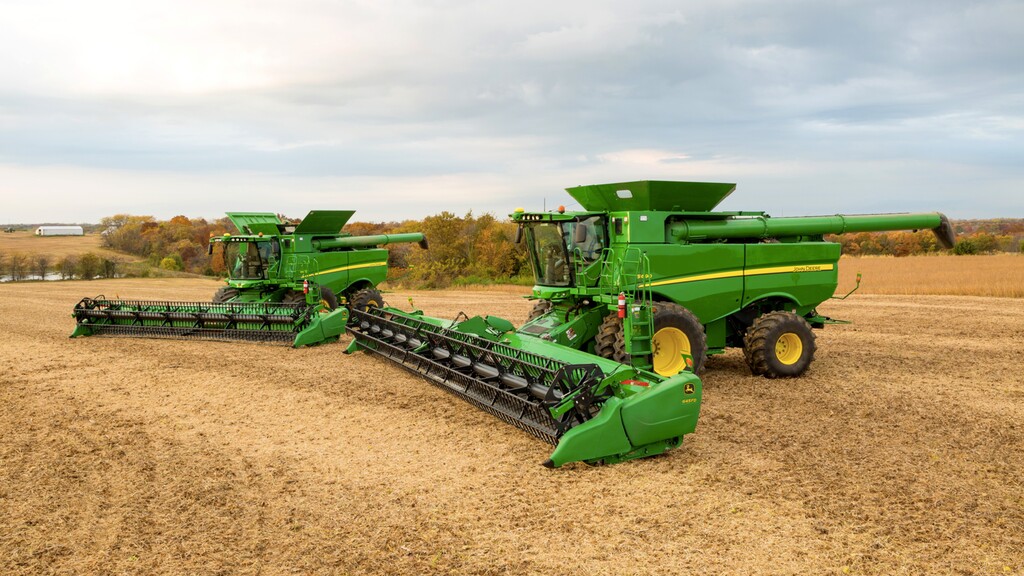
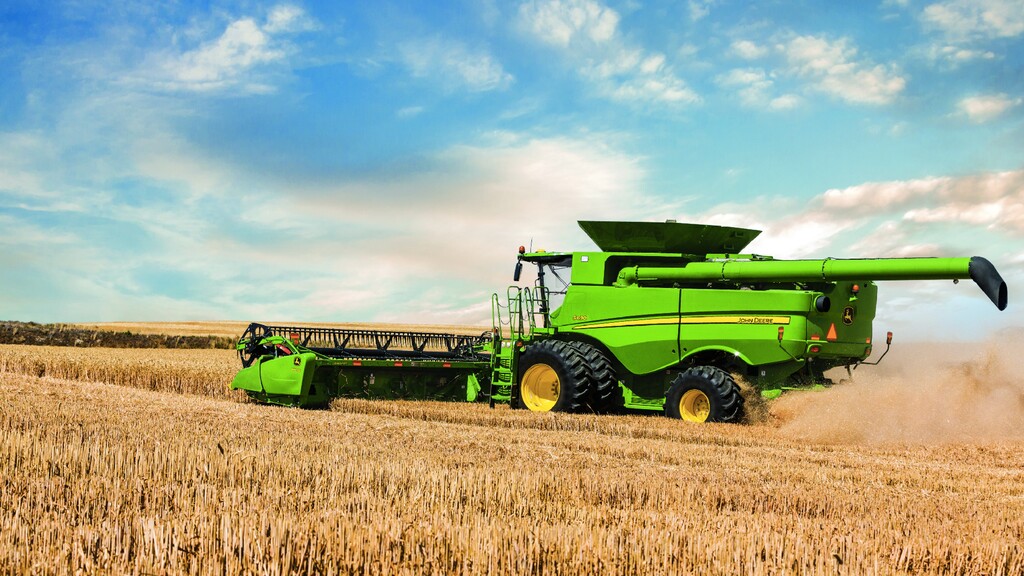
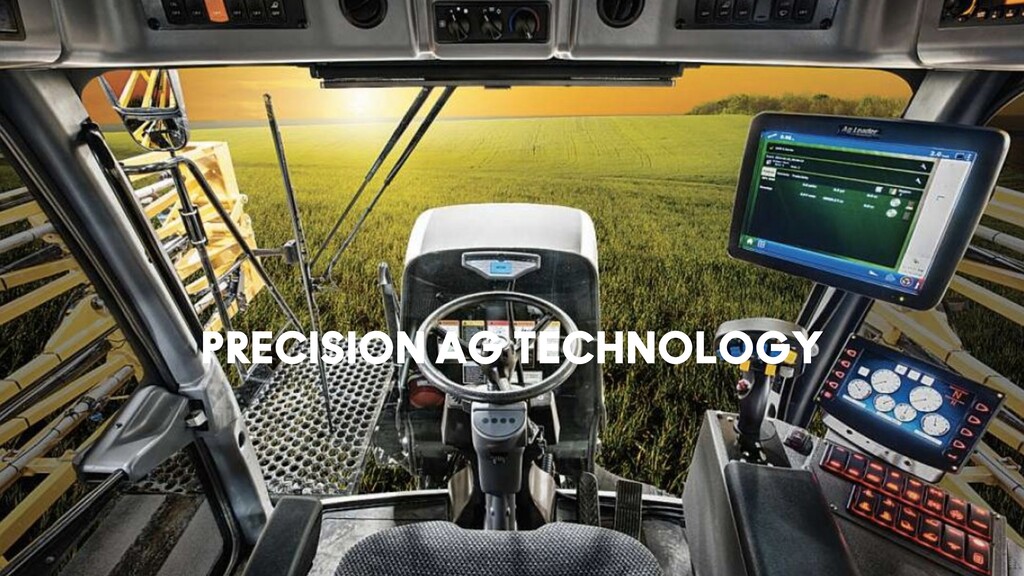
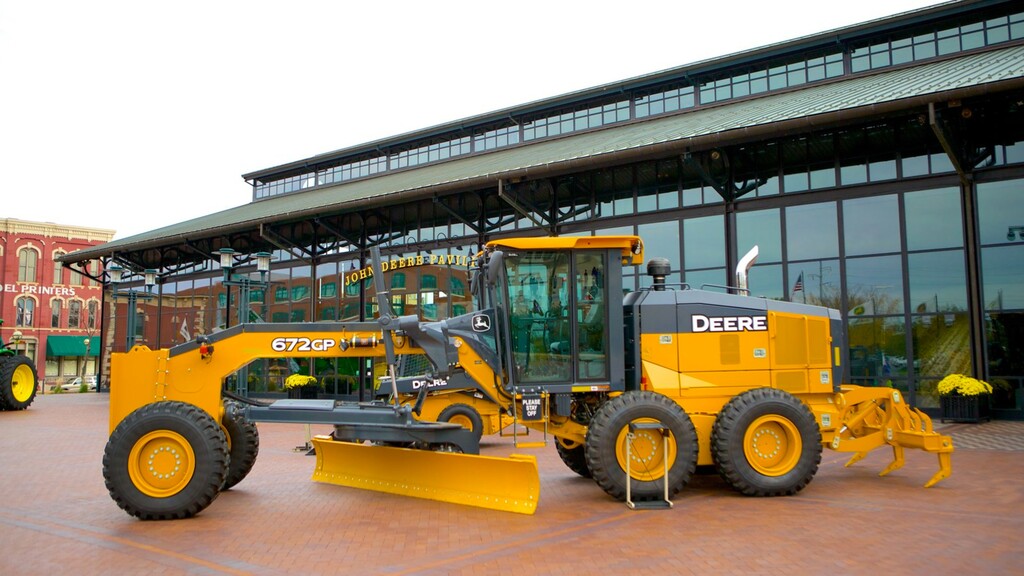
They're absolutely amazing. They really are. And they don't make just tractors. It turns out that they actually work in this other adjacent field called precision ag technology, which is everything you see in this photo up here. Precision ag technology is a suite of products and services designed to connect and automate multiple farm operations and multiple farm machines to connect them and to automate them based on GPS, sensors, big data, you name it.
Right? And it helps farmers then make sense of all the data that's collected by all of these sophisticated devices. So you've got all these farmers running all these intelligent machines, they collect all this data, they ship it back to John Deere, who then crunch it and give back how to how to be a better farmer, to be more efficient back to these farmers.
It's absolutely amazing. I'll show you some videos in just a second. And so where does this put John Deere? Well, they're a hardware company. We make tractors. We make screens. We make telematics. We make sensors. Company. They've been in the software business for over twenty years.
They have over a thousand people working in software just on displays, telematics, and customer facing websites. They have an annual API Integrators Conference. This is a farm equipment company we're talking about. They're in the software business. And they do product discovery. They know their customers.
Their customers are super excited to learn about the next thing. Because of this loyalty, it's really easy to get farmers to come out and learn about new products, to test new products, to learn about new interfaces and new workflows. They're highly motivated to come out there and learn that, because there's a strong early adopter movement both in farmers, in traditional farmers and younger farmers as well, kind of the Google generation farmers are coming up and they really are interested in building the most efficient technologically enabled farming business that they can.
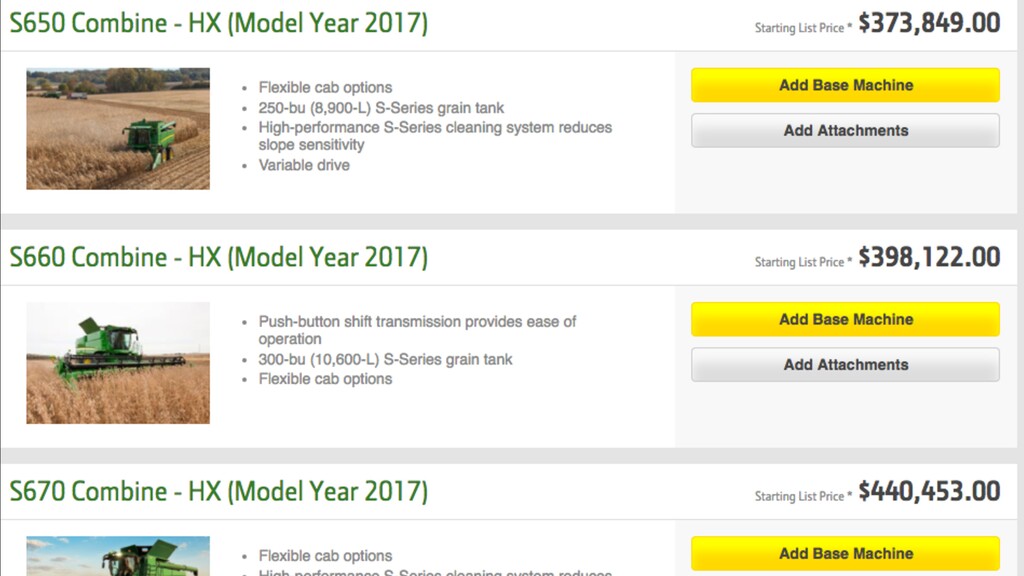
Now, as it turns out, and you might not be surprised to learn this, tractors aren't cheap. These particular tractors, I was shocked actually. Let me show you. They have a build your own tractor thing on the John Deere website. This is the starting price.
These are the this is the base model starting prices. Four hundred thousand dollars start starting price. By the time you finish customizing your tractor and adding in all of these particular things, you're anywhere between six fifty to nine hundred thousand dollars, depending on what you buy.
Almost a million dollar machine that you're putting in the field to work for you on a regular basis. Sounds pretty amazing. These folks are selling million dollar tractors. What's the business problem? What business problem are they facing? Well, fascinating. What's happening in the US particularly, I'm sure it's happening around the world as well, is that family farms are disappearing.
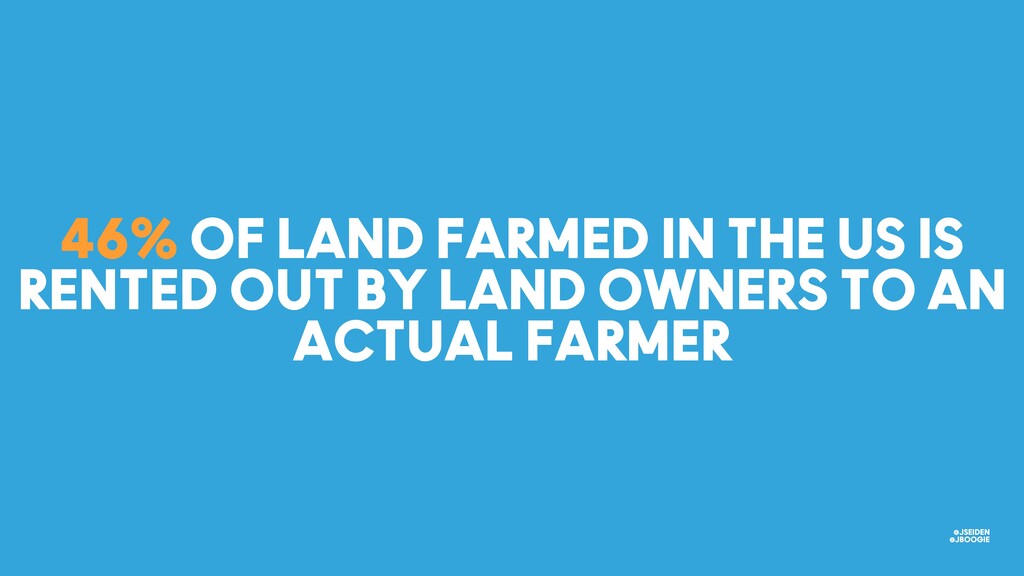
In fact, roughly about half the farms in the US are now part of a leased operation where there's a big absentee landlord who then rents out the land to real farmers to do the job. And the reason for that is because you need a big operation to generate meaningful profits.
We talked about the razor thin margins. Twenty four hundred bucks for an average sized farm, that's not a whole lot of money. So we need these big operations to generate meaningful profits. Well, it turns out that big operations are a big expense. The John Deere technology helps farm larger areas with less labor.
That's a good thing. But what happens, the interesting flip side of this, is that less labor means we don't need as many farmers. And fewer farmers means that we sell fewer tractors. So we're victims of our own success. We built these amazingly sophisticated efficient machines, but we sell less of them because they do more work more easily.
And for that, equipment sales are down to the tune of eight percent year over year, which John Deere ends up being about six and a half billion dollars in lost equipment sales in two thousand sixteen alone. And so what they need to do is to rethink their business model.
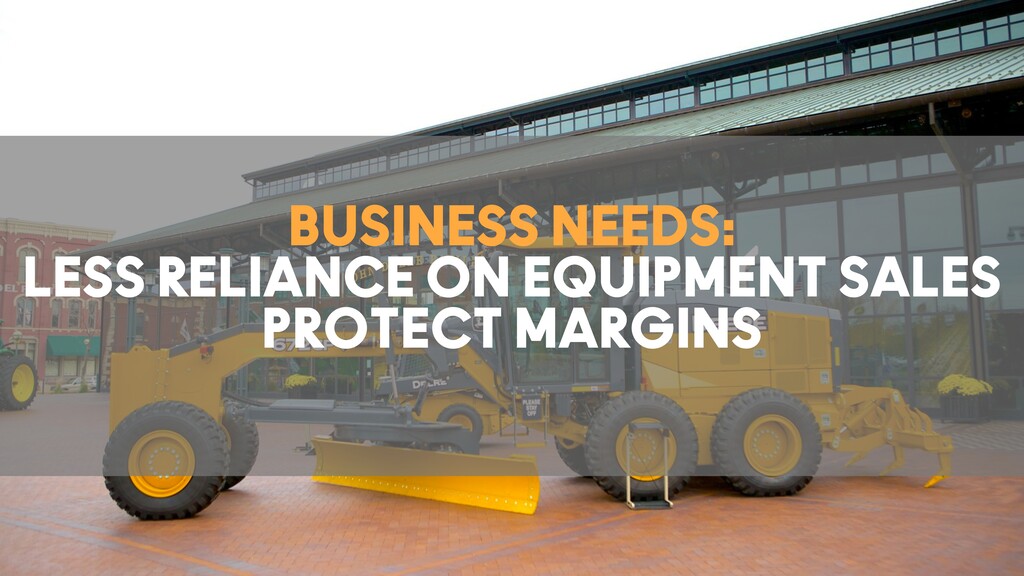
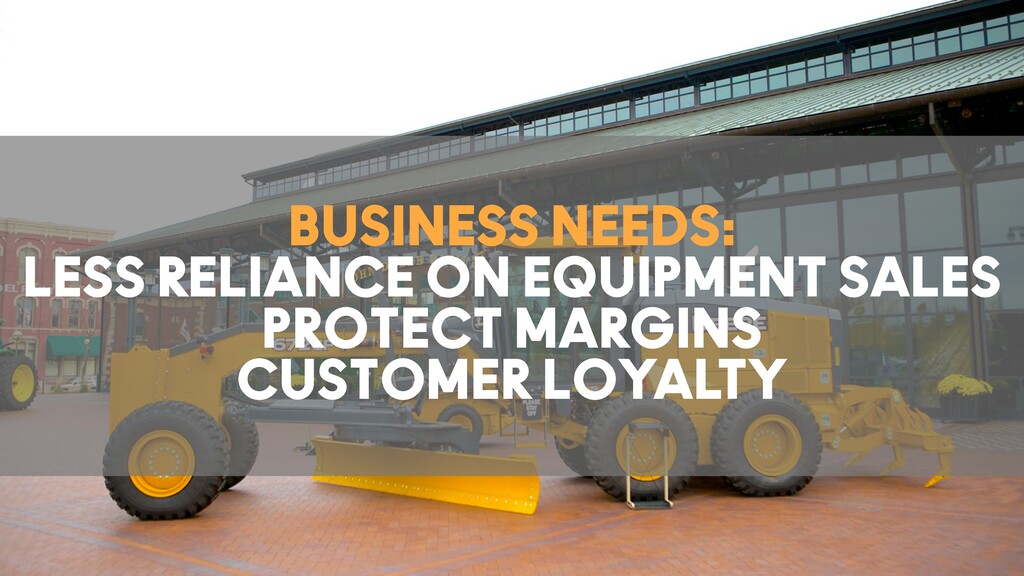
What are some other business models that we can build in as a product manager that can take advantage of this machinery, but recoup the equipment sales loss? That's what we have to figure out. And so these are our business Specifically speaking, less reliance on equipment sales because we're selling more of that, and yet maintaining our profit margins.
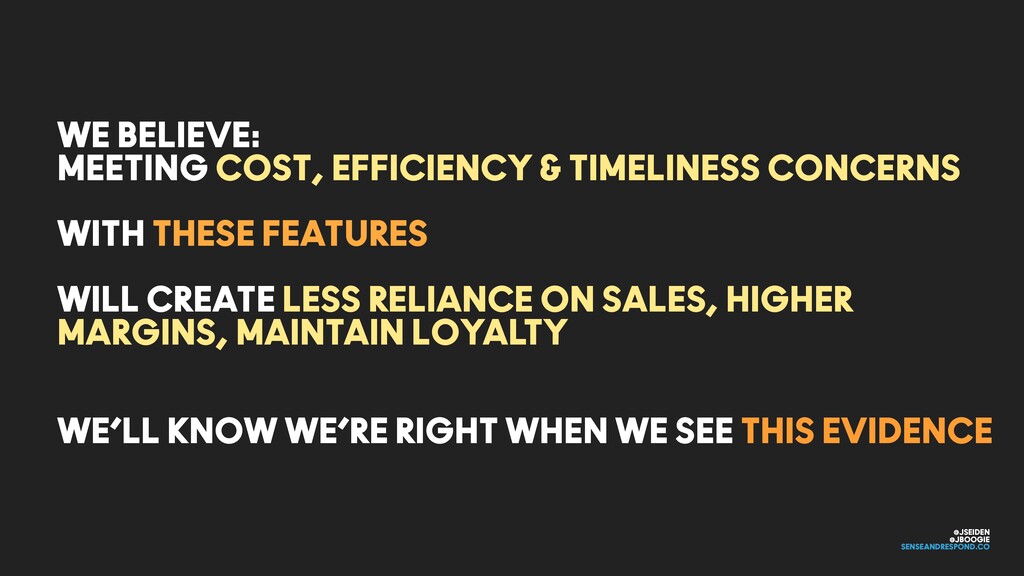
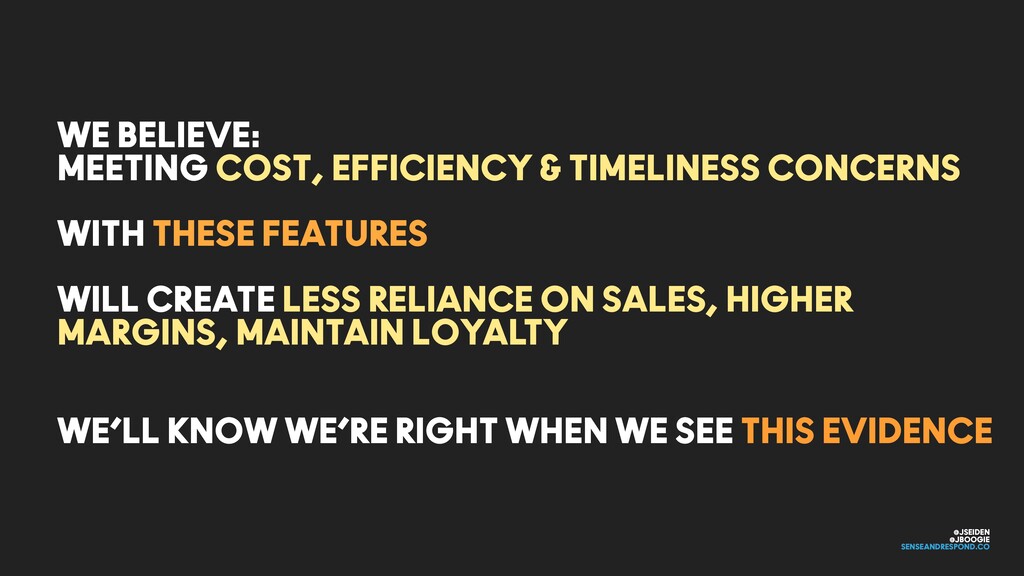
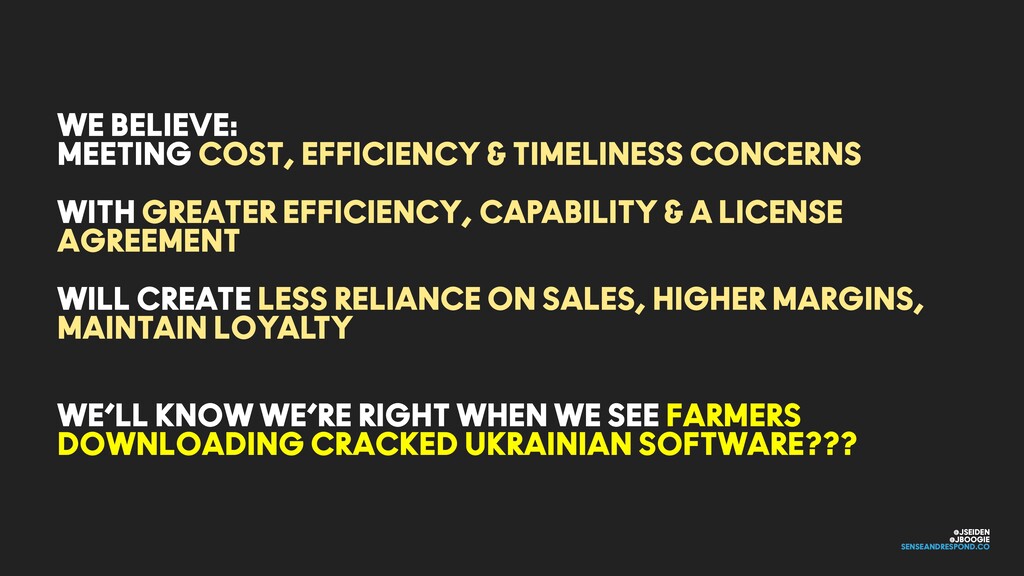
As a business, we cannot lose that customer loyalty though. No matter what we do, customer loyalty is key because that's what keeps our our farmers coming back again and again and again. So back to our hypothesis statement, we believe that meeting cost efficiency and timeliness concerns of the farmer with some set of features or services or products or tractors or whatever, right, will help us will create less reliance on sales, higher margins and maintain our loyalty.
Right? That's what we're trying to solve for here. So, act three. What is the offer that farmers can't refuse? The promise. Right? So the fascinating thing here, right, this is where we currently are, and now we're looking for the feature set. Right? What is the feature set that's going to bridge this customer need and this business need?
Well, we have a friend back in the US, his name is Mark Reddig, he's a designer, some of you may have heard of him. He's been a farmer, his family has been farming for seventy, eighty years in Montana. And he gave us this amazing kind of history of tractors and how the sophistication has gone on.
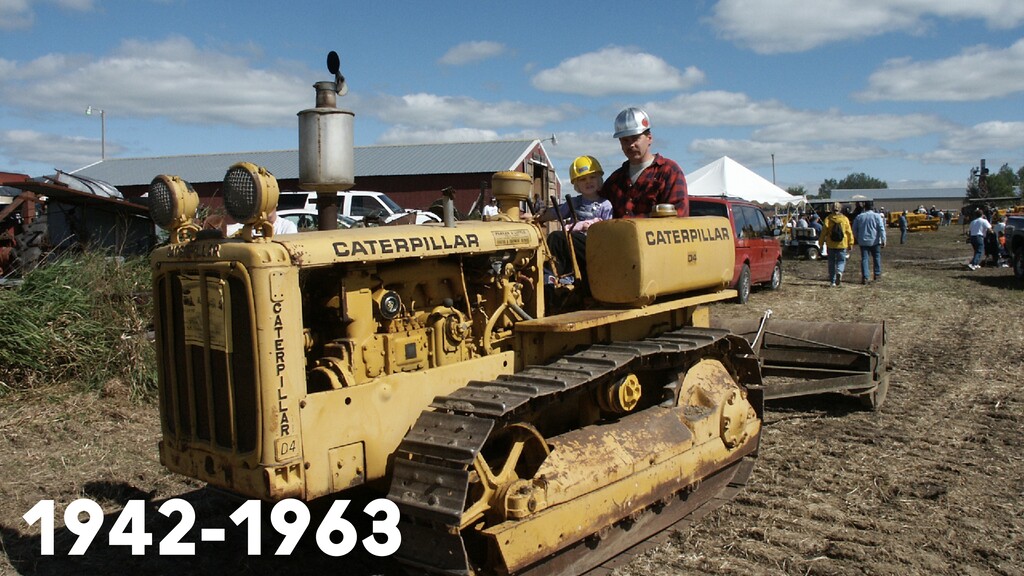
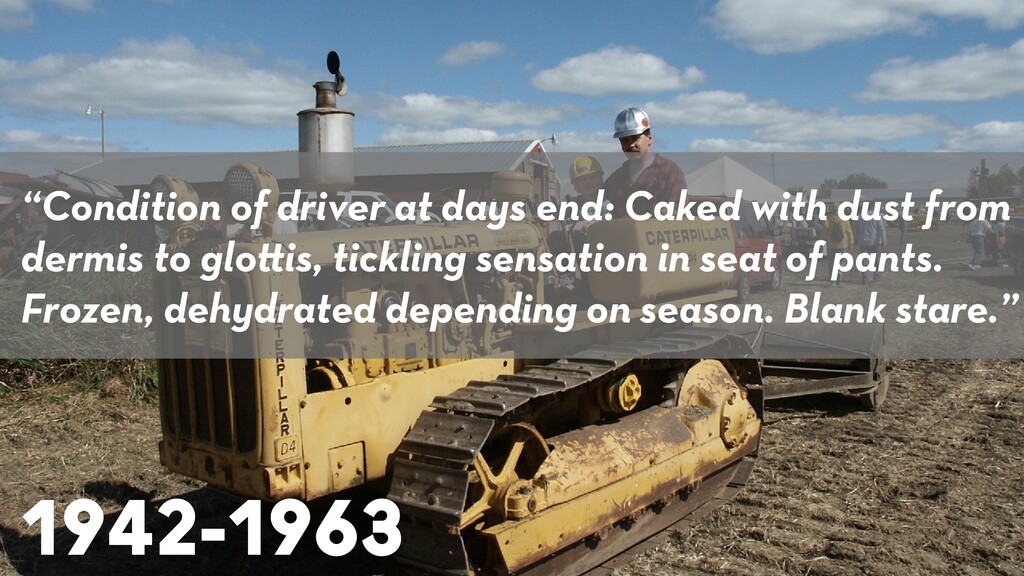
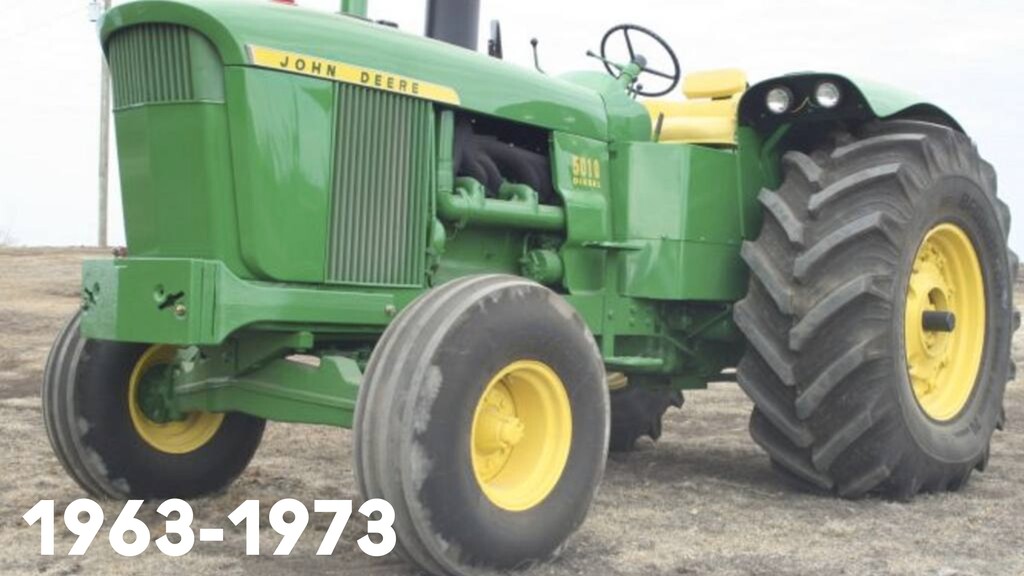
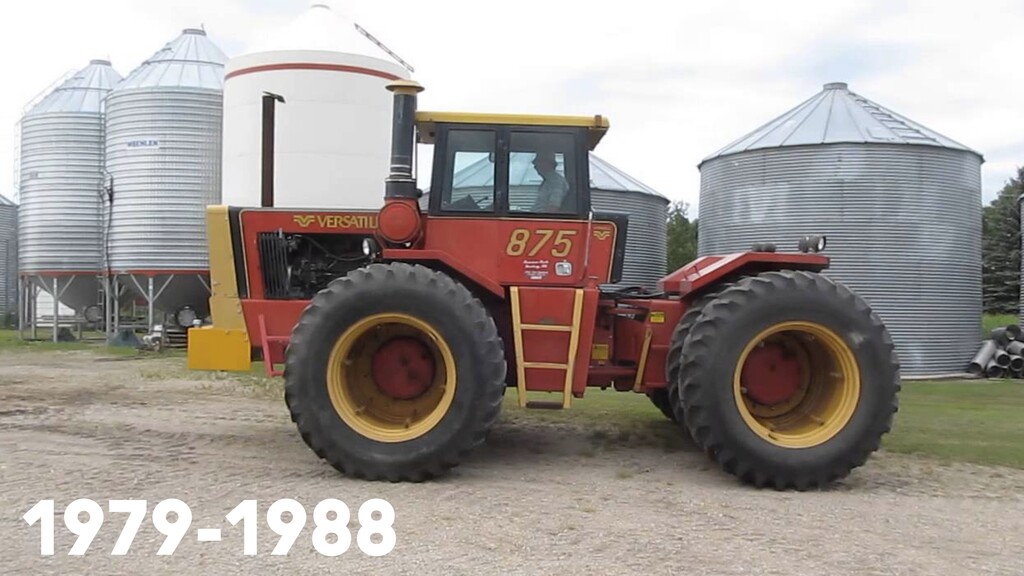
This is where his farming life started on these caterpillar D4s, and at the end of the day, you'd end up covered in dust and frozen and dehydrated depending on the season, etc. Over the years, the sophistication and the efficacy, the efficiency of these machines has grown tremendously.
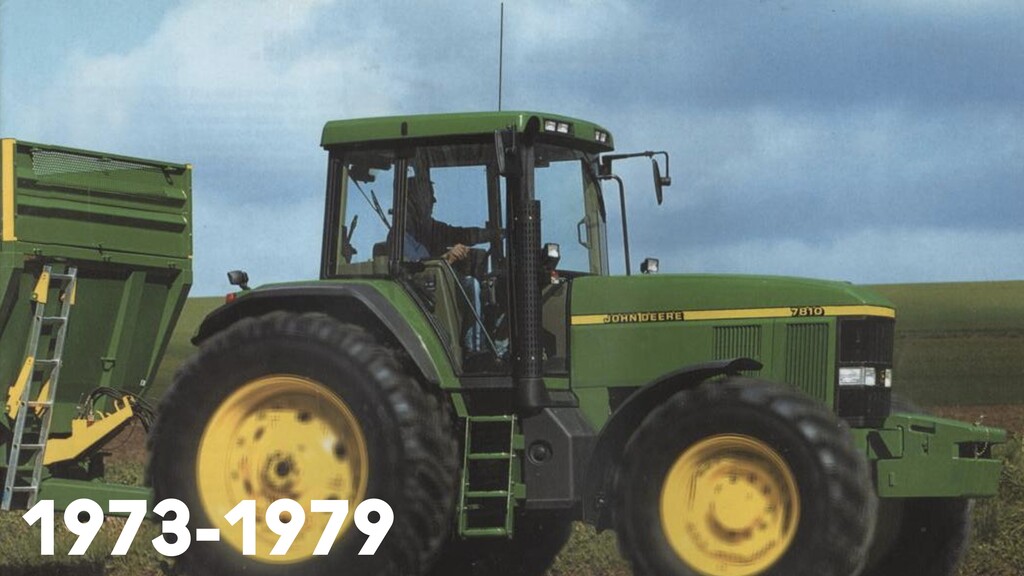
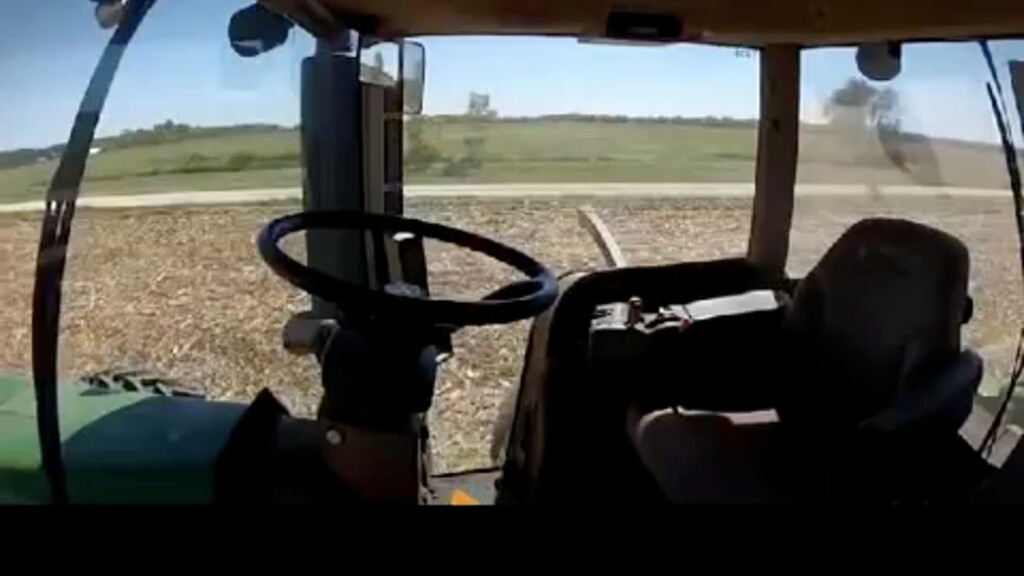
They became enclosed, they came with air conditioning, they came in with AMFM radio, cassette, now they have Internet. This is the new reality for these machines, is that they are fully enclosed, they're fun to drive, you can watch Netflix while you harvest the grain.
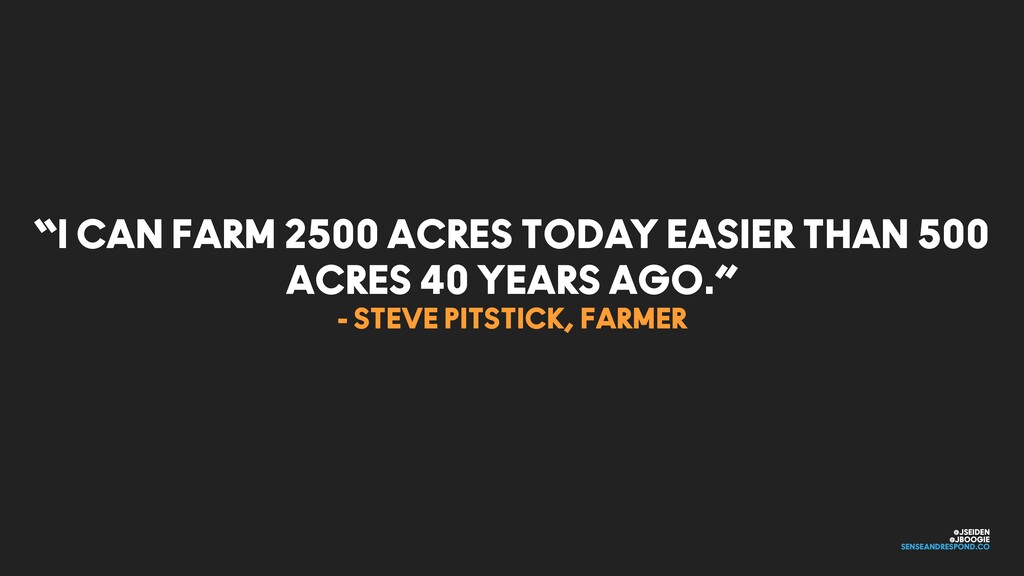
It's amazing what these machines like, the efficiency and the capabilities of these machines is amazing. And our friend Steve Pitstick said, look, today, I can farm twenty five hundred acres much easier than I could five hundred acres forty years ago. So we're giving farmers, as a business, we're giving them this productivity and this efficiency.
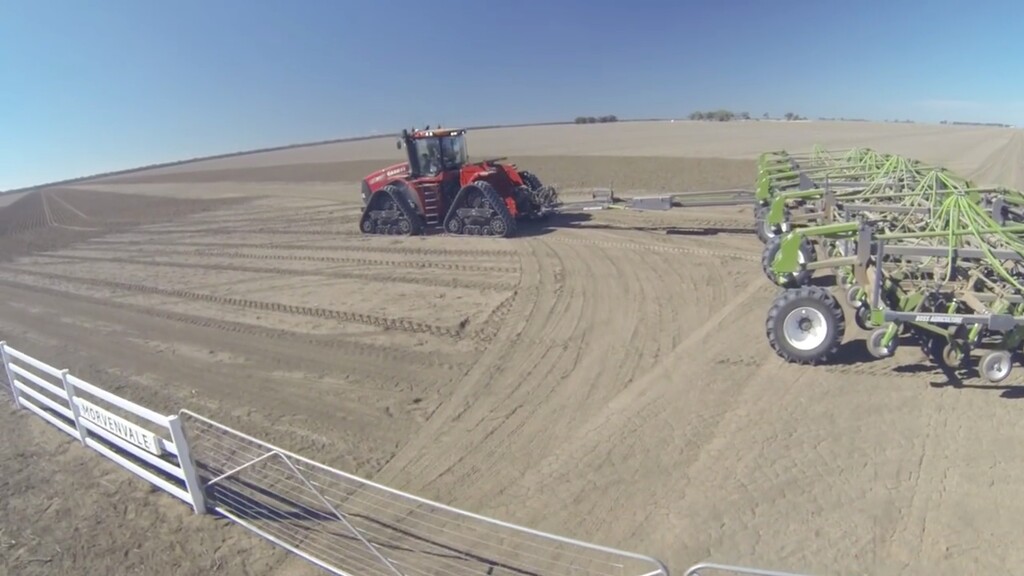
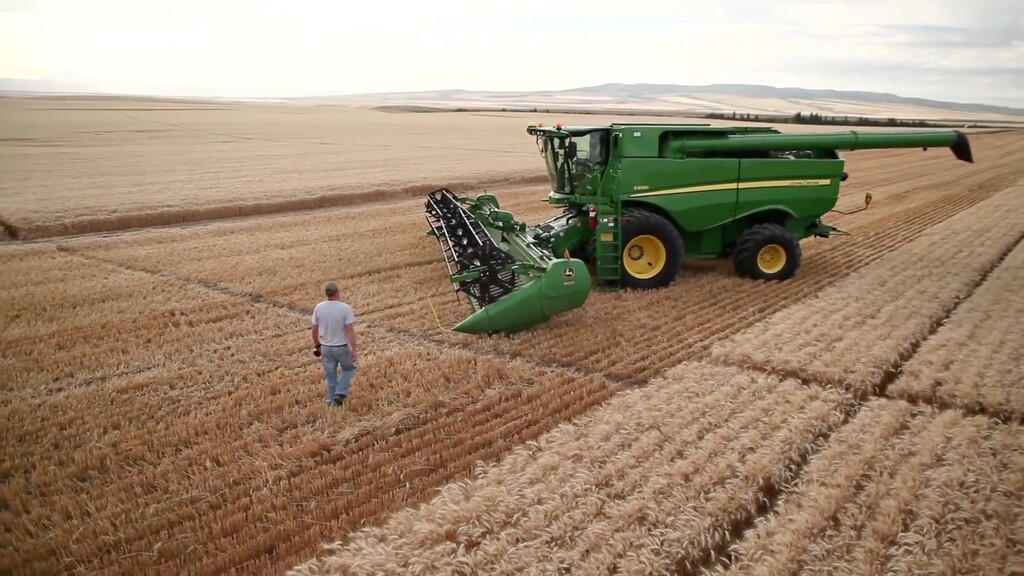
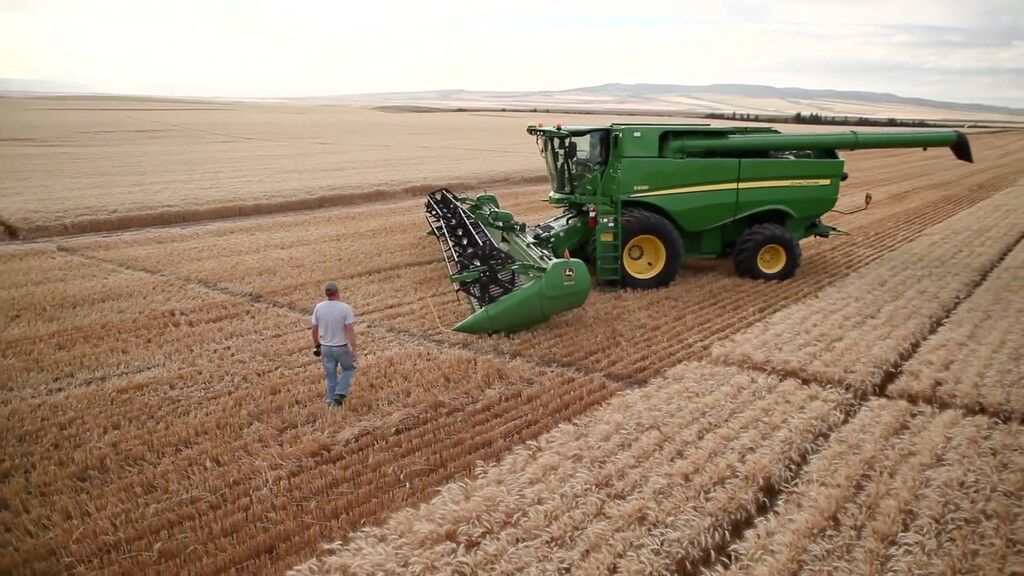
And to show you one more amazing thing that's actually happening in real life is this. This is is happening on farms in the United States on a regular basis. There's no one driving that tractor. The only human in the field is in that combine, which is that other contraption on the left there.
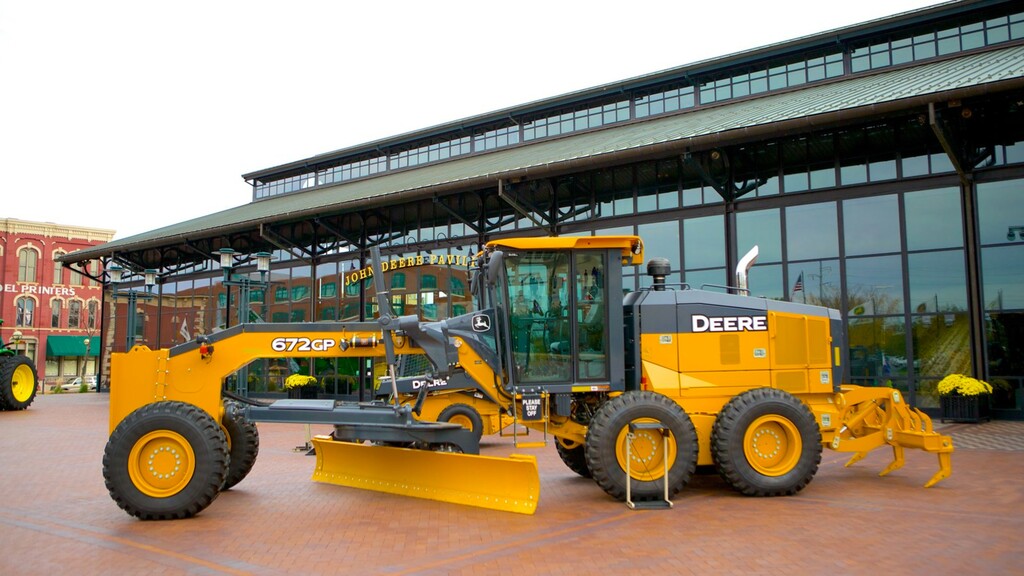
That's the nine hundred thousand dollar contraption on the left. Now, what he's doing there is he's harvesting the wheat in the combine, and he's called over the tractor from the from the barn, and via GPS, that tractor will line up alongside the harvesting machine, and he fills up the hopper, and then it goes back to the barn, and it comes back.
So now you've got one man doing the work that at least two people were doing in the past, all automated without human intervention. This is amazing technology that's in play right now, and that's helping farmers solve all of these issues that we talked about.
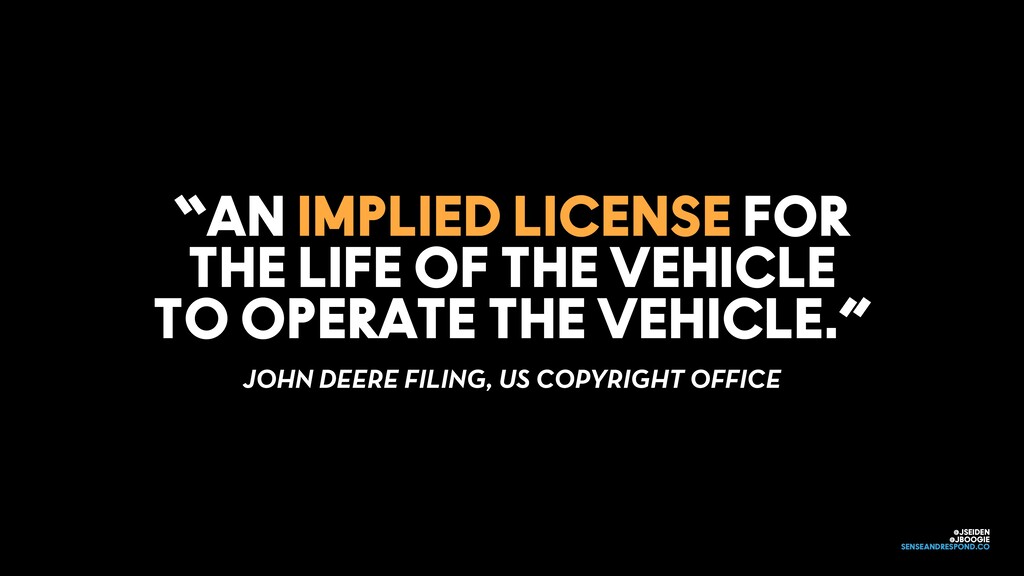
But there's one big catch to all of this. It's that there's a license agreement when you buy your nine hundred thousand tractor. It turns out that when you buy your nine hundred thousand tractor, you're getting the hardware, you own the hardware. But the brains of the operation, the software, the code that's inside that hardware, well, you have a license for that, an implied license for the life of the vehicle to operate the vehicle.
As a farmer, you just paid nearly a million dollars for this piece of equipment, and you don't own the whole thing. In fact, the critical component that makes it work does not belong to you, which is fascinating because it puts farmers in a really interesting situation.
And I'm going show you what that situation is. So filling in our hypothesis statement, what are the features that are going to help us solve this? Well, we're going to build more efficient tractors, which is terrific. They're going to be more capable, which is amazing.
We're going to try to drive up some services revenue based on that, right, because we've got this going on. Then most importantly, a license agreement is a product feature that's going to help farmers achieve their goals and us as a company achieve our goals.
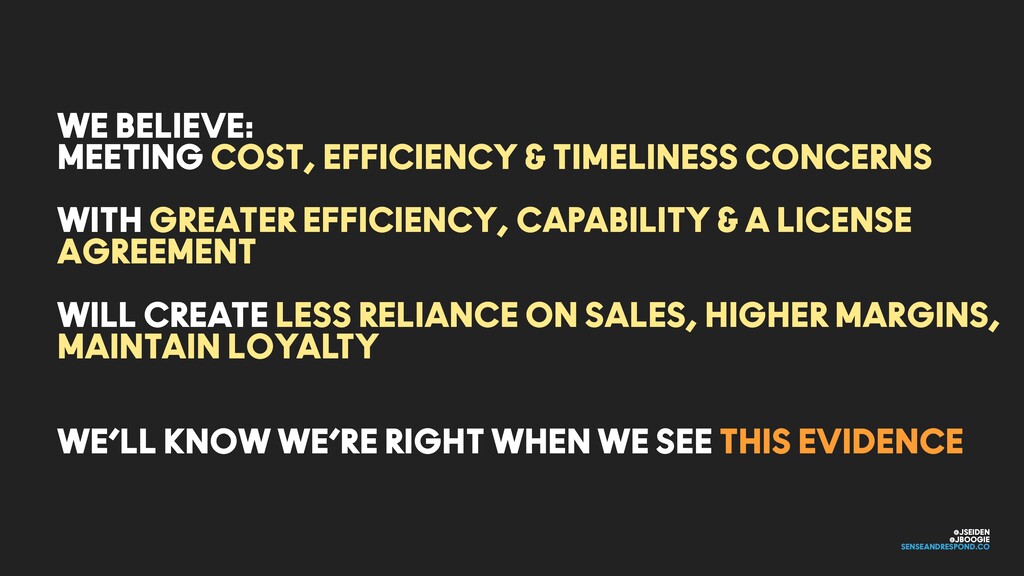
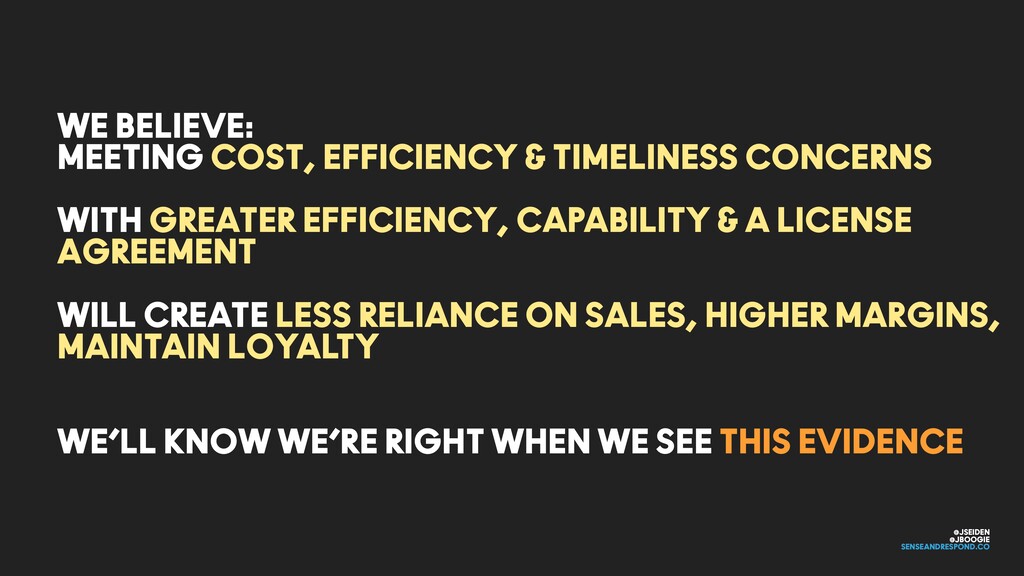
So this is what our hypothesis looks like right now. We believe that we can meet the needs of the farmer with these amazing contractions, greater efficiency capability and a license agreement that will help us rely less on sales, drive up margins and maintain loyalty.
Great. That's our hypothesis. And that's a perfectly legitimate hypothesis. Now, have to figure out whether it's right or it's wrong, and we're looking for that evidence. What is the evidence that we're looking for? Well, let's see what happens. So in act four, our hero encounters a problem.
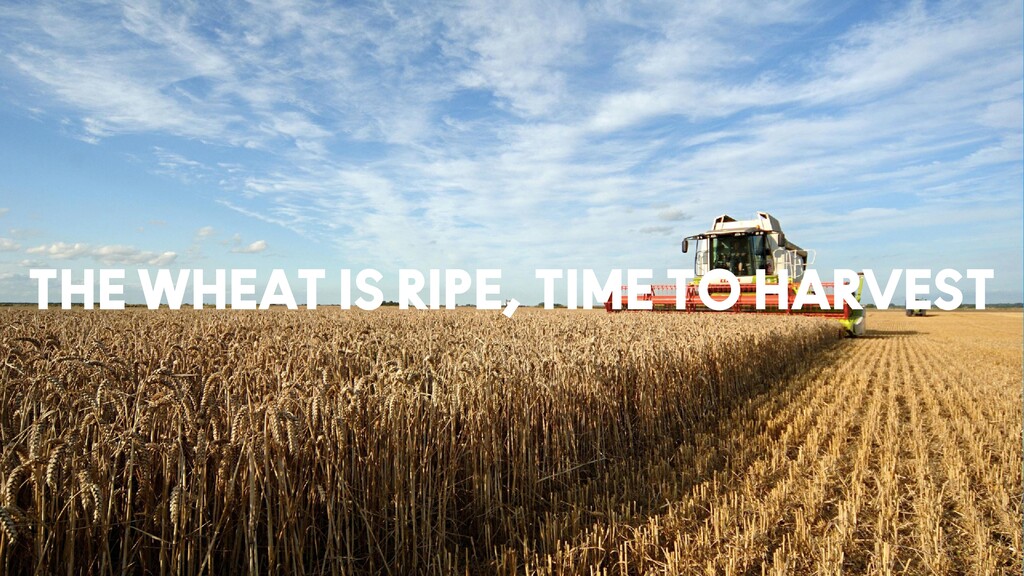
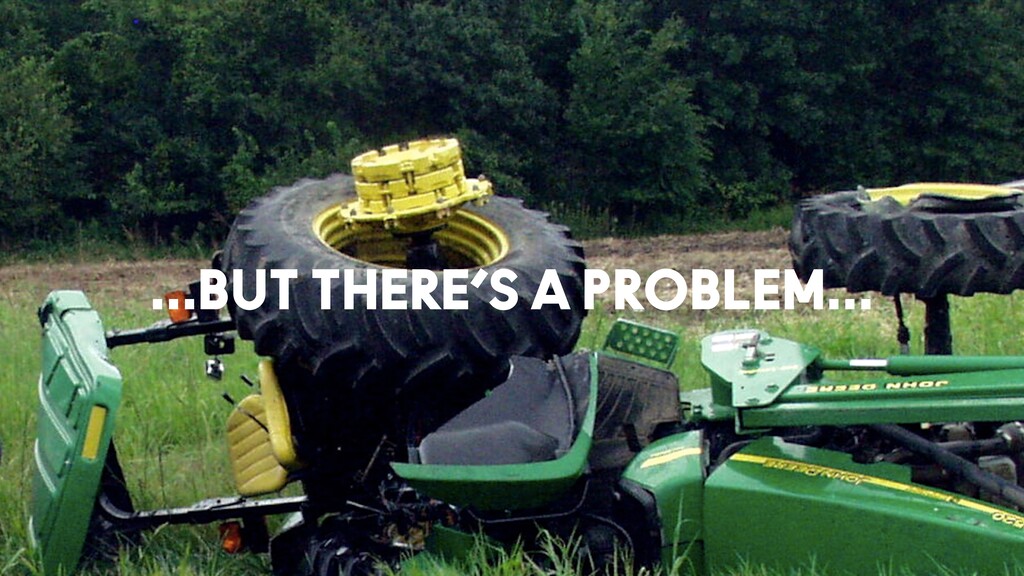
The wheat is ripe, it's time to harvest, it's time to get out, it's time to get it out of fuel. Remember, we talked about timeliness. You don't get it out on time, it's lost and you've lost your profit margin, and now we have a problem.
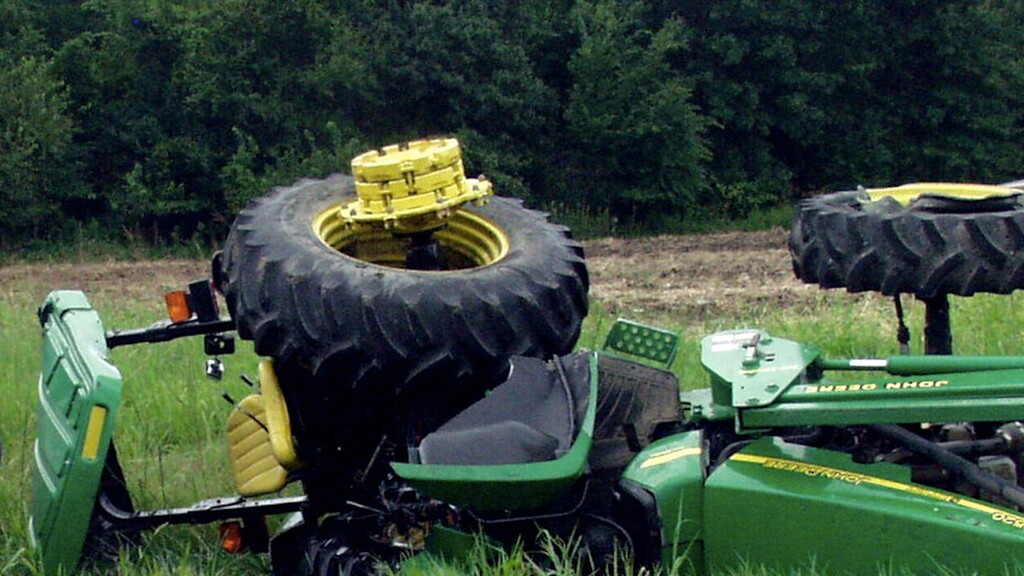
Maybe it's not this bad, but it's pretty bad. This is the problem we have. The tractor broke down, maybe not catastrophically like this, but the tractor has stopped working. Normally, in a traditional farm, you'd call your local repair guy to come over and fix the tractor.
He'd be there quickly and get you up and running, maybe even fix it yourself because you know how to fix these things. But today, the problem is different. The breakdowns in tractors are rarely mechanical. More often than not, they're software breakdowns, which means that you have now got to contact a software technician from John Deere to come and fix your tractor so you can get up in the field and running again.
Now, are situations where they can diagnose this remotely and maybe push an update, but in most situations, they've got to show up on-site. The other and perhaps even more frustrating thing is if you do suffer a mechanical breakdown, and even if you have the part on the farm, you cannot swap the part out without first interfacing with the software and having the brains of the tractor authorize the part swap.
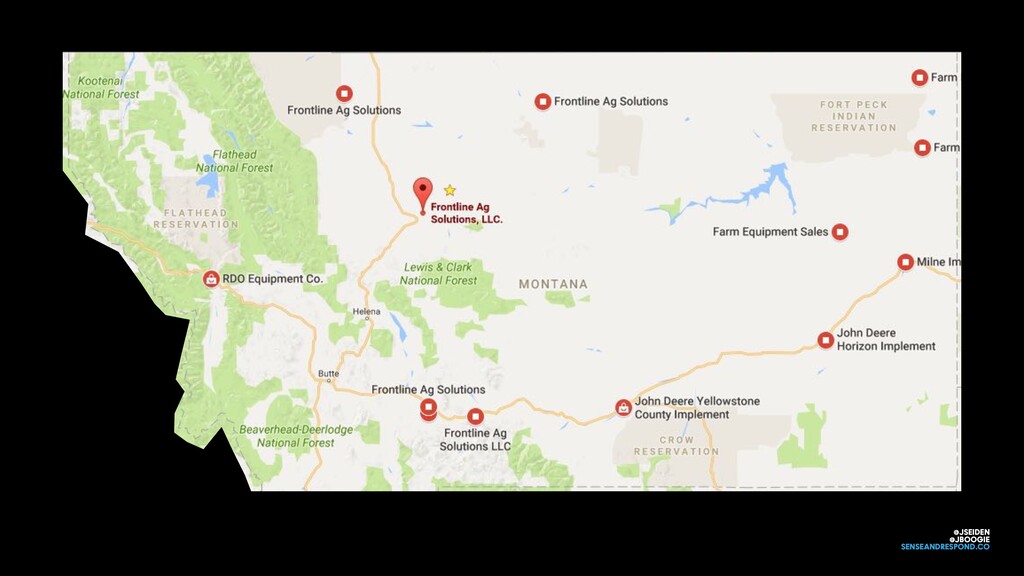
So no matter what happens, you've got to call in a certified John Deere mechanic to help you fix this thing. Now, this might be okay if you live in Great Falls, Montana, where there is a John Deere dealer and they work on Sundays and they'll come help you.
But if you live anywhere else in Montana, is a really big place, you could be two, three, four, five hundred miles away from your local dealer, and you might have to wait two or three days for them to get out to you to help you fix this thing.
And the problem here is not just distance and location, it's that you can't fix it yourself. It is illegal for you to try to fix it. It's even that the farmers couldn't do it, even if they were sophisticated enough to actually fix these nine hundred thousand dollar tractors, it is absolutely illegal for farmers to fix the tractors themselves due to the license agreement.
Right? How can this be? You paid nine hundred grand for your tractor, you own the whole thing, right? Well, you don't, actually, because of this thing. This is the DMCA. You guys heard of the DMCA? It's not as cool as RunDMC. It's Digital Millennium Copyright Act.
In the United States, this was a law that was signed twenty years ago, in nineteen ninety eight, which makes it unlawful for customers, for users to circumvent copyright protection or to access or modify software. So note the law says, you can't circumvent copyright protection to modify the software.
It doesn't say you can't modify the software, it means you can't break the copyright encryption on it. Originally, this was intended to fight software and DVD piracy. But in twenty years since this was made law, software has crept into everything. You're all in the software business, tractors, vehicles, coffee machines, cell phones, you name it, everything has software running it.
And everything is covered by the DMCA, which means that if you try to fix your own device, you're breaking the law. Jail breaking your iPhone, you're breaking the law. Because modifying modern objects requires access to the code. And that's where these license agreements start to get in the way.
Now, fascinating essentially, what you're doing is you're breaking copyright law if you try to fix your own device. But this is the license agreement that these organizations, these companies have put into place. This is a really interesting quote from Cory Doctorow, he said, look, years ago, when you bought something, if you could get more value out of the thing that you bought, that was your value to keep.
For example, you take a blender. So you buy a blender and you then turn it into a paint mixer. That's your value to keep. But any additional value that's extracted from the things that you buy today is kept by the manufacturer, it's retained by the manufacturer today.
And so the question that you have to ask yourselves as product managers as you move forward is in a world where the law and your capabilities to to work around that law is this. Right? Are you solving for user needs or are you exploiting user needs?
Right? Because the law will never keep up with what you're actually trying to build. Right? And you can make money from both of these transactions. You can make money from from from both of these, and so you have to ask yourself as a company, as a product manager, which business you actually want to be in.
Now, before I finish up the story, I want to tell you just a quick interlude from from me, kind of break the the path of the story for just a second. The question that we have as we make digital products and services and so forth is how do we know what works?
We have a sense of how to build it and we know that it'll do the thing that we design and build it to do, but how do we know that it actually works for people? That's exactly the question that we're trying to answer is how will people actually interact with this?
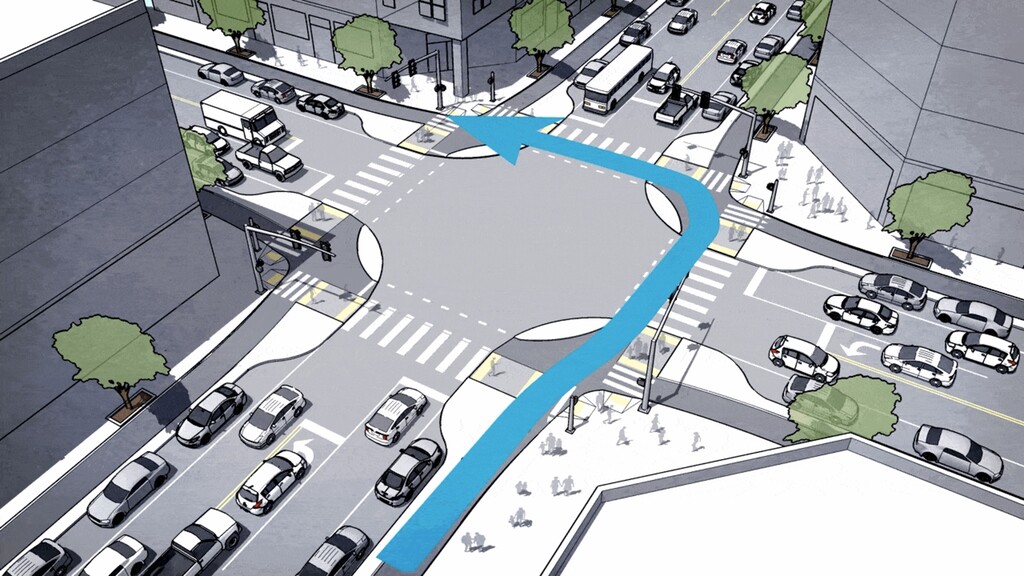
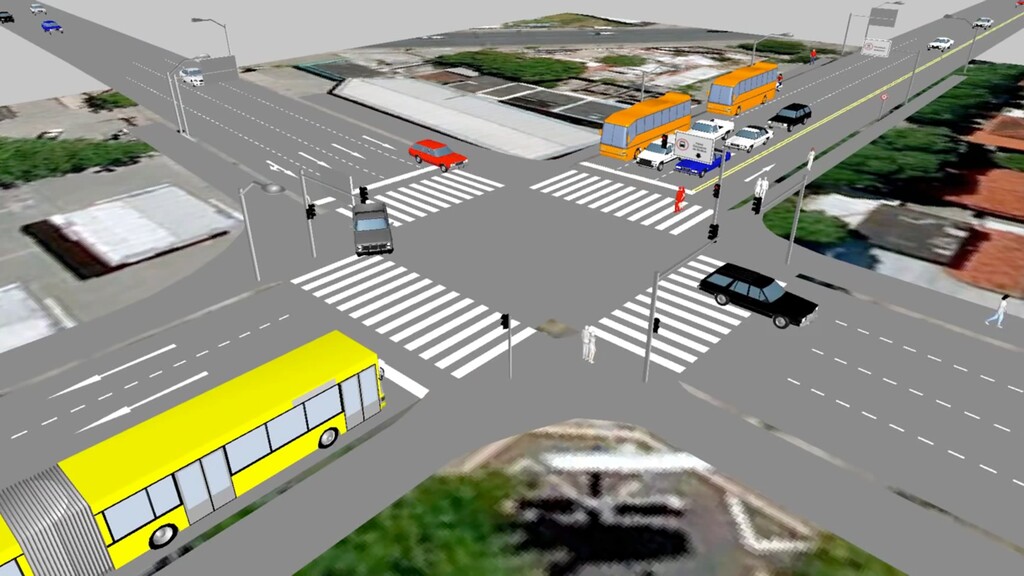
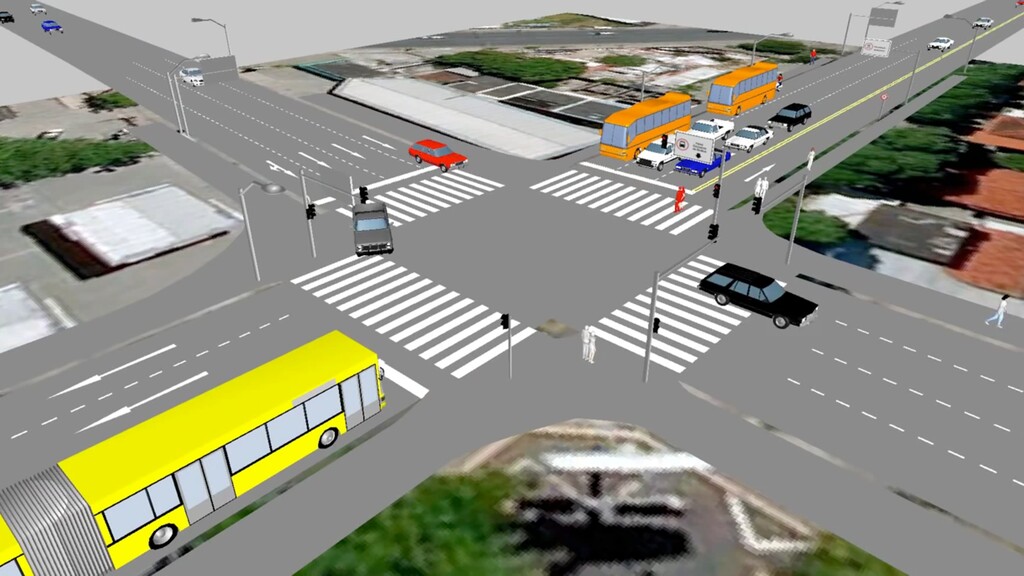
No matter how much you try to predict customer behavior, when you give them the thing that you're making, they will do whatever it is that's meaningful and important to them. We could design something, we can picture a perfect solution for it. We can then determine exactly how it's going to work, and what it's going to look like, and how people are going to behave in this particular world, and then we build it.
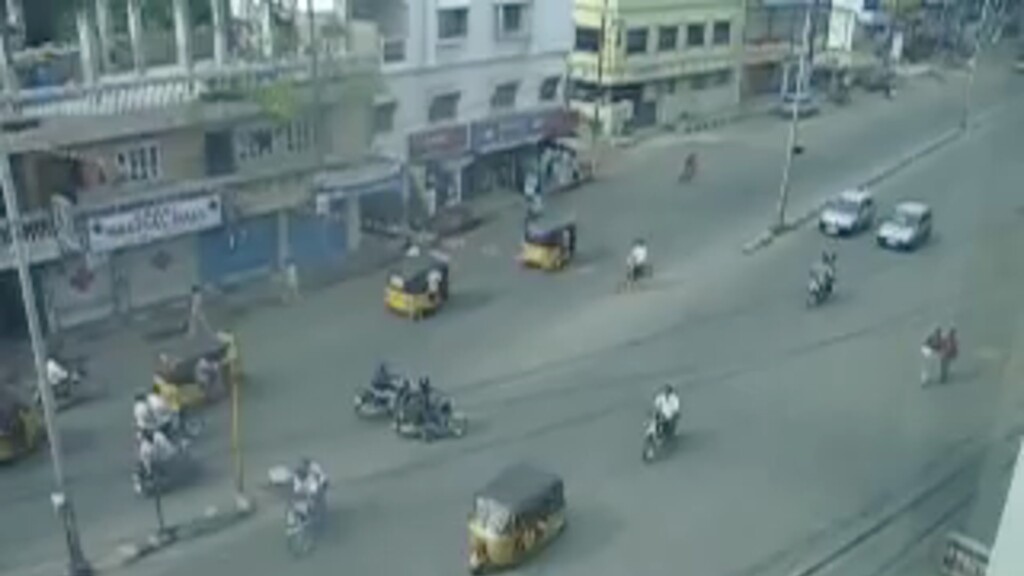
We put it out into the wild, it ends up looking like this. In our head, was perfectly pictured, but when we placed it into this context, people behaved radically differently. It doesn't look like our beautiful picture. And it's not just They never collide, by the way.
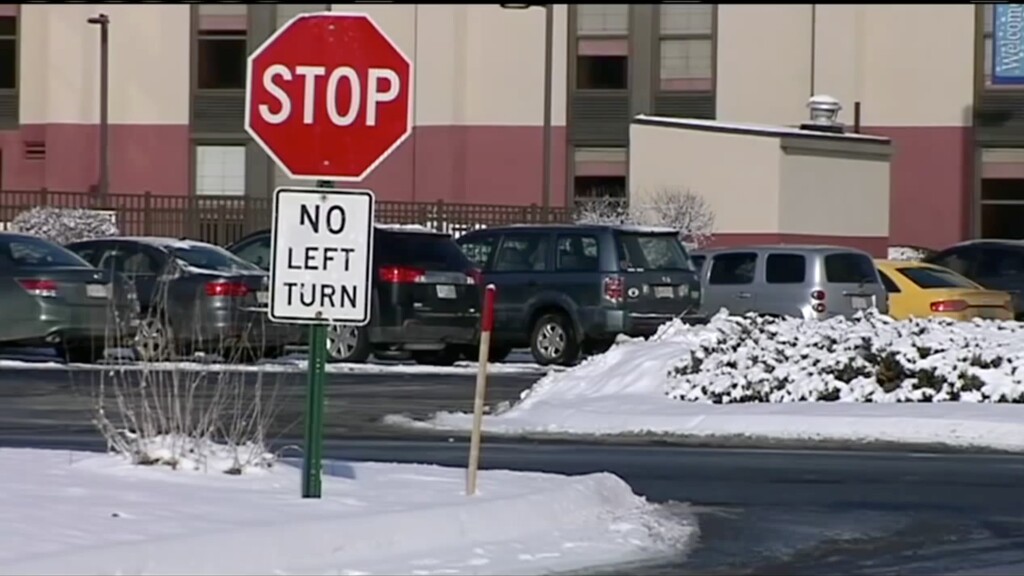
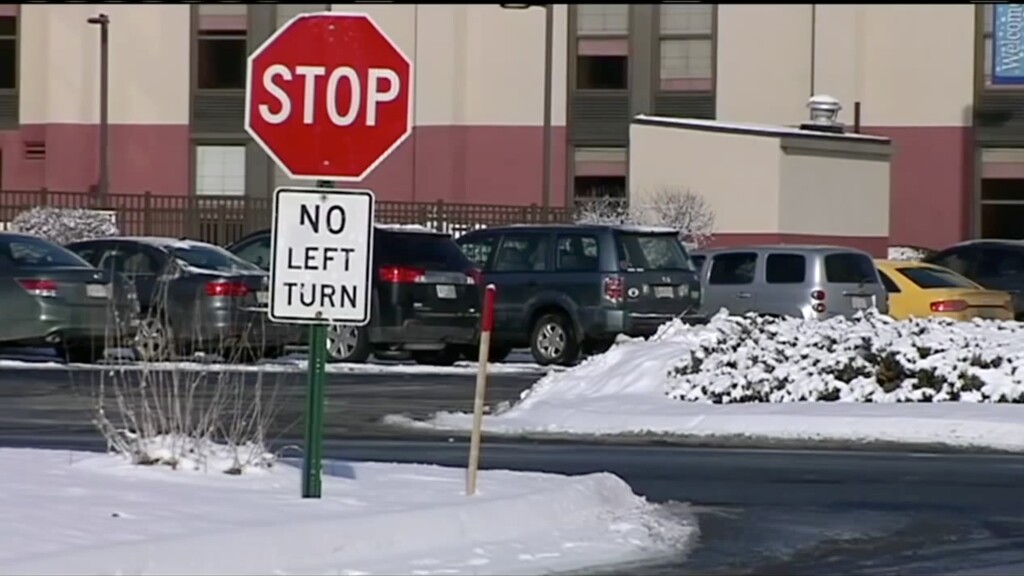
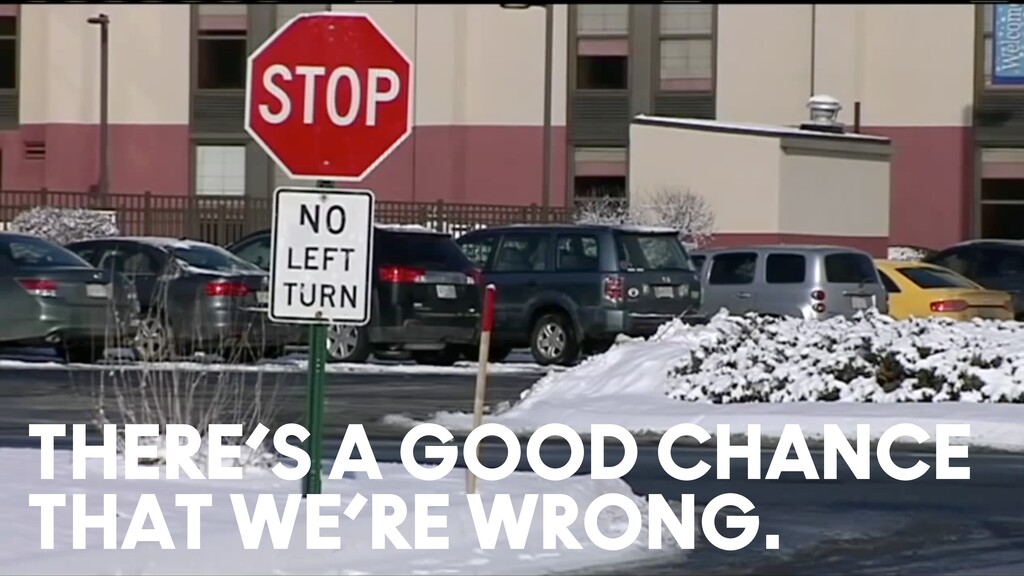
I've watched this video for ten minutes. They never actually hit. It's amazing. Look, this is India. But the same thing happens in Massachusetts as well in the United States. This is an intersection in Massachusetts where somebody said, we should put up a couple of features, a stop sign and a no left turn sign, to get people to not do that.
But this is Massachusetts and they'll do whatever they want over there when they drive. Whenever you put these new ideas into market, there's a good chance that you're going to be wrong. And so you have to consider the context, the people who are going to be using it, and equally as important, you have to consider culture.
You can't force people to behave in a way that doesn't make sense for them. You can't force people to do things differently than what they're used to doing. Culture will always trump the kind of behavior that you hope you'll get out of the people that you're building products and services for.
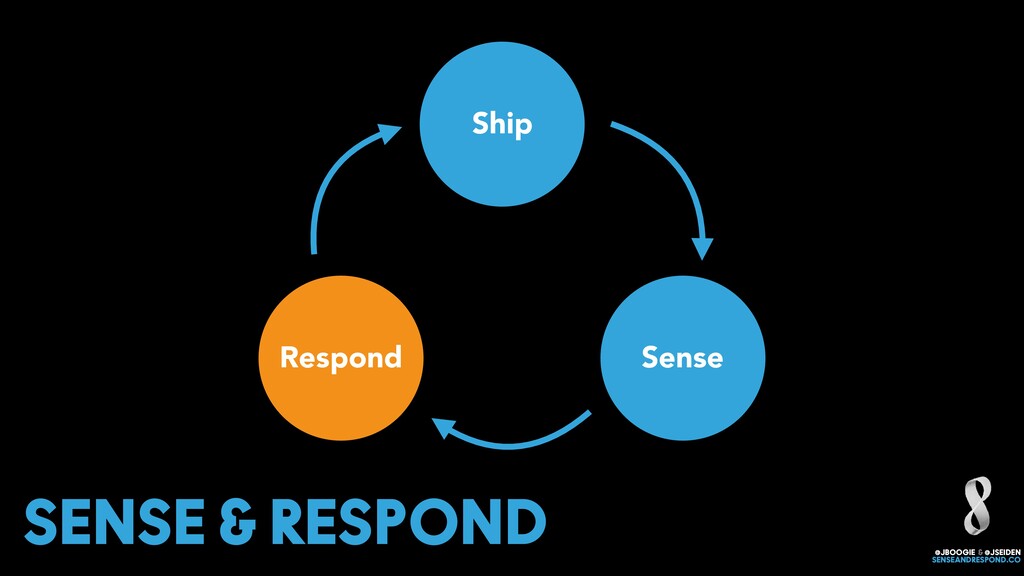
And that's really where kind of the core ideas behind sensing and responding is, is we want to get things out to market very quickly, we want to sense the impact that it has on those customer behaviors, and then we want to respond. Time we move through this loop, we collect some evidence and we refine the service that we're actually shipping.
So this is our hypothesis, our blank statement. This is what it looks like filled out. We believe that meeting the cost and efficiency needs of the farmer with better machines and a license agreement will make us more successful as a business. What's the evidence that we're looking for?
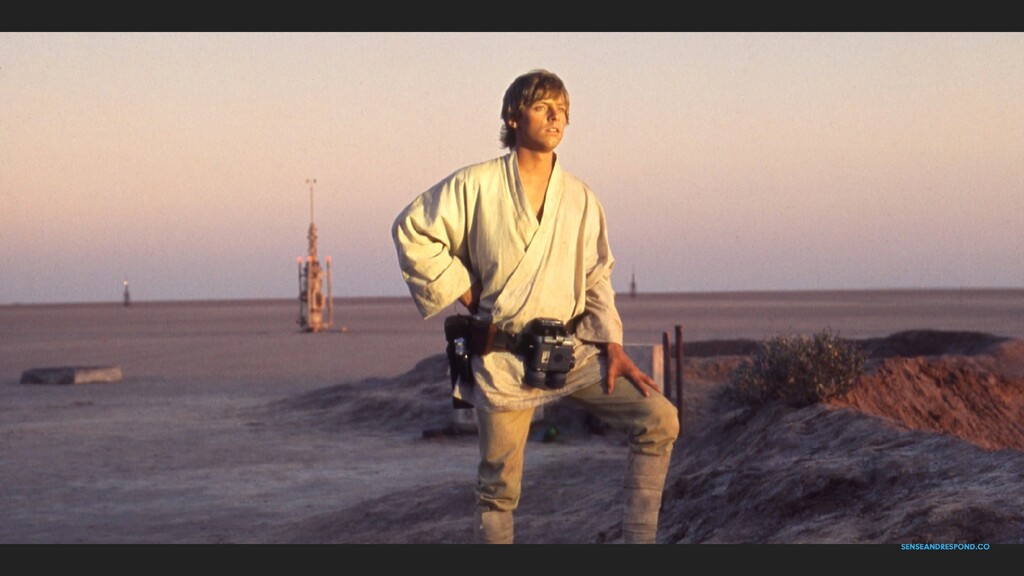
Well, let's go to act five. Act five, in which our hero finds an unlikely ally. Right? And so, this is our hero, quite He's facing kind of a tough situation. Right? The wheat is ripe, it needs to be harvested, detractors busted. Who are going to call?
Right? Call your friend to come help you out. But in this case, our farmers didn't call this guy, they called this guy. Hackers, black market hackers from the Ukraine. And the reason why farmers in the American Midwest are contacting black black market hackers in Ukraine is for this.
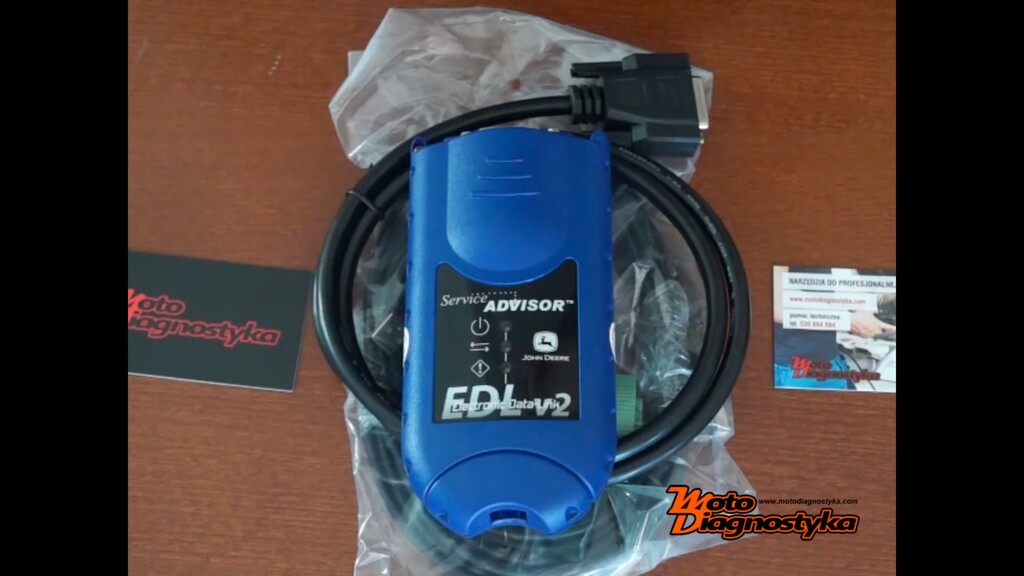
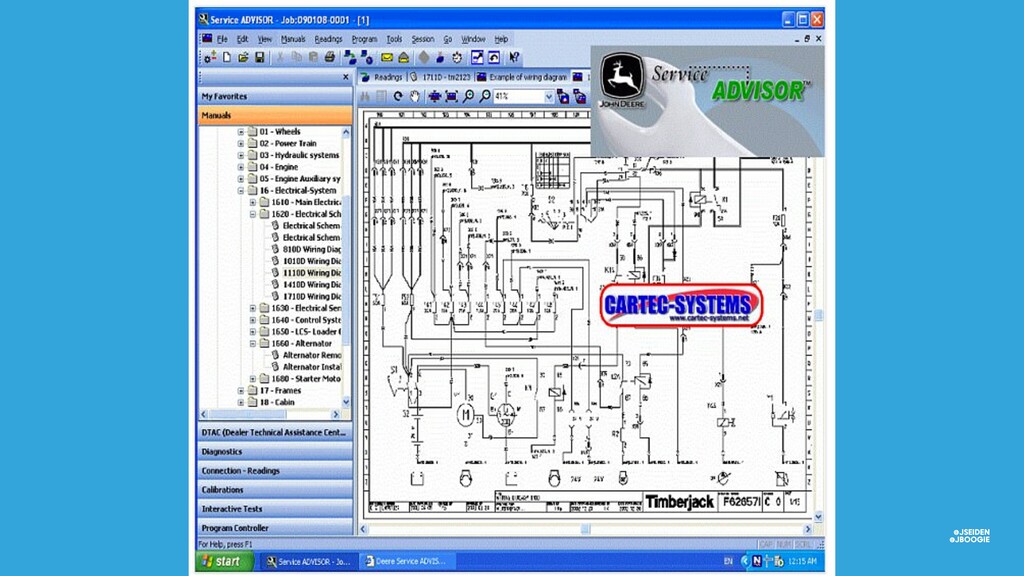
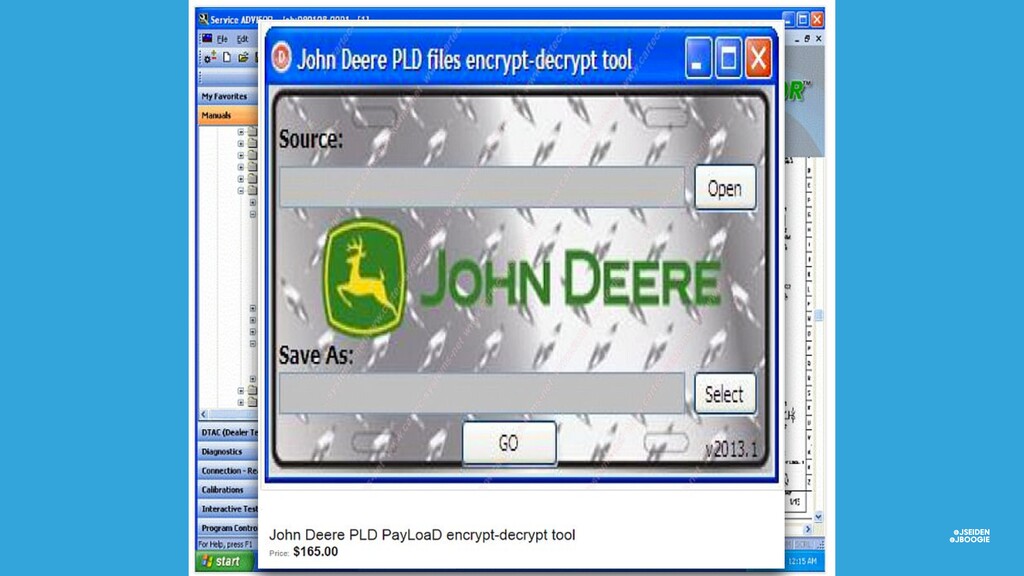
I think you get the drift. What you're seeing there is this YouTube video, by the way. That's a black market device that plugs into your John Deere tractor and lets you bypass the copyright system, so you can can do whatever you need to do with the software or exchange your part or whatever you need.
And you can buy those online for a couple hundred bucks from the Ukraine. And you can buy not just hardware, but you can buy actual software, cracked John Deere software from the black market as well, so that you can get what you need done as a farmer.
Your job is to harvest that wheat, and if you don't get it out in time, you lose your profit margin. And this is happening in situations where farmers can't work on their tractors when they've broken down and their timing has come up. We've got to ship this.
And what you're seeing here is a manifestation of this. When you put people in situations that don't accommodate the way that they think about their work, the way they live, what they're trying to accomplish, they will work around that policy. Right? And when you enforce that bad policy with software, by writing it into the code, you're enforcing that policy, people will figure out a way around it.
They will always figure out a way around it. And so the question then becomes, how will our story end? How does this end up happening? Because this is our current hypothesis. Right? And the evidence that we're seeing in some cases, right, is that farmers are downloading correct Ukrainian software.
Is this the evidence that we're looking for? And what does this tell us about the way that we run our businesses and our corporations? And the answer, really, as product managers, is that it's up to you. The laws that we have in place, whether it's in the US, in the UK, in Europe, wherever, they'll never keep pace with the continuously changing nature of technology.
There is no way that government will be able to work as quickly as tech companies. It's just not going to happen. And so as product managers, you have to find the right balance between the law, between business models, and between customer experience and needs.
Because again, the legal structures in use today are just ill suited for our current reality, and there's always going to be that gap. And so the question is, what are you going to do with the gap that's always going to exist between the legal structures and technology?
Will you use that to serve customers or to exploit them because again, both of these will make you money. So you have to choose as a company. And the other thing that you have to consider, think as well, is this, is that technology cannot get ahead of culture.
You're not going to be able to change the way people feel about their purpose in life. In our conversations with some of the farmers, we said, at some point, all this farm equipment will be completely automated. What's that going to do for you?
And it was a really kind of sad part of the conversation because these folks get up every day excited to go work in the field. And then when the machines start to do all the work, they'll have no reason to wake up every day.
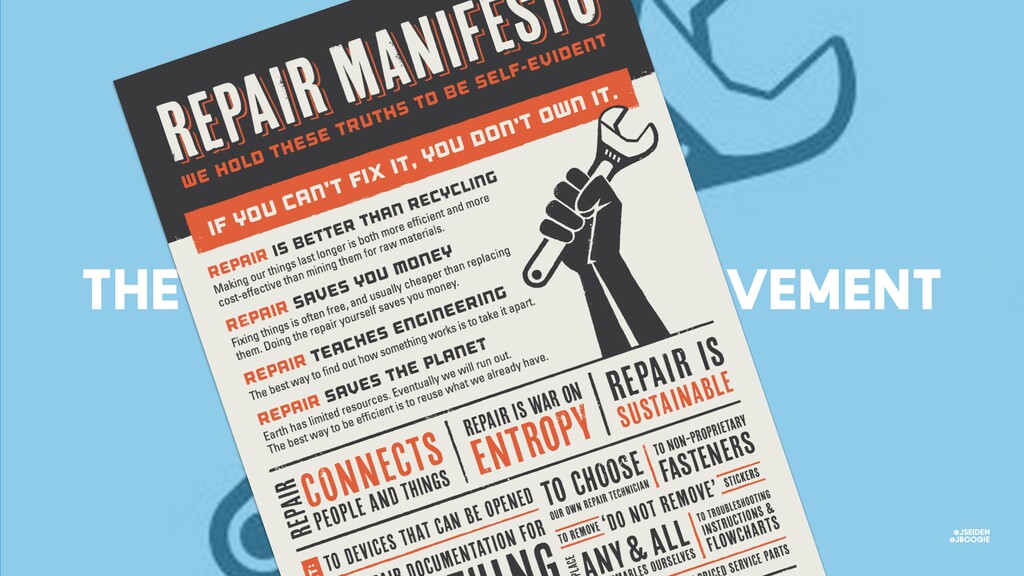
Right? And that's the culture that they're trying to build. So I think it's going to be difficult to sell fully automated devices. Again, when you enforce bad policy, people will work around that policy. Just a couple more examples of that, in the United States, there's this move called the right to repair movement.
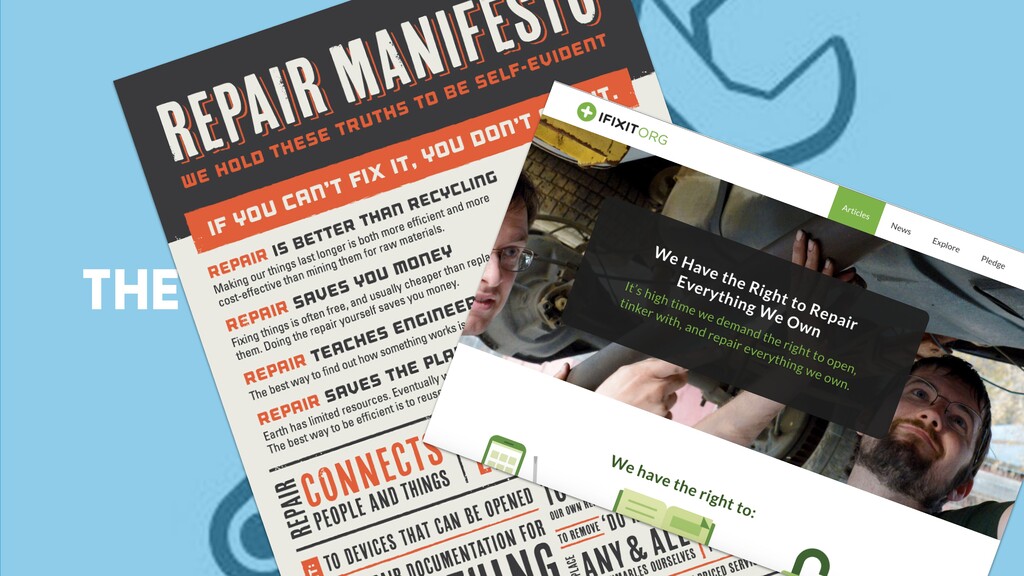
It's a movement that's crossing state lines, doesn't happen a lot, and it's a grassroots effort to get legislation in place to allow people to fix their own stuff. Right? And you're seeing it in in things like the repair manifesto, where people are putting out this manifesto, look, let us fix our stuff, it it saves the planet, it makes us more creative, it teaches us how to fix the things that we make, etc.
There are sites like ifixit dot org, which collect service manuals and codes and things like that to help people fix their own stuff that currently might be illegal for them to find this documentation. And so the thing I really wanted you to take away from this story about wheat farming and economics and licenses and software and hardware products is this.
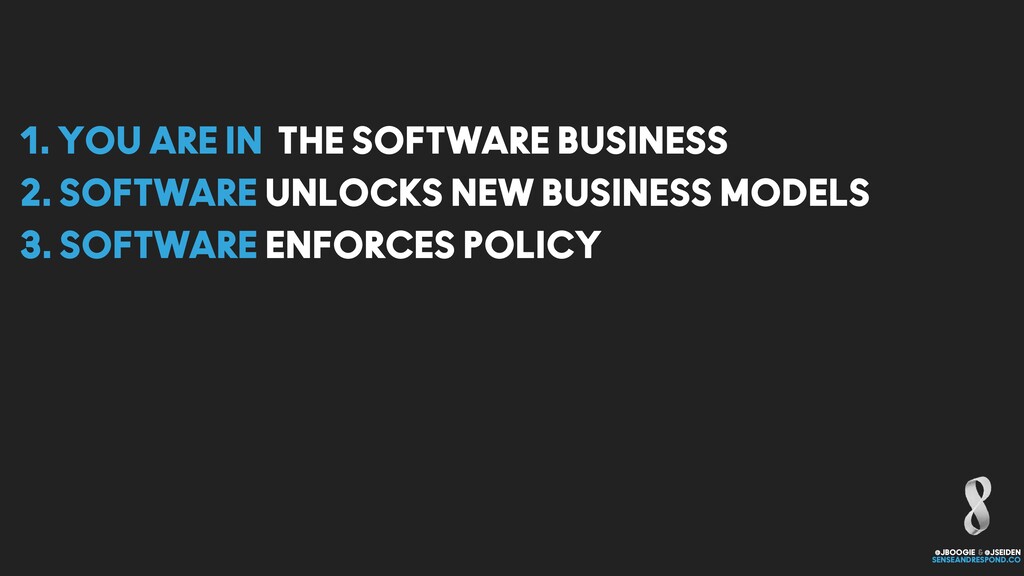
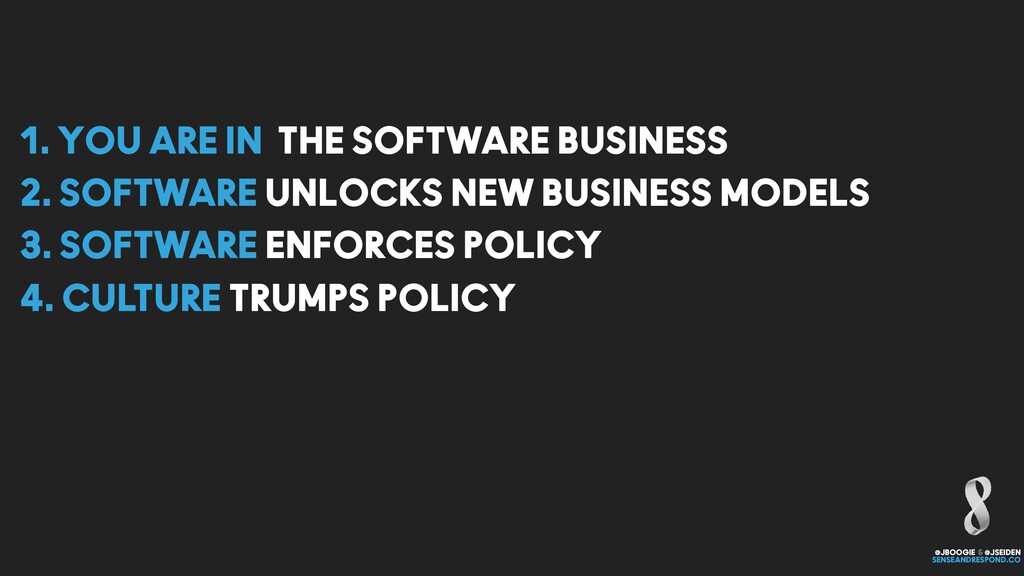
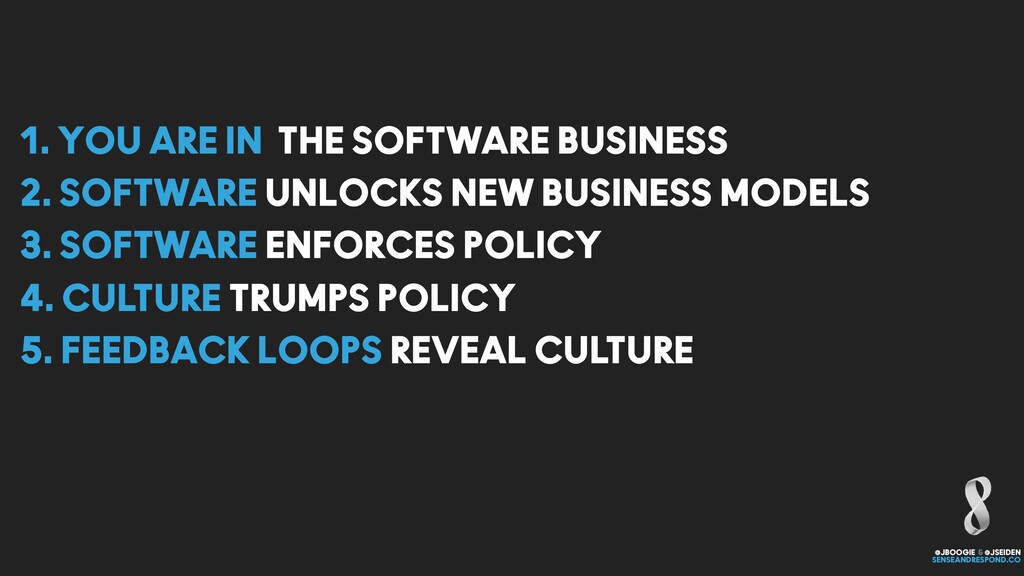
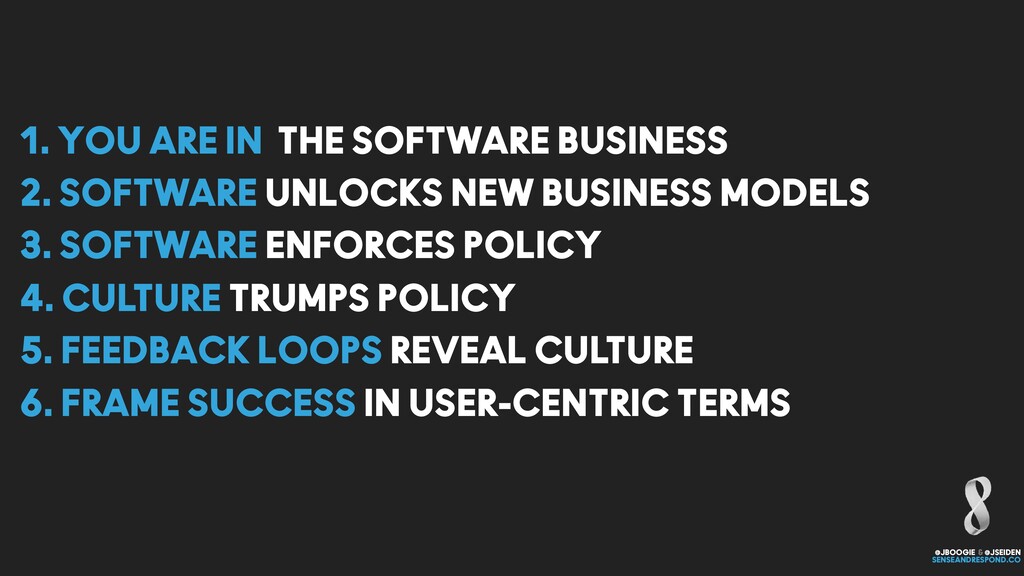
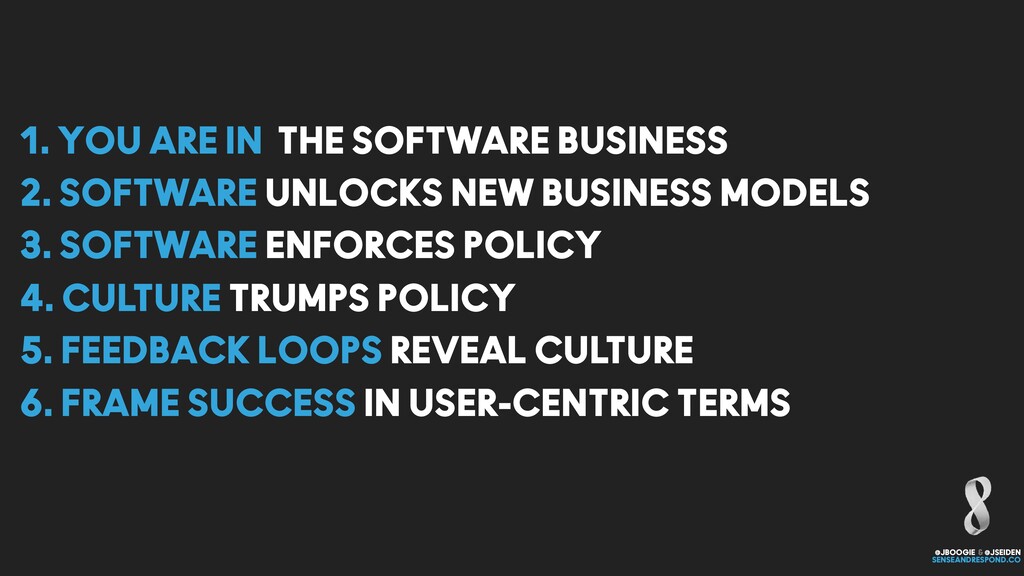
There are six points I really want you to take away. First and foremost, no matter what business you're in, you're in the software business first. That's how you scale and that's how you compete. And the amazing thing about being in the software business is that it unlocks new business models.
Now at the same time, whatever you write into your code will enforce the policies that you put forward as an organization, as a company, and as a product manager. But those policies that are enforced by the code, by the service that you launch, will always be trumped by culture, by what people want to do and how they want to do it.
So the more that you can build feedback loops into the way that you're working to reveal those cultural facts, those facets to understand how your policy compares to what people actually are trying to do, the more successful you'll be. And by framing your work in these hypothesis statements and measuring success in user centric terms, you stand a much greater chance of delivering products and services that customers love.