
Design Thinking, Lean UX, Agile - the frameworks vary, but the key to success across all is to integrate customer empathy into the process and decision-making. In this session, we will highlight the critical areas during the design and development process when you need to reach out to customers, understand needs, test hypotheses, and refine your approach. We'll provide examples as well as practical tips for building customer empathy without delaying your process.
← All talks 





Build Turing Fest 2019
Integrating Customer Empathy into the Product Creation Process
Auto-generated transcript - may contain errors. Tap a timestamp to jump the video.
Thanks so much. So I'm gonna be talking a little bit about how to build customer empathy into your product creation process in a way that doesn't slow you down or or cost too much money or anything else that sort of has a negative impact.
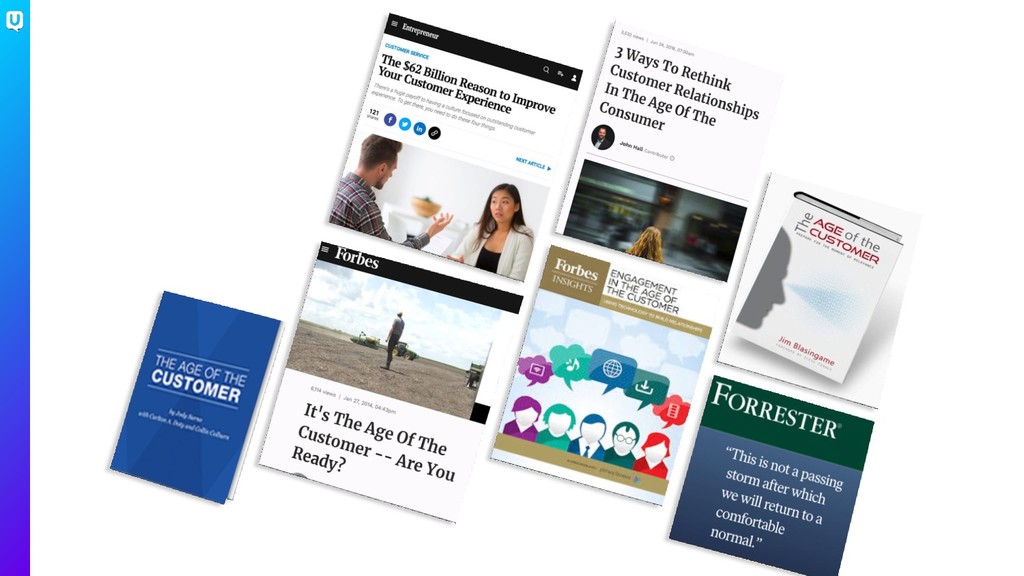
So I'm going to show you this slide full of headlines. These headlines probably don't surprise you that much, you've probably seen them in the news. Customer experience is the new battleground, it's everywhere. We all know it's important and what's interesting about customer experience is that it's not just a nice thing to do for people that you're designing for, it actually has massive business impact.
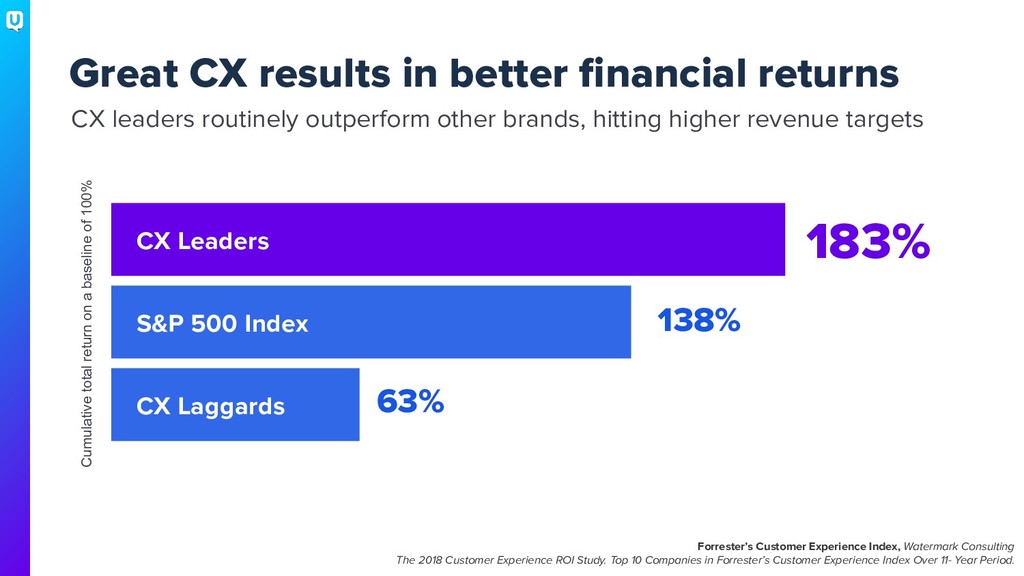
So, if you look at some of the the data and the research that's been done by Forrester, they actually have, shown that CX leaders outperform, CX laggards and actually people who are just providing okay or average experiences, they outperform those companies in terms of, S and P index.
So, as I mentioned, massive massive business impact and what's interesting about customer experience in general and creating great experiences is that at this point in time, it's not just a nice to have. It's actually table stakes. It's what gets you to the playing field.
Actually running some research with some colleagues, and we're looking at some of the best brands, the ones that are rated very highly for customer experience. And we're looking at all the different touch points and the way that people interact with the brand. And what we're learning is that these experiences actually are fairly seamless.
They're they're, you know, they're actually fairly stellar in terms of digital experiences, in store experiences, and what we're finding is that that actually gets these players to the to the playing field, you will. And it's these additional differentiators that they provide their customers that really make them stand out from the crowd.
So Starbucks is a company that's included in, our study and what we're learning is that their digital experience is great, people love the ambiance in the stores and what we're hearing as a trend is that, what really sets that coffee shop apart from others is the relationship that they often have with their local barista.
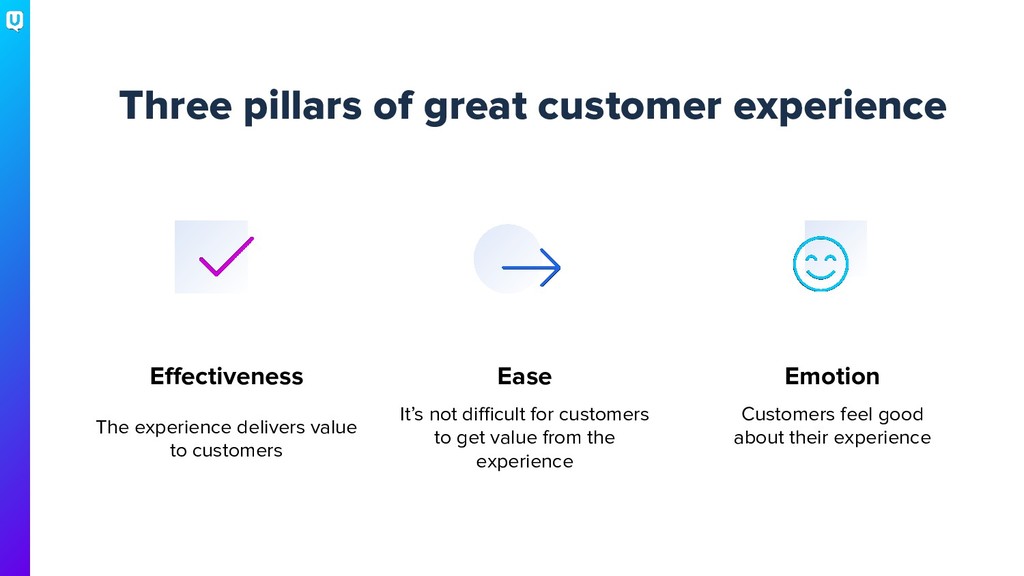
Or if they go to a Starbucks, that barista is typically friendly. And so that's part of the reason why they stick around and they stay loyal to that brand, it's that differentiator. So in terms of, customer experience, just a quick definition so we're all kind of aligned, really when I think of customer experience, I think of three things. I think of, can I do this thing?
Can I order my coffee in the Starbucks app? The second thing I think about is, how easy is it for me to do it? And then the third thing is, how enjoyable was it? Was it easy? Was it, was it satisfying? Was it stressful?
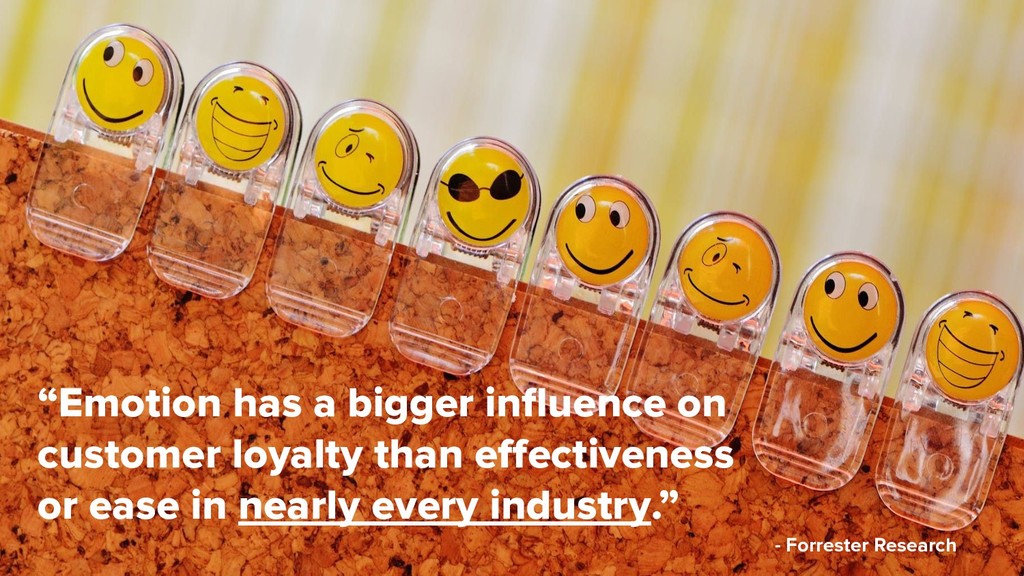
Do I want to do it again? And it's that third component, that emotional connection that customer, customer experience brands make with the humans that they interact with that really, differentiates them and pulls them away from the pack. There's actually been research that's been done by Forrester and Harvard that shows that emotional connection that you make is actually stronger than any of the other, points of a customer experience, when you're looking at loyalty and, brand, you know, brand, enthusiasm.
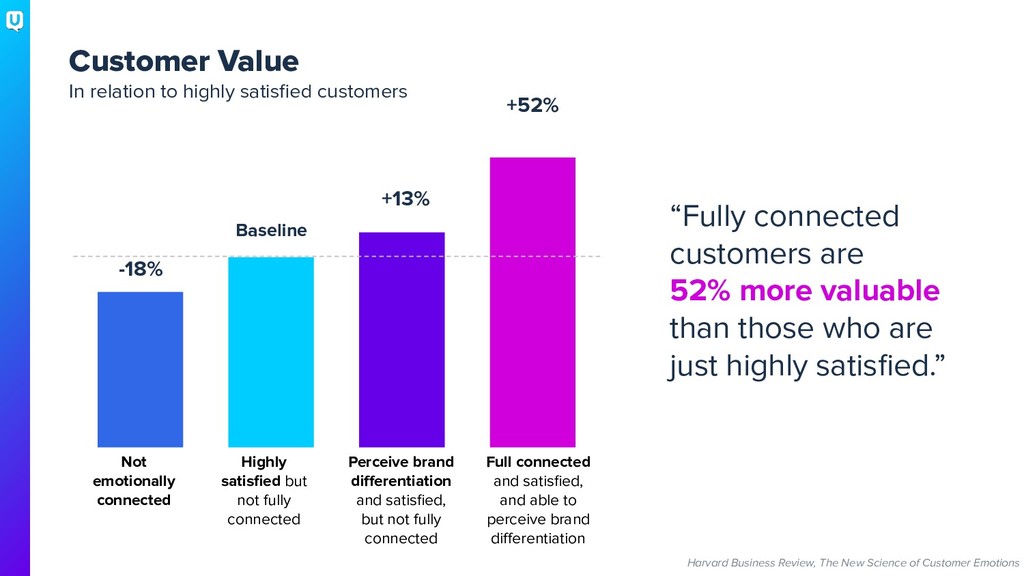
So here's some data, from Harvard. I love this study if you have opportunity to dig it up. They they did, some interesting research where they looked at the emotional connection that people had to certain brands and what they learned is that the stronger the emotional connection that people had to a brand, the more loyal they were, the more they spent, the more, worth they were to the business.
So, you know, again, kind of hammering home the points and you all probably think of a brand that you are loyal to or can relate to on a level where there's just something about it that you connect with, and and maybe it's a subconscious thing, you might not even be aware of it.
I'm gonna show you something. I'm gonna show you a video of an advertisement from Nike, and this was aired actually just minutes after the US women's soccer team won the World Cup. So what was great about this ad was that it had a really interesting emotional component to it, so what we did was we put it out in front of people and had them watch it and then react to it.
So you'll see the ad and then you'll hear people's reactions to this ad. Believe. I believe. I believe that. I believe that. I believe that we. I believe that we. I believe that we will be four time champions and keep winning until we not only become the best female soccer team, but the best soccer team in the world.
And that a whole generation of girls and boys will go out and play and say things like, I wanna be like Megan Rapinoe when I grow up. And that they'll be inspired to talk and win and stand up for themselves. And I believe that we will make our voices heard, and TV shows will be talking about us every single day and not just once every four years.
And that women will conquer more than just the soccer field, like breaking every single glass ceiling and having their bases carved on that rush hour. And they will keep fighting not just to make history, but to change it forever. I actually love the advertisement.
It's women empowerment. All through the actual advertisement, it was talking about I believe, I believe, I believe. And that, you know, our voices are gonna be heard. And I too believe that our voices will be heard and that in essence, we will be treated and respected as equal or as as important as others.
And that we will be breaking every single glass ceiling. If you have belief in yourself, if you, you know, believe that you can win or do whatever you need to do, you know, a positive mindset, that is a really good thing to have.
And I kind of have this excitement in my chest and it was just very powerful and moving and exciting and stirring. So that was my reaction to the advertisement. So words like powerful, moving, stirring, exciting, these are words that, they're emotionally fueled, absolutely.
And this stuff doesn't just happen by accident. There's a team behind this that is creating the right emotional connection with their target audience, and you can see how it really, pulls in the audience. And what's interesting about this as part of the study, we actually asked them about their loyalty to the brand before they watched the commercial and then we showed them the commercial and asked them about their loyalty again.
And we did start to see some trends in terms of people becoming more loyal just based on that emotional connection. So how do we do this? How do we make that right? How do we even know what emotional connection we need to make with our customers?
How do we build that empathy or build empathy for our customers so we're doing that in the right way? So what's interesting about the world and how it's changing and how everything's becoming digital and every you you're able to touch your customer in so many different ways through your product, through advertisements, through in store experiences if you have them, even email marketing or marketing campaigns, there's so many ways that you're touching the customer and as we start kind of adding on all these different ways, we start to lose
connection to the human. So all these things that we've created to actually reach out and have a connection with a human being actually starts to build this wall between us and the person that we're delivering the message to. If you look at, some of the stats out there in terms of how companies think about customer experience and then how their customers think about customer experience, they're actually wildly different.
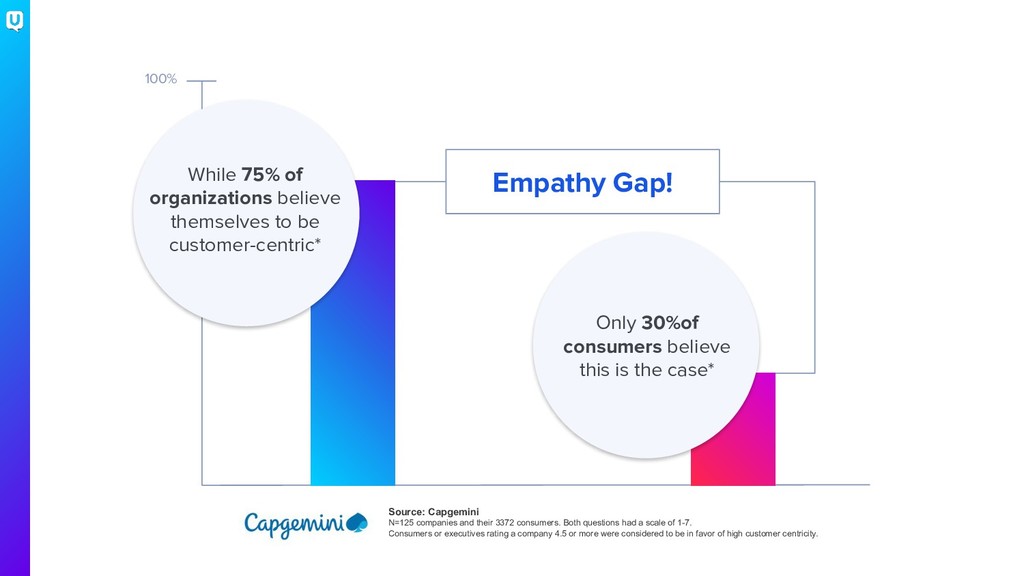
So most most people within companies think that they're providing a customer centric experience. Seventy five percent, three quarters say, yes, we're doing a great job. When we actually ask consumers, they, only about thirty percent of them, actually believe that companies are creating a great experience.
So that difference, that gap, that's what we call the empathy gap. And really when we think about it, it's about making and understanding, making a connection and understanding the human, so you can kind of fill that empathy gap. I want to tell you a little bit about my background just, as I think it's relevant to this conversation.
So, I've I'm at user testing now, but I started my career at Forrester Research, in Cambridge, Mass, and I started as a customer service rep, answering the phones. For people who couldn't log in to the website, they couldn't find content, they were, you know, preparing for a meeting with their boss and they're stressed and they're trying to figure out, you know, how do I how do I do this?
And so I would spend eight hours a day, talking with customers and really building that empathy and that's really what kind of, drove my interest in this field. I also spent years with Nielsen Norman Group, so Jacob Nielsen and Don Norman, The Design of Everyday Things is a book that Don Norman wrote that's pretty, very well known, and I've conducted hundreds of research projects and ways to help companies and actually us in general at Nielsen Norman Group and user testing just understand humans better, be able to speak more intelligently to what drives
them, what motivates them, particularly related to customer experience. And my role at user testing, I really spend a lot of time with customers helping them build programs, to create a culture that's more empathy driven, so they can deliver experiences that meet and exceed people's needs.
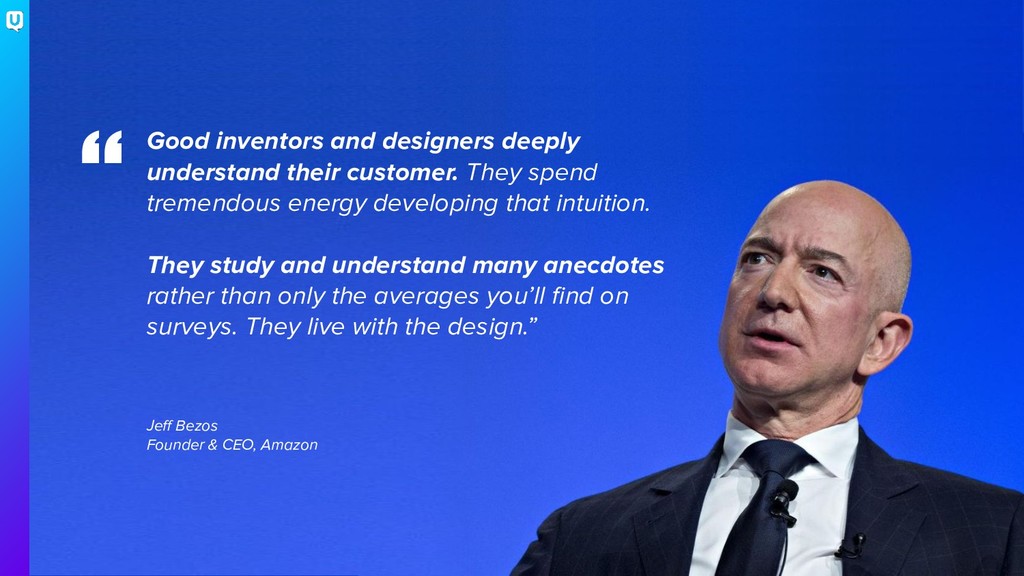
So this is a famous Jeff Bezos, know, he is a strong believer in this concept as well. He recognizes the importance of understanding customers outside of these massive datasets, sitting with the customer, building that customer intuition. It's something that, you know, has made Amazon as successful as they are.
So, we all understand the importance of great experience, I can probably continue to throw lots of data and slides at you around those things, but really what I want to talk about is how you actually do this in practice, particularly when you're building product.
So I partner with a lot of product teams at user testing that are, you know, using different frameworks and trying to figure out how do I do this in a way where it's not going to slow me down, where people are going to listen, where, maybe I don't have to have this crazy research background to be able to do this stuff.
And, that's really, you know, a big part of my focus. So what I wanna say is that some of this stuff and a lot of this practice does not happen overnight. It's a marathon, it's definitely not a sprint, and sometimes, the hardest step is the first step.
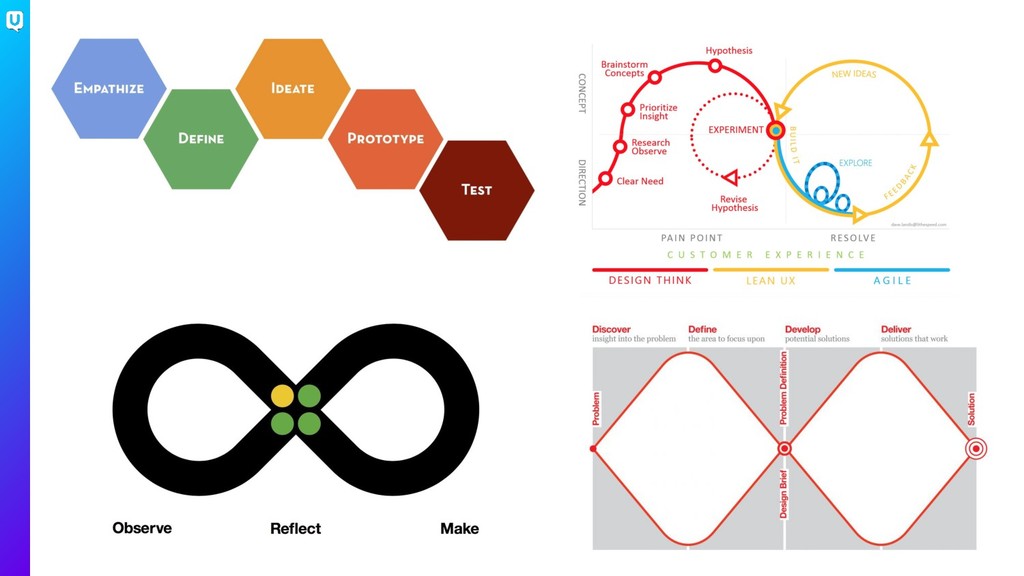
And speaking of sprints, here are a few frameworks that you might be familiar with. How many of you use design thinking, at your organization? What about, the infinite loop, IBM's loop, some version of that. Double diamond? Double diamond is a great one. You know what's funny is I actually just stumbled across this Tumblr site, called design blank thinking.
I'll let you fill in the word. And, it actually has they're collecting all these versions of frameworks that people use that are basically either design thinking or a riff on design thinking. There's so many frameworks out there and I love frameworks, I think that they're great for, giving people a vision and a direction, but sometimes you can get really hung up on, am I doing the exact right thing at the exact right moment?
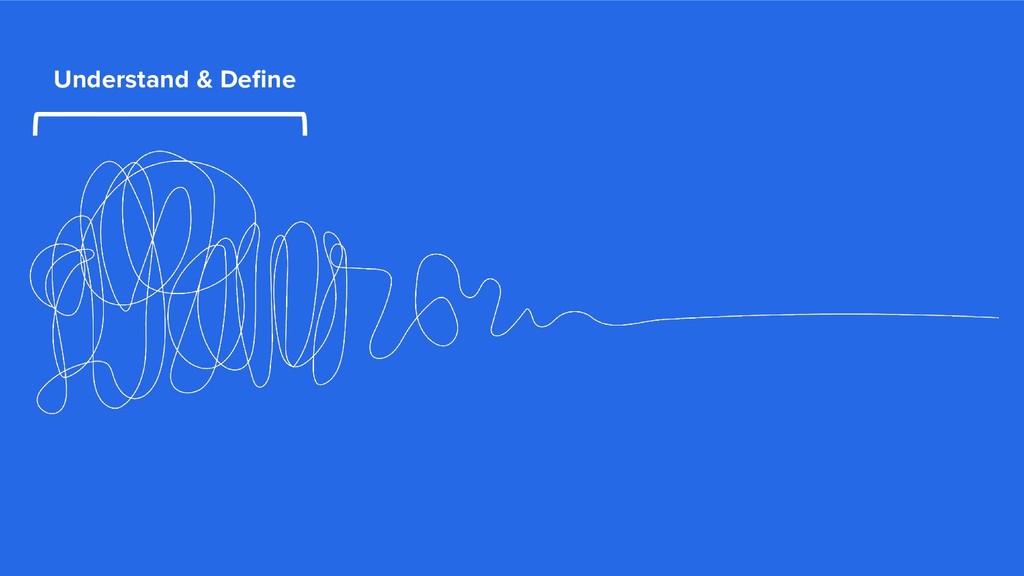
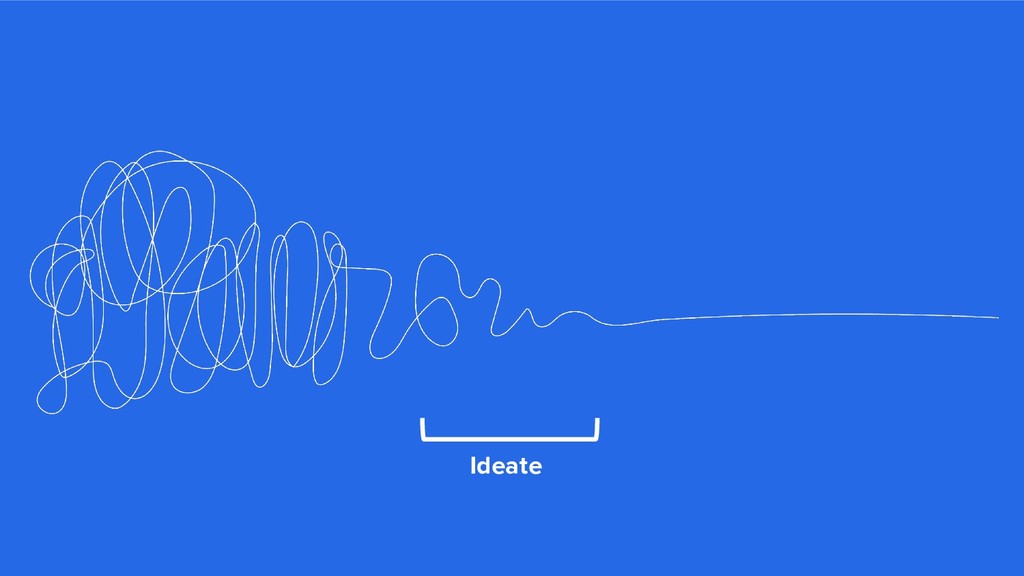
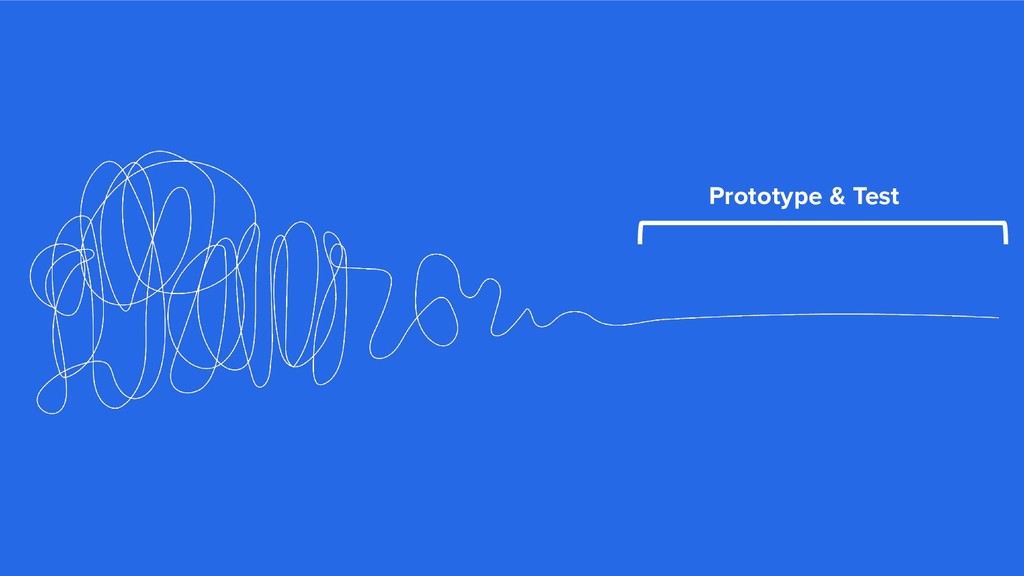
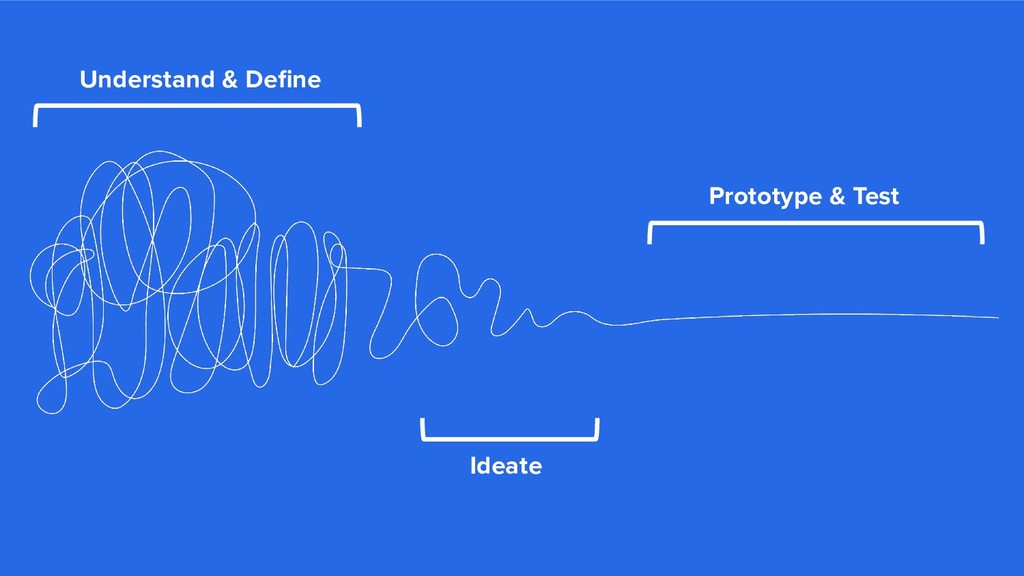
And so, the way that I like to think about the process of product design and development is really the squiggle line. Anybody familiar with the squiggle line? Few people. I love this because I for two reasons. One is there's no words to complicate, and two is that it really derives the feeling of product design and development.
It starts on on the end with this big sort of squirrelly mess, and then you end up over time untangling and creating a a and and finding a direction and a vision and a and a concept and a design, which then, you know, you you end up kind of arriving at the right experience.
So what's also nice about the squiggle line is that there's actually fairly distinct parts of the process that we can call out. So the first one is what we call or what, you know, I like to refer to as understanding and defining. So this is before you have created any design.
This is trying to understand who's my customer, what are they trying to solve, what's the context in which they're working or having these experiences, what do they need? It's really about this is where the strongest sort of level of empathy, in my opinion, comes about.
So one of the ways that we do this at user testing and ways that our customers do this is what we call empathy interviews. So this is again without a design, but it's really about understanding and better connecting with your customer. So we're actually doing, some independent research, because we're working on a report around, what Fintechs are doing, that's so different than traditional financial institutions and what customers really gravitate towards.
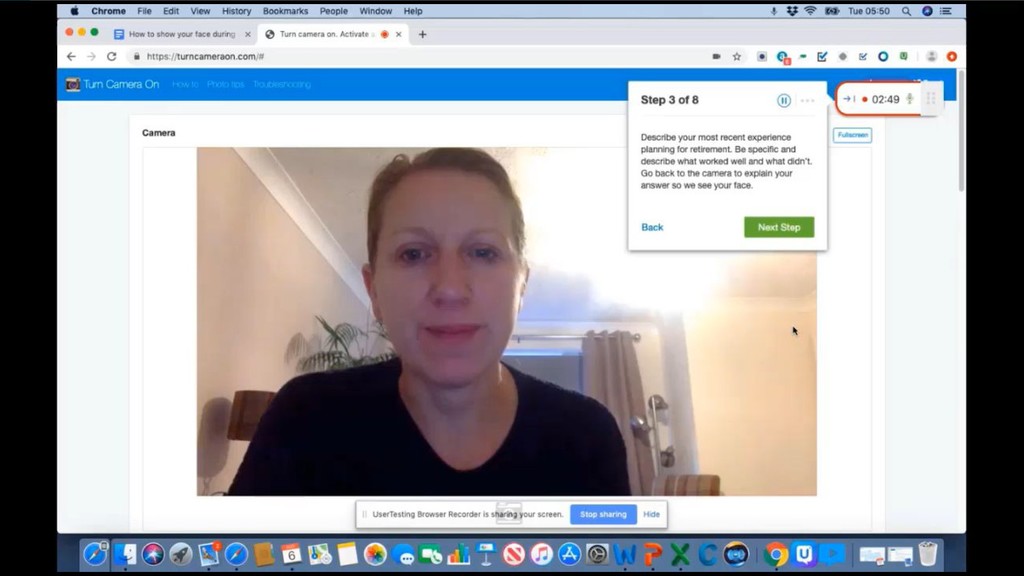
And as part of that, we're really trying to understand people's mindsets. And so what we did was we asked people, in the UK how they thought about planning for retirement, what they thought about it, what their process was like today and what worked and what didn't.
Let me show you a little highlight reel of people that we were able to connect with. I'm using a financial advisor to plan for retirement and we're working on building a mutual fund pension and the things that are going well is that I can log in and look at my balance, that regular payments are going out, that they're affordable, but what is not going so well is that I don't hear from him at all.
He's taken a fee monthly off that, and I've this has been running for a few years now and I haven't heard from him at all in the last twelve months, so I'm managing it myself, keeping a track of it online, but he doesn't get in touch very often to make adjustments or any recommendations if we need to make a change.
I really only think about the fact that retirement age keeps increasing under pretty much under Tory governments, I would guess, but probably over under other governments as well. From my point of view and my financial situation, I don't actually see myself being able to retire and in some ways I don't want to.
What I love about this example is that these are real people you're able to connect with on a level that you won't be able to get through a survey or through analytics or through whatever sort of persona or market segmentation or you name sort of the approach.
This is actually making a connection with a person. And you can see, you can build a little bit of empathy, mean this this gentleman goes on to say that, you know, he he doesn't really want to retire and he explains the reasons why.
You're really able to make that connection. And you can tell the woman and the the woman at the beginning of the video clearly didn't have a strong connection with who she was working with, she wasn't super happy. But again, these are things that you can pull from really talking with people.
I do want to preface this by saying, and if you've been in behavioral research or cognitive psychology or kind of been exposed to those concepts is that we can't always rely on what people tell you. What you actually have to do is watch what people do.
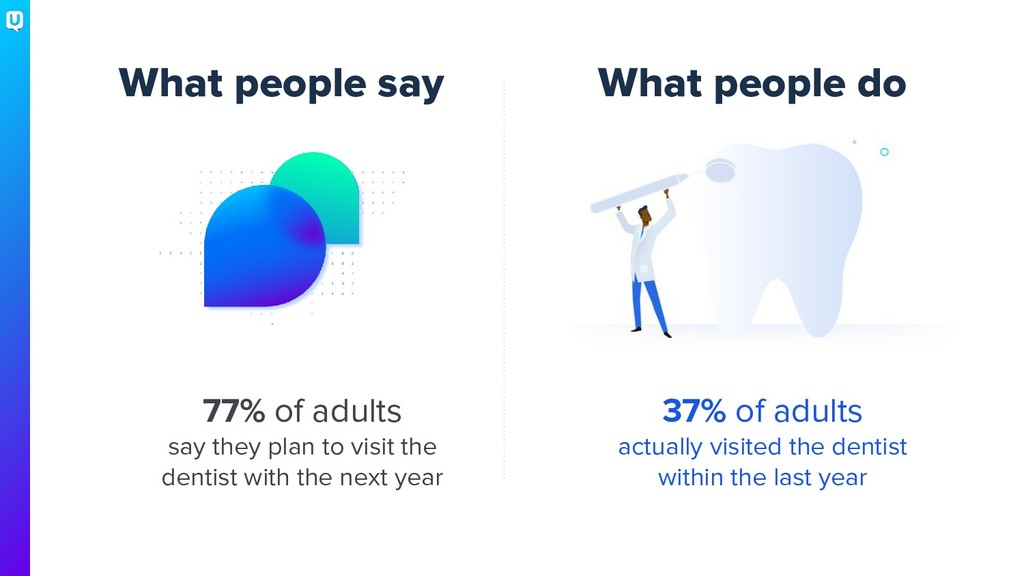
I have countless examples of people saying they do things, and then when I go and actually watch what they do, it's totally different. This is an interesting study done in the United States, and kind of illustrates the point I'm trying to make, is, when we ask people how many of you plan to go to the dentist in the next year, most people, seventy seven percent say, yeah, I'm going.
In reality, if you look at the statistics, only thirty seven percent of people actually made it. So again, what people say and what they do are often two very different things. And so you can't just rely on talking to people, empathy interviews are a great input, but you also want to watch what people do.
And, back in the day, traditionally, we do in home visits to really understand people, we bring them into a lab and have them use a website, or we'd have them talk us through how they typically do an activity, and those methods are still very valid today.
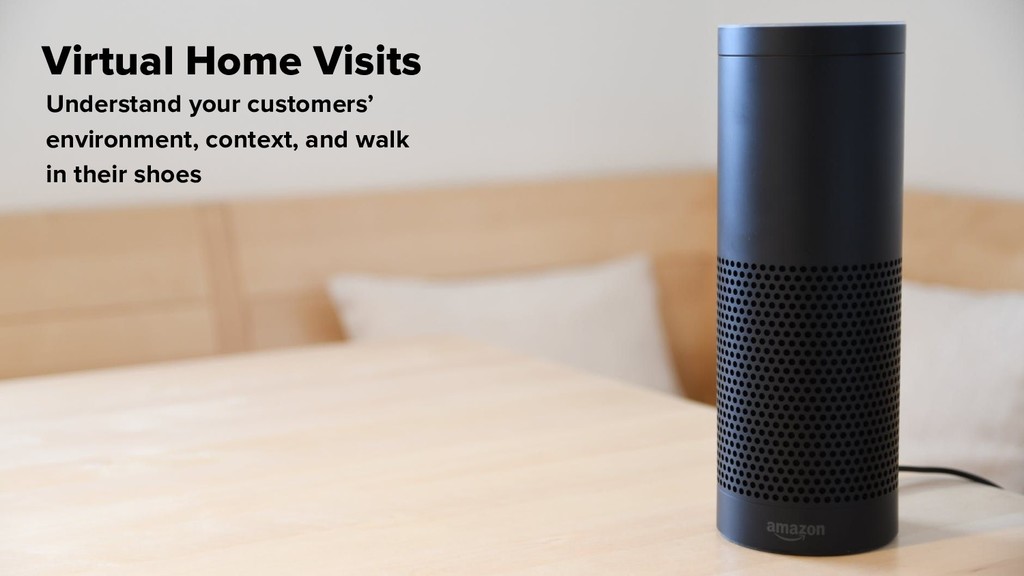
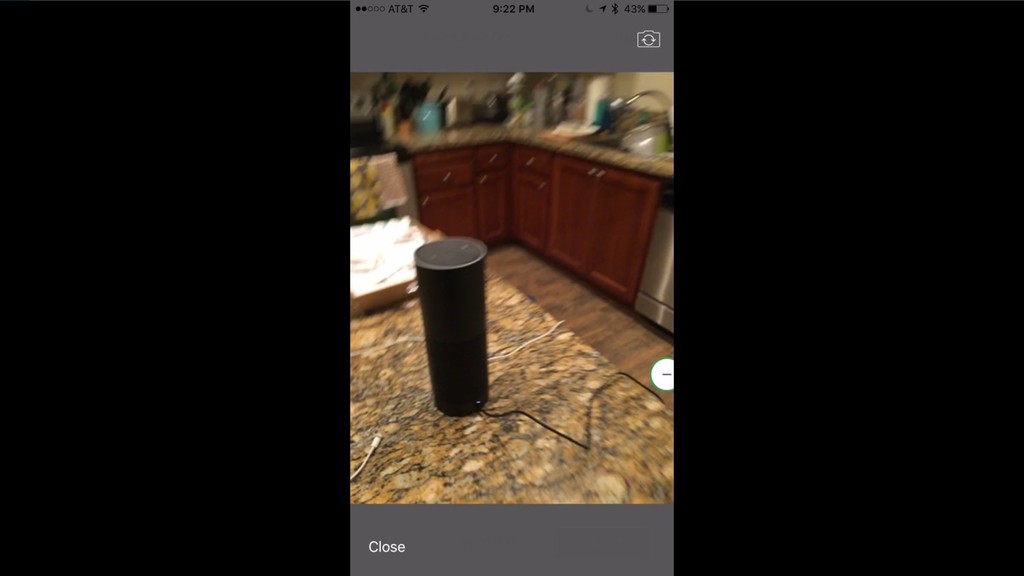
What we also do, what we see our customers do is what we call virtual home visits. So this is when we're actually able to get inside of somebody's environment and context to really understand what's it like. So I'm going to show you a video here of somebody talking to us about how they use their Okay.
So here's the door to our apartment, and we actually put Alexa here on the counter. That way, whenever we come home, we can ask her questions or, you know, before we leave, we can have her do things. And also, she makes a great timer for the kitchen.
So that's just an example to show you kind of a glimpse inside of somebody's home, kitchen, work environment, when they're commuting, whatever it might be that's most relevant to you. Super important to get that context. So those are two ways to really get at and understand the problem you're trying to solve, the customer, and what they're trying to accomplish.
And then the next sort of part of the process, once you feel like you have a solid understanding of that space, is to start ideating and I would say that most of our customers don't spend enough time here. It's really important to kind of tease out and and think of different ways to solve a problem to see which ones stick, and that's really the ideation phase.
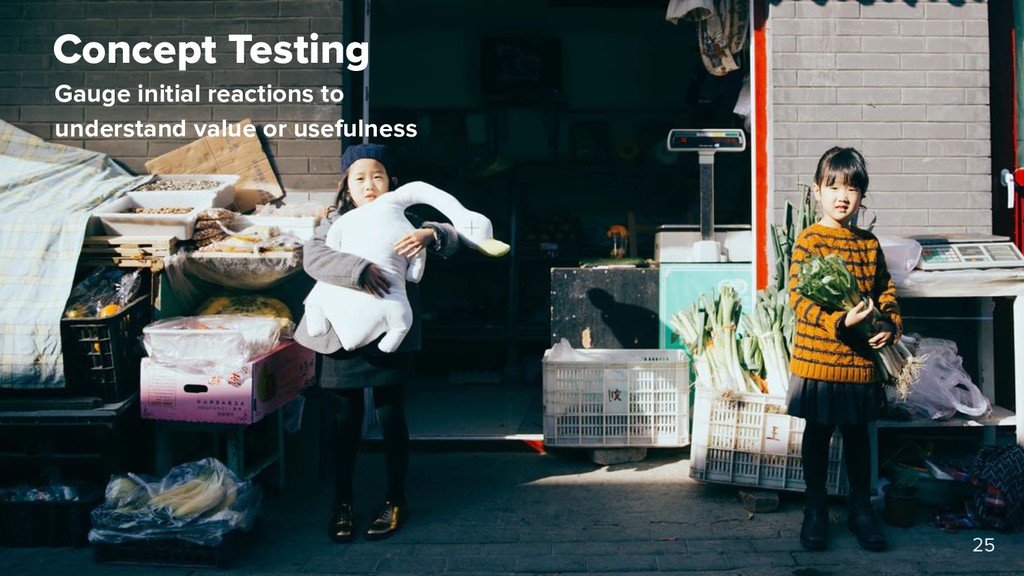
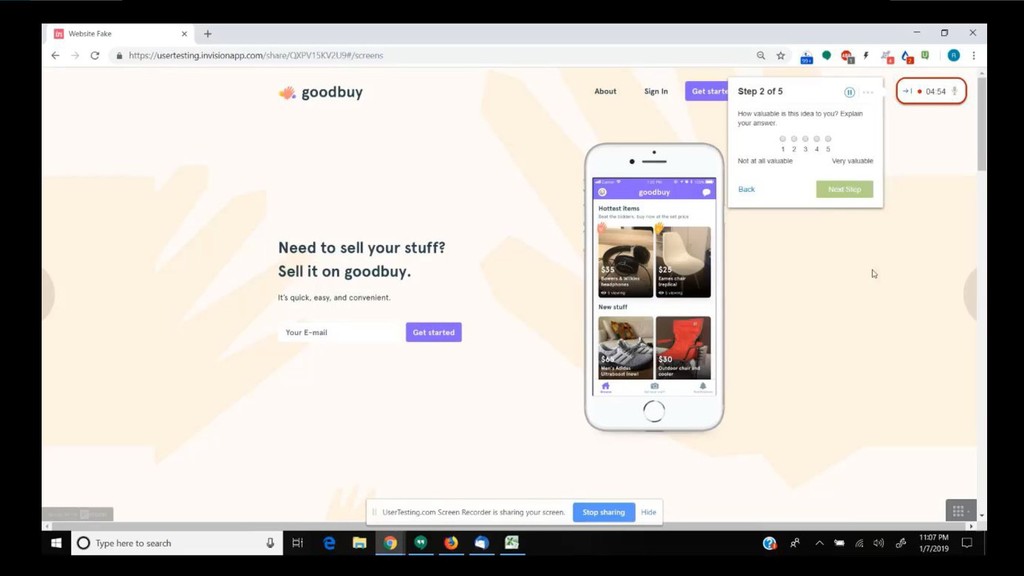
In this phase, you really want to be throwing lots of ideas at the wall to see which ones are resonating with customers. And one of the things that I've seen our customers do and what I've seen in general is that they actually build sort of a landing page or some sort of version of a product that looks somewhat high fidelity or looks like it actually exists, but really what they're doing is trying to get the value prop, trying to see if people understand the value prop.
So, I'm gonna show you an example from, some research that we did where we were trying to understand whether or not people would want to purchase this, or want to use or download this garage study, garage sale app. So it was a way for them to sell their own things, through this particular app.
And what we wanted to do is see, is this something that they would want to use and what about it was so special? So I'm gonna show you a quick clip here of the way that we were able to get this feedback. What you'll see is this is actually an Envision prototype, it's not an actual, landing page that's live, but it was a way that we were able to communicate the concept to people.
One of the things I also see customers do is actually just write out a description of the context, explain it to somebody in words to see how they resonate. So you don't even have to get this fancy, if you will. How valuable is that idea to explain your answer?
I'm going to give it a strong four. And the reason for giving it a four is because I am the kind of person who sell my items online. I've sold on eBay, Amazon. There's a site called Bonanza, B N A N Z A that I've sold on.
Craigslist, I didn't mention it before. So I am the target audience for something like this. What I liked about this is that it has more features that I'm used to. I really like the algorithm driven suggestion about when a bid is maybe as good as I will maybe get and that the application can tell me about that.
And I really love the flexibility or the ability to define pickup windows. That was really interesting. But at least from my perspective, I do feel like it's still viable on certain features that I have not seen in prior services or similar services. One of them being setting specific pickup windows.
I've never seen that. As well as different specific payment methods. I hardly ever see more than one. In this situation, I see multiple options. The pickup windows are actually very valuable as well. I also see recommendations on pricing, so the smart bidding, as they state on this prototype.
I have seen something similar, but this seems to be a little bit more, at least from not being able to physically see it, it seems to be something that's a little bit more hands on. But I think, at least from my point of view, I feel like this is actually a fairly valuable idea that actually would work very well.
Okay. Two things I wanna call out there. One is, we were asking people, did you notice the rating scale question? People were giving it a score. What I love about that example is that that person and those people actually were able to articulate why they were choosing a particular score.
So you're not just seeing the average or the median or whatever you want to look at on the other end, you're actually understanding and listening to them kind of process and explain why they're choosing a certain rating. So that can be really really compelling.
The other piece I want to call out is that you already hear or you already heard some trends. There were certain features that were really interesting or unique to that particular concept that maybe weren't available in other offerings. And again, that's the value of kind of listening and building that empathy over time.
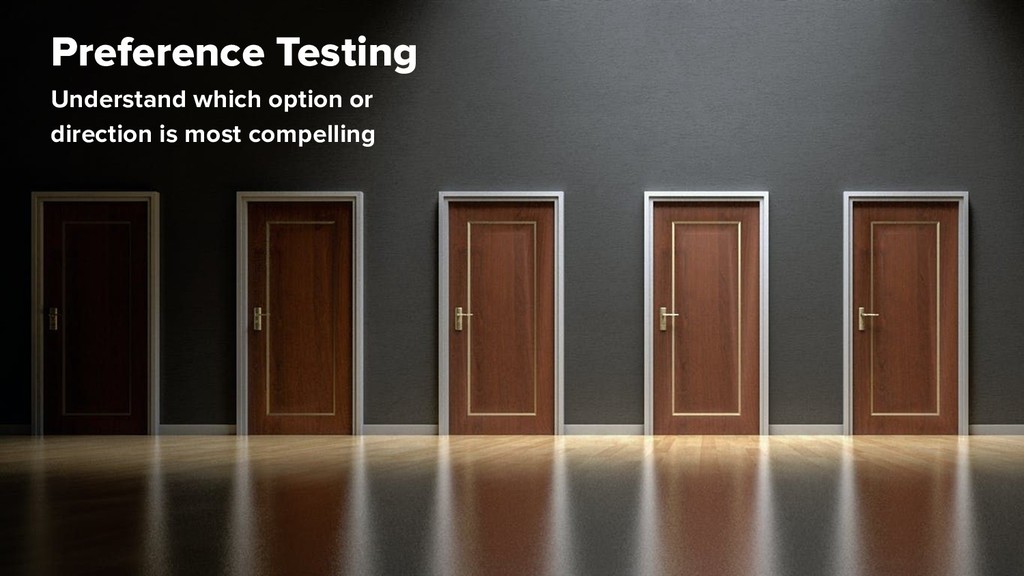
One of the reasons why products fail is because of lack of a market fit. And I think that one of the other great things that you could be thinking about doing is not just looking at one concept and getting feedback on it, potentially looking at lots of different ideas.
And so we see our customers doing preference testing on concepts, we see them doing preference testing on different types of designs, but that's just a way and there are frameworks out there that exist to help you make sure that you're choosing the right path.
And so that's sort of the the next step in the process. As we move further along and you've got your concept and you're moving more towards the design phase, this is where we get into prototyping and testing. This is where I see a ton of, companies kind of living here.
This is important, but what's actually way more important is the earlier stuff. If you're prototyping something that people don't even wanna buy, or don't even wanna engage with, then there's really not a whole lot of point to that. So you want make sure that you're understanding the problem, building the right thing, and then you move into prototyping and testing.
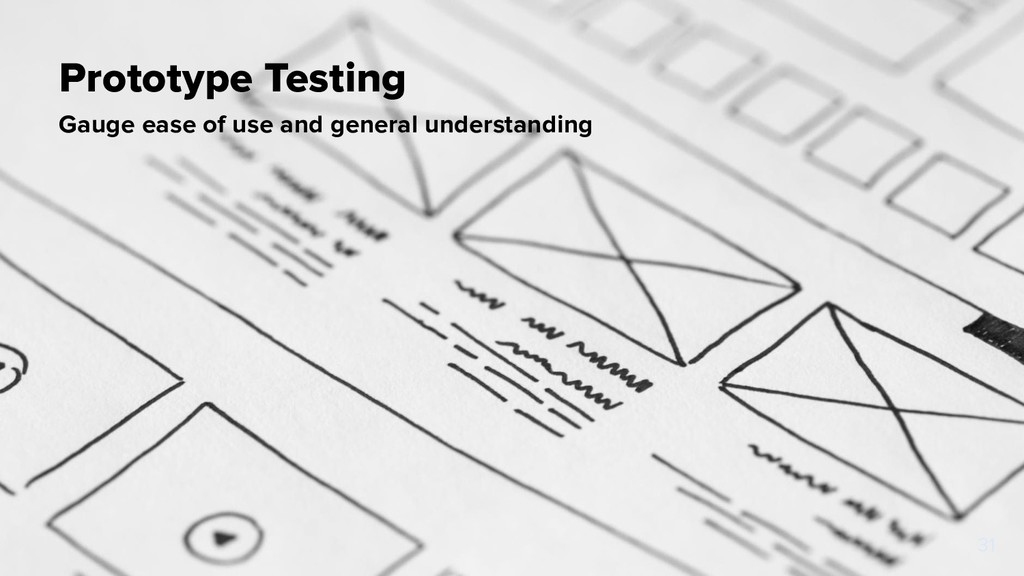
And you can look at all different types of fidelity of prototypes. You can look everything from handwritten sketches that you scan in and host to somewhere or you put them in front of people or you can do really high fidelity prototypes. But really the purpose of a prototype test is not to see if people understand, or want to buy the product, it's actually can they use this thing?
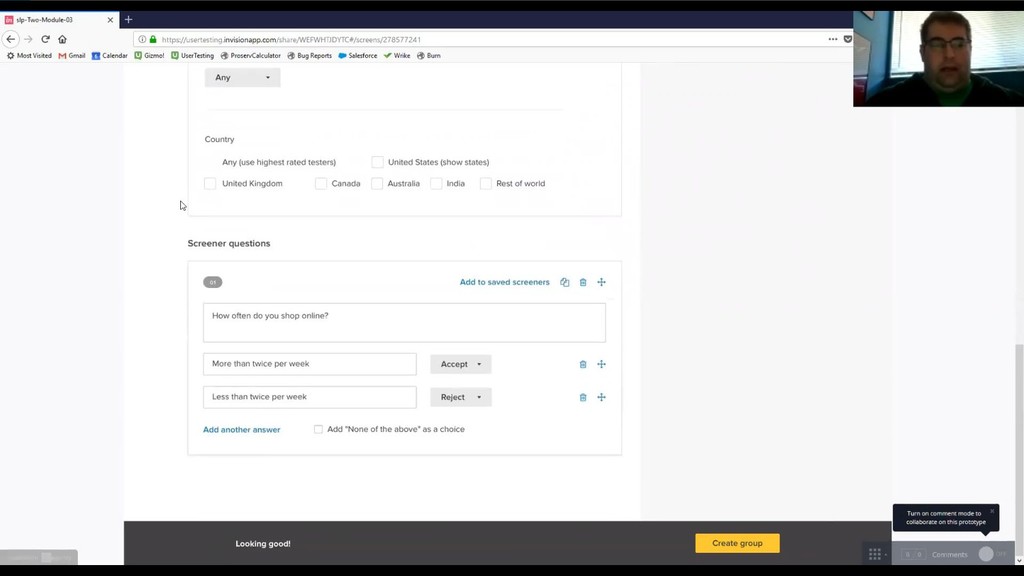
Can I do what I need to do within the product? We actually do a little bit of eating our own dog food at user testing. We look at and redesigned our test ordering set up, oh, about a year ago. And what we did was we built prototypes of, the screener question process, so as you're setting up your study, you're able to zero in on the demographic that you want to test with.
And as part of that, you're able to ask certain screener questions that might be relevant to you, so for example, we have some e commerce companies that will ask things like, how much, have you spent at least or, select, how much money you've spent online in the last twelve months.
And they'll recruit and screen people based on those responses. So we redesigned that flow and we actually put it in front of customers, and I just wanna show you a quick video clip of somebody giving us feedback on our prototype, which is in Envision.
Screener questions down here. Okay. So screener questions one, and have to save screeners. So from right here, I oh. That's interesting. So normally, it's a website flow. Right? So I would be going down the thing, and I would be like, okay. I'm doing this. I'm doing this. I'm doing this.
And now it's a screen of questions, but there's no, like, let's create a new screener. I had to scroll up all the way to the top to find add a blank screener. And normally, almost every study that I run has screeners. So I would expect that after I do all of this stuff, I would then be creating a screener.
So it's it's weird to me that there's no, like, create screener button here. I would have to scroll all the way up to the top to hit add blank screener. That also worries me that normally I have, you know, three or four questions I might ask in the screeners.
Does that mean that I have to scroll all the way up to add blank screener every time that I need to add the next screener question? So this is clearly causing this customer a little bit of of concern. Because he's in here, he's banging on the platform, he's doing things on a regular basis and to him this feels like an inefficient this will be an inefficiency for him.
And so you can bet that we went and redesigned that, which is exactly what you wanna do during this phase. I recommend getting feedback on a prototype from four to six people, you can figure out most of your usability issues with that small sample size and then the shift that you do is you take that information, you iterate on the design and then you test it again.
And it's this ongoing process and actually the hard part is figuring out when you have to or when you can actually stop. But I've learned and heard a few times in my career that there's no such thing as a perfect design and you can always be doing better.
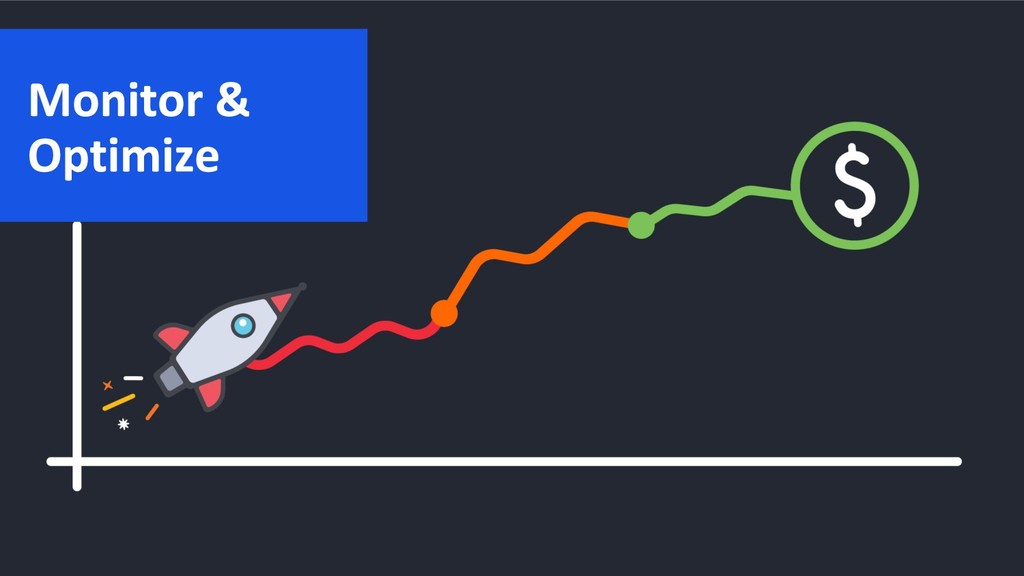
So this is the framework we kind of walked through, but this really only brings us to the end of the design process at this point and kind of the next step if you will, is really about monitoring and optimizing the experience. So once it goes live, how do we make sure that it's still performing?
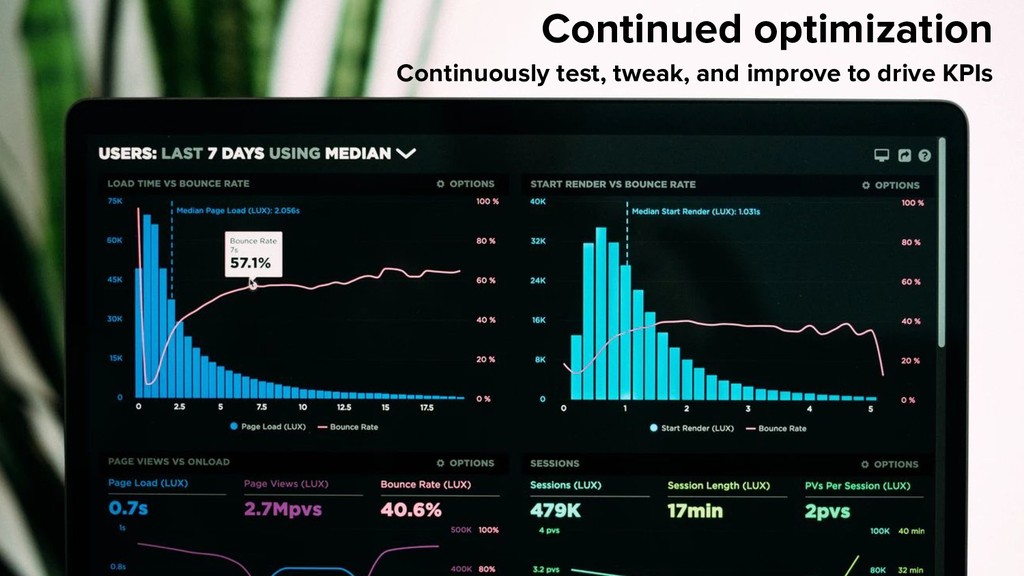
So this is something that, you know, you may or may not be responsible for as part of your day to day job, but it is something that the business certainly cares about. Here's a dashboard, we have a lot of customers that sort of live and die within these dash boards.
This is one for an e commerce website and let's say that you work for this company and you're building the e commerce app or the e commerce experience and you've noticed that conversion rates have dropped on a particularly important page. You really have a couple options, and what I've seen happen is that sometimes internally you'll kinda get together and you'll talk about why you think something is broken or why you think it's not performing.
Or, the other option is to go and actually ask people to use it and see what's going on. And, I would hope that you would kind of focus on that second option. It is still important to get feedback from stakeholders, but being able to actually see the struggle, is really really critical to actually figuring out what you're gonna fix.
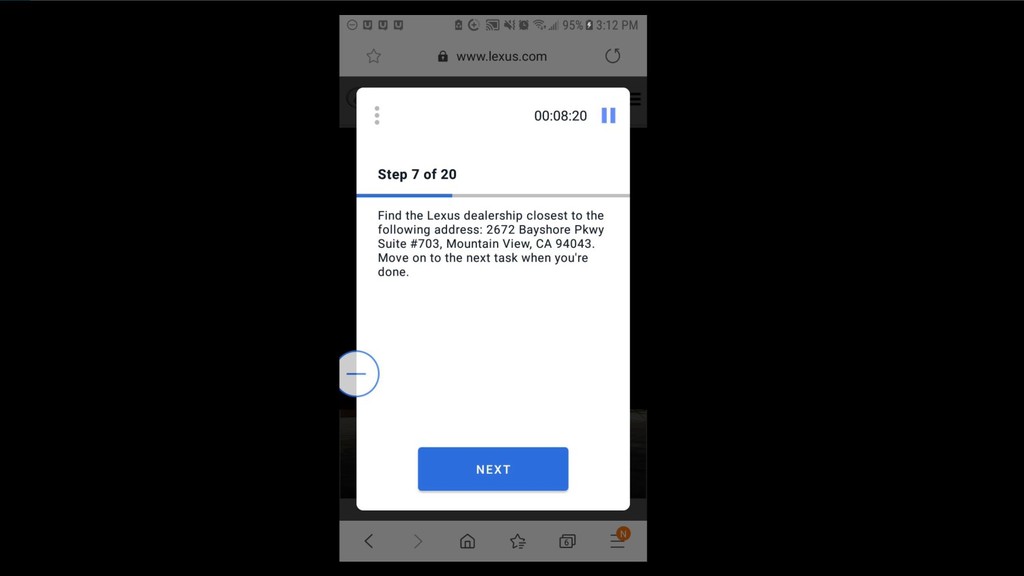
Because if you don't know, you're just fixing things and hoping that you're right. Okay. Find the Lexus dealership closest to the following address. Two thousand six hundred seventy two Bay Shore Parkway, suite seven zero three, Mountain View, California. Move on to the next task when you're done. Okay.
So two thousand six hundred seventy two. So we're gonna go ninety four thousand and forty three, ninety four thousand and forty three. Let me just double check that. Ninety four thousand and forty three. Yes. Okay. So, okay. So I'm looking to see if that's it.
It's not showing me the Lexus here. Okay. Current model year. It's not even showing me that. Okay. Two thousand and nineteen, that's fine. Rare wheel drive. The sport is forty seven. All wheel drive is forty three. That's fine. Okay. So I'd like to get to this one.
I'm not even even able to put in find the Lexus. Okay, so let's go back to just finding the Lexus dealership that's closest to me. Find the dealership. Okay, because that's what This is so challenging. It's not as simple at all. Okay. I'm here.
Okay. I guess because the page is still loading, but I'm here trying to find the Lexus dealership closest to me. Okay. So here we go. Gosh. This took a long time. There's real pain that you can kind of feel for this person as they go through that process.
Yes, it's not a life and death situation if she can't find the local Lexus dealer, but still, there's something there, there's a struggle there, it's taking her too long and it's creating an experience that is quite frankly not very great. And those are the types of things that you can address and optimize through really just testing live experiences on an ongoing basis.
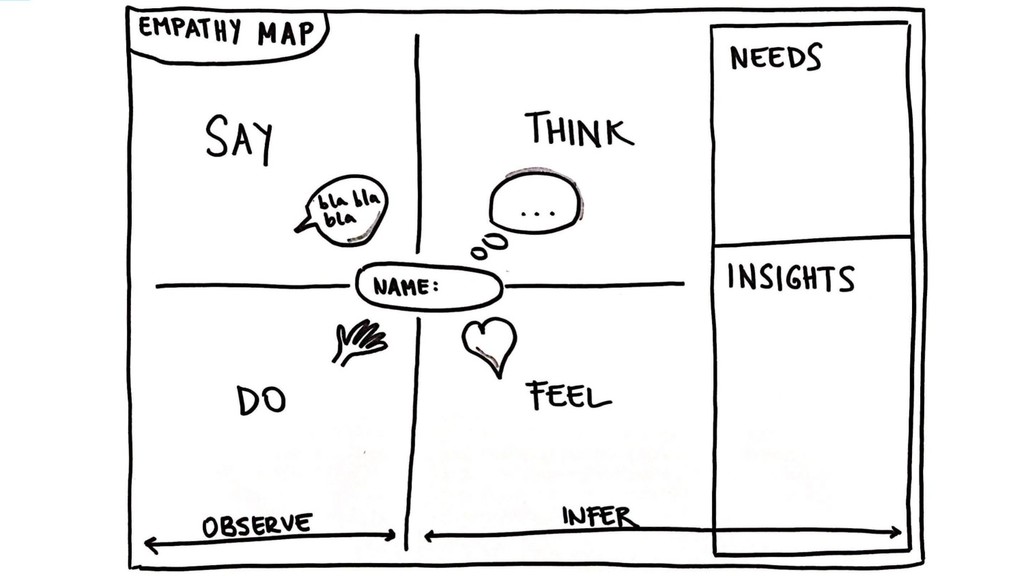
So you're collecting all this information over time, you're testing experiences, you're making sure that you're building the right product, and there's certain things that you can do with the information like building empathy maps or personas. This is a great tool, I recommend, using this as a way to really build empathy with your audience throughout your organization.
It brings to life your customer. I want to leave you with this last quote as it's one of my favorites. Know, think about the earlier slide with all the bars and the charts and the numbers. The data is helpful and it's necessary to get a full picture of what's going on, but it's not very actionable.
It doesn't allow you to build empathy with your customers and watching them like we did in that Lexus video is what empowers you really to do that. You got to pair the numbers with the narrative to really get the full picture. If you don't practice empathy driven design in your organization, I I encourage you to start small, link to a KPI, build those empathy maps, and what I find is that teams that have never done it before, once they start, they don't know how they ever lived without it.
Thank you very much. Let's connect and, on LinkedIn, Twitter, and then we're also hosting our coffee break, now. And so I'd love to connect and answer any questions you have. Thank you.