The digital world has become a zero-click world. Traffic referrals from every major network have fallen precipitously. Searchers and browsers expect native content and instant answers. Brands, especially those looking to gain a foothold in the ruthless competition for web traffic, are left struggling for scraps.
A mindset shift is needed-marketers can’t be stuck optimizing for clicks, measuring impact based on referral traffic and single-visit conversion rates. The old tactics are dying. To survive, marketers must prioritize earning engagement and growing audiences on the platforms themselves. We have to conform to new algorithmic rules and new user expectations-that's where Zero-Click Marketing comes in. In this presentation, Rand will show how it works, why it's needed, and how to apply this tactical shift to every channel and campaign.
1 / 77 Use ← → to navigate
Auto-generated transcript - may contain errors.
Tap a timestamp to jump the video.
There's a tremendous amount to get through today, but I would like to say is Brian Corcoran in the room? No, because why would he bother showing up for this touring fest? He's probably never heard of it. Well, I do want to say a huge thank you to him.
Also, can you guys keep a secret? Just say Yes, I promise it's worth keeping. I have his key card for his room at his hotel. I was going to thank him and then be like in exchange for inviting me to tour fest. I saw you drop this. I picked it up. Anyway, if you know his room number, let me know and we can prank him real good tonight.
I think that would be just lovely. What I'd really like to do is he's supposed to take me out to dinner and then I was going to walk back with him to his hotel room and then I was going to open anyway. All right. It's going to be a whole thing. Also, I would like to remind you that you were in Scotland because the last few times I spoke at touring, not 2020 was the virtual event, right?
But in the previous years, one of the things I loved the most about speaking here is that people would yell out curse words occasionally while I was on stage and some curse words that we don't have in America or that we're not allowed to use in America, and I found this quite great. For example, Google was called the C word several times in my 2018 presentation.
I thought that was delightful. I just encourage you to bring your glaswegian selves to this conversation. All right, let's get started. I want to kick us off by going way back in history to the 20th century. Do you remember that? It was like a quarter century ago.
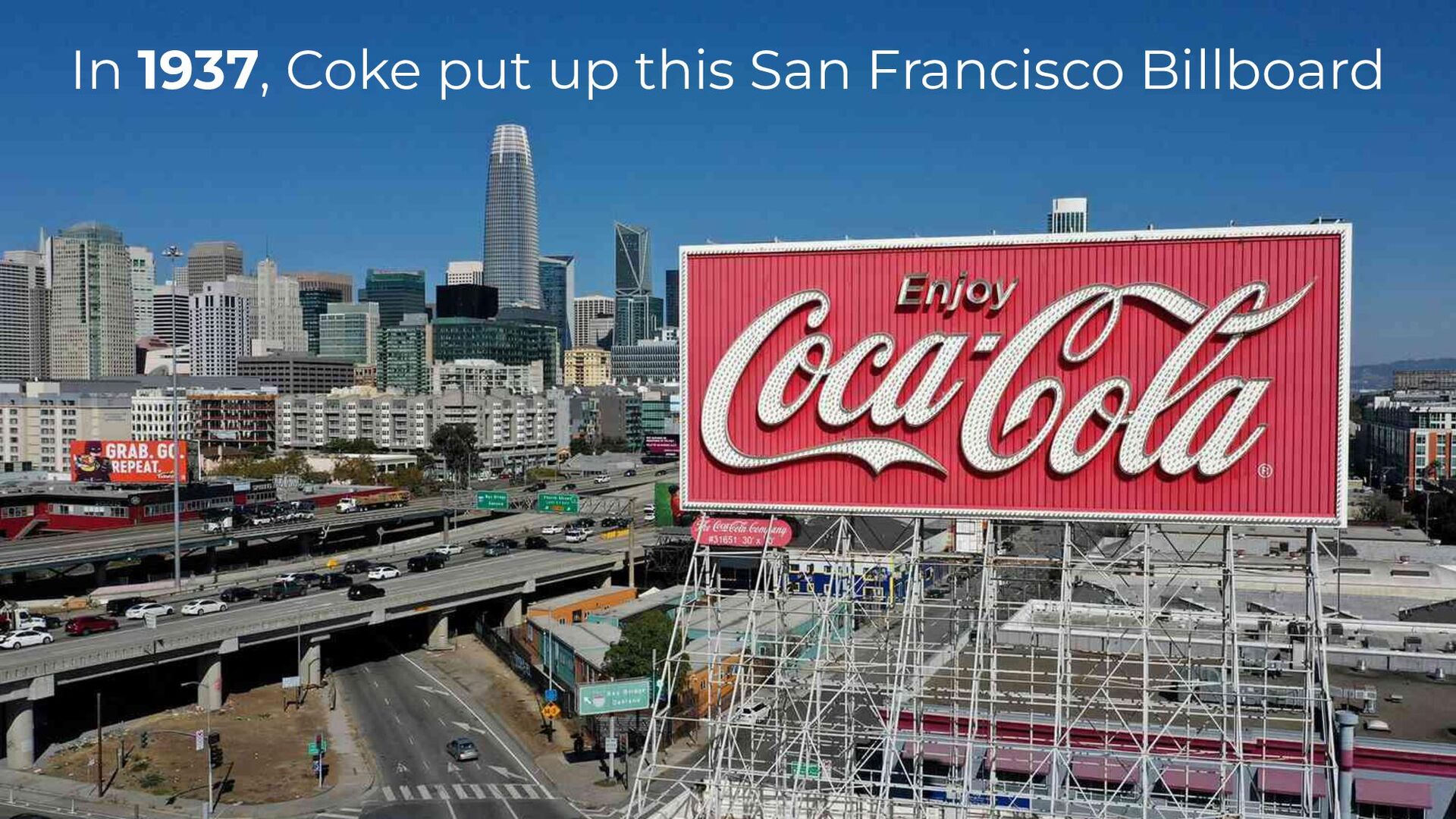
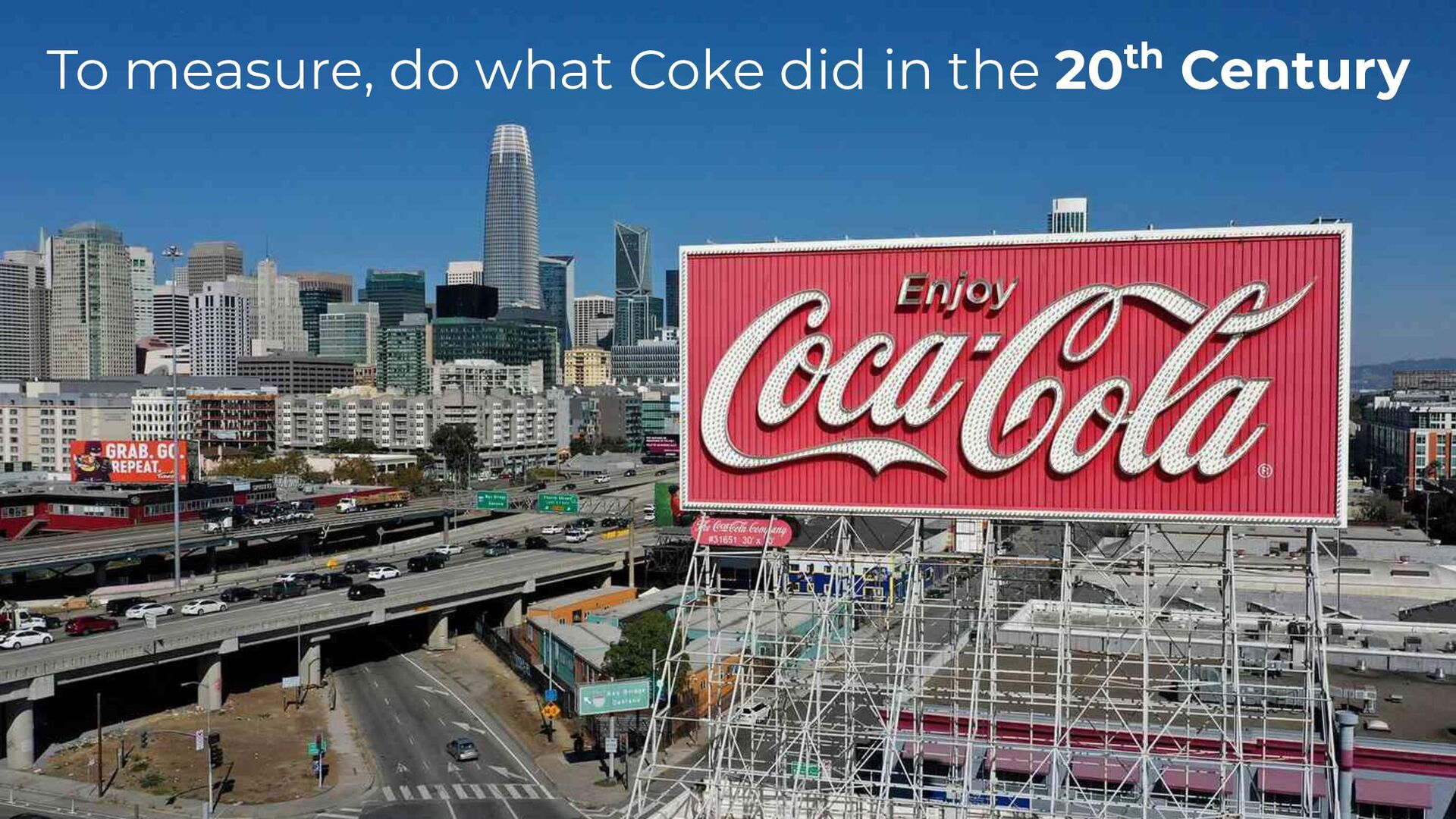
That is deeply disturbing for some of you. So there's this billboard in San Francisco. They're actually just about to tear it down, but it has been up for close to 90 years. Coke put up this billboard in 1937 to sell more Coca-Cola. How did they determine whether this billboard in San Francisco sold more Coca-Cola, do you think?
Were they able to track? We put up this billboard and then we watched and Steve from Miami Beach, he saw that billboard. He walked himself right down to the corner store and bought a Coke. No, there's no way, right? There was no attribution at all.
What they did was pretty smart, was quite clever. They put up a billboard like this in San Francisco and no billboard across the Bay Bridge in Oakland, California similar to Edinburgh and Leith or something, right? So there's two cities. Leaf is smaller, okay, I get it. Yes, Oakland is also smaller than California than San Francisco, but not that, but smaller. And then they would measure same store sales.
So they'd look and they would say, okay, in San Francisco, after you put up this billboard, sales went up one and a half percent. Same store sales, year over year accounting for the general growth trend of Coca-Cola and seasonality and everything else they we're doing, and in Oakland, they did not go up 1.5%.
So we think that this billboard probably provided 1.5% lift in the geographic area where people saw it fine. Great. I think that's pretty clever. Did they waste a lot of marketing? Yeah, they probably wasted some. Did they get a lot of benefit that they didn't even know about people who did not buy from the same store they were just visiting San Francisco? Yeah, they probably got some lift from that too.
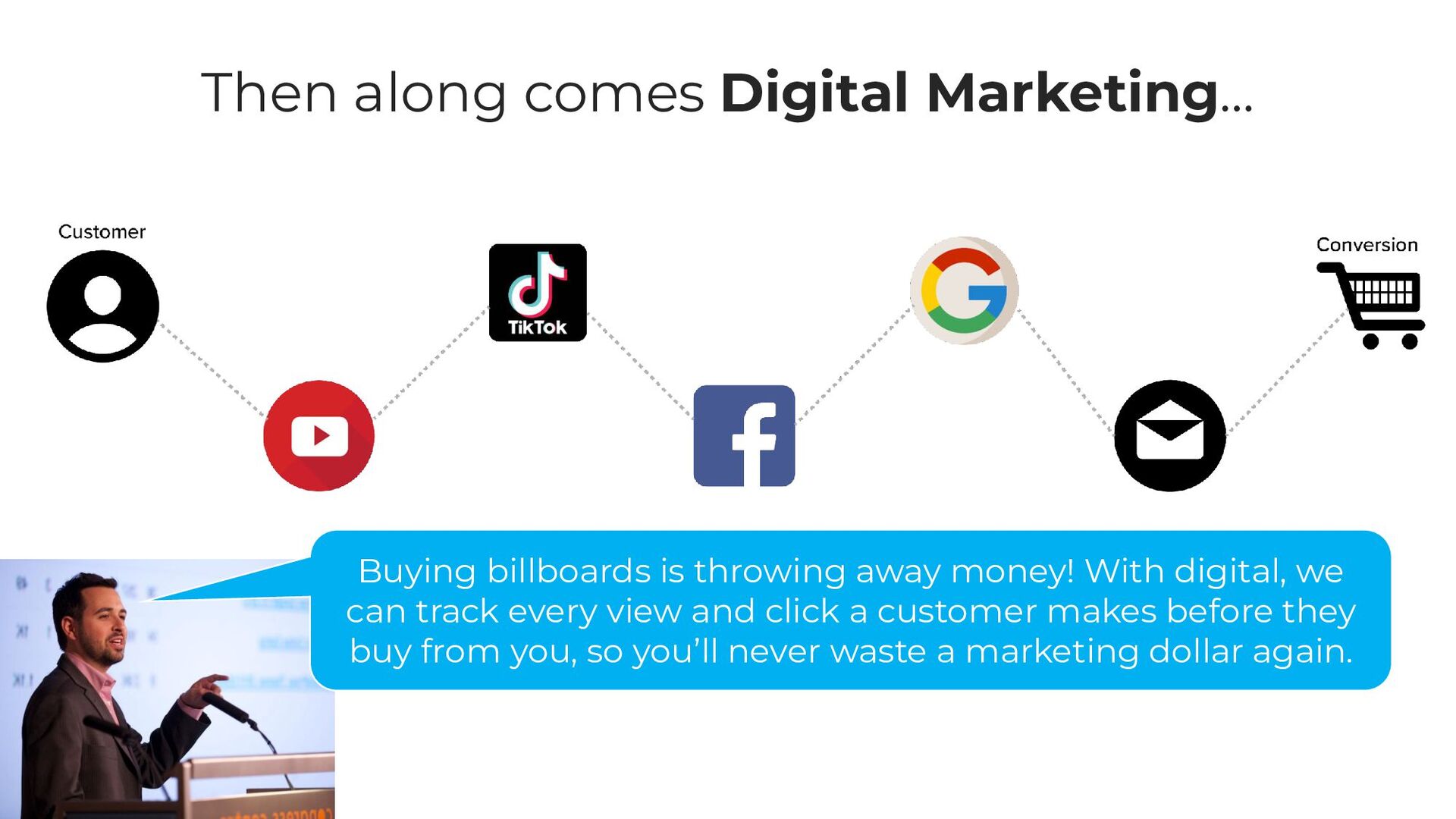
Then the start of my career in digital marketing, which is post-internet, right? Internet comes out while I'm in high school and along comes digital marketing. And what did we do? I stood on this very stage and I told people the beautiful thing about digital marketing is that you can attribute every sale, you get to know.
You don't have to wonder whether that billboard that you put up gave you same store sales lift. You can track every single, Kevin, John, Steve, Mary, you can follow them and their whole customer journey and you can see it in your analytics and you can build a model to track it all.
No more wasted advertising spend, no more wasted marketing spend. Here's this asshole. This is, I believe that's 2011, me and buying billboards that's throwing away your money. Why would you do that? Only an idiot would do that. Why don't I believe this anymore?
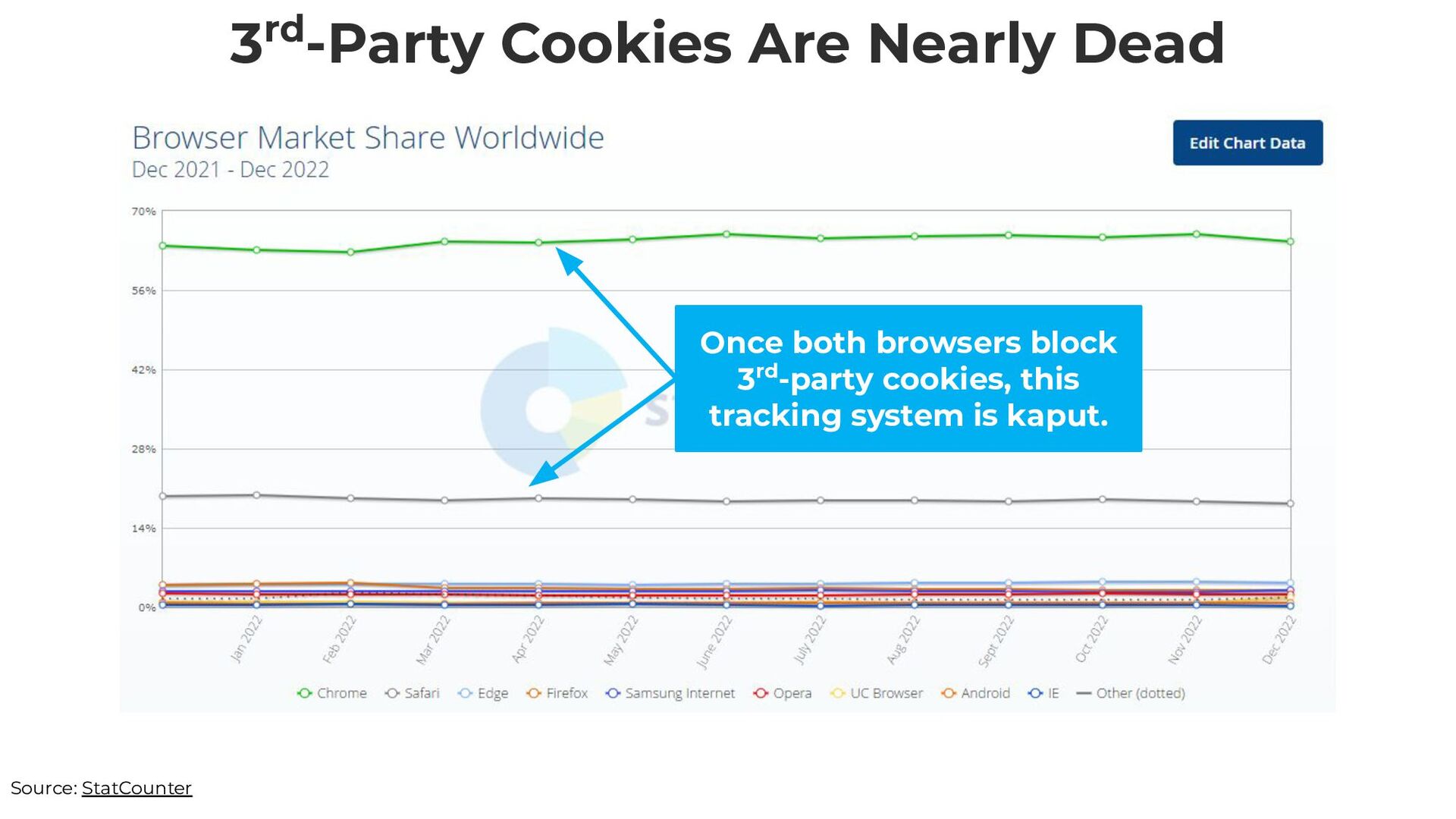
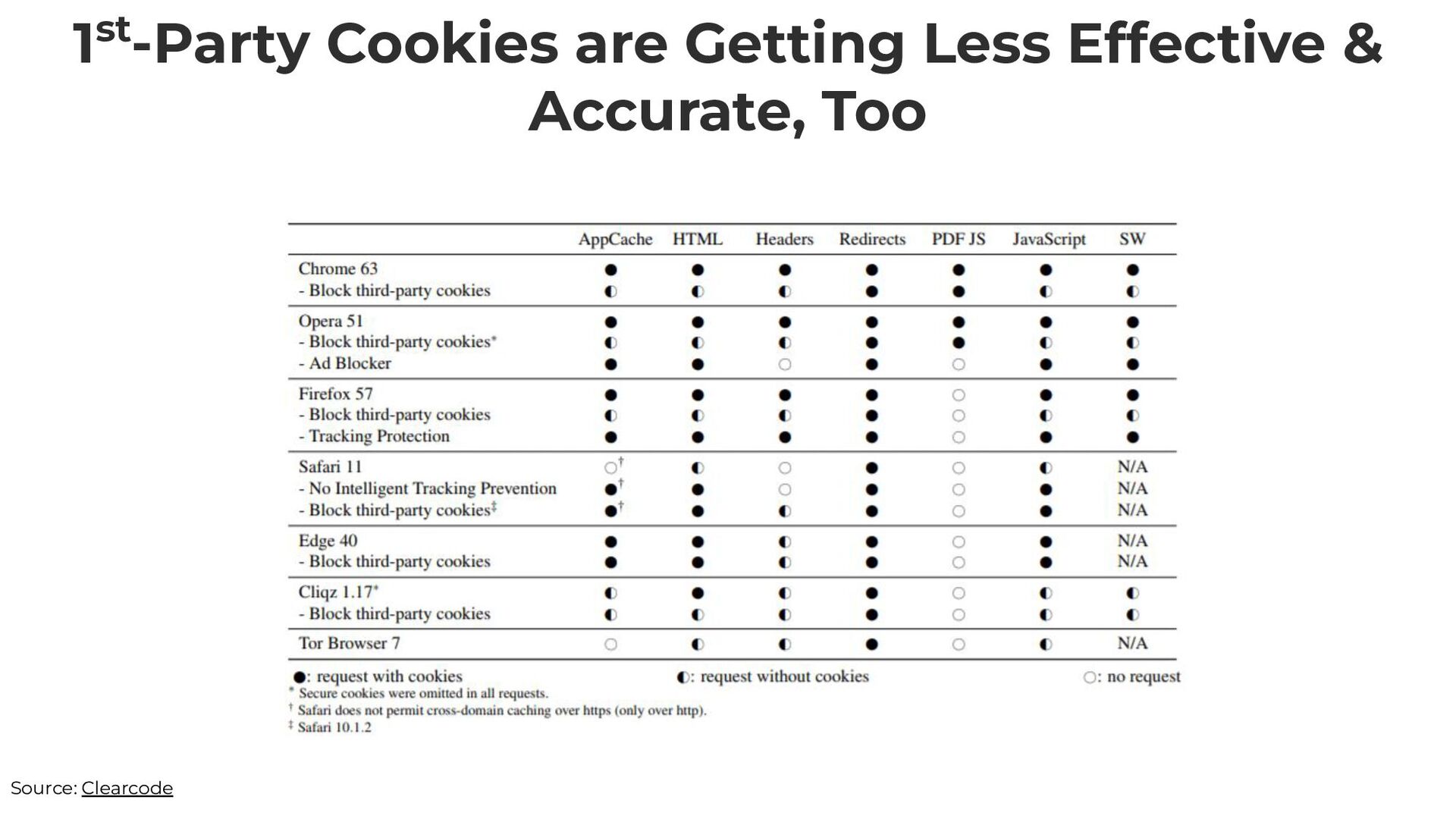
How did this go entirely sideways on us? Well, it would take a long time to explain all of these things, and there are people at this conference who have given entire presentations on these topics like the death of third party cookies and how they are completely going to remove a bunch of the attribution, the lack of first party cookie effectiveness, which is happening all over as well.
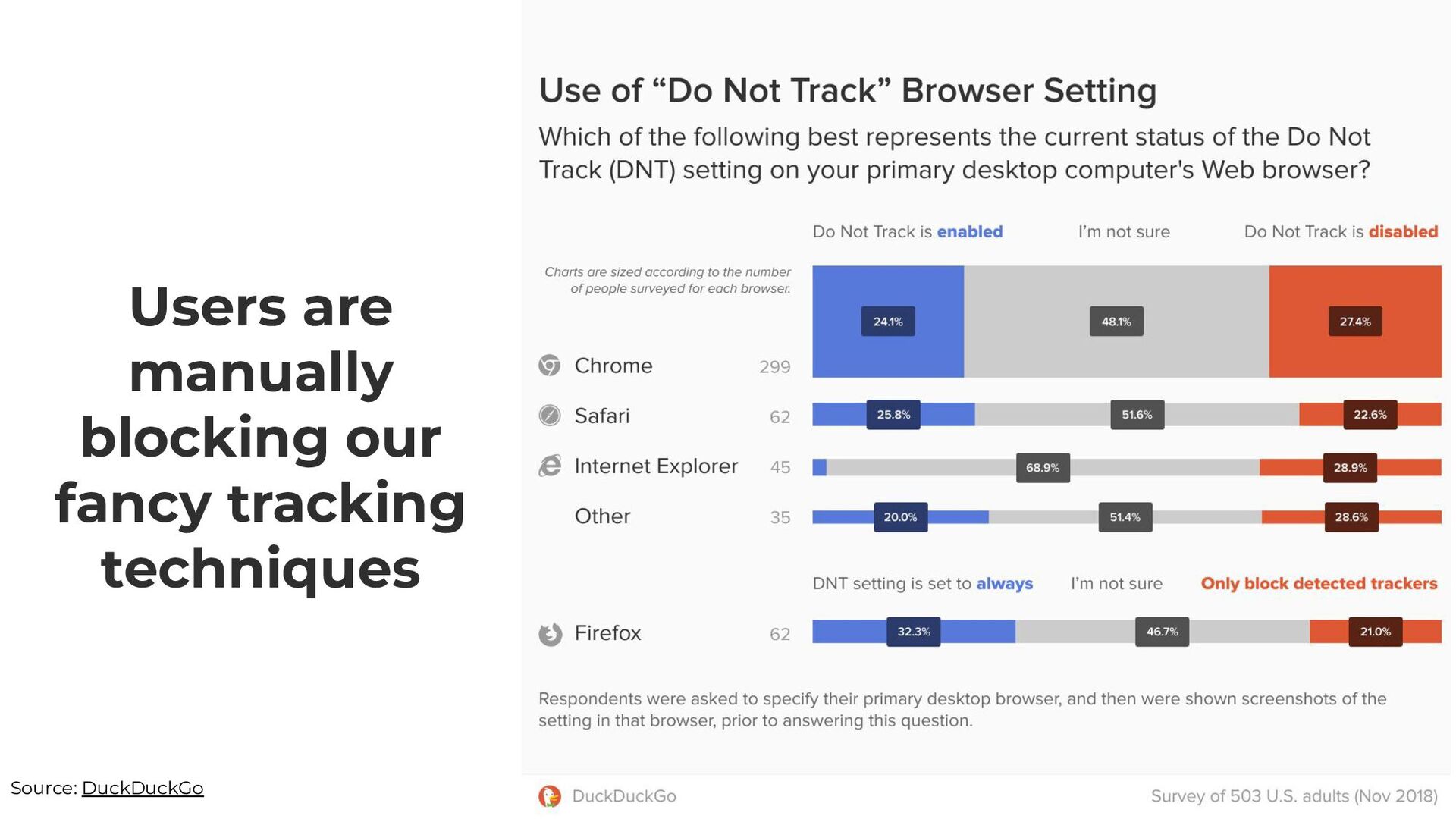
The manually blocking tracking of all kinds. There's tonnes of people who either use a browser that does this automatically, safari being one of the more notable ones, but brave and opera and other ones too. Firefox, of course, only Google Chrome is like, yeah, track whatever you want, baby.
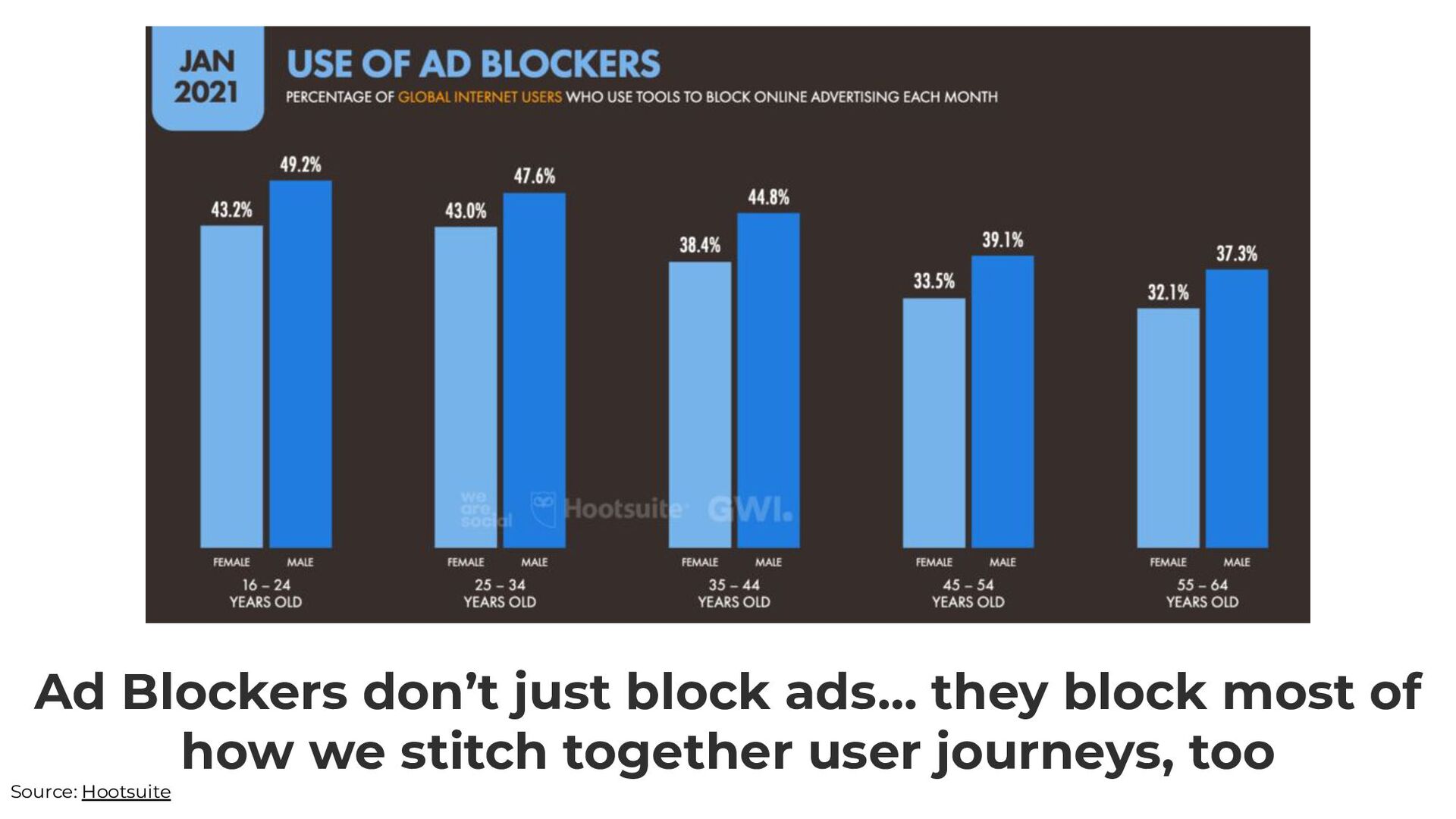
I wonder why is there an incentive? Who knows? This is where some Scottish person would use the word that we don't say in America unless you're a woman reclaiming it and then it's cool. And ad blockers, all the ad blockers that you might have installed, which ad blocking, my understanding is in Europe it is now over 35% of people install an ad blocker on their mobile device or on their desktop, and in the US it's around 25% and they block all the analytics tracking that we do as well. Not only that,
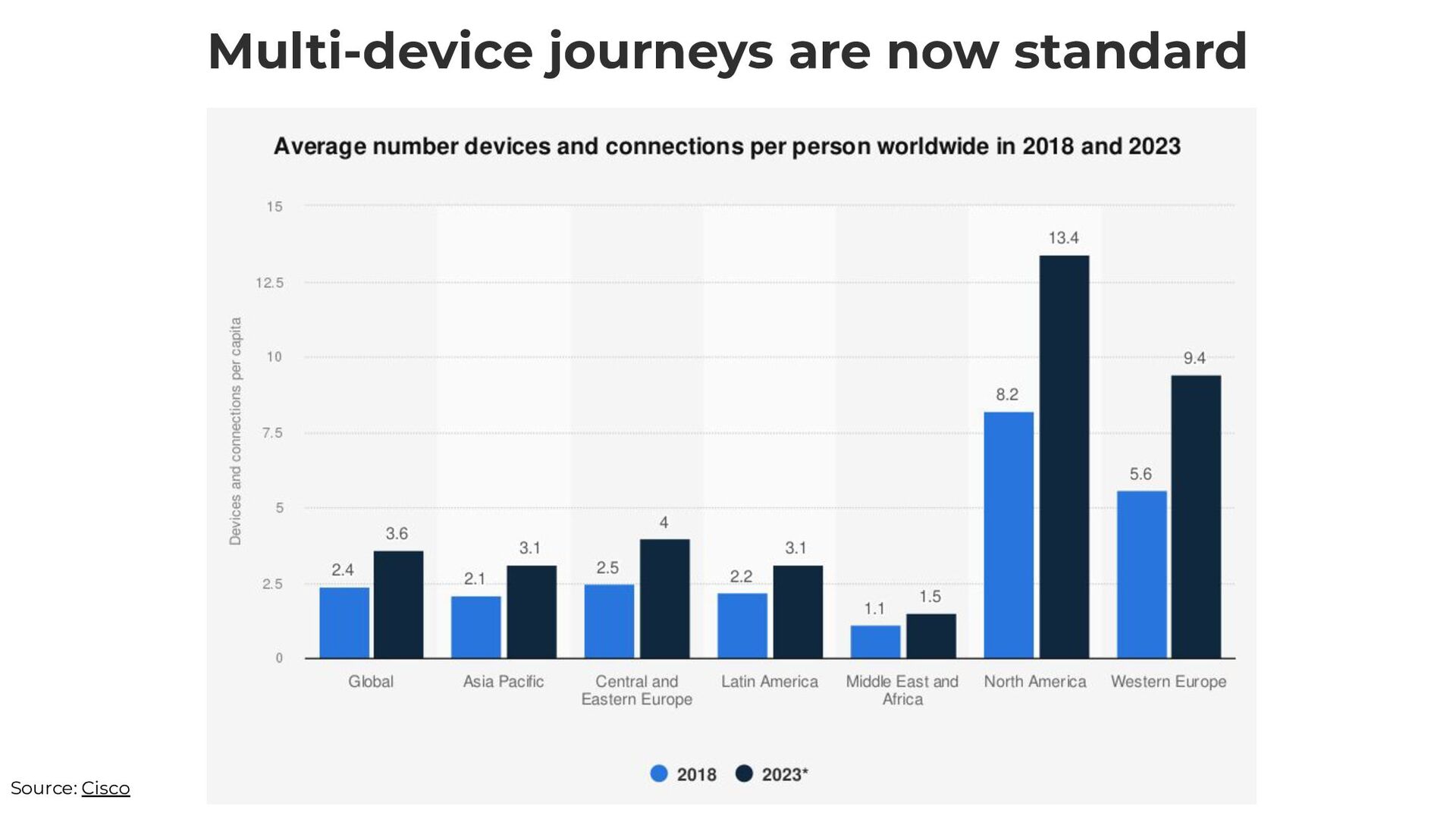
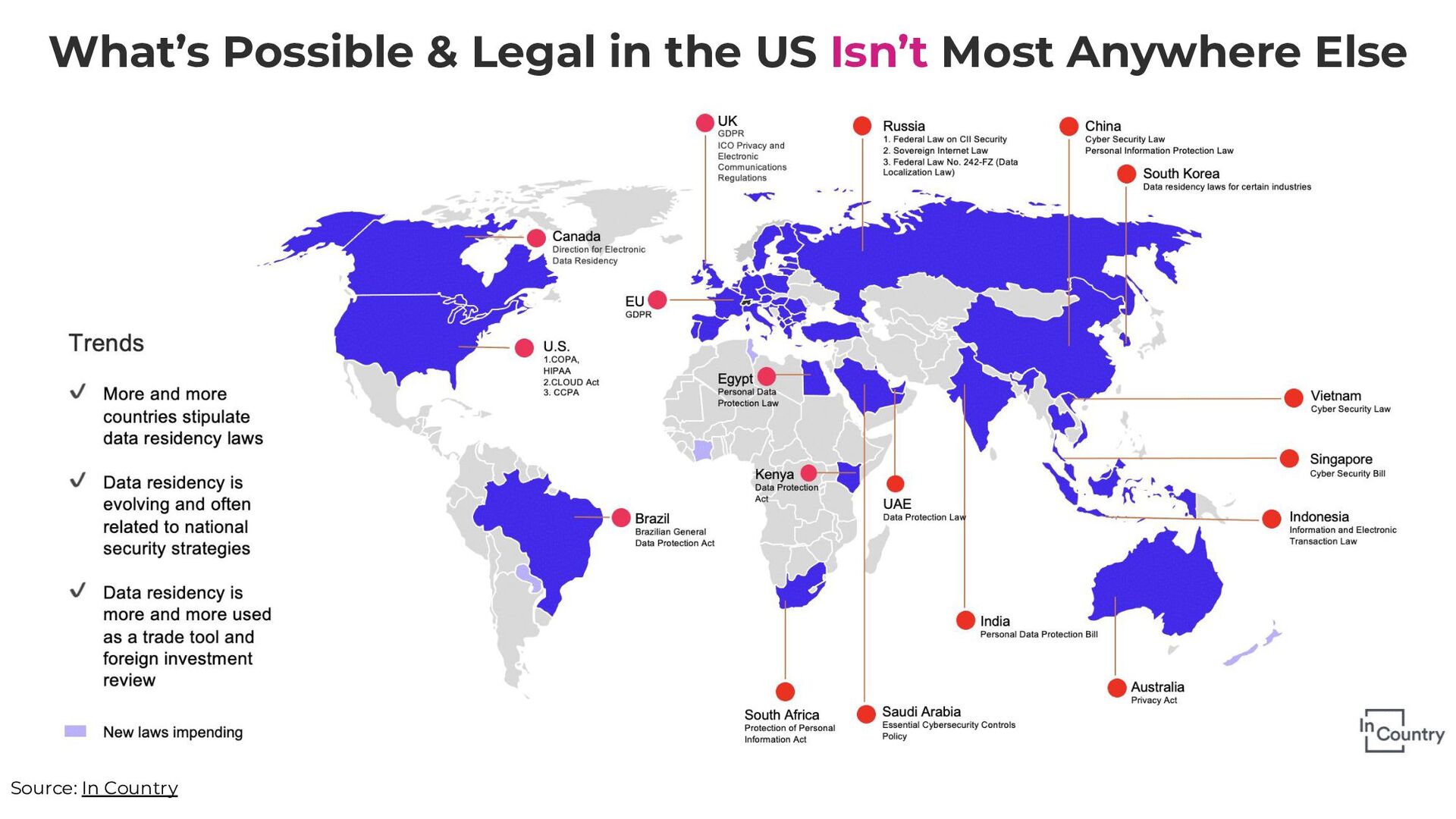
even if there's no blocking, these multi-device journeys mean that you are, people will claim, right? A whole bunch of technology providers will claim, Hey baby, we got you. No, we can connect them up. You know how we do it? We fancy math, AI, cryptocurrency, no cryptocurrency, but some of them use blockchain or they claim to, and some of that stuff is legal in the US. For example, how many of you are in America or have visited the United States?
So creepy things happen to you when you're in the United States. Lots of creepy things, but one of the creepy things that happens to you digitally is that you will visit a website. This is relatively new in the last couple of years. You'll visit a website, you go to, I dunno, nike.com, you do not give them your email address. You browse around, you leave, and then you check your email and you see that Nike has emailed you and you're like, God, I must have forgotten that I gave them my email address. Nope,
you didn't forget. It is because in the United States it is legal to use browser fingerprinting to identify you and then connect you with your email that was sold with the browser fingerprint to a third party that can then resell it to other commerce companies and websites.
The most famous of these is called retention.com. Their founder and CEO is worshipped on LinkedIn like a God. This is what we do in the United States. Anyone who makes lots of money worshipped like a God, I don't think it'll cause any long-term problems.
It's probably going to be fine. Our nation is stronger than ever. All right? So all these things combine and now we can no longer see every visit that every person makes to any given platform before they buy from us, which is frustrating, but the pitch is you can still see enough from the visits that people make, right?
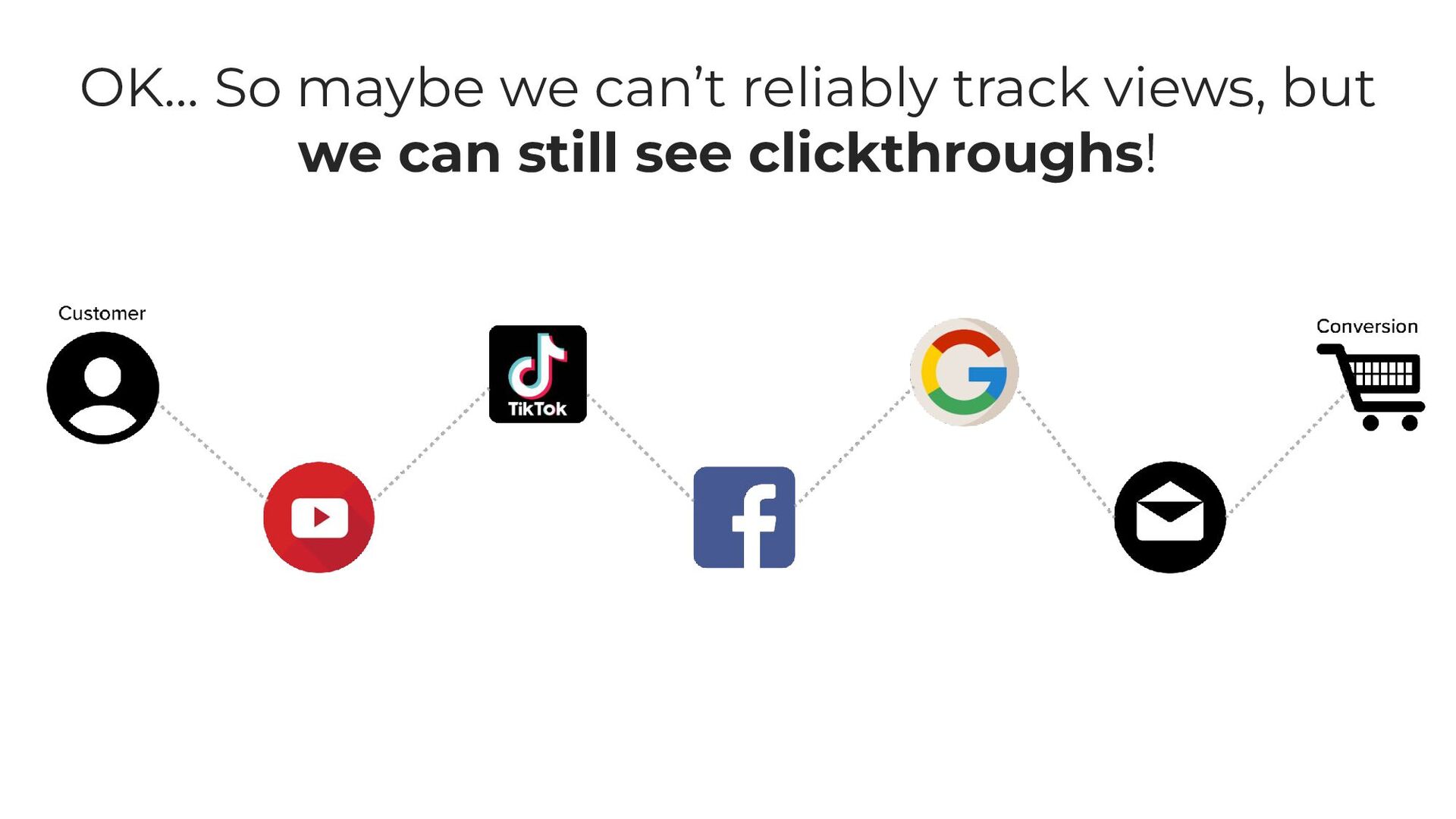
When they click on your ads to be able to see that and you can see the ad view through. So even if you can't see like, oh, they consumed our content Facebook, they saw us on Instagram, they saw us on YouTube, they saw us on Reddit, they saw us on TikTok. Maybe they consumed some third party content, maybe they heard about us, word of mouth. We can't track any of that, but at least on the advertising side, we can see the clickthroughs, we can see if they searched for us and then clicked in Google.
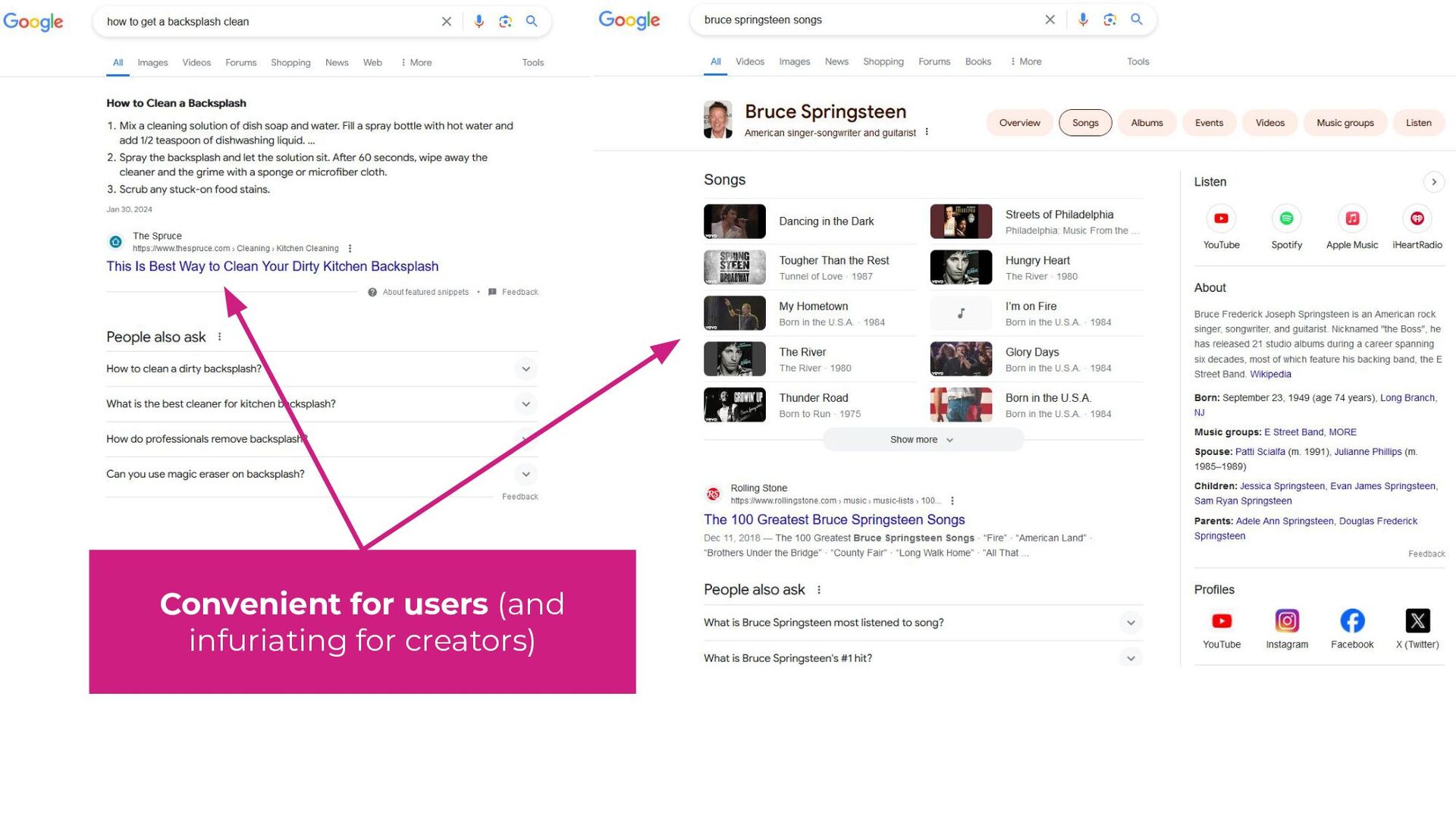
Well, you, I don't know about that. It's a little sketchy. Okay, so this is what I am calling the zero click problem. And at first it was just Google at first. It's just these guys being their usual cells, right? So how do I get my backsplash clean? What is a backsplash called in Scottish?
It's the fookin thing behind the sink. What's that? Did I get it right? I don't, yeah, my accents terrible. You're from Canada or something, that's not... okay. Yeah, the more Irish gentlemen, he knows what it's up. So alright, Bruce Springsteen's songs, Google 'em. You don't have to, they're all right there.
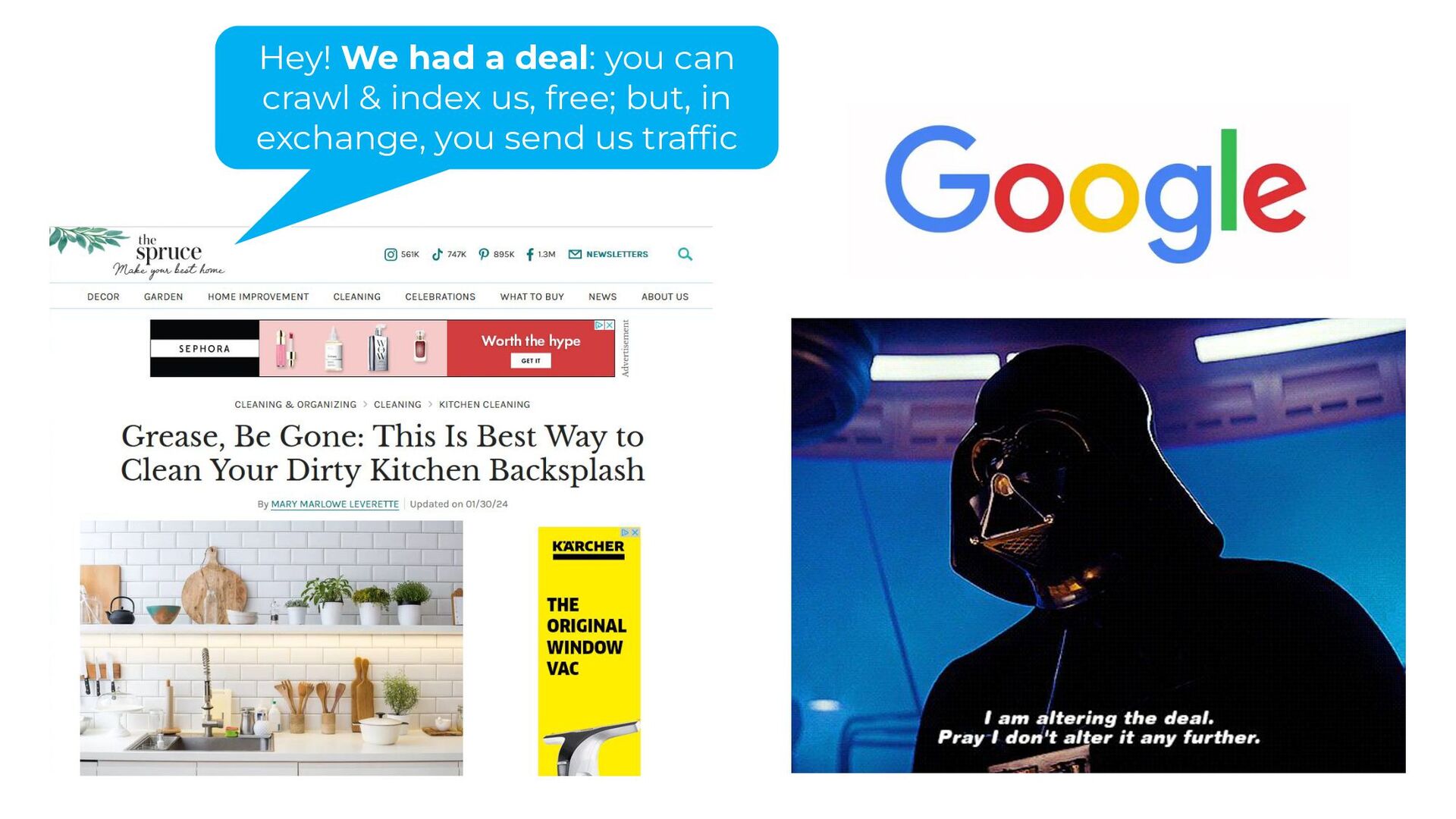
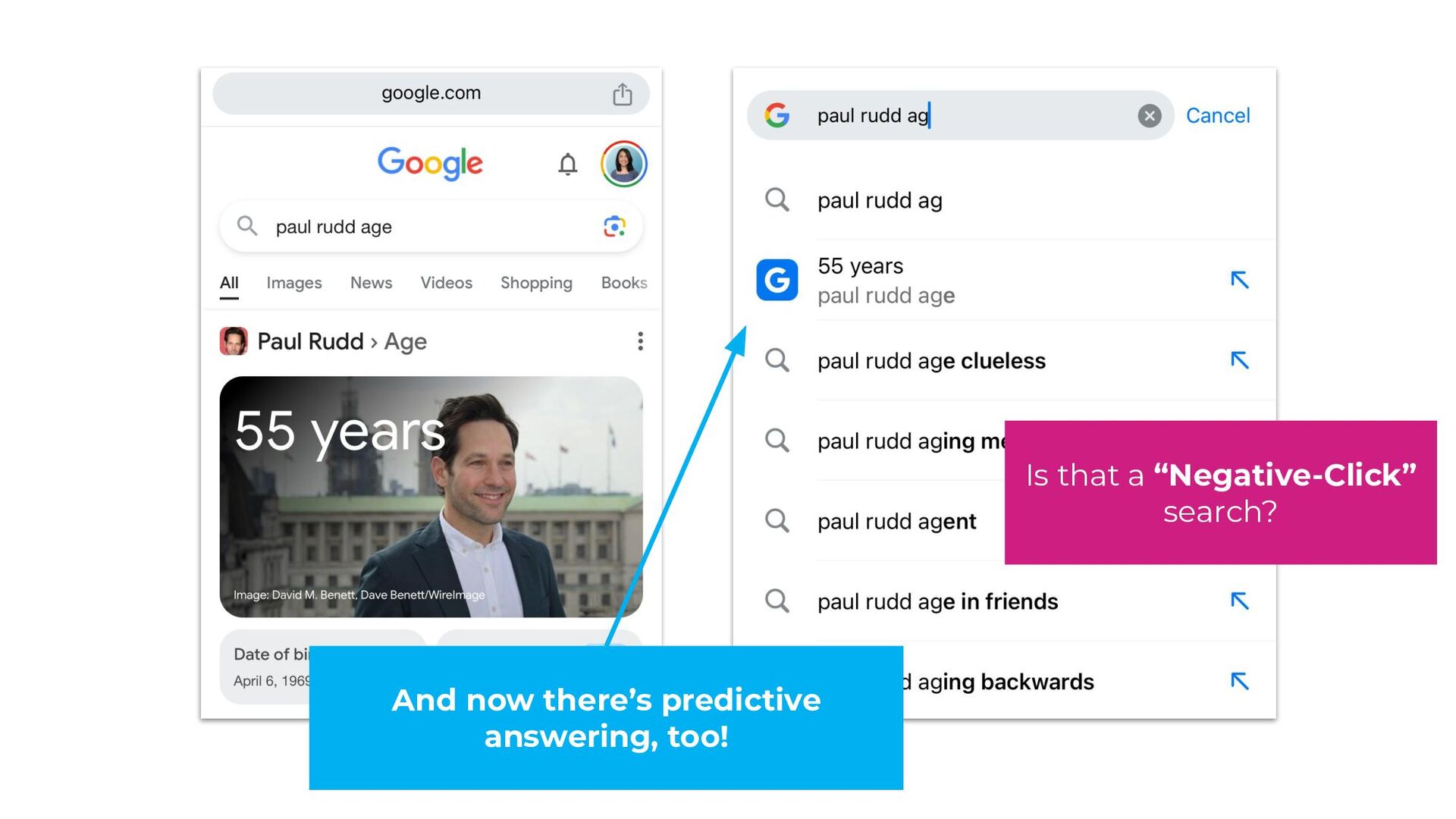
Google's just giving 'em right to me and this is very convenient as a user, I will not argue, right? Have you googled Paul Rudd age? Everybody's Googled Paul Rudd age because he looks like he's 25, but he's actually like 54 and it's really annoying. I turned 45 today and I'm never going to look that good. Oh, thank you. Yeah, and I think a bunch of websites feel the way the Spruce does, which is like, Hey Google, we had a deal. When Google comes to your website,
they crawl your site, they're using your bandwidth, which you pay for, and then they are taking your content and they are indexing it and they are getting without permission, right? With note, you don't have to sign anything. They're not giving you any money for it. They get to use your copyrighted work, the things that you have worked hard to create and your marketers have worked hard to create and they get to store that and use that for their own purposes to answer questions or create Bard. Now, Gemini,
their AI system and Google is like, well, I think they drop the don't be evil because the new thing is like I, they're altering the deal and every year the deal gets worse, gets worse for marketers, gets worse for publishers, gets worse for small businesses.
I think a lot of their behaviour is borderline criminal, but because they're a powerful monopoly and because the United States we have this thing where you can give money directly to politicians and then say, do the thing that I want. I believe you would call it legalised bribery here and in our country, this is very popular.
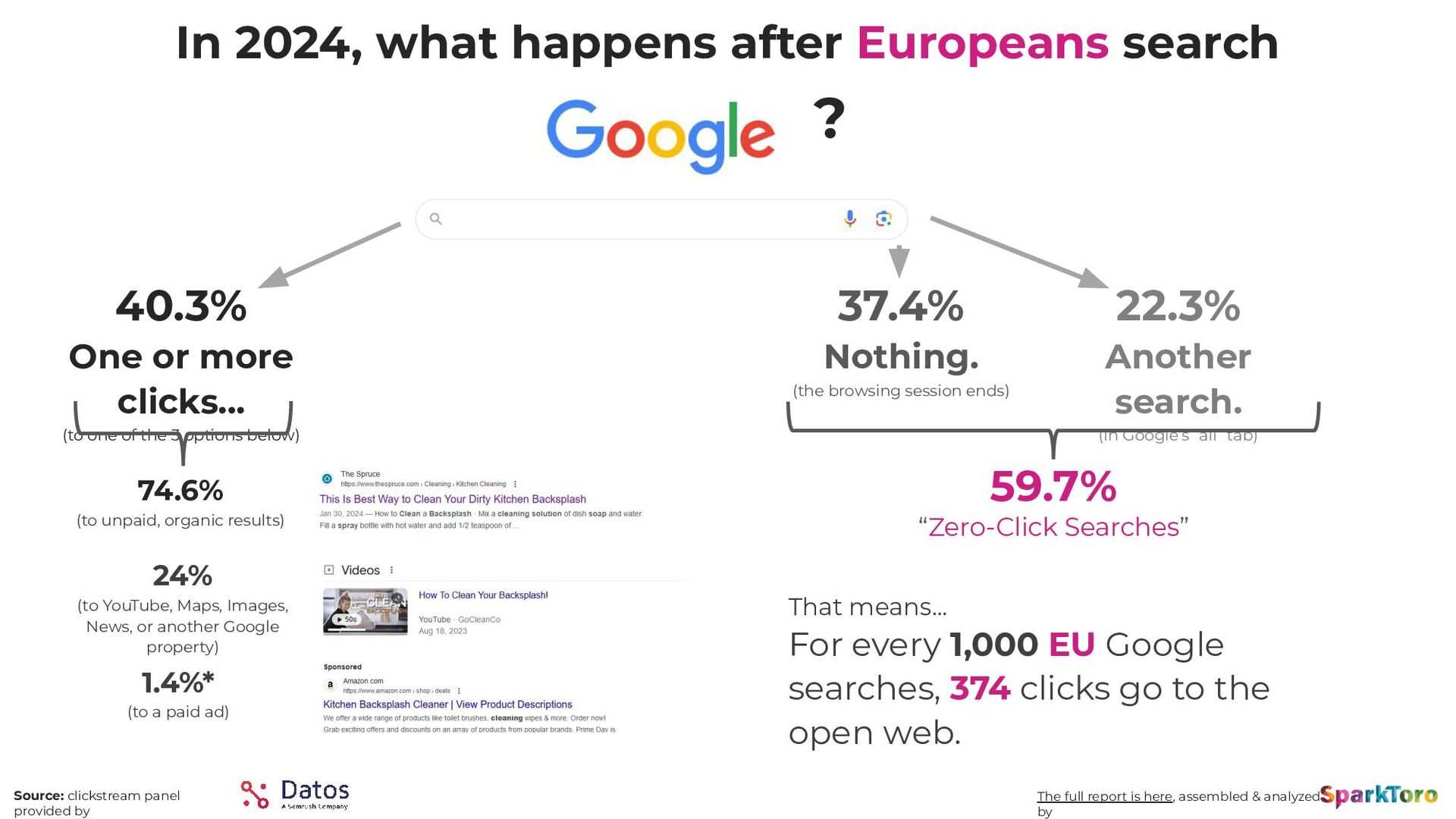
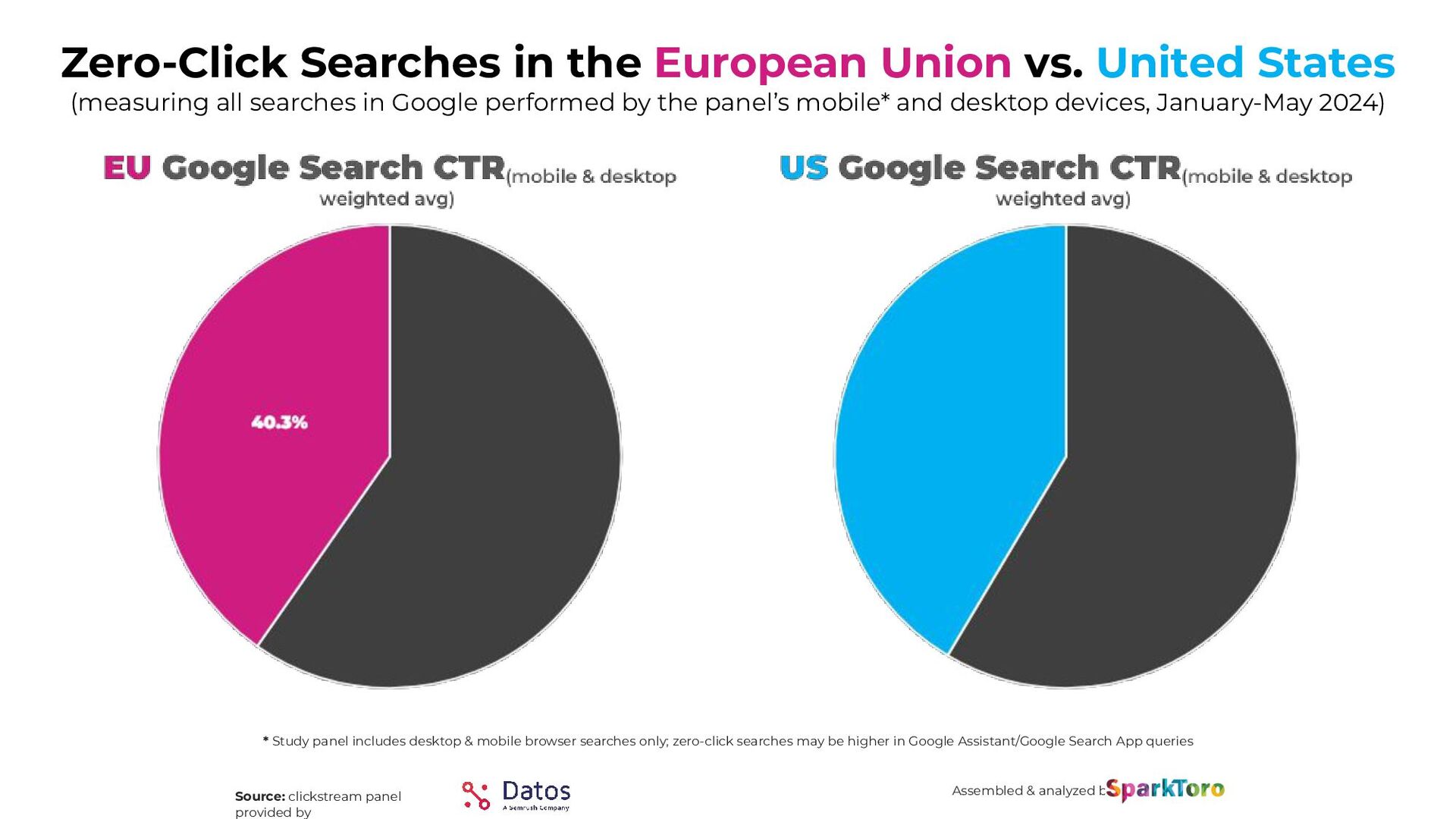
And so recently I did a study, probably many of you saw it, it got a lot of press and attention and traffic, which is something that's hard to come by these days. But we looked at European and American searchers using our panel clickstream panel of data, which comes from, Datos a big clickstream data provider.
And so after a Google search happens, 40.3% of searches result in a click on something. That something can be one of three things. It can be on organic results, which the field that I used to be in with my previous company with Moz, it can be on YouTube or Maps or Google News or Google Hotels or Google Flights or Google Finance or Google. We own everything or Google, why would you even try to compete with us? You are nothing.
Or it can be 1.4% on a paid ad. So paid ad, this is a combination of desktop and mobile. So I'm blending the two here, but in 60% of cases, almost 60% of cases it is nothing or another search. So lots and lots of zero click searches, almost two thirds of searches are zero click searches and those maybe they add some value. But essentially the number here, because just FYI, when it's a click on average for every search that has a click, there are 1.23 clicks.
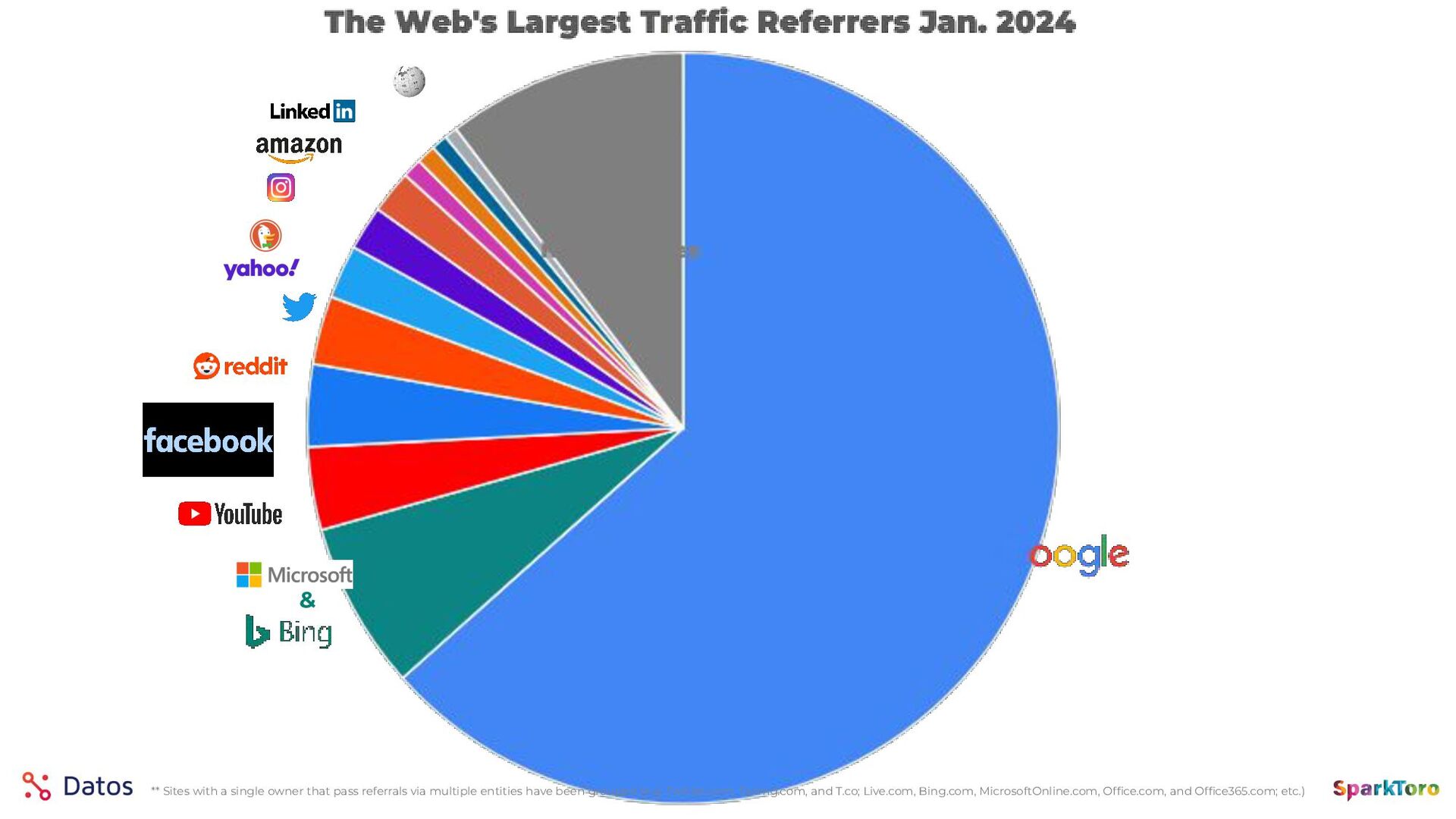
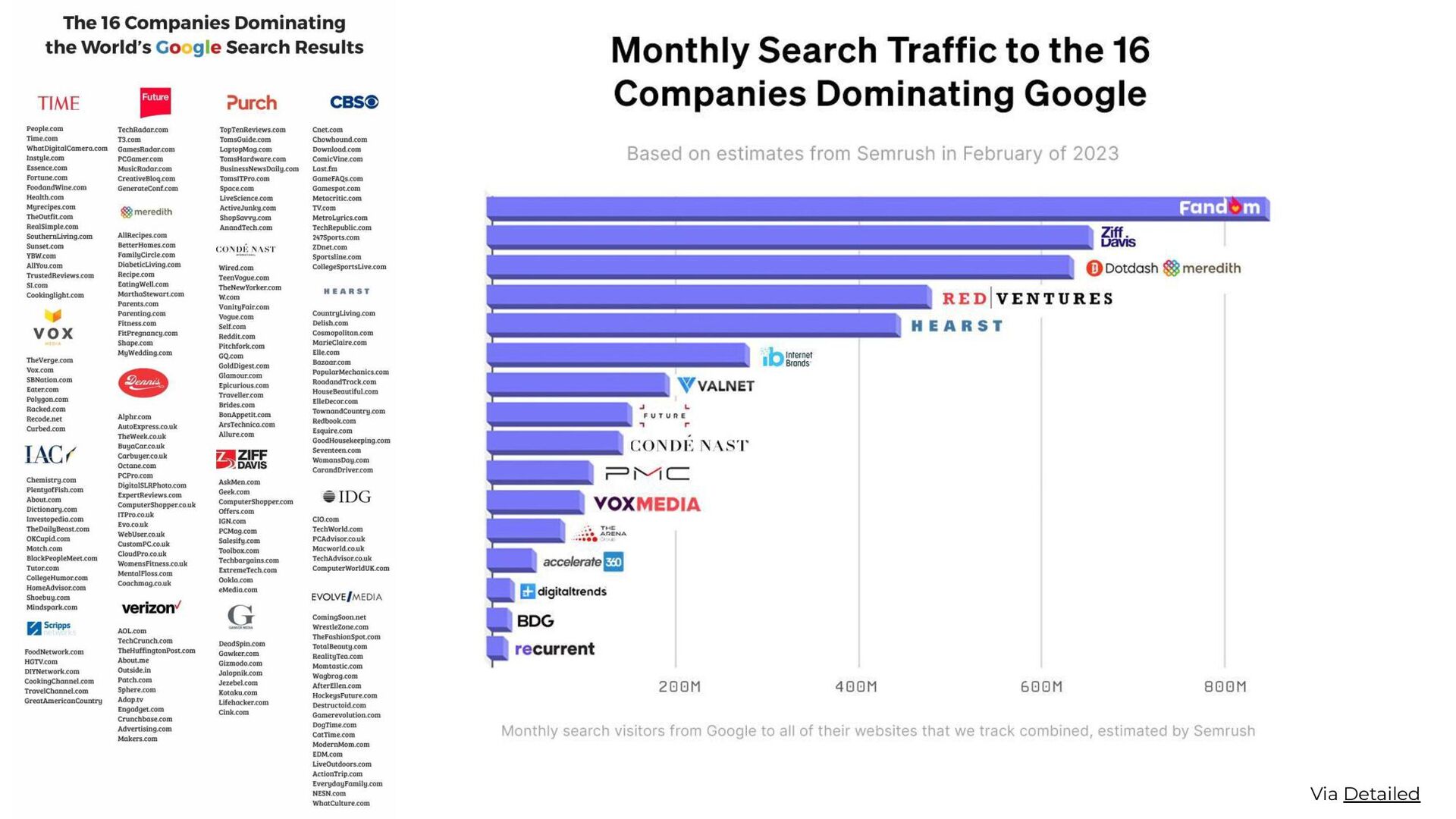
So the math basically gives you for every thousand searches that happen in the EU 374 result in a click to a non Google owned property, which is something, it's not great, but it's something even worse. That is almost 75% of all traffic, all referral traffic on the internet comes from Google.
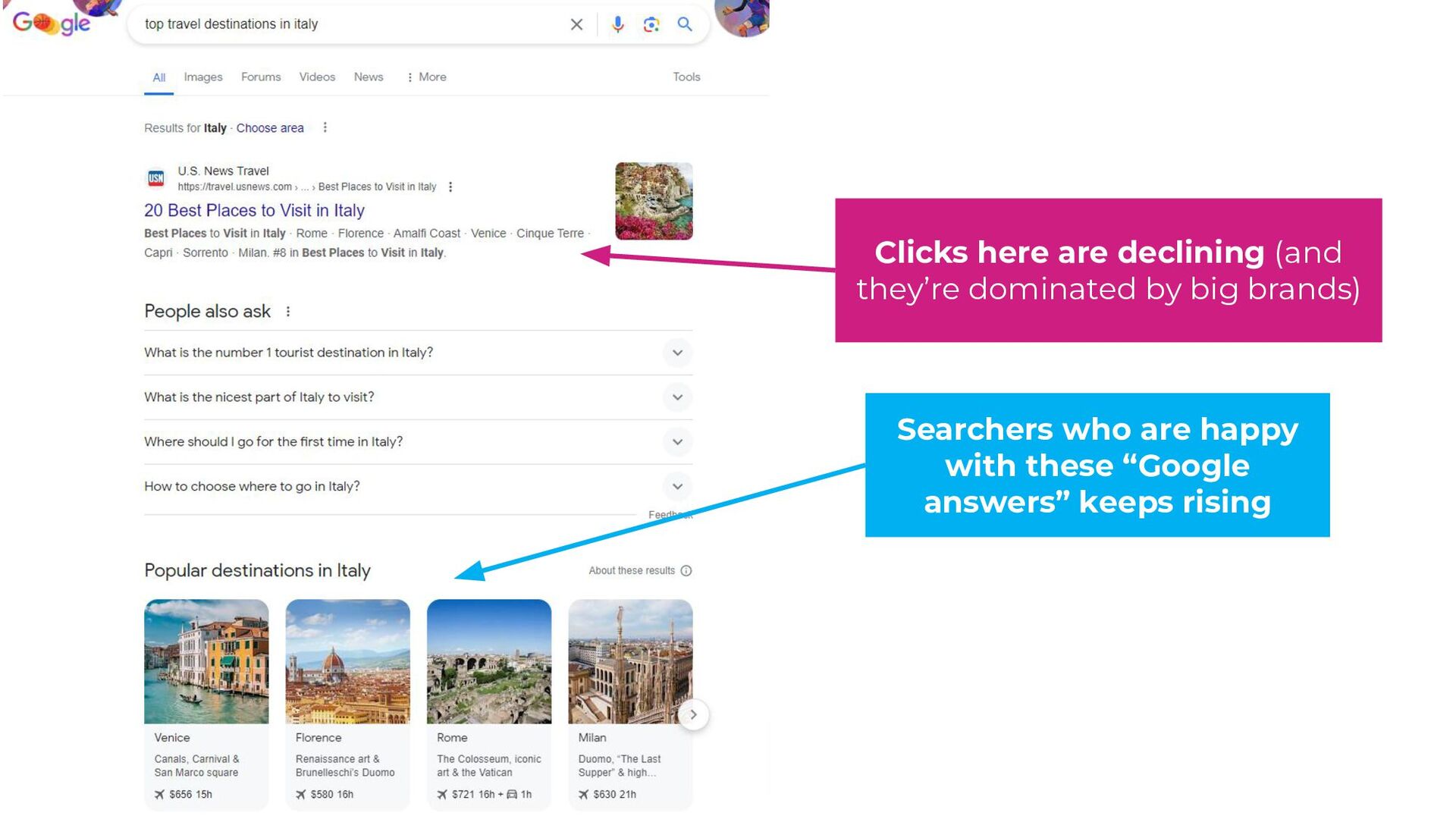
So you might look at this and go those ship bags, they're taking all our traffic. They're also the only ones sending it very close to it. So look, I mean clicks here are declining and they're dominated by a few big brands. Searchers who are happy with all these Google answer results that keeps rising unbelievable, unbelievable.
You know what Google's doing now when you search for this, you don't even have to search. Have you seen this in your mobile device? I don't. What is that negative one clicks. You know what? It was too much to have a zero click search.
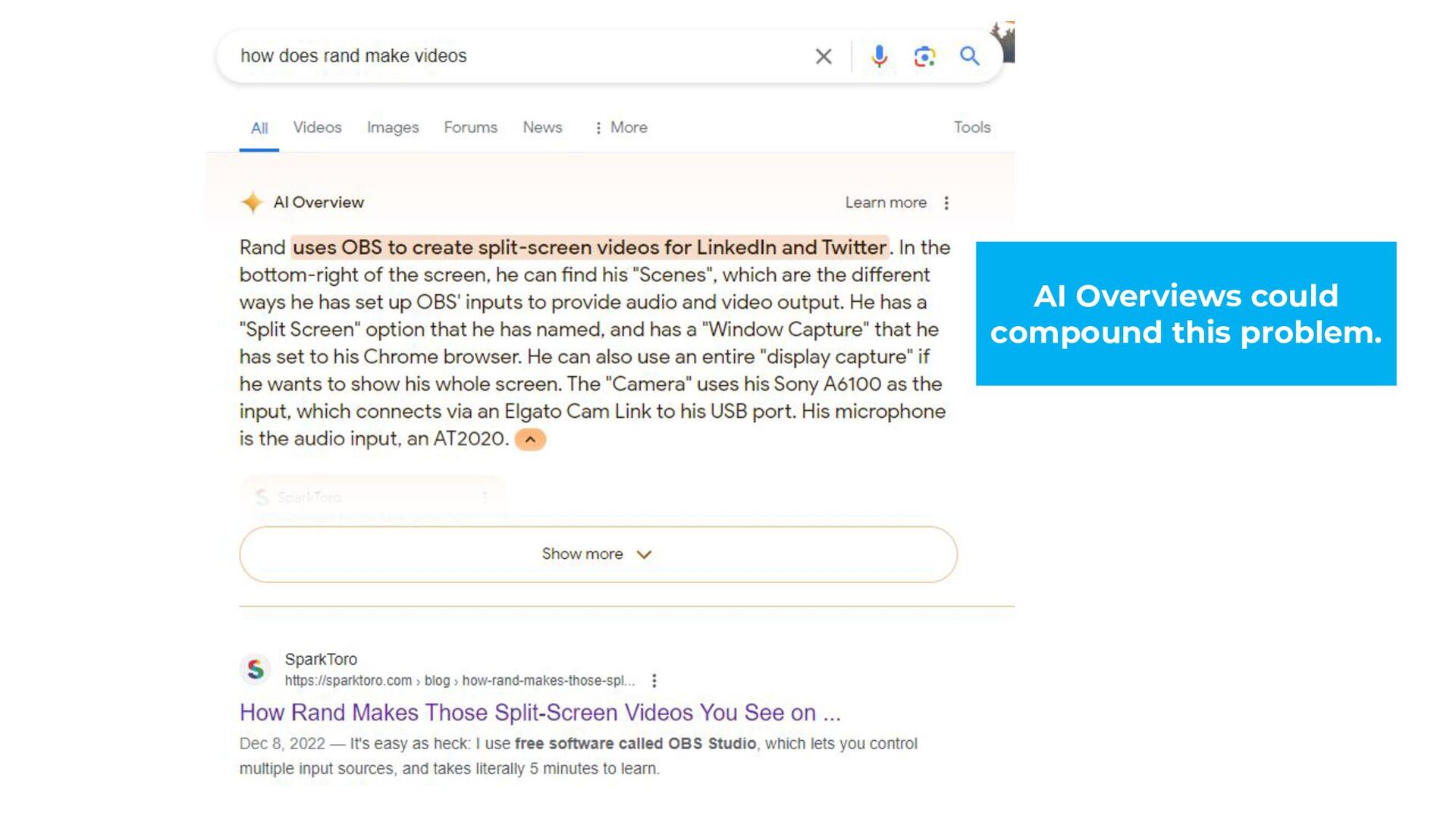
Let's just answer it before they start typing. The thing is we all get used to it, right? So we're like, I never need to leave Google. Negative click, I don't know. When the AI overviews eventually get better and roll back out is not going to get, this problem's going to get worse.
So I compared zero click in the EU versus the us. It's actually really similar for those of you who are like, wait a minute, didn't the EU enact all these laws that I know I'm using the EU? We technically did not measure the UK, but you can make a reasonable assumption that UK is somewhere in between EU and US and the difference is negligible anyway, but it's not just a Google problem, right? This expanded to the rise of zero, click everything everywhere all the time, no clicks for anyone. Why would you click? Clicking is dumb. Instagram,
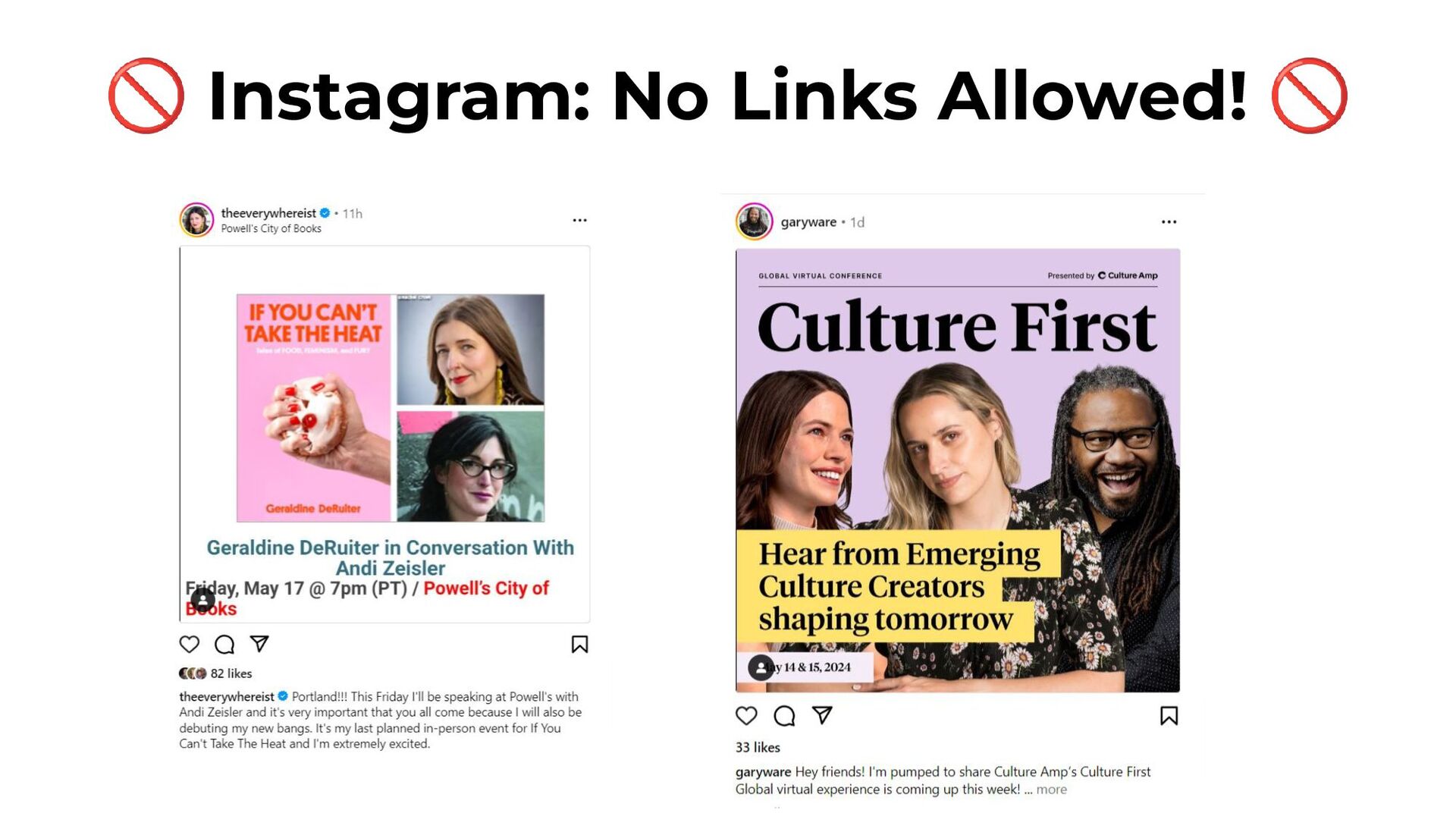
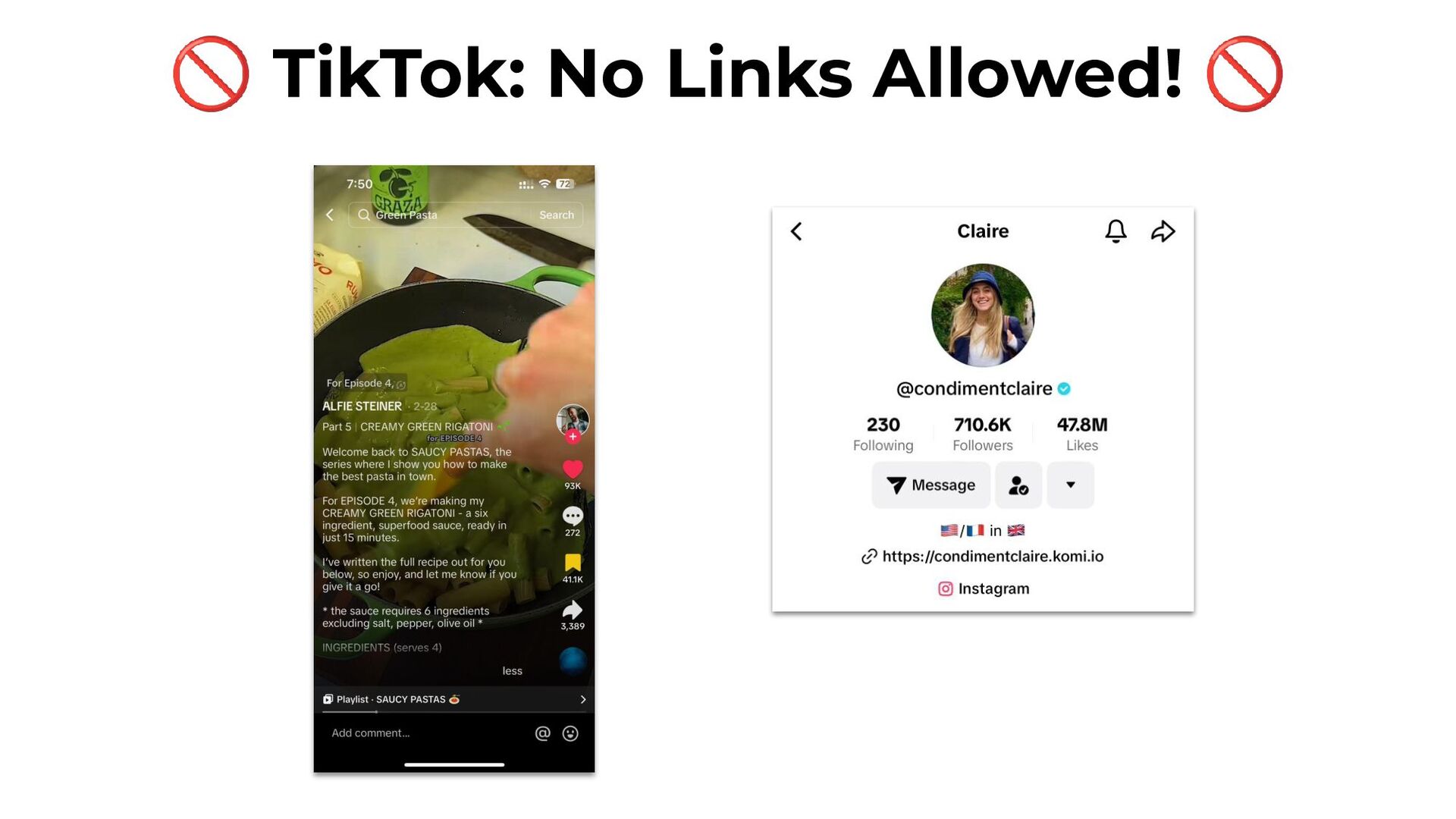
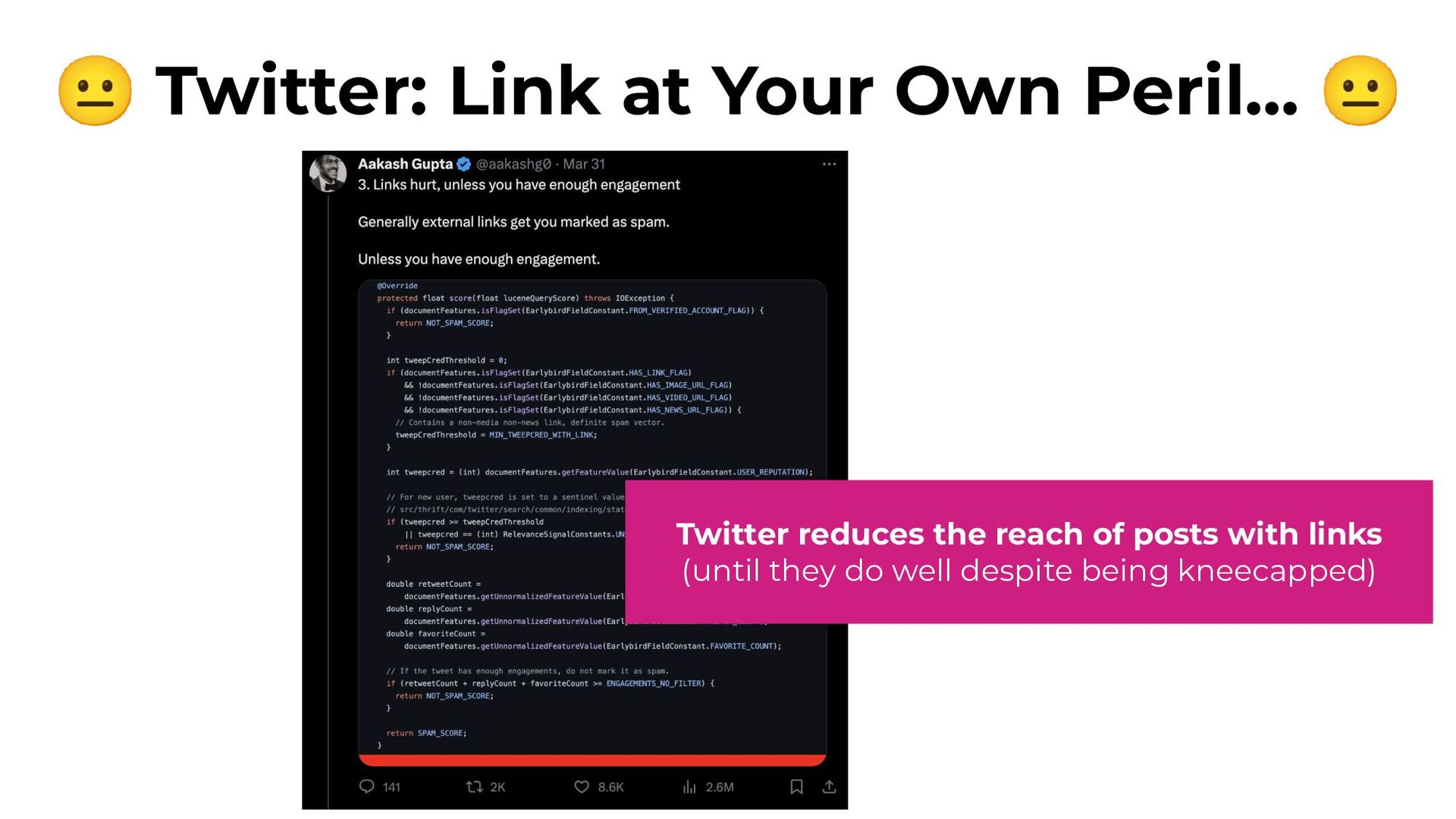
no links allowed. Links in bio. That's the only place TikTok, no links allowed link in bio except last year they tested a no links even in your bio, they just automatically removed them. Twitter is a link at your own peril platform. So what you might imagine from the first 10 minutes of my talk that I have a low opinion of Elon Musk, you would be quite correct, actually, you'd be wrong.
My opinion is much lower than that. But Twitter, one of the few good things that I think Elon did was when he bought Twitter, he promised he was going to open source the algorithm. I'll make the algorithm visible to everyone. Anyone can see what's really going on behind the scenes.
You know what you can see behind the scenes, okay? Two things. One thing is if you put a link in your tweet, Twitter's platform automatically reduces it reduces the reach considerably. You want your tweet to do well, don't put that link in there. It's going to underperform.
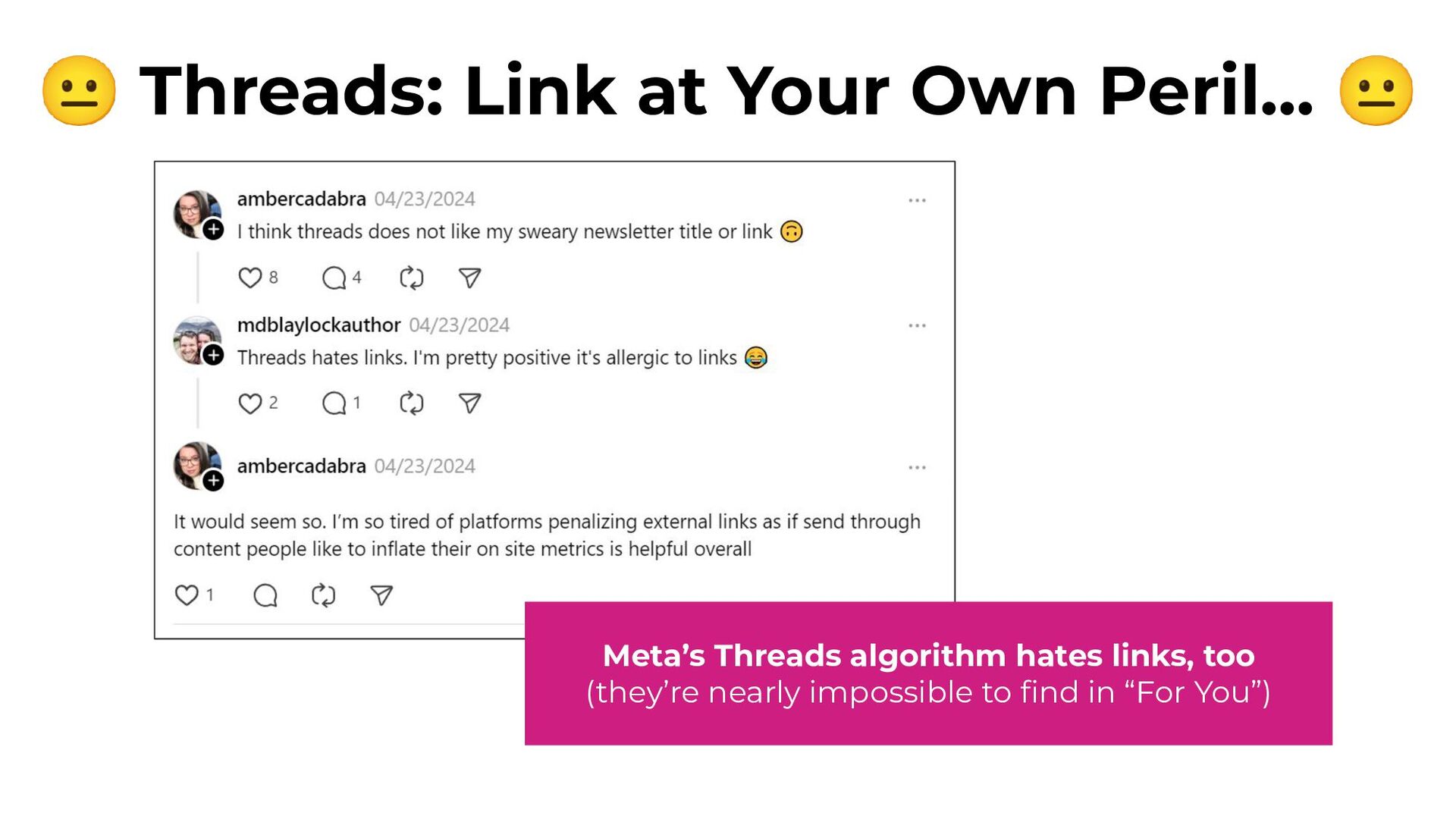
The other thing that I think is quite interesting is a reply to a tweet is worth 27 likes in terms of amplifying the visibility. So instead of asking your friends to like your tweets, just reply, maybe ask them to reply. Threads is a link at your own peril platform. I think they have a very, very similar algorithm to Twitter, LinkedIn, same story.
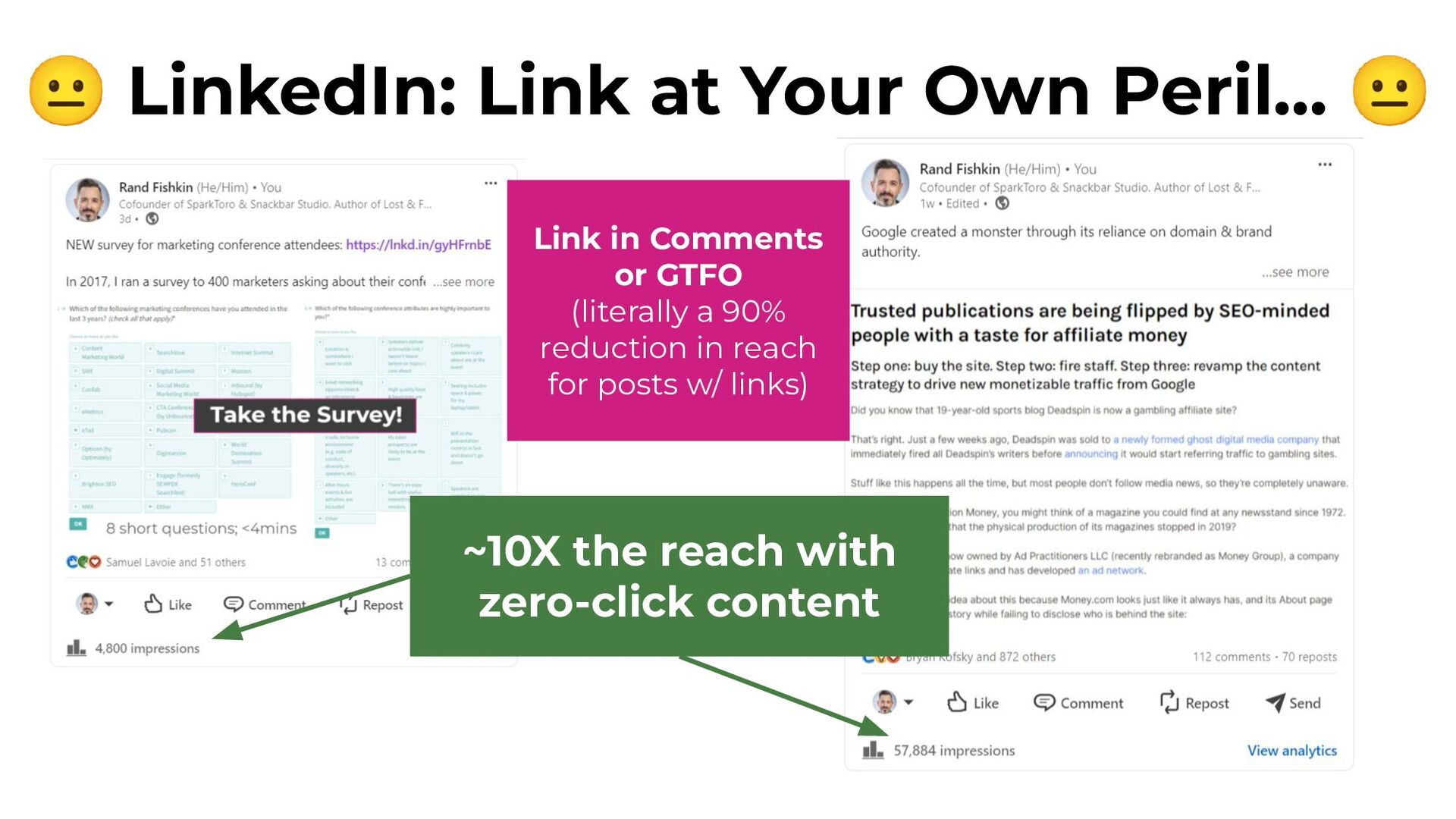
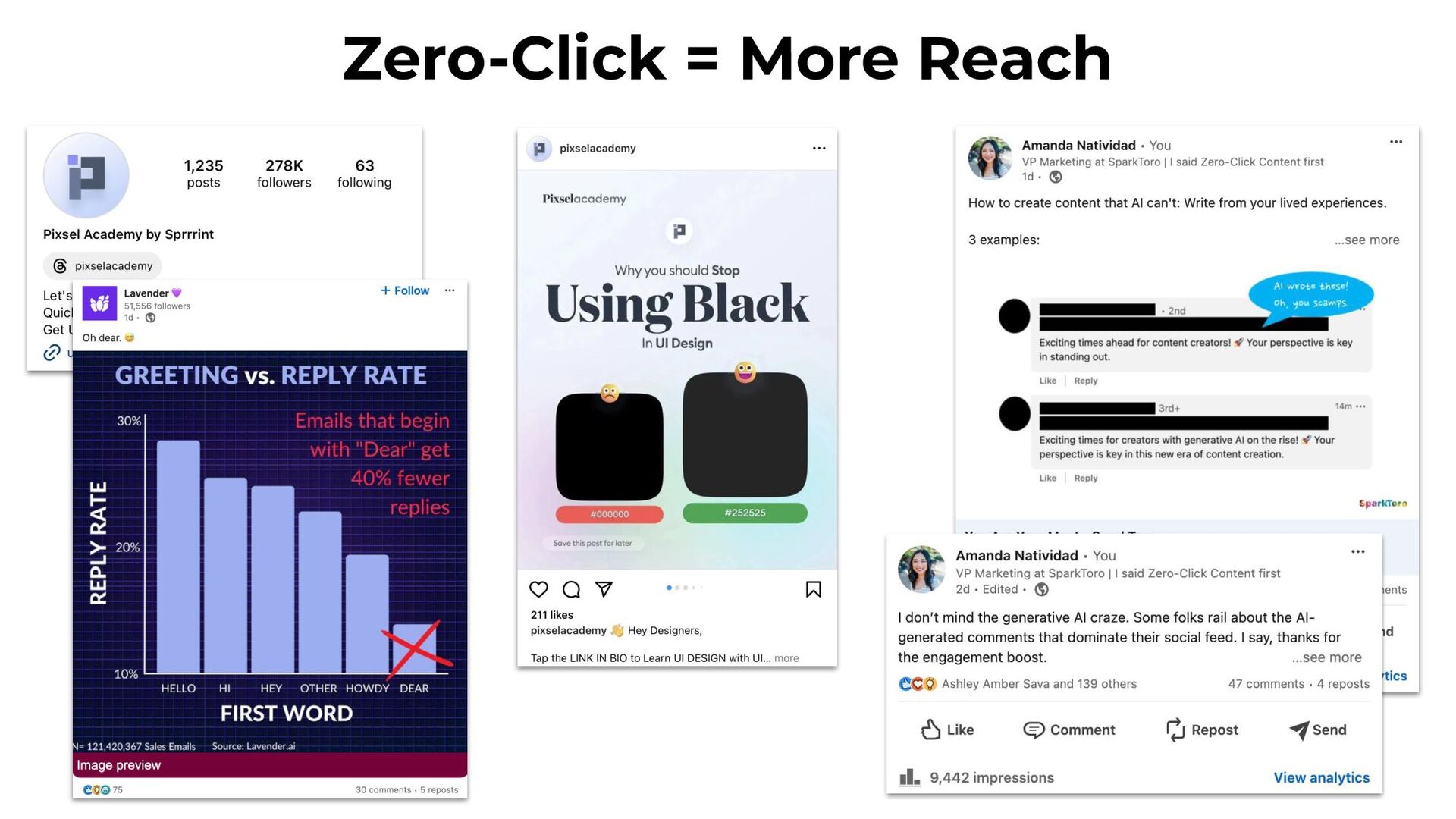
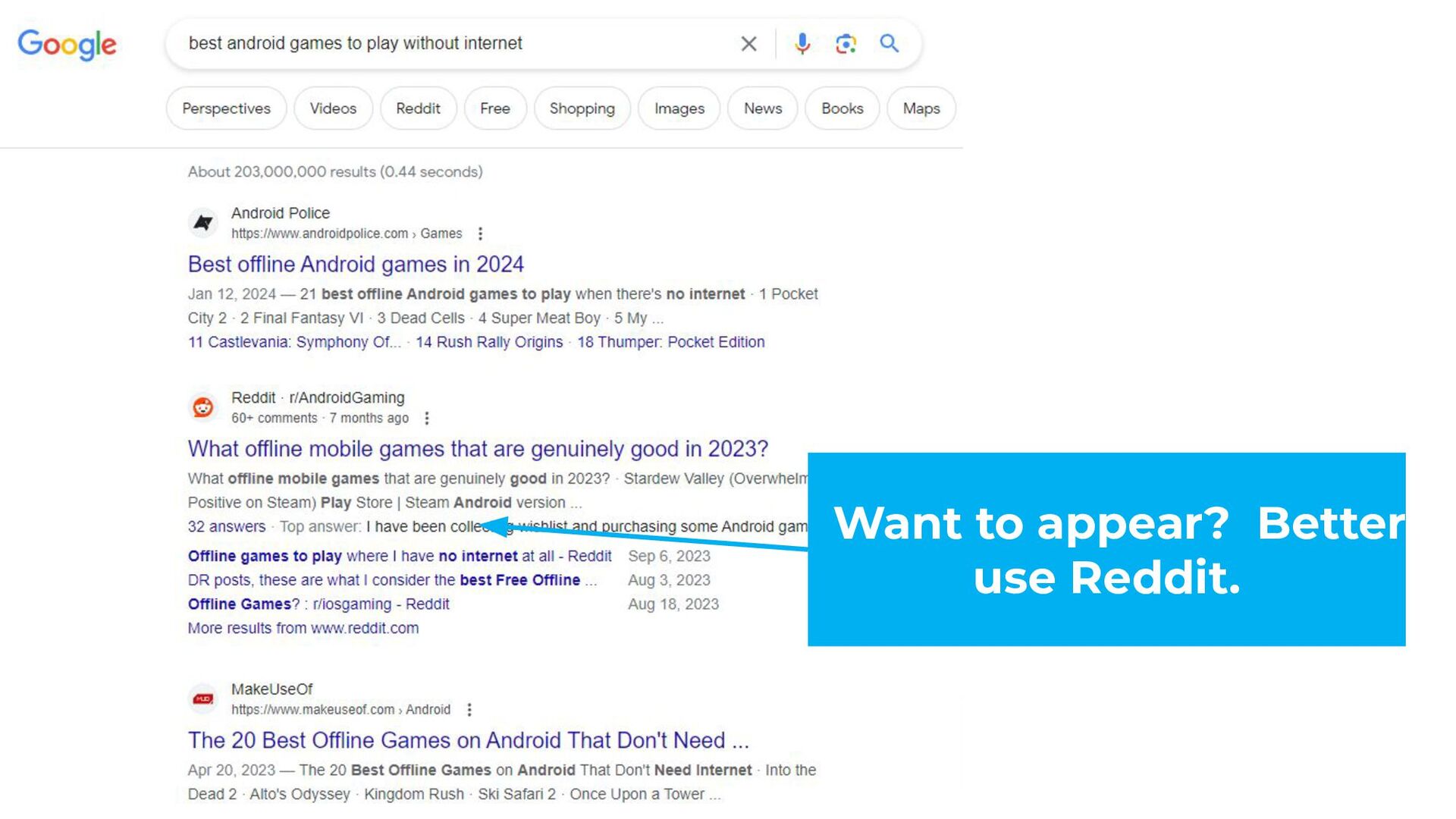
You're probably, I'm sure you've all seen 'link in the comments'. That's not because marketers are dumb, it's because they're smart, they know what they're doing. You try getting a link in here. So I've done this test a bunch of times, it's about 10 x the reach.
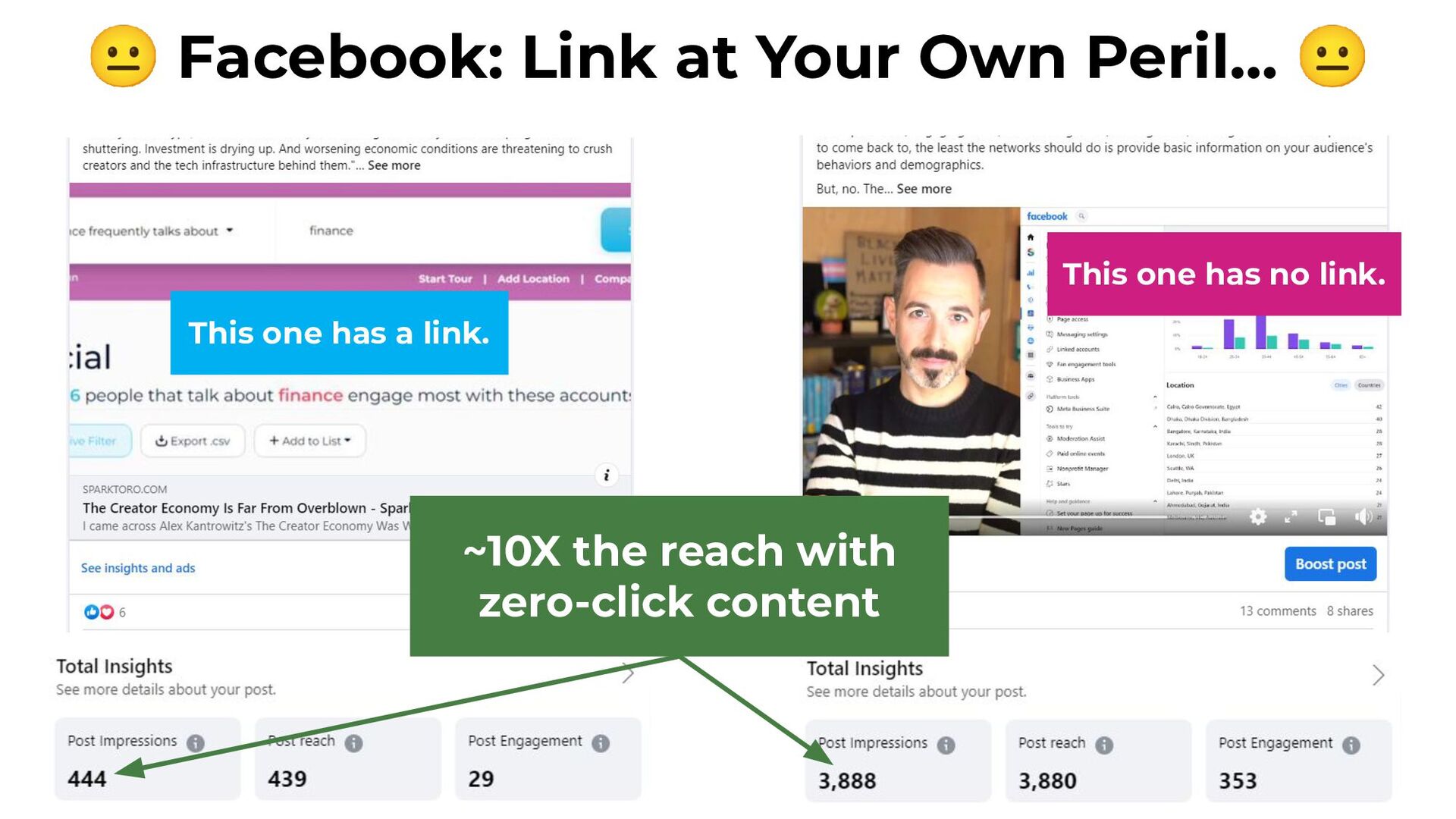
So if I put a link in my LinkedIn post, it will do one 10th as well as if I include no link in the post, right? Because LinkedIn wants you to stay on LinkedIn. Reddit wants you to stay on Reddit, Twitter wants you to stay on Twitter, Facebook wants you to stay on Facebook, don't go to other websites that is not good for their bottom line and growth.
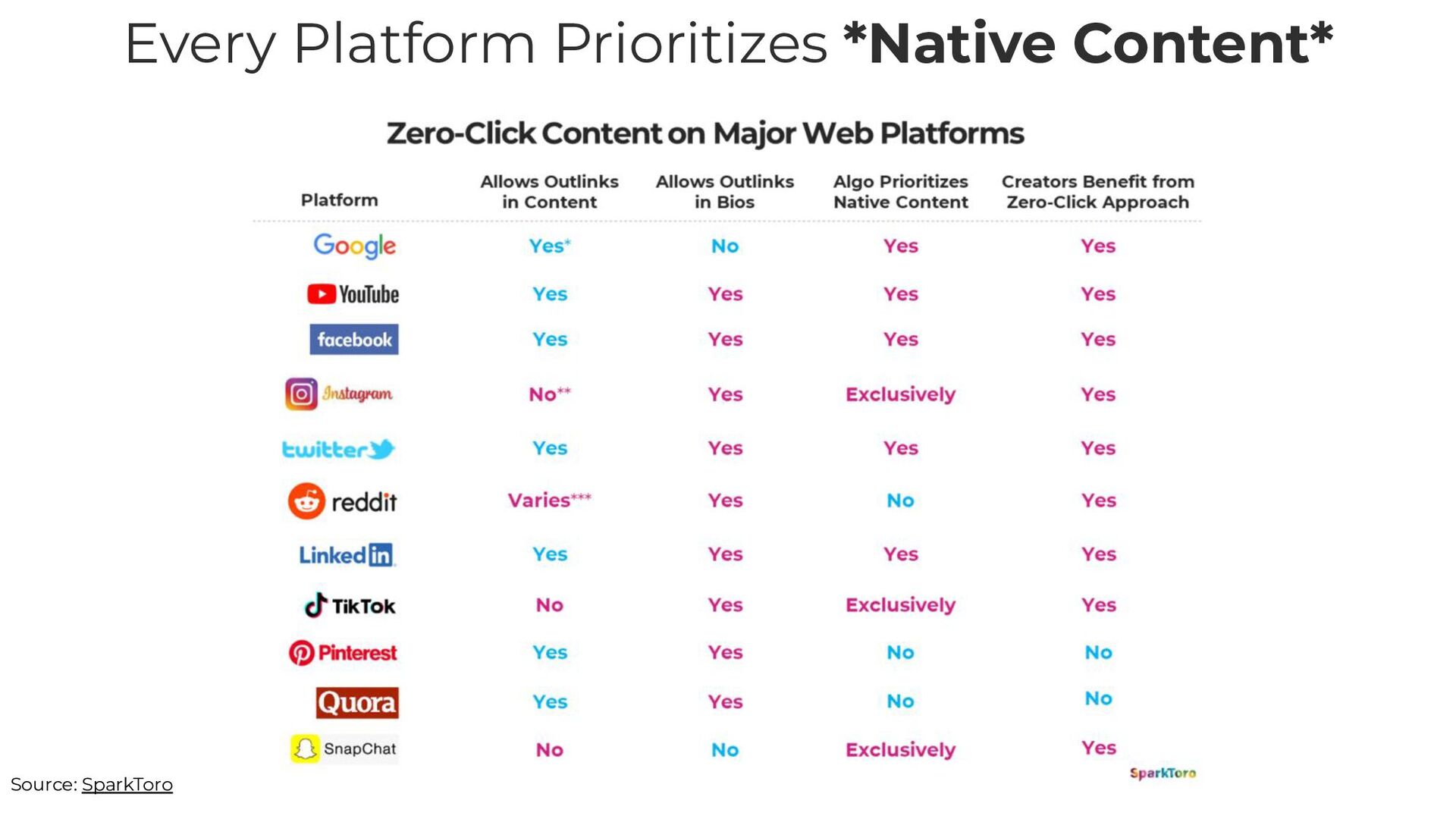
And since the internet has sort of reached growth capacity, right? There's no new users for them to acquire, they got to get the growth from somewhere. So they're getting it from existing users. So we did a big study, Amanda, VP of marketing, at SparkToro and I did this big study looking at which platforms prioritise native content, zero click content. It is almost everyone, right? Some of them exclusively.
And then if you would like worse news, I have it for you. Did I mention the first half of the presentation would be extremely depressing? This is the Scottish weather of marketing presentations. How do you live here? I live in Seattle, Washington. I have visited Edinburgh four times.
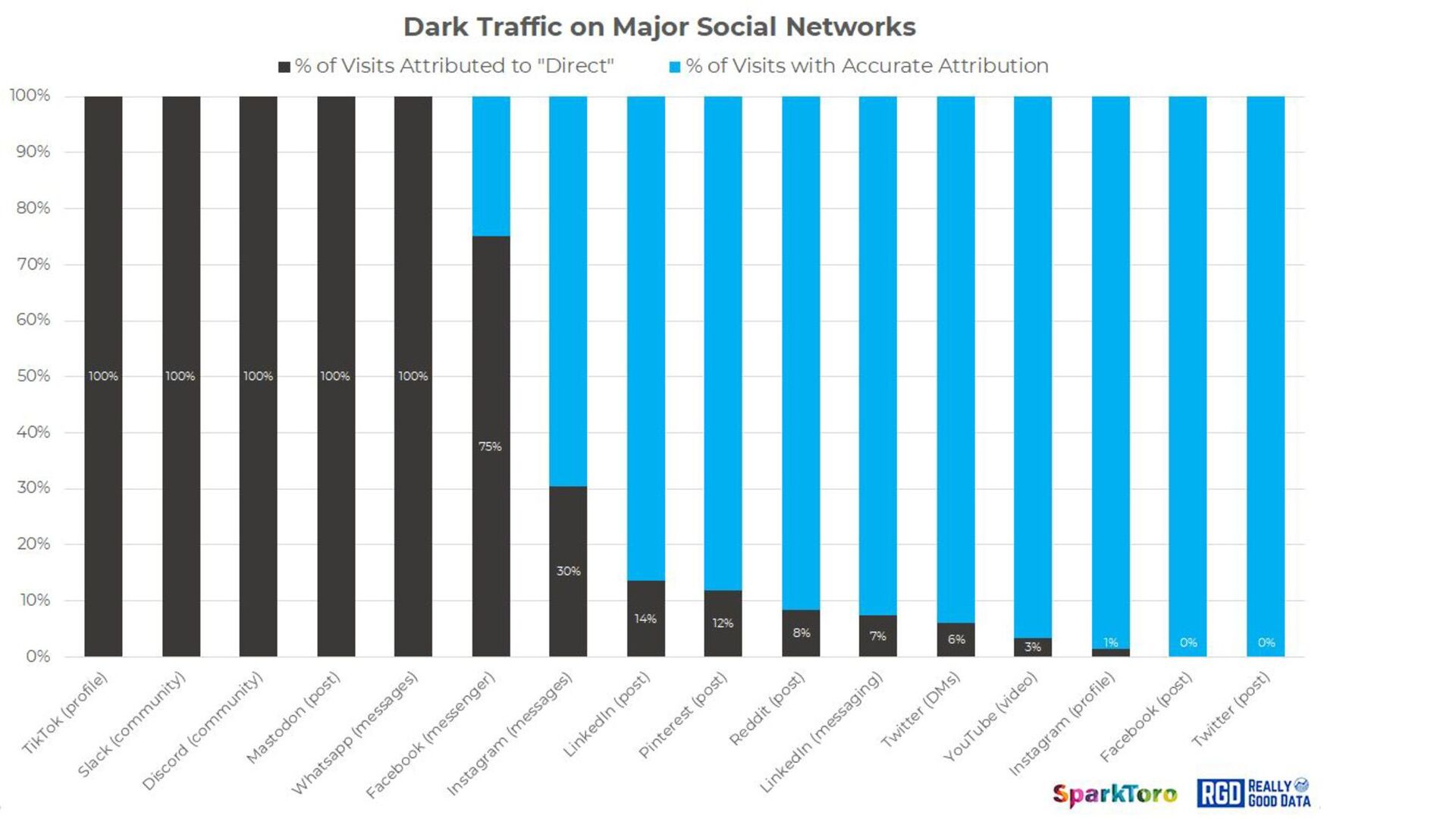
I have seen the sun twice for an hour and a half. So dark social, you familiar with dark social? This is essentially the principle by which traffic that is sent through social networks on those clicks is passed with no referral string. Meaning when you look at your analytics and you're like, oh, TikTok sent me some traffic. Nope, you'll never see a single visit from TikTok.
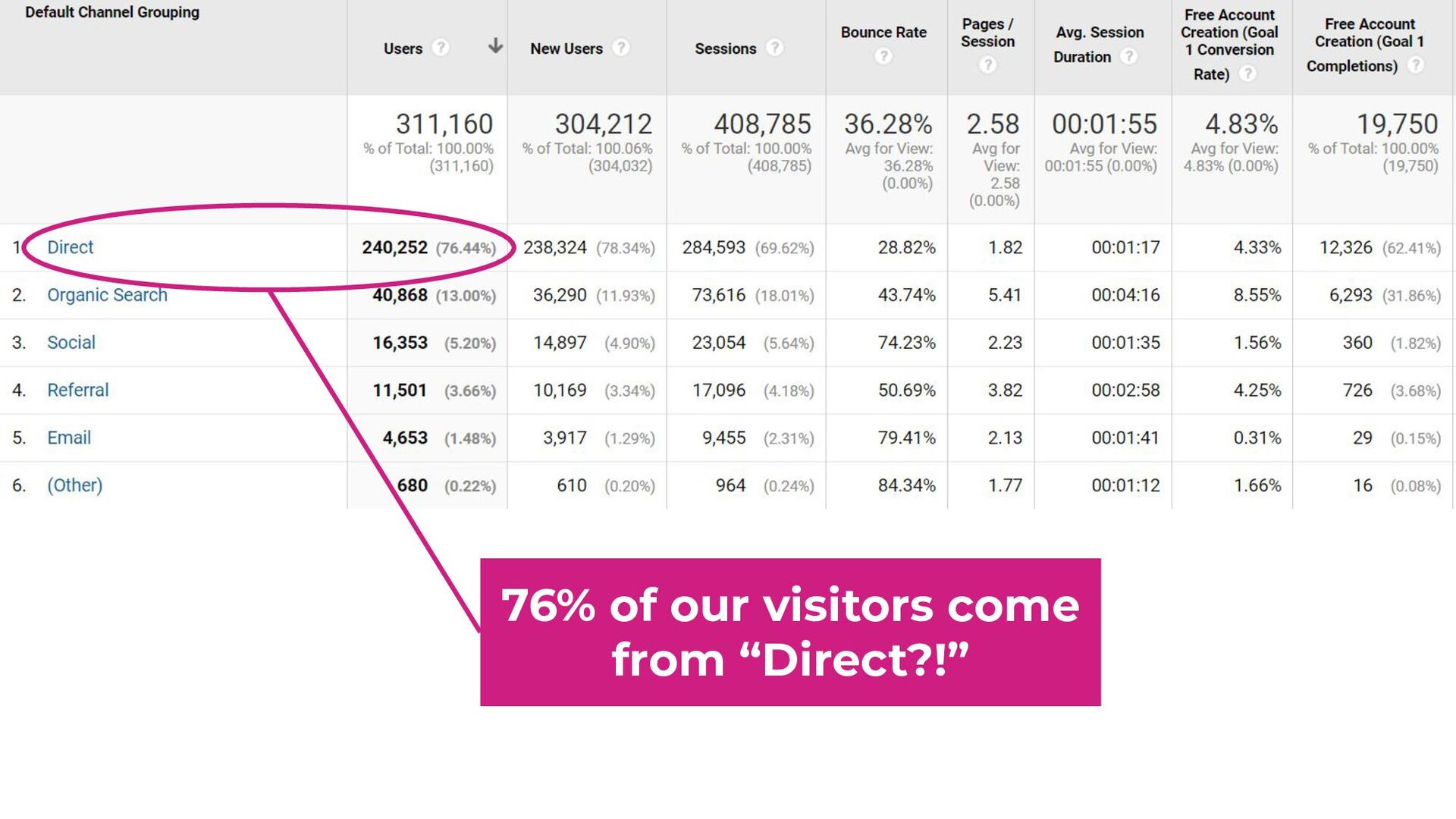
Not one because they exclude exclude the referral string unless you're paying them, right? Obviously if you pay TikTok, then they will send you the referral string. So we looked and we were like, gosh, 76% of our visitors come from direct. This is on SparkToro's website.
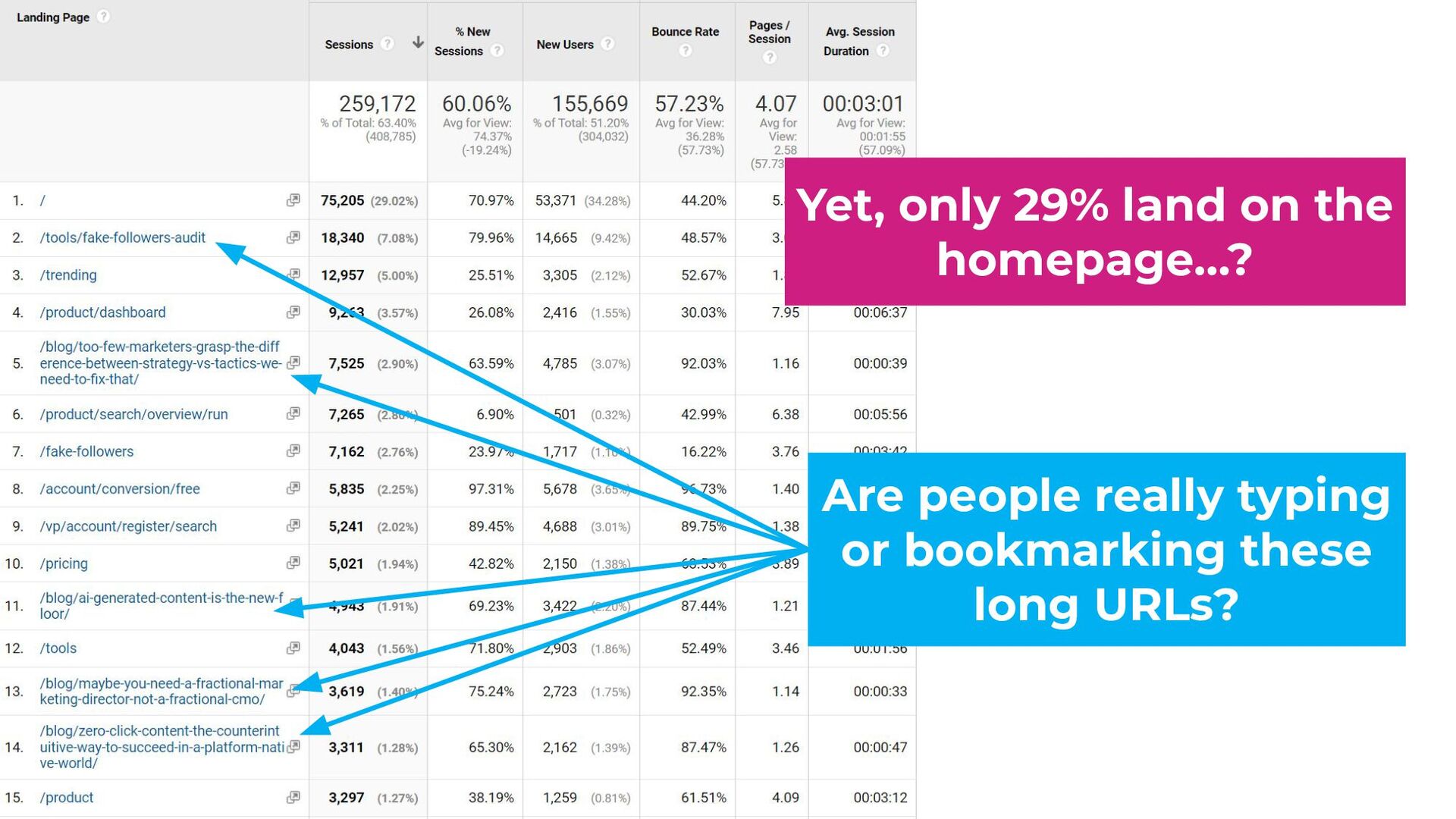
I'm using my own analytics here. Is it possible that people are really typing in or bookmarking those URLs? Look at those urs, do you realise what you'd have to do? You typed in slash blog slash MAYBE hyphen, what? No way. I don't believe it can't possibly be true. What's happening?
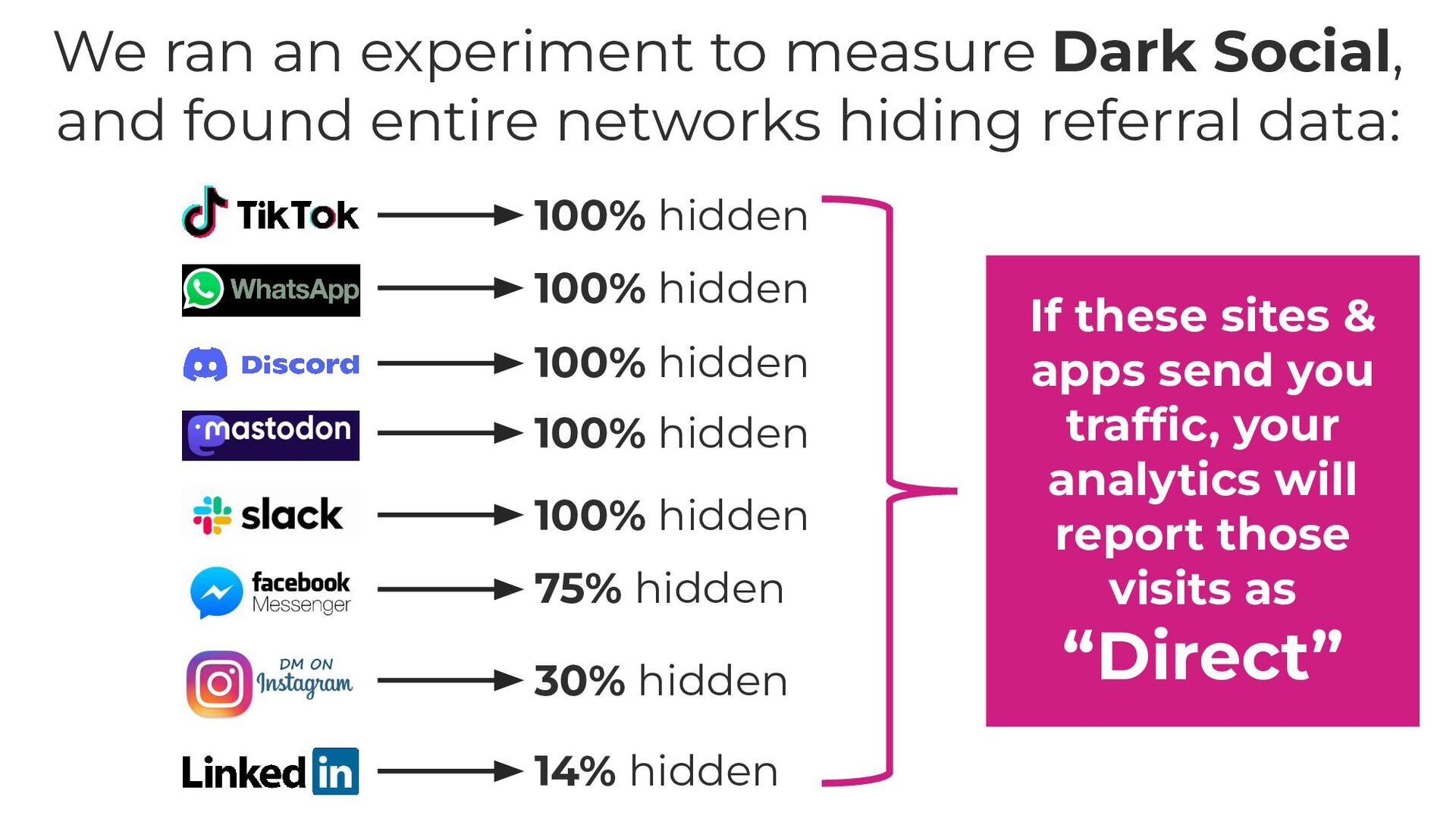
So we ran this experiment where we asked a big room full of people like you all over the world to essentially go click on URLs that we added into social profiles and social posts that we made sure were private and nobody else could see them.
And then we measured all the people who clicked on those by recording the clicks themselves from their devices. And then we looked at the traffic that was reported by analytics. And you can see that for some reason, LinkedIn hides 14% of visiting referrals. Who knows why that is? I dunno.
Instagram is 30%, Facebook Messenger 75%, Slack's a hundred percent hidden. If you're in B2B marketing, Slack is sending you some great traffic, absolutely invaluable traffic. People who are definitely converting because their boss, their team, whatever, said like, Hey, you should go check out this website and you will see nothing, not a single thing from it. And what will happen when this happens?
Your boss, your team, your client, your CMO, your CFO, your CEO, they will say, why are you wasting your time on that? Because it looks like a waste. You can't see the traffic. So this is a graph of all these platforms that we measured and you might be asking yourself like Jesus Christ Rand, does anybody still send clicks? Anyone?
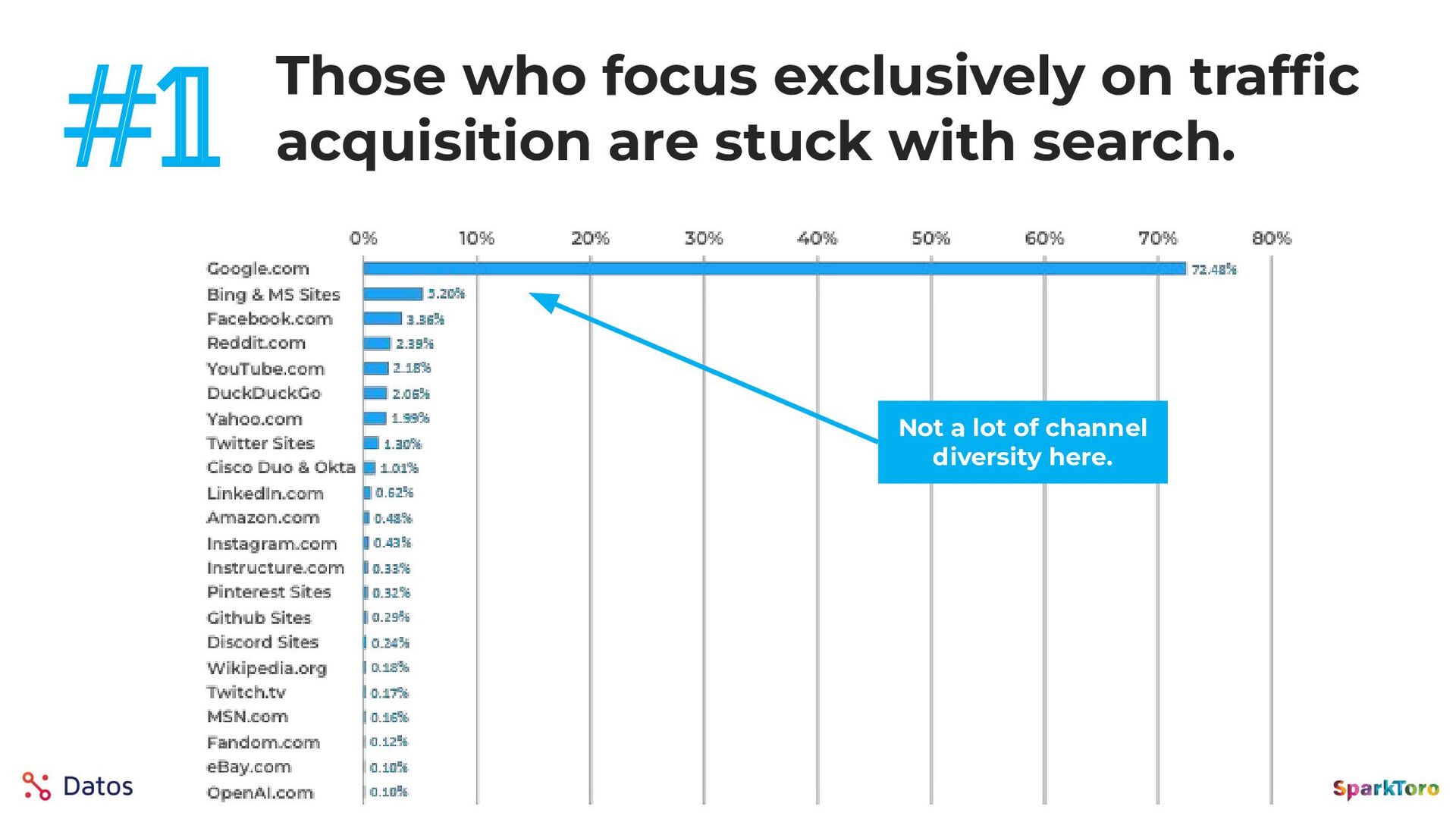
Just yeah, I think I mentioned we did a research study again with Datos in January of this year, and we looked at who still sends traffic on the web. So this is global traffic now. Yeah, so Google sending almost all the traffic combined.
Search engines are about 75%, right? So this is Google plus Microsoft and Bing plus. Oh, right, I'm supposed to click a little slower, sorry. Okay, there we go. So for those of you who are thinking, wait a minute, perplexity.ai and ChatGPT, where are they in here?
I do have, we did measure OpenAI, they're the zero, sorry, they're in the next 155 sites, but not high up in it. They're a tiny, tiny sliver of who refers traffic on the web ChatGPT sends almost no traffic, even though many people in tech and marketing world are like, no, it's huge. I'm telling you it's huge. Yeah, man, but the stats are not.
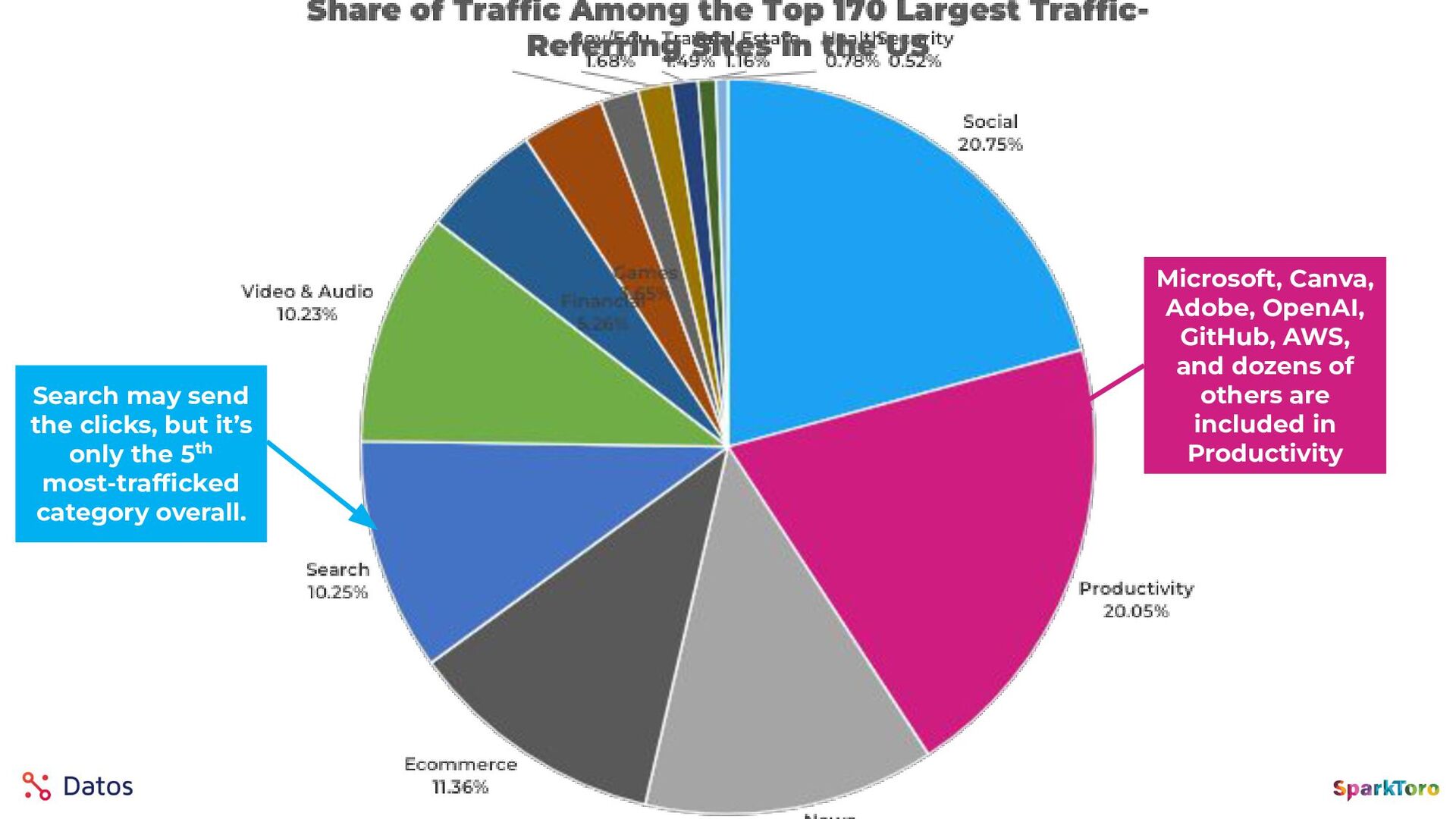
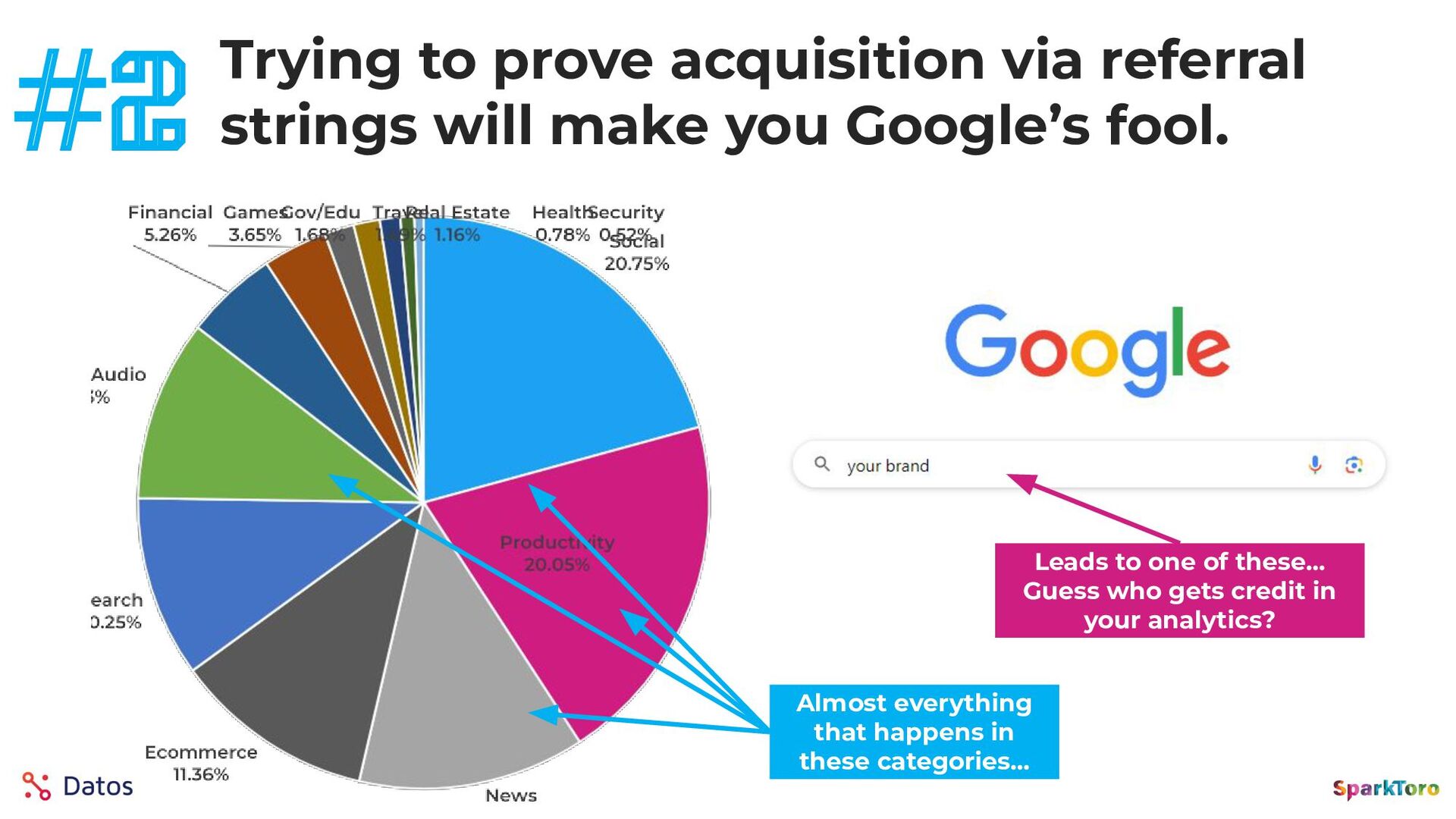
So the difference is that these places are not the same as where people spent time and energy and effort and consume content and learn about brands and learn about problems and the solution to them. This is a graph that does represent that. Do you see what I see? Search was 75% of referrals, but only 10% of traffic, right?
It is only getting 10% of time and visits spent on the web. So search may be where all the clicks are coming, but it's only the fifth most traffic category. If you're wondering, by the way, productivity is Microsoft and Gmail and OpenAI and AWS and all that kind of stuff. So what do we do?
By the way, in case you're wondering like, wait, where does this data come from? This is this clickstream data. So it's a panel of about 10 million users worldwide who Datos gets every URL that's visited by them and the timestamp of that, and it would be like, I don't know, whatever.
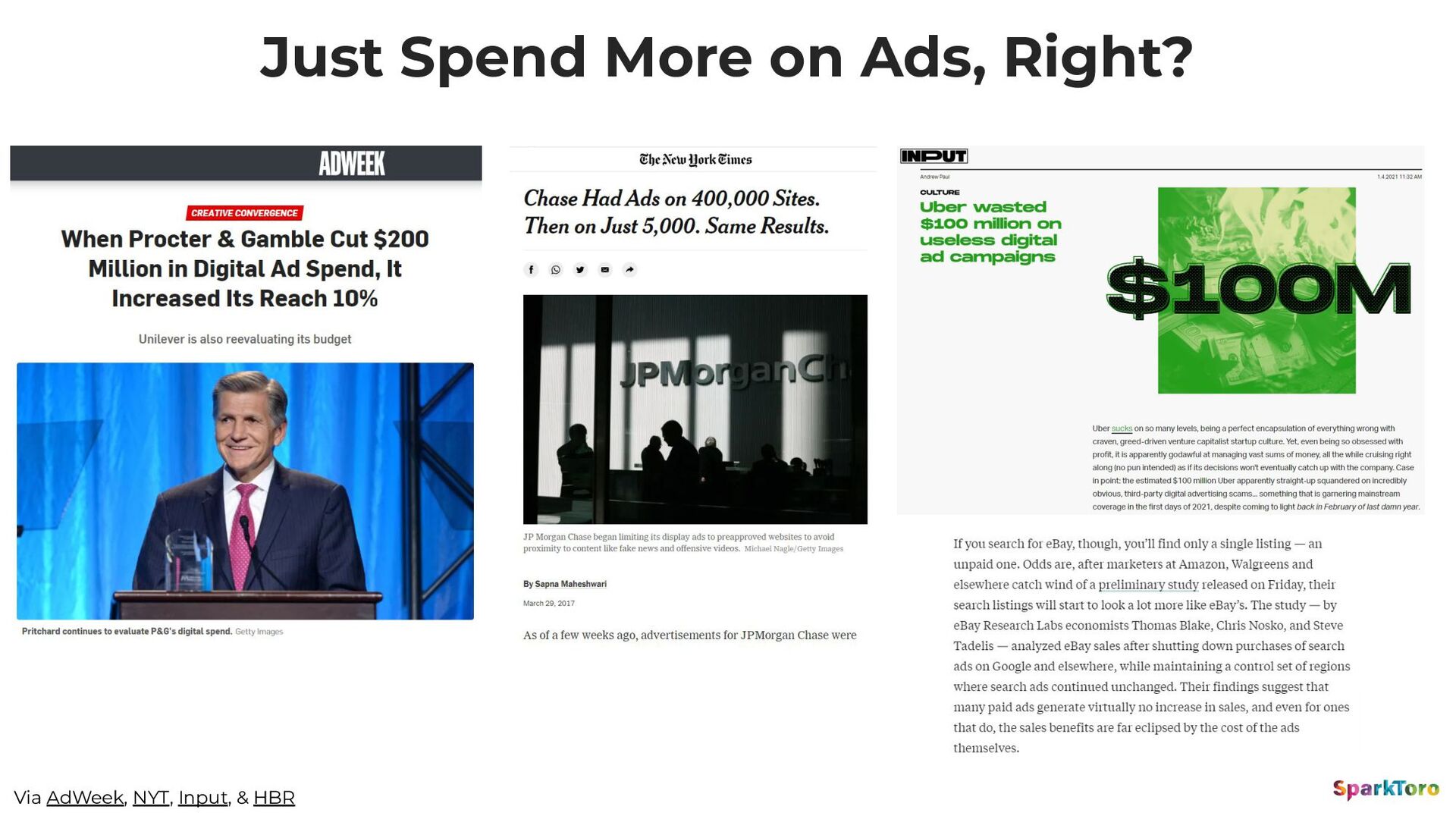
Download an app onto your phone that measures all your stuff and you get a free HBO max subscription in exchange. It's that kind of thing. What do marketers do? Some of you're thinking, well, I'm just going to have to spend more on ads, I guess because ads provide all the attribution, they'll tell me what to do in marketing.
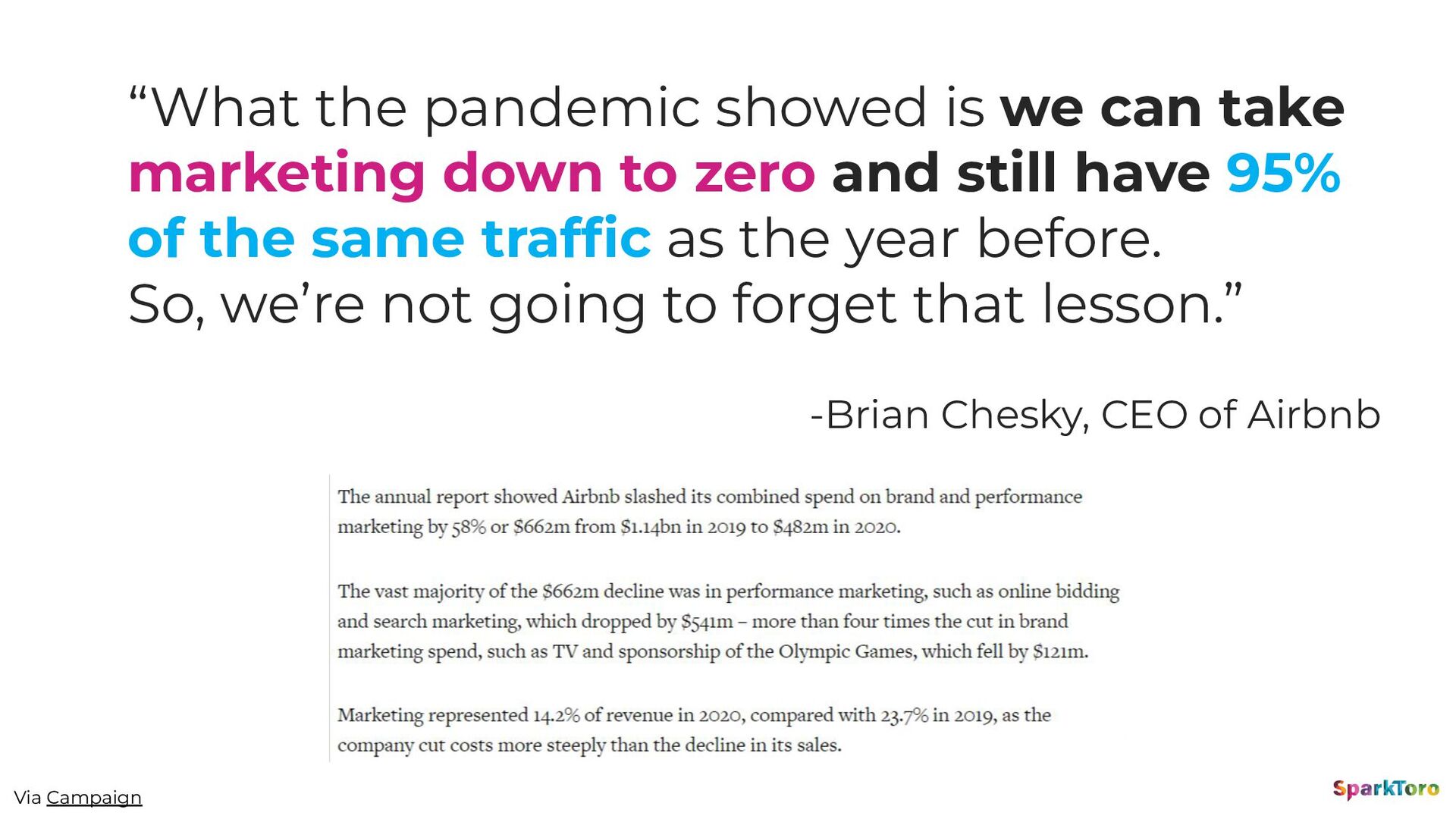
You could do that if you wanted to, right? But there's a lot examples, a lot of case studies out there of people who reduced their advertising by hundreds of millions of dollars and saw improved results or the same results. I like this quote from Brian Chesky Airbnb, which is essentially like, Hey, hang on, tick, we brought our marketing. When he says marketing here, what he means is paid advertising, they brought their paid advertising down to zero.
New York Times did an investigation into it. I don't trust them either, but maybe we'll assume that in this case they might be right. And sure enough, they got the same number of visits, nearly the same number of people using the platform. What if those ads did nothing? What if they were pointless from the start? Okay, so some of you have probably heard me tell this story before.
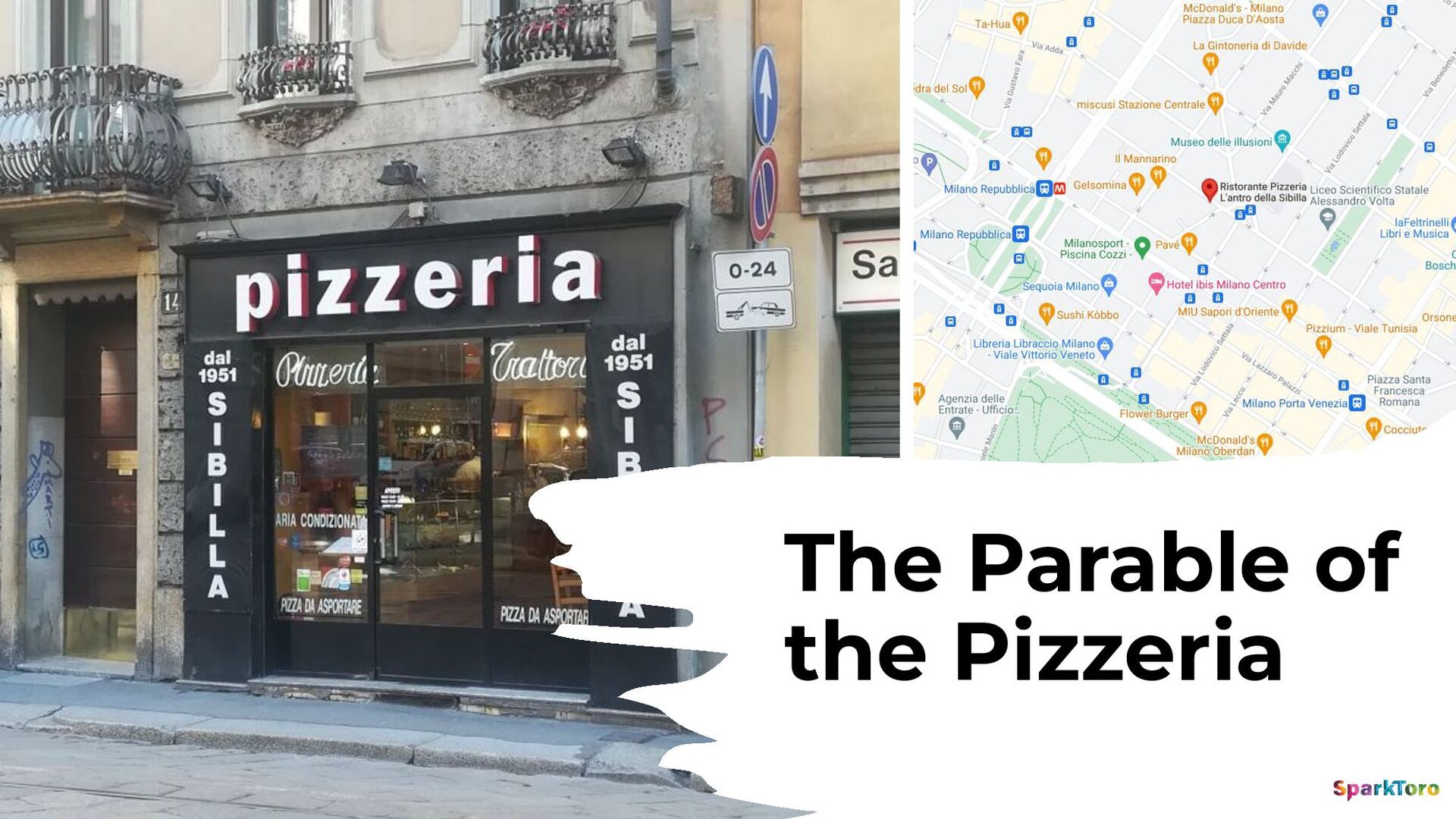
Anybody heard me tell this story before? Oh, good. Okay, only two of you, three of you. I will try and make it quick. So woman in Milan runs this pizzeria, pizzeria sabia, and she's like, Hey, I want to get more business. I'm trying to grow my pizzeria. So what does she do?
She hires three neighbourhood scams, these little teenagers, preteens, whatever, little Italian kids, and she hands them flyers, a green one, a red one, a white one, the colours of the margarita pizza and the Italian flag, and she says, okay, go distribute these around the neighbourhood.
They have a code on them so that she can see who uses the code, and then people come in, whatever they get 20% off their pizza. So a month, we'll say six months later, six months later, she checks in with her accountant. She's a small business owner, she's busy, she doesn't have time to check with the accountant. Every month, six months later, checks in with the accountant. The accountant says, well, the good news is business is up. You're selling more pizzas.
The bad news is business up about 20%. And a lot of people are using that discount code. So actually our profits are down and the pizzeria owner, she can't believe it. How's this possible? No, no, no. I know these kids are doing great, right? The kid with the green flyer, he's crushing it. The kid with the green flyer, I fired the other two.
The kid with the green flyer, everybody's coming in off of his, I say, I swear half our customers are coming in with the green flyer. The accountant's like, I don't know what to tell you lady. So what does she do? Well, she's Italian. She's a little dramatic.
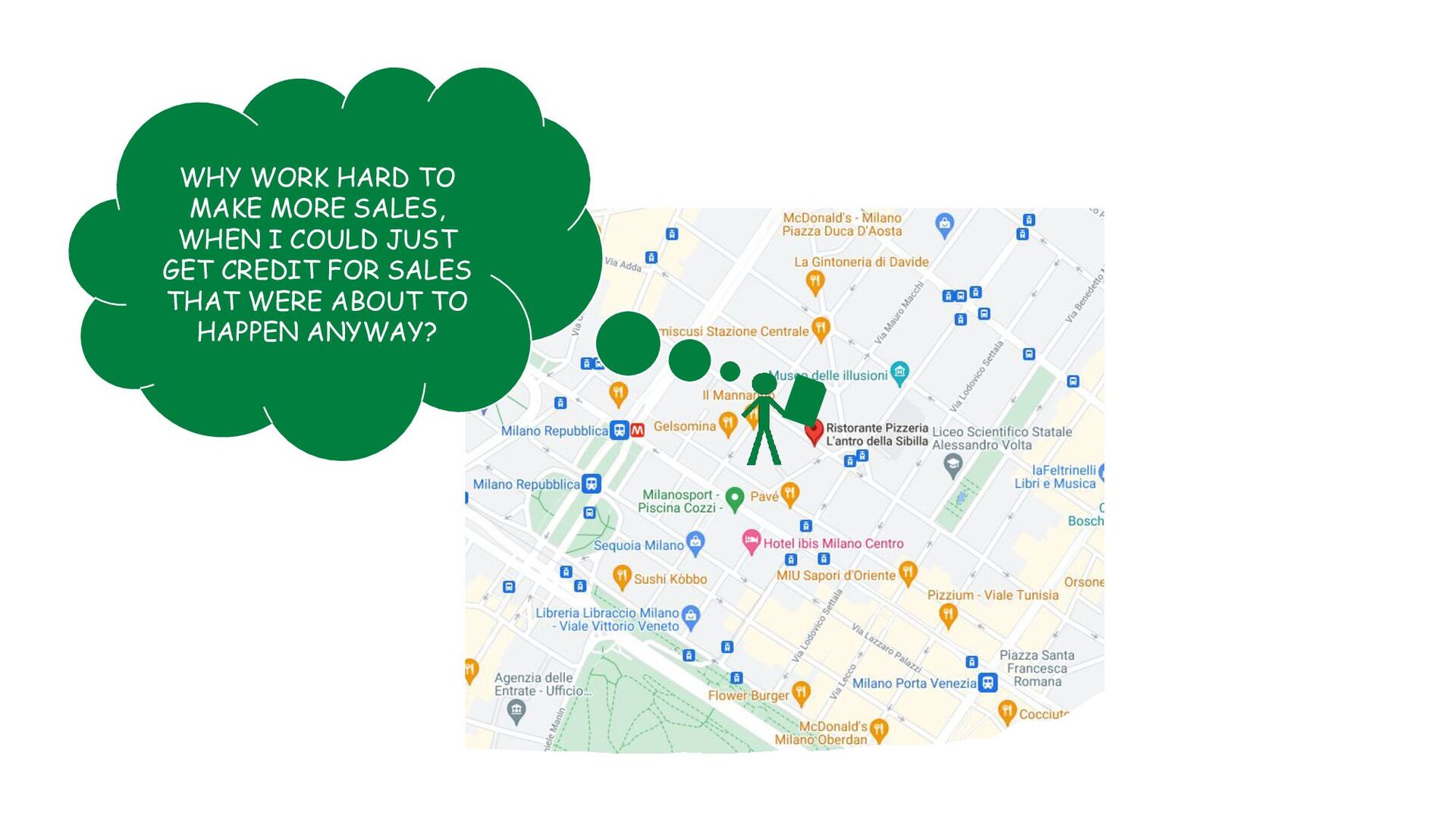
She puts on a disguise, she sneaks out of the pizzeria in the morning, she follows the kid. She wants to see what he's doing, right? Because this kid, he's selling a tonne of pizzas, but something's fishy and what does the kid do? Kid walks out of the pizzeria, looks around ducks into an alley around the corner from the pizzeria.
Nobody comes through the alley. What's he doing? Pizzeria owner watches him and sure enough, anybody who's walking toward the pizzeria, the kid jumps out of the alley with the flyer and hands it to him because why would you work hard to make more sales when you can just take credit for the sales that were already going to happen?
AKA Facebook and Google's motto, right? They know where you're going to go before you buy anything on the internet. They have billions of data points so they can make sure people see your ads and when Airbnb reduce their spend to zero and saw all the same customers coming to Airbnb anyway.
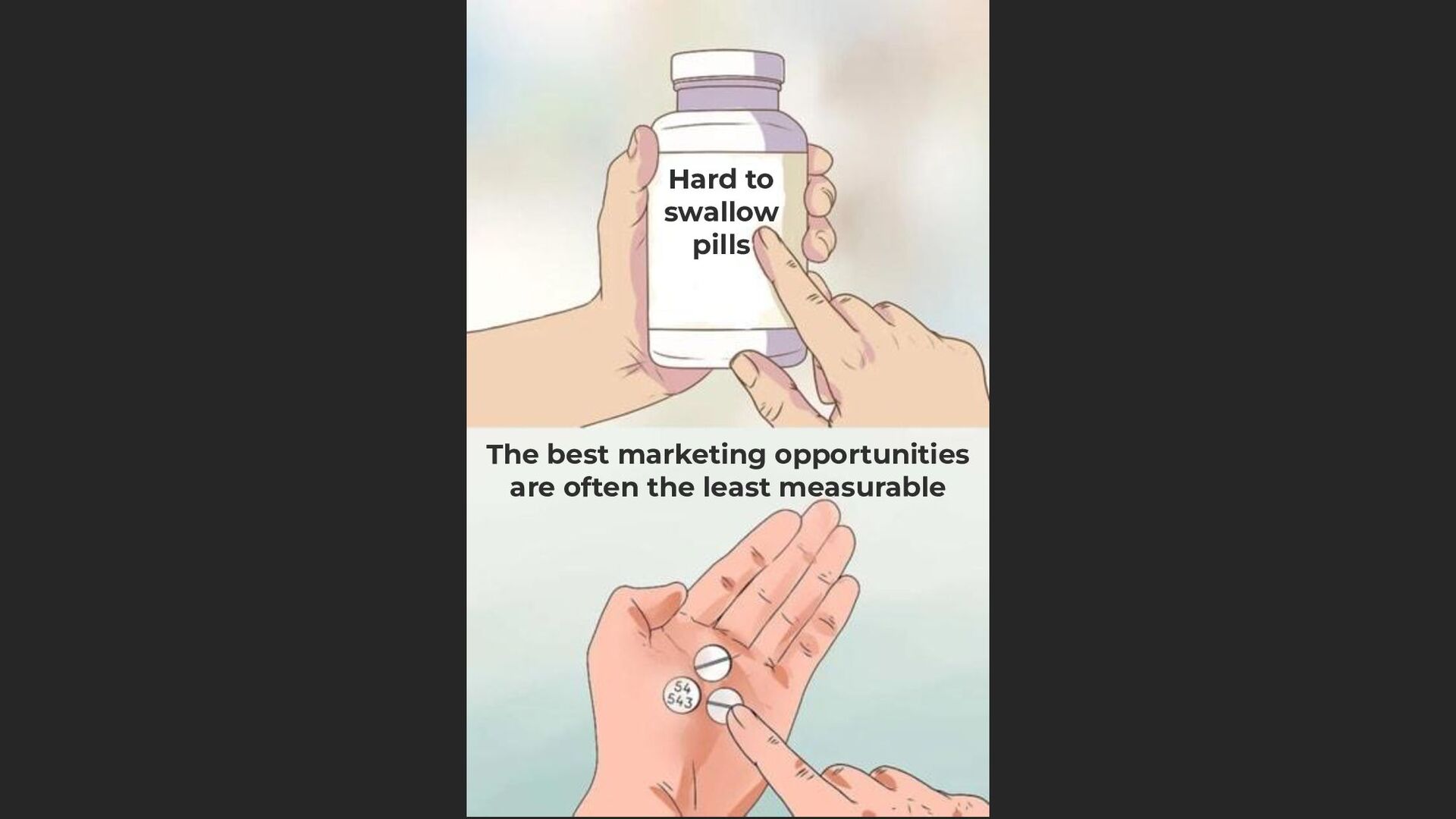
I think that's what was happening when Citibank did it, when Chase did it, when Uber did it, same story. Look, it's going to be tough to hear, but the best marketing channels are usually the hardest ones to measure. If a marketing channel is easy to measure, if they make that attribution simple, your competitors are all using it, everyone is pouring dollars in there.
It is very hard to get a dollar of margin out. What is Google's whole system? Their whole system is, Hey, if you're making a dollar of margin on every sale, our job is to reduce that to a thousandth of a penny. That's how we make more money. That's it, right? They have this fundamental incentive.
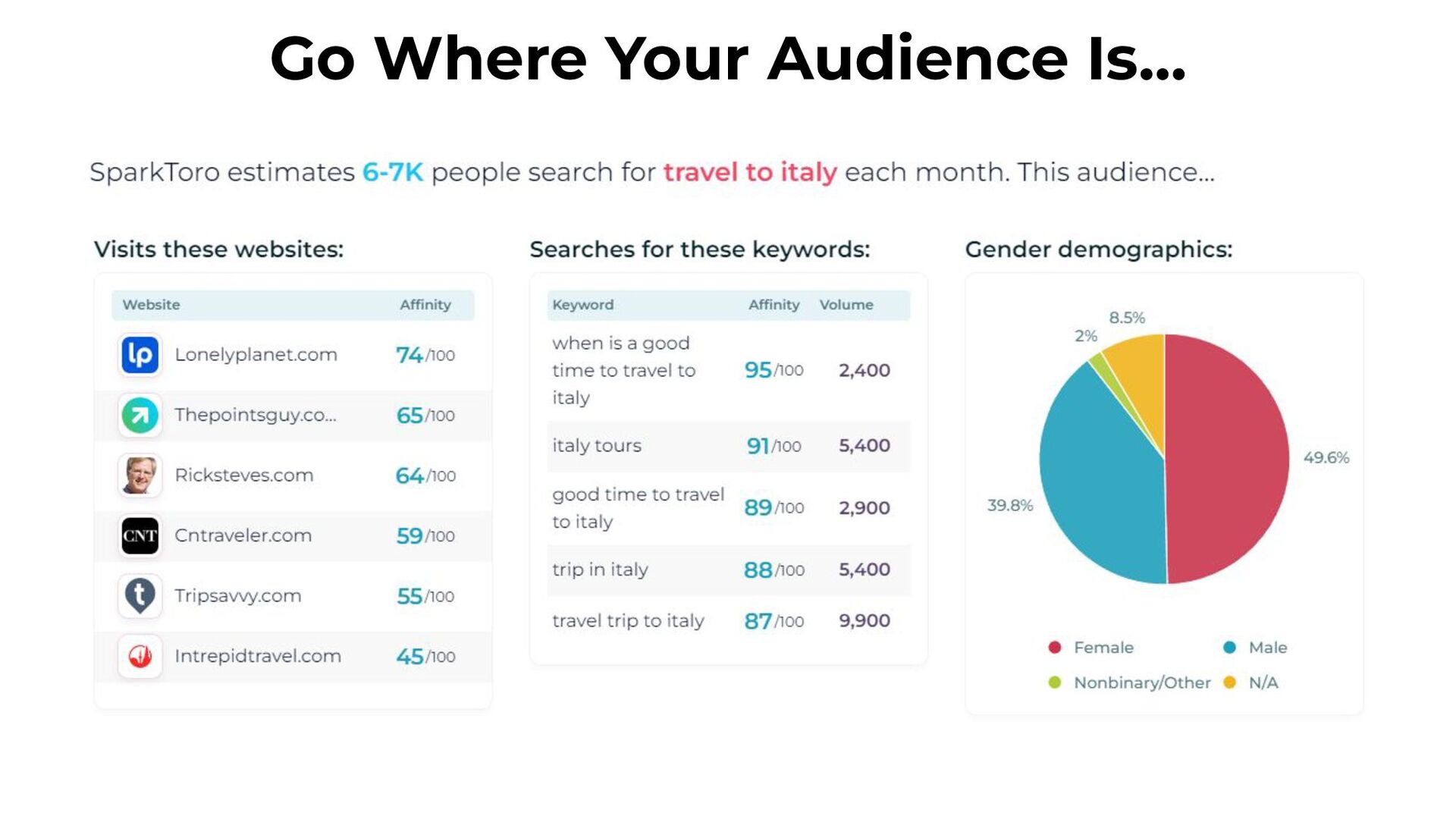
So what is the solution? I think we have to go where our audiences are, right? We have to find the websites that they are already visiting and the keywords that they search for, whether they get traffic or not. I think we have to go and be present in these places.
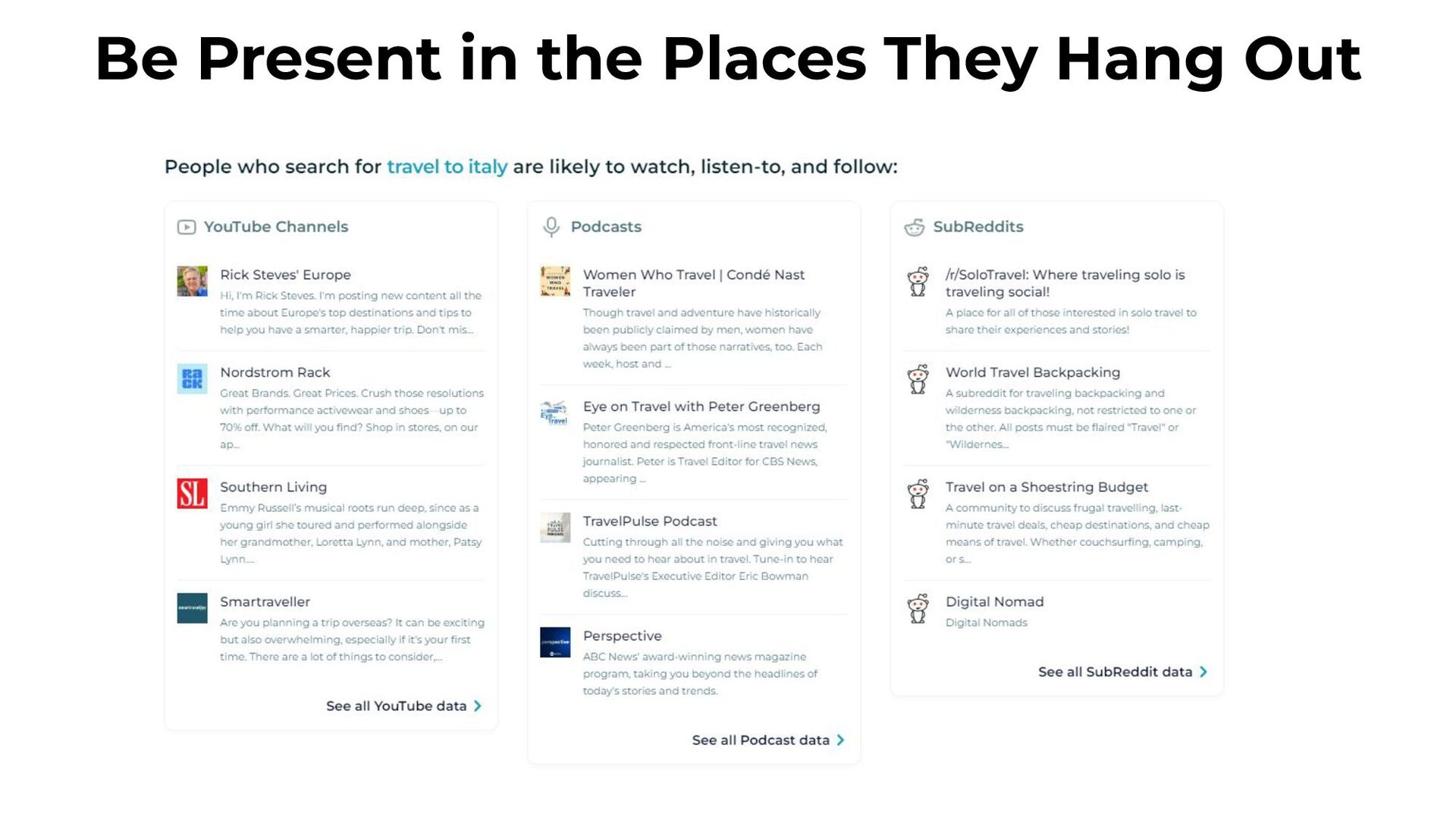
If your audience is subscribing to YouTube channels and listening to podcasts and visiting Subreddits and they are subscribed to new sources and newsletters and they're coming to events, your brand has an opportunity to be present in those places and you will not be able to attribute any of it, but you will be able to measure it.
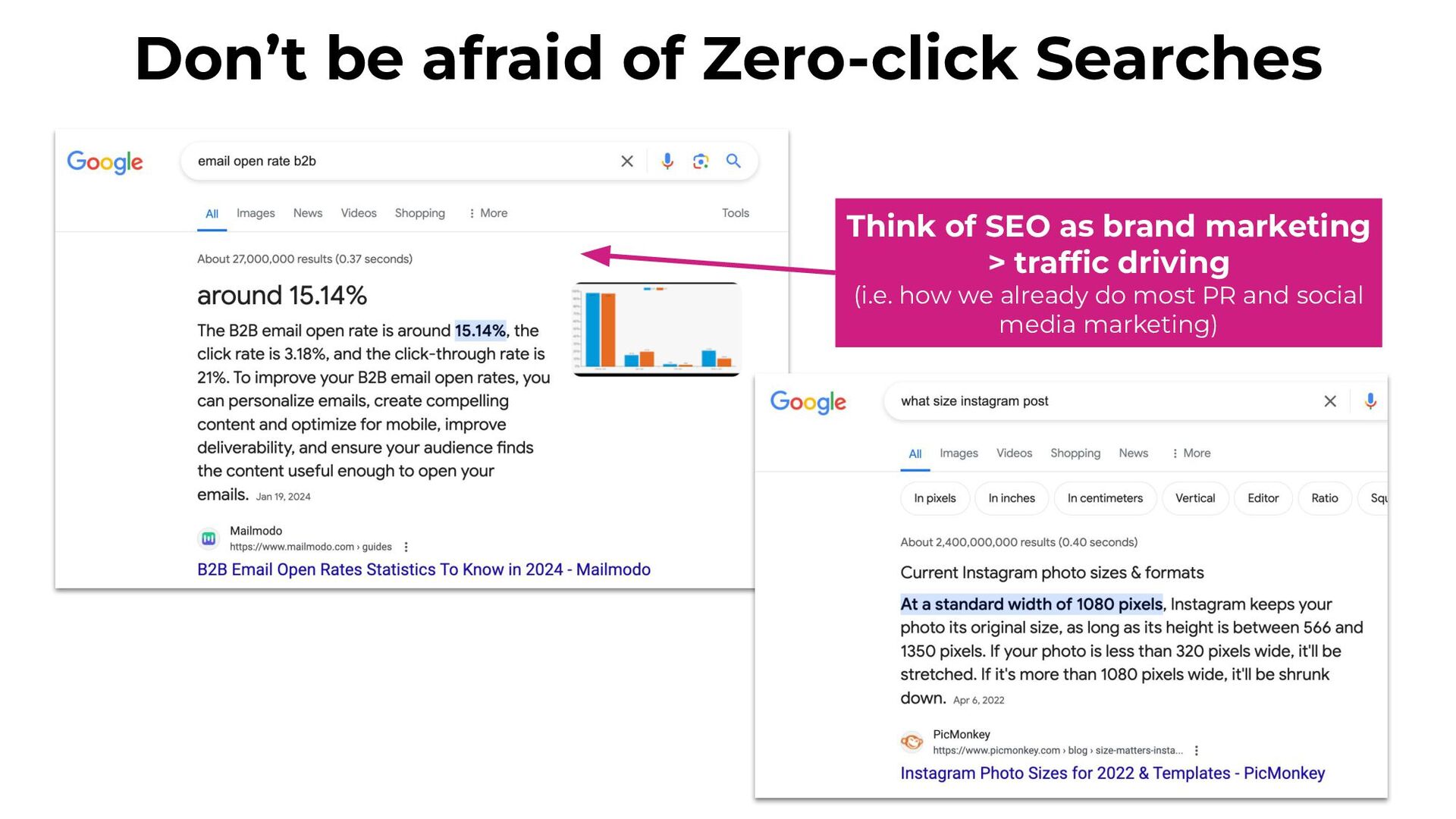
You don't have to be afraid of zero click searches, right? When I see this, I go, yeah, that's frustrating, but also it's a brand marketing opportunity. It's sort of like building a billboard. I put my billboard here in this very relevant place where I know my customers are going to be, kind of great, right? Or zero click content.
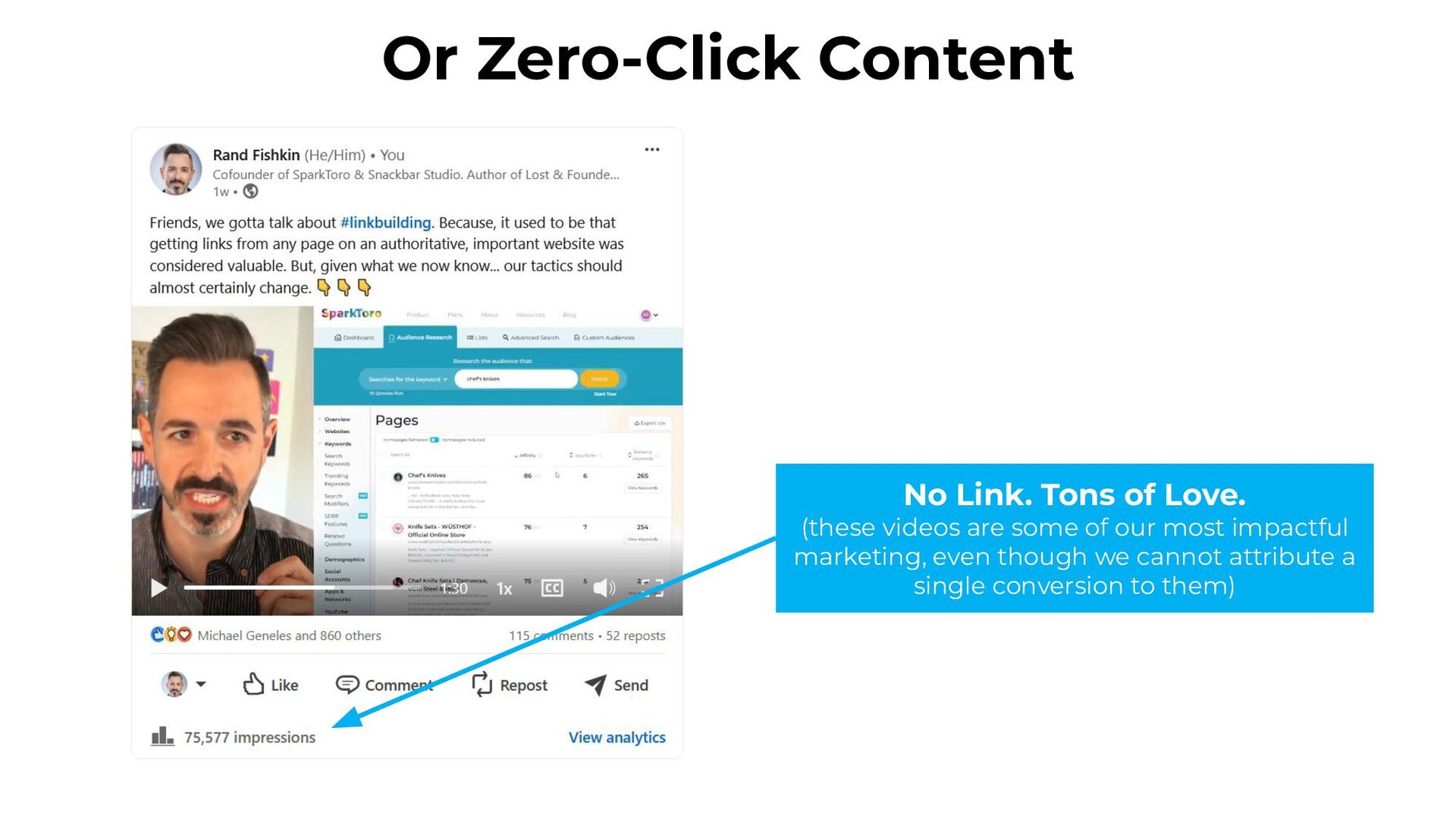
These by far, I don't know if maybe some of you have seen my videos on LinkedIn, they are ludicrously effective. I don't know how much it would cost to get a hundred thousand or 250,000 people to watch a four or five minute video, but that's what happens almost every week.
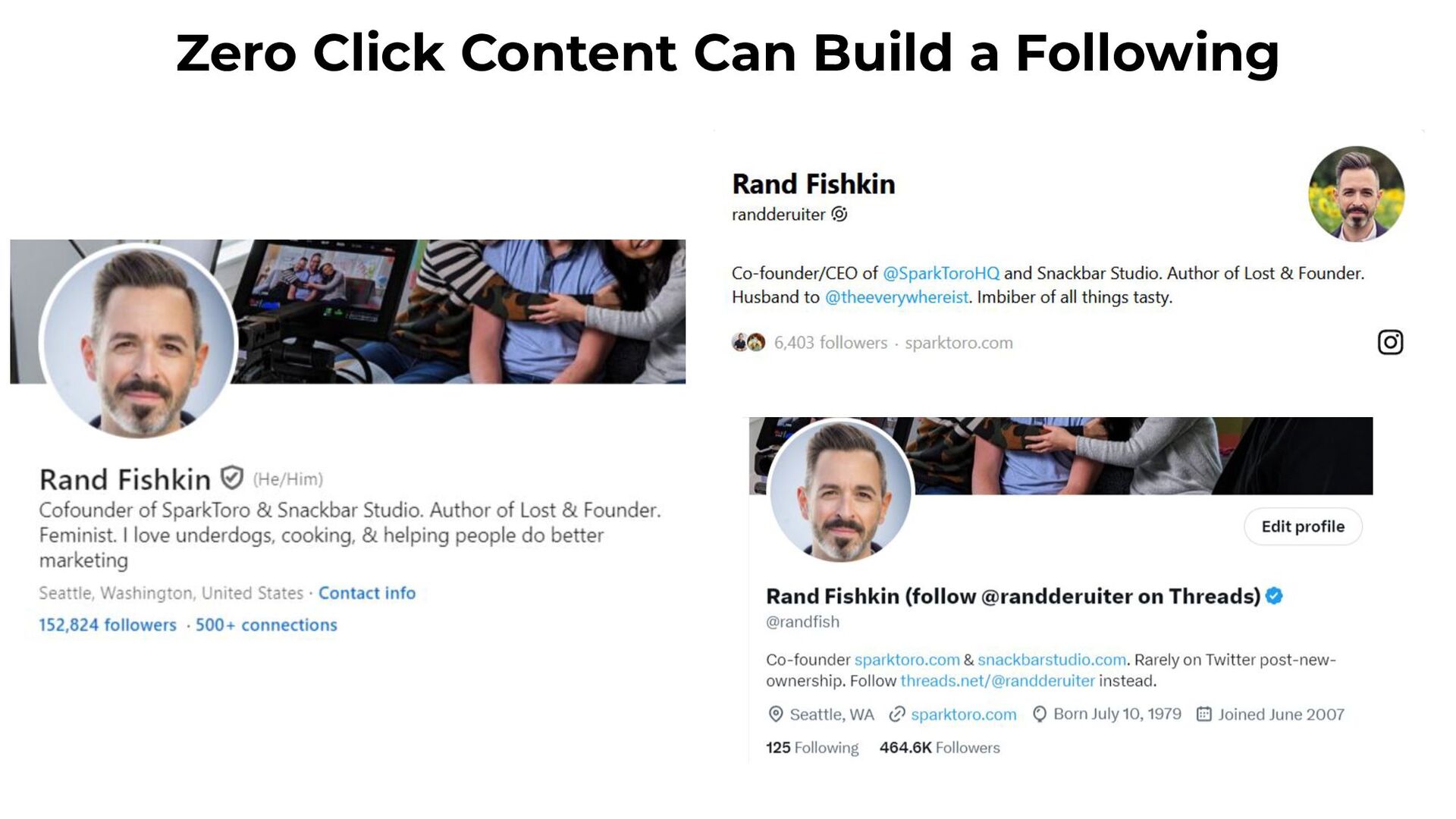
It is kind of beautiful for marketing. Obviously the video has to be relatively engaging. It has to be useful, it's got to be interesting. Most of it is comment driven, right? So the videos obviously are designed to solicit and elicit comment responses, but zero click means a lot more reach and zero click content is how we built and I built our following.
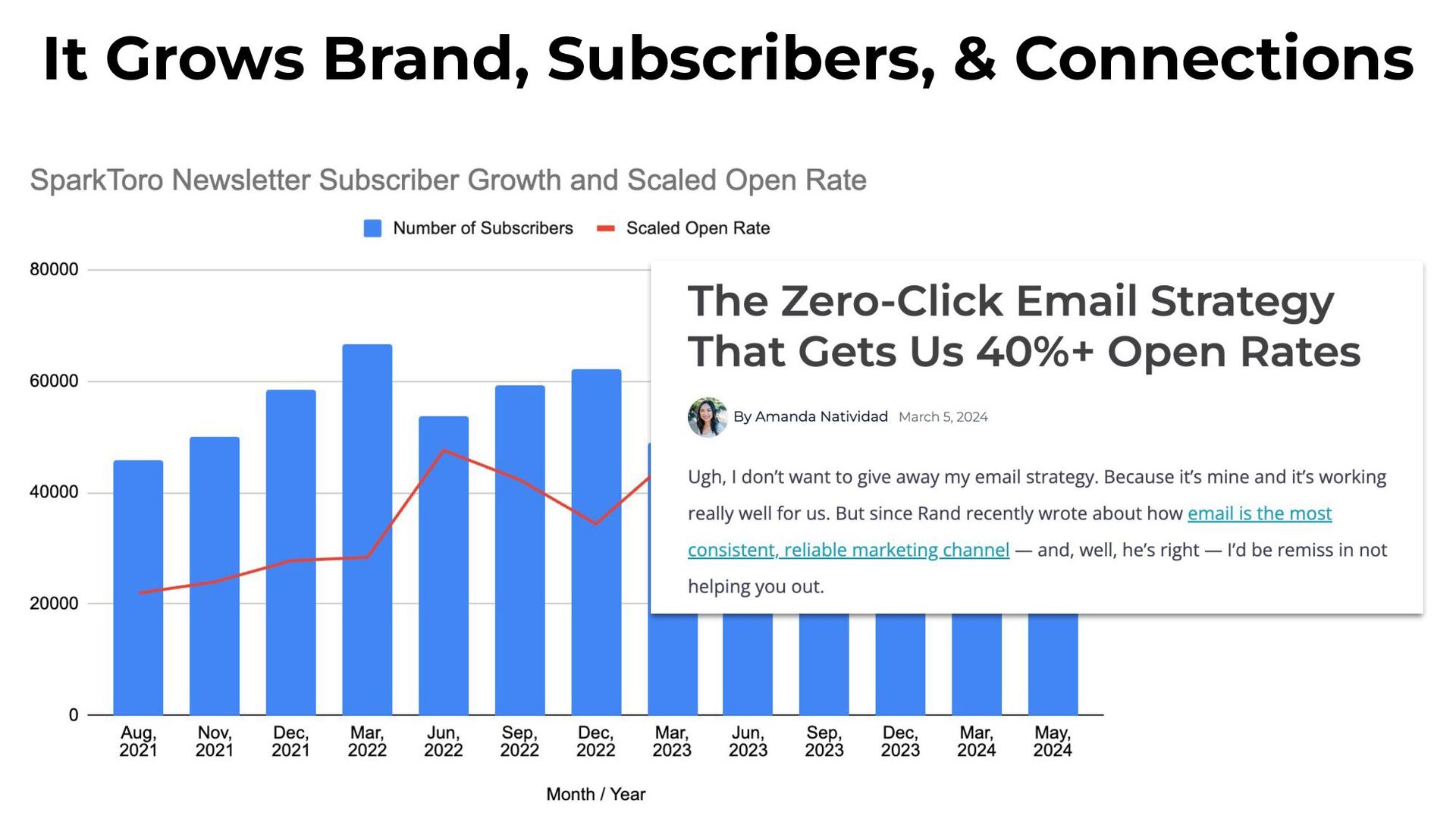
It is for that growth of brand and subscribers and connections and people who pay attention to us, and essentially it's building algorithmic capital that can then be spent later on a link, which I do occasionally use links and I will spend that. Amanda does the same thing. She has applied it everywhere. Amanda is the one, by the way, Amanda's the one who came up with the term zero click content and zero click marketing. This is her wisdom that I am sharing with you, or at least her naming convention wisdom. And she doesn't just
do it in social, she does it with email as well, because I'm sure you experienced this when you get an email newsletter, you want to consume it, in your email. You don't want to have to click to all these places to get the value from it.
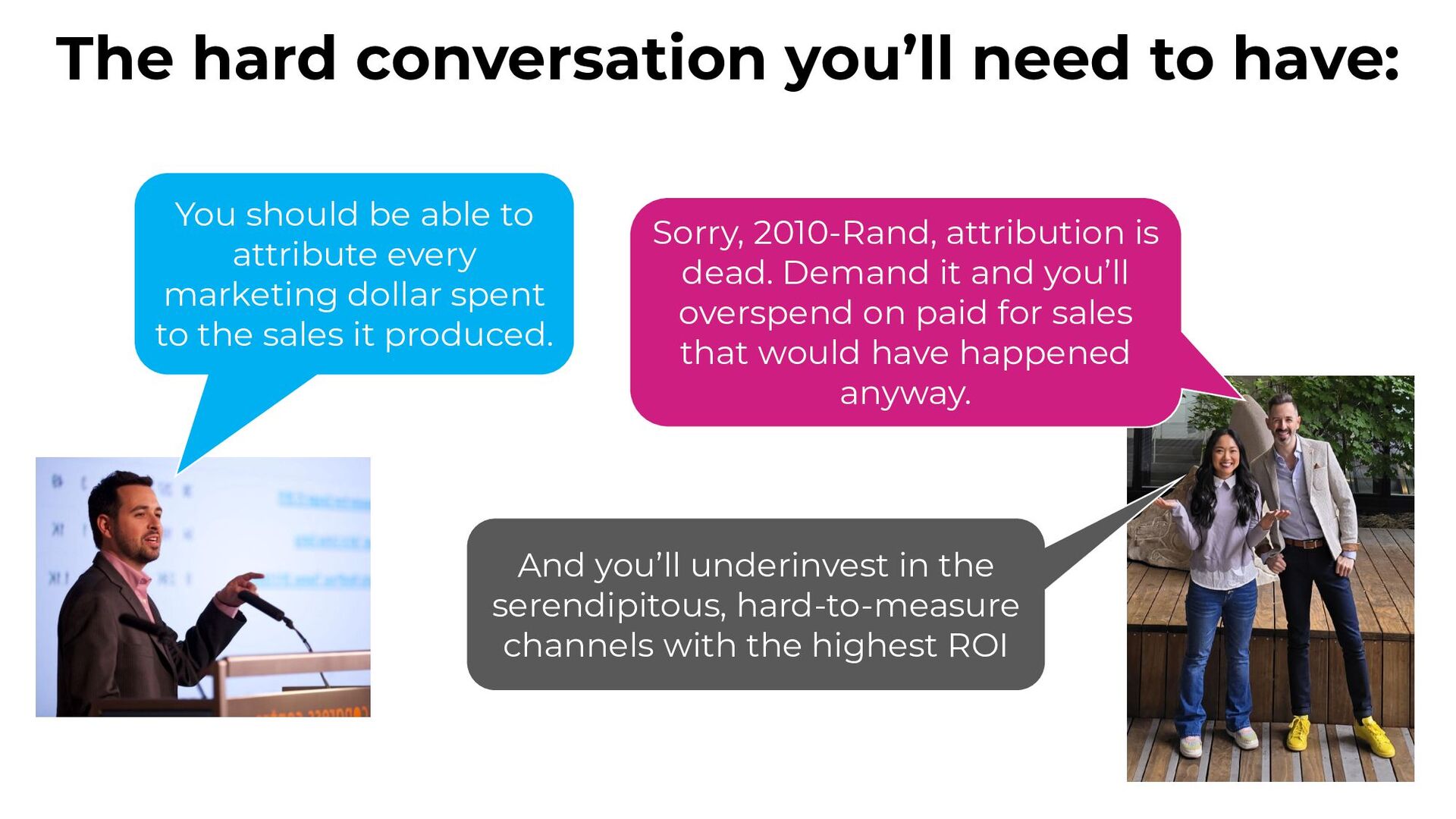
So look, you're going to have to have this hard conversation at some point with the people that you work with, with your marketing team, with your boss, your client. If you're an agency with your client, and that conversation has to go, marketing has changed.
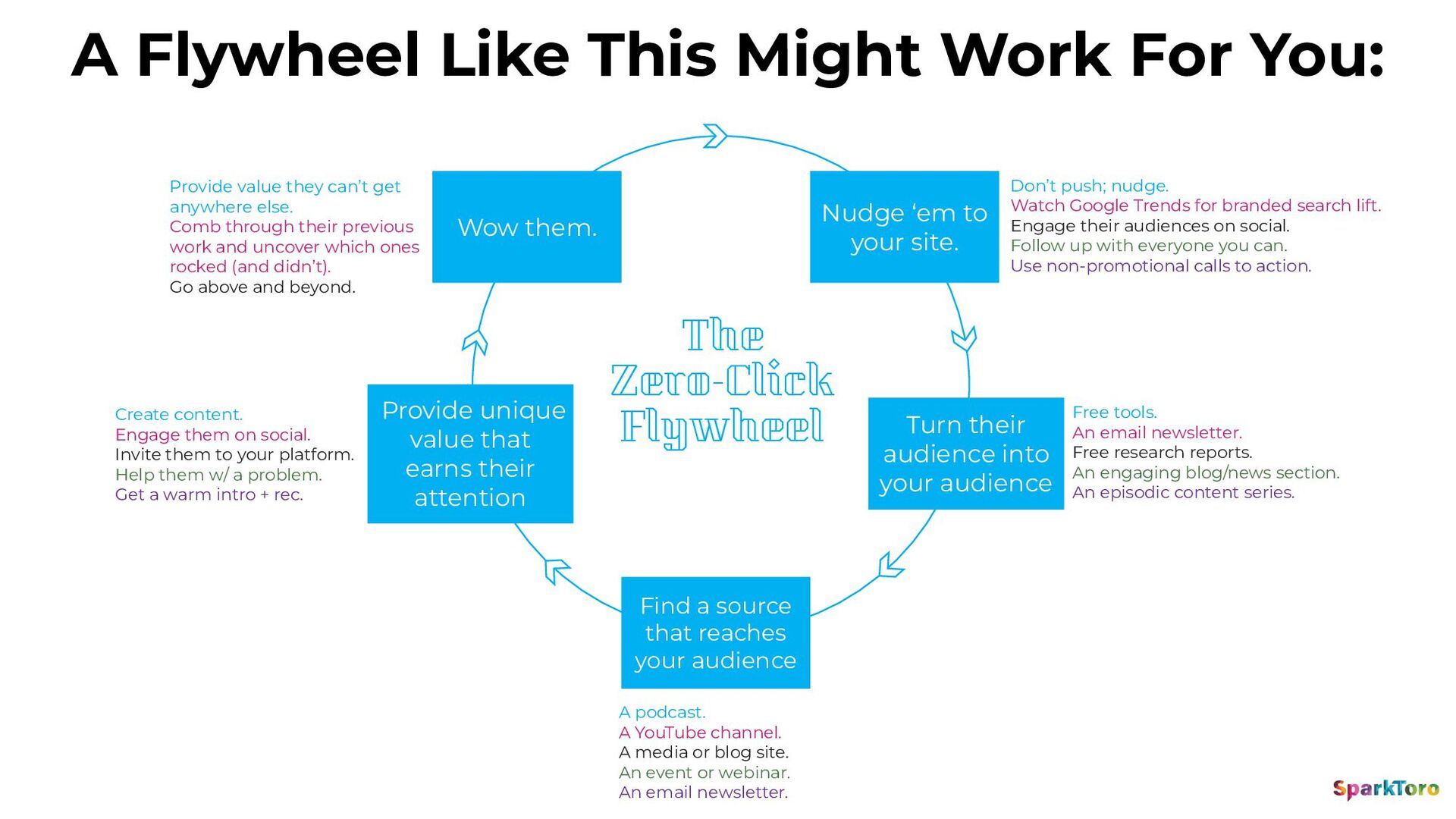
Digital marketing has changed, the attribution that we thought we could have 10 years ago. The models that we thought we could build, I don't care how fancy a machine learning is, the AI is, that's over that time has passed and we're now living in this new world that the highest ROI channels are almost certainly the serendipitous ones that are very hard to attribute, but not impossible to measure. And so the way we think of this is essentially with this flywheel mentality, flywheels, the idea is you get it spinning, which is quite difficult,
but then once you do get a flywheel spinning, a marketing flywheel spinning, it scales with momentum, with decreasing friction. So every time you do that marketing activity over and over again, it gets easier or it's just as hard to turn every time, but the results get better every time.
Either one of those that's how you build that up. What we do a lot of is finding sources that reach our audience, events, newsletters, websites, podcasts, YouTube channels, Subreddits, social networks, whatever it is, and then we try and provide value that creates engagement, that earns their attention and awareness and trust, hopefully trust too.
And then we try and blow 'em away. We try and make that to, oh man, I really want to listen to what Amanda has to say when she posts something, when she writes an email, when she puts up a blog post, I want to see it. I care about it. It is consistently useful to me, and then we nudge 'em to our site. So we mentioned Spark, Toro and many people because SparkToro is a free product, right?
It's freemium. So people come to our site about, I think Casey told me the last stats, I think it's around 250 people sign up for SparkToro every week. It's pretty great, kind of great. We spend nothing on advertising, and we also spend no time trying to figure out where those 250 people came from.
Not at all. The only thing we care about doing more of this in the places where our audience pays attention and getting that number up, we do what Coca-Cola did. We look for lift and we turn their audience into our audience because when you sign up for SparkToro, you get a little option that says, Hey, do you want to subscribe to the newsletter? Do you want to get updates?
Almost everyone says yes. It's good news, right? It's a lot of people. The way we measure it is the same way Coke did in the 20th century. We look at lift time series and geographic base lift. We go, Hey, we did this campaign over here in this place appealing to this particular audience. Do we see more of those people sign up over the next six to 10 weeks?
Yeah, we did. Cool. Pretty good. This works. Alright, I have 90 seconds left. I was kind of hoping to have four or five minutes, but I have 90 seconds left and I threw in a bunch of bonus tips at the end of my presentation because bonus tips. Yeah, give me those. All right, so here we're going to go so fast. Well, what does it mean for marketers?
First off, I would say people who focus exclusively on traffic are going to be stuck with search. If all you care about is traffic search is the only place, that's the only category providing it. Not a lot of channel diversity, in my opinion. If you're trying to prove your acquisition via referral strings, this will make you Google's fool. Why?
Because if you today hear me talking about SparkToro and you're like, Ooh, I want to check out SparkToro, maybe you don't know what we do, or you're like, I want to get a free account or whatever, you will go to Google, you'll search for SparkToro, and then what will happen in an attribution model, Google gets the credit.
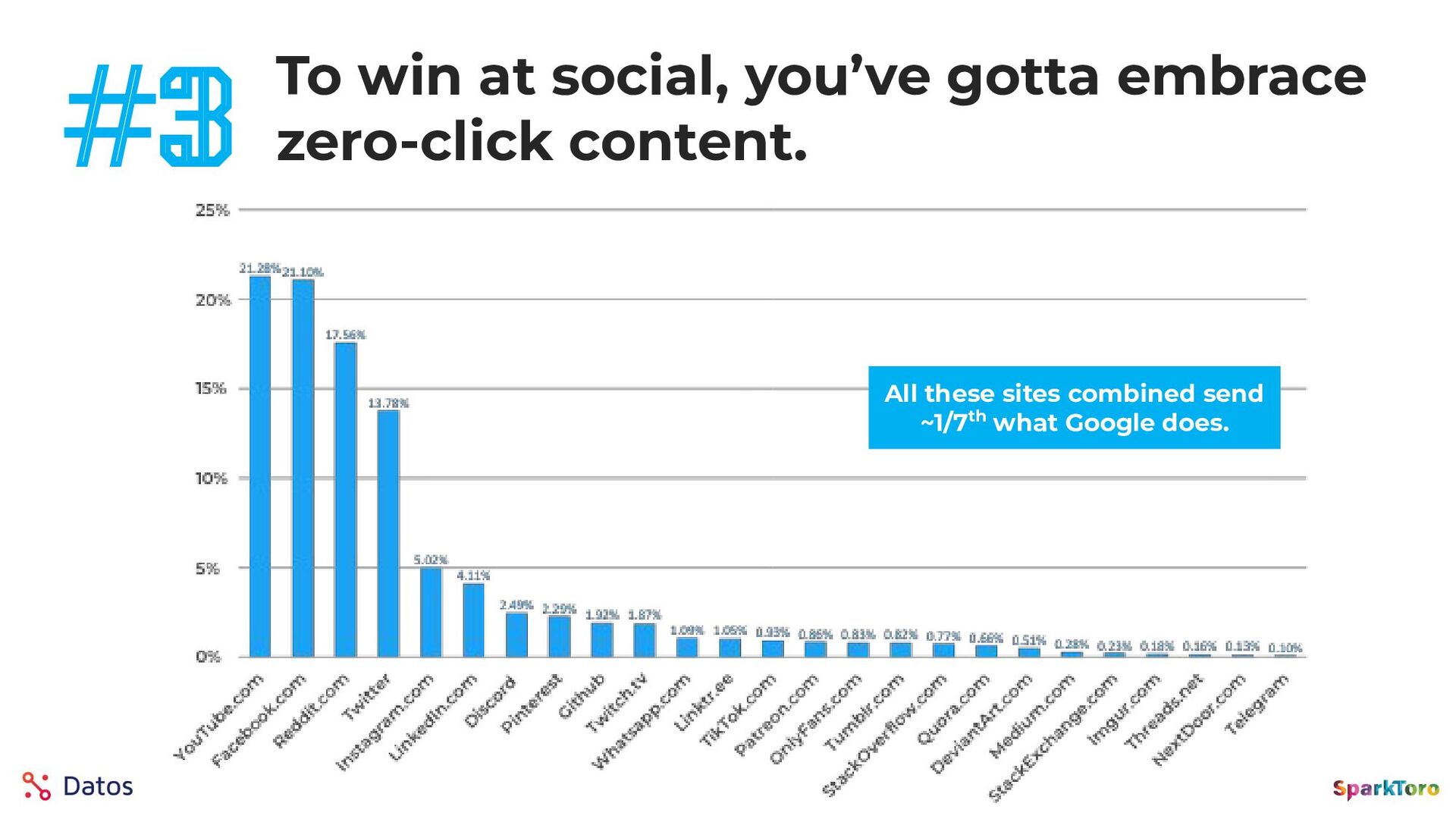
I don't get any credit for talking about SparkToro on stage. Turing Fest gets no credit. Google gets all the credit, so you better know what percent is branded search. Google doesn't, in my opinion, no search for a brand deserves to be attributed to Google. That demand was created somewhere else. If you want to win at social, you have to embrace zero click, no choice, right?
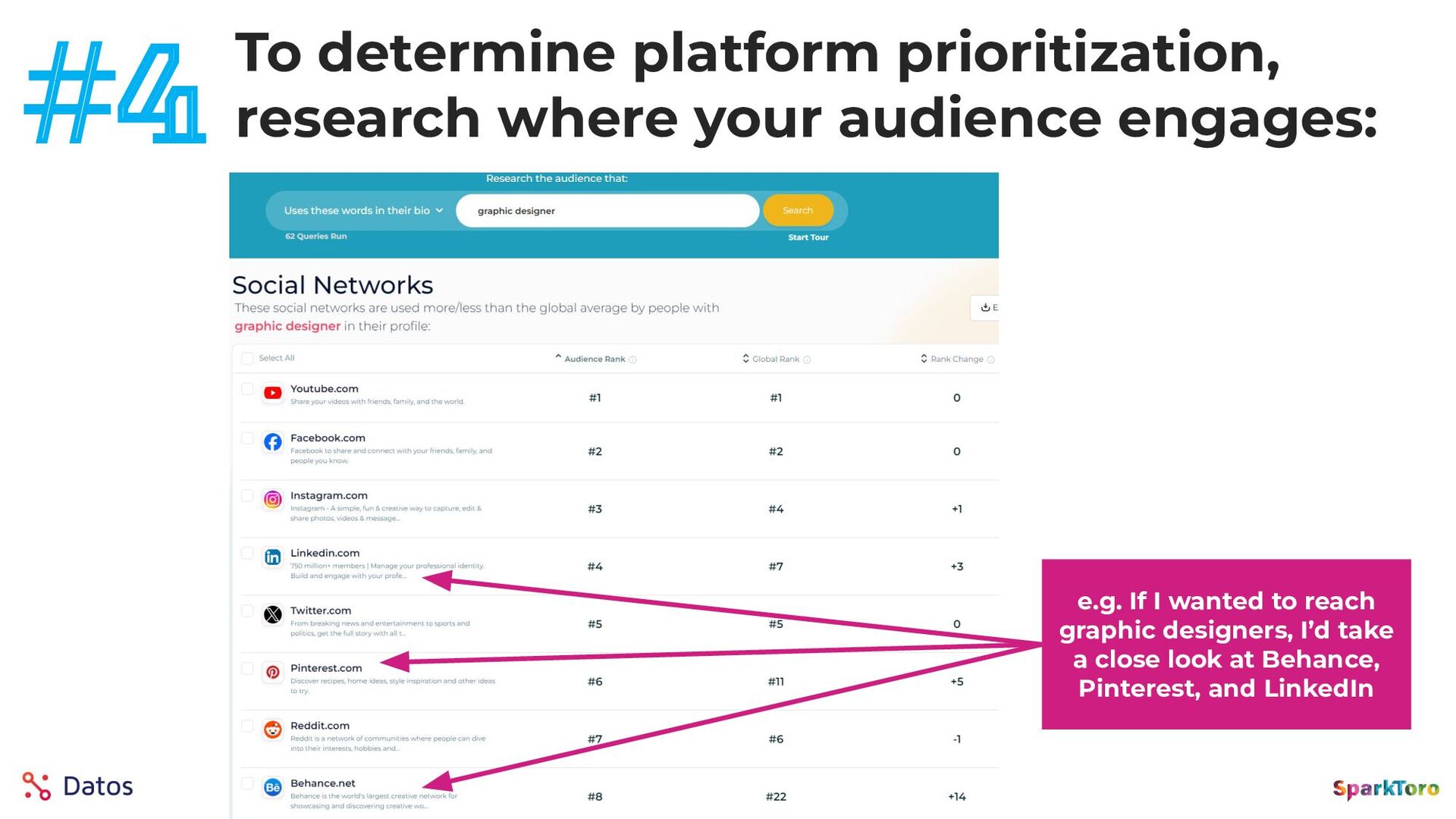
All these sites send.. of... T,his is where all the time is spent online, but it sends no traffic. And if you want to determine where you're going to prioritise your platform, I would urge you to do some audience research. You don't have to use SparkToro.
There's a wonderful British company called Brandwatch that does a lot of things that we do. They're very expensive, but also very good, and you could also survey or interview your customers, old school. It works. They will tell you what they read and watch and listen to and subscribe to.
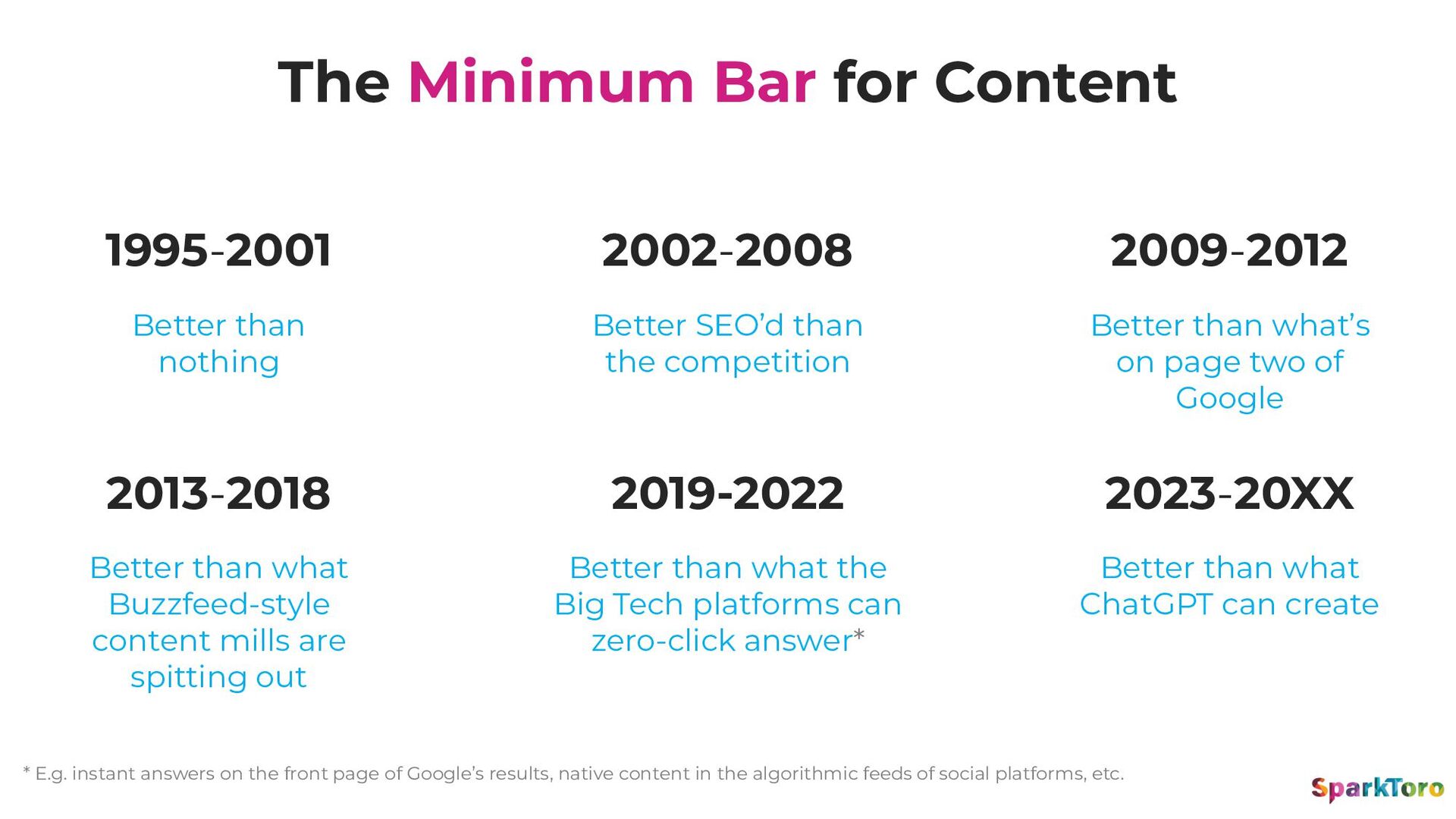
This is my opinion. I know we talked about this on our panel and Emma's here, and I thought that panel was excellent, by the way. Not because I was on it, but because it was just really well done. And the minimum bar for content over the years has changed.
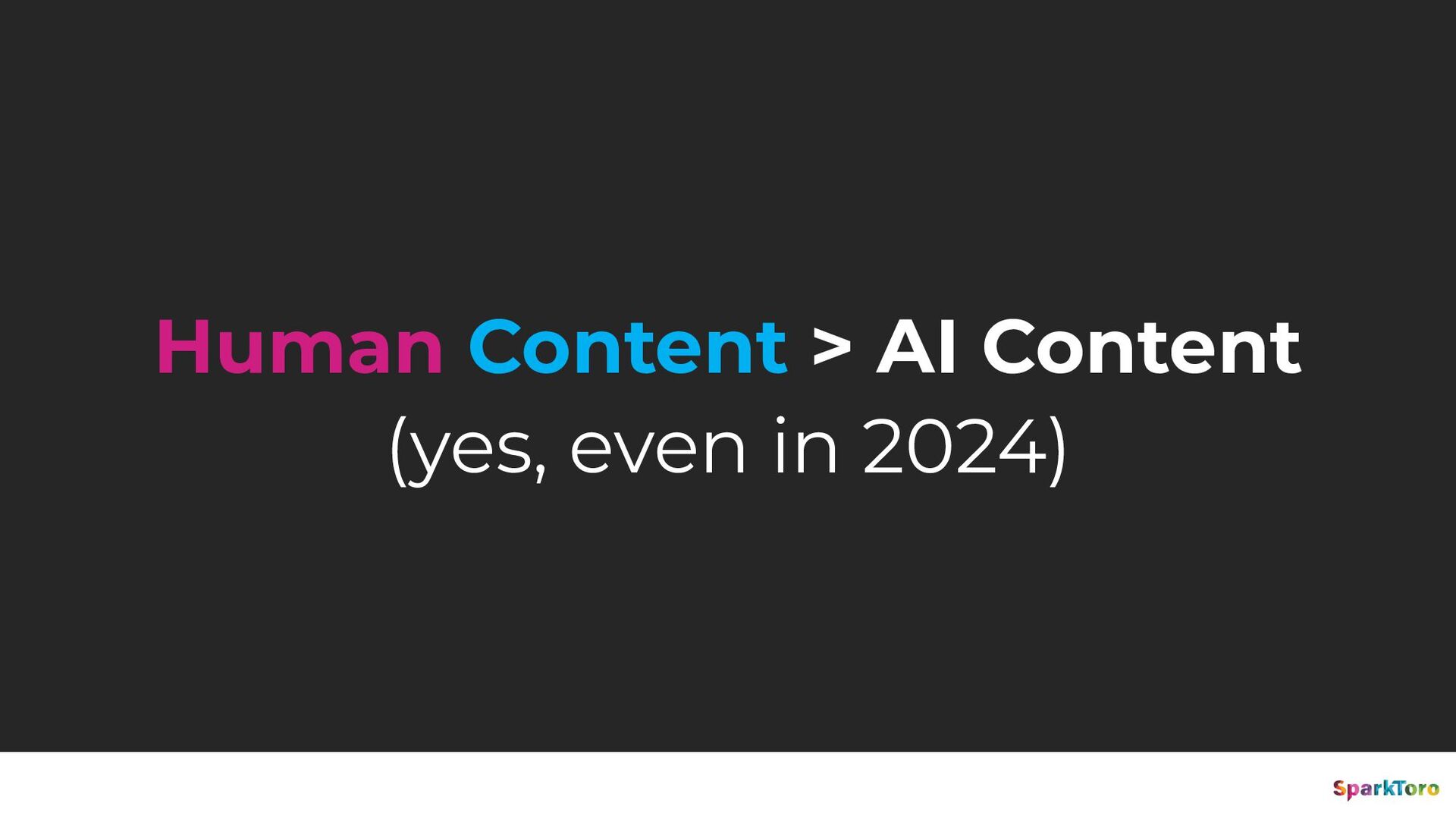
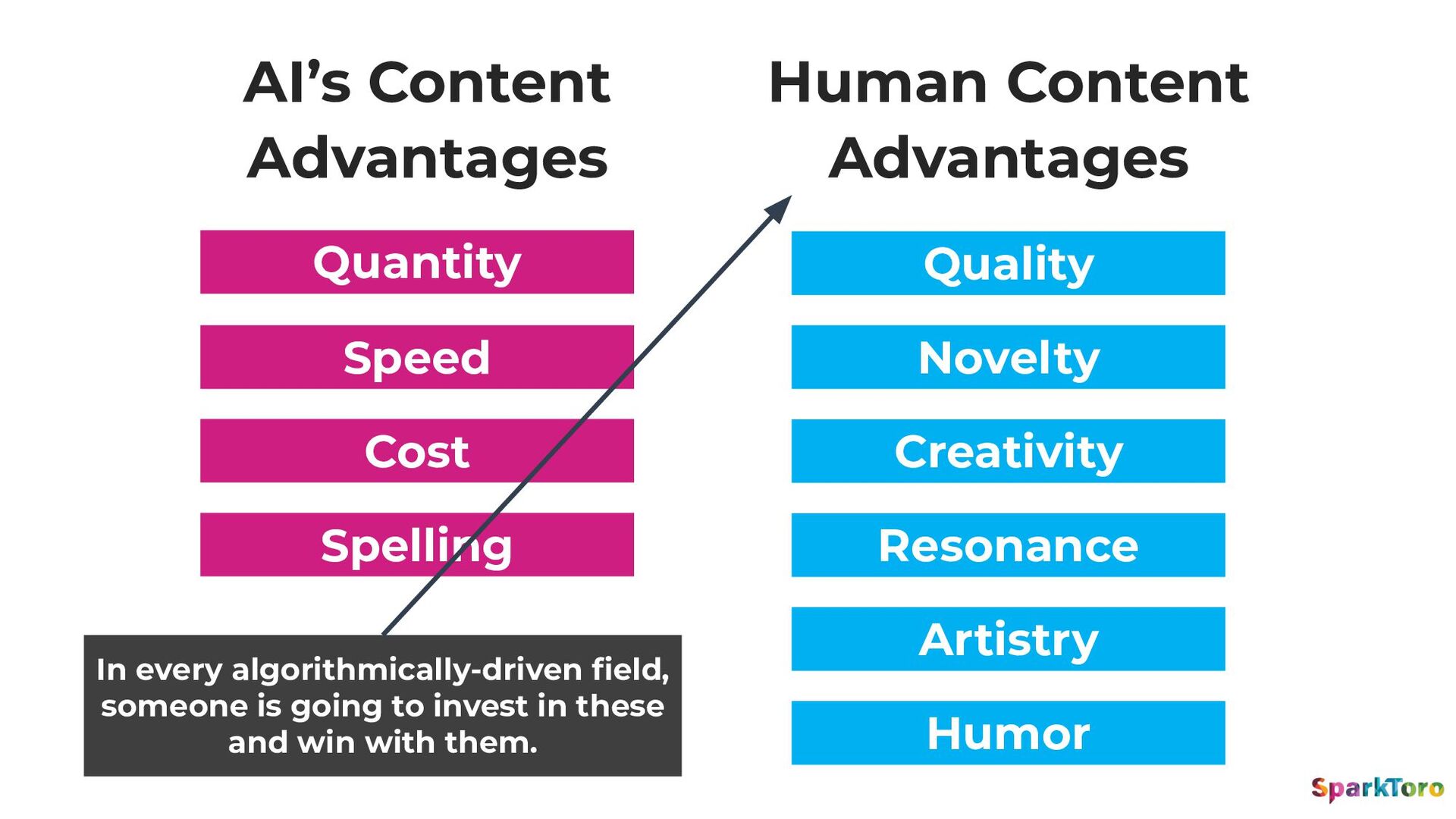
I think it is today in 2024, better than ChatGPT. That is the bar for content. If you want to know what should be created, everything that you should create should be better than ChatGPT, and you should encourage your competitors to use AI to make all their content.
AI has some advantages, right? Like quantity and speed and cost and spelling. Super good at spelling. Holy shit. They can spell like the dickens, my God. But if you want humour, have you ever tried to get ChatGPT to write a joke? Oh my God, what do the kids say? It's cringe.
It is horrifying. It just makes me deeply. Comedians are going to be the last people put out of business by AI. You know how they're always like, oh, these are the first people put out by AI. Yeah, comedian, last on the list. Nobody's going to touch them.
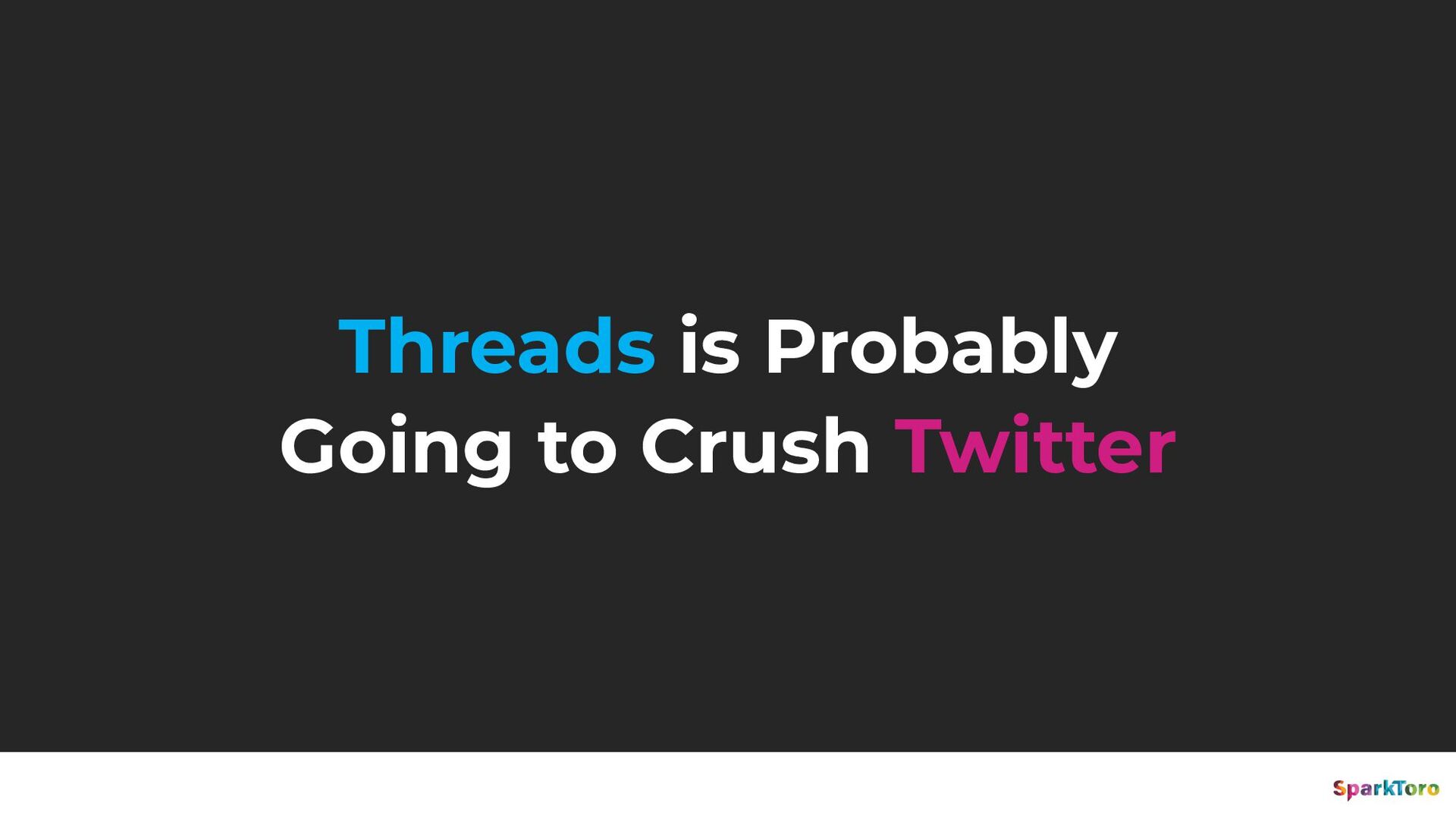
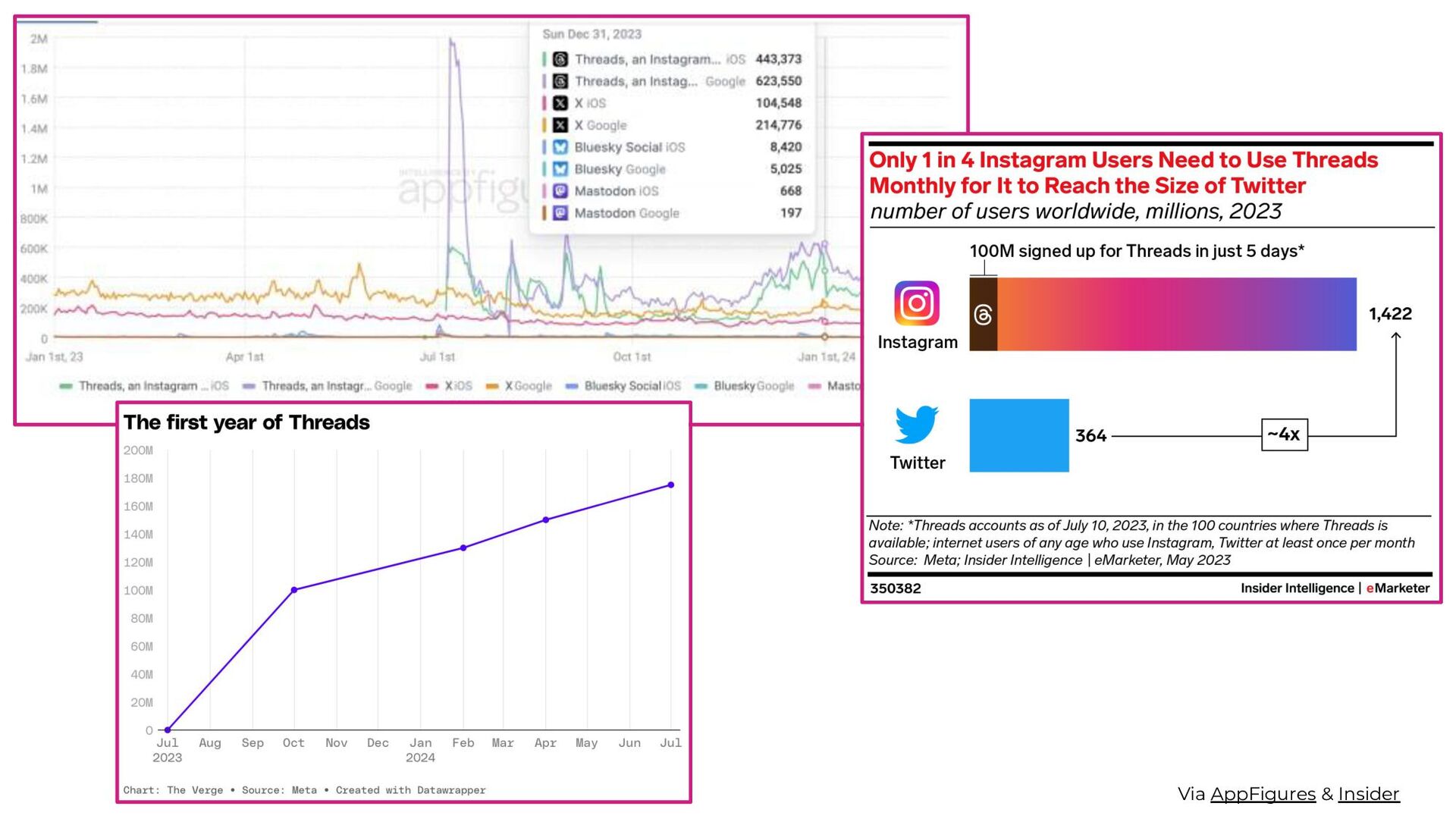
Threads is about, I think they're going to crush Twitter. So Twitter, their data leaked today I think, and they grew 1.5% in the last 20 months. They grew, which is impressive. Good work, Elon, but that is the slowest growth rate they've experienced in their history threads is now at 175 million users to Twitter's 2 51.
My prediction was that they were going to pass Twitter in 2026. It looks like they might pass 'em next year, which is pretty nuts, but it's unfair because they put threads right in your Instagram feed, so you got your billion and a half Instagram users.
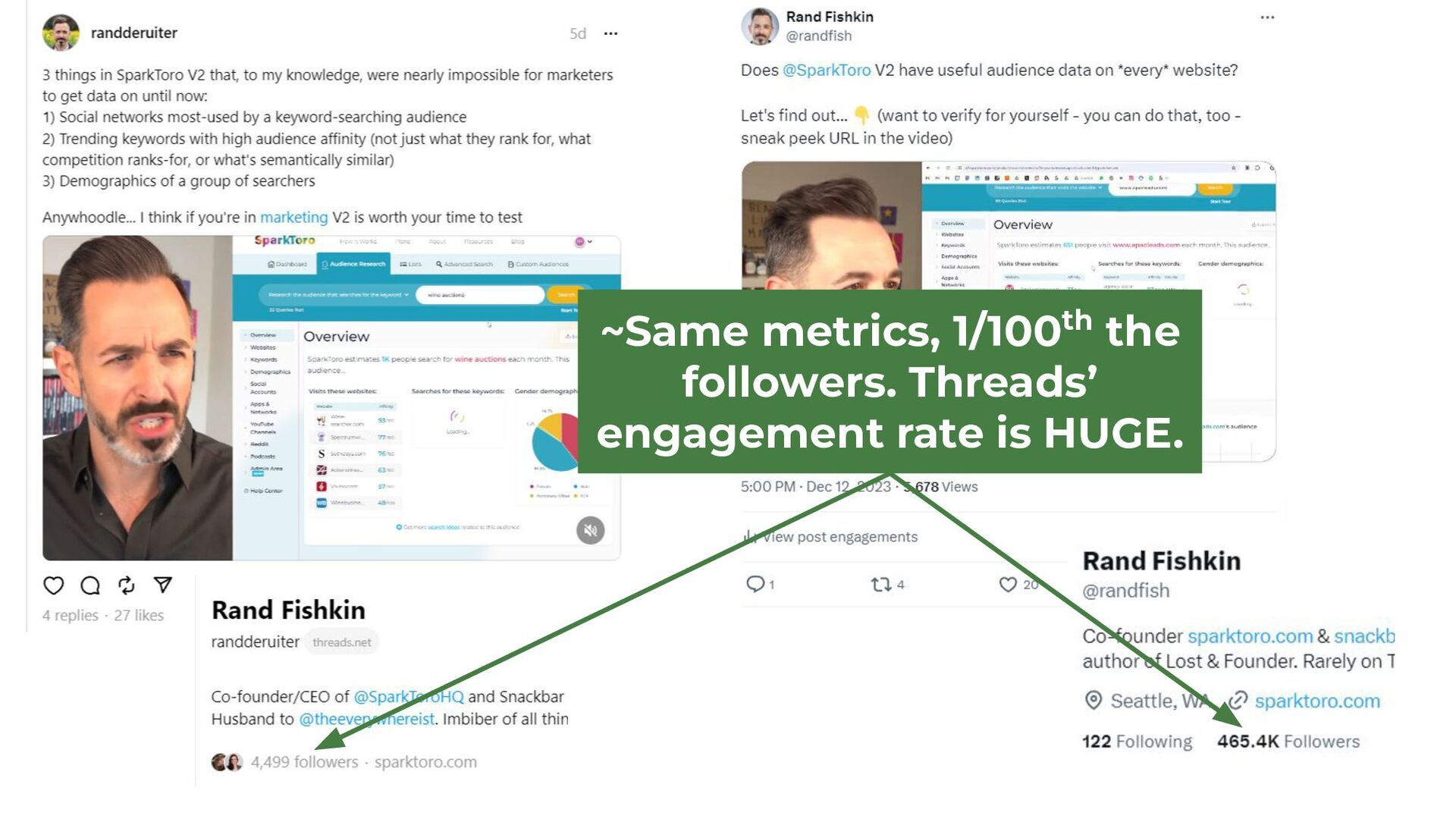
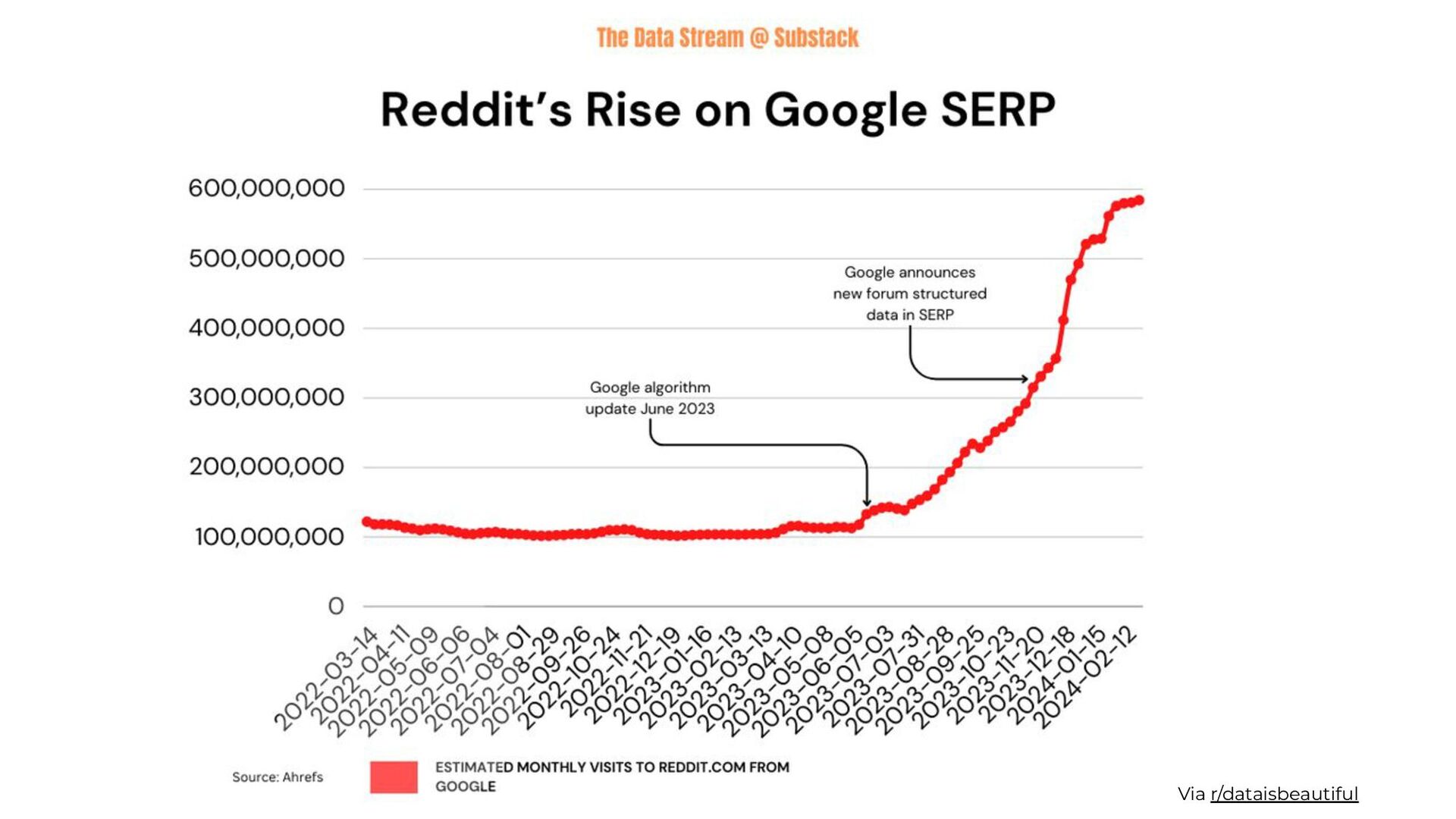
I am getting crazy engagement on threads like basically same metrics, same number of whatever, clicks and engagement and views and impressions with 100th, the following count. That's not good for Twitter, can't be good. Barna, EO is coming back. I'm actually not going to talk about this one.
I want to get to the very end, but there's one channel, one channel only, one channel where engagement has not fallen off a cliff. Do you want to guess what it is? Podcast. Podcast. No, it's not podcast. Sorry. LinkedIn. LinkedIn, no. LinkedIn. Engagement per follower email.
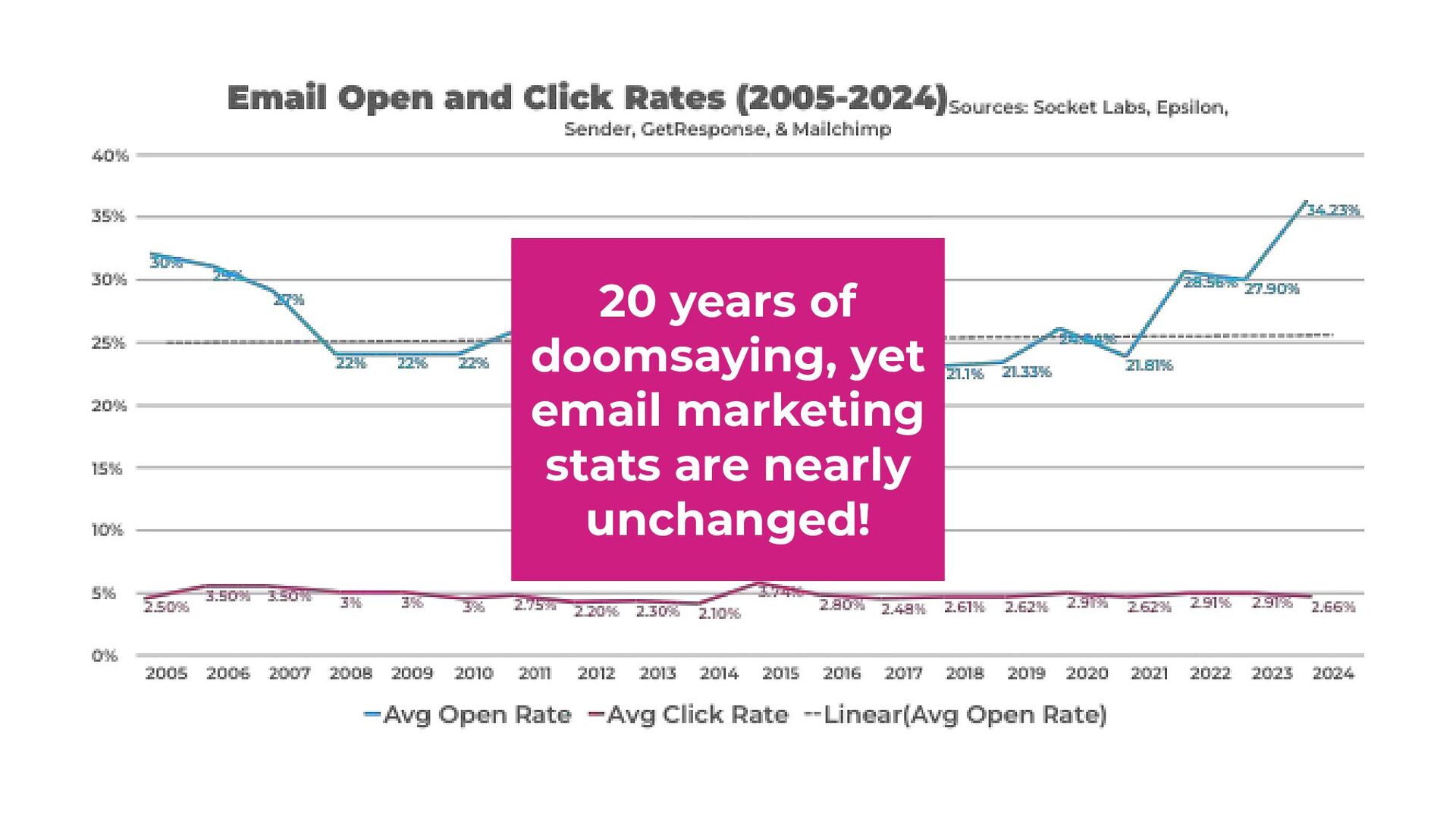
Look at this baby. Look at that. Here is data going back to 2005. This is open rates and click-through rates for email. Every year somebody reports on it and I looked through all the years and it has stayed remarkably, consistently. Even this bump here, the bumps, that is mostly how major email providers like Gmail or iPhone, iOS handle email. That is not actually big changes.
Email has stayed consistent forever. Incredible, totally incredible. I would urge you to build your email list. Alright, thank you very much. Appreciate you having me again. Turing.