
What I learned about people, switching teams, and how to be a better marketer when I decided to solve SEO problems with PPC tools.
← All talks 












Grow Marketing Turing Fest 2017
What Happens When An ‘SEO Guy’ Starts Doing PPC?
Auto-generated transcript - may contain errors. Tap a timestamp to jump the video.
I hear they record this, so just pay attention and wait for the videos to come. So what I'm going to talk about today is the challenge of kind of breaking out of your silo and your area of expertise. And you'll see the value that comes from that.
And to give you the background, I started my first day doing search SEO was in August sometime in August, I don't remember the exact date but August of nineteen ninety nine. So here I am in August of twenty seventeen. And it's like I spent eighteen years of my life basically focused on how do I get ranked higher on Google.
And it wasn't until I actually started doing paid and challenged myself to work as an intern on our paid search team, went and got my PPC certification like a good boy, that I actually started realizing, wait, there's ways these things can work together.
And I think because people have a hard time letting go of their expertise and being new all over again, we stick to our area, we finally get good at it, and we never want to stop and become an intern all over again and go all the way back to start.
So today, I'm hoping to do is to show you some things that will open your eyes to things that are sitting right in front of you that you can do. Let's rock and roll. So I don't care what kind of marketing you do.
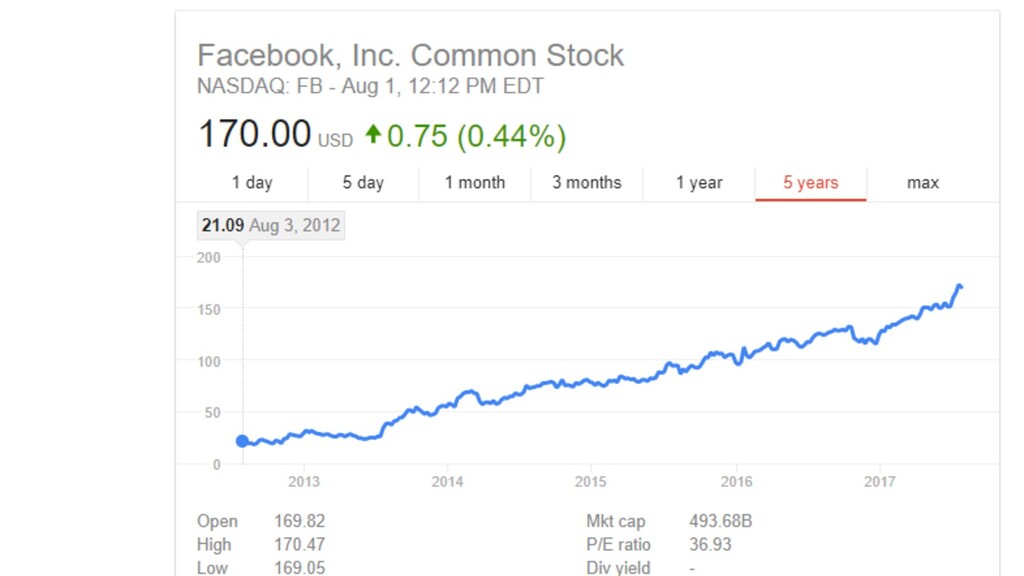
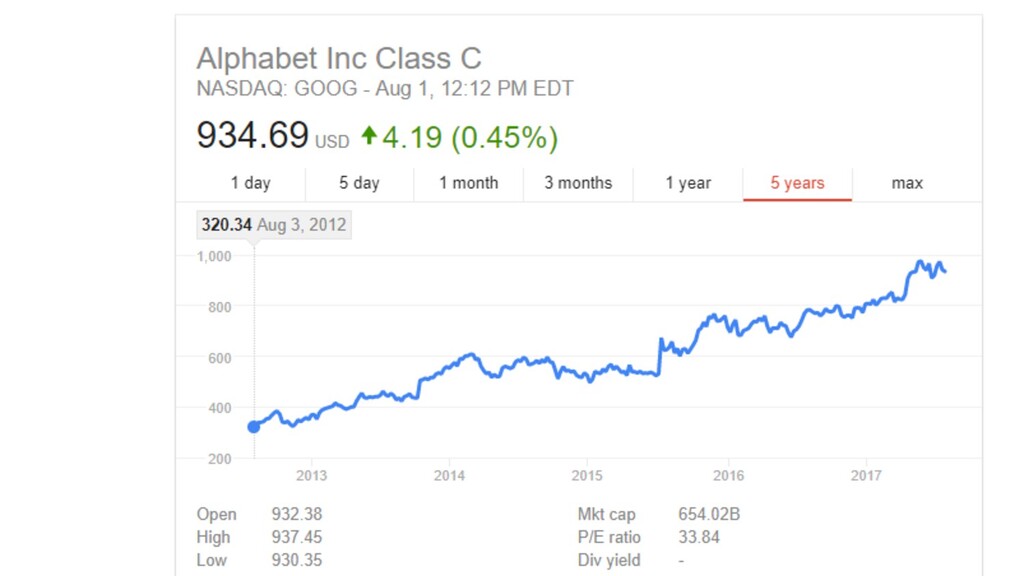
I don't care if you do email, paid, display. I don't care what you do. At the end of the day, if you're not following the money, you're a moron. Because like think about it, right? Like these guys, that's not a bad stock movement.
These guys, not bad either. We spend like eighty percent of every digital dollar goes to one of those two companies. Yet, how many of us in here are like, I do email. Why would I learn paid? Because all the money is spent over there.
Simple math. If a client works with SEER and they spend a hundred thousand dollars in a year on SEO, they spend a hundred thousand dollars a year. If I can find a way to get them ten percent extra, know, save them ten percent on that, great.
I save them ten thousand dollars. A client who gets charged ten thousand dollars a month on paid is probably spending one to one and a half million dollars a year on paid. If I find a way to save them ten percent on that let's put it this way.
If I'm doing your SEO and you're paid, would you rather me save ten percent on a hundred thousand dollar fee to me on SEO? Or ten percent on a one hundred thousand dollars fee plus the one point five million dollars you're spending? Basic math.
So I said, if all the money's there, shouldn't I spend some time there so I don't become irrelevant because God knows, ten years from now there will be no organic. So that's why I decided to spend more time on paid. The money was there.
I watched in the room how clients would like, I want to spend fifty minutes of this meeting talking about my paid campaigns and ten minutes talking about the SEO. And I was like, right. Because they're like, I spend one point five million dollars a year with you over here and a hundred thousand over here.
Wouldn't you pay attention to things that way too? And I'm like, yep, you're right. Now if you've ever seen me present, I always start talking about people. Because I think if I start going into like tools, I'm actually not setting you up for the reminder that there are people behind every single search that's being done.
And even though many of us do searches to see what Google shows, our everybody else, God bless you, doesn't. They actually are like I'm searching to solve a problem. So let's say that I'm searching for an SEO company. I did this search from our office in San Diego, much better weather in San Diego.
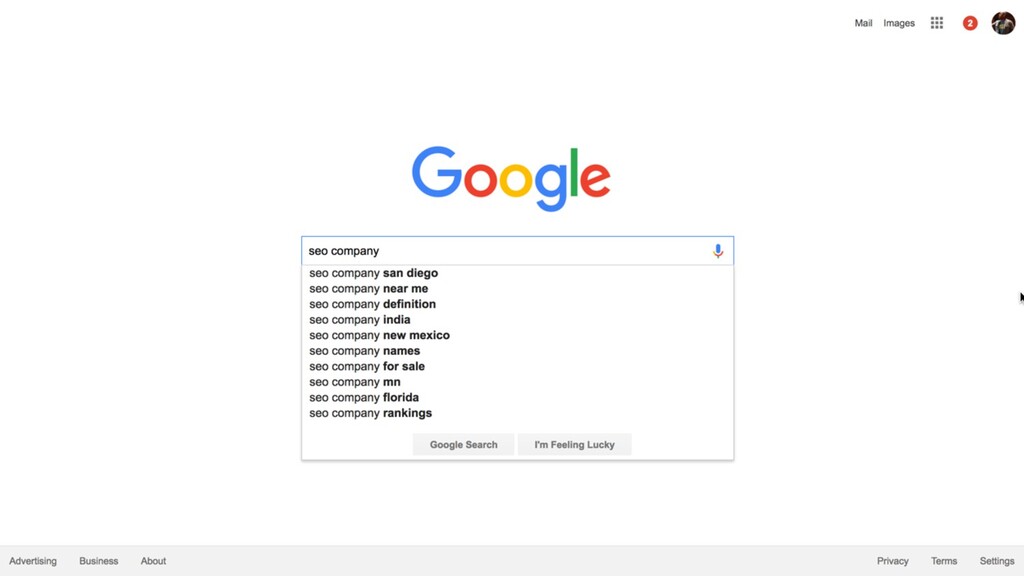
Yeah, we don't have a castle in San Diego but we have sunshine. So all day, all day. So I looked, I typed in SEO company, you can see Google's already suggesting cities. This is in front of every search marketer on the planet. You're like, dude, this is nothing new. Right.
So why is it that in in spite of seeing that and also seeing local results, go ahead and search for SEO company now. You do it on your phone right now, you do it on your right now. It is a local result. It is like buying a pizza.
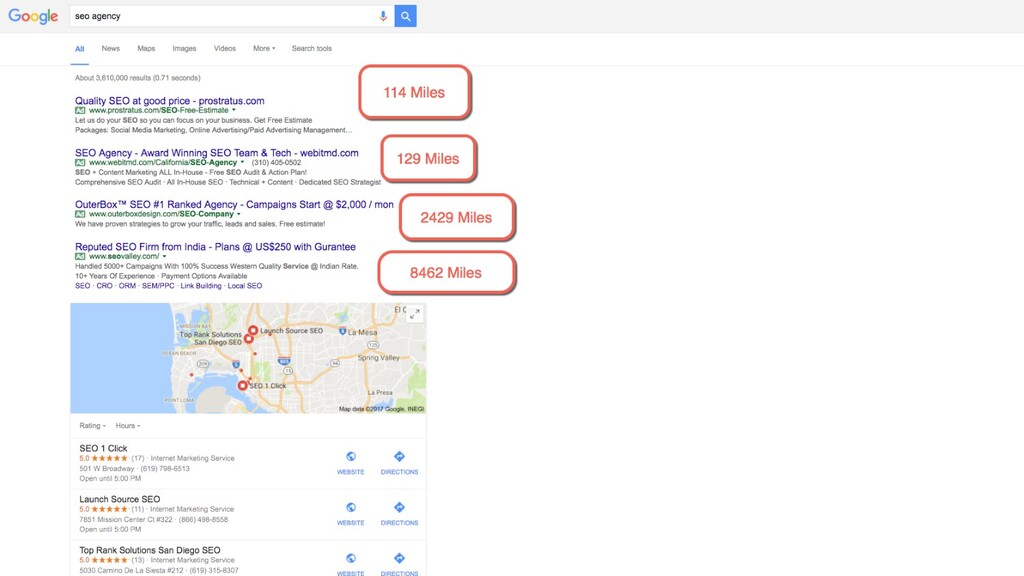
So why would a paid search marketer who is twenty five hundred miles away from San Diego bid on the keyword SEO agency? These are search marketers. They're supposed to get this stuff. If they're not getting it as search marketers, my god. And they're not just search marketers, they're SEO and paid search companies who aren't going, well, me look at this.
Oh, local. So if I'm twenty if I'm eighty five hundred miles away from where that search was done, my conversion rate's probably going to be pretty ******. Basics sitting right in front of us every day. My b to b friends, I got a lot of stuff for you today.
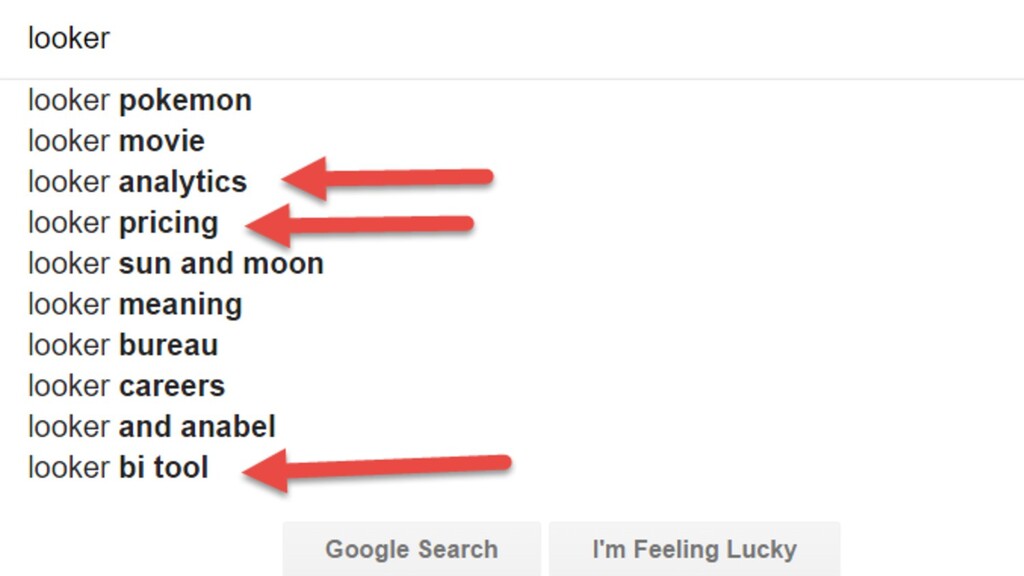
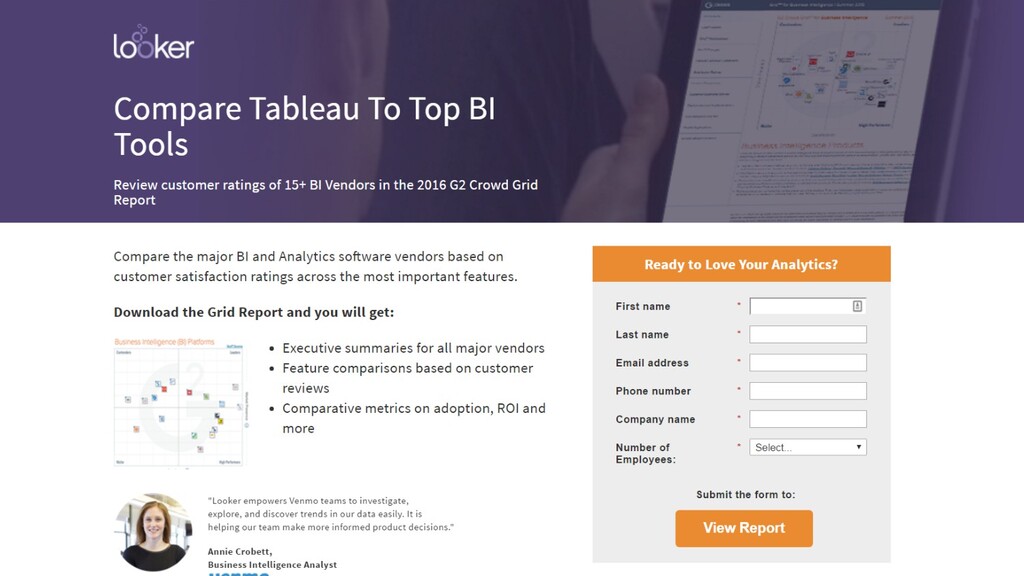
So if you search for Looker, it's a software. You find that most b to b software platforms, pricing is one of the top queries after your brand name. Right? So I search for Looker, it's a tool I'm wanting to use. I'm looking for their pricing. This is their paid search page.
Let's play a little game. Can you find pricing on this page? I don't have a lot of time today. The answer is no. So if I if the number one search for phrase after your brand name is the word pricing and you're bidding on that, why would you send me to this?
Look at how much space is dedicated to getting me in the funnel and how much space is dedicated to answering my question. So I clicked on the second result. And know, these were just popping off at fifteen, twenty dollars a click making Google money.
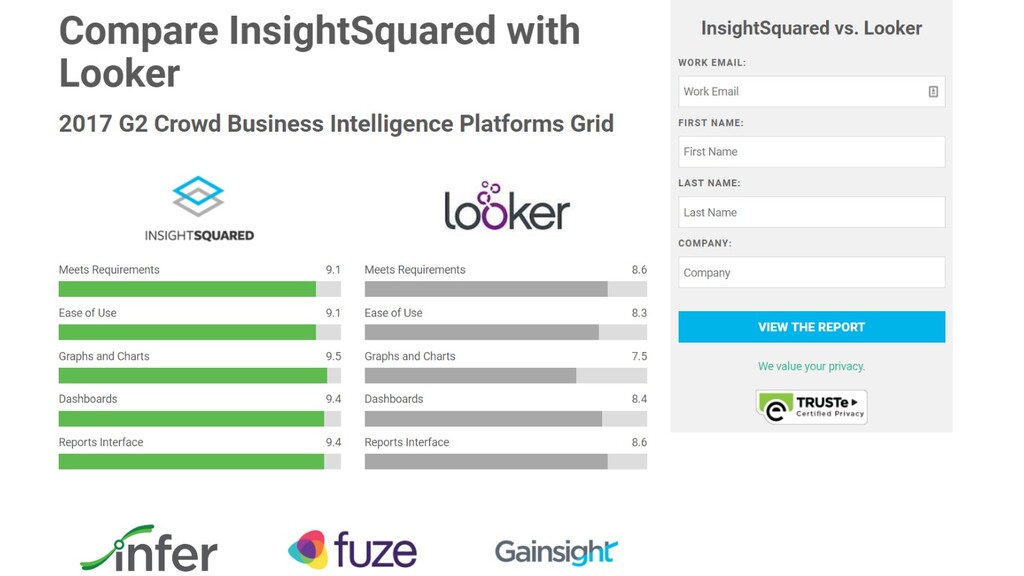
Sorry Barry. And the second site, I searched for the word looker and pricing. This isn't long tail. This isn't small search volume. This is the number one search phrase off of their brand. Can you find pricing? Nope. But you're telling me that you have graphs and charts.
Yeah, so does Excel. But once again, look how many pixels are given to the form. Get you in the funnel. Answer your question, no freaking way. Why would I wanna give you pricing when I can get you in my funnel? So then I looked at clues for the third result and look, really costs.
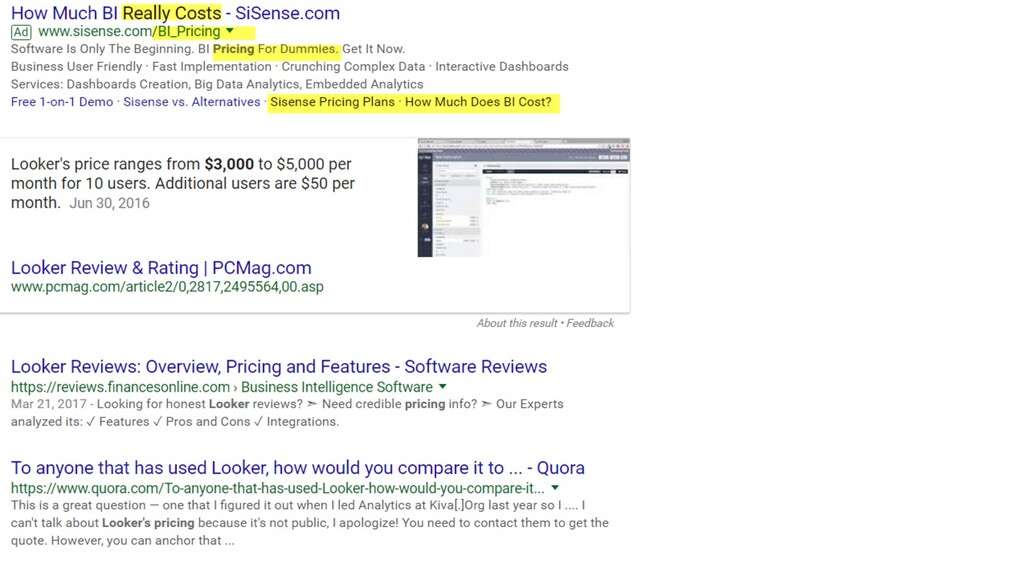
Pricing. Pricing for dummies. Pricing plans. How much does it cost? If you were to ask me, how much does SEER cost? And I were to say, can I have your email address? You'd be like, screw you bro. Just tell me the number. Like that's what I'm asking you.
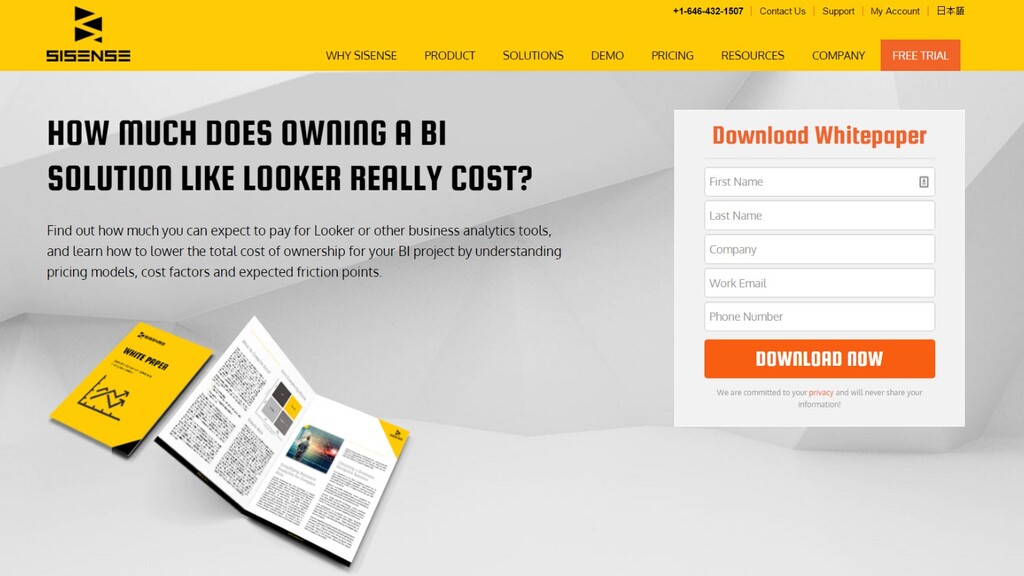
So I look at all these clues and I go, sweet, I found my oasis. I'm gonna finally get the freaking answer that I want because I wanna figure out what the pricing is, right? Find the pricing game says, no pricing. Form, tons of real estate.
God, so disappointing. This is why the web feels like this. The web just feels like a constant state of like, man, why don't you just give me what I ******* wanted? Why don't you just give me what I wanted? But that's why I'm focusing on paid because there's like that happens to like that's that's every company out there.
What's interesting though is Google is going to show you, let me go back a bit. They're gonna give you an answer. Take a look at the one box result. Do you see pricing in the one box result? Interesting. So when you are willing to pay Google to mislead people, they're like give me your money.
That's how they build self driving cars off of dumb PPC marketers. But if you actually want to answer the question, oh we're not going let you rank for that organically, interesting. PC Mag's answer is a year old. This is what happens when you don't when you choose that I don't want to answer that person's question because our pricing gets complicated.
Google never shows zero results. So now somebody who's not you is getting your space and misleading your customers with the wrong information that's a year old. Because if I only have two thousand dollars to spend and I see that, why would I go through your lead form to find out that I can't afford you and get hounded by you for years?
Alright, let's keep going. So let me go through the things that I'm actually done or have done to start trying to bridge different silos in my own company. So I've already started showing you some of these. So you can use IBM Watson to help you with this.
So I I've started realizing that the company of my size, we're about a hundred and forty five people. If I were to pull our MCC down for yesterday, we might have bid on a million queries. I have to do everything at scale. So I start off thinking about Watson but you can use any tool to do this.
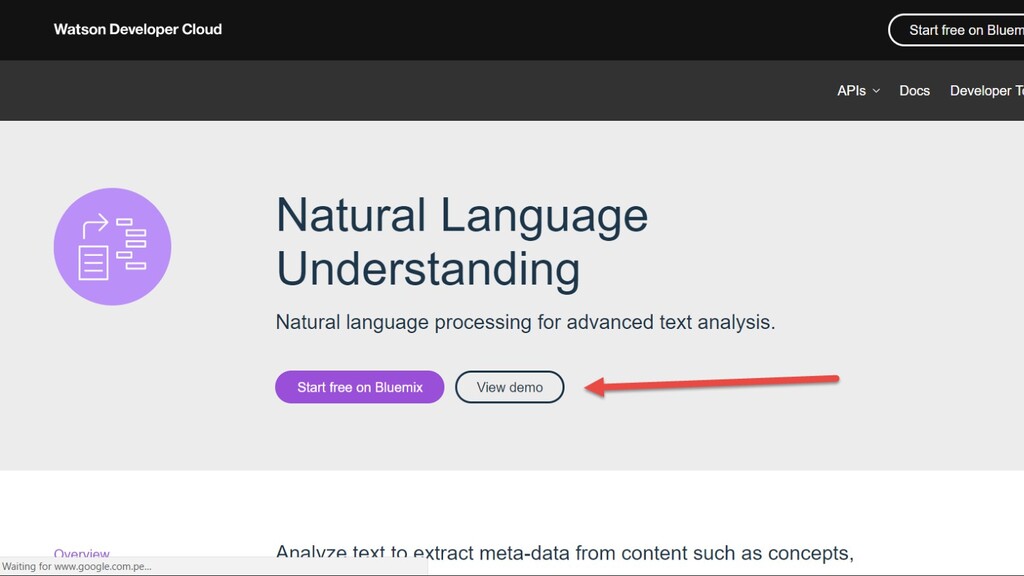
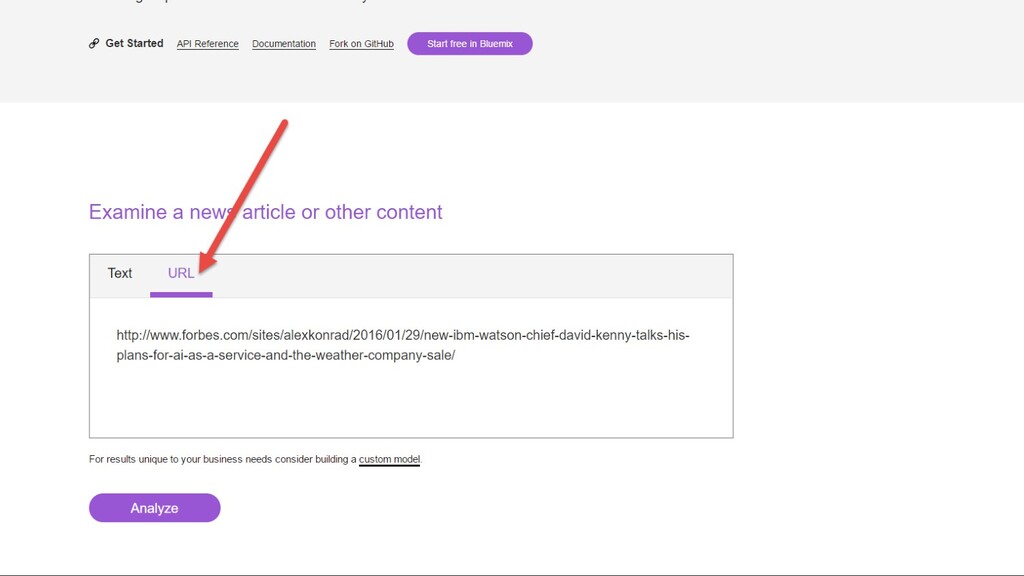
The reason why I like Watson is because it lets regular old marketers not have to learn JSON and and code to play with their tools. So you click on view demo, that's CRO. It's actually not you don't view a demo. When I click on view demo, what do you think you're going to get?
What? Video. Wake up. So I click on view demo thinking I'm going get a video. I don't want to click on view demo but when you click on it, you actually get the ability to put your URL in and have the machine learning tell you what they think the topic of your site is.
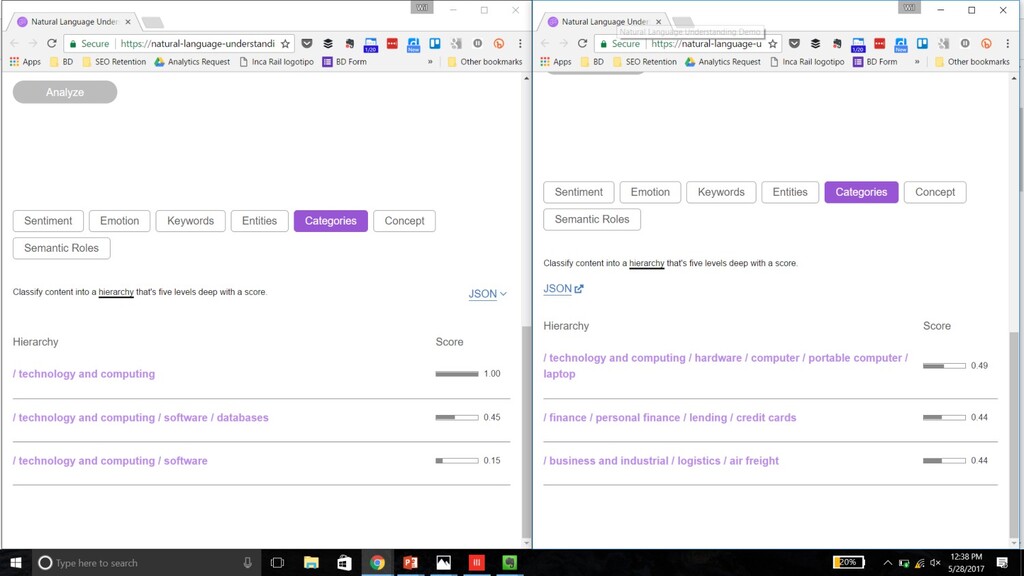
So what you do is you drop in one URL of your organic page that ranks well or an organic page that ranks well. And then you put in your paid search page and you can see how confused or how confident Watson is on what that page is about.
This is the discrepancy between a paid search page and organic page for the same keyword. Then I can do that because I have millions of queries, I can do that at scale. I can then say do this for all these URLs Watson and show me where there's the big discrepancy between the two and then let's start working on fixing those things.
I guarantee if this was the pricing query, what you would find out is, oh you're not giving people what they want. Watson's more likely to be a little confused about this. There's a bigger discrepancy. So you can also get keywords and entities and all that from Watson just by clicking across the things at the top.
Super fun tool to play with. If you assume that organic is going to always give you a better answer because you have to in order to earn your ranking, it's it's it's a it's a great place to start by saying what does the Watson think the organic page is about because it's going to be much more likely as a baseline to be what people actually want.
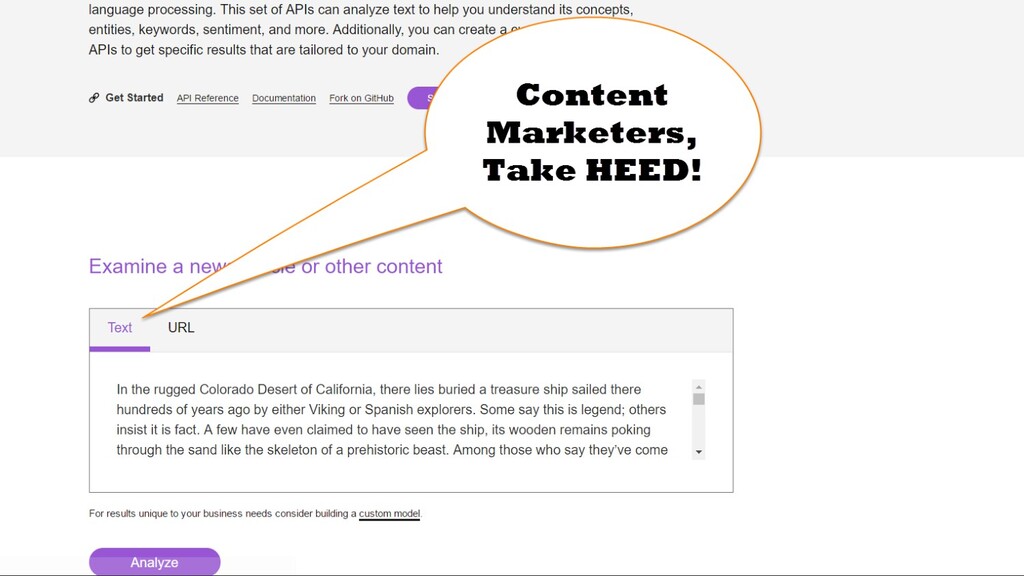
And then compare your paid search landing pages to the pages that Google's ranking. You'll see some pretty big discrepancies and then just start working on fixing them. Something else that's really cool is when you're writing content, if you want to get a feel for what what this, I won't say the search engines, but what a search engine might think that page is about, you can actually copy and paste your text into Watson and it'll categorize it that same way.
So before you hit publish, copy, paste in this tool that sits around free for all of us to use and see what Watson says it's about. If you start seeing that as Watson categorizes your content inappropriately compared to who's actually ranking in the top ten, it's a trigger to be like, man, my content is not looking like the other content that Google's currently ranking.
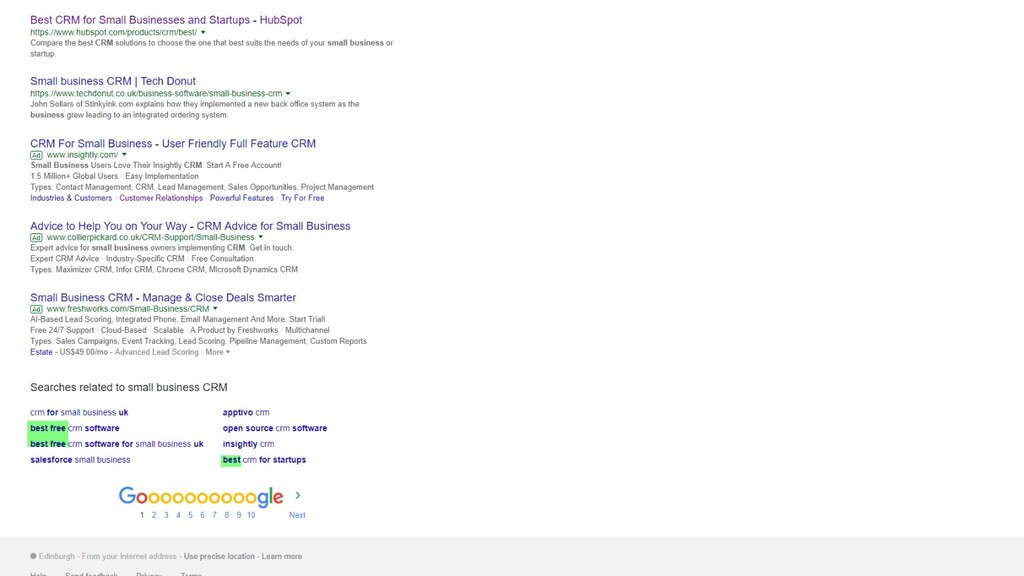
Watch your footers if you use the tool. Copy and paste your content in because footers throw it off significantly. So another thing you can do is look at related searches. So I did a search for small business CRM. Now look at the word best.
Look at how often these related searches show up here. This the bottom of Google gives you clues. Best. What does somebody want when they say best? Do they want a singular answer or do they want a comparison of multiple ones? They probably want a comparison of multiple ones.
So you start to see that. You also see things like open source. You see brands there, Activo and Insightly. So Google thinks those things are highly correlated. Small business CRM, highly correlated with Salesforce small business, not just Salesforce, at TiVo and Insightly. These are clues that you can use to start to create better content that actually connects with people and it's been sitting right in front of you for the last like eight years.
If you have to do this at scale, there's a tool called stat. It's at getstat dot com. They will let you export the top twenty for a million keywords in your vertical if you wanted to. You drop in a million keywords, you run it for a week or two, you then say give me all the people also asked, Give me all the all the suggested results and then you can do some analysis on those which I'll also show you how to do.
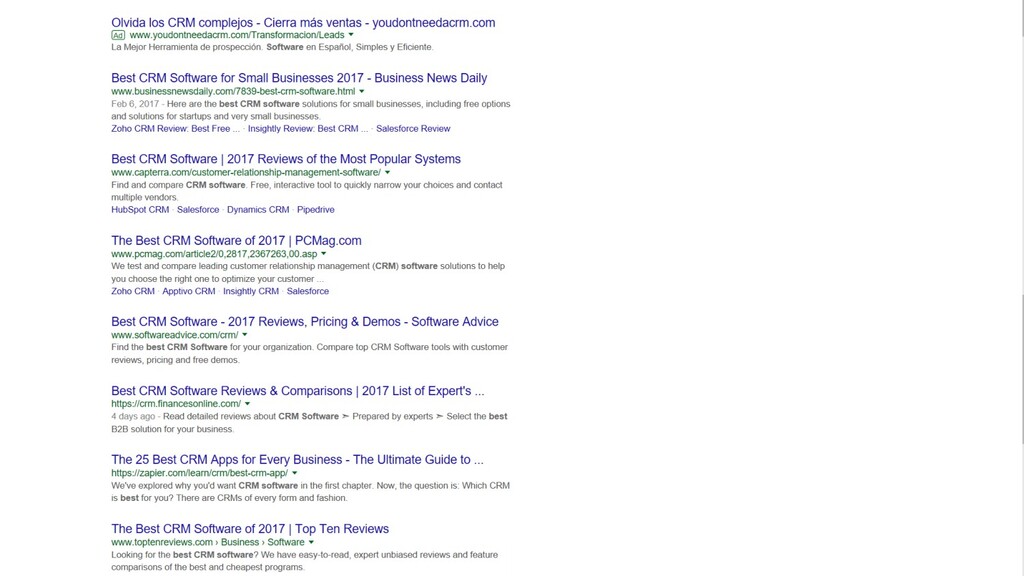
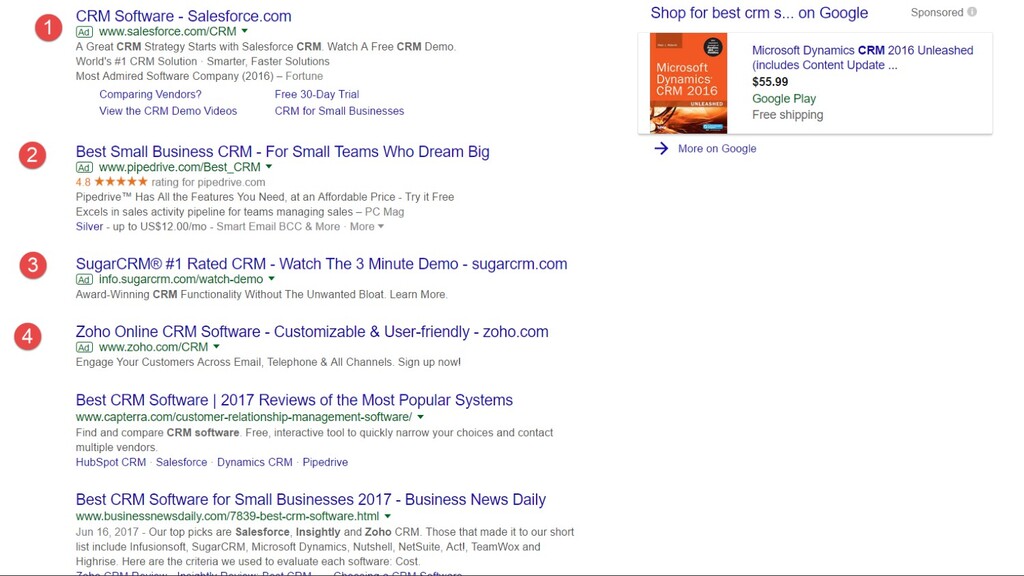
Keep in mind that when I search for a best software, notice that you don't see any companies here because the word best means I want advice. The average company is going be like, yeah but we're the best. Yeah, you want to hire us because I think we're the best.
Like there are no others CRM softwares. So Google can see that the user behavior on companies who put in best, we're the best, we're the best. They're pushing them out for the most part and I'll show you an example of an outlier because no company is going to say, here's some other people that are good too.
Never. Everybody sucks but us. So best is a comparison query which means you have to get in the mindset from my b to b folks of guidance. How do I guide somebody to an answer? Now look at the paid. Everyone is a company. This makes sense.
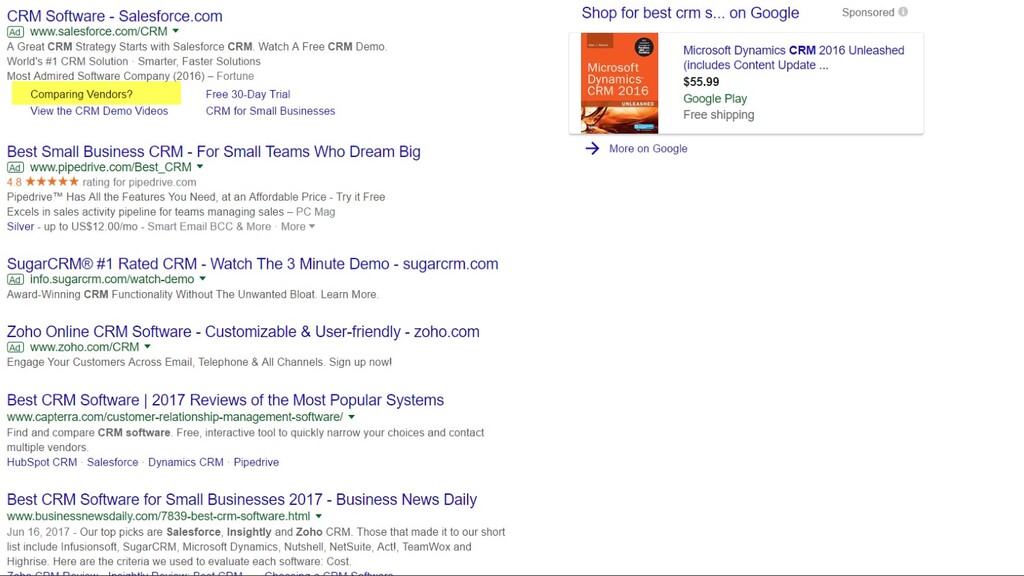
You're paying advertising, I get it. But what I really like here is Salesforce. Notice Salesforce is saying if you put in the word best on a CRM query, I'm gonna use my site links to be like, you comparing vendors? I'm like, why yes I am. That's why I typed in best.
Nobody else gets that. Nobody else is even using review extensions. Wait, yep, nobody's even using no they're using PCMag, right. So pipeline's using a review extension. Stuff I didn't even know anything about six or seven months ago to be honest. But here's the problem with that comparing vendors link.
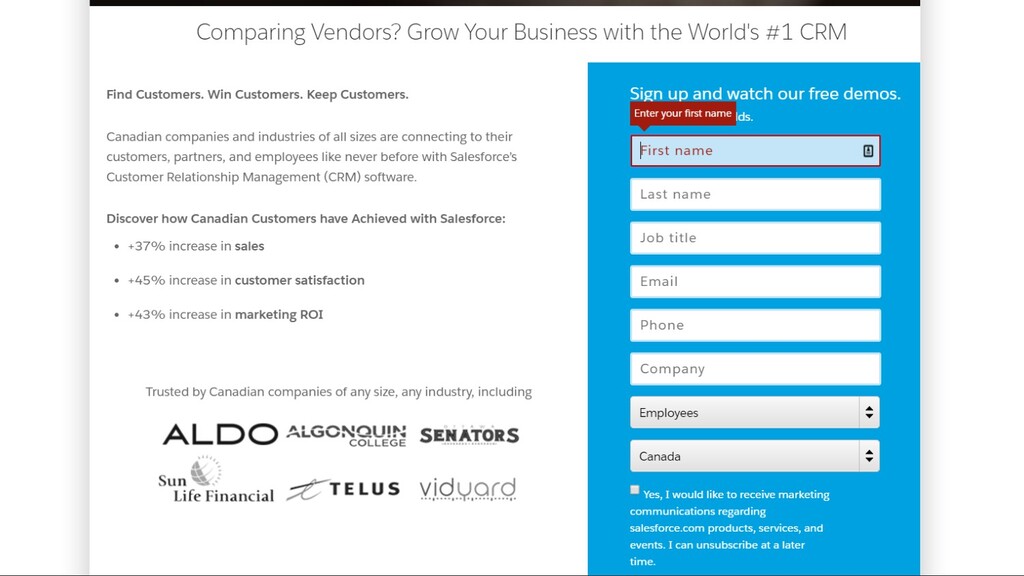
So are you comparing vendors? Yes. Hey, can you help me compare vendors? Get in my funnel. Get in my funnel. Get in my funnel. Don't compare any vendors. Just get in my funnel please. Why would I show you other people to compare to when you could get in my funnel?
Wait. Don't you wanna be in my funnel? Look at it. I wanna compare companies. Write me a freaking comparison. They're paying money for that click. Twenty, thirty dollars a click to piss people off. Look for other things like like disconnects between look for results that only show or that mostly show review sites.
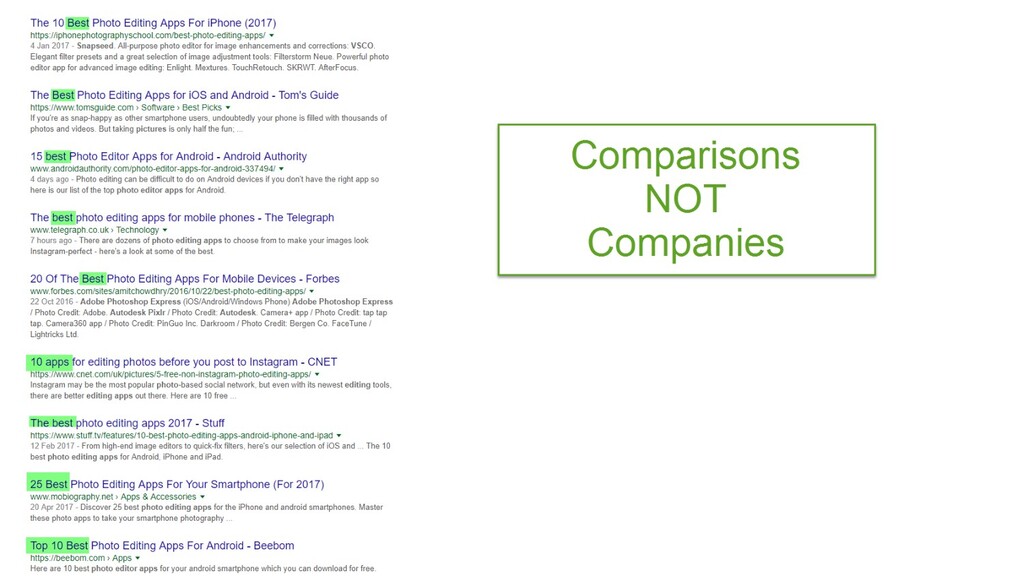
So I typed in the word photo editing app. Notice that they don't show me any individual photo editing apps until the very bottom. Oh no, that's sorry, not even the bottom. None of these are actual companies that have photo editing apps. Why? Because Google's realized that people who type in photo editing app want guidance on which one's the best for me.
They don't just want to click and install one. They actually want to get guidance. Look for times like this and start categorizing content to look at the difference between publishers and companies. And what you'll start to find is where there's a lot of publishers, you might need a different strategy to get in front of those searchers and I'm gonna show you some of those strategies.
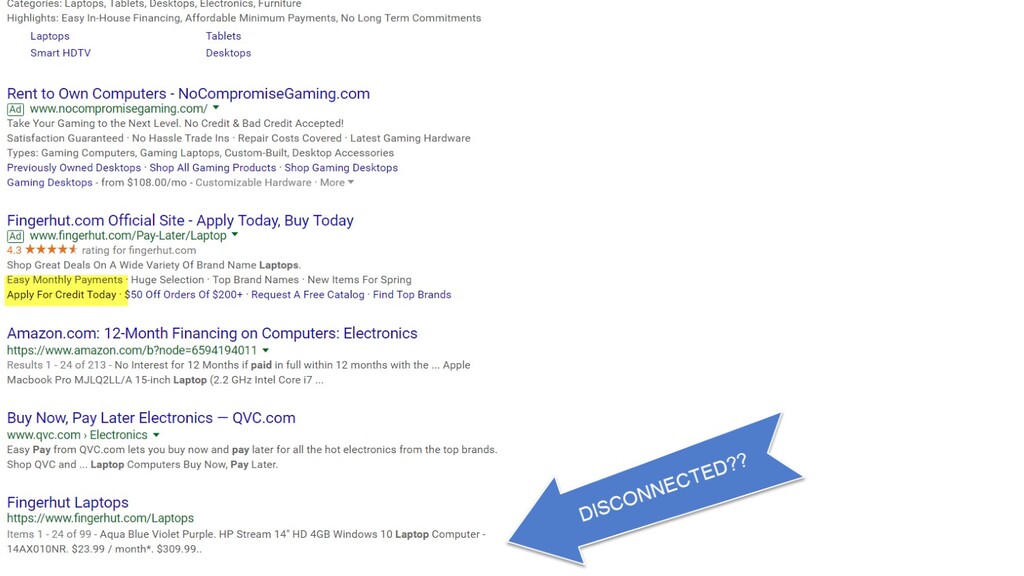
Look at this company. I typed in the word like rent to own laptop for some research I was doing for a competitor of of Fingerhut. Look at the paid search ad. Easy monthly payments. That's marketing. Huge selection, fifty dollars off, all that great marketing.
They also ranked number three. Average SEO is like my job's done, ranked number three for that keyword. Items one through twenty four of ninety nine, aqua blue, violet, purple, HP stream fourteen inch, HD four gigabyte windows ten laptop computer. Fourteen ax zero one zero n r period dollar sign twenty three ninety nine slash month star.
That didn't even sound like a marketer wrote that. But the average search professional is going or average SEO is like, well I crushed it, number three. Give me another keyword to crush. And it's like, well wait a second. Like might we wanna talk to people like they're humans?
Because what we have found is that we've gotten as high as a three hundred percent increase in click through rate without improving rankings at all by comparing the paid search ads for our clients to the natural organic results that are already ranking. Three times the traffic, same exact ranking. Why?
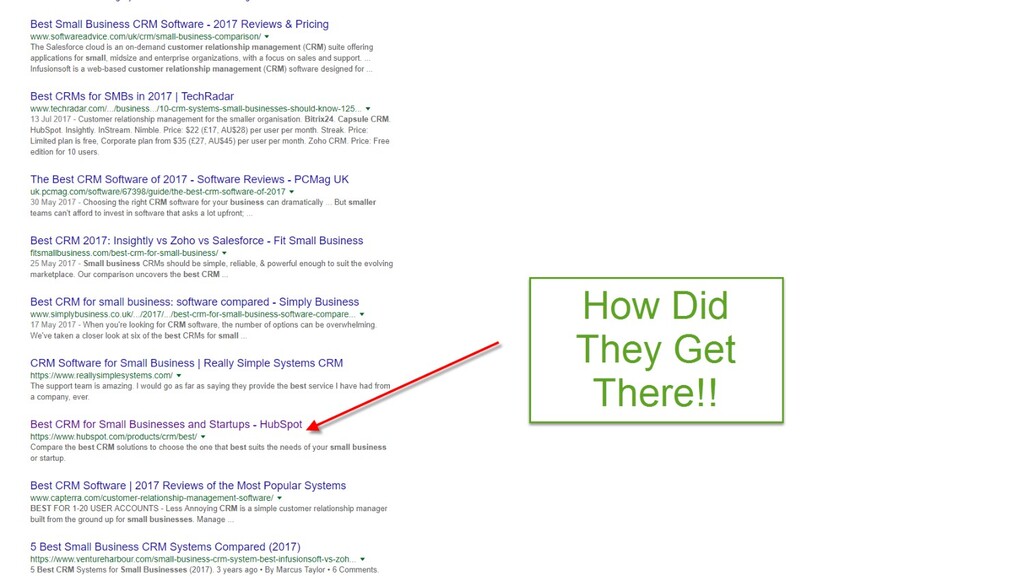
Because people read it and were like, that is how I wanna feel on my wedding day. We're like, gotcha, get in my funnel. All right. So when you look at the word best small business CRM, you go, well wait, well I thought you said earlier that companies don't typically show and they don't typically.
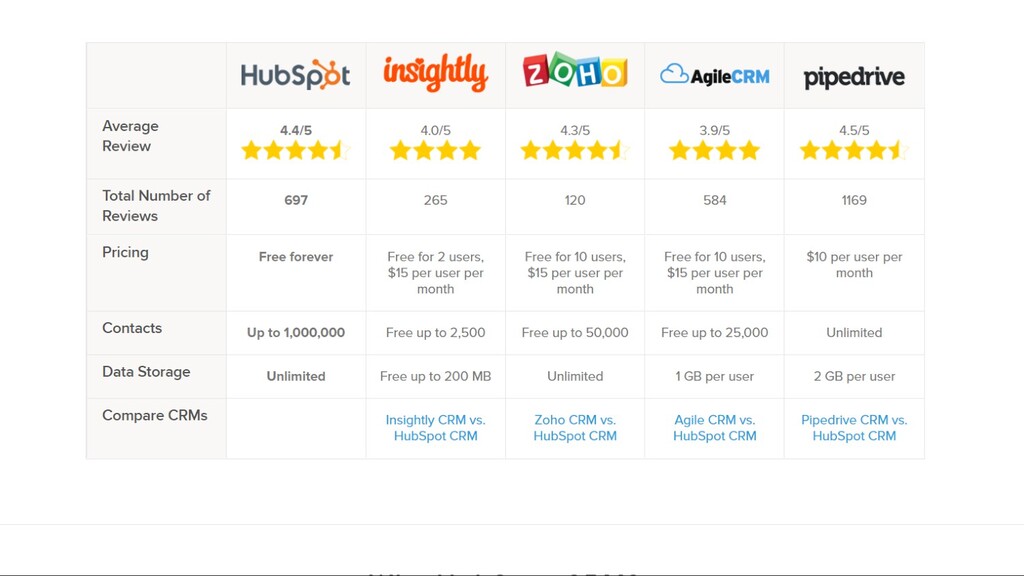
Really simple systems, I don't know what they're doing. HubSpot's showing up. The reason why HubSpot's able to show up for a best query is because they actually did a comparison. And what's really cool is they rated themselves the second highest company. And that's why we're like, we love HubSpot, they're so great, they're so trusting and so transparent.
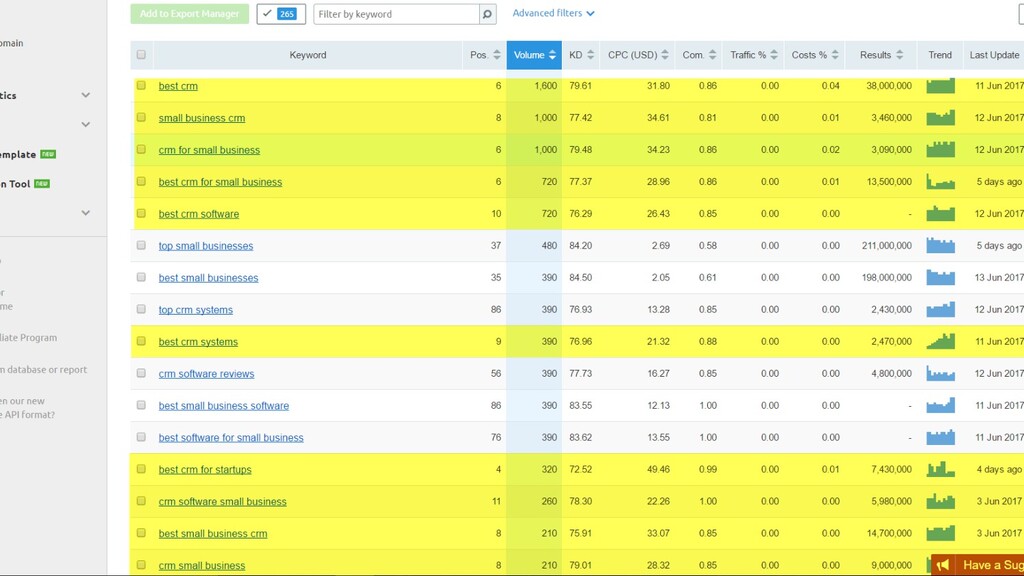
Well, this is how they continue to make you feel that way. And how you feel about **** is whether or not you click and buy. Alright. Here's the results they have as a as a result of writing content that actually solves people's problems.
Here they are. Tons of rankings, tons of search volume because they're actually solving the user's query. They're not frustrating users. The other thing I wanna chat with you all about is the emotional connection. See PPCs and SEOs, they look at the world differently.
Let's say I'm optimizing for the word. Let's say like you're leaving SEER and it's your last day of work. And you come up to my desk which a lot of people do on their last day and they're like, thanks for the opportunity and blah blah blah blah.
And at that moment, I have a chance to say a lot of different things to them as they're leaving my company. Imagine it's you and you just told me you're leaving, you stop on my desk to thank me and I said this to you.
Get the **** out. Much it's Get the **** out. Or Get the **** out of here. **** out of here. Get the **** out of here. Oh, what if after you said you're leaving, said this. Oh. Alright. So why do I show you that?
Because PPC marketers and SEO marketers have different roots. SEOs go, well you want to rank for get the **** out. So I need to put get the **** out in a bunch of times, get a bunch of links that say get the **** out.
And like, what other words around get the **** out are highly likely to be used like you and ass or whatever other words we use around get the **** out. And and my job's done. But in actuality, you can tell it. If you said, well I'm leaving today and the first one was get the **** out, the first one, the Ari version, you'd be like, wow, he's really happy to see me go.
I guess I sucked. The second one's like, oh ****, I didn't know you were leaving today. Get the **** out of here. Man, I love you. Come on, thank you so much. And the last one's like, I might get stabbed in the neck with a pencil if I don't get out of here tomorrow.
But it's all the same word. There's different emotion behind those words and that's why you got to look at the PPC ad copy. Because PPC people definitely stoke the emotion because that's how they get click throughs and that's how they get more conversions.
SEOs are like yo, number three for the word rent to own laptop. Why would I do need to do any more work? There's a lot more work to be done on your high rankings. All right. So I'm gonna skip this because I'm short on time, it's not as good as the other stuff.
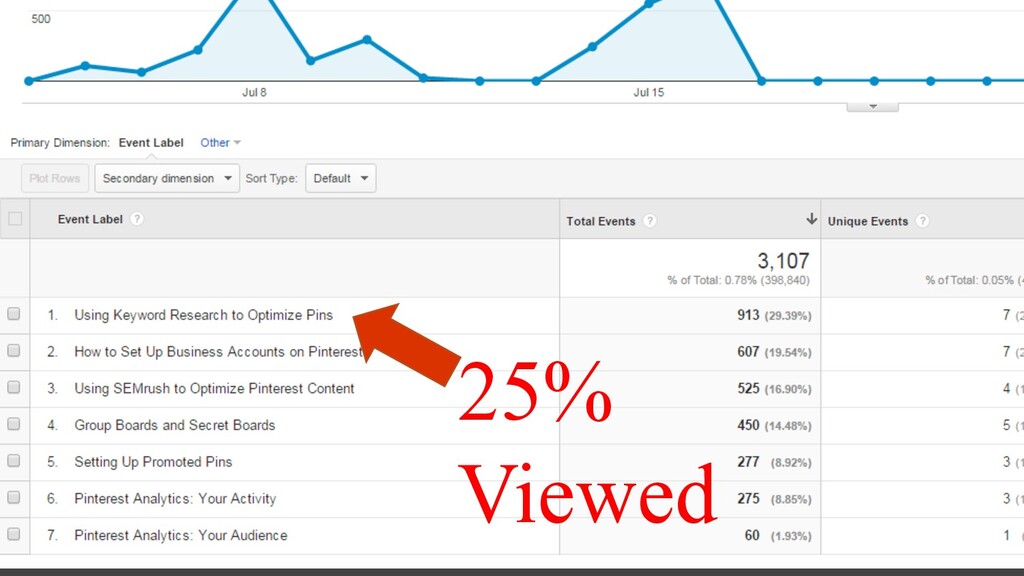
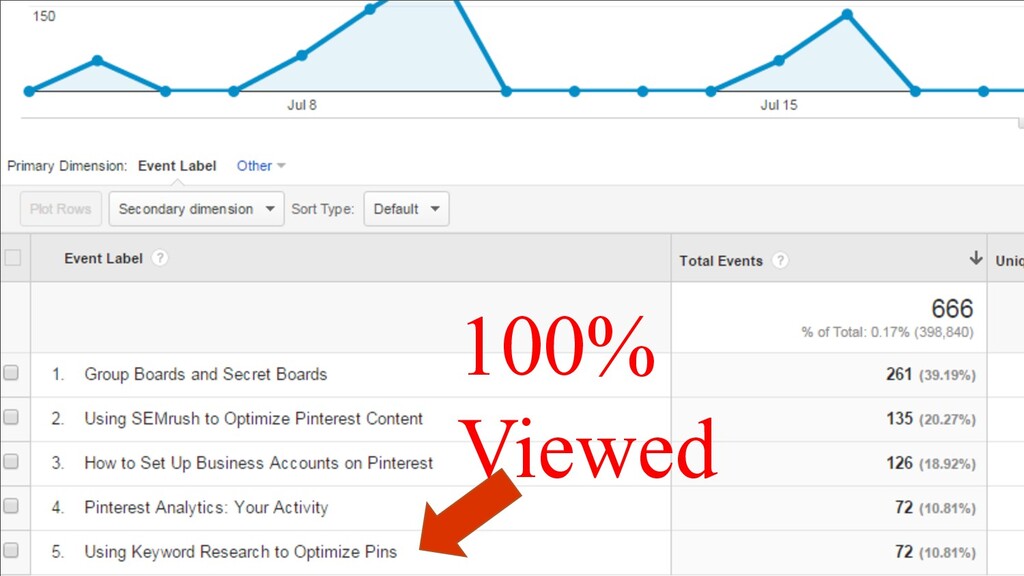
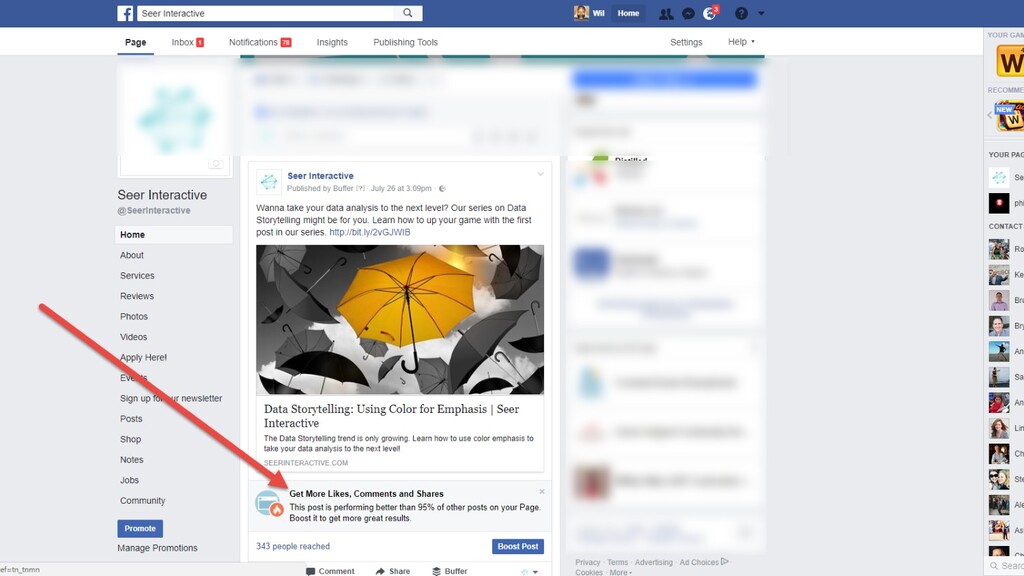
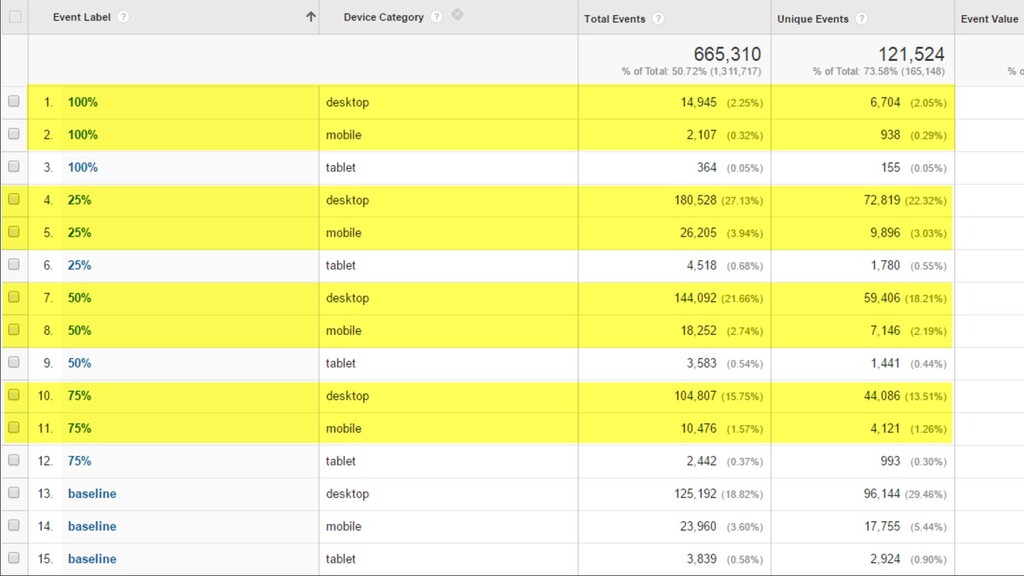
Facebook's like, oh you got a lot of likes, boost this post. ********. You need to start looking at your data a little bit more deeply. So we look at scroll depth for every piece of content on our site. So when Facebook says, hey, you got a lot of likes.
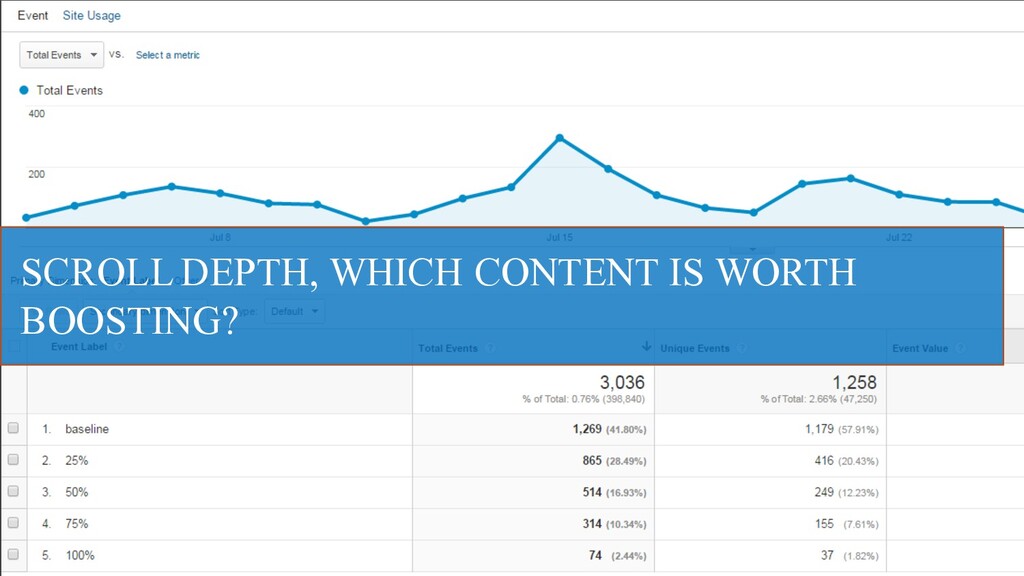
I'm like, yeah, but those people actually didn't do anything on the site that I want them to do. So I'm not boosting that post. One piece of code you can get scroll depth on every page on your site, you can see who's actually engaging with the things that you wanna boost.
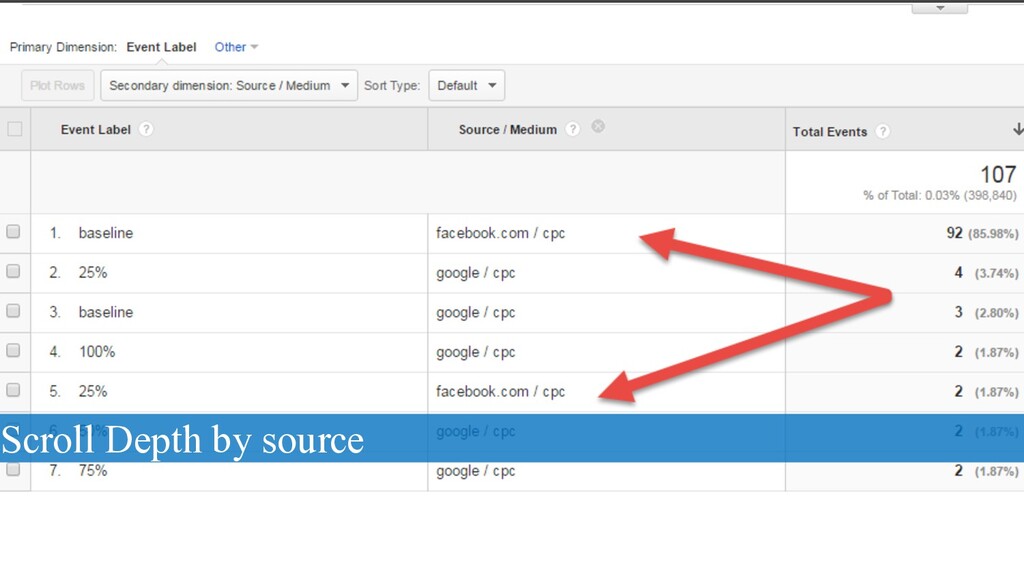
See, because when you do things like scroll depth, I'm paying on Facebook for a campaign right now that got ninety two people to it and a bunch of likes. And then I said, well how many of are even scrolling to the twenty five percent point on this piece of content?
It's like yeah, maybe three percent. Okay, not bidding on that keyword anymore. Boost your post because you got likes, stop it. Hey, anybody wants to be paid in likes, feel free. More than willing to not give you a salary and pay you in likes.
Yeah, how does that feel? All right. Mobile index, stop it. Stop it. You're going to get schooled on mobile index later but you all are asking the wrong damn question. Oh, what does Google want? What does Google want me to do? What does Google want me to do? Sure.
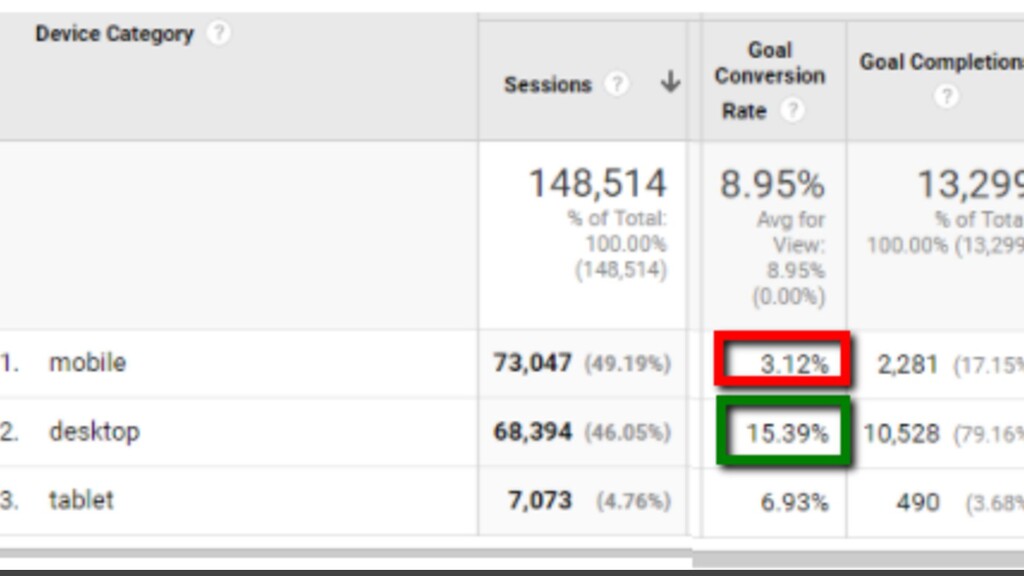
How about what people want you to do? So what I like to do is look at my scroll depth by by device type. Because if people aren't engaging with my content on mobile well, that is a big signal that I might be able to fix something in their user experience to get more of them to actually convert or get in my funnel.
So what we're doing is across every client, we're looking at the top conversions and looking for the biggest discrepancies between mobile and desktop. Now we have you have to use your brain here. We have some clients that sell jet engines. You might research some things on your model but you're not buying, you're not putting in a a two billion dollar order on your phone, right?
So I get it. You have to use your brain here. But when when you have that big of a discrepancy, we've been finding that our SEOs are starting to turn into little CRO people. They're starting to be like, yeah yeah yeah, I can get you more links and stuff but like all these people are disappointed.
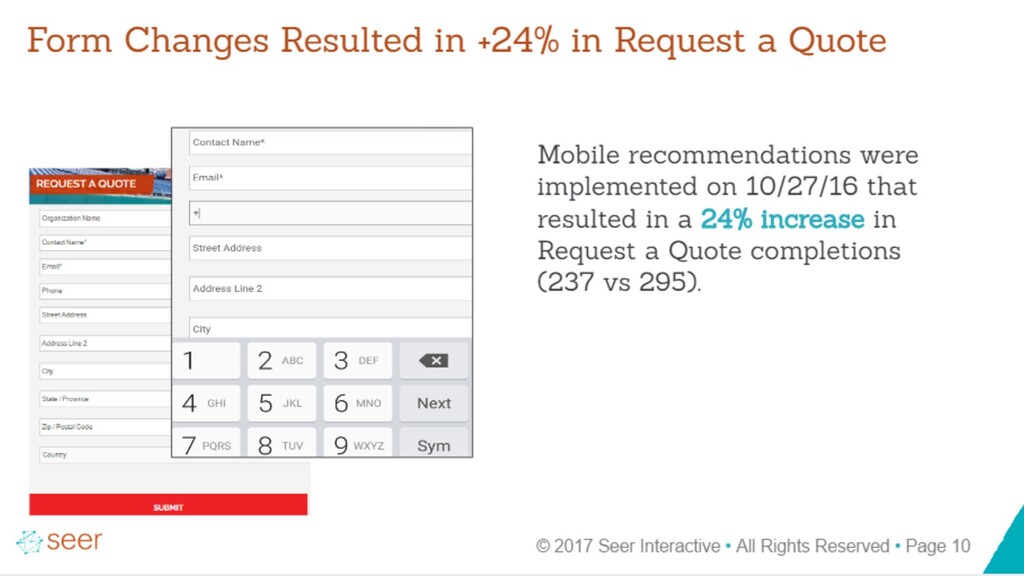
Why would I not start working on this? Because with links, nobody knows what it's gonna do. When I go, ****, your mobile your mobile site is horrible. I'm gonna improve the UX, not the spider ability or crawl ability. I'm gonna make sure that people actually find what they want easily and we're like, yeah, next month, boom, twenty four percent more conversions as a result of making the lead form easier for people to go through.
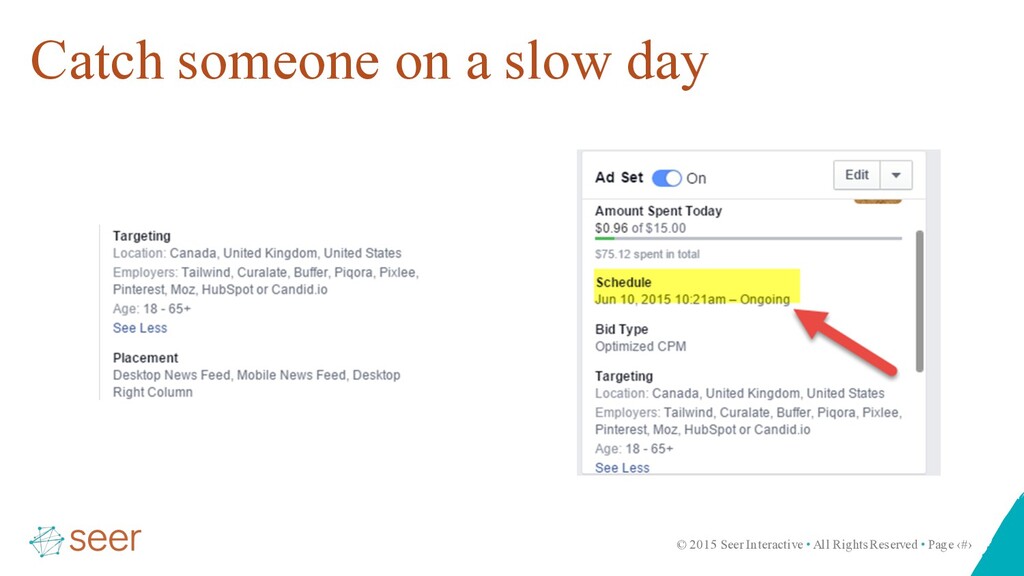
I like to target people that work at companies who are highly likely to curate and promote my content. So when I do paid posts, I do things like this. I just turn this campaign off because I was running it for two years. But I was basically targeting people with a piece of content that worked at places like HubSpot and Curulate and Tailwind and Moz.
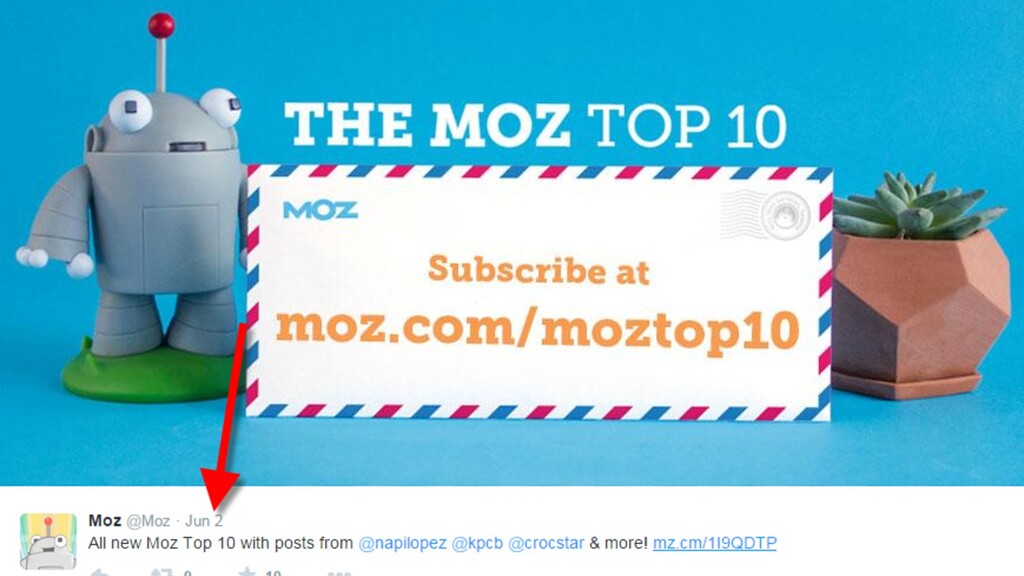
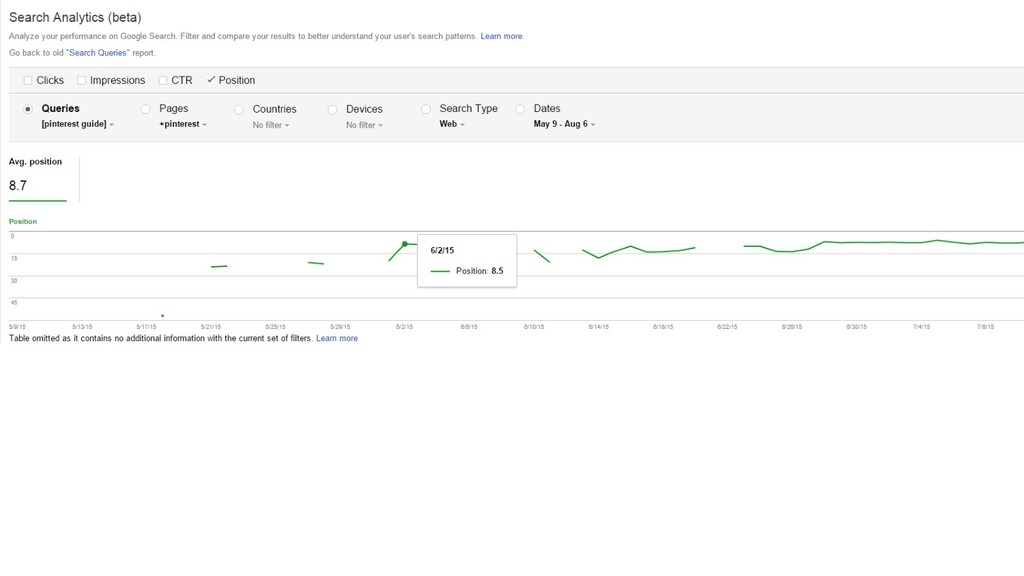
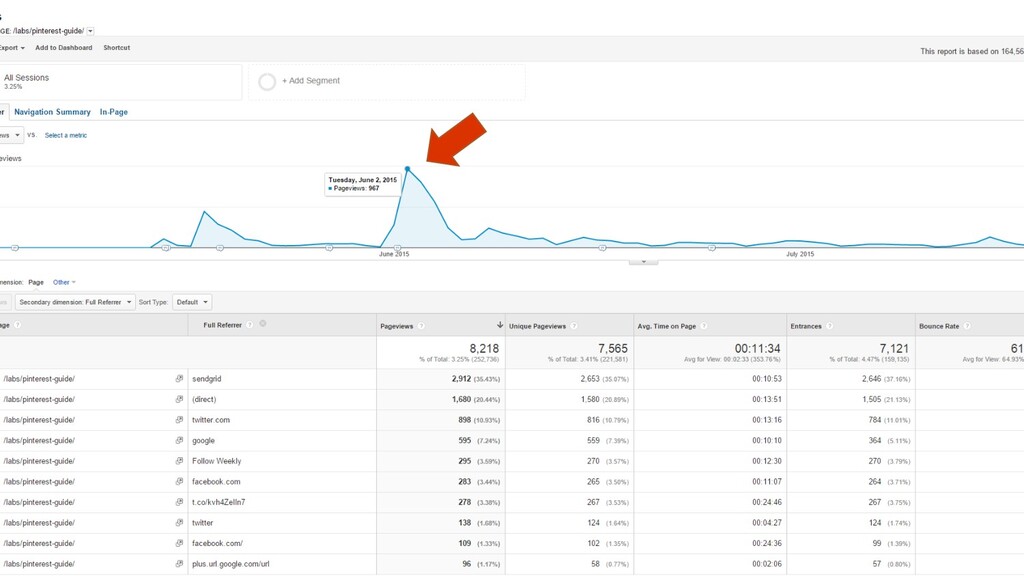
What ended up happening is that got us in the Moz top ten. Somebody who curates it saw it. I'm like, well yeah, I've been advertising to you that's why you saw it. They go, that was a great piece from Siri. Click Maz Top ten, sweet.
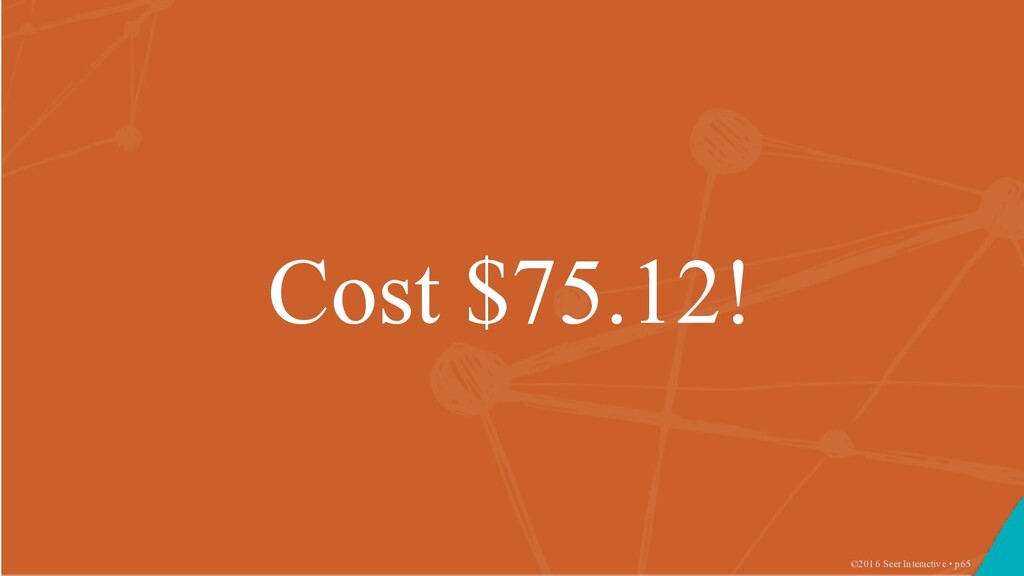
The same day that that happened, boom, bumped into the first page of Google. When before I was in the twenties, twenty fives, got the old Ma's top ten shark fin, thanks Rand. I spent seventy five bucks on that. Seventy five bucks. But you want to figure out how to get those influencers.
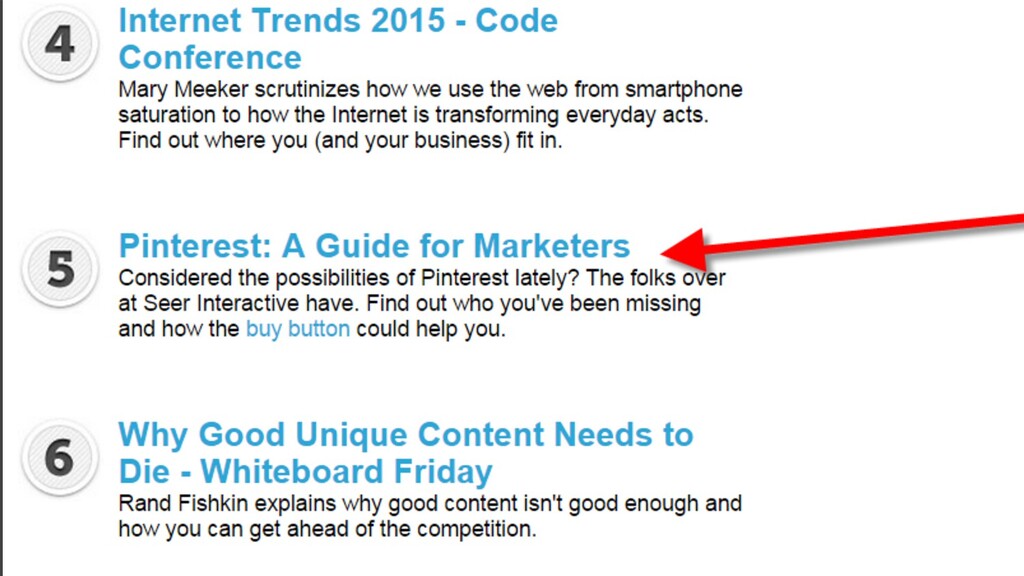
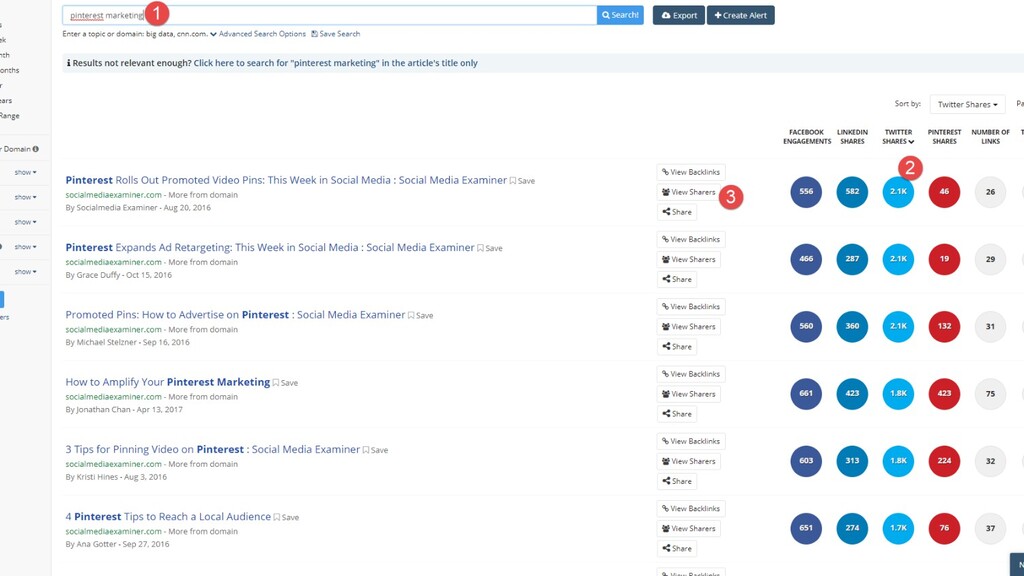
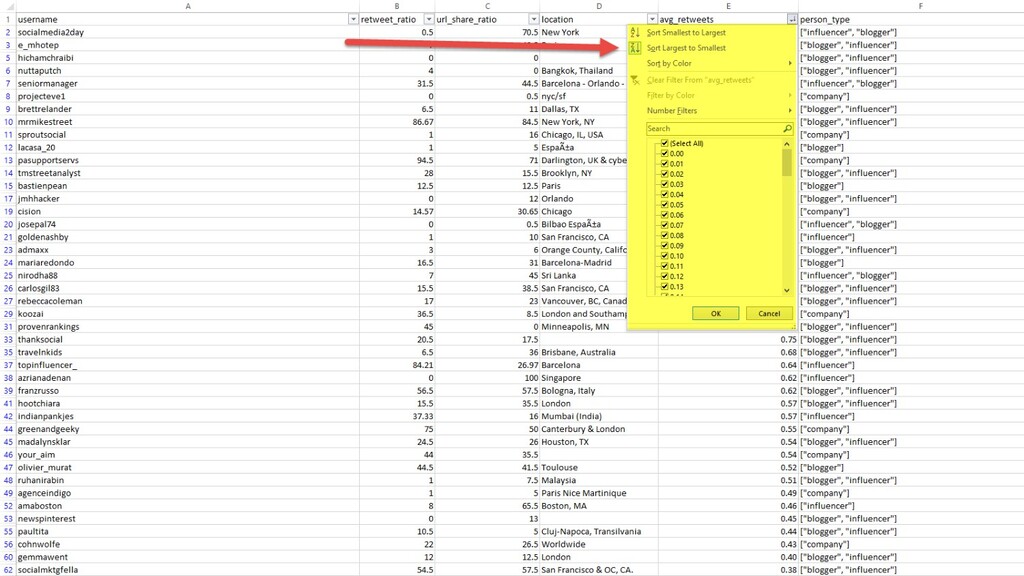
So you go through BuzzSumo and you look for, you type in a keyword like we have a Pinterest guide. You look, you sort by Twitter shares and you export the sharers. You put that into an Excel sheet, you sort for me, I sort by number of retweets.
So it tells me that not only does this person actually post stuff and that they're quote unquote influencer, but what's the retweet ratio for them? Of all the things they post, how many people are retweeting? I sort by that, export out the people that I want and then I just throw them into a lookalike audience.
Great. Now I'm advertising to all the people who look like people who share the types of content that are highly influential at the places that have shared other content that is titled similarly to my piece of content. Hope that makes sense. The video is coming out in what, two days?
All right. This is what I wanted to show you guys. So I I I'm gonna present this at SearchLove London in much more detail. But this, I'm having so much fun. I just download data sets when I'm on the plane. I don't even connect to WiFi anymore because I get to play around in data, in Power BI.
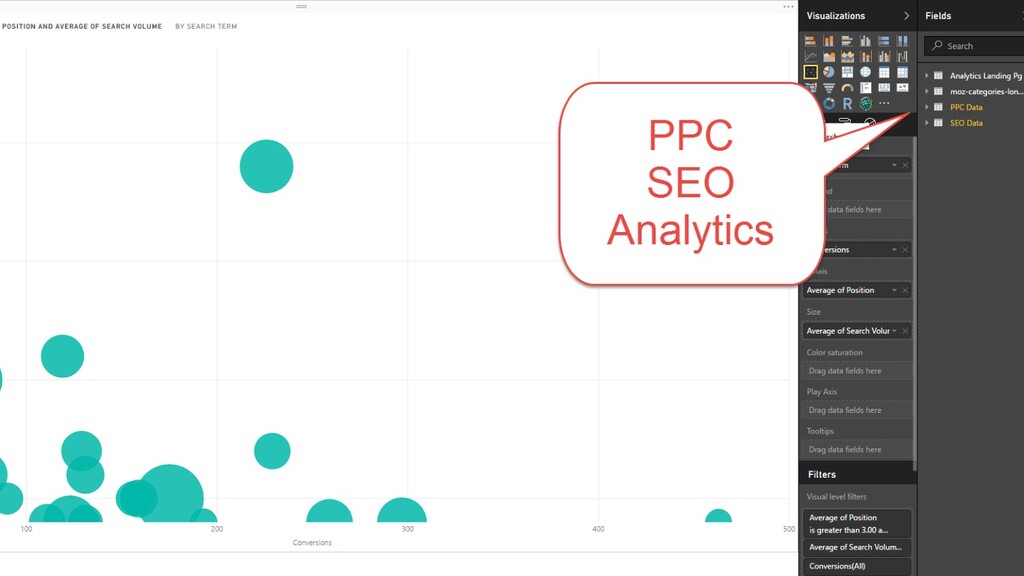
So what I like to do is take random data sets, not random, a series of data sets and connect them. Which this tool lets you do very easily and it's free. So took my top five thousand landing pages for analytics, took all my search queries out of out of PPC and took all my ranking data out of SEO and I'm also playing with some mod stuff I'm not gonna show you today.
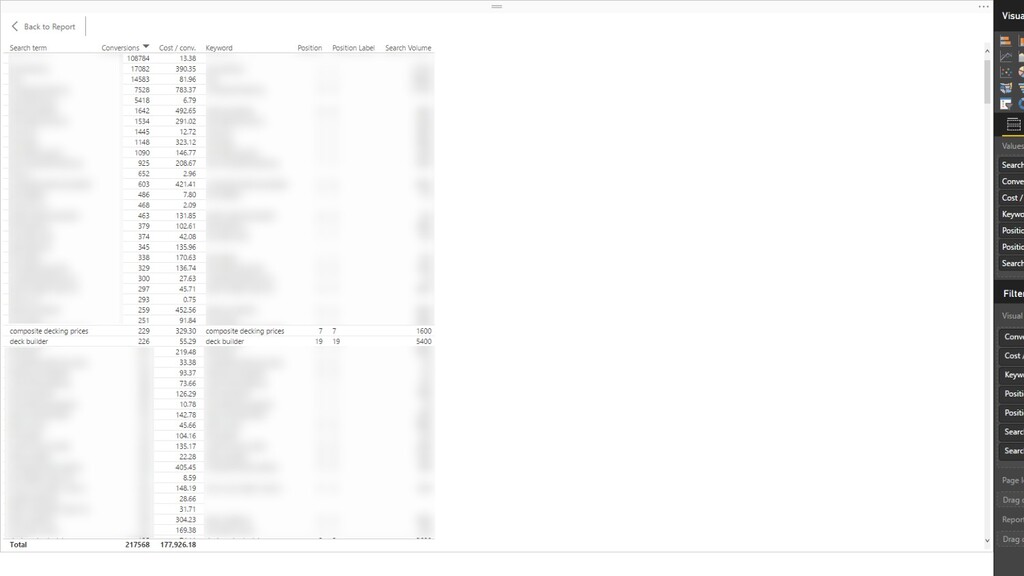
And I had to blur all this out because it's real client data. But you can see that two of the keywords So what I'm able to do is your first three columns are PPC. My next column is SEO. So right here I can say composite decking prices, you got two hundred twenty nine conversions at a at a cost per conversion of three hundred twenty nine bucks.
But you rank number seven for that keyword. Maybe I should optimize that and try to bump that up so you don't have to spend as much money to get those conversions. And I'm doing this at scale because I just I found this because I dropped in two hundred and fifty thousand keywords from my paid search report.
We don't get it, we're providing, we don't get the data anymore, just get it from DPC. So I took these but it, out of two hundred fifty thousand words, if you're a client of mine, you don't want me scrolling through two hundred fifty thousand things and filtering in front of you in Excel.
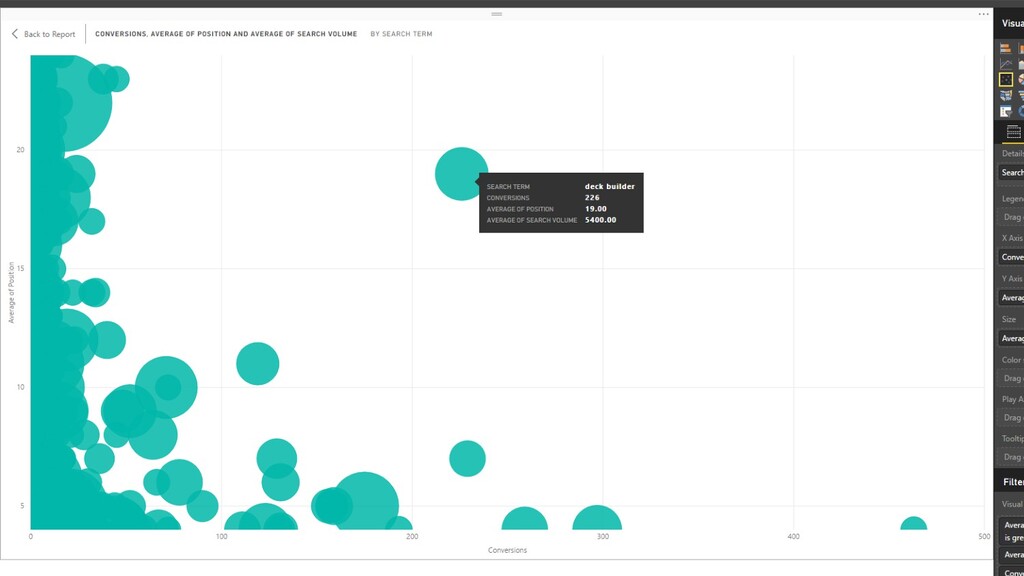
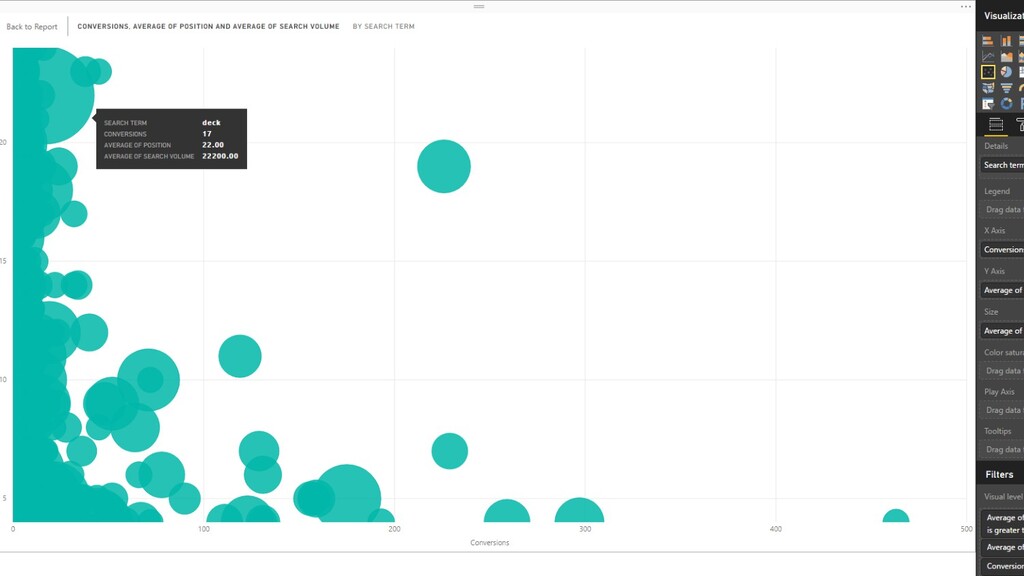
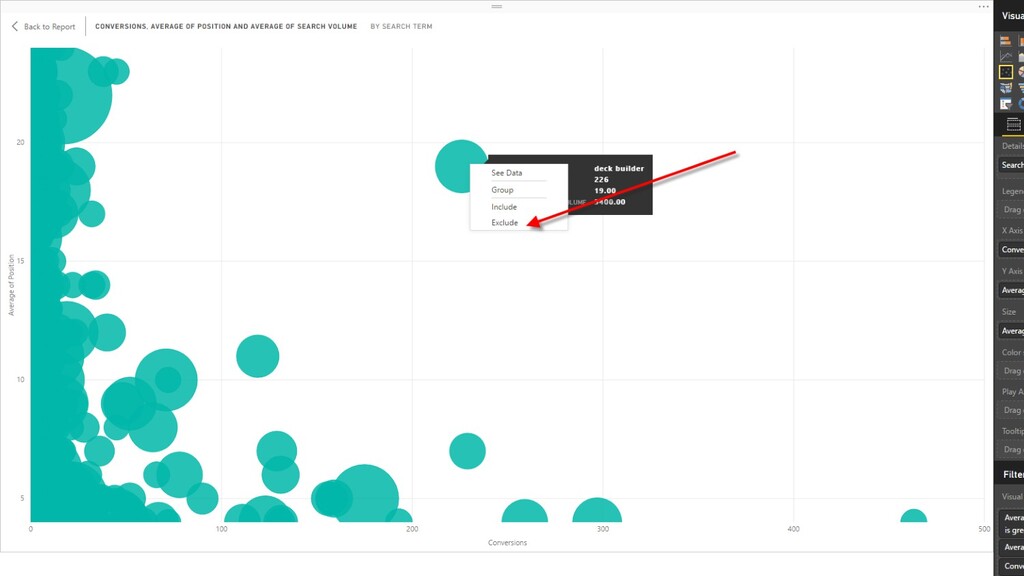
That's for rookies. So instead I'm going to use Power BI and be like, hey, the big bubbles are the highest search volume. So you can already see in the top left that is the biggest search volume keyword. However, because my other access is conversion.
So position comes from an SEO report. Conversions come from a PPC report, a search query report. You combine the two ******* and you can do this. So now I see the top the top left, biggest circle, most search volume, lowest conversions, maybe not worth going after.
Maybe it's a different strategy. So when I'm sitting in front of a client right now, I'm just clicking on bubbles. I click on this bubble and I say, okay, well anything in this top right quadrant means that you're getting a decent amount of conversions.
If the bubble's a good size, it means there's a lot of search volume But your ranking is like in this instance it's nineteen. Maybe I should optimize that. And if I screen grab this this quarter and ask my team, what did we do for this client?
Next quarter that bubble that little bubble better not be there. Why? Because it should have went down into the five to ten range. That's the one thing we have to work on. As I go through this, I'm able to just to click on bubble after bubble after bubble.
Hey client, the word deck. You only got seventeen conversions on that. So one, pay team like, are we looking for some kind of micro conversion? Is this assisting other conversion? Because we're spending some money there. There's a lot of volume but we're not getting conversions.
Helps me to see what kind of content might actually make sense. And then as you exclude these, you just exclude them, it rewrites the graph and then it shows you more and you exclude and you rewrite the graph and I'm just sitting there going, alright we're to go after deck, we're after deck builders, exclude, exclude.
What else shows up? Exclude, exclude. What else shows up? I'm building a strategy in Power BI. It's so easy and clients feel like damn, I'm with you. Don't send your client an excel sheet and expect them to sit there and watch you filtering fifteen times in a pivot table.
And then the beauty of Power BI is you just keep being like dump the data in, dump the data in. It'll just keep doing this every day for me. Every day it can be done. All right. Let me kind of get this last bit in.
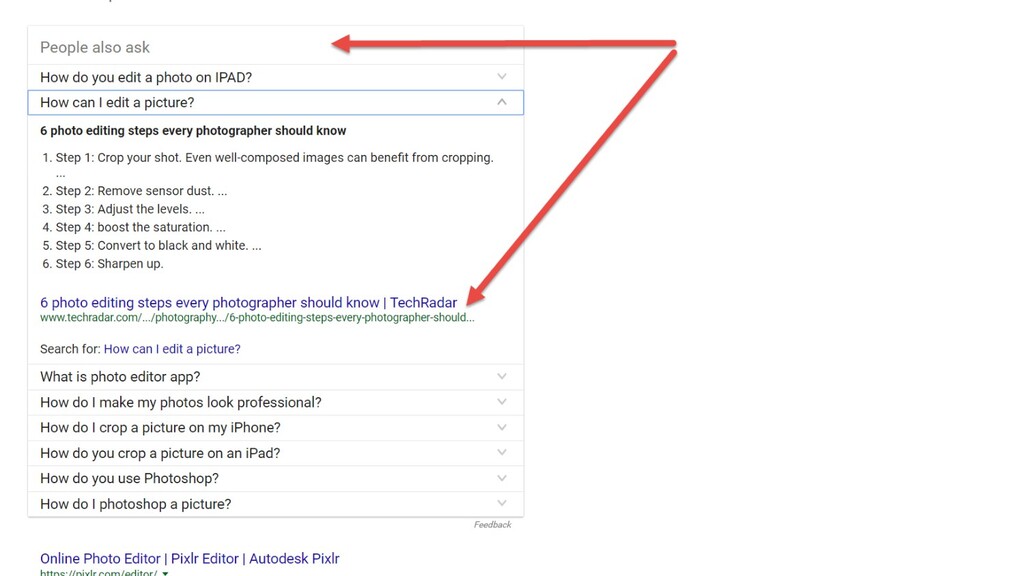
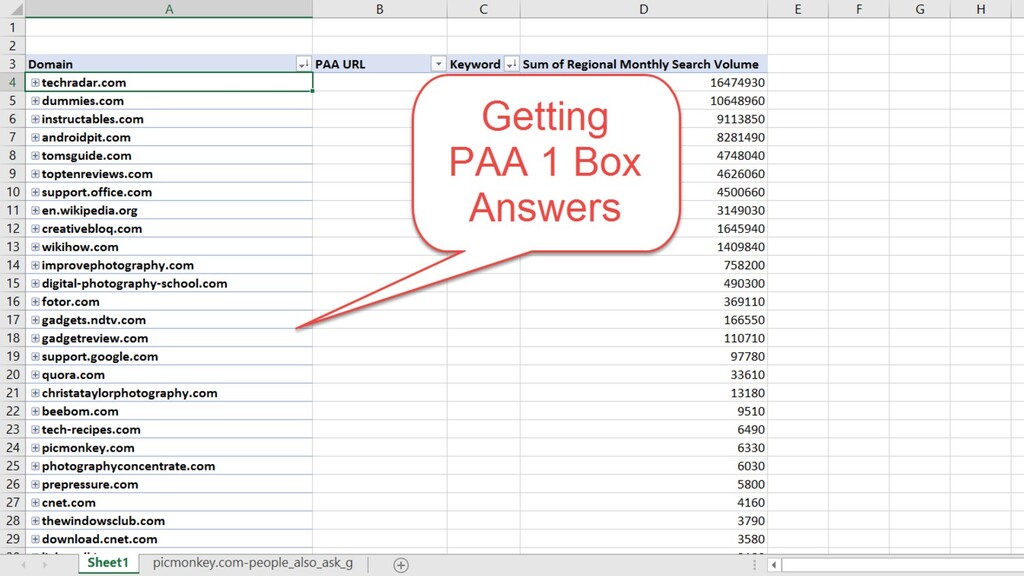
People also asks. So I see people also asks as a gold mine. And I want you to take every keyword that you care about ranking for, put it in the tool like stat and pull all the people also asks. Then you can pivot that, so I'm back to excel here.
Remember I'm new at this Power BI ****. So I'm back to excel where I'm totally comfortable. And then you look at the domains that are most likely to show up for people also asks. These are the sites that people are going to end up on before they end up on your bottom of funnel content.
So you want to be thinking of how do I partner with the companies that show up over and over and over again for people also ask boxes. Because very often when those show up for those queries, remember I showed you earlier our best CRM was all publishers.
The issue with that is Google's like, I don't think a company is the right answer for this. So you can spend all your time trying to optimize for it and Google's like, we're never going to rank you because we don't actually think companies are the right answer.
Instead you need to figure out, well who are the people constantly showing up for those that are publishers and maybe I should partner with them. Maybe I should put my ads, my display ads on their sites. Maybe I should sign up for their email newsletters.
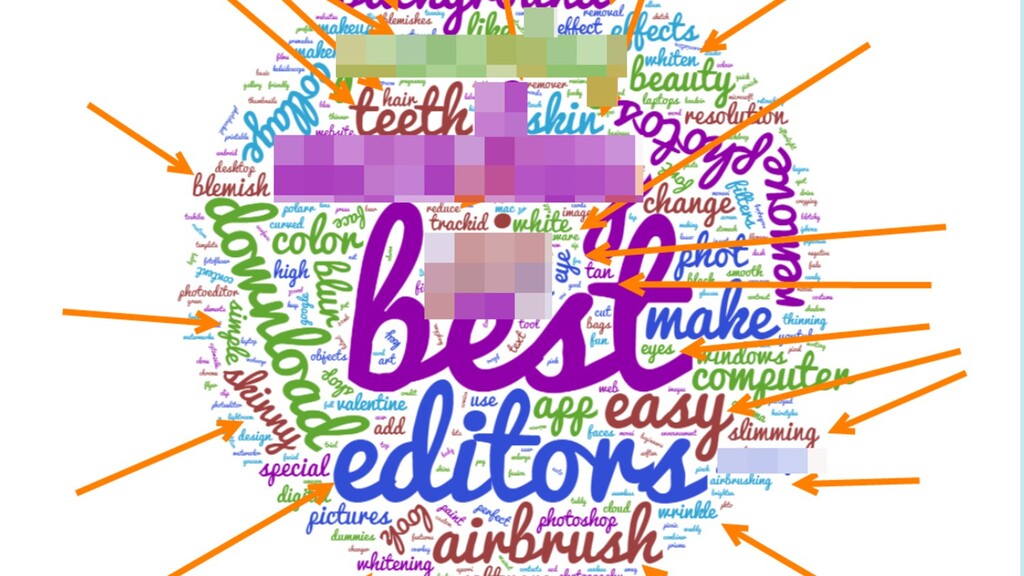
Alright. And they've got me about on time so I'm gonna wrap up a couple more things. I want you to understand people's why. The why behind the query. So what you can also do is take a search query report and dump it into a word cloud.
When you do that, you start to see words. This is for one of my app clients, a photo editing app. And like, I could go after words like photo editing app. And I could write ad copy like edit your photos in our app.
But look at the words being used, blemish, skinny, wrinkle, airbrushing, slimming, easy, eyes, tan, white, beauty, ****. The reason why people want photo editing apps is so they can look better on Tinder. But the average SEO thinks, well, I gotta write best photo editing, wear the best photo editing app.
Let me just put the keyword in, get my linky links. The smart marketers are going, wait, now I understand people's why. So shouldn't my ad copy talk about getting rid of that little extra little double chin you have? And they're like, yeah, I would like to get rid of that because I'm trying to get an extra, you know, some extra swipe rights or whatever it is.
I'm married, I don't do that swiping ****. But like do you see the difference? What happens when you start taking search query reports from paid, you can just throw them into a word cloud. That is a copy and paste. If you don't know how to copy and paste, I can't help.
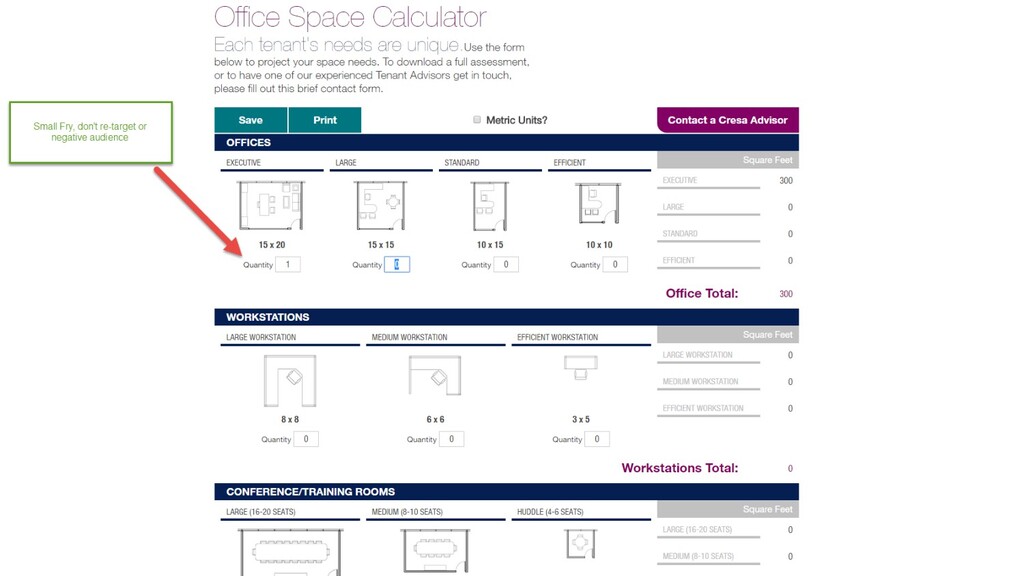
Everything I've shown you is just look and copy and paste. All right. Last thing I'm going show you is this. Because I saw you guys only had me for twenty five minutes. I'm like I got thirty. So take an asset you've built. A content marketer built is a great asset, helps you to figure out how to figure out your office size.
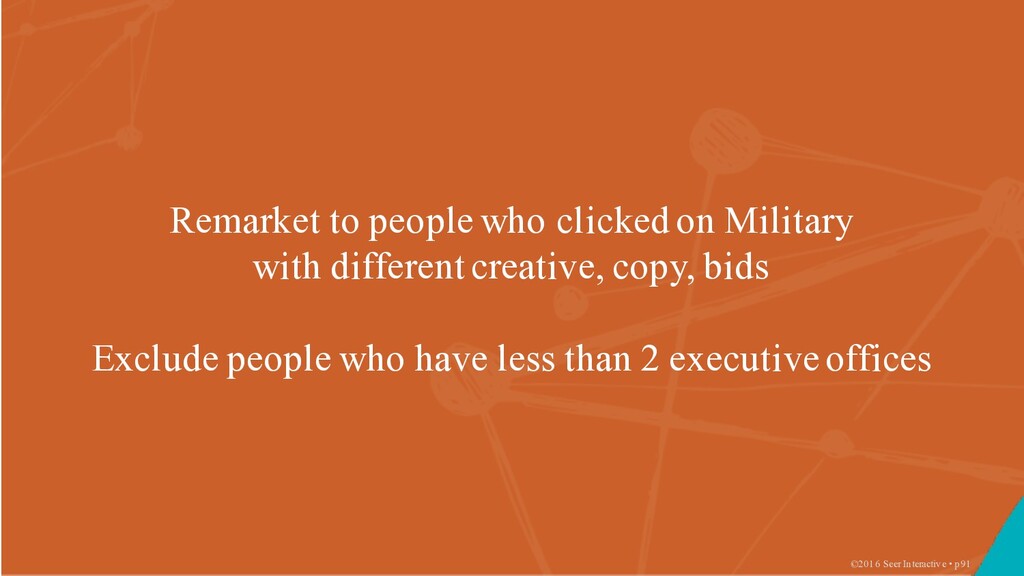
Because the average person if you're moving into an office, you're like man, how many offices do I need? If you program this appropriately, you can actually say, if somebody puts in one, I want to put them I want to negative match them every time they search for anything office on page.
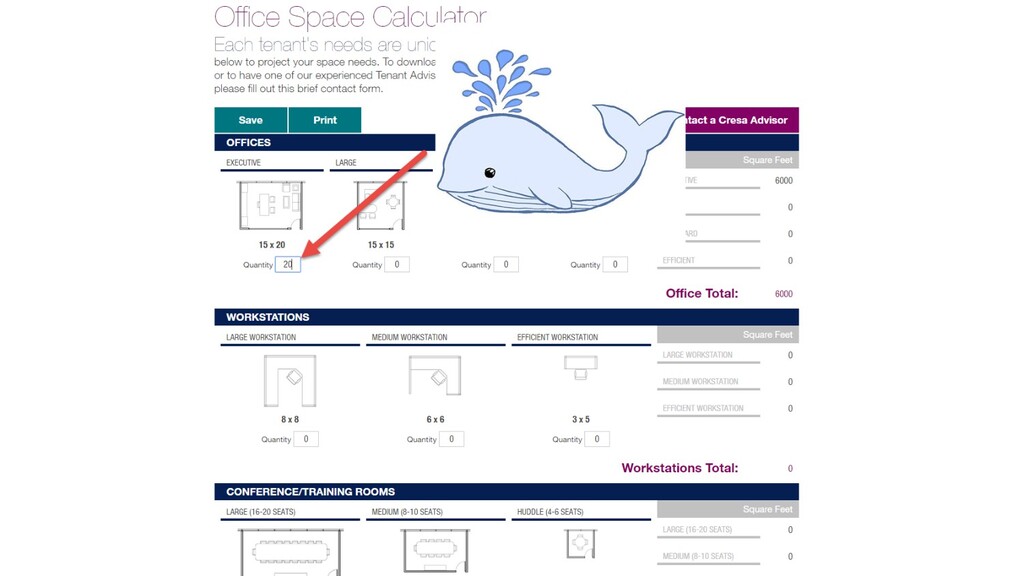
I don't want to pay for them ever. Why? They're a small fish. They only have one executive in their company and we do best with companies that have twenty plus executives. So if you code this appropriately, you can say anytime it's a certain number or higher, put them into a separate audience.
I'm willing to bid differently. I'm willing to show you different ad copy because now I know you're a freaking whale. I want to go after you in a totally different way. I don't want to waste my budget on going after somebody that's got one executive office.
I want the people that have twenty or more. So when you spend all that time building great content, what the content marketers don't ever tell you because they never spend any time in paid or analytics, is that if you can actually code this appropriately with event triggers, you can tell where people are actually putting in different numbers.
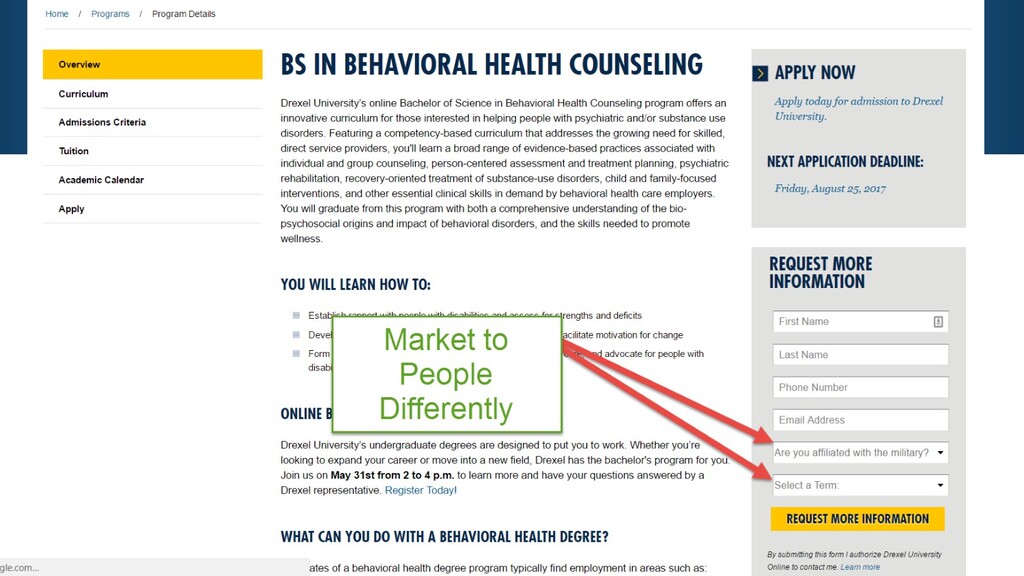
And by those numbers they're putting in, you can totally change your paid search campaigns for all the keywords those people will ever search for. Change the ad copy, change the bid, change the display copy. We have a client that's asked if you're affiliated with the military.
When military people are doing online education, the re their why is because they might get deployed and they need to continue their studies. Right? Makes sense. So if I'm asking you, are you affiliated with the military in a drop down, I can now change all my ad copy for you to talk about the experience of being in the military and why in your education that's actually really important that we allow you to travel still or be remote or be deployed and still get things done.
Alright. I'll show you the one last thing and then I'm gonna you guys Something I just found out that our team was doing, didn't even know they were doing this. If you got a head keyword that's very expensive and you're like, man, I want some people to see this but not everybody because it's too expensive.
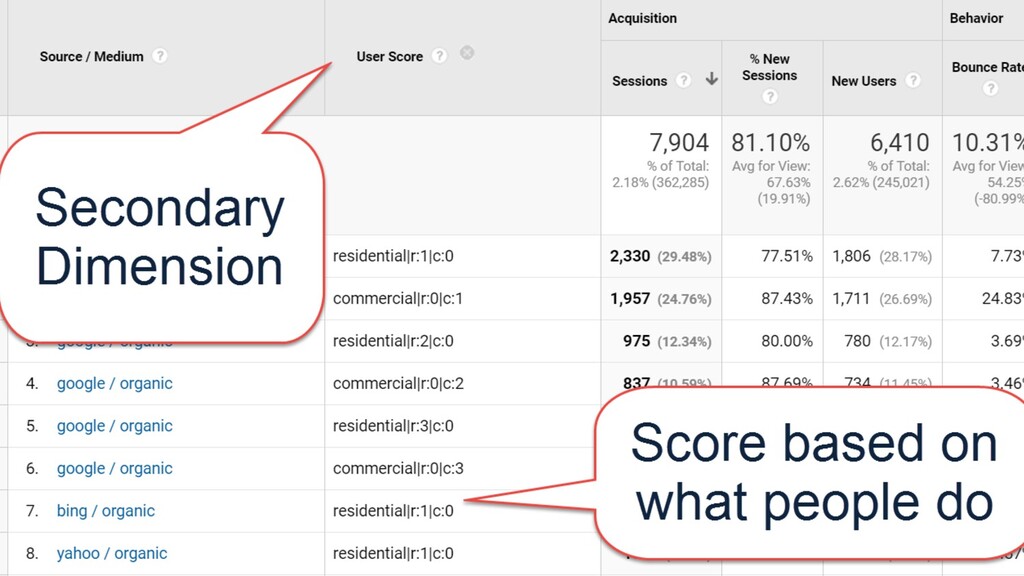
We're building a custom cookie that's giving us a custom secondary dimension. So for this client, the word is propane. Commercial propane for them, huge. Residential, big but they don't make margins on it. So what we did is we built a custom cookie that depending on what pages you view, the score keeps getting bigger and bigger and bigger.
So if you show that you hit commercial one time, we might bid and talk to you a certain way. You hit commercial two or three times, we might bid or talk to you differently. And if you're confused and you're getting scores on both, we don't know who to advertise to.
But now, if you search for the word propane, I know that you're residential and I I know that I don't want to spend more than a certain amount to get you. But if you type in propane and you've been to my site and I got you as a commercial flag, I'll spend ten times that amount per click for you.
So if you build a custom secondary dimension with a custom scoring cookie, we're writing a blog post about this right now so you can figure out exactly how to do it. You'll be able to adjust all of your bid strategy based on scoring people on the site.
Thank you so much for your time. I'll be around to chat later.