
The first era of product-led growth was all about letting users try software before they buy it. The next era will see AI supercharge PLG, giving users a customized and personalized free experience that drives value even faster and transforms how companies go to market. Pendo CEO and Co-founder Todd Olson will leave you with a new product-led growth playbook for the age of AI.
← All talks 

Build Turing Fest 2024
How AI Supercharges Product-led Growth
Auto-generated transcript - may contain errors. Tap a timestamp to jump the video.
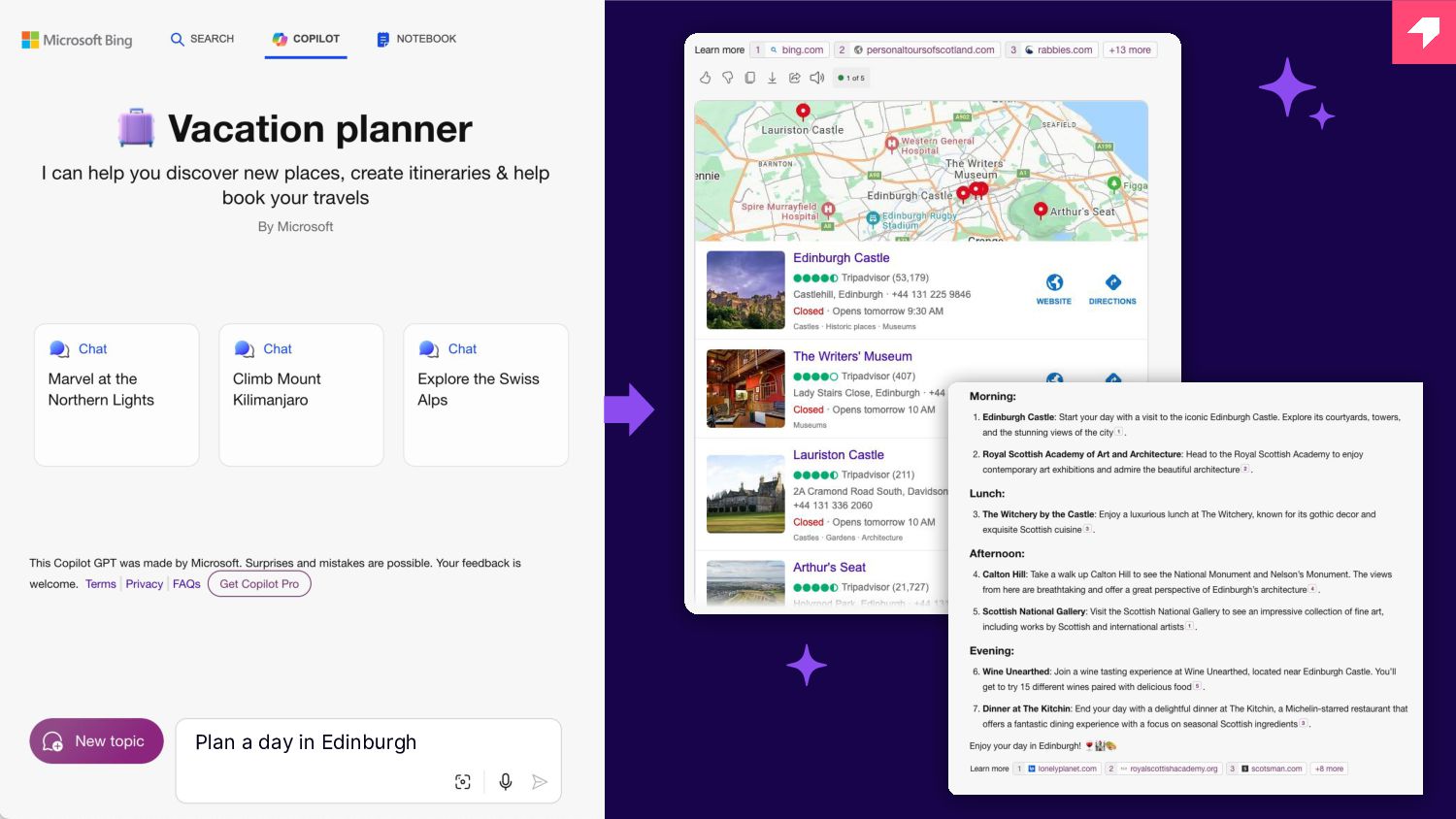
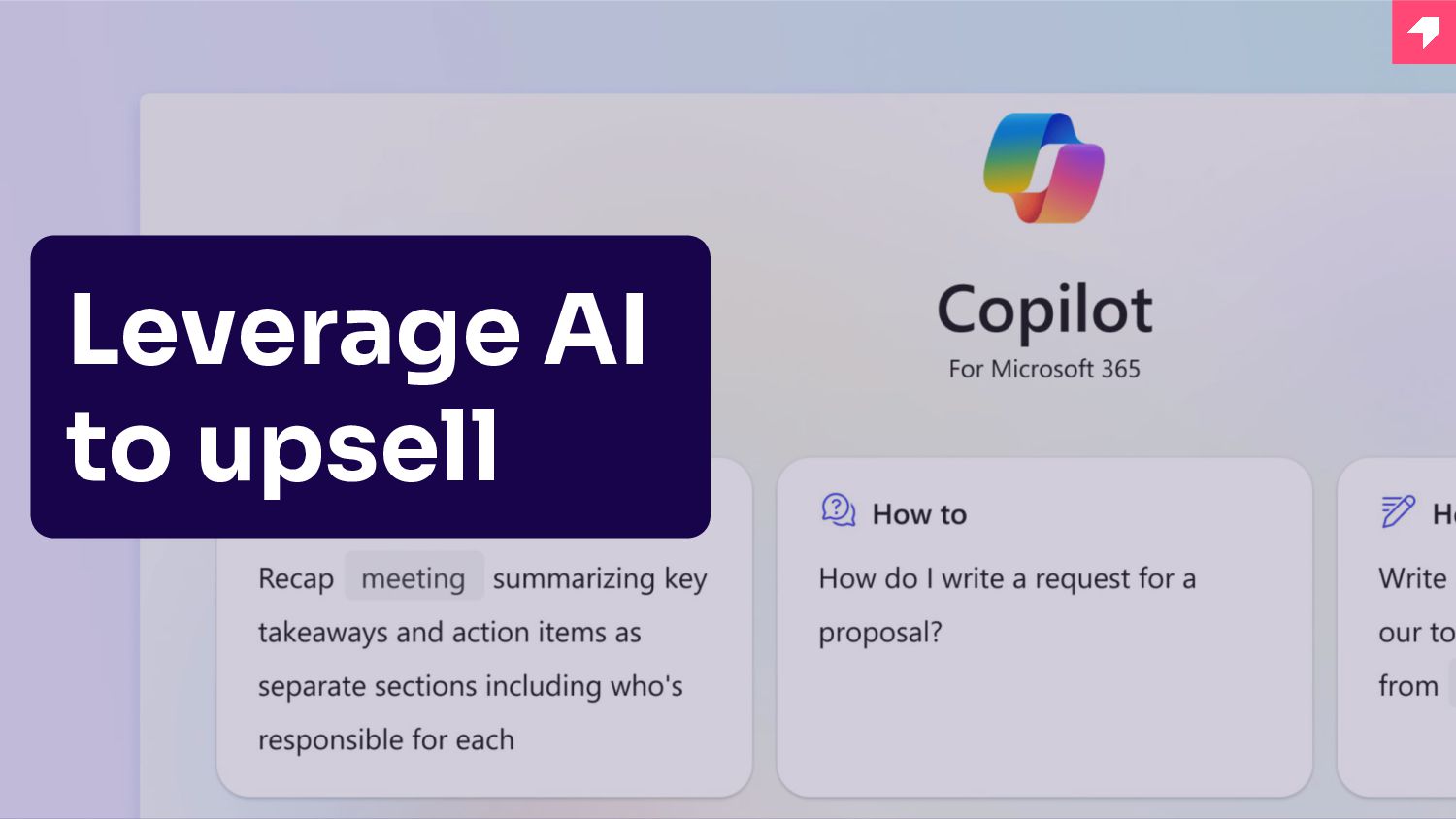
Thank you. Good morning. It's great to be here. First time in Edinburgh. It's exciting to see this conference in this community and really excited to be part of it. So my talk today is how AI can supercharge product led growth. And of course, I am planning a trip to Edinburgh, and I can very easily go on the Microsoft website and use their free vacation planner powered by Copilot. You can type in, hey, let's plan a day in Edinburgh.
And it will give you all the local sites, what to do. And it's actually a very good representation of what the power of a Copilot's like. And of course, what is this? This is an excellent example of how one can use a PLG motion to then drive an upsell all powered by AI.
Because what this does is if you love it, this is a secret advertisement for paying twenty dollars a month to add Copilot to your Microsoft subscription. And it's a great way from a consumer perspective, again, to do sort of a try before you buy.
So so I wanna share today is a number of examples of how sort of AI and PLG are just a great match for each other. We're actually gonna cover both sides of this equation this morning of how AI can power your PLG motions.
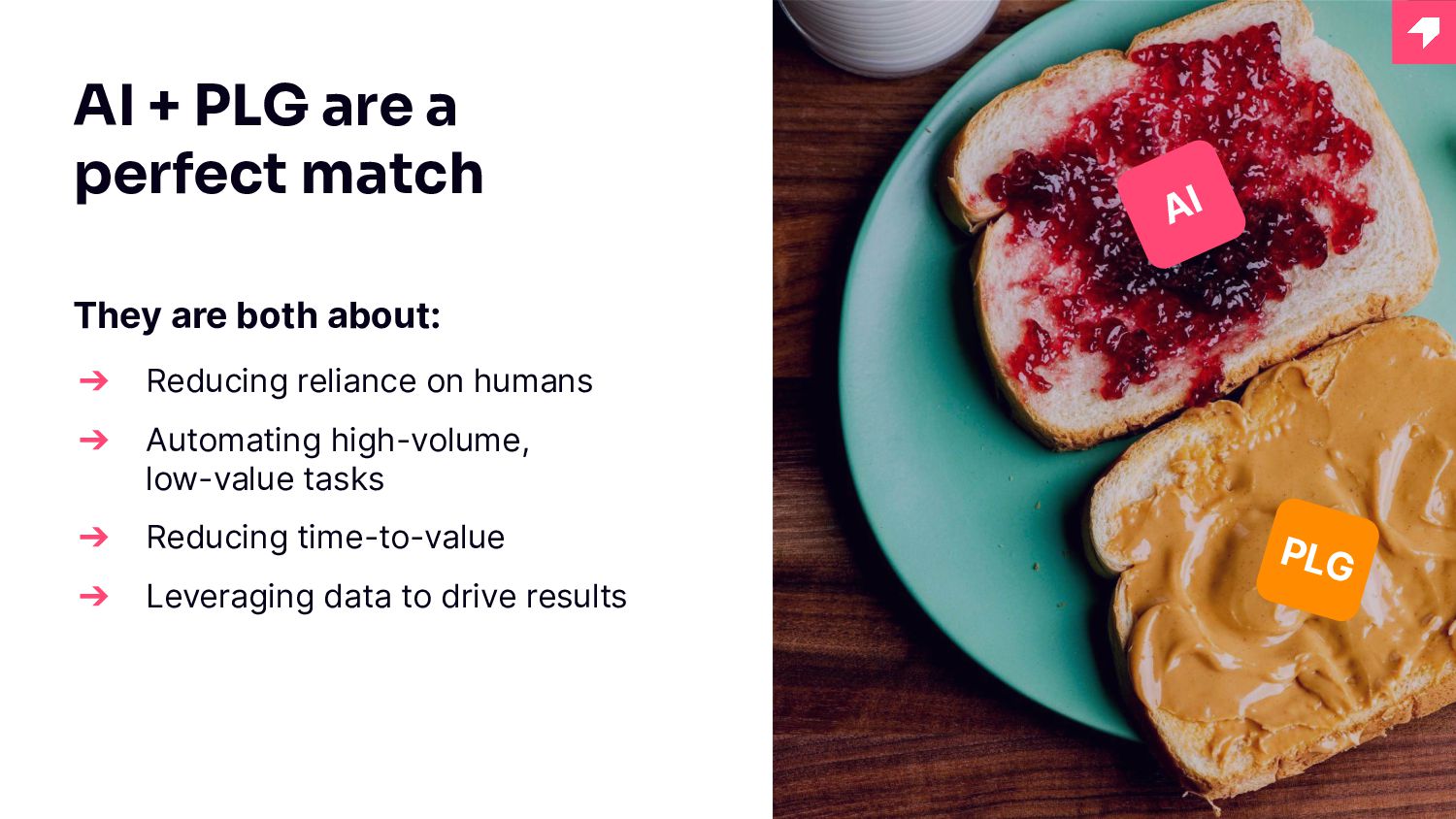
And the inverse, how PLG can help get AI in your customers' hands. What's nice about these two technologies and ideas is one, it's all about reducing reliance on human beings. And in particular, some of the more mundane high volume, low value activities. So again, I'm not going to be talking about replacing humans in this talk.
I'm going be talking about taking things off our plates that frankly we don't want to do. I don't know about you, but planning vacations is like a certain place of hell when I'm trying to look like, what's the best restaurant? What's the I mean, it's terrible even in twenty twenty four.
And I think AI is a really interesting technology, and we're already seeing interesting applications around that. Of course, we're talking I talked a little bit about reducing time to value. And then how do we leverage data to hone in and increase outcomes and results?
And what hopefully you'll get from this talk practical ways where AI can help you reimagine the way you're doing PLG in your companies. Now why does this matter? Why does PLG matter? I don't know. Who here has a PLG motion within their startup or company?
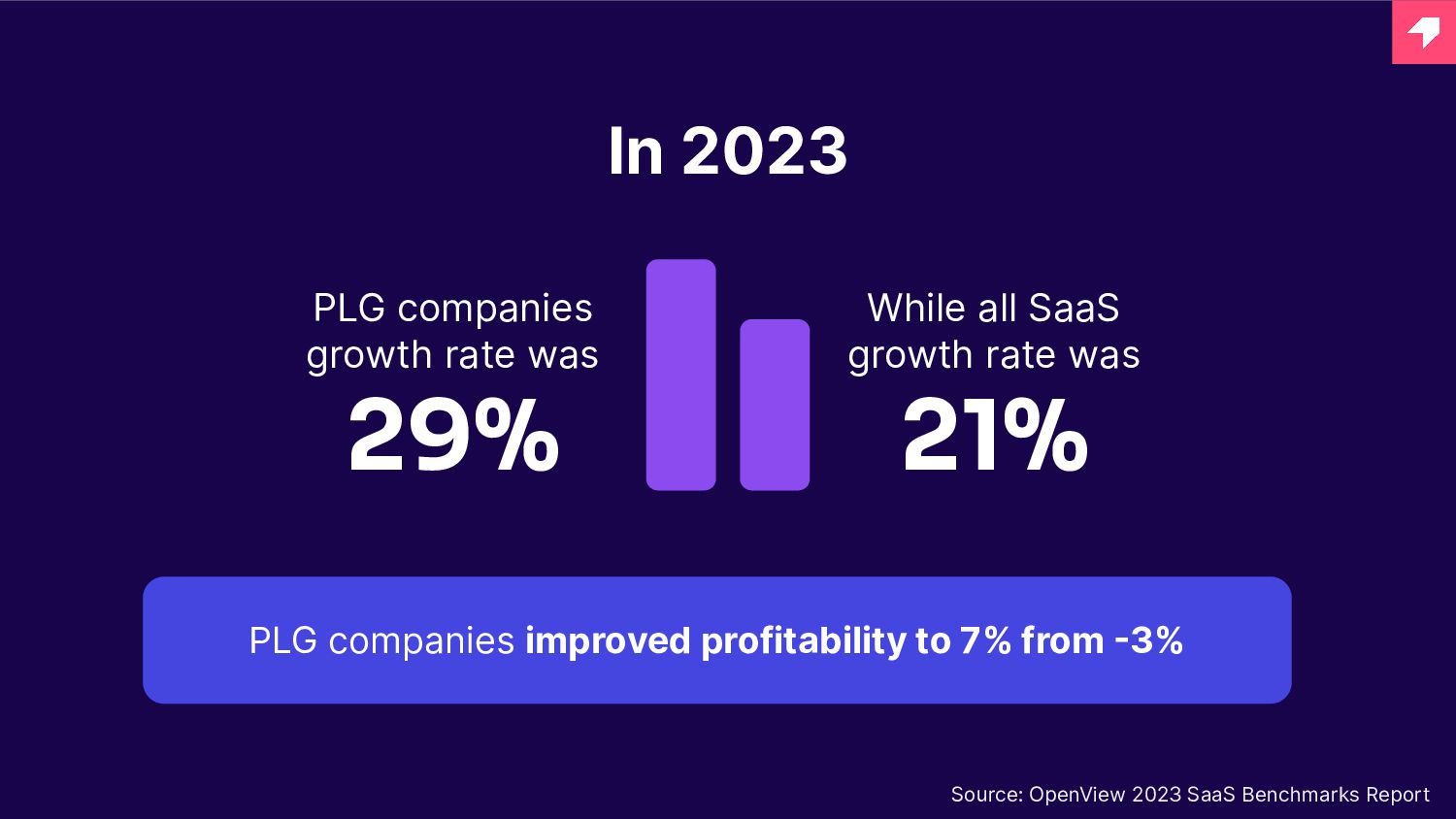
I see a small number of hands. So look, in twenty twenty three, even in the midst of what you could say was a correction in technology in terms of the capital markets and the end of zero interest rate period, if you compare PLG companies to non PLG companies, the growth rate is higher.
And those companies are actually more efficient. So if you're employing PLG in your business, you're setting yourself up to grow faster and do it in a more efficient way, which by the way is what the market is actually desiring right now. So it's a very positive thing economically for your business.
So why don't you shift and talk about how AI can improve your PLG motion. One of the first principles of PLG that I try to impart and coach our teams on and customers with whom I work is all around experimentation. The key to PLG at its core is you need to have a culture of experimentation, trying things, being comfortable with failure, iterating on collecting results.
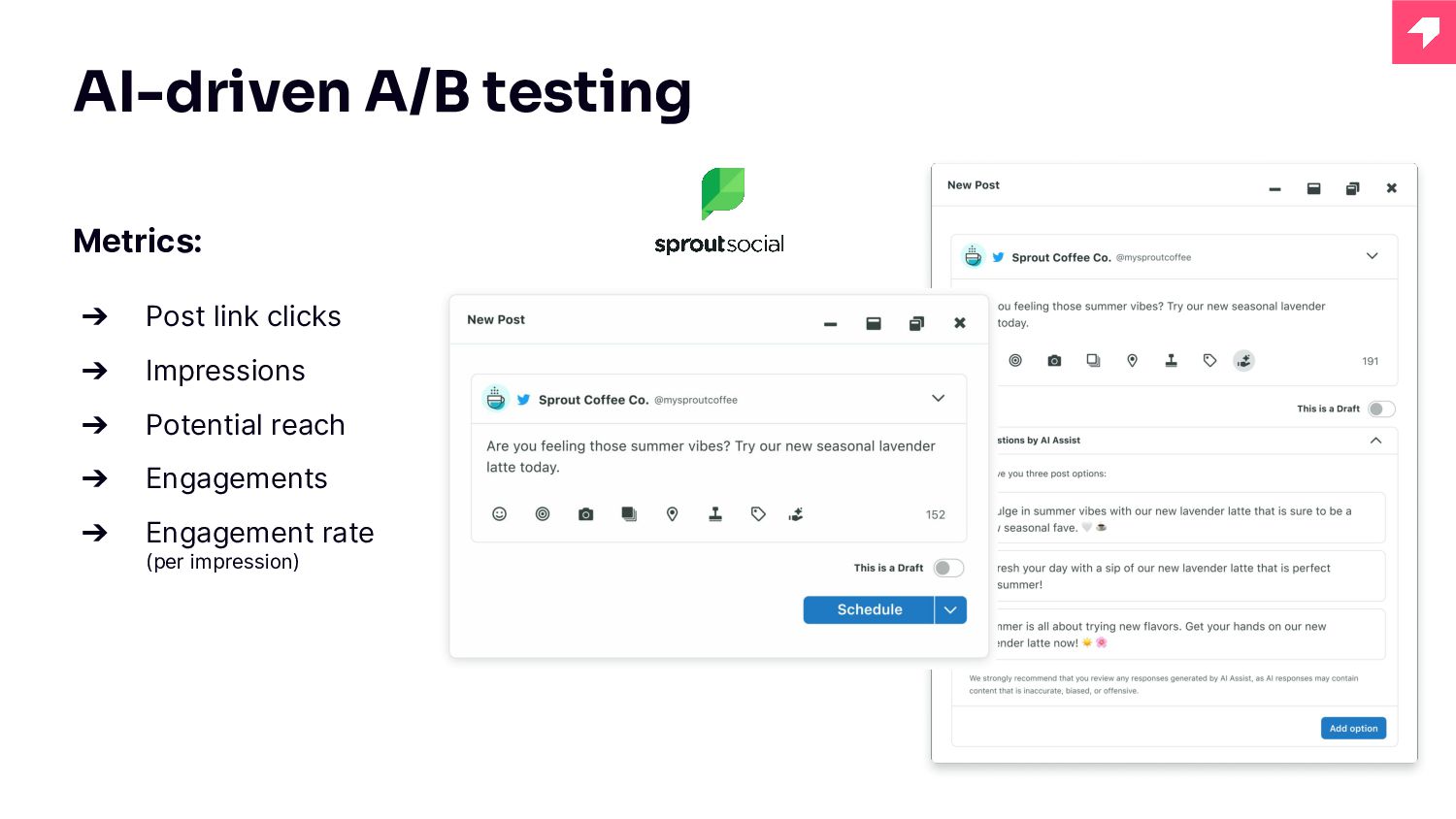
If you think about the concept of an experiment, it's having a thesis, trying it out, getting data, and iterating from there. Now one of the nice things about AI is that it can really help accelerate your AB testing. For example, this is a company Sprout Social.
They do social media management software. And they're leveraging generative AI to help you create more variants to AB test. The more variants you have, the more likely you're going to stumble upon and hopefully iterate your way towards a better outcome, a better result, better conversion rates.
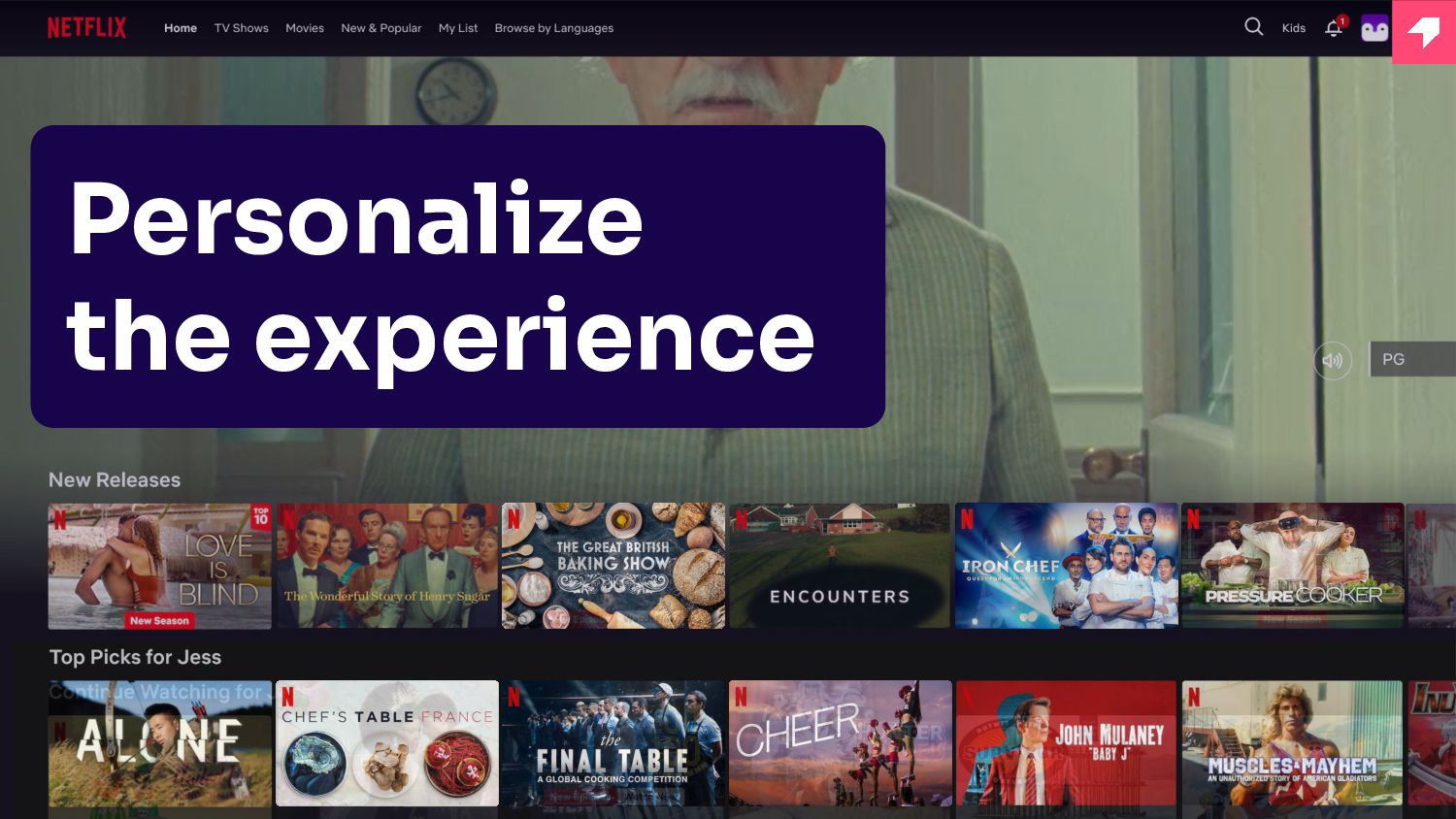
So it's a very clear, honestly very tactical, but easy way to think about how AI can improve this effort. The second area is around personalization. The truth is all of us prefer a more personalized experience. We log into something. It's always better when we say something like, hey, welcome back.
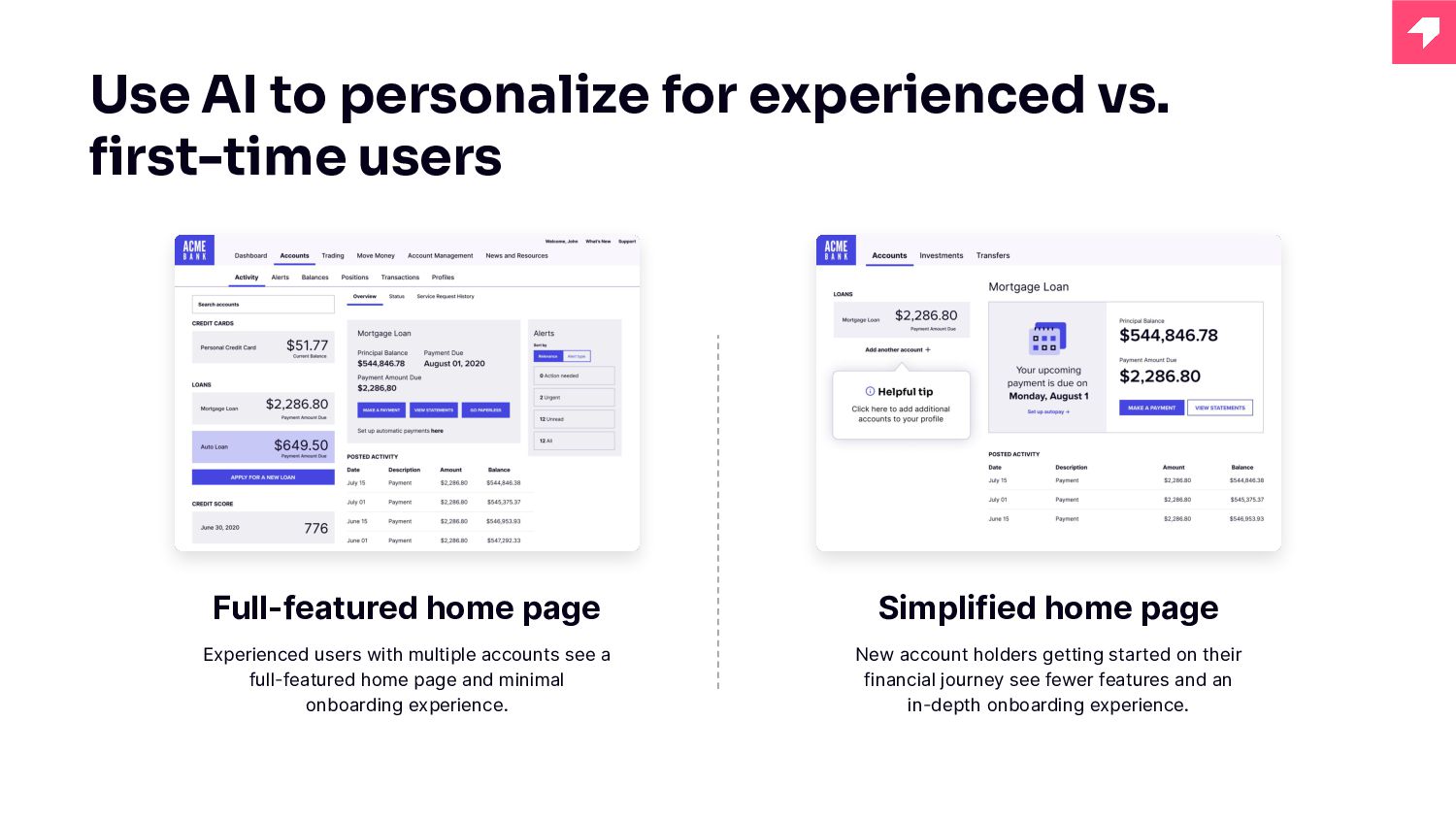
Last time you're here, you did this. Would you like to do this again? That concept of personalization is simply a better experience. So we are seeing applications of AI where you can leverage it to personalize the experience. And one of the very easy demarcations is first time users versus power users.
If you're a power user and you're again, you've got recent items, you have recent activities, if we know behaviorally what you want to do and what you have been doing in the product a lot, we can give you an experience like, for example, on the left, which is fully featured.
We can show the features that are most relevant to you. However, if you're brand new, we don't want to inundate you with that level of experience. So leveraging AI, leveraging information on what first time users do, we can surface a home page that is tailored towards getting you in the product, getting you to those moments, and really helping steer you and onboard you way to getting you hooked to come back again.
Because when you get a user for the first time, what we see is that that second week retention, that getting someone to come back a second week is one of the most important measures to make sure you have some level of virality inside your product.
So think about how you can create a simplified personalized home page that is tailored to what those new users want to get them in and get them hooked. Now one way to think about personalization is looking at, for example, who the user is.
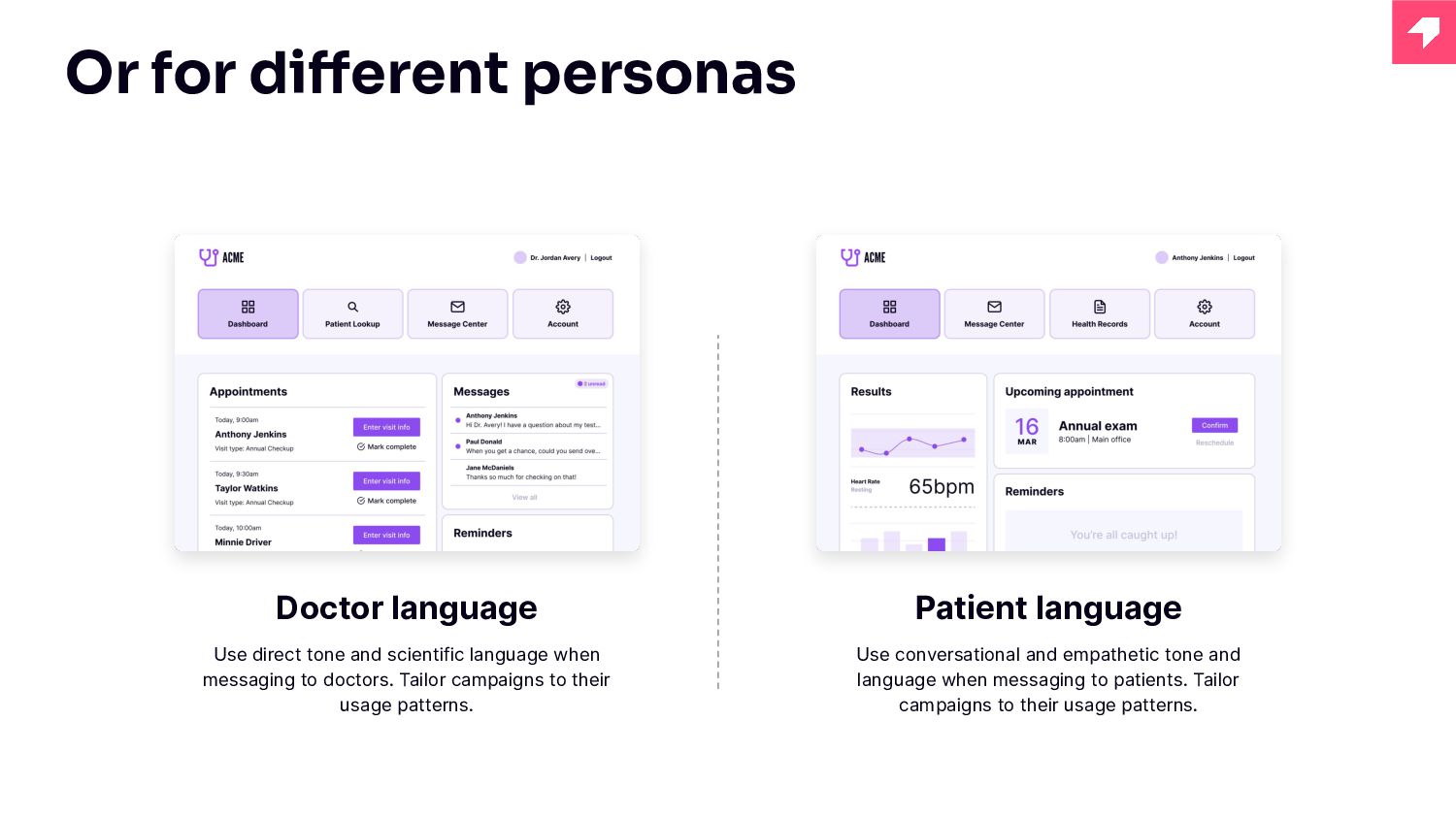
What is their persona? So if you are acquiring new users and you simply ask those users, who are you? What is your persona? You can tailor that screen for what that particular persona wants. Now most products, most UIs, most, most applications, certainly in the b to b world, have multiple personas to whom they serve.
So for example, this is, medical software. Obviously, you're gonna want a different screen for doctors versus patients. Another example, though it's not listed here, that we work a lot with is dental software. Within a dentist's office, there's, this is in the US, by the way.
I actually don't know what it looks like here in the UK. But you have three roles. You typically have a person in the front office. It's like a manager, an operations person running the office, scheduling, billing. You have someone like that. You have what's called a hygienist, people that sort of clean the teeth but aren't full doctors.
And you have actual dentists themselves. So there's just three distinct roles, all using the same piece of software but probably care about different things. How can we think about tailoring that UI to meet the needs of those users? It's going to be a better experience for them.
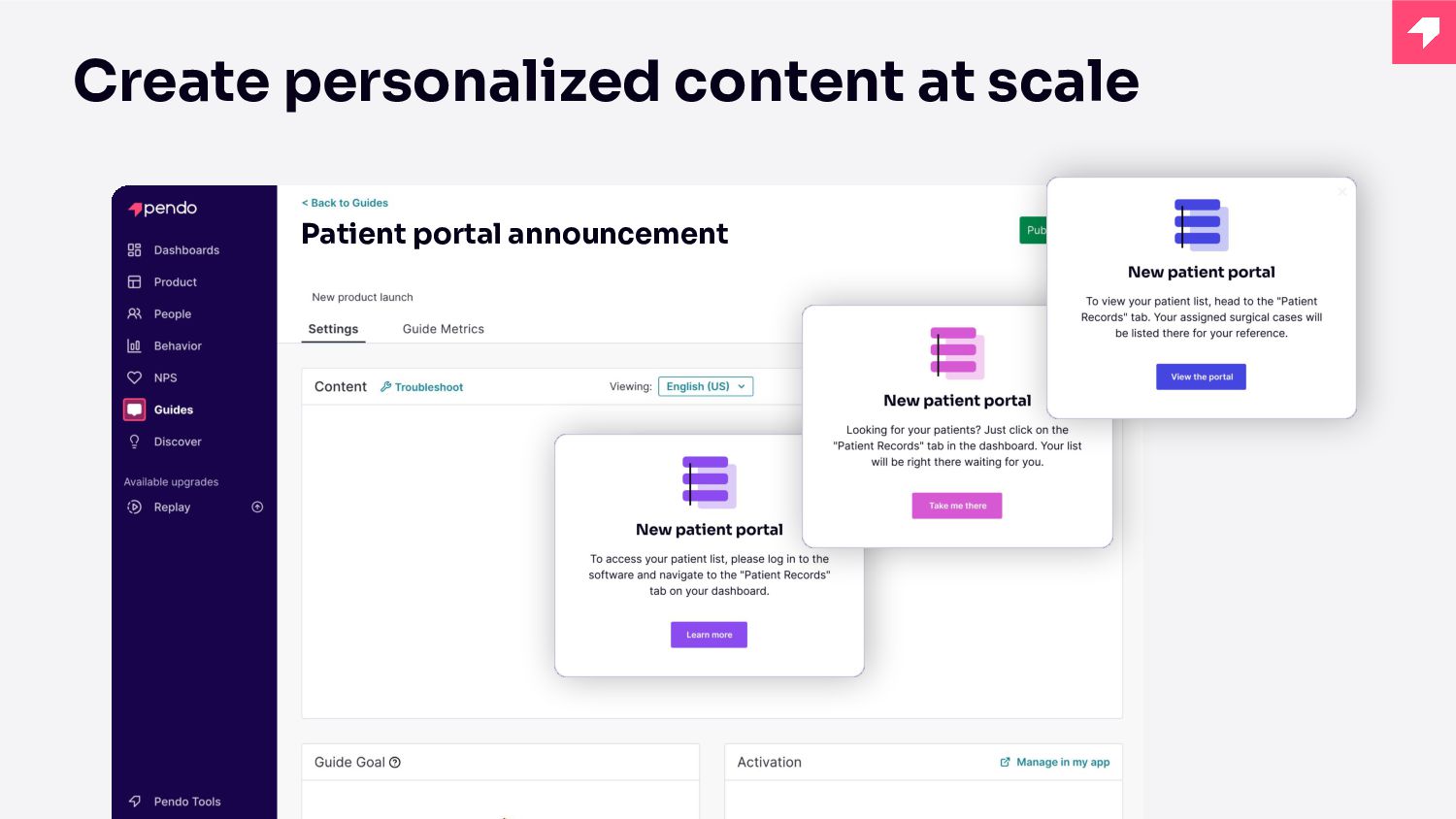
The other thing we can do is create personalized content at scale. This is actually a really great and very simple, again, tactical application of large language models, generative AI. I'm trying to communicate with my users at scale. Maybe I want to tailor it, again, for different audiences.
For example, if I have help content that's geared towards a given user, I can put in a base level of content and use LMs. Hey, generate a more formal version, a more casual version, a version geared towards this role or this level of sophistication.
And it's a very good way to get a great tailored content that's going to help people learn faster. And then of course, another very easy and tactical application is do we localize it? So folks that have multilingual products, that have international user bases, one of the amazing uses of technology is how it can take base text in an almost accurate way, translate it across different languages.
Now I would recommend if you're doing this to have native speakers to also check and make sure that those translations are are perfect and, you know, tailored to your voice and what you want. But it's a great kind of seventy five percent of the way solution to get you what you want.
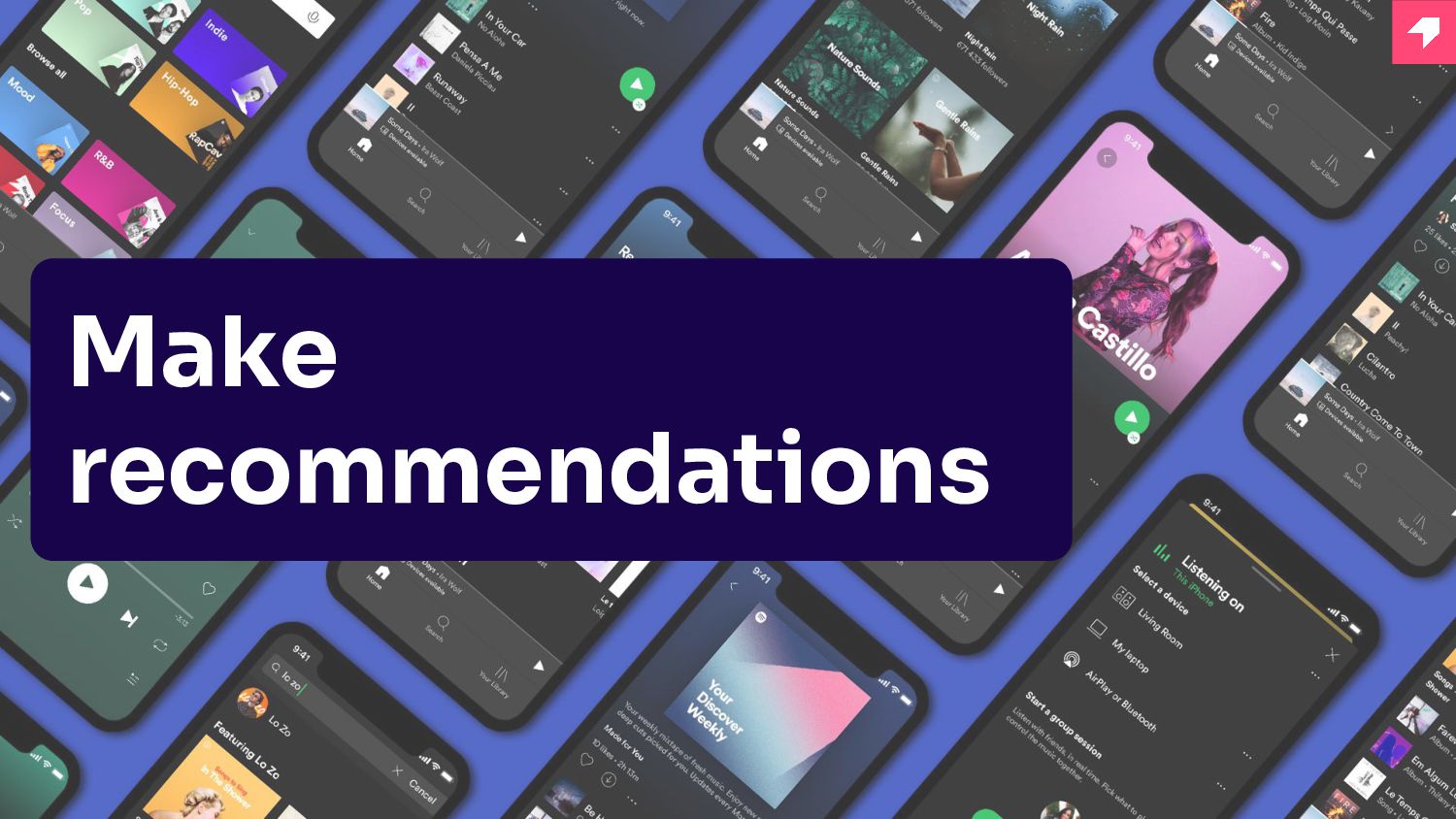
So those are a bunch of very simple, easy ways you can think about how AI can create a more personalized experience. The next area I want to talk about is making recommendations. A lot of us have software products where you log in, and we sort of put the responsibility on the user to know what to go look for to answer the questions they have.
A lot of our products have tremendous amount of insights. If you're smart and you're a sophisticated user, you can go in and answer the questions you want. You can get the insights that you want. But as we all know, that can be a longer time to value, particular for users who are brand new or maybe less sophisticated or maybe they're new to this industry.
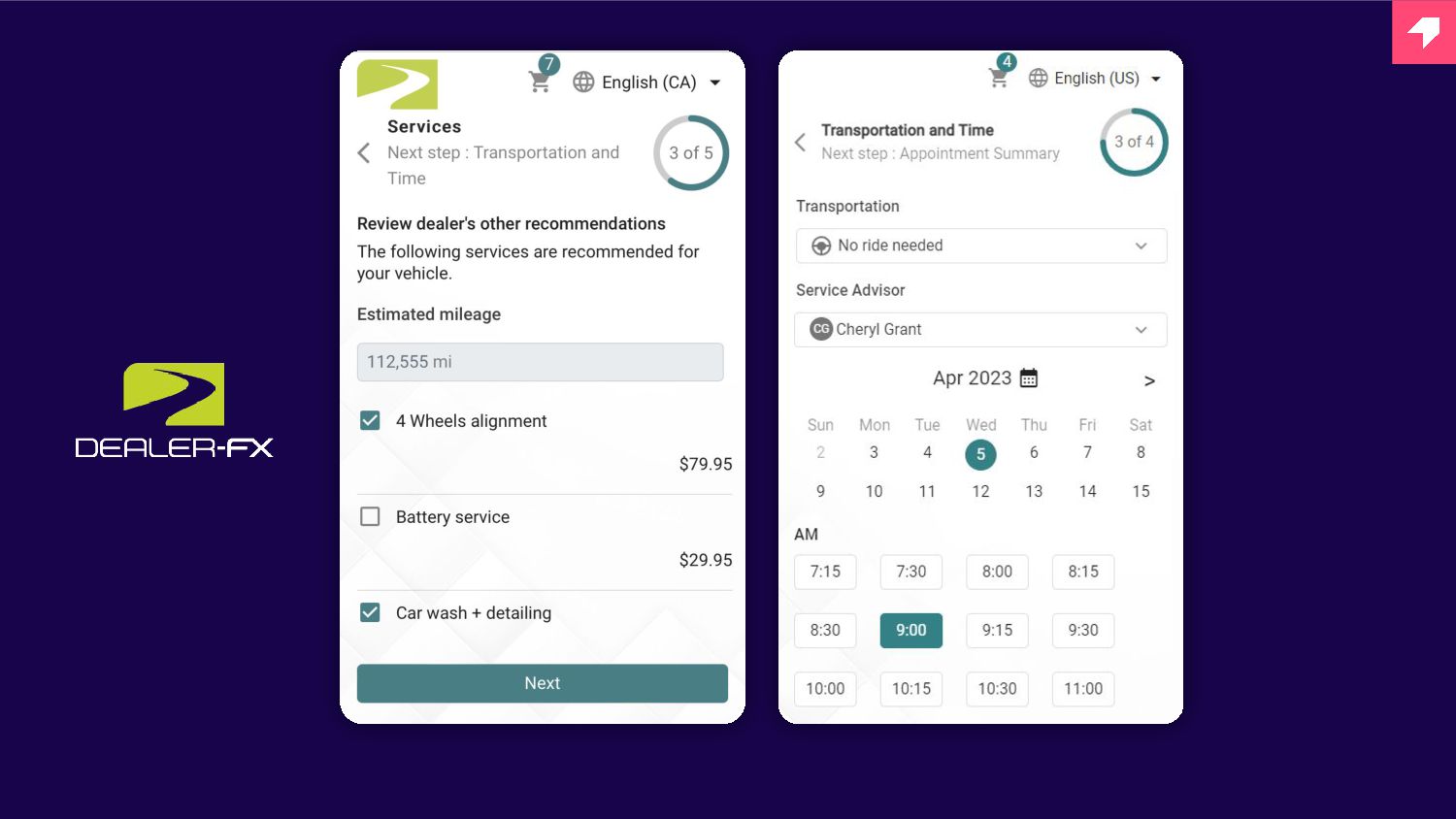
Maybe they're new to your product. Maybe they can't find it. So the question is, how can we reduce time to value by leveraging AI and other things like machine learning, which is a close cousin, to then surface recommendations? So one example that we have from companies with whom we work is this company DealerFX.
It may seem like a I don't want to call them boring. It sounds terrible because they're a good company, but it's software for automotive service centers. So if you come to take your car in to get serviced, it's a it's a software application to help manage that process for service centers.
So you may be thinking, how are they using AI? Well, they are taking their proprietary data, their first party data, which is all of the scheduling information that they have about your customers and their service center. That is when people come in, how often they come in, for which make and models of cars, what types of services are they bringing in, at what time of the day, at what time of the month.
And they're sending all that through an AI engine. And what they're starting to learn is they're able to make recommendations on things like, oh, you need this level of staffing at this time of the month for, say, oil changes. Or hey, we noticed that your wait times on this level of service at this time are really slow, which is leading to poor customer satisfaction.
You may wanna optimize staffing around that. They're also able to make recommendations and suggestions on what how to drive additional revenue through certain discounts and other things because they can look at, again, the supply and demand and what's being used. So here's an amazing example of how this company servicing automotive dealers can take their proprietary dataset and deliver a much better product experience, which by the way delivers great outcomes for their customers because they can probably save money on labor, and then they can find ways to drive more revenue.
Save money, drive revenue, that's a plus for every single customer. And here's the cool thing about this particular feature set is that it cannot be copied by their competition. It can't be copied because it is one hundred percent based on the unique data set they have within their system.
They're the only ones that have this data. That's an awesome, awesome feature set. You heard on stage just a minute ago about differentiation. Are you creating a different this is differentiation leveraging AI. Very powerful, very unique. And my sense is many of you in this room have unique proprietary data sets.
You have data that you and only you have. So you should be thinking about how can I take that data and offer up really powerful, delightful features to my end users? How can I help them deliver better outcomes based on something that we and only we have?
There's magic in those use cases, and I would encourage you to try to think about what those are. What we've done in a similar vein is one of the unique data sets we have so I want to talk about how we've applied this same concept is we have all this usage data, and we also know whether customers are staying within software products or leaving software products.
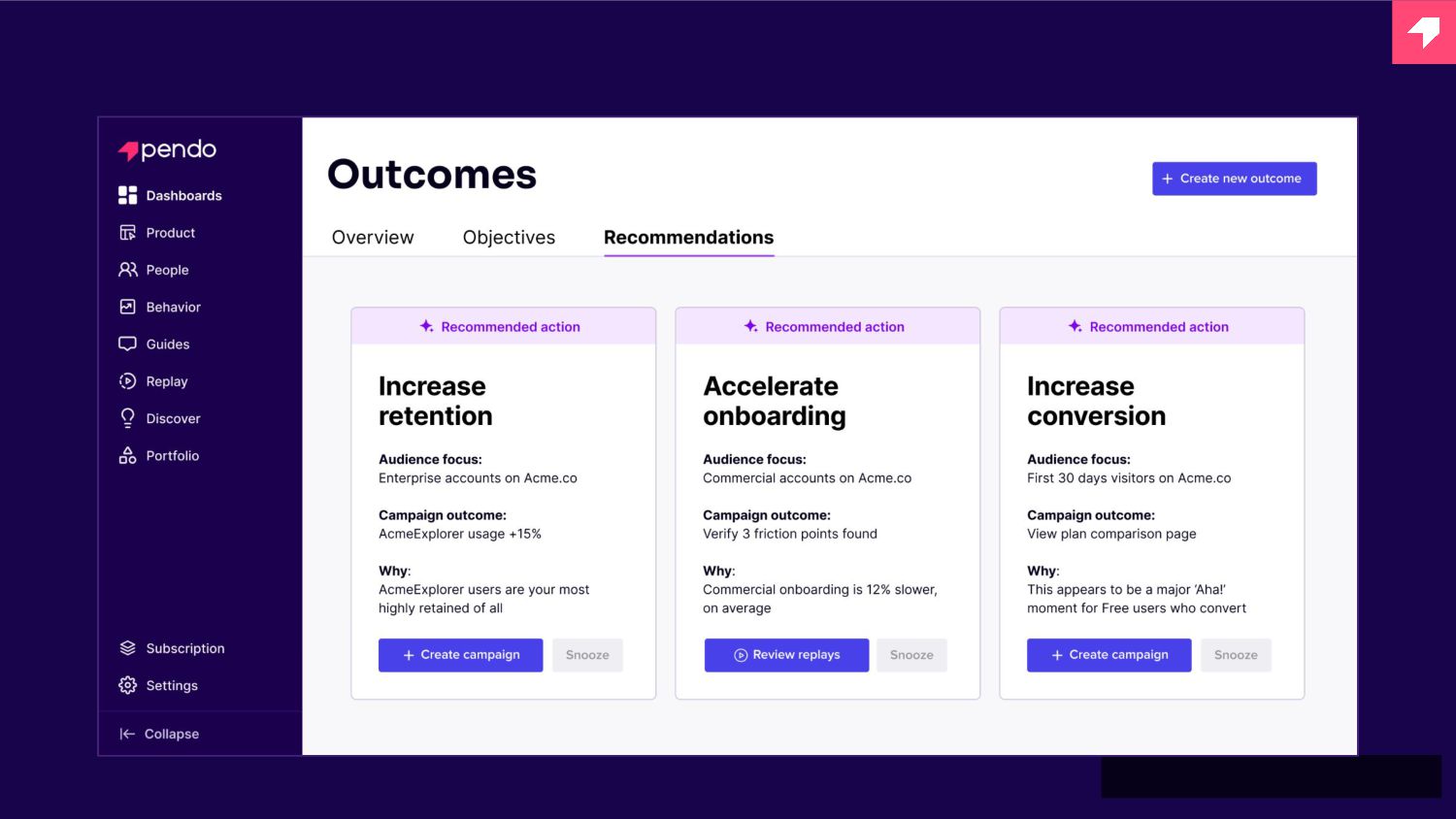
So we have a sense of retention models. So what we've started to do is if we understand which customers stay and which ones leave a software application, this concept of retention or churn, can we start to predict what behaviors led to those outcomes?
So for example, users who engage with this area of a product are more likely to stay than ones who do not. Okay. Can we help you then drive usage of this area that we know is gonna have a positive outcome? So again, this is an area where we're looking at data that we have, and we're trying to find ways to create delightful suggestions which reduce time to value and drive outcomes.
And one way to think about it, and when we when we sat about we we sat back and tried to think of capabilities with it around AI, said, okay, if we had really smart people that can, like, in a practical way, look at all the data we have inside of our system, what suggestions could they come up with it?
Now that's not a I mean, obviously, that's not a practical thing to have people sitting around like pouring over all your data. But that's the way to think about AI. AI is an automated way to solve that particular problem. So I want to shift the focus to talk about how PLG can enhance your AI strategy or at least get it in your customers' hands more effectively.
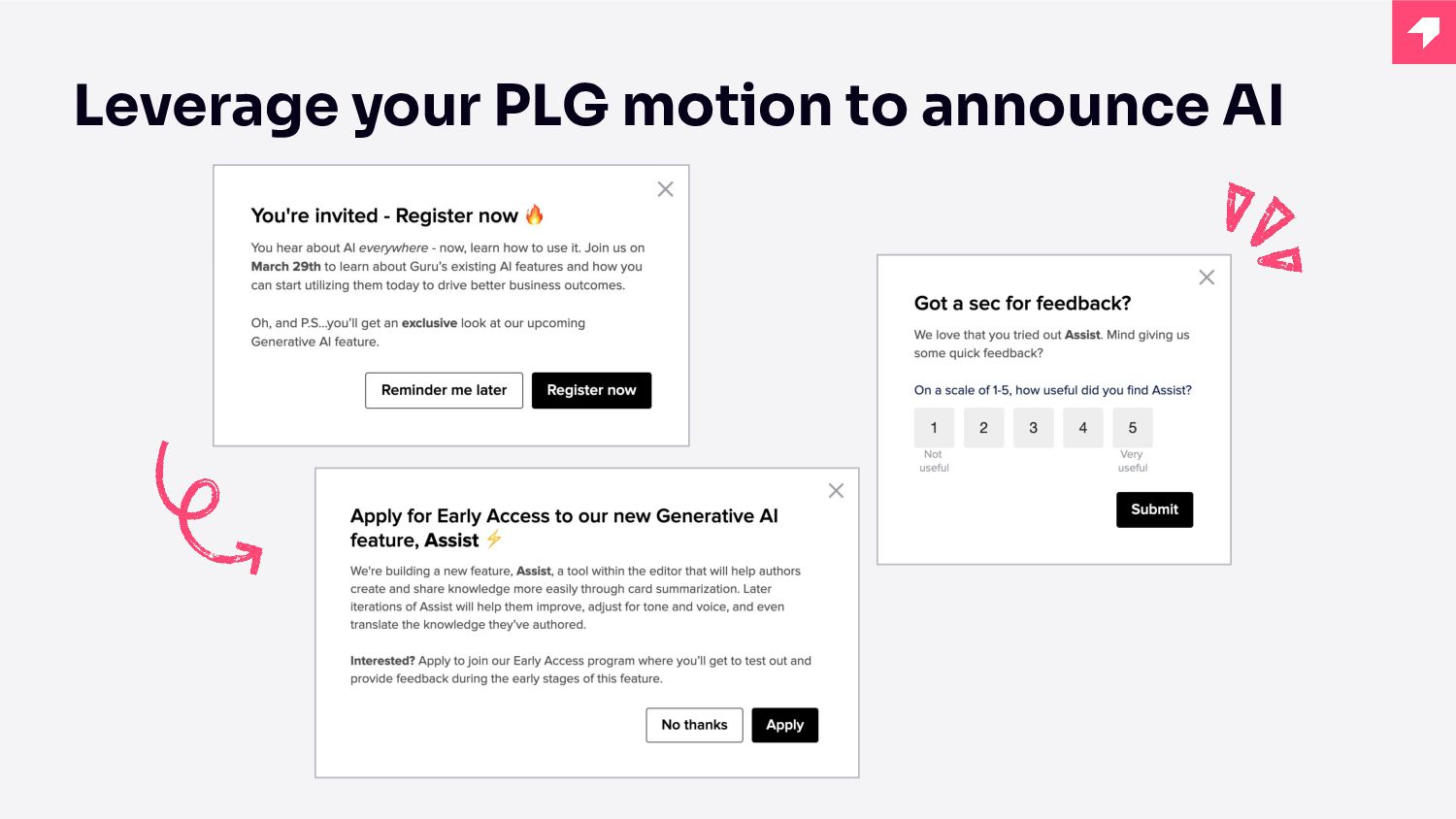
And one of the examples that we have from our customer base is a company called Guru. Guru is a content management system. They power enterprise search for a lot of large companies, Intrines, etcetera. And they started coming out with their own versions of AI.
And they called it Assist, for example. And you can see here that they started advertising it via social media and email, and it worked Okay, but people weren't signing up and getting their hands on it. And now is the time that if we're delivering AI features, we want feedback.
It's not gonna get better if customers don't use it. You need to get customers in. You need customers playing around with it. You need to start getting feedback. Just like any feature area, feedback is what helps you iterate your way to creating a successful feature.
So what they started doing is leveraging PLG. So in product messaging, they started nudging people, reminding people, basically just pushing folks to try it. And that led to significant events. So now nearly a quarter of the users who saw these messages are now playing around with their AI features, giving them feedback.
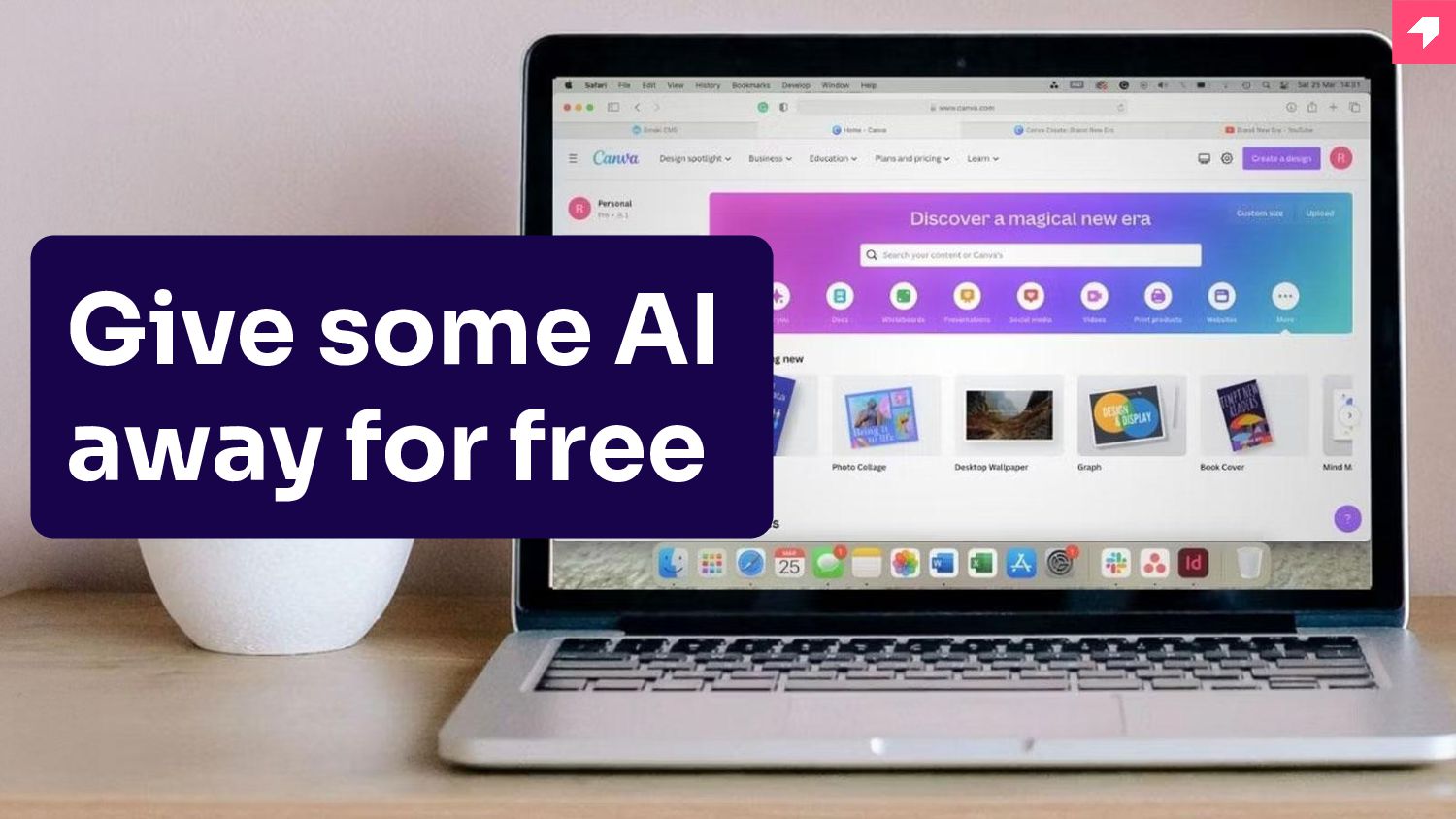
That will ultimately lead to upsells more revenue. So it's a great way that PLG can sort of like nudge users into, hey, this exists. Go try it out. Another, of course, classic PLG motion is freemium. Giving some AI away for free. So one of the great examples here is CoPilot.
So obviously, CoPilot from Microsoft basically has the ability to upsell for thirty dollars a month. So like if you're using a consumer product and you're loving it, you can go back to your company and say, hey, this is something that we can get for thirty dollars a month.
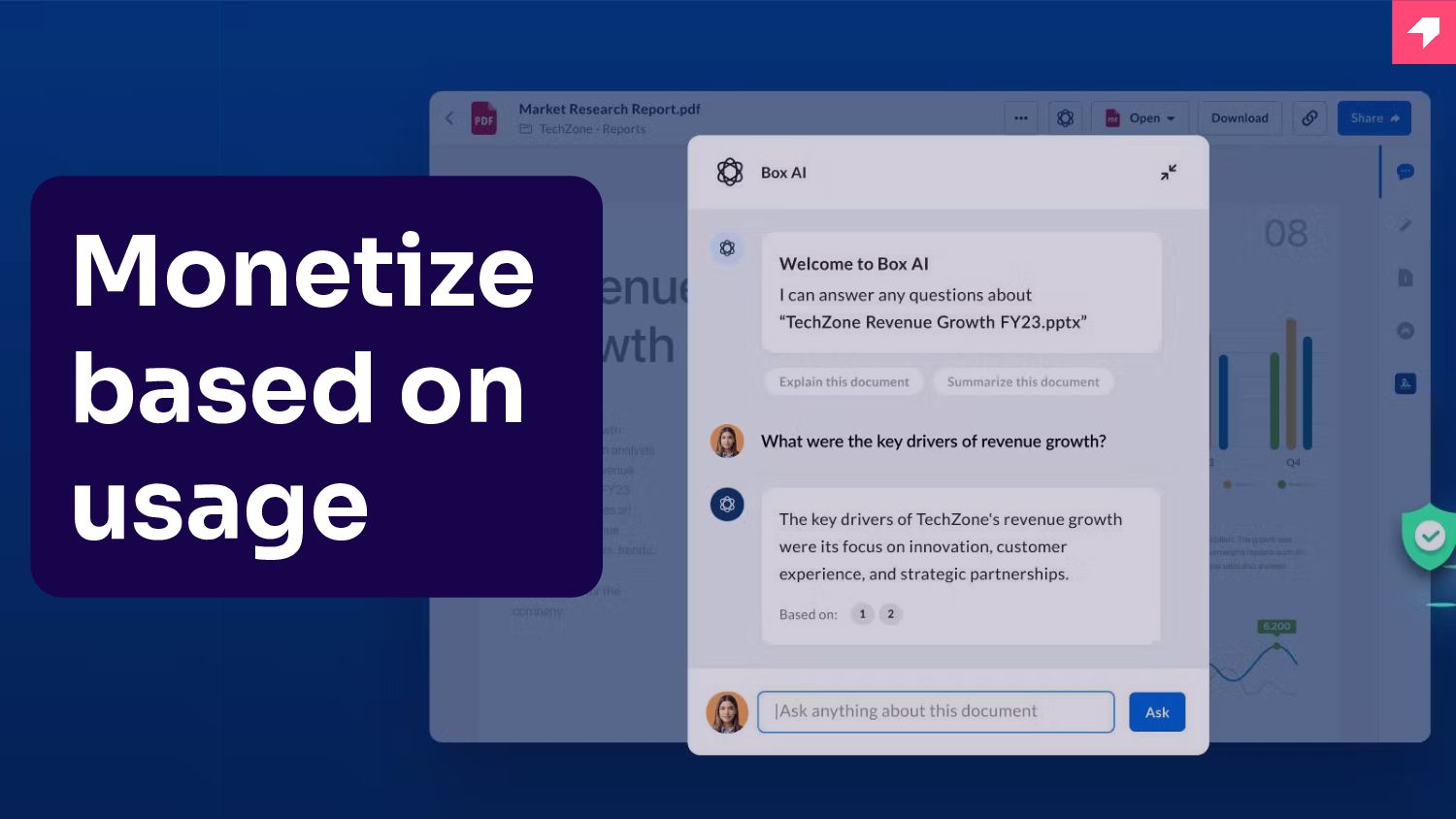
So that's a great way to kind of try before you buy upsell opportunity that helps them continue to expand, of course, their revenue base on a per customer basis. Another interesting model is Box's model. What they're doing is when you start using Box, you get a level of AI for free.
And they're doing it on a credit model. So for example, if you start using it, you'll get, let's say, two hundred credits of their AI feature. And that means you can hit kind of their AI features two hundred times on a monthly basis.
And if you're part of an organization, can kind of pull those credits together to use them collectively. Now what happens when you get to the end of those two hundred credits? You have to buy more. So so it's a it's a really great PLG motion because it gives you value for nothing.
If you really like that value and use it a lot and wanna continue paying for more value, you simply enter in your credit card or you add it to your subscription and add more. So it's a really cool way to try before you buy and and sort of get a taste for it.
And and if, you know, if you're familiar with Box, of course, it's a content management library. It's great for using large language models. And the truth is it's pretty easy to hit the button to get a summary or search for this particular thing, and that's another great way to do it.
So look, and these are just two very quick examples. I think another great example I'll just highlight here is Canva. So if you're familiar with Canva, the beautiful design tool, they give you a number of AI features also for free, but then have expanded upsell for more of their premium AI level of features.
And this is a great way. One way that I like to think of it is if a user could just take content from your software application, copy it in ChatGPT, and get some results, maybe you shouldn't charge for that. The added value you're putting by just calling that API call is pretty de minimis.
I wouldn't try to monetize that. But if it's something proprietary, if it's something unique, if it's something that would require your user to do lots of steps, then that's something that you may want to consider thinking about how you can monetize. Or in at least in Box's cases, it it comes down to a scale issue.
Handling large AI queries at scale is a more sophisticated problem, and that's something that you may have the ability to charge for. So I think, you know, in general in this world, I think thinking about what just makes our product more delightful and easier to use versus what can I monetize?
I think there's gonna be, a lot of innovation here and a lot of experimentation. I encourage you to think you know, to actually, right now, lean more on getting it in customers' hands before you worry about monetizing it. At least that's the strategy we're taking and thinks it's the right strategy.
Like get people using it, make sure there's comfort around it, do that prior to actually trying to to charge more money for it. So look, AI can absolutely accelerate your PLG strategy and the inverse. You obviously can take PLG and get it in more people's hands by leveraging a lot of these in in product techniques.
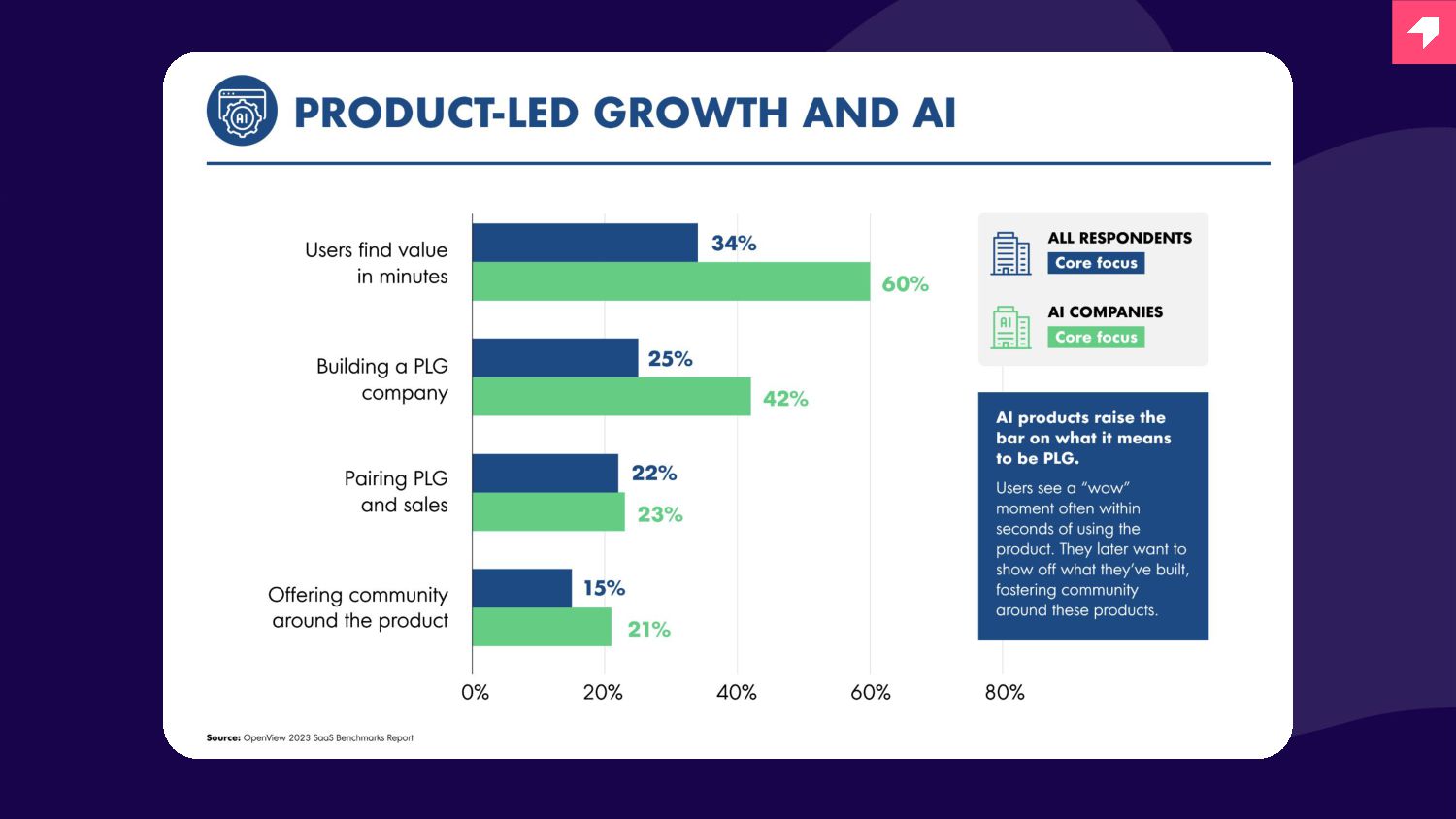
So the two go go hand in hand, whether it's driving more experimentation, whether it's creating more personalization, whether you're actually surfacing recommendations. All of which are really credible ways to leverage AI in conjunction with PLG. And what's interesting here is this is a survey actually from OpenView Venture Partners, which I think is one of the pioneers in looking at PLG based companies.
They have a PLG index looking at public companies who employ product led growth techniques. What they did is when they surveyed AI companies versus all companies, what they observed is that AI companies, generally speaking, were more likely to be leveraging PLG techniques than non AI companies.
And I I do think it's because well, one, it's an area that it's getting smarter the more data it's coming in, so the more users they have, generally, it's gonna drive more virality. But also because, again, these two technology sets work so well together.
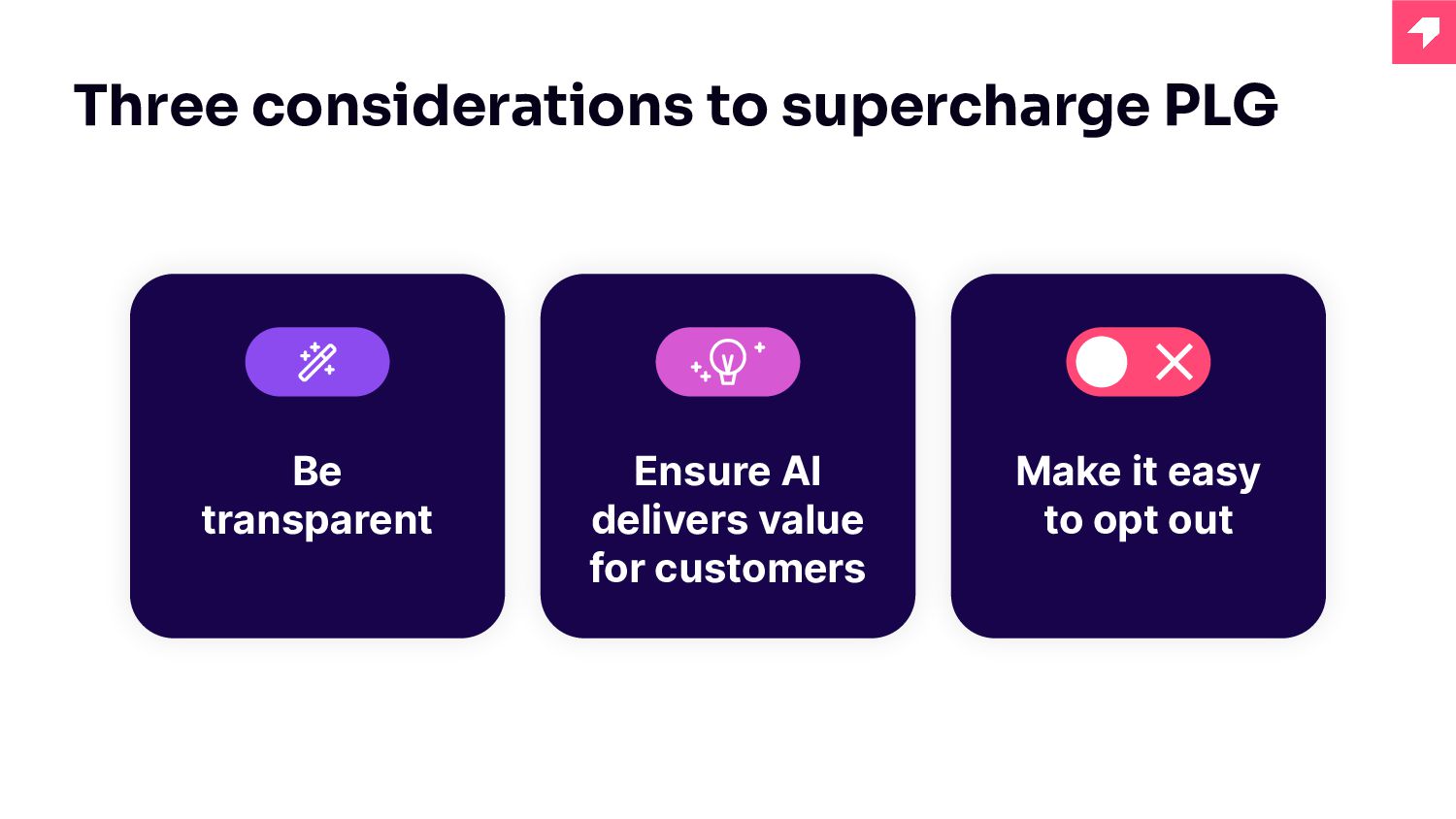
They're all around reducing reliance on humans and automating mundane tasks. So if I try to leave you with three general concepts is around supercharging your PLG is one, be transparent. Ensure customers know that they're interacting with AI when they are. This is important for a couple reasons.
One, AI is hot. So if you're telling customers they're interacting with AI and they are, get credit for it, there's no reason to bury it under the covers and just sort of make it secretive that you're using it. Take credit. Another value prop here is, I mean, you heard, just heard from a venture capitalist about AI and raising capital.
AI companies are generally valued more highly and have an easier time of raising capital. If you're doing it, be transparent about it. Get a credit for it. Again, this is not something to be secretive about. You want to market the fact. Some companies are over marketing themselves as far as what they have technically, but if you are doing it, I would encourage you to be transparent.
Second thing is, it's got to actually deliver value. If it's not delivering value, don't put it out there. The last thing you want to build is AI for AI's sake. Oh, this AI doesn't do anything for me. Well, that wasn't useful. Or worse, you're telling someone that you're going to recommend something and none of the recommendations are any good.
Like if none of the recommendations are good, are you going to go back to that thing and get recommended by it? No, you're going to stop doing it. Like if I typed in to Microsoft Copilot Planet Day in Edinburgh and it didn't put the castle, like at least the top five, that's probably not the right list.
I would have questioned it heavily. So these are just very, very simple things. Make sure the recommendations are good. And the third thing is make it easy to opt out. And this is in particular if you're working with large customers or more privacy sensitive customers or users.
The truth is, while AI is exciting and it's powerful and it's absolutely part of the next frontier, and I do believe it's eating the world or will be eating the world, some people are scared to death of it, And some large organizations are scared of it.
And they're concerned. And they have valid concerns. Where's my data going? If I put something in here, is it gonna show up in some other company? Worse, is it gonna show up in a competitor's answer to one of their questions? So given that there is still a lot of concern and a lot of unknowns and uncertainty, I would encourage you to give people the ability to opt out of it.
Allow them to try it. Make sure they you know, you make sure you advertise and get credit for it, but at the same token, give people the opportunity to say, hey, this isn't quite ready for me. Now look, I think what's powerful about this when you use these two things together, and again, these companies are both using PLG motions heavily, and they're both using AI, is that it's actually driving a lot of their growth.
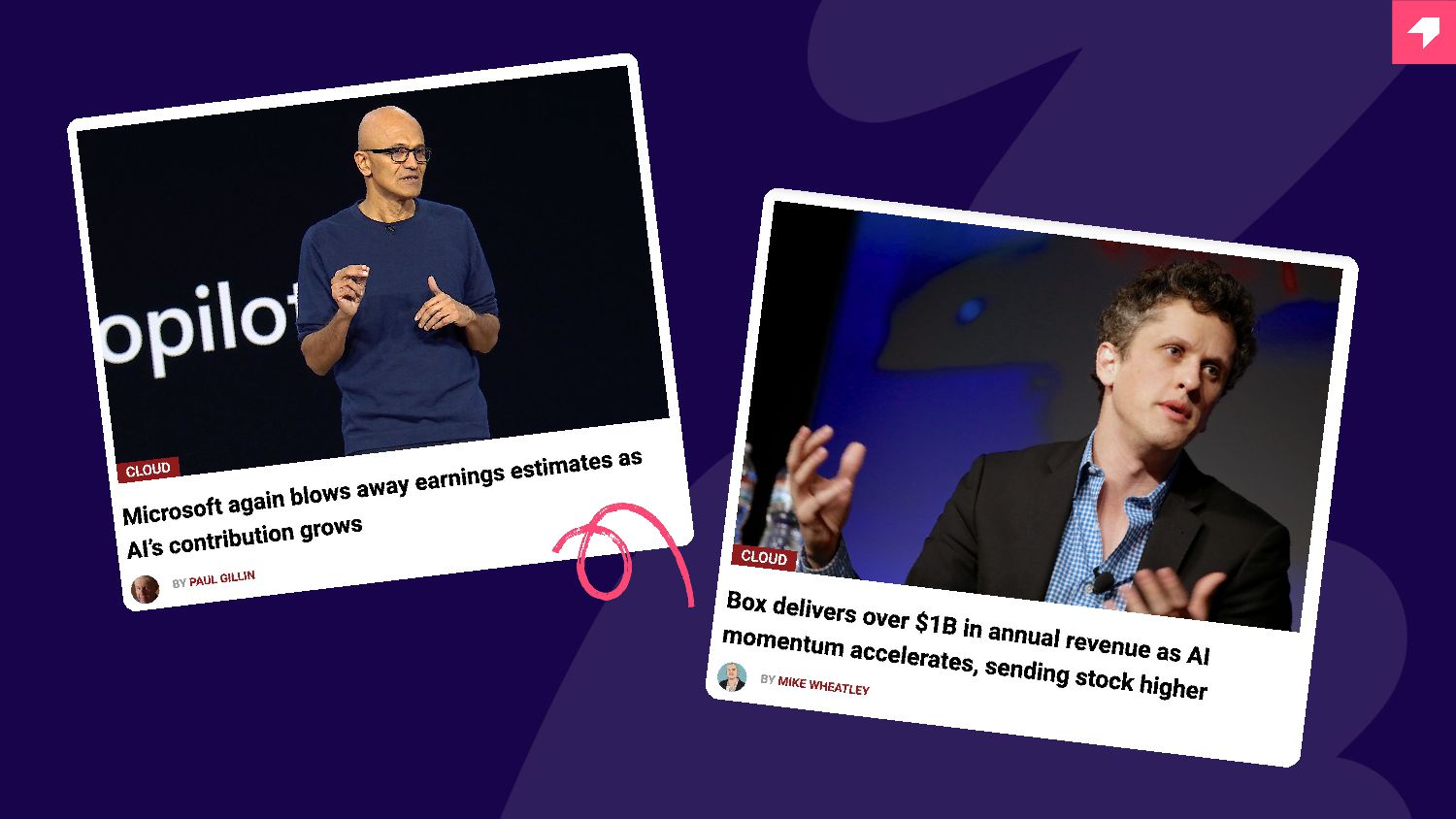
You know, if you look at at least, the American stock market, it's being driven by seven companies. Most of whom are on the backs of of AI, in particular Microsoft, which has been leveraging, of course, its open AI relationship to get its stock to next levels.
I mean, it's literally driving the economy. Seven companies, predominantly on the backs of AI. So think about it's a very, very powerful concept. So this is obviously a very important thing and has the ability to deliver significant results. And then even Box went over a billion dollars in revenue for the first time.
And on, again, the backs of AI and driving upsell and delivering more value for customers. I think I think AI is a perfect fit for that company as well. So it's just really interesting how that this technology is unlocking value, and it certainly can unlock value for for you too as well.
So thank you very much. I'll be around the rest of the day, but it's great to be here and hope you got something valuable from it. Thank you. Thank you so much, Todd.