
“Pick a lane,” said one ChartMogul customer. “This is a perfect natural extension to ChartMogul,” said the next. Going multi-product is a challenging, yet tried and true growth strategy. But, what role does a revenue leader have in influencing product strategy? How can they help you on the road to product-market fit? ChartMogul’s VP of Sales tells the story of building and bringing to market their new CRM - and what it’s like in early days to compete with some of the biggest players in SaaS.
← All talks 

Grow Turing Fest 2024
How Product and Sales Can Work Together to Find PMF (& Why We Built a CRM)
Auto-generated transcript - may contain errors. Tap a timestamp to jump the video.
Well, it's a pleasure to be here. It's been some time since I've been at Turing, and it's one of my favorite conferences. I love the cross functional aspect of technology and talking to all of you about what it is you're building. This is a talk that I'm particularly excited to give because it's a very personal story.
As the VP of sales at Chartmogul, I'm responsible for ensuring our business hits our revenue target, but I've had the unique experience to participate a lot in product development to include bringing to market a brand new product, which I'm going to tell you about today.
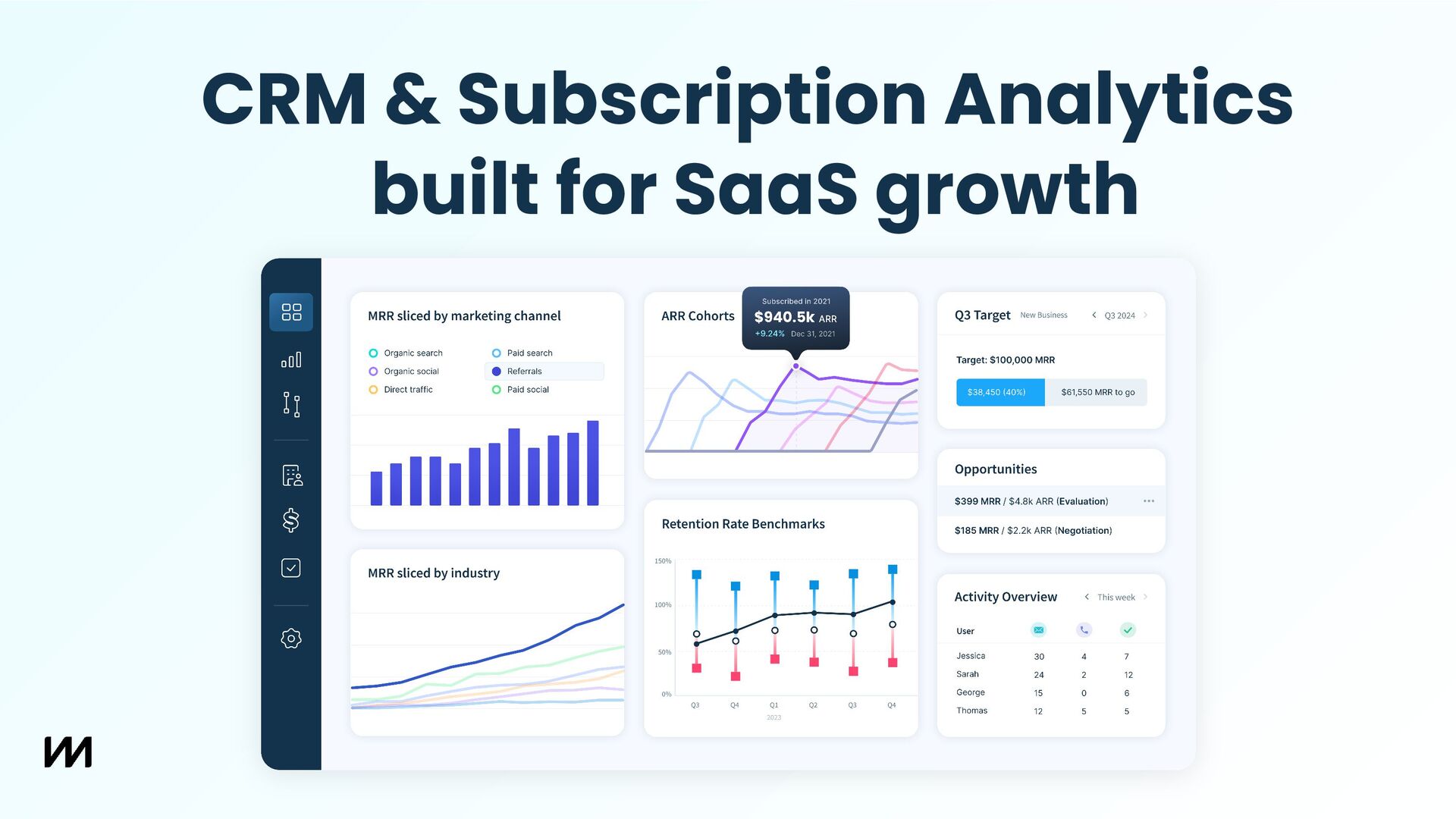
And so the title of this talk is how product and sales can work together to find product market fit. And my company, Chartmogul, is known because it automates the calculation of key SaaS metrics. What does that mean? Well, essentially, we have an opinionated analytics product that ingests customer and billing data and transforms it into the revenue metrics that we know businesses with recurring revenue care about.
And so our customers for the last ten years have been logging into Chartmogul to analyze recurring revenue, monthly, annual, customer lifetime value, churn, retention, etcetera. Two years ago, however, we took the decision to build a CRM, and CRM is arguably the most saturated competitive market out there.
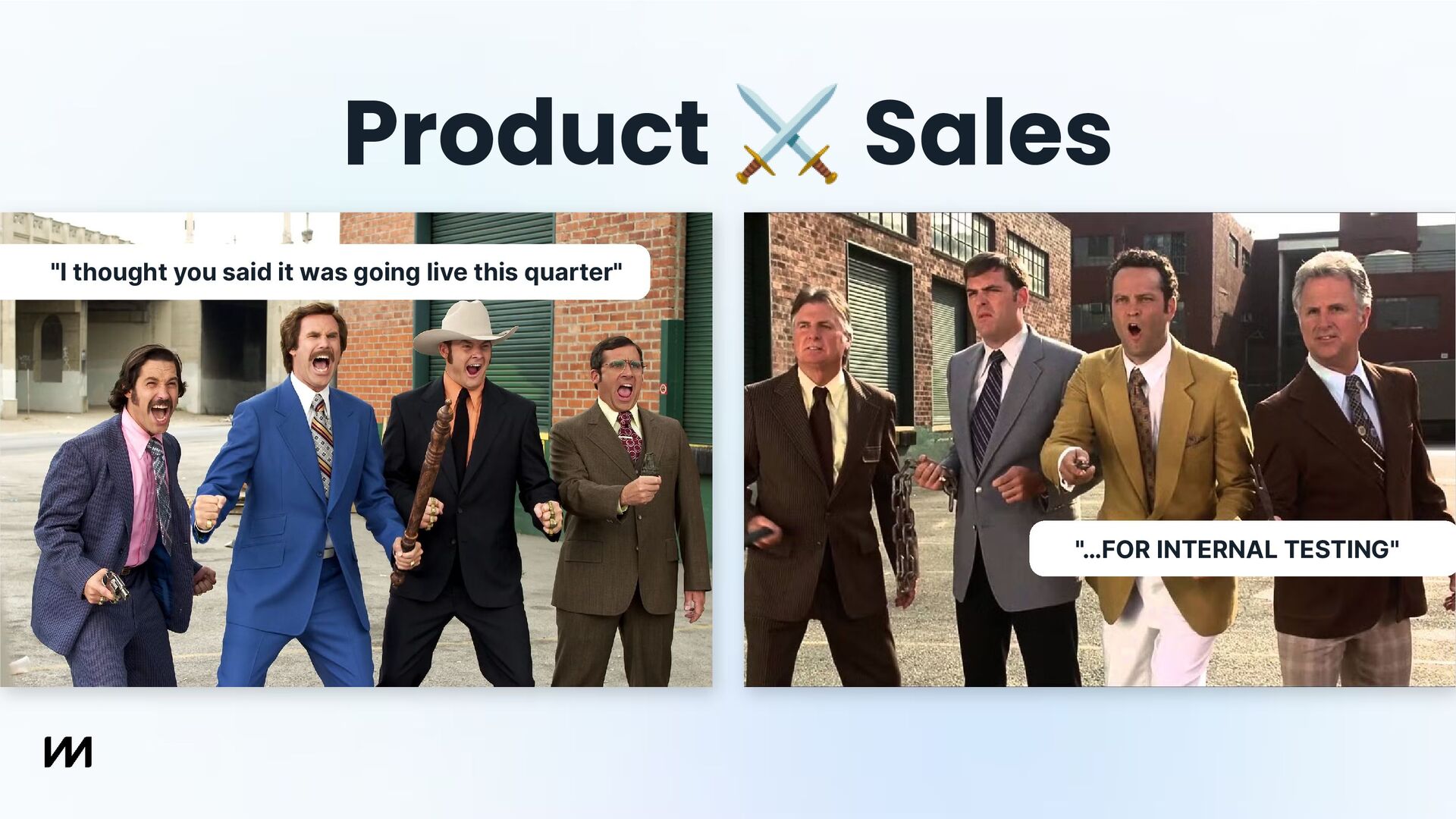
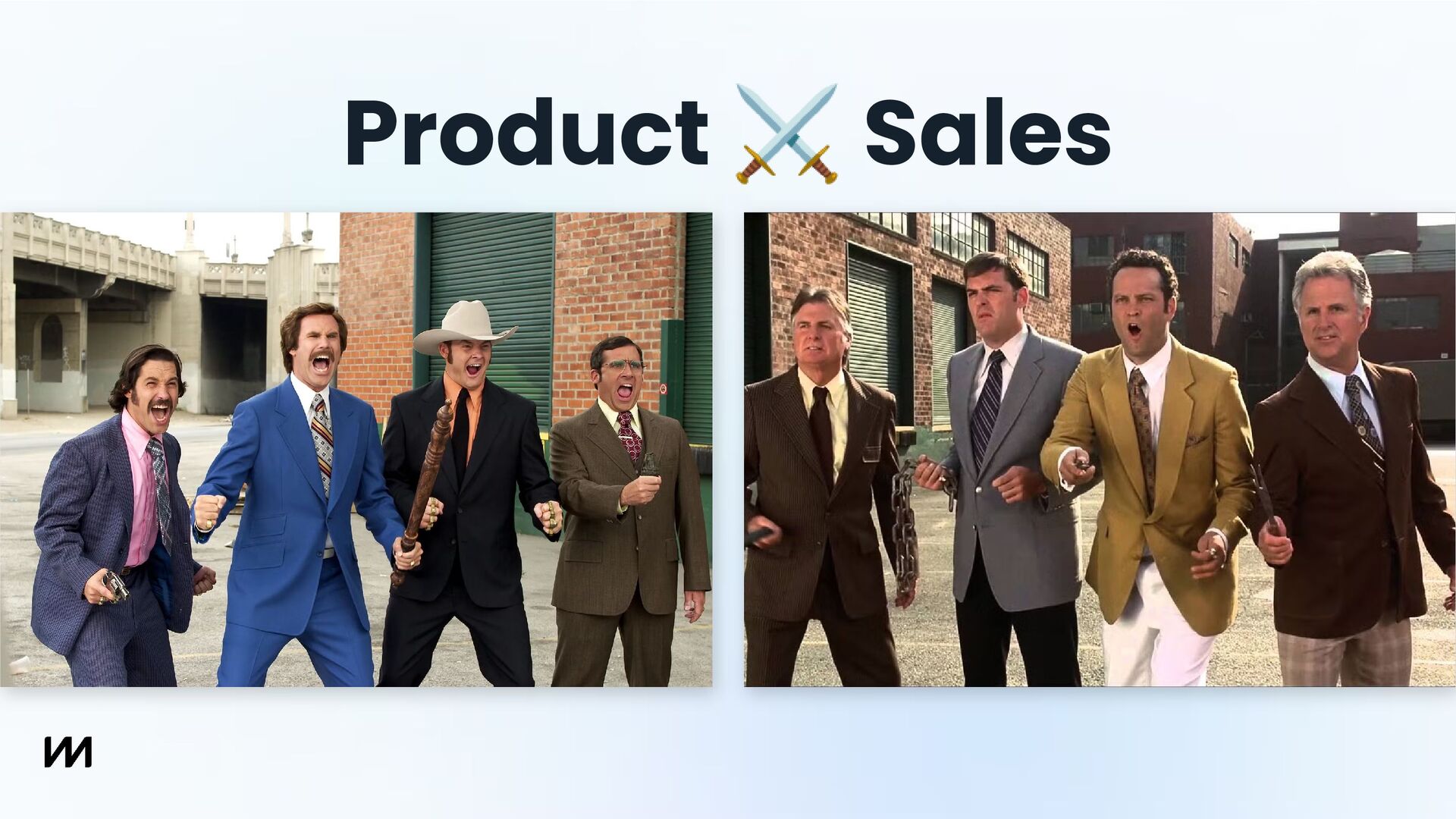
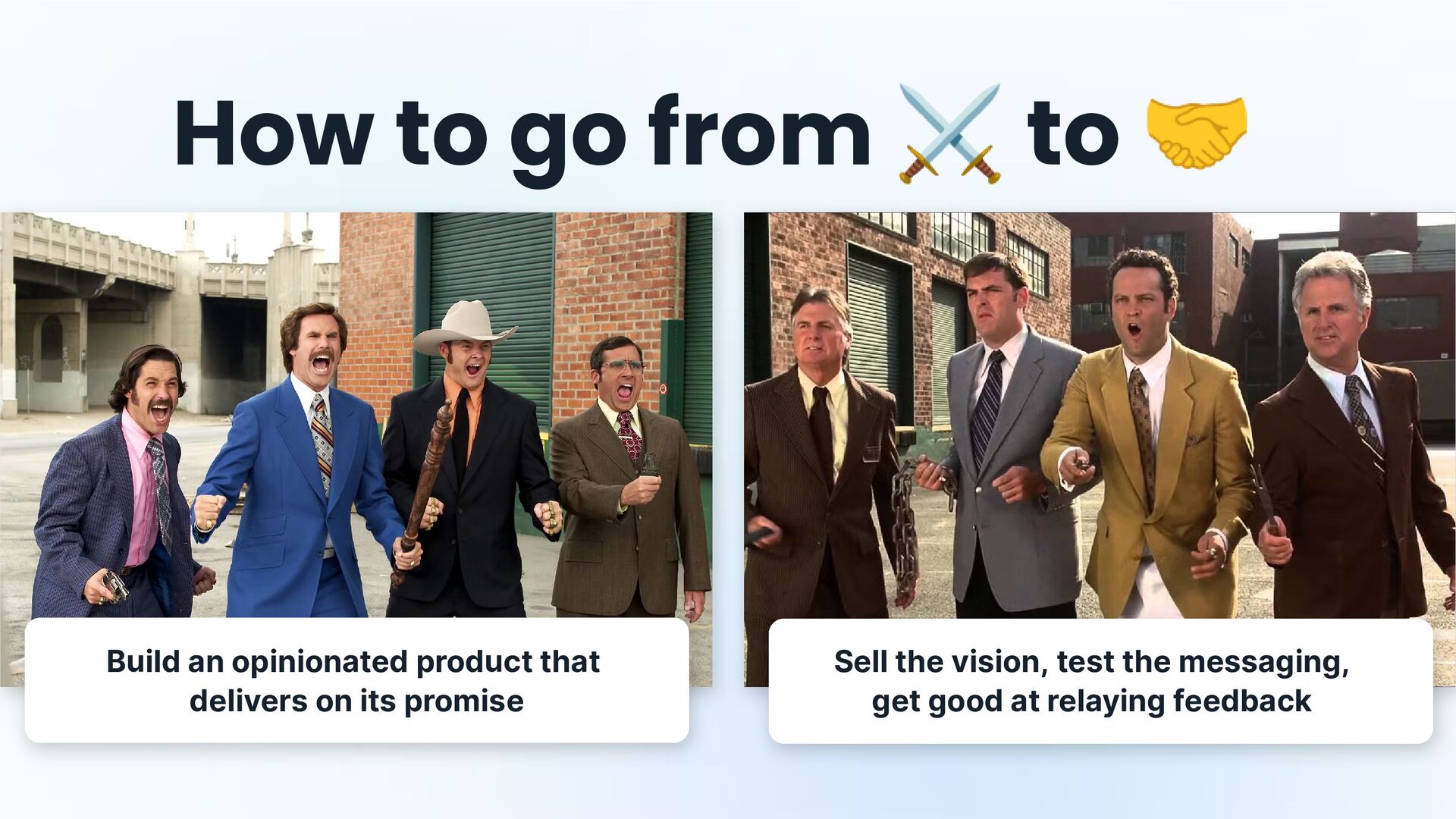
And so over the course of this talk, I wanna tell you three things I've learned about how sales and product can work together on this journey to find product market fit. Alright. So I teased this talk with a few snapshots from the film Anchorman because sometimes the relationship between product and sales can feel a bit tenuous.
If you're not familiar with the film, the idea is that two news rival agencies hit the streets in an all out battle, and it looks a little bit like this. Sales, they're very overzealous. Right? My team is often responsible for this. They say, hey, I thought you said it was going live this quarter?
To which product replies, were you even listening? We meant for internal testing. And it is the case that sales sometimes has a tendency to overcommit in an effort to close business quickly, And product is left sort of scrambling with requirements, trying to figure out how we can deliver what we've promised to the customer.
And so I'm of the mind that this tension can be really troublesome for a business. It can take you down. It can be an Achilles' heel. Some of this tension is natural. I've been selling software for the better part of twelve years, and this tension exists everywhere, in part because we don't have a great understanding of how one another work.
In product, it's unlikely you know what happens in a revenue meeting or forecast meeting. You might even forget that sales teams are heavily reliant on performance in the way of their compensation. As much as fifty percent of our take home pay is dependent on how we perform.
On the other hand, salespeople don't have a ton of knowledge about what happens in product. We don't know necessarily about the software development life cycle or what it takes to make a feature performant for large groups of users. And this tension, this lack of empathy and understanding, has really heightened in the area of remote work, where we don't have a lot of exposure to poke our heads over someone's desk and see what it is they're working on.
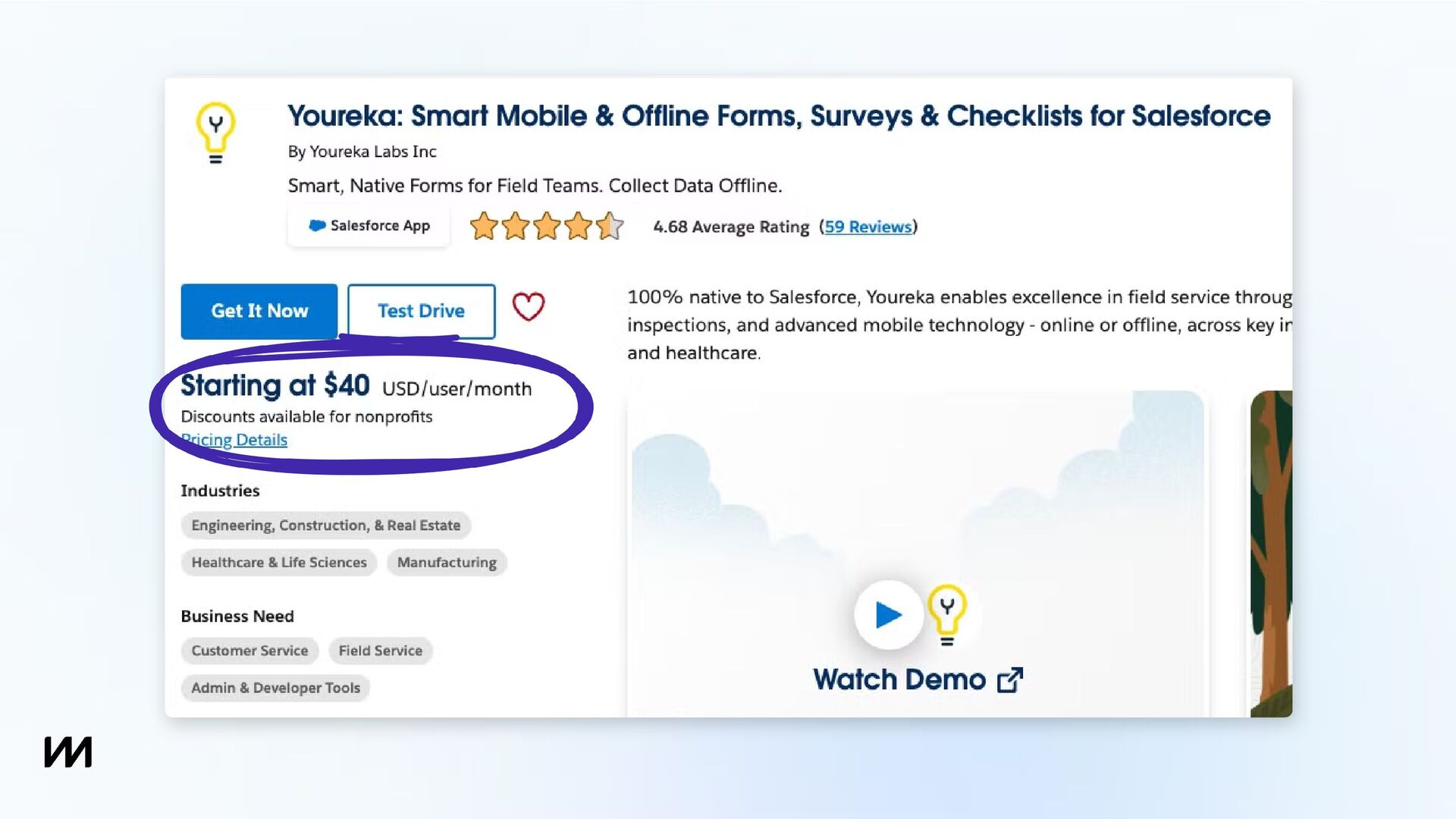
And so, you know, this can really plague a business, which I've seen in the three or four products that I've brought to market. Now many, many years ago, I brought to market my first ever SaaS product. It was called Eureka. And Eureka was an application that we built on the Salesforce AppExchange.
It was licensed at forty dollars per user per month, and our services business at the time was really excited about the promise of recurring revenue. We wanted natural expansion. We wanted the promise of revenue that we could count on every month, and in truth, we sort of lost sight of the customer.
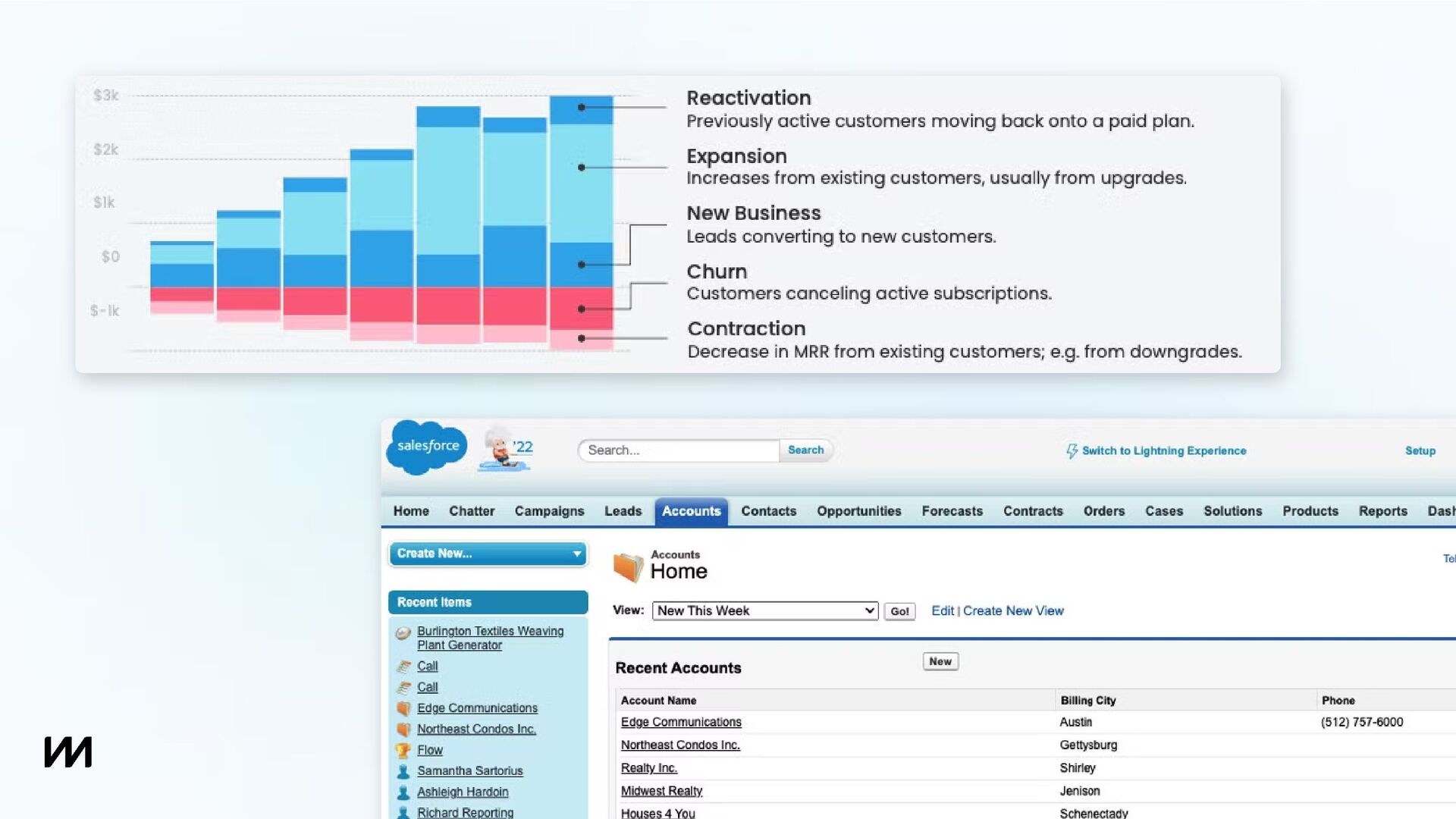
And so all this time ago, when I first brought to market Eureka, my chief product officer said to me, hey, Sarah, I want you to go out and build this report that shows us expansion, contraction, reactivation and churn. And I didn't know very much about software or recurring revenue.
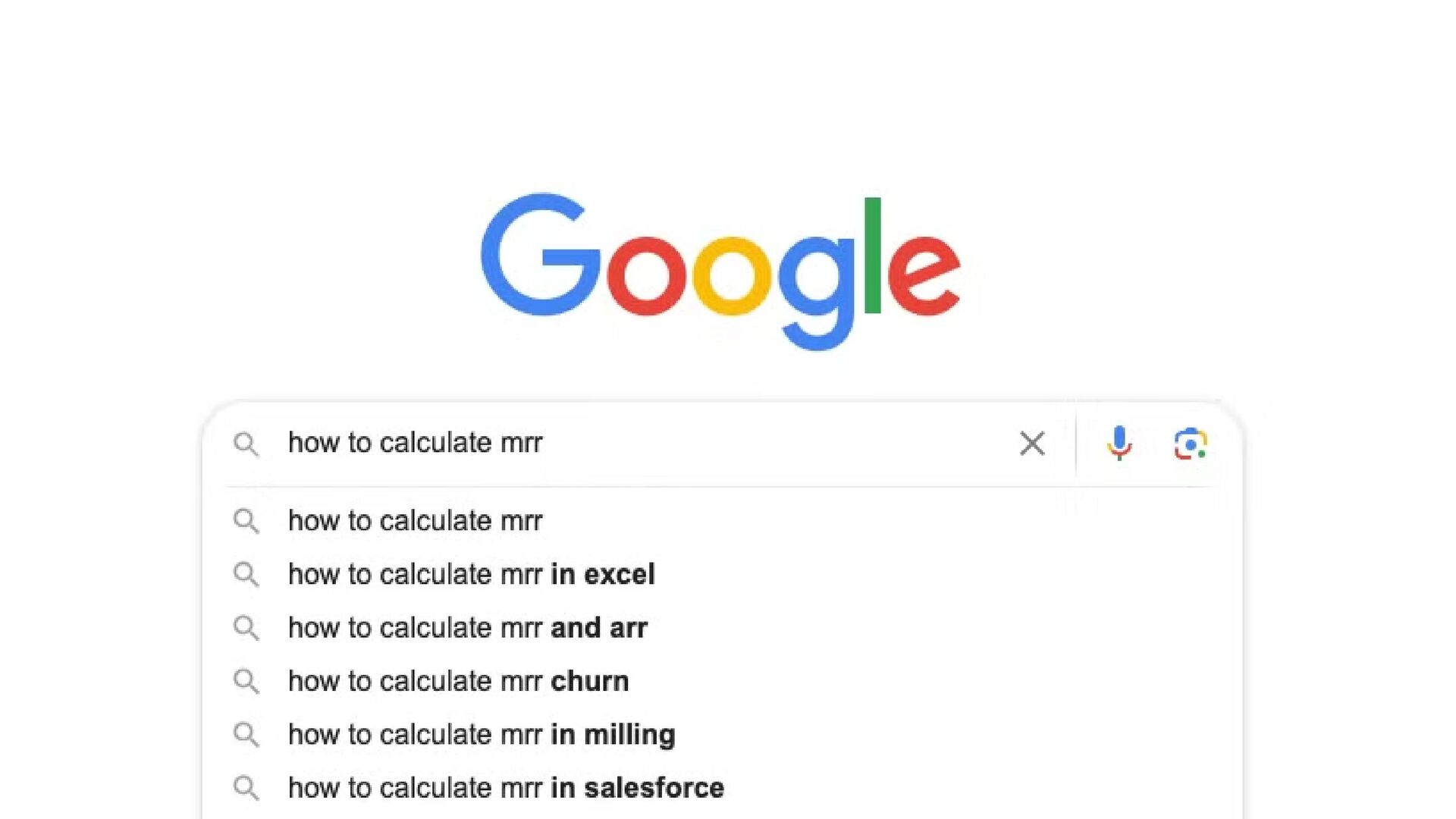
This is a long while back. And so I sort of took to the Internet. I was like, alright. Sure, Dan. I'll build you this report, but I gotta ask mister Google, how do you calculate monthly recurring revenue? And what I found were these really nifty cheat sheets from a company called Chartmogul.
And Chartmogul had these one pagers that I could download that really elegantly described how I could calculate monthly recurring revenue. And so with this challenge that I had been given, I sort of took to Salesforce Classic and started hacking away at a solution that would meet these requirements.
But what I quickly found out was this was a building that did not come very naturally to me. I had a hard time accounting for things like proration or discounts and currency fluctuations. So it's at this time in my career where I decided, okay, we'll leave the building to our product team, and I'm going to instead double down on what I know I'm really good at, which is talking to customers.
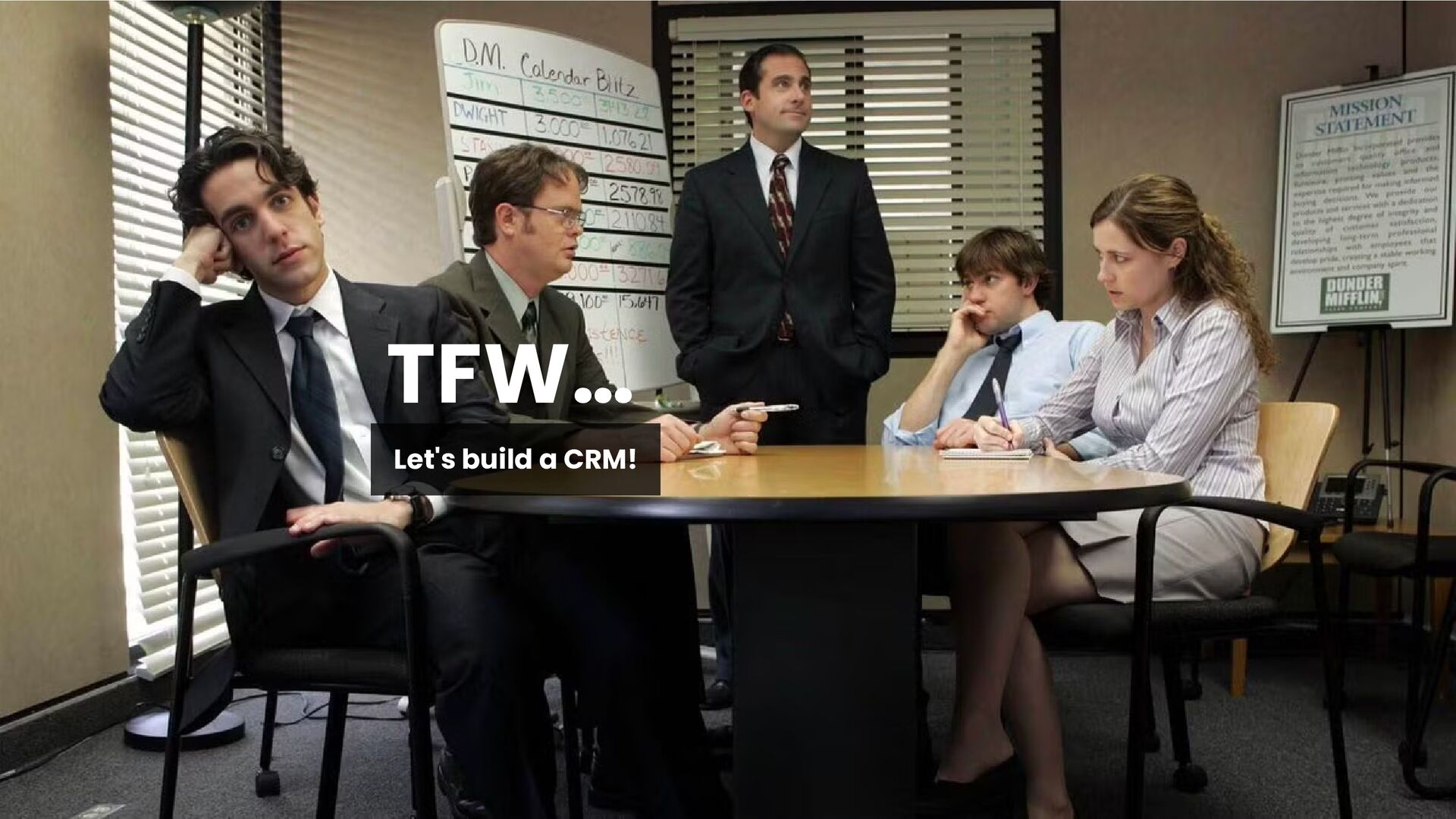
And so fast forward a few later a few years later, I actually found myself working at Chartmogul, the same company that had provided me the resources needed to try to solution this problem. So having worked in Salesforce and with CRM for many years, imagine my face when the CEO of a company called Chartmogul said, hey, Sarah, I have this great product idea.
Why don't we build a CRM? And I'm sure many of you have used CRMs like Salesforce or HubSpot. Salesforce IPO ed in two thousand and four, and HubSpot came to market with a CRM product in twenty fourteen. And so my face probably was more severe than this, in truth, because I have a lot of product domain knowledge about CRM, and I'm a little bit intimidated by this challenge.
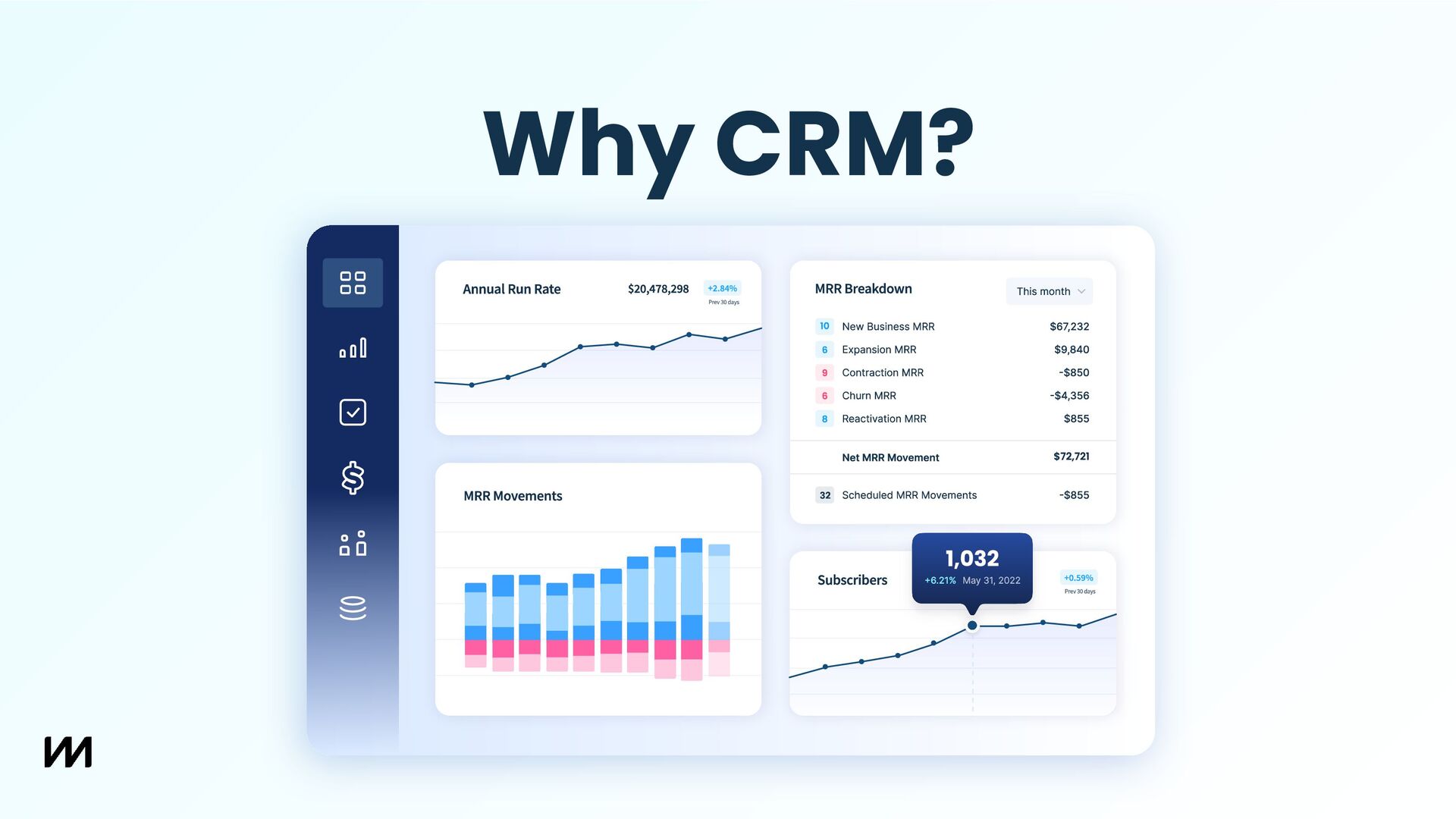
I'm trying to figure out how to get on board with the idea that Chartmogul should build a CRM. Why CRM? I asked Product. And so this is a screenshot of what our analytics product looks like. I mentioned at the beginning of my talk that it automatically calculates all of the metrics we know businesses with recurring revenue have.
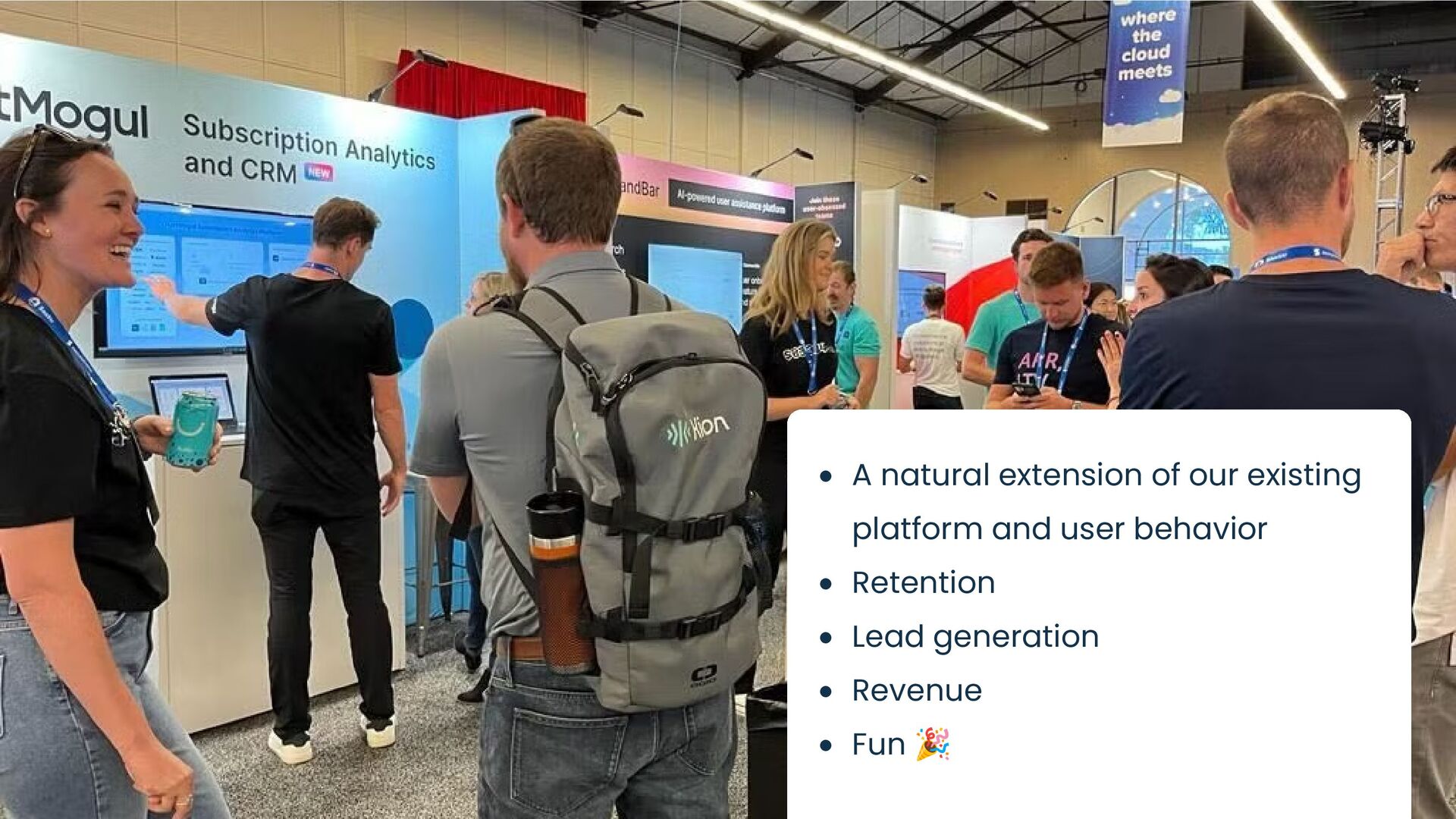
Product said, Sarah, look. Listen. It's really a natural extension of how our existing customers are using our application. They're logging into Chartmogul to see their annual run rate and their subscribers. So what if they could drive revenue outcomes in the same product where they were analyzing revenue behavior?
And so this is a screenshot from a conference a few years back where I was actually talking to a customer, and I was watching him use our application. And what I saw is that he would click into a customer profile in Chartmogul, and then he would click into a deep link into HubSpot.
Then he would send the customer an email, status a task, and move on with his day. And so I was starting to come around to this idea that maybe maybe it was a natural extension of how our customers were using the product. And if we could have them doing more things in the product, would we have stickier users that we could furthermore retain?
Additionally, a new product was going to give us another stream of lead and revenue source. And finally, Churnmog was about ten years old, so we were kind of ready to sink our teeth into something new. We just wanted to do something fun and a bit different, having worked in the same domain for such a long time.
And so the idea, the vision was sort of born for this all in one CRM and subscription analytics solution built for b to b SaaS growth. And I'm I'm in. I'm like, okay. I can get behind this. In fact, we know that in the journey of building a business, you're probably going to need a multiproduct or at least an expansion story.
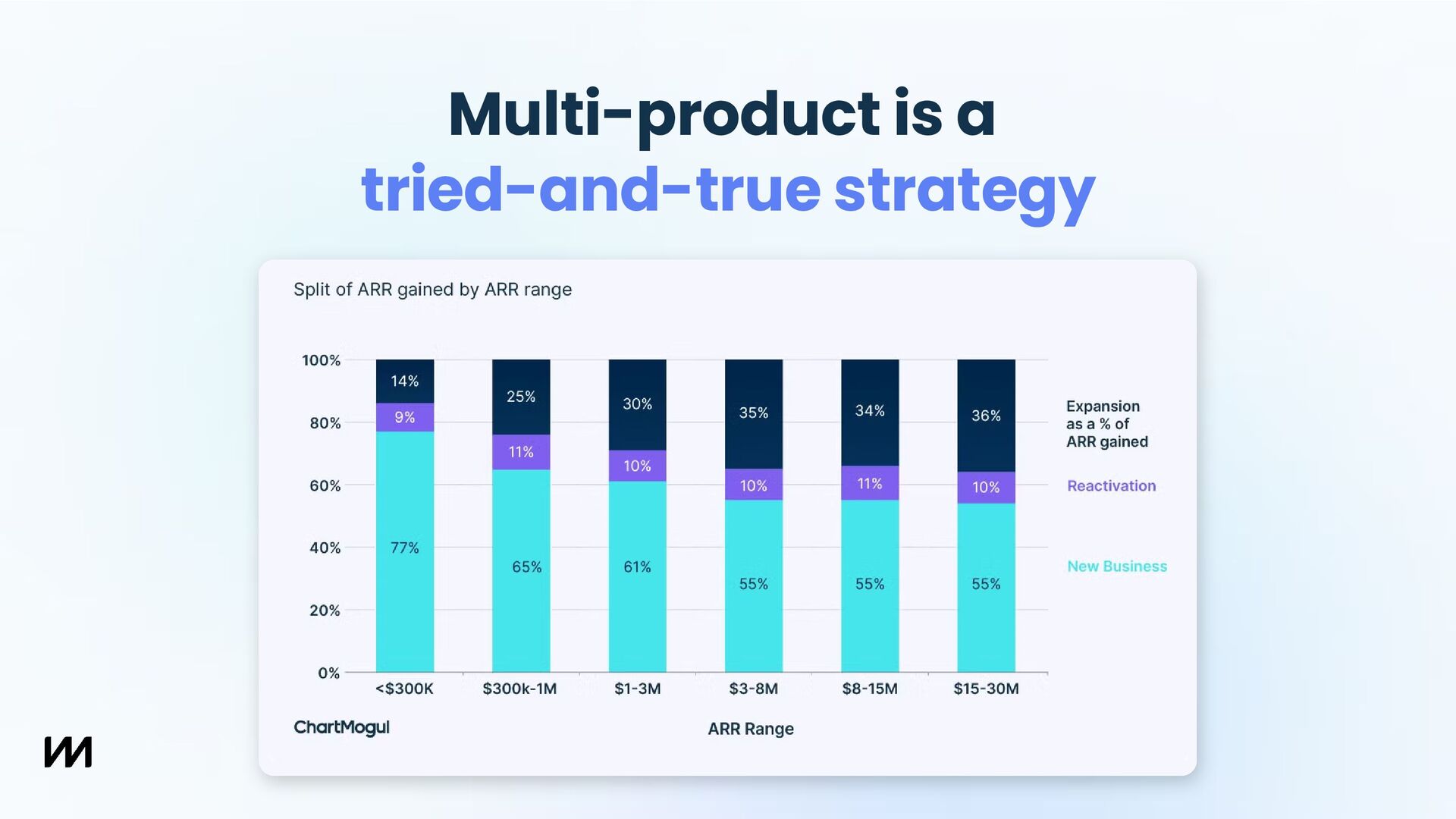
And you can see this in the data. So let me orient you to what we're looking at here. On the bottom axis, we have ARR range. So as we move from left to right, businesses get bigger. And in teal, we have the percentage of ARR growth for new business, in purple for reactivation, and for dark blue, that's expansion.
Expansion. And so as we move from left to right, the insight is expansion becomes a bigger part of your strategy as your business grows. Well, how do you go when you get expansion? You can increase prices, you can drive usage and then maybe charge more for that usage, or you can establish a cross sell motion.
And that's what we did with the idea of building a new product. And what I really like about building a new product is that it's a very intentional expansion strategy. It's the case that you're really asking your customers to vote with their dollars to make a concerted decision to add something new to their tech stack, to evaluate and vote again with their dollars.
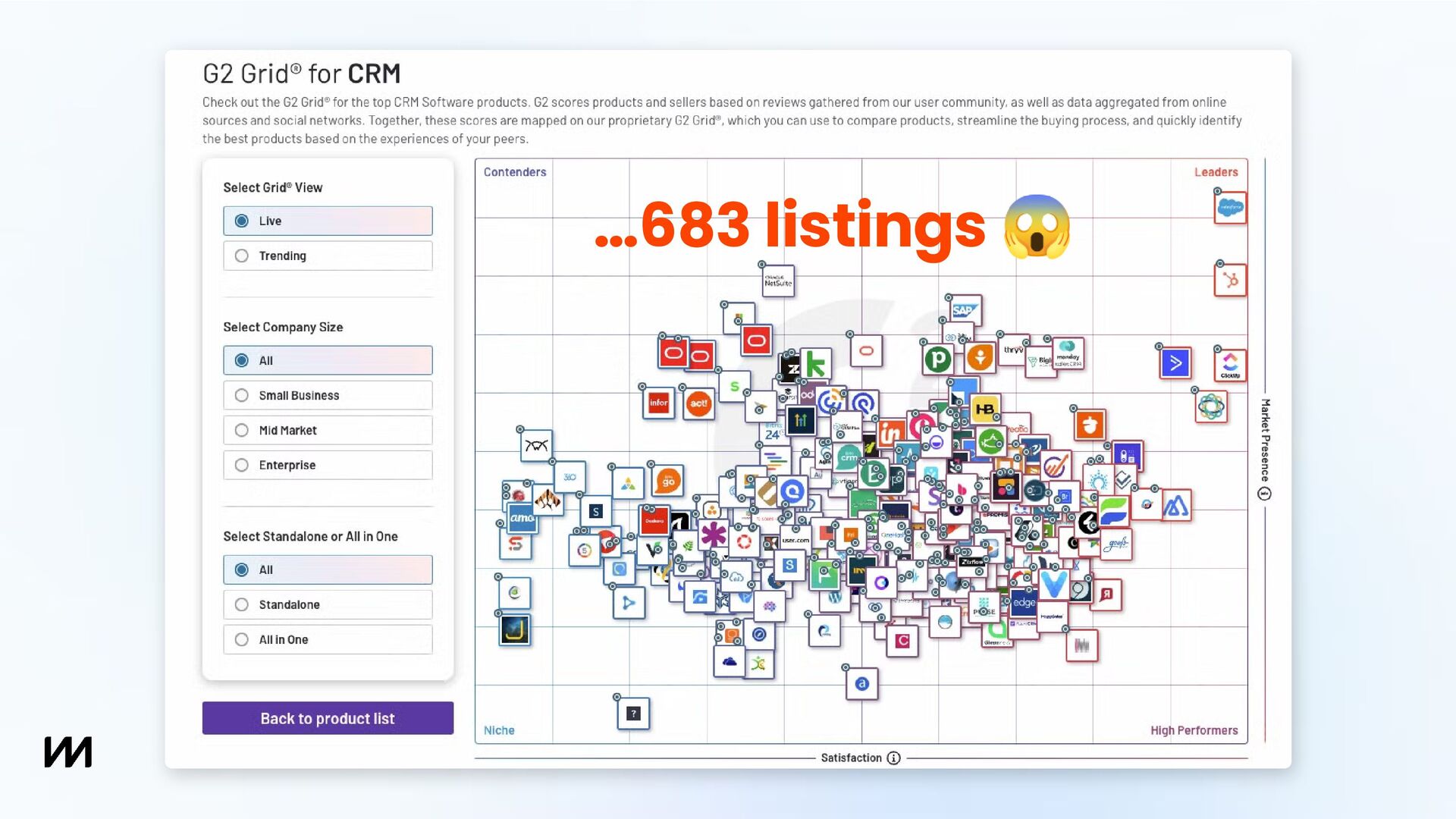
And so I'm coming around to this idea. We know we need an expansion strategy based on where we are as a business, and maybe it's going multiproduct. But in the back of my mind, the commercial implications are nagging at me. Right? Because CRM, as I said, is a very competitive and mature space, as evidenced by this g two grid where you can see there's over six hundred and eighty three CRMs with some giant players like Salesforce, HubSpot, Close, ActiveCampaign, ClickUp, Nutshell, you name it.
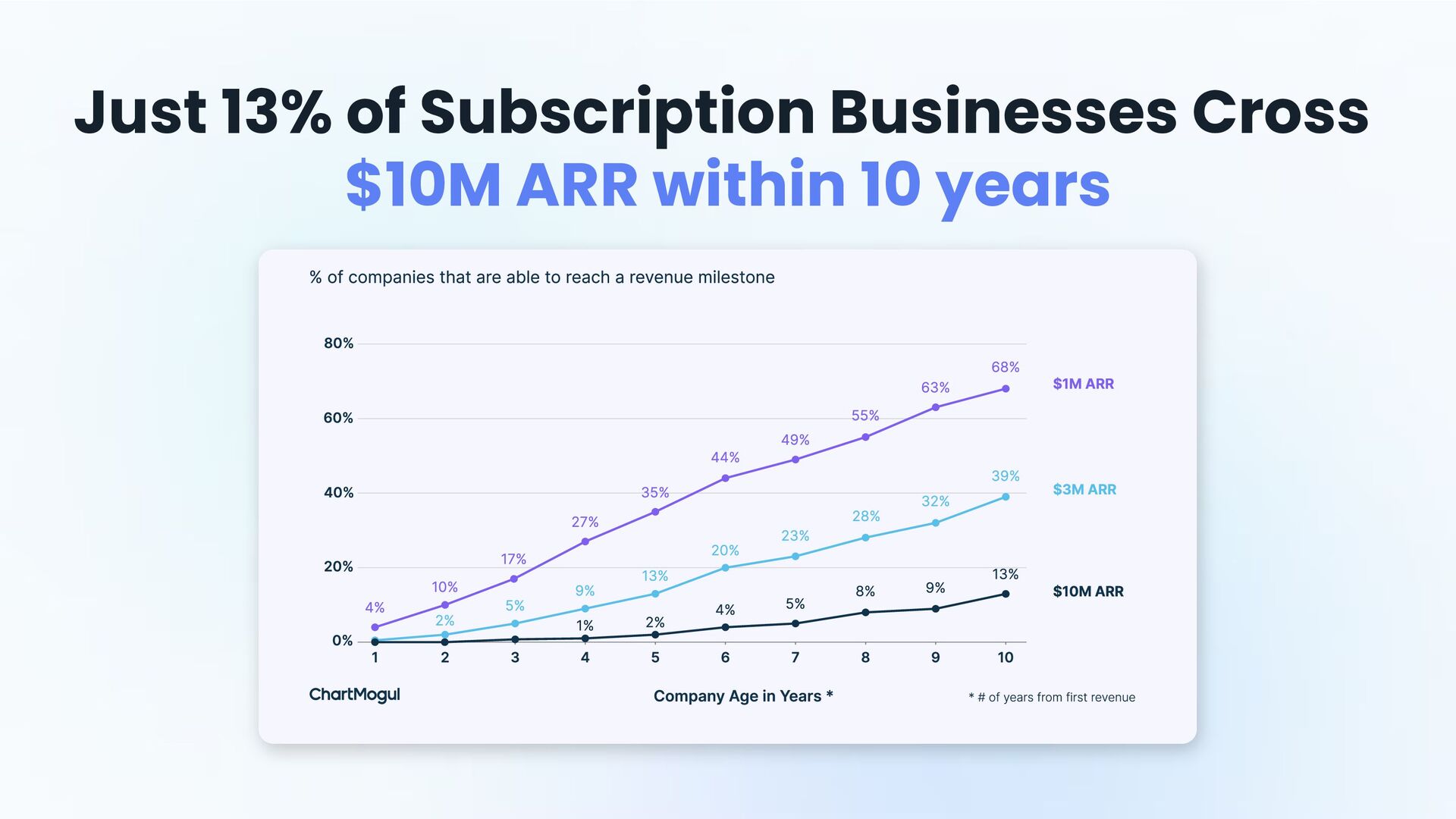
And so how do we make sure we're not getting this shiny object syndrome? How how do we make sure that we're not, you know, pursuing something that could be really detrimental? Because when we look at the data, we actually see that, of course, building a subscription or a SaaS business is really hard.
And according to our research, just thirteen percent of businesses ever hit this ten million dollar ARR milestone in a period of ten years. So if we make the wrong choice, you know, are we gonna be one of these groups that falls out and we're not able to accomplish, you know, what it is we have ambitions for?
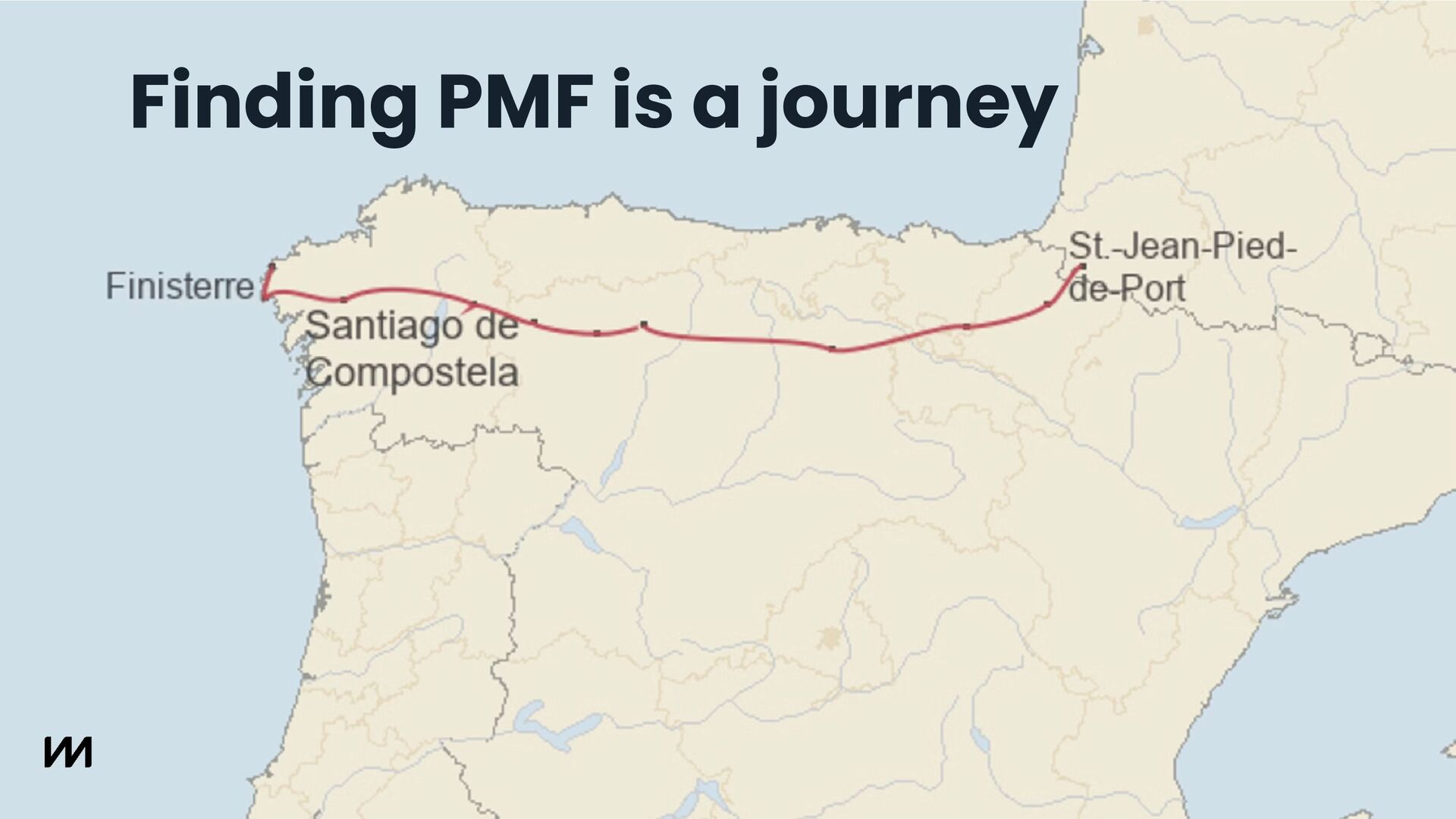
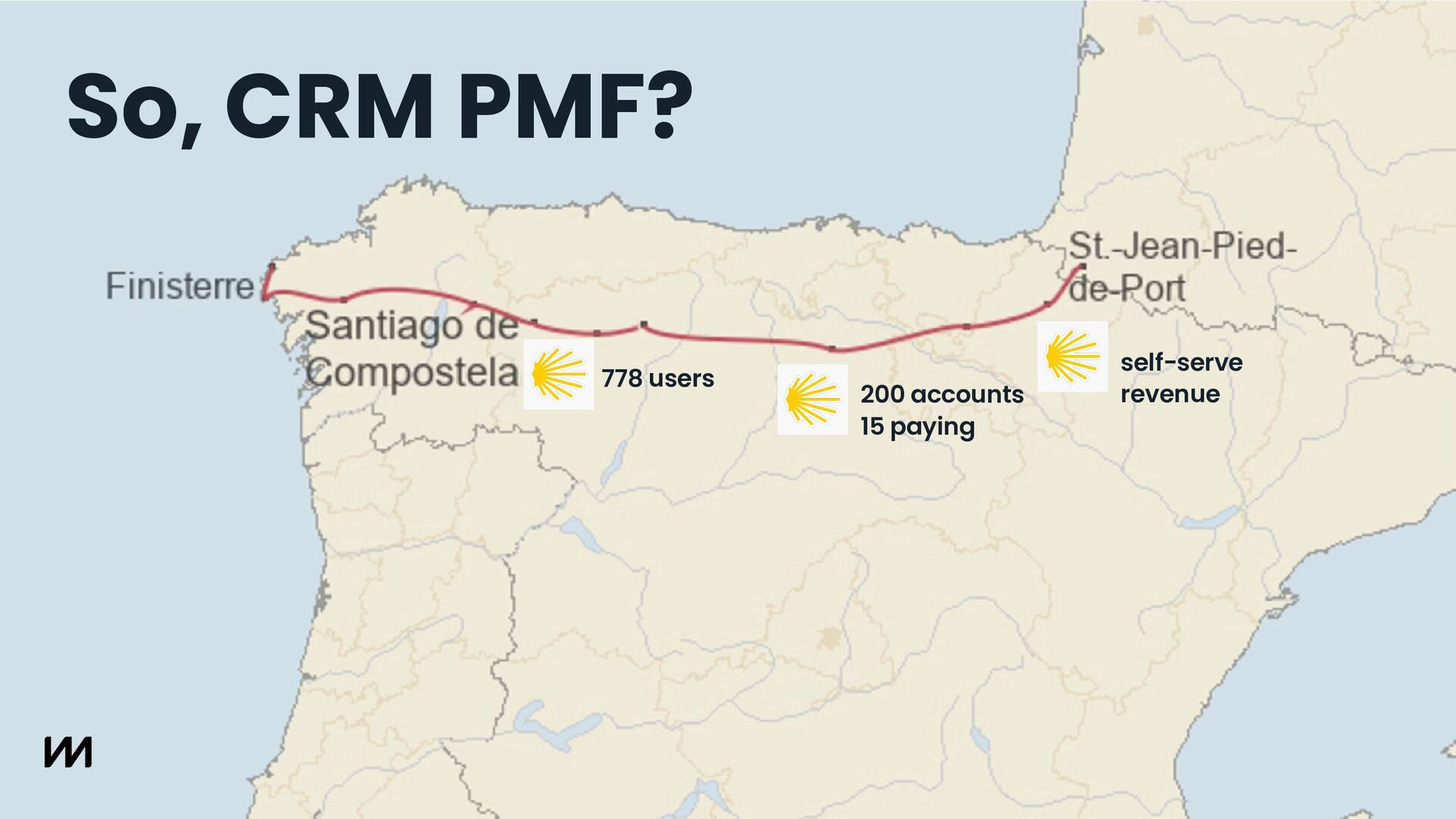
So we started to come around to this idea of building a CRM. We gonna go on this journey to find product market fit, and there's lots of different definitions of product market fit, but I sort of liken it to the Camino, which is a five hundred mile pilgrimage or hike in the north of Spain.
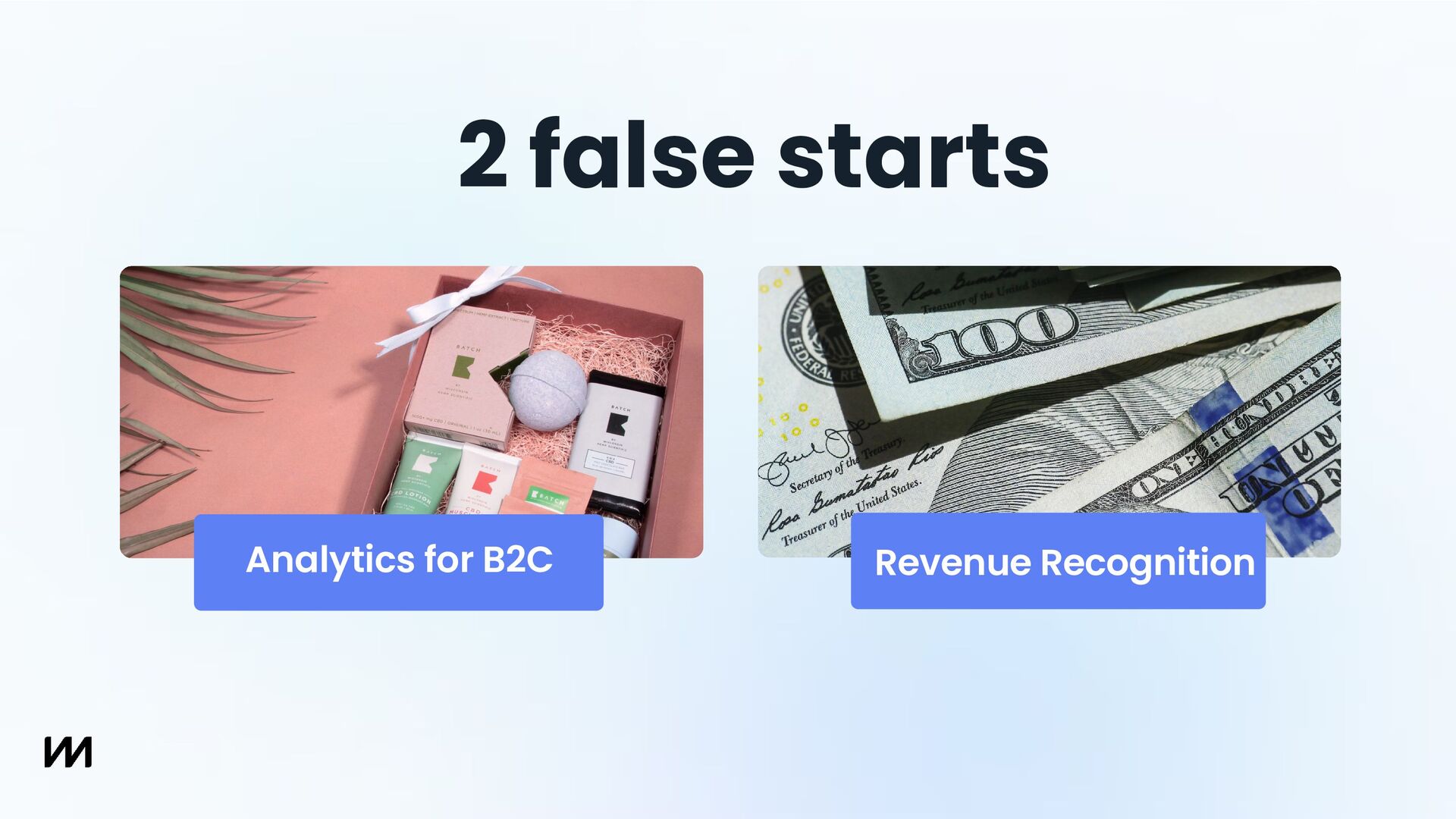
And I like the analogy here of a journey because, you know, it's tenuous, you're going to encounter challenges, you're going to exert different levels of energy, and at some point, you might actually feel like throwing in the towel. In fact, Treadmogul had two previous sort of false starts or failed attempts at going multiproduct.
And so I'm tinged with a little bit of doubt, having released previously two things that kind of were flops. And the first was an analytics solution for b to b I'm sorry, b to c or ecommerce businesses. And so we were serving businesses that had physical products typically, and we wanted to build a suite of analytics tools for them.
We also had, at some point, built a revenue recognition solution, which was typically used by finance and FP and A leads to do the revenue recognition process and to be compliant. And so before we really start to dedicate the product and engineering resources to building this CRM, you know, we're reflecting on what we've done as a business so far.
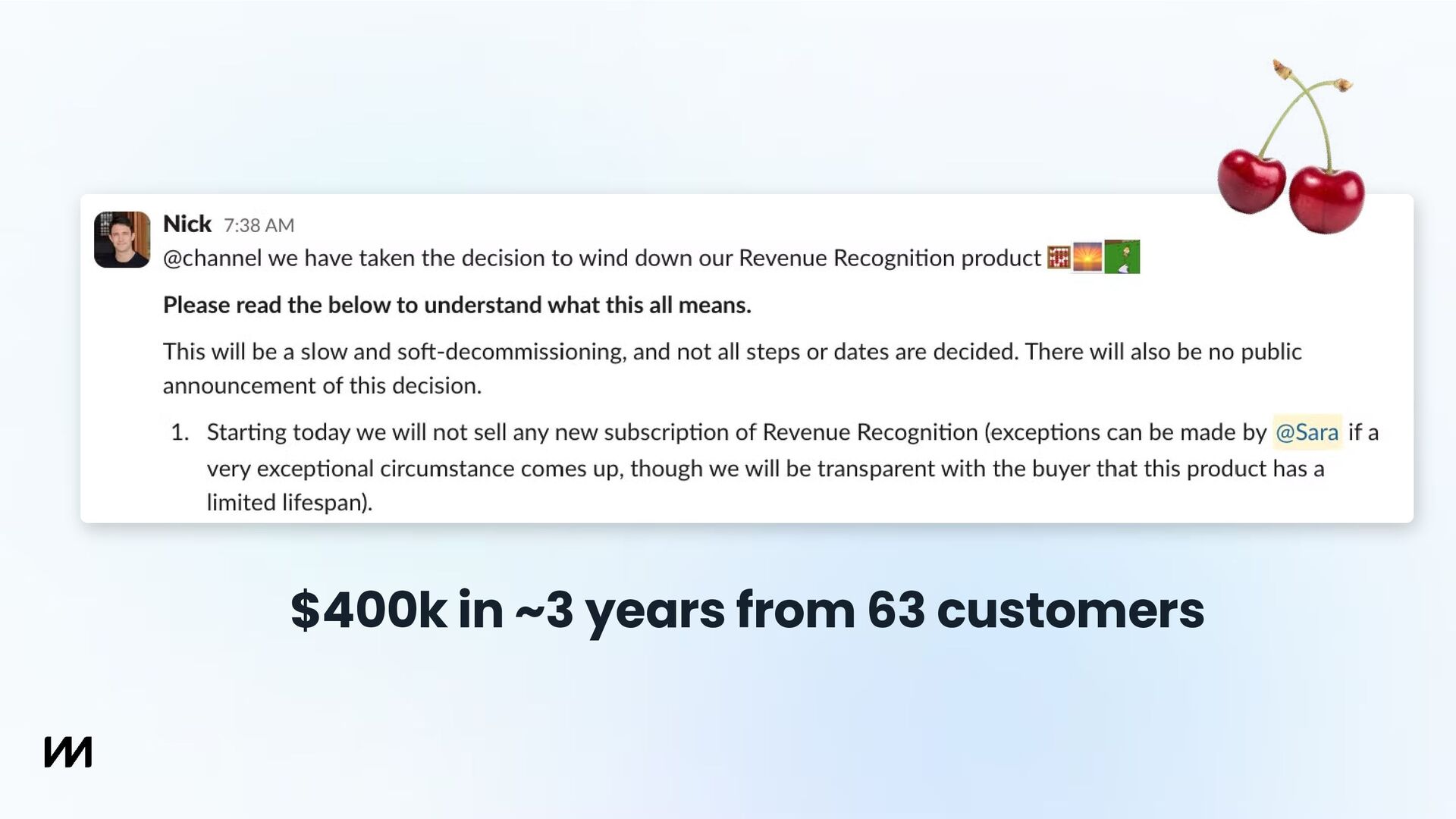
Here you can see Nick, our CEO, making announcing that we've made the decision to decommission our revenue recognition product. So it's kind of the cherry on top of a story for me because we had spent all of this time and energy building this product that, at the end of the day, only generated about four hundred thousand dollars in cash and over sixty or so customers.
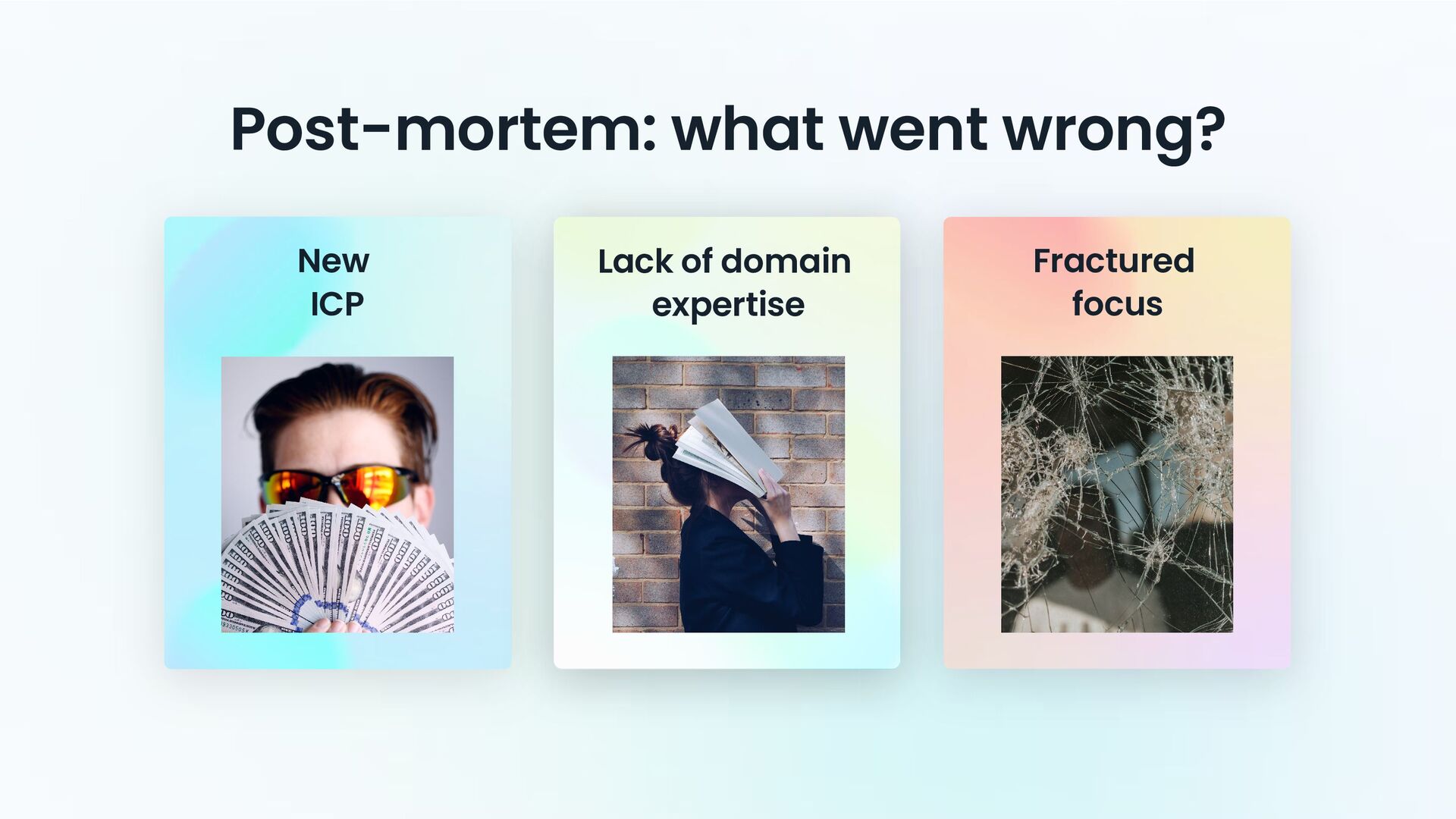
And so in advance of really leaning all in to CRM, we did a little bit of a postmortem. We said, okay, to ensure we're not making a poor decision again, let's be a little bit more thoughtful, let's not just pursue something that our customers are telling us they might buy, and analyze what went wrong.
And so the first theme that we were able to identify is that with both our ecommerce solution and our revenue recognition solution, we were introducing an entire new ICP or buyer that our teams were going to have to serve. And related, you know, those buyers were very different.
They cared about different things, and our team didn't necessarily have the domain expertise to really satisfy the questions that those buyers were asking. So when someone would, come in and ask a lot of questions about revenue recognition, this is something that we could train on, but it wasn't something that we were credible experts in.
And then, of course, there's an aspect of timing, as is every business decision. And so we had built these other products in very early days when Chartmogul was about twenty five people. And the truth is that we just didn't have the resources and the focus to deliver on the value that we had promised with those three products.
And so, you know, this was kind of where we were then, but with CRM, we felt we're just doubling down. This is actually the same buyer type, this is the same persona and the same narrative. And so we're going to continue really investing in what we know we're excellent at, and that is going to put us hopefully in better spot than where we've previously been.
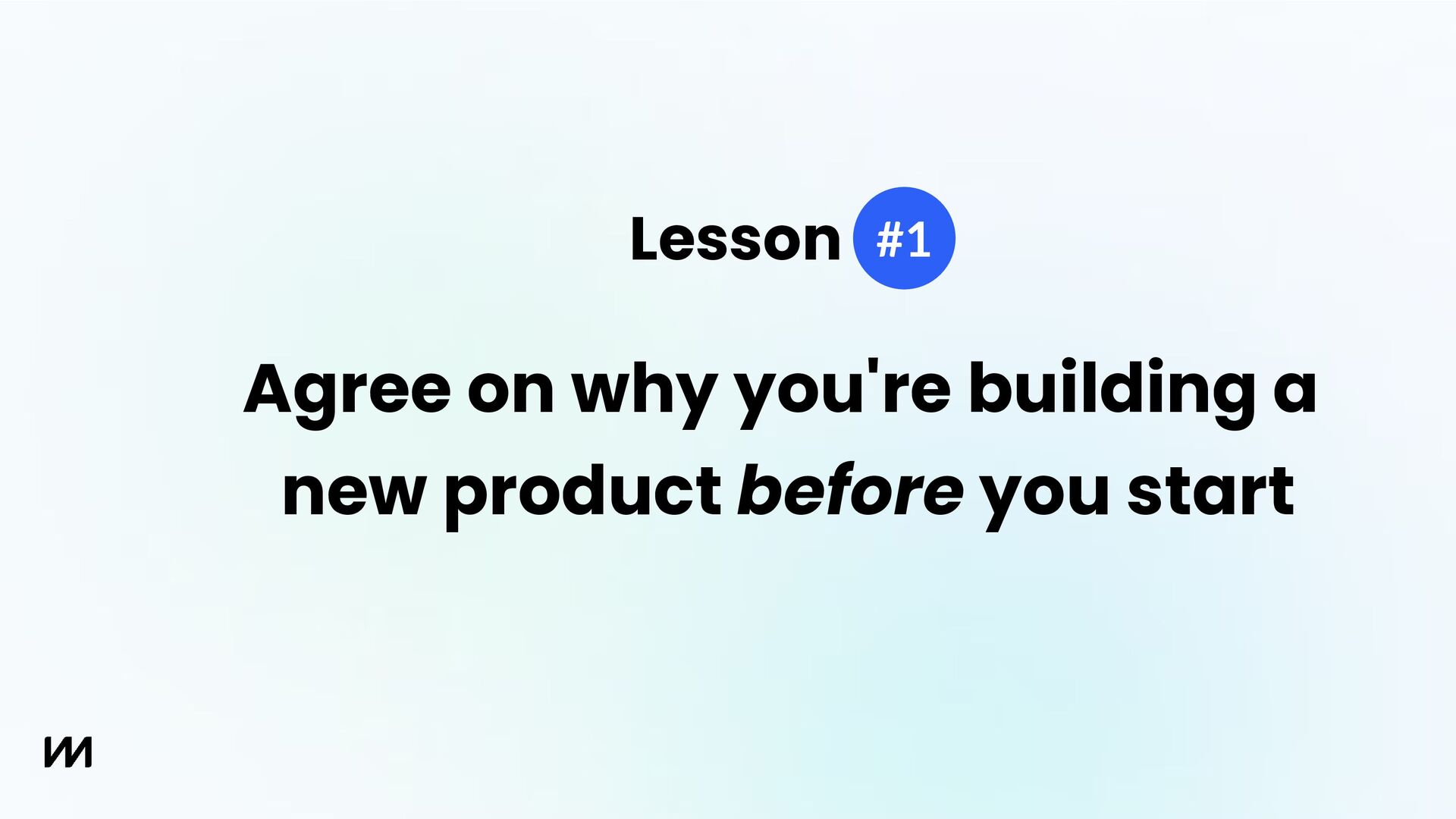
And so the first lesson that I want to encourage you to think about is that before you start building anything, agree on your why. Why are you building a new product? What are you trying to accomplish? And as a sales leader, it's true that many times they've just been given something, and they're like, here, go sell it.
And you're like, oh, okay. And they give you a revenue target as well, which really heightens the the stakes. So, you know, sales, of course, is motivated to to make your your vision sing, but introduce them early on in the conversation so they can get behind both the vision and the commercial implications of what it means to really take that product to market.
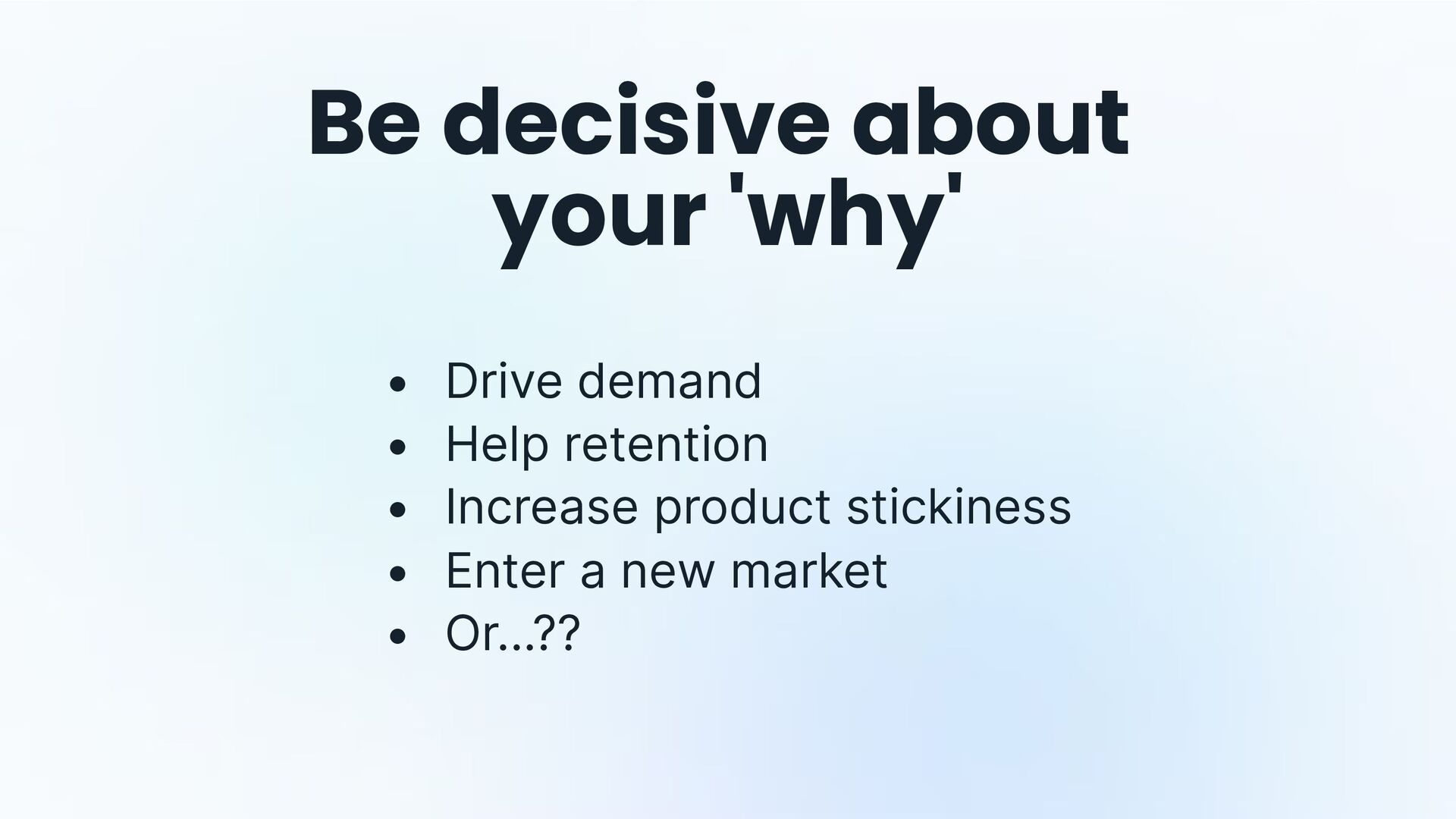
I wanna encourage you to be decisive about your why. I work with a lot of SaaS founders who are sort of figuring out what do I do next, what's the right growth experiment that could unlock the right ARR target for me? And, you know, there's many reasons why you might build a new product.
Perhaps you want a new lead stream, you want to enter a new market, perhaps you want access to a different buyer, or maybe you want to drive demand. You know, perhaps you're going to have a free product that you give away, and it's going to be a huge top of funnel exercise for you and introduce new demand that you've never quite had.
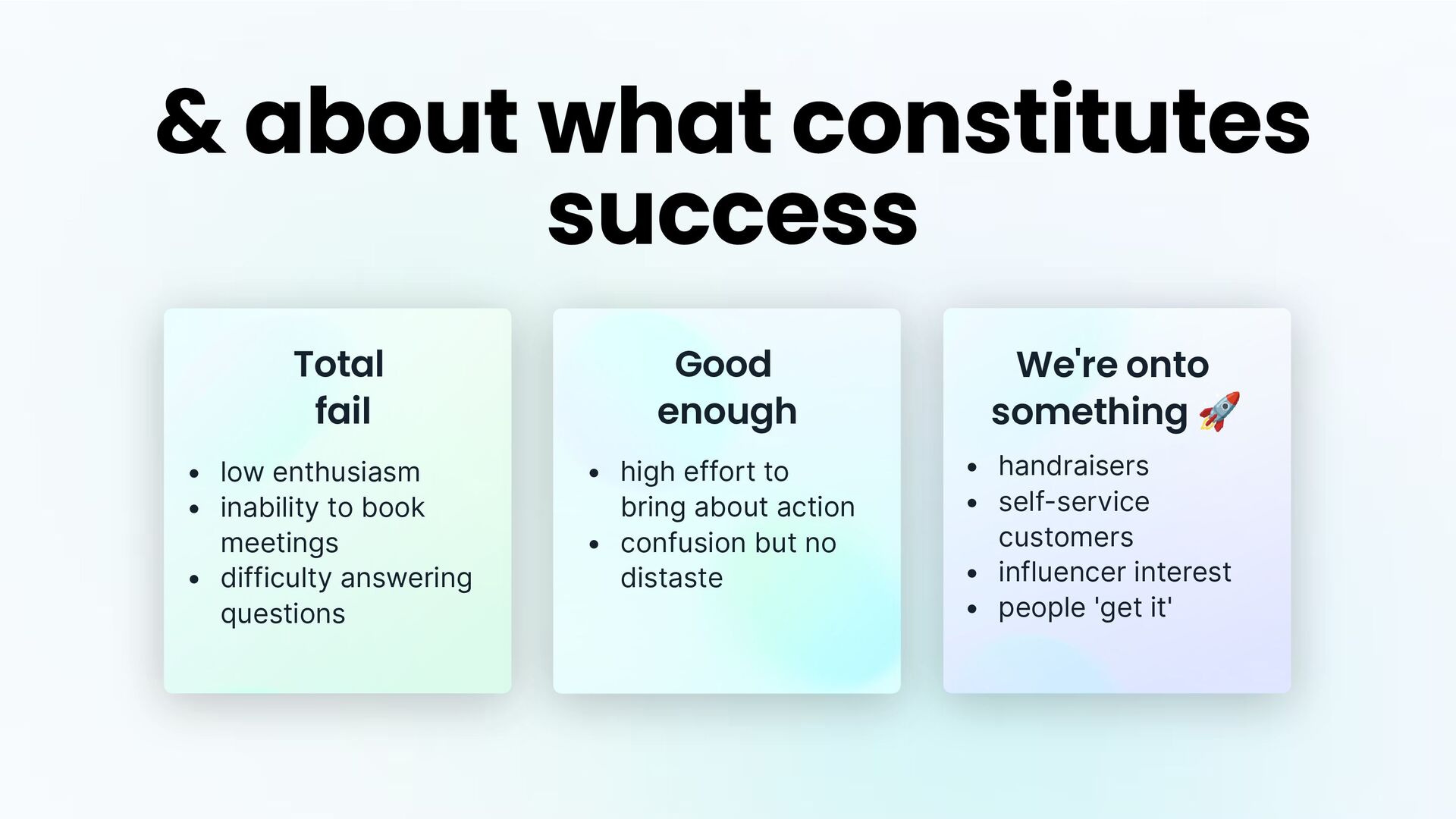
And so, you know, get teams on the same page about why it is you're building a new product. Furthermore, be decisive about what constitutes success. Building a new product is an experiment. Right? You have a hypothesis that you're going to take to market, and you're gonna wanna know, is it a good use of effort?
Is it a total fail? That's probably gonna be relatively obvious. Are you on to something? That might be okay too. You might be able to identify that. But how will you know if it's just good enough and if you should keep investing, you know, time and resources into tweaking the messaging, tweaking the product?
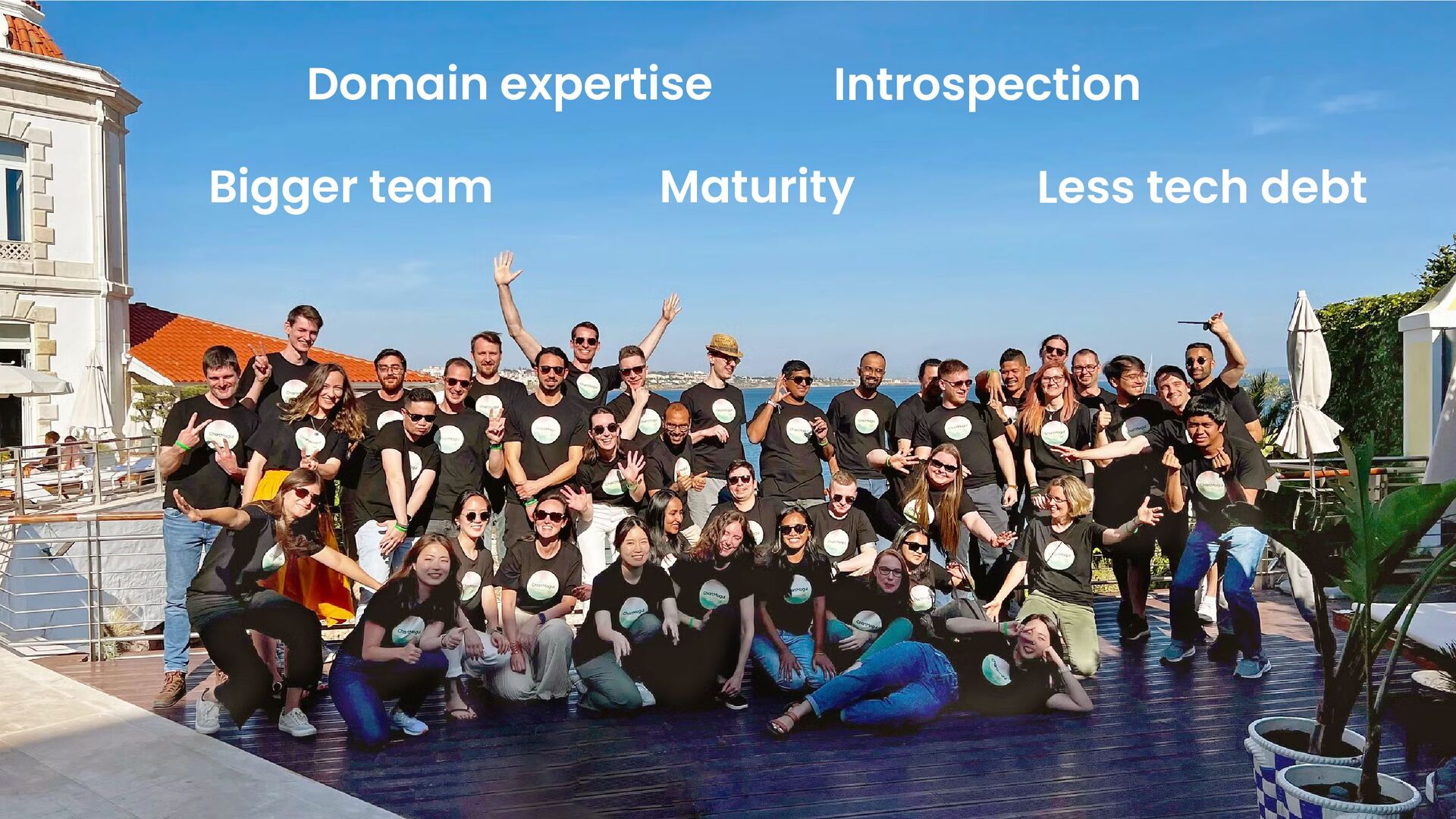
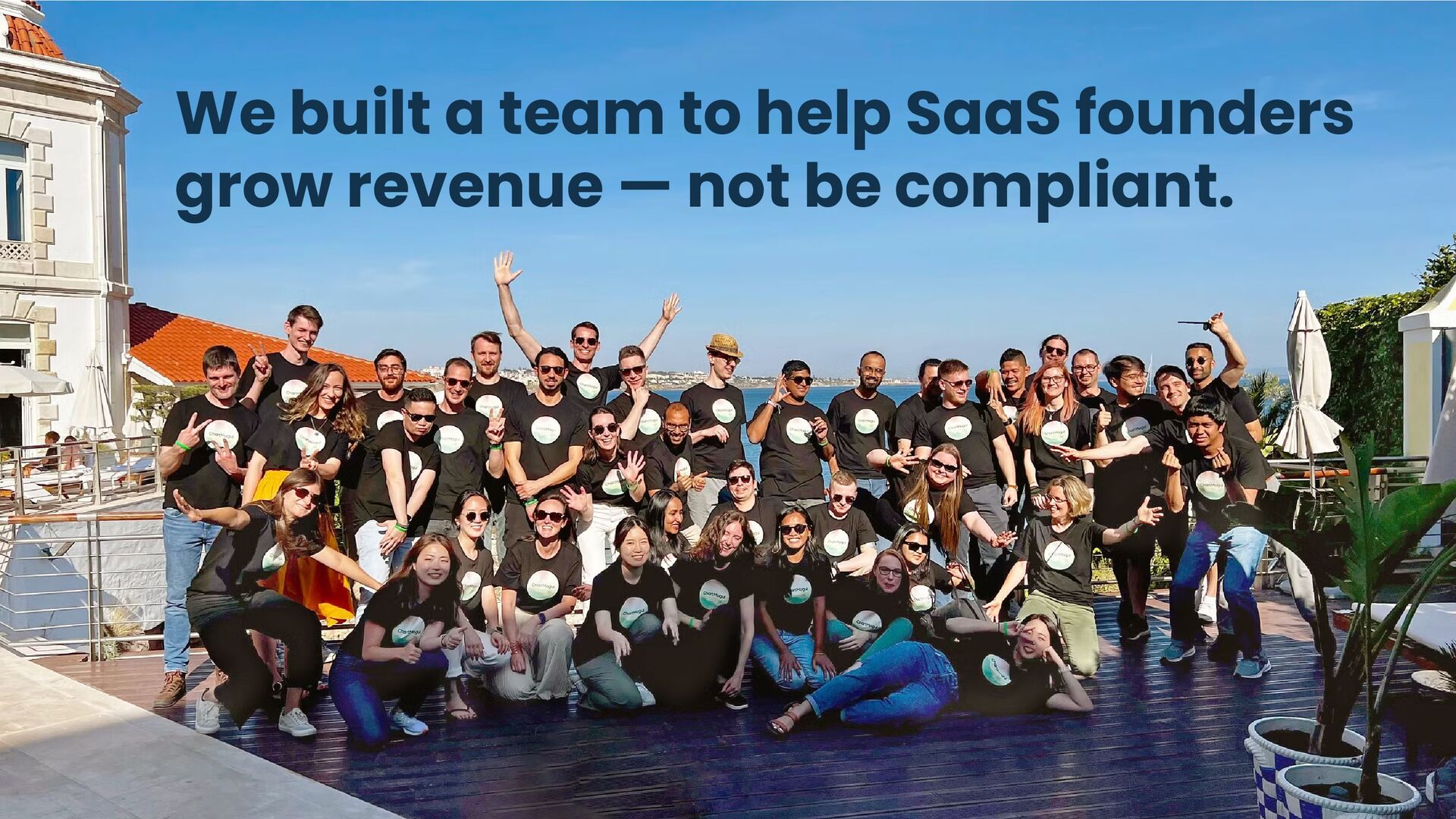
And so sit down with your teams and and kind of figure out why it is you're doing what you're doing and then what constitutes success. So here's the Chartmogul team pictured at our last off-site in Portugal. And, you know, we had a larger team, about sixty five people, a lot more maturity in the business in how we made decisions from just more years of experience.
We had really worked on our introspection muscle and our actual technology itself. And so we cracked on and started to build. And so we started to ask ourselves, okay. We're doing this. We're doing this. How will we know if we're on the path to product market fit?
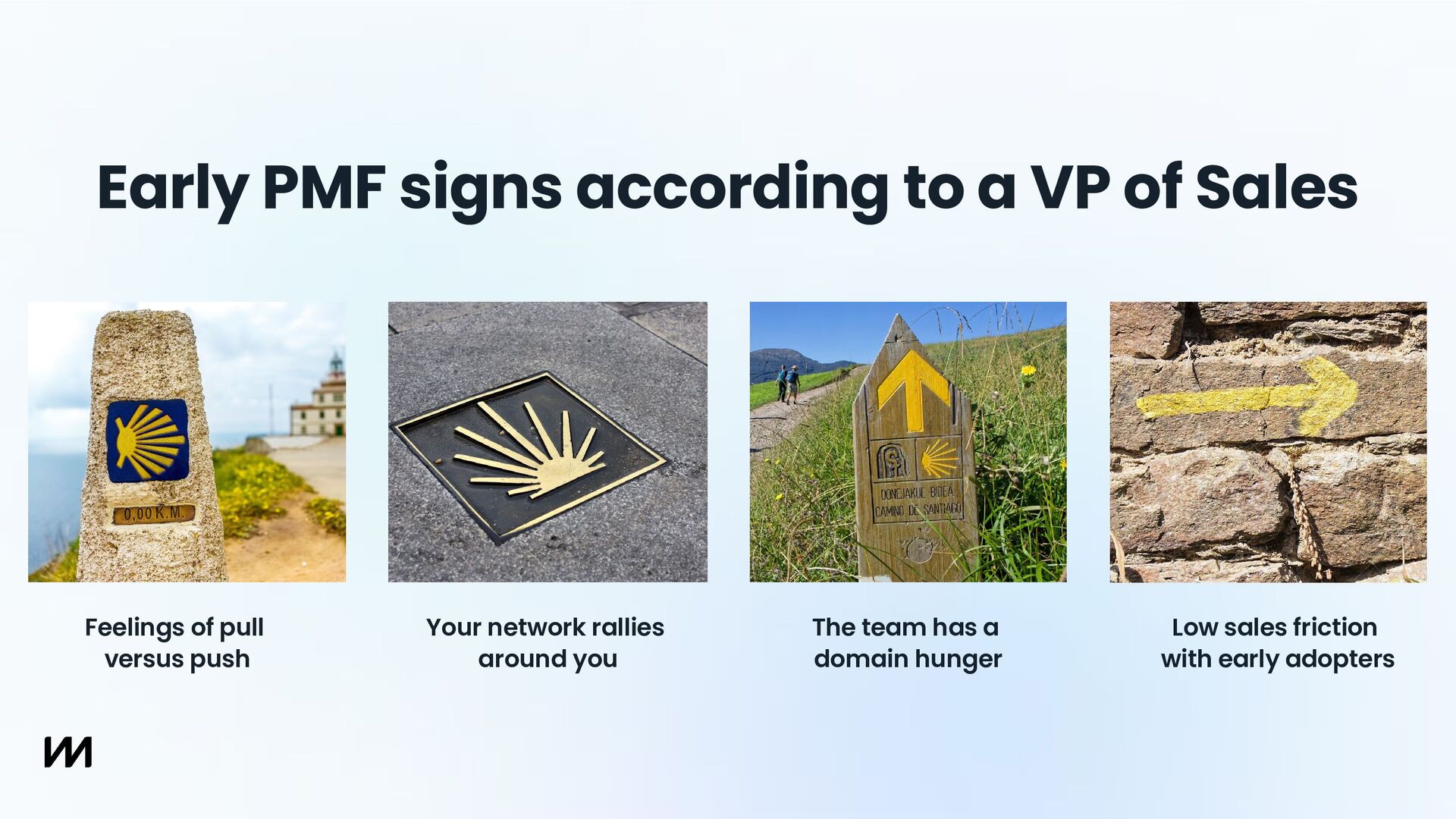
And I mentioned I've brought four products to market, and these are the things that I look for as a sales leader to see, are we on to something? You know, are these the early signs of product market fit that suggest, you know, we should pour some fuel on the fire?
And so the first is this feeling of pull versus push. And so this goes really for the early adopters that you're talking to. Do they have this appetite to consume what it is you've built? Even if it's a little unstructured, even if it's a little unsure, are people genuinely interested?
And the second point is sort of similar to the first, which is your network rallies around you. If you've been in industry, you should have friends, you should have, you know, folks that you share ideas with. And it's interesting because when I was reflecting on being at Turing two years ago, I wasn't telling anyone about our revenue recognition product, frankly, because I thought none of you cared, and it wasn't something I was excited about.
And with CRM, it's been really different. People are like, you're doing what? You're building a CRM? And so why? Like, what's the positioning? Like, how are you gonna stand out? And so when you can get, you know, both these feelings of pull and you can get kind of people in your corner, that's a really great sign.
In our team, in our internal team ourselves, I've seen that the the salespeople and the marketing people, they have a domain hunger. They want to know, wait, what's HubSpot building? Should we build that? And there's a lot of curiosity about the field itself, which means the team is, like, excited about coming to work and and putting in the effort.
And then finally, perhaps more obviously, low sales friction with early adopters. We have spent ostensibly no sales and marketing effort talking about our CRM. We did a launch, but our sales team's not compensated on selling CRM because it doesn't keep the lights on.
But we actually have customers that are self serving licenses, and so we're seeing this sort of appetite and demand from early adopters who are like, yeah, will try it. And so these are all really great signs. Now the way markers, you know, they might look different, but you're sort of looking for, you know, these these qualitative things that might suggest that you're onto something.
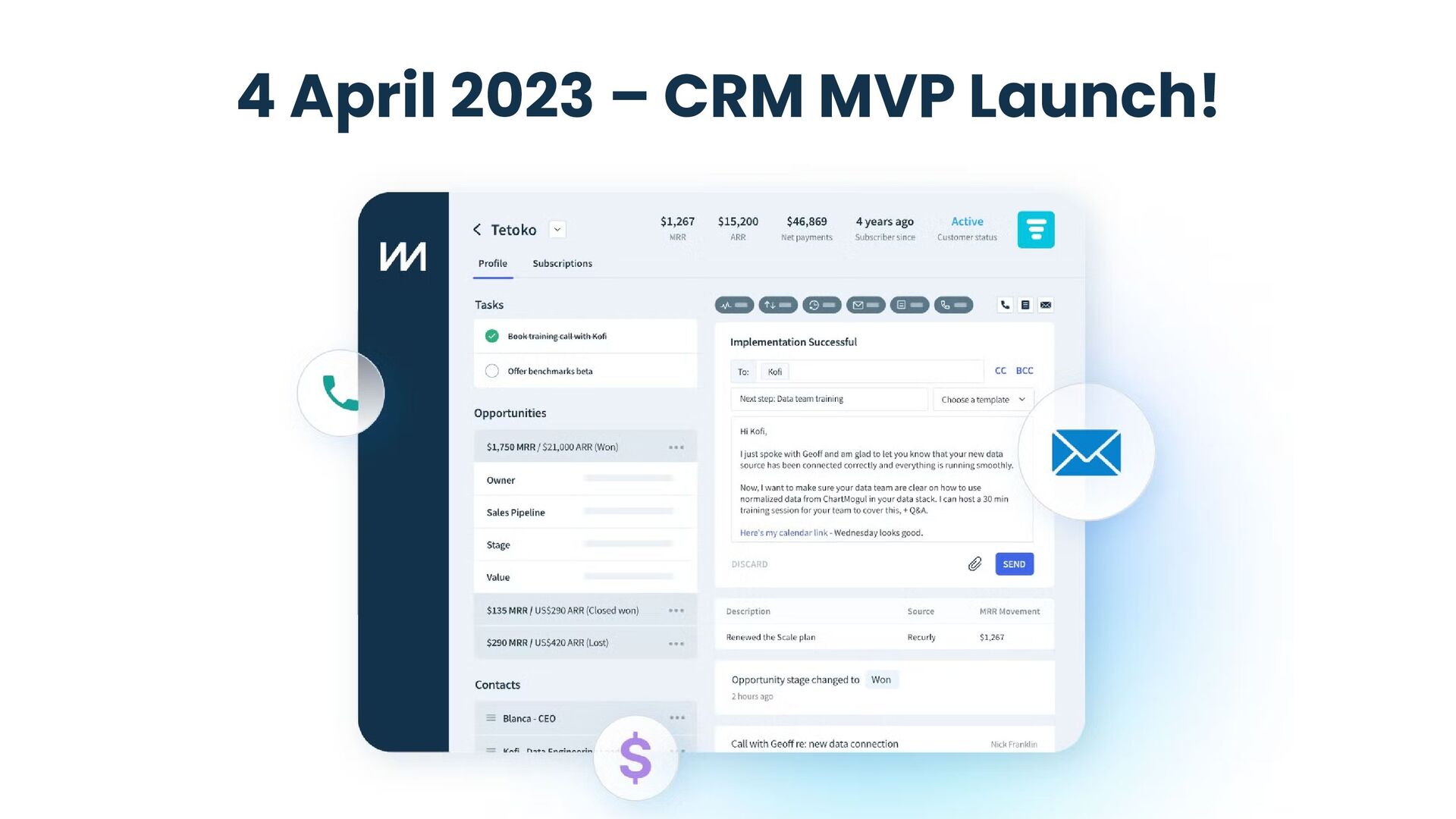
So here is the first version of our CRM. Our CRM went live with no integrated calling, with no integrated sequencing. It actually went live without tasks, which I fought product about tooth and nail, and I lost. But we went live with this product, and it was really exciting.
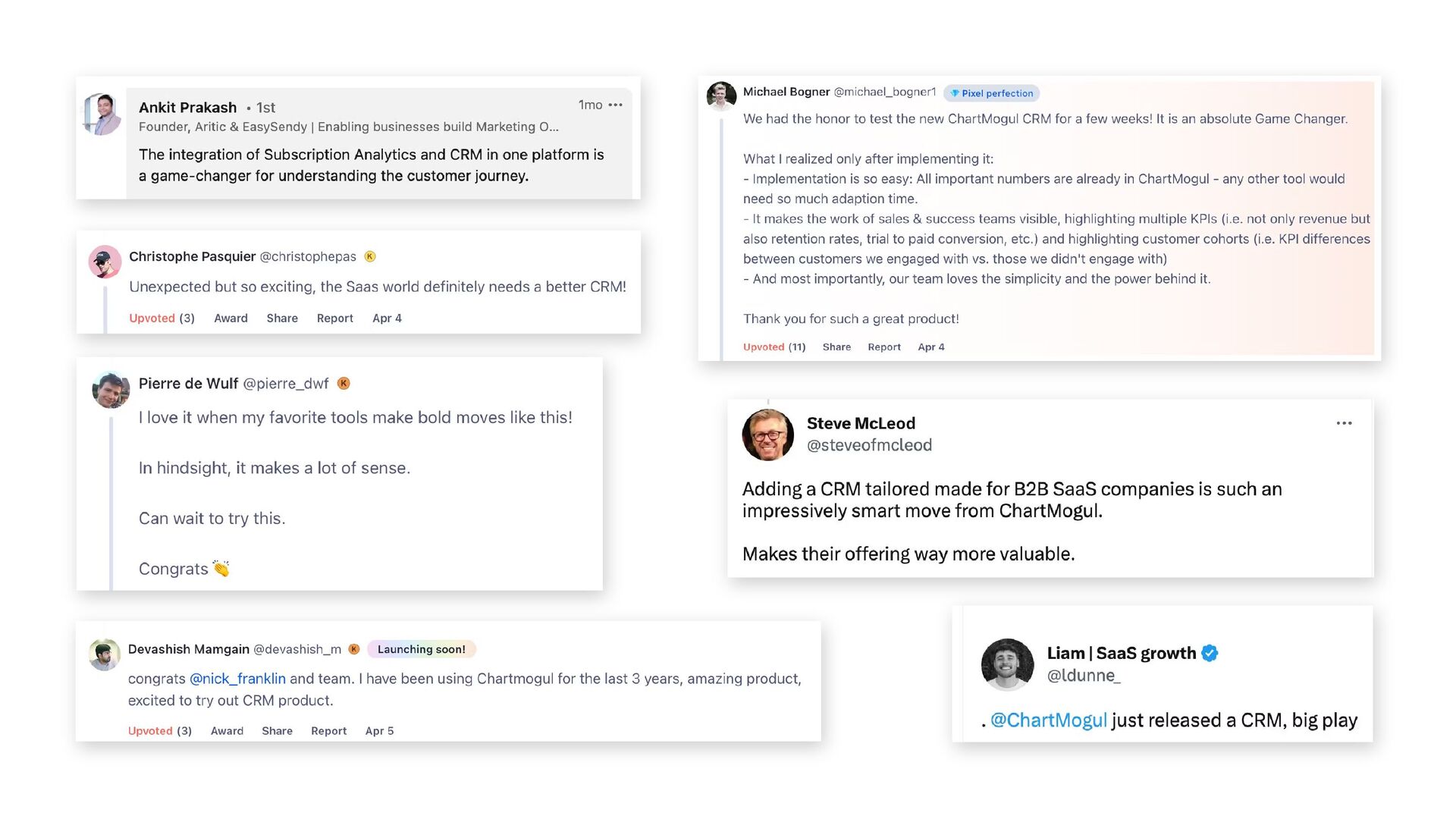
People were so nice. People are always nice on launch day. They came onto our product hunt page and said things like, oh, bold move. It makes a ton of sense. It's game changing. It's it's makes our offering way more valuable. And so it's all fine and well, and people are nice on launch day.
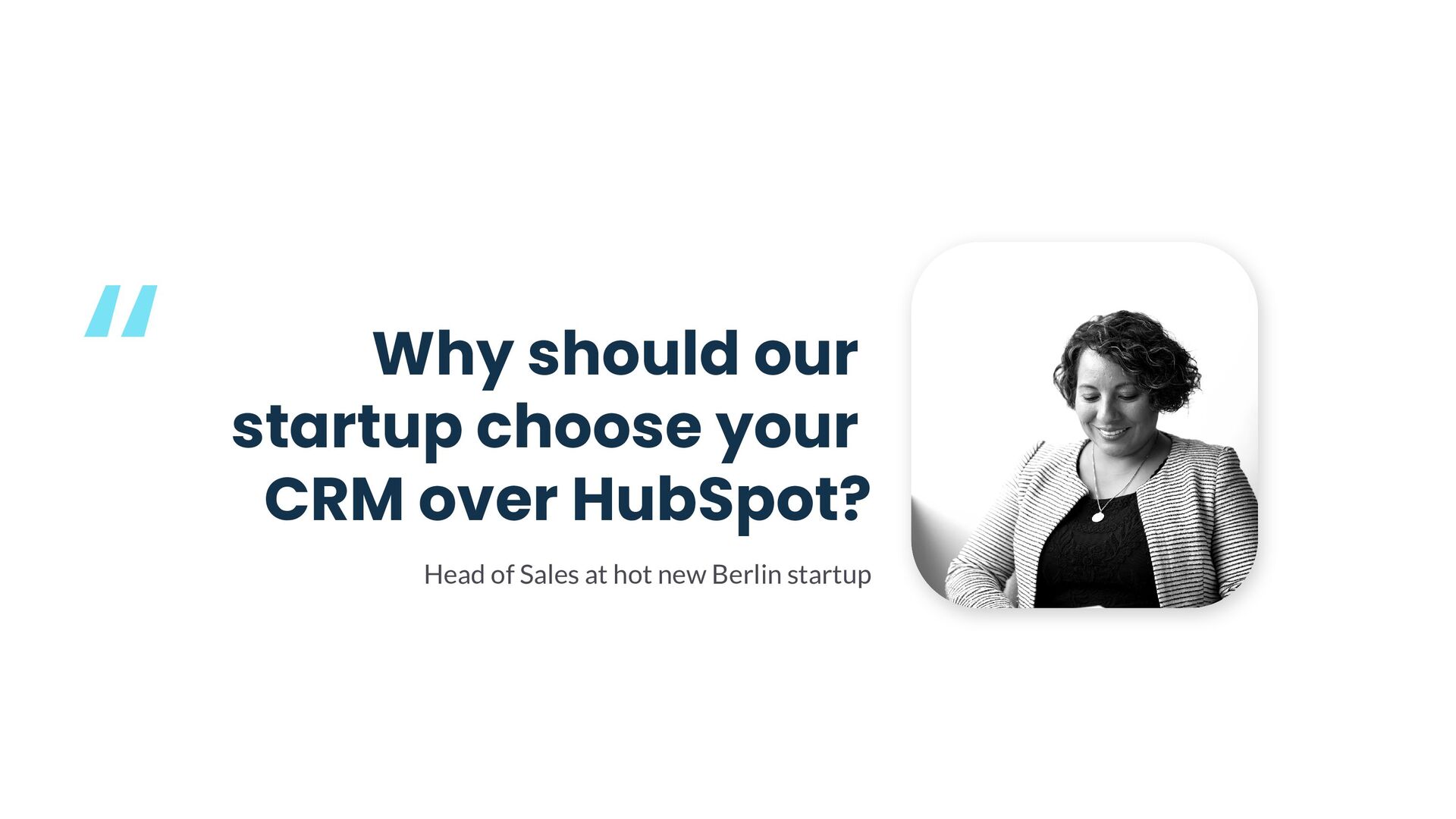
Thank you. We appreciate it. But then you start to get into the real customer conversations, and they might look like this. You know, the head of sales at a hot new Berlin start up says, come on. Why should we buy your CRM? It's been in the market for not even two months.
Why should I, you know, put my political my political power on the line to adopt your solution instead of going with something that I know and have used previously? And what's interesting is that when we started to get these questions, our team, they were pretty well situated to answer them with some degree of elegance.
And, of course, that's because sellers use CRMs, and so my sales team has interacted with lots of CRMs themselves and had been using Chartmogul for some time. We used the product ourselves for about four months before we went live, and that certainly helped.
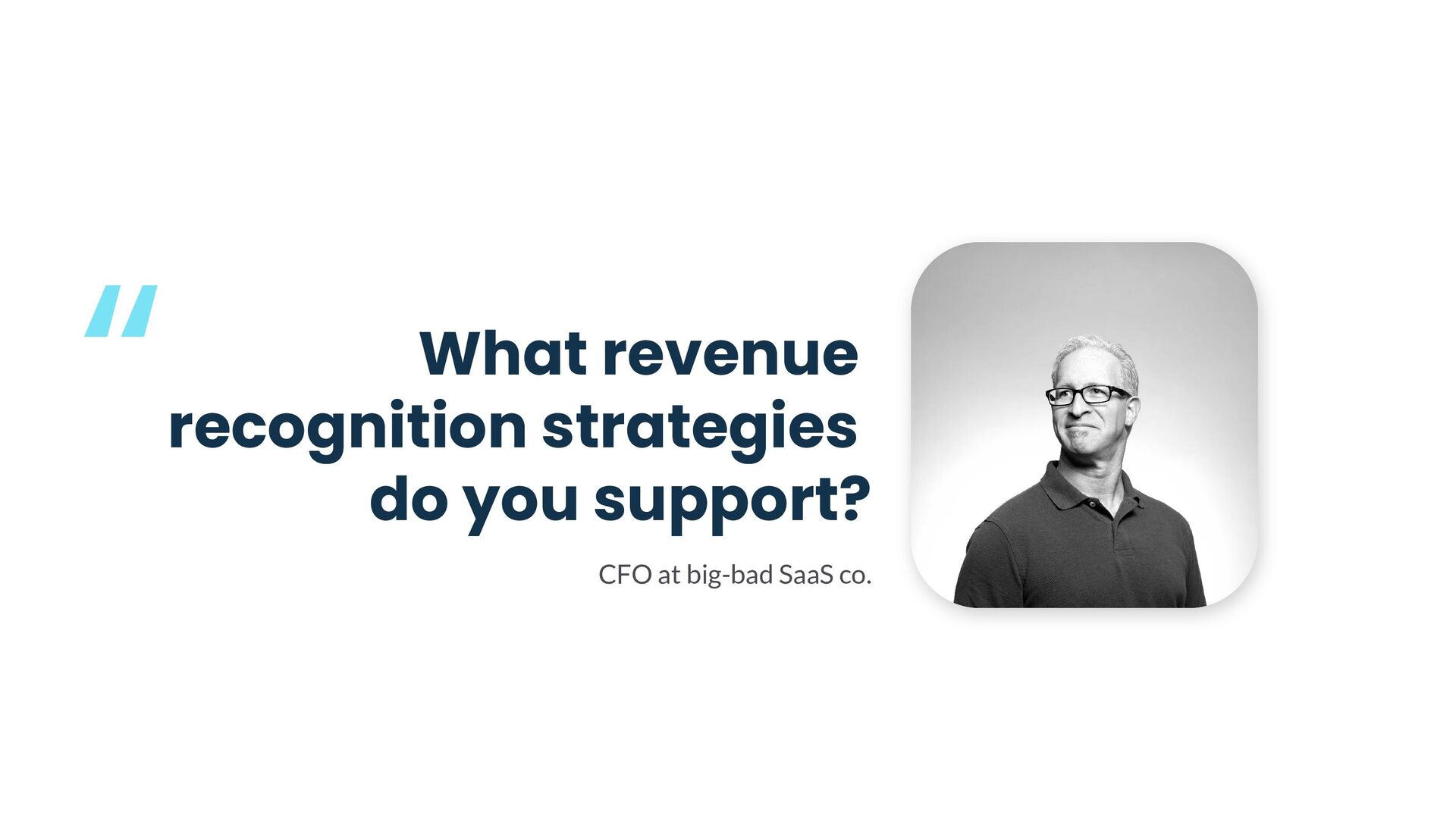
But in comparison to our previous products, you know, when we had CFOs or FP and A buyers that would come in, they would kinda kick down the door and say, you know, what big four firms have audited your revenue recognition product? You know, what revenue recognition strategies do do you support?
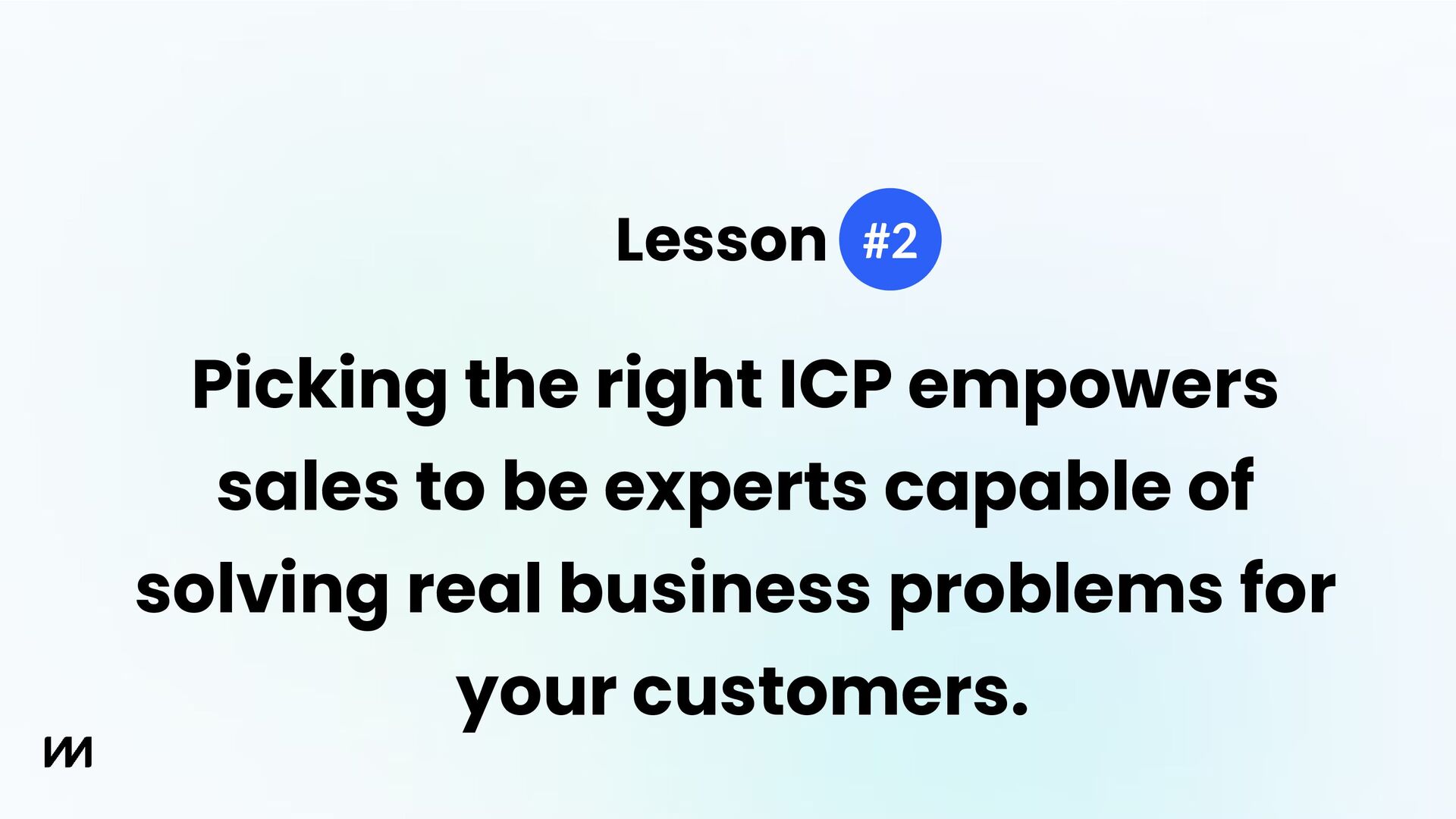
And so the learning here was that we had built this team of people that was really responsible for helping SaaS founders grow revenue, not to be compliant. And so picking the right ICP really empowers not just your sales team, but everyone in your business to be experts that are capable and credible of solving real business problems for your customers.
And so when markets are really competitive, like they are now, your customers are going to be asking hard questions, and they're going to be looking to your team to act as industry knowledgeable, technically knowledgeable. And if you don't have that domain expertise and the ability to solve those problems alongside your customers, they're gonna see right through you.
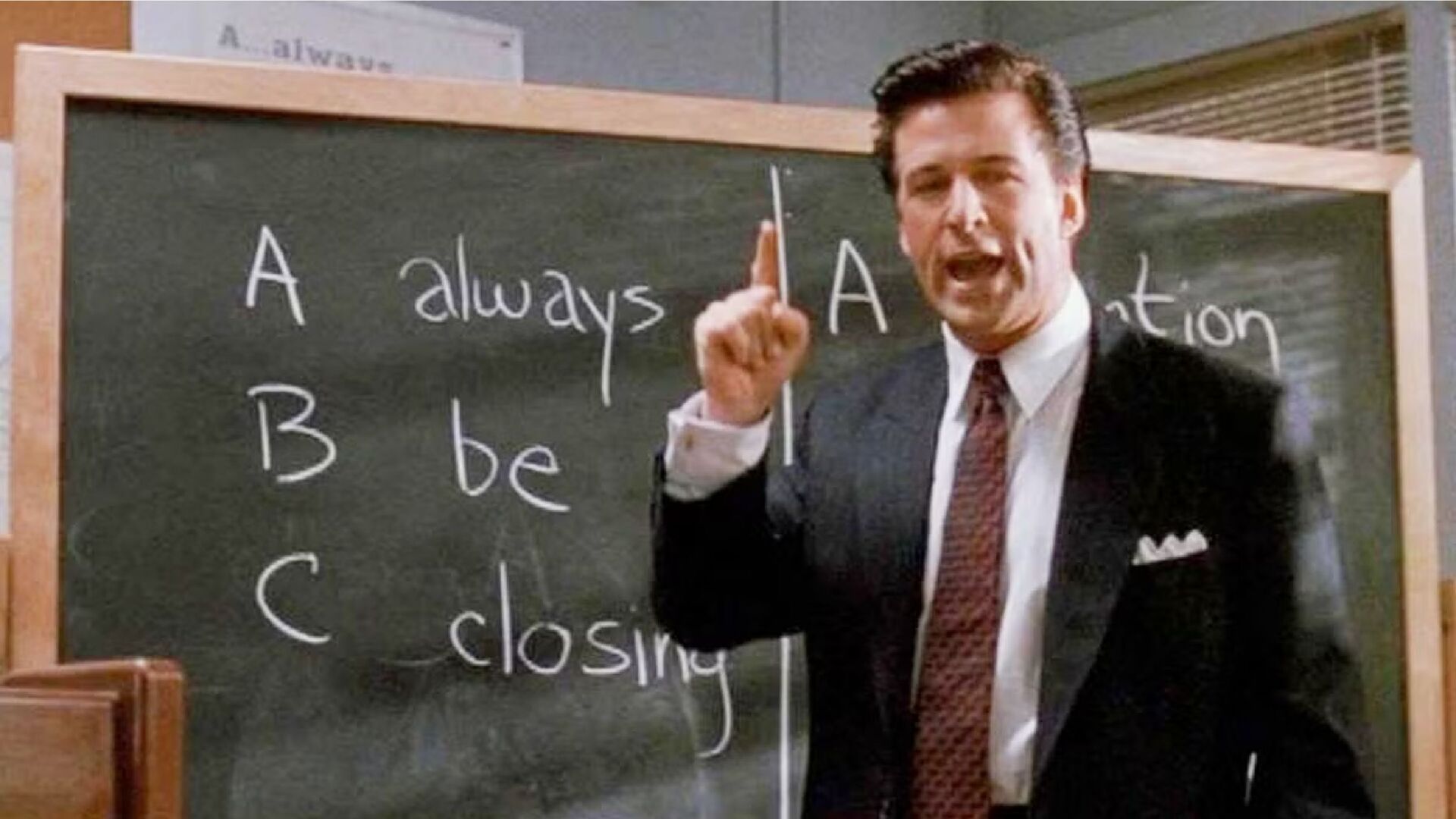
So you're live. Wonderful. You have a nascent version of a CRM with no tasks. And so what do you do? Naturally, you look at your sales team and you say, okay. Go close. Go close. Here's your target. Go close ten customers. You know, they can be customers from the install base, they can be net new customers, but we built what we said we were, and now we want you to get it in the hands of happy customers.
And this is where this tension sort of rearises. Now you've got your product team that's worked really hard to deliver something, you know, on budget, on time, and they want feedback, but your sales team is looking at their plan and saying, okay. How am gonna sell a CRM without tasks?
My customers are gonna ask for that. And so this tension, you know, can exist and and can be heightened depending on culturally what you have going on in your organization. But at the same day at the end of the day, rather, both of these people want the same thing, the product in the hands of happy customers.
And so in my experience, if you want to go from something combative to something collaborative with your sales and your product team, here's what I think you should do. Your product team needs to build an opinionated product that really delivers on its promise.
It needs to have an identity and a narrative that your salespeople can stand behind with a great degree of excitement. On the flip side, what your sales team is responsible for is selling the vision, testing the messaging, and getting really good at relaying your feedback.
And so if you can develop this sort of symbiotic loop where you're working together on the same mission, you've really united these teams around this new experiment that you're running, which hopefully will have a good degree of success. So easy for me to say.
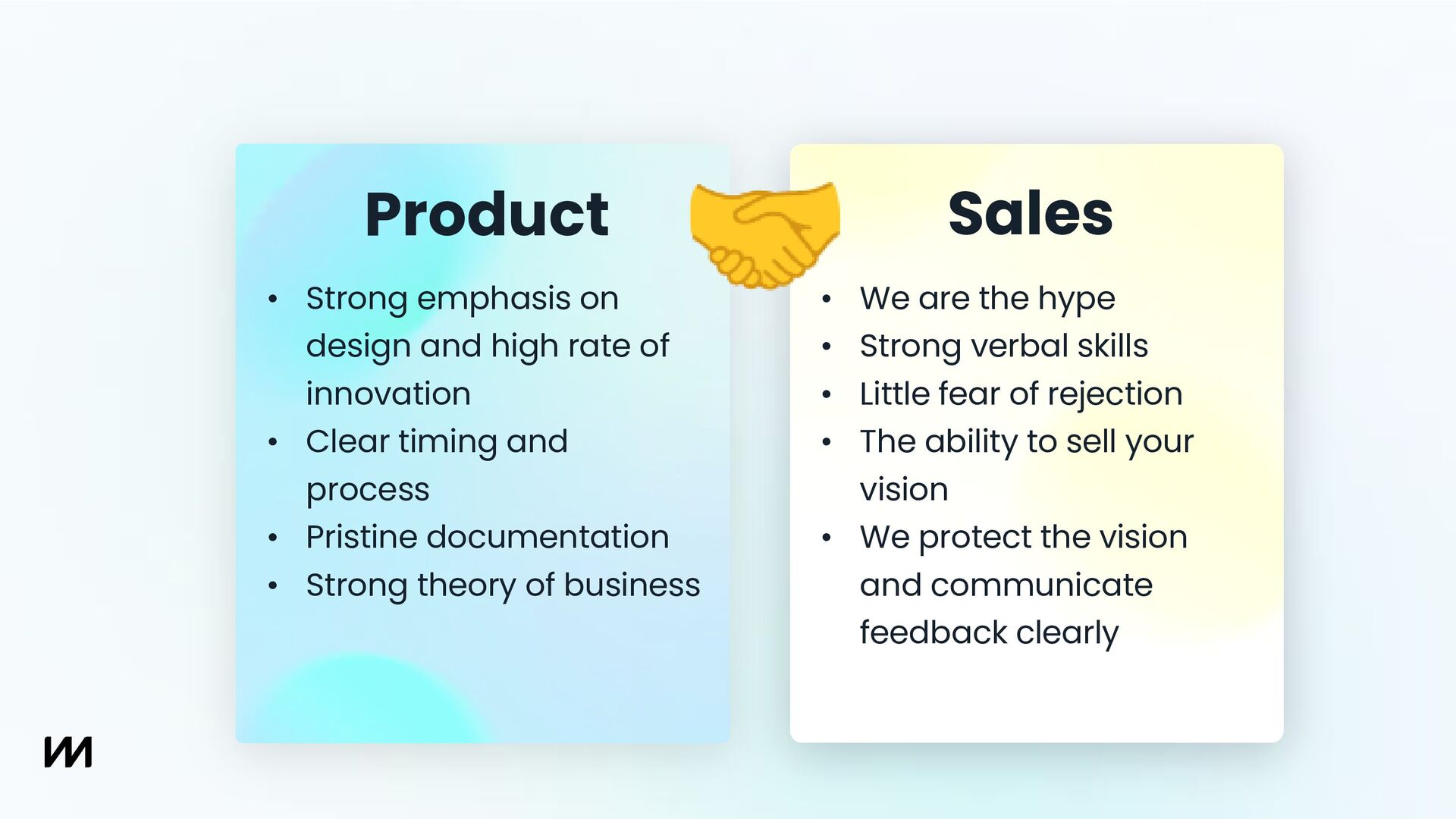
Let's talk about shortly what that looks like in practice. So at Chartmogul, one of the things that I've come to believe is that a strong emphasis on design and rate of innovation is a huge strategic moat. It's incredibly motivating to sales teams, and I think it's a great great reason why we've had success in the market.
We have a creative team of three people in Korea and Japan. They build beautiful products and beautiful web pages, and people say, oh, we thought you were a much bigger business than you are, just by virtue of the attention to detail that goes into how we design.
There's also the speed at which we ship things, which I'll talk about shortly, and I think it's a really, really important part of the recipe. Our product team has really clear definitions on timing and process, and so my sales team never commits or closes deals because something's going live next week.
We do not do that. What we do is we we articulate where things are in the process. We say things like, this is being designed this quarter, or this is not something we will work on this year. And so you don't have to be terribly specific, but you've got to give your sales team enough to hang on to so that they can, you know, speak with confidence about, you know, what a customer needs, and they can be sensitive to the time frame in which they need that.
You need strong documentation, and ideally, your product team has a really strong theory of business. There were a lot of product managers last time I was here at Turing and a lot of people who spent time talking to customers. I think everyone should talk to customers and, you know, understand not just what is important to your customers, but where you fit in their tech stack, how decisions get made, and this can really make this relationship a lot healthier.
Now sales. What are we responsible for? Well, we're the cheerleaders. We're the hype. Hopefully, we have very strong verbal skills, but we're also not really scared of rejection. We get up there, we make those cold calls, people tell us no all damn day, and we wake up and we do it again tomorrow.
And so if you trust your sales team to sell your vision, they're gonna go out there and shop it around what it is that you've been building and, you know, get really raw feedback, because it's not our baby. If you think it's ugly, I didn't build it.
So, you know, it's our it's our aim to sell the vision, but also to protect the vision. And so when I say this, what I mean is when the customer says, what do you mean you don't have sequences? It's not our job to look at product and say, well, they're gonna build them next quarter.
It's our job to say, we came to market with something that we think is usable right now. Or a better example is this. What do you mean you don't have integrated calling? Well, mister customer, missed customer, how many calls do you make a day?
You're a b to b SaaS business with a free trial motion. Do you call your free trial users? Guarantee, many many of those folks will say, oh, it's just a feature I thought I needed because I was primed to believe I did. And so sales is really responsible for protecting the product team in this form or fashion.
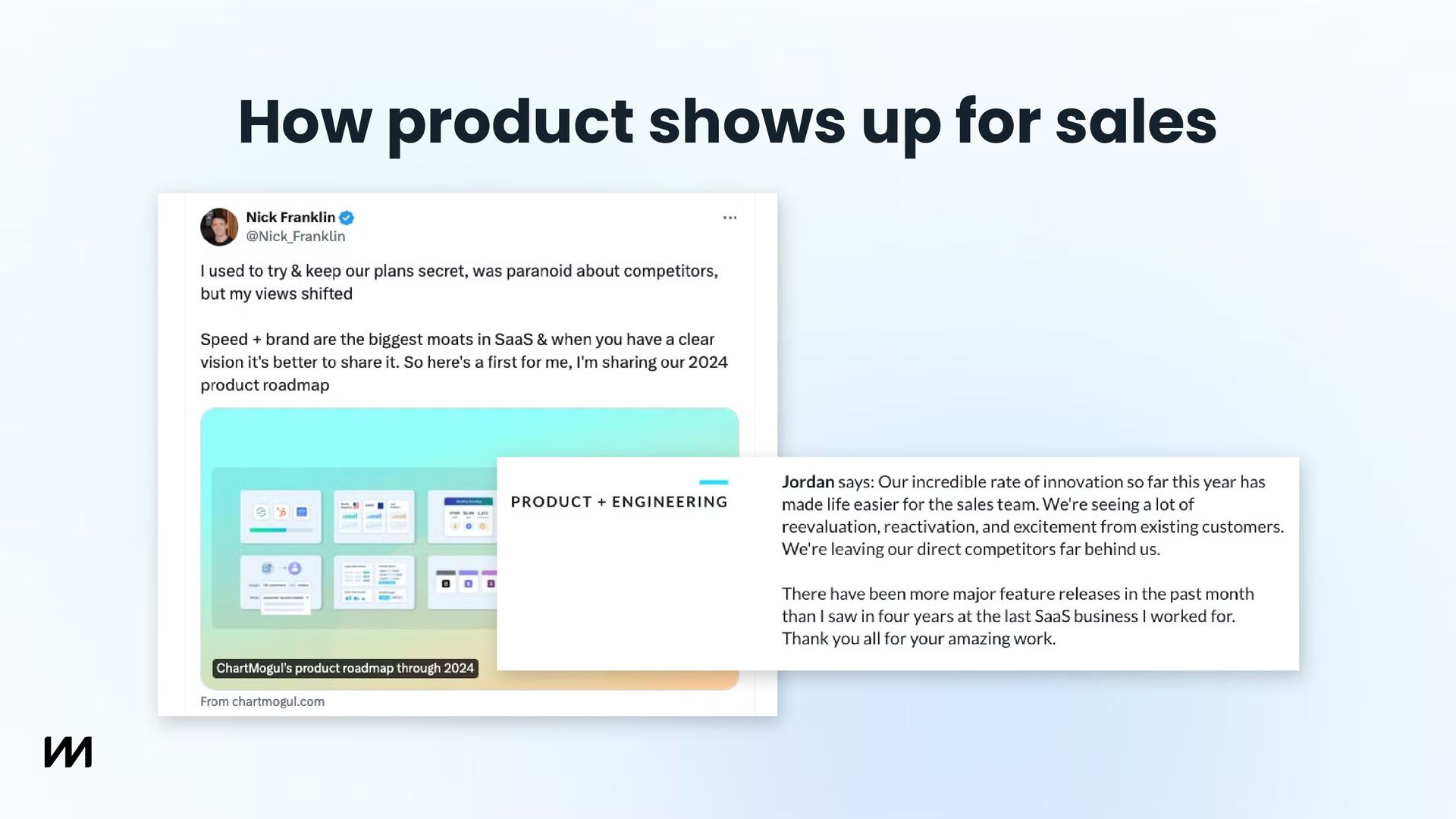
So here's what it looks like at Chartmongle. I mentioned that speed and rate of innovation, I believe, is a huge competitive moat. A few months ago, we actually opened up our product road map entirely. It used to be something we held very close to our chest because we have a few other competitors that are in the subscription analytics space squarely, and we didn't want them to know.
But then when we realized we were just shipping way faster than them, we were like, yeah, just tell everybody. It's fine. And so our sales team uses this in in in, you know, in our talk track, but also, you know, in our follow ups, and we say, this is what's being worked on.
We've got forty five people in product and engineering. Our business is sixty five people. And so all that product development is happening quite fast. You can see that, like, as evidenced in this long quote from one of our top reps, Jordan. Jordan says, there have been more major feature releases in the past month at Chartmogul than he saw at four at his prior company in the same period of four years.
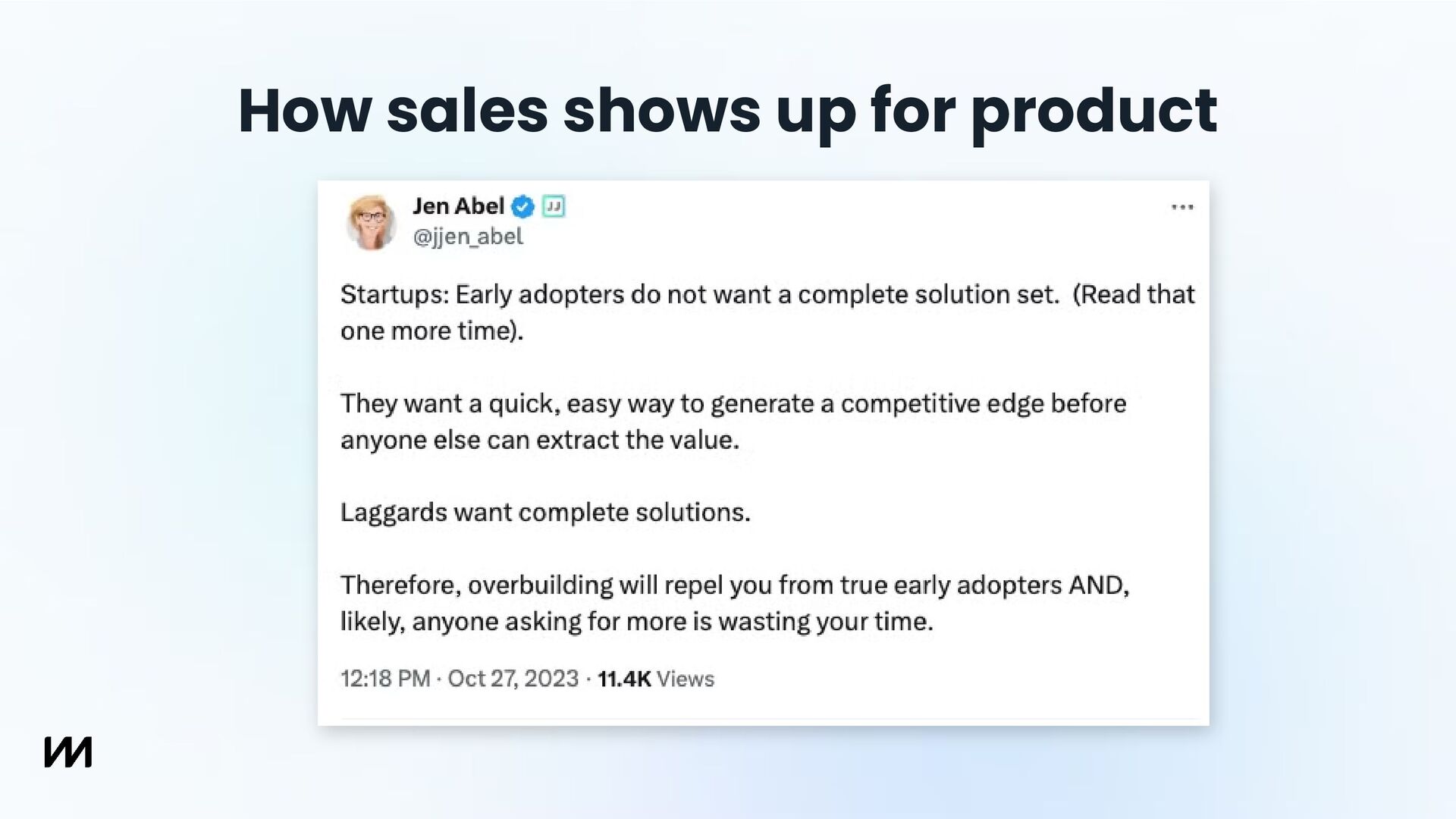
And so this is part of why I've been a Chartmogul for six years. It's very rare for a sales leader to stick around that long, but the product is new, and I've got something to share with customers each week. And, of course, our sales team is also responsible for showing up for our product team, and I think this is really well encapsulated by this quote by Jen Abel. I don't really have a choice but to read it to you.
She says, early adopters don't want a complete solution set. They want a quick, easy way to generate a competitive edge before anyone else can extract value. Laggards want complete solutions. And so when our customers say, well, your CRM doesn't do x y z, that's where we come in and we say, okay.
What would you do with x y z? What you know, what how would that work for you? And so it's our job to make sure that we're not asking our team to build stuff that we don't need that will really, you know, in this example, repel us from early adopters and waste our time.
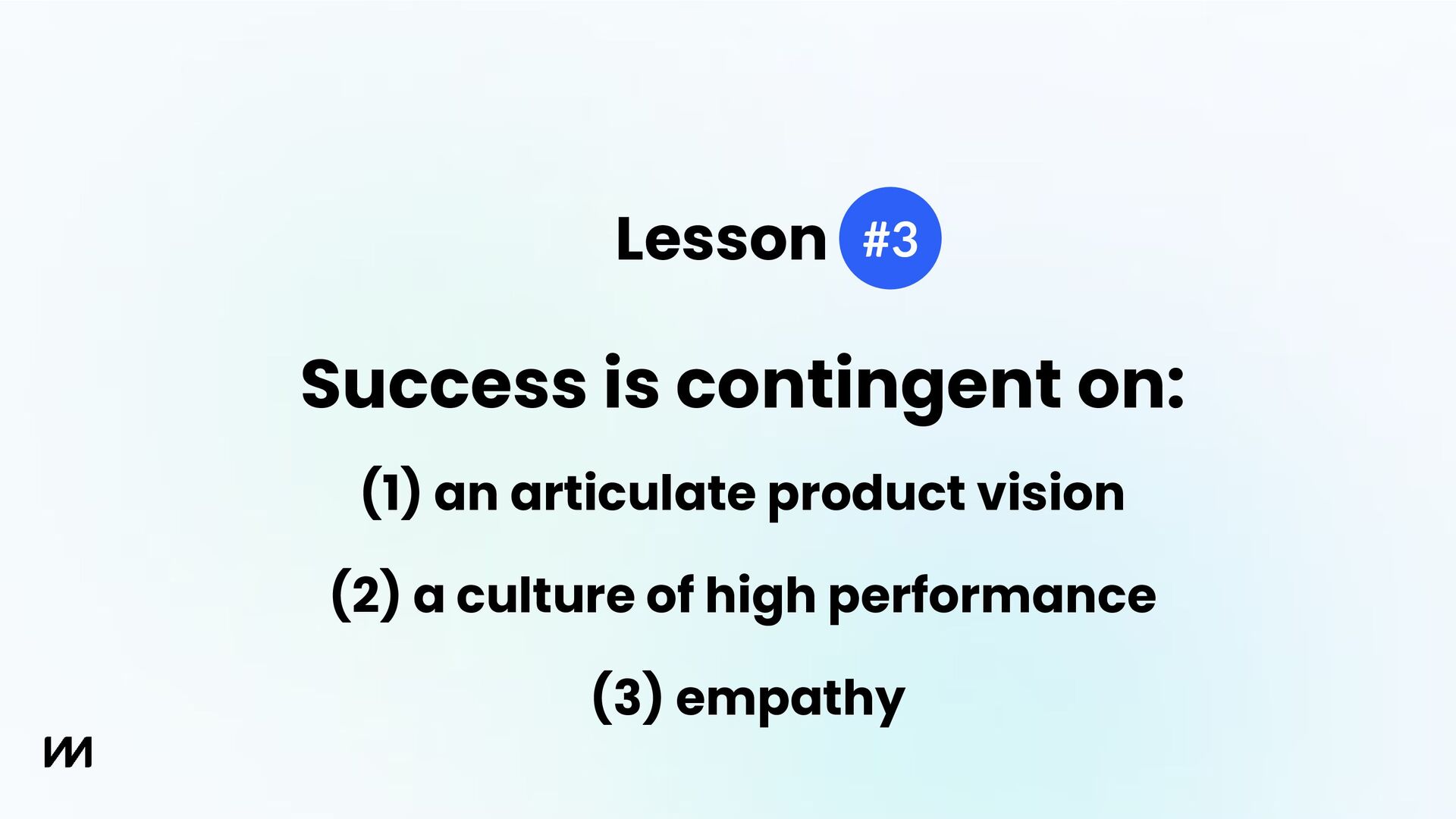
So all this sort of culminates in what I've called third lesson, but my experience having brought these different products to market, having worked with challenging relationships within product, within marketing, I believe success is really contingent on this articulate product vision that delivers on its promise a real culture of high performance and an empathy and an understanding about how we work, which you need to foster with a lot of intention.
So maybe you're wondering, okay, Chartmogul CRM, it's been out for a little while. Do you have product market fit? And I look for my way markers, and I see, you know, we're on the journey for sure. It's not a switch you flip, but I believe that we're onto something, as evidenced by some of these signals.
We've got that self-service revenue that I've mentioned, having spent no marketing dollars beyond a product launch. We've got two hundred accounts actively using our customer or actively using our CRM. Excuse me. And this is actually outdated. In the last week, we've closed two more CRM customers, so seventeen paying customers and over seven hundred users.
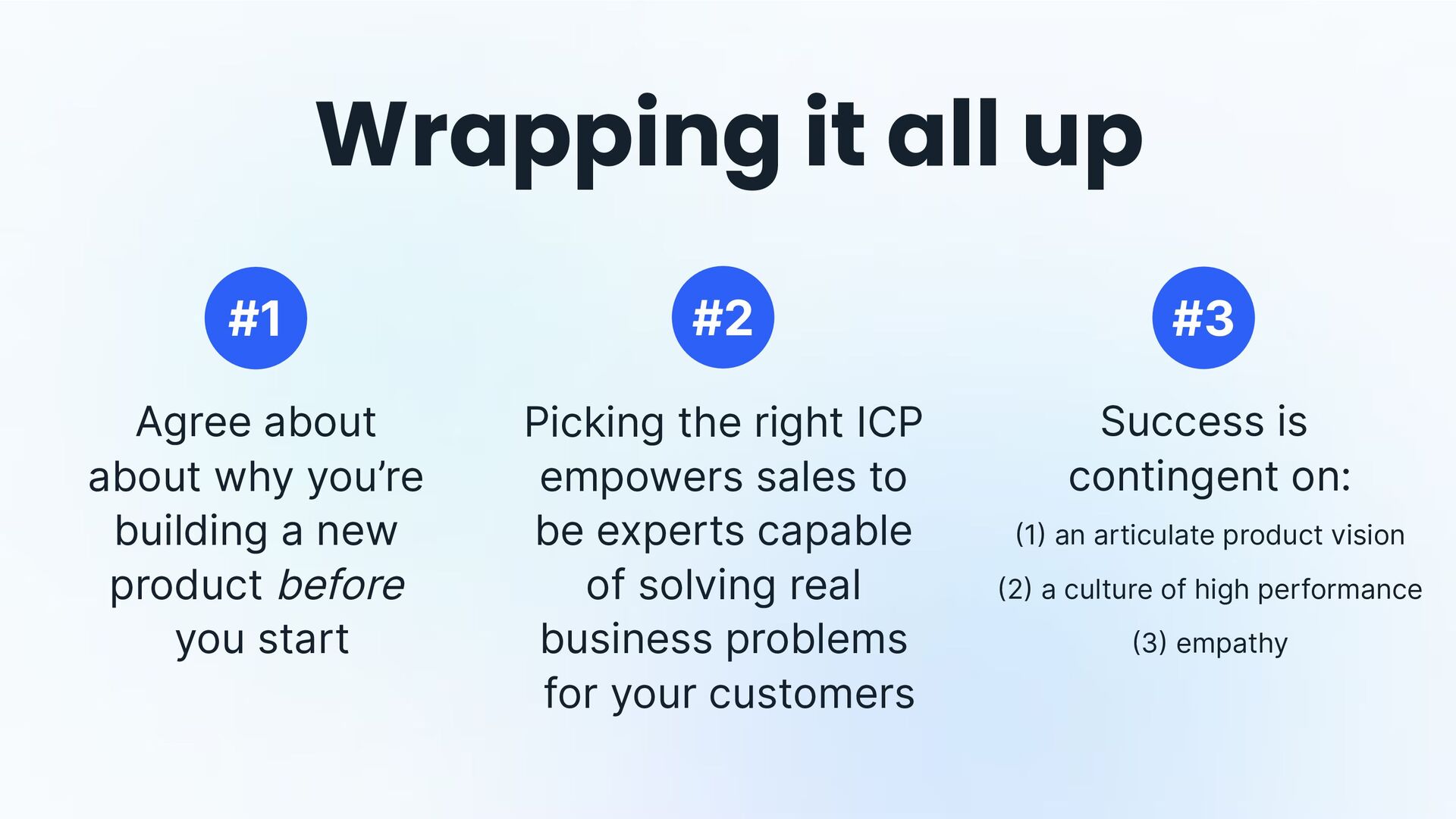
And so yeah. Wrapping it all up. Involve your sales team early. They they they have a really good sense on the voice of your customer and can think about your commercial implications that might otherwise be buried down the line from a product development perspective.
So agree on why it is you're doing what you're doing before you get started. Pick the right ICP that empowers your entire commercial team to be credible experts capable of solving real life problems for your buyers. And then finally, you need a couple of really important things, an articulate product vision, a culture of high performance, speed, design, attention to detail, but of course, you also need a great understanding of the fact that building a software business is really hard, and without empathy with some unity, it's gonna be even harder.
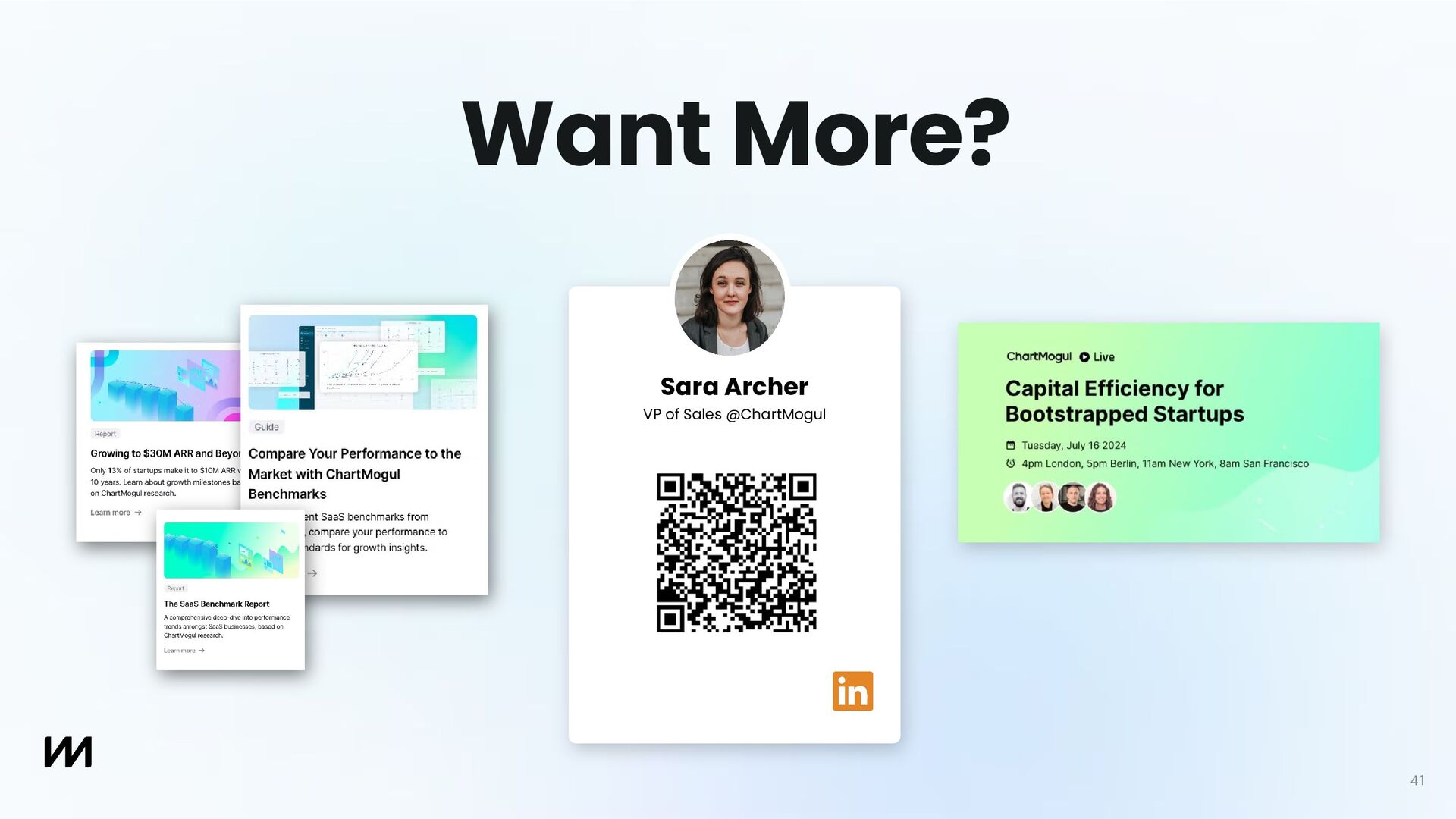
So I'll be here till tomorrow if you're interested in this or benchmark data or validating product ideas. Sales compensation is the one I always volunteer because people really like that one. I'd be happy to chat, and we're doing some cool webinars. One of them upcoming is around capital efficiency for bootstrap startups.
We've got some really great bootstrap founders coming to present in a panel. And I thank you very much.