I don’t actually remember the last time I had a week in the office where something new didn’t happen within the paid media space and unless you live and breathe it, there will certainly be updates that you’ll miss.
In this highly actionable talk, I will walk you through some of the latest features and updates across the main paid media platforms. The deck will be packed full of inspiration and ideas that you can take back to the office and implement within your paid media campaigns.
1 / 68 Use ← → to navigate
Auto-generated transcript - may contain errors.
Tap a timestamp to jump the video.
So this is the second time that I've actually spoken at Turing, and last time I came, I did a similar talk where I look at all of the different stages of the marketing funnel and how you can use the different paid media features and channels to actually tap into those different audiences as they progress through the funnel.
So what I've done this time is I've actually taken that deck and completely updated it with entirely new strategies. So for those of you that don't know me, as John was saying, my name's Sam. I work for a, I've recently launched a paid media consultancy, and over the years, I've worked in house agency side, and now as a consultant.
So I've seen lots of different things, and one of the biggest things that happens within this space is the sheer volume of things that change on a daily basis. So if you look back at all of the things that Google launched over the years, all the things that Facebook launched, there's so much new stuff that comes out that if you're not actually living and breathing this industry, you are going to miss out on a whole host of things.
So if you haven't actually seen me talk before, it is quite fast paced. I've got seventy slides to get through. You're going to walk away with actionable tips. So I've got thirty nine different strategies to share, and everything that's in here is current.
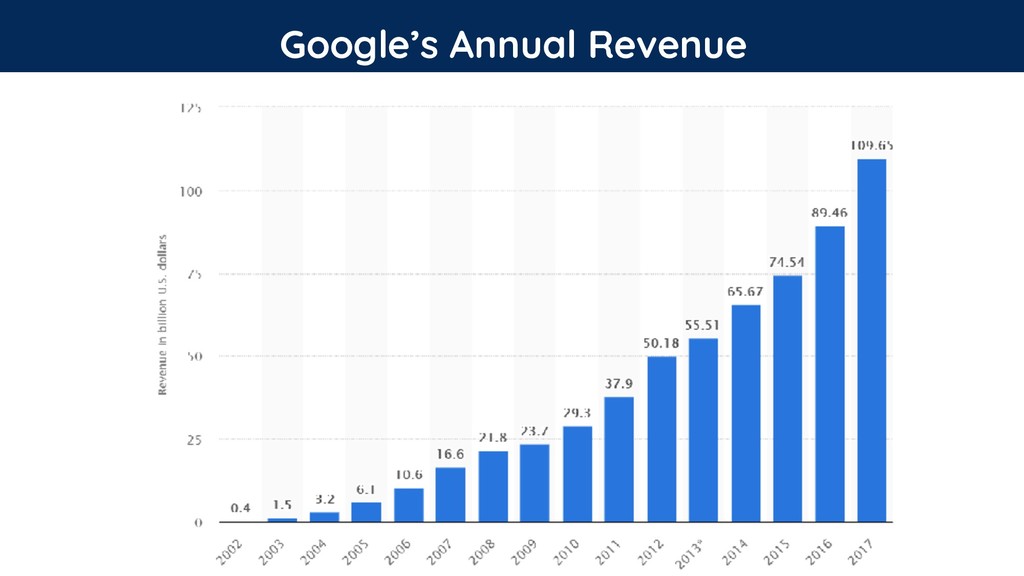
So it's all stuff that I've been using over the past two years. So just to set the scene, paid media outlook, Google's revenue, every single year goes up and up and up, and this is why we see so many features getting added into the platform.
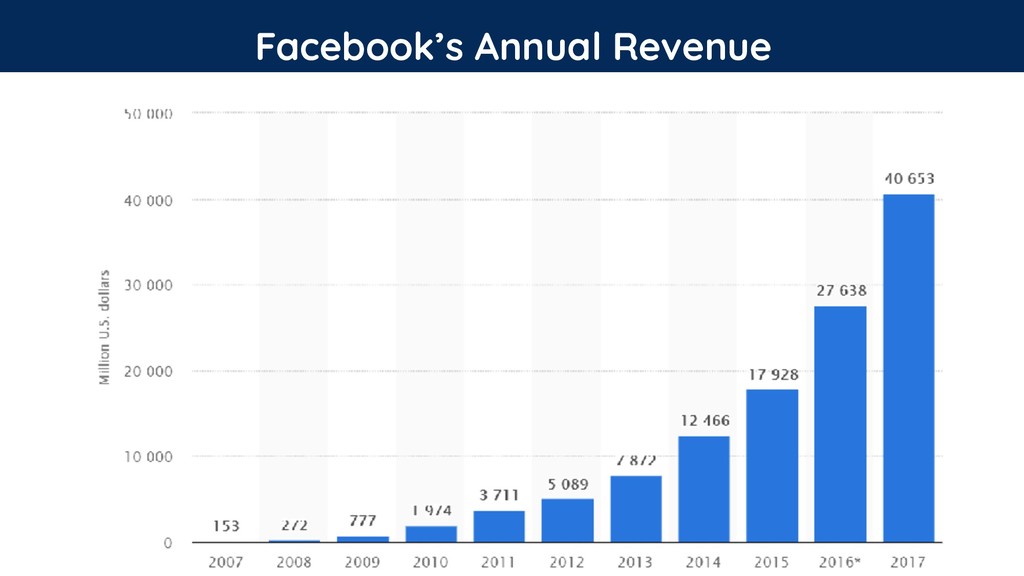
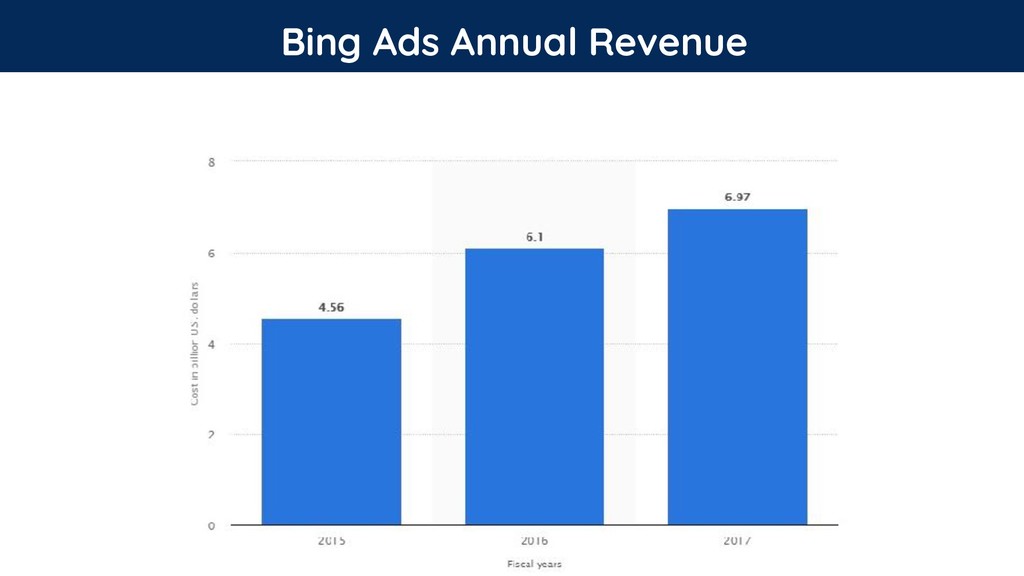
The only way they can grow is to evolve and add new things. Facebook, similar. A lot smaller in terms of actual revenue, but the growth pattern is still the same. And Bing have started releasing their figures as well for Bing Ads, and that's following the same trajectory there.
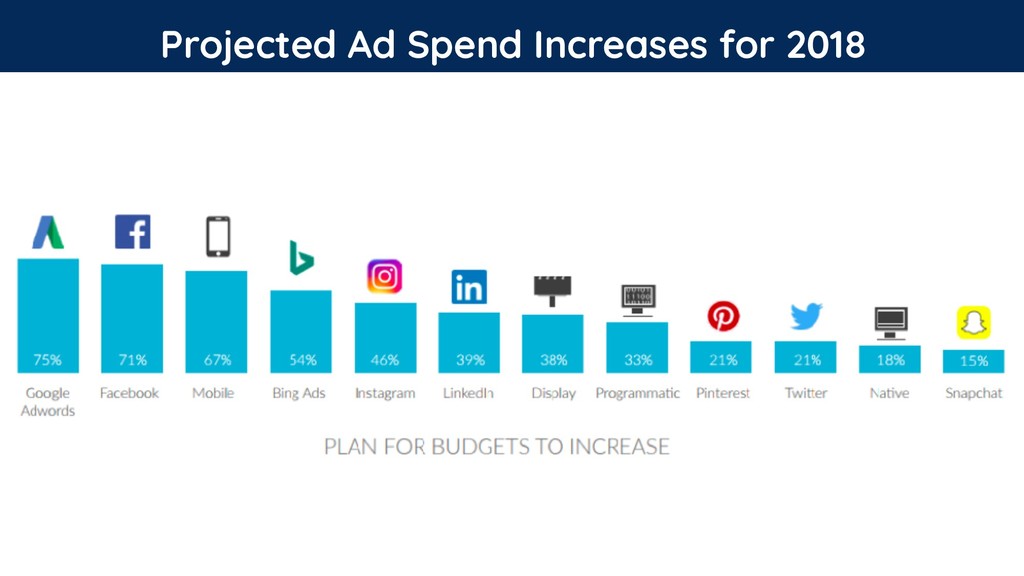
And if you look at what the projected ad spend is across the different media platforms in two thousand and eighteen, we can see what people are planning to increase, and everybody is wanting to spend more on different PPC channels, different paid media channels.
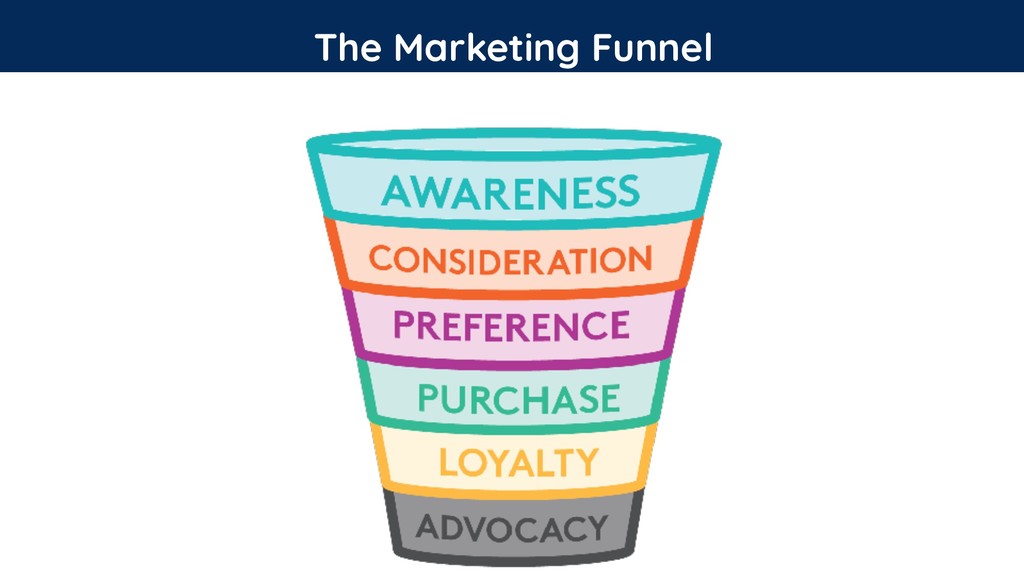
So it's definitely an area we need to be focusing on. And the reason that it's a really good channel to use is because we can target people throughout the marketing funnel, and we know what campaigns we wanna show to them. We know what sort of marketing we need to do to reach people at the different stages and channel them through.
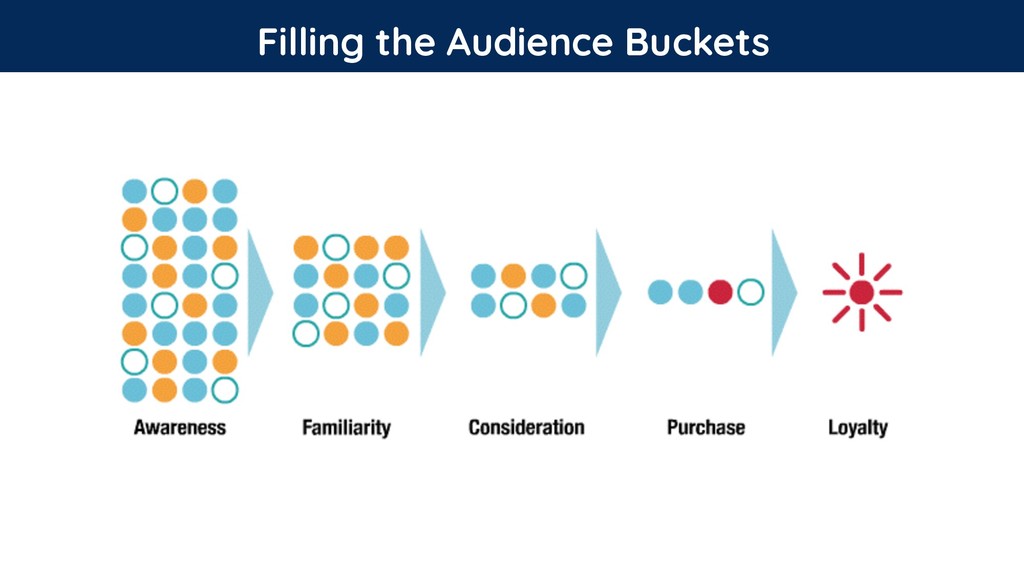
And as we do that, we take audiences and we fill them in buckets. So when you're first doing an awareness campaign, you're reaching a huge audience. And then you make them funnel right the way through until they get to the purchase stage. You get them to buy.
But again, a lot of people stop there. They're like, oh, we've got them as a customer. They're just gonna stay. But they don't. You need to make sure that you're using these channels as well to actually increase the loyalty of those customers. Get them coming back and buying time and time again.
So hitting every stage of the funnel is where you will be successful, and where you will help your business to grow. So let's get started. So awareness. Everyone knows what awareness is. It's when you're looking at potentially buying something, or you might not necessarily know that you need it.
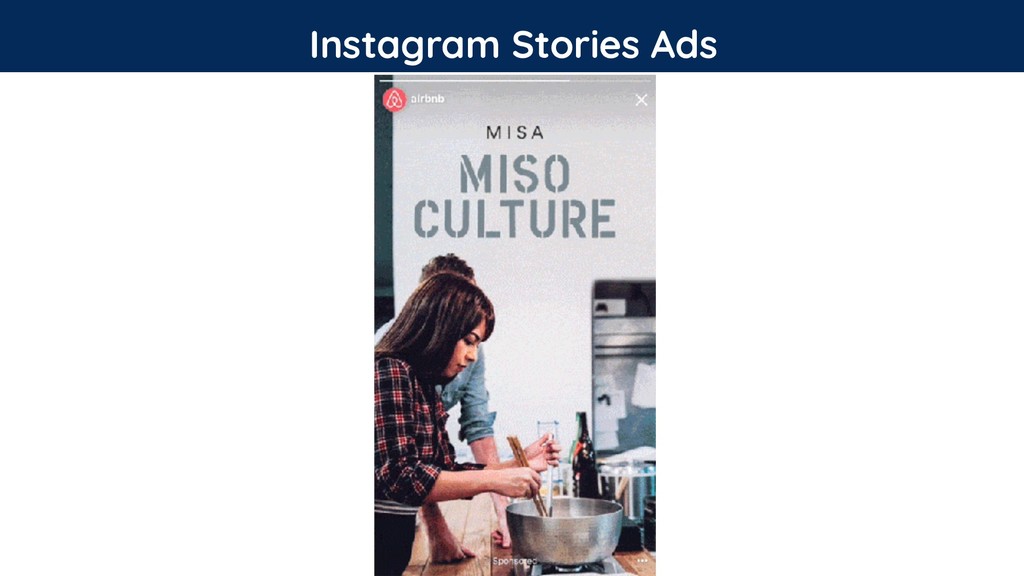
So we're trying to coach people through that decision making process. So one thing that's come out in recent months is Instagram promoted stories. So what we can do here is you can take a brand or a product and really showcase that visually, and make use of all of the targeting that you can do within Facebook in order to reach the audience that you're looking to hit.
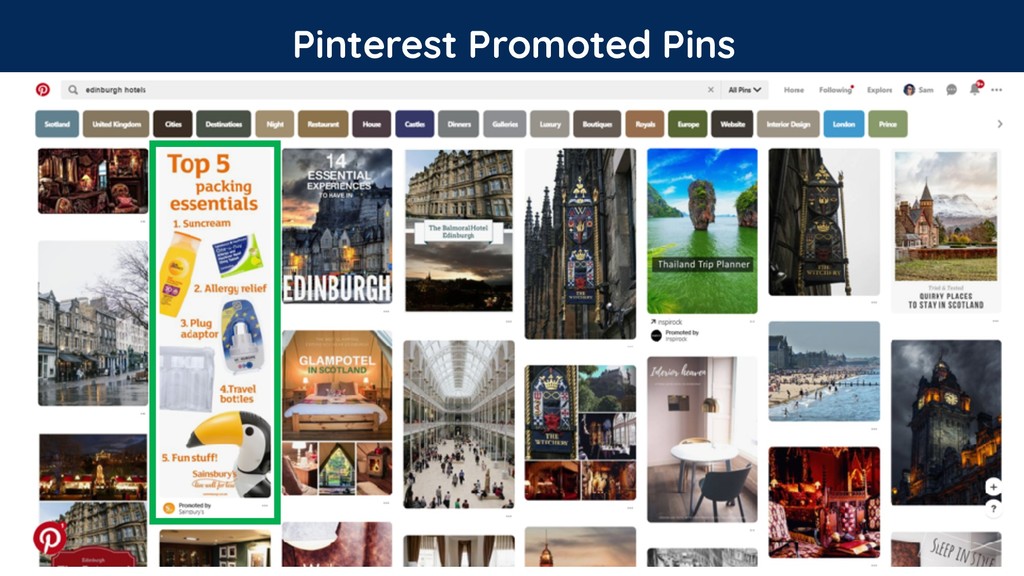
Something else that's been around for many years now, but is so underutilized. This is Pinterest. Right? I've just searched at the top here for Edinburgh Hotels. There is one advert on that page. One. So if you're looking to try and showcase a product, or anything really, like Edinburgh hotels, there should be all sorts of stuff that's sat in there.
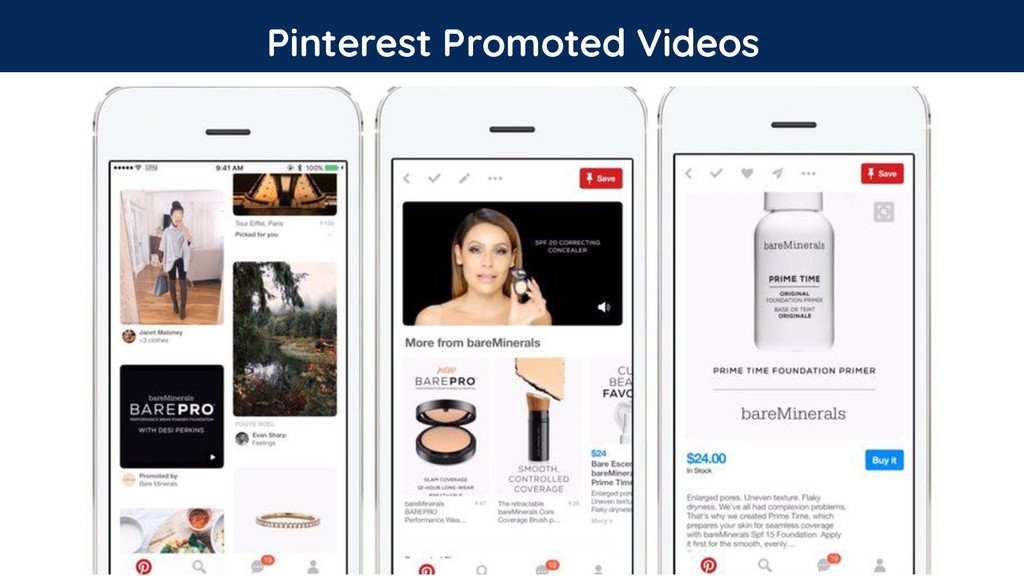
And this particular ad has got nothing to do with it. They've also come out recently with promoted videos. So within the news feed on Pinterest, you can now actually promote a video, but as you hover over it, the video then starts to play.
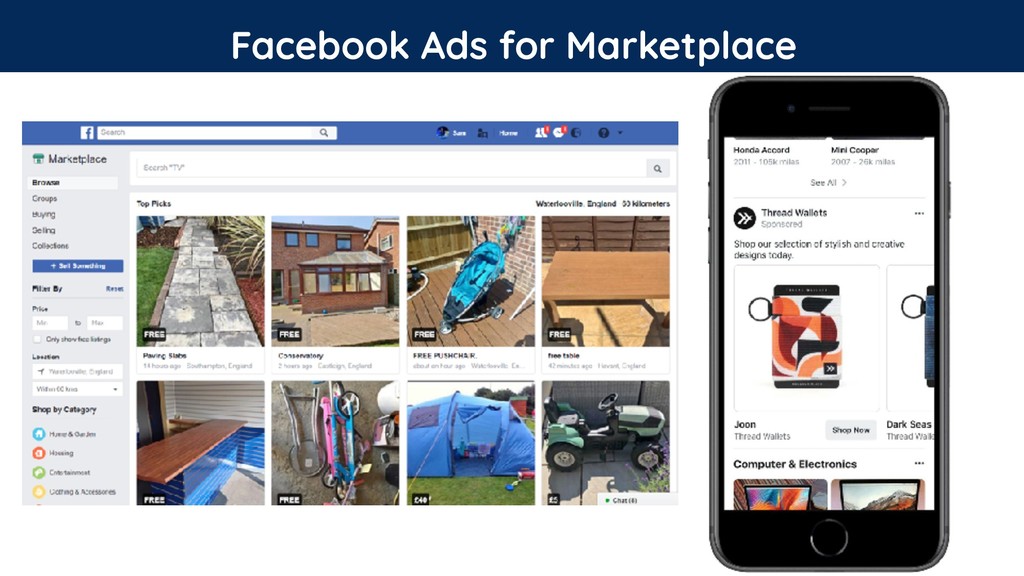
Again, really underutilized. These are not being used. Facebook ads for marketplace has now just come out in the UK, which is brilliant. So this is actually designed so that you can have adverts in the marketplace. This doesn't mean that you have to be selling a product or something like that.
You can actually advertise anything from within there. It just gives you a whole range of audiences that you can actually reach because you might have people that are using Marketplace that don't necessarily use Facebook for other purposes. YouTube now as well, we've now got outstream video ads.
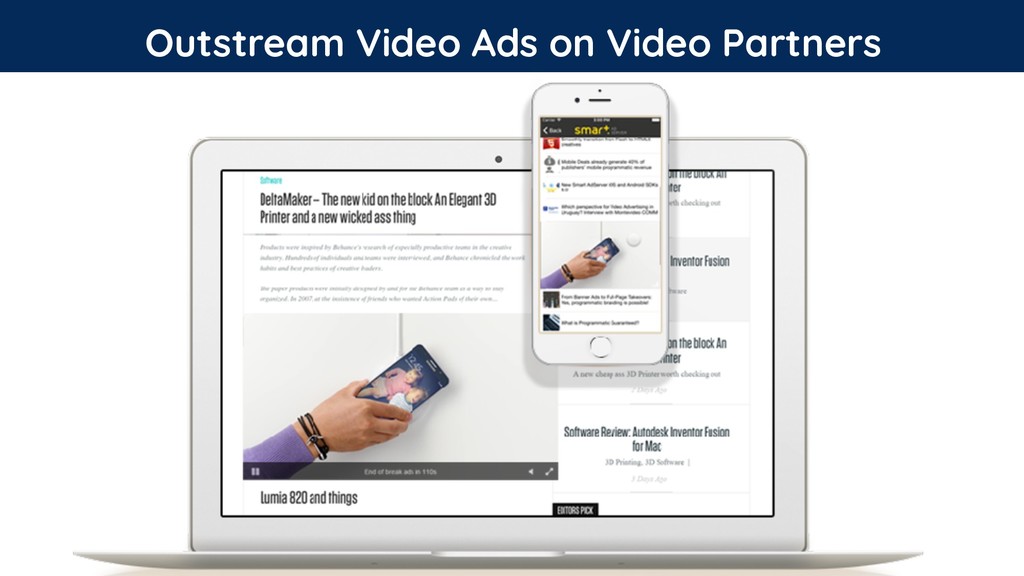
So this is where YouTube will take content, video content, and put that on their video partner sites. So rather than just having to focus purely on the YouTube platform, you're using other sites for this as well. And as you hover over the video, the video then starts to play.
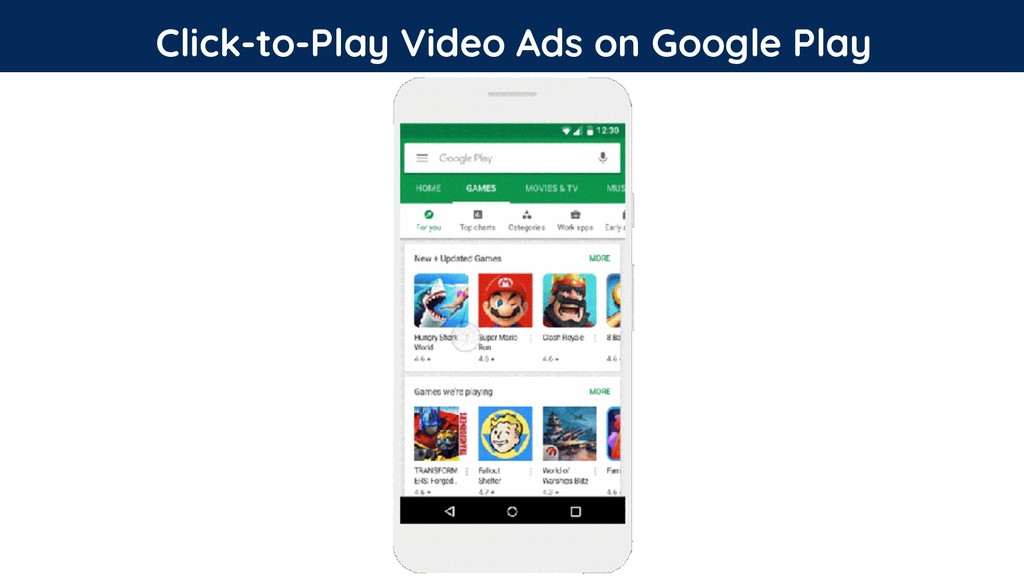
If you have an app or a game, what we can do now within Google is actually start to show somebody a bit of a trailer of what that app or that game is gonna be like. So rather than just relying on people to click through and look at the different images and screenshots of an ad, you can actually watch a trailer similar to what you would do a movie.
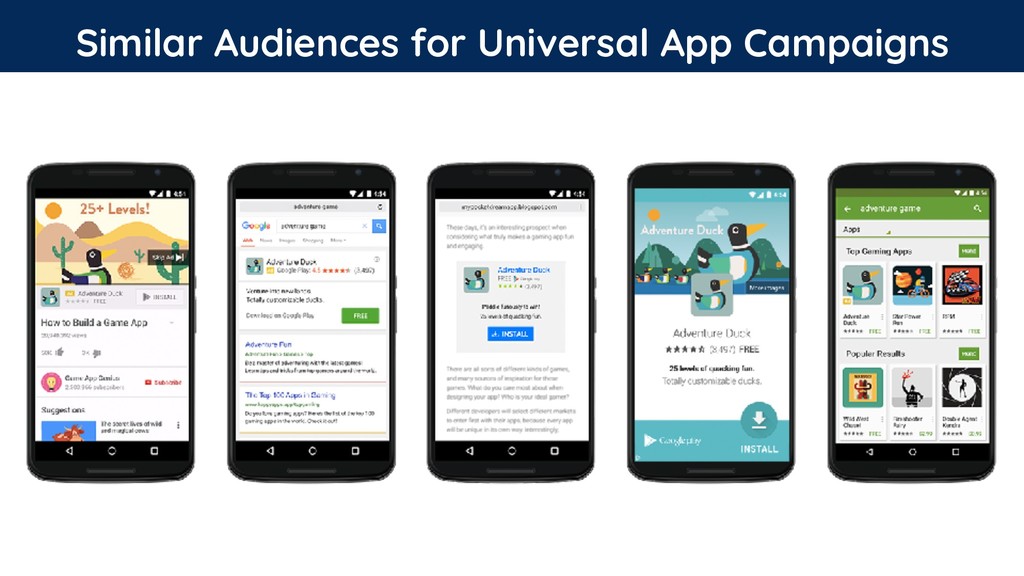
Similar audiences is something that Google released a couple of years back now. But what they've recently done is allowed us to upload a list of all of our current app customers, and build out a similar audience that looks like those people. So if we're looking to get more app downloads, don't just go out and cold market people.
Actually find people that have similar traits and demographics to your existing app users, and show them ads to try and encourage them through to download. Next one, we've got shopping showcase ads. So these came out of beta tail end of last year, I think.
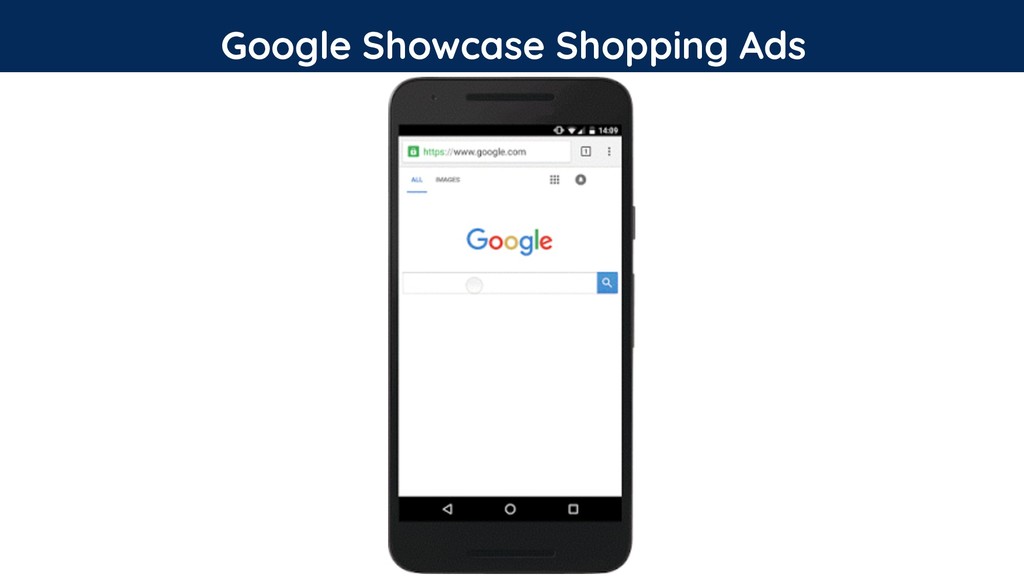
But these are brilliant. So shopping ads are designed purely for trying to encourage people at that purchase stage. And what they weren't really useful with doing is actually trying to convert people further down the funnel. So what we can see here is somebody searching for some addresses.
At that stage, with that broad search query, somebody doesn't necessarily know what type of summer dress that they're looking for. So we can use showcase ads to promote our store and show all of the different summer dresses that we offer. This is where we can take shopping ads and actually target them at the awareness stage.
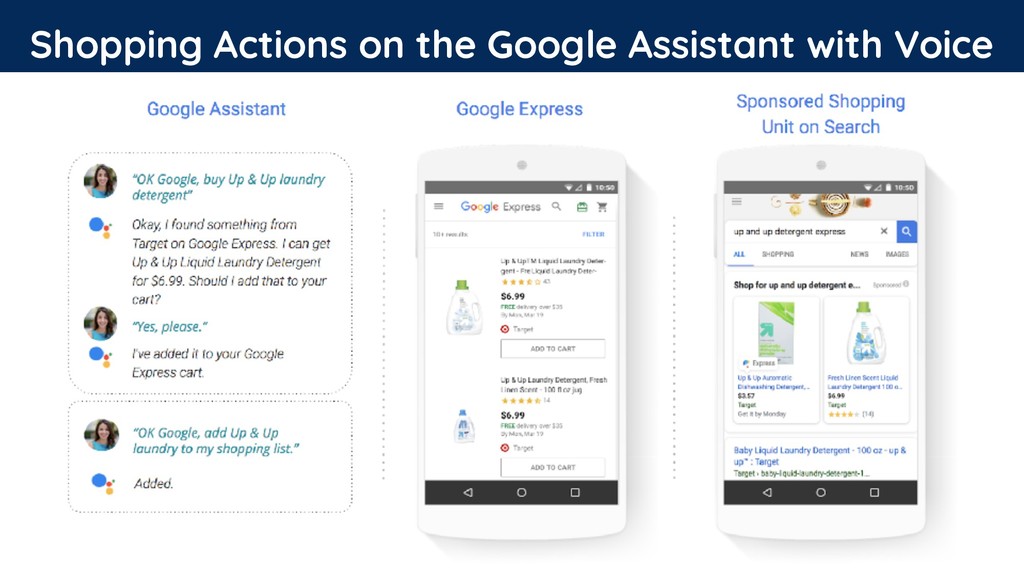
Google are also jumping on the voice search bandwagon. Right? This is going to start becoming more and more prominent over the years as voice search continues to grow. But what we can now do is with the Google Assistant, we can actually say, hey Google, and actually say what we want them to actually do, and it will start to understand all of that learning from there.
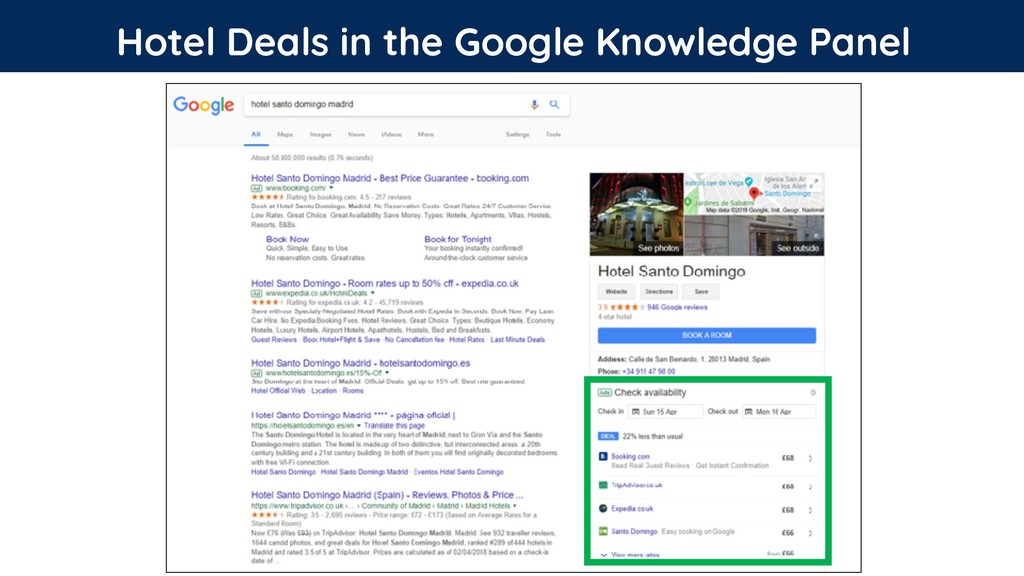
And when you then go online and search, it takes you through to the Google Express checkout, and you can literally buy directly from the voice search assistant now. The other thing that's recently come out is hotel deals in the knowledge panel. So in here, when somebody's searching for a specific hotel, you can now actually look down there and see the different prices that are in there, and encourage somebody through to buy.
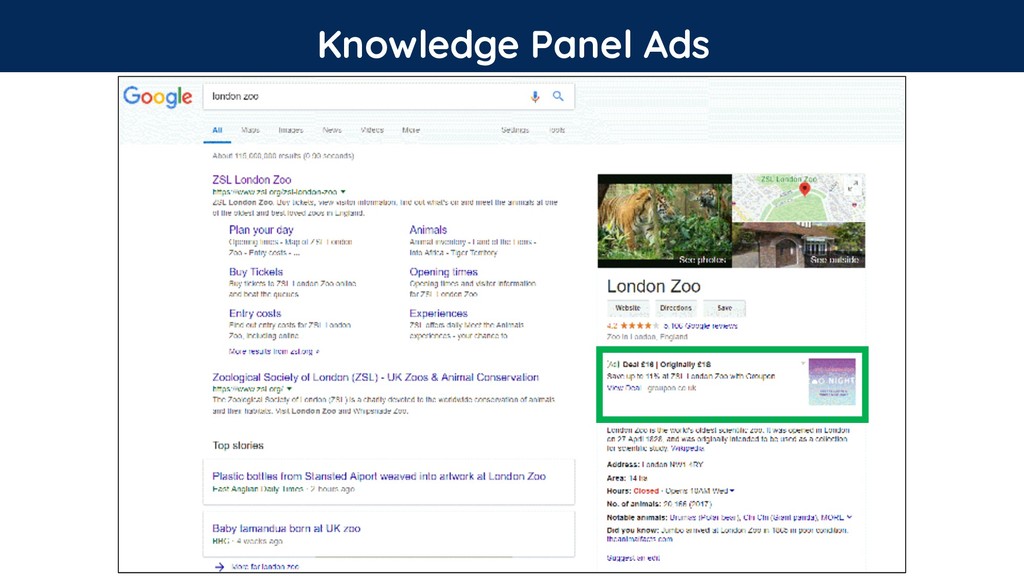
Likewise with the knowledge panel, we're now starting to see actual adverts in here. So you can see we've done a search for London Zoo, and Groupon are featured in here with a deal to try and encourage people to not just go to London Zoo, but to come to London Zoo via Groupon and save yourself sixteen percent.
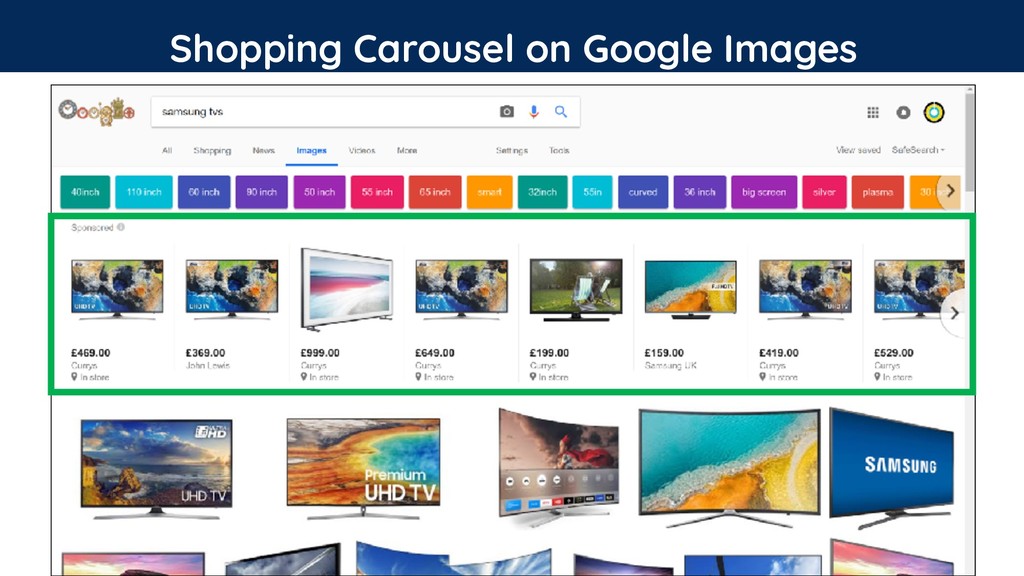
Shopping ads are also appearing now in Google images. So I was wondering when this would start to happen because it seems a real obvious place for them to do this. Maybe six months, twelve months, two years. Is this gonna be completely filled with adverts?
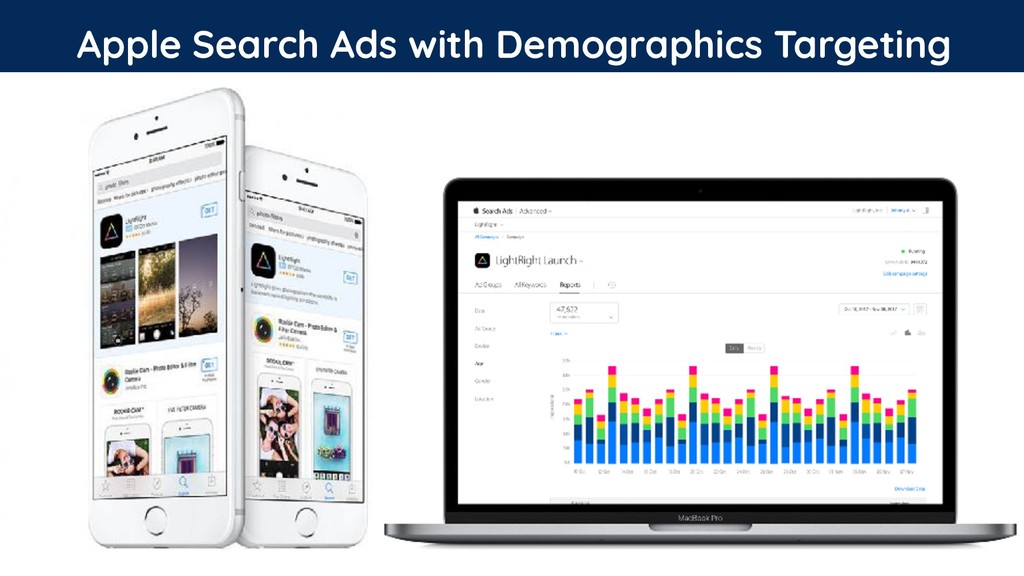
Is this gonna become the next pay to play area? Because this is now starting to take up a real prominent space within Google Images. Something that Apple have recently released within their search ads is you can actually see the demographic data behind the people that are clicking through on an ad.
So you can start to understand all of these things about who's using your apps. Who's actually clicking? Who's downloading? Who engages with the app on a regular basis? And you take that insight and actually use that to promote the app campaigns again. Again, rather than just saying, oh, well, think our customers are male, aged between x and x.
They are firemen and whatever else it is. Actually use the data that these platforms give us to make informed decisions about where we want to advertise, who we wanna reach. Moving on from awareness, we've got considerations. So this is a stage where somebody has become aware that they potentially need your product or service.
They're aware of your brand, but they kinda wanna do a bit of research about it. Most people now, when they make a purchase online, will do some research behind the company, especially if it's a high value item that they're looking to buy. So there's certain things that we can do to just keep ourselves fresh in those customers' minds before they actually want to buy.
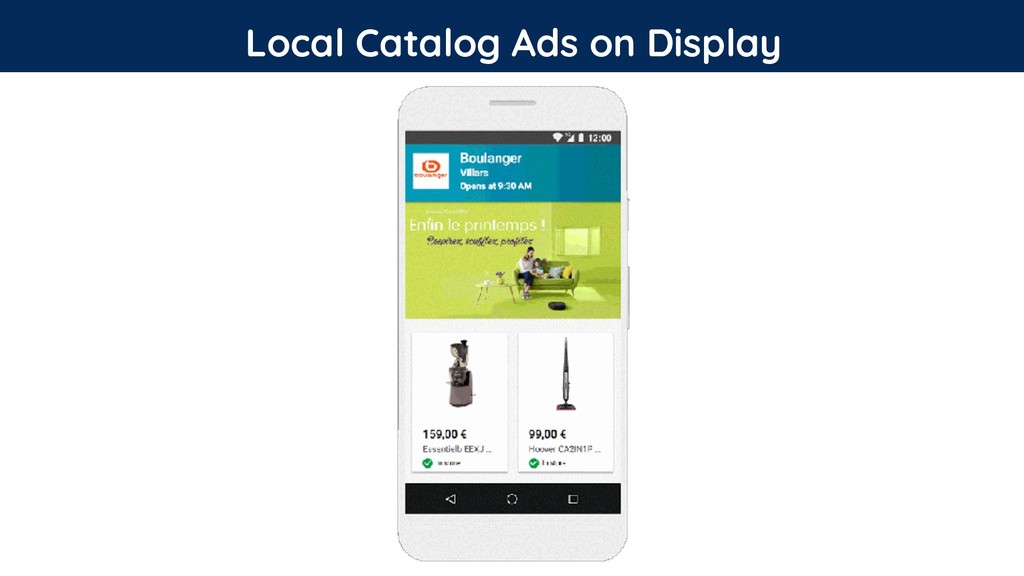
And something that Google have recently come out with is local catalog ads for display. So in here now, what we're seeing is like product remarketing. So we can start to look at what those people at the awareness stage, what have they been interested in?
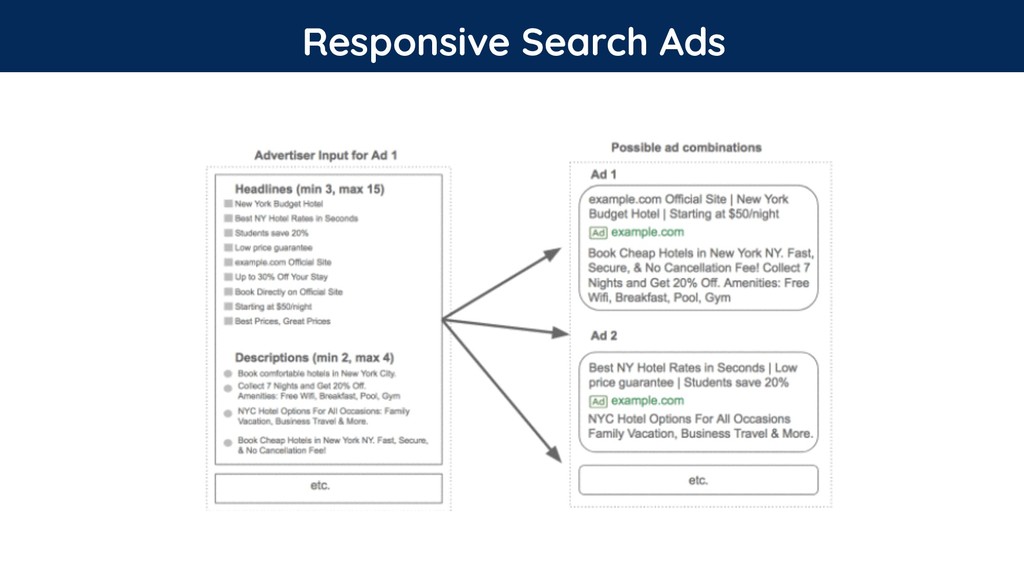
And show them videos on display, ads on display that are related to those products. Keeping that brand fresh in their mind. We can also play around with things called responsive search ads. So these are within Google as well, and you can upload a maximum of fifteen different headlines, various descriptions, and Google will just mesh them all together and make different ad variations, so that you don't have to do that.
You just put all the data in. They mix them all up, so you can then start to say, ah, well this ad's actually working better with people that have been on our website before. This ad works better with people that are new to the website.
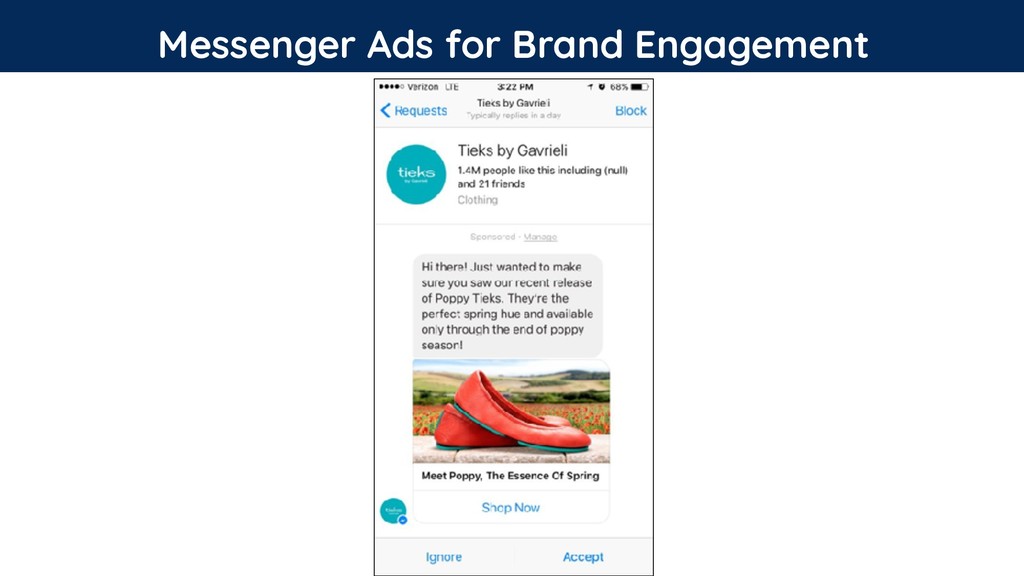
Something else that you should be looking at using is messenger ads. Like some of the clients that we work on, messenger ads are driving really, really low cost per acquisition. The volume isn't as prominent as what you would see with standard Facebook ads, but the conversion rate is really, really high.
And what this brand's doing really well is they know that somebody's actually expressed an interest in a certain product, so they're showing them ads to actually promote that product and try and encourage people to then buy. Next up, Bing have come out with Bing Intent Ads.
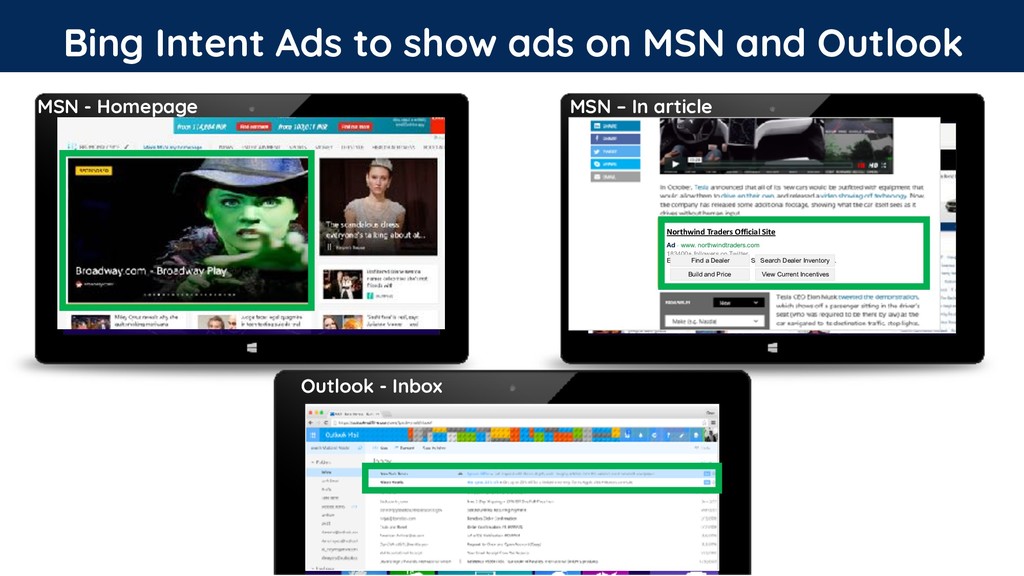
So this is where, it's only available in the US at the moment, but it will be coming to the UK. And what Bing are basically now doing is taking the user's search query data. So looking at what those people are viewing online, what they're searching for.
And they're taking that information and saying, well, if they've searched for this, or their user behavior is like that, then let's start to show them ads in Outlook and on MSN that are relevant to what those people are interested in. So Bing is trying to actually evolve and do more and more of this sort of stuff moving forwards as well.
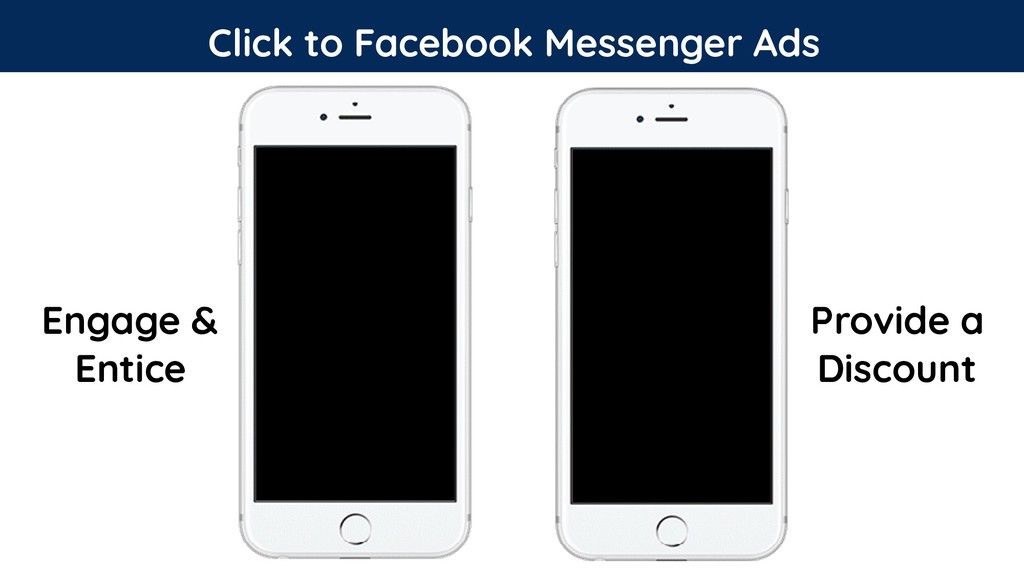
And then the final thing in this stage is actually using Messenger. If somebody's been to the website, they've looked at a particular product, they may have added it to the basket or the cart, or whatever we're gonna call that. And then they've actually thought, nope, not gonna buy just yet.
So we can use messenger ads to showcase different discounts and offers to try and encourage that person from consideration right the way through to purchase. Next up is preference. So we've got the customer now. They're kind of ing and ah ing about whether they wanna buy from you, but they now wanna do their checks and see whether they should be buying from you or from a competitor.
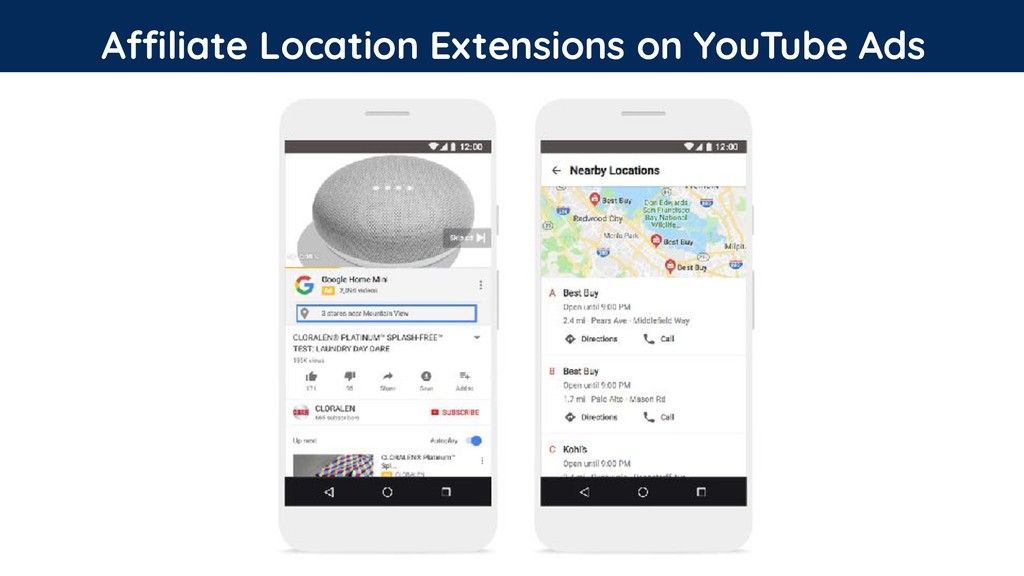
This is a vital stage that so many people are actually missing out. So some of the stuff that we can do in here, like these affiliate location extensions are very rarely used within Google, but what they've done recently is added them into YouTube ads.
So what we can now see is if you've got a product that is able to be sold from various locations, that isn't just your location, you can actually list all of those different places in there, so that if somebody's watching a video ad, they can then click, see where that product is available, and actually get that location information as well.
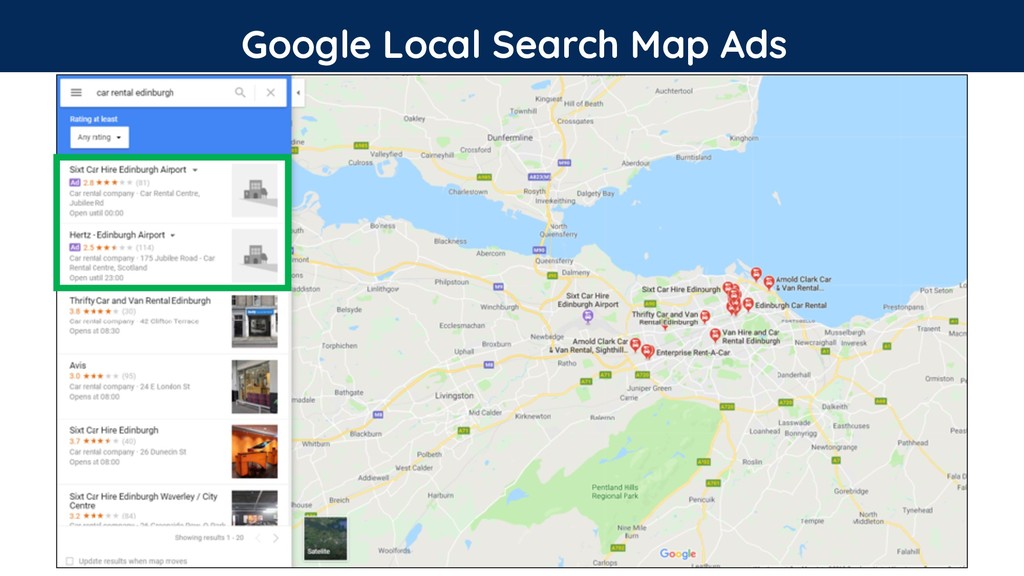
Local search ads on Google, on the maps. When Google first released these about a year and a half, two years ago, they said, oh, there's gonna be one Google map listing that is paid for. Now there's two. I would put money on it that in a couple of years' time, everything in here will be paid for.
Because this is where that's kind of going. If you look at the evolution of how Google's changing things, and how they're actually making that increase in revenue, this is gonna be one of them. But in here, what we can see is it's really easy for smaller brands to actually overtake some of the more prominent brands in the marketplace.
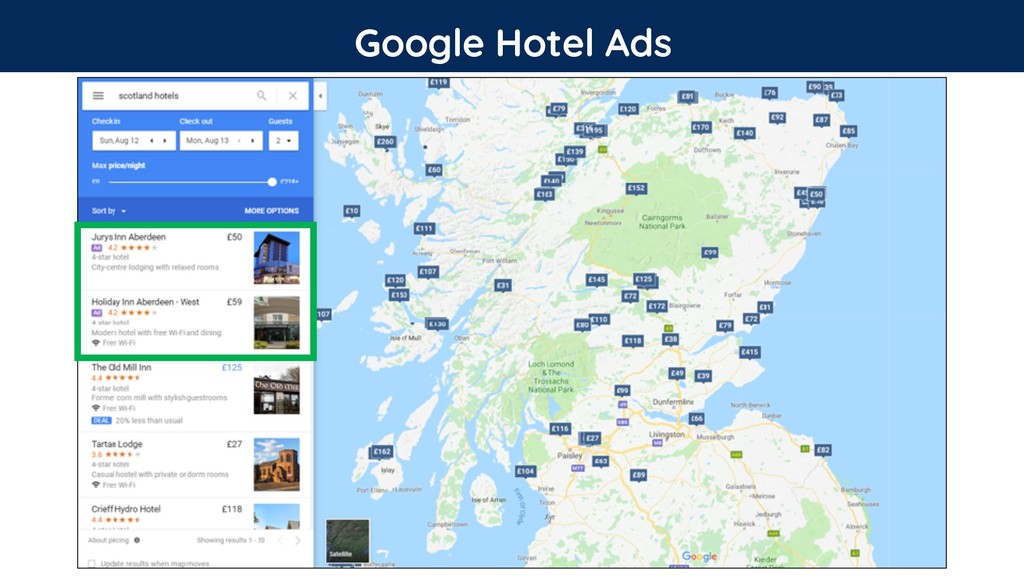
Because if the bigger brands aren't actually paying to be at the top, you can now actually take over from there. So we've now got two ads sitting at the top of Google Maps. Hotels. This is something that was released last week, actually. So you've always been able to have hotel ads.
It was only open to, think it was like fifty different hotel companies. But what they're saying now is you can actually, anybody can do this. Anybody can use this. And when you click into creating a new campaign, a new campaign now in AdWords, you can actually have an option to say, I want to promote a hotel.
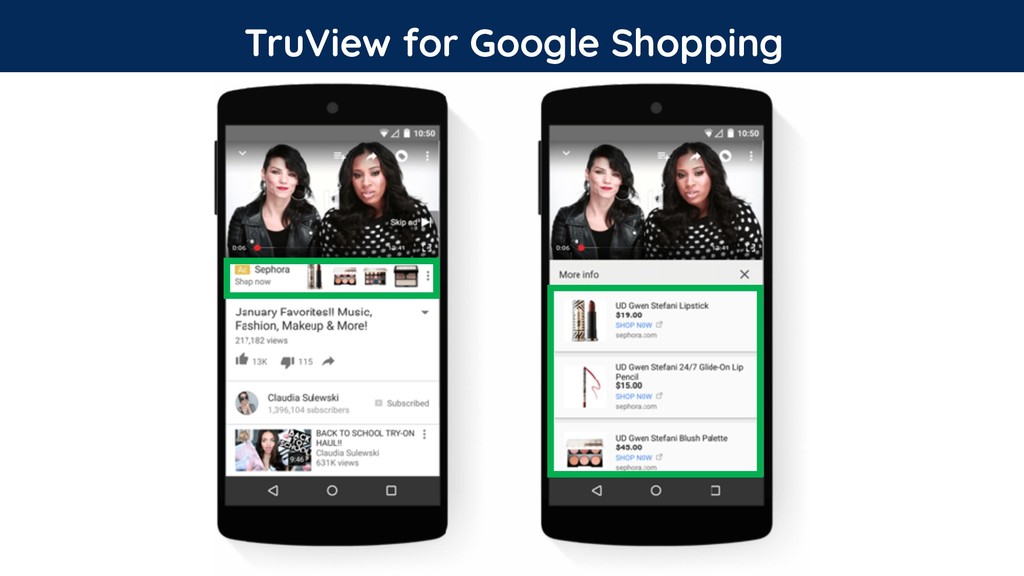
And then you can start to see, up the top here, adverts for your hotel as well. TrueView for shopping is another thing. So if you know that somebody's expressed an interest in a particular product, and then they've gone over to YouTube, let's follow them around with ads on relevant YouTube channels, relevant YouTube videos.
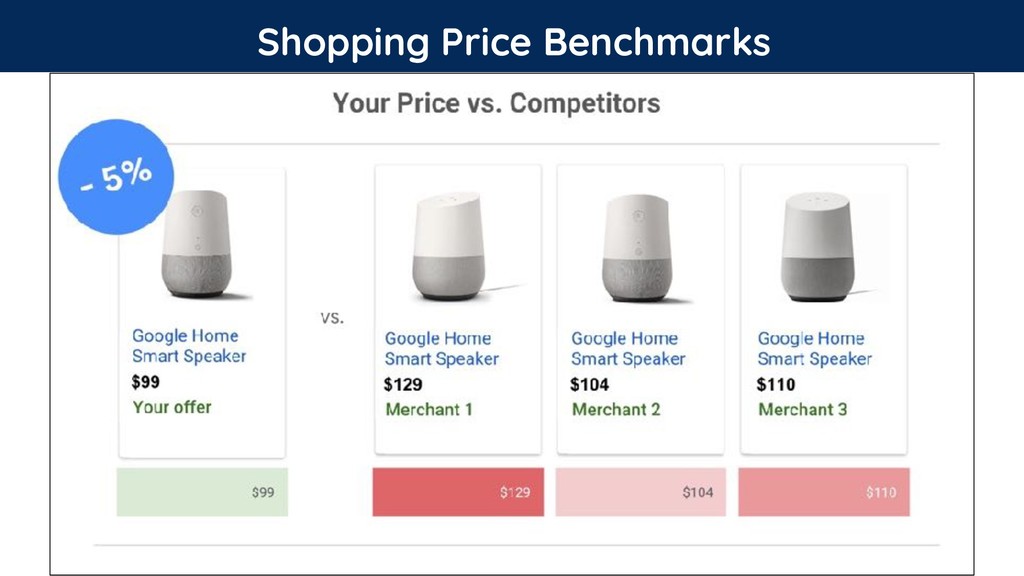
So if we've got somebody that's looked at various bits of makeup on Sephora, put some ads in there. Keep in those people's minds. It doesn't have to be really intrusive, but it's helpful. And then finally, something that's come out in this particular area is shopping price benchmarks.
So this may be in your Merchant Center data already. It may not. Some people are getting it, some people aren't. But what you can do in here is within Google Merchant Center, it will actually tell you how your products are priced in comparison to competitors.
You can sit there and market a product day in, day out. If you are really overpriced in comparison to the competition, you're not gonna sell it. So on to purchase stage. So this is where we've taken everybody on that journey all the way through, and we want to actually get people to buy.
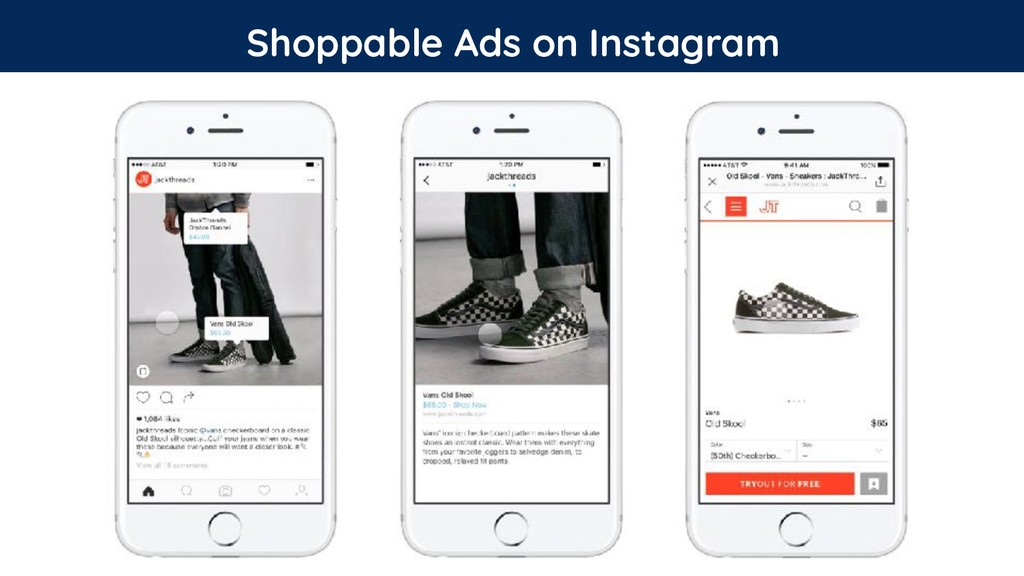
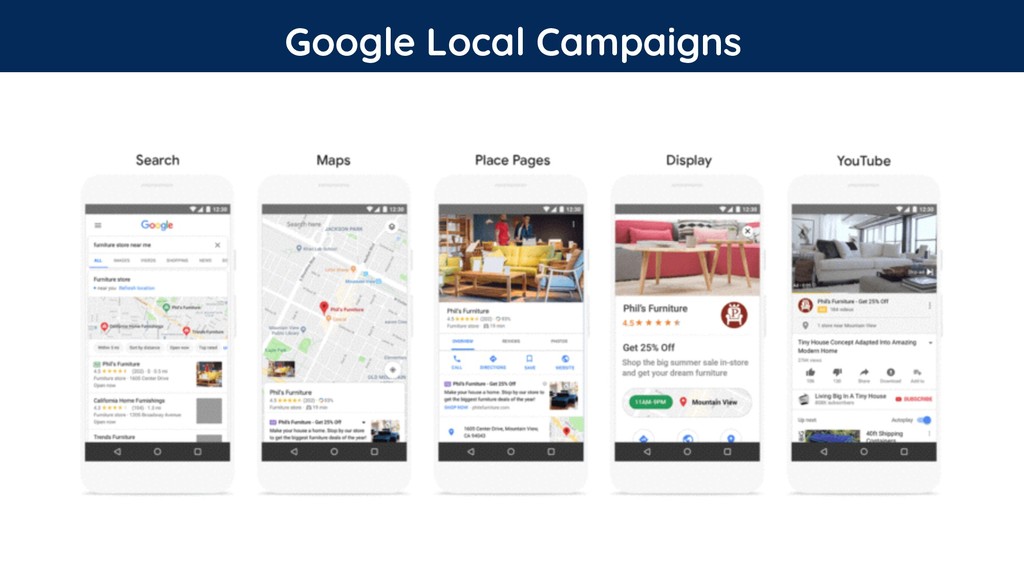
So in here, can do shoppable ads on Instagram. So start tagging up the different products, so that if actually promoting an image of a product, put a price on it. Make that more user friendly. We can also do Google local campaigns. These came out a couple of weeks ago, where we're actually, we can say to Google, the goal of our campaign is to drive footfall into our business.
We want people to come in store. And what Google will do, they'll take all of their knowledge that they've got about your customers, where they search, what they visit, what they buy, and they will basically help you to create a smart campaign that targets all of the different areas of Google, and try and funnel people to actually come into your store.
So if you're a local business, I would highly recommend that you have a look at these, because these are gonna absolutely change the way that we start looking at local campaigns. Something else that you can use is similar to what Ollie was talking about earlier.
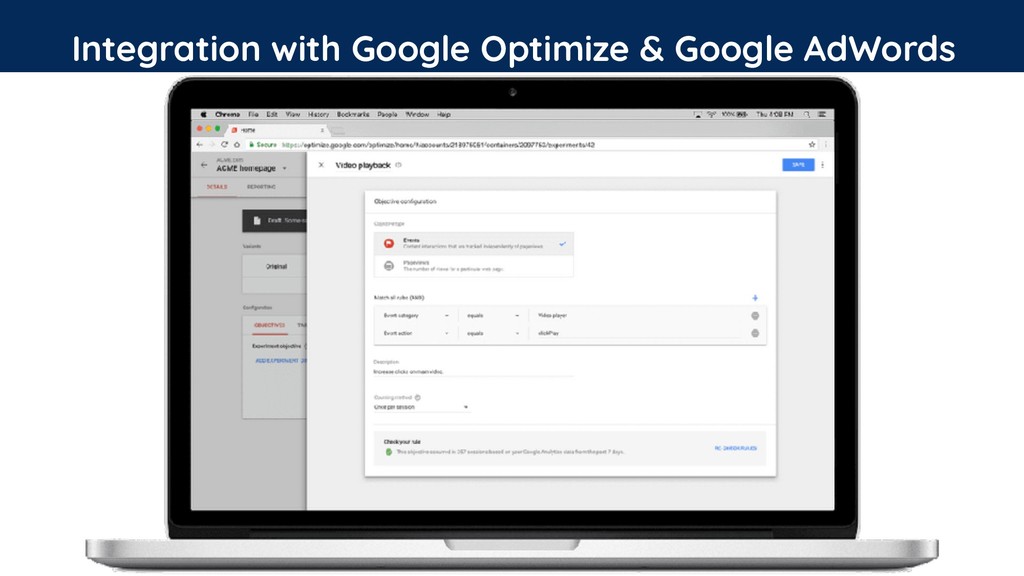
It's understanding when you actually send traffic through to a web page. What is it that makes that person convert? Is it that we need the banner changed? Is it that the button needs to be moved? Is it that we're using the wrong terminology for our customers?
So you compare now Google AdWords, or Google Ads, we need to call it now, up with Google Optimize. And those two things can work in synergy with each other. So that you're sending traffic through to a landing page, and testing the landing page at the same time.
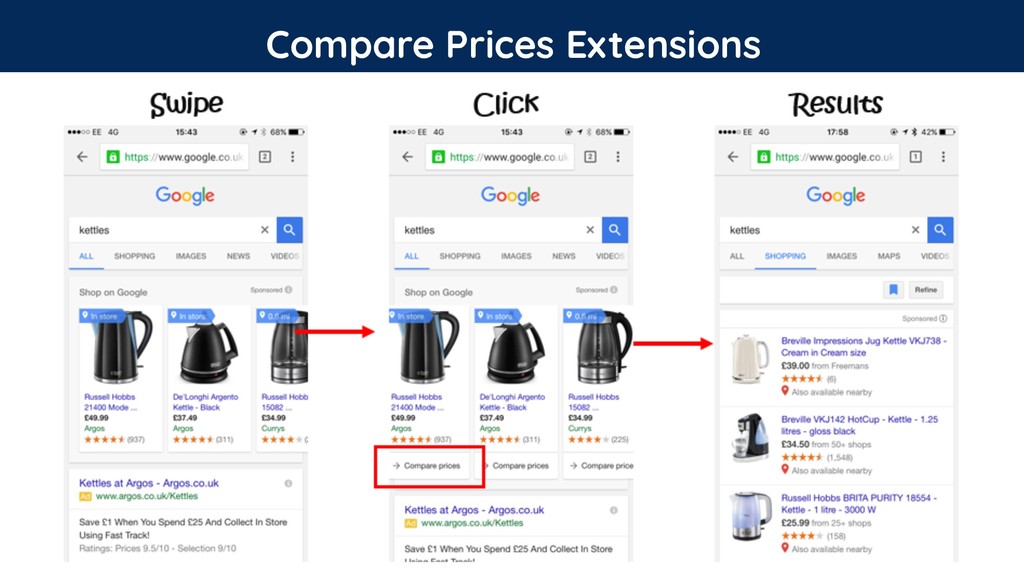
Because you need to make sure that the traffic that you're sending is gonna convert. Comparing price extensions is something else that we're now seeing in Google Shopping. So at the top here, we can see the different products, and below that, it's compare prices.
This is where it's even more important to make sure that you are priced competitively. It's very, very, very easy for somebody to sit there and look along there and be like, that's the same kettle. Why should I not buy it from that particular company?
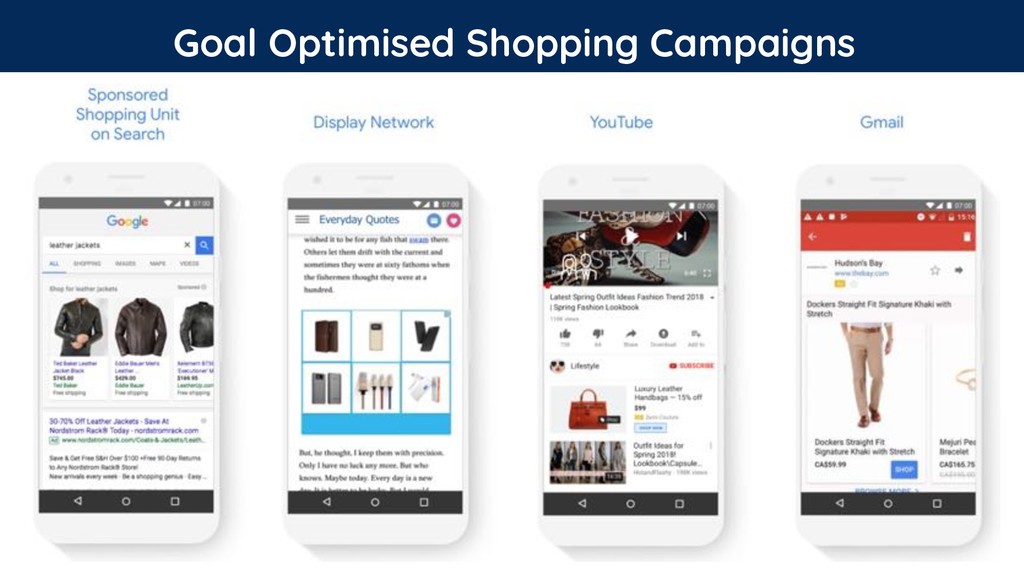
It's priced cheaper. So keep an eye on that. Goal optimized shopping campaign. So this is similar to what we saw with Google Local, where they're doing, trying to push and trying to take all that data for driving people into an actual business. Well, this is actually taking that same type of data, but trying to encourage people to buy online.
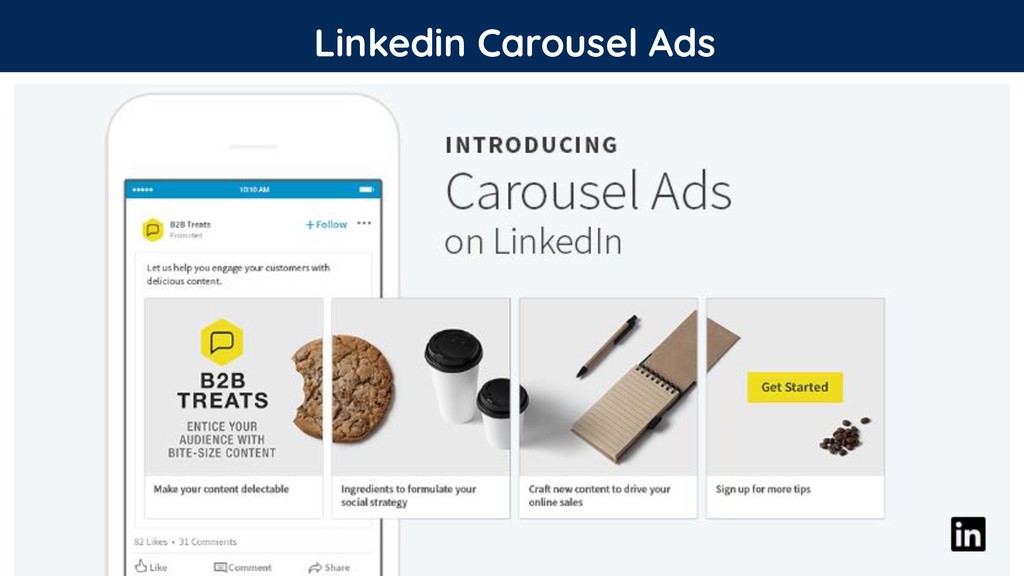
And they will start to show your ads on all the different platforms at the right time, to the right people, to try and increase the conversion rate that you get from shopping campaigns. The next one we've got is the carousel ads on LinkedIn.
So these only came out a couple of weeks back. And LinkedIn, they're always slightly further behind the other platforms, but they're starting to catch up, and they're actually starting to do things in quite a clever way. Because if you've got a business where you're selling b to b, everyone's like, Oh, LinkedIn will work. It doesn't always.
You need to think about b to b as you're still marketing to people. You're not just marketing to businesses. But in here, you can really start to showcase a product or a service by actually using the scrolling carousel ads on LinkedIn. I think this will really help ads to stand out a bit more on LinkedIn, and actually encourage people to click through.
Bing have also recently launched the Google Merchant Center and Bing Merchant Center integration. So what Bing did a couple of years back was they said, well, you can take your AdWords campaigns, and you can put them into Bing. And you have to do an export, and then you put them in.
But what you can now do is that automatically updates every day. So if you add a keyword into Google, it will automatically import it into Bing. But one thing that is a real pain to set up on Bing is shopping. So having this feature will enable you to take your data feed, all of the optimization stuff that you've already done in Google, and automatically import that into Bing, which is gonna be an absolute time saver.
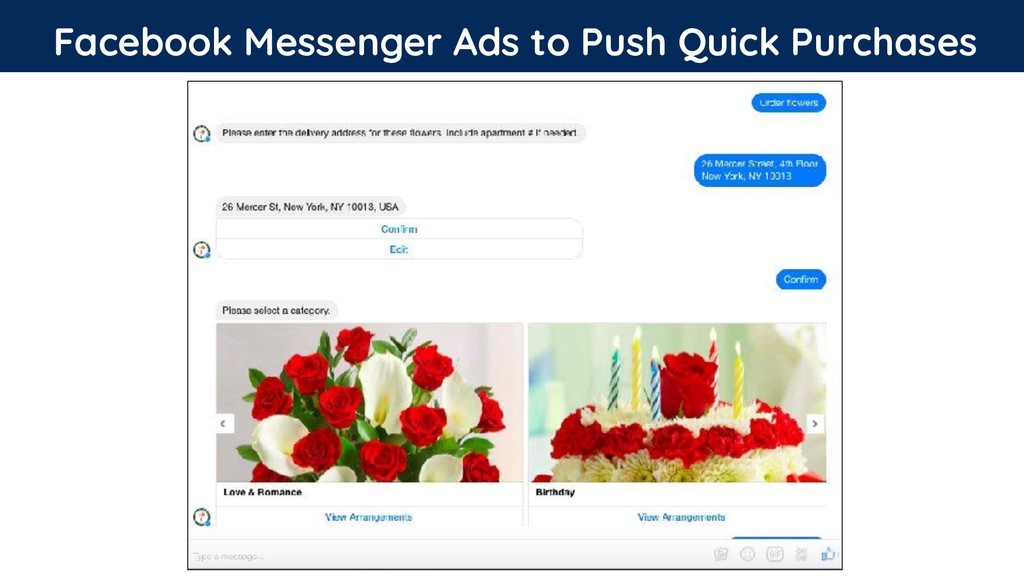
Something else is using Facebook Messenger with bots to actually have a conversation with your customers. So trying to take it away from people having to pick up the phone and ring you, or making them have to do something online. In this example here, they're just saying, hey, I wanna order some flowers, and the bot's saying, well, what address do you want to send it to?
They put the address in, confirm that it's correct, select the category of flowers, and then they can then order them. It makes that whole transition of buying something seamless. You're taking a person that is interested in ordering and helping them through that process, but without the need of somebody at the end of a telephone.
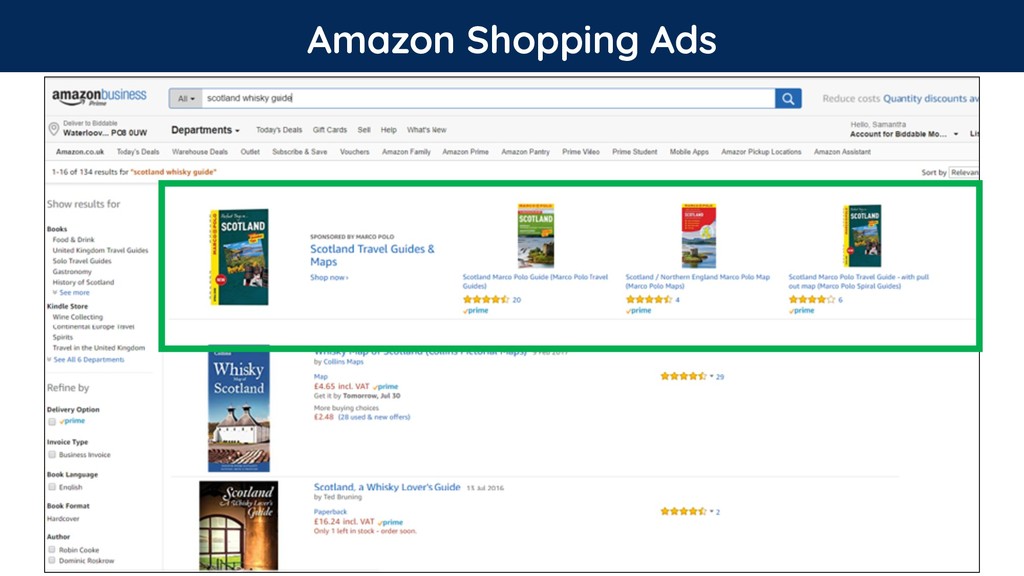
Amazon search ads, again, have been out Amazon shopping ads, sorry, these have been out for a long time. But again, really underutilized for certain things. So I've searched for Scotland whiskey guide. There's nothing up there about whiskey. Some of these areas that are This is so prominent on the top of the page.
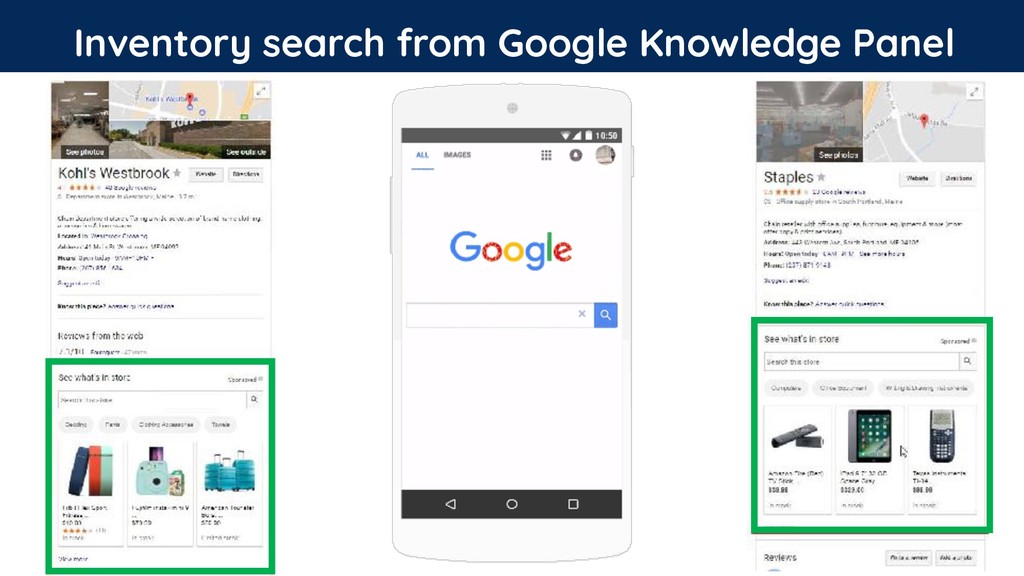
So when If you're selling a product, have a look on Amazon. Do some searches for it. See who's advertising at the top because you can really start to dominate this area because there's so much irrelevant stuff up there. Next up is the inventory search from Google knowledge panel.
So again, this isn't fully out yet. But what we're seeing here is if somebody then searches for a particular store, in here, you can then actually search for the different products that that store has to offer. And it will then list everything within there.
So you can see whether you can actually go into store and buy it, or you can buy it online. So it takes you through to the local store that you've got. So there's so much stuff that we'd be able to use as e commerce businesses to actually try and increase more sales just when somebody's looking for your store details.
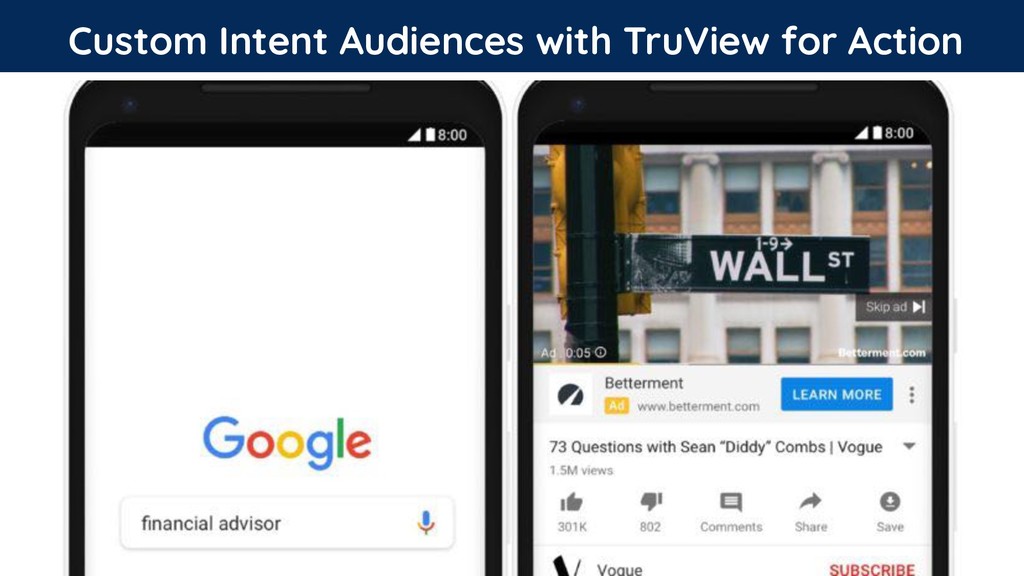
You can get them to buy online, or get them to see if something's in store, if something's in stock and it's not. TrueView action on with custom intent audiences. So have you ever seen when you search on Google, and you're like, ah, I need some information on this, or I need some information on that, and you start reading through content on Google, and then you go over to YouTube.
Some people really engage better with video content. So what Google are now doing is they're saying, we're going to take your search intent, and if you've expressed an interest in something, when you move over to YouTube, that kind of process will follow you.
And it'll say, well, you've been interested in financial advisors, so we're now gonna show you ads from Betterment. And when you look at the stats in which these guys have actually increased the return on investment from video, it's gone up two fold. Because they're taking that synergy from search right the way through to video.
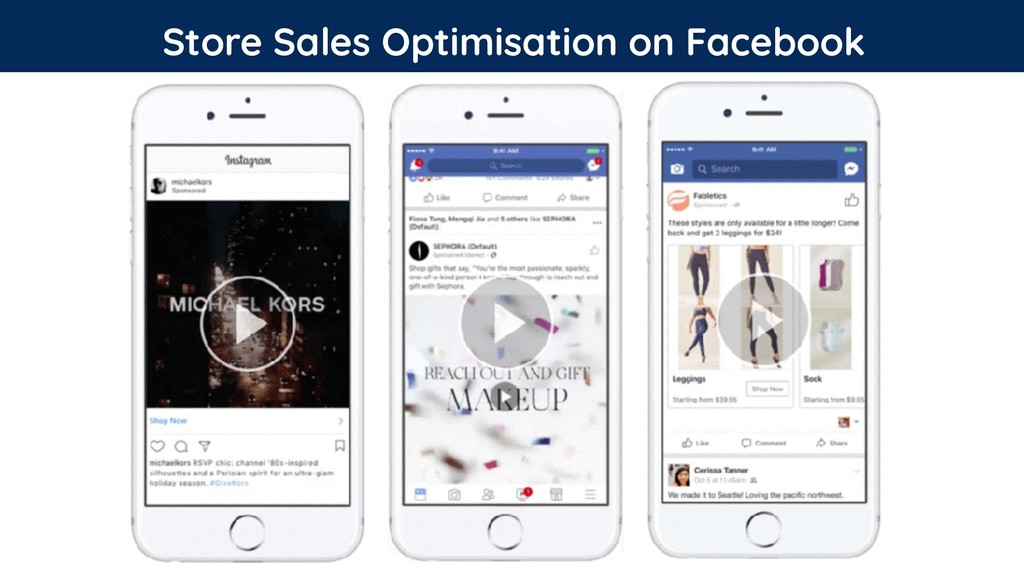
And the final one in purchase is the store sales optimization within Facebook. So similar to what Google have done with their local campaigns, what you can do here is you can take your audience data of the people that buy offline, so the people that go into store.
Facebook will start to look at that and say, okay, what do these people do? What do these people look like? And they will try and take your campaigns and surface them to people that are more likely to go in store and buy versus going online, so that you're promoting the right ads to the right customers.
On from here, we've got loyalty. So this is the area that I said a lot of people don't focus on with using paid media channels. So in here, there's a whole host of things that you can do. I've just picked out a few.
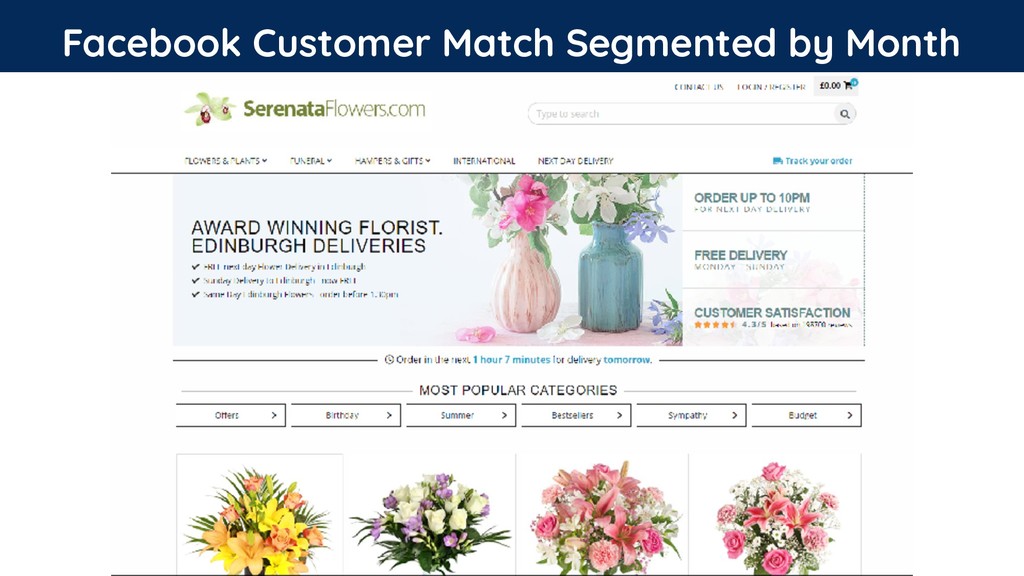
So if we look at this example here with Sorrento Flowers. If they know that they've got a bunch of customers that have brought flowers on a certain date, it could be for Mother's Day, Valentine's Day. They could have said it's anniversary flowers. So why not pull that data together and say, Well, if they purchased last year, let's upload a customer match list and say, well, their anniversary must be coming up.
People don't tend to buy anniversary flowers for no reason. So show them ads again. Don't forget anniversary's coming up. Try and personalize that experience to existing customers, so that they buy from you again rather than going somewhere else. Another thing that Google have come out with is one click reordering.
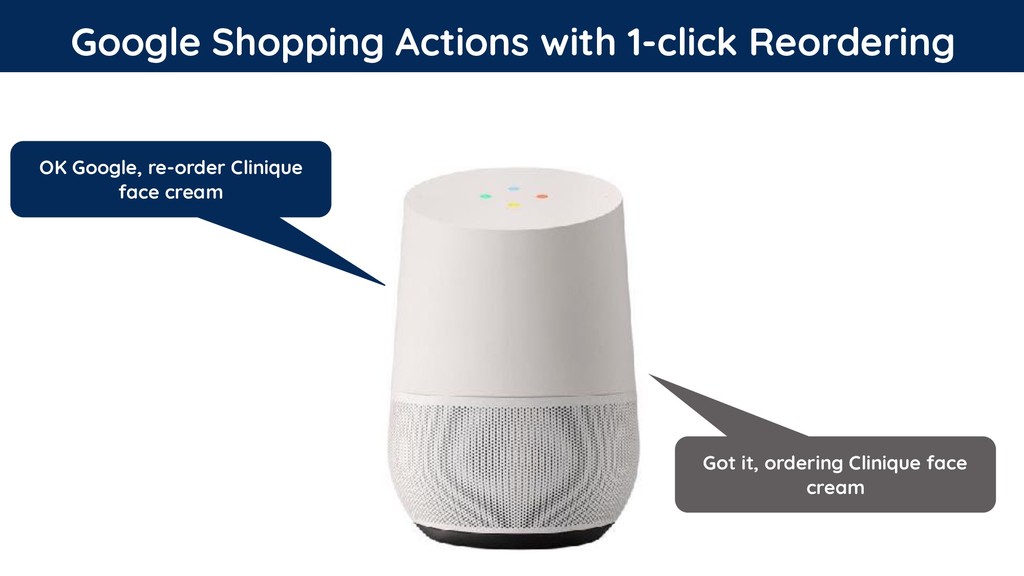
So if you've got a product where people are kind of buying it time and time again, you can now set this up so that within the voice search assistant, you can say, okay, Google, please reorder the Clinique face cream. And then Google will just go through, because it's got all your payment details in there, and reorder it.
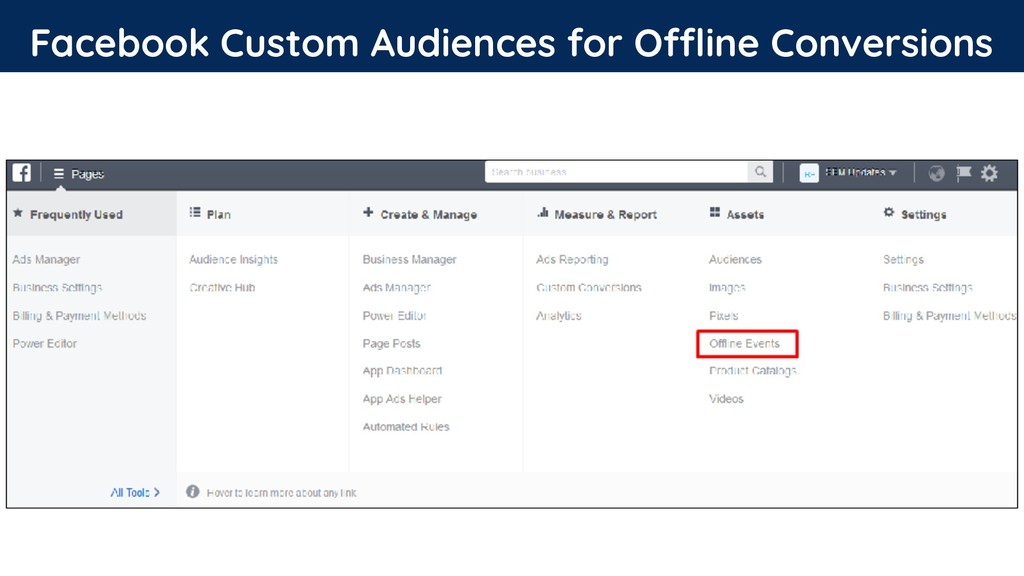
It's a two sentence approach to buying. That's all you need to do. So if you have something that is on repeat, try and use this. Facebook custom audiences for offline conversions. So similar to what we saw with the store sales optimization on Facebook, this is where you can take a list of all of the people that have been into the site that have actually bought from the store, upload this data into here.
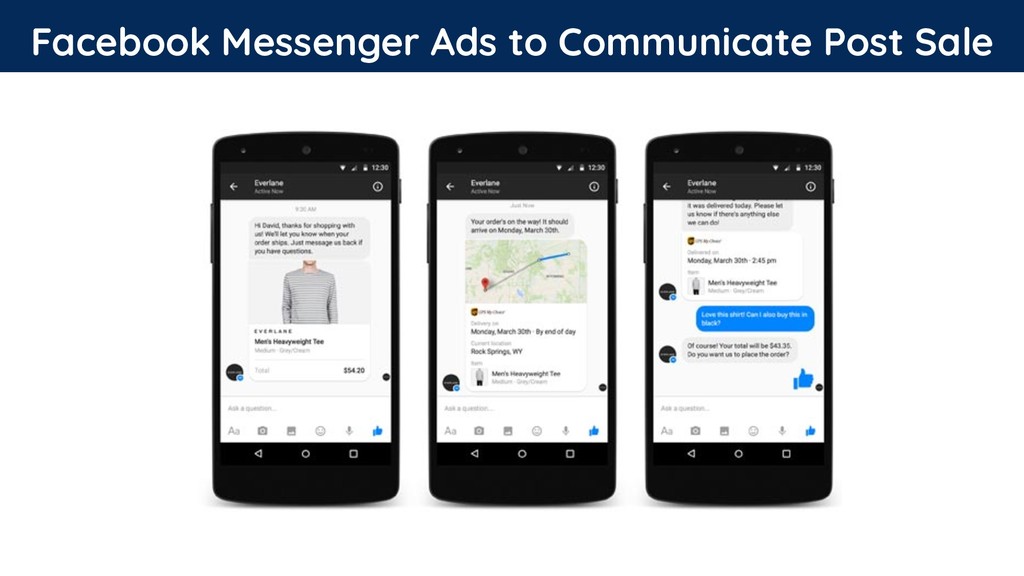
Those are the people that you wanna try and target to drive them back in again. And Facebook will then take all that data and help you to do that. And then finally, in this section, you've got Messenger ads. I thought this was a really clever way of actually communicating with people once they've made that purchase.
Don't just let them just buy and then go off. Most people send an email to say, Thank you very much for buying. The item's gonna be delivered to you. In here, they're actually making use of Facebook Messenger ads to communicate, saying, Thanks for buying this.
Your order's on its way. It's gonna be delivered by here. And then you can go back and have those conversations again. It's like, so how was your order? Try and use this to actually encourage people to write reviews about the products or services.
So it's a really clever way of actually using Facebook to communicate post sale rather than pre. So a few final words. It takes around six to eight different touch points for you to generate a sale. Like, people don't just wake up in the morning and be like, ah, I'm gonna go and buy this, and I know exactly who I'm gonna buy it from.
There has to be something that has triggered that person to become aware of your brand. You need to make sure that you're using an attribution model that attributes success to the different channels. There's still so many people that are stuck using last click, and it's not giving you a true representation of how the different channels all interact with each other, and you need to give that value out.
So use a different attribution model to last click. Never expect awareness campaigns to just convert. If you're working in house or agency side, and you're wanting to try some new things with a brand, don't just start with awareness because it doesn't convert people.
Start at the bottom of the funnel and work your way back up, So that as and when you're starting to see things at that purchase stage convert, oh, you can free up a little bit more budget. Then we go to preference. Then we go to consideration. Then we go to awareness.
You start filling the buckets up from the other end. So otherwise, you're gonna sit there and the client's gonna be, doesn't work. We're not gonna give you any more budget. You have to be patient. Don't panic. The amount of times that you look at results in Facebook or AdWords, and you look at them at the start of a month for the previous month, you're like, oh, it didn't work.
And then you look back a couple of weeks later, and it has. It's driven a lot more conversions. It's because people don't necessarily want to buy immediately. So keep looking back at your data. Focusing on the entire funnel is what will get you results.
Just focusing on purchase, you're only tapping into a tiny percentage of the market. So you have to start expanding. Thank you.