No chump wants to get a job or a promotion because of their gender, sexuality, or race! But when we look at the rapid pace of change we're living in, employers are quite rightly trying to build THE most diverse teams of talent than ever before.
Salma de Graaff, VP People (CHRO) at Skyscanner, will be talking about how to tackle the gender imbalance we experience in tech. Starting with how we got ourselves into this mess in the first place, she will be equipping the audience with ideas on how to tackle the most critical challenges the tech industry is currently facing when it comes to gender equity.
1 / 17 Use ← → to navigate
Auto-generated transcript - may contain errors.
Tap a timestamp to jump the video.
Thank you, Janae. Team Skyscanner over here. You should expect some noise. I in the presentation across the way, so it was very good to follow April. Hopefully, I do some justice. But as Nay explains, my name is Salma De Graff and I look after the people team at Skyscanner.
And I know it can be distracting to listen to me, to the content of what I'm saying, because first, normally people are trying to figure out where is she from? And maybe not just the accent, but also where's the colour of the skin.
So, let me put some of that to rest first. So, the the sound of my voice is that I'm from a town called Sutton Coldfield in the West Midlands of England, if any of you know it. The color of my skin is that I'm mixed race, so my mom is half Welsh and half English that's not what I mean by mixed race and my father was born in India, raised in Pakistan and moved to Britain in the 1960s.
I'm charged with an immigrant, but actually I am an immigrant myself because I picked up a Dutch husband on my first international assignment and now live in the Netherlands. And as she mentioned, I've managed to be lucky enough to experience living in three different continents.
So I spent a bit of time living in the UK, in the Netherlands, in Europe, in Suriname in South America, and in Addis Ababa in Ethiopia for a few years in the African continent. And when you get the chance to live abroad, it really opens your eyes to diversity and to people's experience of the world and why it is that it's different and why answering complex problems around the world, building our products and features, requires different things for different people.
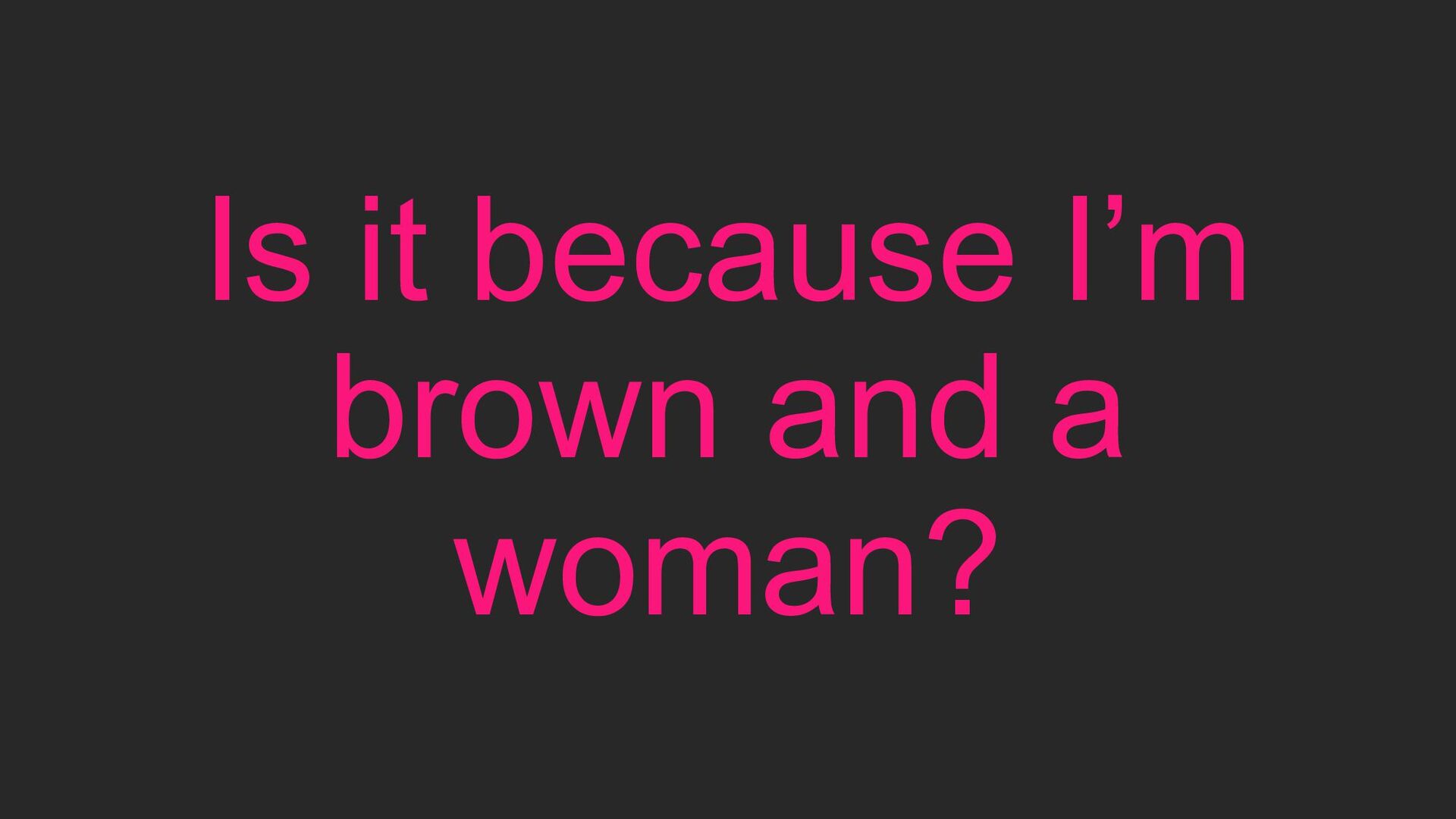
And today, that's really what I'm here to talk to you about, is a bit about diversity in its broadest sense of the word. And it's a little bit the color of my skin that inspired the topic here today, which is, Is it because I'm brown and a woman?
It's a difficult pitch when you get invited to Touring Fest. They're like, You can speak about whatever you like. What would you like to speak about? I'm thinking, I'm like, I've got the title. Is it because I'm brown and a woman? I don't I don't think we checked it with legal.
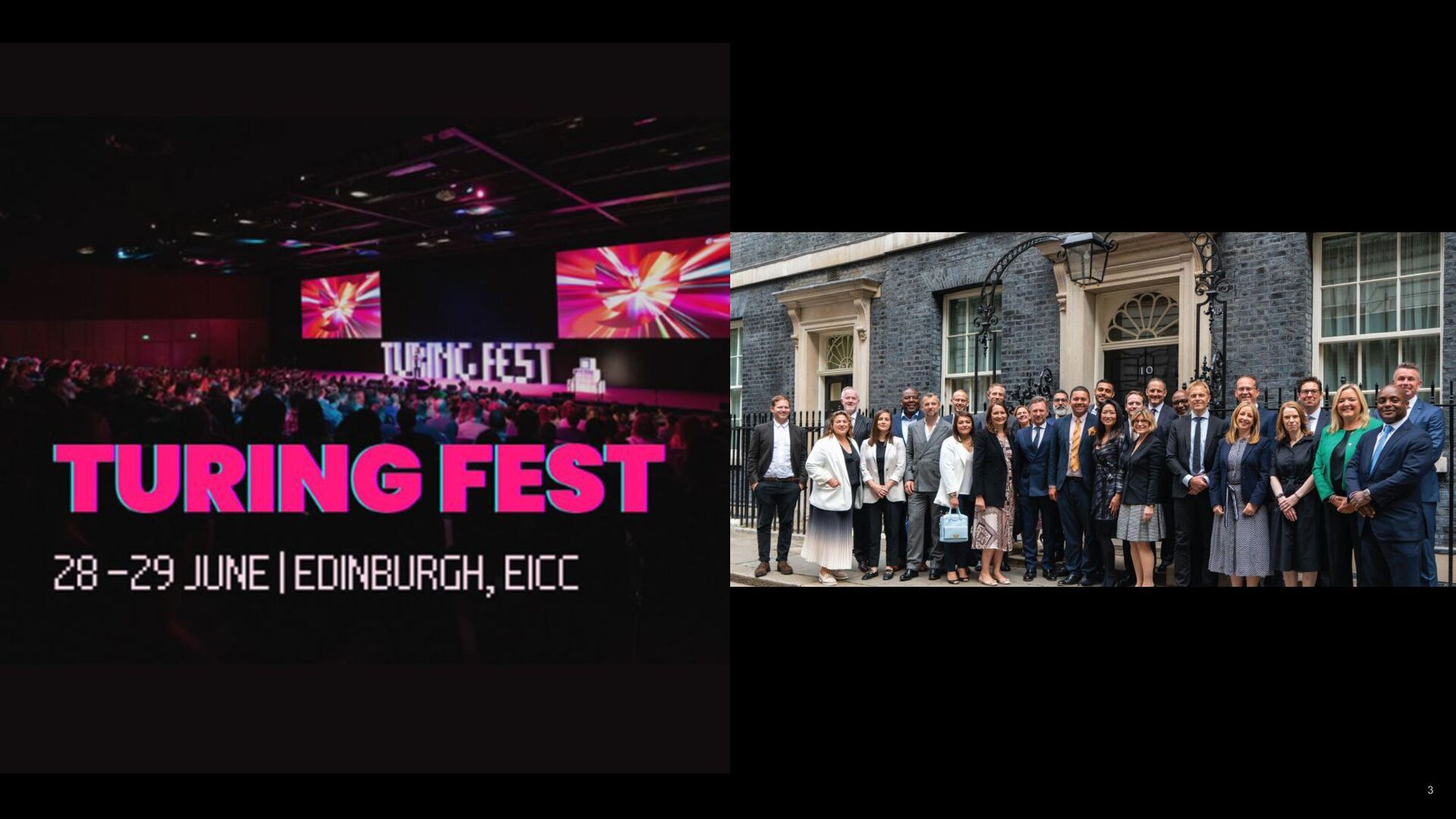
But anyway, that's what I'm going to talk to you. And it came because I had two important meetings in my diary this month. One is that I had the opportunity to go to Downing Street because of the team at Dial through Leila to talk about diversity in commerce.
And the second was this opportunity to come and talk to you all. And what great moments to either listen, share, influence, hopefully. And I was talking to a really good friend of mine at home, and she was like, Oh, that's really nice, Selma.
Why you? Is it because you're brown and a woman? Oh, That's painful. Actually, the best friend of mine. And I do appreciate that perhaps our families and friends know us as those eleven and twenty one year olds, and they don't get to see you with your superpowers at work.
But still, is it because you're brown and a woman? That's a bit painful. And so I thought, okay, I feel like I know what my topic at DrawingFest should be now. It's got to be about diversity and representation. Representation does matter but why?
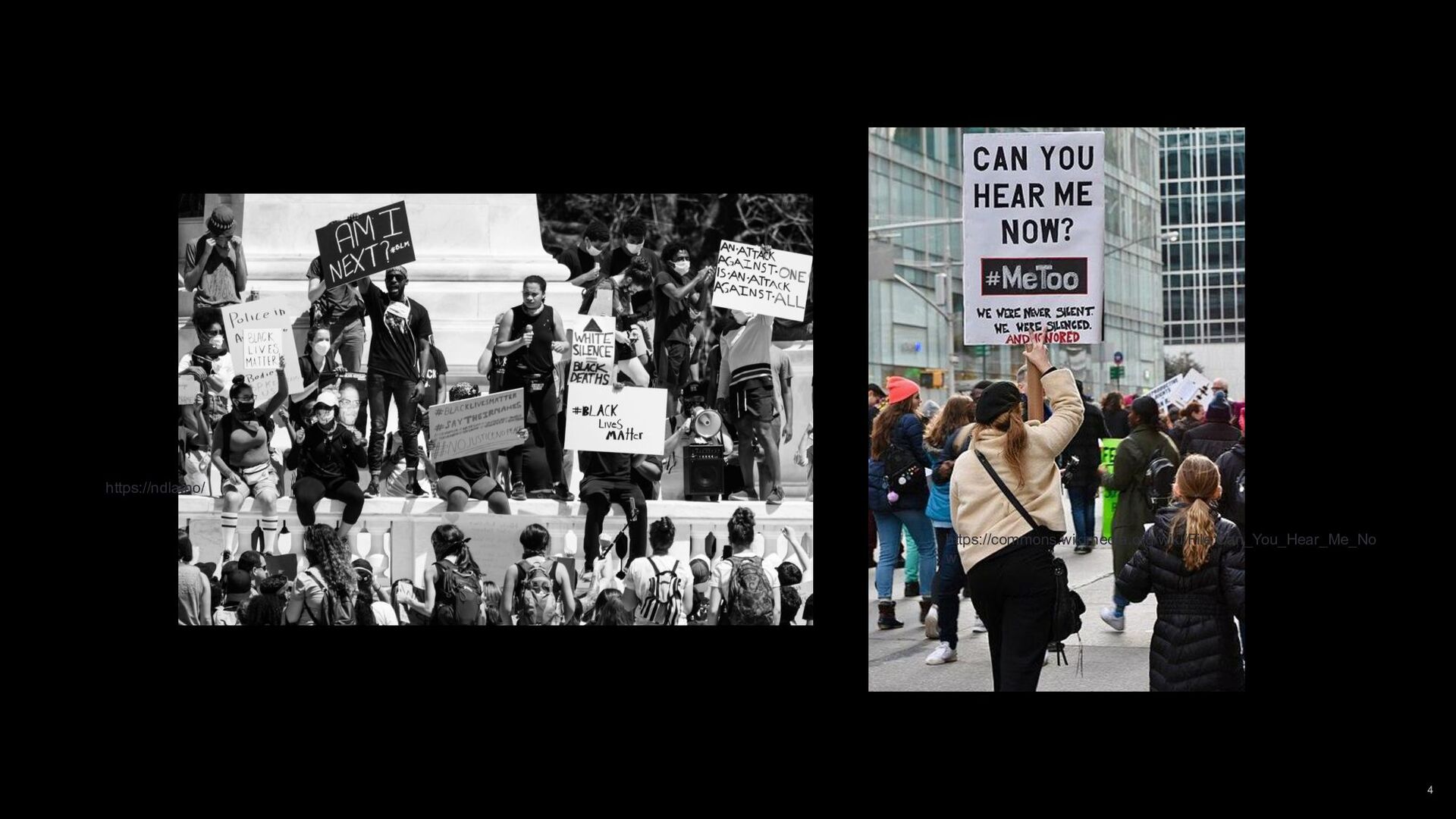
Let's help put that a bit into context. And so, when I think about some of those contexts then, let me talk about some of the things that have touched me recently over the last few years. The first was the murder of George Floyd, happened just a bit more than three years ago now.
And when that happened, a lot of companies were pulling out, you know, the black square and why were they doing that? They're trying to figure out how do we respond? How do we respond to our employees who are uncomfortable dealing with their own feelings about this, wanting to talk about it?
And my employees, I was chief HR at a company then, the employees at the company where I was were saying, Salma, we need to say something. And I was like, I don't know whether I need to say anything about this. And they were like, No, no, no.
We need to say something because we want to talk about it. And then when they ask that, you have to say something and you're thinking, okay, why? It's not like people just wanna listen to you inanely chat on about your life. But then they're wanting to have a conversation where they share their real feelings.
And to do that, then it felt like, okay, I maybe need to think about how do I feel about being a woman of color at work. And so, I ended up having to come out as being raised a Muslim. And I say it with those choice of words because I'd never talked about that.
I worked in the brewing industry for seventeen years. That's weird, right, to come out as being raised a Muslim. And that's a box that I'd shoved a lot of stuff in. I'd shoved a lot of stuff in there, neatly wrapped it away and stored it either in my heart or my head.
Don't know where we store these boxes, but it's somewhere there. And I felt like I needed to unpack that for the benefit of the organization so that we could talk about it. And growing up in Sutton Coldfield in the 70s, it's not the most comfortable and then in the brewing industry.
So there was a lot to unpack just to be able to open up a conversation so others could do that. And the other one that relates for me is very much the Me Too movement. And I talk about it as a movement. I think about it as what do we put up with as the appropriate way of working?
What's behaviour that's appropriate at work? And it sticks with me more and more at the moment. And I feel how amazingly brave these women were who raised this movement. Not only to notice that something is happening inappropriately at the workplace, but then to find the voice to share it.
And I am amazed because, like I said, I've been working for a long time, I'm one hundred years old. And so, I've been experiencing a lot of inappropriate behavior but I just assumed we all had an unspoken conspiracy to just not really say anything about it.
That was normal. I don't know, just felt par for the course. And I don't need to share my experiences with you, but if you have a trusted relationship with any woman who's been working for the last couple of decades, ask her to share a funny story about workplace inappropriate behaviour and see what funny stories she has to share, which perhaps over time, certainly my own funny stories have become a little less funny, landing in a bit more of the troubling side, and they become a bit more silent anyway.
These are those boxes, those boxes that you neatly pack away and think, how do I assimilate success in the workplace? How do I present myself? I want to be successful at work. What are those boxes that I should pack away? When I think about tech, when I think about the tech industry, there's another layer that has been built into this mess.
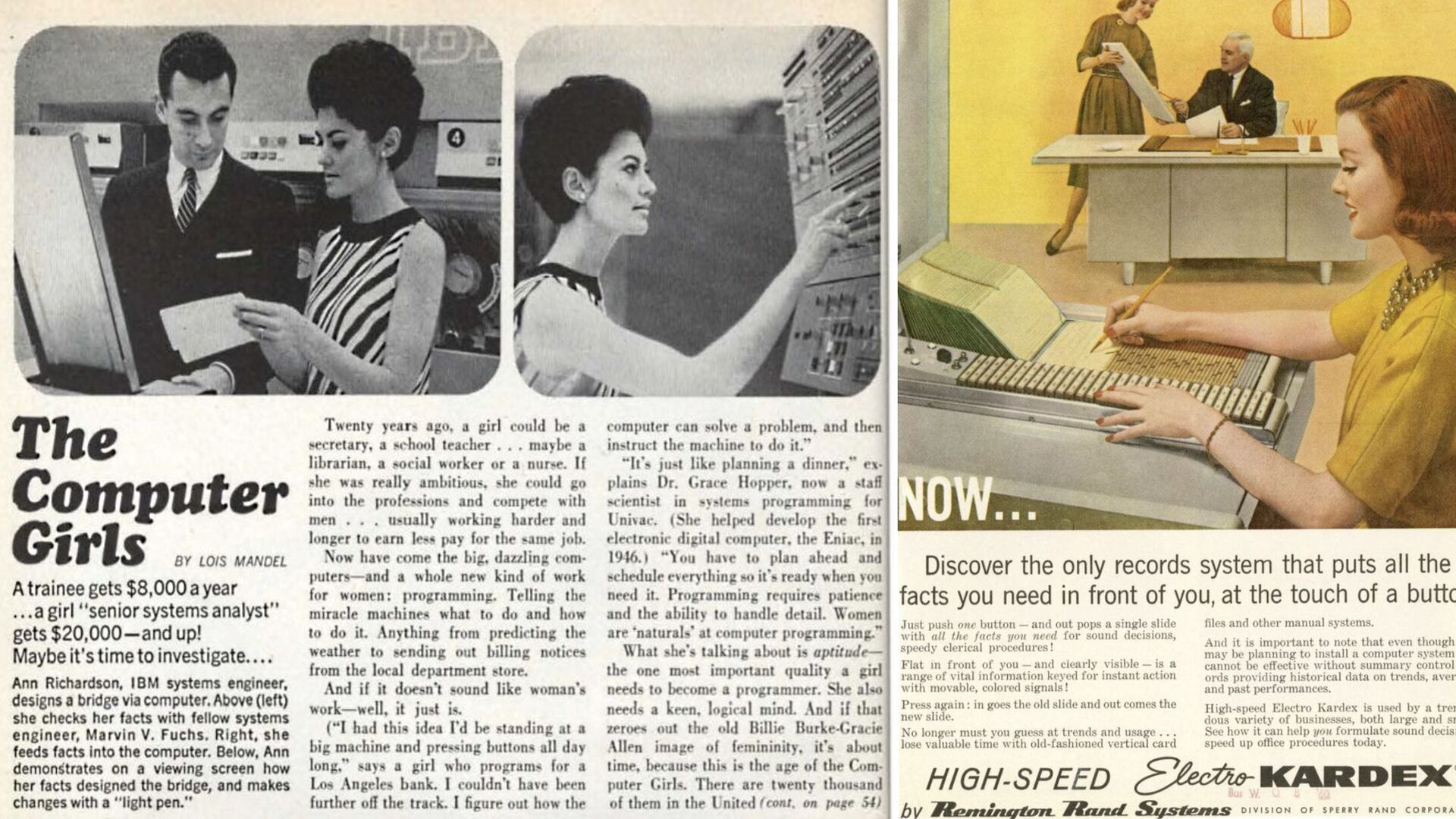
And that is that for women in tech, coders in particular in the sixties, forty percent forty percent of these careers were done by women because it turns out we innately, inherently have really great skills that lend us well to a career in tech, like to solve puzzles, crosswords, follow knitting patterns.
Women have really innate skills for tech. But then fast forward a few years to about the 1980s as these jobs because the 60s is the time when NASA's putting men on the moon, right? It's the age of the supercomputer. So these women are starting to do work, lots of work that is highly regarded and beginning to get paid for a lot.
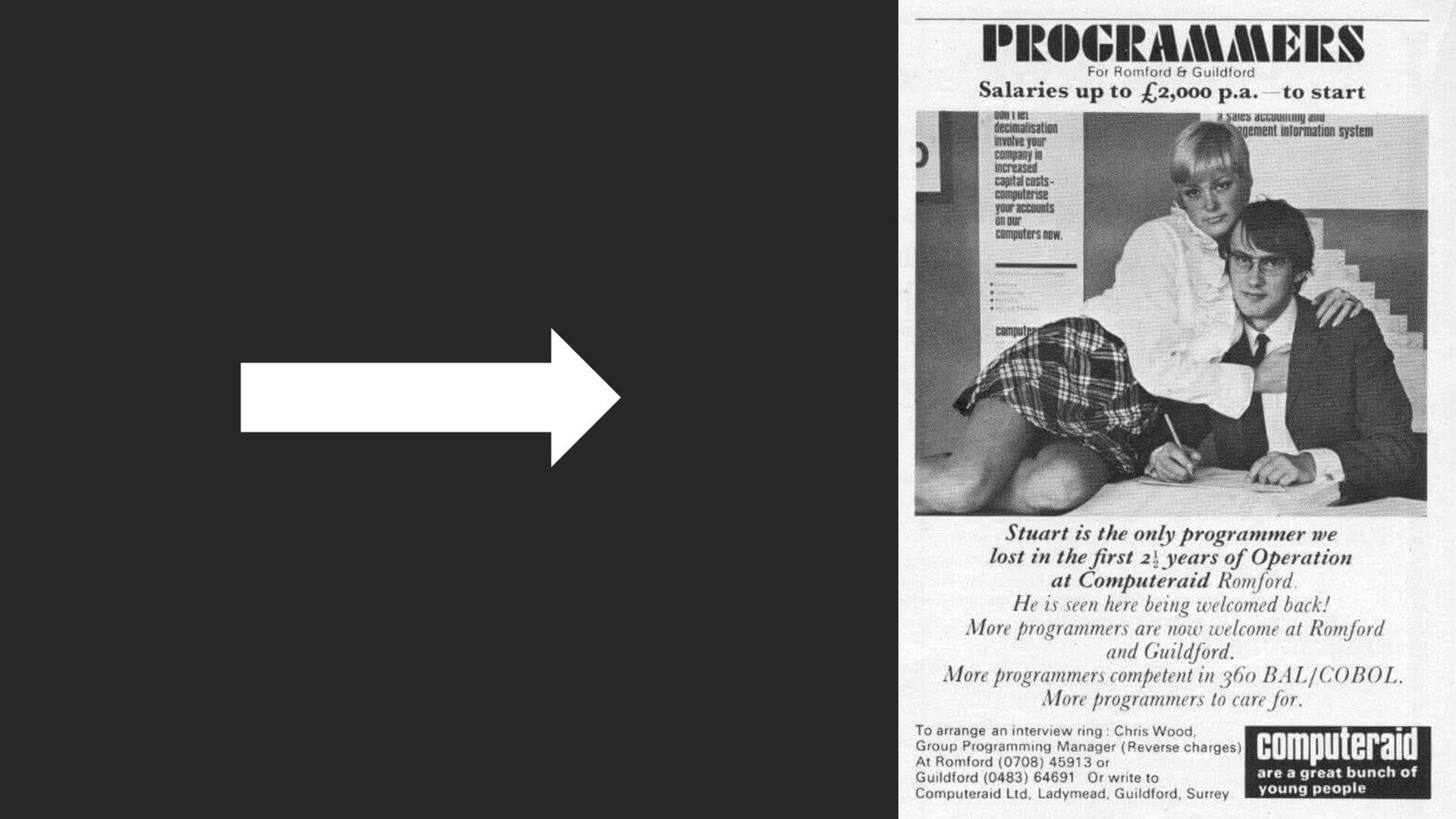
And this work is getting more prevalent. And so fast forward to about the 1980s and now we need to start to filter these candidates. And together with a military organisation in the US, a company had gone out to say, How can we filter these candidates?
And they said, Well, then probably the best candidates are those that are more than average socially awkward and like masculine activities. And surprise, surprise then, the dawn of these type of adverts attracted more men. That's what happened in the 80s. I think if you see this, you clearly know that's not a job for a woman.
I mean, maybe the sitting on the table part. So that's just another layer. And then invite those women into tech now. You have to make a conscious choice. You have to step into a world very consciously either because you've chosen to be the only woman on your degree course, perhaps you're the only woman in your squad, maybe with a particular set of skills.
And then when you're in the house, not only do you have to be good at your job, you need to be part of meetups, tech events, be a mentor, be a sponsor, be part of an employee resource group, speak about what it's like to be a woman at tech at Skyscanner, for example.
And so, you build in this extra layer of difference there. And the last of my boxes that I want to share with you is a bit about imposter syndrome. And probably that's one that you're all carrying around with you and it's one that I have to manage fairly carefully.
Somebody asked me recently, I'm not very good with the big words. So impostor syndrome for me is sort of difficult to think about what does that even mean. And somebody had asked me recently, when did you know that you wanted to be CHRO, that you had the skills?
I was like, what? No. No. That's not how I ended up in this job. That's not for me. And if there was anybody here in the audience that had known me in my late 20s, they'd be like, What ******** is that? What rubbish? What rubbish, Salma?
You were extremely ambitious in your late 20s. And I was. Ambitious would have been a word you would have used for me. But tracking into that middle management career, you get that kicked out of you or I got that kicked out of me, really.
And I was very happy to be a number two. I sort of left that industry feeling my career currency was a strong number two and that's good, influential, just not chief, it's good. And then I joined a tech industry and my CEO and my CHRO asked me, Sam, what about you as chief HR? And I was like, Oh, no, no. I'm a number two.
But if you need a chief HR, I'll go get you one. I'll find her for you. And they were like, No, what about if we give you some coaching? We'll give you six months of coaching to answer the question, Do you have the skills to be Chief HR?
I'm like, Okay, well, I know the answer, but sure, I do it for you. And fast forward, I mean, my title was a giveaway. I decide through the coaching, okay, I've got. But what patience and persistence of those two people to see in me something I couldn't see for myself, to not just be a mentor but to be a sponsor.
And still with my CEO, we talk about it. He can see when it's eating me at the edges. And last week, he could see, he was like, Some of the comments that you've made, how are we doing? Let's talk about this. And he knows that it cannot take that much space.
The work that my team and I am doing, it's too complex. There's too much to be done to allow that to come into my space too heavily. So, you have to manage it. And I guess, why am I sort of sharing all of this with you?
Is the penny dropping yet that the case for representation and diversity matters? Probably not. You're probably thinking, Wow, these are nice stories to share. I can resonate with some of these, but not yet really dropping. Okay. I'm gonna get there. I'm gonna get there.
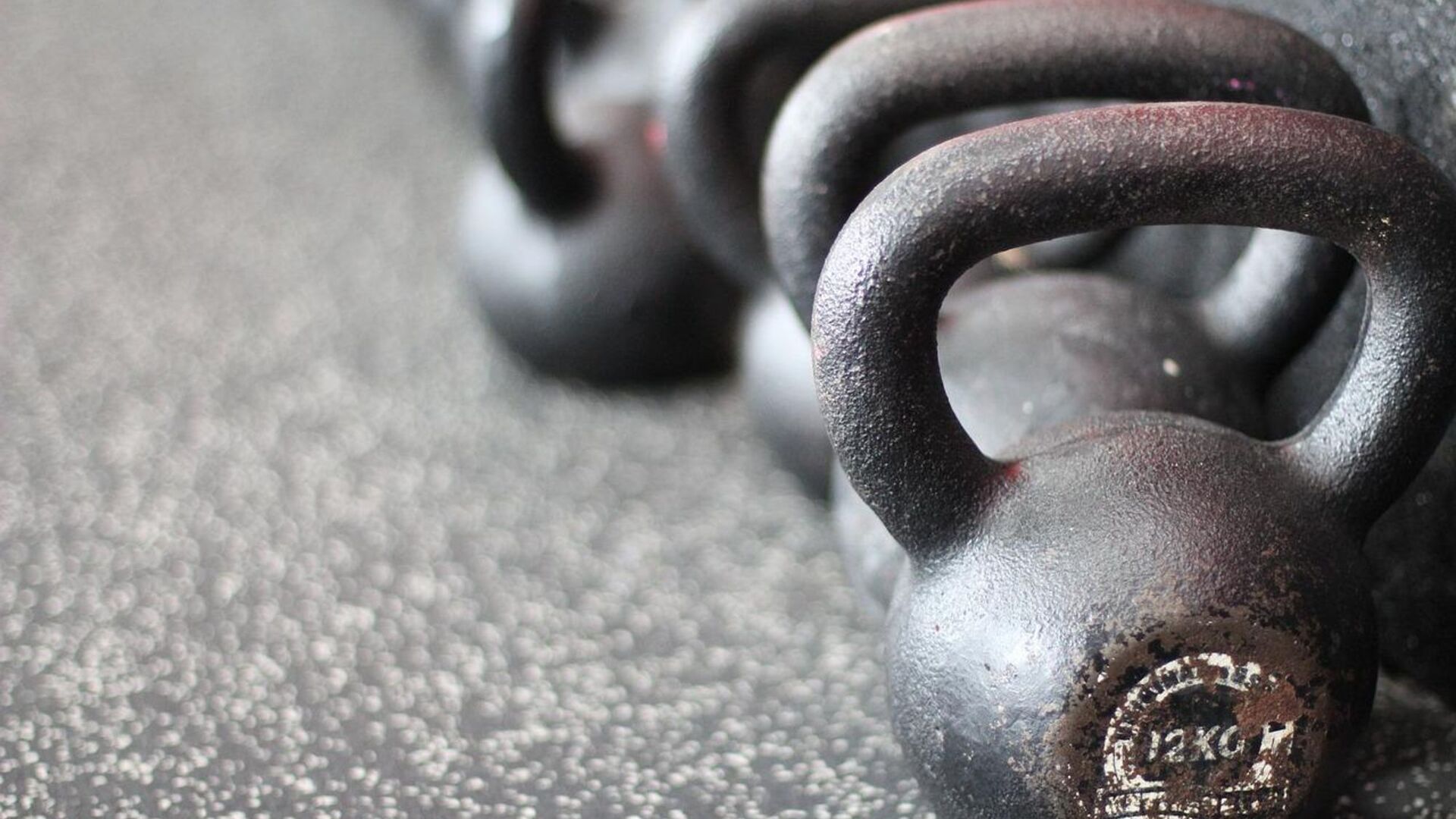
So, I was talking to my weight trainer. I have a guy called Mark, he's just about to graduate from physio. Comes every Monday to help me weight training. I know it doesn't look like it, but inside here, I'm a woman of steel. Anyway, so I'm talking to him about diversity.
And what do you think diversity means to you, Mark? He's like, I have no idea, Sam. I've never thought about it. I was like, Do you think you could think about it? And he's like, Give me three minutes. Go and do three reps, squats, kettlebell swings and upright rows.
Three reps, twelve repetitions, come back, I'll give you an answer. I'm like, Okay. And he says, Okay, okay. And his answer that he gave is so simple and so perfect, I just love it. And the answer that he gave was, If the question you'd posed to me was, how do you keep this country healthy?
And you were the leader and you invited a hundred physios into the room, the answer they would give you is, Move your body. Now, if you invited one nutritionist into that room? They would say, Be careful what you feed your body. And then what about if you invited somebody else into the room?
And I just thought, that's it. The most simple way to explain the case for representation and diversity In its most simple format, the problems that we have got to solve are highly complex. We want our products and our platforms to meet the needs of many customers.
And therefore, having the right representation in the room when we're making those decisions matters. And just for me, that was like penny, cha ching, cha ching, for a guy that's never thought about diversity. Amazing. Now, that problem has been circulating in my mind for the last month because I've been preparing for these meetings.
The way he explained it has been percolating in my head. I'm like, It's brilliant. It's brilliant. What about if that leader had the foresight to think to invite one nutritionist in the room? And instead, did the intro like this, Hey, nutritionist, we've invited you into our room.
We've been solving the problem of getting this country fit and we've been amazing for the last decade. We've set up netball clubs, free access to swimming pools, soccer societies. This country is moving. We've been doing really, really, really well, and we've invited you to the table to help us continue this success.
What do you want to offer here? And maybe, just maybe, that shuts down their boxes. You have the foresight to invite the thoughts into the room. Do you have the skill to allow people to share their contribution, to share their superpower? That's sort of sitting with me as that could be the greatest faux pas that our colleagues and leaders could make now.
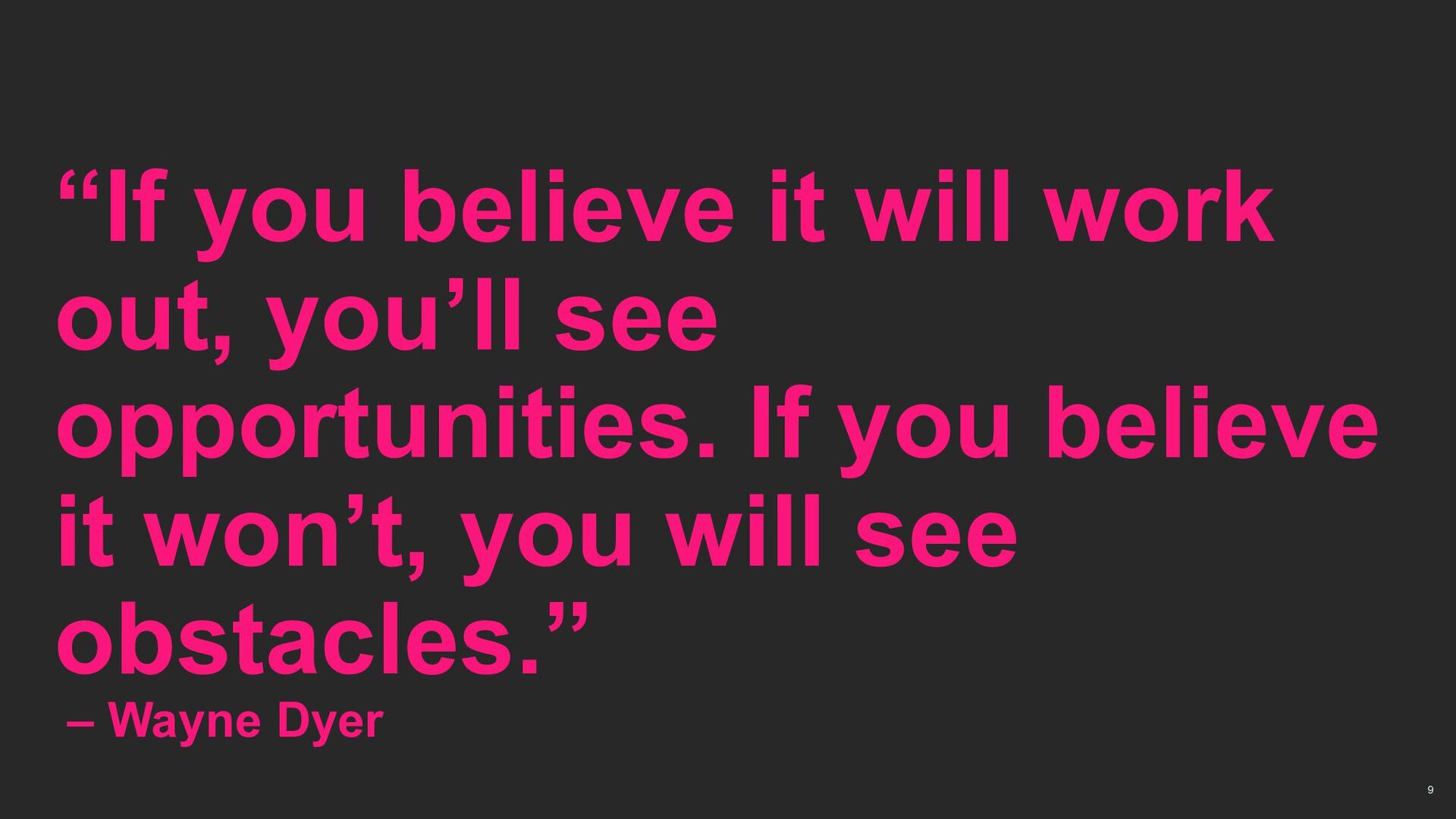
So, I think if you've really got a diversity problem at your company, the next step is to really think about, do your leaders really believe in the case? Have they had the penny drop moment? And this quote helps it summarize it the best.
You believe it's gonna work out, you'll see the opportunities. If you believe you don't, you're going to see the obstacles. Have they had the penny drop moment to understand this yet? And so, I guess, what can you do? I'm going to get there.
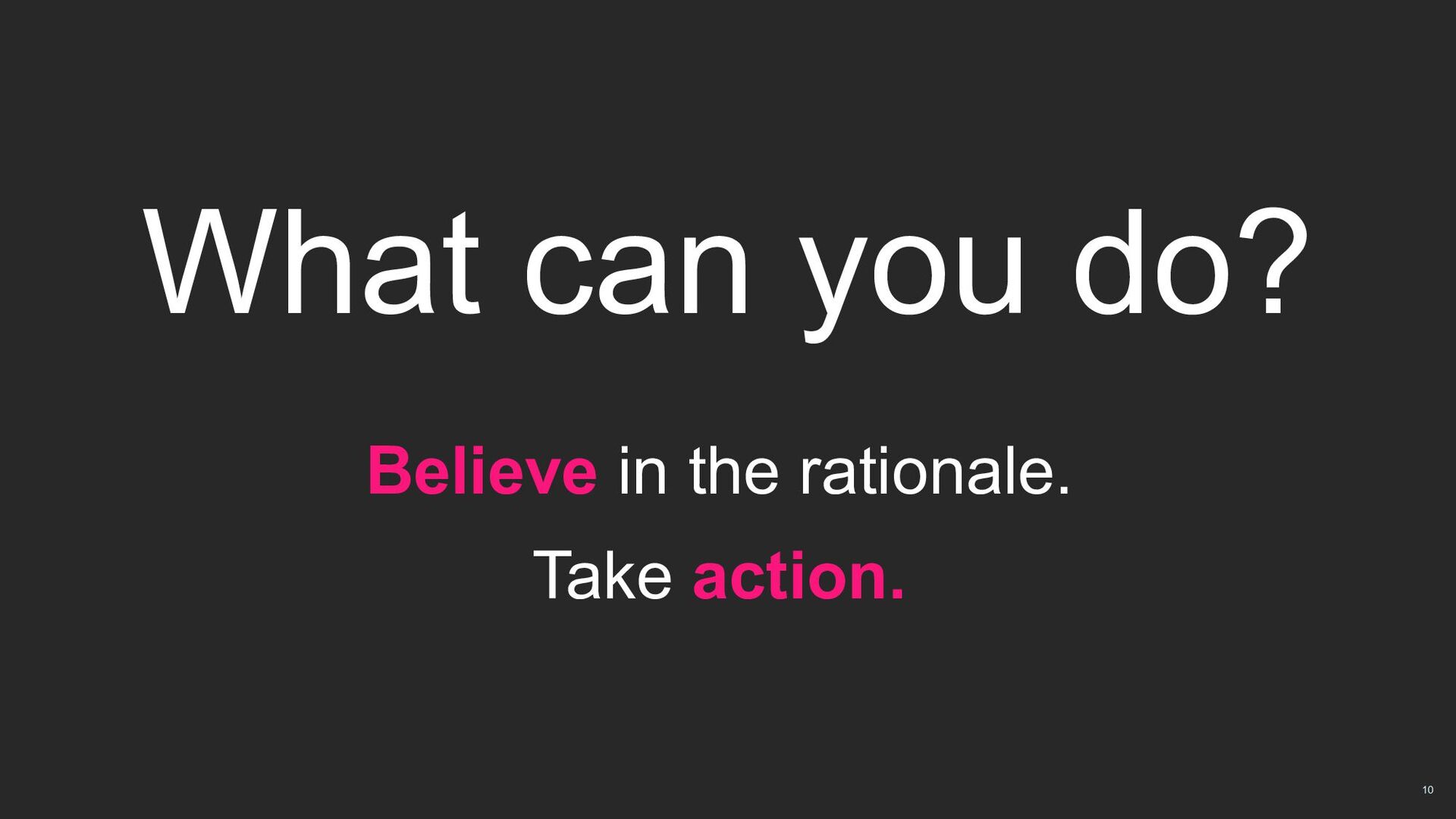
Of course, I've got tips. I wouldn't be standing here leaving you in the lurch with this complex problem with no tips. So, what can you do? First, believe in the rationale and then take action. I guess nowadays that's called manifesting, but I'll put that out there for the youngsters.
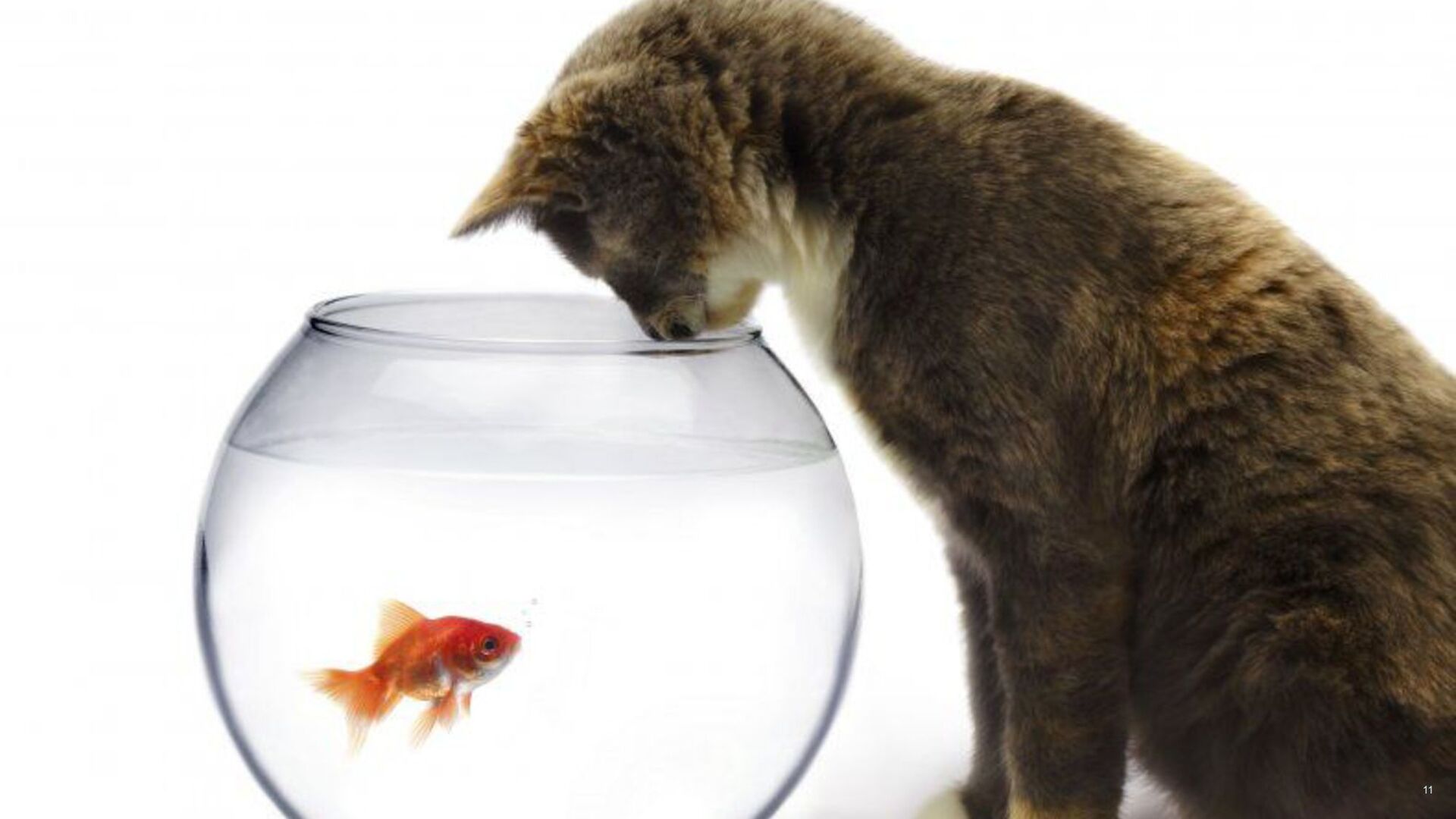
For me, it's believe and take action. And I guess before I get to my tips, I wanted to share you this slide because let's pretend then I'm gonna share you some amazing possibilities like first steps. But to get to there, you need to understand the background that we're in.
And this is the slide to represent the hunter, the cat as the hunter, and we're going to go fishing. We're going to look for this diverse talent. And let's today, for the sake of it, let's say we're looking for a woman, I don't know, a brown one at that.
We're going hunting. Your talent teams are going to be amazing. You've believed the case for diversity. We're there with you. You need to have diversity of thought. You need to have representation at the table. So we go hunting, we get one. We found our fish.
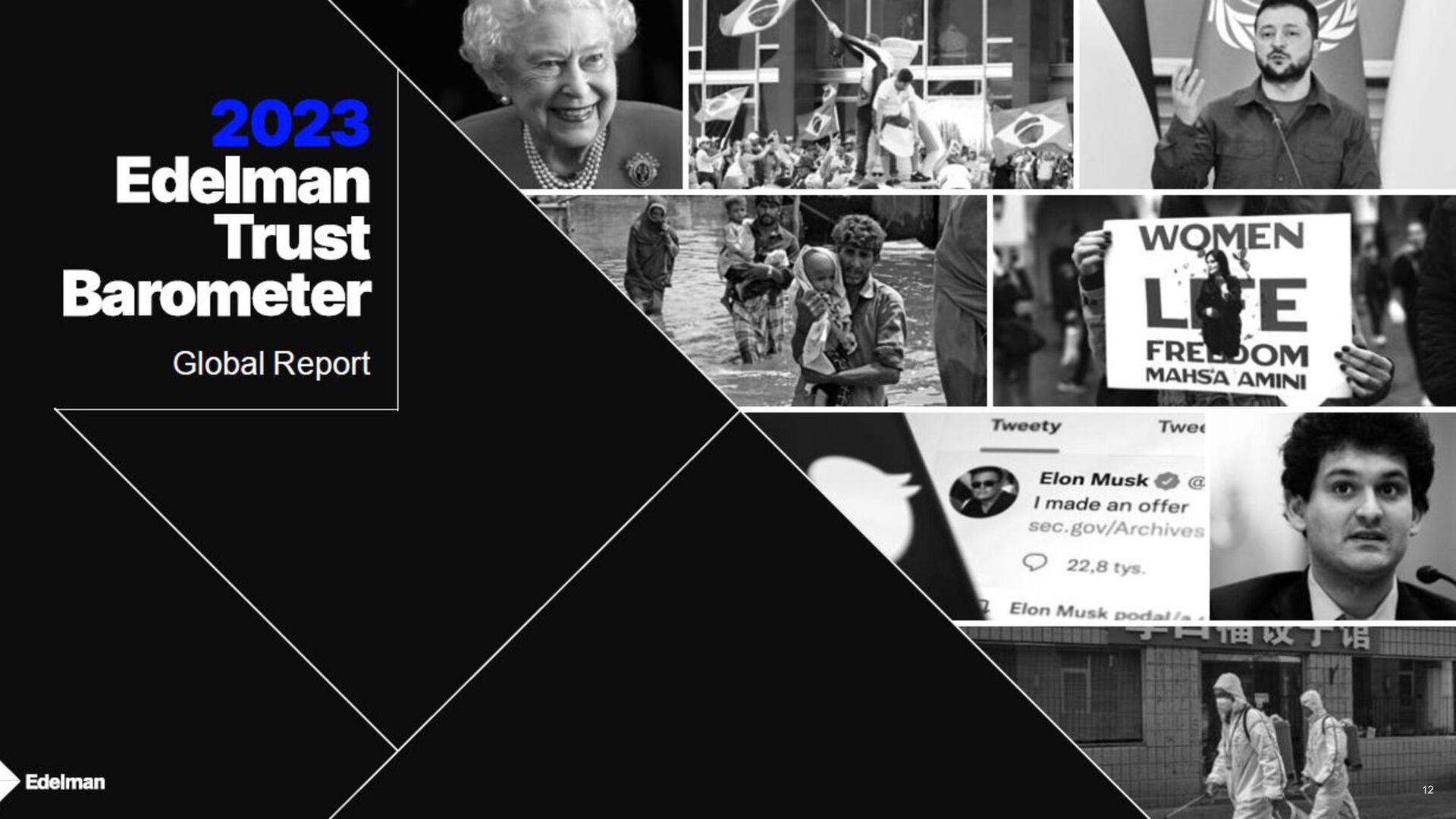
She's in. And now what? Do you make that greatest of faux pas by not allowing them to bring their superpower, to talk, to bring their thoughts and opinions? That's where the actions will come from. And if you're feeling like, but this isn't all on us, Selma, the way that people see people is also heavily influenced by media, by governments, by our MPs, we need only look towards the latest Edelman trust barometer that says and talks about how influential you are.
If you're a neighbor, a coworker, a leader, or a CEO, you are by far and away more important to how people think than when they're listening to parliamentarians, journalists, news. We're not listening to those people anymore. This trust barometer shows that our trust in there just goes down and down every year.
And specifically, we listen more to our neighbor, We listen a bit more to our coworker. We listen the most to our CEO. Not your CEO, our CEO. It's funny language in the report. We all believe our own CEO the most. So if any of you positions of power, be aware that what you say and what you do really takes note.
The possibility for you to build this case for trust and openness within the conversation is within your hands. The other big word that would describe that is psychological safety, right? But for now, I just use the word trust. So, to some of the actions.
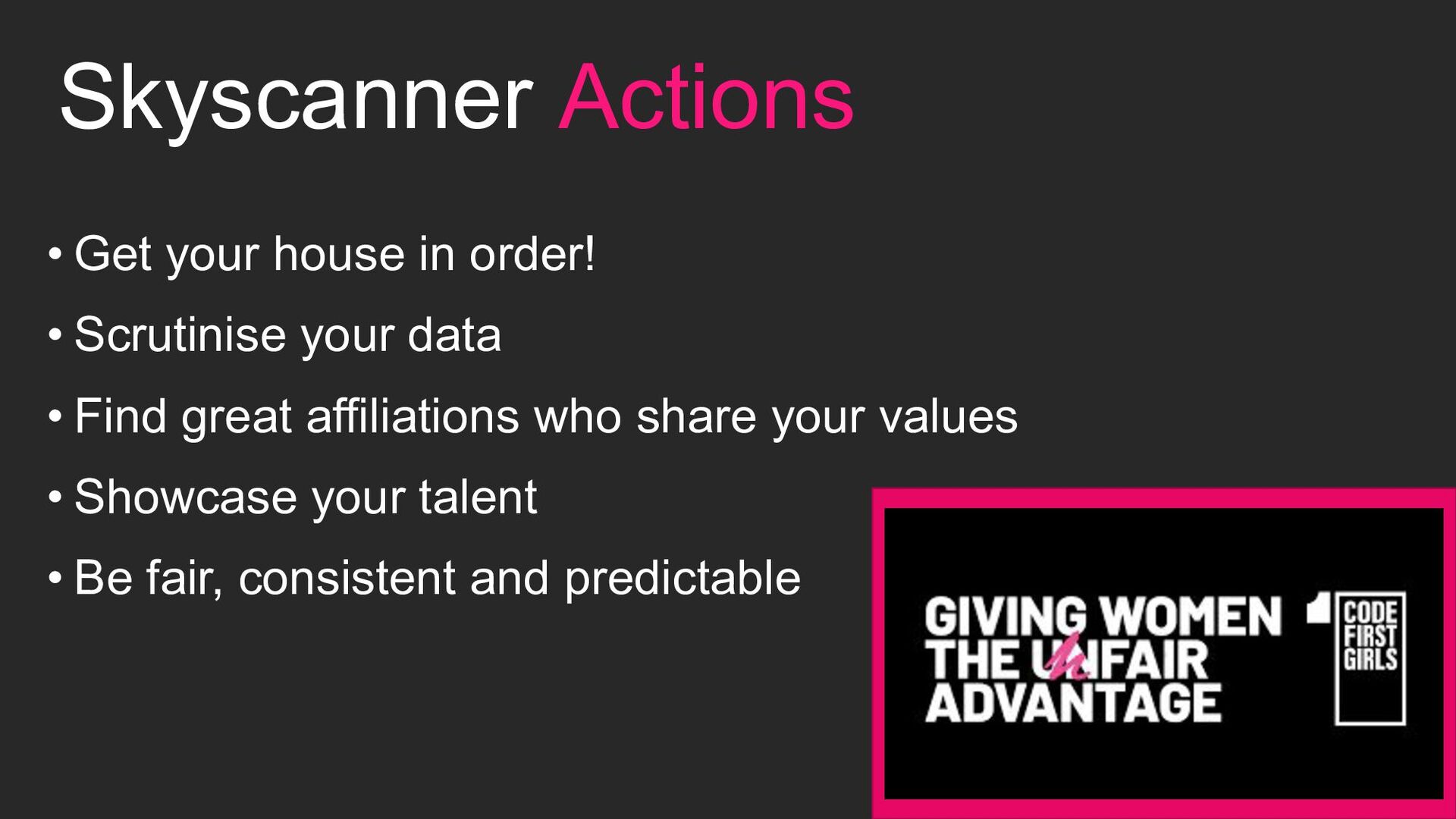
And these are some of the things that we do with the we being the royal we, it's my team mostly led by Mari who's in the audience. Some of the suggestions that they give if you wanna get started on this. Get your house in order.
Get your house in order. Don't mean tidy up. I mean, get your house in order. Sparkle these resource network groups. Start celebrating the difference. Talk about it, share about it. Scrutinize your data. She's talking about your hiring data. If your people aren't converting through the stages at the same rate, it's something you're doing.
So, stop, look at it, check the actions, check what assessments you're doing and change them. There's something funky in your system. Look for great affiliations. We're using Code First Girls. Showcase your talent. We know it's easier to think about being in a role when you see role models for yourself and start being more fair, consistent and predictable as an organisation.
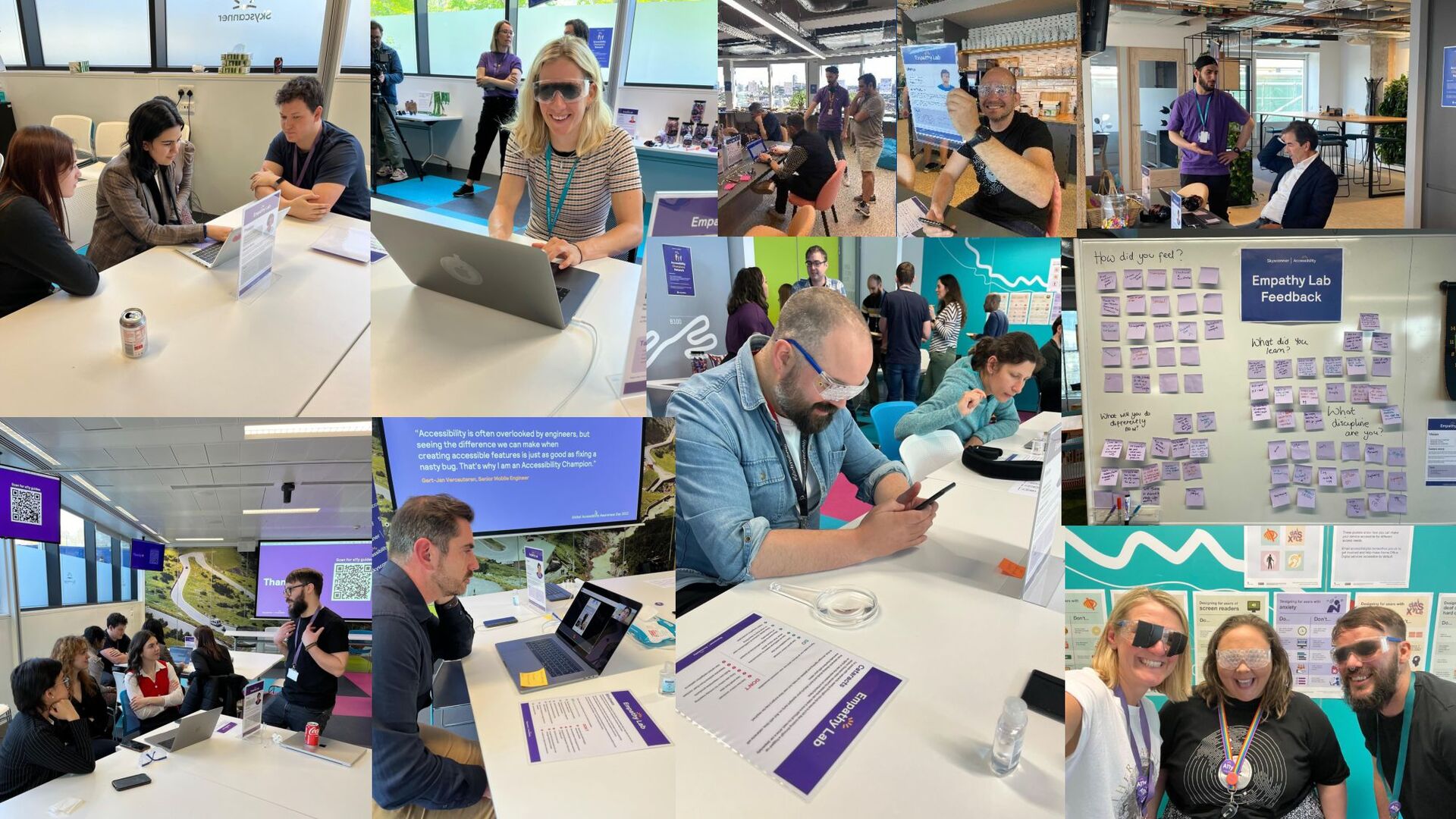
The thing that we're not doing so well at that I'm looking for is this piece about involving leaders. Where we are doing it well is in these empathy labs under accessibility. And I say we, again, it's another woman called Heather Hepburn at our company that does this amazingly.
Under accessibility, we've managed to do the penny drop where our engineers understand what small changes they can make to make our products and platforms far more accessible. And she did that with these. You can try them out. They should be out there. But I'm looking for this in the uncomfortable conversation.
So if any of you have experience of that, please catch me at the round table later. I'm coming right to the end. So I was gonna call this presentation, how many women does it take to change a light bulb? And of course, the answer would have been none.
Who needs a light bulb when you've got a glass ceiling, right? But I'm to lay the case here for diversity in its biggest and greatest sense. And that leads me right up to my last slide. So is it because I'm brown and a woman that I'm standing here for you today?
And you all probably could have written this slide. Maybe not, is it because you're brown and a woman? But is it because and then dot dot dot, what are your attributes? And hopefully, although I've laid the case for representation and diversity, it matters.
It's not because of your dot dot dot attributes. It's because of the fact that when we're making these complex decisions and when we're providing products and platforms and we want to reach the biggest customers, we need to have that diversity of thinking in the room.
So it's because your people are bloody brilliant. That's what it is because. And you need to share that message with them again and again and again so they believe it and they know they can unpack their boxes. That's me. Thank you very much.