
Building a startup with a hardware element is infamous for being difficult. You have the challenge of making something physical and getting it in the customer's hand. While at the same time having to master the software element. Roy will share the journey of how PlayerData went from making prototypes on his kitchen stove to delivering to thousands of customers around the world all on a relatively small budget. Key lessons will be how you can do lean hardware, take a fail-fast approach (practically) and then scale product sales before you have a manufacturing line.
← All talks 



Build Turing Fest 2022
Move Fast And Break Circuit Boards: Applying Software Lessons to Hardware Problems
Auto-generated transcript - may contain errors. Tap a timestamp to jump the video.
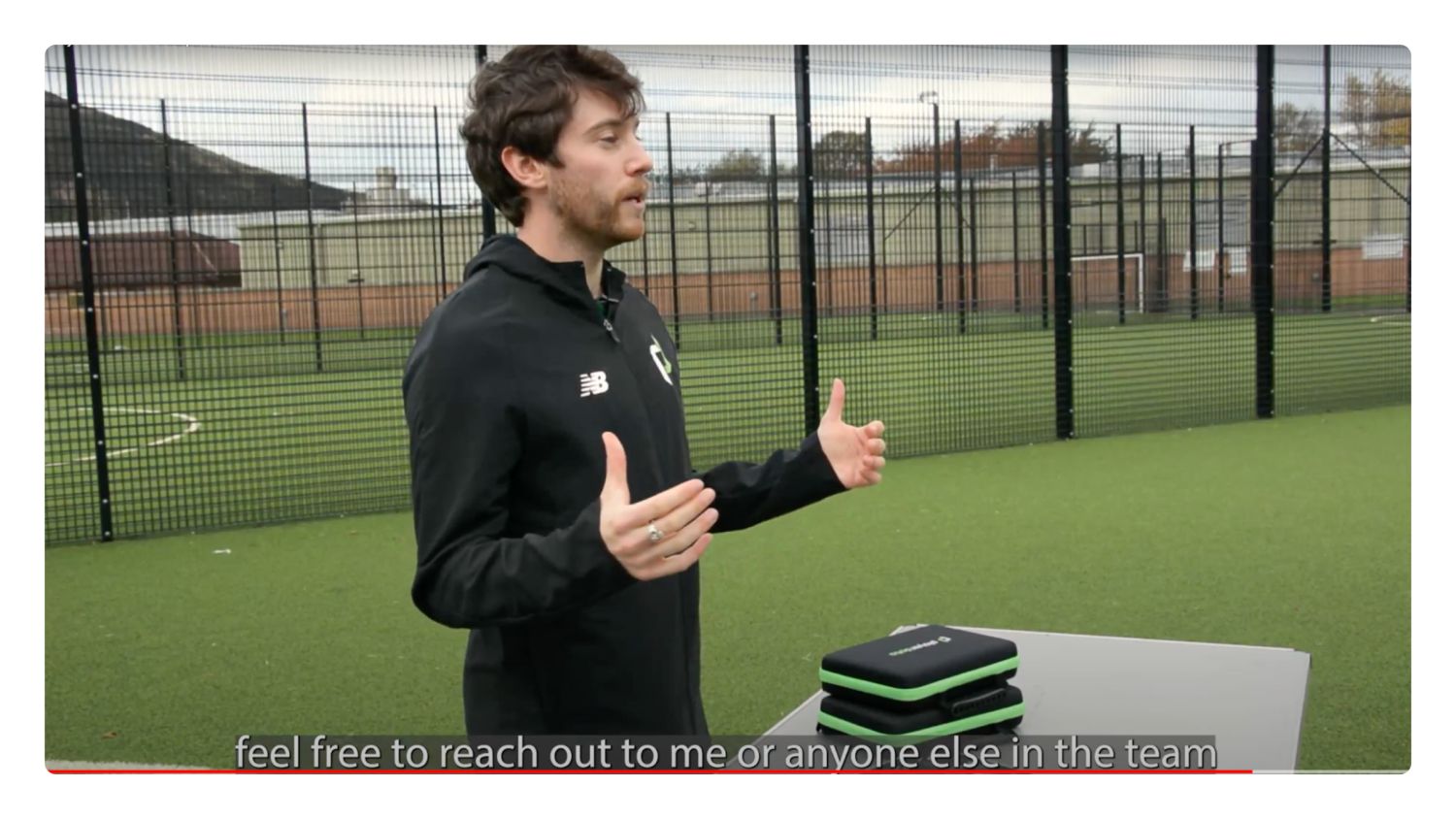
Hi. I'm Roy. Thank you for such an introduction. It's great to be at Touring Fest this year. Nice to see a lot of people in person again. Today, I'll be sharing the story of how my co founder, Hay, and I went from tinkering at my kitchen table to mass manufacturing a product for thousands of users across the UK.
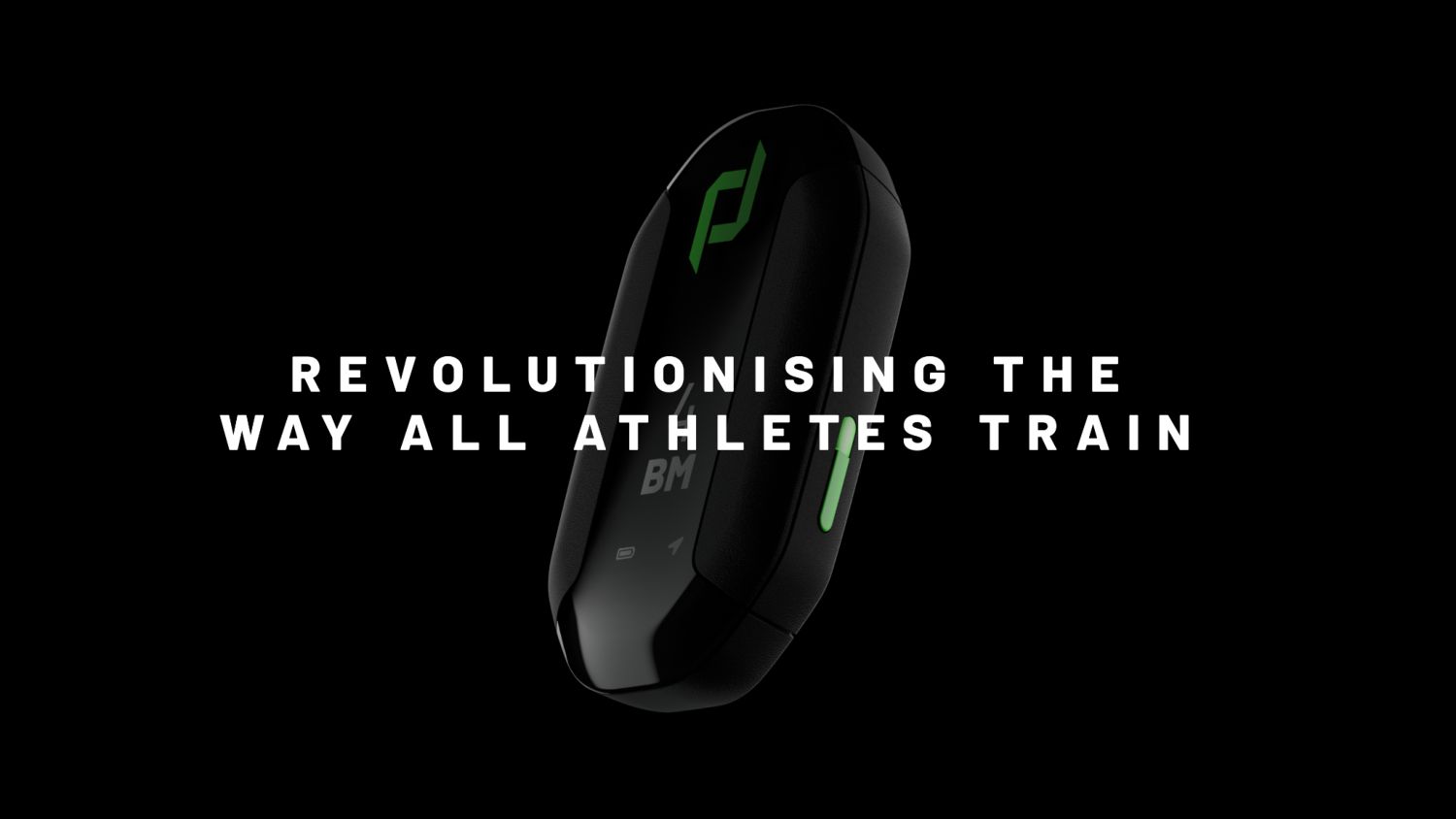
Now I'm actually joined by some of my colleagues here in the audience, and they're probably here to heckle me so please excuse their outbursts. So some background. PlayerData is a sports technology company that makes wearable technology for athletes in team sports such as football, rugby and hockey.
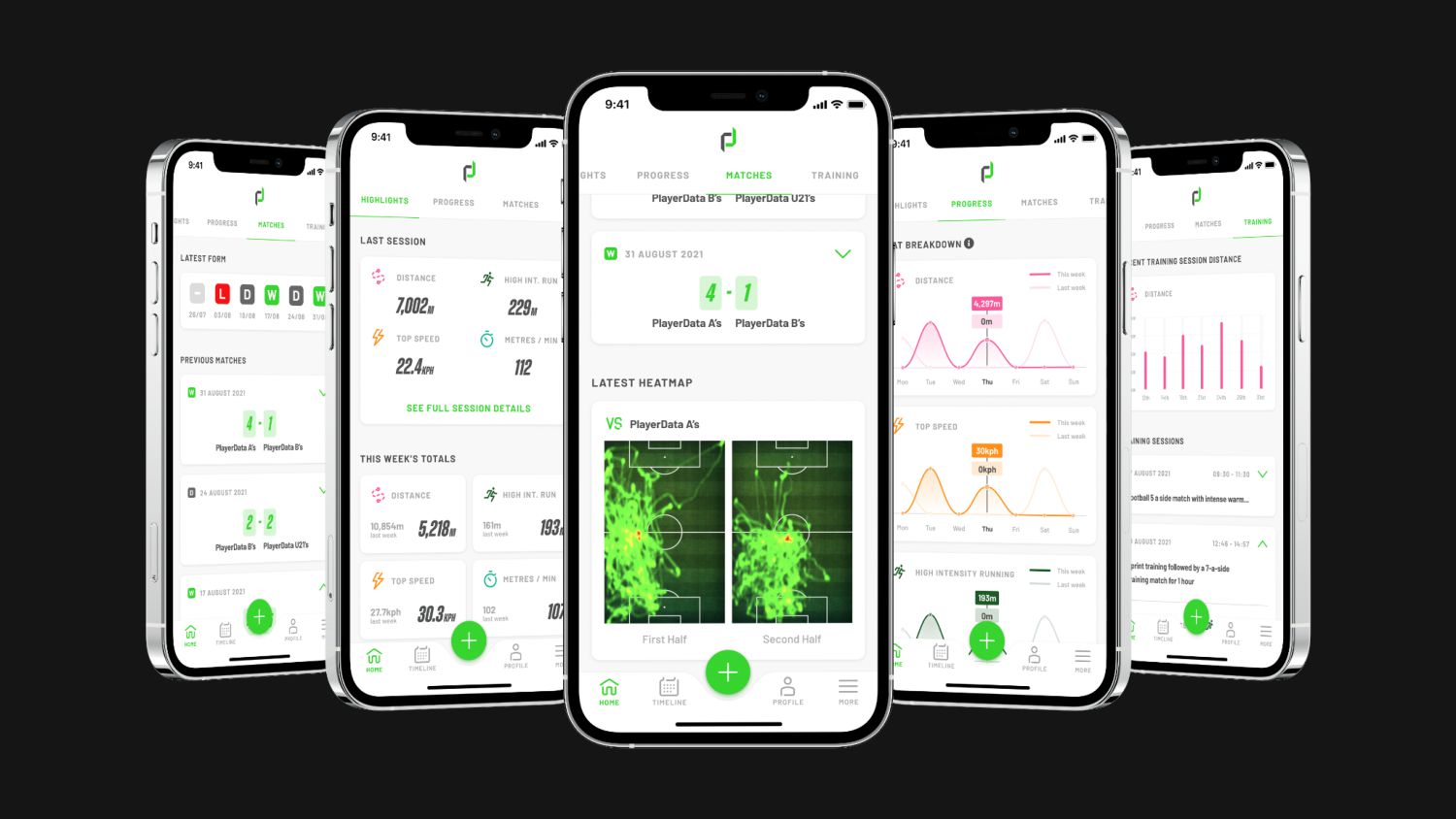
And our wearables basically collect the data on the player's physical performance during training and matches and relays it to the coach via a mobile app. The coach uses this data to detract the player player's performance, helps them reduce injury, and also conduct tactical analysis all in the palm of their hand.
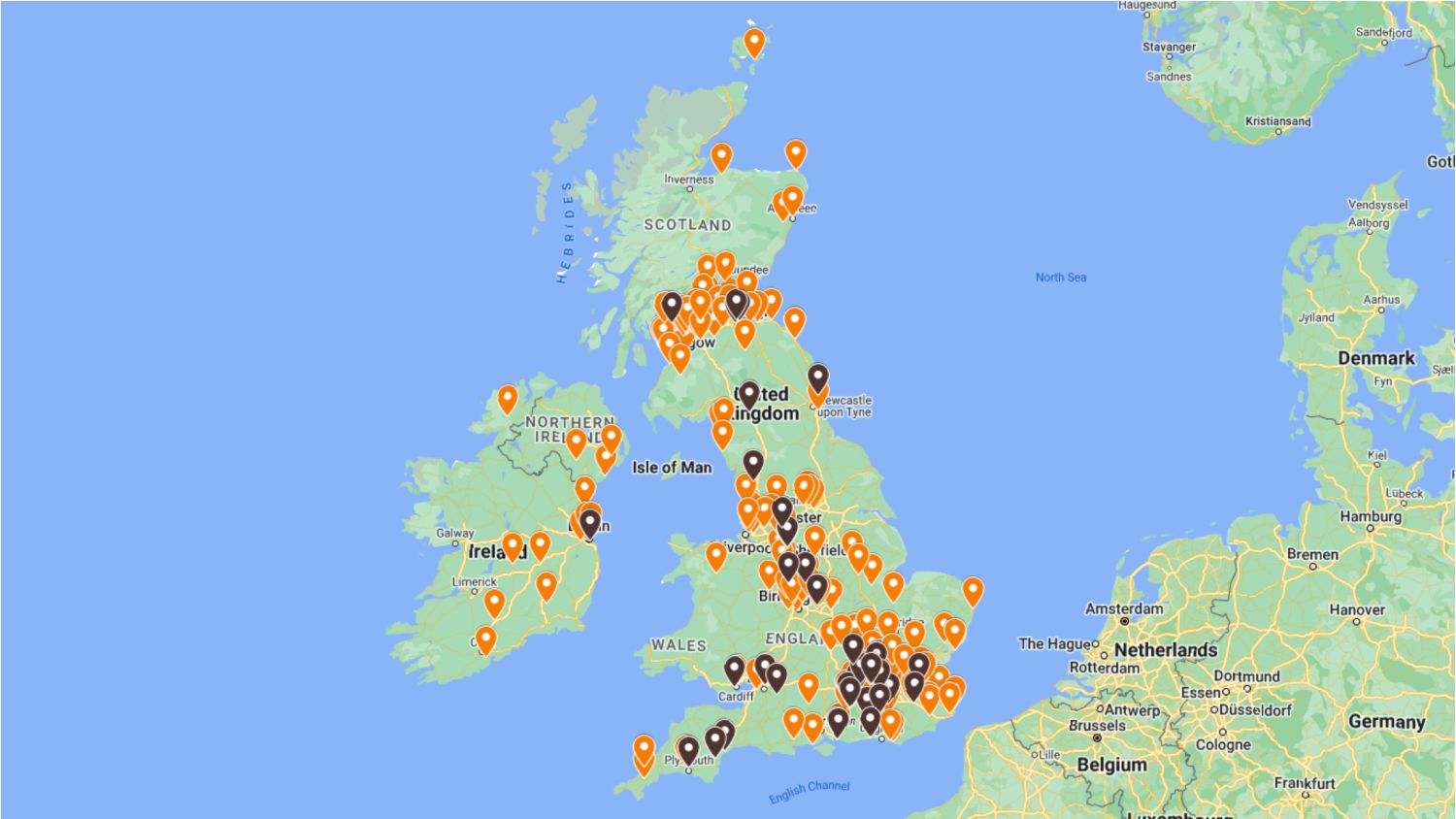
Over the last five years, PlayerDay has grown from being myself and Hayden to a thirty person strong team operating out of Edinburgh. And we're a mixture of software, hardware, operations, sales, and marketing. We now supply our product to over three hundred football teams across the country with levels ranging from your grassroots amateur all the way to up to the professionals.
And today, my talk will be focusing on how we went to making prototypes in my kitchen table, to delivering to thousands of customers, and how we applied well known software development principles to help accelerate our time to market. Now, so let's step back a bit.
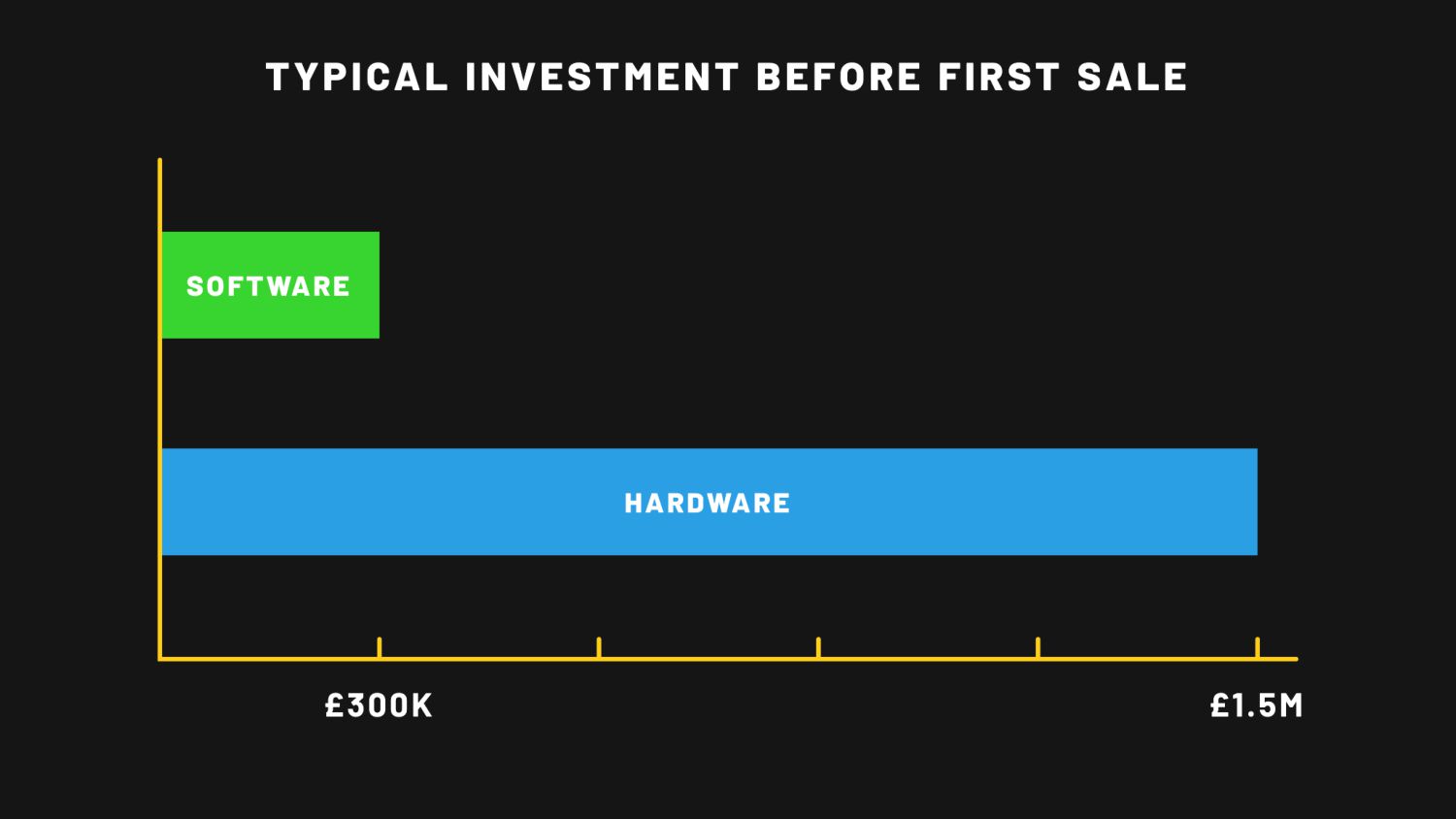
Why is it so difficult for companies that have a hardware element? Here, we have a rough illustration of two different companies, one with hardware, one without hardware. And this graph is showing how much money do you need before you can make your first sale.
And as you can see, there's a big disparity between the two, which automatically makes your life significantly harder when you want to go raise your first investment rounds. Now when we break down the differential, most people actually think that it's in the material cost that is more expensive.
So things like components and tooling and this is part of it. But actually the biggest difference is in the time. Things take significantly longer and time is money. So when we started we didn't have the luxury of a multi million pound funding round.
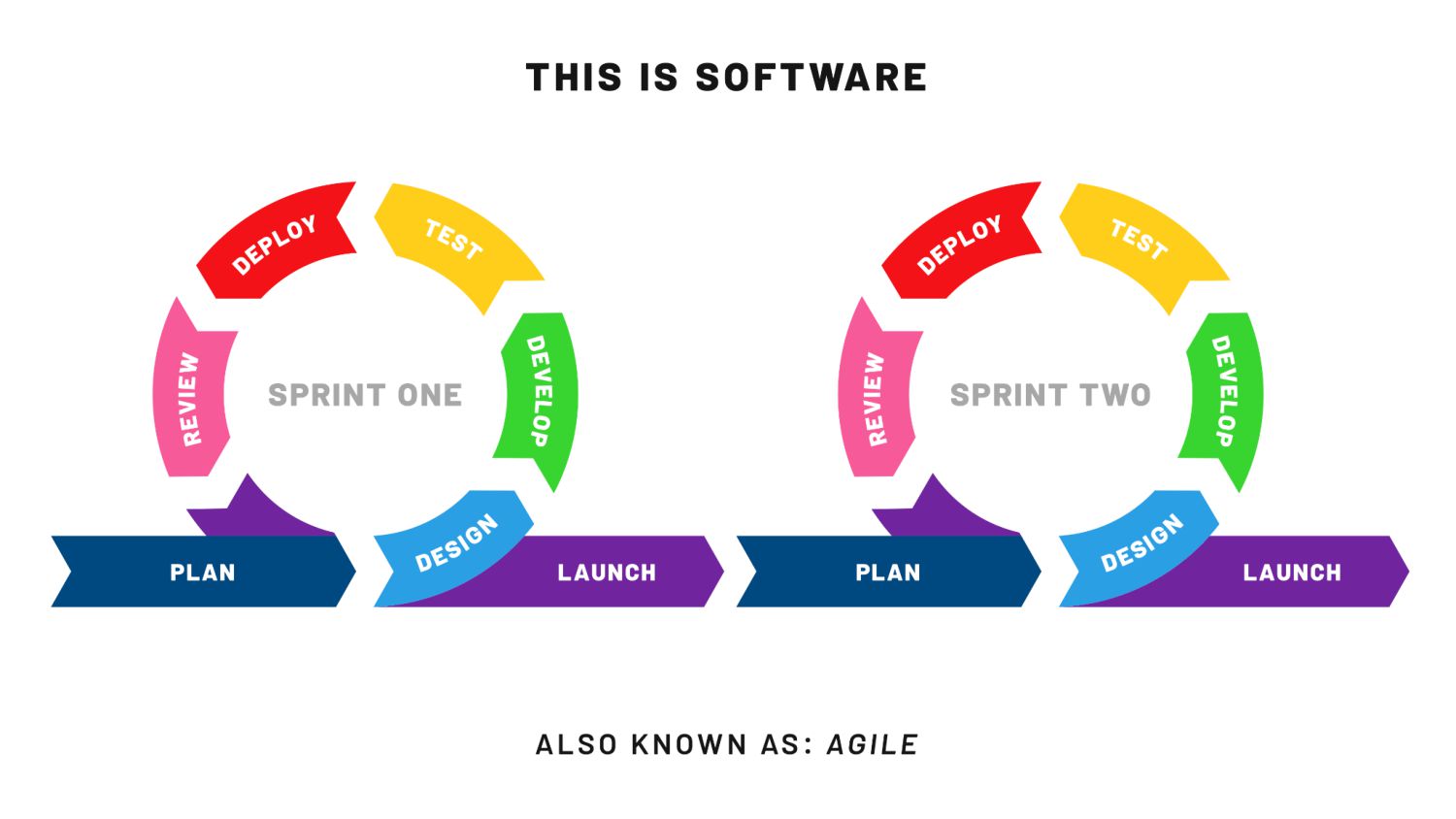
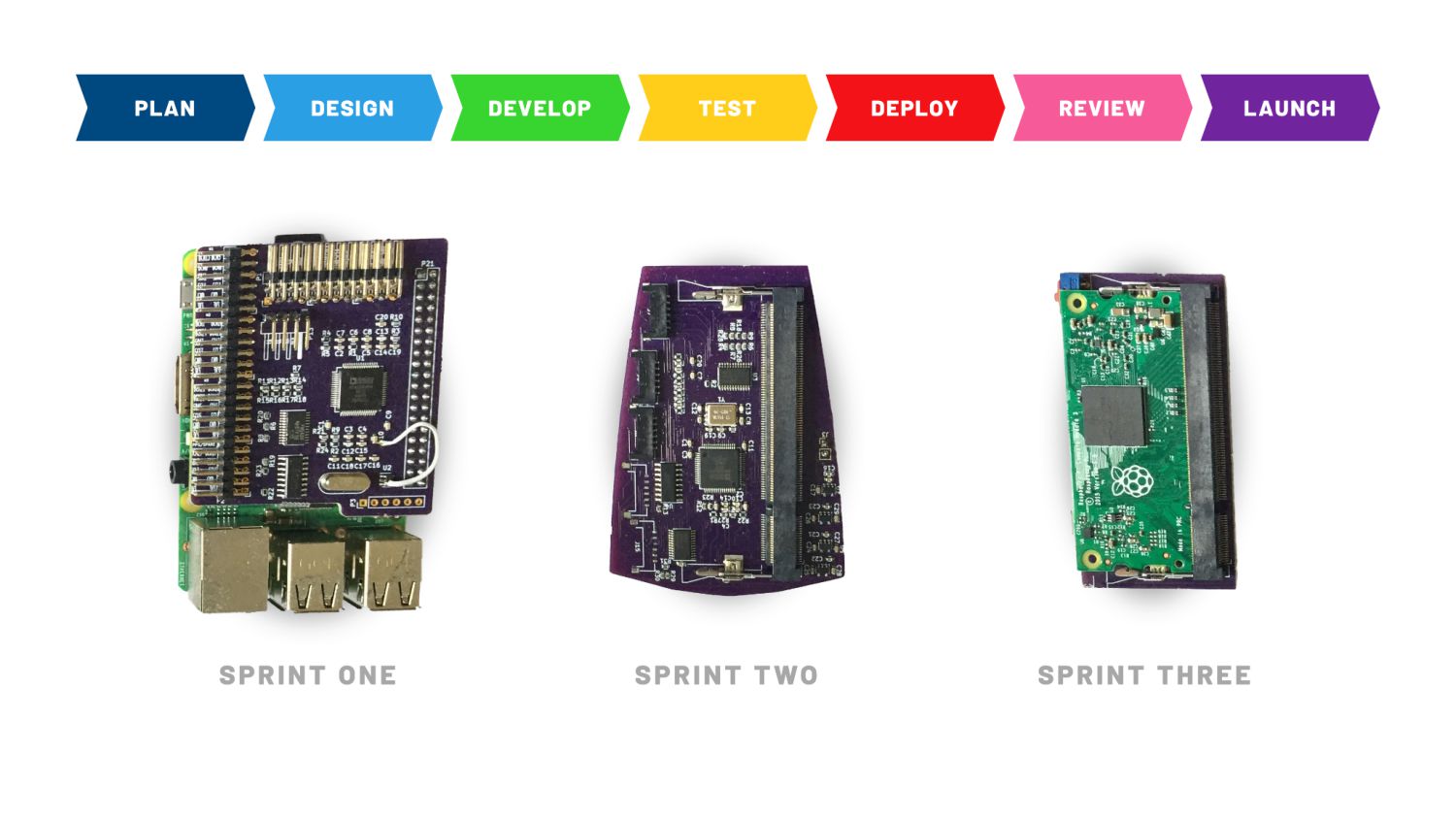
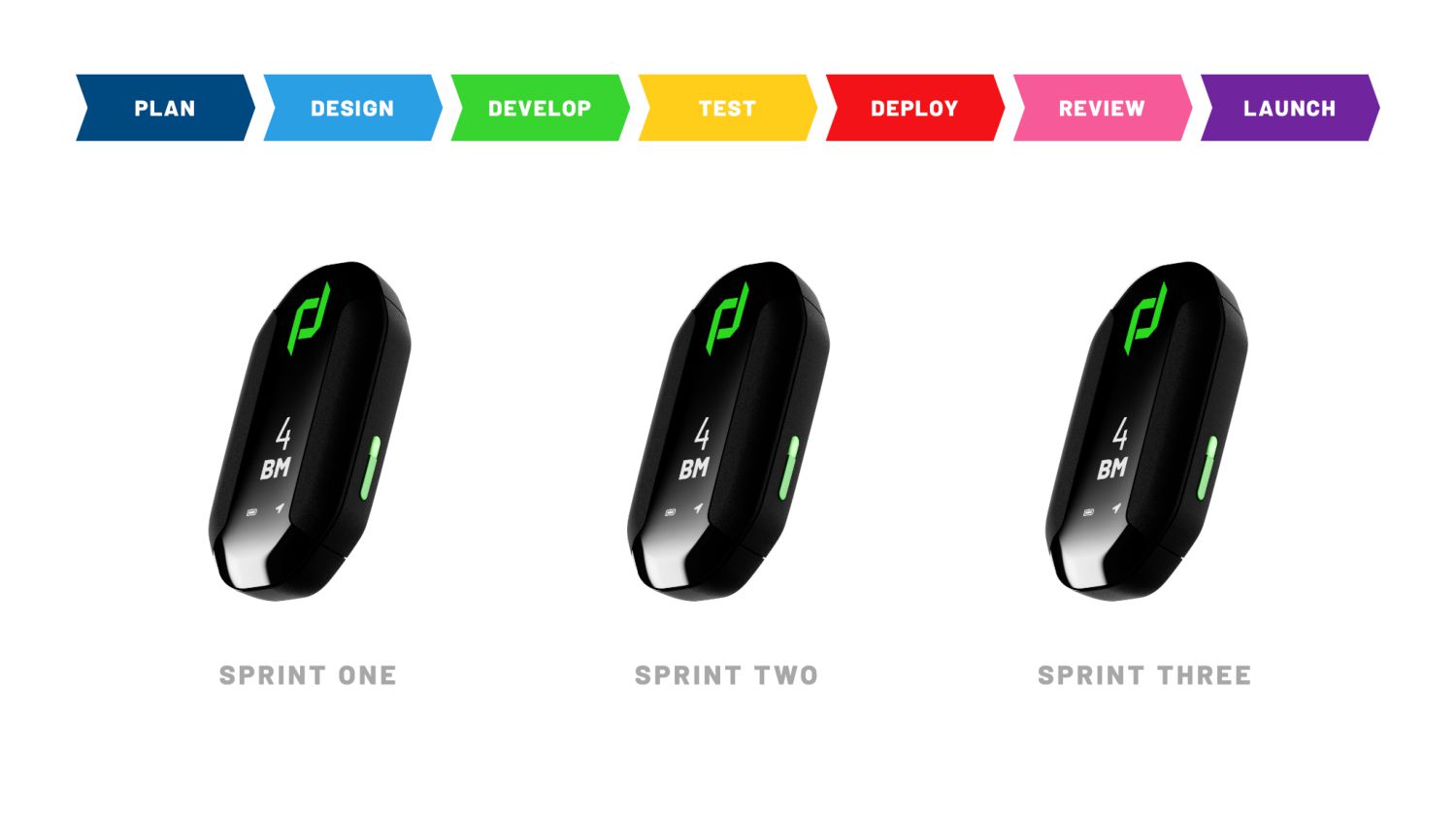
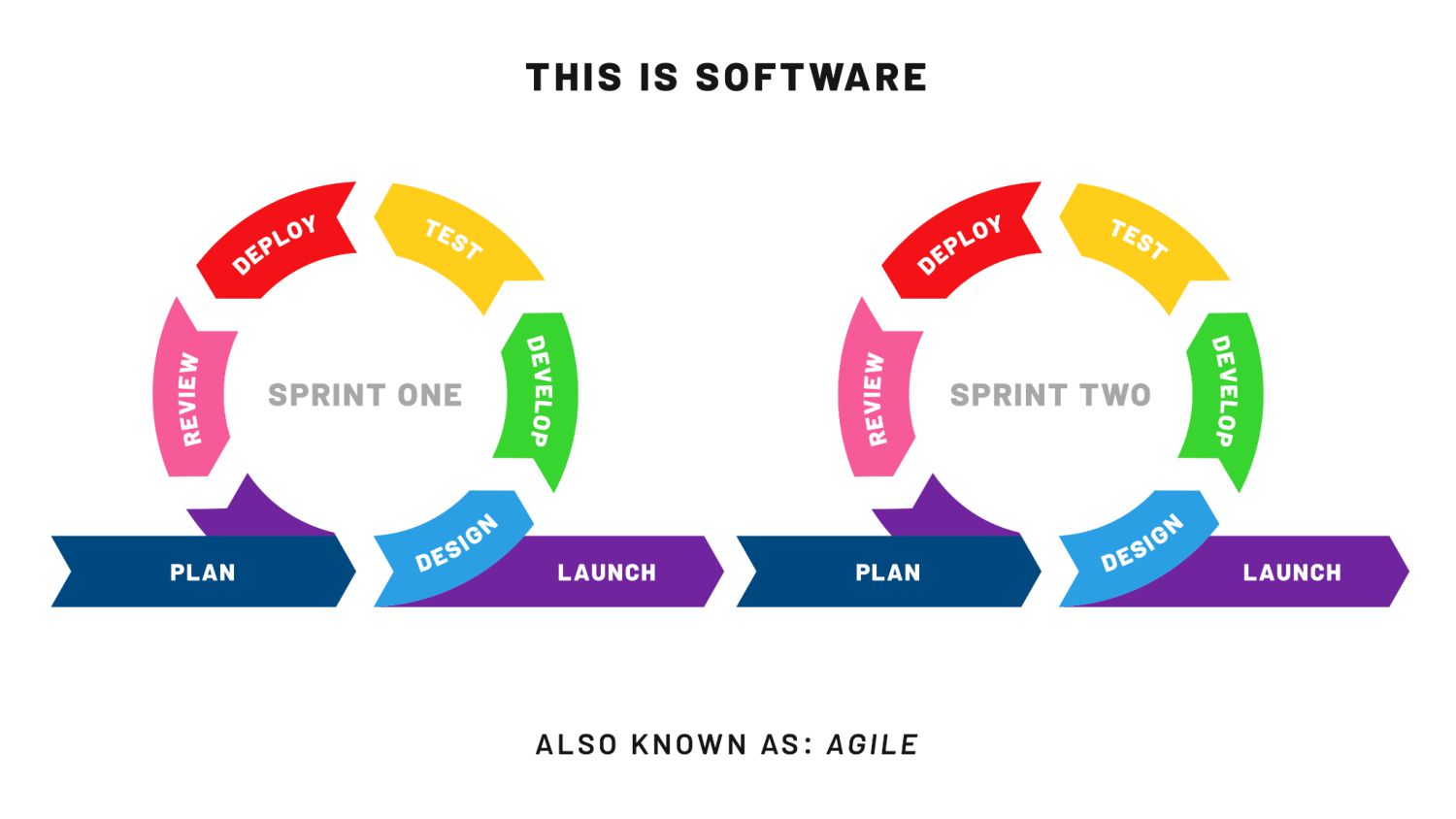
So we had to find a way to do this for way less. Let's start by taking a step back and looking at general software and hardware development cycles on a whole. You may be familiar with the agile software methodology where you organize work into short sprints.
You plan, design, develop, deploy, and then you roll these into sprints and repeat these cycles. This is the benefits of fast feature development, continuous customer involvement and ultimately flexibility. Over seventy percent of companies now are developing software in this way. So now let's contrast this to what it's like for the folks that have hardware.
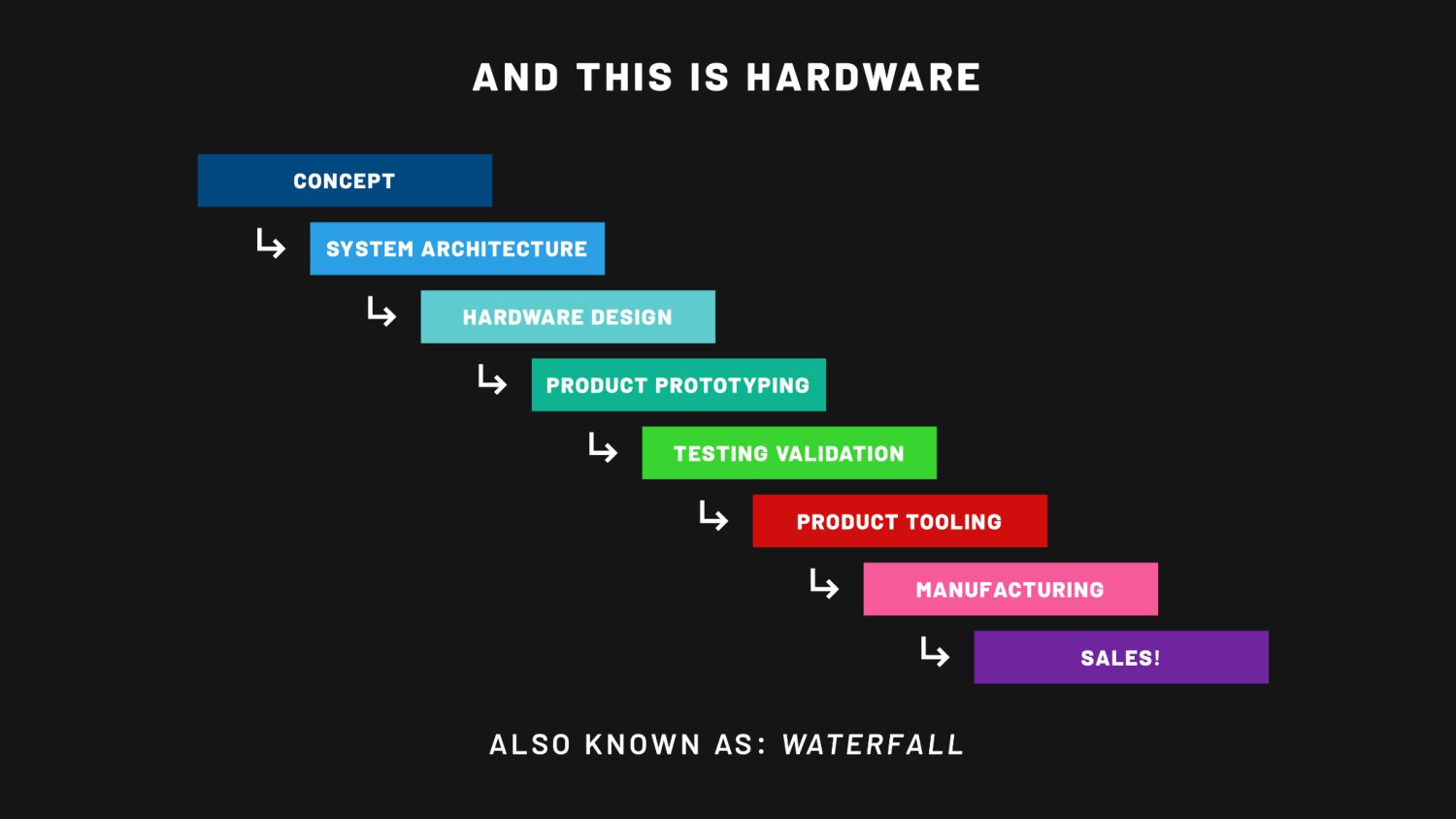
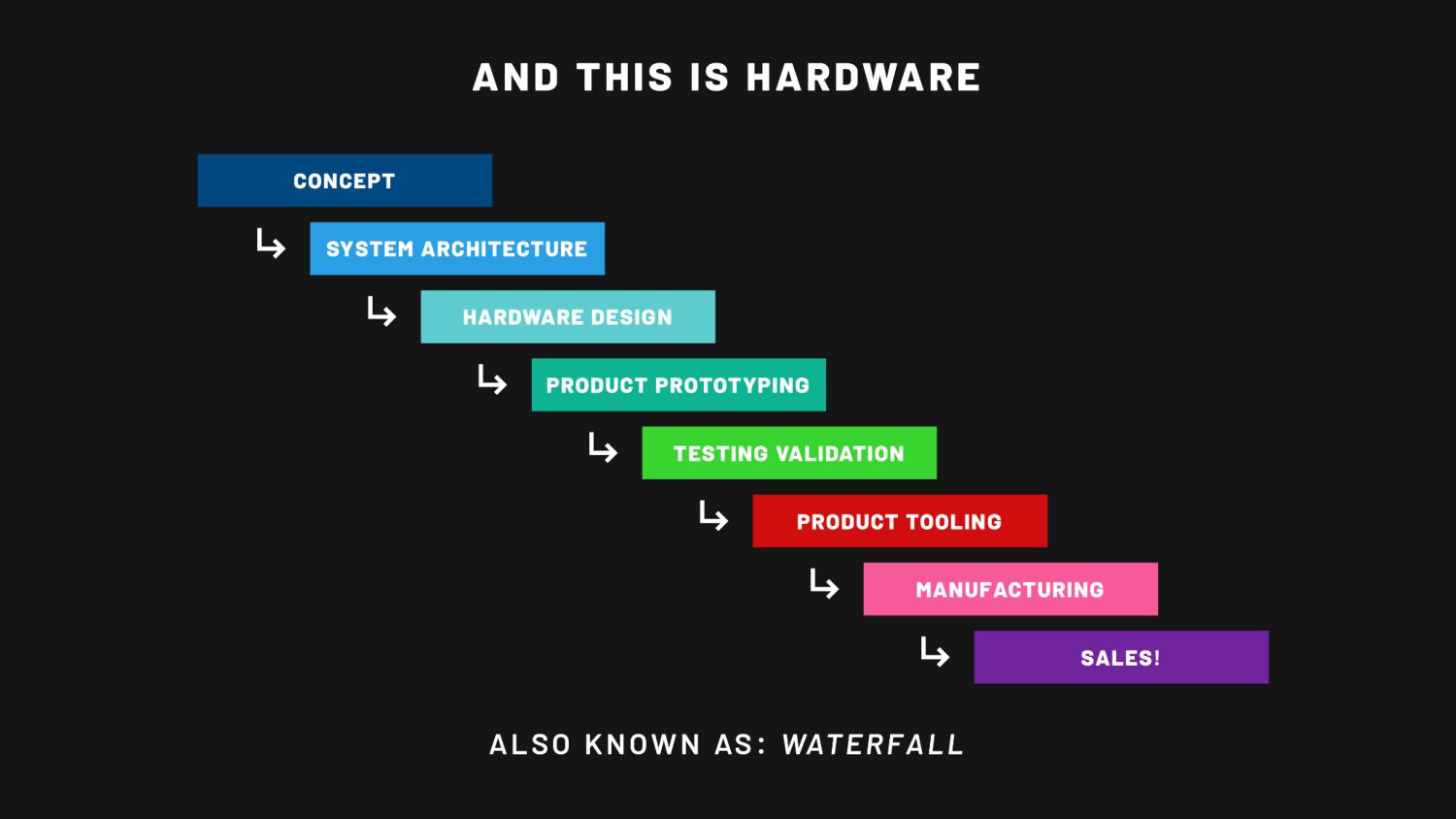
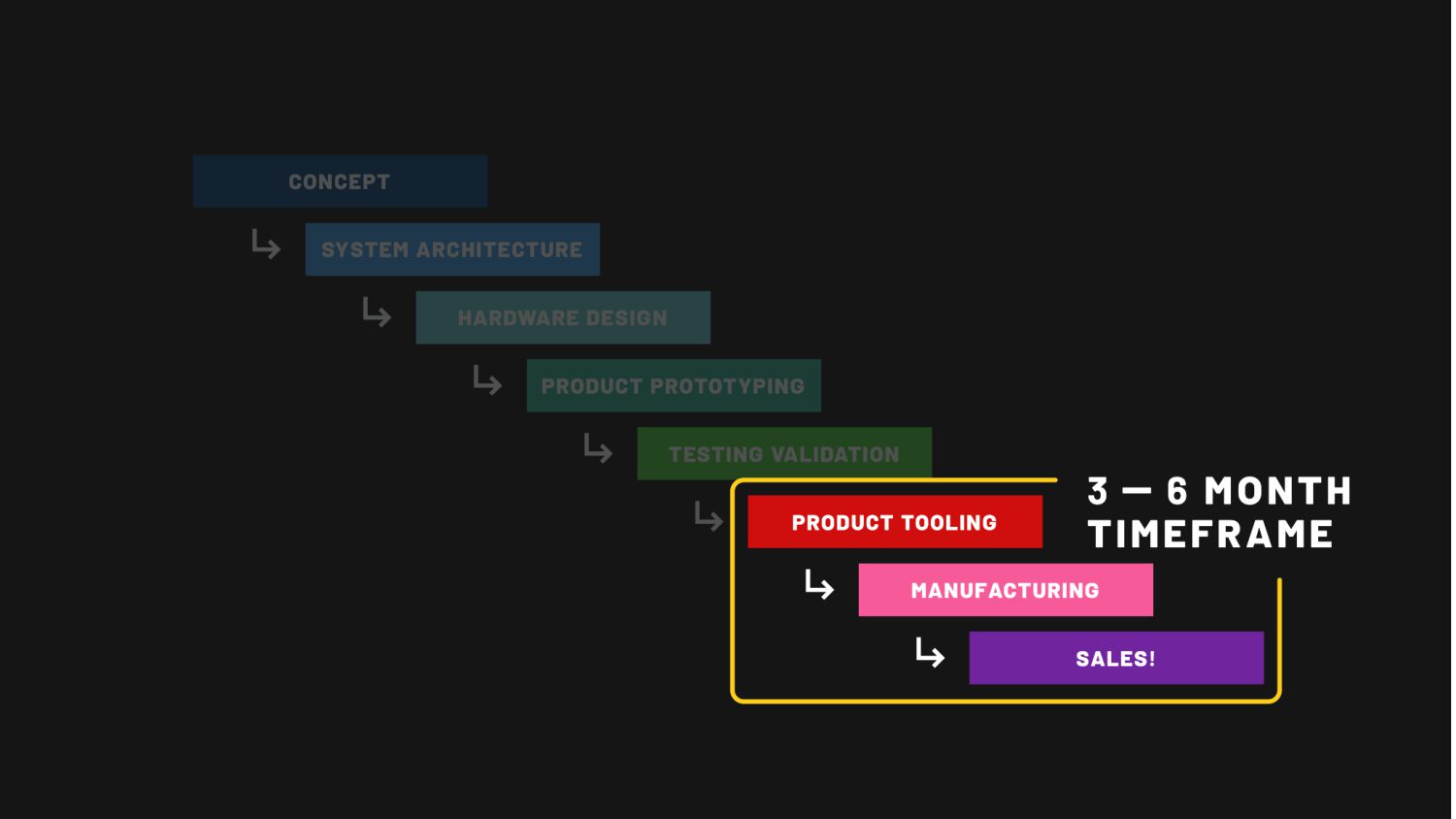
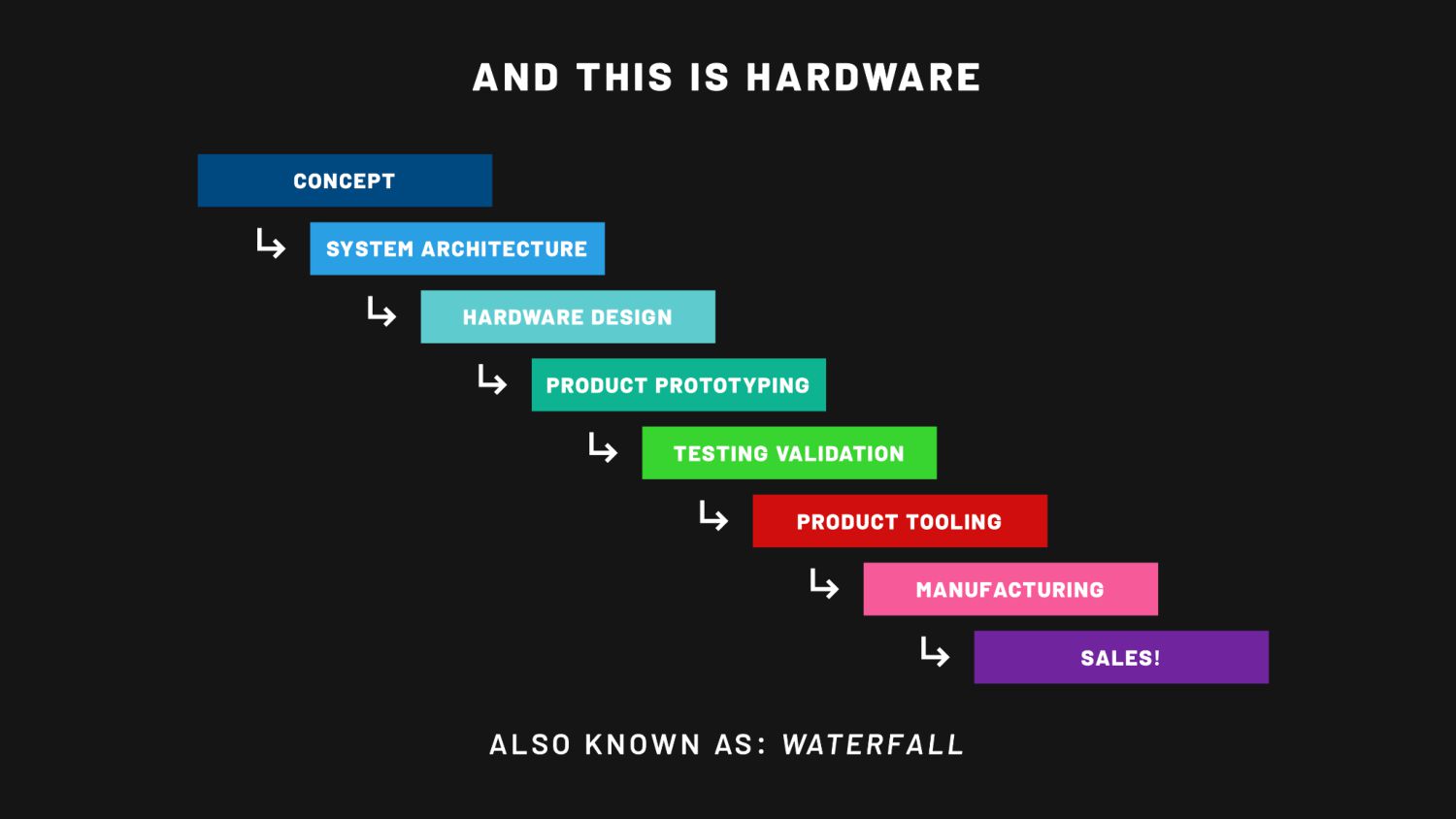
This is the hardware development cycle. You start at the top where you have your concept, you've got your initial requirements, your problem statement, then you go into laying out the broad strokes of how you're going to build it. You then go through the hardware design phase where you're building prototypes, you're testing out with customers, and once you hit that MVP stage after testing and validation, then you can have the confidence to go and tool up.
You can go to a manufacturer to get it scaled up, get it produced in the thousands, and then after all of that you can sell. Now this is a really long process and it looks oddly like the waterfall development process in software. This process relies on careful planning, detailed documentation, and consecutive execution.
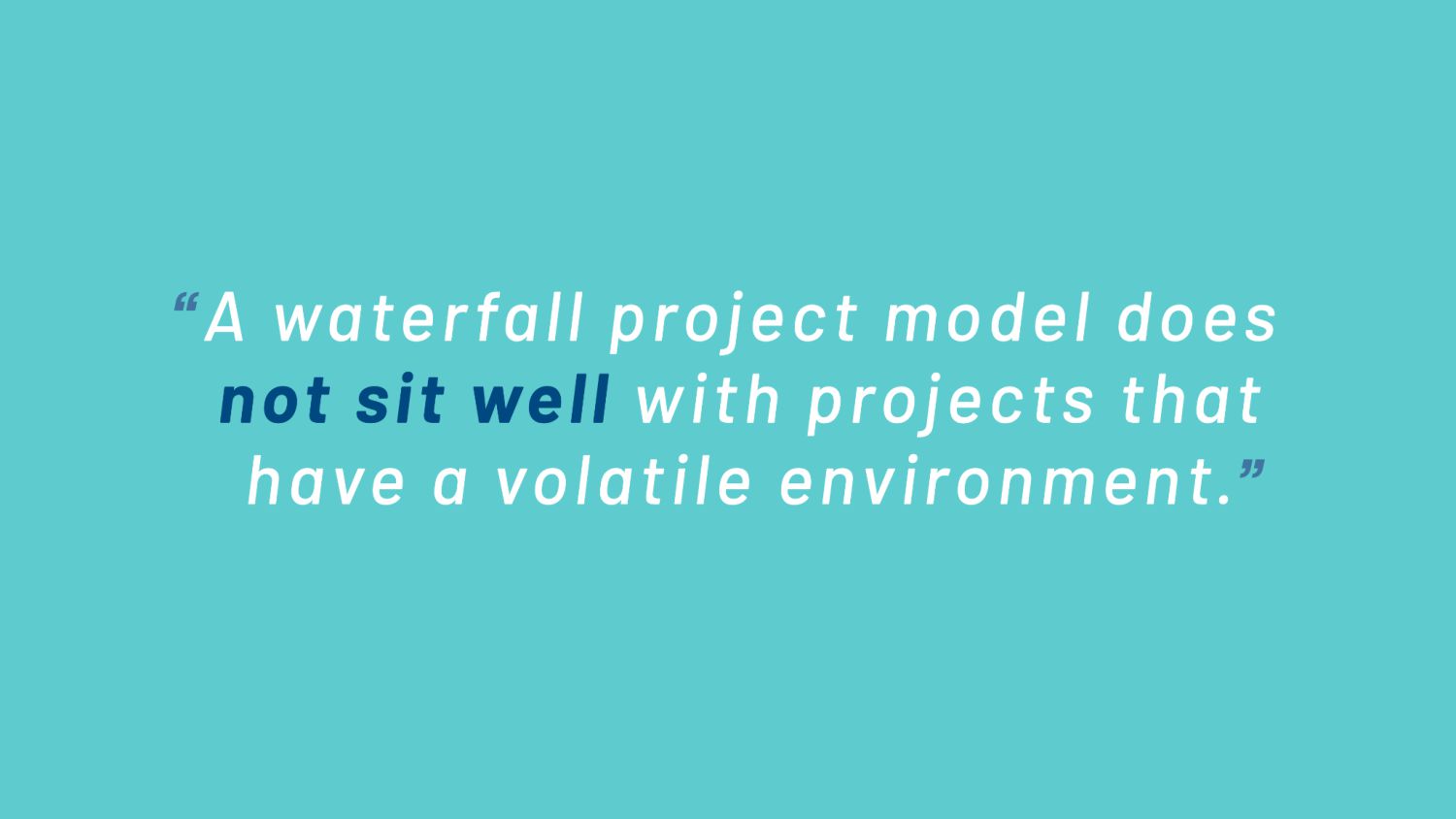
Doing a quick Google search on waterfall software development pulls up this fantastic quote. A waterfall project model does not sit well with projects that have a volatile environment. And if we know anything about startups, it's that it's certainly a volatile environment. So let's go back to the waterfall model and see what we can do to take on board some agile design methodologies.
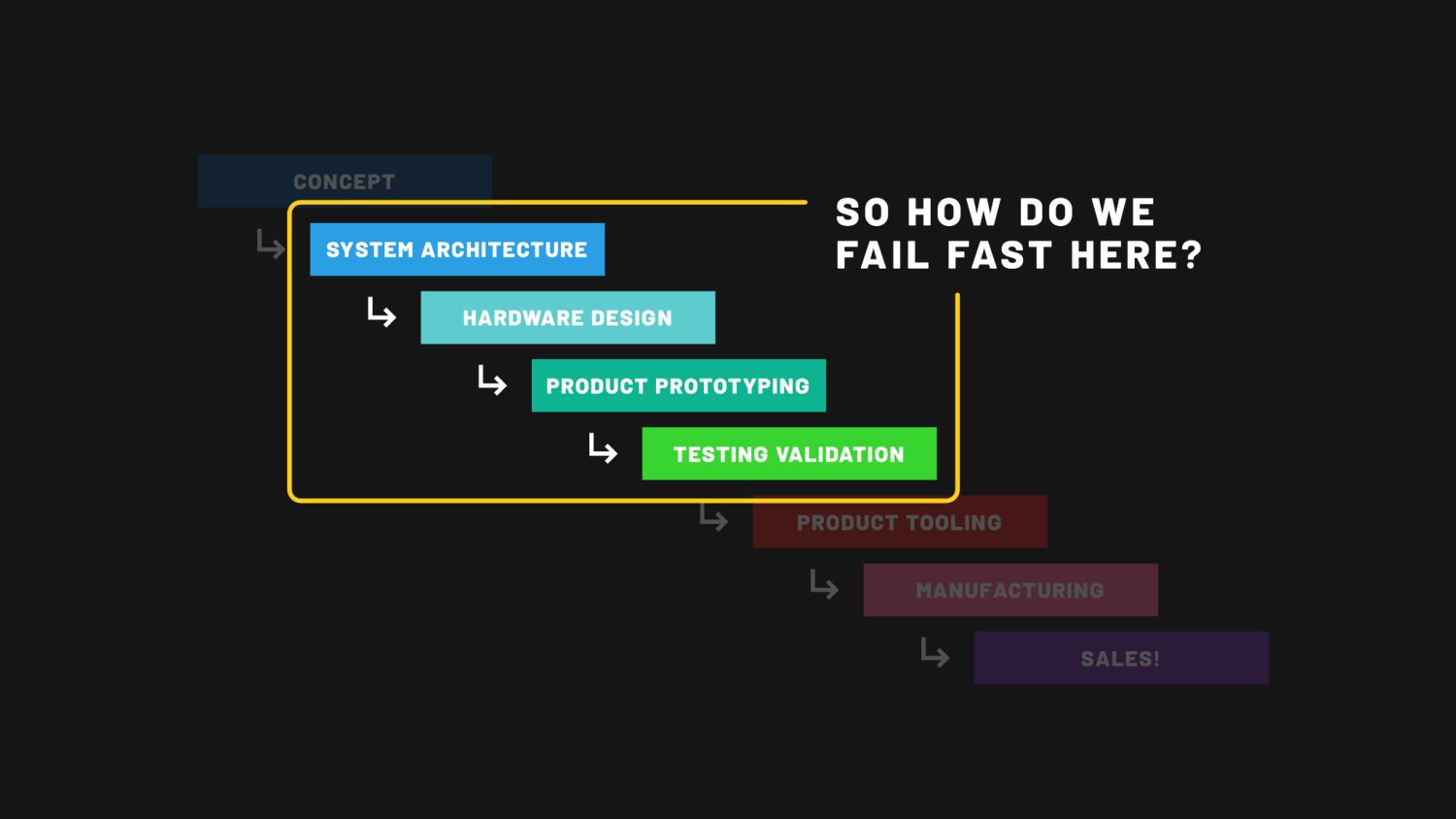
Let's specifically focus on this section of the pipeline. How do we fail fast and iterate quickly within this section? Traditionally you would spend a lot of time at the start of the process gathering requirements and building out product specifications to then take the design stage.
The reason for this is that when you're doing anything that involves hardware, making samples is really expensive and time consuming and it has a long lead time. So you only have a limited amount of iterations to get it right before you run out of money.
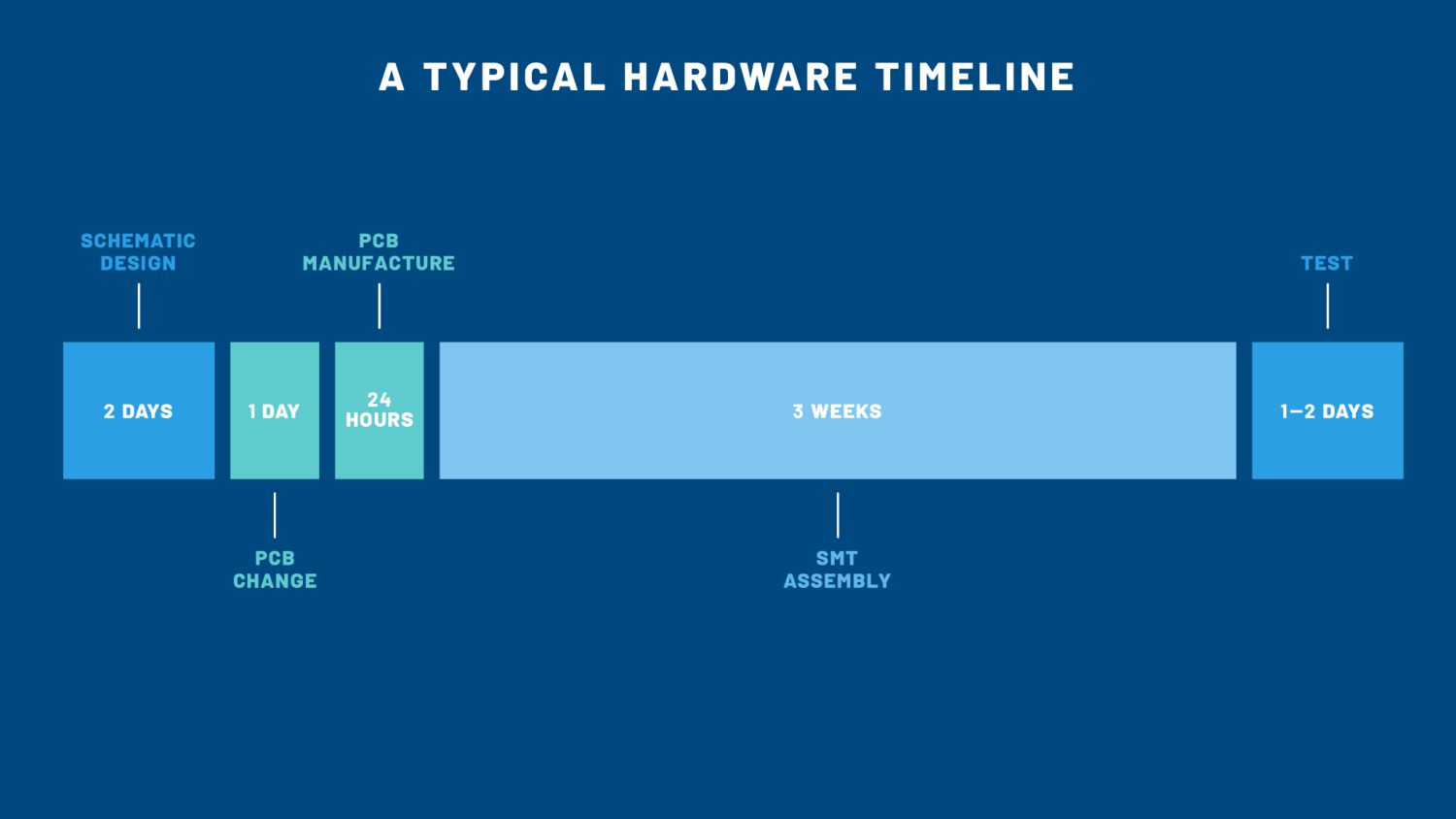
So if we can reduce this feedback time then we can get it much closer to the agile model. And looking deeper into that section of the pipeline, the typical hardware iteration looks like this. You spend two days picking out, laying out the broad strokes of your design.
You spend a day to reflect the changes in your circuit board. You send it off to the fastest manufacturer that can make it for you in under twenty four hours. But then it's three weeks that it's stuck with someone else to then to basically assemble and put all the components on the board, bake kits, they basically send it to you after that three weeks.
Then you get the unit to test. The problem with this process that it is is that it's great if you know what you're doing. And you're confident you're gonna get right the first time. When Hayden and I started we had no idea what we were doing.
And the only way we knew how to make progress was to fail, iterate, fail, iterate and do that as quickly as possible. And what we realized early on in the player data is that we could not wait the three weeks it took for someone else to make it for us.
And if we could find some way of shortening that, then we're able to go through that cycle at the speed that we needed and not run out of money. The answer for us initially turned out to be very simple. We did it ourselves.
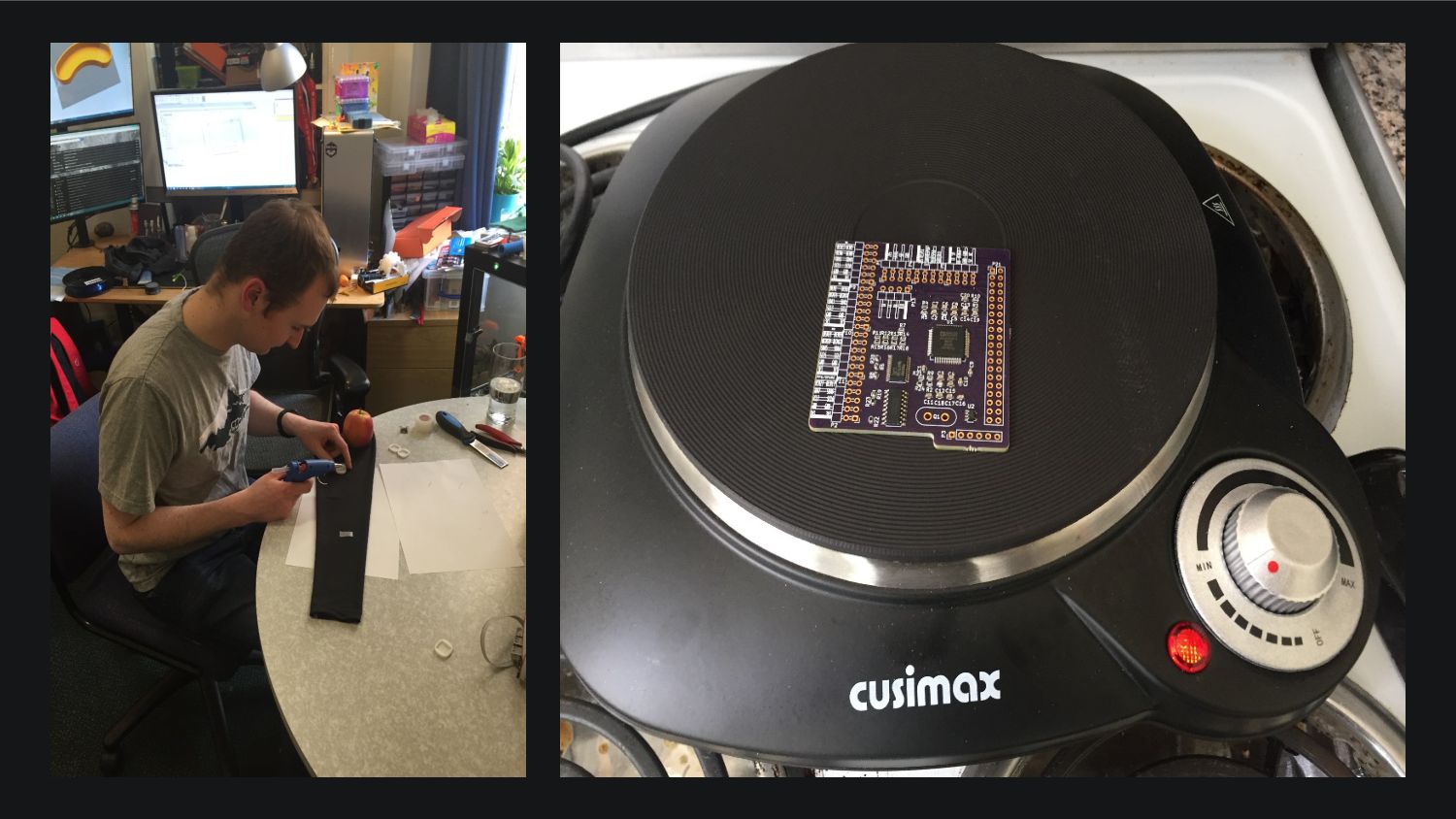
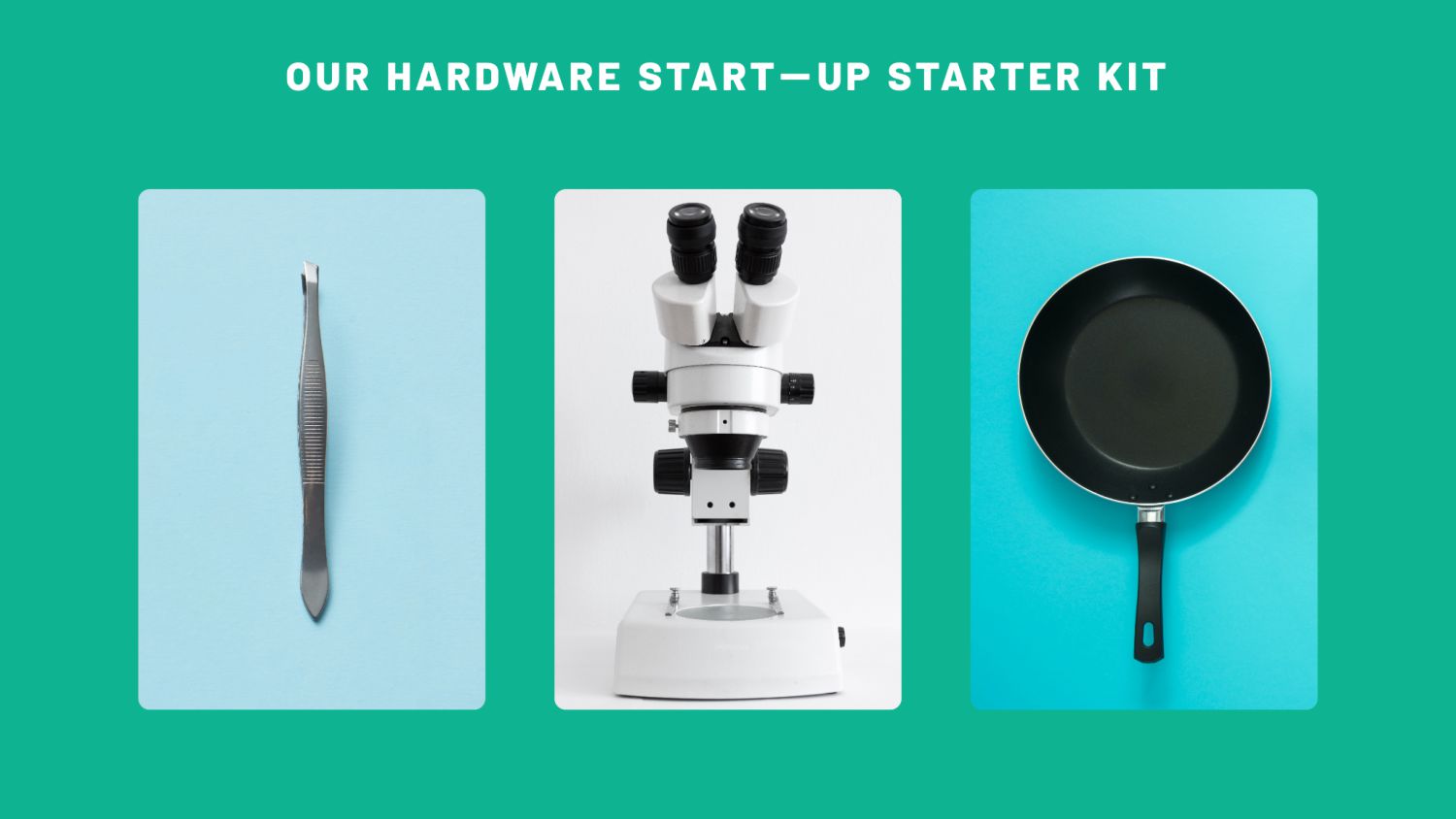
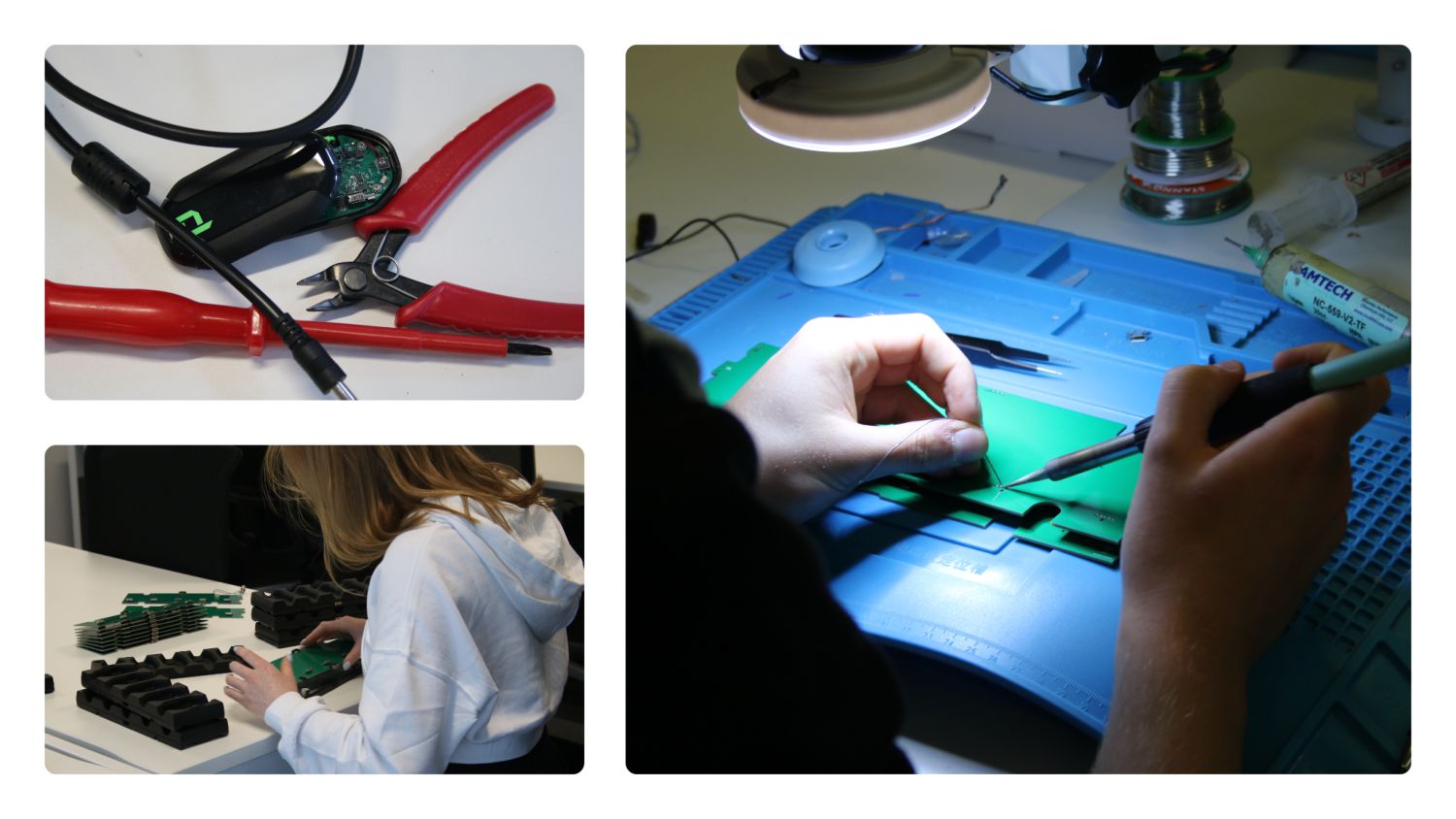
We did it ourselves by starting with a pair of tweezers, a microscope and a frying pan. I would basically get these PCBs from the factory. I would sit under the microscope and I'd pan place every component, and I'd bake it on the frying pan in my kitchen.
And that gave us our first prototypes. This was fantastic. We had the ability now to run a new iteration every single week. However, as we continued iterating and adding more features to the design and the designs became more complex, the time that I spent sitting at the Microsoft went from ten minutes to several hours.
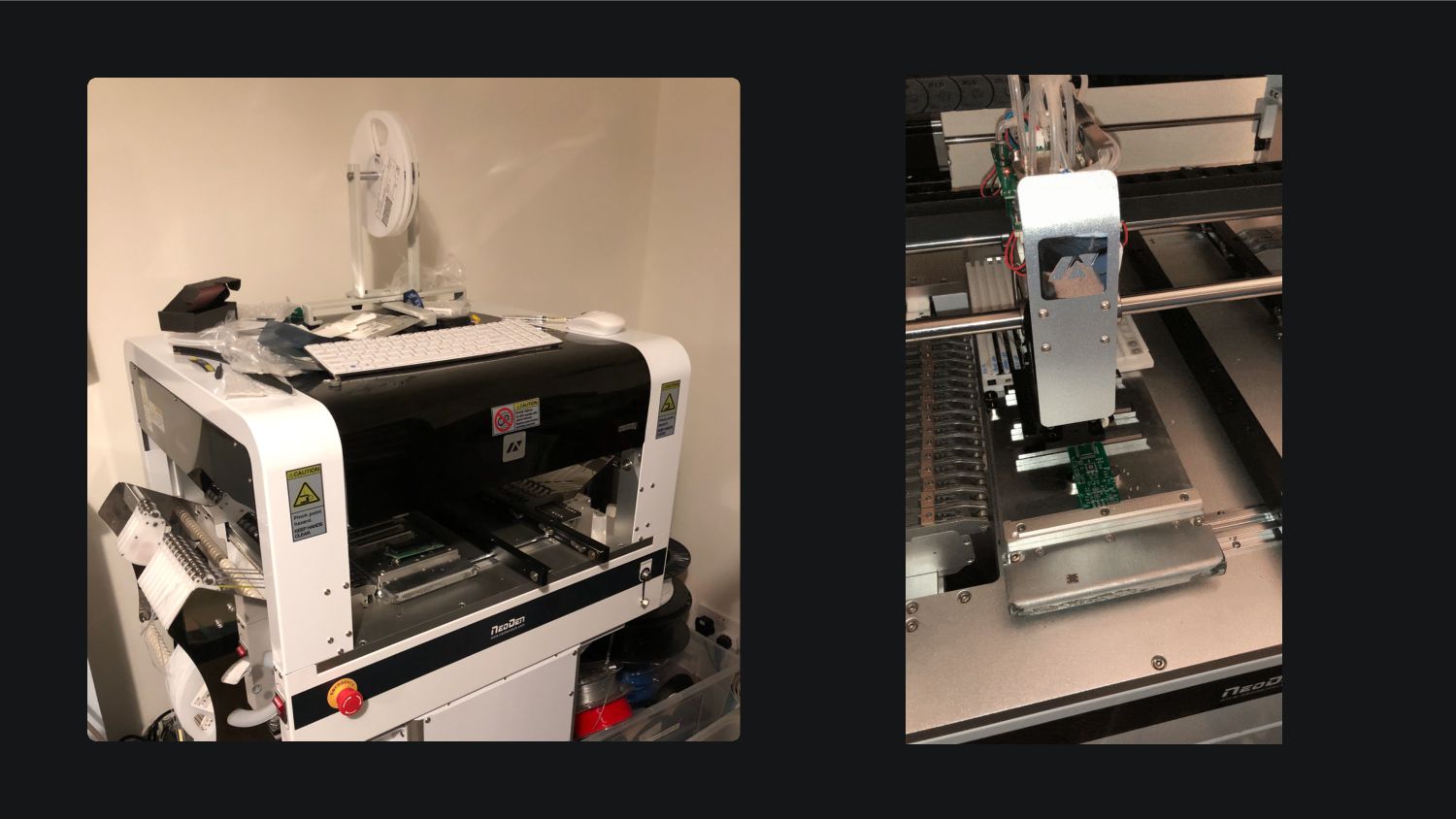
Which is why we needed to find something that will allow us to speed up this process whilst keeping it in house. This is where Alibaba came to the rescue. We found a machine that could do just that for us, on that website. So introducing at the time my best friend, the pick and place machine.
It literally does what it says on the tin. It picks up a component up and it places on the board. The only difference is that it can do sixteen thousand components per hour versus my sixty. We found this machine on Alibaba. It arrived in the crates with no manual and the software was in Chinese.
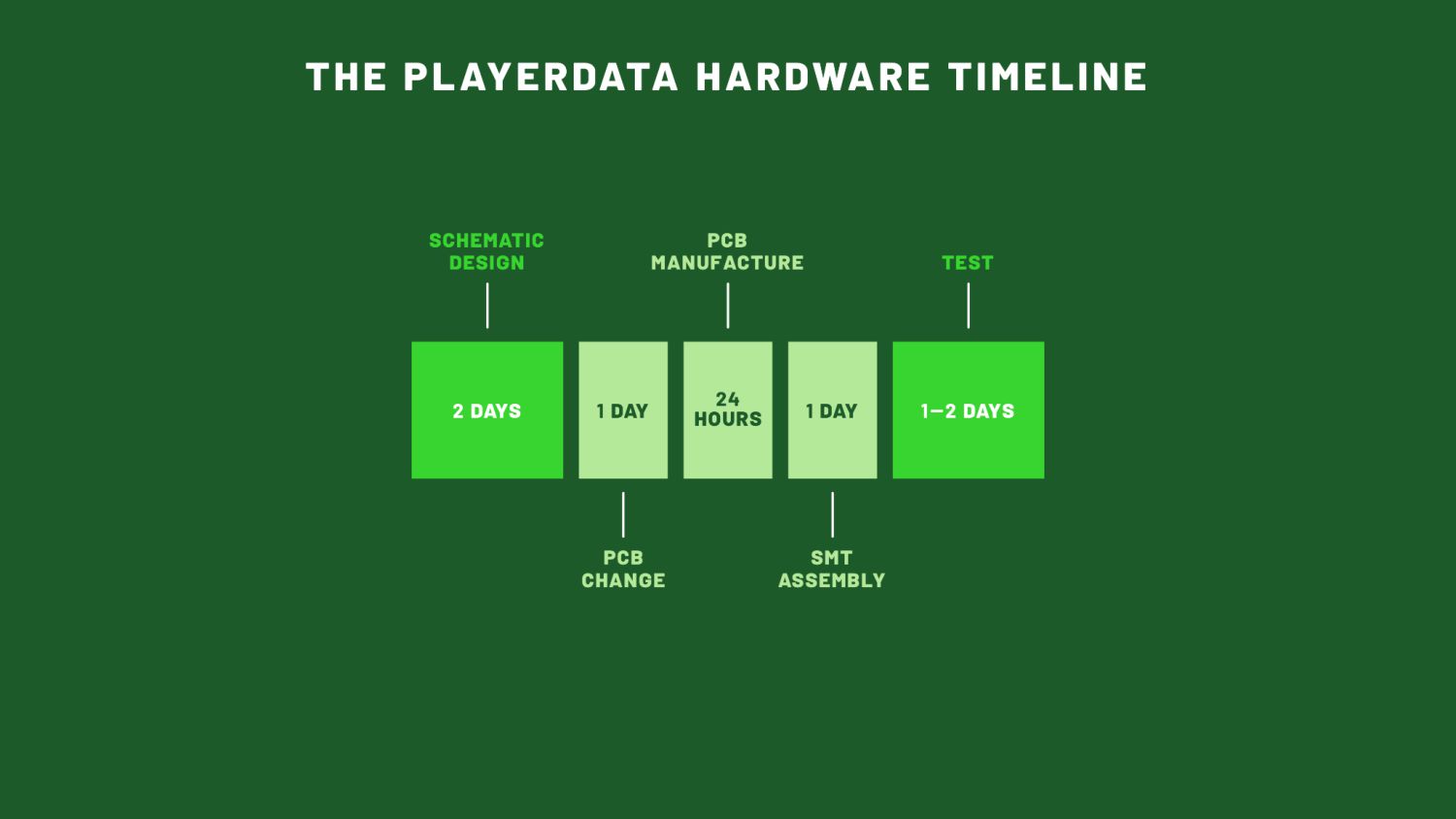
But, you know, apart from that, this machine was an absolute godsend. We got this so early in our journey that I had to convince my partner time to let me install it in our living room. So now, with our newly acquired tools, we had the ability to roll out multiple iterations in a month and also now to produce small volumes of test boards to send to customers.
We condensed a previously four week process down to just all within a week. And now that we're pumping new versions out on a weekly basis that are actual testable prototypes by the way, they're not like your cobbles or breadboards. You can actually give them to customers to use in the real world.
We can go out to customers and get them to test it for us and use that feedback to go back into each print. So this feedback loop allowed us to break the need to gather strong product requirements and listen directly to our customers and iterate to to hone that product market fit.
And it allowed us to get to product market faster and therefore get to our MVP stage faster as well. Now when you reach MVP stage in software, this is the point whereby you usually can go to some people and ask them to part with some money for it.
You can sell. You can go make it first sale. Now unfortunately, when there's a physical element, there are two more hurdles that stand between you and that's tooling and manufacturing. You have to go and get your molds made for your plastics and you need to go find a product kit out and make a production line.
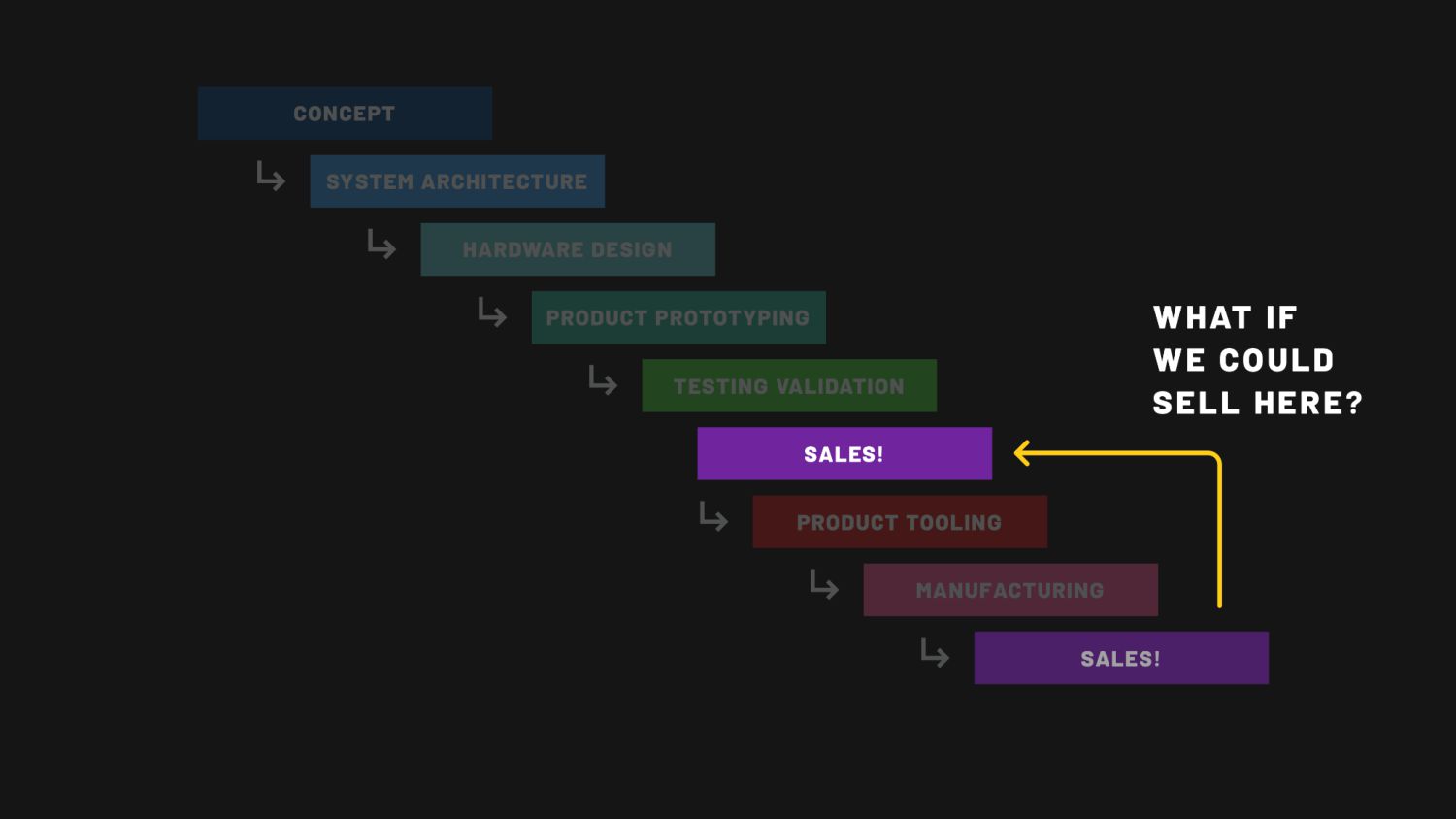
This step of the process can cost hundreds of thousands of pounds and take up to six months to complete. Wouldn't it be great if instead we could sell like the software guys there. This one we discovered entirely by accident. So I had a set of golden samples that were three d printed that I was going around with to demo to future clients and investors.
Is them right there. And I was meeting the manager of a football team in Glasgow to demo these units to him. And to my surprise, he immediately wanted to buy them. And not wanting to miss out on our first sale, I quickly created the order, sent him a payment link and parted with the units.
On the train home after my excitement died down I realized that I had sold the only demo units we had. And this particularly upset my CTO Hayden, who was actually using them to develop the software at the time. From that point on he and the fellow engineers would lock their units into the cupboard so I couldn't sell their development units.
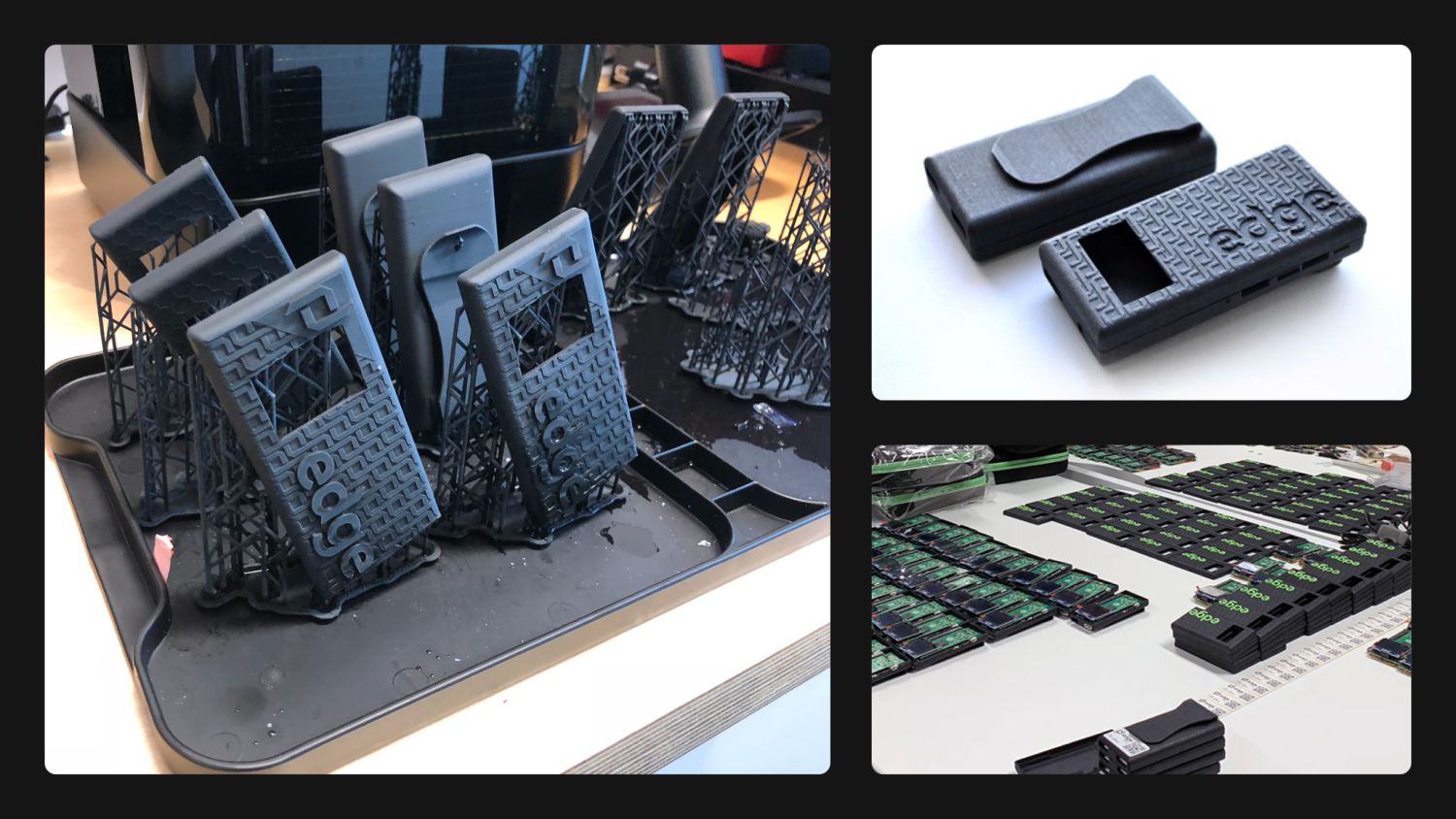
The point of this is that it hit us that three d printing technology has come such a long way that people couldn't tell the difference between a three d printed part and an injection molded part. So why don't we shortcut that and go get our initial production runs three d printed?
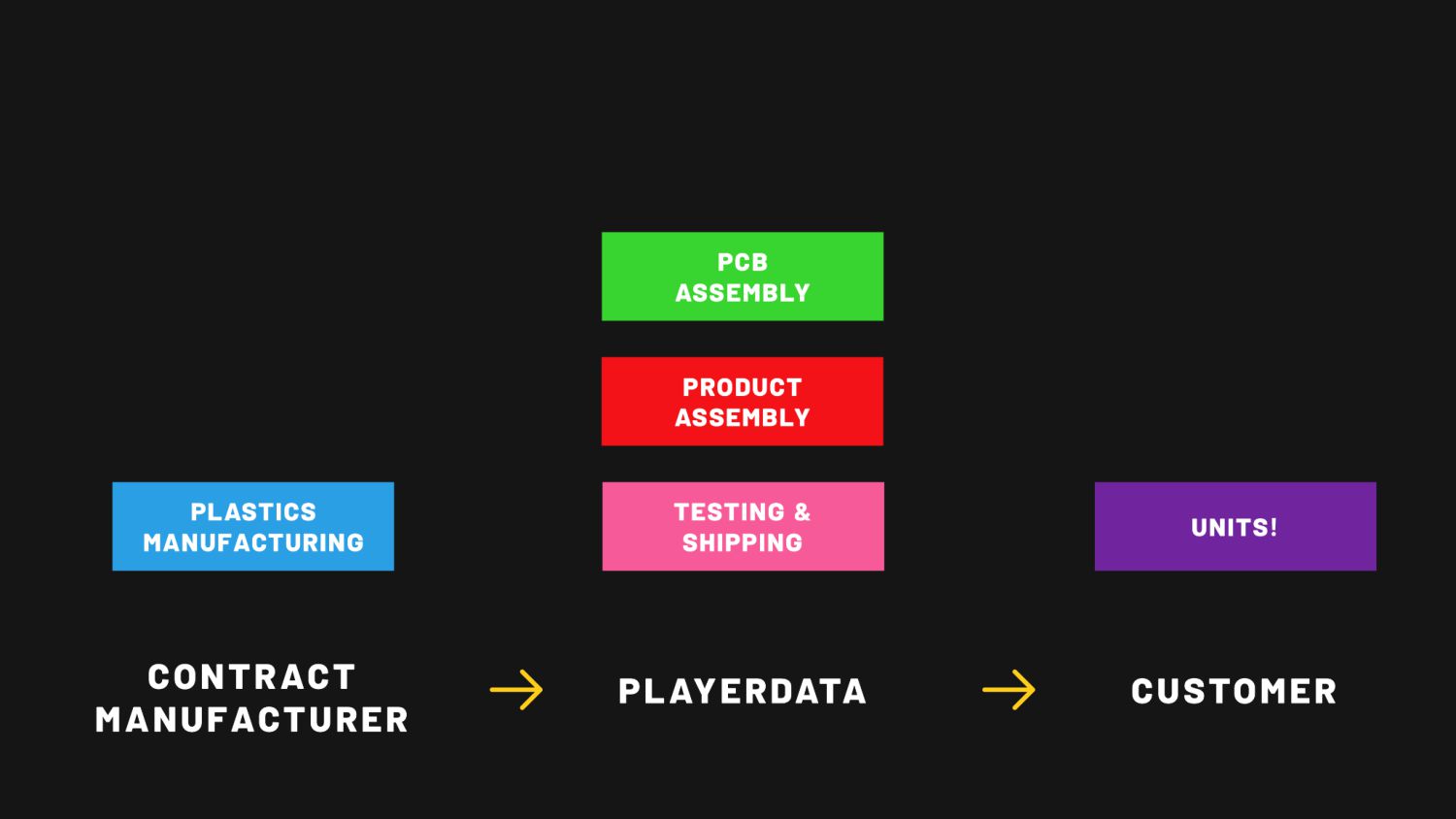
So we found a supplier on Alibaba who would three d print these cases, hand paint them and ship them to us for our use whilst we waited for our tooling to be done. We combined this with our already existing in house PCB manufacturing capabilities for small runs to assemble PCBs.
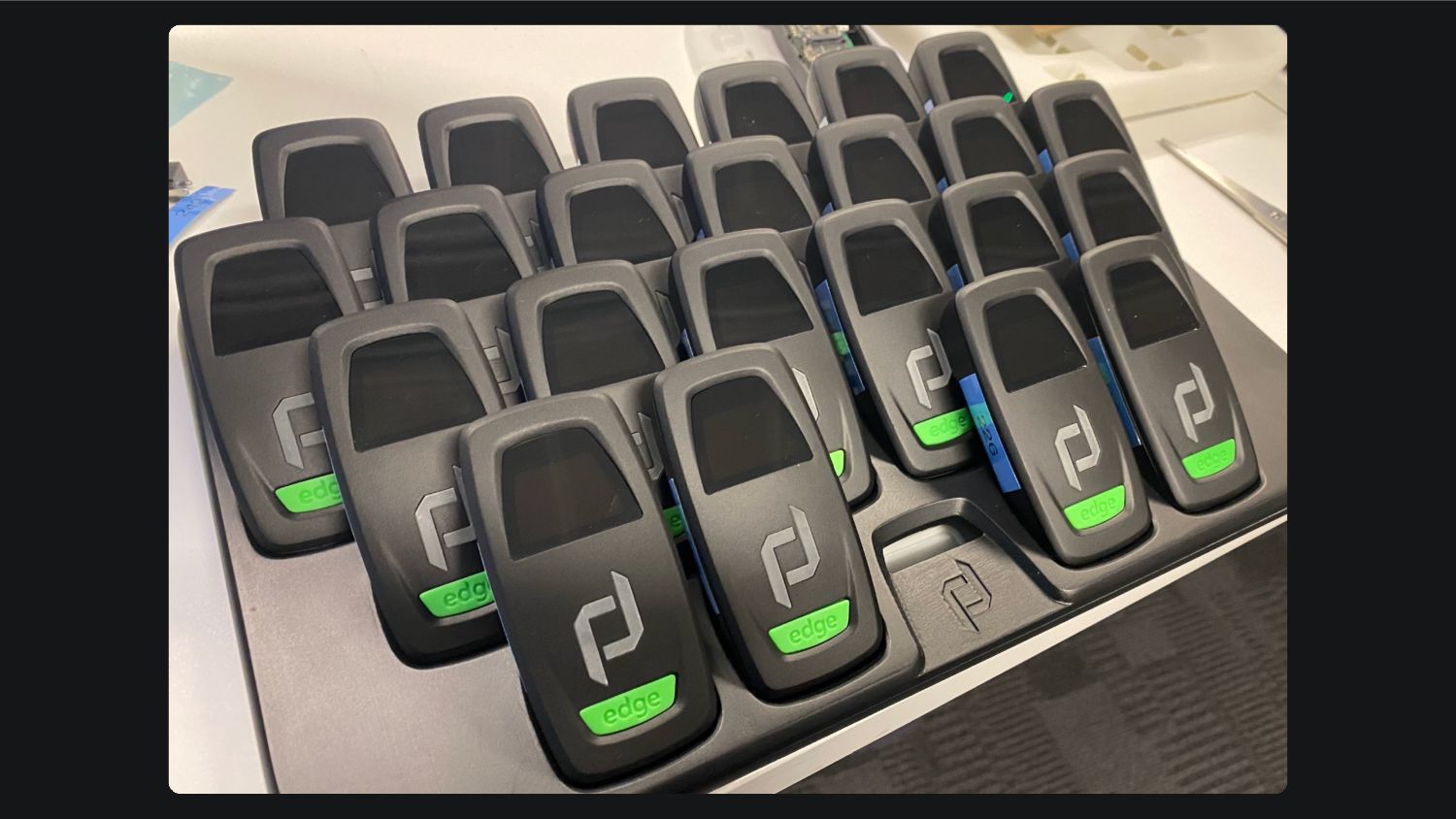
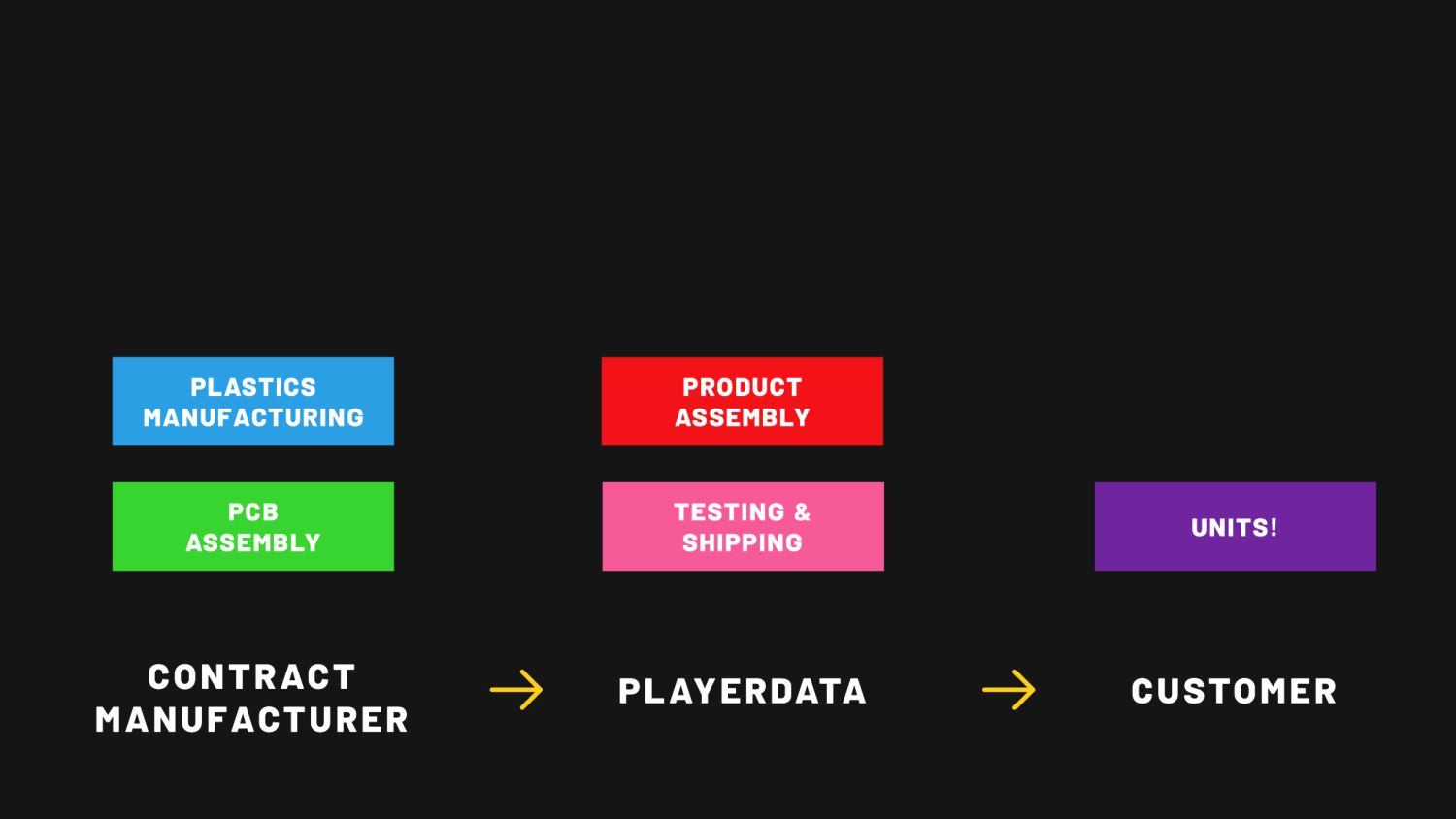
We hired a bunch of interns in the summer to basically do the product assembly. And they put all the whole product assembly, the electronics, the plastics and they tested it and packaged it for our customers. And we were able to make and sell our first thousand units by doing this in house.
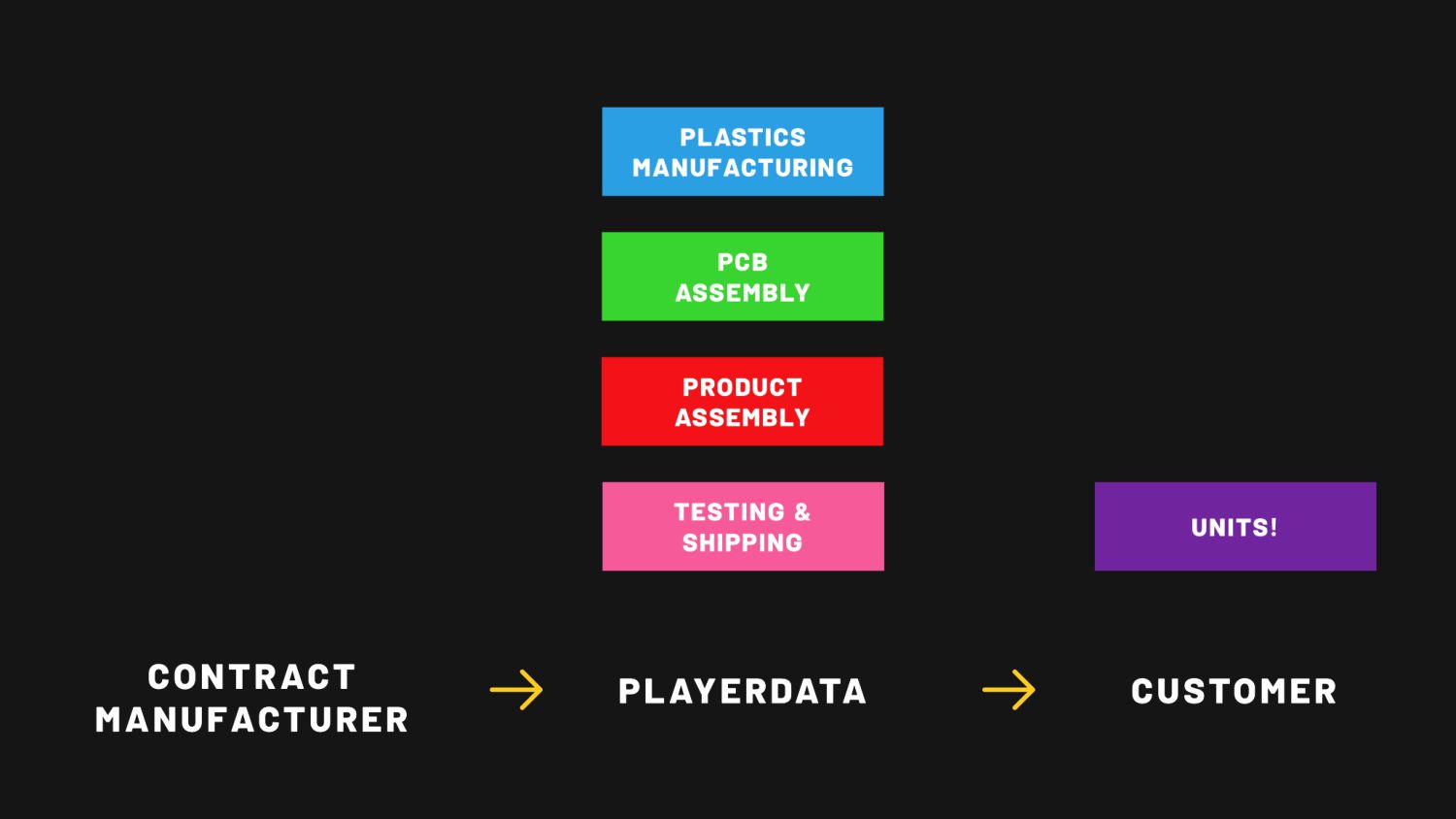
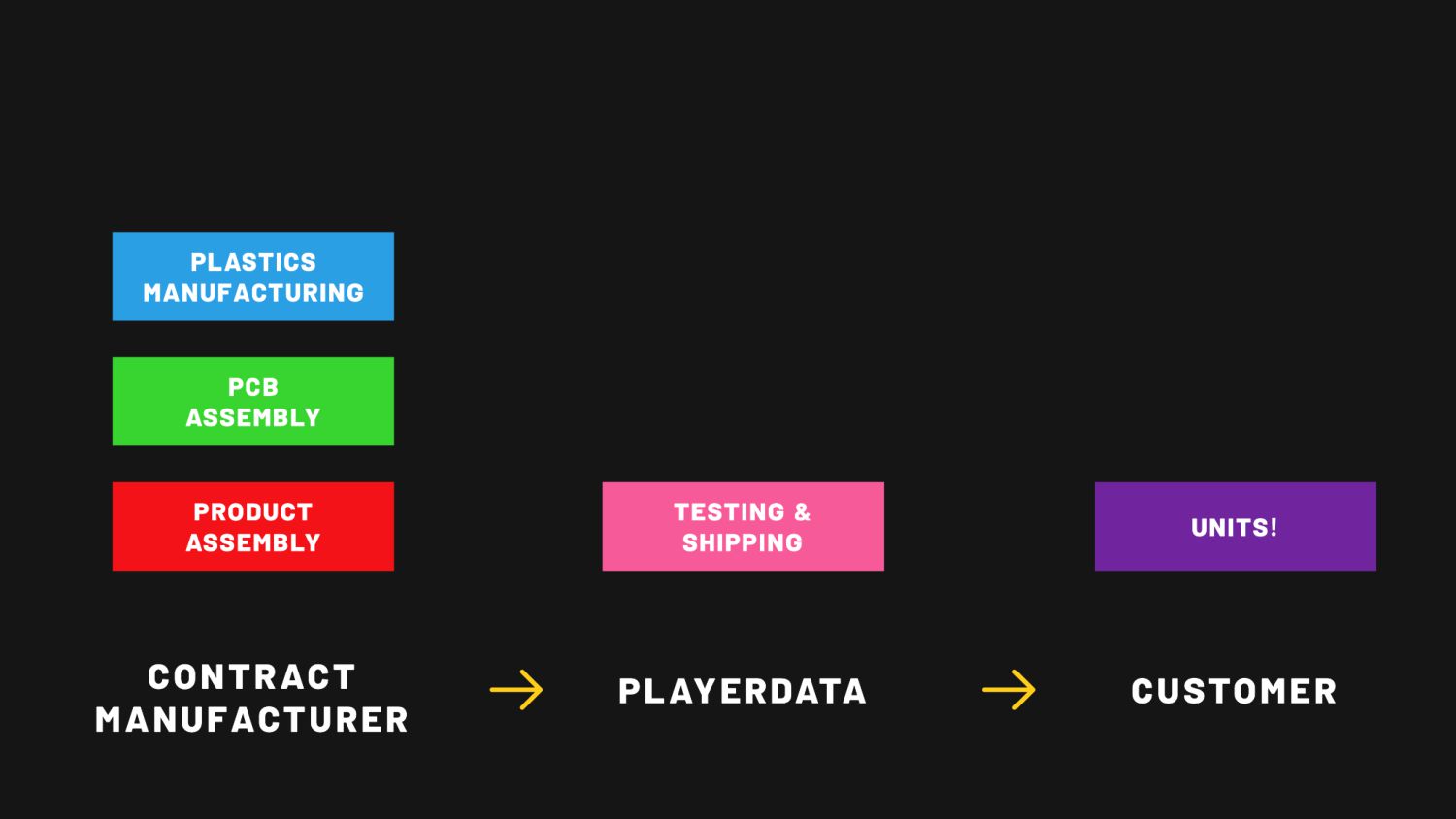
All in the meantime, in the background we were still going through that tooling in the manufacturing process and we were moving our processes slowly to the more traditional way. So we got our cases tooled up. We moved our PC assembly to our contract manufacturer.
And we were able to do this while still continually maintaining a supply of units. Now this process almost went really wrong for us. As we unexpectedly started selling to more teams than we thought we would, than we projected, this put a significant amount of strain on the player data team.
The same team who were busy making units of player data were now too busy to hand over the processes to the contract manufacturer. Who did have the volume to make this at scale. And our only saving grace at this stage was that came Christmas time and the order slowed down We were able to hastily complete that handover, give the rest to the contract manufacturer and they were able to scale up to meet other demands just in time.
Had we not had Christmas, to get out of this cycle we would have had to stop sales and that would have set quite a few people. On the whole, we estimate by running this process in parallel as the preparing for tooling and manufacturing, we're able to sell six months ahead of where we would have been.
And that was critical for us from a funding perspective and a go to market perspective. Investors want to see you know it's a chicken egg problem. They want to see sales but you need money to you need investment to create the product. Running this process we did encounter issues.
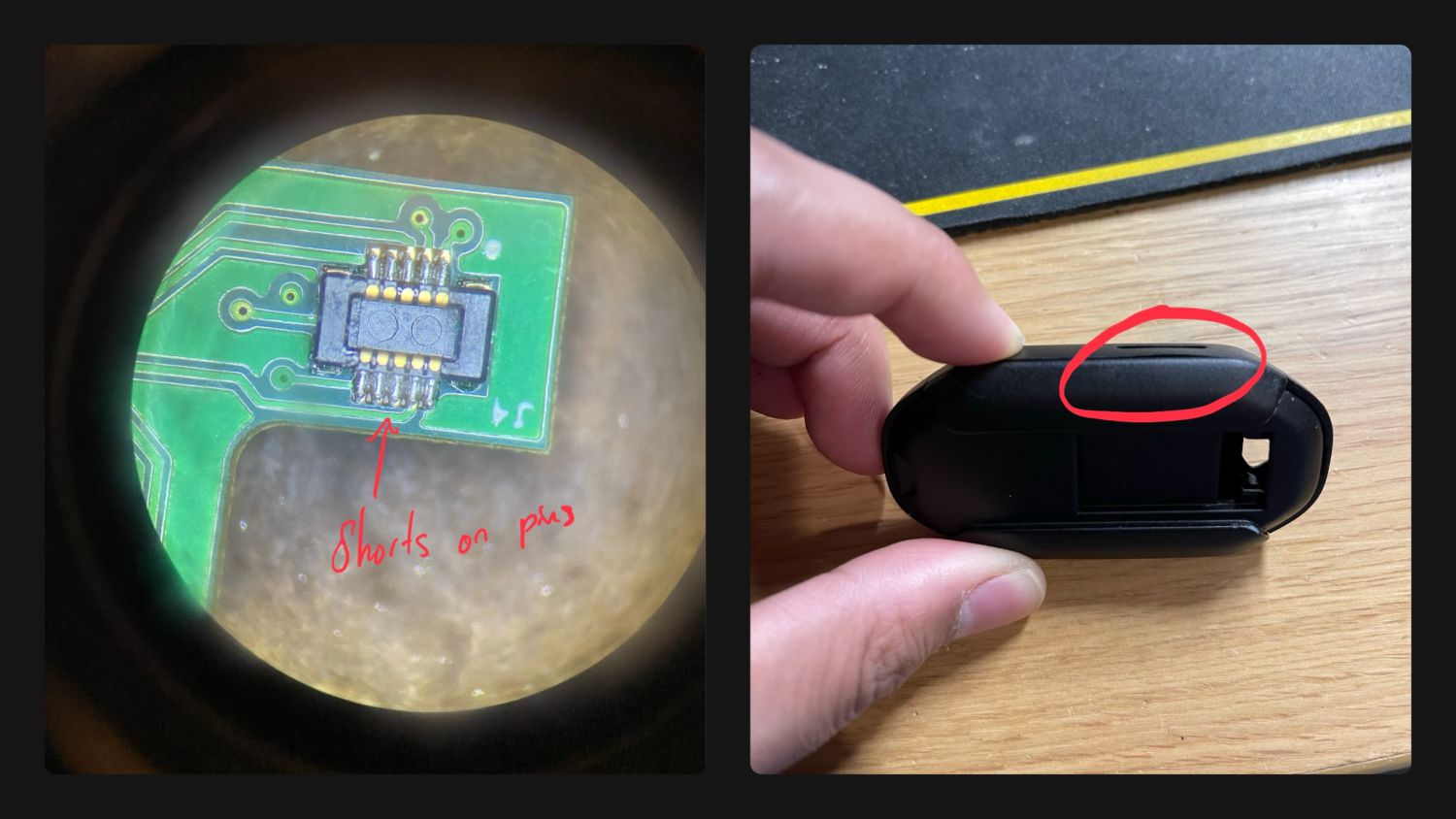
It turns out that professional manufacturers are professional because they can make hundreds of thousands of these products with very low defect rates. And given that we cobbled a manufacturing process using the cheapest machines on Alibaba, Alibaba, three d printed cases and coffee powered interns, we ran into quality issues.
Most of which luckily we caught in house, but some did go through. And it was through this process that we learned a really valuable lesson in launching any beta product. And that is the importance of really good customer support. We found that by being proactive and having highly available customer service agents, our customers were really forgiving whenever they experienced issues.
And that we found that in the early days it was best practice for us to to be completely transparent that we were a new company innovating at the cutting edge, and that there would be issues, but we would move heaven and earth to fix it for them.
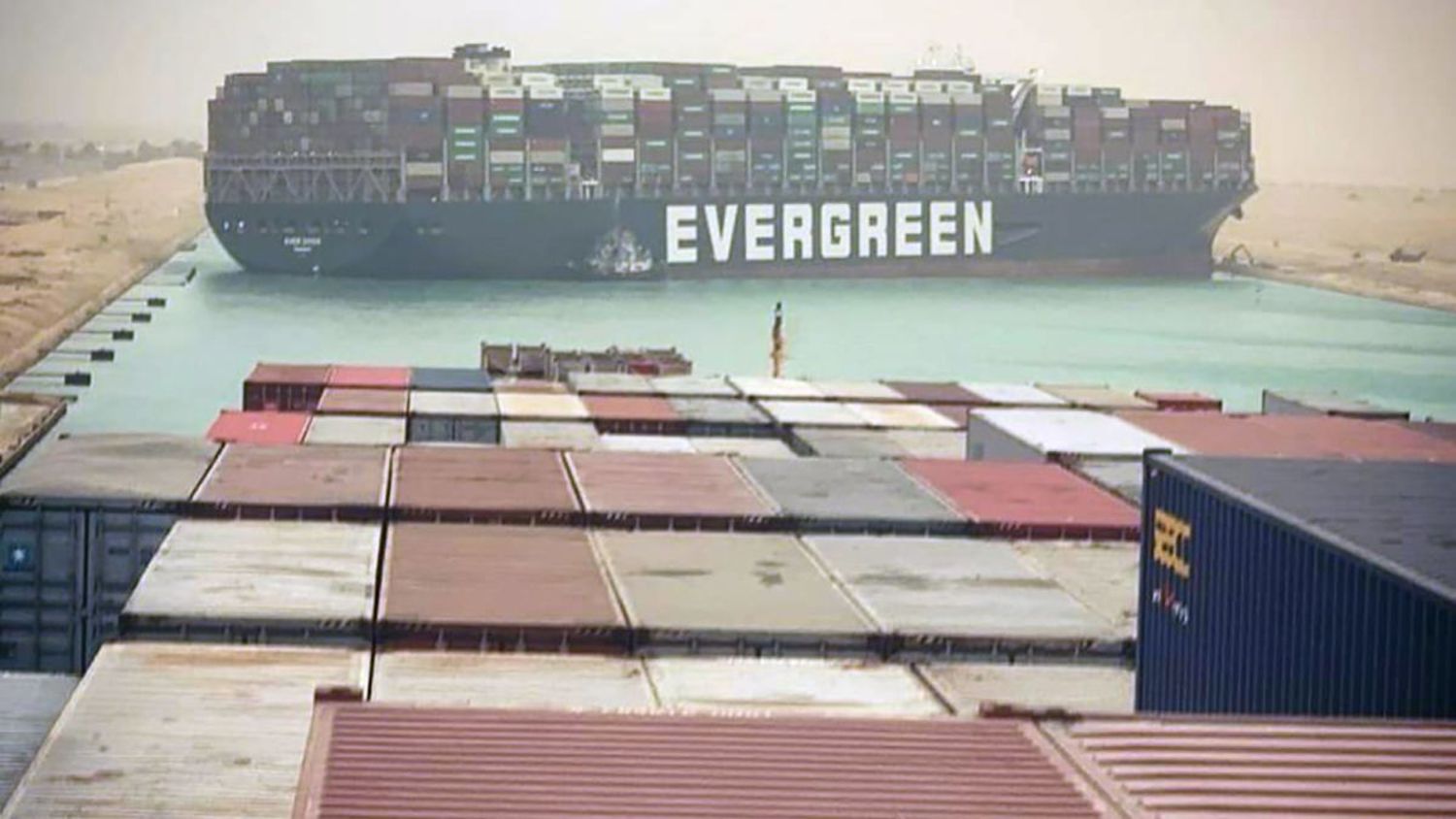
And that bought us a lot of goodwill that allowed us to scale through that phase whilst building our initial customer base. Let's talk about the global supply chain crisis for a second. Over the last two years it's never been harder for any company with a physical product to grow, to scale, to make the product.
Companies large and small have been struggling to manufacture the goods to meet the growing demands. Fundamentally this is because in every product there's ten to hundreds of pieces. And if you have a supply constraint on just one piece, you're either stuck waiting for it or you have to find a replacement.
The global pandemic and the supply crisis actually hit us as we were completing our first ever manufacturing run. We just finished handing over the processes. Our extending order at the time was fine because we had all the physical goods with us, but it completely screwed us up for all the future orders.
Things that were available in the tens of thousands were just not available anymore. And this is where our ability to iterate quickly came back to save us. We were able to take the same process that we used in the R and D phase of product engineering to come back and basically use it to help us avoid the effects of the stock shortage.
We ran quick development cycles where we identified the components that we were missing to make a batch of product. We designed a way around it by using components that were available. And then we tested quickly to deploy manufacturing run. And since the pandemic started we've probably run about three cycles of having to do this at short notice to make sure that we're always in stock based product, all while making sure that the customer doesn't have a different end user experience.
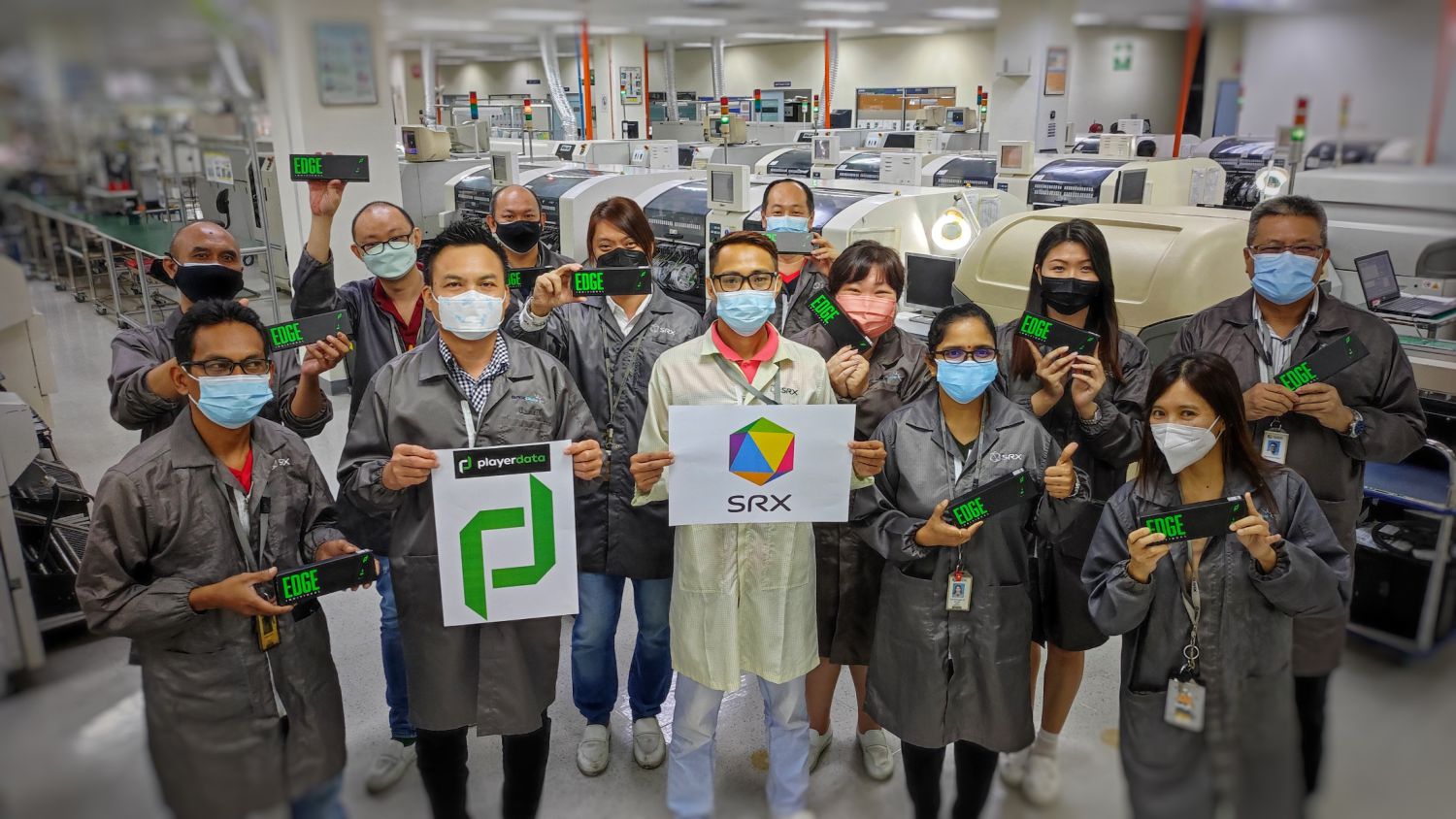
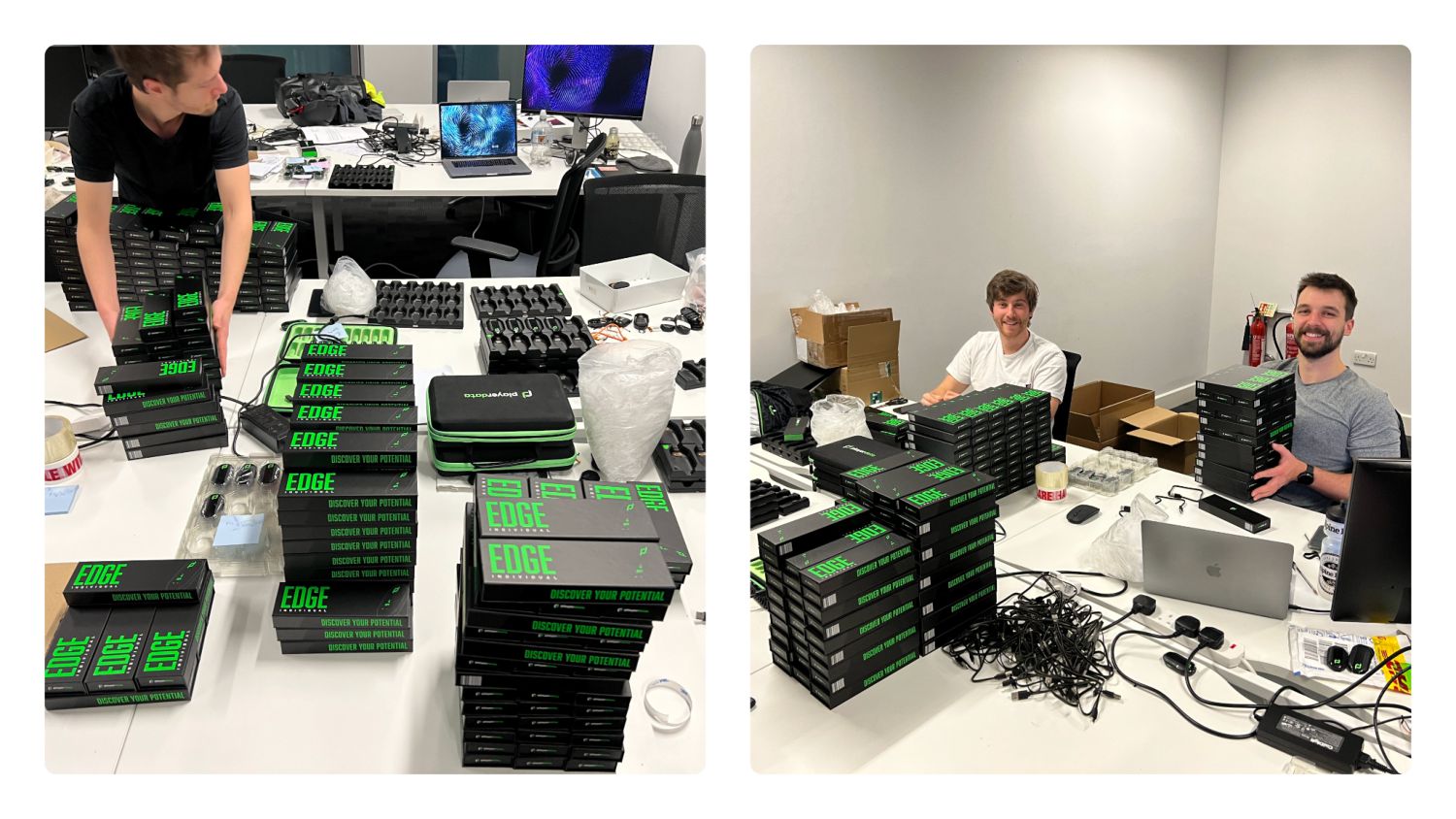
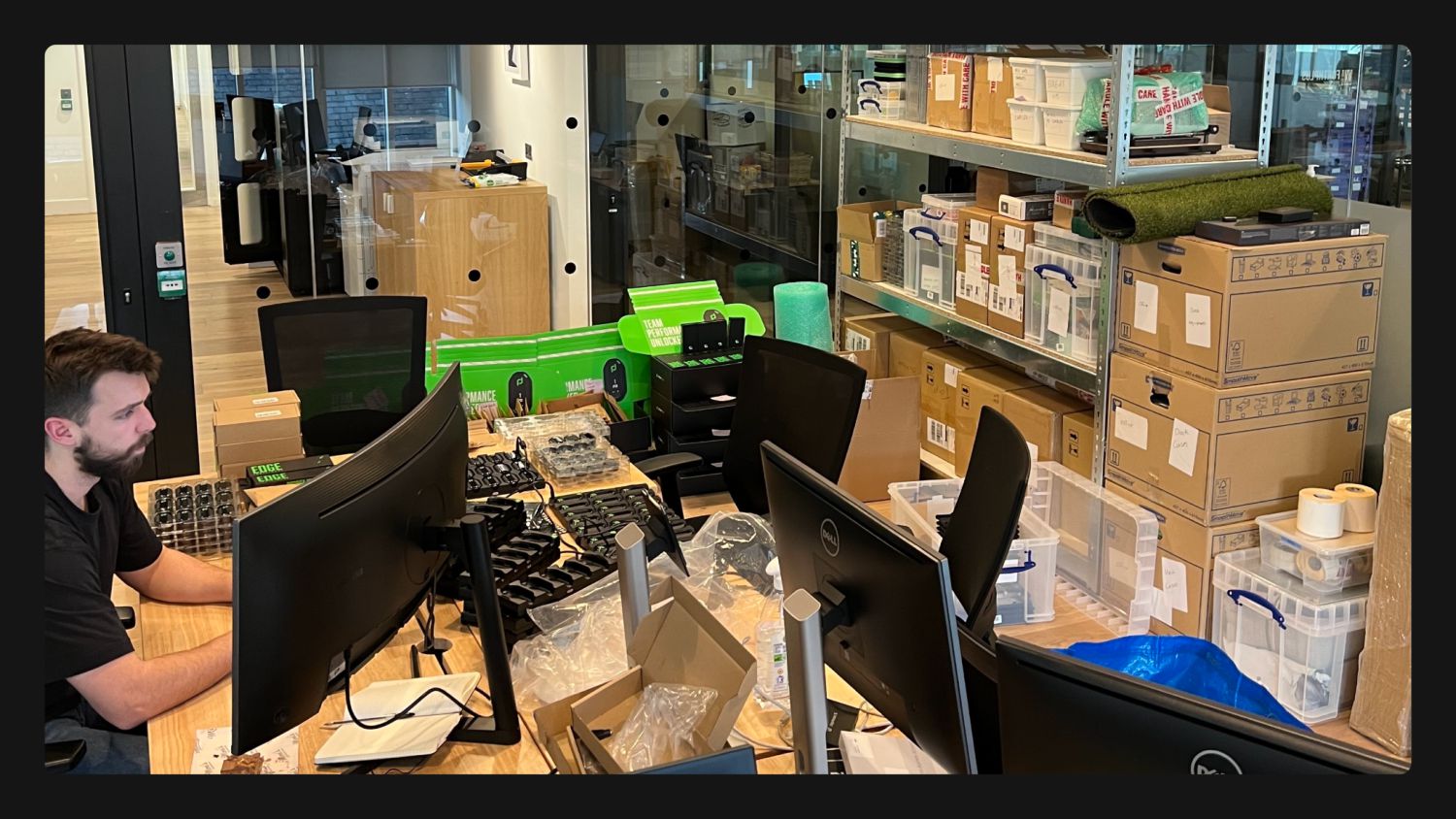
Finally, the key driving factor in our ability to maintain agile is fundamentally the team. Your team. My team. Moving faster with hardware and with anything means that there's a lot more to keep track of. You've different versions of builds, physical stock, as you can see there from this picture of how much stuff we have.
And to succeed at this, we had to fundamentally improve our communication skills across the team. We used Notion to centralize all our information stores so everyone's on the same page, and we had to learn this the hard way. It was fairly recently that a stray letter on a part number led us to order the wrong magnetic connector for our unit.
So when it arrived, instead of the units docking nicely into our docking stations, they were repelling. Two thousand of those parts. Now moving faster also comes with added pressure. So we had to be really careful to create a healthy failure tolerant culture that promotes strong work life balance.
Because ultimately you're not going to go anywhere any quickly if your team burn out whilst you try and do it. So let's recap. We took the waterfall in hardware and we made it and we turned it into something a little bit more agile.
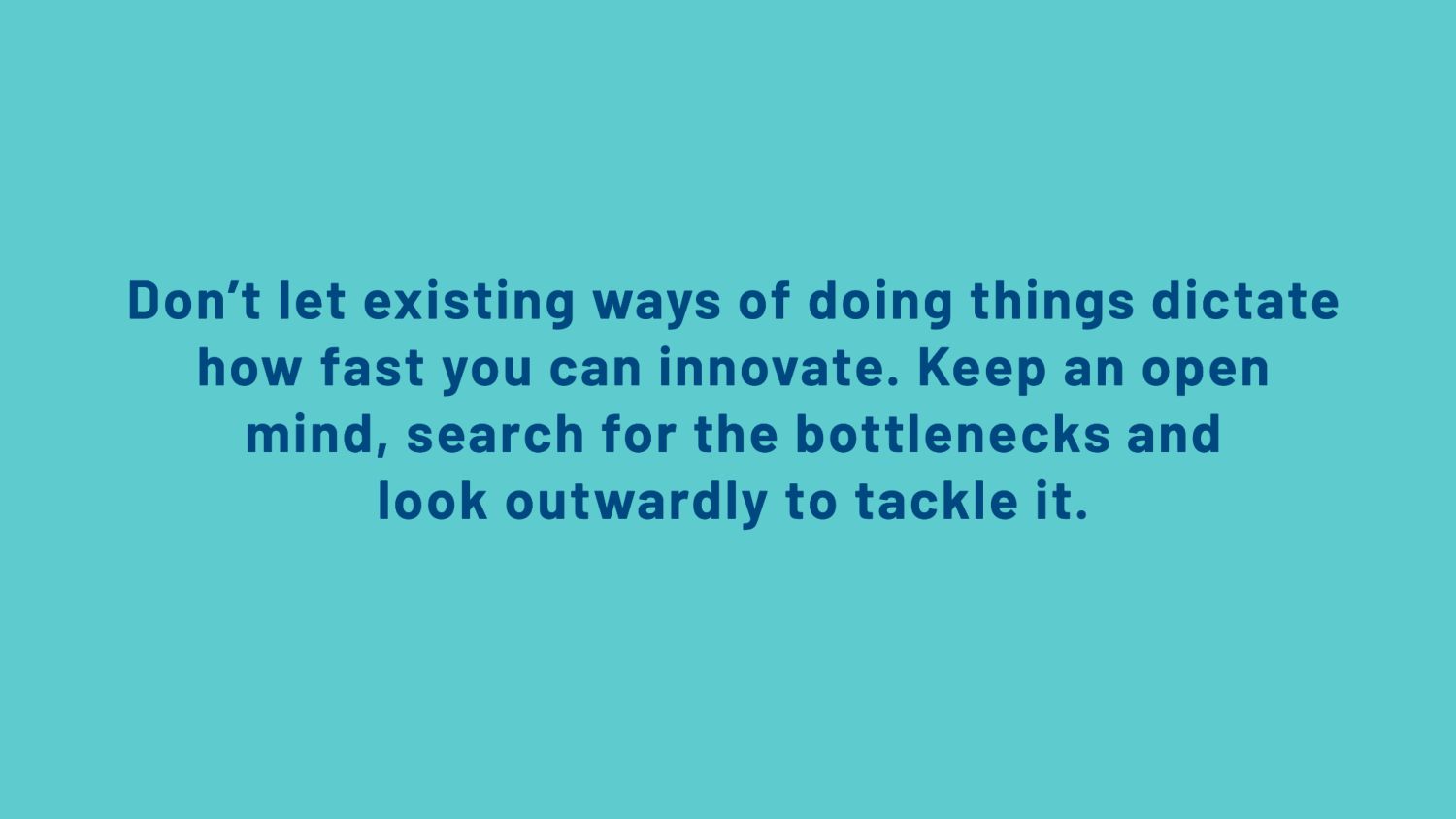
And here are some of the core lessons that we've learnt on the way. The first one is don't let your existing ways of doing things. Sorry. Don't let existing ways of doing things dictate how fast you can innovate. You gotta keep an open mind and basically look for the bottlenecks and you you'll have to get creative with ways to break through them.
The second one is that if you can dream it, there's probably a machine or supplier that will go and make it for you. My personal favorite is Alibaba, and I recently discovered that should I want a hundred foot wind turbine, someone on Alibaba will sell me one and come install it.
Third one is moving fast and breaking things is good. You'll build an exceptional relationship with your customers if you have fantastic customer service whilst you're doing it. Our biggest net promoters are the customers that have experienced issues because we fixed it very quickly for them and did the right thing.
I mean, it's kind of backwards. Right? You can't demonstrate you have good customer support if you don't have any problems. So why not fail fast, break things, stay at the cutting edge, and deepen your customer relationship whilst you're doing it. And finally, the fastest way to get something done is usually to do it yourself.
But the fastest way to scale is sometimes to rely on experience of others. The trick to this one is to find the right balance that works for you. You'll be able to go faster by yourself in the early stages, but be prepared to hand over to your partners that will really allow you to scale.
If you can find that balance, your next product will If you can find that balance for your next product, you'll be able to make hardware just a little bit easier. Thank you for listening. Please feel free to join me for Q and A after this.
You can also reach me at my email there if you want to connect further.