
As product managers, we are constantly learning. Learning about new technologies, new ways of structuring experiences, new ways of presenting information. We are constantly challenging ourselves to questions our assumptions about our users, our products, the way that we do things. How can PMs optimize their professional development? How can organizations understand how to better support their people? The way we learn originates in the way we play. For decades cognitive scientists have studied how play develops our minds and the way we interact with the world. Understanding the origins our learning process can help us understand how to continue the process as adults. This talk will cover the concept of play as cognitive developer, examine how great minds have used playful thinking to innovate new concepts and offer thoughts on how organizations can apply these lessons to their team cultures to create space.
Playing to Learn: How Understanding the Function That Play Has in Learning Can Impact Our Products and Organisations For the Better






Auto-generated transcript - may contain errors. Tap a timestamp to jump the video.
Okay, we're here to get back to play. Interestingly enough, so many of the talks that I've seen today on this stage talk around the same things and we're gonna be going into them from a different angle in this talk. But first off, I'll introduce myself.
My name is Rosemarie King. I have been a digital product manager for eight years. I've worked for governments, startups, big consultancies and now I work for another tiny little company called Mind the Product. I am the director of training products. I am building out a business that hopefully will bring really wonderful product management training to all of our product tech communities around the world and to any company who wants to hire us.
And so, means that I've been thinking a lot about how people learn. How can we incentivize people to engage in classroom settings? How can we help them be able to take the lessons that we teach them out and and apply them immediately? And even before starting to build a training service, I spent a lot of time as a PM thinking about how my customers learn how to use the products that I'm trying to get them to use.
How can we help them find that particular button or understand what the experience is meant to be? And how can we help them sort of integrate this into their lifestyles? So, this also dissects with a lot of thinking that I was doing around innovation and creative problem solving.
Because teaching people how to simply apply a framework is not really the whole battle when it comes to product management. Product management is about creative solutions. So all of this boils up to a very simple inquiry, which is how do humans learn? So how have our customers learned to approach and solve a particular problem?
Quite often, you quickly get into deep psychological questions about emotions and incentives and what delights our customers and what delights us to kind of want to build something or learn about a particular problem. So, how can we entice our customers to ideally or ideally add enough value to their lives to create a lasting relationship?
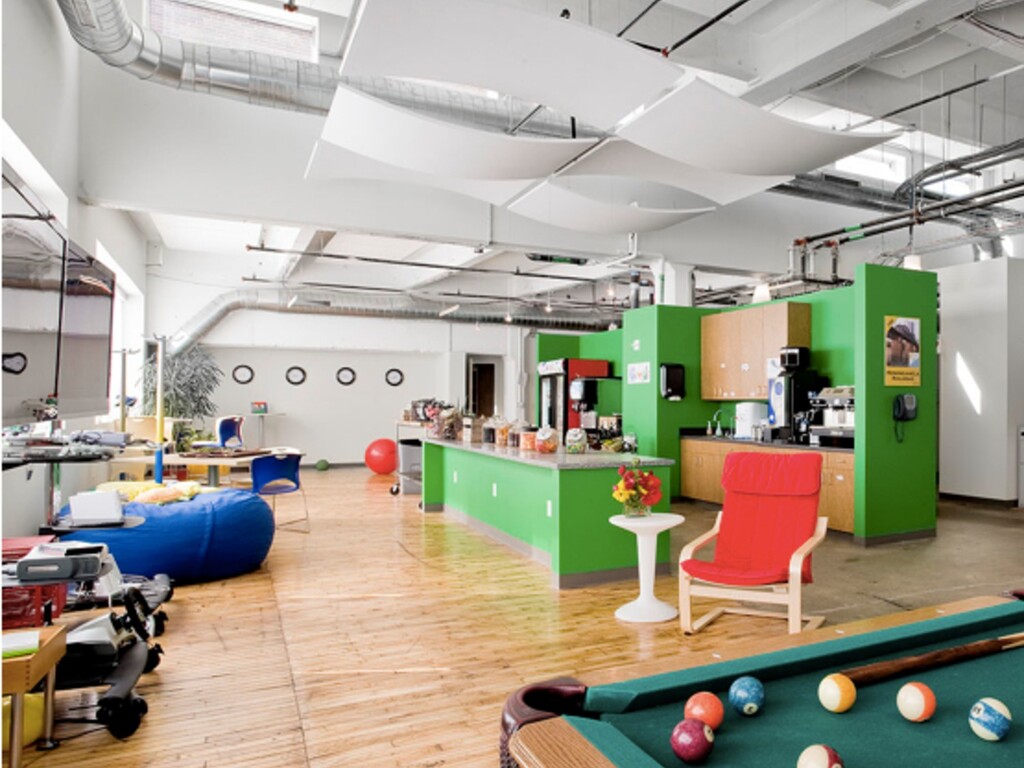
So all of this actually extends into our organizations as well. We're constantly thinking about how to incentivize our workers, product managers, our developers to come and work on problems with us. We throw ping pong tables around, we feed people snacks, we make our offices look like kindergarten classrooms.
But why? Why are we doing all of these things? Why are we constantly trying to gamify or incentivize or delight people? It's because play is actually the most powerful way that you can get people to learn something. It is the way actually that humans learn how to do anything at all.
It's been credited with some of the biggest breakthroughs that have happened in art, and science, and technology ever. But play isn't just beanbag chairs and ping pong tables. Those are small battles, but the larger war towards actually being able to have innovative thoughts that lead to massive breakthroughs is a much larger conversation.
So, what is play? Play is a universal concept. By way of the Oxford English Dictionary, it's, anything that is done for its own sake appears quite purposeless, produces pleasure and joy, and also leads to the next stage of mastery. Kids in Rio play in many many of the same ways as kids in Tanzania.
All around the world, you see children in their early developmental stages learning to do things in the same way through play. Looking, learning, inventing, pretending, giving objects agency, world creation, making up games, all of these things happen from one corner of the globe to the other.
But what does play actually do? My mom is actually a specialist in early childhood development and autism scale syndrome. So I grew up listening to, her talk about where children are at a particular stage of development. She understands in great detail how babies and children progress through various stages of learning and how those stages manifest themselves.
So during our most formative years, how a child is encouraged and allowed to play can have a major impact on their aptitude, their personality, and their talents for the rest of their lives. So think about that for a minute. At our most formative, who we become as people is predicated on the games that we play with ourselves and with each other.
So a lot of scientists and psychologists have done massive massive amounts of work on play and studied it and tried to figure out what exactly is going on. And there was this one guy named Eric Erickson who was writing and publishing around the nineteen fifties.
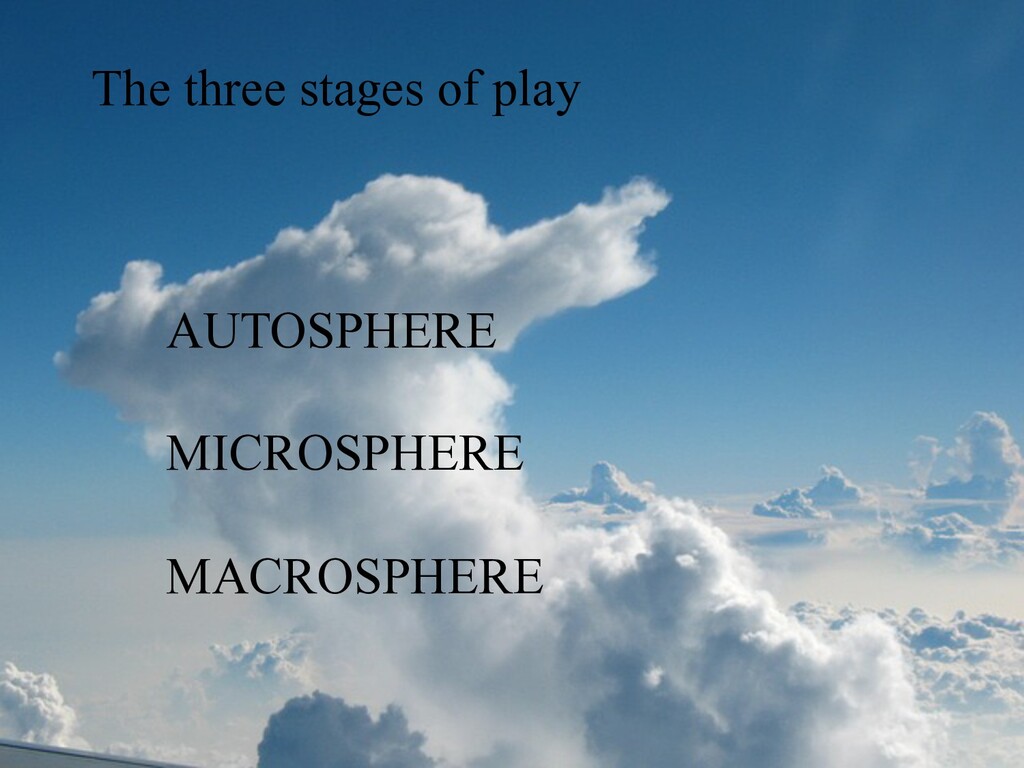
And his concepts about the eight stages of play and sort of the three buckets of types of play still actually form the foundation of how we think about this. So those three buckets that Eric Erickson talked about were the autosphere, which is the self, and self perception.
The microsphere, how we interact with our direct environment, and the macrosphere, which is how we kind of interact with a larger societal concept. And these three stages or three types of play actually extend well past childhood and come into a lot of our interactions in adulthood as well.
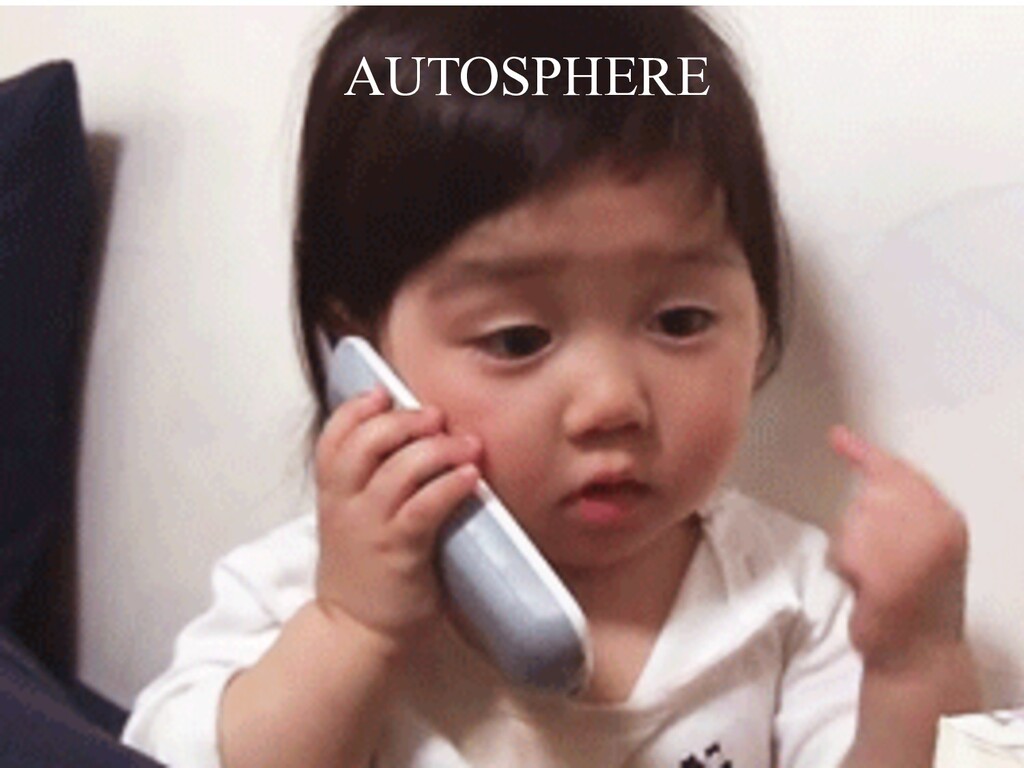
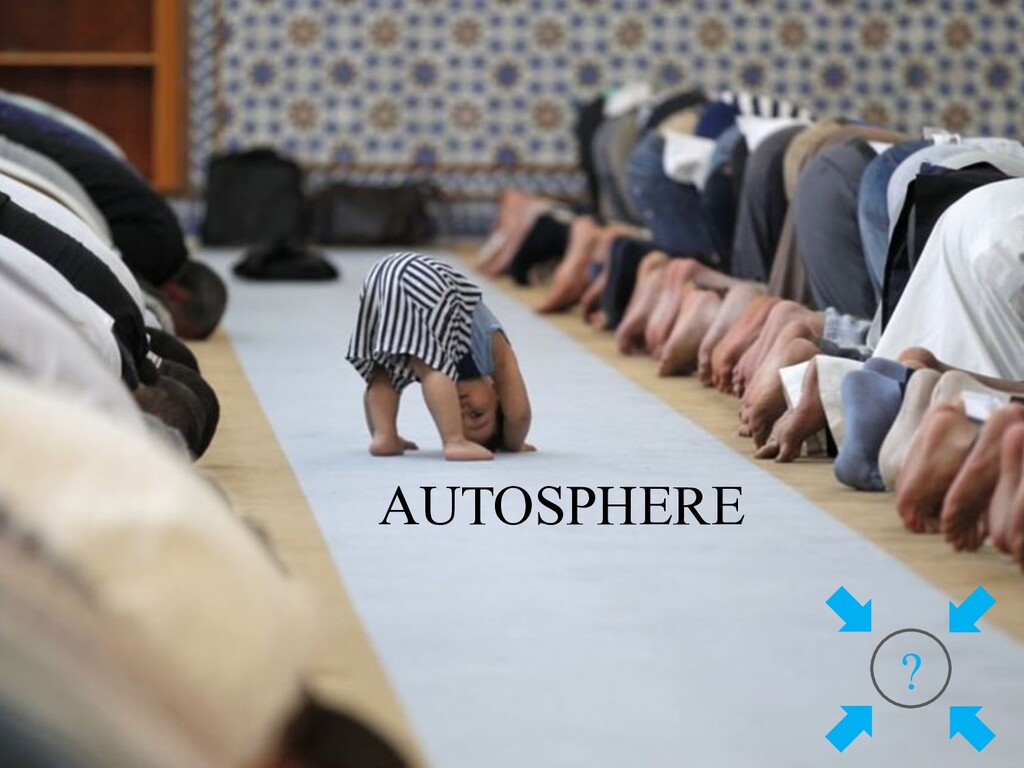
So let's talk about the autosphere. It's the discovery of self. It's when you see babies playing with their feet, or grabbing onto your finger, or interacting with something that's happening directly in front of them. It's focused on the inward, and it involves the initial human geography, so to speak.
So exploring and feeling through touch and experimentation, what's funny? What scares us? It's here where we learn what attracts and what repels. The stimuli and responses that we receive start to shape our behaviors. So we learn how to fiddle and figure stuff out, and we also learn to trust that our environment is a safe place that allows us to do so.
So the Autosphere comes into play in adulthood when we take some time to go and noodle. Ever had a designer or an engineer come up to you after you've been kind of intensely talking about something and they say, let me just go and think about this for a minute.
That is Autosphere. That is us kind of needing to be with an idea in our brains and see how we connect with it. In a classroom setting, what I found is that it's about giving space, allowing time for quiet, structuring in independent work where somebody has to create an idea themselves as opposed to listening to outward inputs.
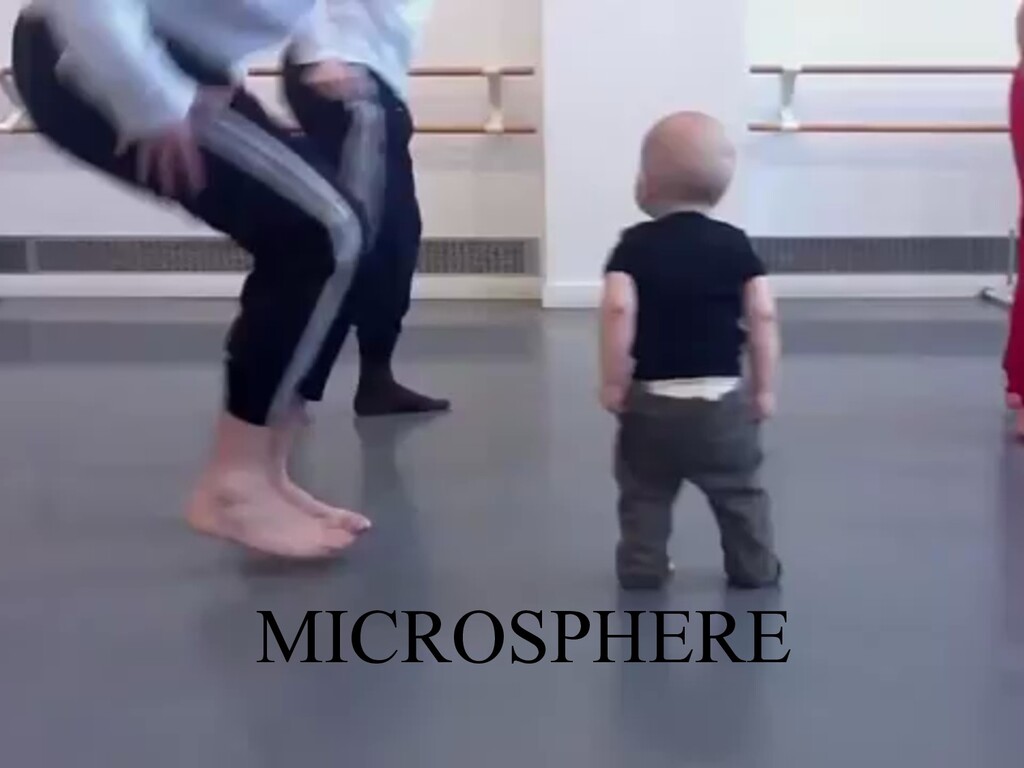
So play starts with self and then extends to our direct community which is called the macrosphere. So these dancers and this baby are playing and I absolutely love this video because the baby is kind of vacillating between knowing that he's leading the dance and not necessarily being sure.
And I kind of feel like that's how we all feel in most of our interactions. It's like, wait, am I doing this or am I just kind of following along what should be happening anyway? But the microsphere is the beginning of meaningful exchange.
It's great. It's amazing. The sphere has now extended and it includes the people and the objects directly around us. And it's where we learn autonomy over ourselves as well as begin to master our ability to direct. So the first idea that things happen when we interact with things, the beginning of causality.
It's where we learn how our actions elicit reactions and how what we do impacts outcomes. Children start to use things like objects and movements and emotions to paint pictures of their ideas and imaginings. So, the microsphere is the beginning of community creation and the imagination of what could be possible if you bring these things together.
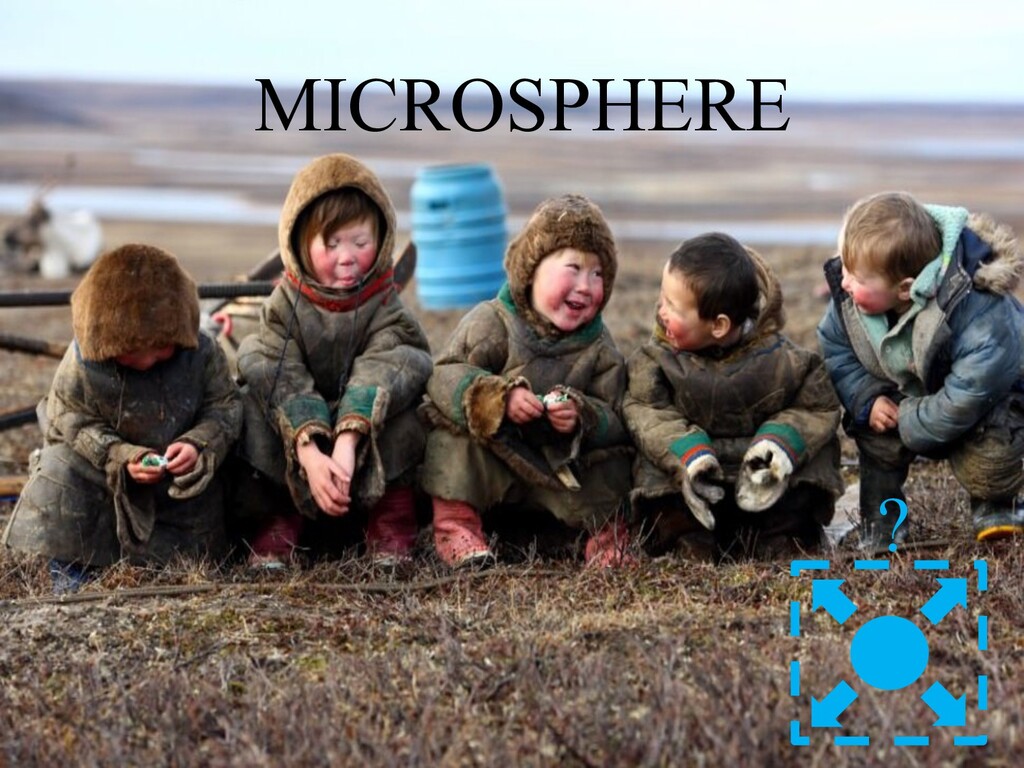
And these kids up here, they have absolutely no barriers to communication. I love this image because of how wonderfully natural it looks. They are so in the moment and sort of like free. And this one on this side is a little bit more introverted, but no one's upset by it.
No one's put off. They're just all being entirely themselves. It's honest exchange. So in adult terms, this is obviously where friendships and team hobbies and figuring out how you feel most natural and comfortable come into play. When you start to recognize that actually you're a little bit introverted or you're really extroverted.
And in the professional setting, it's about that storming, forming, performing piece. It's about figuring out how to work with others and collaborate effectively. So, this is also very important to remember that it is in the microsphere that shame comes into play, where people can start shutting down because somebody has told them that their idea has no value or that their concept that they've just put forward is stupid.
And it is as dangerous to adults as it is to children to be shut down in the microsphere. And kids, actually it's been studied, who are encouraged and allowed to feel safe in the microsphere and told that their ideas are valid actually come into the most confidence in their adolescence.
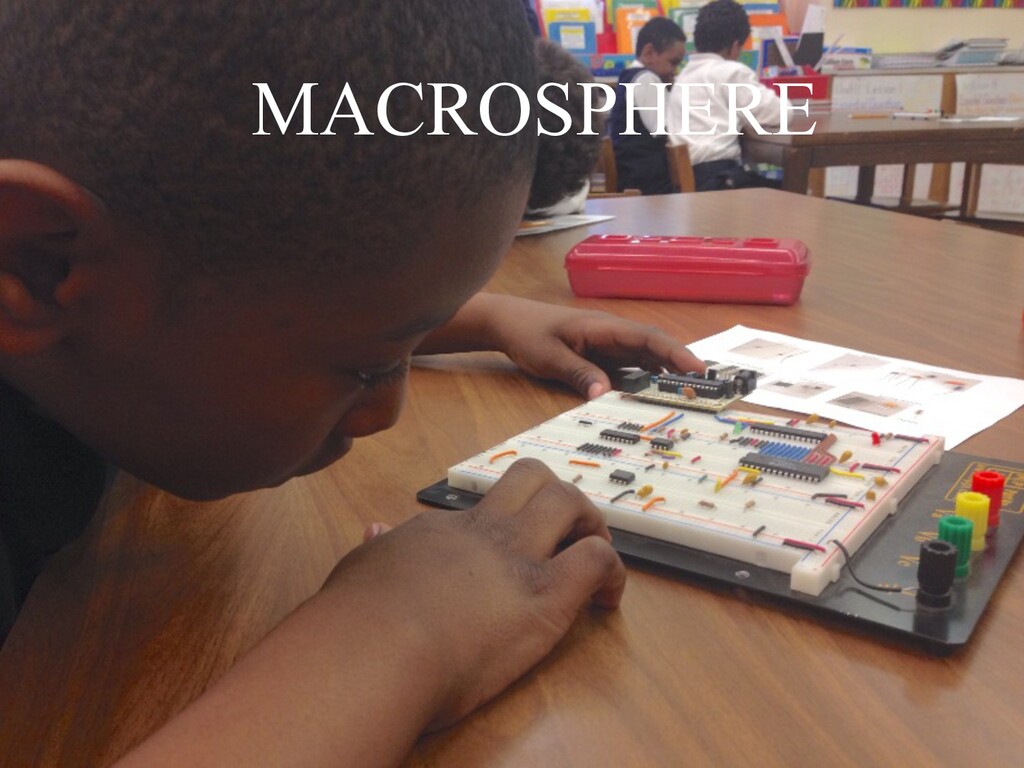
And the same can be said in adult settings as well. So finally, the last sphere, the macrosphere. So the macrosphere is where children start to recognize that things are happening in the larger world around them and interacting with those. So this kid is probably around the age of two or three, no more.
And he obviously has grown up in a musical household and he's watched his family members, you know, rap and and create music with each other. And he is completely unconcerned with the fact that he's actually not using words, but he totally understands how to rap.
He has flow. He's really cool. He's probably cooler than I am. And he looks great doing it. And the thing that I love about this is that his joy and the joy of the people around him are so apparent in what he's doing here.
He's just playing with it. He's playing with the concept. Now, show of hands, how many people here bet that this kid is gonna be an amazing rapper when he grows up? Like I think he's probably incredible now and he might be ten. So the microsphere pretending can be characterized by free form thought.
In macrosphere, children start transitioning into games that come with frames and constraints. So this kid understands that he has to match the beat. Right? So he gets that rule. He understands that process. But he's playing with that. And so you see this happen all the time with children where they take an adult activity like going to work and they put on you know two huge shoes and tie the tie around their neck and go, I'm going to work and they just break all the rules.
And they don't mind. And it's the process of breaking rules that makes the game so fun and ridiculous to them. Because they recognize that they're breaking rules, but they don't mind. So I think this piece is interesting because this is where children start seeing that mutual agreement about something can lead to the creation of a new dichotomy.
If everybody around you in your play group recognizes that you're going to work with your tie raptor on your head, well then that means that it's okay to go to work with your tie raptor on your head. And everybody agrees and that's okay.
So simple rules established in play can begin to create a greater purpose. Because that's what pretend in a macrosphere context of play does. It creates the belief that anything is possible. So in the adult world, when we daydream about having an impact on the larger world, creating a company or a product, and seeing what's possible, and wanting to achieve something bigger.
Oftentimes, that means that we probably have to break the rules that already exist. And that can be incredibly difficult because in the adult world, people's favorite thing to say generally is you can't do it that way. But it's in the macrosphere where we learn to say **** ***.
So And it's very important in our childhood development stage that we're allowed autonomy in the macrosphere and that we're told that we can do things because then we carry that confidence into the adult world. But in professional settings, companies can have a massive impact on their employees by saying, want you to break the rules.
I dare you to break the rules. And what we're trying to do with the mind the product training is give people the confidence to say, I think we should be breaking the rules here. I want my product managers who go through our trainings to think, I can go and I can speak my mind because I have the tools behind me and the evidence behind me that backs those thoughts up.
So what happens? We have the autosphere and the microsphere and the macrosphere and, you know, we're we're thinking grand imaginative thoughts and then for the most part, we all grew up into adults who generally tend to get really scared to draw pictures on white paper with sharpie markers.
I've seen this happen. I hand people in my classes sharpie markers and I say, draw sketches and they go, I'm not really a drawer. And I go, yeah, you are. You can do it. It's okay. So I think that this is something that's really worth discussing is that we lose a lot of these stars in our eyes.
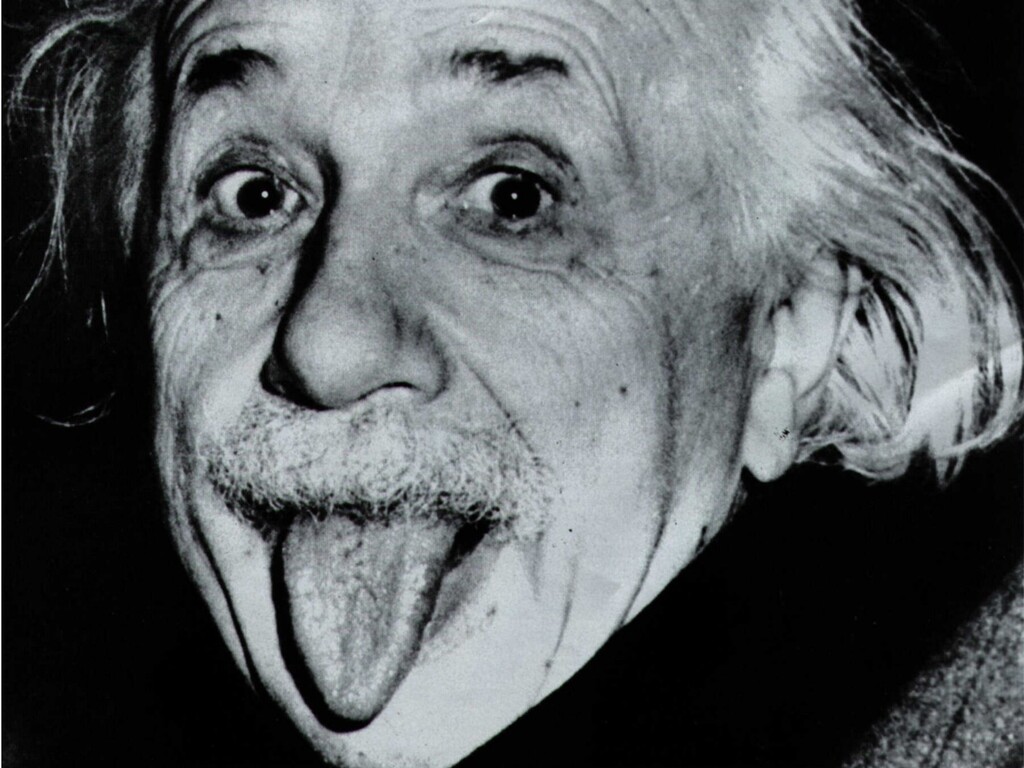
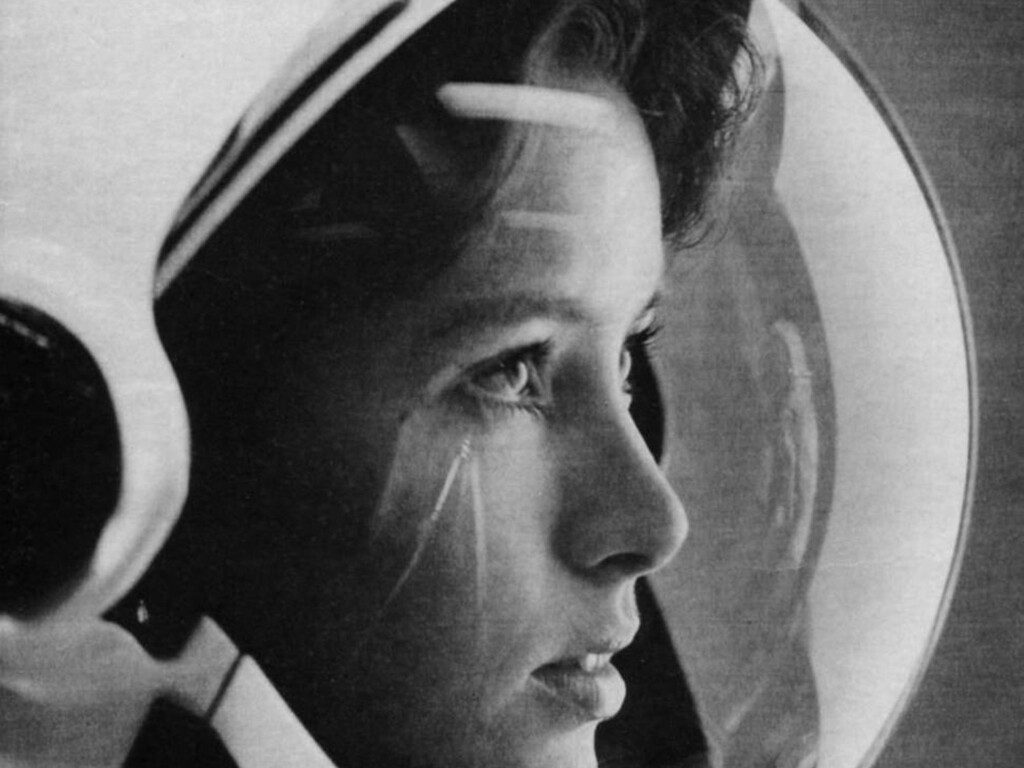
It's really bad to grow up too much. I generally tend to try adulting only about three hours a day as a rule. This guy hated adulting. He couldn't stand it. He was actually studied extensively by Eric Erickson as a model of what happens when you big bring concepts of play into the adult world.
And we got some of the most formative ideas on physics and astrophysics that have ever actually occurred in the history of man. Because this guy decided that he was going to play his way into those ideas. So Erickson went on to correlate that the physical leaps of childhood play with the mental leaps of adult creativity.
And Einstein himself is credited with saying that play is the highest form of research. So these physical leaps of play into the creative leaps of play were actually characterized by Eric Erickson as a spirom, which is where the mind takes flight. He actually kind of scientifically proved that that there's a moment in thought where you're kind of in the flow.
Who here has ever been in the flow where you're just like feeling it? You're loose, you're focused, but you're feeling good. That's spiral realm. That's when you're able to kind of take flight. And that's what we're all trying to drive towards constantly. So, it actually literally means clearance, which is extending this idea that play is free and easy, and all of the firm limits have kind of come off of it.
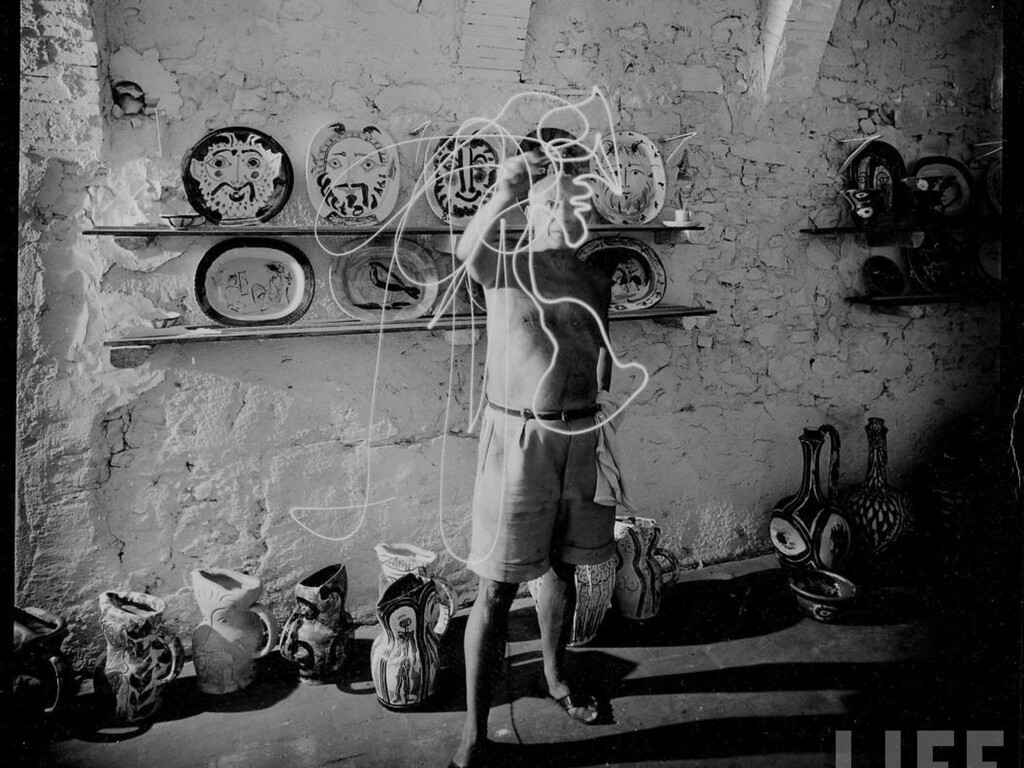
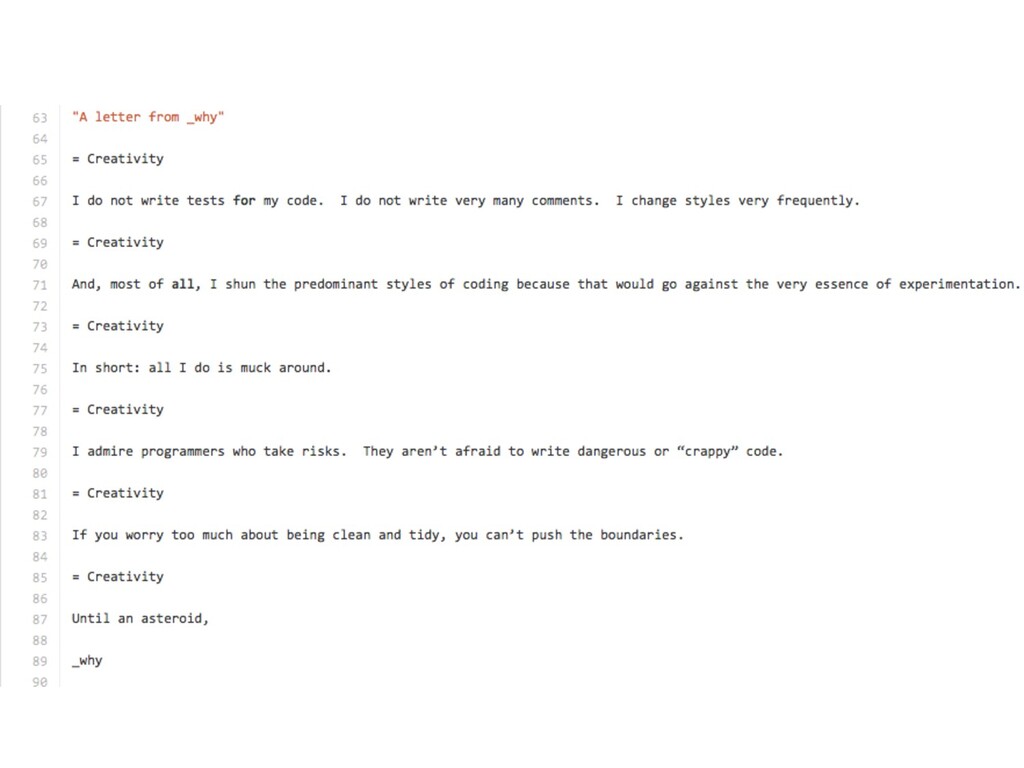
So ways in which we can achieve these leaps of fancy. An example I love Picasso for is because he would dabble in all different kinds of things. He would make pots, he would draw on plates, he would use flashlights to paint pictures in the air.
He didn't just stick himself to canvas and brush. He allowed himself to kind of go outside of his comfort zone all the time just to see what happened to try to get into that flow. So you learn the rules like a pro and then learn how to break them like an artist.
This is graphene. Graphene actually, it was a discovery that led to a scientist named Neil Gaim to win the Nobel Prize. Interestingly enough, the way that he discovered graphene was by taking pieces of rudimentary Scotch tape and pressing them up against pieces of paper that had pencil drawn on them.
Not particularly the most scientific method, but this is also the same guy who managed to levitate a frog. He won this really funny funny prize called the Ignoble Prize, which is is for silliness in science. And I think he won it the year or two years before he won the Nobel.
But Neil Gaim was known as a scientist who was incredibly silly and who liked to try all different kinds of things constantly in order to see what came of them. And what came of them was a substance called graphene, which is ultimately going to change the way that we build electronics, which is quite fascinating.
So I use these as an examples of how adults need to have the ability to be creative and the space in order to kind of have those leaps of imagination. But probably a lot of you guys are thinking to yourself, there's no way that I would be able to institute that kind of space in the companies that I work for.
There isn't that kind of permission. But, I understand that. I've worked for a lot of different kinds of companies and I've consulted with a lot of different kinds of companies and I I speak to a lot of product managers on a regular basis.
So, I think the best thing that we can do is to try to look at ourselves and see what impacts we can make in terms of creating environments that allow those leaps to happen. So generally, I think the first place to start is by saying, don't be a bully.
I think we lose the ability to do these things because we're taunted into the world of adulthood. A point of view where asking the simple question becomes the stupid question, where the perspective that free space is wasted space, and where somebody who is exploring becomes someone who is procrastinating.
So as a mentor, and as a coach, and as product leader, we have to be conscious of how we're doing that, whether we want to or not. I'm often quite militant with my meeting agendas and I drive things forward and I say, that's a rabbit hole, park it.
Well, that's good to a point, but also when am I shutting down? And I also think that you have to be very conscious about who on your team may or may not be doing this to other people. And I think it's our responsibility as product leaders in organizations to be able to take folks aside and point out that they might be doing this.
And try to make sure that you're establishing space for lots of people to be able to give input and have have the freedom to play. Open doors and keep them open. We are most comfortable when we can put people into boxes. You are a designer, you make the pictures.
You are an engineer, you make the code. You are a PM, you do the talking. So we like being reductive about who people are and what they're capable of because it makes it simple for us to kind of cordon off and resource delegate.
But it actually really drives me nuts. I'm a digital product manager who surfs, has a food blog and is interested in marine litter. I recently met a technologist who founded a multi million dollar startup who studied physics and fashion and owns a coconut water company.
We are all multifaceted. And just because you're an engineer doesn't mean that you can't think about design. And just because you're a designer doesn't mean you can't think about technical issues. And as a PM and as a product leader, we need to be able to bring these folks into the same room and get them talking about stuff.
I think one of the best places to do this is in the discovery period. If you're a PM in this room who regularly brings engineers into discovery and design discussions, kudos. If you are not, start doing it, please. The benefits to your projects are legion.
You start seeing different perspectives come into play and some of my biggest product breakthroughs in my entire career have come because I brought engineers into the room and made them start drawing on whiteboards. Not engineering technical flows, wire frames. So, don't be reductive about who people are and what they're capable of.
Open doors and let people in. Taking time to go down rabbit holes. Our days are broken up into very small increments. Fifteen, twenty minutes, our attention spans have shrunk shrunk from eight minutes, I think now the last count was three, that people can kind of stay focused on a particular task.
The number of times I open up my email window and sort of type a line and then go and do five other things and come back to that email is pathetic. I do it all the time. So, how are you structuring your days for yourself and for your team?
Are you being disciplined about giving yourself large blocks of time or are you allowing yourself to have your time cut up into tiny little chunks? Because in order for leaps of thought to happen, in order to enter into a spiral realm, you need time to get there.
Like, there's a reason why we have runways for planes. They don't just levitate, except for helicopters, but that's not the point. So you can structure meetings during your day and your week so that you're pooling information, that you're spreading stuff around, that you're creating efficiencies.
And hopefully, that means is that you're giving yourself and your team space to kind of go down rabbit holes and really explore problems and get good chunks of time to get into the flow. So all of this is to say that in order to be playful in our companies, in order to create the space for people to be imaginative and playful, and to have groundbreaking ideas, we need to have courage.
We have to be able to say, this isn't the right way to do things, or we have to be able to give gentle feedback that somebody is disrupting, or sectioning someone off, or cutting someone down to size. We don't want to do this.
We want people to be big and expansive, and we want them to feel like they have the space to play. Thanks so much.