
Randeep was parachuted into government at short notice and built the NHS Covid 19 app in just 6 weeks. It saved thousands of lives - but it was not destined for success. What techniques helped this app succeed where others failed? How did he have impact, and fun, in the face of such chaos? Randeep condenses his experiences across private and public healthcare including at Babylon Health and the Terrence Higgins Trust, into 5 practical examples that help with your challenges whatever your industry. It uses insights of how humans work together, or don't, to build products with real impact. This talk is aimed at anyone who is interested in making a difference. It is intended to be uplifting, engaging and expansive, covering everything from behavioural psychology to Marvel superheroes! Product, tech, founder, entrepreneur, anyone working in challenging situations or even just those who are curious - it aims to be useful for all.
Life and Death Decisions: Product Lessons From a Pandemic CPO


Auto-generated transcript - may contain errors. Tap a timestamp to jump the video.
Thank you. Yes. So I should state this is quite nerve wracking because pretty much about a couple of weeks ago, I was in hospital with a birth appendix. So this is the first time being out and about, so be gentle with me. I will try and be as active as possible.
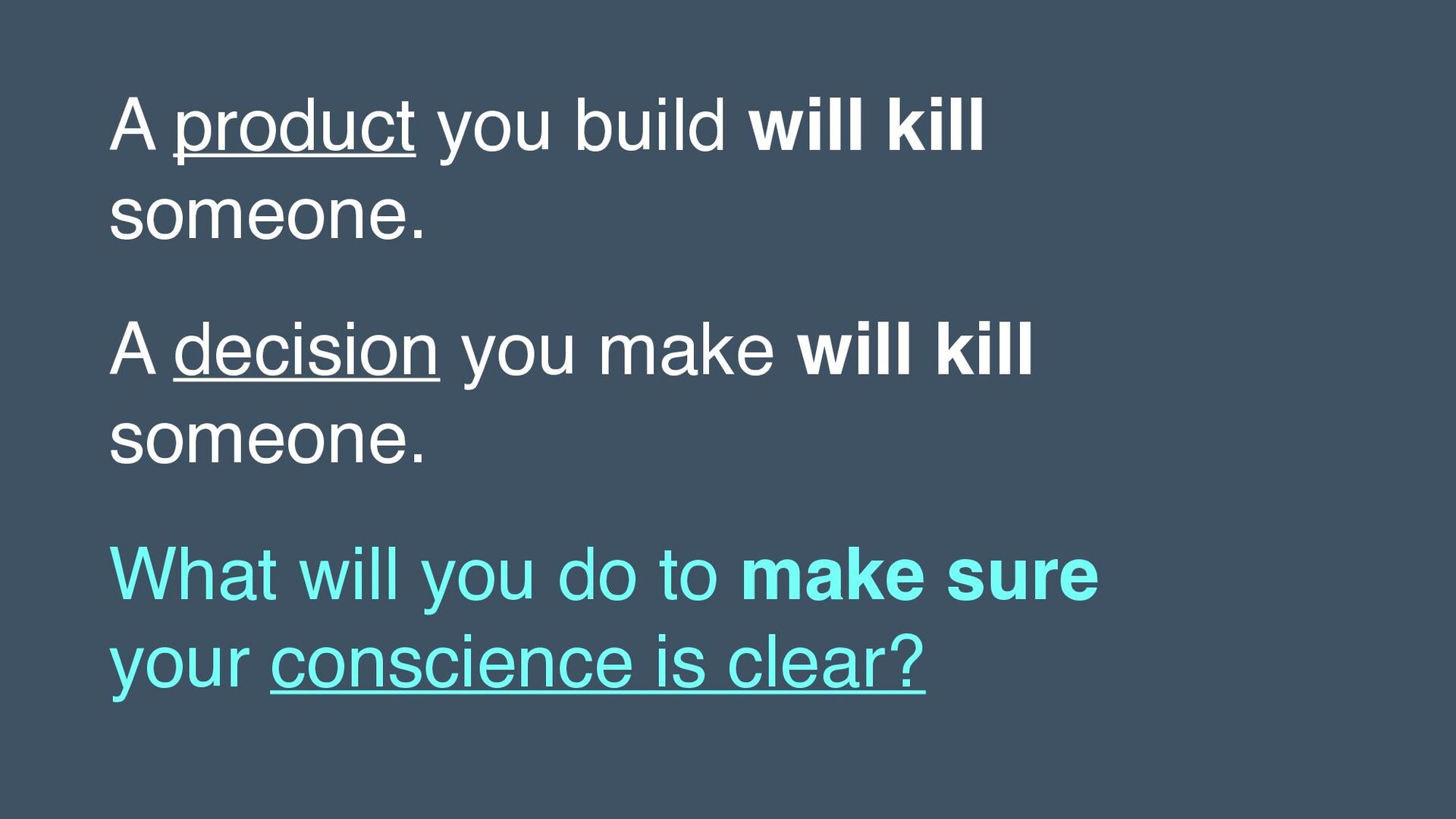
So life and death decisions, lessons from a pandemic CPO. So I will go into more detail about, I mean, after the great intro, what I did. But I'm going to start with a lesson that a doctor told me many, many years ago. They said, Randeep, a product you build will kill someone.
A decision you make will kill someone. What will you do to make sure your conscience is clear? You are like, why the hell have I come to this talk?' No, go somewhere else. I promise it's a heavy topic, It's a heavy subject. We're all sick and death about the pandemic.
But I want to try and make sure that I understand the severity of what's happened, but this will be much more lighthearted. So please forgive the stupid GIFs and images. That's not this talk. This talk is not meant to be the war stories and the crazy.
If you wanna hear some of that stuff, that I can tell you in private because there's a you know, there's obviously all sorts of investigations and panels happening at the moment in government. Come to the roundtable afterwards. I'll tell you all the dirt there.
But this talk is about how unpredictable the pandemic was and how we had stress and crazy every day. Survive and the reason many of you could also do the same thing is because the reality is that's what we live in the start world every day.
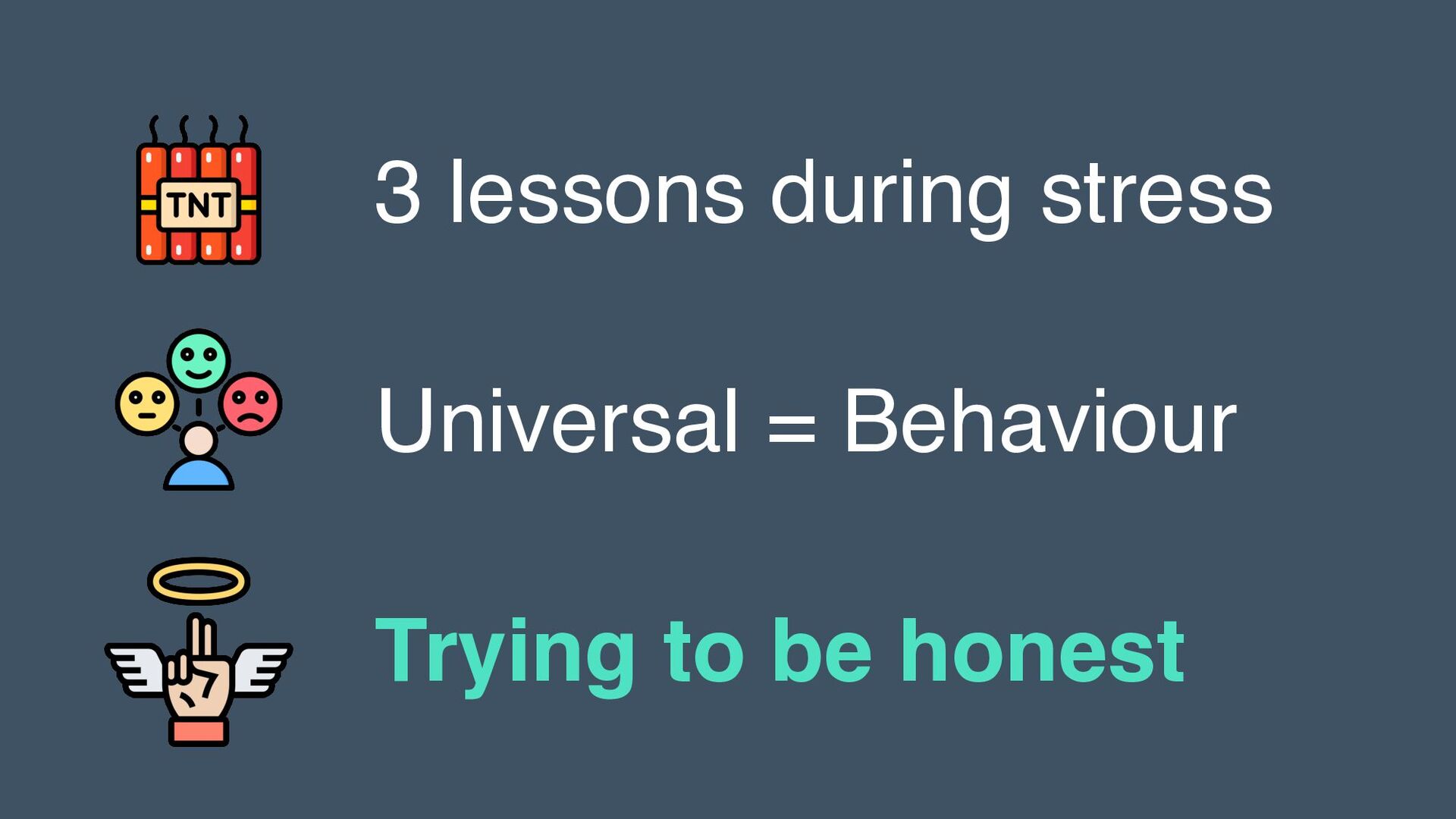
Yes, some of the examples are super extreme, but the reality and the lessons are very very, you know, similar for all of us. So that's what this talk is focusing on. So I'm gonna show three lessons that I learned during working in this incredibly stressful environment.
I'm gonna focus on stuff that's universal, that is relevant to hopefully most of us in this room. And like I said, I'm happy to take questions on that afterwards. And I'm going to try and become honest. I could give you the most fabulous saga of how amazing I was and how amazing things were, but that's not the truth.
Loads of product people sit here and hear idiots like me talk about how amazing their teams were, their product was. That's not going to help anyone. So I will try my hardest to be actually honest with what happened under stress. In three areas.
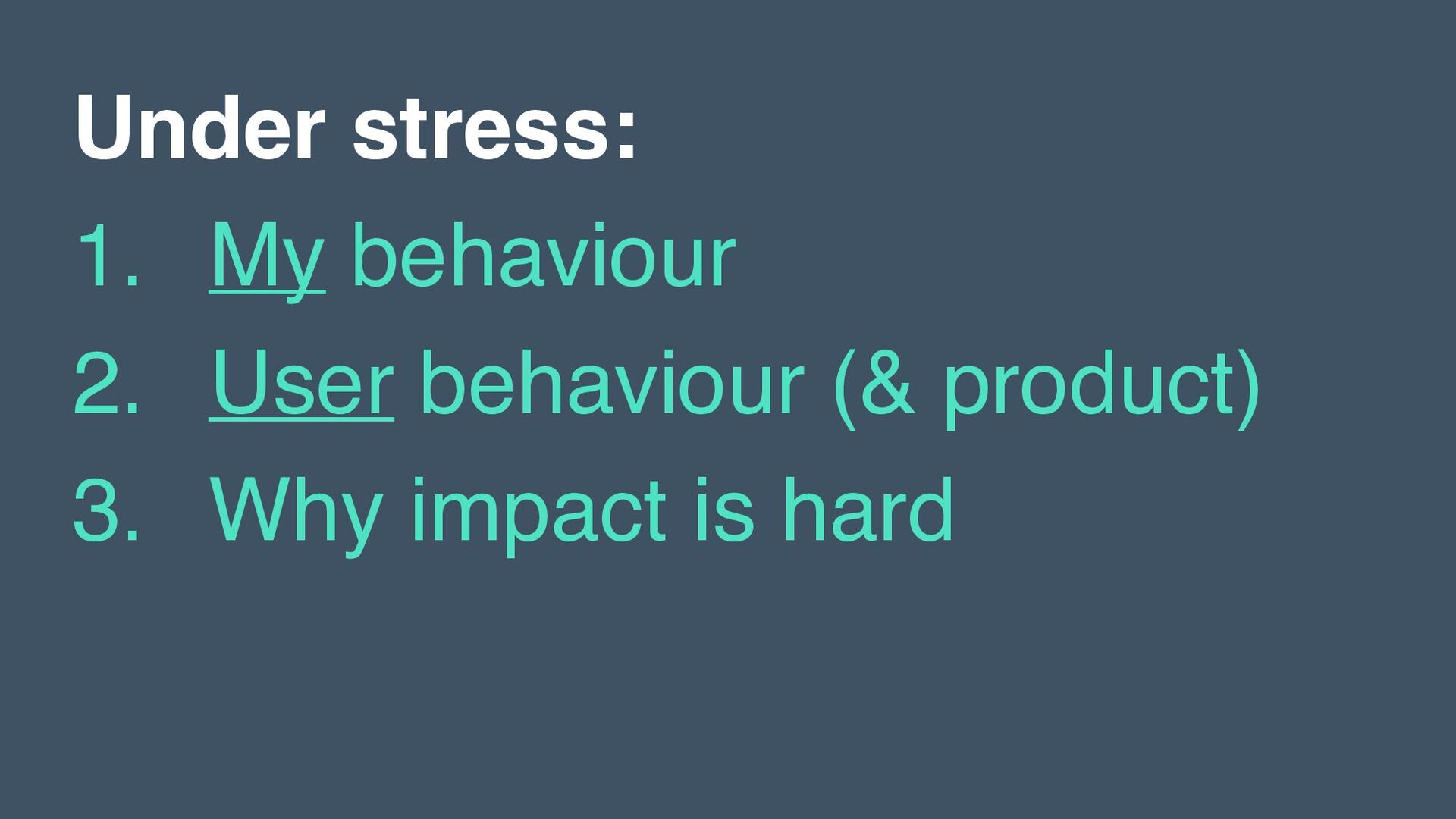
Both my and my team's behavior, the user behavior when under this kind of extreme stress, and how this kind of extreme stress makes making real change very hard. So with that, I'll kick off and introduce myself properly. I'm Randeep. You've heard all about me.
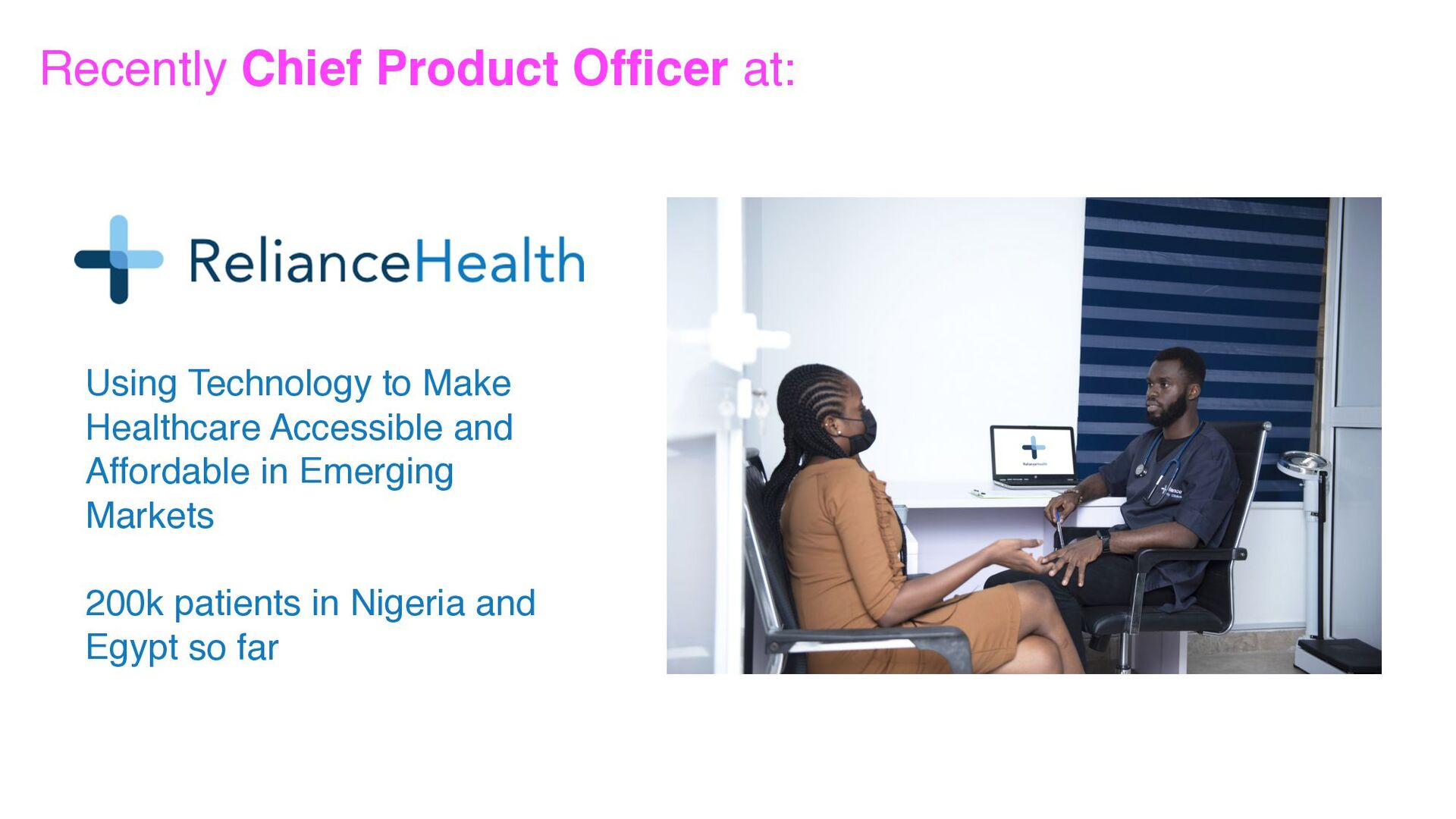
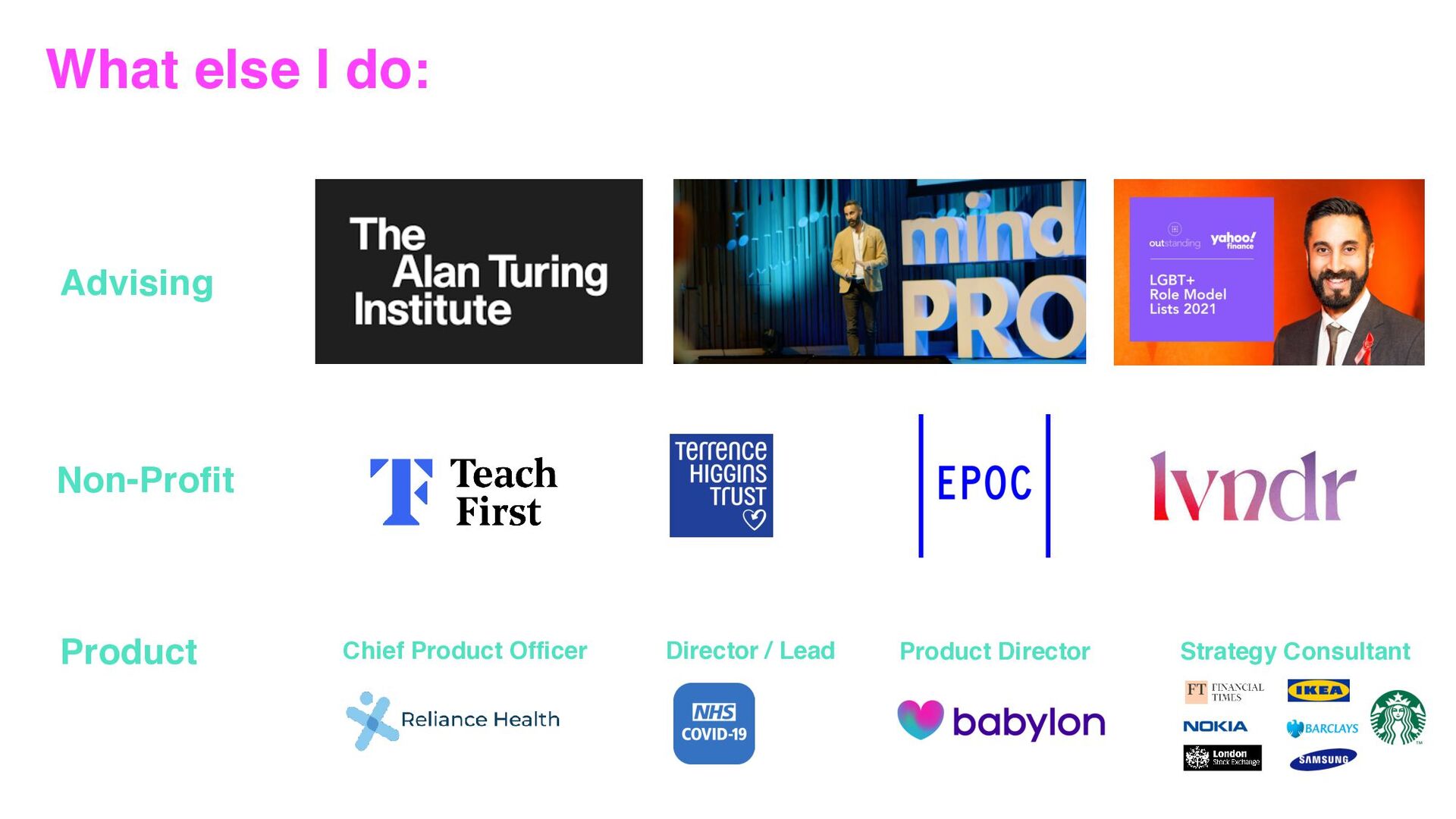
Recently being a chief product officer for a health tech based out in Nigeria. Basically, building healthcare for the emerging markets in the bottom of the pyramid. And, director, COVID nineteen, Babylon, but also nonprofit work. So, actually, twenty years ago today, actually, I helped set up Teach First working on the front lines of education.
And I do lots of board level work for people of color, HIV, and the LGBT community. And, as was mentioned, advising the Alan Turing Institute, doing talks and working in the LGBT space. So, I'll kick off with the main talk. So let's take a Time Machine back to twenty twenty, June twenty twenty specifically.
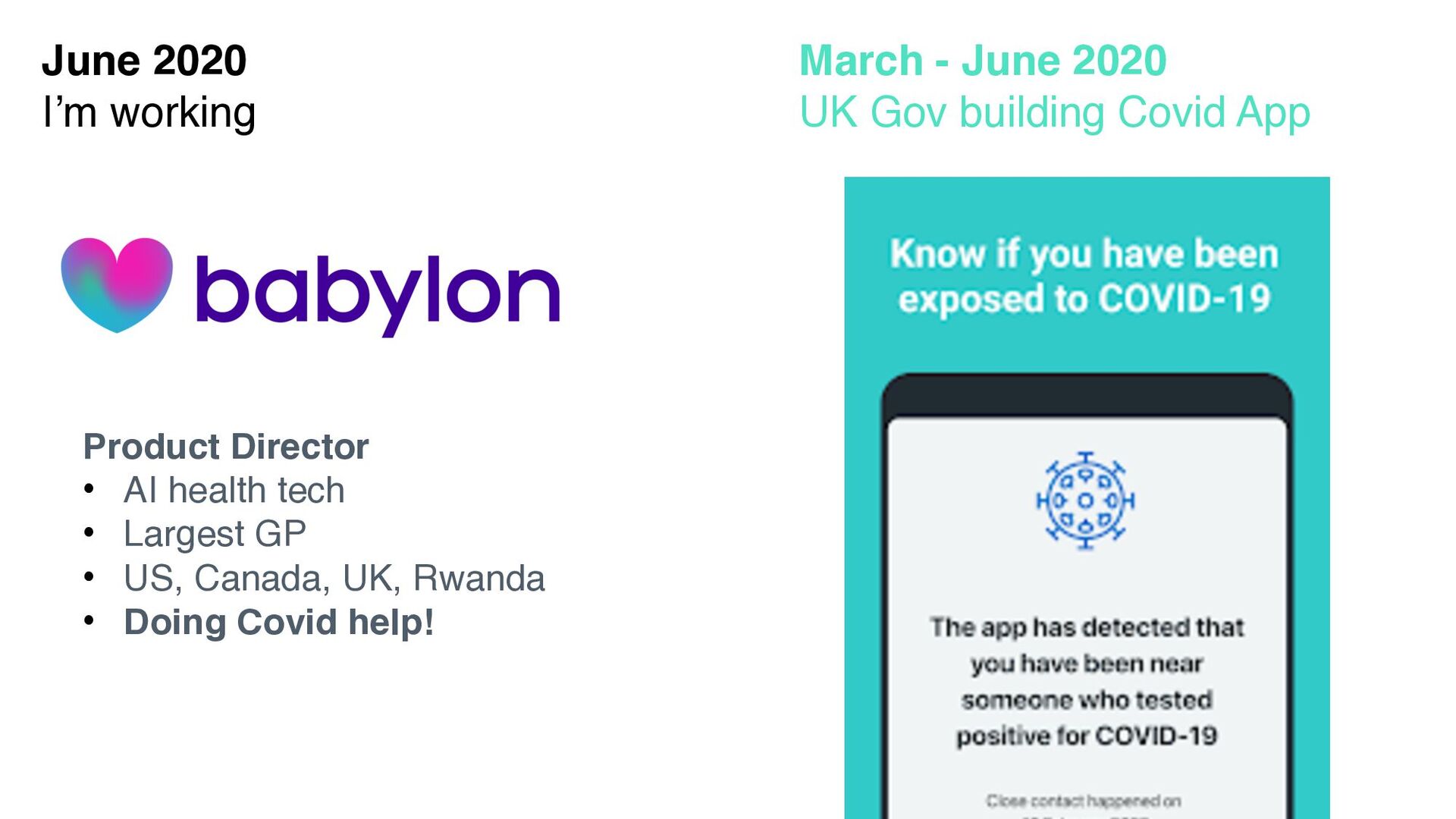
Not sure what you guys were doing. I was working at Babylon, product director. And for those who don't know, Babylon's the largest GP surgery in the UK, public and private. I built health care. I built our Rwandan health care practice. And given COVID had kicked off already, I was, as the largest GP surgery, doing COVID related work, like trying to help people who are sick get access to health.
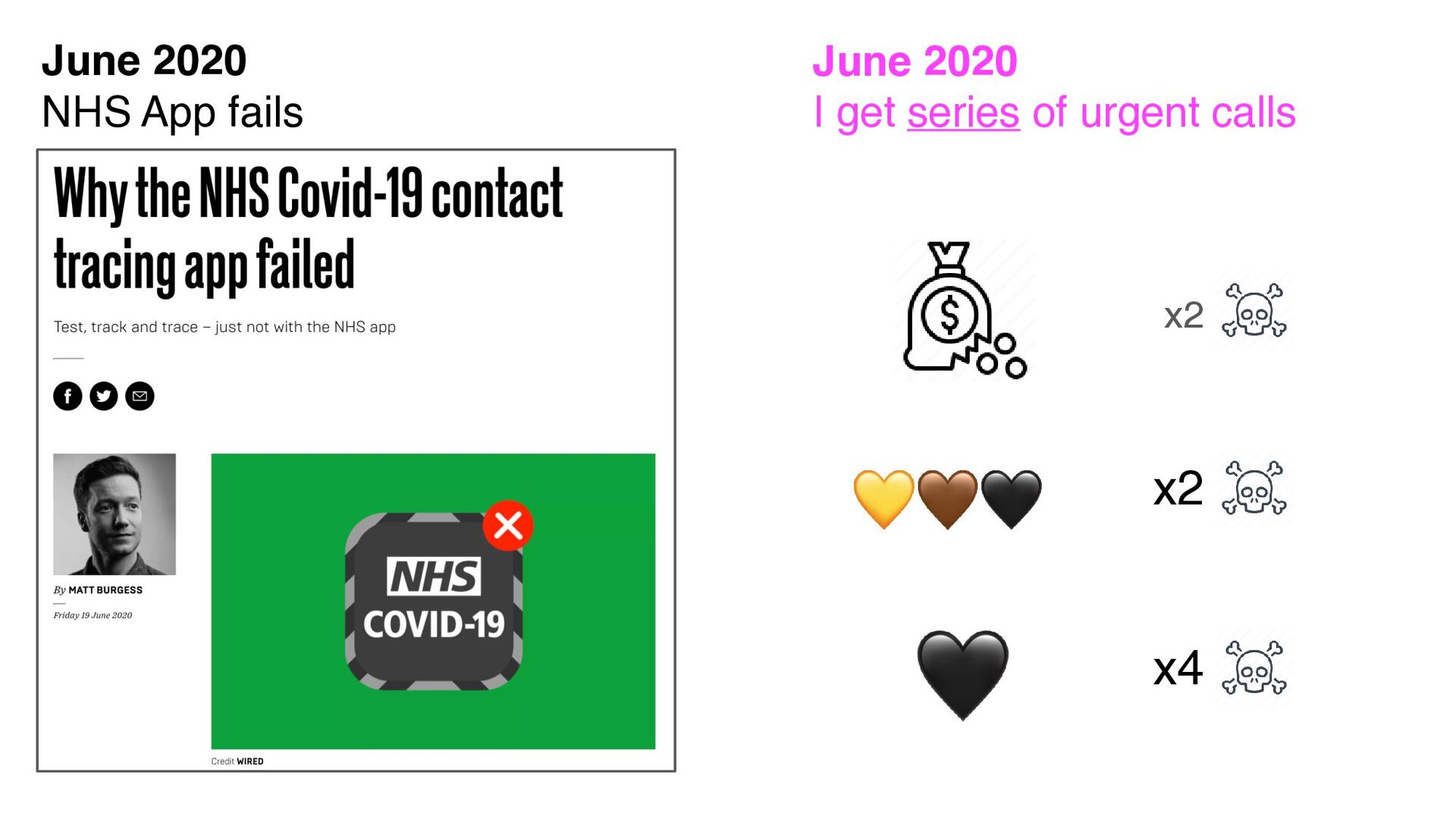
At the same time, the government had been building their own COVID app. They had spent three months building an app to help with COVID, which publicly failed. All that three months of work went in the bin very publicly, very tragically. And it was when that happened, out of the blue someone gave me a call.
And this urgent call was Randeep. You are building healthcare that's successful. How would you look after this app now we've inherited it? What would you do? So, okay. Well, you know, what I'd totally do is think about the people who are most impacted.
COVID, twice the death rate if you are poor. Twice the death rate if you are a person of color. Four times the death rate if you are black. That's the reality. So I was saying, okay, here is how you build healthcare that deals with that kind of inequality.
Healthcare is universal. Here is how to do it. And that first conversation kind of didn't necessarily go well because they went, I think I need you to speak to my boss. And then asked me to speak to someone else and someone else. And six conversations later, I was like, people are going to die.
They don't understand how to build for those groups. They thought the same thing. So, less than a week from that first conversation, they said, we need you to leave your job and join the government. So, I had no intention of working inside government.
They do great work, that wasn't for me. But yet, many people, and literally they said we need you to leave in two days. I asked people around me, they are like career suicide, why would you ever do this? If it has failed the first time, why will you manage to make it succeed a second?
It's not destined to succeed. How can you make this work? So that's quite interesting because if I'm being honest, there's something strange there. I said 'yes'. Why? One, as I mentioned, my conscience is clear. People in my community were dying. I thought I could do something. I thought I could help.
If you stop and think about that, slightly arrogant. What can I do? Well, I can do something these other people can't. They were smart people in the first team. So what is it that I think I can do that's different from what these other very capable, very competent people did before?
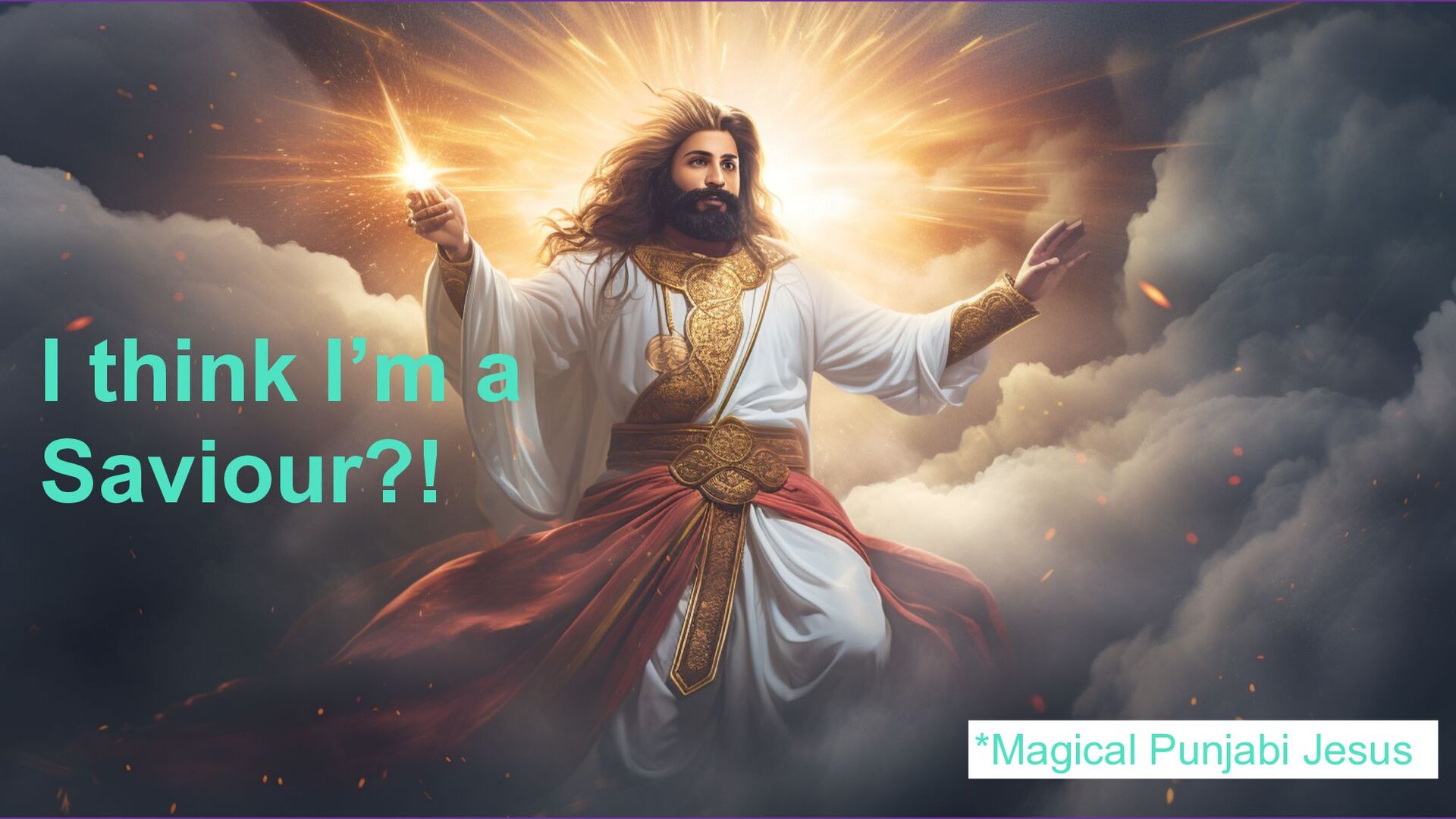
There's something a bit wrong in terms of how I'm looking at the situation. There's some sort of strange savior mentality going on. And and all these images, I I thank Midjourney. So you'll see some labels about where they came from. But, yes, magical Punjabi Jesus, here you go.
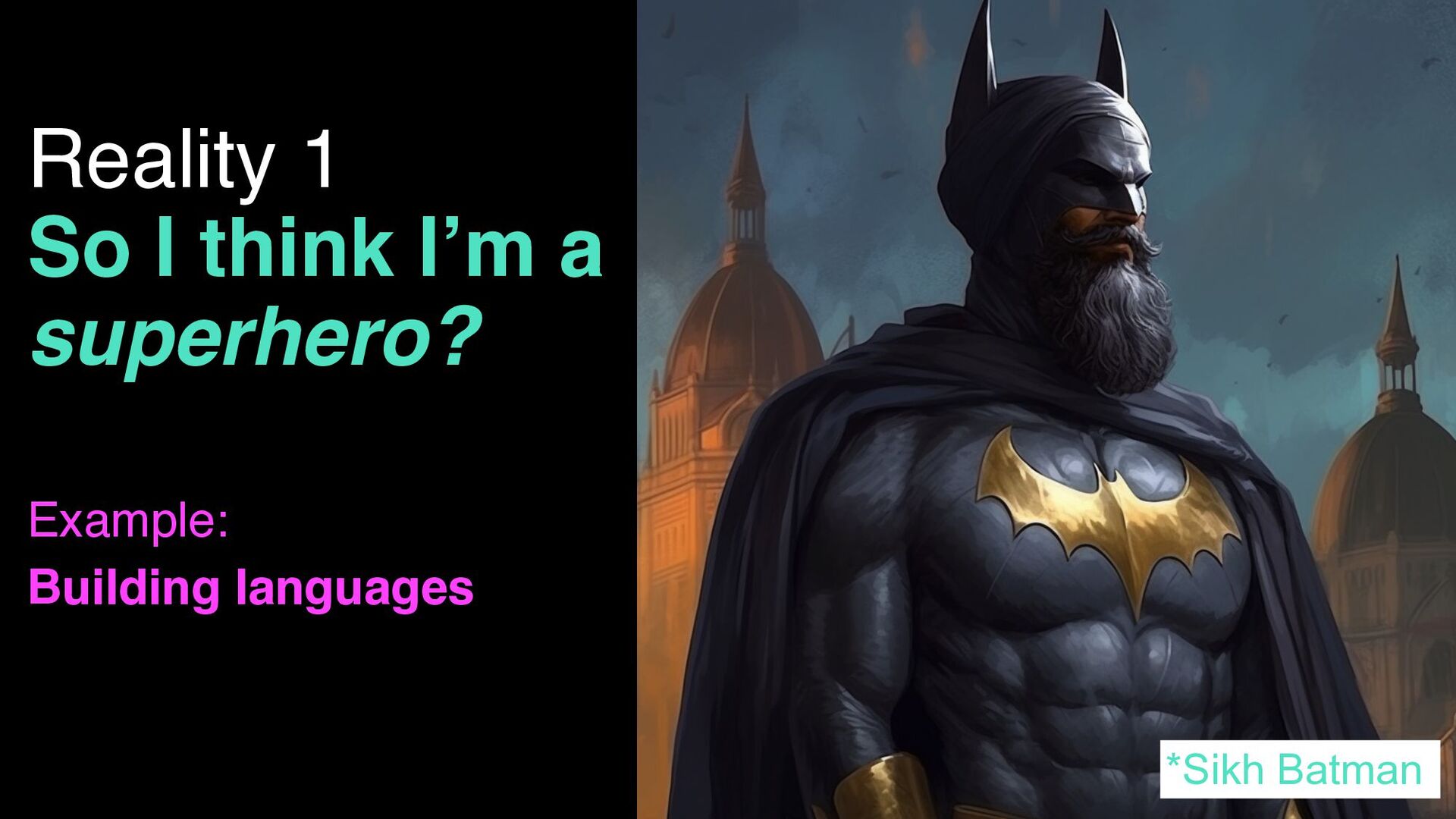
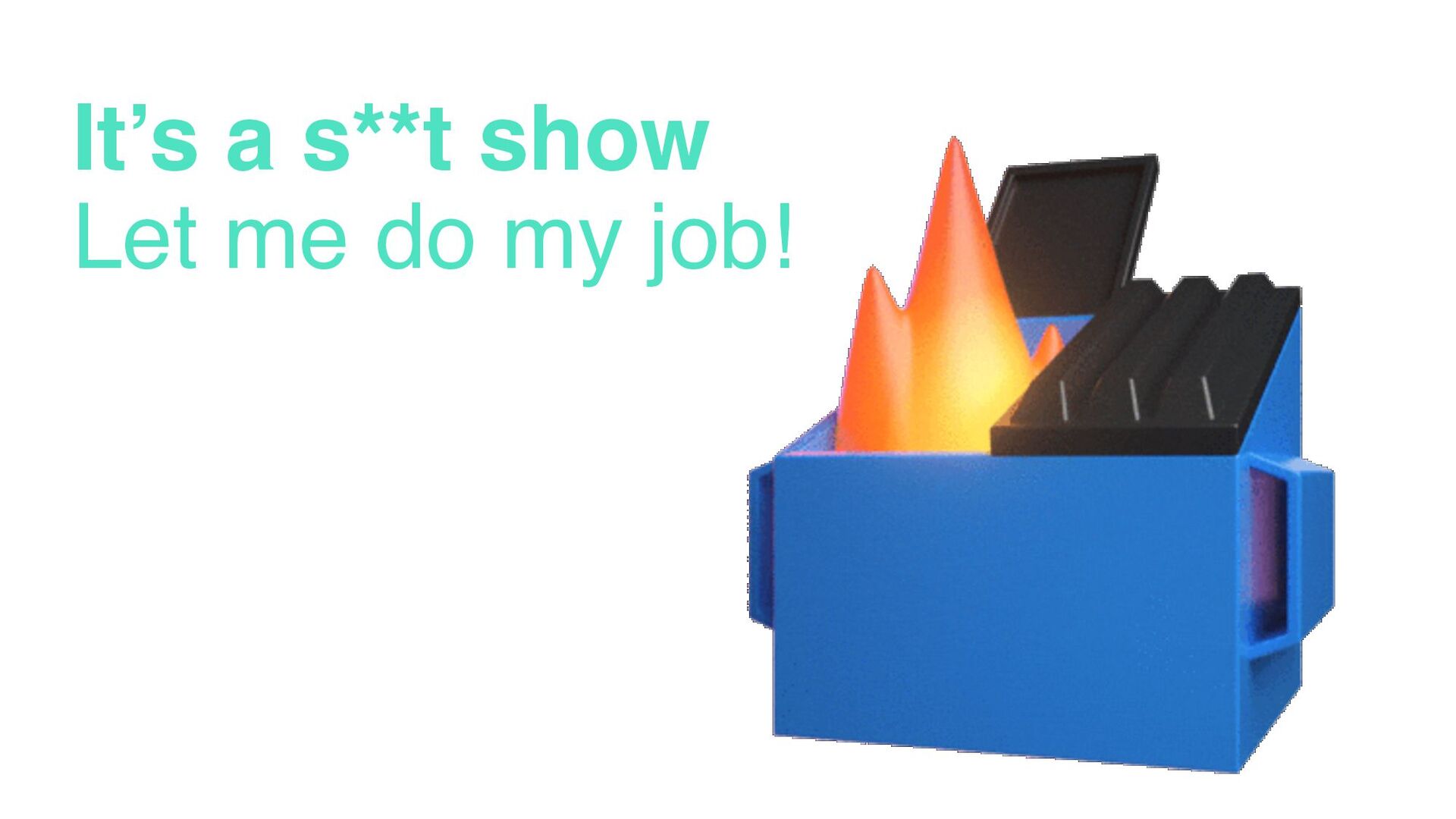
So reality one, I think I'm a superhero. And I'll give you an example of building languages. So, I walk in, dumpster fire. No product team, an engineering agency is doing all the work, blah, blah, blah, blah, blah. Fine. So it's a shit show. Let me do my job.
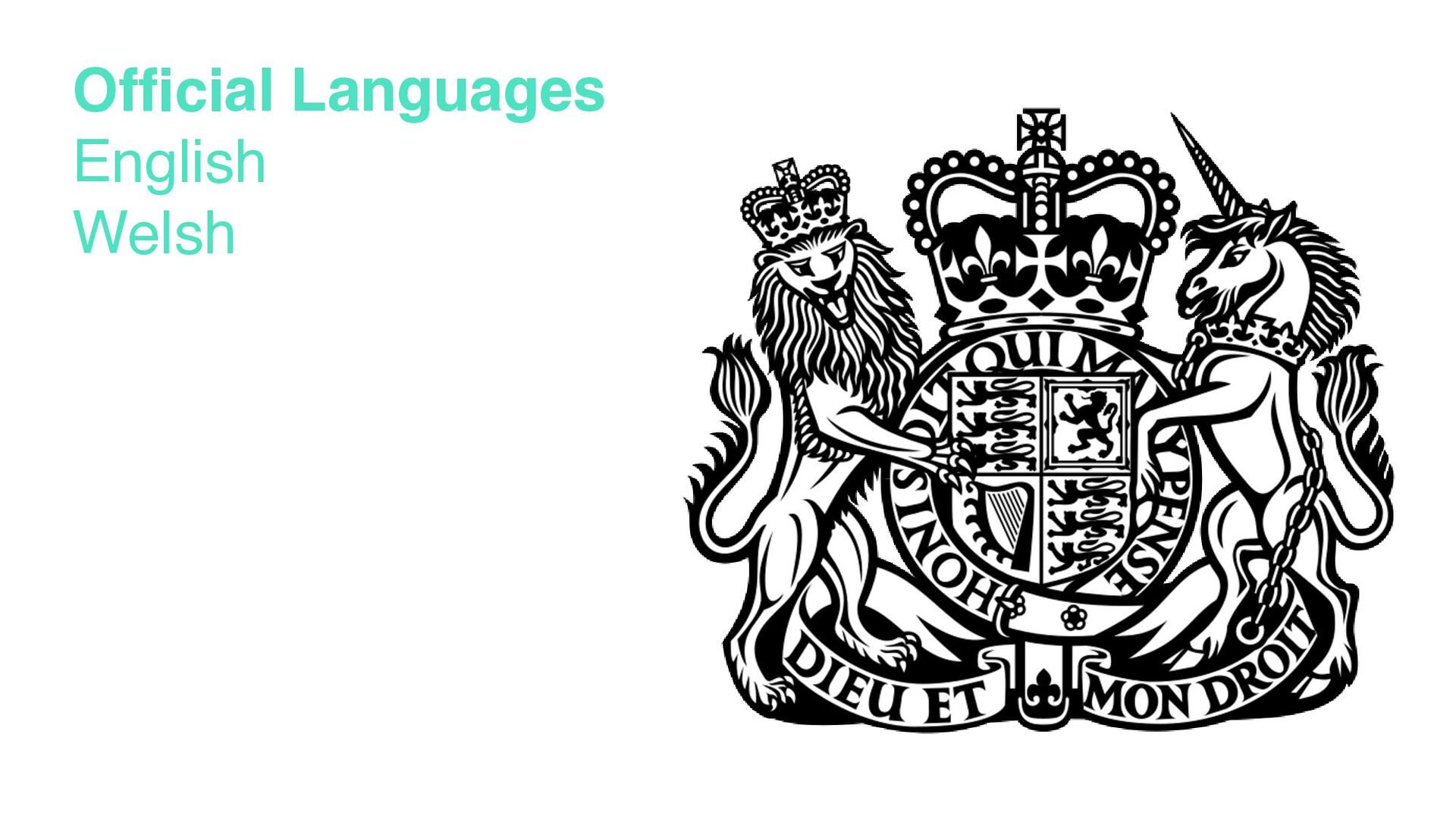
I know what I need to do here. So one of the first things I looked at was languages. In England, so for those who are Scottish, this app was only in England and Wales, Scotland decided to use a different one. But in England and Wales, the only official languages are English and Welsh.
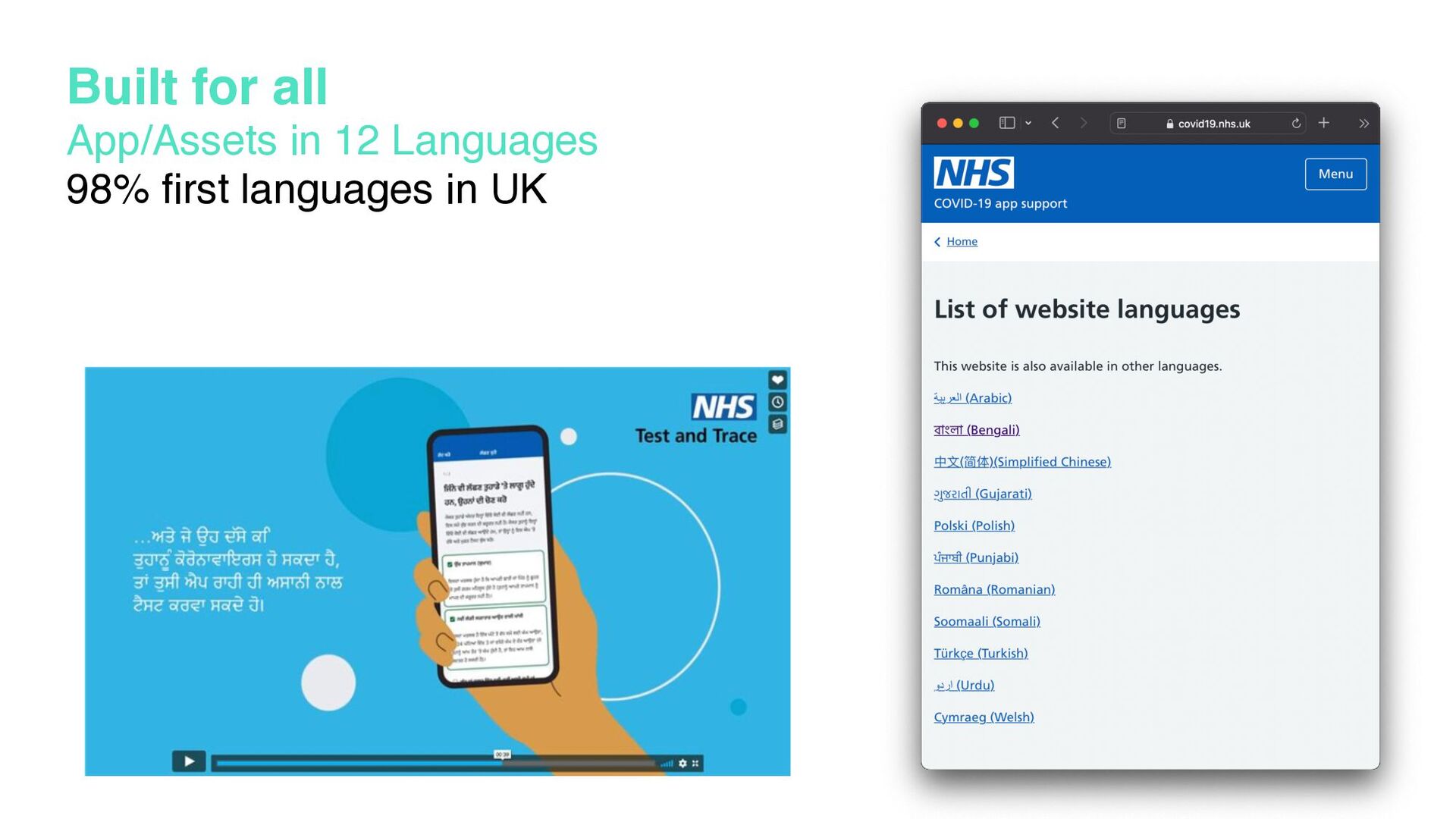
The first app that failed was built in those two languages. Given the inequality I told you, that feels a bit off. So the first thing I did, without necessarily asking for permission, is I built it in twelve languages, The app and all its assets, which was great because that meant Test and Trace was forced to make lots of other assets available in other languages that covered ninety eight percent of primary or first spoken language, e.
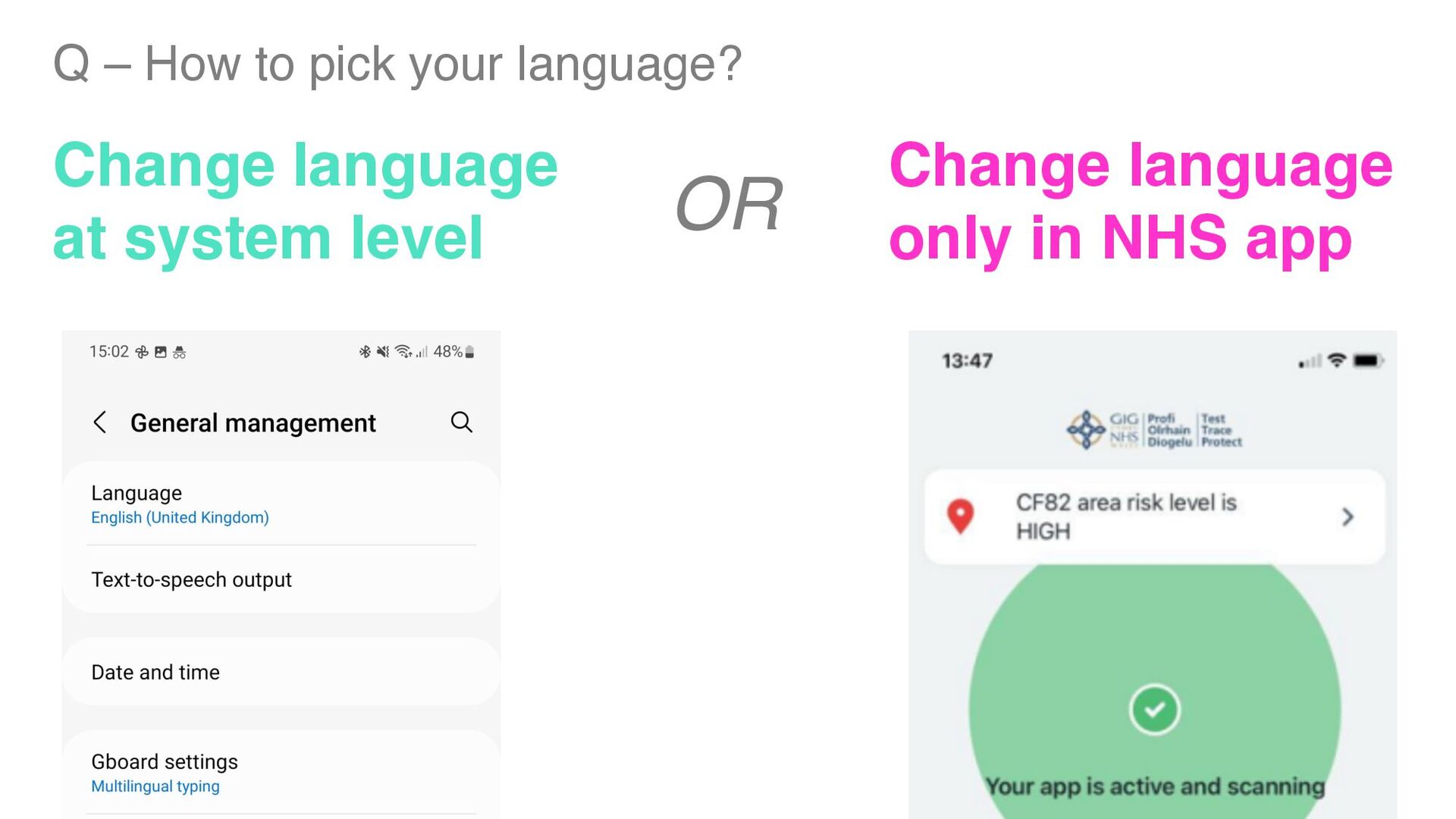
G. Your mother tongue. So Romanian, a language that not many people speak but was important for this community, we added. Question. Within the app, how do you pick your language? Basic product question. Do you pick the app pick up the language at system level?
So if my phone is set in Punjabi, the app will be in Punjabi. Or should it be only within the app? So if the app the phone can be in English, the app can be in Punjabi. So I thought about my mum and people I know.
I was like, well, my mum has a phone in English because when she gets stuck, she gets me and my sister to help. If it was in Punjabi, I couldn't do that. But all her apps and her WhatsApps are all in Punjabi. So I thought, I think for her, it needs to be inside the app and for other people who aren't tech savvy.
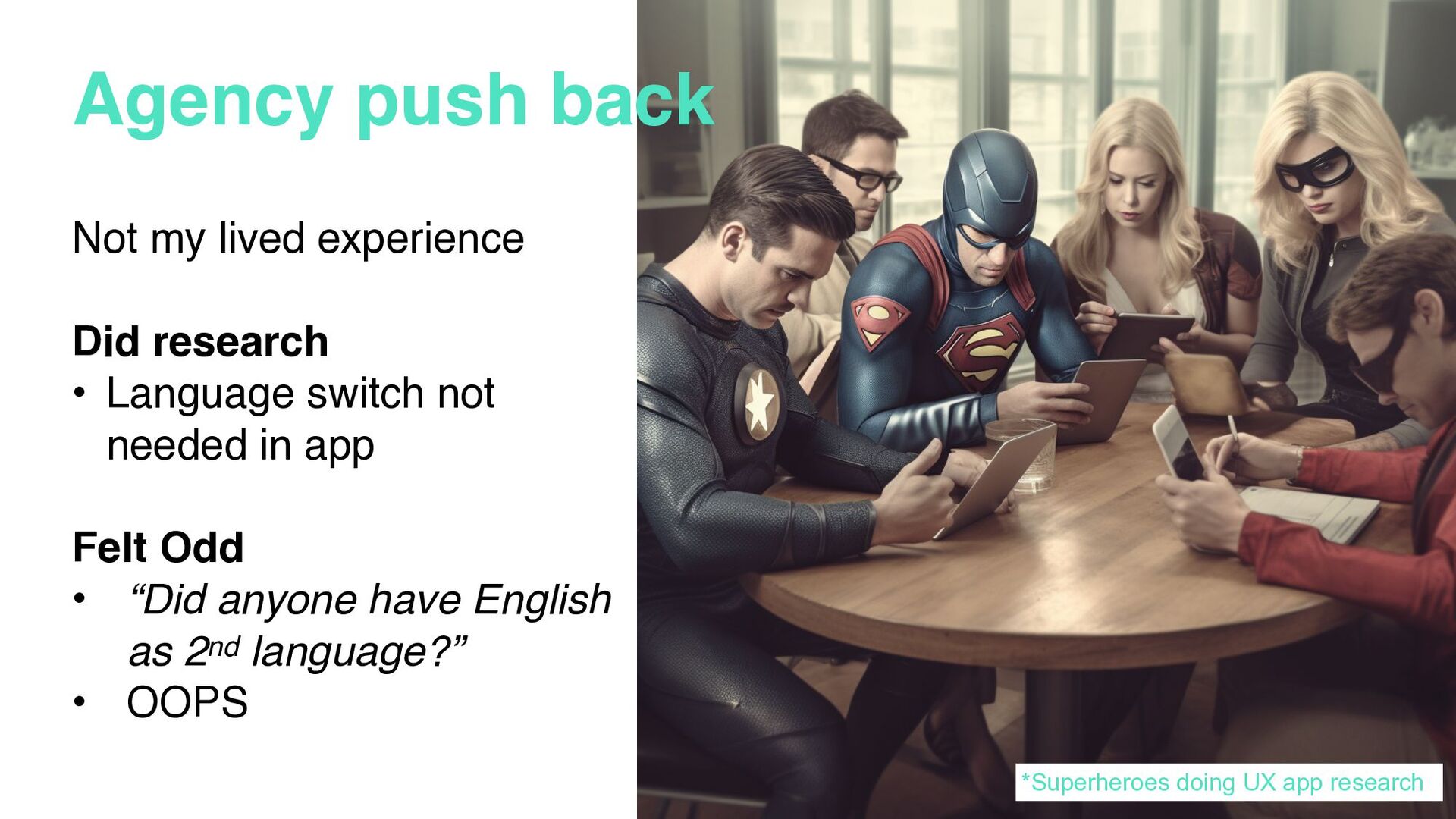
The agency pushed back on that quite hard Because as I said, the agency who were doing the design, the research and the build didn't want to actually go through extra effort. I mean, they weren't bad, but they were busy. They were working at speed. They were stressed, as were we.
So they were like, no, no, no. We don't wanna build it. We want it to be system level. It's easier for us. I thought, that's not my lived experience. I don't think that's going to work. So, I know. Let's do some research. So we did some research, or they did some research and they did some research and they came back and said Randeep language switch is not needed in the app.
It's fine. We're good. It feels odd. It feels odd. I'm I'm just I'm sorry. I I need to go deeper with this. So what the agent what this agency did, the researchers went, we're gonna have a meeting. They had a meeting. They got the seniors from the agency.
They got the devs. They got as many people lined up behind them to kind of basically push back against what I was saying. Super senior room. And as they were giving me the feedback and presenting this to me in this big forum, I just thought these insights don't make sense to me.
So at one point I said, this doesn't make sense. How many of your research how many of the people you spoke to had English as a second language? Yeah, everyone you spoke to had two languages. How many had it as a secondary language?
A pause, some shuffled feet, a bit of silence. No one. The research they presented me was all people who had English as a primary language, not the people we're speaking with. So, what did I learn? Amazing. I'm a hero. I've won. I've saved the world.
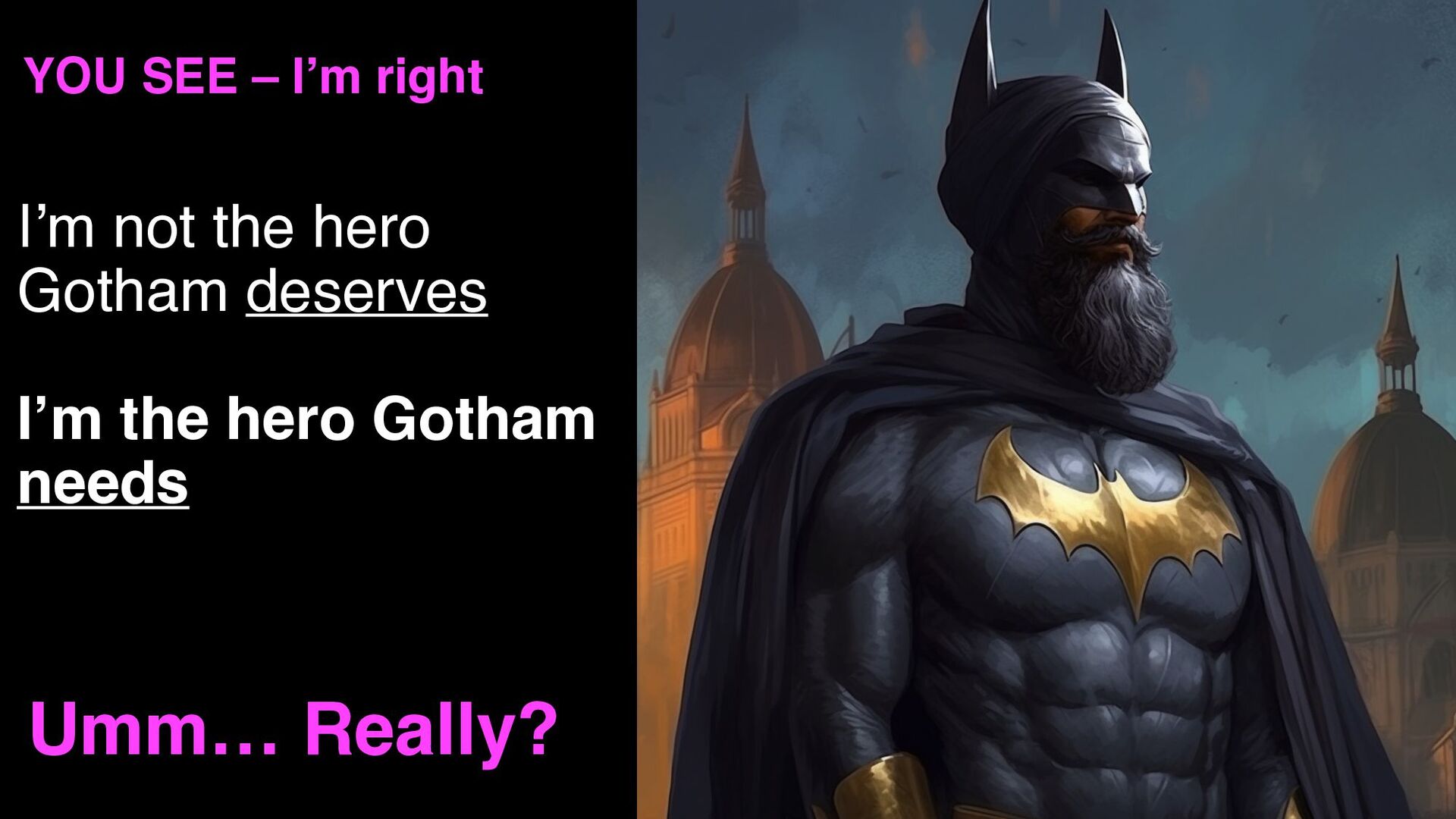
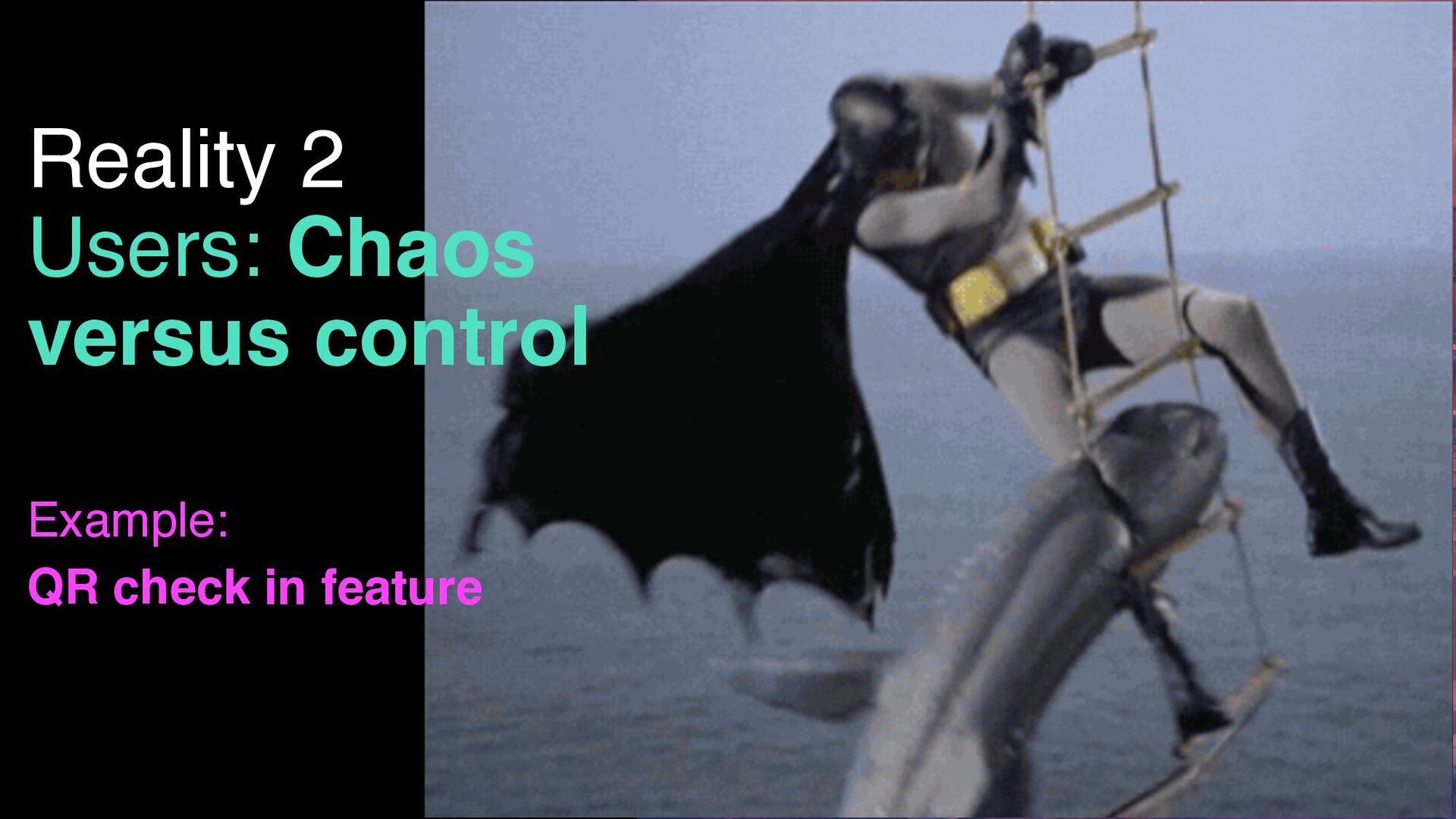
Yes, I'm right. I'm needed. This is why I'm here. I'm here to do this kind of stuff. Without me, they can't. Because in the words of Batman, I'm not the hero Gotham deserves. I'm the hero Gotham needs. I'm a superhero. Or am I?
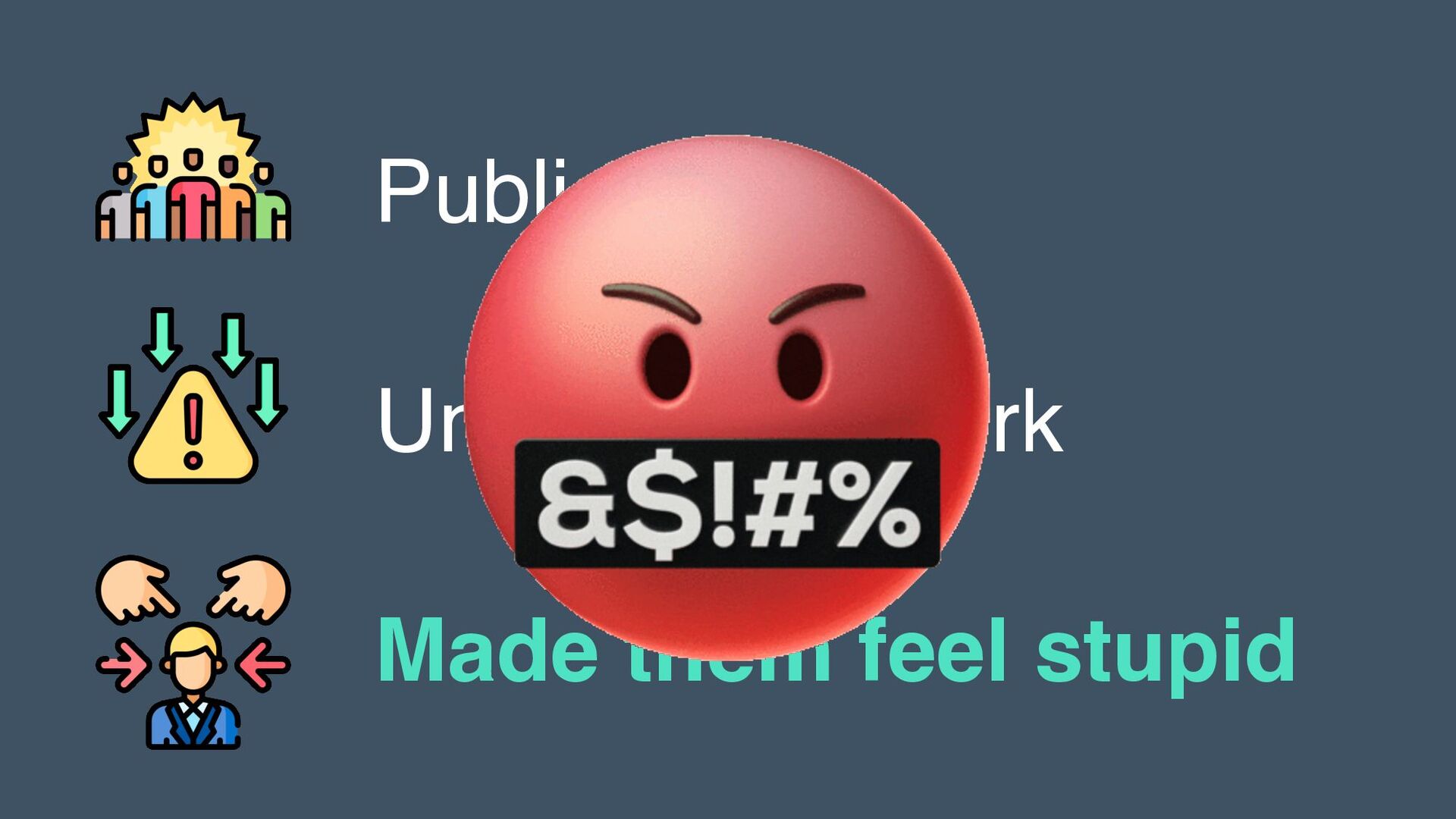
So if you look at actually what happened in that room, it was quite interesting. So this meeting, I never set it up. They set it up. It was very public. They wanted to have all the bigwigs in there. That's their choice. But when I asked that question, it was an innocent question somewhat, but maybe I shouldn't have asked it because the answer massively undermined their work, Not just amongst their peers, amongst their bosses and everyone else.
And it basically made them feel stupid. Was that my intent? No. But is that what happened? Yes. And the outcome of that was quite bad. They hated me. That team, I mean, I can see why. And not only did they hate me, they probably tried sabotaging me later on.
Which isn't necessarily good because it was the work that was being sabotaged, not me personally. So that interaction caused a lot of problems. So, was I Messiah? In the words of If you know it, I wasn't a Messiah. I was a very naughty boy.
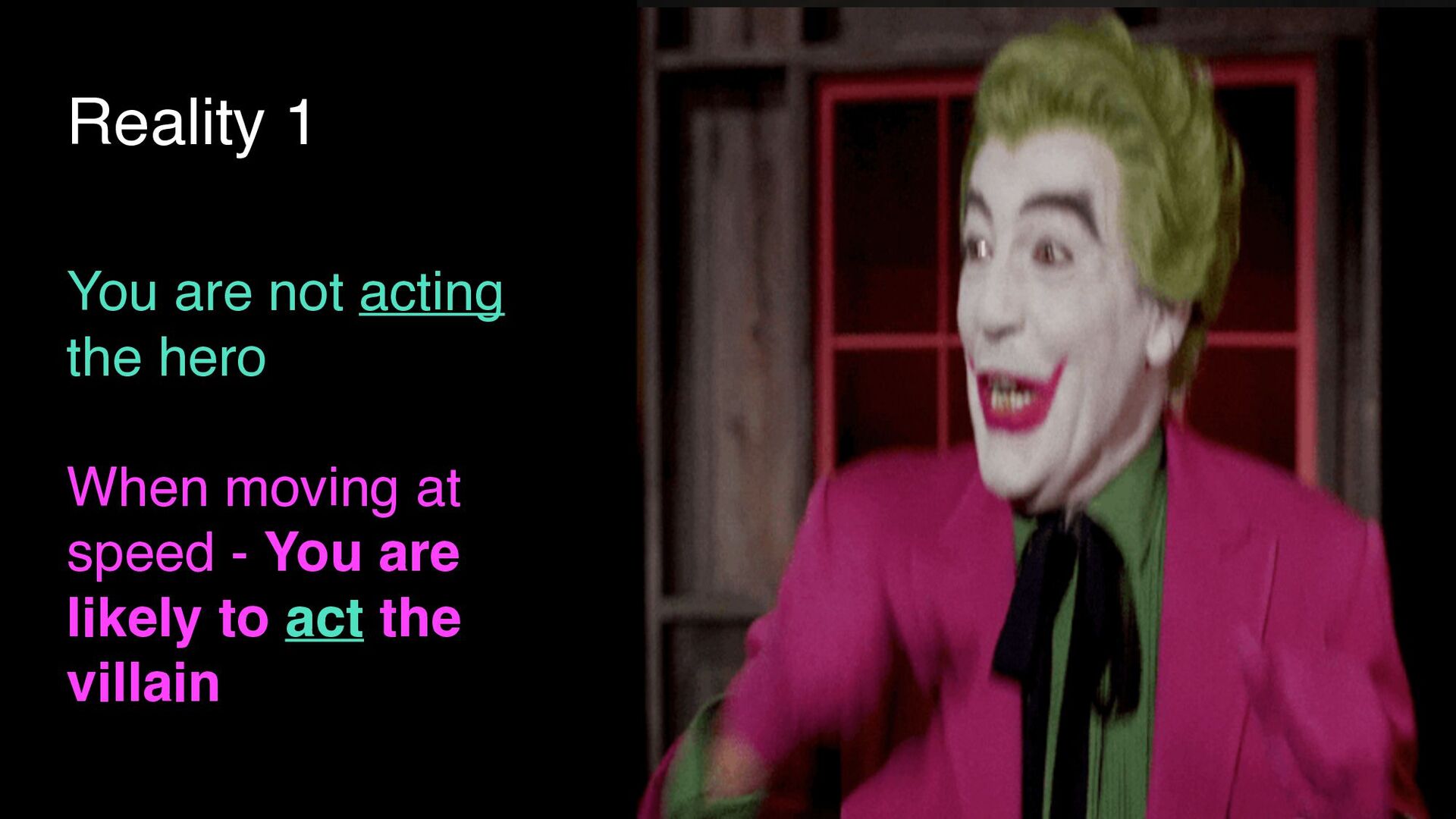
Because what I've done was essentially not help this team. So, the reality is I'm not acting the hero. I've got this perception of myself, but that's not what's happening. Because when moving at speed, you are more likely to act the villain. And that's a hard lesson, but that's the truth.
And so what I tried doing, realizing that interaction and many others, knowing that stress, speed, pressure, maybe I could have taken a minute. Maybe I shouldn't have asked that question publicly. Maybe I should have taken it on the side. But what you have to realize is there was a massive power imbalance between me and the team I was speaking to.
So realize when you're try when you're in a situation where that might happen, look at the power imbalances, don't punch down, and ultimately, don't be a dick. Like, it's not hard, but it is hard when you're moving at speed. So great. You might go, okay, so far so good.
Don't be a dick. I'll try and do that in the future. That's what stress did to me and the team around me. But what does stress do to your users? So let's think about our users and how chaos and control work together. And for that, I'll give an example of a QR code check-in feature we added into our app.
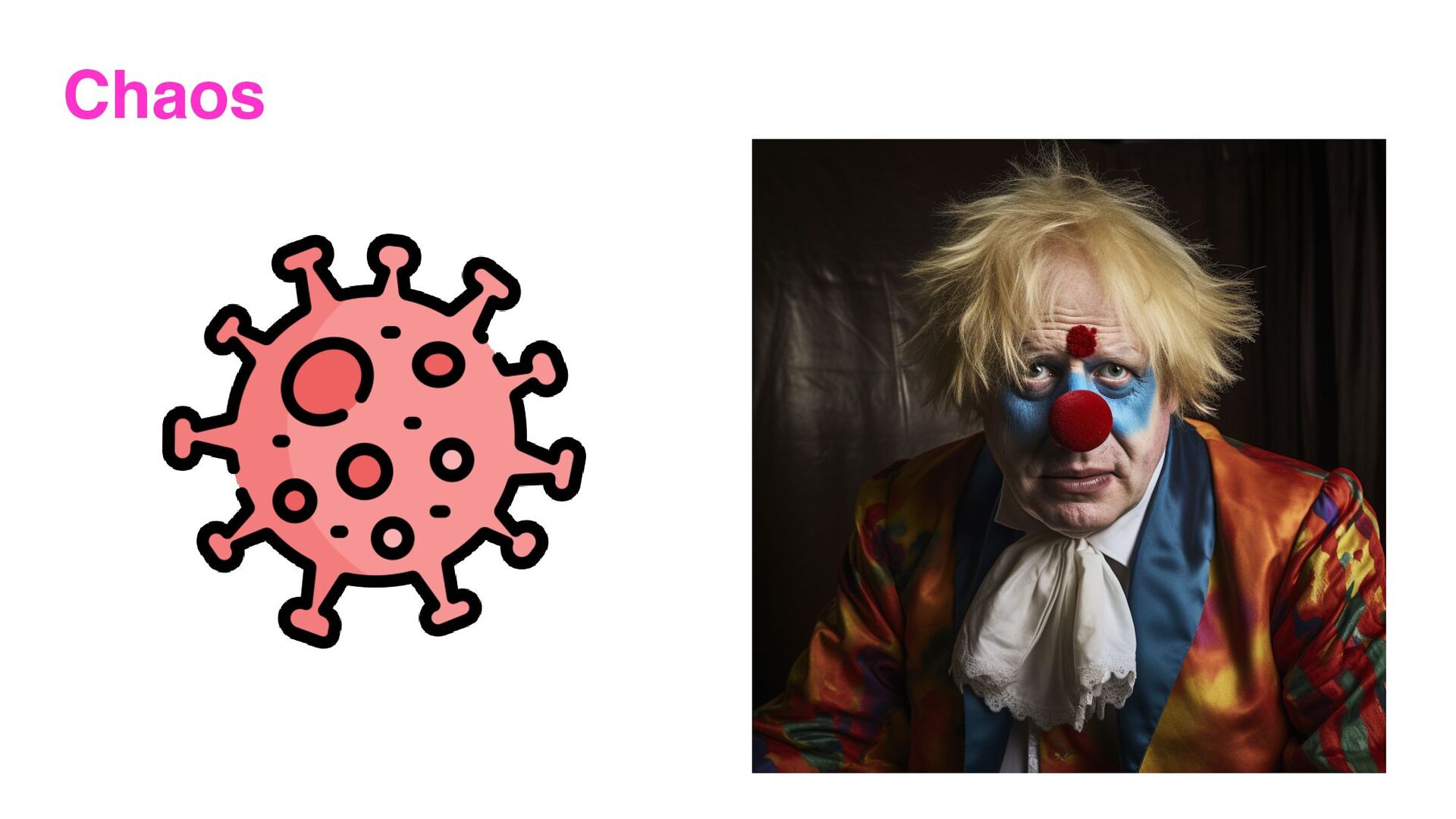
So, once again, rewind to twenty twenty. The world is in chaos because of COVID, and our clown in chief is not helping make things any better. And the combination of the stress of COVID and the stress of government meant users were not in a good place.
They were scared and they were angry, not just with the government but also with us. This first app failed. The second app before launch had some of the most negativity you can imagine. I don't think anyone has ever launched a service with millions of people hating the concept of this before it's even come out.
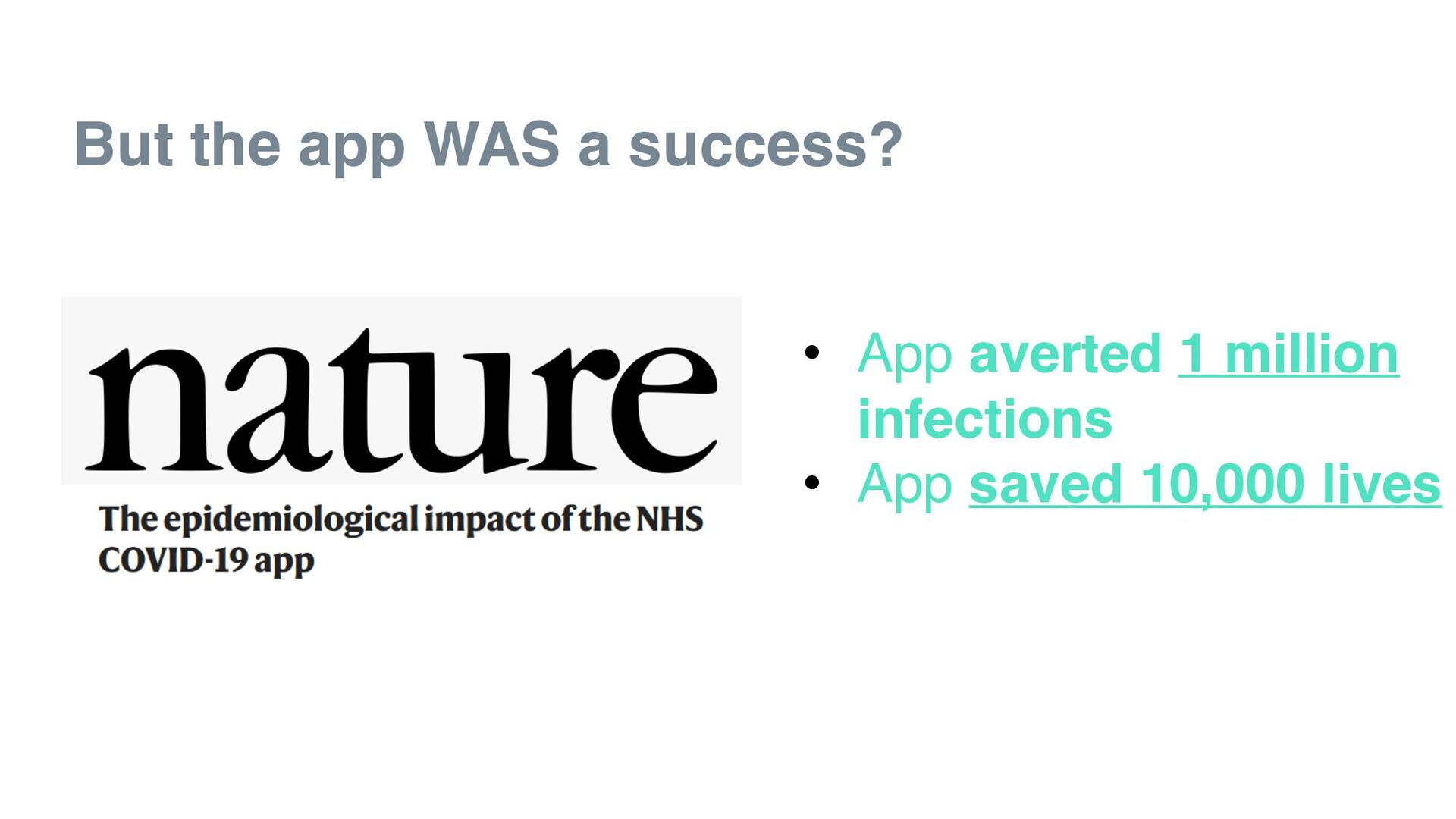
It's a very unique situation where they don't want it to They kind of want it to succeed, but they almost want it to fail to prove that the government is that incompetent. But yet, as mentioned, the app was a success and conservatively saved ten thousand lives, but probably multiples of that.
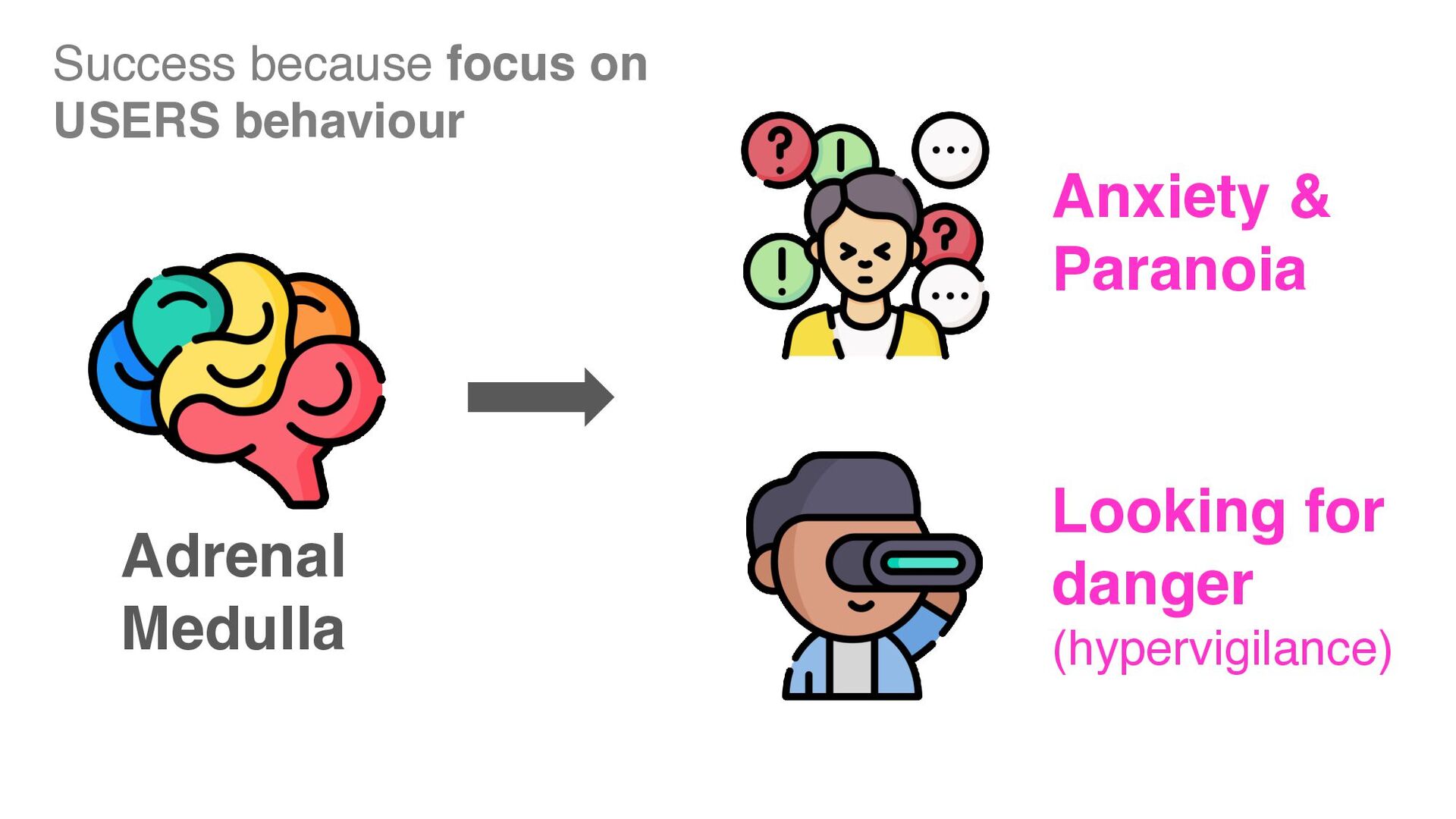
How? The thing that we succeeded at doing is look at what was happening to the user's behavior. What does stress do to someone? Quite straightforward. Increases adrenaline. Okay. What does adrenaline do? So I know that you get a lot of adrenaline, but how does that change your behavior?
Two interesting things. Adrenaline increases feelings of anxiety and paranoia, naturally, and makes you hypervigilant, makes you look out for danger. So in the environment where someone is being super activated, super stressed, super hyper vigilant This is so distracting. That's like, okay, I'll keep doing what I'm doing.
What did we focus on? We focused on lowering the adrenaline. Now, that's a different question to what you usually ask when you're thinking about building a product. Your users are stressed. How do you make them less stressed? How do you stop making them more burdened?
And I'll give you an example. So our COVID app did the standard thing. Every other COVID app in the world did. It said, ping in your pocket. You've been exposed to coronavirus locked down for a number of days. Doesn't feel that reassuring to me, but that's what the most apps did.
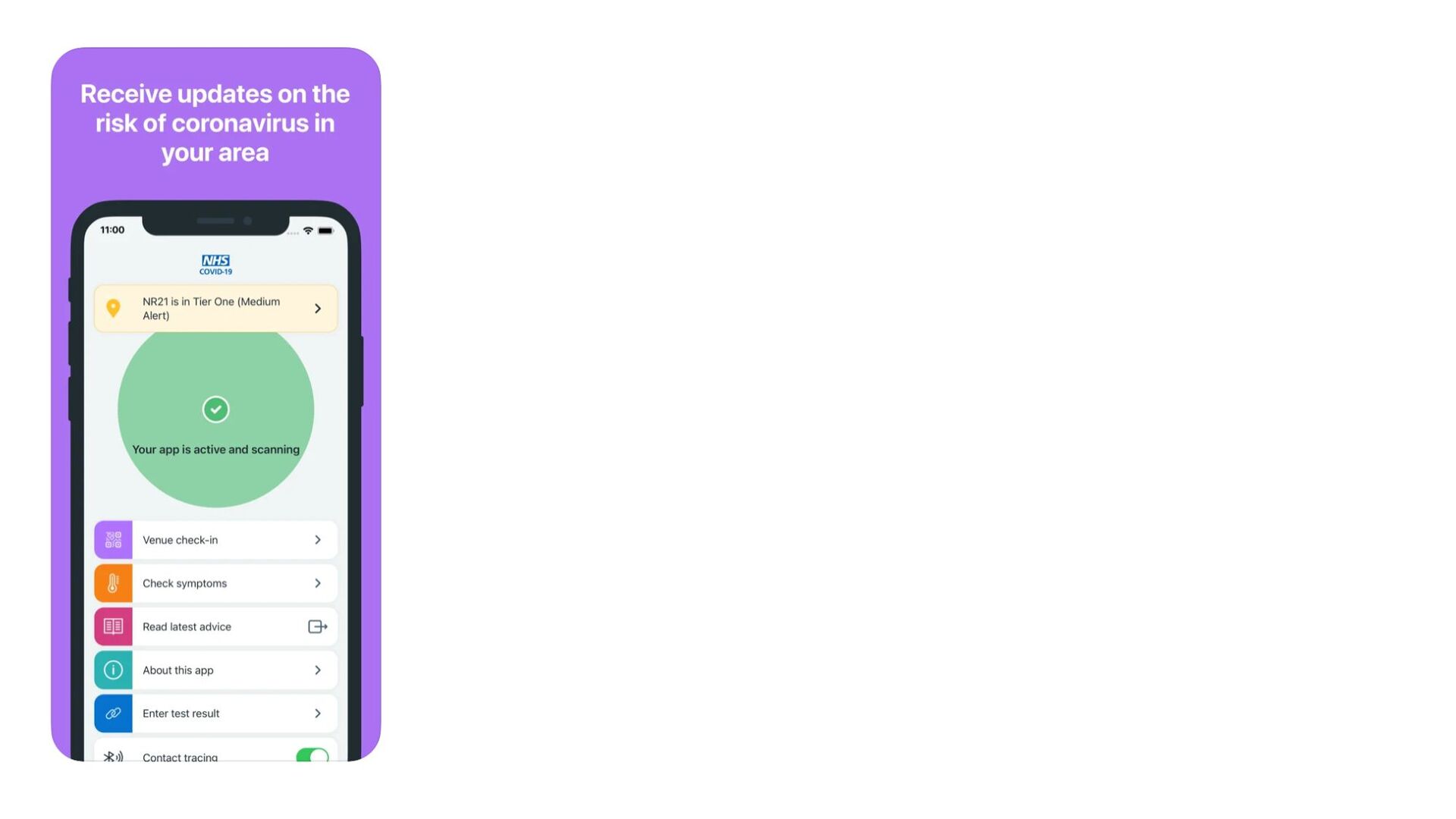
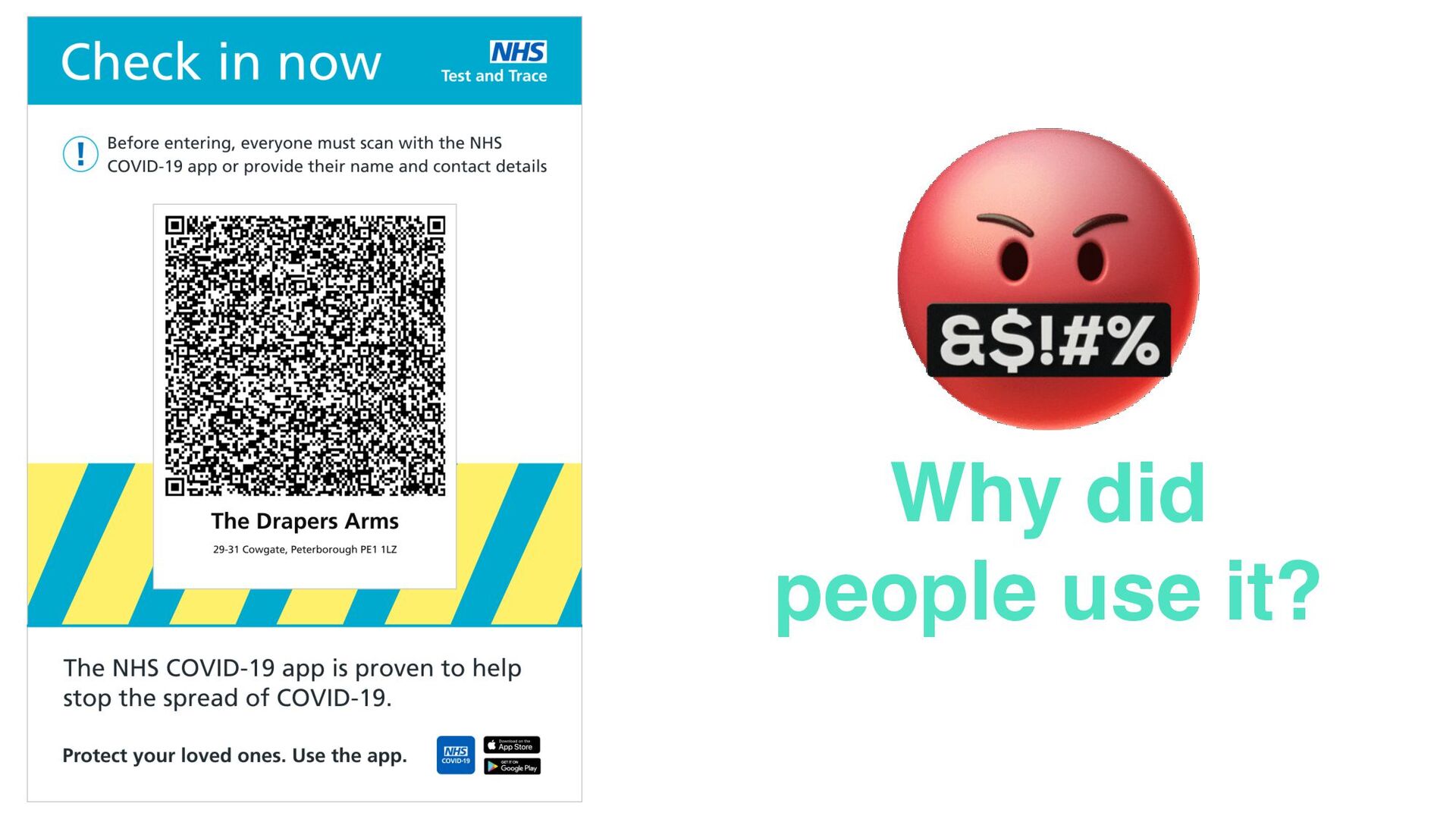
So what we added was a QR code checker. Took a lot of effort in convincing Google and Apple to do this because we had to use their algorithms. But there was a secret and special reason we did this. It's a Trojan horse. So this QR code, even though people were pissed off, they kept using it because we focused on not forcing people to do it.
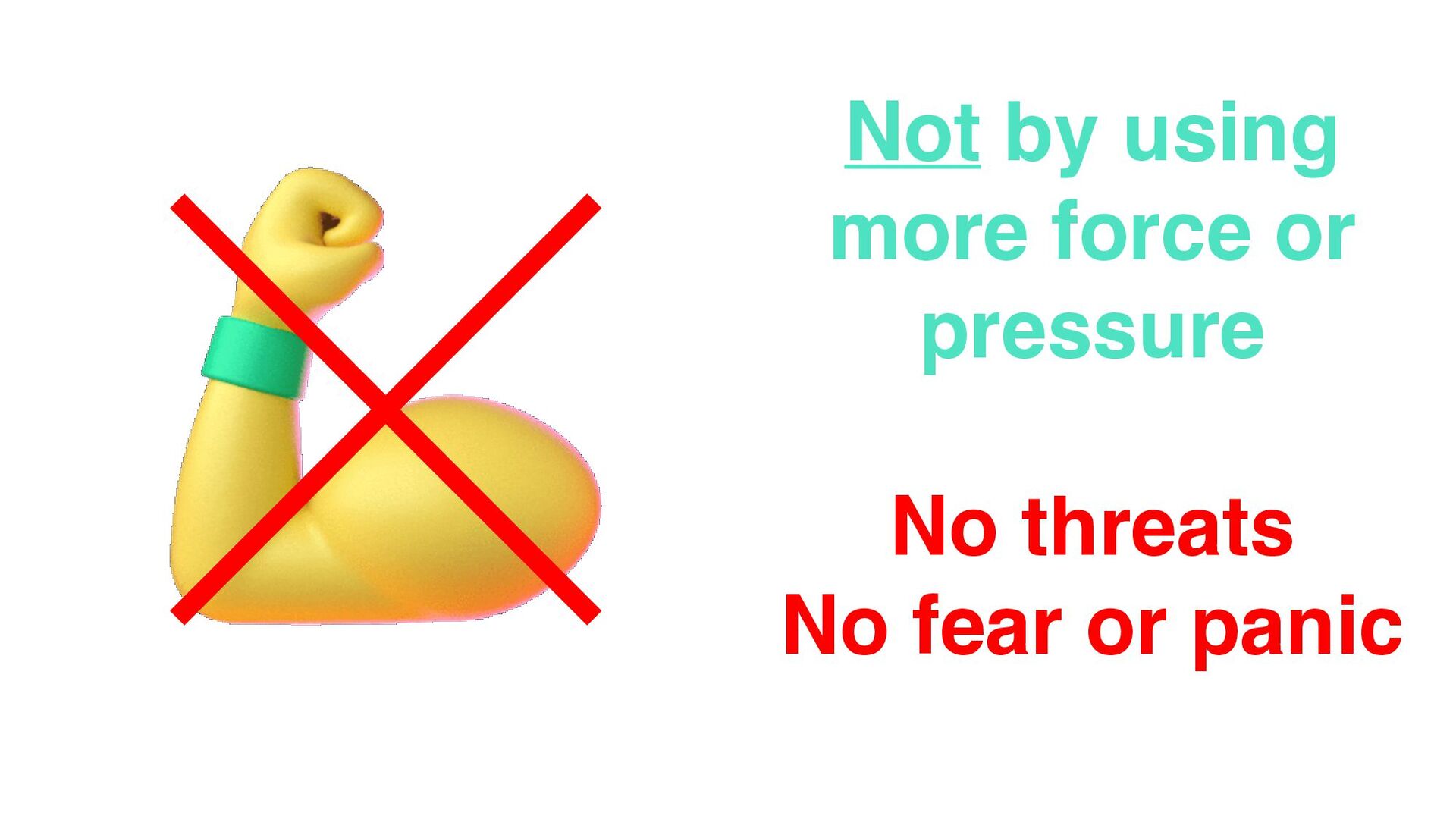
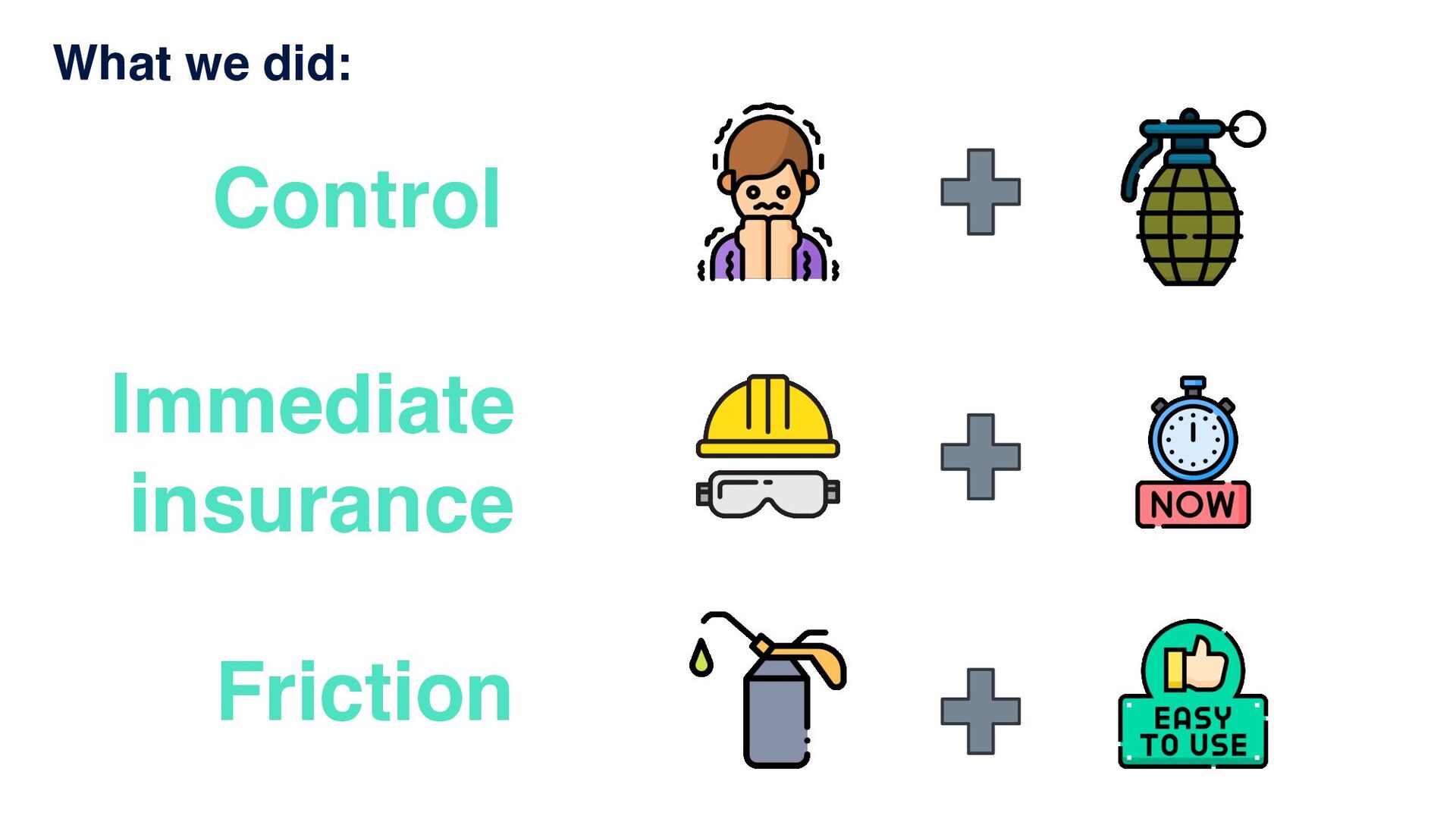
I'll give you more information about that. Forcing people to do stuff only increases stress and anxiety. So we didn't have threats, we didn't have fear or panic. What we did was give users more of a sense of control. Think about the basic Covid app.
People hated it, fine, before it would even come out. But the reason they were even more concerned is on top of that fear, they had a thing which was like a grenade in their pocket. Randomly, it's gonna blow up and tell them to isolate.
Randomly, it's gonna blow up and say, your grandmother is at risk. Your child might be in danger. Anyone who works in products like that is not a positive loop people want. That's not a thing people want to engage with. A thing that's scary, intermittent, and just gonna randomly blow up.
So how do you change that interaction from an intermittent random grenade into something more positive? You give them a sense of immediate insurance. If I take our clan in chief's phrase, take back control, we gave people control. Was it real? So they could check into a venue which gave them protection immediately.
It was a half hour, one hour insurance policy. And those little bits of check-in gave an endorphin hit and gave a user a sense of control. This random grenade turned into something which is much more positive and much more regularly positive. And we looked at removing friction.
So the two things that we did was make this ridiculously easy to use, just a QR code, but also better than the alternative. We never forced anyone to use the QR code check-in, but we made sure it was easier and simpler than the alternative, which was writing your name in a book.
And not only was it easier, it was more secure. We had stories about women being, you know, having getting text messages from guys who saw their number being written into a book and being pursued. We had people who felt uncomfortable writing their details down.
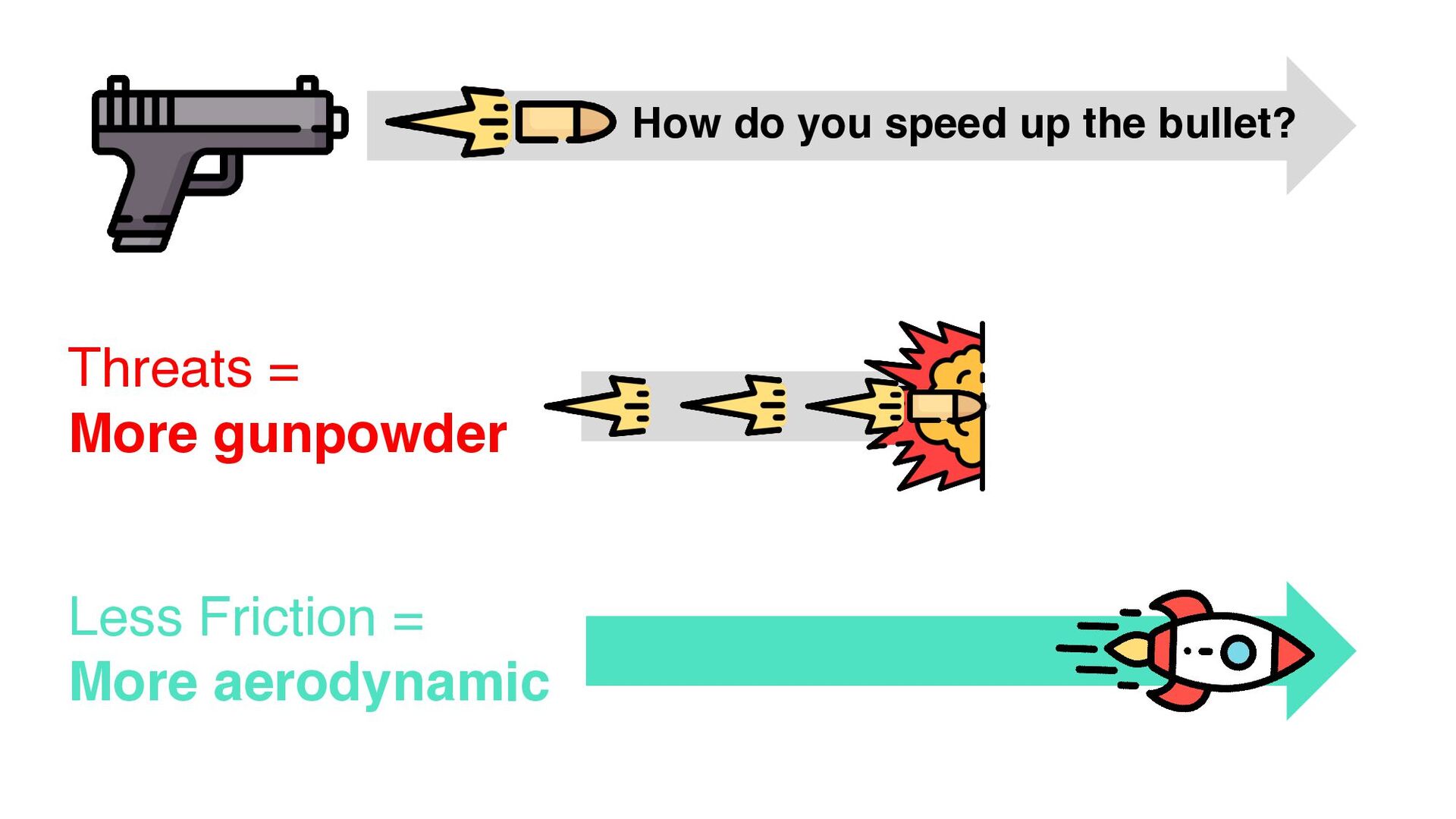
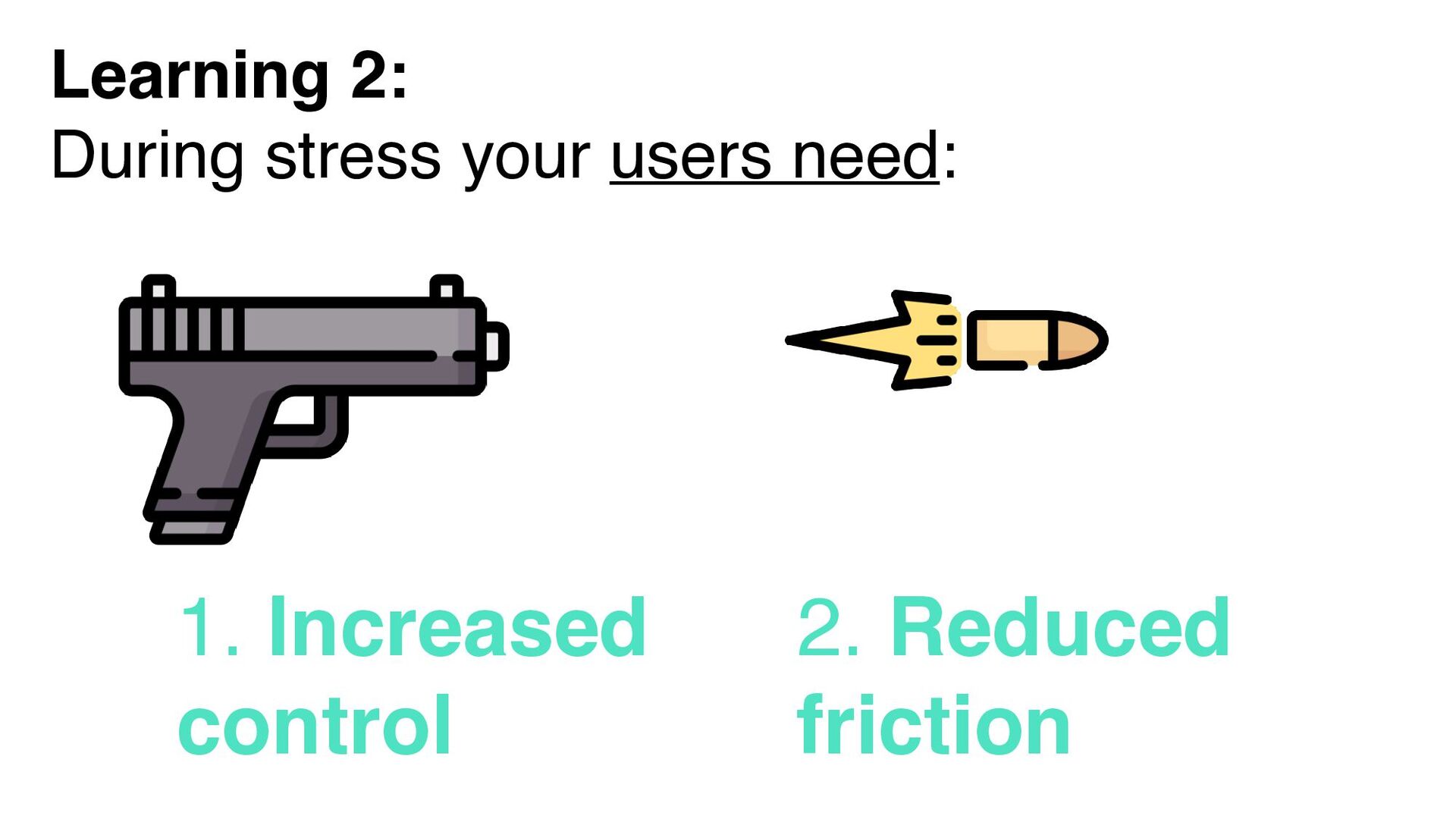
So, to give this analogy in a different way, let's think about a gun and a bullet. How do you speed up a bullet? Two ways: more fuel, less friction. The more fuel way is using threats, using government, using police, scaring people about how bad COVID is, which might temporarily make the bullets faster.
But above a certain speed, the pushback from the fear becomes too much. The bullet explodes. If you keep pushing people to do something that they don't want to do, eventually they will stop doing it and they will hate you for it. So the alternative is less friction.
You make it easier and more convenient to do the thing that you want them to do, which makes it go easier. So, in summary, during stress, your users definitely need increased control and reduced friction, which might sound easy, but is not what people do when they're stressed.
It's not what we subject our users to when they're stressed. And finally, the third section I was going to talk about is why impact is hard to make. So yes, we could become incredibly stressed. Yes, things are bad. So I've spoken about what happens to me and my team.
In stress. I've spoken about what happens to our users during stress. But what happens to the system during stress? So, another way to ask this question why impact is hard to make is let's think about what a villain really is. And for that, I'm going to use an example of user research.
So, I'm going to start with a question or a problem that many of us have had before. Our user numbers are not high enough because Thanos has snapped half of them out of existence. But, you know and in this environment, we had some research that was done about test and trace, the government department.
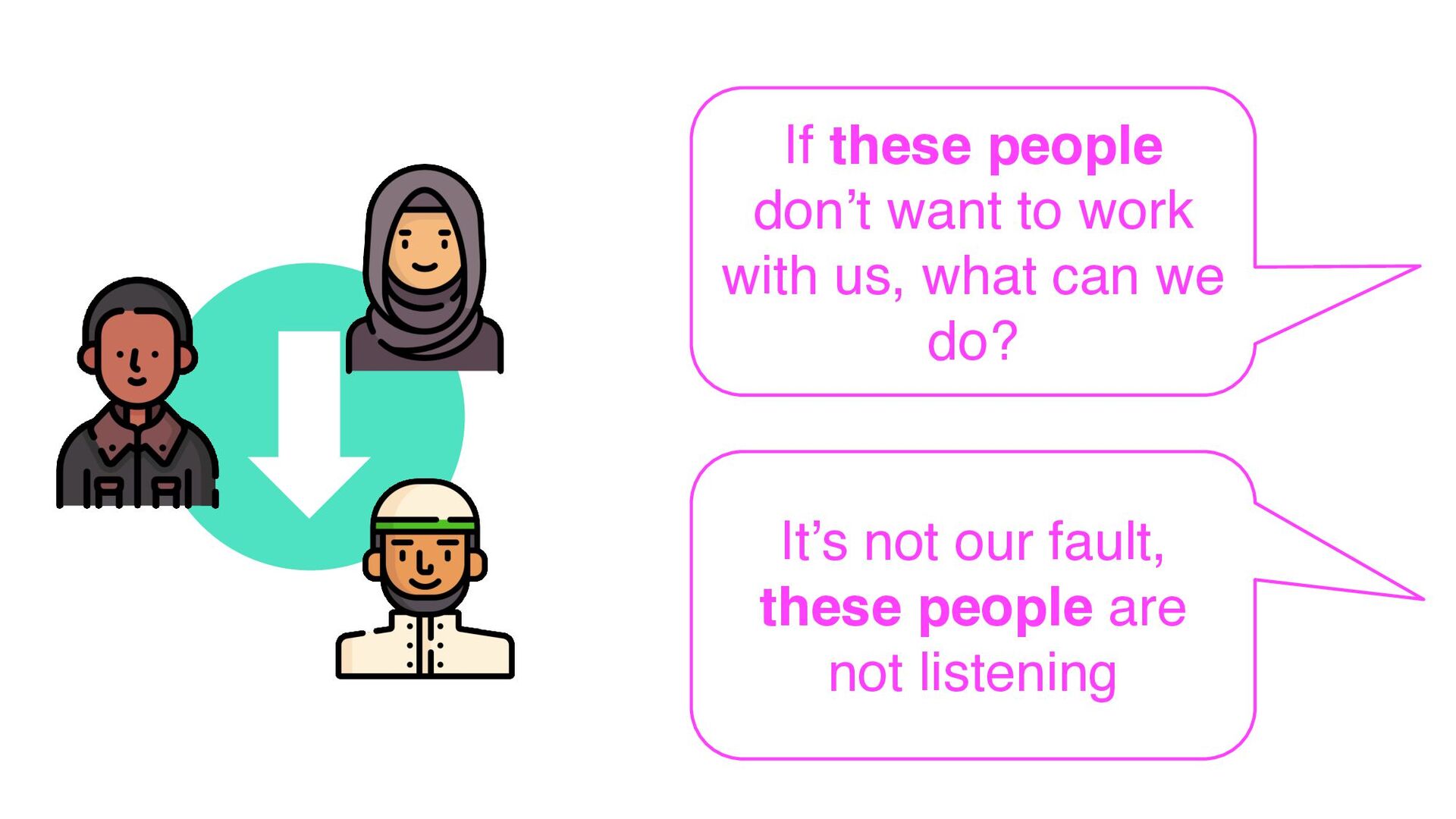
And that research showed three groups who are not engaging with test and trace as much. Black men and the Muslim community. I was on a call with lots of other directors, you know, maybe thirty of us on a call, all very, very senior.
And on this call, they were showing this research and talking about it. Having got that feedback that, say, black people or Muslim community aren't engaging with Test and Trace, unfortunately those people who are smart but very stressed in the room said some interesting things.
If these people don't want to work with us, what can we do? It's not our fault that these people aren't listening. E. G. They don't know what's good for them. Why are they not listening to what we are telling them to do? They are doing it to themselves.
Now, I was the only person of color on the call, and I stopped and I waited. I thought someone's gonna say something. And these are only some of the phrases. There's others that I won't repeat. No. No one's saying anything. So I have to say something.
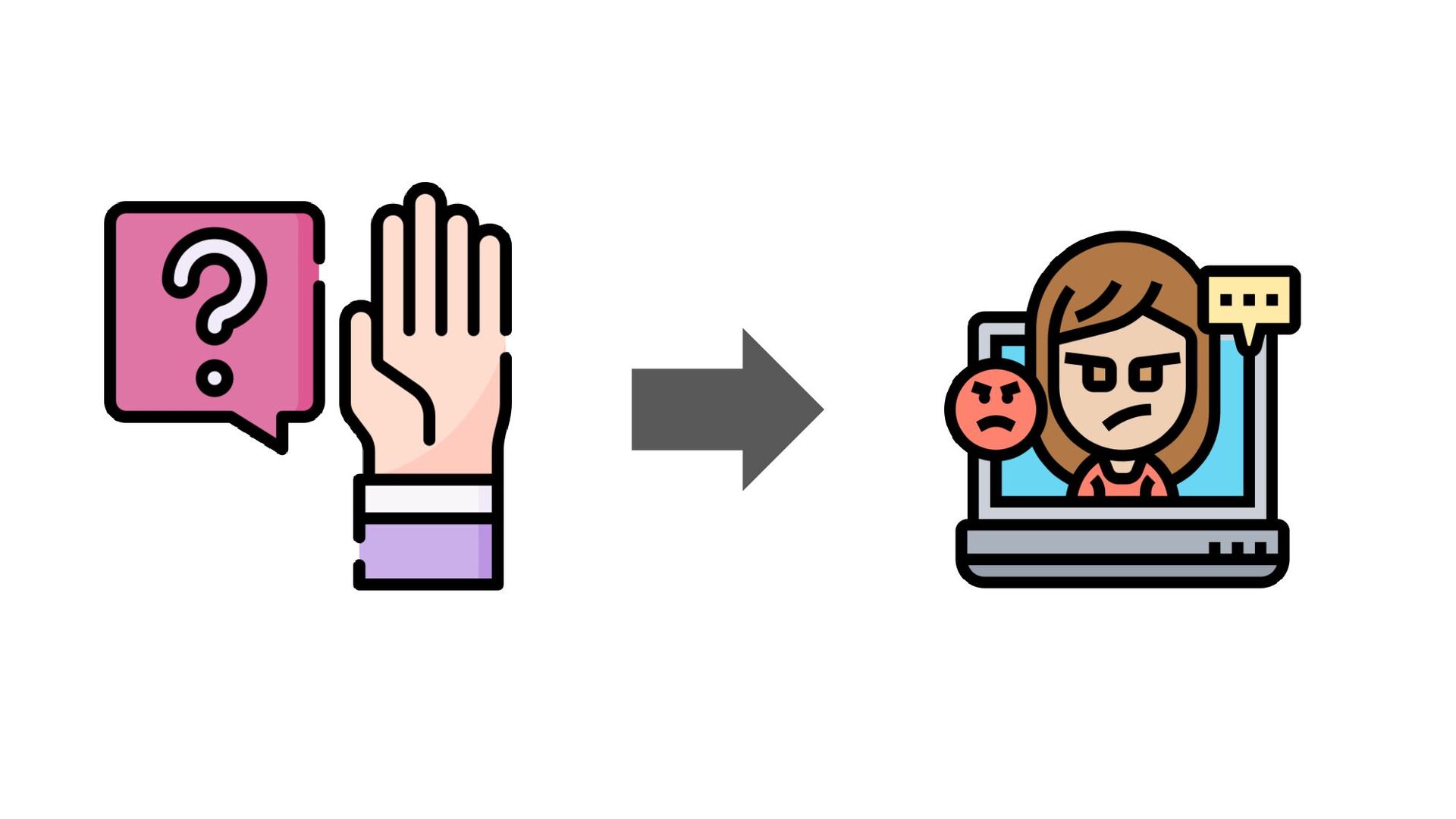
So I calmed myself, I looked and I said, okay, I'm not gonna kick off, I'm not gonna cause a problem, but I need to raise something. So I raised my hand and asked an incredibly considered, incredibly cautious, a very nice question just talking about how, of course, there might be challenges, but, you know, we don't stop giving people who are obese healthcare.
We don't stop people who are making and giving healthcare. So let's think about why this is happening. And then a very interesting thing happened. The person and some of the people who made those comments said nothing. The room kind of turned on me.
This person isn't saying anything discrimination. I'm not saying anyone is racist. They're not being racist. I never said that. I'm just asking, I want to know what we can do about the thing that was raised. These communities aren't engaging. How do we stop that?
How do we engage with that? But you're spending too much time trying to defend the system. You're saying this is all great, this is all fine. We're going to That's not what I'm asking for. I wanted us to actually do something about it and I didn't care about the person feeling challenged by my question.
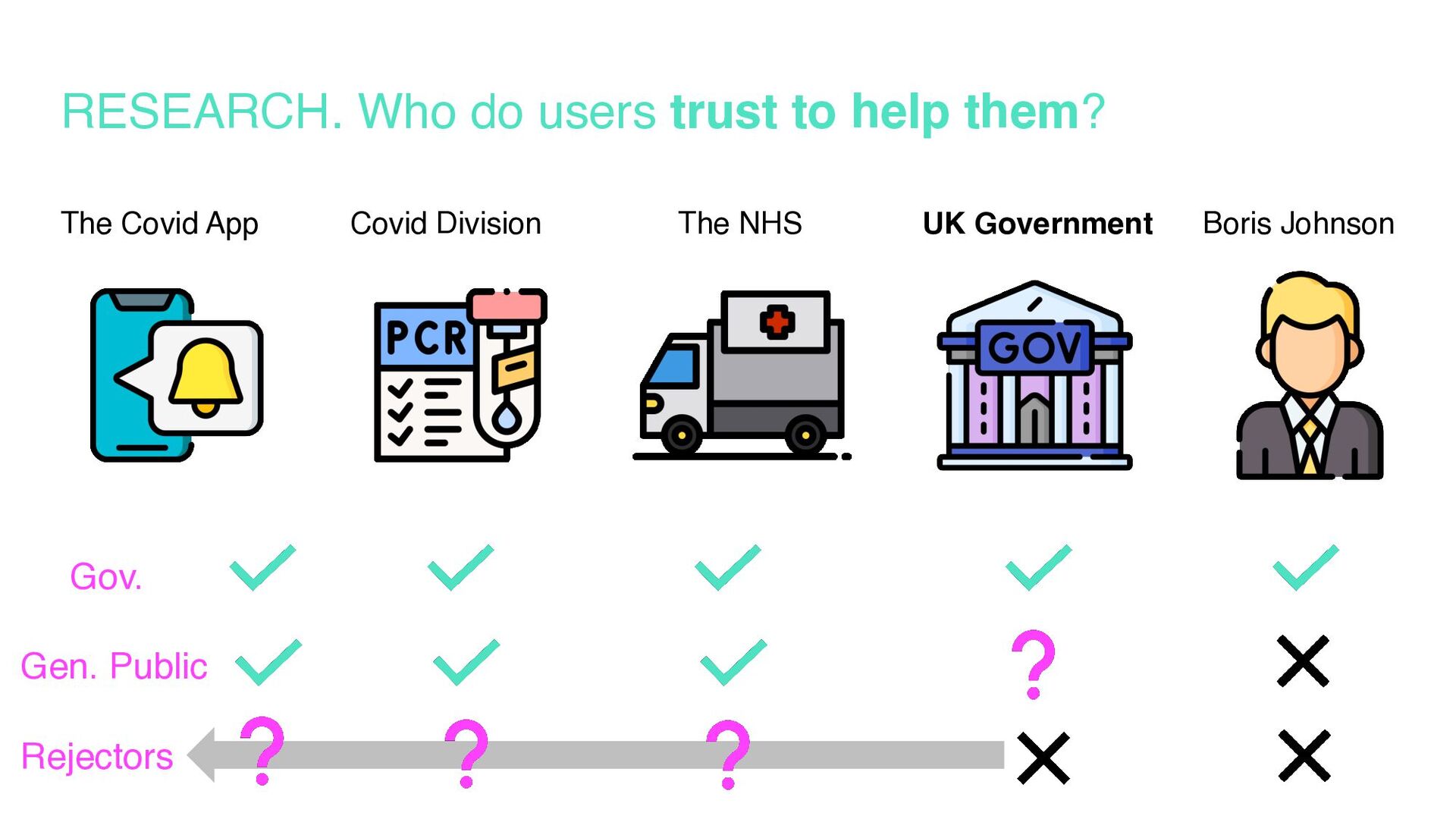
So given that they weren't doing the work, I ended up commissioning some research. And the research was this: Put your product hat on, try and make sense of this. Who do users trust to help them? That was the question I asked. And I asked: Do you trust a Covid app?
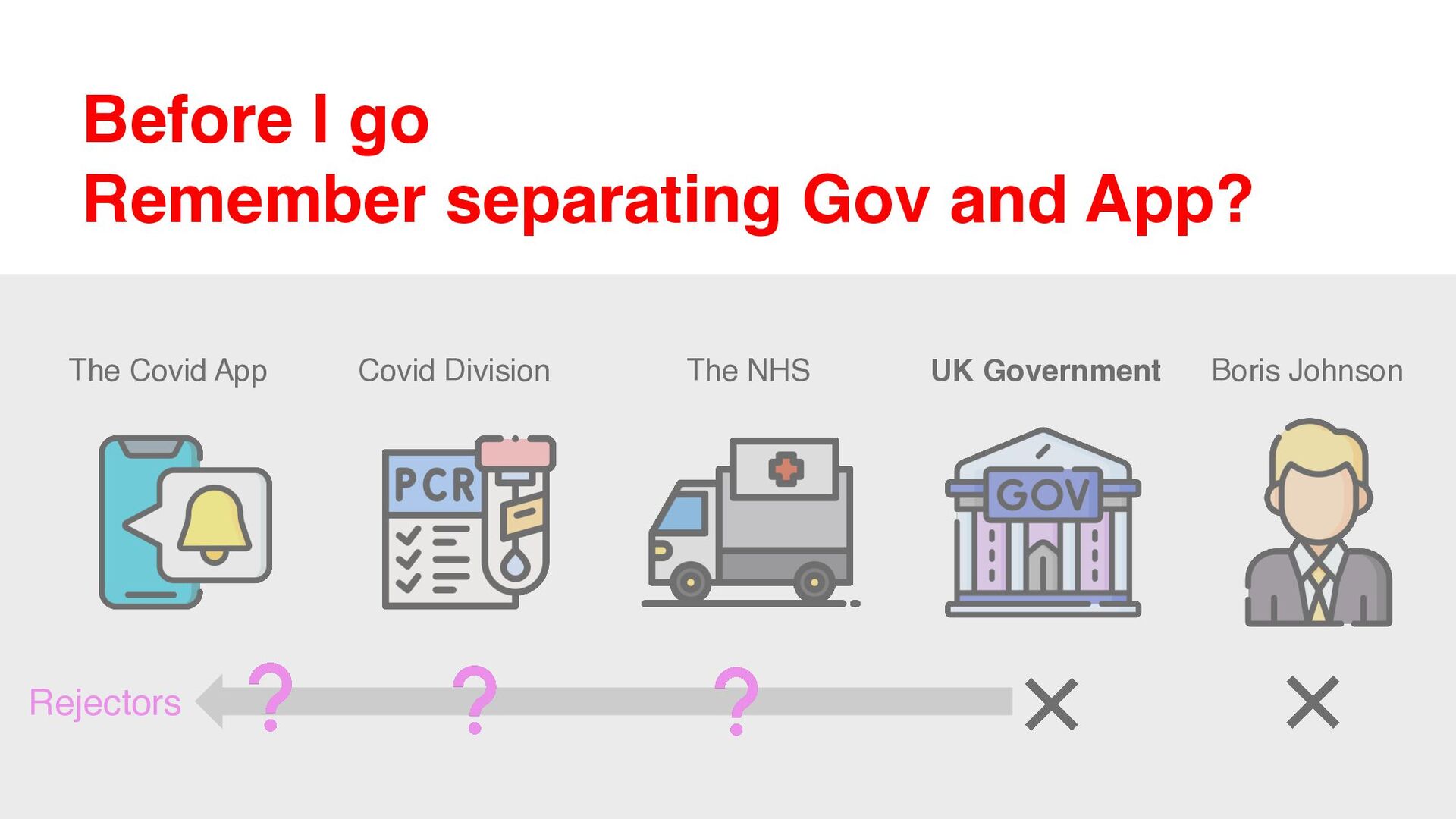
Do you trust Test and Trace, the COVID division? Do you trust the NHS? Do you trust the government? Or do you trust this clown? And guess what happened? The room I was speaking with, those thirty people, they're all government employees. They're all mostly civil servants.
They were like, yeah, of course. People trust They thought the public would trust everyone. So then I asked the general public. And what was interesting is, and this is all like majority, if not one hundred percent, majority trusted the app Pest and Trace and the NHS.
Because of what was happening with the government, they were like, we're kind of on the fence if the government's doing everything right, but generally, we think it's okay. Didn't trust Boris. When we asked those groups who rejected what was happening, you've got a very interesting answer.
They didn't trust Boris. They didn't trust the government. And the answers about why? Over policing. Things like the prevent strategy, which kind of made loads of Muslims feel like they were being accused of being terrorists, inequalities in health care, inequalities in kind of funding, inequalities in all the things that the State should provide, they weren't finding.
So they were challenged by what was happening. And the fact that they were linking government with test and trace meant that that was infecting the rest of their engagement with test and trace and what was happening. So what we were seeing was this kind of downstream effect that these communities weren't engaging because they thought it was an arms of government or policing.
I'll come back to how we used that in the app later. But what I'll say is, that research was great because it helped us move forward. But the question remains, why were people angry? What did I do that was such a sin on that call?
Like, what had I done? And I know I was cautious because when that call happened, I took a couple of minutes. No one spoke up. So I crafted my response. Everyone in this room has had that situation going, oh, God, it's my bloody father-in-law saying something ridiculous.
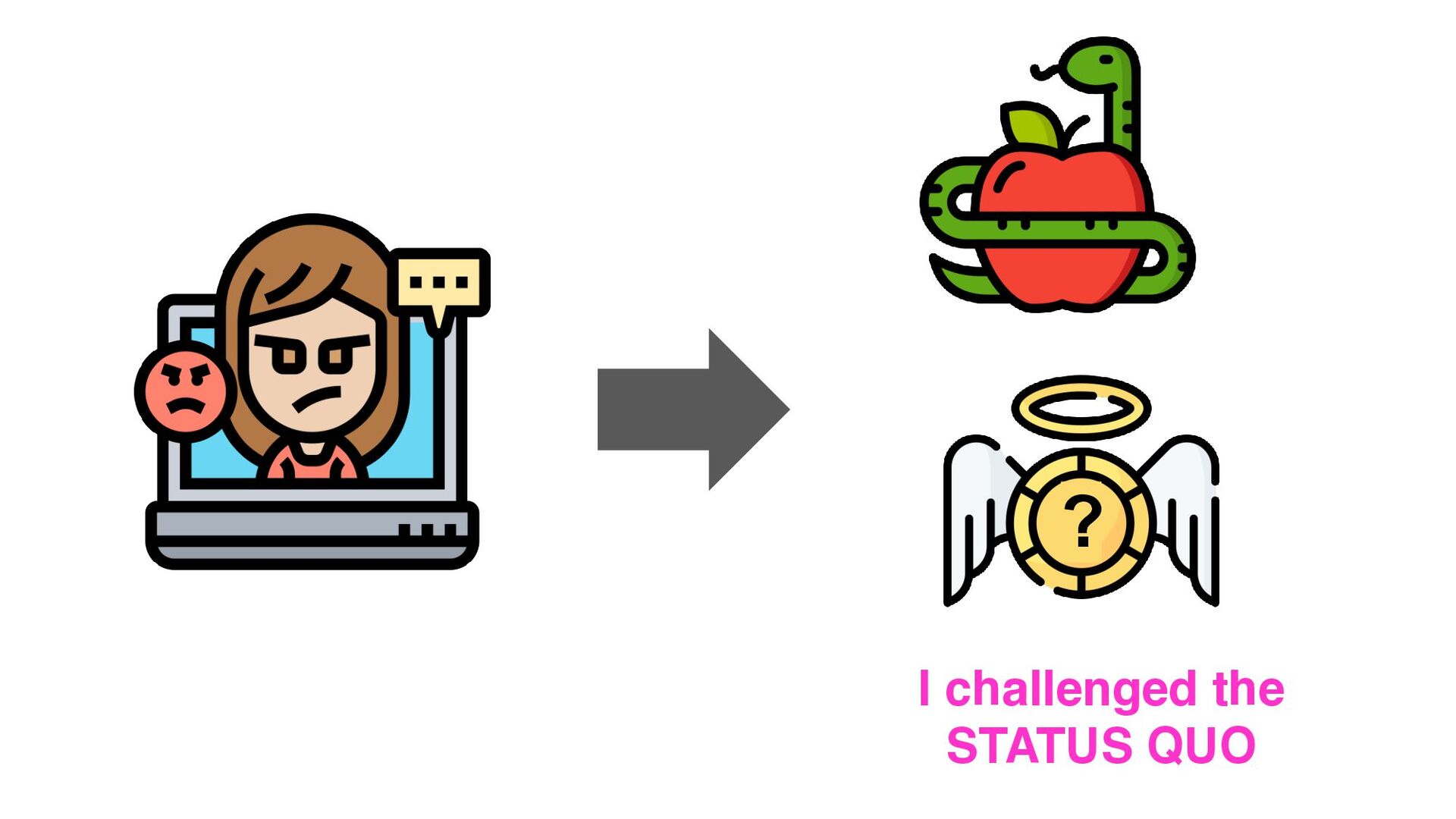
I'm going to be careful with what I say. You compose your response carefully.' And it was an innocent question. But what I realized was, I was saying something that was pushing against the system. I was challenging the status quo. Everyone on that call believed a certain thing, and I was questioning that.
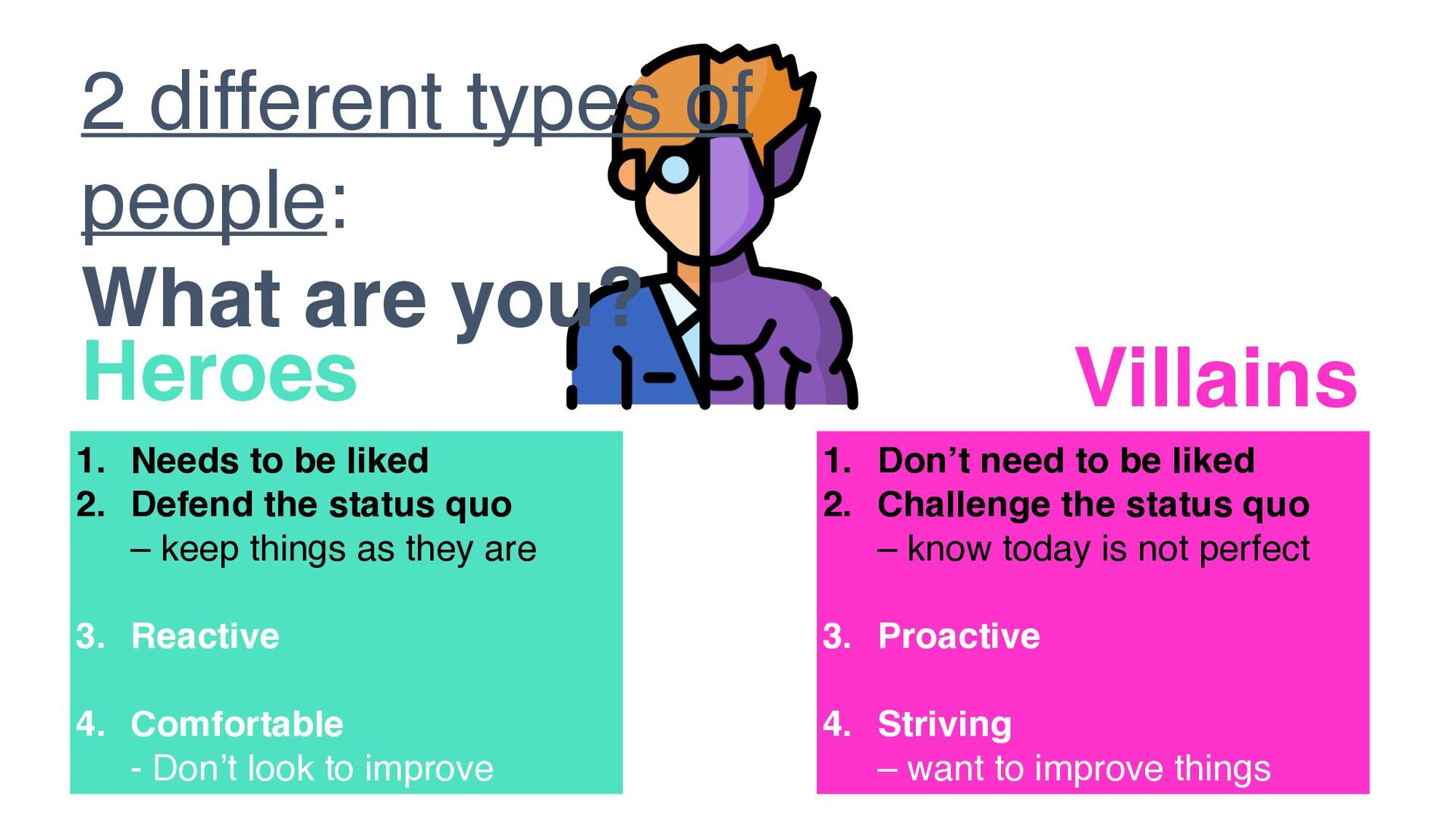
So the realization I had was, actually, there's probably two kinds of people when they operate at stress. The two kinds of people that I kind of realized were The first group. They need to be liked. They like harmony. They like consensus. They defend the status quo.
They are the people who go: No, no, things are fine as they are. It's all good. If something happens, they react. So they're not necessarily proactively doing stuff. They're more reactive to things that are happening, and they're comfortable. Basically, things are okay, therefore, they don't necessarily need to improve.
The second group are kind of different. They don't have that need for harmony. They don't have that need to be liked. And they also can challenge the status quo because they know today is not good enough. Which means they are proactive, they make a plan, and they want to make things better.
So, if I ask you those two sides, what side do you typically fall on, and what side would you like to be on? When you're stressed, what side do you fall onto? And I'm a complete film nerd, which is where the rest of this will come out.
So during watching some movies, I suddenly had a bit of a realization. I was like, Damn! If you look at Marvel superheroes, they are in the blue. Marvel superheroes and the people we fate and celebrate, they don't change the status quo, they defend it.
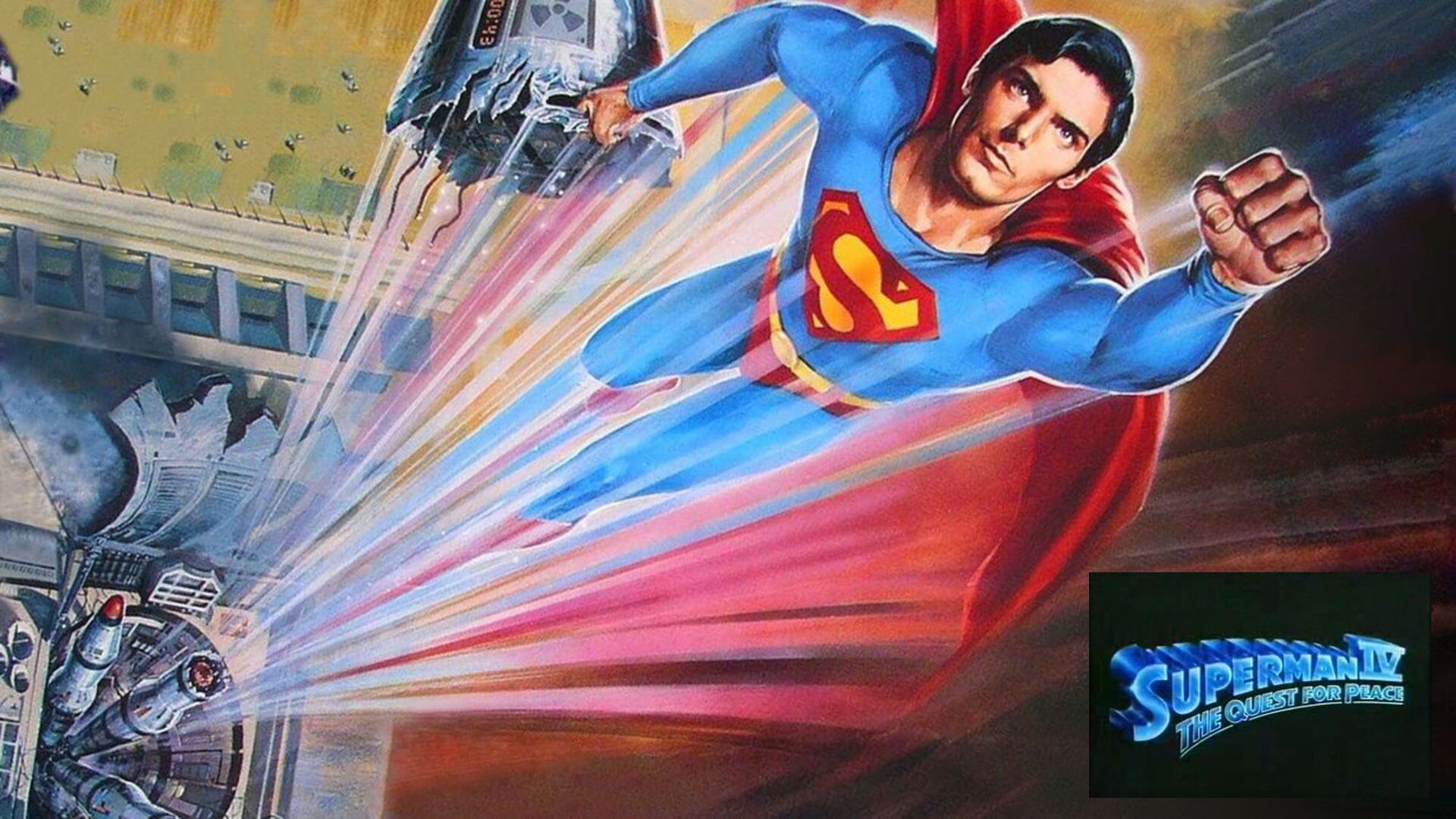
They're not the people trying to change the world, they're the ones saying, oh, well, a bomb's falling from an alien, I'm gonna try and stop it. If you think about someone like Superman, Superman could take every nuclear weapon off the face of this planet in a heartbeat.
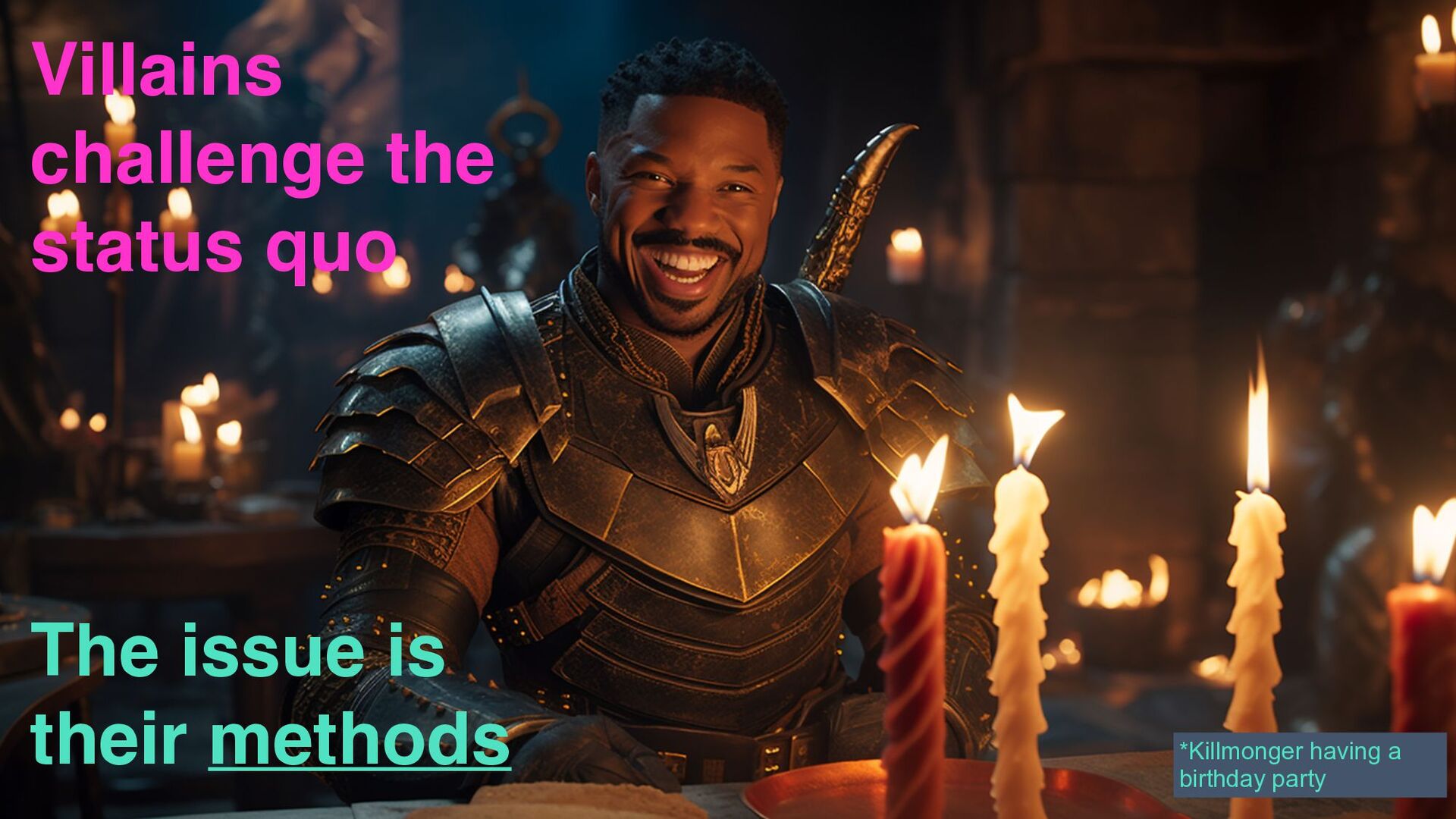
Does he? No. He runs around with Zod. Like, this is the reality of what we're celebrating. The people who have a plan, the people who drive for change are the villains. Killmonger from Black Panther, he wasn't wrong. He was trying to change stuff.
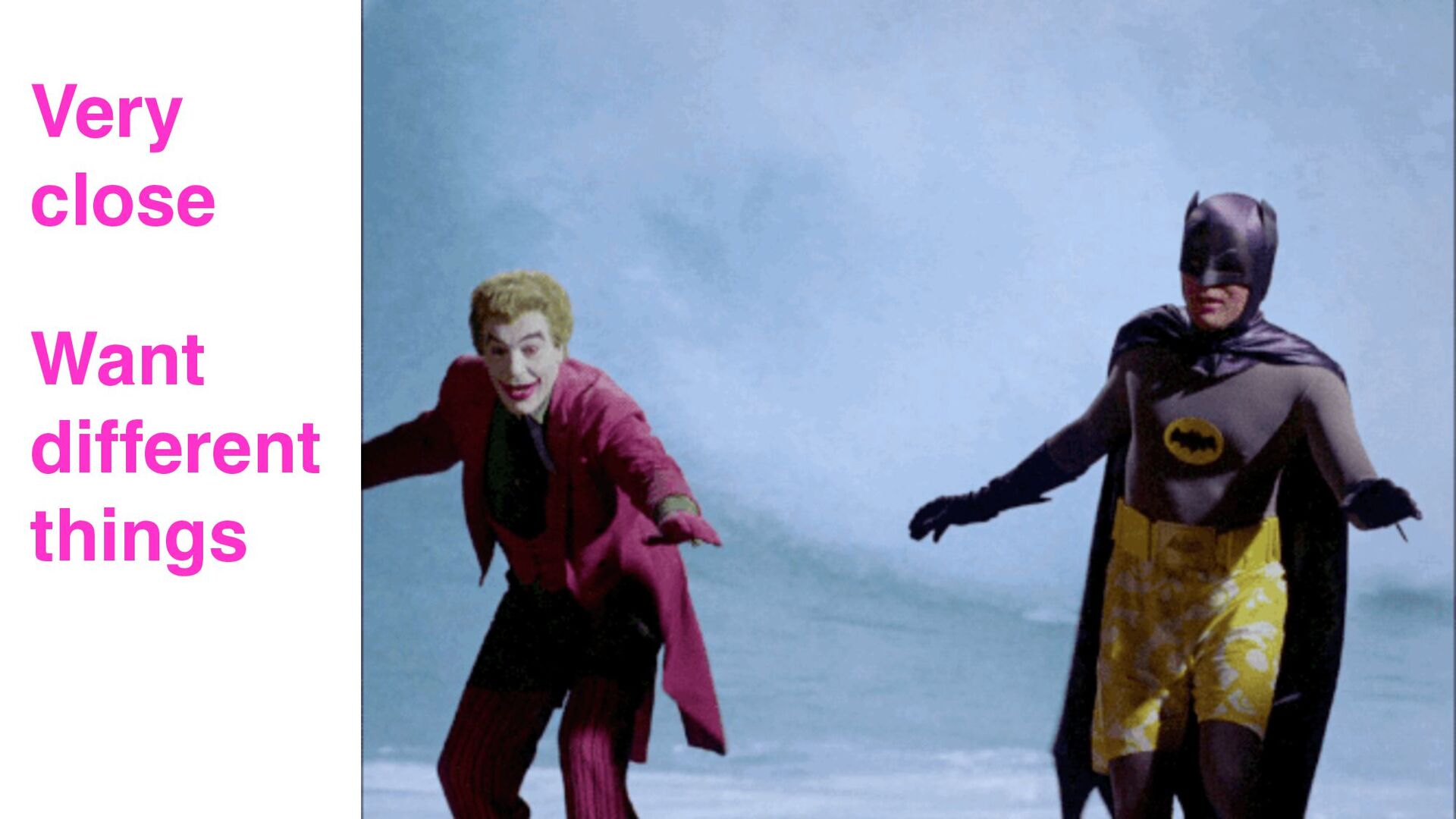
But he was the one that was turned into a villain. The challenge is they're very close, but they want different things. And that's what we should think about. And just as a deep cut for my fellow film nerds, there was one movie where Superman tried taking all the nuclear weapons off the face of the planet, Superman four, filmed in Milton Keynes shopping center.
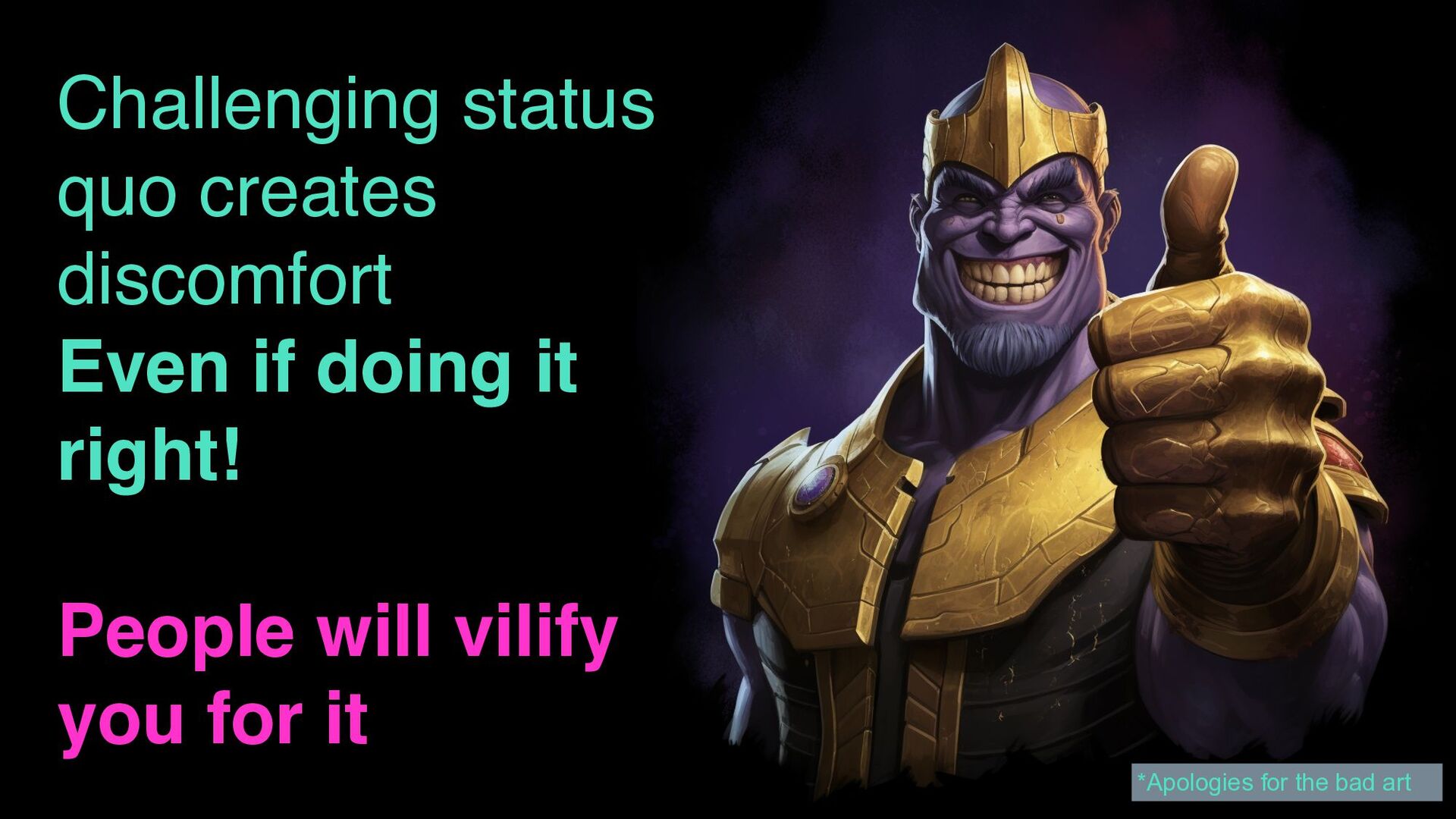
Honestly, it's a hoot if you wanna watch it. It's crazy. But like I said, villains challenge the status quo. The problem is their methods. It's not what they are saying, it's how they are saying it. And if you keep that in mind, it's interesting because the reality I found was challenging the status quo and when a system is under pressure causes pushback.
You saying things and trying to improve things when people are stressed does not help, even if you're doing it right. The interesting thing is people vilify you. And that's the core distinction. They act like you are a villain whether you are or are not.
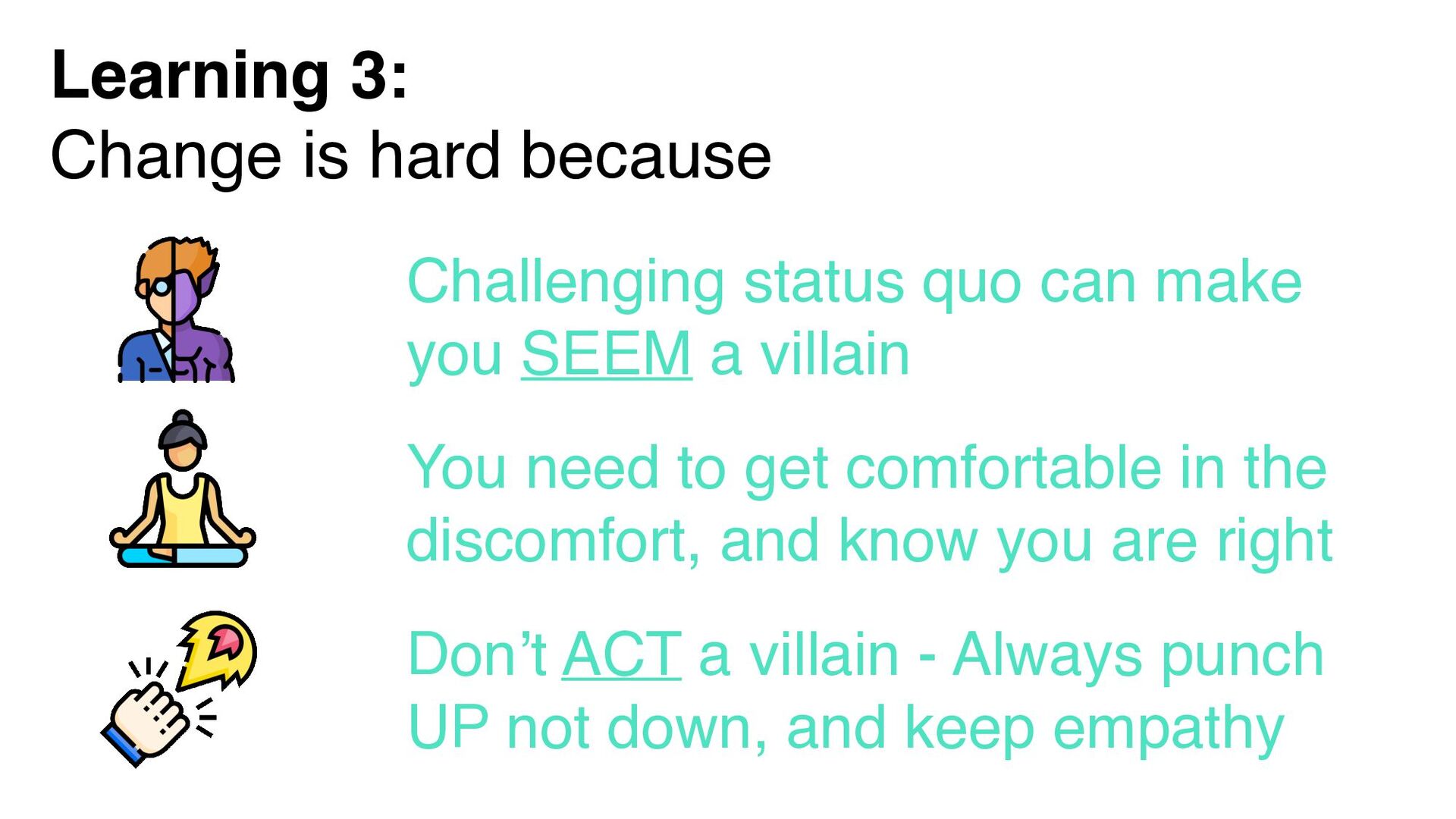
And this has happened countless times in test and trace and subsequently. Understanding what happens when you push back against the system and try and create change is interesting. And that's why change is hard. The hardest thing about change is you can seem like a villain.
And I'll be careful with what I say there. Are you acting like a villain? No. You can be perceived as a villain. And in doing that, it's so easy to fall into that villain behavior. If everyone acting like you're doing something bad and pushing back, you're, ah, eff it.
I'll just You do what I did at the beginning. You do that villain behavior like stamping on people who are researchers by accident or using your power in a way that's probably not helpful. You do a killmonger. You step on those who are least able to defend themselves.
So you need to get comfortable with the fact that you're going to feel uncomfortable. That's the key lesson for me. I'm going to be vilified. I have to lean into it and know that's happening. And I have to make sure I don't act like a villain.
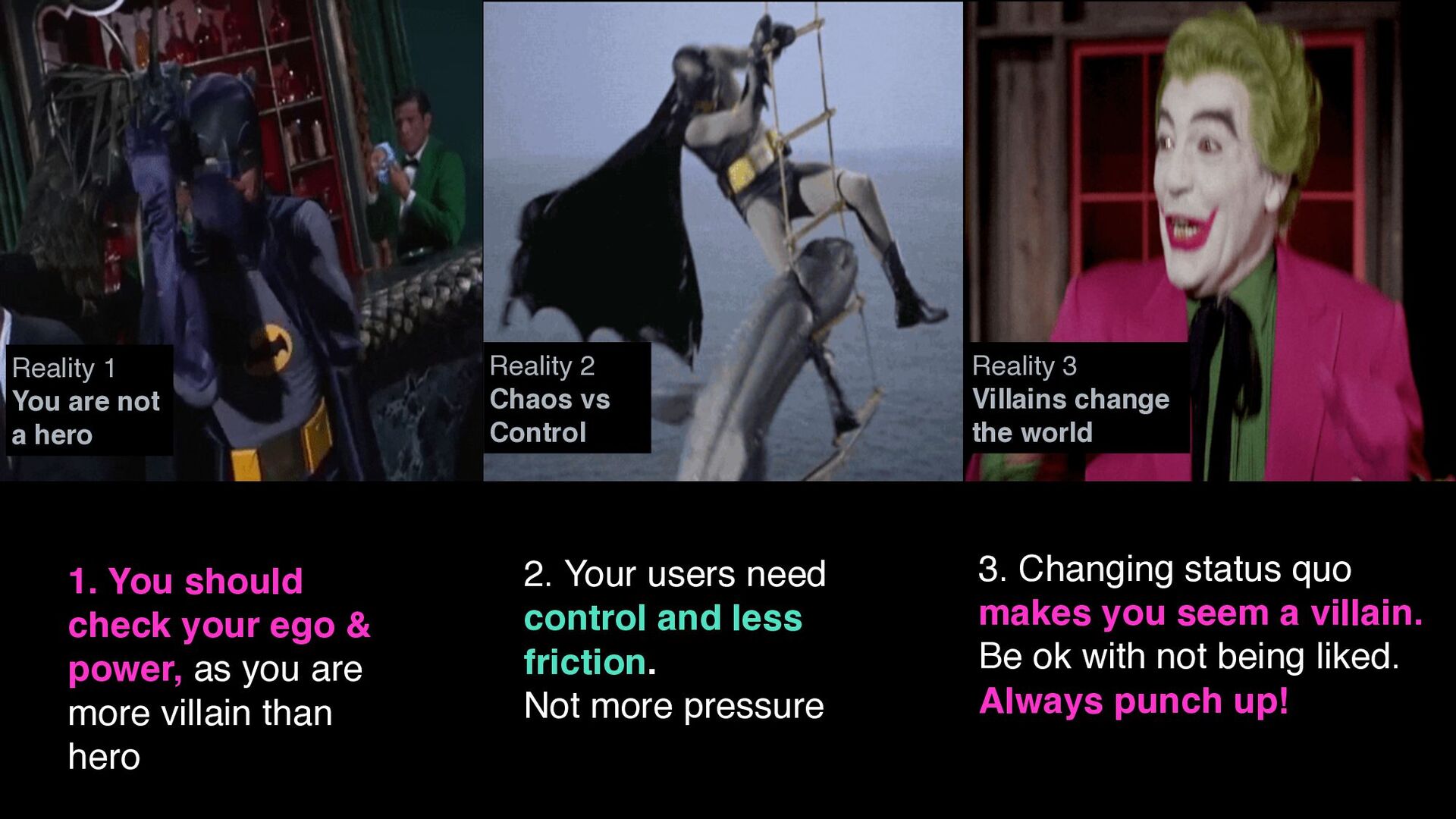
I punch up, not punching down, and make sure I keep the empathy of my users. And with that, I'm going to come to a close. And I'll show you the three summaries of what I've covered. So, reality one, you are not a hero, keep your ego and power in check and understand and work from the principle that people will see you as a villain.
Thing two, when it comes to users, they need more control and less friction, not more pressure. And I appreciate some of these feel quite trite. And I'm happy to talk more about them in the roundtable afterwards because there's a lot more depth here than I'm trying to indicate.
And finally, villains can change the world as long as you're comfortable being perceived as a villain. If you're happy not being liked, always make sure you can make change, but just make sure you punch up. And before I go, I promised you earlier, do you remember this page where I said the people were rejecting the app or Test and Trace because it was too close to government.
I'm going to finish with the positioning of the COVID app when it was launched, the fastest downloaded app in UK history, and it shows clearly how the app was positioned not to be from government. Sarah. That's Eddy. This is Bella. Fanal. Lily. Nicola.
Jim. Caitlin. My son. My girlfriend. My husband. My two kids. He's my brother. My dog. That's my mom. This is my brother. My wife. My grandson. My wife to be. Yeah. My. What? My little brother. My dad. And my dog. He was a miracle.
They're going out for two years. They make me smile every day. He's the heir to my throne. She's the most important person in the world for me. I didn't love him when I first met him. He just grew on me. She's my life.
Grandpa, you don't have a hair. Why don't you have a picture of me? Where's love? Where's love? Even when it steals my ice cream. My stunning woman in the room and I just gravitated towards you. Just the way that she says things are funny.
Who doesn't love a face like that? She's amazing. Everyone you love is on your phone. He's just been there for every pivotal moment of my life. Now, so is the app that helps protect them from coronavirus. Loving, ma'am. Protect your loved ones. Get the app.
And with that, I'll say thank you so much for being such a good audience, and I'll see you later.