Culture decks have become a common feature in large tech companies like Netflix and HubSpot - but codifying your culture and company values is an important step for companies of all sizes, and in all industries.
Aira co-founder Paddy Moogan explores the impetus behind the creation of their culture deck and the principles that underpin it, and explains why it's so important to articulate your values to your team, customers and prospective hires.
1 / 114 Use ← → to navigate
Auto-generated transcript - may contain errors.
Tap a timestamp to jump the video.
Hi, guys. I'm Paddy. I'm the cofounder of Era. I'm gonna talk to you about the culture that we've built at Era so far and how we plan to grow that culture and scale it as we hopefully continue to grow over the next couple of years.
So I figured the best place to start would actually be where Era started, which is actually here. The ARIA Casino in Las Vegas. Not the most conventional place for a company to start. Myself and my co founder sat at one of the bars in the and after one or two whiskeys, decided to start a company.
Seemed like a good idea at the time. It's not what you're supposed to do in Vegas, but we tried to start a company. And that was around July twenty fourteen. And we, from day one, always varied culture. I'd come from an agency at the time called Distilled, who had a very strong culture.
I really enjoyed working there, and I wanted to bring that into era. So from day one it was always important, but we never really sat down and said what it was actually going to be. Fast forward about four, four and a half years now, we're getting comments like this.
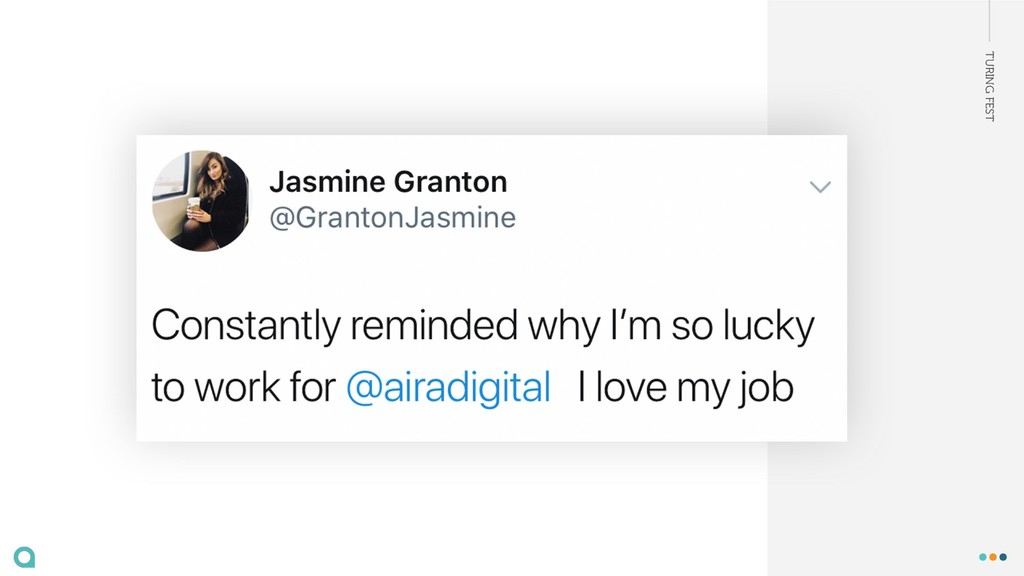
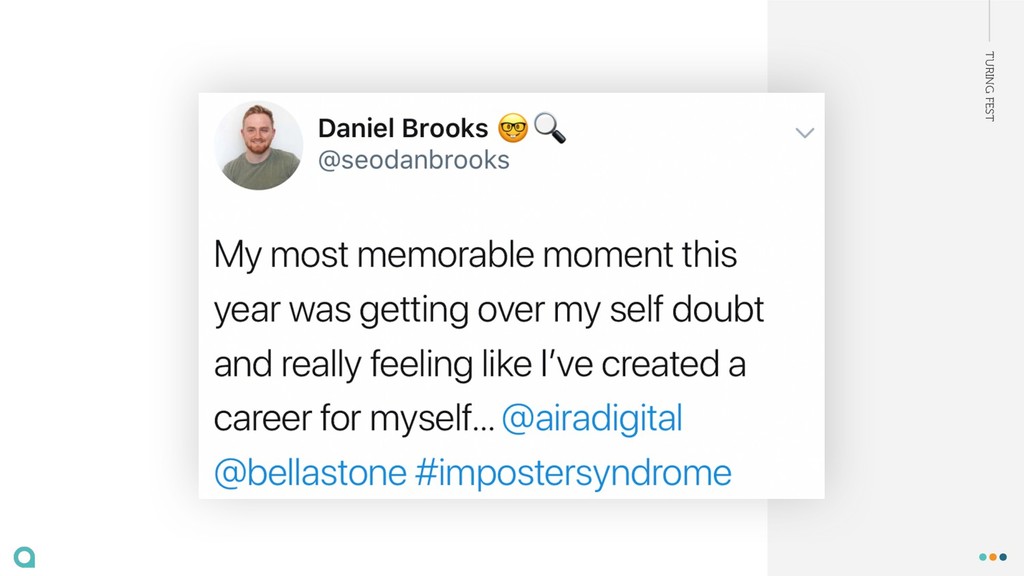
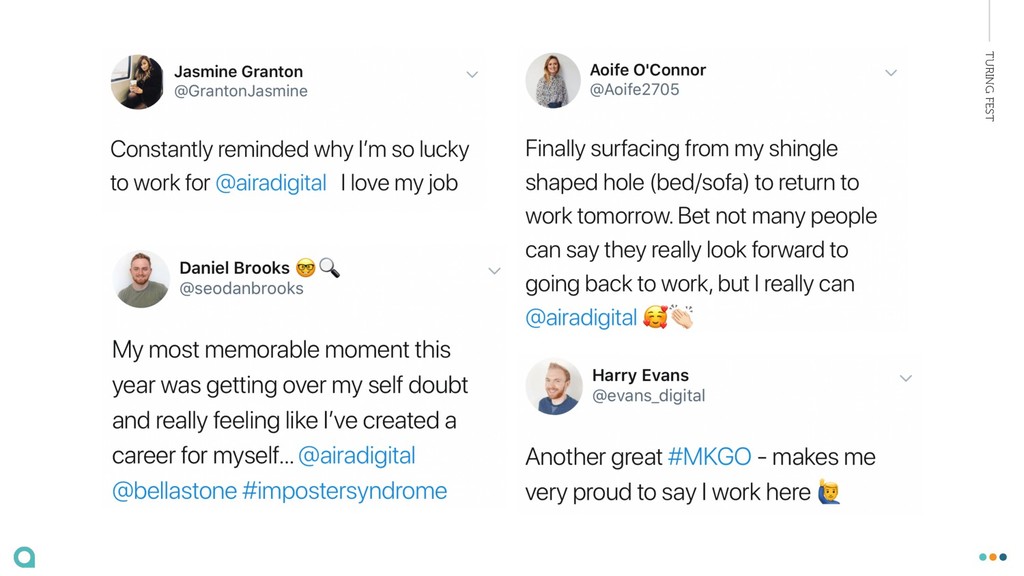
Tweets from our team. This is Jasmine, who's one of our PR consultants, talking about how much he enjoys working for Aaron, feels lucky. Dan, who's one of our SEOs, talking about how he's built a career for himself. Dan actually wrote this off the back of a talk by Tiffany D'Silva, who's speaking tomorrow at LearningBound about imposter syndrome.
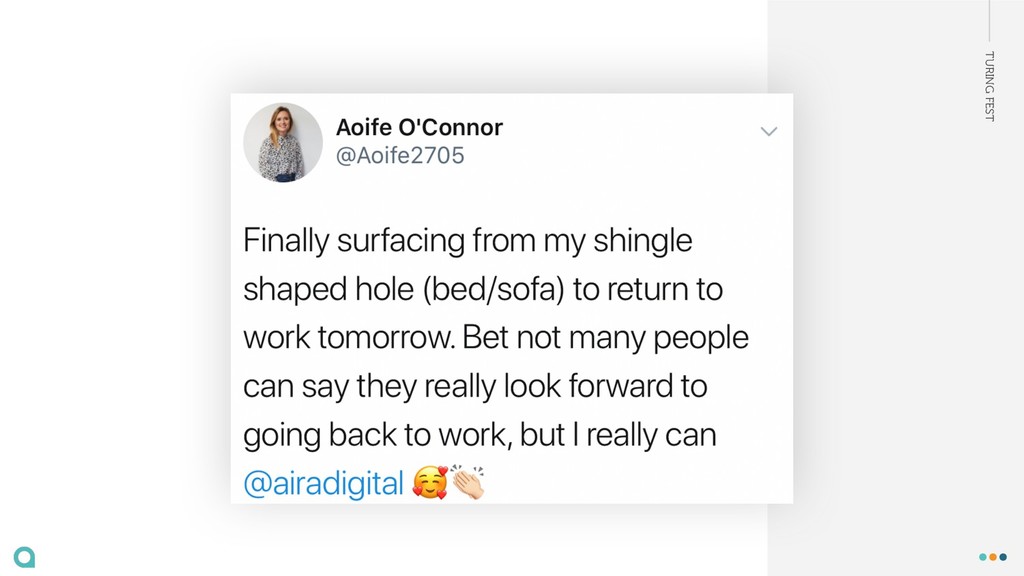
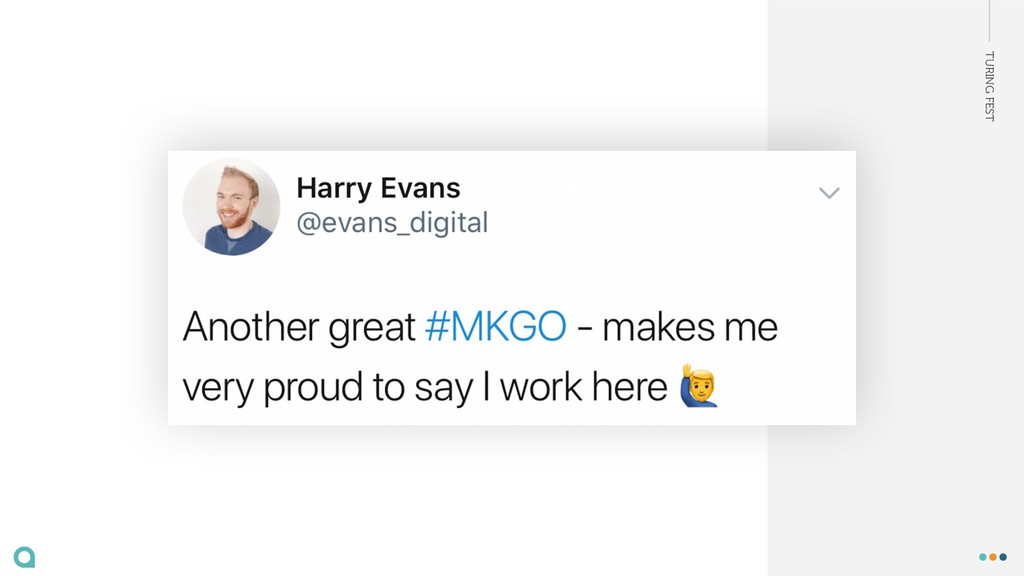
I highly recommend that talk. It really inspired Dan to tweet this. Eva, one of our team leads, she got sick over Christmas in the year and actually said she was looking forward to coming back to work, which you don't get very often. Harry tweeted after one of our events, not like this, but a lot smaller, but after one of our own events, saying how proud he was worth the company.
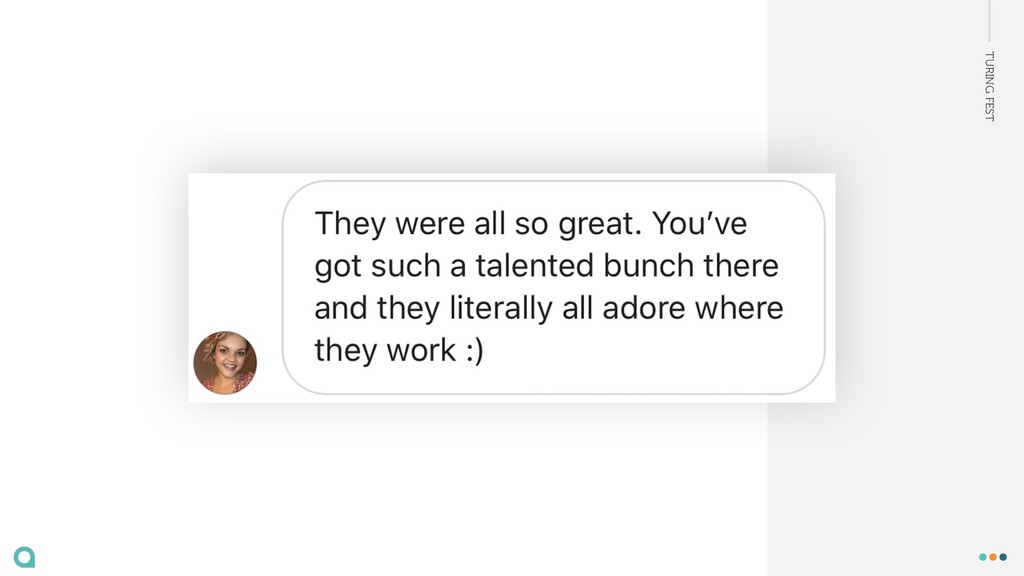
And even people outside the company, Kirsty, who's going to speak to you next, ran a workshop where a few of our team attended. And she sent me this afterwards on Instagram saying how much the team adored while they work. So, okay, great. Not just the team themselves, but third party neutral people who are friends telling me about my team.
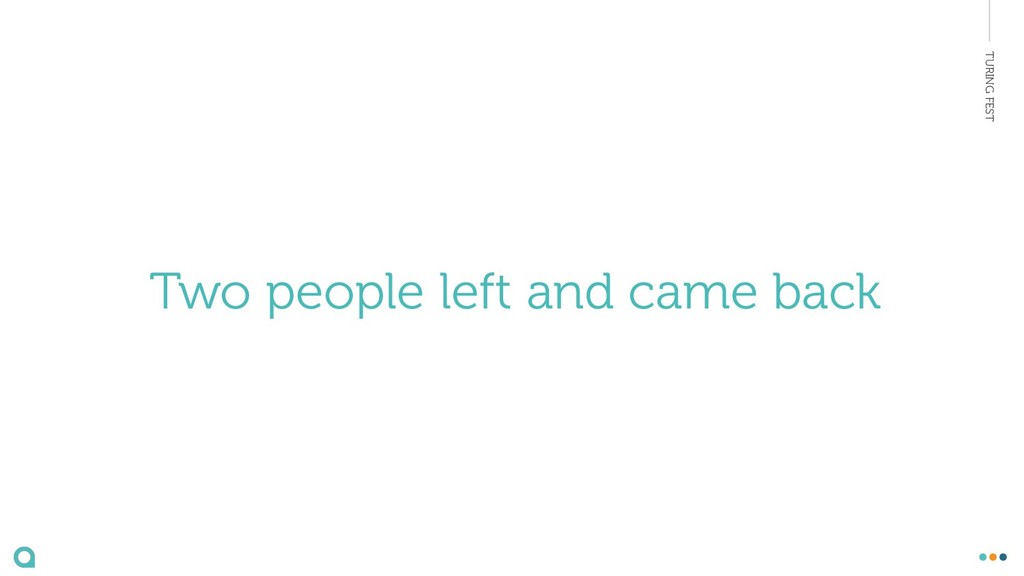
So, things are going pretty well. And also, two people left and then came back again. I'm just gonna take that as a good thing. One of them, she tell the story very quickly. She left on the Friday afternoon, started her new job on the Monday morning, quit on the Wednesday, was back working for us the following Monday.
So she effectively just took a week off, essentially. We weren't gonna tell the team that she was coming back. We're just gonna have her come in on Monday morning, sit at a desk, and see what they said and see who was the first one to say something.
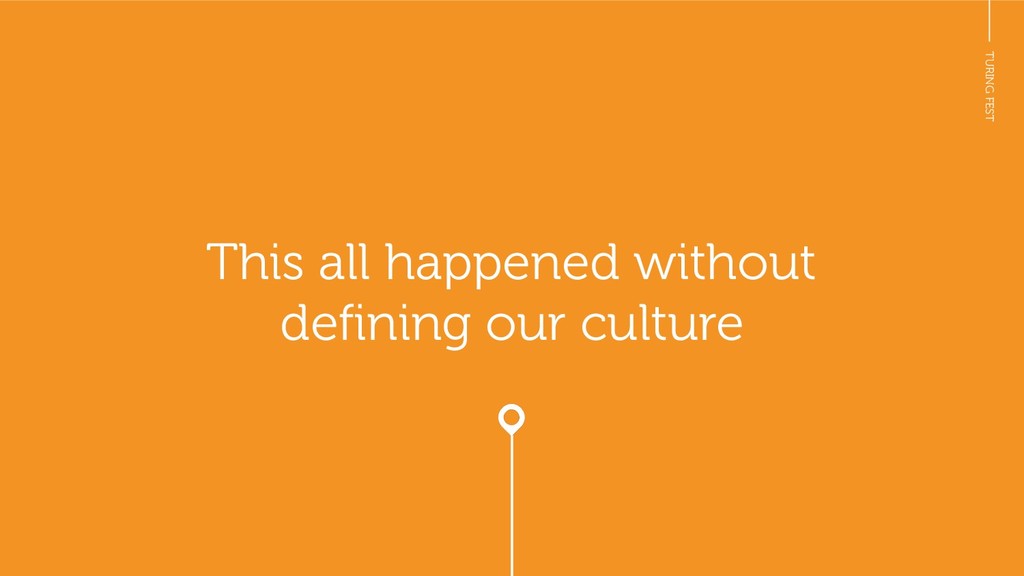
But we had to tell them. So she came back, and someone else went off traveling, ding, pulling, coming back, but did. So we take those as good things. And those things happened without defining our culture. Four, four and a half years in, we never sat down and really said what it was, what we were really trying to do, and what our culture was trying to be.
We never done any of that. Because ultimately culture happens. This is stolen from Puffspot's culture deck. And they're right, culture just happens whether you like it or not, whether you shape it or not, it exists. And we were doing just fine. But I started to worry. I'm a bit of a worrier anyway.
I probably should be, running a business. But just under a year ago, started to worry a little bit. And I went to a networking dinner of nine or ten other company founders, And the topic of conversation was culture. And in particular, mission, vision, values, that kind of stuff.
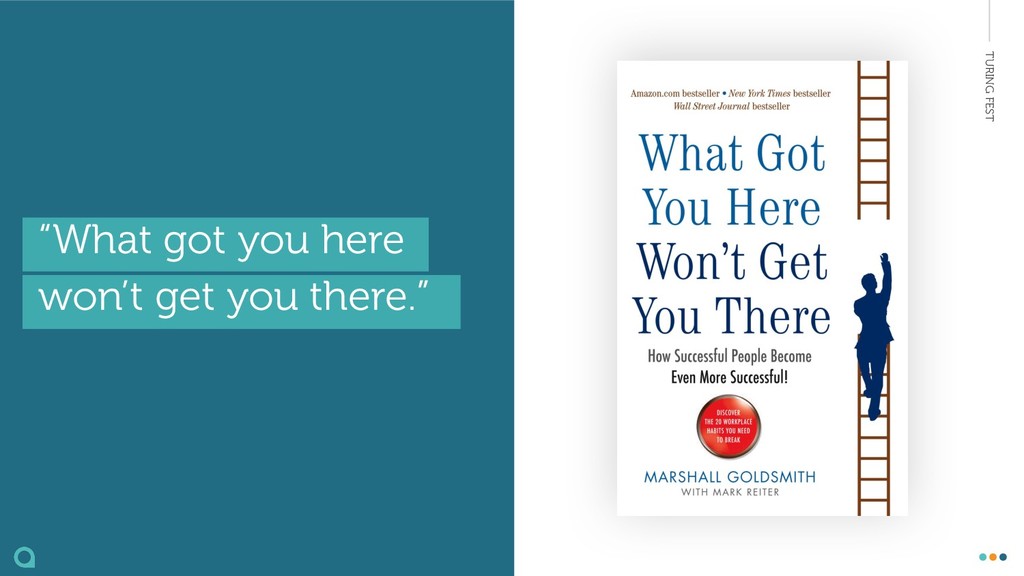
And one of the quotes that came out of the evening really resonated with me and really made me start to think about culture. And it was this. What got us here, won't get us there. Now in the context of our culture, it really made me realize that the four years we had so far wouldn't be mirrored for the next four years and mean we end up with the same culture.
We couldn't just keep doing what we were doing because we were growing and expect the same outcomes. It really resonated with me. I'm gonna talk about the book where this came from a little bit shortly. So the same approach wouldn't work for the next four years, eight years, twelve years.
We had to change something. So I'm gonna share the approach that's worked for us so far up until this point, share lots of the things that we've done to try and shape the culture, subtle things, more direct things that hopefully can take away and use.
And then towards the end, going to talk about how we plan to hopefully maintain this culture as we scan and as we grow. Now a quick word here. I run an agency. We're a digital marketing agency. I know there's a lot of people in the room that agencies are but non agencies around product and software.
I've taken lots of inspiration from non agency cultures here. All these guys have got culture decks online you can take a look at. Ultimately, all companies are people. Whether you're an agency or you're a software company or a product company, it's all people at the end of the day.
So everything we're going to talk about should hopefully be of source to you and your teams. I'm going take a step back for a moment and ask, what is Culture? It's actually where I started. And this is quite a simple question, but there's a bunch of different answers.
And getting technical, it's from the word Cortus, which in Latin means to care. That's really careful how I say that on stage. Cortus, Latin care. It turns out it's also top of Suzuki. Not a very good one, so I'm going keep going. This is the best definition I could find.
It's the way we do things around here. It really works. It's really simple. The way you do things here, that's it. It's really the best definition I could find. There's lots of different ones out there that also resonated a little bit. This is the one where I was like, yeah, I get that.
That really makes sense. Also, culture happens as a result of skills and behaviours. The skills of your team in what they do day to day, and the behaviours they have with each other, and with your customers, or with your clients, that's what drives your culture.
Those two things combined make your culture what it is. A few common misconceptions which I've made and mistakes I've made in the past. The first obvious one, perks are not culture. Perks are great. You should try and throw off to be the best.
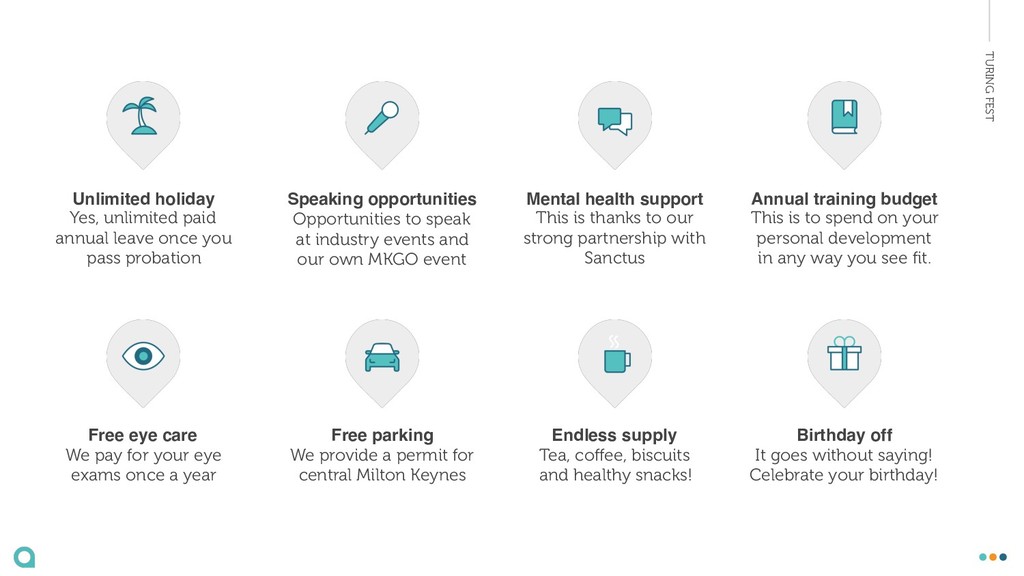
Here's a few of ours that we have now. We're not a London agency. We're in Milton Keynes, just outside London. So we think we're quite competitive with what we offer in terms of perks. But this isn't the culture. We could take all of this stuff away tomorrow, and the culture should still remain.
Perks should just support the culture. It should be part of it and it feed into it, but it shouldn't be everything. If you take it away and the culture disappears, you've done something wrong here. Ultimately, an example is we offer unlimited holiday, but trust is a big part of our culture as well.
So if we're going to offer that kind of holiday scheme, and we trust our company and trust the team at the same time, they support each other. We wouldn't be able to offer that if we didn't trust the team to not abuse that policy.
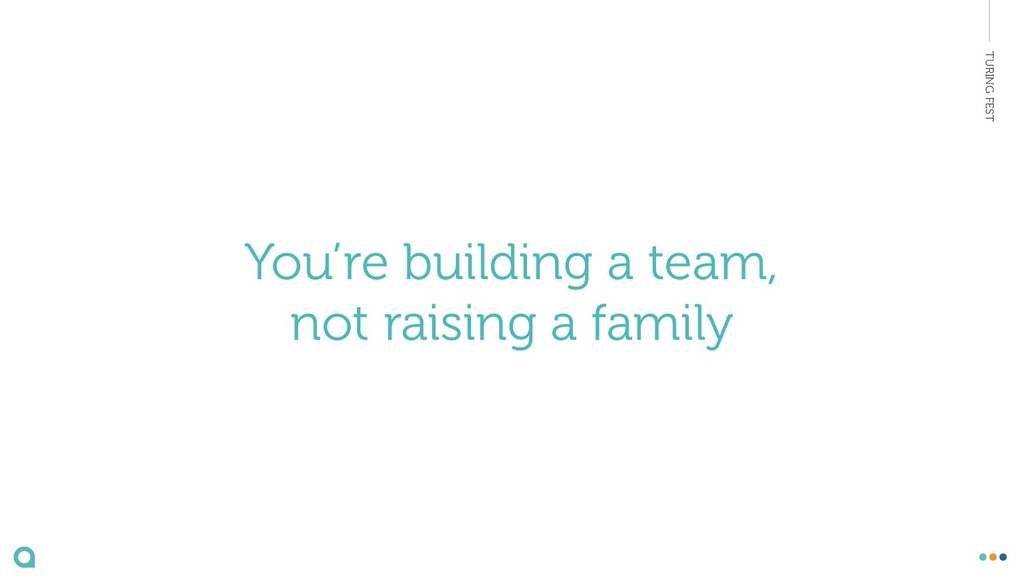
So they should support each other from playing to each other, but they're not your culture. This one. You're not raising a family, you're building a team. I hear this quite lot, and it bugs me every time I hear it. When you're a small company, when we were four, five, six people, and I heard it feels like a little family, I thought, that's probably not a bad thing, because when you're that small, it's you against the world.
It's probably not a bad thing to try and encourage that feeling of togetherness and trying to go out there and beat everyone else. As you grow, it doesn't quite work. Simple reason, you wouldn't call your mom, your dad, your brother, your sister, your cousin into an office and sack them.
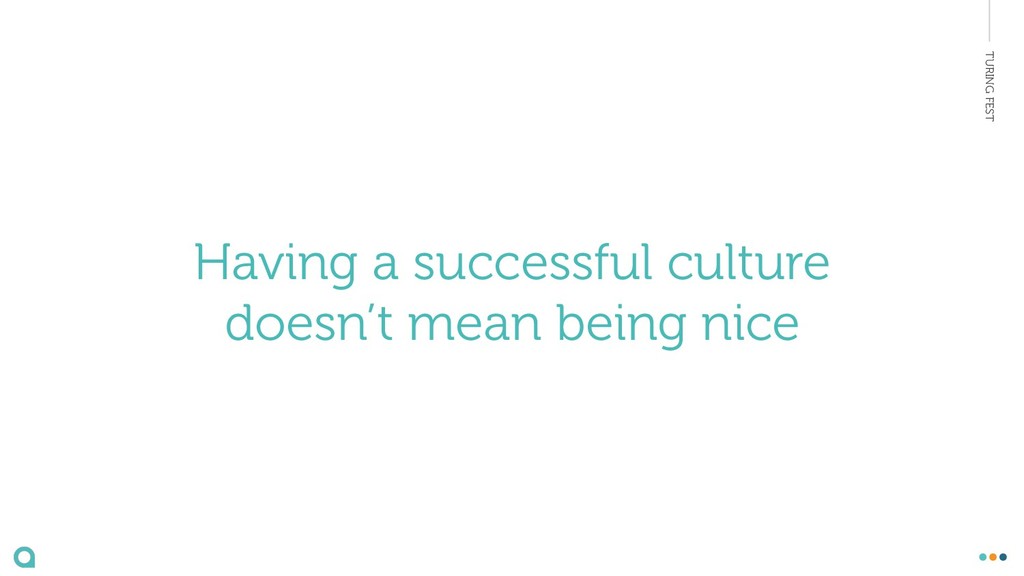
You may want to, Christmas, family gatherings, but you're not really going to do that. You're building a team, you're not raising a family. Also, having a successful culture doesn't mean that you're always nice to each other. Doesn't mean you're always happy. Twenty fourseven happiness and niceness probably isn't going to happen, because, you know, it's work.
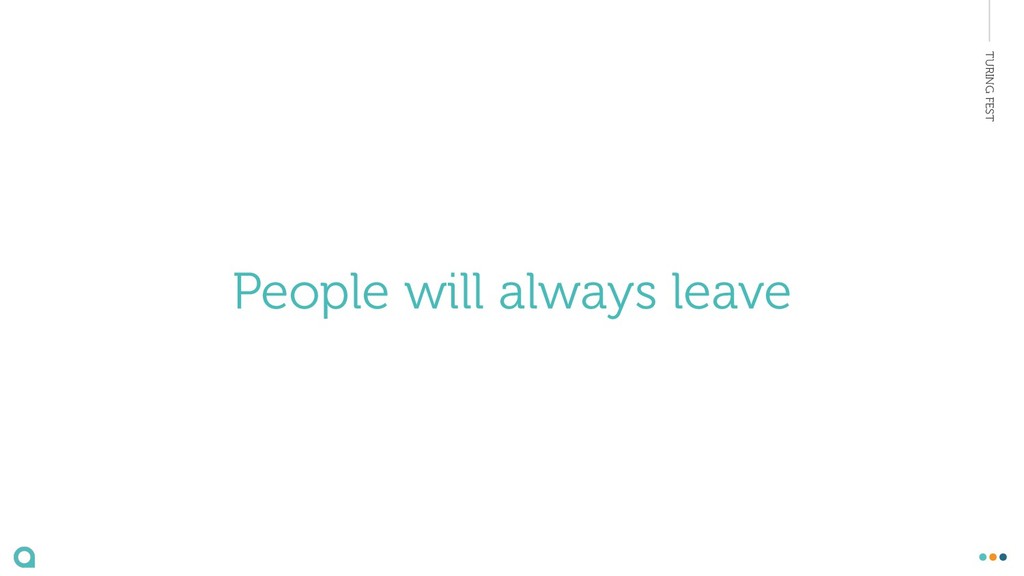
Stuff happens. So people will always leave as well. So if you've got the best culture in the world, people leave no matter what. It happens. I take it very personally still, I need to go over that. But ultimately people are going leave no matter what.
So you can build the best culture in the world, but still expect people to leave. This is the book that this quote came from earlier, What Got You Here Won't Get You There, by Marshall Goldsmith. Now, in the context of misconceptions, this is essentially talking about the idea that whatever you've done up until this point, whether it's concrete, whether it's subtle, whether you've not done anything at all, it won't get you to the next point.
Even if you think you've got a great culture right now and you've done lots of work to it, it's ever evolving, it's always changing, and you always have to keep an eye on it. Whether it's subtle, whether it's direct or concrete, you've always got to have it in your mind.
So the question is, when should you start to think about defining your culture? Because we've let things happen over four, four and a half years without really doing that. And we've said it's going to happen anyway. So when should you actually step back and make it concrete?
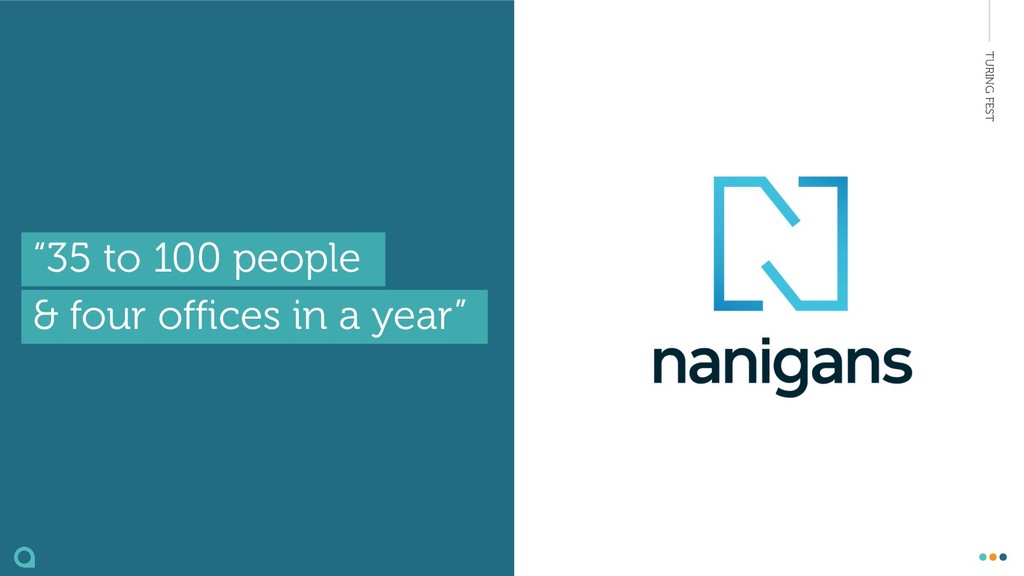
When's the right time? Now, for a company called Nannigan's, an advertising software company, who published their decks online, for them it was at this point, really rapid growth, one hundred people, four offices in the space of a year. For them, that was the point where they were like, should I take a step back now and think about that culture.
Because if we keep doing that, add another hundred people in another year, without addressing the culture, things may go wrong. Now, I've never spoken about this before on stage, but we've kind of messed up here a little bit. And I don't think we got it right in terms of when to define our culture.
So, one of our most senior team members, who's been in the company for a couple of years, came to us only four weeks ago. So it's still pretty fresh, pretty timely. And he wasn't very happy. He'd been happy for a few weeks, and we couldn't quite figure out why.
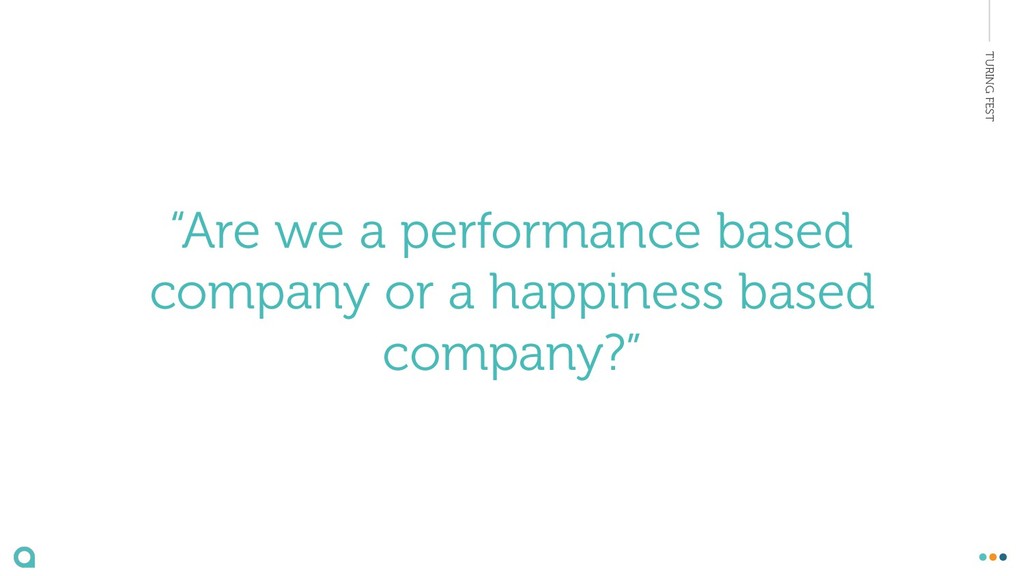
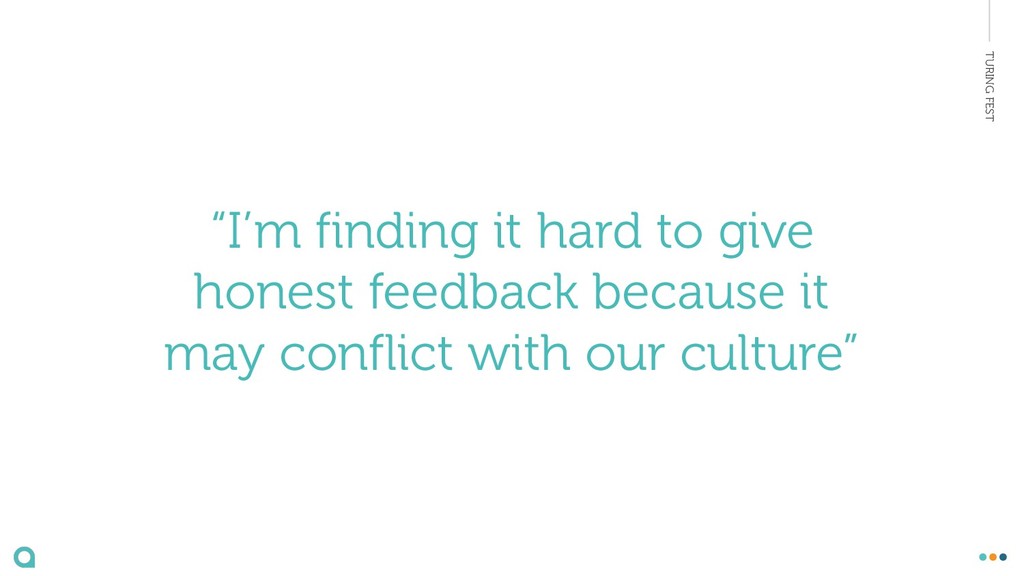
And he asked myself and my cofounder this question. Are we a performance based company or a happiness based company? And this came from this. He was finding it hard to give open and honest feedback to someone, which is quite difficult to give about this piece of work because it may conflict with the culture.
Because in his mind, our culture was nicely, nicely, happy, happy. And he was like, that shouldn't stop you giving feedback. And I don't have many Marcus Scott moments. This was definitely one of them. I was like, dude, this just doesn't work. And honestly, hurt.
I remember thinking to myself that this is a bit ****, we've messed up here. And ultimately, we messed up because I made an assumption. Ever since that first meeting in the Ara Casino in July twenty fourteen, myself and my co founder Matt had always talked about feedback being very, very important.
And you have to have strong feedback culture to have a strong culture in the first place. I made the assumption that everyone else understood that. But we're four, four and a half years old. It hadn't spread to the rest of the company the way that we expected it to or the way we thought it was.
Because ultimately, all companies are people. We all forget ****. We all take stuff in and then forget it two minutes later. We all make our own assumptions about stuff. So we've made a mistake here. And, however, it validated that we did need something concrete.
Because what we believed for as the founders of the company and the values we had and the things that we thought were going on with the team weren't translating. They weren't getting through. Even to our most senior managers, it wasn't getting from them to the rest of the company.
So we had to change something. Luckily, I'd already made the start on this. As I said, just under a year ago, I'd really started to think and worry about this stuff. So just under a year ago was when I actually started to think about this in concrete terms and think about what we were going to do.
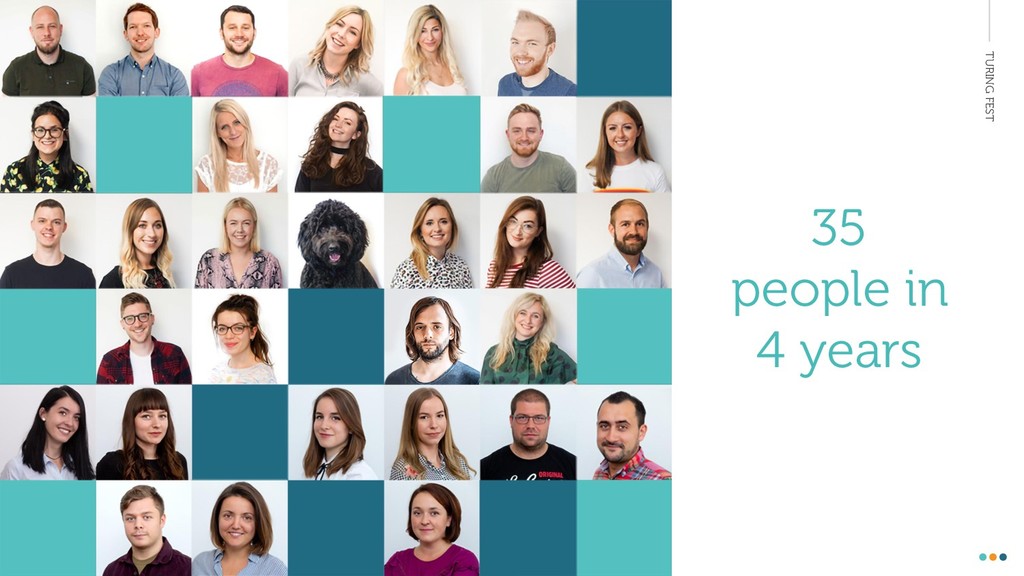
Because at that point, we've grown pretty fast. So for an SDR agency, we've grown to thirty five people in four years. We're now at forty one in four and a half years. Most importantly, my dog is the head of barking right in the middle there.
Hashtag agency. But yeah, office dog, we've got to do it. I nearly didn't put him on there because of not wanting to be at that agency, but screw it, he's cute. Plus he's got the best job title in the world. Growing quite fast, and I started to realize that we could fall into that trap of growing too quickly and not thinking about it.
And I knew we had something special. We'd be able to build something that was very strong in terms of the culture, doing really good work for clients, whilst maintaining a happy progressing team. And stuff like this that I showed you earlier, it's kind of emphasised that and kind of proved it to me that we were doing the right kind of things.
Didn't mean to have problems. We're a company. Everyone screws up, everyone makes mistakes. But generally, things were going pretty well. However, I knew this was in the back of my head. I'd heard it and I couldn't really shake it. I couldn't get rid of it. And I knew we needed something.
Didn't really know what that something was. I knew that what got us this far was good, but didn't really know what we'd done. We'd done lots of little things and hadn't really done one big thing to make the culture what it was. So how was I supposed to know how to do what was coming next?
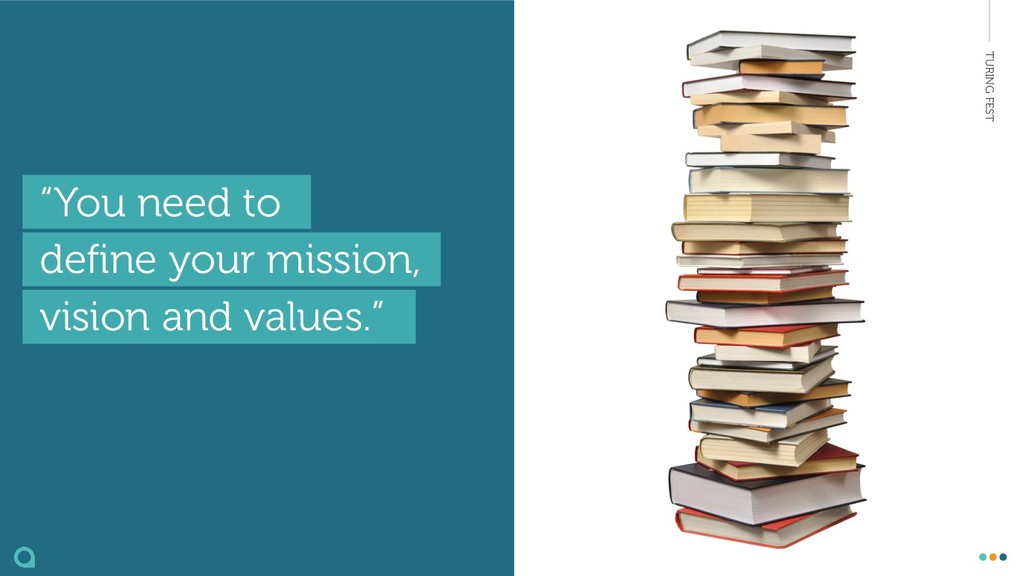
Well, I read loads of books, loved reading, went to that networking dinner, and said, you need mission, vision, and values to grow a company, to scale a company. Because once you've got that, people can buy into that. They can understand exactly what you're trying to do, why you exist, where you're going to, what the big, scary, audacious goal is, all that stuff.
So myself, my co founder, and our two department leads, Matthew and Shannon, sat in a room for four hours trying to figure this out. And trying to figure out what's our mission, what's our vision, and what are our values. My contribution to our mission was wasn't the most useful.
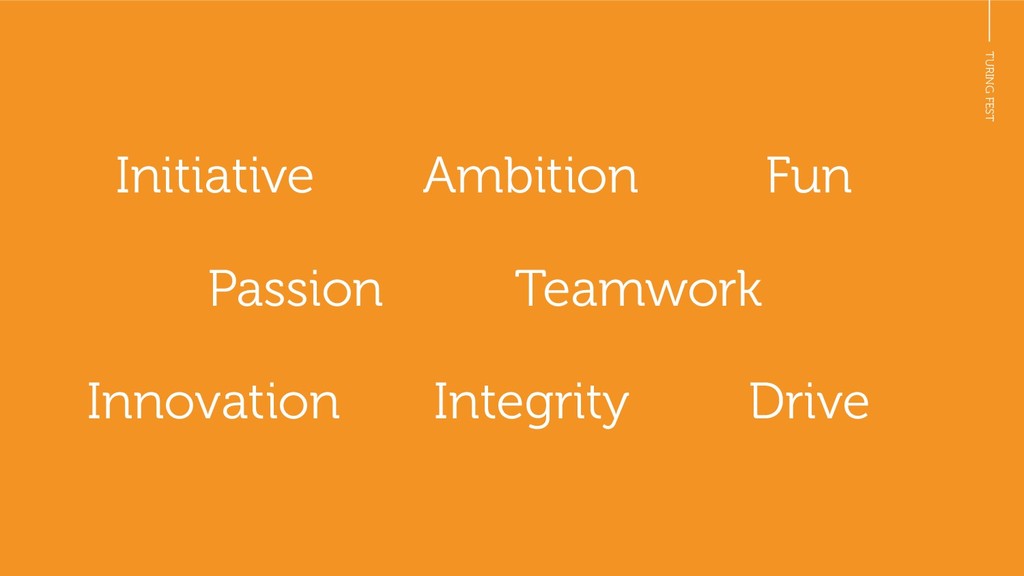
It's not wrong though, is it? I mean, don't go bust and you're probably gonna be okay. So apparently I'm not allowed to have this as a mission. Values were my favorite part of the whole discussion. So talking about what our values should be was so interesting because come up with stuff like this.
Now, I apologise in advance if anyone has these as their values of the company. I don't really mean what I'm about to say, but I kind of do, but I kind of don't. I kind of think they're all ********. Kind of. I don't know. I still don't know. I'm still not sure.
Because I work for some companies, but we were sat there with these words, and I was like, I can't quite get it. Don't quite resonate. But I was like, yeah, he is ********. I don't get it. I tend to sat up by stuff I don't understand, so I wasn't quite sure what was right or what was wrong.
But it's not about abstract words that you call values. It's not about that. It's about the behaviors that you value. Those words themselves aren't really actionable. They're not things that someone can latch onto and change how they behave. If you've used, you know, fun, there's nothing wrong with saying that fun is part of your company, part of your culture.
Nothing wrong with that at all. One person's idea of fun is coming in, working nine till five, getting their headphones on, knocking out a technical audit for a client. They love what they do, that's our idea of fun. Someone else's idea of fun is coming in maybe at half seven in the morning, working till five, chatting to lots of different people in the interim, going out for a long lunch, going to social events.
Well, which one of those is right? They're both right. Not wrong with either of those, but the behaviours are different. Words can be taken many different ways. It's a part of the reason I didn't really feel comfortable with using words. So I was really struggling with the whole thing, and I previously worked at Analogy called Distilled, that I mentioned earlier.
When I was there around twenty thirteen, twenty fourteen, I was running their London office at the time. My boss, Will, was trying to figure this thing out. So I was watching it from a bit far away, but not in the same room, and watching him trying to figure out mission, vision and values, and he was struggling.
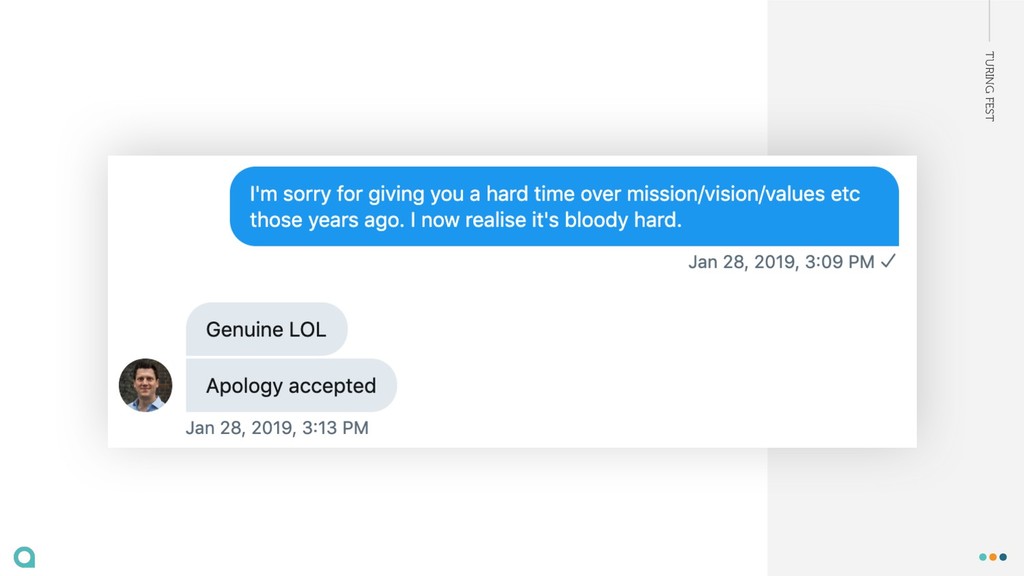
And I gave him such a hard time. I was like, come on, where is it this thing that we're trying to latch onto, this thing that we're trying to embrace as a company? Where is it? So January this year, I sent him a message on Twitter saying sorry.
It's really hard. He sent me that back in response. Was like, yeah, this this ****** really hard to figure out because you can't you have to not only just figure it out, but you have to stand in front of a company and explain it.
So you have to believe in this stuff. And I just didn't buy into it. I was really struggling, and I felt a bit dumb Cause everyone else, it felt like I'd done this stuff and figured it out. And also, we hadn't needed it so far.
So I was like, bit of arrogance. Thought, do we really need it? So that brings us on to here. So how we got to that point of trying to have this discussion, trying to figure this stuff out. So next section I'm going to just give you a bunch of stuff that has worked for us, and the main areas that I think of Manual Culture.
What it is today, broken into a few different sections. This is essentially stuff you can hopefully steal and go away and use. One of the biggest areas we're focused on is progression. So the whole team needs some kind of progression path. And ultimately, no matter what kind of company you are, whether you're a tech company, whether you're still a start up, whether you're ten years old, every single person needs a next step.
Doesn't matter where they are. They could be a week into their job. They could have been with you for years. I could be a founder. Everyone needs that next step. Because, ultimately, people get out of bed every morning coming to work, and they wanna know what they're moving towards.
That next step could be big, could be small, it could be just completing a really complex web project. It could be getting a promotion. It could be their next job. Whatever it is, they need to be thinking about what their step is, and your job as a manager or as a team is to help provide that.
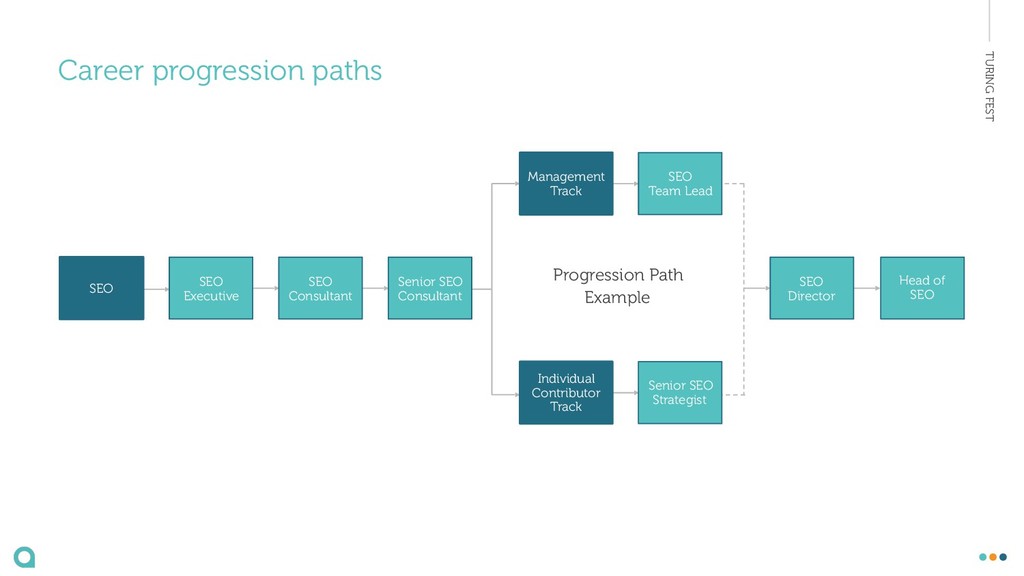
So we launched these career progression paths. This is the SEO one. We've got a few different ones. This was partly inspired by Lisa Myers, who runs Verb Search, just outside London. And this is for SEO. So if you're a consultant at the moment, next step up for you is a senior consultant.
And after that, we split it whether you want to be a manager or individual contributor. We give you both paths, because not everyone wants them managed in order to progress. And this made it really clear for anyone in the company to see what their path was at Era.
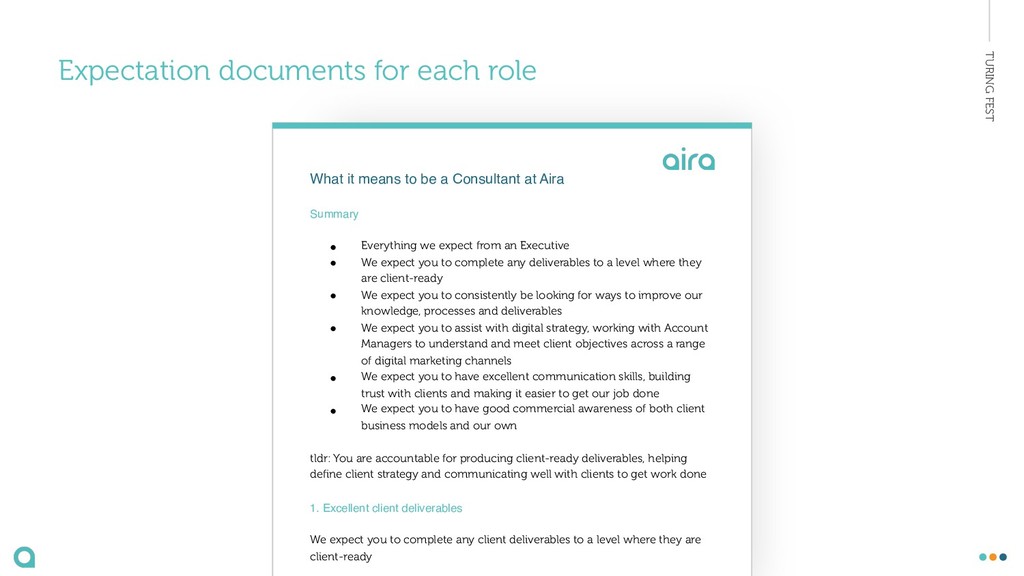
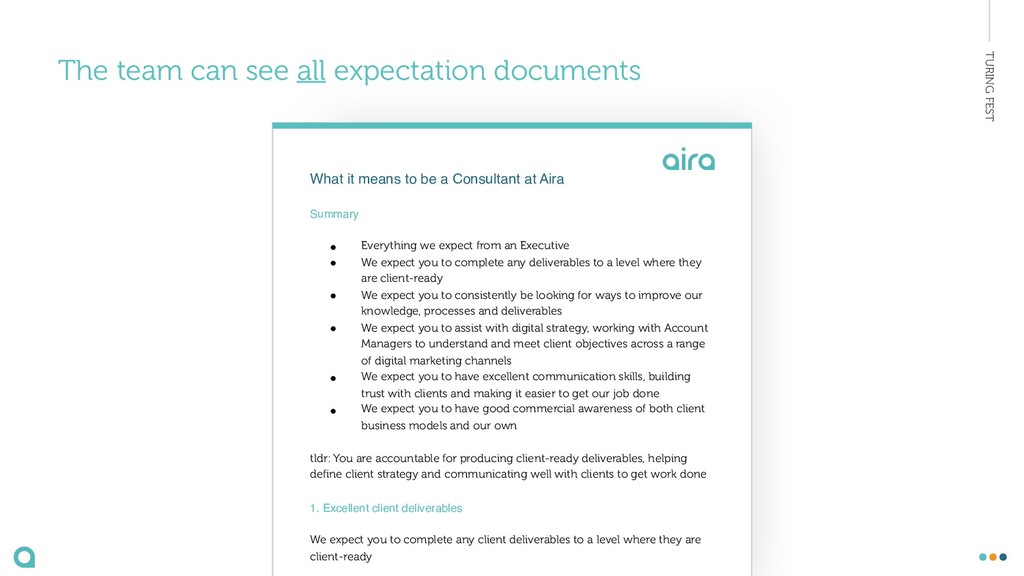
Now they can flip different disciplines if they want, and still see exactly where they are. Alongside this, we launched what we call expectation documents. Now, these are kind of like job descriptions, but far more specific and far more concrete. This is the one for consultant.
So as an example, let's just list out what we expect of someone who's a consultant. So you can see there, number one, this is about three or four in this document. Excellent client deliverables. And they have to be client ready. So they're going to do a technical audit or a content strategy, they have to be client ready from day one.
If you're an executive who's slightly more junior than that, we expect a little bit of back and forth, we expect some refinements, feedback, because you're still learning, you're still getting used to the job. If you're a consultant, get that **** right from day one.
That's what we expect. Of course, there's going be stuff that learn along the way, but we're really clear about what we want. So this gives someone a really concrete way of seeing what we expect in their job. And come back to that in a second.
Oh, sorry, one main point there as well is you'll notice this doesn't say SEO consultant, or paid search, or email, or content. It's role agnostic, in that this can apply to any consultant at the company, whether you're PR, whether you're SEO or PPC, you get the same one.
And there's a couple of reasons for this. One is that it creates priority across the company, so people can see roughly where they are across the company at any one point, which can be very important to some people. Also, it lets different team members learn from each other, because they're all measured on the same thing.
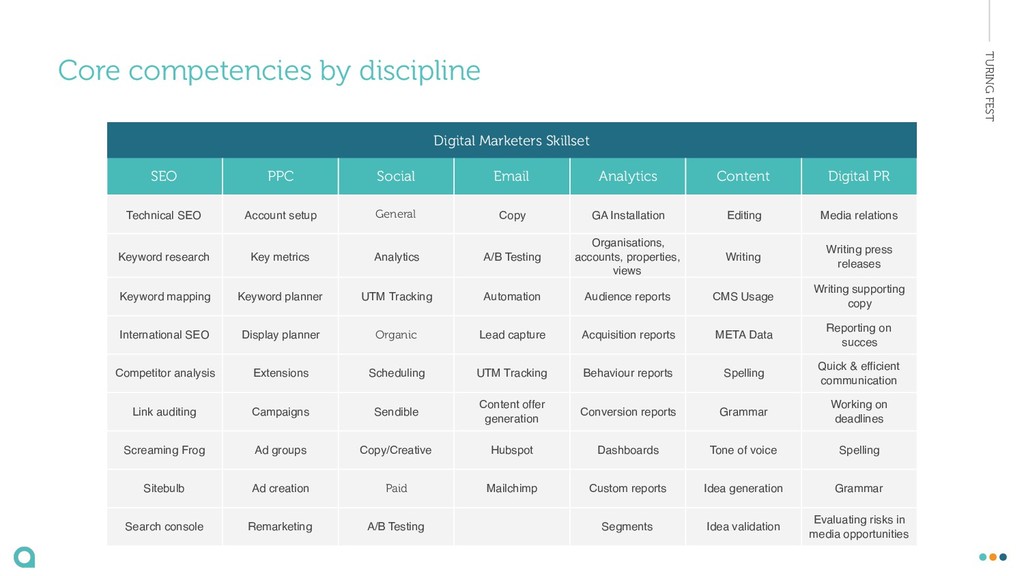
So if you're a PR consultant and you're struggling with your deliverables, you can still get help from an SEO consultant who's got the same measurements. They can help each other out across the company. When it comes to specific skills and disciplines, we have these core competencies, the skill digital marketer skill set, where if you're in PPC, we've got a big list of things there that we expect you to be at least familiar with.
You may not know all of them inside out, but you've got a very specific list of things that you should be moving towards. So you've got the generic job role plus specific skills. What we also do is every six months everyone gets three sixty feedback from their managers and their peers.
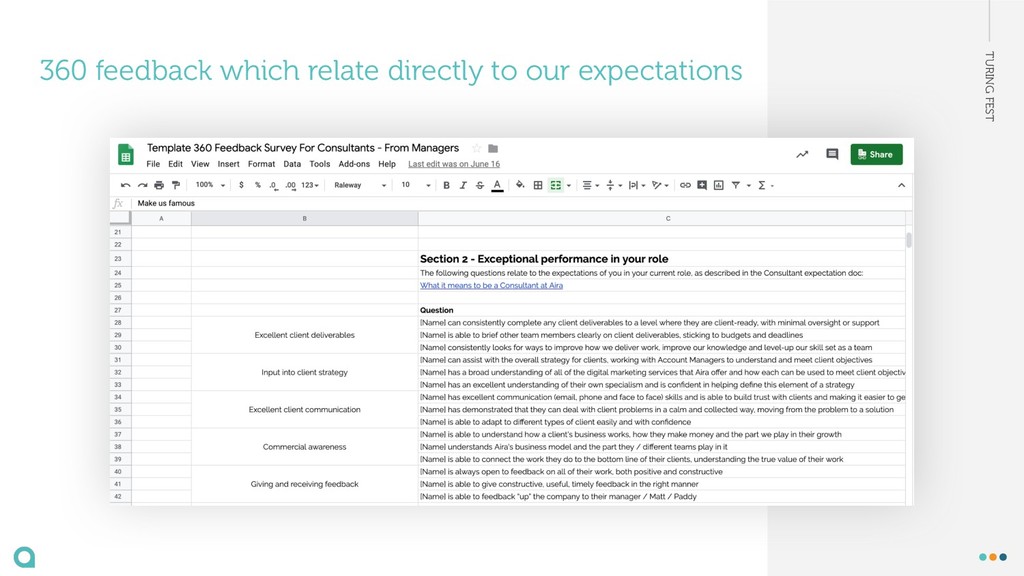
Now that in itself won't benefit new, I'm sure a lot of you do that at the moment. But something we work quite **** ** is syncing these up with those expectation documents. So I mentioned excellent client deliverables being one for consultant. This is the consultant one.
First one on the list is excellent client deliverables. So we're saying to them, here's expectation of you in your job role. And every six months, they'll get measured and scored on that thing. So we're syncing them up so they actually tie together really well.
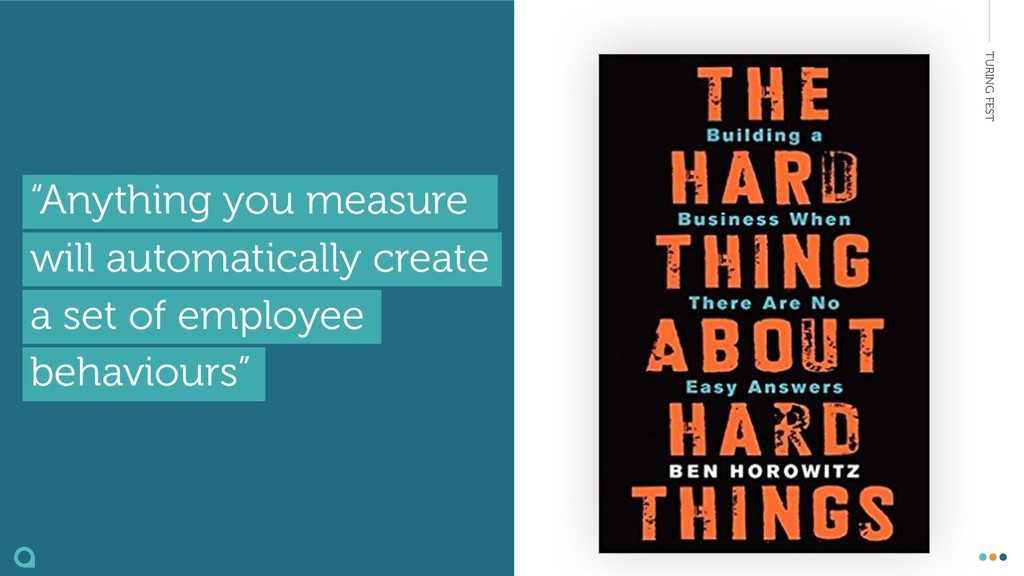
So people get the feedback, get to know what they should be doing better, and then be able to do a great job at their current role. Because ultimately, anything you measure is gonna create a set of employee behaviors. This is a great book by Ben Horowitz.
I'd highly recommend it. It's kind of about the **** side of running a company. Normally, it's all of fluffy, nice stuff that you read about, but Ben talks about the crappy stuff as well, and it's quite refreshing to to read. It's a really good book.
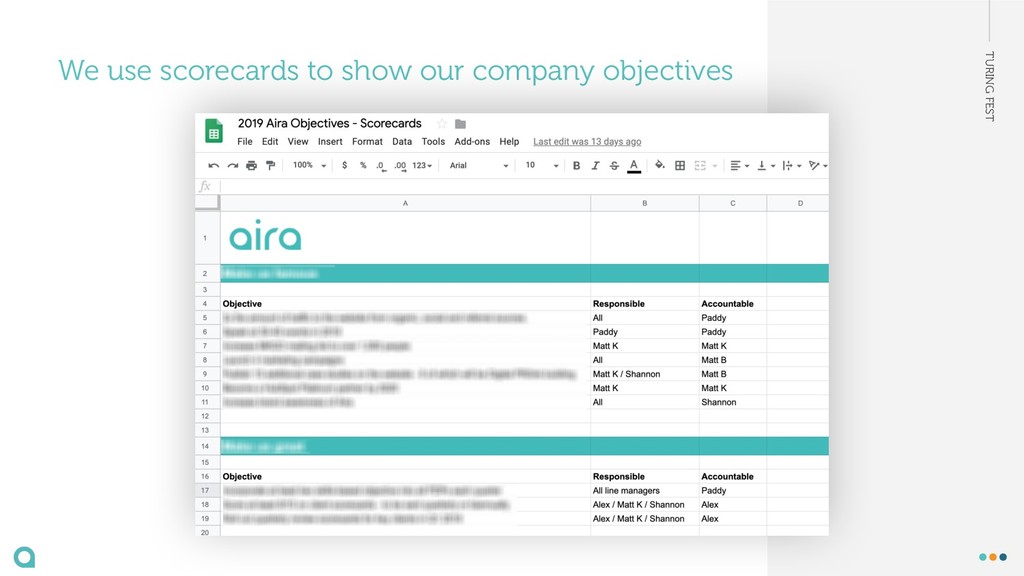
This is where this comes from. Also, we have public on our Google Drive scorecards for how we're doing against our company objectives. Now, I've had to blur them out. Sorry, I can't give you all of that. Well, I was told I wasn't allowed to.
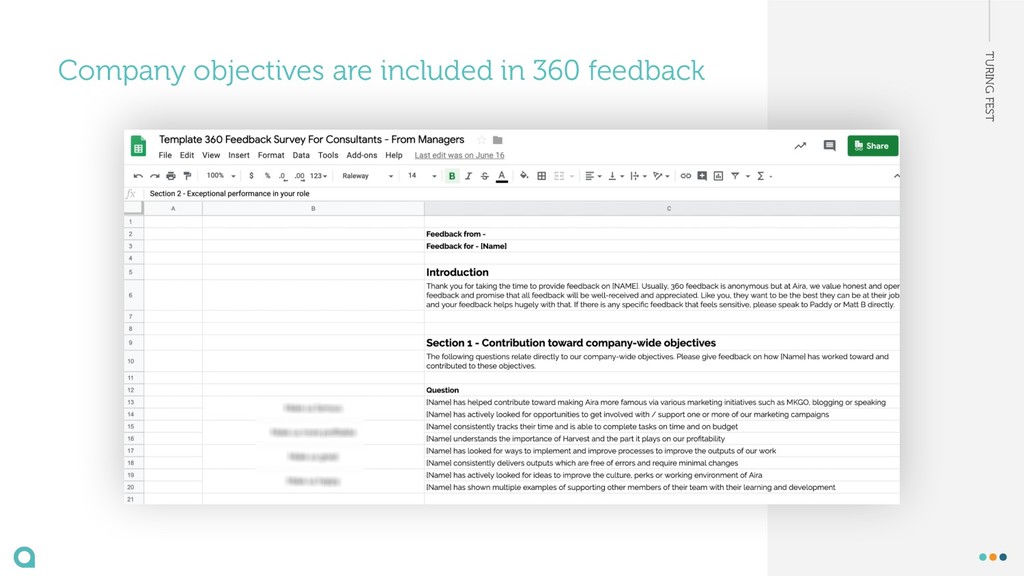
So we've got this on the company Google Drive, anyone can take a look at it. It's updated once a month. Now this also ties back into the three sixty reviews. So another section is someone's contribution towards company wide objectives Because the behavior that we want from people is not just to do their everyday job, but to help us with our company wide objectives as well.
How do you do that? Put it into their three sixty reviews and get them to be measured upon it. So their managers score them on these things, and they're able to give them feedback on where they can improve. So we're tying together big company stuff with individual performance.
Next thing, I'm actually refreshing these at the moment, so I can't give you the actual ones that I'm working on. But we want to give people guidelines on how to get promoted against progression. People want it. They need to know what's ahead of them.
They need to know what considerations are going to your mind when you're looking at them thinking, should I promote them or not? So we put together some guidelines. I can't show you the actual ones because they're not finished yet, unfortunately, but they're fine with these.
Every single member of the team can see every single expectation across the company. So if you're currently a consultant, you can also take a look at the senior consultant one and see what you're striving towards. So if want become a senior consultant, it's quite clear what we say to the team.
Well, we need to start doing the things that we expect of a senior consultant. Doesn't mean you have to do every single one of them, but you need to be directionally going towards that stuff. Because you want to know your current role, that's great.
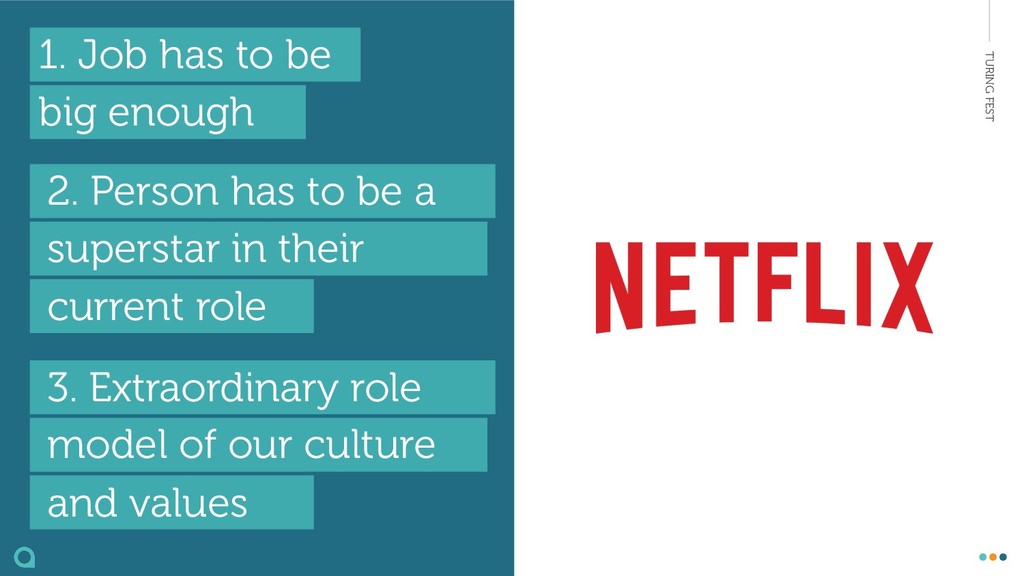
You want to get promoted, start nailing the next level up. So at the moment, the team can see all of this stuff and are able to start working towards it. This is what Netflix do. So for them, they've got three points. One, the job has to be big enough, so it has to be something they'd step into.
There's no point being promoted into a role that doesn't exist. The person has to be a superstar in their current role. It kind of goes about saying you can't just coast along and get by. And you have to be a great role model of the culture and the values.
That's what Netflix have. Pretty simple, pretty straightforward, but it gives the team an idea of what their bosses are looking at. So if you say yes to promotion, they know where it's coming from. If you say no, which has to happen sometimes, they know why.
Because people often have a problem with being told no, as long as they know the why, which these kind of guidelines can give the team. This is another big one that I think has played a much bigger part in our culture and I actually gave it credit for until quite recently, which is recognition.
So if you think about trying to drive behaviours in your team, whether it's the work that you do day to day for your products or your clients or your customers, or whether it's cultural stuff, recognising the good behaviours is really, really important. Not just one to one in direct feedback, but as a company as well.
Calling people out for doing good stuff in front of everyone else is a great way to encourage everyone else to understand what you value, particularly when you're a manager or a founder or someone senior in the company. Whatever you say will be seen as more important.
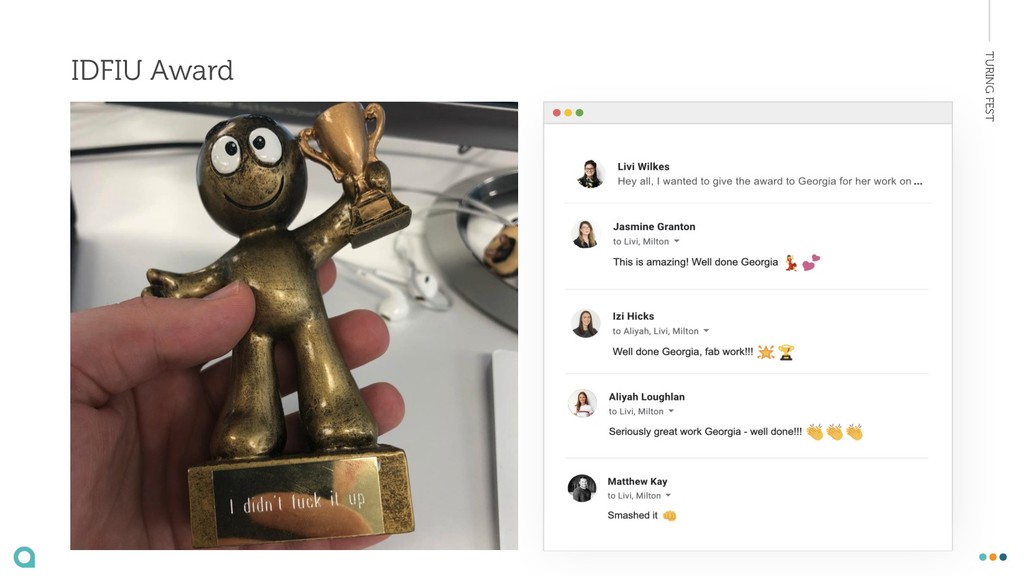
Now there's a couple of ways that we do this. This is the first one. I might need to change that name at some point. If you can't read it at back, it's the I didn't **** it up award. It's not the most PC one that we've come up with.
This comes from the fact that this is a genuinely true true story. When myself and Matt put together our first strategy in twenty fifteen, the title of it was how we're not gonna **** it up. And that's kind of stuck ever since. So every single strategy we come up with, it's that version too.
So I don't think we've done that. So we stuck with the company. Now we've this little man going around the office. So the idea is someone does something good, you go and put it on their desk, send an email to the company, and say, well done.
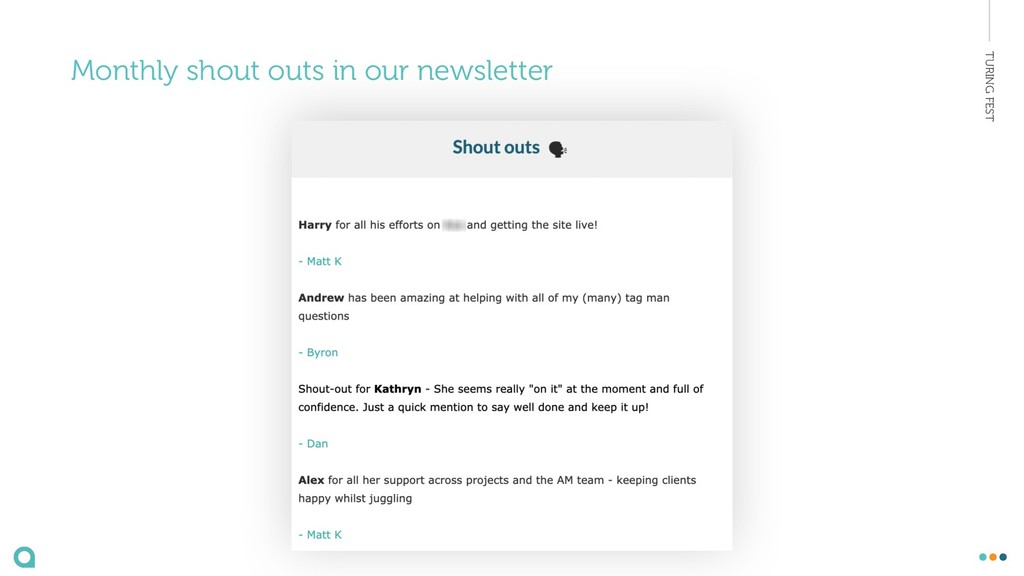
Everyone else everyone sees that. Everyone recognizes that. Alongside that, we have a monthly newsletter that I put together and gathers together what the whole company, sorry, all the different team leads have been working on that month. Then at the bottom there's a section for shout outs, so everyone can send me their shout outs for someone.
A good piece of work, someone I've helped with over the last three or four weeks. Goes into the company newsletter in one big list, and then the whole company gets it. So as a founder or as a manager, you have to be contributing towards these.
Because, like I said, whatever you say will go a lot further. It's unfortunate, but it's the truth. If you, as a founder, are recognising certain behaviours, it's going to get listened to. Health and well-being. So this is quite a timely one, spoke on this earlier on.
We've partnered with a company called Sanctus. And when it comes to I class this as half perk, half culture. But as far as perks go, this has been by far our most popular one. And we do some really cool stuff, but this is by far the best one we've done.
So Sanctus have a coach that comes into her office once a month. And people can book sessions with her to go and speak to them for forty five minutes about anything they want. Can be personal, can be work, it can be both, and essentially look after their mental health.
Now the reason this works so well is because we've all got mental health no matter what, whether you feel like you've got an issue, whether you don't, you may not find the time outside of work to actually take care of that mental health like you would go in the gym.
So if we provide this time within work hours, people are much more likely to actually think, Yeah, I'll pop along for forty minutes, there's nothing out of my day. And it may actually help them. So this has gone down very, very well, and it's become quite a big part of our culture for about the last year or so.
Cool. So we're going go through behaviors. These are essentially our values. This is what we came up with instead of words. So I've kind of piled the pressure on myself a little bit here. I'm going to skip through our ones quite quickly because the point isn't what we've got.
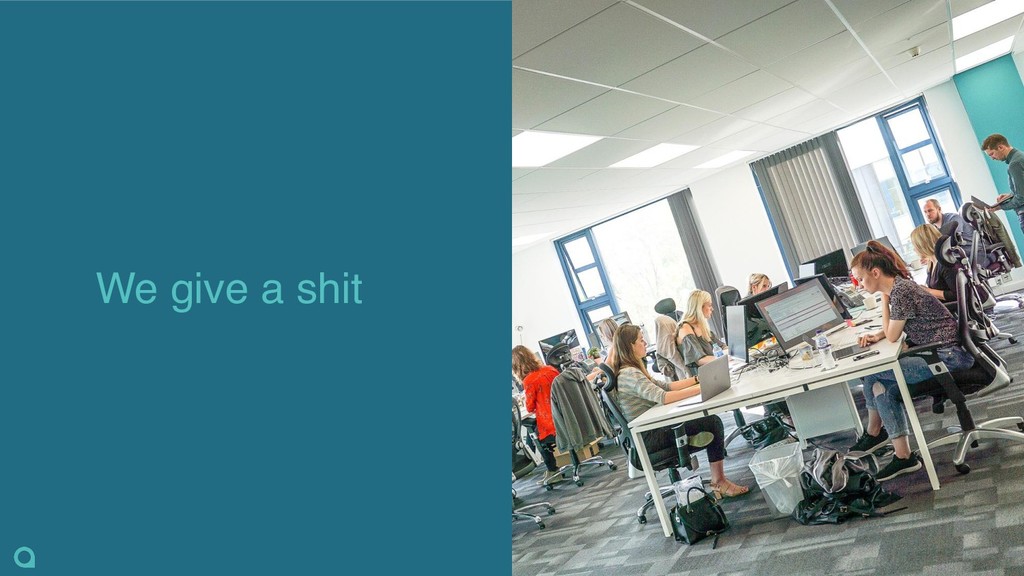
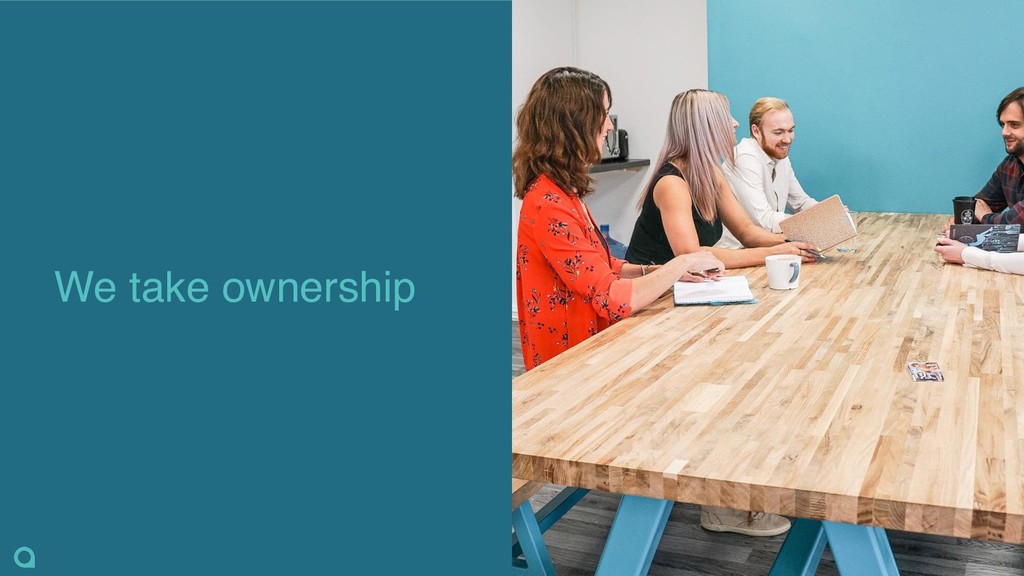
There's a fly around here somewhere. We can walk over here. I'm going to talk about the ones that we've got. So we give a ****. We care about what we do, what we do for clients, what we do for each other. We take ownership, not just with good stuff, but with problems as well.
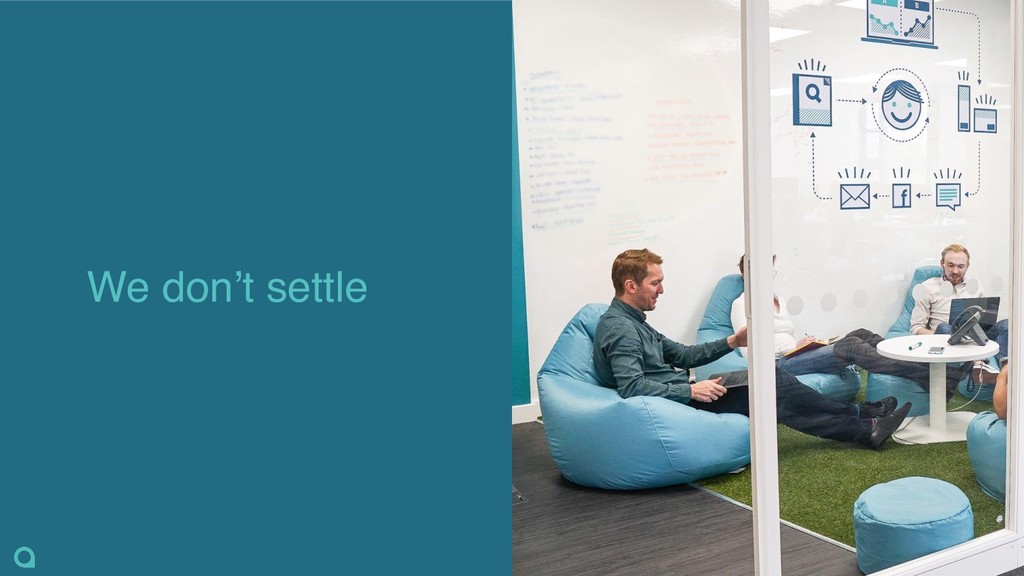
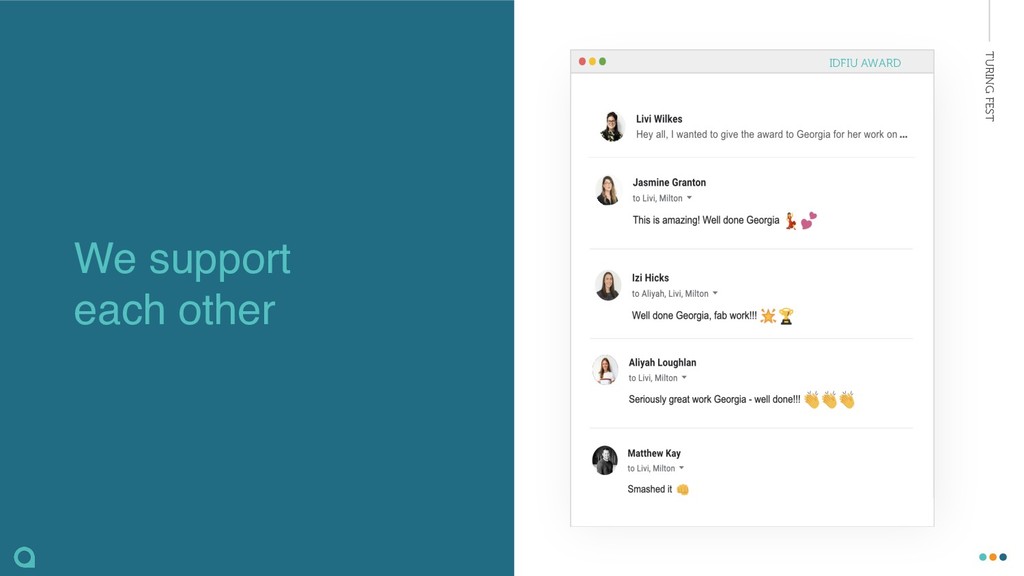
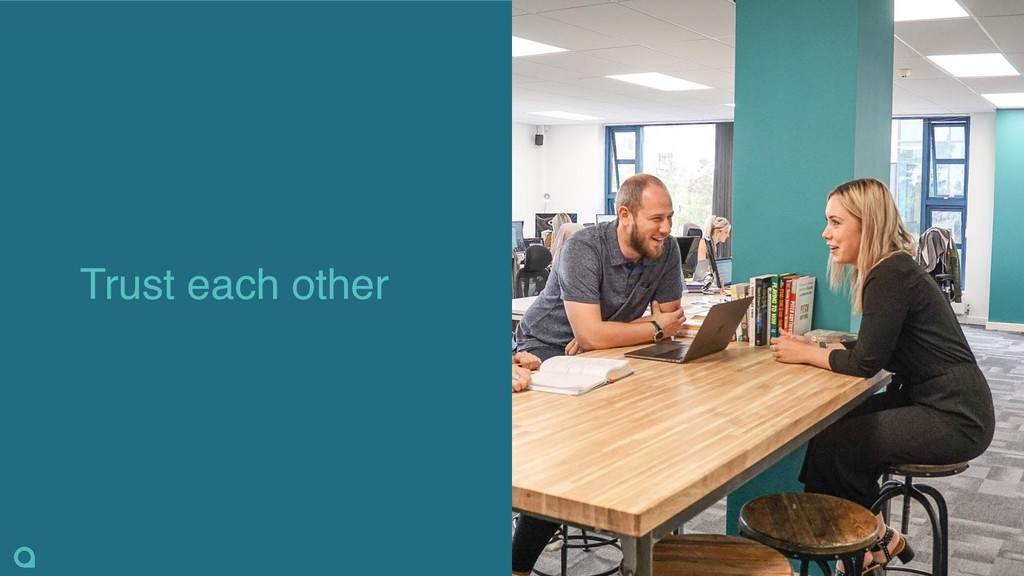
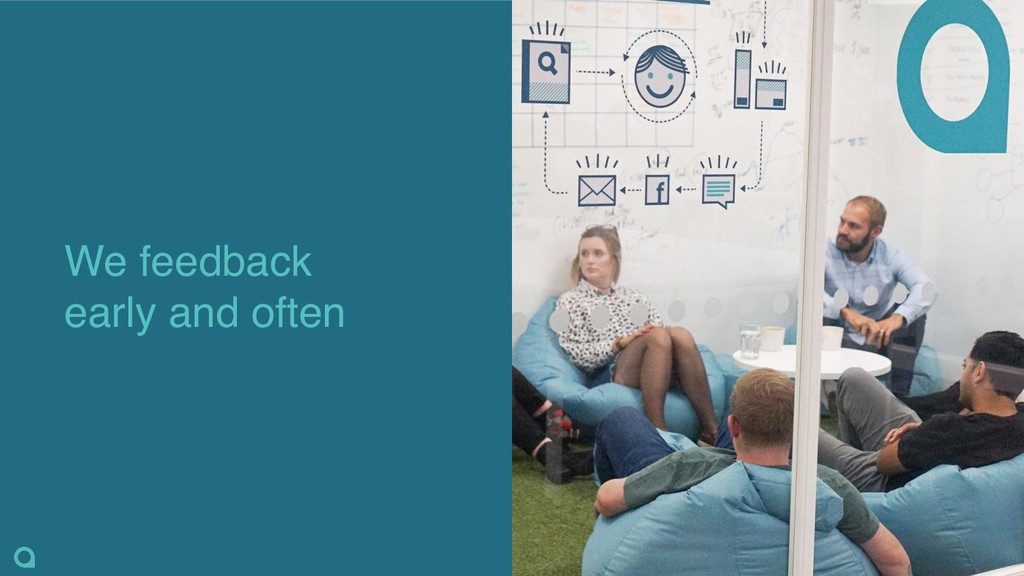
We employ people and we hire people who don't settle. They're very ambitious. We support each other, the emails, the awards, that kind of stuff. We trust each other and don't micromanage. And believe it or not, we feed back early and often. The key point here isn't those ones.
That doesn't necessarily mean that those are what they're going be for your company. But the key point here is that ultimately those behaviors we want to drive. So we've phrased them in such a way that helps people make them actionable. And they're actually really hard to find.
It took me a long time, it took over the phone and Matt a long time to actually find out what these things were. We didn't just sit in the room and try and come up with them. We had to actually look at day to day working to the team, how the team interacted with each other, how they all worked, and actually try and lift them out and try and find them.
We couldn't really go after an abstract list of words, because they're more than that. They have to drive more than that. We did ask the team, so we did do a quick exercise last year asking the team what words they used to define error and define their workmates.
It did help, it wasn't a wasted exercise, but like us, they probably just spent a couple of minutes thinking about Not looking at the whole culture, looking at the team to pull out the best behaviours. So it helped a little bit, and I'd encourage you to do it, but it won't give you that full, solid answer.
Because the behaviours we're actually looking for are things that we've subtly pushed over the last four years. Not the things you can just pull out and say, oh yeah, that's it. That's the thing we want to do. So all of this stuff. I've tried to make it easy for you to take away and do stuff.
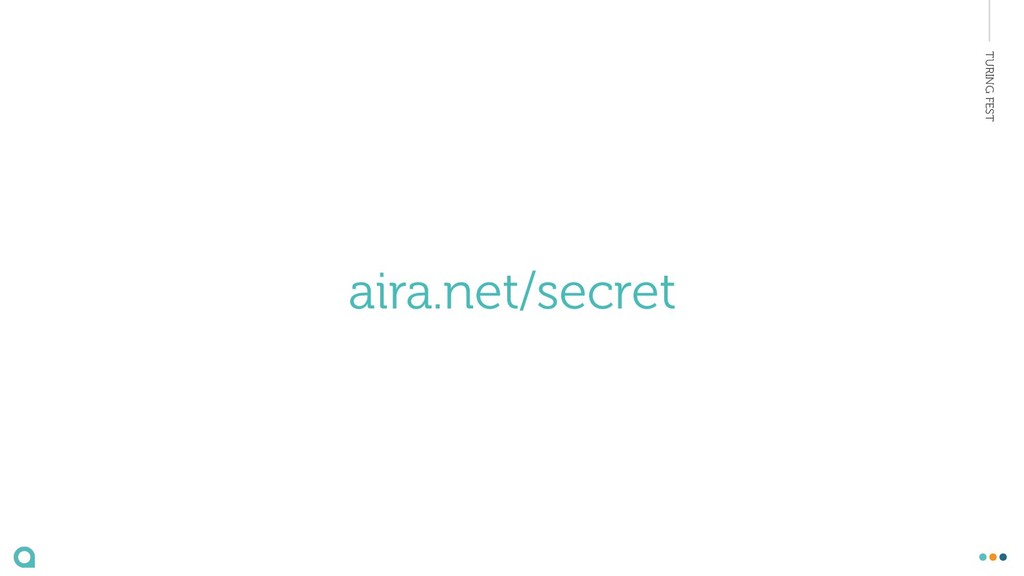
So if you go to this URL, do not tweet this one, I don't want everyone having this, just for you guys. Arrow dot net slash secret, you'll go to Google Drive folder. There'll be a bunch of templates that I've just showed you guys.
You can copy them, use them, tweak them, do whatever you want with them. So go there and you can get all that stuff that I've just showed you. But please don't tweet it, please. Because I've got my phone and didn't want me to give anyone that, so I probably shouldn't give it to the Twitter.
Okay. So finally, how we get there. So next step. That's what brought us to this point. Now, I've got a bit of a confession because exactly this time next week, I'll be sitting in front of my company presenting the concrete version of our culture, which is our own culture code.
If this conference had been a week after, I particularly could have showed you the actual culture code itself, but I can't because my team probably should see it before you guys. So I'm gonna talk about the principles of how what led to it very quickly.
So all that stuff we just talked about, we've had to spend time thinking about what those things were, making them concrete, putting them into systems and processes. And what we're going do is communicate it over and over again via our own coach code.
I can show you the front cover. I'm going to talk about this next week and actually show people what our culture actually means. But it's all of the stuff that I've just showed you, all brought into one place. This is going to go online as well.
We'll put it on the website, we'll put it on SlideShare, so anyone who wants to work with us or work for us can see it. So people get an insight into our culture. You can take a look at it next week. Follow me on Twitter, I'll be tweeting Gout as well.
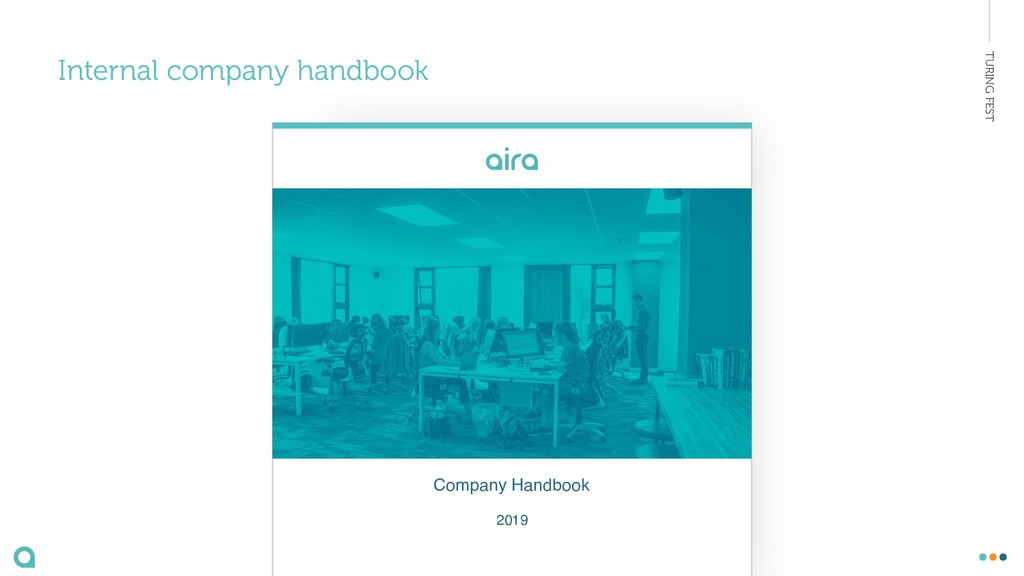
And then on top of that, we're going to have an internal version, I hate the name, company handbook sounds pretty ****, but I couldn't think of a better name, I'm not a copywriter. A company handbook where all of this is included, but all of the logistics, all the details included that as well.
Now the important step we're taking is all of our line managers are also brought into this. They've played a part in putting all this stuff together. They've played a part in helping us define stuff. So it's not just myself, my co founder, or the leadership team, it's all of our line managers that are pushing this throughout the rest of the company.
So they're responsible for this stuff too. And that's how we're going to spread it and not end up in that situation where we mess up again, hopefully. So where you can start. If you haven't started on any of this at all yet, or if you have, hopefully the next couple of things are going be useful.
So firstly, map out what the team needs from you. Think about progression. Think about what they need and how they get job satisfaction. What do they need from you as an employer or manager, anything like that? Map out what they need from you. Then do the opposite.
Map out what you expect from them. This is where our expectation docs came from. We've got to be really clear on what we expect from them day to day. And finally, look at the behaviours that make you what you are. And this takes time.
You can't just sit in your office and brainstorm it. Take time to take a look at the behaviors that make your team what it is, because your culture is happening right now. Just look at it, observe it, try and shape it, whether it's subtly or in a concrete way.
But ultimately, as you grow, you have to make it concrete at some point or another. We've chosen to do it via a public deck and a handbook, and ultimately just screaming at people over and over again, hopefully. And they might understand it at some point.
But ultimately, it's going to evolve as well. And that's where the team is going to feed back to us and tell us what's working and what's So you can grab the slides from here. You can share this one if you feel so inclined.
Aero dot net slash truing-nineteen. I'll be tweeting it out on the hashtag as well if you want to grab a copy. If you've got any questions, feel free to email me. I'll be around afterwards and during lunch as well. Well, thank you so much for letting me talk about my company, and I look forward to meeting some of you.