Traditional content marketing focuses on educational value at the expense of product value, which is a broken and outdated way of thinking. We all need to sell a product, and our visitors all need a product to improve their lives, but we’re so afraid of being seen as salesy that somehow we got lost, and we forgot why our content even exists.
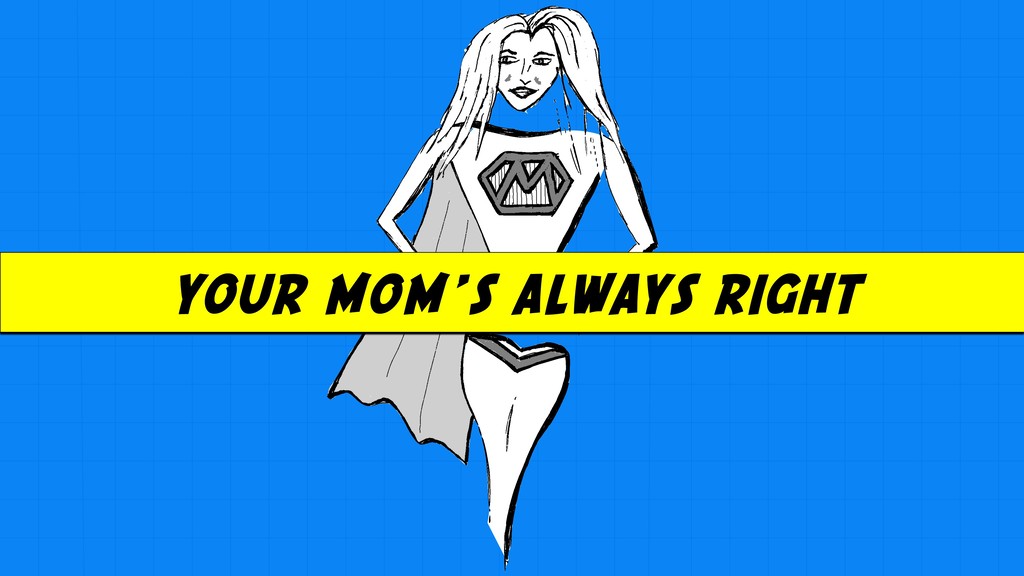
We need our M.O.M.s!
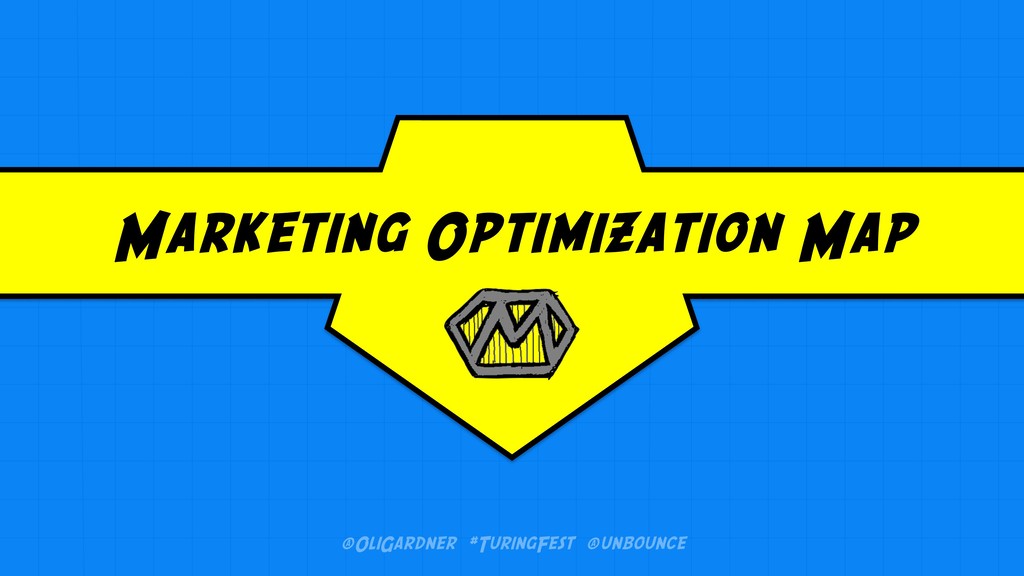
No, I’m not talking about your actual mom, mum, or mother. I’m talking about your Marketing Optimization Map. Your M.O.M. is your guide to exploring the nuances of optimized content marketing through a product-focused lens. In this session you’ll learn:
A context-to-content-to-conversion strategy for big content that converts
Data and lessons learned from my biggest ever content marketing experiment, and how those lessons have changed my approach to content
How to use “choose your own adventure” navigational experiences to build behavioural profiles of your visitors
How to design interactive content that exposes your product to your visitors in a mutually beneficial way
1 / 217 Use ← → to navigate
Auto-generated transcript - may contain errors.
Tap a timestamp to jump the video.
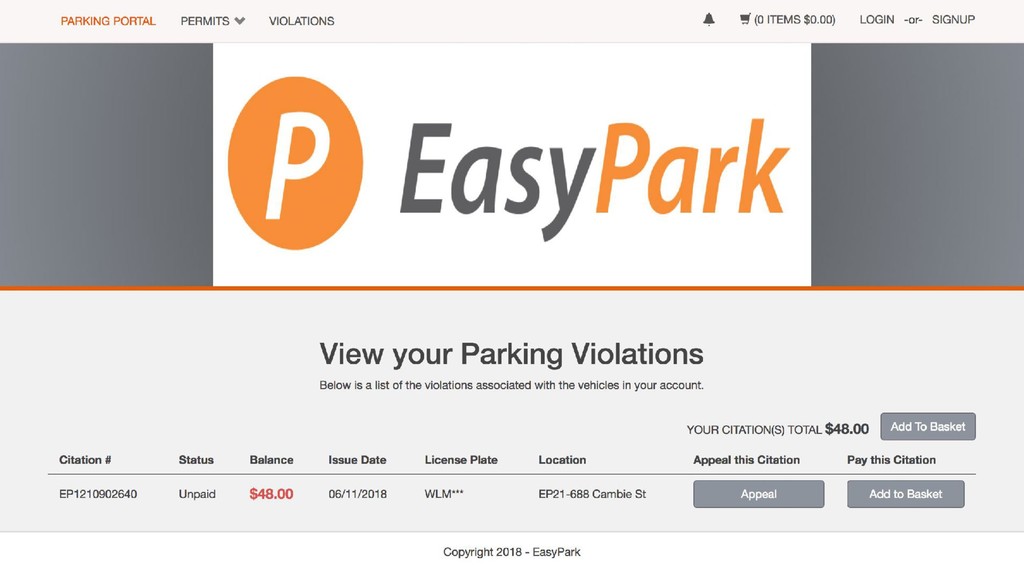
I'll deal with you later, dad. Two parking tickets in three days. That is how my week began a little while ago. And it's kinda it's kinda silly, because I park in the same place every day, at the same time every day. But, you know, it was raining.
I was late, and I used the app to pay. I didn't wanna pull my phone out, it rained, so I forgot. And you get that wonderful moment at the end of the day, where you come by and you see that little white thing waving at you from the windscreen.
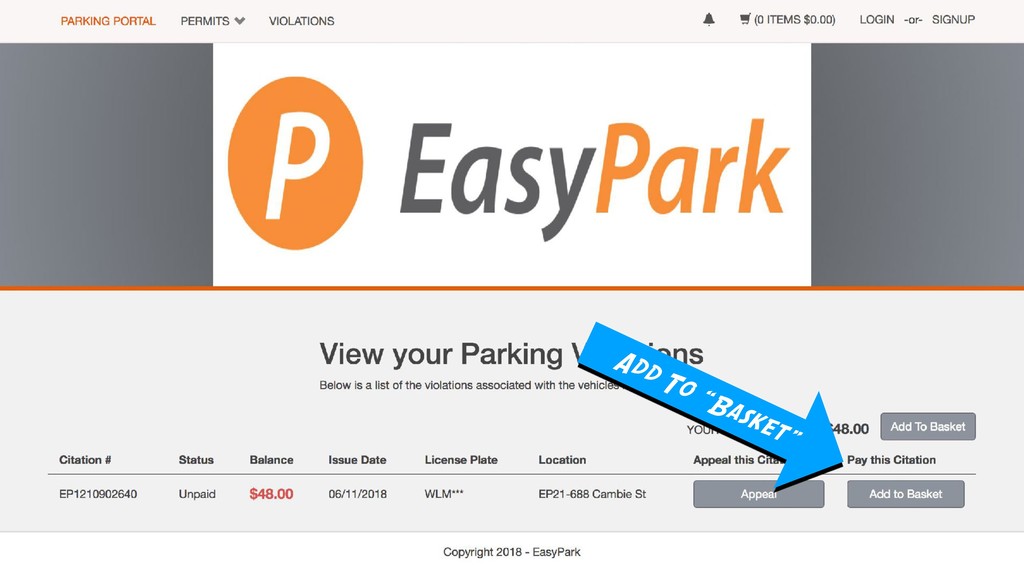
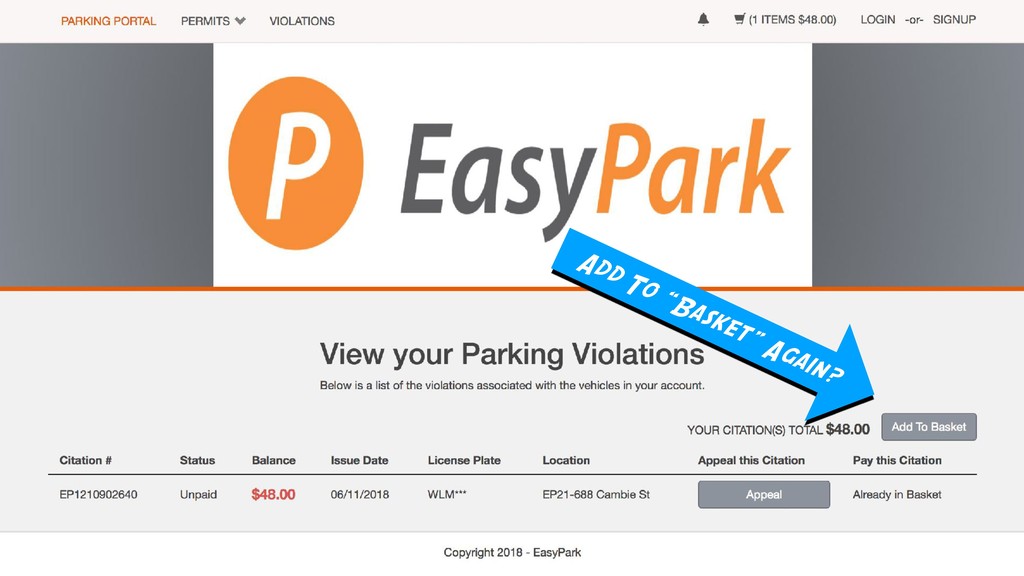
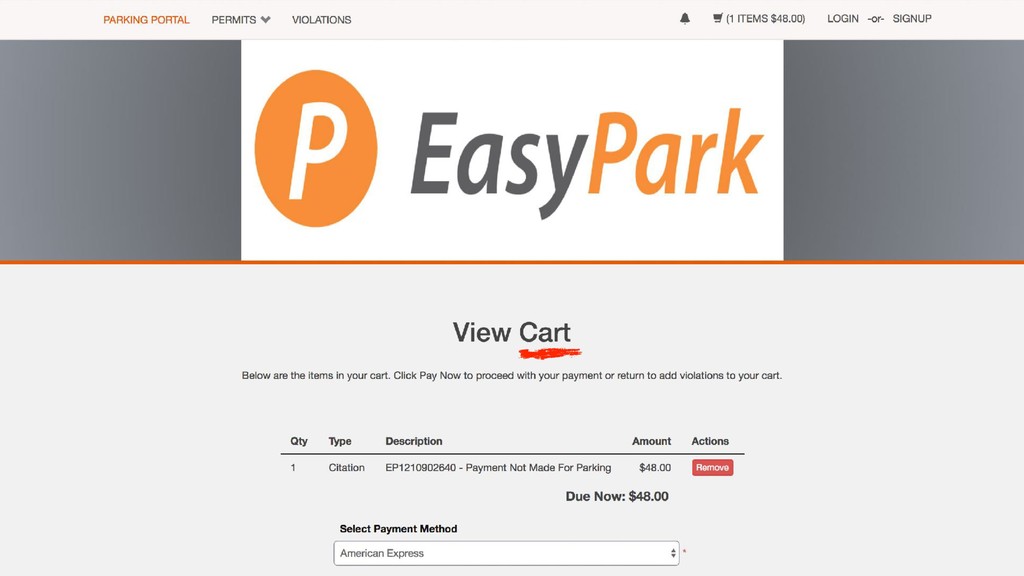
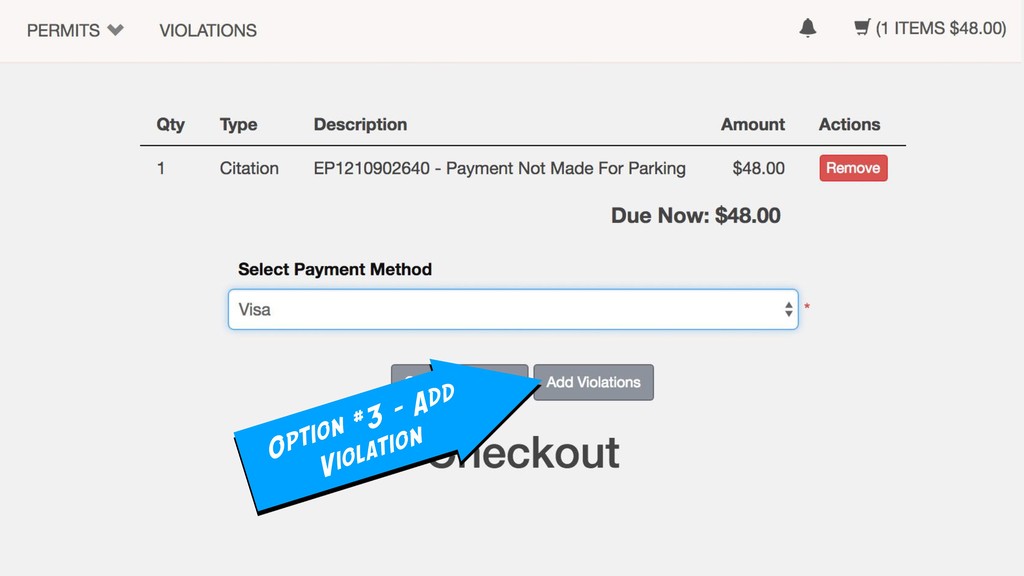
It's surprisingly easy to get a parking ticket. Not so easy to pay for one. So go to the Easy Park website. This is in Vancouver. Alright. Let's do this. Add to basket. I'm not shopping. This is not fun. So I click that. Alright.
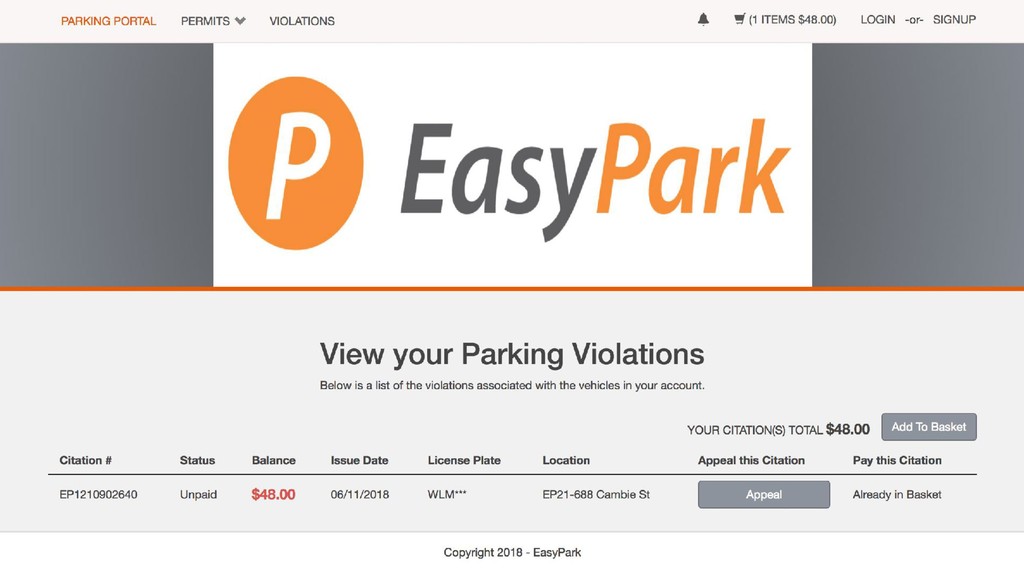
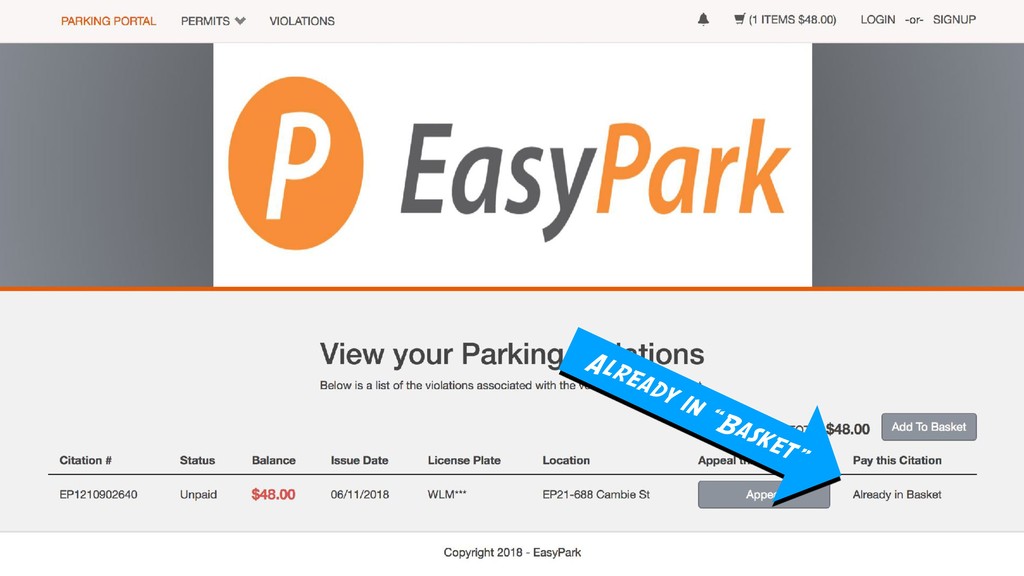
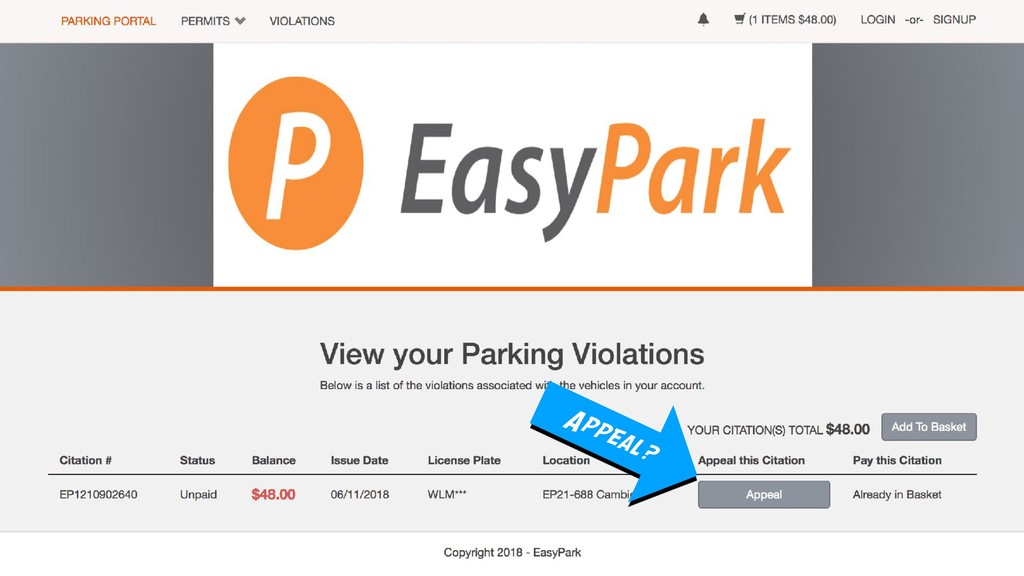
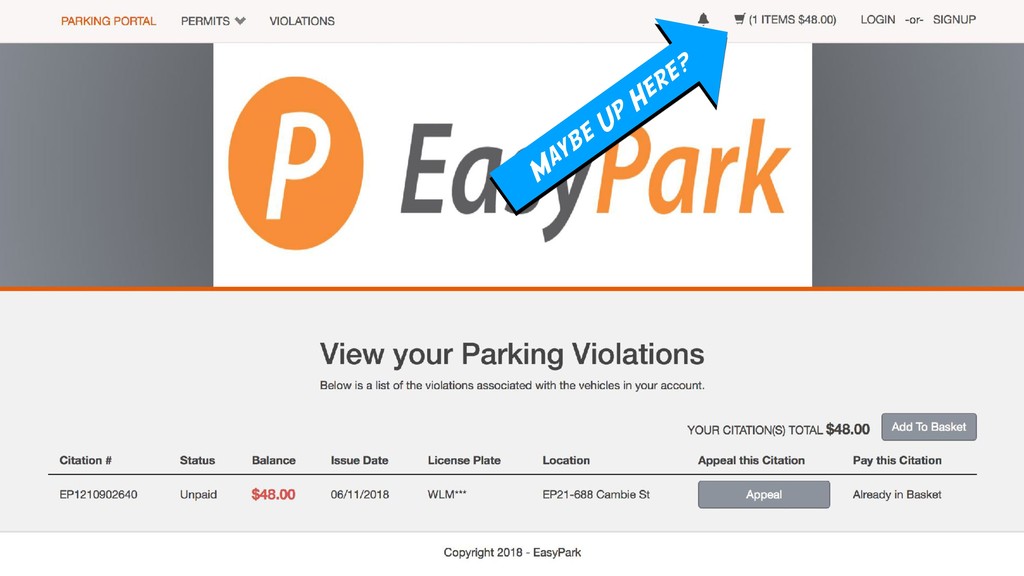
Add to basket. It's already in basket. Appeal. I'd like to appeal to your sense of reason and stop this madness before it goes any further. Where do I where do I go? Alright. Up there. Okay. Let's click in here. View cart. I thought it was a basket.
Now it's a cart, presumably because carts are bigger and they want me to put more **** in it. Like, how about two for one used, like, stolen, rich stereos or a discount on a puncture or a broken window? What can I do? Okay.
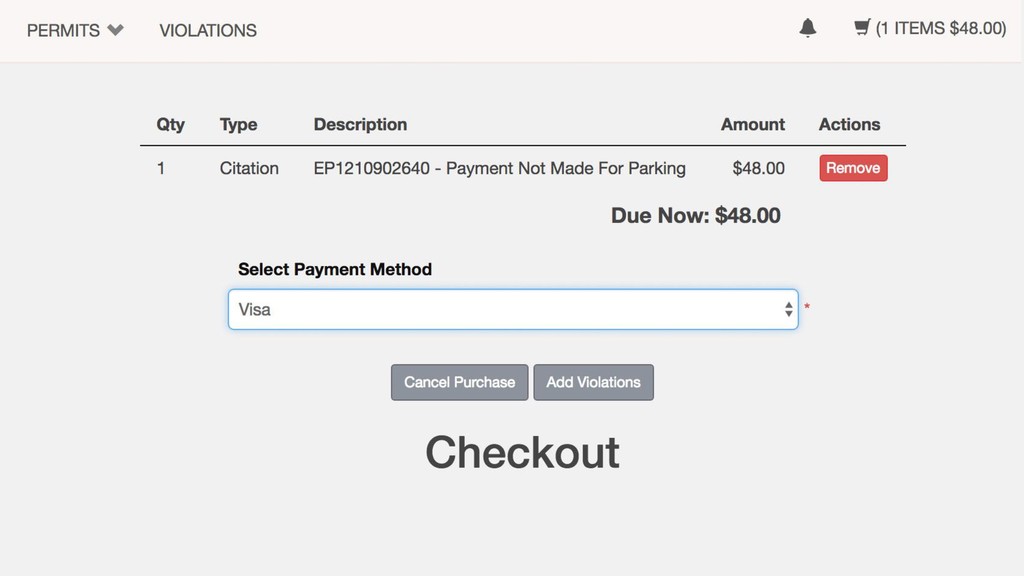
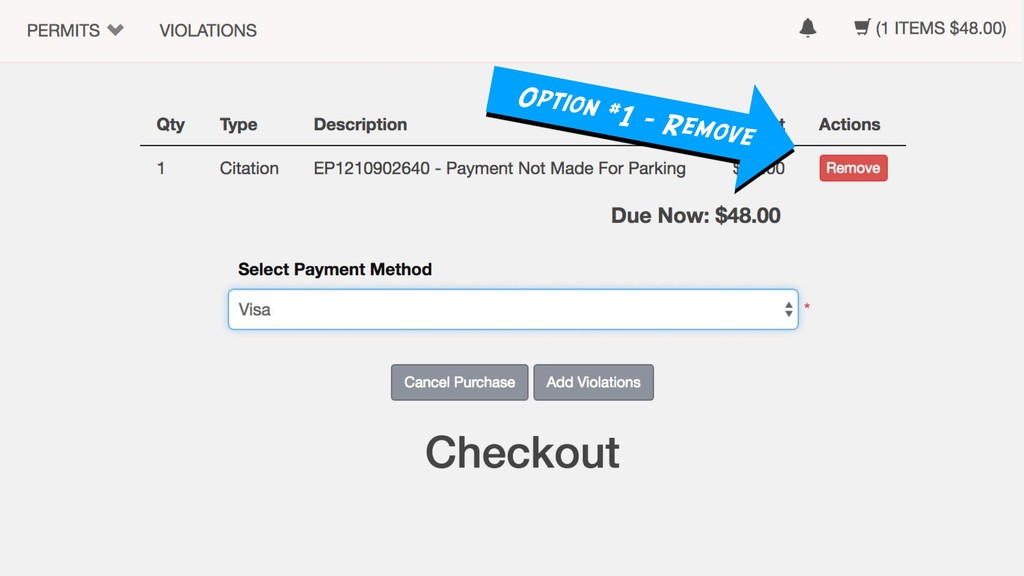
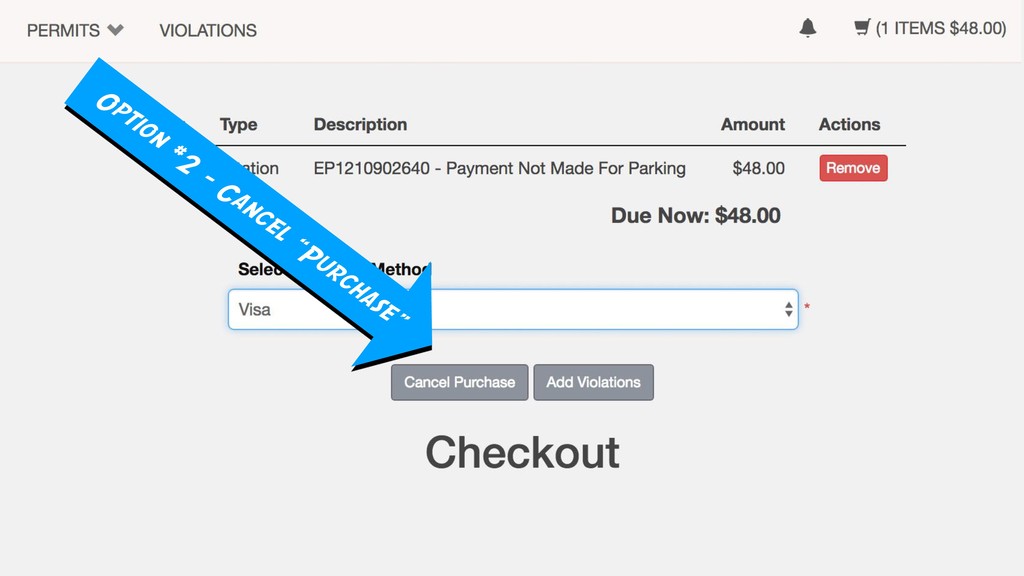
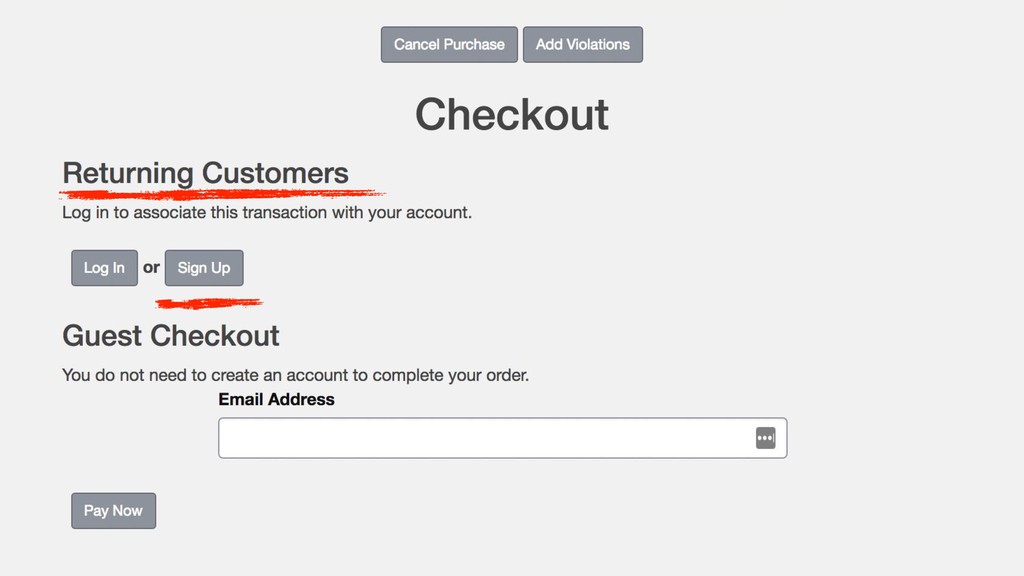
Well, there's I don't know what to do here. Options. I can remove it. I can cancel it. I can add a violation. This entire process is a violation of my human rights. Still nothing to do. Go down. Okay. Check out. Fine. Returning customers.
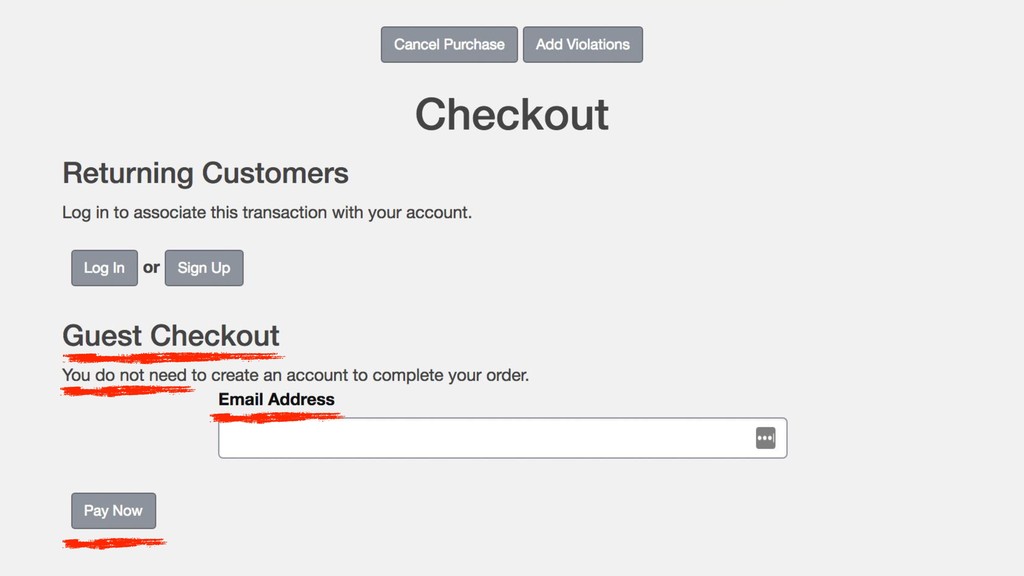
Log in or sign up. Why would a returning customer sign up? It doesn't make any sense. I'll do the guest checkout. You do not need to create an account, but we want your email address. I'm gonna skip that, see if I can get past it. I can.
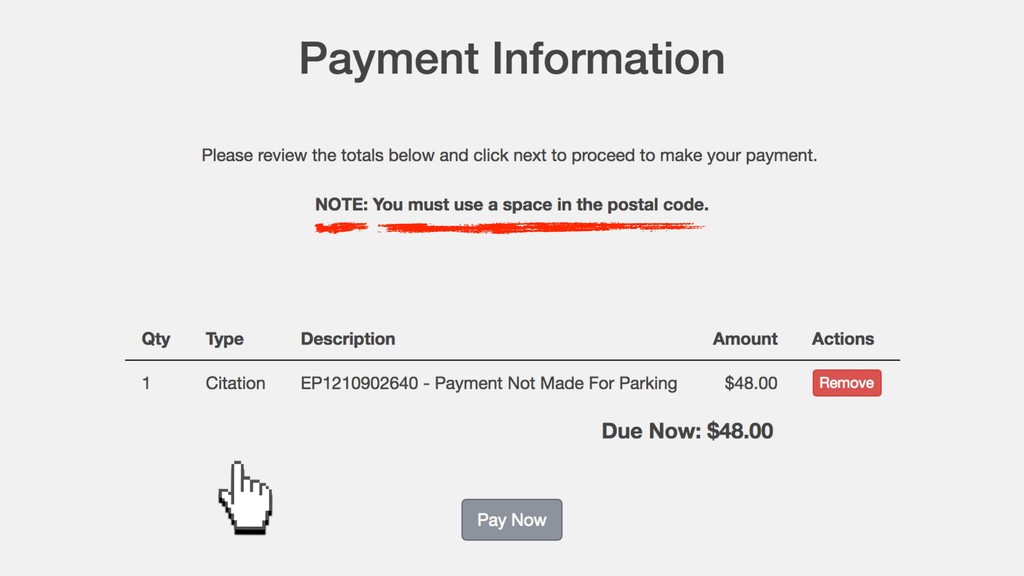
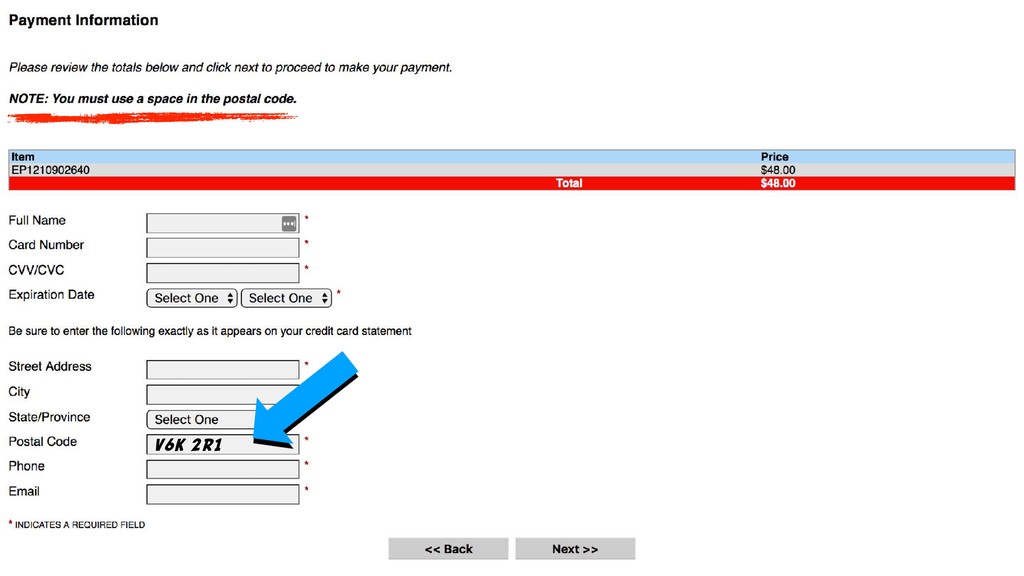
Where where do I pay for this? Note, you must use a space in the postal code. There's nowhere to put my postal code. What are you talking about? So, I continue. I press pay now for the second time. And then it takes me to a completely different website.
This is not Easy Park anymore. There's no branding. There's no logo. It's just a giant mess of a page. And as a reminder, you must use a space in the postal code. So I'm very well prepared at this point. I get down here and I'm very careful.
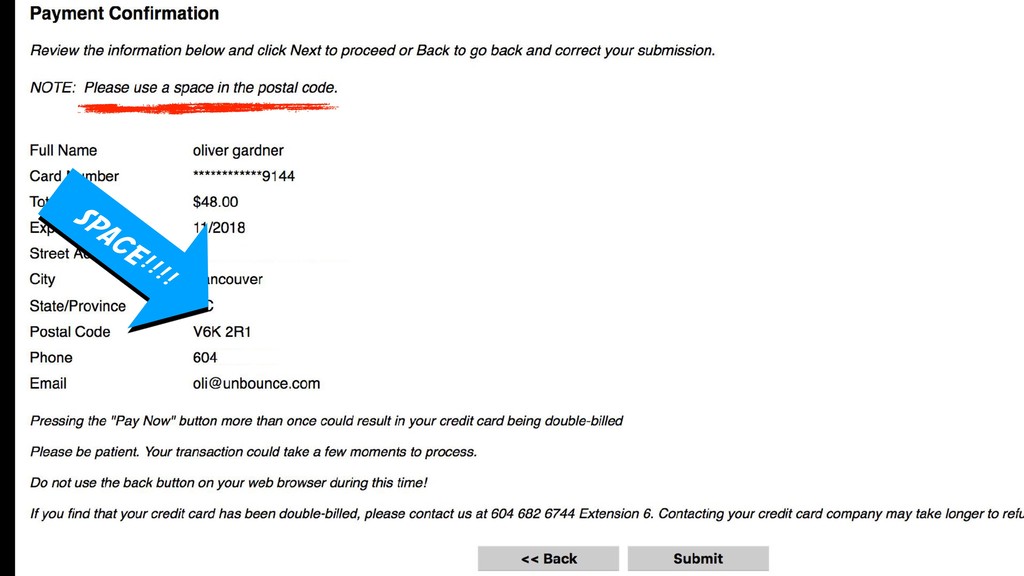
I type in my postal code with a space. I'm starting to feel a bit better this process. Alright. Payment confirmation. I don't think I've paid yet. Please use a space in the postal code. It's right ******* there. I already did it. Stop talking about that.
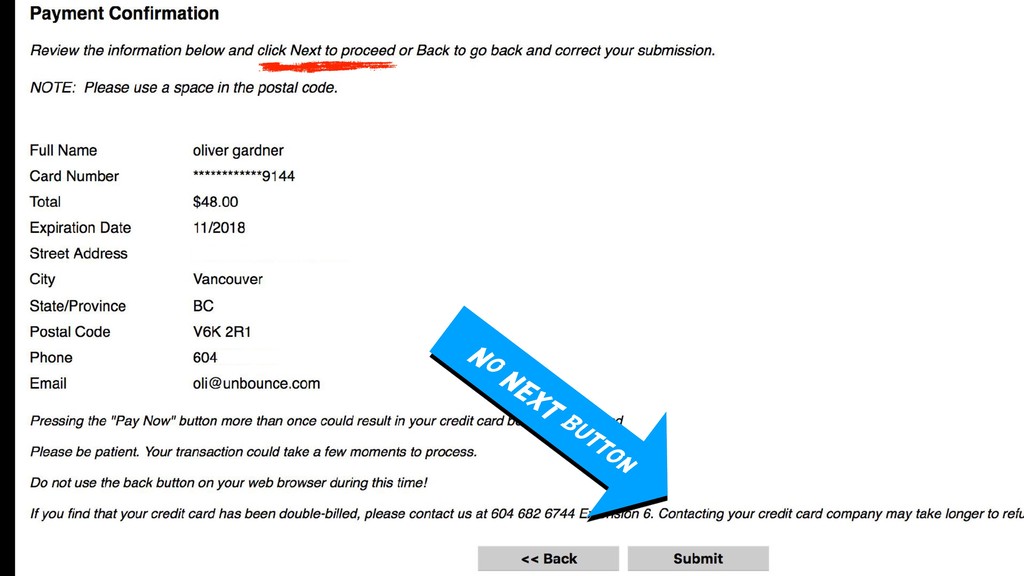
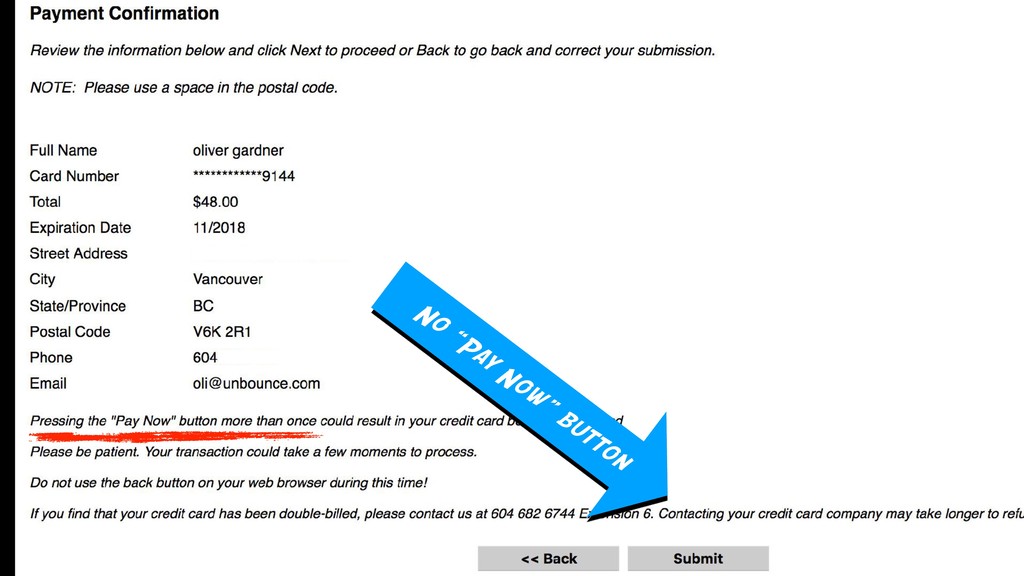
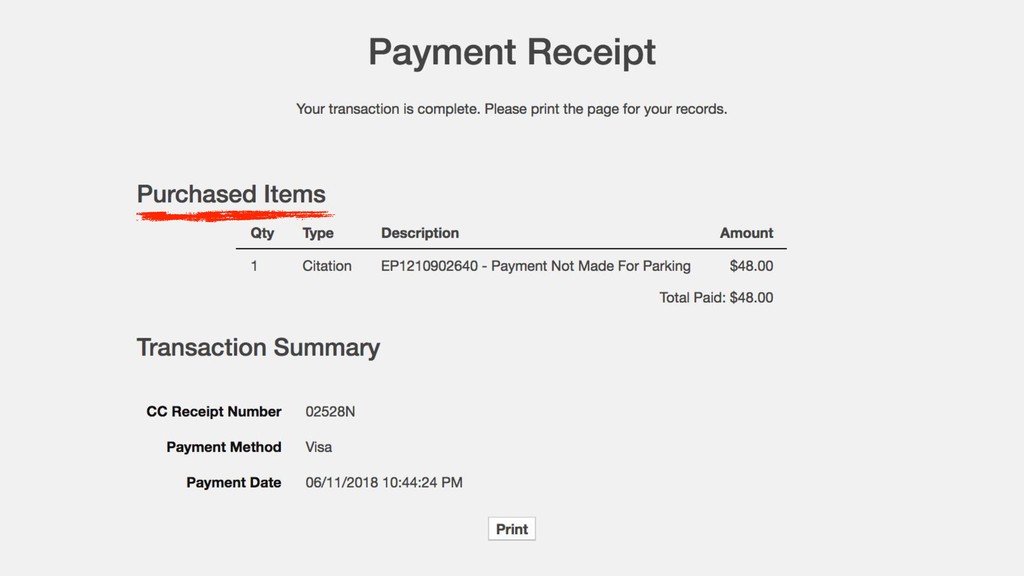
Click next to proceed. There's no next button. Click the pay now button. There's no pay now button. Purchased items. I didn't buy anything. I spent forty eight dollars on nothing, twice. Now, that's not content marketing per se, but it is content. Content is everything we do.
Every experience we create has content, is content. And what was wrong with that? Many things. Well, there was no purpose there. That was a generic e commerce experience. It had nothing to do with paying a parking ticket. It was just slapped in there.
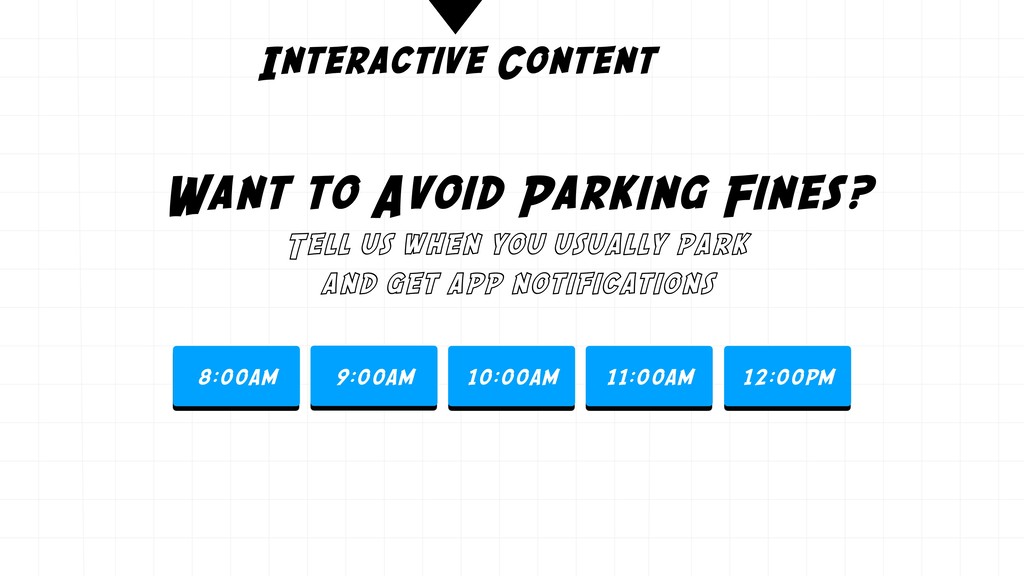
They could put some interactive content there. Wanna avoid getting more parking fines? Well, tell us when you park. And we'll get app notifications to remind you that you should pay. That would be very handy for me. I could choose that, so they're gathering context and data.
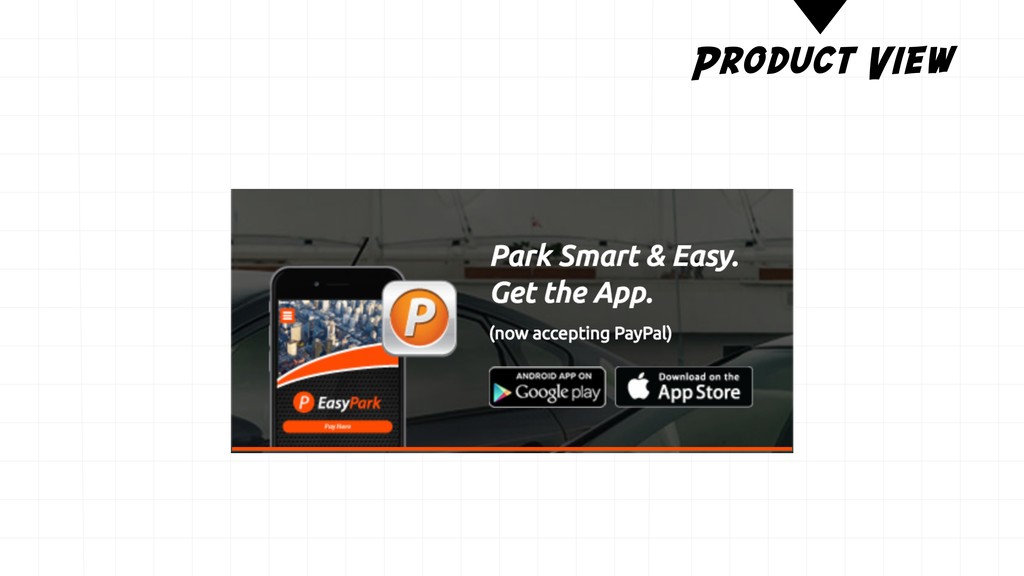
There's a transmission of value to me, and they get something in return, and then show the app, the most important part. The app in their case, sorry, the product in their case is the app, because if you're trying to park, you'll often see competing parking lots, one on each side.
If I have this app, I'll go there, because the credit card machine's getting broken, and I don't carry coins. So that's their product, and they didn't show it. That's one of the biggest problems in content marketing. Not showing the actual product. I wrote this on a whiteboard at the end of last year, because we released new products.
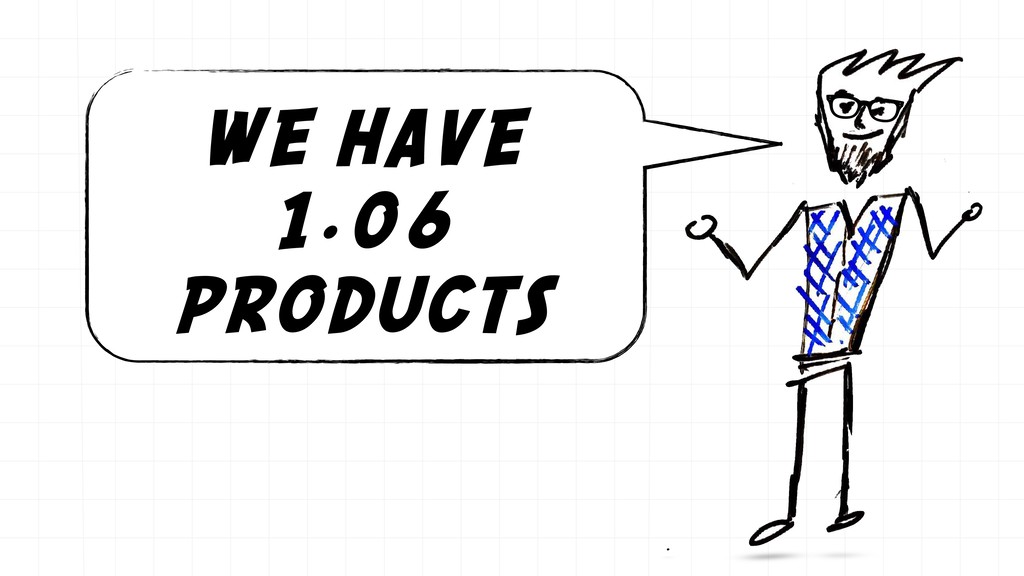
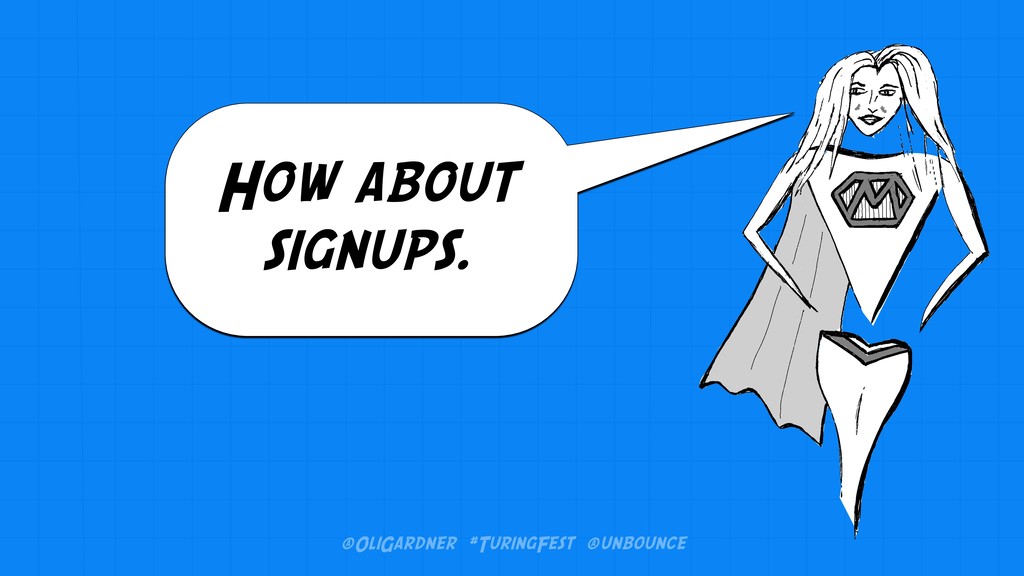
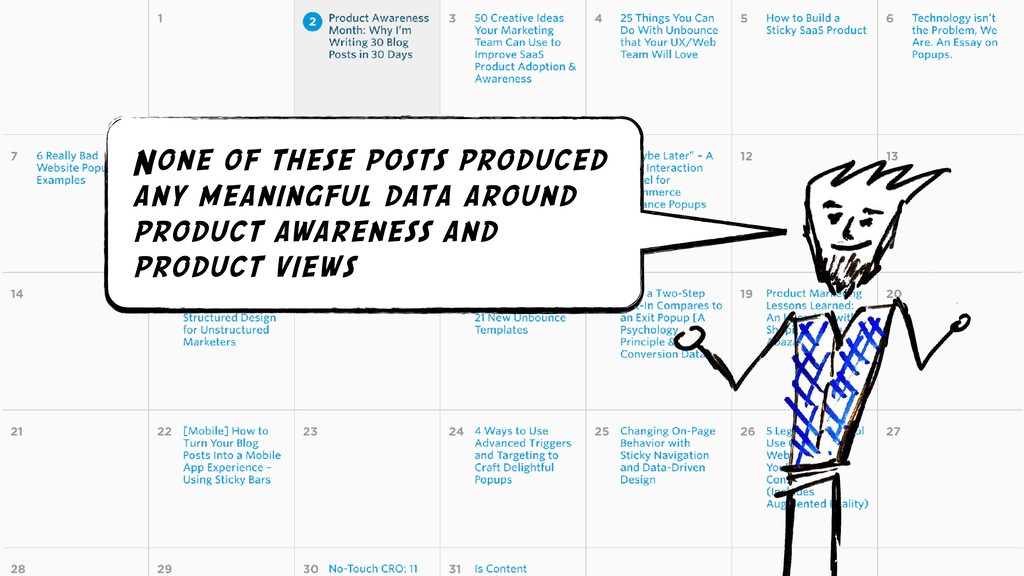
Landing pages we've had forever. We released pop ups and sticky bars. This represents the one, that's our landing page customers. Point six zero six, that's six percent of them adopted the new products. I was really angry when I found this out. It's terrible.
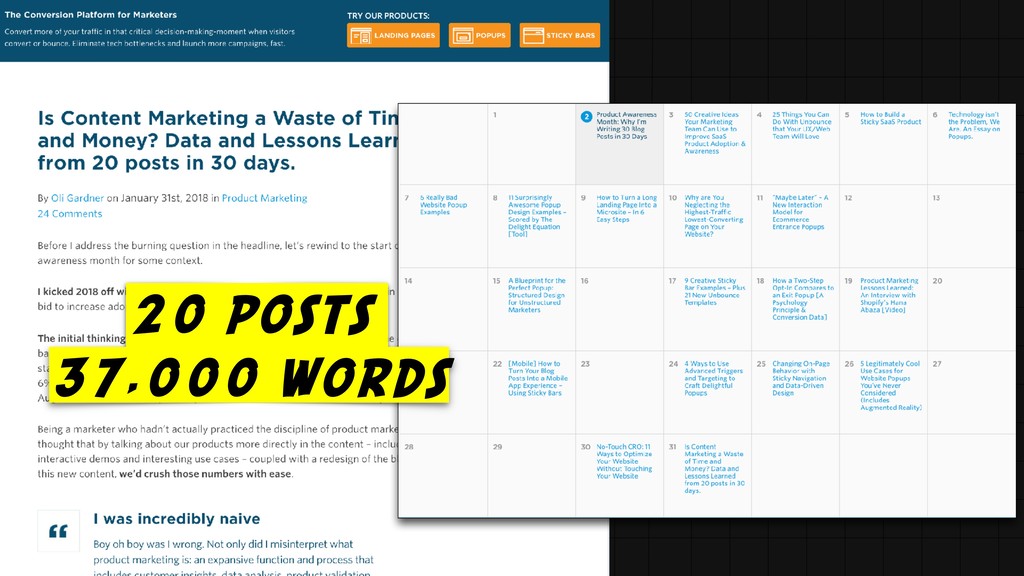
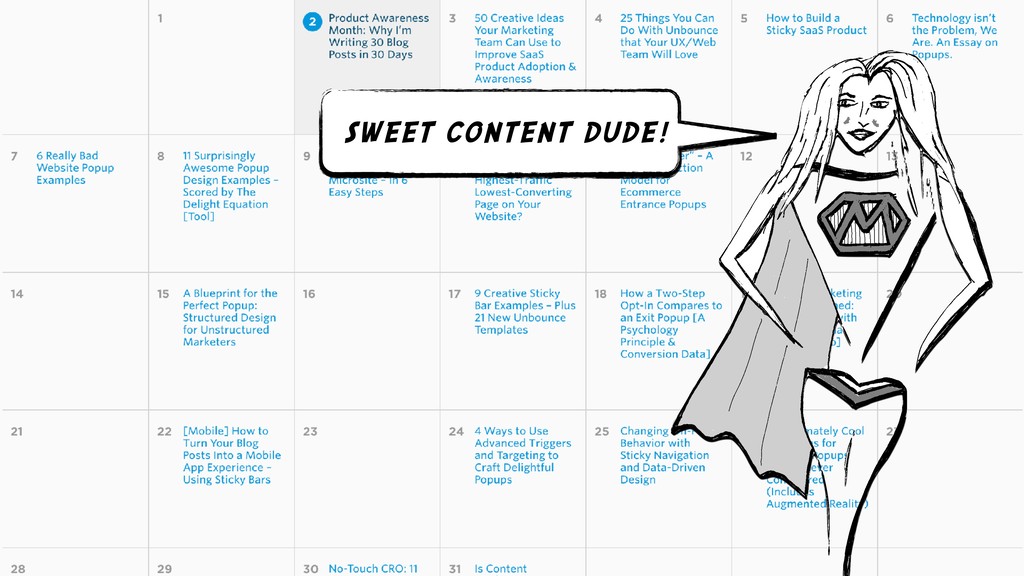
It's a complete fail. So I was complaining to my co founders and Carter, our president said, stop complaining. What are you gonna do about it? So I have blog posts released every day in January written by me. I need your right hand. Alright.
Perfect. So, I hadn't written on a blog for two years. This is kinda ambitious. And these aren't gonna be small blog posts. They're gonna be in-depth product awareness posts with interactive demos of the products, because I I wanted to lift that six percent number.
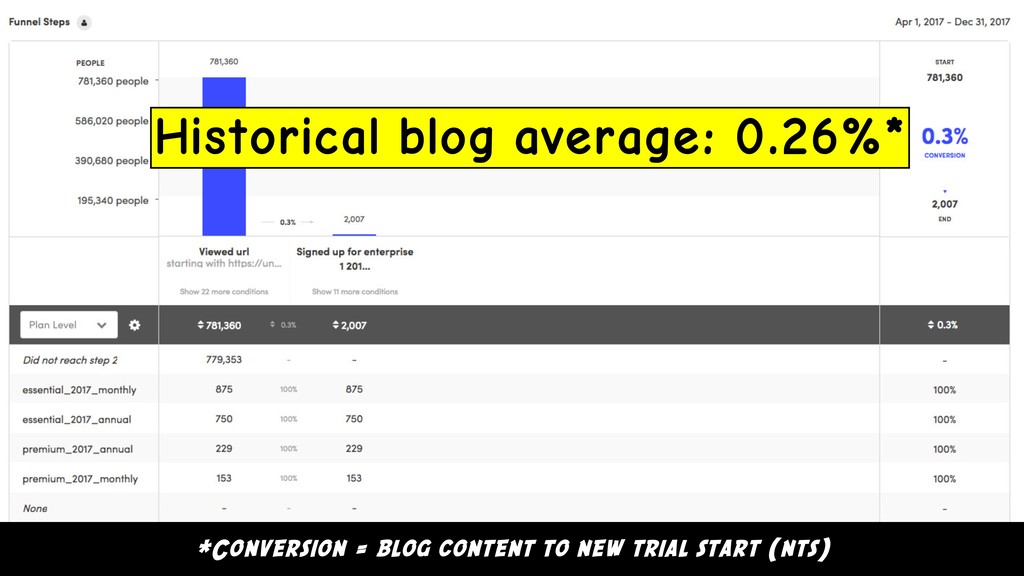
So then I looked at how our blog performs. Point two six percent is its conversion rate. That's through an NTS, a new trial start, someone starting a free trial with a SaaS company. That's another scary low number. I was like, oh my god.
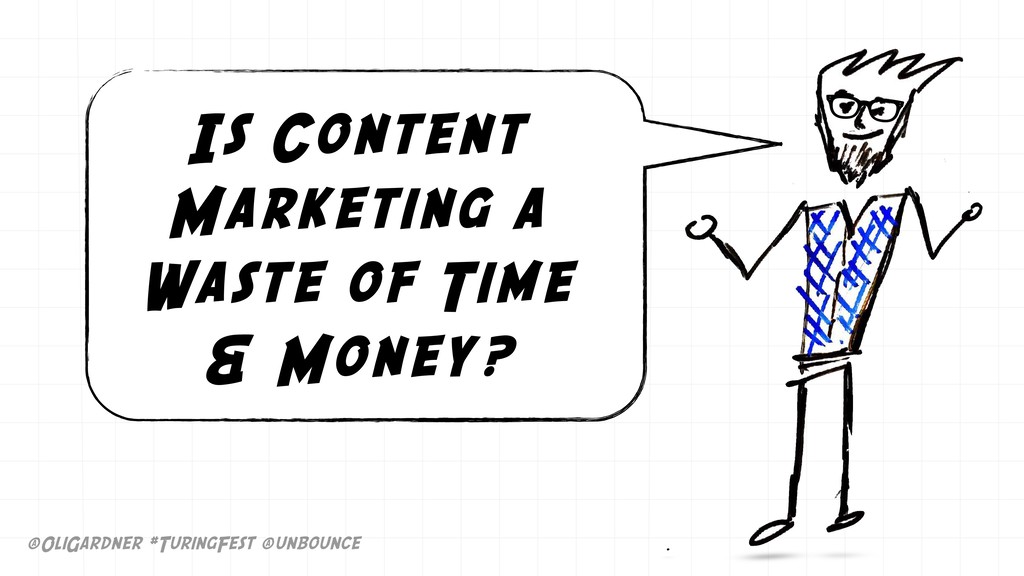
I didn't actually look this up until after the fact. If I'd seen that number, I may never have started this entire exercise. But I did. And but I was wondering with that number, is it a waste of time? Should I be doing this?
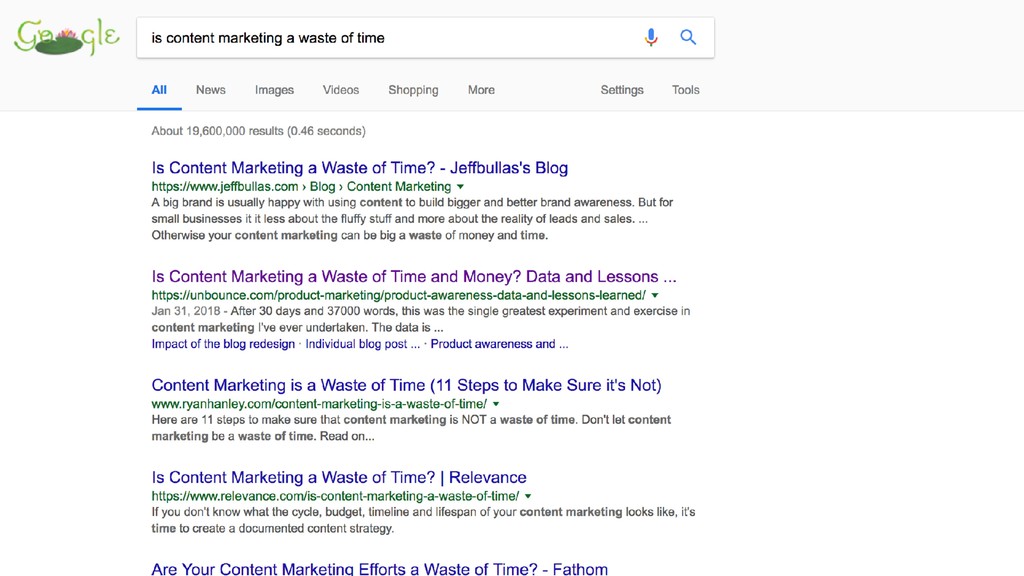
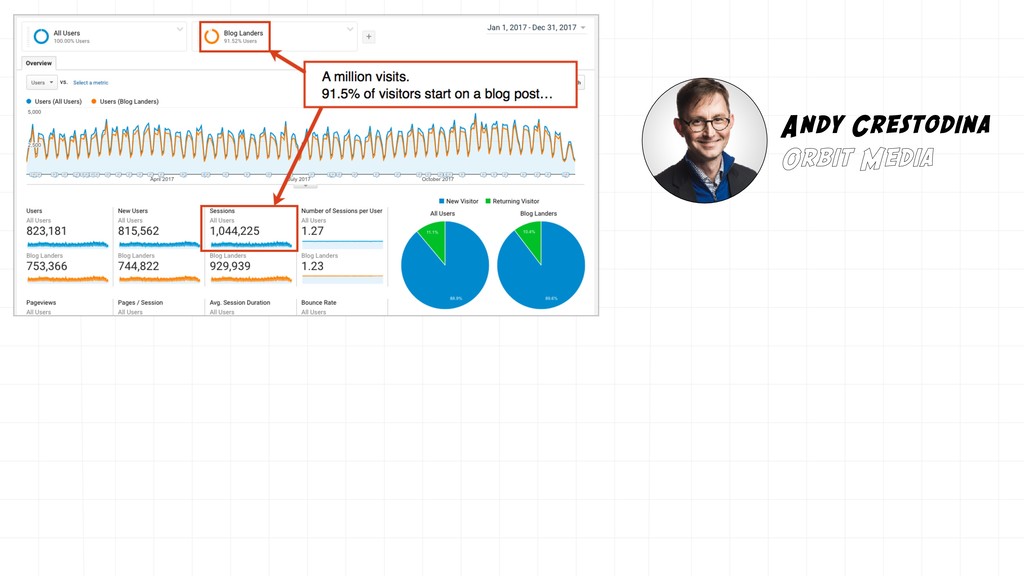
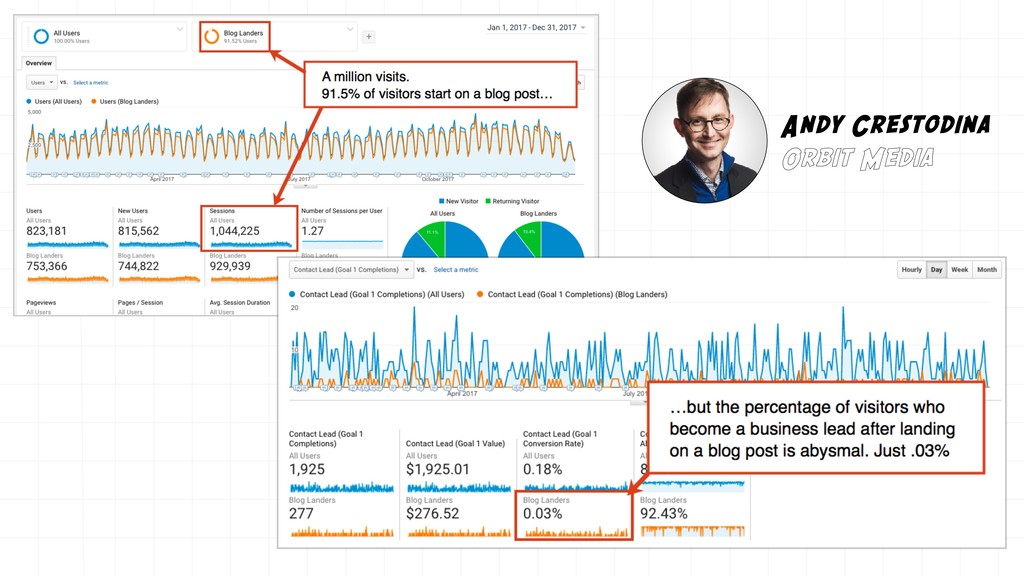
Apparently, lot of people have the same questions, a lot of content, about content marketing and whether you should do it or not. I reached out to some peers, Andy Crestedina, probably my favorite content marketer, a company called Orbit Media. And he said, well, ninety percent of our traffic comes through the blog and none of them convert.
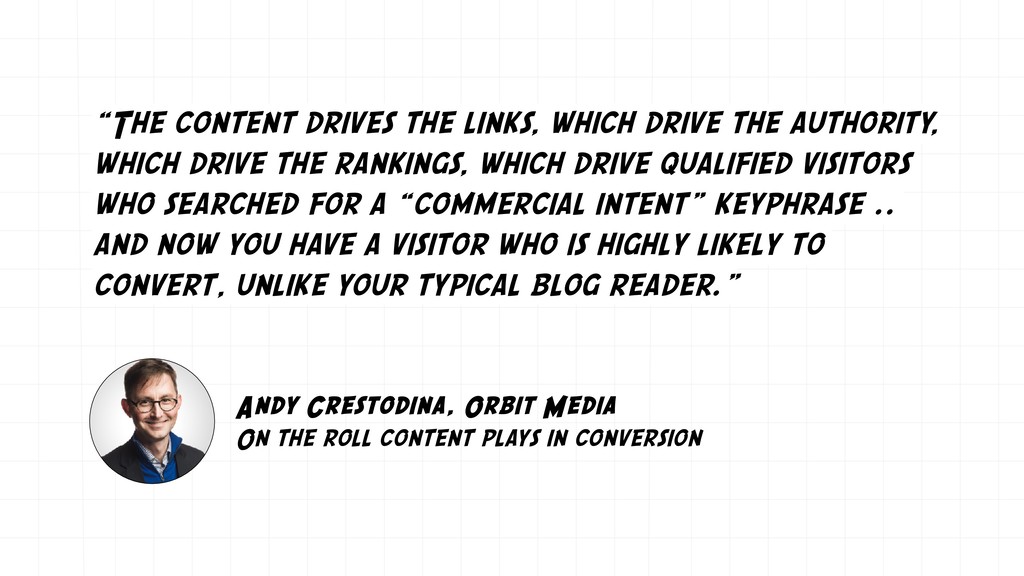
Point zero three. I'm like, it's even worse. He's like, no, but it's okay. It plays a different role. Right? The content gets the links, the authority drives the rankings. So when someone signs for searches for Chicago website and development, website design development, they find them.
So it plays a supporting role. You need to know that conversion rate, but when you understand the the part it plays, it's okay. But I still wasn't happy with it. I wanted to change that number because I think I can. So I wrote all those posts.
That's half the length of the average New York bestseller novel, so maybe I'll do this again and release a terrible book. So after all that, then you have to wait a while. Right? Because this content doesn't just suddenly miraculously create sign ups. It takes a while because it's top of funnel content that I'm trying to make a bit further down the funnel.
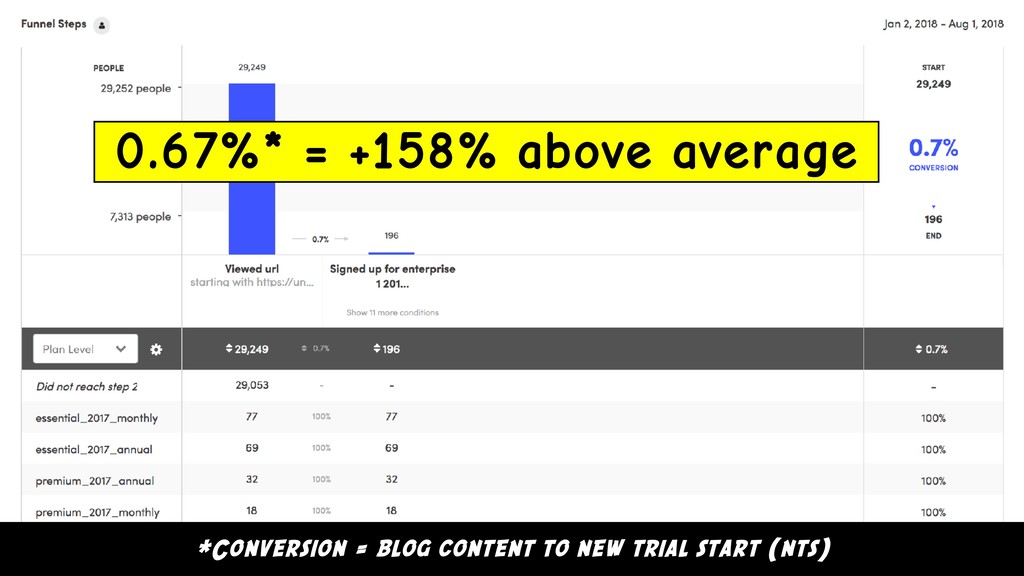
In the end, it converted a hundred and fifty eight percent above our blog average. So that was a massive success. I was really happy with that, but it was so much work. It exhausted me. I was working fifteen hour days, and that doesn't scale.
That's not the way we can really behave. It proved a point, but it wasn't something I could continue doing. So we wanna keep doing this, but how do we make customer centric content that puts our product in front of people for mutual benefit, so they can see cool things you can do with it and you get more customers, but do it in a way that scales because I'm pretty sure my wife Nicole was may have left me.
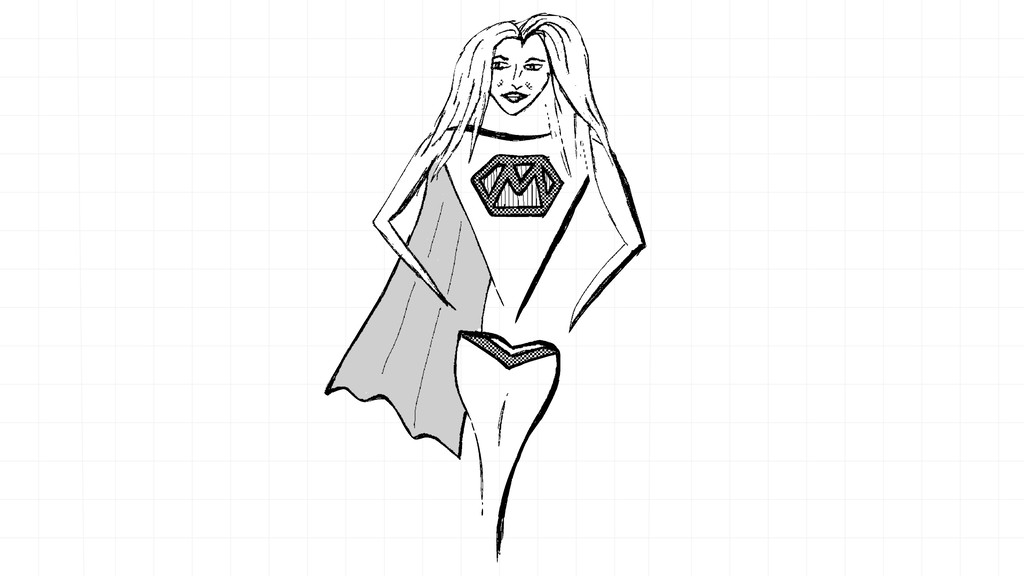
She was very neglected halfway through this month. So I actually only managed to do twenty posts instead of thirty. But as with anything difficult in life, sometimes you just need, well, your dad or or your mother. So this is my mom. Now I grew up in Scotland.
I've been in Canada for seventeen years. I still am very uncomfortable saying mom, but mom doesn't fit the acronym. So that's how it is. I sketched some of these things and Nicole's like, could you make your mom less sexy? And I'm like, I'm not that talented. I tried.
I made it look like a witch if I tried to do anything. So, if you like what I'm talking about today, it's your mother too. So, no your mama jokes on Twitter, please. Unless they're really good. Okay. So stands for marketing optimization map.
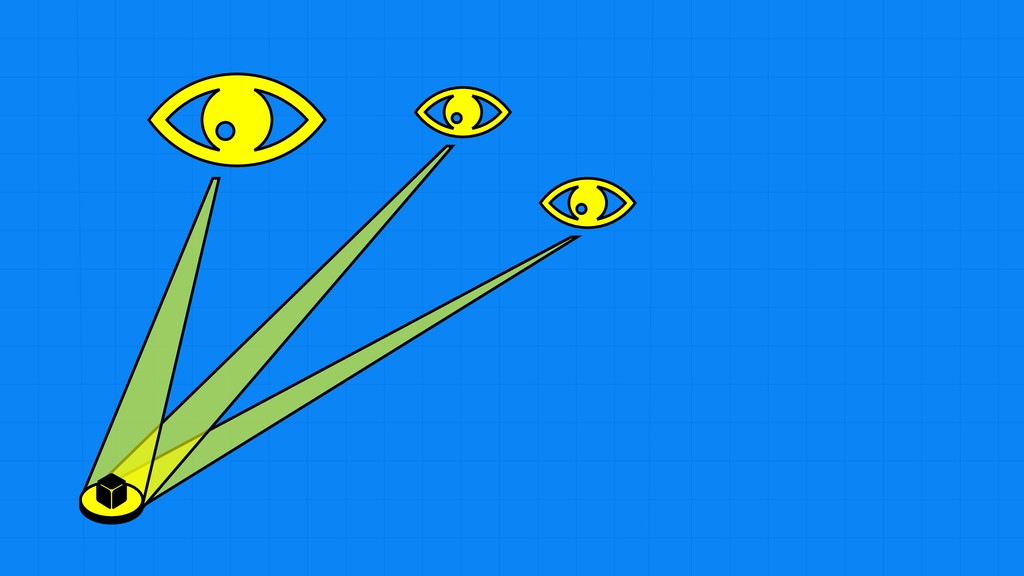
And this is it's a content marketing strategy based on product awareness, entirely on product awareness. And it runs on on on events, and you understand that as we go through it. So this is your product, and we need people to look at it because, you know, I've written three hundred posts about blog, three hundred blog posts about landing pages, and maybe four of them show the product in some way.
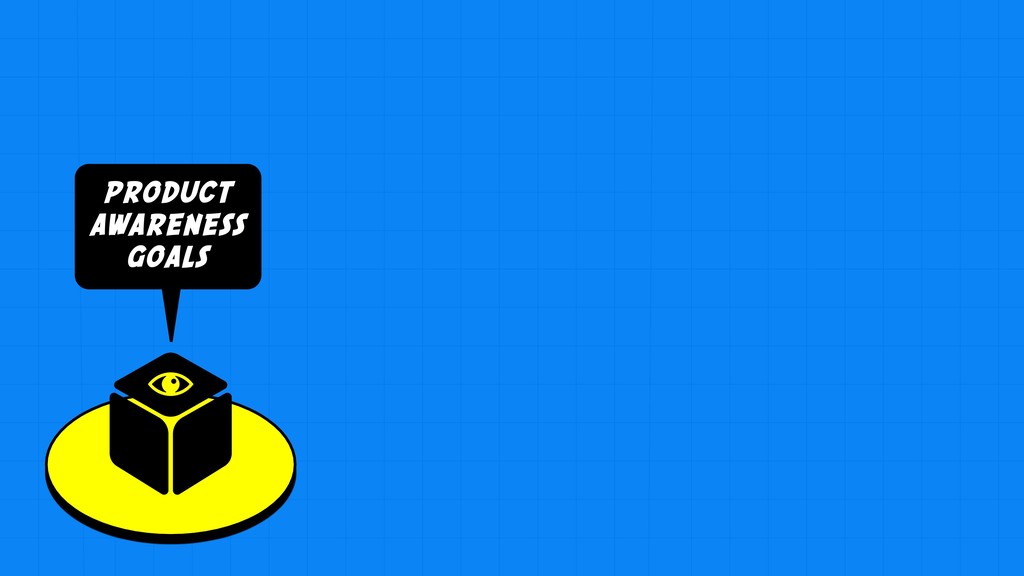
We have to get it in front of people. Starts with a product awareness goal. That might be, let people know it exists, or let people know of a new feature, or a new use case. How you can use this product that you might not have imagined.
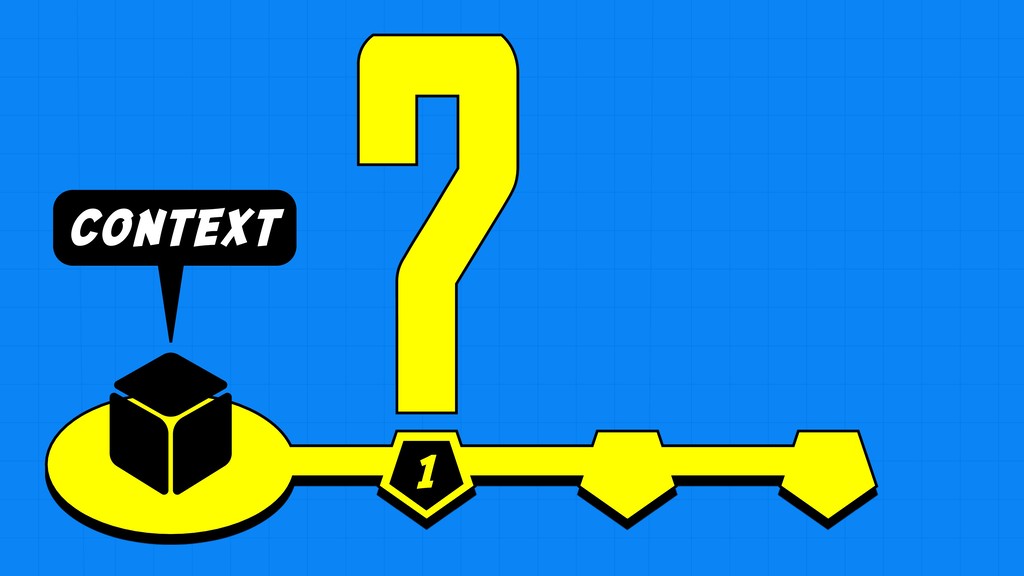
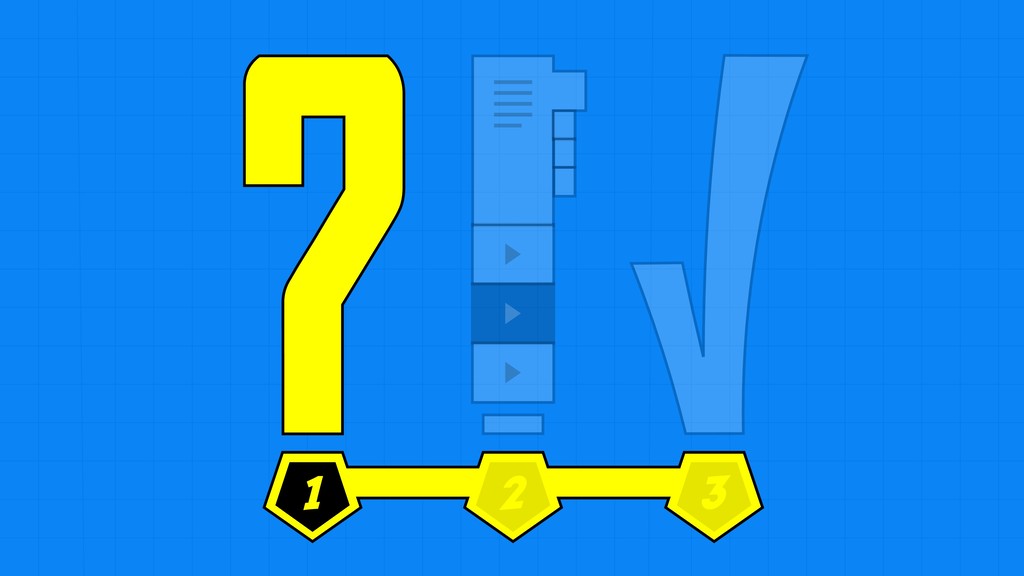
And then there's three parts to this. Content. Context, which is what do we know about people? But more importantly, what do we want to know about people so that we can change the experience right there and then to be more relevant to them, more personalized.
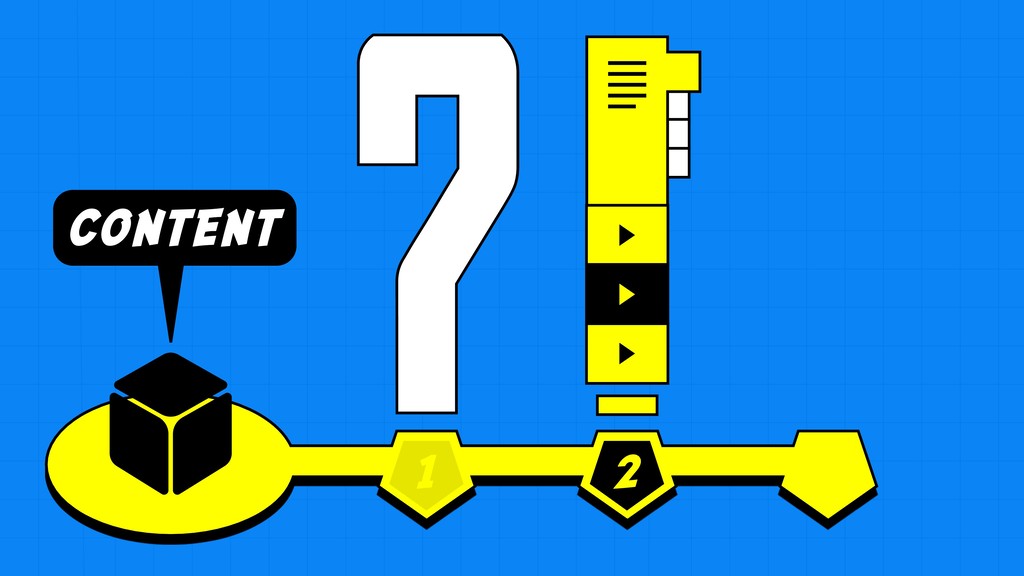
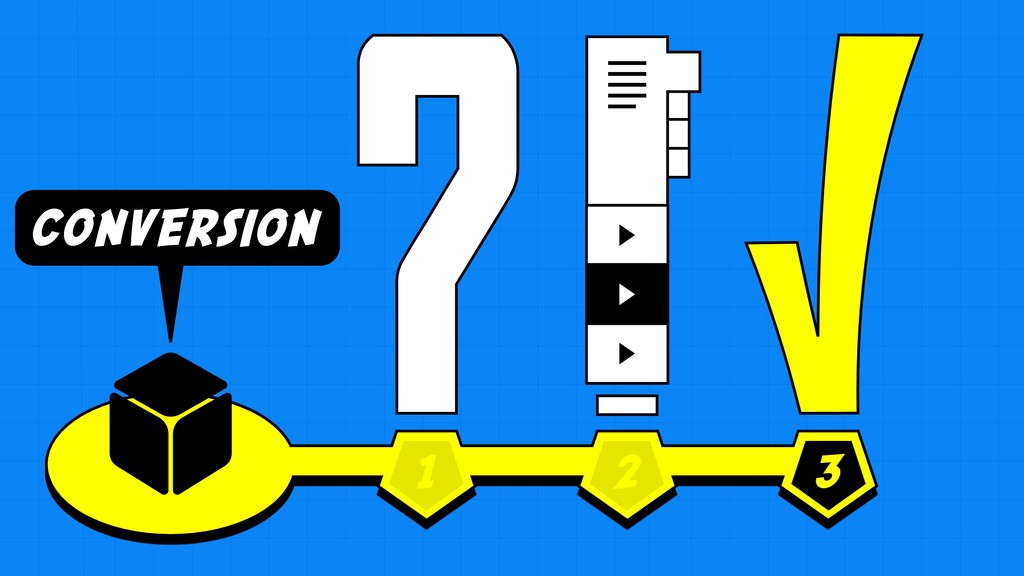
Content. What interactive content can we use to do that, to facilitate this exchange? Answer the questions I want answered, and then give something in return. And then conversion. This is all based on events, but how can we make our data more interesting, more valuable, have more product based information in it, making it more meaningful, so that we can use product awareness type metrics to measure the success of our content marketing.
So I have four examples. Some are higher level, some are a little bit more technical, but I'm actually building a little free tool for some of this. So if some of it feels too technical, don't worry, because I'm trying to package it up in a way that anyone can use.
So the first one, oh, and the slides are there. I'll share this again at the end. Blog redesign. How many of you work in a for a software company, or have a blog of some kind? Okay. A fair number. Then this will apply to anyone who has a website with a blog on it, not necessarily if it's only a blog.
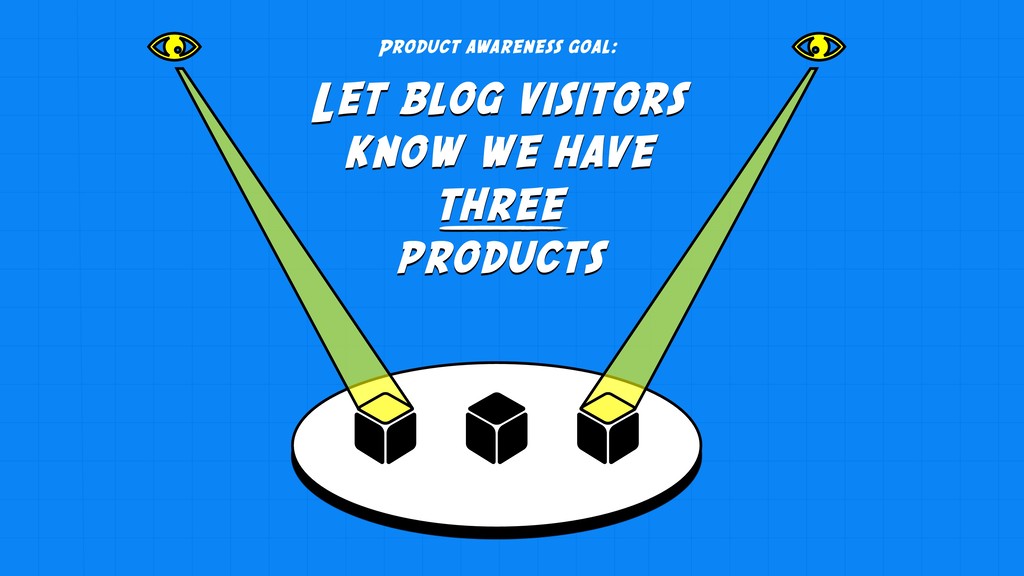
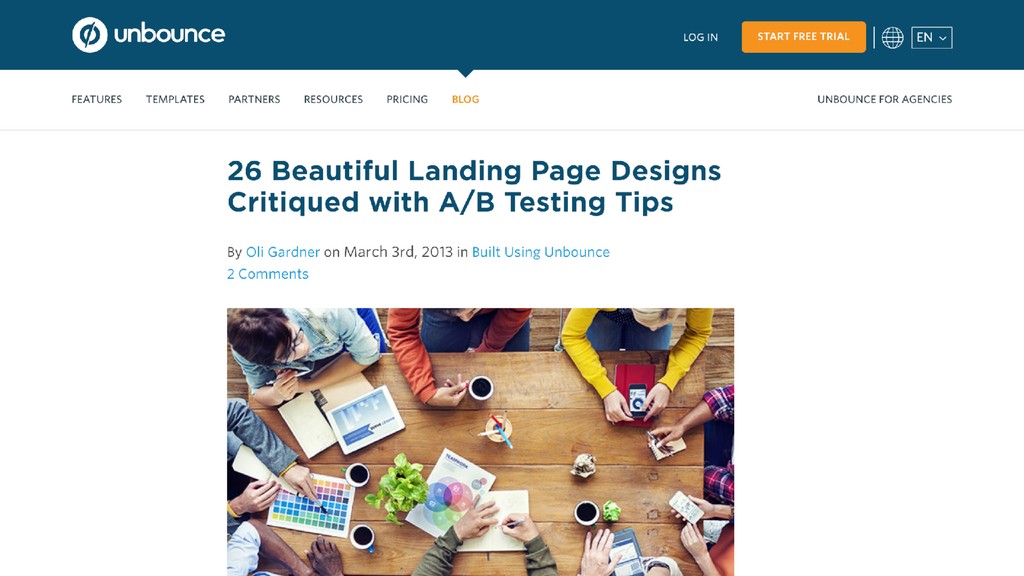
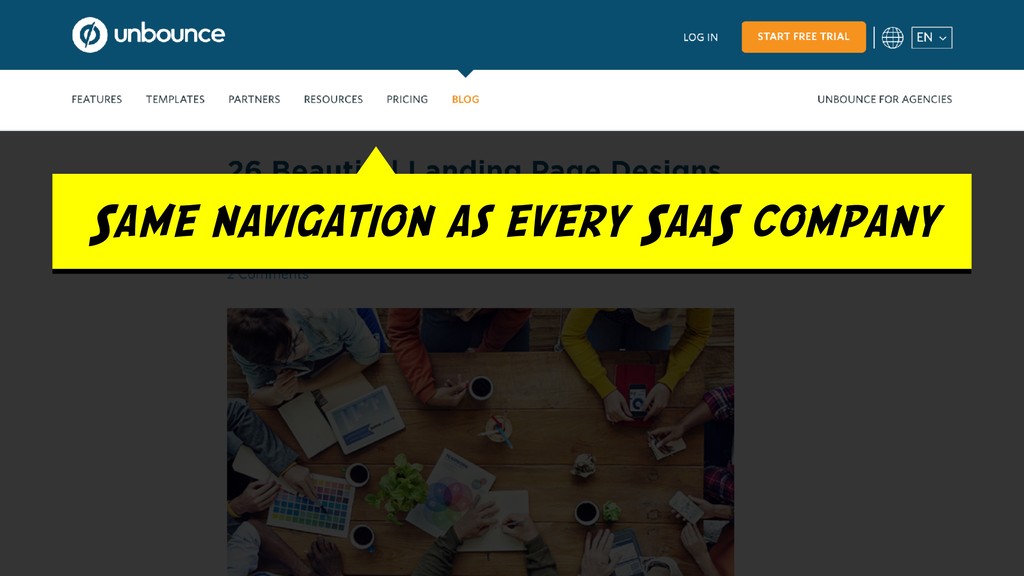
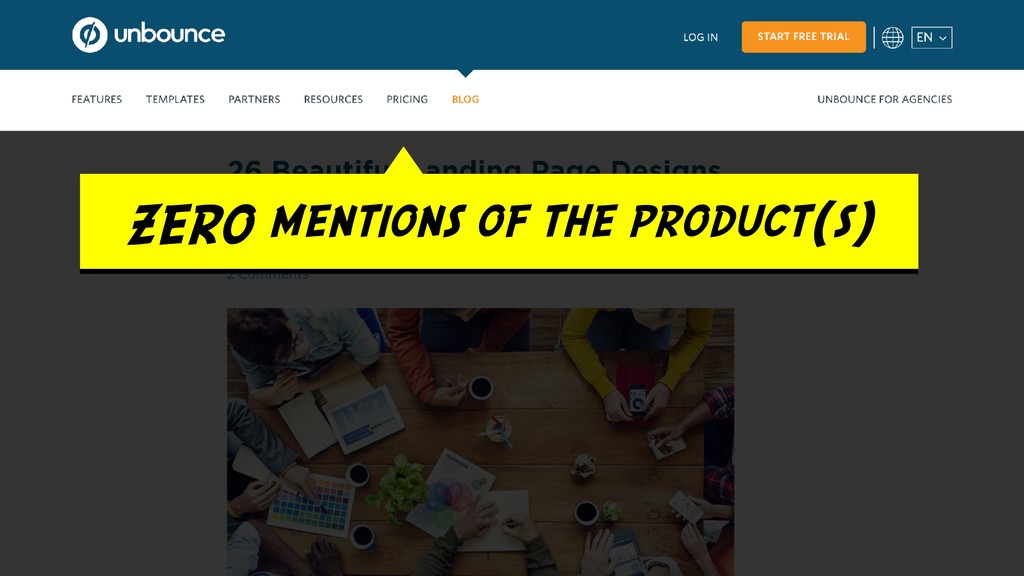
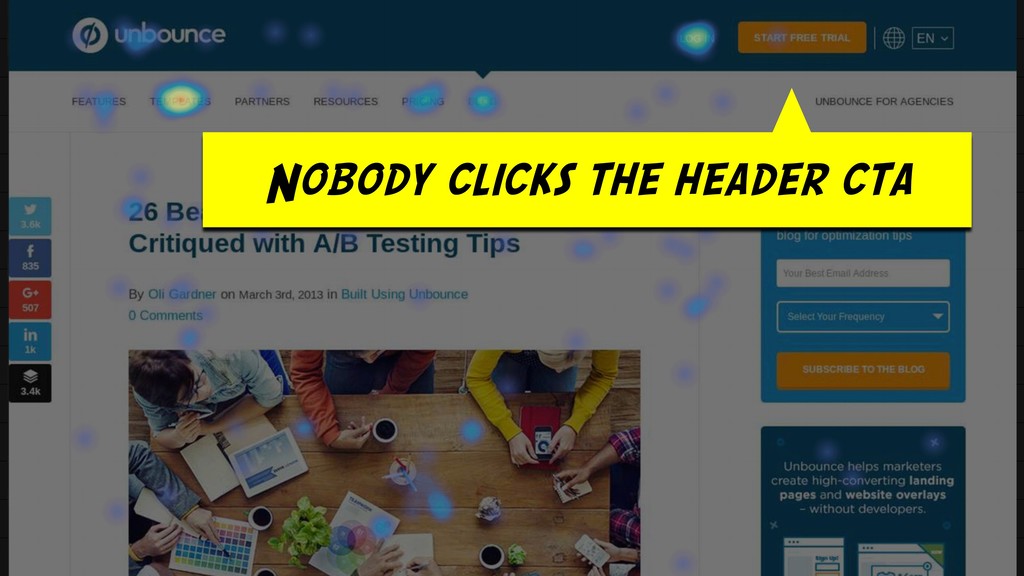
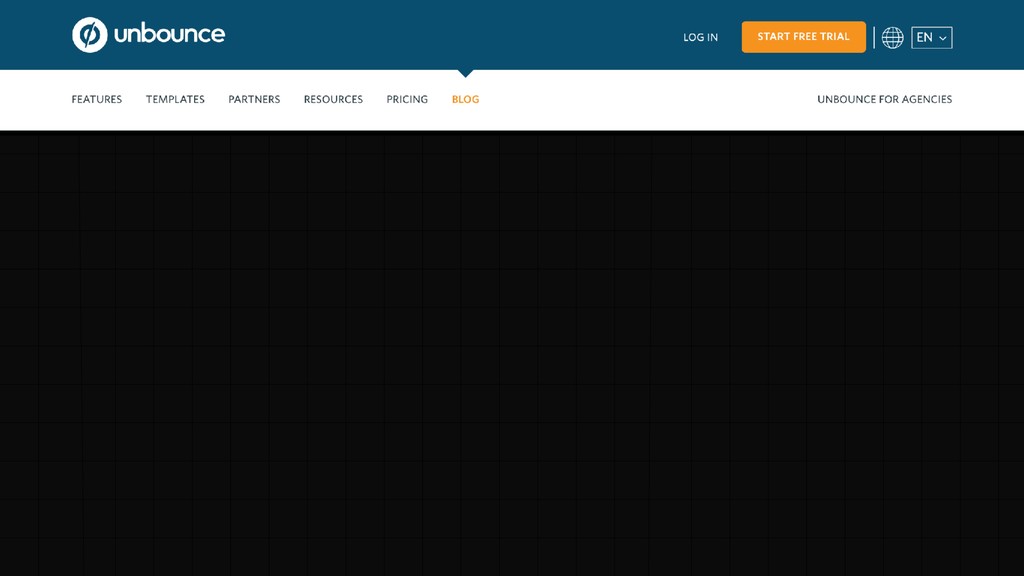
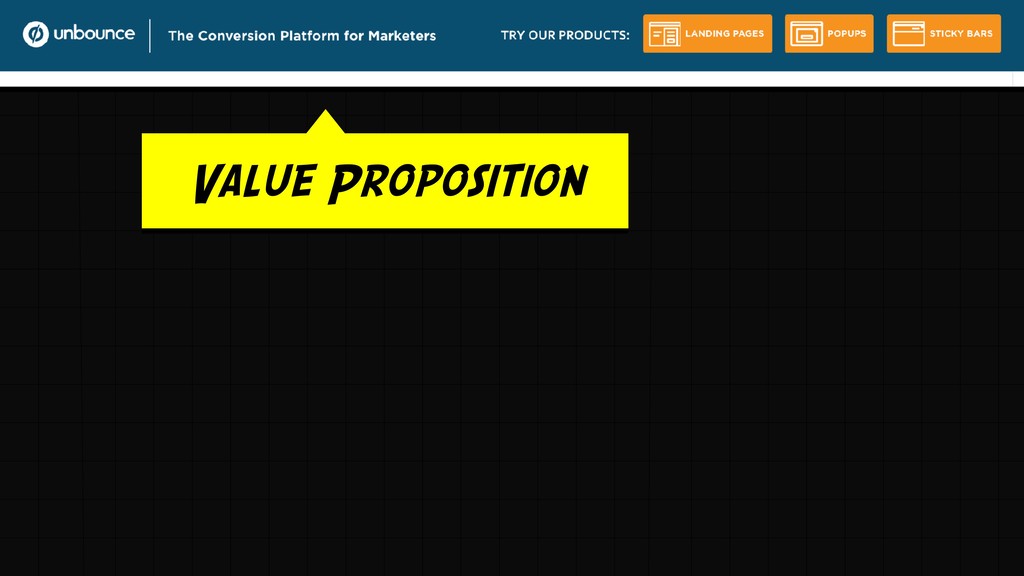
My awareness goal was let visitors know that we have three products instead of just one. So the context. This is our blog. Same navigation as every single SaaS company. There's nothing up there that mentions the product. If you're reading a blog post, you don't care about features, templates, partners, resources.
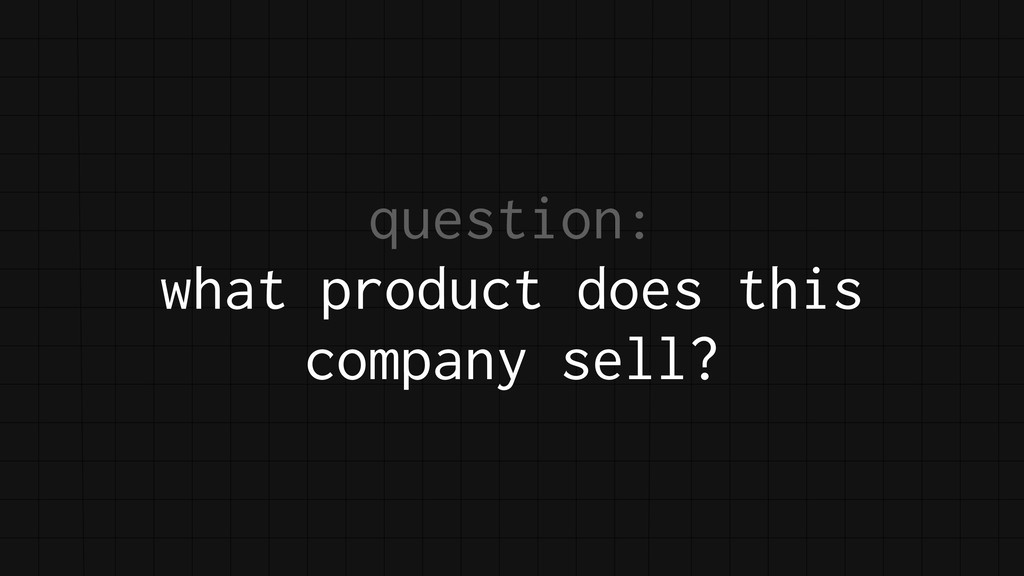
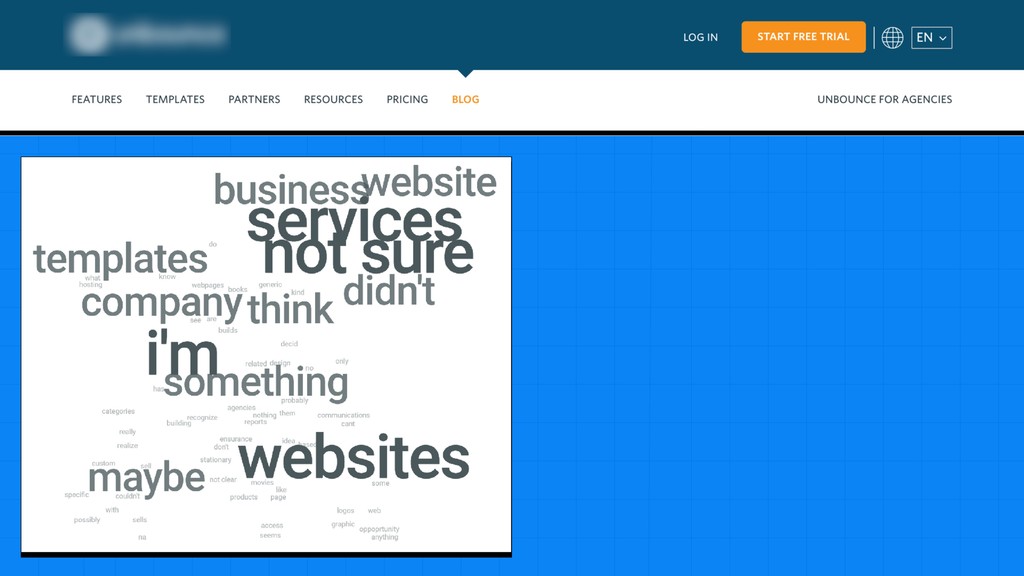
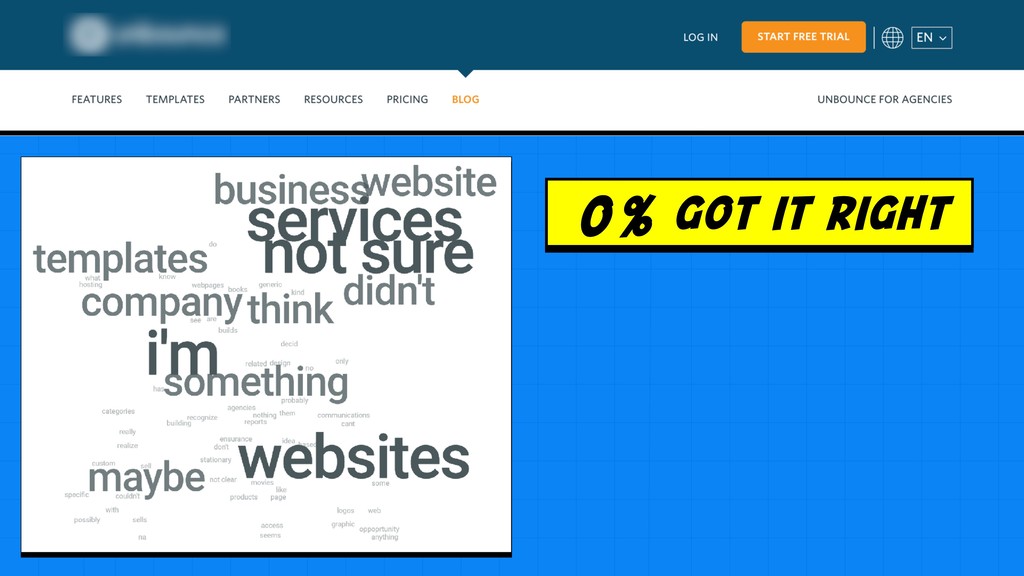
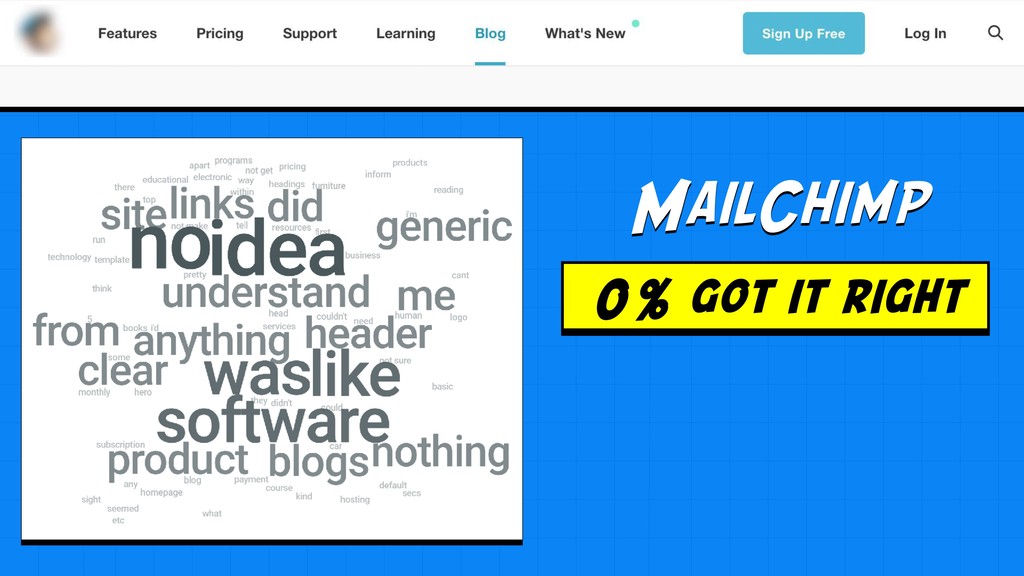
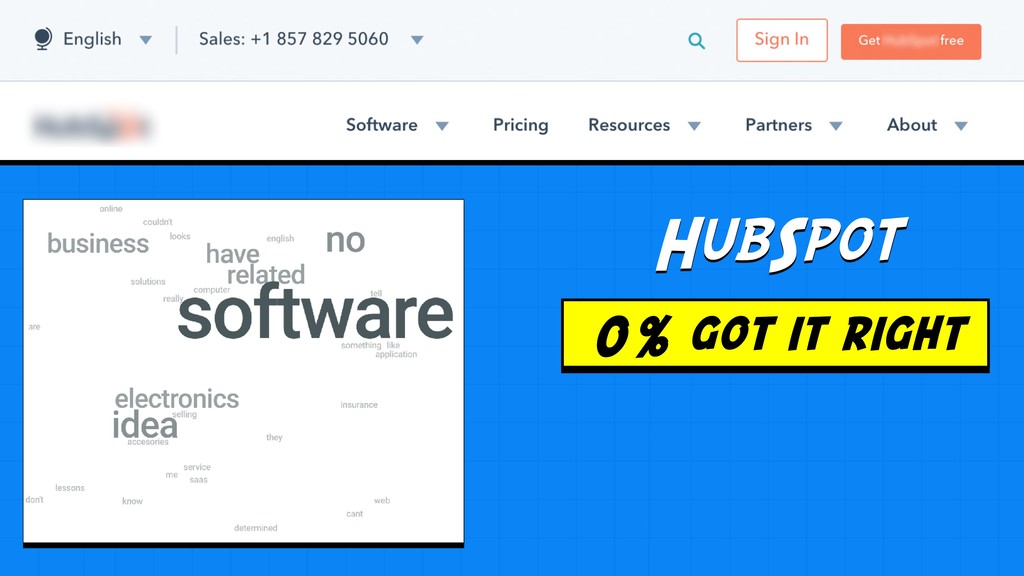
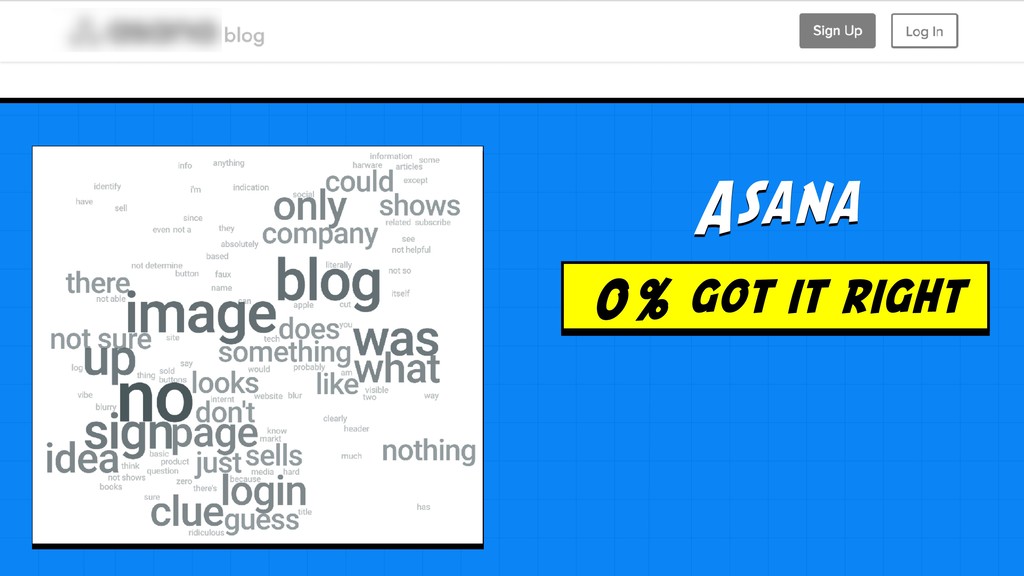
None of that's relevant to the content. Start a free trial of what? This is not appropriate. So, I ran a five second test asking people, they just had that blog header. What do we sell? Nobody got it right. Blurred out the logos. Mailchimp, nobody got it right. HubSpot, nobody got it right.
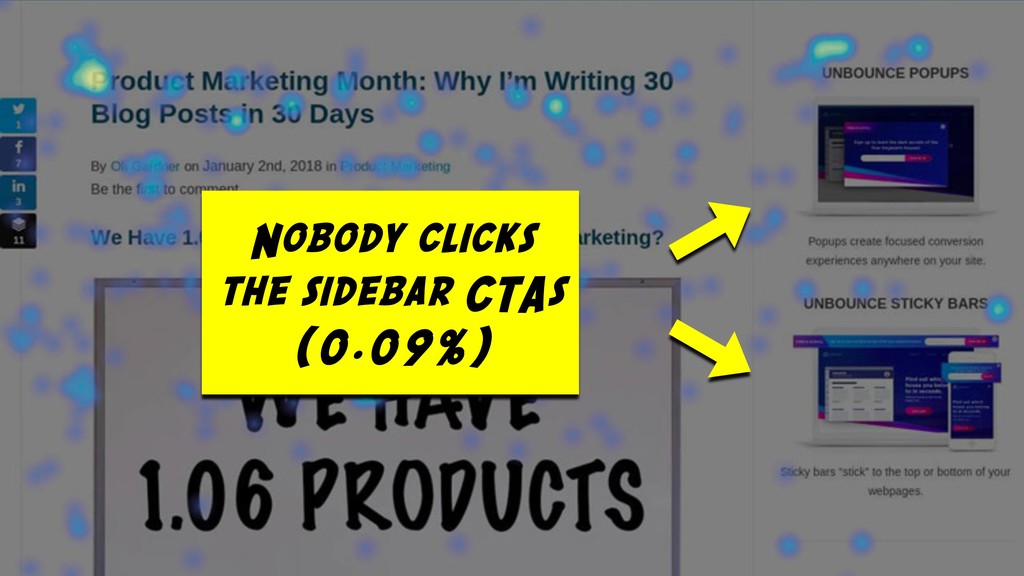
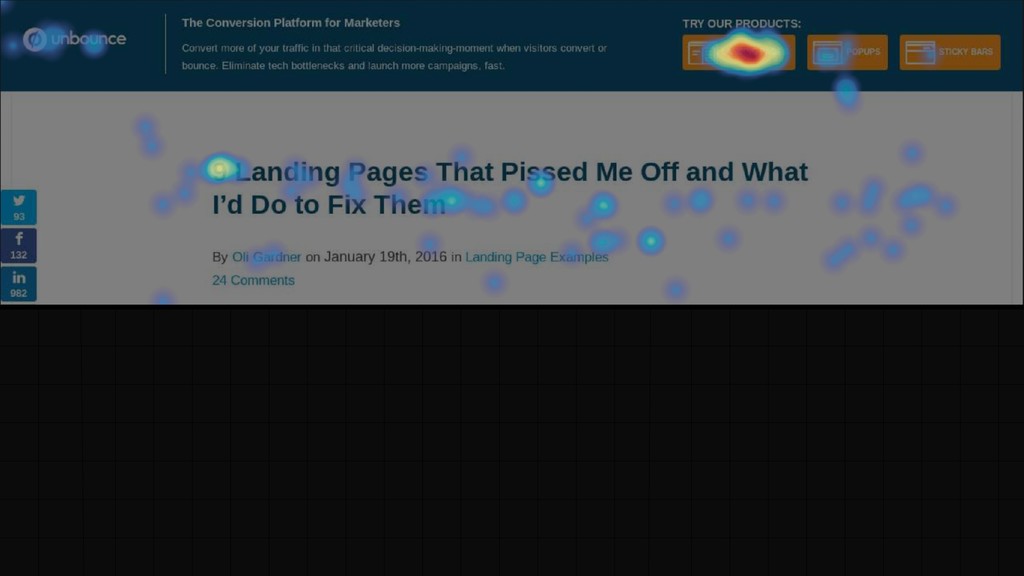
Asana, nobody got it right. Because we're not talking about what we actually do. Nobody clicks the CTA on the sidebar or the header. That's the context of the state of our blog and most blogs in SaaS. So content, how can we fix that?
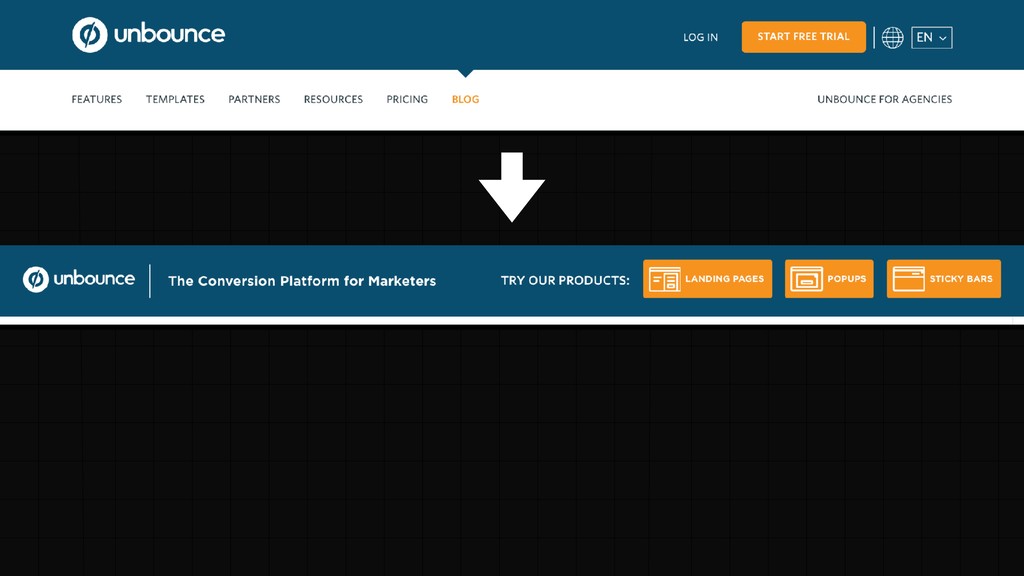
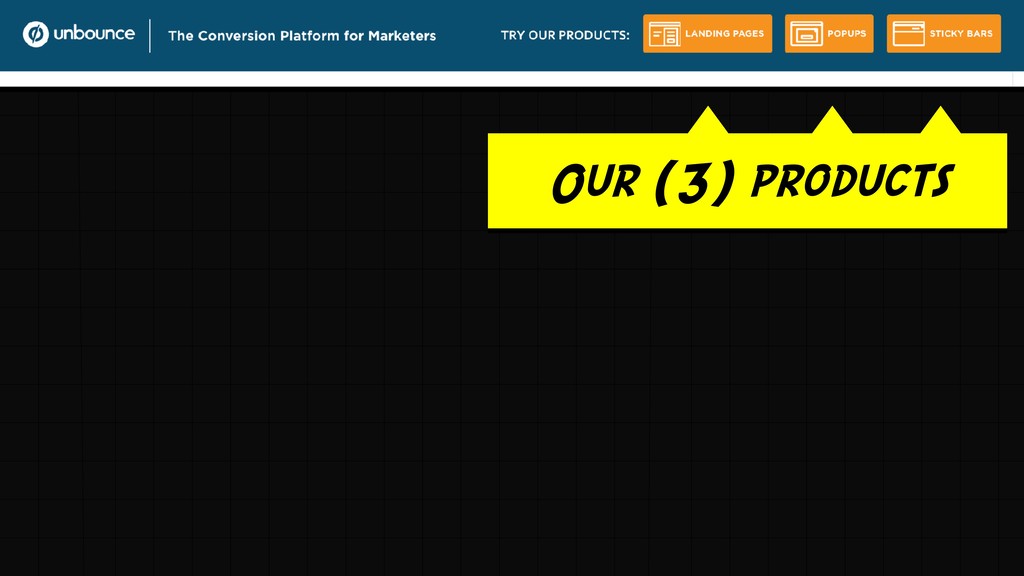
What kind of interaction can we do to make this a better experience? So that's the old one. And then for this January content, I redesigned it like this. Who we are, what we do, and our three products. That's instant product awareness. You can see them, they've got names, and there's a call to action.
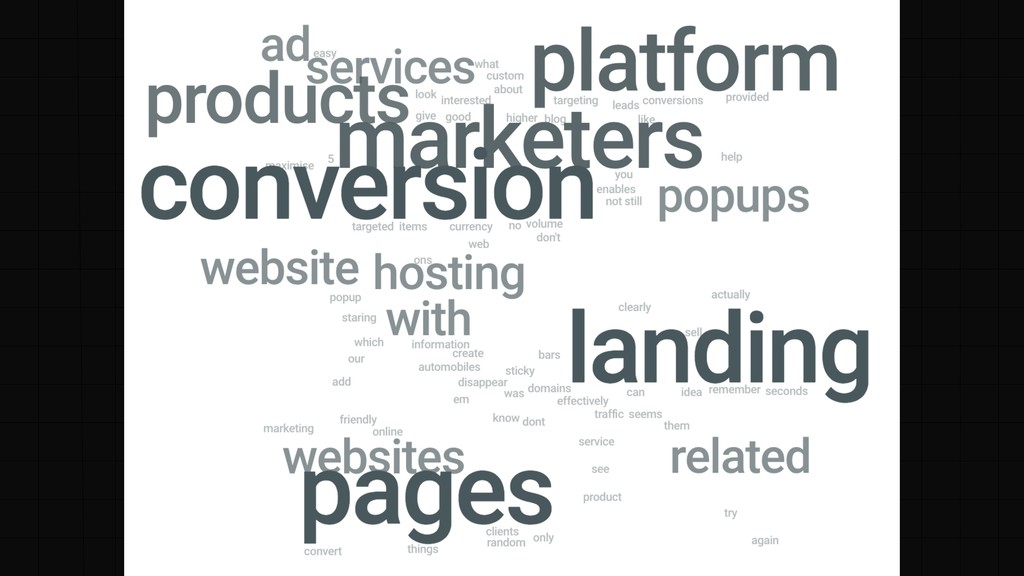
Try our products. Right? So even just that little bit of a visual has changed the level of awareness. Ran the test again, those are the responses. Right? And that's just a signal that it's working in terms of the communication I need it to do.
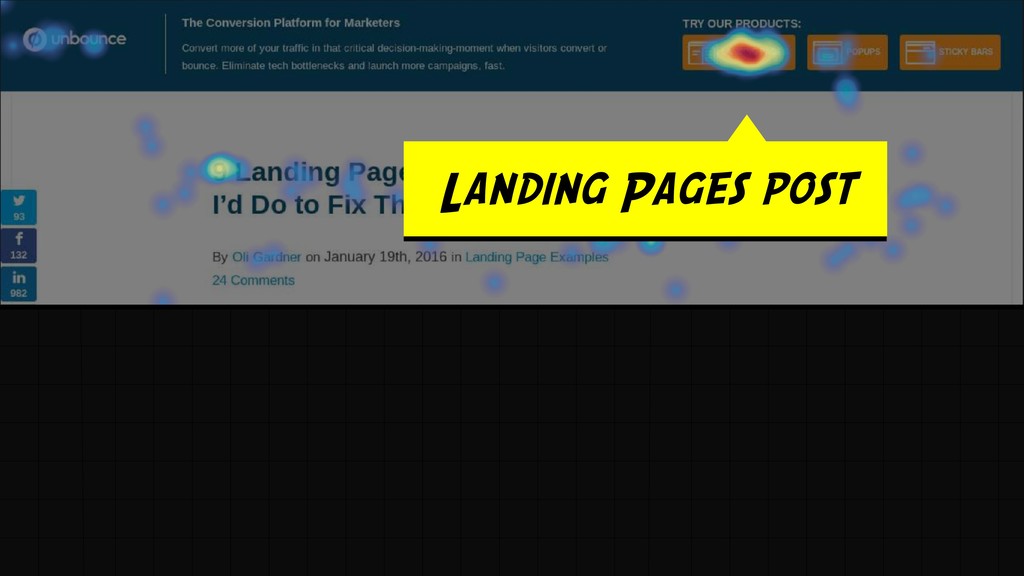
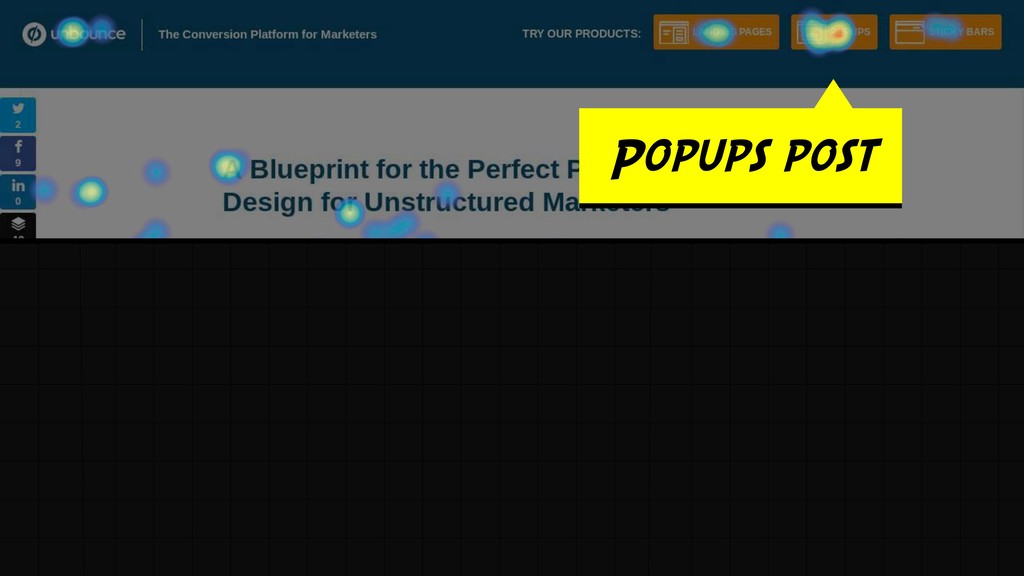
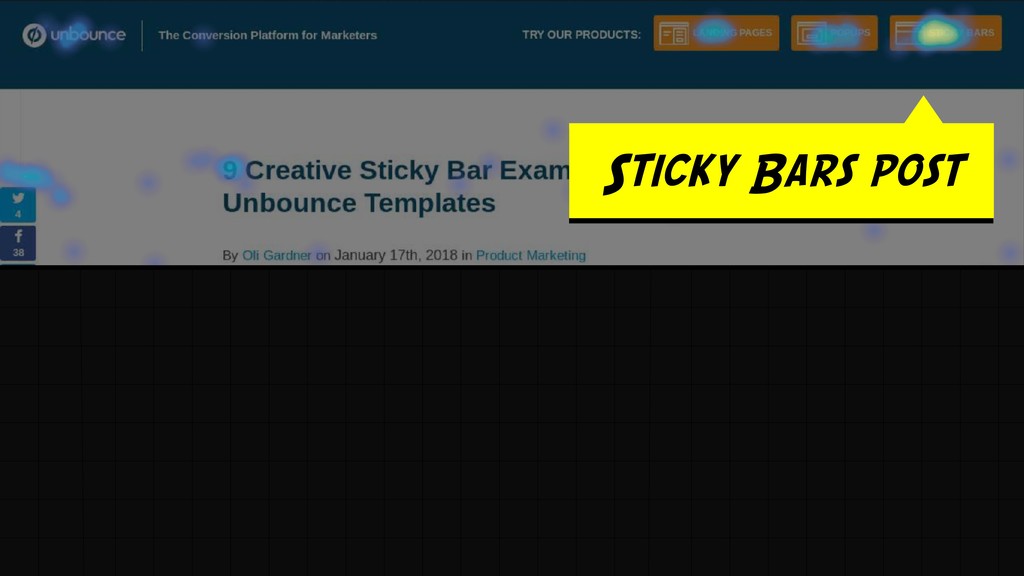
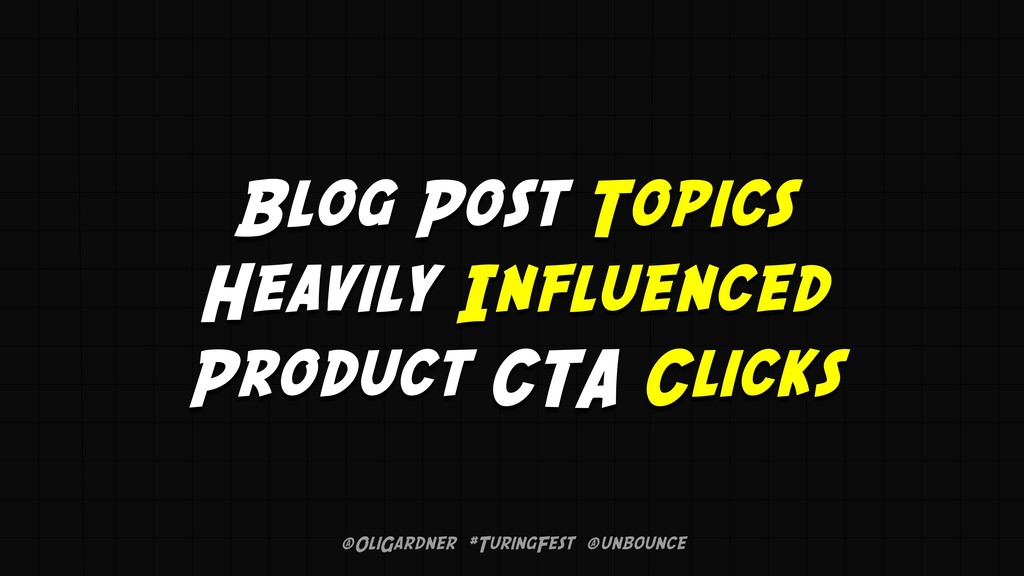
So what happened based on that change in terms of interaction? That's a landing page post that has the one on the pop ups, and that's sticky bars. Very, like, subject matter of the post was very strongly tied to what people were clicking on.
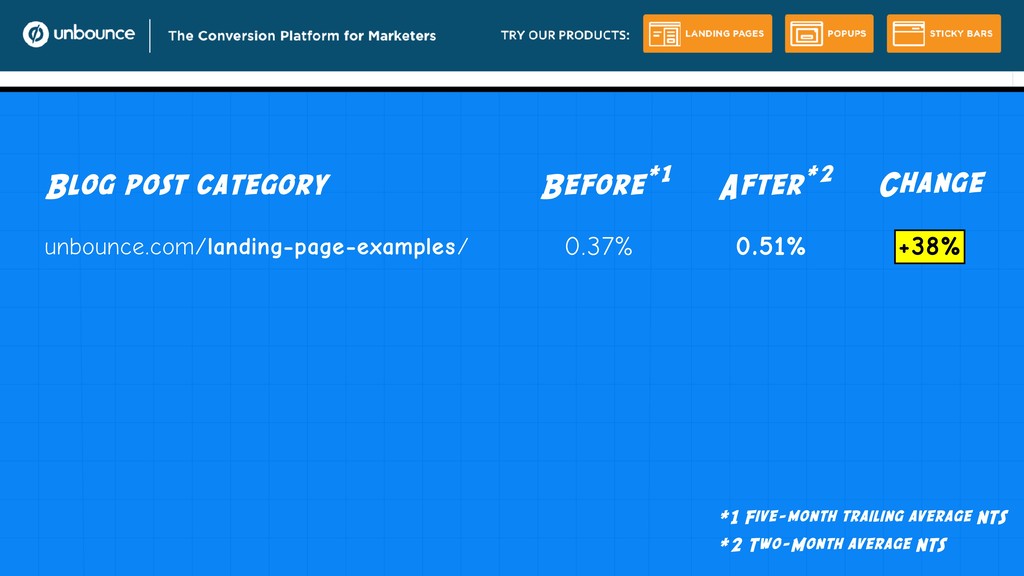
And the highest traffic paid post on our site is about email marketing. Nothing to do with what we do, and nobody clicks the CTAs from that because it has zero relevance. Okay. We care about sign ups. How many people actually started a free trial?
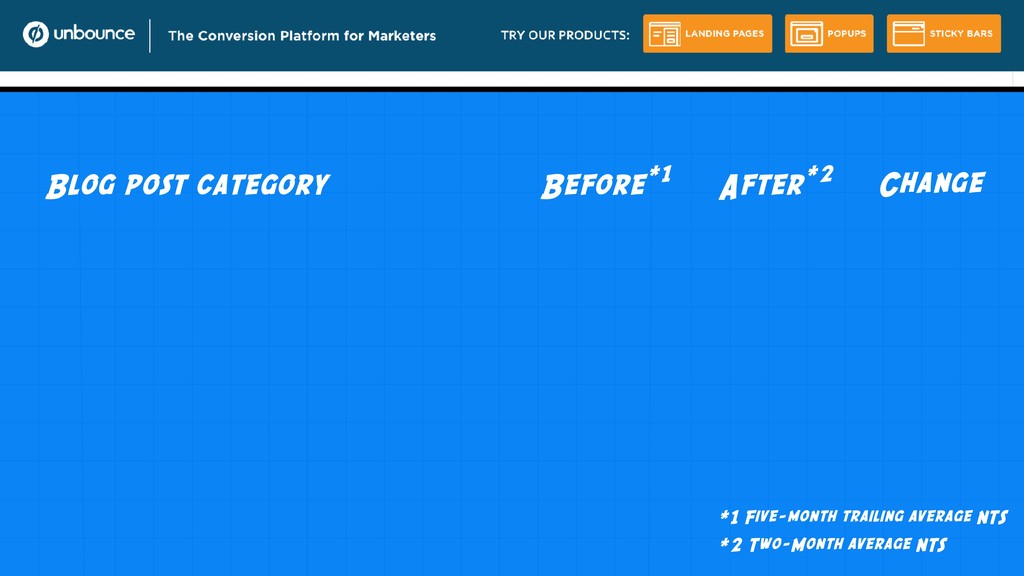
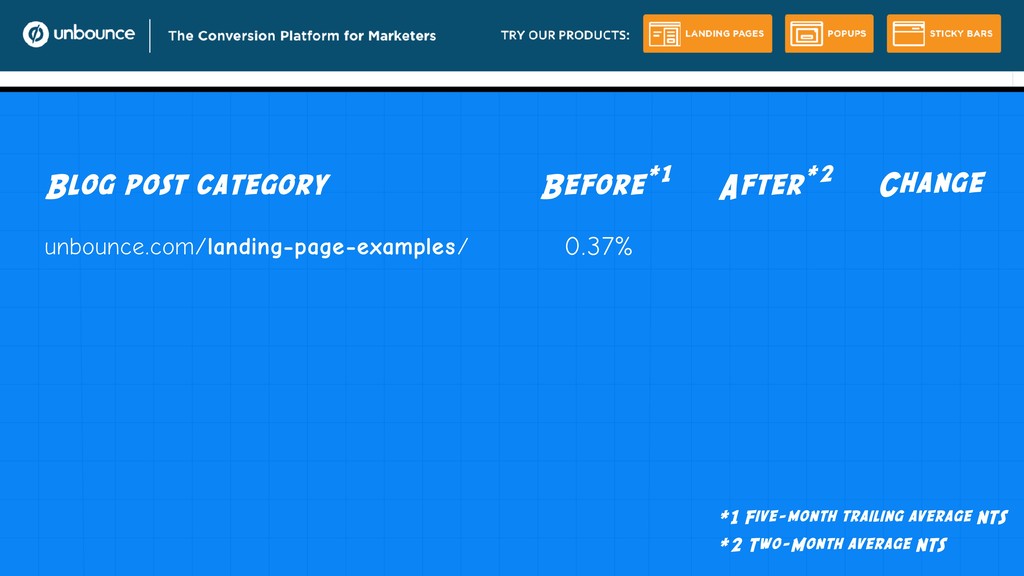
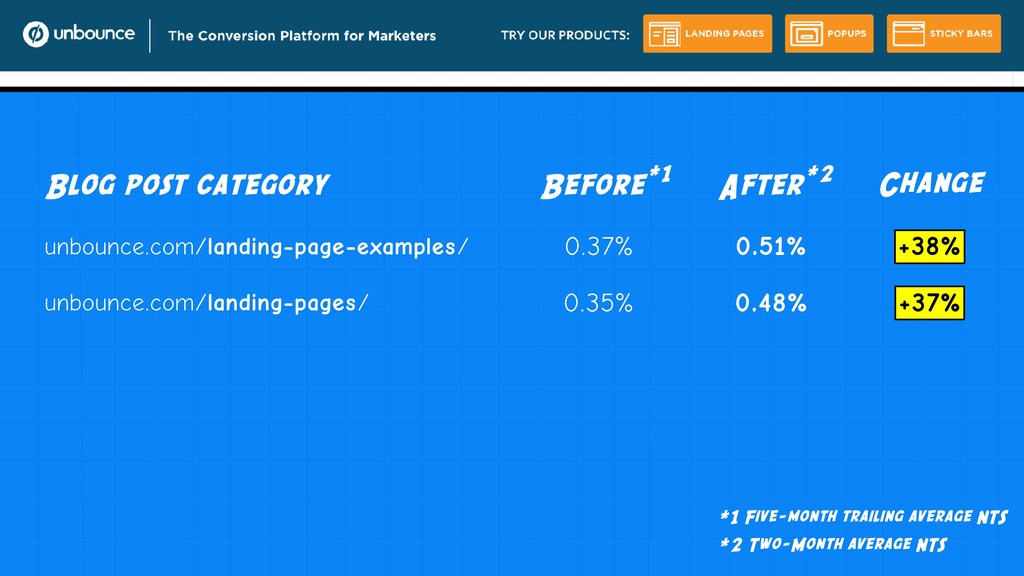
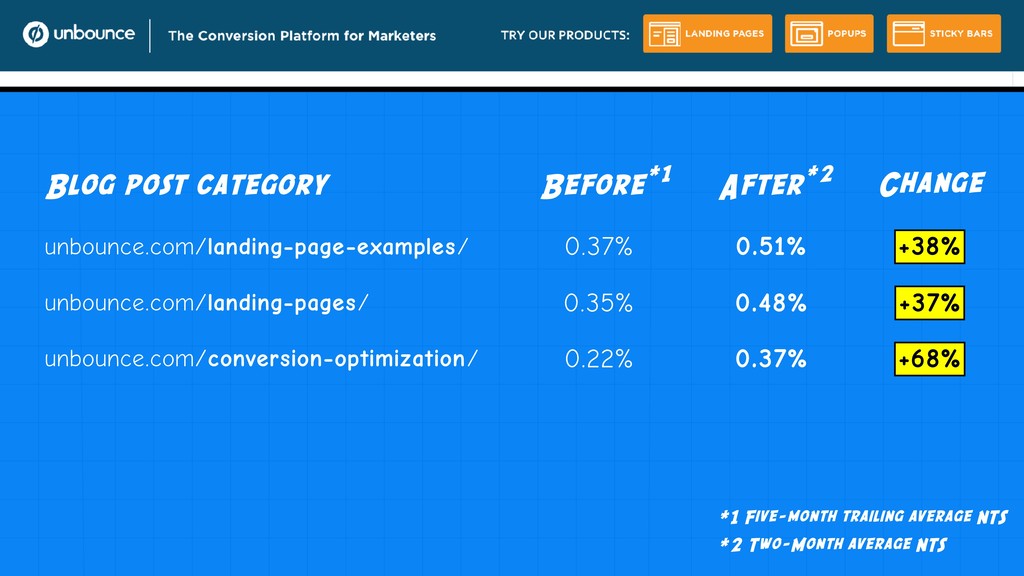
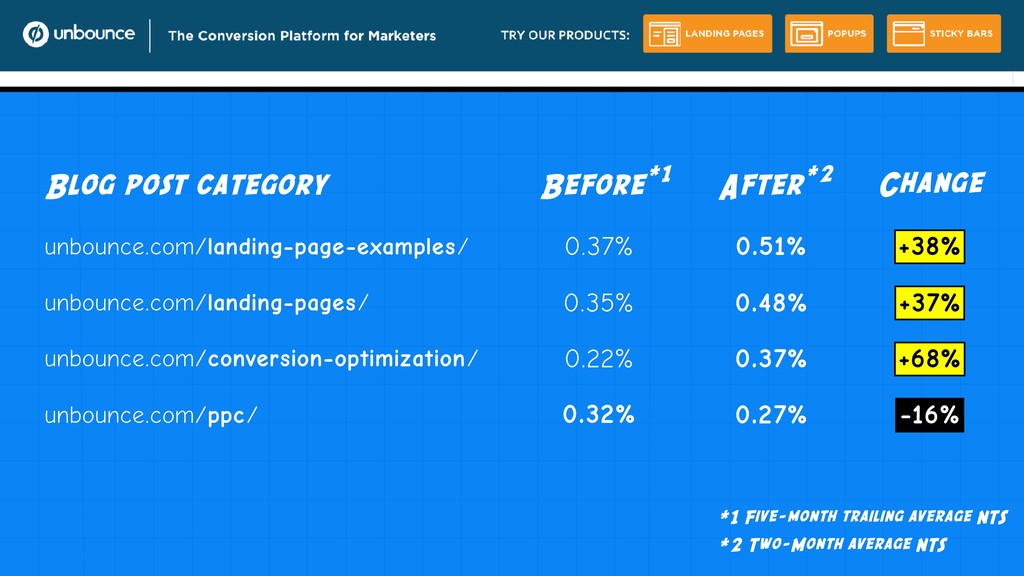
So this is before and after. Because the January stuff, it was so successful. We then rolled out this design to every single blog post. That's the great thing about blog redesigns. It impacts so much traffic. So five months of before data and two months after by category.
Line of page examples, up thirty eight percent. Landing pages, up thirty seven. Commercialization, up sixty eight. PPC went down, but I'm okay with that because of the overall success. But also, now I know I can take the PPC one and just change it.
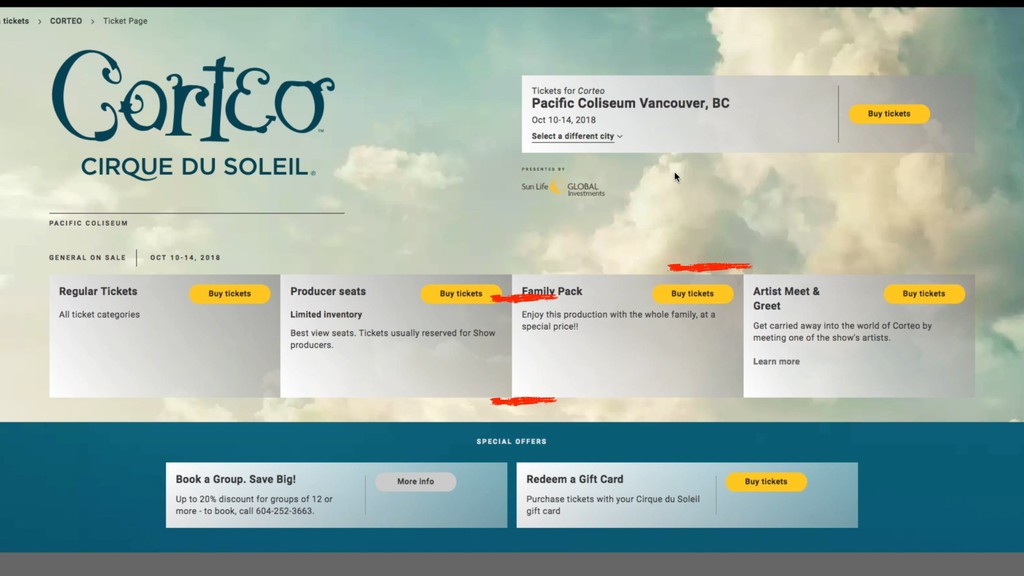
Make it about landing pages for PPC. Alright? So that's the next thing I'm gonna do to optimize it. But a big, big difference just by simplifying this header and making it actually relevant to what people are doing. Who likes Cirque du Soleil? You've seen them? Amazing French Canadian company.
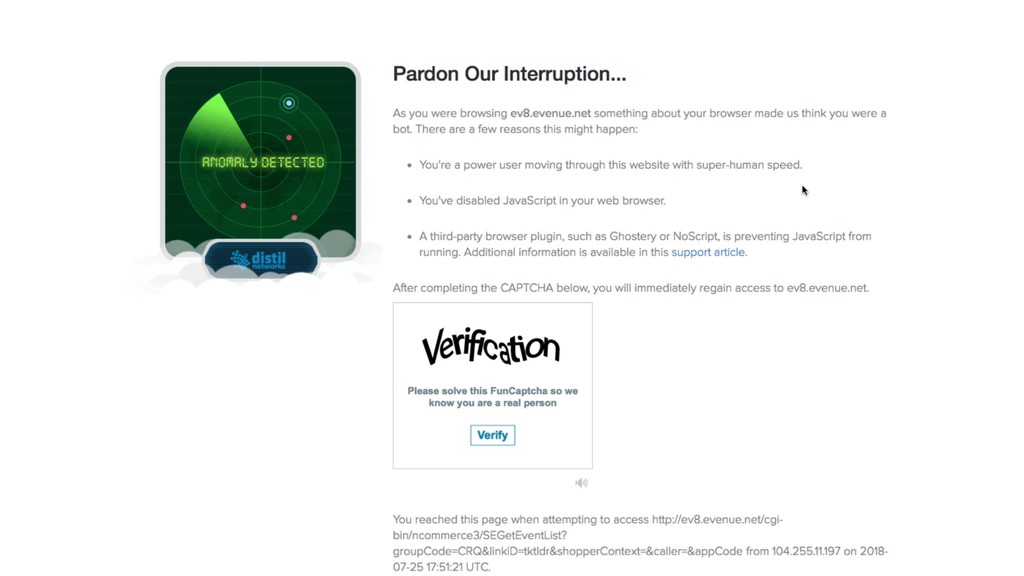
I was a fan until I tried to buy a ticket. Tickets seem to be a theme. In Vancouver, yeah, buy ticket, gone there. What what's going on here? Partner interruption. Okay. All these reasons about JavaScript. And you'll learn. I really like JavaScript. I don't have it turned off.
This is all this stuff, like, how do I get out of there? Oh, there's a support article. If I wanna go read how to escape this, that's really helpful. What they want is me to fill in a CAPTCHA. I'm like, alright. Fine. Very easy.
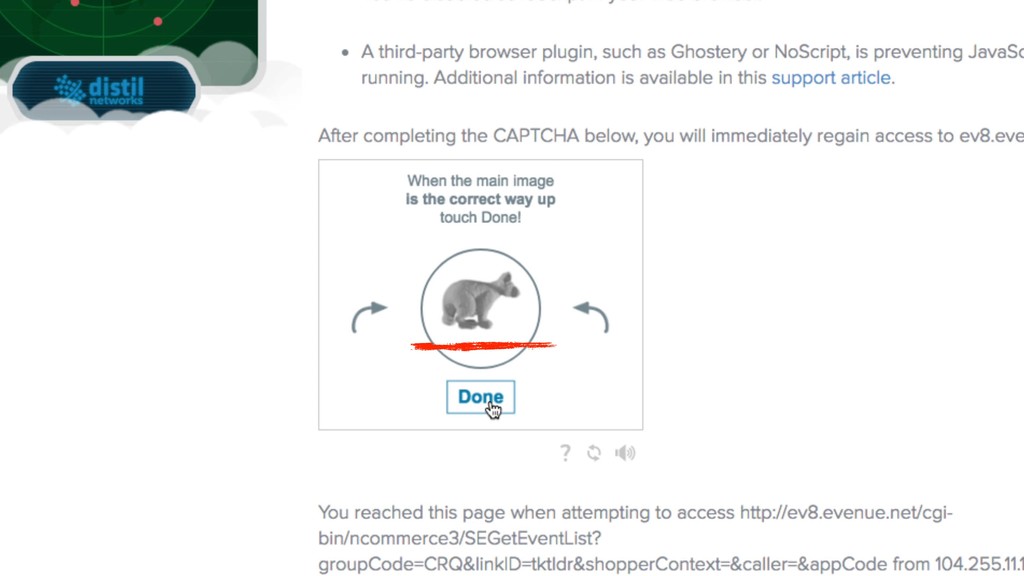
This is a fun CAPTCHA. I'll be the judge of that. So we go in here. What do we have to do? Oh, touch the arrows to roll the ball when it's the correct way up. Touch done. Okay. Not sure what animal that is.
Let's try that. Oh, got it right. Oh, here's a big saber toothed beast or something. Another saber toothed beast. Let's roll that around and do Oh, back to the tortoise now. This is sweet. Okay. Do this again. And one more tortoise, and we're done.
No. At least one's wrong. Which one? It's that one. It's the saber toothed guy. It's let me fix it. Let me fix it. It's right there. I have to start all over again, but I learned if you click it really fast, it actually, like, does circus tricks, because circus.
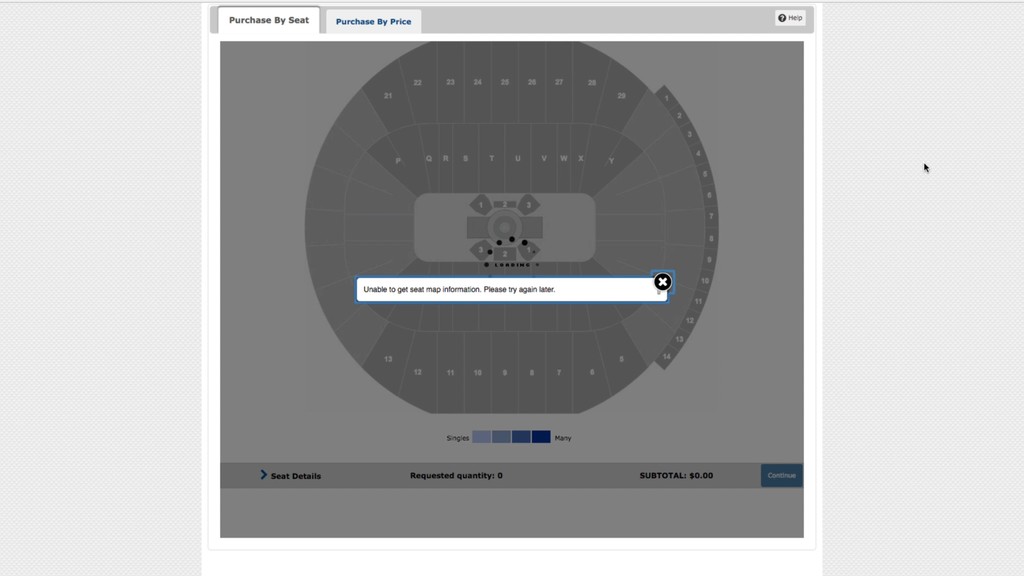
So, like, this is this is really great. And I finally get through this again. Good. Sixty three point six seconds. Thank you for quantifying how bad your website is. I'd hate to see bad on that scale. Oh, let me get the seat map, which doesn't load.
I click the little x, and it takes me back here. I tried. I do not have tickets for that show. So that's an example. There's a usability principle, fundamental, you give people enough control to go back to where they came from, move forward or know where they are.
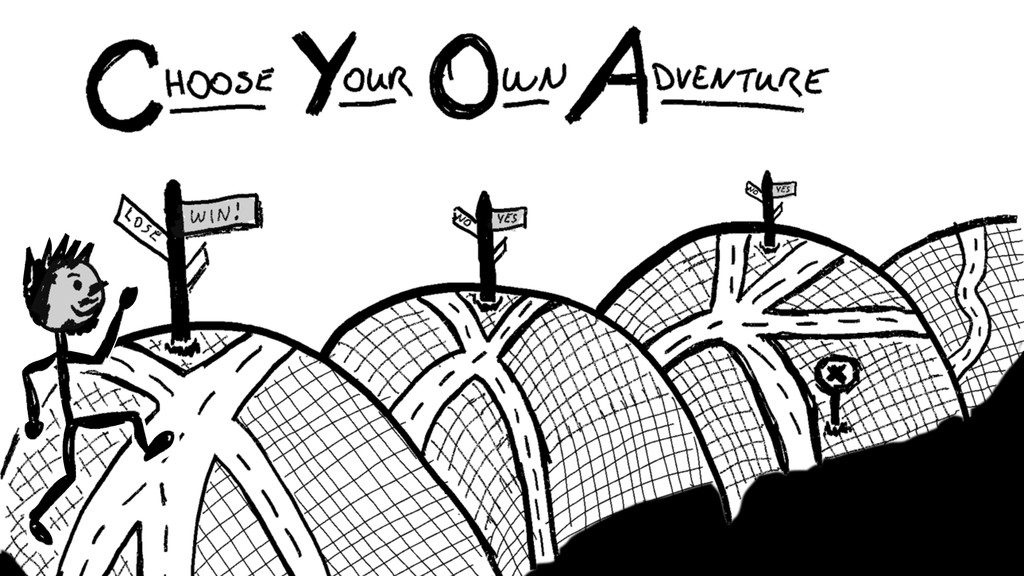
In that instance, there was nothing I could do to succeed. Absolutely nothing. CYOA, choose your own adventure. This is about crafting experiences that move people along your conversion path. We'd Like, that's the extreme worst. We don't want to go in the other direction where, oh, let's have drop down navigation so you can access any piece of content at any time.
No. That's too much. We need to move people down a path that makes sense, but give them some options to self identify as they do it, and choose the options that make the most sense for them. And I'm interested in making that more of a systematized thing, so we can learn and change the experience as people do that.
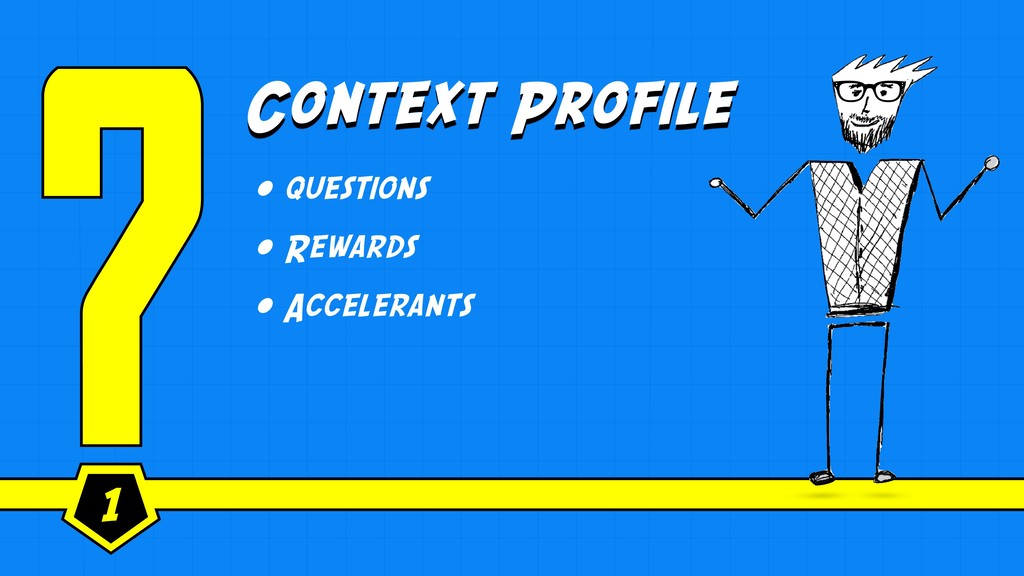
So in context, I wanna know who these people are by giving them options, allowing to self identify who they are. What are the questions you can ask that, when answered, will let you change the experience for the better? What can you reward people with to participate in your question, and how can you accelerate their time to a product awareness moment with that information.
Because if you look in your analytics, you might find that return visits for content is not is not that many. So we need to do more in the moment, rather than thinking people are gonna come back. So, here's a little fictional product. I think it's actually real.
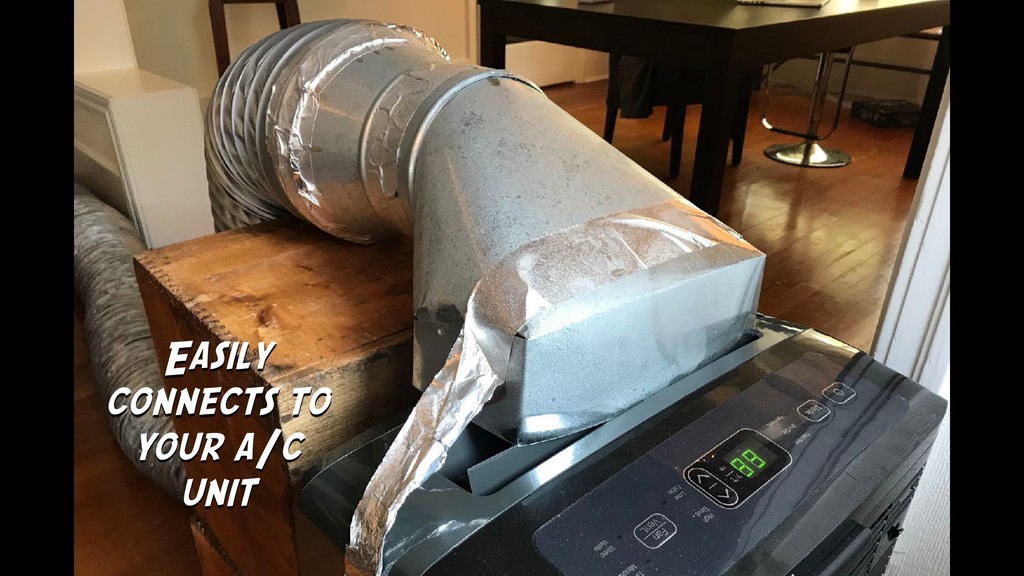
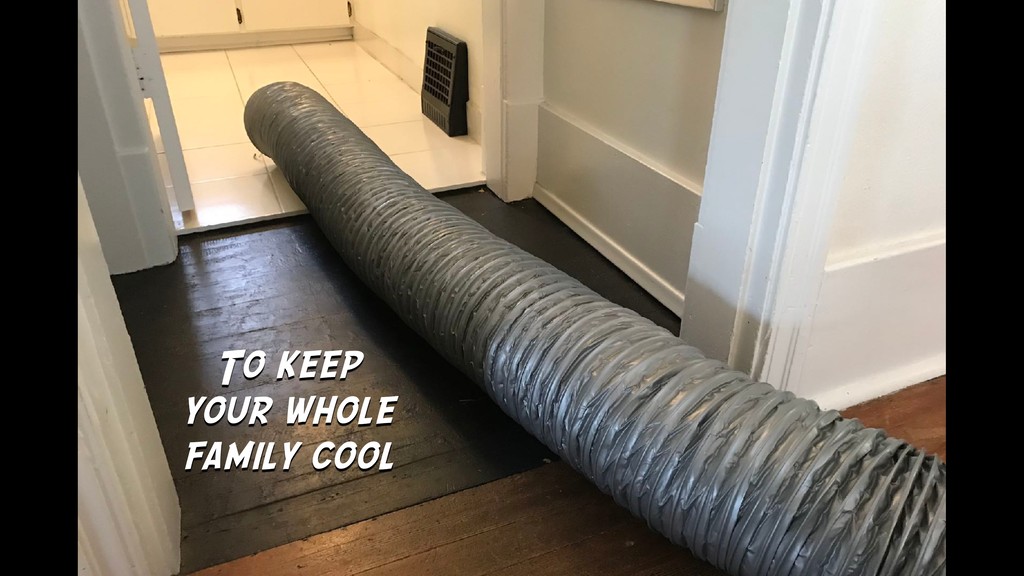
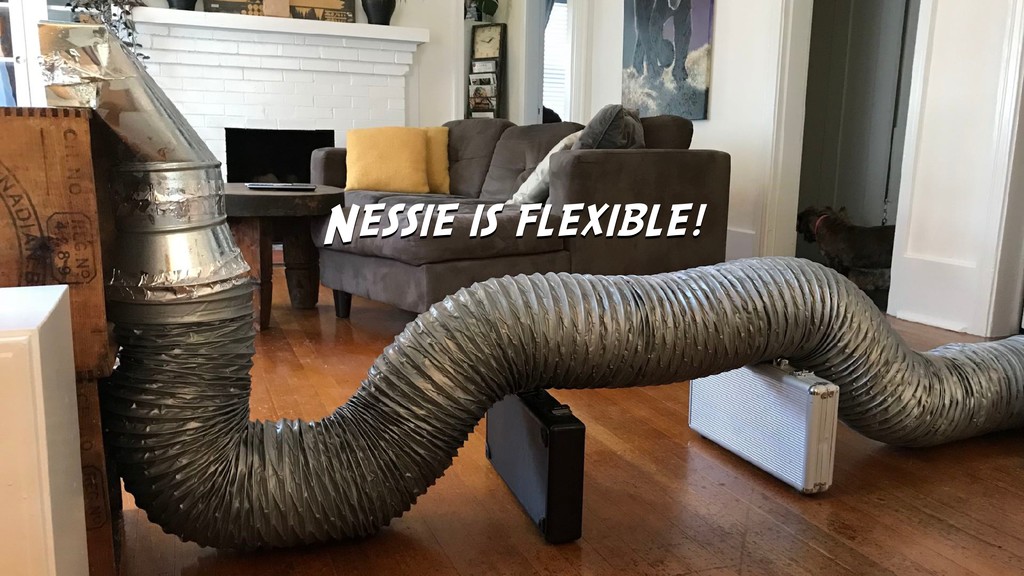
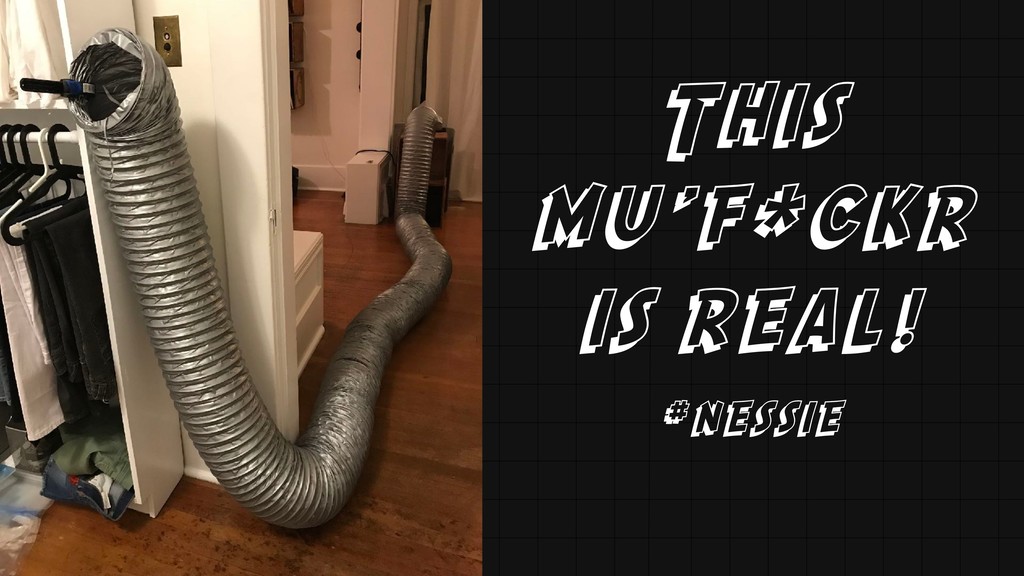
But so this is the NESE air conditioner extension. Note the spelling. Easily connects to your existing AC unit. I'm not sure how many air conditioning units are in Scotland. I probably don't really need them. Kool Aid room and keep your family comfortable. Alright.
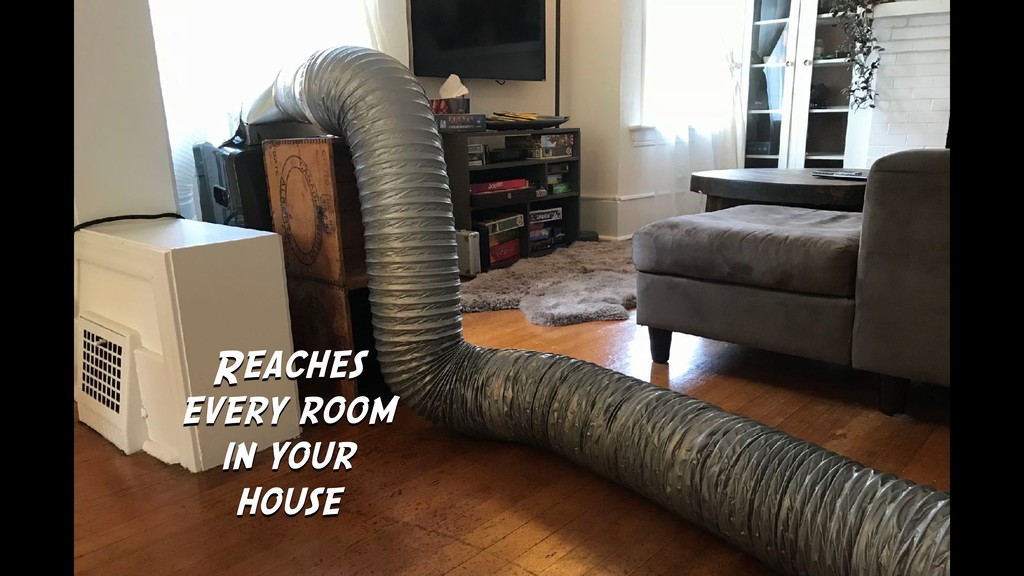
Look at that. That's a really nice click on device for attaching it. There, this is my home. And it's massive. Nessie's huge. It can go into any room. It's, like, that big. And it's really cool. Wow. How can I make this experience better?
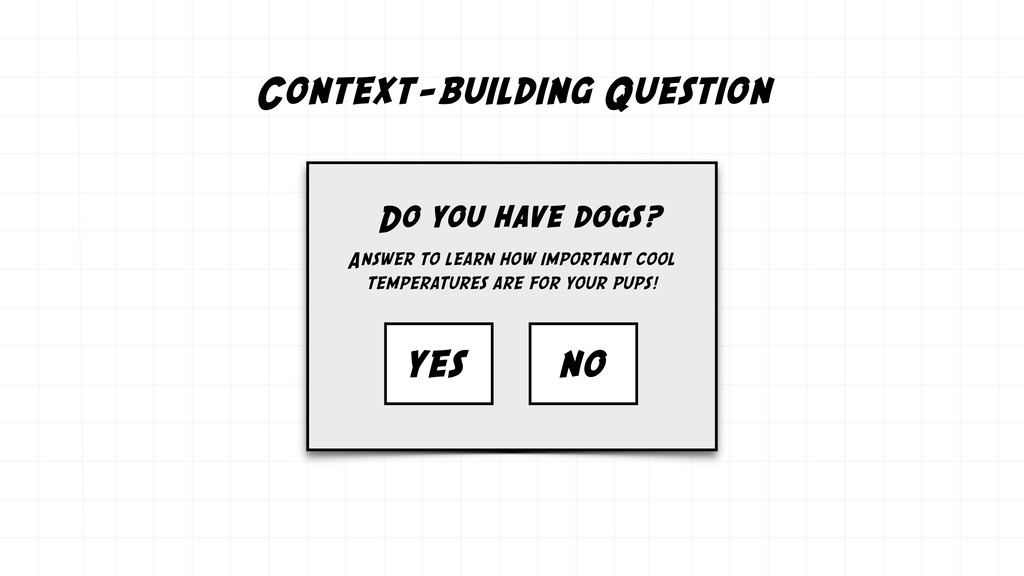
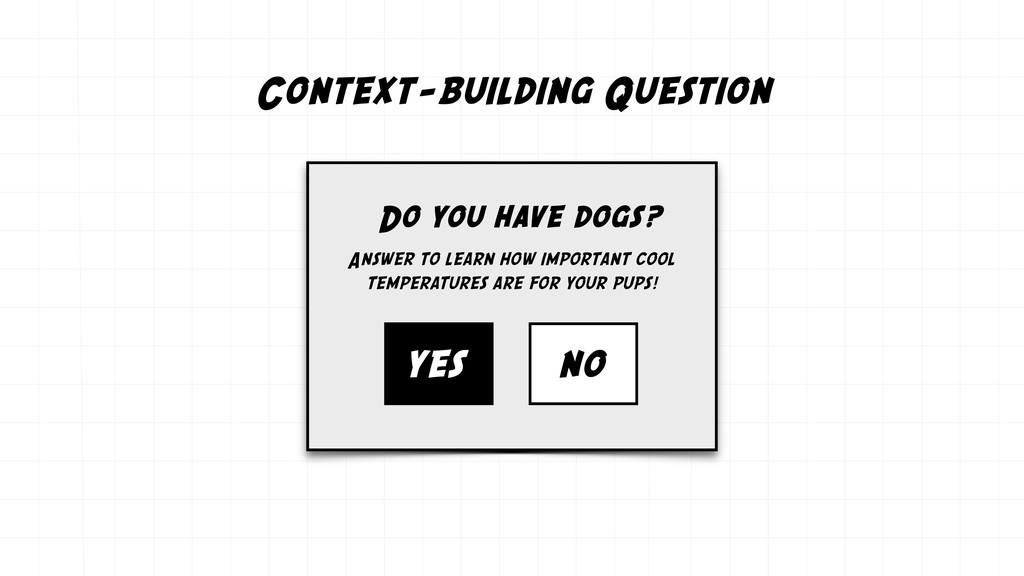
Well, the question, well, how about do you have dogs? Because dog owners are fully aware that they can't regulate their temperature very well, and we've all heard horror stories of dogs being left in cars, so we don't want that. So answer this question.
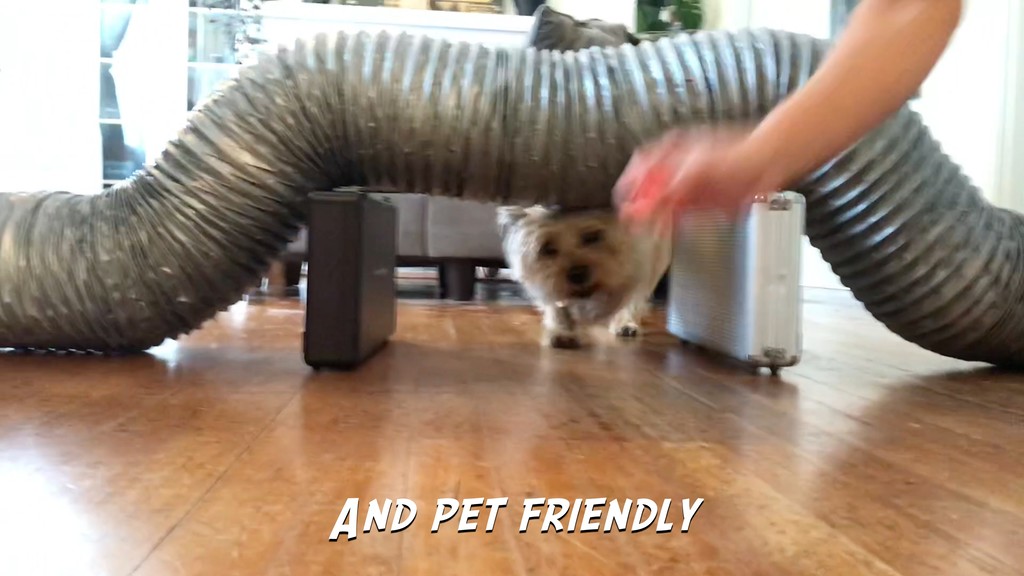
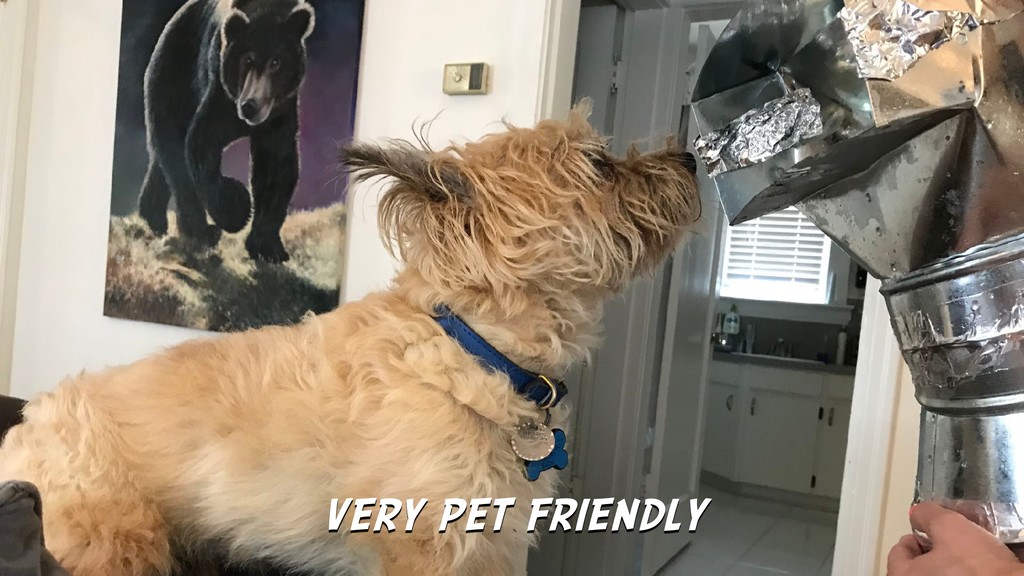
Learn how important it is for your pet to be cold. Cool. So yes. Alright. Now we can change the product images, videos, text to be more related to that person. You can bend it. At least it's getting more and more like a monster, and it's perfect for getting little dogs through, you also need seventeen treats and a lot of patience.
But and it's just like, know, a car blowing on your head. So that that's changing the content to be more relevant and approachable to that person because I asked them a question with a reason to answer, and I changed the experience. I'm gonna show you how I'm doing all of this.
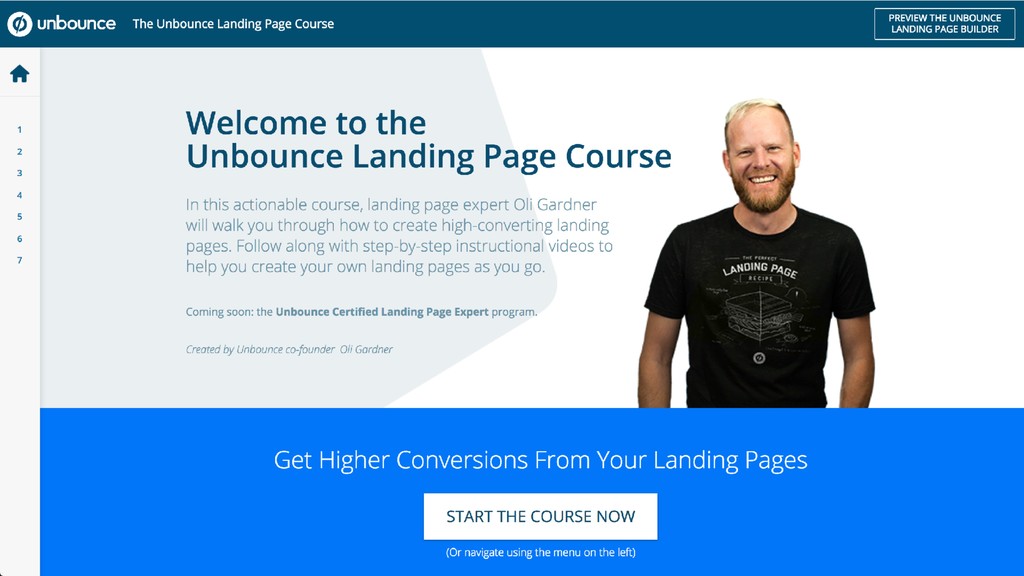
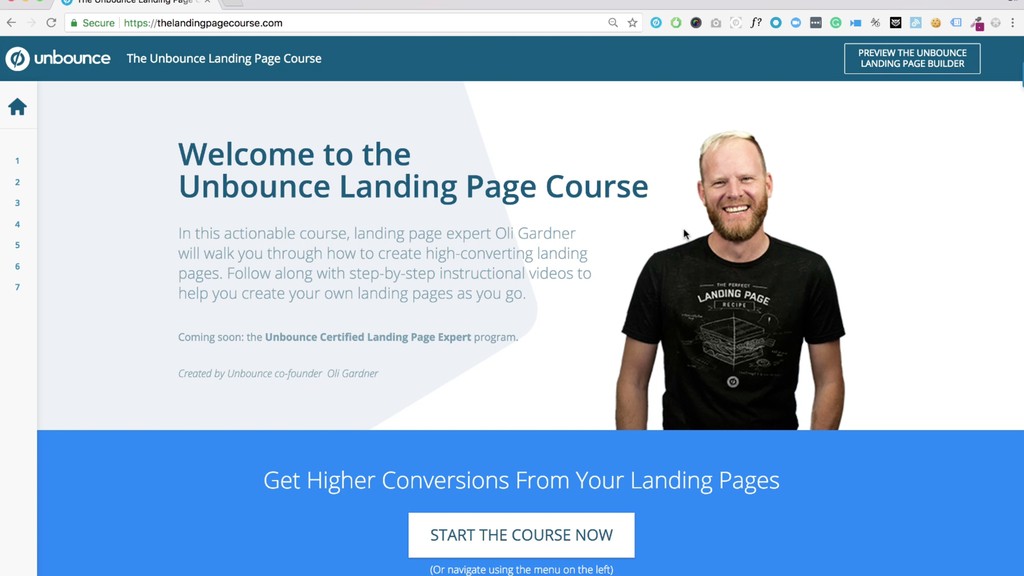
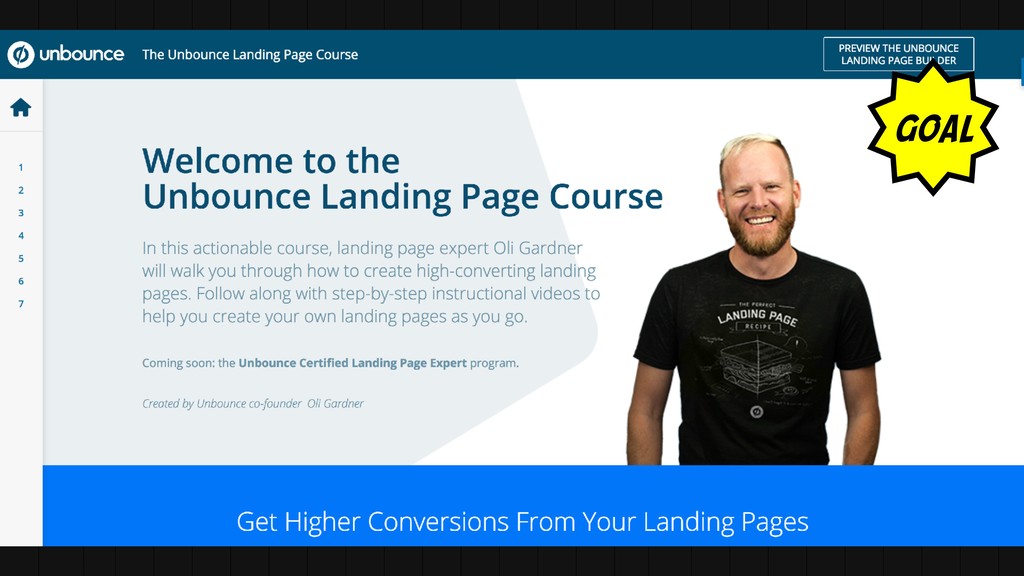
So a real example, our landing page course. As content marketers, another big mistake we make is trying to get something new and different and more advanced when really, like we're we'll be nine years old at Unbounce, which is how he's able to be my dad, in about two weeks time.
And after all that time, you're like, I don't really wanna write about landing pages anymore. But you forget, there's still two idiots born every minute who need that information. So you have to refocus on the fundamentals, because if you don't, someone else will.
This course used to be awesome, but now it's so old. The content, I don't really support all of it anymore. The product videos are when the product was six years ago, it's terrible. So I'm trying to redo that, and we should focus on our foundational content.
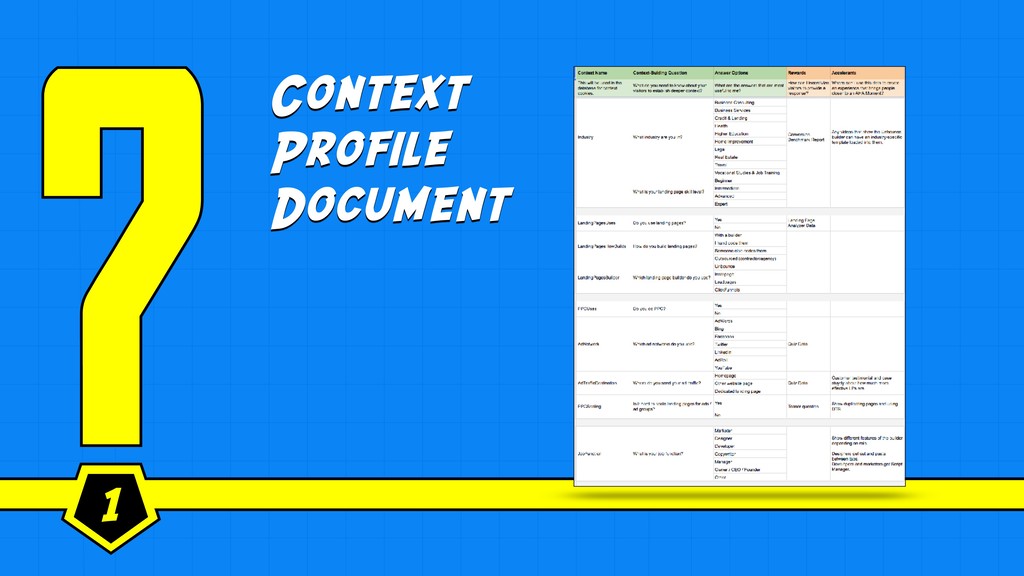
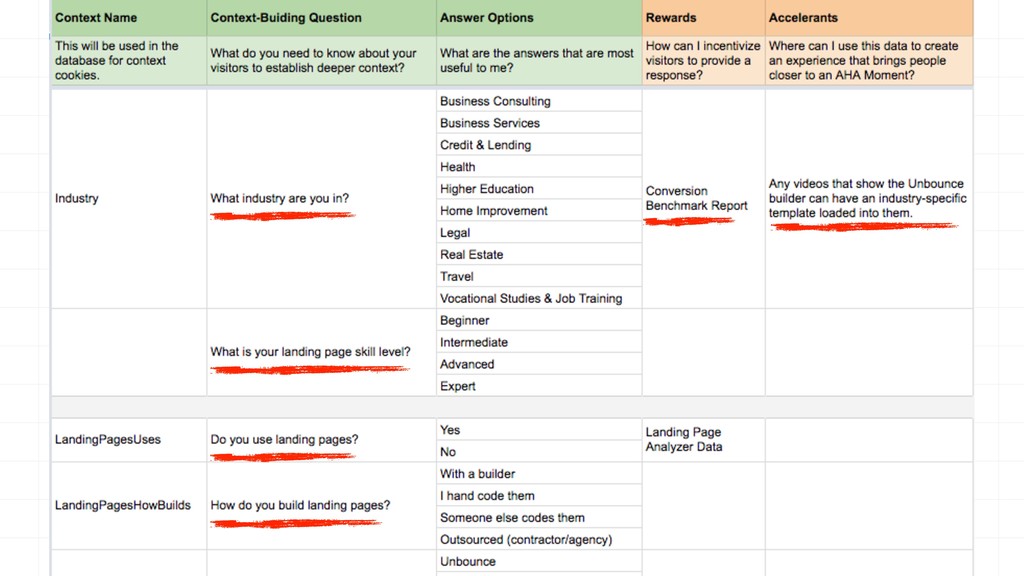
That's what it looks like. So this is my context document. These are the questions I want to know about people in the moment. Things like, do you use landing pages? Because if you don't, I wanna talk about why you should. Alright? I don't want you to sit through content you're already aware of.
How do you build them? If you hand code them, I wanna talk about, you know, the fact that a builder's gonna make it easier. What's the skill level? I did some research. Extreme beginners come to this course, which makes sense. It's a beginner's call course.
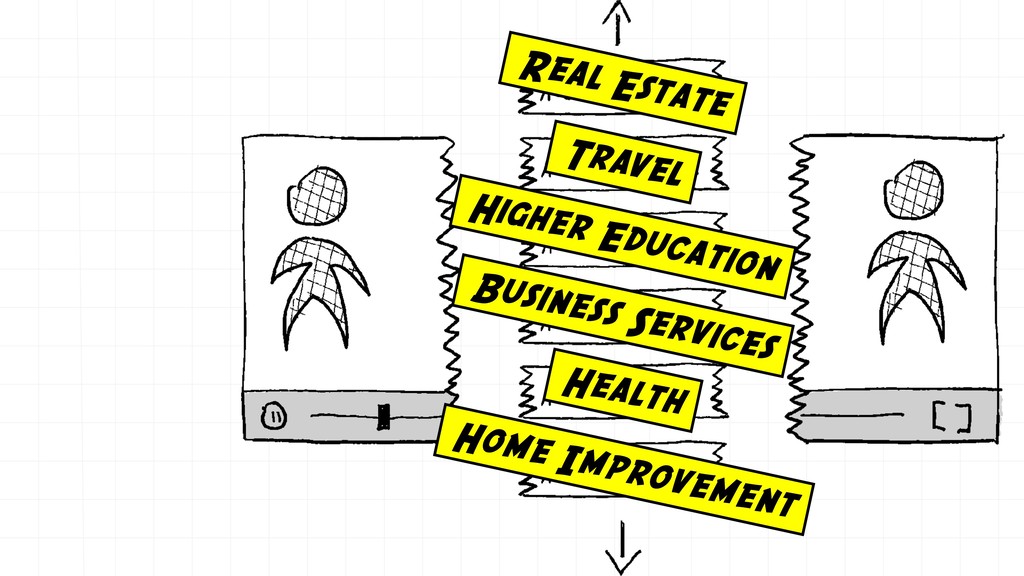
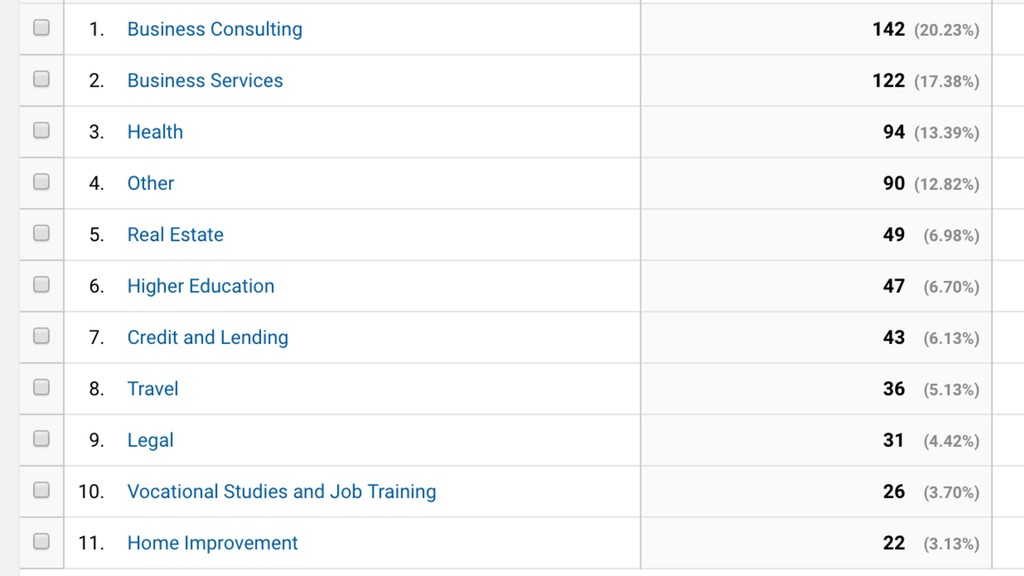
So I wanna know that in a moment, though. Because if you are a bit more advanced, why I let you go here, basic over here. And what industry are you in? I want to know that because we have industry specific conversion data. I can get that information, you get something in return, and then I can make the content more personalized and better, and hopefully get you to those at home much more quickly.
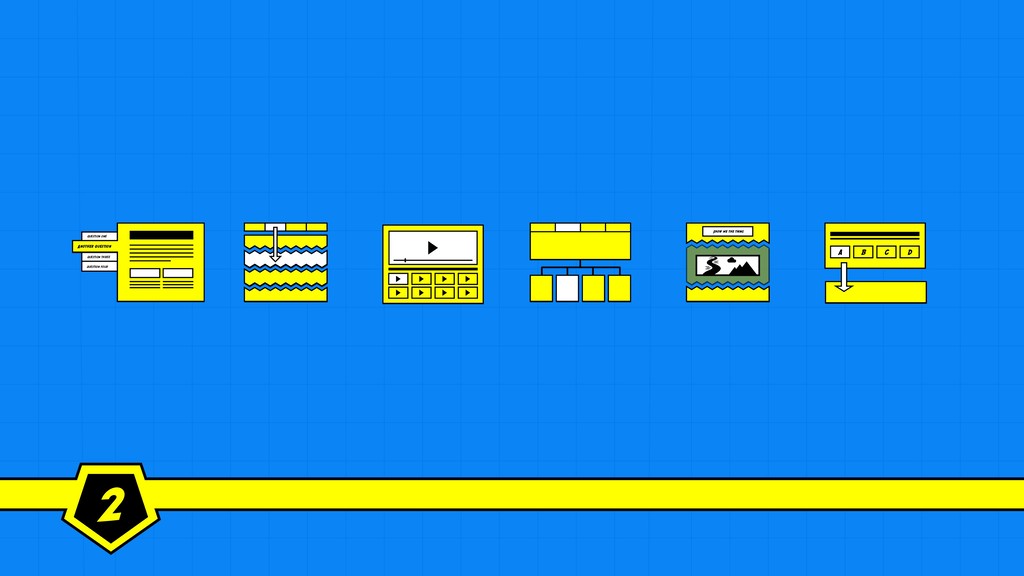
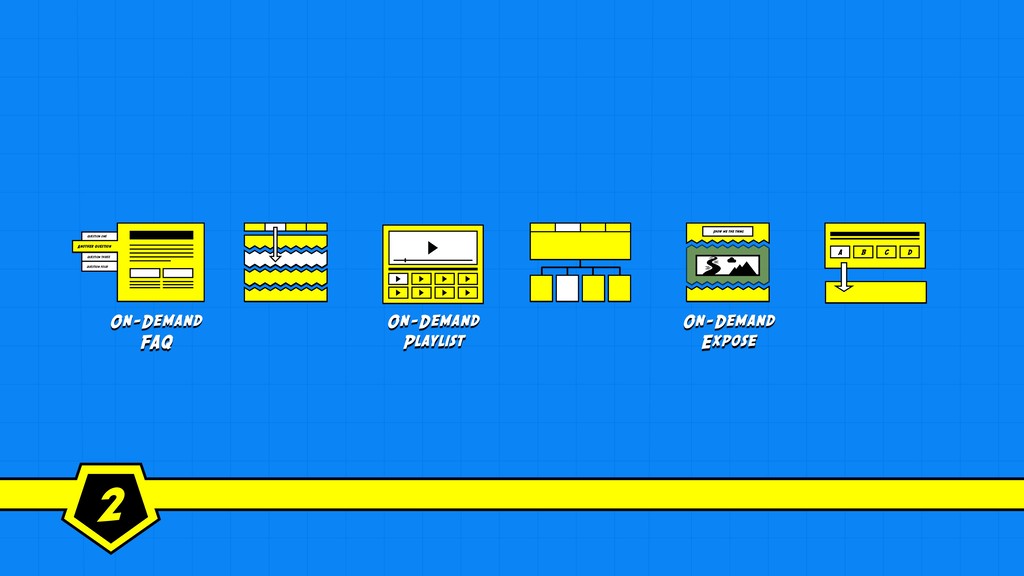
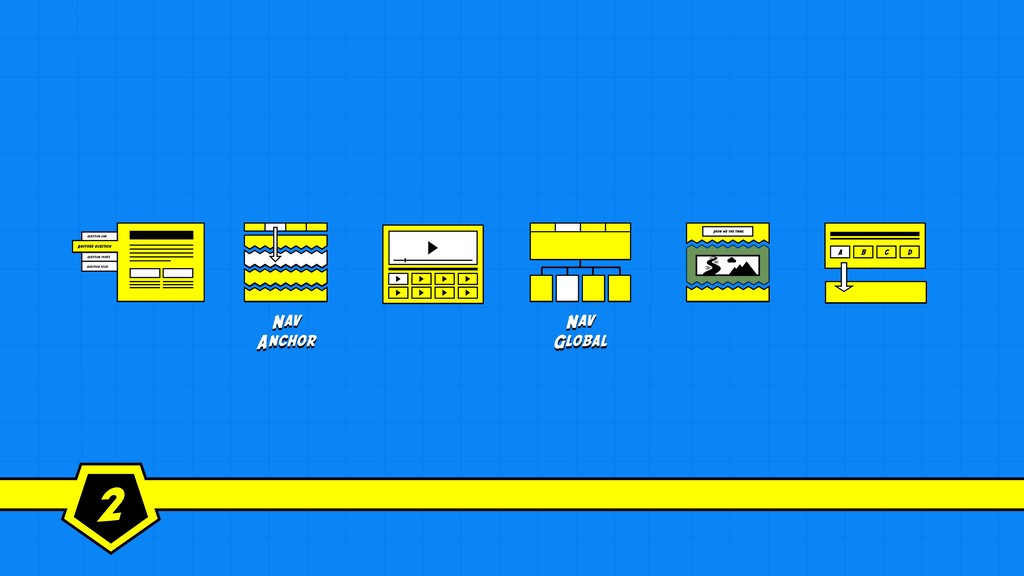
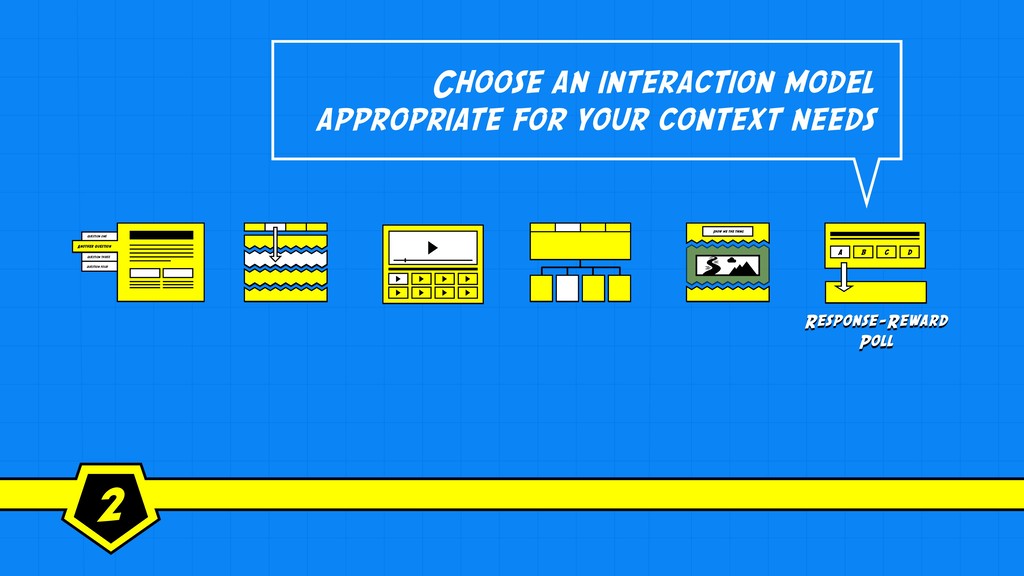
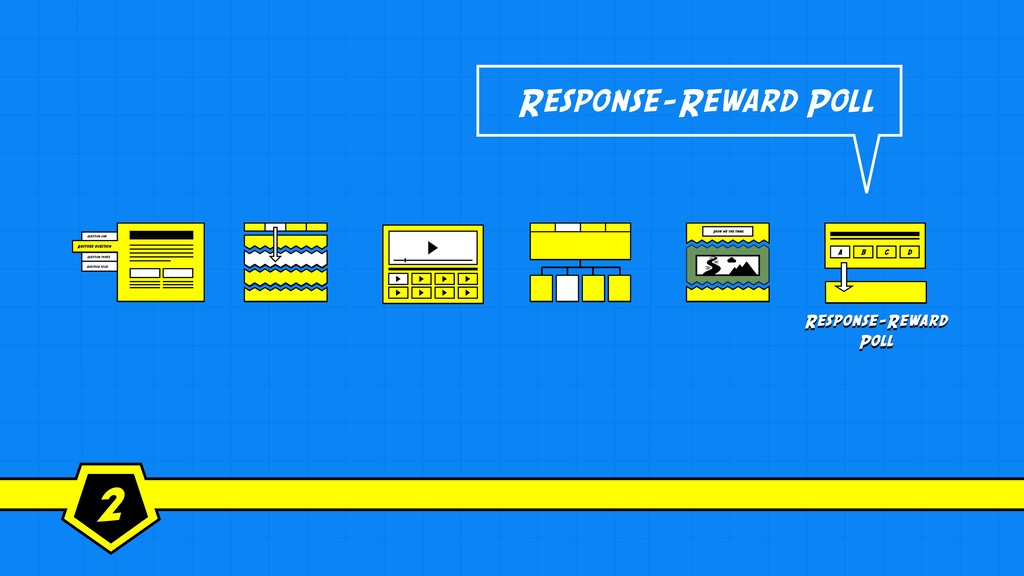
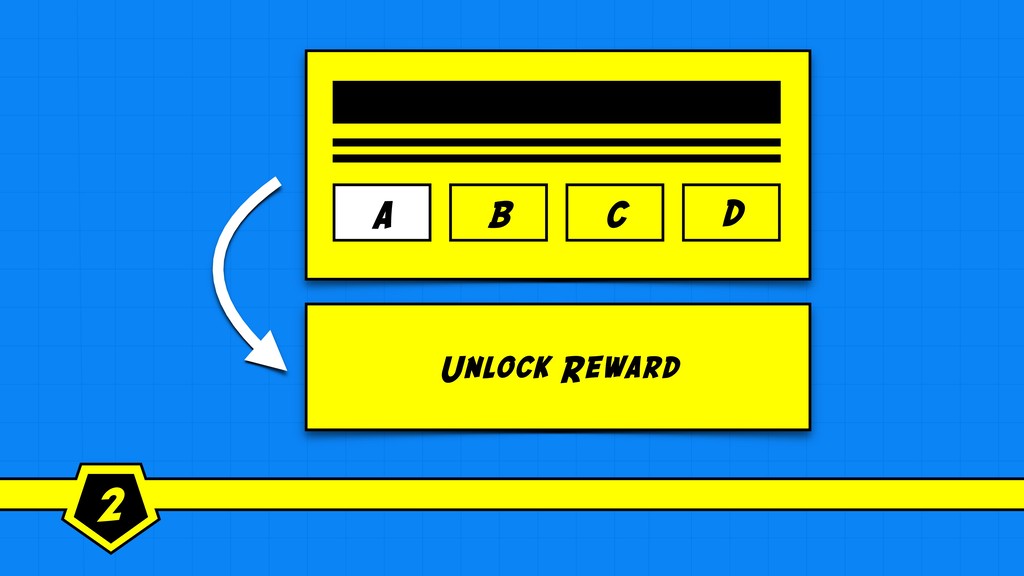
So content. Now I'm building a little library of interactive content I wanna package up so you can just dump it on pages. There's many different kinds. There's on demand like playlists and interactive FAQs, different types of navigation, and then response reward. This is the ask a question, give a reward in return.
So that's what I want at this point. And the point about using something that's relevant, and that goes right back to the start. It's not, I want an ecommerce checkout. I want something specifically that makes sense, semantically related to the task. So here, this is why I'm building.
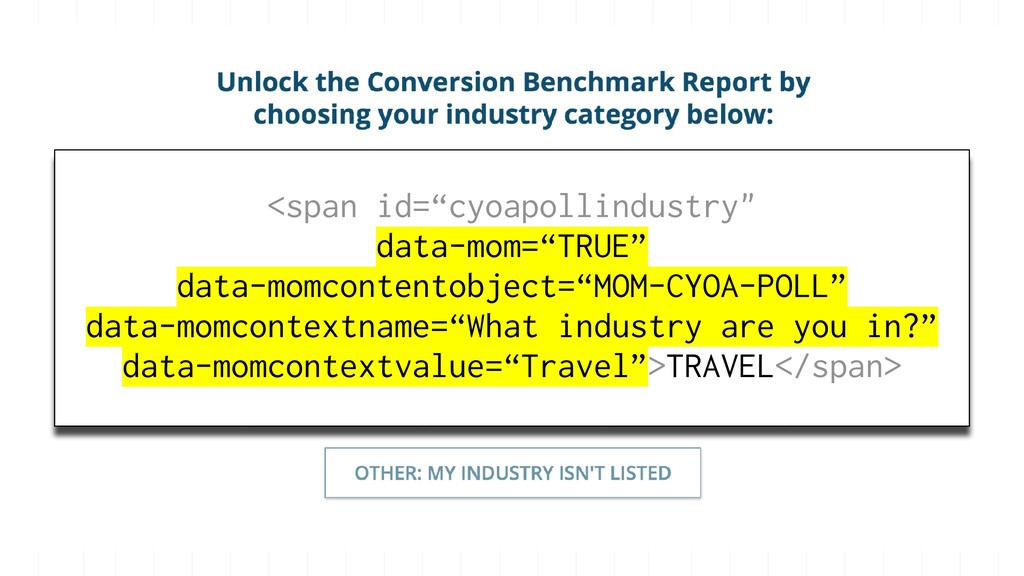
So if we look on the home page of the course. I'm on the home page of the course. If I scroll down, you'll see a poll object designed to gather some context. The question I have is, what industry are you in? If I click travel alright.
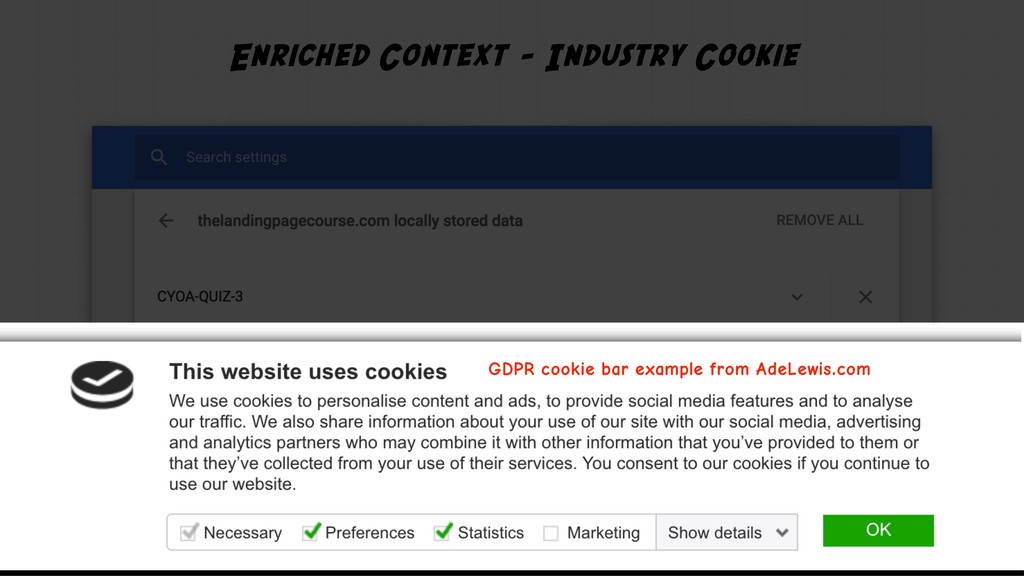
So I've unlocked the conversion benchmark report, and there is the travel specific data as a teaser, and you can get the full report there. So and then I drop a cookie. Well, actually, now behind the scenes here, just some of the labeling here that identifies what kind of object this is and what the the context question and answer is.
I'll get more into that later. Don't worry about the technical aspects of that, but this is being labeled so it's more semantically known what it is. I'm dropping cookies. Now if you have a cookie thing already in GDPR, everything's set up, you can just roll that stuff up stuff up into it.
If you're not ready, Aid Lewis has a great example on his site of the extreme end of GDPR compliance. So if you're still working on that, that's a great place to look for how far you can go. You probably don't need to go that far, but it's it's a good example.
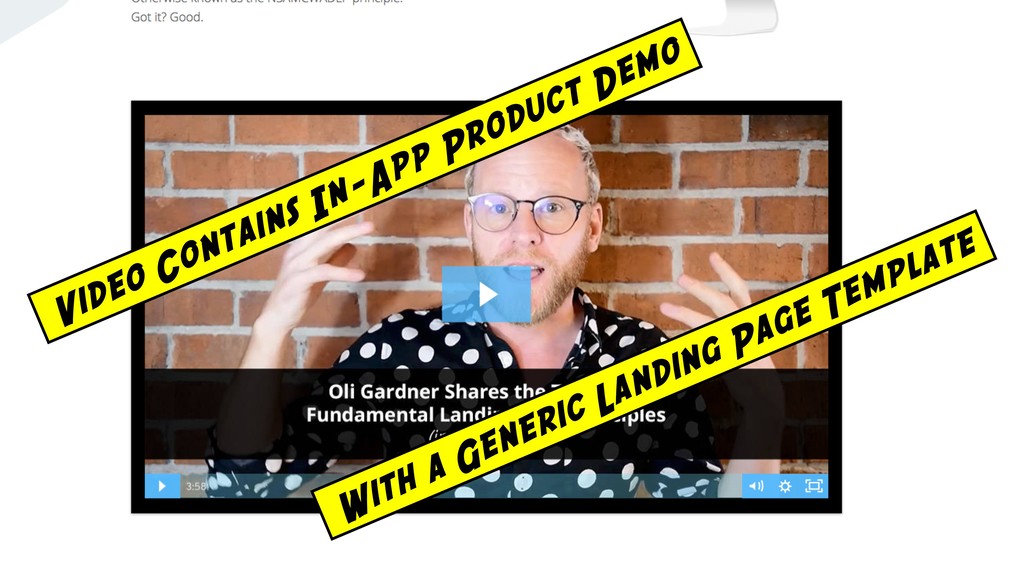
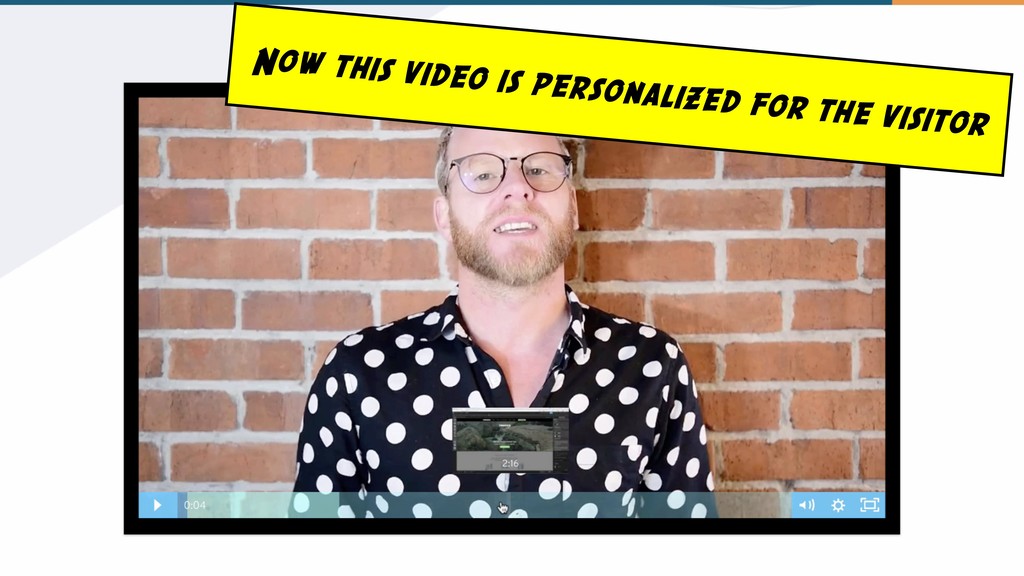
So, second page of the course. Here's me talking about fundamentals. In the middle, I jump into the app, and I demonstrate how to apply them. Alright? So I'm showing the product. But now I took that, broke it in two, and I rerecorded the demo part.
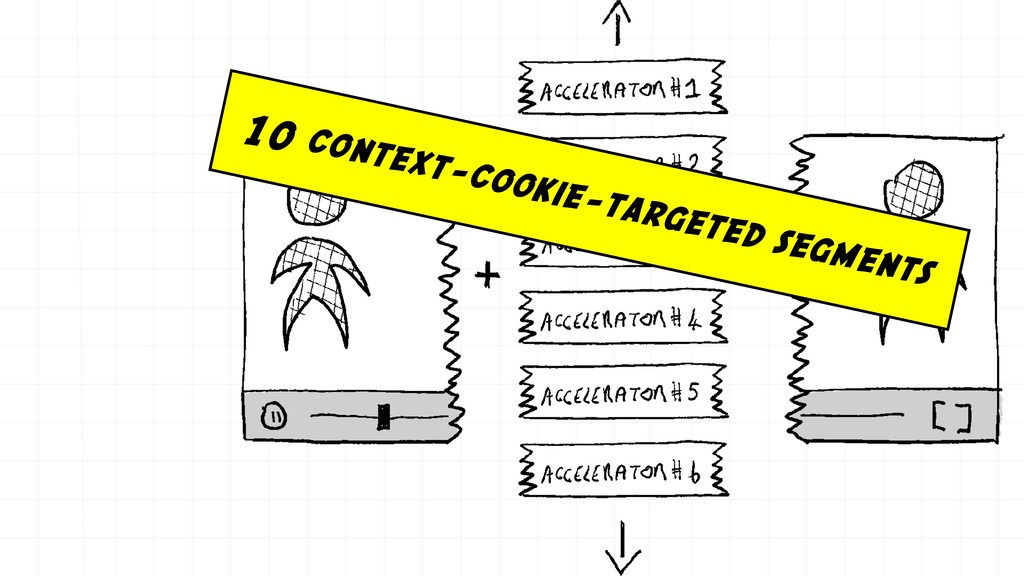
It's only one minute long for ten different industries. I use a different template for each one. So that now when someone comes in after identifying as travel, they're gonna get their travel template. The feature I'm demoing is designed to get them to the moment.
By putting in something relevant to them, that can accelerate their time to get there. Because subconsciously or not, they'll be like, oh, that's cool for you. Oh, yeah. Travel template. That's kinda for me. That level of personalization, it wasn't hard to do, can really help push people in the right direction.
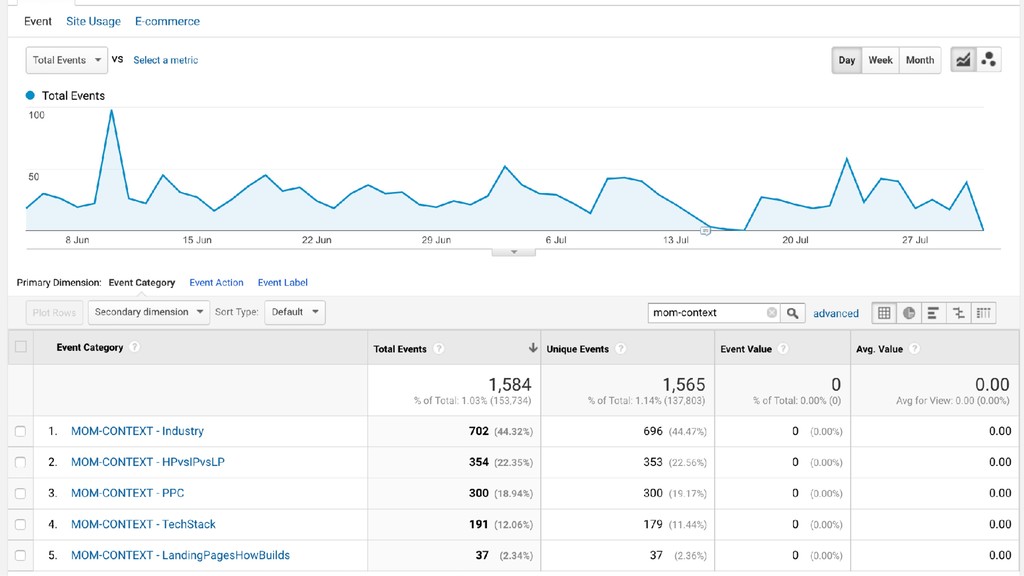
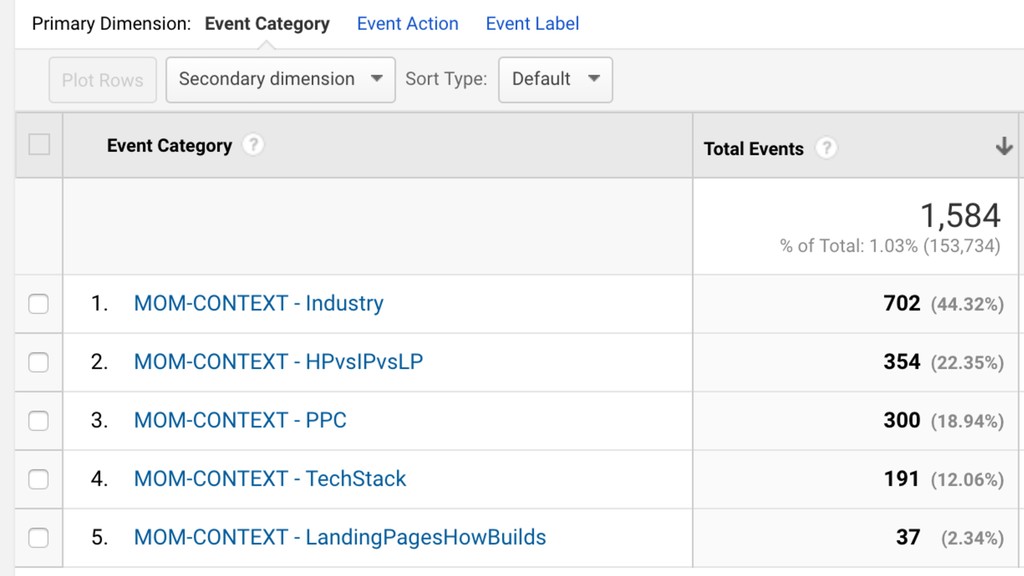
So on the conversion side. Okay. So now you can see the events. It's all based on events. They're getting pushed through a GA, and they're way more readable, understandable, and meaningful. Oh, this is all about context industry. Break that down. Can get things like this if you use Clearbit and some more advanced stuff, but this is a great way of just building this knowledge and then changing things on the fly.
And you'll see how I pushed it through to GA in a bit. Okay. So how does that impact conversion? All of these interactive bits of content. And I have them all over the course. It's seven pages, there's different types throughout. Now because this is beginners, they rarely do the full sign up.
We get a few fifteen a month. So the goal, my product awareness goal is just to get people to click that link in the top, which takes them to a live preview of the building. You don't have to sign up. So that's my goal.
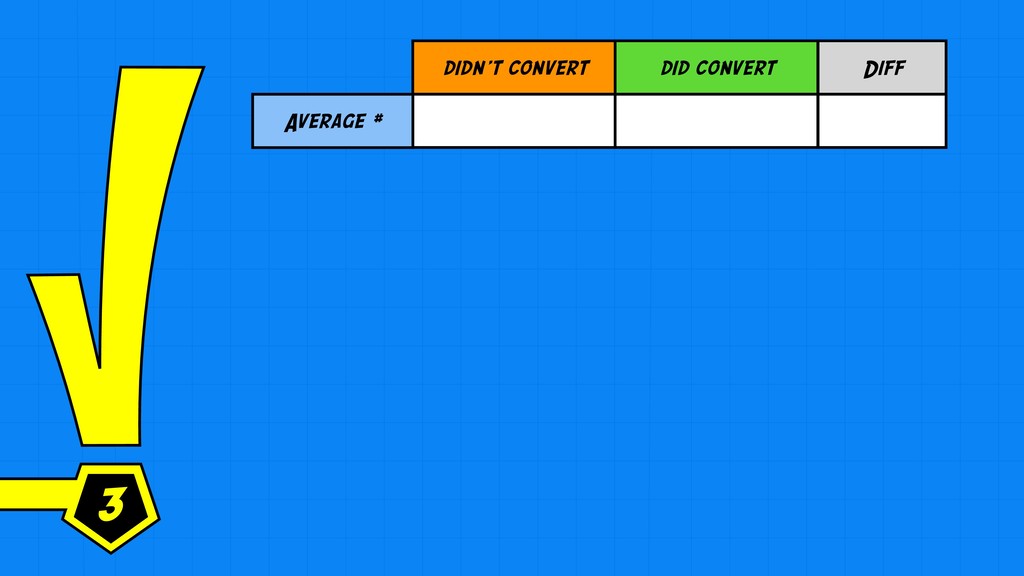
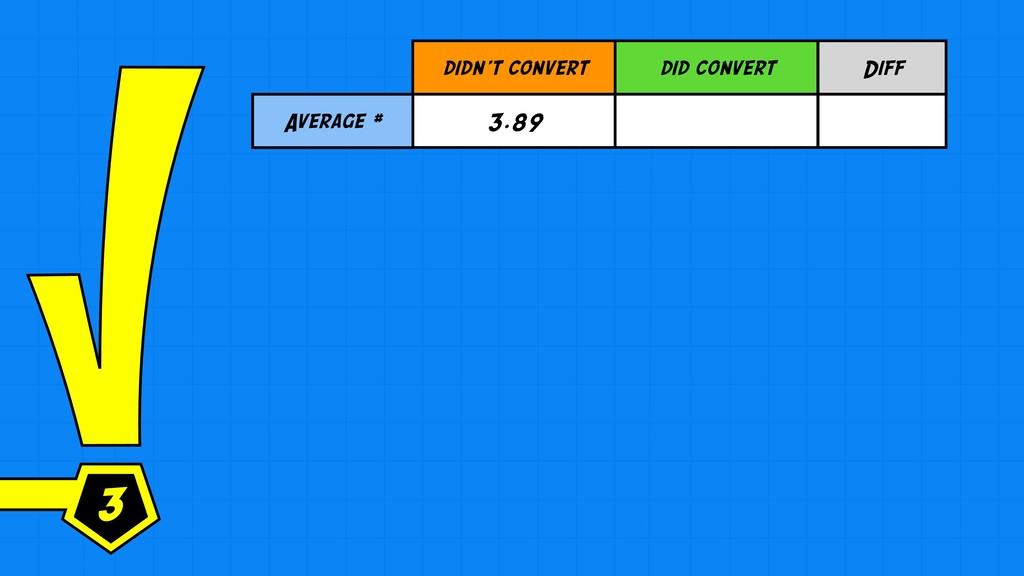
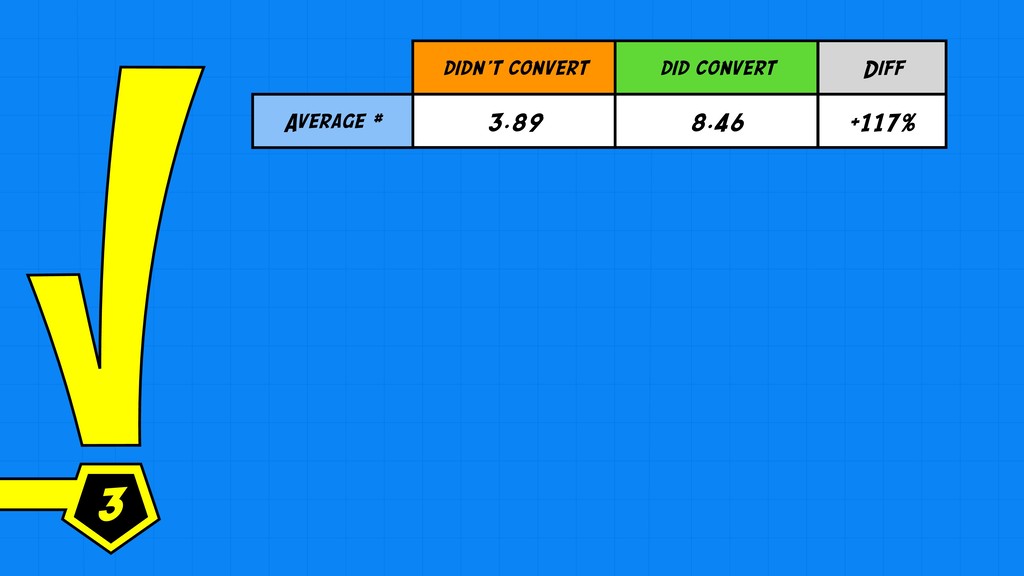
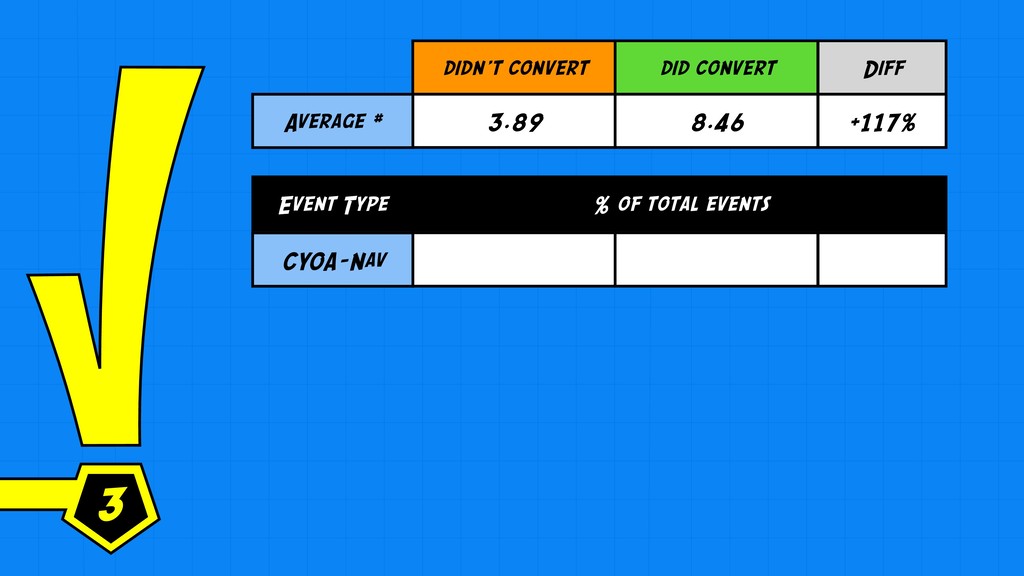
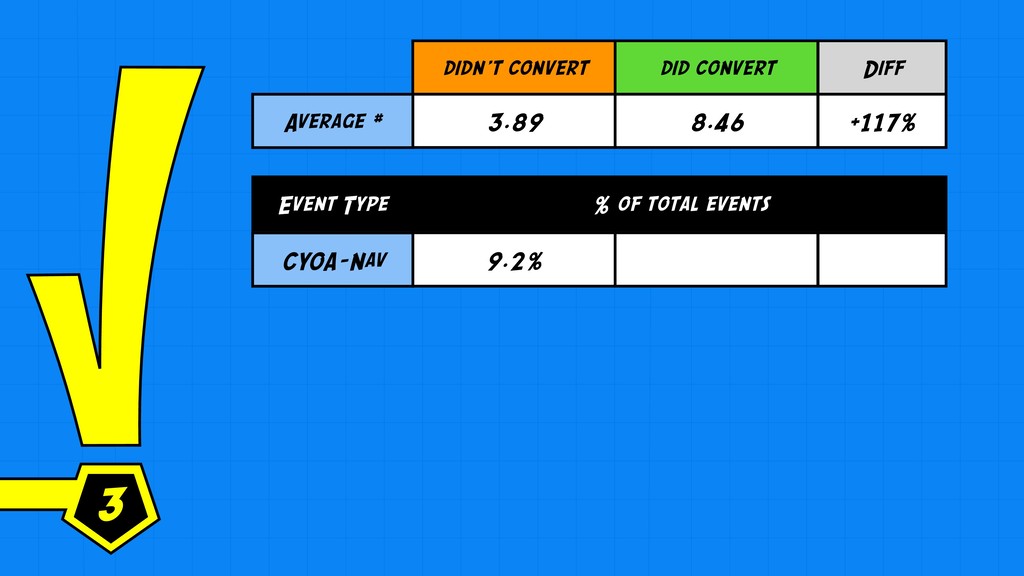
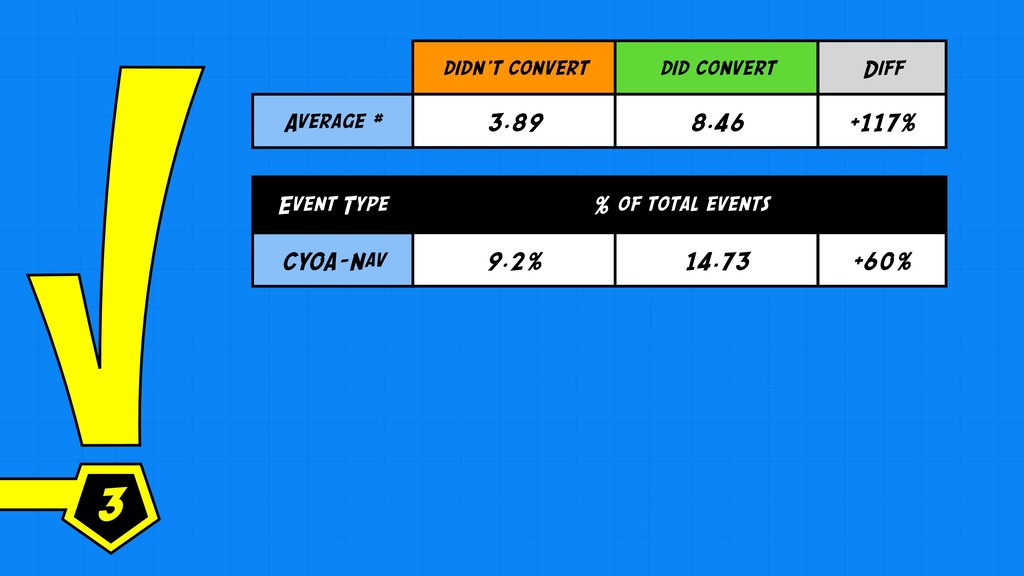
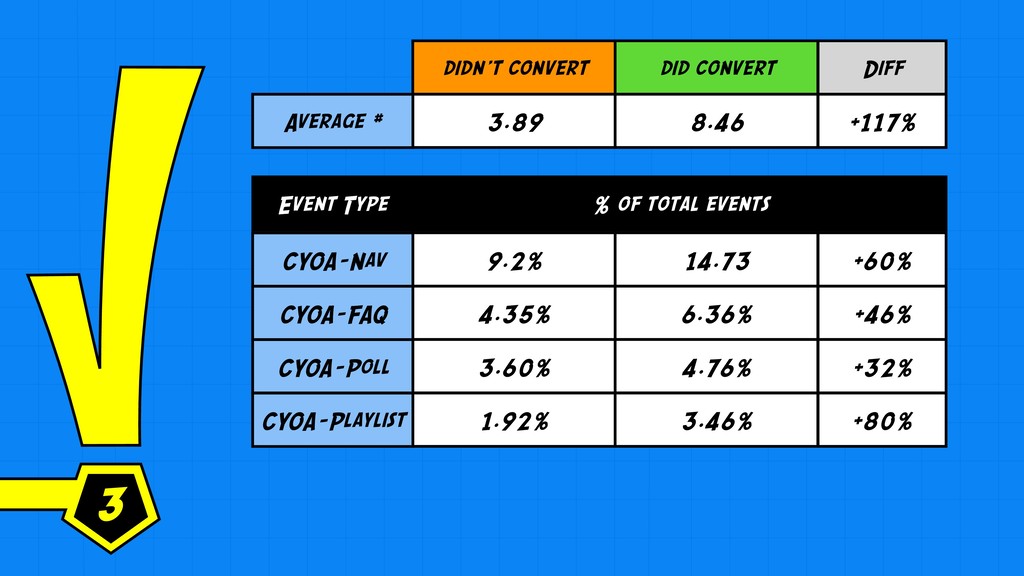
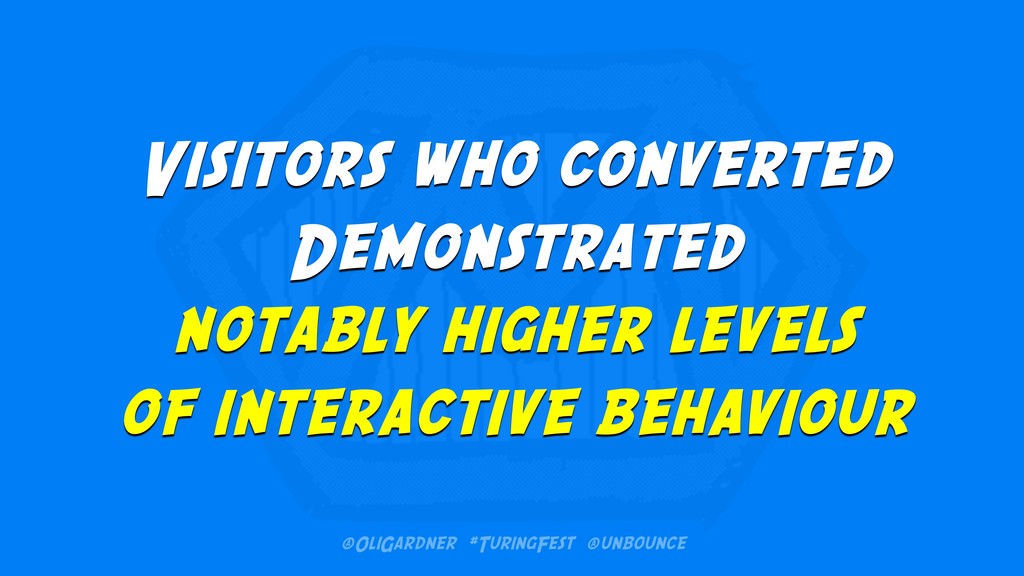
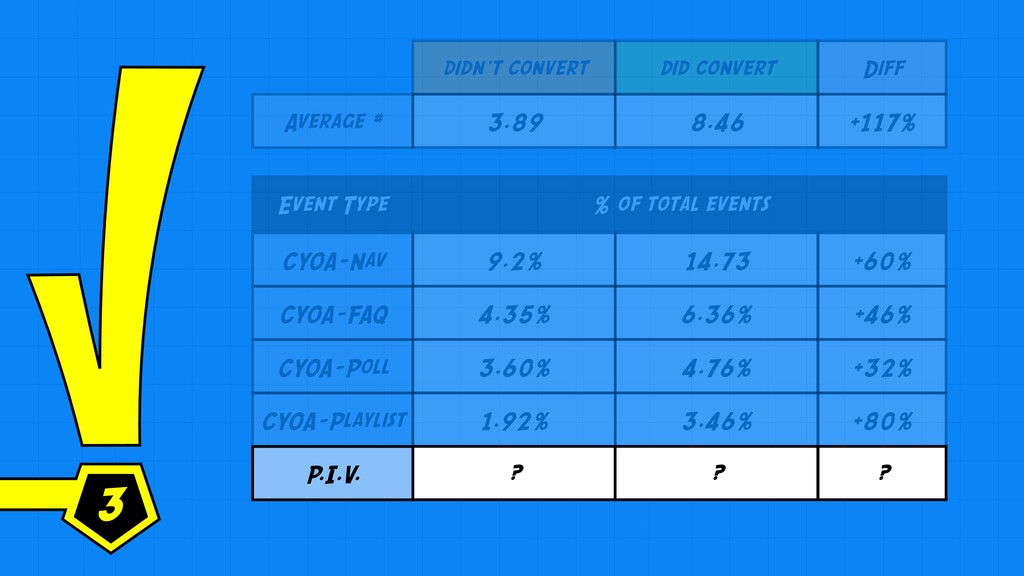
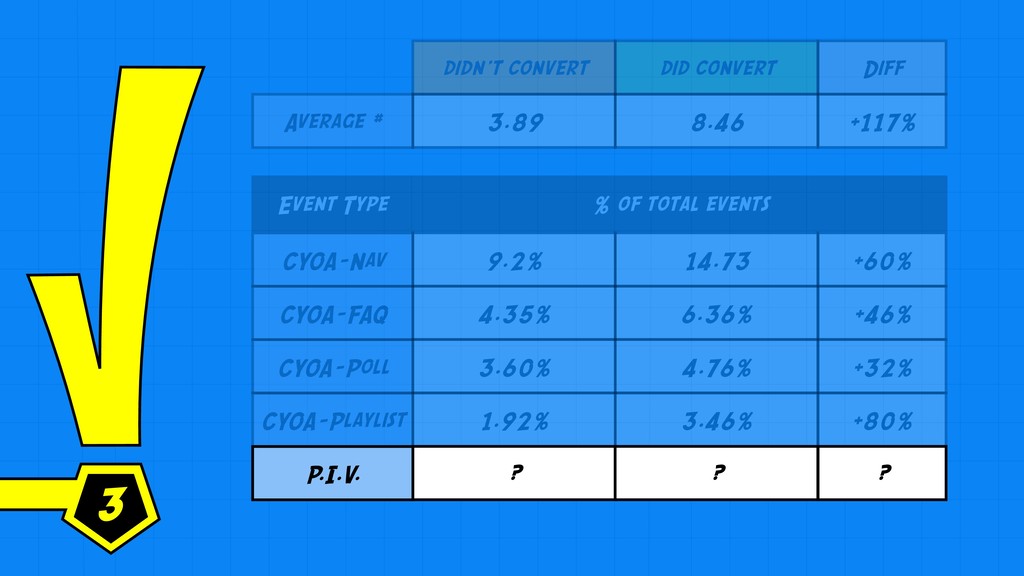
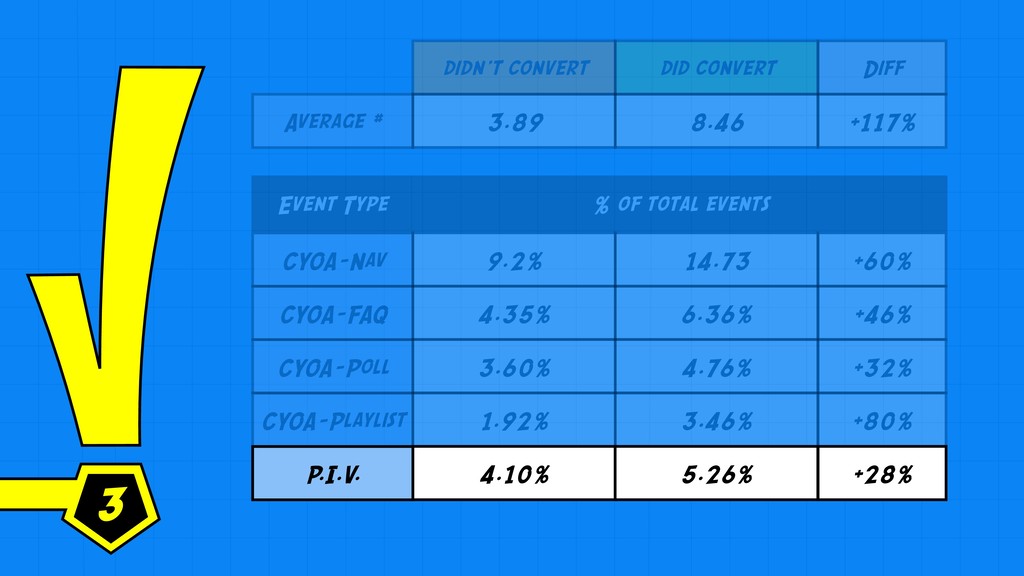
And if we look at all of the events that are firing for people who did and didn't convert, on average, people who didn't, less than four events. People who did, over eight, like more than twice as many. So this people who are converting are interacting with this content.
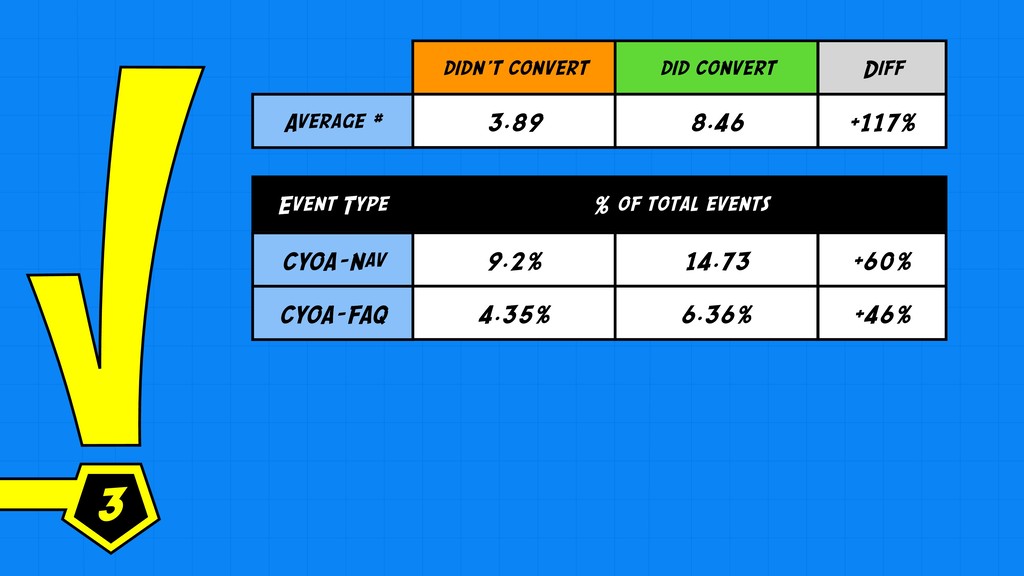
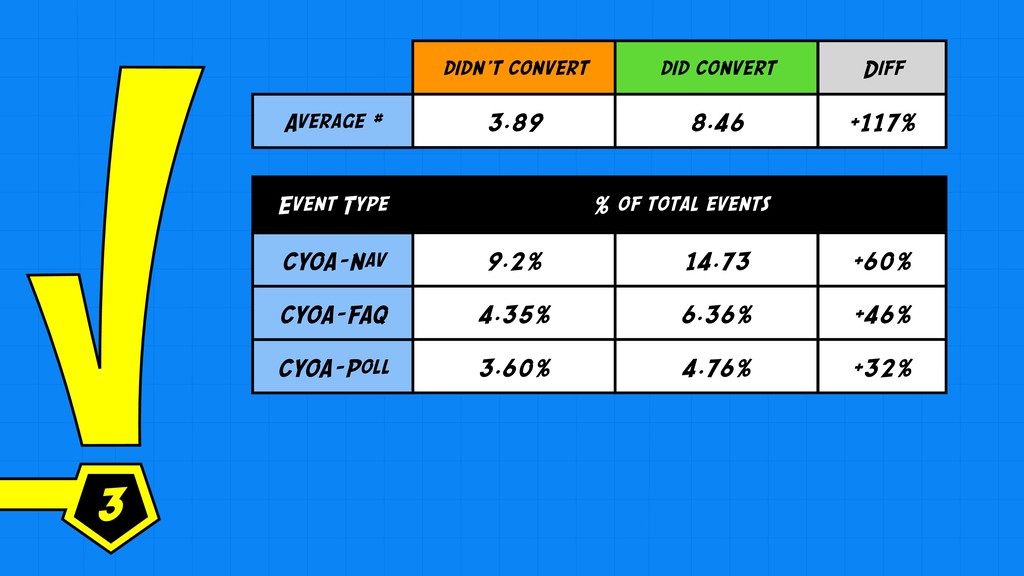
And if we break that down by the types of content, the navigational options, sixty percent more engagement for the converting people. FAQs, more again. Polls, like that one, up thirty two, and playlists, up eighty percent. So what does this say? Well, it's not it's hard to say correlation causation, but what it is showing, there's a definite pattern of the people who are succeeding are engaging in the content more than those who don't.
Right? Because every interaction makes someone more engaged, because they're doing something. And if you can make it fun, make it gamified a little bit, giving people something useful in return for participation, that opens up more opportunities. Every time someone interacts with something like that, you can show something that's more likely to encourage than to sign up.
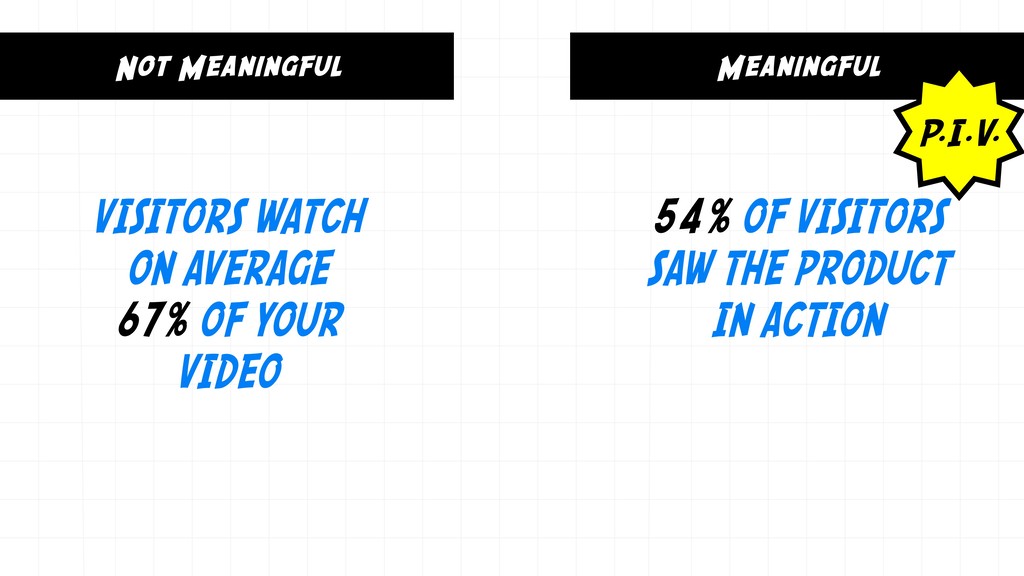
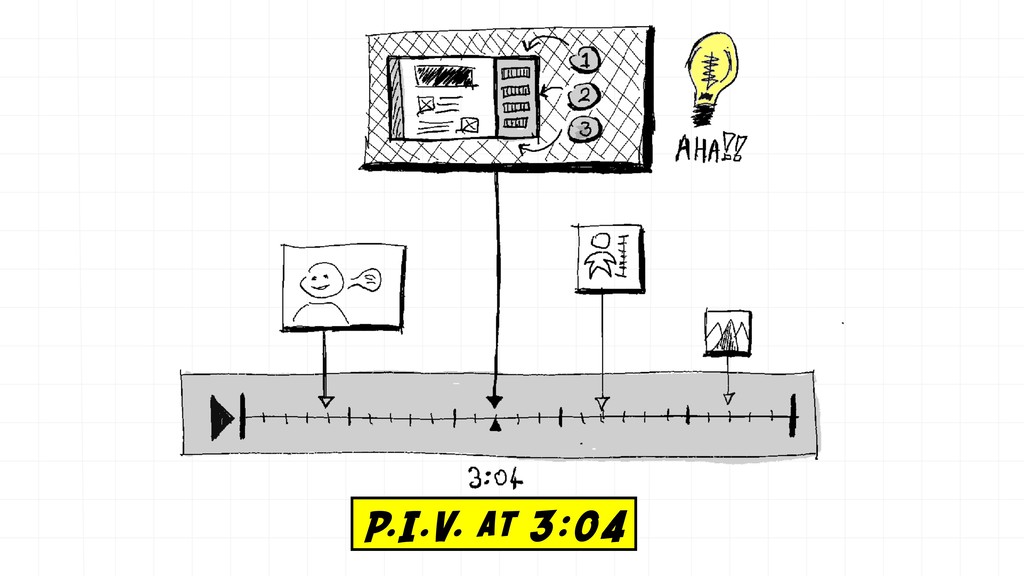
And it's all about making more conversion opportunities in our content. Now the thing that's missing here is PIV, which is product and view. That's what I really want to know next. We've created interactivity. We've turned engagement up. But I wanna know and measure how many times people are seeing the product and in what way.
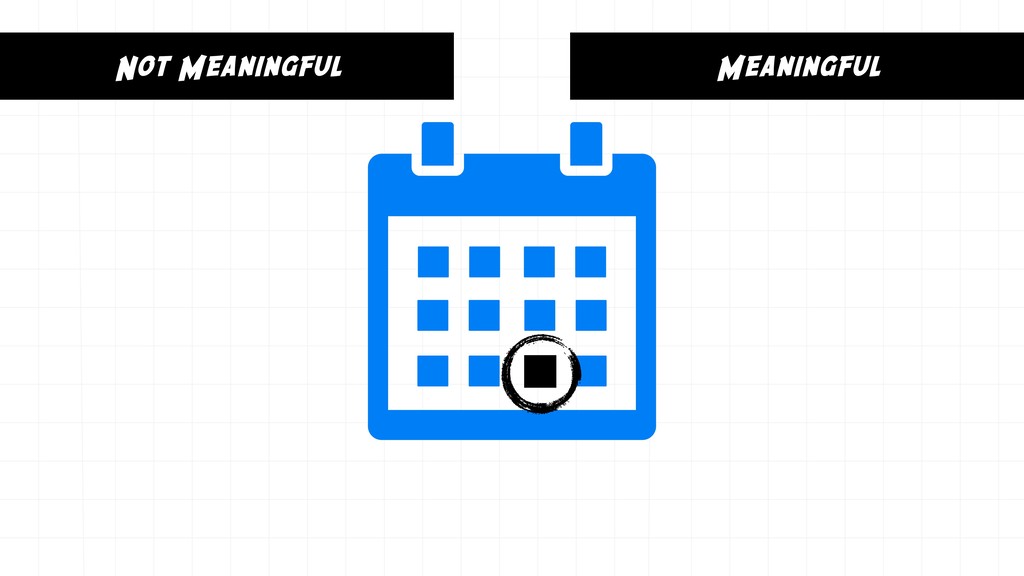
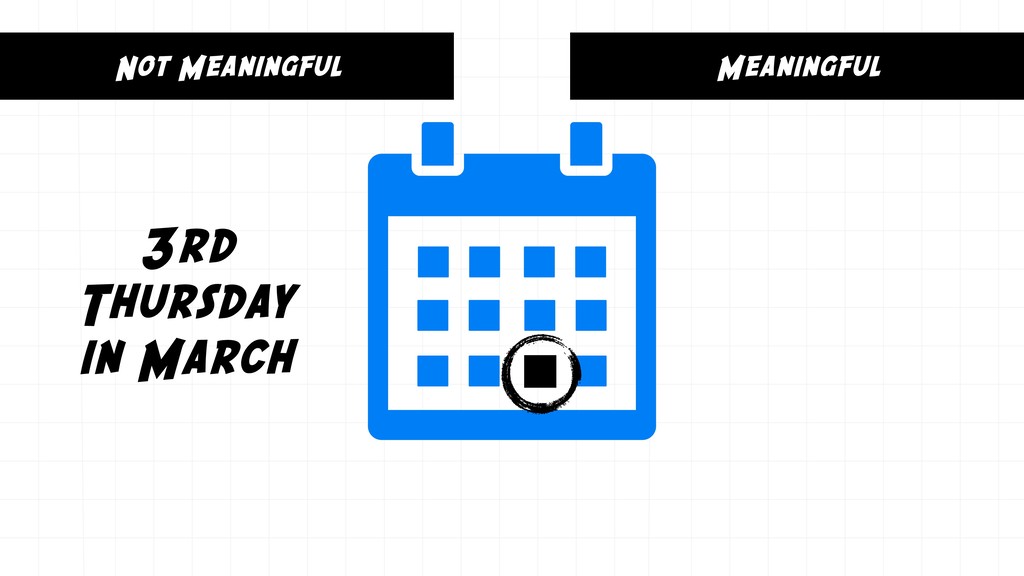
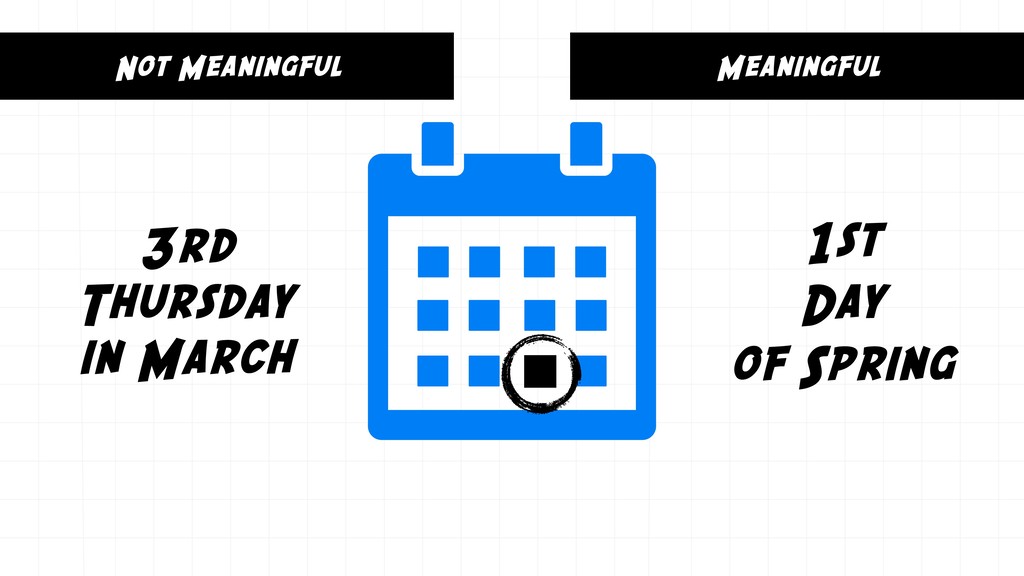
So I had all this content. It worked. It was really great. But there was not a single piece of information in that content that was labeled to explain what it is. There's nothing meaningful going through GA. What do I mean by that? Well, that's a calendar, third Thursday in March, first day of spring.
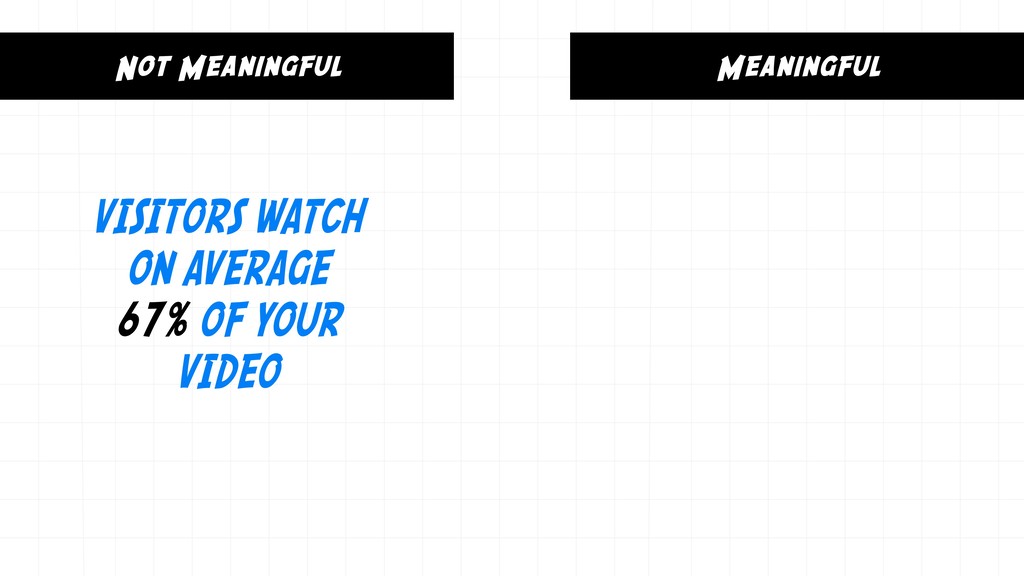
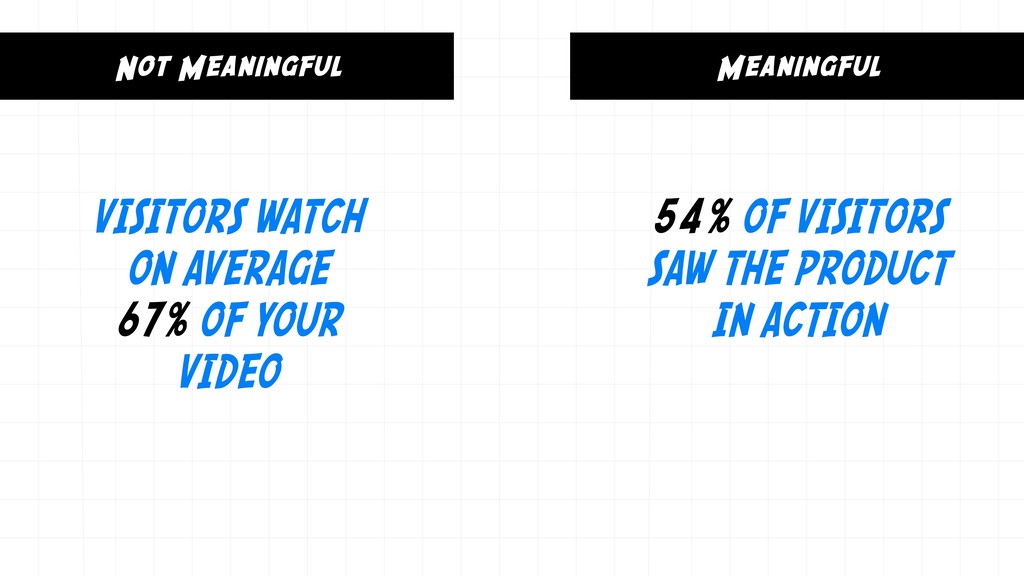
That doesn't mean anything, this does. That labeling really helps. Visitors watch, on average, sixty seven percent of your video. That's a very standard metric, but it's not very interesting. Fifty four percent of visitors saw the product in action. That's what I wanna know.
That's way more meaningful to me as someone trying to sell a product. That's PIV. Okay? So imagine they're watching a video. That's the moment where they see the product. I wanna know that. Okay. So how do we do that? How do we capture these things?
Add meaning by semantically labeling our content. Oh, wow. Score. Look at this. This is an Aspen. You can tell that it's an Aspen tree because of the way it is. Wow. How neat is that? Search for nature. It's amazing. It's so funny. So that's what I wanna do. Little lunch.
This this is the techy part. But basically, com does this great because I have so many products and they have to do all this labeling. But nobody does it in content marketing really. It's just content with no underlying understanding of what it is.
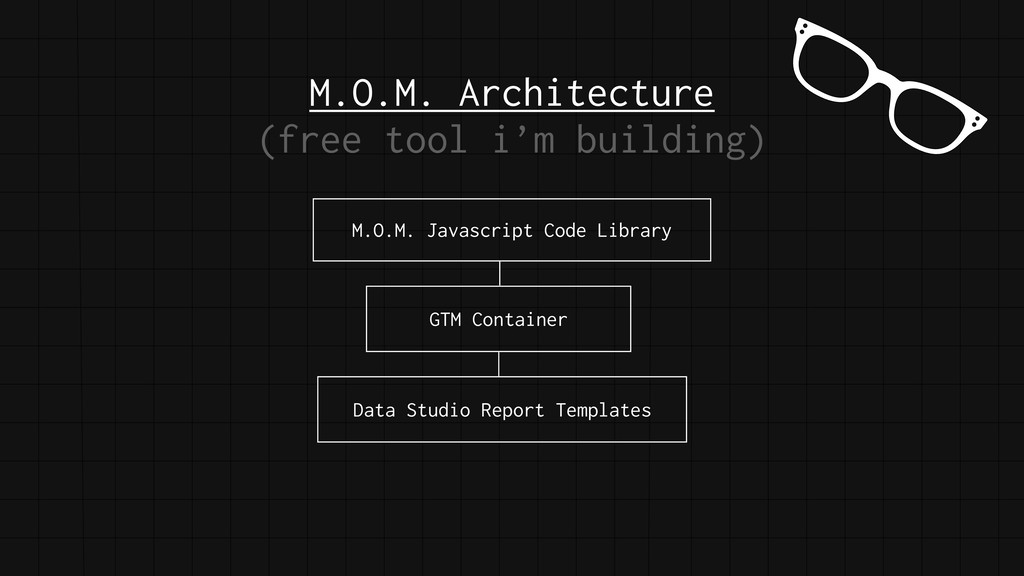
So this is the part I'm building, JavaScript library, Google Tag Manager container, and some report templates that I'm gonna try and package up. Just be a free little thing you can use. So don't worry about the technical aspects of it, unless that yeah.
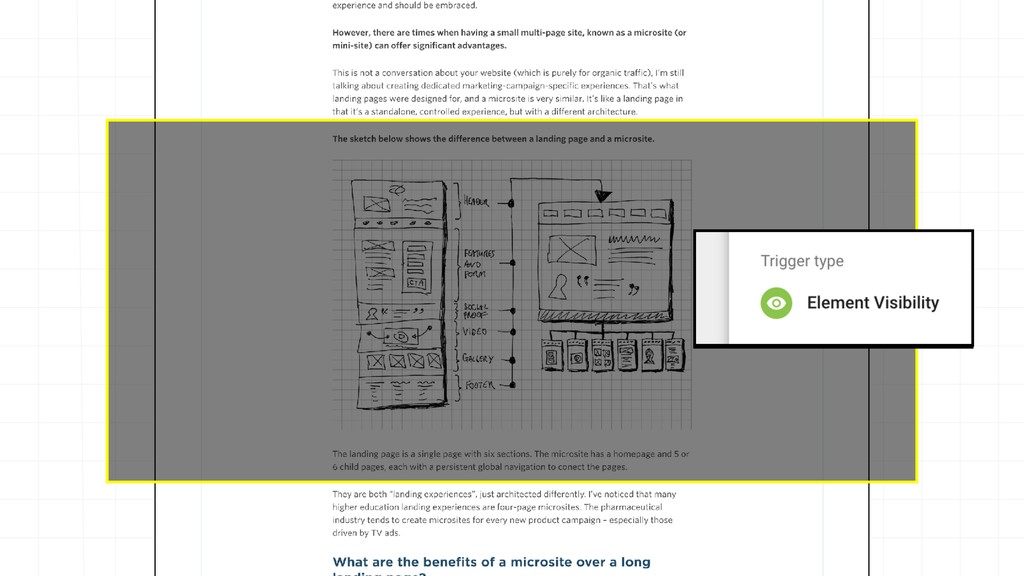
Unless you're technical. So again, that landing page, there's a little form. If you're interested, put your email address. I'll never email you other than with this. So how do we get better product awareness data into there? First, register the view. GTM has some really good things for triggering when someone sees something.
This is the most basic element visibility. You can set it up. If people see this in their screen for three seconds, five, ten, fire an event. So that's the basic it's the most basic level of knowing somebody looked at it. And when you have it labeled, you'll know which one.
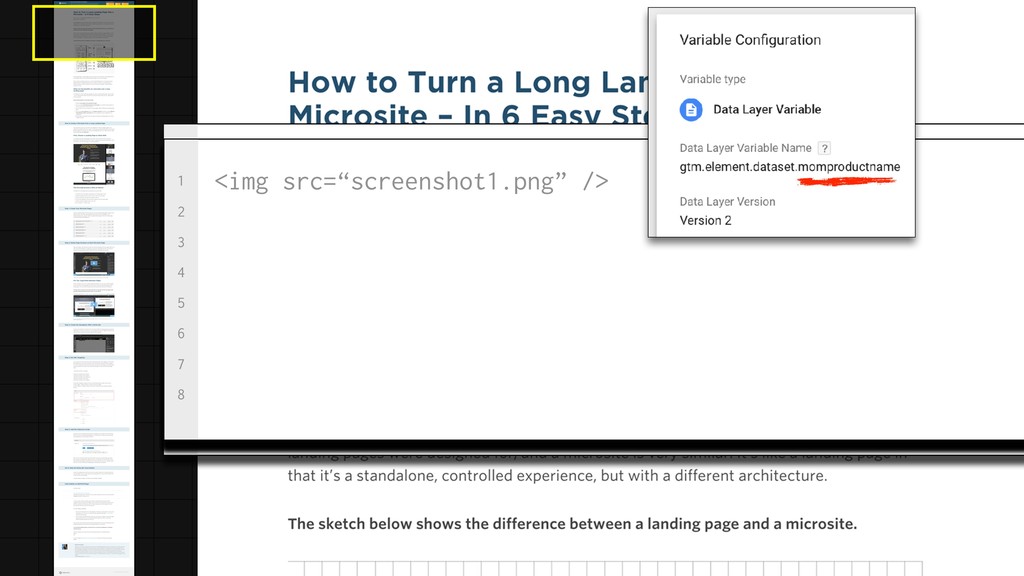
So adding the product attributes. So this is one of the posts. There was nothing on it, so this is how I fix that. How I'm labeling it now. If we go down, that's a screenshot of part of the app. Okay? So now it was just an image tag before, that's meaningless, but I add that in there.
Anything you put, data dash something, that is then accessible in Google Tag Manager, so you can take that information and do whatever you want with it. Custom scripts, anything. Push it through the GA. It's incredibly powerful. GTM's amazing. If you've never used it, it's the best product Google's ever made.
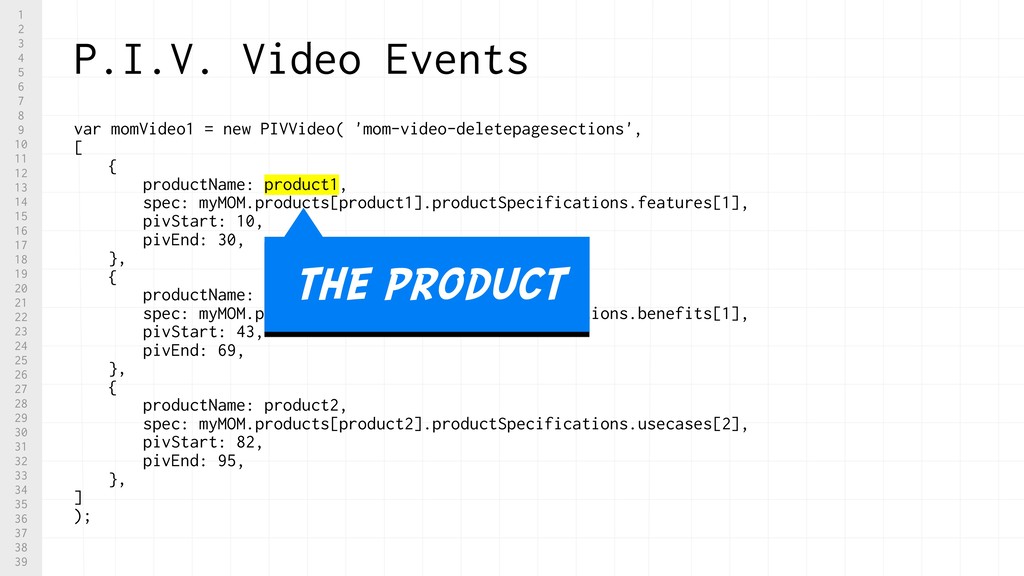
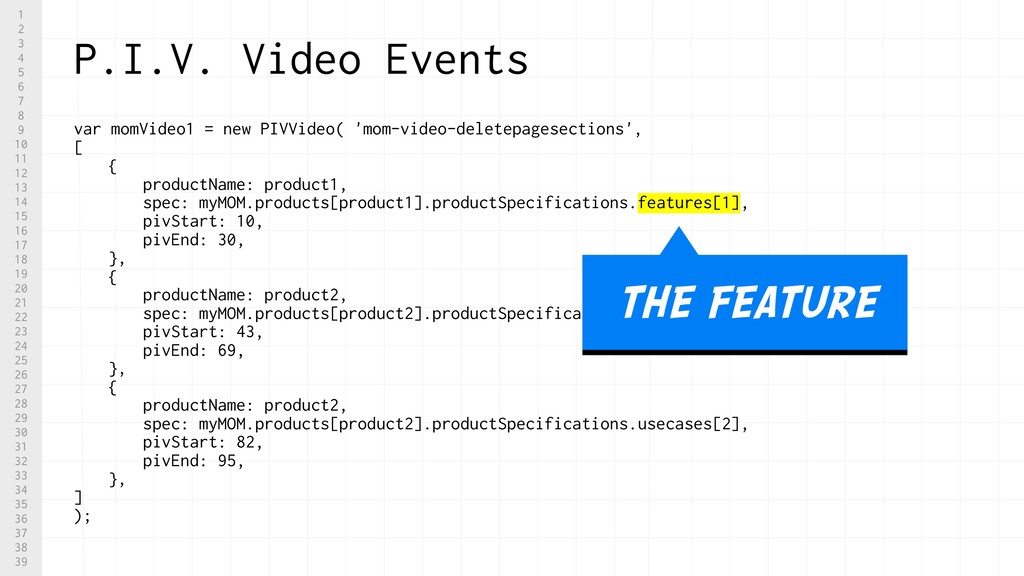
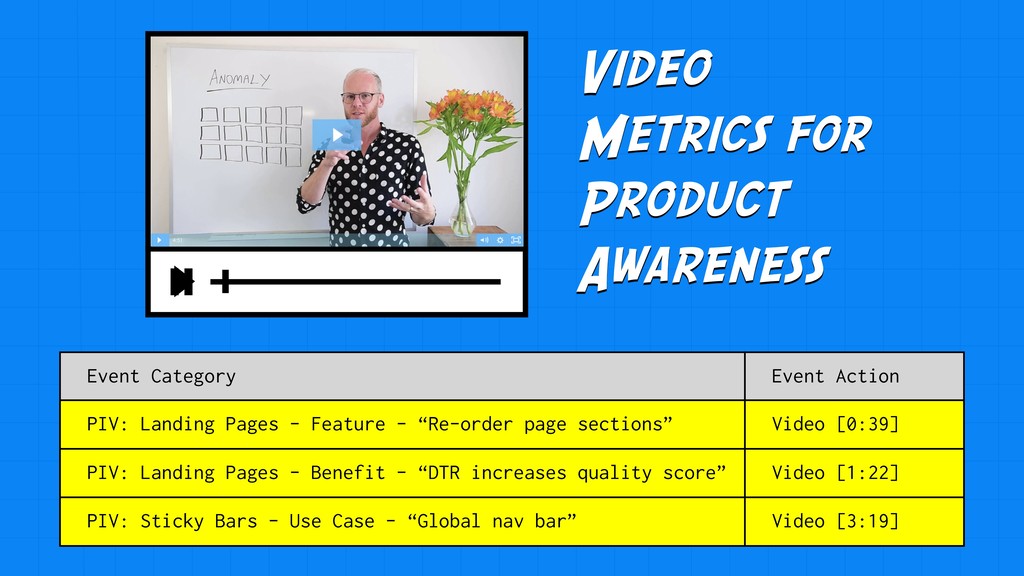
So now I can put in the product name, view type, it's a feature, it's a screenshot, and what is it? This is rich information that's gonna get pushed through the analytics. That's a video. It's a feature video for landing pages, for reorient page sections.
Now I know exactly what this is. Here's another one for this is a benefit now, instead of feature. Features, benefits, use cases. They're the things I'm interested in for product awareness. And that's a screenshot of a different product. Sticky bar is a use case using as a microsite nav. Right?
All very different things, but now I'm getting to see who or how many people are viewing these different things. And then when I can compare the sign ups, which types of product view are inspiring people to convert. And that's another screenshot. So, and you get even more specific if you use video.
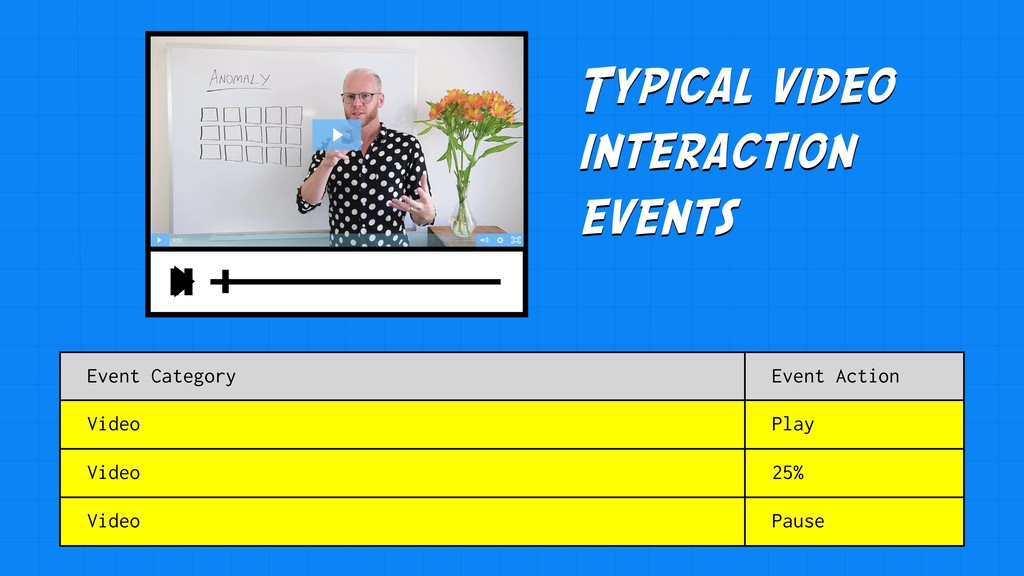
This is what you usually get in GA after someone watches a video if you've got it set up. You'll get, oh, it's played. They watched twenty five percent, and fifty, seventy five, and then they hit pause. That's kinda lame. It doesn't tell you an awful lot.
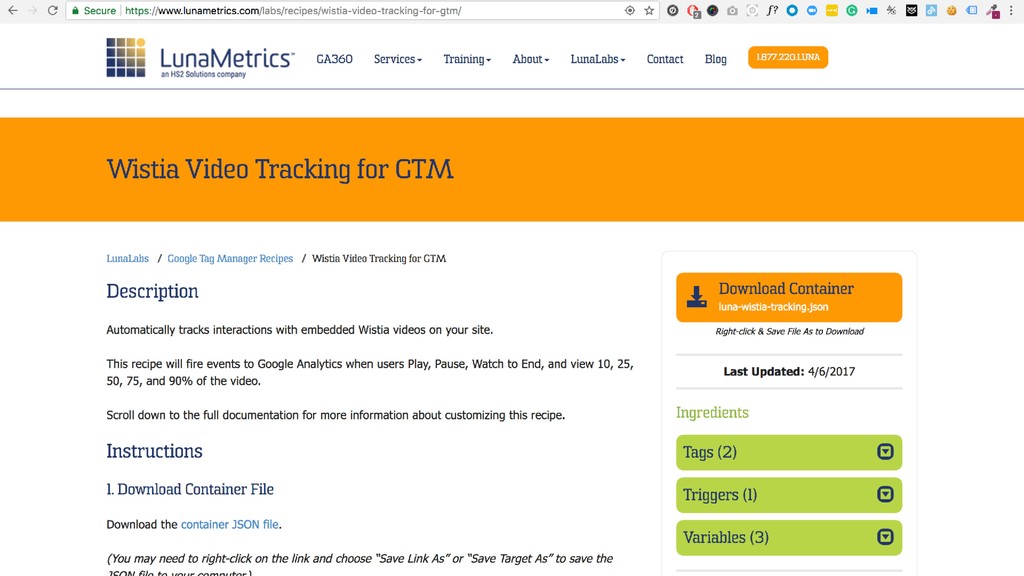
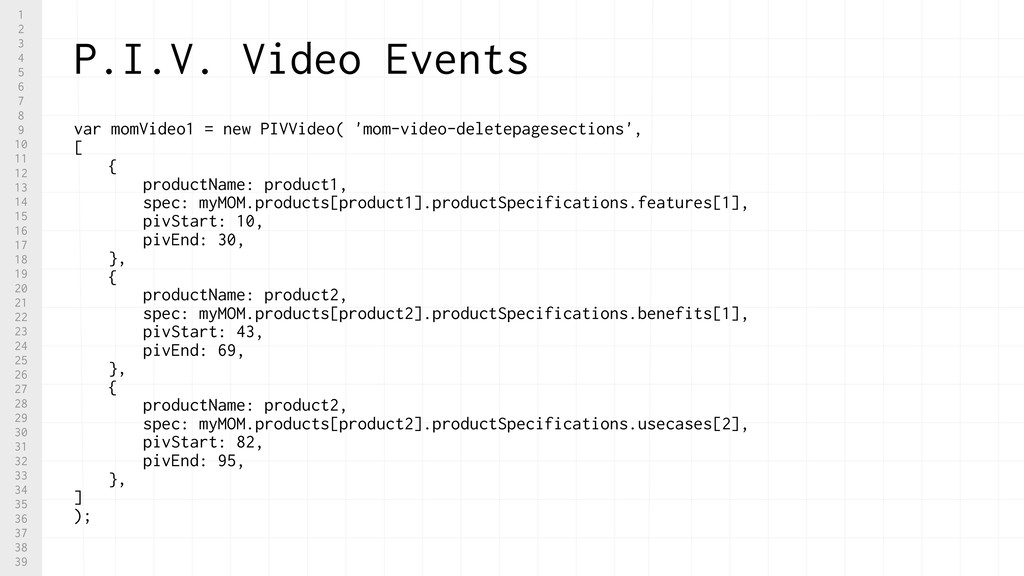
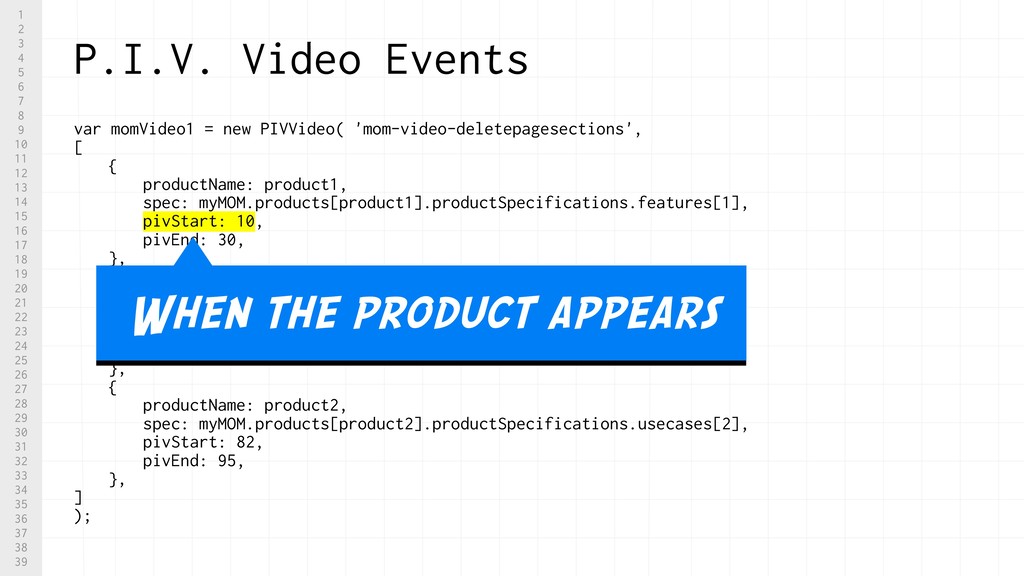
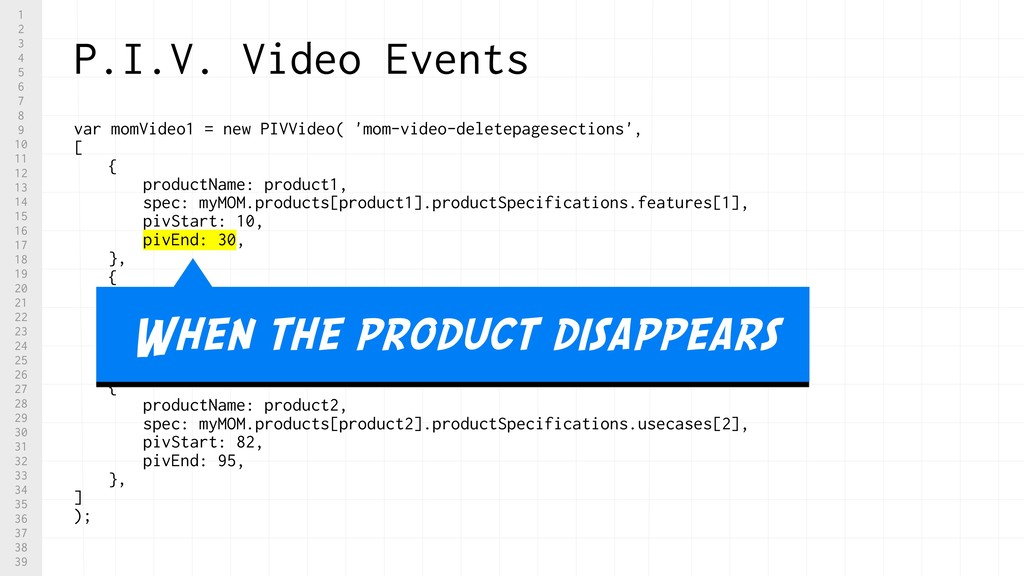
So I took a plug in, a Wistia plug in by Lunometrics for GTM. I use Wistia videos. And I hacked it a little bit, put in some more details about product, what feature, and where in the video it starts and ends. I put as many of these in as I want.
Now, this is what GA looks like for me. Product in view, which product, feature benefit, whatever it is, what it's called, and where it happened in the video. Now I can do really rich reporting on which aspects of the product are making people convert.
Way, way, way more relevant and useful to someone trying to market a product. So so far, PIV. You can see that for people who did convert, they're seeing more product views. And that's sort of I don't have much of that in there right now, a lot of interactivity.
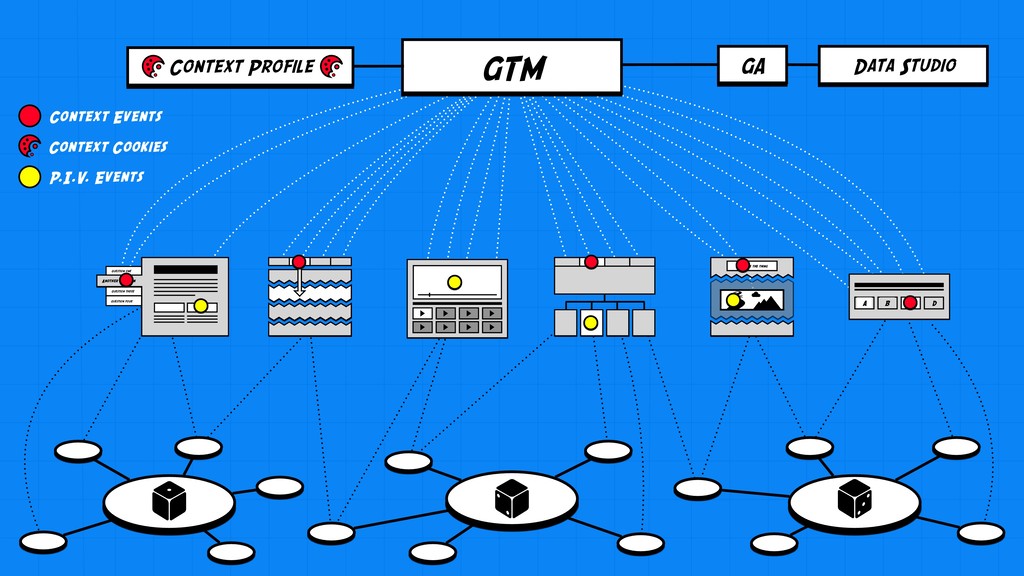
I'm gonna add more in, but it's all showing really positive signs in the right direction. Think of it like this. These are your products. That's the content you have, your interactive content. And we're firing context events. So they appear in GA. So we know a little bit about our customers.
There's also the cookie profile that's been set. So we know we can use in the moment ways of changing based on what who people are, and then the product in view events. Now, you can think of it like a map, because now if if you create a new blog post somewhere over here, you label this in the same way, you're now connecting your content together.
So this product feature you showed over here, you're now doing it. Three months later, they're connected by that labeling. Instead of this just being a blog post here, nothing to do with that, when you label the code in that way, it connects all of your marketing together.
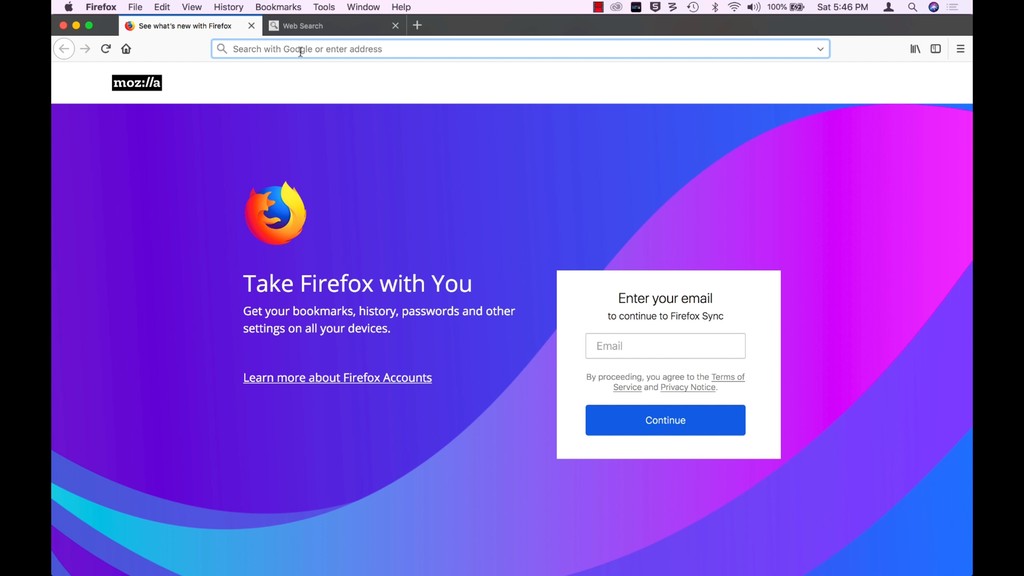
And you can continue to see which things, what aspects of your product are driving conversions. Now quickly, I looked for data in lots of different places. I used Kissmetrics. So I went there to get a report for this talk. And I go there. What happened there? Okay.
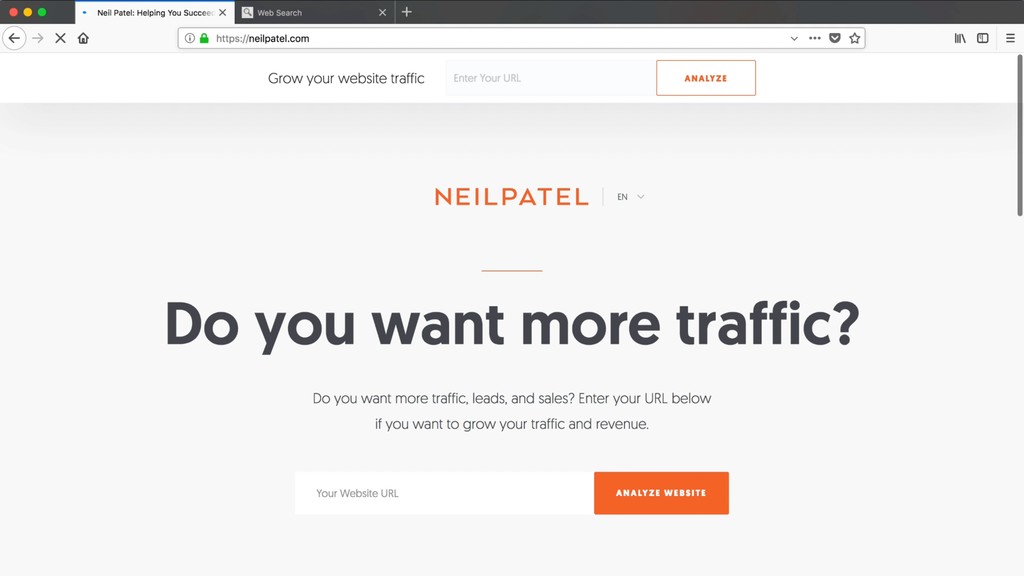
It redirected to neil patel dot com. That's weird. Do you want more traffic? No. I want Kissmetrics, ************. That's not what I came here for. And would you allow notifications? This is the last person I'm gonna allow notifications from. It takes a lot of time to actually figure out where the product went.
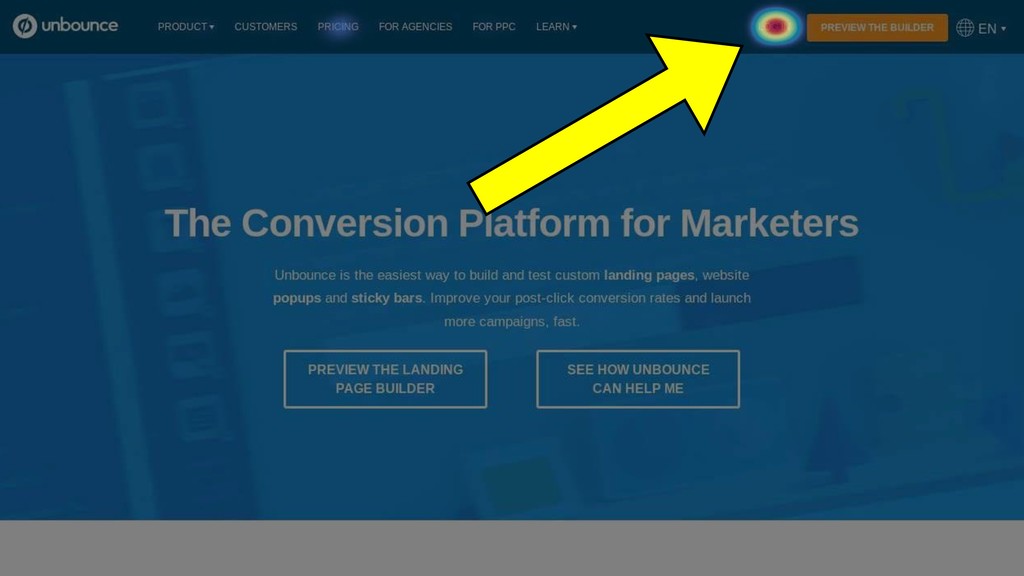
You you can't get it unless you type in app dot kissmetrics dot com. Terrible experience. But it made me think about the reason why I was going there. It was to log in. What's the most click link on your website if you have a, you know, a product or something?
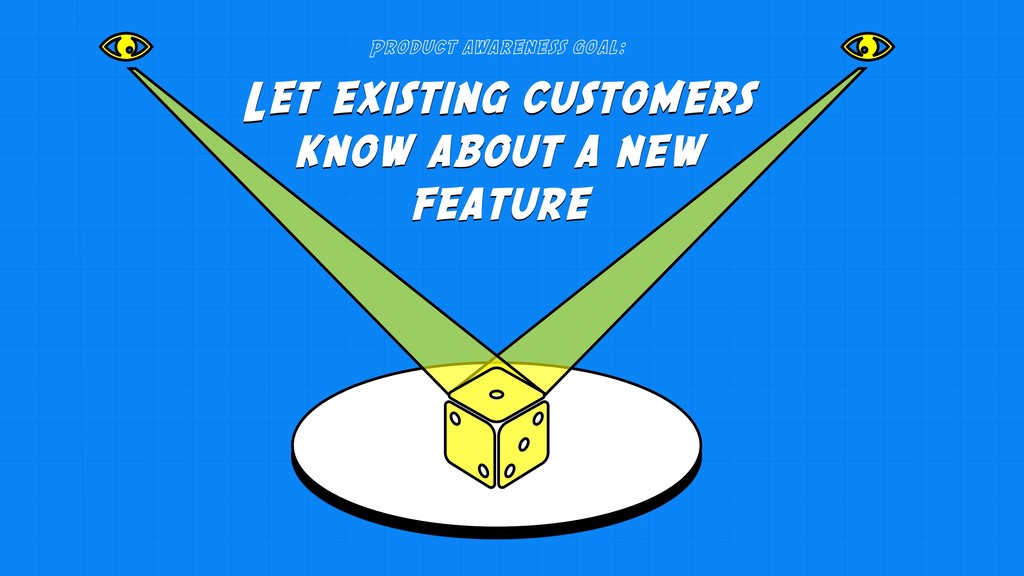
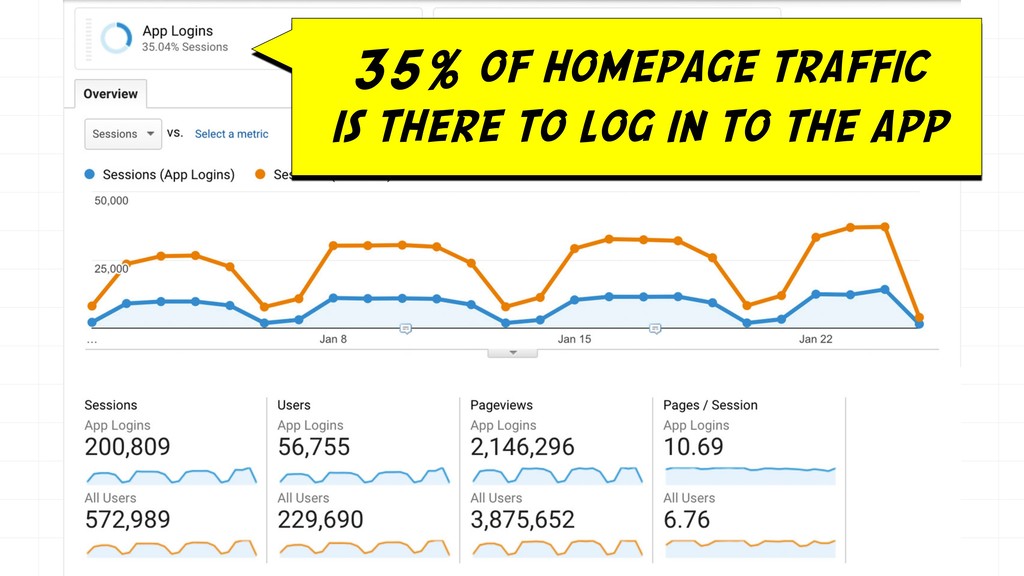
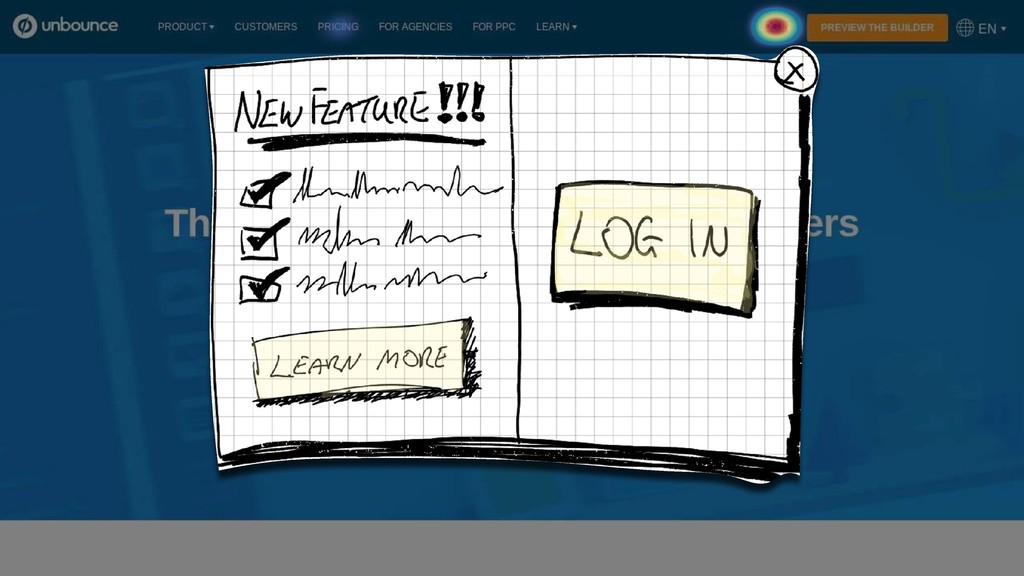
Right there. It's the login button. So if you don't know that, login hijack. Don't hijack the whole site, just the login portion. Right? I wanna let existing customers know about a new feature. So context. Thirty five percent of all traffic to unbanks dot com is people just logging in.
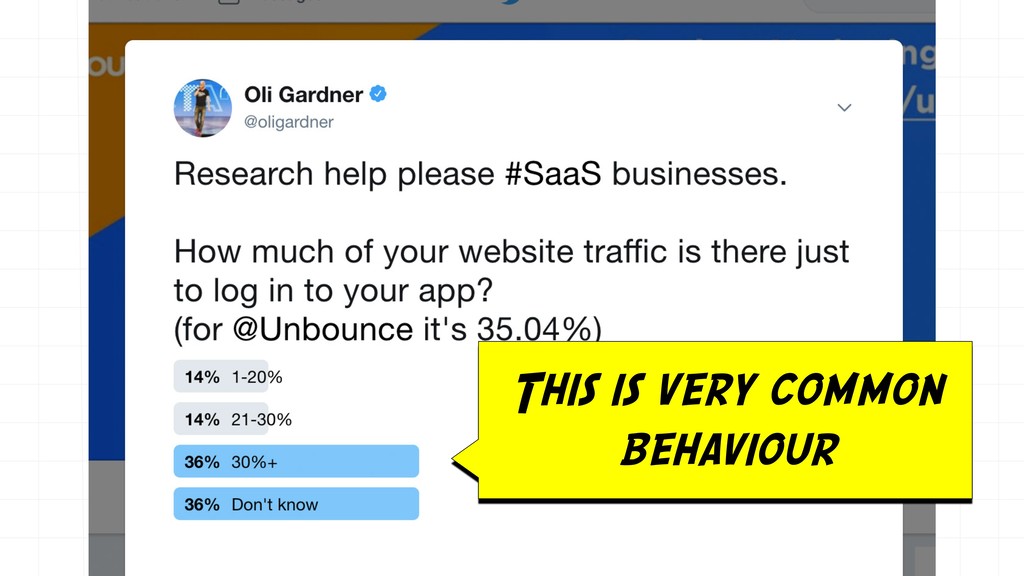
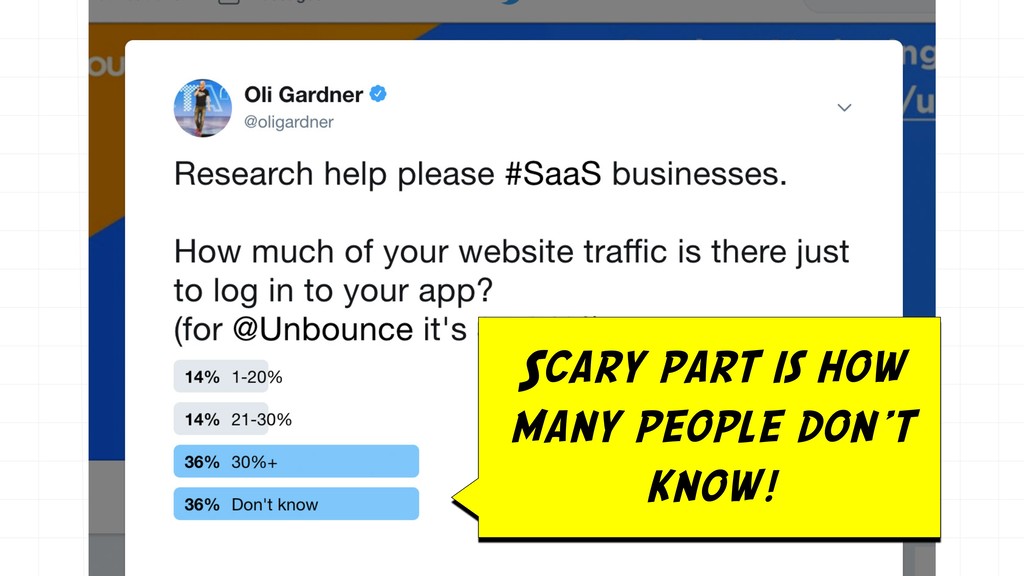
If you don't know that, I did a poll on Twitter, very common, but a lot of people don't know this. And if you don't, your data is all screwed up because you've got all these people coming and seemingly only taking one action, spending no time there.
You need to filter those people out. But it's also a massive opportunity for product awareness. Content. When someone clicks log in, give them that pop up, continue to log in, or hey, check out new feature. This is mutually beneficial. Customers need this information.
They need new features. They need to be more successful. So this is helpful. It's not a pop up. If something's bad, call a pop up. Fine. That's just an interaction model. That's just an interactive device that helps people succeed, your customers, and you learn a bit more about product awareness data.
Okay? That type of interaction is completely fine, and we shouldn't label these things as being a negative experience because it's not. That's a positive way of doing things. I said it before, technology is not the problem. We are. It's bad marketers that are the problem.
And if we use the tech in the right way, we can be helpful to our visitors. Right? Because and no one's gonna look at your product unless you show it. You have to get it in there, but do it in right way. Don't just put a banner up.
Here's our products. People won't won't pay a pen pay attention to that. Show actual useful use cases, interactivity, and get people engaged. So quick three things to remember. Design with purpose gives you more meaningful data. When you construct an experience for an actual reason that's semantically related to your content, it will be more beneficial in terms of the data it produces.
That's the biggest truth of all. Your dad's not always right. You'll you'll learn that as the day goes on with John, I think. And definitely real. This guy's amazing. I wake up in the morning, Nicole's in bed, I'm I'm just taking Nessie. I'll drag it into the into the bathroom so I can have a shower and not be sweating.
Thank you very much. And also to this guy, he's having me back four times now. I really appreciate it. This is where I grew up. My family lives here. And it's always amazing to come back. So wherever you are, Brian, thank you very much.