Tech has made it really easy for anyone to go online and start a new business. Anyone. Even conspiracy theorists, white nationalists and garden-variety hate groups. Now, many tech companies are faced with big decisions: who gets to use your platform and where do we draw the line?
In this talk, tech marketer and Sleeping Giants organizer Nandini Jammi will explore how consumer attitudes towards tech companies are evolving and what steps you need to take to protect your brand from social media scandals.
You’ll learn:
Tactics and strategies Sleeping Giants uses to hold tech companies accountable
How to weather the social media crisis
How to develop proactive company-wide policies and terms that promote brand safety
How to communicate your decisions with employees and customers
1 / 115 Use ← → to navigate
Auto-generated transcript - may contain errors.
Tap a timestamp to jump the video.
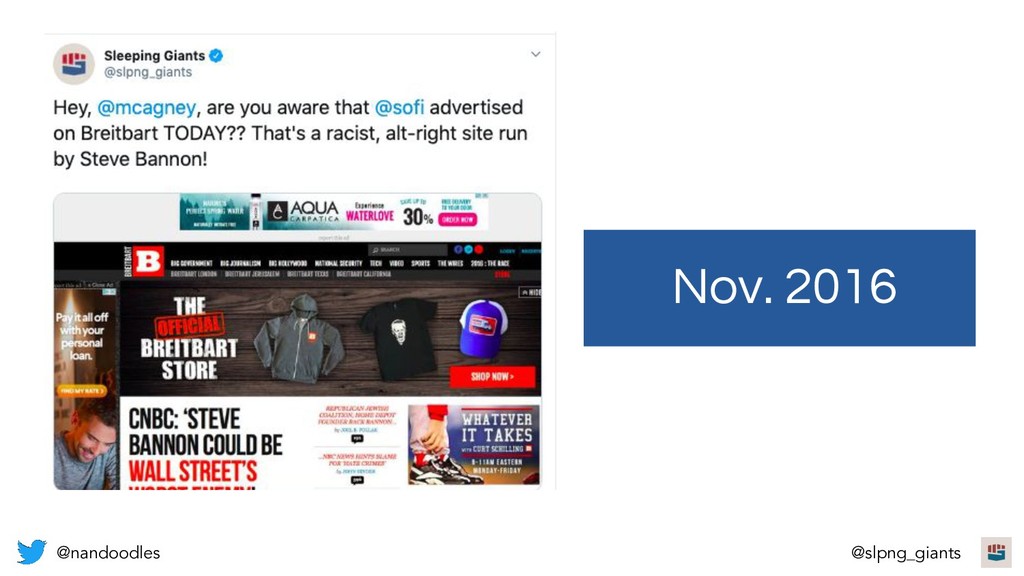
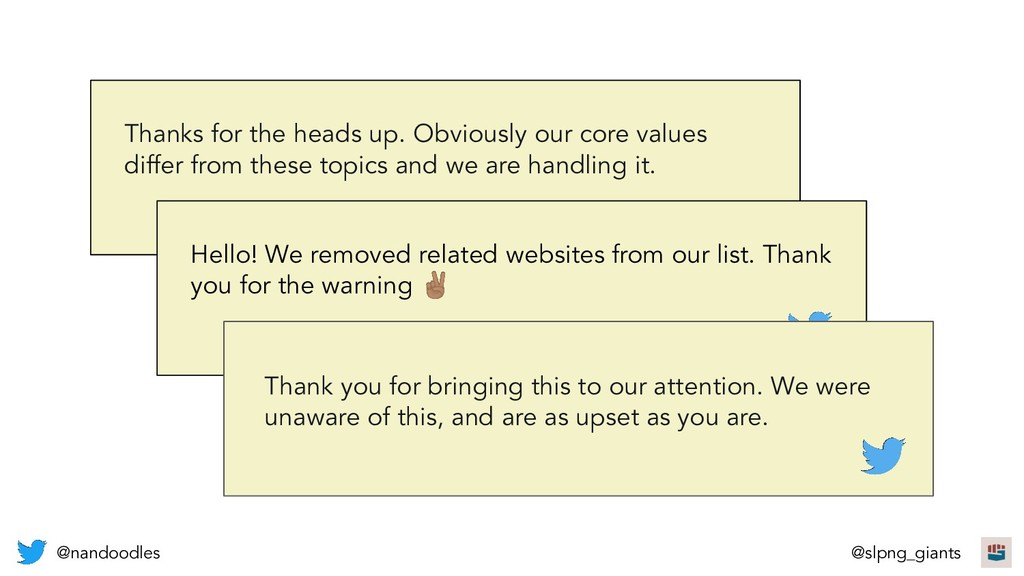
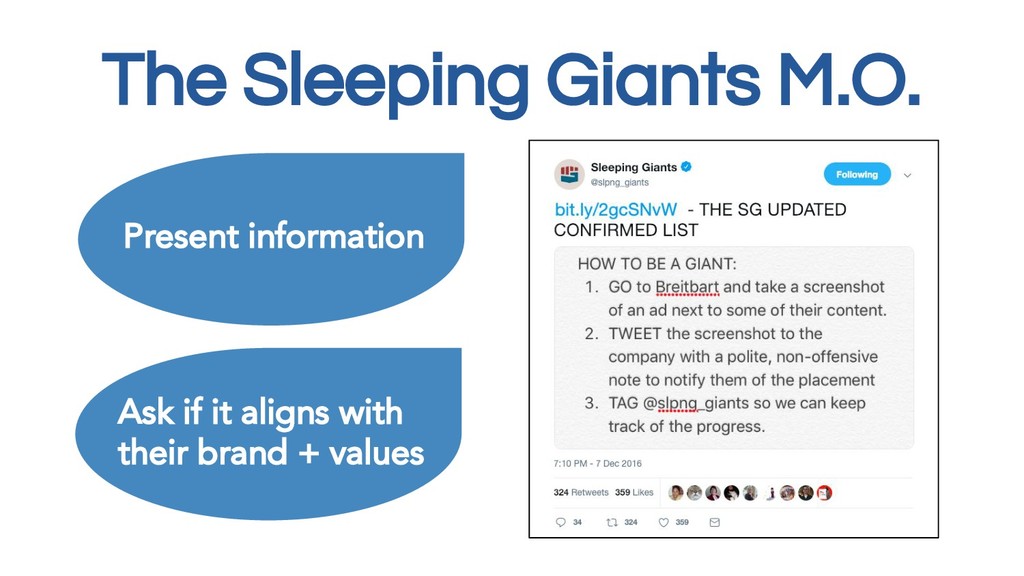
Shortly after the twenty sixteen elections, an anonymous Twitter account came out of nowhere and started tweeting at websites with screenshots of their own ads saying, hey. Did you know your ads are appearing on this racist website called Breitbart? And what was interesting was that companies were responding to this anonymous account saying, no.
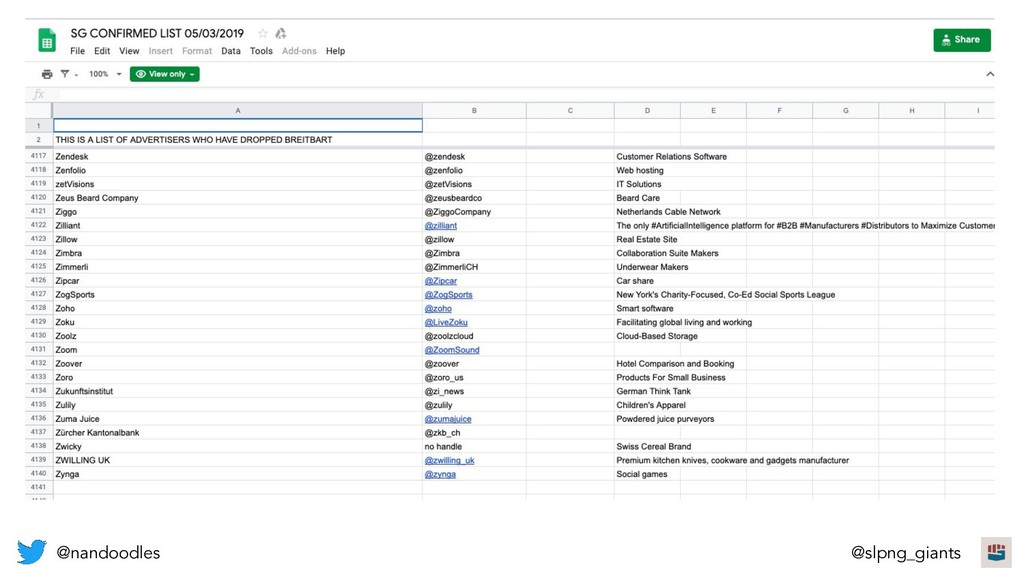
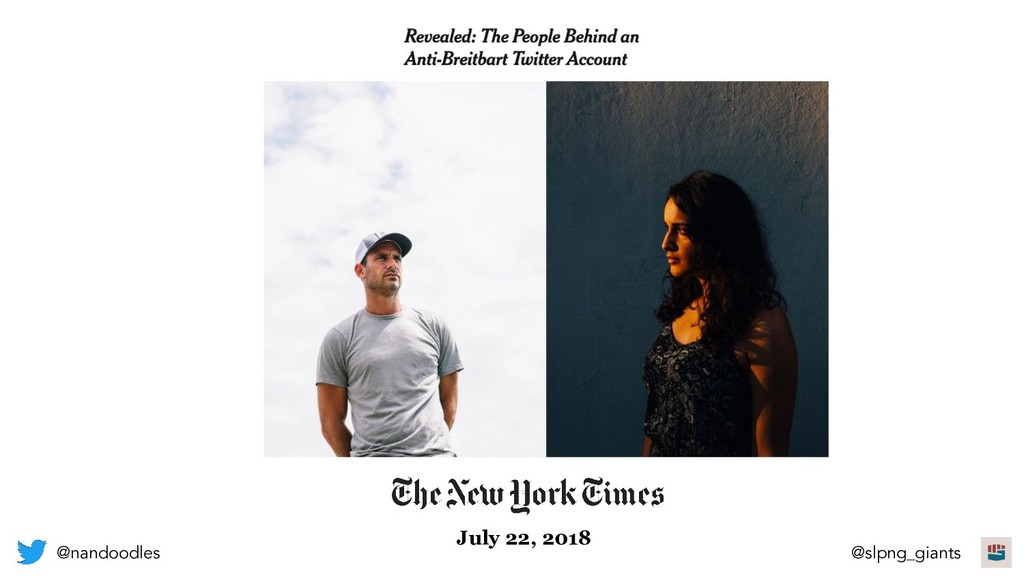
We didn't. Thank you so much for letting us know. We'll be sure to blacklist it. And once they had confirmed, they were being added to this, Google spreadsheet known simply as the confirmed list. So I'm gonna spoil it for you right now. I am one of the formerly anonymous leaders of this campaign, Sleeping Giants.
We came out last summer in the New York Times with our identities. And what we were doing at the time was taking a shot in the dark. We were targeting one of the most powerful websites in the United States by going after their advertisers one by one.
So what is Breitbart and why were we going after it? So for those of you who aren't familiar, Breitbart is the alt right propaganda website that rose to prominence in twenty sixteen. It was very influential, and it was widely credited with helping Trump win the elections.
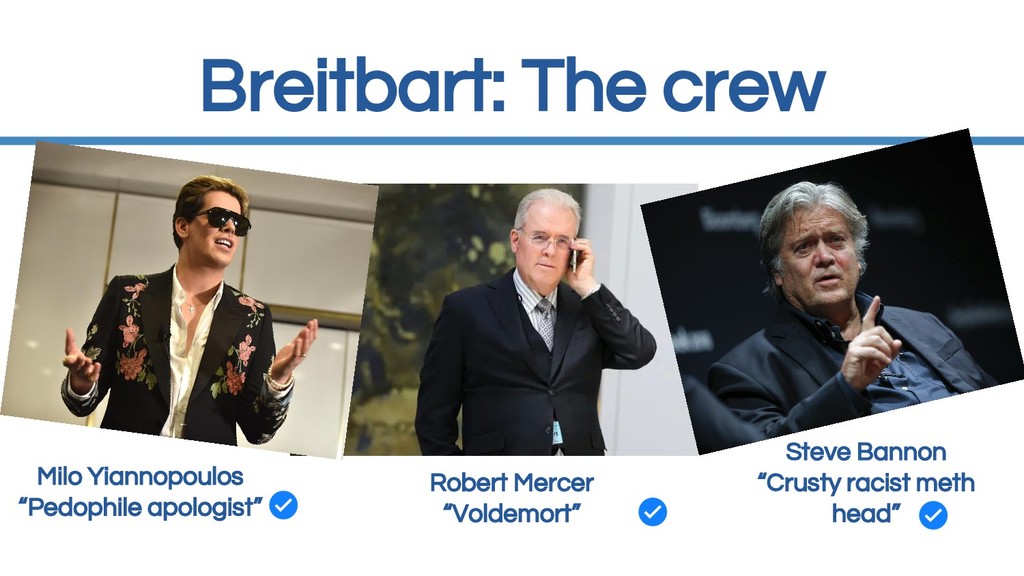
And it was run by this motley crew of white nationalists. Some of these faces may be familiar to you. Milo Yiannopoulos, a former, TechCrunch writer here in the UK, he went on to, write for Breitbart, and then he went on to be banned from pretty much every social media network on the planet for targeted harassment.
Then there's Robert Mercer, the secretive billionaire behind not one, but two stolen elections here in the UK as well as in the US. He was a major investor in Cambridge Analytica. He was also a major investor in Breitbart. And then finally, there's Steve Bannon, the editor in chief of Breitbart.
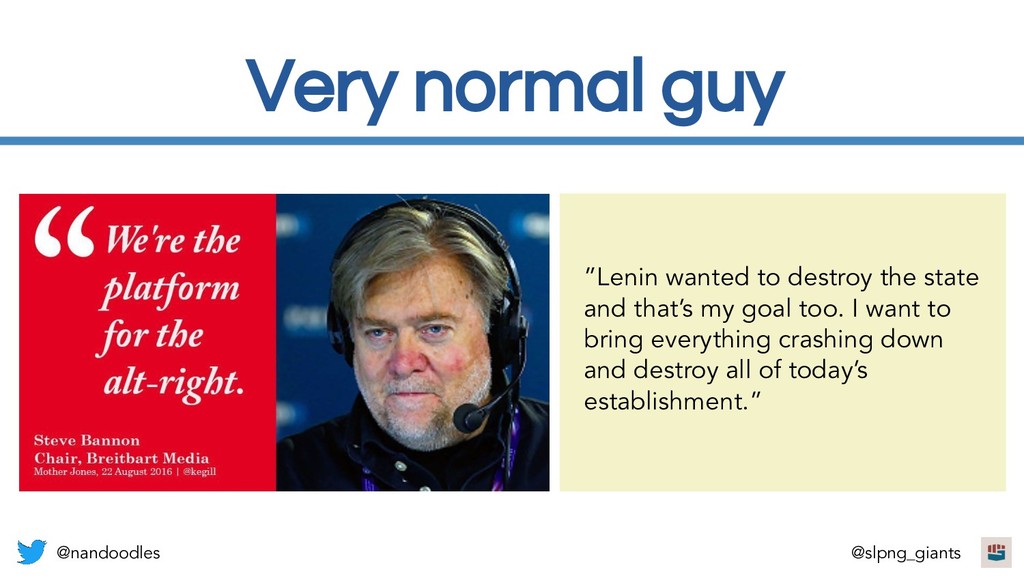
He went on to run Trump's campaign and, went on to follow him into the White House as an advisor. So Steve Bannon is basically like one of the worst people in the world. His his stated goal is to burn down the state, to destroy the establishment, and to replace it with some kind of ethno fascist nation or something.
For context, he was, he was the guy behind the Muslim ban. And he had he had a goal. He viewed Breitbart as a weapon in this war he was fighting on this road to fascism. And he had a plan to make that happen.
And that and that plan, the first part of that plan was to start an information war. And I'm gonna show you how easy it was for him to do this in three unnervingly easy steps. So step one, to look like legit news. I wish I could say that it was harder than opening a door and walking in, but it wasn't.
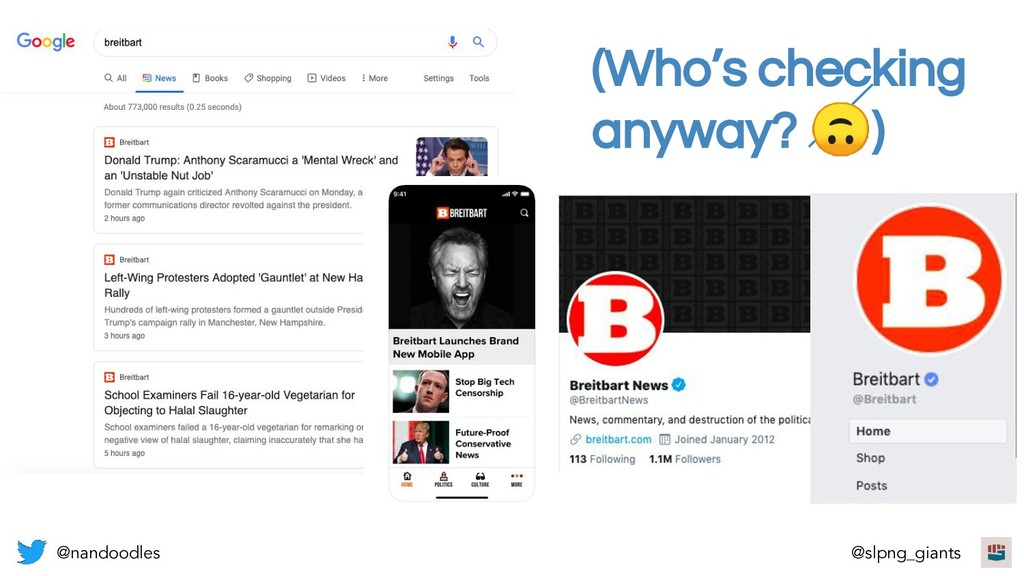
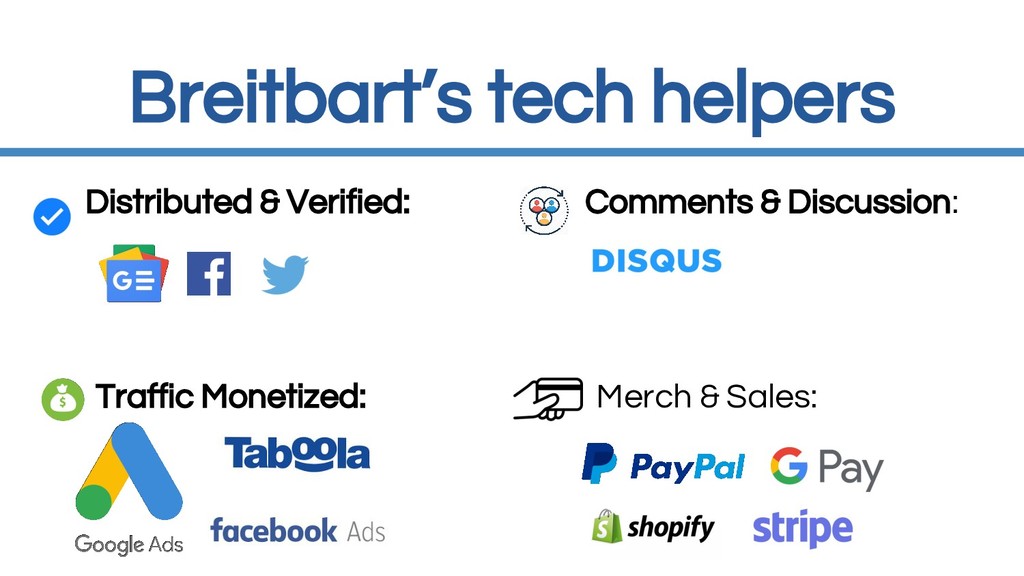
It was as easy as submitting your website to Google News, showing them that you publish articles, like, current events articles, and, with time stamps and dates on them. And you were basically in. I mean, no one was really checking. And then from there, you were, you were you you could become verified on Facebook as a media source, as a verified news source.
You were on Twitter. You get on Apple News as a verified source. And so now you look like a truly legitimate source of information alongside the New York Times and CNN. So what do you do once you look like a legit source of information?
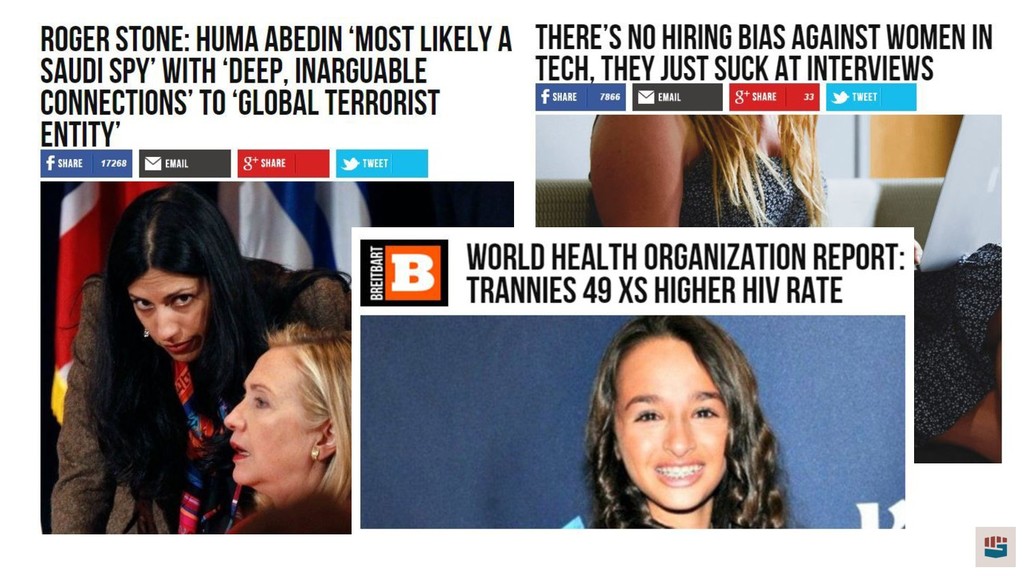
Obviously, you crank out propaganda and misinformation twenty four seven. And that's exactly what Breitbart was doing. So they started publishing, articles, news that or not news. Articles that looked like news, that approximated news, that a reasonable person might believe is news, but it was in fact propaganda.
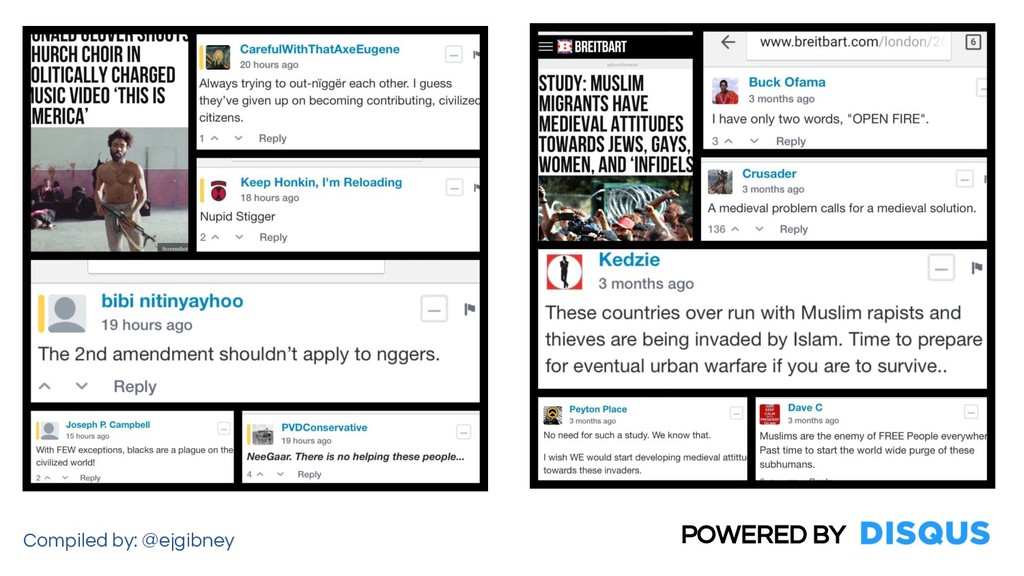
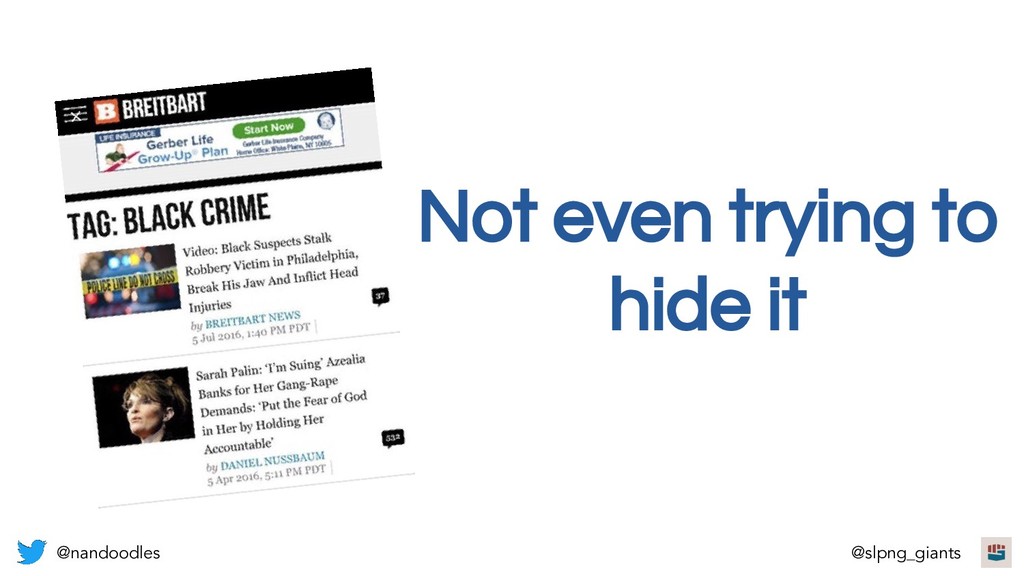
It was racist propaganda. It was hateful. It was antisemitic, homophobic. You name it, they were writing about it. And in case you don't believe me, check out the comment section on this website. It looks like a KKK rally. And they weren't even trying to hide it.
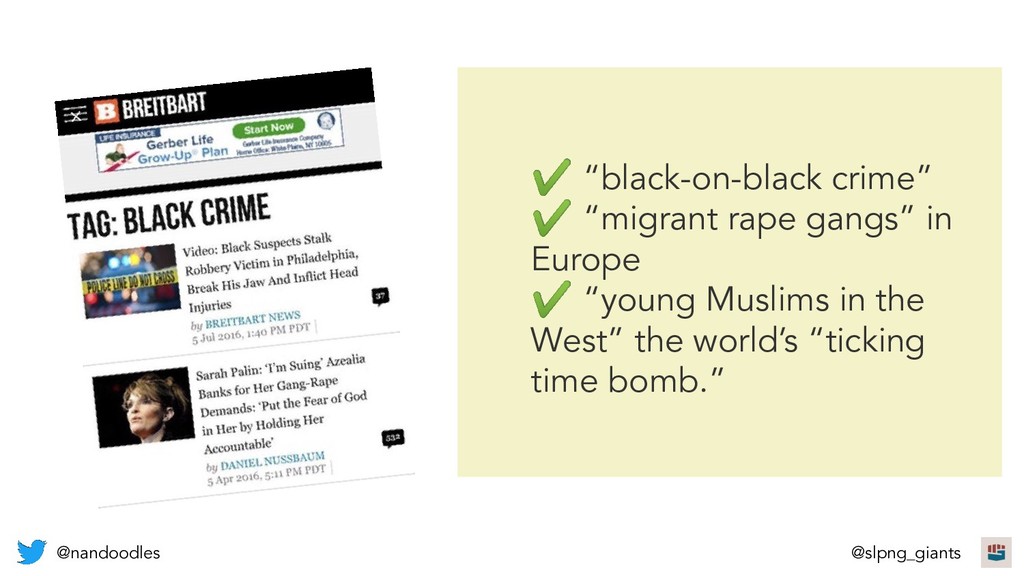
I mean, they were talking about black on black crime. They had a black crime tag. They were talking about migrant rape gangs in Europe to scare people about refugees coming into Europe. They were talking about young Muslims in the West being the world's ticking time bomb.
I mean, these stories are designed to elicit a certain kind of emotional response. Right? They're designed to make you feel angry. They're designed to make you feel fearful. They're designed to make you feel confused. But above all, they're designed for engagement and clicks.
And that's step three of the plan, to monetize that traffic, baby. So who is paying for all this, by the way? Who is paying for this? It was all of us. It was all our brands because we all know how programmatic advertising works.
Right? We turn on our Google Ads and our Facebook ads, and our ads could appear anywhere on the Internet. And that's exactly what was happening to everybody. Wasn't just a small company. It was the biggest companies in the world who had no idea they were on this website.
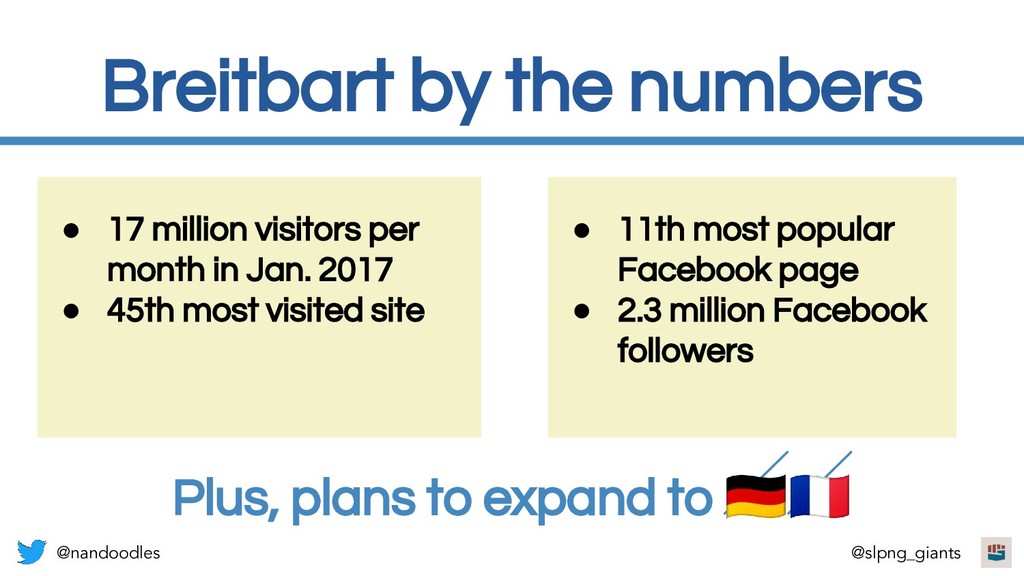
They're making tons of money off of it too. So by all means, this was a smashing success for Breitbart. They, of course, they won the elections. There's that. They, at their peak had seventeen million visitors coming in per month. They were the forty fifth most visited sites in the United States.
They were ahead of even the Washington Post and Fox News. They're one of the most influential Facebook pages in the United States. And with this enormous amount of influence that they had won or stolen, I don't know, they had plans to expand to Germany and France and do it all over again ahead of their elections.
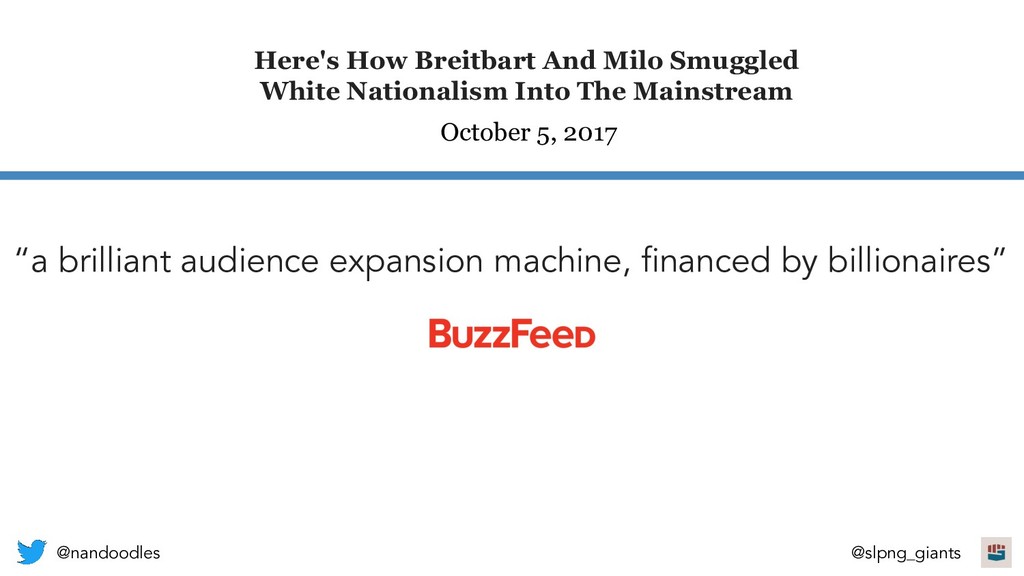
BuzzFeed did an article, an investigation into, Breitbart and how they were smuggling, white nationalism into the mainstream, how they were co writing with white supremacist groups. And they called it a brilliant audience expansion machine financed by billionaires. And I'm inclined to agree because they saw that there were rules, but that nobody was actually checking in on them.
There was no enforcement. No one was looking. They realized, okay, this is something for us to take advantage of. It's our it's our little loophole. And this is the way it was until we came along. And once we came along, Breitbart's empire crumbled instantly.
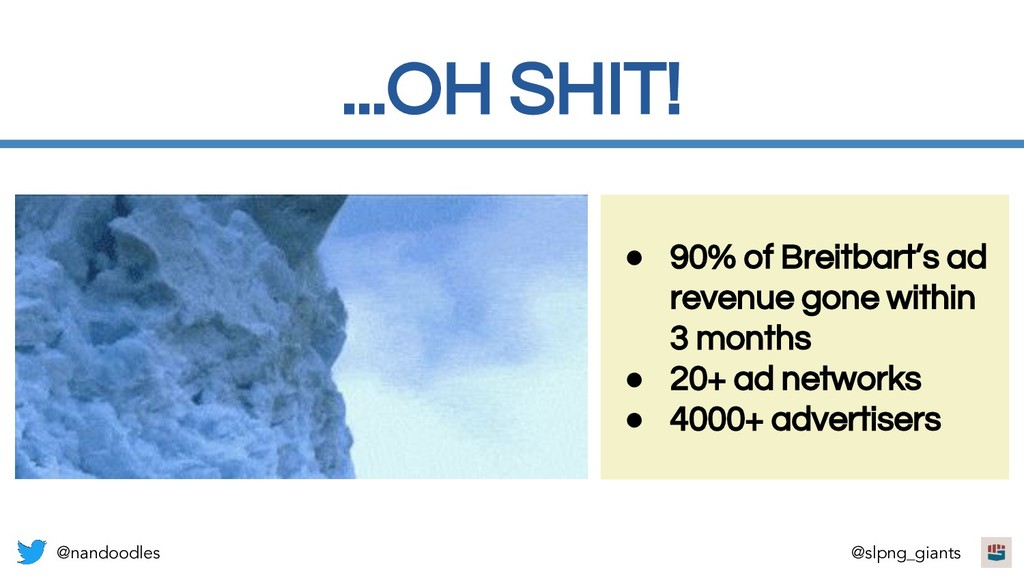
They lost ninety percent of their ad revenue within three months. Over twenty ad ad ad networks dropped them. And as of today, over four thousand advertisers have confirmed with us publicly that they've blacklisted Breitbart. But don't just take it from me, hear what Steve Bannon had to say last summer.
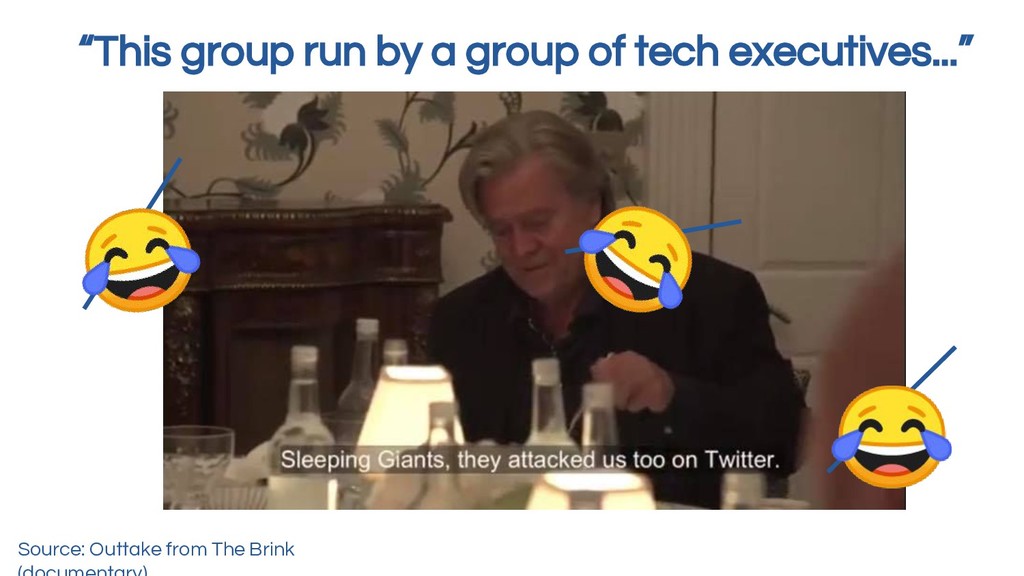
You have no ad income on bike ride, dude? They we went from when I left and and to take over the campaign, we were gonna make, like, eight million dollars free cash flow that year. After we won, this group called Sleeping Giants, a group of tech executives.
They attacked They they literally stripped out. They went and took the thirty five exchanges that sell the ads. Thirty one went away. So the ad revenues dropped like ninety percent. Sleeping Giants, they attacked us too. Yeah. Of course. See, they go like, you know you've been advertising on this site.
Yeah. Take it down. They said you did it. Yeah. And eventually, the Google banned us from, the AdWords Exactly. Which every other Ad Network uses. Yeah. Basically, we have to take all that down. Yes. That's what I remember. Same exact thing I remember.
That's what they they they and sleeping giants, they're gonna sue them because they're all active professionals in tech companies. Google, Facebook, etcetera. Yeah. But how how is it by the fact finance by the reader only now? It's done by advertisers. I'm saying it's it's in tough financial shape.
So it's through advertising still. Through advertising. All the right wing media, the top ten companies, by the end of the year, except for Fox, will be donor based. You'll have to have a donor come in and ready to share. There's no economic model.
I've watched that like a million times and it's still amazing. It makes me happy. So, I can tell you right now as far as I know, I'm a freelance copywriter. And, we as a community are four hundred thousand giants across Facebook and Twitter, who are just normal people, and we wake up every day and we send out tweets and we send out emails to business executives and leaders, holding them accountable for their practices and their actions.
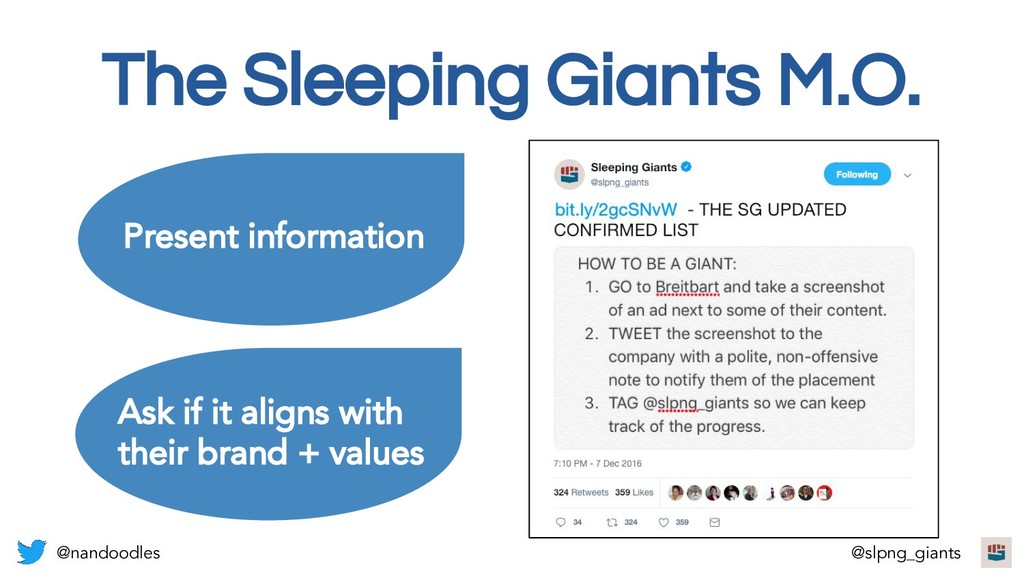
And we follow a very simple MO that we've been using since day one. We present you with information, and then we ask you if it aligns with your brand and values. And if it doesn't, we ask, okay, so what are you going to do about it?
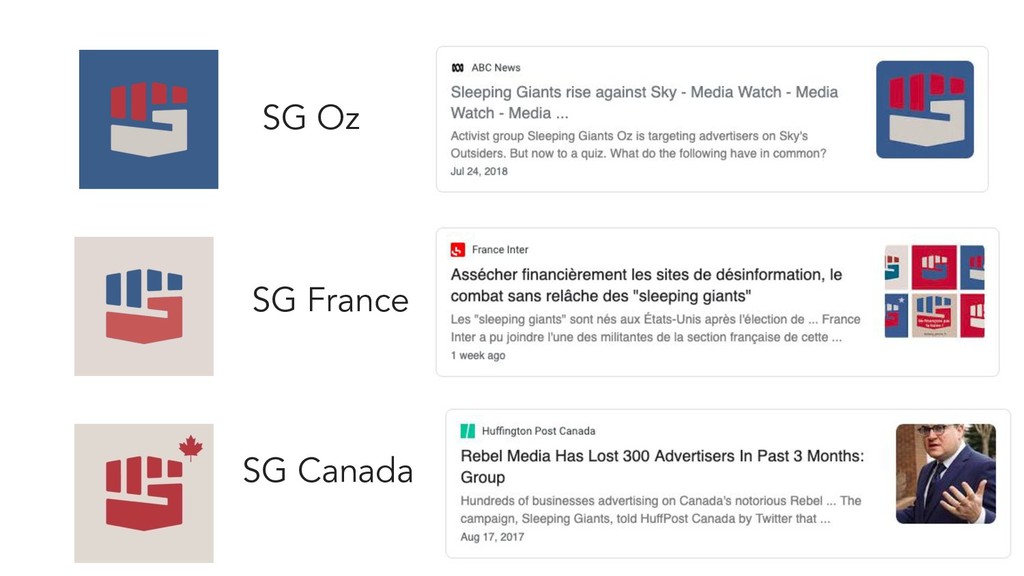
And this is an approach that scales. We now have Sleeping Giants accounts around the world. We have, Sleeping Giants, Oz, France, Canada, and they're all taking on their local versions of Breitbart and, and and having conversations with local advertisers. And as you can see, they're killing it.
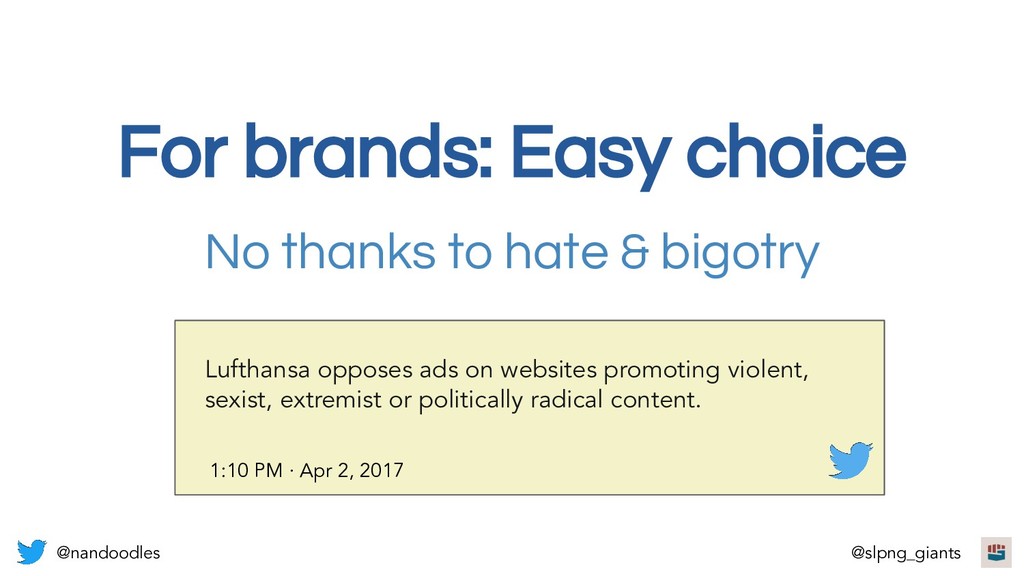
They're making their own international headlines, and they're doing an amazing job. So for brands, this has always been an easy choice since since we started. It's very easy for them to say or it was very obvious for them to say, no thanks to hate and bigotry.
They just don't want to be associated with it. They could see how that was bad for their brands. They couldn't get away fast enough. But when we presented the same information to Breitbart's, tech helpers, the tech companies that were supporting or contributing to Breitbart's business model, we got a totally different response.
Here's what here's what we got. We got, oh, it's not our place to censor an opinion or dictate what is allowed for people to write. We got, we don't like Breitbart, but products are speech, and we are speech. We got, it's a slippery slope. If we ban them, who's next?
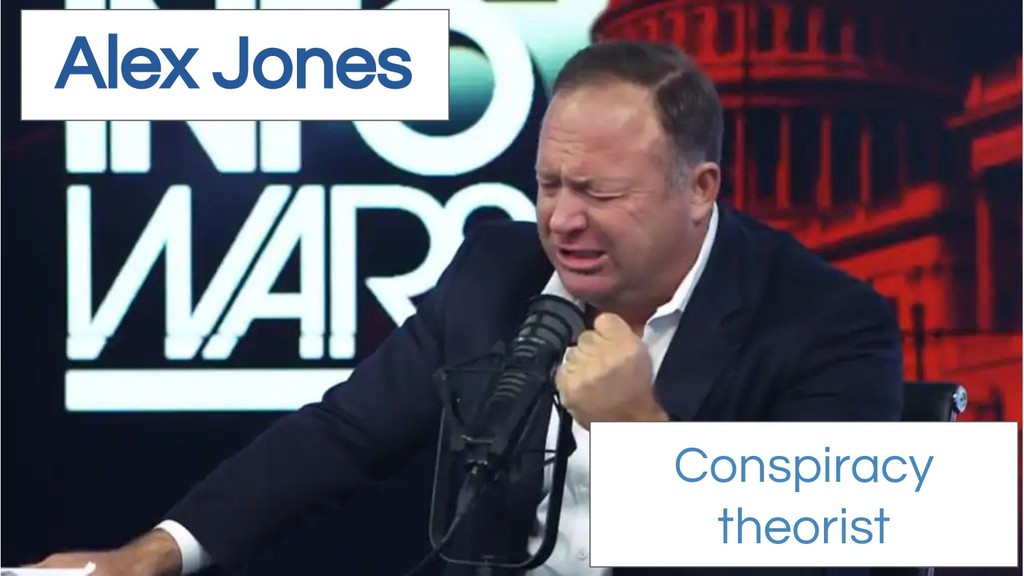
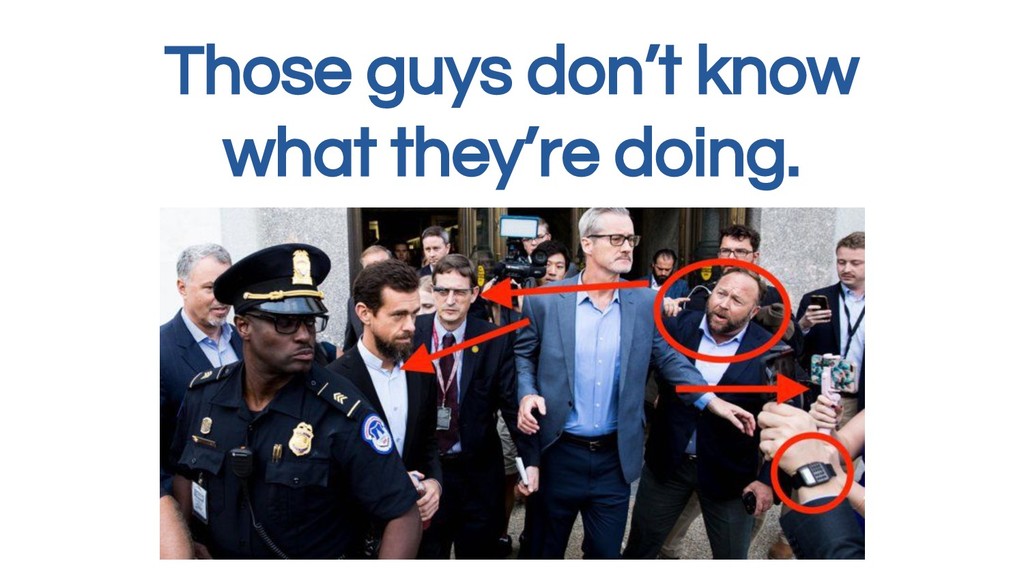
And this is a problem because this issue, as we learned, was way bigger than Breitbart. There is, in fact, a parallel society of hate and disinformation merchants who are building or have built and are running their enterprises on our software ecosystem. Take, for example, Alex Jones, the conspiracy theorist behind Infowars.
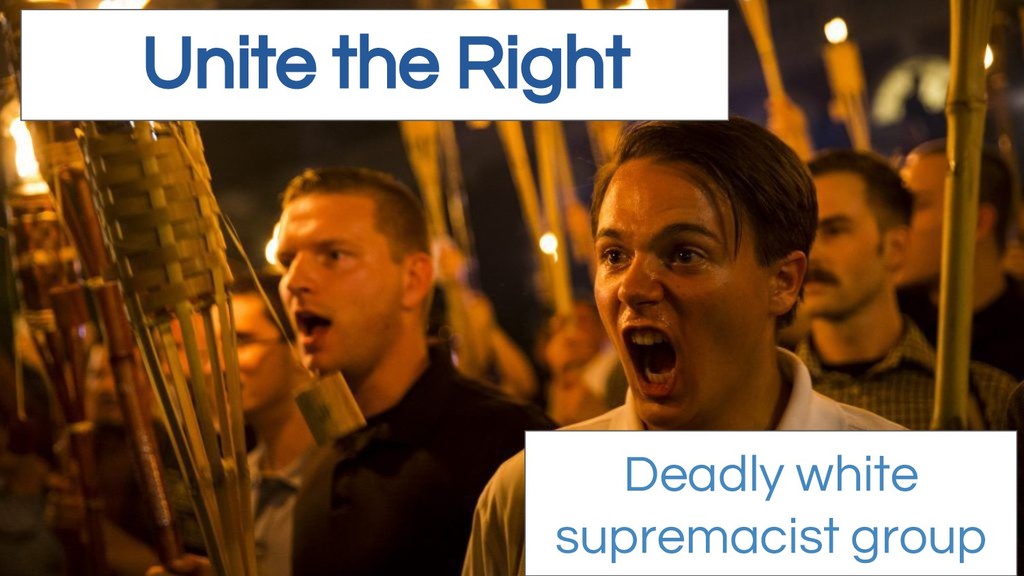
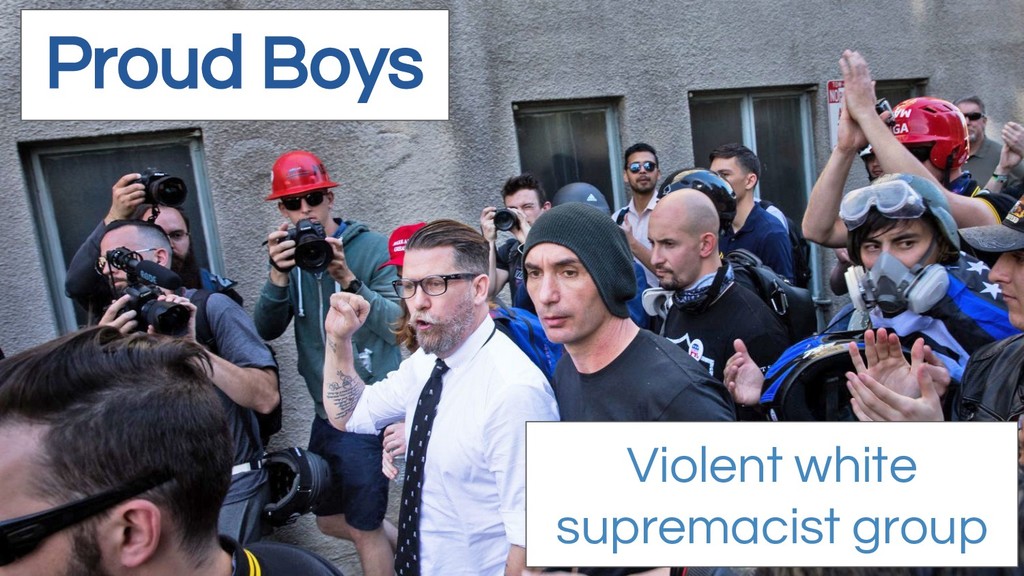
Unite the Right, a, a white supremacist group that organized the deadly rally in Charlottesville, Virginia in twenty seventeen. Proud Boys, they call themselves a drinking group that supports Trump, but in reality, they are a violent white supremacist group that organizes rallies, and and street violence around the country.
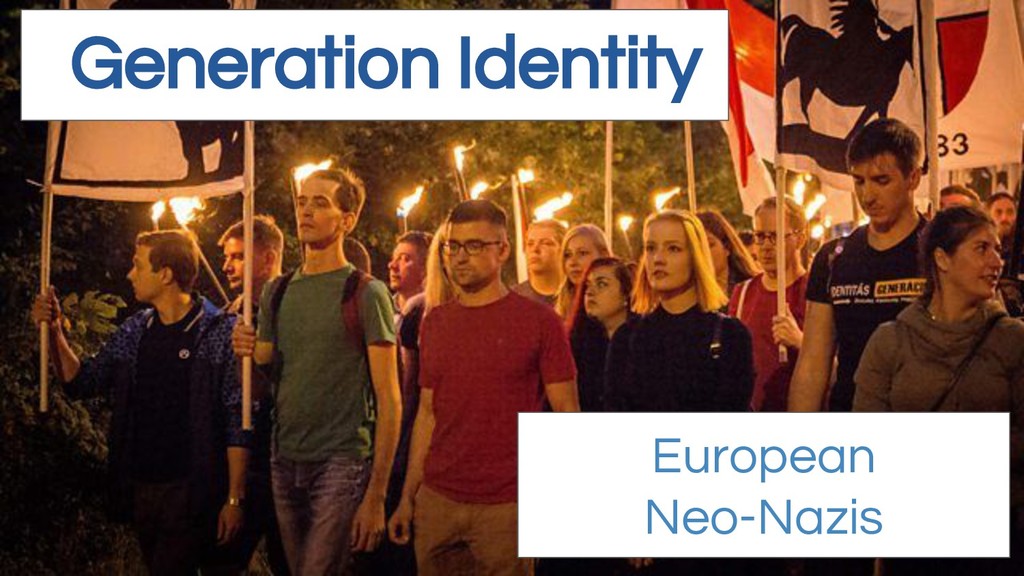
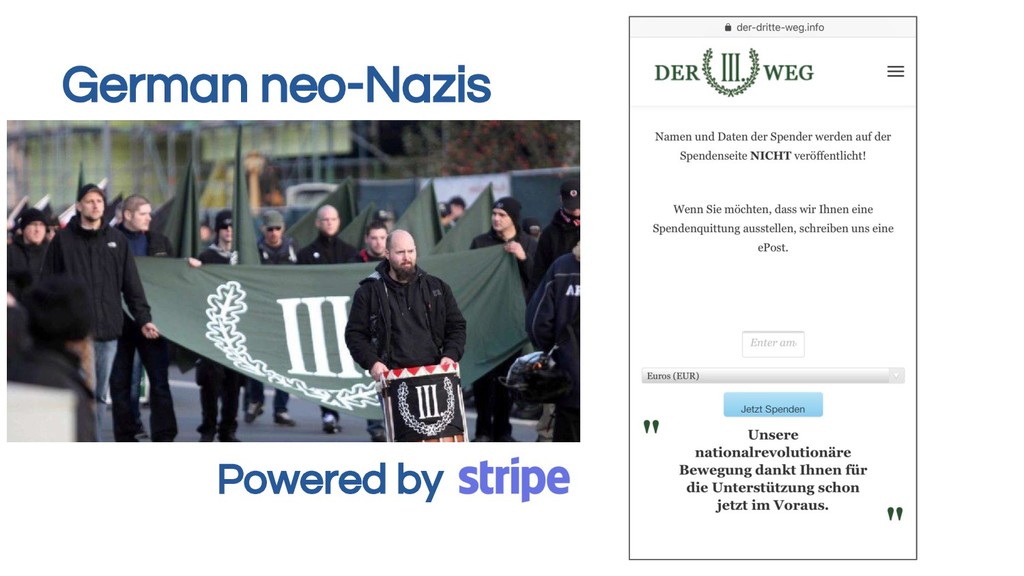
You guys know who this piece of shit is. And Generation Identity, a network of European neo Nazis across Austria, France, and the UK. I mean, how do you think these people are able to build their influence? How do you think these people are able to build their communities and their movements?
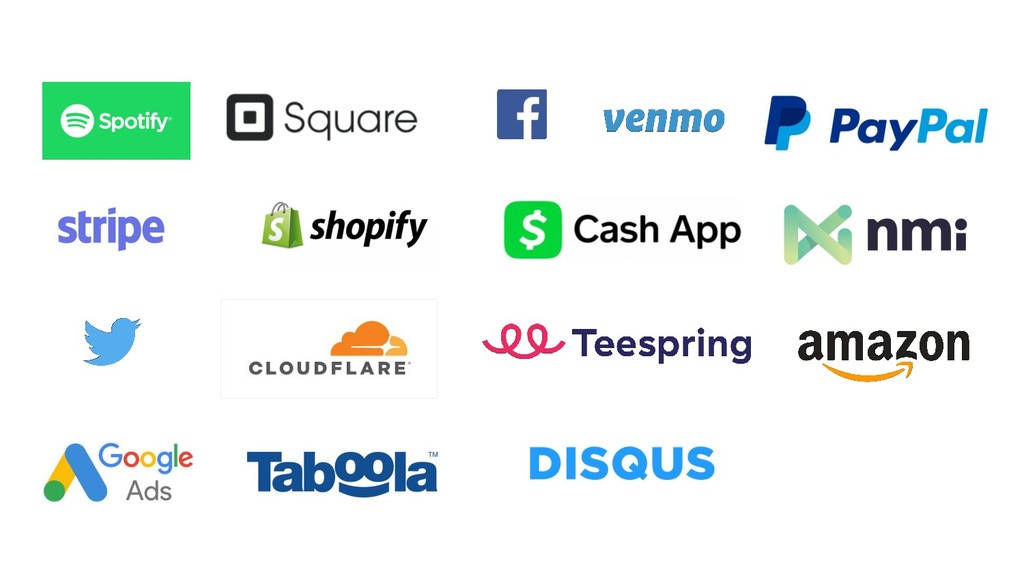
How do you think they're able to organize rallies and travel to them? How do you think they get the money to stay in hotels? Tech makes it happen. Tech is the backbone of their operations. In fact, right now, you or I could take out our credit cards or phones and instantly send five hundred euro to a neo Nazi group in Germany.
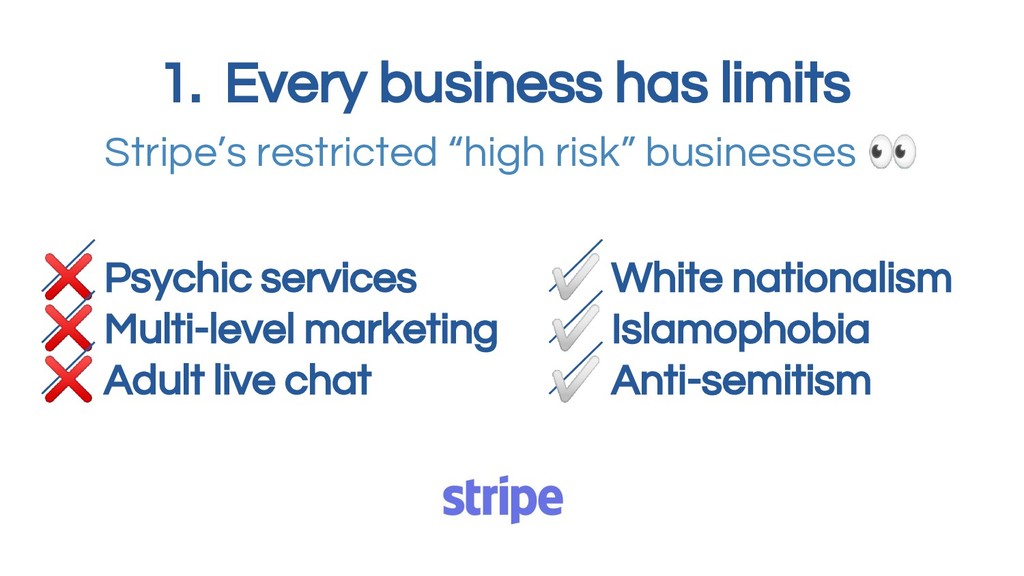
Stripe will work with literally anybody, and that includes a neo Nazi business. I hope you agree with me that we've reached a point in this industry that is untenable. Bad faith actors have co opted our systems and are using it in ways that is against our best interests.
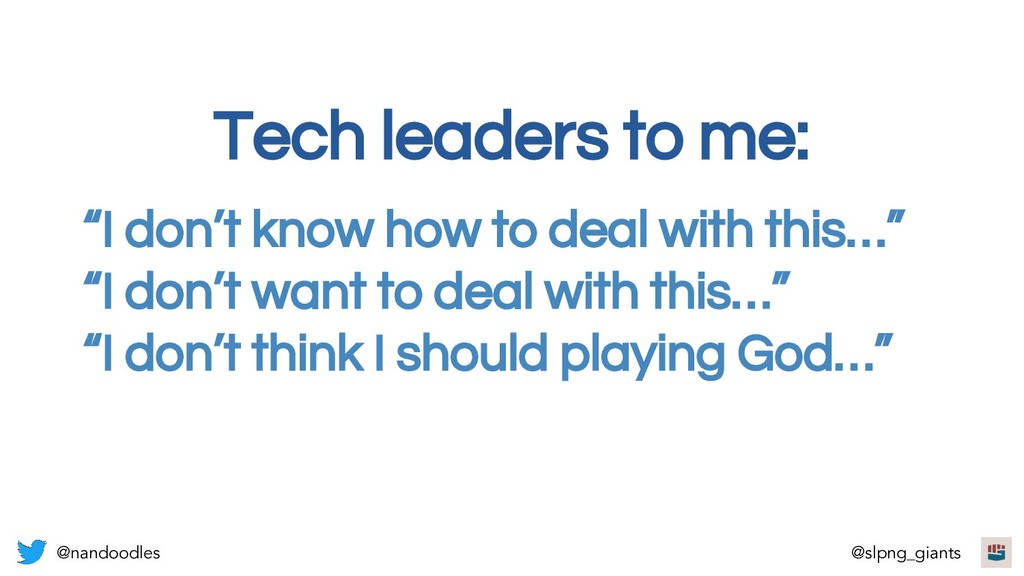
And yet when I talk to tech leaders, when tech leaders and I discuss, they say things like, I don't know how to deal with this, or I don't wanna deal with this, or should I even be dealing with this? You know, I don't want to play God.
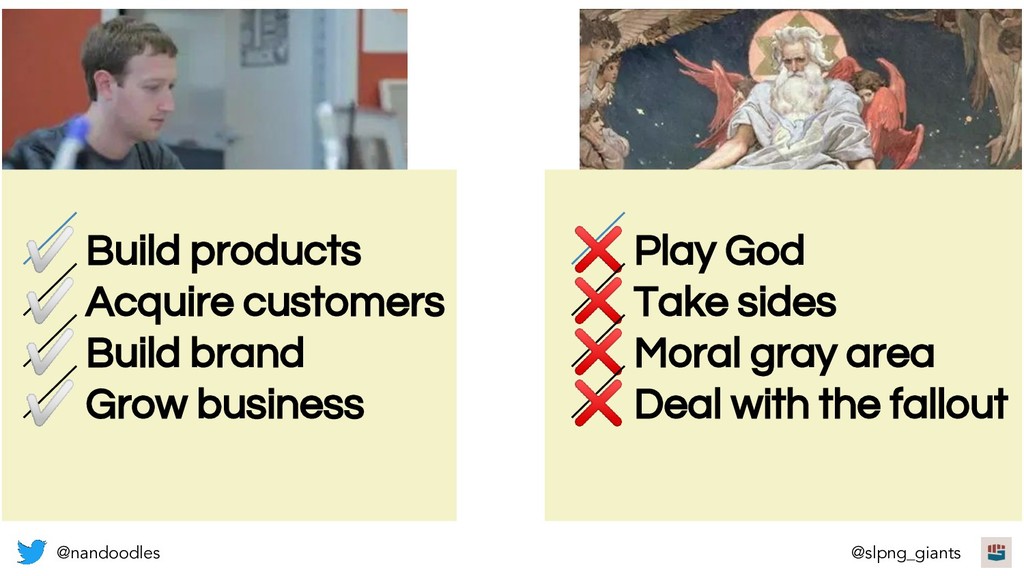
I just want to build stuff. And I get it. You didn't get into this business to play god or navigate a moral gray area. You got into this business to build products and make some money and build your brand and hopefully call it a day.
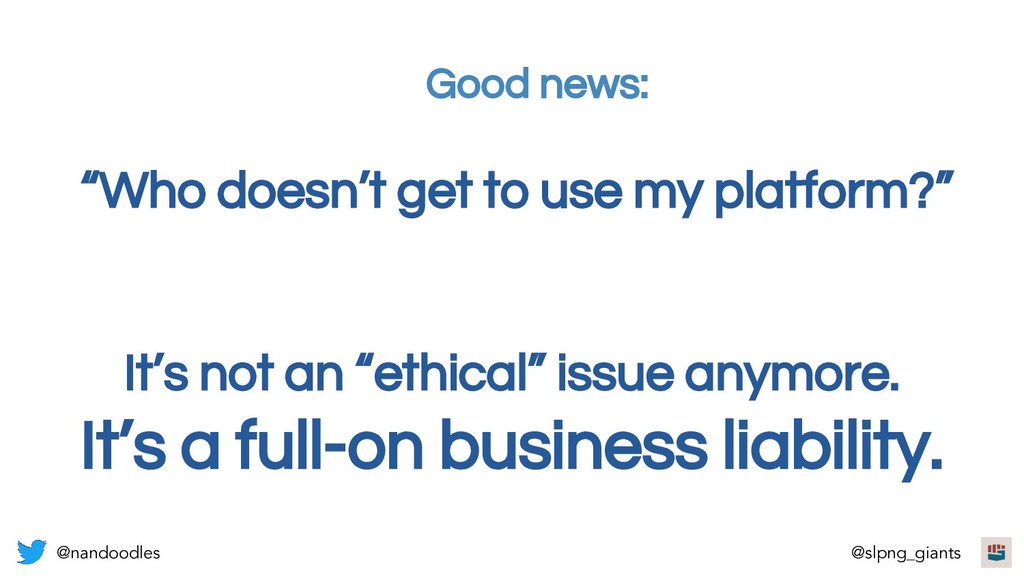
So I have some good news for you. This question of who doesn't get to use my platform is no longer, an ethical question or a philosophical question that you talk about after work over beers. This is a full on business liability. And here's why.
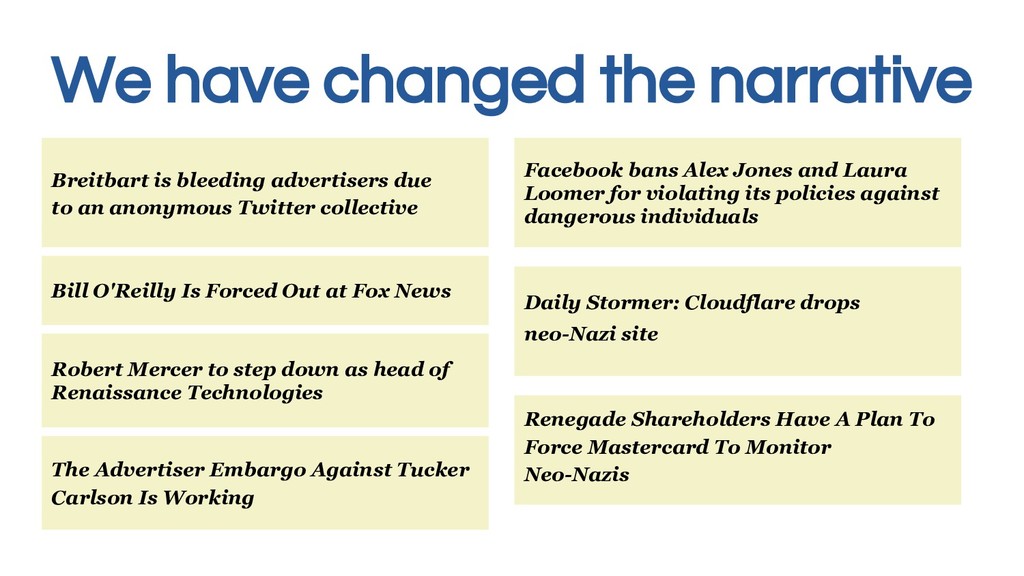
Because over the past few years, this MO that we've been using on Breitbart has been kind of like a proof of concept. We've used the same MO on campaigns that extend way beyond Breitbart. We've had our hands in a lot of pots in the past couple years, and this is just a small section of the headlines that we've made over the past few years.
And in that process, what we've done is educate the public on how hate groups and how misinformation hate groups and white nationalists are tied to tech businesses and how tech businesses have enabled it. And the and the public understands, and the public now expects you to answer for that.
We've effectively changed the narrative. So now what we're doing with our enormous social influence is to basically take a mirror to you and your brand values, and we say, okay, what are you going to do about it? So time's up for questions like this.
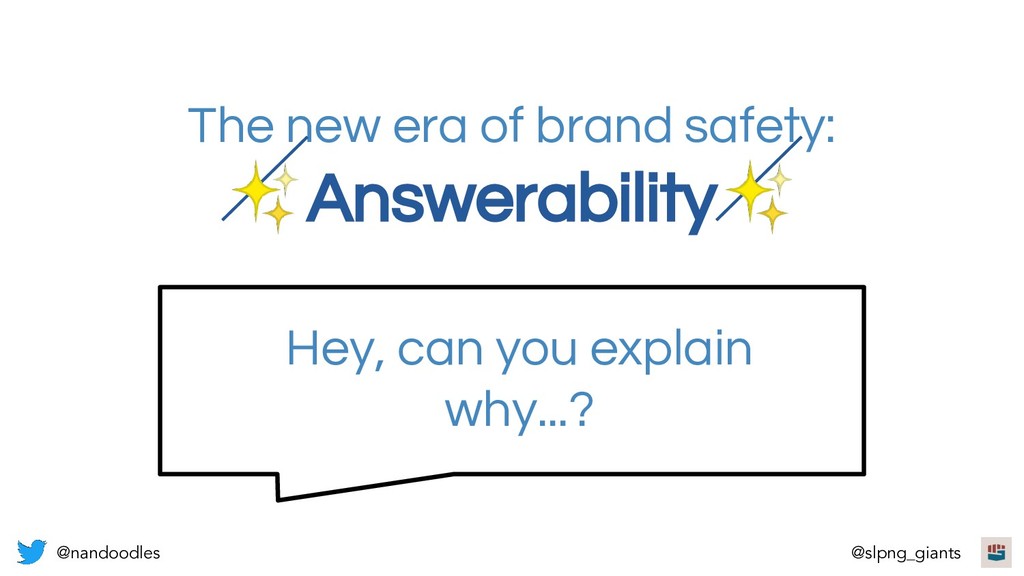
The time to ask questions like this is over. What you need to be thinking about now is what you're going to be doing during your next social media crisis because that could happen fast. And when it does, you need to have answers. We've entered a new era of brand safety.
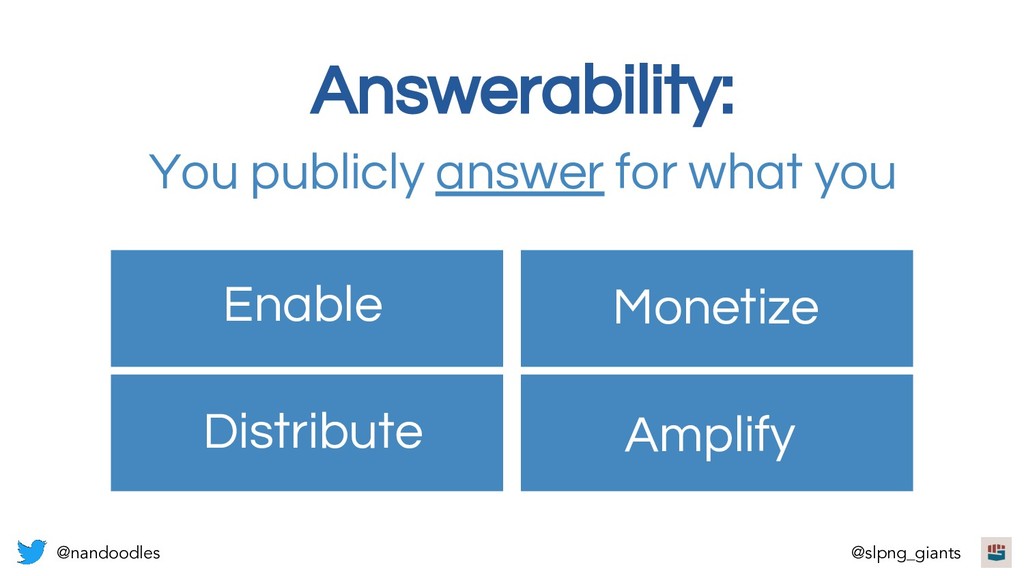
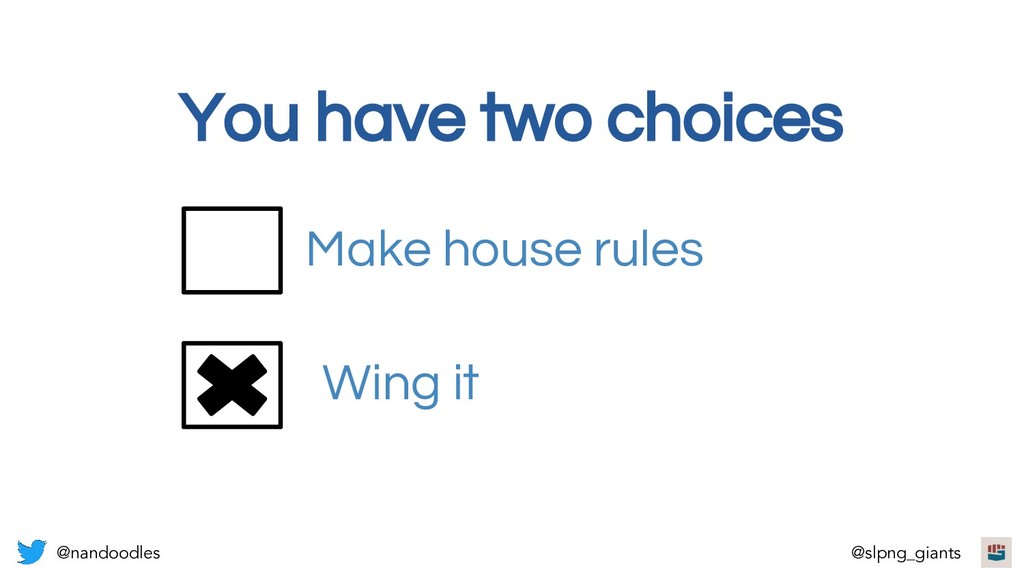
I call it answerability. Answerability is you publicly answering for what you enable, what you monetize, what you distribute, and what you amplify. You have only two choices in the era of answerability. You can either make some house rules or you can wing it.
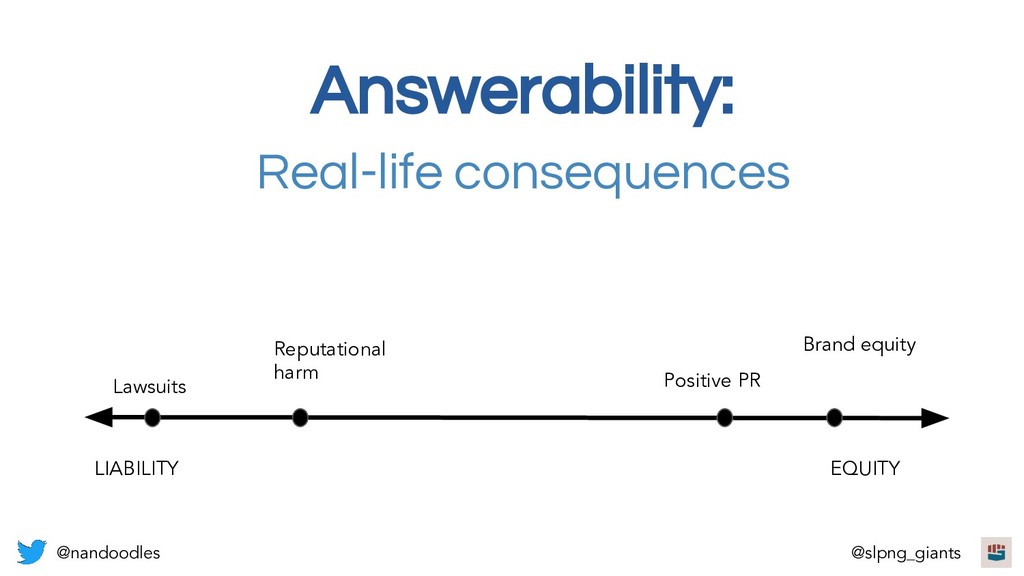
You can't really ignore it. That's not a choice. And in the era of answerability, the way that you answer determines where you fall on the spectrum of consequences. And this is real life business risk. This isn't something small. So on one hand, you might end up with reputational harm or even lawsuits on your hands.
On the other hand, if you are able to answer well, you might end up with long term brand equity, better relationships with your customers, some really great PR. And it's really up to you what you want to What I'm going to do now is show you your options.
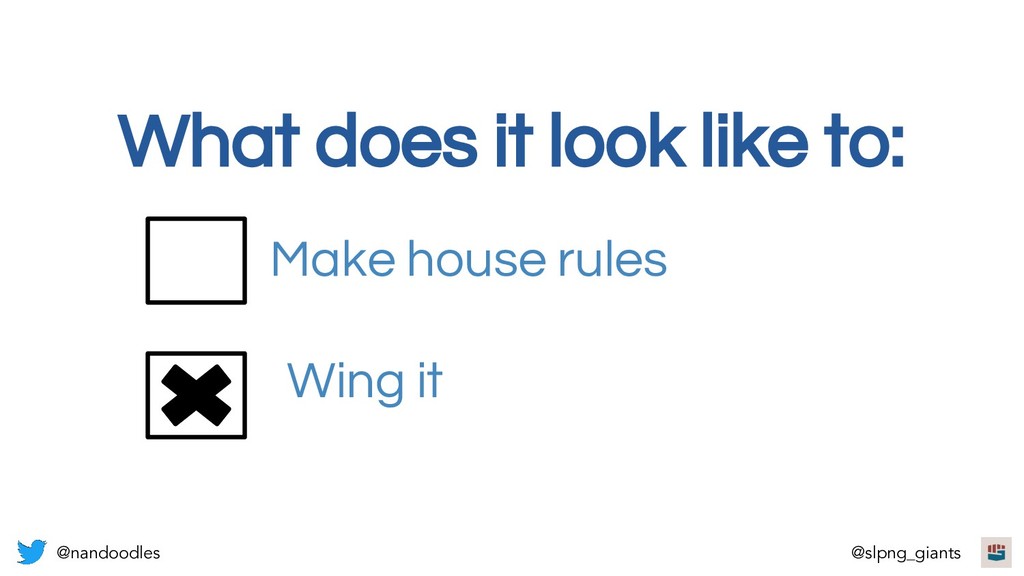
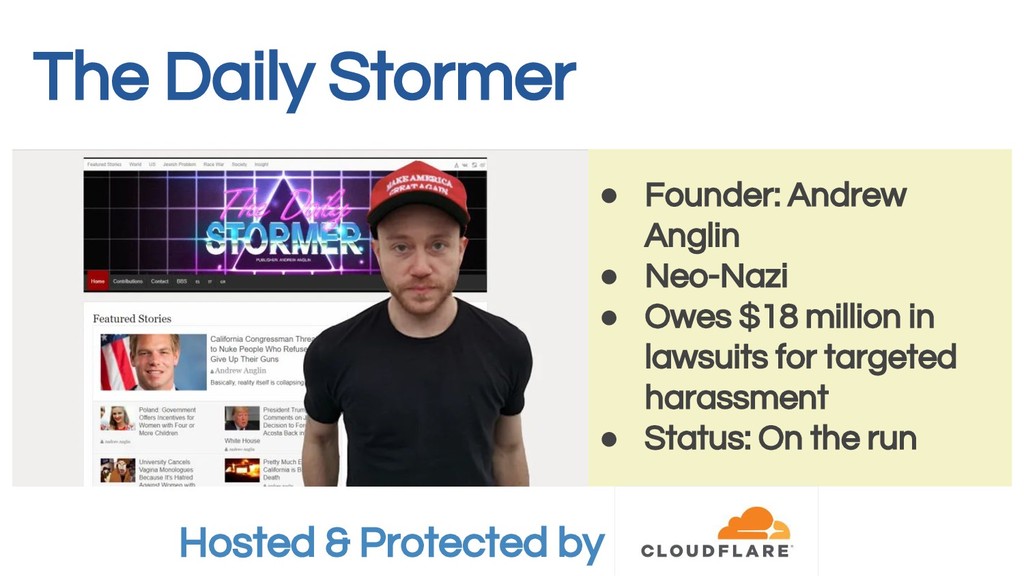
You have two options. Right? Make house rules or wing it. Let's look at what it looks like to wing it in the era of answerability. So there is, this website called The Daily Stormer. It's, it's a neo Nazi site run by an American neo Nazi named Andrew England.
Andrew is currently on the run. Nobody knows where he is in the world. And he's on the run for many reasons, but one of them is he owes eighteen million dollars to, people who have sued him. So a lot of people are looking for him.
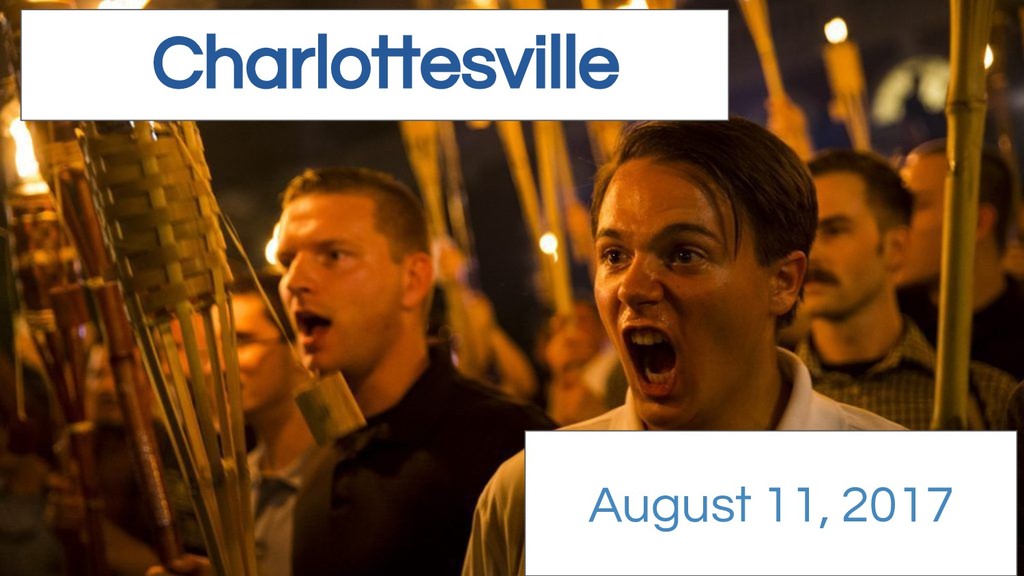
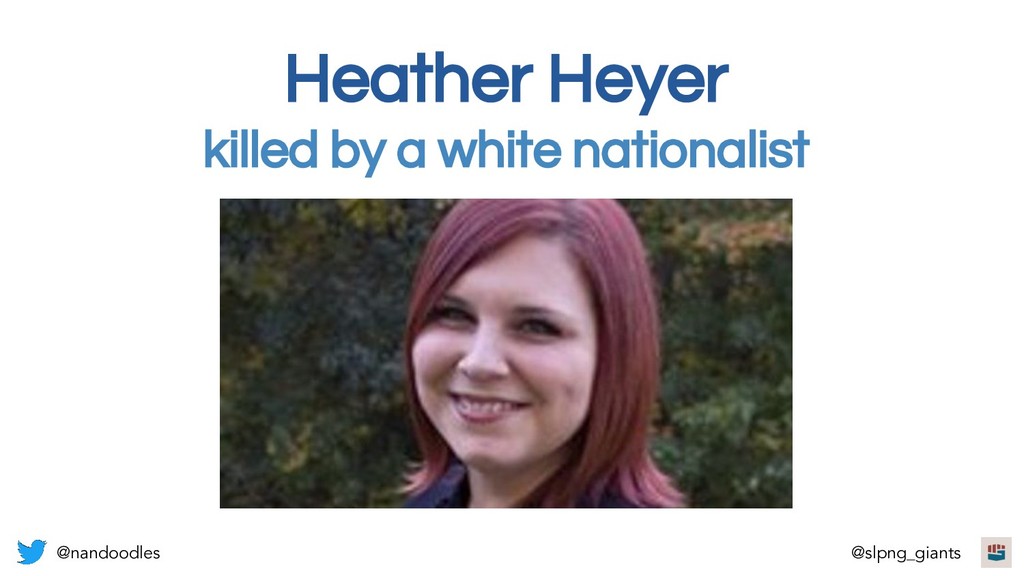
And, and for many years, he was protected and hosted by a company called Cloudflare. Cloudflare is a content delivery network and DDoS protection service. And this is how it was until Charlottesville happened. That was in August, twenty seventeen. And what happened that day was a white nationalist, mowed his vehicle into a group of protesters, killing one woman, Heather Heyer.
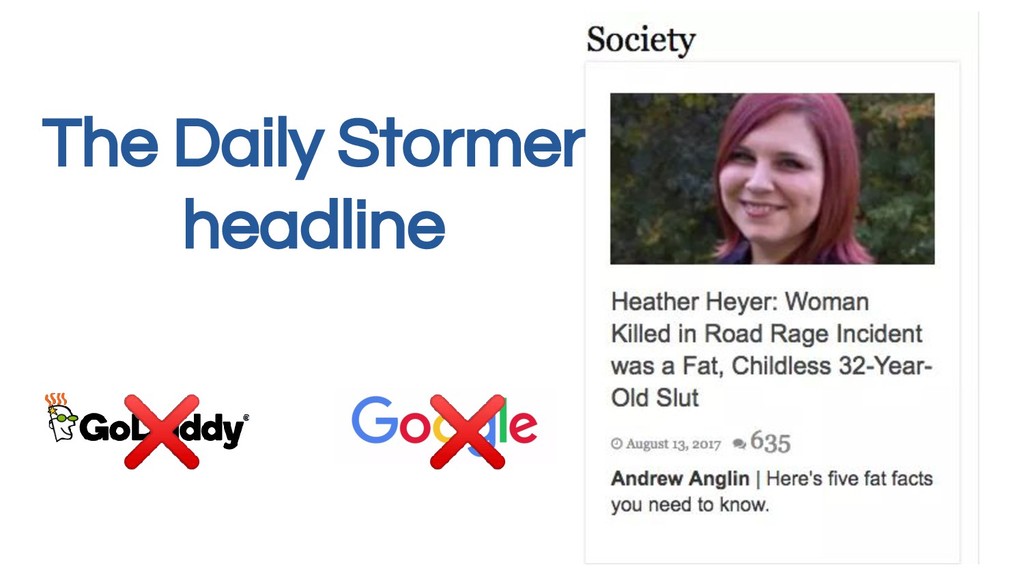
And, immediately following her death, the daily stormer ran this headline, glorifying her death and glorifying that violence. And immediately we started asking questions. And within hours, GoDaddy and Google were out. They said, this is a violation of our terms of service. We are not going to be working, with this website anymore.
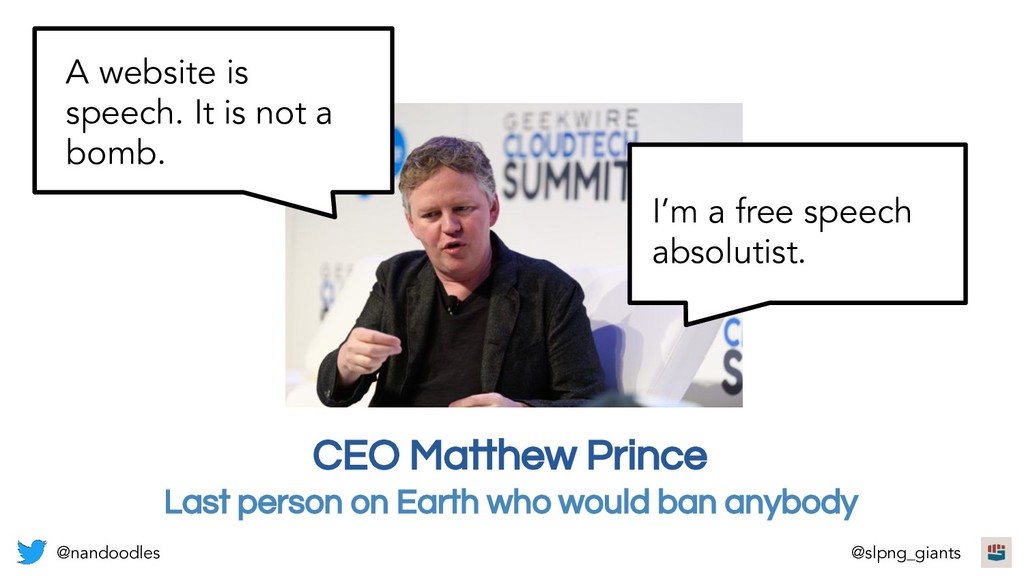
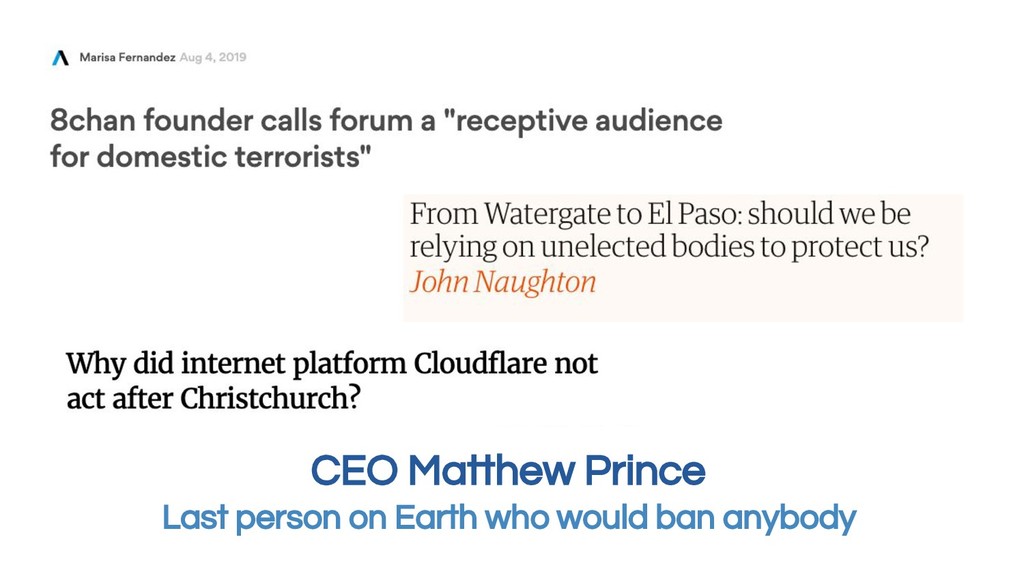
So that left Cloudflare alone in a corner with the Daily Stormer. And the CEO of Matt Prince the the CEO of Cloudflare, Matt Prince, is basically the last person on earth who would ever ban anybody. He is a avowed free speech absolutist, and he's been that way for many years.
He truly, truly believes that he runs a layer of the Internet that dropping a customer means that he's effectively, censoring them. So when we asked Matt what he was going to do about it, he's like, I'm not going to do anything about it.
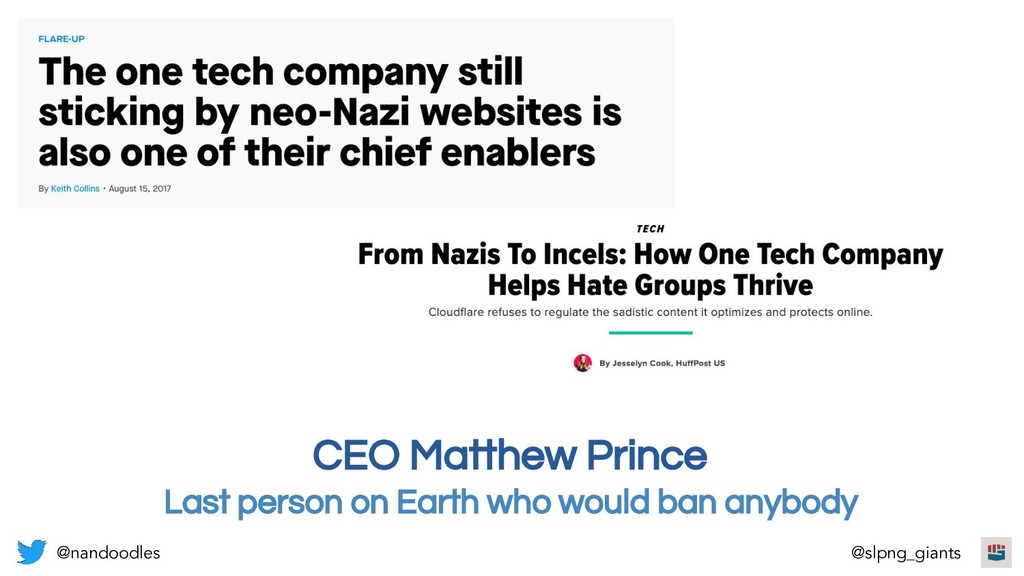
I'm a free speech absolutist. I'm not taking down the daily stormer. But this didn't go very well for him because this because he ended up having a lot of, being under an enormous amount of pressure for the next few days. These were the kind of headlines he was being, this is how he was being depicted in the headlines.
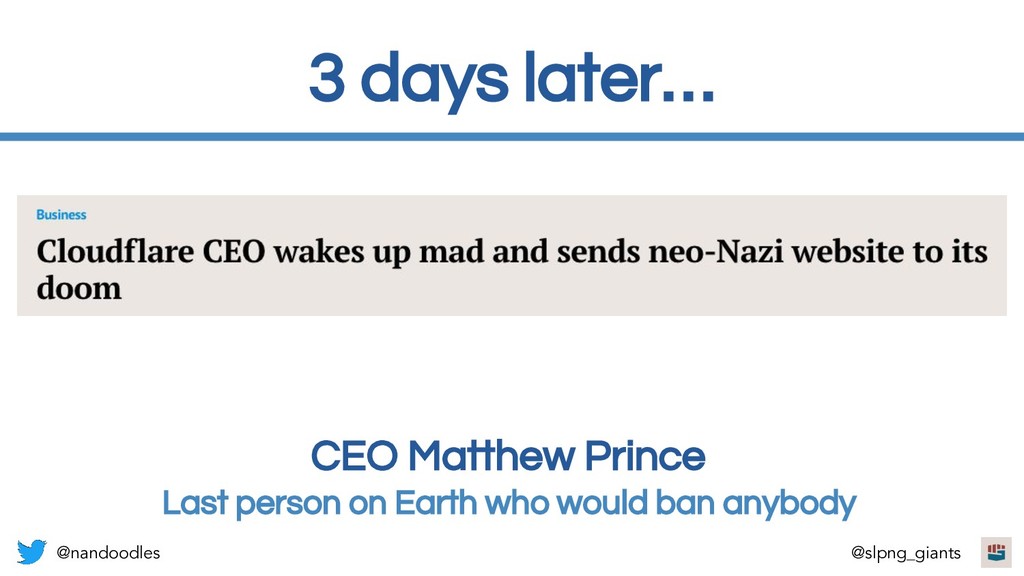
And kind of equally bad was that the guys at the Daily Stormer were like, oh, yeah. He's on our side. You know, being called a neo nazi enabler by everybody. It was it was bad. So what happened three days later? What did the last person on earth who would ever ban anybody do?
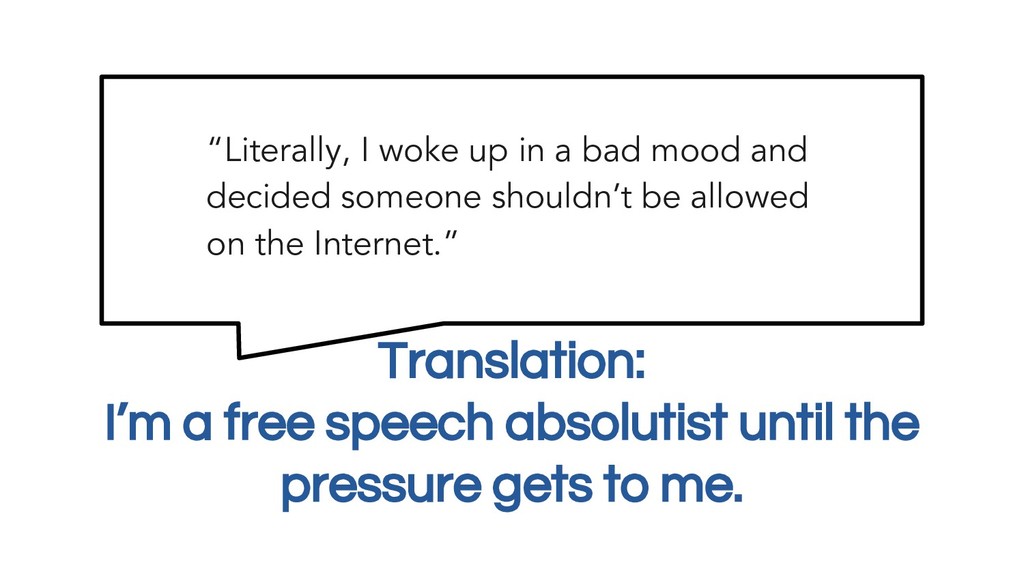
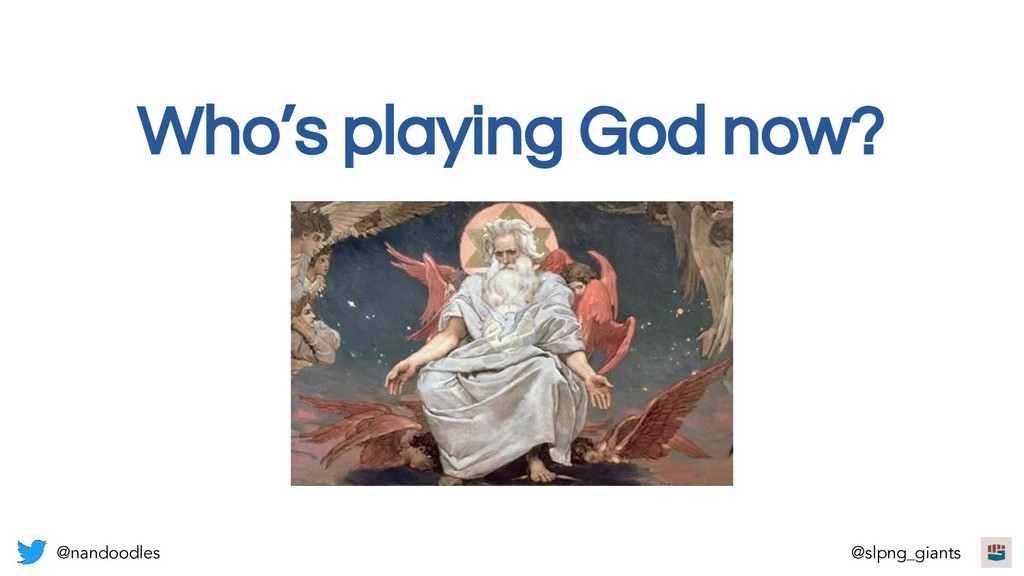
He banned the daily stormer. And why did he do it? He said, well, literally, I woke up in a bad mood. I realized there was no way we're going to have this conversation moving forward with people calling us Nazis. Okay. So, like, for someone who is a free speech absolutist who believes he doesn't want to play God, I have to ask, who's playing God now?
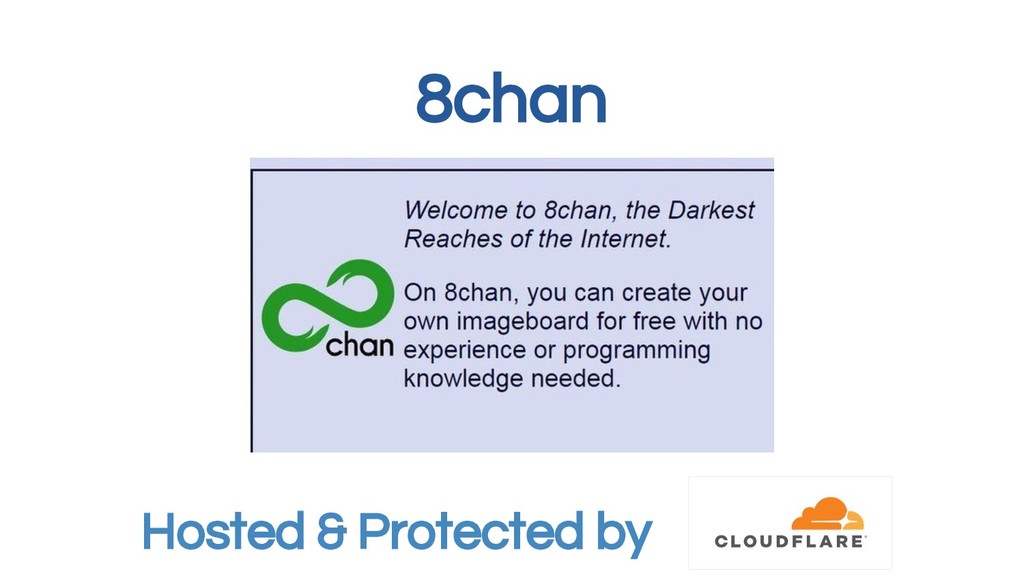
So this would have been a really good time to sit down, reevaluate your your position, and make some house rules. But they didn't do that. And Klausler was again in the news two years later this summer, just about a month ago actually, for, their relationship with eight chan.
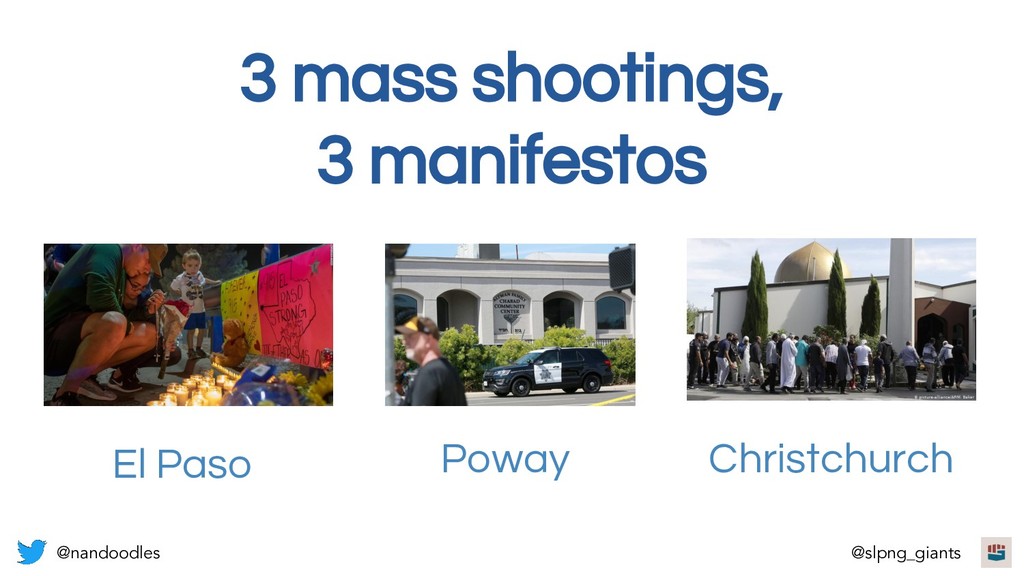
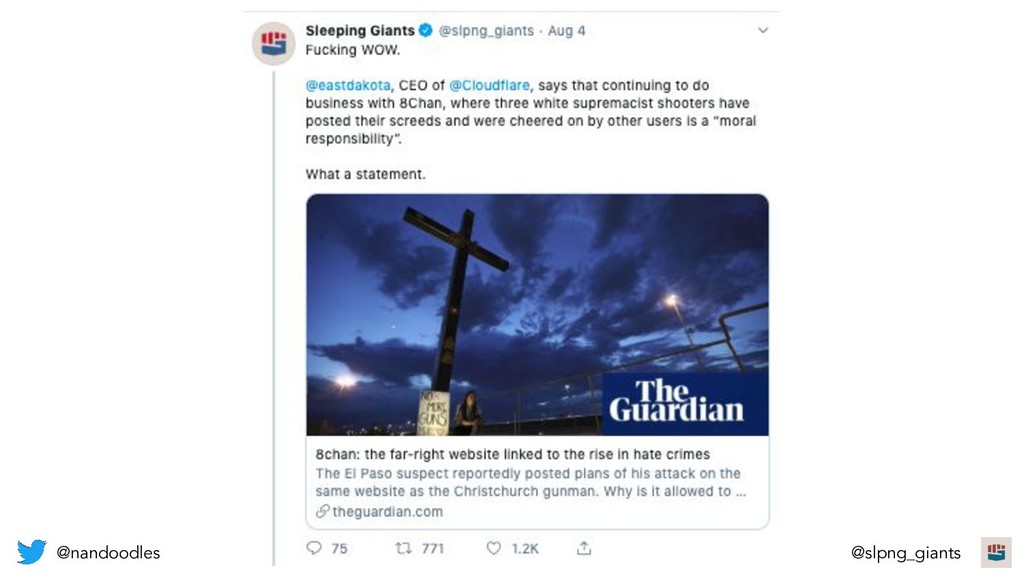
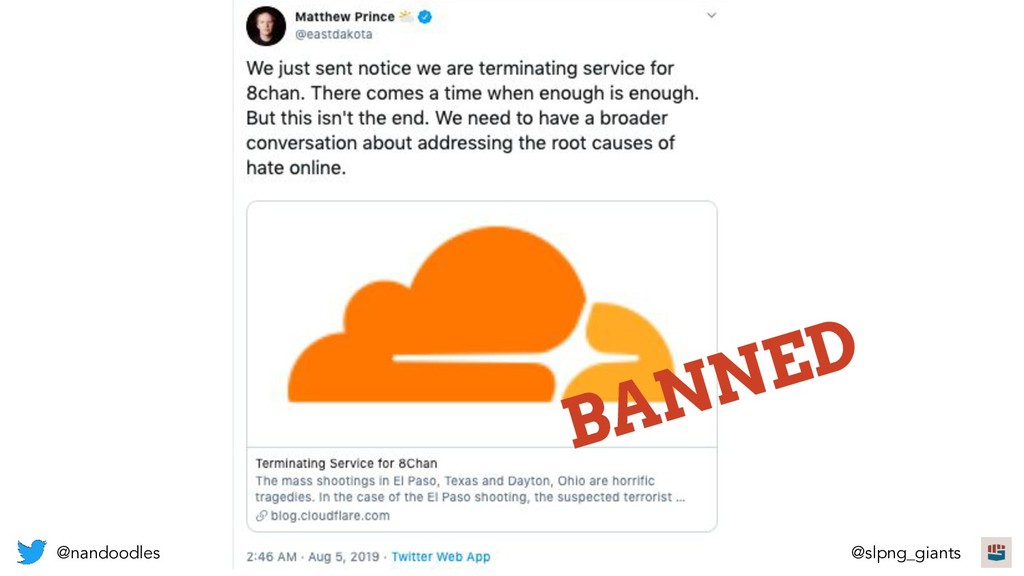
Eight chan is a anonymous, chat forum that's that basically breeds the worst of the Internet. Like a ton of violence and all the awful stuff on the internet is on h n. And they were also protected by Cloudflare for many years. But what happened was that in the past year, three mass shooters uploaded their, like, racist screeds, manifestos to eight chan before they went in and murdered people.
And it was clearly a place where people were encouraging each other to commit violence, to engage in violence. So after El Paso, after the El Paso shooting, we piled on the pressure again. We started asking questions. We said, why is Cloudflare sheltering this violent website?
It's very clear this website leads to violence. And once again, CEO, Matt Prince, said, I'm not going to do anything about it. It's my moral responsibility to protect eight chan and keep it in our network. And that didn't work for him again. Again, he was in the news with an enormous dealing with an enormous amount of pressure from the public.
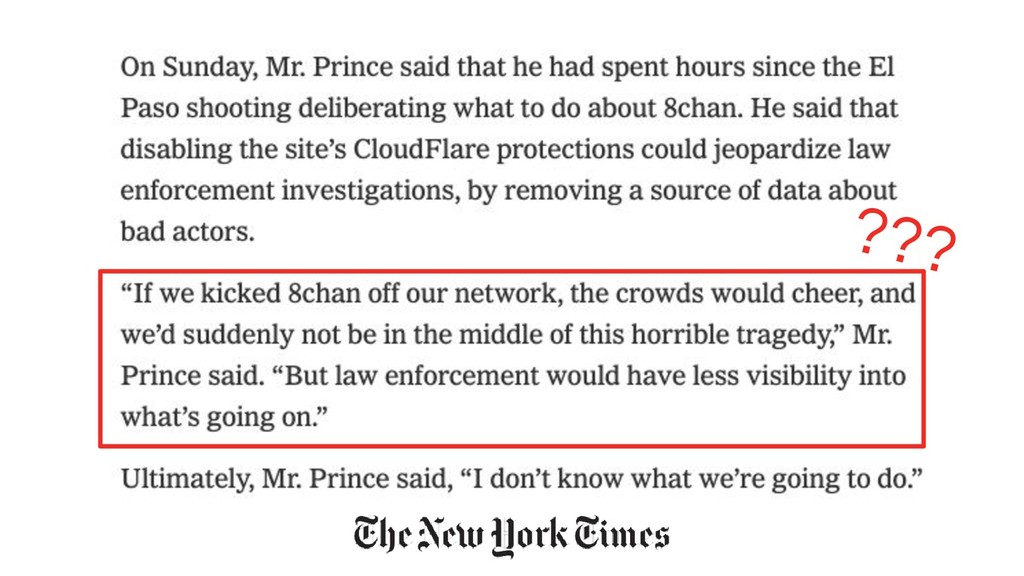
And we could tell that he was feeling the heat because he told the New York Times during this little period, he said, if we kicked eight chan off our our network, law enforcement would have less visibility into what's going on. And we're like, okay. We've never heard that one before.
We didn't buy it and I don't think even Matt bought it because one day later, Matt announced we have banned eight chan. So what was the rationale this time? He said, the rationale is simple. They have proved proven themselves to be lawless and that lawlessness has caused multiple tragic deaths.
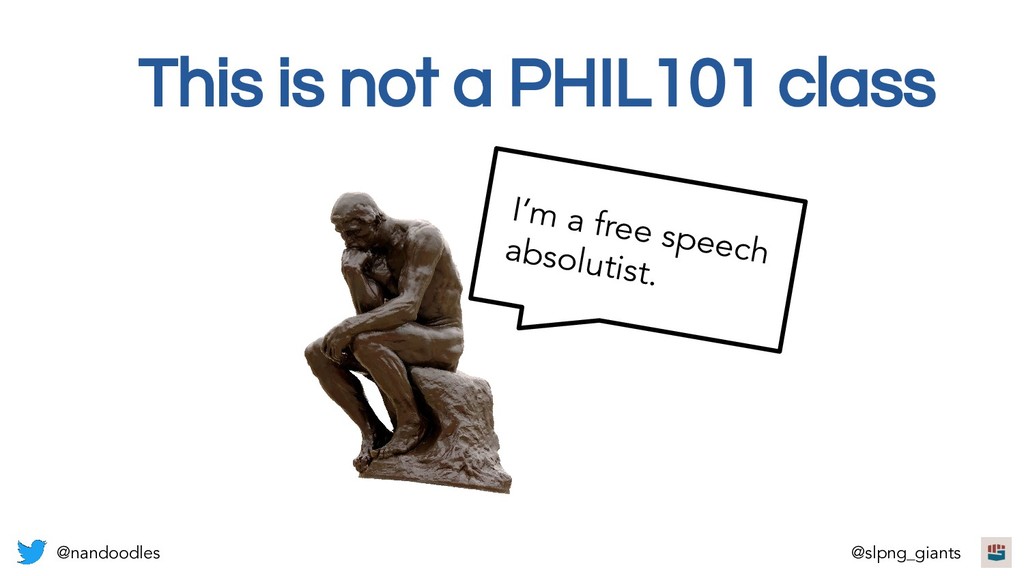
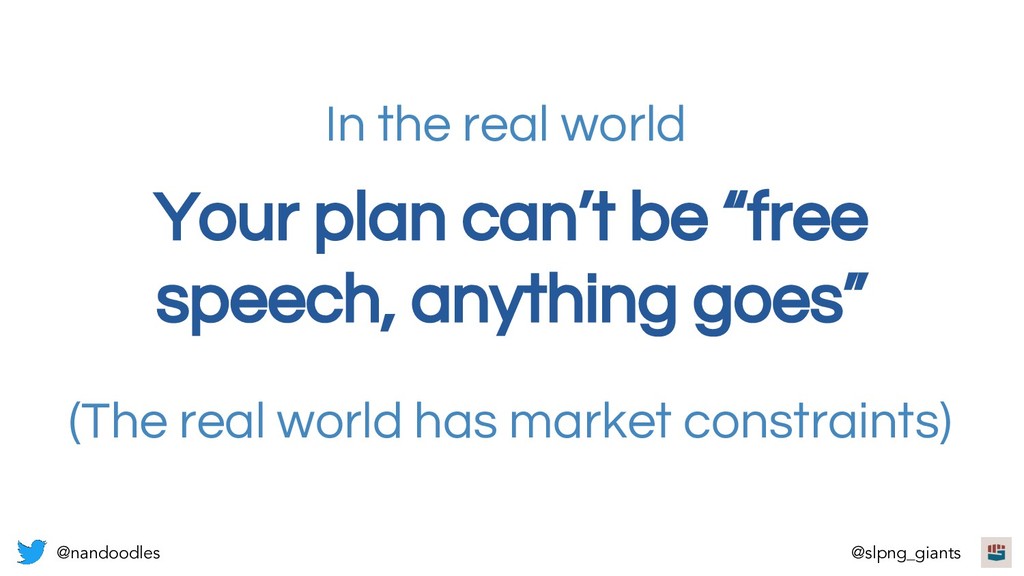
They have created an environment that revels in in violating its spirit, the spirit of the law. Okay, Matt. I mean, I think Matt realized that he wasn't in a philosophy class. He's not answerable to his college philosophy class. And and maybe free speech absolutism doesn't work outside of a philosophy class because in the real world, you are answerable to real world market constraints.
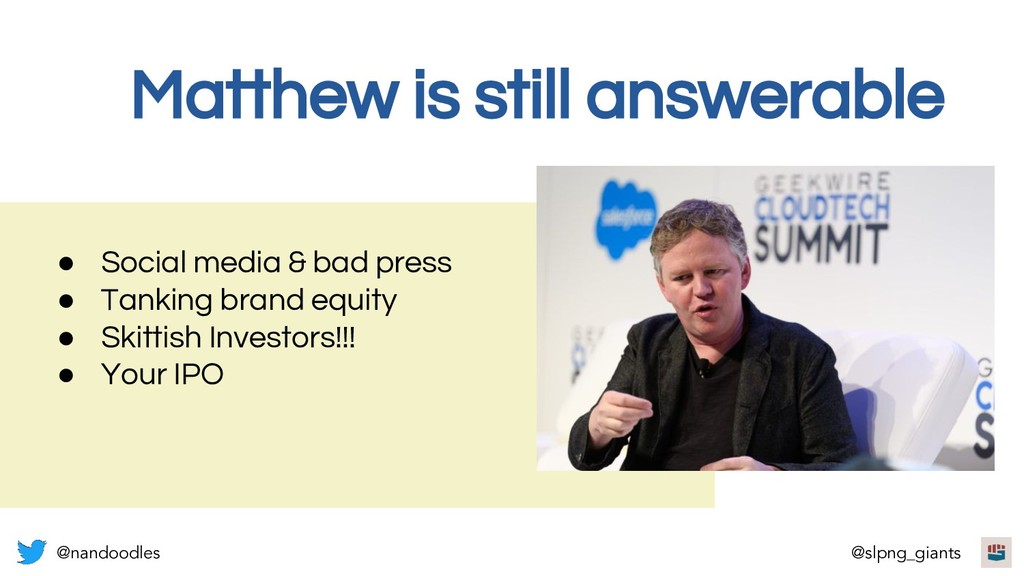
And in this case, Matt was answerable to social media, to a lot of social media pressure, thanks to us. Thanks to, a lot of people, actually. A lot of folks were after him. Social media, he was answerable to bad press, which led to tanking brand equity.
He must have been facing, a good amount of pressure internally from his employees, potentially from his customers. And, and of course, he has investors. And, Cloudflare is looking to IPO, so they must have been freaking out that they're gonna go into this IPO under this cloud of terrible PR.
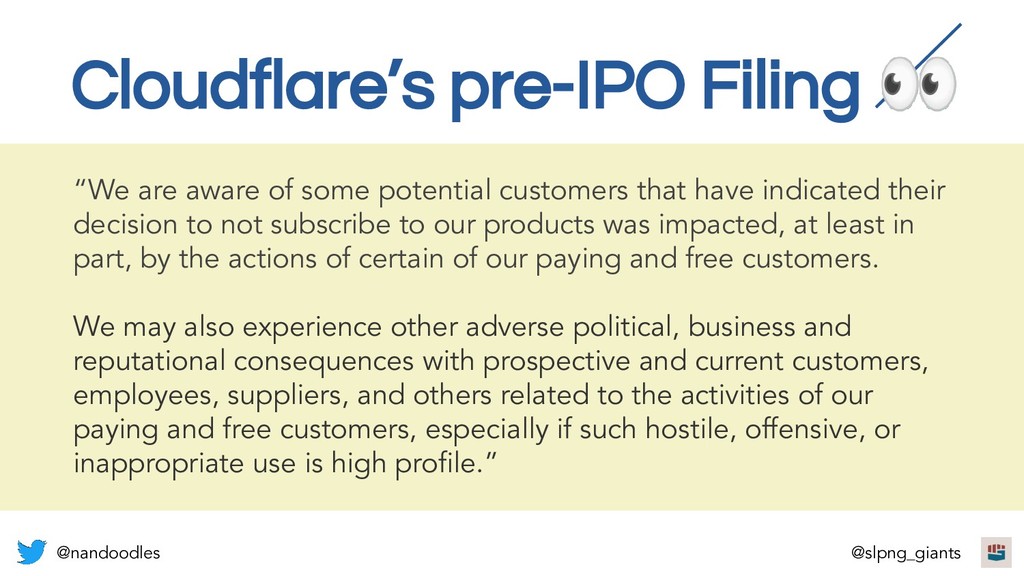
You can't run a tech business on free speech anything goes. It does cause long term damage to your brand. And in my opinion, Cloudflare created a whole new business risk for itself. You can see in their, their s one filing, their pre IPO filing, that they, they talked about one of their business risks which was that, like, customers were pissed at them for hosting offensive websites, but other people were pissed at them for dropping them.
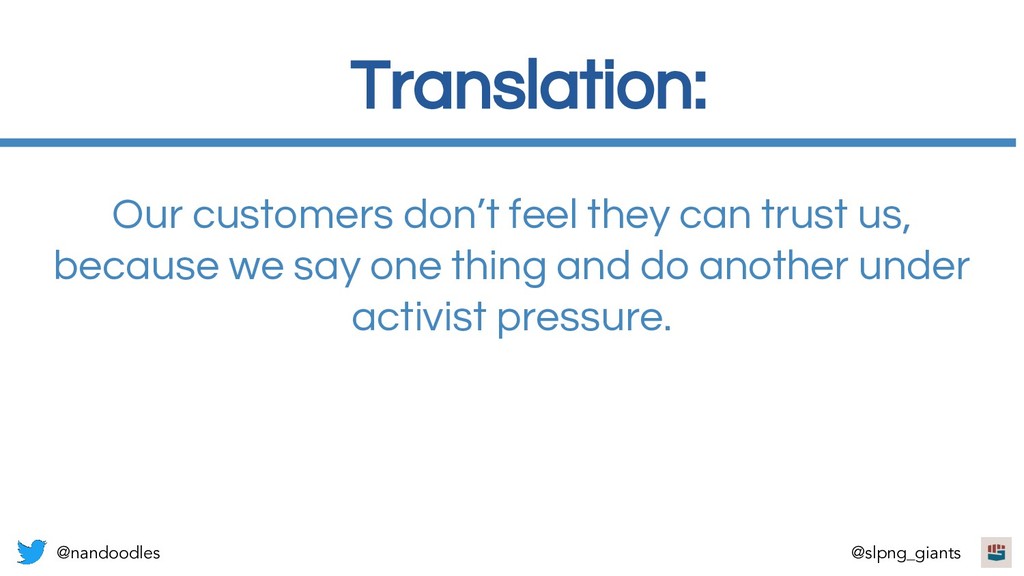
So they weren't really able to make anybody happy. And my rough translation of this would be, okay, we've put our customers in a position where they can't trust us because we say one thing until the activist pressure gets to us and then we do something else.
And that is not a strong brand position to be in. That is not a leadership thing to do. There's no point in values you can't stand by. So, yeah. I'm like exhausted telling you about that story. Is there an easy way an easier way to do this?
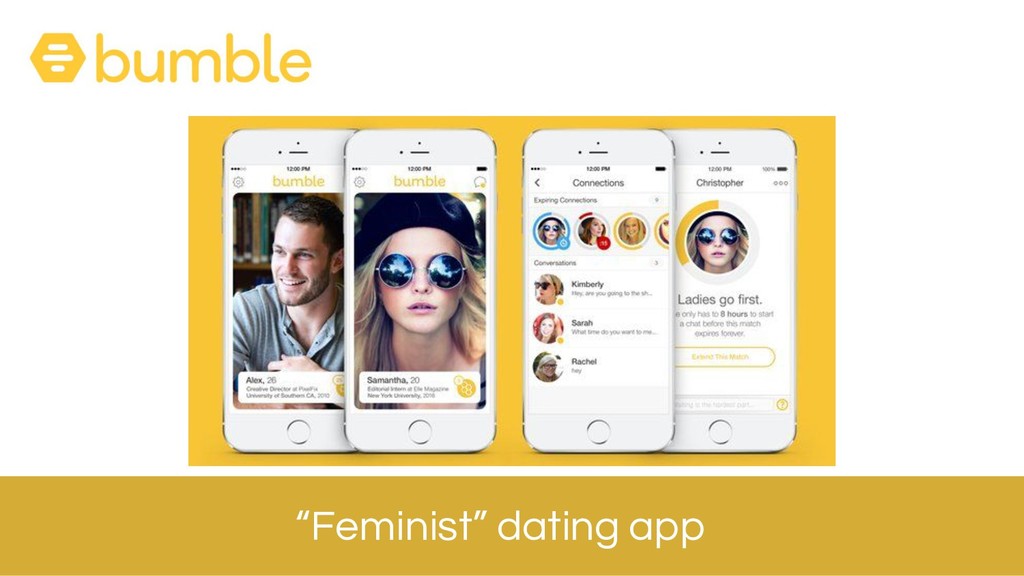
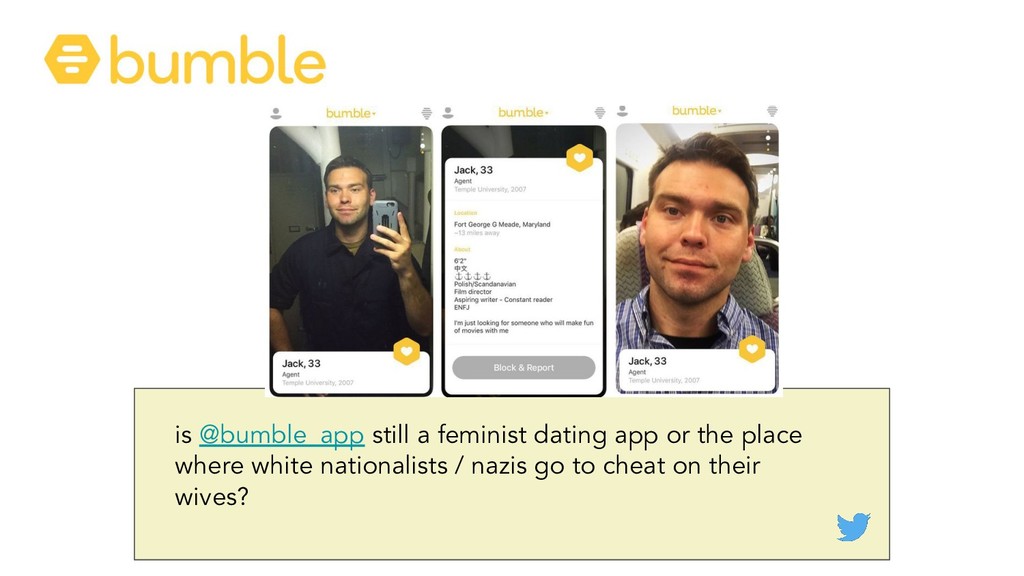
What does it look like to establish house rules in the era of answerability? To make some rules and keep them. So some of you may be familiar with Bumble. It is a dating app where the girl texts the guy first. So Bumble had a Jack Posobiec problem.
Jack Posobiec is a alt right Internet troll slash white nationalist, guy. And someone on Twitter found his profile and tweeted out, hey, is Bumble app still a feminist dating app or the place where white nationalists slash Nazis go to cheat on their wives?
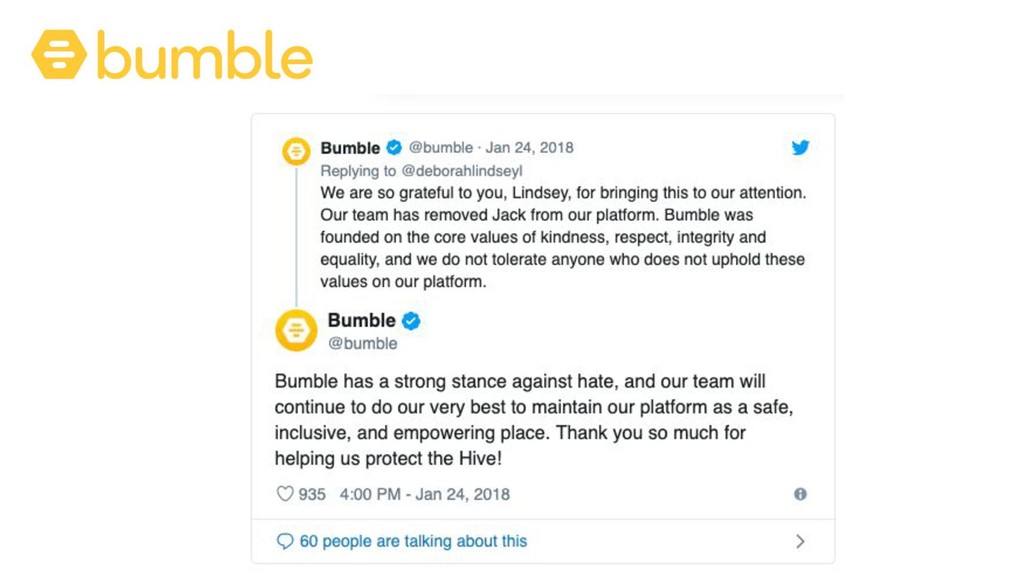
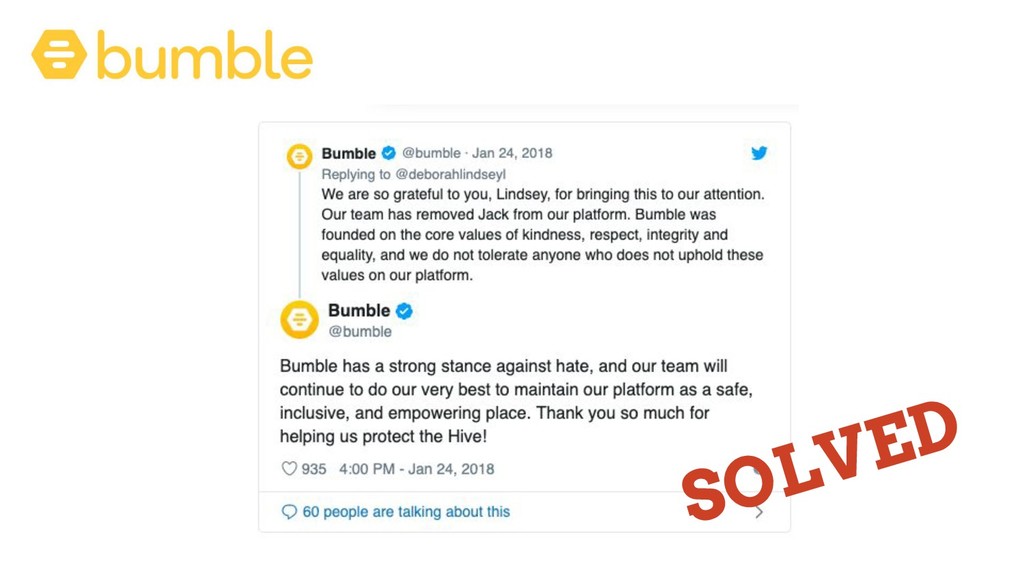
Busted. And a couple hours later within a couple hours, Bumble had responded to her saying, oh, wow. No. We didn't know about this. Bumble was founded on values of kindness, respect, integrity. Jack does not align with that, so we are taking him off the platform.
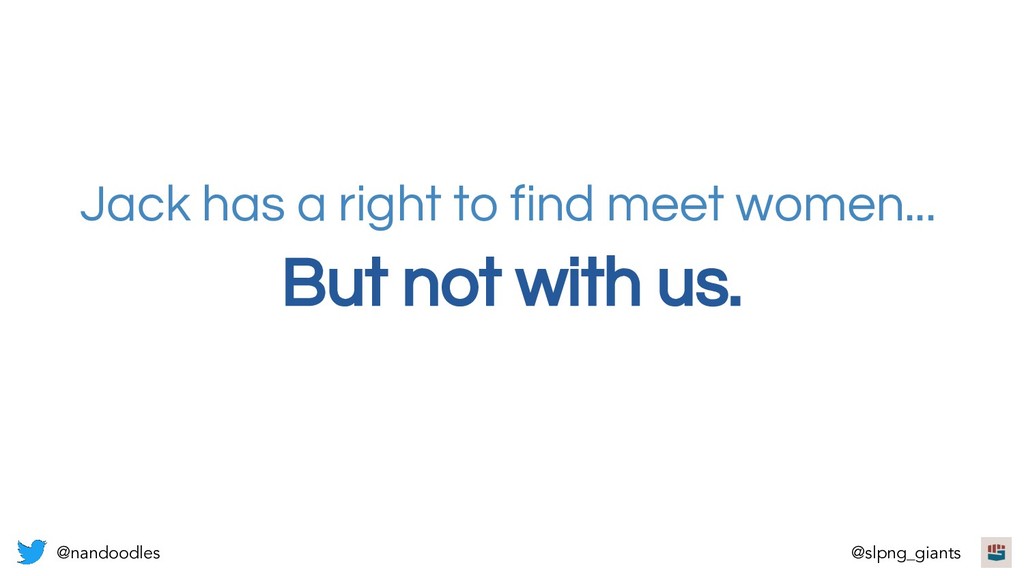
Thank you so much for letting us know. And it was just solved like that. And of course, like, they're not saying Jack doesn't have a right to cheat on his wife. They're just saying don't do it with us. So, okay. Let's look at yodel.
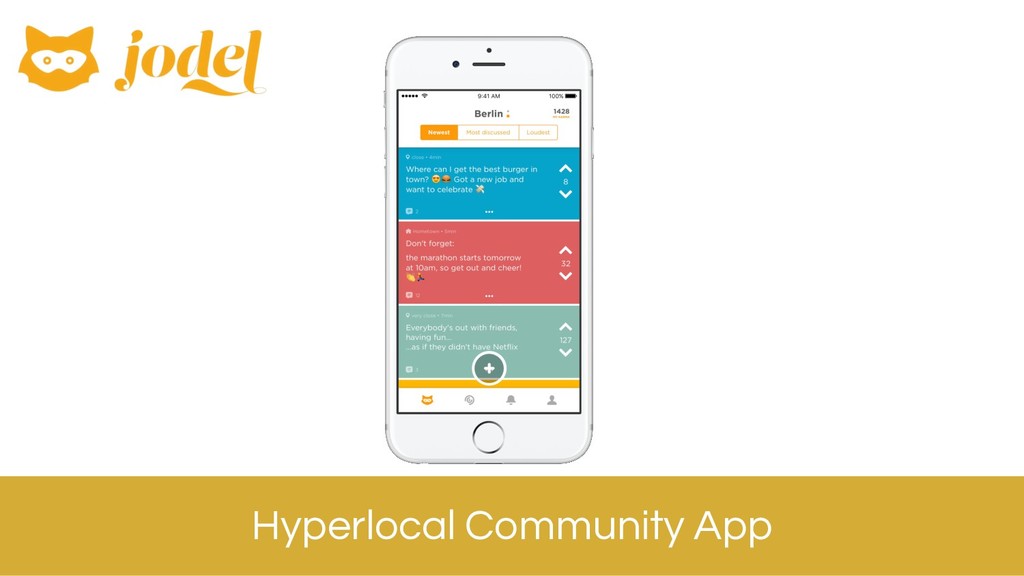
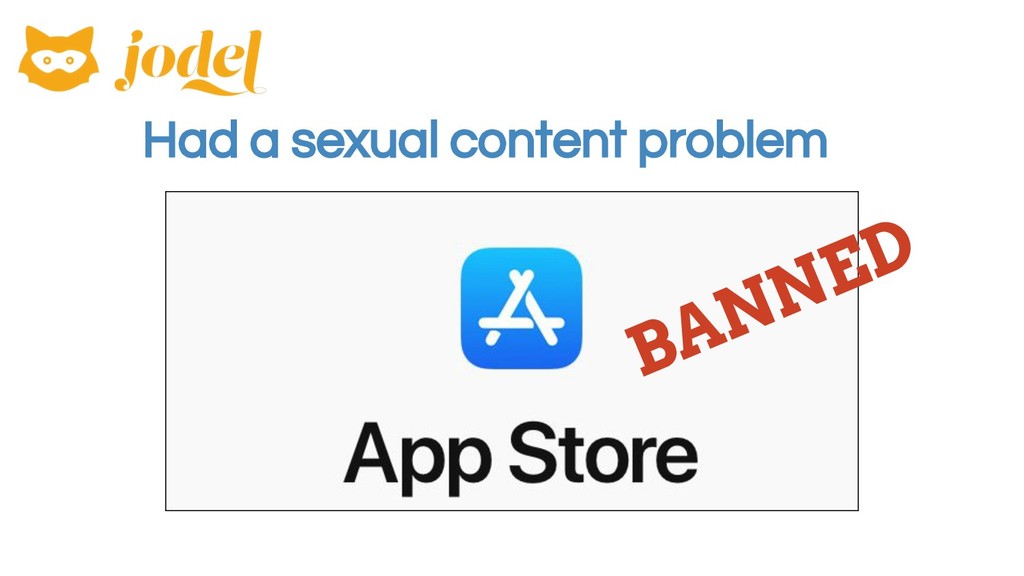
Yodel is basically the German yik yak. It is a an, an anonymous hyperlocal messaging app for your community. So they had a sexual content problem. So when when they launched, people were like uploading all sorts of stuff and nudes and this and that.
And apple the apple store noticed and, banned them for a week. So this was like an existential crisis for their business. So they needed to come up with a plan to come to get back into the app store. So what they did was reevaluate what they wanted to what kind of business they wanted to build.
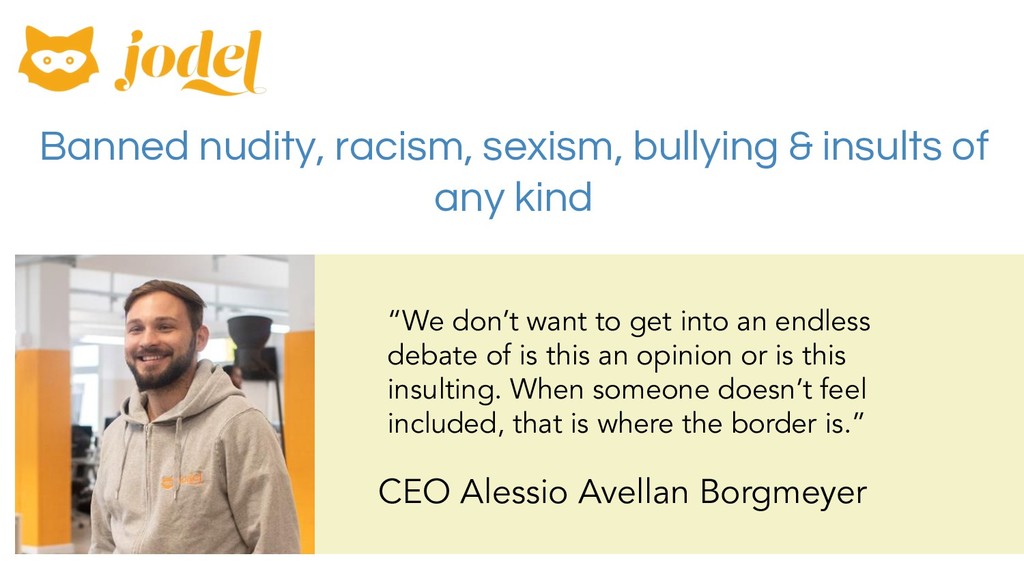
So when they came back, when they made their comeback, they decided we're going to not only ban nudity, but we're also going to ban racism, sexism, bullying, and insults of any kind. And he, the CEO of Yodle, he said, we don't we don't want to get into this endless debate of what is an opinion or what is insulting.
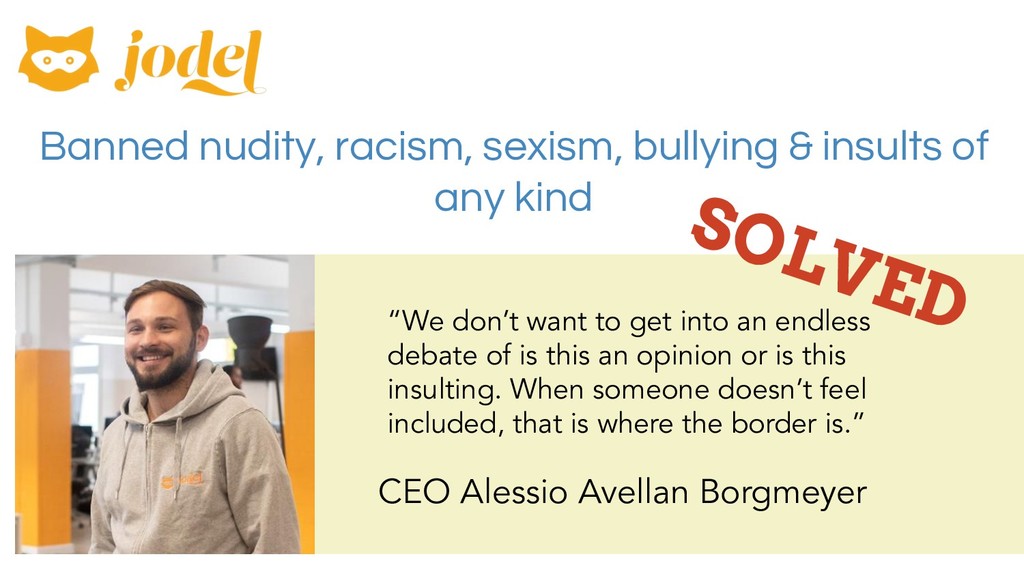
When someone doesn't feel included, that is where the border is. And what they did was they really empowered their community moderators and their, and their own employees to be able to make those judgment calls and remove content that wasn't appropriate. And yeah. I mean, that solved their problem.
They are, by the way, one of the top apps in the App Store. They're like fifth right behind the Facebook apps. So they're doing really, really well. And again, they're not saying people don't have a right to make racist jokes. They're just saying, not with us.
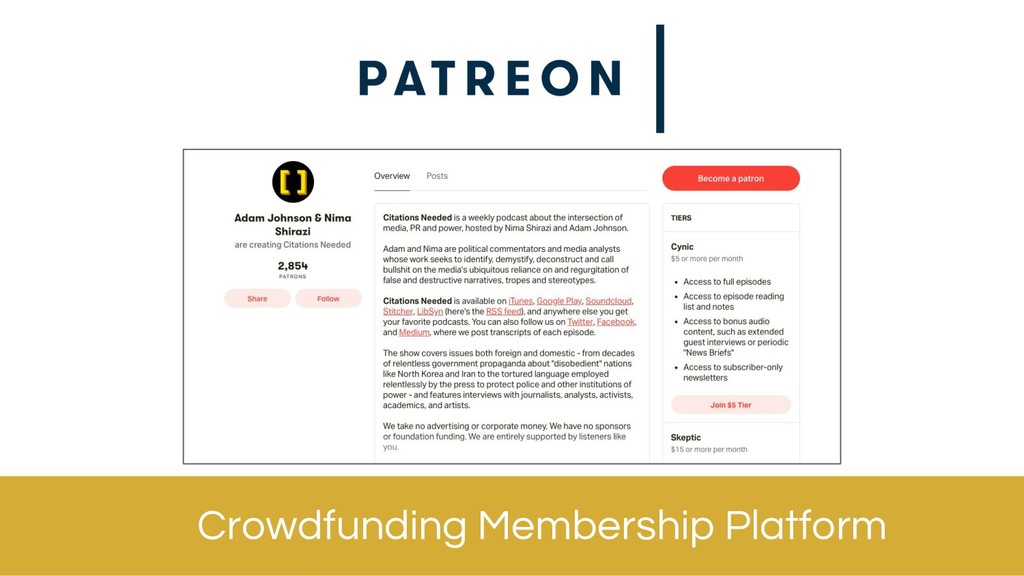
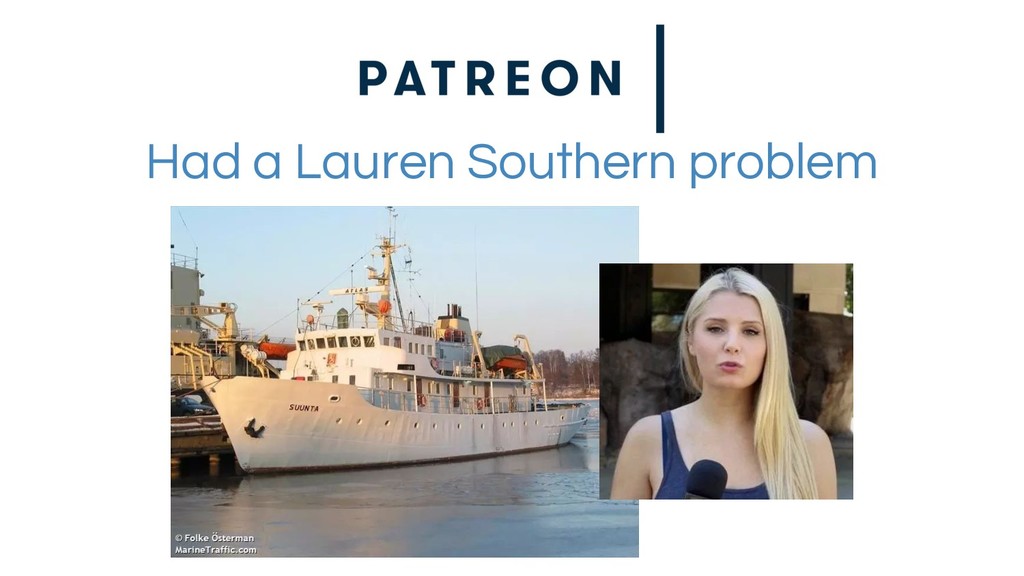
And then there's Patreon. Patreon is a crowdfunding membership platform. It is, basically if you're an independent creator, you can make an account on Patreon and have people send you money monthly to, to support your work. So Patreon found that they had a Lauren Southern problem.
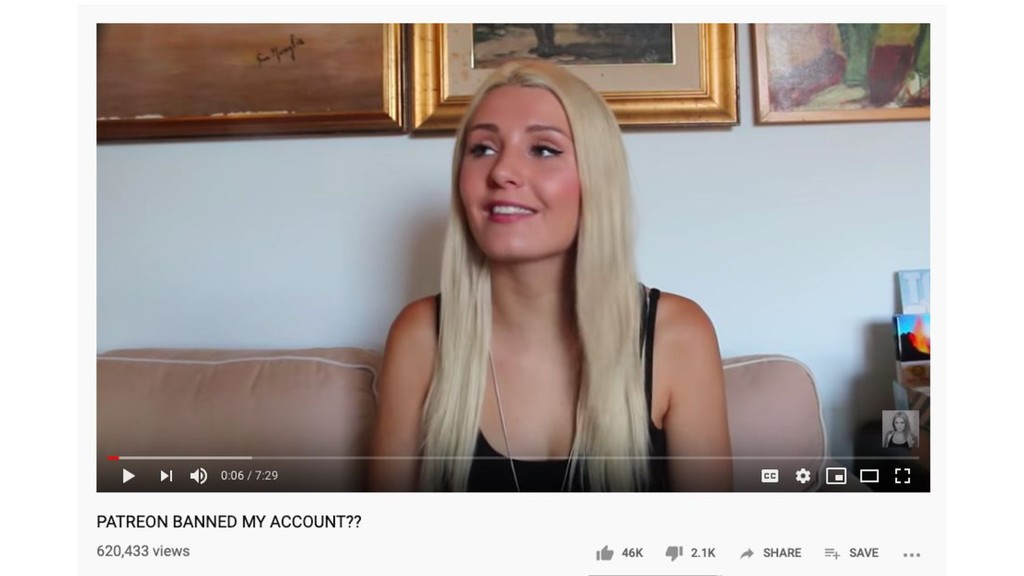
Lauren is a Canadian YouTuber, white nationalist personality, and she was using her Patreon account to raise money to rent out a ship in the Mediterranean to block rescue ships from rescuing refugees in the water in the waters. And she was banned shortly after she, made a video of of this event.
And and she screamed bloody murder. She was like, Jack sucks. Jack banned me. This is how I make money. This is this is my livelihood. How dare he. I didn't do anything wrong. I was just I was just there as a journalist. I was just observing.
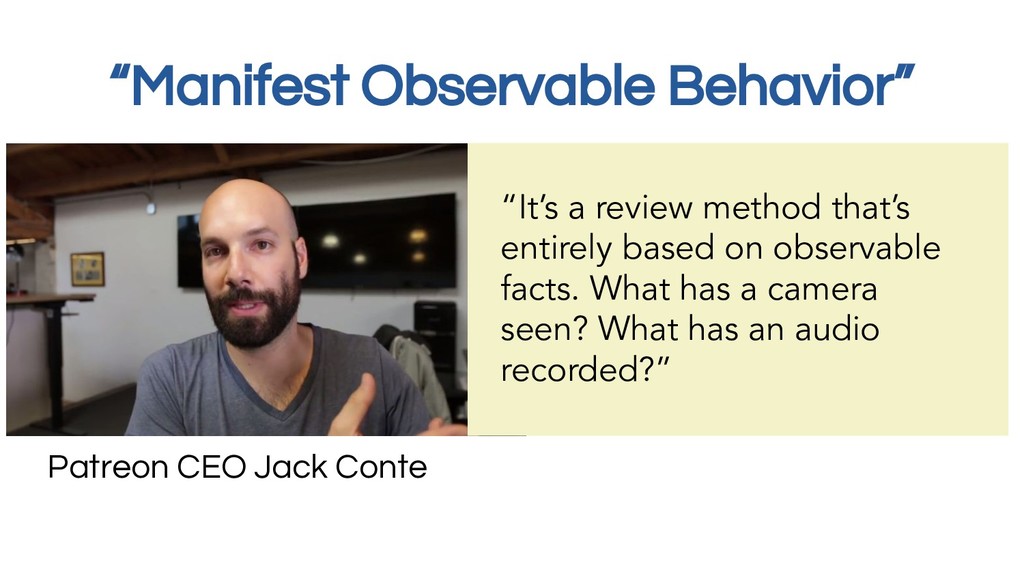
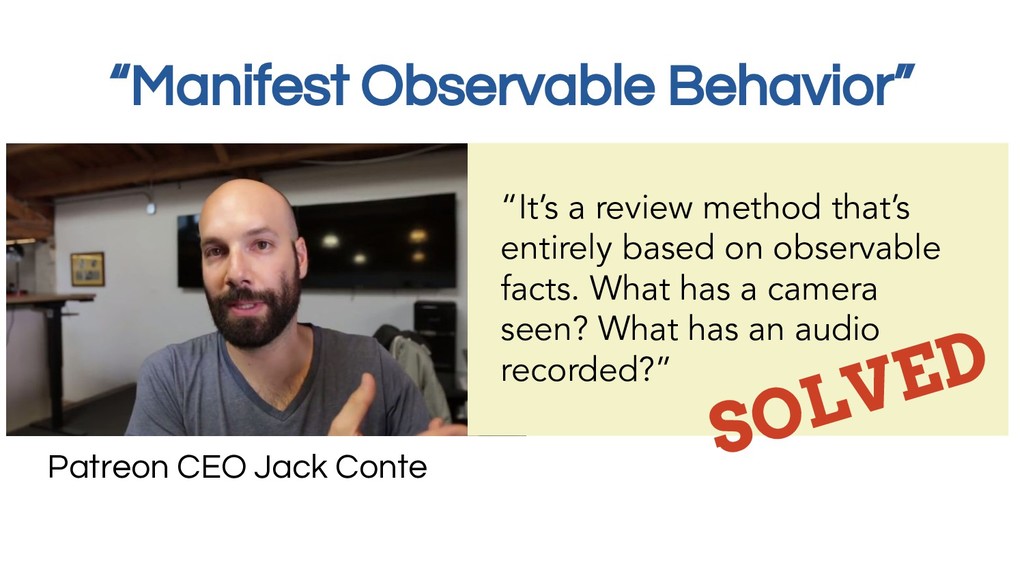
And she kicked up such a storm that the CEO, he actually responded to her. He made a response video. And he was like, okay. I want to clarify some things here. Basically, I, I use this approach called manifest observable behavior to decide what to do with Lauren's account.
So this is basically a review method that's entirely based on observable facts. What has a camera seen and what has audio recorded? And he's like, okay. Well, I viewed I reviewed the video that Lauren has like put out on her own. And I saw her on a boat.
And and I saw her directing that boat to block a rescue ship. So, that's like it's like pretty obvious what you were doing here. And unfortunately, in our terms of service, we have a clause that bans people from using Patreon, if they're causing loss of life.
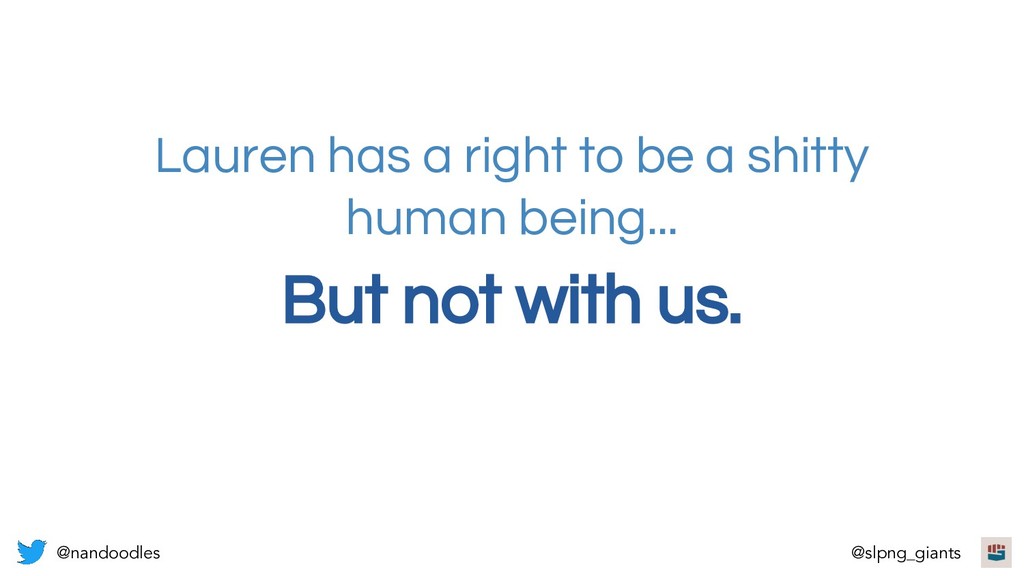
And that's exactly what she was doing. So, that's that's my decision. And and it was solved. It wasn't solved in the in her circles. She's still mad about it. And, you know, he's not saying Lauren doesn't have a right to be a shitty human being, but just not with us.
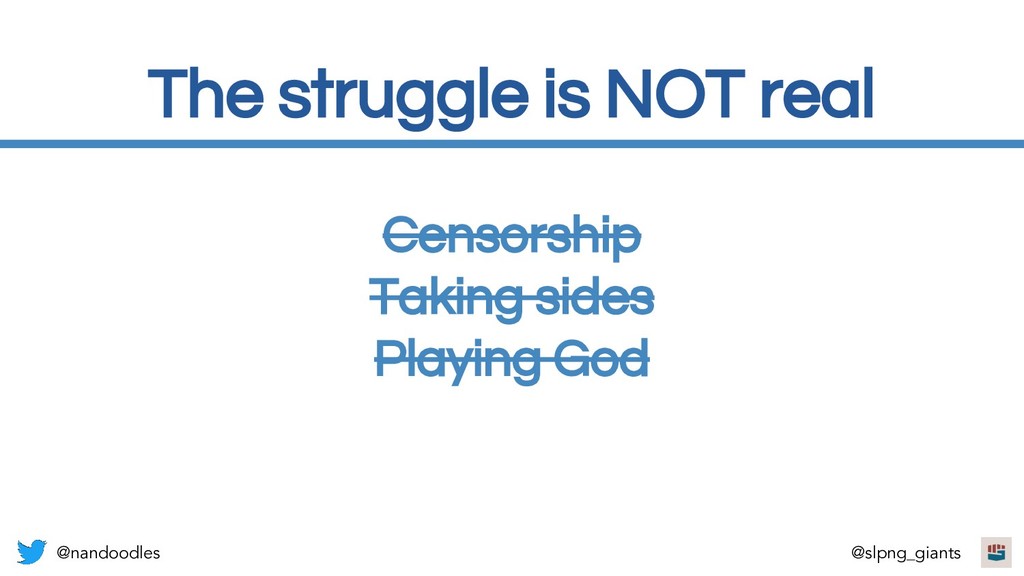
So you can see that in all these examples, the struggle is not real. You know? They're not these guys aren't talking about censorship. They're not talking about taking sides. They're not talking about playing God. They're just enforcing their house rules and you can too.
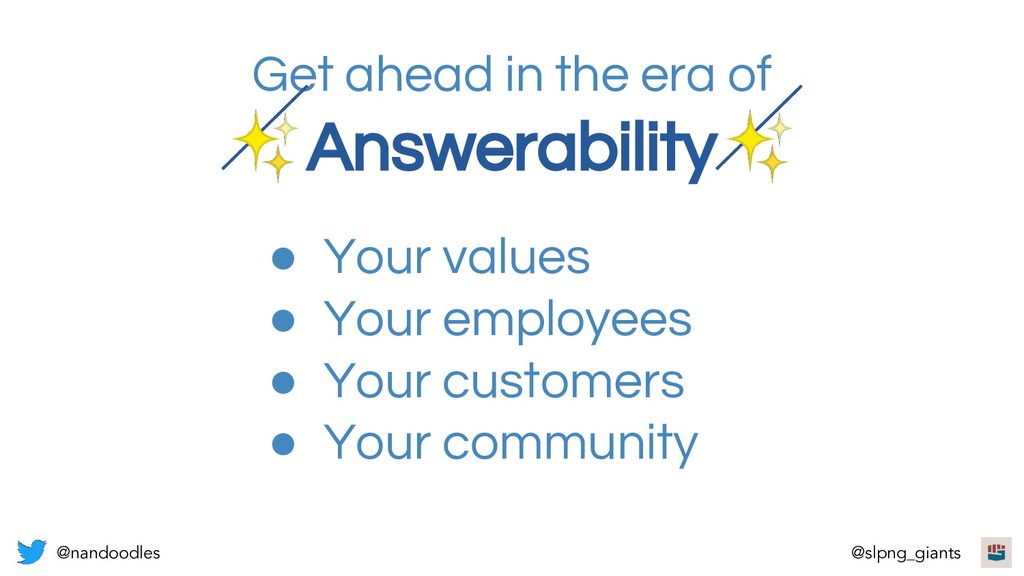
So here's how you're going to get ahead in the era of answerability. You're going to answer first and foremost to your values, the values that you've built your business on. Then you're going to answer to your employees, the people who help you build your business.
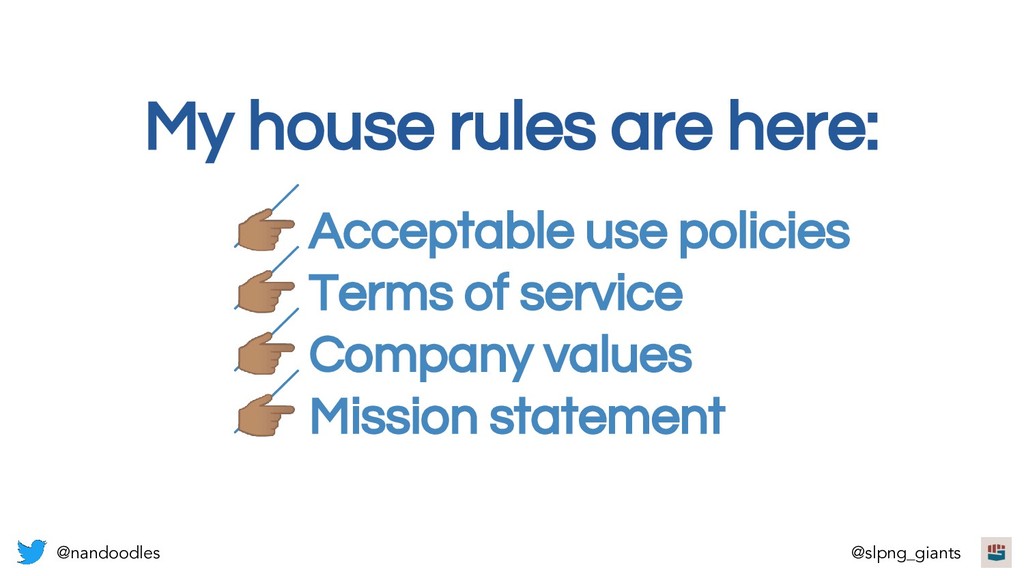
Then you're going to answer to your customers, the help the people who help you grow and sustain your business. You're going to answer to your community, the community that you live in and that you hopefully serve. And you're going to put your house rules here in your acceptable use policies, in your terms of service, in your company values, and in your mission statement.
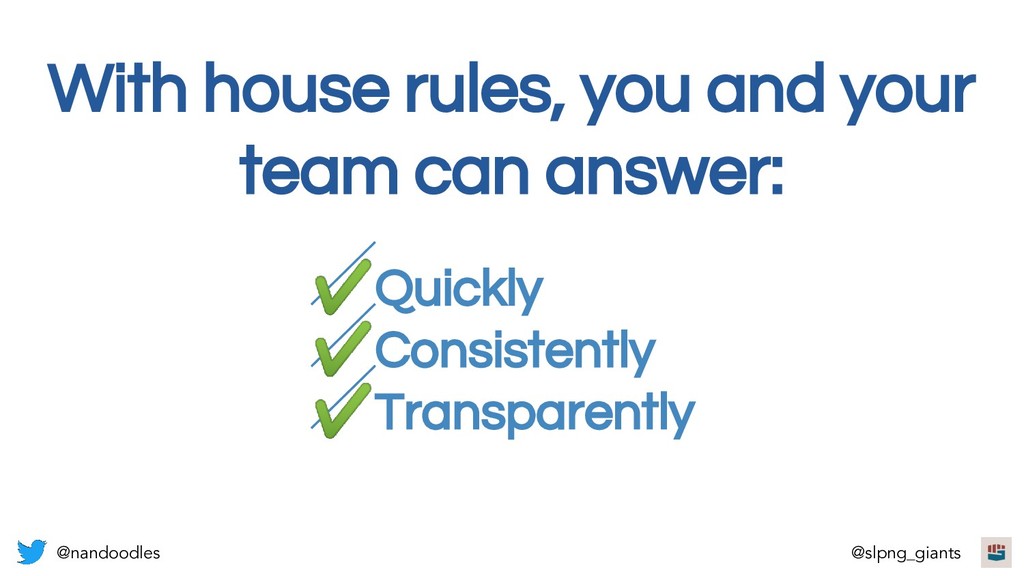
And you're you're gonna want them to be public, publicly available so that everyone can see them. So that you can answer quickly, consistently, and transparently next time you are in your own social media shitstorm and not wait for two weeks to come up with your answer.
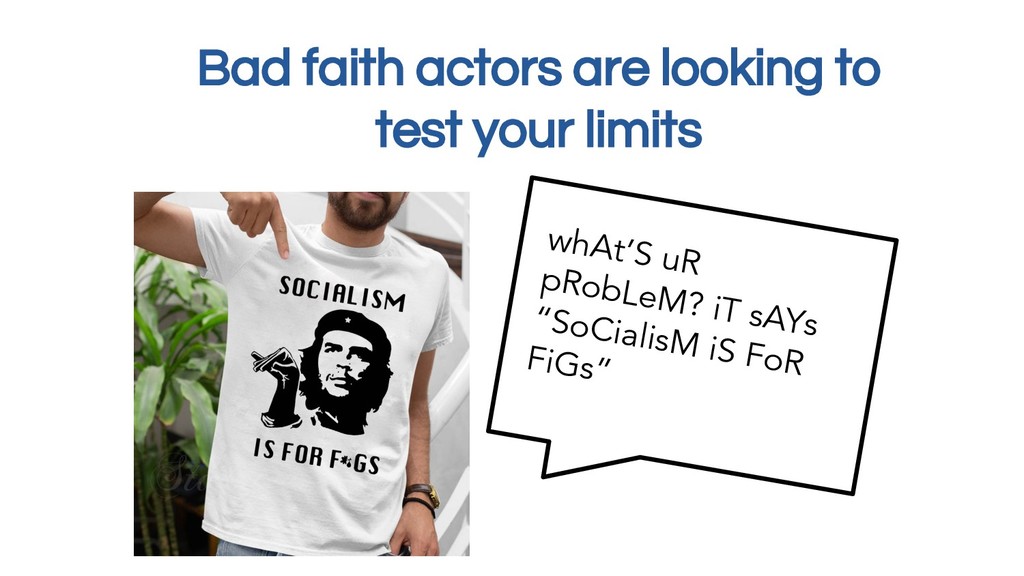
And let people make memes like this. In the era of answerability, you need to get comfortable with making value judgments. Because I'm telling you, bad actors are looking to test your limits. I can guarantee you this t shirt does not say socialism is for figs.
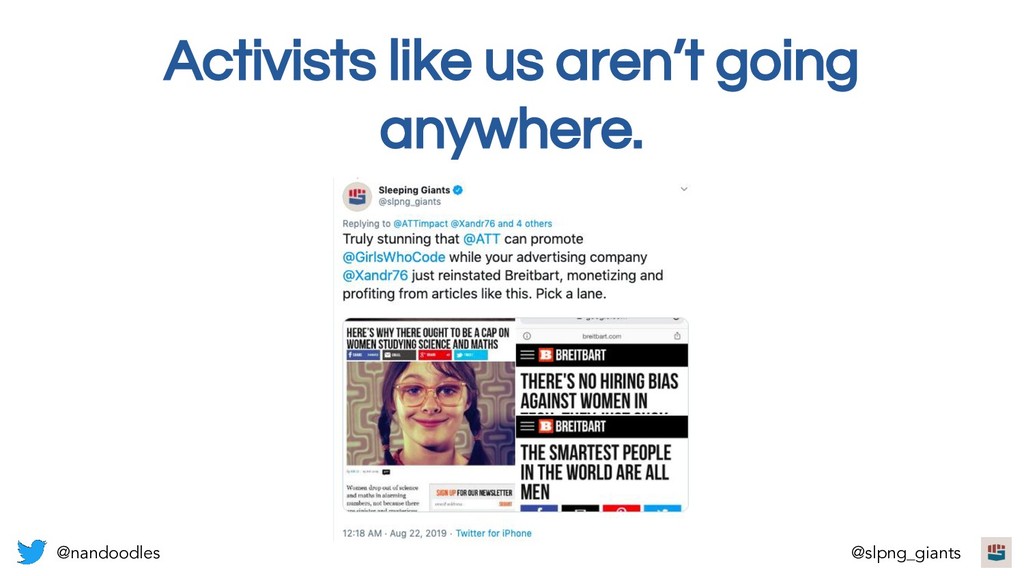
But you don't answer to them. And activists like us, like me, we're not going anywhere either, but you're not going to answer to me either. You're going to answer to your people, the diverse customer and employee base that you want to build. And they're going to guide you to your answer.
I want you to know that you're allowed to say, sorry. We don't work with people whose behavior violates our commitment to diversity and inclusion. You're allowed to say, sorry, we won't enable a group whose behavior endangers our own employees and customers. You're allowed to say, sorry, hate and white nationalism is antithetical to our company's mission.
Let's stop pretending like we need a magic wand to make our problems go away, as Matt from Cloudflare said. We are in charge of the businesses that we build. And as I said, you already know how to make the right decision. Those tools are already available to you.
They're in your values. You're answerable to your employees, to your customers, to your community. And let's remember that when you're building your own business, when you lead your own business, it's your house and you make the rules. Thank you.