
Startups are rollercoasters. CEOs and leaders face extreme highs and lows. Mark MacLeod, a veteran CFO, VC, and coach, has seen it all. Failure is expected, but personal failure shouldn't be. Happy, healthy leaders build lasting companies. Mark shares strategic insights and practical habits for sustainable success in this talk.
← All talks 








Lead Turing Fest 2023
From Burnout to Bliss: Strategies for Sustainable Success in Startups
Auto-generated transcript - may contain errors. Tap a timestamp to jump the video.
Good morning, everyone. It's a real thrill to be here. I first spoke at TuringFest in twenty twenty. For any of you who had the pleasure, you'd have remembered we joined in from the comfort of our computer at home because the times were very different then.
So it's a thrill to be here in person, especially so because I'm actually Scottish. I lived in Scotland till I was eleven. I've lost my accent, and so it's a real thrill to be back here on the homeland and the land of, deep fried Mars bars.
I've still never tried one of those, but I don't know. Maybe maybe this is the trip. So, yeah, we're gonna talk about really going from burnout to bliss, how to craft sustainable strategies for leading your companies, for working in companies, and actually really for your entire life.
You know, my belief is that happy, healthy leaders build great enduring companies and will have more fun and happiness, along the way. And so I'm gonna share with you lessons that I've learned in many aspects, lessons that I've learned the hard way over twenty four years here in the start up world.
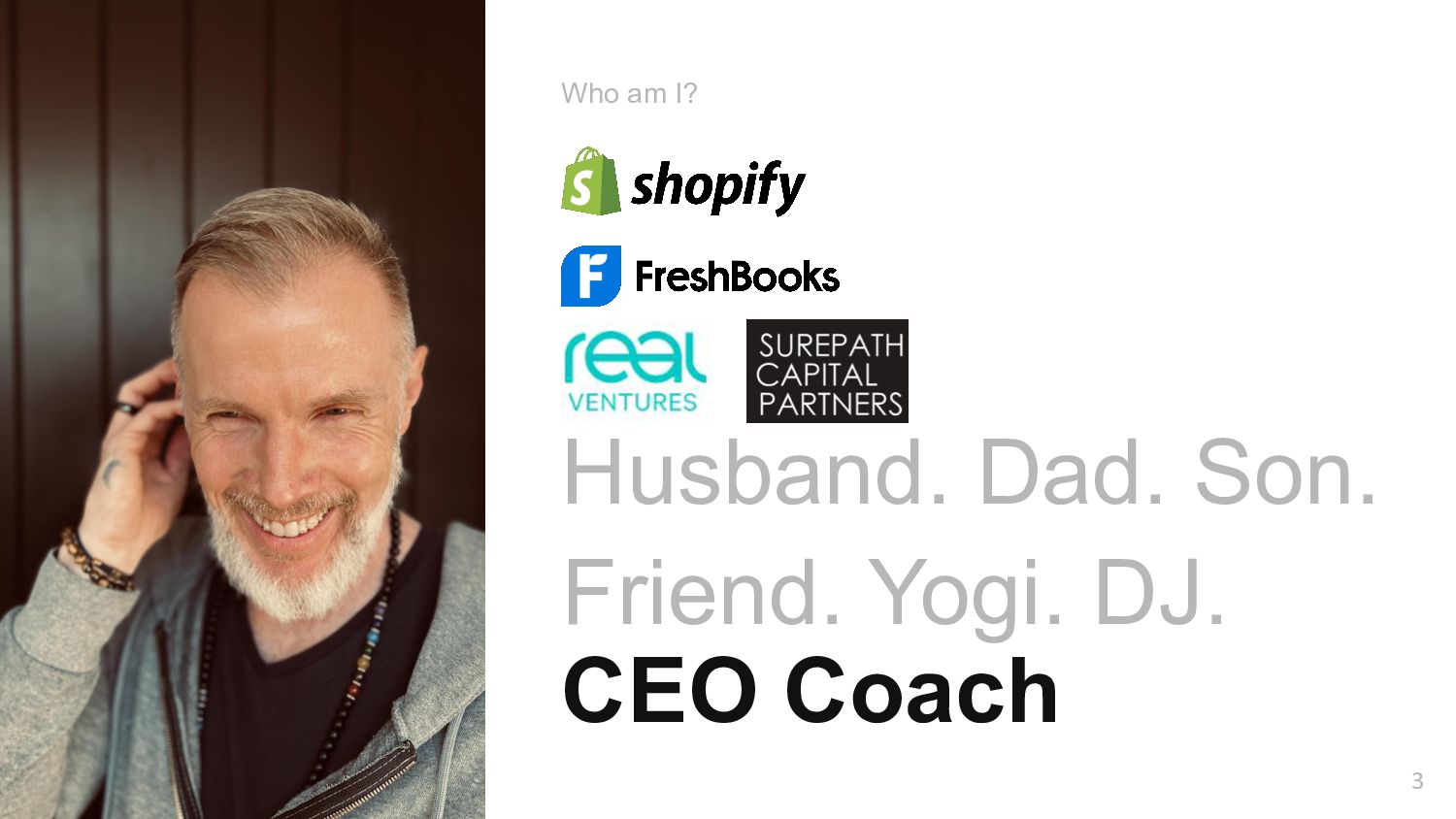
So as mentioned, I you know, I've been in the start up world since nineteen ninety nine. Spent fourteen years as CFO for a number of companies, including Shopify and FreshBooks. Three years founding and running Real Ventures, which for a decade was Canada's largest and most active seed stage venture fund.
Five years founding and running a boutique investment bank called SurePath Capital Partners, which was the leading investment bank for companies that looked like Shopify and FreshBooks, so software for the SMB market. And I'm now in my fourth year as a coach, coaching some of the most ambitious, founders in the world.
What I've just described to you is often what we hear when we meet someone professionally. It's my LinkedIn profile, my professional bio, my CV. But, of course, we are so many more things. We're not just our roles, our jobs, or our careers, but we often kinda put that other stuff on the back burner.
And I'd like to talk about that stuff today. This is a business conference, but I'd like to get into the personal with you as well because it's all interrelated, especially in this world now where there is no longer a separation between, you know, work and life.
When I started my career, I'm gonna age myself, but, like, you know, we had, like there was a computer room. There were no smartphones. You literally sent stuff. Someone would call and say, hey. Where's that thing? Oh, yeah. It's in the mail. Wait three days. You'll get it.
Like, that's those are very distant memories, and so there's no separation between personal and work anymore. And if things are falling apart in your personal life, that cannot help but impact your companies. And vice versa, if things are really challenging in your companies, which they often are, you bring that back into your personal life.
So I'd like to touch on both today because it's all one big, hopefully beautiful mess. But first, story time. I'd like to tell you a story about a really busy busy executive. He was always on. He would wake up in the morning. He was on his phone. Any spare moment, he was on his phone.
On the toilet, he was on his phone. Too much information. I know. If a meeting was boring, he'd pull up his phone and just okay. What's happening? Check-in on Slack. Return some messages. If I'm being honest, maybe he would scroll Instagram if he was, like, super bored.
He would eat dinner. He would get back on the computer at night. He often worked weekends. He might have been physically home, but he wasn't mentally home. He wasn't present. He was off reliving the day that just happened or off maybe thinking about tomorrow and next meetings and anticipating some big project or big meeting that needed to happen.
His wife would see that and see. It's like, k. You're not here. Just go get the work out of the way so you can come back and be here. Every year, his airline status went up. It turns out that, board meetings look kind of the same all over the world.
Who knew? He achieved tons and tons of professional success. But along the way, he lost a eighteen year relationship and sixteen year marriage. As you might have guessed, that leader was me. And it took, you know, a life changing event to give me, the perspective into what truly matters and to take a step back and realize that it's not just all about my work and that there is a a much, much bigger reality.
I firmly believe that everything in life happens for you and not to you. I would not stand I'd not be standing here before you today as a coach if I had not gone through that. And I'm really grateful for every step along the way.
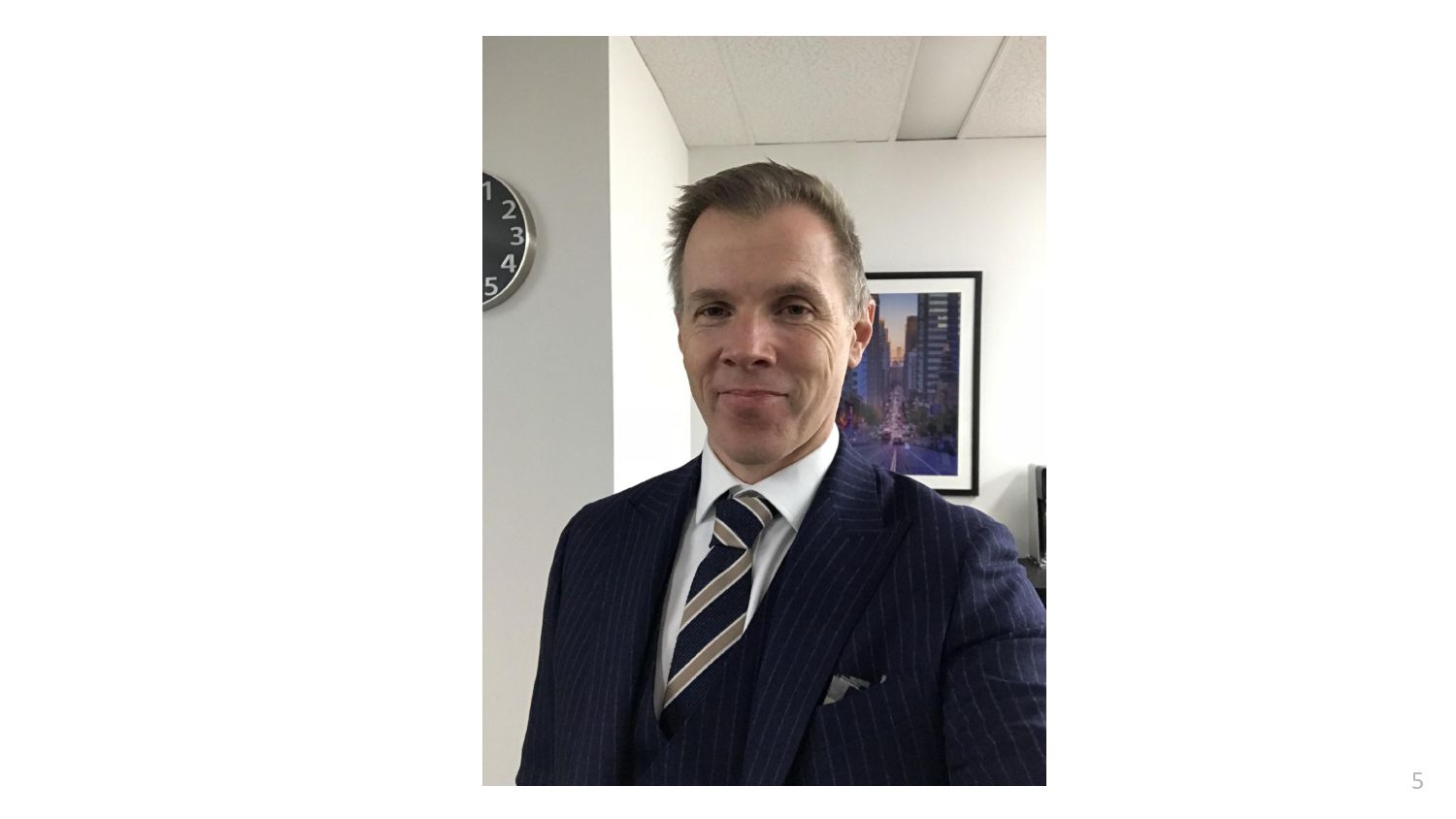
This photo here was taken in January twenty nineteen. We had just finished the year twenty eighteen. It had been the biggest year for the investment bank. I was doing six deals at a time. I had this office in Toronto, which for those of you who don't know is kind of on the eastern side of Canada.
I had an office in San Francisco, which is the West Coast of the US. I was going back and forth between them. I had an office I had clients in Europe. If I was awake, I was working. And, I had this weird ritual of getting suits made every time I closed a deal, and so this badass three piece suit, I got made for closing a hundred and fifteen million dollar funding round.
All these silly things that, of course, don't matter, like, oh, my suits. You know? But on a one level, I was truly happy, like, really fulfilled, but this January twenty nineteen is also the month that my marriage ended, and so really important kinda turning point for me.
And it took this life changing event to give me the perspective to really think about, you know, all of my life. And the that story that I told you, that could have been about anyone. Could have been about any of the CEOs that I serve today.
So many of them. And, you know, the startup world I'm gonna just be real for a second. The start up world, unfortunately, is quite male dominated. And, unfortunately, most of my client base is male. And they identify with work first and foremost, and everything else kinda gets put on the back burner.
But often, they find that they're struggling because they are not honoring those other roles that they have. And that was absolutely the case for me. You know? I accepted a life that had no boundaries, where I was out of control, where work was happening to me, and where the other roles, the the husband, the father, the son, the friend, they got the dregs of what was left after I had given everything, to work.
And, you know, I think there's a better way. That's the punch line. So let's, you know, let's look at that. But first, let's look at kind of just the macro environment that we are in. We are always on, always reachable, notifications, dopamine hits every time we pick up the phone.
We pick up the phone probably a couple hundred times a day. We have this expectation that we are always reachable, and there's there's no separation between, life and work. We're checking Instagram at work, and we're responding to emails at home. And we celebrate busyness.
You know, we meet someone that we haven't seen for a while. Like, how are you doing? Like, oh, I'm so busy. Yeah. Me too. I'm, like, so busy. Like, we celebrate this. It's like this badge of honor, like this bro culture, like sleep I'll sleep when I die.
And as a coach, I'm told I'm taught not to ask questions that begin with why because it makes the client defensive. But I have to ask here, why? Why is this normal? Why is this okay that we celebrate this busyness? I think as leaders and actually really as a society at large, we spend lots of time in this, fight or flight mode.
We have adrenaline and and cortisol flowing, and we treat many of the things that happen in our lives as matters of life or death. And this all goes back to our programming where you might round the corner and see a saber toothed tiger, and it was literally life or death, so you had to run.
But we don't face these kinds of threats now. And so this is both, unnecessary and and deeply unhealthy. And over time, it leads to chronic stress, disease, mental health issues. And as leaders, it makes it hard for us to think clearly, and that's actually what is required for us to excel.
It's not about doing more. As a CEO in particular, I don't know, maybe you need to make one or two key decisions every day or every week. And it is the clarity of thought that actually enables you to make those decisions. It's not about doing more.
It's actually about being open and free and fully present so that in that moment, you can make that great decision. But, unfortunately, we're caught in this vicious loop. You know, we're chasing inbox zero, which is, you know, not a thing. Why are we doing that?
We listen to business podcasts to relax. I'm guilty of that. It's kinda, like, weird. I finished work, and I'm gonna go and learn about work. And so it's just like this vicious cycle. And then, like, our brains are full. Does your brain feel full all the time?
Do you sometimes just feel like this pressure here? It's because you're not giving yourself enough space, and you're not enabling other aspects of yourself to come through. Hope I'm preaching to the converted here. So, you know, maybe let's put all of this stuff in perspective.
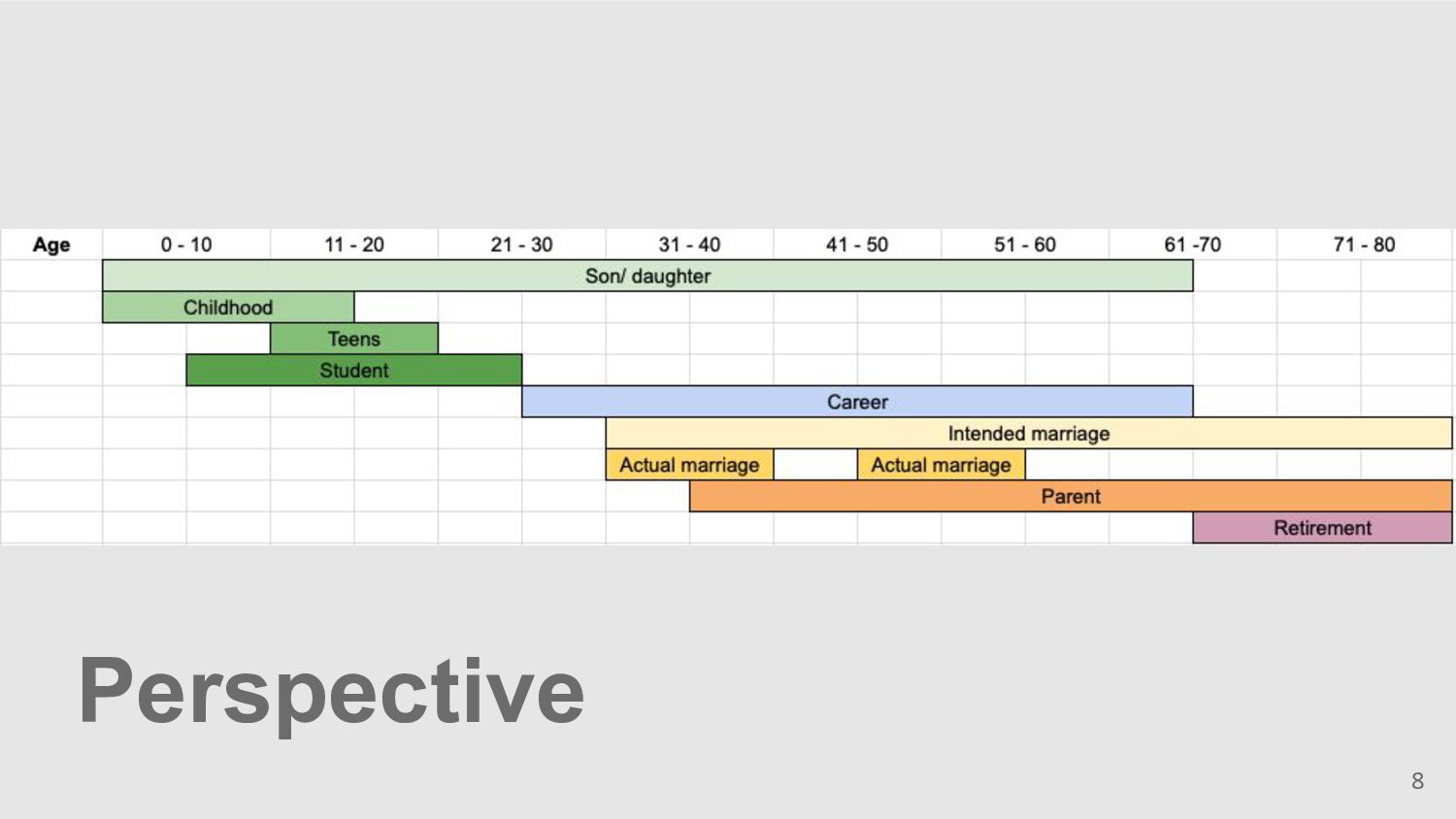
You know, hopefully, you can see that. You know, the fact is we have these different phases of our lives. We have these different roles. You know? We're born, and we are a son or a daughter. We have this period in our life where we are studying and learning.
You know, we begin our career. We have a period of life where we hope to be married and then a shorter period of life where we're actually married. And then along the way, we may begin this whole son daughter cycle again, but from the other side.
And along the way, each of these roles can feel at times like they're just all encompassing. If you go back to high school, I'll bet you you felt like those friendships at the time were everything. That was like your entire life. Nothing mattered but those friendships.
You look back now, and I'll bet you you're only in touch with maybe a small handful of those people. It was finite. There was probably a period where you felt like your studies would never end. I certainly felt that, especially in high school.
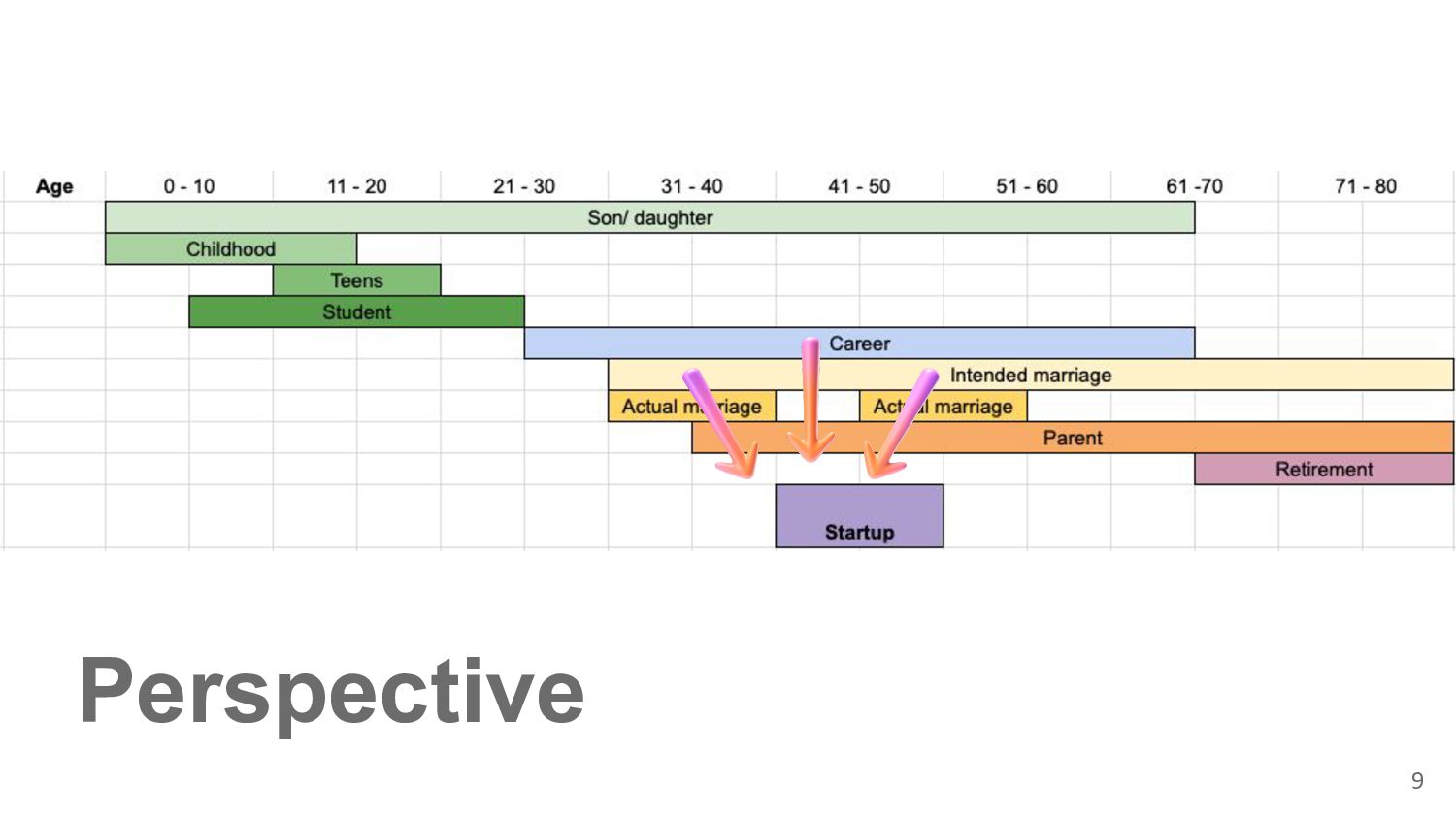
But, now it's a distant memory. It's in the rearview mirror. That startup. If you're running a startup, you're in a startup, it can feel like it's everything. It's all encompassing. It's your entire life. It's hard for you to think about anything else. I have a a CEO that I coach that, long before I got involved, when it was still an early stage company, he told me he was literally willing and looking into how to sell one of his organs in order to raise money to keep the
company afloat. Now first of all, I praise that level of commitment. But, I'll bet you when he's old, he's gonna be like, man, I'm really glad I still have that kidney. You know? Like, it's just crazy level of commitment, like total loss of perspective.
And, you know, the fact is startups last on average between seven to ten years and most of them fail. And so when you think about that startup over the course of your entire lifetime, it's just a chapter. It's not everything. And I find it helpful to remind myself of that or remind my clients of that when they're completely lost in just, like when they've lost perspective.
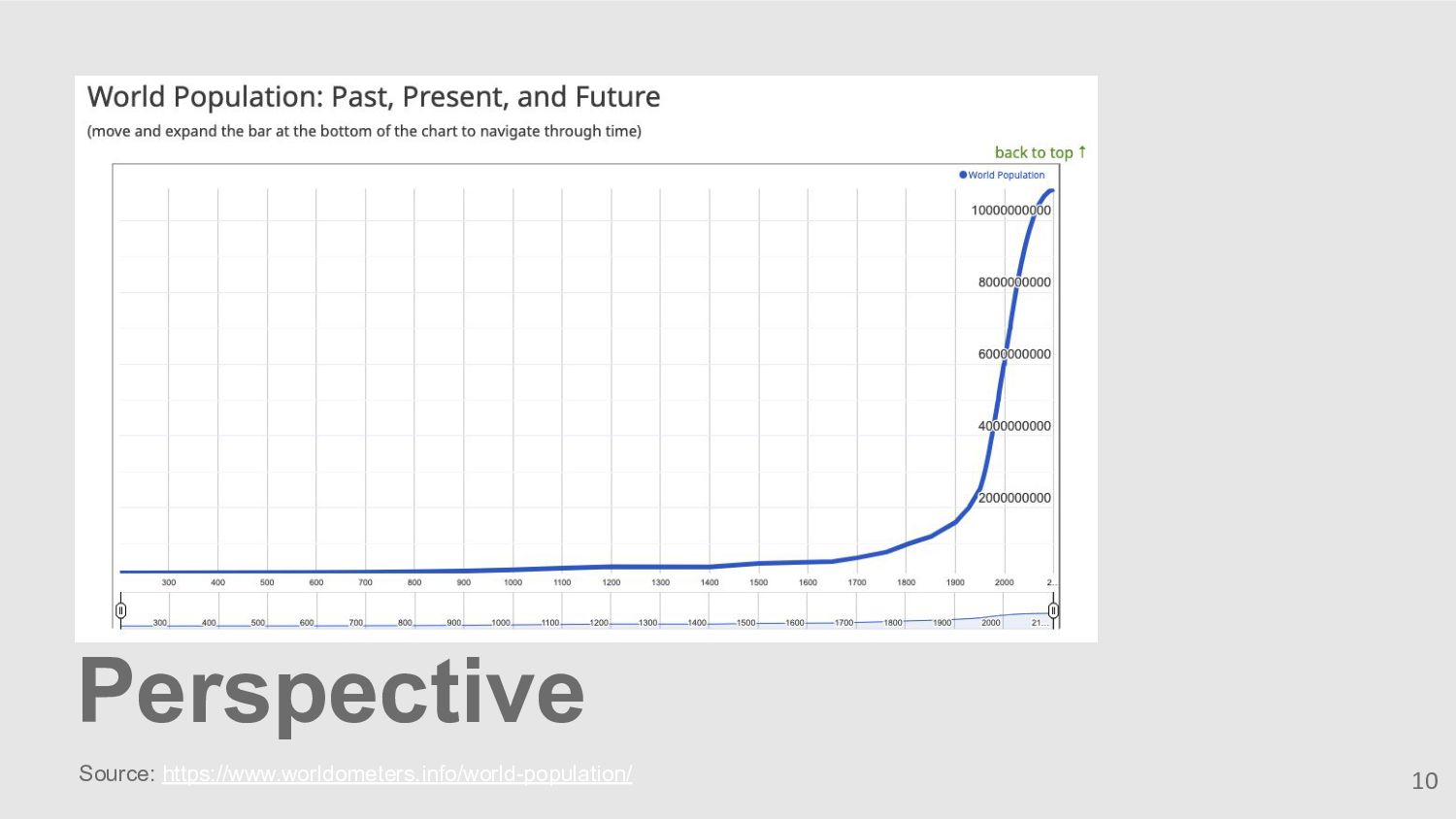
Right? And they're just so focused on that startup and so attached to where it is at and where they're trying to get it to go. I also find it helpful to remember that I'm one of eight billion people and that I don't matter.
You know? When things aren't going my way, I just need to get over it. Nobody cares. Just get on with it. Just keep going. And, I don't matter, and it's great to remind myself about that when I'm freaking out about something. Alright. So where are we on this talk so far?
We're miserable. We're depressed. We're not in control. We have no boundaries. We're addicted to our devices. I know, yeah, there's, like, way too many of us. This is awesome. This is like a motivational talk. Right? Well, how do we move forward and grow from here?
I'd like to answer that, but stay at the level of our perception and, you know, our subjective lens. The fact is we do not experience life objectively. We only experience it through our subjective perception. If you think this talk is boring and you can't wait for it to end and get to the next thing, you're absolutely right.
If you think this talk is life changing and it's gonna transform you and unlock a whole new chapter for you, you're right. It's the exact same talk happening at the exact same time, two completely different reactions. I could list lots of tactics and books and apps to help you with intention and perspective, but they won't stick unless you're just come at it.
It's more about this kind of bigger picture, this lens about just how you show up for everything every day. What is your intention for each moment of each day? And so that's that's actually where I'd like to stay rather than at the the tactical level.
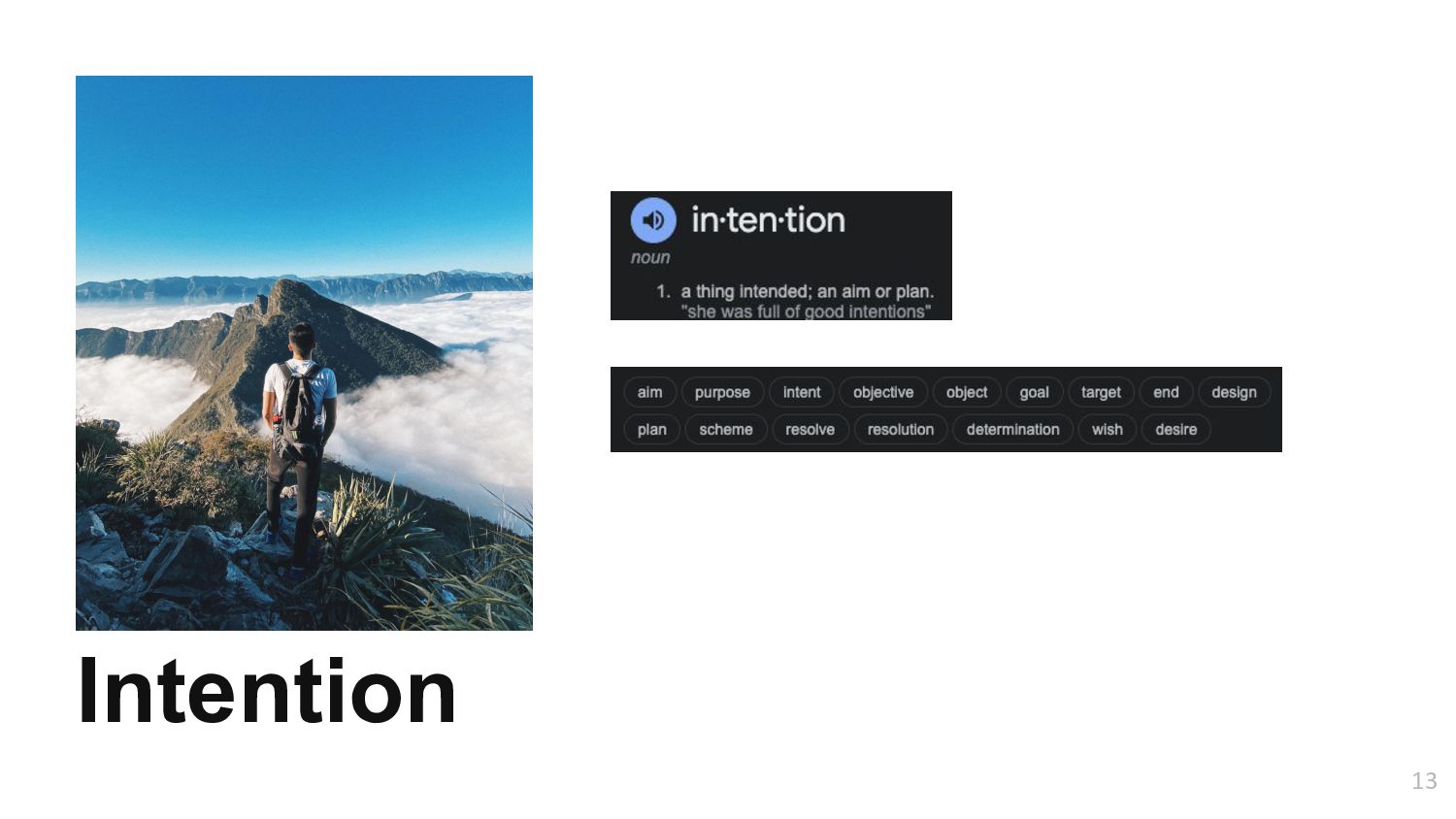
So intention's everything. It's your north star. It's your guide to keep you going as you encounter all of the inevitable peaks and valleys, not just with your startups, but, you know, really with your life as a whole. Intention is like a vision statement.
If you run a company, it's got a vision statement. And it brings you back when you have kind of pivoted right and pivoted left, and then you remember, actually, you know, yeah, this is this is the way I'm headed. And intention gives you, you know, purpose and clarity.
You're clear on who you are, what matters to you, what am I trying to achieve, what impact do I wanna have, what do I want what needs to happen, what do I need to do in order for me to be peak me. This is intention.
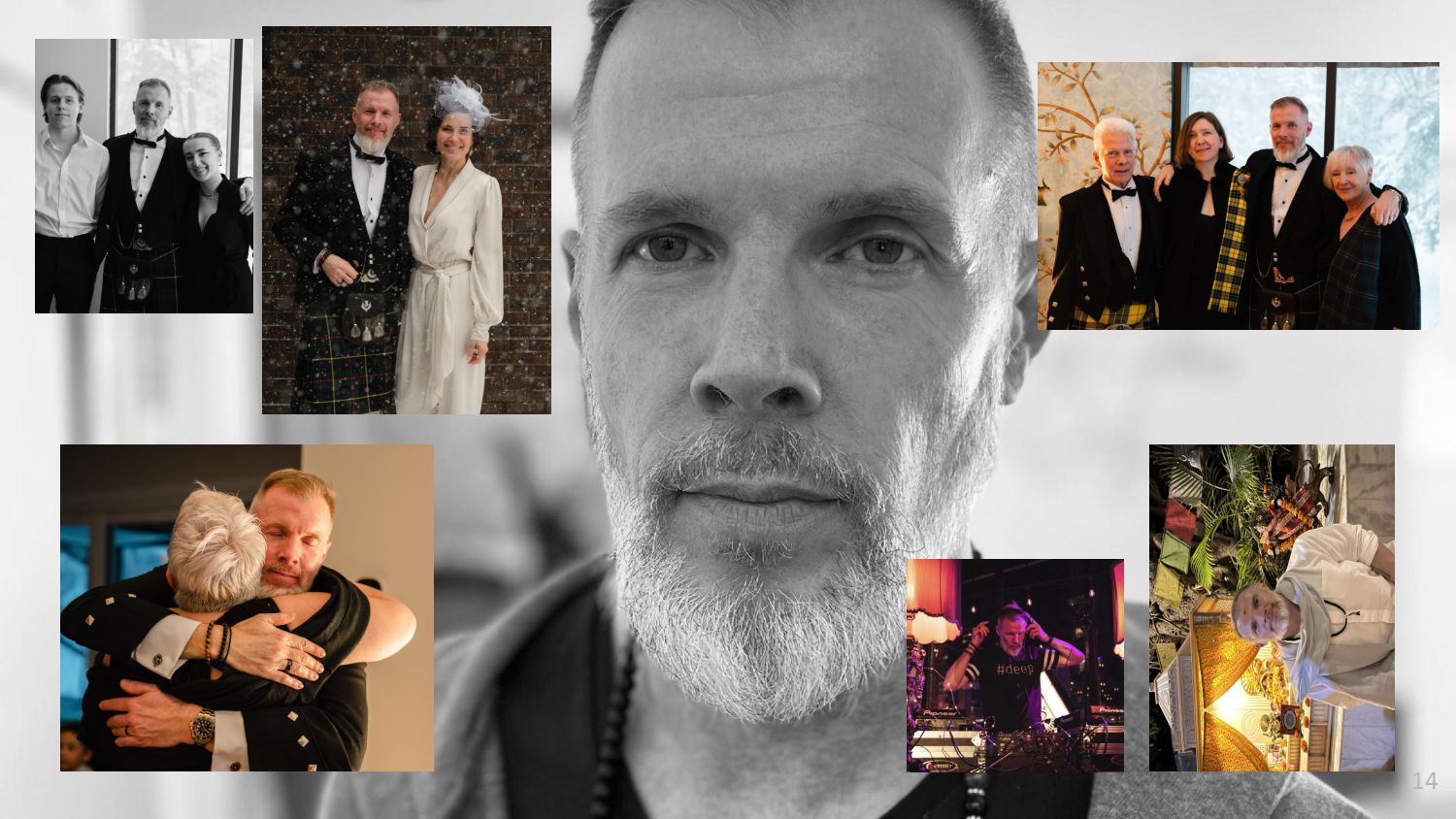
I'll give you myself as an example. So, yes, I'm a CEO coach, but I'm so much more than that. I I'm a I'm a husband. Yeah. Again, I am a father. I'm a son. I'm a brother. I'm deeply passionate about music. I DJ.
I run a really successful record label. I I'm even more passionate about my spiritual practice and Kundalini Yoga, and I'm in the final stages of my advanced teacher training there. It is only by honoring and making space for all of these roles that I can be peak me.
And at the highest level, my intention for each of these roles is to just fully show up When I am with my wife, to only be with my wife. You know, same with my children. When I am with my clients, to just be fully present.
If a CEO, you know, CEO job's crazy busy. It's like literally the only job that you can't apprentice for. I am was a CFO by training. There was a path for me to get there. I was a an accountant and a controller, a director of finance and a VP, and by the time I was a CFO, was ready.
If any of you are CEOs, you just know, well, you just created a company, and, well, now I'm a CEO. And, like, boom. What the hell do I do? And so if they're gonna carve out an hour of time for me, I have to fully show up, be fully present, hear what they're saying, more importantly, hear what they're not saying.
And I have to show up with love because they're opening themselves up. And so I'm deep deeply committed to that role. So, like, in every role, it's about fully being fully present, showing up with love, and serving those people. And that is how I bring intention to every aspect of my life.
Now I know what you're saying. It's easy for this dude with the white beard to create balance. I'm older. I'm further along in my life. And for you, you know, I'm younger. I'm still grinding. I don't have a house yet. I haven't achieved this.
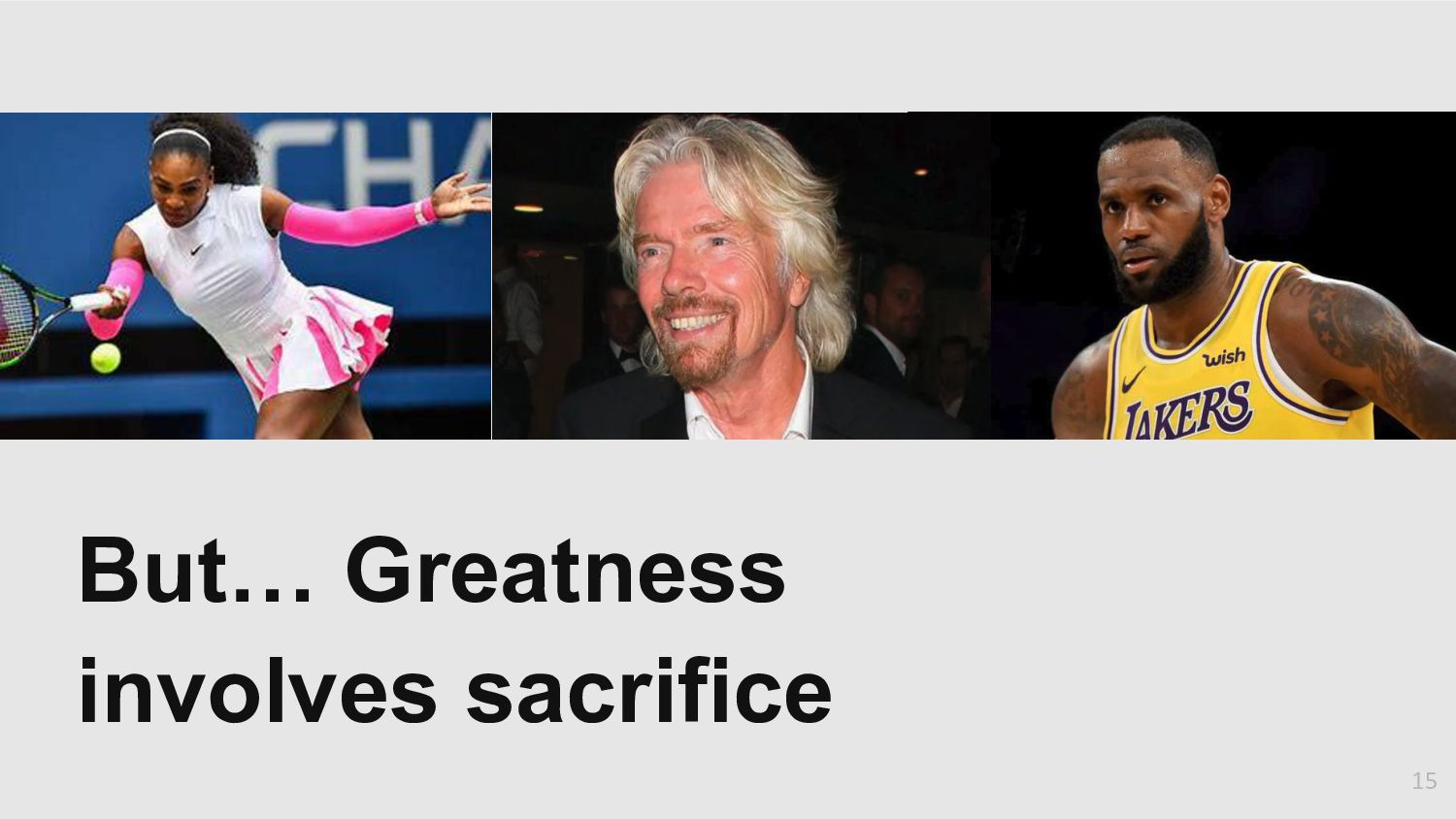
I haven't achieved that. I get it. And I wanna fully acknowledge that no one who achieves greatness is fully balanced. It's not a thing. If you put in the ten thousand hours, well, that takes guess what? Takes ten thousand hours. And there's only one of you.
There's twenty four hours in a day. So I I acknowledge that to achieve greatness in any field, whether it's business, you know, arts, music, sports, you have to be unbalanced. The thing that I that I recommend is that you do so, you lean into one area in an intentional way.
You know, the people that I've shown here, you know, Serena, Richard, and and LeBron, are just highly visible examples of people who have obviously achieved greatness, but of that have done so whilst simultaneously prioritizing family. That's just one example of balance. It could be other aspects.
If you need to prioritize one role, you do so while explicitly choosing to deprioritize the others versus letting it just happen unintentionally. If you're in a relationship, as an example, and you need to prioritize your startup, you tell your partner. For this period of time, maybe I'm fundraising, launching a product, whatever it is, I'm all in.
I'm gonna be completely focused on this. You both agree on it together. You support each other on it. And then the expectation, the pressure to kinda somehow be there a hundred percent for my company and, you know, a hundred percent for my partner by the way, we can't end up to more than a hundred percent.
You know, that pressure kinda goes away because you've explicitly agreed on it. And then when you are together, it's quality time over quantity time. You know, nourishing time, time that feeds you versus time that depletes you, time that doesn't just feel like another obligation because the last thing a founder needs is more obligations.
And bringing that perspective, that kind of intentional negotiated balance again, it's not even. It's not fifty fifty. Whatever it is for you is what it is, but it's intentional. It's explicitly discussed, and it's negotiated between you and whoever is affected by it. Here's an example, you know, perhaps closer to us here in the startup world.
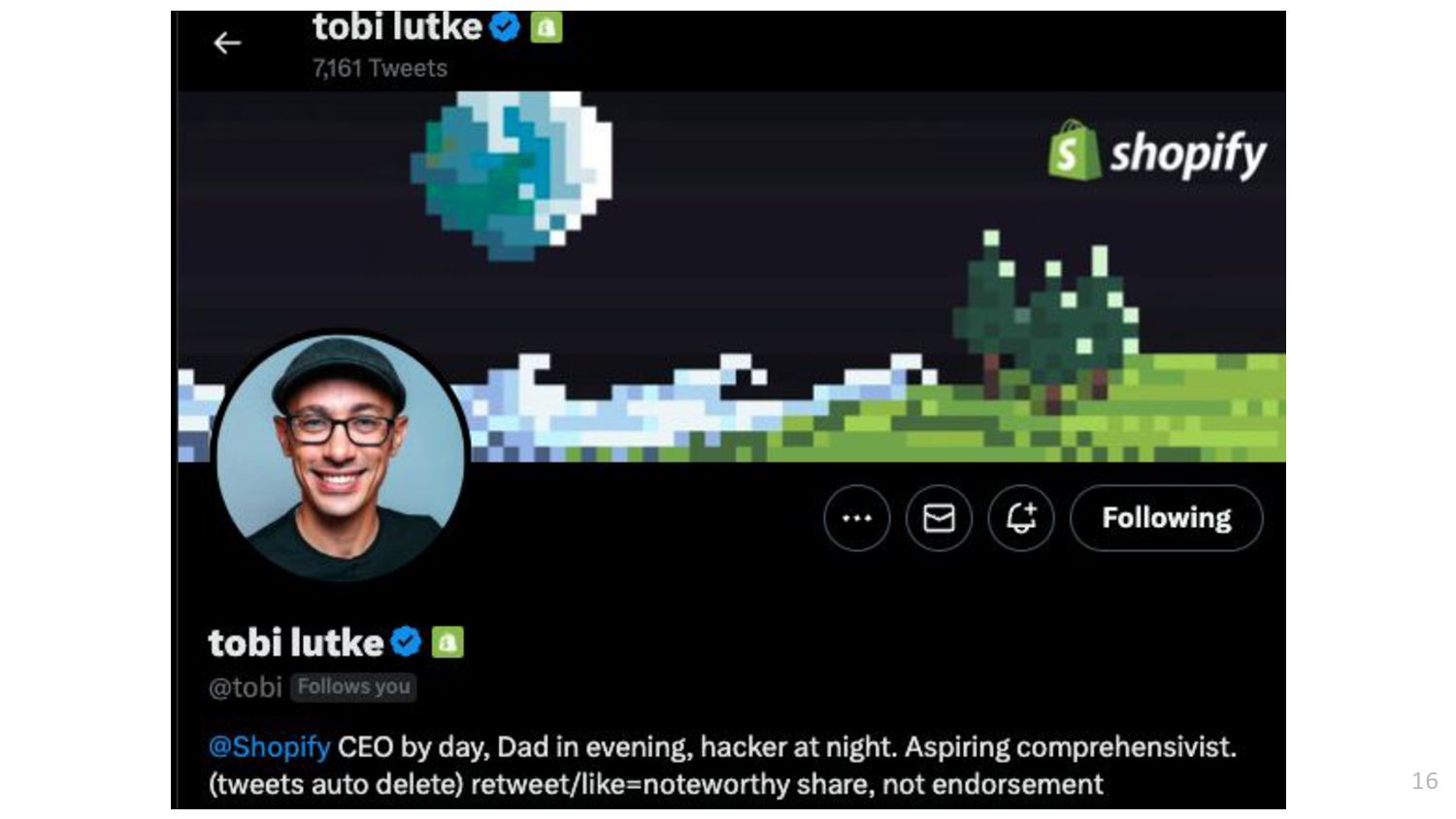
Toby Alucke, cofounder and CEO of Shopify. For the longest time, this has been Toby's bio. I'm a CEO by day. I'm a dad in the evening. I'm a hacker at night. He runs a ten thousand person public company. I have no doubt that he's crazy busy, but for as long as I've known him, he's created these boundaries.
He's home for dinner with his kids. He spends time with them. He actually doesn't get back on the computer and bang out emails at night. He takes time for hacking to stay on top of technology trends and because he just loves that. He's a total geek.
And he makes time for gaming. And he's actually on record as talking about how gaming has made him a better leader, and he's learned a lot from that. So this is the balance that works for him. It's not one size fits all, but great example for us to follow.
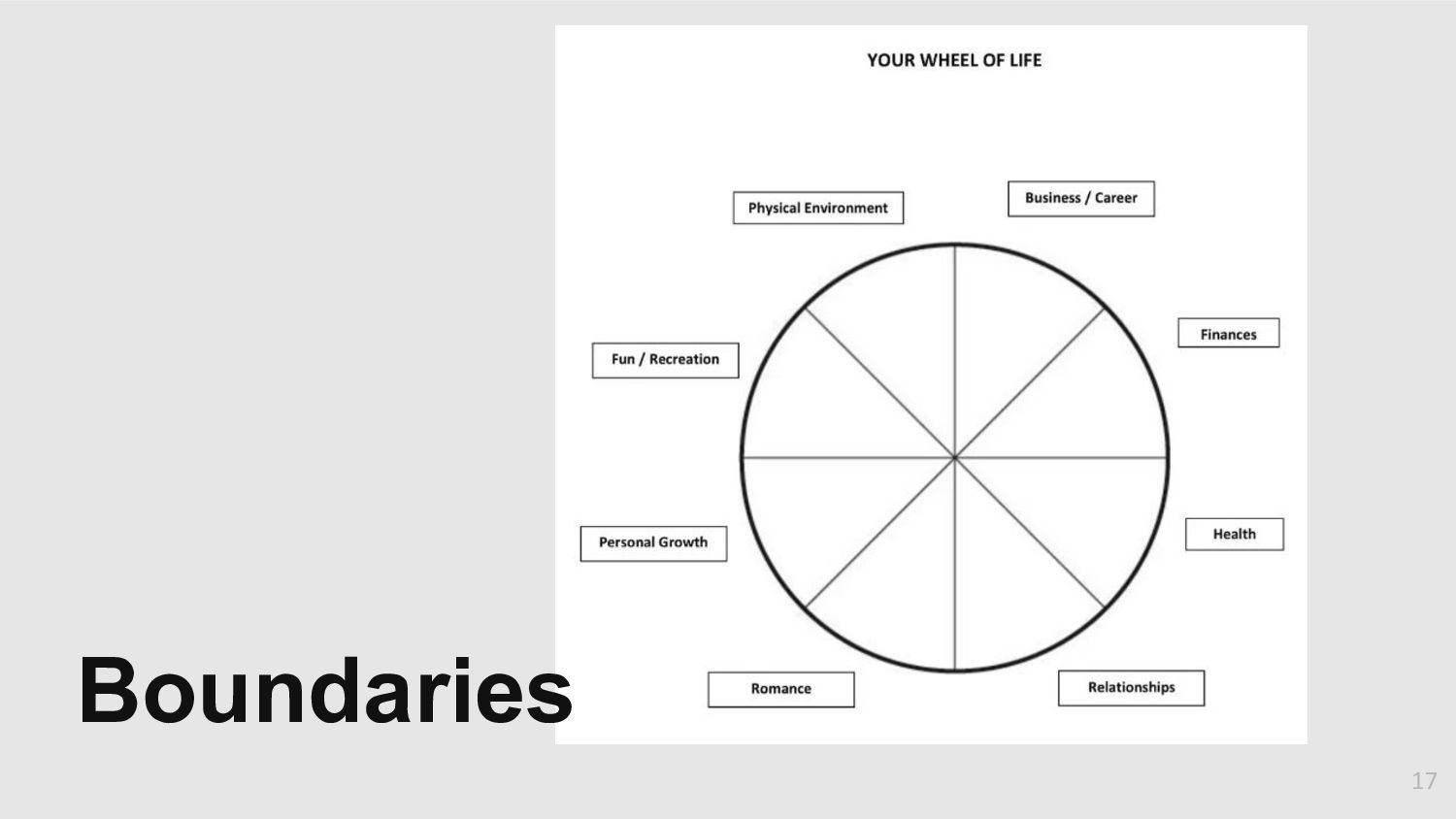
So how does he do it? He does it by creating boundaries. You know, whether we like it or not, ourselves. We have a body that needs to be moved. We have a spirit that needs to be filled. We have relationships. So this is an exercise called wheel of life or satisfaction wheel.
It's pretty simple. For each of these dimensions and these are just illustrative. You could choose the dimensions that fit all of your life. Rate them from one to five. One being totally sucks, five to being perfect. Where is that element today, and where do I want that to be for my ideal life?
That's gonna create some gaps, and then you work on them. Now you work on them, I would say, one at a time. You know, the fact is the self help industry in the US is worth thirteen billion dollars a year alone, And for the most part, it doesn't work.
It doesn't work because we're off, like, living in the future, and then we're trying to do everything at once. And this is really what this points out is really the beginning of a lifelong path of just living with more intention, more purpose. Purpose. You work on each of them a little bit at a time.
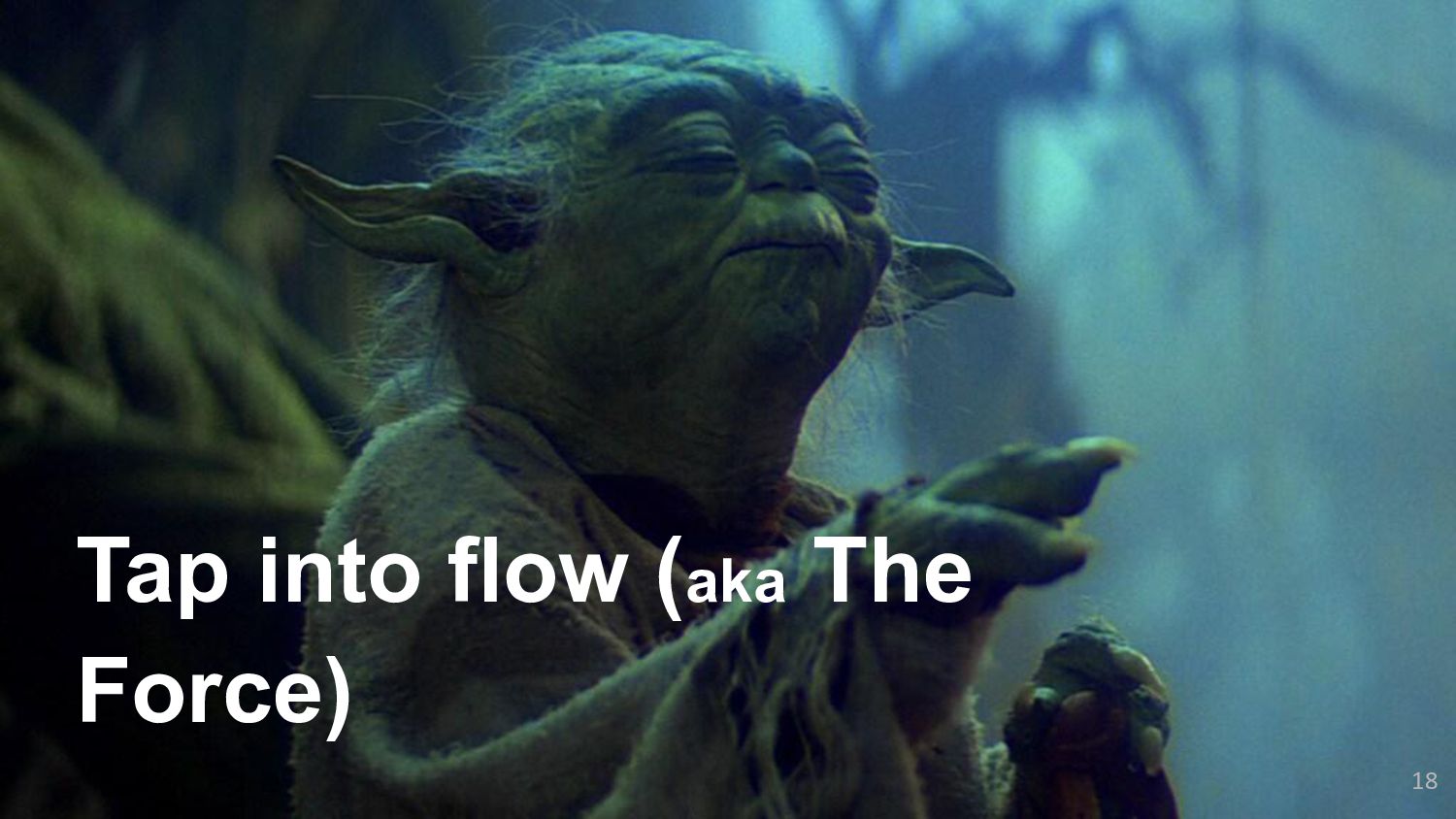
Alright. It's woo woo time here. I wanna talk about the force. You probably noticed times in your life where everything flows. Work doesn't feel like work, it's just super easy, everything comes at you. New opportunities, new business deals, new friends, love. And here's the thing, like intention is a force that exists in the universe and it can be harnessed to achieve amazing things.
When you align your thoughts and your feelings and your actions with this force, great things happen. And this is really about having pure intention backed by earnest committed action. And what I mean by pure intention is something that is good for the world.
If the thing that you're working on is like some scam to get old people to give you your credit cards, well, the force won't align behind you. But if you're trying to do something that is more positive, it will. And I find this in my work all the time.
When I am in flow, like so one of my spiritual teachers refers to intuition as remembering the future that hasn't happened yet. And when I am in flow, I find that my intuition is just fully there and fully available to me. And clients will just show up with a problem and I know exactly what question to ask.
And it's like, you ever see that movie Old School and Will Ferrell's, like, giving the debate and afterwards, he's like, oh my god. What happened? Like, those are my coaching calls on days when I'm in flow. And more practically for you guys, building startups, building a startup is inherently a creative exercise.
I am creating something out of nothing. I am building a thing that didn't exist before. You cannot create when you are stressed. It is super hard to tap into creative energy. And so if nothing else, creating more space, tapping into flow just allows us to be more creative in our day to day life in building companies.
So remember, that startup, it's just a chapter in your book. It's not the book. It's not everything. In twenty twenty one, I attended a weeklong retreat, with my guru and yoga teacher, Kia Miller, on the theme of self mastery. And as part of that, we had to write our eulogy.
We had to go forward to our death and describe our lives. What did I achieve? What did I stand for? What were my values? How did people think about me and remember me? What did I achieve in the world? And there's nothing like going forward and thinking about your death to give you clarity on what matters here while you're still alive.
Really powerful exercise. Strongly recommend taking some time to do it. Dedicated time, not like, oh, hey. I got fifteen minutes. I'm gonna go bang on my eulogy. Now think about how your companies if you have a company, think about how you run it.
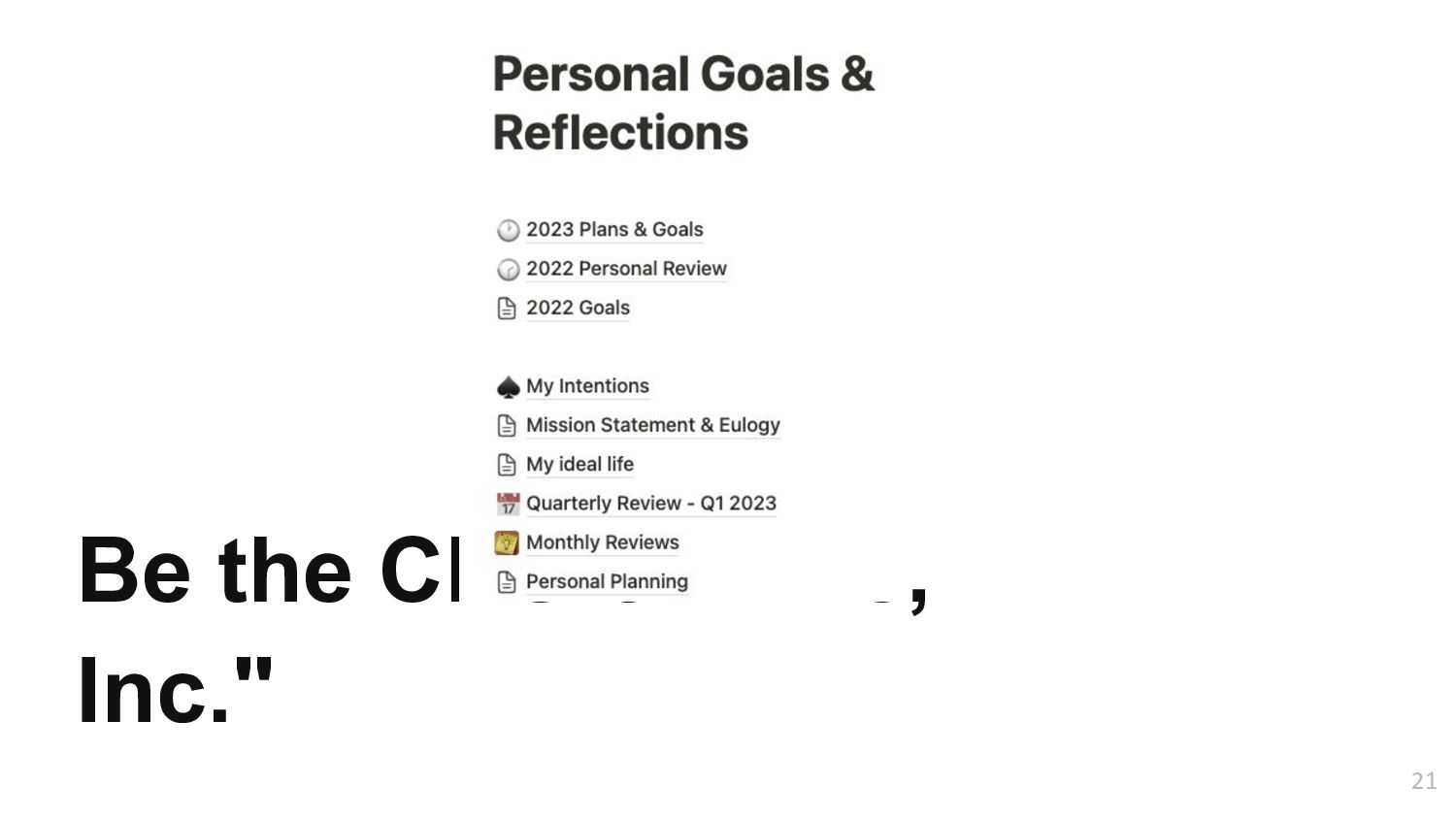
Or if you're part of a company, think about how it's run. It is full of intention. You have written vision statements and mission statements, and mission statements and you've got annual goals and you've got quarterly goals, you know, reviews, OKRs, you've got all the things.
What if you applied some of that structure and some of that very clear documented intention to all of your life? This is an example from an extract from my notion. As you can see, I also have annual goals for my life. I do annual reviews.
I have quarterly reviews. I even do little monthly kinda stand up type reviews. I have, well, you know I have a eulogy. I have written a mission statement for my life. I've even described my ideal life right down to what my ideal day looks like.
And then I try and live all of these things so that each day can be great. All we have is our time. So I'm always trying to optimize my time for maximum happiness, fulfillment, and impact. Oftentimes in companies, we have just periods of intense focus and themes.
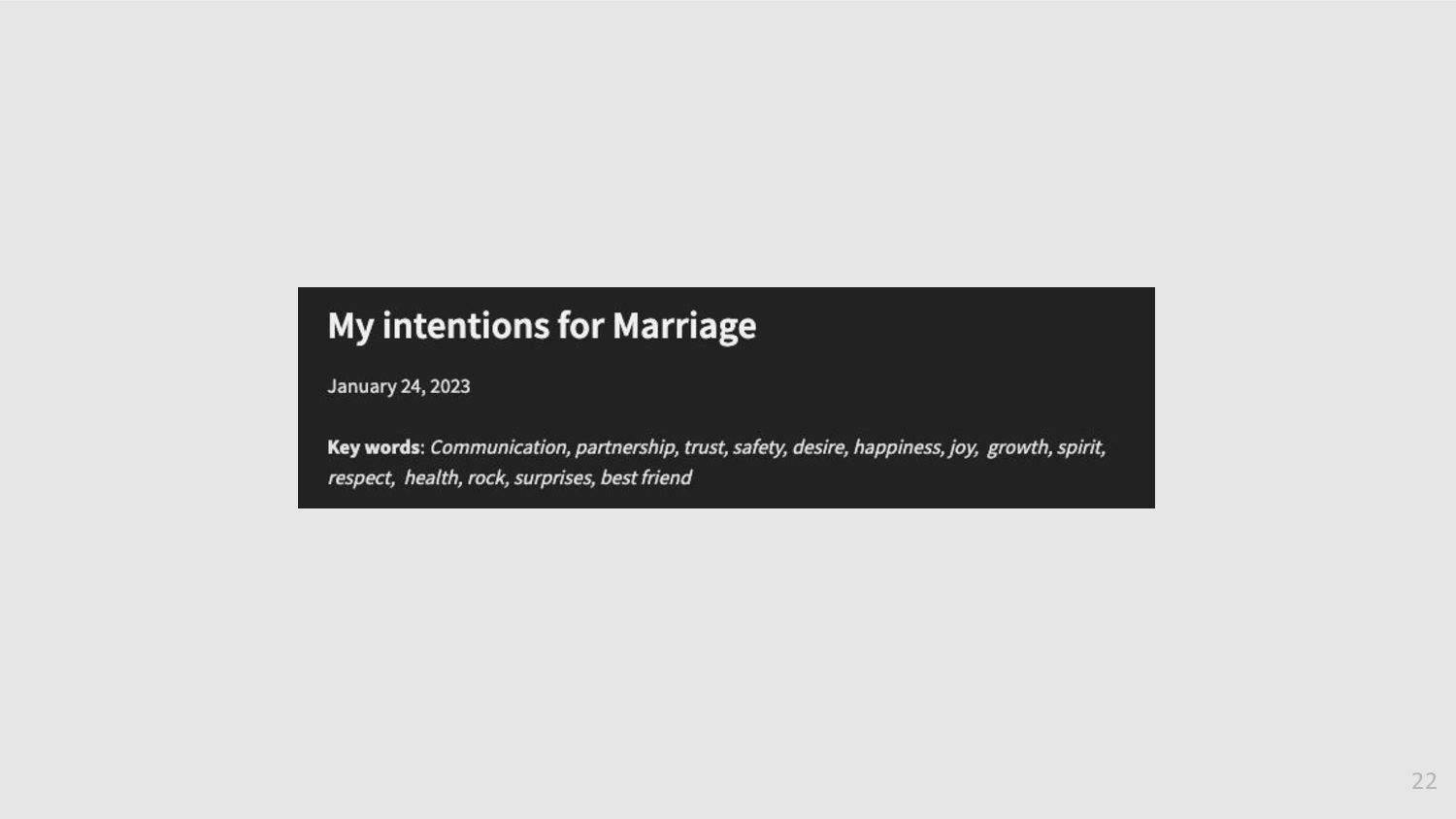
You know, maybe it's fundraising, so the CEO is just gonna be a hundred percent focused on that for a a couple quarters, or maybe it's the launch of a new product. I found myself at the beginning of this year thinking about marriage a lot because I got married again in January.
And I didn't just kinda enter into it blindly. I took the time to very consciously write and share with my partner my intentions for this marriage. And this is something that I refer back to pretty regularly, especially when I screw up because I'm human and I'm gonna screw up.
But I find I do it less and less because I took the time to be super explicit how I wanted to show up and behave in this marriage. Going back to intention and attitude and everything, you know, we only experience the world through our subjective perception.
We've talked about that already. And our attitude makes our reality. I find founders in particular particular struggle with gratitude. They have this vision that they want to achieve, and they're nowhere near achieving it yet. How could I possibly be happy? But it's a struggle.
And even on the hardest days, there's something to be grateful for even if it is just that, oh, I made it through the day. So I really encourage my founders to make time for an explicit gratitude practice every single day. I've journaled for most of my adult life.
I found it to be super powerful. Many of my CEOs struggle with the notion of just taking a book and writing free form, and so I've encouraged many of them to pick up this thing called the five minute journal. As you might have guessed from the title, it takes five minutes to fill out.
It's a little checklist, but it includes explicit gratitude acknowledgment every day. And, you know, listen. Like, startups are hard. Most will fail. And I find if you can find things to be grateful every for each day, it helps you show up the next day stronger than if you didn't.
Now a big reason why people burn out is because they are overwhelmed. A big part of that overwhelm actually comes from being off revisiting the past or off thinking about the future and not being present. A huge amount of it also comes from multitasking.
There are, like, five percent of people in the world have the cognitive ability to process two tasks simultaneously. The rest of us mere mortals do not. So we're doing this to ourselves. We are actually creating our own stress and our old burnout. And so the thing here is actually to focus back on the present.
You know, good your startup might be an overnight success in year seven. If you're off only ever living in year seven, you're not enjoying the moment today, and year seven might just be too far away and you just give up. So it's really by finding the joy and the purpose in today that you're gonna make it to year seven.
We spend most of our waking days working, so let's just take a second and talk about intentional work. What is it? First of all, it's been clear on what I am gonna achieve each day. You know, each day, what are the one, two, or three things that I wanna get done?
Even when I ran my investment bank, I operated this way. I was doing six deals at a time. I could have just let it happen to me. I could have just gotten along for the ride and just do call after call, but I I knew that I was freshest and clearest in the morning, and so I had no meetings from nine till noon every day.
That was my time for deep strategic work. Noon onwards, it was a total **** show. But like those more but I went into the afternoon having crushed my top priorities. That's what worked for me. It'll be a different thing that works for you.
Let's talk about meetings for a second. Meetings kinda universally suck, but there's a way to bring an intention to them. First of all, I strongly recommend this might create some drama in your companies. But if you're invited to a meeting that has no stated objective, don't attend it.
Only go to meetings that have a clear purpose, and then have intention for how you show up in meetings. I am here to contribute x or achieve y, and I will honor my attendees by not doing other things during the meeting. Those really make for better meetings.
I'm in overtime here minus forty five seconds, so I'm gonna go fast. You know, a lot of what I'm talking about here in terms of being more mindful and grateful, more present is actually about cultivating your spirit. You want to achieve greatness for your startup, and you want to have, you know, this ideal in both business and in life.
You want to have ultimately an inspired life. Let's look at that word inspired. What is it? It is in spirit. You have tapped in to that unlimited potential and it has propelled your life forward. This is what enables you to achieve greatness. I spend my days asking CEOs questions.
Questions can be truly transformative. Everything. And so I wanna leave by leaving you with a series of questions. If you go to this URL, Bitly slash Turing questions, I've given you a series of open ended questions to examine your life that you can revisit on whatever frequency makes sense, annually, quarterly.
The magic will come when you act on the insights and answers from those questions. May you be happy. May you be healthy. May you be at peace. Thank you.