
The best tactics and frameworks in product-led growth to transform your company, reduce your acquisition costs, and grow more sustainably.
← All talks 
Grow Turing Fest 2023
The Product-led Growth Guide
Auto-generated transcript - may contain errors. Tap a timestamp to jump the video.
Name is Leia Taren. I'm going to talk to you today about product led growth, which is showing not telling. Let's see how this one goes. This is my name. It's my website. And this is me riding on two giant fish wearing a spear, killing inefficiencies in companies.
It's totally real, by way. It's not generative AI. This was taken two hundred years ago. Yeah, I've been gone. All right, so where do I come from? Really quick. I worked at Microsoft. I worked at Dine Deal, is a Swiss company that killed Groupon out of the market.
That was pretty good. Used to be a product lead at small PDF. We had fifty million users per month. Thank you very much, James. He said thirty million. We're not to go for that. I'm the head of product at chua dot ai, which is something that I'm going to talk about more afterwards when we talk about the AI panel.
And I'm the author of the number one red product led growth guide according to Google search and the time of the day that you're searching and some other factors. And I also help companies not to die while implementing product led growth. That's quite a statement, isn't it?
And now the clicker doesn't work. Oh, there you go. Boom. It's all garbage. All of this is kind of marketing. You don't know anything about me unless you actually start to read my stuff. And this is what I'm going to talk to you about today.
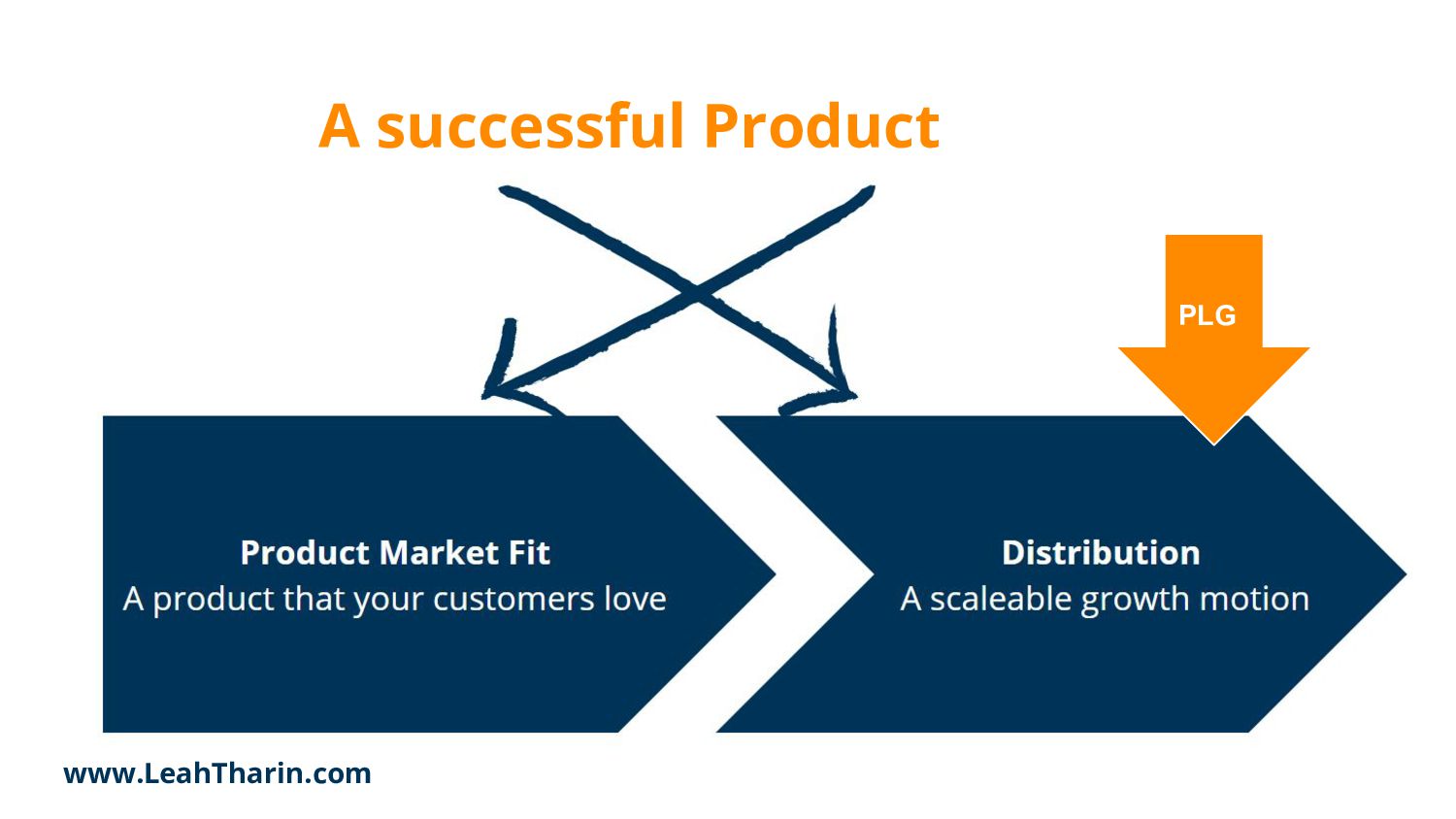
What I want to talk about is what is a successful product? And if this talk is about giving you some value, some successful product, then all of this is going to apply as well. We have two stages to a successful product. We have on one hand, we have the product market fit, this elusive thing where we try to have a product that is actually loved by everyone.
And then we have the distribution side, which is a scalable growth motion. There's a lot of products out there that kick ass, but you just don't know about because they never learn how to scale and reach the markets. So what we're going to talk about is product led growth.
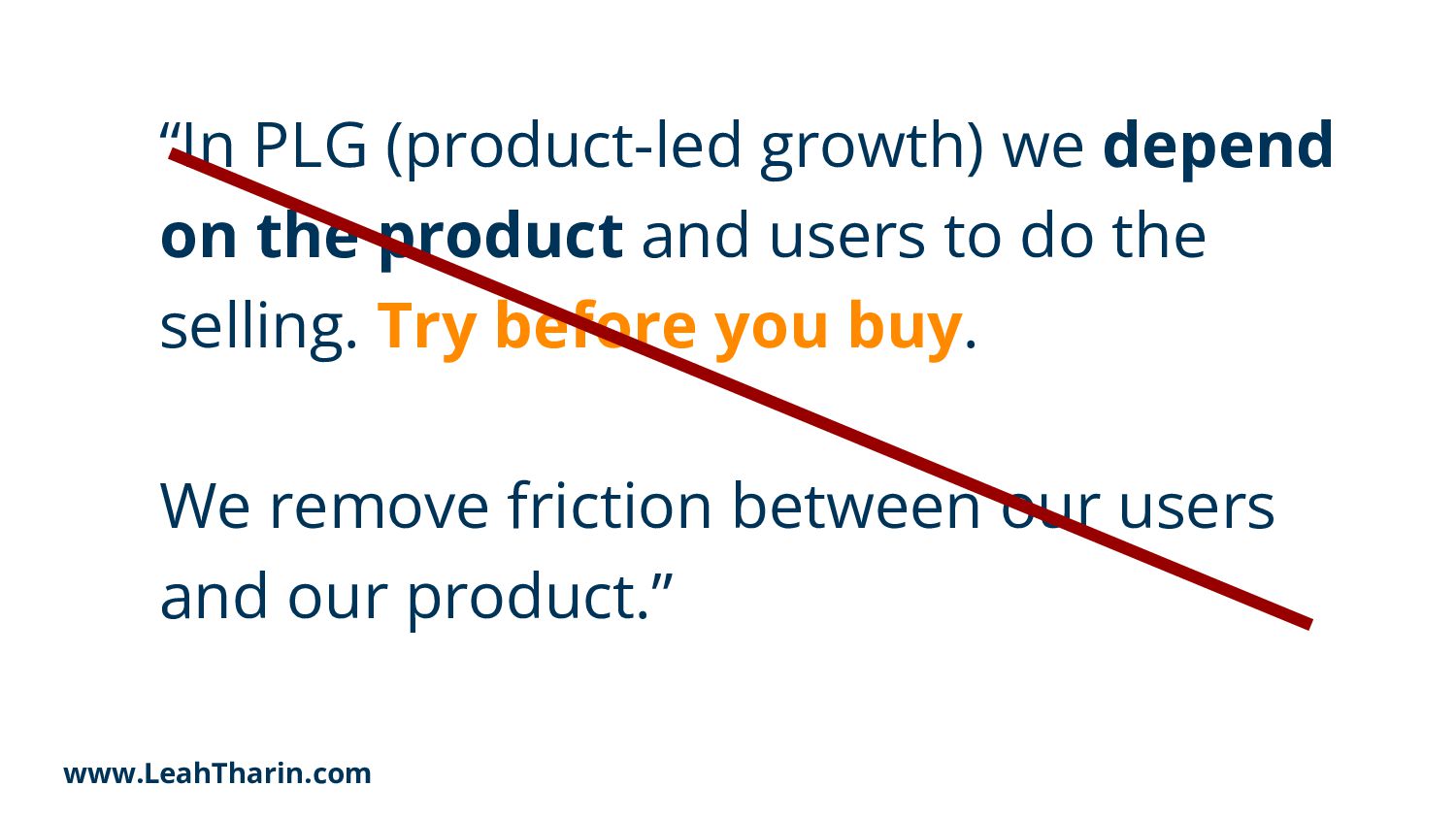
PLG is the acronym for product led growth and it is actually a distribution model. So let's talk about it. In product led growth, we depend on the product and users to do the selling. It's basically trying before buying. And we remove friction between our users and the products as much as we can.
Kind of boring too, right? We all know this, who the product sells itself. Wow, big whoop. I take this definition. In product led growth, we establish trust different than classical marketing or sales tactics that most of you probably know. It's about showing stuff and not talking about it.
Let's talk about this word, trust. Because all this is, this is about trust. This is not products selling themselves. This is about how do we establish trust with the people that we want to sell our products to. All right, If we go on the web and I'm looking for, I want to compress a PDF.
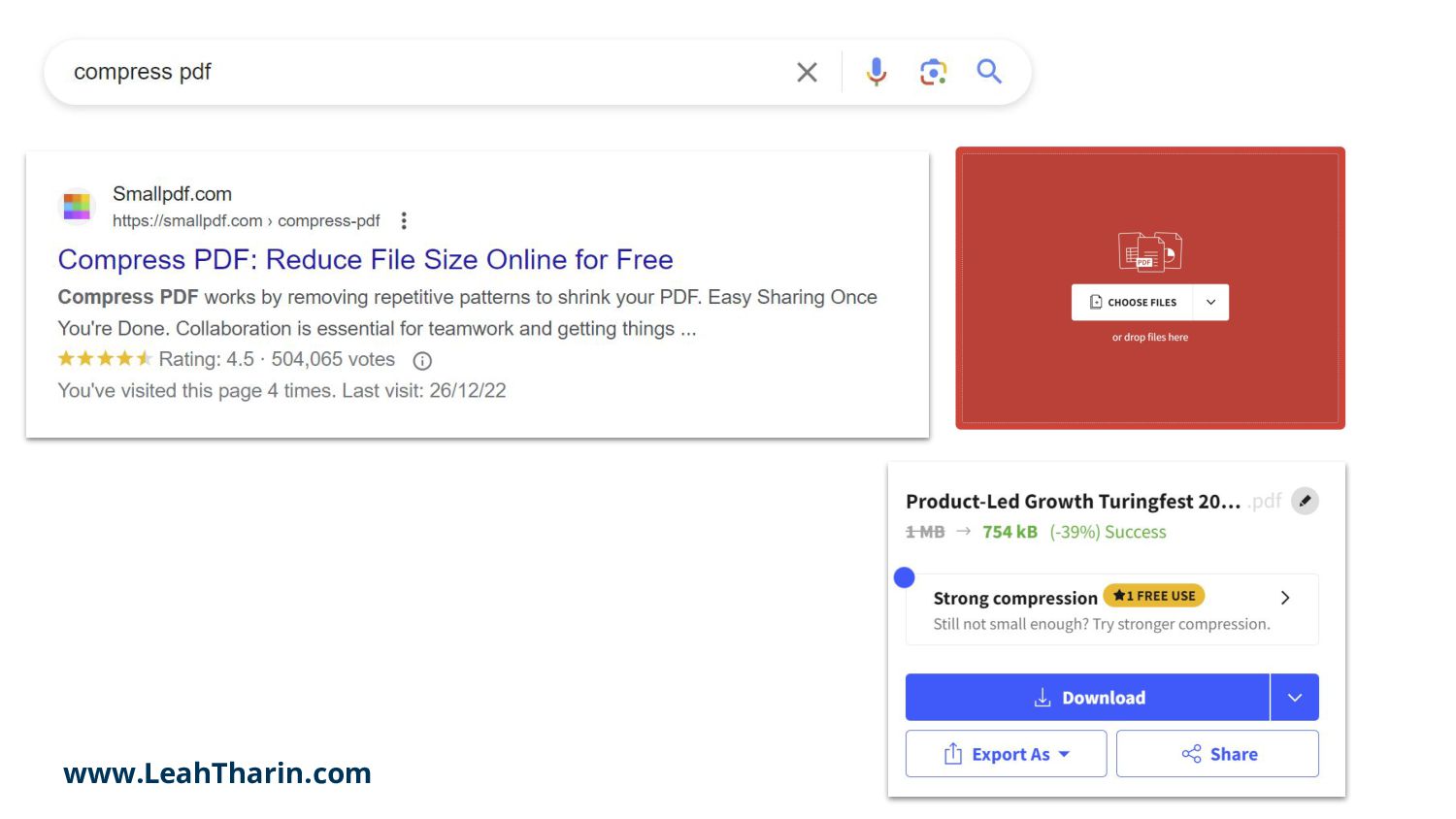
It's a document, right? It's too big, I want to kind of just bring it down in size. Then I go on Google, I type in compressed PDF, and then just a small PDF website coming up. I click on it, I can drop my file, and then I can download it.
There was no account registration in there, nothing. It's one of the things that we did really, really right at small PDF. At fifty million monthly active users, and we did not require anyone to register anything. We gave you the value for free. In some moderation, of course, but that's essentially what we did.
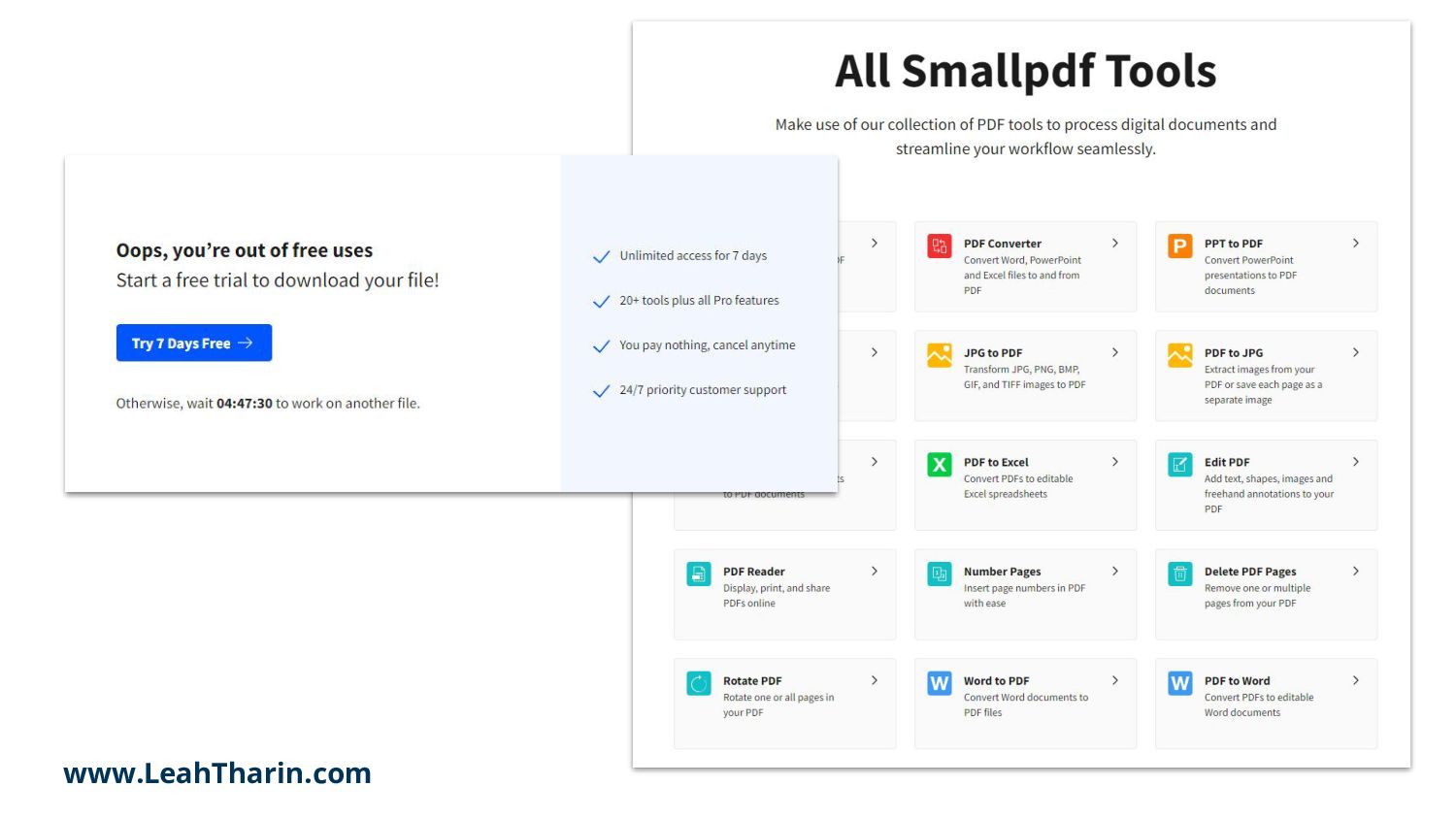
And we had a lot of tools, we still have a lot of tools, I'm not with small PDF anymore, but there's about twenty different tools on the right hand side there. And then you can also see that at some point you're running out of your free usage.
And this is a freemium model. It allows you to test and use as much as you can from the product before you're being blocked. And this is quite important to understand because there's other products that are doing exactly the same thing also in the B2B space.
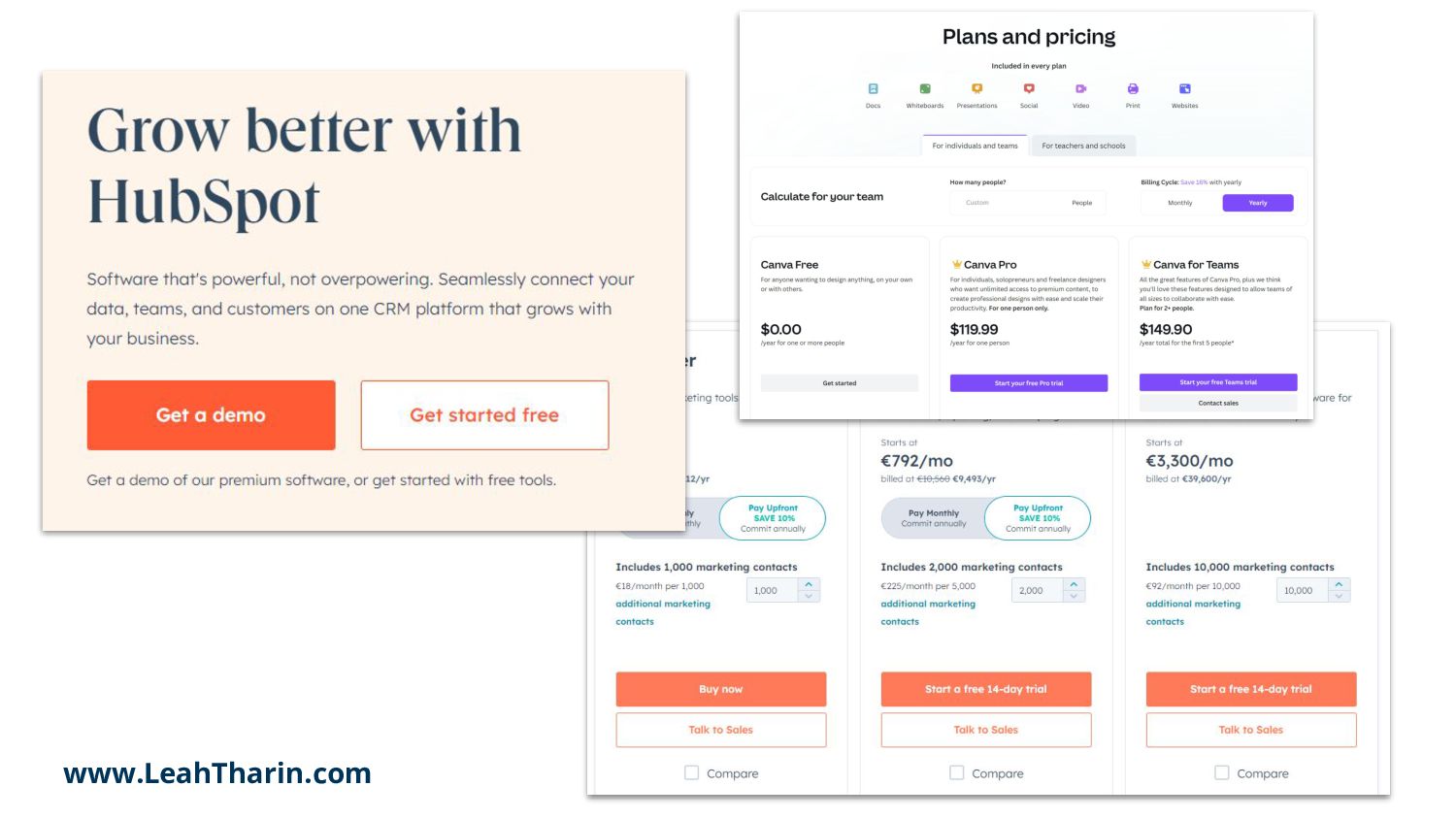
We have Canva, we have HubSpot, which are really, really, really good in giving you some value for free so you can actually experience the product or talk to a salesperson as much as you want. Give you both choices. So if we're talking about the market in terms of which segment is being served by what best, then we have two big players.
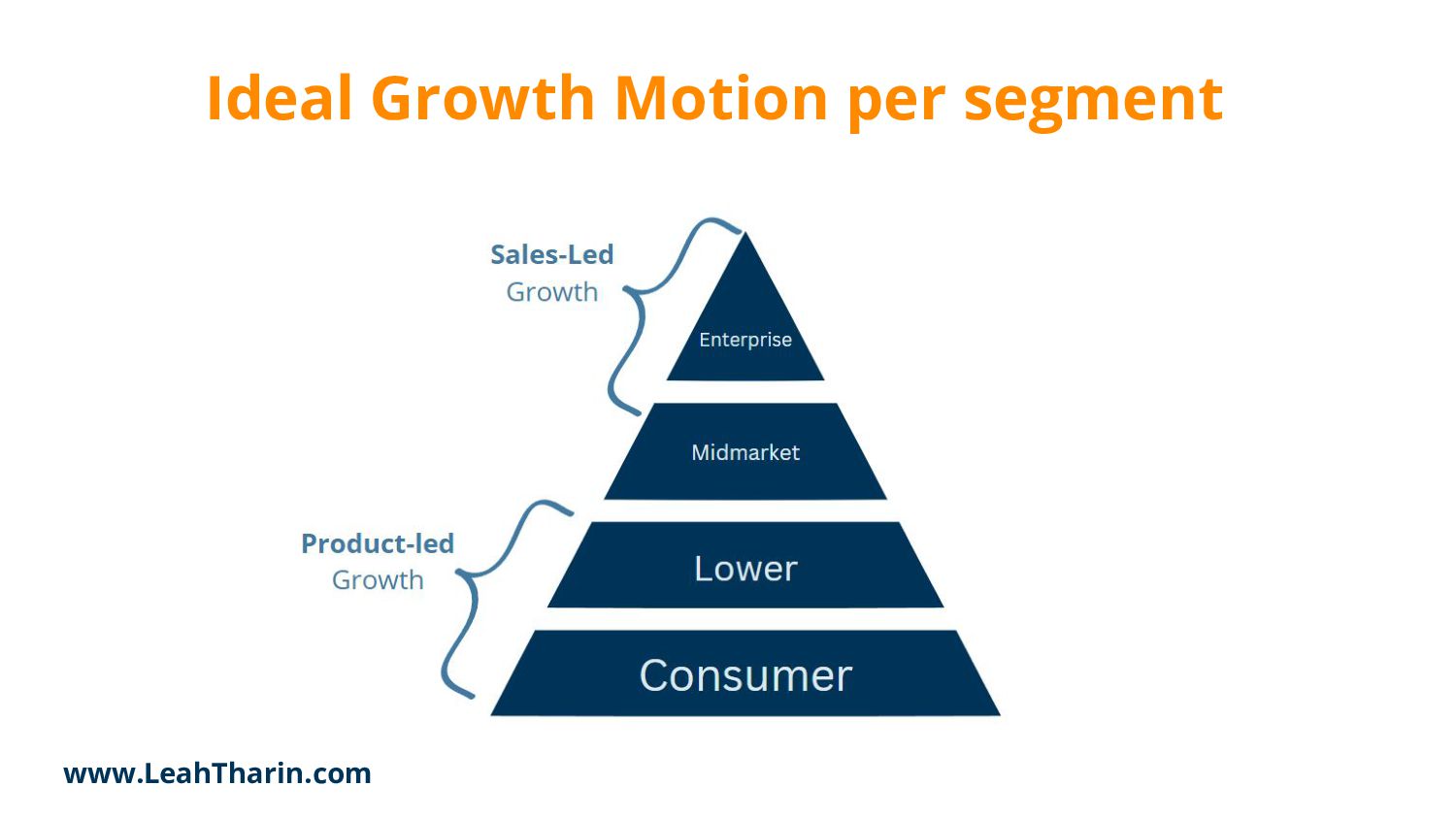
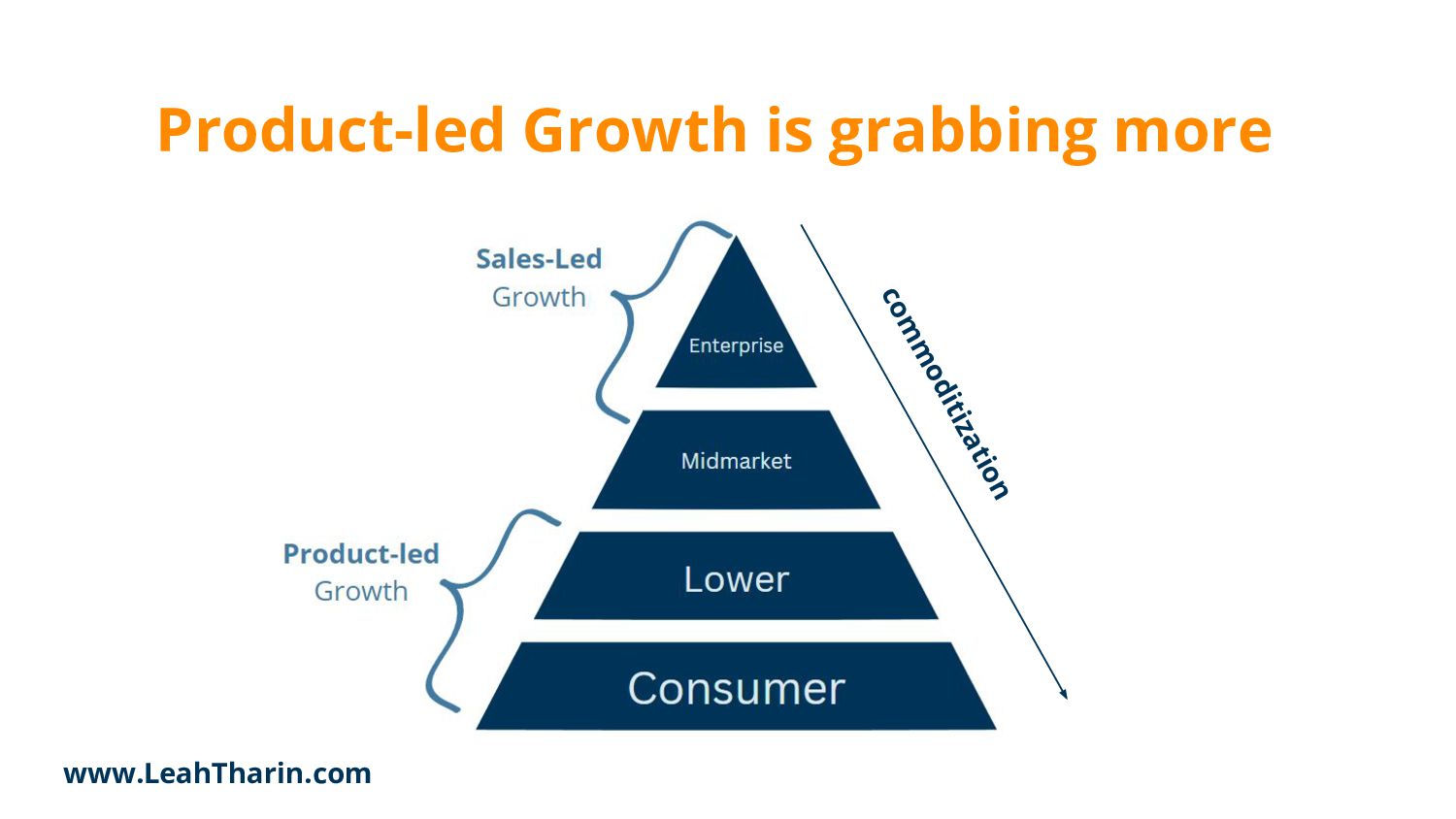
At the very top, we have enterprise. This is the few people that have a **** ton of money. We have the mid market segment lower, and then we have the consumer segment all the way at the bottom. The more down you go, the more you are with product led growth.
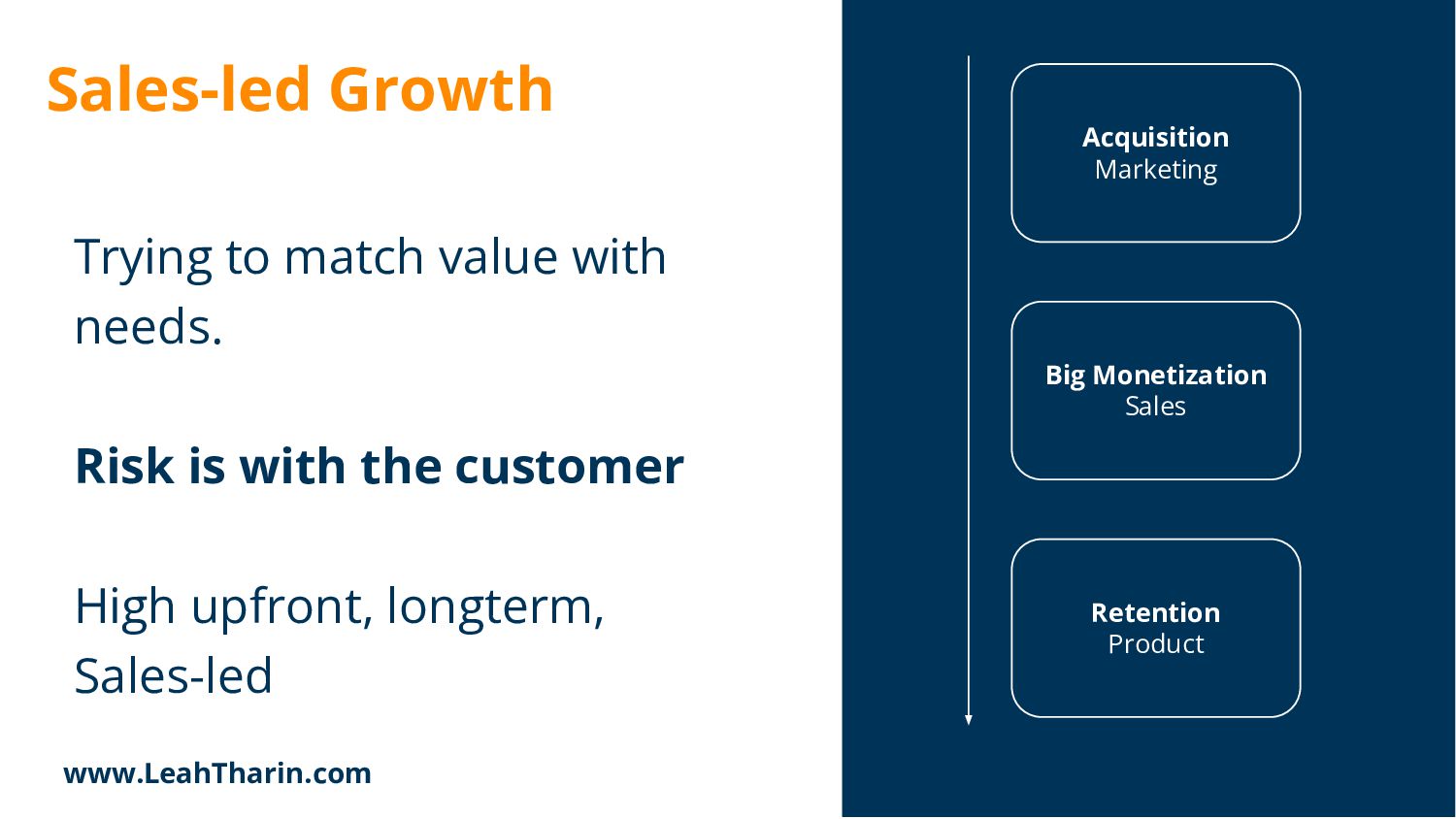
The more you go to the top, the more you are with sales led growth. Let's quickly look into these different models and what they actually do. Sales led growth can be summarized in a very simple way. We have an acquisition, which is done by marketing.
We have sales that is making sure that we have big monetization, big money. And then product is kind of taking care of the retention part. So hopefully that the people that we do close like the product good enough, but this is a game about acquisition.
We're trying to get customers over the line. We're trying to match the value that we claim to have with the needs of the customer. Essentially, the bottom line of this is that the risk is with the customer. It is with the customer because I have to pay usually a lot of money.
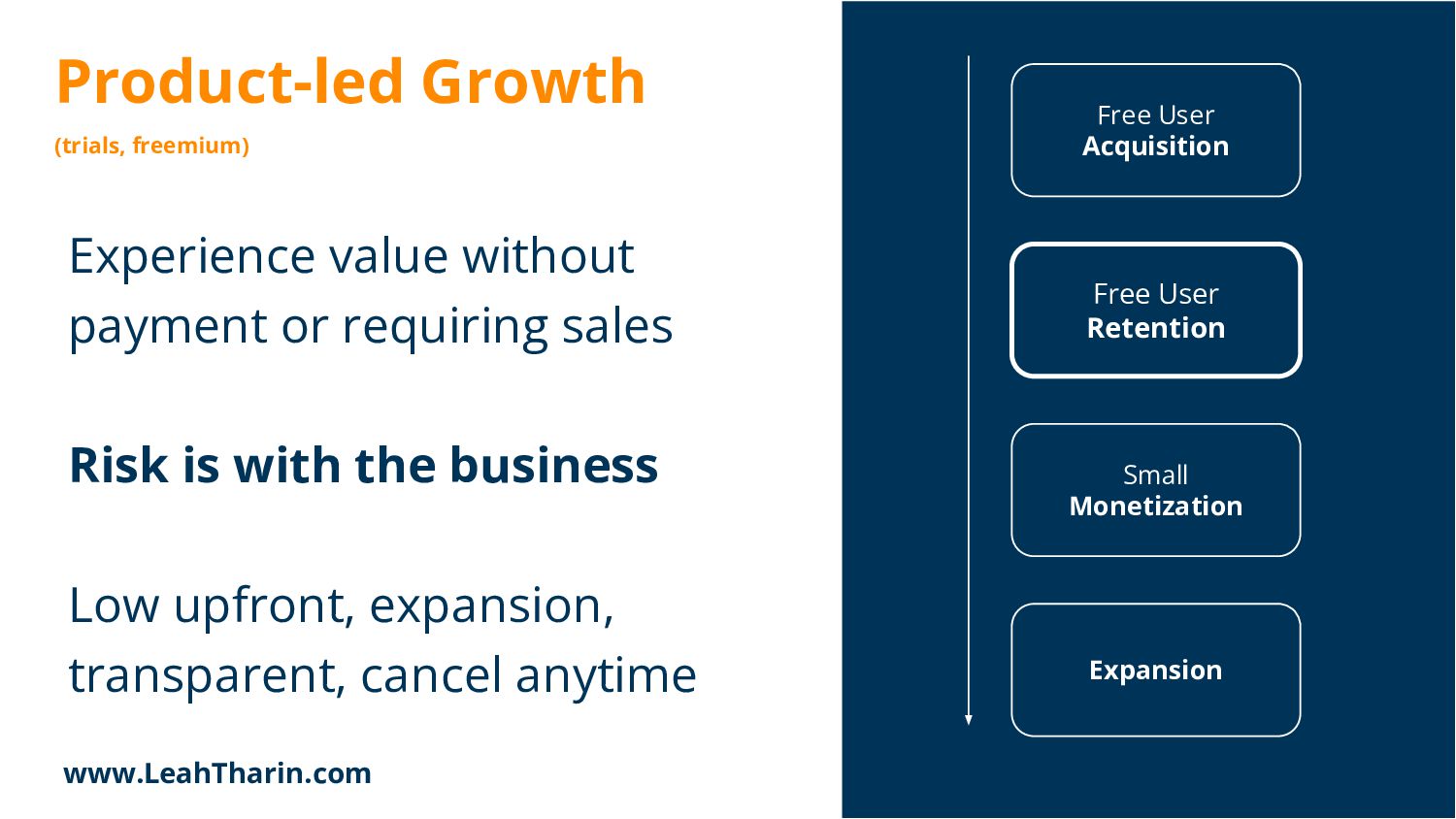
I have to do a high upfront cost. It's a long term commitment. It's about being sales led. The salesperson is selling it to me and then I kind of go into a specific risk. With product led growth, what we're trying to do is a little bit different and it's not just trials and freemiums, but it is one of the signs that we have if you're looking into this.
So we have free user acquisition and free user acquisition doesn't mean that the users are free, it means that they use your free part of your product. And then we have the free user retention, which is the biggest predictor by far and away before a customer pays, whether they're going to stay for a long time with you.
Then we have a small monetization, we're not trying to close high, we're trying to close a little bit, and then there's expansion. Let me explain what that means. In the end, what we're trying to do with product led growth is we're trying to give you value without payment or requiring sales unless you want to.
Because fundamentally the risk is with the business. It is with us. You can cancel at any time. I don't require you to pay a lot. It's a low upfront payment. Monthly subscription, it's expansion revenue. It's about being transparent. It's about canceling any time.
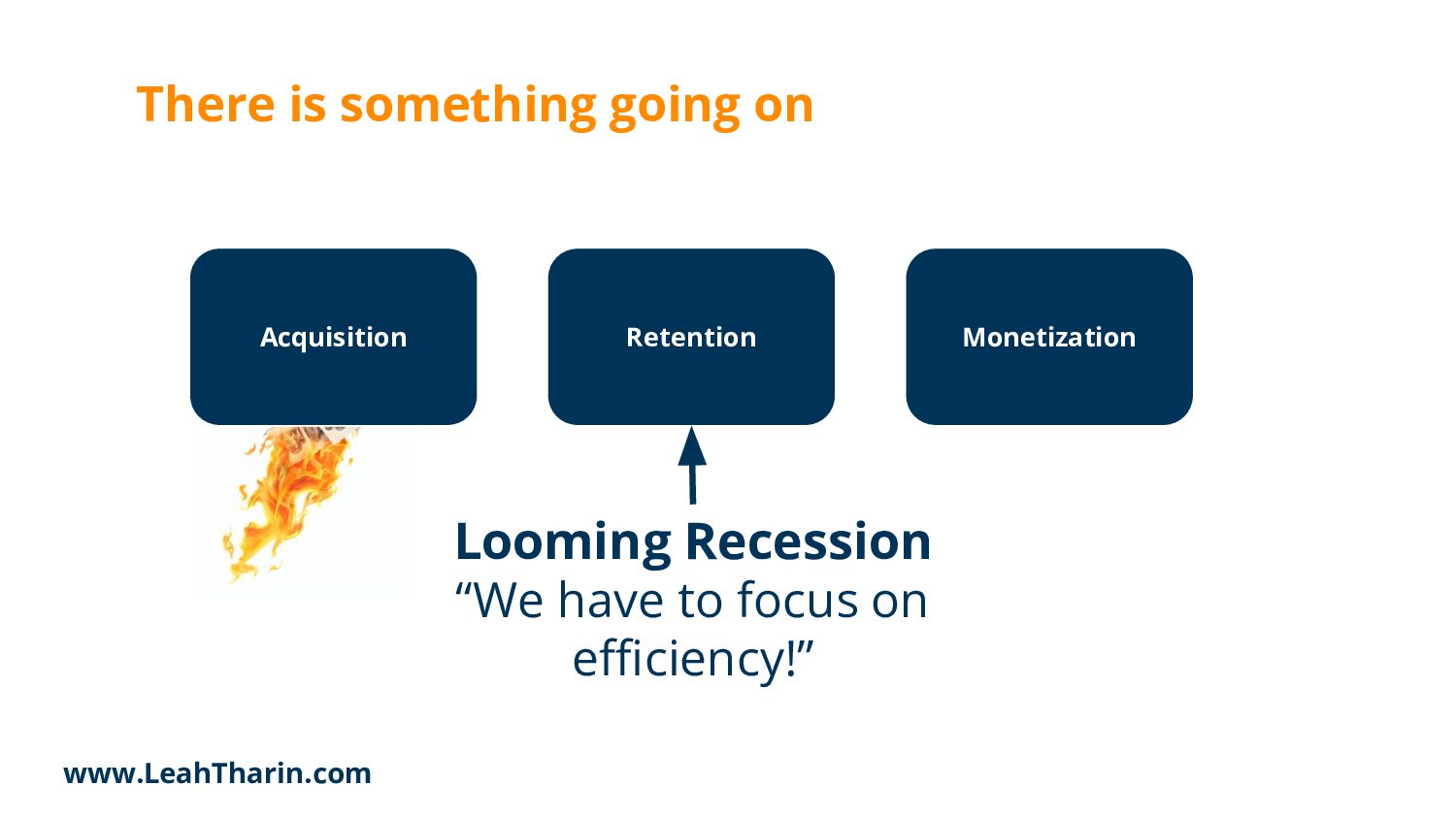
But there is something else going on, and I want to touch on this. There's a couple of factors that make product led growth come to be the next thing that you all should be aware of. The first one is we have a looming recession and as you can see, the entire acquisition is burning because we know that when money is not around, the first budgets that are getting slashed is usually with marketing.
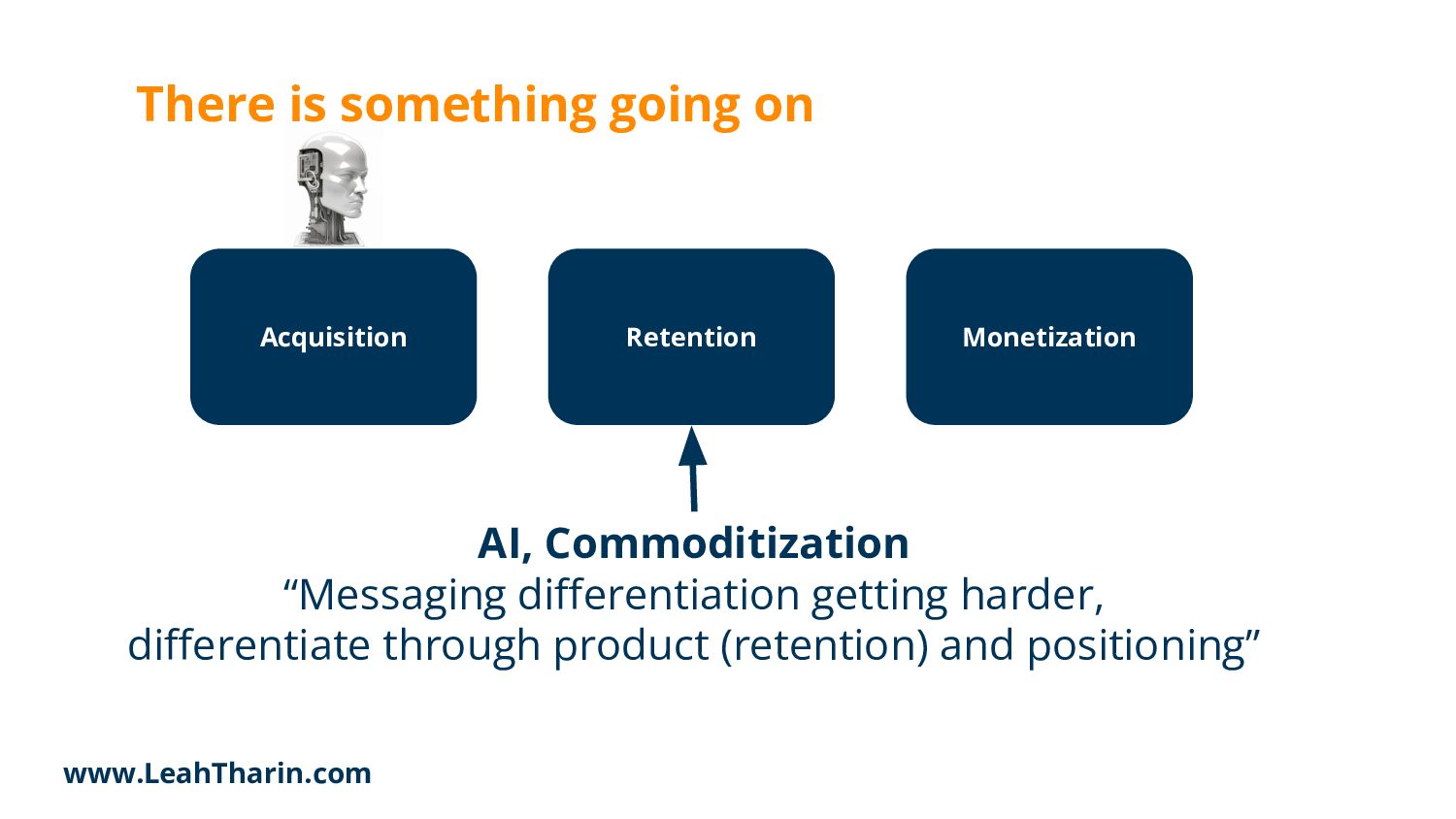
And it's not fun. So we have to be efficient. And what does efficient mean? People have to start work longer, we have to improve the LTV, the lifetime value of the individual customers that we have. And then the second thing of this is through AI, we have a commoditization going on.
There's a lot more stuff happening right now in the markets that has never happened before. There's a lot of tools that are offering the same stuff that you probably also offer. And messaging differentiation is getting harder and harder and harder. It's really, really, really hard.
So you need to differentiate yourself over the product and positioning. And if you listen to April Dunford's talk this morning, then you know that messaging and positioning is not the same thing. The fundamental question that you have to ask yourself in today's time is, who do we as customers trust if everything looks perfect from the outside?
Who do we trust? How do we establish this trust? Customers ultimately always go back to what cannot be faked, no matter how you dress up the message. And it's always the same. It's the success with the product, the feeling that you get when something actually works.
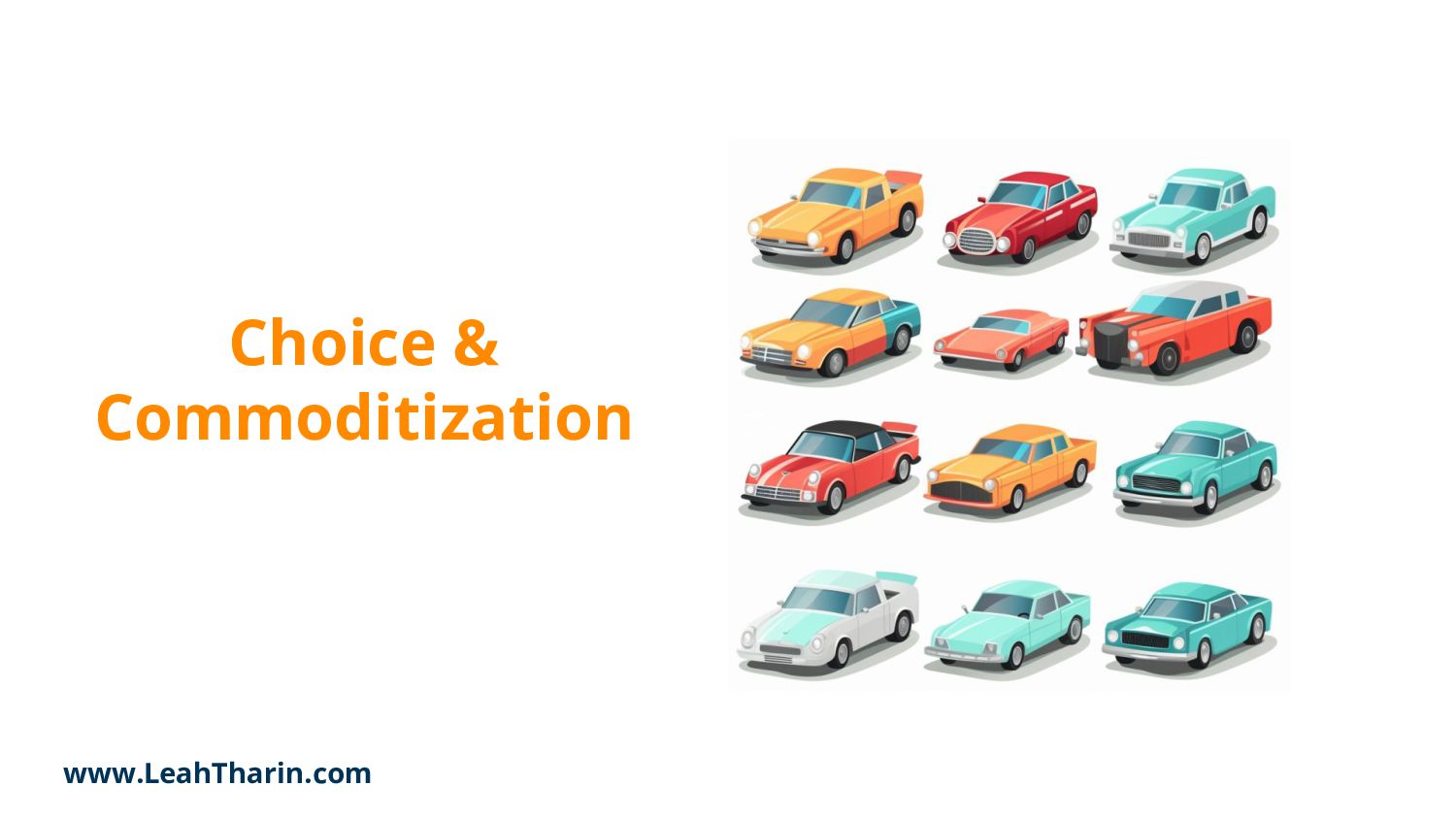
And in this space, product led growth establishes this trust by delivering the success as fast as possible. Payment comes later. We're gonna worry about this later. Let's talk about choice and commoditization here for a second. Let's say you're in the market of getting a new car. Car.
I wanna have a new car. There's twelve different new cars. I can choose any of these models. How do you choose between which one is the best? Maybe sometimes you don't need to have the best, you just need to have one car that fulfills your needs good enough.
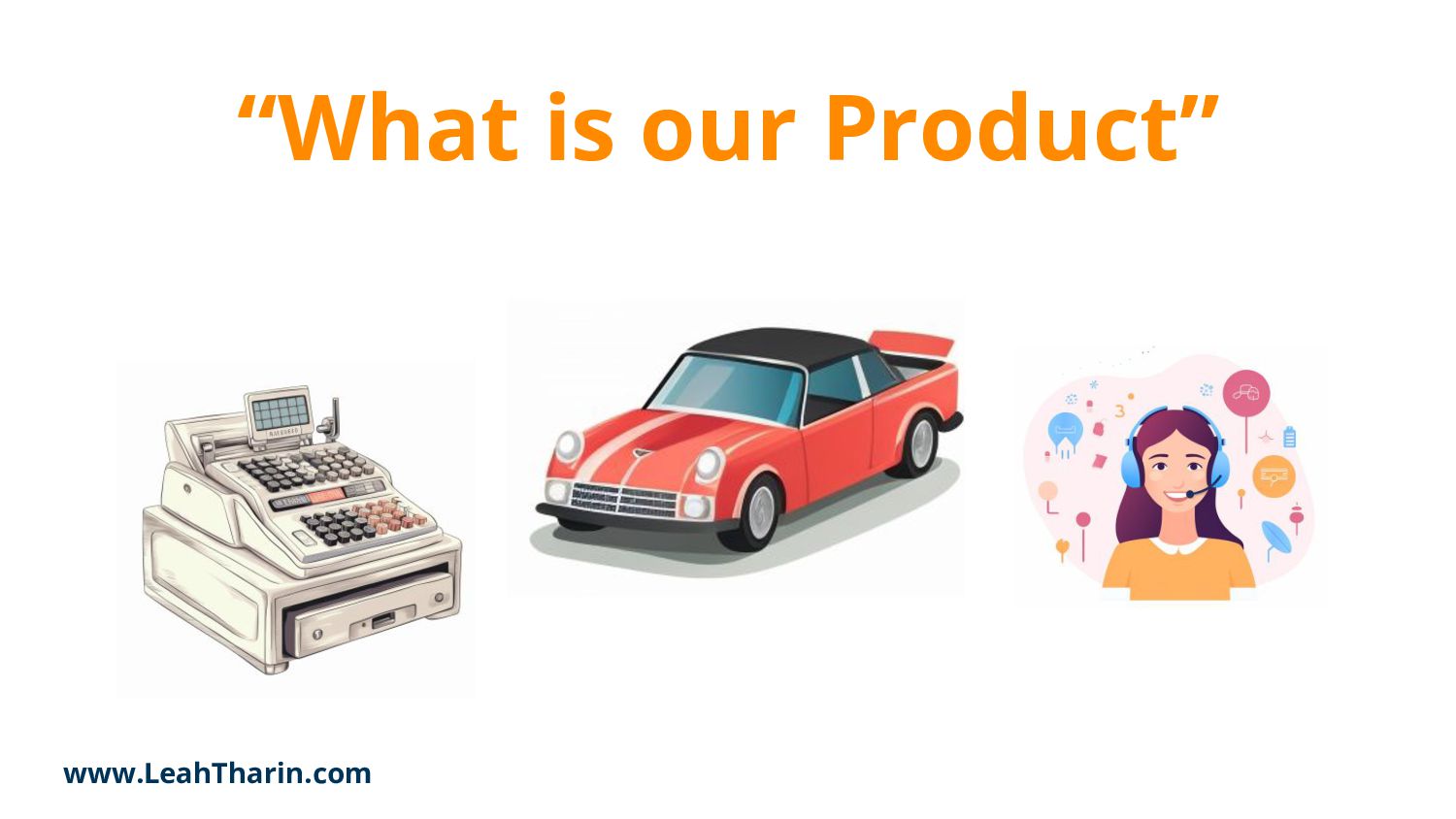
It turns out that the core product that you're selling, so if you have a car, let's say you are working for Tesla or something else, is not the car anymore, it's also the buying experience and the support that you have afterwards. Now half of the room is going to go like, yeah, we knew this, of course, we have support, doing, we make it easy for people to pay.
It's not what I mean. What I mean is, is that these two parts of your product are part of the product. The car itself is not the product. It is everything around. It's your positioning, it's how you support people afterwards, how you're being there for them after.
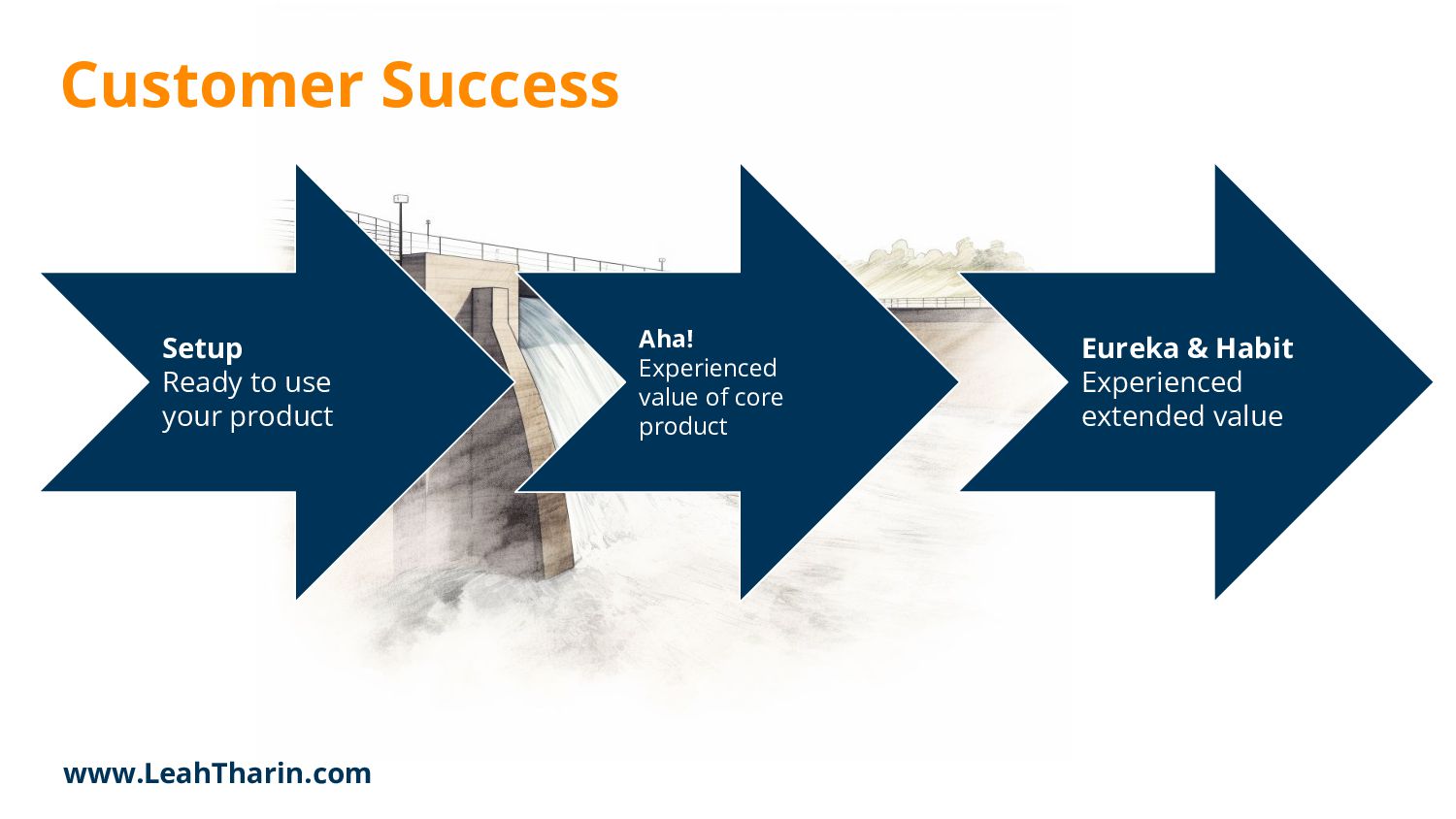
And if you're getting this right, then product led growth is the most efficient distribution model in B2C and a lot of B2B markets. And I would like to explain you why. Okay, let's get into the nitty gritty. Beautiful water dam here, let's talk about customer success really briefly.
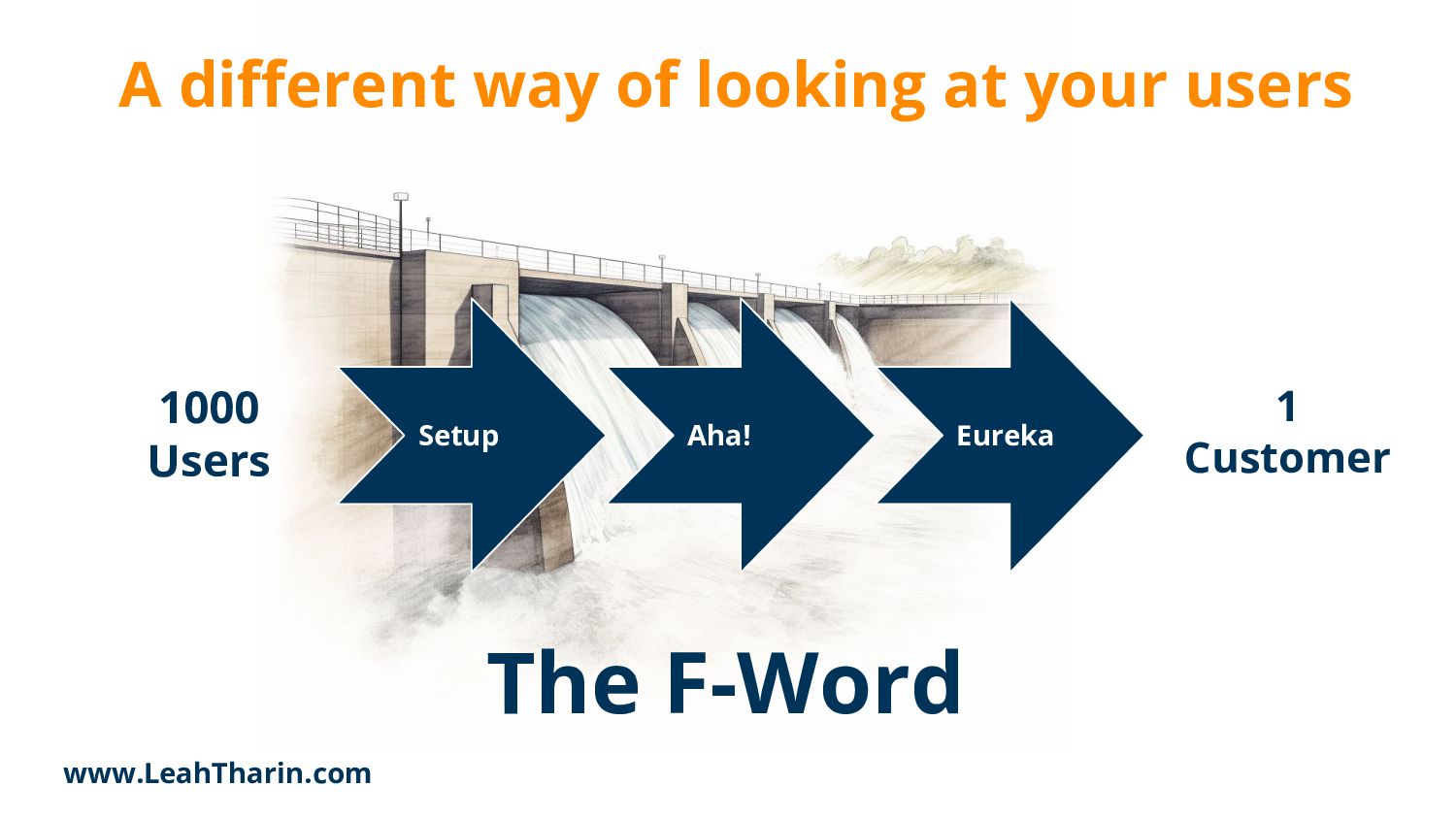
So before a customer becomes a paying customer, they have to go through a couple of stages. So we have users, we have free users, they're going to go through some things like for instance, the setup moment, they're ready to use a product. There's an moment, they experience the product, this is the first time they actually drive the car, then we have maybe a new eureka and a habit moment where they go like, oh my Lord, this is amazing.
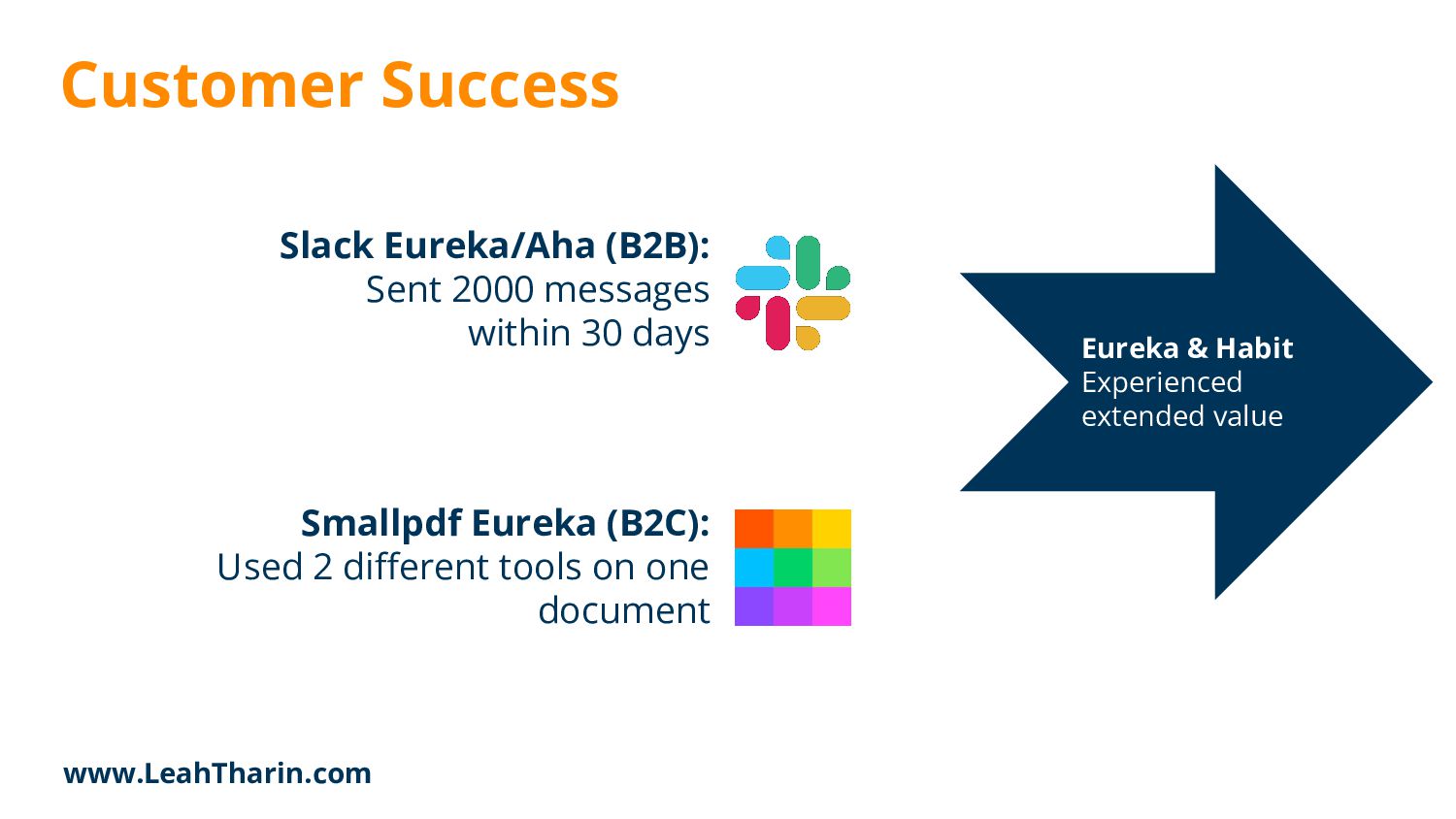
And none of this has to do with revenue so far. This is just if we start to split up, how do our customers become successful with the products that we produce? Let's go into some examples. So this is one of the most popular ones, Slack.
Slack defines a eureka and an moment as if you sent two thousand messages within thirty days, then you are a successful customer. At small PDF, what we used to do is we said that if you use two different tools in one document, then you're a very successful customer.
Because if you remember, if you started to come to the website and you were looking for compressed PDF, you did not know that we also had tools that allow you to number the pages. But if you use both, that means you started to discover extra value.
Now, why is this relevant? If we're looking at this, and I'm sure there's a lot of marketers in here that are quite interested in how to summarize all of this, then we could say we have some kind of input and then we have an output.
It's the f word. Funnel. Yeah, some people giggling here because they thought I'm gonna say something else, but this is essentially a funnel. We're not going to talk about funnels. Let's flip this view a little bit and think about our users in a different way.
If a user goes through a setup moment, they're ready to use our product, they have downloaded the application or they have set up some kind of account with us. And they have experienced the core value. And then they go to the extended value.
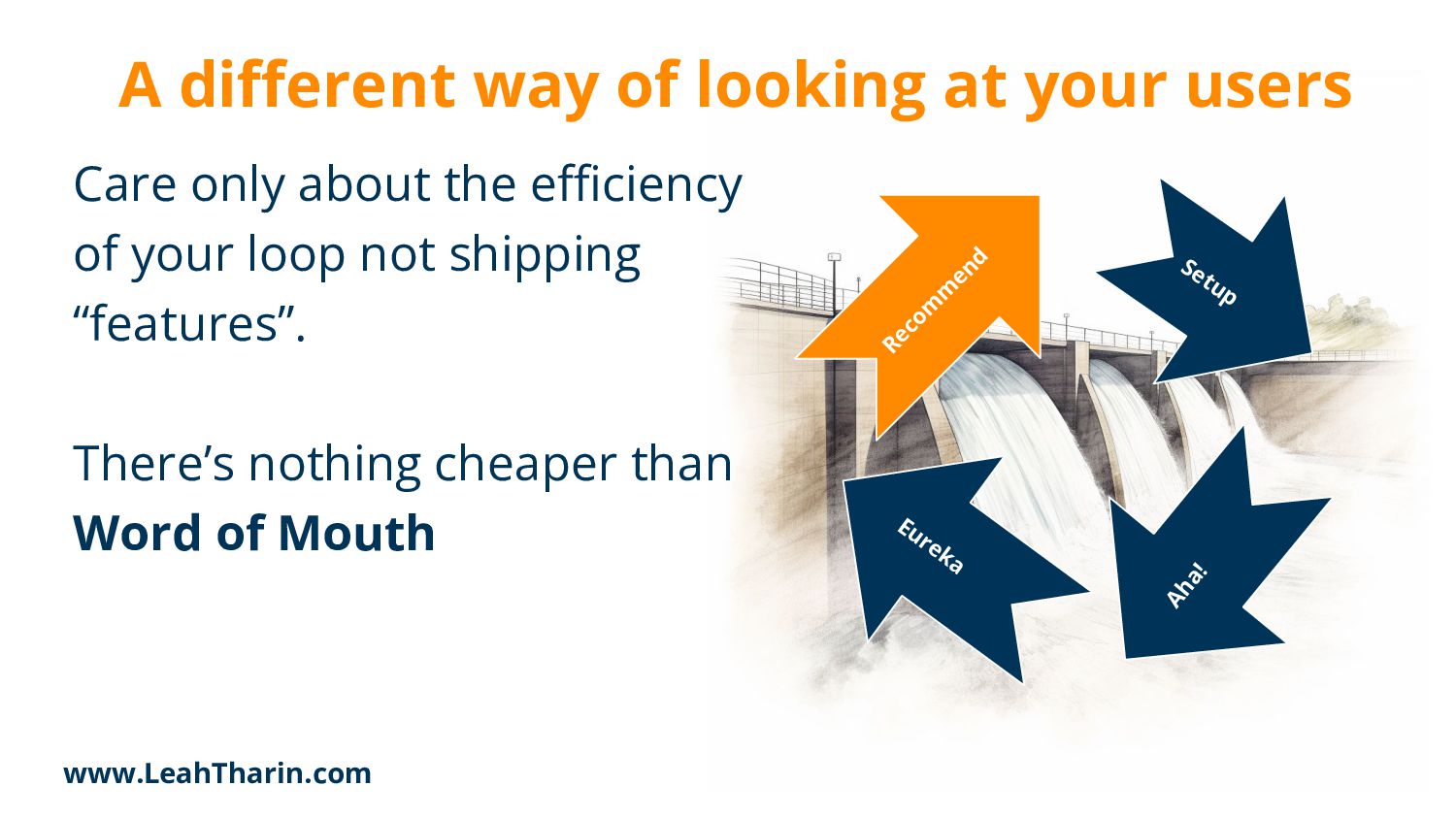
Now they're really starting to like us. There's one step missing here, and that's the recommendation. These people will recommend other users who will go through an and set up an Eureka moment themselves, which will recommend other users. And this particular loop has a very specific efficiency.
If I put in a thousand at the start, couple of them will survive and we'll recommend the product and then a couple of those will survive and so forth. You only have to care about the efficiency of this particular loop, not about shipping features.
We have to stop piling more and more and more features on our stuff if it doesn't help the customer. And this is fundamentally what this does. Because in the end, there's nothing cheaper than word-of-mouth. There's nothing better than a strong brand, customers recommending other customers.
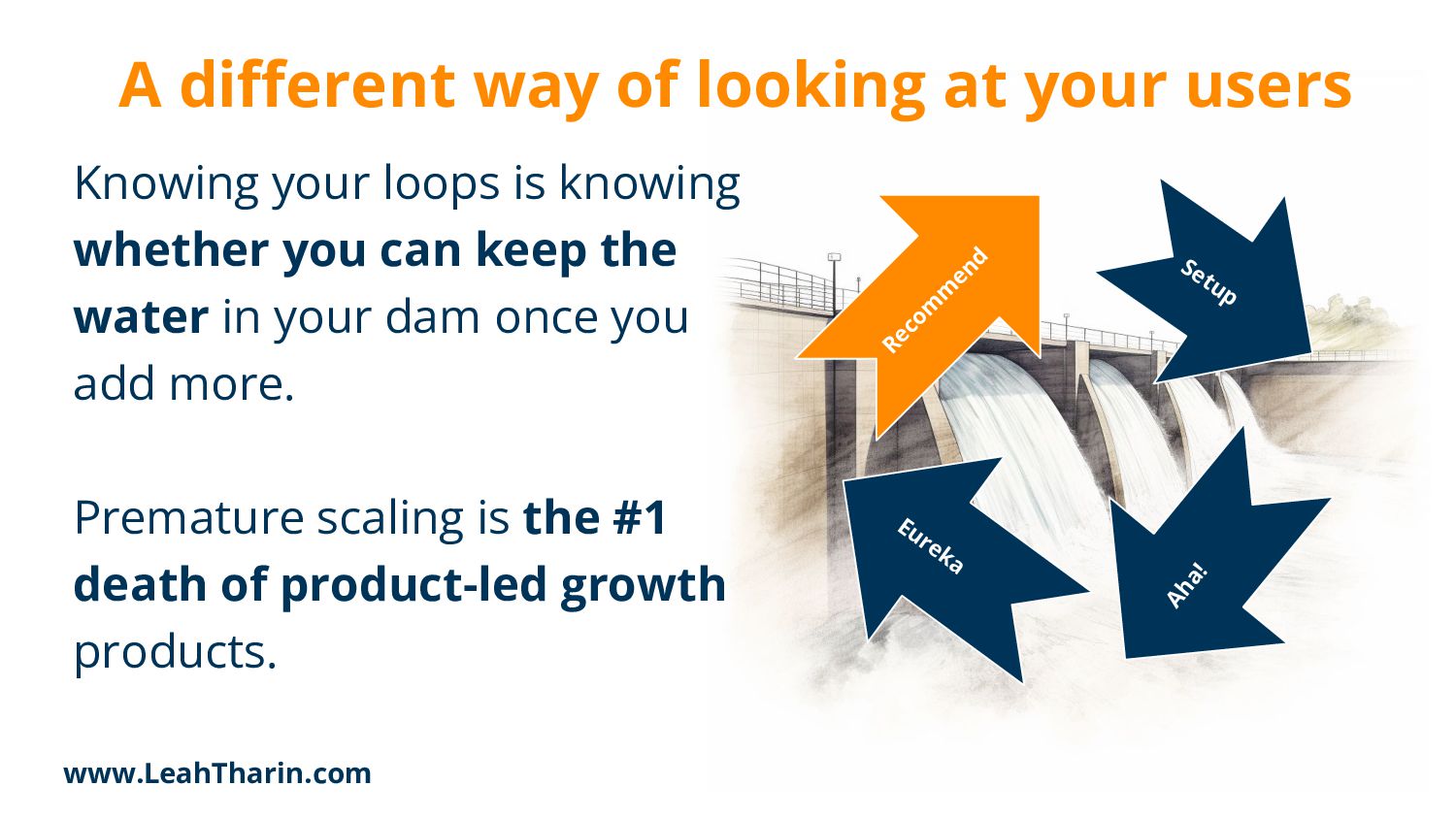
So let's say you say, yeah, this is great. If you really know these loops, then you also know whether you can keep the water in your dam once you start to add more. Imagine you have a very inefficient loop, nobody is starting to recommend your product.
You just don't have enough cash on your bank. What are you gonna do? You're gonna add more water on the top. If your loop is not efficient, you will just leak it right out at the bottom again. And that cannot be the success of a good business.
Because fundamentally, premature scaling, growing what is inefficient is the number one death of product led growth products. They think we just need more. No, you don't need more. You need more efficiency. Because if you know that your stuff is efficient, then every hundred dollars that you're gonna spend in there are going to be so much more value than before.
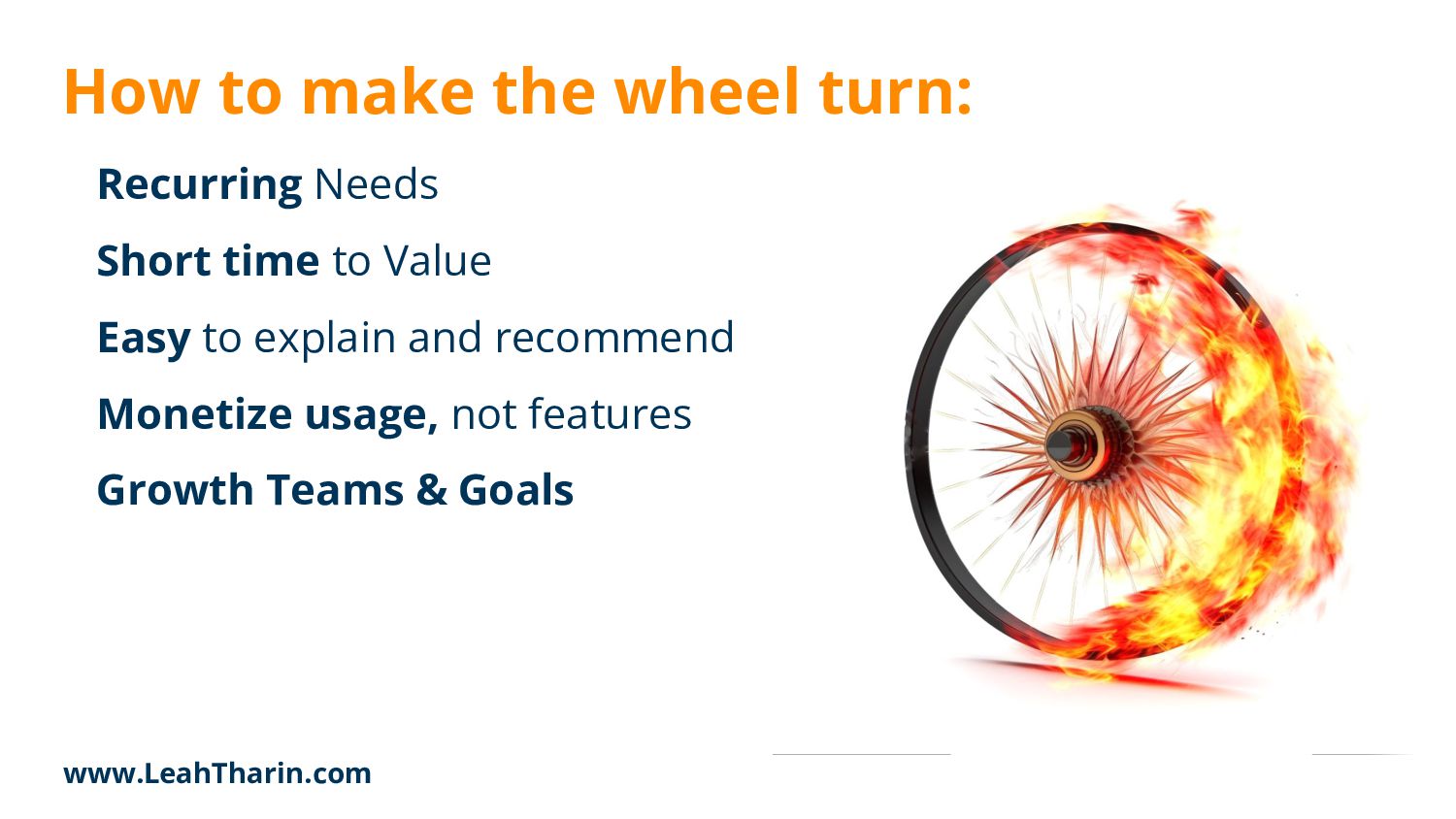
All right, so the question is, I hope you appreciate this picture of a flaming wheel by the way, that I also created through generative AI. The question is, so how do you make this wheel turn? How do we make it efficient? And there's a couple of things that are always kind of the same.
It's about recurring needs, things that are being served that happen often, I need to process a document. I need to message someone, social needs, all that kind of stuff. All of this is really good because it creates stickiness. If you're selling mortgages, that's kind of doesn't work.
I mean, unless you're dealing with mortgages, right? But like I just have one house to sell. There's a short time to value. What I just showed you before about small PDF is a very good example. From the moment where someone has a thought, I have a problem, I need a solution until the moment where they get some success delivered is one of the big predictors, whether someone is going to spend money on you or not.
And creating an account, demanding payment, demanding a credit card, all of this stuff makes this longer. This is also quite important. If you have nailed your positioning, if you know what you're selling, explain. And if it's easy to explain, then you if you love the product can actually explain it to someone else, you make recommendation easier.
And this is done wrong all the time. This is so so so important. If I cannot as a company explain to you what my product does, how do you expect that this fan of mine is explaining it to someone else? This is also quite an important one.
We need to monetize usage, not features. What do I mean with this? Well, if you have a specific product that you are proud of and you want to have other people experience it, then put this core value please into the trial and the freemium.
Don't give people the stuff for free that you don't care about. I've seen this happen quite a lot of times. Don't make people pay for the stuff that you're proud about. You can limit them in usage, you can tell them, hey, you can drive the car for fifty meters, and that's all you're getting, and if you want to drive it for one hundred kilometers, then you can unlock it.
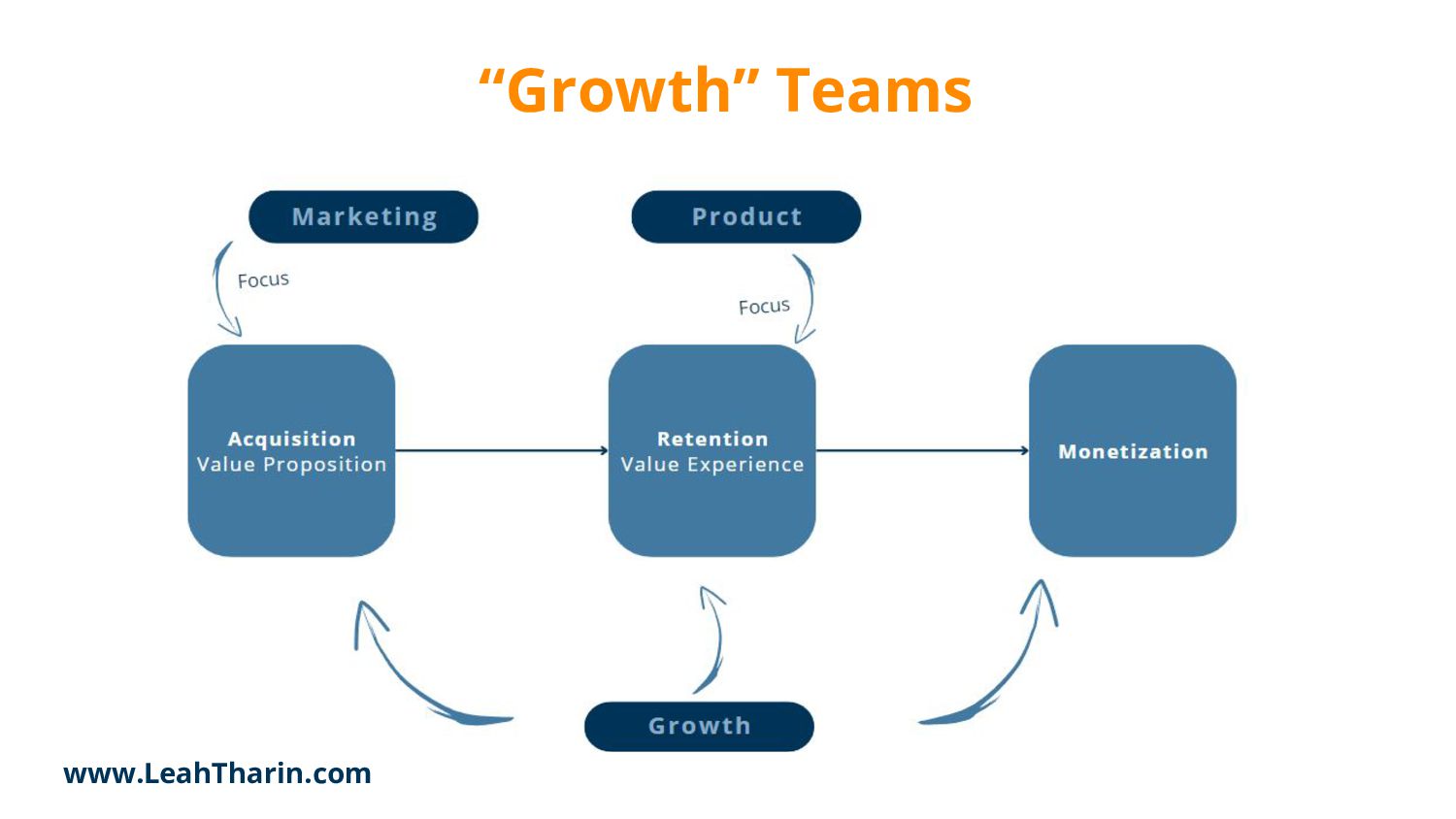
But don't paywall the driving of the car. In the end, what this is about, everything that I just told you, are excellent growth team goals. So if you want to actually improve this entire flow and set your company to do something like this, then you can put a team on this.
Traditionally, if we're thinking about how we do product, how we do acquisition, how we do retention, we have two teams. We have marketing and we have product, and usually they don't talk to each other and they also blame each other. Yeah, someone just resonated with this. Alright.
And the thing is with growth teams, I don't care whether you are actually optimizing something from acquisition, from retention or from monetization, as long as it has to do something with this wheel. I want you to make it easier for the customer to go through these stages of customer success, because that is ultimately what makes you successful.
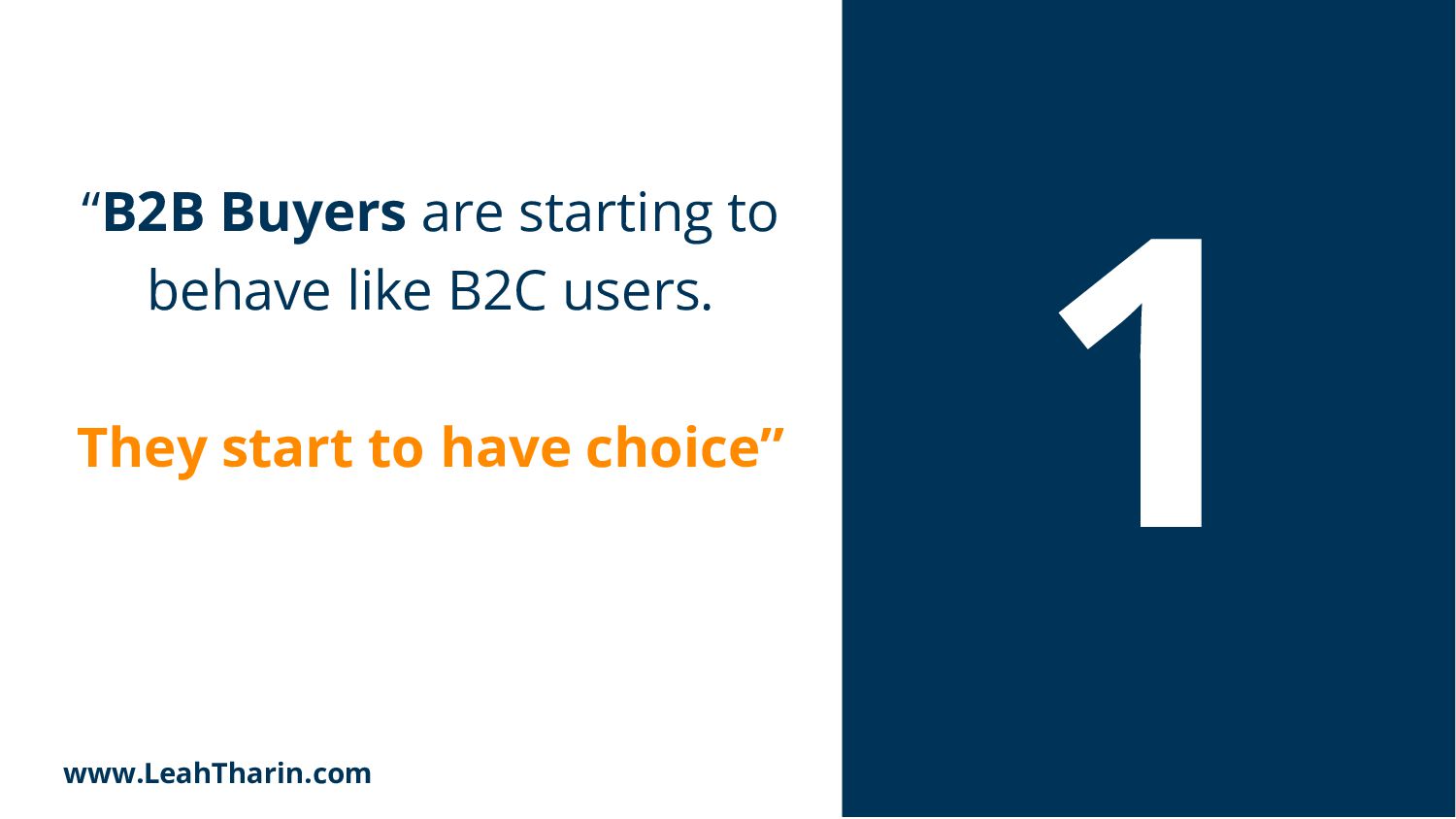
Alright, here's the fun part. Let's say you understand what this is about. Let's say you understand the working mechanisms of what product led growth is. Here's three reasons why you cannot ignore it in the future. First one, boom, one. Such a powerful slide.
B2B buyers are starting to behave like B2C users. Everything that I told you before was from a very consumer perspective. You have twelve cars to choose from. How many CRMs are there now in the market? There's a ton of them. So what are you gonna do?
You're not gonna test all of them, you're gonna test those that you can easily test. I don't wanna go through a salesperson anymore. I just don't want to. No matter how much you like to hear this or not, but you have to be transparent in these markets.
And if they behave like this, then the amount of money that they spend on a website without talking to a salesperson is also starting to go up. They start to have choice. And they will go to those that actually not only nail the core product, but also the buying experience and a support experience.
So fundamentally, what this is about is that a lot of these segments from the top where sales led is sitting comfortably are starting to move down. They're starting to go down. They're starting to behave like this bottom segment there and product led growth is waiting there.
Sounds really cool. So commoditization is putting a lot of pressure downwards, right? So choice is really good for product led growth. And if you've paid attention to what's happening with AI in the last couple of months, choice is what you're getting, all the way up.
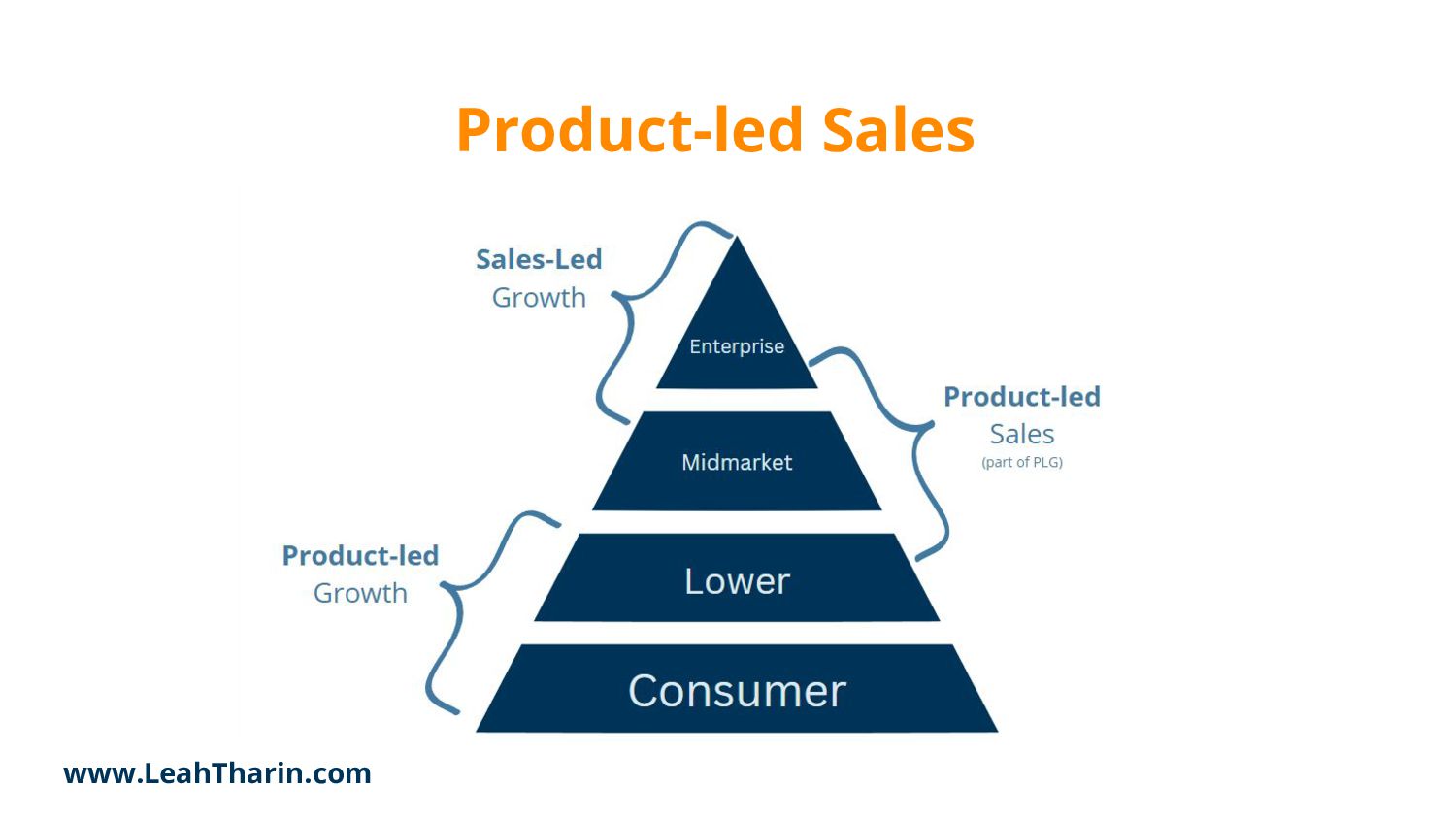
Two, combining product led growth with the best of sales led growth disrupts now even enterprise markets. We call this product led sales. Sales led growth is not the devil. It's not bad. Product like growth is also not the savior that is coming to swoop in on everything.
But if you combine both of these, then you have a winning thing. Let me show you how this is done. If you've noticed, there was a gap in the middle, in the mid market. And let's say the commoditization would not even be happening, right?
So like not everything is starting to push down. We figured out a way, it's relatively new, with product led sales, on how to start to address the mid market segment much, much better because you cannot make everything self serve all the time. Or it's just not that applicable, but the same principles are starting to actually work.
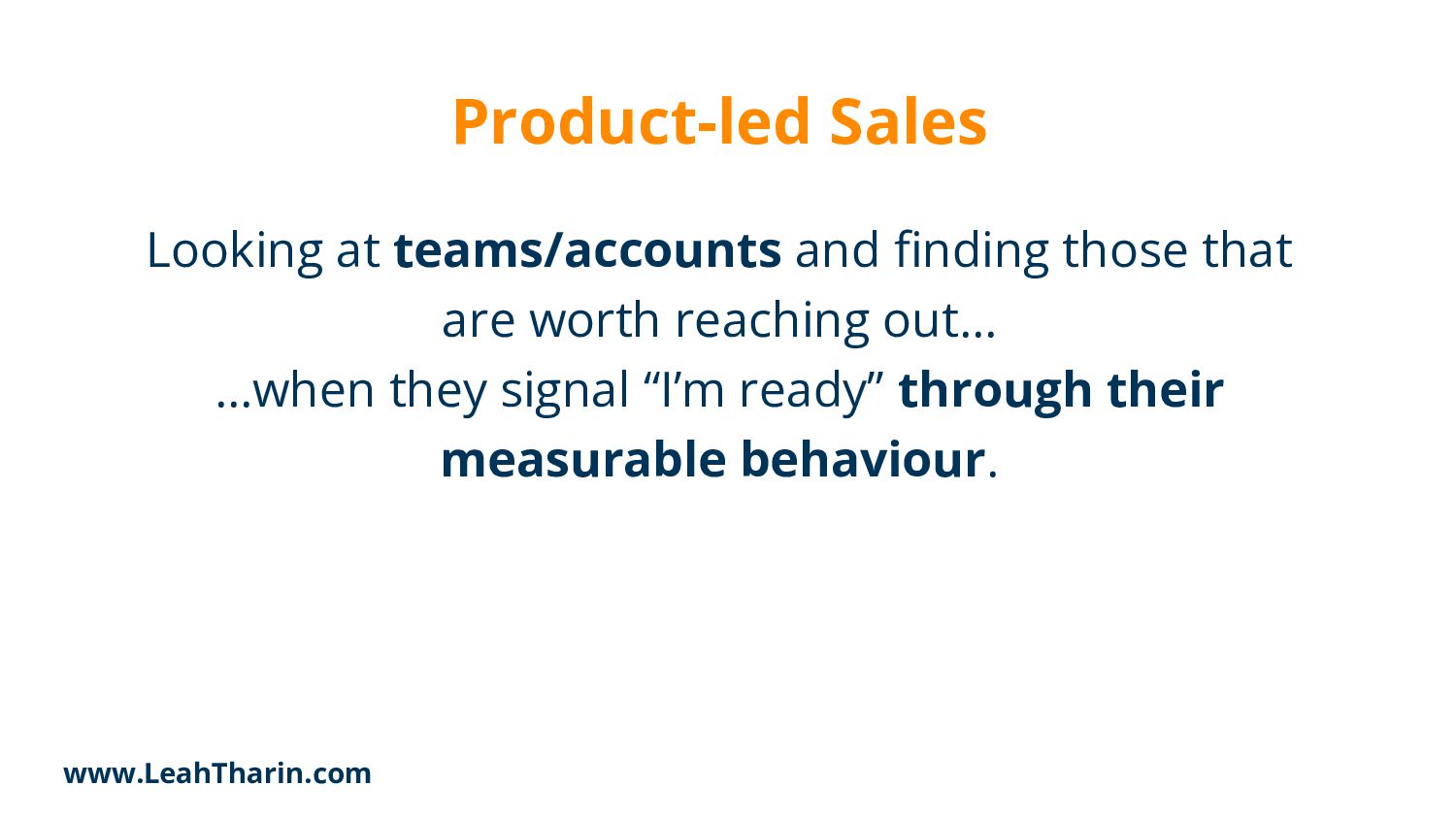
So what are we trying to do? Instead of looking at individual users, which we did before, right? So we have an individual user that goes to all of these stages, we're starting to look at teams and accounts. And we're starting to find those who are worth reaching out for.
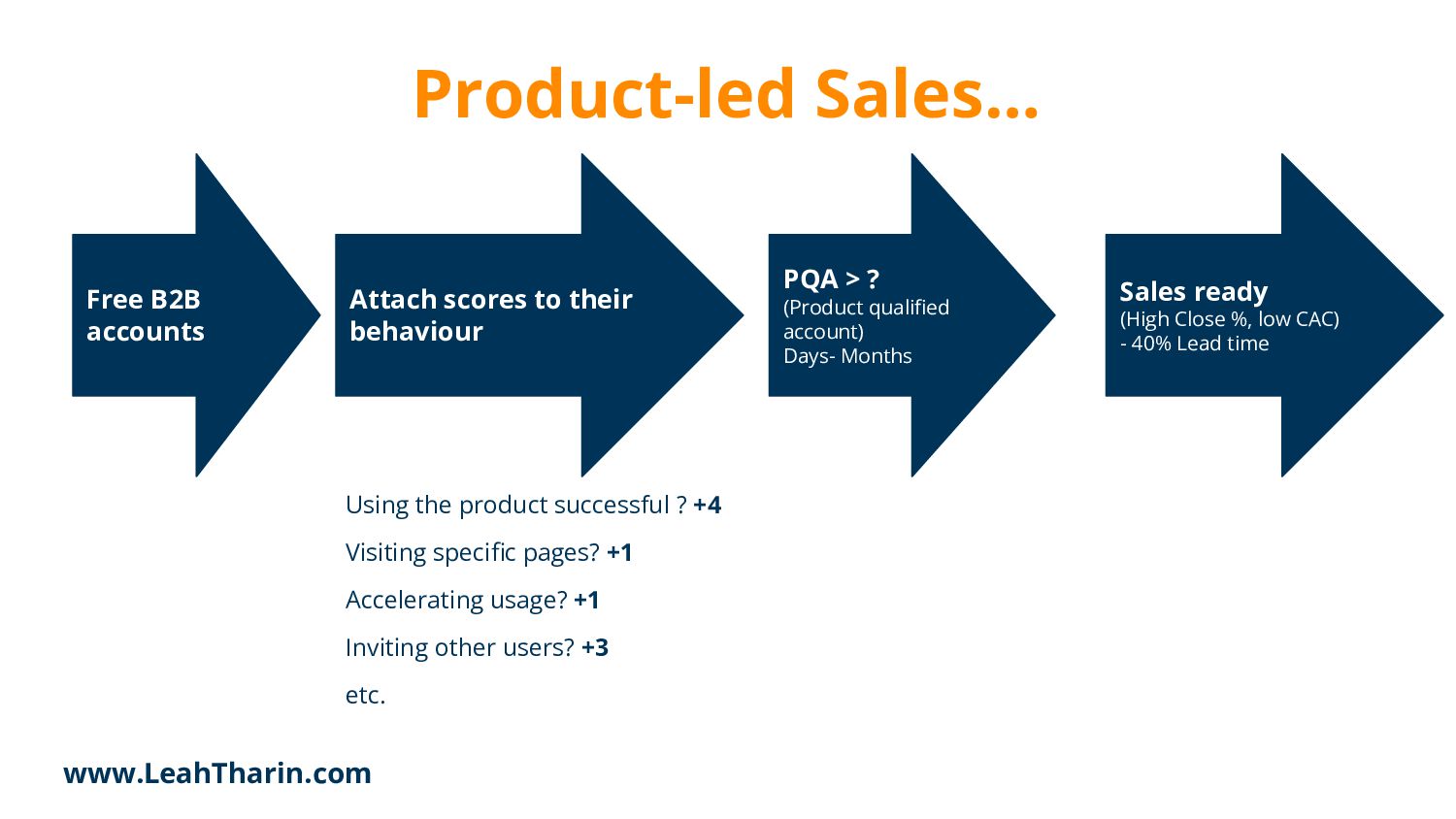
Because when they signal I'm ready through their measurable behavior, then we let Gary the sales guy go absolutely bananas. So, what is product led sales about? Let me show you. You have your free B2B accounts. They are coming in, they're starting to use your product for free, whatever it is, whether you're HubSpot or whatever.
Then you attach scores to their behavior. This is where it gets really, really cool. So let's say our customers are start to use the product successful, and now you should know what that means, right? Because we have to find eureka moments and habit moments and so forth.
We give them plus four score, boom. Are they visiting specific pages that only someone would visit if they are interested, terms of service, SLAs? Maybe you probably have pages in your product that only someone would visit if they're interested. And I'm not talking about the pricing page here, by the way.
If they start to use the product more, if they start to invite more people, if they start to have a hundred people now in without anyone prompting an admin starting to add users, plus one. Inviting other users, plus three, and so forth and so forth.
So you create a scorecard of behavior that is measurable. And if it goes a specific, if it goes above a specific threshold, then you have a product qualified account. And this can take days and months. And once these accounts are flagged, Gary goes wild.
Gary absolutely loves this. They are ready. Gary loves high close percentages. Gary loves low CAC. Gary loves that he does not have to convince these customers anymore. The conversation is a completely different one. And why is it different? Because they already love the product.
The conversation is not, how can I convince you? What else can I give you? And it sounds yet idealistic, but this is actually true. So this is based on a lot of things that I see, forty percent, this is very, very realistic because most of the qualification of these leads are actually starting to happen at the start.
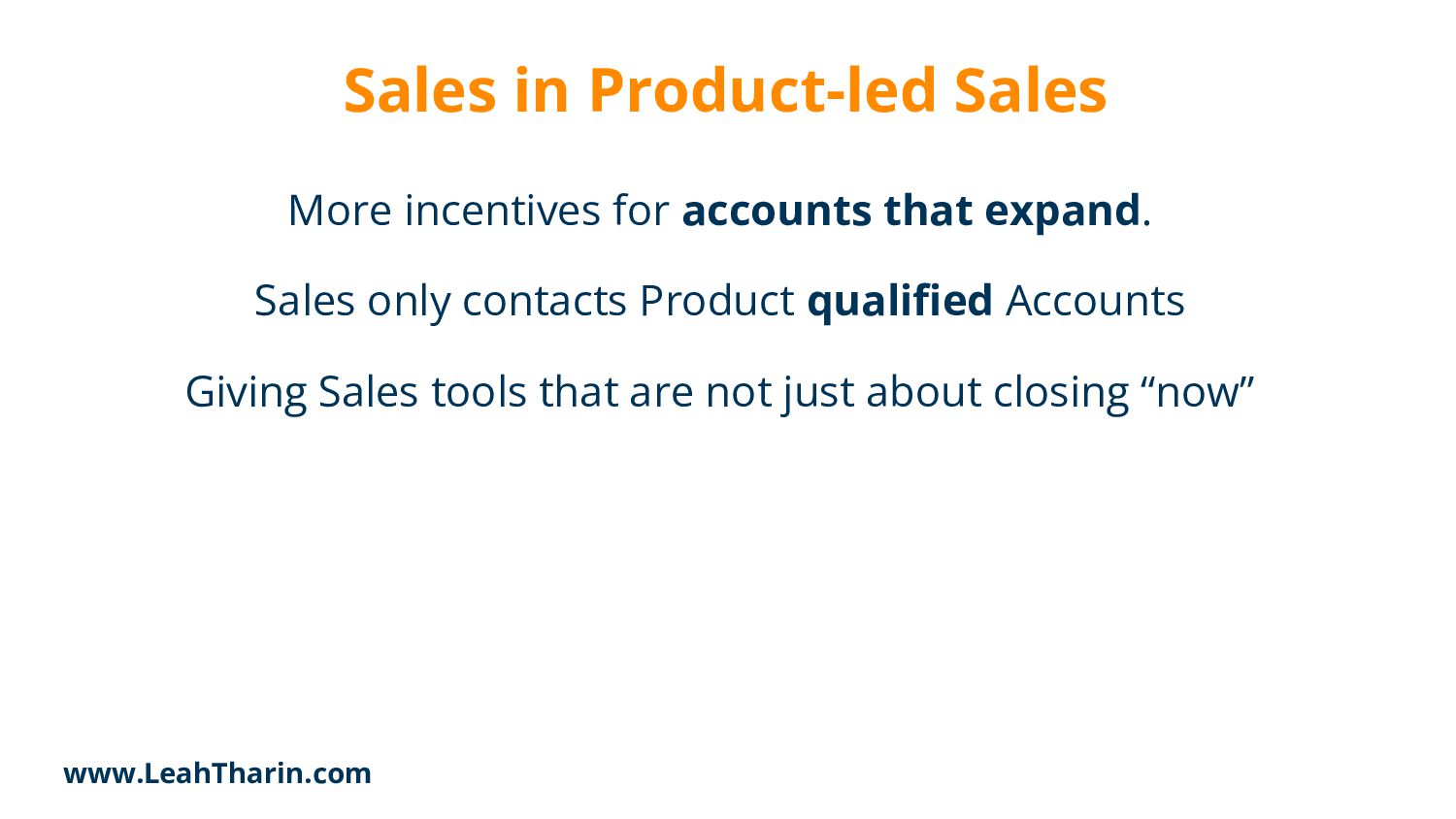
So what does sales, what does Gary do in product led sales? By the way, I'm sorry if there's someone in the audience called Gary doing sales. We're trying to give you more incentives for the accounts that expand. Sales has been traditionally incentivized to close high, to talk you into buying more than what you need.
And this is where the inherent stereotype of the car salesperson is coming from. Oh, they're just trying to sell me the car for as much money as they can. But in a product like Girls Company, you don't have to worry about this because Gary is only getting his cash and he's getting the most of it if you are being successful afterwards.
Sales is only allowed to contact product qualified accounts. They're not allowed to contact anyone without their explicit interest before they qualify themselves. Before a customer is not successful, Gary, no. We have to give sales also some tools that are not just about closing now.
They should be able to give free seats away and then not worry about it, right? Like we also need to think about how do we do this in the organization? How do we make sure that this is landing in the paycheck of Gary in the end?
And here's reason number three why you cannot ignore it. It's the secret weapon of product led growth. It's the long term weapon that product led growth has, because so far I only gave you a vision of like what is good in what segment.
It's expansion revenue. And expansion revenue is an extremely powerful thing. How does it work? Let's have a look at it. Well, it turns out we have a couple of things that expand through the usage of, or like through the lifetime of a customer.
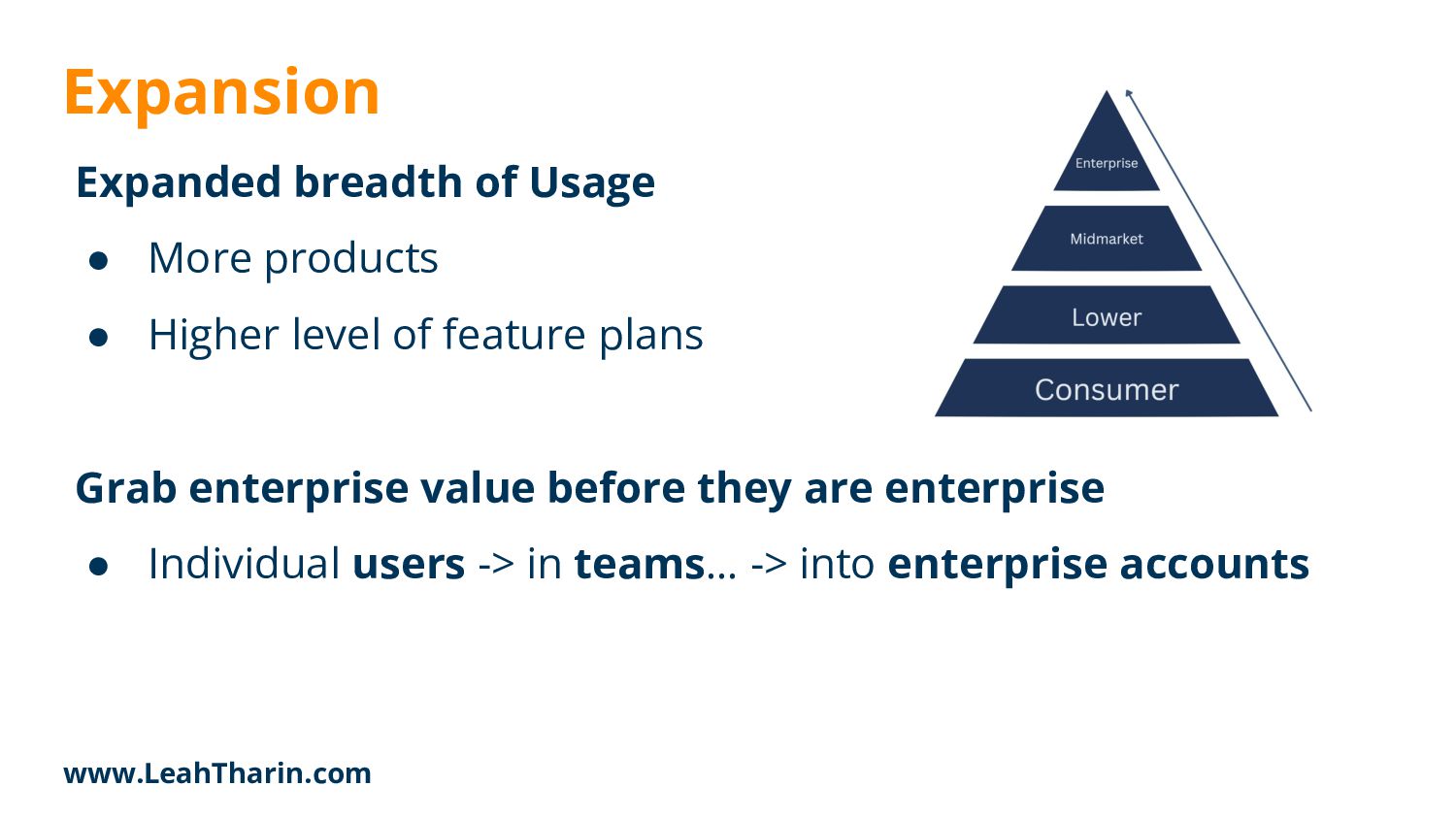
The first one is we can enroll them on more products. HubSpot is not just a CRM, it also has other tools. So if you have a strong brand and you love someone's experience, then you're also gonna maybe get another car, right? We can separate into higher level of feature plans.
For instance, for enterprises, it's very, very common that they start to enlist on SLA specific features. You don't have to experience an SLA. You just need to make sure that it's there. But here's the cool thing. You can start to grab enterprise value before it becomes enterprise.
Individual users that are using products have a chance of working in a team at some point, And these teams have a chance of being in a company that grows into an enterprise account. This is the entire business model of a lot of companies out there that are extremely successful.
They go in at the bottom and then a specific percentage of those are starting to grow bigger. This is why a classical analysis of how much does it cost us to do self serve stuff, trials and freemiums, is just a bit shortsighted. If you have enough pipeline to get this stuff going, this is starting to become significant.
This is why it's also worth it, even if you are after enterprise accounts, that you make your product scalable. Who in here has ever used Canva? Okay, I'm kind of like a shareholders audience here. So Canva is really good for users for teams and enterprise accounts.
It's really good for this. You can use it as one single person. So you need to also think about, is there a version of my product that scales that is usable for teams the same way that it is for individual users, the same way that it is for enterprise accounts, rights management, having admins and all this other fun stuff.
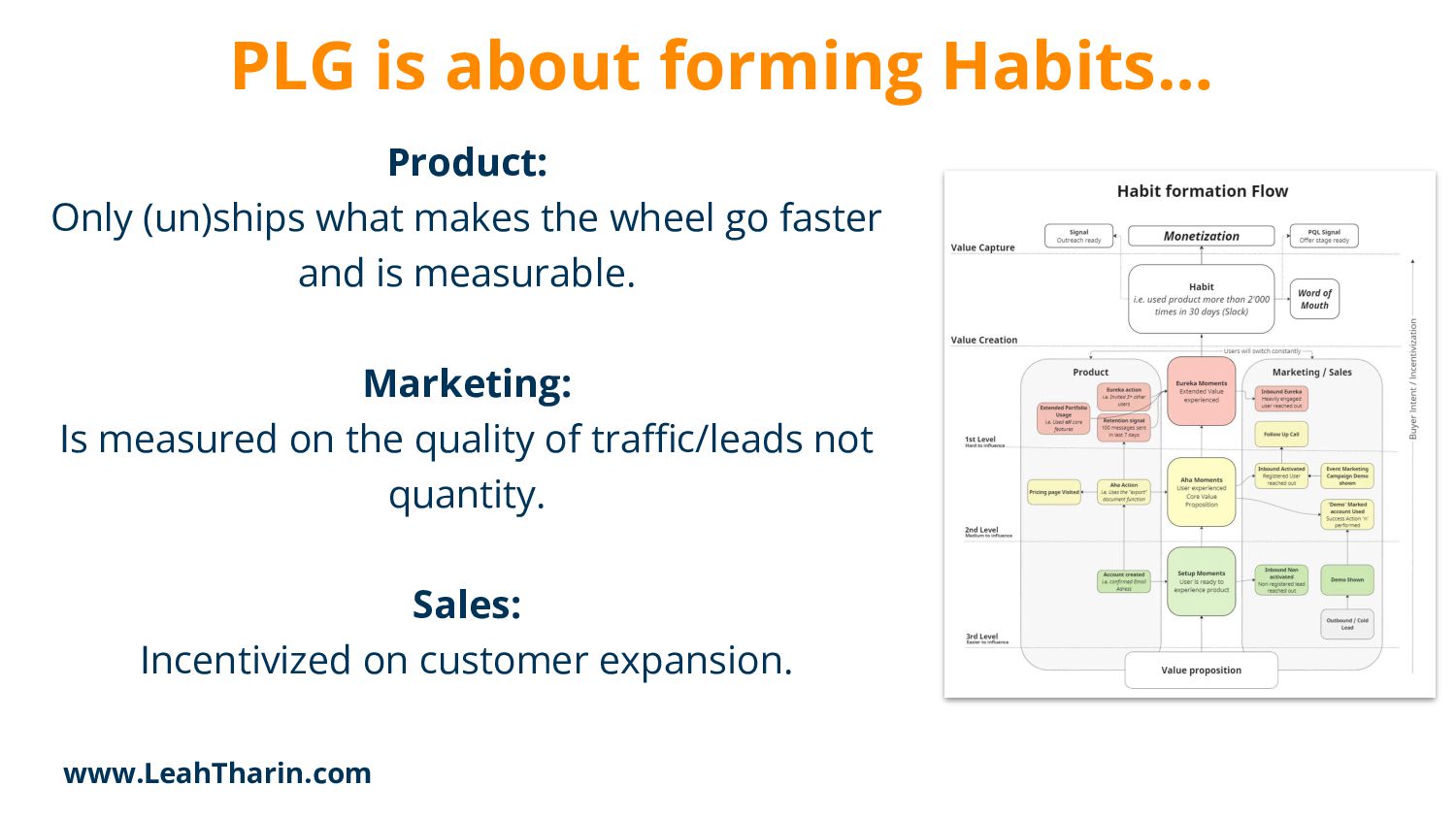
And none of this has usually to do with the core features that you're delivering. It's about how you buy the software and how you're being taken care of. So in the end, if we summarize this entire thing, this is a very cool graph that I made on the right, you don't need to read it.
If we're thinking about how the customers are walking through our product, then they can start to add a specific value proposition, then they go to sales, then they maybe go through the product, then they may be coming back to the middle and so forth.
We don't care. We just want to move you upwards. We just want to move you successful. And this is a win win relationship. And that's why there is inherently no distrust in this particular system because you know if your customer is successful, then you will be successful too.
So what does it mean for the three different functions that we have in a company? For product, you only ship or you unship what makes the wheel go faster and is measurable. I do not care whether you ship ten features, twenty, or two, or minus two.
The wheel needs to go faster. For marketing, it means usually, by the way, you're not out of a job, right? It's just the name product led growth is not that fair. It is about to measure the quality of the traffic that you bring.
And it's not the quantity of it. The better your positioning is, the better you know to whom you talk, the more efficient this entire traffic also goes through the wheel. And finally, this one is for Gary again, you're being incentivized from customer expansion, and not just like for the last four years on how to close high.
Fundamentally, what this is about, it's about showing and not just telling. And if you allow me to show you a little bit more, this is the talk. I will have a product like Growth Cord, where I'm teaching all of this stuff. John Cutler, who is going to speak later on today, is a guest speaker.
And I also have everything because I'm a true product led growth believer for free on the web. You can look at all of this by yourself. And I think that's it for me. Thank you very much for listening.