
Kirsty will share how taking a design thinking approach to your workplace will help you win in the marketplace. Forget what you know and probably hate about old school HR and embrace product management with a people lens. The session will cover practical examples of how to find and keep the best people and enable them to become truly brilliant through remarkable leadership.
← All talks 

Lead Culture Turing Fest 2018
Architect and Anthropologist: the two roles needed in your team to win in the workplace in the future
Auto-generated transcript - may contain errors. Tap a timestamp to jump the video.
So I'm here to start a quiet revelation, revolution. This revolution is not going to be televised. It's going to happen live in every organization who will win in the future. Doug Conant, former CEO at Campbell Soup, says you cannot win in the marketplace without first winning in the workplace.
And this is a philosophy I subscribe to. Yet so few organizations get this right. I know this from the countless stories, hearing many terrible stories about people dreading going to work in the morning. And I've had experience of this too. I've been screwed over at work.
Something that really stands out for me, four years ago, I took a really unexpected phone call. The voice at the other end of the phone was making me redundant from my job at a large global corporate. I heard the news isolated and some distance away from my colleagues as I was also on maternity leave.
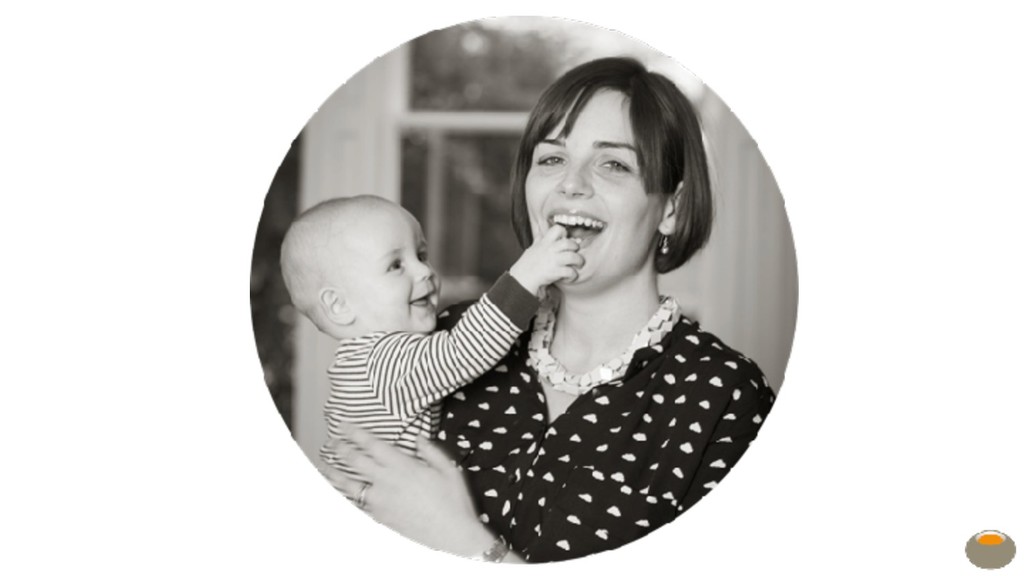
I held my eleven week old son, Louis, in my arms, and when I put the phone down, I don't mind telling you that I sobbed. I felt so isolated. I felt blindsided. I wasn't sure what to do. I seriously considered not returning to the workplace at all.
But that was four years ago, and I'm here now telling you a different story. But this is personal for me. I give a ****. I'm here because I care about making work better. Not just for the people that I work with every day, but the people in our society, and that's genuinely what gets me out of bed in the morning.
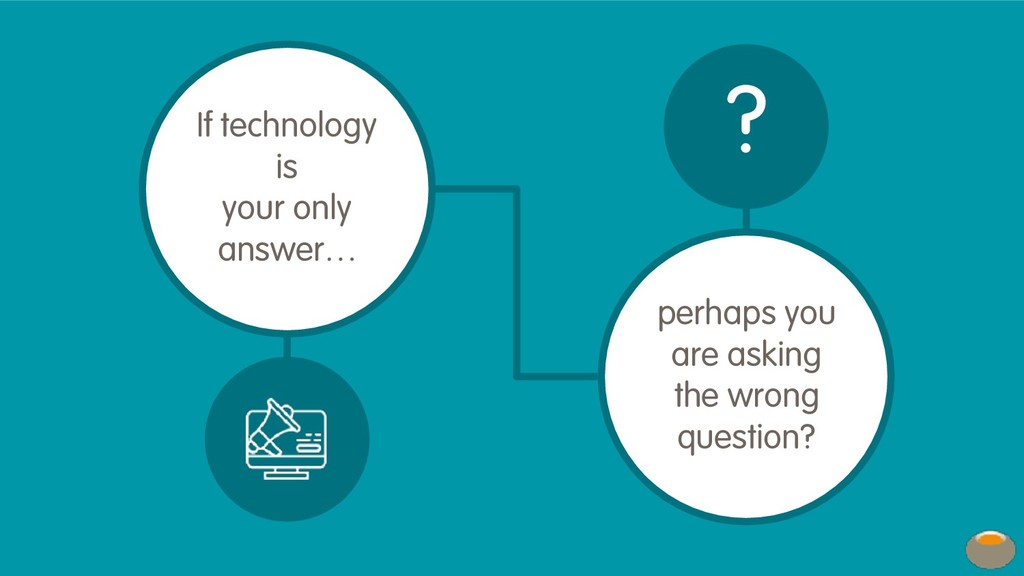
There's no doubt that technology is driving profound change to how and where we work, largely for good. But I think we have a tendency to make this our focus and in doing so, we become blindsided. So if technology is your only answer, then perhaps you're asking the wrong question.
Worry less about technology and worry more about people. We were humans way before we were ever resources or customers. An obvious but important observation that is often overlooked in business. Progressive organizations, many of them tech companies, are redesigning the workplace. Unhindered by the past and those legacy issues.
The importance of culture's competitive advantage is well documented and well understood by many people in this room, I'm sure. There's a common theme here, scaling and evolving with growth. And of course, it's much easier to do this in a growing organization than a shrinking one.
I think smaller companies are so well placed here with a massive opportunity from start ups scaling from nil, in the race for the middle ground from those big incumbents scaling down from scale mediocracy. You only have to look at the market share of some of the biggest players in our market as evidence of this.
This is the combined market share into the advised platform market of Scandia, CoFunds and Funds Network in the year two thousand and seven, twenty twelve and twenty seventeen. Scaling down from mediocrity indeed. And I think there's a big risk here. This may happen to our organizations if we don't systematically and carefully close the gap between our culture perception and reality.
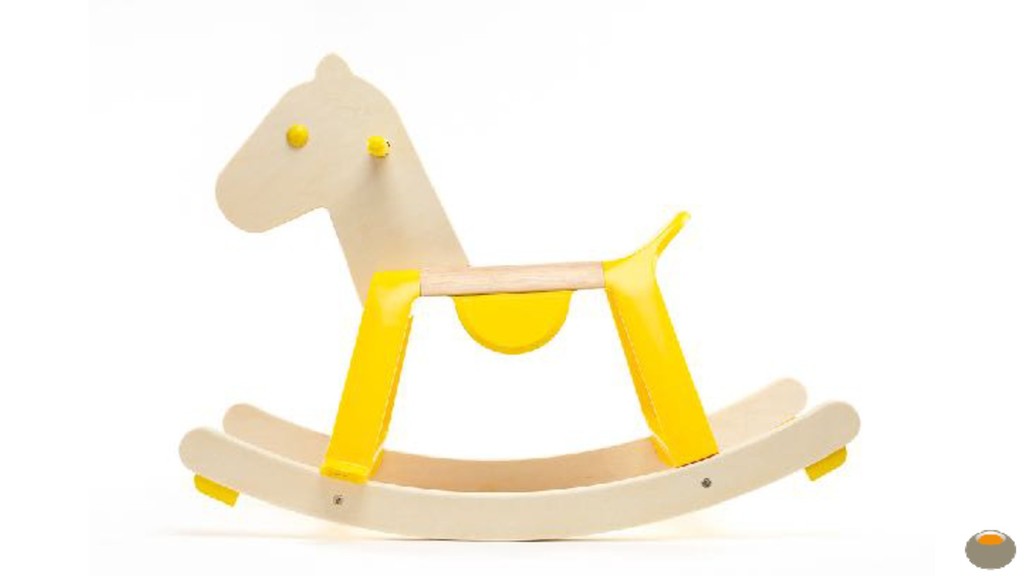
The organization, the culture we aspire to, and the real life people experience. Perhaps it's complacency. Perhaps it's a lack of understanding about what culture really means. Or perhaps we're confusing good intentions with progress. Albert Montepin famously wrote, don't confuse motion and progress. A rocking horse keeps moving but doesn't make any progress.
Every company wants to have a great brand, both consumer and employer. But I think beneath a shiny veneer, there is often an incongruence between what is stated and what happens in reality. I think it's really easy to talk about how great your company is than to put in place the system to deliver that consistently.
I think it's really easy or much easier to create a marketing brand about what a great place you are to work than to making sure it delivers to your aspirations. I think it's much easier to talk about a culture of high performance and having candid conversations than actually having them.
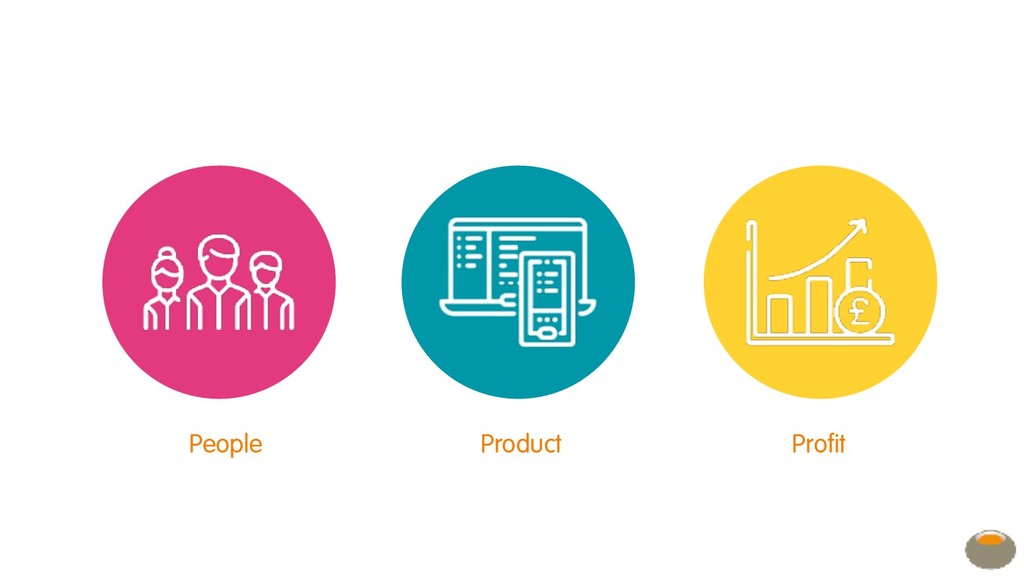
And for me, fundamentally, this is about a trilogy of people, product and profit in that order. Get the people bit right, the product development will follow, and so will your profit. I think there's a paradox here that often the most profitable companies are often the least profit focused.
Instead, choosing to systematically codify their culture and to deliver on their promises. And there's an issue here because it's about trust. False promises made in the recruitment process or elsewhere are damaging for your customers and for your profit. It means you get less than the full participation of people on your payroll.
It costs you time. It costs you money. It costs you innovation and discretionary effort. Many startups are often hiring their CTO and their CFO as right hand people to their CEO, looking after those easy to quantify, perhaps more tangible assets. HR, as a role, is often left behind.
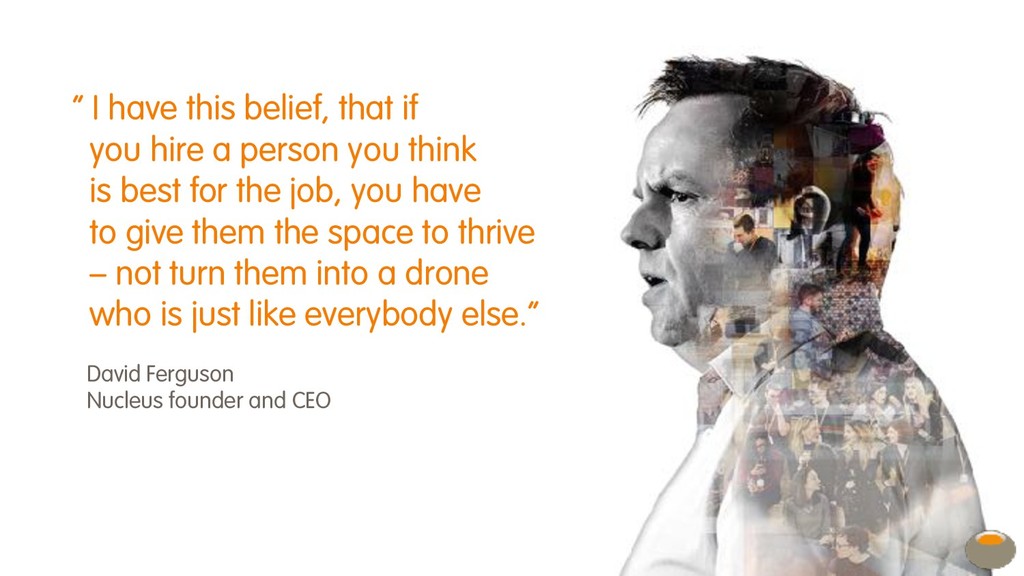
I get it. I'm not too keen on HR either, as it happens. But what I love, and what I'd urge you to consider, is creating a team from the start who are thinking in a product led, people focused way as architects and anthropologists to deliver a people roadmap that in turn will deliver your product and financial goals.
So forget what you know and probably hate about old school HR. Embrace product management with a people lens. This is the revolution I'd like to start, and I'd love for you to join me. My context in speaking to you today is Nucleus. I'm the chief people officer, but you could also think of me as the chief product officer with a people lens.
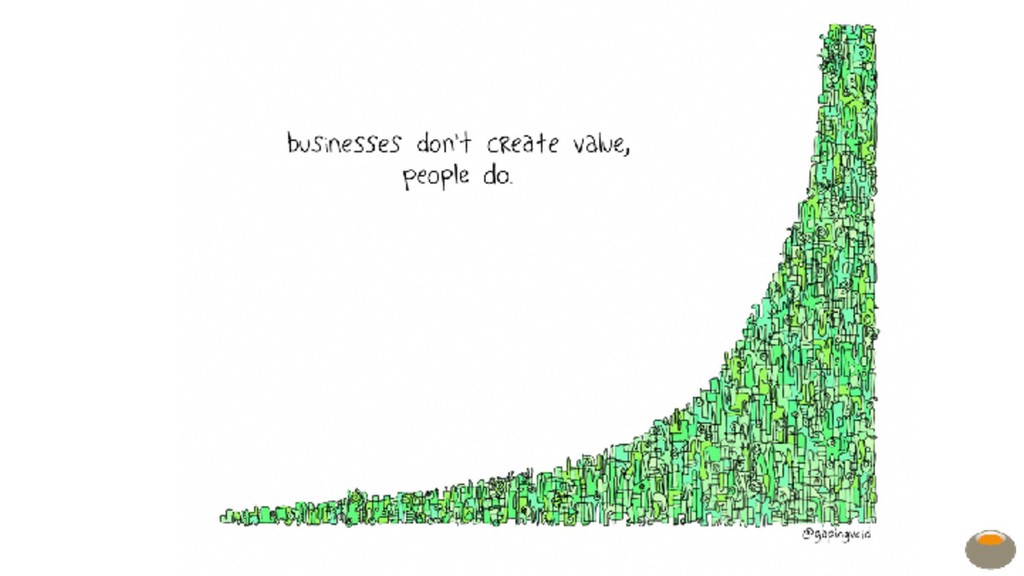
We believe that businesses don't create value, people do. You get the culture you deserve. You cannot intend your way into a great culture, you have to behave your way there. For us, we started with an ambitious goal to transform financial services and put the customer center stage.
We've made the transition from a four person start up to twelve years later, employing two zero five humans here in the heart of Edinburgh. Together, with over eight hundred financial advisors, we collectively look after fourteen billion pounds of ninety thousand people's money. We recognize if we don't do this right, we don't earn the right to do anything else.
It's a high growth, fast paced scaling business, and we want to have the mindset of a tech company and the substance of a regulator's company in order to deliver our goals. So my role, the chief people officer, has two parts to it. The first, to be the chief architect of people experiences.
This meaning, this means to design and deliver a human, an inclusive, and connected people experience that creates value. And the second, as an anthropologist or a people geek. I love humans, and I love people. And I'm fascinated by what we can do if we create the conditions where our people can do our best work.
I know that the delivery of our product goals are entirely dependent on the collective human endeavor of all of our people. So I combine these two skills in a design led product mindset that delivers our people roadmap. This is not the usual HR route.
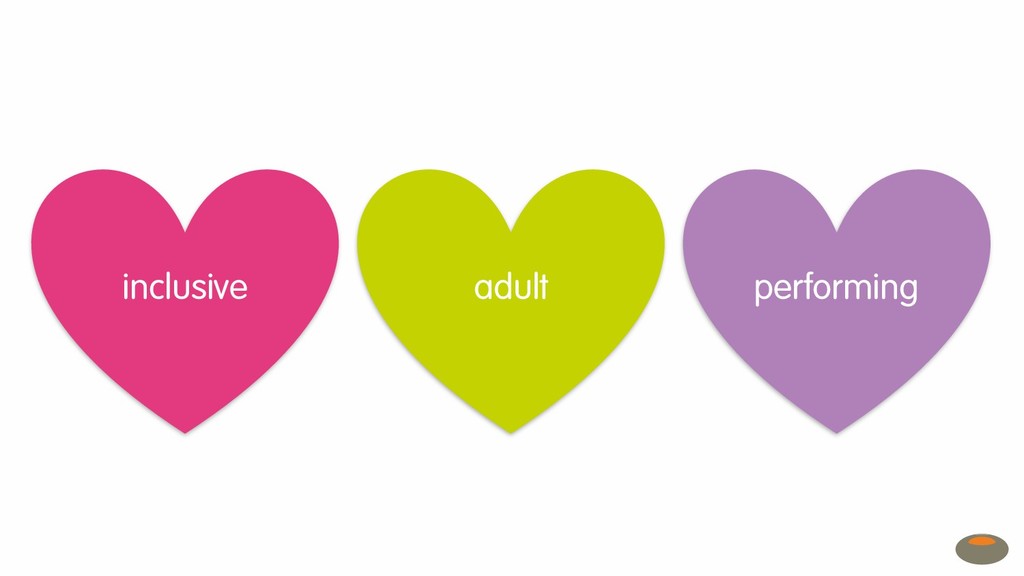
So in our people architecture, there are three principles that underpin everything that we do. Being inclusive, being adult to adult, and performing. I've spoken in the past about how financial services is often too product led, inward looking, and inclined towards peer comparison. And I think the same could be said if we're really honest about technology too.
So what if instead, if we focus on relevance to the outside world, on trust, on transparency, and on human connection? Because these are the things that move the dial in my mind from positive intention to progress and momentum. So who are you designing your workplace for?
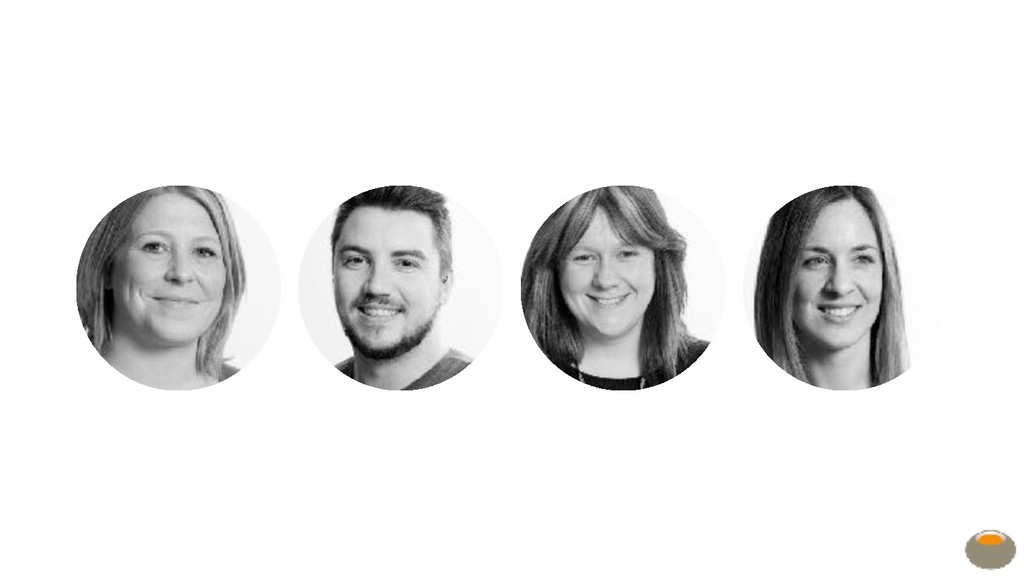
How are you considering your people experience, and how do you know it? And are you making motion or momentum? I'd like you to introduce you to Katie, Ross, Leanne, and Ellen. Here are some of the real humans of Nucleus, and I'd love to tell their story.
This is my contact context, and this is their context. The reality is these people could work anywhere, but I'm hoping that in bringing to life their story, I can share with you about how we frame this in our company. The first thing on inclusion, I heard this this morning.
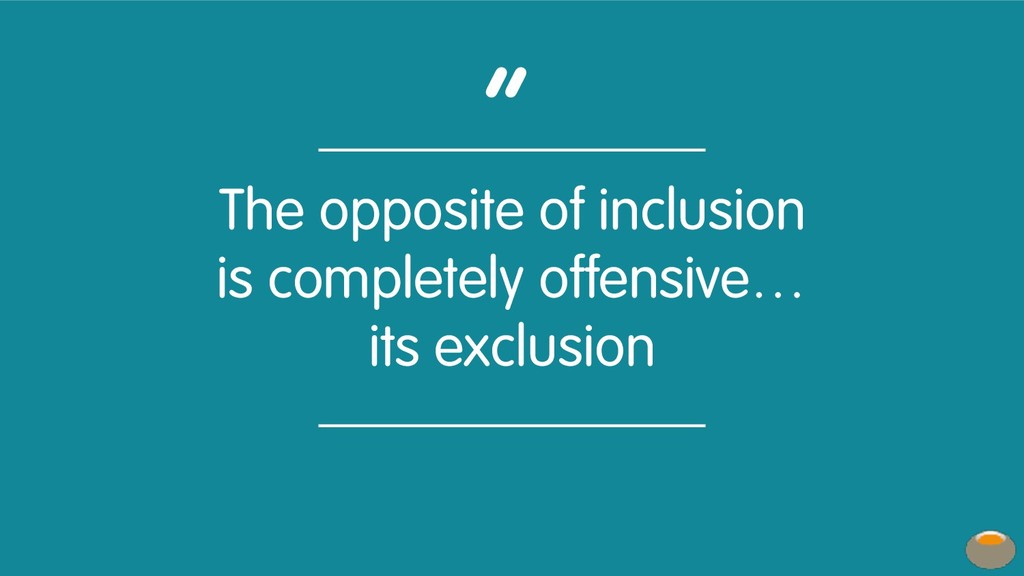
We are activists for inclusion. The opposite of that is completely offensive, It is exclusion. And I want nucleus to be a place where people can do the best work of their lives, and to do this, we need to be ourselves. When I first started there three years ago, I would have described it as pretty diverse, pretty inclusive.
And then I stopped to take a closer look at the data, and what I saw concerned me. We've been fortunate to have almost a third of our new hires referred by our own team, We'd been focusing on cultural fit rather than cultural contribution, and in doing so, I recognized that we were hiring more people like us.
We were being unintentionally exclusive. So our activity here, as well as being human centric, is focused on our desire to win. This for us is not a tick box thing. It's not about being PC, it's about being future relevant and durable. Endless studies have confirmed the correlation between greater diversity and better business performance.
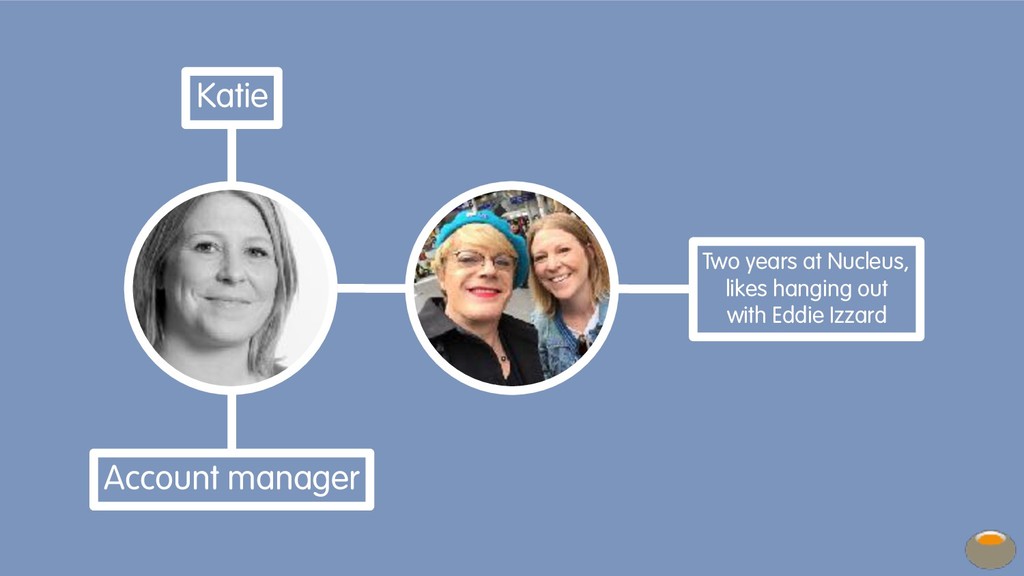
Innovation, better representation of customer groups and avoidance of group think, just a few. Which is surely a good thing in terms of product development or client service. Katie is one of our activists for inclusion. She approached me a few months ago saying she wasn't comfortable being a bystander.
She wasn't comfortable in just letting this pass us by, on looking at where we might have underrepresented groups in our business. And she courageously shared a story about what it means to be LGBT in the workplace, in financial services, and for her, coming out not being a single event, but a decision she has to make every single day.
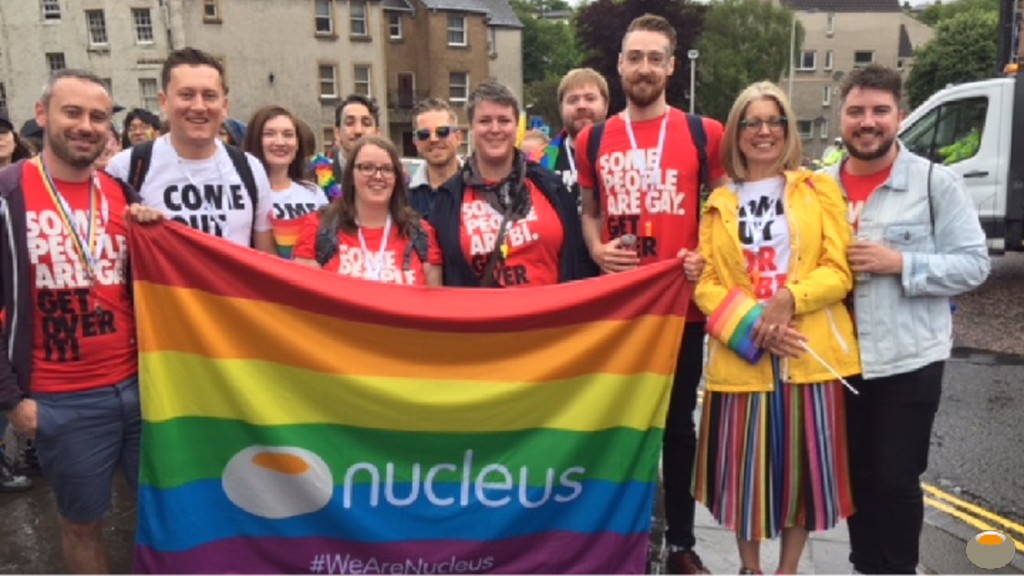
And as a result of Katie's activism, we signed up to be a Stonewall employer, and last month proudly marched in Edinburgh Pride, making a stand for not just the humans of Nucleus, but the humans in our society. So I believe transparency is the friend of progress.
We're getting into our data, we're sharing it, and we're publishing it. We've joined the tech talent charter. We've joined the women in finance charter, and have set ourselves a goal on gender of no less than forty percent of women in senior leadership roles by the end of twenty twenty.
And I'm pleased to say, as a result of our intention, we've changed our statistics from eighteen percent in January this year to thirty nine percent today. Nucleus are committed to being intentionally inclusive so we can extinguish exclusion. I urge you to join us.
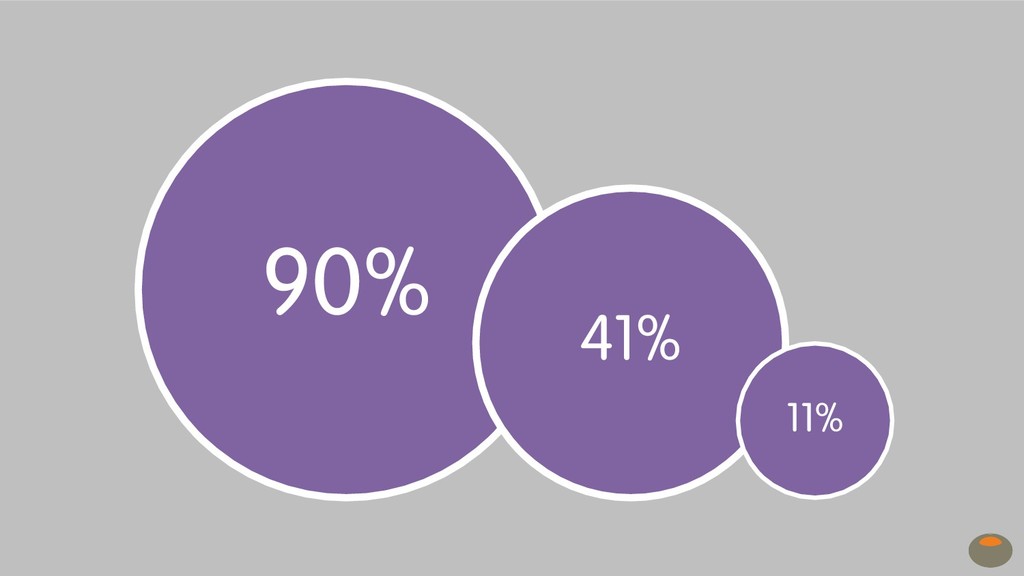
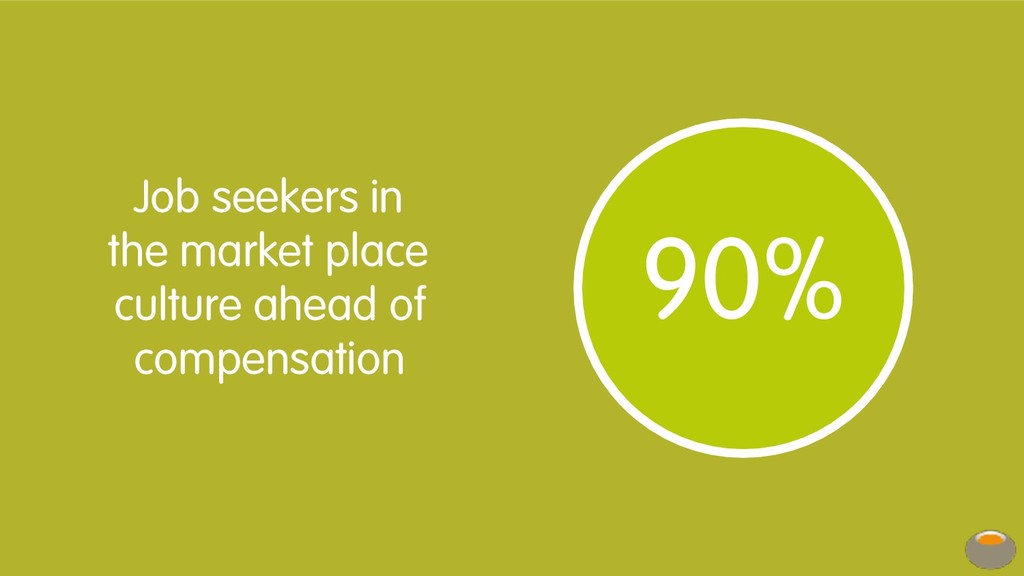
So on being adult and on being human, turns out the best talent in the marketplace are also investing in their future employability, and this means more than just paying well. This is a survey from Glassdoor, who found that ninety percent of job seekers in the market place culture ahead of compensation.
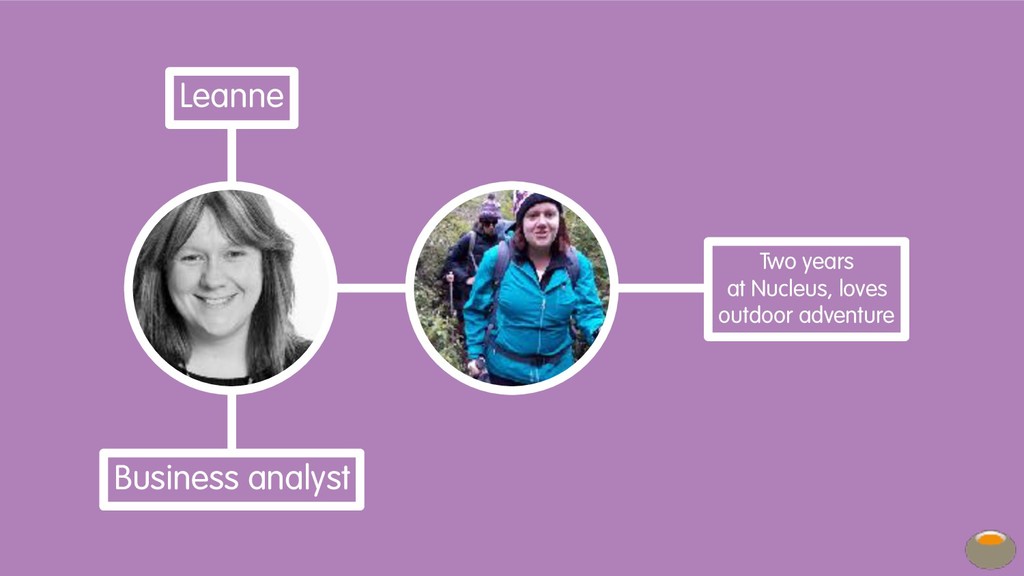
Fundamental to someone like Leanne, who's here with us today, adding value to her business is about her ability to build those intangible, less easy quantify assets, such as her career development, her learning, and a working rhythm that enables her to live a healthy and fulfilling life.
And in doing so, her innovation, productivity, and resilience also increase. Leanne is likely going to work in roles that we don't yet have in our company, and so on that same theme, I recognize the career ladder is losing relevance. We think about it more like a climbing wall.
There are a variety of routes. Technical leadership is important. People leadership is important, but so is moving around, creating our own order. So in listening to our people, we've created a really fluid, crowdsourced career progression model where they can self nominate for a role we don't yet have in our business that they can see we need, a secondment, a learning opportunity, or a promotion.
And if they get the support of their peers, the company in turn supports them. Our latest our latest stats show that we retain ninety two percent of our people on a rolling twelve month basis. And in this war for talent, where talent has won, retention is more critical than ever.
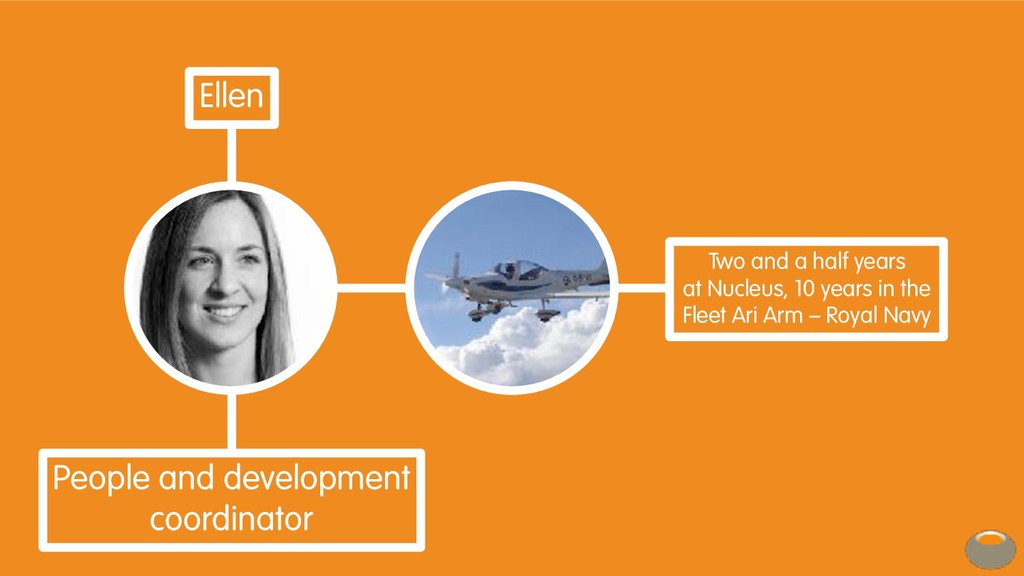
Ellen is a wonderful example of this. She joined our business two and a half years ago, first joining the client relations team and is now working in the people team. She previously spent ten years in the fleet air arm of the Royal Navy.
So she brings a different context and is adding enormous value already. I want to create the conditions where our people can do their best work, and I see flexible working as one of the ways to do this. Twenty five percent of our people are in a formal flexible working arrangement, and a whole bunch of others are doing something more informal.
I think that high performance happens when we are human, adult, and inclusive. So we encourage flexible working for all to encourage the humans of Nucleus to focus on whatever it is that matters to them. And I don't think you should need to give birth to something to work flexibly.
This is not the sole domain of working parents. I think it's pretty exclusive to think in that way. If you're running a small business, I can understand how this might be a daunting prospect, but something we learned from Pepsi I'd like to share with you now, and it's the concept of one simple thing.
Talk to your team about one thing that really matters to them, and support them to do it. It could be taking a longer lunch break on a Wednesday to go to a yoga class. Coming in later on a Friday to drop a much loved child at school, or having every second Friday off to go mountain biking.
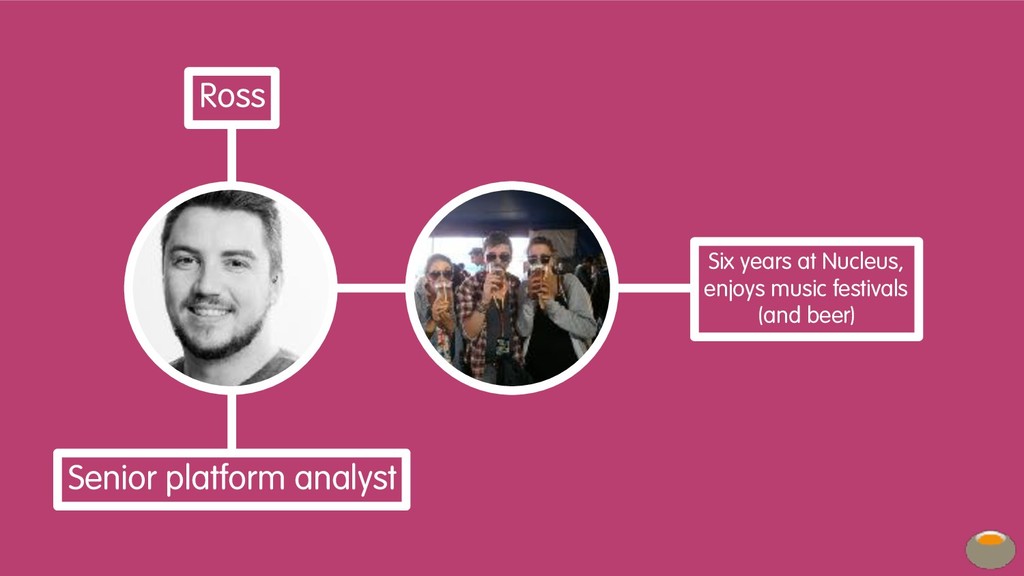
Run the experiment, and I'm sure you'll see the results in discretionary effort and engagement almost immediately. So in building a high performance business, there is no doubt in my mind that leadership is the most critical part. I see leadership as the art of creating greatness in others, and our human leaders like Ross are humble and focusing on working with their people.
Ross understands that his only role is to help the team succeed. His technical skills are important, but what matters more is enabling his team fulfill their potential. I think the leadership context is changing. I think we need to leave our egos at the door and have those adult to adult conversations.
I'm greatly inspired by the work of Kim Malone Scott at Radical Candor. We talk a lot about this concept, the ability to have those really candid conversations, to speak up if we see a better way of doing something, has been key to our progress.
We're policy light, and mainly say act in the best interest of Nucleus, and in turn, that creates a shared sense of accountability and delivery. We're fortunate to have built an employer brand that aligns with our product brand. We prioritize cultural contribution now rather than cultural fit in our recruitment process.
Reid Hoffman at Netflix says, Don't tolerate talented jerks. The cost of teamwork is too high. Neither do we. We hire and fire aligned to our values, and have created structured performance and interview methodologies to help us do this. We're avoiding the cult in culture, and that's been a major shift in our thinking, and in doing so, are managing to attract eighty percent of our people directly, saving us hundreds of thousands of pounds in agency fees.
We've made good progress, but we've got more work to do. Our hope is, and my hope is, that if we get this right, we'll be able to select and find, and people will be able to select us, our talent, from a larger and more diverse pool.
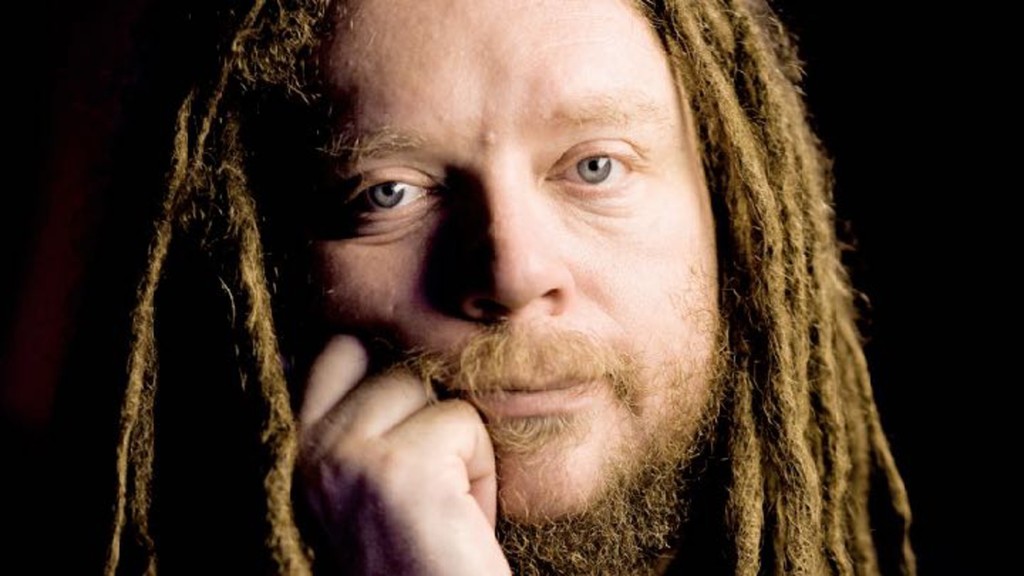
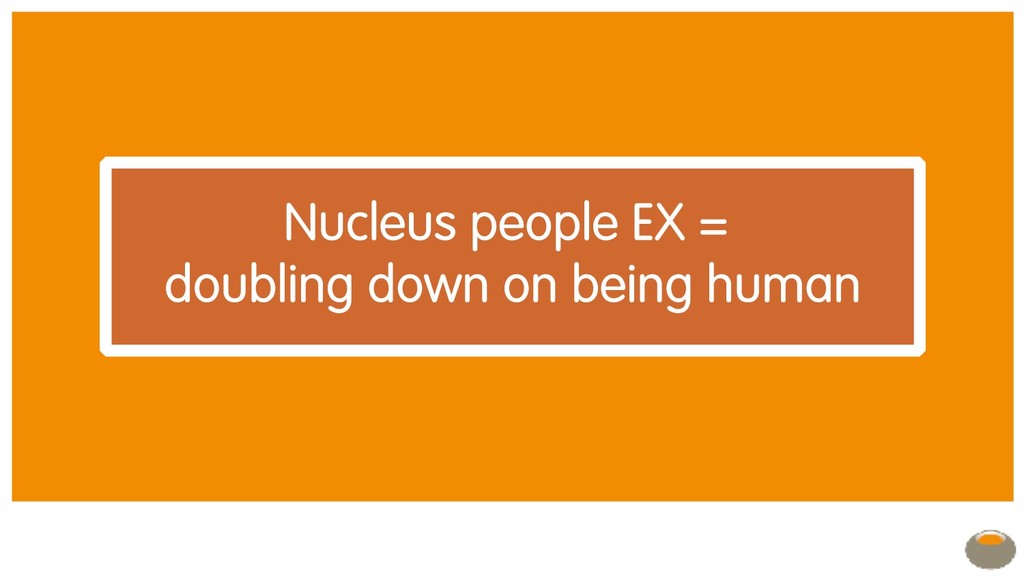
I really hope that everybody can be their true self at work, and not forget that we are humans first and not job titles. This guy here, Gerald Lanier, a Silicon Valley visionary, is worried about the effect that digital technology is having on the world, and he says the solution is to double down on being human.
Double down on being human. I love that concept. Just imagine what our organizations, or even the world could look like if we all did that a little more. And what would that have meant to me four years ago? This little guy in my arms, listening to somebody I'd never met, telling me over the phone that my role, not the person, was surplus to requirements, and my documents were in the post.
Was that a human experience? No. Did they double down on being human? I don't think so. And yet, if they had, if they thought about the humans in their business, every single one of them, their customers, and their shareholders, perhaps this once global bank might not have had to make that call at all.
Times have changed, and as did most things in life, who cares wins. So let's all care a little more. This revolution will not be televised. This revolution is going to happen live in each one of us. It's going to put you in the driving seat.
What you do now will define what happens in the future to you and to your organization. We are not cogs in the machine. We are the machine. You now have a choice. How will you act? What will you do differently? Can I ask you now to take a moment to consider that?
Just to think about one thing you could do to double down on being human. I bet nobody makes a conscious decision to be a bystander. I think good intentions are great, but what we do now will really define what happens to you, to us all in the future.
And being a change leader requires a change in behavior. Take your seat. Join this revolution. Deliver on your promises to be a great place to work. Embrace product management with a people lens. Reimagine every aspect of work. How it's designed, how people meet and interact, how leaders spend their time, how you can create the space for people to become truly brilliant.
Give your space to allow your humans to do great work. And as a byproduct, you'll win in the marketplace. Thank you. Thank you so much. I'm carting you back on stage because we have a couple of minutes. Can I ask you a quick question?
Yes. Is that okay? I know that you weren't prepared for that, so I'm sorry. But that was incredibly interesting. And it's really nice to hear about larger businesses and kind of big enterprises kind of embracing this kind of idea, really, and this like revolution, as you call it.
So I just have a really quick question for you. So I run a business and have for a while that's entirely remote. And I get lots of questions about that, about, well, how do you manage your team? Particularly like there is a fear around more junior members of staff really struggle with flexible remote working.
So what would you say to a manager who still is fearful about allowing people to be flexible and take time off in terms of developing a process? How would you speak to them about that? I think, first of all, it's about trust. And I think most organizations are working from an employment model that's broken, where we're treating people like children and distrusting them.
So I think something incredible happens where you trust your people, you treat them like an adult, recognizing it's a two way deal. So I talk a lot about creating the space, respecting the learning curve, and hoping for the best, And I think that's all you can do.
If you come at things from a very parent child approach, then that is what you're going to get back. Absolutely. A huge round of applause for Kirsty. Thank you so much. That was wonderful. Thank you.