
Your ability to go from startup to scaleup comes down to a series of choices. We dive into these choices and cover how to prioritize growth in customer acquisition, the optimal way to organize your teams for growth, and how to focus on the metrics that matter. Throughout the presentation, we'll use examples from our journey in HubSpot, and other high-growth companies.
← All talks 






Grow Growth Turing Fest 2019
Three Growth Choices that Can Scale Or Kill Your Business
Auto-generated transcript - may contain errors. Tap a timestamp to jump the video.
Thanks, everyone, for showing up. I know it's the last session of the week, so I try to make my title seem really, really dramatic. I've also got lots of bitmojis. I went totally nuts with bitmojis in this presentation, so you're gonna see them all over the slides.
So I'm VP of Marketing Growth at HubSpot. And quick story is I was meant to present at the churn festival, the very first one about four years ago. I got the flu. I couldn't make it. And so when Brian asked me to present at this session, I really started to try to think about, like, what would I actually present about?
Right? Put my top hat on, came up with lots and lots of different ideas. And because I'm a marketer and I'm on a stage all about growth at a tech conference, I naturally just wanted to spew out a bunch of tactics and hacks and experiments.
Right? Just things that make us all feel really good when we go to a conference because we can scribble them in our notepad. We can go back to our desk and we can say, hey, I feel pretty good because I could implement this thing.
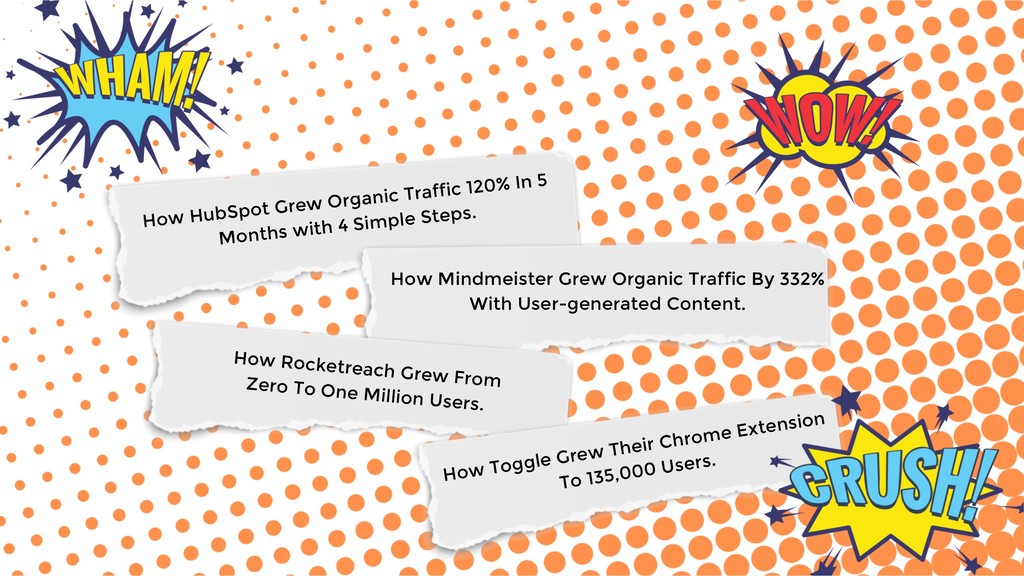
I took something away from that conference. And the thing is, if you go to you can see I went crazy with Bitmoji. Anyway, you can see if you went to like if you go to any amount of conferences, right, or you spend any amount of time on Google trying to figure out how to grow your business, you could be forgiven for thinking it's pretty easy.
Right? You go on, you look at these case studies, extraordinary results in a very short amount of steps. And we want you to make we want to make it feel like it's really, really easy. But really behind all that bravado is this is really hard, and it's really, really stressful.
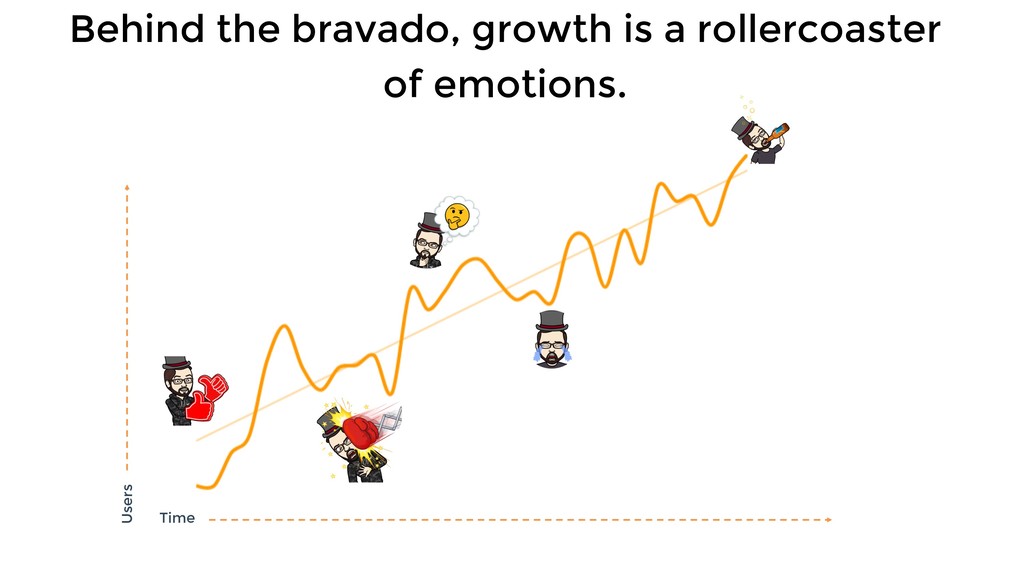
So this is one of the metrics I owned when I started to help shift HubSpot's business to a freemium model. This is a real chart. I took the numbers out. The bitmojis are all real. And growth to me is really a roller coaster of emotions.
Regardless if you are a startup, you are a scale up, or you are a big company, it's really a roller coaster of emotions. And I think that, you know, we go through those emotions together, and sometimes you think, oh, I'm doing a really good job.
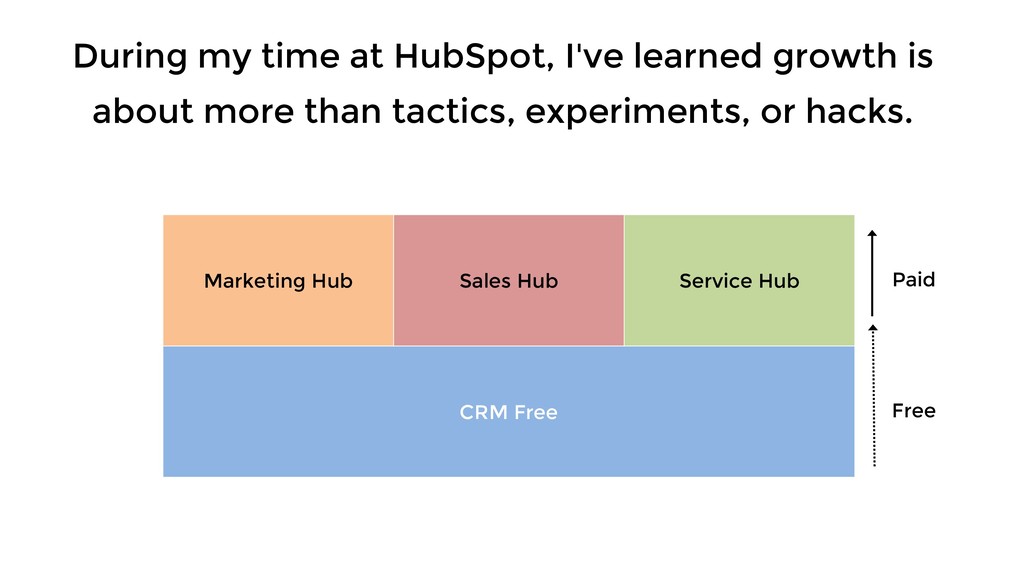
Things look really great. Other times you're getting punched in the face, doesn't look so great, you think you might get fired. And during my time at HubSpot, I've kind of learned that there is more to growth than these experiments, hacks, and tactics. So when I joined HubSpot, it's been a really wild ride.
I joined when we were a couple of hundred people, a couple of hundred million dollars in valuation, And today, we're north of two thousand eight hundred people, and probably eight dollars or nine billion dollars in valuation. And the interesting thing about HubSpot is when I joined, we were really a sales led model, which means that we went to market through a sales team.
And the marketing team would grow demand for that sales team. The sales team would sell to that demand. And in three sixteen, we decided to kind of shift more into, like, a consumer go to market. And we made all of our tools freemium.
And you may have heard this thing called product led growth. And we're in this new crop of b to b companies that have this sales and growth go to market. So we go through we go to market through sales and product. That sounds great.
You're going to hear that lots and lots in the future. Lots of those companies are getting large investments. The trouble with that is you have lots more people who own to go to market. And humans are the things that make a difference in a successful company.
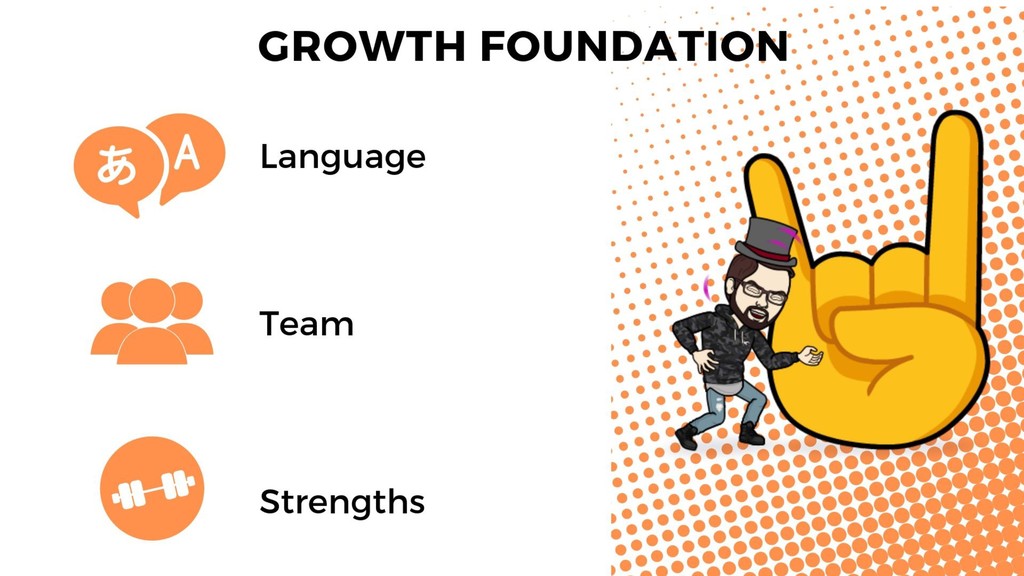
Being able to hire, retain talent is the most important thing you can do. But also, humans are complex. Right? We are hard to work it is hard to work with us at times. And this foundational layer that I want to go through is language.
How do you build a common language for growth for all of the different teams who own your go to market? How can they speak the same language? Team. How do you align your team correctly around your biggest opportunities for growth? And then strengths.
How do we lean into our existing strengths to drive present growth? But how do we develop new strengths for future growth? So the first thing I wanted to start on is language. Right? How do we align around a single language so all of these different teams can actually work together?
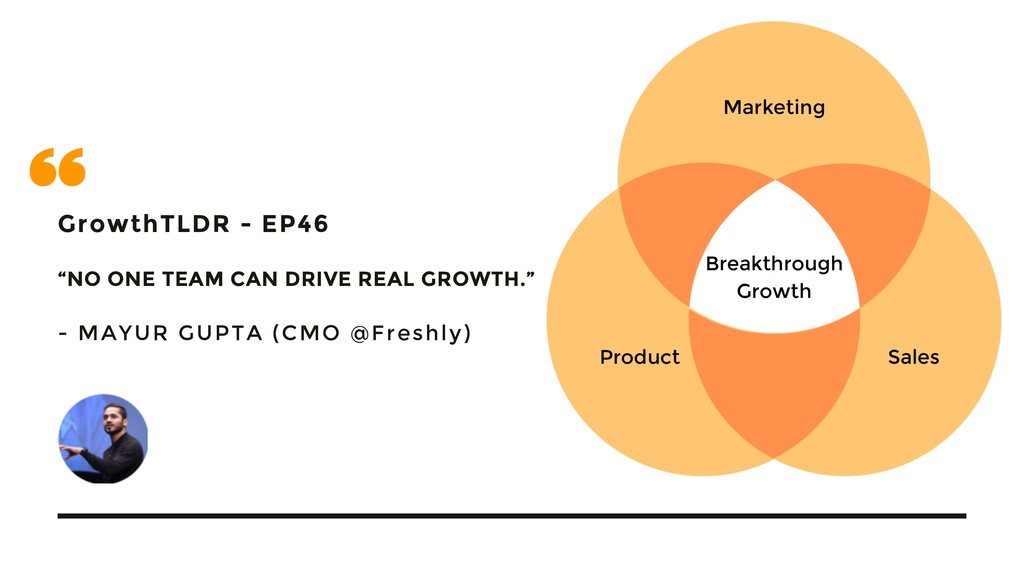
And I talked to Mayur Gupta, who is an incredibly smart person. And we were talking about this. He used to run growth at Spotify. He now is a CMO at Freshly. And we were trying to figure out, like, team structure, how to build this kind of growth engine that is marketing, sales, and then product.
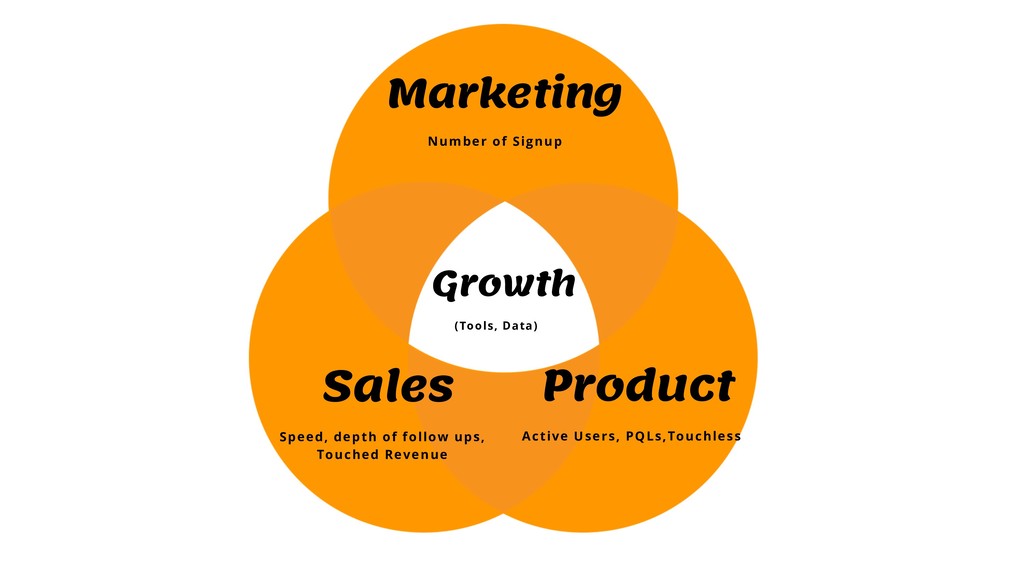
And he said something to me that really resonated. He said, you know, no one team actually can drive real growth. True growth is at the intersection of all of these teams collaborating together. And I think he's right. And to do that, teams really need a common language to describe their goals and what they're accountable for.
Right? And when they don't have that common language, well, things can get mistranslated or get translated incorrectly. Like, people understand things differently. And things go really, really bad when, you know, there's mistranslation between teams. Just like, hopefully, these signs have gone pretty bad in terms of how they've been translated into English.
I, for one, am trying to become a vegetarian, so I do not think fuck vegetables. And I'm an introvert, so one day I do want to have the power of invisibility. It would be awesome. And so, in HubSpot, we used to have marketing and sales trying to figure out how to do this go to market.
Now, we had marketing, sales, and product. We had three teams who owned our go to market. So we came up with this model called Sparkadin. Right? Clever plea on words. Sales, marketing, product. We are marketers. Woo hoo. The model is like the model helps us to set goals for each teams and the commitments we have for each other.
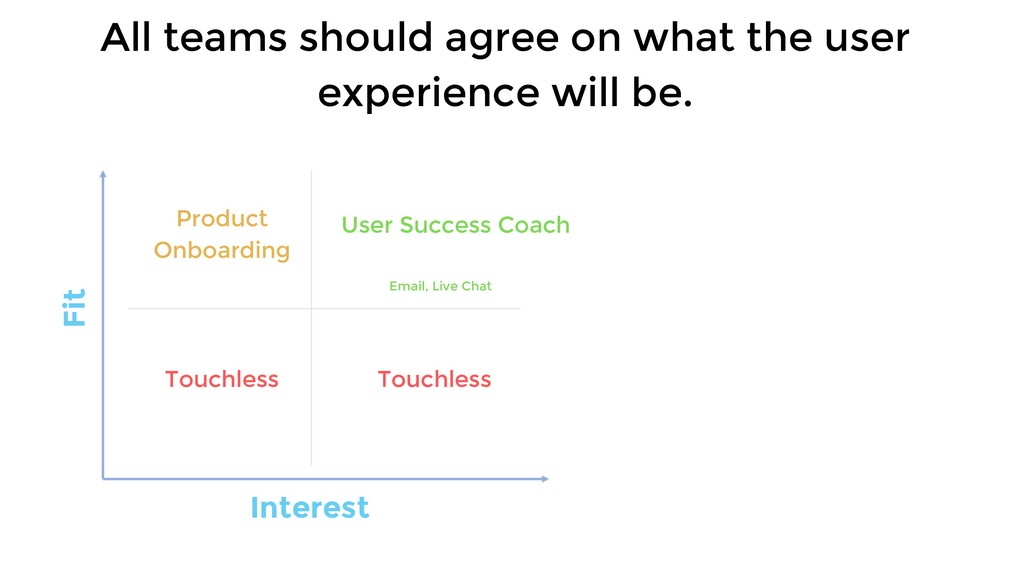
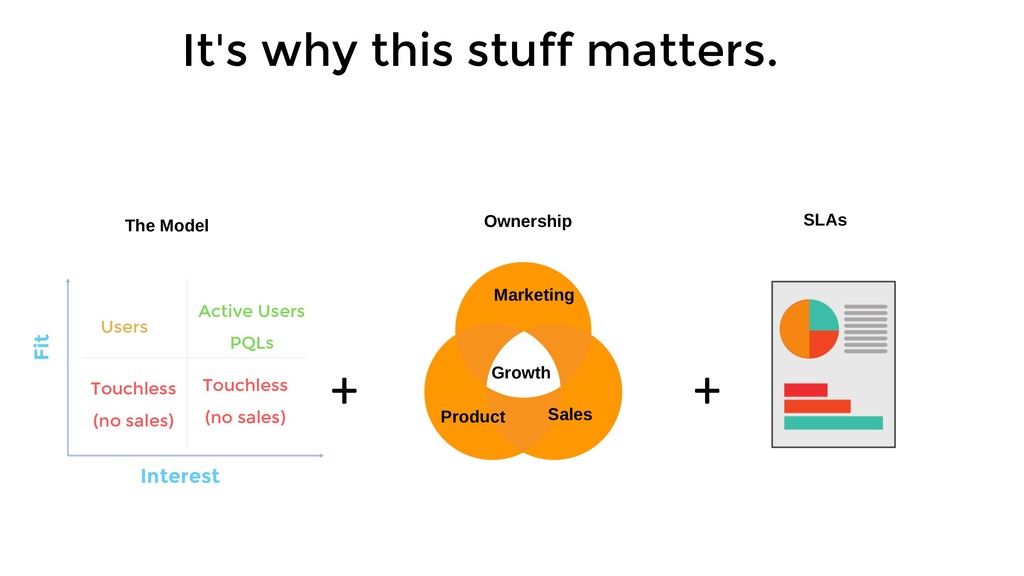
Now, before you can actually get into the metrics and ownership, you have to agree on a conceptual model of how your business will actually work. And if you work with me for any amount of time, you will know I've tried to put every problem into a two by two matrix.
I try to oversimplify that problem. And so in the early days when we were shifting to freemium, I kind of drew out this model for the exec team. It's like it's pretty simple. The user experience is pretty simple. Right? You have an access of fit and interest.
Fit is, is this company a good fit for your paid plans, By the company size, the geographic region, any other data, like demographic, firmographic data. Interest in a world where people can use your products before they ever have to pay you money, well, you have a wealth of information.
Because now I have people actually using my product, and I can figure out, do they have intent to buy my paid plans? How many free features are they using? How deeply are they using those free features? Are they importing data? Are they using things within the product that suggest they are a good fit for my paid plans?
And in HubSpot, what we decided was anything that was low fit, low interest, low fit, high interest, we would want to build a touchless experience. And we would want to build a touchless experience because if they are a bad fit, the churn rate is going to be higher and that unit economics is not going to be great if we have humans selling to them and humans onboarding them.
Anything that is high fit, high interest, we created a user success coach model, which means when you are a free user, we have people who can reach out to you via live chat or via email. And their only goal is to get you to use the free product more extensively because we know that will result in you upgrading to a paid customer and retaining them at higher rates.
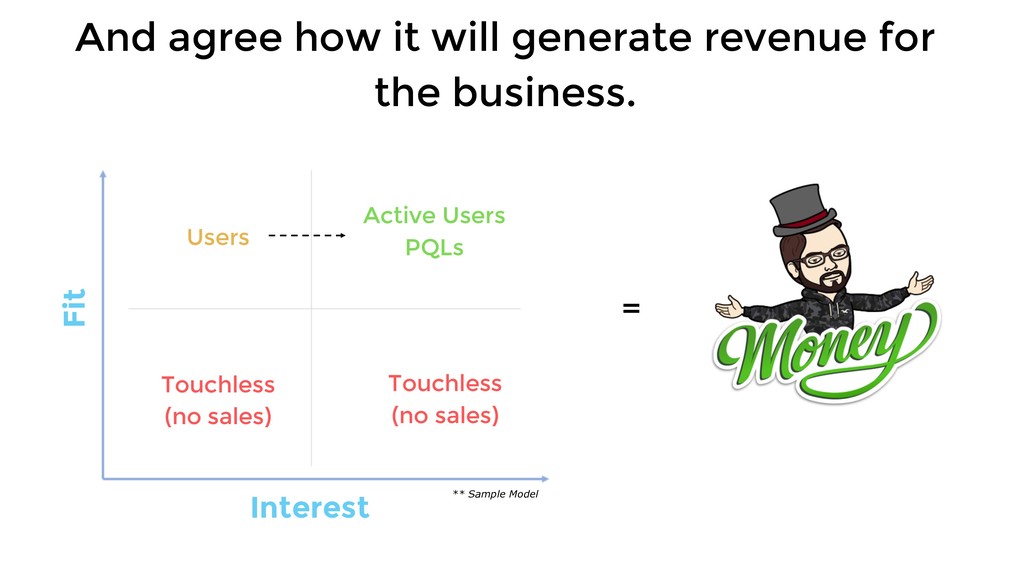
And then anything that's high fit, low interest, that is product onboarding. You create user onboarding to introduce people to the core value of your product so you can move them into the high interest, high fit. And then you can agree on how this actually makes money for the business.
Right? Anything that is a bad fit, we want to go through touch this, so we do not want to send that to a sales team. For us, anything that was high fit, high interest were active users, which means they have done something meaningful within our free product that would suggest they have intent to buy or pay plants.
And I'm going to show you what that is in a couple of slides. Or they are a product qualified lead. I'm going to talk to you about what product qualified leads are, but it's people raising their hands and saying, I want you to take my money.
That is awesome. They close at really high rates. The most contentious bucket for any company is the high fit and low interest. Because these people are a good fit for your paid plans, but they have shown no intent to actually buy those paid plans.
Whether you actually send those to a sales team or not depends upon really a business decision. If you have enough active users, PQLs, to send to your sales team, unit economics is going to look better because the close rates on those is higher.
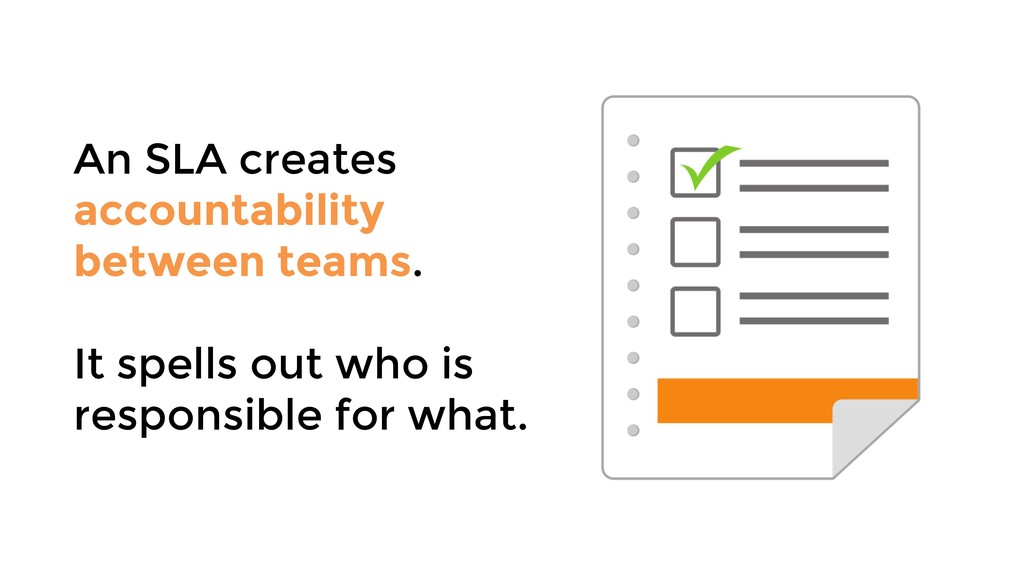
If you do not, if you're growing rapidly and you need demand for your sales teams, then you can send them the good fit users. They just won't close at the same rates. When you have actually agreed on a conceptual model, then you can build out an SLA between these different teams.
What do you own and how are you accountable to me? For us, it took us a number of years to get to this point where we know who owns what. Right? Marketing generate a certain number of free sign ups each month. Our product team turn them into active users, product quality for leads, and touch this revenue.
Our sales team follow-up with the demand that is sent to them, and they create touched revenue, which means that they actually interact with those people. And then we have a grow team that builds tools and the data to help all of these teams do their job better.
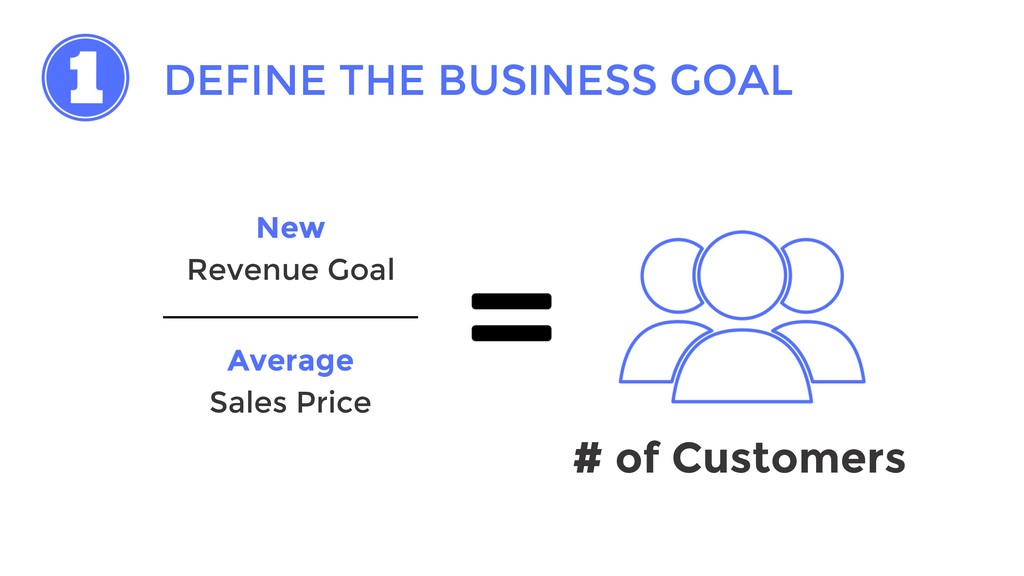
So if you go through how I actually build ownership between these teams, let's do a really simplistic version of this. Right? I know that I need to generate a certain number of customers each month for me to actually grow. I know I've got new revenue. I've got an average sale price.
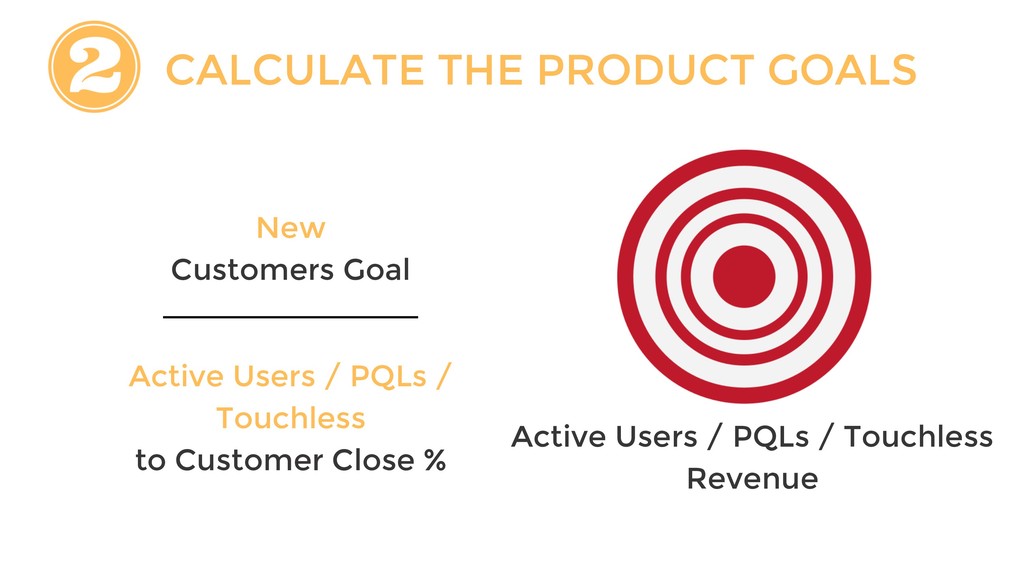
I can calculate that pretty easily. But then I can have actual real monthly goals for the product that are related to that revenue goal. Right? They are responsible for active users' PQLs touch this revenue. So I know and I know the conversion rates of those things, the number of customers I need to generate.
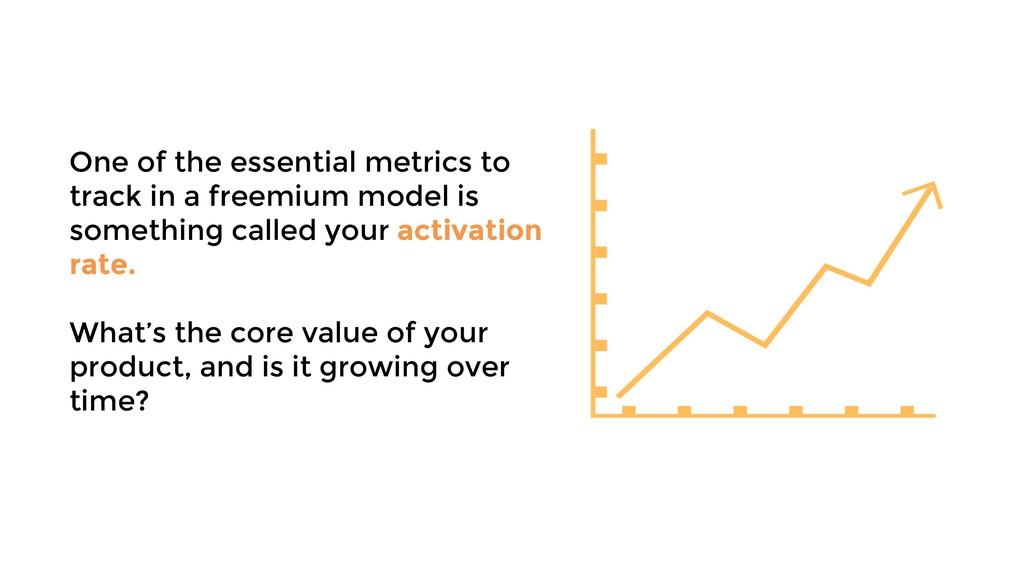
I can actually put raw goals against each of those things. Two big things when you're building goals for your product teams. You need to know what your activation rate is. The activation rate is the core value of your product. You want to know that more people are experiencing that core value over time.
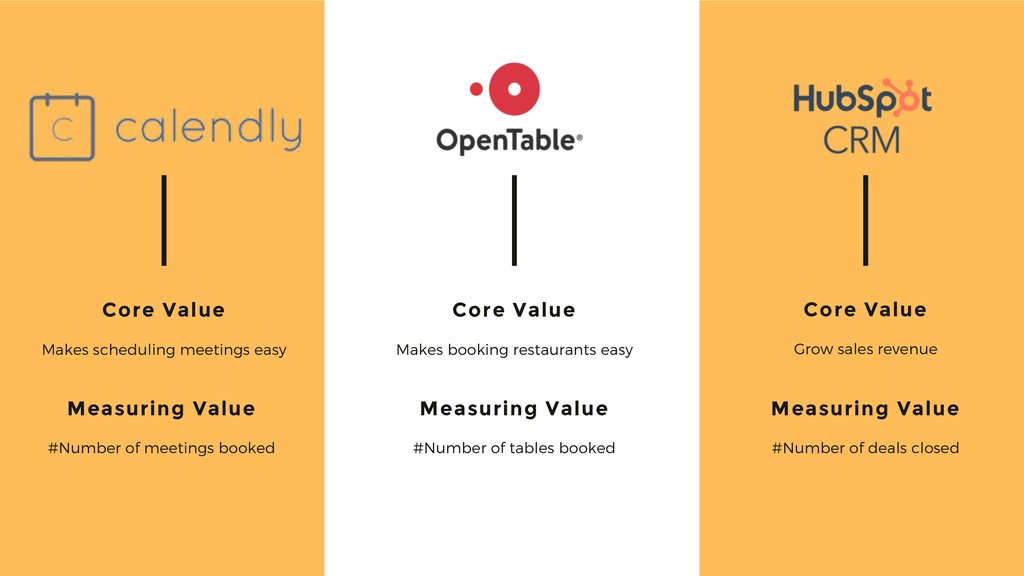
That is how you're going to have a better and healthier business. Let me give you some examples. Who here has used Calendly? Right? Really, really great product, really great company. Their core value is to make scheduling meetings easier. Right? That's their core value prop.
If they only measure the number of meetings being booked through their software, they are going to have a better, healthier business. More people are experiencing that core value over time. OpenTable. How awesome are products like OpenTable? Because I don't have to ring up anyone and talk to humans because I don't like doing that.
So I can just book restaurants through OpenTable. Their core value is making booking restaurants easy. If more and more people book tables over time, they're going to have a healthier, better business. That's the only metric they really need to worry about. That's their activation metric.
For us, one of our free products is our free CRM. We want to help grow sales revenue. We know if more people are booking deals through our CRM over time, our business is going to be better, healthier, better customers, better attention. How do we get that regression analysis?
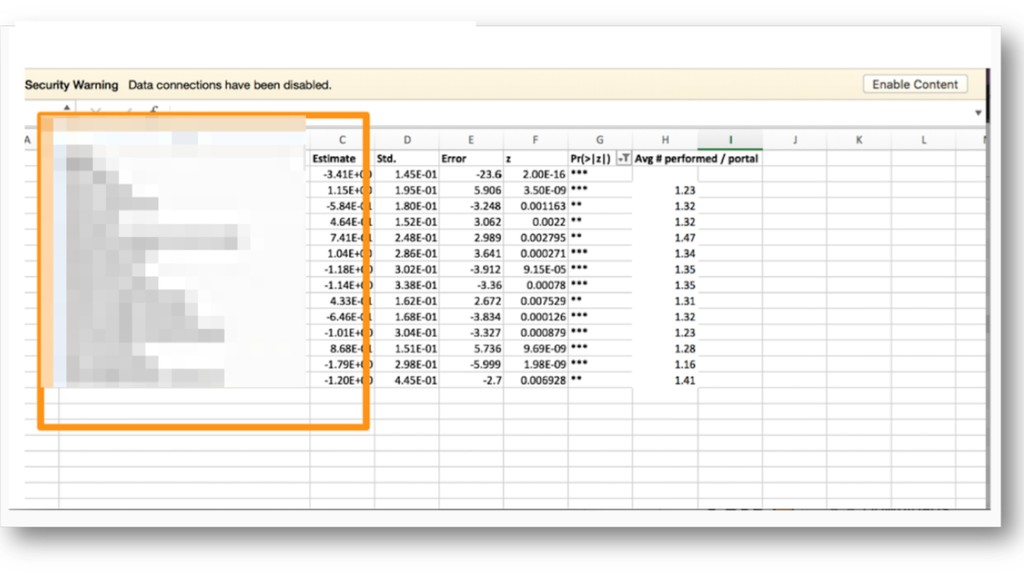
I got it by just hiring a really smart person. I couldn't do this myself. But the way you actually do it is you look at your most successful customers, look at the usage events that they have in common, and then determine which are the things that actually dictate that that company are going to be successful.
For us, when we looked at our most successful customers, we could see that they were the ones closing deals. Right? And that became our activation metric. That's the thing that we cared about. We got a user in, and when they closed a deal, then they were an active user.
They showed some intent that they were a good fit for our paid plans. What are PQLs? Product qualified leads, you've probably heard in B2B. If any of you work in B2B, there's something called a marketing qualified lead, typically a trial or a demo.
Product qualified leads are demand that are created from the product itself. I can tell you from what I have seen, an MQL can convert anywhere between four to six percent. A PQL can convert about twenty percent. They're just so much more qualified because people are using the product before they ever reach out to you.
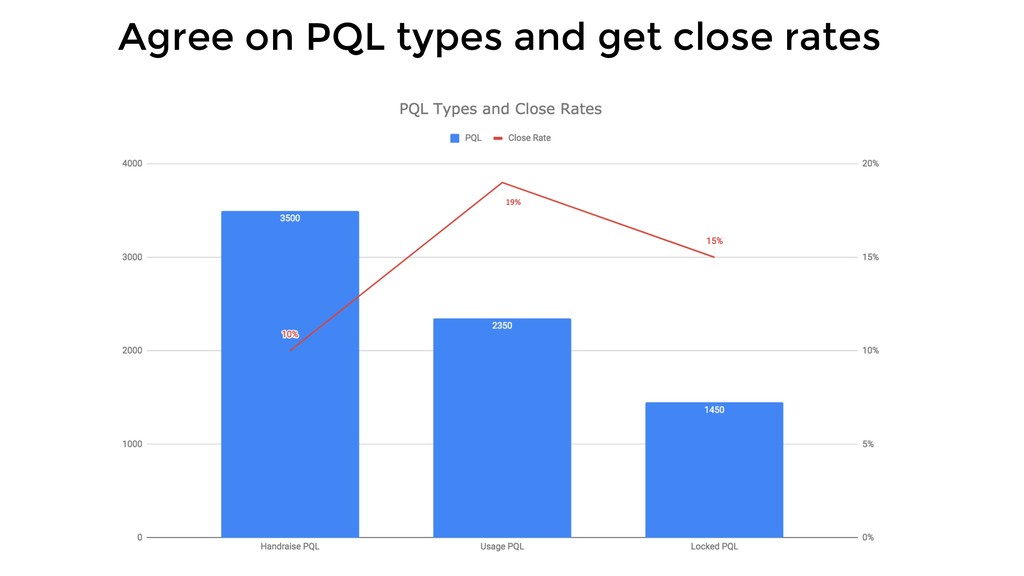
In HubSpot, we've had three different types of PQLs. We have hand raised PQLs, which means when you are in our free product at any given point in time, you can raise your hand through live chat or in an embeddable meetings link, book time with a sales rep, and just ask about our paid plans.
We have usage PQLs. These convert far higher than anything else. This is when someone is using a free feature and they've hit a limit on that free feature, and to remove that limit, they need to upgrade to your paid plans. They convert higher, the highest out of all the different PQLs we have.
And then within our free platform, you also have features that have a lot of lock symbols. And to remove that lock, you have to upgrade to your paid plans. So you need to agree on what is your activation metric, the core value of your product, how do I measure that, and what other demand that I actually create from the product itself for the sales team?
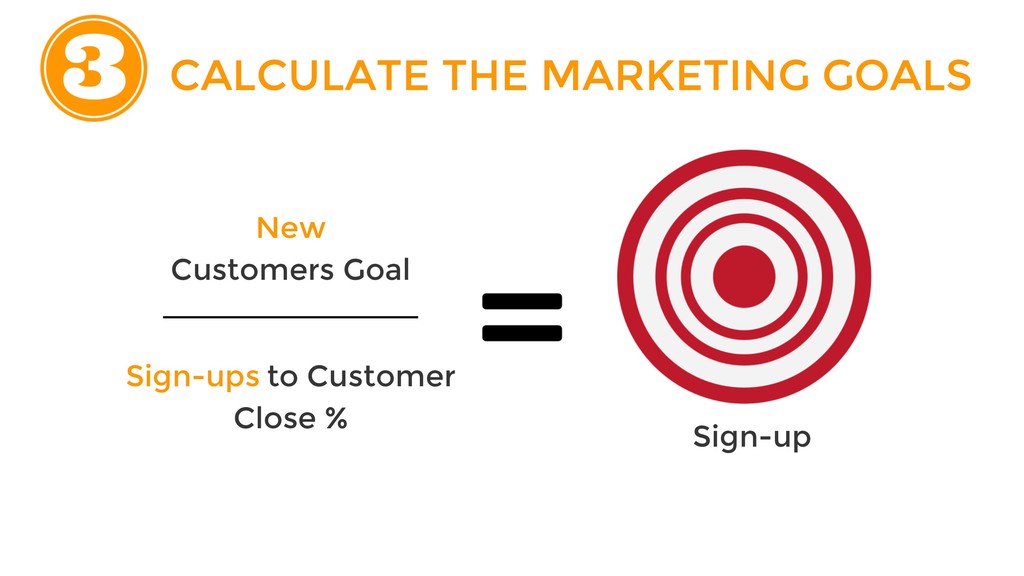
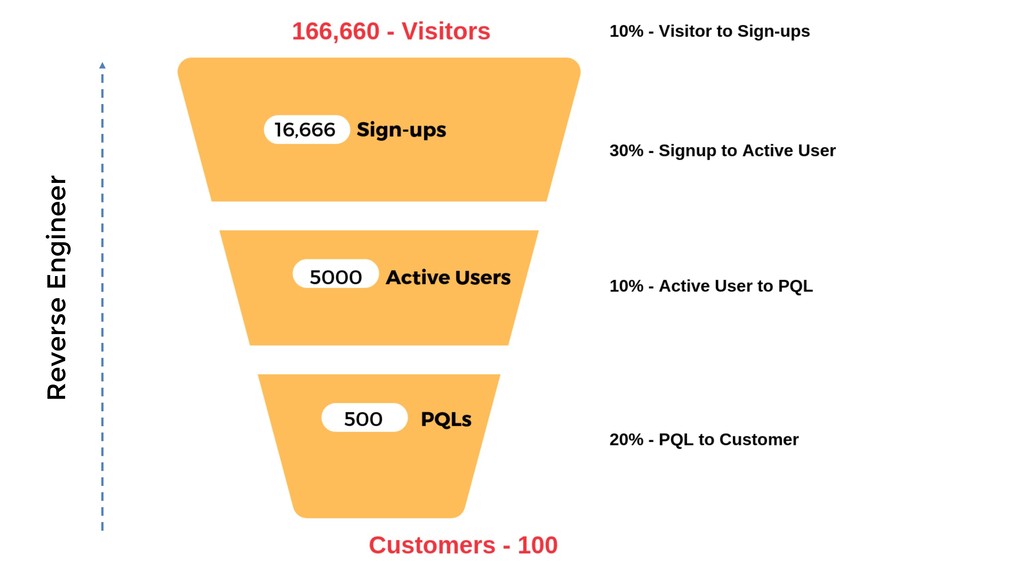
Marketing goals are pretty simplistic. Right? I can just look at the sign up to customer conversion rate, the number of customers. I can get the wrong number of sign ups marketing need to generate. For example, if I need to generate one hundred customers per month, I can just reverse engineer my funnel. Right?
You can do this regardless of what your funnel is, whether it's freemium, whether it's SaaS, whatever, even if it's in B2C. I need if I know if I know my PQL customer rate, I know how many PQLs I need to generate. If I know my active user, the PQL rate, I know how many active users I need to generate.
And I can work all the way back up to sign ups and and visitors. Why is this stuff important? Because now marketing are responsible for a revenue goal. Right? If we do not hit our sign up number within HubSpot, one hundred percent of our revenue is dependent upon marketing source demand.
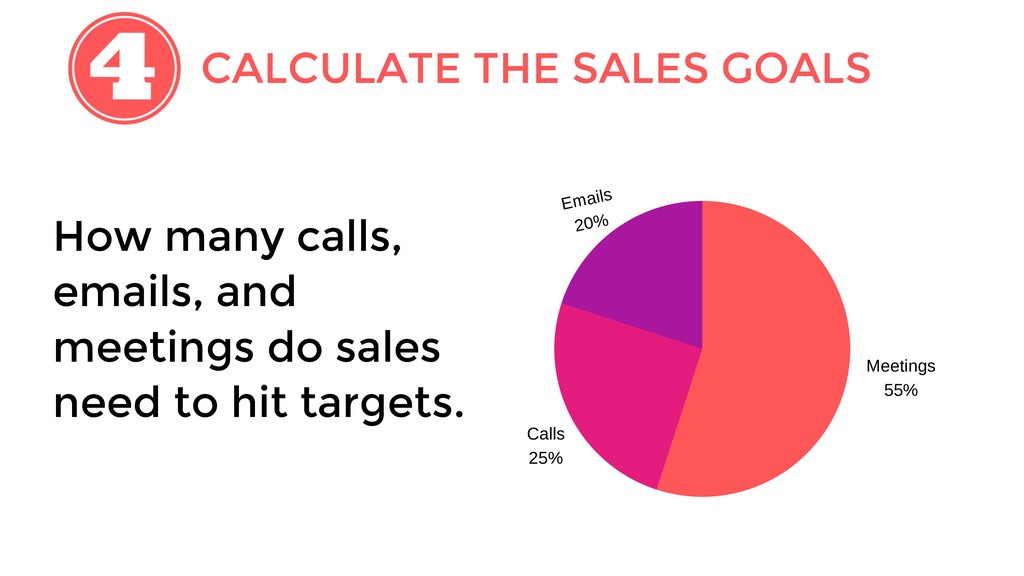
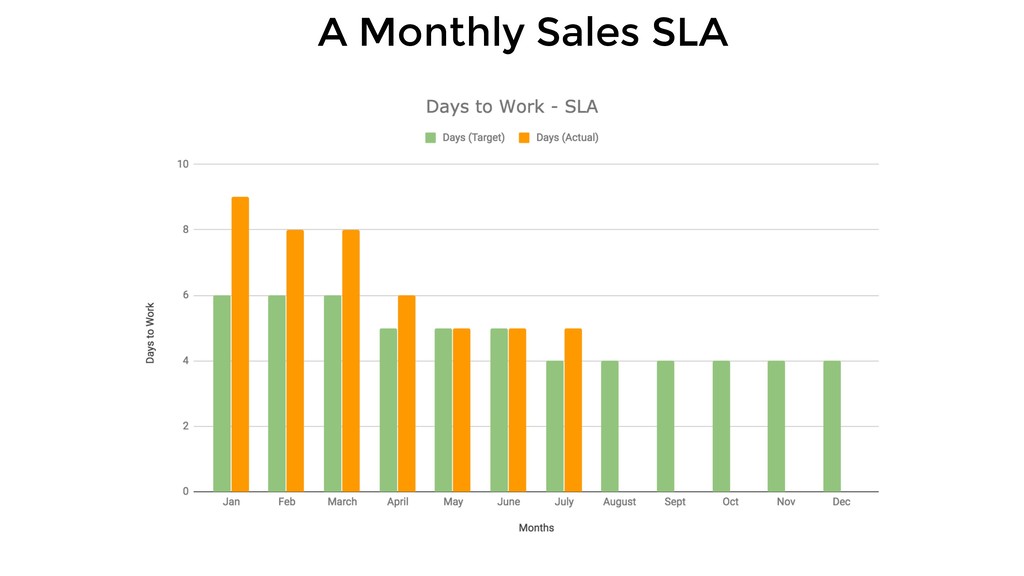
If we don't hit our sign up number, sales missed our revenue goal. We've instrumented our funnel down to the granular level. And then sales are responsible for, like, how quickly they follow-up on that demand and how many times they interact in the band it actually sent to them.
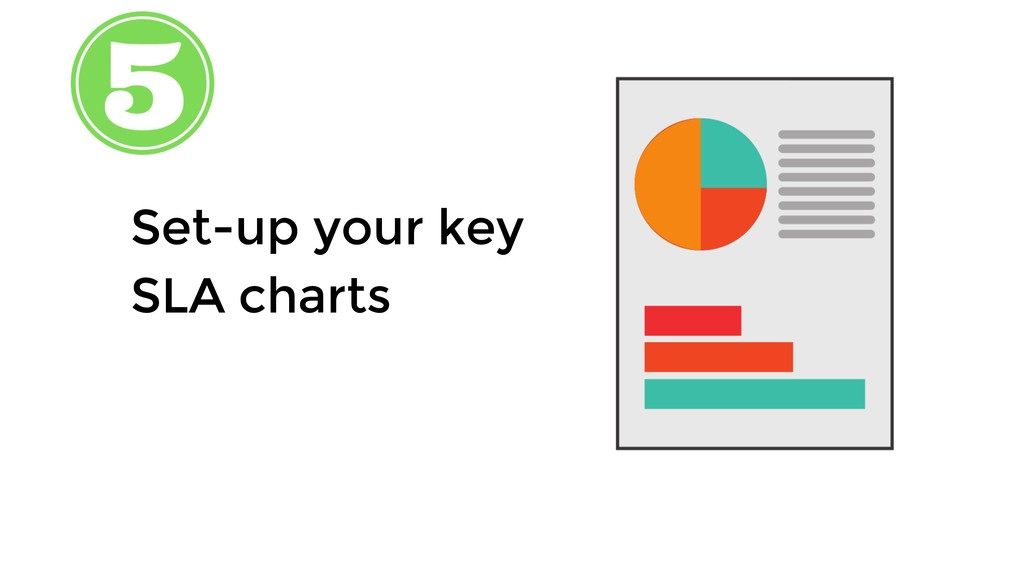
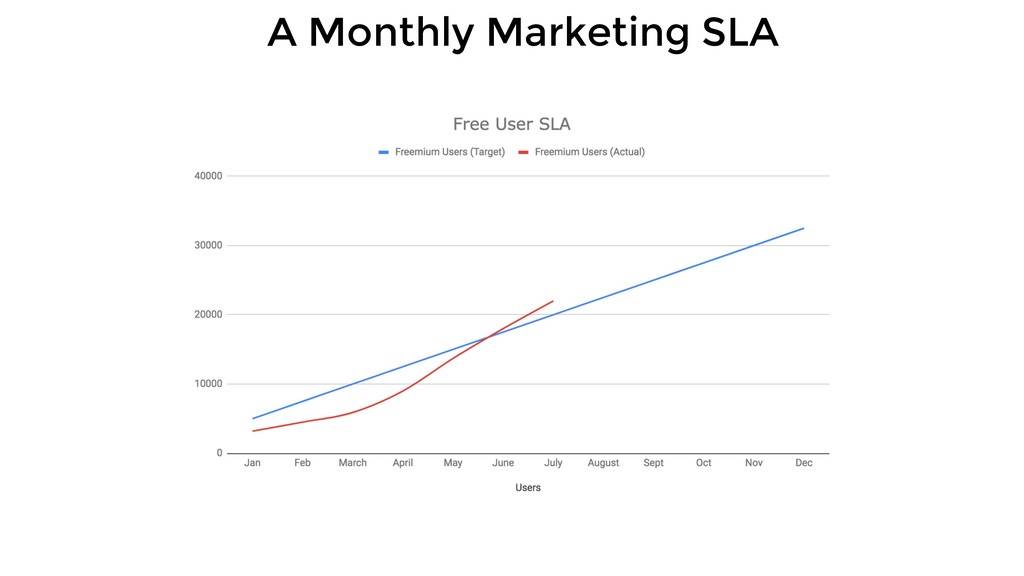
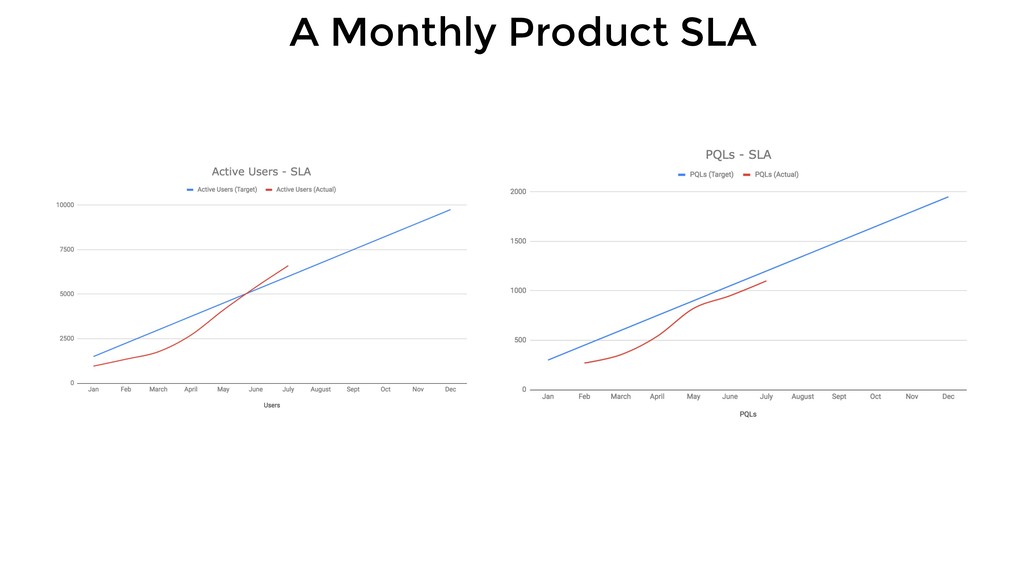
So you can measure sales performance across those different data points. So when you establish those things, then I can say, well, these are the metrics that you are responsible for, and this is how you're accountable to each other. Right? I set up SLA charts.
So I can have a monthly chart that says if I do not hit my sign up number for marketing, I'm going to miss my revenue number. If product did not generate the right number of active users or PQLs, I'm going to miss my revenue number.
And sales, we typically look at charts like how quickly do they respond to the demand they're sent. I can tell you, if you could respond to a lead within the first twenty four hours or the first hour, your close rates are phenomenally higher than if you actually wait twenty four hours, forty eight hours.
Speed matters. Like, people forget they actually reached out to you and were interested in your paid plans because there's so many other providers doing similar stuff, and they're usually talking to many people at once. So when you've done that, you can then start to think about, how do I align my teams around the most significant opportunities for growth.
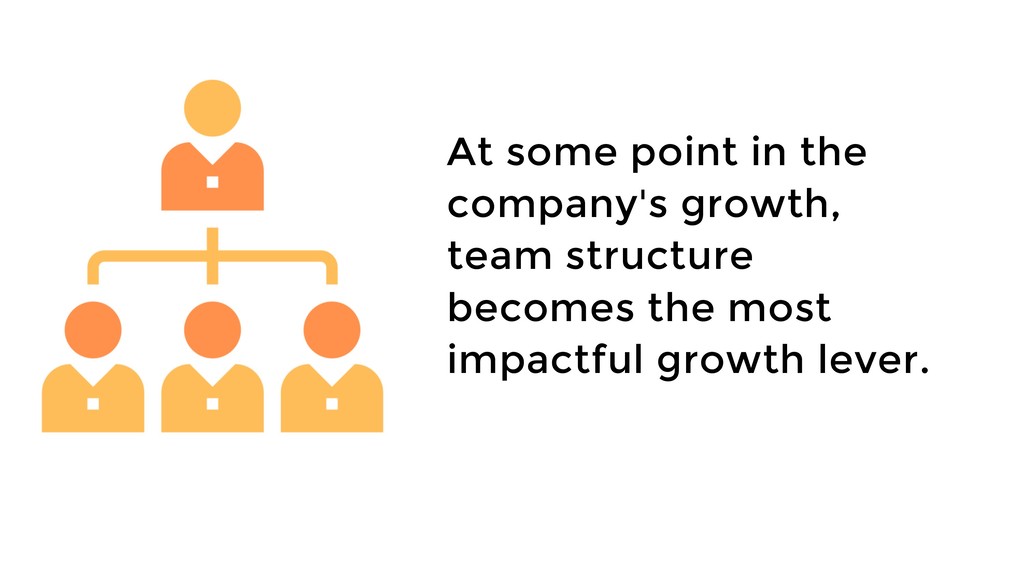
Team structure seems born, but it's one of my favorite parts of, it's one of my favorite parts of growth. Really, at some point in your company's growth structure, team at some point in your company's growth, team structure becomes the most important growth lever you have.
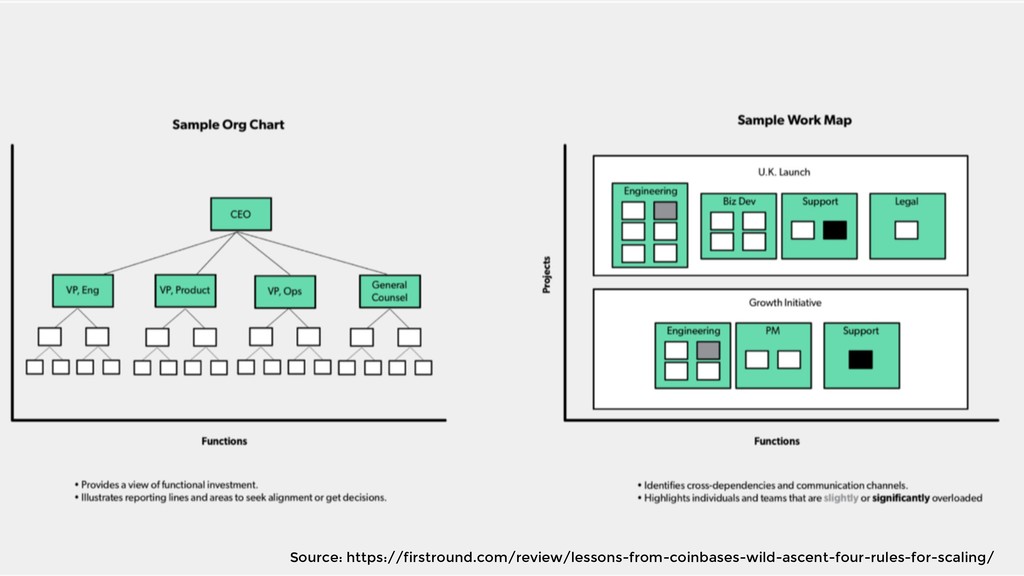
One of my favorite articles in this came from the director of Coinbase when he was talking about how they actually went after the biggest growth initiatives when Bitcoin was on its wild ascent to twenty thousand dollars. I lost a lot of money, but still the article was really, really good, and I love Coinbase.
And he had this really, really great graphic. He talked about, hey, look, this is how we think about how work gets done. This tree structure, this really siloed way of teams not actually working together. This is actually how work gets done. He calls them work maps.
And what he does is he projects out actually the core projects Coinbase needed to do and who were the teams responsible for it. And that's because cross team alignment is the one way that you will be able to outgrow your competitors. And what you want to do is continually look to realign your teams around your biggest opportunities for growth.
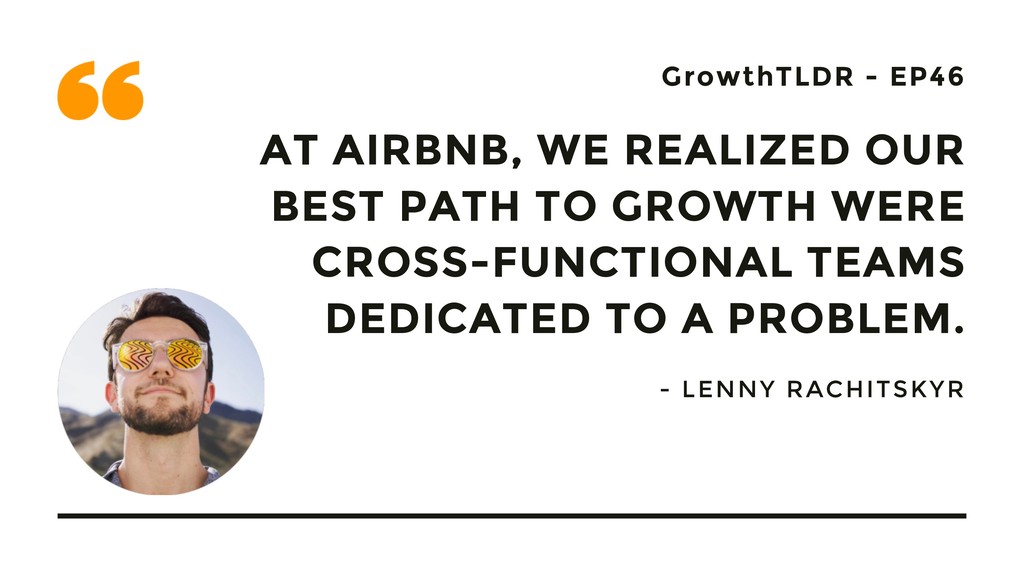
For example, at HubSpot, we do this every twelve months. We rework our whole team around the biggest bets we're making for the upcoming year. I got to catch up with Lenny Ratzkeshkar, who ran, all of growth for the supply side of Airbnb. And he said at some point in Airbnb, they realized their biggest opportunity to growth was to have cross functional teams around a dedicated problem.
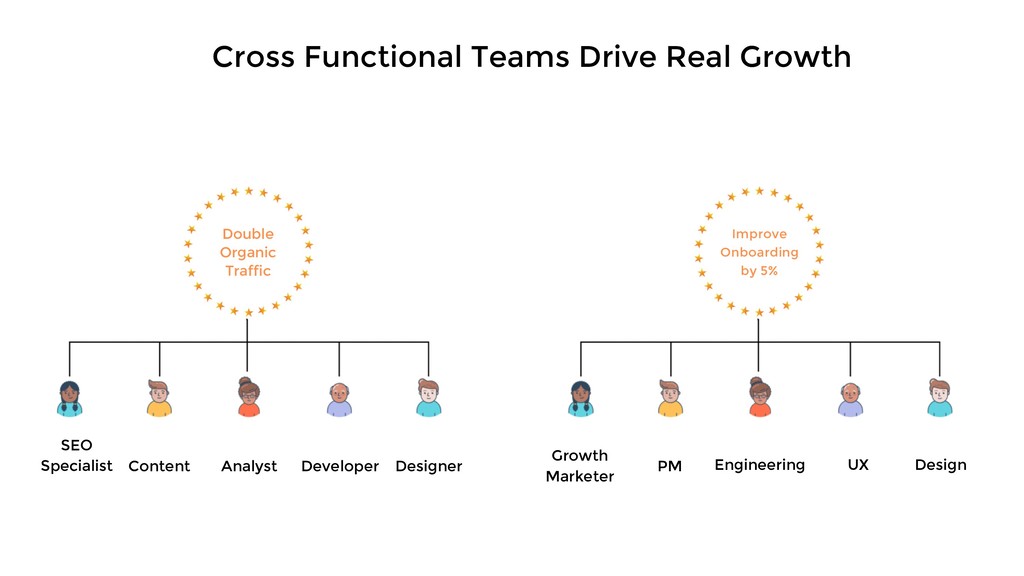
And you can interchange problem with opportunity. Cross functional teams are the things that drive wheel to wheel growth, whether you are trying to double your organic traffic, which is a very top of the funnel metric, or you are trying to improve your user onboarding, which is an in product metric.
Now, I need to give a warning that cross team alignment does not happen overnight. It's really, really hard. Right? The first time you're trying to get all of these different teams working together, well, it can seem like fire. Right? When we started to try to get sales, product, and marketing all to work together and establish ownership, we did not do that overnight.
Right? It could be fire. And I don't mean that in the kind of young, hip happening kind of word of like, yo, your suit is on fire. It's rad. It's cool. I mean that like, yo, every fucking team is on fire. They are about to kill each other.
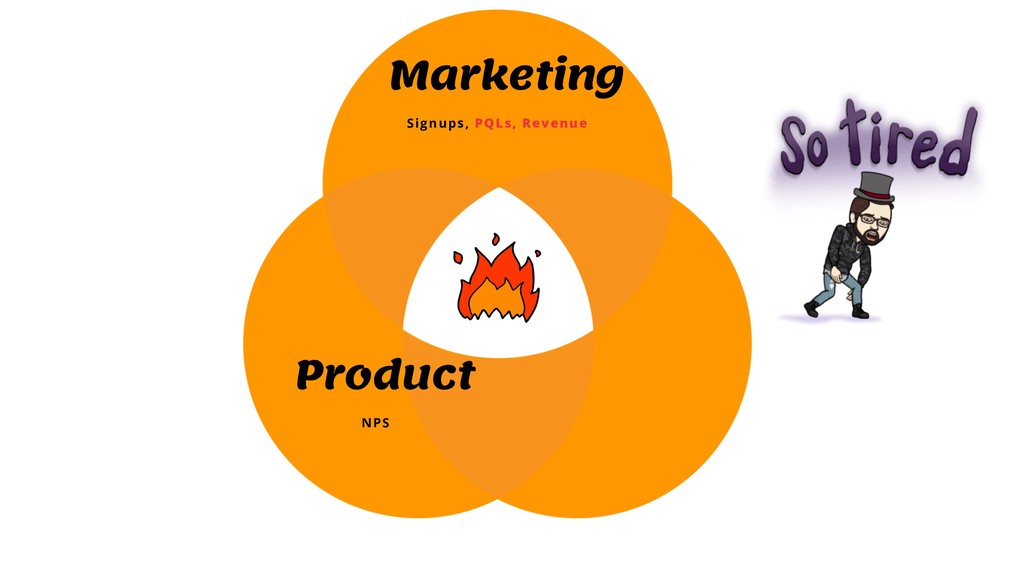
And that's kind of the first year when we were trying to shift our model in that direction. We kind of suffered from that. We had a lot of friction across different teams. Marketing at some point owned Synops PQLs in revenue. Product were motivated to hit an NPS goal.
So we were kind of misaligned because we were doing things to grow PQLs. Revenue, we could do some amount of stuff within the product, but we needed product and engineering's help to do stuff. And we were kind of misaligned in terms of goals, and it created a lot of friction between each other.
And that's why this stuff really matters. Right? We actually started to really make this work when we got that conceptual version of our model and we established clear ownership between those different groups. So when we had marketing owning PQLs and revenue, but not able to actually do the things that hit those goals, it would create friction.
Now we have clear ownership, and those teams can be fully accountable for their goals because they have all of the resources they need, and they have clear SLAs in terms of how they're accountable to each other. But do you think you need to actually prioritize how things get done?
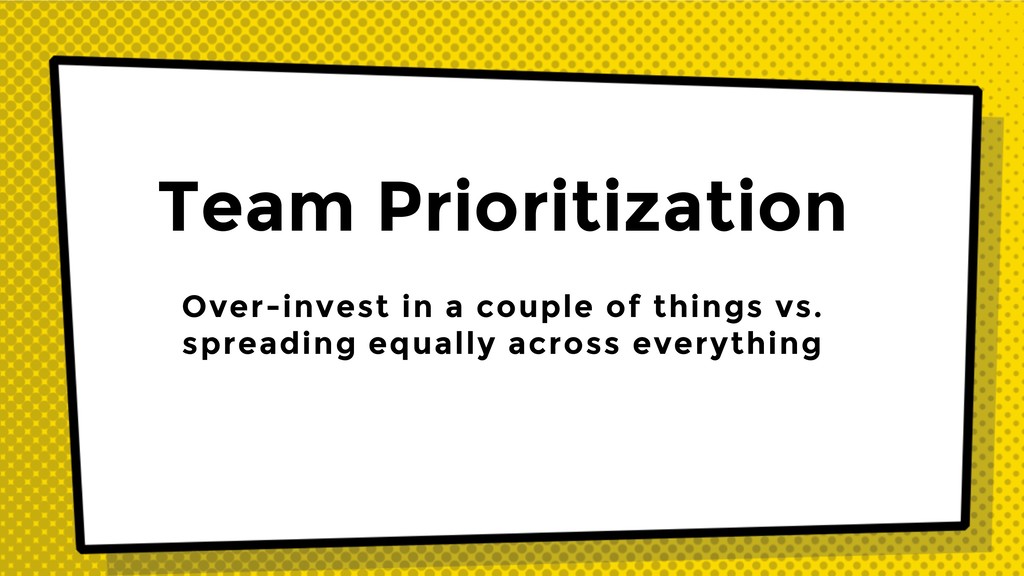
We always have, no matter the size of your company, an infinite amount of things we can do and a finite amount of opportunities. And the enemy for fast growth companies is really peanut butter. Because what most companies do in terms of their resources is they approach it like Oprah Winfrey.
They say, oh, you get a little bit of resources, you get a little bit of resources, you get a little bit of resources. And they won't make the hard call on saying no to things. You should over invest in a couple of things.
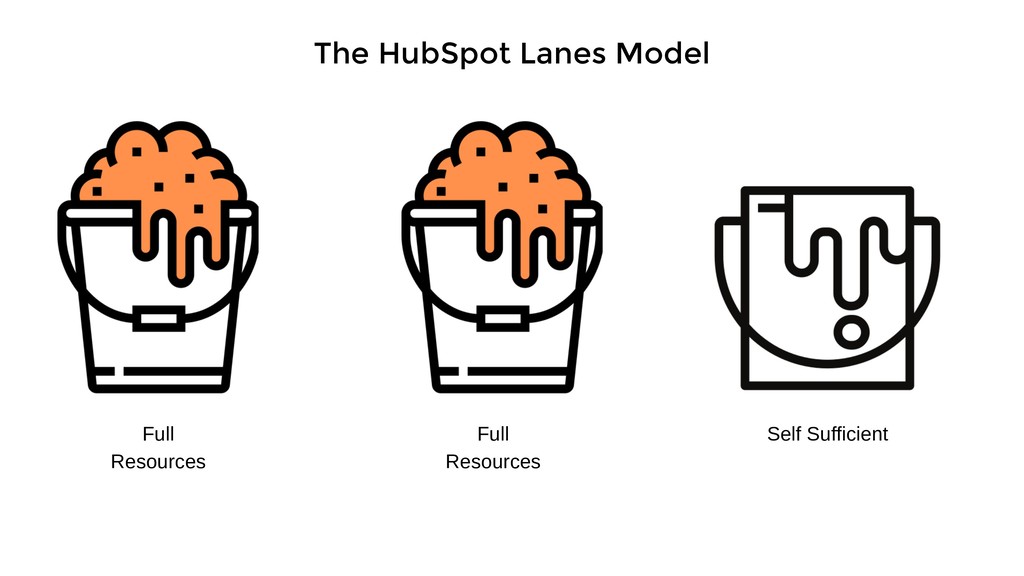
And we do that through something called the HubSpot Lanes model. So when we make those big bets at the start of the year and we realign teams around those bets, we decide which team will get a lane. A lane means you get all of the resources you need to be successful.
Resources are not going to be one of the reasons that you will actually miss your goal. That means you have some teams who do not have any resources, and they can feel pretty pissed about that. So you have to be really open and transparent why some things get lanes and other things do not.
You have to be really open and transparent about that. And you have to give them some ways for them to actually be self sufficient, whether that's through budget for developers, designers, give them budget to take courses so they can learn the thing they need to do to be successful, and provide an environment that allows them to pitch for a lane for the following year.
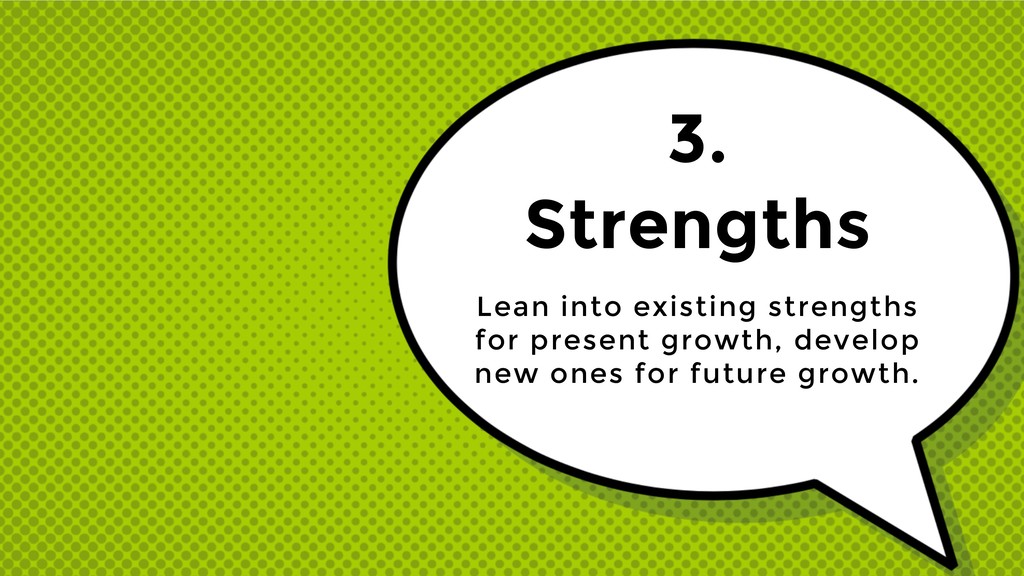
Wow. Is that my time? Okay. I actually did practice this and came on time. All right. Let's go. Okay. The third most important thing is you need to lean into your existing strengths for present growth and develop new ones for future growth. Right?
We've all been in those interviews at some stage in our career where someone would ask this question like, what's your greatest weakness? And you're just like, oh, fuck. This person has made no effort to actually, you know, come up with good interview questions.
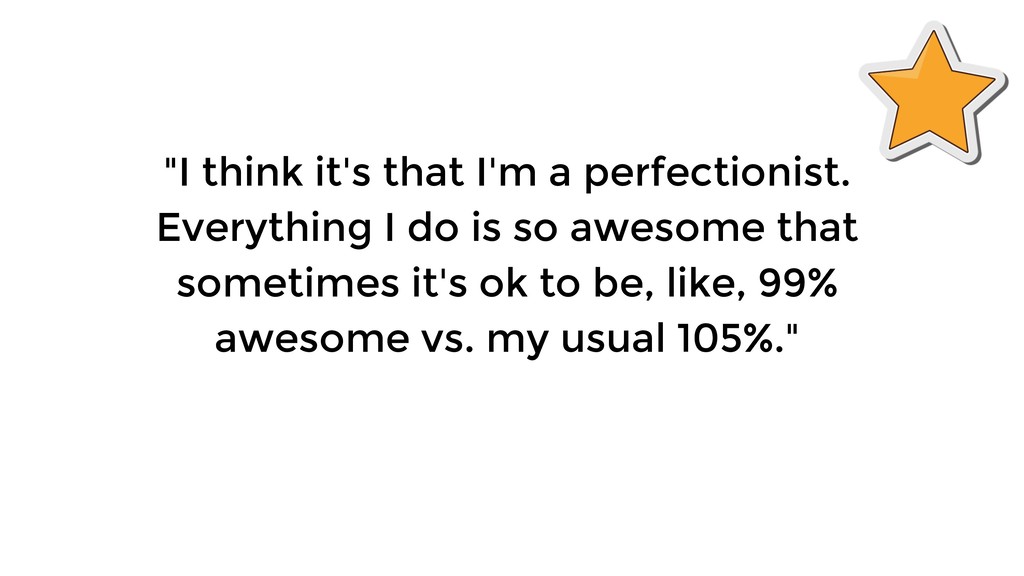
They've just googled how to do an interview and did the top ten questions. But you want to answer because you really want the job. You think, Okay. Well, I think it's that I'm a perfectionist. Everything I do is so awesome that sometimes it's okay to be, like, ninety nine percent awesome versus my usual one hundred and five.
I say like a lot because I spend a lot of time with Americans. And you think, oh, I nailed that answer. The interviewer is nodding their head, giving you the smile, but really in their mind they're thinking, what a fucking horrible answer. It makes me kind of sick.
But it's not the question, it's not the answer that's a problem. It's a question because we should lean heavily into our strengths. And that's what we try to do in HubSpot. We try to bet on the things that we're good at. We're really good at growing organic search. Right?
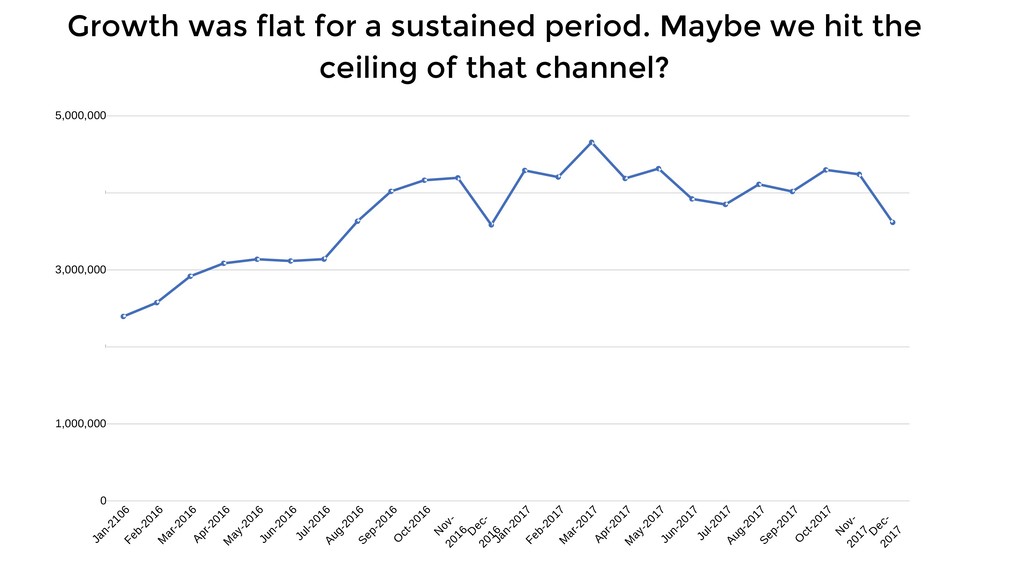
It's one of the byproducts of doing invite marketing really well. But we wanted to get really aggressive with the goals there. We wanted to lean in there and double the amount of organic traffic we got within sixteen months or less. And we didn't want to do that in a period where organic traffic was actually growing, and we would just accelerate that.
We wanted to do that when we had this chart, which is like, oh, shit, everything is flat or going down. So we were like, hey, we need to double this amount of traffic if we want to keep growing to be the company we want to be.
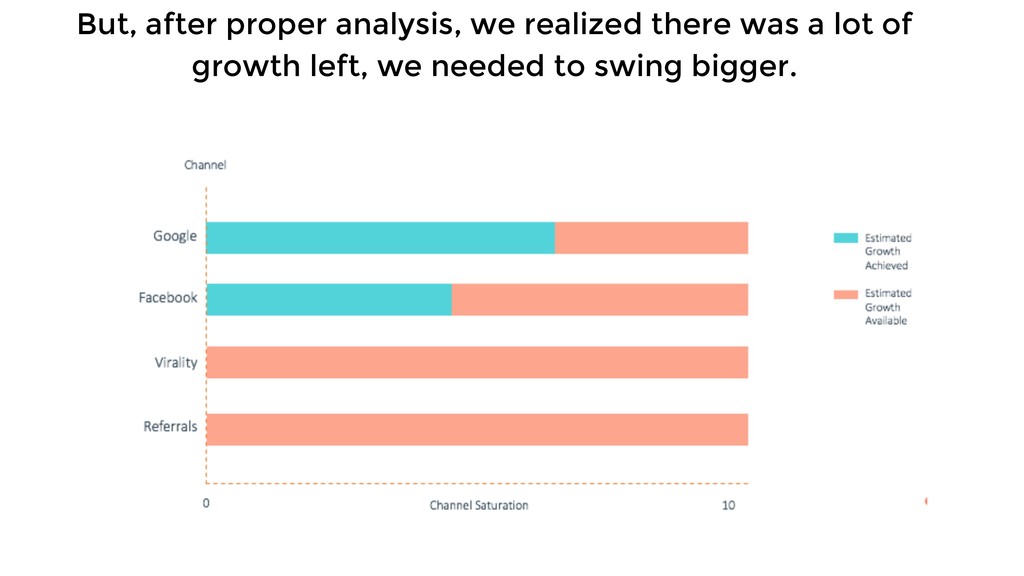
And we knew we still had growth left. Like, in B2B, not like B2C, sometimes you just saturate channels, right? And there's just no growth left. So we did this analysis, and we saw, hey, there's still lots of room to grow within these channels.
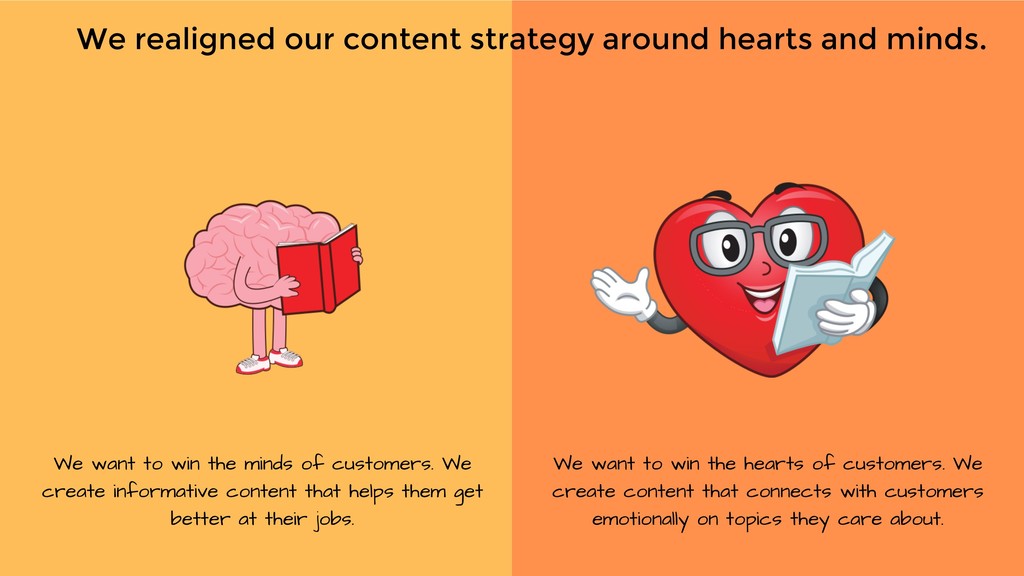
And we really want to double down on organic search. So the first thing we did was realign teams because it actually works. So we realigned all of our teams around two content strategies, and we call it hearts and minds. The mind strategy is we want to create informative content for small to medium sized marketers, business leaders, salespeople, and customer success people.
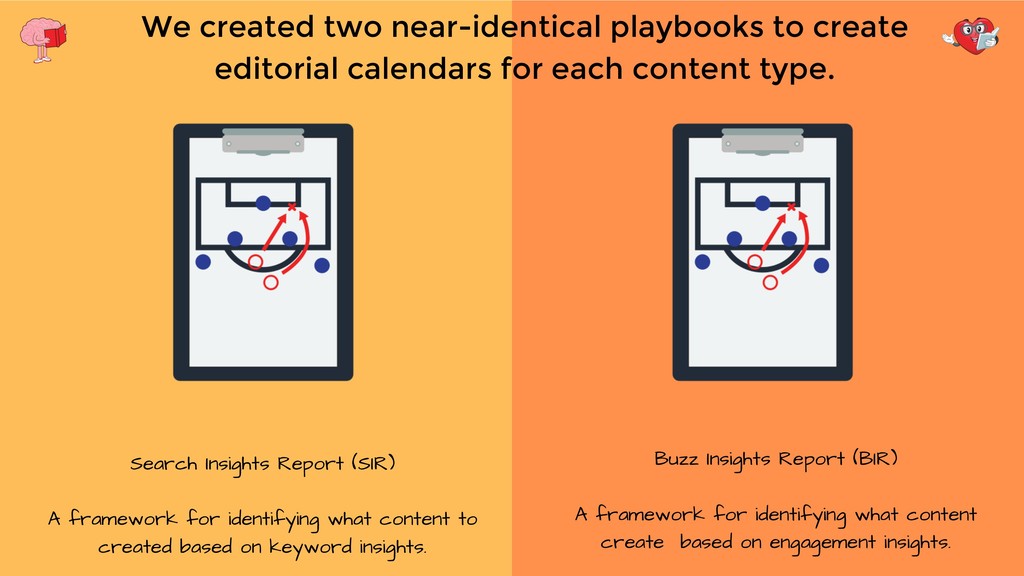
Hearts is we want to create content that actually creates an emotive, connects emotionally to people. Right? Texts emotionally to our potential customers and our customers, topics that they really care about. We created two near identical playbooks to create editorial calendars for each of these content strategies.
One of them, we created a search insight report where we automated a way to get The content they should create, what The content they should create, what elements should be in those blog posts, video images. Like, we created the exact things that they should create across that quarter.
Then we had a buzz insights report where we gathered the same information, but we used engagement data from social. These are the things that people actually cared about. We, of course, created a cross functional team for our mind content. So I'm just going to go into the mind content because it'll be too long to go into both.
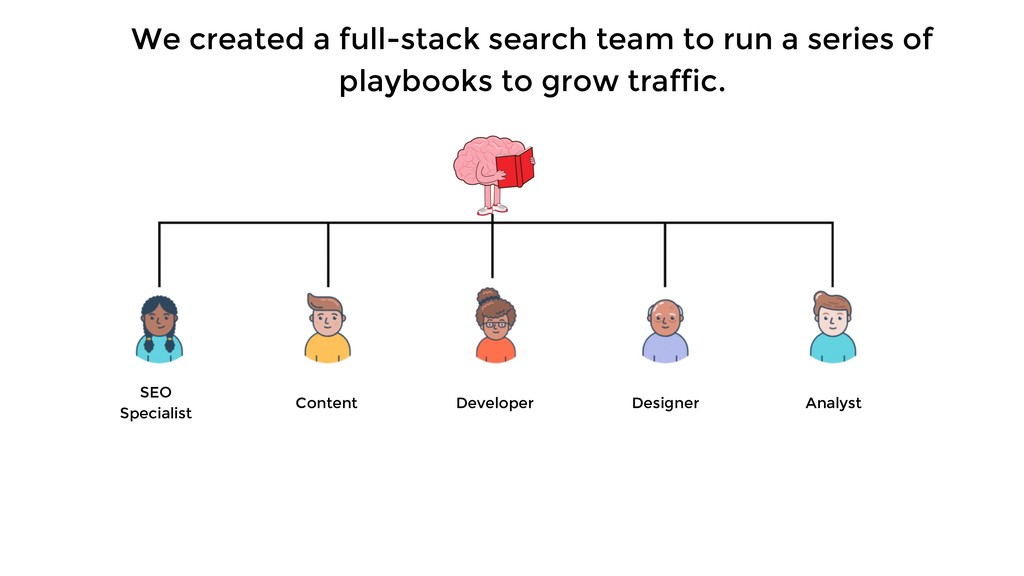
But we had SEO content, developer, designer, analysts all on the same team. Now, you could say, hey, you're spoiled. You've got all these resources. And, yes, that's true. But saying yes to this doesn't mean we didn't say no to a bunch of other things.
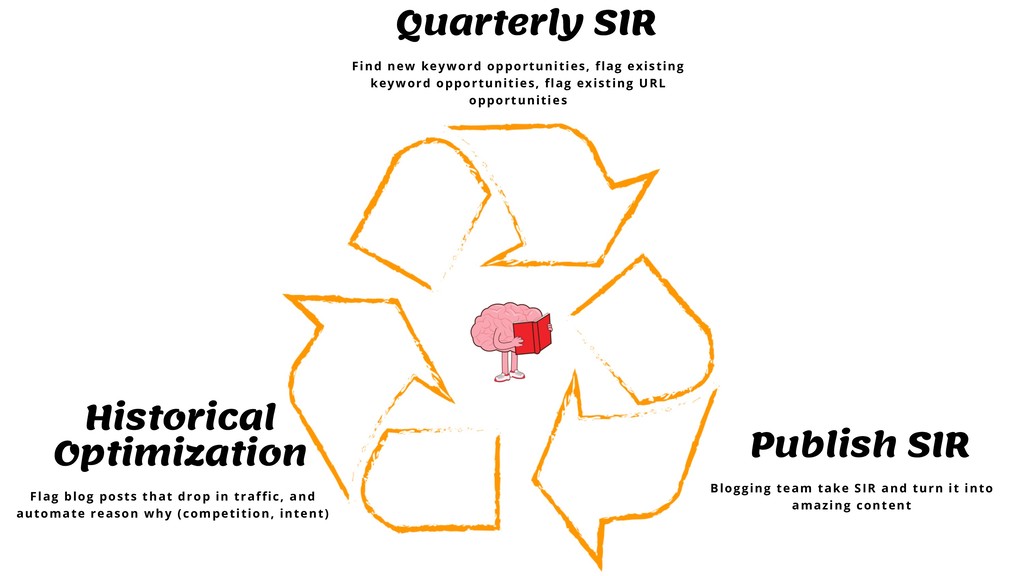
Right? We did. We said no to a crapload of stuff to be able to invest in this. We came up with this kind of advanced way to build out these editorial calendars and do search. We created the quarterly search insight report that gathered all of that information for our content team.
That content team would take it, create this amazing content around it, and then we created a kind of stock index for blog posts. We automated a way to show you when certain posts were falling in traffic, and then we pulled in the reasons why.
Was it because of additional competition on Google search pages? Or the real reason your posts fall in traffic is because Google has changed the intent of that keyword, right? It is now showing more video, more images, more featured snippets. And so we pulled in reasons why and showed the content creators why that was so they could actually reformat the content and republish those posts.
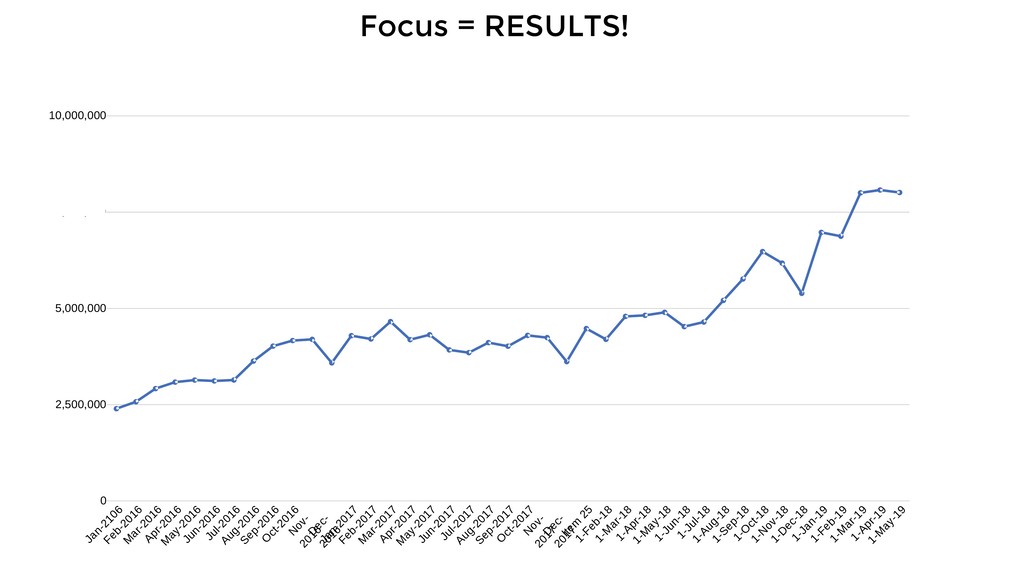
And that focus drives results, right? In less than sixty months, we more than doubled our traffic. And, actually, it's kept on going like this to over ten million. And that's because we decided to bet big on something and created a cross functional team so we could get really advanced in how we did something.
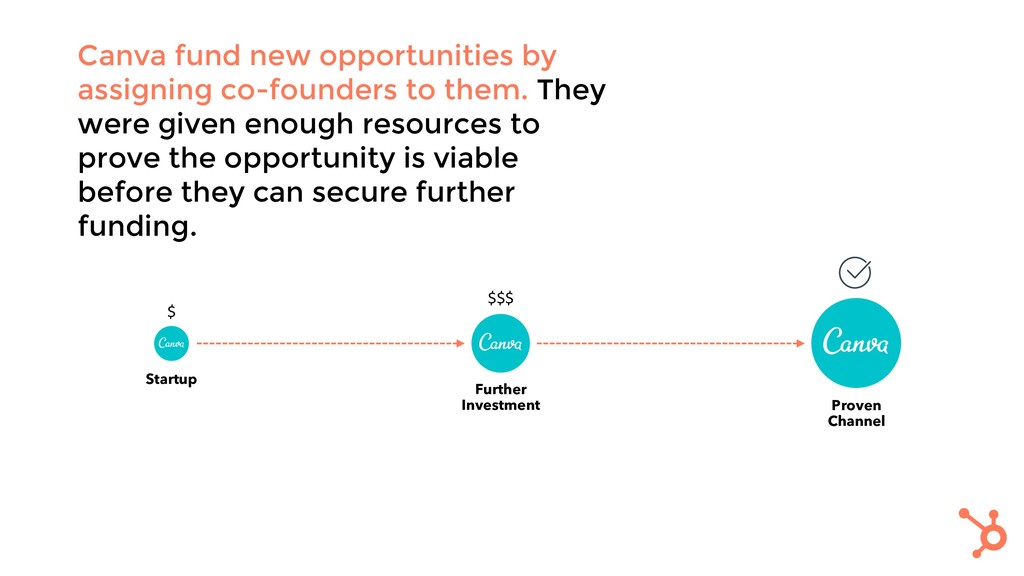
But you also want to spend time developing new strengths for future growth. Right? That's my present growth. How do I going to grow in the future if we want to be a seventy billion dollars company? So how do you fund new opportunities? Well, our model works very similar to Canva.
Canva have this model where they have an environment that allows someone to pitch them for resources. They say, hey, I think this is a really cool opportunity for us to grow. They can go and pitch that thing, they can get some amount of funding, and they can show some minimal viable results.
When you do that, you can go and get further refunding to actually grow that out into a full stack team. So example, in HubSpot last year, we pitched two things. We had two people on those things. And today, we have full teams against them because we actually show results.
So we have marketers, engineers, product, all of these different people. So you want to create that environment that people know they can take bets. And if they take bets and they can actually show you results, you can actually fund those things because that's how you're going to grow in the future.
All of our future growth has come from individuals within the company who decided to try something out. Two good examples. I'll leave you with this because I'm running out of time. Here's two companies that have kind of done that. Canva are one of my favorite companies. Right?
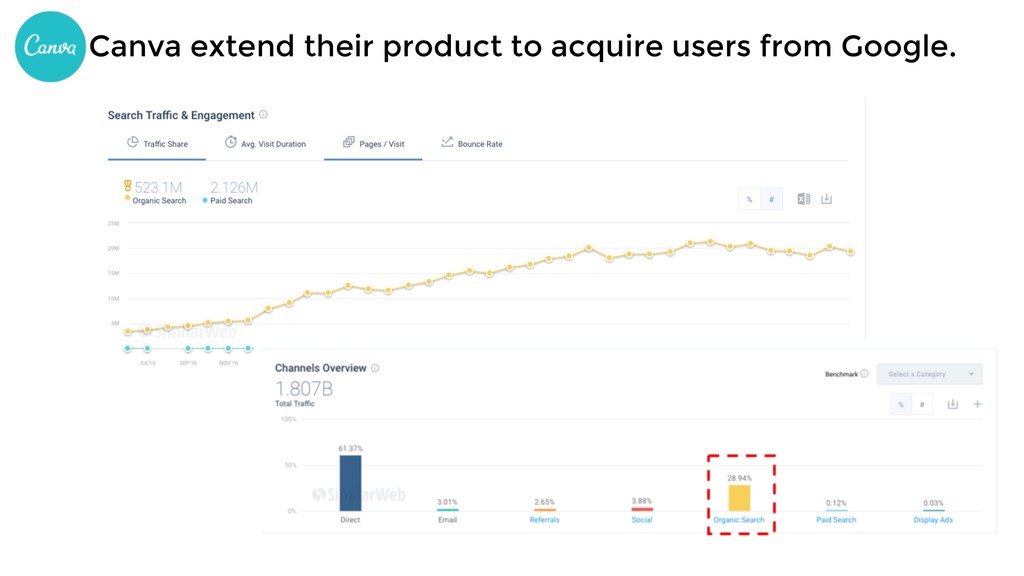
I created this whole deck in Canva. It probably does show. My designer would probably kill me if you've seen this deck. But, hey. But Canva, if you looked at this two years ago, all of their sign ups were coming from direct traffic, nothing from organic.
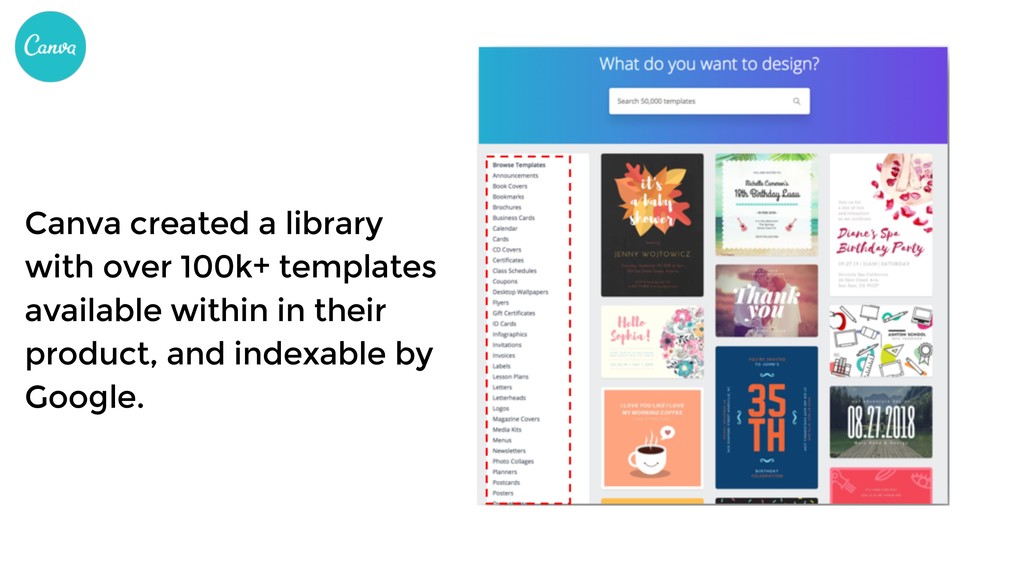
Organic is a new muscle for them. They decided to lean in really heavily because they knew in the future they couldn't be just relying on virality, which is how they were growing. So they created this really awesome playbook to create many, many templates for images.
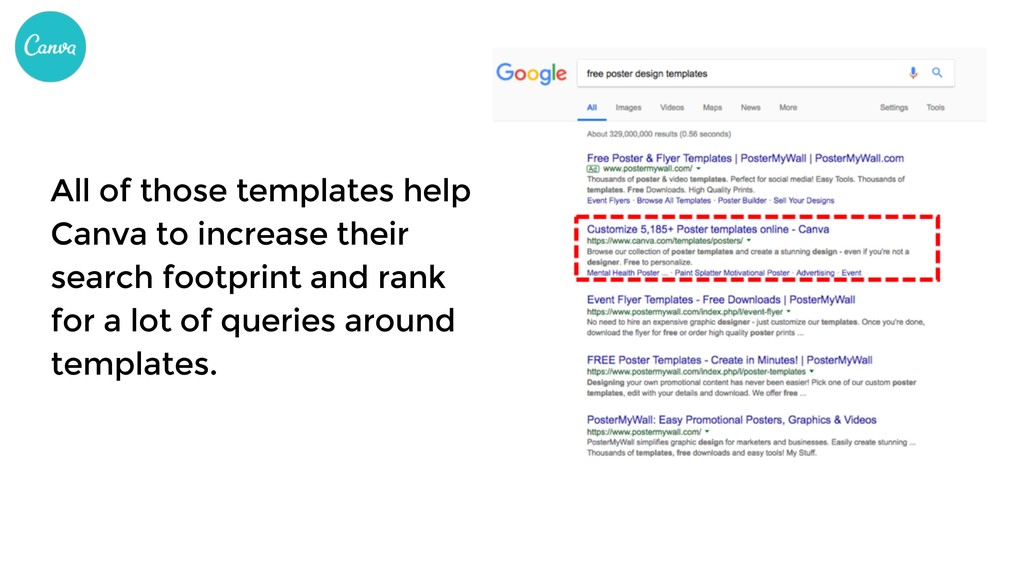
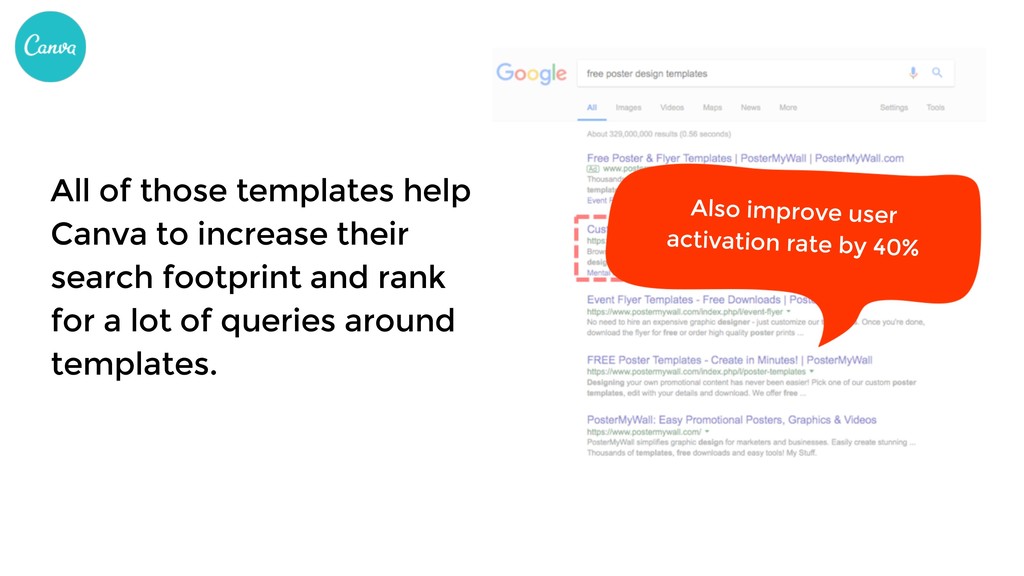
So they have a whole team, and they've embedded over a million templates available within their product. All of these templates are indexable in Google. You can go search for them. And so when you search for them, they rank for everything. Right? The awesome thing about templates for anyone where it's applicable is templates can not only increase the top part of your funnel and help you to accelerate your growth more quickly, they actually improve your user activation because you are onboarding someone onto the thing they actually want to do.
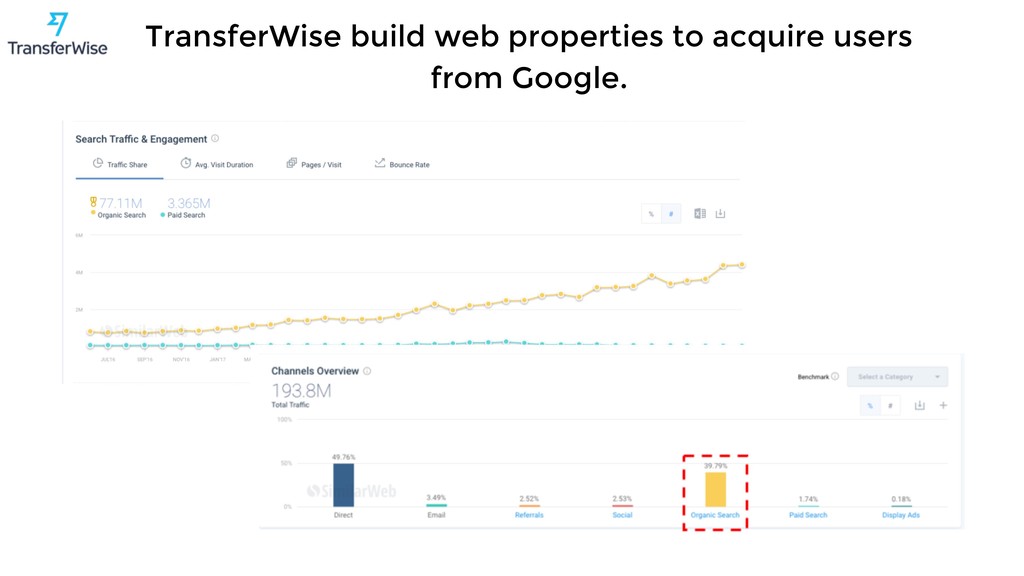
So they actually grew quicker at the top, and their user activation rate grew by forty percent. And the last one I'll leave you with is TransferWise. TransferWise were on the stage last year. I love what they've done. Again, if you looked at this two years ago, you would see only direct.
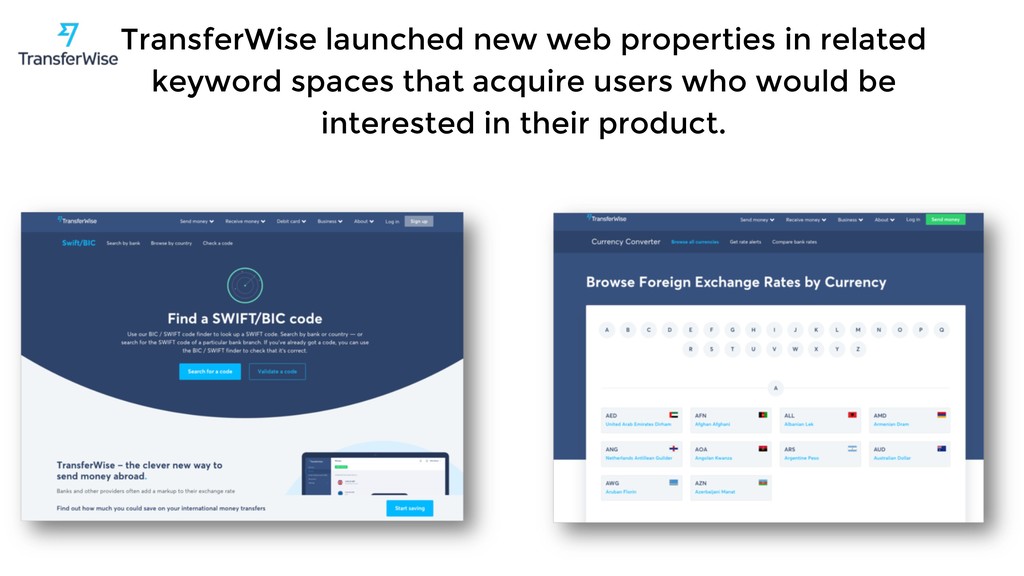
You would see nothing from search. They lent heavily and built a new growth team to just lean into Google. And they created all of these different sub properties that were relevant to their core persona, but had a lot of keyword volume. So they created a directory all around Swift and Bit codes, another one all about currency exchanges, And that generated a ton of traffic for them.
And that's really helped to accelerate their growth. So what you really want to figure out is, like, how am I going to bet big on my current strengths and say no to things? And how do I create an environment that allows people to bet big on my future growth and I can actually fund those things?
So that is everything I have got. Thank you for sticking with me. I hope you enjoy the festival. And, thank you very much for attending.