
In an AI-obsessed world, brand is the key to building trust and authority. Join Jason Miller for a dynamic exploration of branding in the AI era, where authenticity is essential. Miller expertly blends AI with a human touch, ensuring your brand avoids the uncanny valley-a phenomenon where overly perfect AI becomes unsettling. He calls out superficial tactics and empty promises, emphasising the importance of focusing on your brand's core values. Forget fleeting metrics and quick wins; it's about building a solid foundation for sustained demand and real impact. Drawing from his experiences at Sony Music, LinkedIn, Microsoft, ActiveCampaign, and Tyk Technologies, Miller provides strategies to measure true brand impact in the B2B world. Learn how to balance human elements with AI enhancements to elevate your brand strategy. Discover the key traits of successful modern brands and position yours for long-term success. Gain insights into evaluating your brand's true impact, focusing on genuine value instead of superficial numbers.
Branding in the Age of AI


Auto-generated transcript - may contain errors. Tap a timestamp to jump the video.
Alright. So my name is Jason Miller. I'm from San Francisco. I live in London now. This is Brandon in the age of AI. This is a presentation built on two stories that actually kind of really happened to me, and my ADHD took me down the rabbit hole to figure what the connection looks like.
I'm in between gigs. I just left Tyke, where I was at for a couple years. I like to work in startups, and now I'm moving to a place called Jigsaw, series a startup. Start on Monday, which is my birthday, funny enough. It's just all worked out.
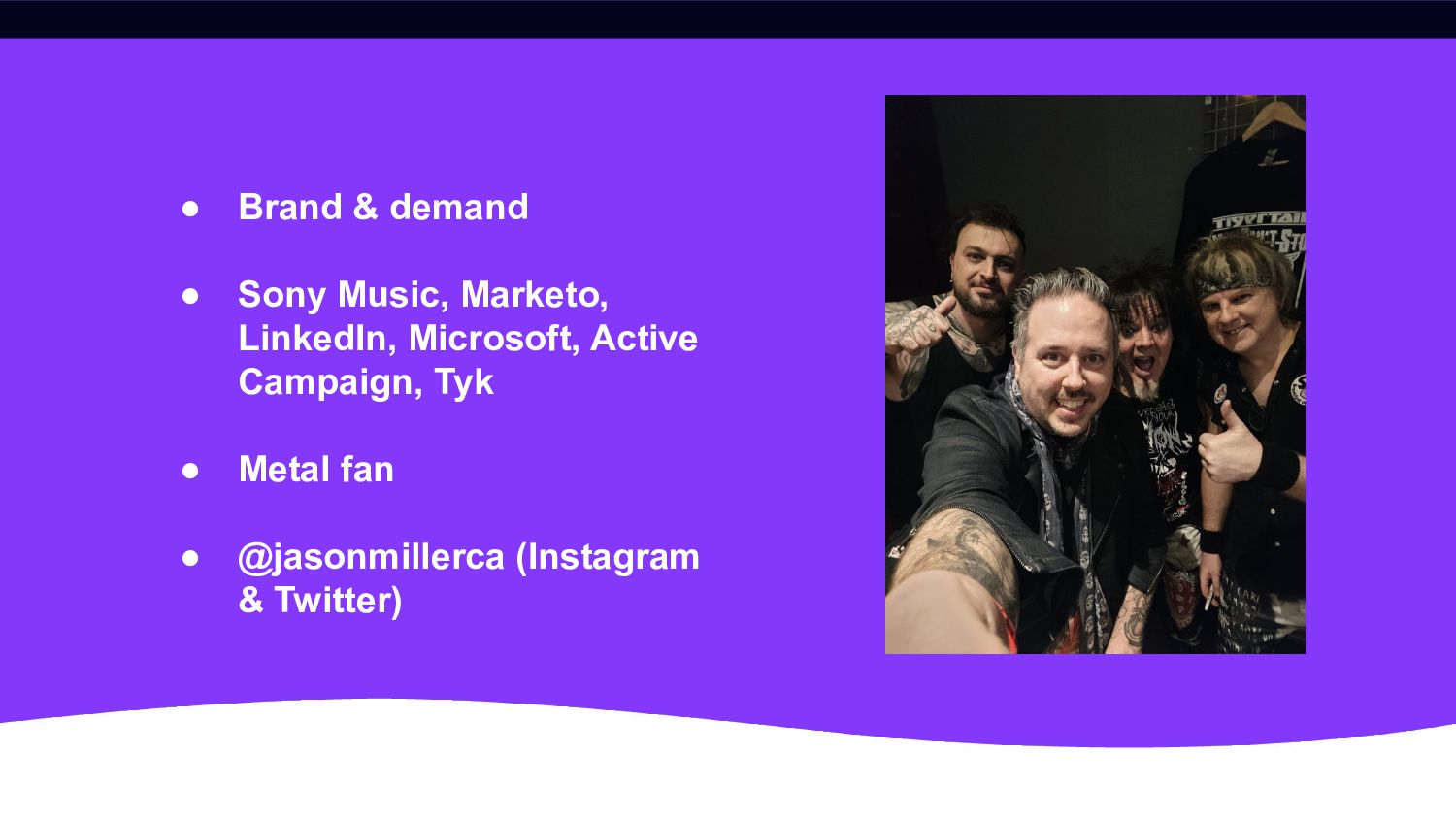
So a little bit about me, I focus on brand and demand gen. I think these are two of the core things working today. I worked at Sony Music, love music, it'll come out in a little bit. Marketo, LinkedIn, Microsoft ActiveCampaign, most recently Tyke.
I'm a metal fan. If you wanna talk metal or any type of music, April Dunford and I, we had a Pantera sort of big conversation last night, and that's me on Instagram. Anybody know this band? Is there a Welsh eighties hair band? No?
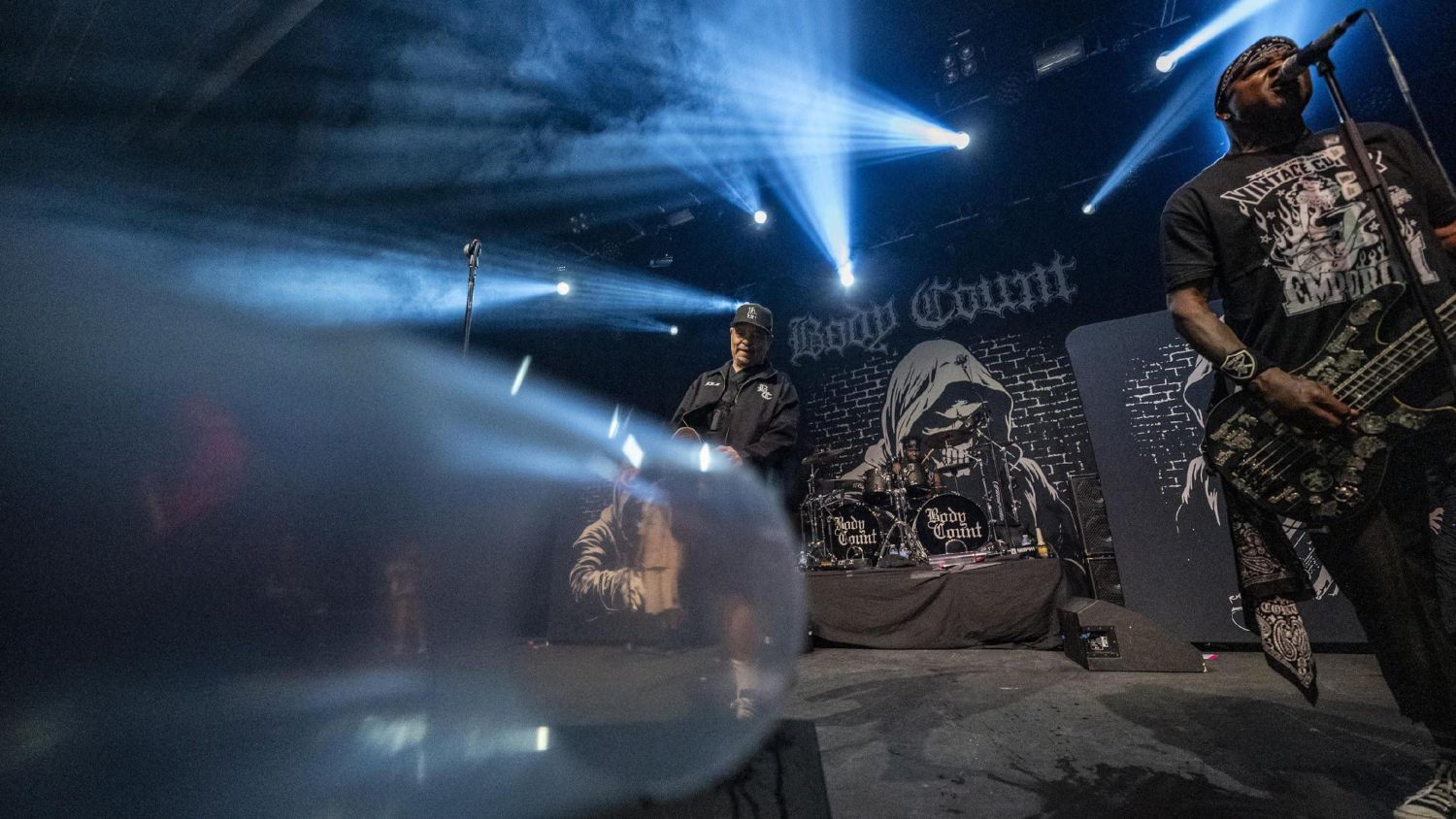
Off to a really good start. That's Tiger Tales. So in my spare time, I shoot concert photography. And so this is me last Sunday night. Anybody know what that is? That is iced tea from body count kicking a two pint beer into my face.
Did it hit me? Yes. More on that in a second. This is about the resurgence of brand. The brand marketing used to be sort of the leader of the crafts, arts and crafts space of demand gen, But now I think it's more important than ever.
And this came from on LinkedIn, which I have a toxic relationship with. Someone, an influencer said that marketing's sales, marketing's entire purpose is to serve sales. And it really kind of pissed me off because I thought, well, that's not a very good way of looking at it.
And then of course, the folks on LinkedIn just pile on this conversation saying, yeah, is there any other way to look at it? Marketing's full job is to serve sales, and it keeps going down. I thought, what a ****** way to look at something that should be a relationship.
Marketing is there to create conditions for sales to be successful, but if it was only directed by sales, we'd be stuck in a short term cycle. Sales focuses on short term results. Branding focuses on the bigger picture. Right? So there's this classic definition of what branding means.
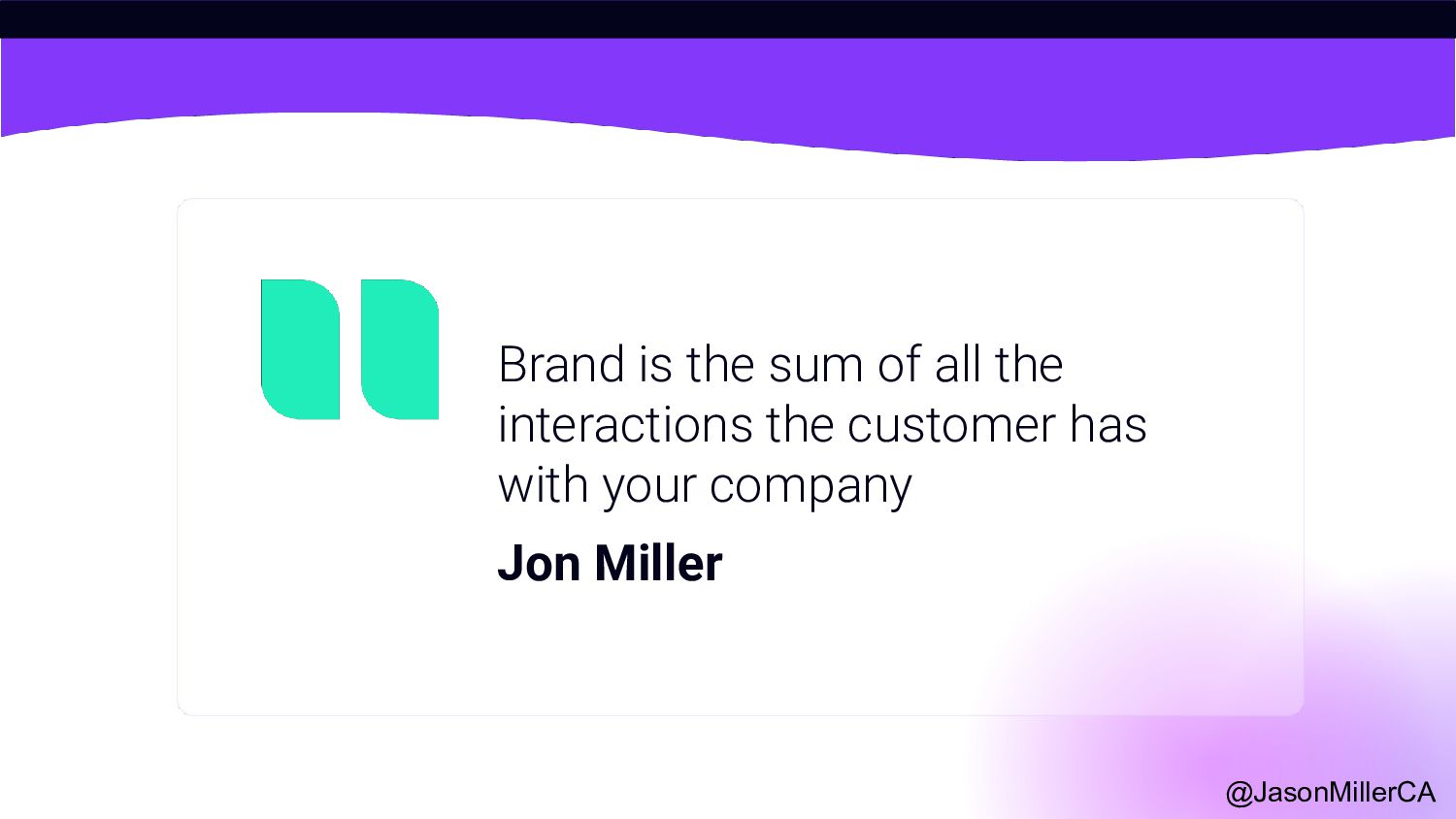
Think it was Jeff Bezos who said years ago, branding is your brand is what people say when you're not in the room. I think that's an outdated look. This is new from John Miller, no relation, co founder Marketo. No relation, just a coincidence.
But he said, brand is the sum of all the interactions the customers has with your company. Every single touch point. Brand touches everything. That's why you're seeing this resurgence of brand. That's why you're seeing brand marketing making a comeback. And I wanna tell you, this is my own idea of how we got here.
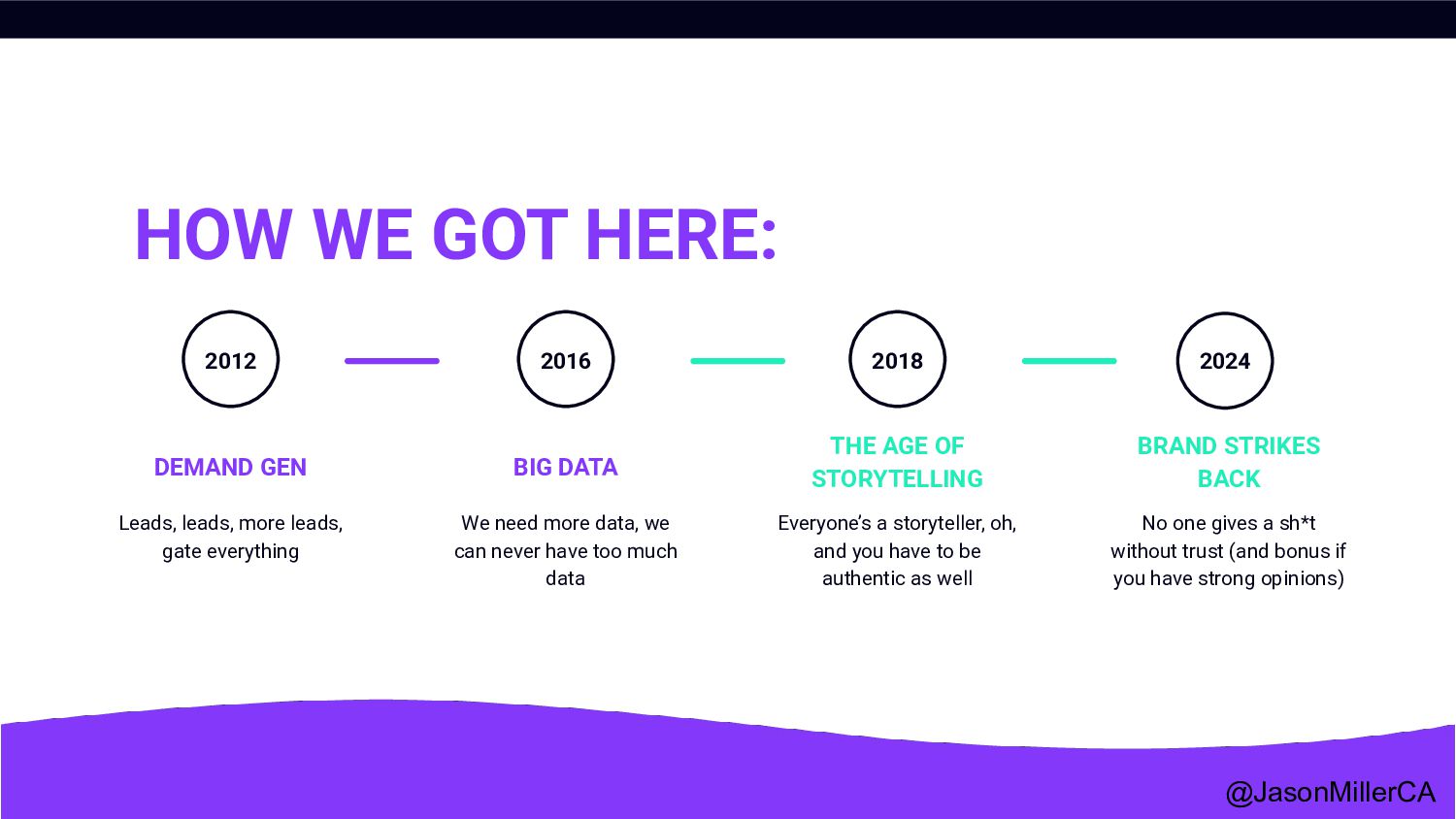
So I think in twenty twelve, when I started in b to b marketing, it was all about demand gen. Leads leads leads. We need more ******* leads all day long. Right? Never get enough leads. Then we moved into around twenty sixteen, big data.
We need more data. We got the leads, now we need more data. Then we got into twenty eighteen, the age of storytelling. Everyone's a storyteller. Then we figured out how difficult it is to actually tell a story that anyone gives a **** about.
Then twenty twenty four. None of this matters, none of those three things matter at all unless people know who you are and they trust you, and that's where brand comes into play. Right? So this is all over LinkedIn right now, and I love it.
The b to b playbook is dead because all those tactics we did, big e books, gating everything, you know, focusing on on on the ******** top of funnel, and not focusing on the brand. Short term results has killed everything, and nobody knows what the way forward is.
They know it has to do with brand building, but no one has any idea how to do it, and how to measure it. Right? So this how but the big conversation comes up. How do you frame this for sales? How do you sell a brand building initiative to the sales team?
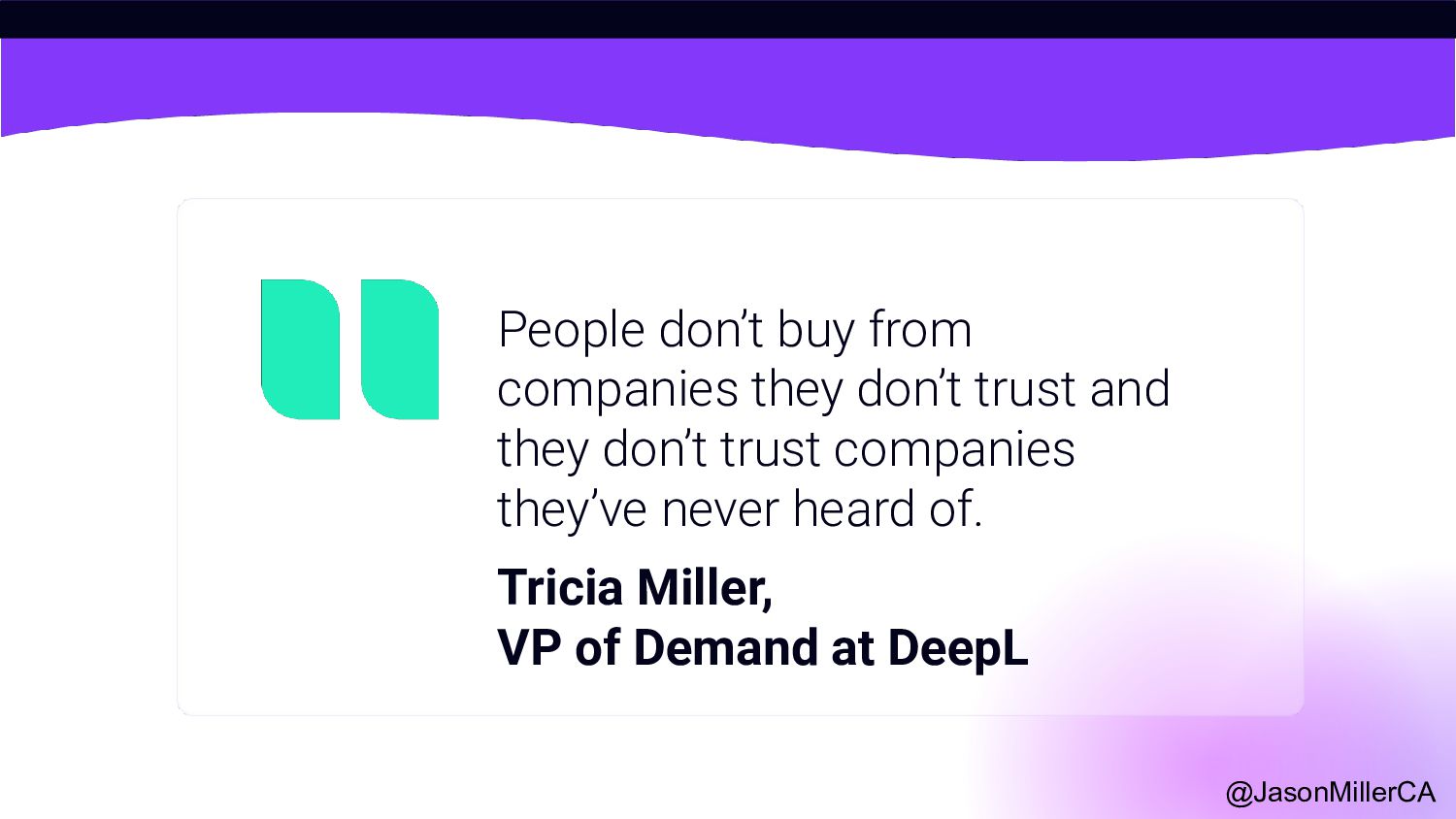
How do you put a commercial spin on it? Well, this is from my wife. She said this the other day, and I love it. People don't buy from companies they don't trust, and they don't trust companies they never heard of. Right? This is brand building one zero one.
Brand building is building your future market. There's research that shows that only five percent of your entire audience or prospects are in the market looking for your product or service at this given time. The rest of the ninety five percent is in the future.
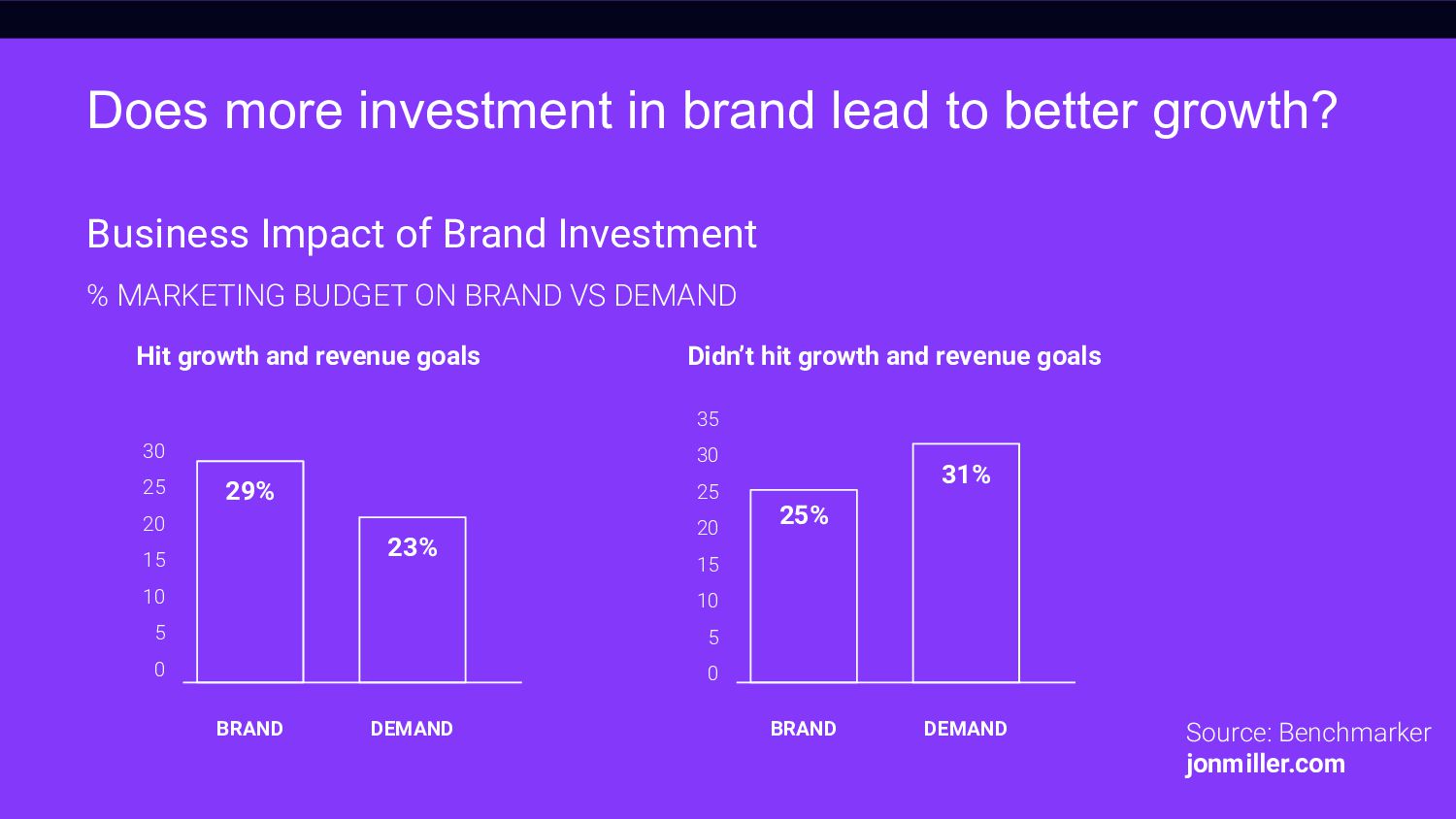
So the big question comes, does more investment in demand gen does it work? No. Not necessarily. What you're seeing here is research from Benchmarker, and they showed they surveyed two hundred b to b SaaS companies, and they found that the folks who are investing more in brand actually hit their goals because they're building that future, and it's building that halo effect.
So less brand, weaker demand. Part one. Part two. Now branding and AI. The second part of the story comes from a b to b dinner I was at. Again, with John Miller, funny enough, no relation. He'll be the first to tell you that, not me.
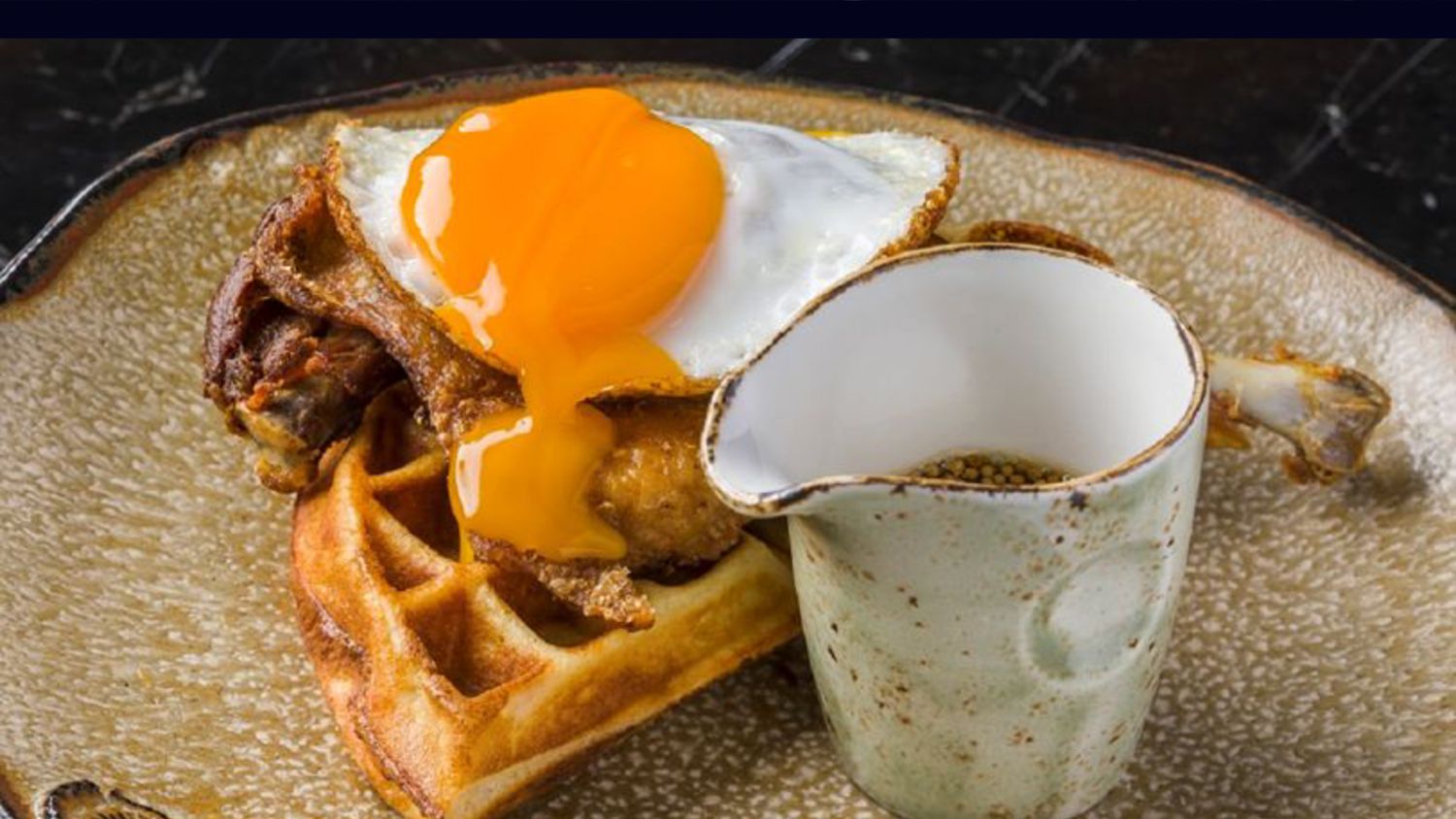
And we're at the duck and waffle. Anybody been to the duck and waffle? Magnificent place, great views, and they're going around the table, they're asking questions, and someone says, so I'm worried about the effects of AI on video marketing. And so the challenge they had was their content team was creating videos at scale using, a digital twin.
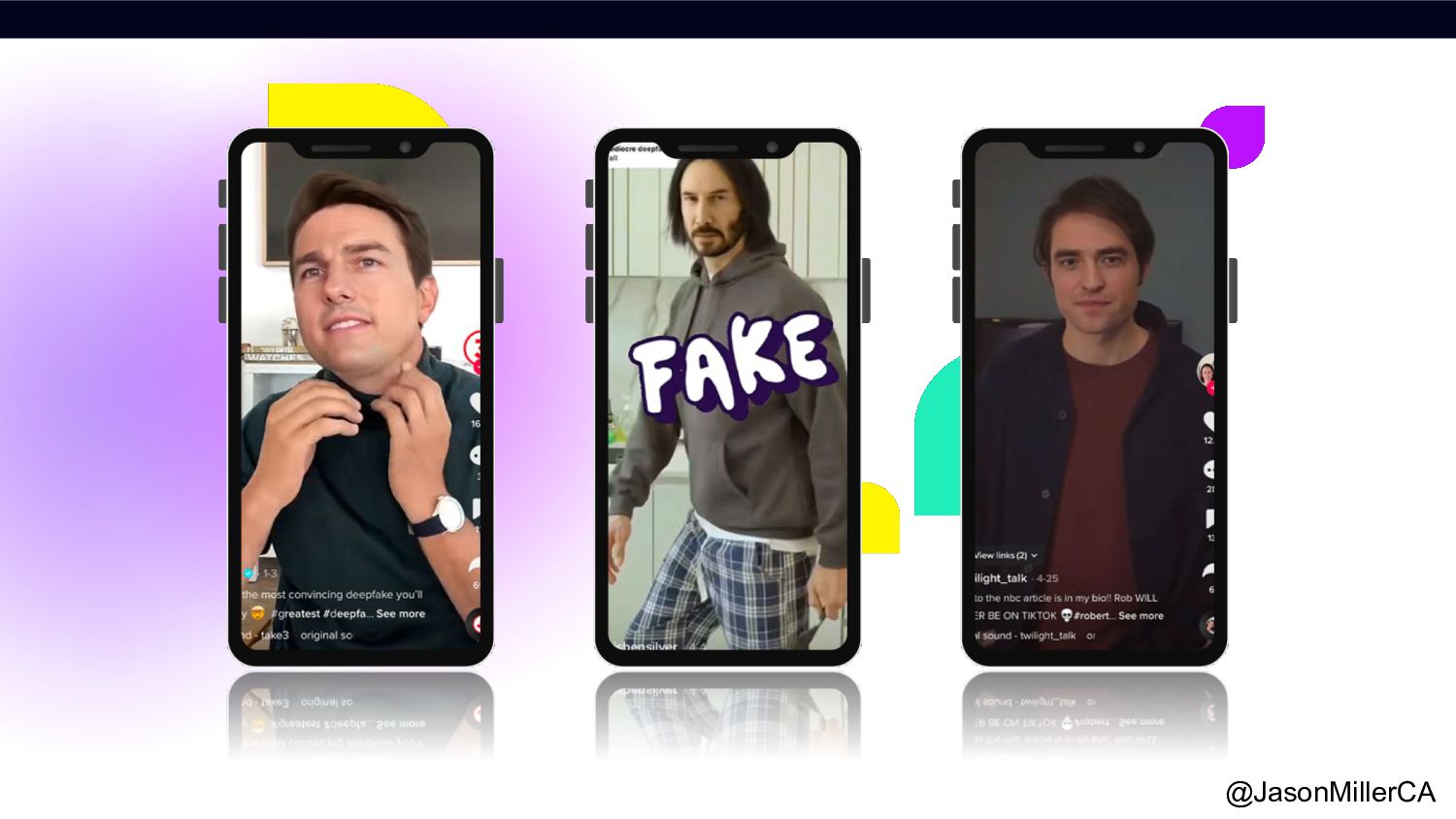
Right? And we all see this on LinkedIn. It's a little bit creepy, a little bit weird, but she was worried about the effect that would have on her brand. And so I question my my question back to her was, number one, do you have a brand that anyone, you know, cares enough about to let that affect them at the top of the funnel?
Right? Are they simply getting the answers they need to some very specific questions? So does does the brand matter in that case? That was the first question. The second question is, you really do need to lean into one or the other. Right? Is it going to be super automated, or is it going to be AI focused, or is it going to be an actual human?
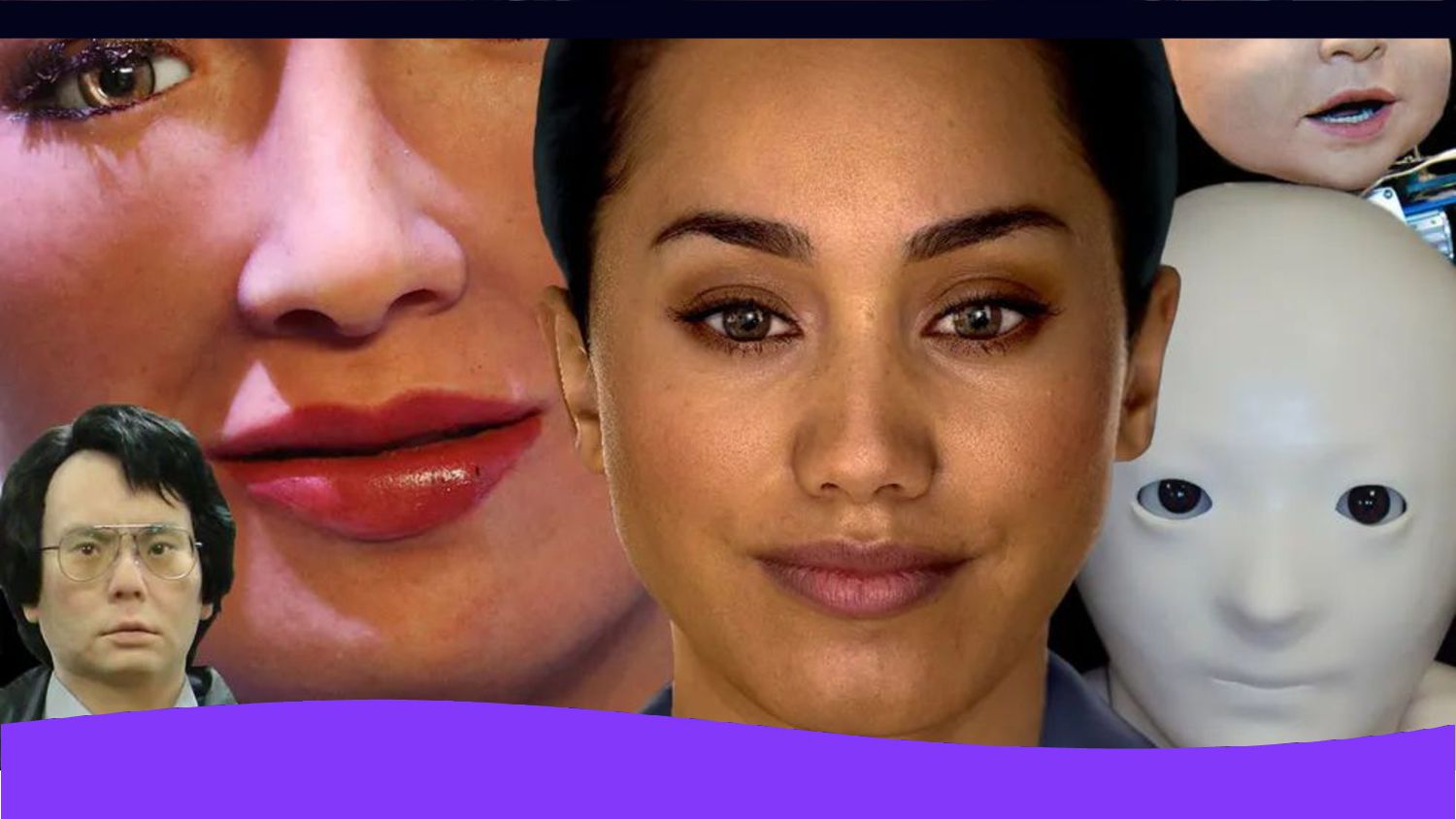
I think you need to figure out which side to lean into. So this leads me to down this journey of this idea, this concept called uncanny valley. Anybody ever seen or heard of this this term? A few people. Right? So this is interesting.
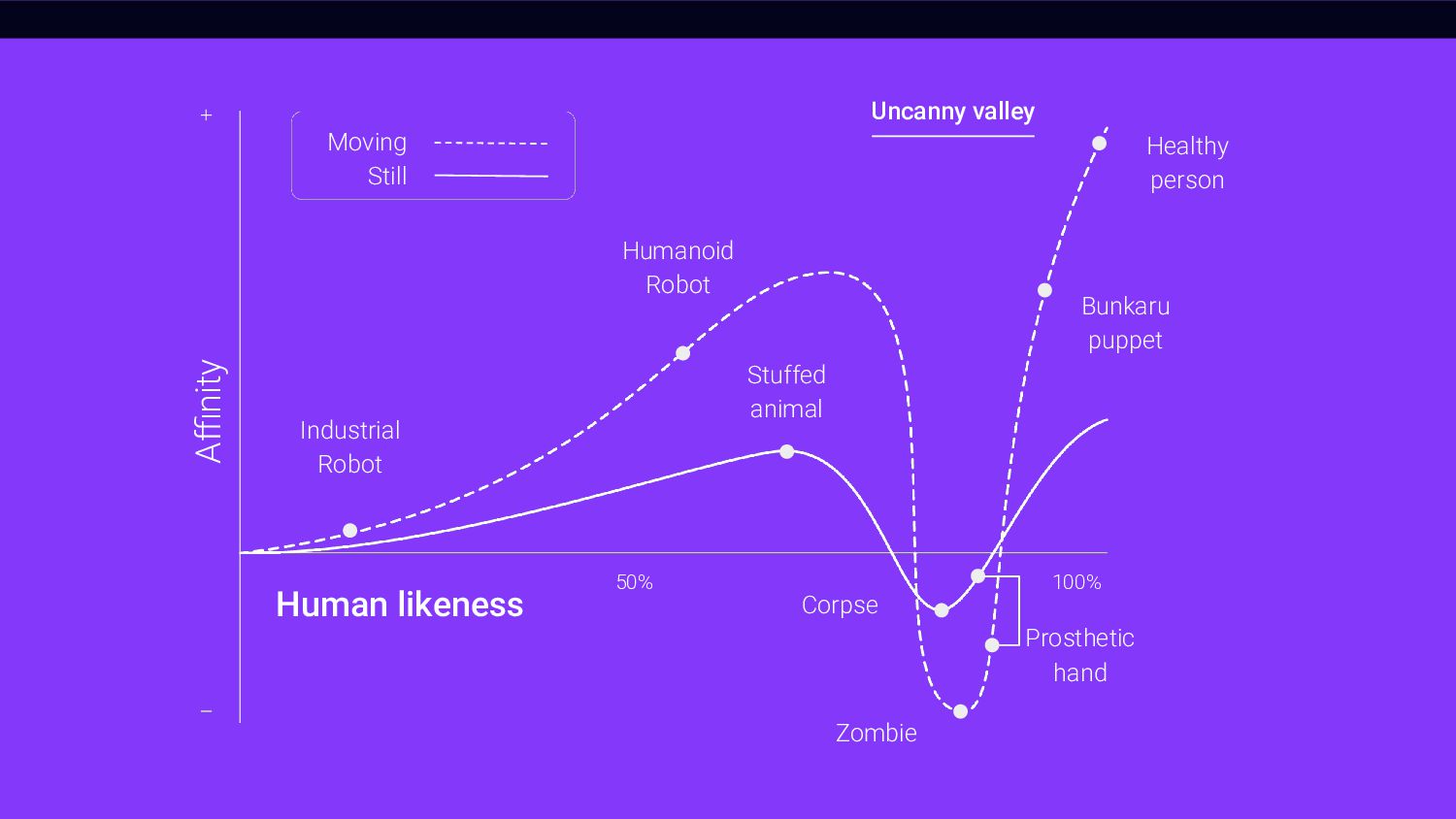
It came from a Japanese scientist in nineteen seventy, and he came up with this idea that the more human a robot looks, the more it becomes the opportunity for it to become uncomfortable. So the actual definition of uncanny valley is a concept in the field of robotics and human computer interaction, which refers to the feeling of unease or discomfort people may experience when they encounter robots or artificial entities that appear almost, but not quite human like.
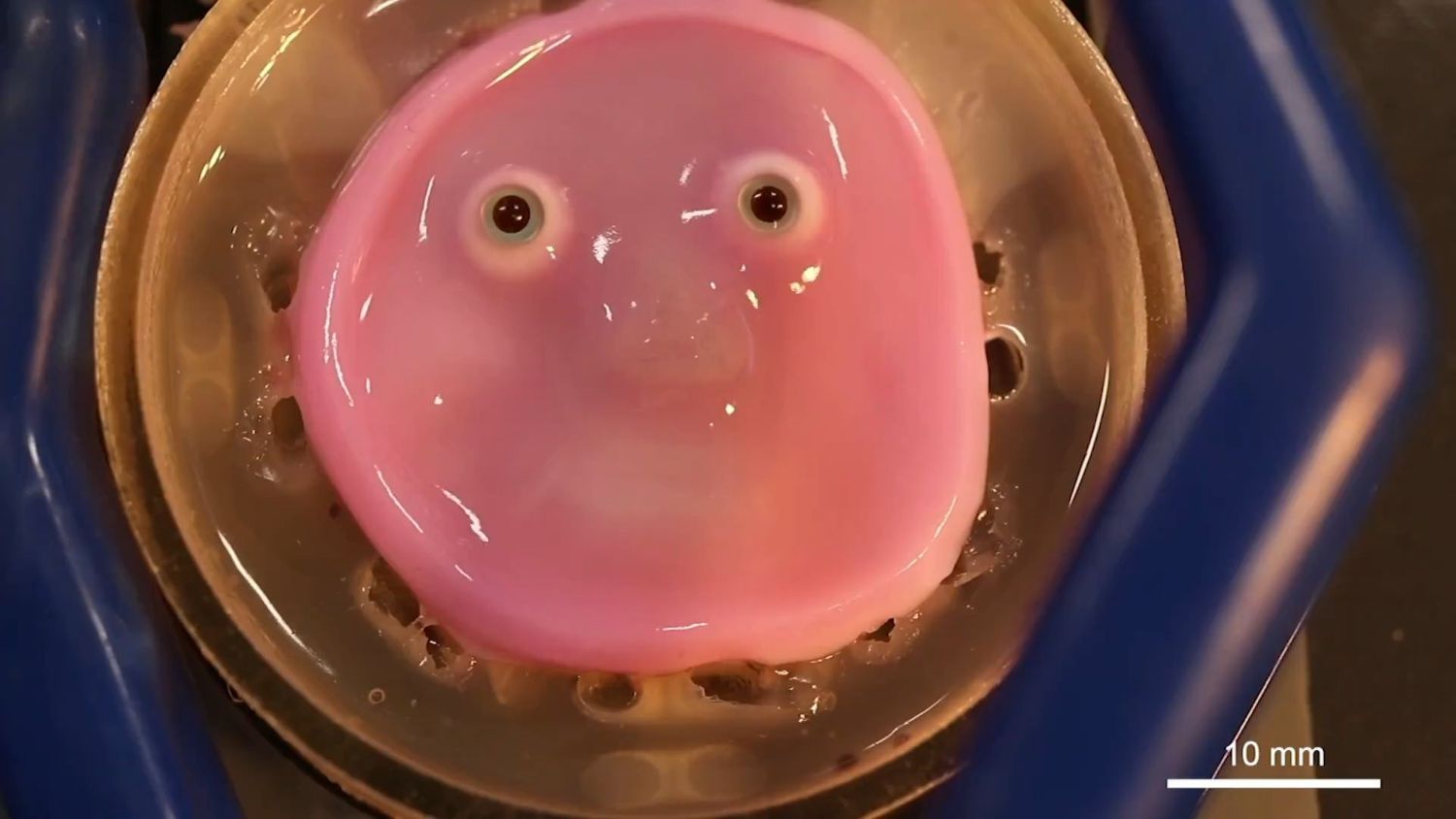
So the most recent example, two weeks ago, front page of CNN. Look at this. Wait for it. That anybody see this? This is all over the news. Scientists have figured out a way to take human skin and fuse it to metal. This is the future.
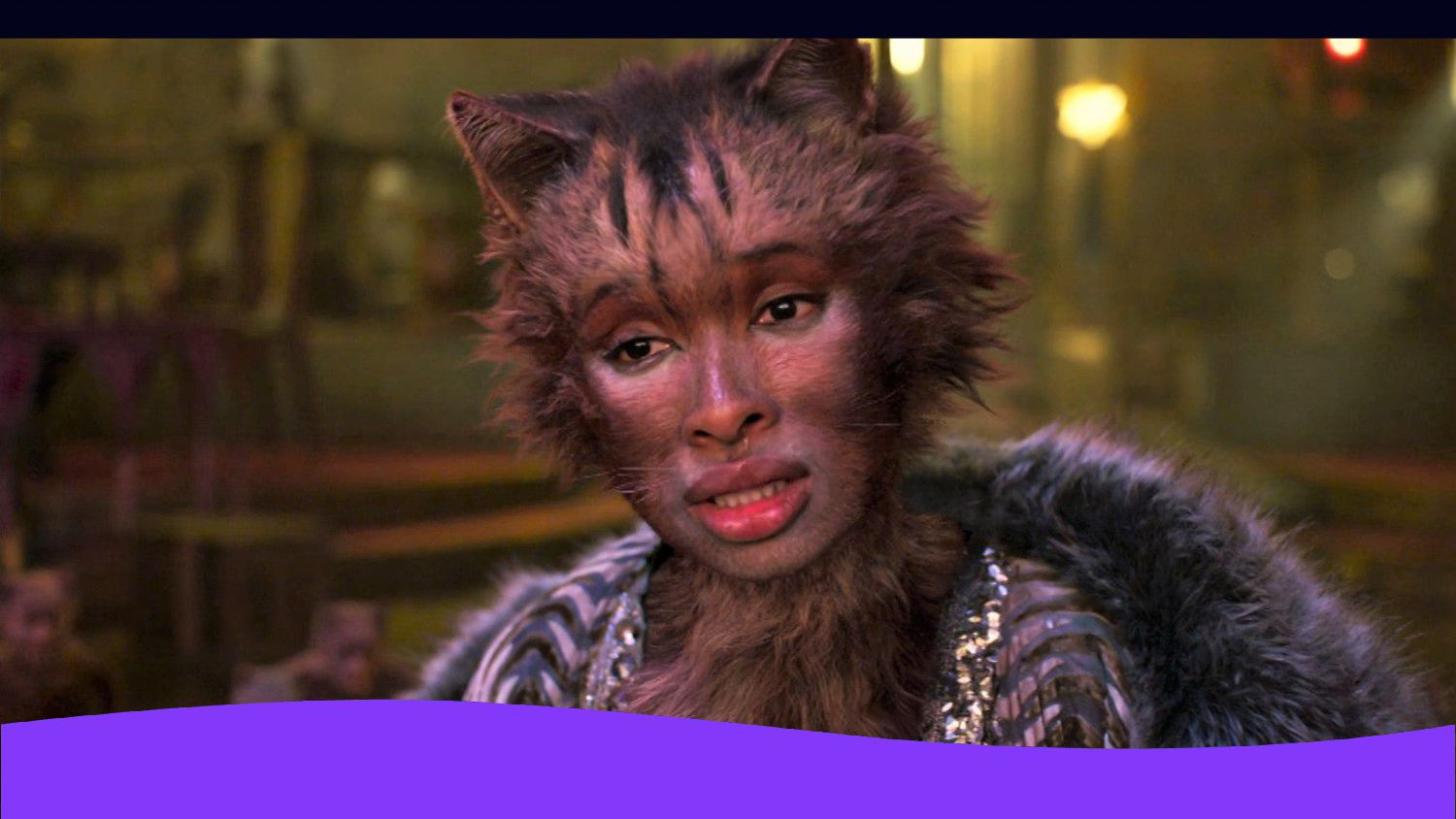
This is happening. This is uncanny valley at its peak. It's freaky, it's creepy, it's a little bit off. Right? But it's not just robots. It happens with characters too. Cats wasn't a terrible idea, the movie was. It's one of the biggest Broadway acts of all time.
But this is creepy. It's that uncanny valley. It's almost human, but not human enough to make it look creepy. Right? So someone actually graphed this. This is from Wikipedia. I didn't cite my source on this. Someone actually figured out that your affinity, is directly linked to the human likeness here.
So as the robot, is useful in the very beginning stages, it's cool. It's helpful. But the closer you try to make it look like a human, there's this drop off point, which is uncanny valley. You can see here, a corpse, a zombie. They are below the line.
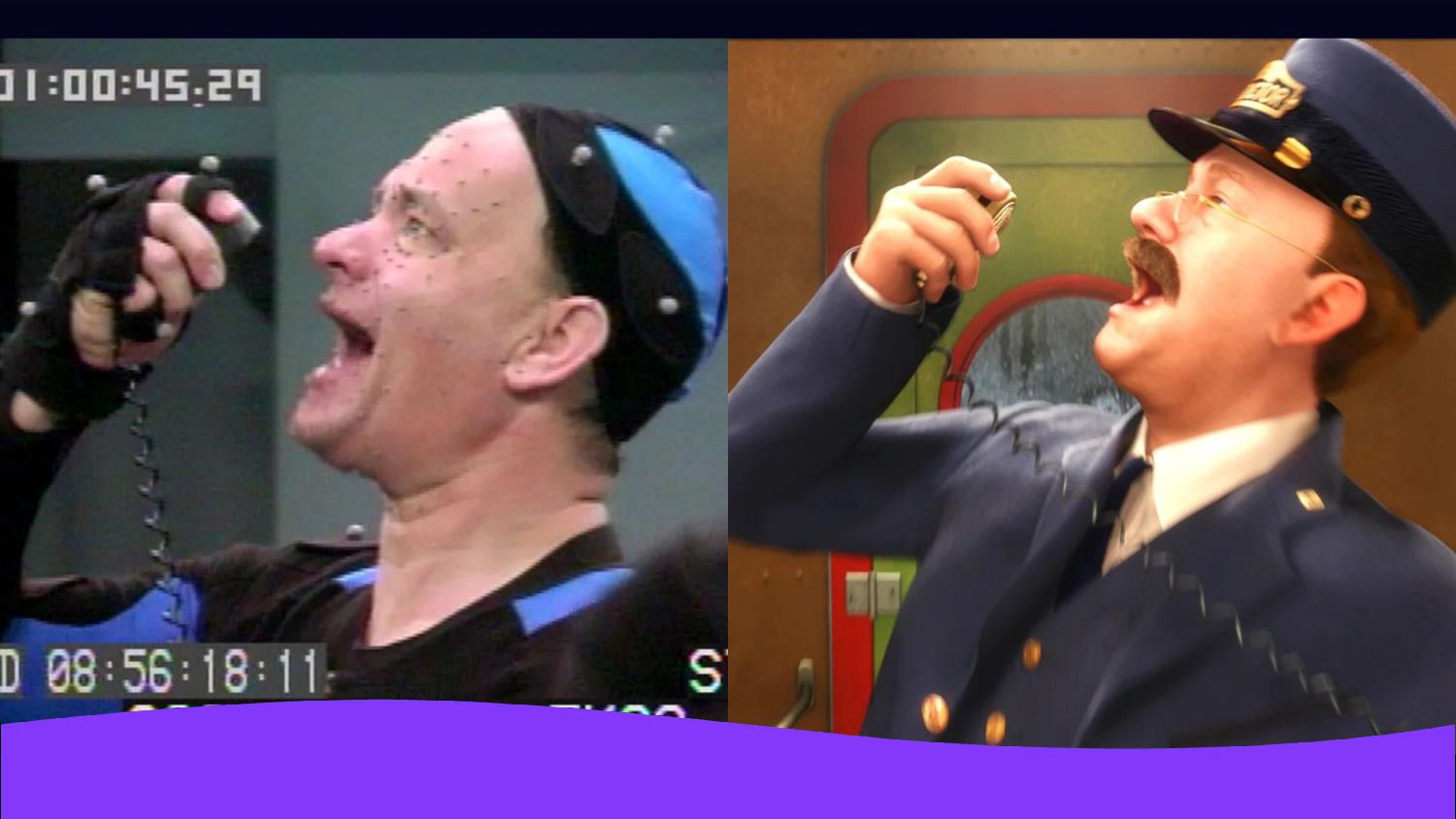
But just there, we're gonna map this back to a beautiful example, a recent example, Polar Express. Anybody seen this film? If you have kids at Christmas time, you've seen this film. This film got a ton of backlash because the characters, the CGI, they tried so hard to make it look real that there was something just off, and it made everyone feel uneasy.
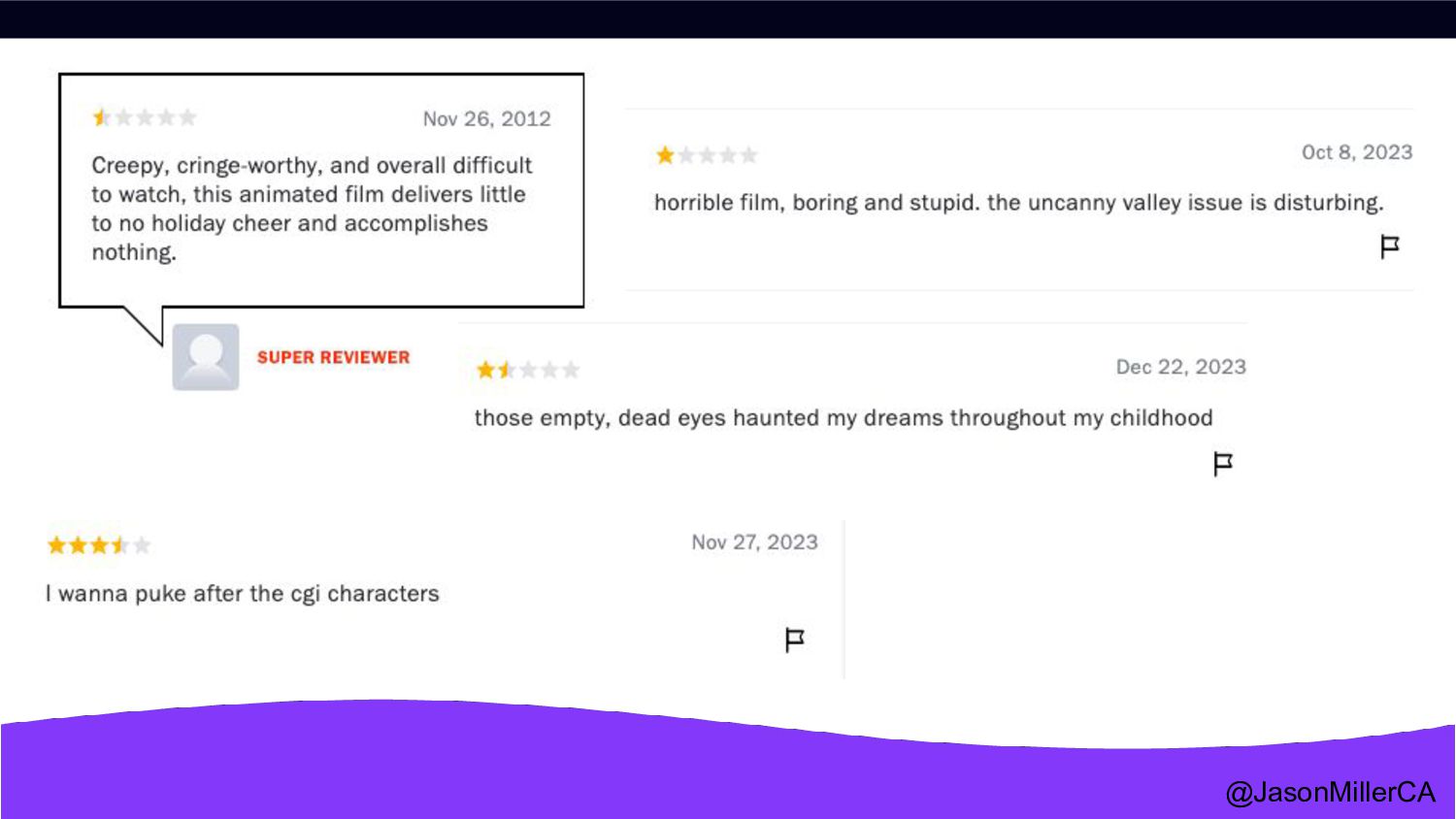
The critics had a heyday with it, and the audience just went to town on it. These are some real reviews of the film. Creepy, cringe worthy, and overall difficult to watch. This animated film delivers little to no health each year and accomplishes nothing.
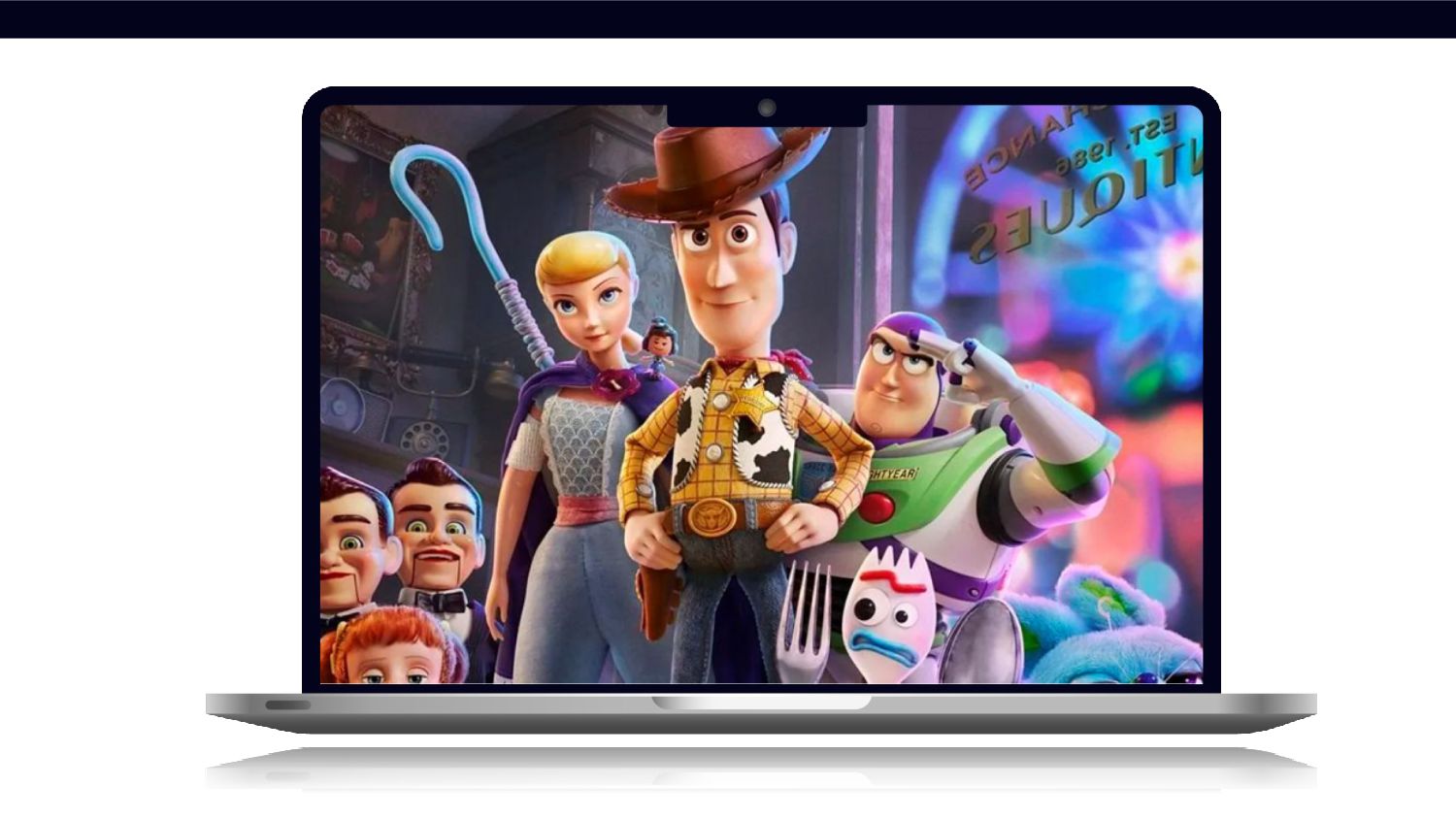
That's the nice one. Right? Those empty dead eyes haunting my dreams throughout my childhood. I want to puke after the CGI characters. Oh, that one's missing. It was a bad one. Anyway, so but on the flip side of that, if you look at Toy Story, they they stayed out of the trough that is Uncanny Valley.
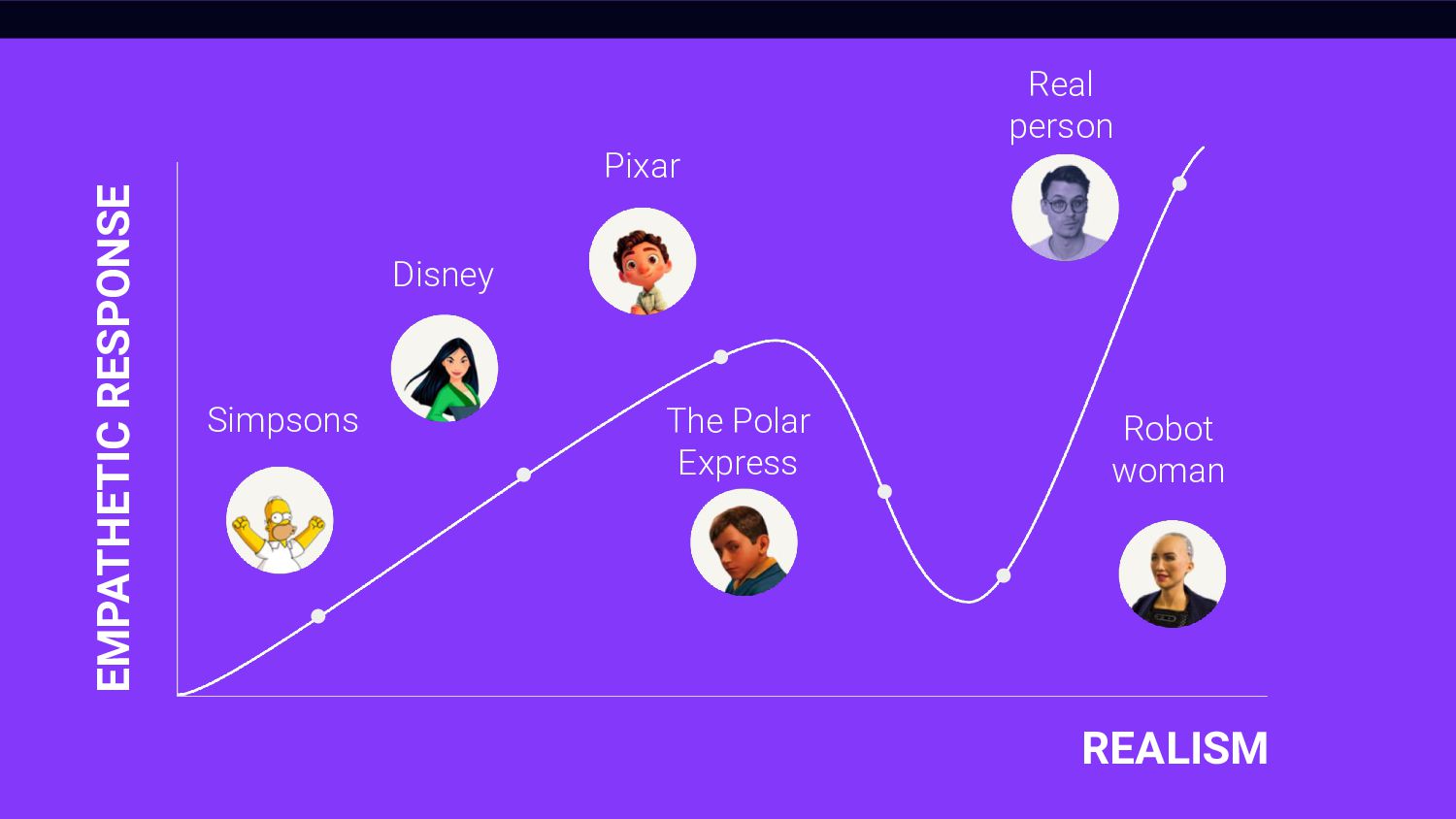
They laid into the characters and the big eyes and the cuteness, and they avoided it. Now it doesn't look anything like a human, of course, but that's the case, and that's the risk we all put ourselves against. Now, when you map these back to, empathetic responses to realism, you can see Simpsons, silly, stupid, fun, no threat.
Disney, getting better. Pixar, better. Polar Express gets starts going down. It's creepy. Robot woman, again, creepy. And then up to a real person. This is the video marketing dilemma. This is the digital twin. You're going to make you're going to scale out your video content.
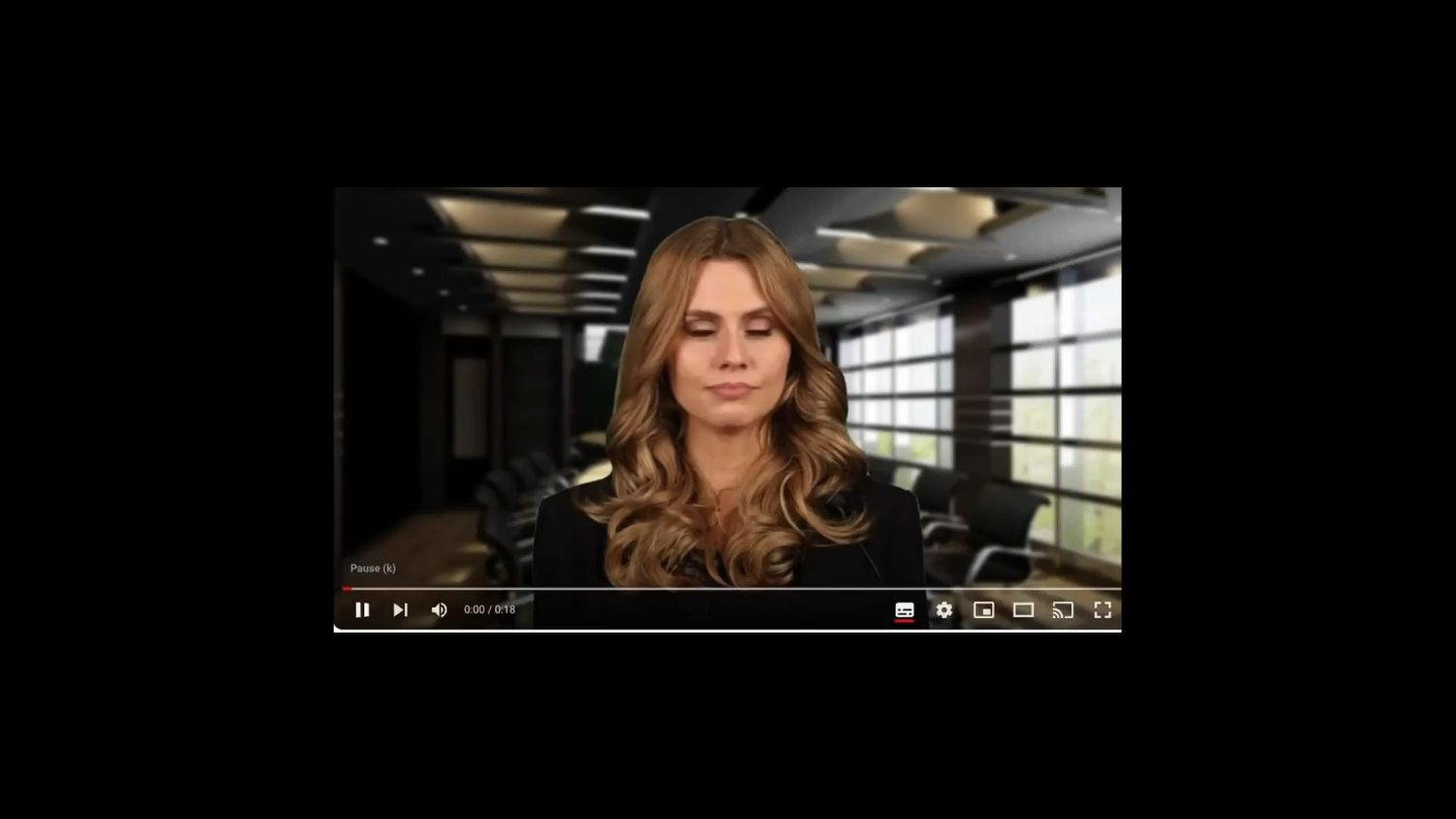
It's going to affect your brand. You need to avoid uncanny valley. So how do you do that? This watch this. Hi. My name is Melissa. And in this course, I'll explain what back or CEO fraud is. Wouldn't you like to know how this type of fraud works and which types of CEO fraud attacks there are?
Based on examples that you may have seen on the news, I will show you how big the risk is. This is where we're at. This is where the technology's at. That's not so bad. I mean, it's a little bit off, a little bit creepy.
You know it's not real. But a lot of people aren't gonna pay attention to that. They're gonna say, are you am I getting my answer my questions answered, my problems solved quickly? Is it taking me in the right direction? But the problem becomes, is this a representation of your brand?
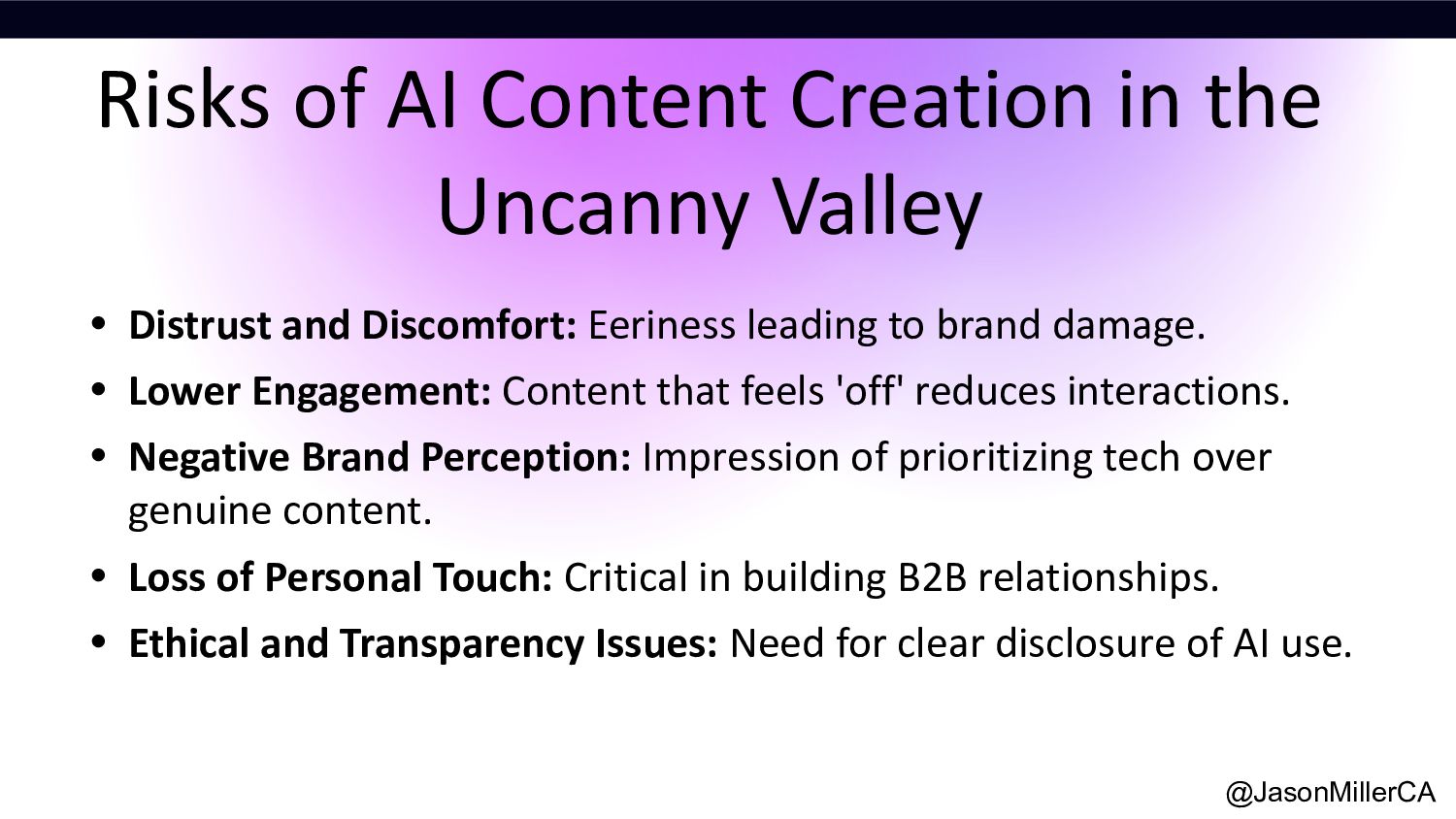
And I say, probably not. Because there are the risks these are the risks, the real risks of creating AI content and avoiding or or landing in uncanny valley. Distrust and discomfort. This is your brand. This is every space is so ******* incredibly competitive.
You have to scratch and claw for every single visitor and prospect and lead. You can't shy them away by falling into uncanny valley. Lower engagement, of course, the content feels off, reduces interactions, negative brand perception, loss of personal touch, ethical and transparency issues.
Do they even admit that this thing is AI created? So again, to answer that woman's question, you need to lean into one or the other. I told her, said, if you're going to scale out your content using AI, why not lean into the robot voice and go full on Stephen Hawking? Have a good time with it.
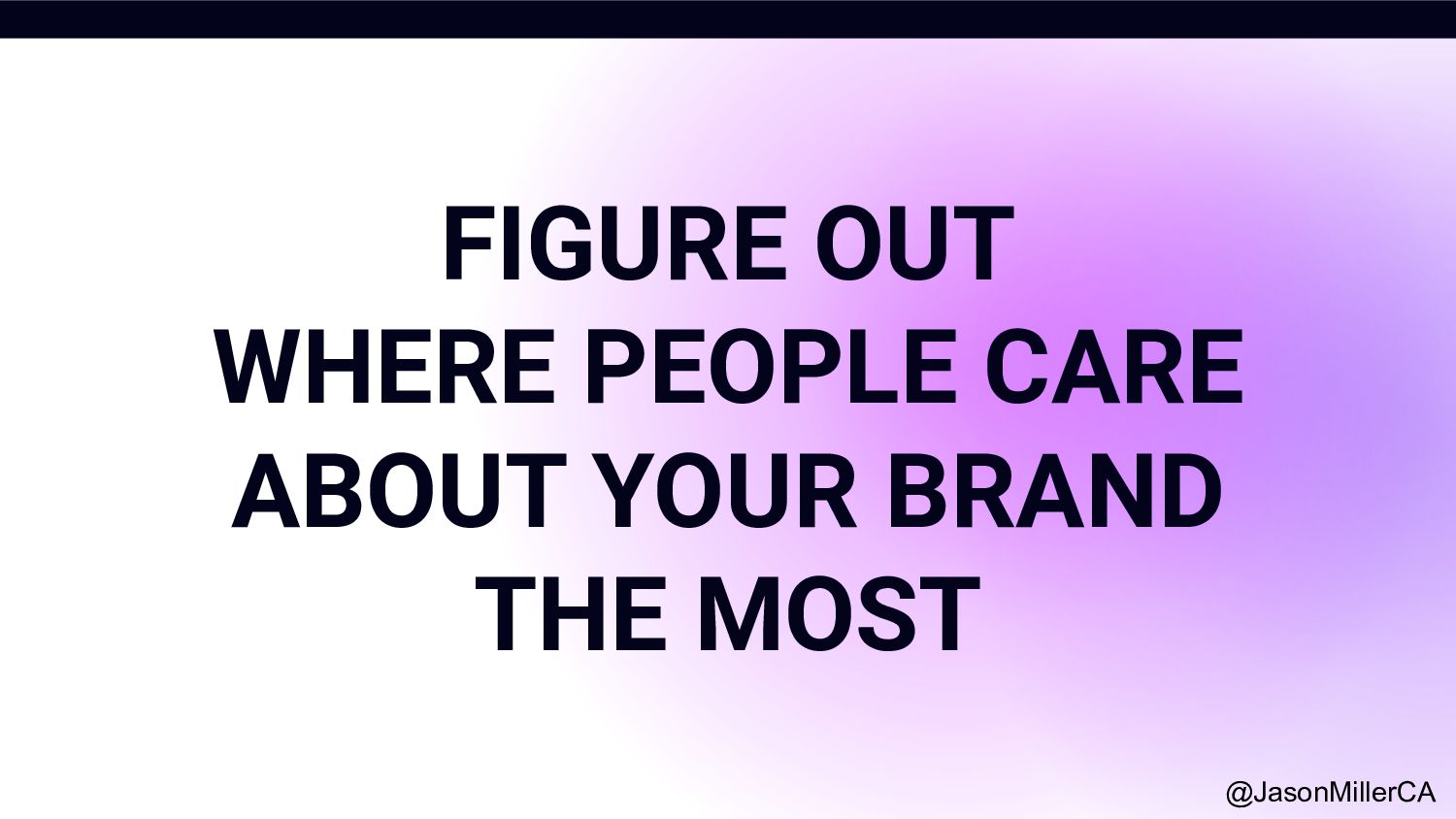
And then tell them all that money that we're saving by scaling up these FAQs, we're putting back into the product for research and development. That's what I say. But you as a marketer, or a startup founder, or an enterprise marketer, whatever it may be, you need to figure out where people care about your brand the most.
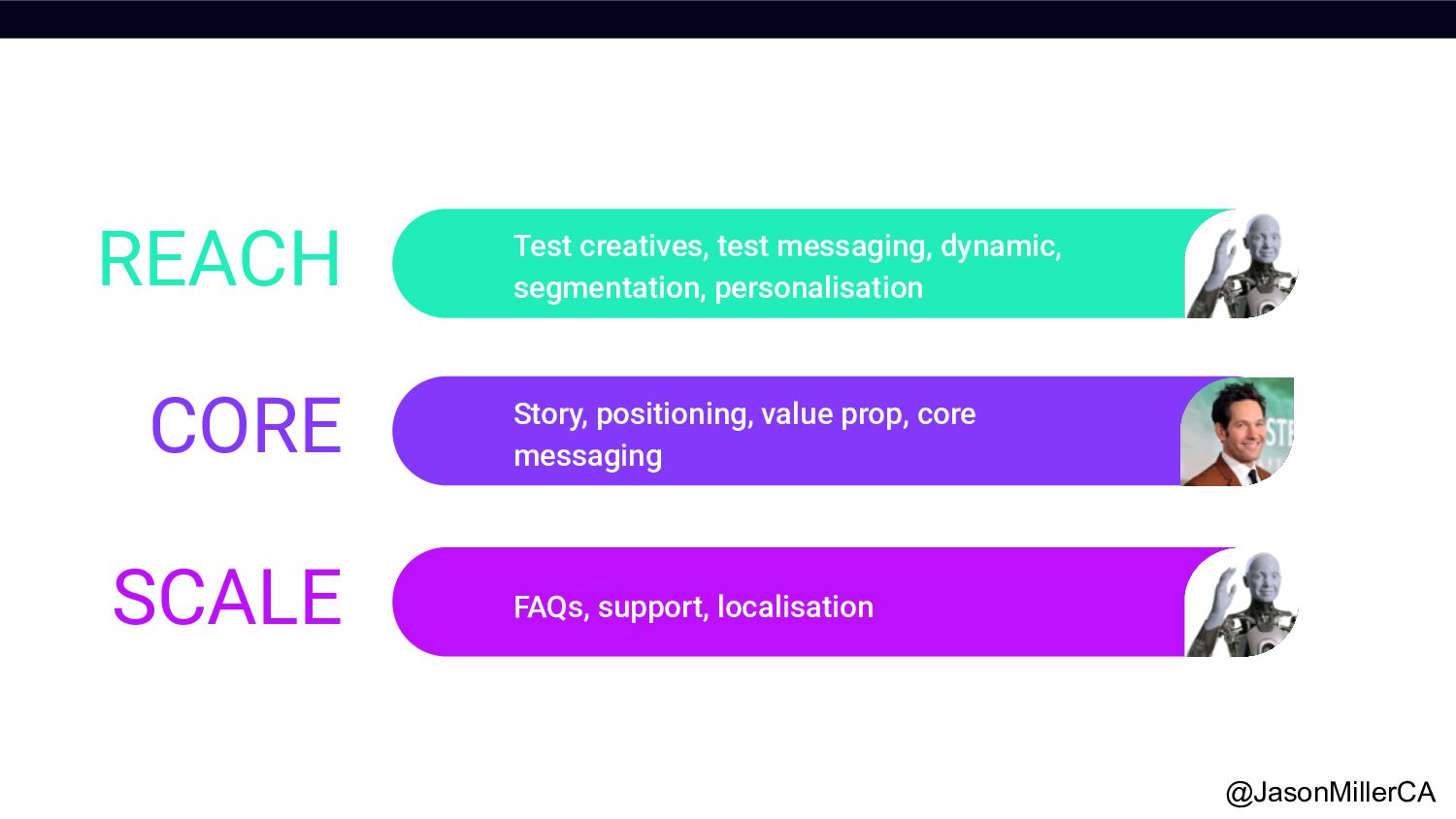
Is it the top of the funnel? Is it the middle of the funnel? Where is it? Right? Does the funnel even exist anymore? So I put this together. This is my own little sort of framework that I built out. I think you can split it into three spaces here, and you can lean into AI to automate the stuff at the top and the bottom.
So we have Reach, use AI, of course, test creatives at scale, ******** personalization, test messaging, dynamic segmentation, all this stuff is great for Thoughtful. I put a little robot guy, like, waving at you. Right? And then the middle, this is the core. Protect the core.
This is everything that matters. This is your branding, your overarching story, your messaging, your positioning. This is the only thing that people give a **** about right now. This is where you start. This is what works. And I put Paul Rudd because everyone loves Paul Rudd.
Right? I think that just kind of popped in my head. It kind of made sense. And then at the bottom of the funnel, FAQs, support, localization. Again, lean into the AI. Exploit the hell out of it. Help you scale, help you reduce time, and help you just answer more questions and be more helpful.
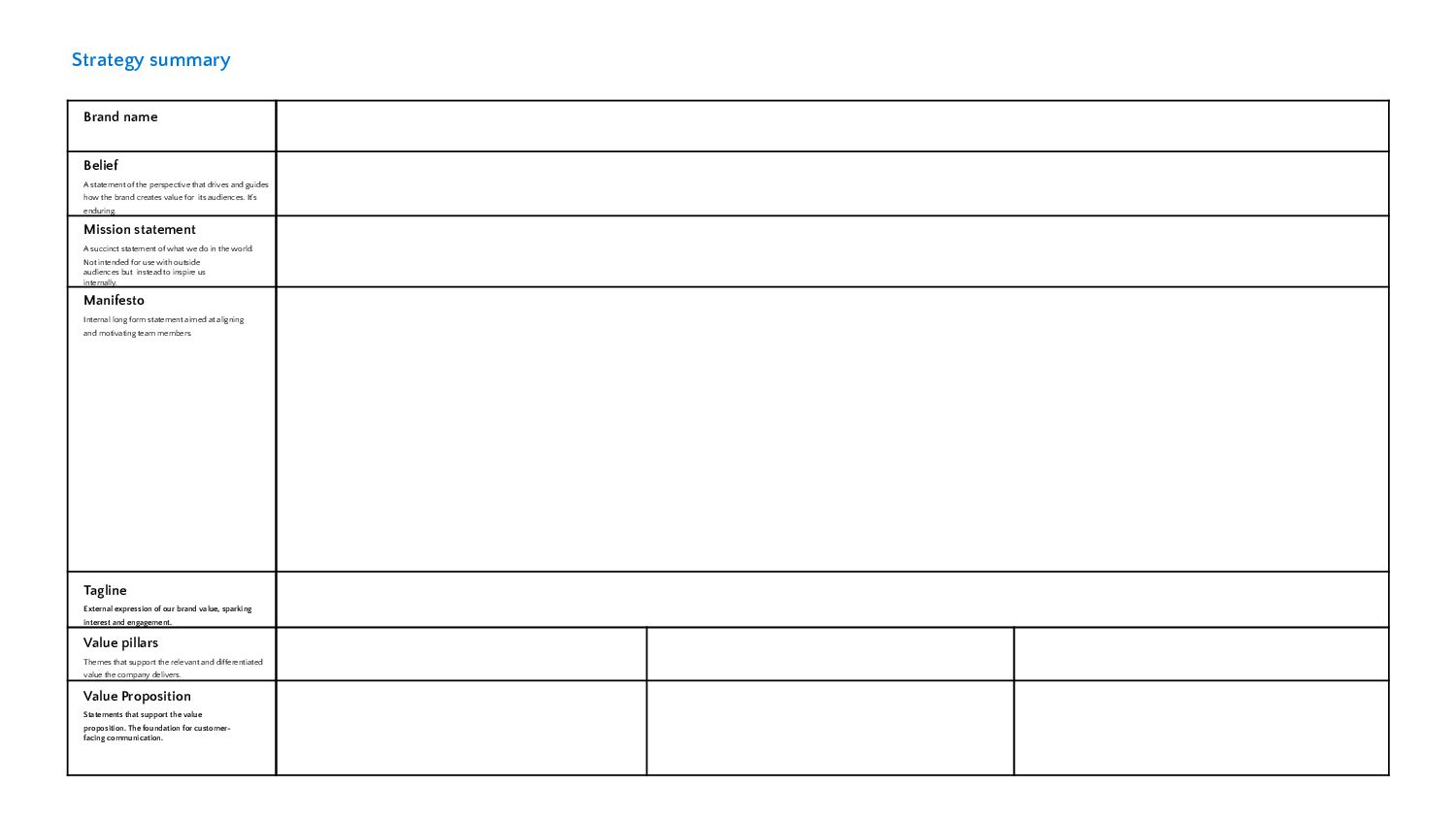
This is the framework. This is what I think works. But again, you have to protect the core at all times. This is a basic strategy summary. Right? If you have a brand, a company, a start up, whatever it may be, if you can't fill this out, this is the if you can't fill this out, then you have no go to market.
You have no story. You have no position. You don't know who you are. You have a a brand identity crisis. I brought this with me everywhere I go. It's the first thing we do. It's very simple. Everything fits in here nice and neat.
It's a great piece for product marketing. It's a great piece for CEOs, for sales, for pitch decks, battle cards, etc. Etc. This is everything. Tools to help. I had to bring in DeepL when my wife works. And then Jigsaw where I start next week.
Synthesia, they make those crazy videos. 6sense, I think, interesting with the intent data, it's gonna get better. It's not perfect. And then, of course, ChatGPT. But this is my my if they take one thing away from this, protect the core at all costs.
And what do I mean by that? Because we're in the middle of a content shock sort of AI edition, I call it. It's like Mark Schafer coined this term years ago, content shock, where there's so much content out there, so many creators that you can't possibly make any sense of it all.
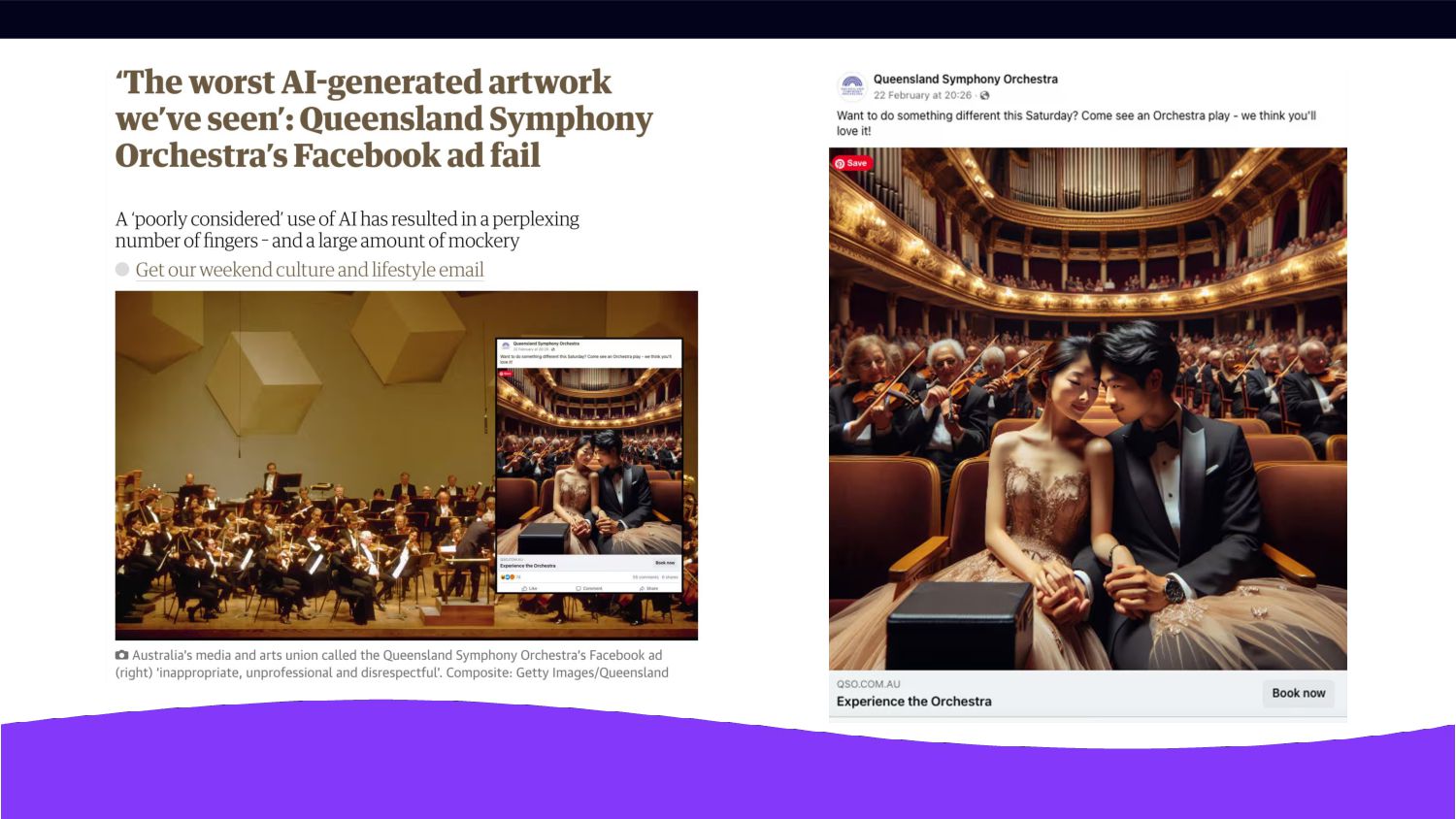
You can't consume it. There's no way forward. Right? And I think we're in that space where it's gonna get a lot worse. I think we're seeing that already. So, this is again, recent news article. Think of the backlash this is having on the brand, of the Queensland Symphony Orchestra.
They clearly had AI create this image for them, and they put it out there in a press release. Look at those fingers. What the hell is going on? This is, like, absolutely creepy. This is a representation of the brand. This is a huge miss.
This is happening more and more, and it's almost become normalized. And I'll tell you what, if you do this in a big ticket purchase sales cycle, you're going to, you're going to have that trust issue. Right? This is interesting to me. Another example that popped up.
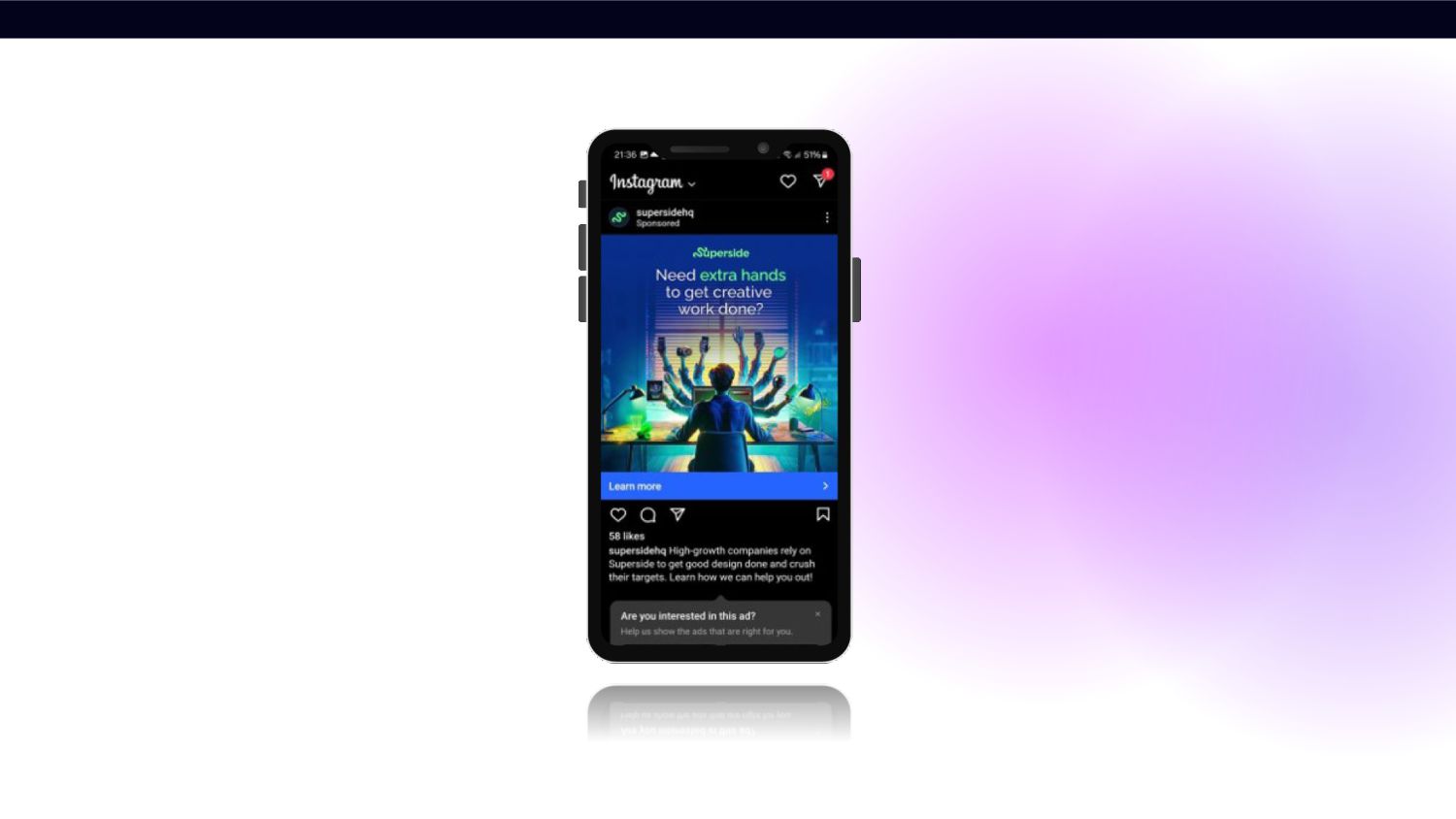
This is a company that that I actually like, Superside. I think they do some pretty cool stuff, outsource your creative at scale. But to me, this looks like it was created with AI. And I don't know if they're I don't want to outsource my creative to a company that just uses AI because I could do this with Dolly or whatever.
Right? So it's frustrating to me that they put this out there without checking it. Every single touch point matters. Every single touch point matters. That's the brand. So part three. Yes. You can measure this. I think if you search on how to measure brand awareness, get a thousand articles, and all of them are philosophical ********.
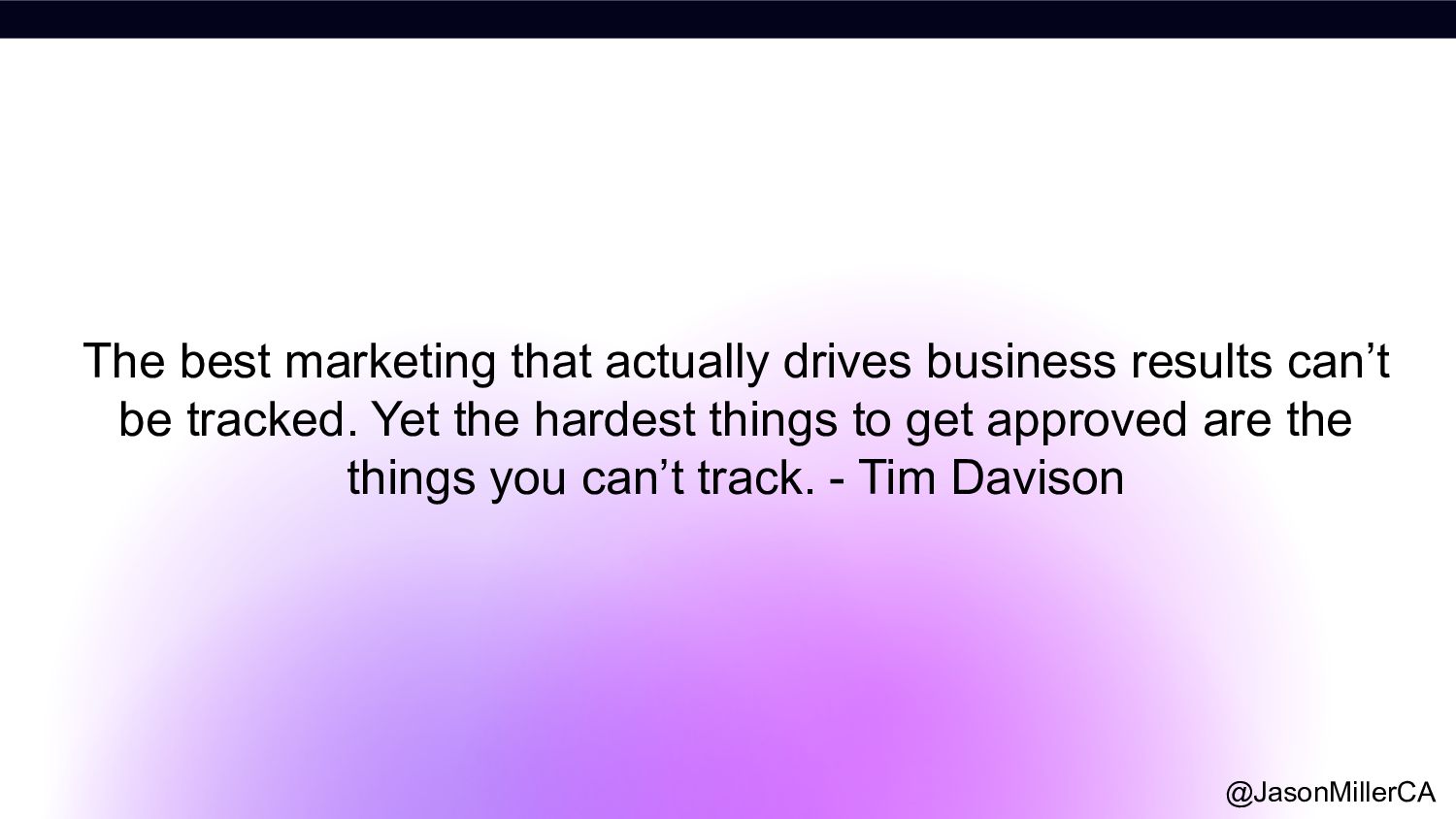
No one's actually figured out the God metric for measuring brand awareness or impact. Right? But it does start with understanding that the best marketing, the most effective means of marketing, we can't measure it. It's not I'm not saying I'm getting ahead of myself.
We can measure it. It just takes a bit of creativity. You have to paint the picture. It's not one single metric. Right? This is the marketing actually drives business results that can't be tracked, yet the hardest thing to get approved are the things you can't track.
Again, goes back to pipeline. What is the pipeline target? What are the leads? What are the SQLs? Are the MQLs? What's everything coming to? What are the opportunities? We're looking at it the wrong way, and we're getting ourselves into trouble. We're not going to make it forward.
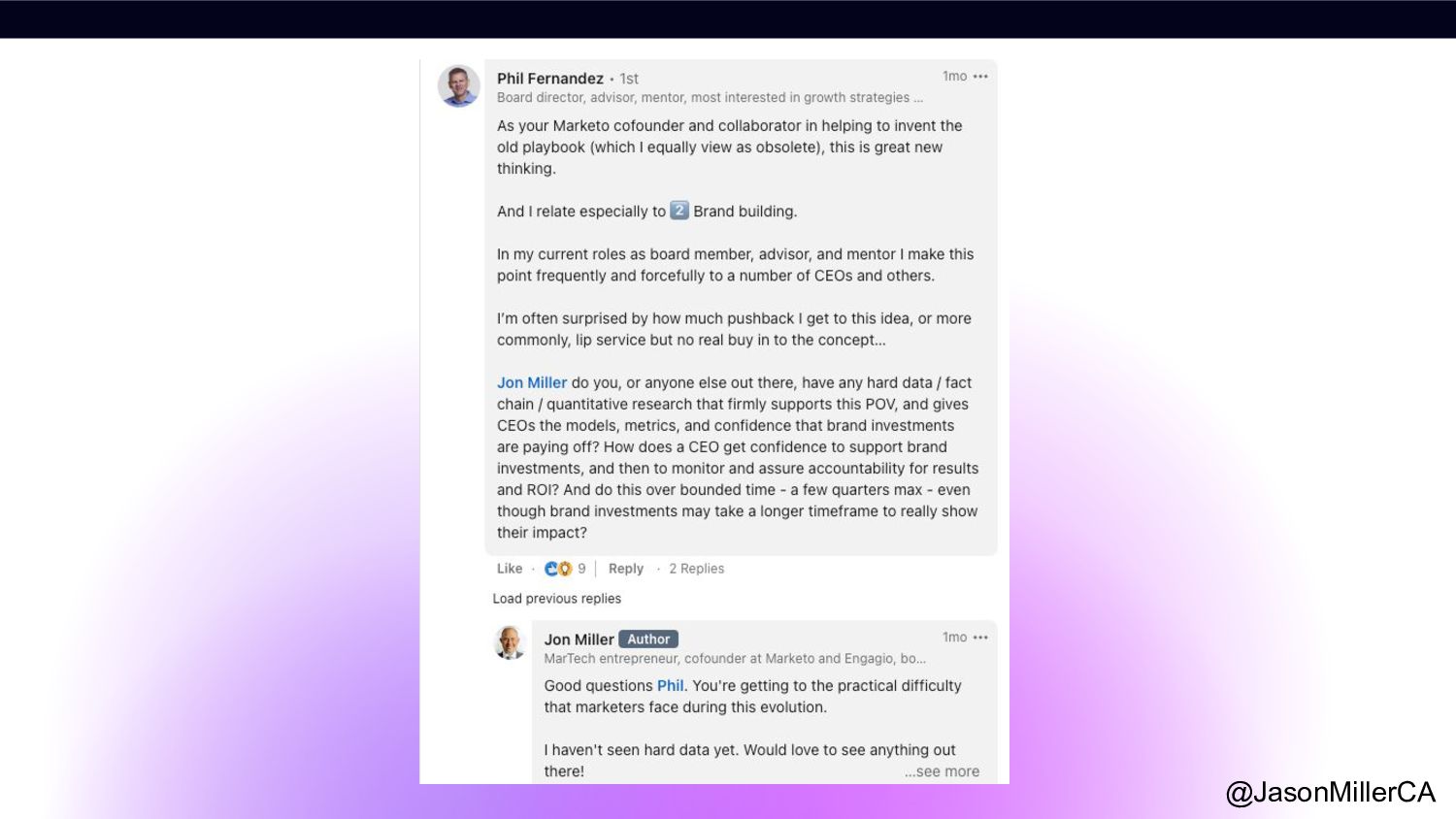
This is Phil Fernandez. He's the founder, the co founder, founded Marketo with John Miller, two of the leading thought leaders, if that's still a term we use, and they don't know what the way forward is. This is a real ******* problem. Right? So the default for this, and I see this time and time again, is where the c suites come in and say, what's our share of voice?
Share of voice is a flawed metric at best because it only measures your mentions out in the social space or in, press mentions or news or whatever, and it's a false metric that could be easily inflated. Right? So, you wanna increase your share of voice, Tweet fifty times.
It'll boost your share of voice. It's a flawed metric. But there's no no one's figured out a better way to look at this before. Now if you're Pepsi Cola, and you have thousands and thousands of mentions across community, Reddits, everything, then yes, share of voice makes sense.
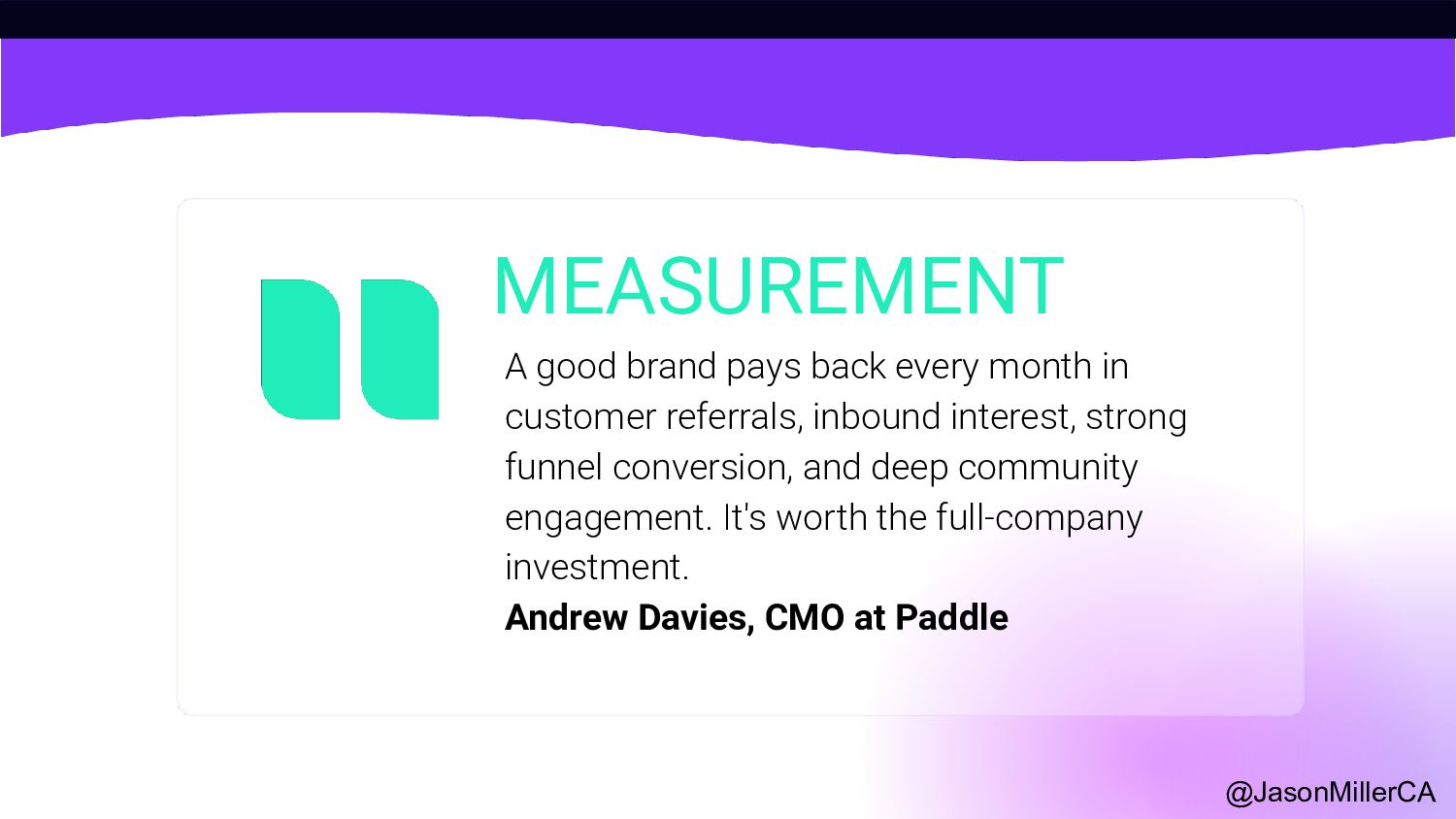
If you're a start up where no one's shouting about you because you're just not that exciting because you solve real problems, or you don't have a brand, no one it doesn't matter. Right? So Andrew Davies, I found this one. Another great quote from the CMO of Paddle.
A good brand pays back every month in customer referrals, inbound interest, strong funnel conversion, and deep community engagement. It's worth the full company investment. None of those things are on any goddamn dashboards I've seen in the last ten years. No one looks at these.
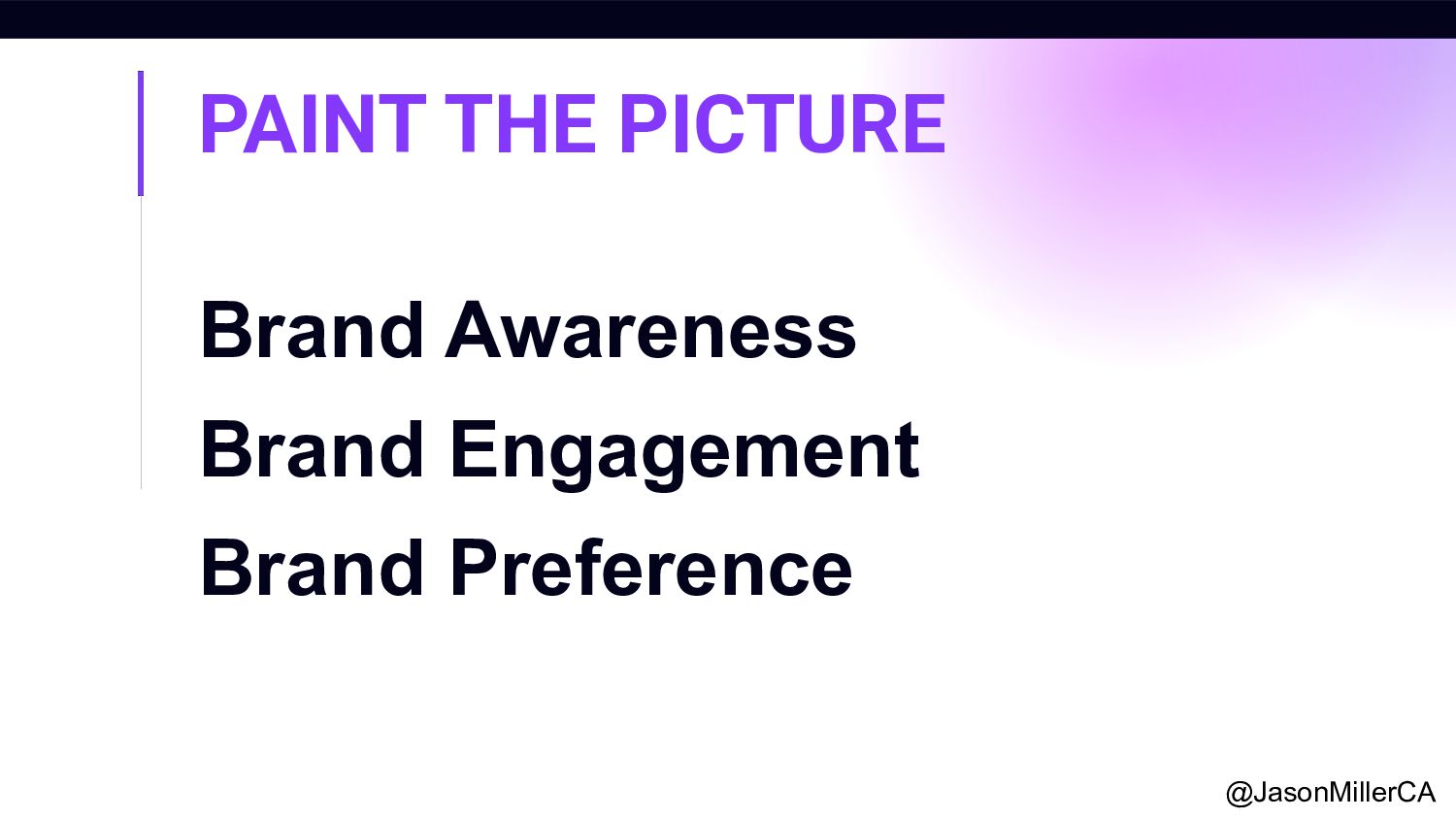
We're still looking at MQL's leads, SQL's opportunities pipeline. No one's looking at this. So how can you get creative? Again, paint the picture. I split this into another framework. I hate frameworks by the way, but sometimes, it's how I get my thoughts crossed.
Paint the picture three ways. If I'm heading head of marketing, of brand, head of whatever, a startup, an enterprise, a mid market, scale up, whatever, This is the future, I think, of what matters the most. Brand awareness, brand engagement, brand preference. You can split these into three, and you build yourself a little dashboard.
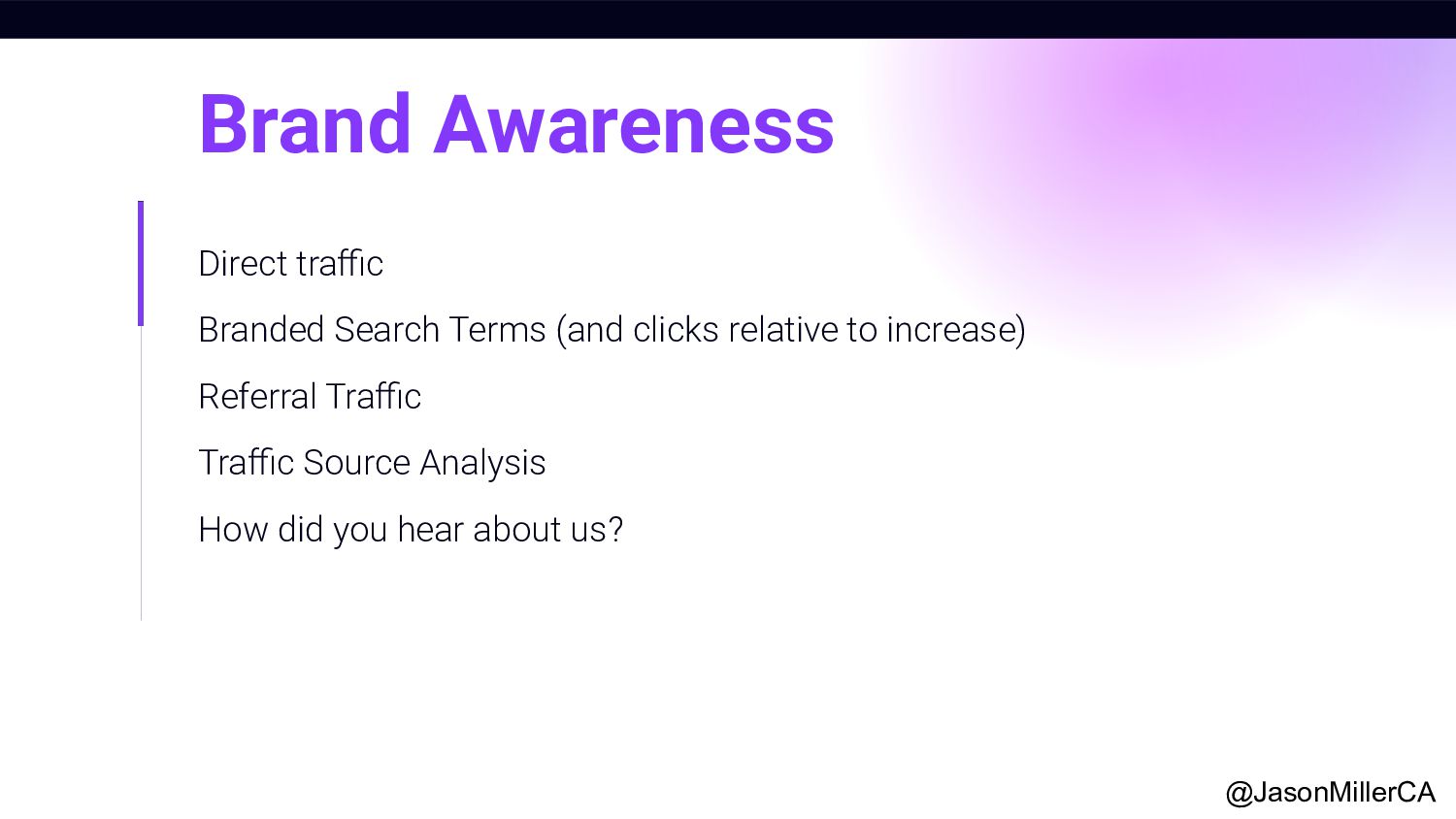
And it's not easy, it's not perfect, but you paint the picture. What goes into brand awareness? Direct traffic. Easy win. Direct traffic. If your direct traffic is going up, that means your brand awareness is likely going up. And according to, sources, all that dark social community traffic is impacted or caught like as a catch all for this direct traffic.
So number one, is your direct traffic going up? It's a good leading indicator. Now you could split that out into, branded search terms. Again, are people more people typing in your actual brand name? How does that relate to your competition? Another key indicator.
It's It doesn't have to be a massive number, but is it going up month over month? Five percent increase? Awesome. Referral traffic. Split that direct traffic down into sources. Look where the referral traffic is coming from and figure out if that's converting to pipeline.
Traffic source analysis again. How did you hear about us? Simple little metric checkbox on your form, contact us form. How did you hear about us? You'd be amazed. We're seeing a type we saw a ton of people come out of nowhere from ChatGPT as Chat should be taking over search.
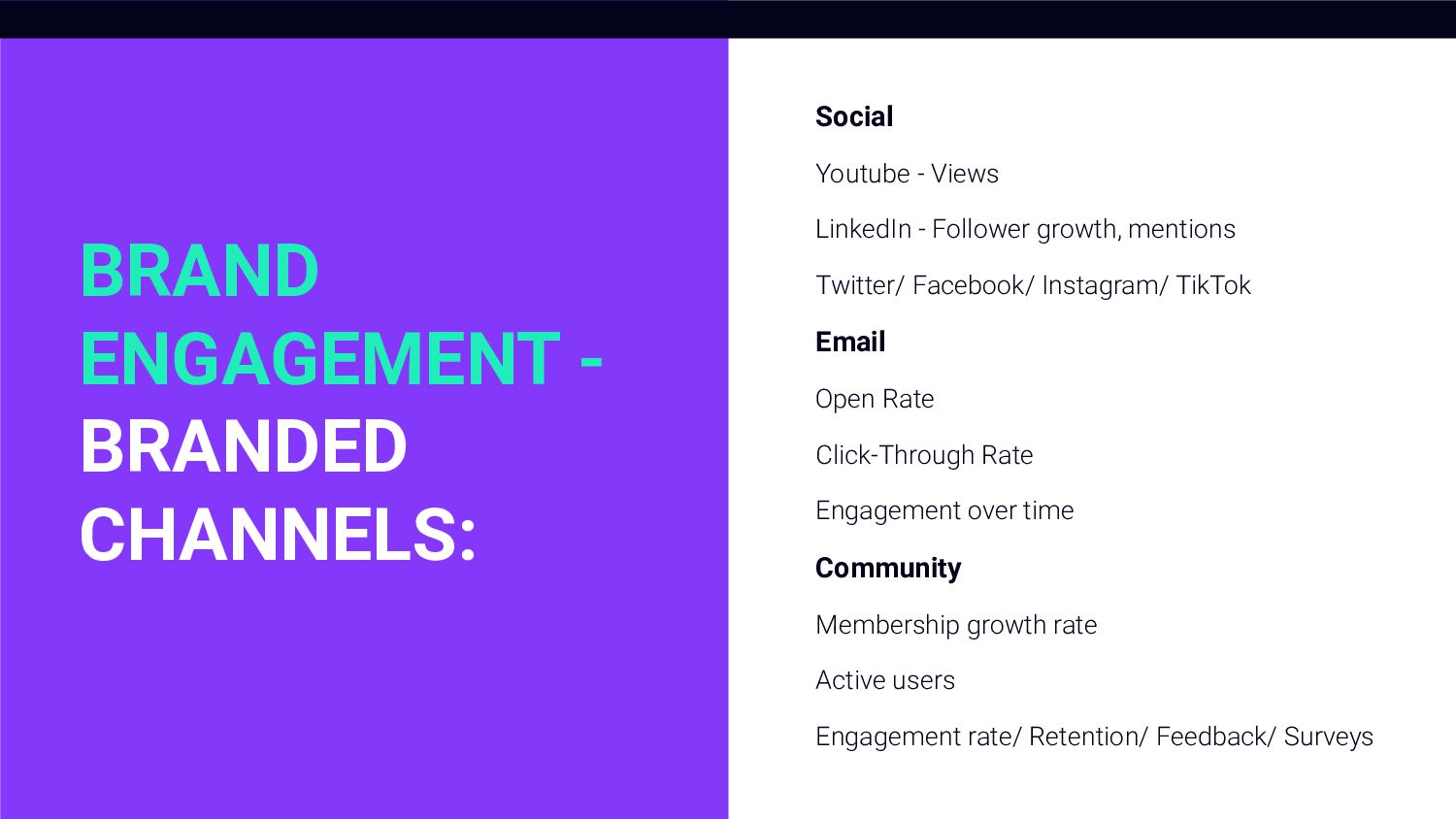
Who ******* knows? I don't care. Anyway, brand engagement. So that's part one. Brand engagement. Again, easy. We've been doing this for years. We've just never pulled it into a story. This is part of a story. Bring your c suites a story. They will appreciate it much better than an excel sheet.
Social, YouTube views. This is the easy stuff. We should be doing this already. Follower growth mentions, they called vanity metrics. Someone said, they said vanity metrics are like the Phil Collins of marketing. Right? I ******* like Phil Collins. No jacket required. That's a ******* great record. We started on that.
Don't don't be knocking Phil Collins. He sold a **** ton of records. My point is, it's how you apply them as part of your story and paint the picture alone. Maybe they're vanity metrics, but as part of the story, they're showing growth, and they're showing you moving the needle in the right direction.
Right? Email, open rate, click through rate, engagement rate over time. These are fueled by brand awareness. It used to be a pure spray and play. Now it's something bigger. And community, membership growth rate, active users, engagement retention, feedback surveys, etcetera. Look, if you ask me today three things to focus on, three things that were the only three things that I think work moving forward for all marketers anywhere, brand, demand gen, and community.
It's that simple. Nothing else. Don't focus on anything. I got a little round of applause there. Well, a single round of applause. Slow clap. I got a slow clap. Those are the only things that work anymore. Brand preference, something we often overlook. This is important.
This is grinding out, getting those reviews, peer insights. If you're in a new market, and it's highly competitive, and people don't and people don't have friends to get recommendations, they go straight to the peer review sites. You have to have you have to crank these out.
And by the way, if they're written by AI, they get rejected automatically, which, I'm not saying I found out from experience. I'm just saying I've seen it happen. Alright. I'm gonna wrap with just a few more things here. So in the age of AI, what's left for marketing to do?
Right? And and I was talking about this. I wrote a whole blog post about this the other day. Put it on LinkedIn if you want to read into my thoughts. I'm not one of those fear mongers on AI or on LinkedIn that says AI is gonna replace everything, insert marketing discipline is gonna be you know, you should be scared.
But I will tell you, I was having dinner with a friend who is a in the States. We were in Washington DC with the kids, and he's the, the editor of one of the biggest publications in the US. One of the biggest. And he said they're having trouble, finding up and coming journalists because there's nowhere for them to cut their teeth, because all these local papers that would produce these folks where they would get their experience have all closed down.
And I think we're going to see the same. I think we're seeing the same thing happen in marketing right now. Any graduates out of school, these copywriting, these creative idea, these creative design, all these entry level gigs are already being replaced with AI.
So I fear that if you were just getting started in marketing, you're going have to work a little bit harder. Now, not saying it's the be all end all. I'm saying there are ways of upskill. Just like an athlete, you know, sort of learns and trains, this is the growth mindset.
The growth mindset is something that that was coined by, Satya at Microsoft, but it's been tossed around so loosely it doesn't mean **** anymore. But it does. It means that you have to work harder because you have to understand how all these different marketing disciplines fit together and what good looks like, what good looks like.
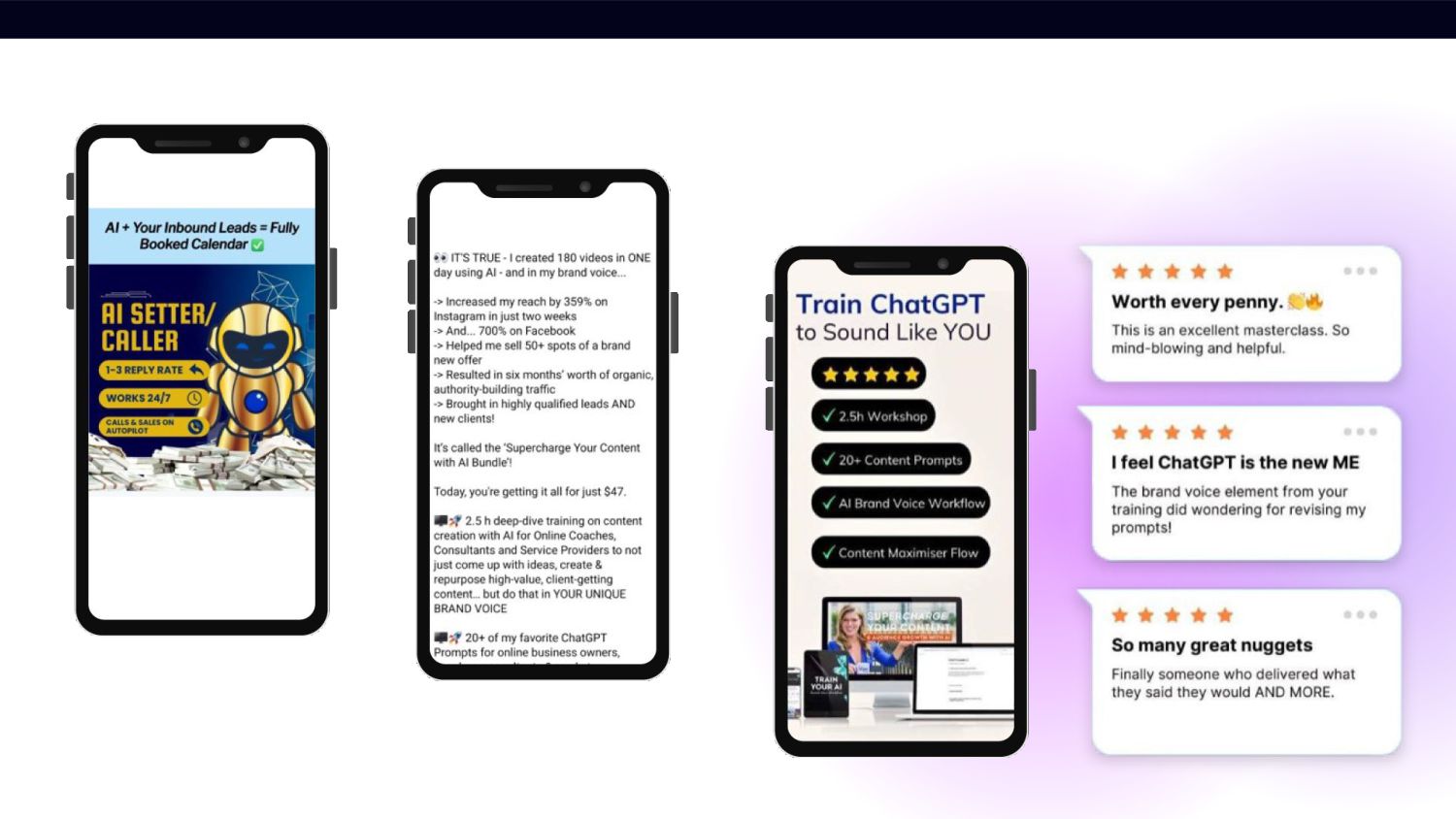
So this has popped up in my feed in Instagram, where I spend a lot more time as a photographer. I'm much much happier than the talk success pool that's linked in. Is this being recorded? Oops. This pops up and says, oh, I created two hundred videos on brand in thirty five seconds.
I'm like, no, you didn't. Is that the end goal? No, it's not the goal. This is ridiculous. Everyone out there is telling you I closed eight thousand deals in one month, and this and that. It's not helping. A distraction. And comment with an emoji, like, join the the the walk of shame of lead generation.
Right? It's so ******* silly. But this is what I think is left for marketing to do. This is it. Strategy. Strategy. The lost art of strategy. It ain't sexy, it ain't fun, but if you get it right, it's the most important thing you can do as a marketer.
Number two, big ideas. Big ideas. AI isn't going to replace these big ideas. It's mimicking the ideas that came before. It's spinning out. It's regenerating the same **** over and over again. Right? Just remixing it. But it can be your creative assistant for big ideas.
It can, be the sounding board, the springboard for your big ideas. Right? Opinions. Opinions. Give me a product without any differentiation that does the same thing as its competitors in a highly competitive space. I will tell you opinions. Don't tell me why I need to do this.
Tell me how to do it, and why it matters that I do it this way because I'm the expert. I don't see this anywhere. No brands are doing this. All the goddamn LinkedIn gurus are doing this, trying to sell you a ****** master class.
But this is it. The opinions, the expertise, pull it out of your head. Make an opinion. Be decisive. You should have learned by now that you're not going to make every person happy. You're going to piss off some people. The last two roles I've been at, the founder and CEO came over and said, we're okay to piss off fifty percent of the audience and said, I'm your guy.
Alright. Creativity. Creativity is not going anywhere in terms of how we apply this to thinking. There's an old school mentality that creativity is linked to arts and crafts and design, but it's not. We've got to frame this in a different way. Creativity is about unique ways to solve problems. Right?
It's a whole new definition, and and it's no longer an excuse to say, wasn't born creative. It's it's it's now, can I come up with a solution, an elegant simple solution that's different, that's creative, that no one's thought of before? That's what I think is important. So hybrid marketers.
At LinkedIn, we have this concept of the hybrid marketer. Someone who wasn't an expert in any one thing, but they understood how the different disciplines work together. So SEO to email marketing, you know, all these different things. Do you know how they fit together?
And I got a bunch of **** about this too, because they said, jack of all trades, master of none. Well, what happened was those specialists are now having to branch out and eat their own words because AI is becoming the expert in so many different spaces.
So it's a massive opportunity. You're seeing SEO experts go into content. You're seeing content experts go into brand. They're doing this not because they want to, because they have to, and they should have done it a long time ago. We all should have been thinking about this a long time ago.
That's why startups are so effective this, because you're sitting with other markers. You're learning by sitting so close to the other markers. Well, you used to. I'm on Zoom doing it. Whatever. Anyway, upscale, upscale, upscale. This is the only way any of us are going to survive this AI revolution.
I promise you that. But let's not forget that AI has an Achilles heel. It doesn't understand relevance. Right? It doesn't understand how to apply these ideas in a situation. That's where we come into play. So we have a leg up. We will continue to have a leg up because of this point right here.
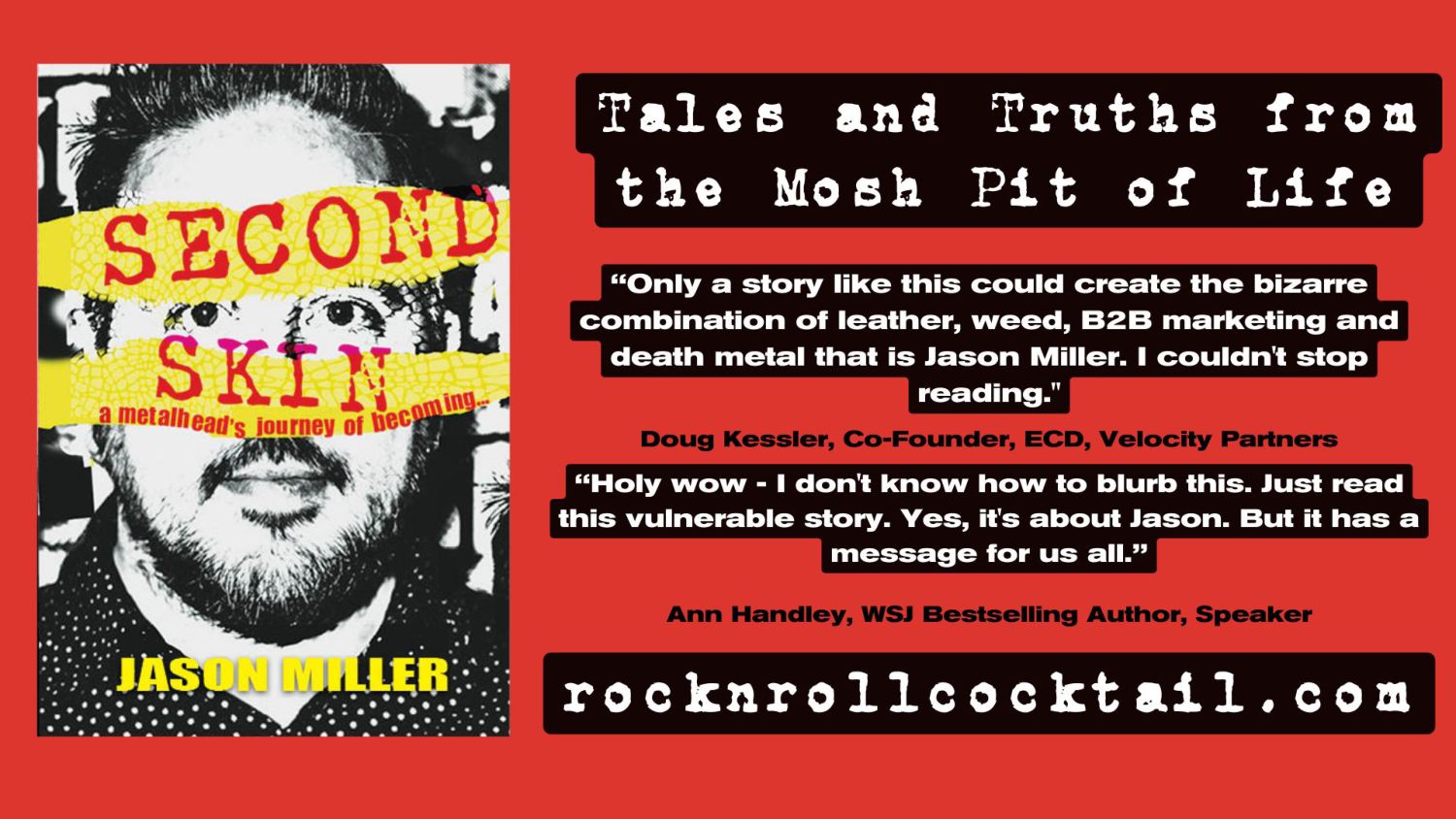
So remember, helpful, non dumb robots. I need to work on that last line, but, that's how I think about this stuff. This is my book. It's called Second Skin. It's based it's a bizzoir, which is coined by my friend JJ French from the band oh, man.
That was a big big finale. Twisted Sister. It's the most licensed song in the history of music. We're not gonna take it. Alright. You guys kill me. Anyway, it's it's half business. It's half memoir. It's about the music business, fun stories, about reinvention.
It's about defining success on your own terms. It's about looking at things differently. It's not about building followers, it's about building a reputation, and dare I say it, a ******* personal brand that lets you decide who you want to work for, where you want to work, and how you spend your time in the future.
Right? That's what matters most. So, I do have two copies of this, if anyone's interested. Probably up this talk, probably not. If anyone could tell me what the gentleman's name of the band the band Ice T's band was. Anybody? Body count. We got one. We have, I just got one. Alright.
Come find me afterwards. Thank you for listening. Means the world. See you guys around. Cheers.