
Losing focus is easily done when building a product and growing a startup. In this honest talk, Janna will talk about how ProdPad overcame obstacles by focusing on their product. Over the course of just a few months, they effectively found a way to quadruple their conversion rate and accelerate their growth - and in the talk, she’ll break down the steps and show how something similar can be done in any other company.
← All talks 

Build Turing Fest 2016
The Power of Product Focus
Auto-generated transcript - may contain errors. Tap a timestamp to jump the video.
Thanks so much for, having me. So when Brian first invited me to, Turing Festival, I was actually really thrilled. So I took a couple days and thought about what I wanted to talk about and, proposed this idea and gave him the outline. And he was like, that's cool.
That's great. It's a confessional. Not many people are willing to do that. That's gonna go over well. And then I got kind of nervous because I thought, oh, man. I've agreed to do a confessional. But that's what this is. I'm gonna tell you guys about how we've actually gone ahead and run our company and what's gone right and what's gone wrong and what hopefully you guys can learn from it.
Oh, this is a touchy one, isn't it? I didn't mean to do that. Hi, everyone. I'm Jana. As Brian said, my past life is as a product manager. You know, that's what I identify as. But, one of the things that I turned that into is, running a company that builds product management software.
And yes, that's as meta as it sounds. We're product managing product management. But I'm a product person. You know, you can say hi to me on Twitter, and I'd love to chat to you guys. As I mentioned, the thing that we do is a product management tool.
It's called Prodpad. We're a small bootstrap team. We just turned seven, not years, seven people. So really proud of that. We're small but growing, and as I mentioned, completely bootstrapped. So a little bit about our history and, you know, where we've actually come from.
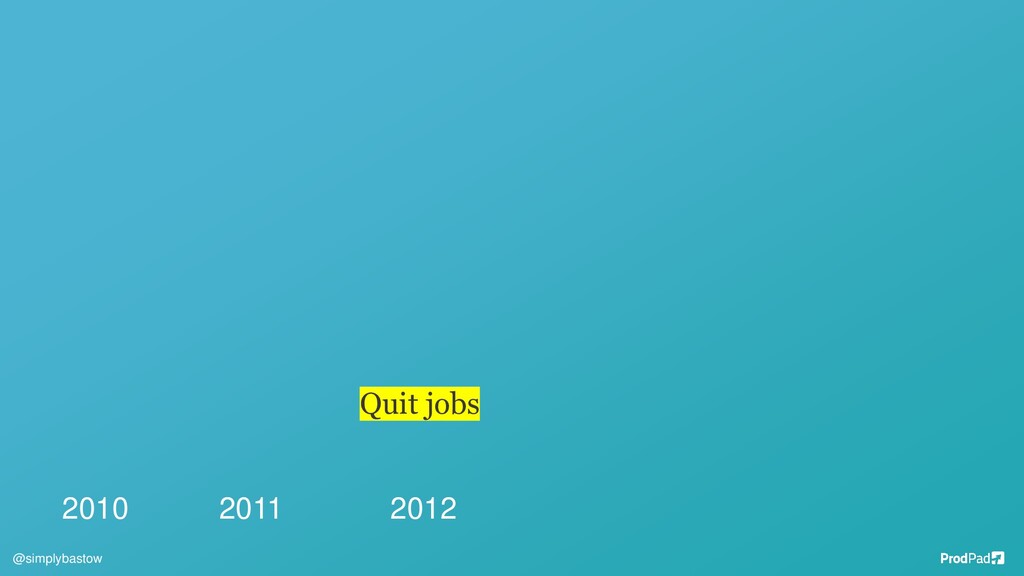
So it started off in two thousand ten. And at that point in time, I had a job as a product manager at a start up in London. And one of my friends had a job in a start up as a product manager in London.
And both of us had the same problem. We needed tools to help us do our own jobs, all that was out there were spreadsheets and, you know, hacked apart Jira boards and stuff like that. So we spotted a problem and decided to do something about it.
So it started off as this little idea that we turned into a hack project. We went away and decided to see what we could do in a few days of work, and, know, Prodpad was born. Now at this point in time, you know, our progress was basically nothing.
We didn't have any customers. As a matter of fact, for the first year, it didn't even have a name. It wasn't called Prodpad. It was just this tool that we used internally within our own teams to help us do our own jobs. So continuing on to two thousand twelve.
But at this point in time, we'd given it a name and people were joining our company and saying, hey, this is a cool tool. Where did you find this? Now I hadn't told them that I was actually the one developing it because I wanted them to think it was actually kind of a good tool and trustworthy, not built by two guys who, you know, had kinda hacked it together and continued to do so.
So twenty twelve was the year that we quit our jobs. And where this came out of was that we set up a little website just to see, you know, Prodpad, buy product management software now, and put a little buy now button. And I think it probably went to like a four zero four or something just as bad as that.
When you click buy now, there's no way to actually buy this thing. It wasn't available as a SaaS tool. It was just testing it out. And lo and behold, people started clicking. So I quit my job within the week. I bet my co founder he'd be out within a few months.
He was like, no, no, I've got a good job. I like what I'm doing. Within six weeks, he'd quit his job too because he saw how much fun I was having. At this point in time, we had no customers. It was just the two of us hacking away.
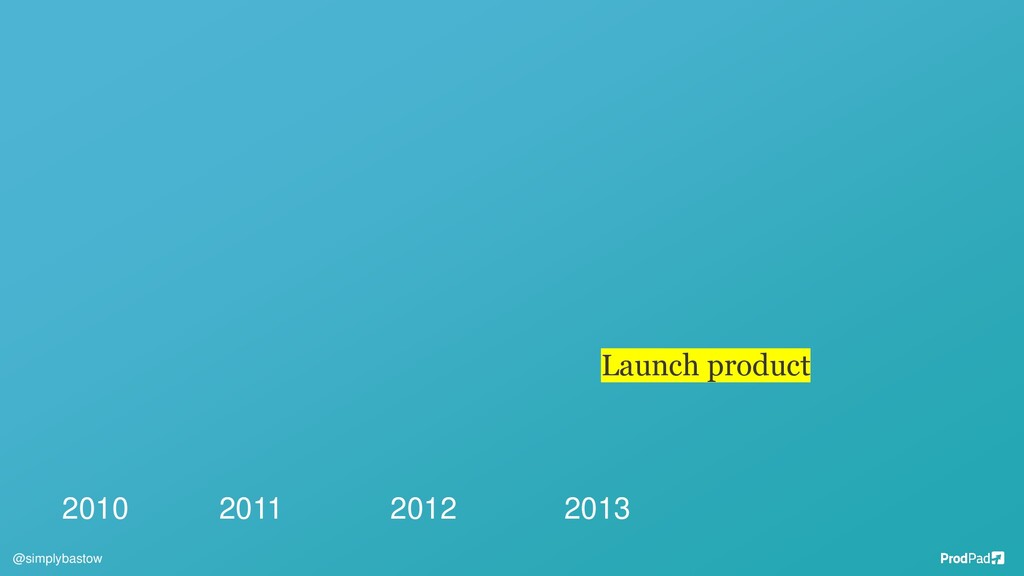
I was doing the front end code. He was doing the back end code. And we launched it as a SaaS tool in twenty thirteen. And this is after building in a billing system, which we had to build twice. Don't do that. After building in an onboarding system and invites and this, that, and the other.
So launched it out there and started getting our first few customers. And it took a long time to get our first ten customers. You know, that first person coming through and actually pulling out their credit card and giving it to us was a lot of work.
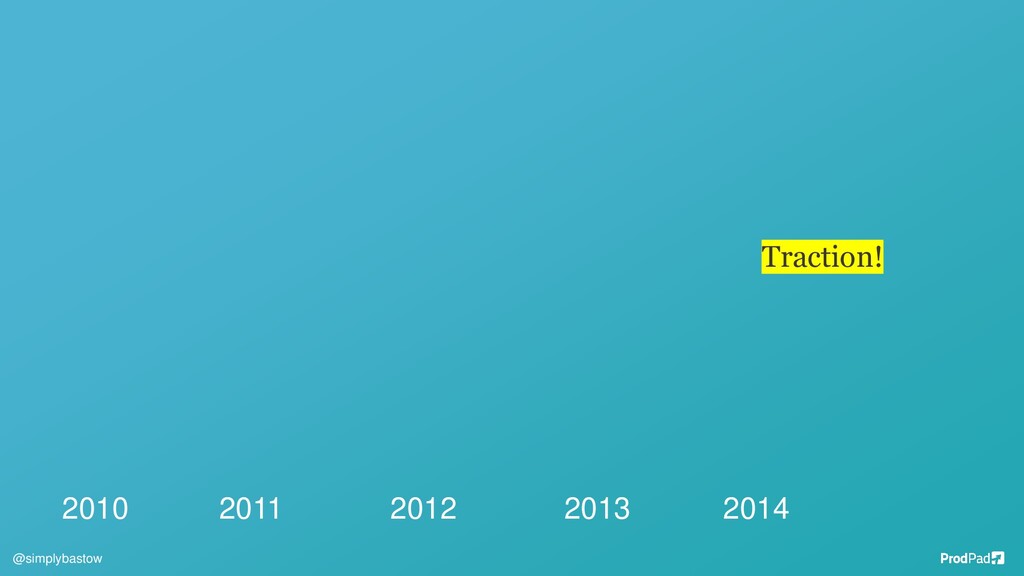
And once we had that, you know, we'd actually heard that the first ten customers was the hardest. So we're like, great. Hard part's over. All uphill from here. And actually, was. Twenty thirteen, twenty fourteen was actually an awesome time for us because our numbers were all heading up into the right.
They're all going in the right direction. And at this point in time, it's still me and my cofounder, the two of us, hacking away, talking to the customers via email. We had no fancy systems. We had nothing in place to actually manage a tool like this.
But this thing couldn't help but make money. Not stupid money, but just enough to give us confidence and keep us going. And it wasn't a hockey stick either. There wasn't anything inherently viral about this. It's b to b SaaS tool. It's not exactly sexy.
It's not exactly the type of thing you call your mom and tell her about or share with all your friends. But it was a straight line, stick straight up into the right. We're pretty pleased with this. So twenty fourteen, you know, drawing a line out there and going, okay.
So if this continues, we are on fire. We're we've got this. Right? We know exactly what we're doing. And this is one of the most troublesome phases that SaaS companies run into, that products run into, is that once you actually start making a little bit of money, it starts opening up new possibilities.
You know, before this point, we had no money. We had nothing to do but do what we're good at, which is building products and talking to our customers and learning and iterating and going from there. At this point in time, twenty fourteen going into twenty fifteen, we were getting cash in the bank.
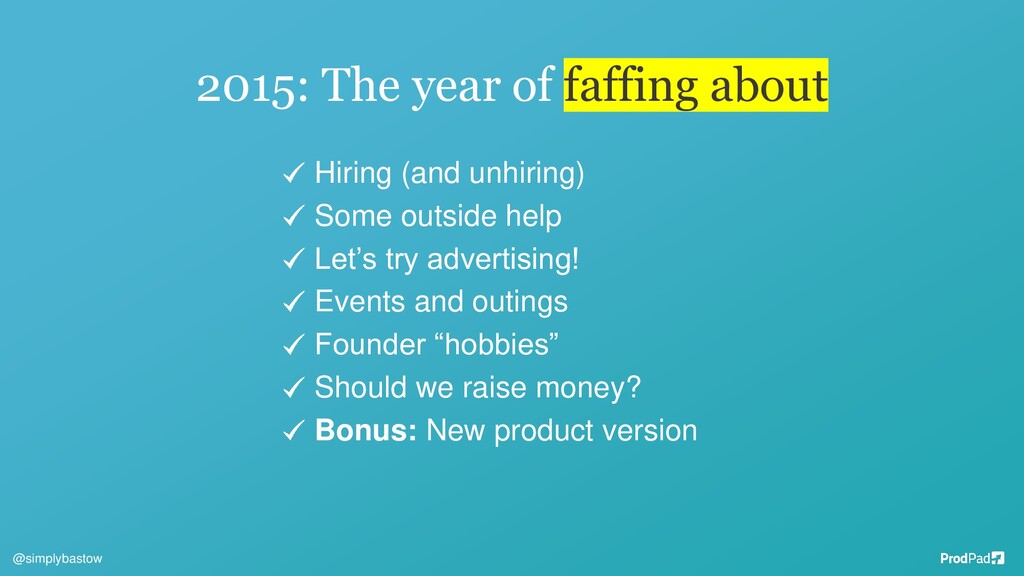
We were making more per month off this thing than we were when we had actual jobs. This is incredible. So we decided, well, let's start reinvesting this. Let's start doing something with this. And so this is why we call twenty fifteen the year of faffing about.
Because this is the year that we started trying new things. We started hiring some people, and along with that, there was some unhiring. It wasn't it wasn't easy. We attempted to do some stuff around getting some outside help and consultants to come in and point us in the right direction, show us the stuff that we weren't necessarily doing well, sales and marketing and stuff like this.
Remember, we're two product people first and foremost. We tried some advertising. We started throwing some money at Google and watching that go down the drain. You've all done this. Right? We tried getting some event presents, know, turning up at events and seeing what would happen if we had a little booth in the corner and see what came out of that.
There's a few other things we did. One of the things that my cofounder and I had was a hobby on the side. And it's called Mind the Product, and it's a series of events for product managers. It's a little community in this, that, and the other.
But actually, this little hobby on the side had grown and grown and grown to the point that we were running conferences, big conferences. And, know, trust me, the people who run these things know this. Conferences are a real pain in the butt. And so when the founders of a startup have a hobby on the side that involves running major events, it's distracting.
So our hobbies were absolutely getting in the way. We also started thinking, you know what? Money's good. We're going up. This is the time to start looking for funding. And all the blogs are saying, you know, get funding now, not next year. This is the year to do it.
And so we started talking to people, and it came out of somebody emailing us saying, hey, I'd like to give you a hundred thousand pounds. I was like, yeah. Right. So let's talk. And so started collecting some some offers and some term sheets and very nearly actually took money in.
But as Rand pointed out, it's a big bet and the odds are really bad. And, you know, I didn't wanna give it all away. We had something good that was making money. You know, if this was something that was making no money and was, you know, just a a hope anyways, then maybe I would have taken it.
But at this point in time, it kind of meant changing the company fundamentally and figuring out a whole new way of operating. And I just wasn't ready for that. So we ended up turning down a whole bunch of cash. But we spent time talking to investors and trying to figure out what it would look like and figuring out, you know, if we had half a million pounds, what would we actually do with it?
And as a bonus, the first version of the product that we built was built again by myself and my co founder. Both of us were product managers by trade, not developers. In hindsight, my cofounder said to me last year, he said, in hindsight, I'm surprised it actually stood up that long.
You know, I'm glad we started the redesign when we did. So we we'd actually started this redesign, throwing out all of our own old code and starting again. And we kind of estimated it'd take four to six months. It took us eighteen months, which is painful, really, really painful in the life of a startup to redesign your entire back end and front end and get it all out there.
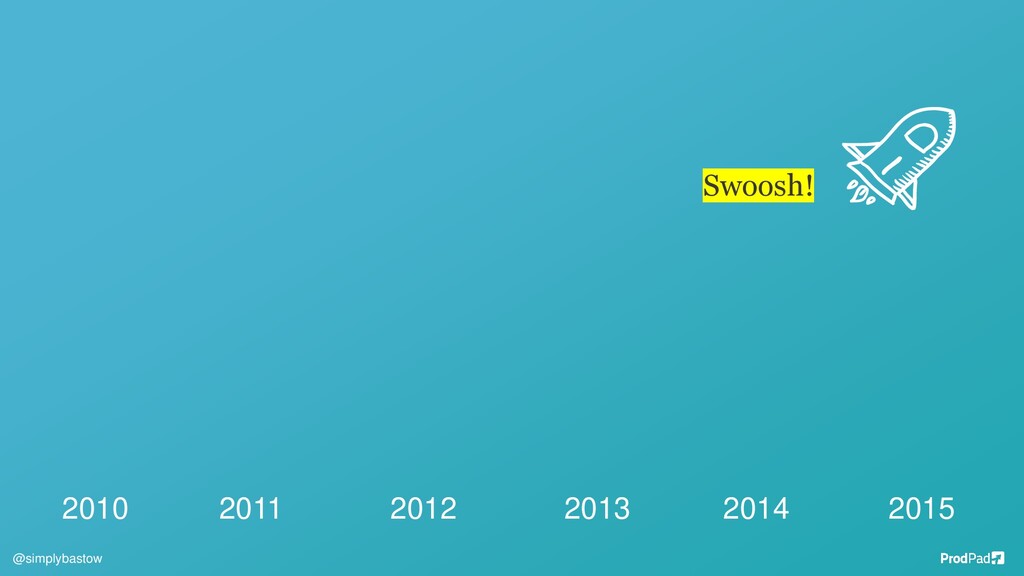
And we finally did get it out November twenty fifteen, but by this point in time, our numbers weren't looking so swoosh anymore. Our numbers had kind of, you know, not flat lined, but we're not going up into the right anymore. They weren't they weren't jetting upwards like we'd expected to.
Now I know now that I've spoken about this, I've talked to so many other SaaS founders who've actually pointed out this same thing happening to them. There's actually a name for it. It's called the Plateau of Doom. Sadly, I'd actually heard about this in the past.
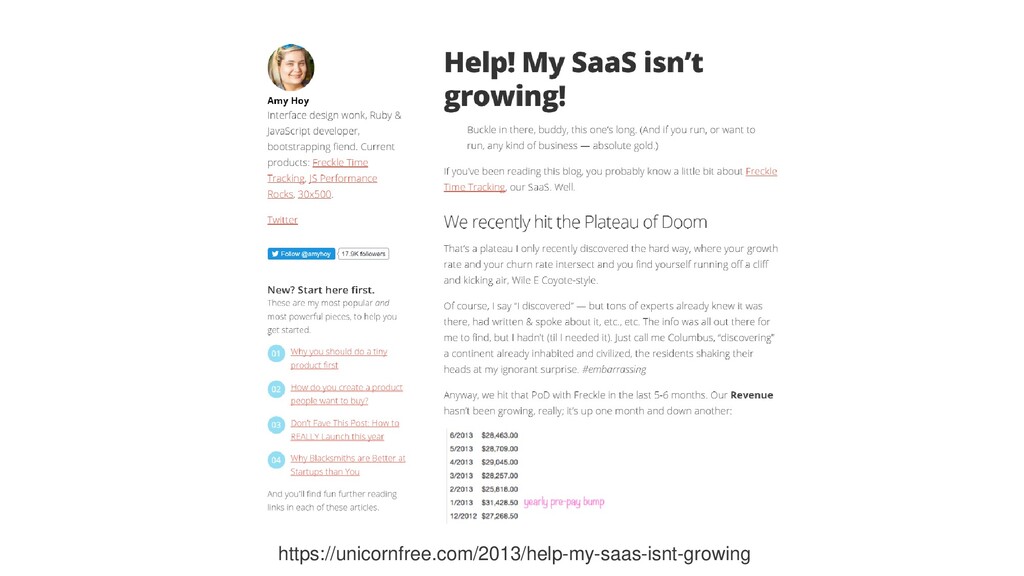
I'd read this article in twenty thirteen by Amy Hoy from Let's Reckel. And, you know, I really liked her transparency. She talked about things that were going right, things that were wrong with with their app. And she actually talked about how they plateaued.
Funny enough, around the thirty thousand dollar monthly recurring revenue mark, which is exactly where we flatlined as well. So this is a trend. Now funny enough, I'd read about this in twenty thirteen, and I thought this won't happen to me. It's fine. And then it happened to me.
So, you know, let that be a warning to all of you that it can happen. Anyway, so I knew this thing was coming, but I didn't know what exactly you know, I didn't I didn't think it was gonna happen to me. I thought everything was gonna go up into the right, but this is actually a known trend.
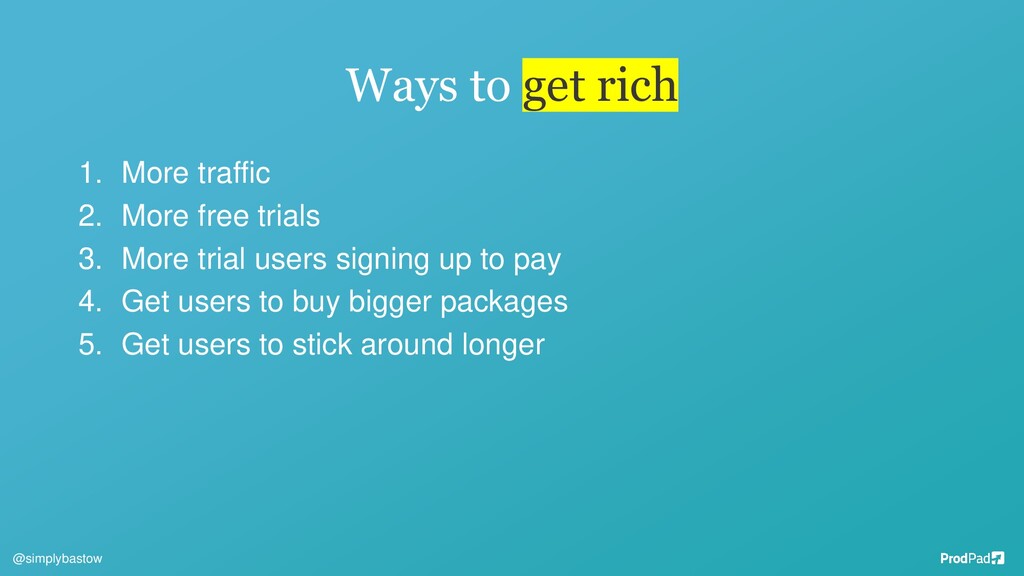
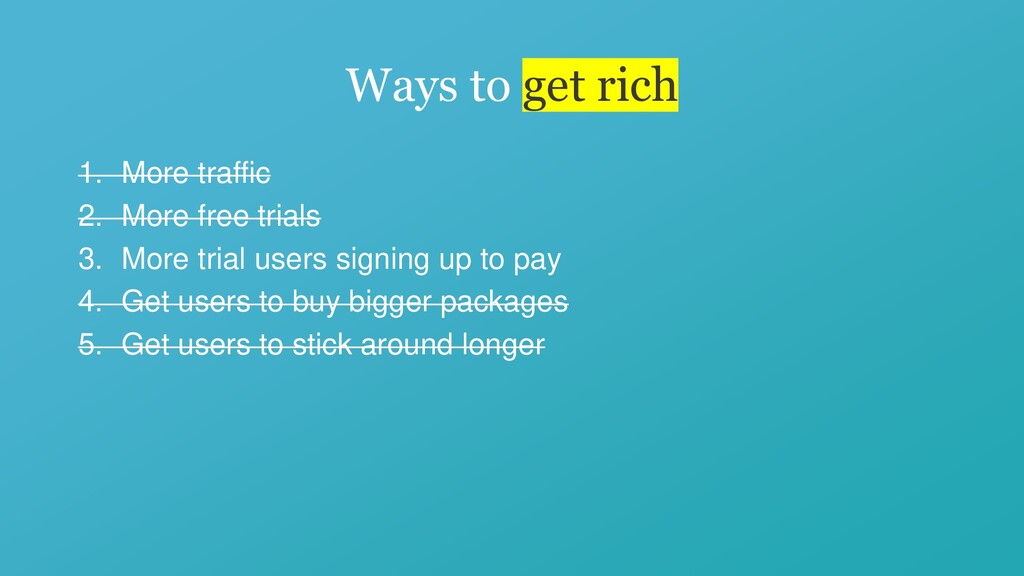
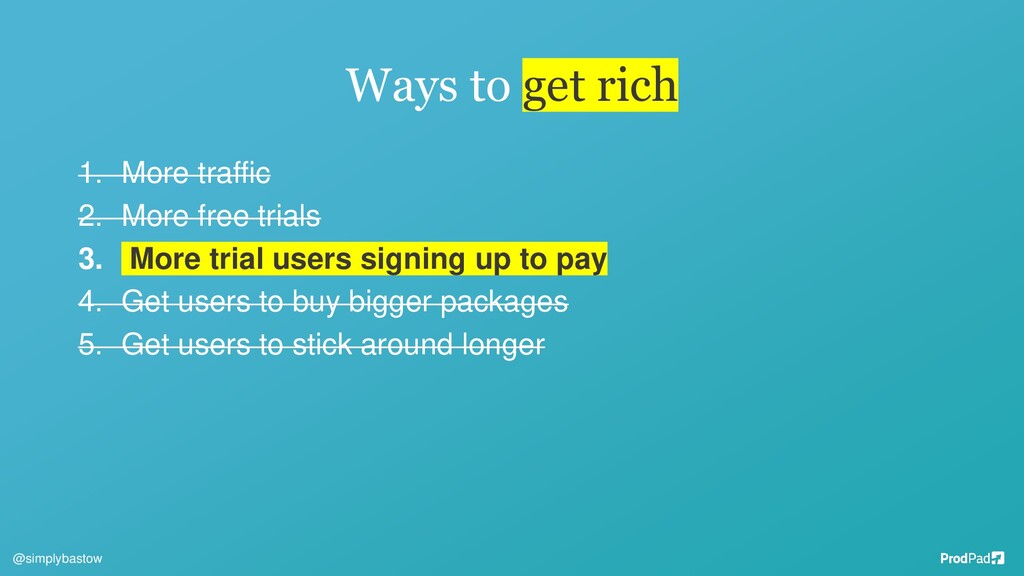
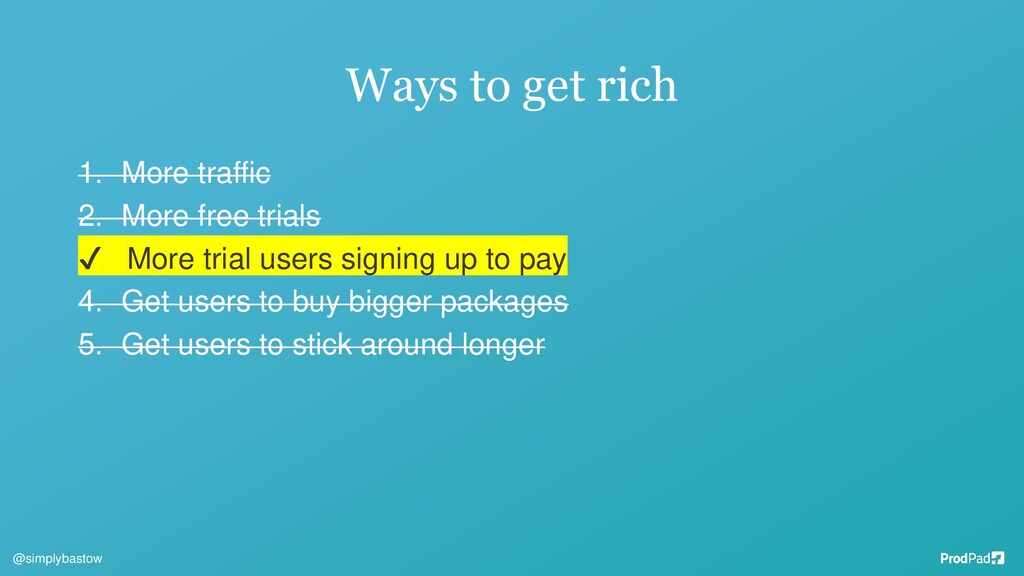
So we started thinking about ways to get out of this hole, to dig ourselves out. You know, part of the the funding round was actually thinking about, you know, if you give us all this money, what are we gonna do with it? So we started listing the ways that we could actually spend this money or what we could actually do as a company to get rich.
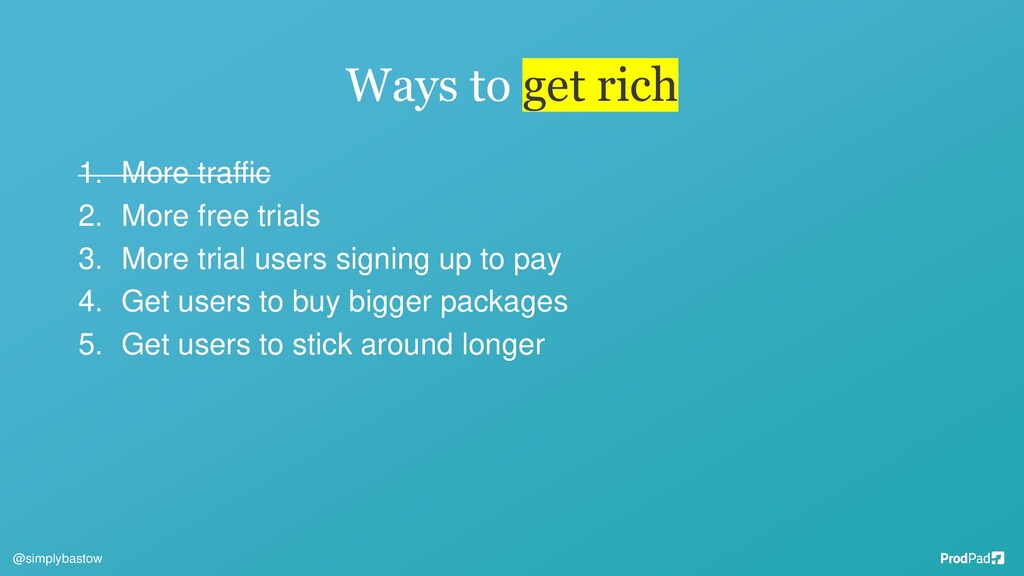
You know, get more traffic, get more people paying bigger packages, all that kind of stuff. We went through our options. So option one, getting more traffic. Well, actually, we had pretty good traffic. We had a good content strategy, I guess you could say.
We were blogging a lot and people were turning up to our site. We're pretty happy with that. And honestly, getting more traffic would have been meant throwing more money down the drain after Google Ads and seeing how many more people turn up. Didn't feel like it was the right thing to do.
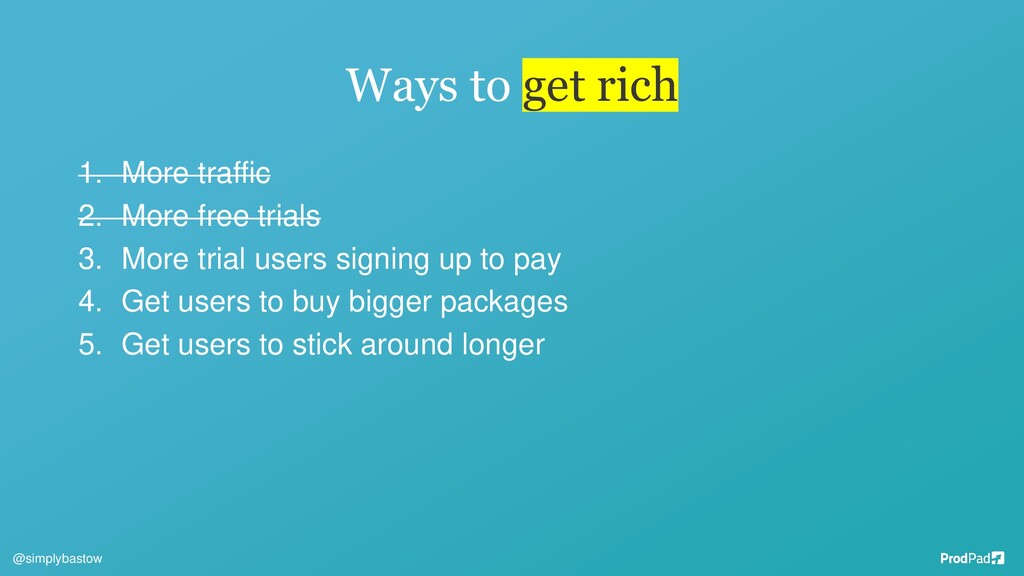
We didn't want to just buy users. We thought about getting more free trials. But honestly, we had several hundred of these every month. And we kind of realized, actually, if we had enough of these people signing up, we wouldn't have this problem in the first place.
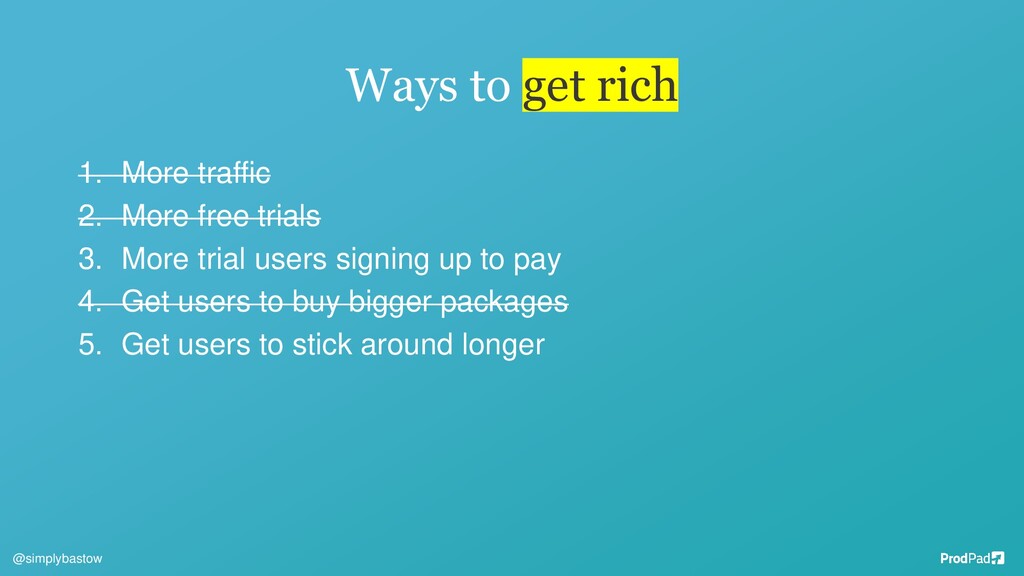
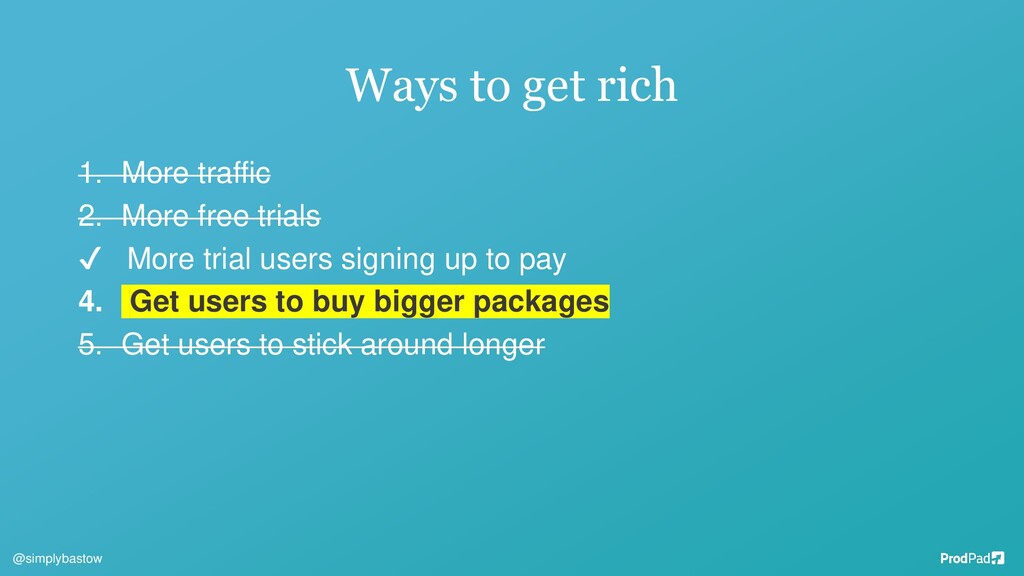
We could have had people buying bigger packages. But at this point in time in the product, we didn't necessarily have larger packages. You know, people would upgrade when their team grew. And didn't have a sales team. We didn't know how to sell people up.
So we kind of looked at this one as not necessarily an easy win compared to other stuff. And we could have had people sticking around longer as well, reducing churn rate. But the problem with churn rate is that there's actually not much you can do about churn rate that's happening next month, this month.
To fix churn rate next month, you need to have started working on it twelve months ago. Because the people who are turning are the people who stopped using it three months ago and had issues six months ago. You need to build this stuff in.
So there are no quick wins to be done in this area. So it came down to, let's get more people signing up to actually pay us money from the free trials that we had. Get them to actually pay us money at the end of their their their month time with us.
And this is kind of a revelation was that, you know, just this process of going through funding and thinking about what we do with this, we actually realized that the most important thing for us to do, the thing that would move the needle the most wasn't throwing money at it.
As a matter of fact, getting more trial users to sign up to a paid account wasn't something that more salespeople would fix or more developers would fix or more anything would fix. It was something that we just had to do ourselves. We're product people.
We know how to fix this one. And so our plan was to focus. Focus on one metric that really makes a difference. And this is vastly different from what we were doing before, was lack of focus. We were all over the place. We were trying all different things.
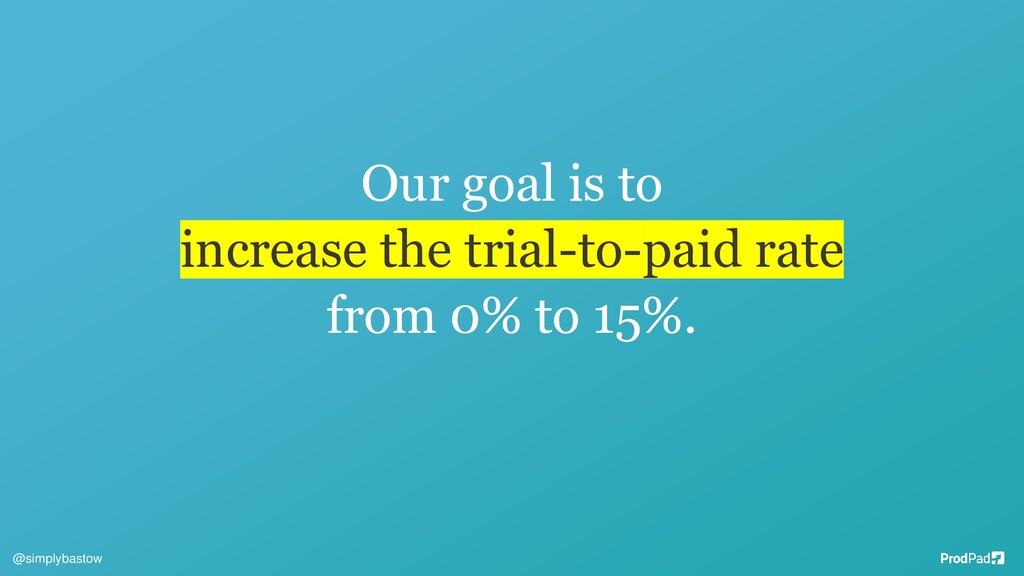
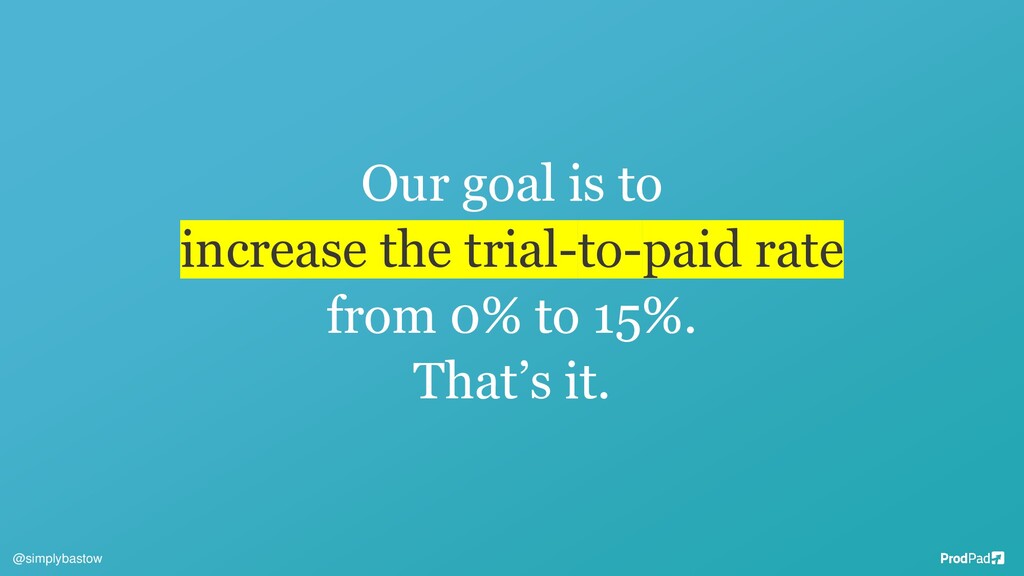
So our goal was to increase our trial to paid rate to fifteen percent. Now I say from zero to fifteen percent because when we launched this new version, our previous version had about maybe a two to four percent conversion rate. Our new version didn't really have an onboarding built into it.
We'd kinda skip that part. And so we were essentially going from zero as a base. So I told everyone in the company, get the trial to paid rate. Let's see what we can do to get this trial to paid rate up to fifteen percent.
That's it. And what we basically did there was we gave them we gave everybody in the company permission to stop focusing on everything else from marketing through to development through to customer success. Everyone focus on this one goal and let's see what we can do.
We didn't know how we're gonna solve this, but it was open for ideas. It was open for experimentation. So here's some experiments that we did that that moved the dial for us. And by all means, some of these things you might have seen before, some of them you probably haven't.
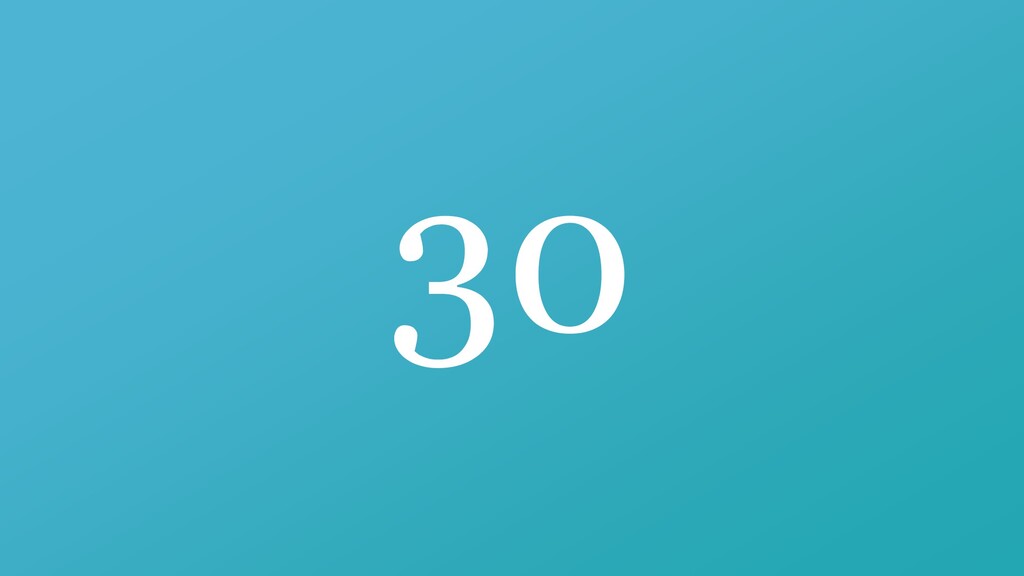
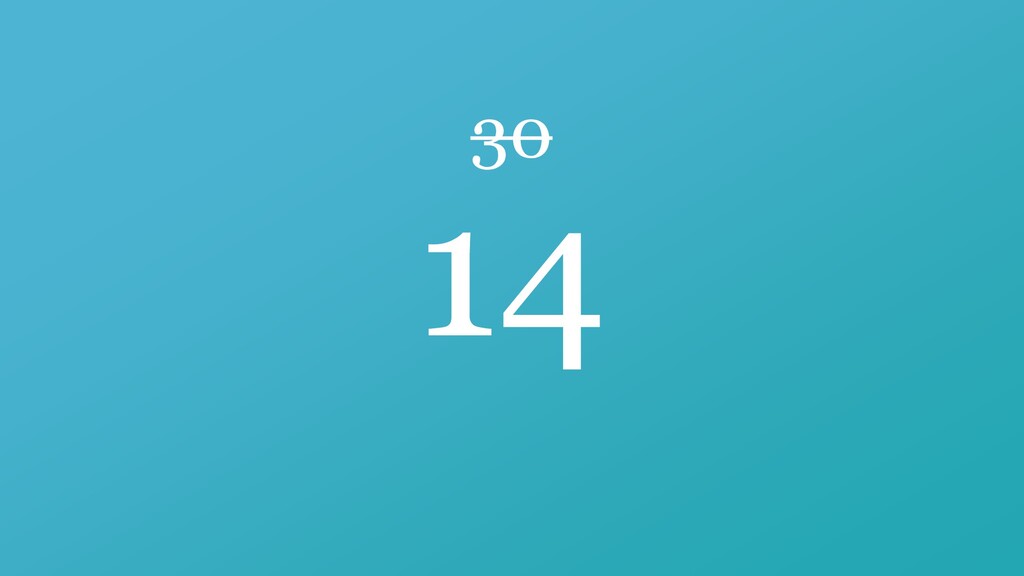
So feel free to nab these for your own tools as well. So number one, shorten the trial time. When we first launched BroadPad, we had a thirty day free trial because everyone else has a thirty day free trial. Right? This is the number people pick out of a hat and go, there you go.
Here's Here's your month free. And my co founder is quite a data science type guy. And so he did an analysis and basically showed that we could tell with eighty five percent certainty by day nine who was going to pay or not at the end of their trial time.
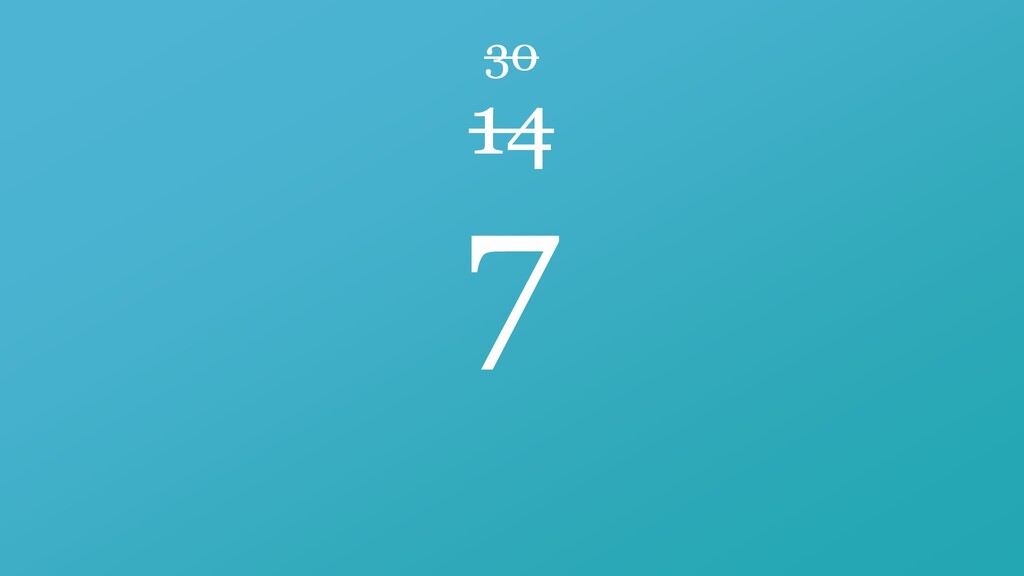
So we thought, well, if they know by day nine, why are we giving them another twenty one days to muck about and try it out even further? Why don't we just cut that down? So we cut it down to fourteen days. And actually doing so, our conversion rate right then and there because people who were ready to buy were ready to buy their credit cards out.
People who weren't ready to buy, well, they were the ones who would see that they only had fourteen days and therefore would use the product more readily and therefore would be able to would be more willing to drop their credit card because they're actually getting more value out of it.
Now, once we did this, our number one support request became, can I have more trial time, please? So we're kind of like, you know, giving them something, but at the same time, we weren't giving them enough time. That was the one thing they wanted more was more time.
So we did the only logical thing, which was to cut it in half again. When you sign up for a PRODPAD trial today, you get seven days free. You know, to a lot people, like, that's not enough time. This is, you know, a complex product that I need to sell to my team and I need to learn how to use and integrate with my Jira or my Trello or whatever else. It does take time. We get that.
So that led us to experiment number two, kind of linked together here, which was to gamify the trial. And now I hate using this word gamification, but it is kind of what we did. It allow what we basically did is say, okay, when you sign up, you've got seven days to start.
But you know what? Let's make this easy easy for you. Tell us the name of your product, and we'll give you two days free on top of your seven. Give us your first idea. Just something pull it off a post it note near you.
There's an extra day free. Do something harder like invite a colleague or set up an integration. Here's five days free. We even have the ability to if you add your credit card early, we'll give you an extra five days free on top of that as well.
And what we actually saw people doing was using the app voraciously. Right? They started going in, going, I'm gonna collect them all. I'm gonna get all the days. And I kind of thought, this is great. Because trick's on you. You're actually now using the app and you're gonna find it really useful.
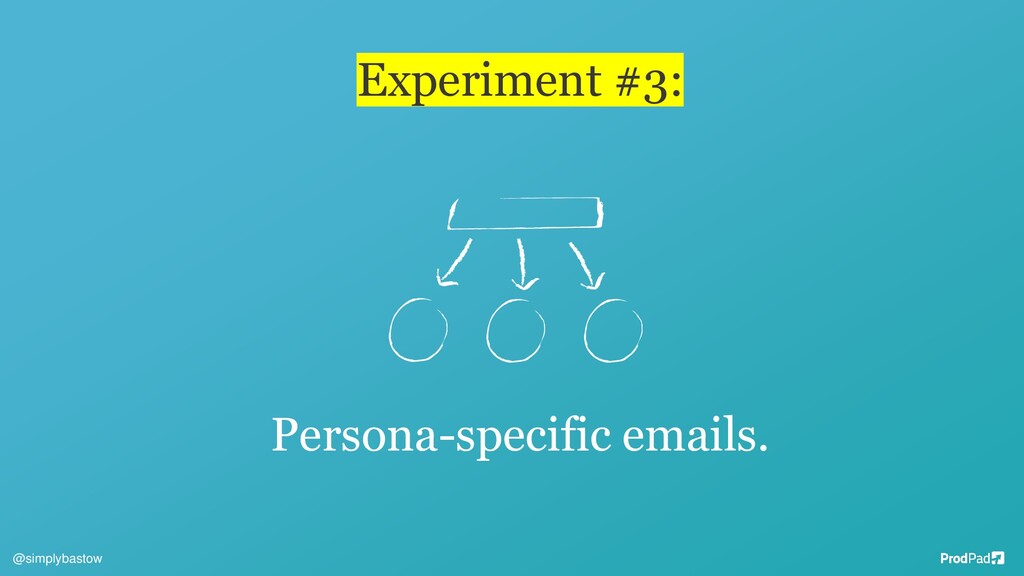
And by the end of the day, you're gonna wanna actually pay Right? So and it worked. We started seeing people actually use the app within, you know, minutes of of their of their trial. The other piece that we started getting in there was what we call persona specific emails.
When you first sign up for an app, you probably get an email that says, hi, welcome to so and so app. And it's your welcome email. Right? It might include like your username or something helpful like that. And then a few days later, you'll probably get one saying, hey, did you know that you can do x with this app?
And the thing is that those emails are kind of dumb because they don't pay attention to what you do in the app. But when they email you, you'll get the same string of emails regardless of what you did and whether you've actually returned to the app or not.
So we decided to actually change that up because we saw that some people would come into the app and do absolutely nothing. They'd click around a couple times, and then they'd close the tab, and then they never return. Other people would get right on board.
They saw that we're gamifying it. They saw that there are all these things they could do, and they'd just get involved and do everything. And, you know, why were we sending them the same email? So we actually started, breaking people up into different personas.
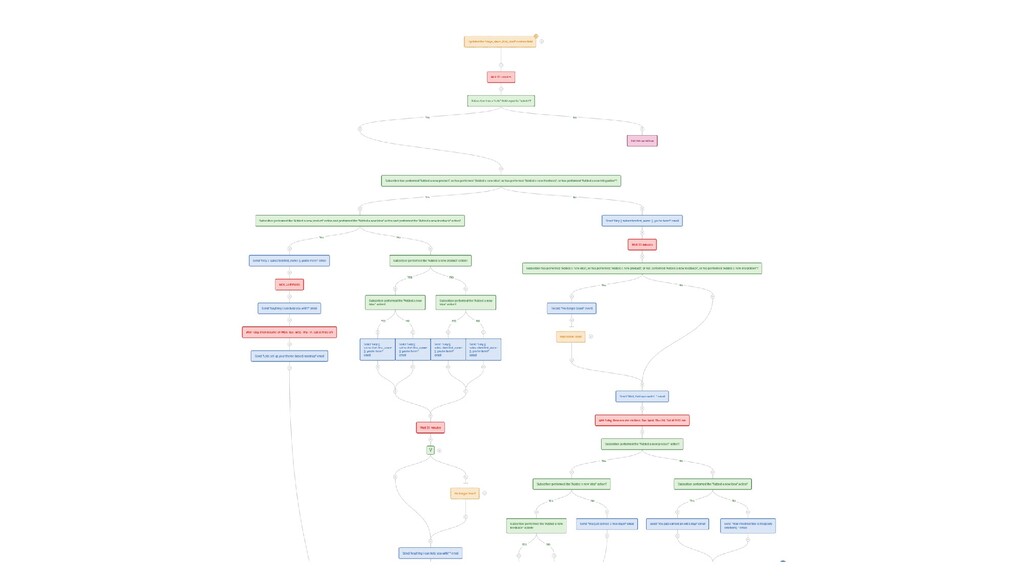
We had silent Sean, who did nothing. We had super Sally, who did everything. And we had variations on average Joe, who did a bit of some things and not everything else. We had five or six key different actions that we could do. We used a tool called drip, get drip dot com.
And they just released this new feature called workflows, which basically is very hard to read here. And trust me, this is actually only a third of the entire flow. This thing continues on. Each of those blue boxes is actually a different email that we wrote specific to a type of person based on what they'd done by that point in time based on other things that we knew about them.
So were they an active user? Were they an inactive user? This, that, and the other. And so it started off, you know, when you first join Prodpad, we identify oh, that's the wrong button. Okay. Give me a second. How do I go back? Alright.
So when you started off, it basically said, did you join the did you start a new trial? And if you'd started a trial, at that point in time, it would say, Instead of sending them an email immediately, which is what most people do, wait ten minutes and see what they actually do.
See if they get involved and see if they add any ideas or do anything like that. And then send them an email. The people who don't send anything, we basically send them an email that says, wait, what happened? You spent all of thirty seconds on the app and then did nothing else.
Did you get eaten by a bear? Come back. At that point in time, think, well, we've already lost them. Right? These are people, statistically speaking, who are never going to return. We may as well see what's going on. And actually, response rate and the number of people jumping back into the flow from that point in time has been amazing.
We get amazing responses back from that, people going, hey, I'm really sorry. I meant to come back. I'm trying it out now and I love it. Perfect. Great. That's a that's a saved lead. For the people who were really active and did everything, you know, why would I send them an email ten minutes later saying, hey, did you know you can add an idea to Prodpad?
When they've already imported twenty of them and started their integration. Right? Like, tell them, actually, you're really on the ball. You're awesome. Here's two things that are super secret features that you otherwise wouldn't have heard of. Reward them for it. Give them something cool for it.
And setting up this flow was actually quite fun. It was a bit of a challenge, but the guys at Drip were amazing, with their support. So I did have to escalate it to them. And at one point in time, we did get this email.
Let's see if this works here. There you go. Thank you for finding all of the edge cases. I'm a product person. I'm good at finding edge cases. And they were pretty impressed with what we actually pulled off. And so, anyways, the result of this thing, we saw people responding to these emails and getting involved and responding back to us and just using the app more and more readily.
Something else we did, another experiment, was the master class. And this is pretty simple. It's just a series of very short videos that walked people through key functionality that existed throughout the app. Right now, it's just a single page that's called master class.
We put it up in a prominent area on the app. And it just it's just thirty second video saying, okay, thirty seconds intro to Prodpad, thirty seconds intro to doing a road map, thirty seconds how to export something. And people just started going through these things voraciously and learning.
We're basically replicating what we were doing with the demo process we were doing, you know, manually, but letting people kind of do this self led. Next step for us is to actually build this into the app itself. So the master class videos, the gamified trial, the shortened trial time, all these things, and the persona specific emails, they all added up and started changing our numbers.
We saw people signing up more readily. One of the key things we saw was that the time to payment changed drastically. Originally, it took people on average about thirty days to pay us. Makes sense, there's a thirty day free trial. On average today, it takes somebody eleven days to pay us, which is drastically different.
You know, for the first time ever, we're starting to see people pull out the credit card in the first week even though they don't even have to. They can get free trial time. They can keep going. But we're actually seeing people ready to give us money.
And that's changed our numbers quite drastically to the point that we are back up on the rise. So things have been going really well. We've had a really fun six months of it, you know, first half of this year, just focusing on this one particular metric.
But you might ask, what about that money we turned down? You know, here we are. It was just around Christmas time that I emailed the few investors who would, you know, put down some term sheets and were ready to give us money. I'd said, no thanks.
We're gonna go it alone. And that was scary because we didn't have that much money in our bank and there were some awesome things we could do with that money. And it could have changed the equation quite drastically. But we decided to focus on our product and see if we could get that money ourselves and get ourselves out of this rut and swinging back upwards.
So at this point in time, we'd figured out how we could get more people signing up from free trial to paid. And so we decided to focus on something else. How can we get more people to well, whatever. How do we get more people to pay pay us in larger packages?
Right? So to upgrade or to to buy larger packages. Oh, we're back. Here we are. Yeah. This clicker, guys. Alright. So we experimented with pricing. And what we actually did with this, number one, we made it a lot easier to upgrade your package.
So if you wanted to add more products or integrations or features or things like that, it was kind of a pain in the butt in the old version. And so we just made it simple. Slack is a really good example of this where the package automatically ups.
And I've heard so many people say, oh yeah, we started on Slack paying fifty bucks a month and now it's up to like three hundred. But we love it. It's cool. It just keeps upgrading us every time somebody joins. Ours is not quite that slippery.
We haven't gone to that level of, you know, we haven't hit Slack standards of upgrade paths. But at the same time, we did do some things that made people upgrade more readily and we started seeing the numbers change with expansion revenue each month.
The other thing we did, and this is one of my big regrets that I didn't do in twenty fifteen or even twenty fourteen, was release an annual package. And so many people in here are gonna say, oh, well that's obvious. You've got to have an annual package.
People actually buy them. But I didn't think they did. I was like, well, you know, people are gonna wanna try it for a few months before they want to give us their money. Right? We're talking, you know, dollars three thousand upfront for something that you've used for, in fairness, seven days.
So we didn't actually expect people to buy this thing. We just decided, oh, let's try it out there. Let's see what this does. And lo and behold, people started paying us. We introduced an annual package, two months free, pretty standard. Nothing out of the ordinary, no gamification, nothing like that.
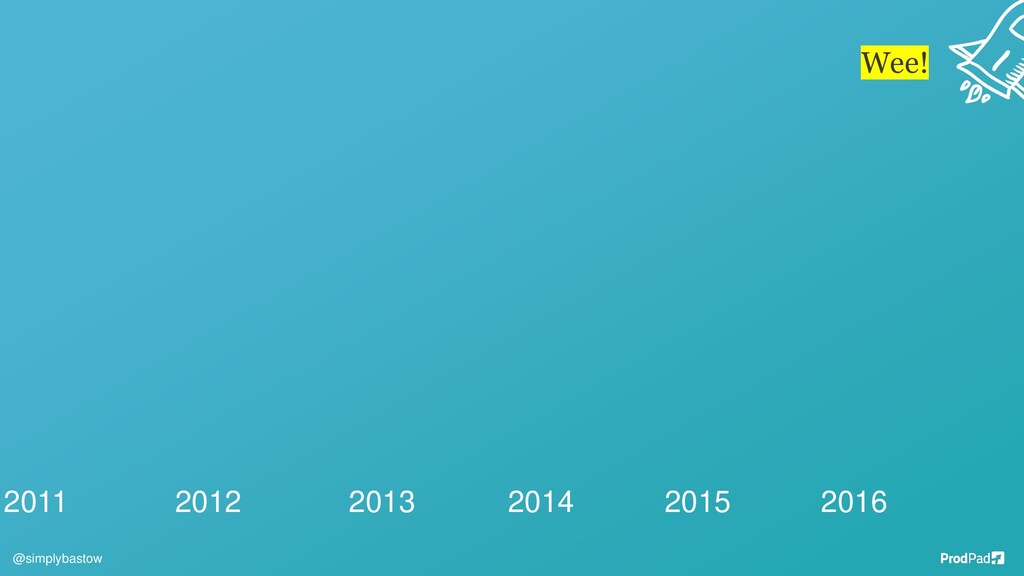
And people started paying us cash. And cash started hitting our banks in numbers that we'd never seen before. And it made such a big difference. And so where does that leave us with our results? So number one, our growth has started skyrocketing again.
It started going up into the right. It's back at the same pitch it was in twenty fourteen when we're having all that fun. So that was the big thing we wanted to get ourselves out of was that that plateau. We've stopped that plateau. We've killed it.
We are moving back up. We also have cash in the bank. As a matter of fact, we have almost as much cash in the bank as we turned down just a few months ago just by playing with the pricing and trying to get more people on board with annual and with upgrades.
Our customers absolutely love this. Now keep in mind our customers are product managers, so they've got a sense of humor in line with the product development process. They know that we're we're toying with them with the packages and with the the the gamified trial.
But they really appreciate it because they go, oh, I see what you're doing here. Does it actually work? And I have these honest conversations with my customers saying, yeah, does and this is how it works. And it actually helps them upgrade as well.
So we're getting a lot of customer love, lot of Twitter love, a lot of people replying to the emails that we're doing. It's something unique. It's something different. And it's actually something we've blogged about a lot and talked about. So we're being pretty transparent about how it works and that just helps people get on board with it even more so.
And one of the big things, and we didn't actually expect this, but it's changed our company culture because we've made it so that people know that they can, number one, permission to just focus on one thing. Right? Ignore everything else. Just focus on this one thing and work together as a team to change these numbers.
But of course, they see the positivity of what happens when a company actually starts growing and what does it feel like to actually throw some experiments out there and see a number of them actually take off and actually work. So it's changed our company culture and everyone's absolutely loving the position we're in right now.
That's the power of product focus. Thank you very much.