Founders put on a brave face for investors, and investors put on a brave face for founders, so the anxieties running underneath both are rarely spoken about. Having spent seven years as a founder and eight as a VC, Harry Briggs has felt the ecstatic highs and depressive lows on both sides of the table, and he thinks it's a conversation the industry avoids.
Drawing on a survey of 500 UK entrepreneurs, he lays out the toll startup life takes: chronic stress, strained finances and relationships, and worryingly high rates of mental health struggles. Then he turns the couch around, dissecting the investor's own insecurities, from decision fatigue and cognitive bias to the fear of missing the next unicorn, the fear of looking stupid, and years of not really knowing whether you're any good. His conclusion is a warm one: founders and funders have far more in common than they admit, and being more honest about the challenges, and prioritising health and relationships over numbers, matters more than either side lets on.
1 / 52 Use ← → to navigate
Auto-generated transcript - may contain errors.
Tap a timestamp to jump the video.
Thank you very much. Thank you. Hi, everyone. Oh, it's working. Good. So thank you. Thank you, Kelly, and and congratulations on all all you've achieved, which is fantastic, and clearly should have invested at some point. And it's great to be in Edinburgh, and thank you, Brian, if you're here for having me here.
I think I've sort of a reasonably late addition to the program replacing a more stellar name, so if you came for them, I'm sorry, but I won't mention the name because you don't want to embarrass anyone. But I thought I would talk today about founder and funder psychology.
So, this is sort of obvious topic for me in a way because I did a sort of psychology degree, so I guess I think about these things a bit, and I was a founder for seven years, and I've now been a VC for nearly eight years, so I just crossed that sort of threshold of being an investor of more than a founder, and I've seen some of those ups and downs, the ecstatic times, the stress times, the depressed times on both sides of the fence, and yet it's something that we generally don't talk about
much, and so I thought I'd talk about it. And by the way, should start oh, there we go. I should start with the caveat. That was me a long time ago when I just finished my psychology degree in an overrated English university. And so, it was a long time ago, so I'm not much of a psychologist if we're honest, and lots of people would say that psychology isn't much of a subject.
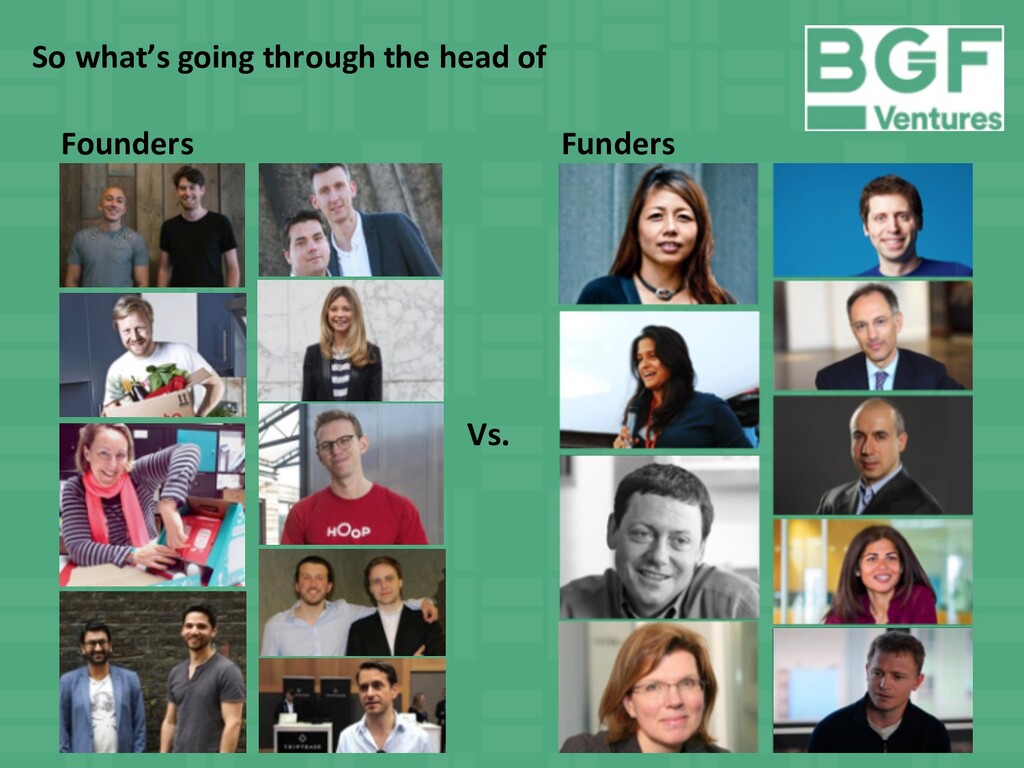
So, this is more a layman who, I guess, tries to look at things from a psychologist perspective as much as he can, but, no no more than that. So this presentation, as I say, it's trying to say what is going through the heads of founders and funders.
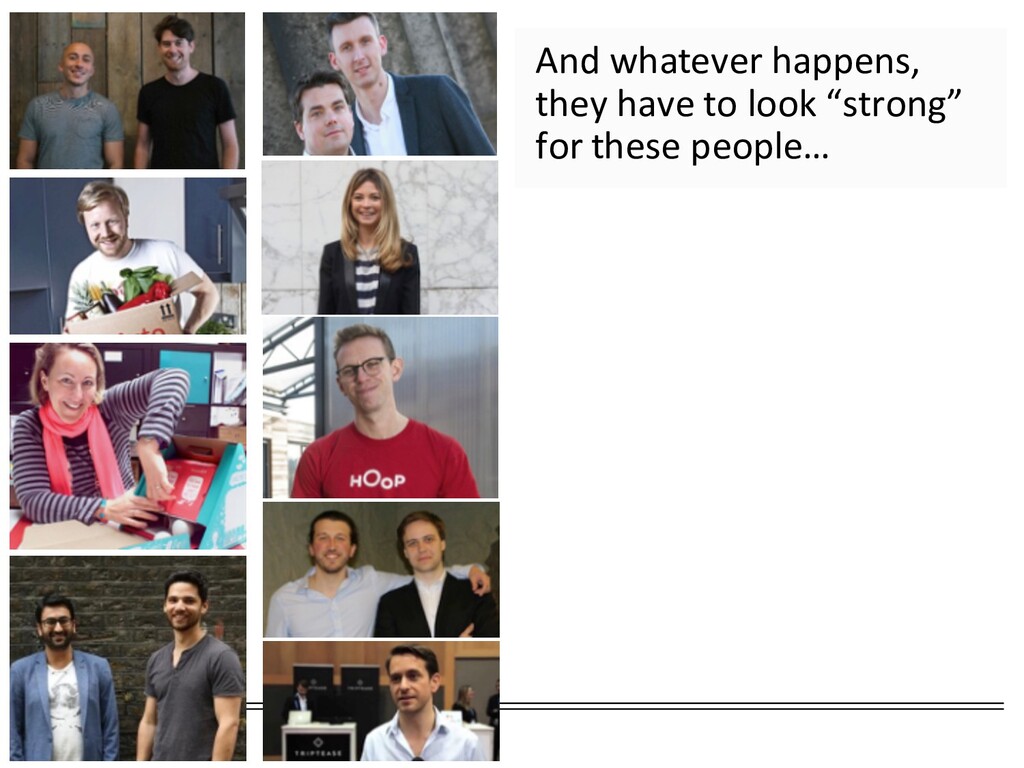
Those happen to be some of the founders that we've recently backed to BGF Ventures, but I was also at Baldur's and Capital for six years and backed a bunch of companies there from Revolut, The Hut Group, GoCardless, List, Magic Pony. And obviously, on the right, I've put some funders, some UK. We just heard from Sherry.
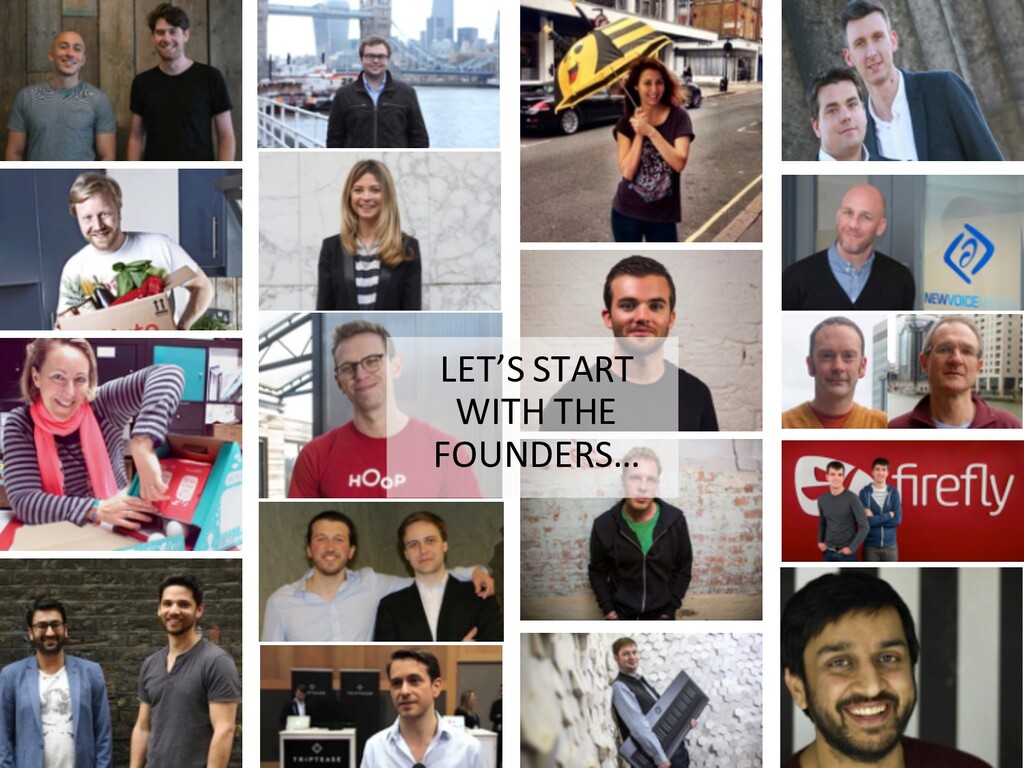
Think Sitar was also here earlier. And some of the big names, Peter Fenton and Fred Wilson, and Mike Moritz up there too. So what is actually going through the heads of some of these people? Conjecture, obviously, for some of them. So I thought we'd start with the founders.
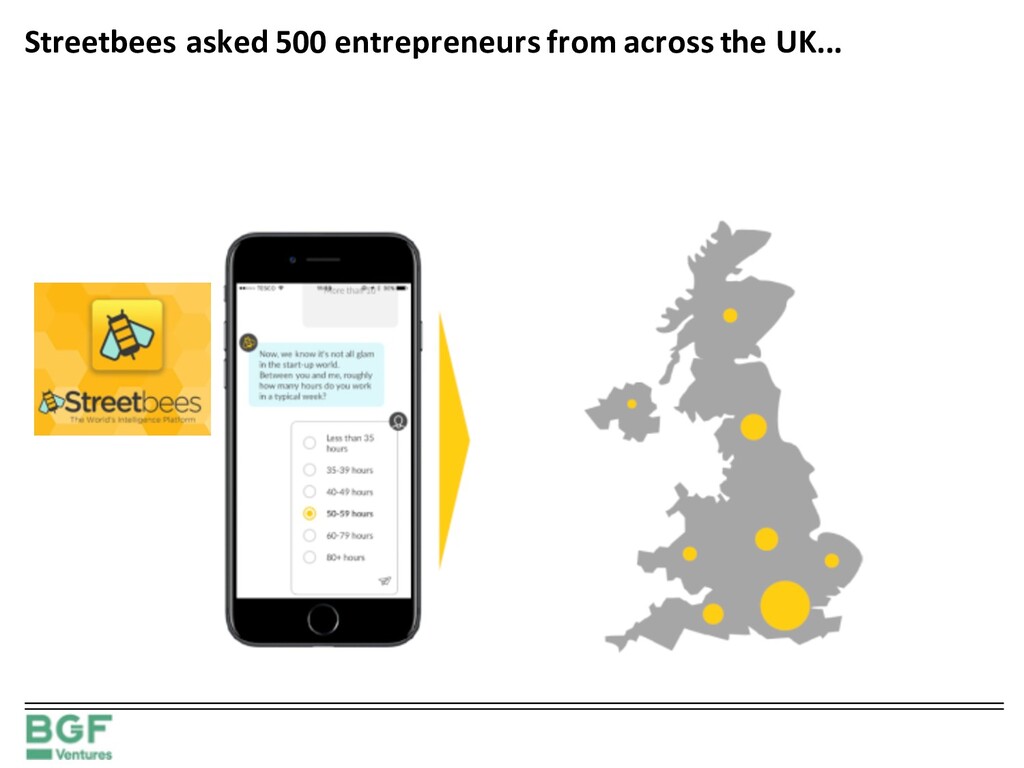
As I say, there's eighteen companies that we've recently backed, and all kinds of companies, all kinds of people, all putting on a brave face for investors like us. But rather than sort of guess what's going through their heads, we actually did some research at BJF Ventures where we got one of our companies called Street Bees to interview via their mobile app, five hundred entrepreneurs around the UK.
Relatively small dot there in Scotland, I'm afraid, but I promise you it was representative in some way. We wanted to know what's really going on in your heads. Why do we want to do this? Because ultimately as series A founders or even pre A founders, about two thirds, three quarters, I mean, most of our decision is on the founders.
So, we're backing founders. It's a little bit like the music industry. In fact, I think the VC, the sort of early VC funds based a lot of how they set themselves up on the music industry back in the sort of sixties and seventies.
And so we're backing talent, and so we should be nurturing and looking after that talent. And let's face it, the music industry has a rather checkered track record of looking after its talent. If you watch the Amy Winehouse movie, you'll certainly get that impression.
And obviously, we want to do a bit better than that. So, as I say, we asked five hundred entrepreneurs to take part in this, And oh, there they are with perfect teeth, obviously, and nice Instagram models. And here's what they said. And, yeah, let's start with the sort of get right into it.
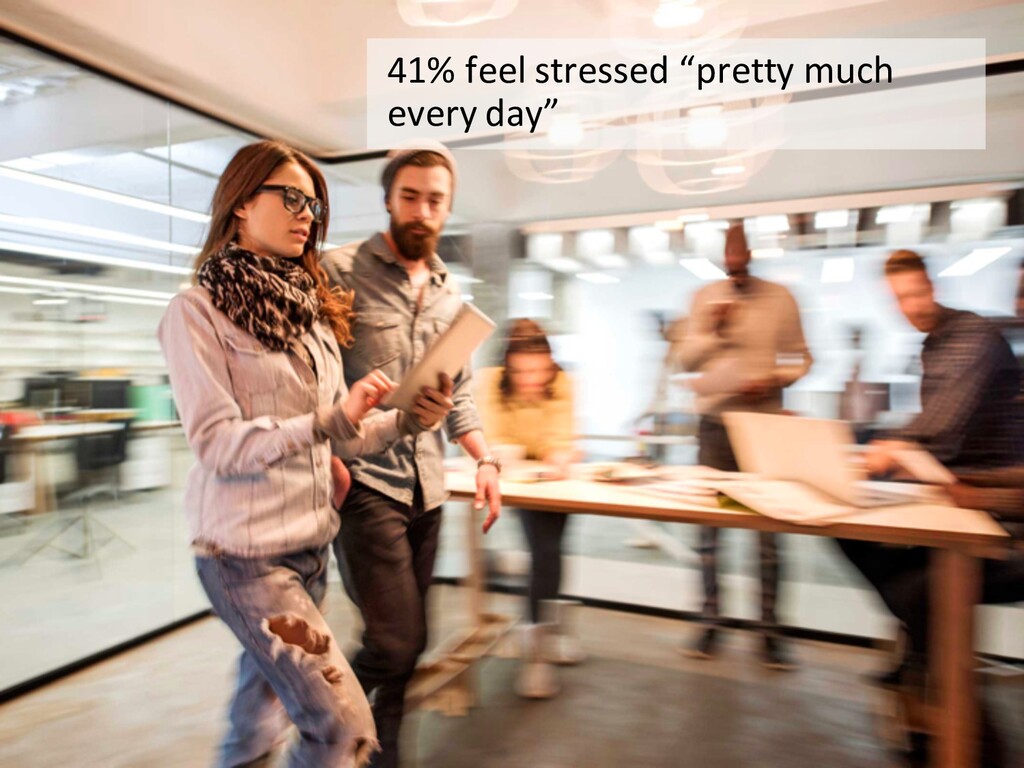
So forty one percent of founders said they felt stressed pretty much every day. And when you cut the data by the people that have been doing it for two or more years, that just goes up. It's fifty percent plus. And this isn't just sort of light stress.
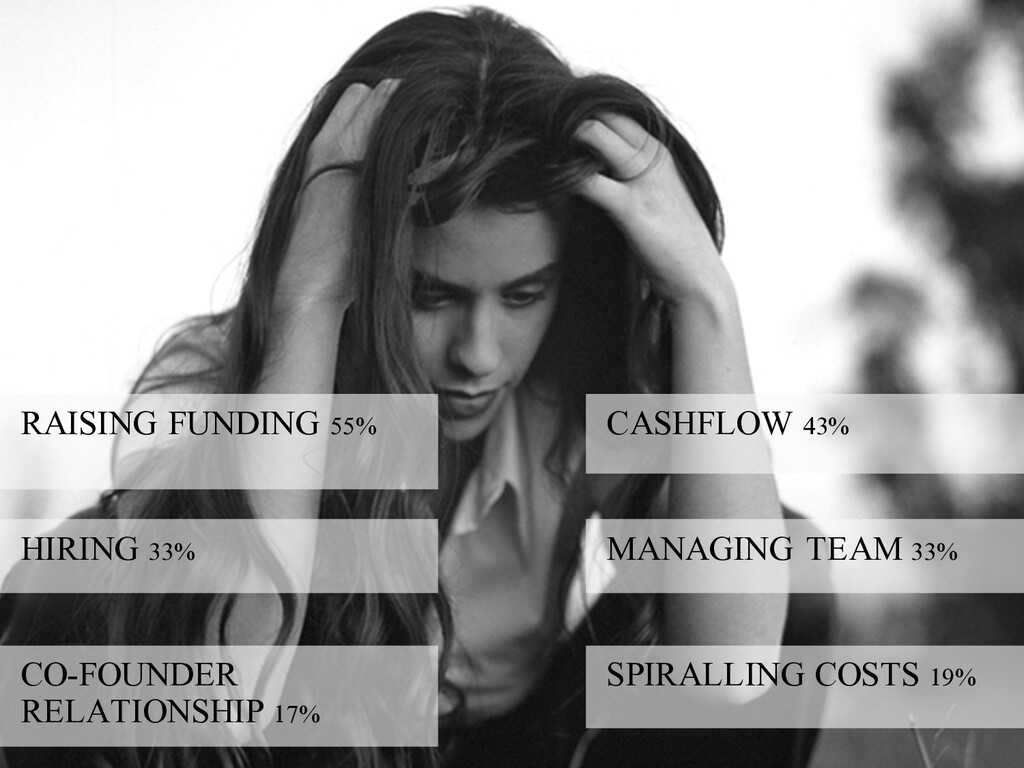
This isn't sort of, oh, got too many emails. This is stress about raising funding. It's my cash flow. Am I gonna make payroll? It's hiring, it's team issues. It's co founder relationship, pretty fundamental, seventeen percent are stressed about that. And obviously a lot of these are sole founders, so it's probably higher proportion of the ones that aren't.
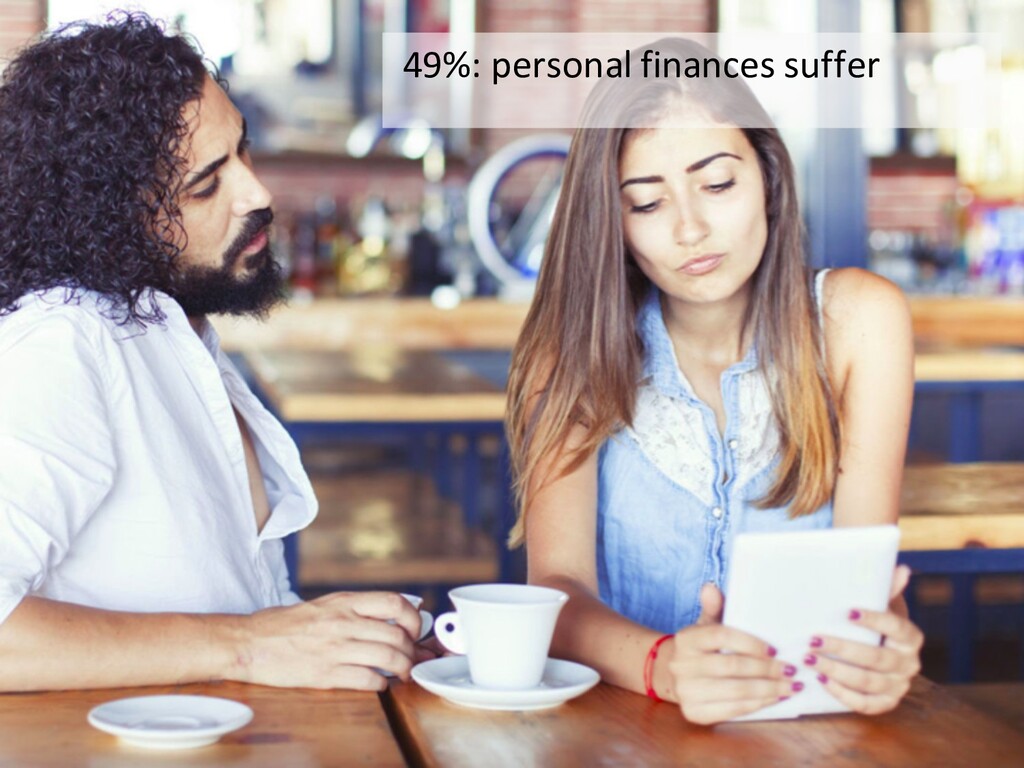
Spiraling costs, how am I going to manage people wanting a pay rise when we don't have the money to pay them? But that's just the business. There's also the personal life stresses. So forty nine percent of the entrepreneurs we surveyed said that their personal finances were often a source of stress for them, and that they've actually worsened since becoming an entrepreneur.
I mean, it's not surprising. I was a founder, we paid ourselves very little, and remember that feeling of being asked to go for lunch with an investor once and thinking, oh my god, if he ends up wanting me to split the bill, that's like my entire disposable income for the week cause this is quite a nice restaurant.
And so ever since then, by the way, and message to any VCs out there, and and anyone meeting VCs, the rule is the VCs should always pay. Alright? So just just for comfort. So, yes, forty nine percent going through personal financial issues. Good old Richard Gere and Pretty Woman.
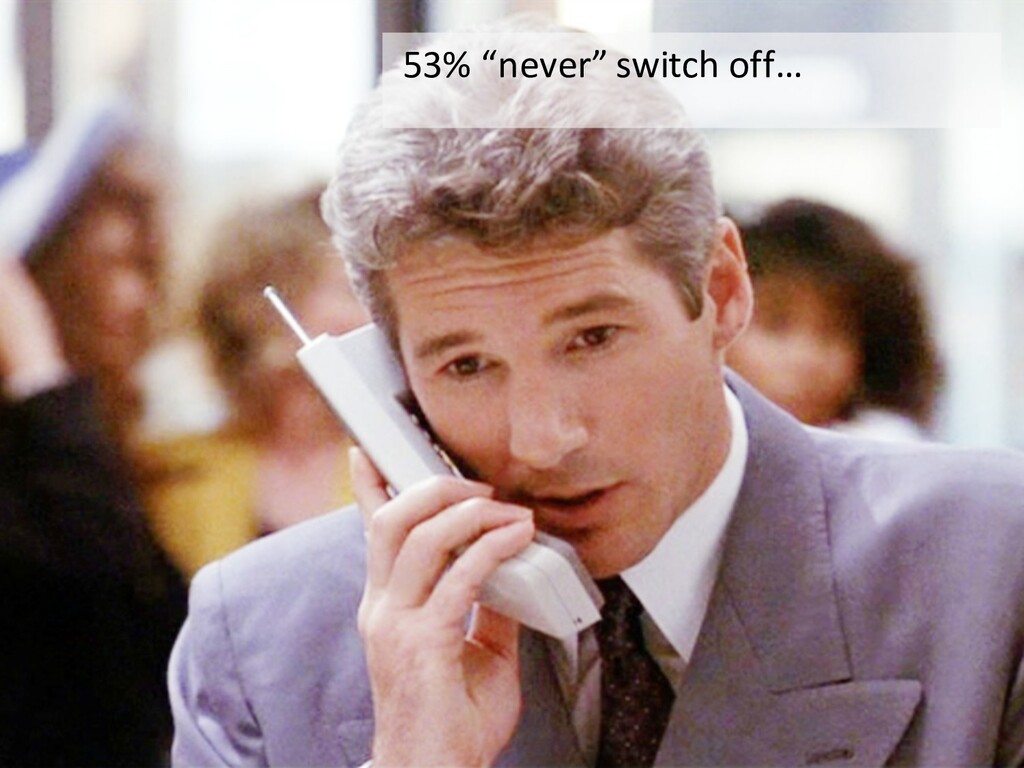
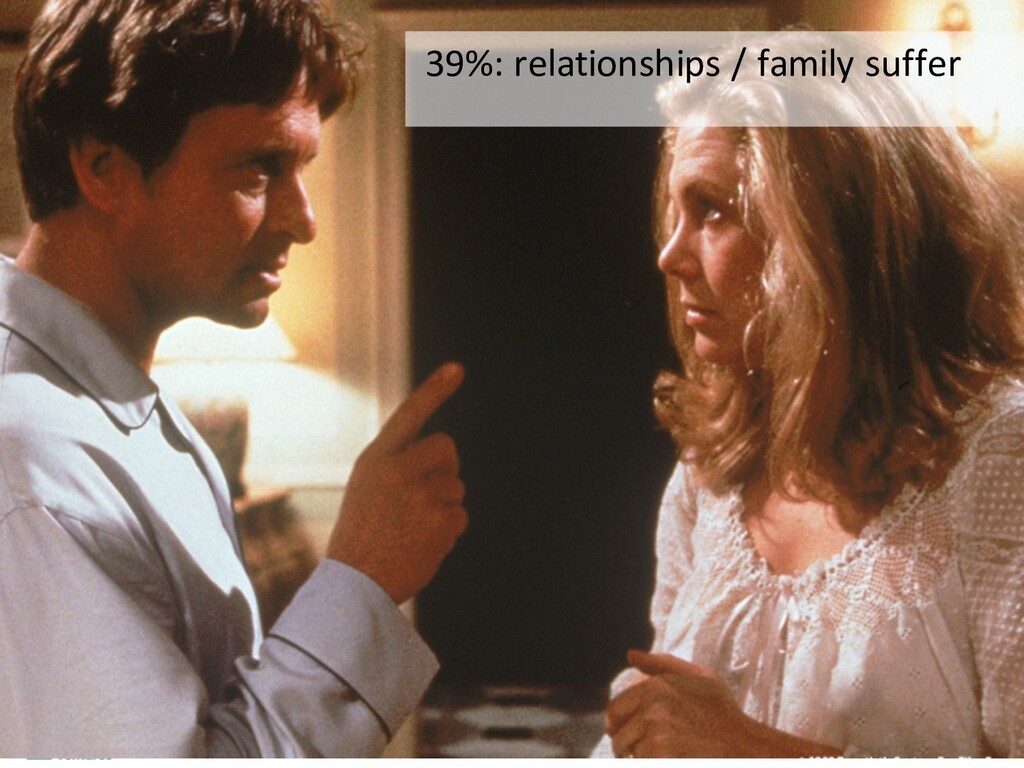
Fifty three percent say they never switch off, never. So taking time to recharge, reflect, relax, it just it just it's not happening at all. And of course, your home life is suffering. I mean, hopefully not to quite the degree of the war of the roses, but it's yeah.
The business is all consuming. Your kids are going to take a backseat. Your relationship is going to take a backseat, and people don't like being told that. And I mean, hate to say it anecdotally, the number of founders I know who exited, made a lot of money, and got divorced within a year is strikingly high, and it's not surprising.
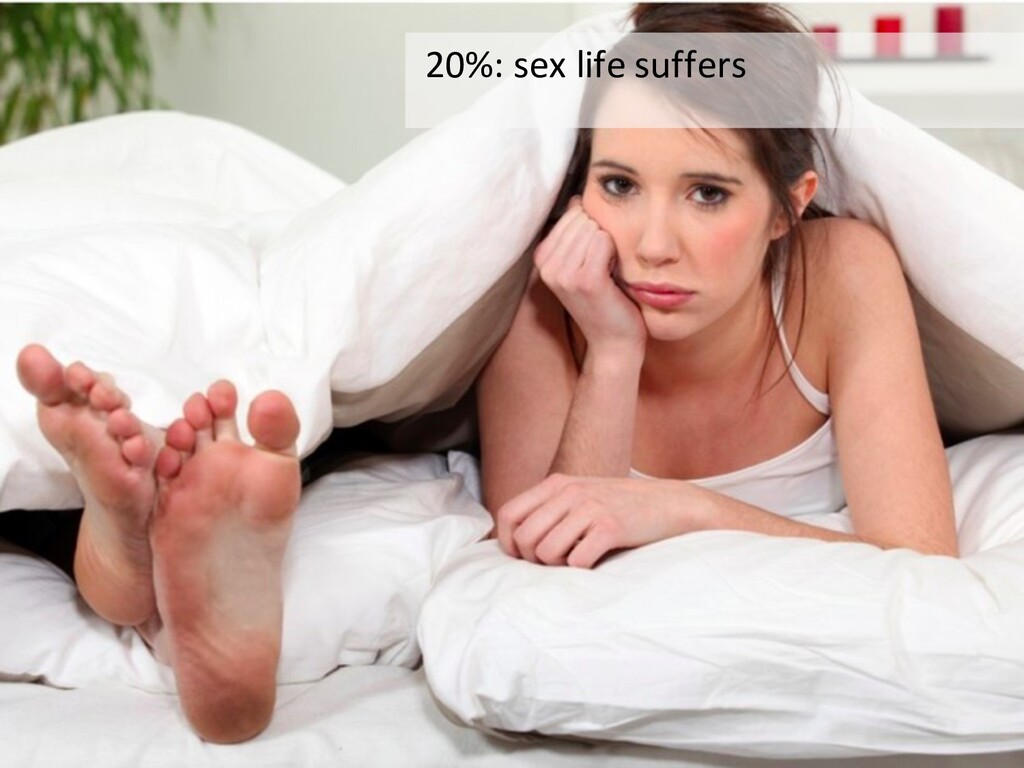
These things do take a toll and they do matter. And of course, we've got to talk about sex. Twenty percent of our survey said that their sex life had suffered versus only four percent who said it had improved. I guess that speaks for itself.
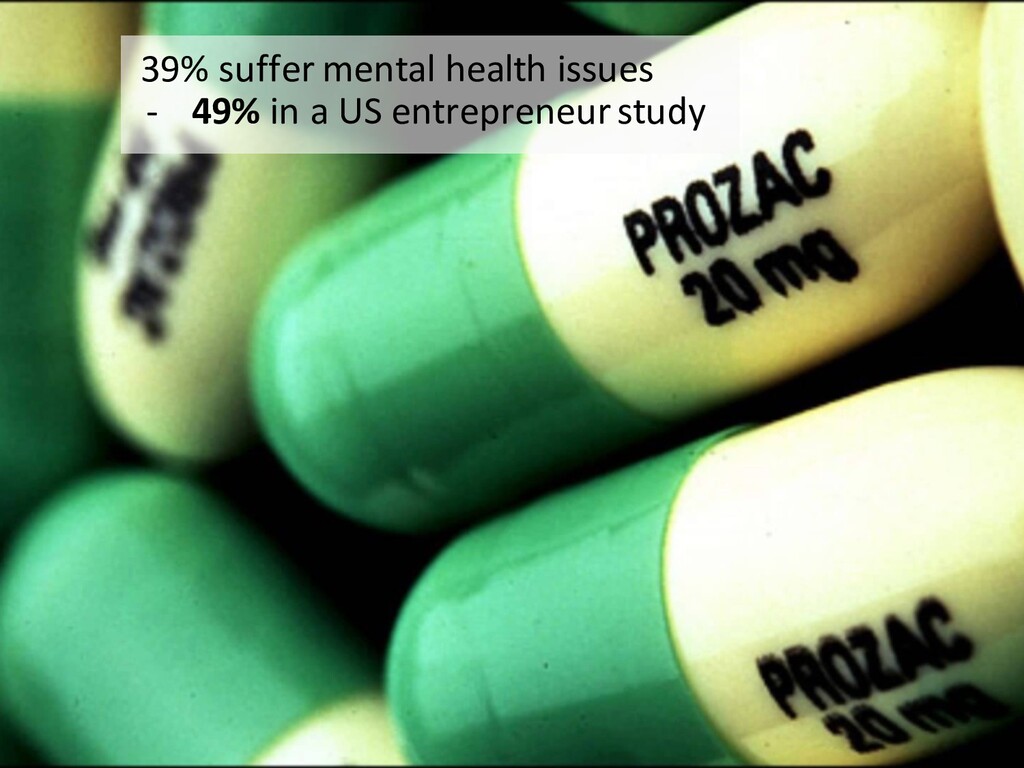
So, that may be related to the other point, I guess. I mean, seriously, thirty nine percent say they've suffered mental health issues, and there's been a recent study in the University of California that surveyed about three hundred entrepreneurs and compared them to a control group of people of sort of similar age and demographic, and they found that forty nine percent of them were suffering some kind of mental health issue.
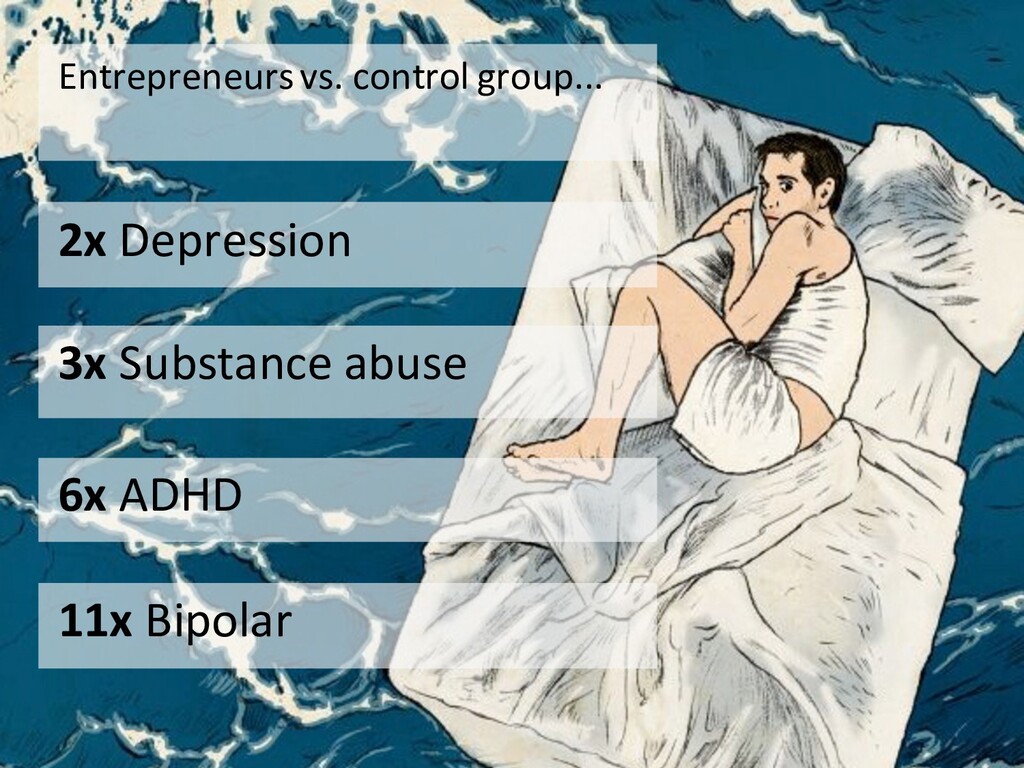
And just to dive into that, that is two times the level of depression, three times the level of substance abuse, six times ADHD, well that's hardly surprising, and eleven times bipolar, admittedly a relatively small base, but eleven percent bipolar compared to one percent of the control.
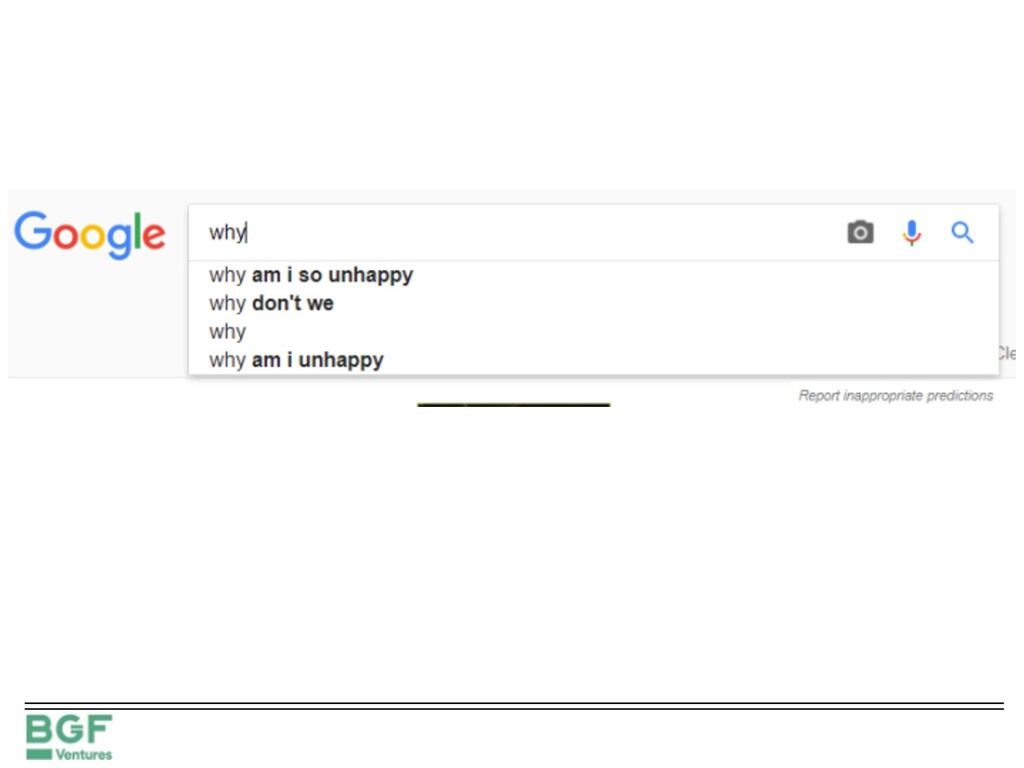
So why? Interestingly, when I typed why into Google, that's what came up. So someone else is feeling it too. Well, being a founder, When I was a founder back in I started my business in two thousand and two, two thousand and three, and we felt like at the time a relatively rare breed.
There'd been the dot com boom. There were a few famous founders like last minute dot com, but we were sort of a weird weird weird people that no one really it was like, oh, you're doing this weird thing. So in a way that was good because we didn't have that many people to compare ourselves to.
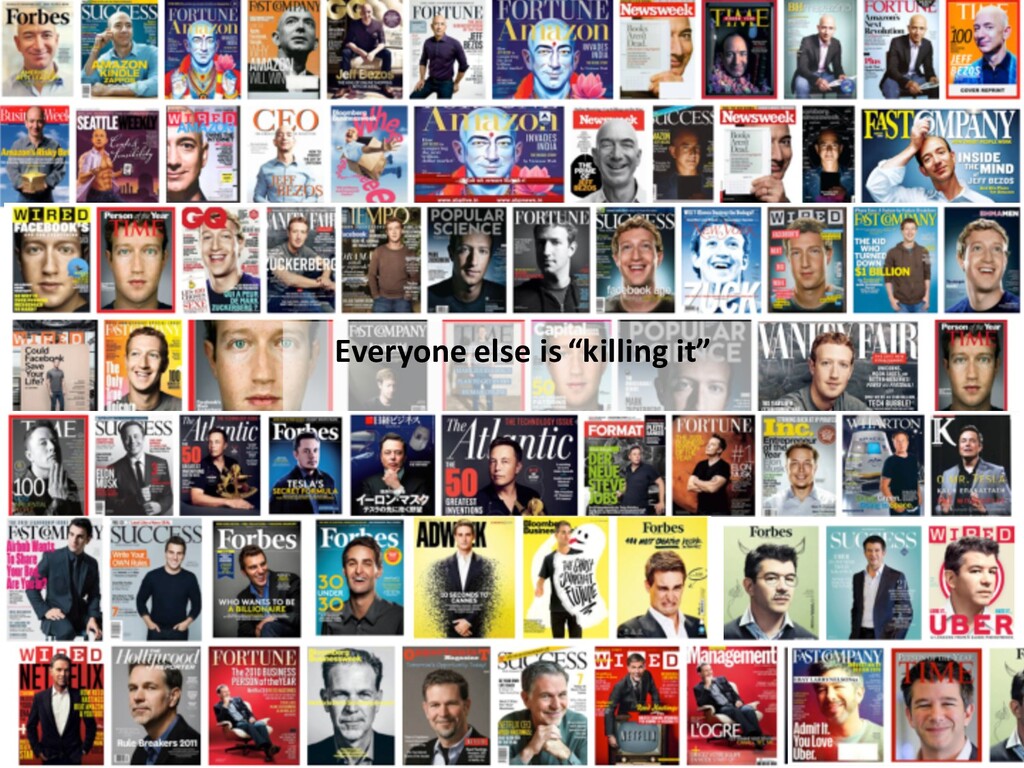
Whereas, I feel like nowadays, we're all competitive people. We wanna feel like we're doing really well, and yet we're constantly seeing Elon Musk and Jeff Bezos and Mark Zuckerberg and who knows, all these fantastic entrepreneurs that are making tens I mean, Bezos is vying with Bill Gates to be the richest man in the world right now.
And so we can't help comparing ourselves to these people. It looks like they're killing it, looks like they're finding it easy. Of course, we're not seeing the other side. We're not seeing how hard it was for them, how nearly they went bust, how stressed they were at one point, except for occasionally when they tweet like on Monday, Elon Musk.
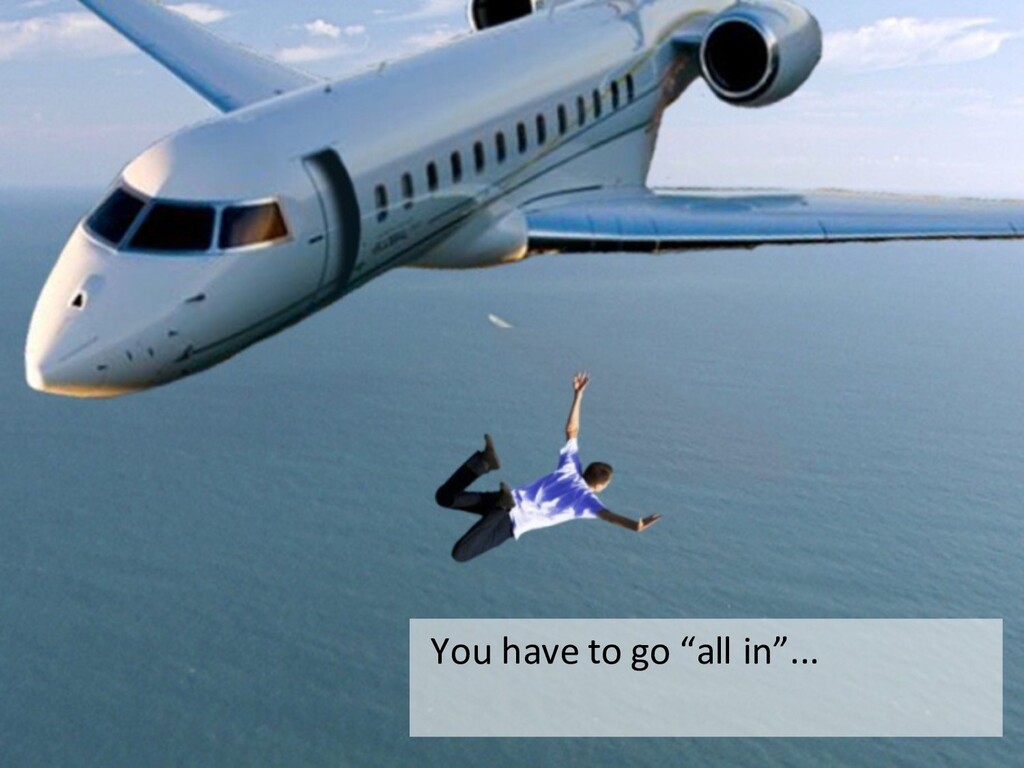
I'll let you read it. Everyone's going through this, and yet very few people are talking about it. I think Reid Hoffman's line is that starting a business is like jumping out of a plane without a parachute and building a parachute on the way down.
It's pretty stressful even if is a Learjet or something. And you have to go all in, there's no point particularly a venture backed startup. You're you're shooting for the stars, and of course, that makes it even more stressful. You're putting your whole life into this.
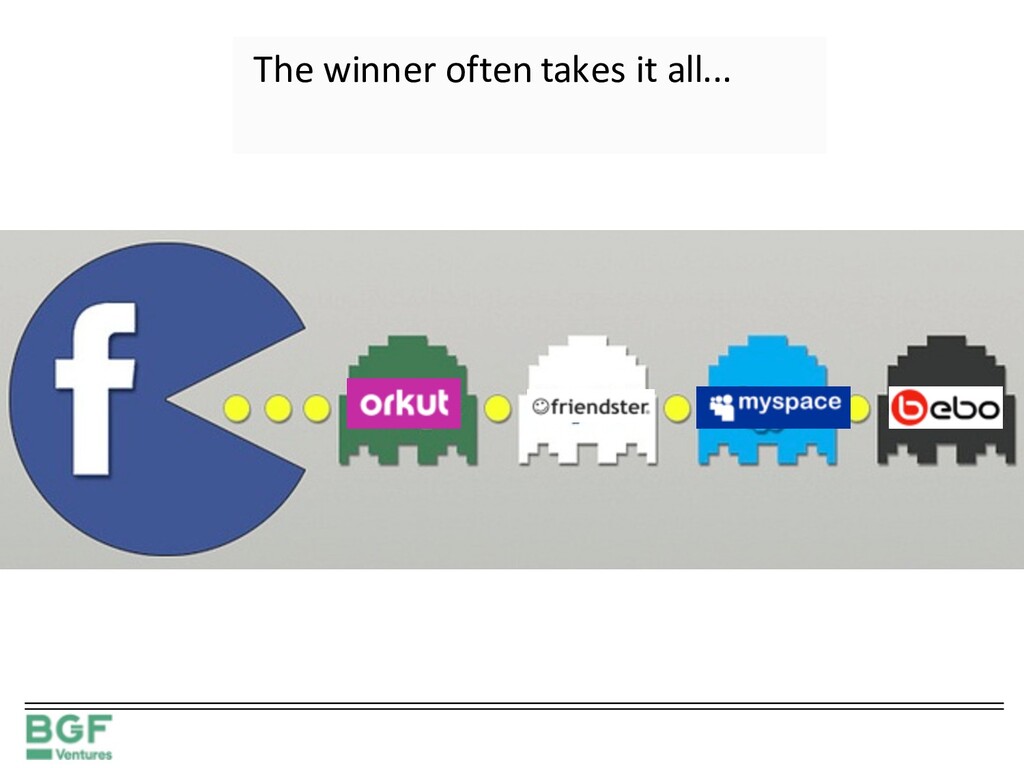
Often, know, often your house is on the line, and you've given up a job to do this. And often the winner does take all. Who remembers Orcutt or Friends to or MySpace or Bebo now, but they were all at one point worth hundreds of millions, and they were all gobbled up by Facebook, the Pac Man.
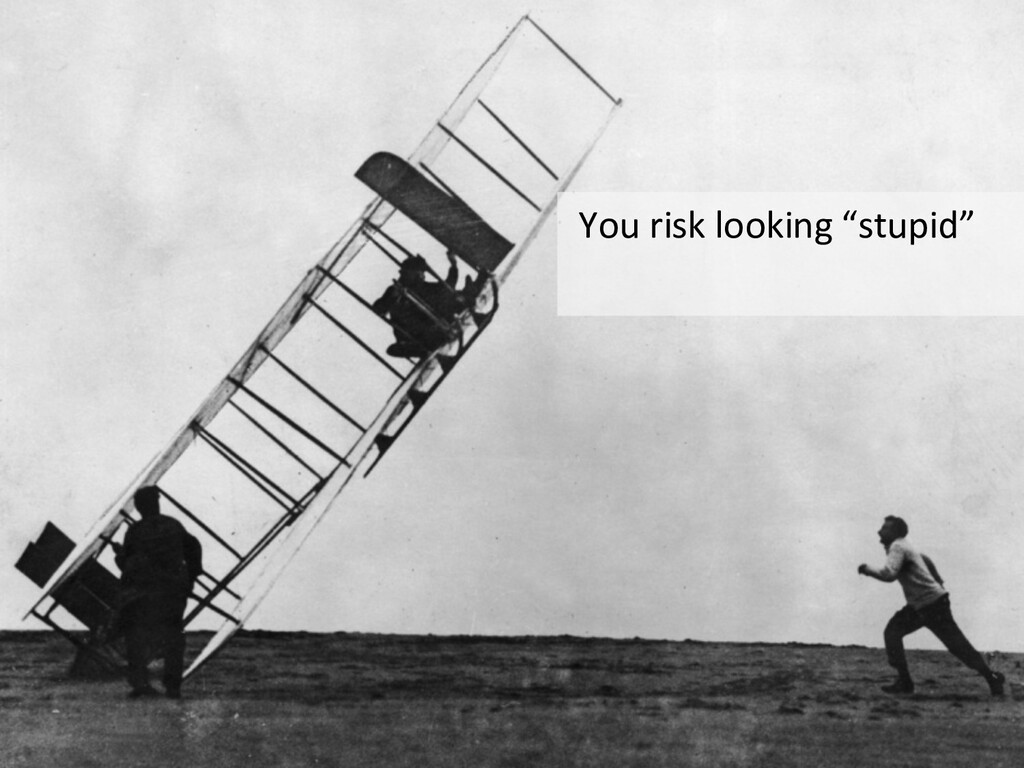
And, of course, you risk looking stupid, and I think in this day and age also, we're brought up in an education system that tells us you have to get your straight A's and you have to get everything right, and yet you're taking a big risk, and here are the Wright brothers, Wilbur and his brother.
What's the line from they all laughed. Anyway, so yes, you're risking looking an idiot. Of course, that's going be a stress, and of course, you're risking having nothing to show for it all. So you've got all of these pressures, and who can you turn to?
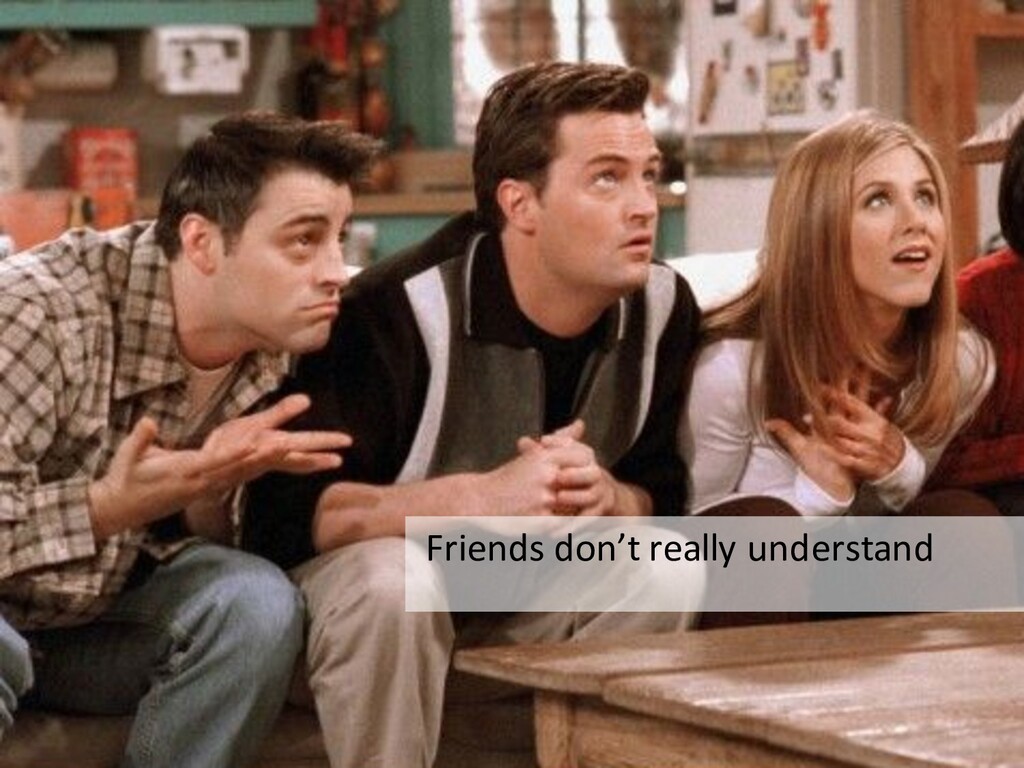
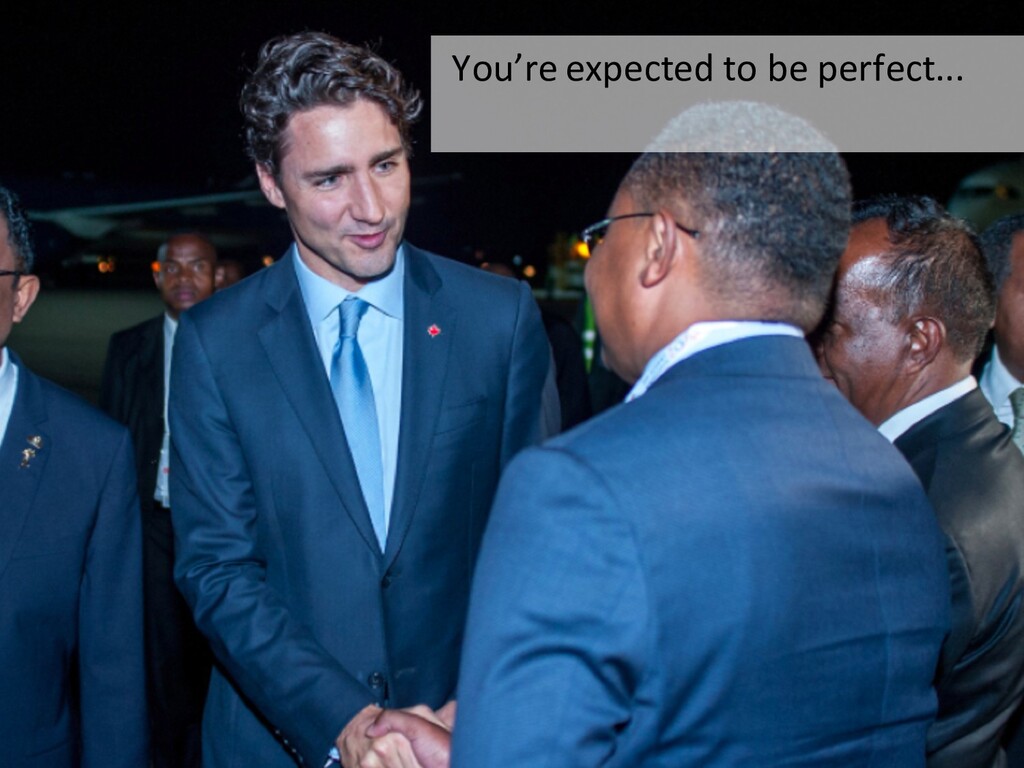
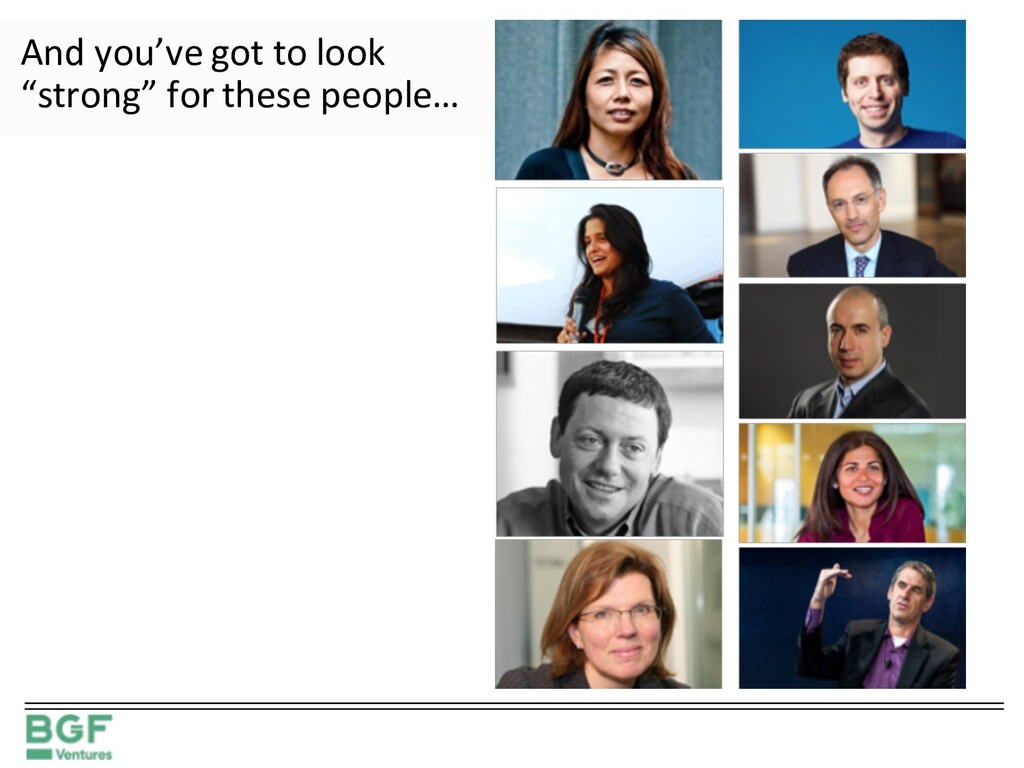
Well, often your friends don't really understand, they'll sort of go, yeah, hard, but why don't you just get a normal job? And, of course, all this is going on, and meanwhile, you've got to somehow, you're expected to be perfect, like Justin, obviously, for your team, for your clients, and of course, for these people.
Because when you come to see the investors, obviously, they need to know that you're killing it and you're on top of your game and you're incredibly confident and resilient and all those sorts of things because that's what we want to see as investors.
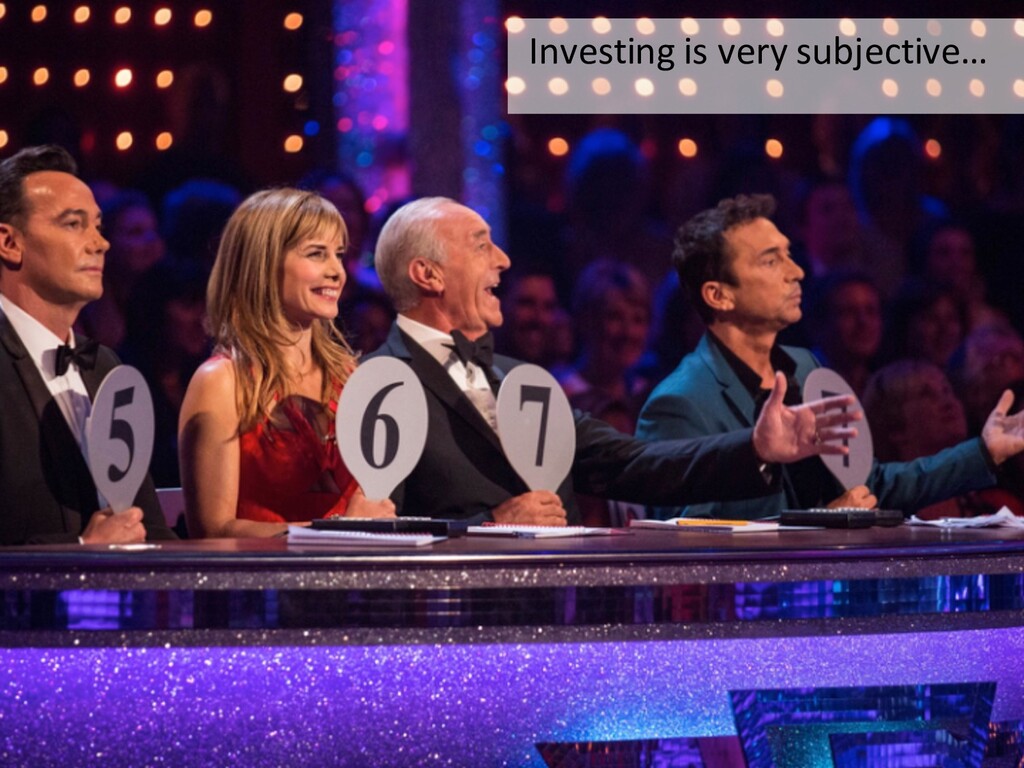
So, these guys have got it easy, right? Or maybe not. So, I'm now going to just switch the other point of view, the last eight years rather than the seven years before. So, investing is obviously very subjective, particularly at the early stages. We don't have lots of numbers to look at, we are trying to spot talent, we're trying to spot future opportunity.
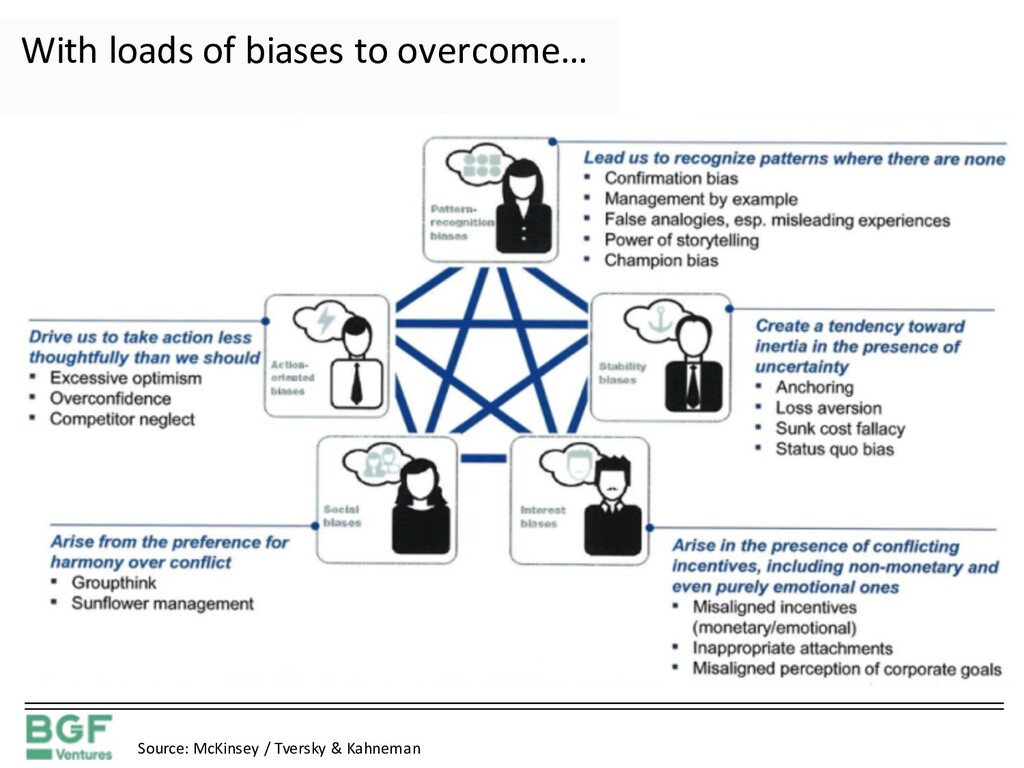
It's a ridiculously complex world, so many moving parts, so much luck involved. So we can think we're really smart one day and dumb the next. This is something based on Tversky and Kahneman, which I don't expect you to read, but it's just showing a whole lot of the biases that happen in investment decisions.
And we're getting together as a group of individuals trying to decide, shall we invest in Kali's business or not? And we have confirmation biases, we have group think, we can be excessively optimistic or the opposite depending on kind of recency. There's often a tendency to sort of say, well, I've seen a business a bit like this before, and that didn't go anywhere, so sort of false pattern recognition.
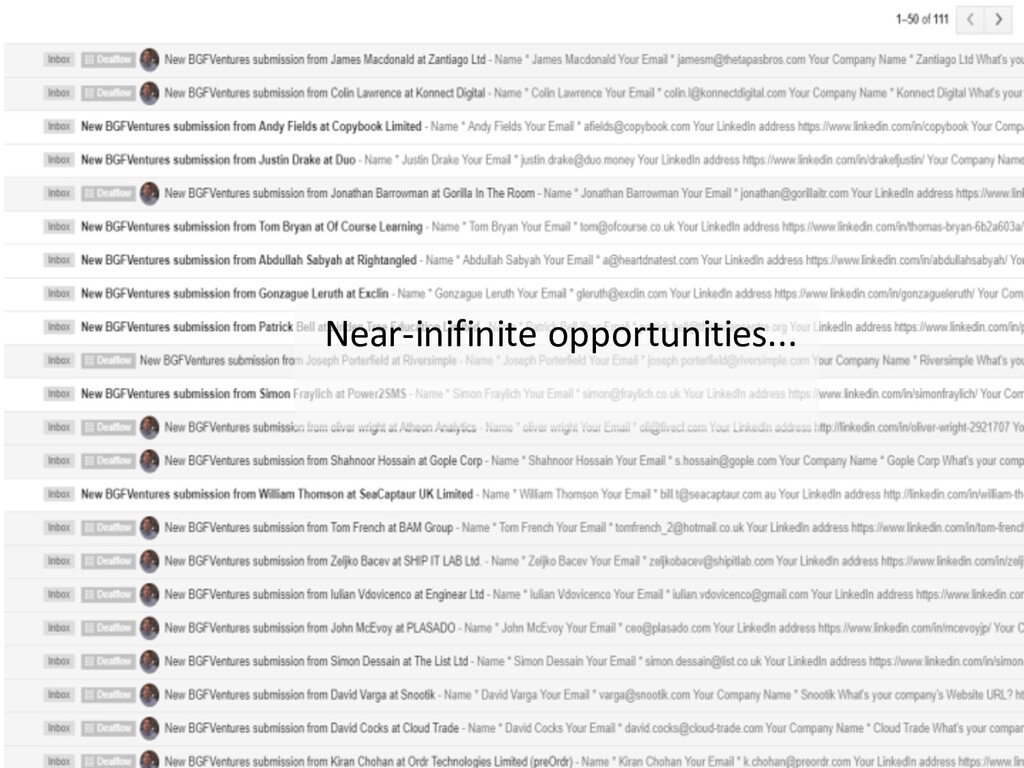
So many biases we're trying to overcome. We have near infinite opportunities. This is just things that have come into the BGF Ventures website, which by the way, you're most encouraged to send things to if you're interested. But that's just in the last couple of weeks, and I feel this is a little bit like the sort of random variable reward of Skinner's rats in the cage.
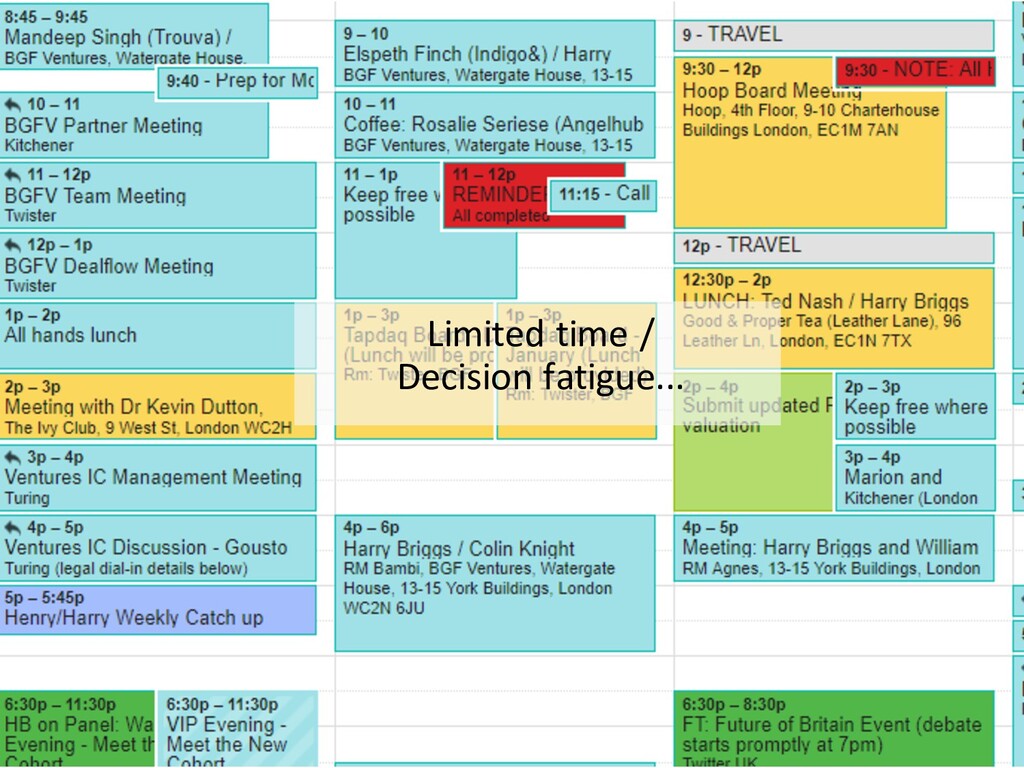
It's like you read through these and some of them are one of them could be the next something huge, but a lot of them are not gonna go anywhere. And by the way, those are sort of confidential, so please don't. We have obviously horribly limited time, and that is my diary from some point recently, and that leads you into this sort of decision fatigue where you're having to Also, sort of emotional fatigue of having to turn a lot of people down, and that again hampers our decision process.
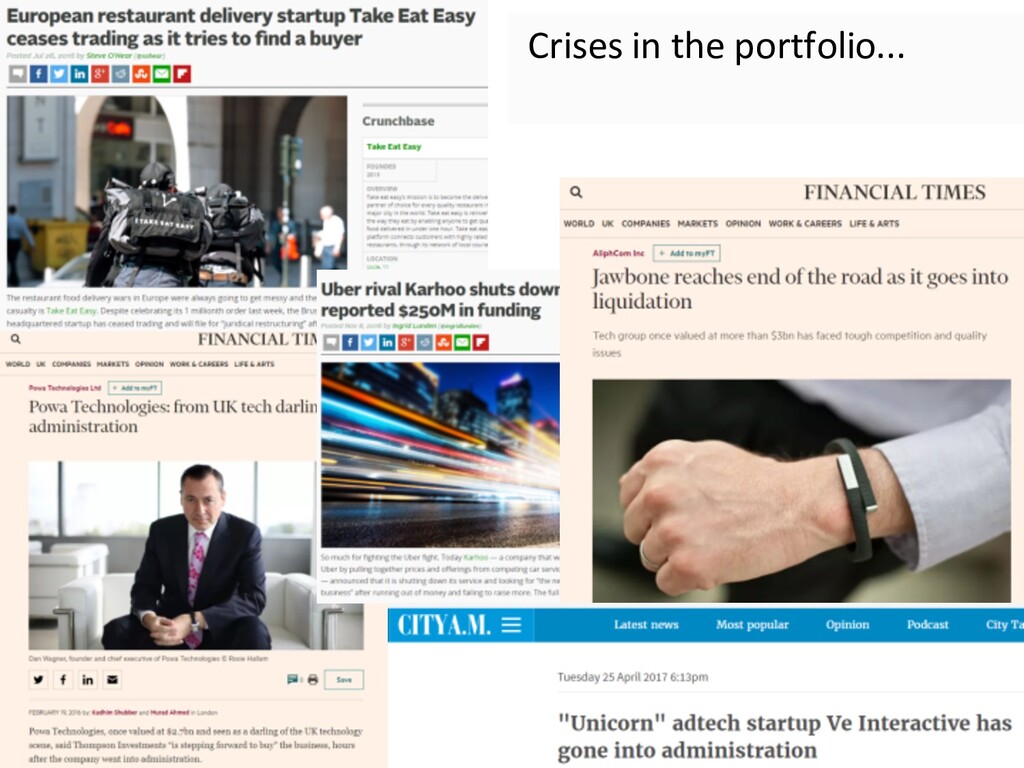
And obviously there are portfolio crisis, these luckily, none of these were in our portfolio, but just a few of the failures recently. And if you're the VC on one of those deals, some of them weren't VC backed, thank goodness, then you're going be spending weeks, months worrying about those and trying to help and not able to think about what's next.
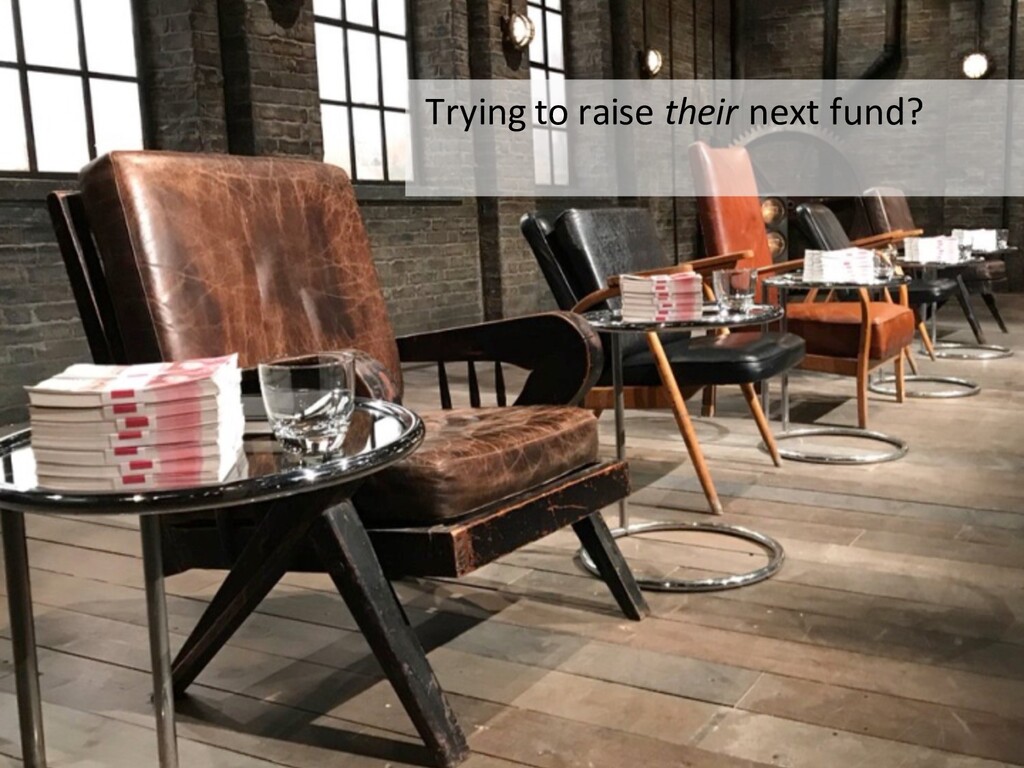
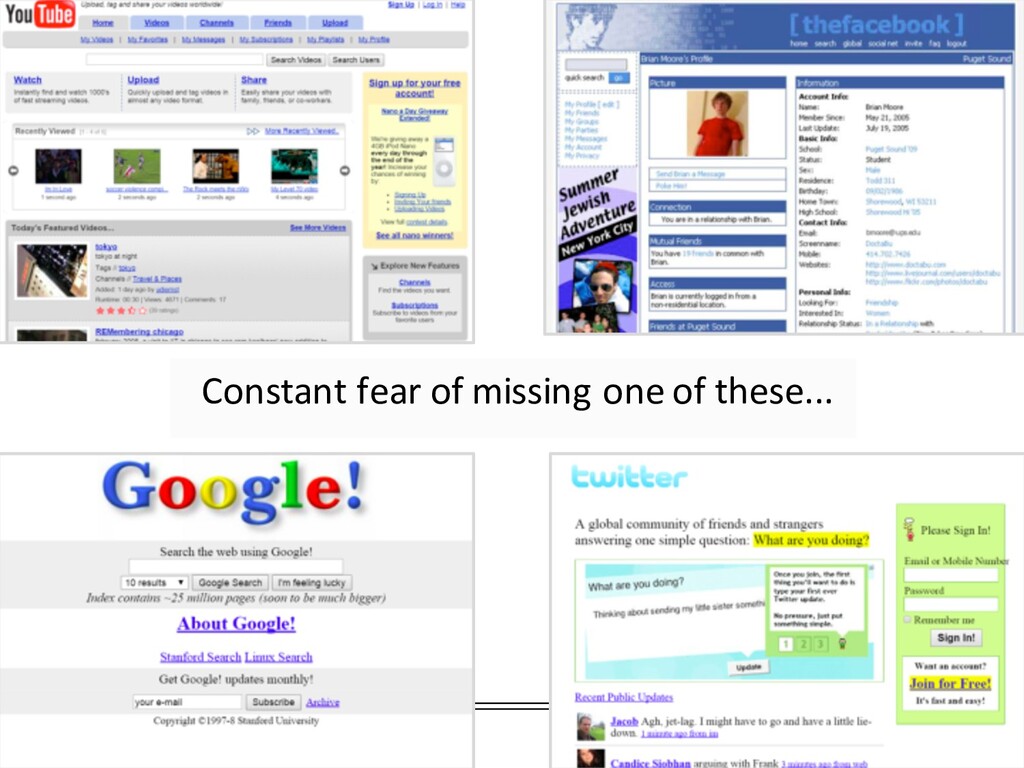
And of course, we have to raise money too. So, we're sometimes going to the dragons with piles of fifty pound notes. But all the while, we're terrified of missing the next one of these. I probably should have put Skyscanner in here, sorry Gareth, but those were the early versions of those four businesses, which I know a couple of people that turned down Twitter from my old firm, and on the day that it went public at a sort of twenty something billion valuation, I don't think I've ever seen anyone look quite so sort of miserable.
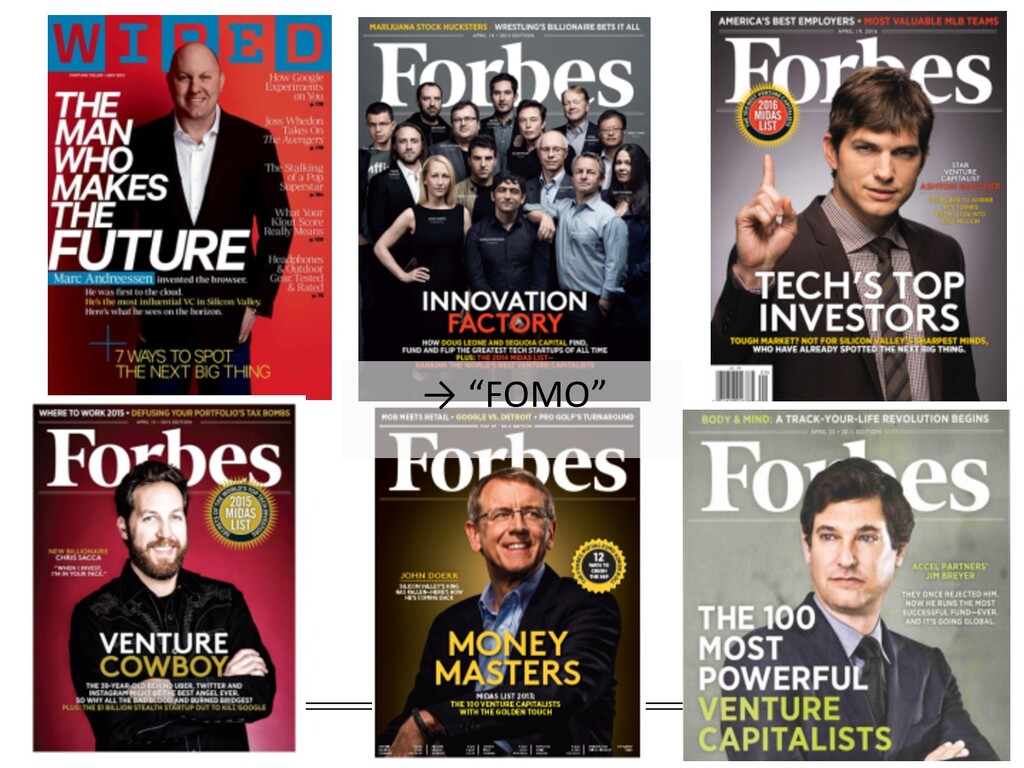
Because if you get one of those, if you find one of those, if you invest in one of those, if you buy one of those, then you become one of these people potentially. You become this hero of John Durer who backed Amazon and Google and is apparently, I just heard worth ten billion.
And Marc Andreessen, well, look he was already famous before he became a VC, but Sequoia at the top there. Jim Breyer who was the sort of early VC backer of Facebook. Even Ashton Kutcher, for good for God's sake. Mean, you know, he can do everything.
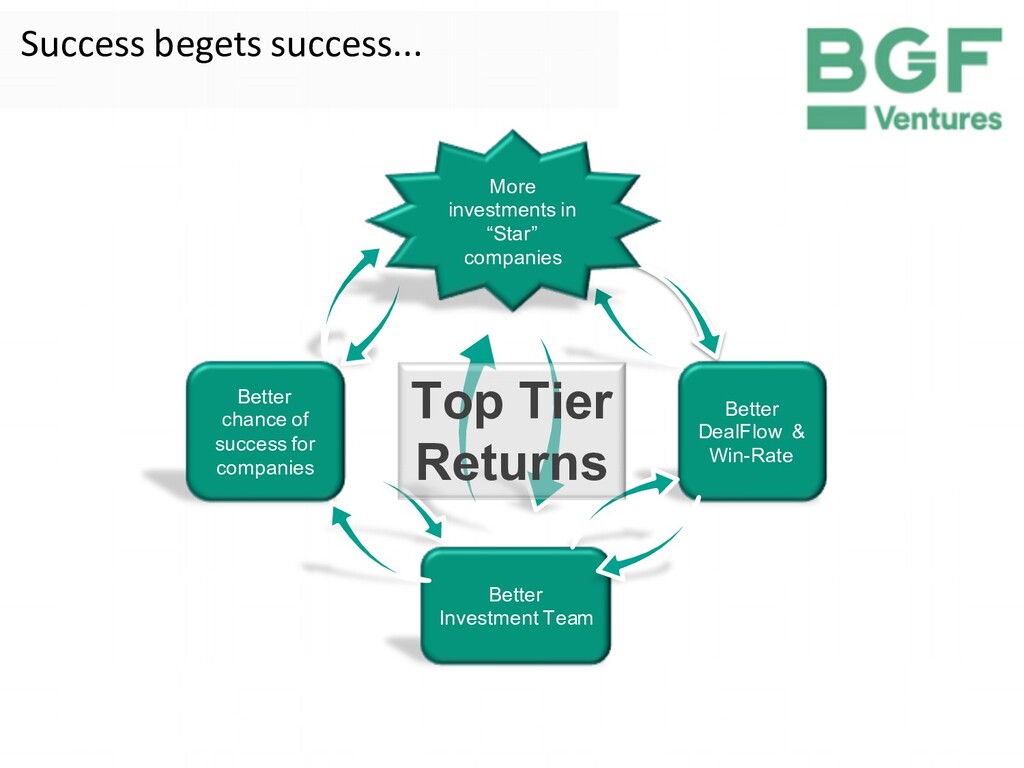
So and and by the way, there's there's also this this kind of concentration effect in invention where the the winner does take it all a little bit like the Facebook slide earlier, gobbling up the the competitors. And I've to sort of summarize why this why this is because if you make an investment in a star company, so let's say you're the first investor in Skyscanner and becomes a billion dollar company, then you're going to just see better deal flow because people want the people that back
Skyscanner, particularly if it's a relevant company to that. So, you're going to have better deal flow, and hopefully you're going to win more of those term sheets that you offer. That'll also, by the way, help you attract a better investment team because more people are going to want to work with the fund that backed that winning company.
And of course, the better investment team will probably also help your deal flow. And you're going to have a better chance of success for those companies on the margins. I mean, we don't make much difference as investors, but on the margins, if you're a company that can say, hey, I've been backed by Sequoia or Benchmark, you're gonna have a whole lot of engineers and product managers and people knocking on your door and willing to come and work for you just because of that.
So you get this incredible virtuous cycle where all of that makes you more likely to make more investments in star companies, And of course, if your portfolio has these amazing companies in it, then that network is so powerful, and also your judgment is constantly influenced because you're constantly seeing this is what great looks like, and so there is a fantastic kind of virtuous cycle, and therefore that makes it even more of that FOMO.
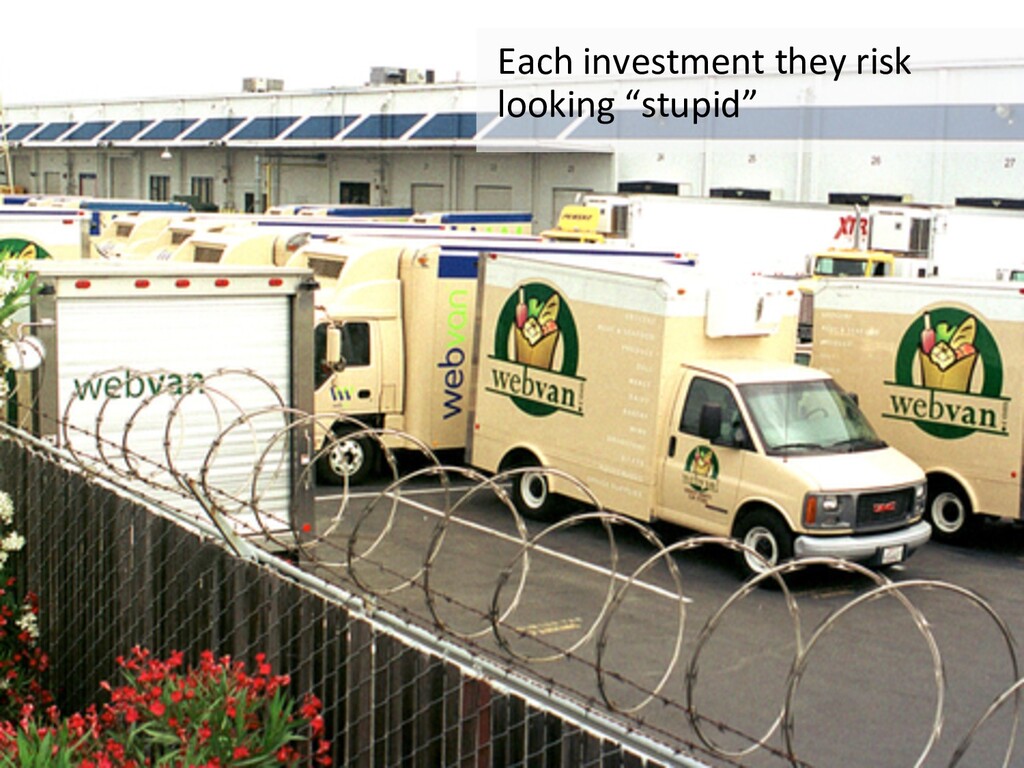
That kind of massive insecurity that can cloud your judgment because you're like, what if this is one of the next huge things, then I'm about to miss it. But of course there's an opposite of FOMO, which is fear of looking stupid. Mean, this is web band that raised over a billion in the dot com boom.
But interestingly, one of the major backers of that, Sequoia, has plowed over a hundred million into Instacart, which is a sort of modern day, I'm sure you all know, sort of related business. So they're happy to risk looking stupid twice, which obviously I admire.
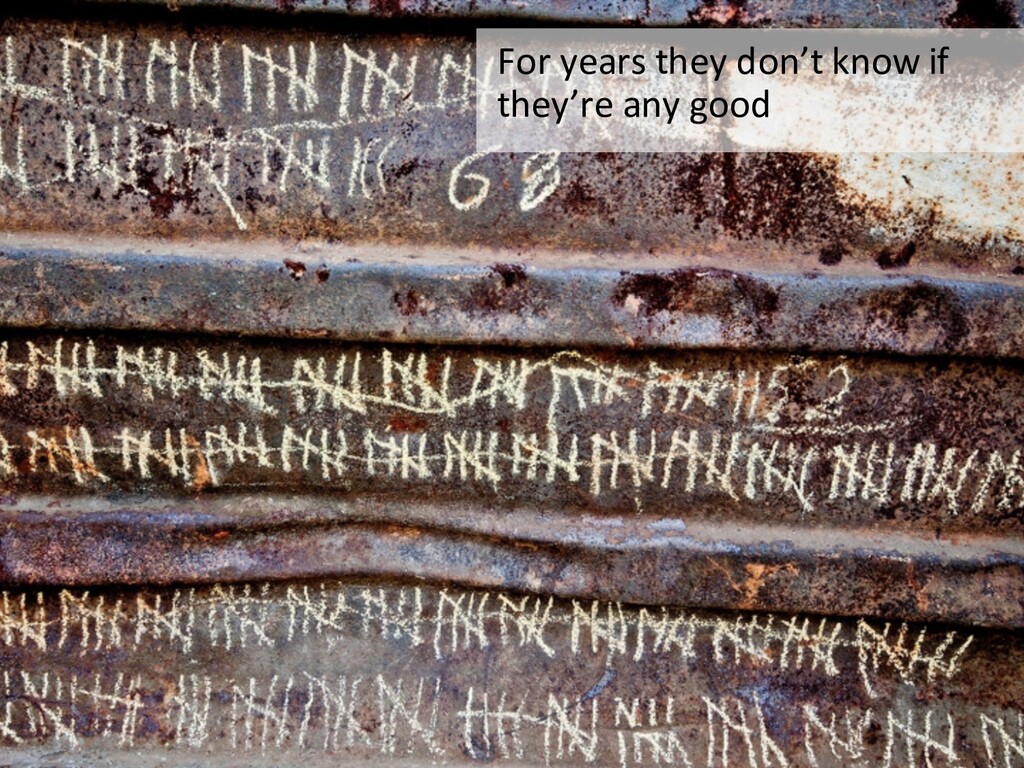
And another reason for the insecurity is that for years, you don't actually know if you're any good because you can have you can have some early successes, and I was lucky at my first fund, Bulletin, that I happened to sort of get involved in a couple of companies that looked promising early.
But they have a rocky road, and sometimes by the way, some of the ones that look bad initially come good, and some of ones that are good initially come bad. So you don't really know until they exit, and that can take ten years.
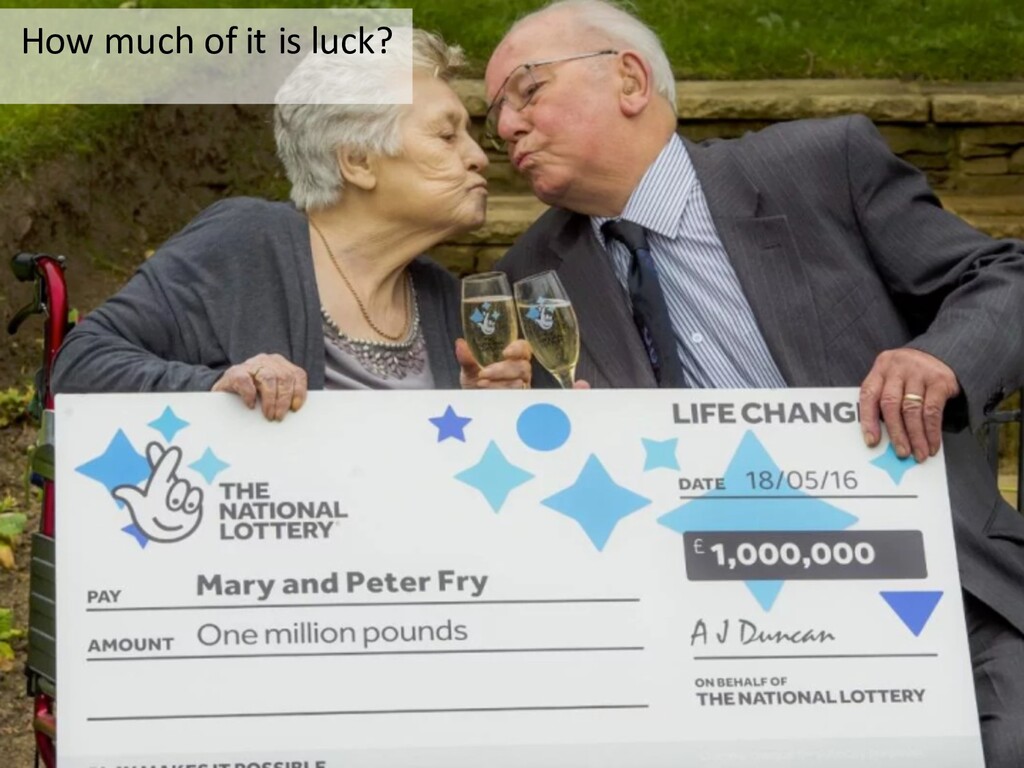
So we don't know if we're any good at it, and often for four, five, six, seven, eight years. And even if we are even if we do find a couple of great companies, you know, was it just luck? Were we just wow. I just happened to I mean, because we do find companies kind of by accident often.
We can we can think we're being all strategic, but actually somebody introduces us. We like it. We say yes. We're we're having a good day that day. Who knows? And let's face it, what we're selling, our product, is the most undifferentiated product there is.
It's money. Obviously, we hope we're adding lots of value and emotional support and all that sort of thing, but frankly, people come to us for money and there's loads of money around. And, of course, this is the only asset class where the investment decides on the investor.
If you're buying property, the house doesn't say, sorry, I don't want you in my house. But but if you're investing in a venture backed startup, then they very much usually have options, particularly if they're a great company. So so you can have made the right call, but you won't necessarily win that great deal unless you're adding lots of value.
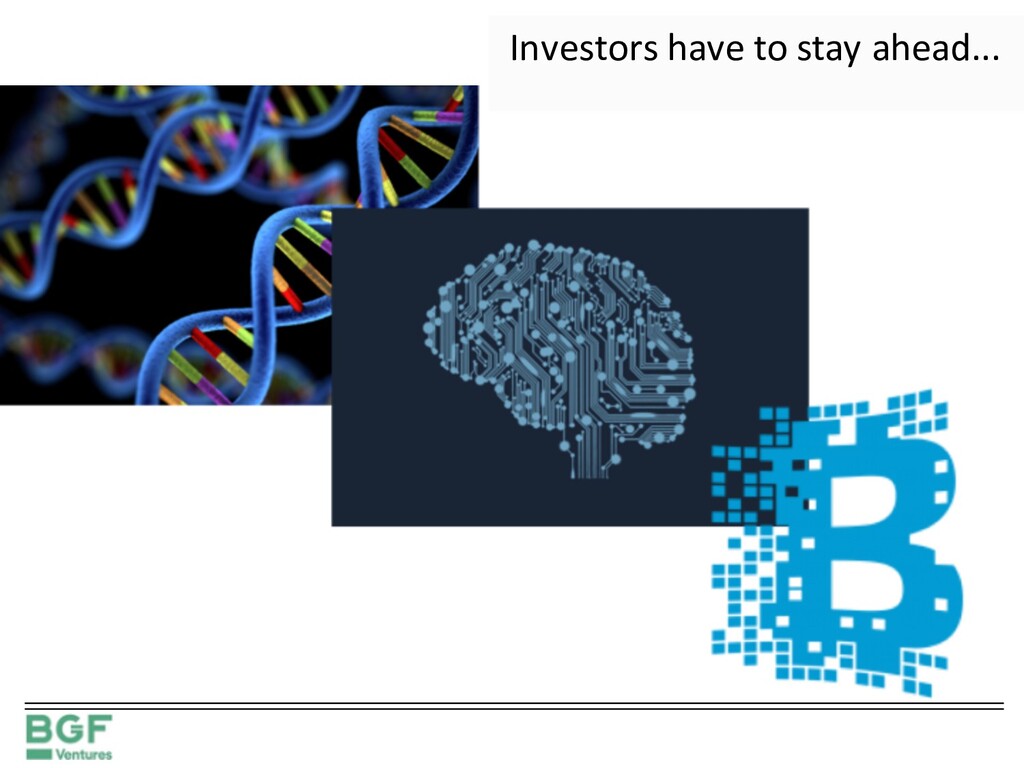
So that puts lots of onus on us to stay ahead of the market. What's the next thing coming down the track that we need to become experts in, demonstrate credibility in so that we win those deals. And more insecurity that we're missing out on the next big sector.
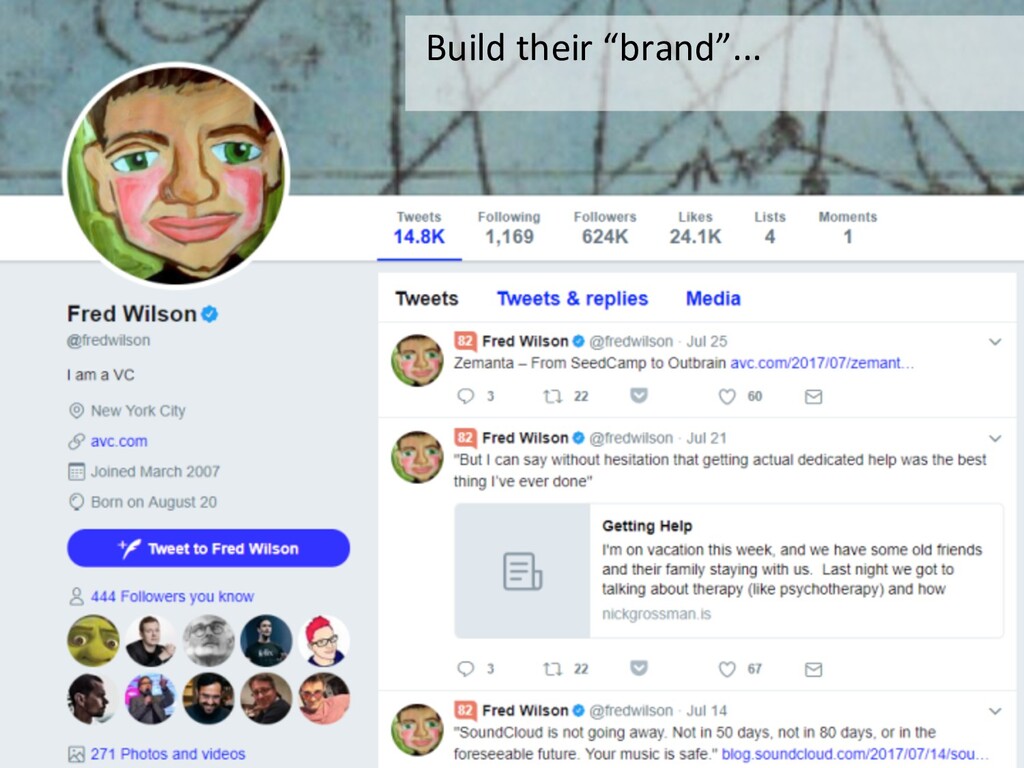
Obviously, we've got to build our personal brand and be more like Fred Wilson or Marc Andreessen, although he's obviously stopped tweeting, But with his six hundred and twenty four thousand followers, there you go. By the way, I'm h four r by b in case.
The we've got to work hard for our founders so that when other founders call them up and say, hey. Should I take this Harry Briggs guy as my investor? They have good things to say. And obviously we want to as well, but it's all part of that virtuous cycle.
And in a weird way, we're all in as well in this career, and the reason for this is that, as I think Hussein said yesterday, but I've heard it told me a few times, once you've been a VC for five years, say, you're pretty unemployable in anything else because you're not operational.
You're not really managing anyone. You're not really building something. You know, you are going through this this, you know, kind of random walk of of meeting people like some of you today and making decisions based on your judgment, intuition, and hopefully a little bit of analysis, but where else is that relevant, honestly?
So we risk turning into zombies, particularly if we obviously can't raise a future fund. So we're all into, and of course, all this going on, all these stresses, these insecurities, we've got to look really strong and stable for these people, for the people we're trying to invest in.
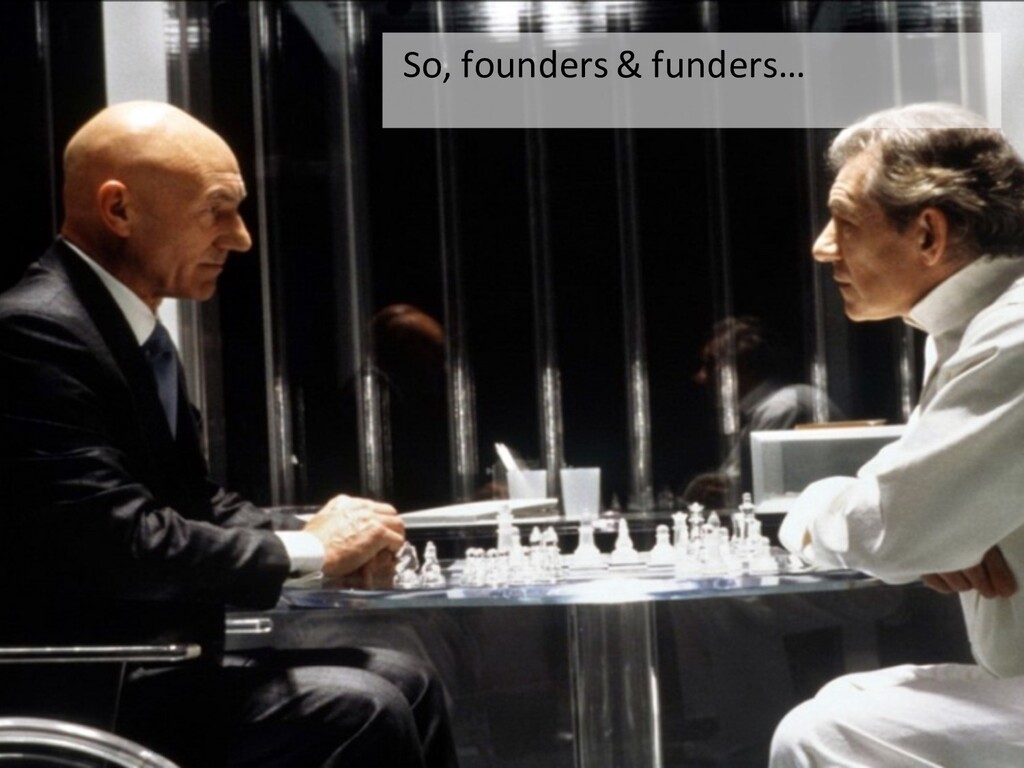
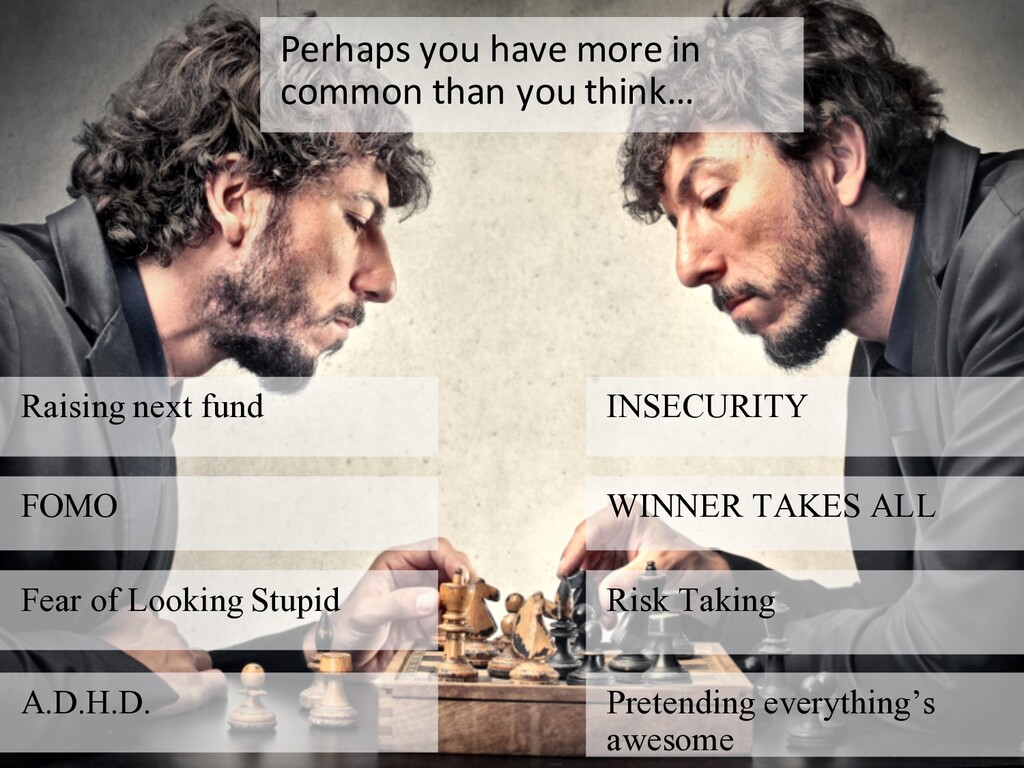
So you've got to put a brave face on it. No, of course, all the companies are going great. And we're the best investors around and the next Sequoia. Yeah, there's a temptation we're all slightly kidding ourselves. So I guess what I'm trying to say is, founders and funders, forgive the picture, perhaps we have more in common than we think.
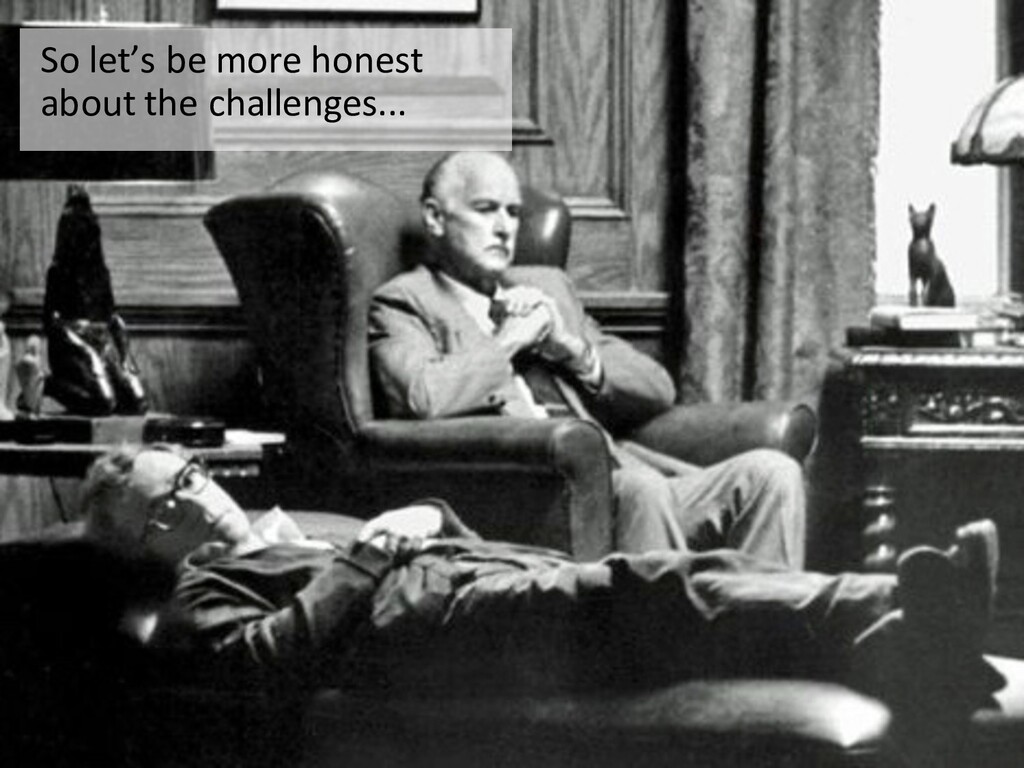
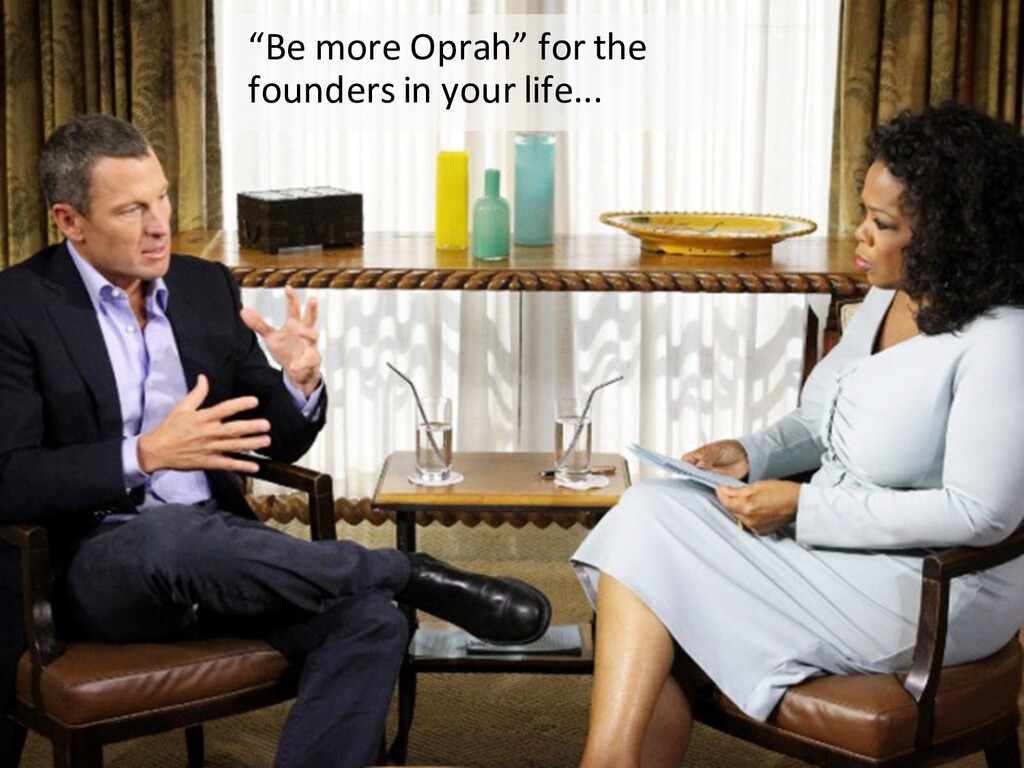
We're we're all going through raising our next funding, various insecurities, fear of missing out, winner takes all, fear of looking stupid, taking risk. We're all probably quite ADHD and pretending everything's awesome. And so perhaps, if we're a bit more honest about the challenges like Woody Allen, perhaps if we can be a bit more Oprah, maybe not with Lance Armstrong though, for the founders in our lives.
And like Andy from Headspace, keep our bodies and minds healthy, be there for our co founders and so forth. Ultimately, relationships matter more than numbers. And to finish on the positive note with Cheryl, but actually this is all from our survey, I'm afraid.
Ninety five percent of our survey did say that they found being an entrepreneur more rewarding than working for an employer. Fifty seven percent said they'd found more fulfillment. Fifty five percent said they're now happier than what they were doing before. And Cheryl, I think, would definitely say the same if you listen to her latest Desert Island Discs.
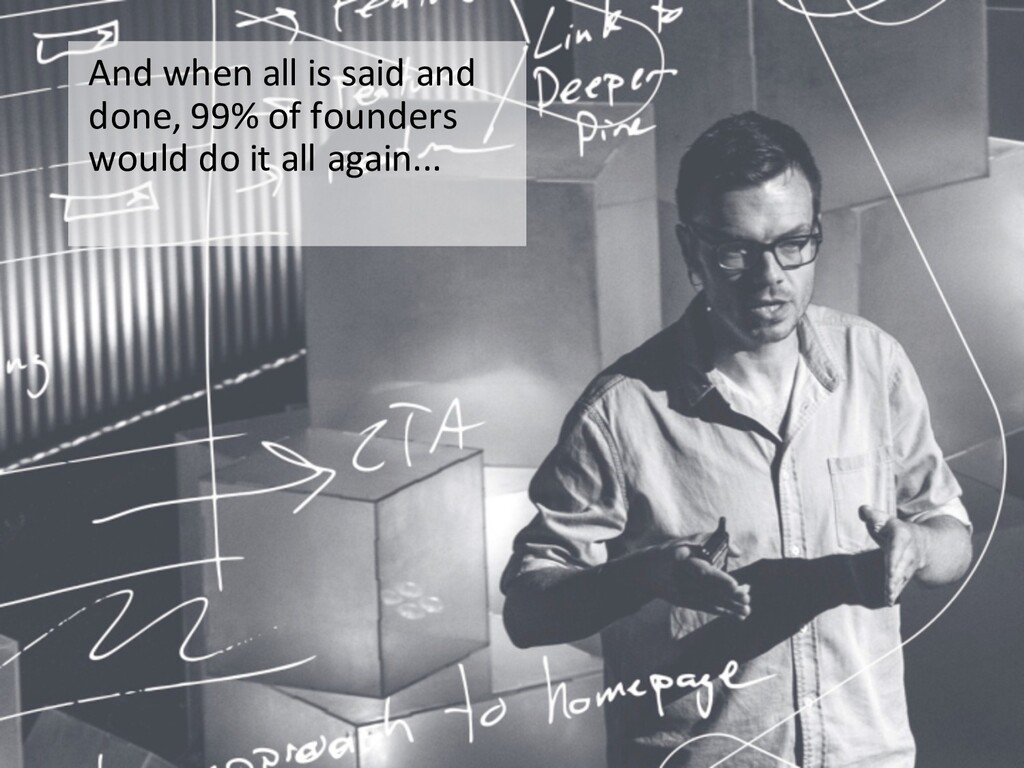
And to take Jack Dorsey as an example, ninety nine percent of our survey said, if you knew what you if you knew then if you knew now what you knew then, would you still do this? Would you do it all over again? And ninety nine percent said, yes, they would.
So I wish you all very well with your startups. And I think we've got six minutes for questions if anybody wants to ask one. Unicorns versus zebras. There's been a lot of chat about VCs going for, you know, we're gonna we're gonna It's either gonna die or it's gonna be a unicorn, and that's what that's what you're after.
That's what the that's what the model relies on. Is that model fixed? Or are the definitions of success coming down? Could you all hear that? So, look, I think you're right, the venture model depends on the stratospheric returns, the sort of half a billion plus exit that we own, hopefully fifteen, twenty percent of that returns a really decent chunk the funds and the overall fund because of all the others that don't work out for various reasons.
But at the same time, think it depends on how we define Zebra. I think Saul Klein coined it, didn't he? And think he might have said it was the sort of hundred, two hundred million type exit. And look, those are fantastic, and without those, frankly, most European funds would not look very good at all.
So, I think if you're going for venture funding, you've got to be shooting for the unicorn because people are still not going to I think at the seed funding level, there's plenty that will say, look, this looks like a great hundred million exit opportunity with relatively modest risk, so we can go for that.
But at the sort of series a, b level, you've got to at least be be going up the unicorn. But look, anyone who makes a hundred million exit, it's incredible achievement. I mean, it's way better than I did with my business. So I I I take my more than take my hat off to them, and we'd be delighted to have some in the portfolio.
Anyone else? Hi. So what could you do you think? I I noted that they didn't ask the VCs about their sex life, but that's fine. But from your perspective, what Yeah. You're right. We What's more stressful, more rewarding? Because if you've had your own business and now you're a VC.
I would say I think I think as a founder, the highs were higher and the lows were lower. And what's really rewarding about what was really rewarding for me as a founder was that feeling like you're building an amazing sort of pyramid of expertise around something.
You don't really even realize, but somebody comes to ask you about your sector or your business, and you kind of just know so much. You can help them so much. Whereas as VCs, we're sort of we're sort of lots of little molehills of knowledge.
And and that in I mean, in some ways it's great because it means that we we have kind of lots of insights we can pluck, hopefully, and connections we can make sort of laterally. But but but if someone were to say, you know, write a book about this or write a a proper body of knowledge about an area that we've looked at, we can only go so far.
So I would say I did find being a founder a little more rewarding overall. But that said, I am also far more conscious now of my limitations as a founder, having met so many founders who are just stratospherically better than me. So, it's made me a lot less inclined to now want to be a founder.
One more? Someone further back gone. No. Well, good. Oh, no. Yes. Hello. How do you solve the problem of getting people to be more aware of each other's psychological state? Well, I mean, there's a few things that that we can do as VCs in terms of, I guess, being a bit more aware of it.
Mean, you know, we we did an off-site two weeks ago for all of our founders to be I mean, not not all of them could make it, but most of them made it. And and we spent a lot of time talking about these sorts of subjects and just trying to get people to talk about them.
We did a sort of listening exercise where one on one people got together and just talk about a problem and just listen. I think I think in the founder community, it's it's yeah. It's up to all of us to just when you see someone's looking stressed out, we can sense it, but just bring it up and remind people that, yes, you do have to go all out as a founder, at the same time, staying alive is more important and being sufficiently grounded and happy and fulfilled ultimately probably ends up mattering more.
So, yes, I don't really have a good answer, but I feel like we're doing a little as VCs, but we could certainly do a heck lot better. I think that's it. Thank you very much.