Identifying (and prioritizing) opportunities for growth in a startup can be hard. Competing priorities, warp-speed changes, and fast-growing teams could spell a recipe for disaster - unless you know how to use the chaos to your advantage. In this session, Hana will talk about lessons learned driving growth at scale, zooming in on a cross-section of key areas in B2B SaaS including:
How to build a positioning and messaging framework
Operationalizing it across your teams
Avoiding lead source bias and optimizing for a sales team
1 / 106 Use ← → to navigate
Auto-generated transcript - may contain errors.
Tap a timestamp to jump the video.
Two and a half years ago, I joined a company called Shopify. How many people here have heard of Shopify? Amazing. I love this. For those of you that may not have, don't feel bad. My mom definitely still thinks I work at Spotify. So Shopify is a commerce platform.
It helps you sell things online, off-site, and through various channels like social media marketplace, etcetera. Now historically, Shopify focused on the small business segment of the market. On entrepreneurs, people that were just starting out. And by focusing on this segment of the market, Shopify grew really, really big, really, really fast.
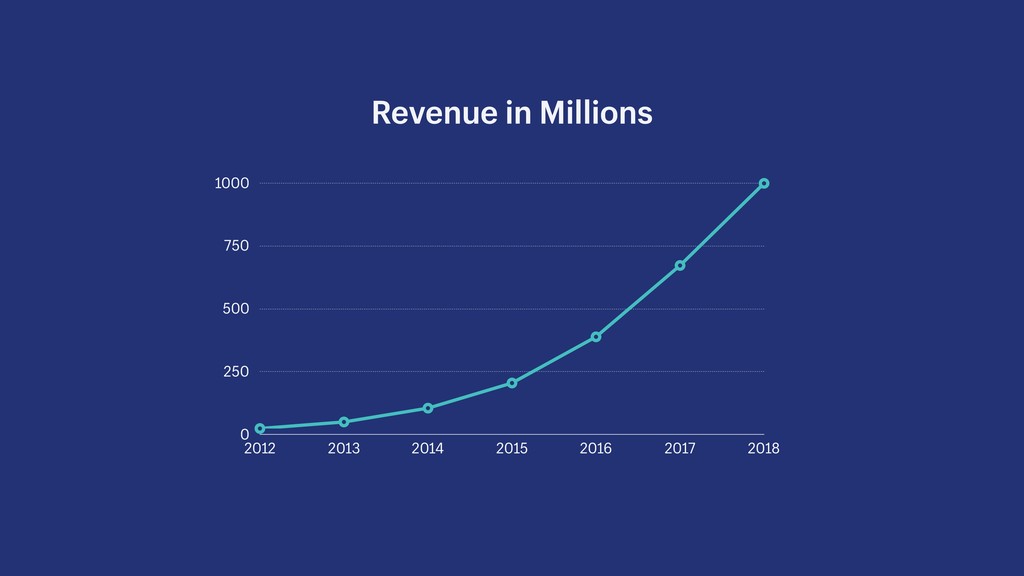
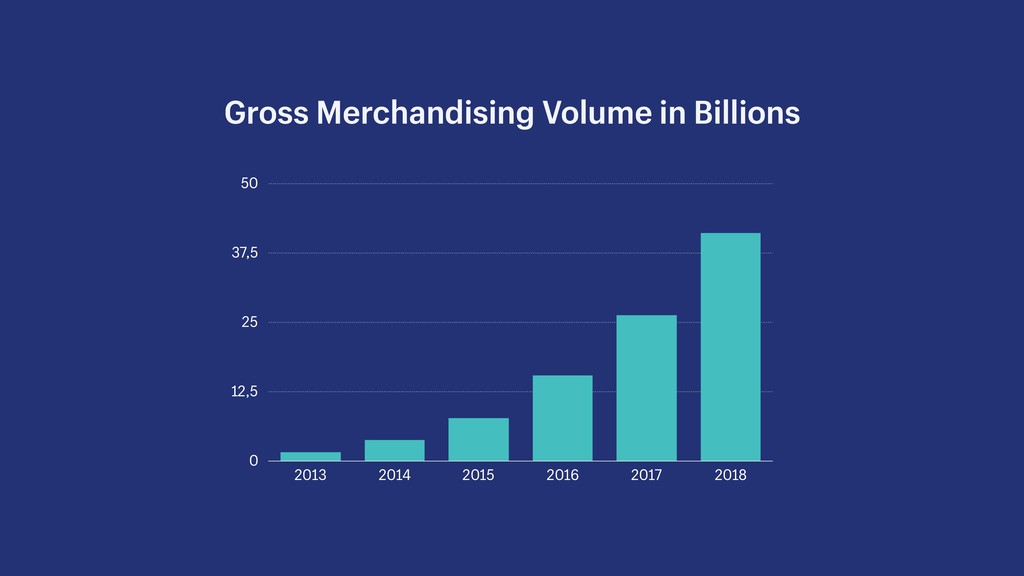
So what do I mean by that? Well, between twenty twelve and twenty eighteen, went from about twenty million in revenue to over a billion in revenue. Gross merchandising volume, GMV, that is the amount that our merchants sell on the platform, went from about a billion to over forty billion in roughly the same time period.
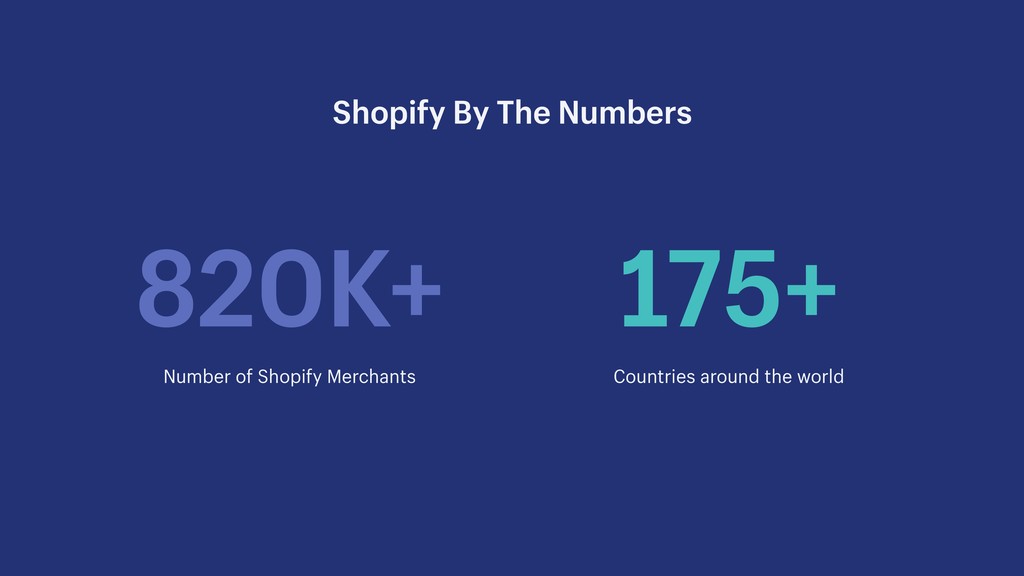
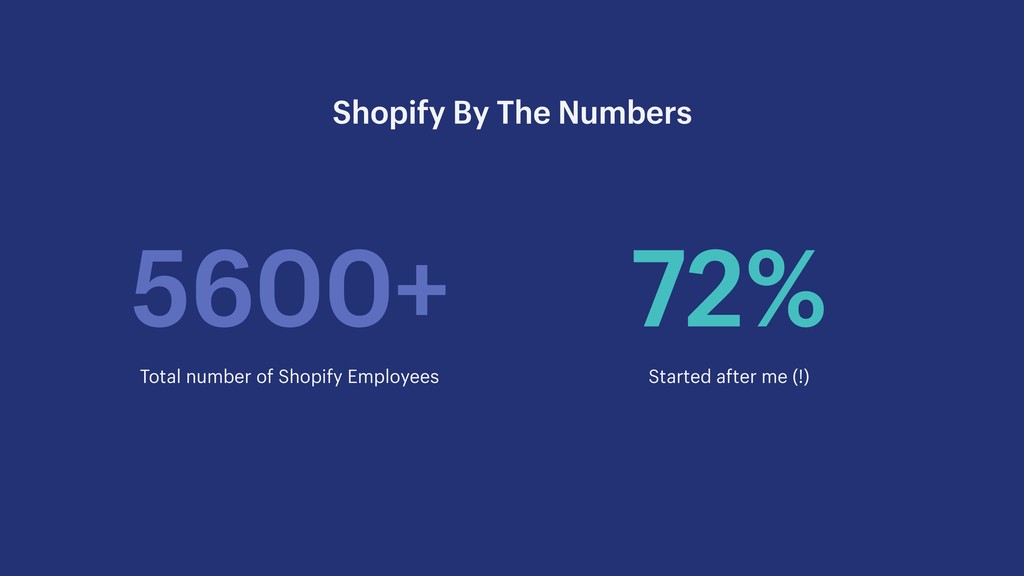
Hundreds of thousands of merchants across the world, and this next stat still blows my mind. We're at over fifty six hundred employees. Remember I told you I started two and a half years ago, over seventy percent of them started after me. So just imagine being in an environment where that many people are getting thrown into the system.
All the things break all the time. But as Shopify was growing really really big really really fast, something interesting happened. Some of those small businesses that started on Shopify also started getting really really big really really fast. Actually they were becoming big companies doing tens of millions or hundreds of millions of dollars in revenue.
So one of two things would happen once they got to that size and scale. Either they would graduate to an enterprise ecommerce platform or they just figure out a way to make it work on Shopify. So the question was, how do we actually keep these people on Shopify longer?
What is the product, the service, the offering that will get them to hang around with us? And that was really the impetus for Shopify Plus. Shopify Plus started as an experiment. The goal was to upgrade people and keep them on Shopify. But as Shopify Plus started to grow, as we started upgrading these merchants, what we actually started to see is people coming over from competitors, from those enterprise ecommerce platform.
We looked over here and we're like, oh, there's this whole other space in the market where there's a ton of opportunity. So Shopify Plus started growing really really big, really really fast, largely on the back of the sales team. It was the sales team in Shopify.
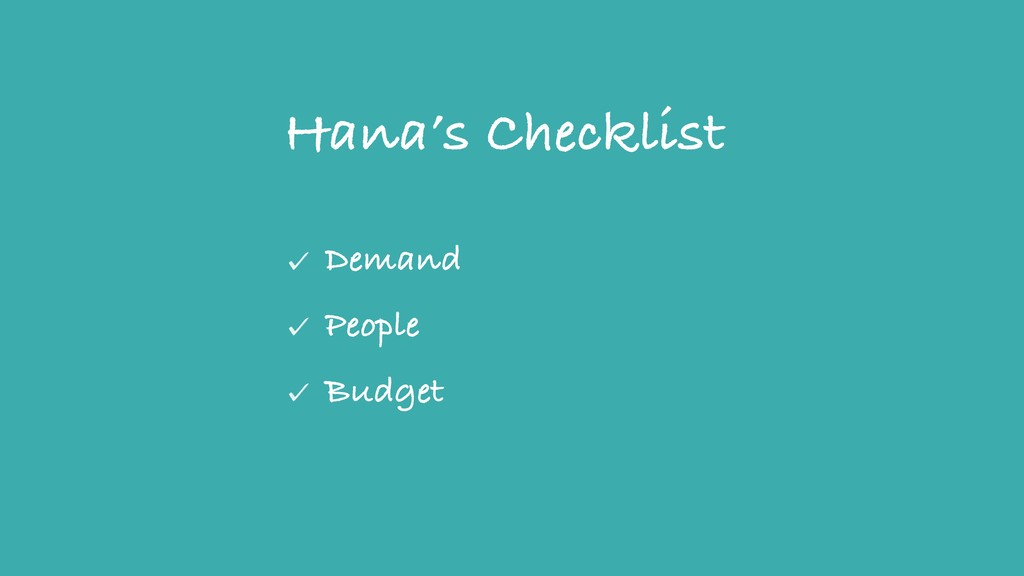
So when I joined, I joined to build out marketing and growth. And it was basically starting from scratch. But you guys, this was the dream job. I had a little checklist that I wanted to go through before I actually committed to joining Shopify.
And my first question was, hey, is there demand? Right? We've all been at those companies where it wasn't quite fit enough. There wasn't that demand. It was like fighting an uphill battle to actually do any of the marketing growth things. But not here. Here there was demand. There was market pull.
It was palpable. Am I gonna be able to hire people? Yep. No problem Hannah. Hire all the people. Do I have budget? Yep. No problem Hannah. Here's all the budget. Amazing. So I walked in and I was like, don't worry I got Right?
Been doing the b to b SaaS thing for a while, I can do this. Three weeks later, this was me. And six weeks later, I felt like I was chasing a ******* fire hose. For all of the reasons that I talked about before, for the insane growth, for the insane amount of people we were bringing on to drive that insane growth.
Right? For the environment that we were walking into. And the reality is, when you walk into that kind of environment, there's a lot of challenges that you have to deal with. Now the first is really that there is low hanging fruit all over the place.
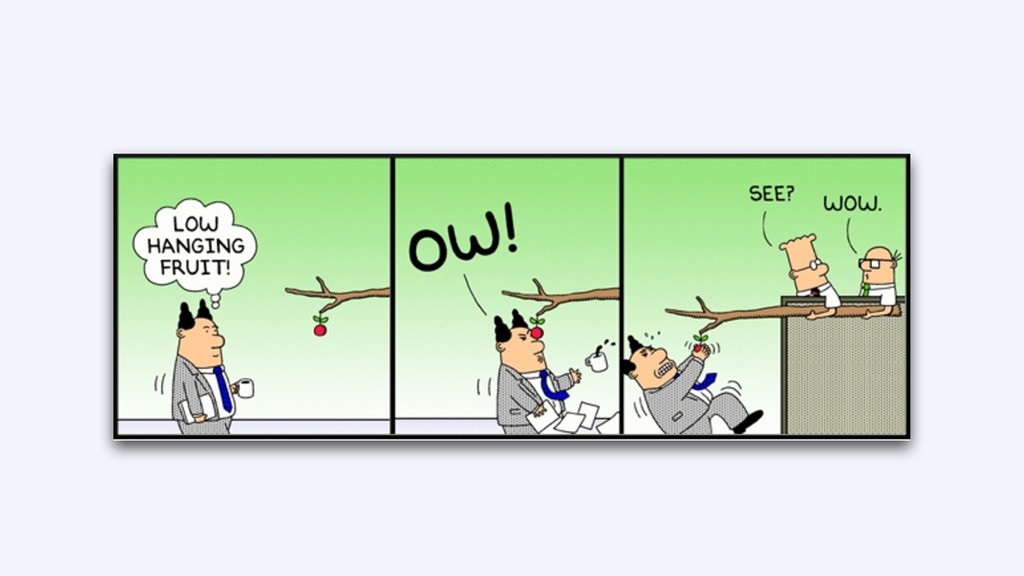
And I know what you're thinking, Hannah, low hanging fruit is a really, really good thing. And yes, it can be. However, the problem with low hanging fruit is that if it hits you in the face every time you turn around, it can be number one distracting and it can mask an underlying issue that is actually more important to focus on than these little low hanging fruit trying to growth hack all the things.
Right? It can actually lead to a lack of prioritization, which gets really, really messy really, really quickly. And it sets the wrong expectation. When people hear low hanging fruit, they hear easy. Right? But just because it's low hanging doesn't mean it's easy to do if you don't have the right infrastructure, if you don't have the right data, if you don't have the right foundation to actually execute on a lot of stuff.
So low hanging fruit, tons of low hanging fruit. The next challenge was there was this pent up demand for marketing. Other parts of the business started to scale. Right? Marketing was delayed. Couldn't hire the right people, couldn't find the right people. So there's this pent up demand.
People would just put things off and say, oh, we'll just wait to do that until marketing gets here. Causes lots of challenges. How many people here have worked with a sales team? Oh, good, good, good. You guys are going to like this talk.
So sales scaled really quickly. Right? That was fundamentally how the first sort of hump of growth was driven. What happens when you scale a sales team and you don't have sales Sales gets creative. That's code for they make **** up. And sometimes it's brilliant, other times it makes you shake your head.
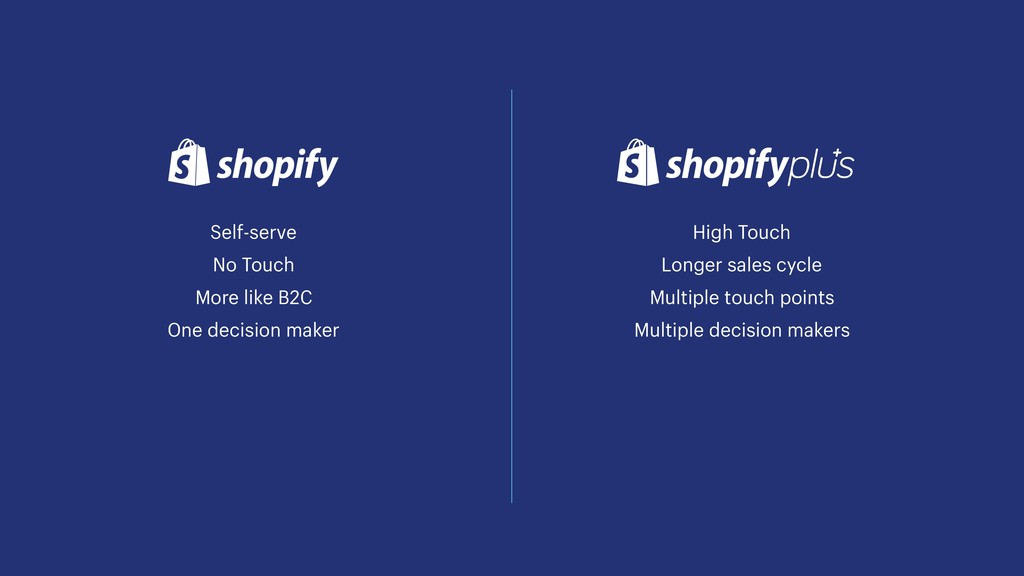
So that was one challenge that we had to deal with. And then of course, there was a fundamental challenge Plus was different than Shopify as a whole. We talked about the fact that Shopify was catered towards those small businesses. Now, we all know that that's way more like a consumer funnel than it is like a b to b funnel.
Right? All the marketing things are different. The infrastructure is different. At Plus, we had to actually route leads to sales reps. Shopify didn't know anything about that. Didn't have the right foundation for that. So a lot of infrastructures issues we had to deal with.
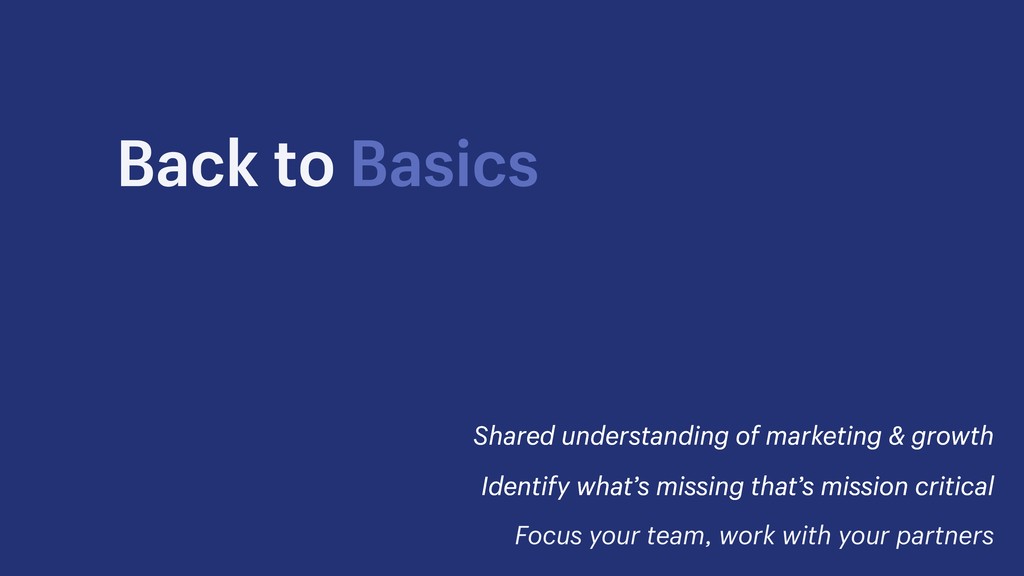
So at the end of the day, as I was chasing the fire hose, I realized that it was really about going back to basics. Right? And that meant number one, building a shared understanding of marketing and growth across the org. What do I actually mean when I say marketing?
And what do you mean when you say marketing? And how do we work together to drive growth? Because no one function owns growth anymore in most companies. How do we identify what's missing that's mission critical? Right? And then how do we actually build the right teams and cross functional teams to make the thing work?
So we're gonna go through a couple of these areas. We're gonna zoom in and zoom out. I'm gonna talk pretty quick. Sorry about that. We've only got thirty minutes to get through this. So first one, developing that shared understanding. When you walk into a company and you're there to drive growth, you need to level set on what you mean by growth and what you mean by marketing with all of your partners.
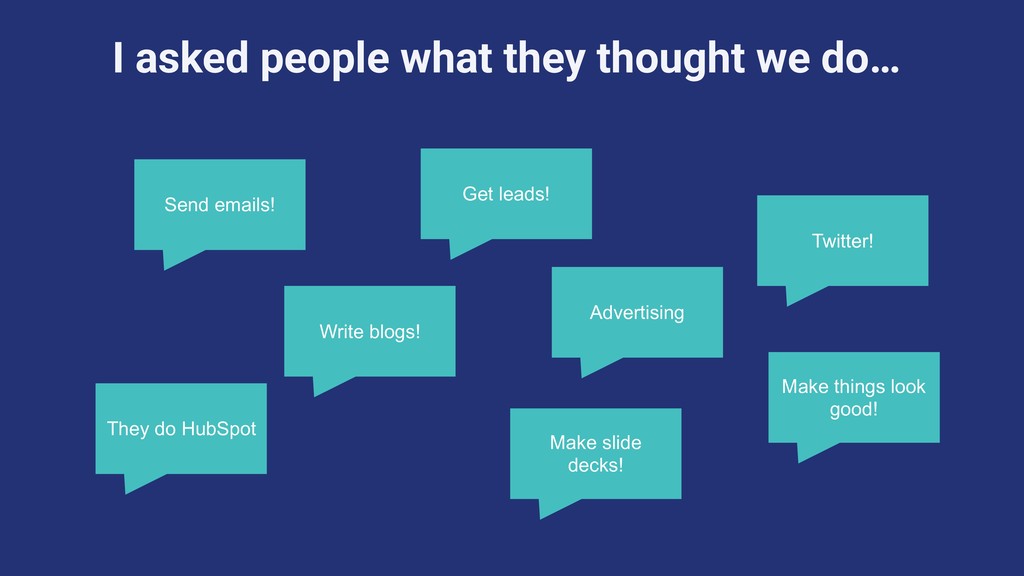
Sometimes that's sales, sometimes that's product, sometimes that's data, sometimes that's your founder. I've seen time and time again, founder hires their first marketing person. They both mean very different things when they say marketing. So level set on that. So when I got there, I asked, hey guys, what do you guys think marketing does?
This is what I got. We do HubSpot apparently. I'm not quite sure what that means. We write blogs, send emails, we do advertising, we make things look good. I'm really happy somebody said leads because really that was basically the only thing that was happening was the lead part.
So that immediately shows you people's fundamental perception of what they think marketing is. We all know this is a sliver of what marketing and growth teams do. So to the Internet and I said, hey, maybe the Internet will help me explain this to everybody.
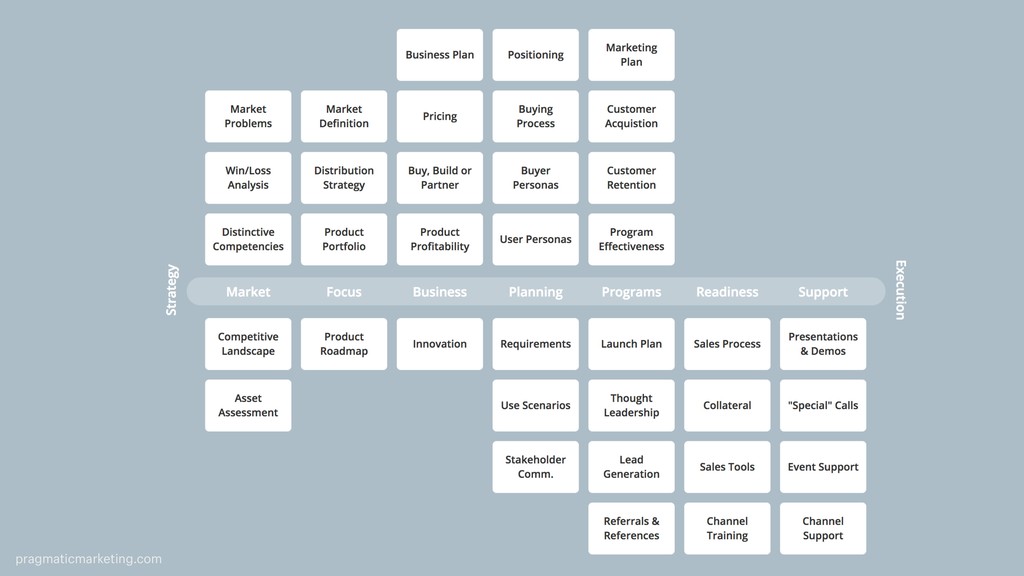
So Internet, tell me, what does actually marketing do? Bam, everything. We run the entire company. We do business planning, we do win loss analysis, we develop requirements, we do innovation. I'm not sure how we do that, but that's what we do. We do thought leadership, we do buyer personas, we do customer retention, we do buying process, we do positioning, we do asset management, we do all the things.
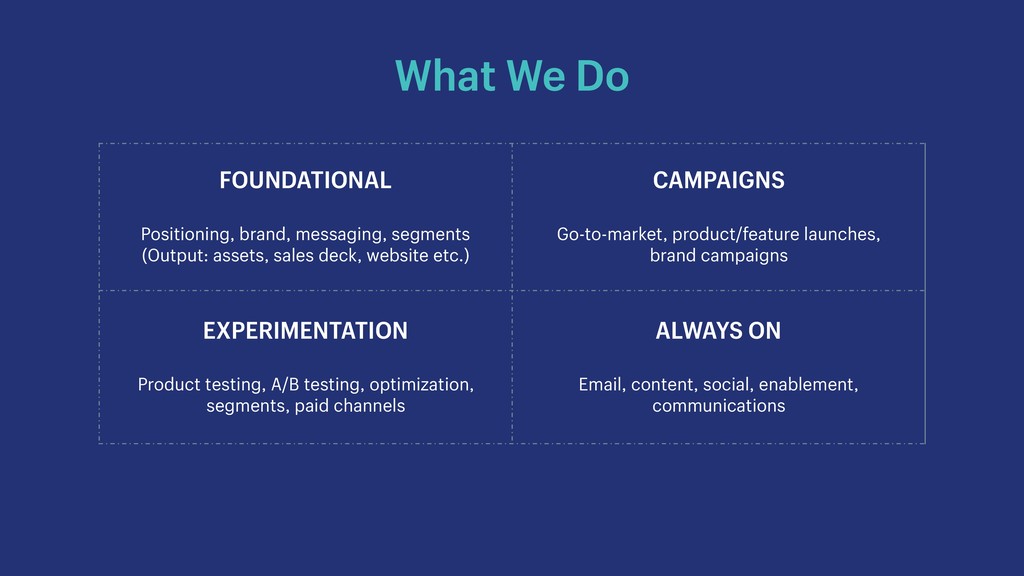
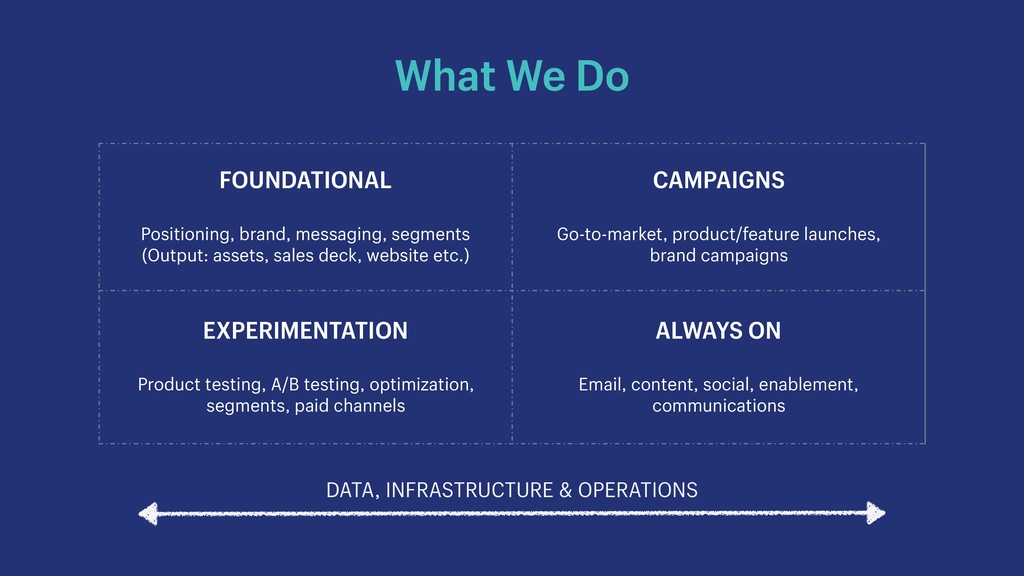
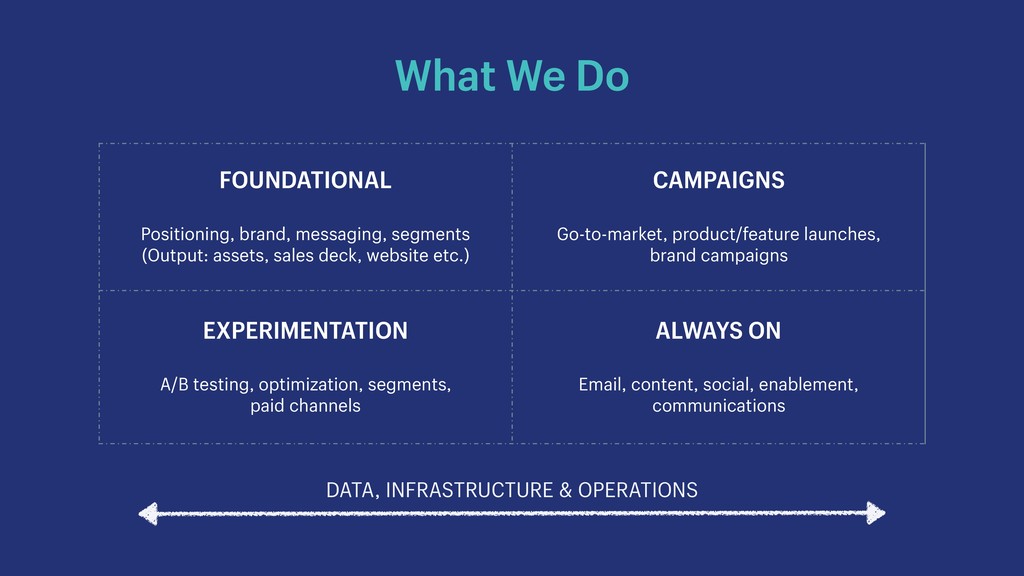
Okay. So this is ridiculous. You can't talk to people about that. So what is a simple framework to actually convey what are the things that marketing is gonna do? And essentially it falls into four buckets. Right? Now this isn't how we do it, this is sort of what we're doing.
It's foundational stuff. It's positioning. It's messaging. It's value prop. It's customer information. It's segmentation. It's all of that foundational piece that needs to happen. It's campaigns. Those are usually time bound. You're launching a product or a feature or doing a bigger campaign. It's always on stuff. It's content marketing.
It's email marketing. It's social. And of course, it's experimentation. Now there's an element of experimentation in all of these things. Right? And none of these are static. Stuff moves around in these boxes and it should. Right? Now for you really sort of operationally minded marketers, there's a critical piece here.
Right? The data, infrastructure, and operations to do these things. When we talk about marketing, really eighty percent of marketing is operations and infrastructure and data. And that twenty percent, that tip of the iceberg that most people see, that's just the shiny part that the world sees.
Right? There's all of this stuff that happens underneath it in order to drive the kind of growth that a lot of us are trying to drive. Right? And that stuff can be super simple to start if you're really early or super complicated as you start to scale.
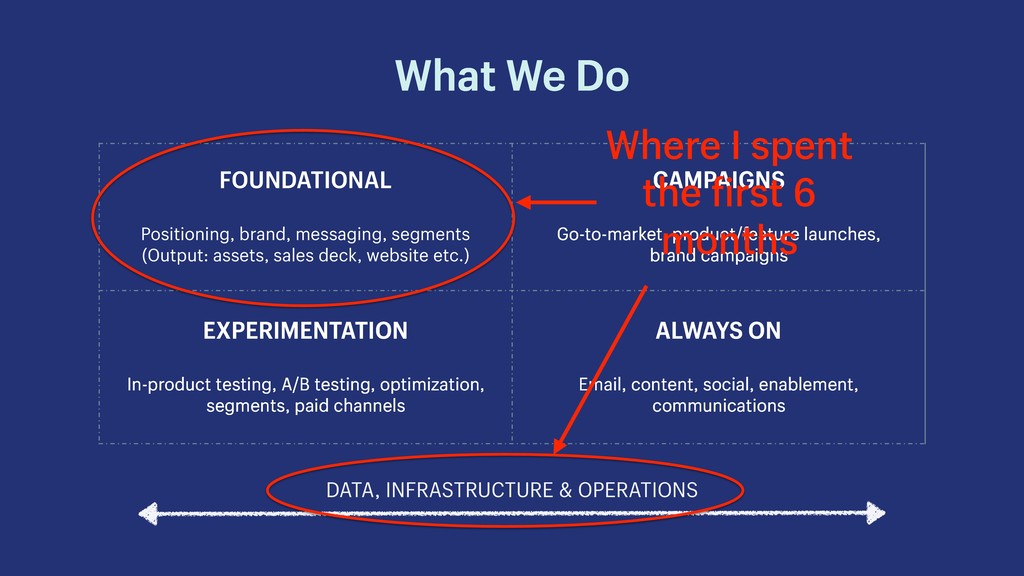
So my first six months was really spent on these two pieces. The data infrastructure and operations piece. How do we solve for all of the data silos that we have? How do we build out our infrastructure in a scalable way? How do we make sure everything is integrated together?
How do we actually build out a marketing ops function that knows how to be agile and move quickly and execute on all of the things that we need to execute? And then of course, what are the foundational things that we need in order to be able to do all the other marketing and sales things?
Right? So there's one foundational piece that I'm going to drill into to start off with, that is position. So first question I asked when I joined Shopify Plus was how are we positioned in the market? I got probably seventeen different answers. Very very different, mostly from those sales reps that were making **** up.
But let's take a step back for a second and level set. So what is positioning exactly? I have a friend, her name is April Dunford. She's probably the smartest positioning person I know. So when I reached out to her and I said, hey, send me your best definition.
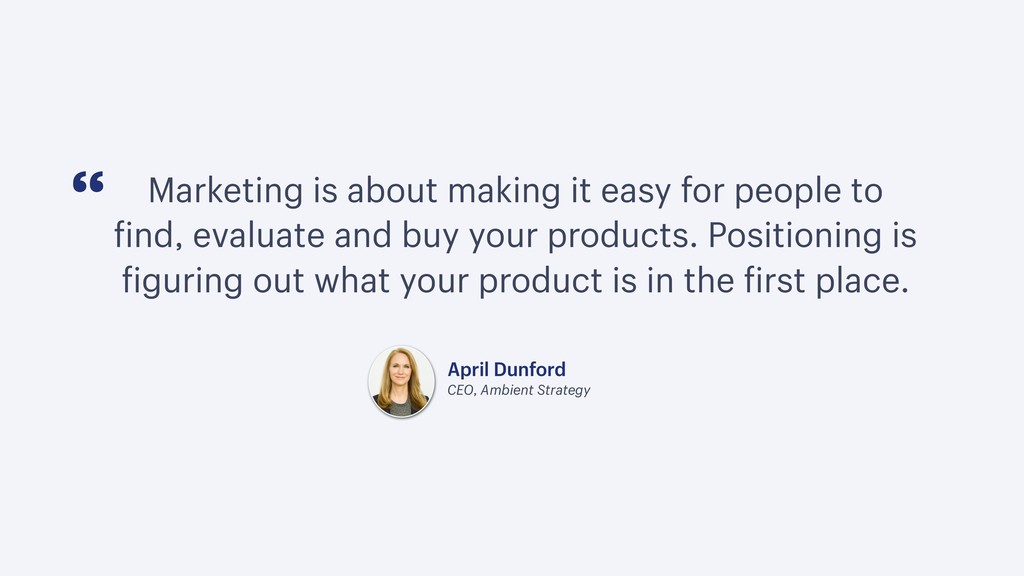
I'm trying to explain to people what I need from them. She said, no problem. Here's my definition of positioning. Marketing is about making it easy for people to find, evaluate, and buy your product. Positioning is figuring out what your product is in the first place.
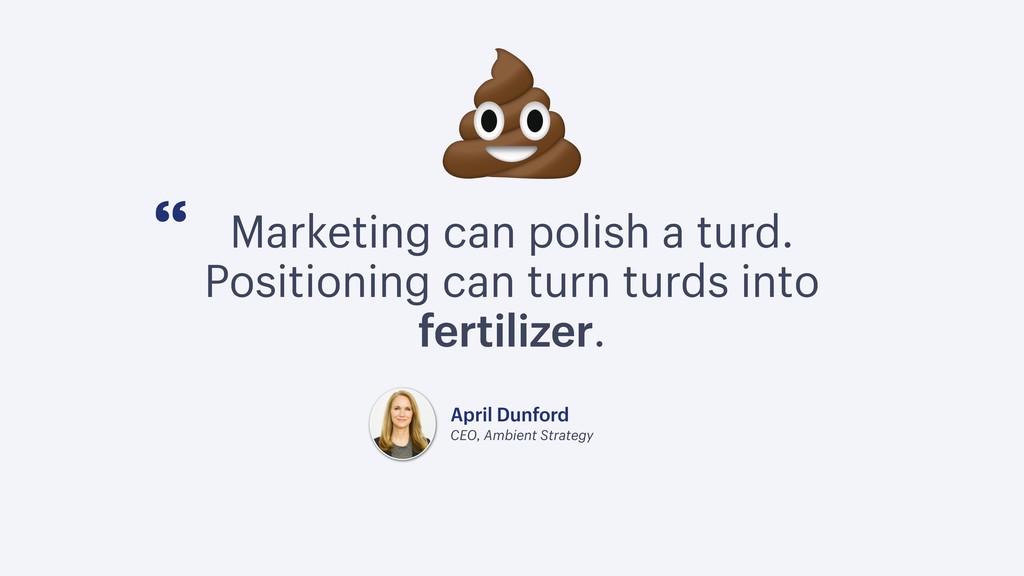
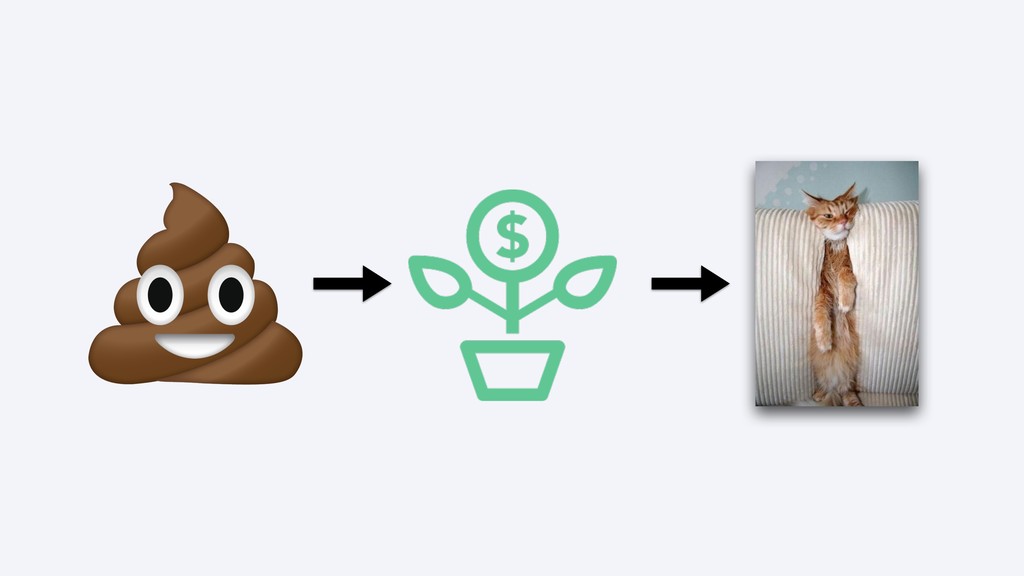
Two minutes later, I get another email from April. She's like, I have a better definition for you. Marketing can polish a ****, positioning can turn turds into fertilizer. Now think about it, this is magic. You're literally taking poop and turning it into this thing that gives life and promotes growth.
Right? That's what good positioning can do. So ultimately it's about how do you think about your product. Before I joined Shopify, I was at a company called Uberflip. And Uberflip was content marketing software. When I initially joined, we didn't quite have product market fit.
We thought it was gonna be for small business. We were totally wrong. We shifted way up market selling to big big enterprise. So we had to go through this process of repositioning. And we were kind of spitballing and founder puts up his hand and he's like, hey, hey, I've got it.
I've got it. Uberflip is a lightweight CMS for content marketers. So let's unpack that for a second. It's a lightweight CMS for content marketers. I just told you, we are now selling to enterprise buyers. What do you think enterprise buyers hear when they hear the word lightweight?
They hear ******. They don't hear user friendly and fun. They hear not robust enough for my big bad enterprising needs. That's what they hear. Right? So that's problem number one. Problem number two. We're a lightweight CMS for content marketers. This is what our sales team would do.
Hi. We're a lightweight CMS for content marketers. It's CMS. Well, I already use WordPress. Click. Wait. We're different from WordPress. We integrate with WordPress. Come back. Done. You're done. It's too long. Because it was identified with a category that already existed and was already well ingrained.
It already had a really strong market leader. Right? So understanding how do you position yourself and how do you want people to think about you in the market. So how do we do this? Well, here's what most marketing teams do. I've seen this time and time again and I've been a willing participant in this myself as well.
They walk into a room with a whiteboard. Actually, before they walk into a room with a whiteboard, it usually starts with a calendar invitation that says brainstorming session. Whenever you see that, just like step back, step away, don't go, decline. But that's usually where it starts.
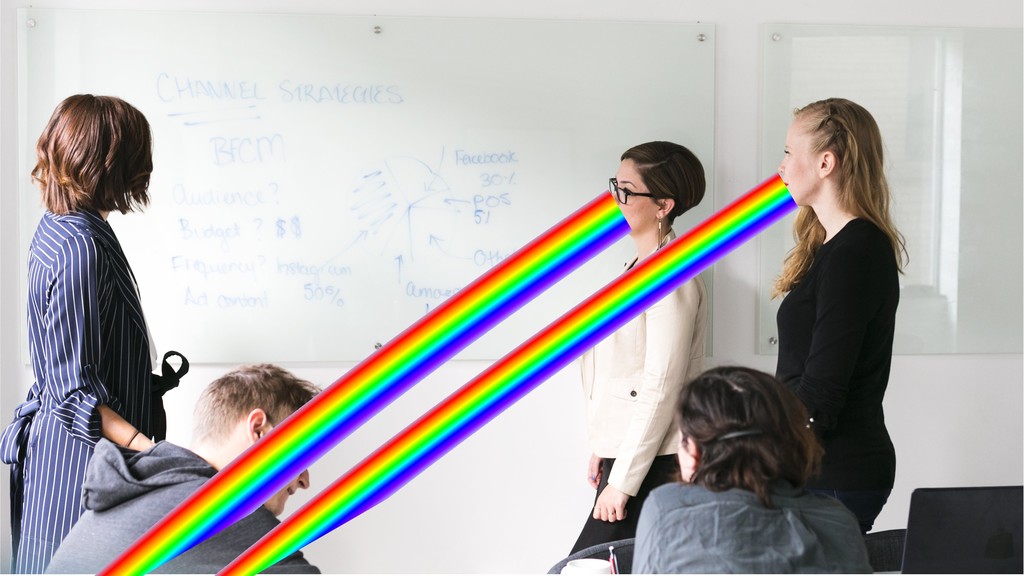
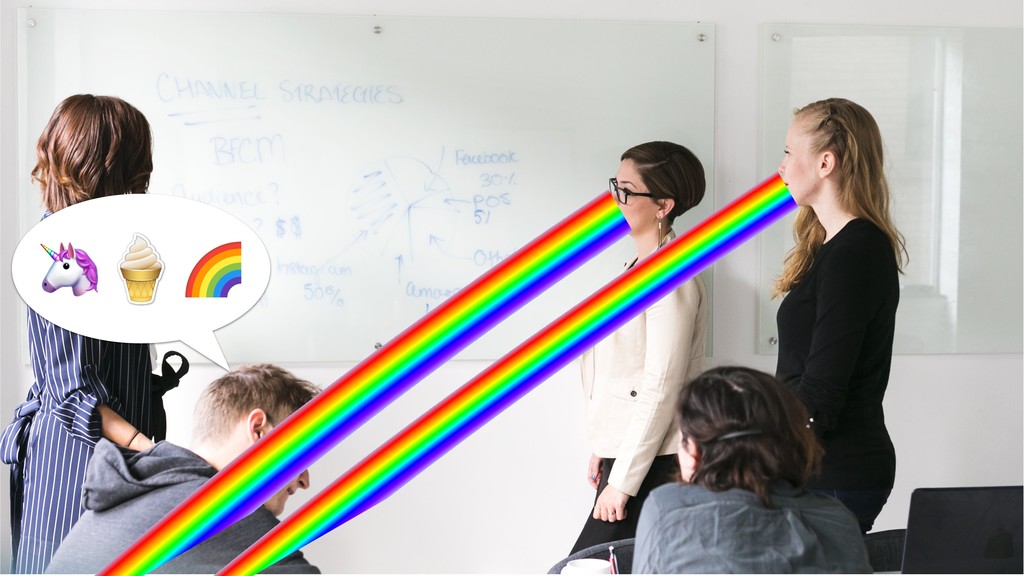
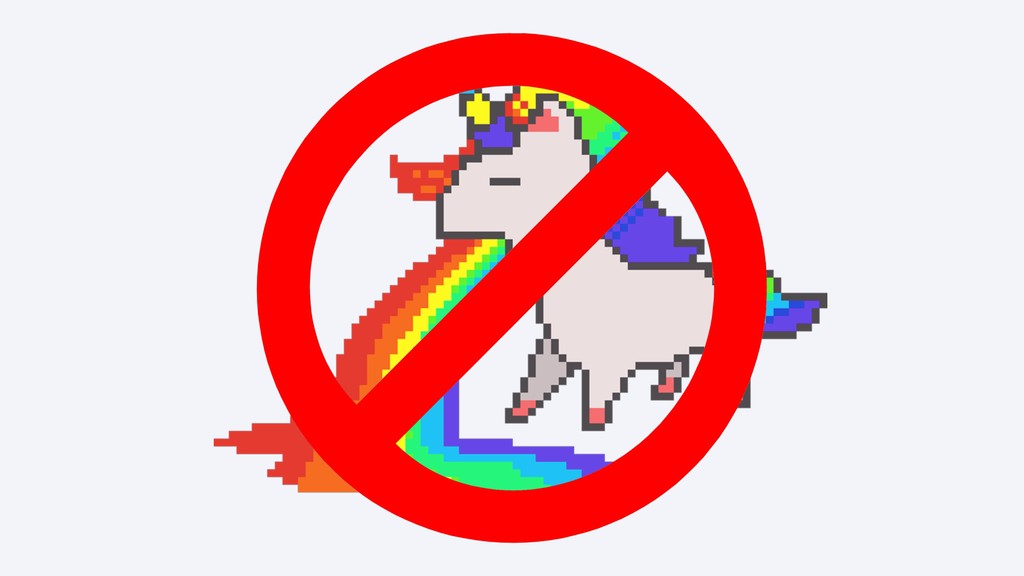
So they walk in a room with a whiteboard, and then they start speaking in all of these flowery terms and glowing adjectives, they start talking about unicorns and ice cream, rainbows, and then pretty soon one of the marketers starts puking rainbows, and then it's infectious, and the person next to them starts puking rainbows, and then because we're marketers and we're so good at spreading the word, the whole company starts talking about unicorns and ice cream and rainbows, and you end up with a big pile of
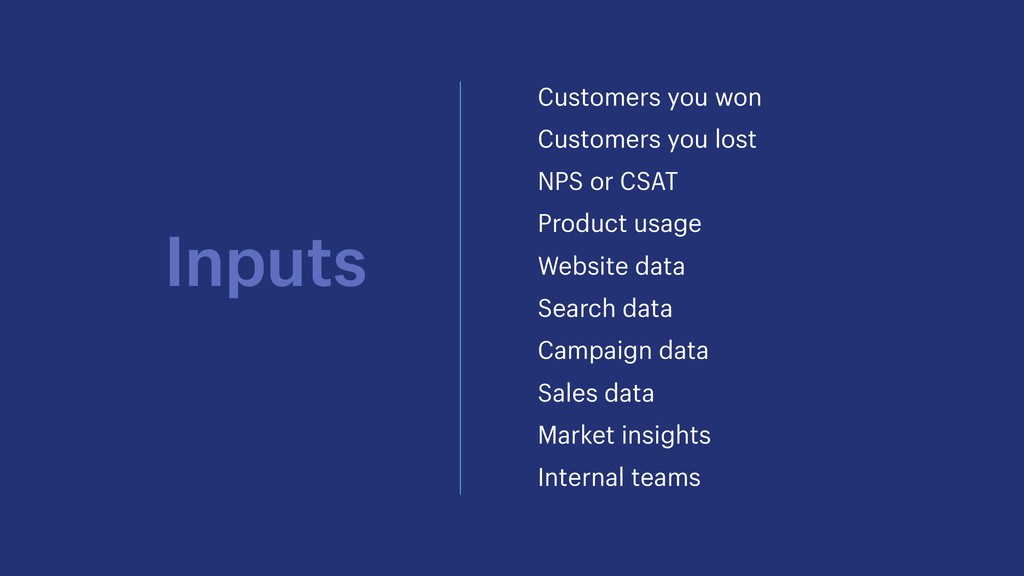
rainbow colored poop. That's what you end up for. Right? Positioning isn't something that you make up, it is something that you uncover by looking at the right inputs. So what are those inputs? It actually depends a little bit on what your business model is.
Right? Are you more like Shopify core, where it's actually self serve, it's free trial? Right? It's it's something that you're actually going be looking at product in order to live growth. Is it something that's more up market, more b to b? Are you going to be entrenched with your sales team?
What kind of data do you have? Ultimately comes down to, hey, what do I learn from my customers? Existing and the ones that I lost. What kind of data is available to be website data, search data, campaign data, sales data, market insights? Talk to your internal teams, and start to uncover the insights that are gonna fuel your positioning.
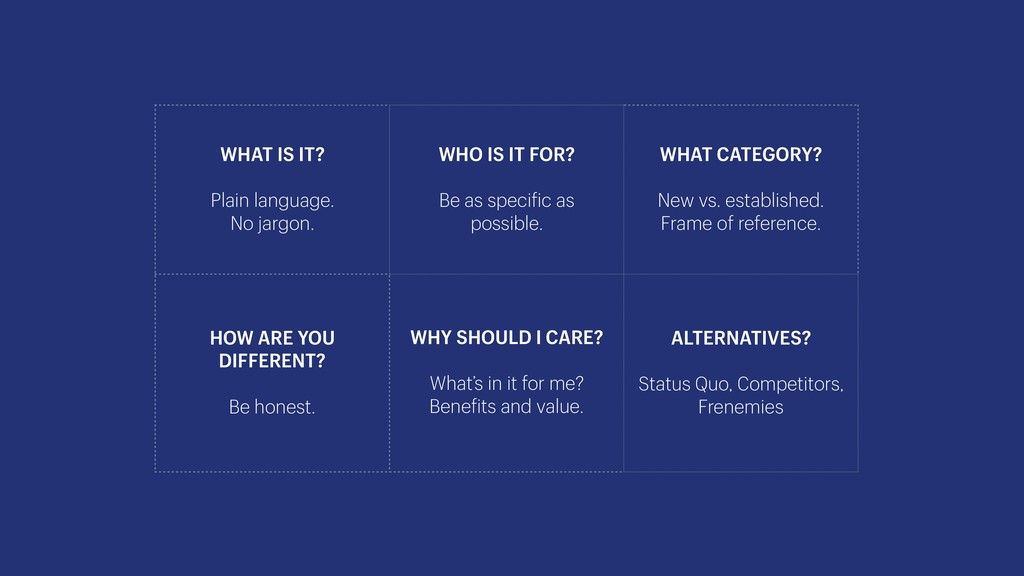
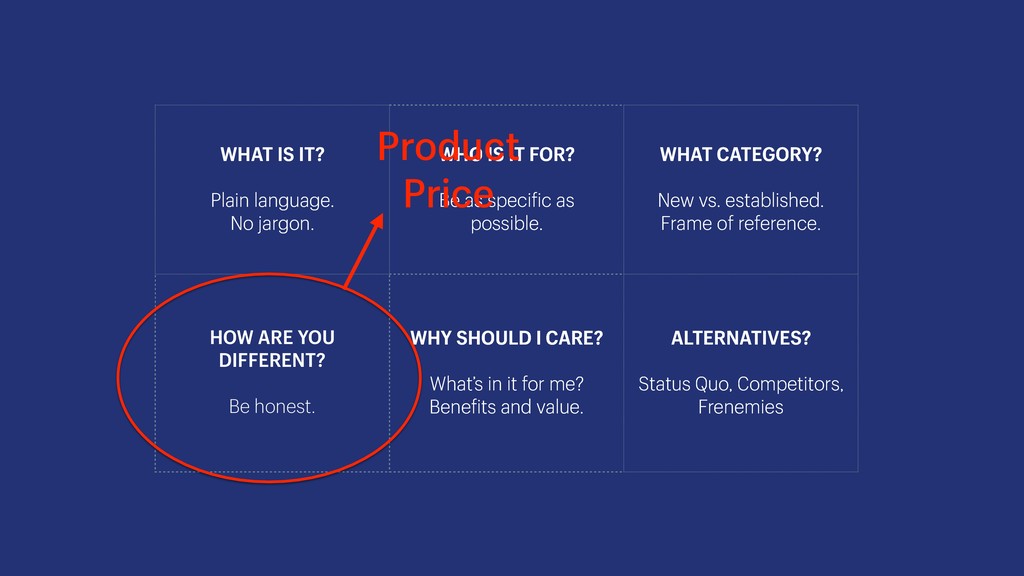
And then these are the questions that you want to answer. You want to answer what it is. Really what it is. Don't worry about copy. Don't worry about what's gonna go on the homepage. Just put the words down on paper. Who's it for?
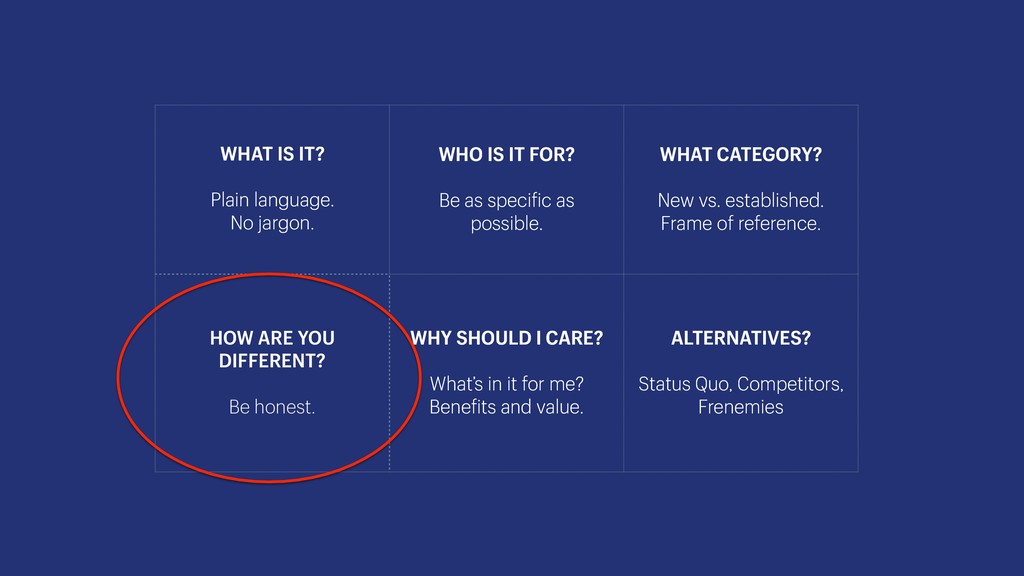
What category? Is this a new category? Or is this one that already exists? That changes the frame of reference for customers, which changes how you position yourself. Right? How are you different? We're gonna drill into that one. Why should I care? What are the benefits? And what are the alternatives?
Notice I didn't say competitors, I said alternatives. Right? It's not about other companies necessarily, it's about what is the other thing that might solve this problem. And that might be an Excel spreadsheet. Right? Not necessarily another company. So these are the questions you want to answer.
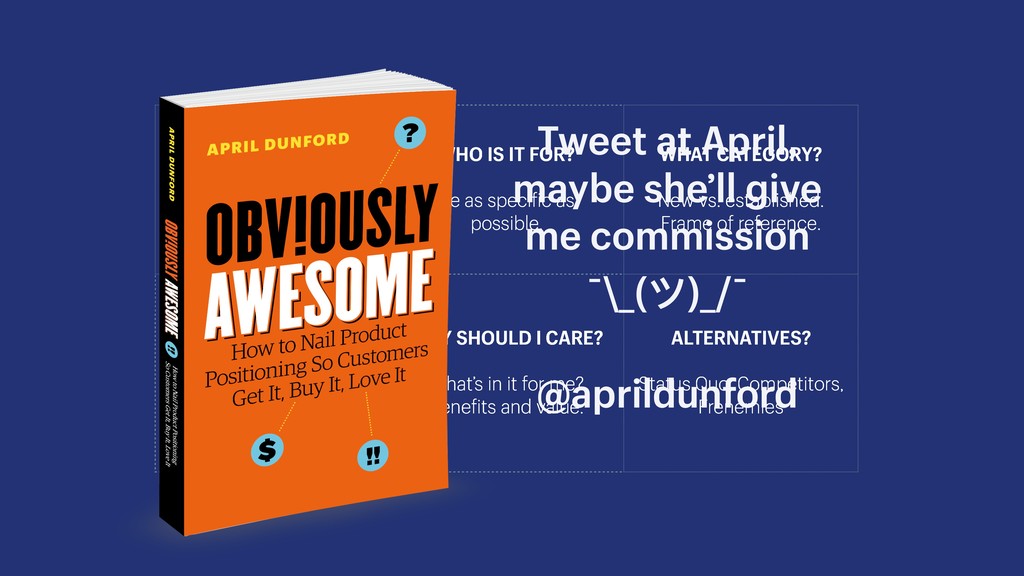
Now I'm not going go through every single one of these, but my friend April that I introduced you to earlier did write a book. It is probably one of the best books I wrote. If you guys want to take a picture of this and tweet at her, maybe she'll get me commission.
I don't think she will, but like I can try. But seriously, if you guys can get this, I would one hundred percent recommend getting this. It walks you through step by step, it gives phenomenal examples. So take this away as one of your key resources.
Now moving on, how are we gonna actually drill down? How are we different? So most people lie to themselves about this. Right? Most people don't actually figure out their differentiation. When they do figure out their differentiation, they think it's about one of two things.
Number one, it's about product. Number two, it's about price. If you're trying to differentiate on product, that's incredibly difficult to do, particularly if you're in tech. At any given point in time, somebody is six months behind or six months ahead of your roadmap.
Really hard to differentiate solely on product. Right? Try differentiating on price and it's a race to the bottom. I don't want to be in that race. I don't know about you. So start to think about different ways that you can actually set apart.
Something that I see companies, particularly companies that are using Shopify do often, some of these d to c companies that are doing really really well, is actually differentiating on experience. So here's an example. About a year ago, I moved to a new apartment.
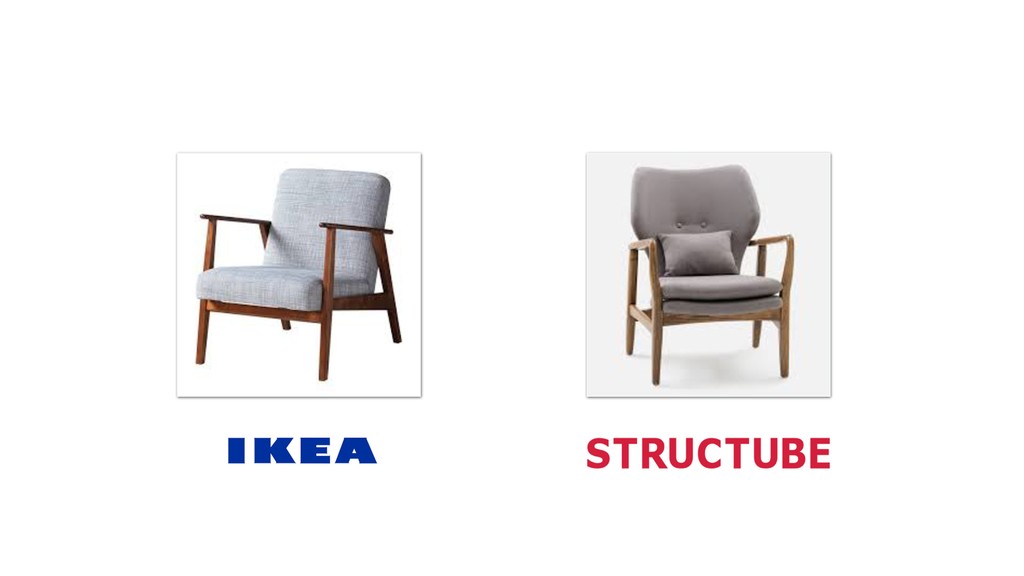
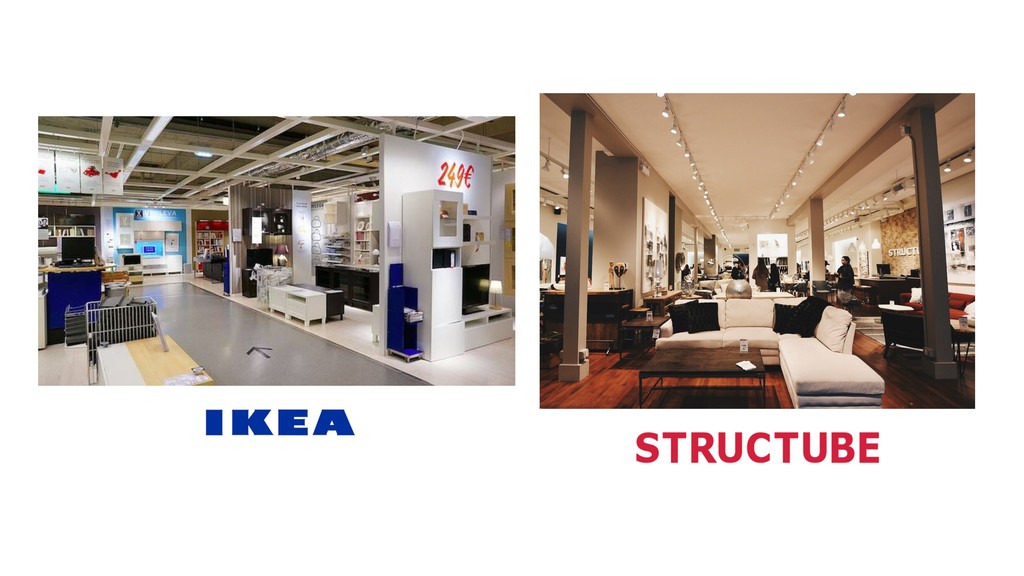
I was furniture shopping. I really wanted to buy a chair. I saw this chair at IKEA. I was like, alright, I'm not super sold, but maybe I'll shop around a little bit. Found basically the same chair at Structube. So when I compared these, they were almost identical.
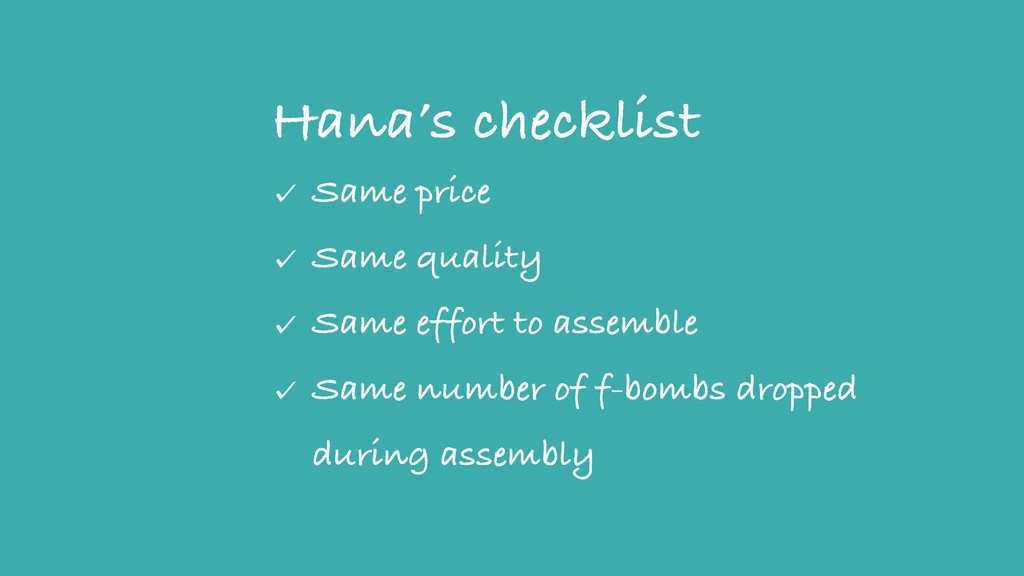
They were the same price, same quality, obviously the style was a bit different. Same effort to assemble the chair, same number of f bombs dropped during assembly because we all know what IKEA is like. Right? But take a look at the experience in the store.
Fundamentally different. Right? You walk into IKEA, we've all been there before. It's like a warehouse. Right? I kind of feel like I'm back in university shopping for like my dorm room. That's what I feel like. But when I walk into Streptube, I feel like an adult.
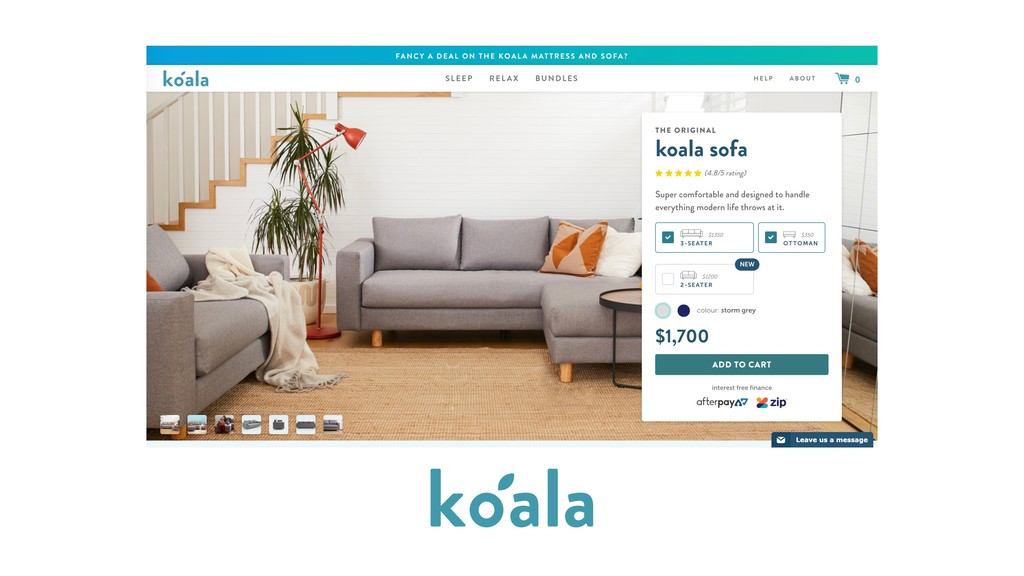
I feel way more mature. Right? It's like a living room. It's all grown up. Right? Same products, same quality, same price, but very different buying experience. There's another company in a similar space called Koala, and they actually have done something really interesting with their positioning.
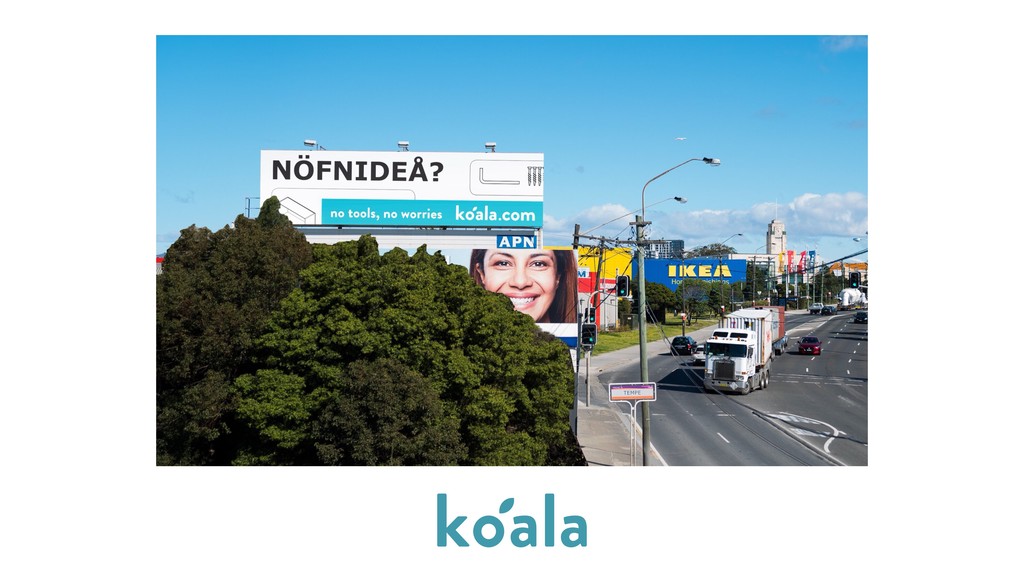
Take a look at this. So about a month after that video came out, they put this billboard up in front of IKEA in Sydney. Isn't that great? So think about how they position themselves. Right? Qual's approach to the market is fundamentally different. They went direct to consumer first. Right?
But they have positioned themselves as the anti IKEA. Right? And sometimes actually declaring what you're not can be just as powerful as talking about what you are when you're talking about positioning. So figure out how to position yourself in the market. Answer those questions.
Go through April steps because I promise that they will help you. Once you've got this, how do you actually operationalize this? How do you say it? How do you figure out how people are gonna talk about your product? Your employees, the people that are building your website, your copywriters, etcetera.
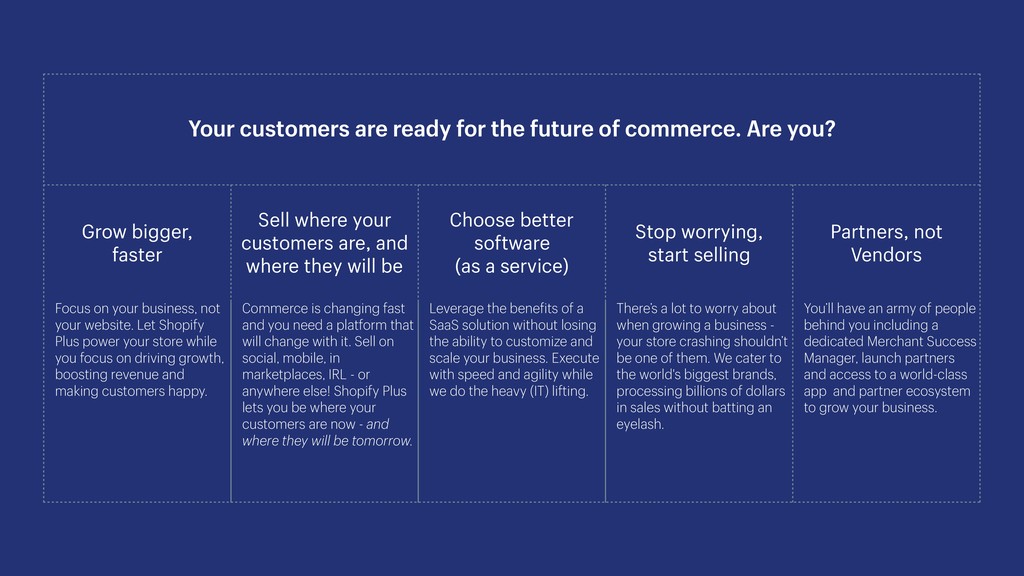
And the reality is your messaging and your branding is an expression of your positioning. So where do you start? Well, I'm gonna give you guys a framework to help with the messaging piece. This is a great starting point. You can adapt this, you can massage it, you can change it depending on your company and the value in your customer.
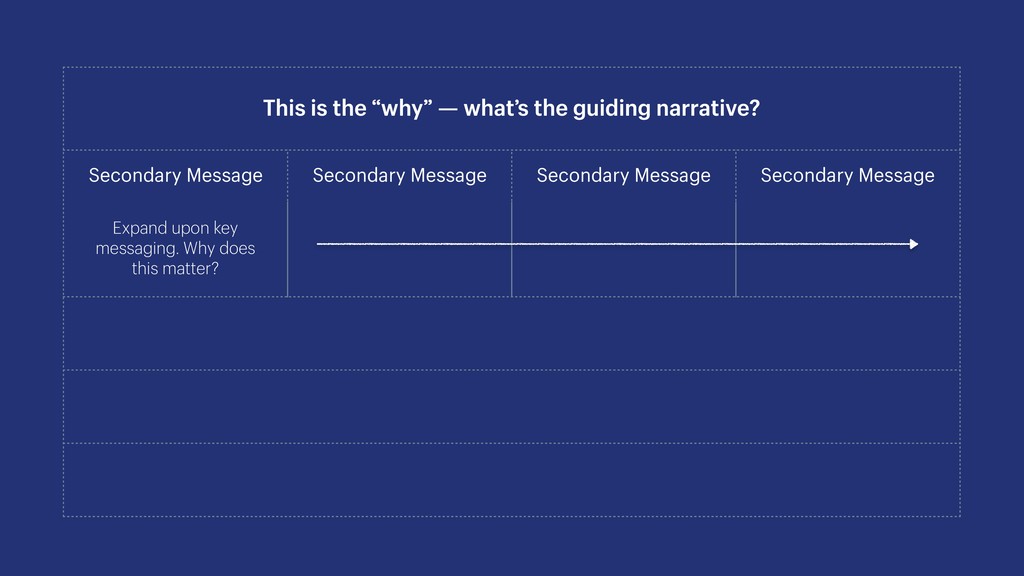
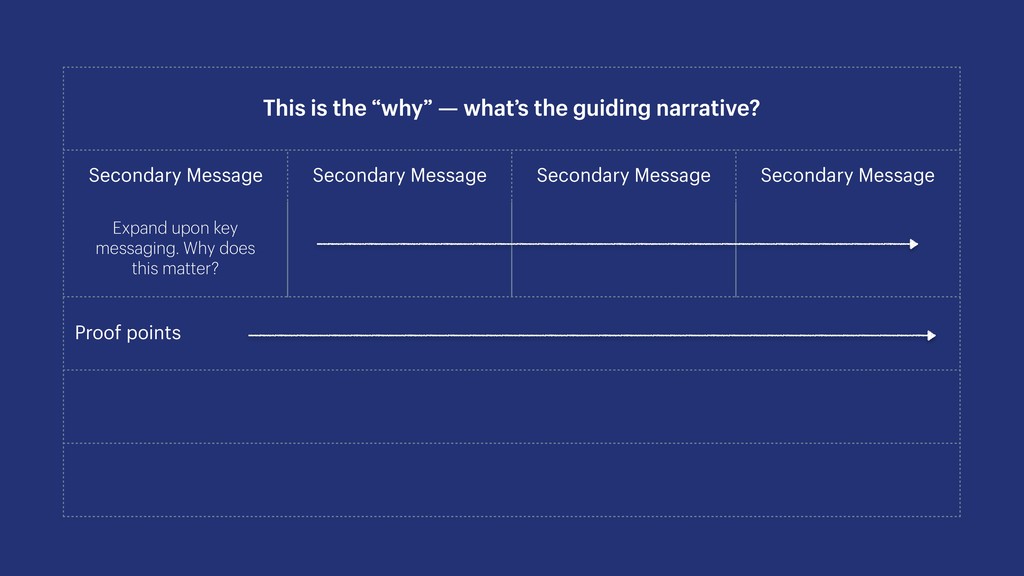
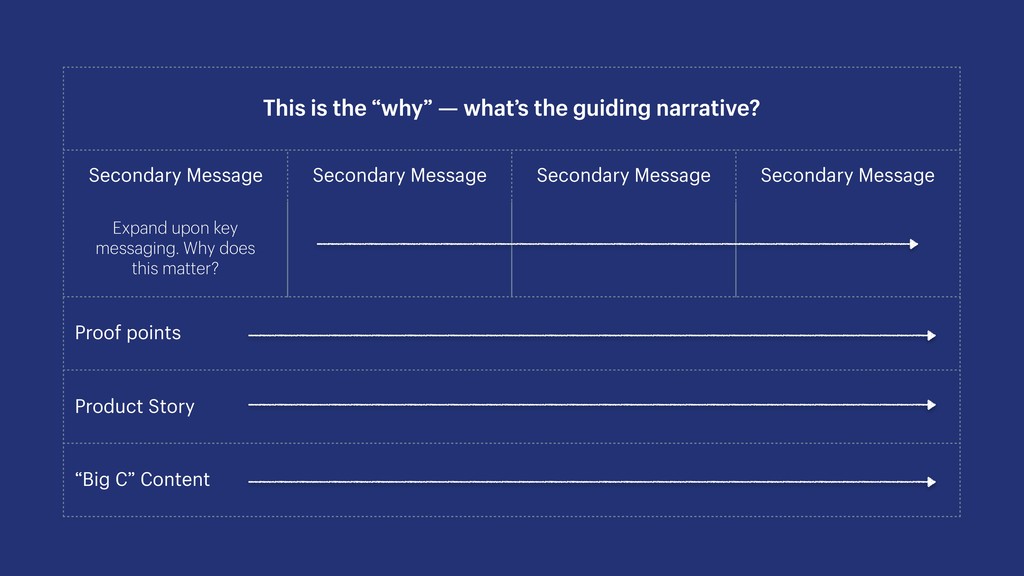
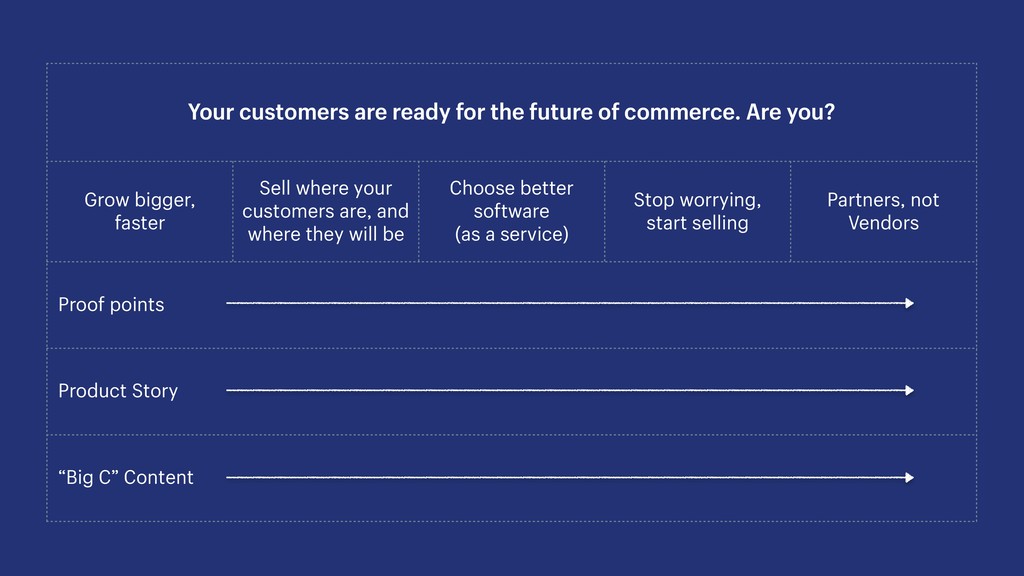
But generally speaking, you wanna start with the why. Right? What is the guiding narrative in terms of the value prop for your customer? You wanna pull out any secondary messaging. There might be one secondary message, there might be four. Right? Really depends on the complexity of your product, your offering, your customer, and also how saturated your market is.
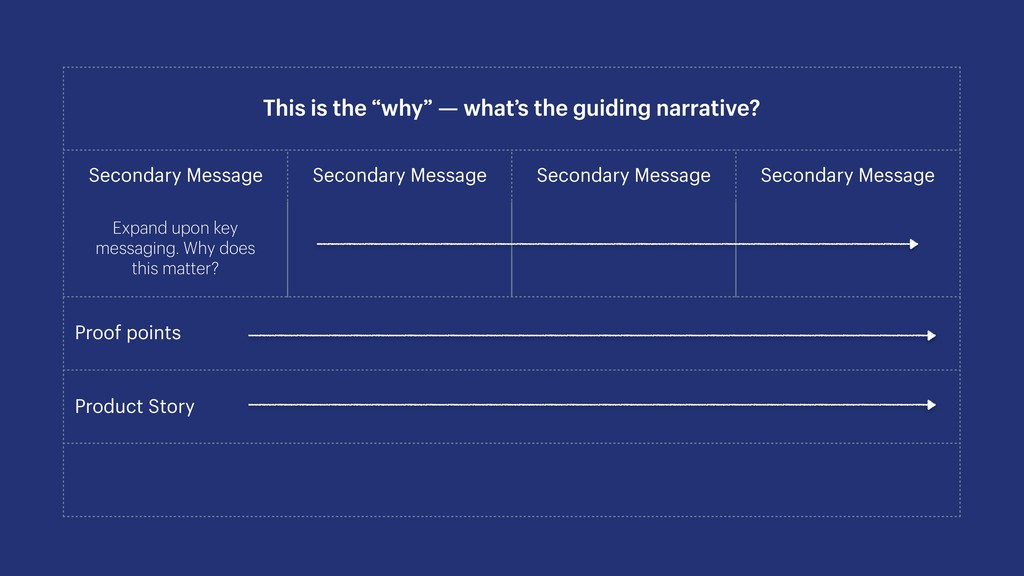
And this is where most people stop with messaging. They'll just talk about the narrative and they'll be like, oh, and we do this for you and this for you and this for you and here's all the benefits. Great. Proof points. Really, really critical. Right?
If you say you're gonna help me with this, prove it. Then tell me how. What's the product story? Right? Then build the supporting content. That might be case studies. That might be other types of content. I don't know what's going to work for you.
You know what's going to work for you. But these are the critical elements. This is the foundation. This is the framework. So for Shopify Plus, it might look something like this, where you have a guiding narrative, you have some secondary messaging, and oh, by the way, we're gonna layer on proof points, product story, and big c content.
So if we say, hey, we're gonna let you sell where your customers are and where they're gonna be in the future. What are the proof points? Well, they're all the channel integrations we have. So that you can actually literally sell everywhere your customers are.
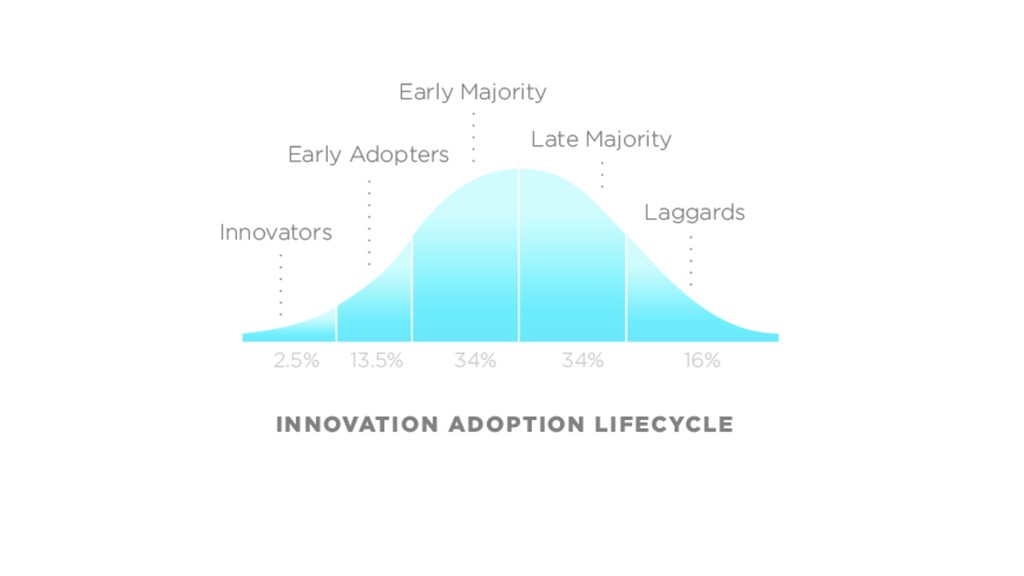
Right? Those are the types of things that you need to back up with your narrative. And both of these things should evolve over time. Right? We've all seen this before. It's a little bit management consulting y, but I put it in anyway. Right?
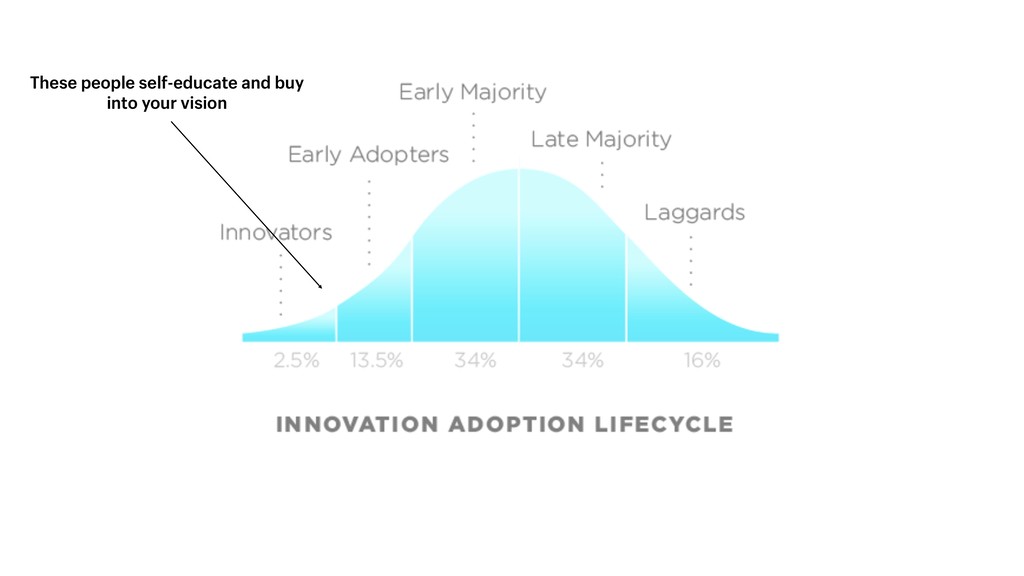
And where you are and where your market is, actually it's going to guide a little bit how you do your positioning. Right? So people that are a little bit earlier, right? If we're talking more innovators, early adopters, these are the people that actually buy into your vision and they're gonna self educate.
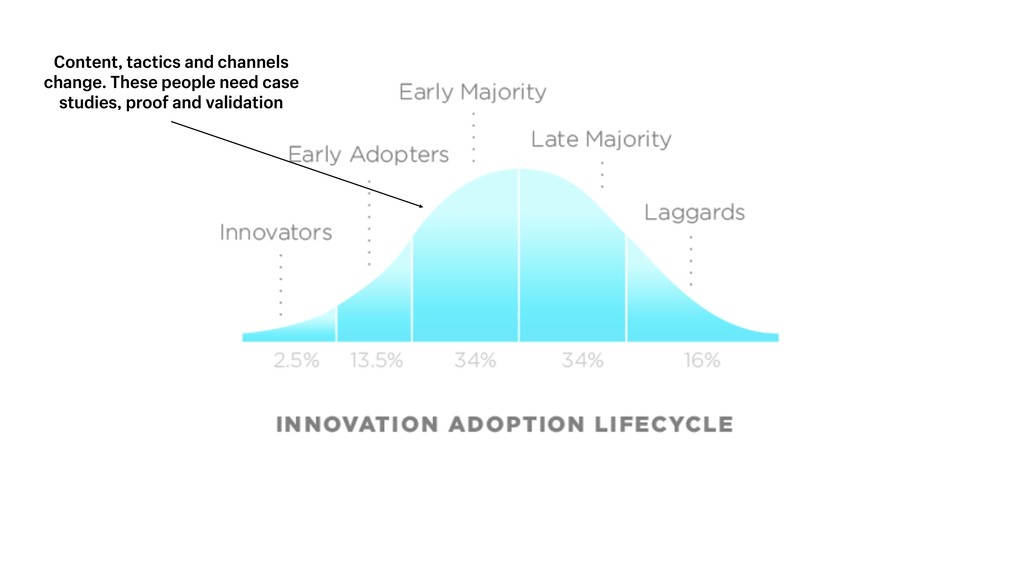
Right? They'll also deal with your buggy software and your ****** customer service. Right? Because they're they're in it. They're in it with you. Soon as you move up, a little more skeptical. Right? They need proof. They need case studies. You need to go to them with an actual understanding of the value that you provide.
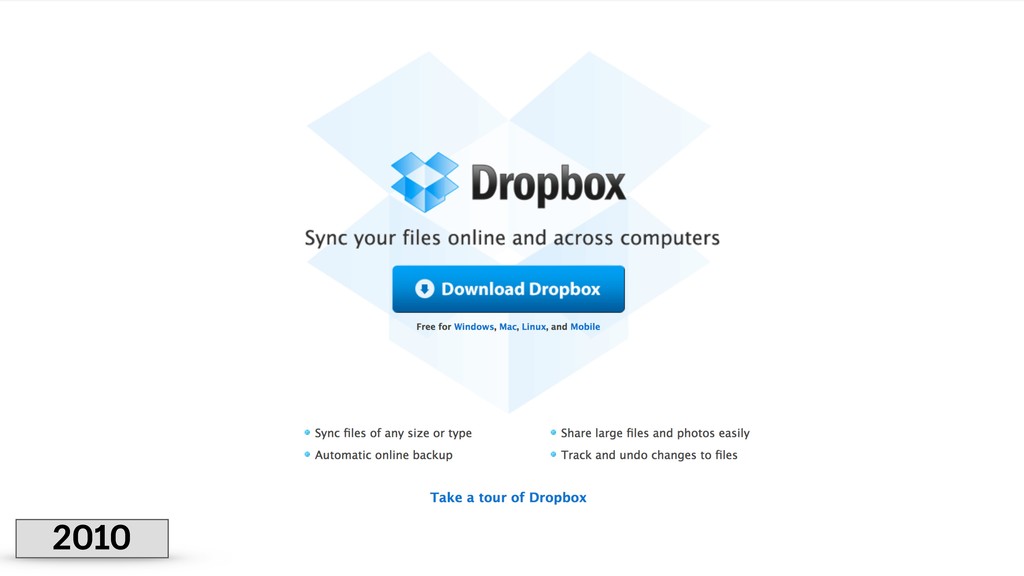
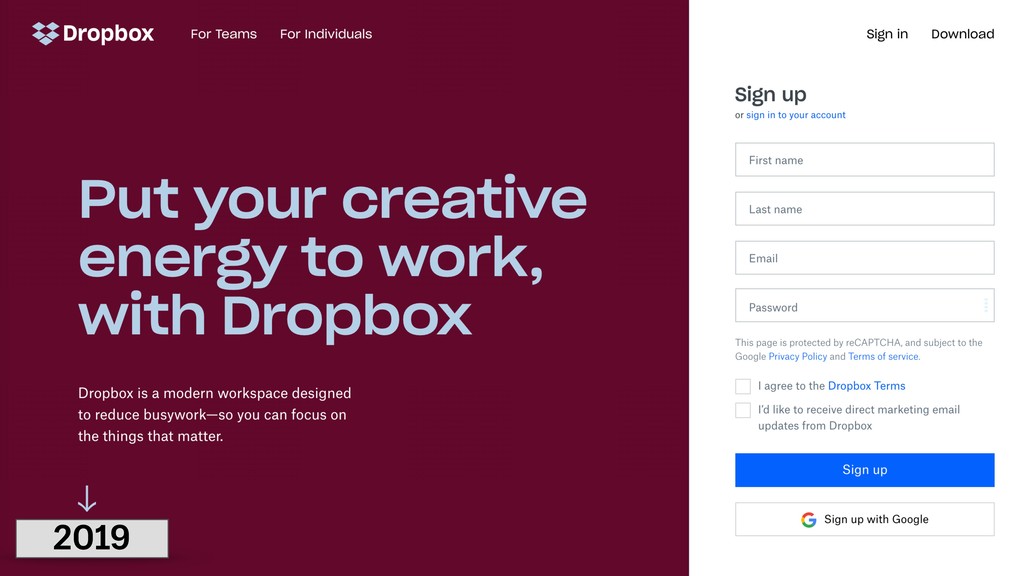
You need to leverage the people that were innovators, were there early to help you explain that. I love this example, Dropbox. Does everybody remember this landing page from a bajillion years ago it feels like? Okay. Twenty ten. Take a look at the copy on this page.
Sync your files online and across computers. That's literally what Dropbox does. Right? But in twenty ten, they had to explain it. Right? In twenty ten, like mainstream population had no idea that this was a thing really that you could even do. Right? They had to actually get super literal with it.
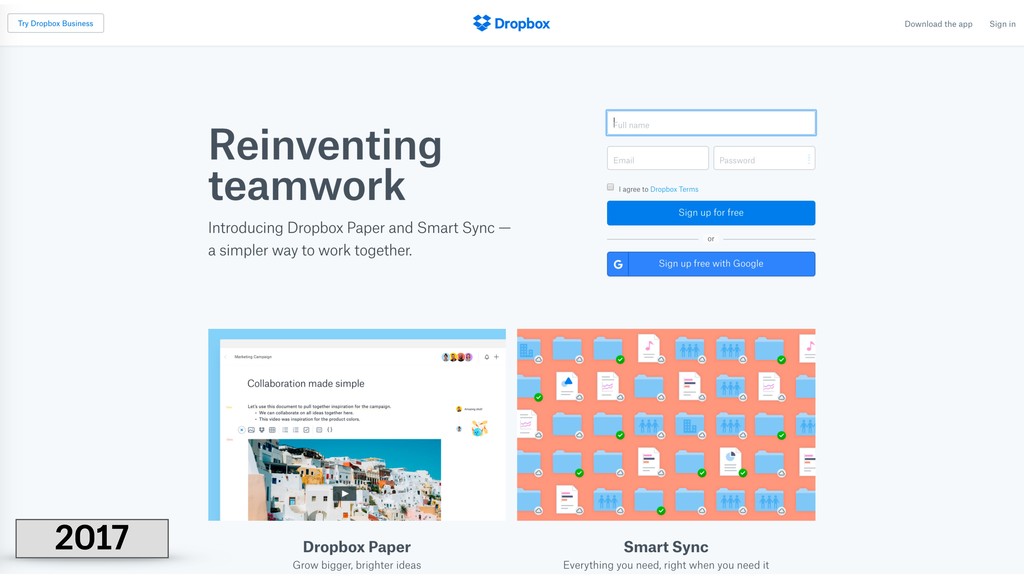
Take a look at Dropbox in twenty seventeen. Now we're reinventing teamwork, totally different messaging. Has Dropbox fundamentally changed its positioning? Maybe not. I don't know. I'm not actually in Dropbox. But the messaging, how they explain it, how they're connecting with a mass audience now has changed.
Out of curiosity, I also pulled twenty nineteen, now they're saying put your creative energy to work with Dropbox. Also an indicator of their messaging and who they're targeting and how they're talking to people. So how many people here are actually at tech companies?
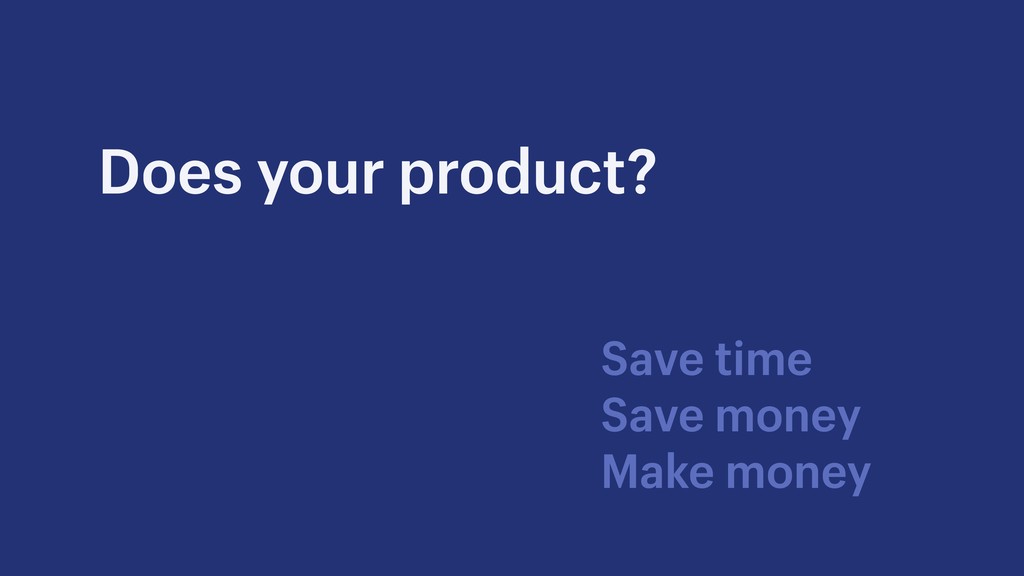
Are most people here tech? Okay. Great. Does your product do one of these three things? Save time, save money, make money. Usually it's gonna do one of those three things. Great. Guess what? Everything else does. Everything in tech does. It's gonna do one of those three things.
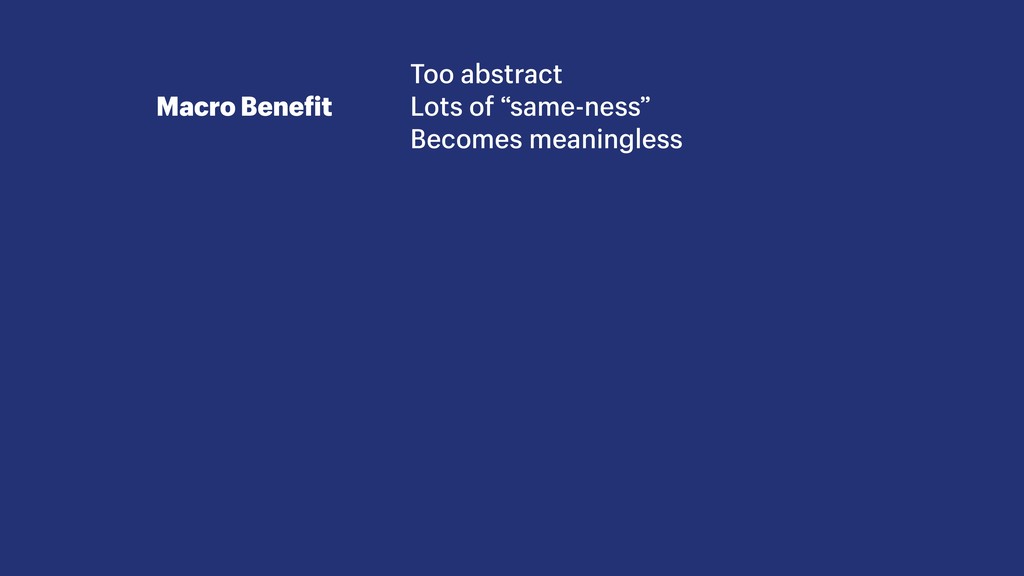
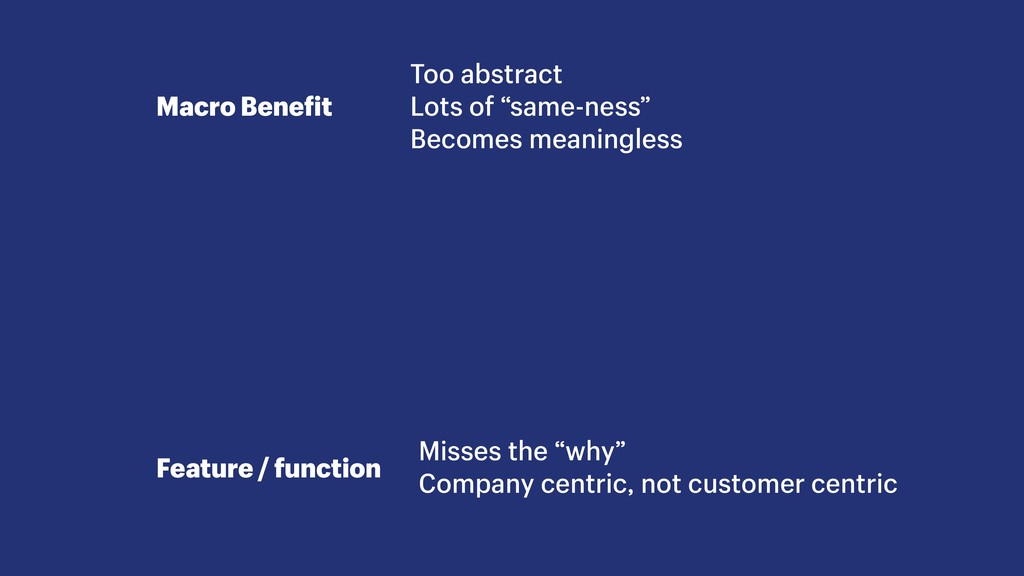
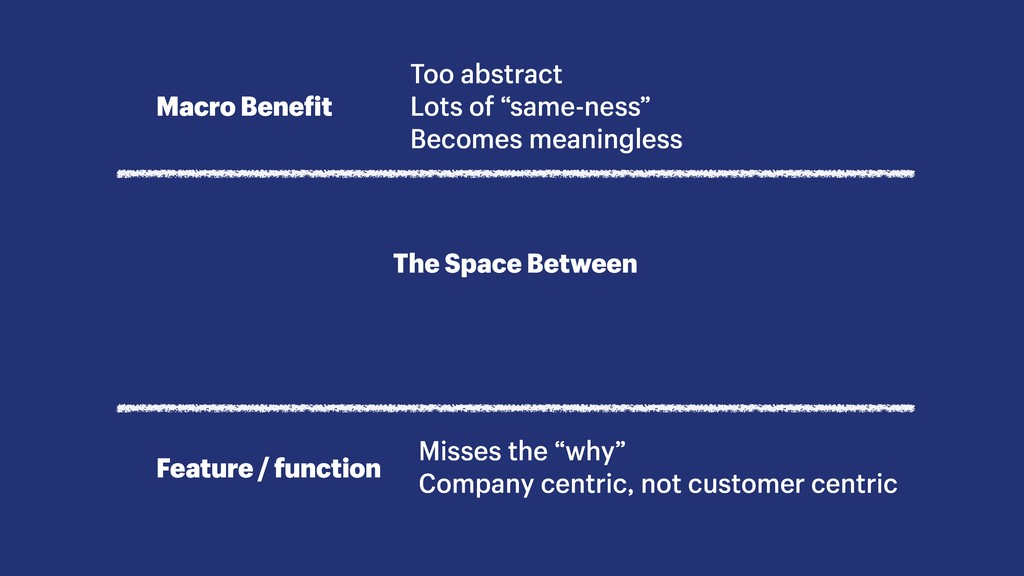
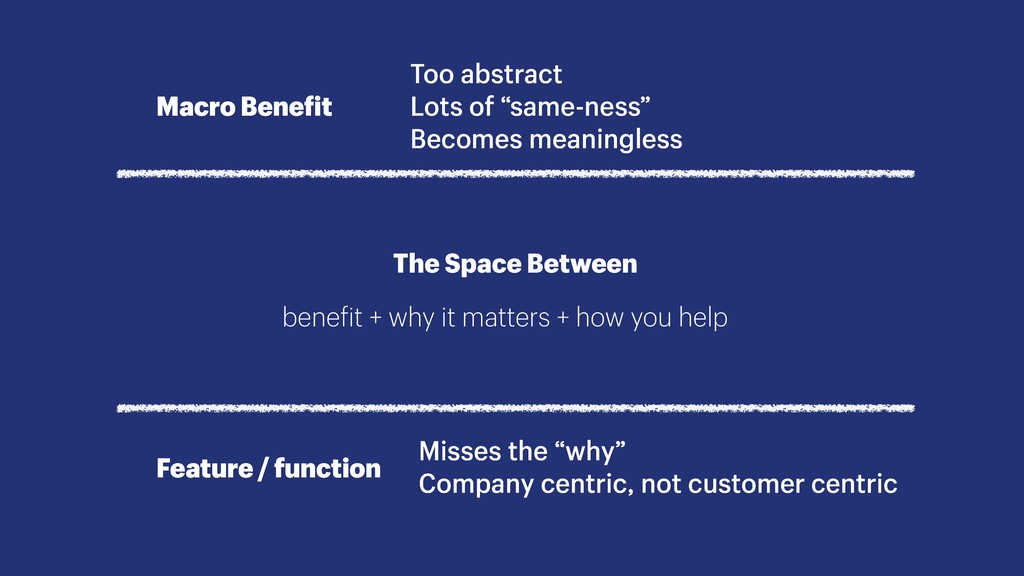
Save like luxury items, most products are gonna do one of those three things. And this is the problem that most marketers run into when they actually pull together messaging. They talk about the macro benefits. Saving time, making money, saving money. Problem with macro benefits is they are way too abstract.
Right? And what happens is that there becomes a lot of sameness in the market. Right? It becomes meaningless because everybody starts to say all of those same things. I don't care that it saves time. A lot of things save time. Like, tell me what the real value here is for me.
The other mistake we make is we get too low. We start talking about features and functions. Right? That misses the why. That becomes company centric, not customer centric. What you want is this space between. What you want is the benefits plus the why and really conveying how it is that you help.
Not necessarily specific feature functions, but how it is that you help. And this is a tricky spot to get to. Don't go too high, don't go too low. So the key ingredient here is you need to have an opinion. Right? The best marketing has a point of view.
Ollie talked about this yesterday. This is something that we talk about in my team a lot, is what is our point of view in the market? Is it getting watered down after we go through x amount of copy reviews? Right? How do we make sure that gets conveyed?
Because the reality is as the market matures, it starts to look the same. All the companies are saying the same thing. The buyers are confused. They don't really understand the difference. It goes back to differentiation. Right? We see this in enterprise e commerce.
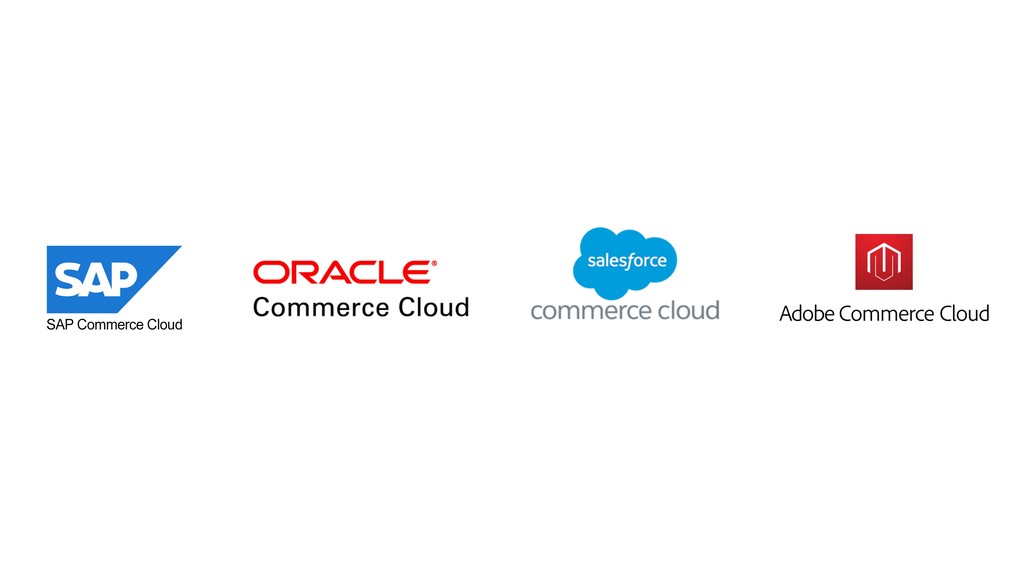
Even just the naming. There's SAP Commerce Cloud, Oracle Commerce Cloud, Adobe Commerce Cloud, Salesforce Commerce Cloud. Right? So much sameness. So better positioning, we start to work on our messaging, we start to craft that narrative. Those are the foundational pieces that all your marketing jumps off of.
Your copy, your sales decks, your landing pages. This will feed potential growth strategies within product as well, the more you understand your customer. So who's gonna actually do all this stuff? So when I walked in, I had a team of two people. It's a lot bigger now, but really tough to figure out.
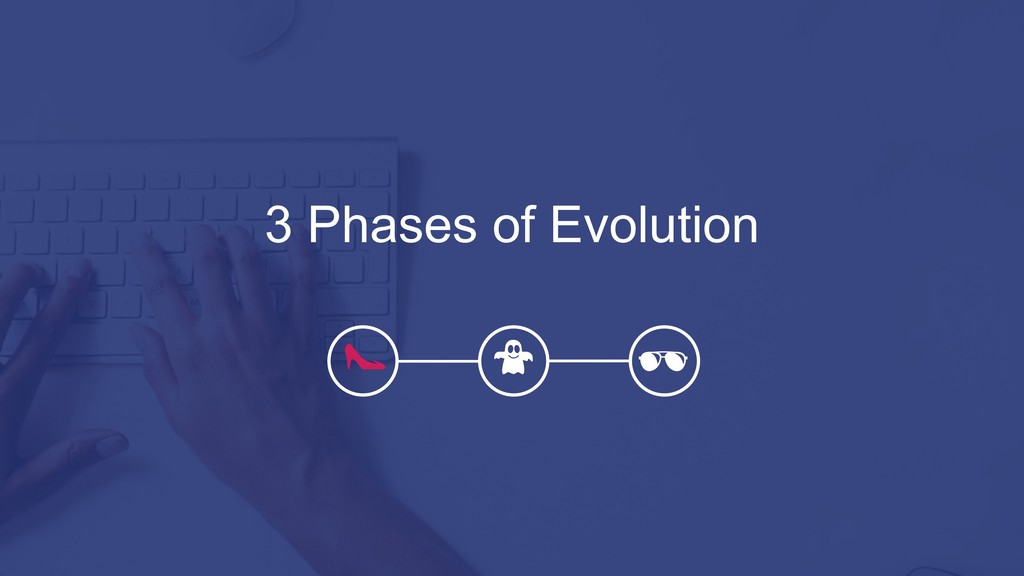
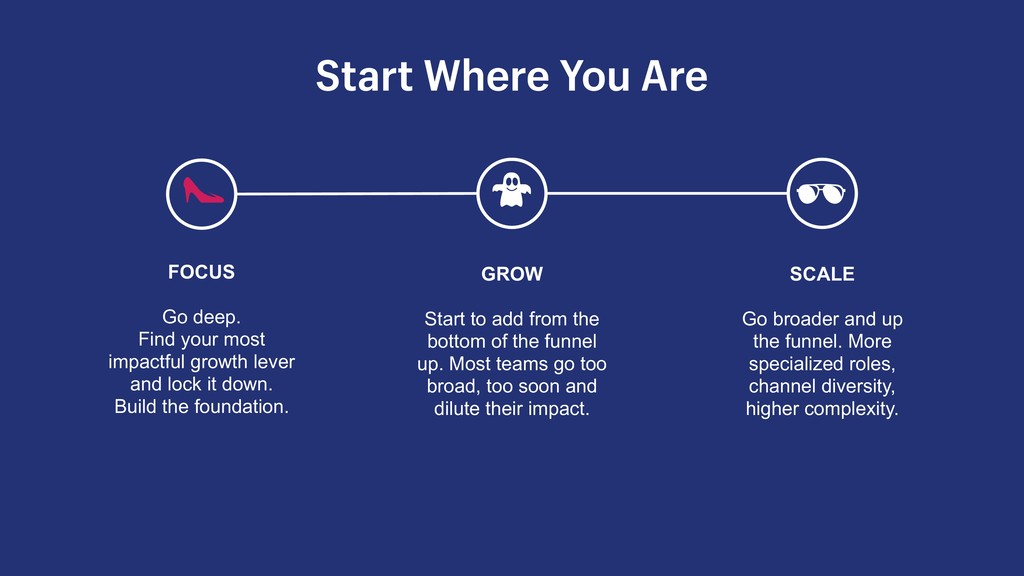
And where do you focus? What do you start on? So I think for me, thinking about it across three phases of evolution for a marketing team, the first phase, actually not even just for a marketing team, even for a startup. The first phase for any team's evolution is what I call the Wizard of Oz phase. Right?
So you're following the yellow brick road and things are looking really good. Everyone's happy, but don't look behind the curtain because it's a ******* **** show. There is like no process, nobody really understands what they're doing, you don't really know where your customers are coming from, your data is a mess, you either have lots of it and a whole bunch of data silos because you're using a bajillion different tools, or you're just actually not capturing the data that you need, which is also a problem.
So that's the first phase. Second phase that most teams move into is what I call the Scooby Doo phase. I don't know if Scooby Doo is big here, but I used to watch it a lot as a kid. This is where you start to figure things out, you generally solve the mystery.
However, you're mostly still bumbling around like idiots. And then this phase, the Ocean's Eleven phase. This is the phase where you have a team of highly specialized experts that are working in a coordinated way against strategic plan. How many people can do that?
Yeah. I don't I actually think this is aspirational. I'm not sure any company is really here, because mostly it's a **** show when you look behind the curtains regardless of where you go. But this helps you think of, hey, what are the areas I wanna focus on?
If you're early, you need to go deep. You need to find your most impactful growth lever and you need to lock it down. Right? If you are product led. Right? If you're more like Shopify core, if you're more a b to c funnel, that's gonna look different than if you're super up market and you're serving enterprise.
Right? But go deep. Most marketing teams try and do too much at once. Really lock down the thing that's gonna impact your growth the most and change your trajectory. Start there. As you start to move into that Scooby Doo phase, this is where you wanna start to add things and diversify, but slowly.
Right? From the bottom of the funnel up is the way I like to do it. Then of course, as you start to scale, there's definitely a case for going broader, for diversifying channels, for actually having those channels work together and provide halo effects to each other.
That gets more complicated. That needs a really robust attribution engine and a really robust infrastructure and data operation. But focus first and then start to move on the other stuff. So we talked about what we do. Right? Regardless of which stage you're at, you still might be doing things in all of these categories, just more focused.
Right? But how do we actually do that? How do we actually drive that growth? So the key part here is to make sure that you're focusing on outcomes. Because not only will that actually guide your team and get them out of their functional silos, you're gonna end up with a better result at the end of the day.
And here's what I mean by that. If you take a look at us for Shopify Plus, there's three big things. Right? We have upgrades coming in from Shopify. We have new business. So that's people migrating over from competitor platforms. And then we have churn. Those are the things. Right?
Those are the big levers for growth. But we can't do that on our own. Right? If we wanna actually optimize upgrades, we need to talk to product, we need to talk to data, there needs to be a team that's cross functional, that's focused on that.
Right? We wanna talk new business, this is sales. Talking tons to sales, also data, also operations. If we're talking churn, that's our customer success team that's working cross functionally. Marketing sits across all of those functions. Right? In order to drive growth. But you cannot do it alone.
You need to be intentional about creating those cross functional teams. So that was one of the first things I did when I walked in. I started with sales, spent more time with the sales team than anyone else in the company, and actually got some really interesting insights.
It started to fuel some interesting experiments. One of the insights I got from one of the sales reps was that he said, AdWords leads are bad. I was like, oh, well that's not good because we spend a lot of money on AdWords leads.
So the problem with one sales rep saying AdWords leads are bad is that it spreads like ******* wildfire. And then all the sales reps say AdWords leads are bad. Even though it's like not rooted in anything. Right? Because sale it's like a herd mentality if you've ever worked with a sales team.
So we were like, okay, we're gonna show them the data. Because if you looked at it in aggregate, sure, the conversion rate maybe wasn't so good. But if you actually drill down to the ones that sales reps contacted, they were actually converting. Right?
But that didn't work. They didn't understand the context. They didn't understand that an AdWord lead today is not the same as an AdWord lead last month because campaigns change, we optimize things, etcetera, etcetera, etcetera. They didn't know that. They didn't understand how that works.
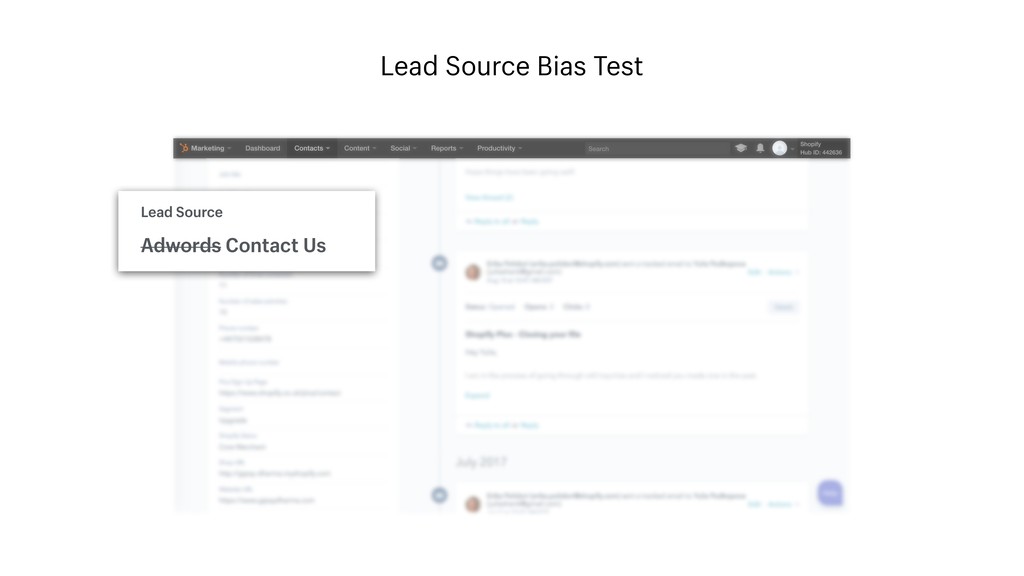
They had this lead source bias that was super ingrained in their stories. So we worked super closely with the sales leads and we wanted to test a hypothesis. So what we did was we took the label, the lead source label, and we changed it from AdWords to Contact Us, which was just this other lead source that the sales reps really, really liked.
And guess what happened? Magic happened. If Contact Us was converting here and AdWords was converting here, two weeks later they were like this. Because reps were reaching out to all the leads. Right? And by working in that cross functional way, we were then able to ask more questions.
Hey, like now now we know that you guys just need to reach out to these leads. Right? They're not fundamentally bad. We just need to put them through the right process so that we can learn. But hey, does does source actually even matter?
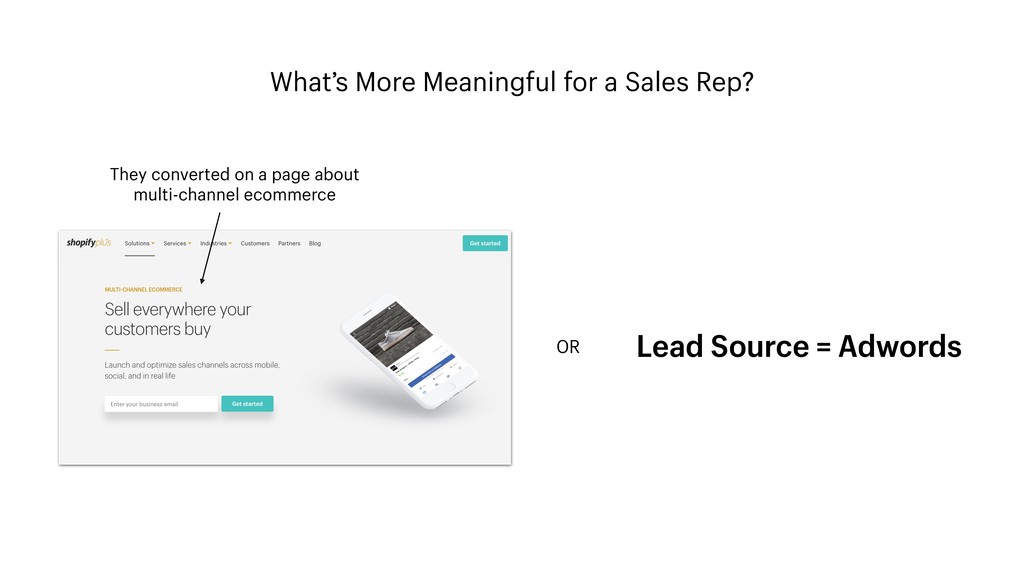
Was a nice question. What's more important here? That they converted on a page about multi channel e commerce or that lead source equals AdWords? I think we all know this. And I see too many marketers presenting the wrong context and information to sales reps.
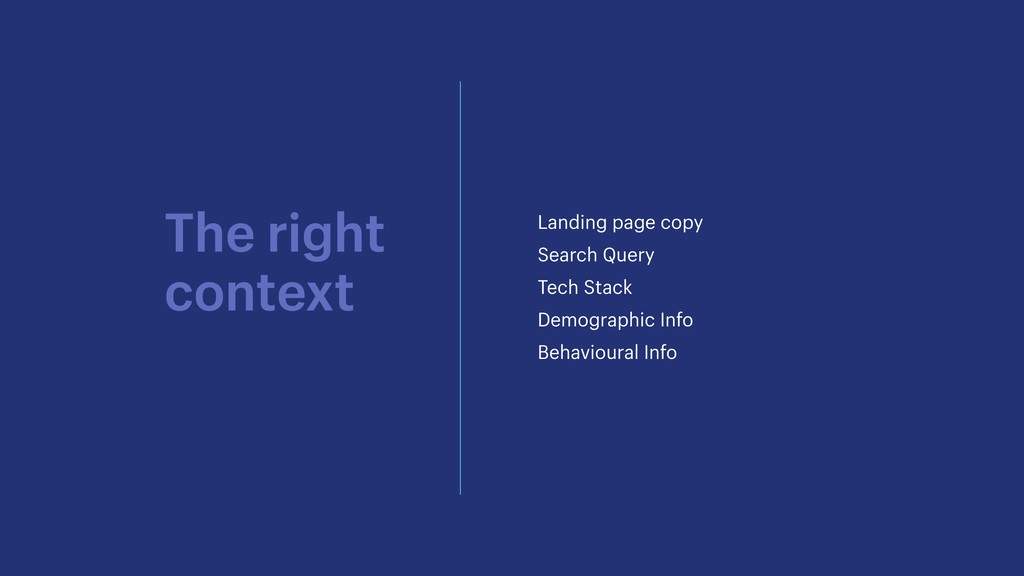
You need to pull out the information that's actually going to help them in their outreach. It's gonna help supplement their context. So what is that? That could be a variety of things. Landing page copy, search queries, tech stack, demographic info, behavioral info, etcetera, etcetera, etcetera.
The point here is that context is king. Right? Context is king, not only here for your sales reps, also important when you're initially coming in developing that shared understanding that we talked about. Because essentially, and I want you to walk away with this and take it back to your teams, marketing is too important to be left only to the marketing department.
At the end of the day, everybody is responsible for growth. Right? You guys might be owning it, driving it, setting the strategy for it, but you need to make sure you're working with those cross functional stakeholders. Once you have those conversations, once you set that context, then set the foundation for your marketing.
Take your poop, turn it into fertilizer, then find the space between. This is the formula. And then last, but certainly not least, for the love of God, no more puking rainbows. Thank you everybody.