
This is not your everyday data talk. Through working deep inside the fastest growing SaaS startups in our space, we've studied the patterns, methods, and models for driving outsized results. The one common thread? How they use their data. (How else would you grow from one marketer through to a $60M+ Series B just 12 months later?). How do they make their data accessible, draw the right insights, set effective goals, prioritise and optimise processes, and automate ALL the (right) things. So brace yourselves: we're going to be navigating through AI, automation, "moving the needle", and a minefield of other buzzwords to try to make sense of using your data for growth. But you'll leave this talk with a simple framework and set of questions you can take and use right away.
Data-Driven Growth: Lies, Lawyers & Outsized Results








Auto-generated transcript - may contain errors. Tap a timestamp to jump the video.
Thank you. So I've heard a lot of great things about Turing Fest. It's really a real big pleasure to come talk here. So as mentioned, I'm gonna talk about this great thing, data. So I love data, work with data a lot. And as Bailey mentioned, I work with Hull.
We're a customer data platform for b to b. We help teams like Drift, like Front, like Patchy Corp, like mentioned, get all their tools, teams, and data to work together so they can grow faster. Now, the thing about a customer data platform is it sits right in the middle, right at the heart of your marketing stack, which means we get to see exactly what's going on right how these companies grow.
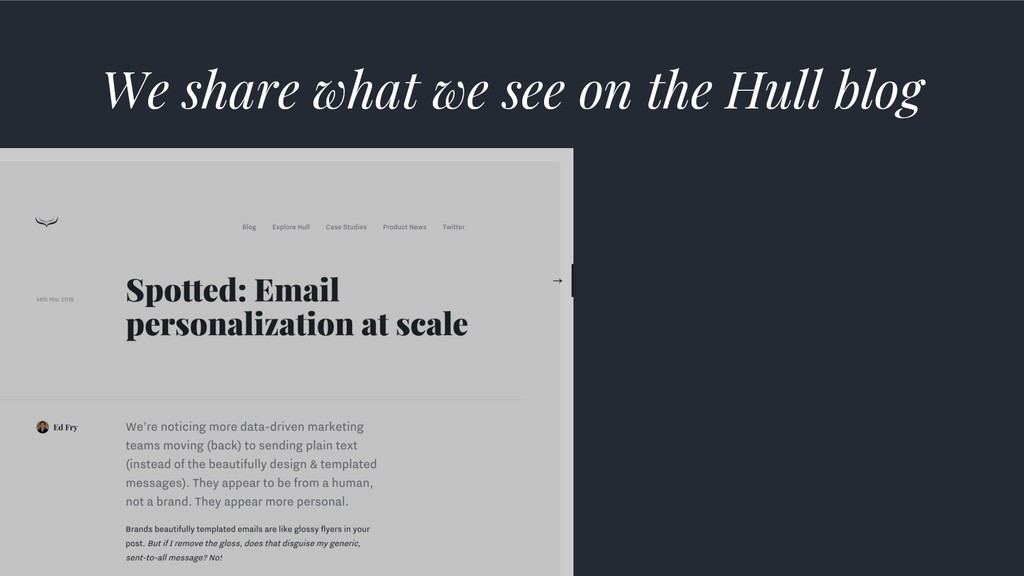
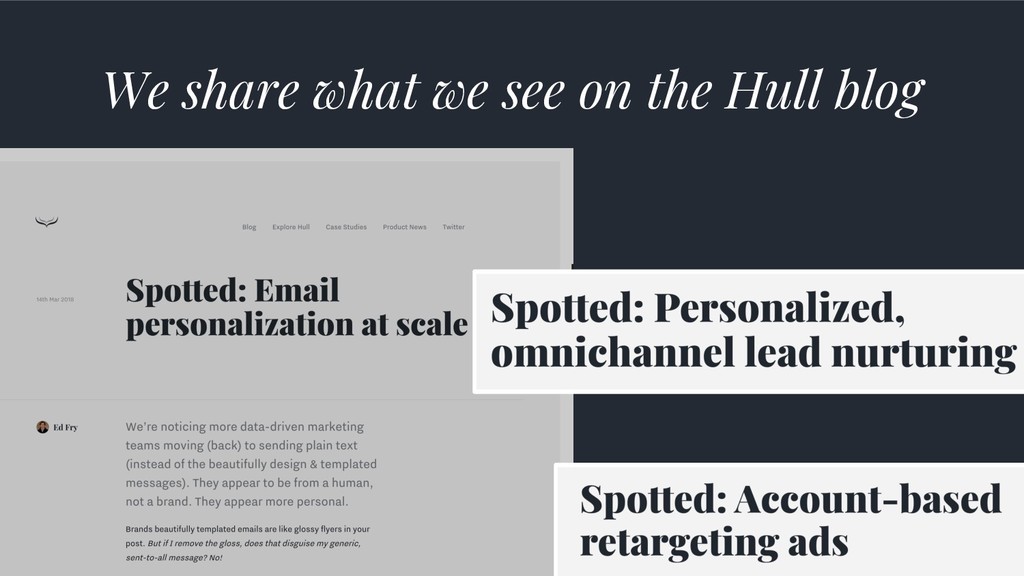
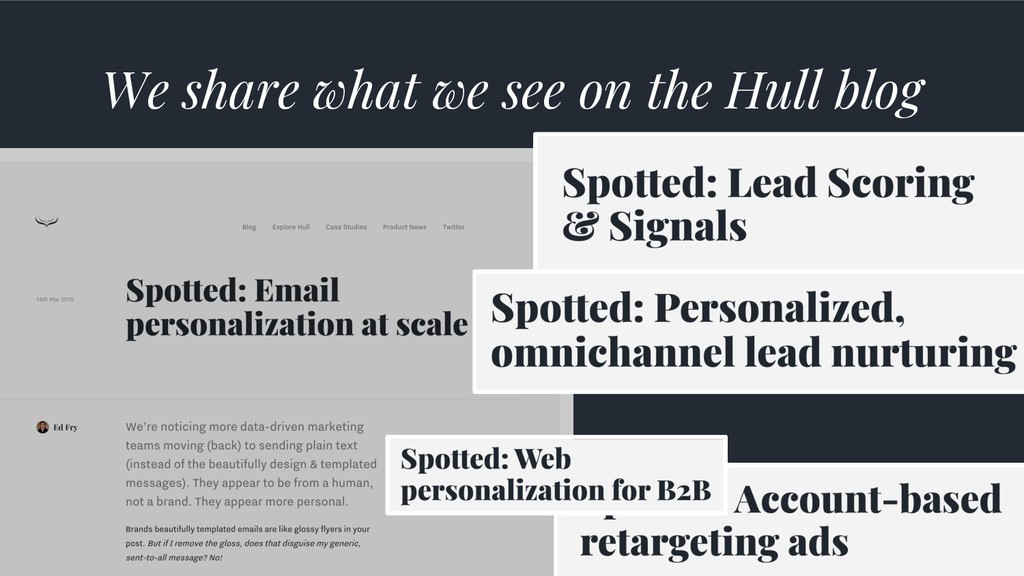
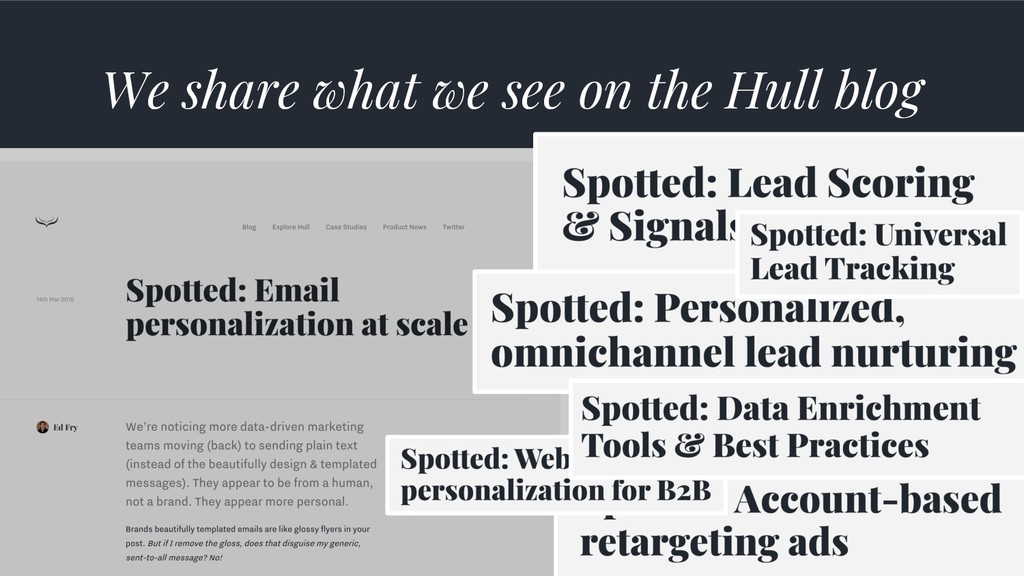
And I get the fun job of sharing how they do that. So we have this interesting series on the whole blog called Spotted, where we share the latest trends, tactics, and techniques that we've seen these teams coming up with. Now, through publishing a bunch of these, we begin to start to spot a pattern.
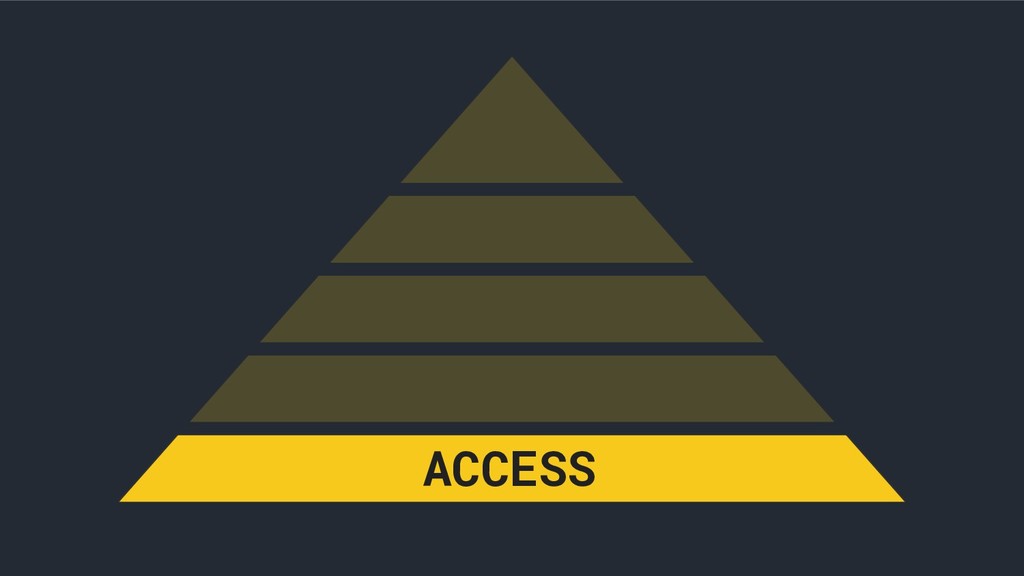
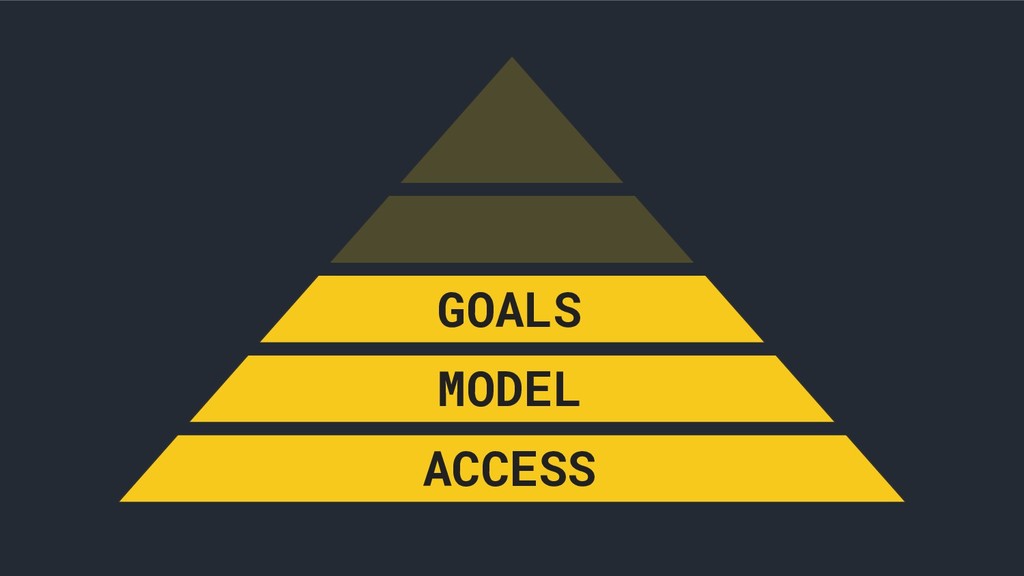
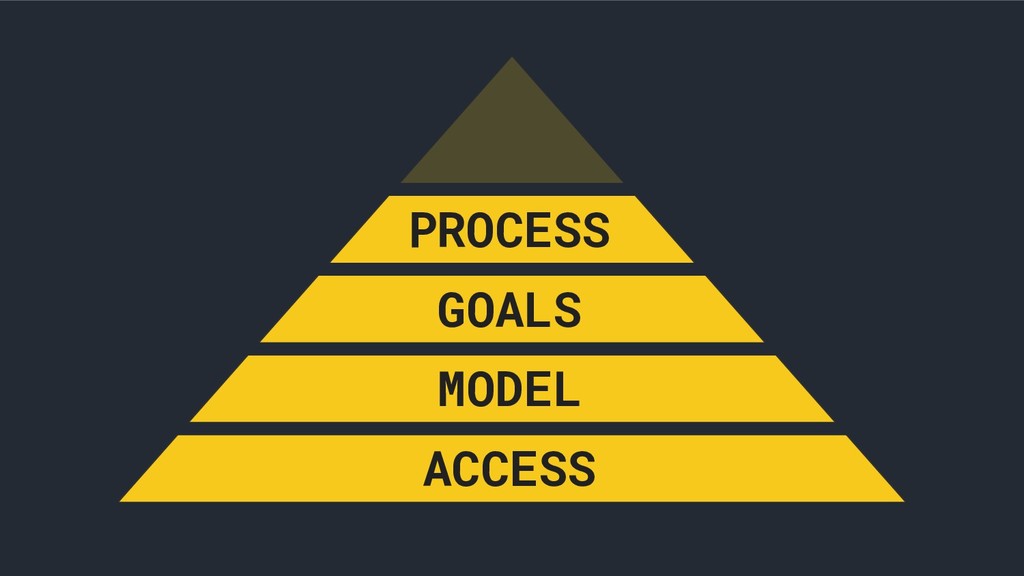
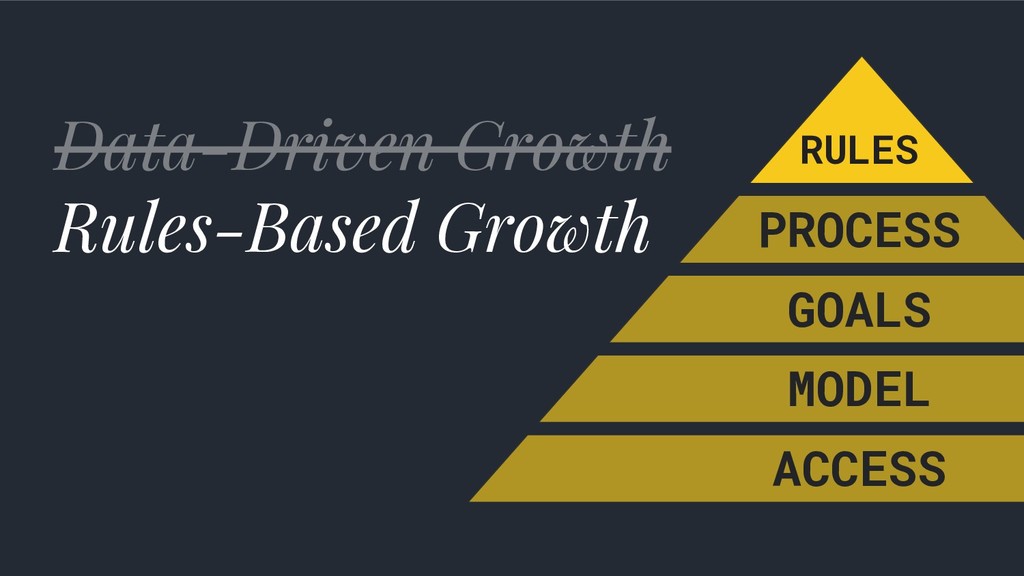
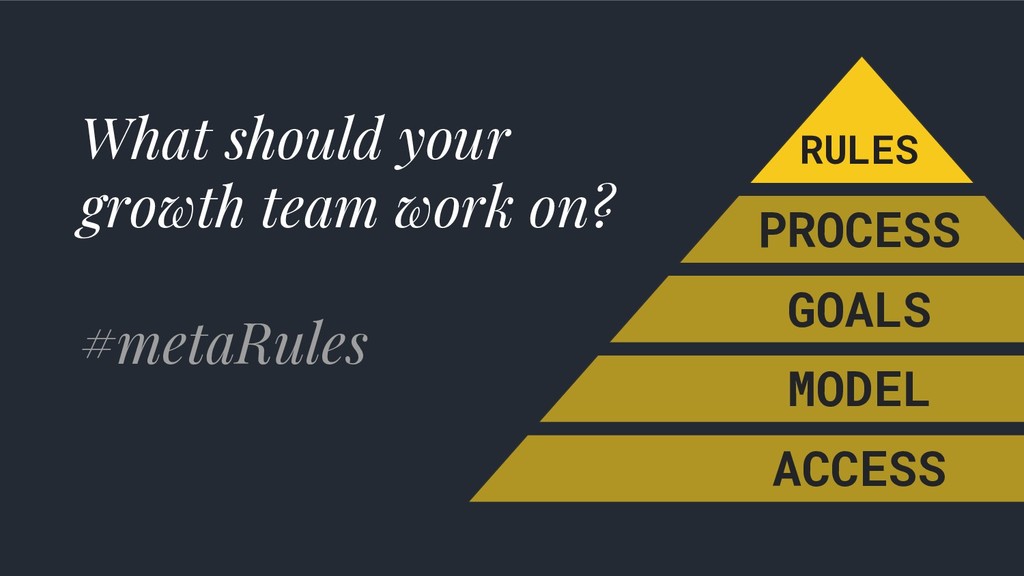
We could do a talk on any one of these, but there's a pattern through all of them, and that's what I want to talk about today. Now, starts with a hierarchy. The way these guys think about customer data, in particular, starts with a hierarchy, and it starts with access.
Hands up who uses Google Analytics. Right. So we all use Google Analytics. It's great. There's an abundance of data. There's a lot we can do with it. But it's really just a small part of your customer journey. It's a small part of your business operation.
What about your CRM? What about your email? What about your product's front end, back end? What about your billing? So starting by getting access to this whole set is how you can start by being data driven. This is table stakes. But once you have this abundance of different data, how do you make sense of it?
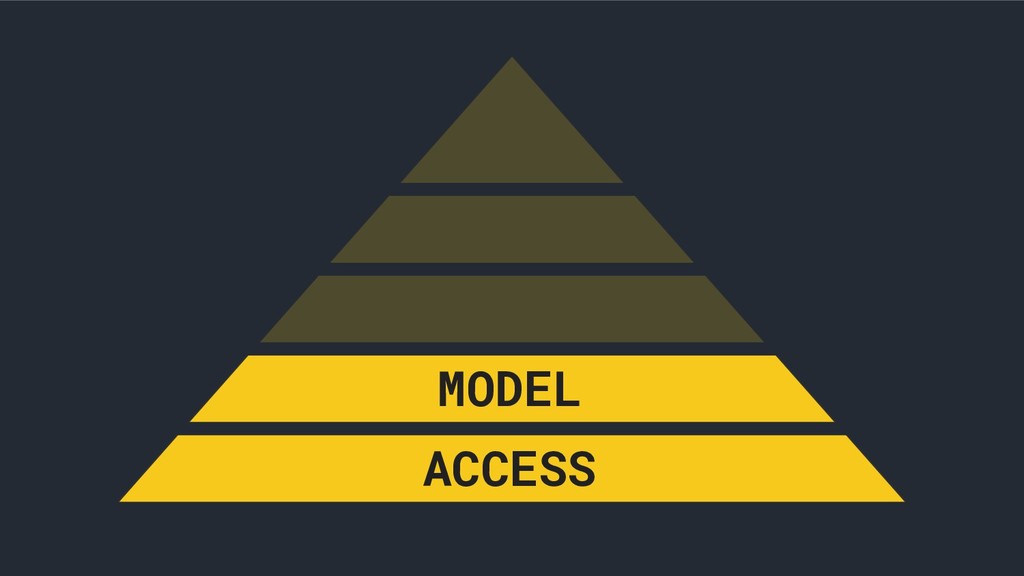
This is where building growth models comes in. This might be as simple as understanding your conversion funnel. This might be something more complex, equations relating different users and product features. It doesn't matter. What matters is where do you focus on? Where is that focus area gonna drive growth from?
So once you have this focus area, how do you align your teams? How do you drive these goals? You've heard about North Star metrics, OKRs, building organizational structure around OKRs, tracking performance over time. And then finally, how can data inform what you work on day to day, not your gut instinct?
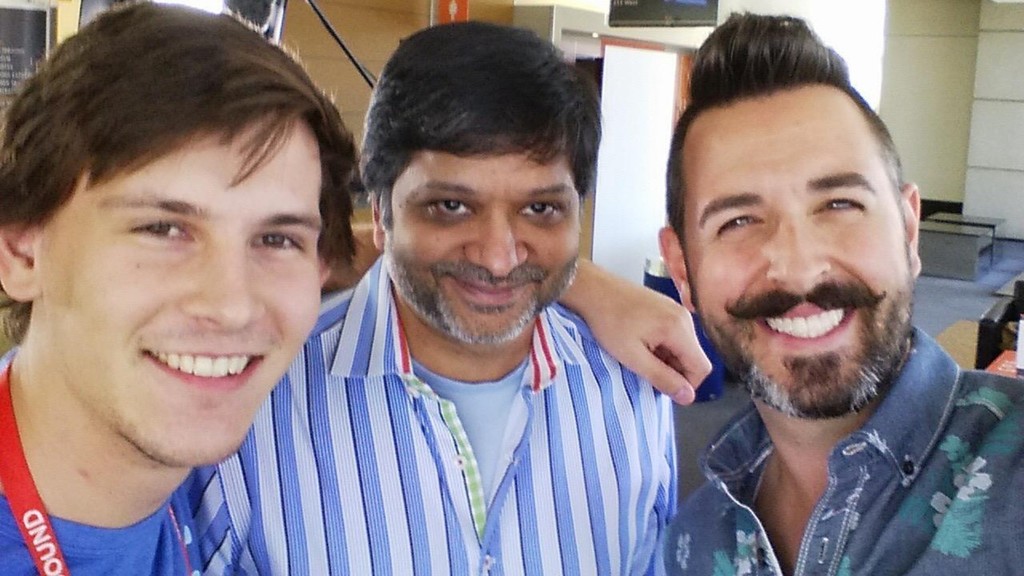
Now before I go on to the last one, I want to tell you a little story. So before I joined Hull, I worked at Inbound dot org. So Inbound dot org was a community for marketers, a hack and use for marketers, set up by Rand Fishkin of Mars and Dame Shah at HubSpot.
And the community did well. Like, we grew to about a hundred and sixty thousand members worldwide. But as we grew, we began to see a problem. As we grew beyond that core group of people who knew each other, who could find each other, who could find interesting conversation in each other, particularly after HubSpot acquired us and we had more and more people coming into the community, they didn't necessarily see people they recognized, they didn't find content they could associate with, and so our engagement and retention curve looked like this.
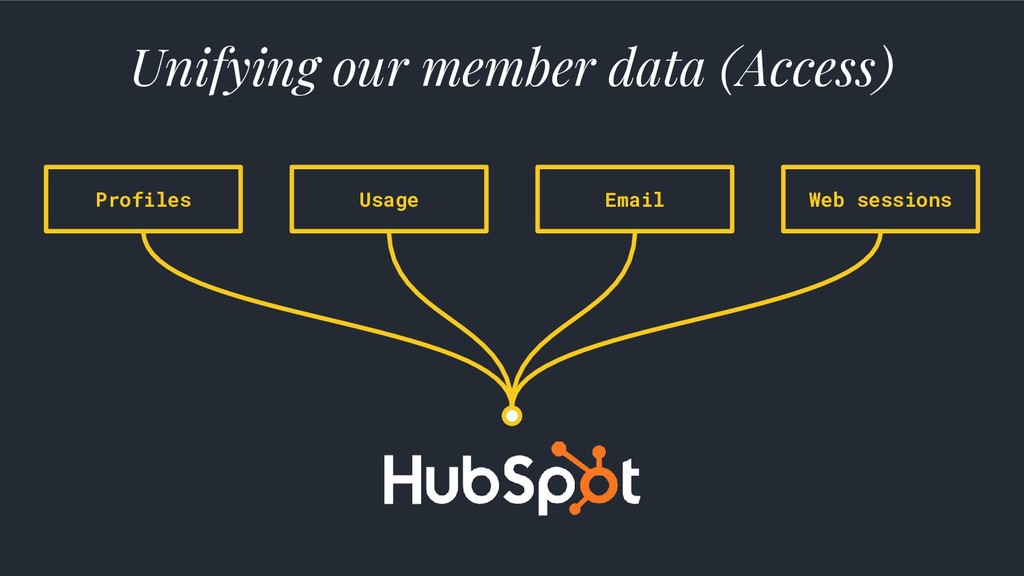
We had a problem. So how do we go about solving this problem? This is what led me down this path of data driven growth. How can we use our data to drive growth? So we started with access. We unified all the data we knew about our members, all our profile data, all the usage, how they used our platform, email, everything, all inside of a HubSpot portal, so that me as a marketer could message anyone with that full context, make it very personal.
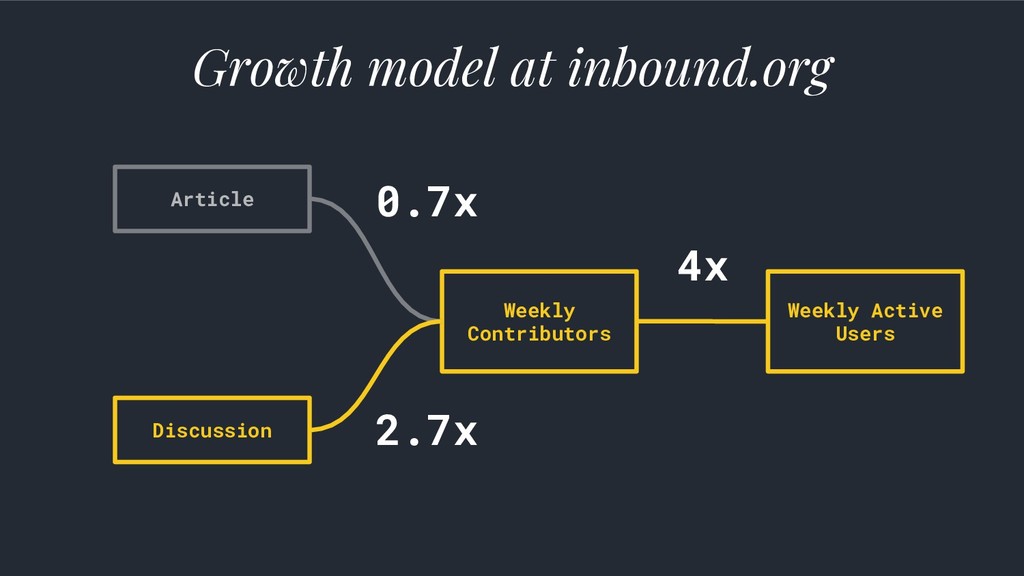
We built a growth model. So the number we reported to the HubSpot board was weekly active users. We wanted to find the numbers which drove this, which appeared to be weekly contributors at a very strong correlation. And we wanted to understand the different types of contributions which would drive this.
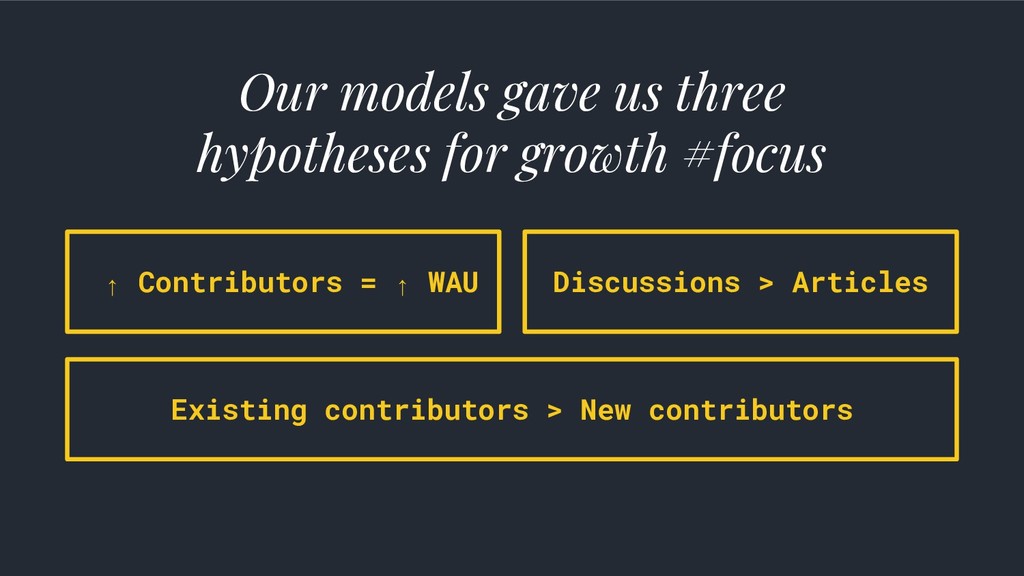
So this gave us three hypotheses for growth. We didn't just think this was a correlation, we thought this was causation. Increasing contributors would increase weekly active users. We thought we were going to focus on discussions over articles, which wasn't the original premise of the site.
We were going to be more like a corer for marketers than a hack and use. And we're to focus on bringing people who'd already contributed back rather than trying to get people to contribute for the first time. So with this, how do we align our team?
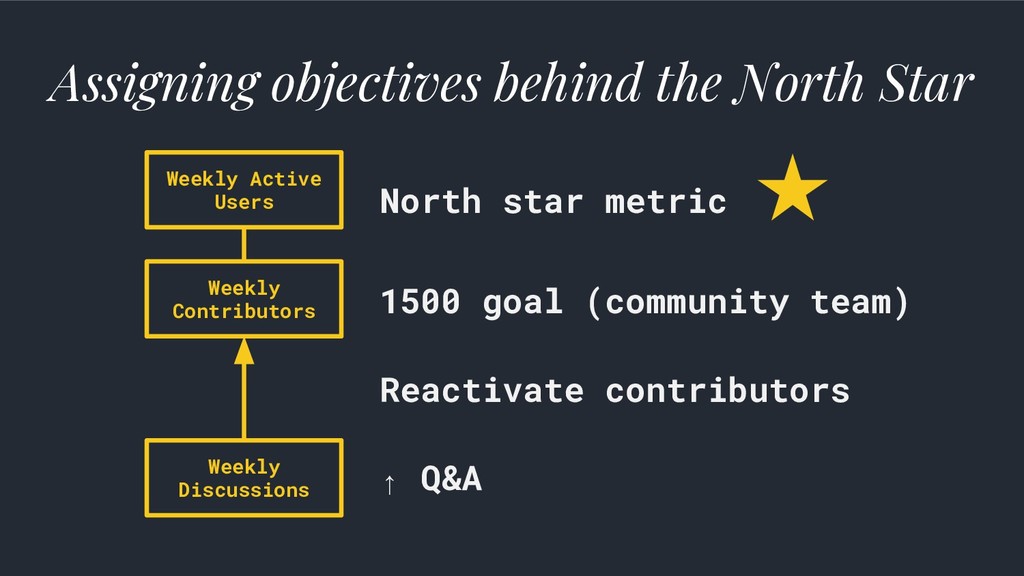
Well, we had our North Star metric, weekly active users. So on our community team, we set a goal of fifteen hundred weekly contributors. What you need to know here is this was significantly higher than where we were to start with. But how are gonna do this? How are we gonna get this breakout?
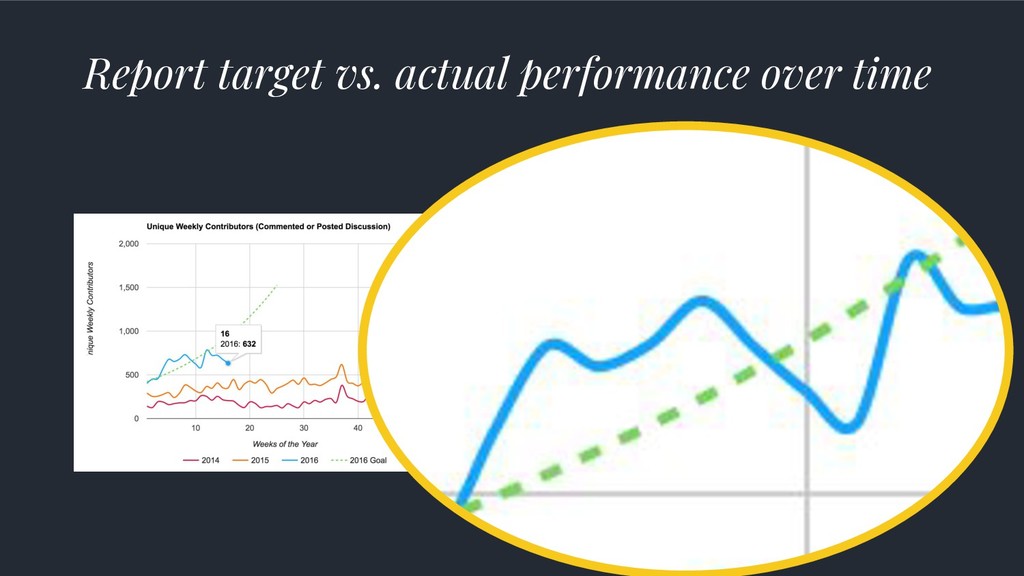
We're gonna focus on reacting reactivating contributors around q and a. And then we tracked our target versus actual performance over time. So you can see the green dotted line here, and you can see the blue dotted line of our actual performance. How do we bring people back? How do we use data to do that?
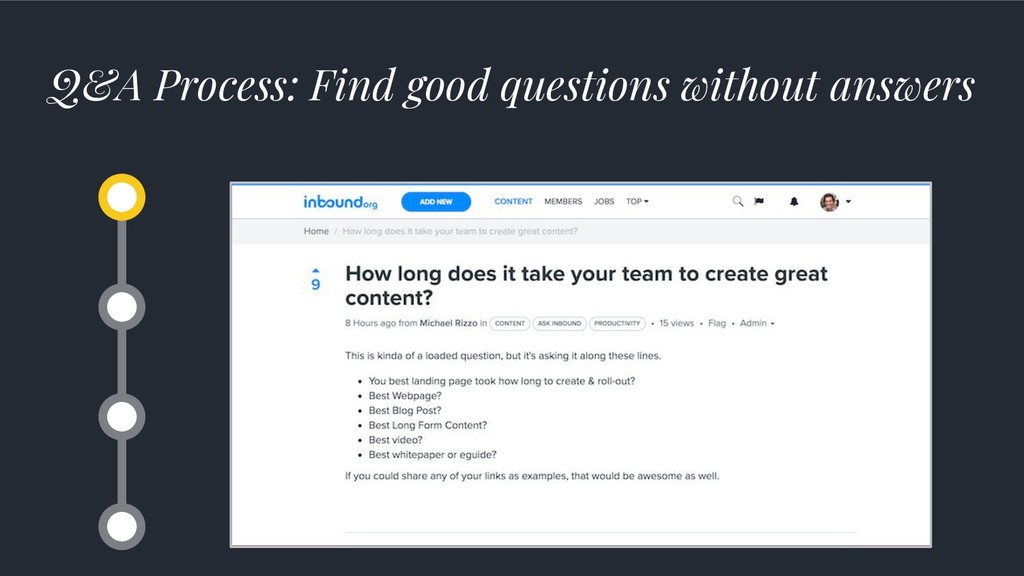
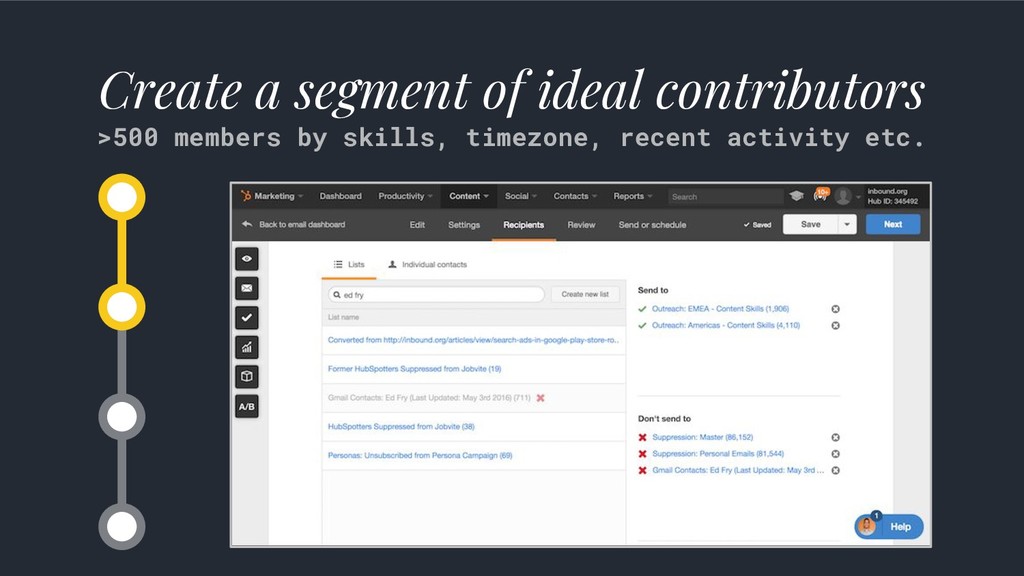
Well, we'd find questions which could be widely answered. Questions like this. How long does it take your team to create great content? There are lots of different answers. There's lots of different value that can come from this discussion. Great candidate. So we go into HubSpot, remember where we held all our data, all that context, and we'd create a segment of ideal contributors for right here and now, based on the skills, based on their time zone, based on their recent activity, things like that.
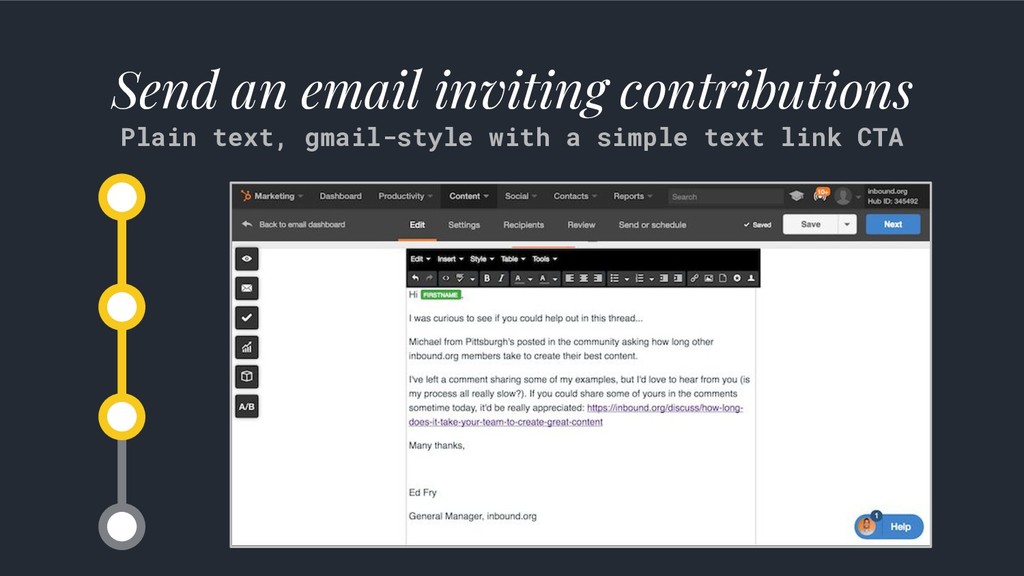
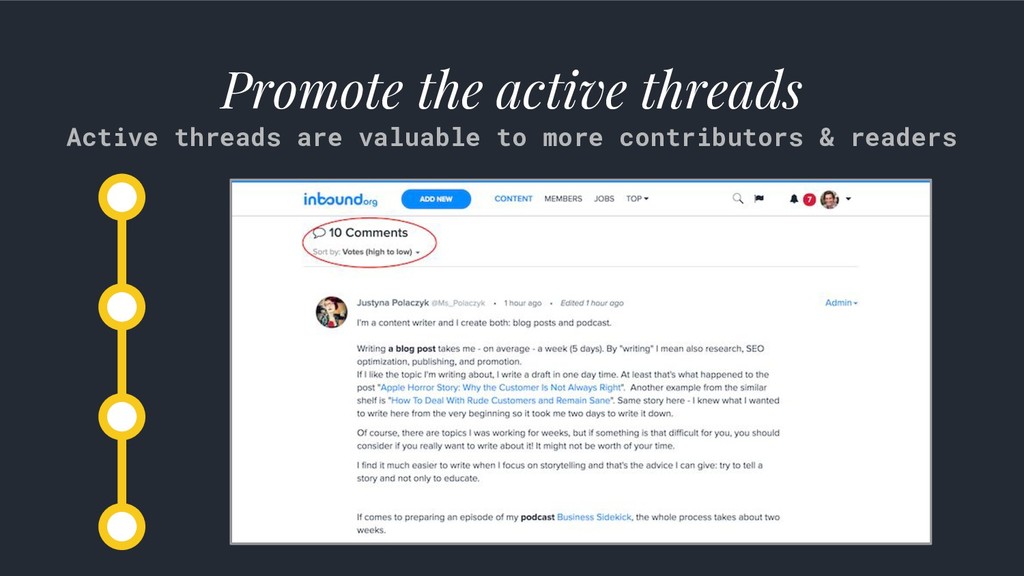
We'll then email them at just a plain text, Gmail style email, with a simple text link, the kind of thing that you would send to a friend, inviting them to contribute, inviting them personally to contribute. These emails would drive a lot of activity very quickly, so within a couple of hours, we'd actually have a thread which is alive and kicking, and these threads would then take a lot off and have a life of their own.
So we've been able to use this system of access, be able to build this model, be able to get all this stuff together and be data driven, and get our way out of this engagement problem. Except it didn't really work. Earlier this year, HubSpot shut down inbound dot org.
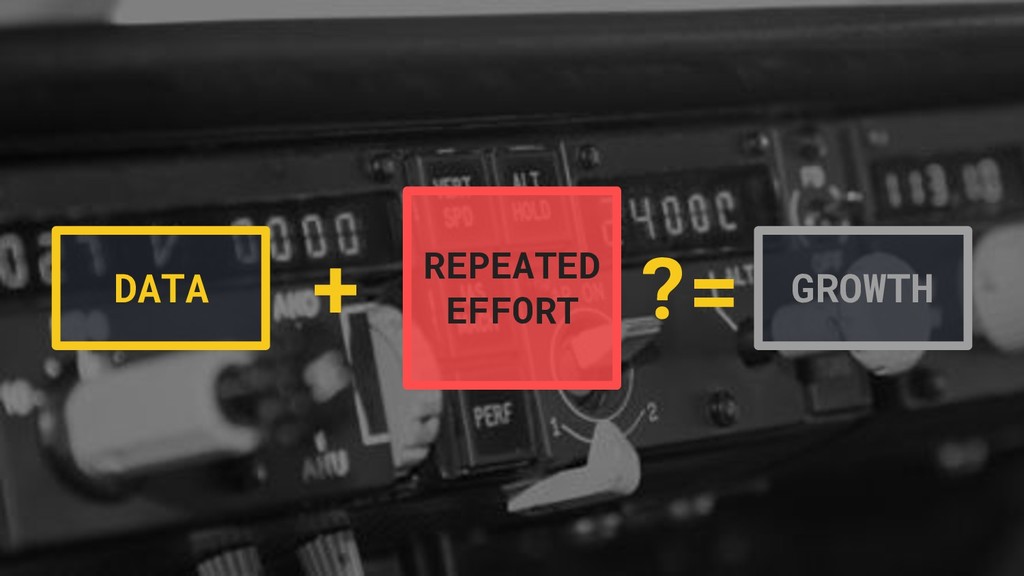
So despite this data driven strategy, despite all these systems, why didn't it work? Well, the problem we had is when we stopped putting effort, growth stopped. When we stopped doing the system, when we stopped having this this go on, the growth stopped. There was no flywheel, was no momentum.
And you can see this in our numbers. So if you follow with me the blue line, you can see when we were figuring out, we can see when this q and a thing took off. You can see when we got complacent, you can see where it begins to level off a bit.
You can see when we realized this was really, really hard work. You can see where the tough discussions happened. You can see that surge week as we're trying okay, maybe this was just like a fluke. We had the best numbers that week. The following week had a long, all inclusive holiday in Greece.
It was a lot of hard work. And this is the problem we see across lots of growth teams. It's when the effort stops, the hustle and grind stops, growth stops. If you're going to go to war, if you're going to drive outsized growth, you can't think like this.
You can't think about hustle and grind and growth. This cannot be correlated. You need to break out from there. So the fastest growing growth teams we see don't think like this, they think more like this. This is a type forty five destroyer in service of the Royal Navy.
It is the most powerful anti air warship in the world. It can simultaneously track three thousand items the size of a cricket ball, moving at three times the speed of sound, prioritize them by threat level, and engage it all until it's out of ammo.
It has completely outsized firepower for a ship of its size and crew. Why? For a **** like this, the rules of engagement are decided upfront. Yes, there's process. Yes, there's automation. But how it engages the enemy is already decided. It works off a system of rules.
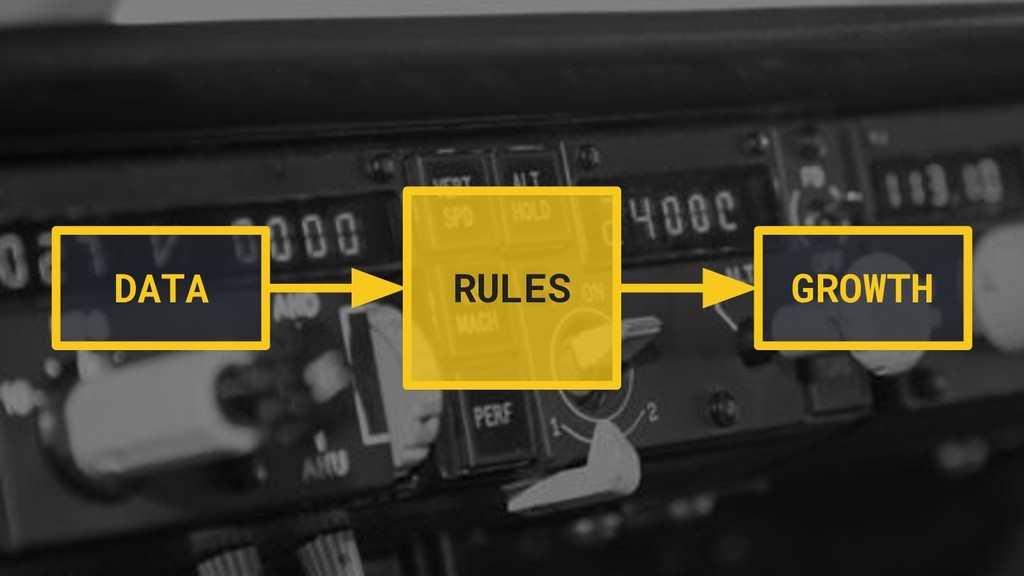
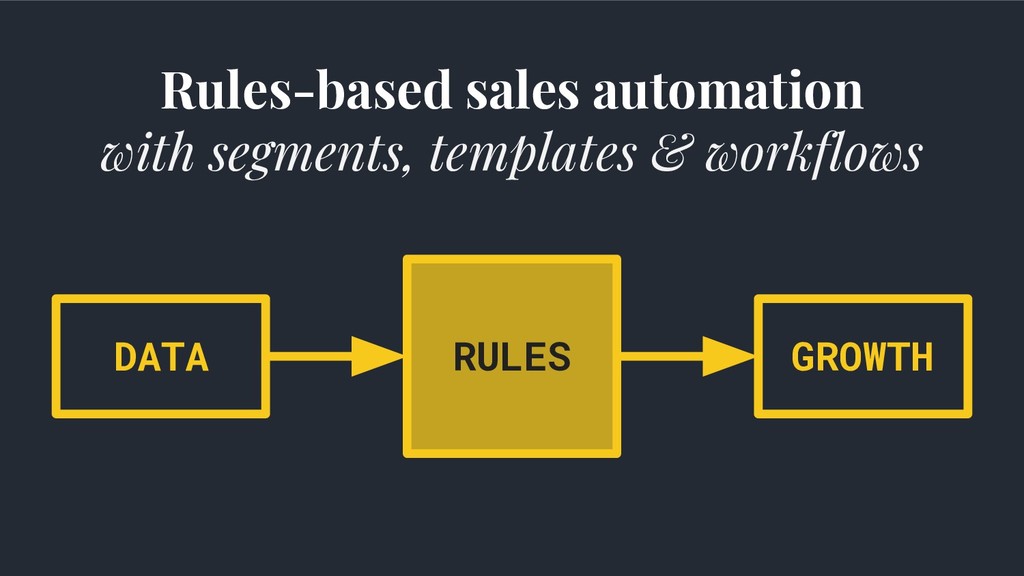
And this is the difference of the growth teams we see. It's not about the hustle and grind. It's not about investing all your time and effort into that. It's about building switches. It's about building rules and tweaking all that. It's not about having a ton of beta, like we did at inbound, and all that smart stuff.
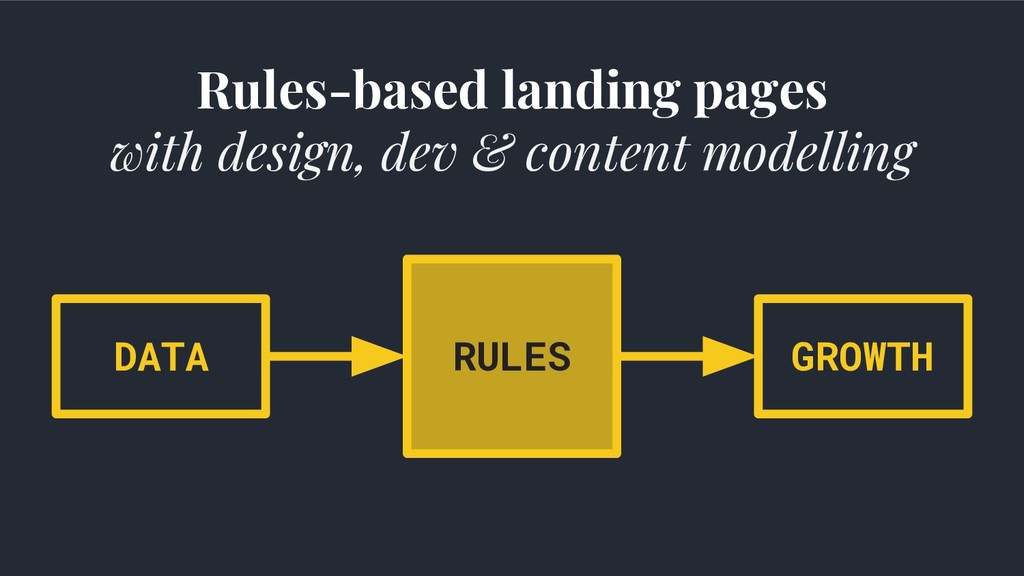
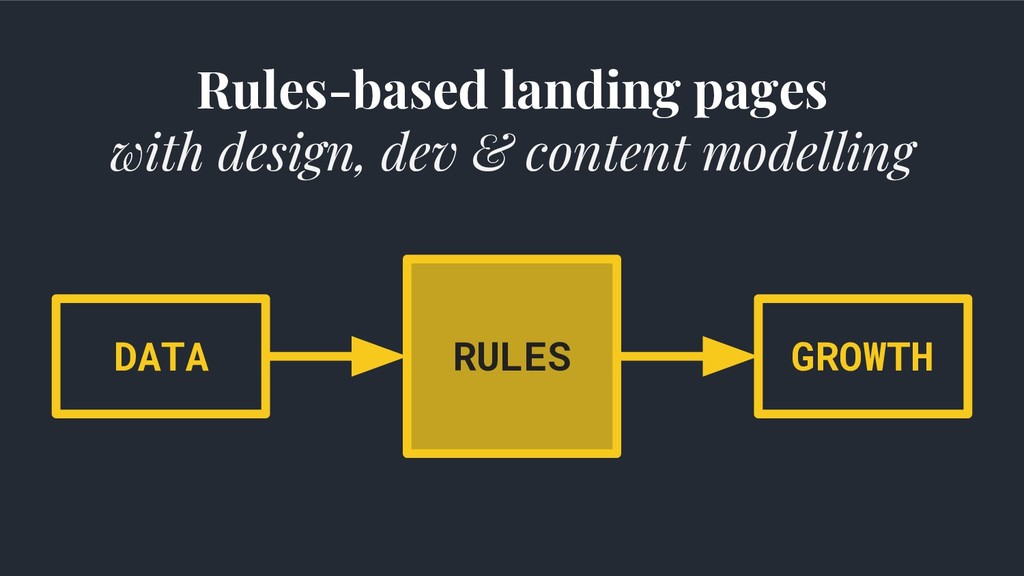
Great, it's really valuable. But if you're stuck in this repeated effort, if you're stuck in the hustle and grind, you cannot drive growth. It's about using that data to drive through a system of rules and not driving growth. So yes, you need all these basics, but it's rules based growth, which is where we see that outsized result.
What am I talking about? What is rules? Well, let's start with one everyone uses, pricing. You don't change your pricing model for every single new customer. So pricing has incredible impact on the amount of money your company makes. It's great that Patrick's talking here today, so he referenced his team's study earlier, saying that pricing is four times more effective than acquisition for driving growth.
It's a four times more powerful growth lever, four times more powerful rule than growth, and twice as powerful as retention. Now, this is great, but this also came home to us at Hull. So when we were experimenting with pricing, our sales team doubled their sales quota the month we tweaked our pricing, which is great, but for me as the acquisition guy, I've got to say that kind of hurt a bit.
All the efforts I'm putting in, for all the hustle and grind, ouch. Let's take another one, sales compensation. So this is the chief revenue officer at HubSpot. In the early days of HubSpot, they found a big discrepancy, a big spread in the churn rates based on sales reps.
So some sales reps' customers would churn a lot faster than the others. Rather than just rely on coaching, they changed the rules. We're going to pay you less. Lo and behold, within a couple of months, that churn was no longer a problem. Seventy percent churn reduction.
Fantastic. And as they were trying to accelerate faster, get more people on annual contracts, they changed the rules again. You get paid when the money comes in. So money comes in month to month, you get paid month to month. But you sell it all upfront, you get that big water cash upfront.
They tripled the average customer lifetime value. Experiment data. So at Booking dot com, they have at least two thousand people running experiments at any one time. Now, Lucas, who runs the internal optimization team and the optimization tooling, rather than fight with two thousand people over whether experiments make sense, whether it's actually driving growth, if your experiment hypothesis doesn't add up, it doesn't look like it makes statistical sense or business sense, you don't get your data.
That's the rule. You get the big green button so you can ship your thing life, but you don't get your data. Worse, other people see you don't get your data. They have written an incredible paper explaining how they built this experiment culture at Booking dot com, how that is such a it's just impossible.
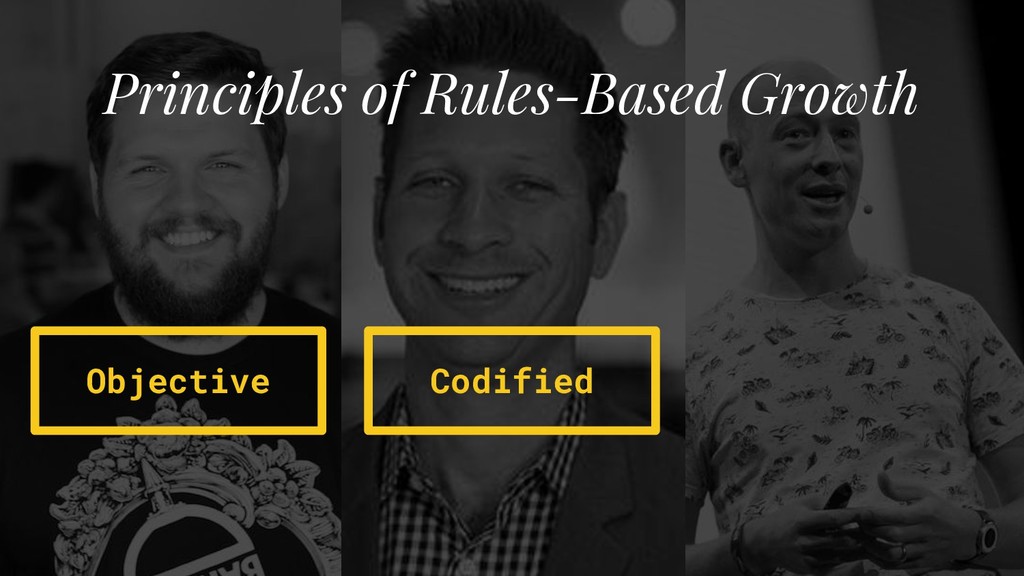
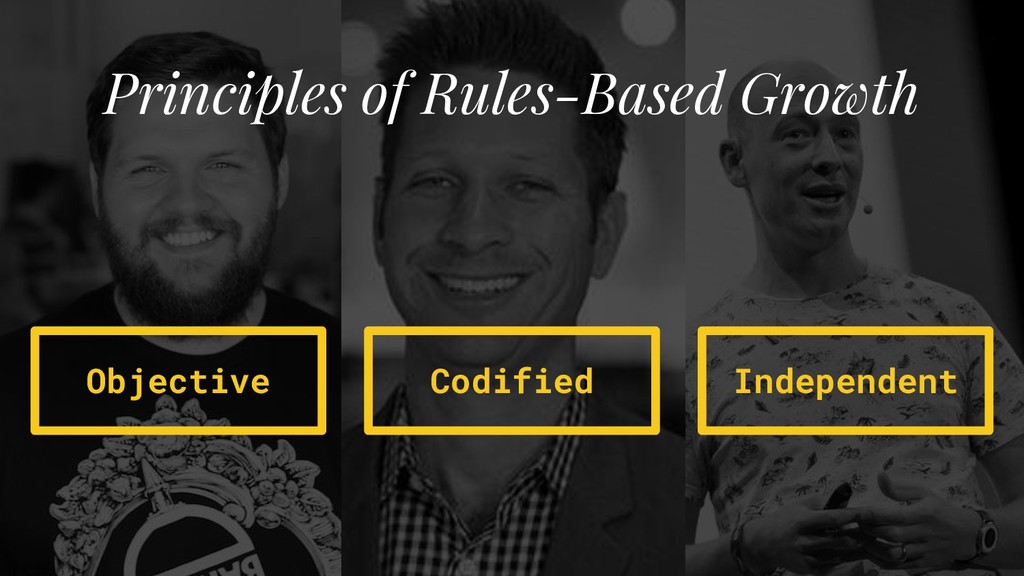
You cannot sit and work there without your data. So what ties all these together? What are the principles of rules based growth? The first of these are objective. There's nothing subjective about how much you pay. There's nothing subjective about how much you pay your sales reps.
Two, these are codified. Once you've made the rule once, it goes into a process, or it goes into a product, like a booking. And what this means is when I make this decision, when I set this rule, I'm not making one decision. I'm making dozens, hundreds, millions.
Every single time that decision happens, it happens the same way, which means I can move much faster, and I don't have to get humans involved every step. And finally, they're independent. You can be my tenth customer, you can be my ten thousandth customer, it's all going to work the same.
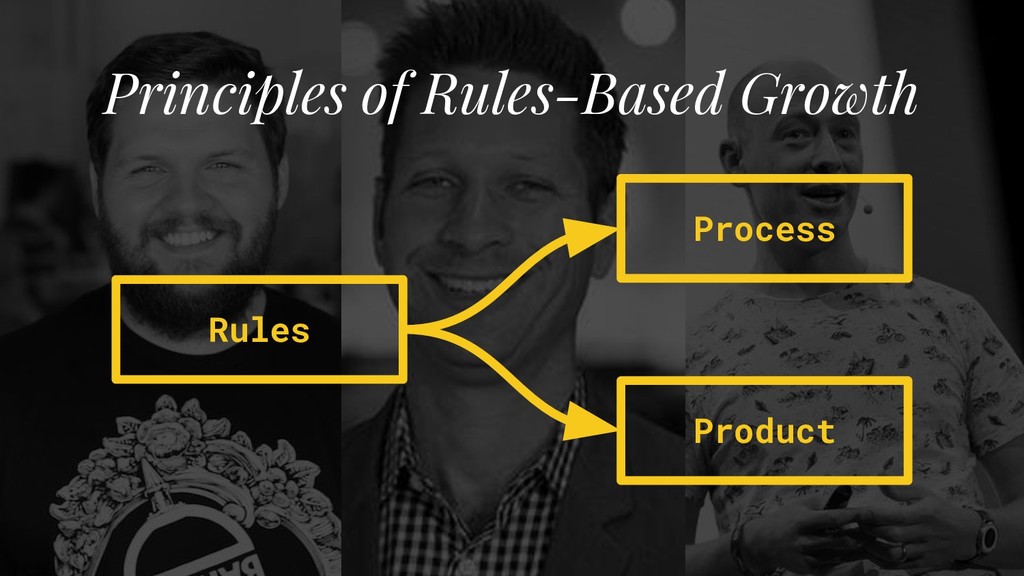
Together, this system means I can abstract the human side. I can get away from the hustle and grind. What do we use rules for? So we use rules to define process. We're going to ship a whiteboard video every Friday. We're going to ship a new product each month.
Here's how we're going to qualify leads. Or we can ship use rules to ship product automation. So the question we get, the kinds of teams we work with are whole, typically a b to b. You're a demand gen team, you're a growth team, you have an exponential lead goal, which is costly.
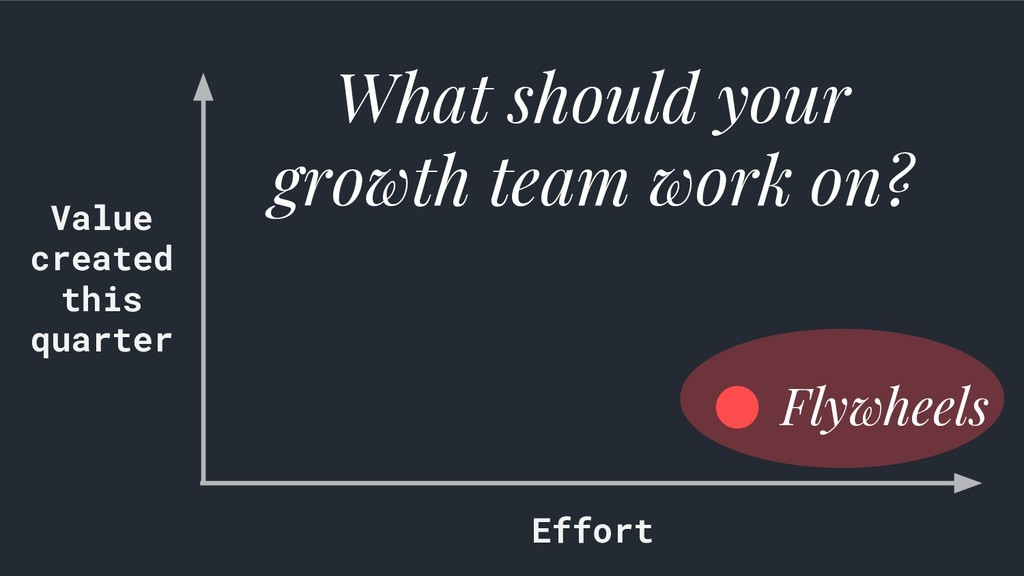
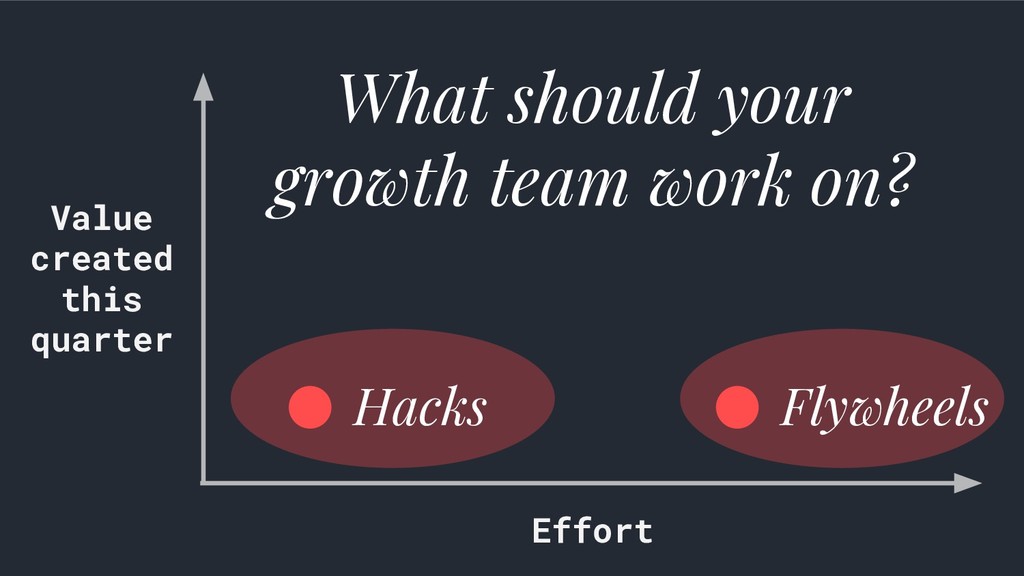
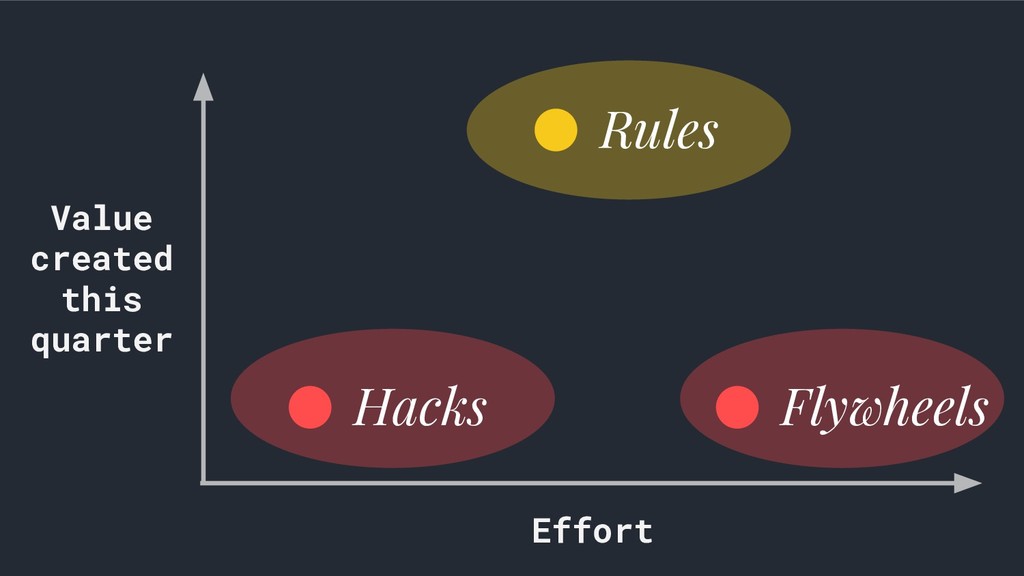
What do you work on? Well, at conferences like this, we hear a lot about flywheels, like networks, brand, product, all this really valuable stuff. But typically, the value from this comes in the long term. It's not a quarter to quarter thing, so it's actually quite inappropriate for these kinds of teams to work on.
Similarly, we care about hacks, the silver bullets, the things that are going to take no effort at all and get you value. But are you going get you that much value? This is why we see growth teams work on rules. This is with this is where they focus.
This is where they spend all their time focusing on. So I just want to talk through today two technical sets of rules. The first is gonna be a set of content rules, something which we did at Hull. Those of you who saw the TransferWise talk earlier, this will look quite familiar.
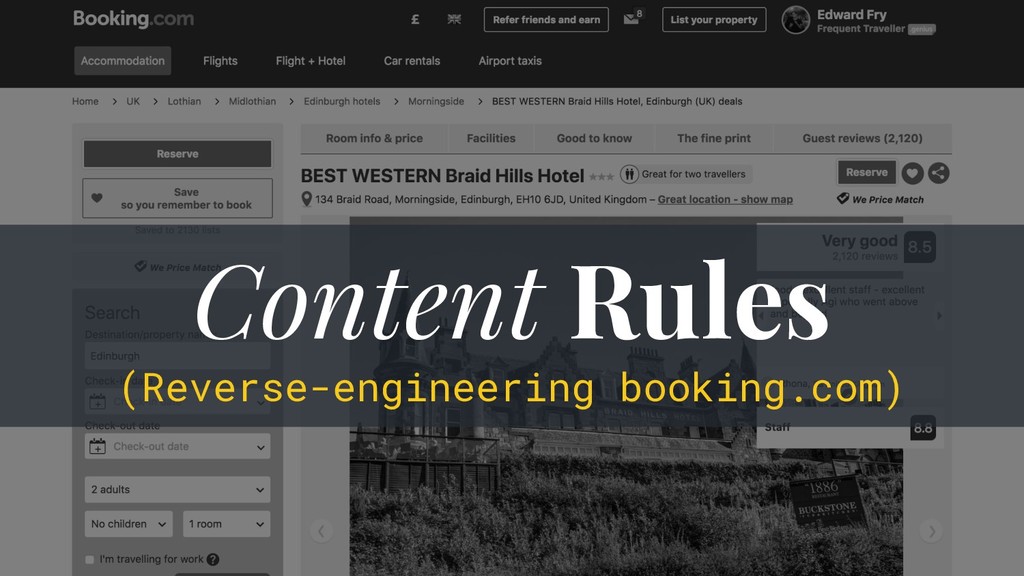
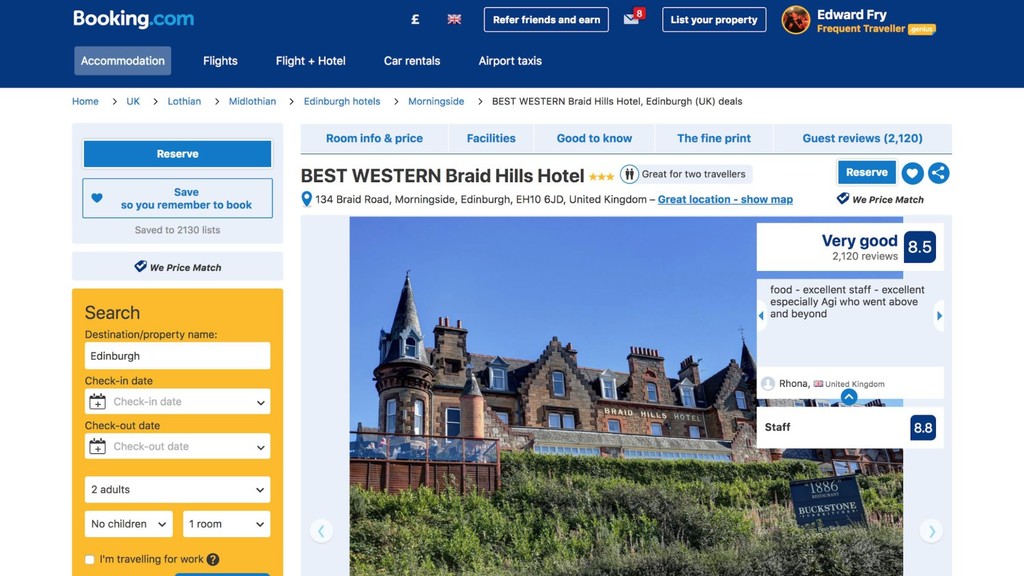
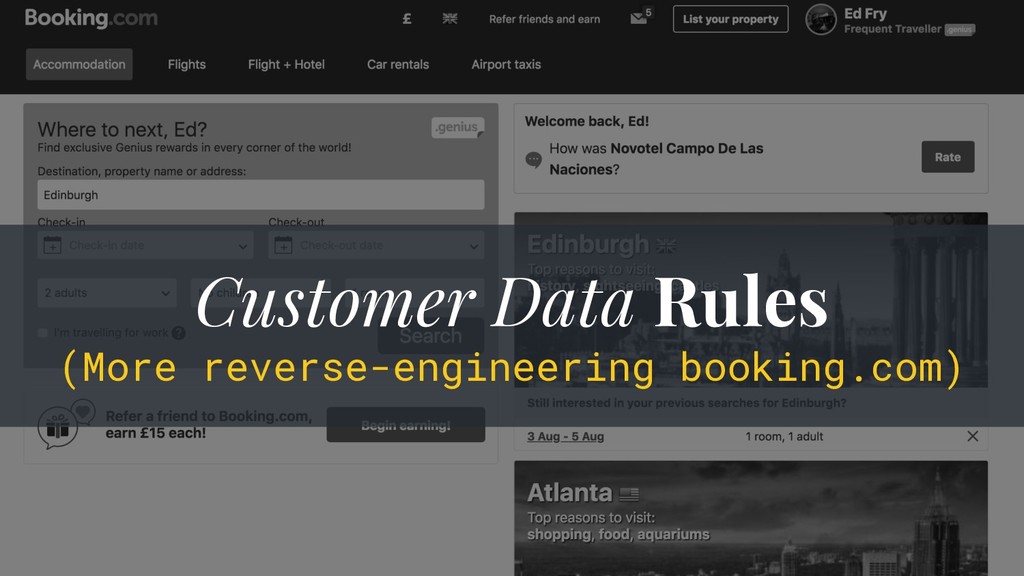
And we're gonna talk through some customer data rules, the things which we're seeing teams on hull using. So let's start with content rules. Reverse engineering booking dot com. Now, I travel a little bit for work, and I like to book hotels through Booking.
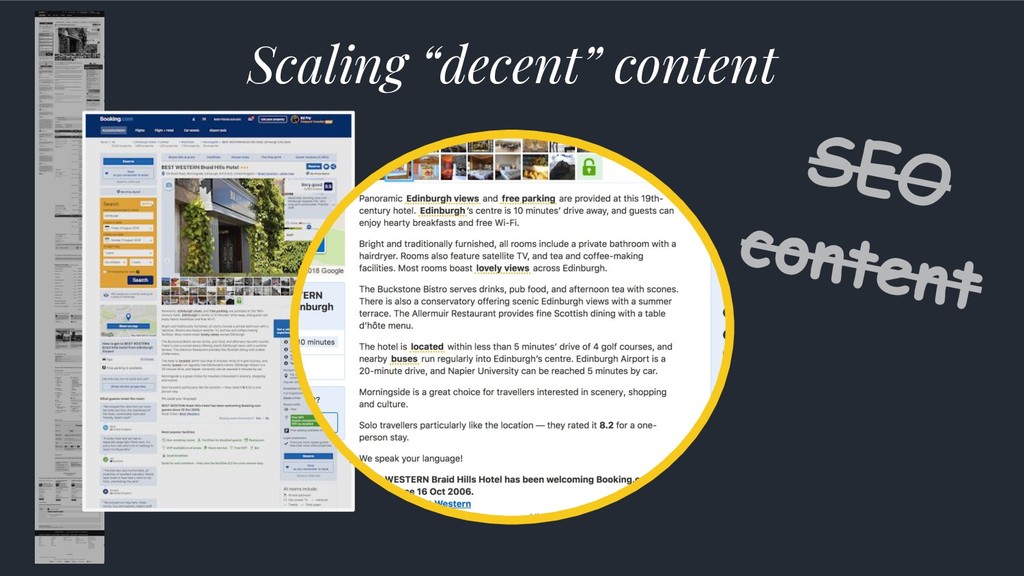
Why? Because generally, the site is quite good, the content is quite good, it answers my questions. But Booking, like everyone else in travel, has to compete across millions of different locations, millions of different hotels. But the content isn't this kind of SEO copywriter crap.
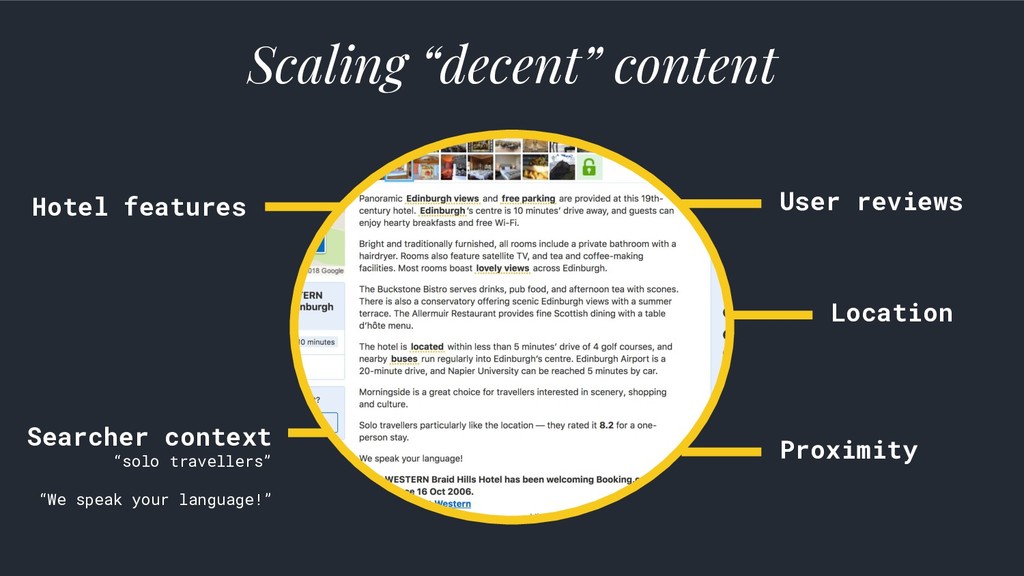
It's actually decent content. It's not going to blow your mind away, but they do something interesting here. You might not be able to see at the back, so I want to highlight a couple of things. Yes, they talk about the hotel features, like everyone else, but they also highlight, you see these little yellow lines, elements of user reviews.
Interesting. So there's maybe some lateral language processing going on here. They have location data, but not just location data, proximity data. This hotel is located less than five minutes drive of four golf courses. How did they work that out? And they have some searcher context.
Solo travelers, we speak your language. There's something going on here which a normal writer wouldn't be able to put together. What's going on? So for me at Hull, I'm trying to figure out how we can use this kind of method to drive growth.
Similar to the transfer wise talk, how do you drive this big footprint of landing pages? Now in SaaS, most of our websites aren't actually that big. We're not e com, we're not a marketplace, we don't have a lot of one type of page.
But I do need a lot of one type of page. We're an integrations play. So I want to share how every single integration I work with, Entercom, HubSpot, Salesforce, Klabit, whatever, that long list works with Hull and how they work with each other.
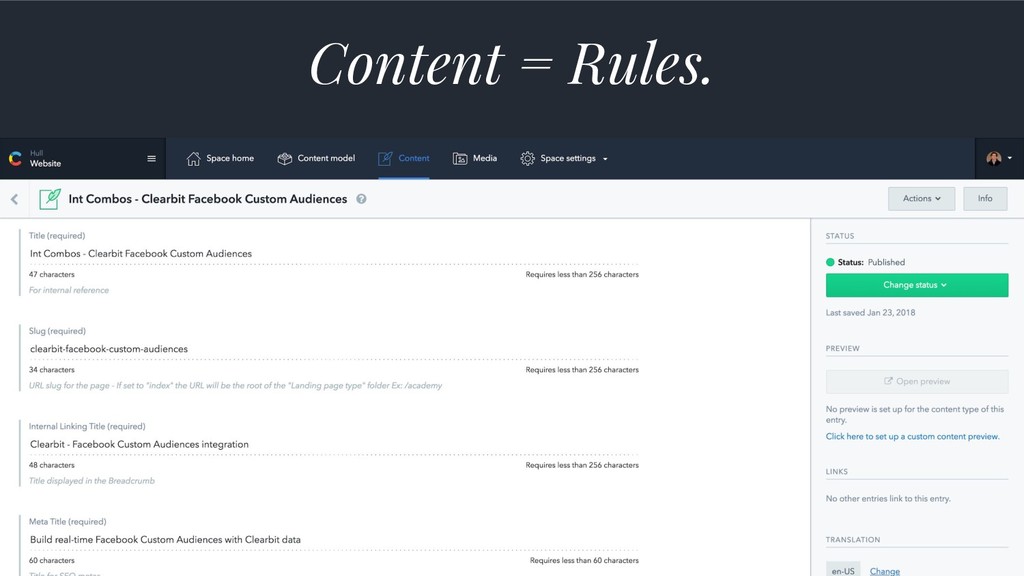
So I do need a lot of pages. How can I do something like Booking did? There are three rules which matter, design, development, and content modeling. So I'm going through them one by one. So design, that system of rules which defines your fonts, your colors, how that all works together.
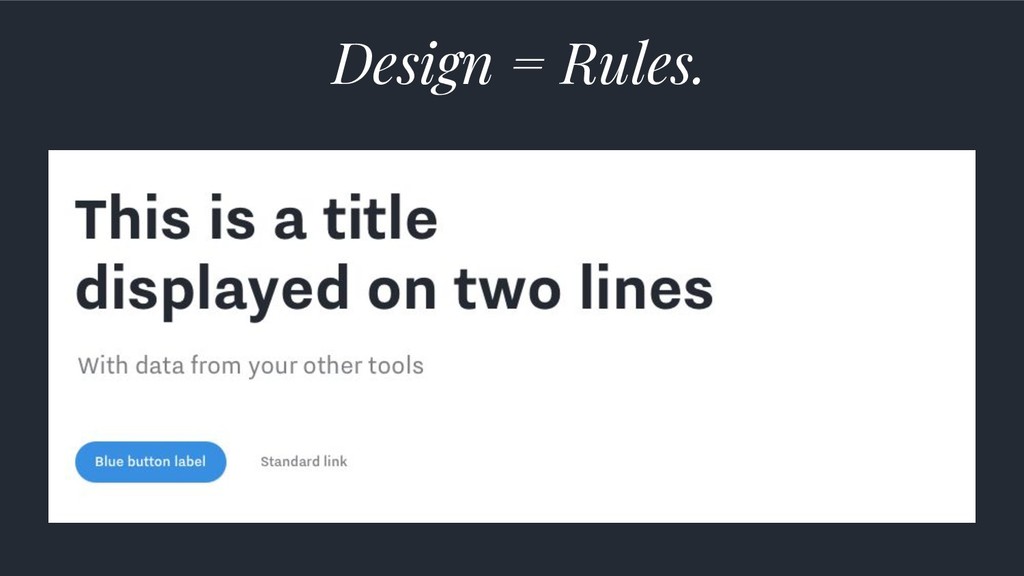
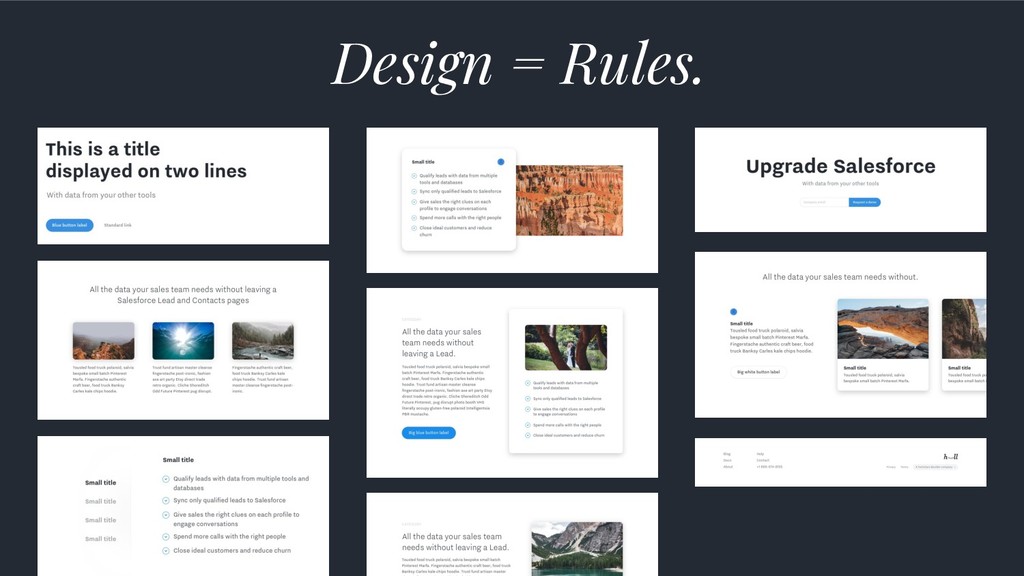
This should be captured in some kind of style guide. If you don't have a style guide from your designer, you have to make these decisions again and again and again. That's the hustle and grind. So take your designer and go one step further and get them to design a style guide for your landing pages, elements like a header unit like this.
So what we did, or what actually a designer did automatically without being asked, which is awesome, is produce a bunch of these different components that we could swap the content in and out of, swap the copy, swap the images, and LEGO block altogether to make a landing page.
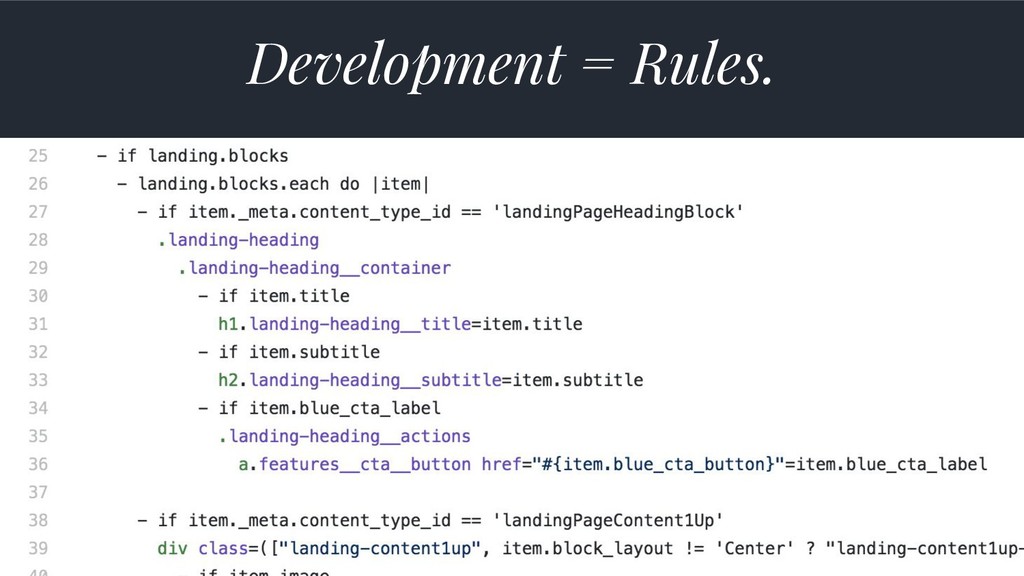
Great. So how do we bring this to life? This is just a flat image. We need to design templating. How do we take all those images, make them work, make them responsive, make them on the right part of the website, make all the SEO rules work?
Development. How do we get that to build, deploy in different versions, manage split testing? Development. So once I've got all this design and development separated from my content, I can now move really fast with my content. I can just focus on the copy, can just focus on the images, and I can also build a custom content model.
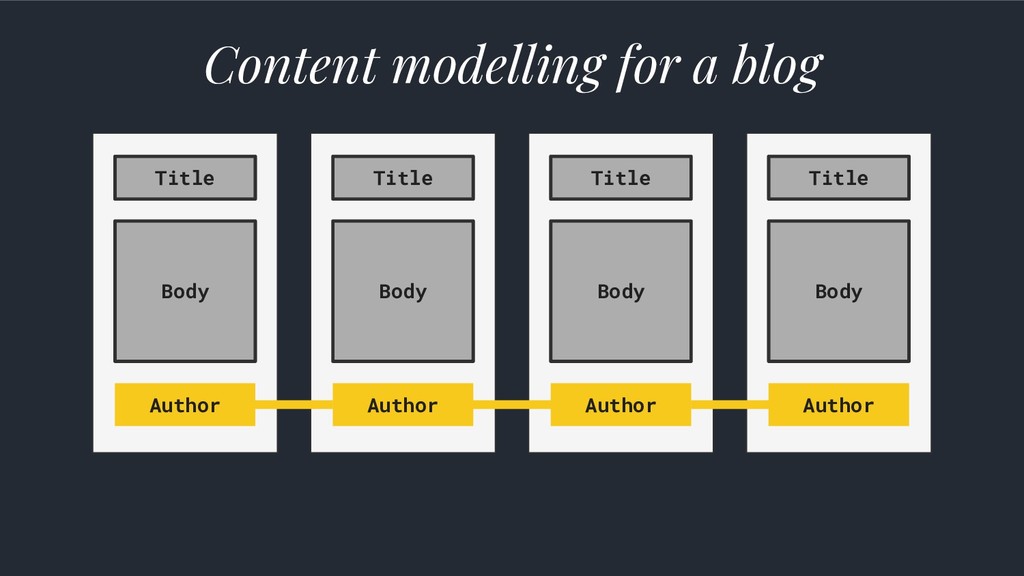
What's a content model? Well, content models are just a way of describing how the content moves together. So for something like a blog, you might have a title, a body, and an author. But an author might have multiple different posts, so you want that same bio to show up again and again and again.
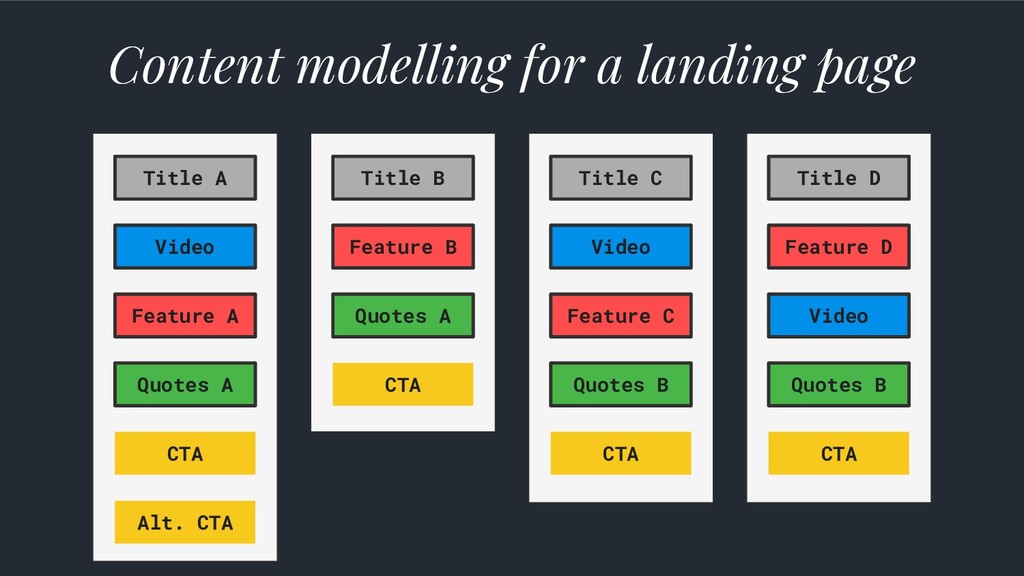
So you reference another content model called author. This is interesting. So can I build pages where I have lots of types of content models and mash that all together really quickly? I see nodding heads. Can I build a landing page like this? So I have reused CTAs, I have different types of features, I see different types of videos.
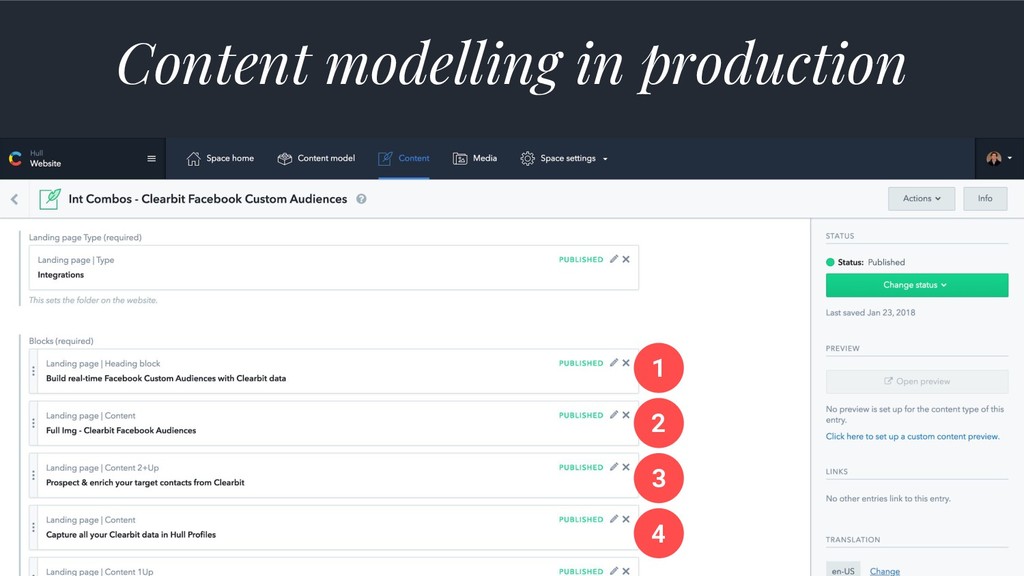
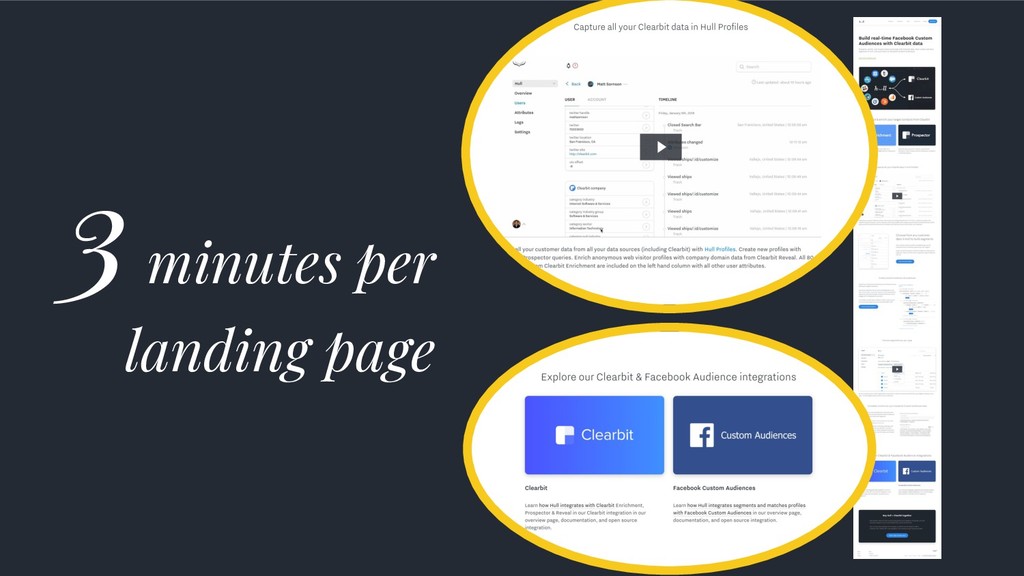
I can just pick and choose the version I want, drag it into an order, and boom, end up with something like this. So this is an integration page for how you could build Clearbit Facebook custom audiences using your Clearbit data. So it's one of those just pairwise integrations.
So I can create a unique heading, but then I can drag and drop existing content I've already got. This is really cool because now I can get really efficient at creating decent quality pages. So these pages which have copy that works, that we know works, that have elements like video which would take a long time to put together, I'm not stuck in WYSIWYG, I'm not stuck in point and click. I can ship this quickly.
The month we launched this, by having all this extra product marketing content, we had a hundred and forty percent increase in demo requests, which made sales happy and made up for the pricing thing earlier. Also, in the trailing couple of months, we doubled our organic traffic, which is great because we had we doubled organic traffic by having that wider footprint.
But operationally, and this is the thing you need to take away, is we got that time down to about three minutes per page, and there's so much more we can do with this. I can build this system of landing pages very quickly. So what's the rules? How does this all tie together?
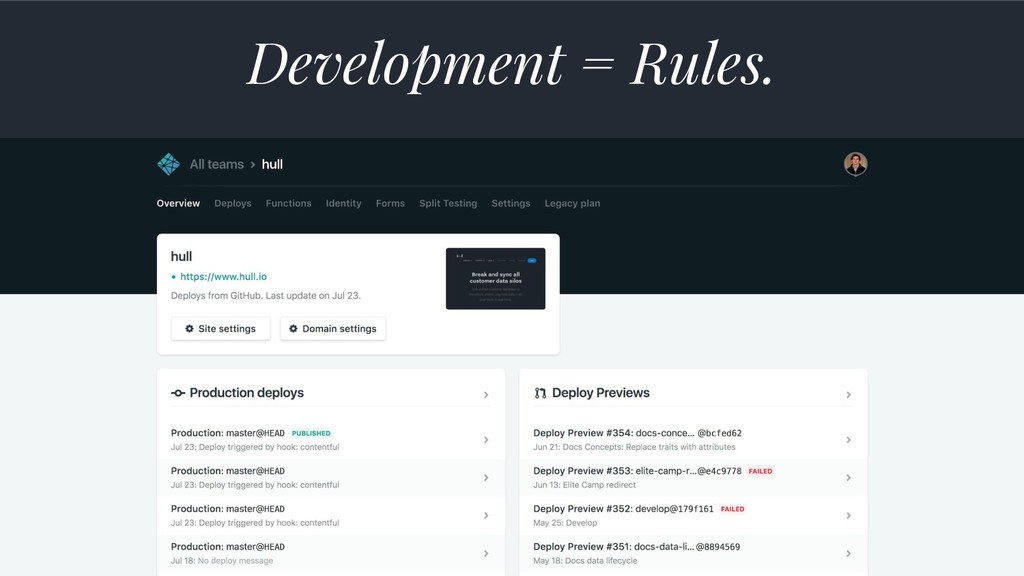
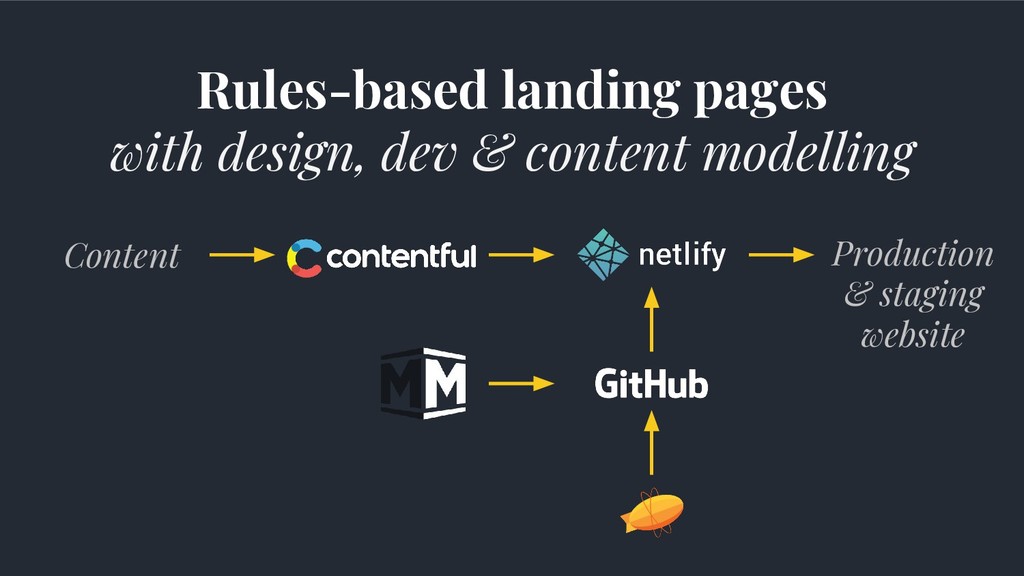
So we have our content, our copy, our images, our data. We put that into Contentful. Contentful is a headless CMS, so it's just the database, and you can push that data anywhere. It's another point nine company. Inside Contentful, define our content model. Every time we publish something new there, we're gonna ping Netlify, and Netlify is gonna rebuild that whole site for us and publish it live.
How does Netlify know how the site works? Well, it pulls from our repo in GitHub. The GitHub repo is built off a static site generator in Middleman, and we use Zeppelin, which takes our designers' sketch files and abstracts the key front end components, so we can move really, really fast.
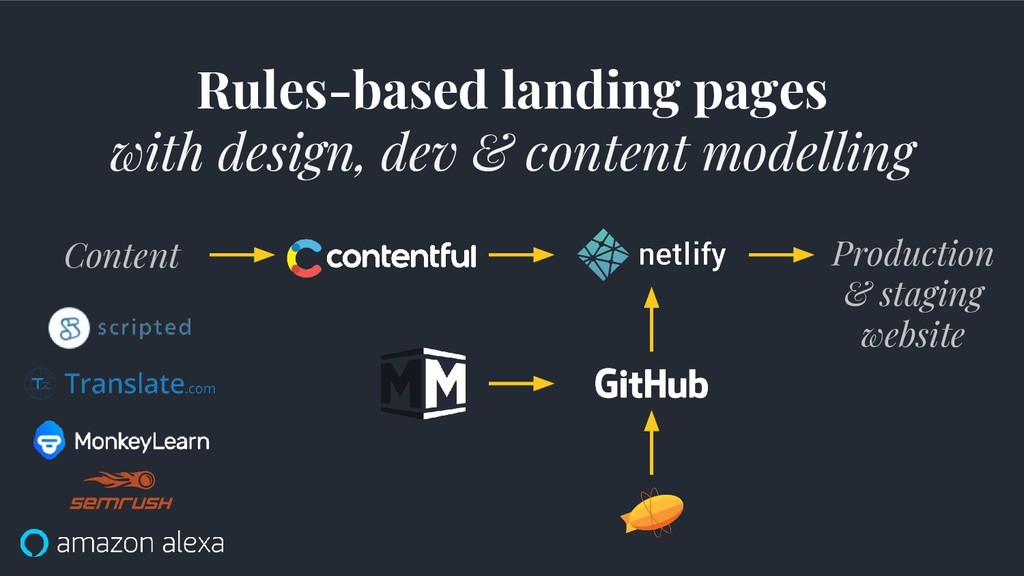
All these are systems of rules. So now we can have some fun. With this, I can scale landing pages quickly. Now I can add more rules and more interesting types of data. So maybe we can plug in script dot com, get some freelance writers, push through putting in some elements of this.
Maybe we could translate the whole site just by plugging that into translate dot com with some credit card. Maybe we can find an interesting database, run some natural language processing on it with MonkeyLearn, like Booking dot com appeared to do. Maybe we could plug in the SEMrush API and automatically build landing pages that hold categories of keywords.
That would be interesting. Or what about using Alexa? Train a new Alexa skill. Alexa, build a conference landing page for TuringFest. Copy the pink from their homepage. Here's a good time to pause. So let's move on. Customer data rules. More reverse engineering Booking dot com.
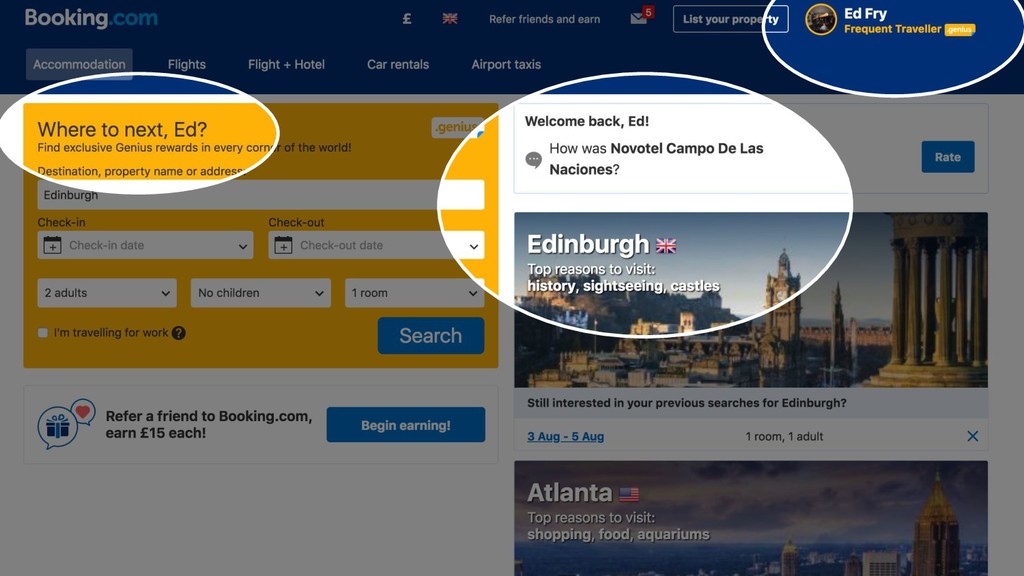
So I like Booking dot com because they give me a lot of interesting ideas. What I really like about Booking dot com as well is the way they make it personal. This is personalized to me. Where to next Ed? How was Innovatelle? Top reasons to visit Edinburgh? Brilliant.
Now, we've already discussed, like, the temp how you put together some of web elements of this. But how do they get that personal context to me every time? So if there's one good thing about the GDPR rollout, it's that it made people realize you have a ton of customer data.
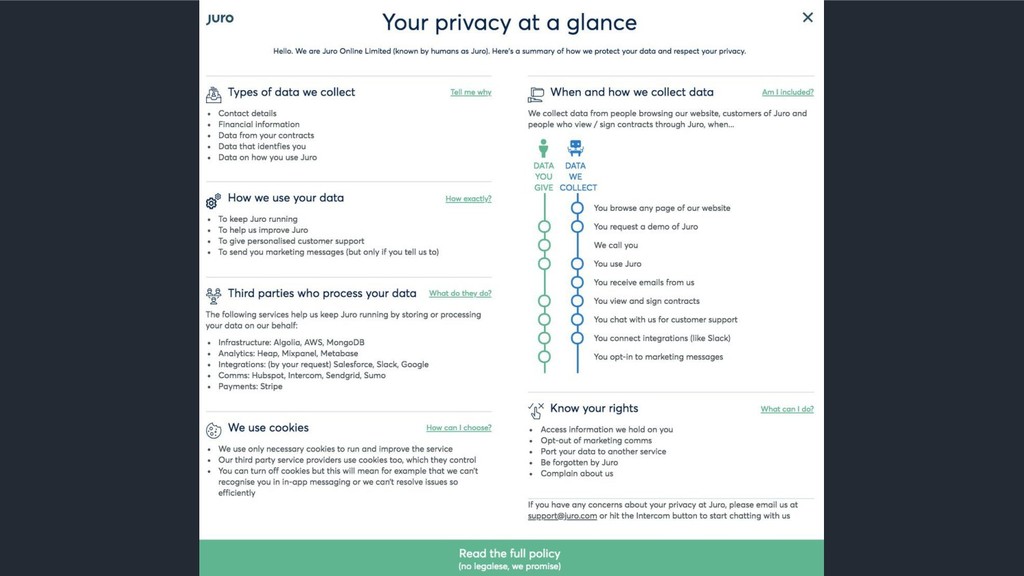
And there's no better place to see this than inside your privacy policies and everyone else's privacy policies. Ironically, I think the lawyers have done the best job at this, and this is why I put the lawyer stuff in the title. This is the best example of privacy policy I've seen from a company called Juro, another point nine company.
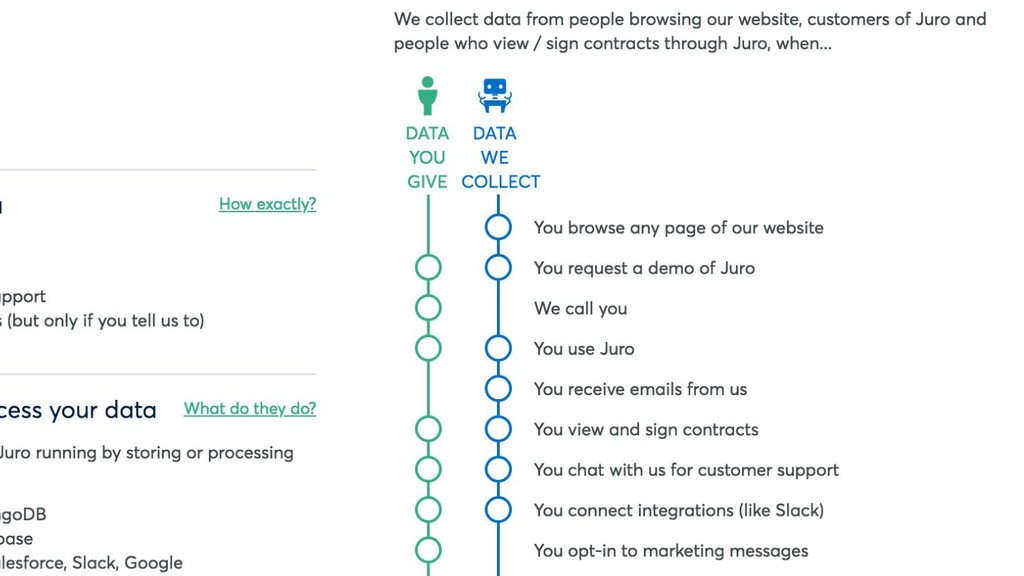
They help you manage contracts between companies. And what I'll highlight is this right hand side here, which shows all the data which you give and the reason why you give it with all the data we collect. You have a ton of customer data, a ton of it.
How do you make it actionable? How do you use it in an interesting way? So I'm gonna take a step back from the Booking dot com example. We'll get back to that later. I wanna address a bread and butter use case we come across at Hull.
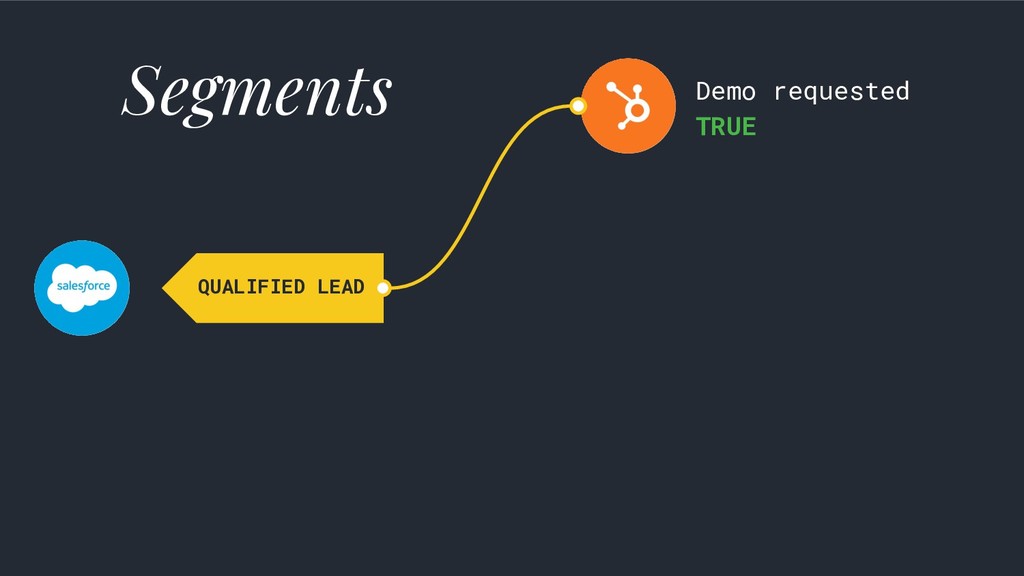
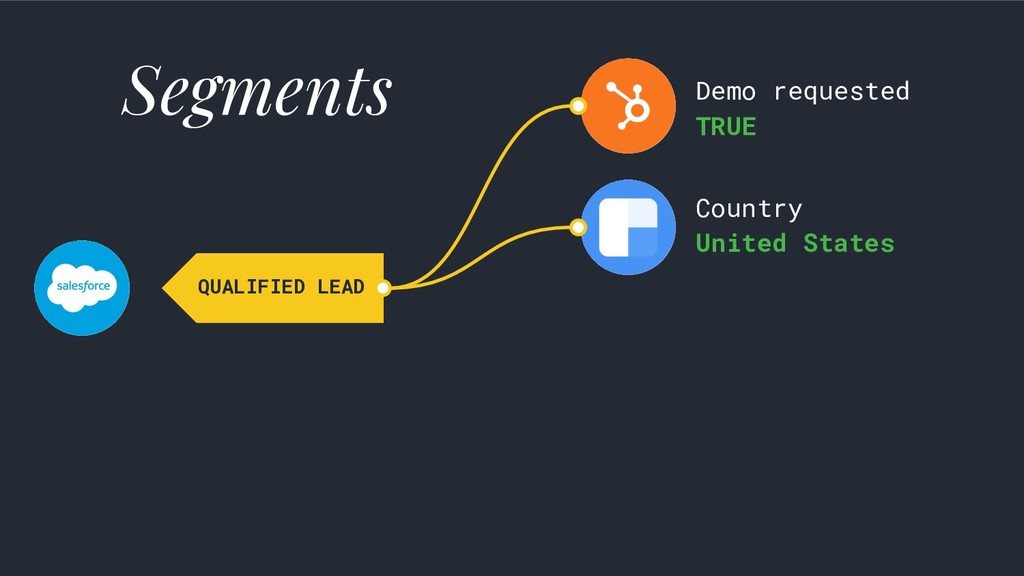
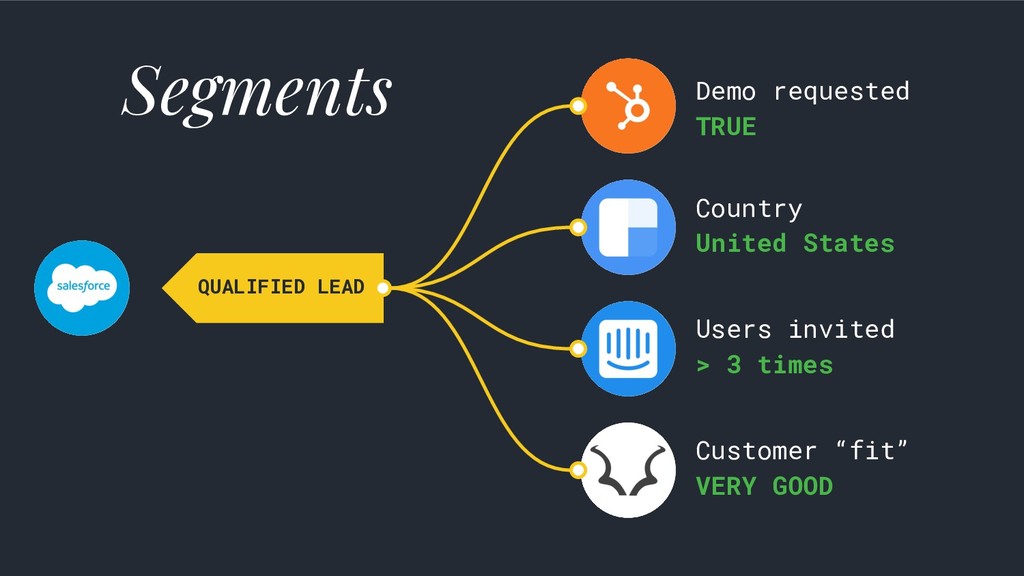
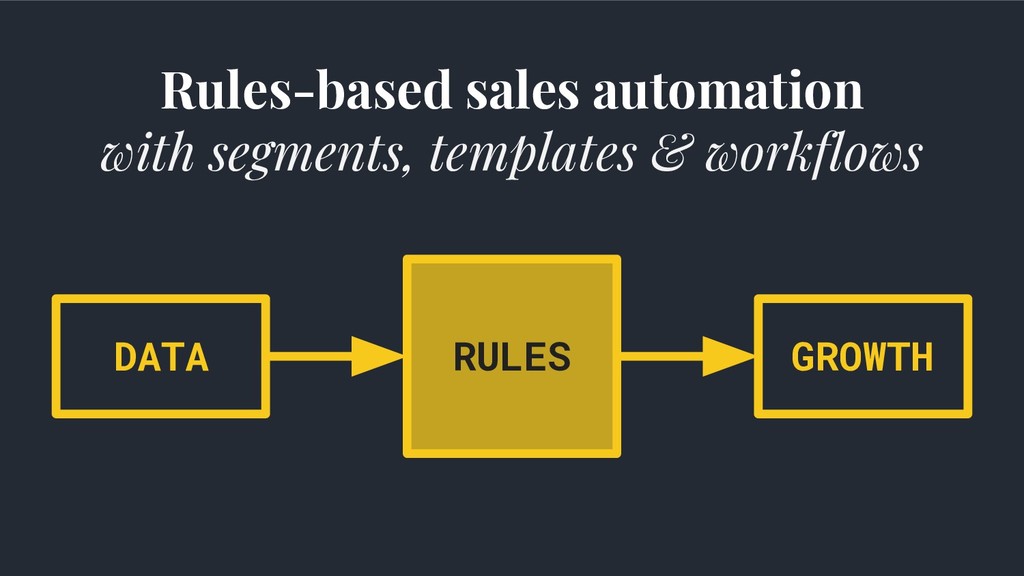
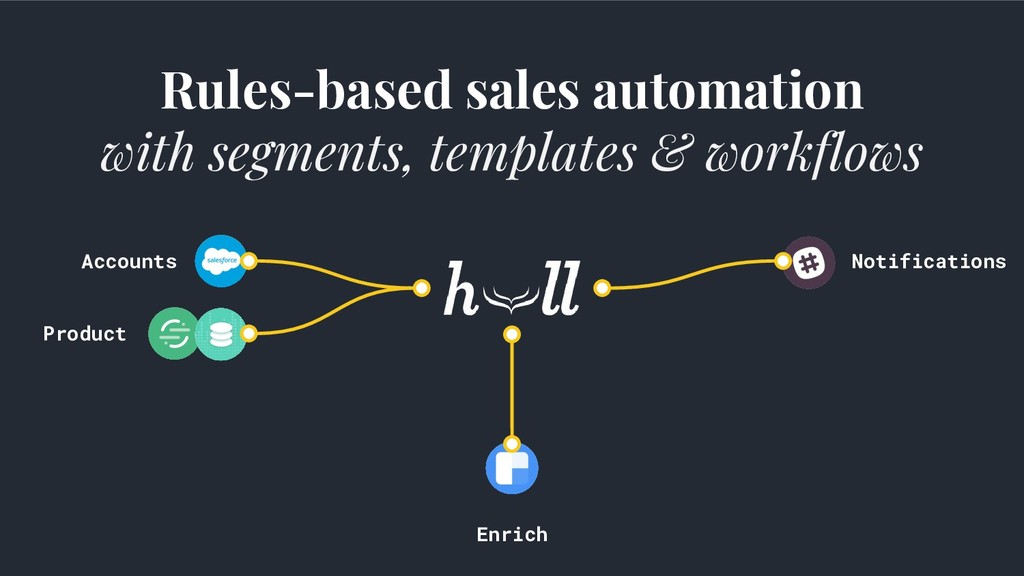
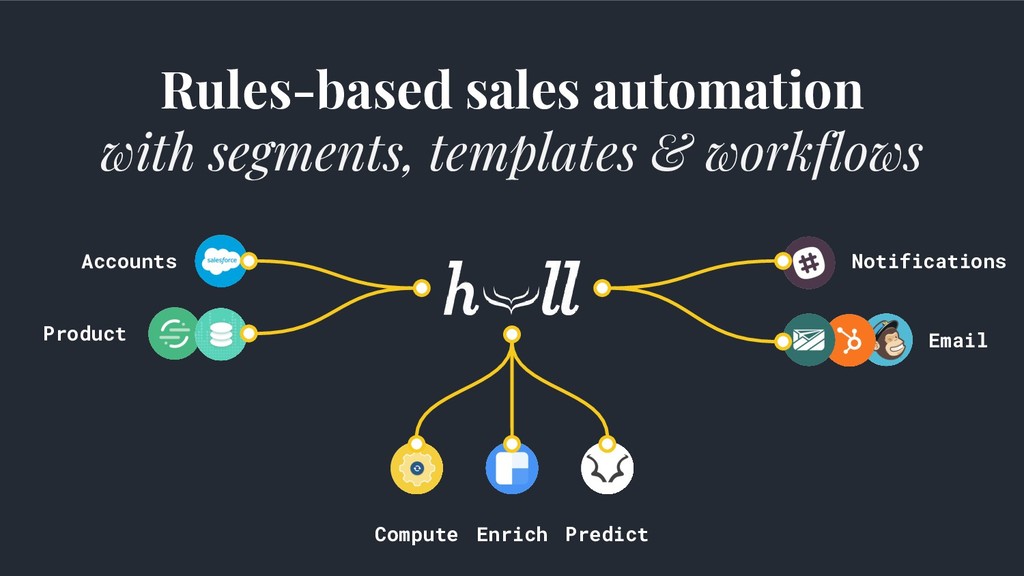
Remember, work with b to b, we work with a lot of sales teams, we work a lot on sales automation. And there are three rules that matter: segments, templates, and workflows. Let's start with segments. Segments, who do you want to talk to, who do want to sync between tools?
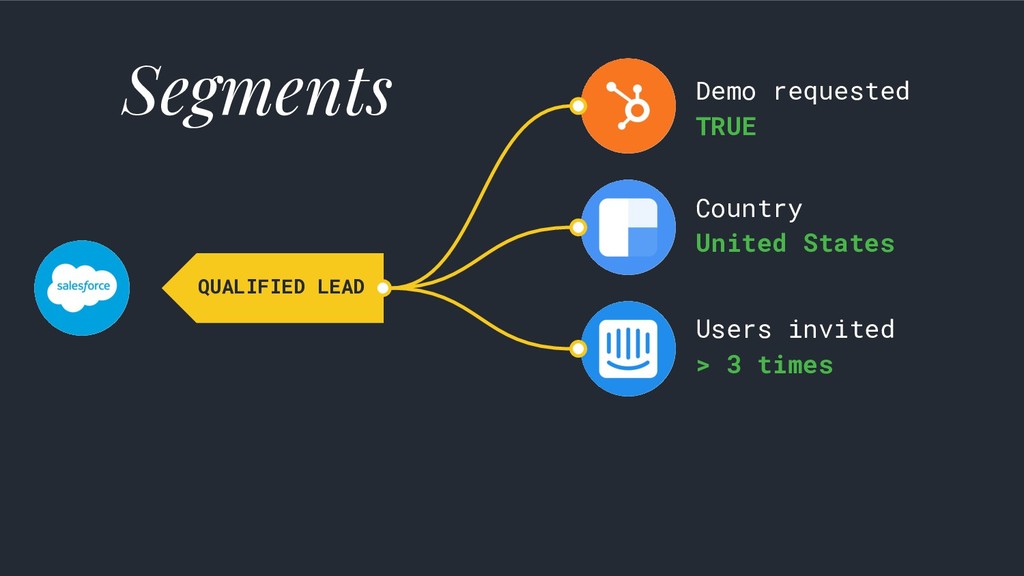
Now, the typical use case is what is a qualified lead? Who should marketing send to sales? Now, for marketing excuse me. For marketing, sending a form fill, someone's requested demo, is often enough. But as a sales rep, who's been paid on commission, who's been paid to close, this doesn't always have all the answers or the context.
So to fill in the blanks there, we see a lot of teams using data enrichment services like Clearbit. Clearbit who can tell you the industry, the company size, the location, where the company more or less doubled the number of sales accepted leads overnight just because they weren't accepting leads from countries which didn't speak that language, which didn't have matching integrations.
Something that basic. Now, as sales is often last to touch, particularly in the world of free trial SaaS, people are already engaging with your brand, engaging with your product, ahead of engaging with sales. So how do you bubble up all those signals or that engagement and use that to qualify leads?
And as the amount of data you can use to qualify leads increases, what's to say you're not missing opportunities? This is where predictive tools, AI tools one of our sister companies, MadKidoo, does a really good job at this, of looking into all your data, running all the analysis, building machine learning, and saying, this is a good fit, and here's why.
How do you use that and sync that through for qualified lead? Just a shout out to tomorrow, there's a talk on AI, on the marketing track by Jess. If you want to dig into AI, that's a really good primer. So we have all this different data, all those different sorts of data on the right hand side.
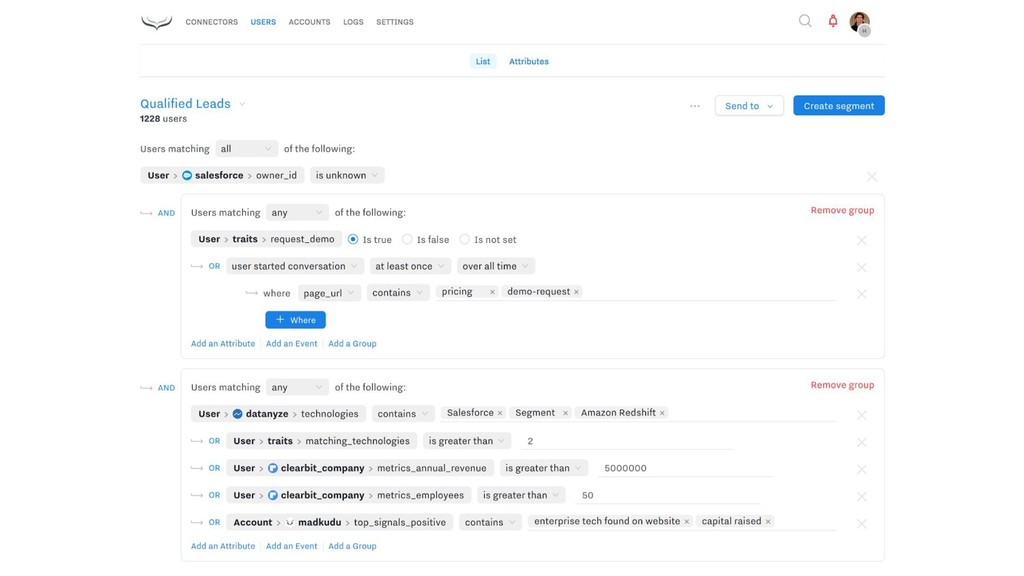
You need to be able to take action on those different sources of data and different types of data. You need to be able to qualify leads based on the forms coming in or chat coming in, but all these different signals of fit, engagement, predictions, and so on.
You need a segmentation engine that's powerful enough to do this. You need something which looks like this. Whether it's Hull or something else, that's the key. So let's move on to templates. We talked about who we want to talk to, who we want to sync between tools.
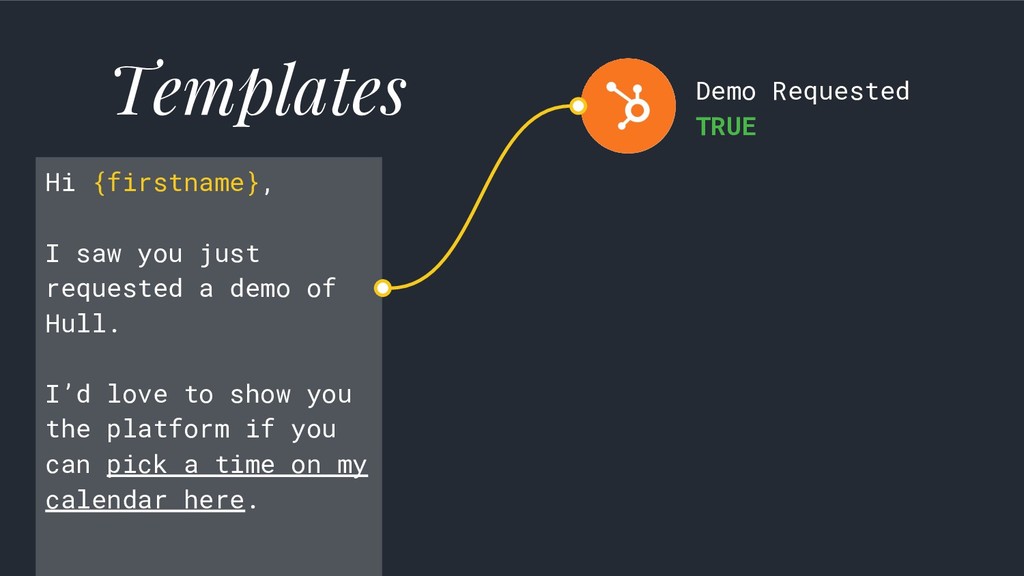
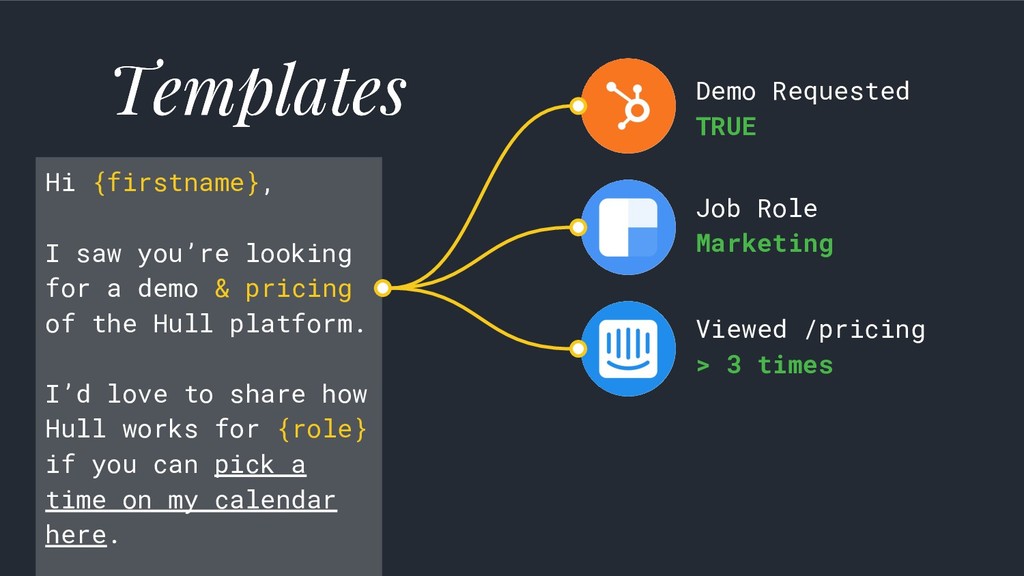
Now can we control what we say to these people? And again, there's only so much data we get from forms. There's only so much that's gonna come through. And so this is why we end up saying, hi, first name. Everyone does hi, first name.
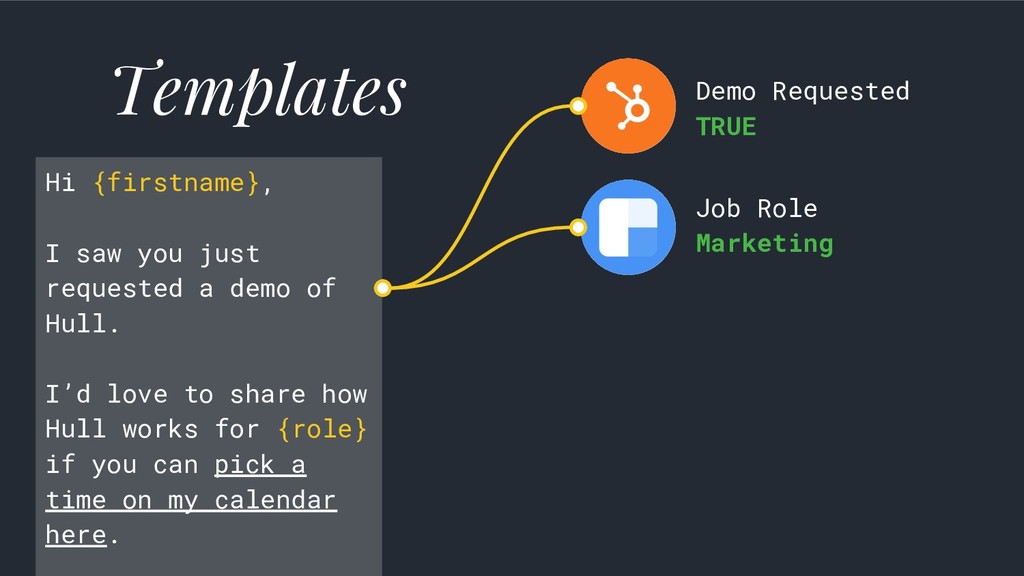
But it's not really personal if the rest of it is all exactly the same to everyone else, isn't it, first name? So how do we fill in the blanks? How do we bring in the extra context? Again, data enrichment. We can use services like Clearbit to bring in social data, job title data, location data, and personalize our messages based on that.
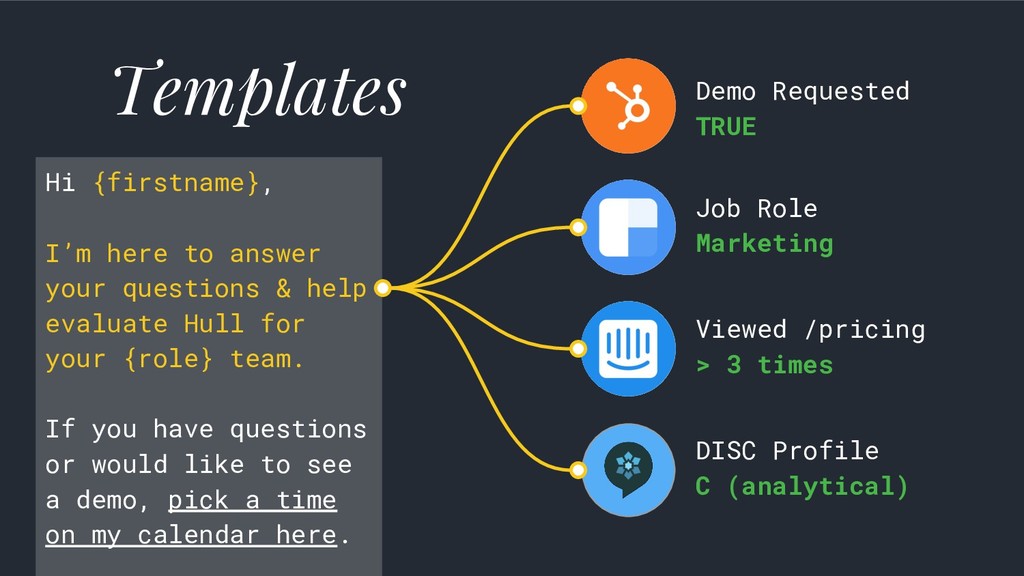
For instance, we might want to talk to marketers, different to developers, different to operations people. Again, what about the engagement? What interesting things are they doing with our brand, with our product, with our website? Like, maybe they viewed the pricing a lot. Let's reference that.
And again, how can we use predictive tools? Some people might want to be talked to differently to others. We're seeing teams use psychographic profiling tools like Crystal knows to change out the kind of content they're using. This is a lot of effort. This is about as much effort as translation, but it becomes very, very interesting.
You're talking to people how they want to be talked to. Now, based on all this stuff on the right hand side, all this really interesting stuff, the left hand side kind of sucks now. Like, this is not like you wouldn't talk like this if I knew all this and I was talking to you face to face.
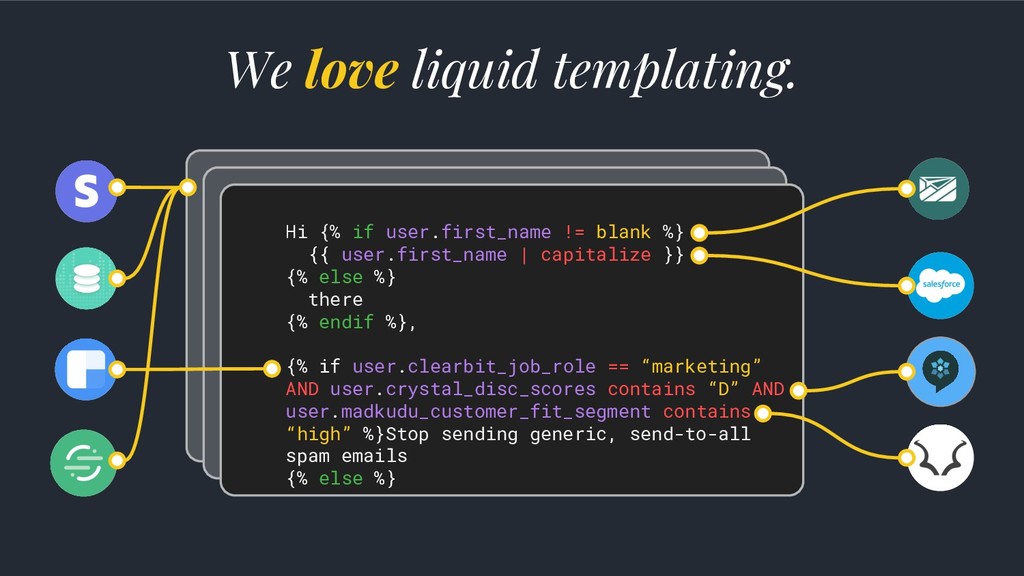
The reason why is the templating engine can't keep up. This is why we look for more powerful tools with more powerful templating engines. This is why we love Liquid. So Liquid is a templating language developed by Shopify. They open sourced it, and it's available inside a lot of different tools.
It gives you the flexibility to use data in lots of different ways. For instance, if your Clearbit job role says you're marketing, if your crystal score says you're d dominant, I. E. You get to the point, and your mad cadu fit is very, very high, then say this.
Now, it's not so much about the templating language, it's about having the templating language in your messaging tool of choice. And one of the messaging tools we see a lot of people moving to is customer dot a o, which is an email tool.
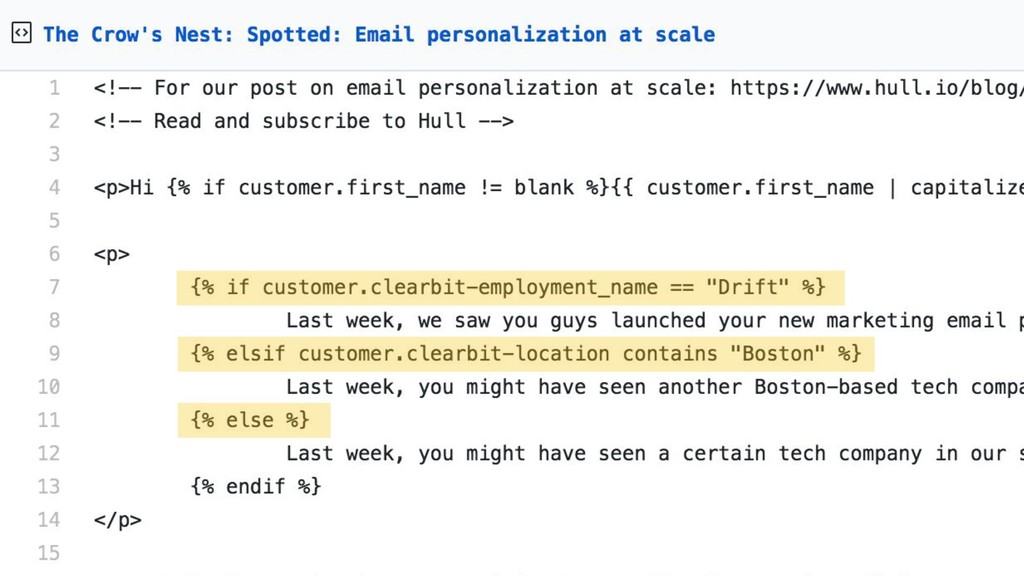
So we use this for a bunch of our internal emails, including our email newsletter. So when we were announcing our latest spotted post on email personalization, this is admittedly a bit meta. This so happened to be the week after Drift launched their email marketing tool.
Now, Drift's a customer, we want to keep on good terms, want to find opportunities to surprise and delight them. But rather than get to the hustle and grind, rather than send them a whole separate email to the whole of their teams, I can, in one line of liquid, send a totally different message to the team at Drift.
And also for the other guys in Boston who are on our list, who have definitely heard about this because Drift make a lot of noise, I can send a custom message to those guys as well, just in a couple of lines to surprise and delight.
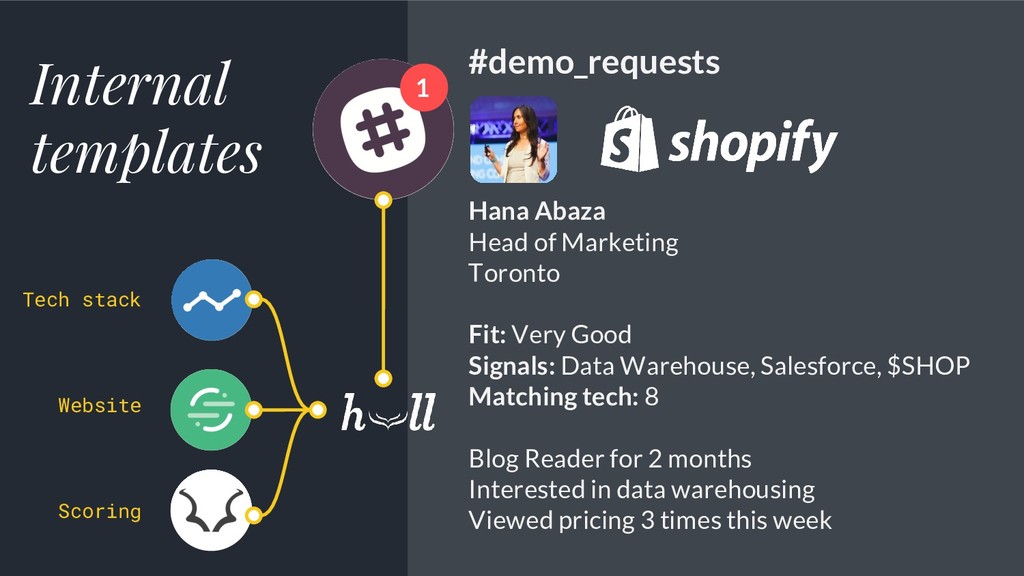
And within a couple of minutes of sending this out, I get a personal response from the CEO of Drift. Nice little brand touch. I can also use templates to control internal conversations. We see a lot of sales reps wanting and using Slack notifications.
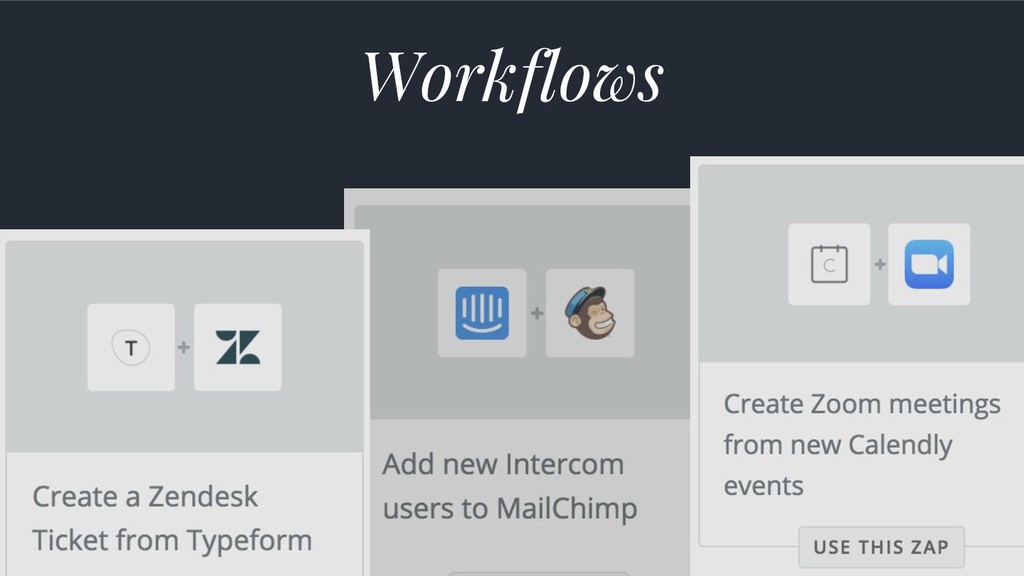
We can compute down all the signals of interest and ping them at a point which is timely, with all the clues, queues, and conversation starters that might matter to them. So next up, workflows. So if you've used tools like Zapier If This Then That, this will be familiar to you to kind of create Zoom meetings when a new Calendly event comes in.
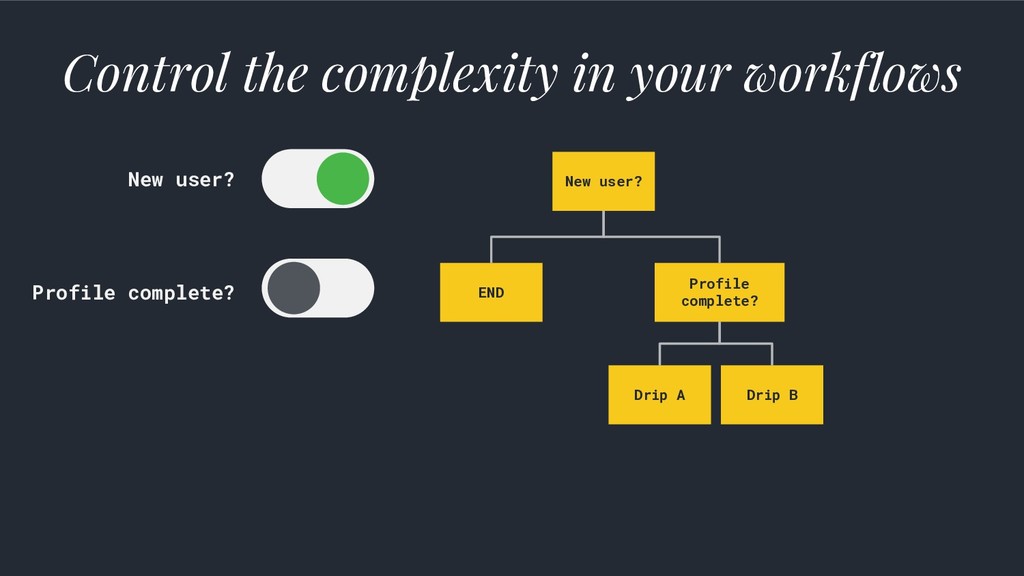
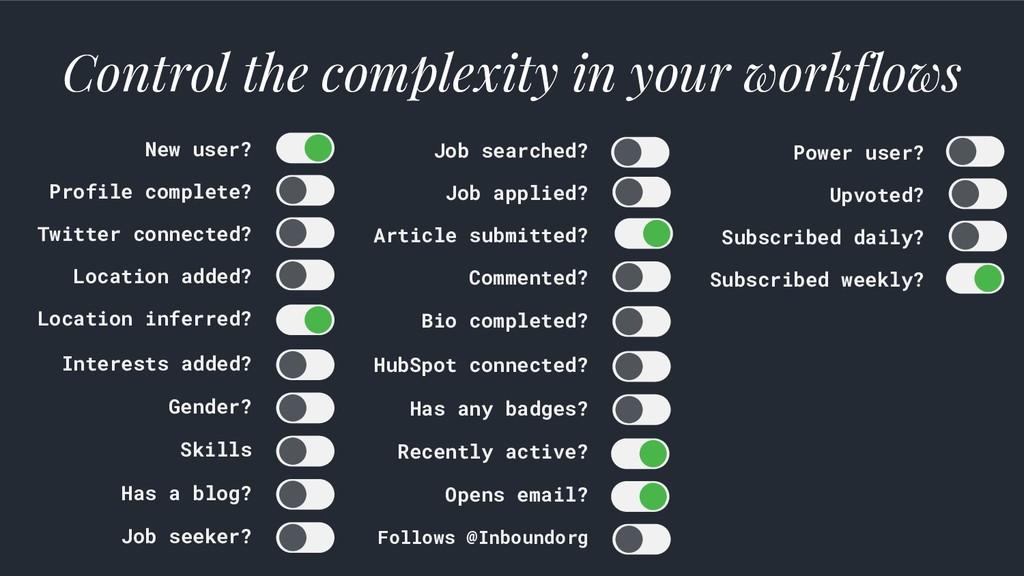
You have to be careful with this. Back when I was at inbound dot org, I was working on a profile completion campaign. People with more complete profiles appeared to have higher engagement. This seemed like something we wanted to work on. But like every other email we were sending, we're trying to make this more personal, more relevant.
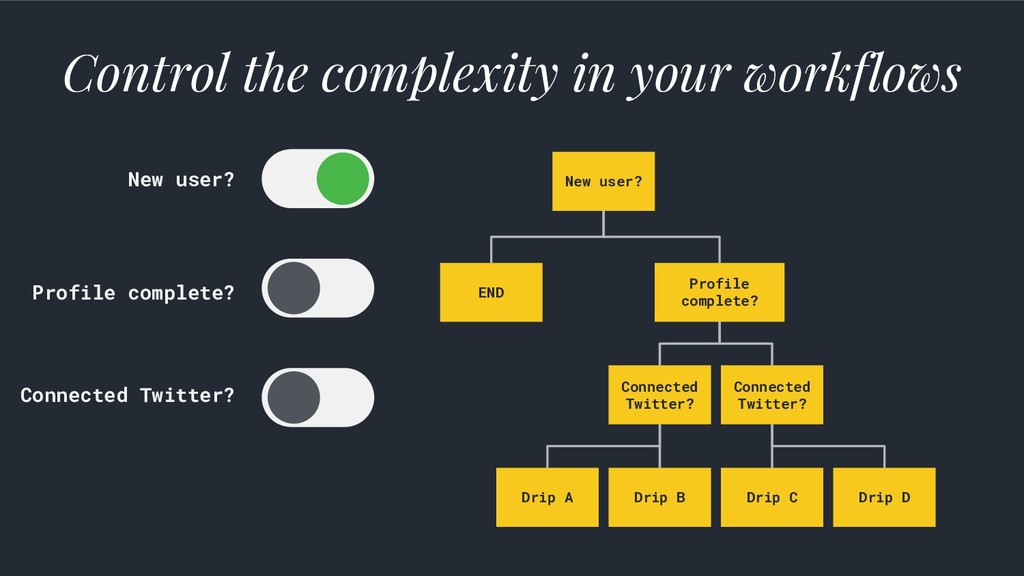
What's the context we can use? But if you do this with workflows, this quickly becomes a little more complicated. So just by adding, have they connected Twitter, which is a really important thing for us, my workflow is now much larger. I've now got four different drips.
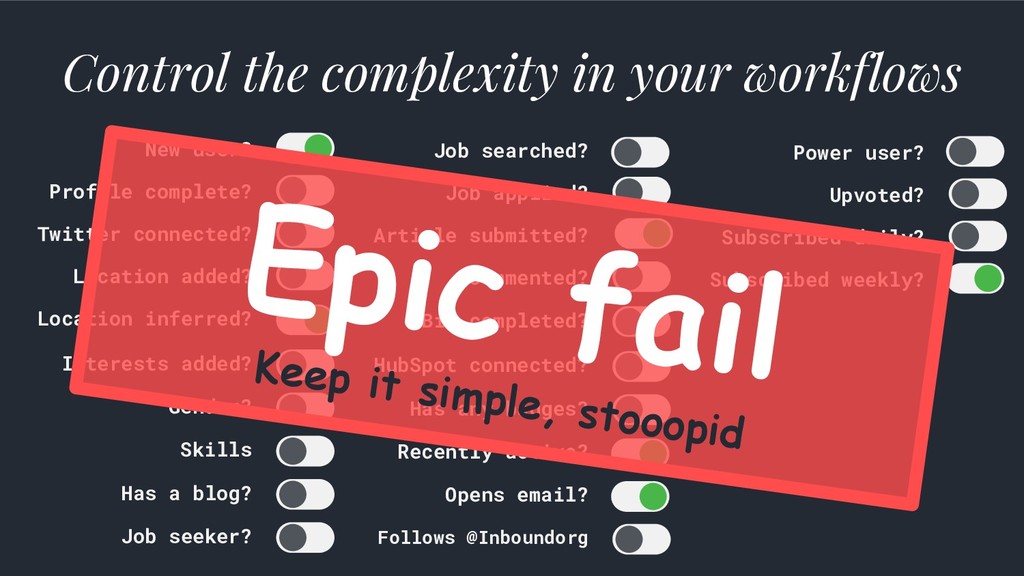
But I didn't want to send this kind of email. I want to send this kind of email. I wanted to use all that different context, all that different stuff. So you can imagine how crazy this workflow system looked. And it was an epic fail.
Like, as all these contacts, all hundred and something thousand plus people were bouncing around this system of workflows like a pinball machine, absolute chaos happened. We sent over fifty triggered over fifty thousand emails in that first hour. Some people were getting dozens and dozens and dozens of email each.
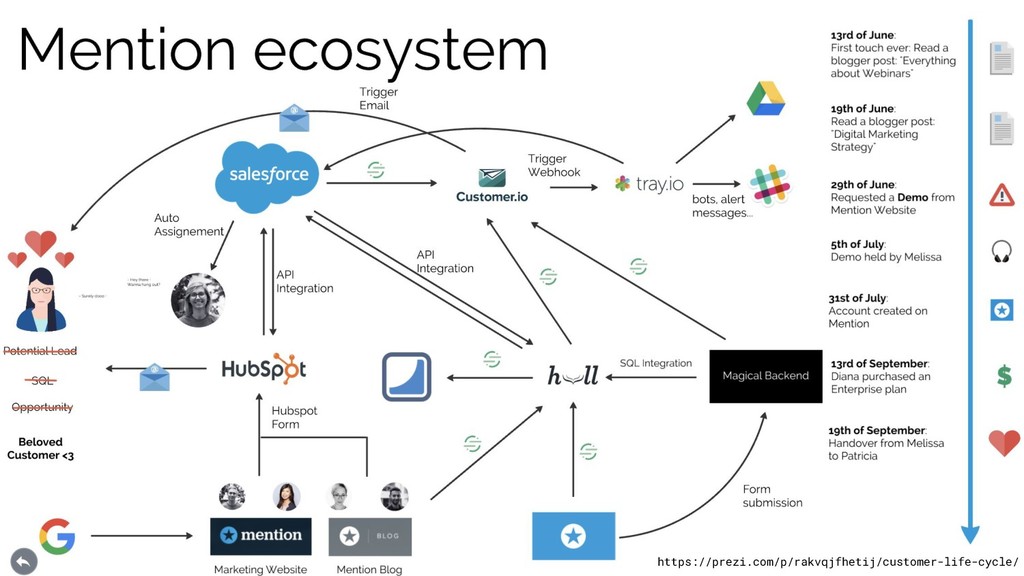
It was a terrible experience for everyone involved. You need to keep it simple. And that was just one campaign, a profile completion campaign. This is an internal slide from one of our customers mentioned, which shows how their data moves around over the course of the customer life cycle between all their systems of tools.
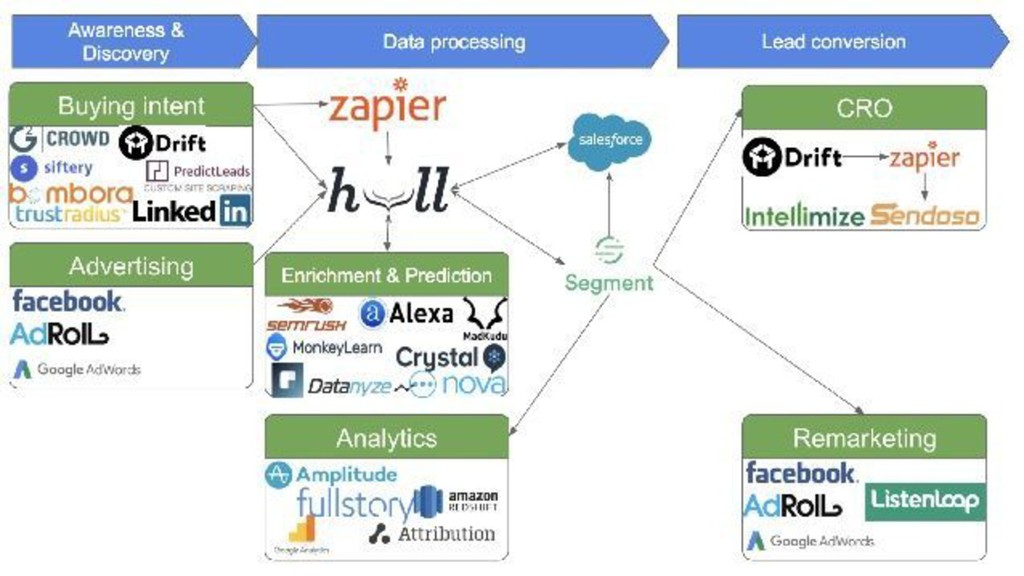
It is complicated. This is another internal deck which has been published by the VP growth at Drift, showing how they take intent data and orchestrate sales automation on the right hand side. There's a lot going on here. It is complicated. You need to manage that complexity.
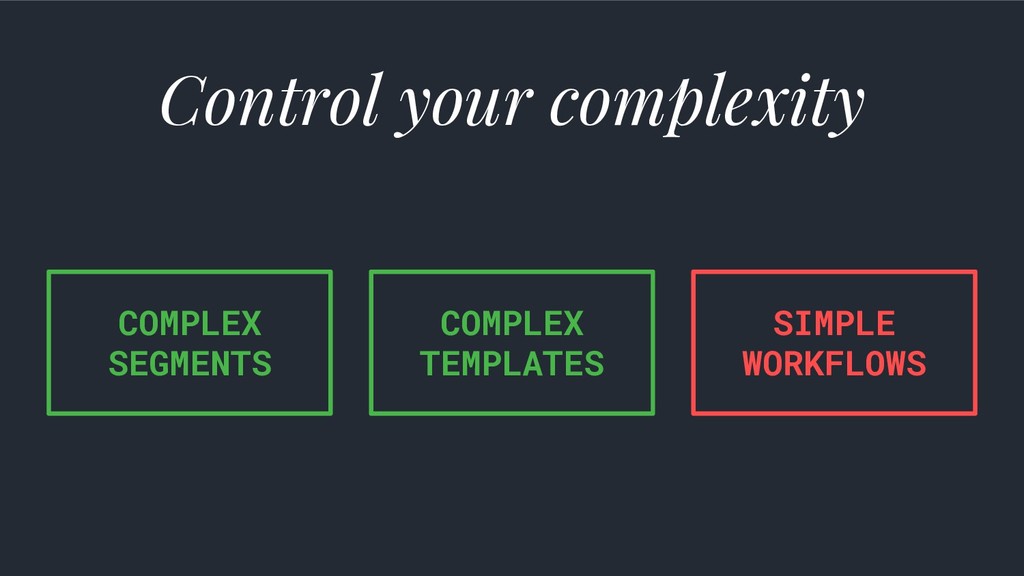
Build that complexity into segments. Make those segments complex. Build that into templates. Have a templating engine which is powerful enough. But for goodness sake, keep this workflow simple. We haven't come across a single example of people using workflows effectively at scale to manage everything.
What we should have done at inbound, instead of building this crazy system of workflows for people to pinball through, is to build that onto a complex template with one workflow. You're new, you'll have profile incomplete, okay, you're gonna get this message, we're gonna decide what you get there.
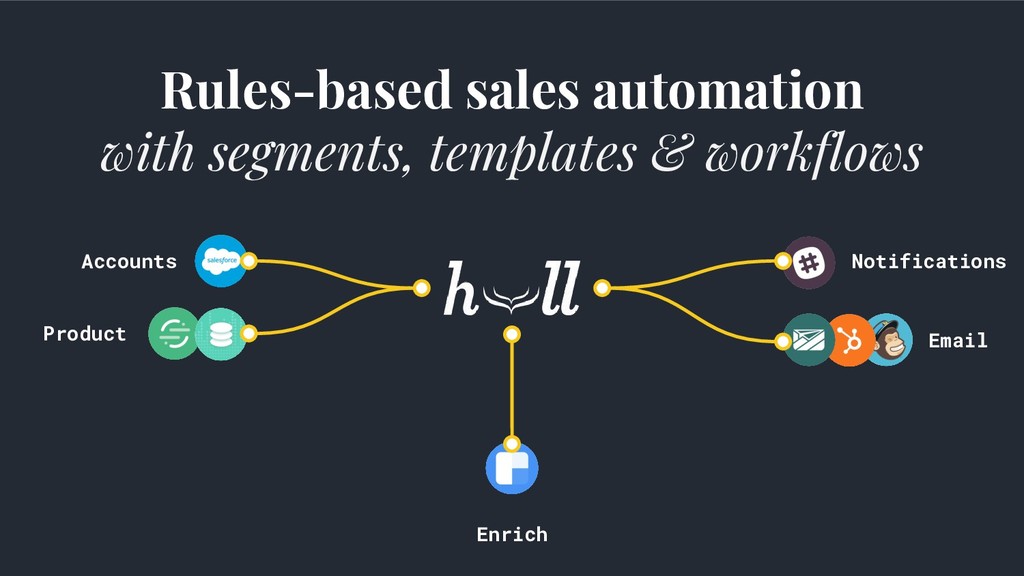
So how does this all come together? What's the system of rules? So we have a typical use case of someone wanting sales notifications when accounts which have signed up to our product, who are a good fit based on Clearbit data are doing interesting actions inside a product, on product analytics, based on your back end product, etcetera.
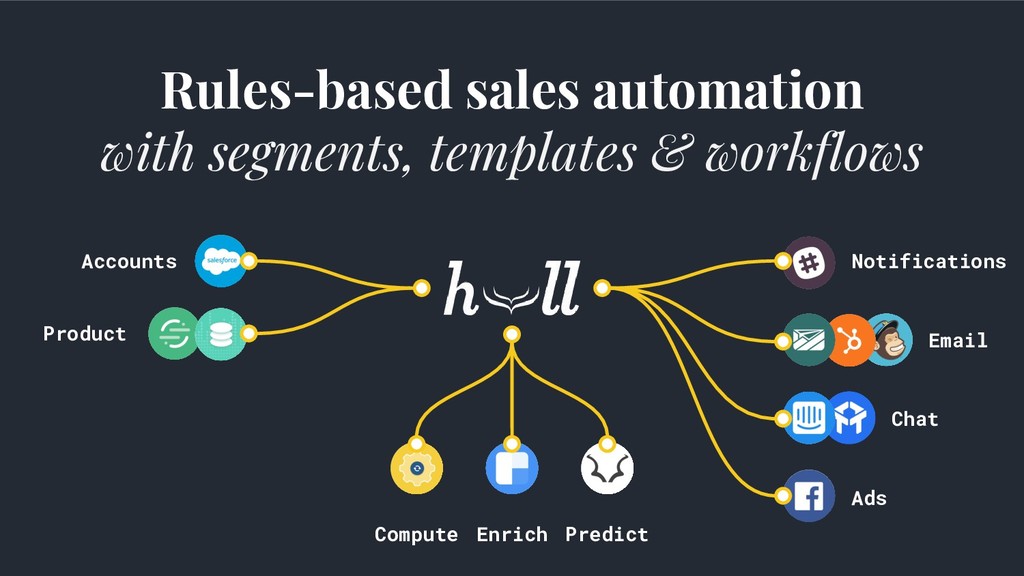
But if we can compute a useful, timely notification like that, what's stopping us sending an email? So we see teams begin to start to trigger automated emails, that first touch from a sales rep automatically of this. We had a team more or less double their sales conversion rate for their low touch leads using a system like that.
But as the amount of data increases, maybe we can start to compute interesting data on top of that. Maybe to make that message more personalized, could, you know, fetch the latest weather, which is very relevant for anyone, you know, in the Northeast US, the UK, etcetera.
And maybe we could use predictive signals to hone in who we're talking to and what we want to say. But if we have all this data, then what's stopping us from sending that across even more channels, like chat? Let's talk it through Drift and Intercom inside the website, inside your product.
What about syncing that out as an ads, a set of ad audiences? So we had a customer take their excuse me take their lead to customer conversion rate from one percent to six percent by doing this kind of thing, through their free trial process, by going omnichannel, by maximizing their engagement.
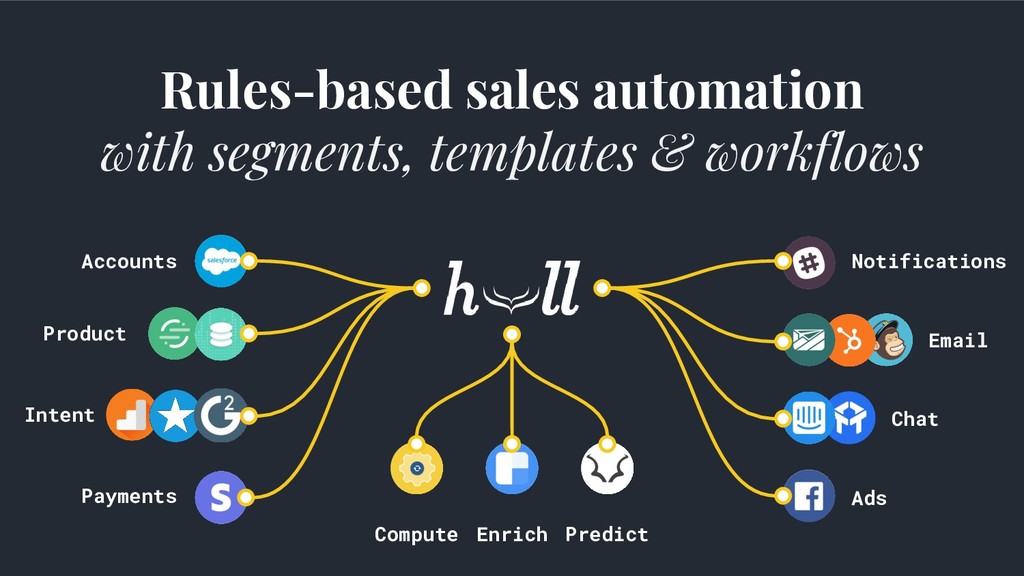
So if you've maximized your engagement, can you talk to more people? Yes. So we see people trying to touch accounts, touch relevant buyers before sign up by using intent data. What are people doing on the website? What are companies doing on the website?
What are companies and people from companies talking about and mentioning on social? What are companies looking up at g two crowd and all the review sites? By using reverse IP lookup tools like Clearbit Reveal, you can associate all these interesting actions with the companies and accounts who have signed up and doing are interested in your products.
So now you can start to take action with all that wall of engagement on the right hand side, that personalized, which is talking to them in the way they want to be talked to. And the really good teams tie this together with payments, billing, and operations.
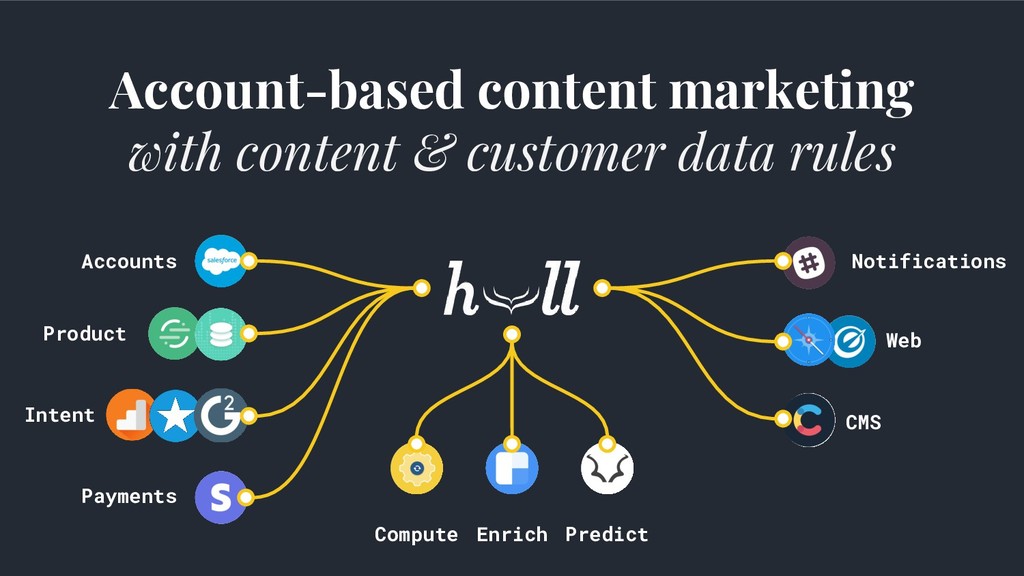
So that's that's what modern day sales automation begins to look like. Now let's go back to the Booking dot com example. So I have all this interesting intent and engagement data. I can identify a good fit and compute interesting attributes. What's stopping me using this to personalize my website?
I can stick maybe an interesting, optimize the audience, and send them a different variation, or ping it into Contentful and build the perfect landing page for them. Maybe I want to go and retarget someone with, you know, their competitors, their teams' faces, all this good stuff, and I can do this automatically.
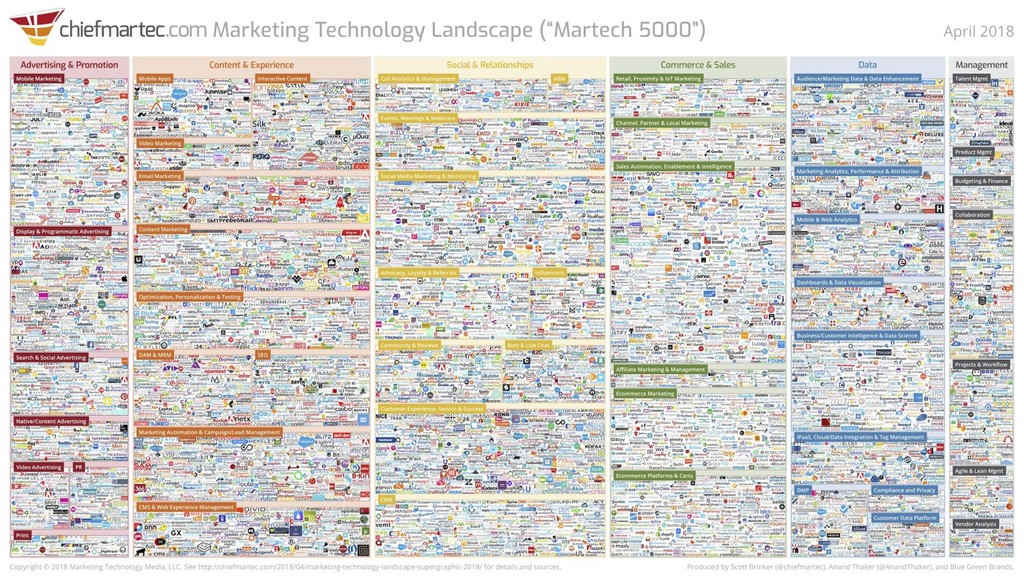
So just to begin to wrap up, who's seen this slide before? Okay. So apologies for this. So this is six thousand and something plus, the the numbers are not quite right, marketing tools on the market. It's a bit of a headache to look at.
But the key point is this, the best growth teams we see can look at this and begin to build a system of rules off the back of it. It's not about the tools you have, it's how you use them, it's the rules you use to deploy.
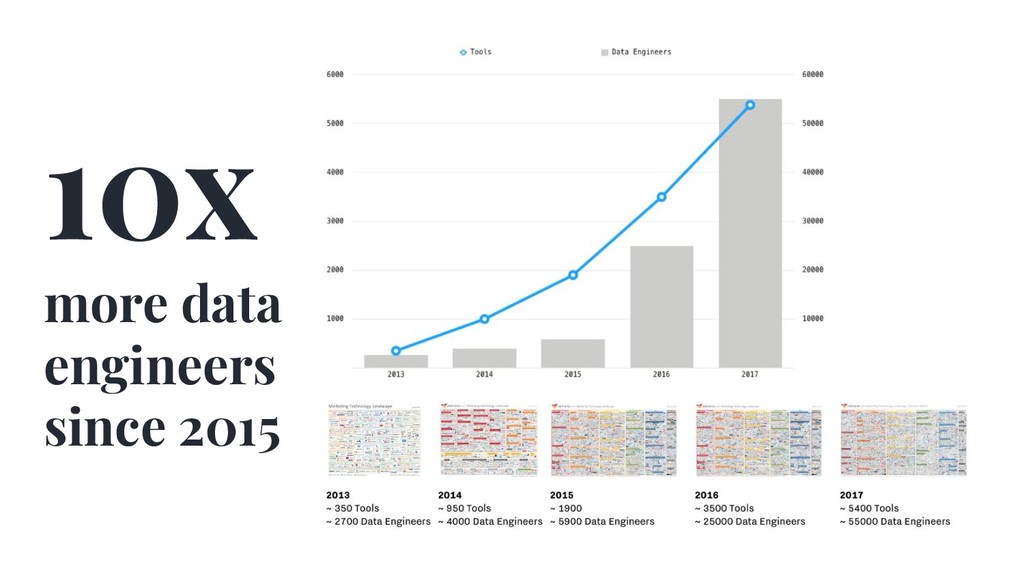
Now, there's an interesting trend behind all this big increase in the number of marketing tools. It's that it's not our job, it's not my job, to stitch this all together. That's literally the dot job of a data engineer. A data engineer builds these data pipelines between tools and data.
And the number of data engineers is increasing rapidly at a similar pace to Remarktik tools, ten x since twenty fifteen. The best growth teams we see have data engineers, and data engineering is a really core part in what they do. This enables them to build rules and drive rules based growth.
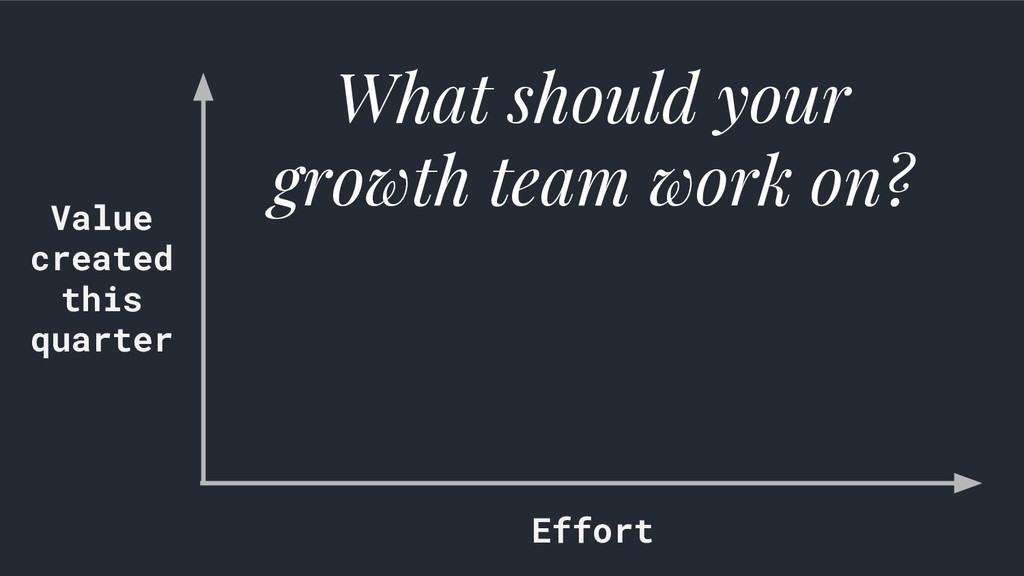
So what should your growth team work on? Remember, this is more b to b, I'll just caveat. And what's the rule? The rule is to work on rules. Yes, you need all this success. You need to know where to focus. You need your team to be aligned.
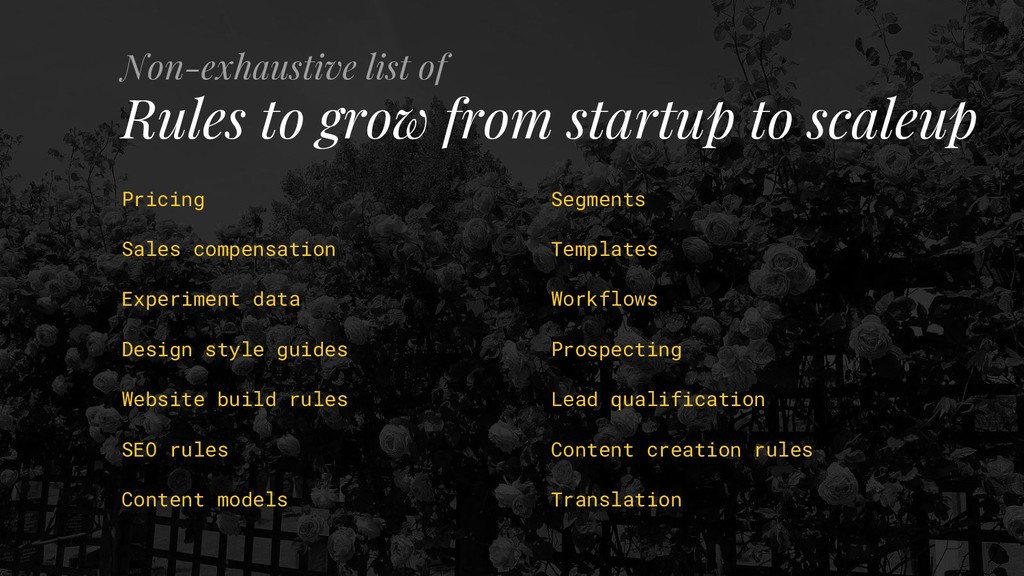
But once you have all that, don't get stuck in the hustle and grind. Don't do what we did at inbound. Build a system of rules and use that to grow. So here's some of rules we talked about today and a few more. We talked about pricing, we talked about segments, we talked about design style guides.
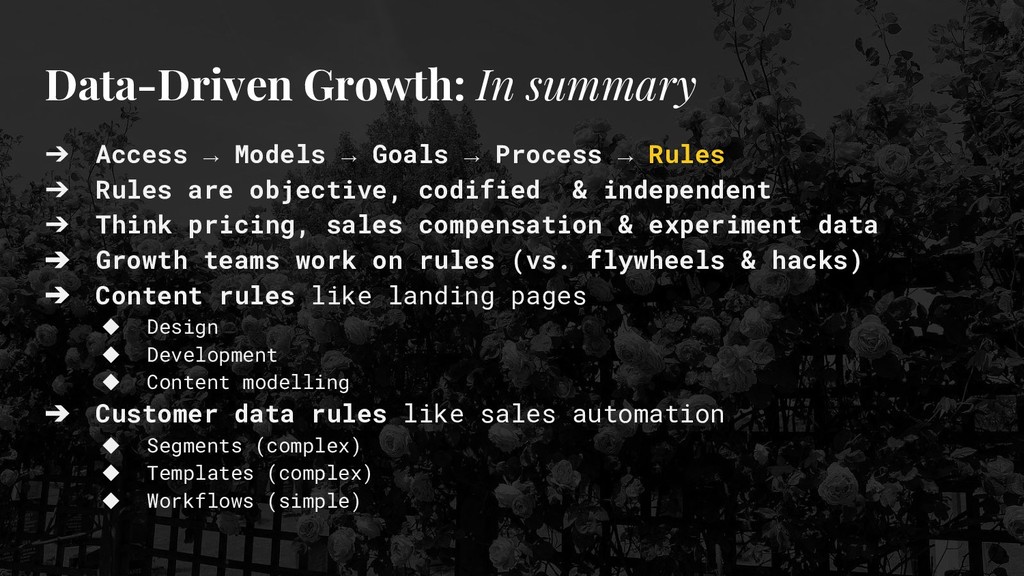
Start to think about building through systems of rules. Here's a summary of everything we talked through today. So access to models, growth of the goals, process, rules. Think of things like pricing, sales compensation, like these are different ways of thinking. It separates you from the hustle and grind.
We talk through content rules, landing pages piece, talk through sales automation. You'll be able to get these slides later. People who like the summary slide also like to get the slides and resources here, hull dot e o slash get slash TuringFest. I will put the slides up here.
This has got most resources and my notes, so you can dig into and get back to later this week. And thank you. That's all I've got. So again, hull. Eoget slash turingfest. I'm around until Friday in Edinburgh. If wanna grab a meeting and talk to any of this kind of stuff, hold dot a o slash meet slash TuringFest, and we can schedule a time there.
Thank you very much. Awesome. Thank you. So