
Place the right product in front of the right person at the right time and you've nailed acquisition marketing, right? Yet businesses fall short because the puzzle looks easier than the sum of the pieces. Here you will discover how to grow a performance marketing machine that scales success through data-driven iteration.
← All talks 
Grow Marketing Turing Fest 2016
The Acquisition Marketing Puzzle Most Fail to Complete
Auto-generated transcript - may contain errors. Tap a timestamp to jump the video.
Good afternoon, Edinburgh. So, yeah, you know, as Brian said, I started off as a developer. And, you know, my route into marketing isn't your typical route. So I started off as a full stack developer some twenty years ago. I am actually older than I look.
And moved into product management. And actually from product management, I moved into conversion rate optimization. And actually that's when I found my kind of big interest in finding out how to persuade people to take an action. And really from CRO is where I kinda developed into marketing.
So over the last ten years, I've worked across a number of different acquisition campaigns for companies large and small. And a lot of these learnings that I'll you through today are taken from campaigns I've run, campaigns I've assessed, and also interviewing a lot of candidates to find out how they run acquisition campaigns, and three key missing ingredients that I've often seen at different companies.
And really what I'm gonna talk through today is how you build a growth machine predominantly through insights. So there's a talk by Sam earlier around taking paid search and making it better, focusing on different parts of the metrics. But this is more about what happens around marketing.
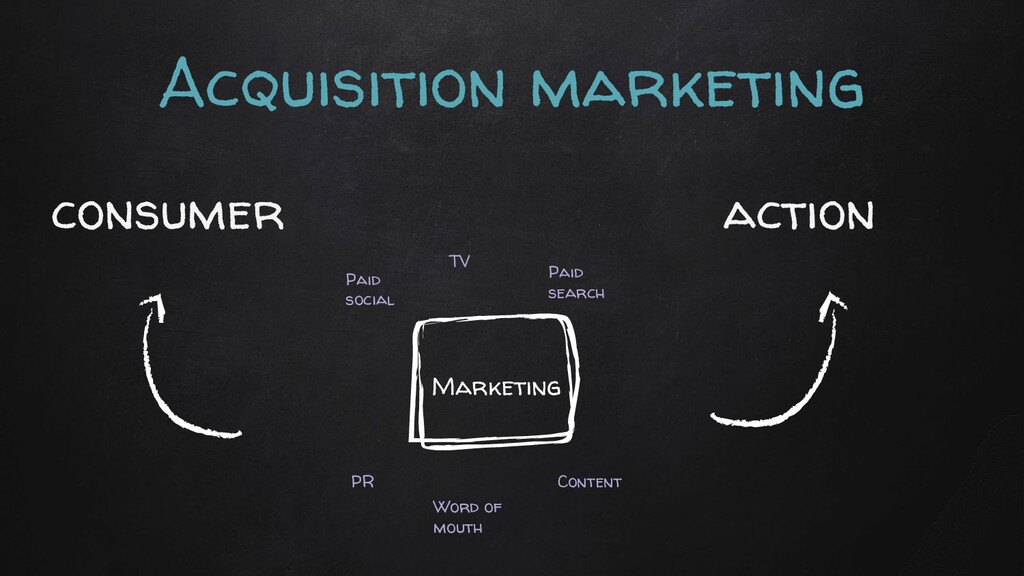
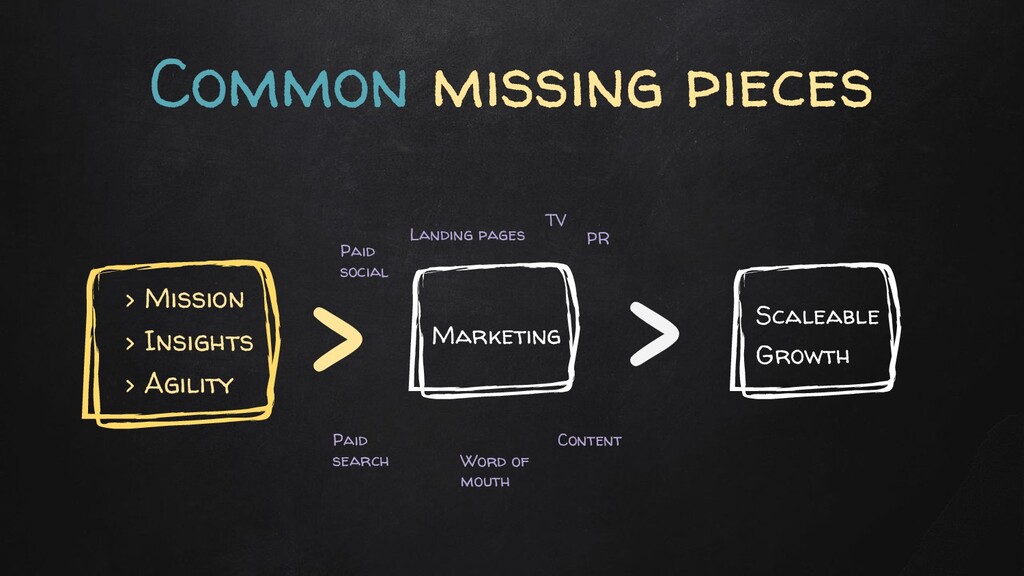
What makes a successful marketing campaign that you can scale and grow? This is going beyond becoming a channel expert and actually becoming a marketing expert. So acquisition marketing. So marketing is the piece that sits between your consumer and the action you want them to take.
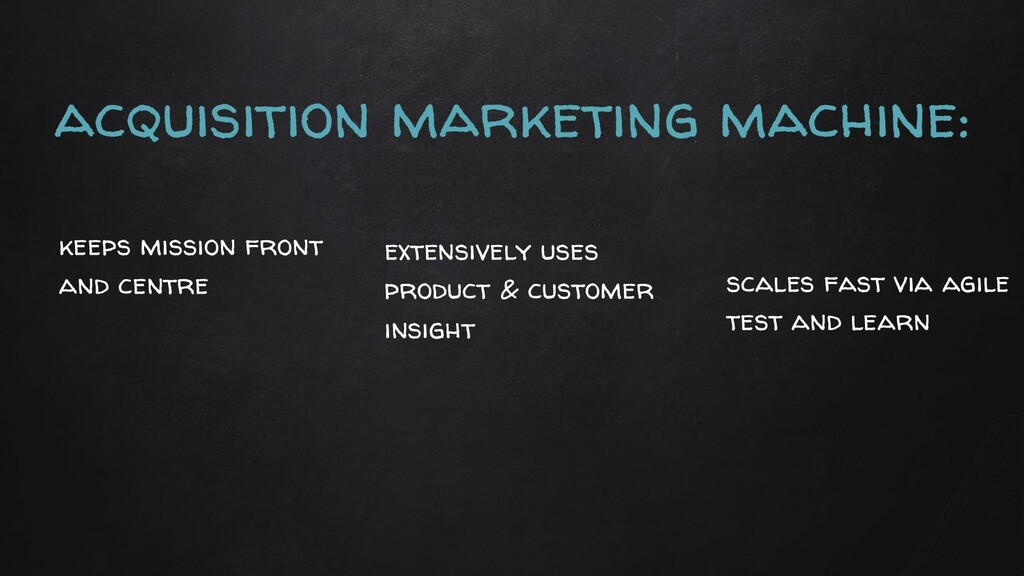
In the simplest nutshell, that is everything that we look at for marketing. But essentially, there are some missing components here. And I'll talk through three of the key ones. Number one is mission. Number two is insights. And number three is agility. And there are three key things that I've implemented at a number of different companies that have helped us to create a growth machine that scales and grows and continues to grow.
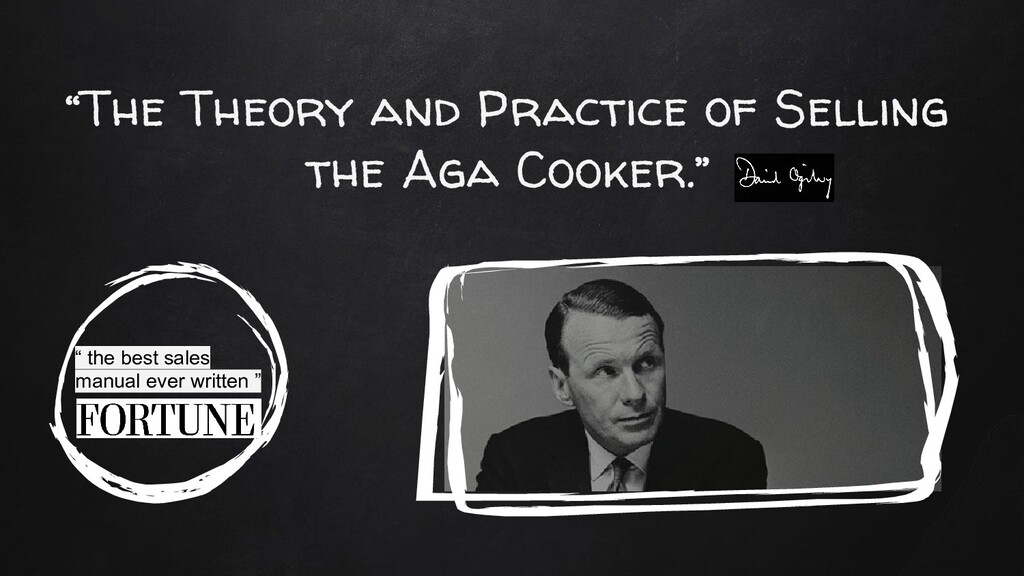
I'm gonna start off talking about David Ogivi. Hands up. How many of you have heard of David? Good. How many of you have read his SALS guide that you wrote for AGA? I recommend you read this. This is one of the most profound materials I've read around the link between really understanding the consumer, understanding the product, and bringing that together with advertising to actually sell and really cut through a market.
David actually started off as a researcher working for George Gallup of the Gallup polls. And through that research side of his education, he really understood the need to understand the customer and understand their pain points, what matters to them, and how to actually cut through in your advertising.
Fortune magazine called his sales manual one of the best ever written, and personally for me it is. And when you read through that, there's some real key points about how he really understands the consumer, but also the product as well. You know, these Ager cookers in the 1930s, they were quite different to what consumers had seen.
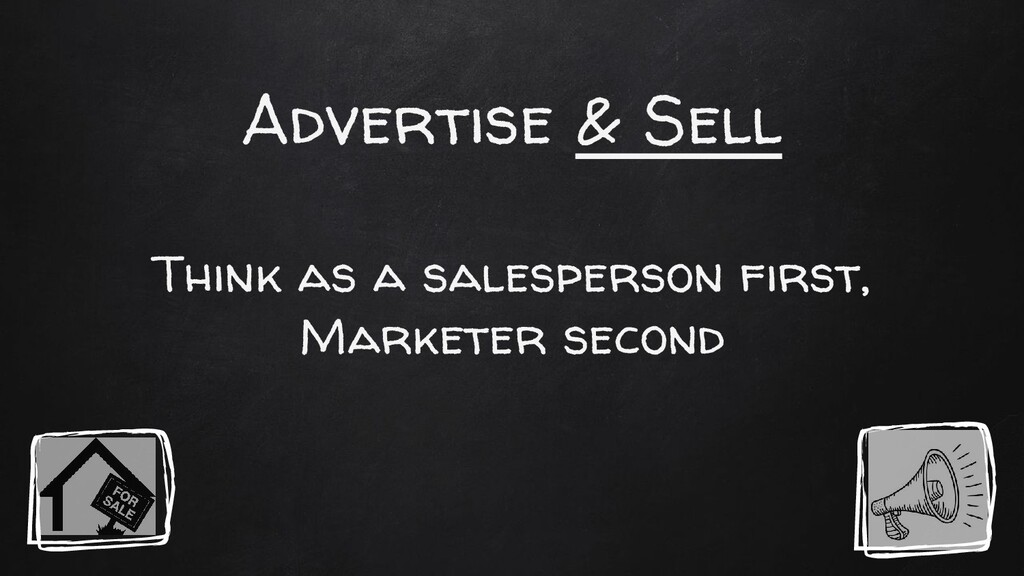
And actually, he cut through by creating a strong understanding of the consumer and then actually marrying the consumer needs with the product and meshing that with his marketing, which a lot of people do actually miss out. And for me, through marketing, the key thing that I see missing time and time again is thinking as a salesperson.
You know, you're not just pushing messages out there to put a message in front of someone to try and get them to take an action. Ultimately, you want them to buy, you want them to give you a business benefit. It's that full funnel, which Andy mentioned earlier, that I see marketers often missing out on.
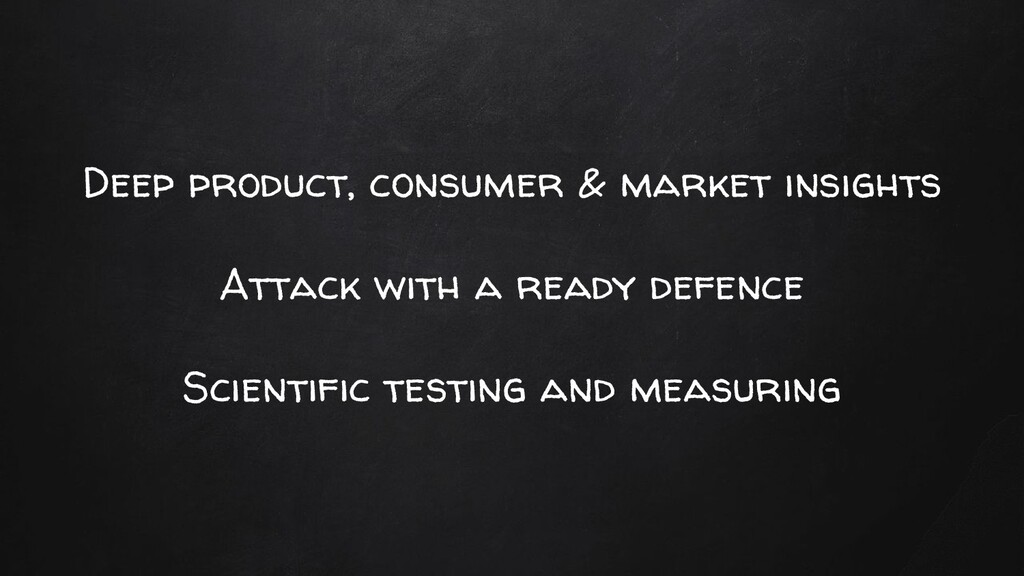
And the three key things that I've taken away from David Ogilvy's training manual. Number one is the deep product and consumer insights. Do that market research. Really understand what's happening around the consumers' lives. What is it about your product that's really unique? Not what's just written outside, but actually use it, consume it, and understand it.
And it's creating a marketing plan, which is both attack and defense. So if you think about team sports, you can't always be on the attack. You'll always have a time during the game, take football for example, where you're on the defense. Unfortunately, I support Arsenal.
We have a great attack, not such a good defense. And the end result of that is more often than not, you're not going to win. And actually, within marketing, you need to attack consumer opportunities, but be able to defend their concerns as well.
And the final piece is scientific testing and measuring to build that kind of framework for growth. This is often missed out in marketing. You know, it doesn't belong just to your CRO team or to your product team. It's also a responsibility for marketers as well.
So three things I'll cover today are mission, insights, and agility. So on to mission. Do you matter? And this essentially starts with the why and the what of what you're doing. It's not the how. I'll argue that it's easy to learn how to market within SEO, within paid search, within Facebook ads.
But really understanding how to market goes beyond your metrics and your channels to really understanding the product and the consumer and actually marrying those two pieces together. So what's important to you? What's important to your business? If the most important thing for you as a business is revenue, then you will hit a cap quite quickly.
And I've seen this at a number of different companies. But your focus is on growing sales, and you want to hit that end revenue number, whether it's through single purchase or lifetime value. But actually the businesses that go beyond the revenue are generally the ones that are the most successful.
Revenue is an outcome of a successful interaction between you and the customer. And this is where it comes down to the mission. It's your customer's outcome. It's the thing that matters for your customer that's gonna give you a differentiation in the market. And this is something I call mission driven marketing.
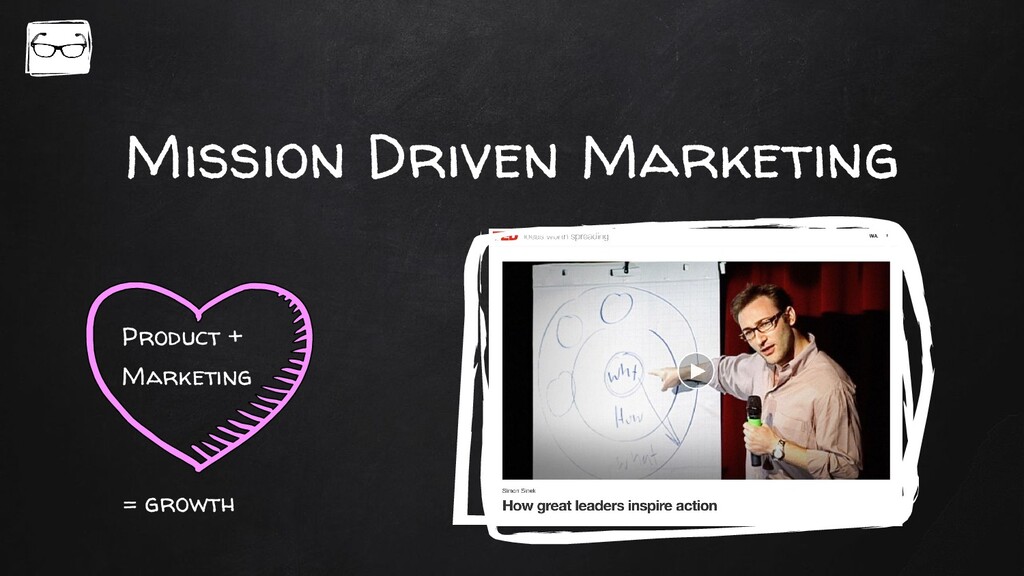
It's actually going back to your mission statement in the marketing you're doing to actually cut through and create relevance for your consumer. It's the merger of product and marketing. I've I've spoken to a lot of people about, you know, what does growth mean?
What's growth marketing? How you grow your business? It's the intersection between product and marketing. Obviously tech, ops, customer service all fall into that as well. But essentially, when you've got your products and marketing working effectively together, you create a big platform for success.
It was mentioned yesterday, and I'll mention it again, to go and see the the TED video from Simon Sinek. His video on this is to the point on how important the why is to your business. And it's going beyond the what and the how of talking about what your product is and how it works.
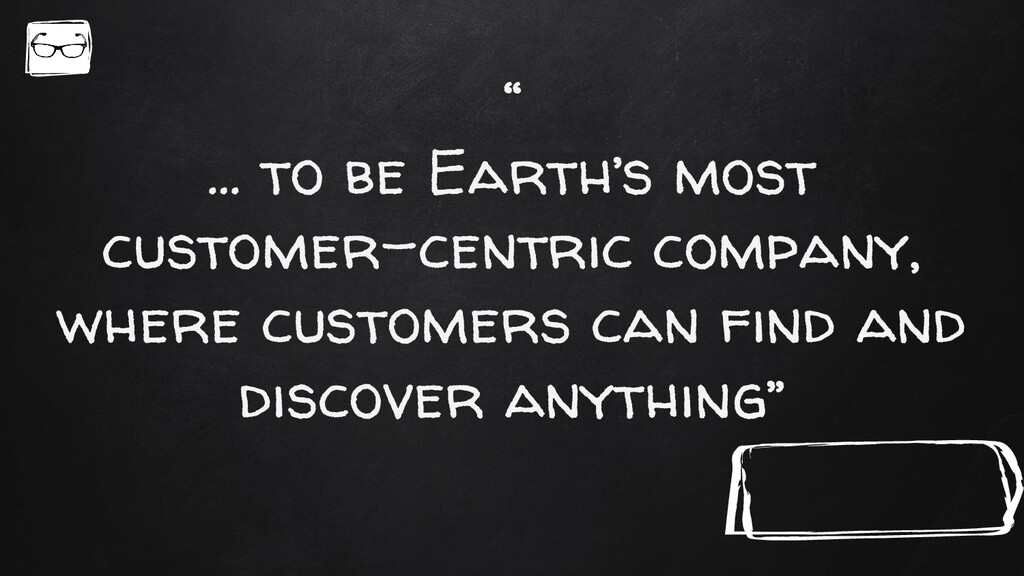
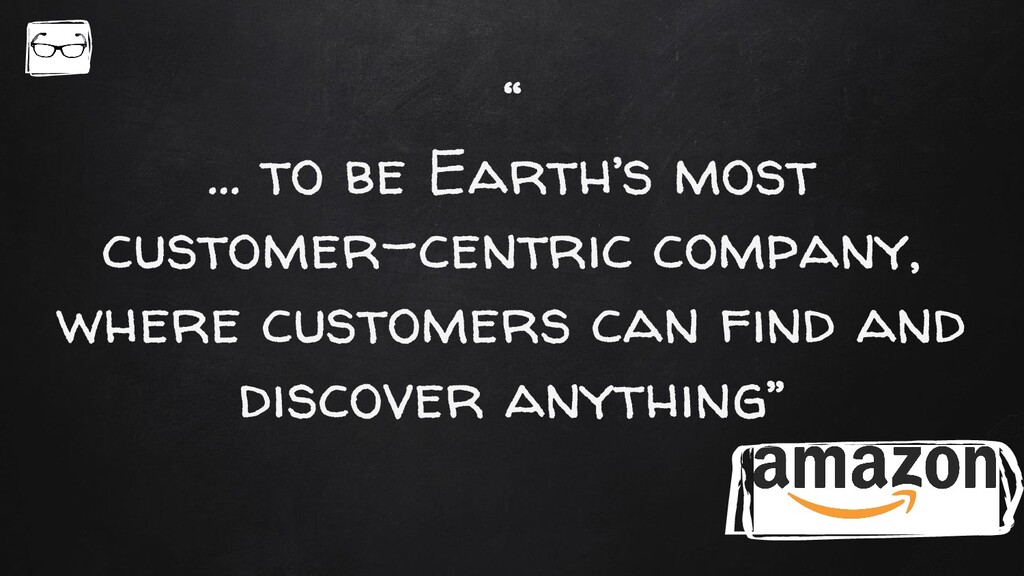
Actually, why is it relevant? Why should consumers care about what you are doing? And that's that's where the kind of big marketing campaigns cut through. So let me give you two examples. This is a mission statement for a company to be Earth's most customer centric company where customers can find and discover anything.
Hands up if you can guess which company this is. Few hands. Amazon. Yeah. I heard that. So this is Amazon's mission statement. And actually, this drives everything they do from the buying team, the marketing team, and all the way through the company. But it's not just big companies that have mission statements.
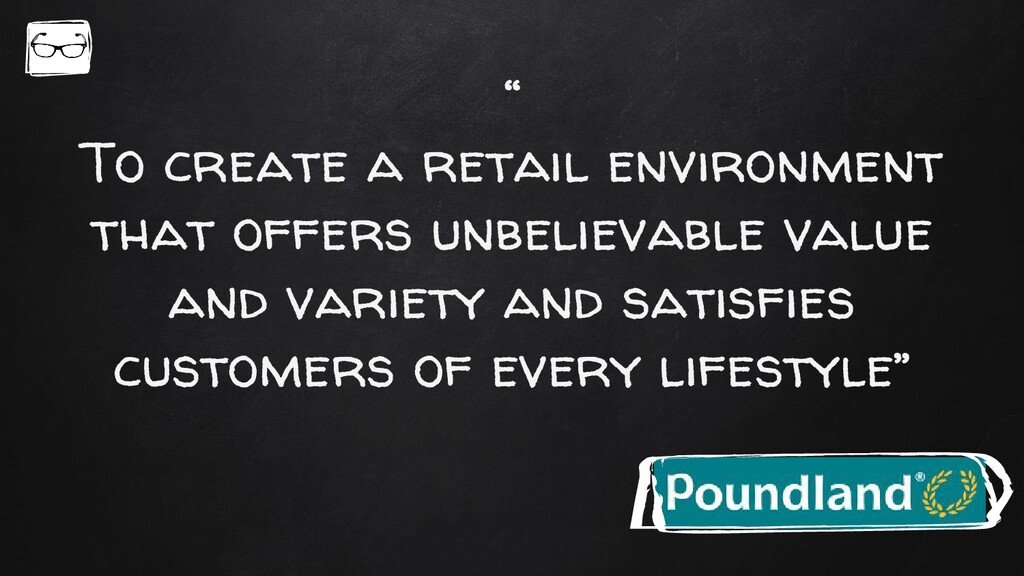
Companies of all sizes have them. This company, their mission statement is to create a retail environment that offers unbelievable value and variety and satisfies customers of every lifestyle. So it's a value chain retailer. Any guesses for who this might be? Poundland. So, you know, you can be an Amazon.
You can be a billion dollar company, but you can also be a small retailer such as Poundland. And actually, if you look through that mission statement, they want to offer their customer unbelievable value. They want a full range of products, and they want to aim for every single lifestyle.
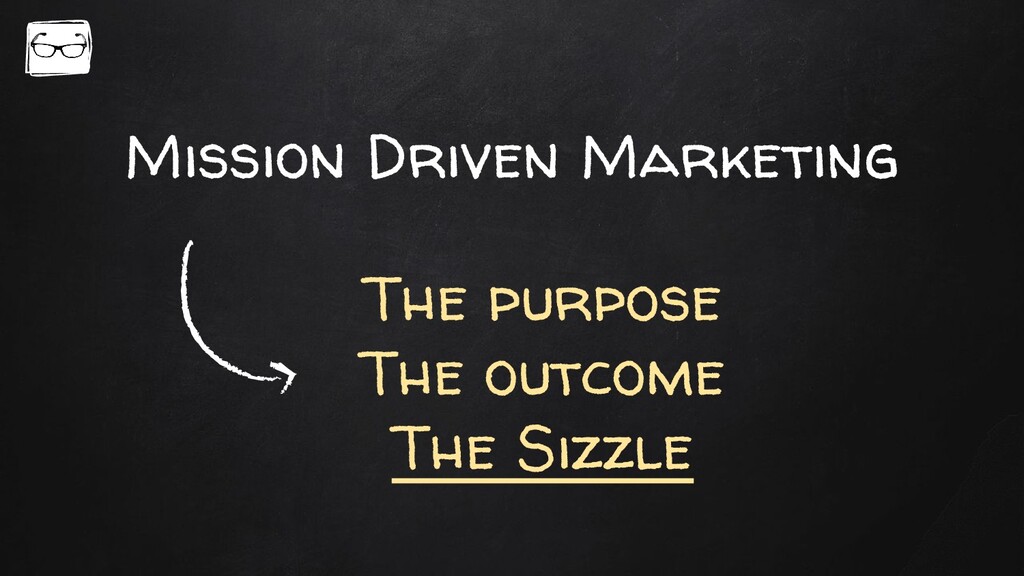
And actually, this comes through the buying that they do and also the marketing they do and how the environment within the retail shop is also set up. So again, it resonates all the way through. And this mission driven marketing is all about the purpose.
It's about the outcome for your customer. What does matter for them? And it's about the sizzle. And a great example I use here is Marks and Spencer's. Now, if you look at the Marks and Spencer's product for smoked salmon, and you look at the Sainsbury's product for smoked salmon, they're fairly identical products.
But for those of you that have seen the M and S TV ads, how they talk about the salmon, how it's line call, it's fresh water, it's oak barrel smoked, that creates the whole kind of appeal that actually this salmon is probably going to taste better and give me a better experience than the Sainsbury's one, which is nicely packaged and supported by Jamie Oliver.
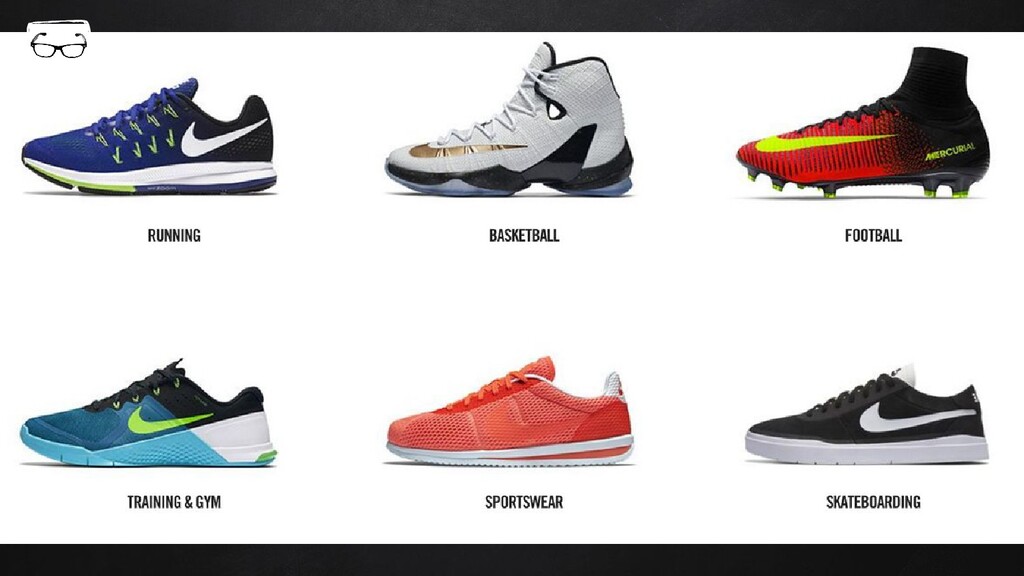
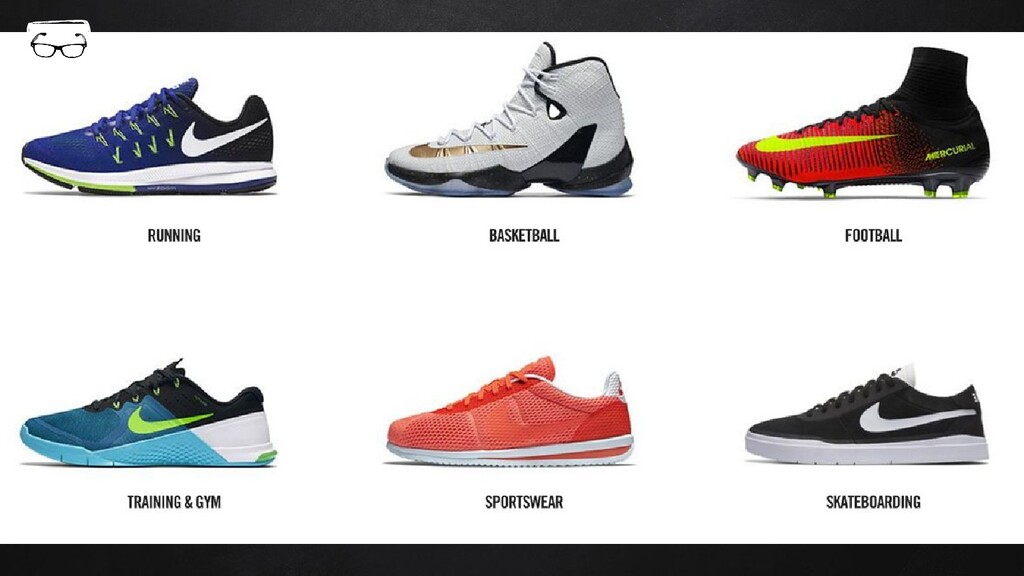
But given the choice between the two, you'd probably go for M and S. And that's all about the sizzle. What matters for the customer, and how do you communicate it in a way that's going matter for them? So here's another example. These are just simple six athletic shoes or sports shoes.
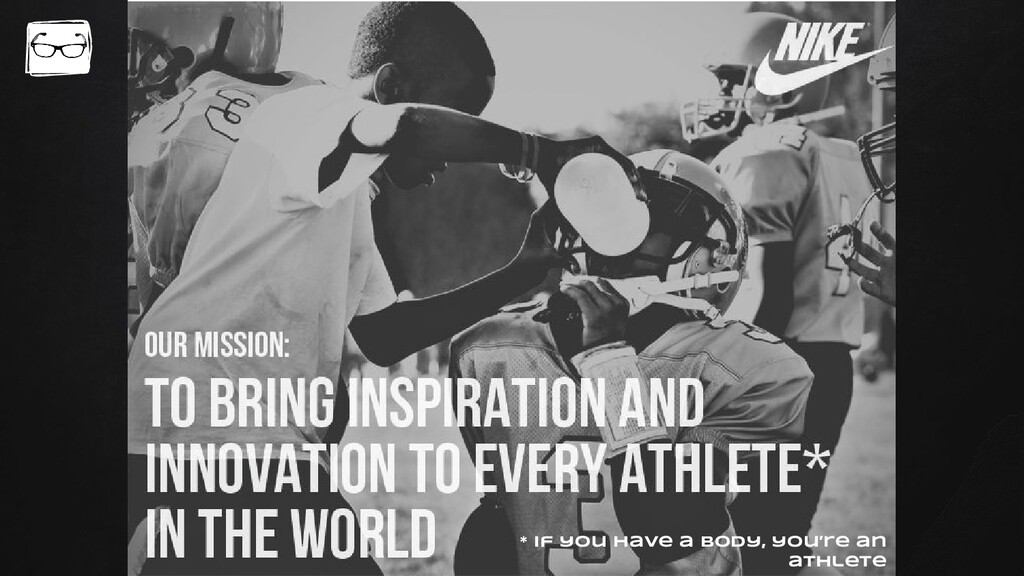
You might notice there's a logo, Nike. So there's a few things that might come to mind as you see the Nike logo. Maybe quality, maybe cost, maybe performance as well. And actually, you look at their mission statement, to bring inspiration and innovation to every athlete in the world.
And actually, they've put an asterisk next to the word athlete to say that if you have a body, then you can also be an athlete. So essentially, this is everyone in the world can become an athlete. And actually, when you look back at the products, it isn't just a running shoe.
It's a shoe that will help you to run faster. It's not just a basketball shoe. It's a shoe that will help you jump higher. And that goes on because it's the experience of the bill. It's the outcome. It's what matters for the customer.
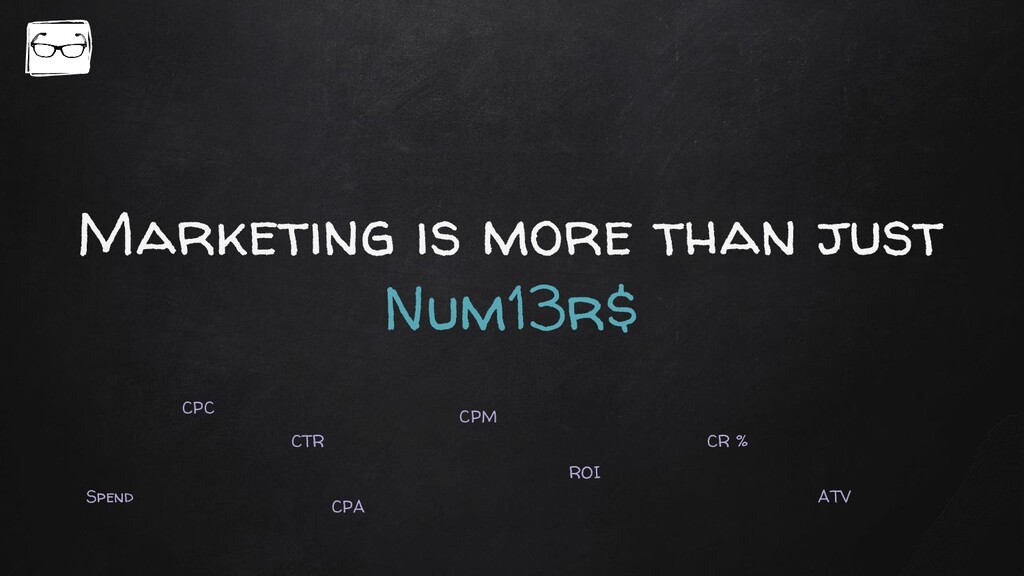
And marketing is more than numbers. You know, this is a common trait that I see within acquisition marketing is to focus so heavily on the numbers, on what's happening within your channels, CPA, CTR, CPC, etcetera, but forgetting that actually marketing is all about the outcome for the customer.
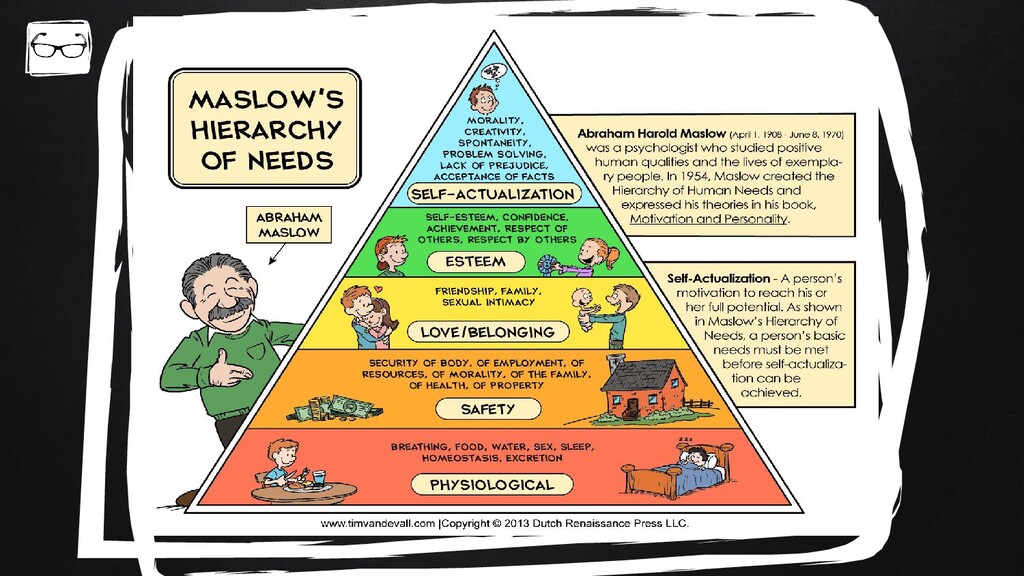
Are you actually appeasing what the customer needs to see within their marketing and the experience through the funnel? Are you challenging their objections? Are you promoting your USPs And bringing that together in a marketing campaign. And this all comes back to the Maslow Hierarchy of Needs.
So for those that haven't seen this before, this was created some decades ago looking at the basic needs of the human states. You've probably seen the more modern ones where it's got Wi Fi at the bottom. But these are basic states that humans need to survive.
And actually what I do with every product and every company I work with is to understand where does the product sit for the customer. You know, if you're selling a cooker, it's a basic need to eat and to eat cooked food, And you can then look at how you need to sell that to a customer.
Do you need to explain eating and cooking to a customer? Probably not. You can skip that. Whereas if you're selling something which is a wellness or kind of health based app, then you need to cut through slightly higher on that hierarchy to try and meet the customer's needs.
So go back to the Maslow hierarchy and understand where your product sits. So let me give you three examples of mission driven statement. So the first example here is a company I worked for, lost my name. And when I joined, we were a small company of ten, and we were selling a book.
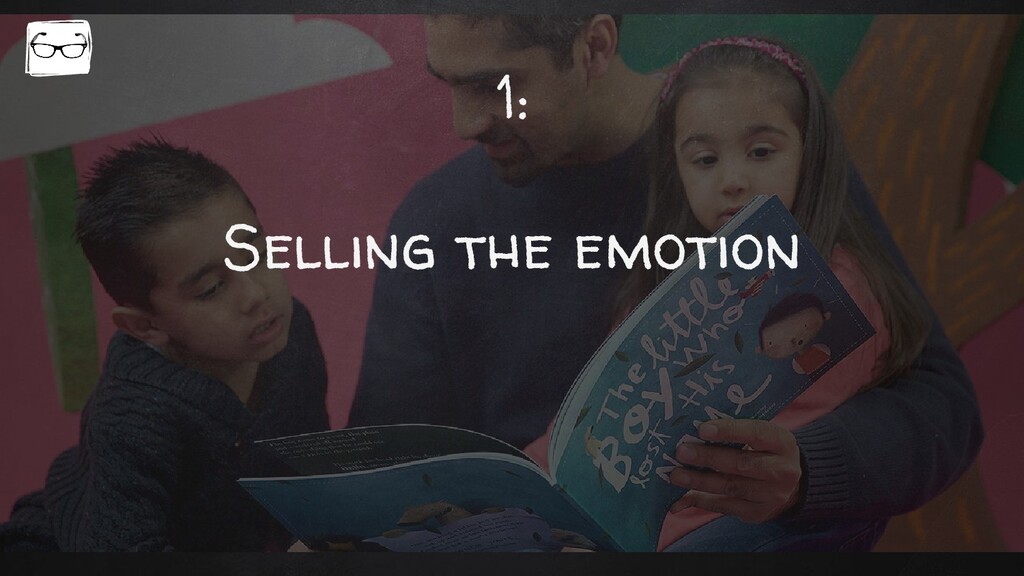
It's a personalized book. And our advertising was focused on, know, here's a book. It's personalized. It's unique. There's nothing else like that. And we did okay. We were selling books. But it wasn't until I went home and saw my children's reactions, they're my two kids there.
And actually, that's when I felt that connection of, wow, this is what the product's about. And we went back to our mission statement. It was to make every bedtime story a delight. And actually, when I saw that reaction with my kids and we translated that into our marketing, that's that made a huge difference for us.
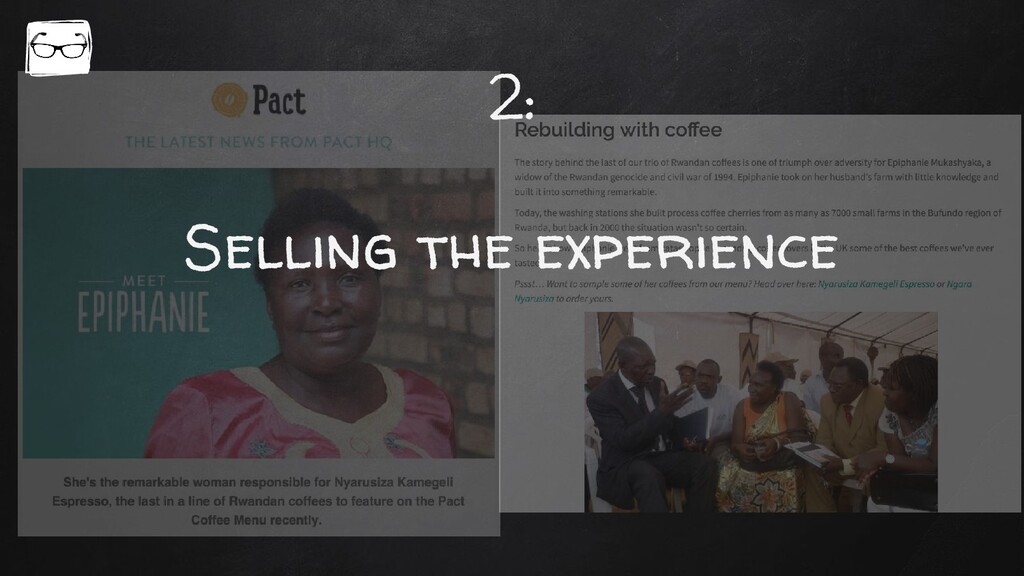
The second example here is packed coffee. So it's a coffee subscription service. We focused heavily on selling coffee, selling it through the post. But actually, this was the first time we talked about the origin. We talked about the farmer. This lady here was caught up in the Rwandan genocides of nineteen ninety four, I think.
She lost her husband and inherited his coffee farm. Had no idea what to do. Ten years later, she's winning coffee awards. She's training the local community, and we're now selling her coffee. We communicated this to customers, and this was the most successful coffee launch that we ever had.
We're connecting an emotional impact that came back to our mission statement, which was to make your next cup of coffee a delight and to also connect you with the experience of the origin of the coffee as well. And here's another example from Anne Summers.
So their mission statement is to make every woman feel like they're the sexiest woman in the world. And actually, when I think back, our sales targets were orgasms. So we were measured on sales coming through the website as transactions. We're twenty percent up week on week on orgasms.
As a brand and as a canvas, it was completely open. It was all about how can you evoke a reaction. It was all about any PR is good PR. And actually that gave us a great place to play. But all of our marketing was based on foreplay.
It was based on getting you excited enough to go into a store or to go to an Anson's party or go online. And again, that was part of the mission statement. So the second part of the talk is about insights. Product and customer insights, is another big missing piece that I see quite often within marketing.
And actually focusing on marketing within the channels and forgetting that you have a website, you have a customer service team, you have huge opportunity to learn what's working and what's not. And also understanding the difference between data and insights. It's obvious when you say it. Data is just static numbers.
Insights is something actionable. But often the two are mistaken. And unless you can get action out of your data, then it's not going to serve you any purpose. So three examples of insights. Sorry, to talk about some kind of example of insights, I've got some nine examples to show you of things that I've done in the past to pull out insights that we can use back into marketing.
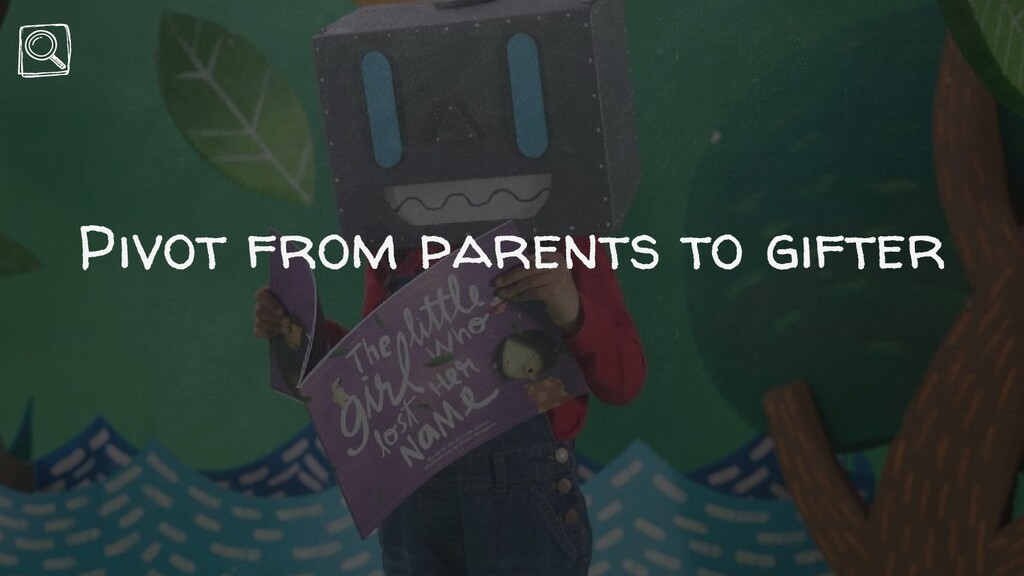
So here's the first one. Are you targeting the right type of customer? At Lost My Name, when we started, we were thinking about parents and how do we package this to appeal to parents, how do we target parents. Quite quickly, we ran a survey to all of our customers and simply asked them, who are you buying this book for?
Expecting it to say son, daughter, etcetera, etcetera. Over eighty percent of customers said they were buying it for a gift for another child. Now all of a sudden, this opened up a huge marketing opportunity. We weren't after just parents, we're after gifters. It's a whole different universe.
We could start selling to uncles, aunts, grandparents, etcetera, etcetera, people with or without kids. And that played a huge part in our growth in targeting a new market. And actually, we were pivoting away from our core market, which we believed fit the product, and actually using that feedback to change and adapt our marketing.
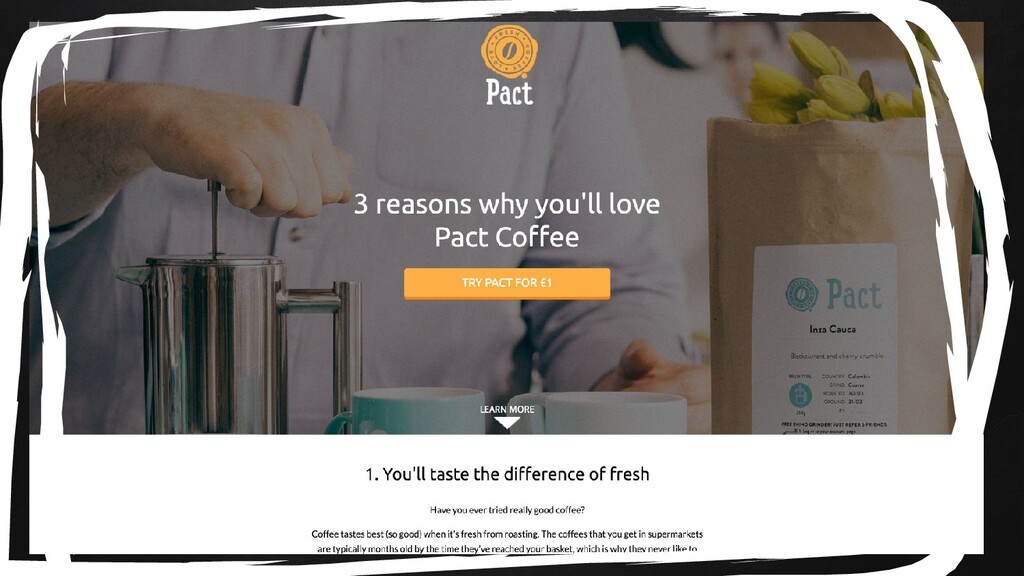
Long versus short form sales funnel. At Packed Coffee, we did a lot of landing page testing. Hopefully, Ollie would be proud. And we were using Unbounce. Great tool just to go up there and do some AB testing. This is an example of a retargeting landing page.
So think about the customer has seen a piece of advertising. They've come to the website. They've seen product details. They've gone through the funnel and they've fallen out. And so our initial hypothesis was, let's just give them a really small landing page and push them back into the funnel.
But what we found time and time again is the long form pages converted far better than the short form. Because at that stage, the customer still had questions. And we found that by retargeting them, getting them back through the offer, and convincing them to convert and buy made a huge difference.
So again, we adapted our marketing and our retargeting strategy to focus less in the ad about selling, but just getting that click, just getting them to the landing page. Because once we had them there, we knew that they'd convert. And the next example is around potential customers' concerns.
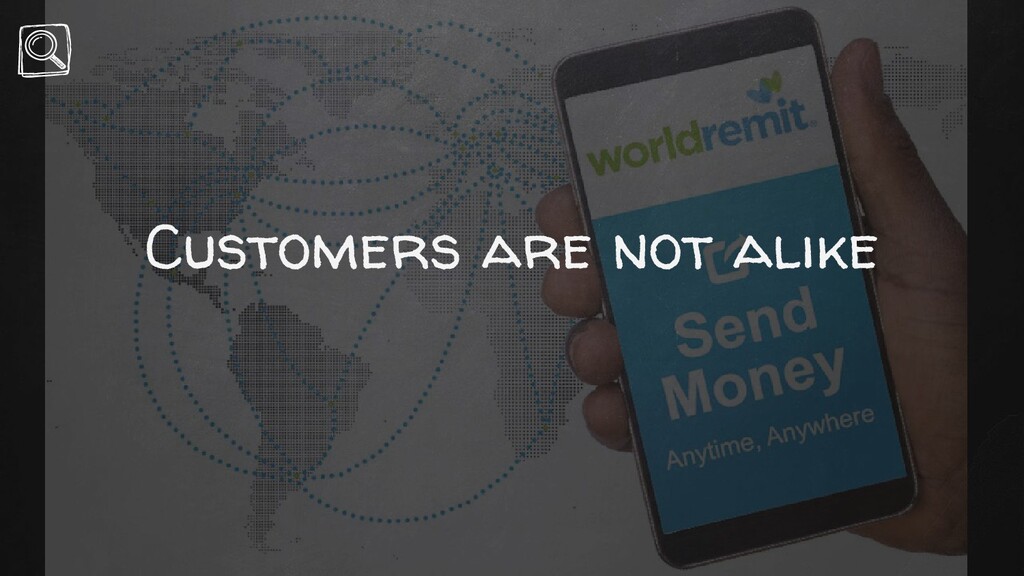
So this is an example from World Remit, a money transfer company. We asked customers and non customers alike on a particular high traffic page, was there anything stopping you from transacting today? And actually, the results were interesting, but actually where we cut through was segmenting the data and understanding for us the corridors.
So the corridors were where you're sending to, so for example to Africa, to the Middle East, to India, to the Far East. And actually, results that came back were quite compelling for us. So the majority of people that were sending to Africa, their concern was around security.
The majority of people sending to to the Middle East and Far East, their major concern was foreign exchange. Those that are sending to the West were more concerned around is this a legit business. And actually, we pushed that back into our marketing into those different countries to understand what the key barriers were and how we need to cut through in those different markets as well.
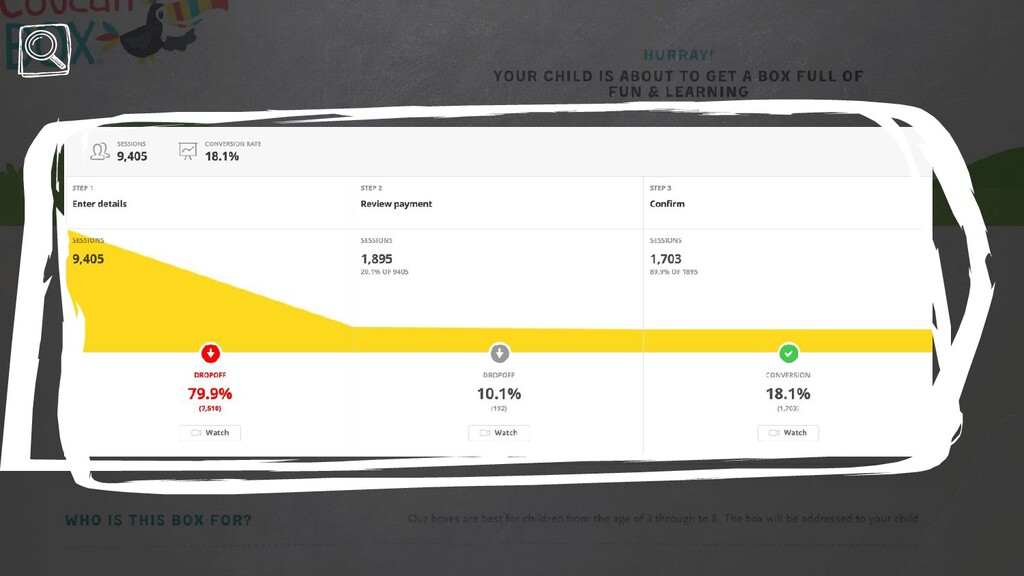
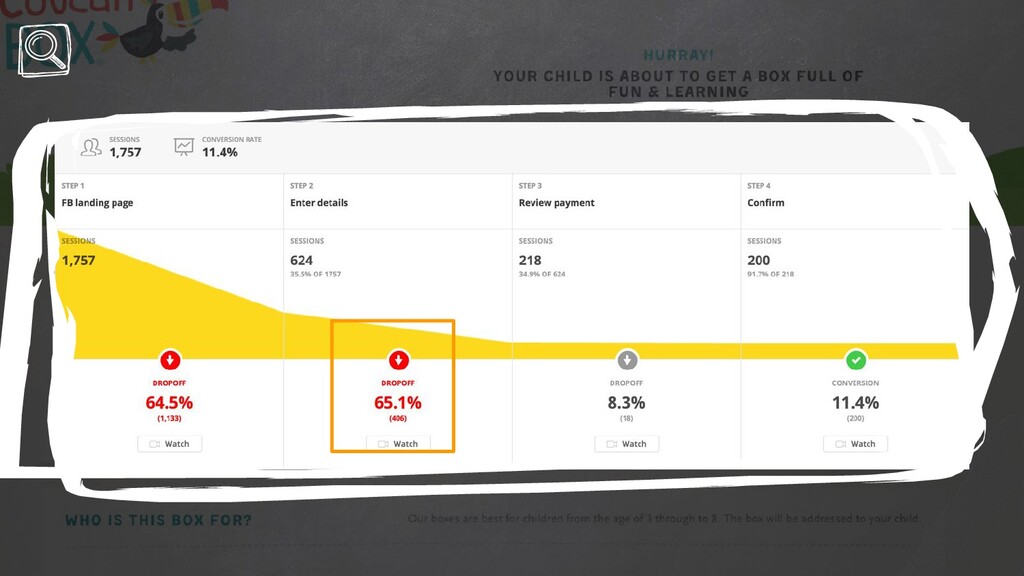
Why are customers not transacting? Often I see marketers looking at funnels, and everyone talks about funnels. But the key thing about funnels is also segmenting them. So you can see your traffic coming through, can see x people visiting this site, falling out of this site.
But it's when you segment it that you get the beefy data. So for example, this is our Facebook advertising funnel. We saw that sixty five percent of people were exiting on the details page. This is where you input your details before transacting. Now if you think about it, the customer's seen an ad, they've been through the website, they've gone through the product page, and they've now gone to their details page, and sixty five percent have decided not to continue.
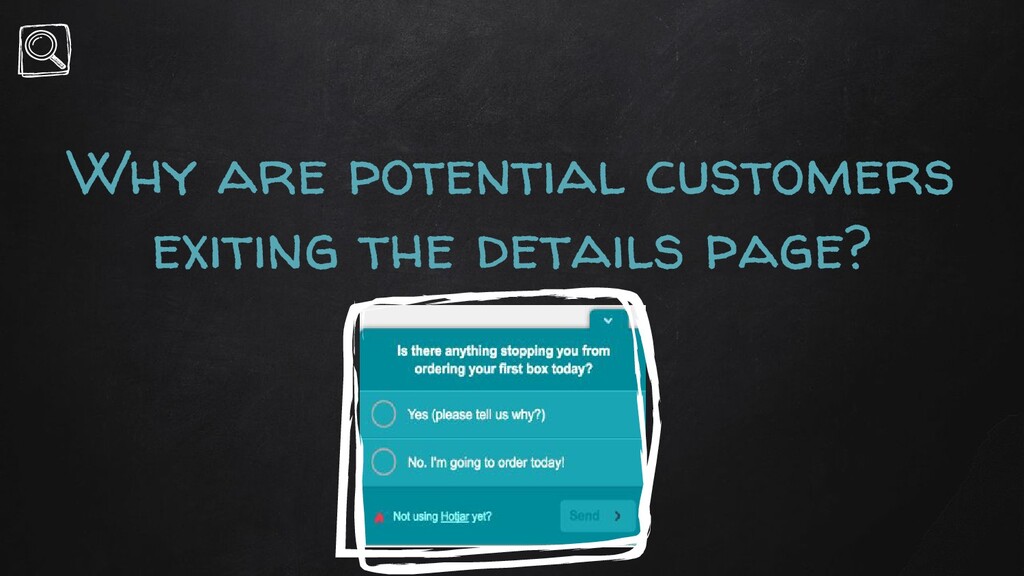
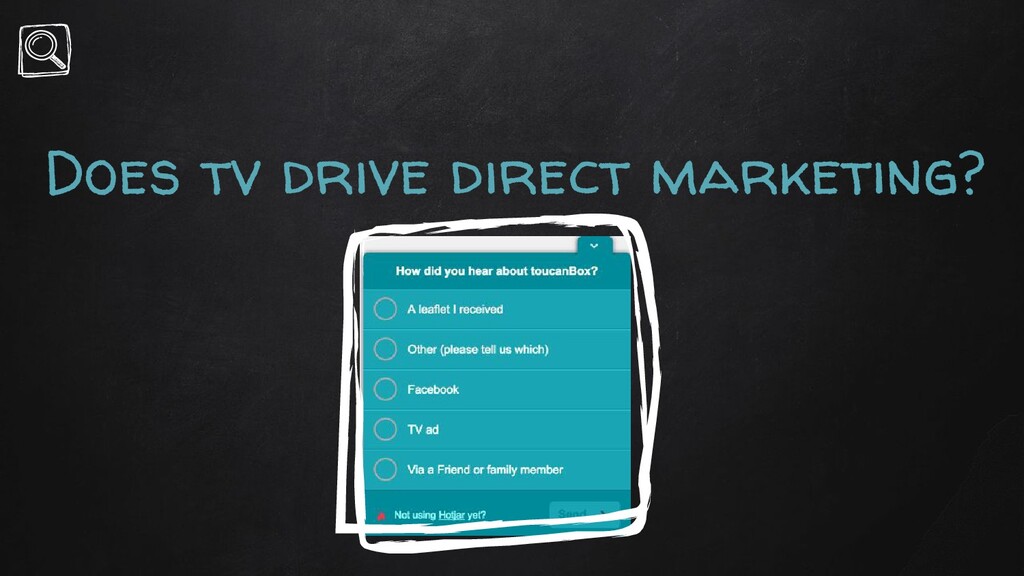
And actually, that gave us kind of impetus of where to focus to find the problem. So we launched a survey, and it was a simple question to ask, and this is for the current company, Toucan Box. Is there anything stopping you from purchasing a box today?
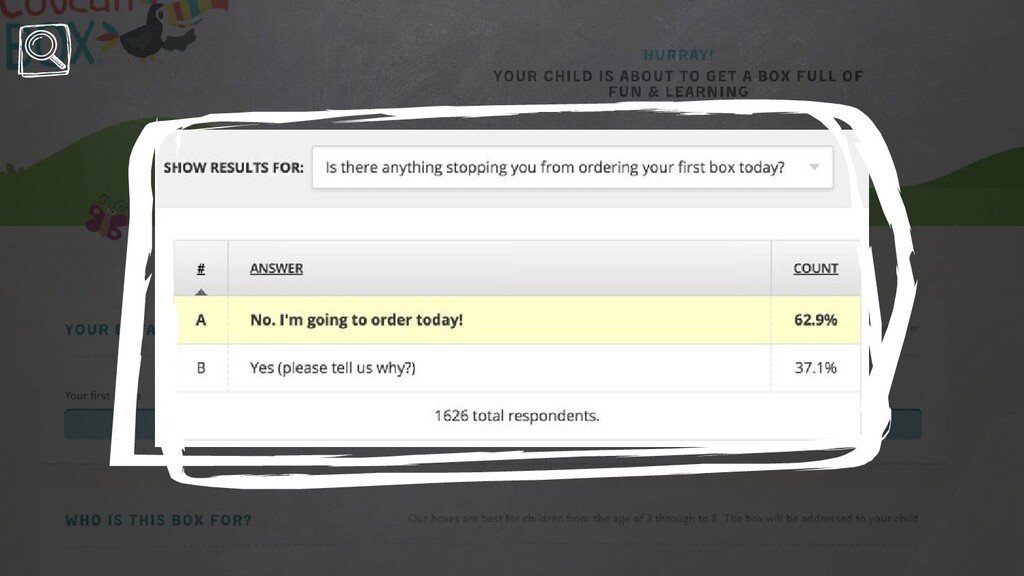
Now considering the first box is free in our offer, for us it just seemed a no brainer. Why would you not take it up? And actually, the results came back that forty percent said there's something stopping them from buying or transacting today. And looking at the verbatim feedback from that, the majority, number one, was concerned around, is this a scam?
Who are you guys? Where's the proof of your customers? Or how do I know that my bank details will be safe with you? And the second most popular was, why do I need to give my bank account, my card details, for a product that's free?
Now, we had explained the proposition on the landing page and on the product page of why we need your card details, and that we are a legit business. But then straight into the funnel, it's just a simple form with some fields to fill in.
We hadn't communicated that continuously through. We assumed that they picked up that information. So that's now going to feed into our AB testing on this page to now think about trust pilot ratings, our Facebook fan number, and putting some kind of trust logos on there as well.
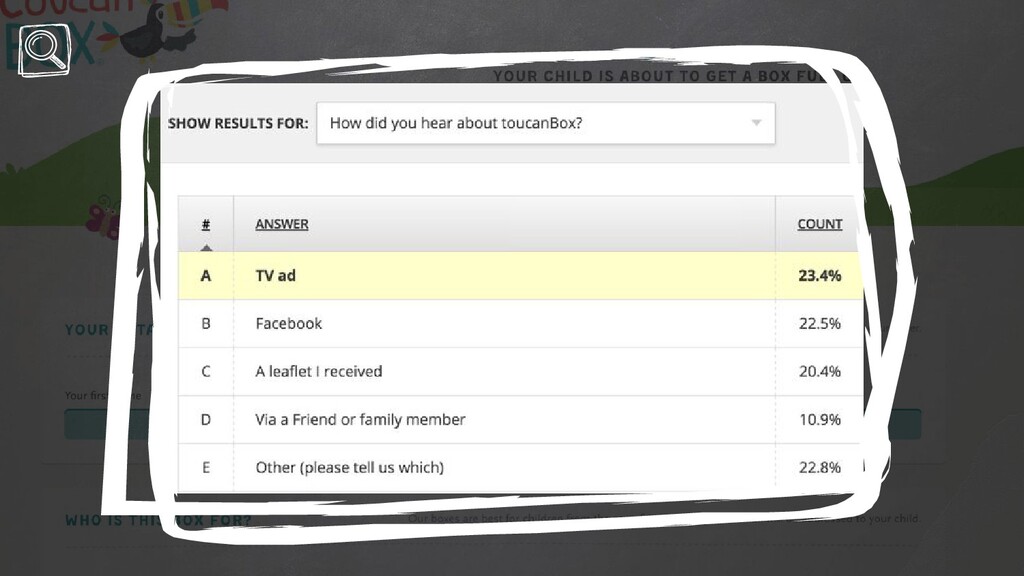
So taking the next example. So Andy mentioned on this actually earlier. Asking customers after they transact how they heard about you. The reason why we serve this was to look at the impact of TV. So for Toucan Box, our top three sales channels are paid social, affiliates, and inserts.
And actually TV, whilst we've been running it, didn't give us direct response results. And I had a question back, do we continue with TV? We had some tracking that suggested it was working. And actually results came back that the most popular response for how people had heard about the brand was TV.
And you can't track directly or accurately what's happening from TV, despite the fact that we had an offer code on there. But we could tell over time that the most popular response was TV. So big mistake for us would be to take out TV from our marketing mix and go with those direct sales channels.
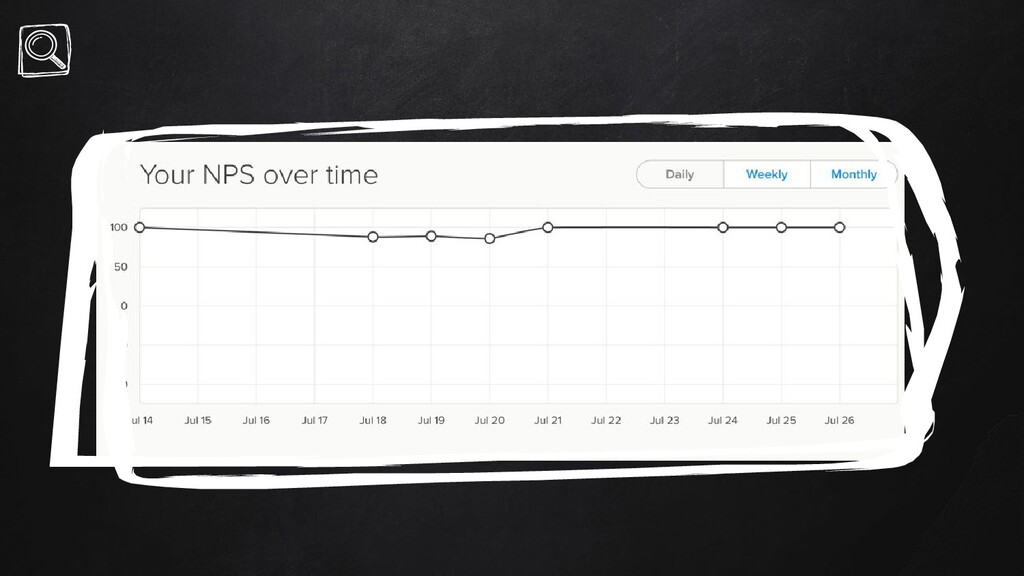
It's all about the halo effect and it's all about understanding where that sits. And for us, TV is a hugely important channel. Are your customers advocates? Net Promoter Score is a hugely important metric for me. I'm a big advocate of it. Joined Toucan Box four weeks ago, the guys were not running it, and I was just like, you don't know what you're doing, you need this.
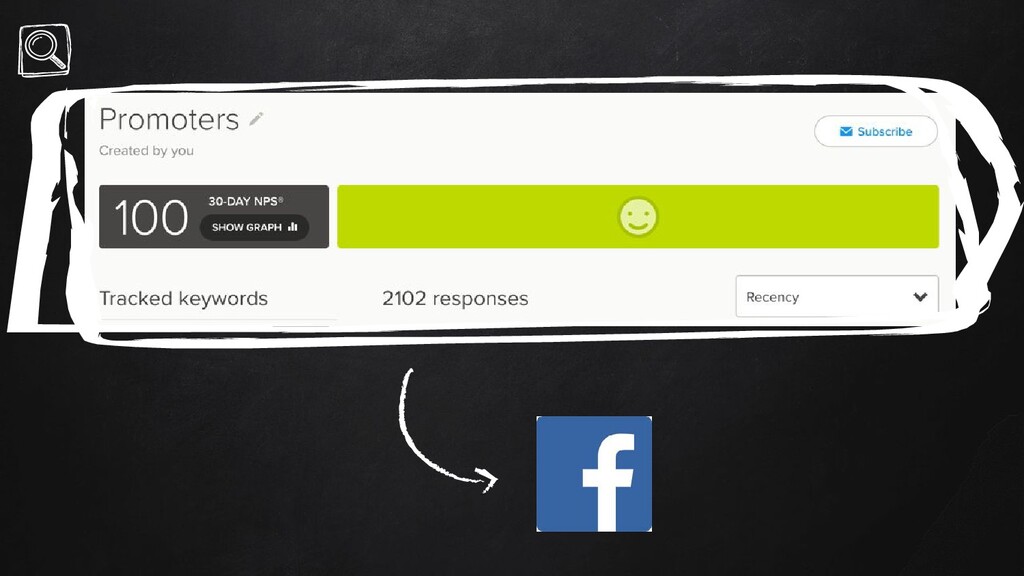
We installed a tool called delighted dot com, super simple, super quick to get going. And it gave us some real compelling insights. And for me NPS has a high correlation with business success. I've worked with a number of different companies and I've seen a high correlation between a high net promoter score and a high chance of success in the business as well.
Definitely, if you have not heard of NPS, go look it up. If you have not implemented it in your business, do it now. But the key thing about NPS is segmenting that data again. So within delighted, you can look at the feedback from customers based on keywords that they type into their comments.
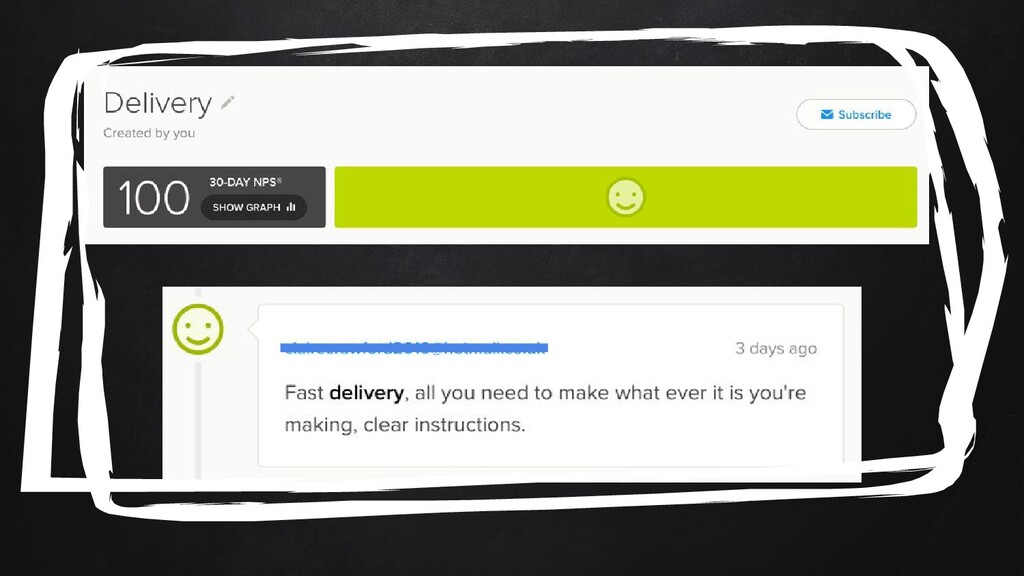
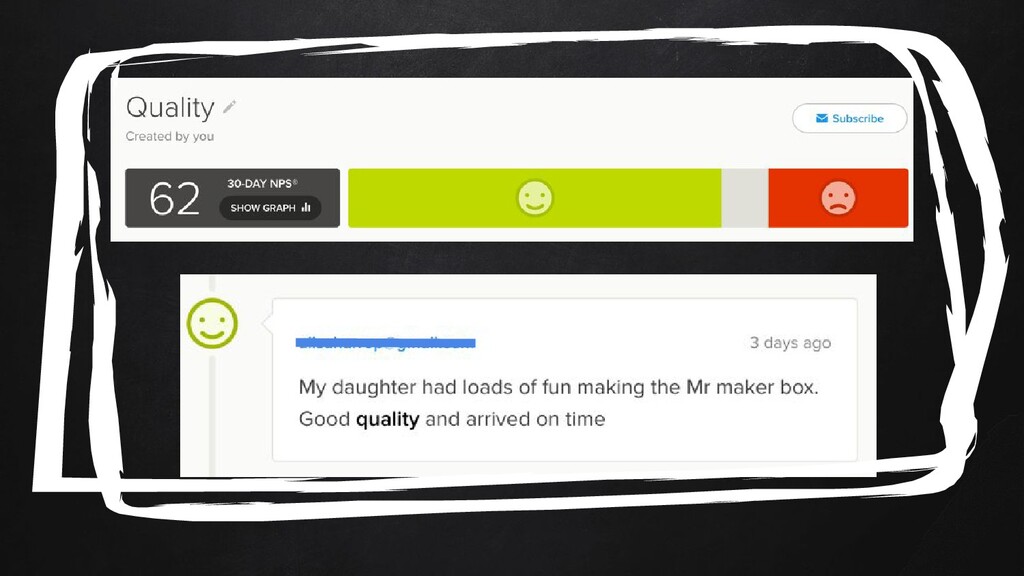
And this one is on delivery. So our NPS score, which can range between minus one hundred and one hundred on the plus side, was one hundred for delivery. So great, we've got no problem with delivery. How about quality? Well, actually it's not as good as maybe we want it to be.
How does this play back to marketing? Well, we know that being a subscription business, our lifetime value is hugely important to our marketing success. Our cost per acquisition is pivoted on lifetime value. The longer a customer stays with us, the more chance we have of getting that payback on marketing.
If we know that forty percent of our NPS has dropped because of quality, that's something we need to fix. We need to push that into our product team and say, hey, guys, look, this isn't working out for these guys. Let's fix this up. Let's improve our product.
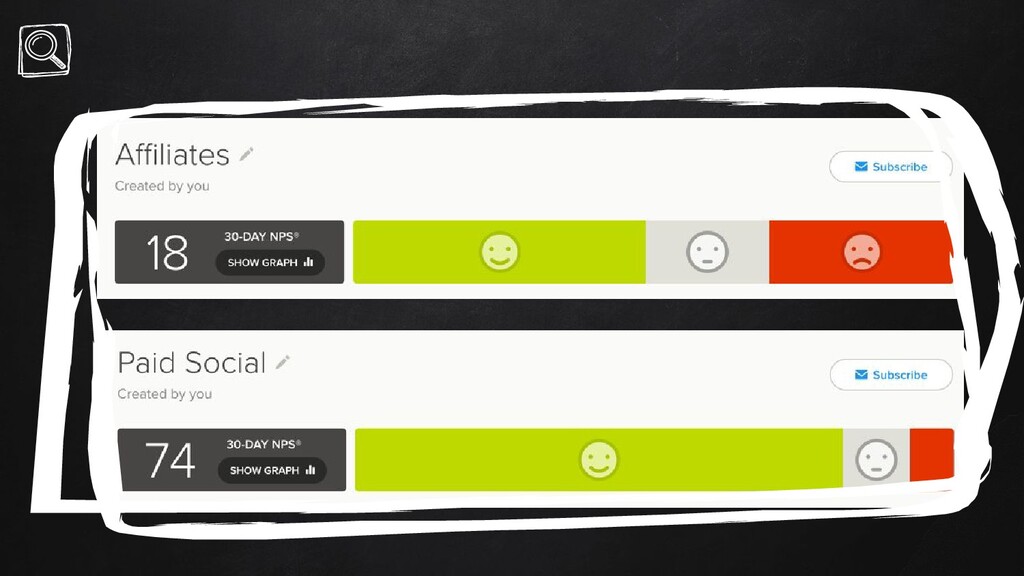
And we will therefore improve our marketing. Are you attracting the right customers? So, two biggest sales channels being paid social and affiliates, actually, if you look at the net promoter score for those two channels, maybe unsurprisingly, our page social NPS score is super high at seventy four.
It's a channel we own the experience from end to end. We choose who to market to and how to communicate to them. The affiliates channel, we have no control over. It's free for all. We're attracting all types of customers that want the free box, then they'll cancel out.
And it reflects in the Net Promoter Score and also in our lifetime value. So, you can guess which channel is going to get more cash and which channel is going to get interrogated. And also refer a friend. The core of Net Promoter Score is a question which asks, would you recommend us to friends and family?
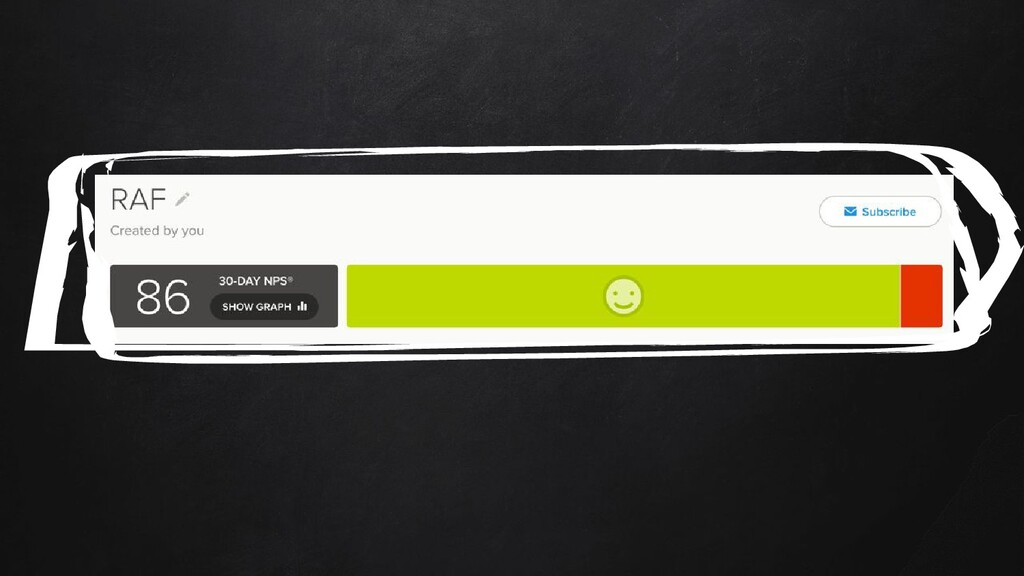
So it goes without saying that your referrals, people that are referring your business to their friends and family, should be attracting the right type of customer. And for us, our Net Promoter Score is super high on referrals. So we know that when a customer refers another customer, we're gonna generate high lifetime value from that as well.
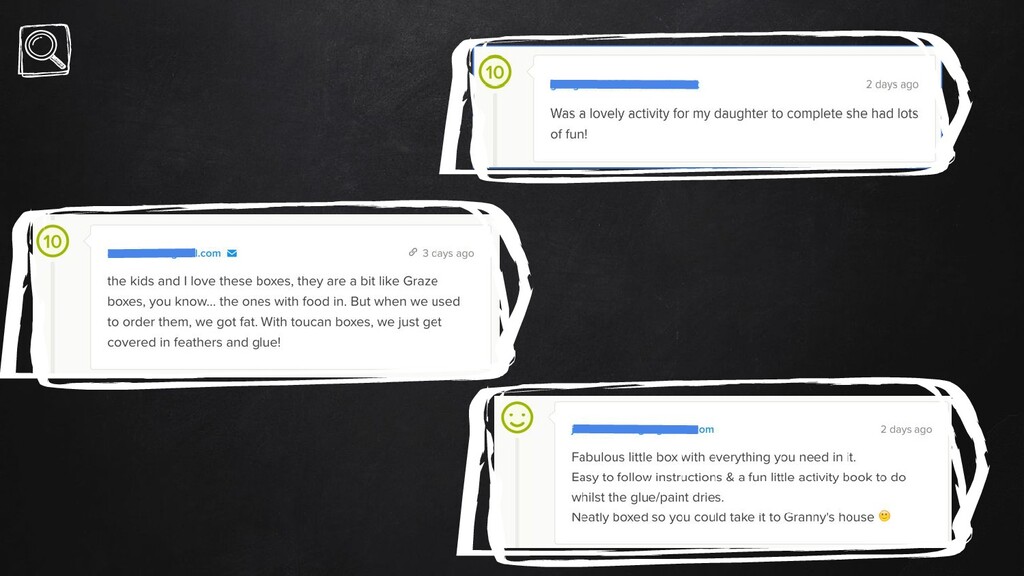
And that's given us an impetus to focus a lot more on Friend Get Friend programs as well. And two additional benefits of running NPS, you get some fantastic testimonials that come out of it as well. And it's something which you can take back into your marketing, you know, you can own and repurpose as well.
And sometimes you get little gems that come through. So one of the comments was how it's similar to a Grey's box. Great, there's an idea for a partnership, which we're now going to move forward with Grey's, for example. I've done a lot of work with Facebook advertising.
One of the biggest successes I've had is taking your promoters from Net Promoter Score, taking the list of emails and pushing them into Facebook and creating a lookalike. The success, because you've got such a strong core audience of people that love your product, you'll see that come through in your Facebook advertising in terms of finding more people like that as well.
But is this not just conversion rate optimization? Well, yes, it is. But it's something which I believe that marketers have to absolutely take ownership of, and a lot of marketers currently aren't. So the final part is on agility. How do you bring all this together and actually create fast scaling processes to make this all happen?
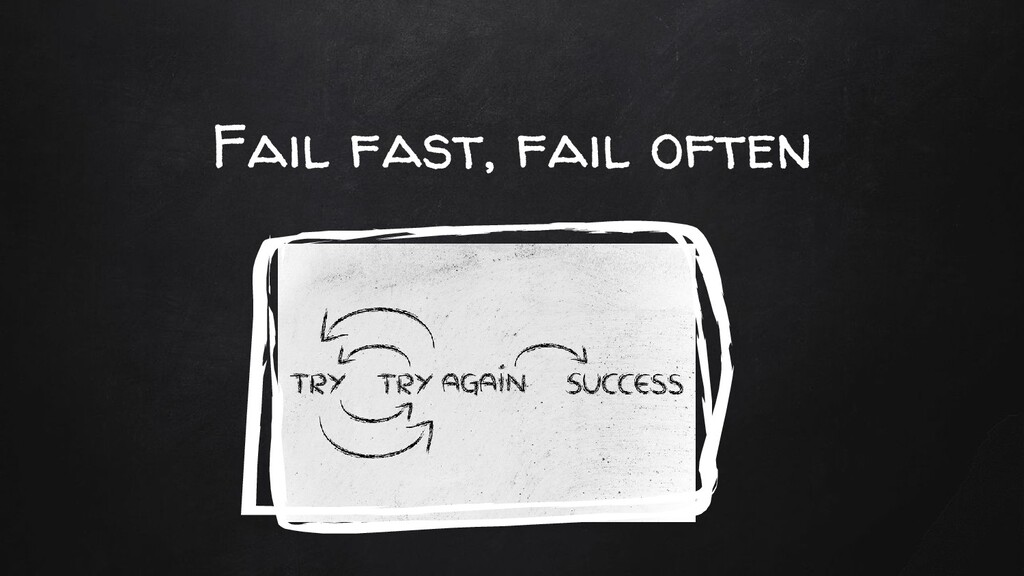
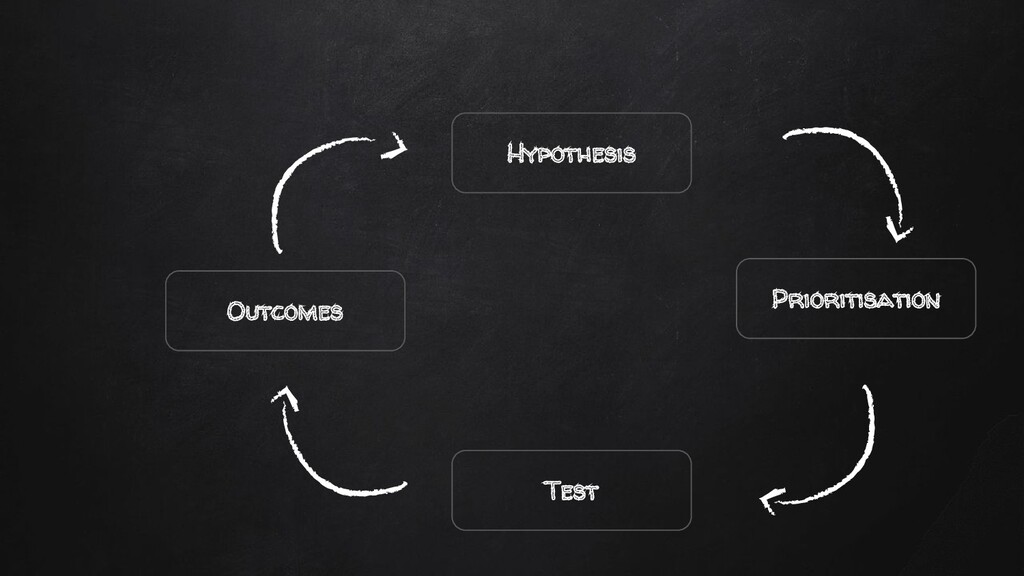
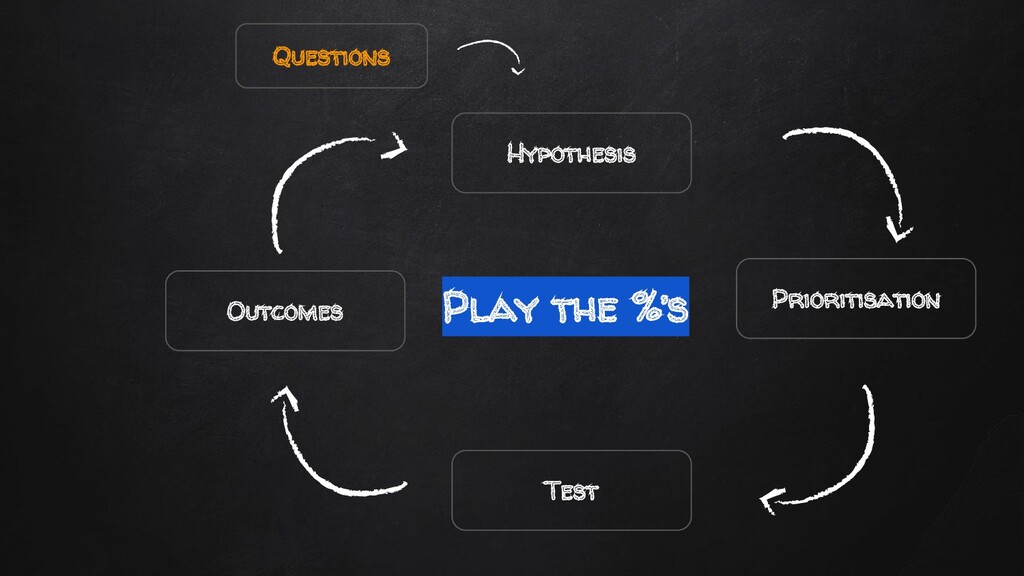
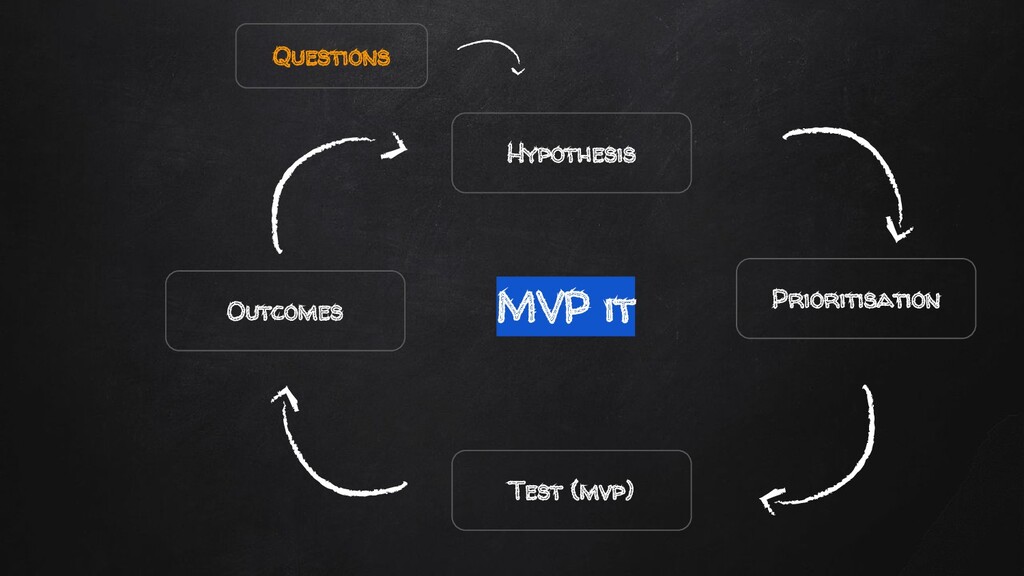
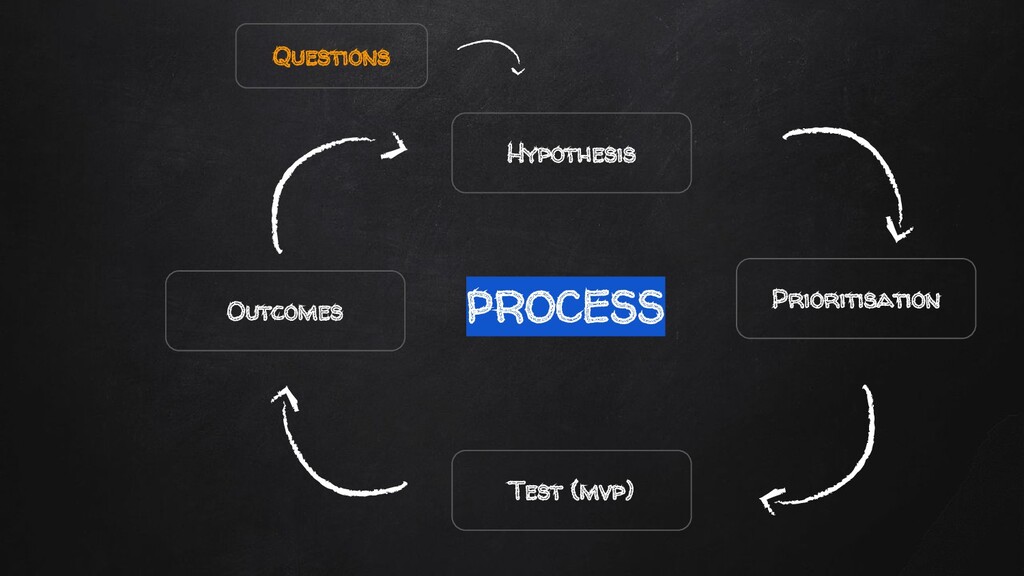
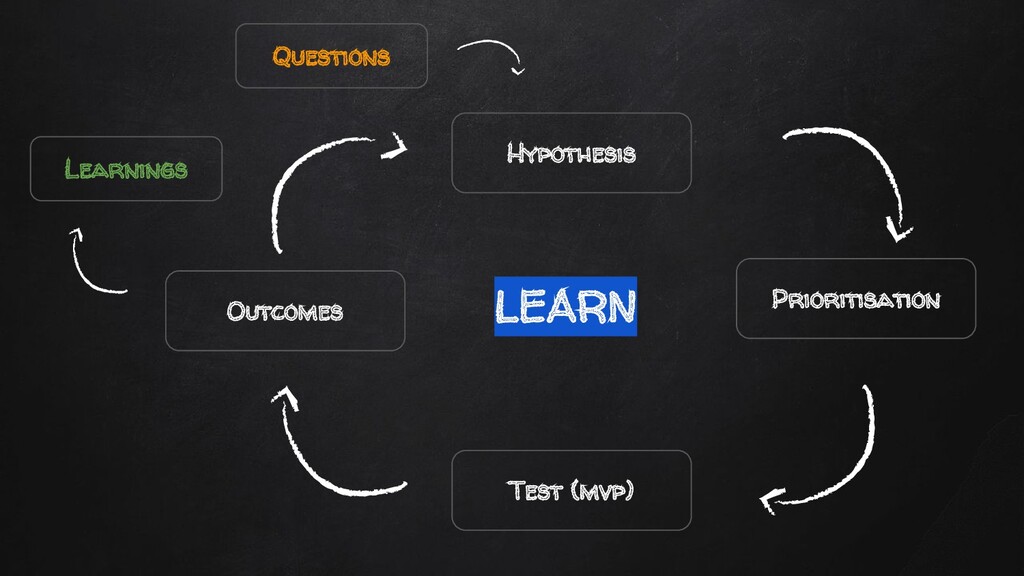
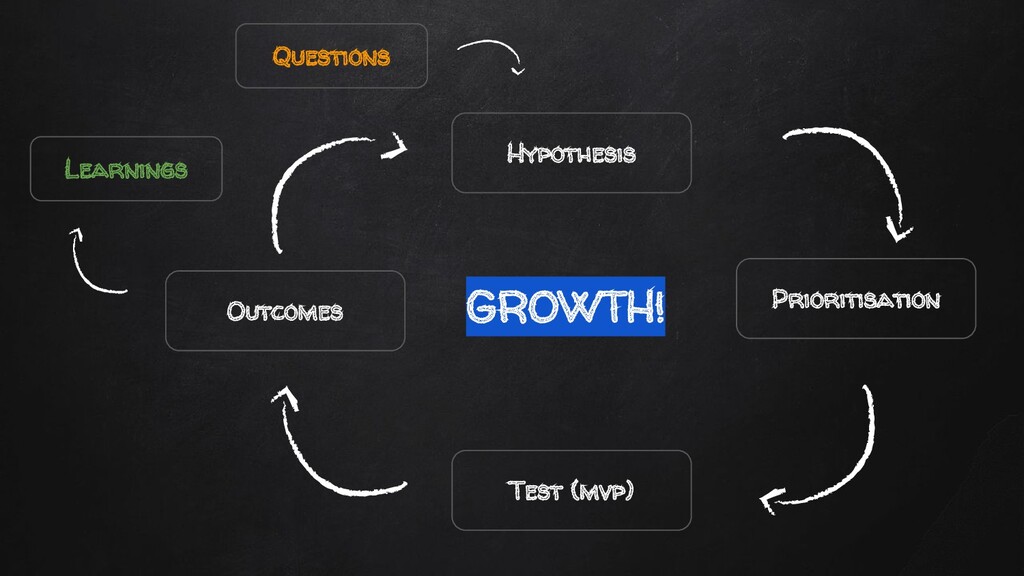
Fail fast and fail often. It's something you'll hear time and time again, but there is a big practical implication of this. The more you test, the faster you learn, the more chance of finding a success. The loose model I use is create the hypotheses, prioritise.
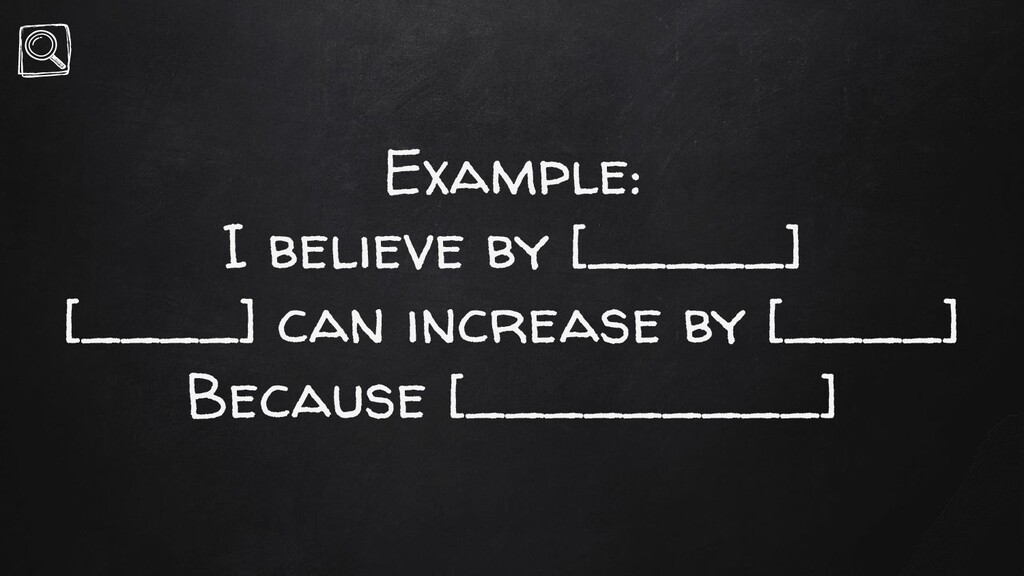
I use the ICE model, which is the importance, the cost, the effort. Running the test and creating those outcomes and learning and feeding that back into the pipeline. Here is another example of a hypothesis. I believe by doing this, this metric can increase by whatever it is, because That because becomes your action point.
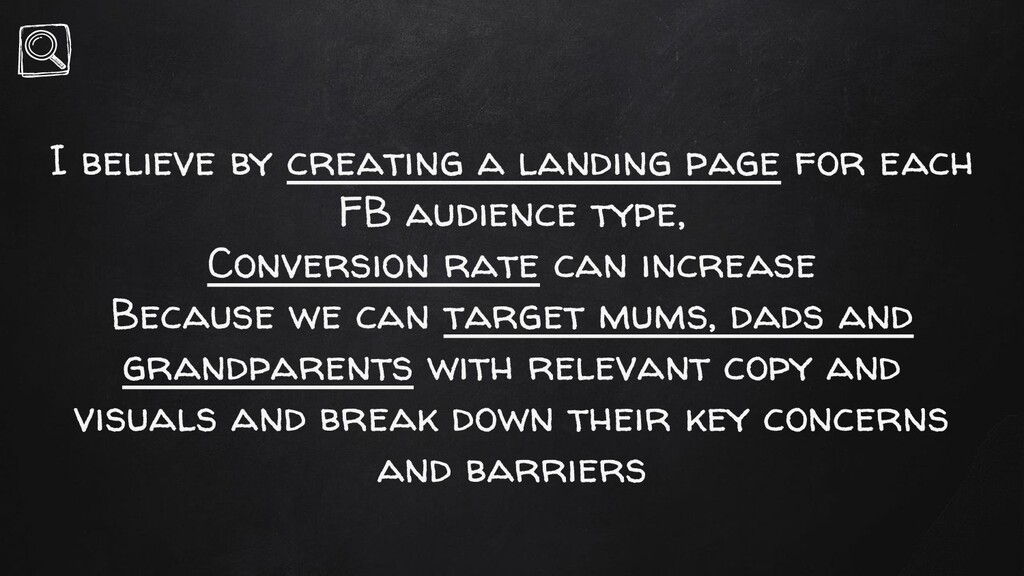
That is what you are going to do to test this hypothesis. So, here's a kind of working example. I believe by creating a landing page for Facebook audience types, conversion rate can increase because we can target moms, dads and grandparents with relevant copy and creative that breaks down their concerns and barriers.
So, there's an example hypothesis which would feed in and would feed into this machine constantly. But the key thing is, right at the top of this funnel is the questions. We question everything. We don't sit on our laurels if conversion rate's two percent and it was one percent last week.
What do we need to do to get it to three percent? If this was working or that wasn't working, why was that? What can we do to test that and interrogate that further? And it is also about MVP. It is about taking your test idea and actually testing it as fast as possible, your minimal viable product.
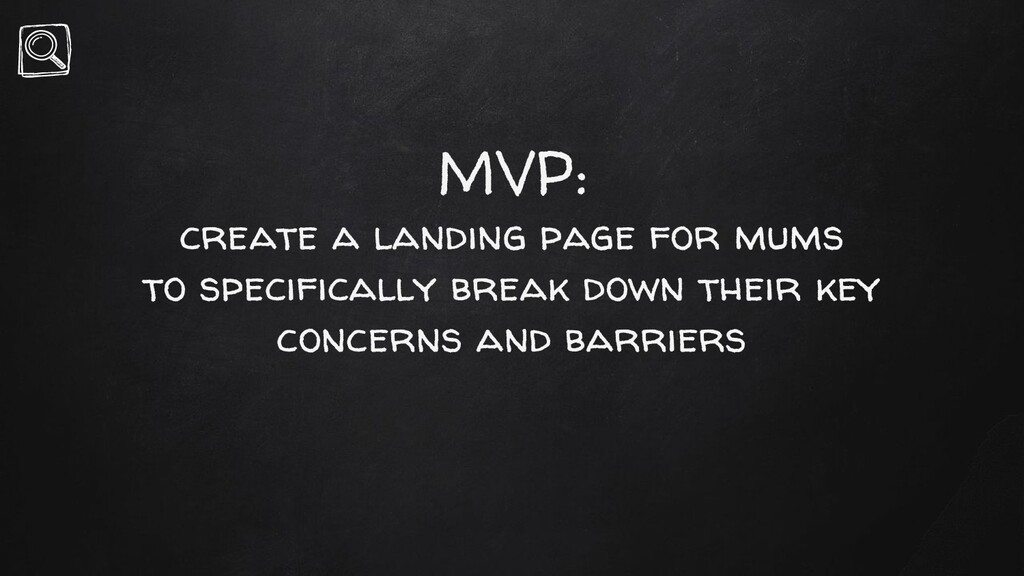
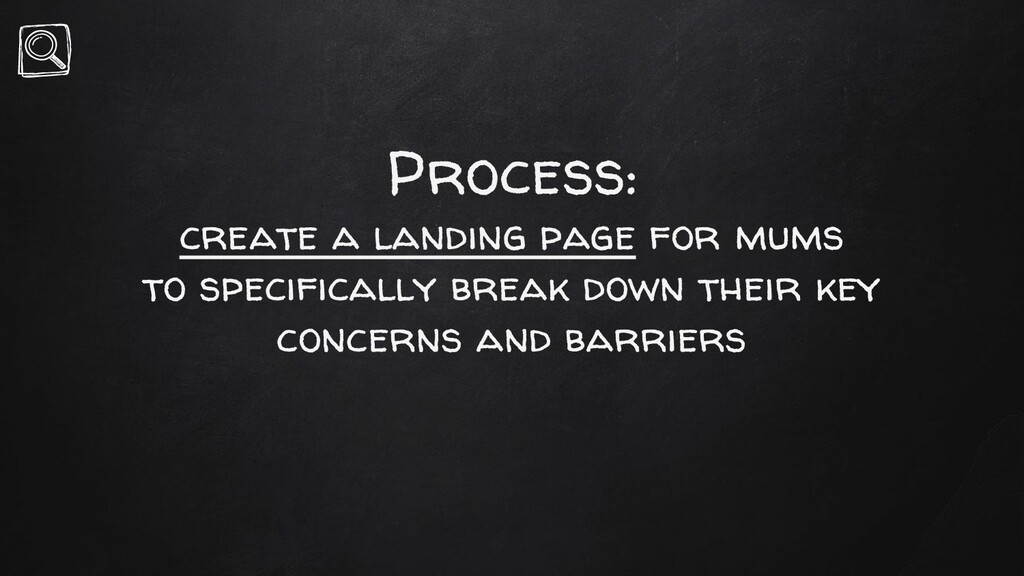
So, in the example from the previous hypothesis, I cut that down into an MVP, which is create a landing page for mums to specifically break down their concerns and barriers. That becomes a key part of the process. Create your hypotheses, run really fast with your testing and learn as fast as you can.
And then working on the process. Part of this, and I have had this recently, create a landing page for moms. And again, I've come back from the marketing team, well, are gonna take four weeks to create this, it's too difficult, it'll get deprioritized.
Use a tool, Unbounce. I advocate Unbounce. There's other tools out there. There is no excuse not to be doing AB testing on your landing pages. You need to enable that into the process to make it happen. Another key part of this is to collate your learnings.
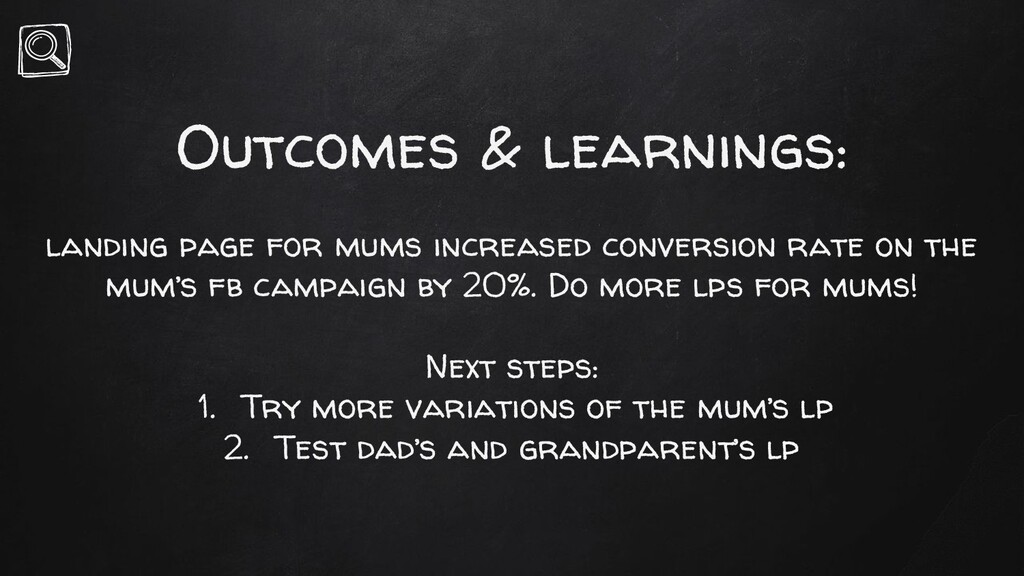
It is not just good enough to run through your hypotheses and your tests then run the next test. Start to collate those learnings, what has worked, what didn't work, what was the time of the year. Come back six months later and retest those hypotheses.
Don't rely on something that worked twelve months ago to be relevant today. Go back and look at what you've tested and come up with new ideas going forward as well. So the three kind of final points to leave you with around the kind of creating an acquisition marketing machine, which goes beyond your kind of channel expertise, is around focus on mission.
Not every single piece of marketing collateral will be relatable. But generally, if you're stuck, if you've got kind of lack of ideas, go back to your mission statement. Think about it in different ways and different angles. How can you take your purpose, the brand purpose, and reposition it for your current campaign?
And the second part is around insights. Are you are you really looking at everything around the product, around the consumer that you can use within your marketing. For example, at Toucan Box, everyone in the company is asked and requested to create the boxes to do all the arts and crafts material, get to know how it works.
What are the pain points? What do you enjoy? Because when it comes to marketing, you're communicating to the customer. And if you don't know it, if you can't sell it, they're not gonna they're not gonna buy it either. And the last piece is working on agility.
Move fast, test fast, fail fast, but learn as quickly as you can. Thank you.