A company needs to be able to regularly shift its focus in order to grow and provide the most value to its customers.
Noticing the hassle that billing, taxes and compliance were causing software sellers was the catalyst that started Paddle 7 years go. Because of this, we initially honed in closely on our customers’ needs and pains and believe this to be the most important place to start when setting up a business.
Christian will talk you through the important phases of focus in a growing business, from product market fit to focusing on scalable customer segments to nurturing the right company culture. He’ll then delve into what comes after these growing pains, asking the question, “what does a mature business need to iterate on?"
1 / 36 Use ← → to navigate
Auto-generated transcript - may contain errors.
Tap a timestamp to jump the video.
Thank you. This is also my first touring, so it's been an incredible event. The level of people that I've been meeting and the talks have been amazing. Hopefully I don't put a downer on all of that with this. I am Christian, I'm the founder and CEO of a company called Paddle.
For those of you that don't know, Paddle builds a platform for software and SaaS businesses to power all of the boring stuff that isn't building a product and getting customers, so things like billing and taxes and payments and all of the complex back office things.
This talk is about the last seven years of scaling Paddle and really what scaling the company has taught me about focus. This all started about ten years ago. I taught myself to code, I was building software in my bedroom when I was about fifteen, and I started a software company.
I really hated school, and I started this company and it did pretty well. It did about four hundred thousand dollars in sales in its first week, was about a three million dollars a year business twelve months later when I was sixteen, which was interesting.
Throughout this process, I really learnt that selling software is actually quite hard. After a time of building this company, found myself spending more time building all of this infrastructure behind actually running the company than I was actually building the product anymore. I talked to a bunch of people and came to conferences like this and I was speaking to developers and CEOs and people who were running companies and it wasn't a unique problem to me.
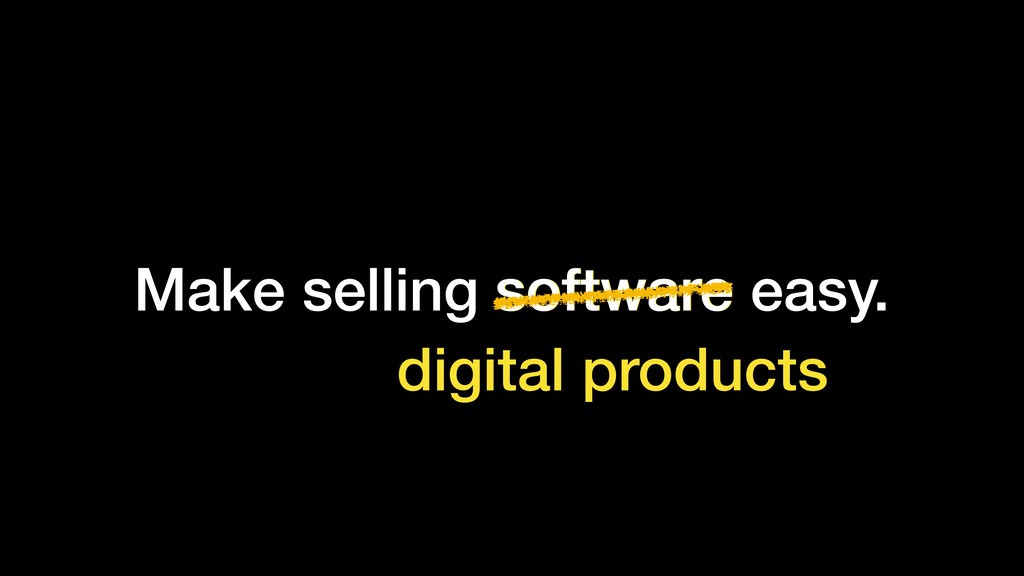
When I was about seventeen, a few months later, I decided to do something about it. I hired somebody to run that business, and Seventeen decided to go out and try and fix this problem. I wanted to make selling software easy. This is where I made my first mistake around focus.
I thought, oh, software, that's like any other digital product. And I said, let's make selling digital products easy. And I think this is a really common temptation, like this thing that we want to do and this problem that we want to solve is really like this other problem that exists and so let's do both.
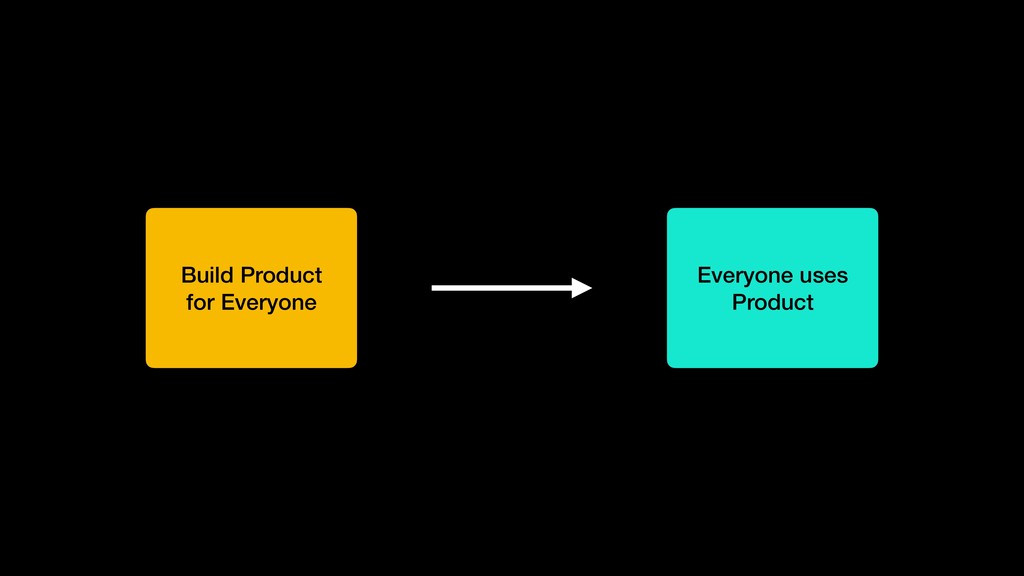
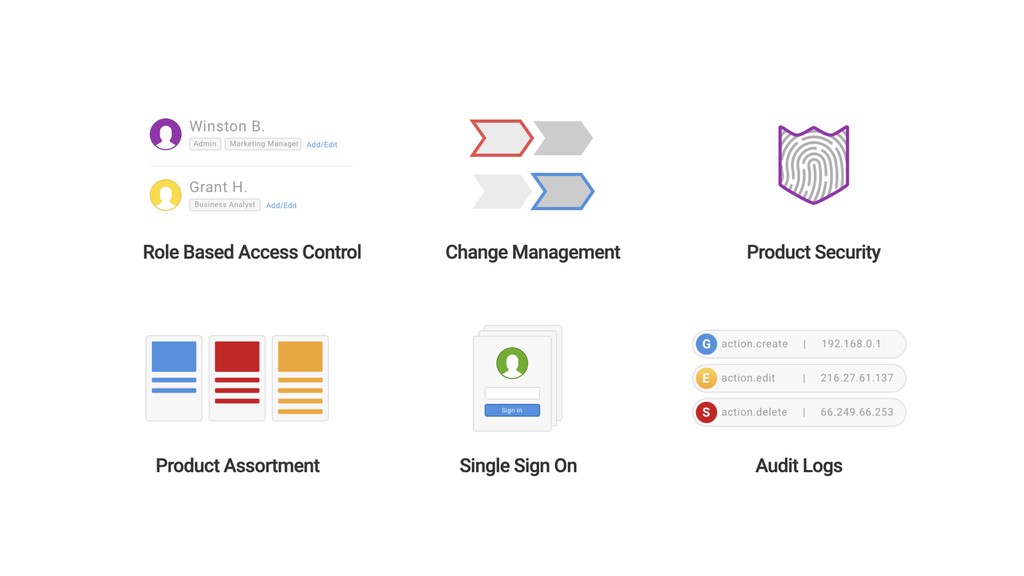
So we built the first version of this product. It was a set of infrastructure for selling digital goods. It handled payments and taxes and currencies and product delivery and all of this really unexciting stuff. And we bought a product for everyone. Obviously what happened next was everybody used the product, which exactly was not what happened.
We built something that we thought everyone wanted and this lack of focus around a particular type of customer or customer needs meant that we just ended up building this lowest common denominator set of functionality and fixing this lowest common denominator set of problems among everybody who made digital stuff, which sounded really good.
When you wrote it all down or you did a presentation or a deck or whatever, it was like, Oh, great, you're changing the world. But actually, in reality, the product only half solved anyone's problem. So we went back to the drawing board and we asked ourselves, Who are we actually building this product for?
It turns out the answer to this question for us was pretty easy because we were our own first customer, was building this thing to scratch my own itch that I had. We were building for people who looked like us. So we focused and we stopped anything that wasn't specifically for software companies and SaaS businesses, and things really started to pick up.
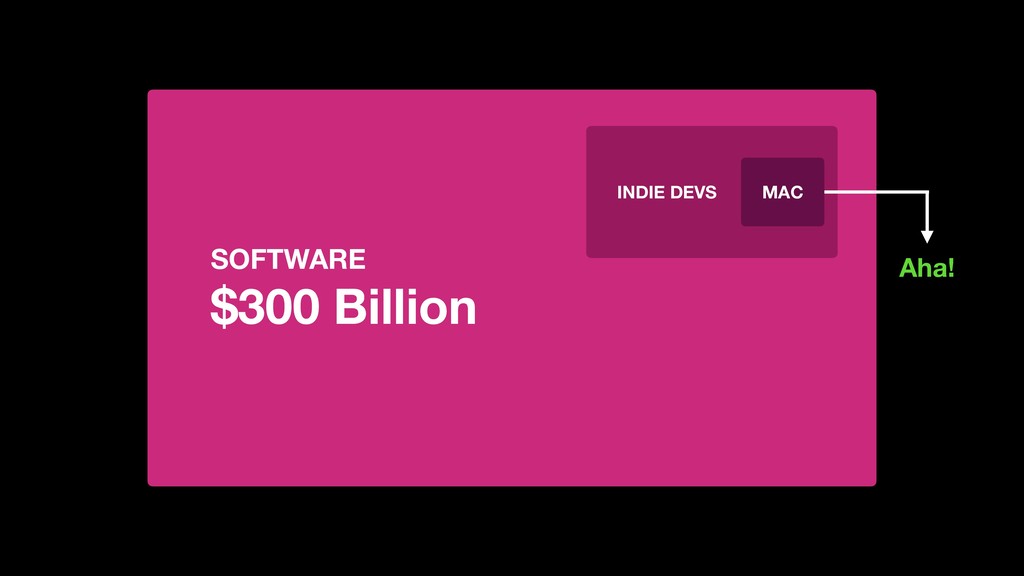
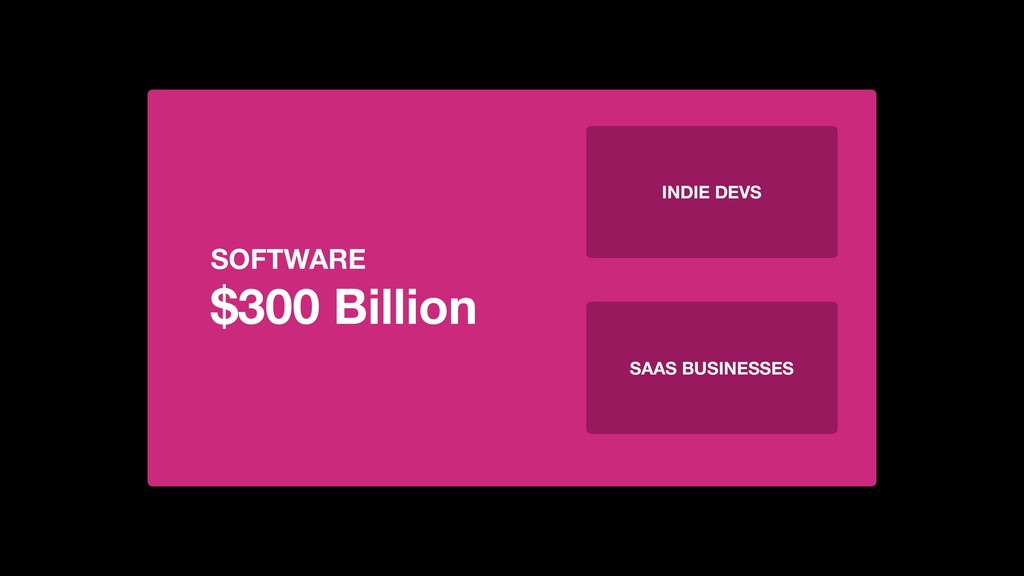
The product started to resonate with customers and we actually started making revenue, and it became easier to prioritize things that we were building because we could actually speak to people and the customers were roughly the same as each other. But then we had another problem, and that's that software is a broad category, and digital products are bigger, but software as a broad category is three hundred billion dollars a year industry.
And it's like three hundred billion dollars, where do we even start? So we started thinking again, who do we know? Who looks like us? The software company that I built a couple of years earlier was really small. It was one person and another guy that I hired to help out part time.
We started to Okay, what kind of moniker can we give these companies? So we came up with Indie Developers, which there are lots of communities and events and meetups and things around these. We focused on those and things got better again and revenue increased and we started to grow more and product became easiest to build and all of these things.
But then we said, what happens if we get even more specific? What happens if we go into a subset of these companies? So we started focusing on these indie developers who built software for the Mac. This was our moment. We were like, oh, it turns out if you build for a really specific set of people, you can add a ton of value to them.
And it was also when a young seventeen year old Christian discovered the single customer segments and it just blew his mind, which is great. I could have read like three blogs and sort of been done with it and saved a year, but you know, hopefully if people don't know about that, they'll know about it now.
After this moment, we started focusing on these excited early adopters within this sub segment of a segment. Within this new people building Mac software in the segment of people building software in the segment of indie developers. We started understanding their pains and what they cared about, and we learnt that it was about removing these barriers to them selling software.
They were using a bunch of tools to facilitate commerce. They actually just needed help running their business, which is the exact problem that I had. I was building a thing and realised I was spending all of this energy on the stuff that wasn't building the thing and I wanted someone to help with it.
Sounds really, really obvious looking backwards, but once that kind of house was in order and they didn't have to do any of these things anymore, there was no more obstacles, we actually realised that the real value we were adding is helping these businesses grow faster.
They weren't having to spend their time on the stuff, they were spending their time on building new features, talking to customers, solving people's problems and needs, and it was like opening new possibilities for them. So we went through this process. We found our customer segment and we focused on it.
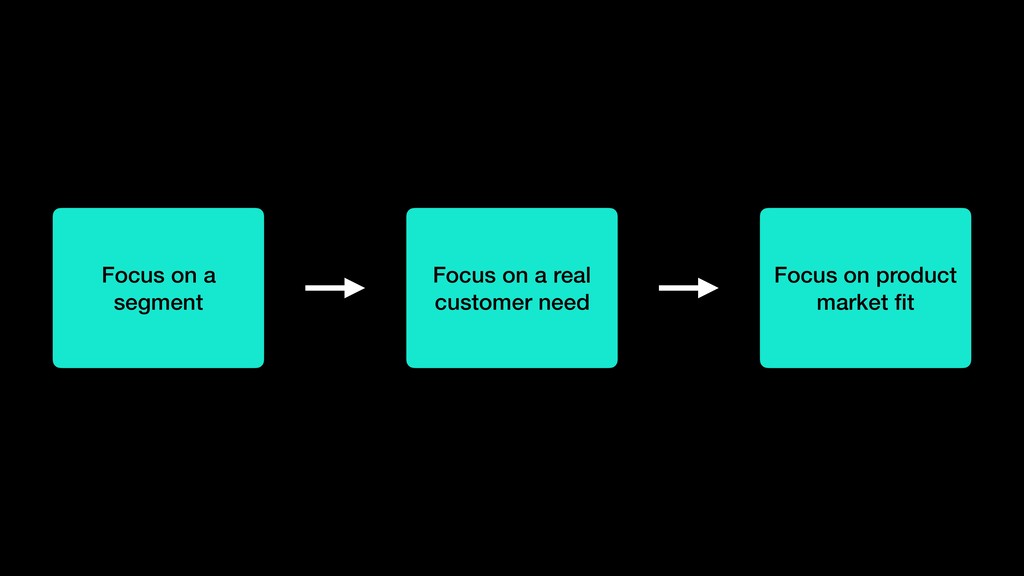
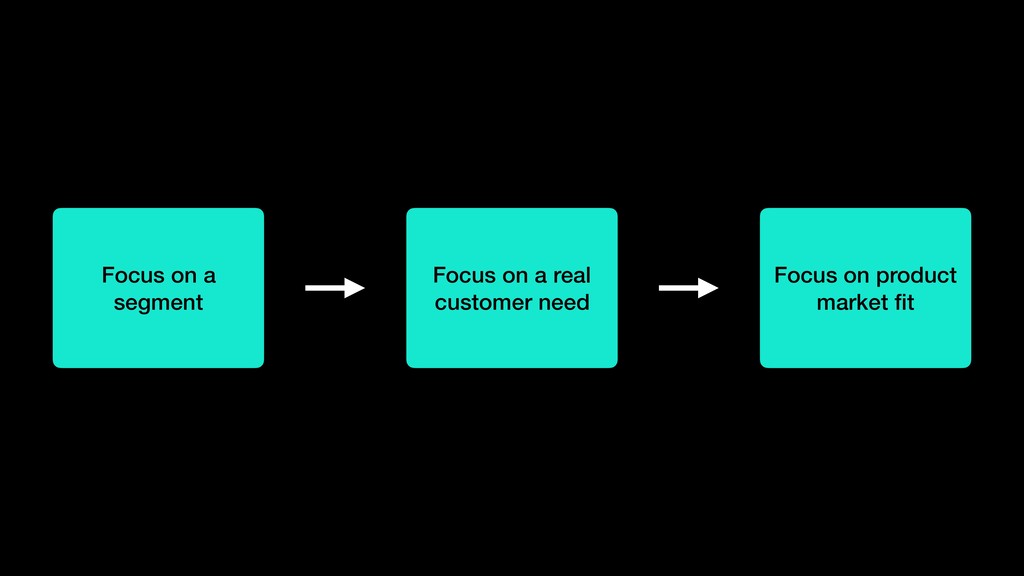
We started learning about their needs and then we focused on those. Then on making sure that we had this product market fit among these people that we'd identified and this problem set that we'd identified so that we could actually scale it. Everything was great.
We quickly became the market leader for these indie Mac software businesses. We scaled, we won every customer that we possibly could. We had hundreds of millions of dollars flowing through Paddle. We grew the business to six million or seven million dollars in ARR really quickly.
We were the fastest growing software company in the UK. We tripled revenue every single year for six years and we became the default. We became the default way that new and existing businesses for the Mac sold our software. Amazing. When we went on these sales calls and demos and everything, it was a surprise to us when we lost the deal.
We would go over to each other in the office and it was like, did you hear that Charlie lost that deal? Rather than what should happen is like, did you hear we signed that amazing new customer? Everything was great until it wasn't. And it became not great not for these reasons that you might expect, not because we dominated the segment and then we had loads of competition or we had a churn problem.
In fact, we had less than zero point one percent annual customer churn. In seven years, we've lost eight of these customers. We have a thousand of them today. And these customers would grow on average about thirty percent a year. We'd hit a market size issue, which sounds surprising given that the market is three hundred billion dollars.
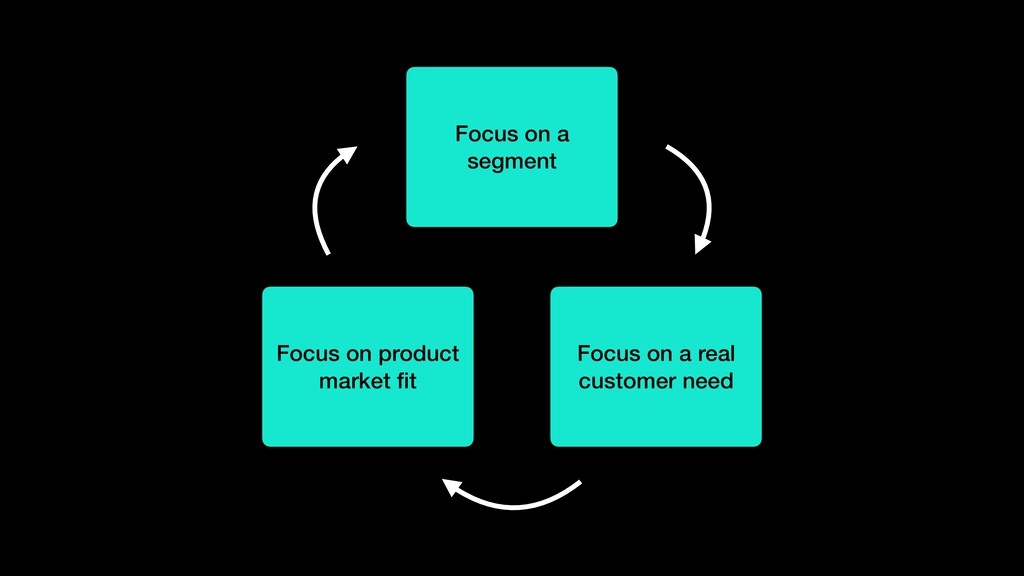
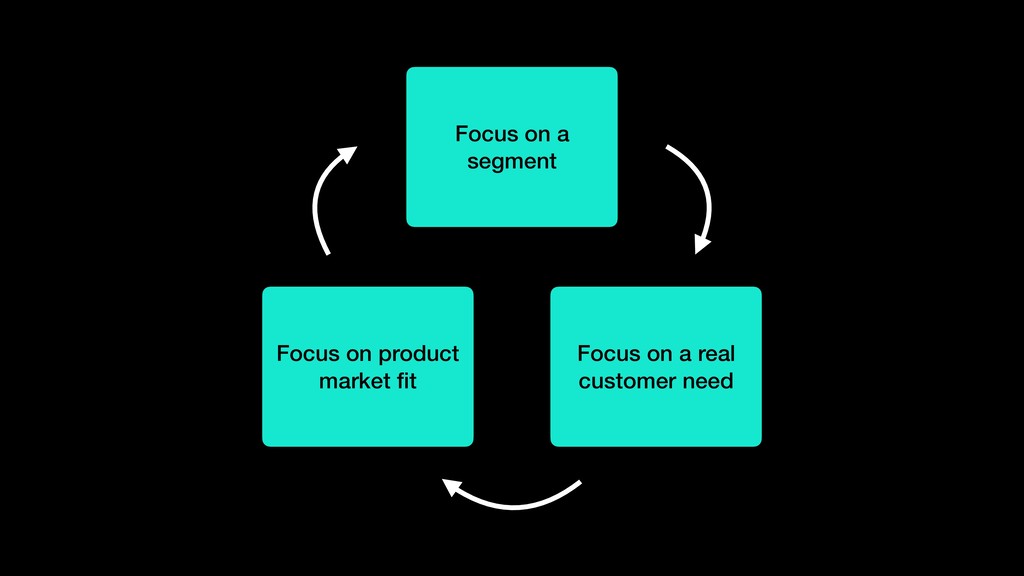
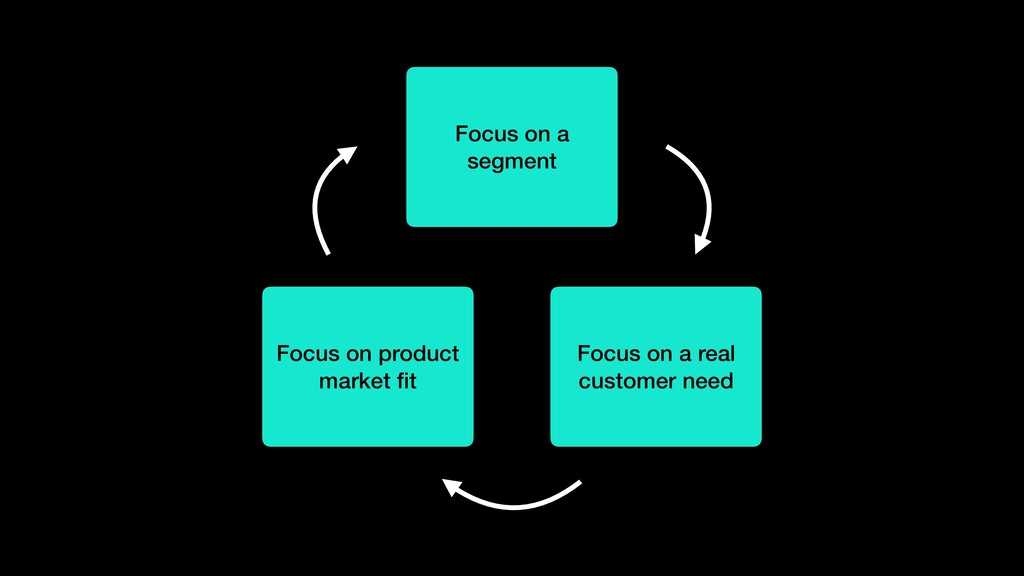
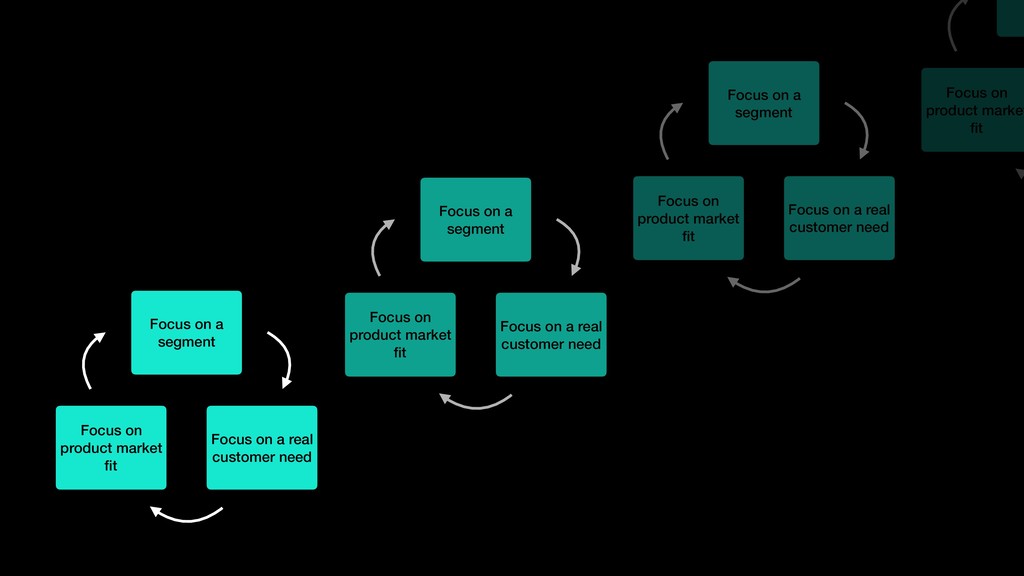
We'd run out of customers. Everybody always told us to focus. It was focus, focus, focus, but the thing that we didn't realize is this flow up here shouldn't look like this. It shouldn't be a succession through these stages of identifying a segment, focusing on it, and then focusing on product market fit.
It should be a cycle. We should look at this in a constant cycle and constant iteration because although we'd focused, at some point one day we wanted to capture that whole three hundred billion dollars and when your customer segment isn't big enough anymore you have to go through this process of discovery again.
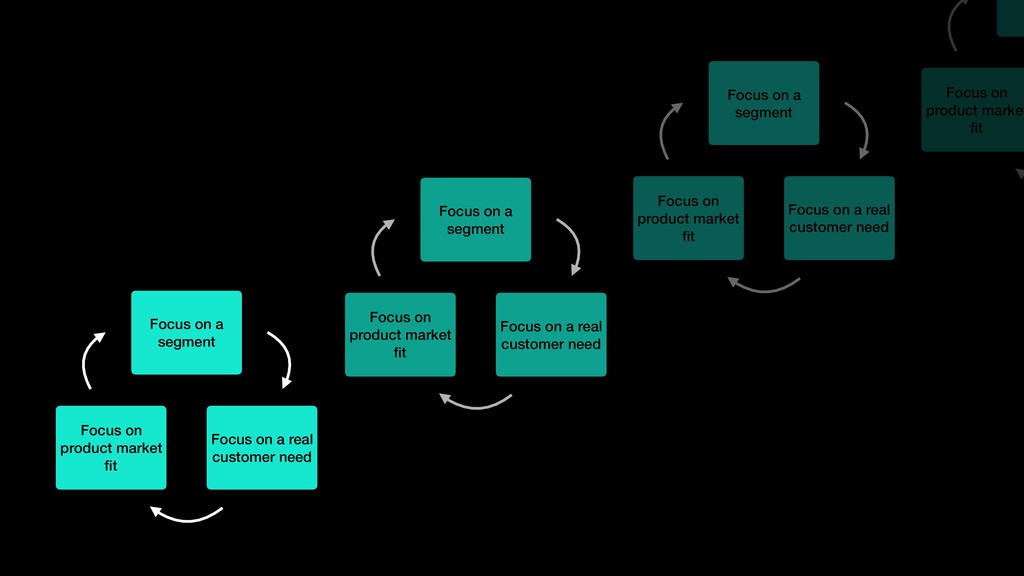
You almost have to relearn everything you just learned about all of these customers, and you sort of have to rinse and repeat this process. Actually in the lifecycle of a business, this shouldn't look like one loop or one cycle or one set of iterations, it should be many of these loops.
Many cycles of identifying and focusing on a segment, focusing on the real customer needs from that segment, and then focusing on how you get the product market fit there and then scale that. If we did this, we could keep chipping away at that bigger picture.
We could keep chipping away at that three hundred billion dollars But always consistently throughout each one of these cycles trying to remember that we're building on what we learned in the previous one and understanding not actually what's different between these cycles, but what's actually the same.
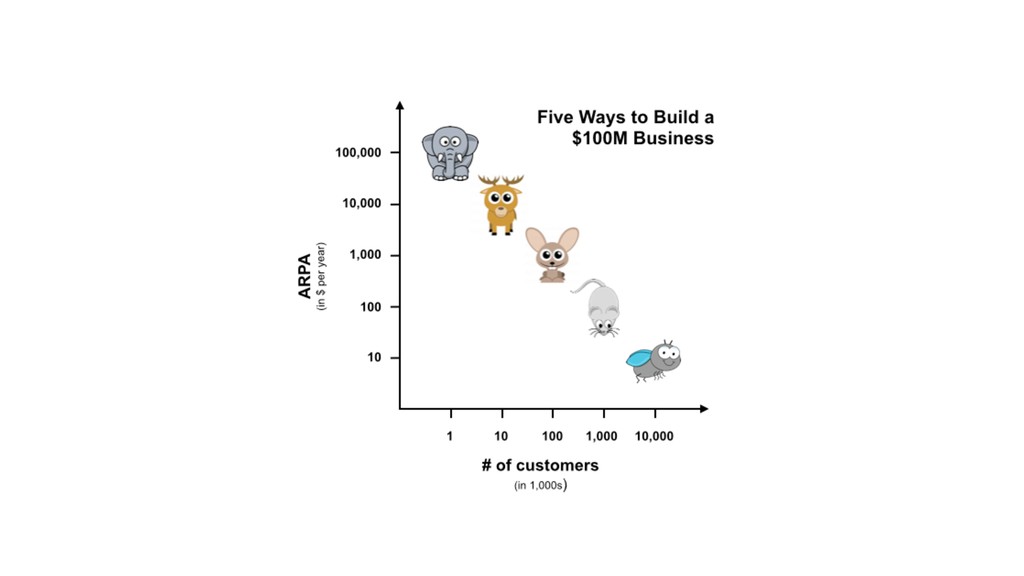
I'm sure a lot of you have seen this. This is Christophe Jan's illustration of the five ways to build a one hundred million dollars software company. For us, the change that we went through in each one of these iterations was a change in the type of customer that we were going after and the thing that they were building.
But other things can change too, doesn't just apply to the customer that you're focusing on. For example, as this illustrates pretty well, you can start going upmarket to target larger customers. Targeting larger customers and moving upmarket is one thing, which comes with this whole host of other implications around product and sales and how you build an organisation to support this new type of customer.
But whether you're tackling a new type of customer, a new size of customer, or perhaps even a new geography, the most important thing to remember here in all of these instances is to focus. Really don't half heart it. These are all conscious decisions that you make.
You can say no to these things. Everybody always talks about we were building a product and we were dragged upmarket. We got our first big customer and we built a feature for them and then we were beholden to them. But you can say no to these things, but when you make a decision, run with it.
It has to be really deliberate. If you half bake these things, you won't know what's successful. You'll start incorrectly attributing success to the wrong things and failure to the wrong things, and you just won't have this really rich picture of how to scale.
So follow these cycles, but do it really deliberately. So what happens if you stop doing this loop? What happens if you stop going through these iterations in this cycle? Stopping this process of constant iteration and evolution means basically you'll do exactly what we did, which is you look really, really, really successful for quite a long time and then you hit a wall really quickly.
Everything will be going really great until it isn't and you'll lose this ever so important momentum that you build. We really messed this up. We weren't thinking in this loop. We weren't thinking about this constant iteration and understanding that we had to build in the business, We were thinking about it instead as a succession through these stages.
Because we weren't going through these sort of what I call focus loops, we maxed out our segment and we didn't realize until it was too late. The growth had started to slow and we'd hit the wall. But it is a balance. It's a really careful balance and it's a careful line that you have to tread between these two things.
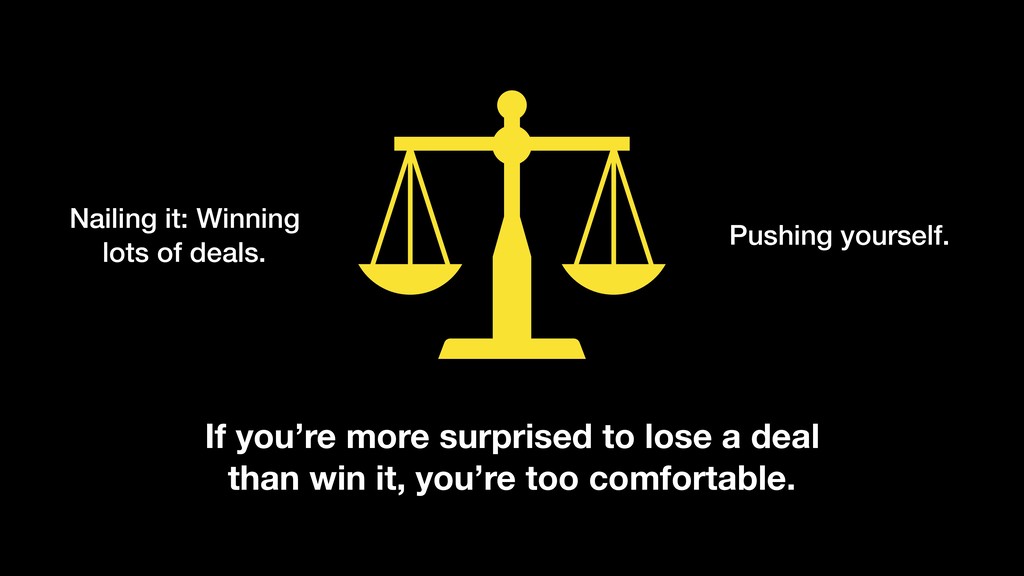
How do you know when to focus and double down on winning lots of deals and winning lots of customers, and when to explore and push yourself and decide what that next customer looks like. I think this is going to differ for each type of business.
Everybody is going to identify when they should make this jump in different ways. But the moment for us was when we were more surprised to lose a deal than we were to win it. We had become way too comfortable. That moment, or probably slightly before that moment, we should have started on the next cycle and said, Who's next?
It doesn't mean we throw away everything that we've done before. We figure out a way to scale that and do it consistently and we optimize for it, whilst also figuring out what's next? How do we scale the business? How do we keep up this growth?
Throughout this process it's really important to also understand when it's not working, when you should kill it and move on to the next cycle. Not every one of these cycles is going to be a success. That's fine. That's natural. But you have to know when to throw it away.
There's a massive opportunity cost to staying on something if it's really not working, It challenges this momentum that you build. I really like the word momentum because actually you as an organisation and a company, getting behind something is the way to do it really quickly and go through these cycles really quickly.
On that, it's really, really easy to talk about this stuff in theory and put up a bunch of nice swirly circles and say, Everybody, this is the golden way to do this, but for this actually to work, to keep looping, you need to build the right team.
Hopefully, whilst you're going through these loops, you'll be growing. The business will be getting bigger, you'll be going through this all important, very fluffy transition from start up to scale up, two words that kind of mean something different to everybody. But let's assume that there's a standard definition for those and say that we were going through this right as we were hitting this wall.
We were tripling revenue every year. We grew the team from thirty people to one hundred and fifty people in nine months. That was fun. But there's a difference between the problems that you experience as a startup and the problems that you experience as a scale up.
There's a difference between the problems, but there's also a difference between the people that you need. The different skills that you might need when you're scaling up might be people who have actually scaled before, who have taken one of these segments that's repeatable and actually understand how to galvanise and codify the structure around it and then invest in those things so that you can do these experiments.
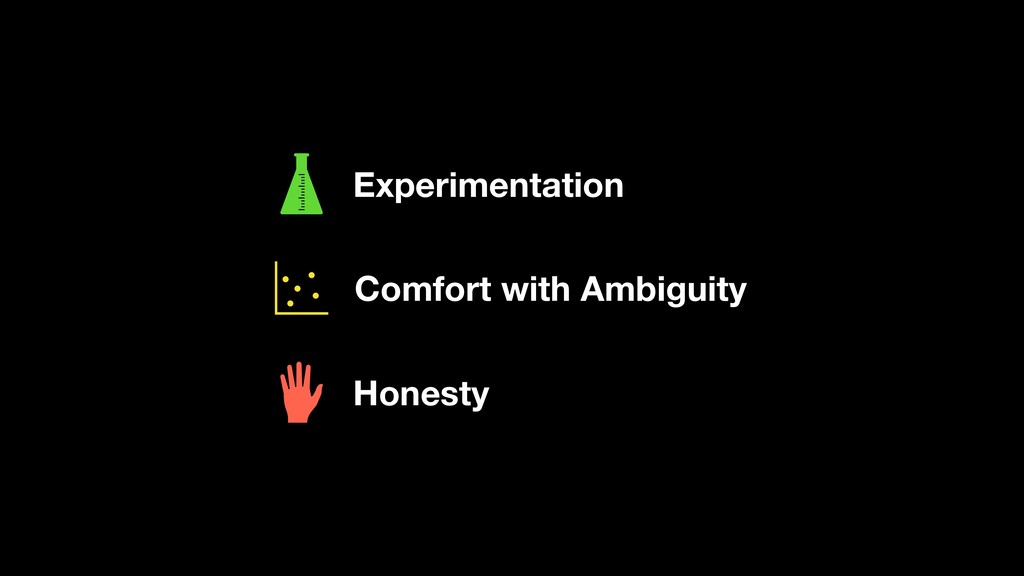
There are three traits in people that I've found regardless of whether you're a startup, a scale up or somewhere in between that kind of work really well when you're hiring for a team that's kind of going through this sort of level of hyper growth and then also constant iteration.
The first of these is people who take a mindset of experimentation. These cycles are really just a process of iteration and experimentation, and people need to be comfortable knowing that what works right now, what resonates with customers today, what we're building this week, might change, and we should embrace that.
We should seek out the things that are going to kill us. The second, and this actually has turned out to be the most important one for us as a business as we've grown, is finding people who are comfortable with ambiguity or even seek comfort in ambiguity.
The very nature of doing this is about embracing the unknown and learning what we didn't know before. I think in a really early stage of a startup, the people who are really enthused and want to join a company like that, they're obviously really comfortable with ambiguity.
They know things are going to change. They know that you're going be eight people sitting around a table and every conversation is going to happen in public, and you're going make mistakes and things aren't going work and you're to throw it away. One of the things that we did is as we started to scale up we started to hire people who looked more like grown ups, who looked more like, they know what they're doing, they've done it three times before.
Actually throughout that process we hired people who sort of had lost this comfort with ambiguity. They wanted to make twelve month and twenty four month and thirty six month plans and execute towards those. The final thing is honesty. I think one of the interesting things that we have to do as founders and CEOs and entrepreneurs is actually convince ourselves and others that the thing that we're doing is going to work.
That's a really important thing, but it's also really important that we can be honest with ourselves and we have people around us in our teams who are honest enough to put their hands up and say, This isn't working. We should move on. We should kill this and we should try something else.
Assuming you have those things, assuming you have the right team with the right traits, then it's really about growing up. How do you take all of the things that you're learning, all of the organization that you're building, and really codify it into how you operate business.
How do you build processes around these loops, around experimentation and learning in general? How do you build a culture of doing this? How do you make this loop even more repeatable when you add more people to it rather than these loops slowing down?
When companies get bigger, not everybody can know everything. You get this sort of weird vacuum of however transparent you are, information gets lost. So actually instead of trying to be incredibly transparent and give everybody every piece of information, make the information available, but actually build rules and codify these structures about how you do things, and let people make these decisions on their own.
Let context as to what's happened before and what's worked in the past not be a barrier to them doing this on their own in the future. Really finally, you're never done. Focus isn't a process of defining something once and then only doing that thing.
It's about having the ability to laser focus in on something, get really, really good at it, and then picking the next thing. Sort of making this as a really iterative process as you grow. It's about focus, but it's also about the deliberate ability to deviate from this focus when the time is right.
Thank you. That's it from me. This has been really great. I'm around here for the next few hours. If you want to talk about this or Paddle or anything more, please come find me, or you can email me at christianpaddle dot com. Thank you.