Generative AI, monopolistic platforms, and algorithm changes are reshaping marketing unpredictably. Audiences are increasingly fragmenting across diverse channels and proprietary platforms like Meta and X/Twitter, while economic uncertainty compounds the challenge. The future of marketing sounds a bit apocalyptic, doesn’t it? But hope is not lost… This talk explores why and where marketers need to start rethinking their approach, highlighting new opportunities for those willing to adapt.
To paraphrase Darwin: it is not the strongest of the species that survives, nor the most intelligent that survives. It is the one that is most adaptable to change.
1 / 49 Use ← → to navigate
Auto-generated transcript - may contain errors.
Tap a timestamp to jump the video.
Fantastic to be here, everyone, at TuringFest. I'm very exciting. Exciting? Excited. It's early morning. I've had a lot of coffee, so let's go. And Turing Fest is genuinely one of my favorite conferences. I'm not just saying that. This is my fifth time here, so you will have an amazing time, whether it's your first time or your ninth time.
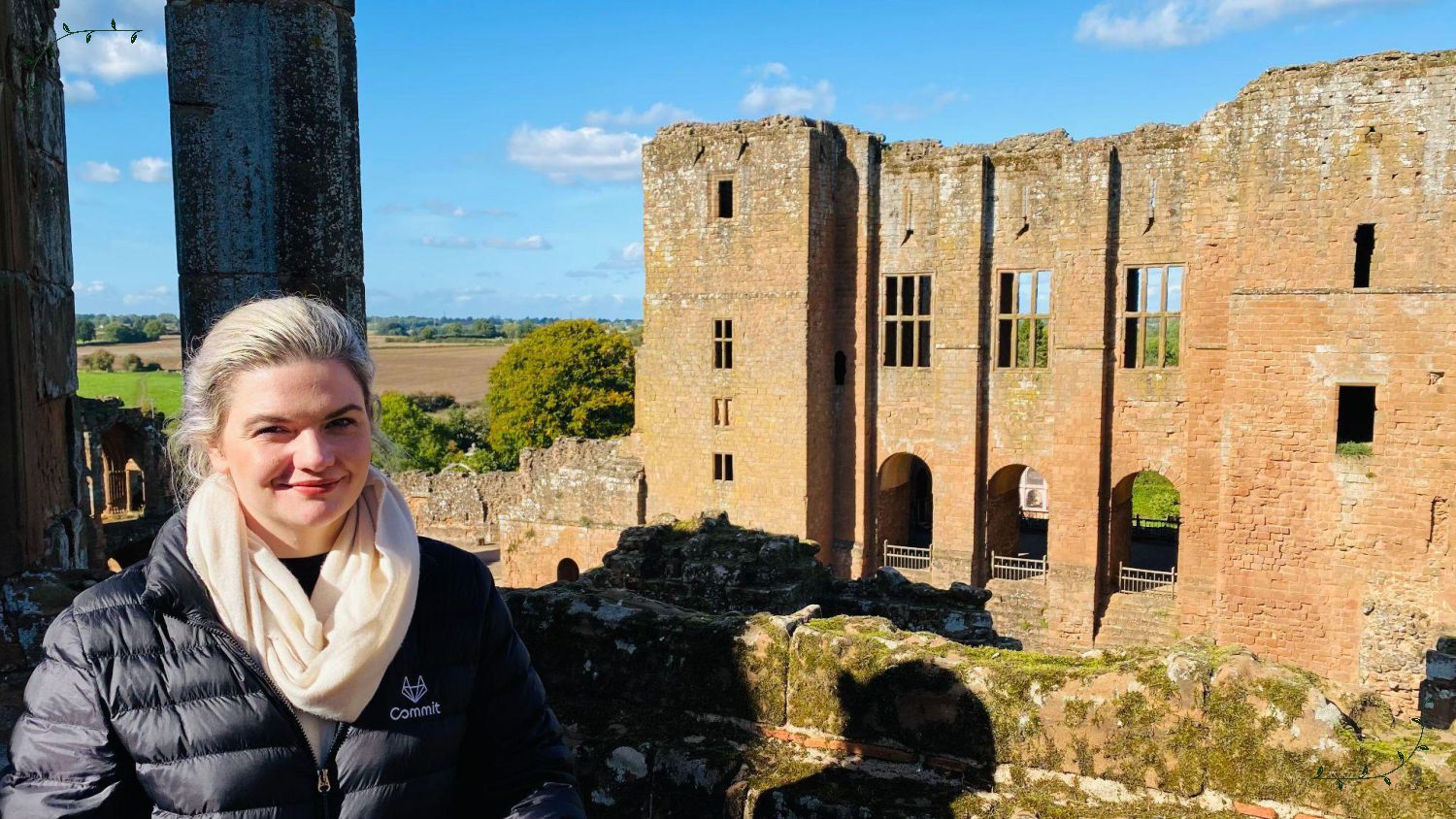
So, you're probably sat there thinking, first impression, she's enthusiastic. That's great. But why is there a picture of her with a castle up on screen? So, this isn't any old castle. This is a place called Kenworth Castle down in Warwickshire in England, the Midlands. And it's a very special place.
Well, it's a very special place anyway. It's a very special place to me because it's actually where I had my first job. So before I fell into the world of marketing growth, like many of us do, by accident, I spent four years here working as a historic property steward.
And don't tell marketing this, but history kind of is my first love. And I enjoyed it so much, I went on to study medieval history at the University of York. And the period I was particularly fascinated by was the period thirteen forty seven up until about fourteen twenty ish.
And thirteen forty seven is a really important date in both English and Scottish history because that is the date that the OG pandemic, the black death hits the shores of England, ricochets up the country. And there's some, you know, you study a period like that, you kind of put it away in the back of your mind because when is knowing about a pandemic and a post pandemic period ever gonna come in handy again?
Come twenty twenty, you know, the past four years, and I'm sat here thinking like, I've seen some of this stuff before. This is eerily familiar to me. And there are some really interesting similarities between the past four years, what we've experienced, and what happens after the Black Death.
And I'll touch on them, a few of these in this talk, just because they're super interesting. But one of the kind of characterizations of the Black Death period was that people genuinely felt like it was like the end of the world. And that's kind of fair enough because depending on where you lived between thirty and sixty percent of your friends died, obviously not great.
You fast forward to today. And again, we live in a period of massive change, upheaval. We have structural inequality. We have climate crisis. We have war in Europe again. We have genocide. And it all can feel extremely overwhelming and kind of terrible. And that's talking at a kind of structural societal level.
If we actually drill down into our industry, what we're here to talk about today, growing tech companies, growth, marketing, again, we live in a time of tumultuous change. But, you know, I wanna chat a little bit today about what is actually happening and dissecting some of the things we should be aware of.
But in an age of great change, there comes great opportunity. And I think actually this is a time of reinvention, reinvigoration for marketing. If I'm honest, it's been kind of stale for the past five years. So let's get into it. When I'm talking about this period of change, what exactly am I talking about here?
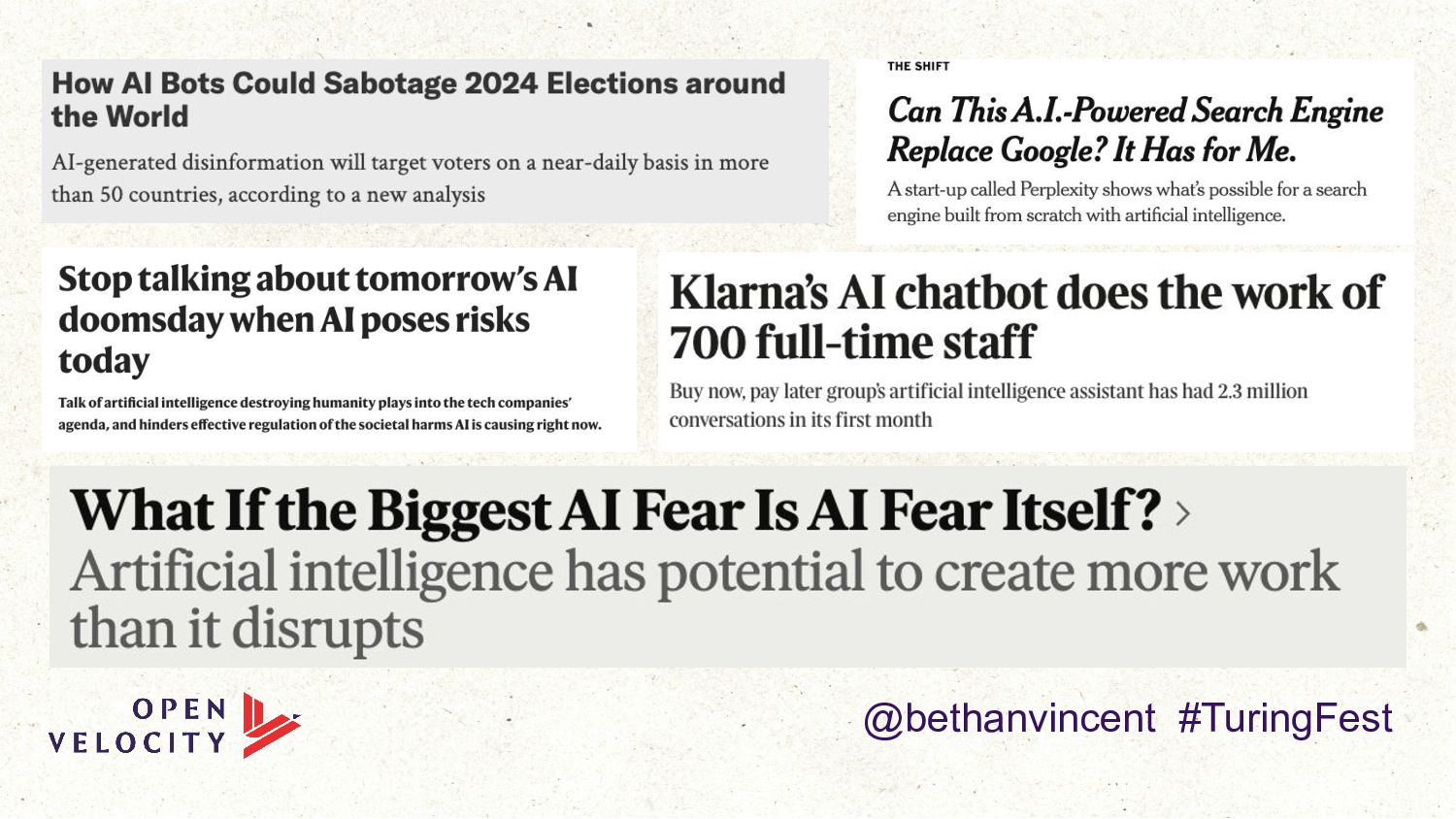
So I couldn't do a talk about marketing in twenty twenty four without touching on Gen AI. And there was clearly a lot of hype. There was a lot of hysteria around the subject. You've got people like Sam Altman, CEO of OpenAI coming out and saying that within five years, ninety five percent of the marketing job is gonna be fully automated.
I mean, due to sales AI as a solution, thinks AI is the solution to everything, right? I mean, we can be a little bit skeptical. Clearly his vision of the future in my eyes is not going to happen, but you only have to speak to copywriters to know that actually the use of LLMs, chat GPT is changing the labor market and we are using marketeers.
We can't deny that. Secondly, I mentioned structural inequality as a societal issue. I actually think it's a marketing problem as well. When you think about it, if you're really reductive about it, our job as marketeers is to engage and influence audiences at scale.
And to do that effectively, we have to be able to understand their needs, their motivations, their beliefs, what they want to see in the world. And one of the ways we kind of characterize and bucket up audiences is through segmentation, right? We put like audiences together.
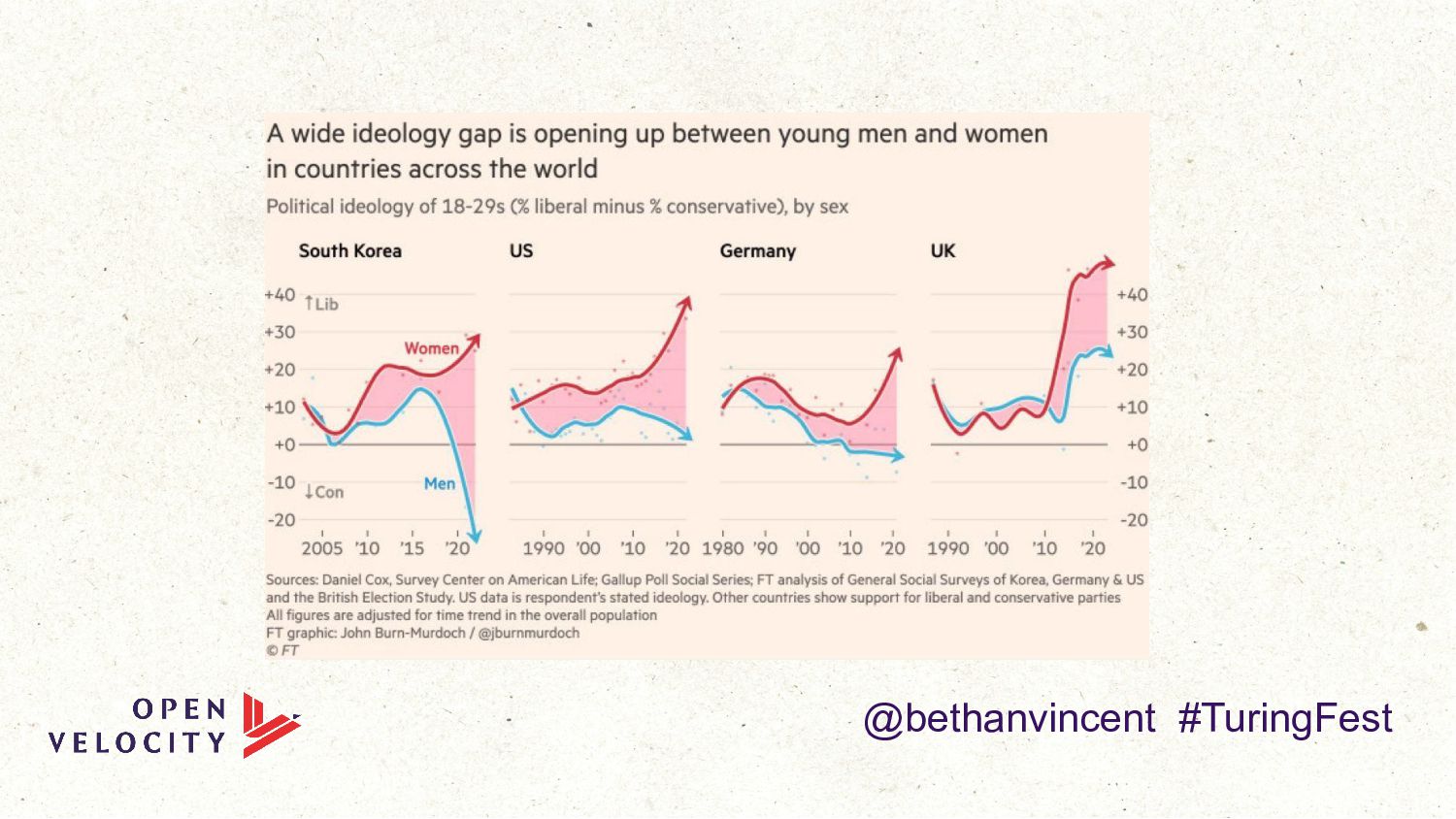
And this graph from the Feet really caught my eye because, you know, Gen Z, we like to think of them as this homogenous demographic of young people who like baggy jeans and not showing up to work on time. Half true. This is really interesting because actually, if you break down ideology of Gen Z along gender lines, you get this massive schism.
Young men are becoming on average more conservative. Young women on average are becoming more liberal. And you bet your bottom dollar that that absolutely influences the type of messaging they are receptive to, even to the channels people are active on. This is something we've got to pay attention to.
And another impact of this is you are going to have to market to people with divergent beliefs, oppositional beliefs and ideologies from your own, and that could be a challenge. Alongside all of this, if that wasn't enough, we also have death of the free internet.
So since the beginning of time, well, twenty years ago when the internet was kind of invented, the internet has been this place of freely available information that is a reciprocal network, and also has provided a vast amount of data and information to us as marketers to leverage.
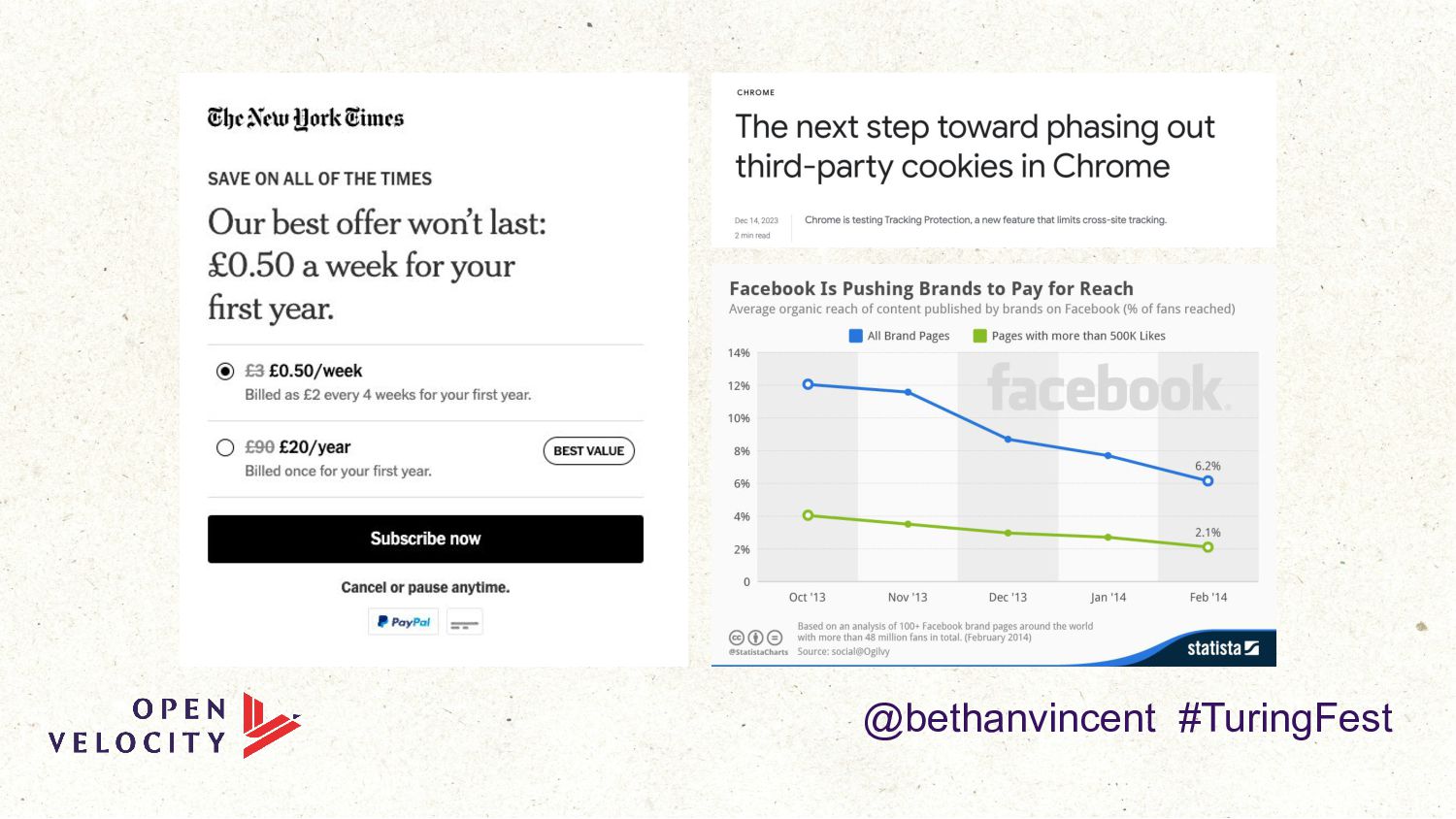
That age is coming to a sharp end. We have some of the best content on the web going behind paywalls as publishers increasingly look to monetize in different ways. By the way, that has a massive impact on society, journalism going behind paywalls. We also have the third party cookie apocalypse coming down the road at some point.
Obviously, Google likes to kick the can down the road every couple of years, but this movement towards a privacy first web has been coming down the road for a while. And finally, the internet is now absolutely dominated by massive monopolistic platforms who lure brands in with the promise of organic reach, and then like to pull the rug under them.
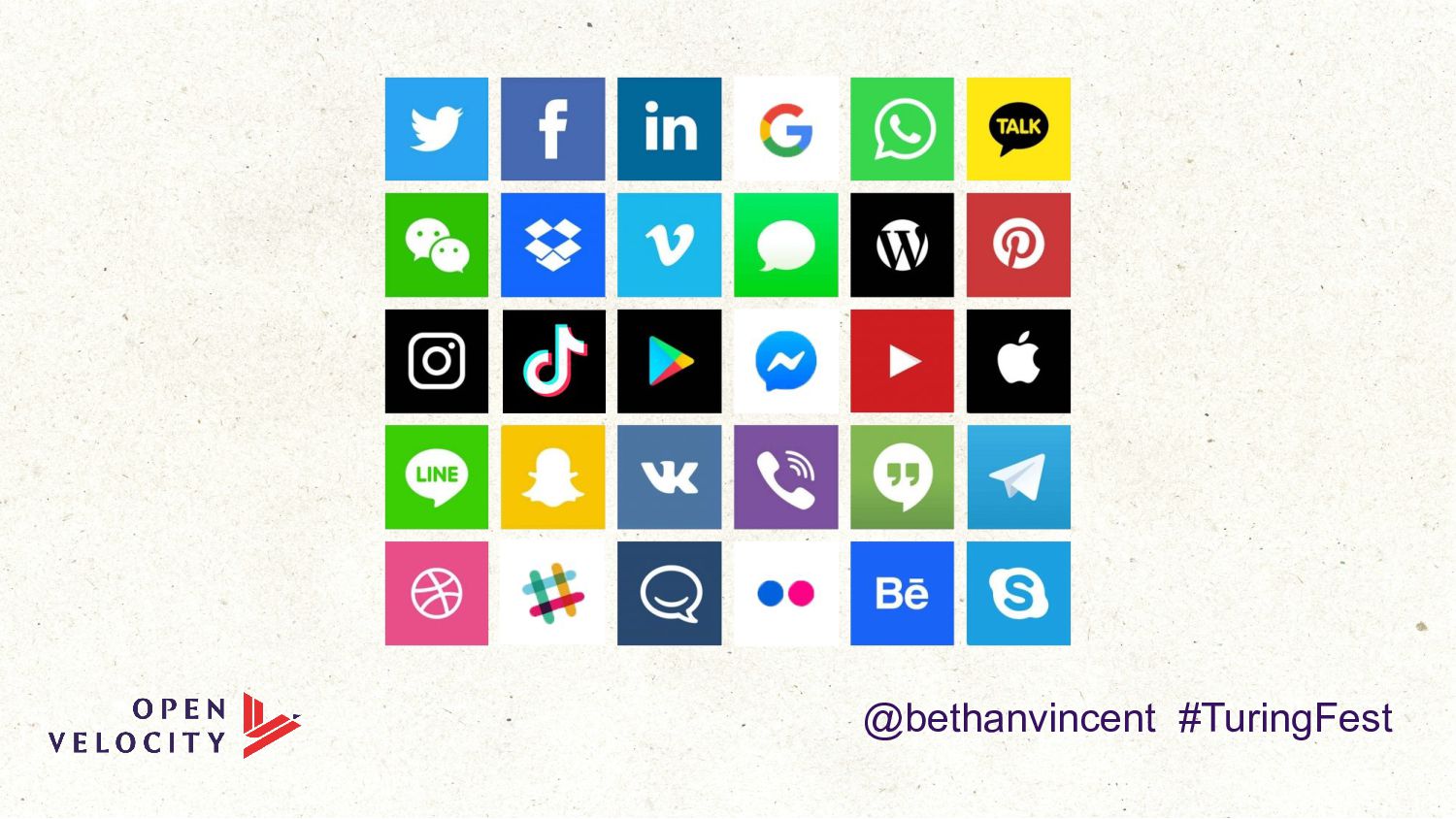
We saw this with Facebook in twenty fifteen, twenty sixteen, we're seeing it with TikTok now. This is interesting. And then finally, we have massive audience fragmentation. If you think about just the number of social platforms you're on, you know, I'm on X, Instagram, TikTok because I have to be, LinkedIn because I have to be, you know, that's just four social platforms I'm present on.
Our audiences are spread across this massive platform surface area. A lot of them acting as walled gardens. They don't play very nicely with others. And our kind of job of orchestrating and reaching audiences effectively and cost effectively across these platforms is becoming increasingly harder as well.
So what does this mean for you? That all sounds a bit doom and gloom, but like I said, there is absolute opportunity in this. So to go back to tired gender, well, age demographic stereotypes, I am a self professed geriatric millennial. I love two things.
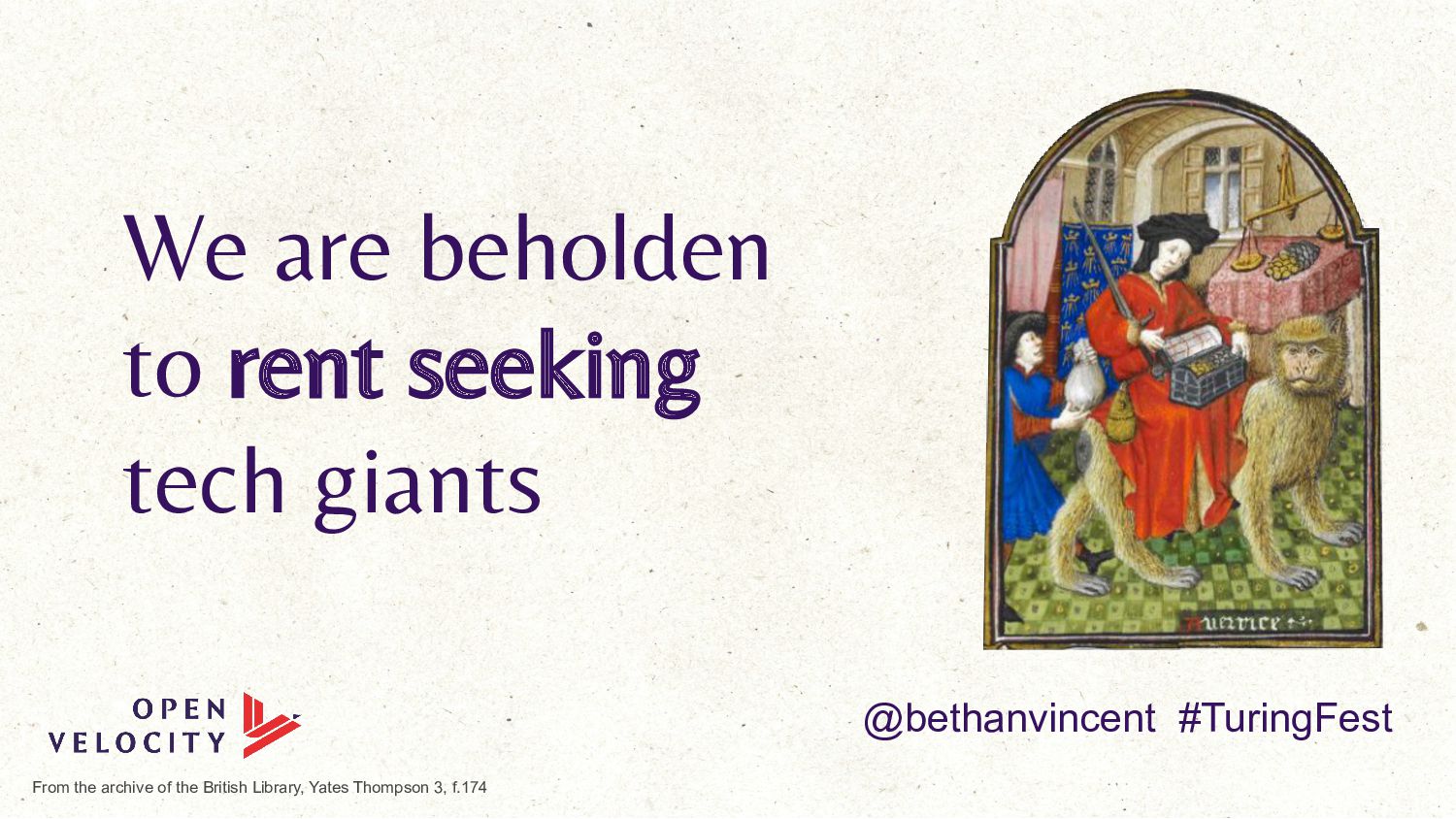
I love avocado toast and I love owning stuff, not renting it. And this is absolutely a mindset we need to have towards our audiences. I've described a little bit of the challenge already, but we are beholden to these massive rent seeking tech giants.
Every and any algorithm that we consume content through as consumers or we seek to manipulate as marketers, because in many contexts, that's effectively our job. We're algorithm manipulators. Every and any algorithm that we interact with is not primarily there to serve us better content or experiences as end users, and it is not there to help us be more effective marketeers or advertisers.
It is there to extract maximum amount of value out of the ecosystem and give minimum value in return. This creates a whole problem of misaligned incentives. And just to illustrate, so my husband who's here today, he is an artist, an algorithmic artist, and he's built a pretty decent following on Instagram.
He monetizes that through selling his art. One day last year, Instagram just decided to delete his account. We messaged support. They said, we can't tell you if you violated any terms and conditions guidelines because we hadn't, and there's nothing you can do about it.
It's just gone forever. Luckily, eventually we did manage to get the account back literally just by knowing someone on the inside. But this brought home two very important points to me. Firstly, single channel dependency is a huge issue and a lot of startups actually struggle with that initially.
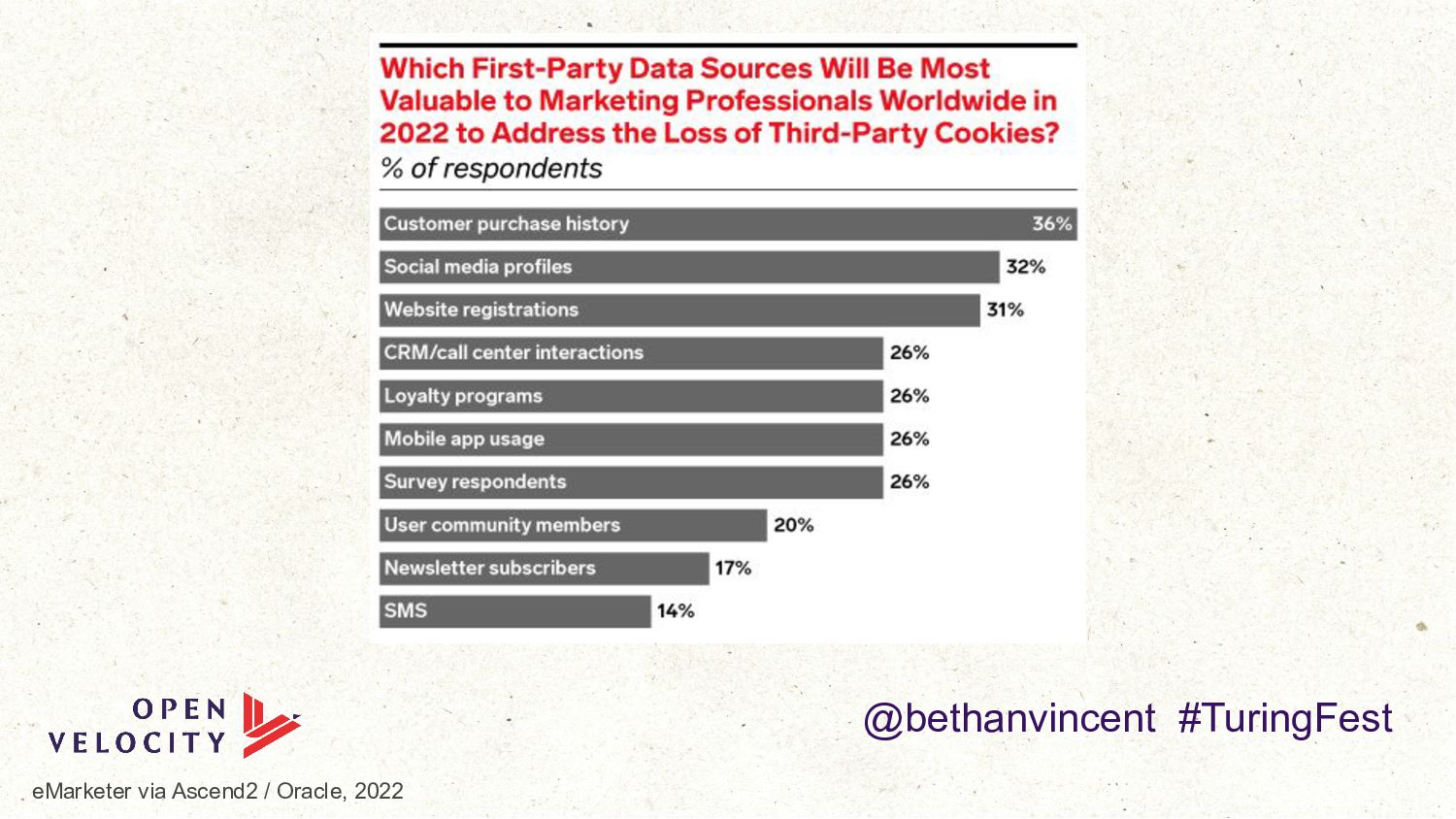
They put all their eggs into one basket. And secondly, you want to own your relationship with your audience wherever possible. And this is why even if the third party cookie apocalypse Google doesn't happen, this stuff, first party data was always the holy grail.
It was always important. And yes, there's lots of different types of first party data one can collect, but what we don't talk about enough is how do we actually do this? Not from a technology perspective, but how do we actually get that information out of users?
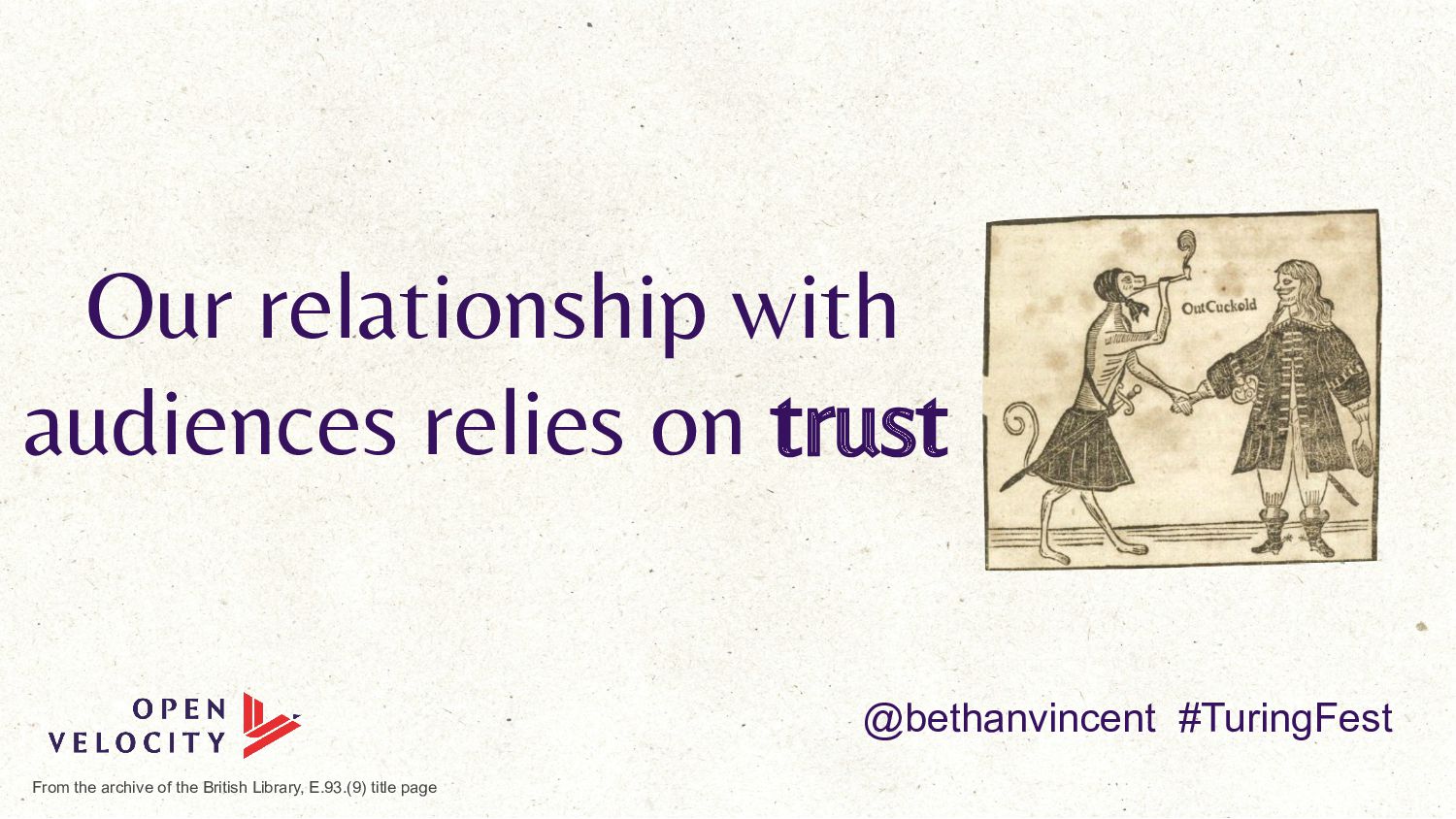
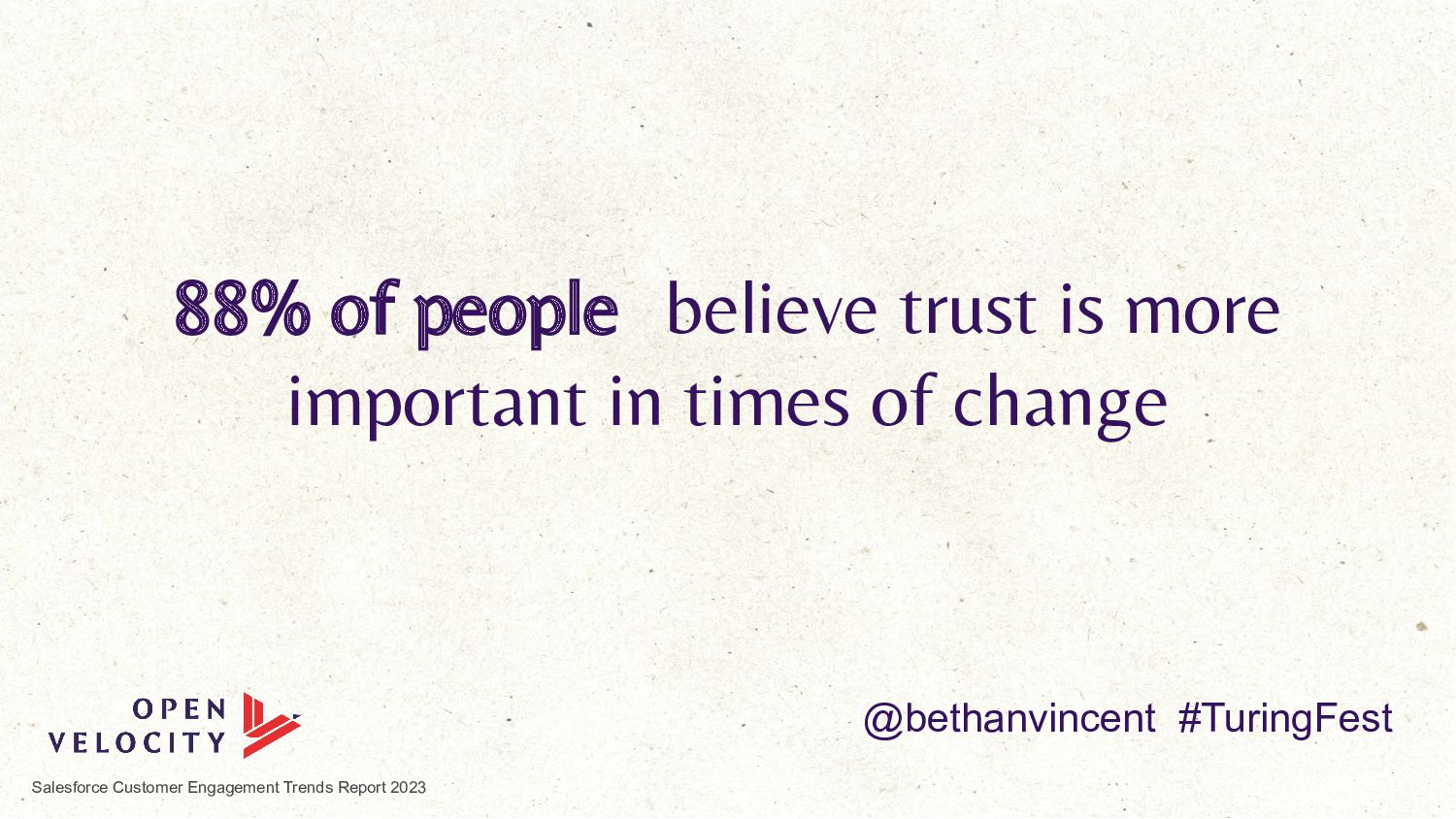
My argument here is that it's all about trust. Trust is an absolute commodity, especially in marketing, and trust is becoming increasingly important in this massive period of upheaval as well. And again, you're probably sat there thinking, oh, trust, that's another bloody fluffy marketing thing people like to talk about, but not particularly well defined or tell you how to do it.
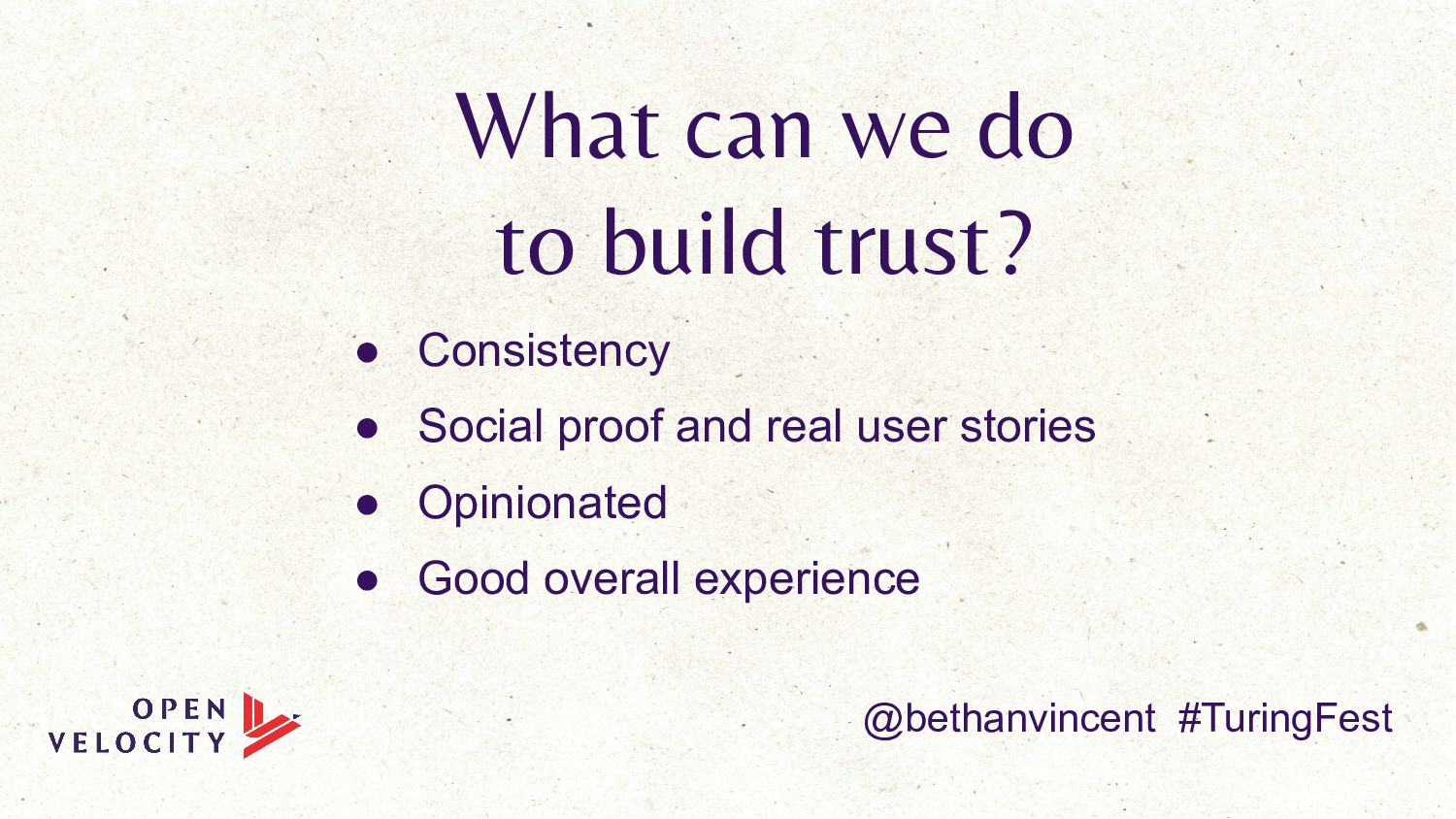
But if I'm thinking about building trust, these are some of the things I am absolutely focused on. Firstly, it's about consistency. Again, this is where startups and scale ups kind of sometimes struggle. They pivot, they chop and change. And I'm not saying not to iterate, I'm not saying not to pivot, but be consistent in your message, be consistent in your brand while you're doing that.
Consistency is a huge factor in trust. Secondly, social proof and real user stories. Expect one of the challenges of trust as a real thing we should be focusing on is it really benefits larger brands. If you're a known brand, you already have trust and you can leverage that trust to build trust with other people.
What do you do if you're not a known brand? Get other people to advocate for you. This is absolutely And again, with a lot of the kind of startup scale ups we work with, this is where they really struggle because they don't have that social proof.
That should be something you're focused on big or small. Thirdly, opinionated, stand for something, but with some caveats. I mean, we're all aware of greenwashing. We all can see through it. Consumers are extremely savvy now. And also, you've got to stand for something your audience actually cares about.
You know, I talked to a startup last week and they said, oh, our premise is all around sustainability. And I said, but do your consumers actually really value that above and beyond these other things? And they were like, not really. So why is your central promise around sustainability is important, but it's not gonna get you over the line.
And finally, a good overall experience. Again, we like to talk about a good digital, a good app experience, but this is much more comprehensive. You can have the best website in the world, the best app in the world in app experience. But if users come on, convert, transact, fall out the other end and have a terrible experience with customer support, go and tell five of their friends, that absolutely is a trust destroyer.
So again, my argument about marketing is marketing is done best with a capital N is holistic, it is all encompassing. But we'll save that for another talk. The thing about trust as well is I think we need to start to pivot and incentivize our teams towards the metrics that are proxies for trust.
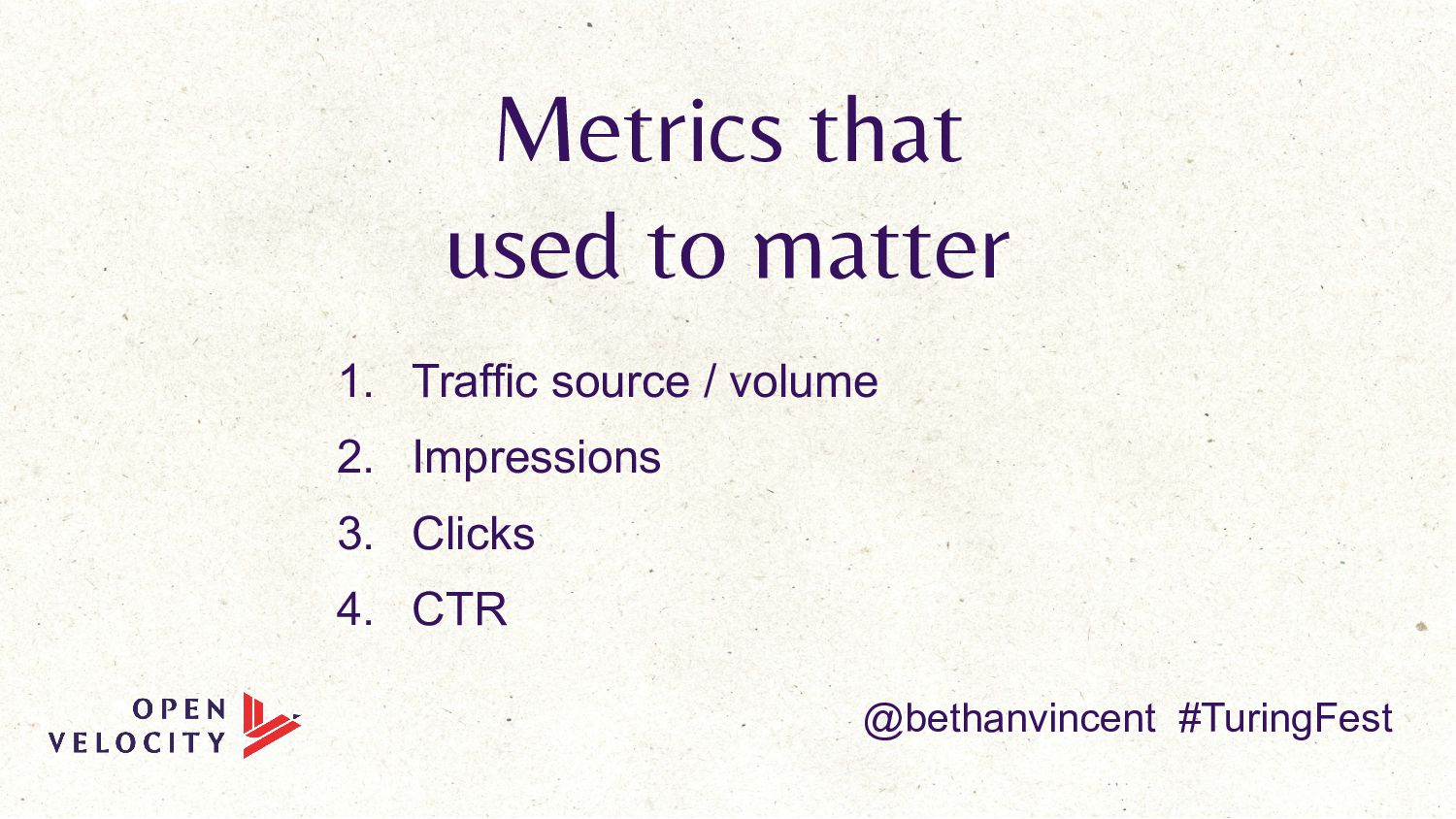
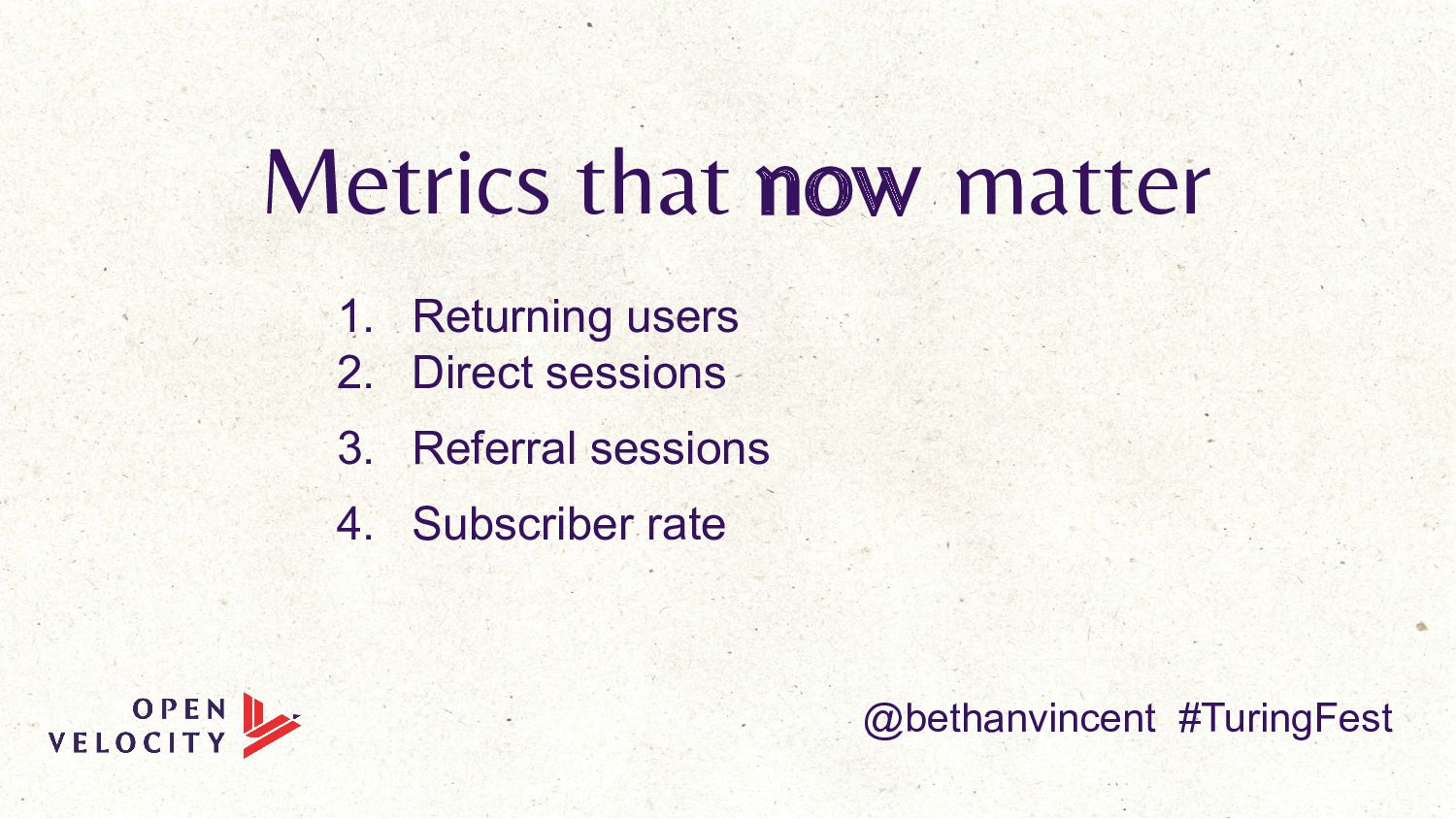
So, these are some of the metrics and hey, we could argue about the validity of any of these, right? But these are some of the metrics that in our kind of old world used to matter. We might KPI teams on moving forward. We absolutely need to be KPI in teams on metrics that are proxies for trust.
This is the type time stuff I'm thinking of. And subscriber rate, just insert whatever first party collection conversion you are gonna put in there. So, trust is interesting in this landscape because audiences are starting to have a very poor algorithmic experience. They're starting to increasingly mistrust algorithms.
We're seeing this a lot in Google, for example, where users for a long time were going to Reddit instead because they perceive that as a more trustworthy experience, getting real firsthand information and answers out of someone. Obviously, that's slightly fudge because Google's now kind of importing Reddit results into AI overviews and all of that stuff.
But there is a real opportunity here because audiences are trust hungry. And the question is how do you make your brand the one that is trusted? The one that people do flock to and bypass algorithms to come to directly? That is the real opportunity in front of you.
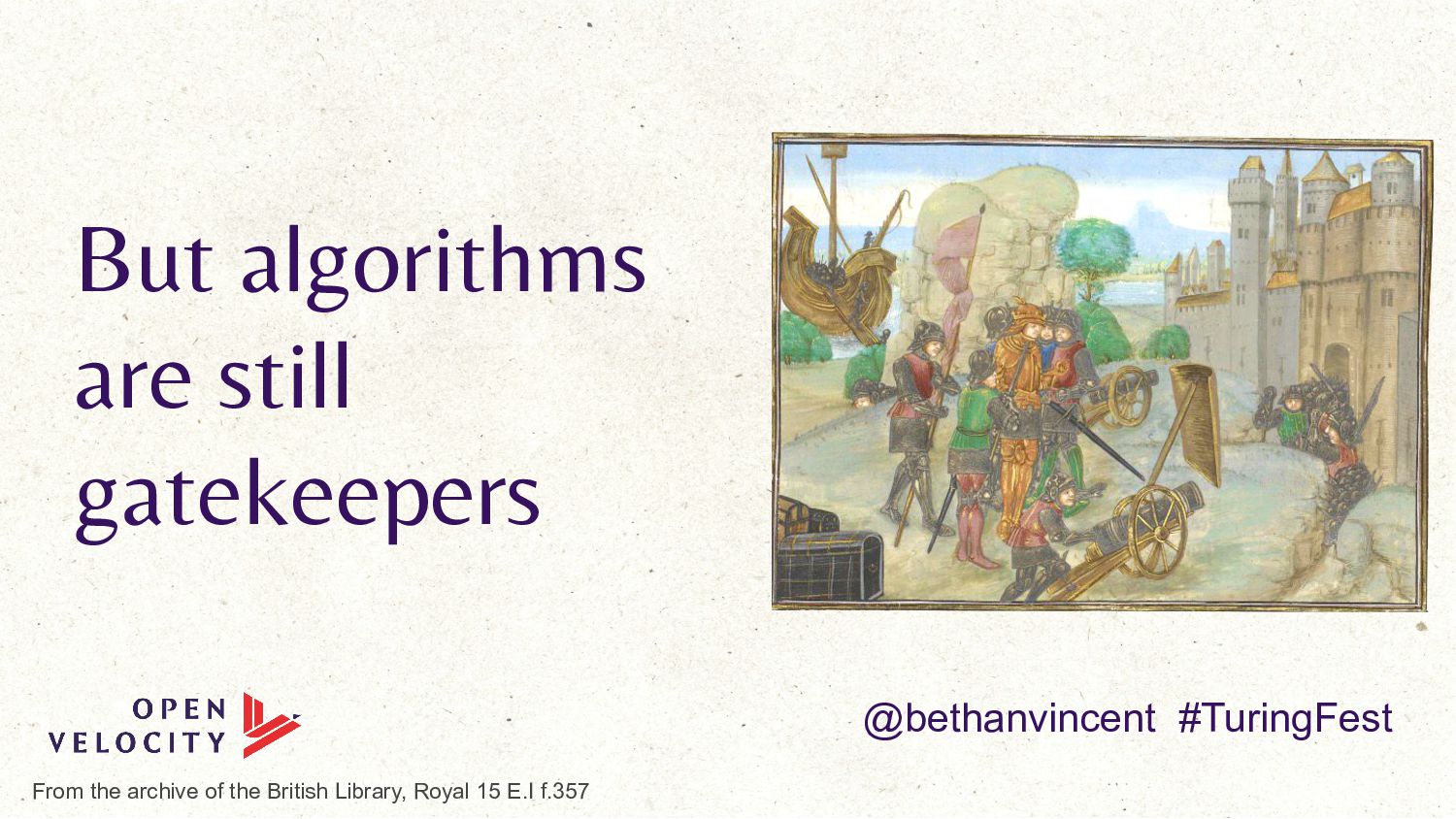
But algorithms clearly are still gonna be gatekeepers where we can't get rid of them. But I think particularly if I think about Google, I think its role in the user journey is changing. It is less an upper funnel discovery platform, and more a mid funnel platform kind of converting users on behalf of the brand.
So, we would need to kind of rethink, especially search as this place of incremental gains across a massive channel surface area. Because users are starting to search elsewhere for education, information, entertainment, and we need to adapt to that. So some of the logical conclusion of my argument here is that all roads really do lead to brand.
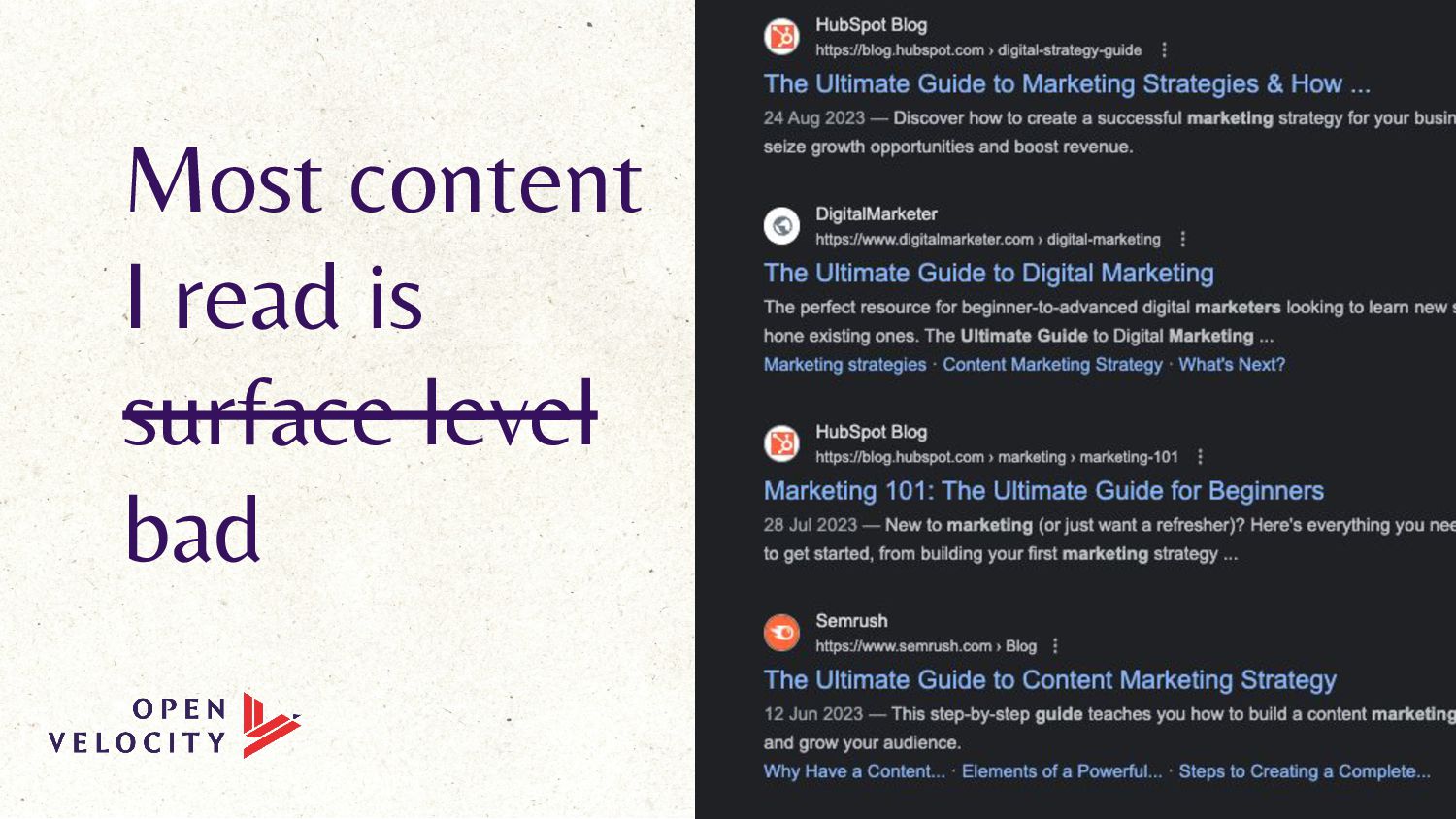
Now, the internet has been full of ***** content for quite a while. And this is before Gen AI and LLMs and all of that stuff. It's funny, these ultimate guides to digital marketing, they're all about five thousand words on, they're all riffing off each other.
They follow the same structure as each other. They are written by some subject matter experts, they're kind of thrown in there, but it's surface level content, it's junk food content. And this is what has been out there for a while. And actually the challenge with Gen AI is obviously the cost of producing surface level content has fallen to virtually nil.
And this creates a problem for, you know, Google in particular, because this flood of mediocre content actually really disincentivizes them from indexing the web and actually disincentivizes people from producing content. And actually, this is why the AI overviews in particular are quite interesting to me.
Because if your content you're producing actually satisfies queries in a way that an AI overview could just be kind of pushed in and do the same job, you're in a sticky situation. And this is what Jon O Alderson, who came on our podcast talked about and he called it solved query spaces.
Now, this is things where there is a single canonical answer that can just be served up and the user doesn't care about where it came from. So if your content machine in particular is built upon that type of content, you've got a real challenge.
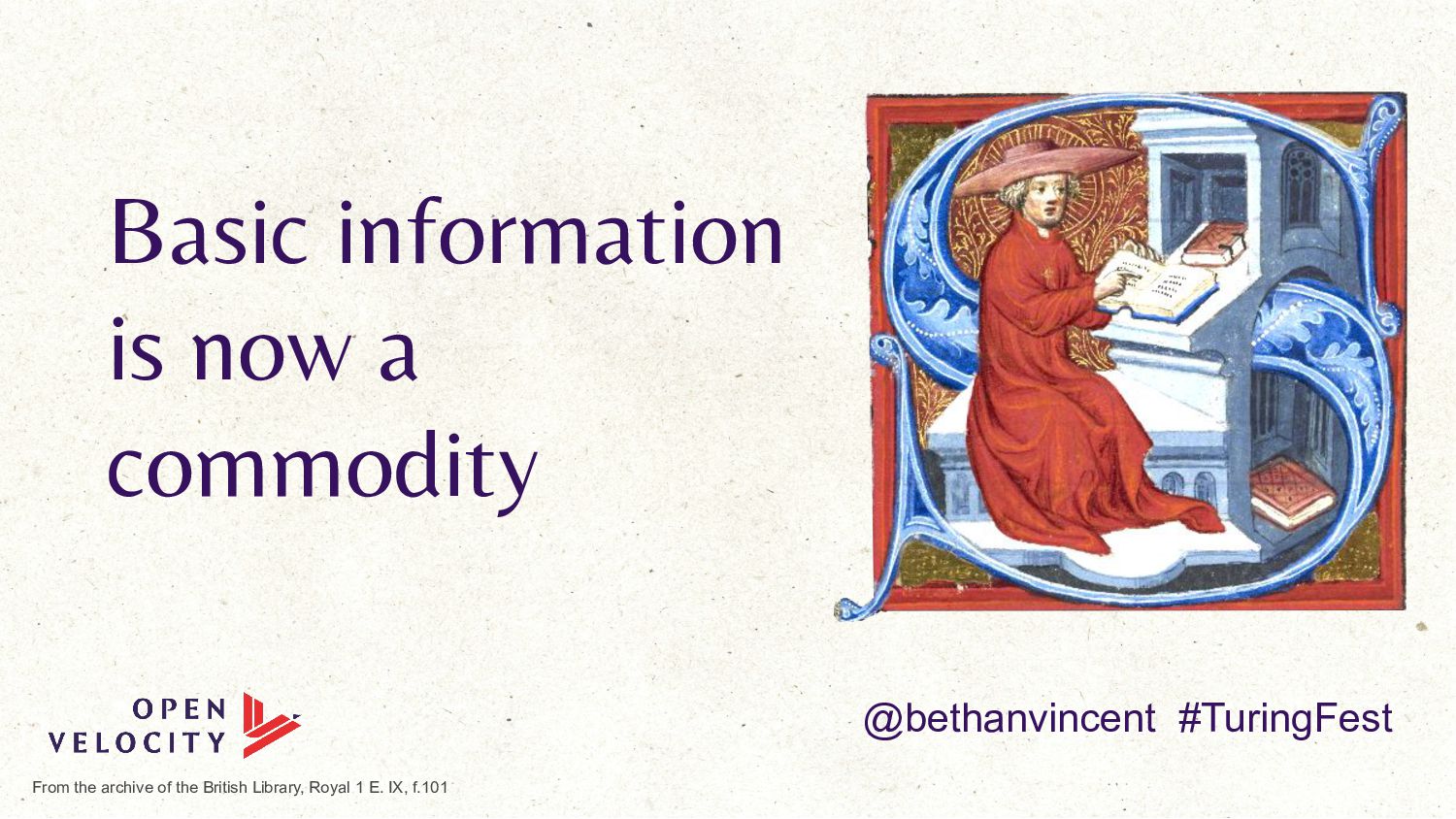
Basic information is now an absolute commodity. And you'll have heard this before. This argument's nothing new to you. And I think the other kind of side effect of this is inbound is effectively dead. I mean, it's been dying argument's sake for the last five years, but the kind of arbitrage or opportunity of putting a **** ton of content on the internet is kinda gone.
The only thing that is left is your brand. And what do I Again, fluffy marketing term, what the hell does that mean? That is the unique narrative you have, the stories you can tell, the people in your business, it is what makes you, you.
But when we talk about brand, I think we sometimes get a little bit confused between two concepts. I'd like to refresh our memories on. Again, won't be new to many of the people in this room. So, you have the concept of brand salience versus brand preference.
So, brand salience is being top of mind when a customer enters a buying situation or thinks about your market category. Brand preference and sorry, brand salience is often called brand recall. In marketing, we love terminology, lots of different terminology for kind of the same thing, right?
Brand preference is slightly more nuanced. It's not just being top of mind, but it's being the brand that is actually chosen. So I wanna have a little bit of a game here, I guess. So I'm gonna put a market category up on screen, and I want everyone to take a second and just think of the first brand that comes to mind.
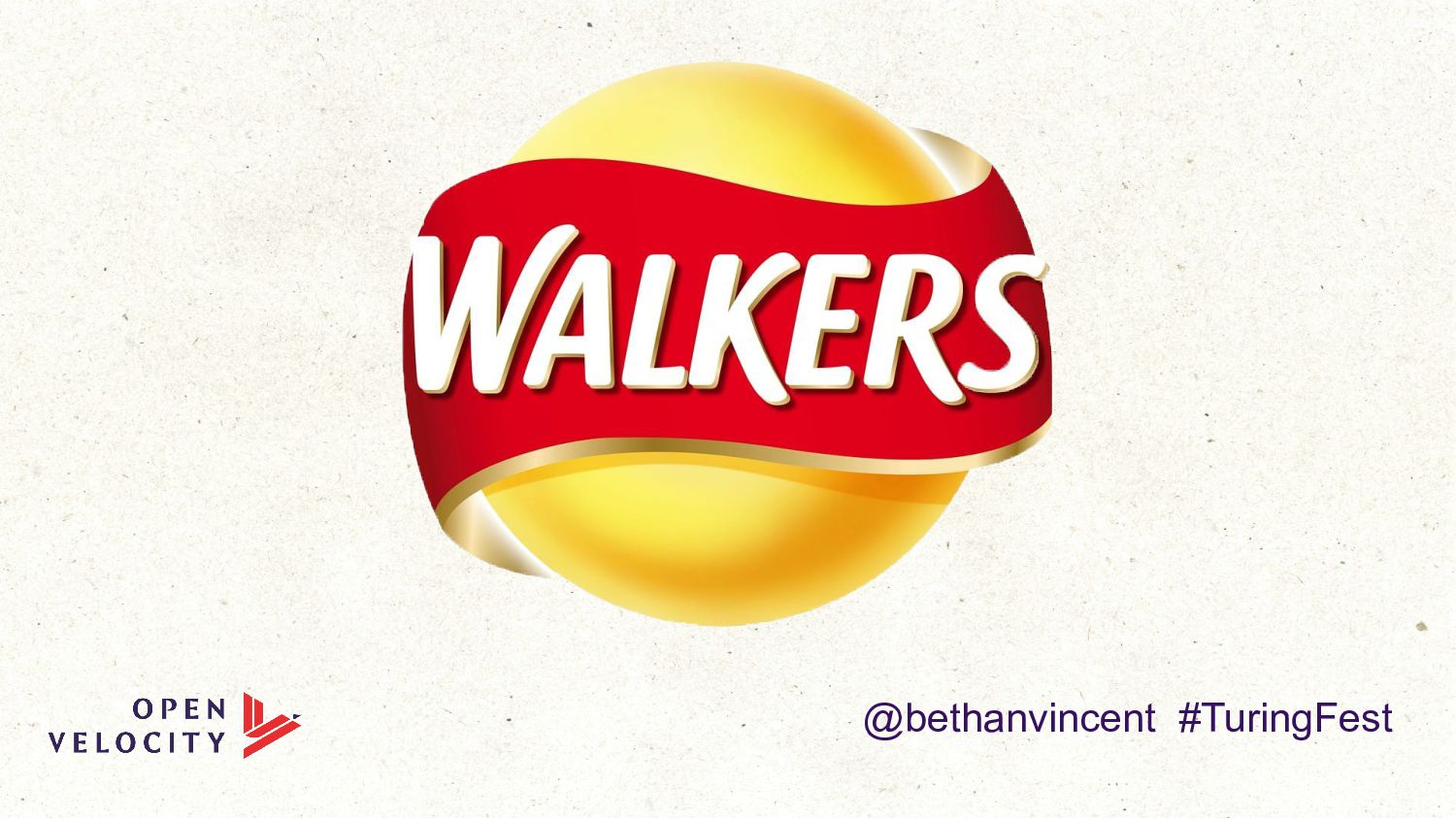
There was no right, there was no wrong answer here. So let's go. I can see people thinking, crisps or chips for any Americans in the audience. Okay. Thought of everything, I'm seeing some nods, great. I'm gonna put a brand up on screen. I want you to raise your hand if this was the brand you were thinking of.
I'm so glad that worked. Tested that on a small Keep your hands up guys. I tested that on a small group of people, so I'm glad that that scaled up. So I want you to keep your hand up if this is the brand you actually buy at home.
Yeah, that's interesting. Like over half of the hands went down there, so you can put your hands down. Thank you for that. Bit of audience participation in the morning. Brand preference, the one people actually buy, that is the one that counts. Just because people think of you, that's a bit of a vanity metric almost.
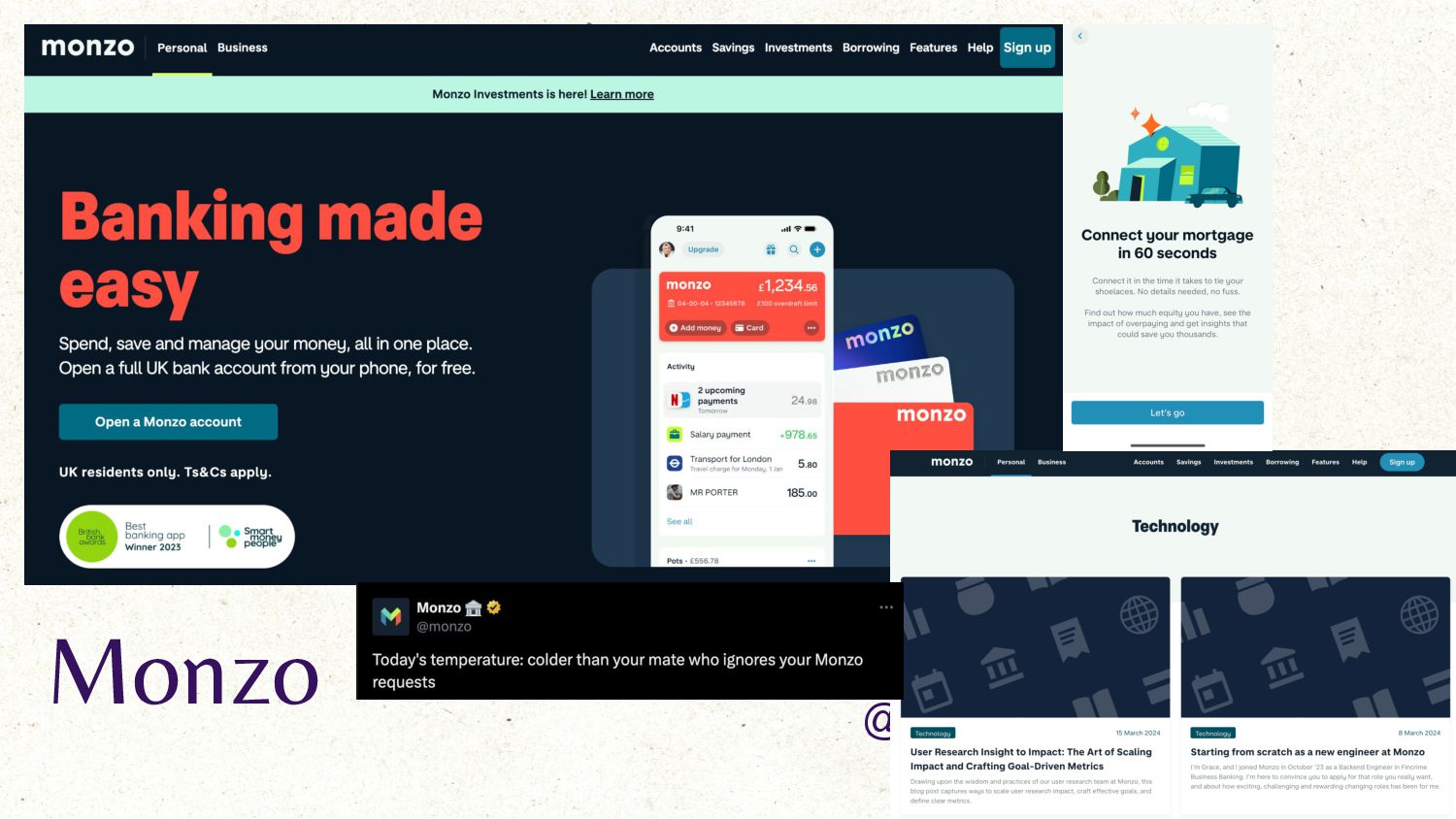
And the challenge here is like a lot of the tactical stuff we do as marketeers appearing on the right keywords, writing content for the right stages of the buyer journey. That builds salience, not necessarily preference. Preference is a whole lot more holistic. And I think a brand that does preference particularly well is Monzo.
And their brand promise is banking made easy, it's very clear, they know who their target audience is, it makes sense to the target audience, it's really good value proposition. And it is embedded in everything from the in app experience all the way through their social channels, even the engineering team write a blog that is focused around this as well.
Preference is very holistic. It is harder to achieve, it requires a lot more orchestration, but the prize is worth having. I hope we demonstrated that here today. So, I've spent a bit of time talking about how do we make the companies you founded?
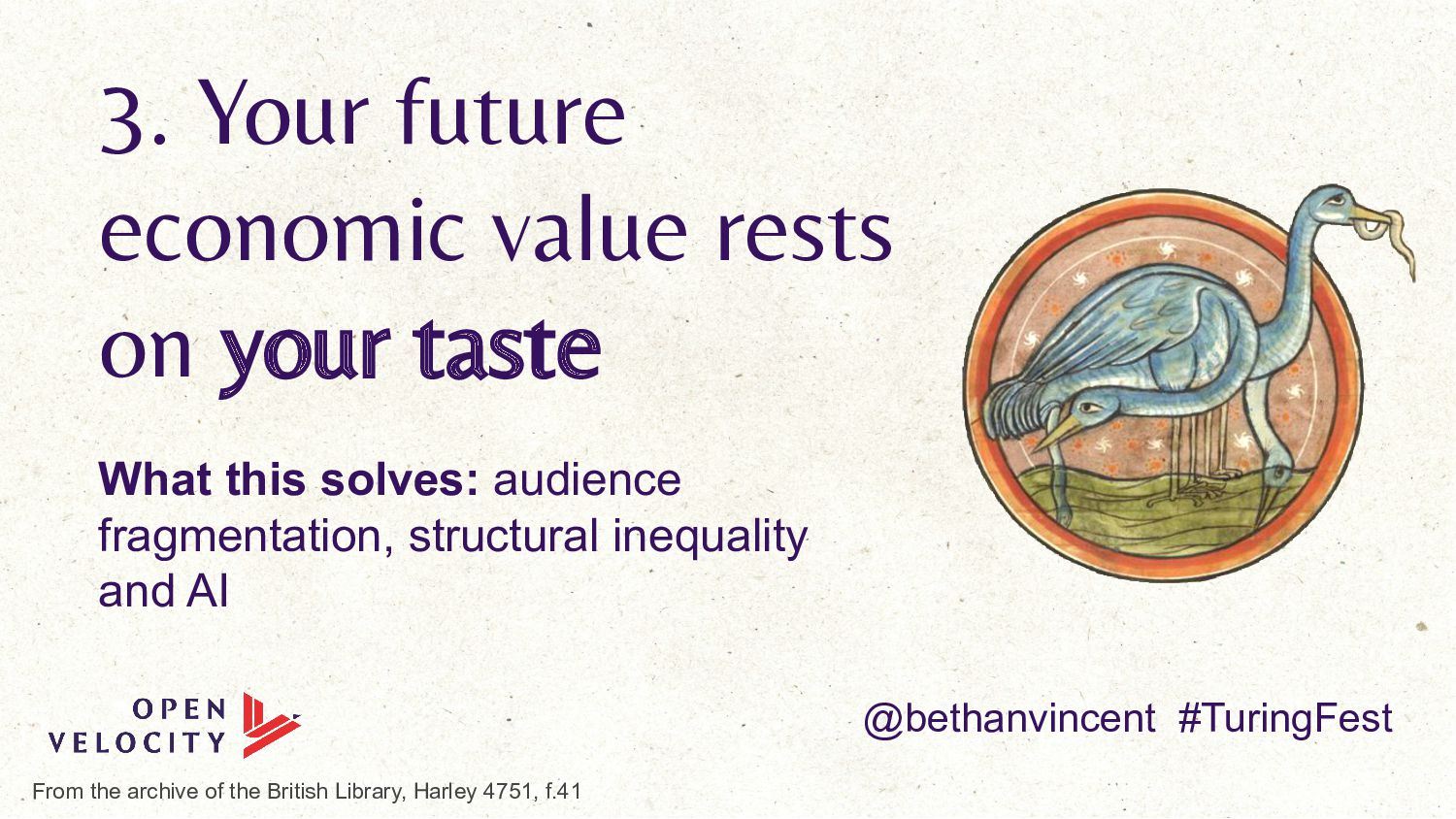
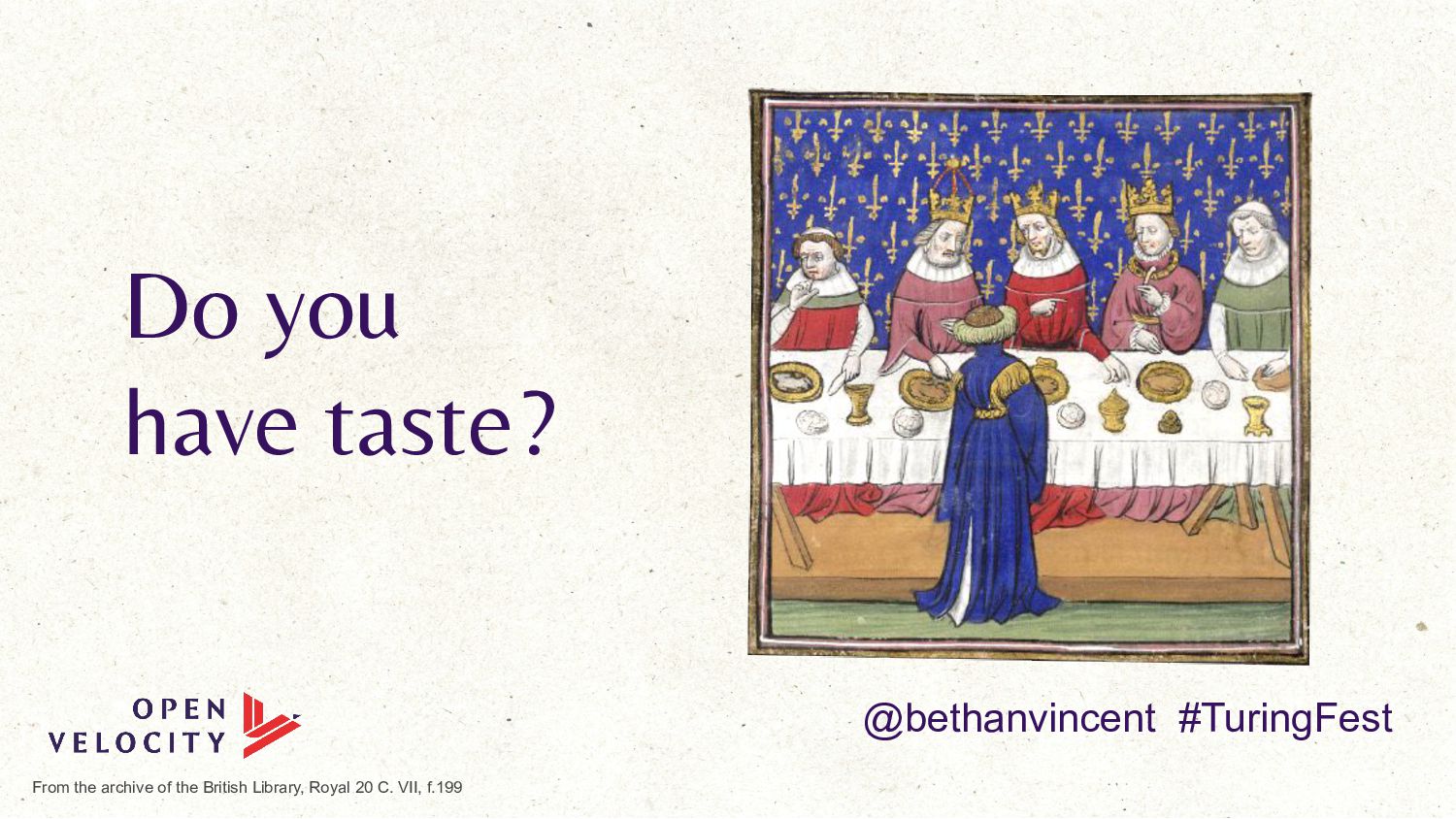
What are the opportunities marketing for the companies you founded or the companies you work for, I wanna take a second to talk about you. So, whether you're working in marketing or hiring marketers, what does the future of the marketing role look like? My argument here is your economic value as a marketer rests on your taste and your vision.
I'll explain that in a bit more detail. I really like this quote from Armstrong. Every year is an amazing newsletter word about AI, by the way, definitely recommend checking that out. Because when you think about it, AI is an abstraction layer over things like information gathering, information synthesis, information repurposing.
It's the kind of bread and butter stuff we do as marketers. We might get junior team members to do. That stuff, I mean, everyone is brought to the same level now, right? Anyone can do that. So, that's not a game changer. What actually is going to make you more valuable?
It's taste. And what do I mean by taste? So, it's your ability to understand what good and bad looks like within any given context. So not just understand what good and bad looks like, understand why something is good and why something is bad.
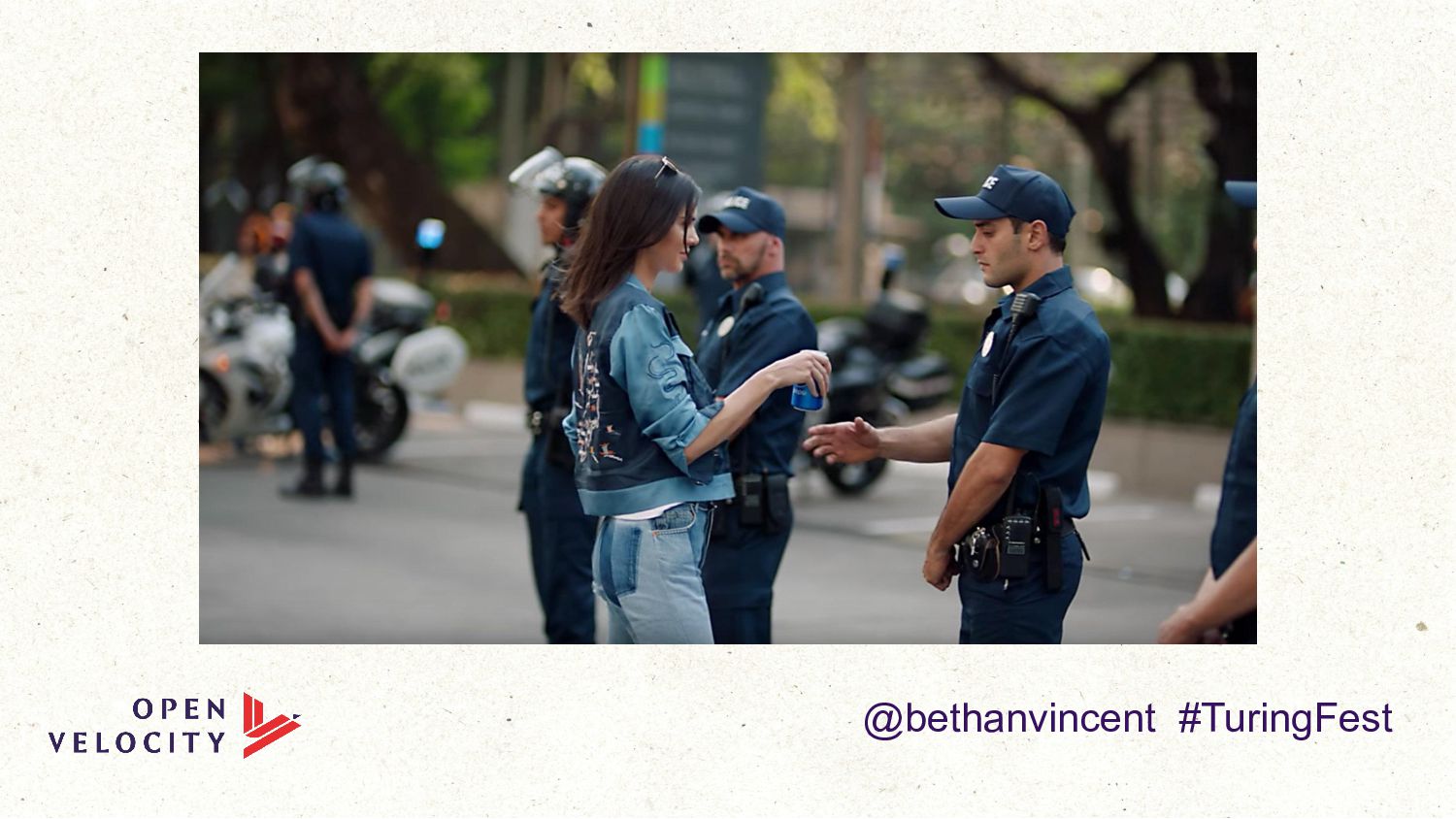
And not just understand why it is good or why it is bad, but be able to move in, direct it, and this is where the vision element comes in, from bad to good. We all know what bad taste looks like. This is their famous Kendall Jenner Pepsi ad.
What's really funny about this twenty twenty, by the way, what's really funny about this to me is this was probably built on a really good piece of insight. And the insight was that young people really care about social justice. And then LLM could have given you that answer.
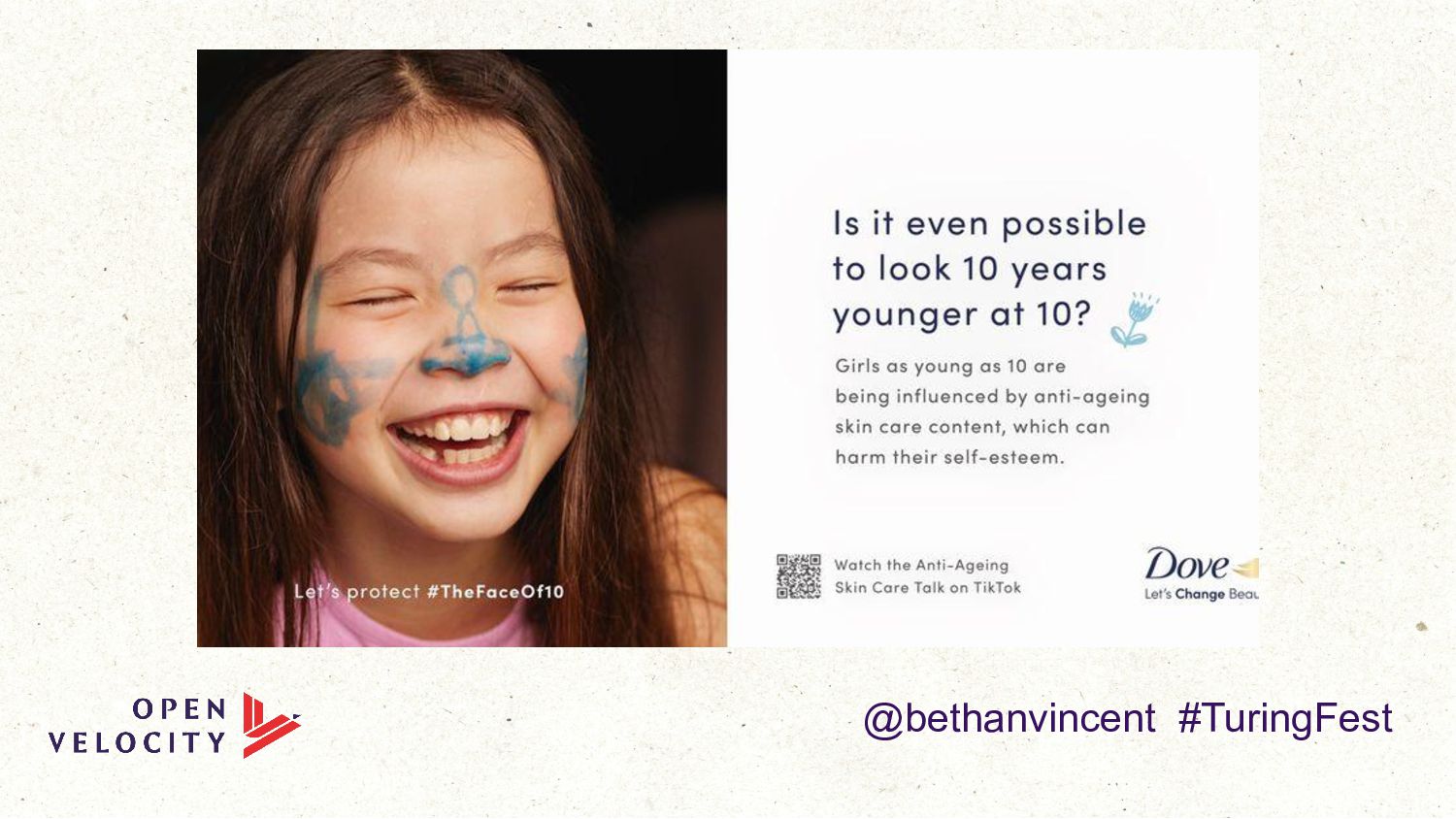
But this ad was clearly done in extremely poor taste. It didn't resonate with the audience at all. In fact, it was extremely damaging for Pepsi. But that's not to say that social justice isn't a fertile ground for advertising, messaging, marketing. Dove, a brand who I think nail it often.
Again, this advert was based on an extremely interesting piece of insight that girls as young as ten are starting to ask about Botox and wrinkle cream. It really understands who the target audience is for this. It's the mothers of those girls and it is for resonant message.
It's done with extremely good taste. Because the thing about taste is it's not about your taste. That's not why I'm arguing here. It is about you understanding what is in good taste for the audience. And this goes back to my point around you are going to have to market to people that you don't agree with.
I mean, I've spent most of my career marketing to developers who, in sometimes a very different audit, don't ask me to code, very different audience to me. And I've had to understand what makes them tick. That's what makes a really good marketer, empathy.
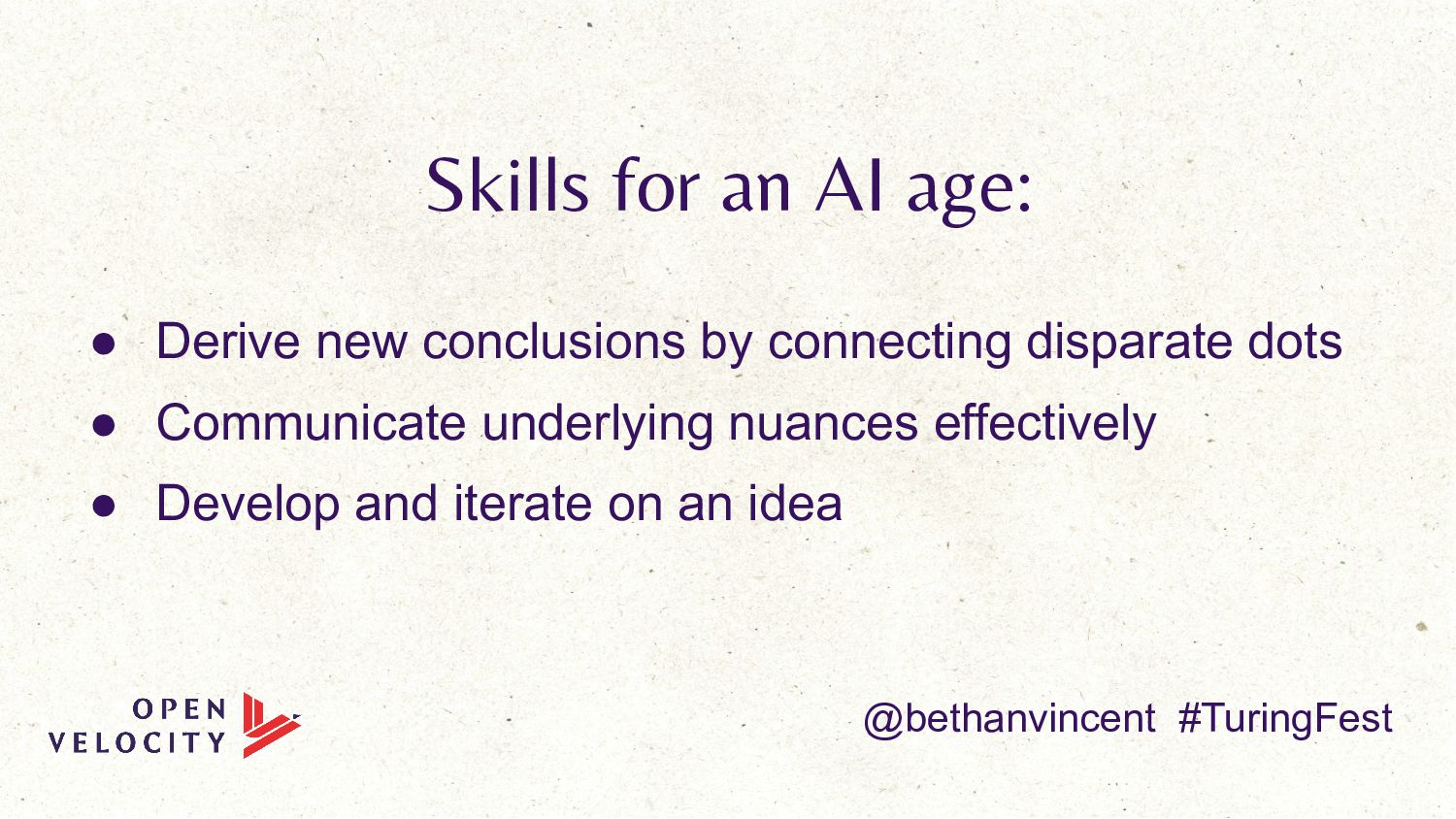
And this is why empathy matters. So, when we think about an AI age, the skills for an AI age are kind of the ones that if I'm frank, were always really important. You know, it's the ability to derive new conclusions by connecting disparate dots.
LLMs are prediction machines. They're just predicting the most probable next best word with a bit of randomness thrown in. They cannot come up with net new, that is a competitive advantage for you as a human. It's the ability to communicate nuance. Nuance is so important as we've seen.
Two social justice concepts, but a lot of nuance and how they're received and understood by the audience. And finally, the ability to develop or iterate an idea. Whether you're directing people or you're directing machines, the ability to give feedback, the ability to move stuff forward, it is the same skill and that is the one that is going to be important.
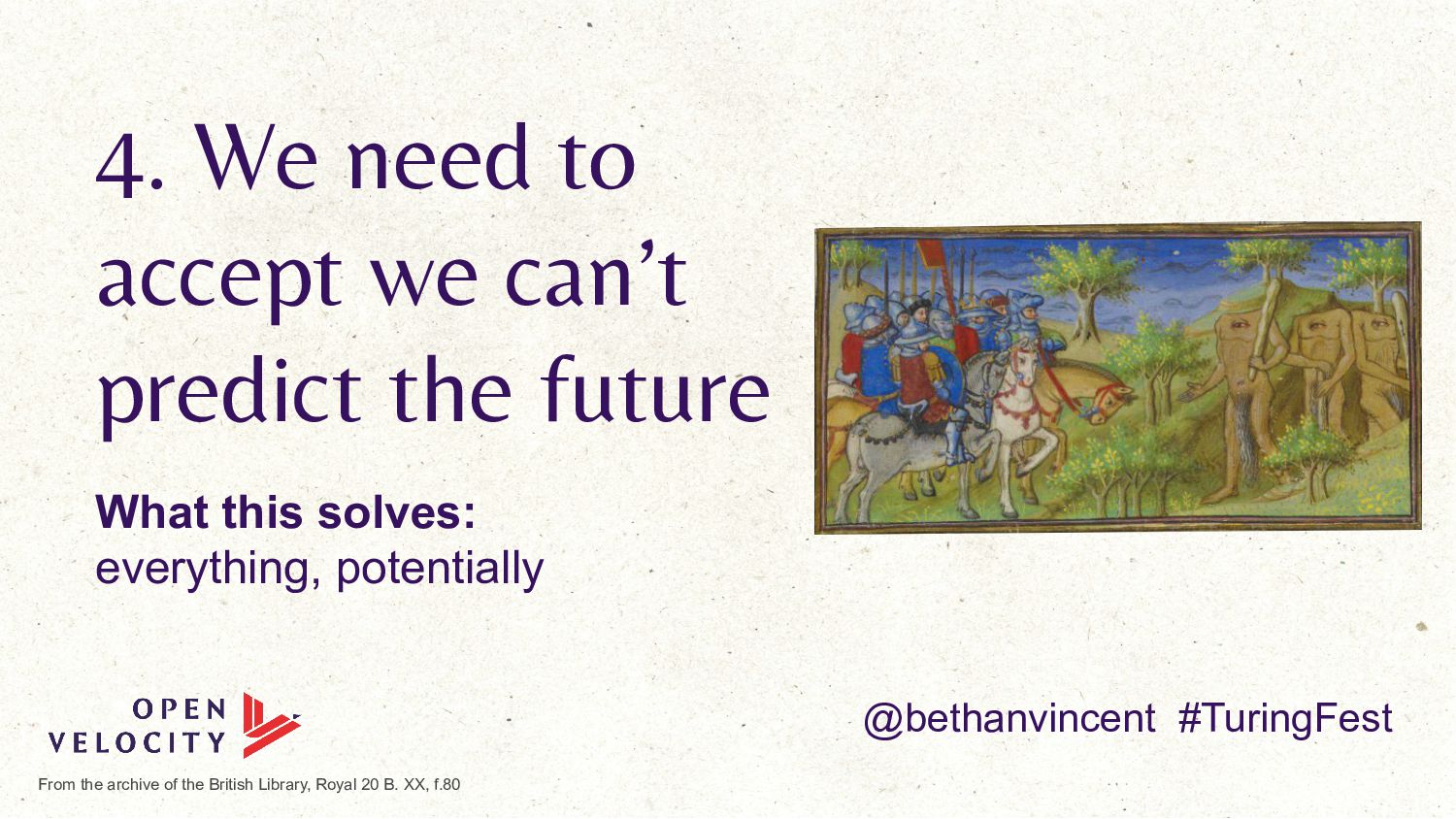
So, we need to, it's ironic, right? I've just said, these are all of my predictions. This is what I think the opportunities are for marketers. And now I'm saying like, we can't predict the future, right? We all know that the unthinkable can be around the corner.
That's what the pandemic taught me. You're gonna wake up and you're gonna be locked down for months on end. Who would have thought that, January twenty twenty, that was gonna happen. And this is what studying history teaches you, that history is extremely unpredictable and the world is very fragile.
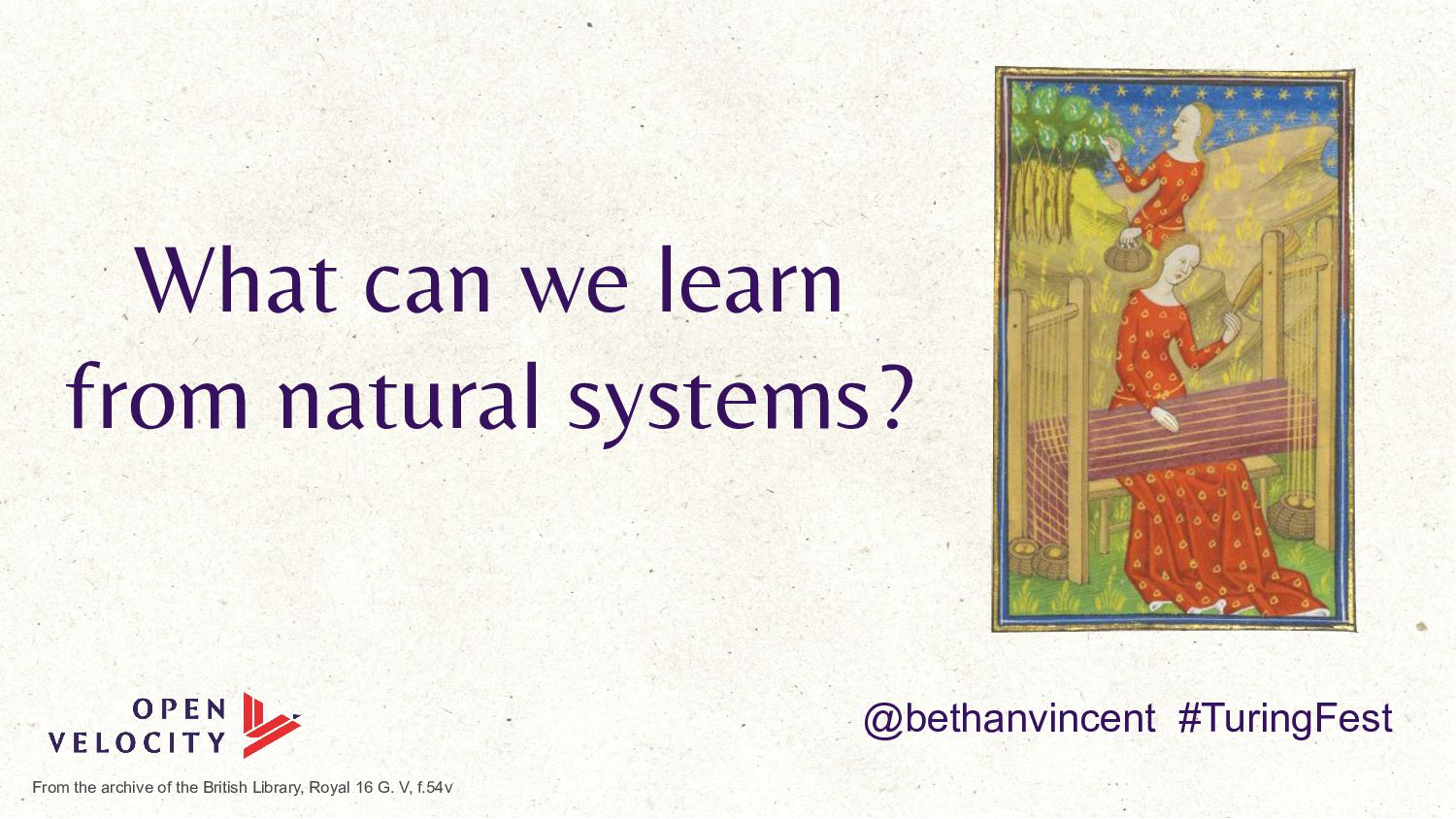
But I think actually, and you're gonna have to bear with me here, this is a bit left field. When I think about, what is very good at surviving in a volatile environment? It's nature, right? Natural systems are literally built, they are evolved to withstand unpredictability and instability.
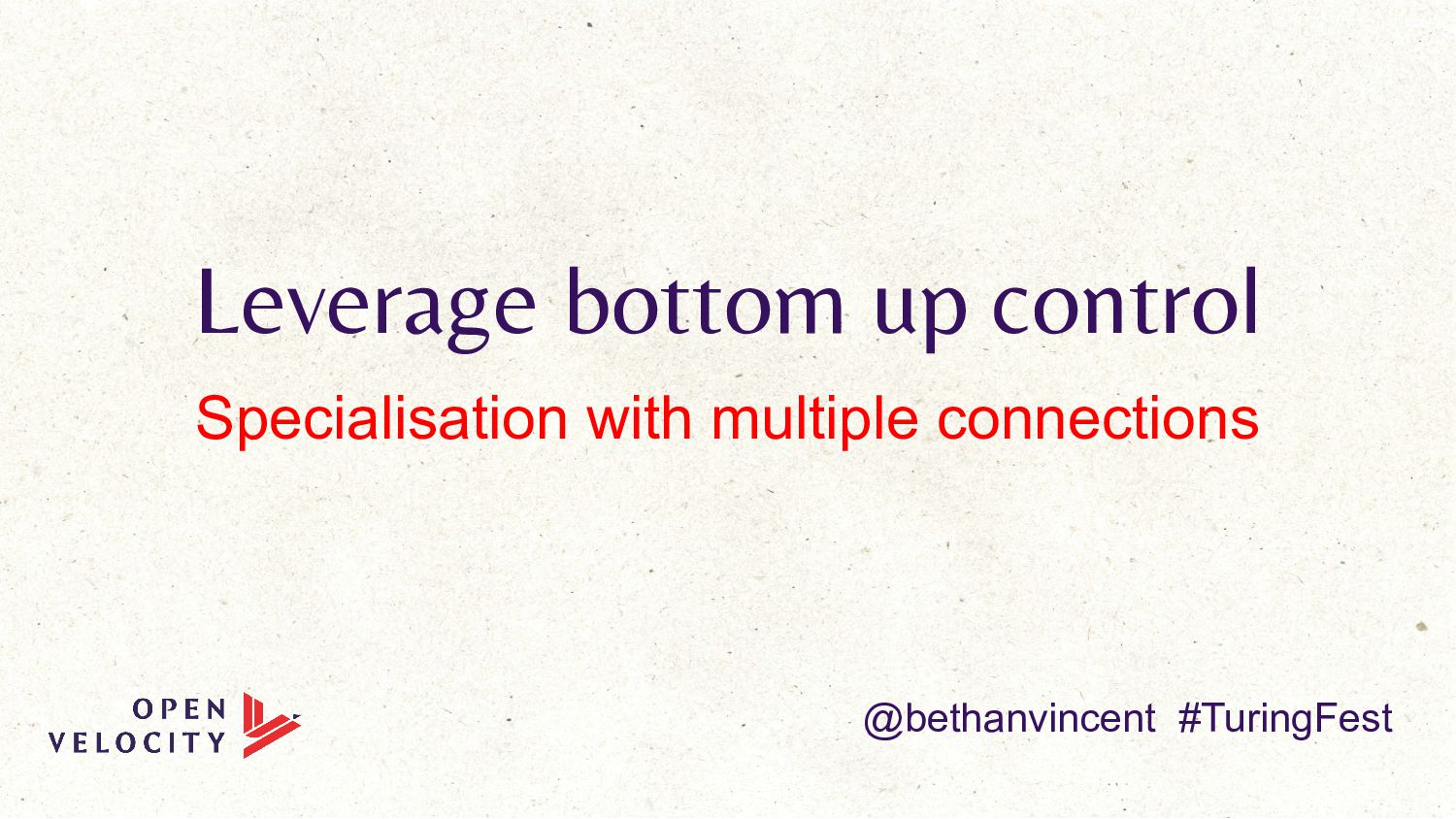
So bear with me, what can we learn from nature as marketers? Because I think there are some interesting lessons to reflect on. So firstly, natural systems, to our knowledge, there was no one up there orchestrating them. They are built from bottom up control.
And I think the interesting thing that I'm seeing a lot in marketing teams is marketing is clearly becoming a lot more specialized from a channel perspective. Technical SEO, SEO in particular as a field is becoming incredibly specialized, would say. So, we're building teams up of these specialists, but we're still treating them as very siloed teams.
And often siloed marketing will be siloed as one part of the organization away from product, away from engineering. I think we need those deep specialists within teams. I'm not arguing that everyone should become a generalist here, but we need to be better at networking them in with each other.
Again, this is what nature does incredibly well. Animals operate a niche, but they are part of an ecosystem. Secondly, nature grows through multiple layers of simplicity. There is no vision for, this is a dinosaur at the end and the amoeba must leap straight to the dinosaur evolves, right?
And again, when I think about team organization, which is something I kind of obsess over, I really think static teams are starting to give away to flexibility to allow teams to become emergent and build around the conditions on the ground. We do a lot of kind of fractional CMO work.
I think that's why that whole fractional movement is happening because it's a lot more flexible in many sense. I think that's why freelancers are becoming much more leveraged as well. And I think this idea of the static marketing team that we hire and we fix, that's gone.
You need to in build flexibility into your organization. And finally, natural systems, they organize around self changing rules. Is no, this is what this thing looks like and it's gonna stay that way forever. I mean, unless you're a shark, right? Three twenty million years of just being the same.
And I think here, the lesson for me is marketing's gonna move faster. We can't slow it down and we've got to be able to move at pace with it. And again, this kind of traditional cycle of, okay, we set out our marketing plan twelve months in advance, or even H1, H2, or even quarterly.
And we stick to it no matter what, even if things actually change, that has got to change. And I think that's a difficult conversation actually for marketing to have with leadership, right? That actually things are changing really fast and we're gonna have to try new stuff and we're gonna have to evolve.
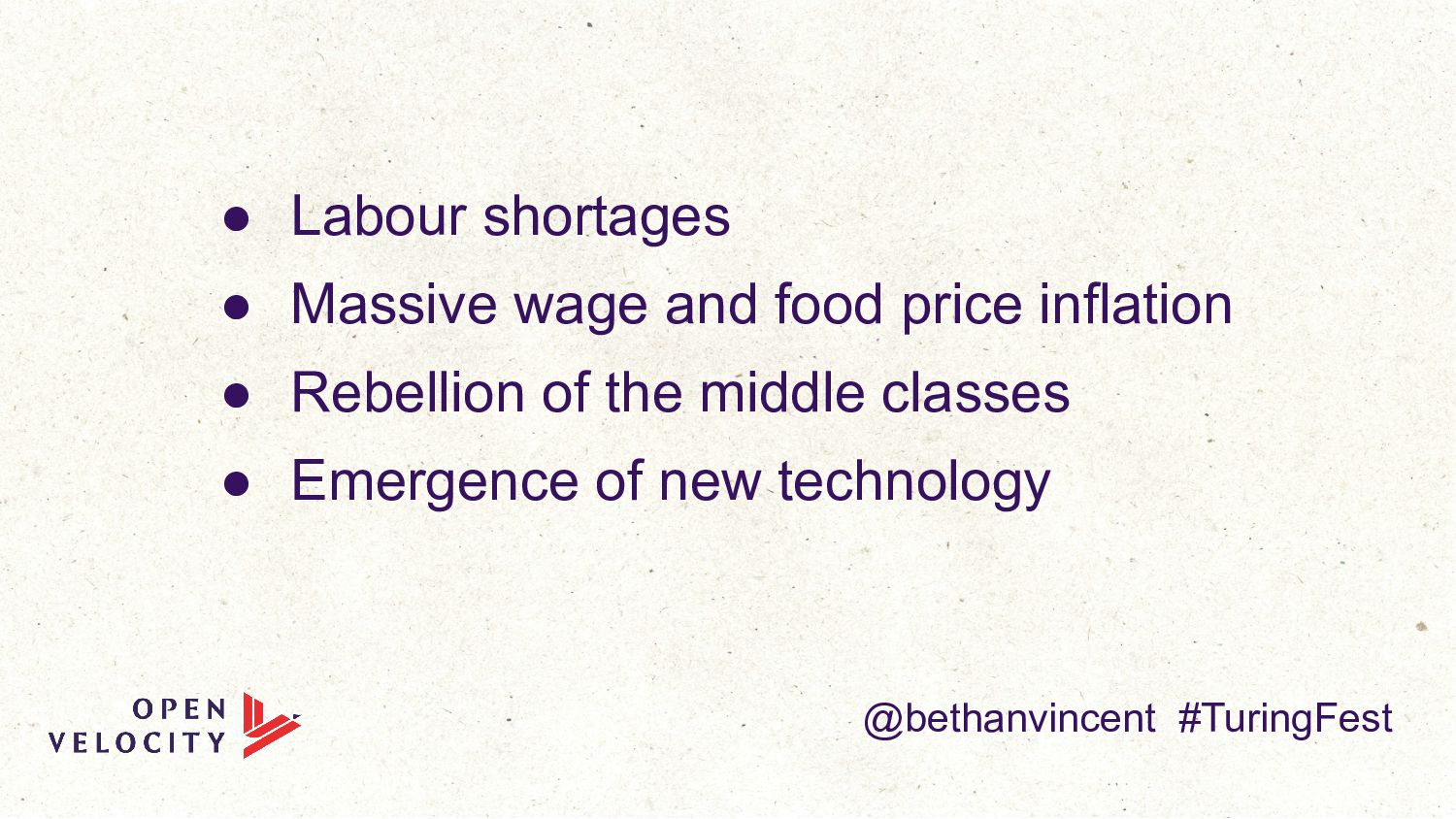
But that's the conversation you need to be having. So, I said there were some similarities between what happens after the Black Death and some of the stuff we're experiencing now. This should all look weirdly familiar, right? I just wanna focus on the last one.
So the Black Death, I mean, it rumbles on for a good couple of hundred years. They don't have vaccines, yada yada yada. But you do get this emergence of a new technology, which can anyone guess what that is? Shout out. Printing Yes, printing press, the OG communications revolution.
And I tell you what, at the time, people were shook. Like, you have the rulers of Europe losing their goddamn minds over this. What? People can just print whatever they want, how many ever many copies they want it. What about the monks in the scriptorium?
They're gonna lose their jobs. This whole traditional industry is gonna fall down. Sounds familiar. Right? But the thing about the printing press was that at the time it was introduced, yes, it was a revolution. You could produce copies of books at scale, Gutenberg Biegel, all of that kind of stuff.
But what's more interesting to me is the second or third order impacts of it that come a bit after there is a lag. Because arguably, you wouldn't have the scientific revolution, the Protestant Reformation, the Industrial Revolution without the printing press. It's that long dura effect.
And we are standing now at the precipice of a new revolutionary technology. And I don't think it's hyperbolic to call AI revolutionary. I just don't think the here and now we're seeing the extent of it. Like we're all using it, we're all figuring it out.
What is more interesting? What is gonna be more impactful is how it changes consumer behavior, how it changes society. And that's five, ten years away from fully kind of percolating through the system. So I wouldn't be worrying about it too much now. Yes, I'd be using it, but I'd be thinking about how does this change the world I live in and what are the opportunities from that?
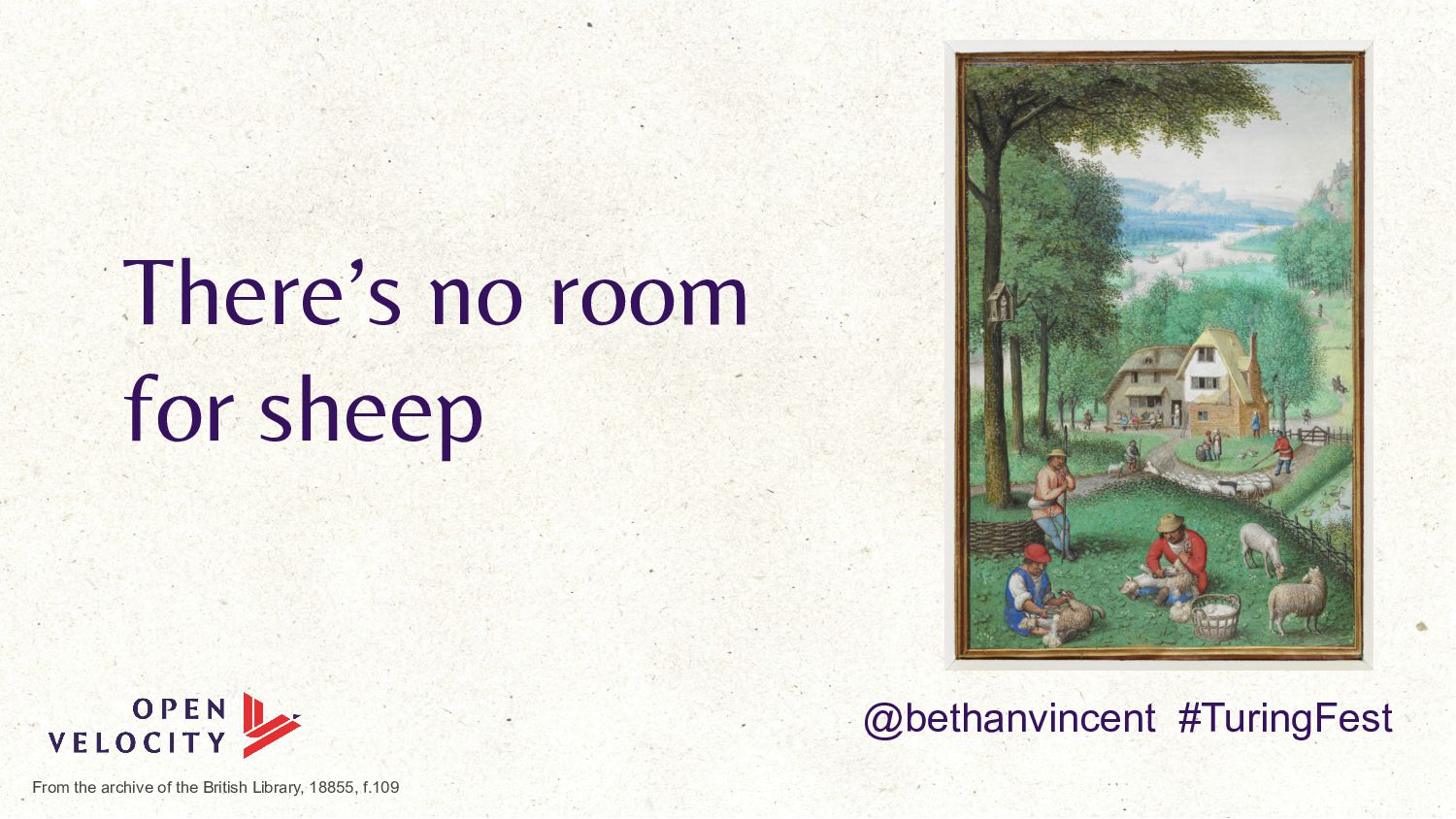
The thing is moving forward, there is no room for marketing sheep. We can't just follow the crowd. We can't just follow competitors. We can't just do the stuff we were doing five years ago, two years ago, a year ago, and expect the same results.
The game has fundamentally changed. The people who win moving forward are the people who are willing to change, to do something different, to recognize the world as it is. So if you can take away anything from this talk, it's this. It's all about trust.
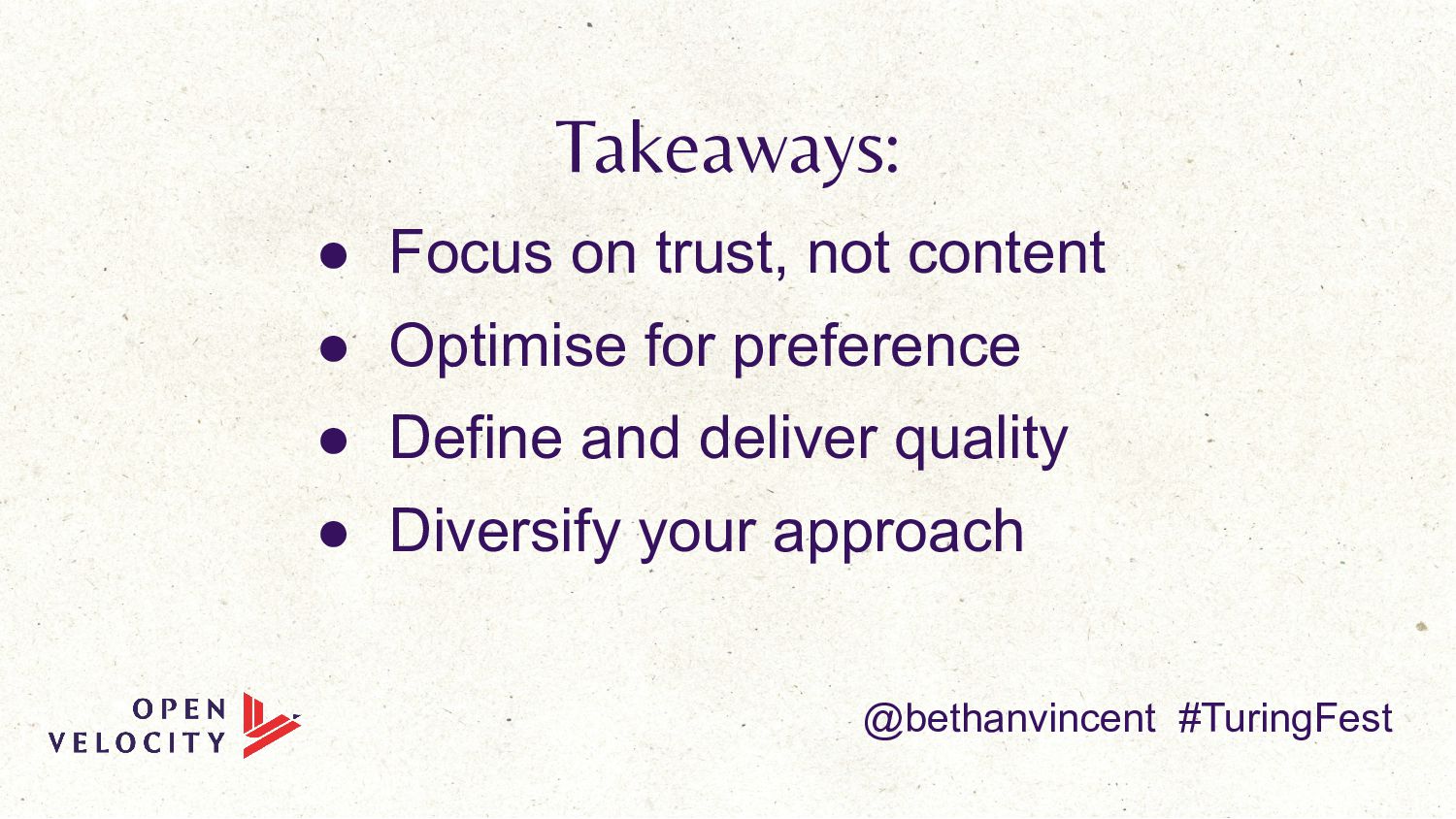
Focus on trust, incentivize trust within your teams. Optimize for preference, not just salience. We need to define and deliver quality. That is our job as marketers. We are the guardians of quality, the guardians of taste. And finally, need to diversify your approach. Otherwise, to be perfectly honest, it's adapt or die time, right?
So I hope you enjoyed that. I really enjoyed being here with you today. I'm at the round table. If you've got any questions, especially if you disagree, I love people who disagree, please let me know. And thank you so much.