
So you're strumming along and doing your usual thing as CEO/founder/whatever of your business. Birds are singing, the sun is shining, and customers are happy when all of a sudden, a {INSERT TRAUMATIC THING HERE} happens and completely shakes your business to its core (I'll let you fill in the blank for what it could be). There's churn, loss, drama, panic, you name it. And what's worse is you have no idea if there's a way out. It begs the question: what does your team do when shit really hits the fan and how do you manage to find growth opportunities without being consumed by panic? In this talk, Asia will take you through a real-life case study of how she helped her client find growth opportunities in the midst of a global pandemic (and still ended up 4x'ing their revenue), and cover the takeaways you can apply.
Finding Growth Opportunities When Shit Hits The Fan


Auto-generated transcript - may contain errors. Tap a timestamp to jump the video.
We are gonna talk all about how to find growth opportunities in a crisis when things are not looking super hot. And because I I'm a by trade, I'm a growth marketer, a strategist, I run a consultancy. So I'm actually gonna start with a story of a real life story, real client.
And this client is called Uplisting. And what Uplisting does is they are a vacation rental software platform. They work with imagine imagine you want to start a vacation rental company, you get a whole bunch of properties, you put them on Airbnb, and like you need a platform to ultimately help you sync those listings across different channels.
You need a way to sync rates, prices. Doing this manually is an incredibly tedious process. So a vacation rental software platform tightens it up, makes it much easier. And at the beginning of twenty twenty, Uplisting reached out to me and they were like, oh my god, it'd be so cool to work together because like we're like growing and it'd be really cool if we could figure out, know, what's what are some things that we're not doing?
And I was like, okay, great. But it was the beginning of twenty twenty. And at the beginning of twenty twenty, a panorama happened. A pandemonium. You know the you know the p word. And as that was happening, at first, our project was like, oh my gosh, this is gonna be amazing.
You know, we're gonna come in, do our process, it's gonna be great. But then, of course, this happens. And when travel stopped, my clients' customers were freaking out. Because when travel stops, people aren't booking vacation rentals, which means there's not really a whole lot to manage, which means customers start thinking, do we really need this vacation rental management software if no one's booking travel and there's no end in sight?
And at the time, at first, it was like, oh my god, we're gonna panic. But I actually I I commend the CEO because, really, the CEO said, okay. Yes. Like, this could be really bad. However, let's challenge ourselves to think outside the box.
And I was like, you're right. So what if we actually thought instead, how could we possibly find growth even in the middle of a pandemonium, even in the middle of all of this chaos, in this crisis? So the process I'm gonna take you through is actually the process that we went through.
And I'm gonna give you real like, I'm gonna show you for real, like, what we actually did two years ago and how we overcame these challenges. And I'm gonna give you a very simple three step process for how you can actually do this for yourself, no matter what kind of business you have.
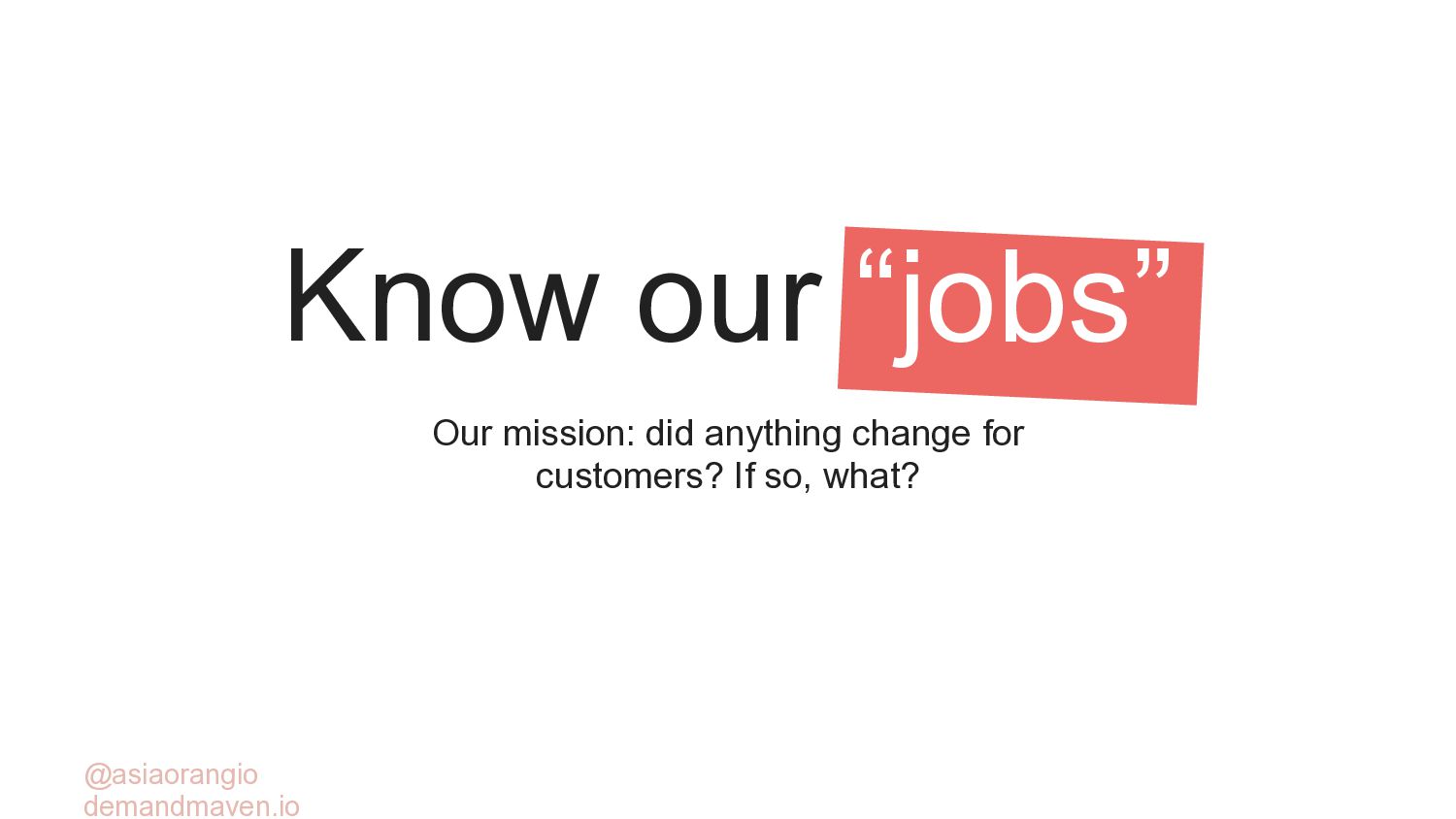
Whether you're a SaaS, software, Internet, services, consumer based, whatever you are, you can actually use this process too. So the very first thing that we did after we had like our micro panic moment was I we sat down and and we said, okay, our process at Demand Maven, we use jobs to be done as a way to understand the ultimate strategy and also what customers are really hiring the product for.
So when we use jobs, that's one of the core basis of our framework. So the first step was, okay, what are our jobs? What are customers ultimately hiring uplisting for? What are they firing? And why are they firing that previous solution? How many of you are already familiar with jobs to be done?
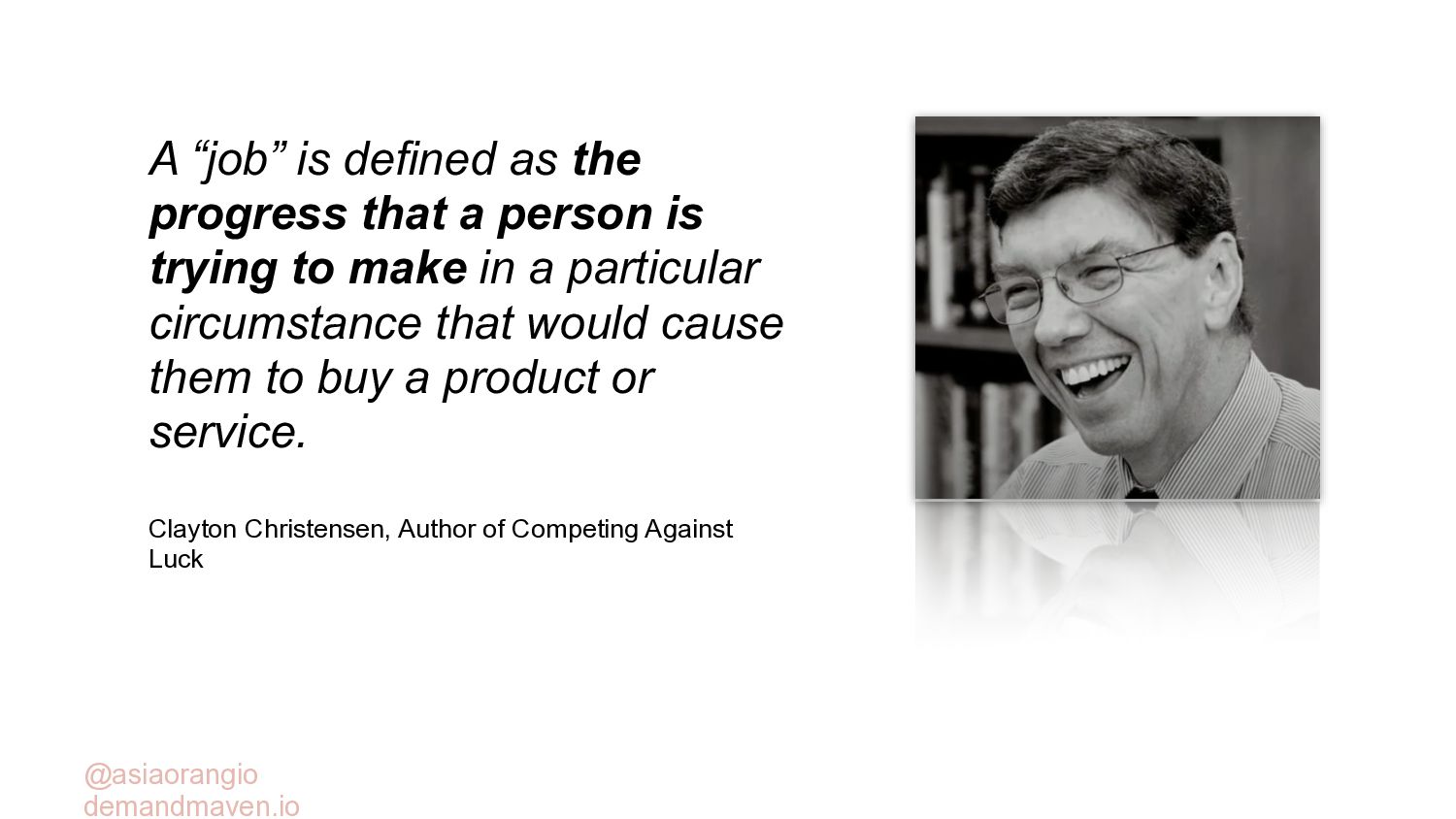
Awesome. Okay. They told me that y'all would know jobs, and this is paying off, so I'm excited. Alright. But just in case you're not familiar with jobs, a quick refresher. So a job is a concept championed by Clayton Christensen, Bob Moesta, if you've ever heard them speak about jobs.
But a job is defined as the progress a customer or a person wants to make with your product or service. It's the progress they wanna make. There is some outcome they are hoping to accomplish, some thing that they're trying to achieve. Much as I would like to think that we just buy products and services ***** nilly for no absolute reason, the truth is that there is something that we're trying to get at the end of the day.
It's possibly to it's the most basic outcome that you can possibly think of like, I wanna manage my finances. I have all these needs but these are this is the progress I wanna make. Or maybe I wanna manage my properties or manage my listings.
These are the kinds of jobs that we have. If you attended April's talk this morning, you know all about, buying a toilet. Her job was, I wanna buy a toilet. She didn't really know what her needs were, but that's okay. She just wanted the toilet.
I want the toilet at the end of day as a job. So why were our customers, at uplisting ultimately hiring the product? And had that ultimately changed in the middle of the the panorama, of the pandemonium? So when we did this research, going back to what uplisting ultimately does, it's a vacation rental software management platform.
So if you are a vacation rental manager or a short term rental manager or serviced accommodations, your job at the end of the day was probably two things at the time. Again, this was this was twenty twenty that we did this research. But we interviewed customers, we got them on the phone, we talked to them, we listened to what was going on in their worlds.
They're freaking out too because, you know, it's it's you know, all this is going down, there's no travel happening. They're kind of like, we gotta make sure we stay alive. But when it came to hiring uplisting, they saw uplisting in a very specific way at the time.
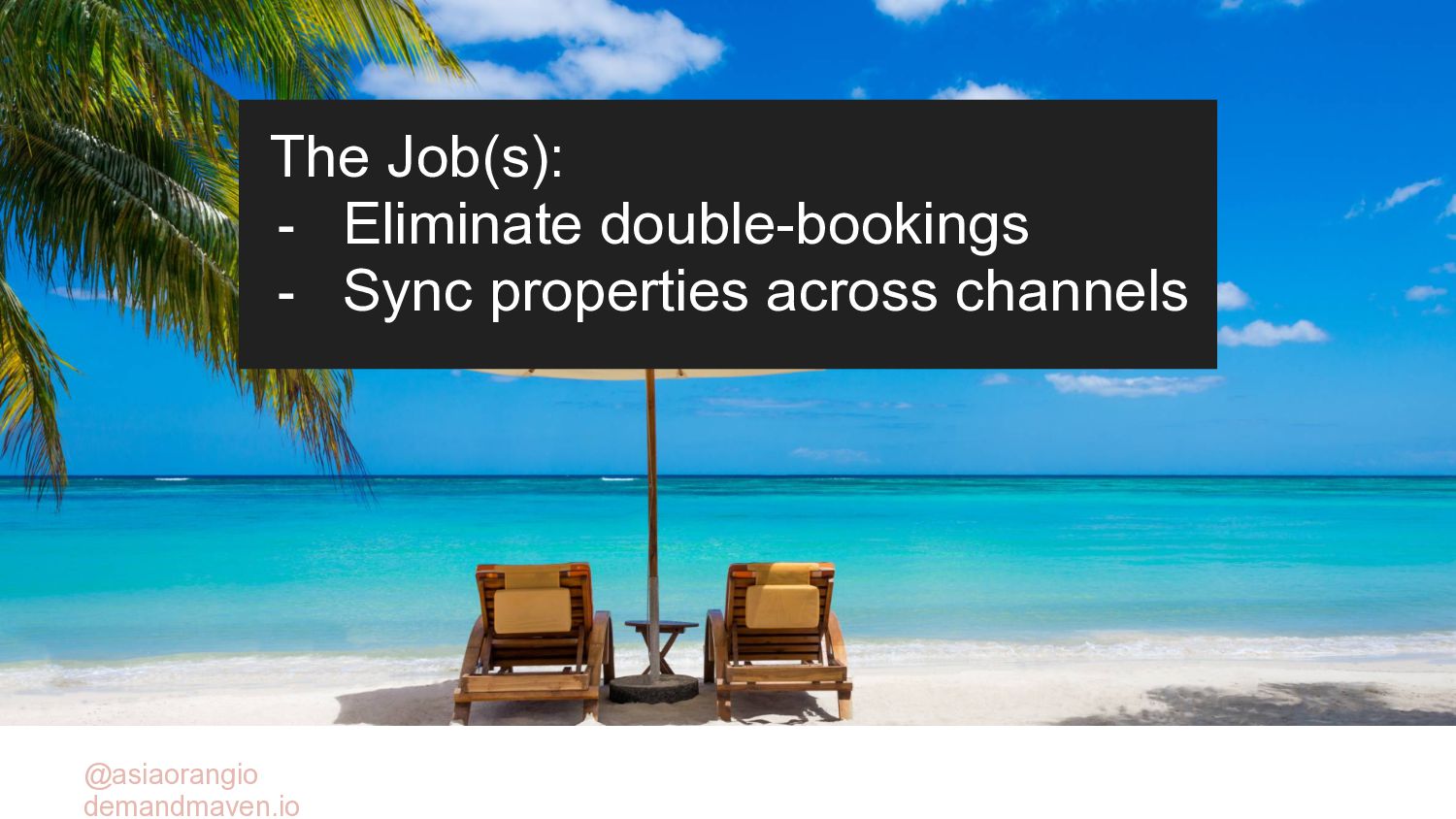
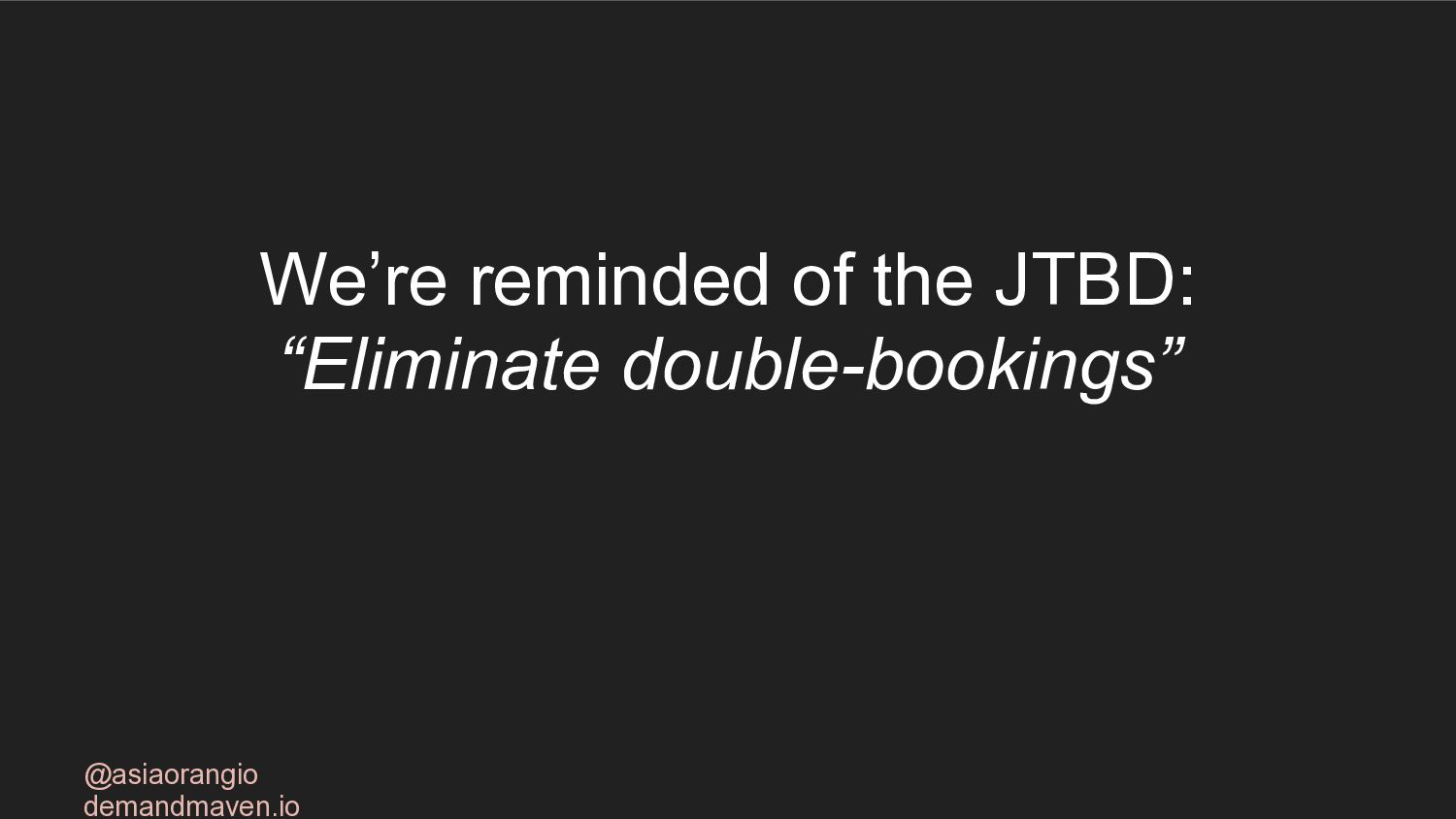
And it was two things. They wanted to eliminate double bookings, and they also wanted to sync the properties across channels, which meant that any time so double bookings are when you might have had this happen to you if you ever booked like an Airbnb, But sometimes, some there's like a thing that happens in the internet ether, an internet or an integration gets disconnected and somehow two people book the same property at the same time for the same date.
And then the vacation rental manager has to figure out, okay, who's going to actually get the booking and who do I have to disappoint? It actually happens quite often unless of course you use up listing. There was also syncing properties across channels. I wanna put my properties on Airbnb, VRBO, Booking dot com.
I wanna do all these channels at once and I don't necessarily I don't really care at the end of the day, you know, if there's issues or I do care if there's issues but I don't necessarily care what the channel is. I wanna be able to use them all.
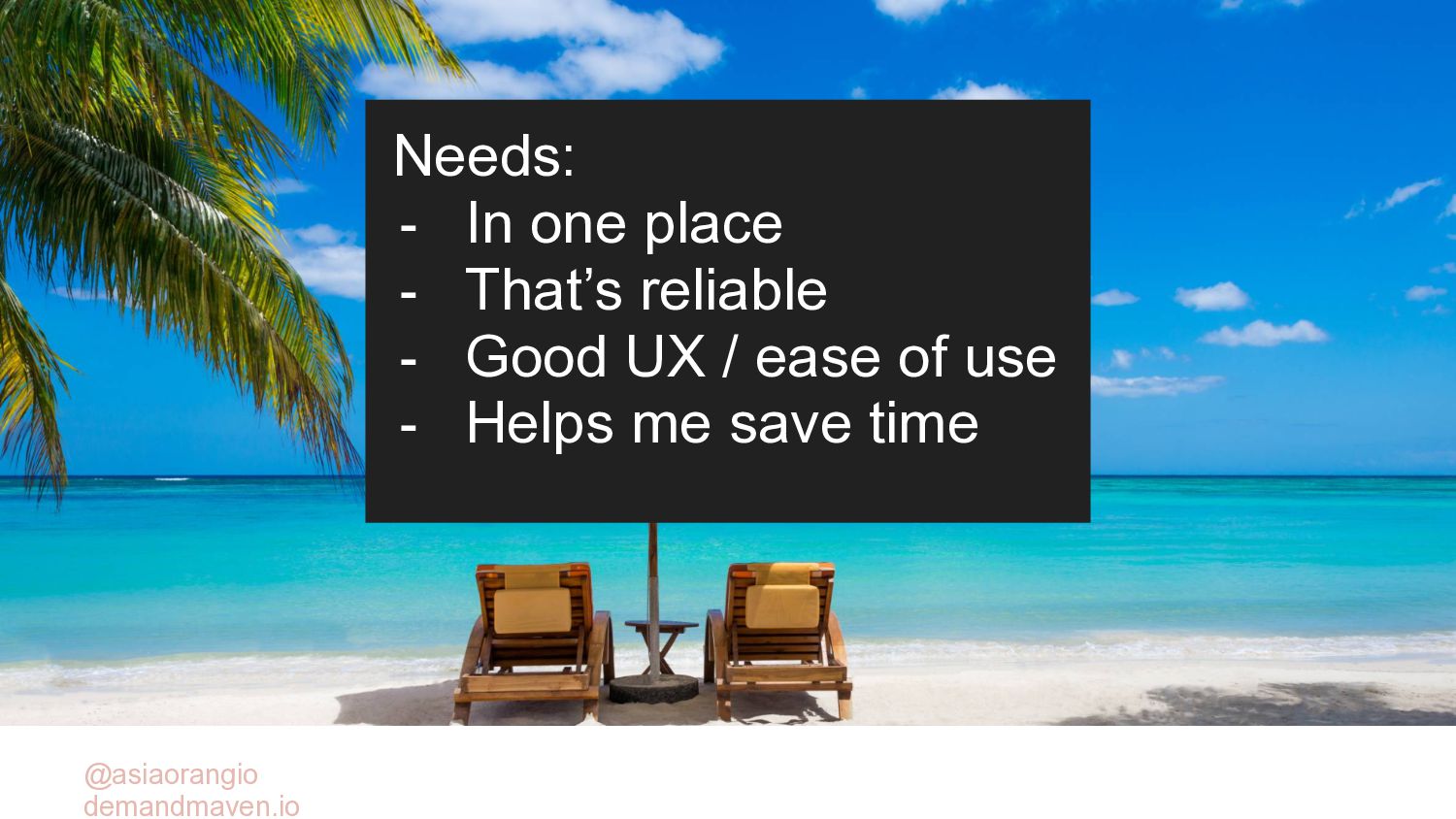
So these were the top two jobs that we heard. I wanna eliminate double bookings and I wanna sync my properties across channels. But there's also needs. There's desires. There's things that I like, I wanna be able to do this, but also have these other things too.
So I want to have it all in one place. I want it to be reliable. I want it to be good user experience, and also I want it to actually help me save time. So doing this research, we identified the jobs and also the needs associated with those jobs.
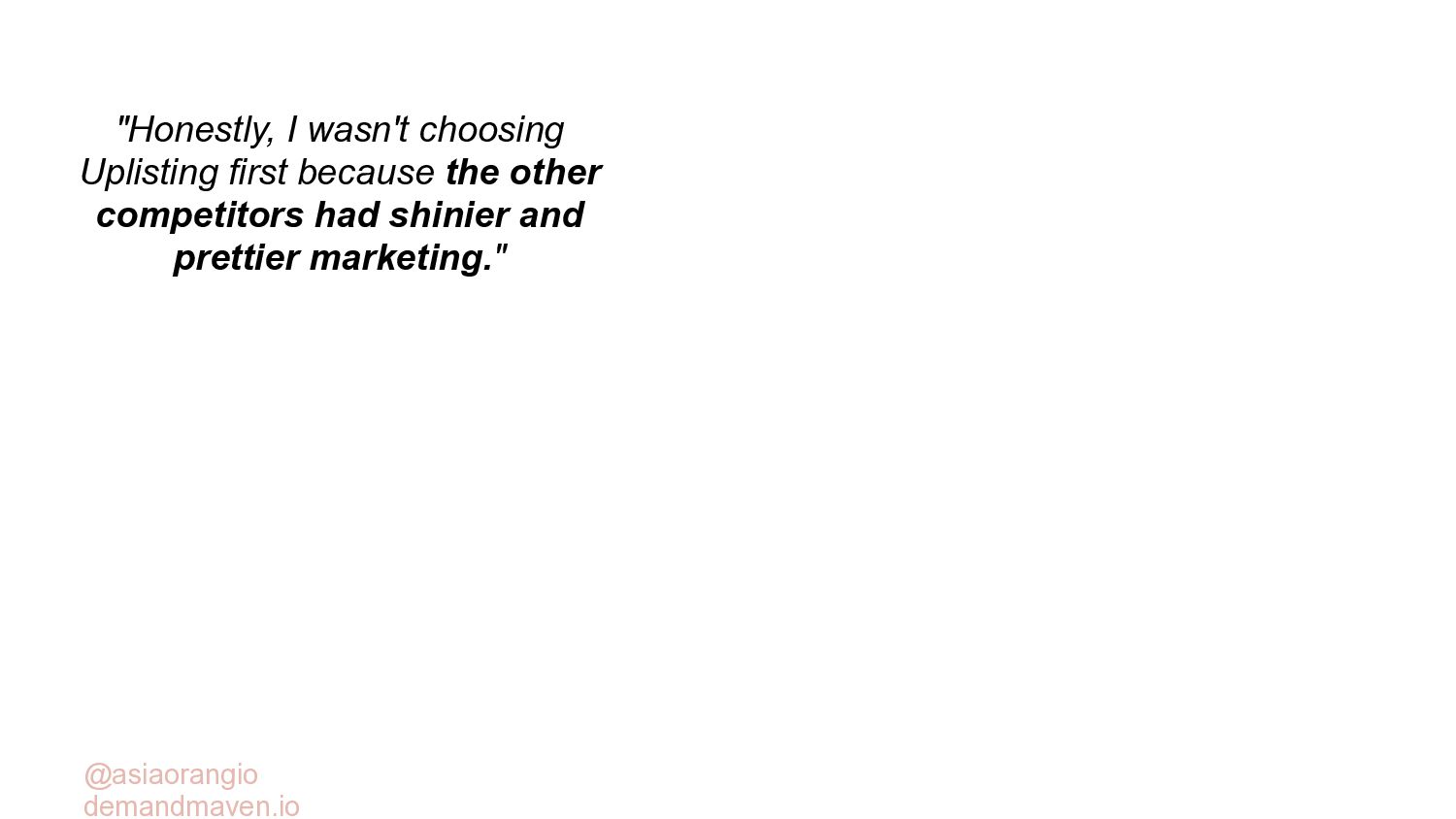
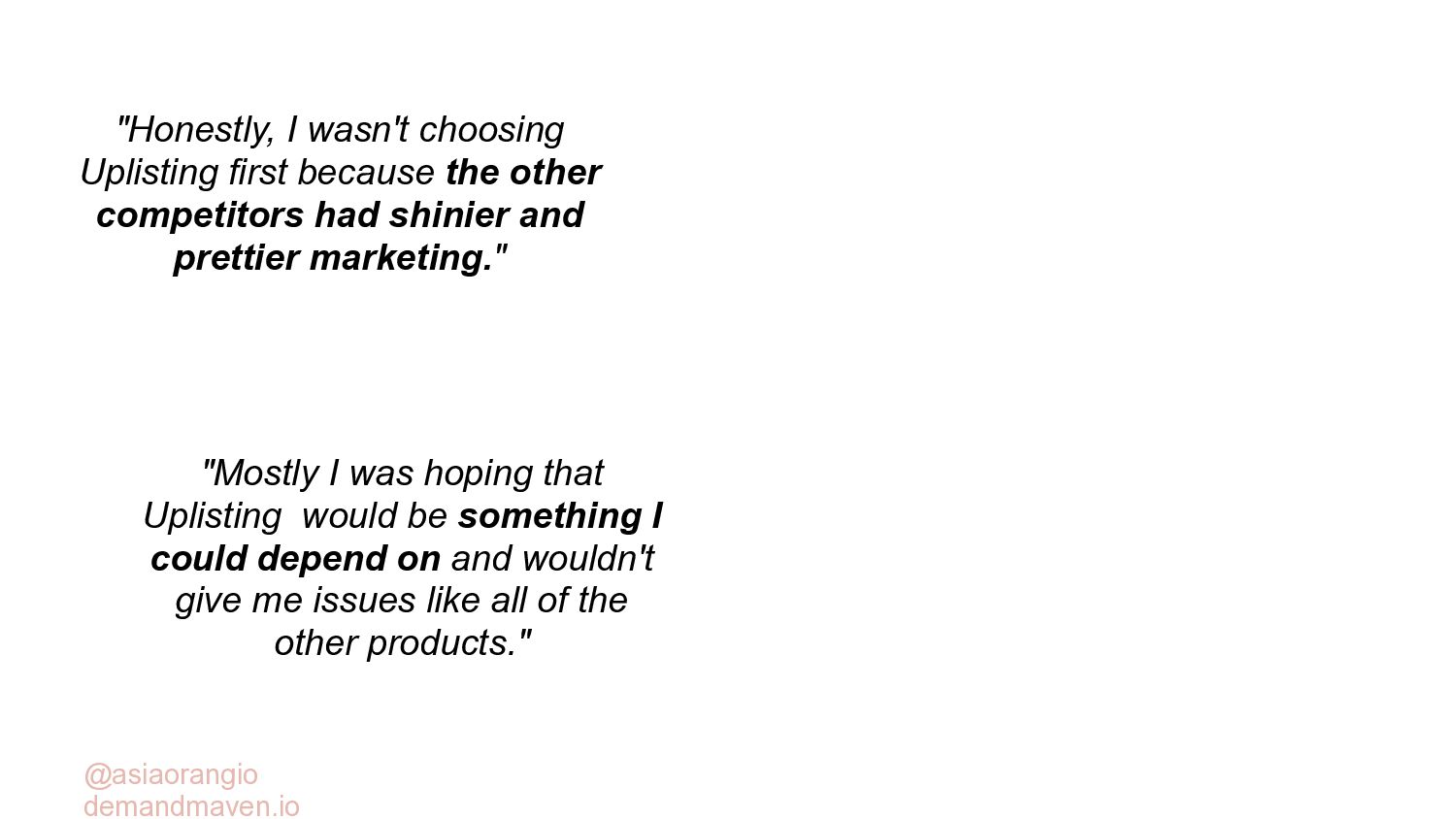
But we also heard some really interesting feedback because it's not, yes, it's about the job, but it's also about just what we're also just hearing from an experience perspective. What's going on in their lives? What's going on? One of the things that we heard was they weren't choosing uplisting at the time because other competitors had shinier and prettier marketing.
A customer literally said this. They were like, yeah, like, I thought about choosing you guys first, but then I saw these other dudes and they had just prettier websites. And I and I remember being like, I remember being in the interview and being like, oh, okay.
I mean, it was helpful. It was super helpful. But we also heard things like, they were hoping that uplisting could be the thing that they ultimately depended on. That wouldn't give them issues like all the other products. It turns out that the vacation rental software ecosystem is extremely competitive, boo coos of competitors.
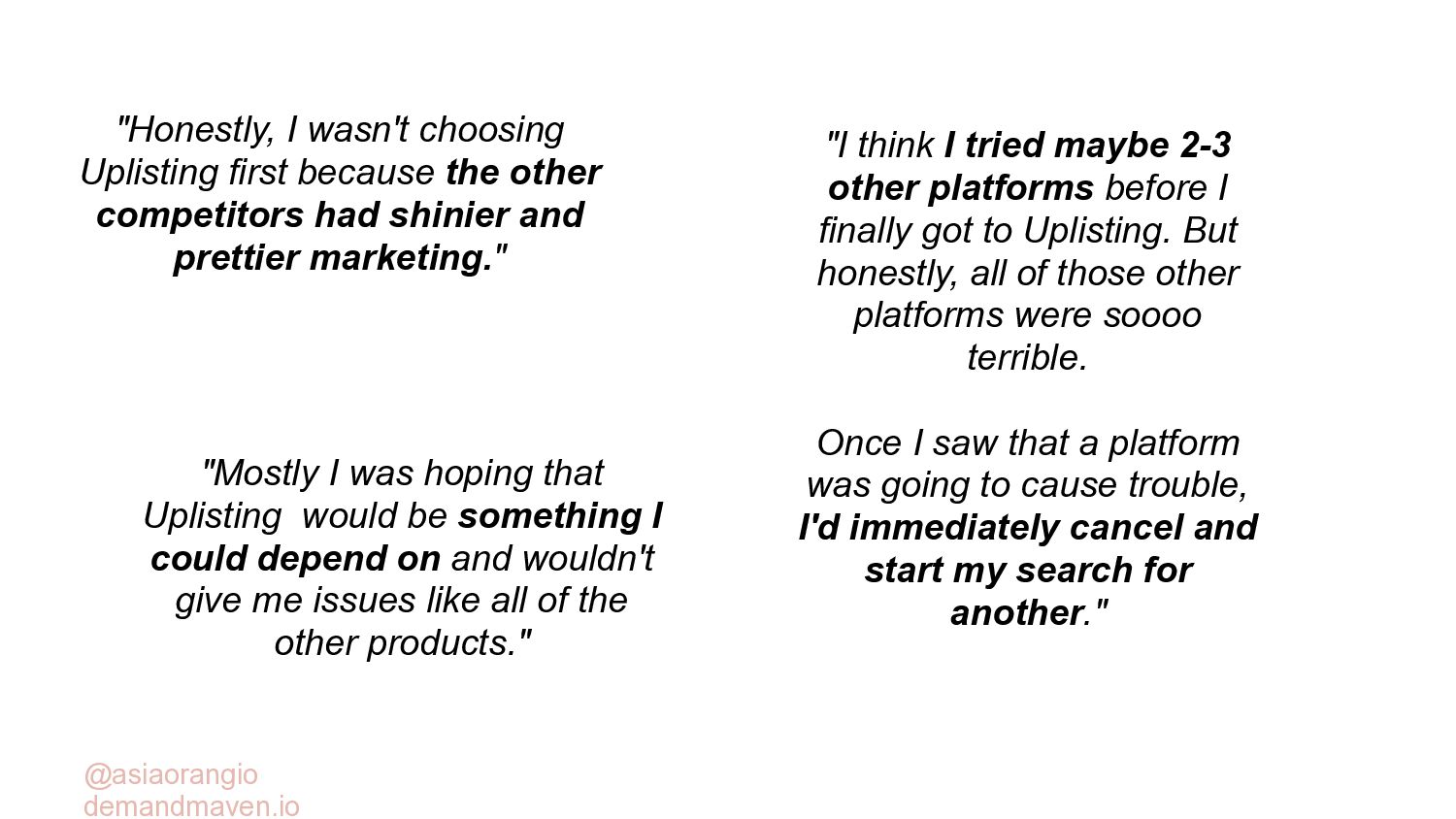
I had no idea there were so many of them. And not all of them great. Most of them super not great actually, caused lots of issues, double bookings. And customers were saying that it was actually uplisting was like their fourth choice, Not the first, which was also fascinating.
But when they got to uplisting, they had no issues. Again, the job was eliminate double bookings. As soon as they would try a few, different vacation rental platforms, they would have issues and then cut it immediately. Once they started seeing issues, they were like, oh, I'm done with this. I'm out.
Then they'd to uplisting and they'd like, wow, this is amazing. It gives me no problems. Who'd have thought? Good software. So this it this research indicated a couple of things. It actually gave us the road map for what we were gonna go and then do next.
The first was we updated positioning. If you went to April's talk, you already know that good positioning is part of crafting a story that sells. I'm actually here to tell you the exact same thing. You would actually you would be amazed at even just updating the positioning and the messaging on your website, what that can do for your business.
And again, covering a growth gap. Also, yes, shout out to April Dunford obviously. But we learned a very big thing. The way that customers viewed the product fundamentally changed throughout the the pandemonium. And when that happened, we we took a very big look at what we were doing before versus what we're actually doing now.
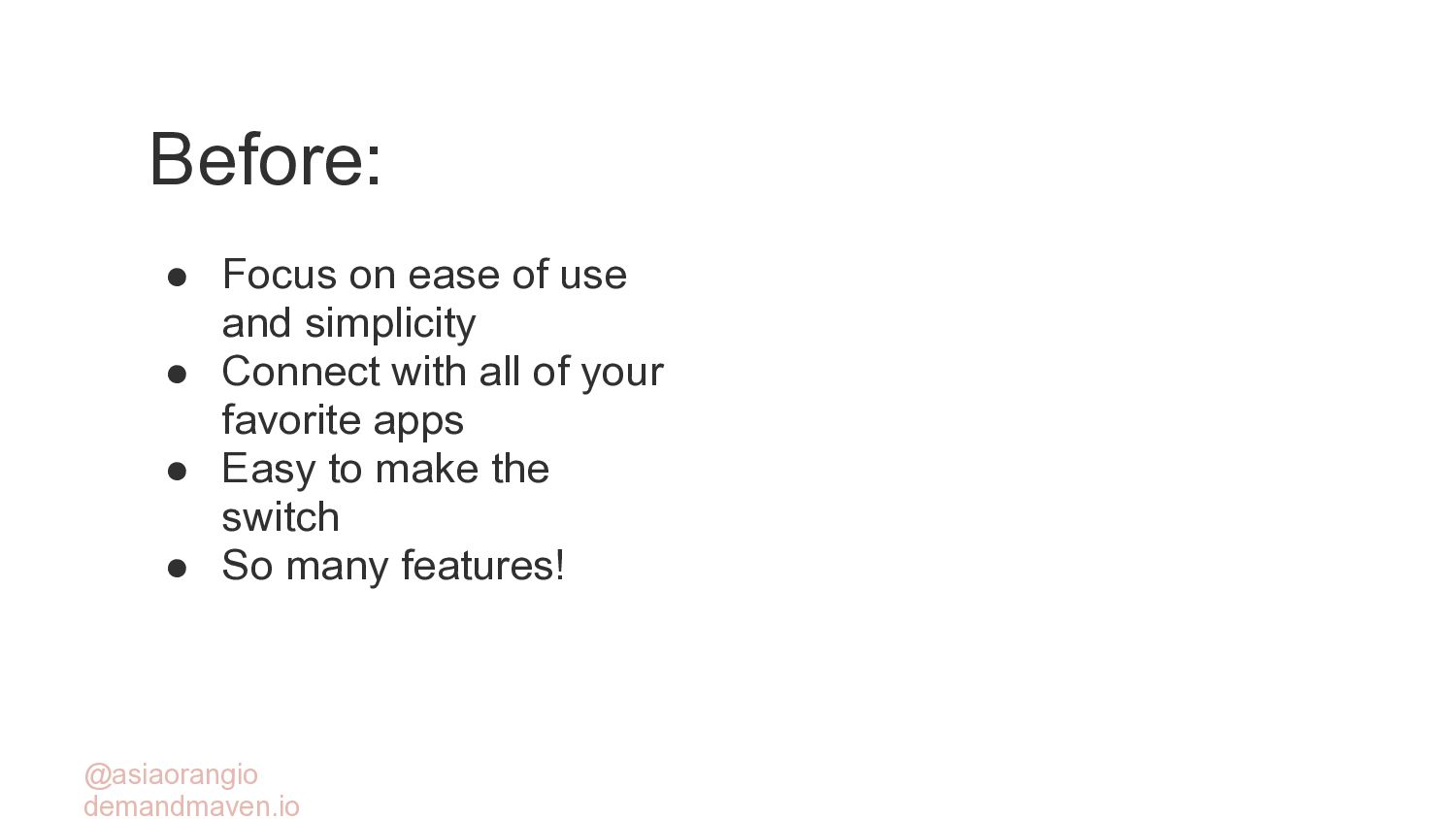
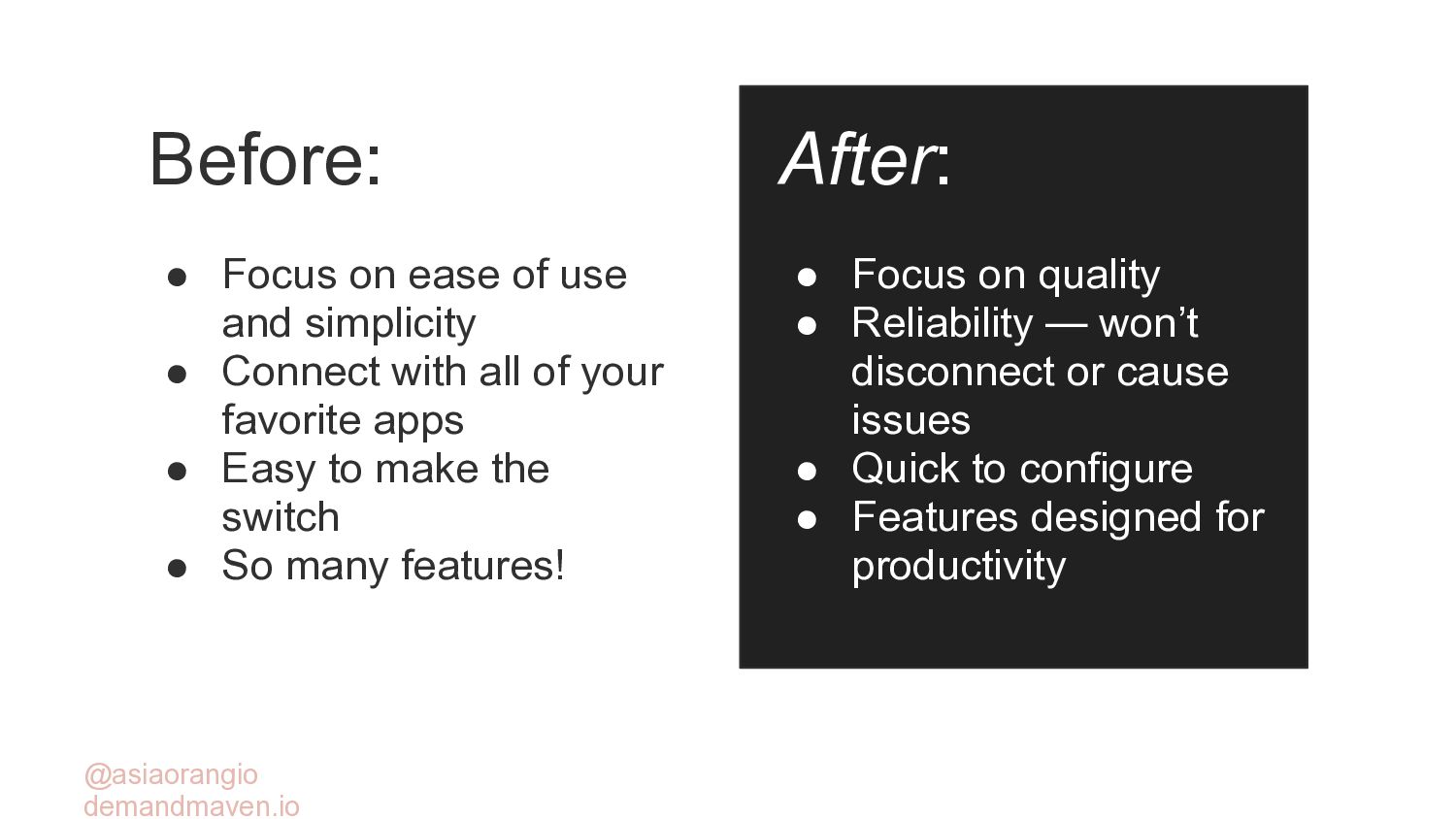
So before our messaging strategy, we used to focus on back in the day, it was like ease of use and simplicity. You can connect all of your favorite apps and you can sync with stuff and it's great. Features. Features. It's easy to make the switch.
So if you're using the the other guys, that's okay. We'll make it easy for you to like, you know, pipe everything over. And yes, all the features. We've got everything. Every anything and everything you could want. But after we did the research, we and we came we came away with this positioning and messaging update, we realized actually, we need to be focusing on quality.
This is what customers have been telling us and also we're hearing it in between the lines of why they're choosing other software. We also needed to focus on reliability. So it's not just about having a cool product that's pretty and like does the thing, it actually needs to be consistent, never disconnect, never double book and be a fundamentally reliable product.
Again, this came from research. And it also, of course, it needs to be quick to configure. This tackles each of the needs that we heard in the job. And finally, it's not just features. They're features designed for productivity. It's not just random stuff.
It's stuff that actually helps you do stuff faster. So after updating the messaging on the website or excuse me, yes, on the website, we actually overhauled the design of the website because remember that customer who was like, we chose that other guy because they were prettier than you.
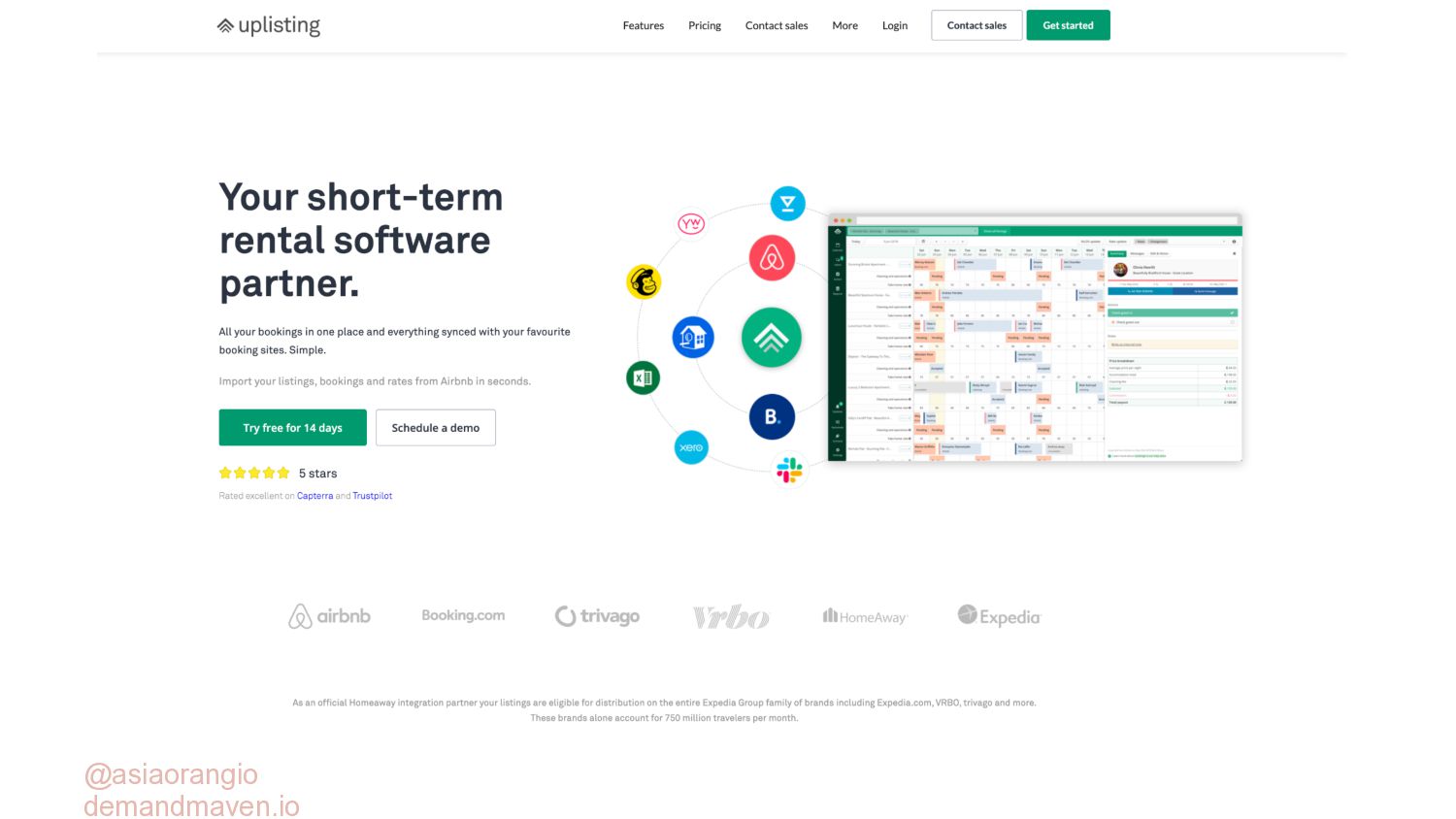
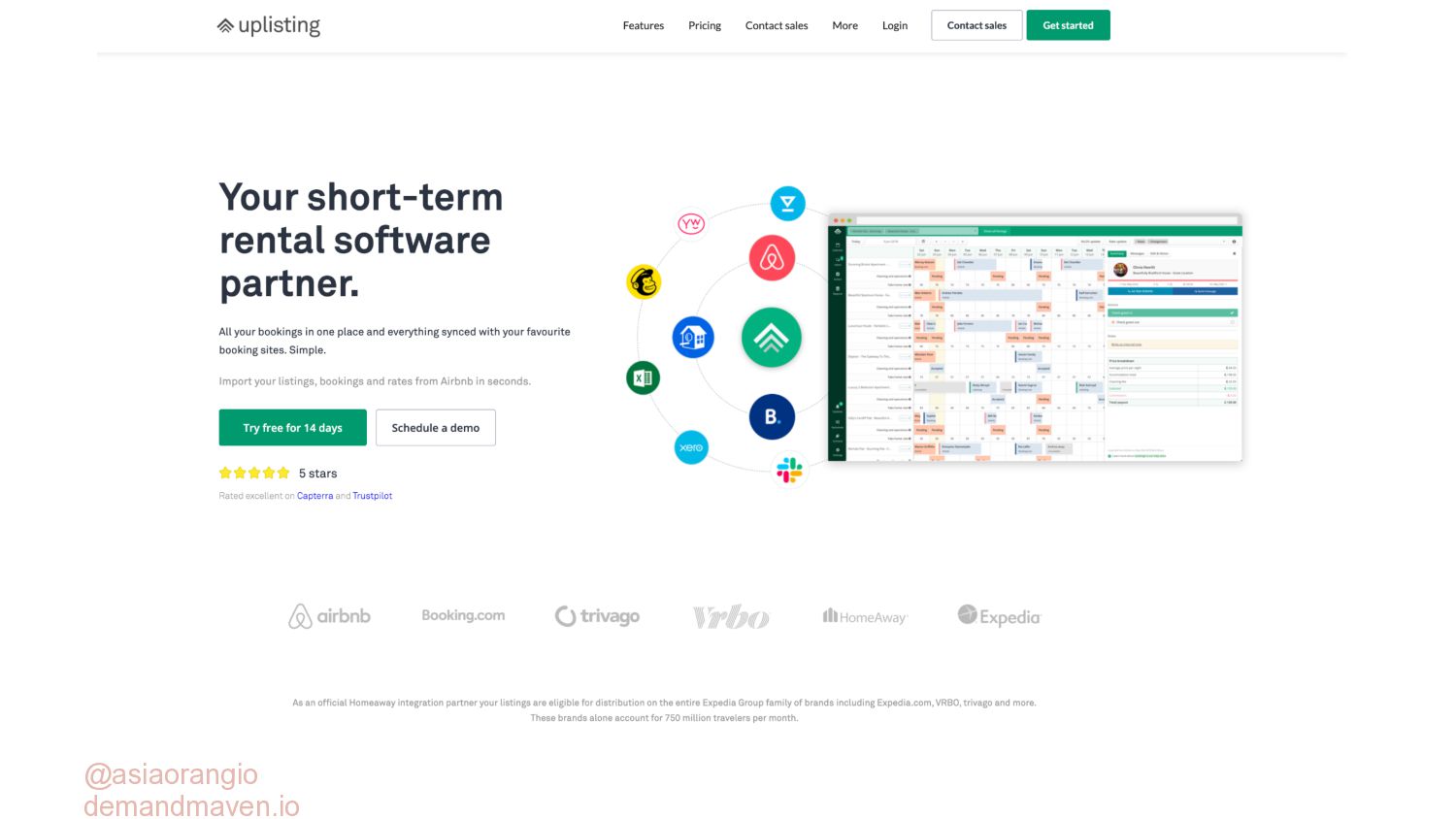
And I yeah. I get it. It's like, you know, every marketer is like, okay, we gotta like do the website. But it's true. In some respects, especially when you hear it from customers, it's literally from the voice of customer. Here's what the website looked like before.
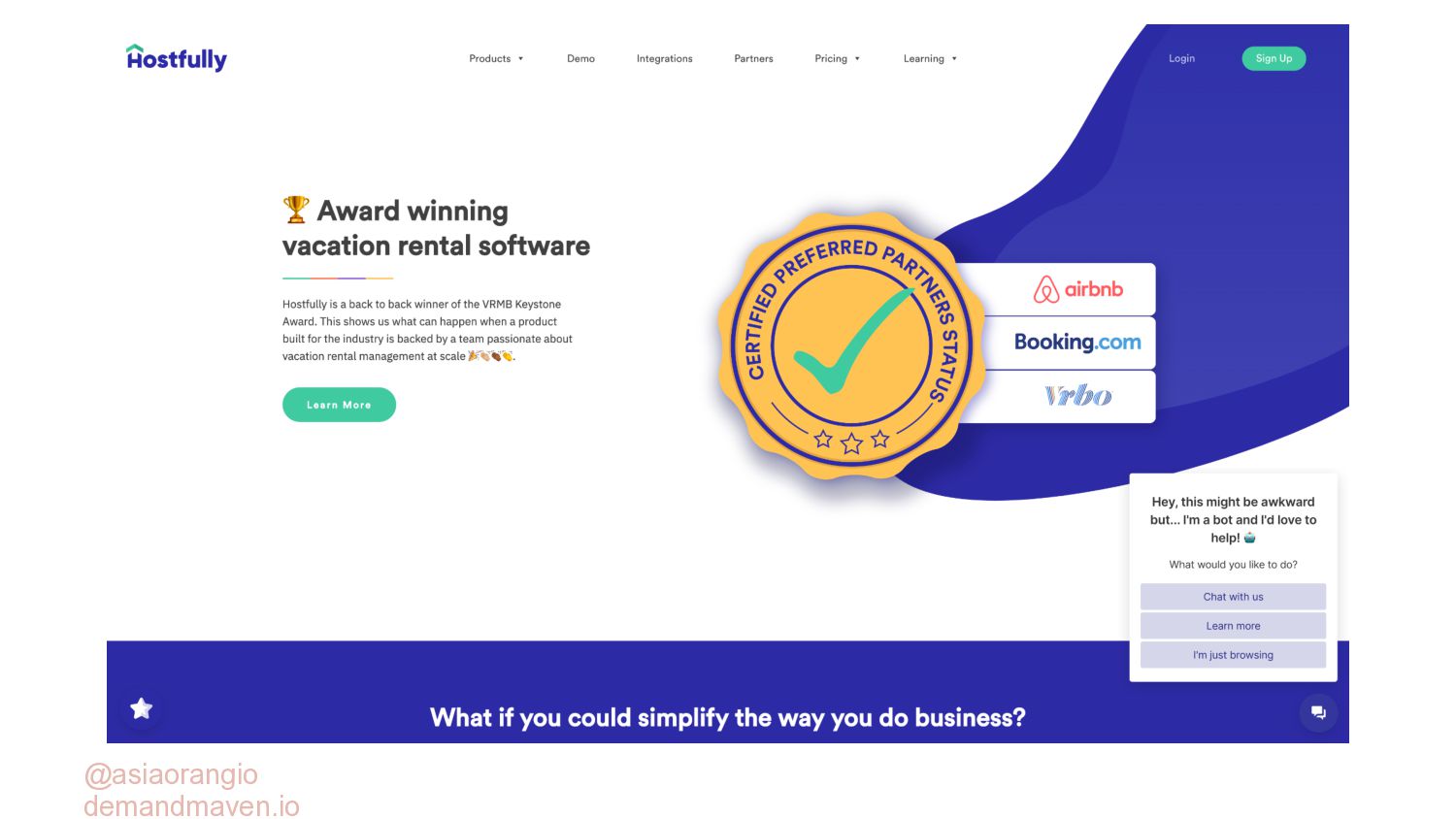
Now here's the thing. It's actually not a bad looking website. Like, it's actually like, okay, this is decent. It's not, you know, there's nothing here design wise that I would be like, oh, that's trash. It's it's actually a pretty okay website. But the problem was that in the landscape of competitors, it was really hard to look at that website and say, oh, yeah, it's that one.
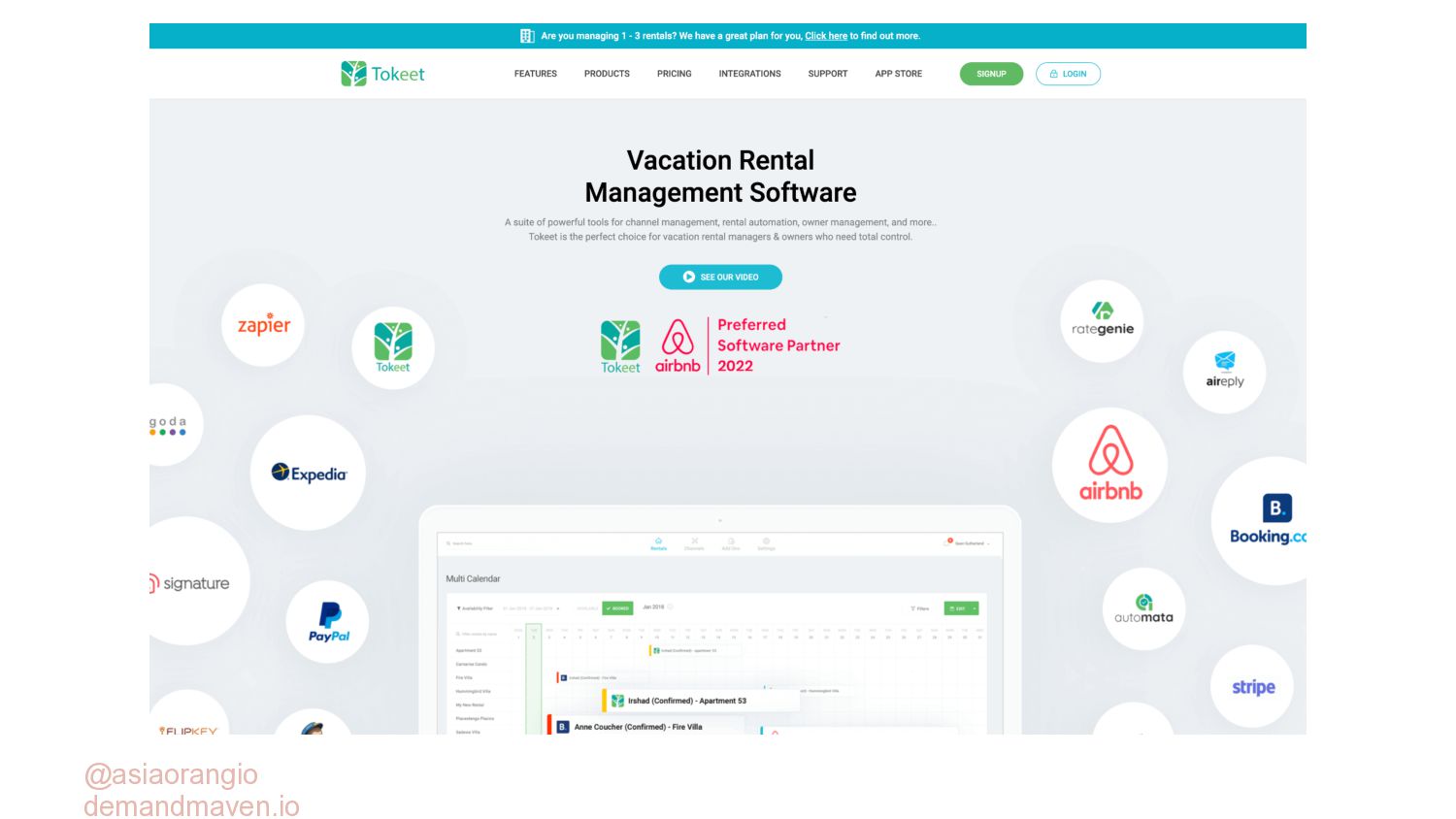
Just visually, just from a visual perspective. Here's another here's actually another competitor and it's interesting because they still have this website today and they haven't changed it at all. They probably should, to be honest. But I'm not going to tell them that. I'll let them figure it out on their own.
But if you were to compare this to to the old version of the website that we had before, you probably wouldn't visually notice a difference. You'd be like, oh, okay, this seems like the same thing. Cool. Here was another one. We noticed that there was a trend too.
There was like the whole white background with like a couple of like floating blobs. That was like a thing and from a design perspective and it kinda still is a thing, think, to some respect. But over across all the competitors, how do you like, what what sticks out to you?
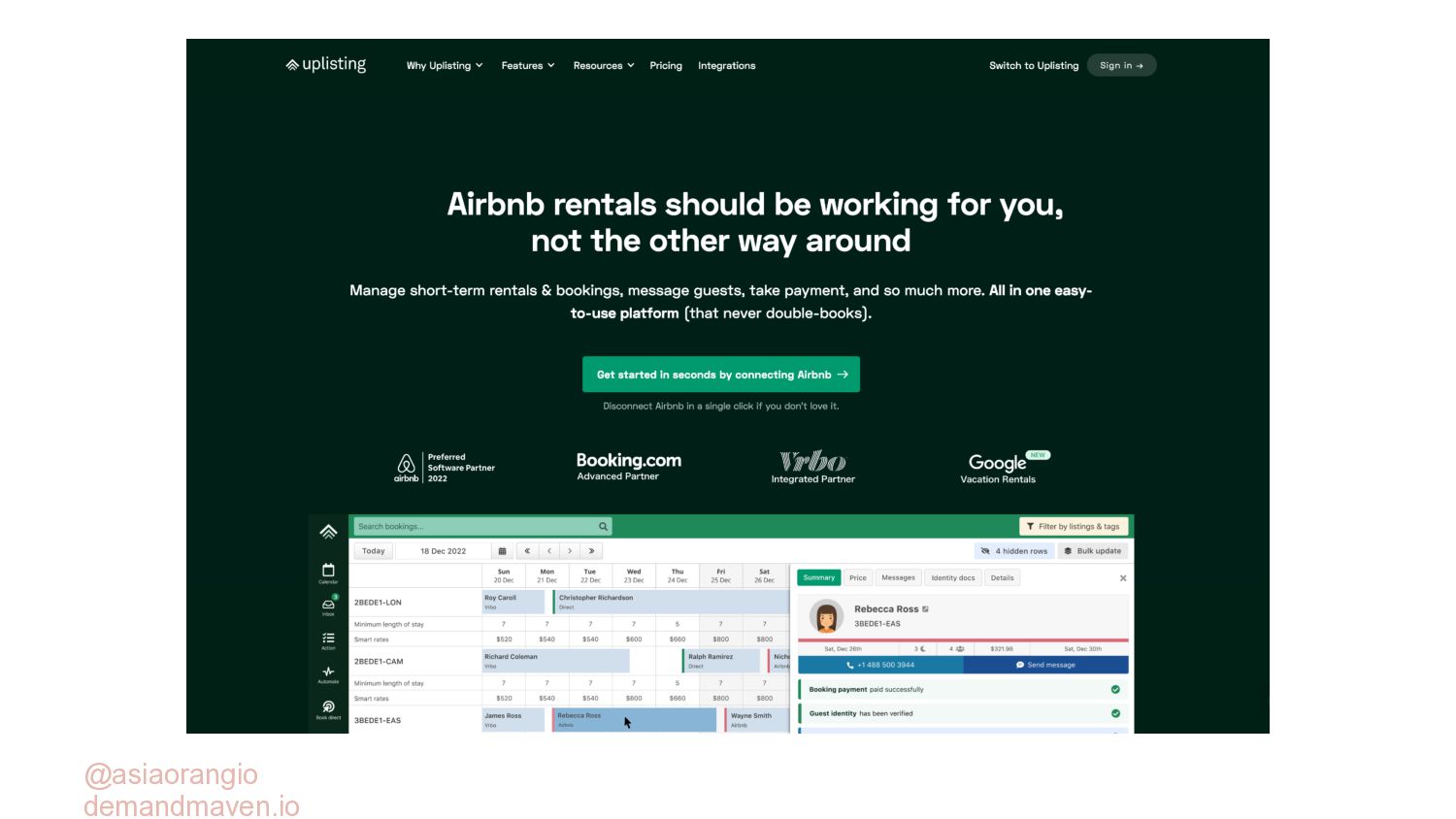
This one's got the purple color which is cool, but if I'm a buyer, I don't know which one to choose just by looking at it visually. So we did a glow up. Not only did we update the messaging on the website, we also took a took a look at the positioning messaging across the entire customer experience, but we went from this to this.
This is visual contrast. Boom. Look at this. It sticks out. See us. When you look at all the five to six competitors and you pull up all their websites, you're gonna remember this website. It's gonna give you an experience. And also, of course, yes, the copy.
We worked with a copywriter. We also, of course, using our jobs research, applied that directly to the messaging on the homepage. And what we came away with was a far better customer experience and also messaging that clearly aligned to their needs. We also tackled onboarding.
So onboarding and activation in a SaaS, I would actually argue for really any business, your experience of becoming a customer is absolutely mission critical to growth. But especially in a software company where monthly recurring revenue happens and you need the magical three yeses.
You need the first yes of yep, I'm gonna try it. You need the second yes of yeah, I'm gonna become a customer. And then the third yes. Yes, I'm going to continue being a customer. I'm not going to cancel. So when that monthly reminder comes up of, hey, don't don't forget, your receipt's coming, we're going to charge you.
Oh, yeah, I should keep that. That's the third yes. And it needs to happen month over month. But here's the thing about onboarding. It actually starts at the beginning of the acquisition process. Many people think it happens after sign up or the demo, but it actually doesn't.
We have to remind ourselves though of the jobs to be done. The job was eliminate double bookings. This was the twenty twenty strategy at the time. And when we think about how we ultimately got customers to that job moment of I fulfilled it with my needs, I have to go back to the North Star metric.
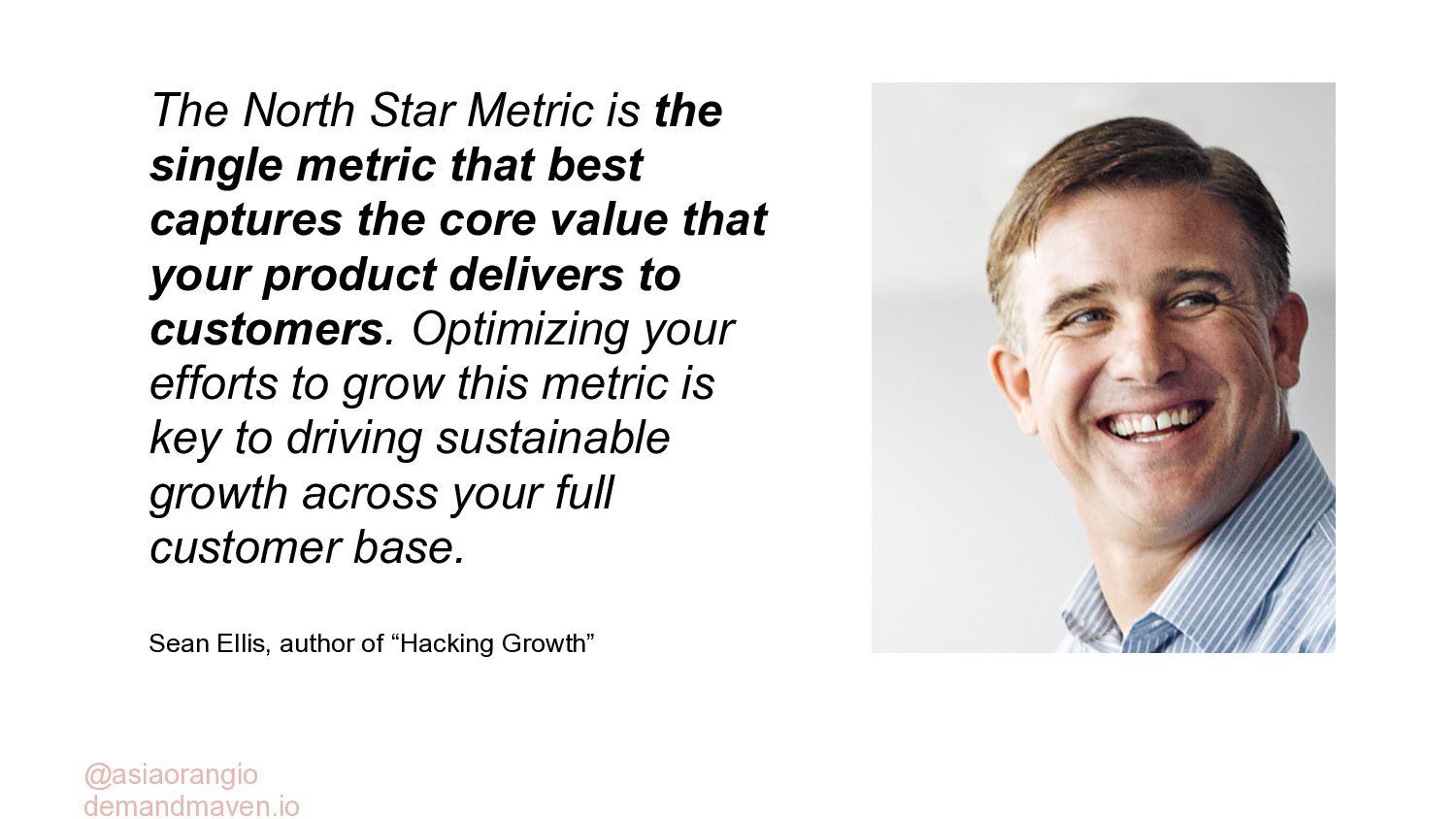
So the North Star KPI, if you've heard of this concept, you've probably heard it championed by Sean Ellis, author of Hacking Growth, but he says that the North Star metric is it's really the value moment that happens in the product that is directly attributable to a customer behavior.
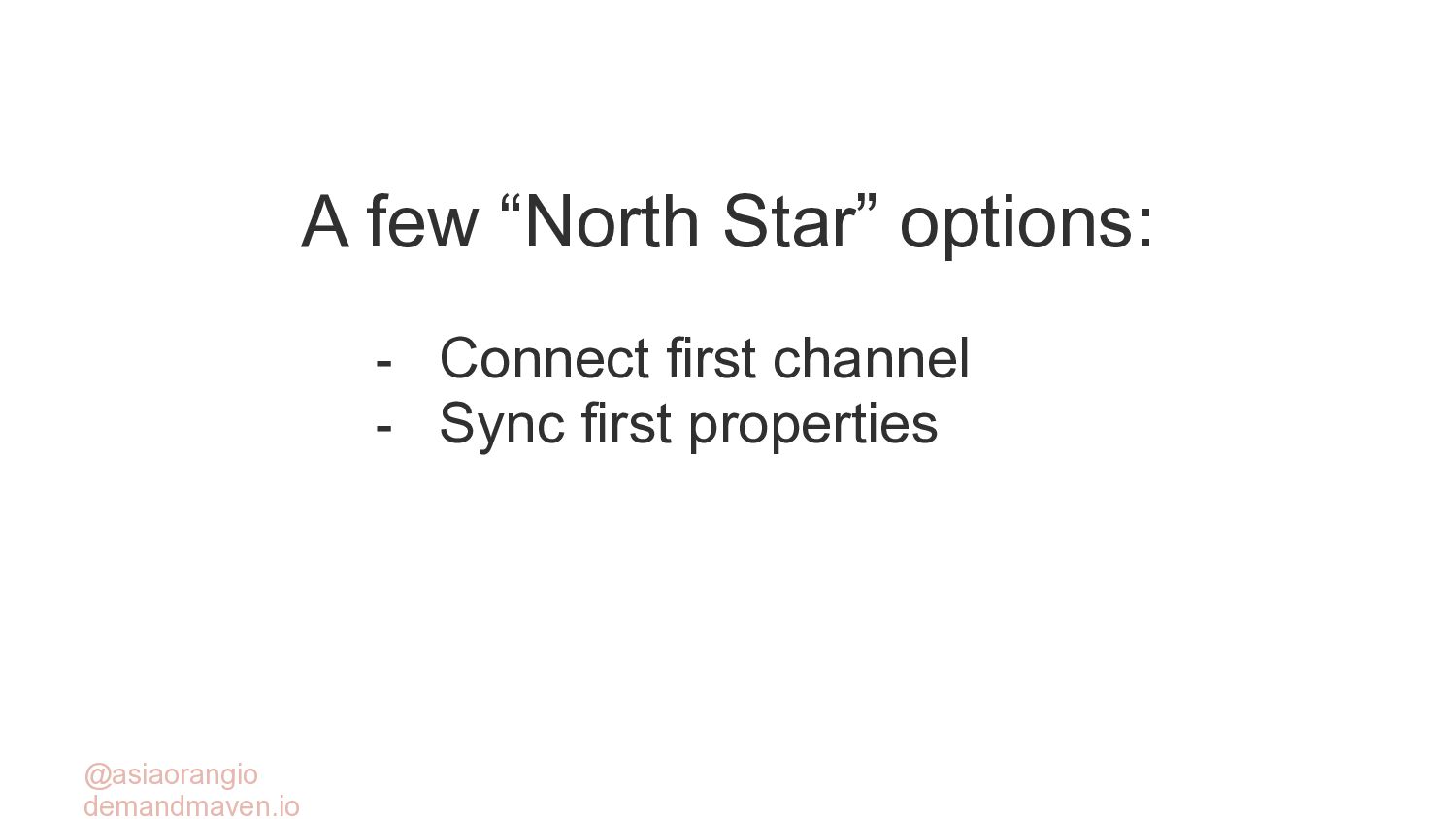
This value metric for us in the context of the job, there were really two options that we had, both very directly connected and they're very similar but they're nuanced. The first was, well, whenever someone signs up and joins uplisting, they can connect their first channel, so they could connect Airbnb, VRBO, whatever that is.
That is a value moment. That is a moment of, have I eliminate double bookings? Yes or no? Possibly, yes, if I've done that step. The other option is syncing the very first properties. Another, have I eliminated double bookings? Possibly. Little less strong based off of the job because again, if the job is, I'm I don't want double bookings anymore, then probably the next step for that would be, okay, well, connect all your channels.
That won't happen anymore because uplisting is dope. So the journey now becomes, how do we get people to that moment as fast as possible? Our value metric was connecting that very first channel no matter what it was. So here, we did a couple of things different.
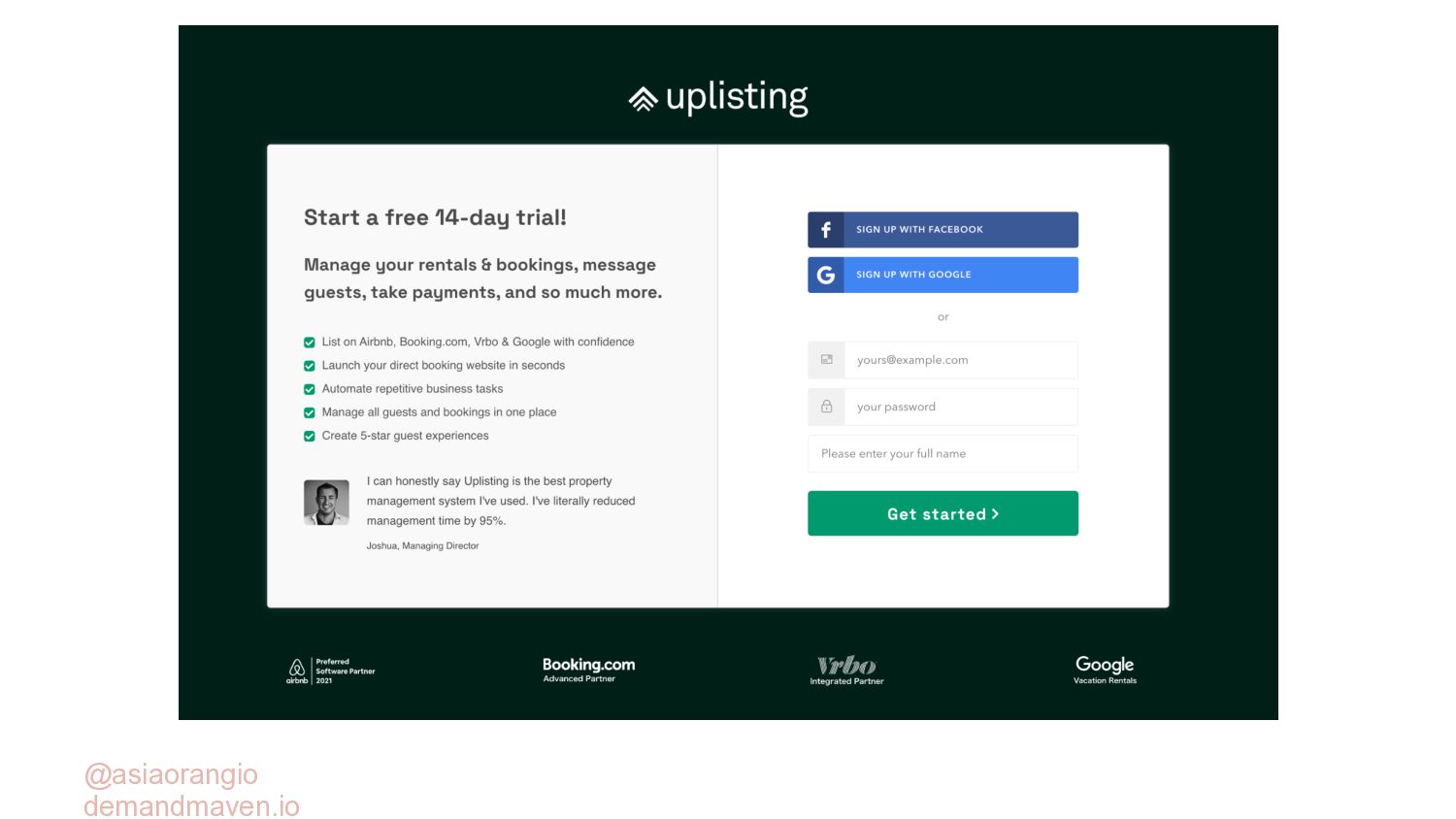
We updated the sign up flow. We also took a look at it so the experience. What experience were we dropping down for people? Were we making it clear that they could eliminate double bookings as fast as possible if they were to take these steps with the product?
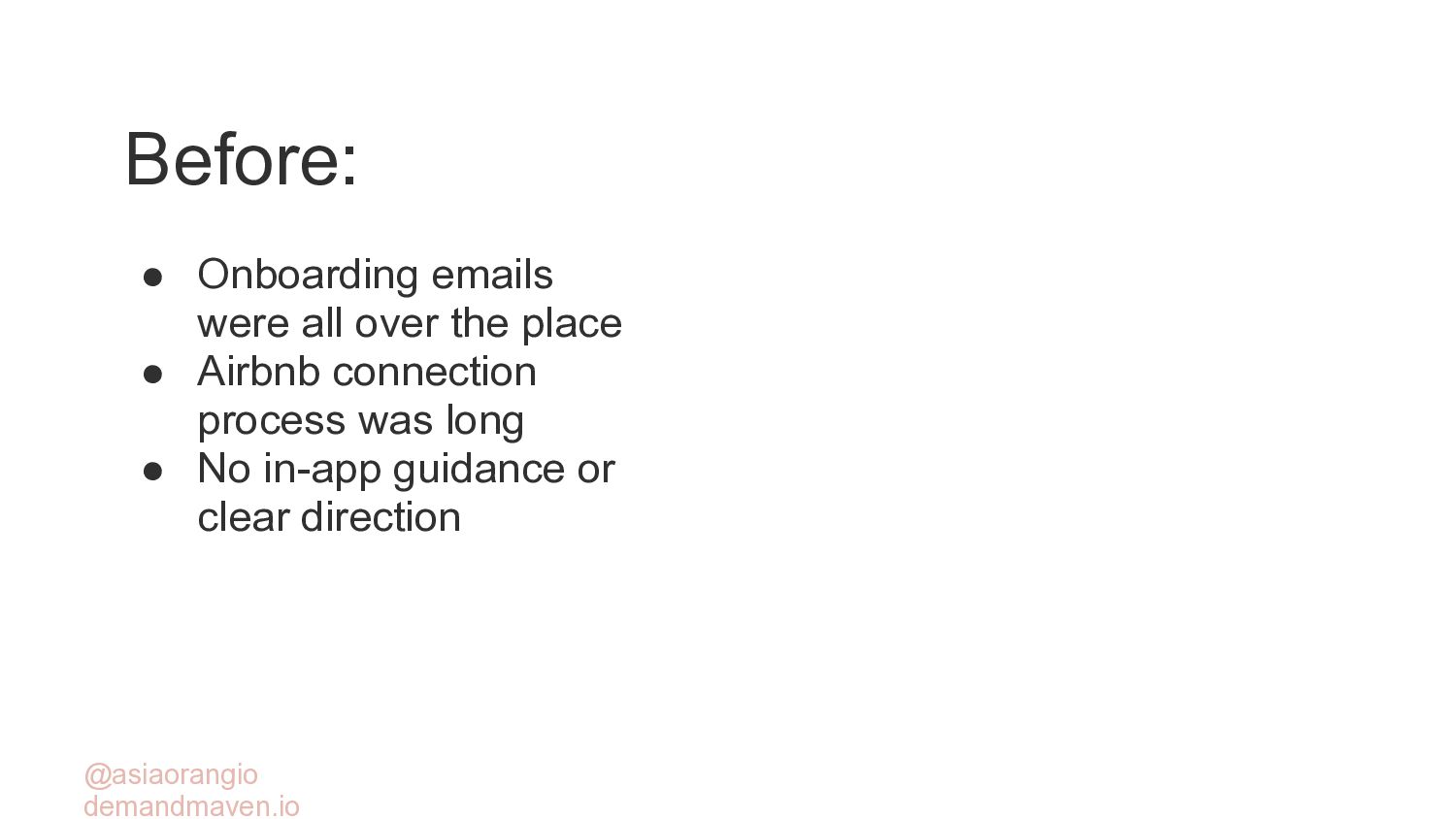
So what we did was we said, okay, let's look at the onboarding emails. Let's look at the overall connection process. And finally, let's look at the in app experience. When someone signs up, what are we like, are we doing? And what we found was the onboarding emails are all over the place.
We also discovered that just by looking at how people navigated the sign up flow and the process, their BNB connection process just took way too long. It just took too long. People got distracted, they forgot. There were all kinds of things that got in the way.
And then finally, there wasn't any in app guidance. And this caused a certain sense of frustration for anyone, brands making new, coming to uplisting, have tried it all, but don't trust this one because they've tried all the other ones and they all sucked.
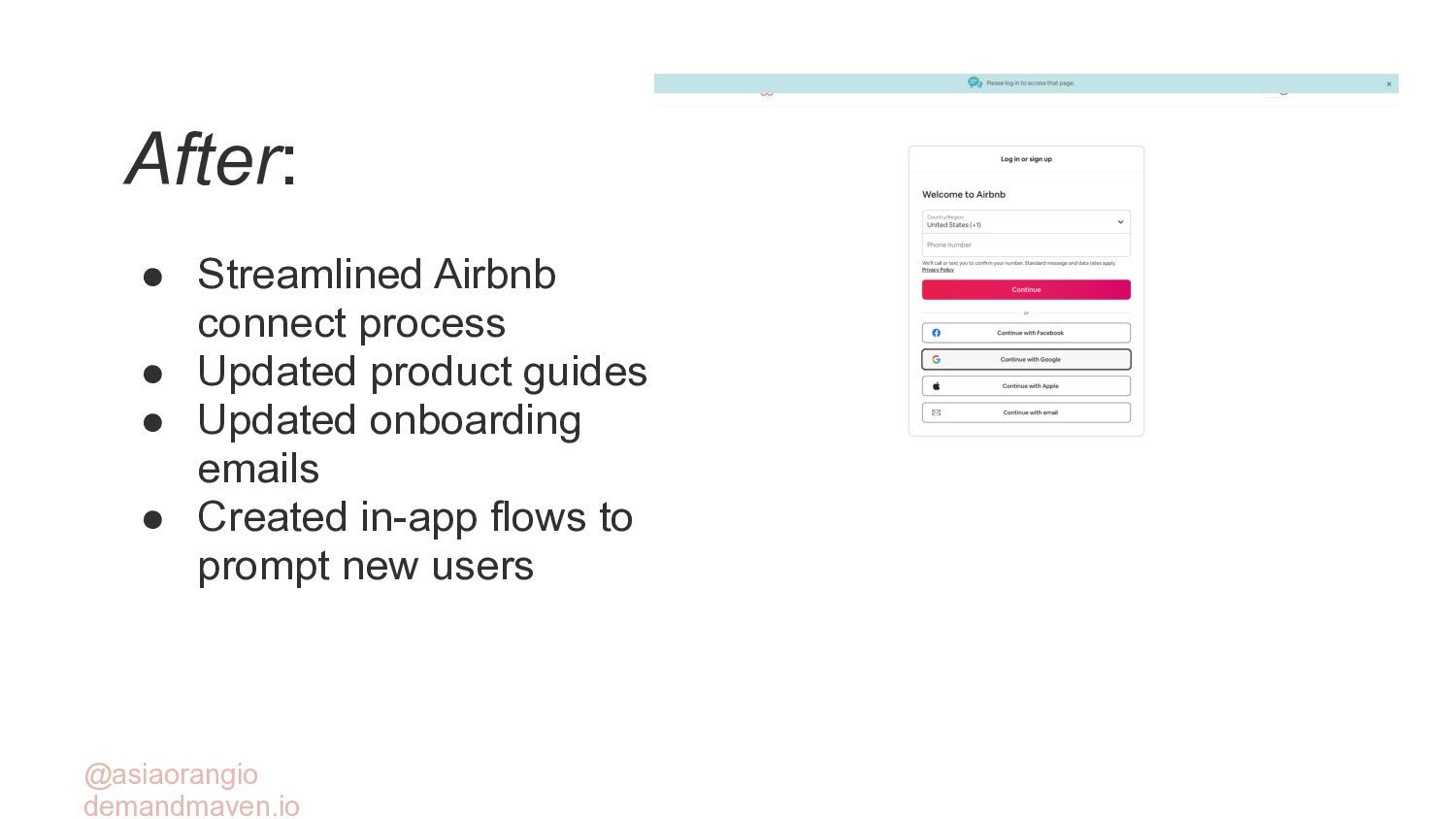
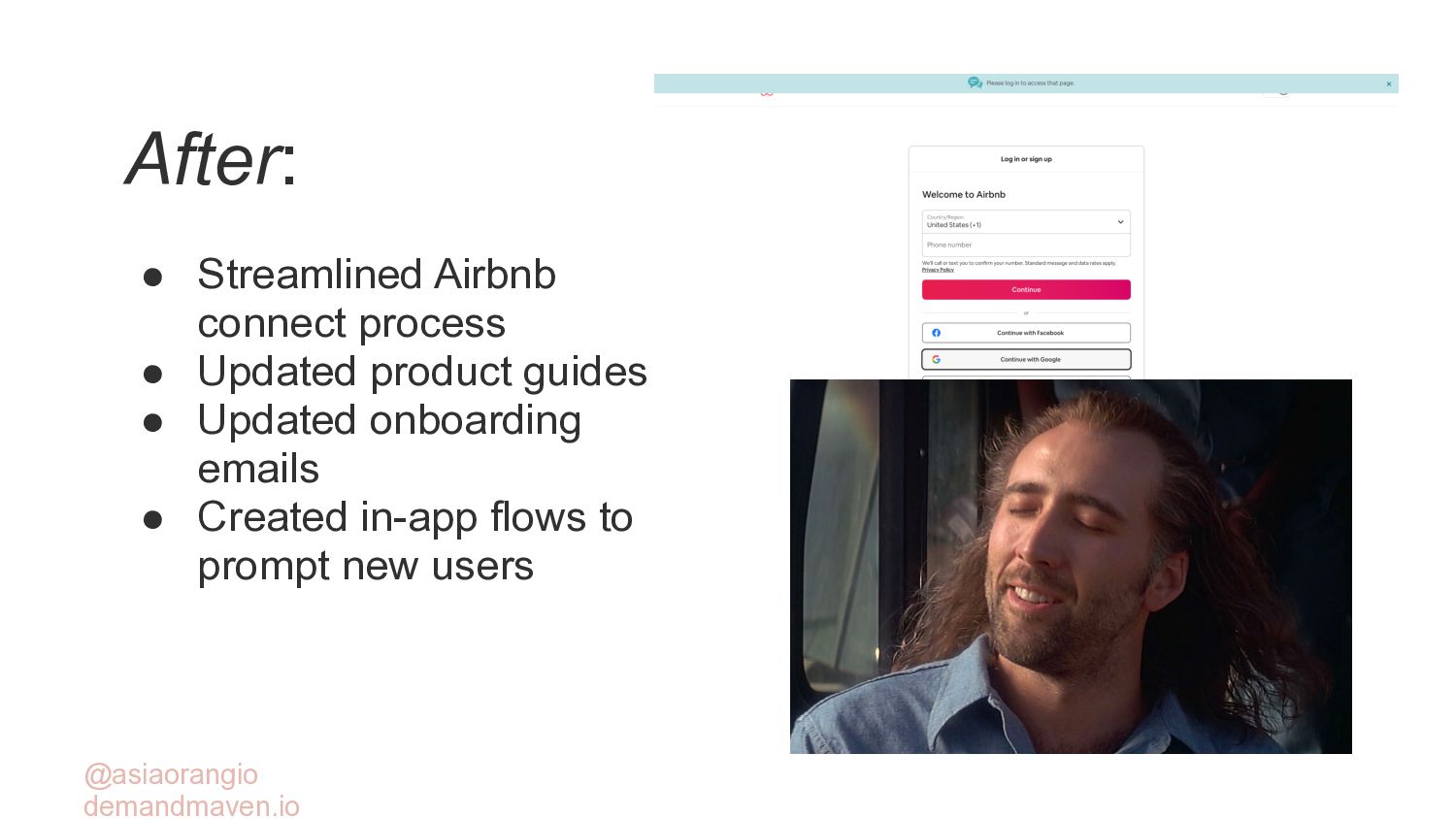
Why should we trust you all? So we weren't necessarily making this easy. But here's what we did after. We streamlined the Airbnb connect process. We updated product guides, tons of product guides that were out of date. You'd be shocked at how many customers actually do use the help center, the documentation center.
And then we also updated the onboarding emails, made it more clear on, okay, if you want to eliminate double bookings, here's the steps you need to take to do that with our product. So you can complete your job and and go on with your happy, wonderful, amazing life.
Right? And then finally, creating in app flows. So we weren't any longer just kind of throwing people into the product and being like, you know, good luck. It's the Wild West out there. Instead, we actually, created real in app flows and showing them literally, here's how you eliminate double bookings.
It's gonna be so amazing. You're gonna be so happy. And this is where we had a turning point when it came to just the way that our experience ultimately generated results, but also created a winning customer experience and connected the dots between the customer having the job and then also us being able to identify the opportunities based off of their job.
Okay. So you're probably like, alright, that's really cool but like show me the money, like what happened? So there were a couple of really awesome results just from this one project, from this one piece of work, the beginning of twenty twenty, again, in the middle of a panorama.
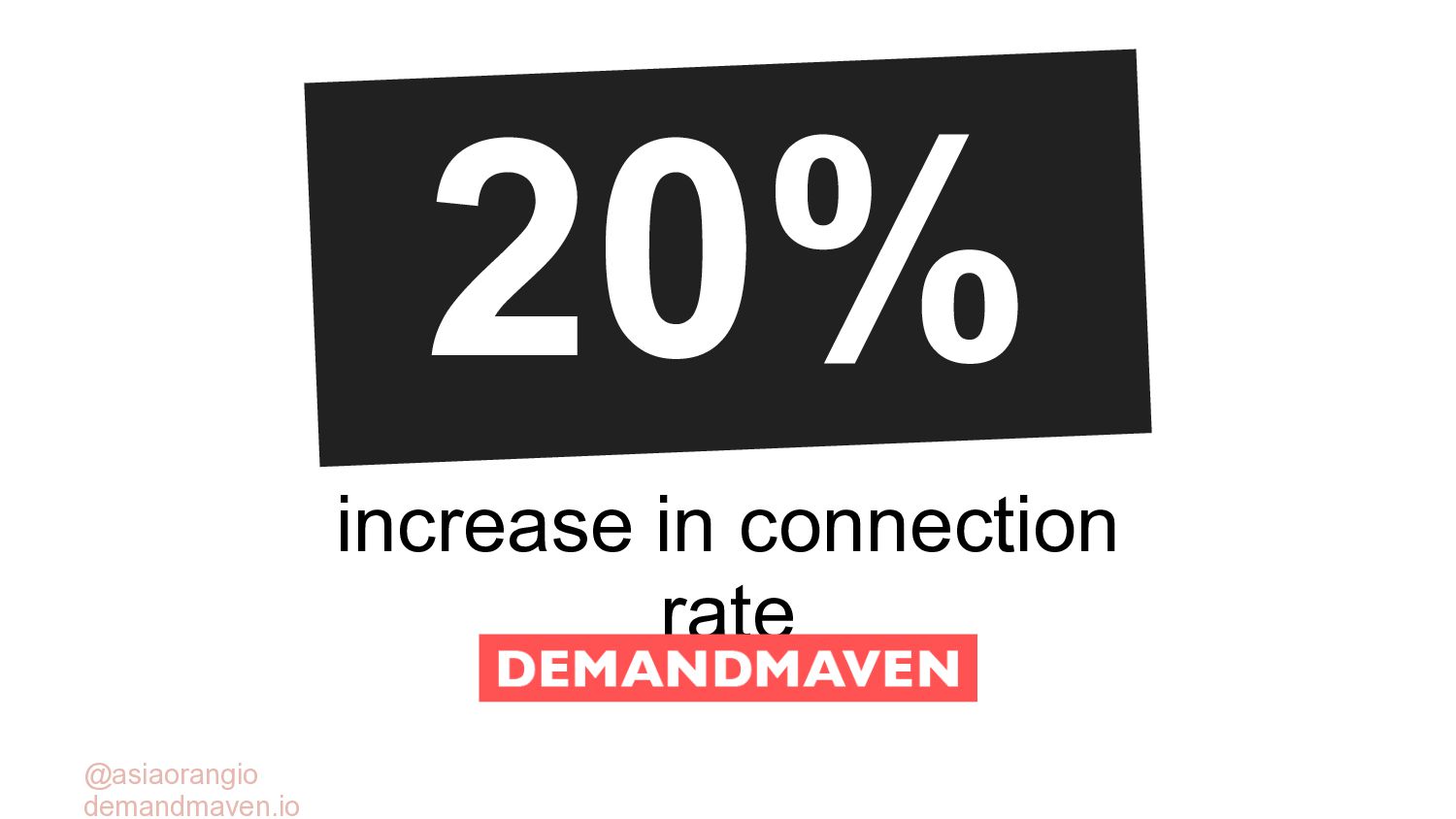
So the first thing that we saw was twenty percent increase in connection rate. More people were connecting more channels more frequently. It was a direct, like, imagine, it was like a ten to thirty percent lit like, it was it was a big jump.
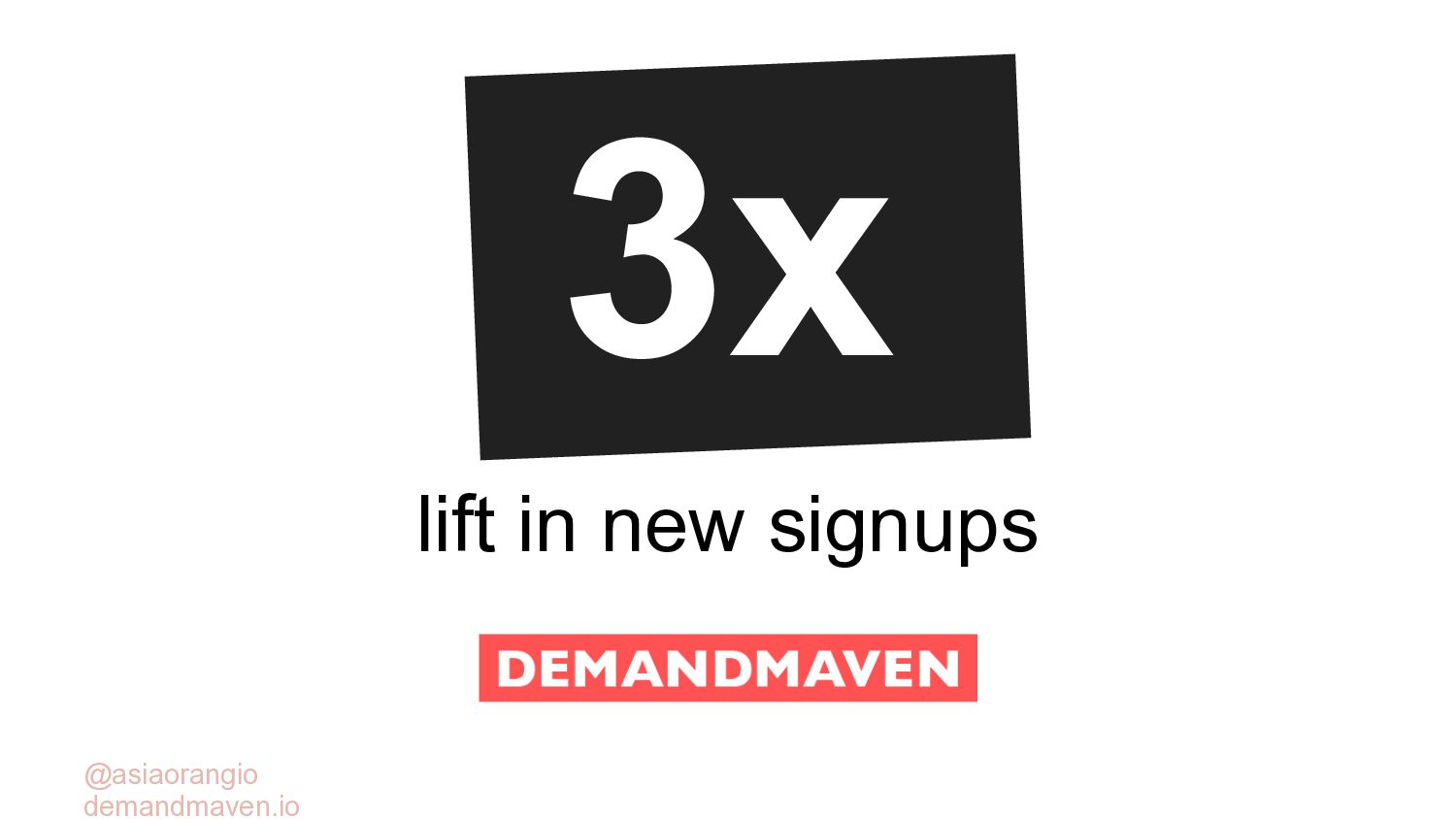
The next thing that we saw, we noticed that we saw a three times lift in sign ups to trial. So updating the messaging on the website, updating the overall brain experience on the website, implementing other campaigns and different experiential things to help the customer connect those dots, pretty big lift as well.
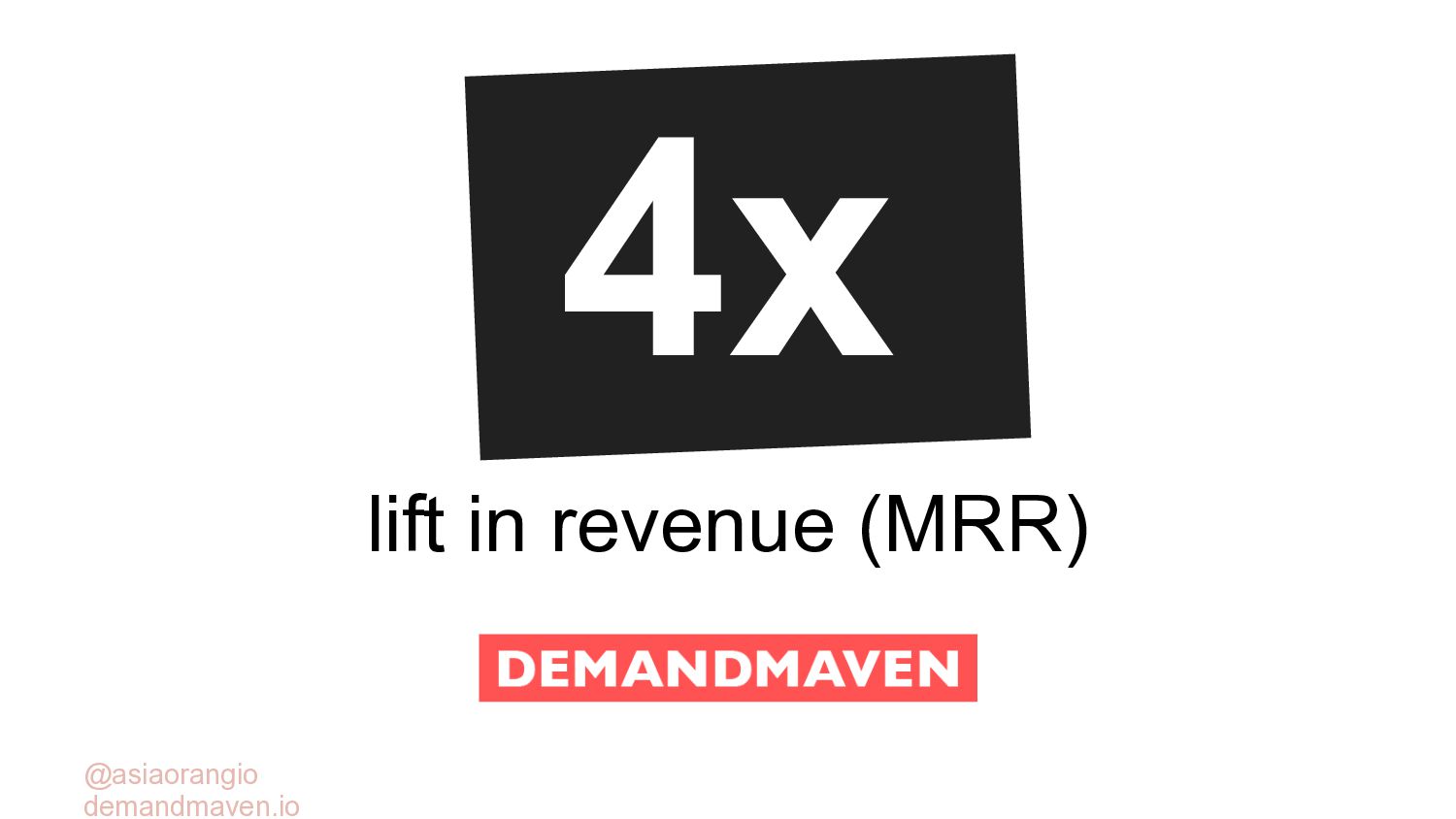
And then finally, we saw a forex lift in revenue slash MRR, which was probably I think one of the greatest feats, especially given the fact that very little travel was actually happening in this time. But this was what our customers ultimately wanted. This was the opportunity.
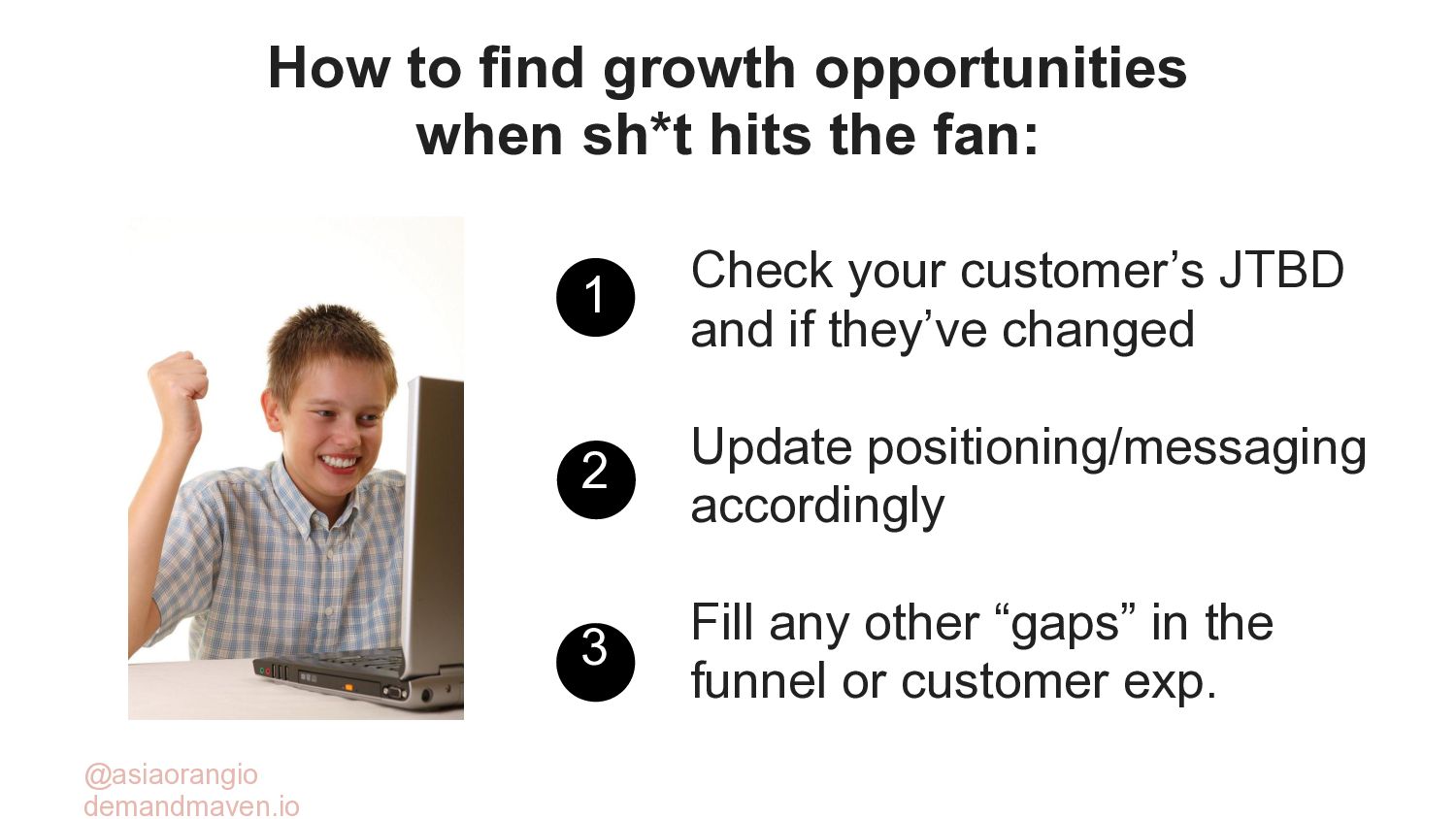
So I'm gonna give you a few just really quick, like here's what the framework is. If you want to find growth opportunities when it's not looking so great, when **** hits the fan, the first thing you wanna do is to check your customers' jobs to be done.
It doesn't matter if it's an economic downturn, a crisis, whatever is happening, do the research, talk to customers, get a sense for what their job is now. Did it change? If it did change, that's actually great. That's now a gap that you can fill.
That's where the opportunity is. Next, take a look at your positioning and your messaging because if the job has changed, you probably need to update something in the messaging sphere. You might not necessarily have to look at positioning, but it would be recommended.
It might have shifted for the customer within the context of how they're of how they should see you and how they're buying. And then finally, these two things combined will give you, it'll highlight what the gaps ultimately are. Is the website actually doing the best job that it could?
Does our activation and onboarding experience really clearly paint the picture of how you can go from a to b with the job that the customer is trying to accomplish? And then what are some of the other aspects? Does our product roadmap align with what people are going to want to see from us, from what they're hoping to accomplish?
Everything from marketing, sales, customer success, support, engineering, product development, all of these departments and functions can leverage under understanding the job and then identifying, oh crap, we either do this extremely well or we don't. And that's where the opportunity lies. It's actually where the gap is.
That's what I've got for you today. Thank you so much.