
As it has grown from a startup to a billion-dollar business, HubSpot has consistently found a way to stand out in a complex and competitive space. In this presentation, get the inside scoop from longtime HubSpot PMM leader Ari Plaut on how HubSpot has built a product marketing team for sustained success at scale, and how you can apply their lessons to your business.
← All talks 














Grow Growth Turing Fest 2022
Scaling Up: Product Marketing Lessons from Ten Years at HubSpot
Auto-generated transcript - may contain errors. Tap a timestamp to jump the video.
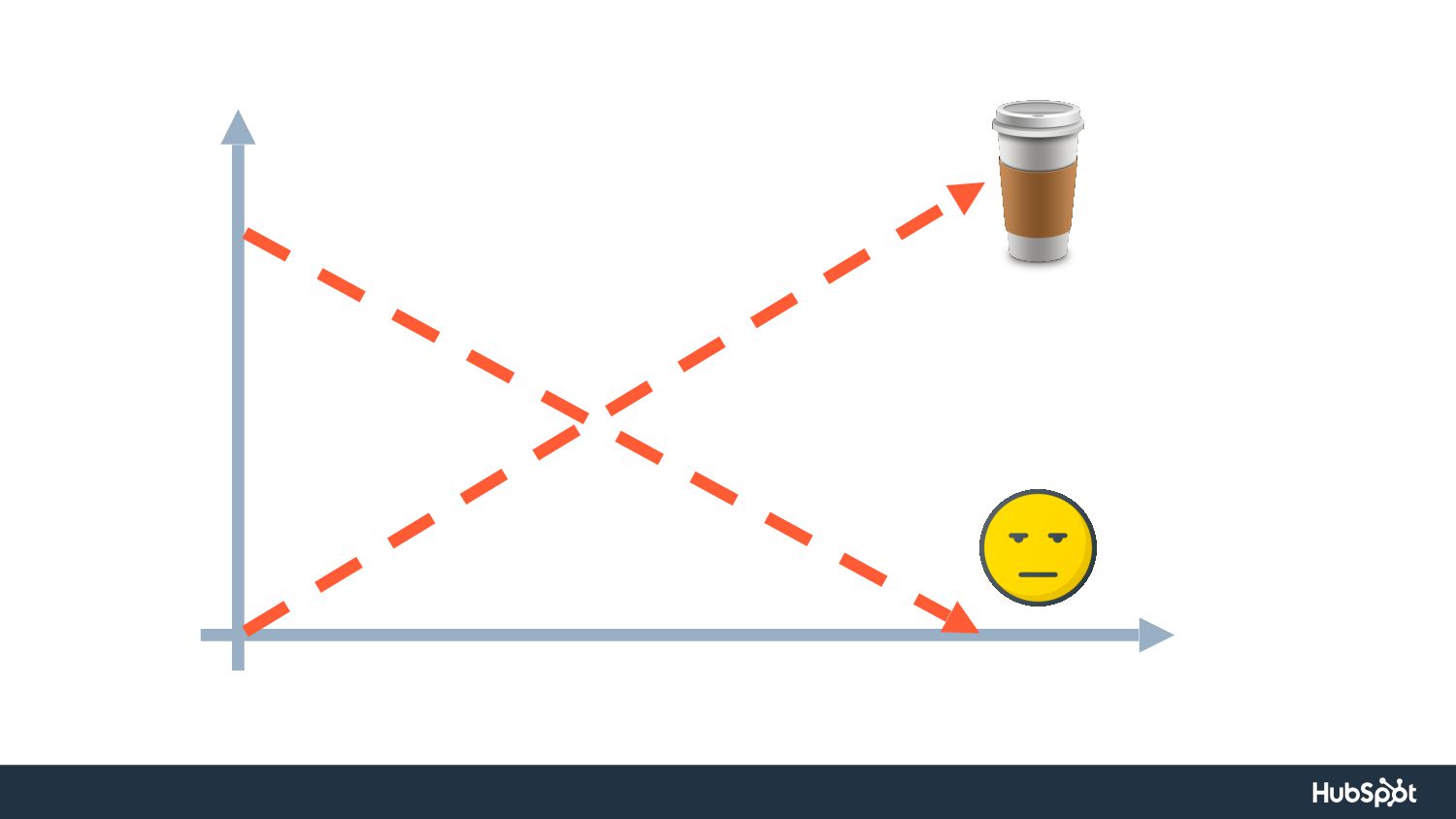
Thank you everyone. You stole my caffeine joke right out the gate. I'm off to a tough start. This is the most recent cutting edge research. The more caffeine you drink at a conference, the less likely you are to be bored, especially right after lunch, especially if you're jet lagged.
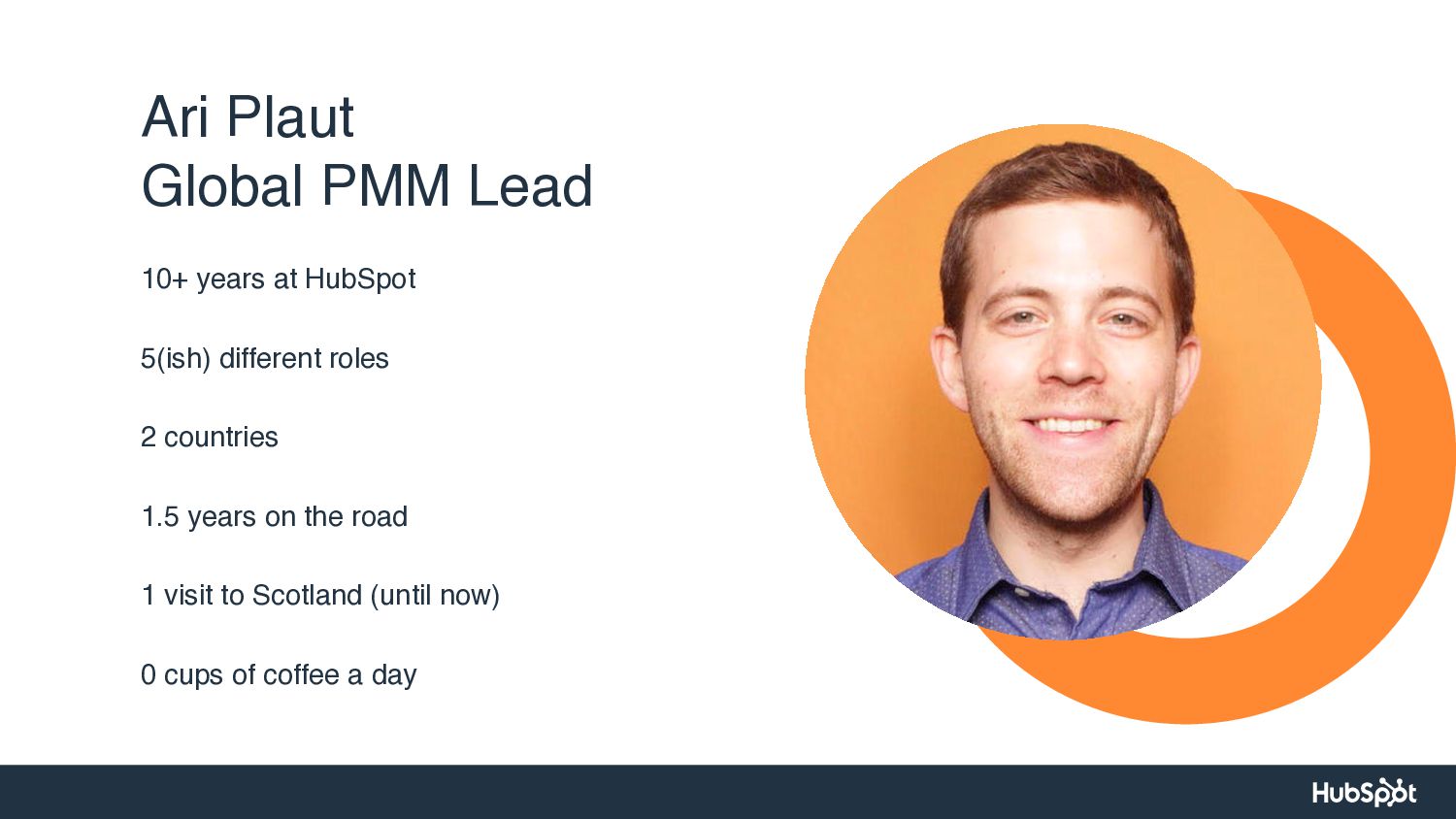
So if you need to go get some caffeine, come back in, what have you, you will not offend me. My name is Ari. I am a product marketer. I'm an avid hiker. I'm a bread baker in my spare time. My biggest superpower is my longevity.
I've been at HubSpot for over ten years. I've been across five ish different roles. I've been in two countries. I lived in Dublin, Ireland for two years. And since then, I've actually been on the road for a little bit, working, visiting family, skiing, and all the rest.
And up until today, I've done one visit to Scotland. This is my second visit to Scotland, and I'm thrilled to be here, so thank you to Brian and to the whole team at Turing. This is just an honor to be in front of you guys.
And the final fun fact, zero cups of coffee a day. I actually don't drink coffee. I'm this annoyingly bouncy without coffee. So it's green tea for me. That last slide is actually not relevant. A little bit about HubSpot. We had a good intro just before.
We are a CRM platform that helps companies to grow better. We make software that helps companies engage with their customers, marketing, sales, service, and all the rest. We were founded in two thousand and six in an MIT dorm room. We went public in twenty fourteen, and we are based just outside of Boston in Cambridge, Massachusetts.
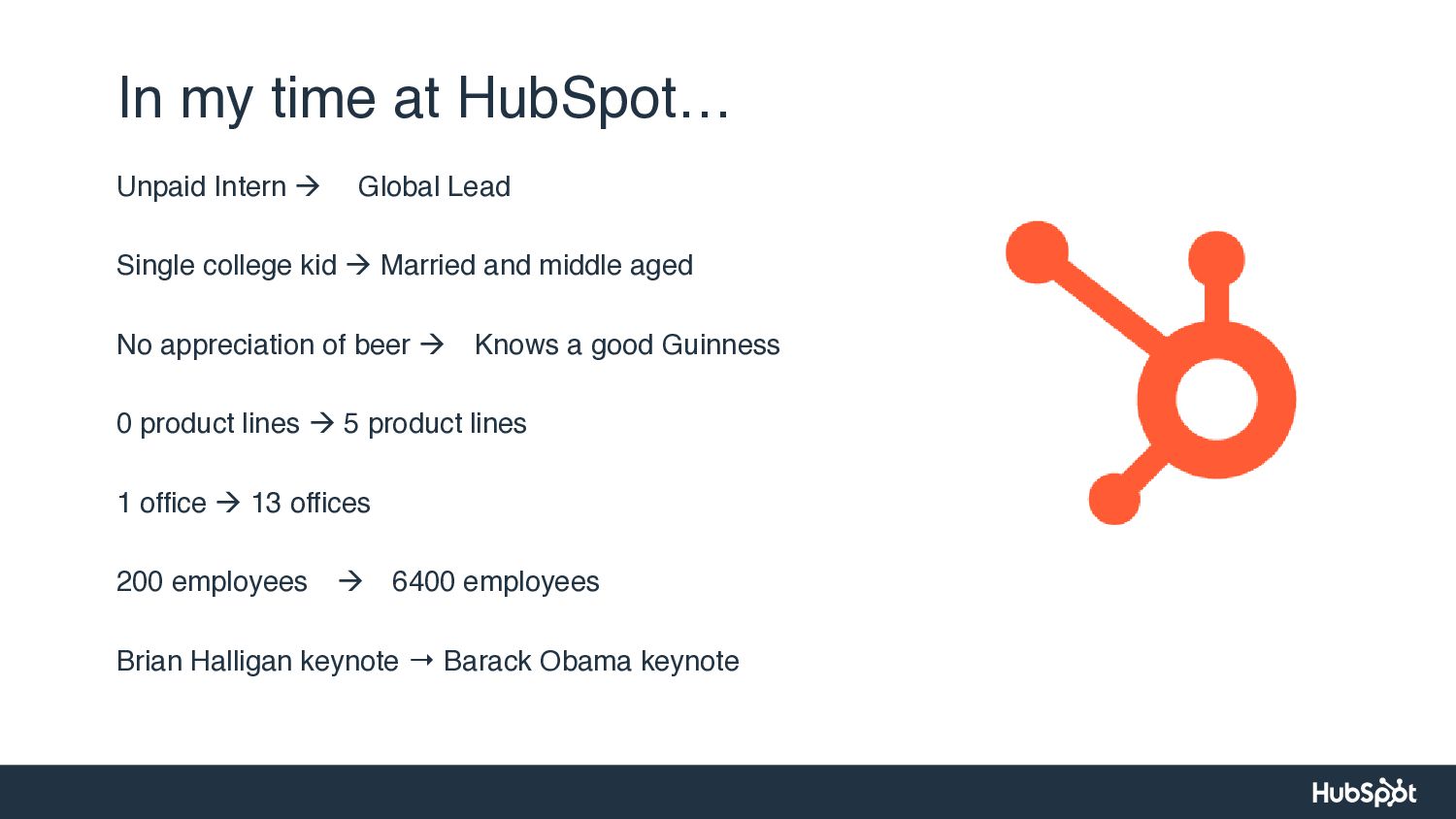
In my ten years at HubSpot, I have experienced a lot of growth. I started as an unpaid intern just out of college, and I've grown to be a global lead in product marketing, which is where I am today. I've grown from a single college kid into what can only be described as middle aged and married.
I've gone from having no appreciation of beer, I actually was under drinking age when I started at HubSpot, to knowing a good Guinness from a **** Guinness from my time in Ireland. Folks are from Ireland. They They know that as well. And while I've grown at HubSpot, HubSpot has also grown.
We've gone from zero product lines when I started to now five unique product lines. We've gone from one office to thirteen offices globally. We've gone from two hundred employees to sixty four hundred and counting. And I think the biggest sign of our growth is our big conference inbound that happens every year.
Our CEO Brian Halligan was the keynote the first year I went, and this year we have coming up in September, former President Barack Obama is our keynote for our conference. So if that's not growth, then I don't know what is. One of the key insights that I've had, one of the keys to our success at HubSpot over the years has been our product marketing.
We have a very competitive space, we have really strong competition, a strong market in the CRM space over time, and we've been able to stand out because of our brand perception and because of our product perception in the market. Now I claim no big piece of credit for that.
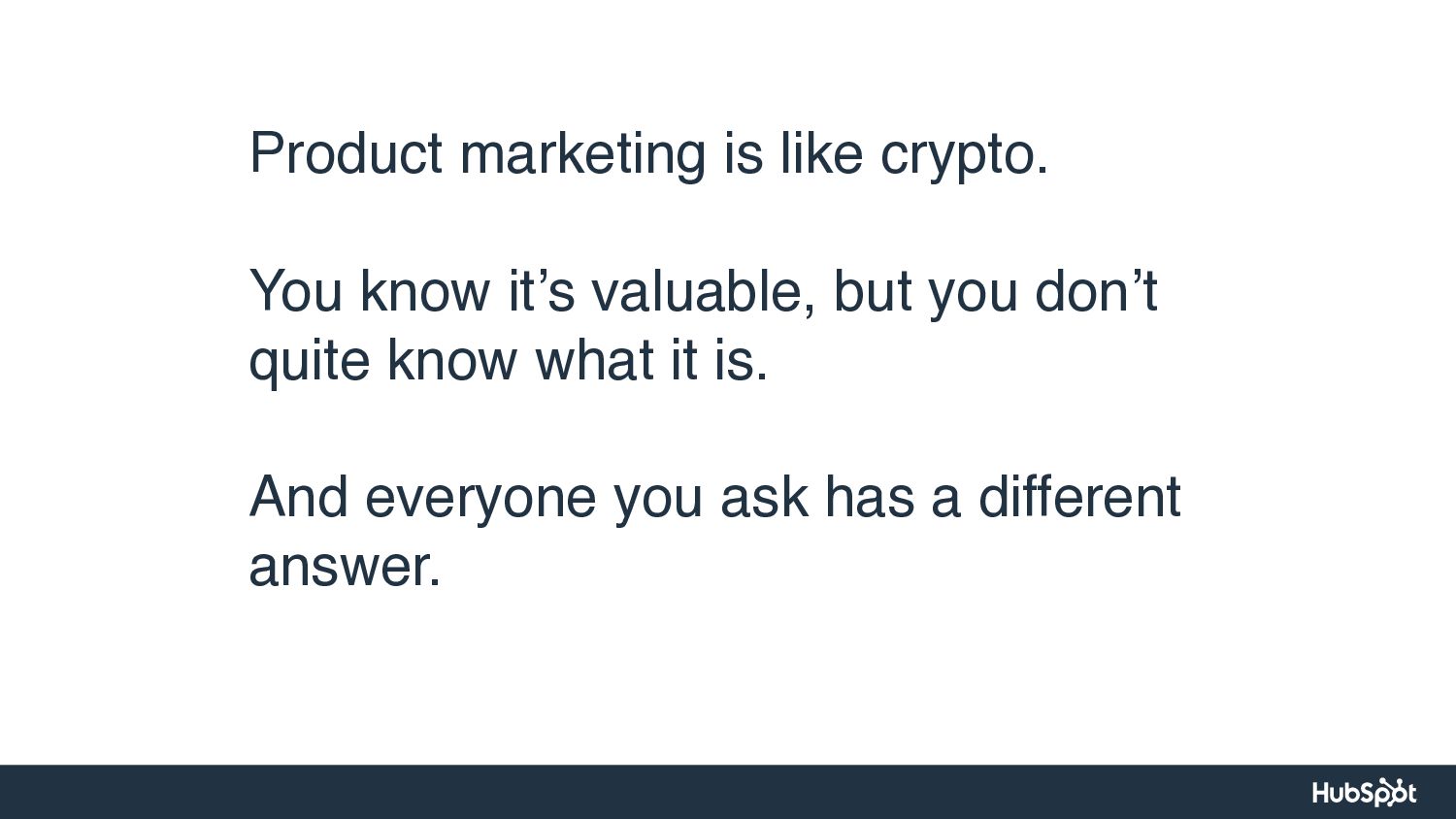
I've been witness and a part of a lot of great things along the way. But I want to share with you guys some of my biggest takeaways and insights through my experience at HubSpot. When we talk about product marketing, product marketing is a little bit like crypto.
You know it's valuable. You don't quite know what it is. Everybody you ask if you're a product marketer, I see some heads nodding in the room. Everybody you ask has a little bit of a different answer to this question of what product marketing is.
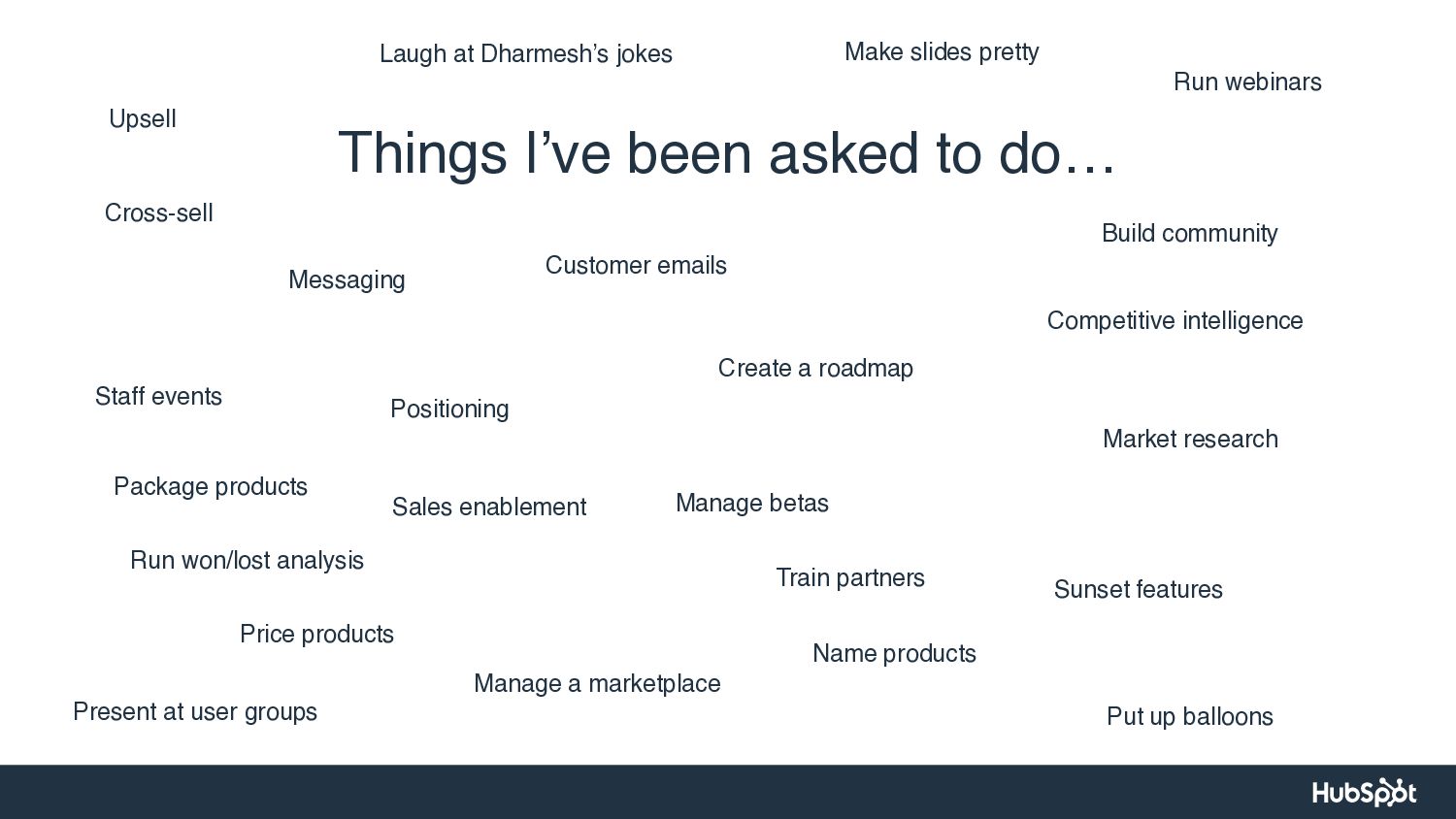
I've been asked to do a lot of things at HubSpot. I've worked with every part of the company. I've worked with every audience. I've worked with every section of the marketing funnel that you can imagine. I've read a lot of definitions of product marketing.
It's bringing a product to market. It's enabling the sales team. It's driving demand. It's running campaigns, what have you. I have one biggest takeaway about the biggest job for a product marketer, for a product marketing company at any company and that is this.
This is the punch line of the whole thing. It's product marketing's biggest job, the way they make the biggest impact is to be the customer champion. It's to make the customer the hero. And so that means two things. It means helping the customer understand the product and it means helping the product understand the customer.
That's product marketing's biggest job. Is helping the customer be the hero. At HubSpot, we've been working towards this vision for product marketing for a long time, and there are four key takeaways that I'm gonna share with you. Four key takeaways that I'm hoping that you can apply to your own company.
So we're gonna get into them in just a second. I'm mindful that not everybody in this room is a product marketer. Not everybody in this room might even be a marketer. You might be a founder. You might just be here to have fun.
You might have heard there was free beer and coffee and showed up just for that. My hope is that if you use your imagination, all of these takeaways will actually be useful to you no matter what role you play in your company. So let's get into it.
Four key takeaways related to making the customer the hero. Yeah, take pictures if you want. I'll come back to this slide a fair bit. First, membrane, not a megaphone. I bet you didn't think you were coming to science class today. Membrane, not a megaphone.
I joined HubSpot in twenty twelve. I joined product marketing at HubSpot in twenty sixteen. We'd just gone through series d. We'd just finished actually our IPO in twenty fourteen. We were at a point of growth where our customers wanted more HubSpot products all the time.
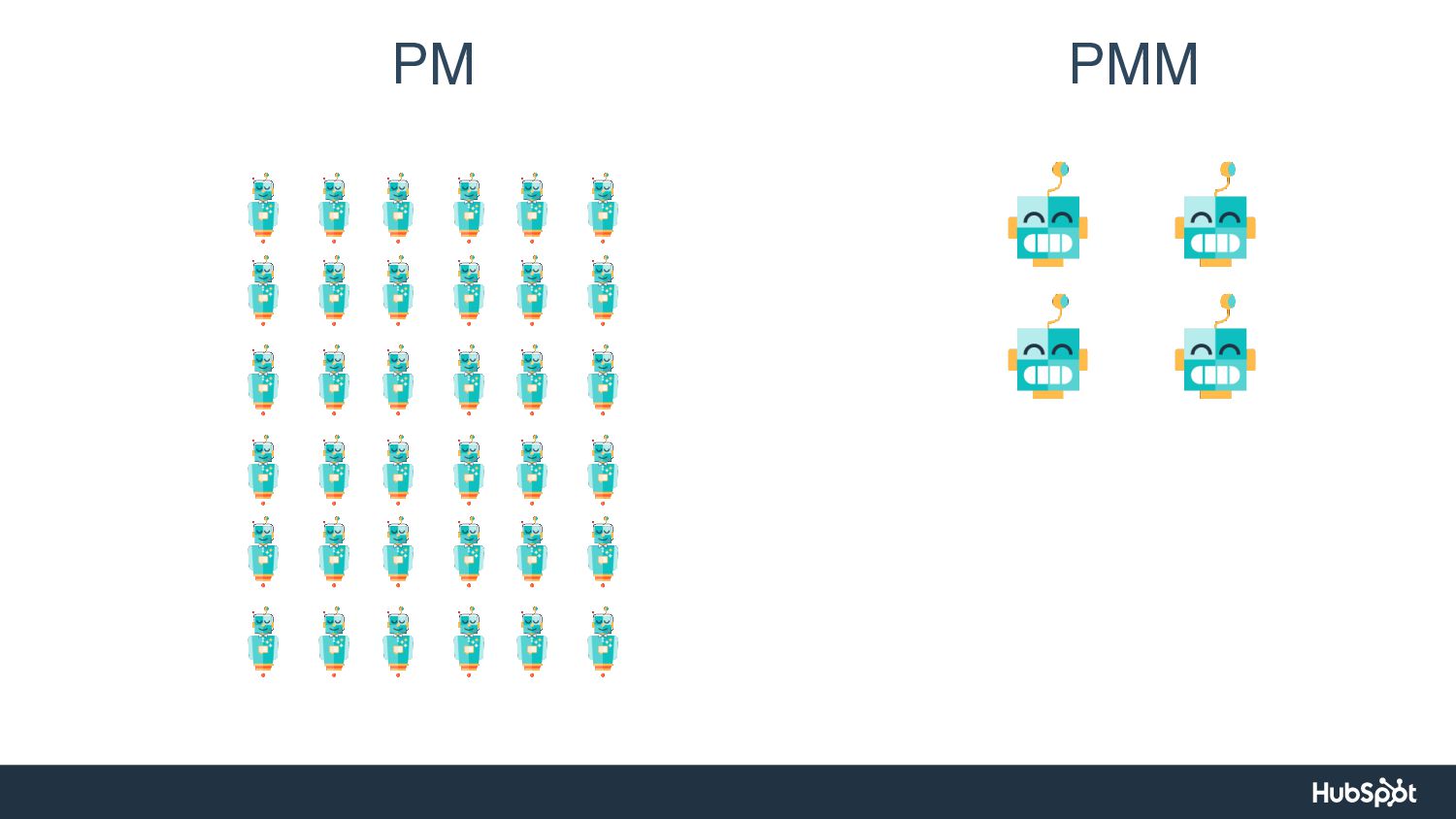
Our investors wanted to see us expand into new markets, to see build broad new strategy, and our leadership wanted us to sell bigger, broader, multi product deals. And so naturally, we scaled up the product team really fast. We had over forty product managers when I started.
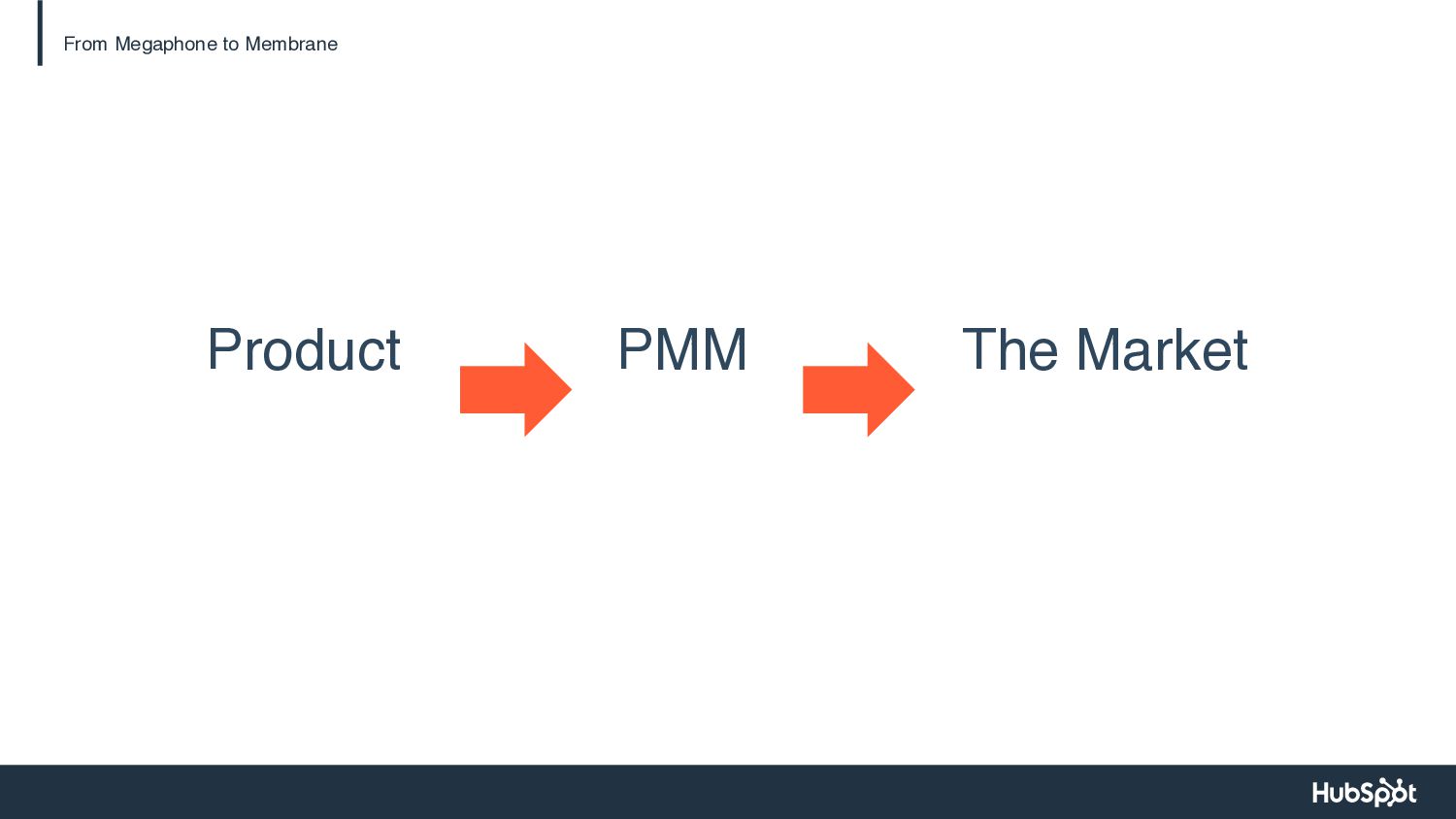
We had, I think I was one of four product marketers, full time product marketers when we started. And so we in product marketing, we had one job which was to be a megaphone for the product team. Product launches, rinse, wash, repeat. It was all we could do just to launch the products that the product team put out.
We were a messenger. We were a one way translator from the product team to the market. And there are some benefits to that approach. Right? This is just where we probably should have been at that point in our scale. But there are some really serious drawbacks to that approach as well.
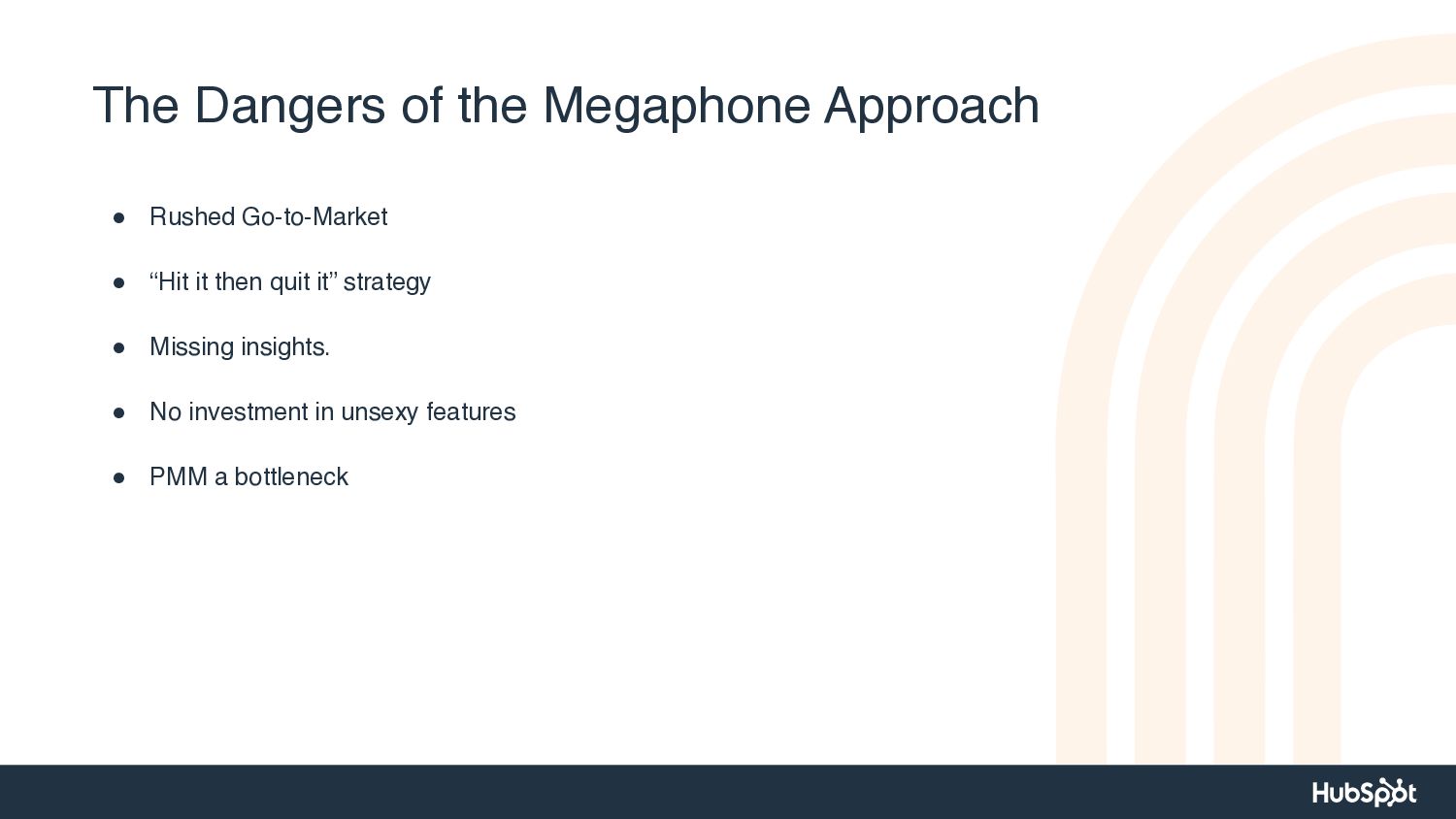
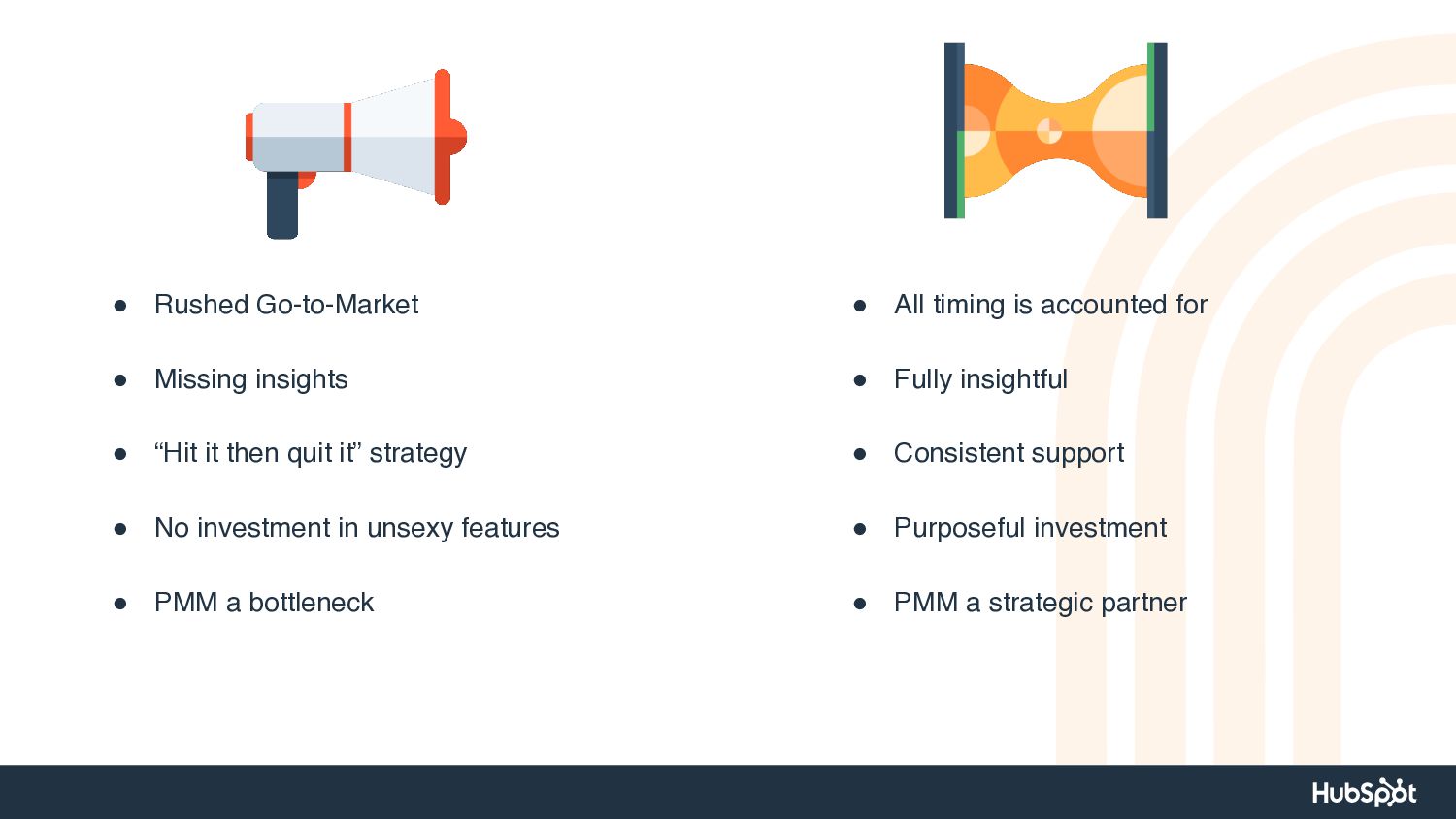
Rushed go to market. So at scaling companies, you all know this, product teams move really fast. Right? Marketing teams need a little bit more time to keep up so we would find ourselves executing launches that should have been taking six months and six weeks or less.
Hit it then quit it strategy. Our product marketers own launches with so many different product managers across many different products. We didn't really have any strong alignment to any big strategic goals. Third, missing insights. When you're moving really quickly in product marketing at a scaling company, you tend to operate more with gut and less with data than you might like.
Fourth, no investment in what I call unsexy features. So when you're just going a mile a minute, you tend to glom on to the thing that's got the best pitch, the sexiest pitch. You might ignore, you might not take into account governance features, compliance features, the things that are really vital but maybe not the sexiest in the portfolio.
And most importantly, product marketing can be seen as a bottleneck in this phase of growth. Product marketing is seen as a cog, even a process maybe. They're seen as like a necessary evil versus a really important key part of the strategic process. All that said, this is what my day felt like when I was a product marketer at this stage of growth.
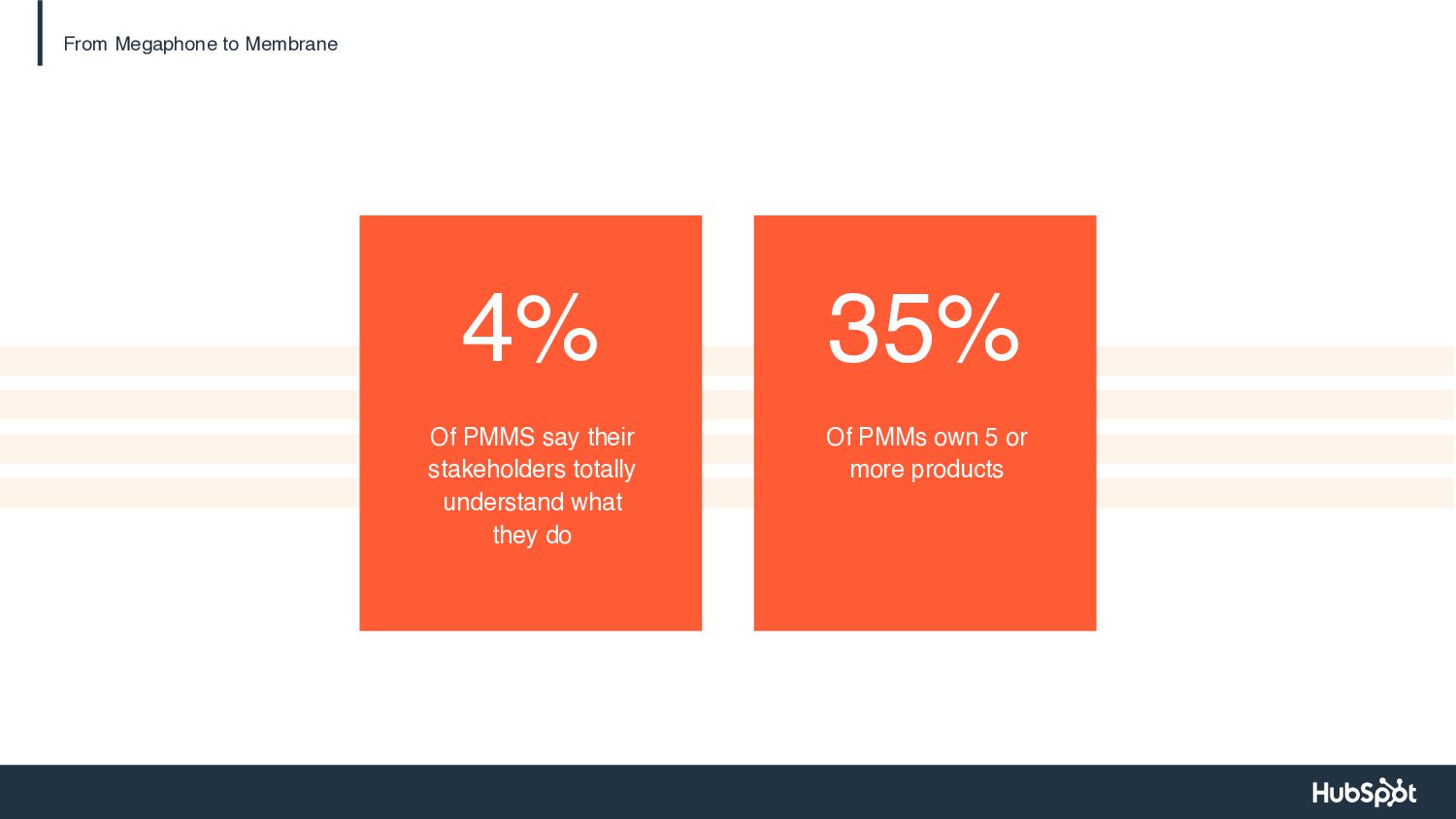
It was all I could do just to keep the next thing, and most of the time I felt like I wasn't doing a great job of it. The numbers bear that out. This is from the Product Marketing Alliance. The one on the right I think is most striking.
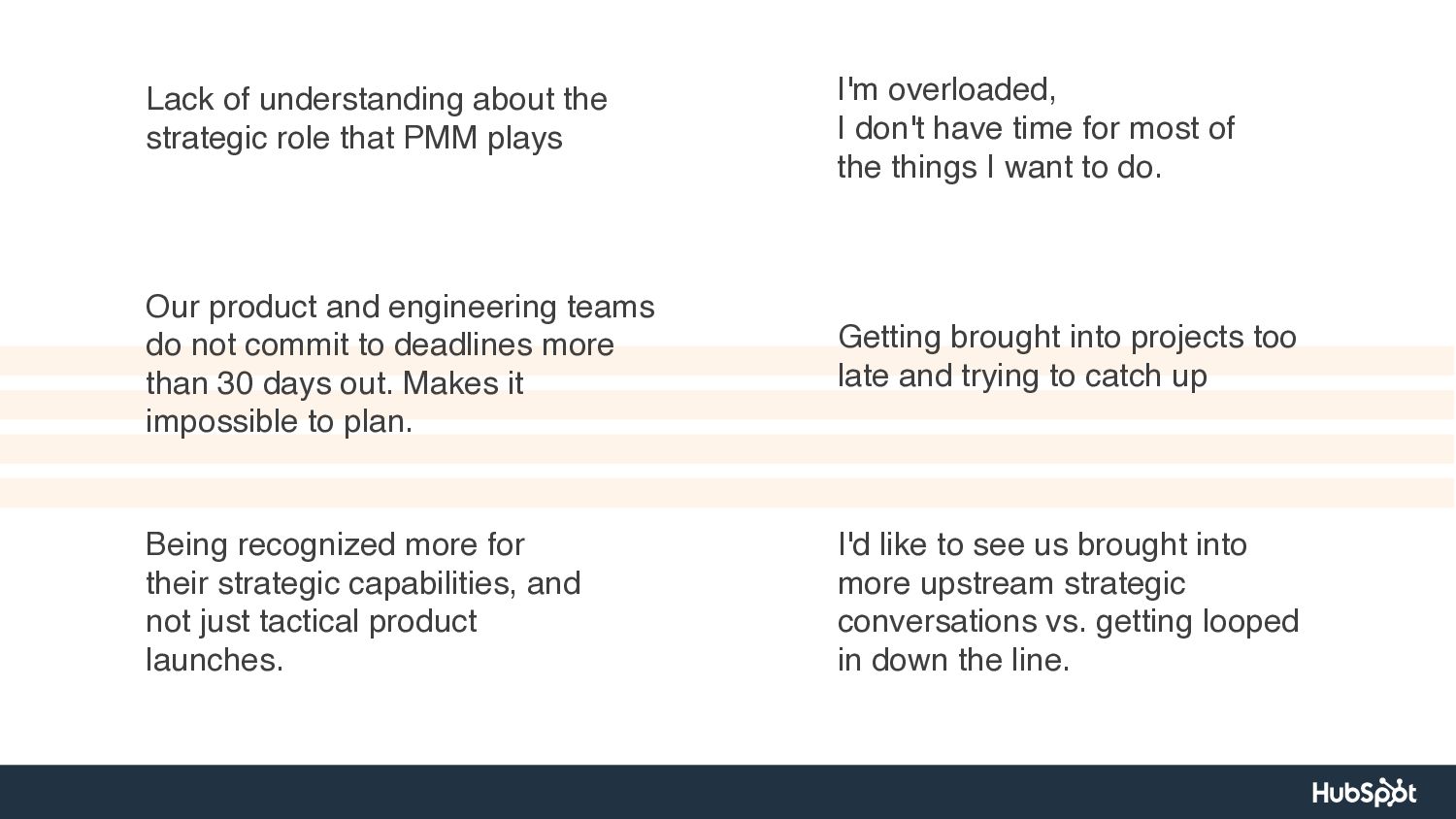
Thirty five percent of product marketers own five or more products. Like how are you supposed to know what to prioritize when you own five or more products at a company? And the quotes from that Product Marketing Alliance report bear that out as well.
I don't think I'm alone and feeling this way at this stage of growth. They want to be involved in more upstream strategic conversations versus getting looped in down the line. They just don't have time. They get looped in too late. Right? If you're in marketing, but especially if you're in product marketing, I think you know how this feels.
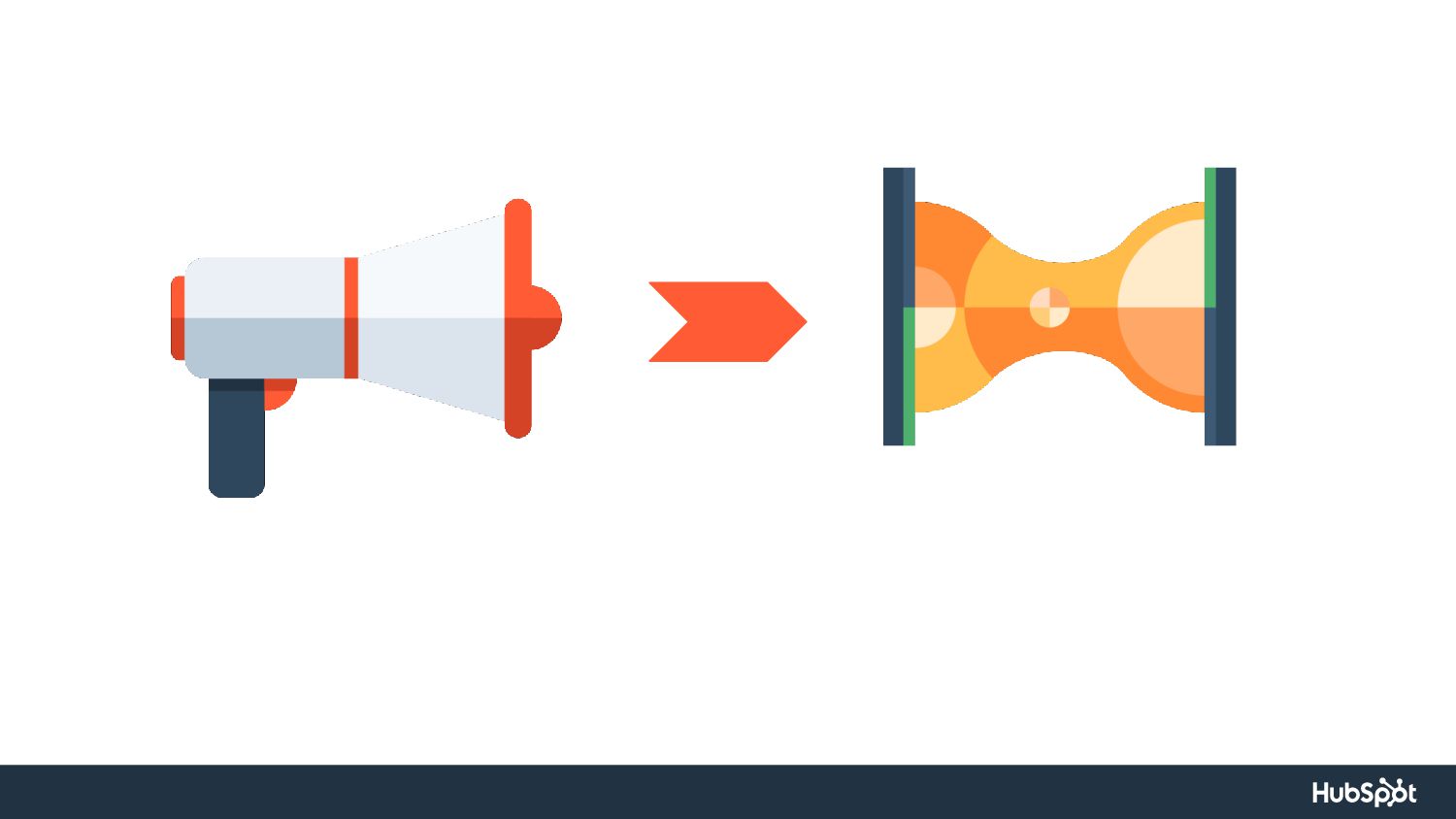
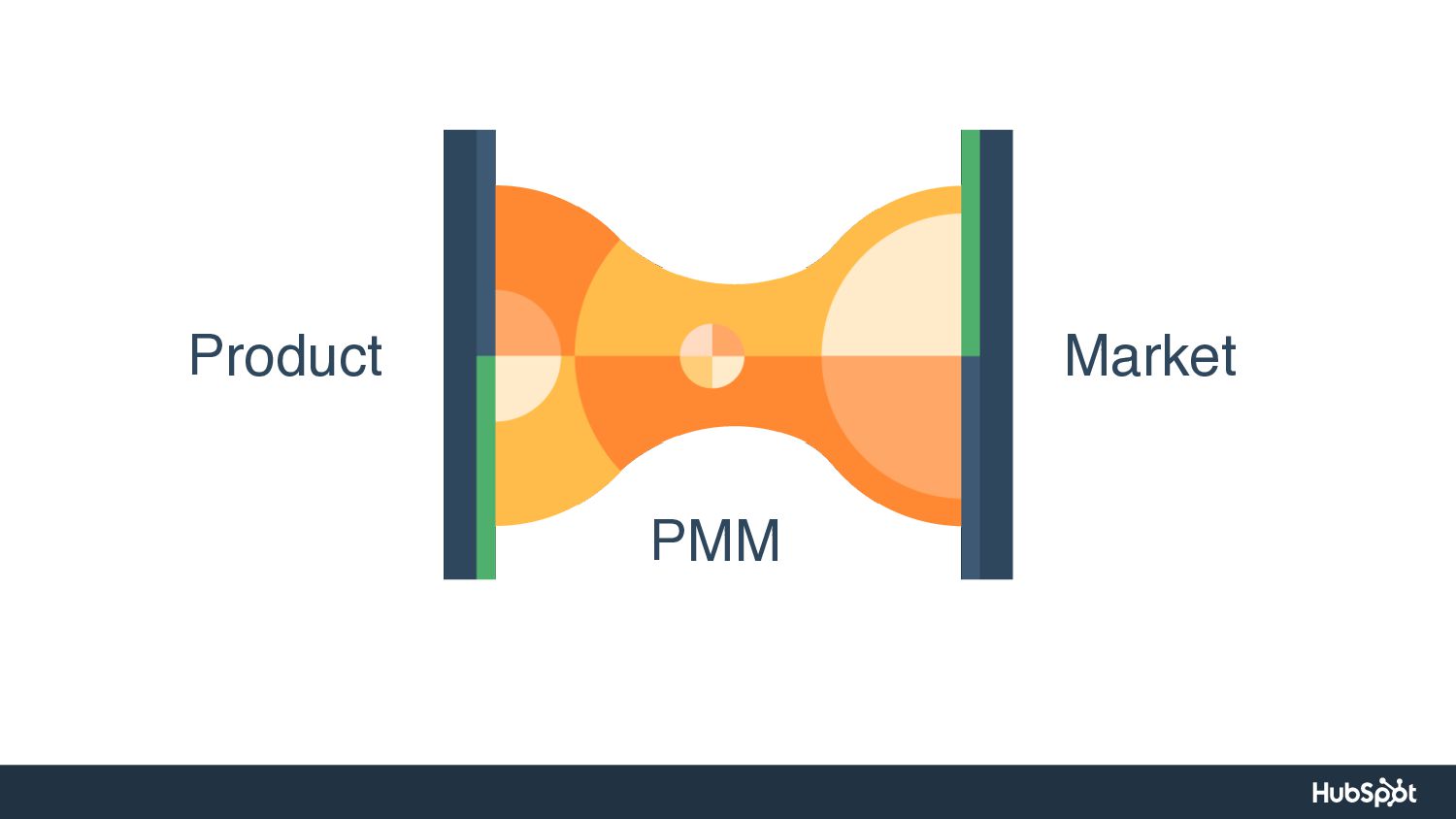
The key shift that you need to make is from a megaphone into a membrane. Megaphone into a membrane. What the heck is a membrane? A membrane, for those of us who don't remember fourth grade science class, is in a cell it's the connective tissue that connects two different parts of an organism.
So it's semi permeable. That's a fancy way of saying that it transfers content between two different sides of a cell to the point where they're both at equilibrium. Right? So one side and the other side are in perfect balance and at equilibrium with each other.
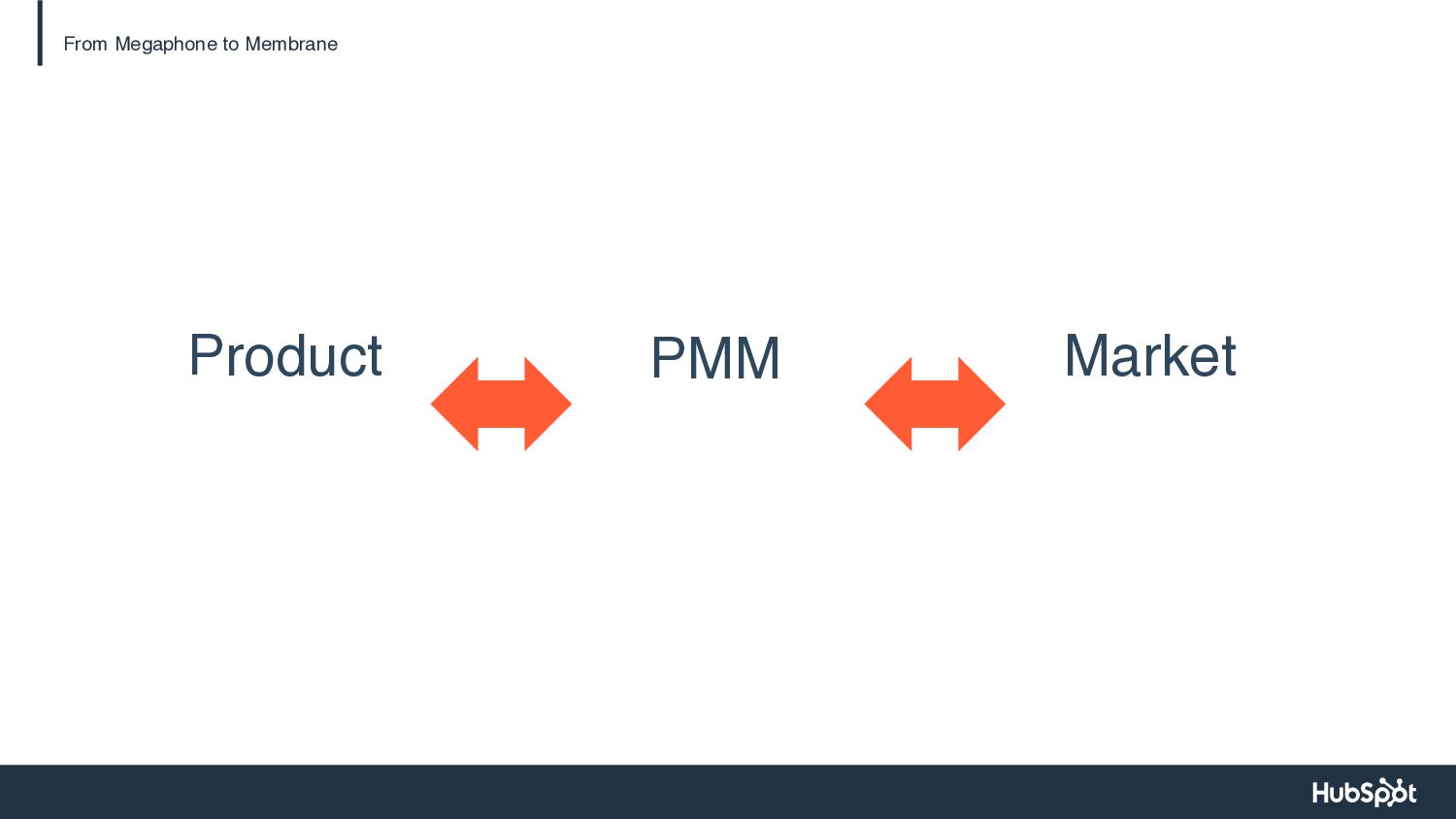
So this idea is that product marketing, instead of being a megaphone, should be a membrane. Connective tissue passing information proactively from the product to the market, and from the market back to the product. That second part is usually what gets lost along the way as you scale.
When product marketing is a membrane, a whole bunch of good things happen. All the timing is accounted for. Right? You actually get to plan big moments with enough time. You can create messaging with all the insights that you need. You're giving consistent support, so you're not just doing this hit it and quit it onto the next launch kind of a strategy.
You make purposeful investment based on priorities, not just like what the next sexy thing is that comes along. And you're seen most importantly as a strategic partner, not a bottleneck. So when you're actually providing insights to the product team, you're seen as an important part of the strategic process, not just as the megaphone that reacts along the way.
That sounds great. Right? We can all buy into that. How do you actually do that? I'll give you three tips, three things we've done at HubSpot that help us get to this world of being not a megaphone but a really awesome connective tissue, a membrane in our company.
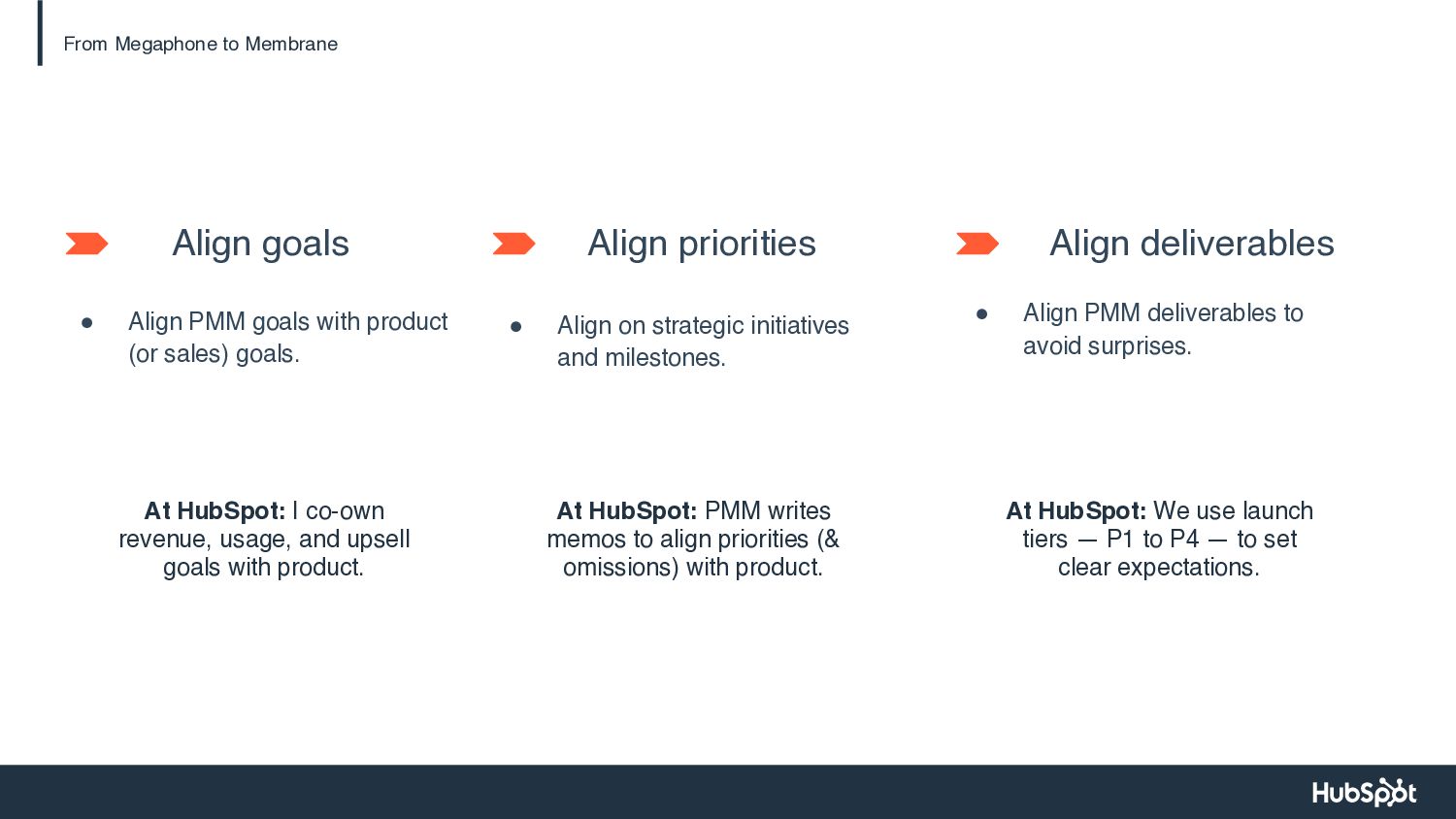
The first, align goals. At HubSpot, I as a product marketer, I co own big business goals, revenue goals, usage goals, upsell, cross sell goals. I co own those with my product leadership. And what that means is when you co own big goals you have shared accountability, so you have a seat at the table.
Right? That's good. It's also stressful in some ways, but it means I present at my quarterly business reviews. It means I am part of product roadmap planning. It means that I present in front of leadership about the plans, about the performance of our product lines.
Right? We align goals, that means I am invested, I am shared accountable for all of the things that the product org does. Second, align priorities. So once we have our goals at HubSpot, we align priorities. We align what we're gonna do. So before the year, the product team makes a comprehensive deck of all the things they're gonna do in the year.
We as a product marketing org align with that. So we take that deck, we make our own strategic memo for the year that includes both priorities, and equally importantly, it includes omissions, what we're not going to do. We line that up with the product team, we line it up with the sales team, we get their buy in so that going into the year, we know what we're going to do, we can say no to things maybe that don't matter quite as much.
The final piece of that, align deliverables. I had a product person come up to me, this is real, recently right before a launch and they said, you're gonna get me on The Tonight Show for this one. Right? Like they actually expected that we were gonna get them on The Tonight Show to be featured for a product launch at the last minute.
You align deliverables. So at HubSpot we have product launch campaigns. We label them and enumerate them from P one to P four. P one is the most impactful, the highest effort launches. P four down the line is the least impactful and the least effort.
So when we go into the year, have our goals aligned, we have our priorities aligned, we have our deliverables aligned, so there's never any question of what the product marketing team might be working on. This enables us to say no and to be more strategic in nature.
I think it was Alexis from Schitt's Creek, or it might have been a close friend of her, Steve Jobs, who once said that people think that focus means saying yes to the thing you've got to focus on. But that's not what it means at all.
It means saying no to the hundred other good ideas that are out there. As a product marketing team, that is there's power in saying no. When you're aligned, when you have this concept of a membrane that you are passing insights and passing value all across the organization, you're able to say no, and you don't have to run after product launches in the same way.
Okay. That's lesson number one. You're a quarter of the way there to your next cup of coffee. That brings me to the second lesson, which is bring customer stories to life. I'll take you back to twenty nineteen. I was a product marketing product marketer for HubSpot's reporting and automation tools.
And at the beginning of the year, we aligned around a goal of increasing usage for the reporting and automation tools. So with that goal in mind, I kept my eyes and my ears open for the next big thing that might change the course of HubSpot.
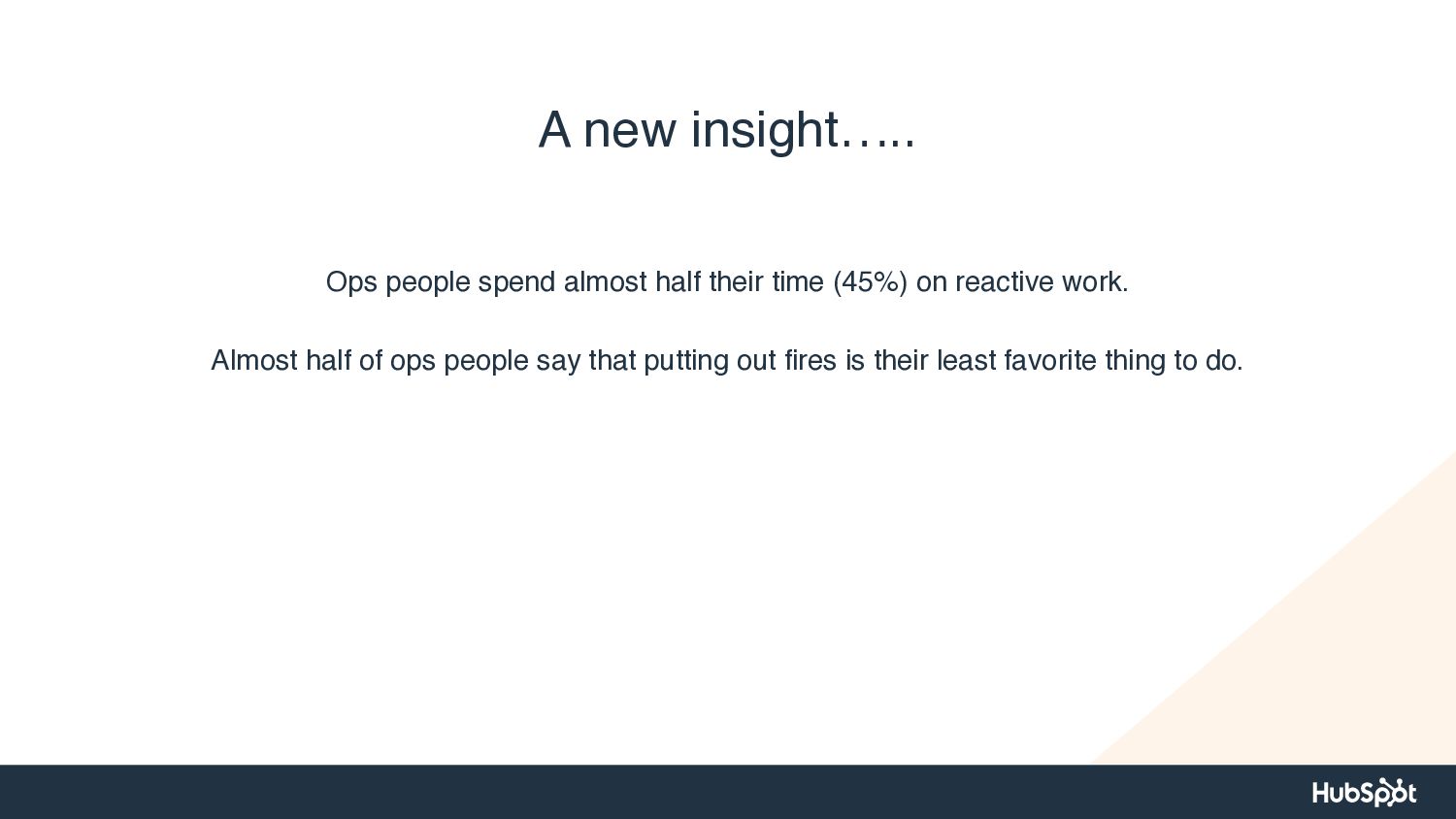
And a new insight hit me. In my travels, I found this statistic. Operations people. Operations people. Those are the ones that use automation and reporting most often inside of HubSpot. They're doing a lot of firefighting and they really don't wanna be doing firefighting.
They spend half their time on reactive work, but that's their least favorite thing to do in their job. That's a bummer. That's a mismatch. That's an opportunity. So I took that statistic and I brought it to my product team. I said, let's do something with this. What should we build?
What should we do? How should we position? And I was met with crickets. They were like, this is cool, but like, whatever. What should I do? So I went back to the drawing board. I partnered with product leadership, with our UX leader, our VP of UX.
I talked to over a hundred operations people. I wanted to get to the bottom of this. HubSpot customers, competitors customers, non customers. I talked to internal folks, sales service, and so on. And I came back with more than stats. I came back with a story.
With a story, not with stats. I presented it in front of my whole product team in what can only be described, I think, as a dramatic reading. And it went something like this. I said to them, imagine for a second that you're not a product manager.
Imagine you're in operations. You wake up, Friday morning, sun is shining, the coffee, green tea, whatever you drink is brewed to perfection. And today is the day. Today is the day that you're finally gonna get around to that thing you've been wanting to do all along, is to take the insights you have and to write a strategic memo for the business.
As an operations person, that's the dream. So you sit at your desk, you shake your computer, you open it, you're ready to go, fresh start. But then, ding, get an email from your VP of marketing. They want just one cut of leads that they haven't seen yet.
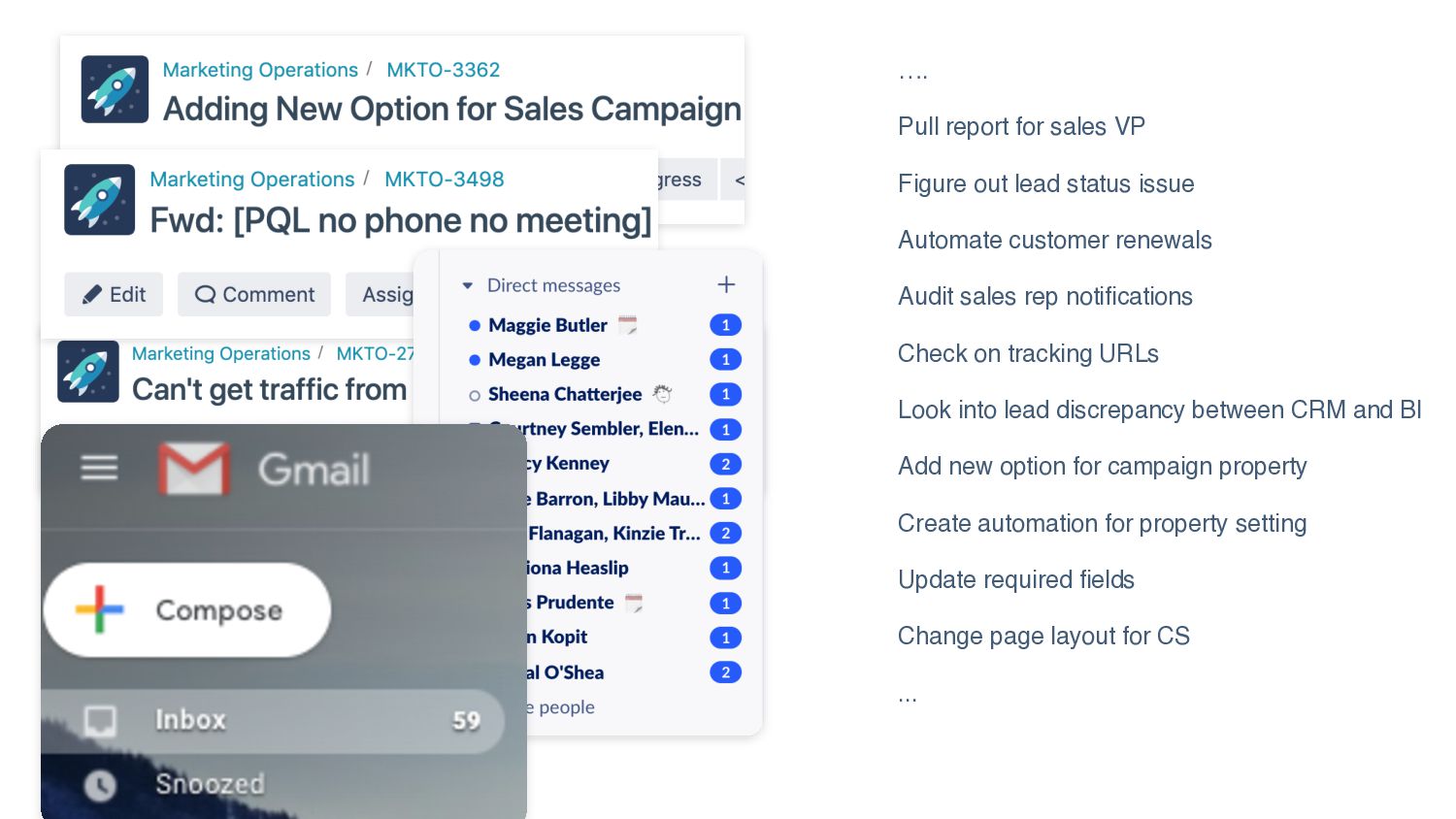
That's important. Right? So you add it you add it to your to do list as your operations person. That's the start of my story. I build little by little. That's one thing on the to do list for the ops person. And then three, and then five, until eventually, the whole day is overwhelmed by these random little tasks.
I say to my product team, you slogged all morning, and the prize is invisibility. Good ops people are invisible. You showed up ready to finally break the surface, you left even more underwater. I said to them, welcome to a day in the life of an operations professional.
That's what it feels like to be an ops. I stopped. Crickets, again. But this time, I think they were good crickets. People were moved. People were processing. They were listening. Their attention mostly in my hands, I walked them through a bunch of other things, regional implications, customer quotes.
I walked them through market research. I ended, I said ops people need a home in HubSpot. Let's make it happen. Given the time and space to proactively solve for customers, I didn't just bring stats as a product marketer, I told a story. Fast forward a year later after that, Operations Hub launched as our fifth product line.
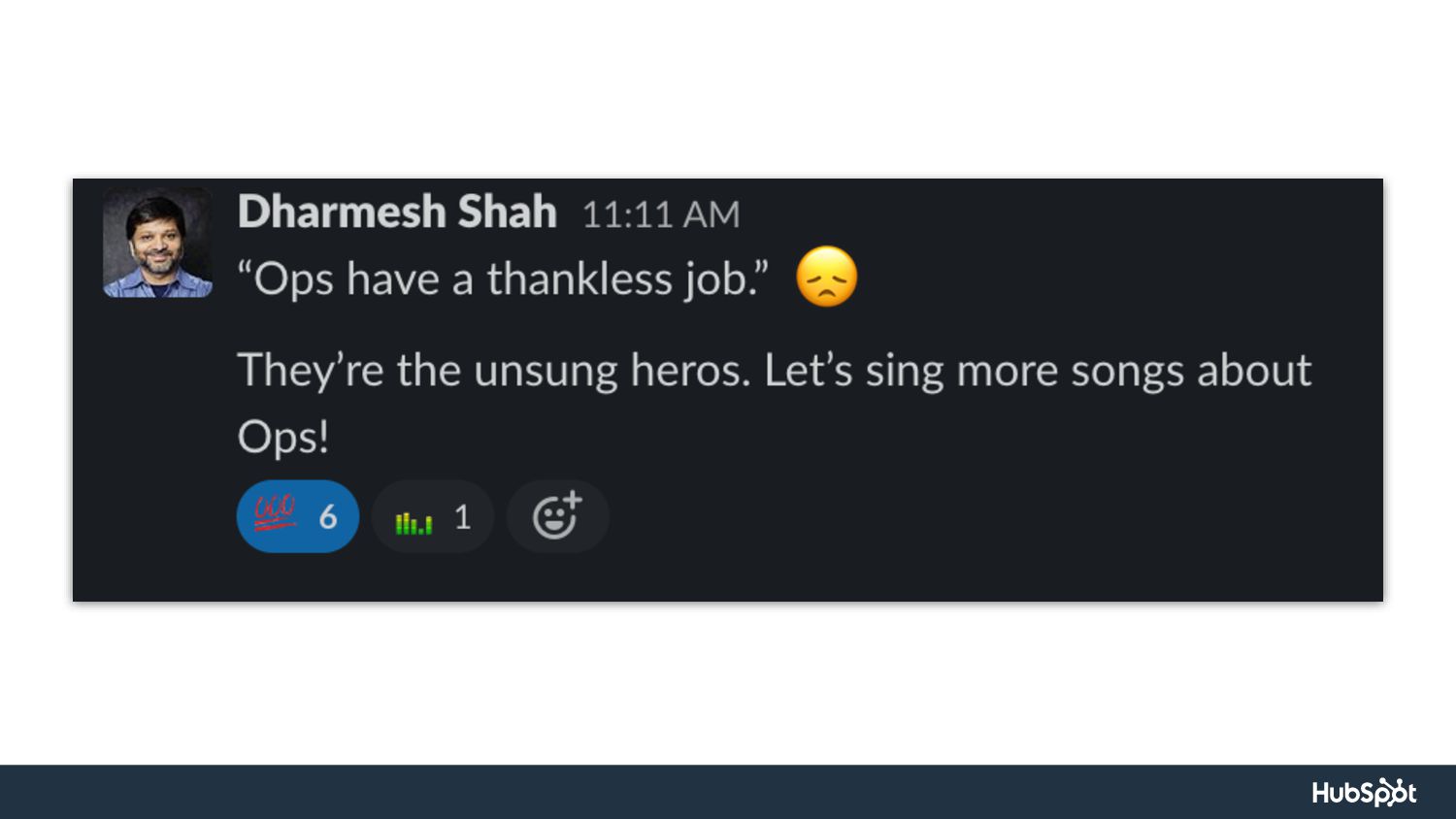
It's our fastest growing product line that is worth tens of millions of dollars. It's solving really big problems for our underappreciated ops people everywhere. Just this past week, we had an internal company wide science fair where we talked about all the features we built for ops people, and Dharmesh Shah, who's our co founder, said this on Slack.
He said, ops have a thankless job. They're the unsung heroes. Let's sing more songs about ops people. That was one of my proudest moments at HubSpot. By telling a story, I made Darmesh see and appreciate a persona that he had never really seen and appreciated that way before.
When product marketers tell stories, they have the ear of the whole company. They have the ability to change the hearts and minds even of the C suite, if my story can be an example of that. My goal here is not to pat myself on the back.
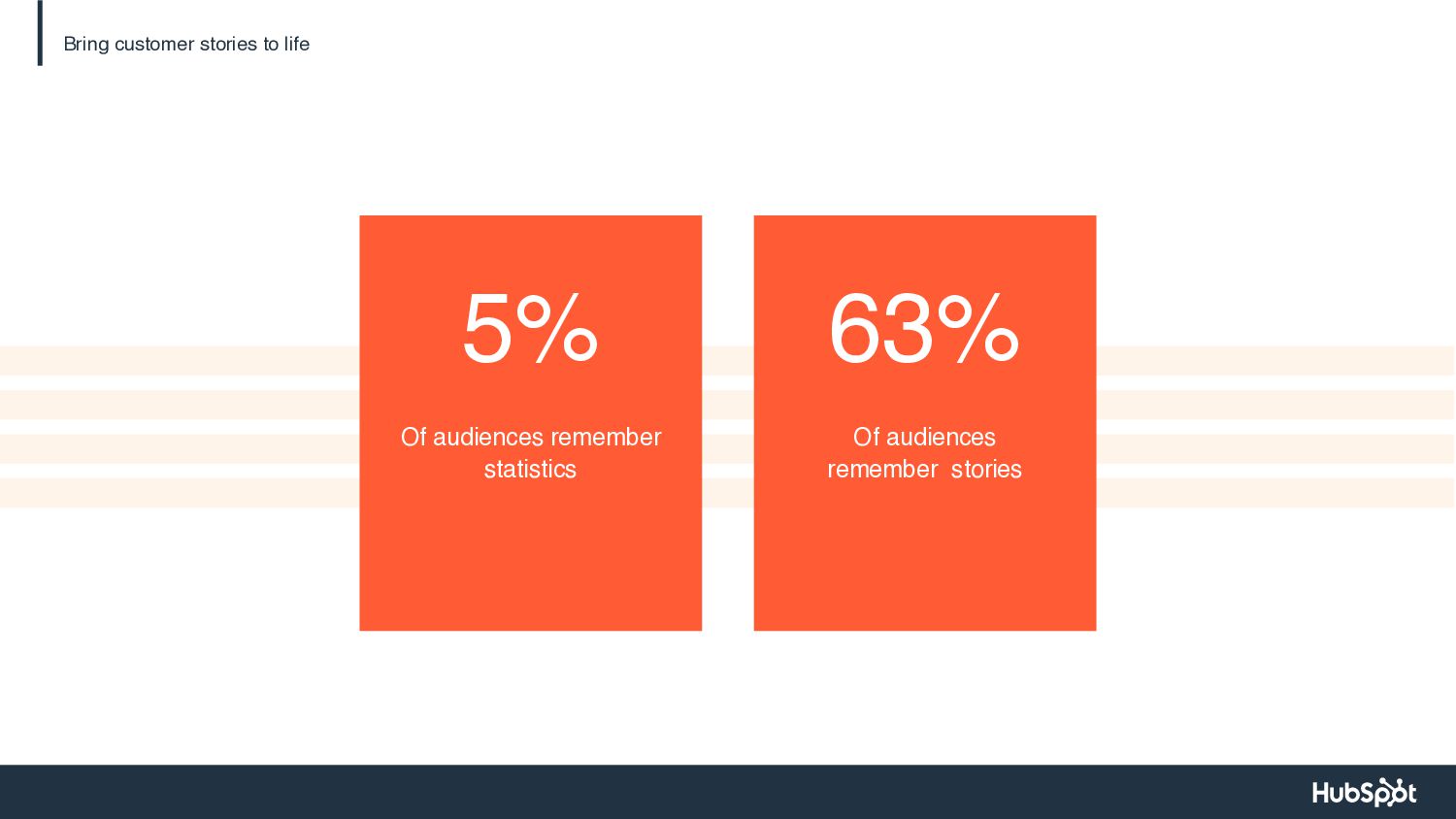
That is not my style. That is not what I do. It's a story about the power of product marketing and of marketing in general when they're focused on bringing customer stories to life. This is a statistic, a study that they did where they did a minute long presentation.
In that presentation, they included three statistics and one story. Five percent of audiences after that remember the statistics. It's kind of ironic because I'm showing a stat about it. Sixty three percent of audiences remembered the stories that were told. As a product marketer, you are the company's best storyteller.
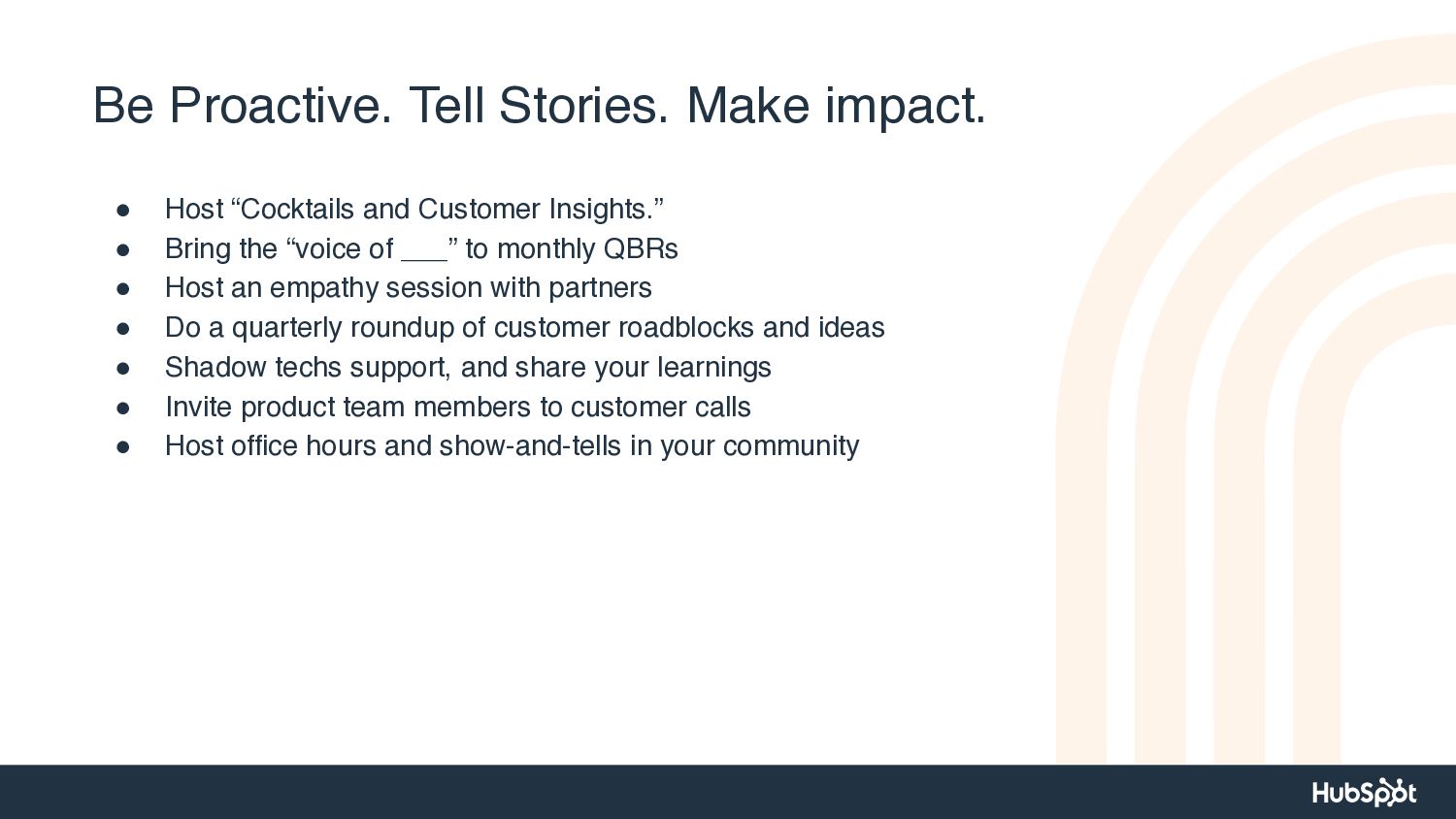
You are a sharer of worldviews. You're a builder of empathy. You're a builder of momentum on behalf of customers and for customers. So be proactive. Tell stories. Be a storyteller. Make an impact. I have a bunch of these. I'm not going to go through them in detail because bullets take time.
My favorite one, I host cocktails and customer insights every Wednesday afternoon at five thirty pm. Who has any meetings on Wednesday at five thirty pm, we have cocktails and customer insights. I bring a call, a story about a customer, and we discuss it together with product leadership, with sales leadership, and we learn a little something together.
I do all of these things because I know that when I bring customer stories, I'm providing value to the company, unique value to the company. Okay. Our theme is making the customer the hero as the marketer or as the product marketer. We talked about becoming a membrane, not just being a megaphone as you scale.
We talked about bringing customer stories to life. Third lesson, write in words that your customers actually understand. You can't make the customer the hero unless you speak their language. That seems pretty obvious. Right? Turns out not so much and not always. I wanna flash you back.
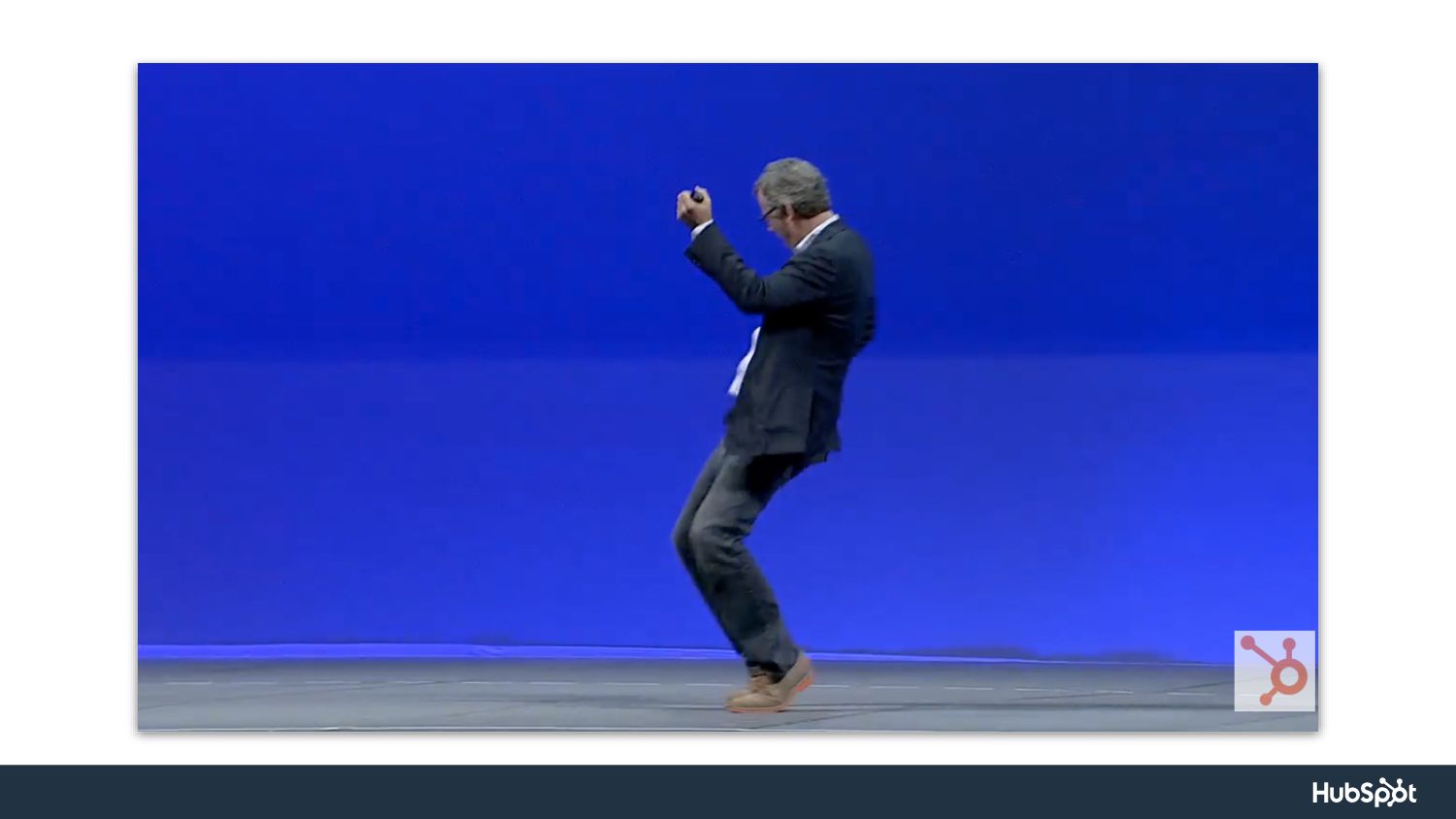
This is inbound twenty twelve. This is our big event at HubSpot. In twenty twelve, this is our CEO keynote that is not Barack Obama. Barack Obama will be there this year. For the first and only time in our career, Brian Halligan, our CEO at HubSpot, did a dance break on stage.
He danced to the Grateful Dead for thirty seconds on stage during his keynote. I thought it was pretty cool. What was he dancing about? What was he so excited about? He was excited because we had just launched our newest product line, was a content management system, CMS. Raise your hand if you know what a CMS is.
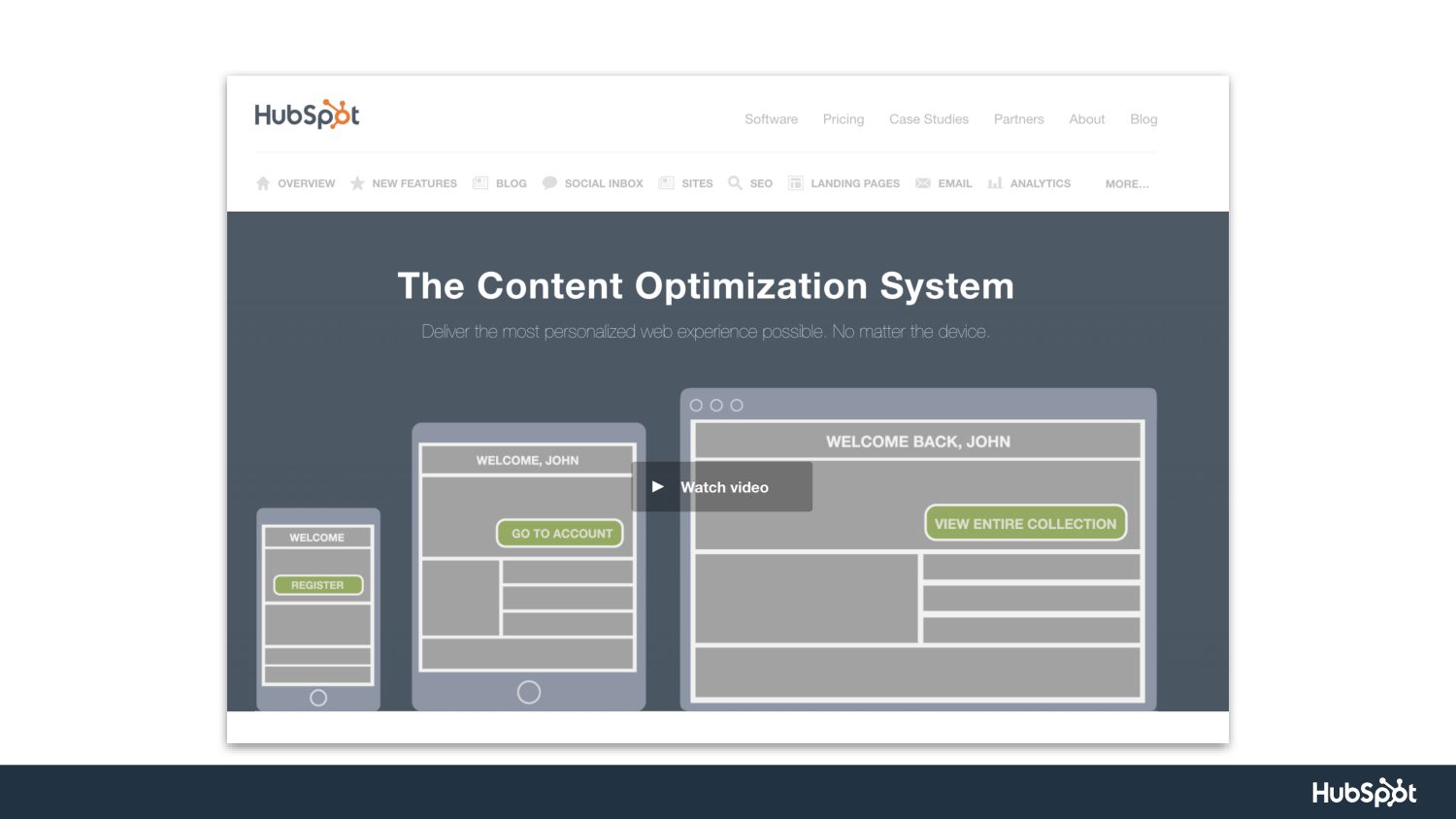
Yeah. Everybody. It was that way back then too, as it turns out. But we didn't launch it as a CMS. We got tricky. We got really unique. We launched it as a COS, content optimization system. It's close to a CMS, but it's not it's not quite a CMS.
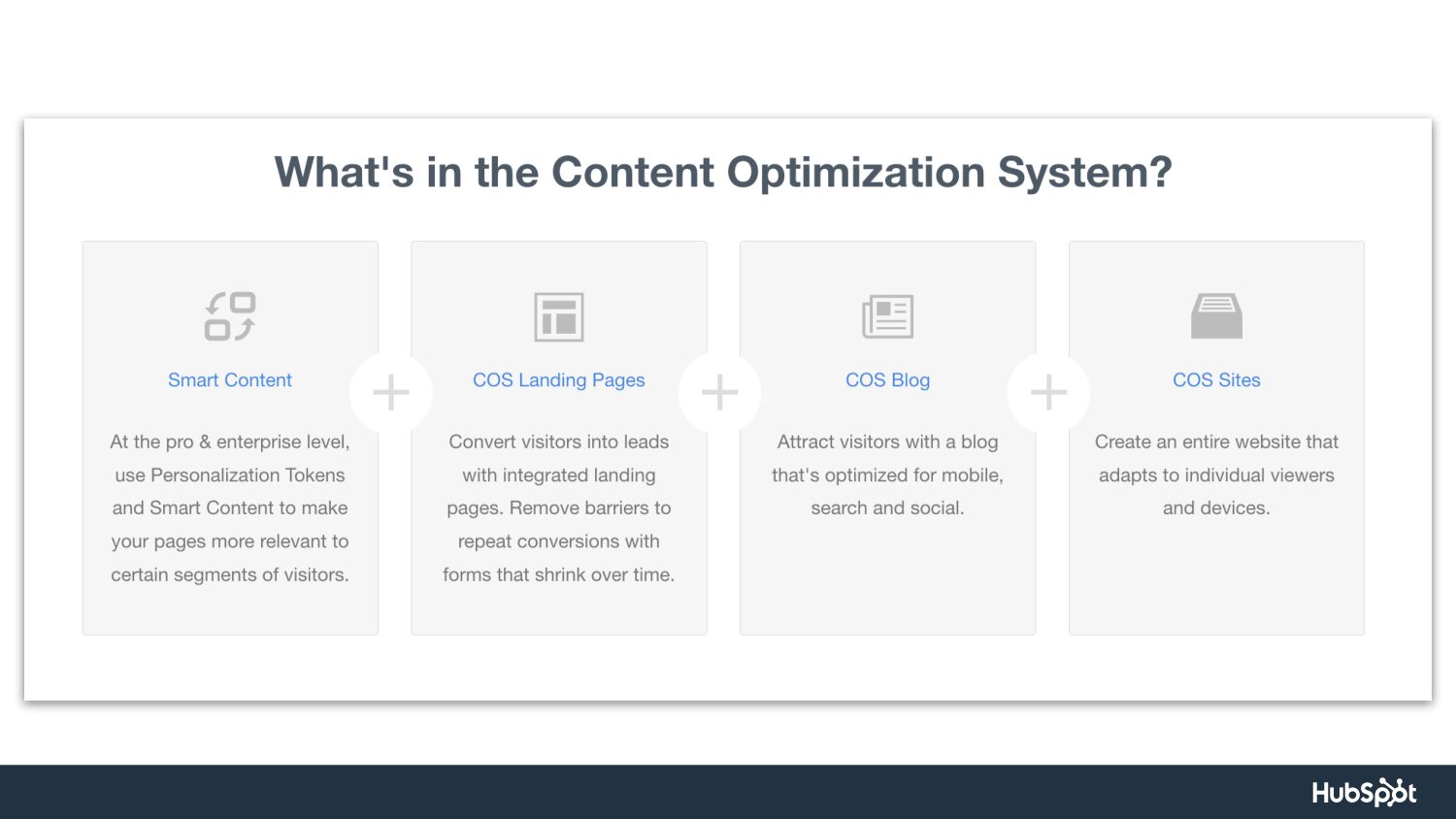
Just a little bit better. Not only did we launch a content optimization system, we launched COS landing pages, COS blog, COS sites. And the difference here was that we weren't just your grandmother's CMS, we actually had a full suite of marketing tools behind it.
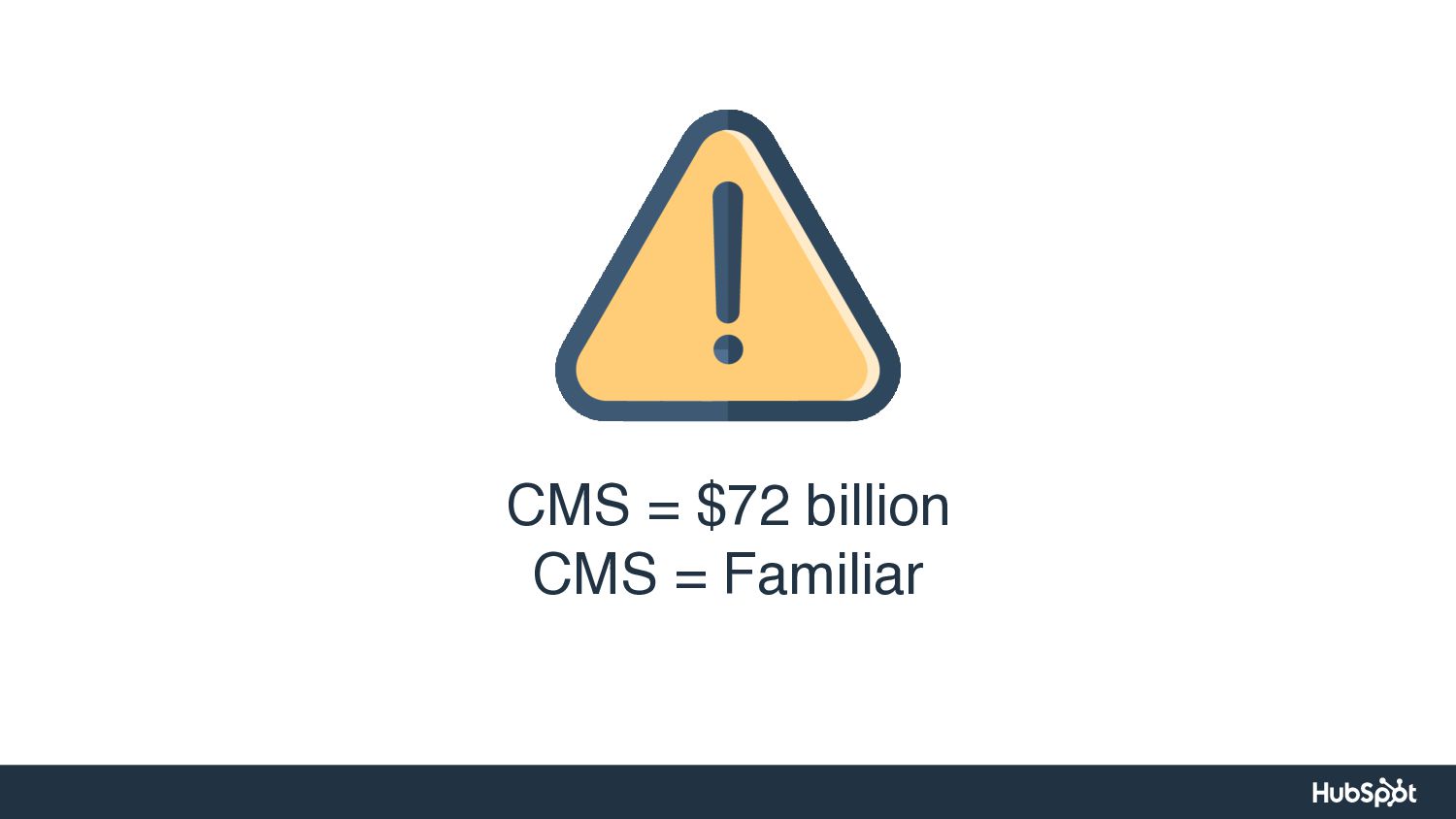
Right? In our heads, it sounded really good, really fancy, really striking. To our customers, it sounded kinda unfamiliar and kinda foreign. They were like, what? What is a COS? What does that mean? CMS is a known commodity. It's a seventy two billion dollar space.
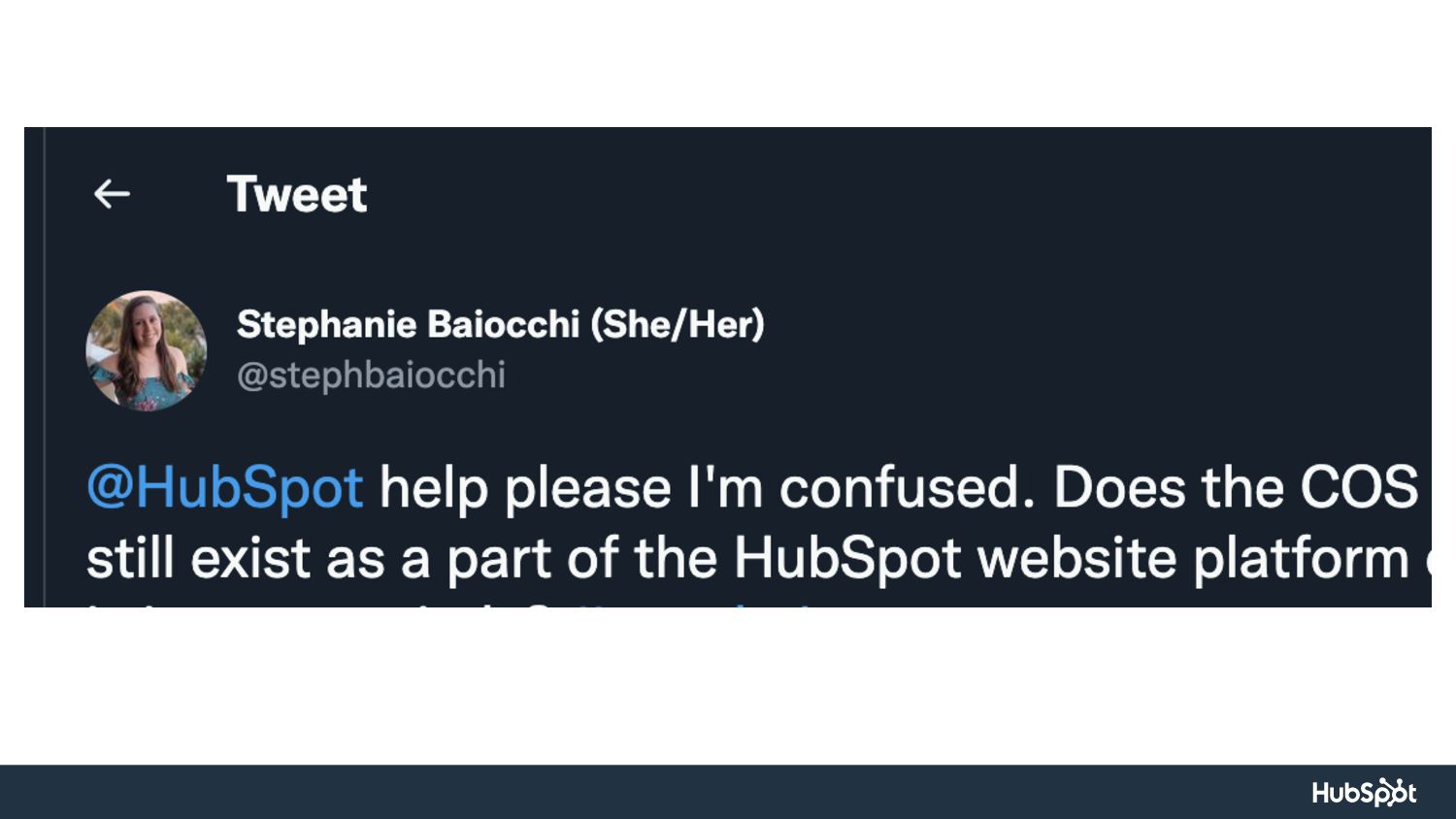
We all know what it is. We all knew what it was back then too. It's familiar. People know it. They get it. The impact of that positioning choice was really big. We got a lot of tweets like this, concerns from customers, please help.
I'm confused. Does the COS still exist as part of the HubSpot website platform? Is it the same thing? Is it different? What are all these different moving parts? People just didn't get it. It didn't really click with them, and we saw results impact from that.
Sales results were kind of up and down for a while. So fast forward to twenty seventeen. Spoiler alert, we evolved back from a COS, content optimization system, to a CMS. And in doing so, we didn't differentiate by getting cute and slightly altering a category.
We differentiated by combining two categories that people know and positioning them together for the first time. A CMS, which you all know, and a CRM. We have a CRM and a CMS together for the first time. People understand it, they get it, and as a result, CMS Hub is a really fast growing product line.
Our customers use it, and they love it, and it's a success. So all that said, my mission here is not to tell you don't start a new category. It's not to tell you don't think about new things. At HubSpot, we invented inbound. We do new things all the time.
My goal is to tell you to speak the language of your customers everywhere that you possibly can. Speak the language of your customers everywhere that you possibly can. All things being equal, choose the words your customers know. To help us do that, I patented five rules that I think are gonna help you do it.
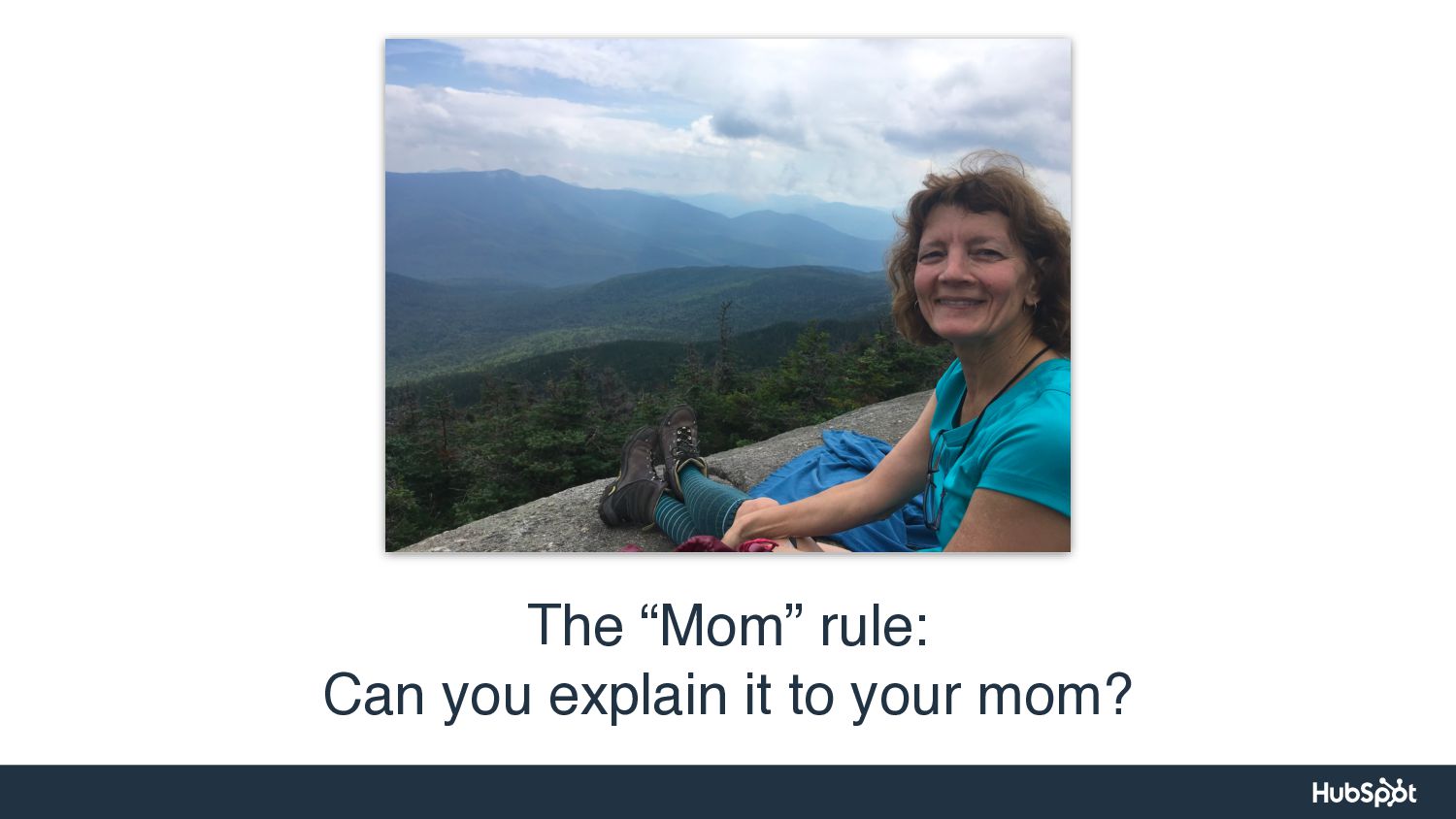
I haven't actually patented them. You'll see why. Who can guess who this is? Nobody? That's my mom. Good guess. That's my mom. She is not the most tech savvy, but she's the coolest lady that I know. And so with that in mind, I like to test my messaging, test my website copy, my feature copy through my mom.
I put my messaging to the test for her. Can I explain my new feature to my mom in one go? How does that go? Even if you have the most technical tool, the most technical feature in the whole world, the most enterprise feature, you're always gonna have to explain it to somebody that isn't tech savvy.
If you can't explain it to your mom, I would bet that you can't explain it to your customer. Quick note before I move on, I actually showed this presentation to my mom, and she loved it. So that must mean that it's it's probably really good.
Second rule about, messaging to your customers. The cocktail party rule. Can you explain it in twenty seconds or less? What's the elevator pitch for your feature? If you need a ton of depth like we did for the COS, COS versus CMS, we couldn't do that in twenty seconds.
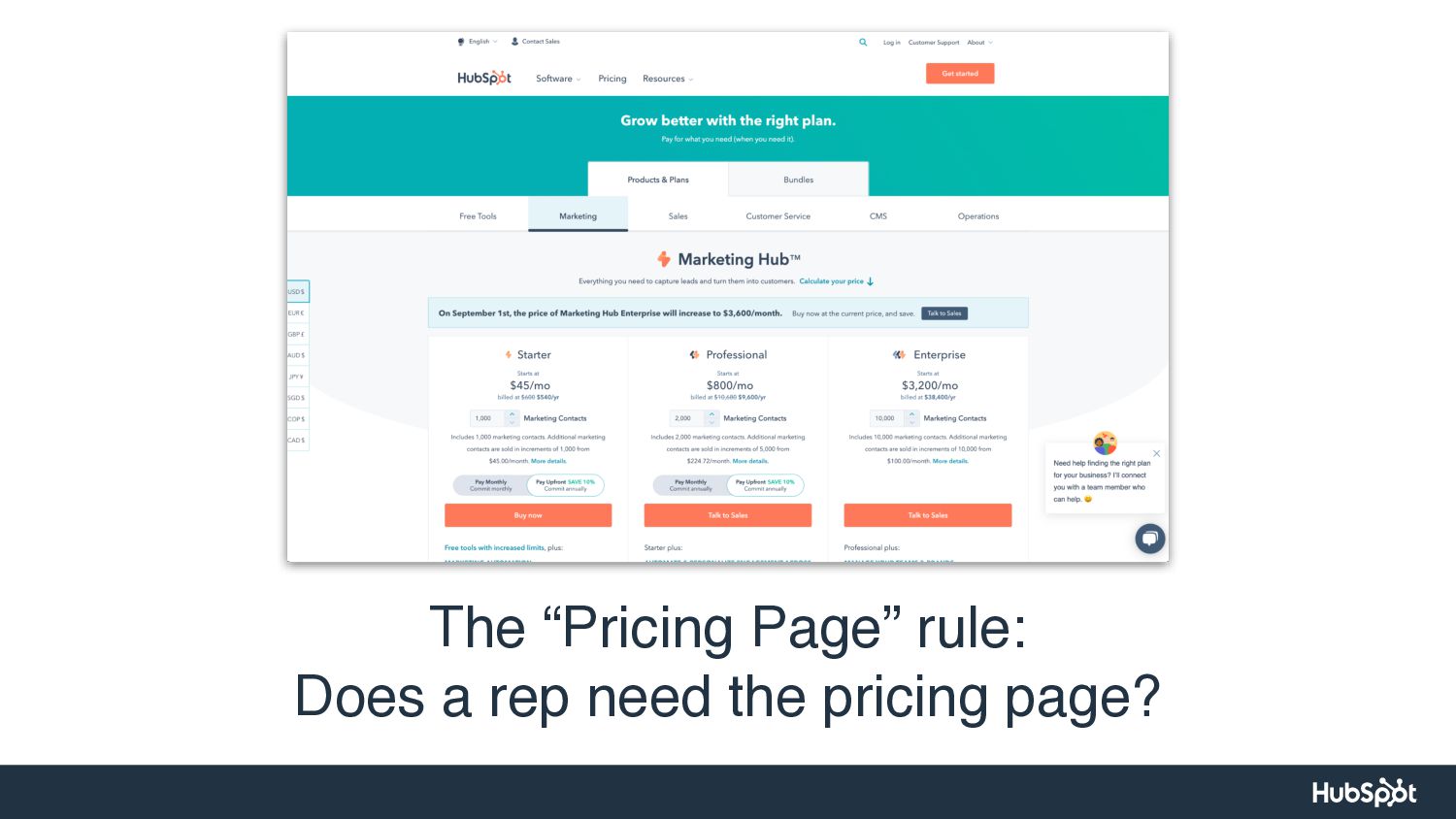
It's too much. Always, always, always simplify your message. Next, this is especially true in the SaaS world, the pricing page rule. Talk about this a lot. Does a rep need the pricing page? Do they need to actually pull up the page to explain a concept or a packaging decision to a prospect.
If they do, they've already lost. If you have to explain something in-depth, you've already lost the hearts and minds. People aren't listening. Where gray area exists, you lose. Fourth, the head nod rule. This might seem obvious, but I feel like you look at some websites today and it's not so obvious.
When you explain what you do for the first time, what do your customers do? How do they react? Do they nod along or do they give you kinda like the confused puppy look where they're like right? If they nod along, you know you're on the right track.
And extra bonus points if they nod along and they ask you partway through to even stop your pitch. If they say like, oh, this is cool. This is cool. I get it. I get it. How much does it cost? How do I get started?
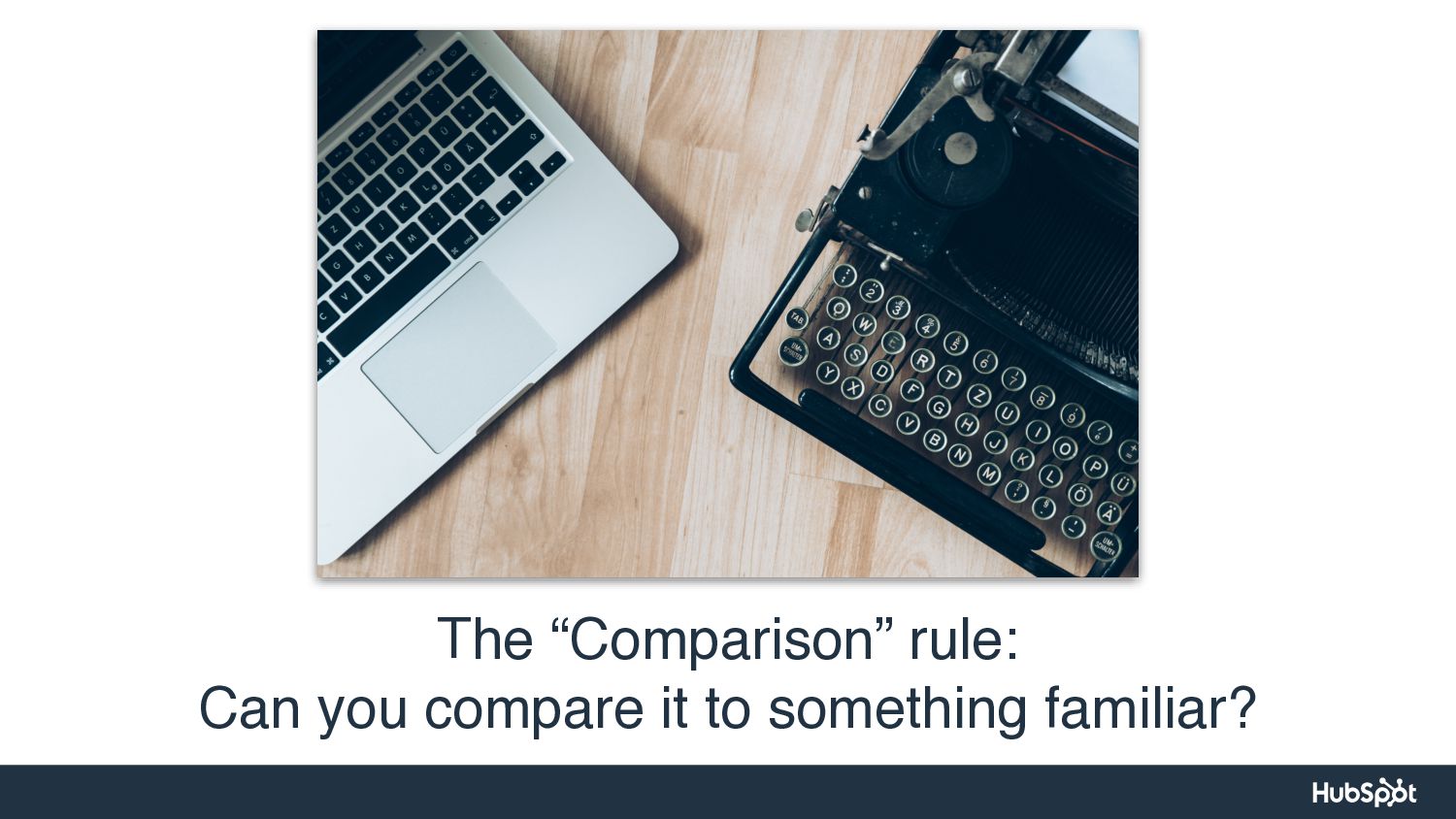
Bonus points if they nod their head and do that. And then the last one, the comparison rule. This is my favorite. Can you compare it to something familiar? This isn't a requirement. It's not always gonna be the case, but it can be a really helpful mechanism to get on your customer's level to make sure you're using language that your customers understand.
So my favorite that I did, I did a whole presentation at our inbound conference four years ago where I compared multi touch revenue attribution reporting, this really fancy complex technical thing. I compared it to soccer, to football, where you assign credit for the goal that gets scored by all the things that happen along the way.
And I explained it with assists and I had this really cool method. I literally talked about that for thirty minutes, and people walked out understanding attribution reporting, I think in a way that they hadn't before. So compare it to something wherever you can.
Use words your customers understand. You cannot make your customer the hero as a marketer if you are not speaking their language. And I think these five rules will help with that. Okay. Onto our last lesson. This one's a bit different. Tie every product message back to your why.
It doesn't start with something that we did wildly wrong, we didn't launch something crazy. To the contrary, this is something that I think HubSpot has actually done really well. We've done right now and always throughout our history. So I went on the Machine.
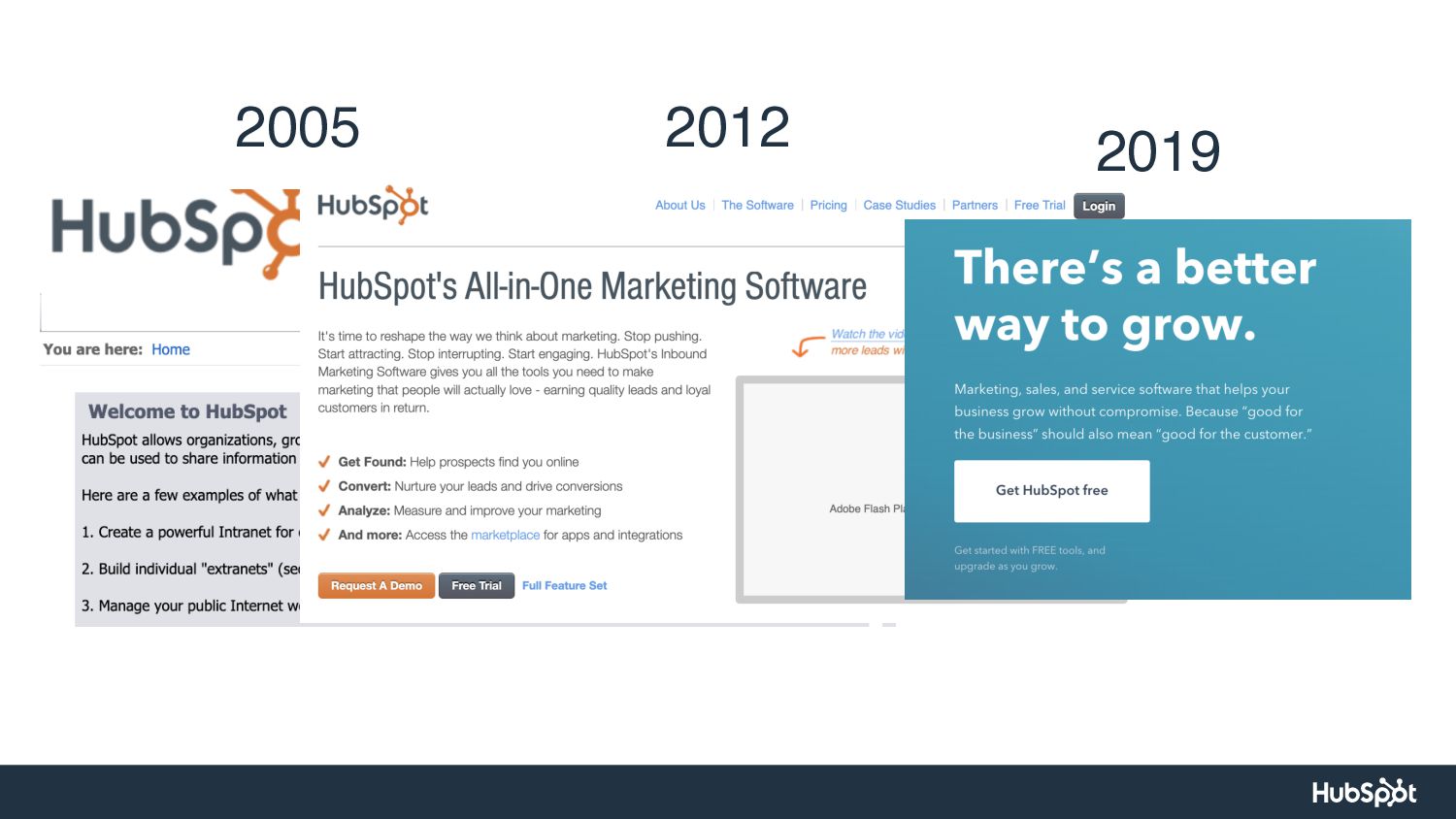
Have people been on the Wayback Machine? The Wayback Machine? People know it. Marketers know it. This is the first HubSpot product page from two thousand five. Looks like a website from two thousand five, doesn't it? It's a bit hard to see, but the punch line is simply connected.
Simply connected. Powerful customized information portals to better connect with customers. We stated what we did, and then we stated why we did it, to better connect with customers. Next to two thousand twelve. That also looks like a two thousand twelve website. Right? This is the year I started at HubSpot.
It's a different look, different words, but the same the same message. Now we are all in one marketing software. We're no longer a customer information portal, whatever that means. But still, to better connect with customers, the what changed, but the why stayed the same.
Fast forward to twenty nineteen, now we've graduated to grow better. That's where we live today. That's our brand promise today. Marketing, sales, and service software. We're no longer a customer portal or all in one marketing software. We're marketing, sales, and service software. The what has changed, but the why still remains the same, to create better experiences, to be good for your customer, to connect with your customers.
HubSpot's superpower is in its ability to bring forward that why, to bring forward that what what matters to the customer in every single moment throughout our history, in every product milestone, even the most esoteric. You might think that's standard, but if you look around, you look at websites, maybe your website, maybe your competitor's website, that's not always the case.
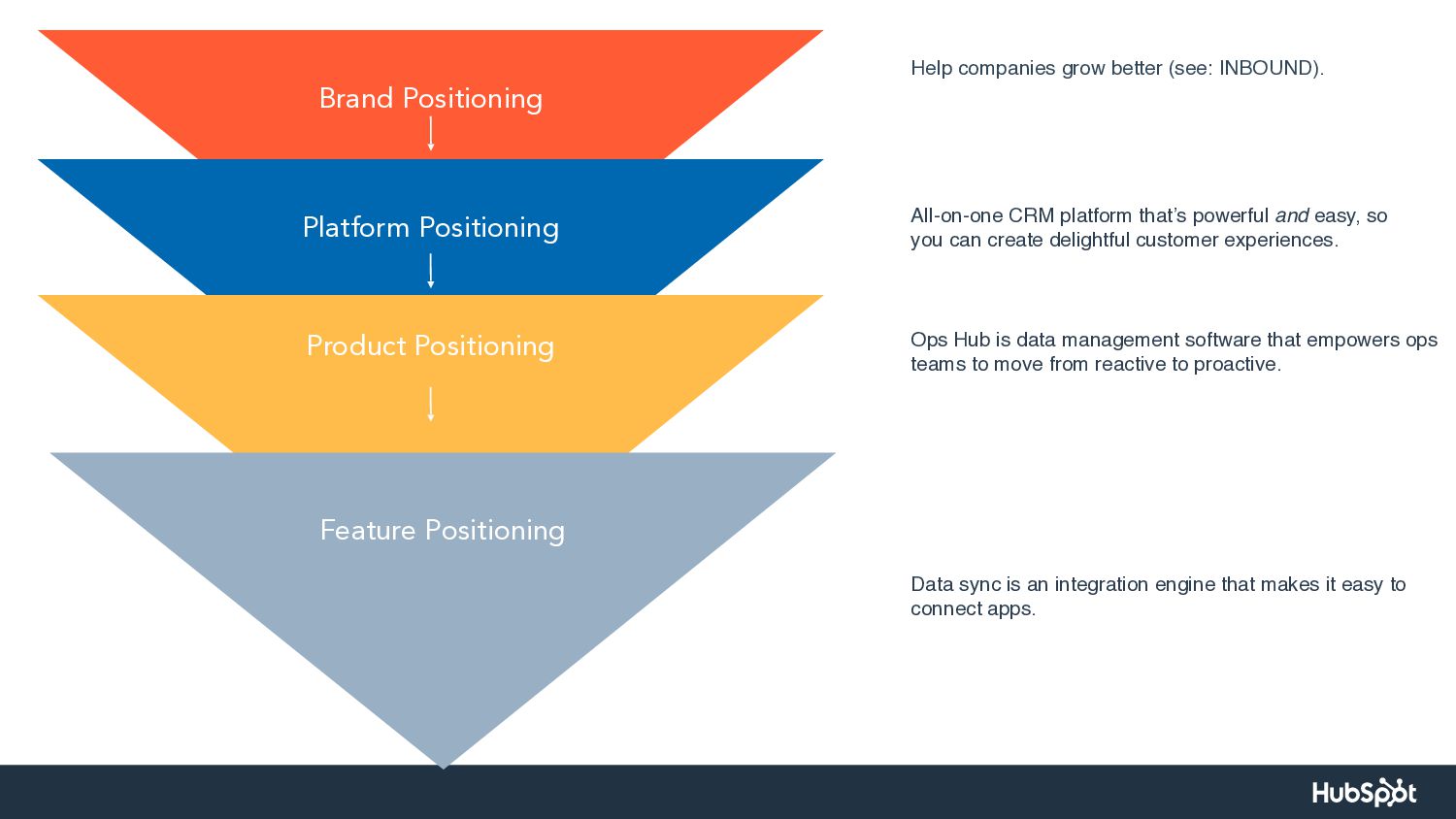
Often people forget about their why. Whenever they start talking about product, they forget why they exist, they forget why customers actually care. Really quick, how do we do it? We have a four part ladder for how we think about positioning our products. It starts at the top with brand positioning. That's the why.
Why does it matter? Why are we here at HubSpot? That's to grow better, help companies grow better. From there, platform positioning. What is HubSpot? What does it do? We're a CRM platform that's both easy and powerful. And then from there into product and into feature positioning.
Right? This is the nitty gritty of what the thing actually does. Right? So for every launch, the kicker here is that for every launch, we tie the bottom to the top. We tie the feature and the product to the brand position. How do we do that?
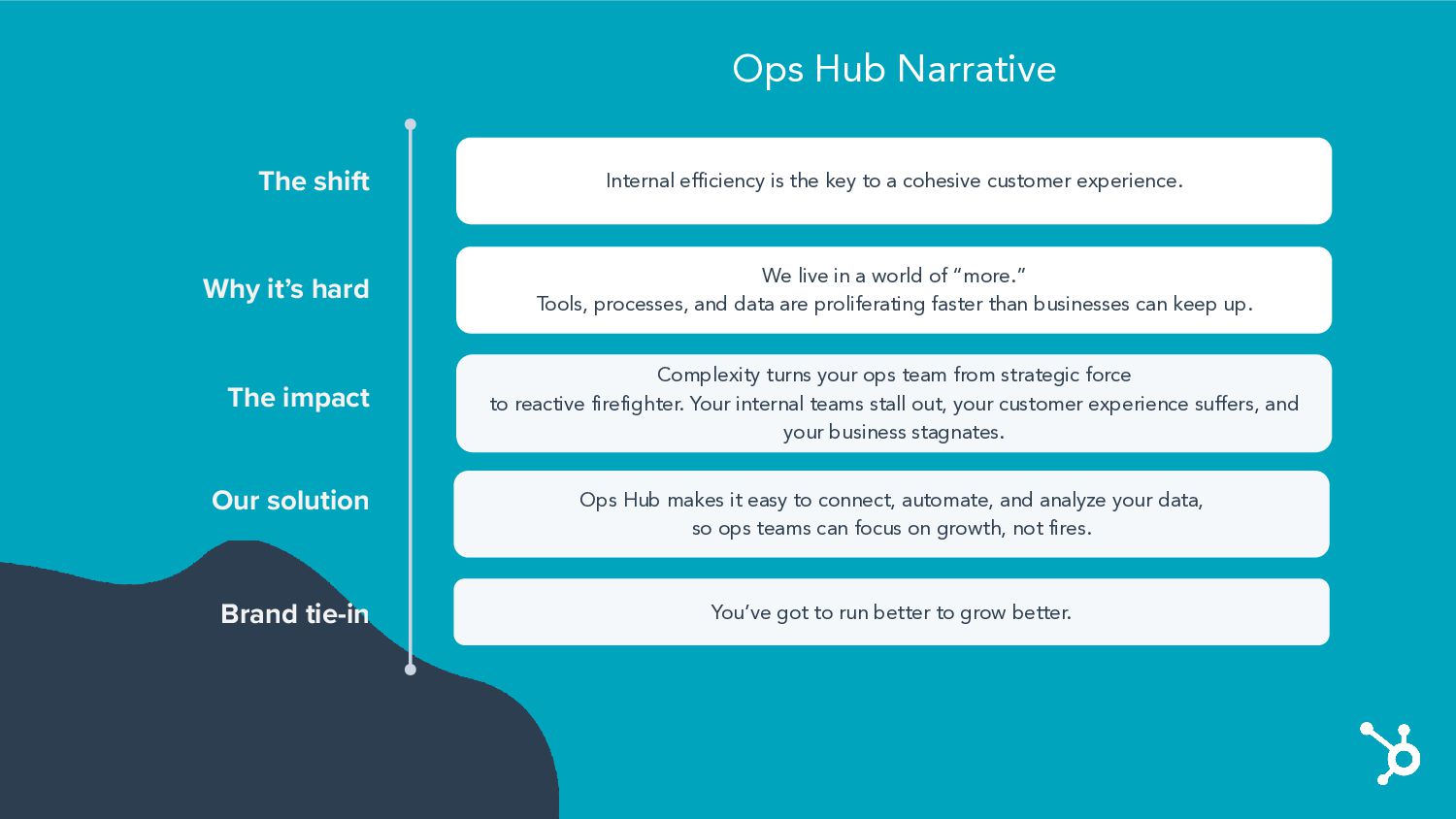
This is a slide. Don't worry about all the words. That's a lot of words. I'm not gonna read them all to you. We do this for every product launch that we create. We have a narrative. Right? What is it? What's the impact? And then what's our solution?
What well, OpsHub connects, cleans, and analyzes your data. Right? And then on every single slide that we make like this, every single narrative that we make, we tie it to the brand. Right? You've gotta run better to grow better. Right? Grow better is never far from our minds no matter what.
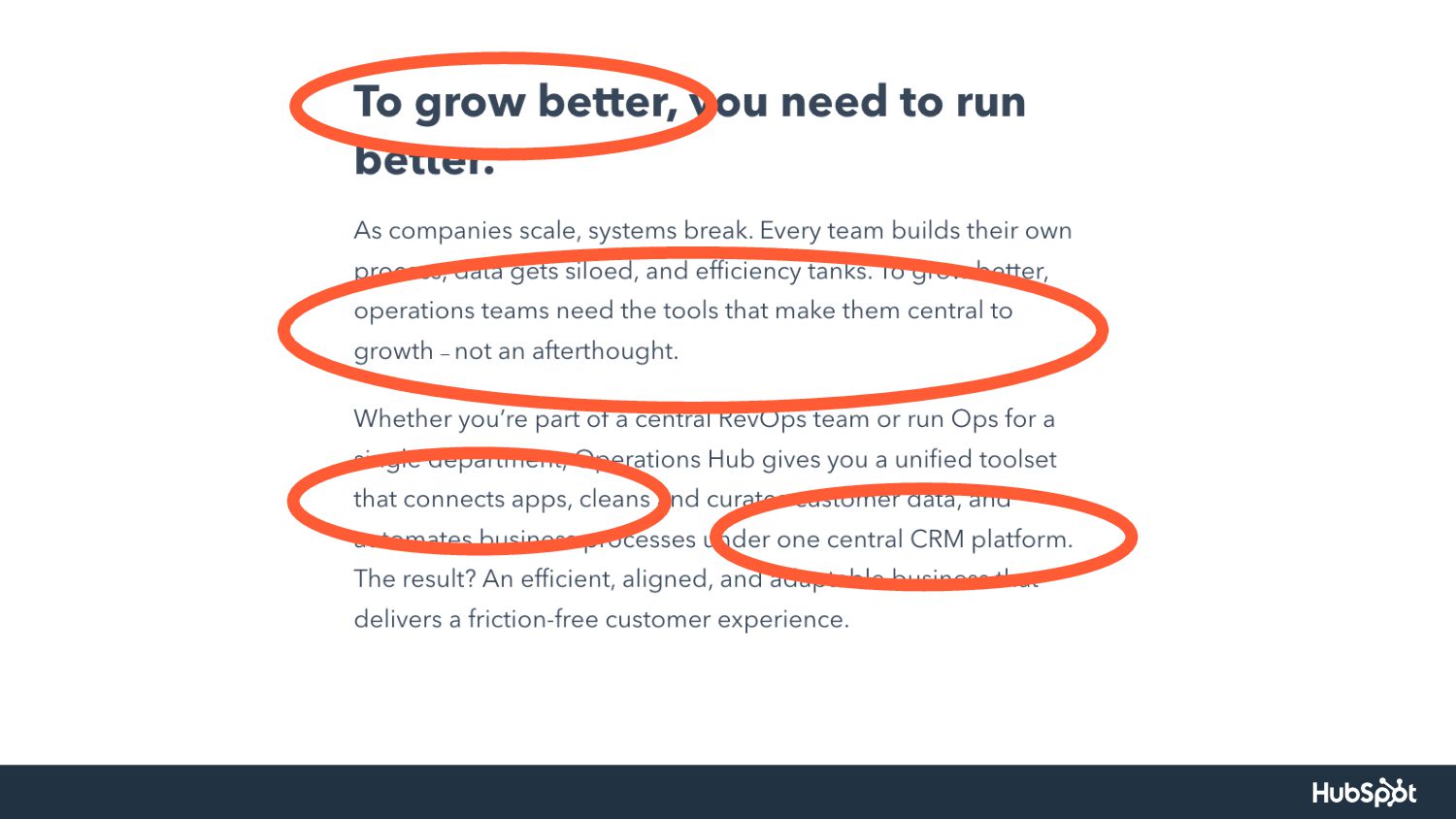
It's literally ingrained in every single thing that we do. Some examples. This is my product page just recently for Operations Hub, the one I mentioned before when it launched. You literally see that ladder embedded, ingrained in every single page we create. So to grow better, that's our brand level positioning.
You got one central CRM platform that's powerful and easy, that's our platform positioning. And then connects apps and cleans data, that's our product and our feature level positioning. Right? Every page you see on the website, every overview on our product looks pretty similar.
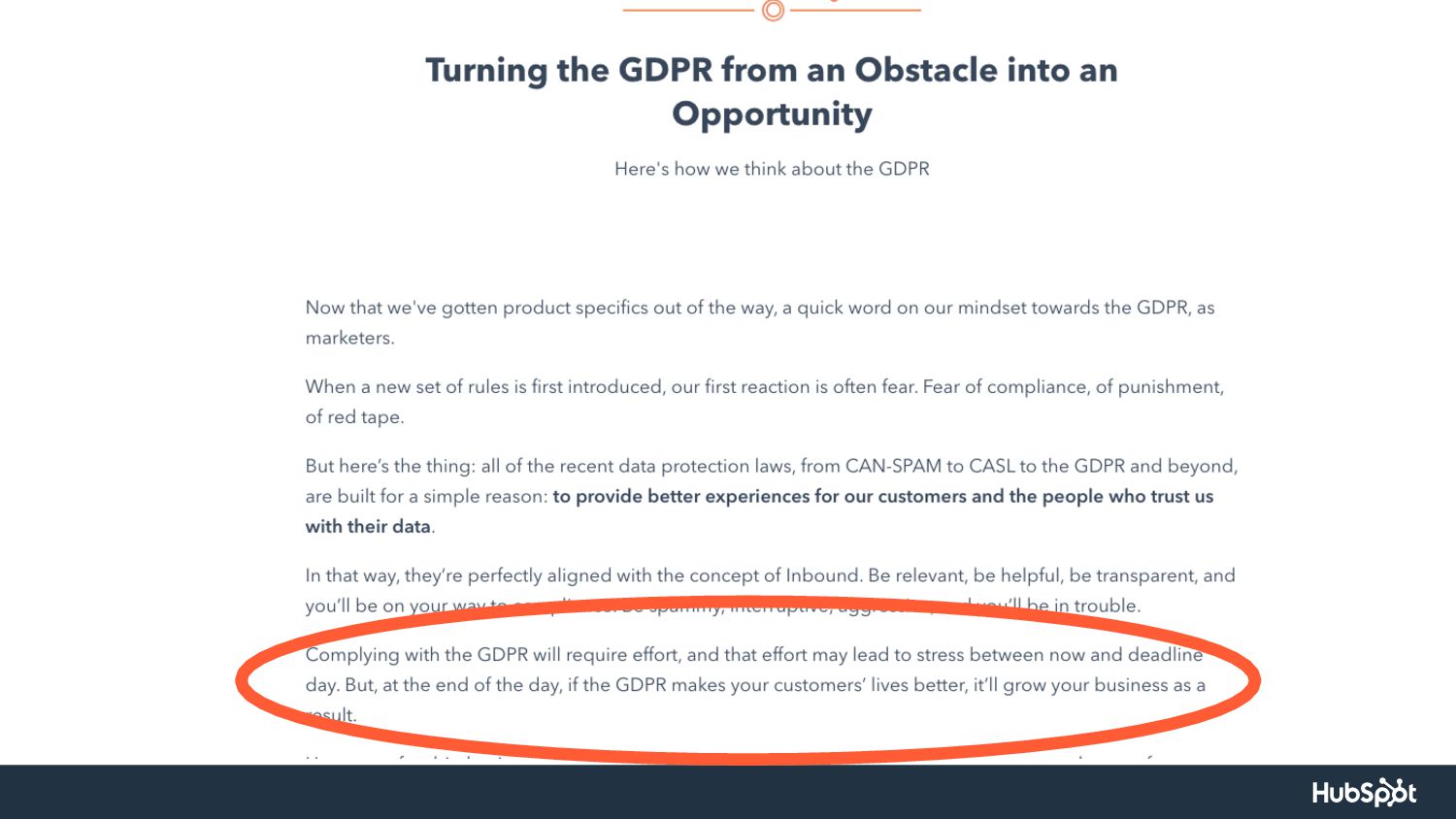
My favorite, even the most esoteric, this is our GDPR product page. I think folks here know a little bit about GDPR maybe even more than we do in America. We even tied that product launch to our why. Right? These weren't just like esoteric crazy compliance tools.
These were helping our customers connect better with their customers. Right? That's why it mattered. And so when they read this page, they weren't like, oh man, all this stuff to set up, or maybe they were, but they were able to see the connection with why HubSpot exists and why it matters to them.
So put simply, I never know when I'm launching a new product how my story is gonna start. It always starts in a different way. What what is the thing? Whatever. But I know the punch line. I know how it's gonna end. Right? I know where I'm gonna end up every single time.
So the question to you is how does your product story end when you're writing these feature pages, when you're doing whatever you're doing? Do you know how it's gonna end? Does it end the same way every time? It might. Maybe? Maybe not? Food for thought.
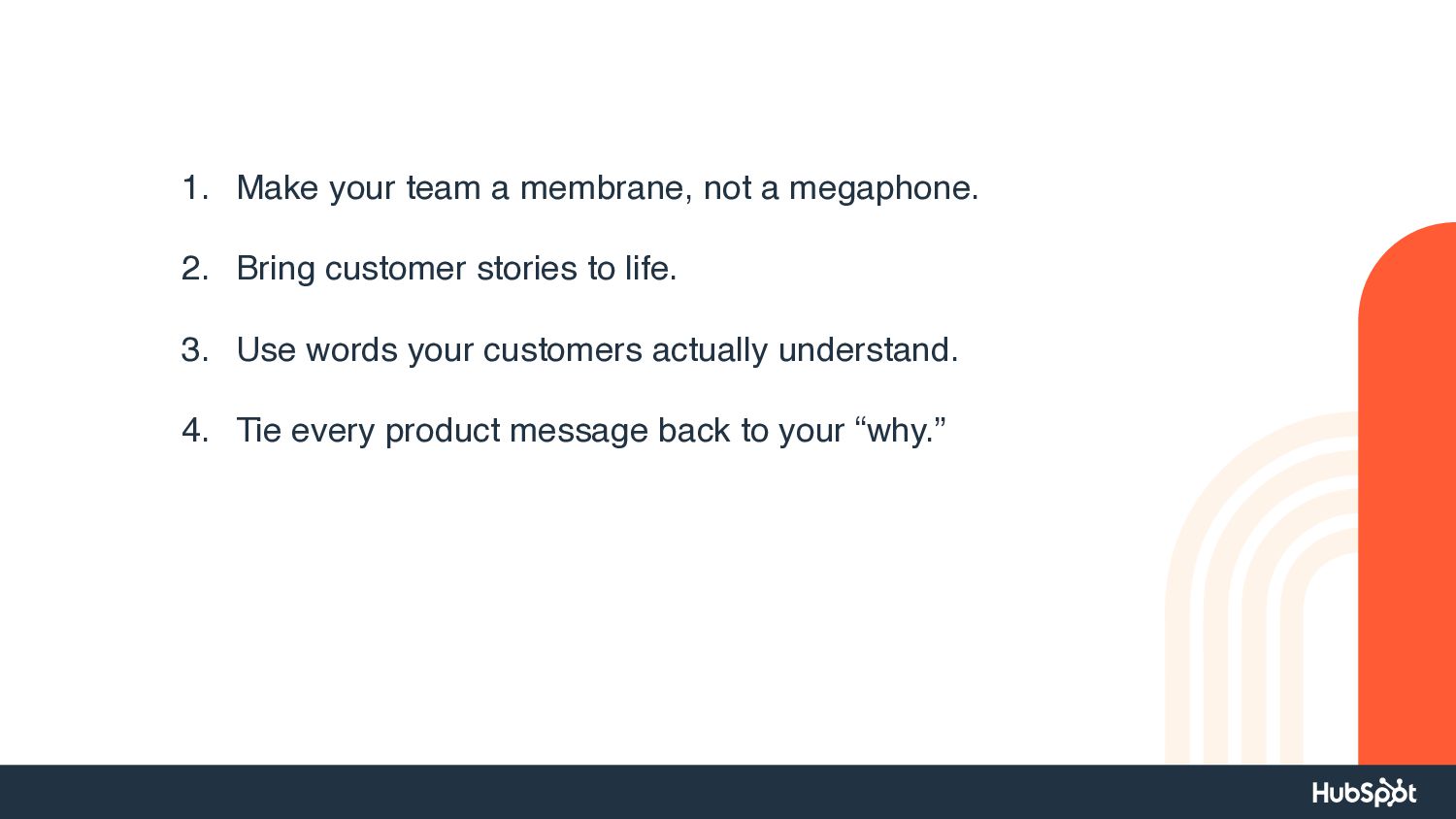
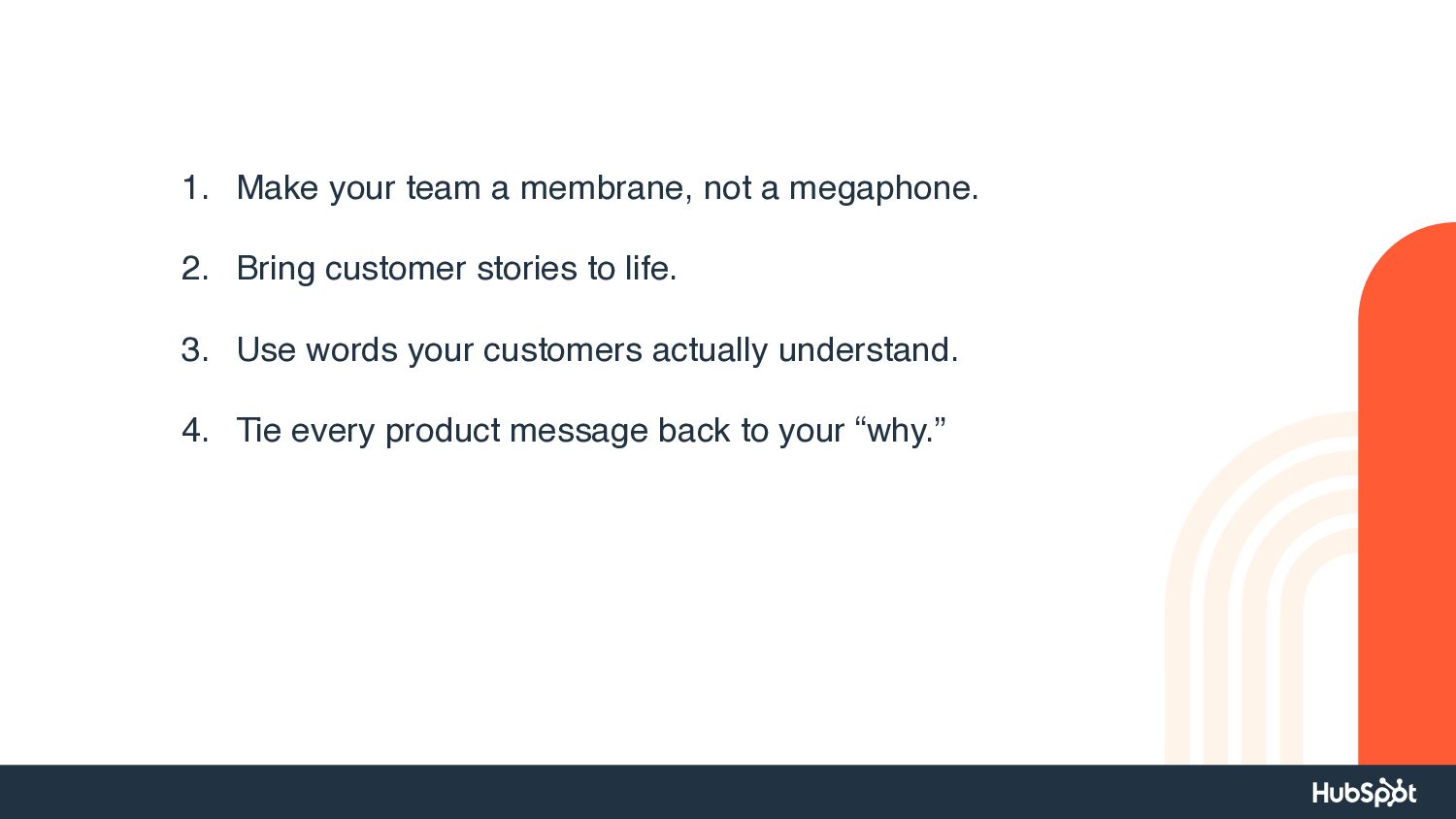
Something to think about. Okay. That's it. Four reasons. Make your team a membrane, not a megaphone. Bring your customer stories to life, just like I did. Use words your customers actually understand, and tie every product message back to the why. That is ten years at HubSpot.
Ten years at HubSpot put into four lines on one slide with one key takeaway. Product marketing's most important role is to be the champion for the customer, to help the product understand the customer, to help the customer understand the product. So my ask for you if you're in marketing, especially if you're in product marketing, especially if you're mired in that launch madness, that megaphone madness we showed earlier, is how do you proactively advocate for your customers as a marketing team or a product marketing team?
Are you doing everything you can to raise up the voices of customers? Because when you do that, you will provide immense value to your company and you will be seen as a strategic pillar of growth. So with that, I wanna say thank you very much.
I wanna say go get your next coffee, but do come back in five minutes. Lucy is coming up and it's gonna be an amazing session about product management. Thank you.