Everyone has a different perception of paid media, and even more so of it’s bigger, scarier, better sibling, programmatic marketing. We are all guilty of occasionally doing marketing 1.0 in a 3.0 world, a little bit like sticking a five year old in a Ferrari.
We need to be smarter than that, because if we are not careful we’ll be using new technology in old ways. I hate the word integration, and just because the whole team is using the stack, doesn’t mean they are working together. Brand messaging is one size, repetitive and stuck at the top of the funnel. Performance messaging is locked into an eternal spiral of “buy now” and “join us” garbage. Basically everybody is not at their best.
This talk explores how the factors of programmable advertising (automation, data, integration & scale) come together, and hopefully don’t blow your brand and budget to pieces. Maybe, you’ll even start to move past simple planning, linear leveraging of the buying technology and start serving the right messages, in the right way, to the right people.
1 / 45 Use ← → to navigate
Auto-generated transcript - may contain errors.
Tap a timestamp to jump the video.
Hello. How's it going? Genuine question. Actually, how is it going? How's your ink? Good. Good. Good. I do that because my mother watches these videos sometimes, and she just goes, you didn't ask how people were. This is not polite. You're quite rude. And I didn't bring up a rude boy.
Turns out, turns out she did. What I would like you to do I think we're agreeing that Turing is going very well. Is that fair? Yep. Yes? What I'd like you to do is to finish my sentence. I will say Turing Fest is, and you will scream amazing.
Really scream, I want you to really belt it out there so that the other room's here. Fair? I mean, build, grow. Yeah? We all wanna be in grow right now, anyway. So I'm gonna say Turing Fest is, and you're gonna scream amazing. How about that? And then we can proceed with the actual stuff.
All good? Turing Fest is? Amazing. Well, that was quite good first time around. Let's do it again, but louder. Okay. So Turing Fest is? Amazing. Fabulous. Much better. Much better. Much sexier. Much throatier. You know? Hello. I'm Aiden. As Mike very appropriately said, I'm weirdly self conscious, so I have pop ordered myself.
I've also made myself look thinner and have better skin. And I have put my contact details on here all by myself. So if you have any questions, do feel free to reach out after this talk in any format that you so choose. We will, of course, be on the Q and A stage with myself and Ariane, who will joining you shortly.
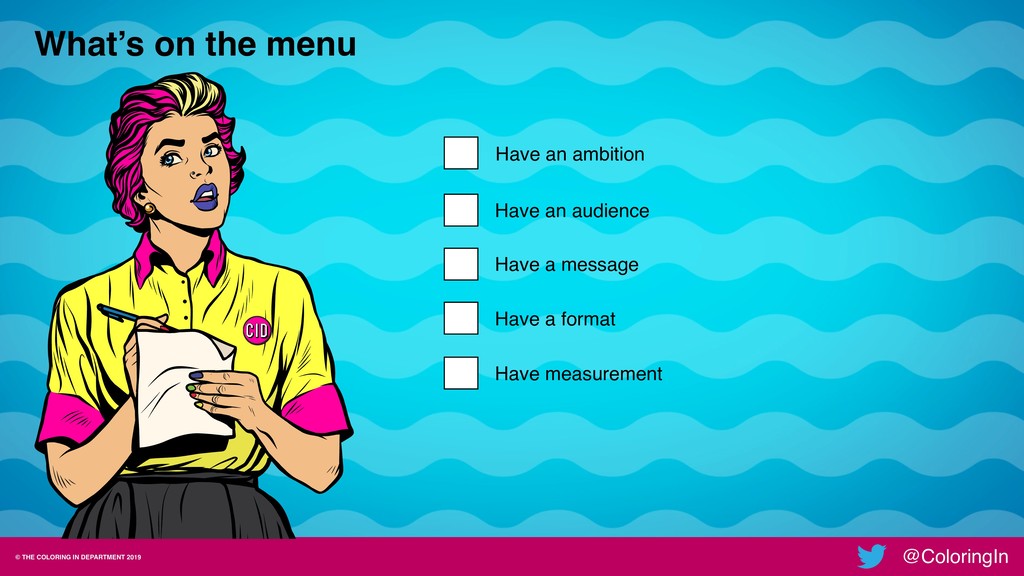
But if you do have any questions, do feel free to reach out. There is always an answer. Probably, hopefully, maybe the right one. I'll try anyway. That said, in the actual talk, what we're talking about, what is in fact on the menu, my little diner lady.
We're gonna talk about ambitions. We're gonna talk a bit about audiences, which I love. And we had a lovely chat about audiences a little bit earlier in the speaker room. We're gonna talk about messaging. We're gonna talk about formats. Okay? And then we're gonna talk about measurement, of which I'm absolutely obsessed and kind of irritating and annoying.
And I'm going to be really, really, really annoying this time around. You're probably gonna want me to shut up. Just a warning on that one. It's enthusiasm. I promise. It's not lack of ability. It's enthusiasm. Okay? Right. So this talk came from me having a bit of a moment in a bar, as both me and myself and my business partner do often sit in bars and brainstorm our talks.
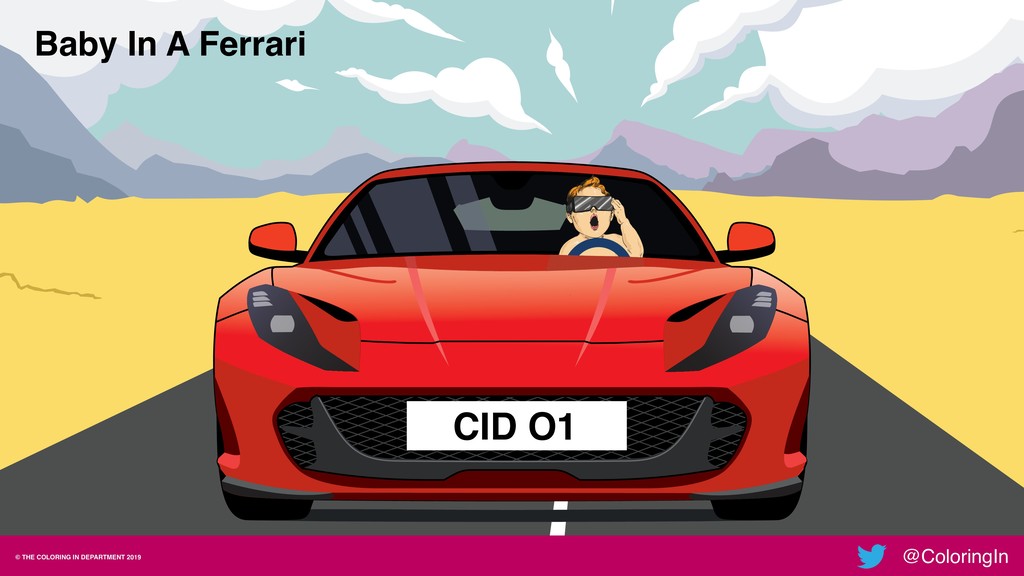
This is a bar job. This one particularly, this is from the Mondrian Hotel in London. Don't know if anyone's been there. Too many gin or too much gin, I should say, was drank. And I thought a little bit like, well, it's a little bit this whole programmatic marketing large scale campaign piece is a little bit like putting a five year old in a Ferrari.
Now there were no five year olds on Shutterstock, so I got a baby instead. Okay? Forgive me for this minor indiscrepancy. But the idea here is, of course, the technology is hugely complex, as I'm sure many of you know, but it actually comes down to how we're using it rather than the tech stack itself.
Tech can be taught. You can learn how to click here, click here, click here. But realistically, if people that you're working with don't have the skill to execute this particular Ferrari piece, you're going to flip the Ferrari into a canyon, and we're all going to die.
Well, when I say die, I mean you'll have very, very poor results against your KPIs. And also maybe die depending on the context of the, I guess, organization that you're working in. Depending on your line manager. So fear. I love Panic at the Disco. I used to be an emo.
Did anybody was anybody an emo when they were teenager? Shout out. Yeah. I was a bit sing, know, don't like the emo kids. Much more ******** than that. But the panic is warranted. Panic is warranted very simply because, of course, it changes every day.
The tech changes absolutely every day. It is meaningfully important to dedicate ourselves to every day being a school day, as it were, which is why I work in education rather than consulting these days. Because it is something you do have to commit to in an ongoing way, for sure.
Now the aim of this talk is to manage, to some degree, the panic. Don't make the panic go away, but hopefully, it'll help you start to think about some of the things that might make the panic a little bit more manageable. Okay? That's the ambition here. And we start with there.
We start at the beginning as were. Now, we used do lots of internal training for Google, still do. The ambition for us really is to try and think about, look, how can we drive marketing efficiency and spend and effectiveness across advertising and marketing endeavors.
Okay? Efficiency is the big one. Efficiency is mostly, do you know where your marketing dollars, pounds, yen actually went? And what are you gonna do about it? Why did it not work? Most brands are not very efficient, is the moral of the story.
A lot of money goes in the bin. So it's really kind of trying to think about, look, how can we bolt all these different capabilities together, these different people skills together to drive our very fast Ferrari in a safe and effective way. So we're trying to be more efficient and be more effective.
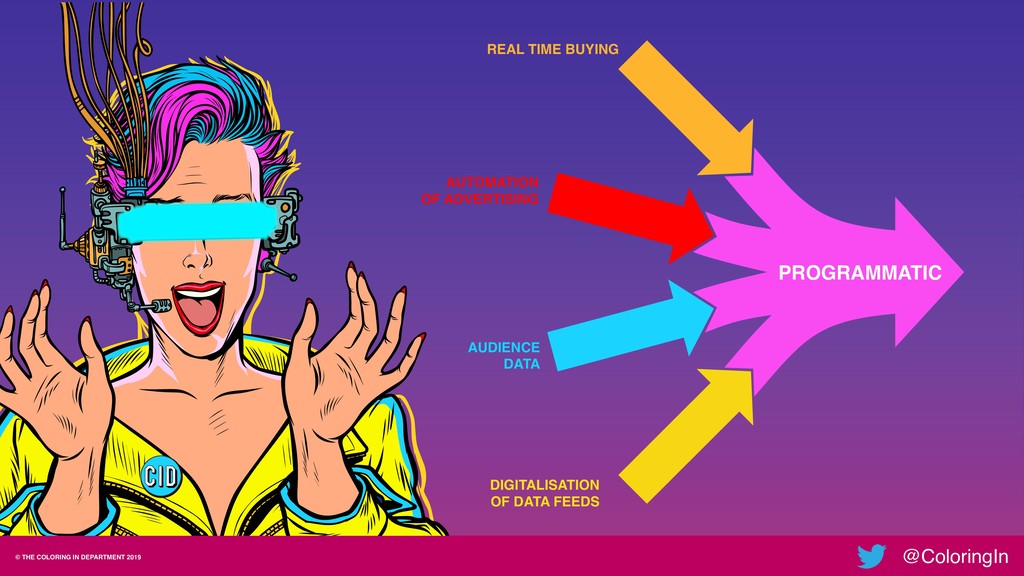
Okay? That said, programmatic puts the fear of God into people. Okay? Now for context sake, programmatic is not a separate channel. It's not this sort of separate thing. It's I guess it's an enhancement on a lot of the the tooling that we've already been using for quite some time.
Okay? But, of course, naturally, we have more real time buying involved, of which it is not exclusively real time buying, should say. Media buying talk, maybe next year. Don't know. See how this one goes. Automation of advertising. So of course, we're trying to scale it more effectively using more audience data.
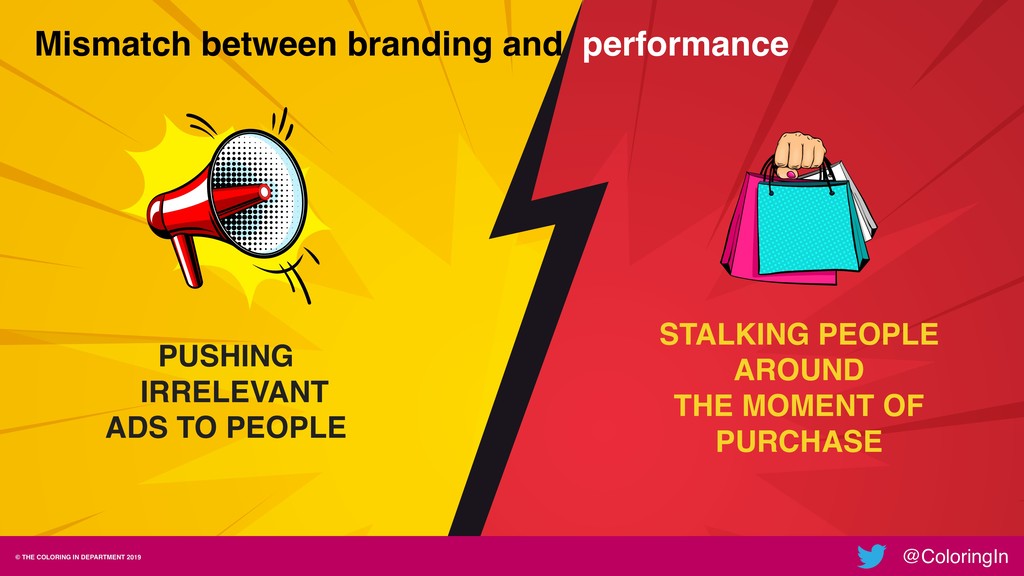
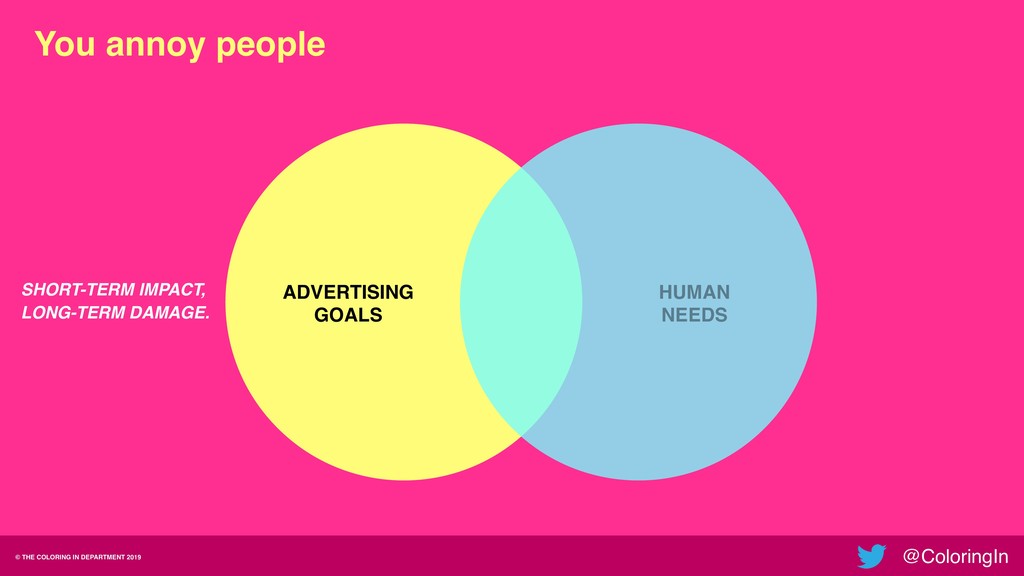
First party, second party, third party, media environment, contextual, entirely up to you on how you approach it. And we're talking about the data feeds too, so there's a lot more measurement involved than there ever was before. Okay? That said, really internally, and I'm not gonna talk about silos because that's not the purpose of this particular talk, We, on one end, are pushing irrelevant ads to people pretty constantly, all the time, even when we convince ourselves that we're not.
And we spend a lot of time in meetings convincing ourselves that we're not. This campaign is very valuable and helpful for our audience, and it adds value. In truth, it's mostly nonsense. Okay? It is. And then, of course, the other, the performance marketing team, who are enthralled by the Google Sheets and the Regex and so forth, are stalking people around the moment of purchase.
Buy it now. Buy it now. Buy it now. Buy it now. And in truth, if you talk to people the way advertising talk to people, they would punch you right in the face. I would too. That doesn't work. Buy it now. Buy it now, Ed. Do you want to buy it now? No.
You don't want to buy it. No. You look terrified. It's okay. Everything's fine. Alright. So one end of things. Okay? We're thinking about, look, you annoy people. This is an option. You're gonna just be really annoying. You might have some sort of short term impact.
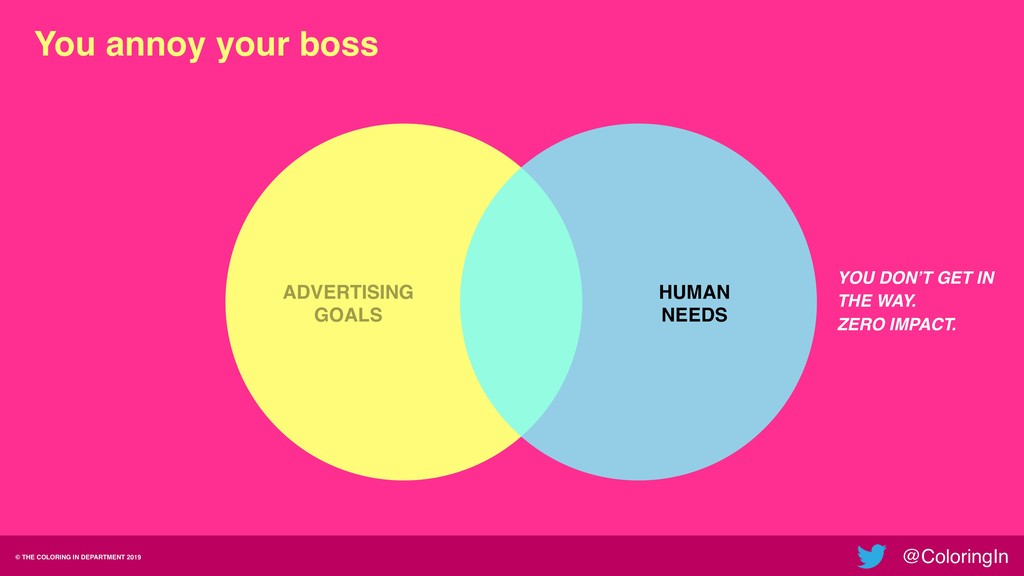
See massive long rant about ClickFunnels. Very happy to rant about ClickFunnels a little bit later. So you're trying to get people over the line as quickly as possible. Okay? You are annoying the crap out of your audience. And of course, the other option then is to annoy your boss instead.
To some degree, you have to pick which one you annoy. You have to decide, am I gonna annoy my audience or annoy my boss, or can I find biting point between these two things? Because ultimately, if you are truly being helpful in marketing and advertising, you're probably not making a lot of sales, in truth.
You've probably built a wonderful wonderful content, wonderful long form, meaty pieces of work, but no one's really buying anything, all things considered. Okay? So that's the ambition. Efficiency, effectiveness, let's all play nicely together, brand and performance across the customer journey. Okay? That's what we're after. Point two, audiences.
Now there's a lot of chat about audiences at the moment. Does anybody have any feelings about audiences? Do you love them? Do you hate them? What do you think? Love or hate? Just shout the word love or hate really loud. Love? It depends. It depends.
Thank you, Arianne. Supportive. I love them. Okay? I love them, and I love digging into things like the Facebook developer API so we can use the audiences we're not supposed to, all that sort of stuff. That's all fun. It's not about the digging in.
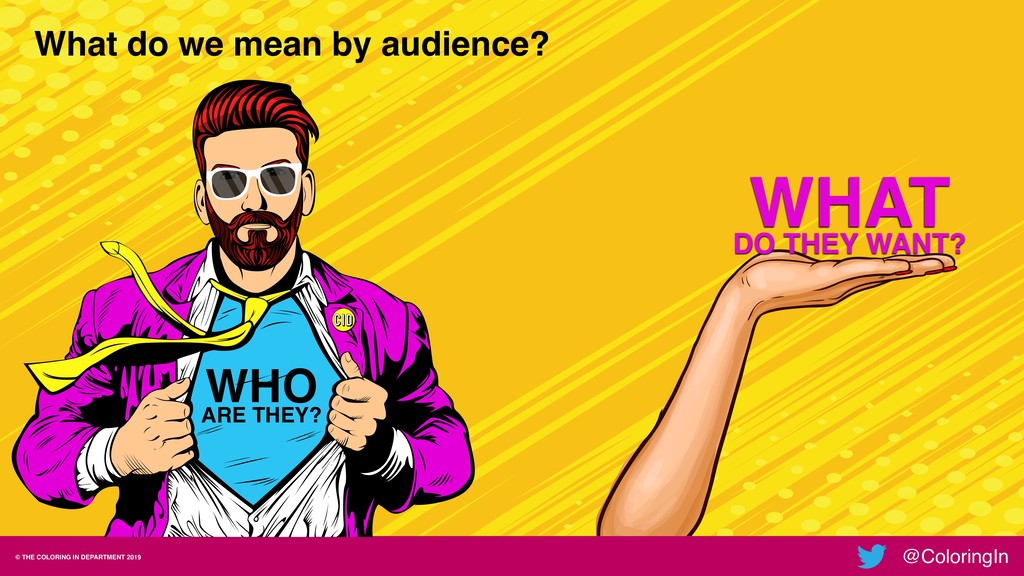
It's about the lying after you've dug in. That's not a different thing. See talk later about that one. We're thinking about who are they? Very obviously who they are. Not who you assume them to be, who they actually are. Which is a completely different thing altogether, as I'm sure you probably know.
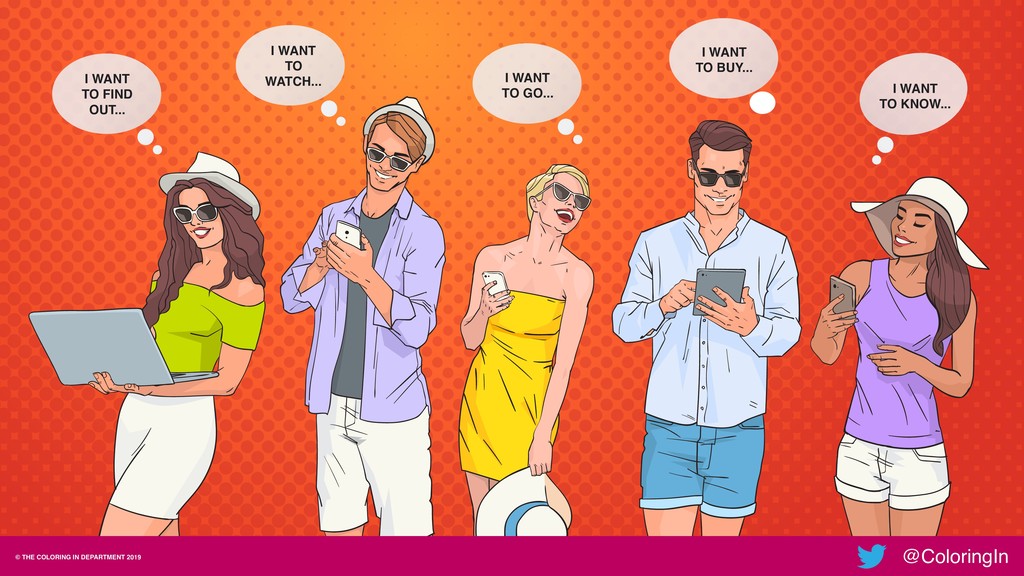
And equally, we're thinking about what do they want? Can we actually give it to them? So these basic questions that have always driven the marketing impetus forward, regardless of, I guess, the agenda overall. And they wanna know something. They wanna watch something. They wanna do lots of things. People are really narcissistic.
I'll jump on Google or I'll jump on Facebook or jump on any other digital property in truth, because I want to do something. I wanna kill time. I want more information about something. I wanna book a flight. You do you. And everybody is ultimately different.
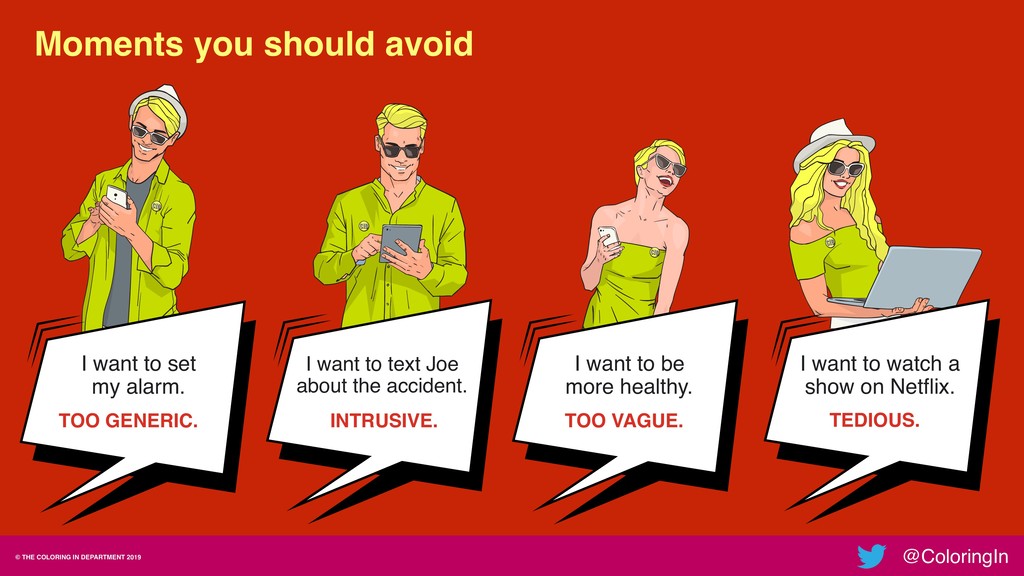
That said, within audiences particularly, not every moment is created equal. Not everything has a commercial intent, which is why advertisers, to a degree, get super frigging annoying and get in the way when you're trying to do the thing you're actually trying to do.
So for instance, these types of things, I wanna set my alarm. I wanna text. I wanna be more healthy. I wanna watch a show on Netflix. Generic, intrusive, vague, tedious, boring, awful marketing. Okay? Pick me. Pick me. We are here. We're trying to avoid that.
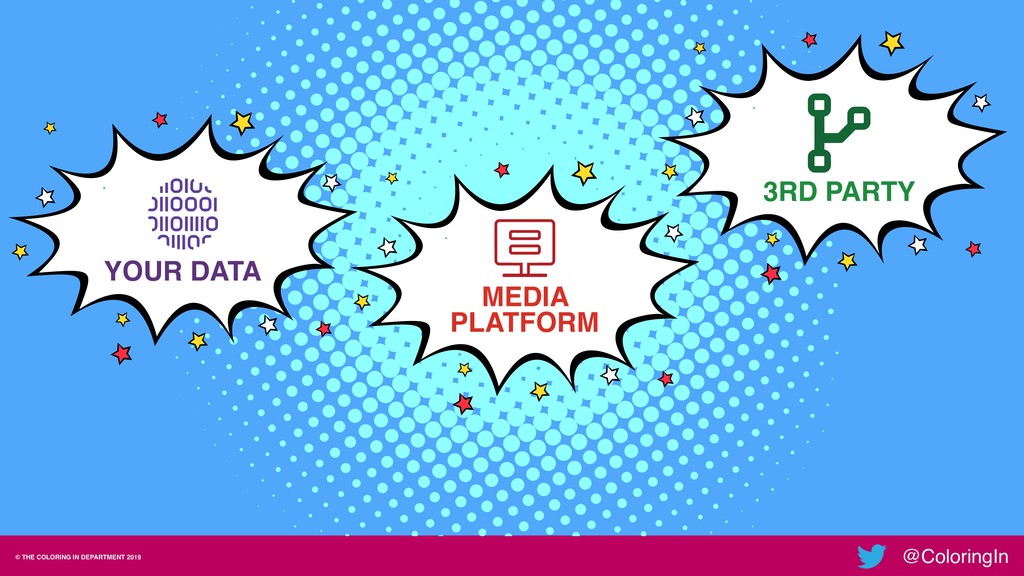
We're trying to actually cater to that particular audience's need. Alright? Now, that might mean using your data, which of course naturally is first party here. You own it. Okay? We're thinking about media platforms, which might be third party data or second party data, depending on how you're wired in.
And of course, other third party data, external sources. So things like The Weather, things like Experian Mosaic, all the different types of things we can build into our advertising audience pool. Okay? That said, common themes in audiences. Remarketing. Has anybody ever done any remarketing?
Yeah. We're all just kind of all having a little flail there. Flail. Why are we doing remarketing? Anybody venture why we do remarketing? Why would why do you do remarketing? Anybody at all? Who had their hand up? Put your hands up again. This is gonna be a fun game.
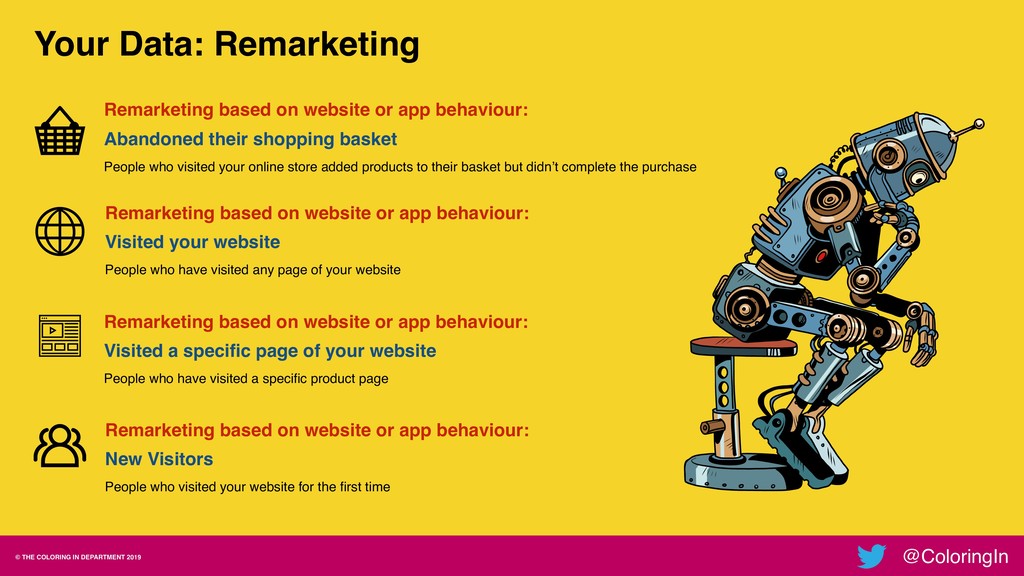
Not you, Mike. But thank you. My friend, why do you do remarketing? Capture people who have fallen out of the Yeah. To remind them. Come back. Come hither. Come hither. Buy my thing. Buy my thing. Buy my thing. My thing. So it's usually around behavior.
So falling out of the funnel, so to speak. Bloody hate that word. Anyway, abandon their shopping basket. Okay? They are indulging in a particular web or app site website behave app site behavior in an app site, which is what they probably should have called Progressive Web Apps, it would have been better. Okay? I'm just saying.
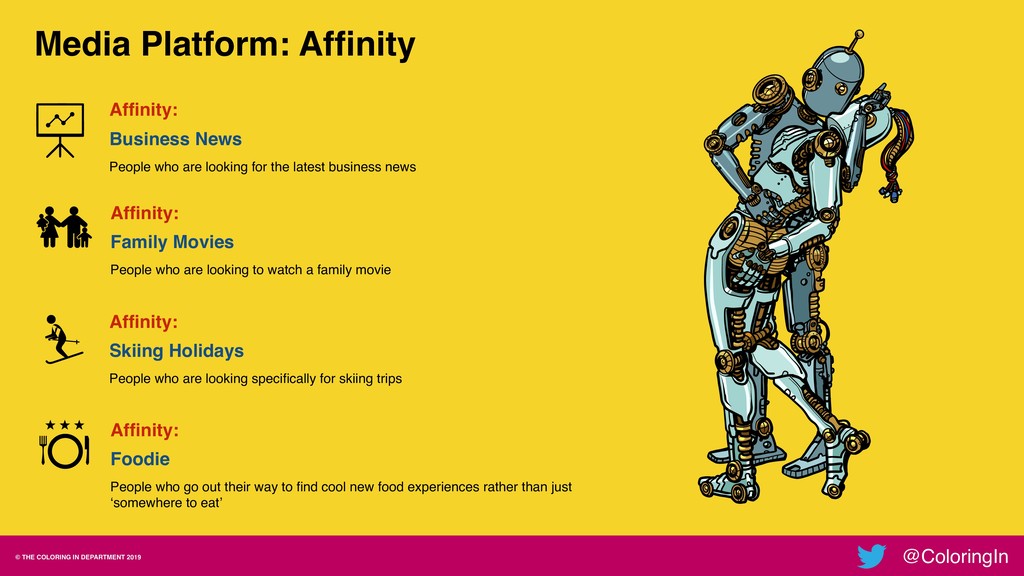
Rebrand. You're still here first. Specific pages of the website. Okay? And of course, around things like new visitors. Fairly straightforward stuff, fairly common, fairly effective. Okay? Less effective stuff tends to be around affinities. Okay? They are around things like the business use. They are around particular types of family movies.
Disney are epic at this. People who love going skiing. We can really go to town on the specifics here. We really go to town on the specifics here. Foodies and so forth. A friend of mine lives in San Diego, and she she we'll call her lonely.
I'm not gonna tell you what her name is, but we'll call her lonely for now. She really, really, really, really wanted a rich husband. That was her thing. She was gonna marry well. I don't who convinced her of this. But basically, what we did is we built a little ad campaign around her specifically just for just for the bands.
And she wanted an SVP marketing who drove a Ferrari, see talk, lived in the San Diego area, and was in a particular economic bracket. It was in a particular thing. So I built her a little audience for Christmas for the bands, as I say.
And I put a little showreel together of all her Instagram stories and stuff. It was really cute. Not compliant at all, but really cute. Really, really cute. She loved it. I mean, she loved it after she got a couple of dates. Anyway, she did get a date, and I'm a wonderful friend.
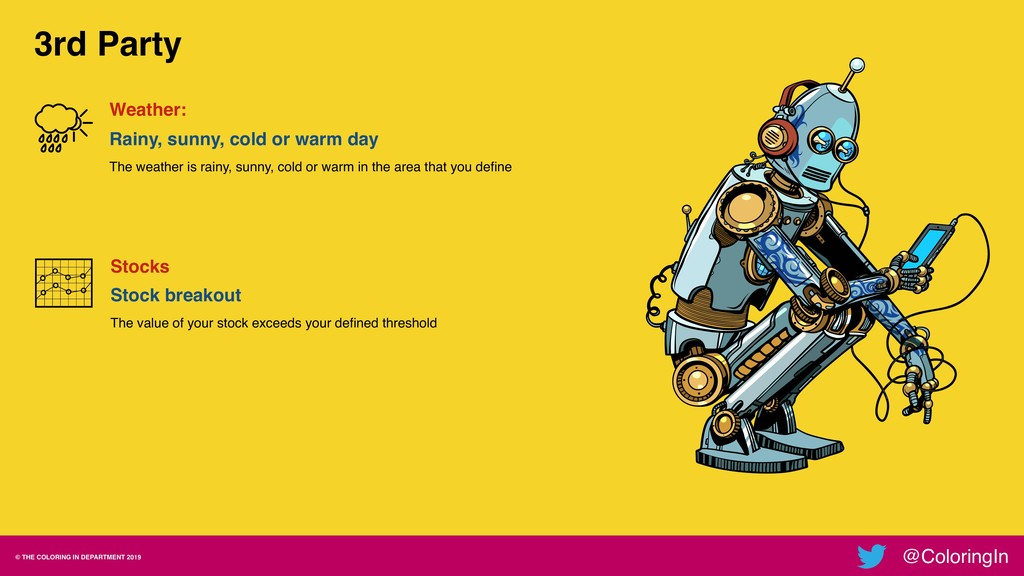
That's the long story short. They're they're now not together. So I suppose that's around measuring short term impact and long term ROI then. But but but but it was fair. I tried my best. I tried my best after all. And, of course, we've got our third party, things like the weather, which we love talking about in the UK, which in Edinburgh is a bit diabolical.
It's hot, and then it's sweaty, then it's hot, and then it's sweaty. But it's not raining, so that's cool. Perfect. Things like the stock market. Okay? And it can be things like, oh, my business is tanking. Everything is going to be okay, long term customers.
We're not going to fold. But these types of things can be meaningfully important, depending. How do you know you found the right one? To be honest, the truth of the matter is you kind of don't. Okay? Mostly, we measure, and we'll come to this in a moment, we are measuring really, really poorly indeed.
Well, mean, I think we're measuring really poorly indeed. And the idea here, naturally, is to identify, look, is this the right audience for this particular campaign, this particular objective, this particular business, particular product? Insert your particular poison here. Okay? Now, from there, if we can identify, look, we have an ambition which is shared.
I like to think about it as specific objectives across all the different agencies and shared ambitions. Which sounds really nebulous, because I made it up on a conference call last week with a big client. And they loved it. They loved it. Clients love this sort of thing.
So shared ambitions. Okay? And audiences. Now, if we find our audience, we need to tell them something. In my case, told all the lovely singletons who were SCPs in marketing in San Diego that my friend was a sexy, charismatic beast of a woman.
And it worked out perfectly well. It was non sequential, however. So we tend to kind of do one size fits all messaging. And in truth, that's because we're just a little bit lazy, and we're a little bit tired, like, we wanna have a little lie down.
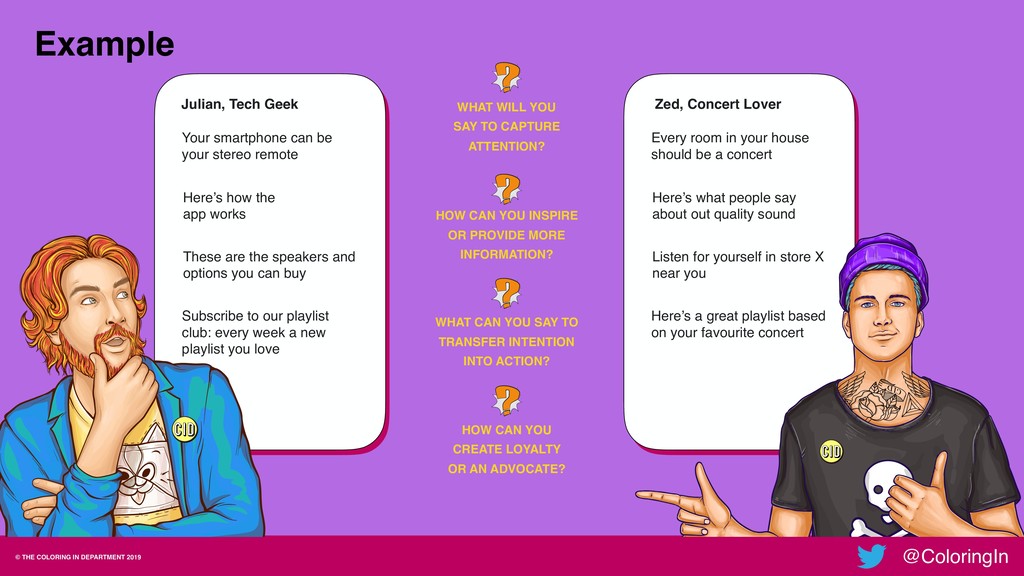
Life's really stressful. Okay? Really, really stressful. This, for instance, is from Sonos. This is Sonos' real messaging. It's something we put together a while back. And we've got, of course, our tech geek on one end, and we've got our concert lover, who is inexplicably called Zed on the other end.
I think I was probably watching Flash Gordon when I did this slide. That's not the point. We wanna think about, look, what will capture their attention? Okay? How can we inspire them to go and find more information themselves or give it to them?
Which would be fabulous, actually. How can we transfer that tenuous desire for more information to some form of action, possibly even a very light touch one? And indeed, how can we ultimately turn them into brand loyalists or advocates or whatever you wanna call it.
Okay? Now in my ideal marketing word, I would just love all of my customers slash consumers, whether you're b two b or b two c, to dream about my brand. To the point that if another brand with a better product launched the same thing, in the same space, in the same market, they would be like, I see only brand Aiden here.
You could you're I don't I don't wanna do that. I don't wanna move to anybody else. And the sequential messaging is part of that because you understand the nuance of what the need is and it changes. Now, this is exactly the same product, with exactly the same features, but there are two quite different sequential messages happening here overall.
Okay? Formats. Everyone hates formats. They hate formats because they change every five seconds, and it's really annoying. And also, you'll ask, hey, can I have some more information around formats? Can you show me a repository of formats? And the truth of the matter is, most of the time, the agency or the brand team will go, Facebook ads, that's not a format.
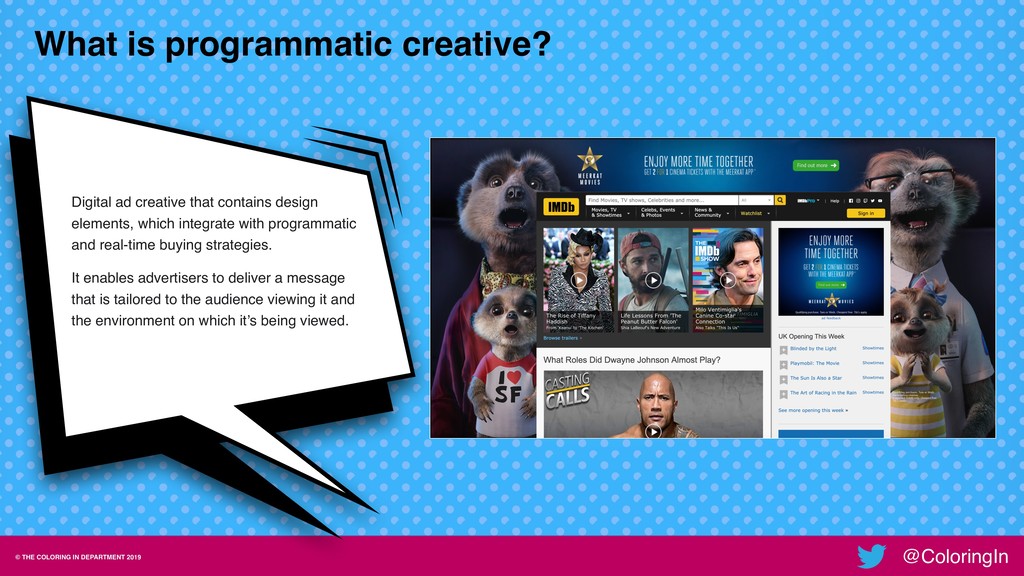
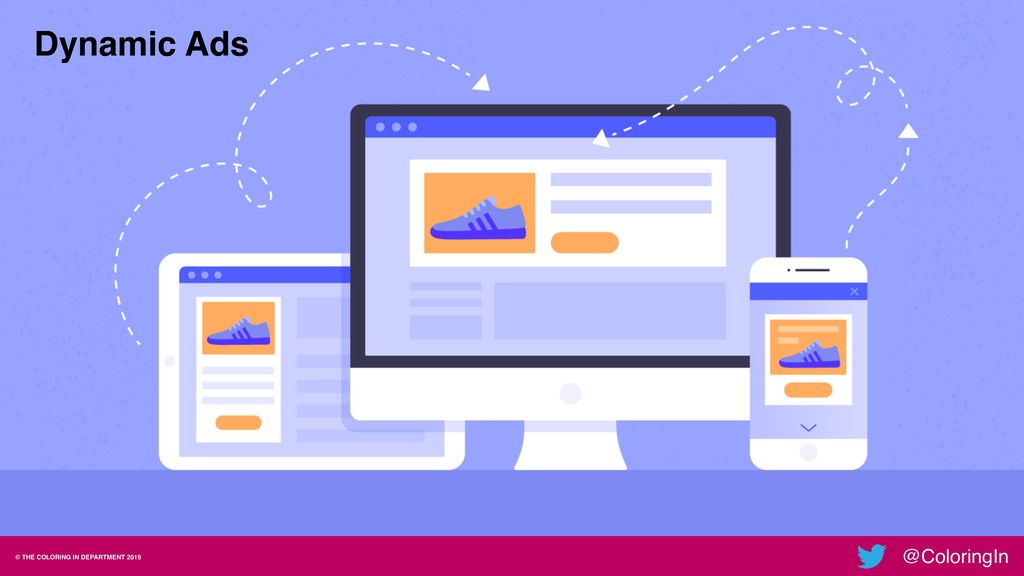
It's platform. So they're quite dynamic, in truth, these days. But we're trying to be creative with programmatic in mind. Now programmatic creative is kind of hard, but the idea behind it, called dynamic creative optimization, is to make sure all the parts work together in order to drive the business outcome, whatever that particular business outcome might be might look like.
Okay? And it's kind of to build it. A client of ours in Israel has a was running a YouTube campaign, and they have forty million variations on the same ad. Forty million. Not four. Not ten. Not twenty seven. Forty million. Now if you said that to, let's say, your CMO, they'll go, oh, you wanna do what now?
I wanna do forty million variations of this particular ad. They'll probably just start crying, actually. Probably would just be, I I have lost all hope here. But realistically, what we're doing is we're building them, I guess, on the element by element basis, in order that we can change them relatively dynamically.
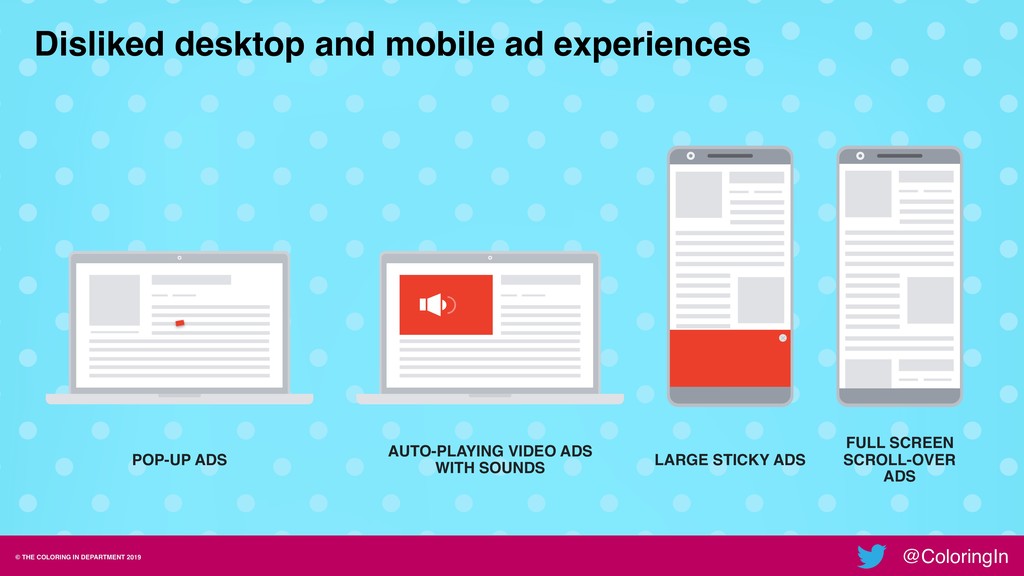
Okay? Whether that's pulling in things like the weather or the time of day, or seeing a slightly different variation in the evening versus the morning, and not seeing the same version twice, if you've seen it in sequence, to one degree or another. Some stuff that doesn't work, pop up ads.
Anybody love pop ups? Said nobody ever. Auto playing video ads with sound. Do we like auto playing video ads with sound? What do we say to marketers who do auto playing video ads with sound? We say, what about large sticky ads? You know, the ones that you're like, how do I get around them?
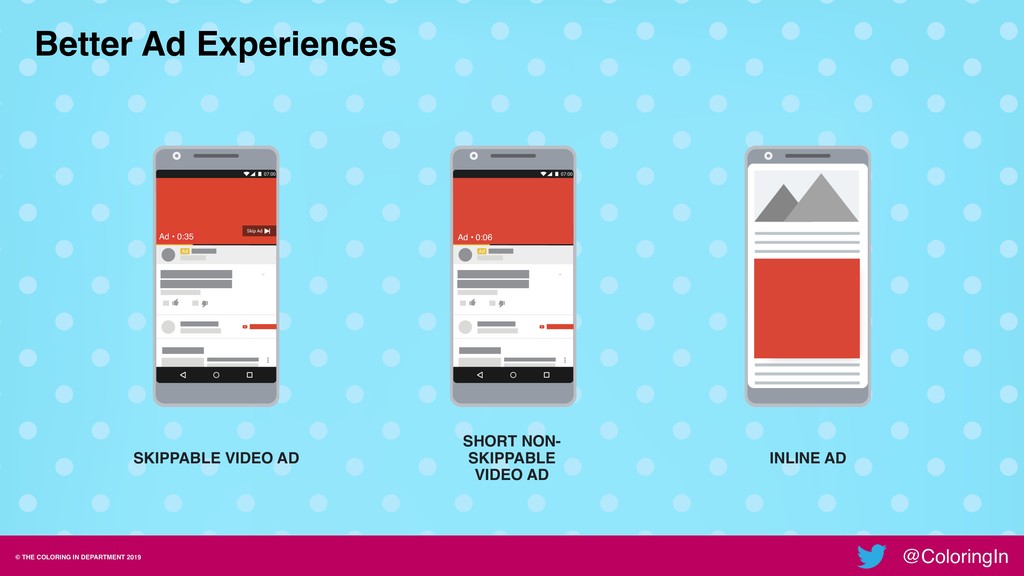
It's like following the garden path. Full screen rollovers as well. See, BuzzFeed. ********. Very annoying. Better ad experiences or skippable videos should always be able to skip. Short non skippables, short being the magic word here. And indeed, of course, inlines, slightly less annoying.
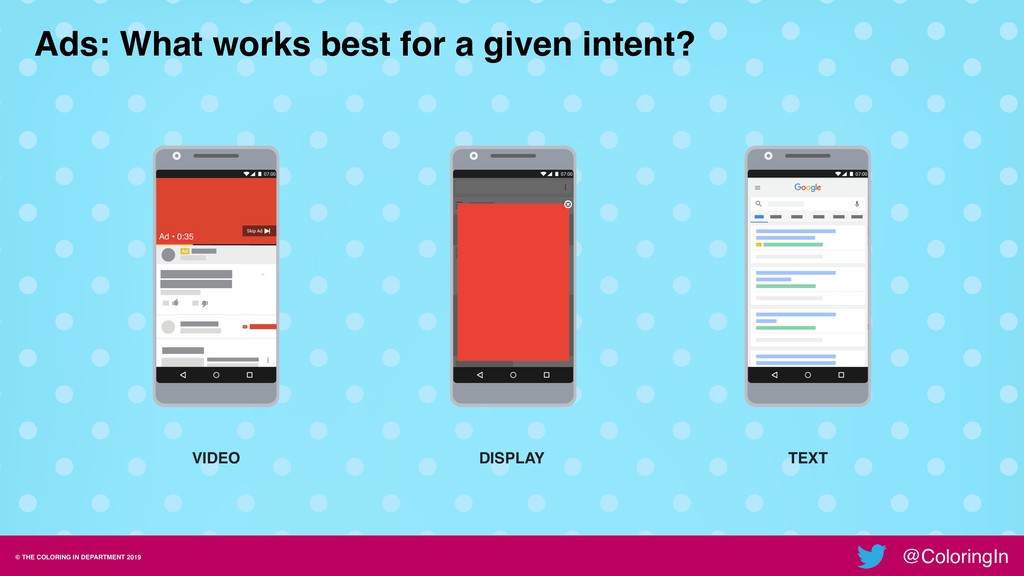
Now, I'm not talking about effectiveness, strictly speaking here. I'm talking about less annoying ads, which isn't the metric that we often are measured on in marketing land. But of course, you're thinking about look on a base level, what types of formats are appropriate for different types of intent.
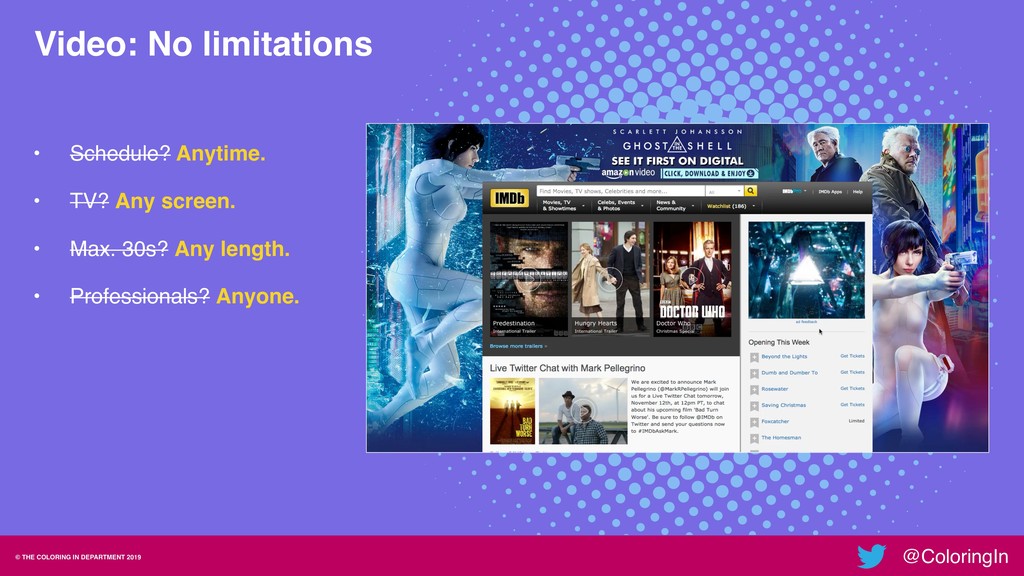
Video is broadly better at driving information. Text or search ads are broadly better at driving conversions. Broadly. And it is a broadly. Okay? That said, we tend to hear objection after objection around advertising these days. It's around, oh, can I schedule it? No.
Programmatic runs anytime. You define the audience, and they have it served as appropriate, depending on that appropriate point in time. Right person, right time, right place to do the right thing. Okay? It can be shown on any screen. Potentially, it can be any length.
Because you have these conversations, think, with creative agents, and they go, this ad has to be eight point five seconds long. I'm like, no. It ******* doesn't. It doesn't anymore. And the idea is that we tend to dig into demographics first. So we'll go women between the ages of thirty five and forty five who live at Edinburgh, who wanna be Jean Frisch, who walk around the meadows, who also do tri yoga.
And we have made this person up. So still doing a lot of work around these works of fiction. But we're trying to, of course, be naturally much more data driven. I'm preaching to the choir here a little bit. Because we do want to get the right audience to do the right thing.
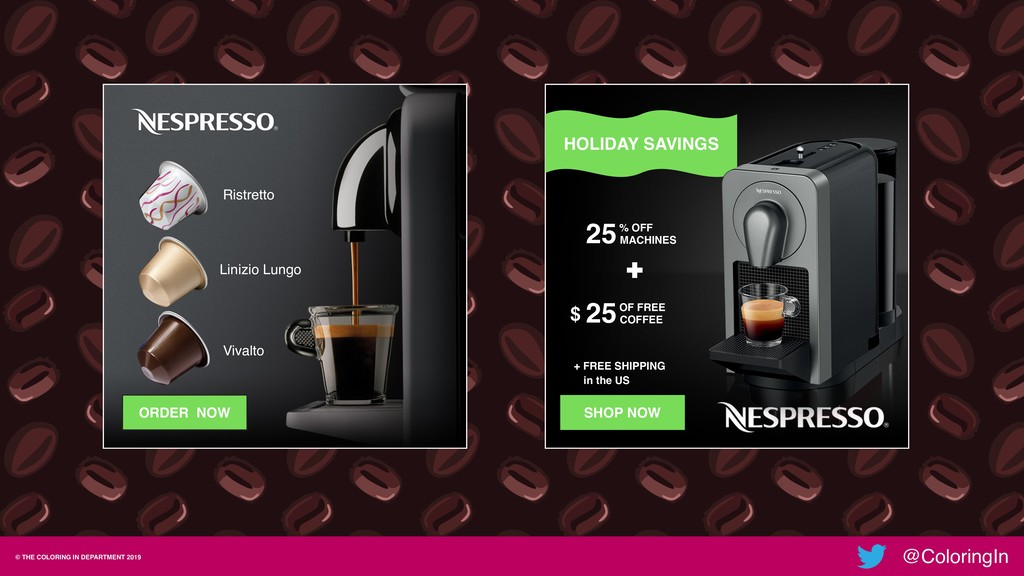
That's the point, really, overall. Dynamic ads might help to do that. And indeed, of course, you don't have to be very complex. So simple things like Nespresso. We tested a whole crap load of these for Nespresso's direct to consumer offering, changing around machine colors, changing around pods, prices, language, all that sort of jazz.
Interestingly, the red machine was the one that worked best because it was a campaign of Christmas, the value of context. Everyone was buying the red machine because it was Christmassy, not because they liked it, strictly speaking. But it can be doable. That ad only had twenty seven core components.
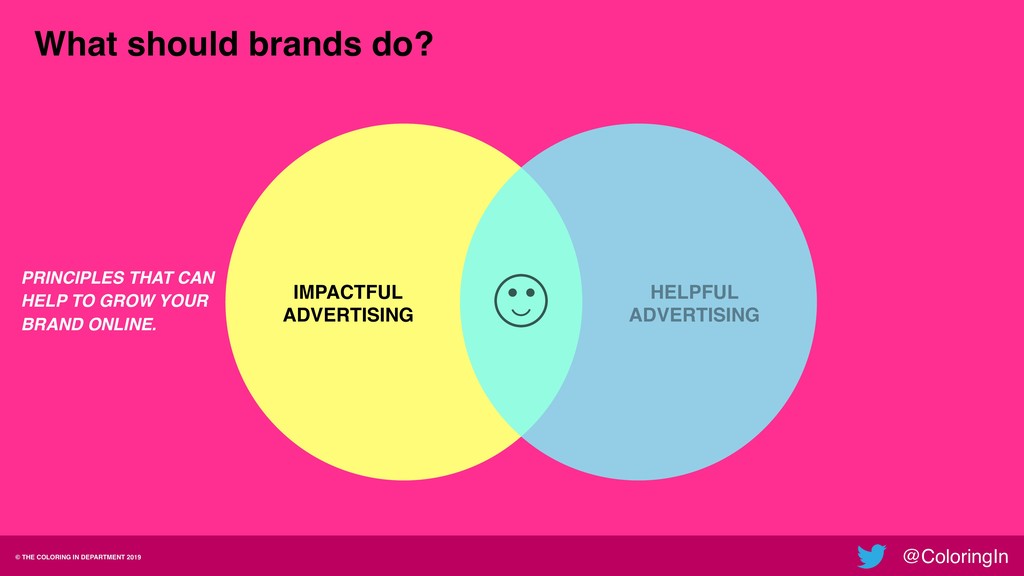
So it wasn't a massive budgetary sink either. The hope here, if we should be so lucky, is to get to a place where we are meaningfully impactful as well as helpful. We're trying to both drive conversions and not be ***** about it. More or less.
Hello, customer. We think we could add value to your fabulous little life. Come and join our fabulous little club. And hopefully, they will say, well, yes, dear sir. I also agree that your brand is wonderful and valuable and has a place in my life.
I'm coming along. That is helpful. And it can be absolutely anything at all, which is why an ecommerce, for instance anybody ecommerce in this particular room? Anybody ecommerce orientated? Thanks, Tiffany. Bless your heart. Bless your heart. This whole content versus commerce conversation, where does the line break?
Which one is content driven? Which one is commerce driven? And you'll notice things like this is where I come across as super super bougie. You'll notice on Mr. Porter or Nettie Porteif, ladies, that they, of course, have naturally more and more and more content being dispatched into the world.
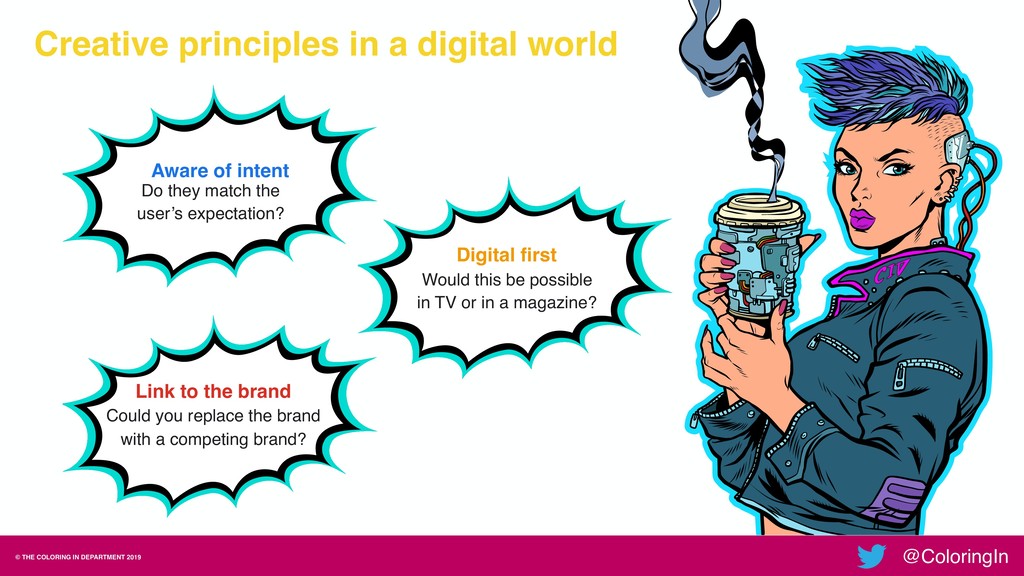
It's bit more like Vogue than it is like an e commerce platform now, because we see value in content being helpful, essentially. And the idea is to get them booked across this sort of customer journey piece. There are rules here, though. We actually need to be aware of the intent of the customer in question.
Do they actually match their expectation? Or are we telling them what we want to tell them in our little bubble? We would love them to be ultimately linking to the brand. I should hope that would be really really helpful. So brand team is going, we understand you, and we're wonderful.
And the performance team are going, buy it now, or I'm going to come around to your house and break your legs. And there is a bit of a they're not really synchronous, these two different messages, to a degree. But we are thinking about, look, hey, can it be digital first too?
TV is getting more programmatic. Radio is getting more programmatic. Spotify, programmatic is a really interesting platform at the moment. Even quite frankly, print magazines are getting programmatic too. I'll talk about more on that, if you wish, on the q and a stage. That said, if we've got ambitions, check, as it were.
We've got audiences, fabulous, And they can be as specific as one would like, but hopefully large enough to scale your business across an addressable market of some sort. We've also got formats and messaging and an understanding there of the interplay between the two.
And that might mean sitting down with your creative agency or media agency and having a good, frank conversation, also known as briefing properly and following through. True. Measurement. How do we know we didn't waste our lives doing all these things that we've just talked about very briefly in the last twenty one minutes?
KPIs. Now, these are media orientated KPIs. They're not, really here to kind of organize all the world of marketing metrics. We sort of have this propensity in marketing to tell people lies. Now we are prolific liars as an industry anyway, apart from me.
I'm very honest and straightforward. We're not. But we do say, hey. We measure absolutely everything. And then the expectation is from the client or from the boss or from the line manager or from the team that you're working with, they say, but surely, you're measuring everything.
It's digital marketing. It's all measurable. We've kind of created a bear trap for ourselves a little bit. We really have. And then we go to Google Analytics, we look at it, and we realize all of our numbers are freaking wrong, because the default setup was never correct in the first place.
And we've been inflating the visits to the very important contact us page by four thousand percent. And we have to go and sit down with the board of directors and tell them we've been lying to them for five years, but we didn't know we're actually just stupid, not ignorant.
And it's really like, oh. People start to freak out. They're like, my god, I'm gonna lose my job. You're naw. It's better to be right and correct course with measurement in mind. Okay? First thing I always ask, did I get a good price?
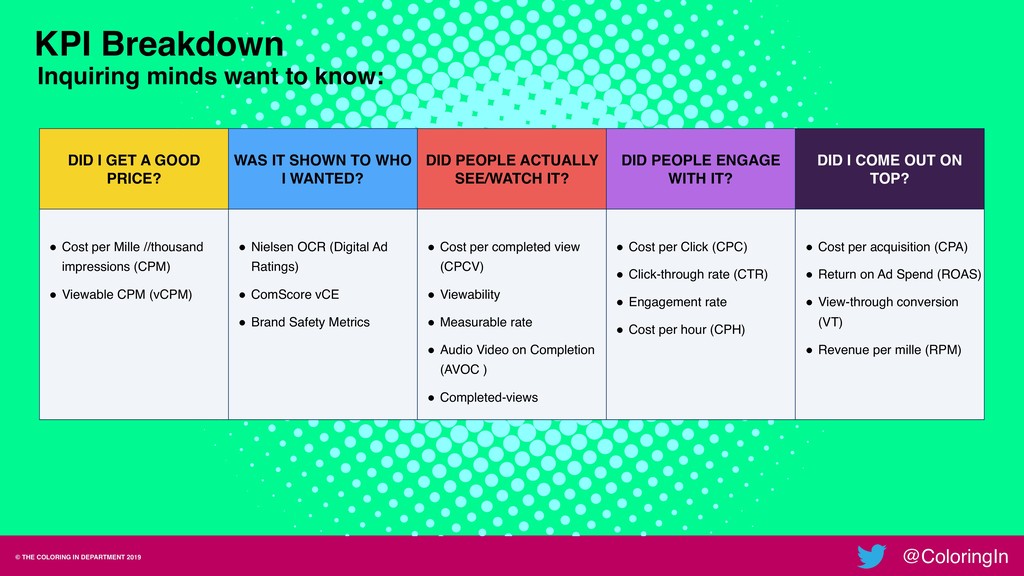
Because money. Money is important here. Okay? So we're talking about cost per impression here. So CPM or viewable CPM, quality of said views. We're thinking about was it shown to who actually wanted to show the video for? So OCR scores, VCEs, and brand safety metrics, again, which Nandini will be talking about in a later talk around brand safety.
So did it get shown to a robot? Did thirty percent of my ad appear above the fold? And so on and so on and so on. Okay? So the quality of that. Then thinking about the people actually, did they see it? Did they watch it? Are they interested in it?
So that's cost per completed view, measurability rates, completed views overall, that sort of thing. Okay? As well as, did they engage? So did they do anything with this newfound fabulous information that we've given them? And the idea here naturally is the more common ones that we see across, particularly things like paid search, cost per click, click through rates, and all that sort of jazz.
Low key conversions, people. Okay? And then thinking about, now, did I come out on top? So did I make any money? And we see things like, of course, return on advertising spend, view through conversions, return on marketing investment, cost per acquisition, and so on on and so on and so on and so on so on.
The question is forever, did this campaign work? This is commonly the answer. Potentially. I mean, potentially, it might have worked. I mean, I mean, I just love that. I'm gonna watch this. Hold on. It's it makes me really happy, so I need a moment of happiness.
No. We do need to measure it effectively one way or another, but it is really hard. Measurement is hard. We are swimming in an ocean of data. Sometimes you feel like you need to be like a data Olympic swimmer just to get through the day, because we're constantly churning out reports all the time.
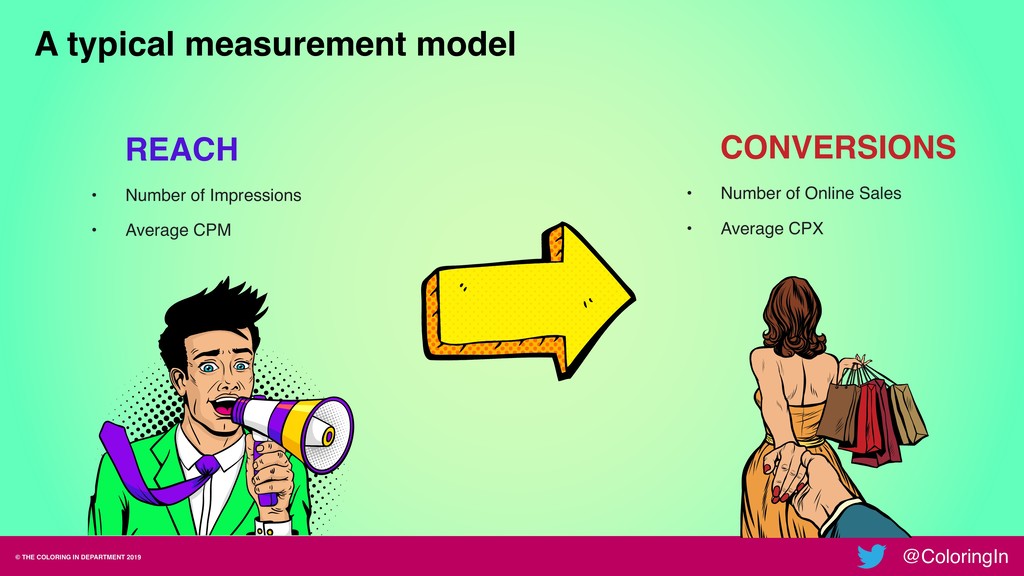
Okay? We've got so many reports it's like having a doorstop. It's just really crazy. So we tend to go and do the easy thing, back full loop. We do reach. Did we reach loads of people? See, brand team. And we do conversions. Did they buy anything?
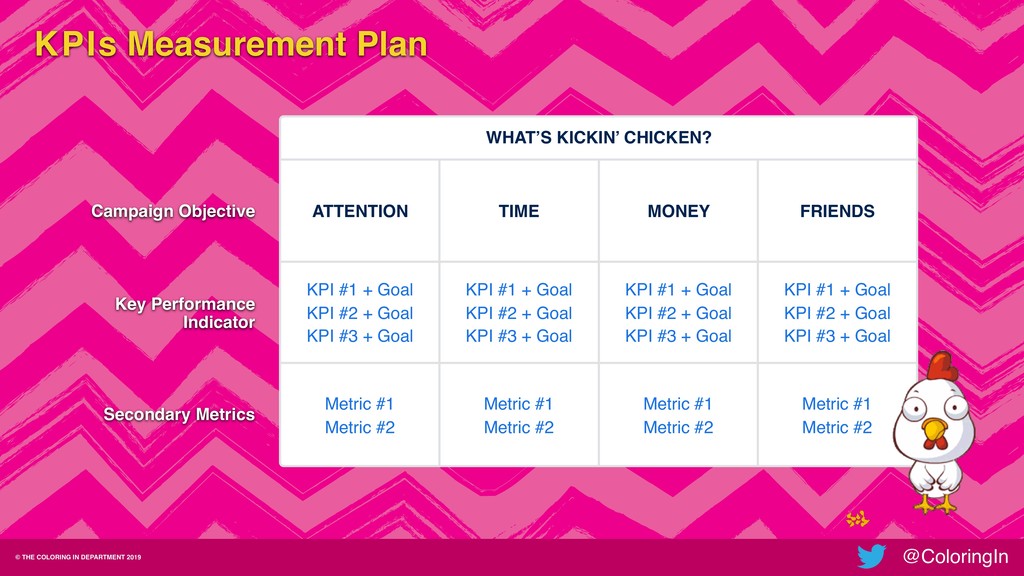
End. Rinse, repeat, recycle. So there's then loads of holes here in this campaign based process. That said, the whole thing and I I don't know why I put a chicken on this. I just thought it would be really fun. It would lighten the mood because we're talking numbers.
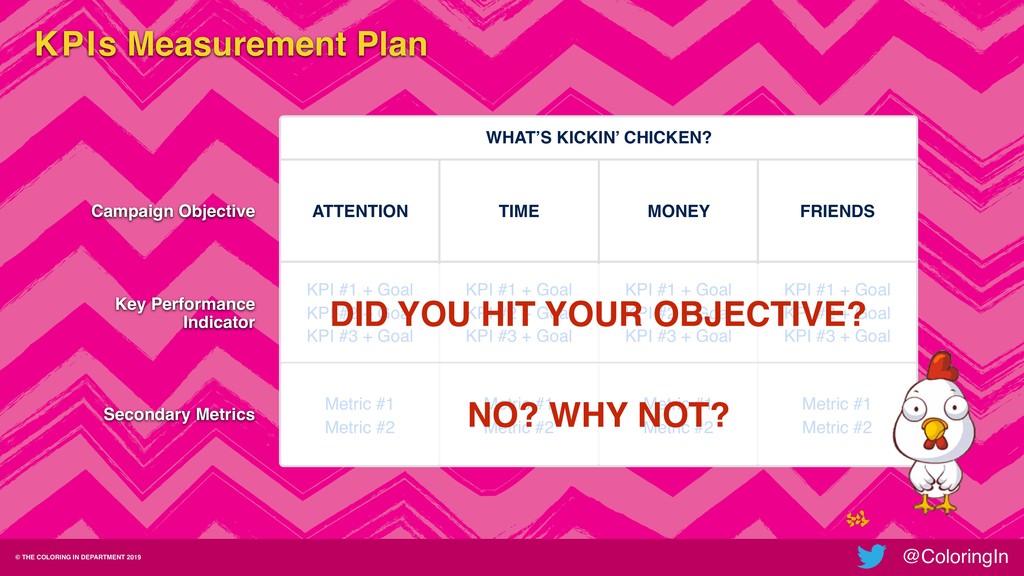
So what's kicking chicken with your campaign? Did you get the attention you so truly deserve? Did they spend time viewing your content? Did you make any money? And did you make any friends? So long term loyalty, of course, and advocacy here. KPIs. One could argue one should only have one KPI per campaign.
That's a fight for the media agency to have and one we won't have time for today, quite just right. And then, of course, our metrics. And the hope here, one way or another, is if did you not hit your objective or not? And if not, why not?
And the metrics are supposed to tell that story. It's called metrics in pairs, paired metrics. Okay? One supports the other. Good example of this in play is things like, how quickly do I address my customer's need through customer service? And what was the NPS score?
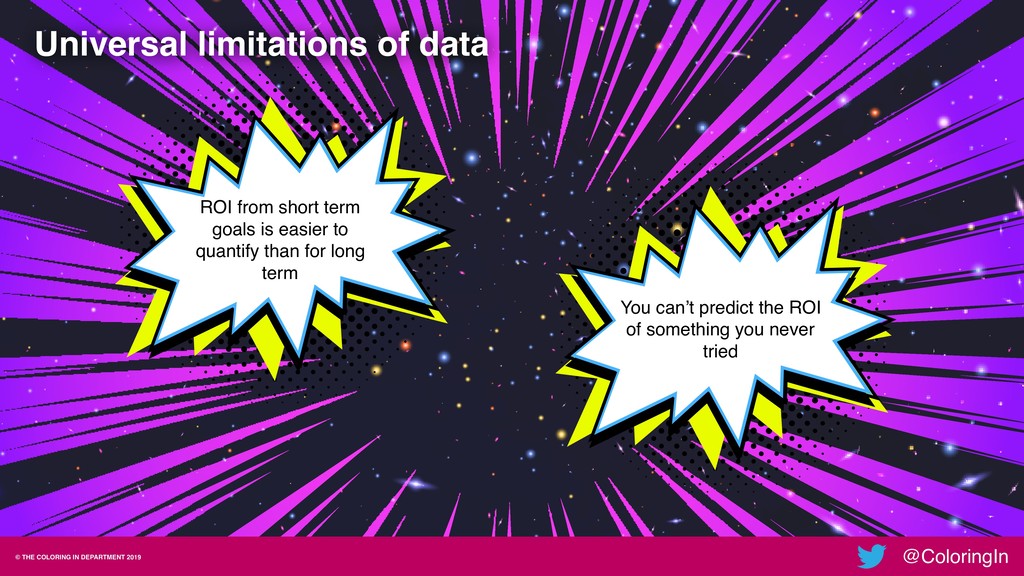
So it could be these things that sit quite well together. Okay? Now there are universal limitations to the data and to the measurement piece. The default setup for some of the platforms is certainly one of those things, for sure. But the hope, I guess, is that we try to move away from purely measuring ROI on short term missed goals, because it is easier, and it's very difficult to predict the long term.
Now, we've probably all had conversations about, oh, what is attribution, and did we attribute this correctly? And for the most part, we're not actually following through on it, because we're not really able to tell which channel has meaningfully impacted the conversion or the outcome of this particular campaign.
It's really difficult to do with interest. Okay? But then, therefore, that doesn't mean we should put it on the back burner and and not try. We have to kind of get to a place where we're willing to try and measure the long term.
And did that Instagram post last February have a material impact on my actual sale at Christmas? And I wanna be in a world where we're all doing that all the time. That said, I'm starting to run out of time. Okay? So the end is nigh on this particular short talk.
You'll be enthralled by the fabulous Ariana very short play. But I like to think about this whole piece, really. As I said earlier, it's not about the tech stack. It doesn't matter. There's a hundred million programmatic platforms and options and media options and formats these days.
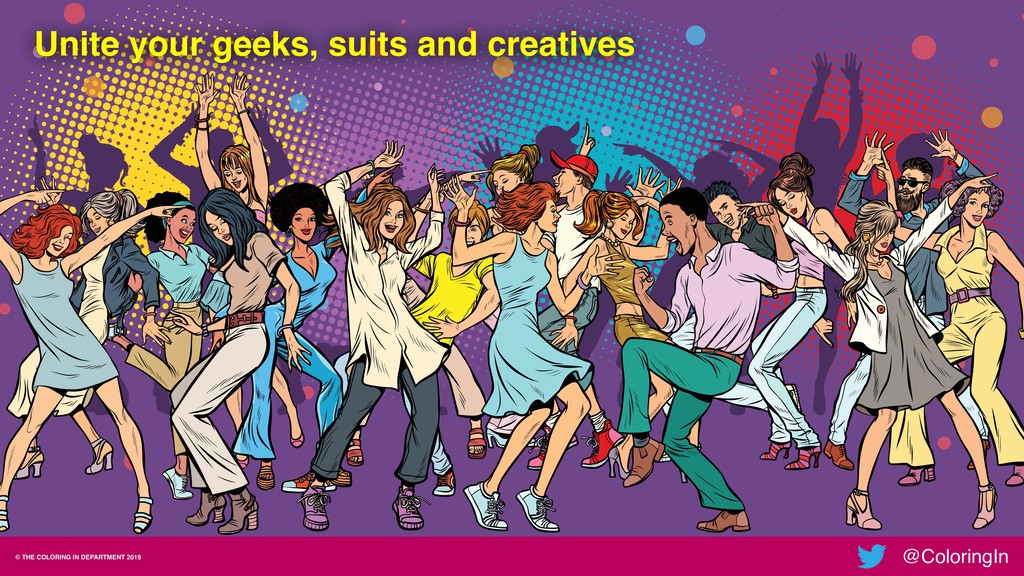
It's about the people that make this whole thing happen. So we like to think about it as you need uniting your gigs, your suits, and your creatives. Okay? And what I'm gonna describe themselves as a geek in this room. Give me a little hand. Geekering.
Well, you, of course, you lot are geeked. Suits. Who's a suit? That's a business end, account managers, and so forth. You're suit, my friend. Thank you very much. And a gig. Oh, dynamic. Dynamic. We are all three-dimensional. Creatives. Couple of creatives in here too. Okay.
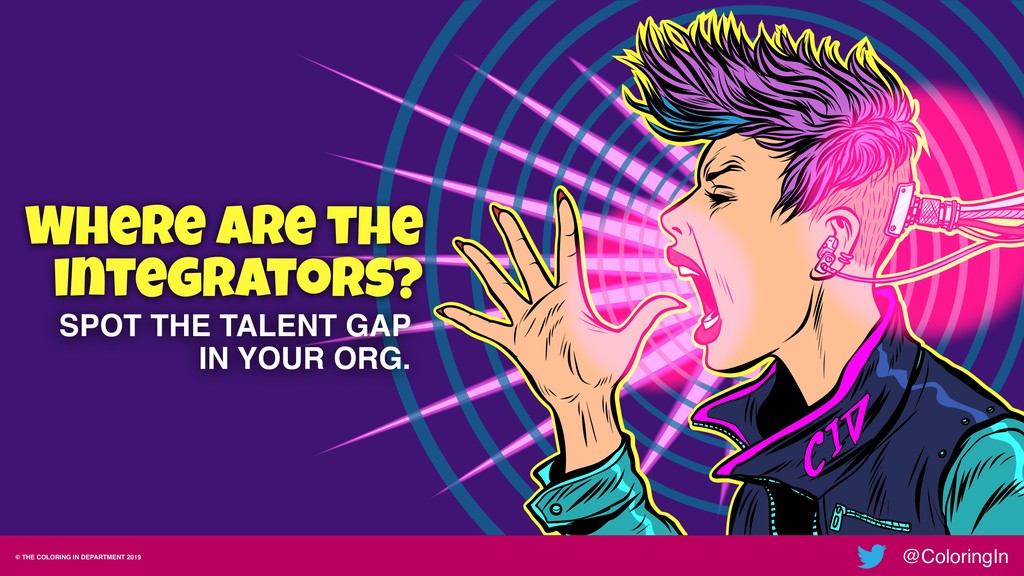
Now, all these people speak slightly different languages. This is the issue. So we all get around the table, and we're kind of we're about to face a little bit. We're not quite uniting. Some people who, like my friend at the back here, is both geek and business orientated, we would call them integrators.
Okay? The integrators are fabulous. The integrators can translate what engineering wants. I used to do internal training, again, at Google, and I couldn't speak to the engineers. I'm just not the right person for it. And I genuinely thought, I'm just really bad at speaking to developers.
And then I did a little bit of training on it, and it turned out I had to redo my entire deck, but for developers with their language in there. And it worked perfectly fine. They got there, but the whole talk was as if I had different personality.
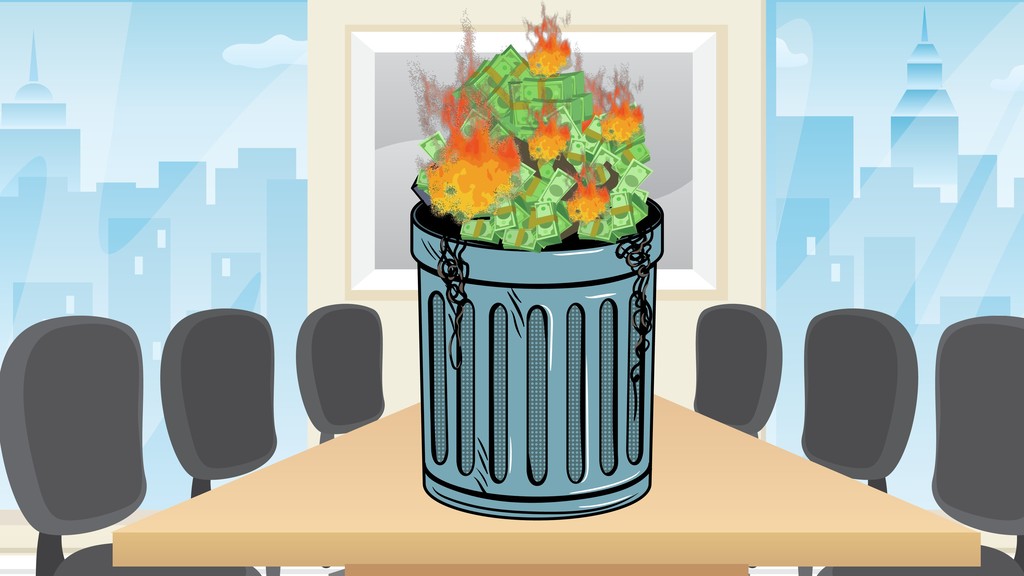
But we do all have to kind of work together, to a degree to make this thing work. If we don't do it, very simply, we might as well fill a trash can with our advertising budget, put it on the boardroom table, and light it on fire.
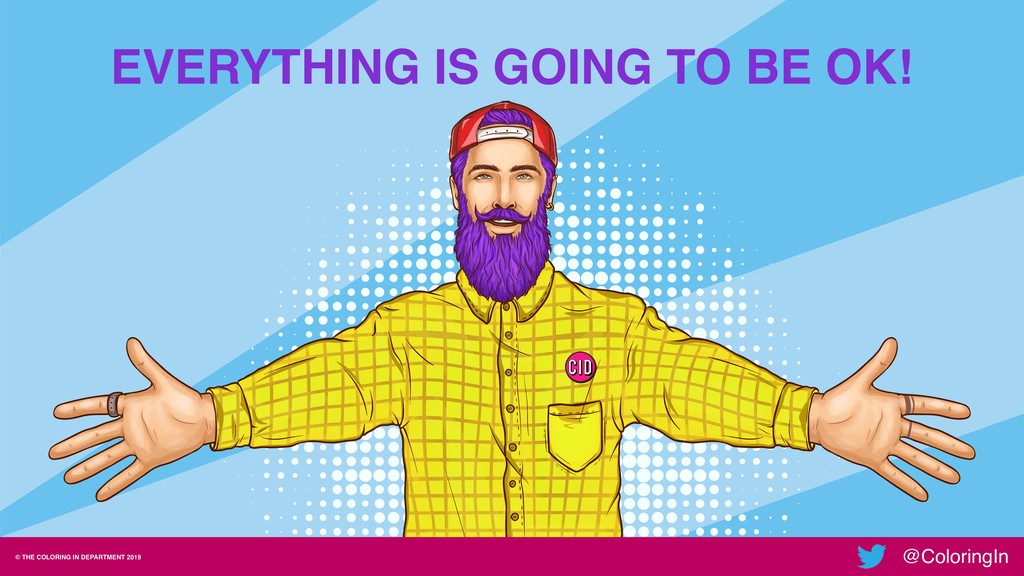
Because that's essentially what we are doing. We are burning all of our money, and that will make everyone really, really sad. And no one wants to be sad. That said, everything is going to be okay. I of just always wanna give people a little hug after you have a massive rant.
Free hugs outside after Ariane's talk. Everything is gonna be okay provided that we all work together, point one. Provided that we all work quite quickly, point two. Provided that we all ultimately treat every day as a school day from a campaign, from a measurement, from a marketing perspective on the whole.
So everything is going to be okay only if you own it to the degree that we've just described very briefly in this particular talk. That said, we have in fact come to a close and come to time. Oh, that worked out so perfectly well. Perfectly well.
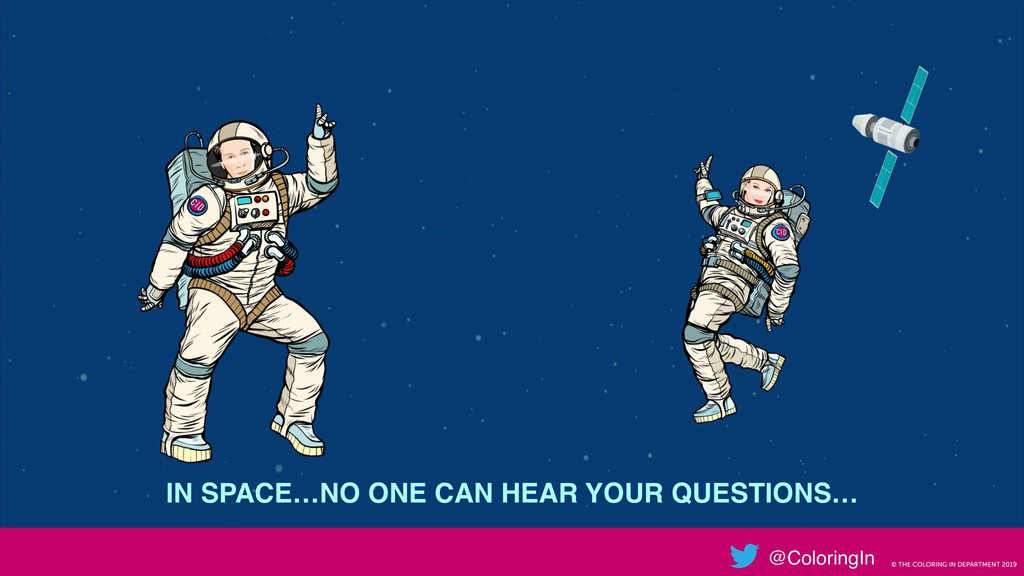
Now, I don't know why put this here because I thought it was really funny. And also, I know I'm not allowed to take questions on this particular stage. We're gonna take questions on the q and a stage. For those purposes, that will be about ten past three on q and a stage two.
So if want to interrogate me about anything that I've said, being a little bit off color or a little bit dramatic, you can feel free to do that at that particular point. That notwithstanding, thank you so very much for listening to me and letting me rant at you for twenty nine minutes and fifty three seconds.